Too Good To Be True
High society has always had unofficial passwords: the right surname, title, accent, clothes, or simply the confidence to act as though no introduction is needed. These 25 impostors exploited those signals to win invitations, marriages, money, royal audiences, and, in one extraordinary case, a throne.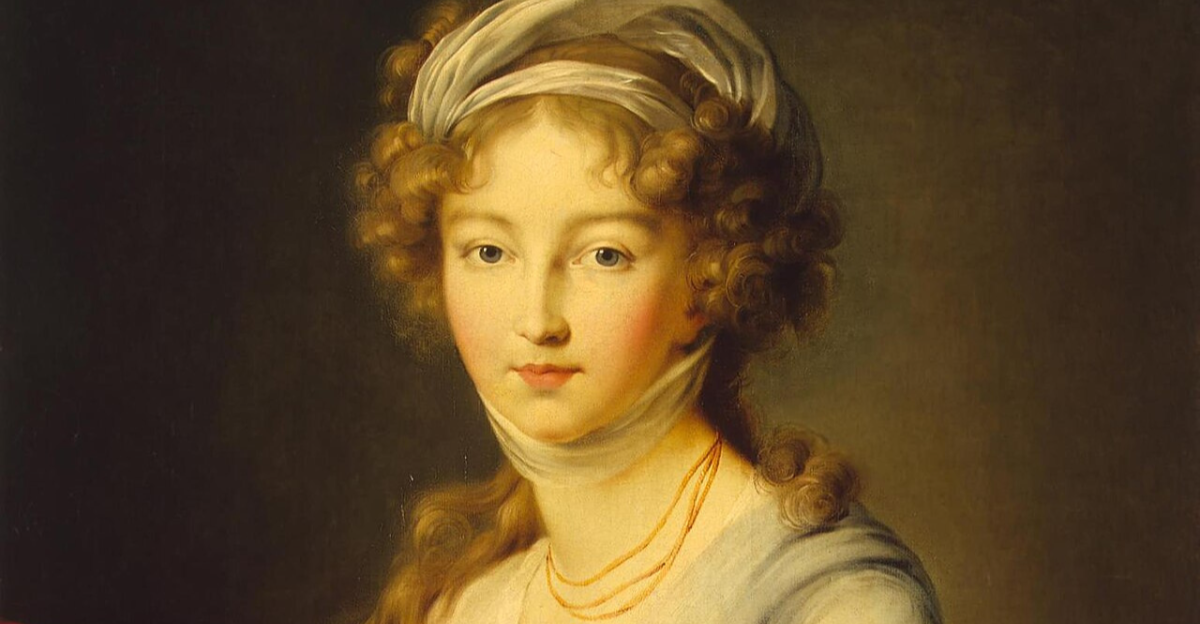 Hermitage Museum, Wikimedia Commons
Anna Sorokin: The Fake German Heiress
Anna Sorokin presented herself in New York as Anna Delvey, a wealthy German heiress. Designer clothes, costly hotels and restaurants, and plans for a private arts club helped her move among affluent social circles before her deception unraveled.
 TIMOTHY A. CLARY, Getty Images
Christian Gerhartsreiter: The Rockefeller Who Wasn’t
German-born Christian Gerhartsreiter spent years as “Clark Rockefeller,” borrowing one of America’s most prestigious surnames. The identity helped him enter Boston’s elite world, marry a Harvard-educated executive, and sustain a patrician image despite a long history of aliases.

David Hampton: Sidney Poitier’s Imaginary Son
In 1983, David Hampton convinced wealthy Manhattan residents that he was Sidney Poitier’s son. He also claimed connections to Harvard and Yale students, obtaining meals, money, clothes, and lodging from people in New York’s upper crust.
 Donaldson Collection, Getty Images

History's most fascinating stories and darkest secrets, delivered to your inbox daily.
Christopher Rocancourt: A Rockefeller For The Hamptons
French con man Christopher Rocancourt adopted identities tying him to famous families, including the Rockefellers. His stories and polished confidence opened doors among wealthy people in the Hamptons and Hollywood before authorities caught up with him.
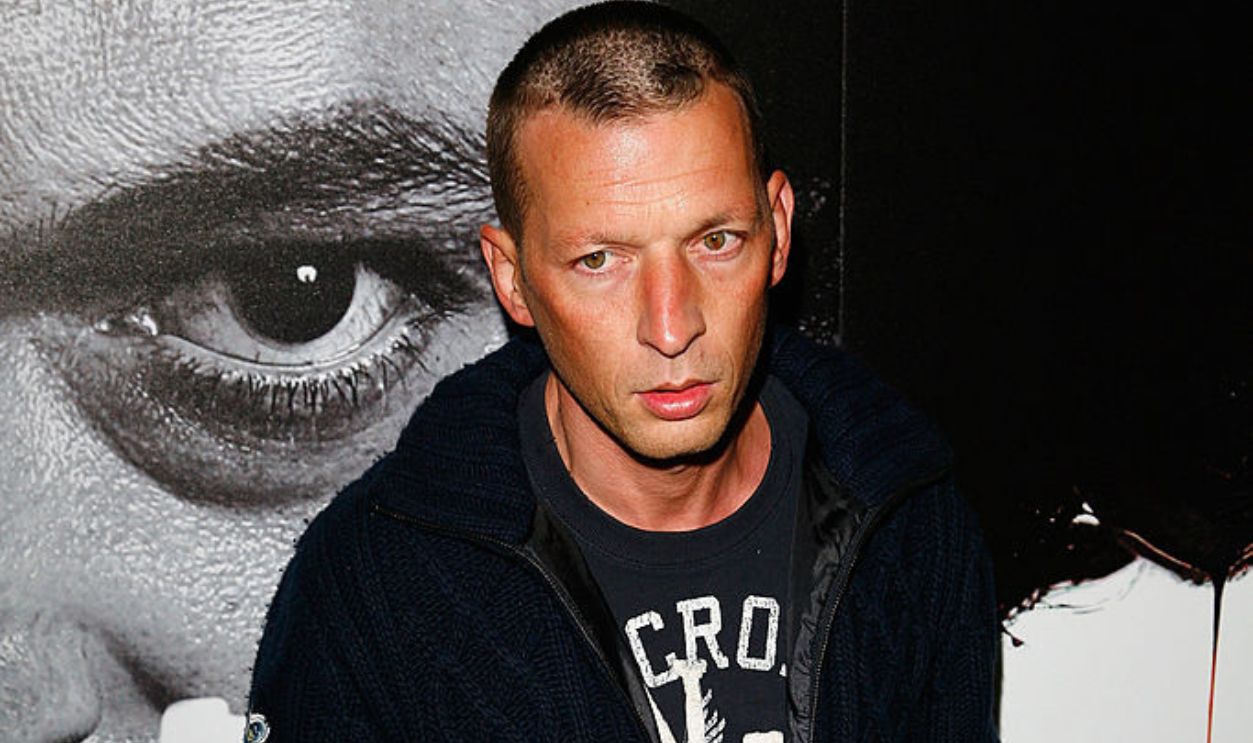
Anthony Gignac: The Fake Saudi Prince
Anthony Gignac impersonated a Saudi royal using diplomatic-style plates, luxury cars, bodyguards, and other status symbols. Federal prosecutors said his performance helped him cultivate investors worldwide and obtain nearly $8 million before he received a lengthy lockup sentence.
 Miami-Dade County, Wikimedia Commons
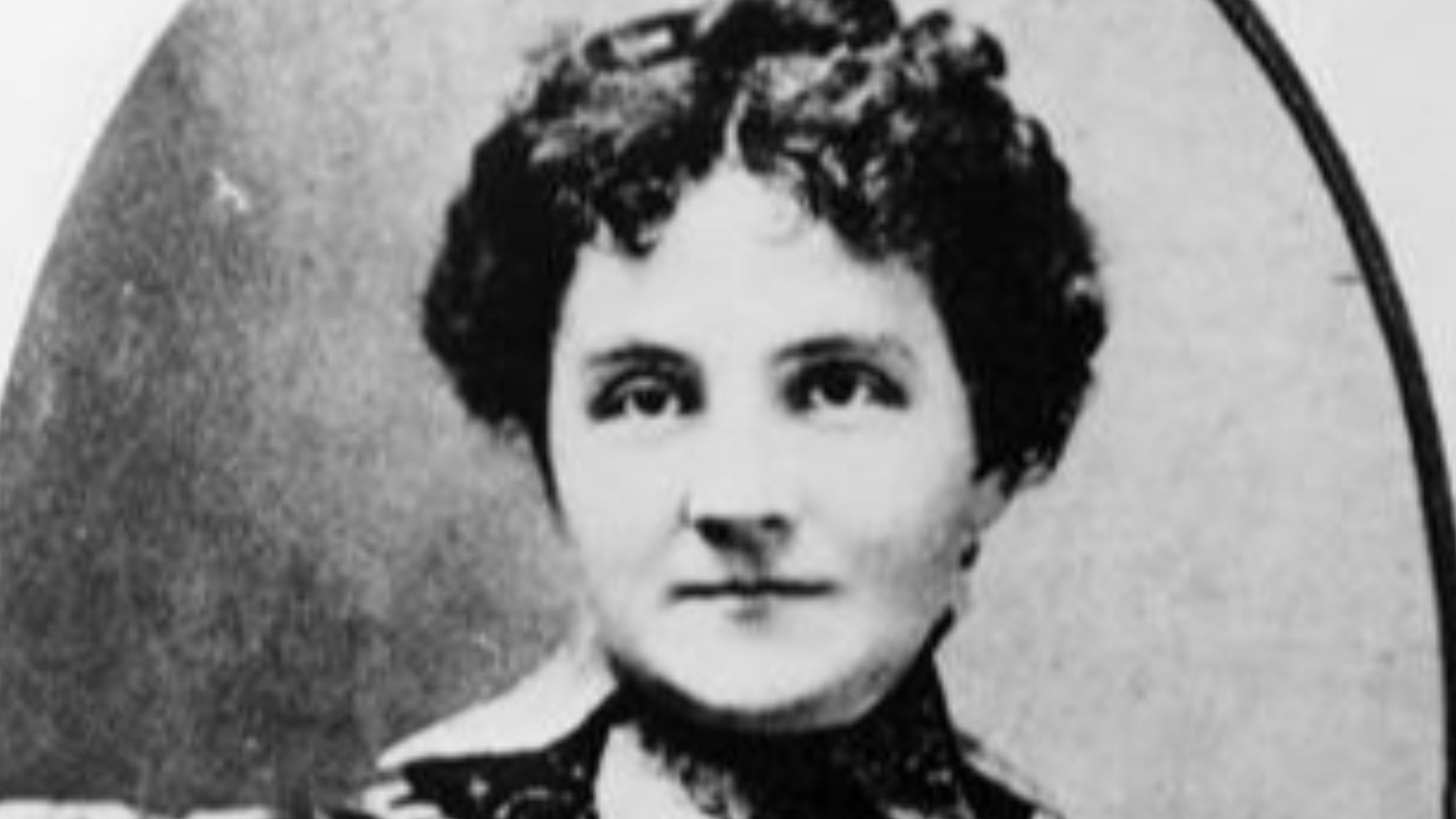
Cassie Chadwick: Carnegie’s “Daughter”
Cassie Chadwick claimed to be industrialist Andrew Carnegie’s illegitimate daughter and used forged documents to suggest access to his fortune. The fiction gave her credibility with bankers and financed an extravagant Cleveland lifestyle until the scheme collapsed.
 Unknown photographer, Wikimedia Commons
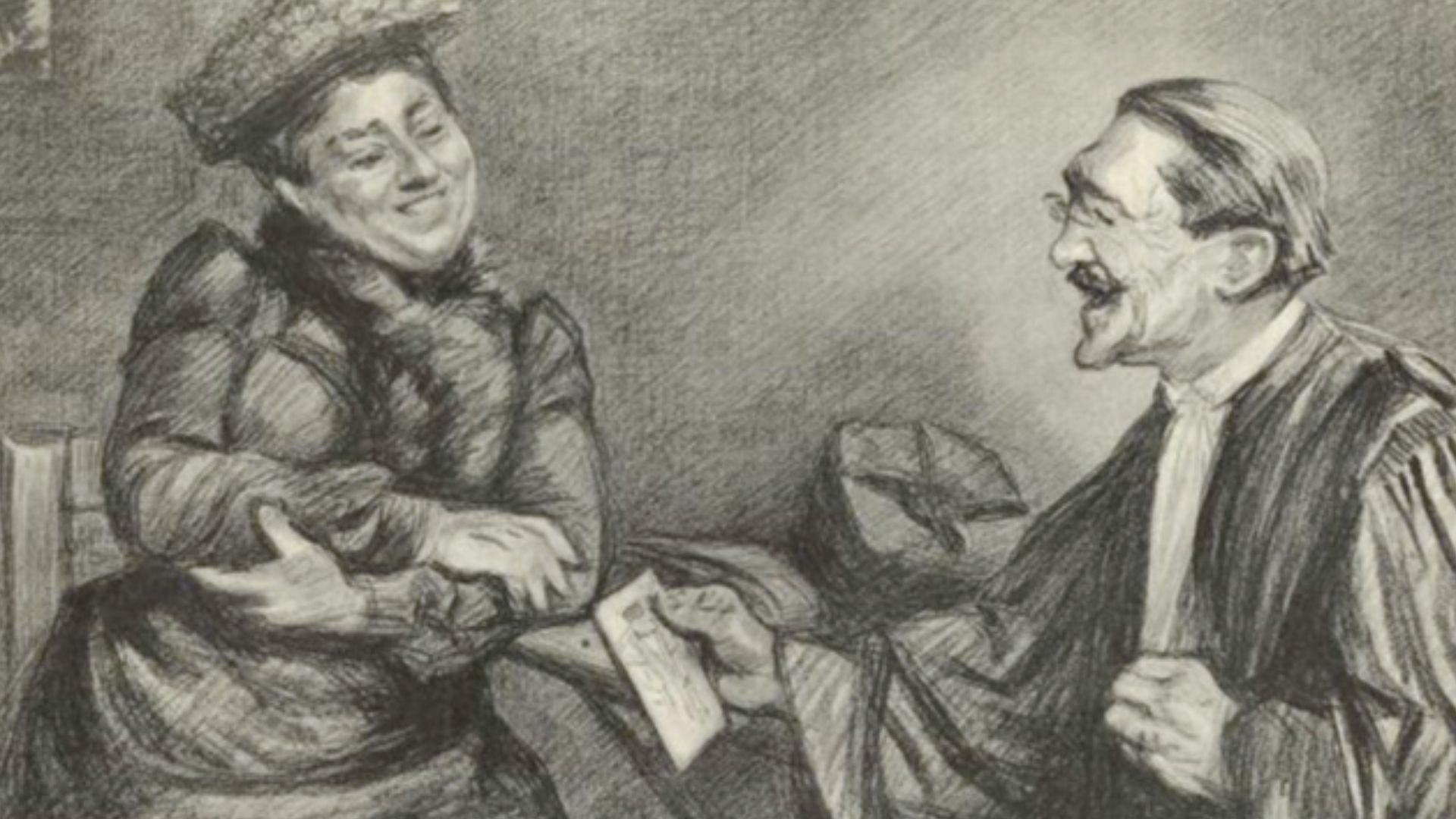
Thérèse Humbert: The Heiress With An Empty Safe
Thérèse Humbert claimed an enormous inheritance from an American millionaire named Robert Henry Crawford. The supposedly contested fortune helped her secure credit, maintain a grand Paris home, and host an influential salon until the famous safe was finally opened.
 Charles Paul Renouard, Wikimedia Commons
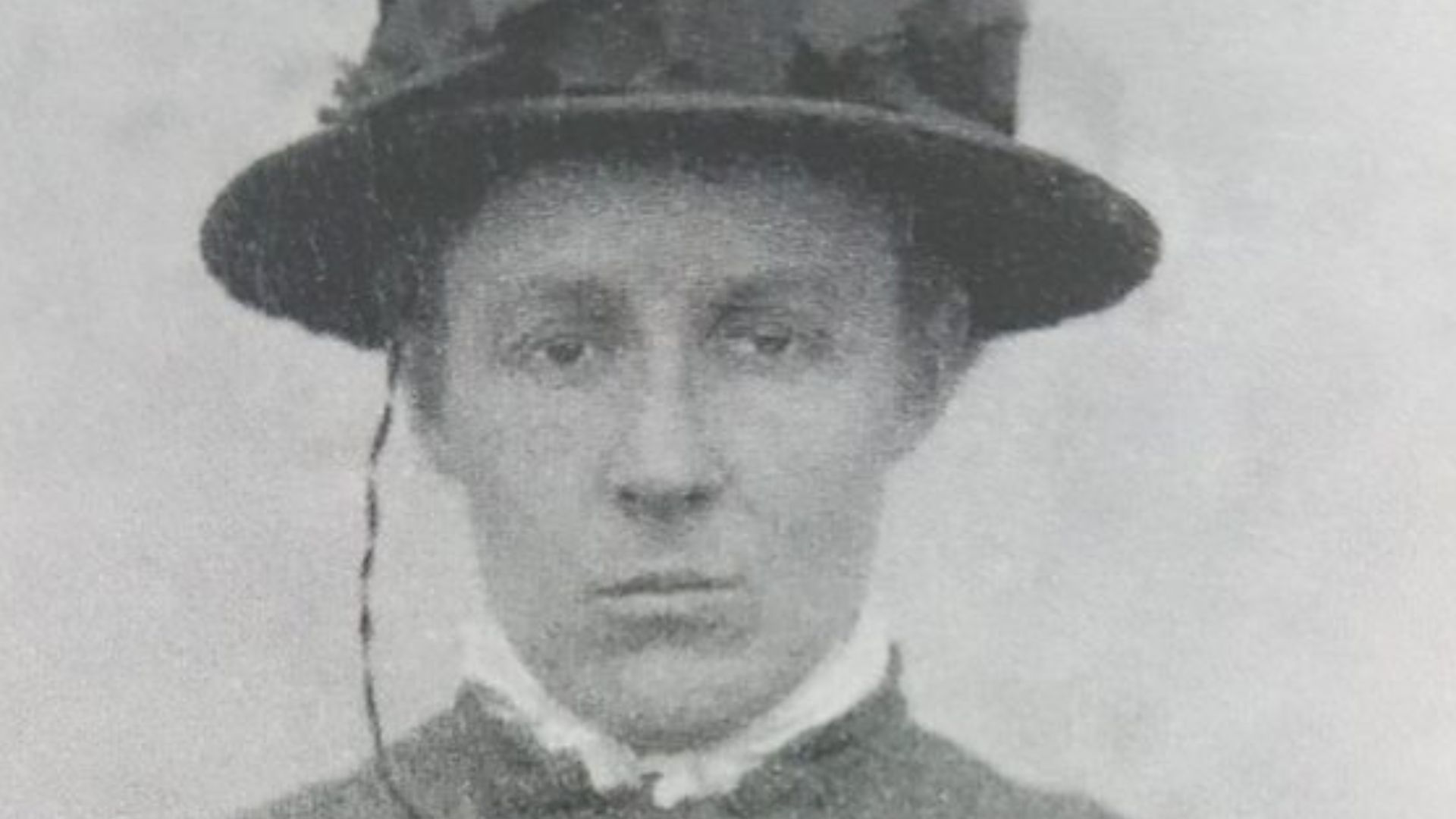
Amy Bock: The Wealthy Groom Who Never Existed
New Zealand fraudster Amy Bock became Percival Leonard Carol Redwood, supposedly a wealthy sheep farmer from a prominent family. She courted Agnes Ottaway, borrowed money, maintained the illusion of wealth, and staged an elaborate 1909 wedding before exposure.
 Unknown (police mugshot from 1886), Wikimedia Commons
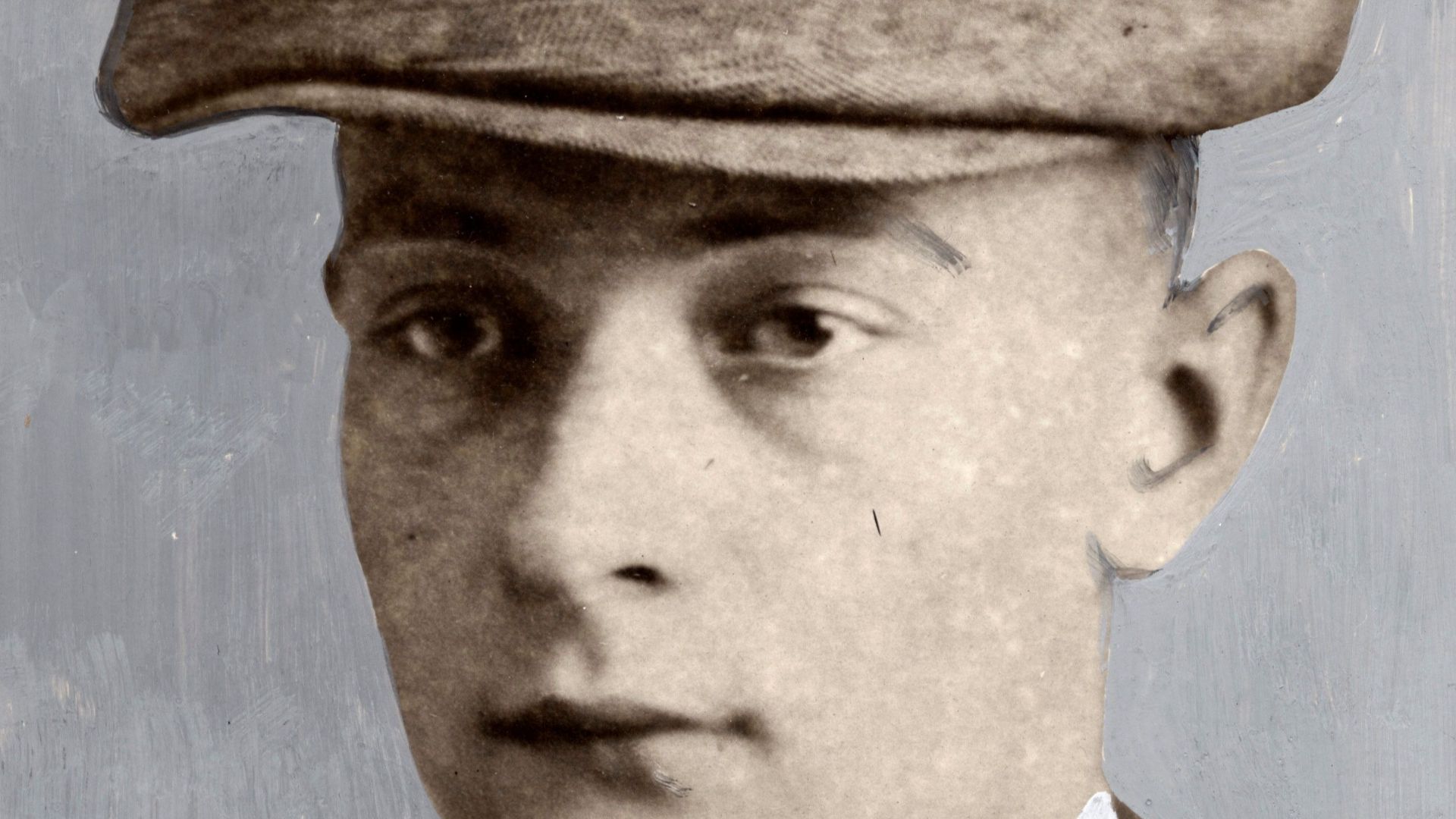
Harry Domela: Europe’s False Prince
In 1920s Germany, Harry Domela circulated using aristocratic identities including Baron von Korff and Prince Lieven. He eventually passed himself off as a Hohenzollern prince, showing how quickly perceived rank could convert a false identity into serious social deference.
 Unknown authorUnknown author, Wikimedia Commons
History's most fascinating stories and darkest secrets, delivered to your inbox daily.
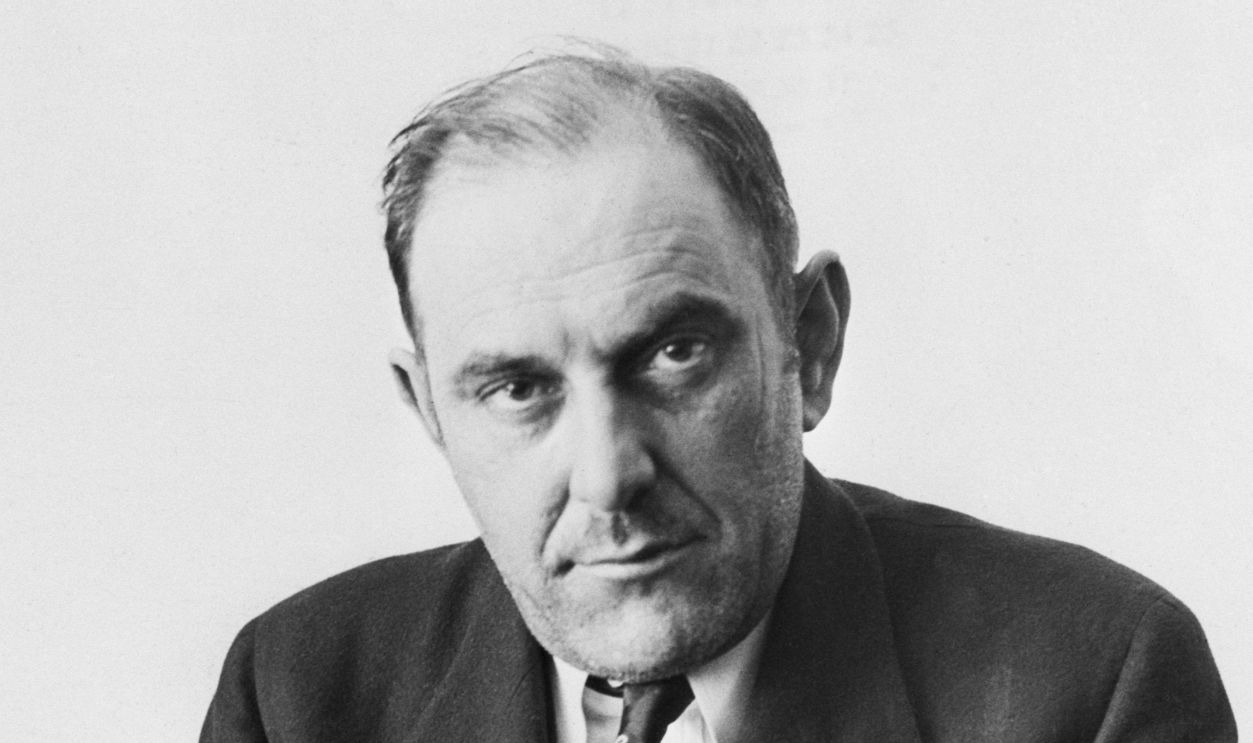
Victor Lustig: The Count Who Sold The Eiffel Tower
Victor Lustig often styled himself “Count” and cultivated an aristocratic manner while targeting wealthy travelers and businessmen. His most famous scam persuaded scrap-metal dealers that the Eiffel Tower was secretly being sold for demolition.
Stanley Clifford Weyman: The Impostor Who Reached The White House
Stanley Clifford Weyman repeatedly posed as diplomats and officials. In 1921, pretending to be a State Department naval liaison officer, he accompanied an Afghan royal visitor into a White House meeting with President Warren G. Harding.
![Title: Princess Fatima of Afghanistan with her three sons, eldest is second from left; with second from right, Prince Zerdechene of Millan, and right, Stanley Clifford Weyman, a dedicated imposter, during a visit to Washington, D.C.], 7/25/21
Abstract/med](https://www.factinate.com/storage/app/media/factinate/2026/8/14/1786684777174e0aa434206de99946df9e1c4dfe7c3d14ba30.jpg) National Photo Company Collection, Wikimedia Commons
National Photo Company Collection, Wikimedia Commons
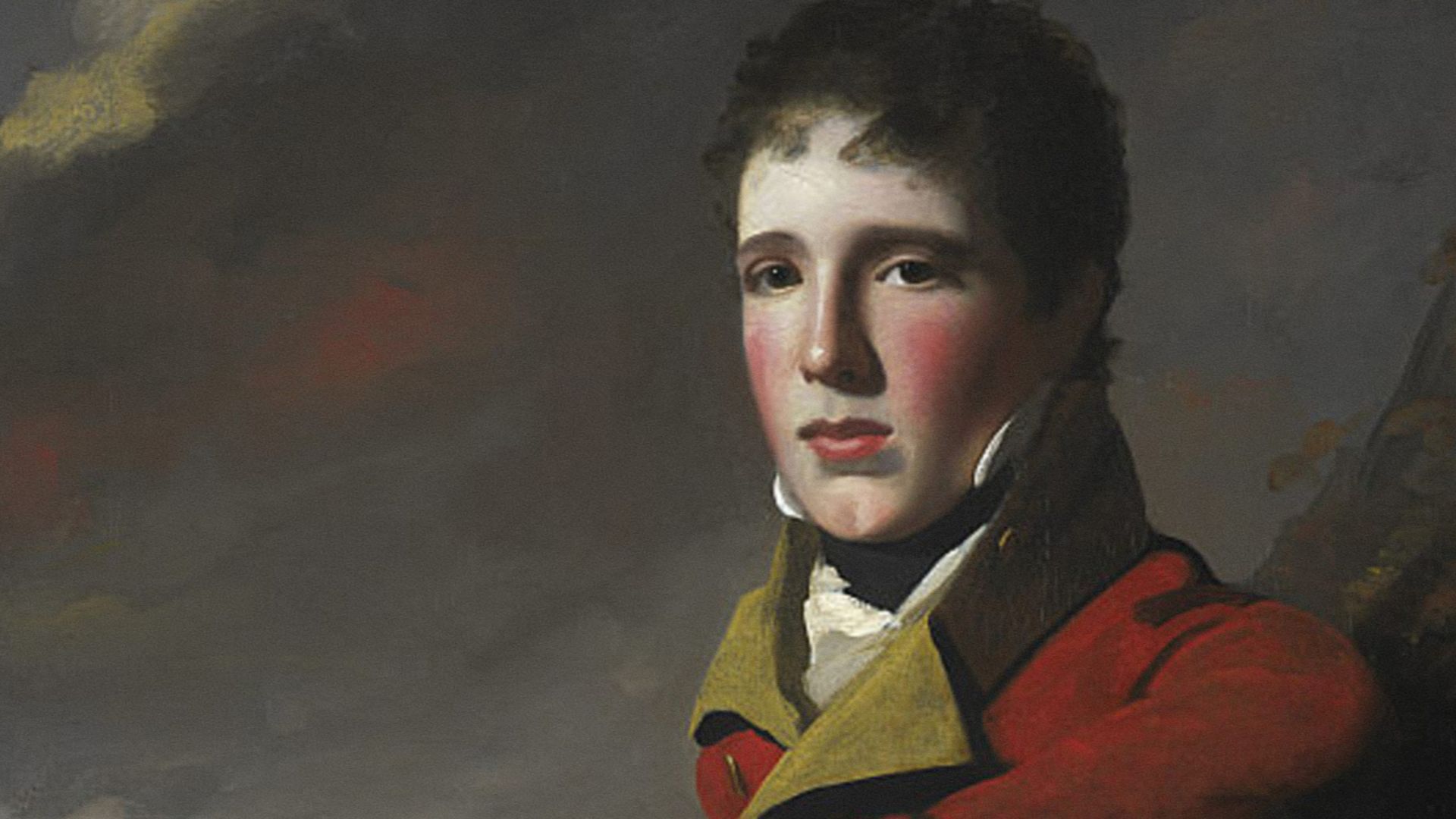
Gregor MacGregor: Prince Of A Fictional Country
Scottish adventurer Gregor MacGregor promoted himself as ruler of “Poyais,” supposedly a prosperous Central American territory. In London, the invented state supported investments and land sales, giving his fantasy the polished appearance of international legitimacy.
 George Watson (†1837), Wikimedia Commons
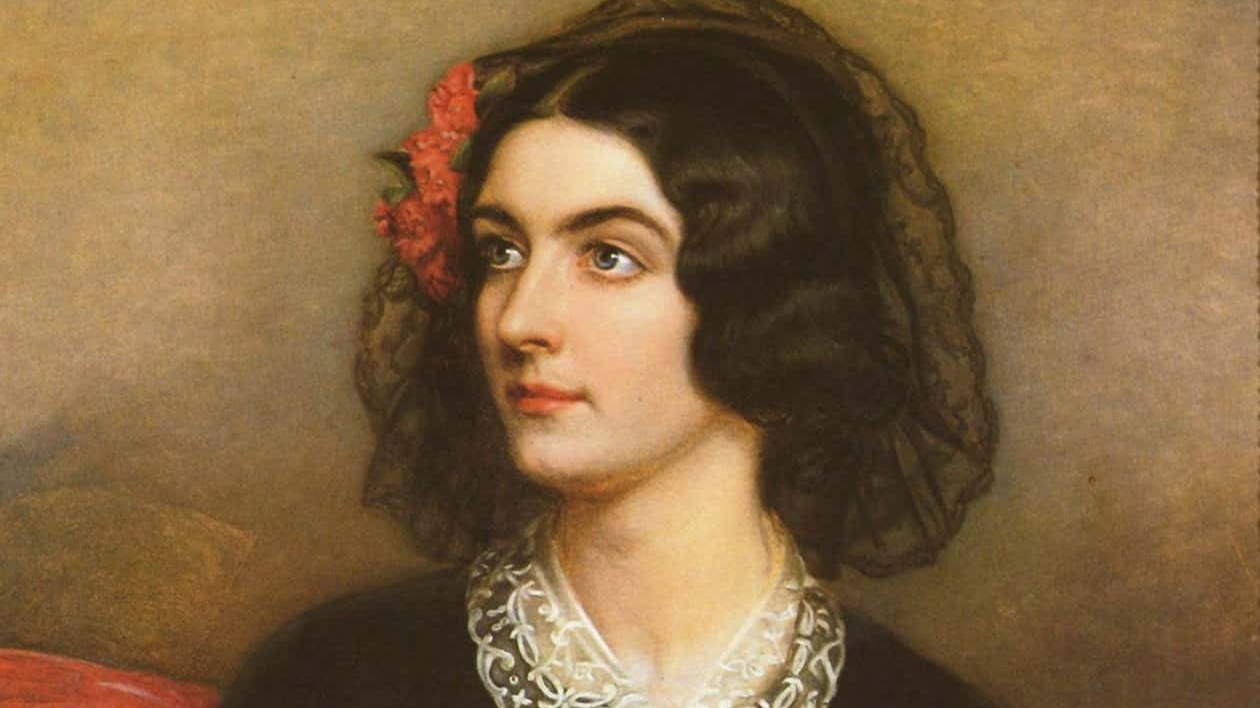
Lola Montez: The Spanish Noblewoman From Ireland
Born Eliza Gilbert in Ireland, Lola Montez reinvented herself as a Spanish dancer and noblewoman. Her constructed identity carried her into European society and Bavaria, where King Ludwig I became her patron and created her Countess of Landsfeld.
 Joseph Karl Stieler, Wikimedia Commons
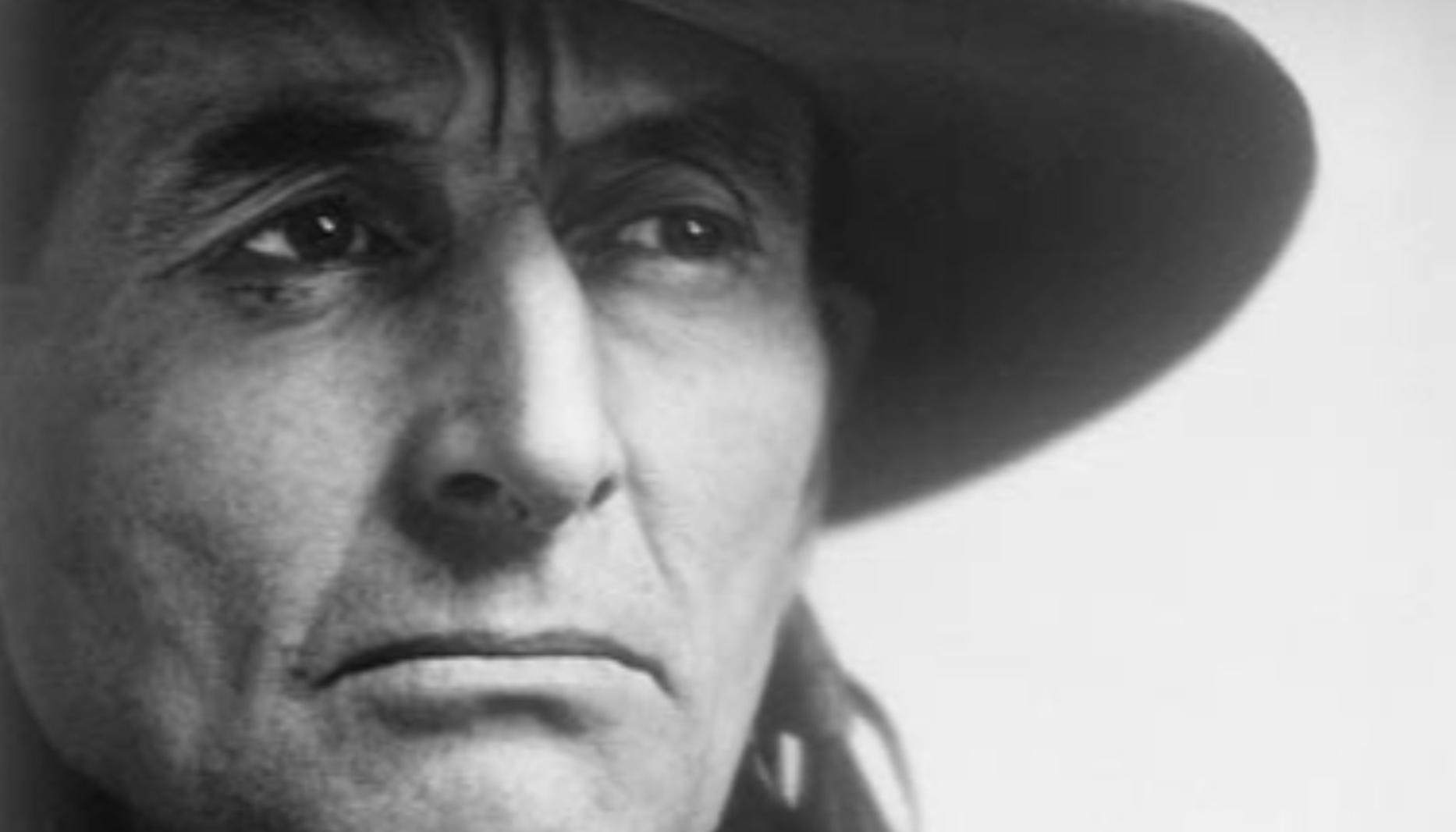
Grey Owl: A False Identity With Royal Reach
English-born Archibald Belaney publicly presented himself as Indigenous and became famous as conservationist Grey Owl. His books and lectures brought international prestige, culminating in elite British engagements that included a royal command performance at Buckingham Palace.
 Yousuf Karsh, Wikimedia Commons
Mary Carleton: London’s “German Princess”
Mary Carleton arrived in Restoration London claiming to be a wealthy German princess. The story helped her secure a marriage and become a public sensation; Samuel Pepys was among the many curious Londoners who went to see her.
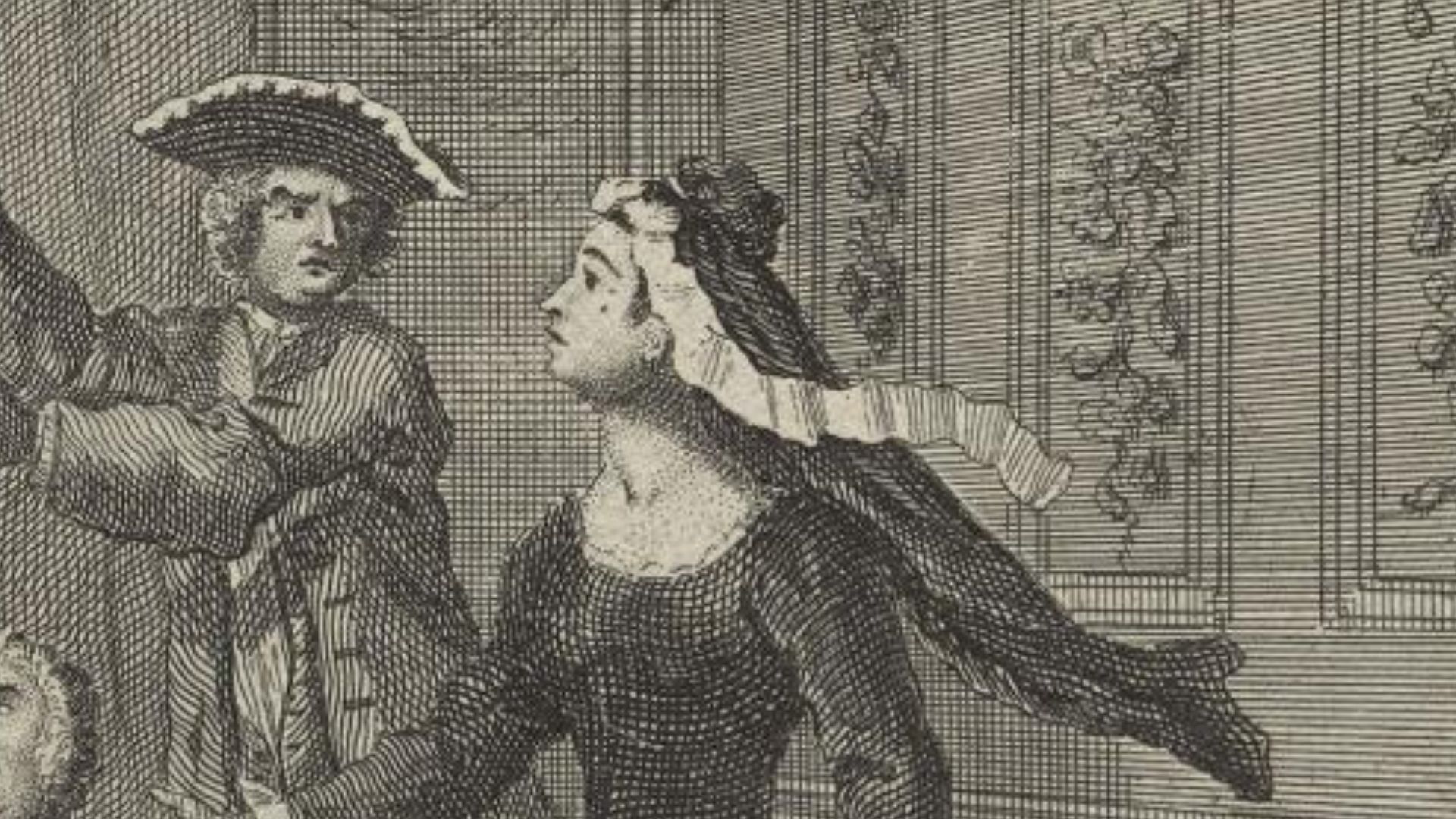 James Basire, Wikimedia Commons
History's most fascinating stories and darkest secrets, delivered to your inbox daily.
Sarah Wilson: The Convict Who Became Royalty
After escaping indentured servitude in colonial America, Sarah Wilson adopted royal identities, including a supposed sister of Queen Charlotte. The performance won her hospitality, gifts, and attention as she traveled among affluent colonists and government figures.
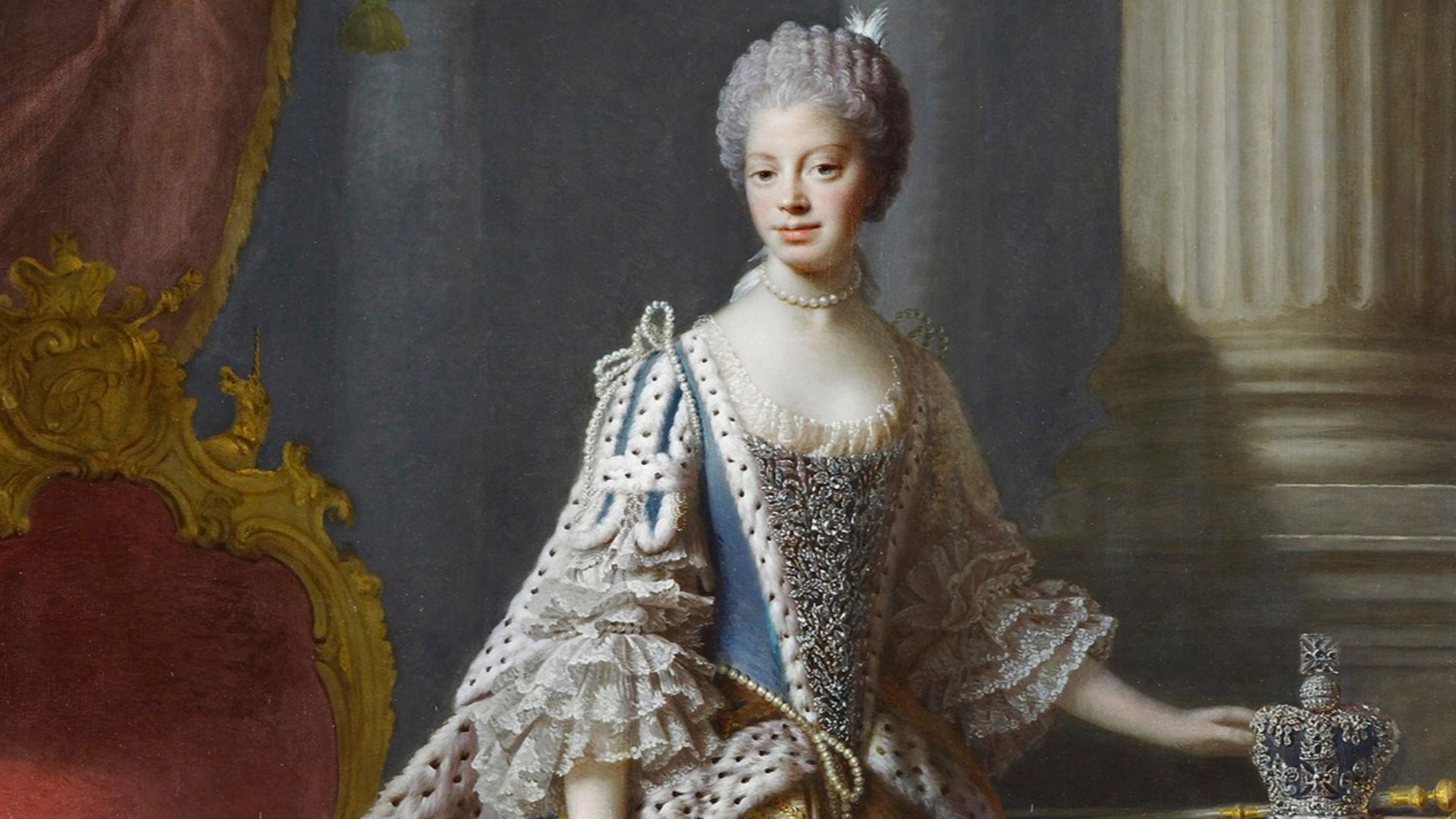 Allan Ramsay, Wikimedia Commons
Princess Caraboo: Ten Weeks As Exotic Royalty
In 1817, Mary Baker appeared in Gloucestershire speaking an invented language and was presented as “Princess Caraboo” from distant Javasu. Local dignitaries treated her as exotic royalty for roughly ten weeks before a woman recognized and exposed her.
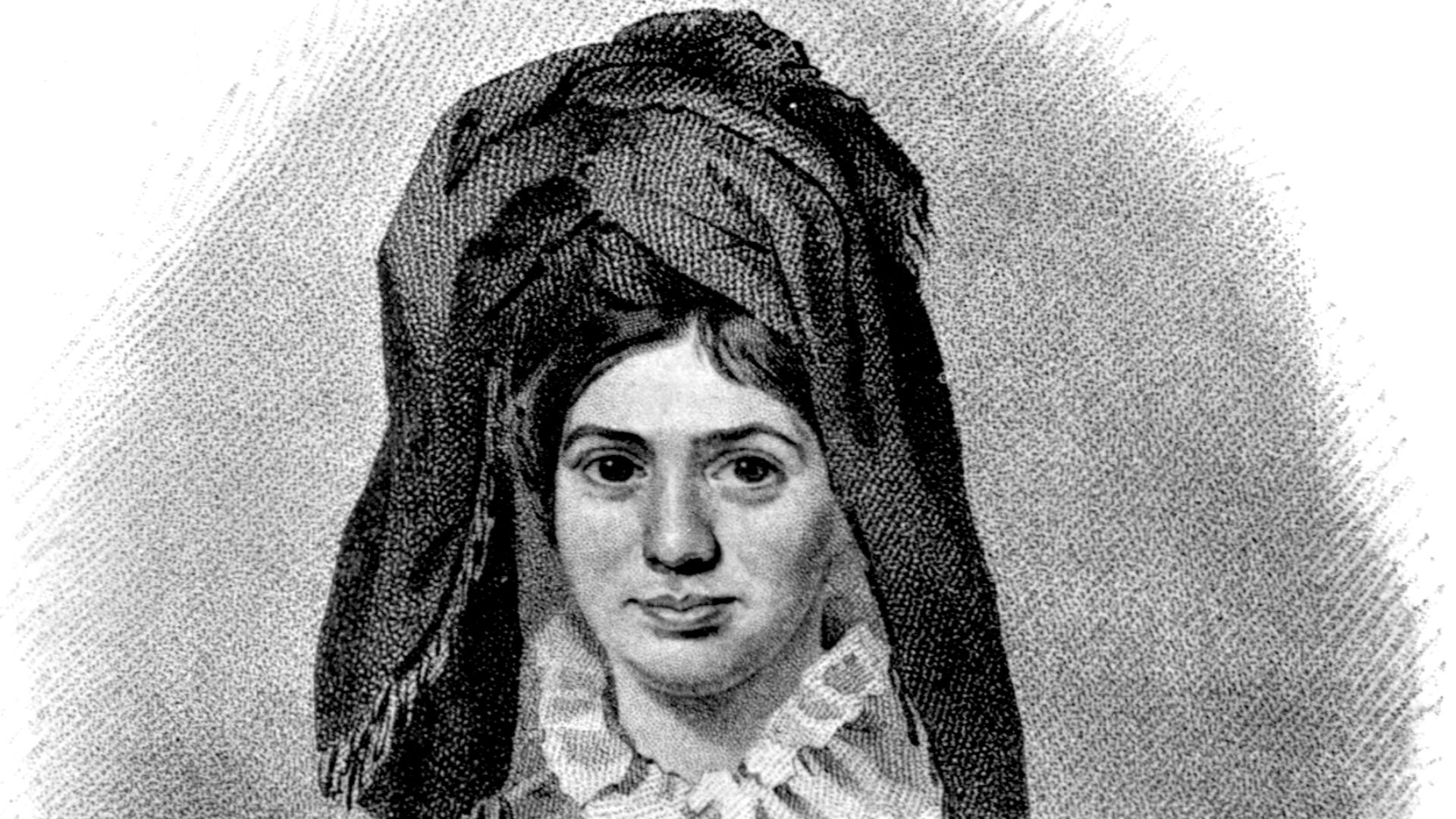 Nathan Cooper Branwhite, engraver, Wikimedia Commons
George Psalmanazar: The Fake Formosan Celebrity
George Psalmanazar, probably French, reached England claiming to be a native of Formosa, now Taiwan. He invented a language and published a fabricated account of the island, attracting the Bishop of London’s support and considerable interest in British high society.
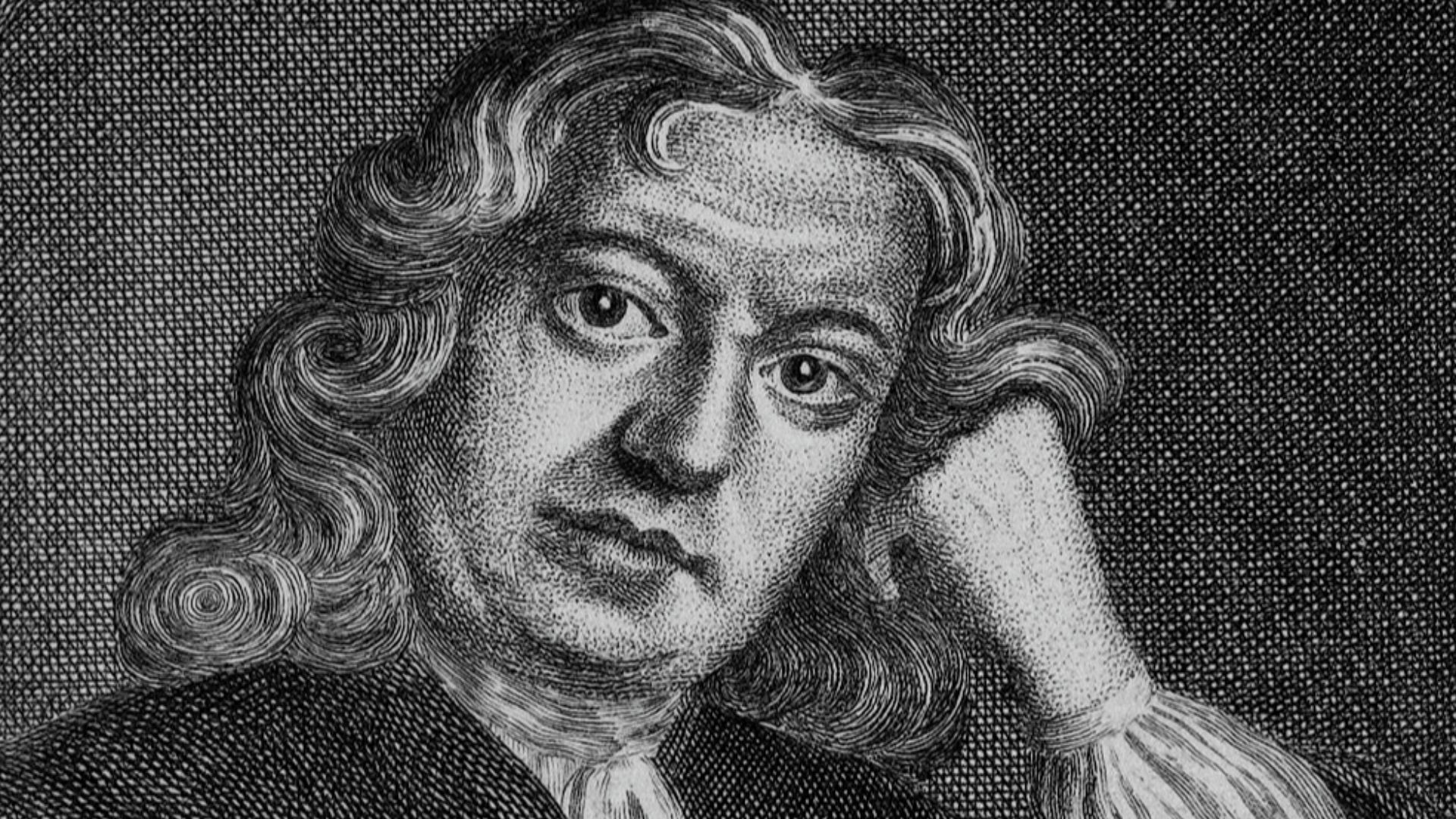 Unknown authorUnknown author, Wikimedia Commons
Alessandro Cagliostro: The Count Made From Thin Air
Giuseppe Balsamo used several invented noble titles before adopting the identity Count Alessandro Cagliostro. His new persona and involvement with alchemy and Freemasonry brought new prestige and connections as he moved through European society.
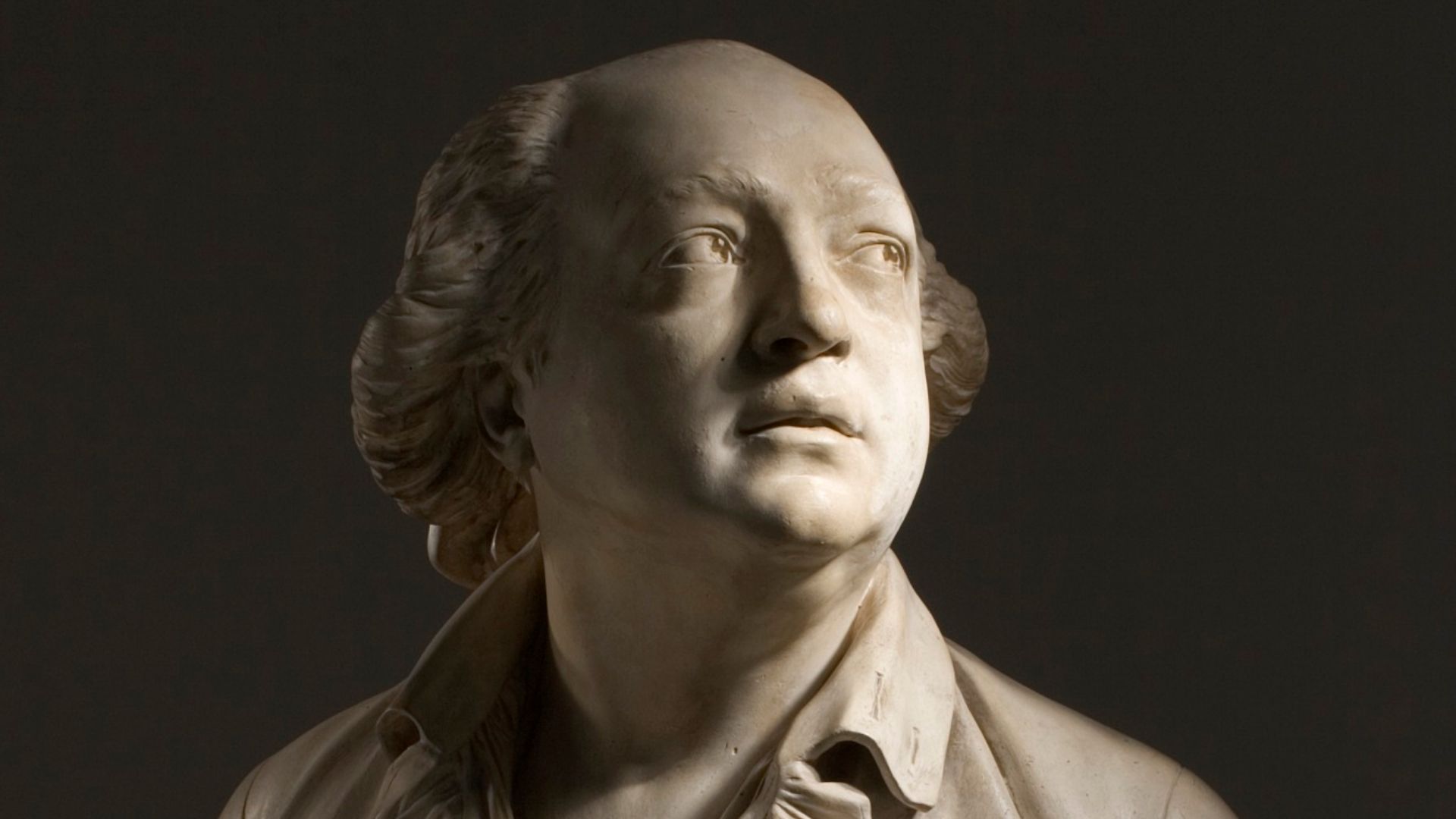 Jean-Antoine Houdon (France, Paris, 1741-1828), Wikimedia Commons
Jeanne De La Motte: The Queen’s Imaginary Confidante
Jeanne de La Motte styled herself a countess and claimed intimate access to Marie Antoinette. That supposed friendship helped draw Cardinal de Rohan into the Diamond Necklace Affair, one of the most notorious scandals of the French court.
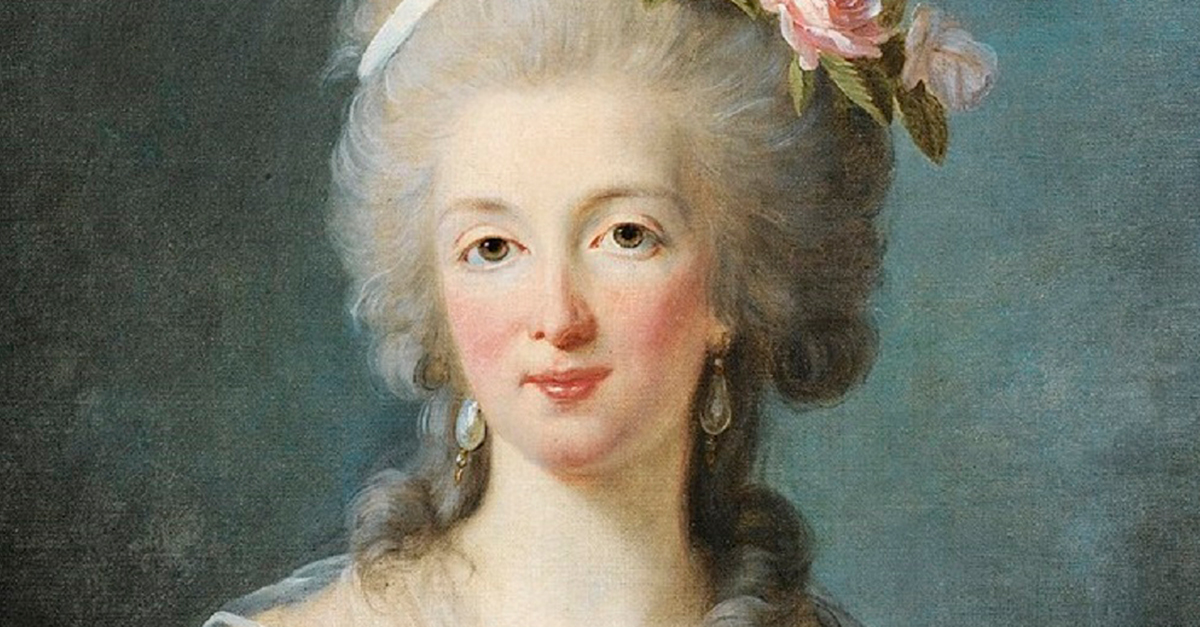 Élisabeth Louise Vigée Le Brun, Wikimedia Commons
Perkin Warbeck: The Pretender Welcomed By Kings
Perkin Warbeck claimed to be Richard, Duke of York, one of the missing Princes in the Tower. His story won support across Europe, including from Margaret of York, Emperor Maximilian I, and Scotland’s King James IV.
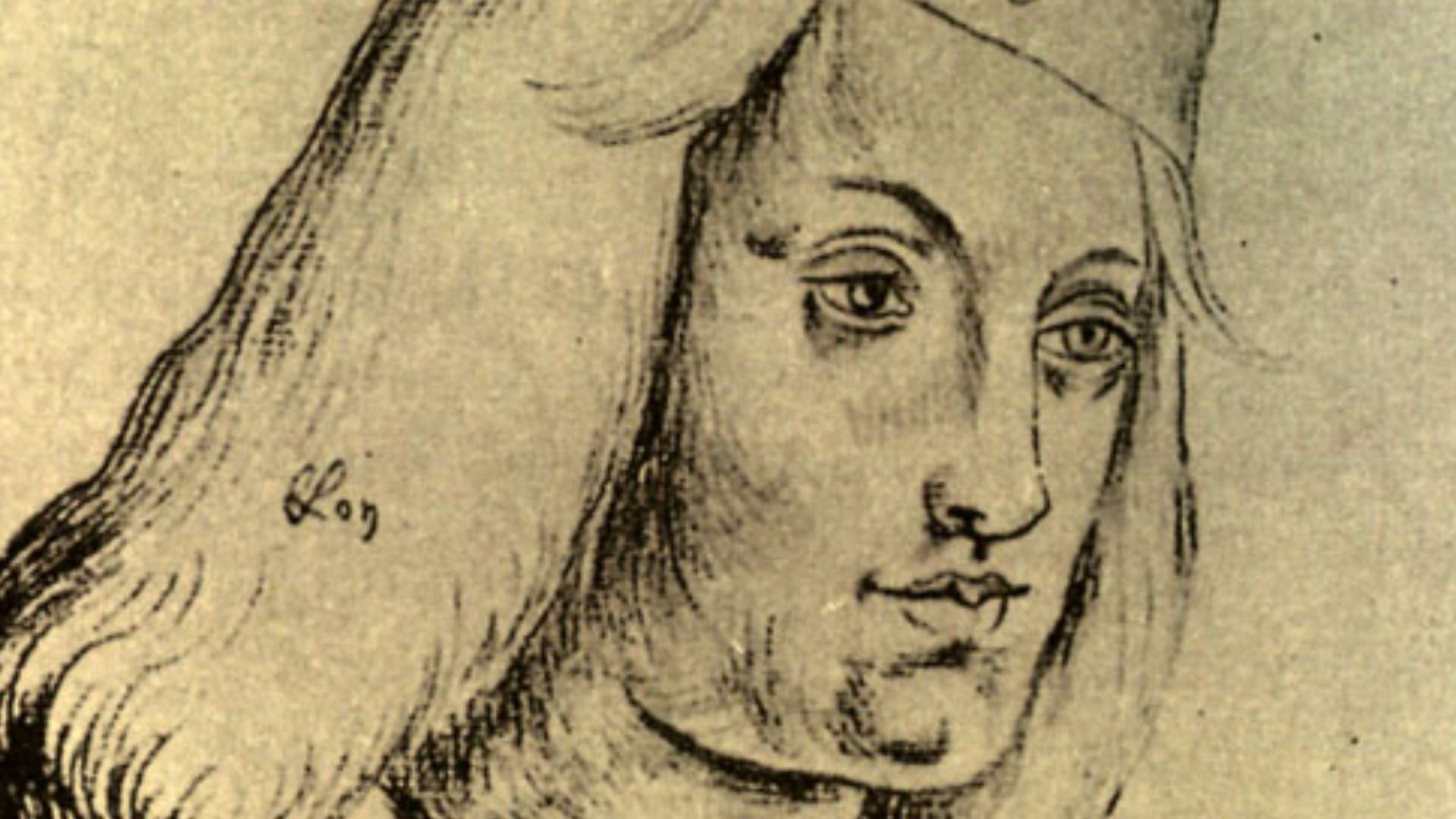 Jacques Le Boucq, Wikimedia Commons
History's most fascinating stories and darkest secrets, delivered to your inbox daily.
Lambert Simnel: The Boy Crowned As A King
Lambert Simnel, a boy of modest origins, was presented as Edward, Earl of Warwick, a Yorkist claimant to England’s throne. His supporters carried the performance so far that he was crowned “Edward VI” in Dublin in 1487.
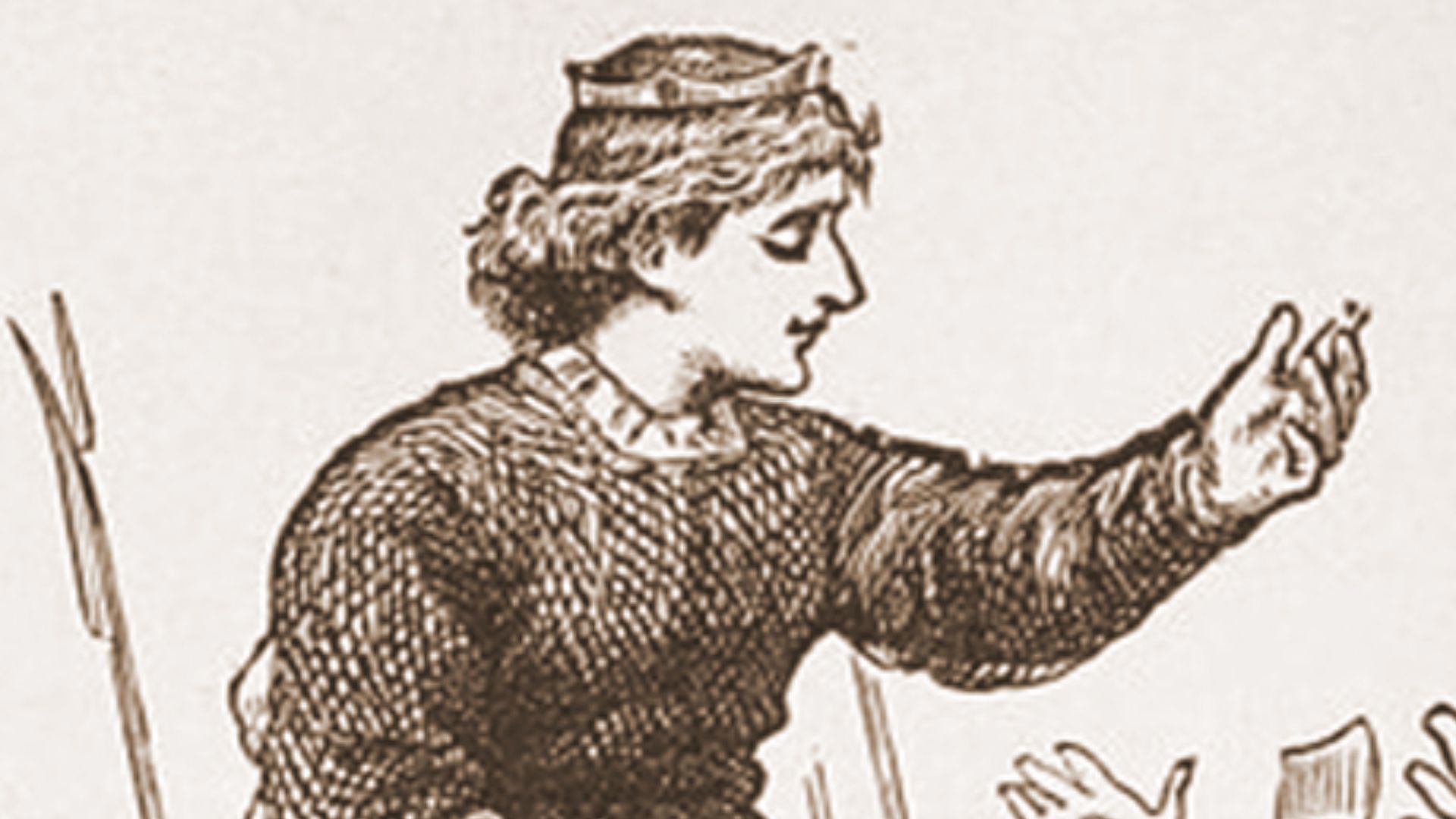 Wikimedia Commons, Wikimedia Commons
False Dmitry I: The Impostor Who Became Tsar
The man remembered as False Dmitry I claimed to be Dmitry, Ivan the Terrible’s supposedly dead son. After gathering support, he entered Moscow and became tsar in 1605—although historians still debate his true identity.
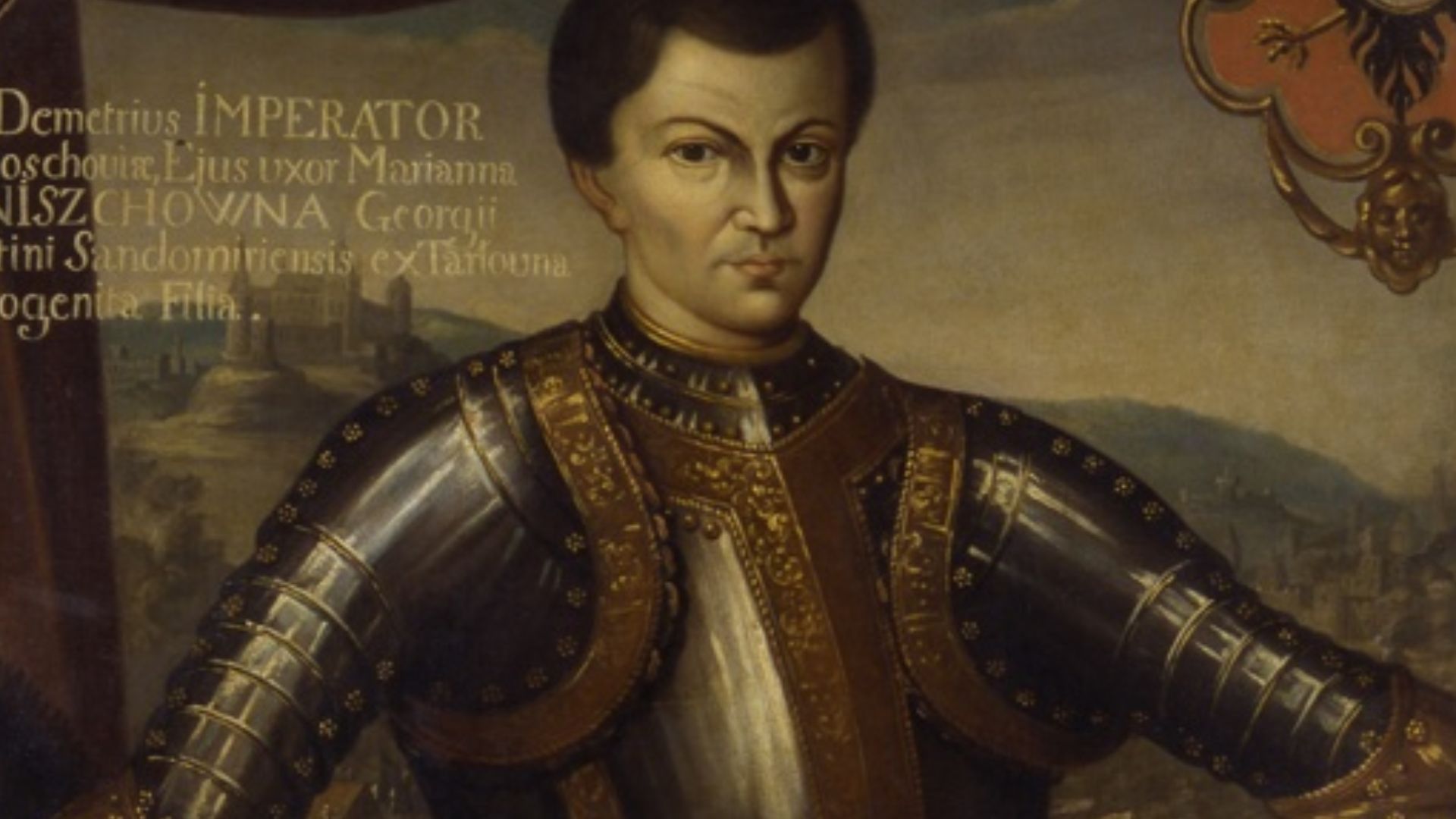 Unknown authorUnknown author, Wikimedia Commons
Anna Anderson: Anastasia’s Most Famous Claimant
Anna Anderson spent decades insisting she was Grand Duchess Anastasia. The claim won her wealthy and royal supporters who housed her and backed her case, but a German court did not accept her identity and later DNA evidence failed to match the Romanov line.
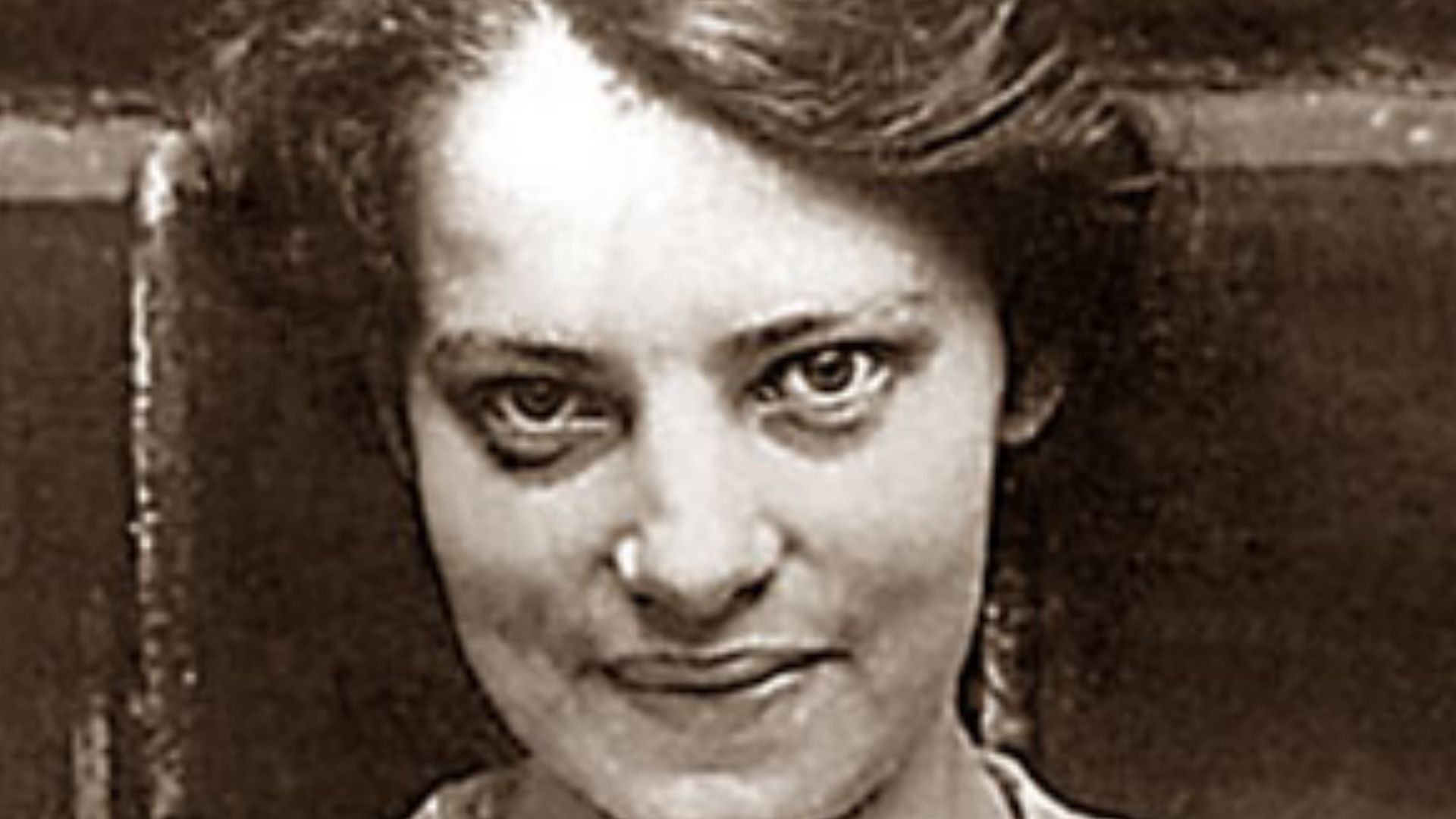 Unknown authorUnknown author, Wikimedia Commons
Princess Tarakanova: Catherine The Great’s Pretender Rival
The adventuress remembered as Princess Tarakanova claimed to be a daughter of Empress Elizabeth and therefore a rival dynastic figure. Her pretensions alarmed Catherine II enough that Alexei Orlov was used to lure her into Russian custody.
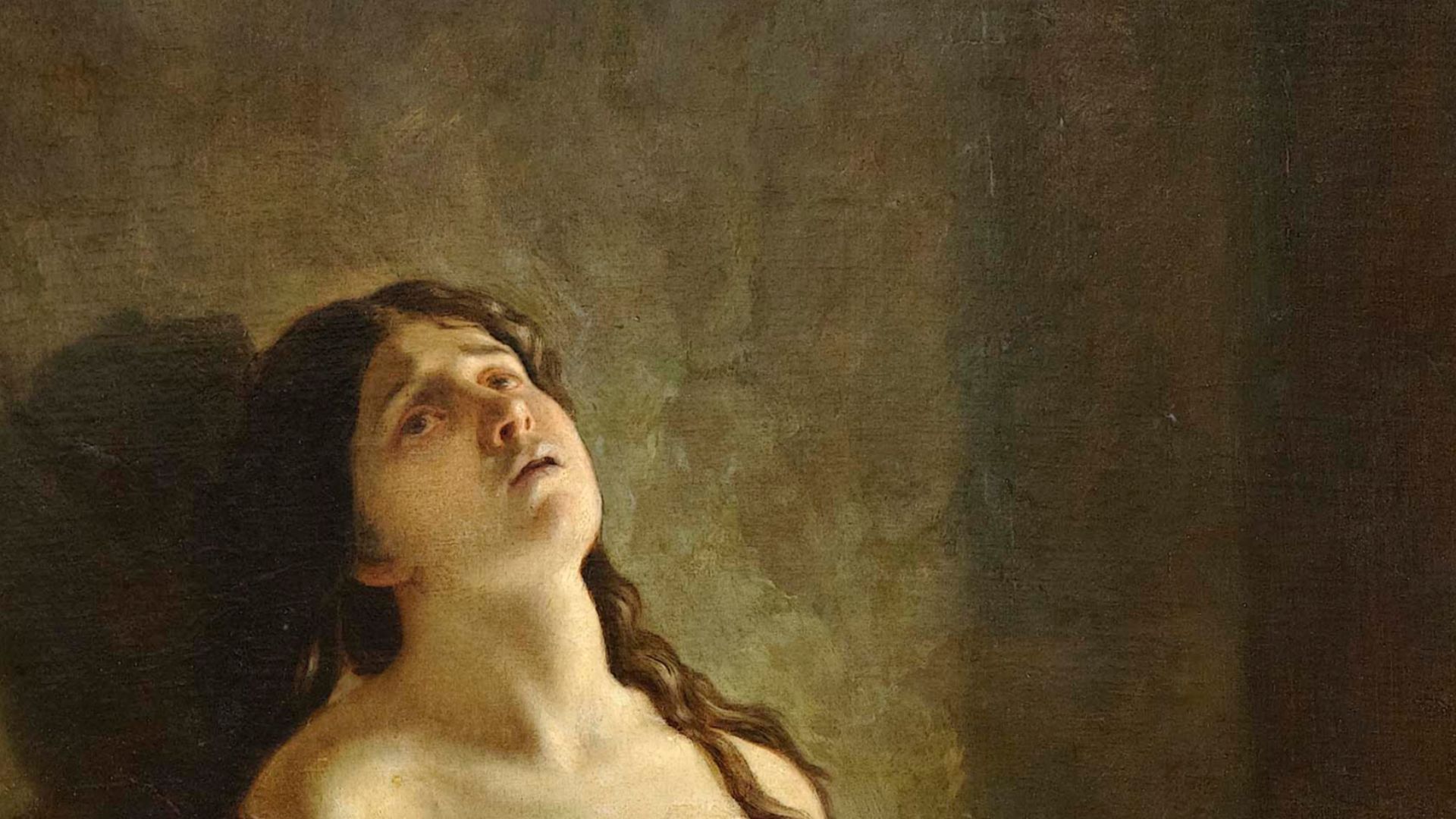 Konstantin Flavitsky, Wikimedia Commons
You May Also Like:
Eccentric Millionaires Whose Truly Strange Ideas Became Everyone Else’s Problem
The Spencers, The Most Tragic Family In Britain