
He Was The Quack Of The Town
Alessandro Cagliostro was the 18th-century occultist charlatan who conned royalty from England to Russia. Eventually his lies caught up with him—and the fallout was scandalous.
 Edel Media & Entertainment, Cagliostro (1975)
1. He Came From Honest Stock
Giuseppe “Beppo” Balsamo (aka Count Alessandro di Cagliostro) would become Europe’s most prolific liar. But he didn’t start out that way. Born to Pietro and Felicità Balsamo—known in their native Palermo as “honest tradespeople”—in June of 1743, Cagliostro looked poised to lead a virtuous life. Honesty, however, was not something he inherited.
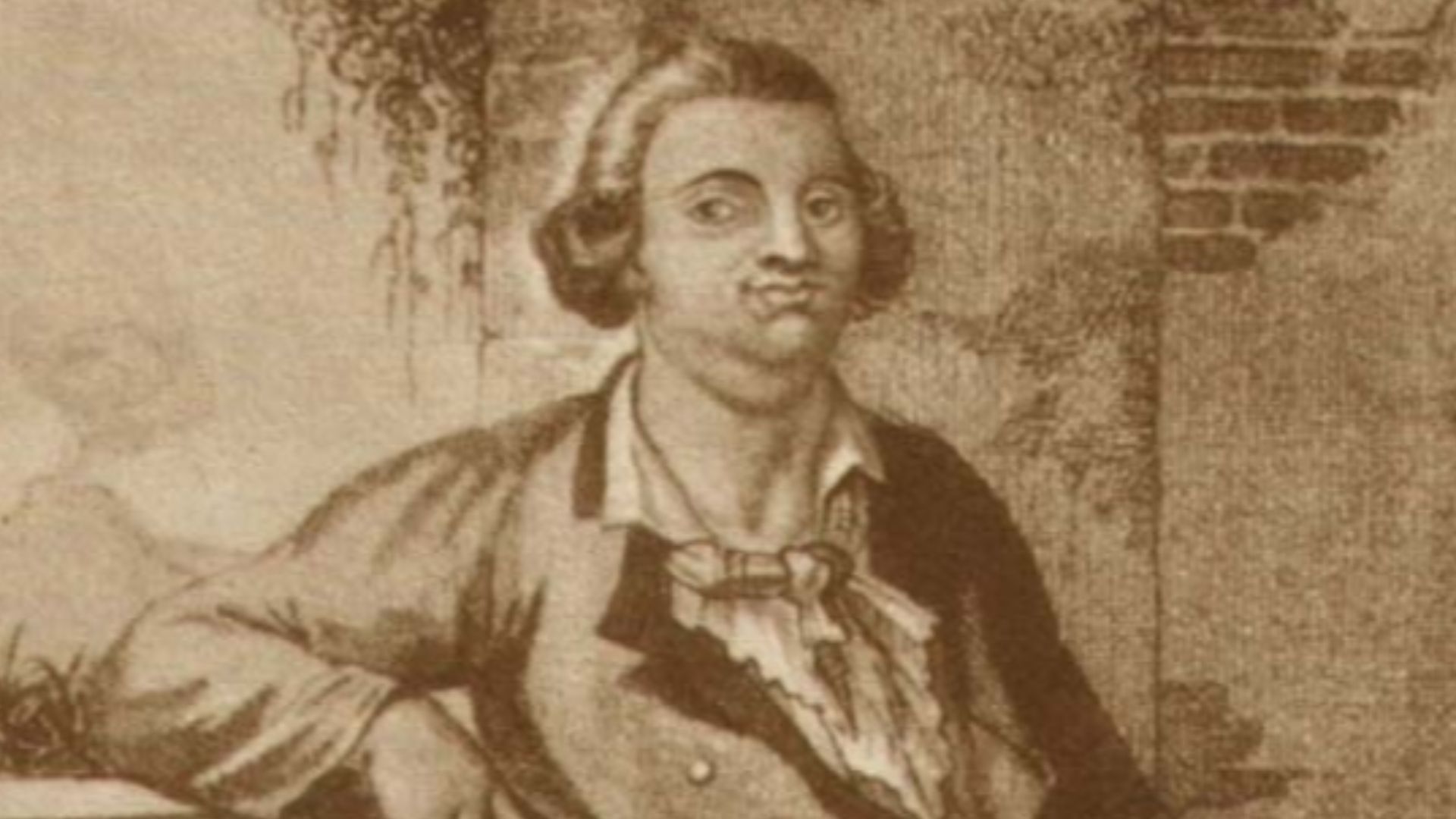 Unknown authorUnknown author, Wikimedia Commons
2. His World Fell Apart In An Instant
Alessandro Cagliostro had an early lesson in how quickly fortunes can change. For reasons that are lost to history, Pietro’s business crumbled into bankruptcy and shortly after that, the shopkeeper passed on at just 45. That left his widow, Felicità, to raise Cagliostro and his two siblings with no money and no husband to lean on.
Despite the tragedy, Cagliostro, at first, seemed headed in the right direction.
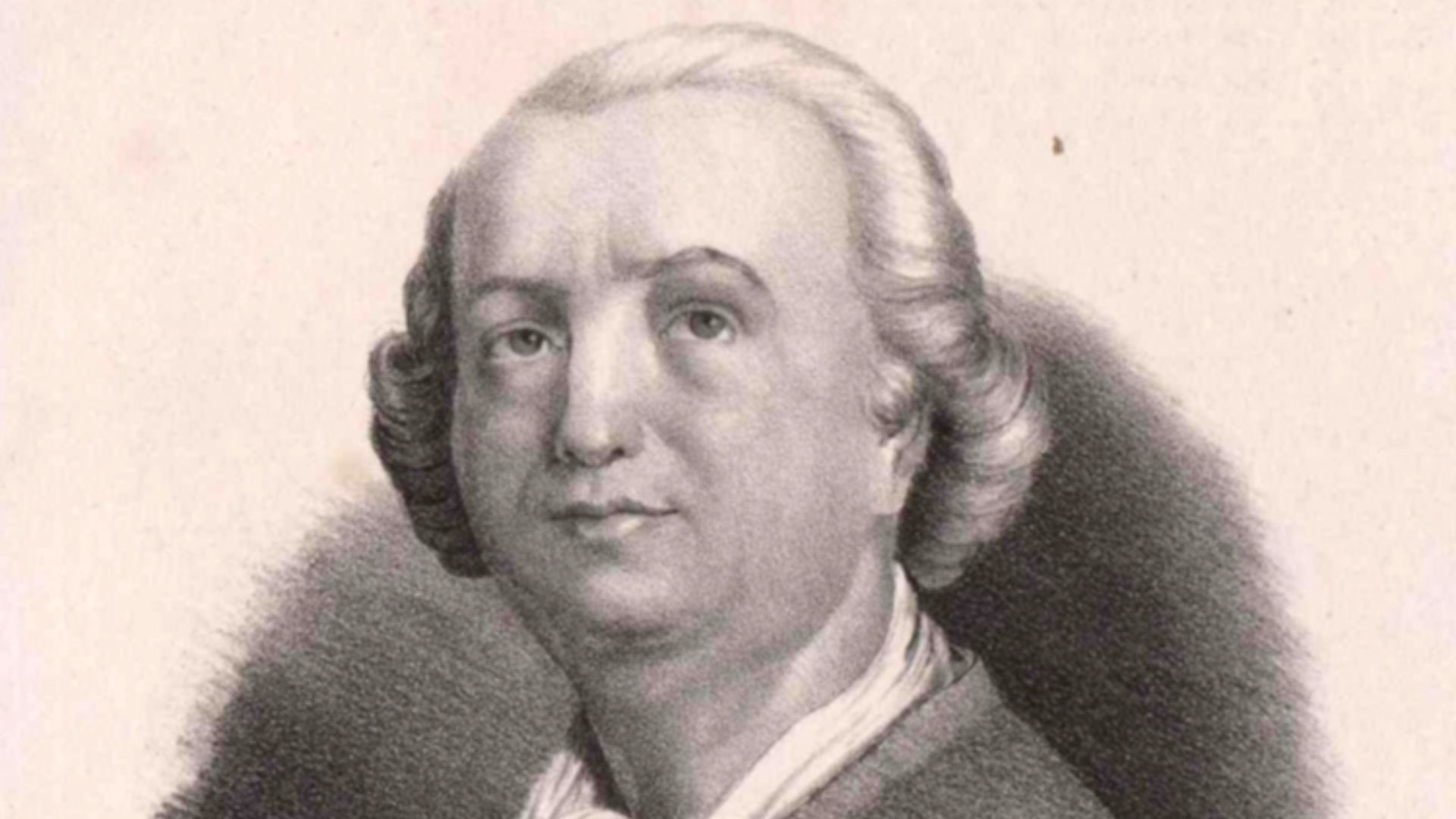 Lithograph: Gutsch, ?, Rupp, ?, Wikimedia Commons
3. He Went To Church
After his father passed, Alessandro Cagliostro—still going by his nickname “Beppo”—fell into the care of his godfather and uncle, Giuseppe Cagliostro. Obviously, the first thing the budding con artist borrowed without permission was his new caretaker’s name. Even so, his uncle spotted a sharp mind worth saving and packed him off to the Hospitallers at Palermo’s Seminary of St Roch.
The name stuck—the piety wouldn’t.
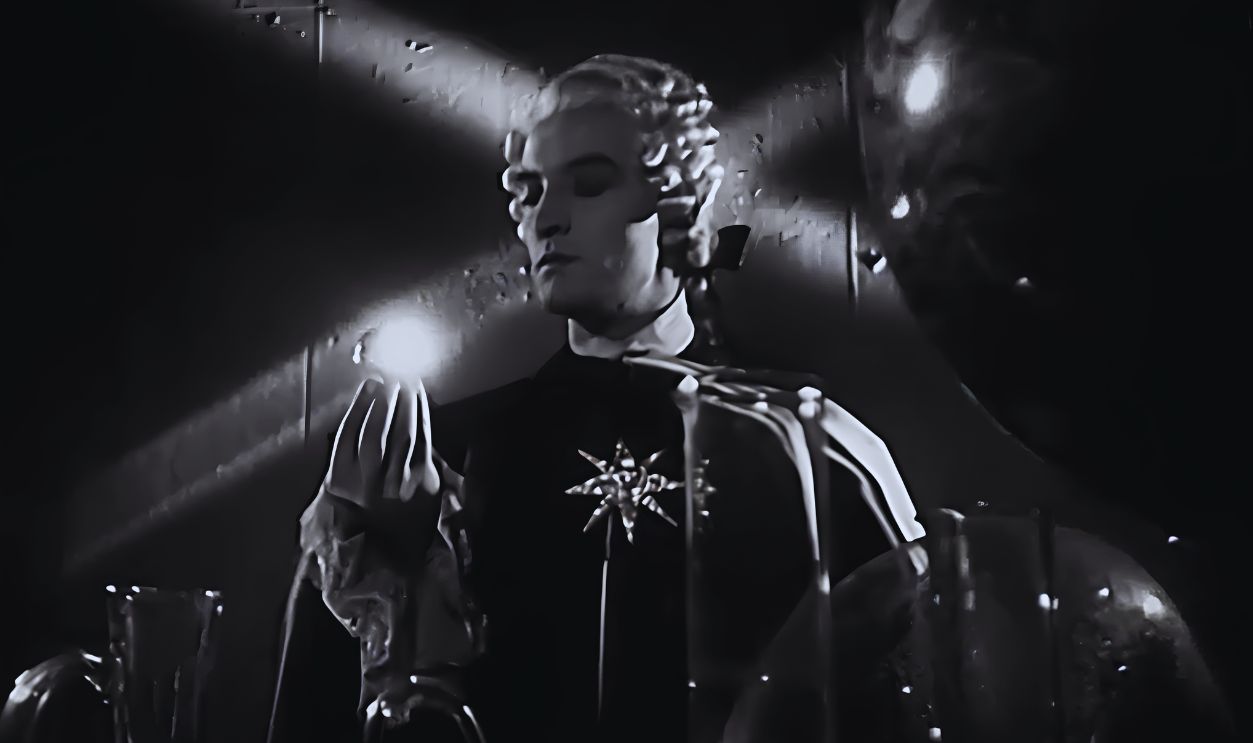 Screenshot from Cagliostro, Richard Oswald-Film GmbH (1929)
4. He Kept Running Away
At the seminary, Alessandro Cagliostro didn’t exactly spend a lot of time in prayer. Instead, he spent most of his time trying to escape. Over and over again, Cagliostro scaled the seminary walls and ran away only to be found “in vagabond company” and dragged back. Exasperated, his keepers shipped him off to the extra high-walled Benedictine convent of Santissimo Salvatore near Caltagirone.
No walls, however tall, could stop him from running.
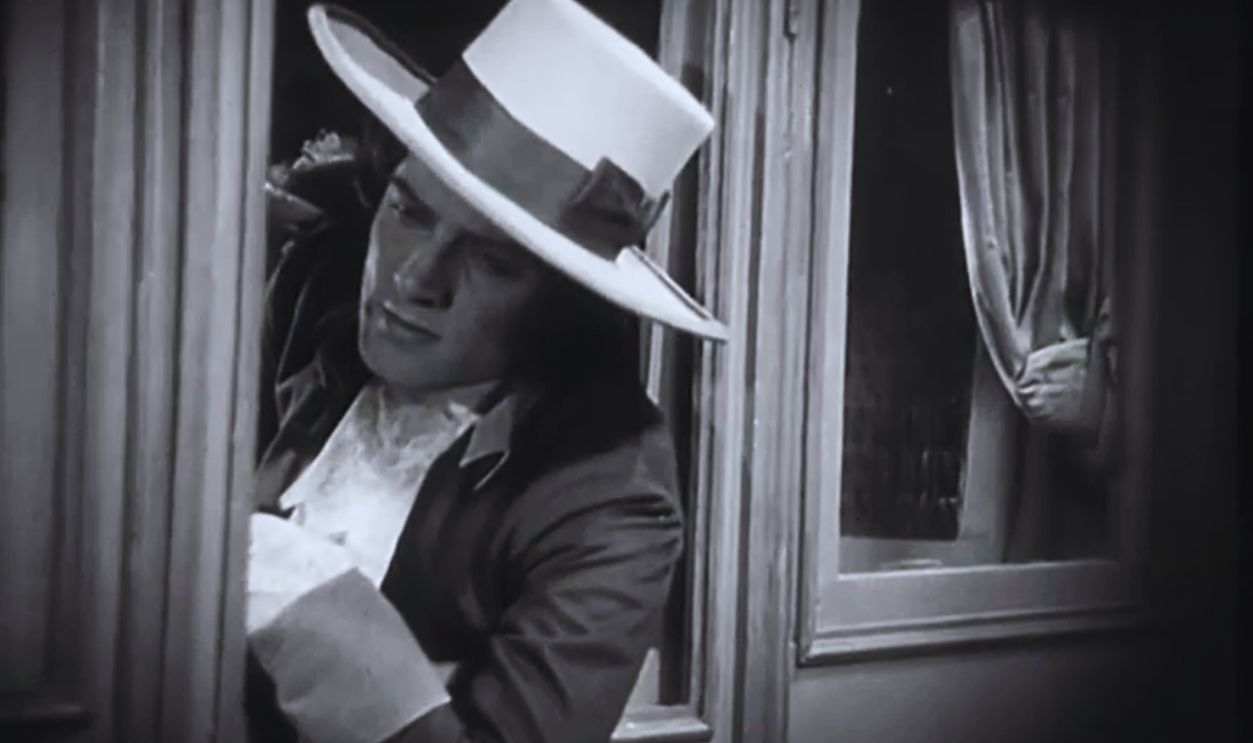 Screenshot from Cagliostro, Richard Oswald-Film GmbH (1929)
5. He Learned A Real Trade
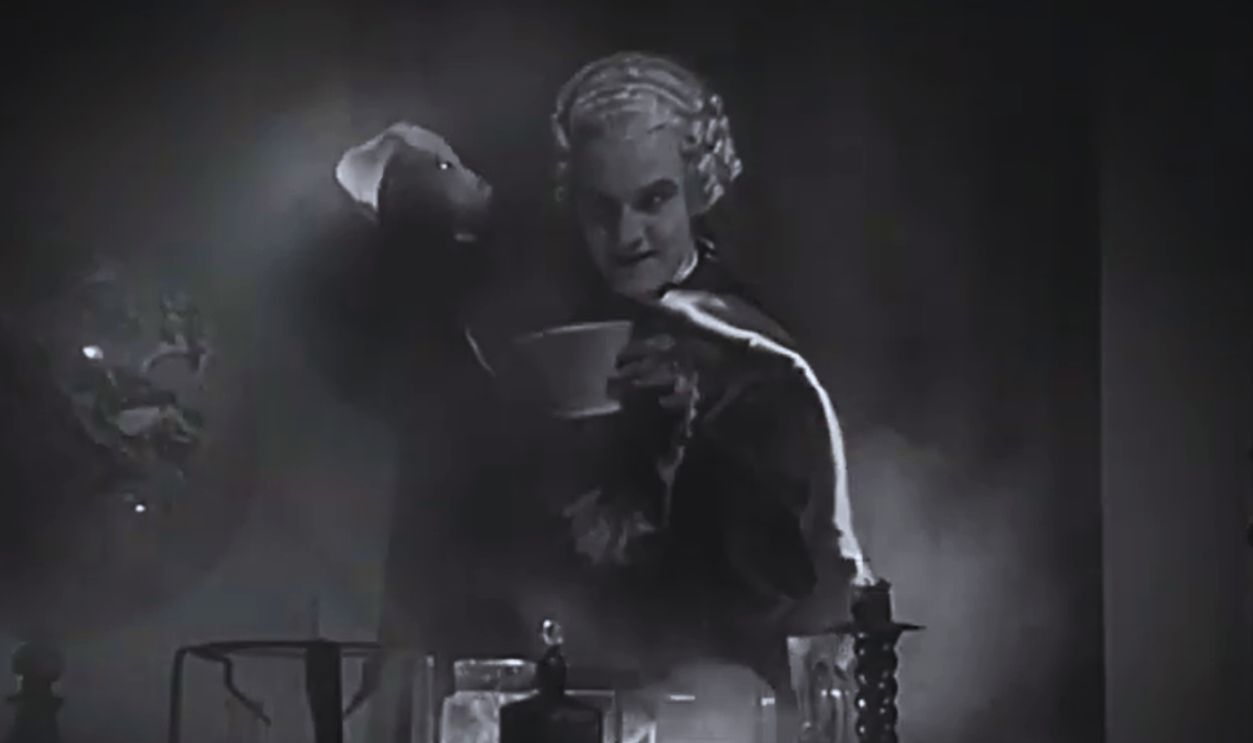
Alessandro Cagliostro wasn’t just a talented escape artist. Inside the walls of his new convent, the boy revealed a real gift for plants and natural history, so the monks handed him to an apothecary for training. From that old pharmacist, Cagliostro picked up the rudiments of medicine and chemistry: the very science he would later twist into elixirs, potions, and miracle cures.
Real knowledge in the hands of a liar is a dangerous thing.
 Screenshot from Cagliostro, Richard Oswald-Film GmbH (1929)
6. He Had A Gift For Deception
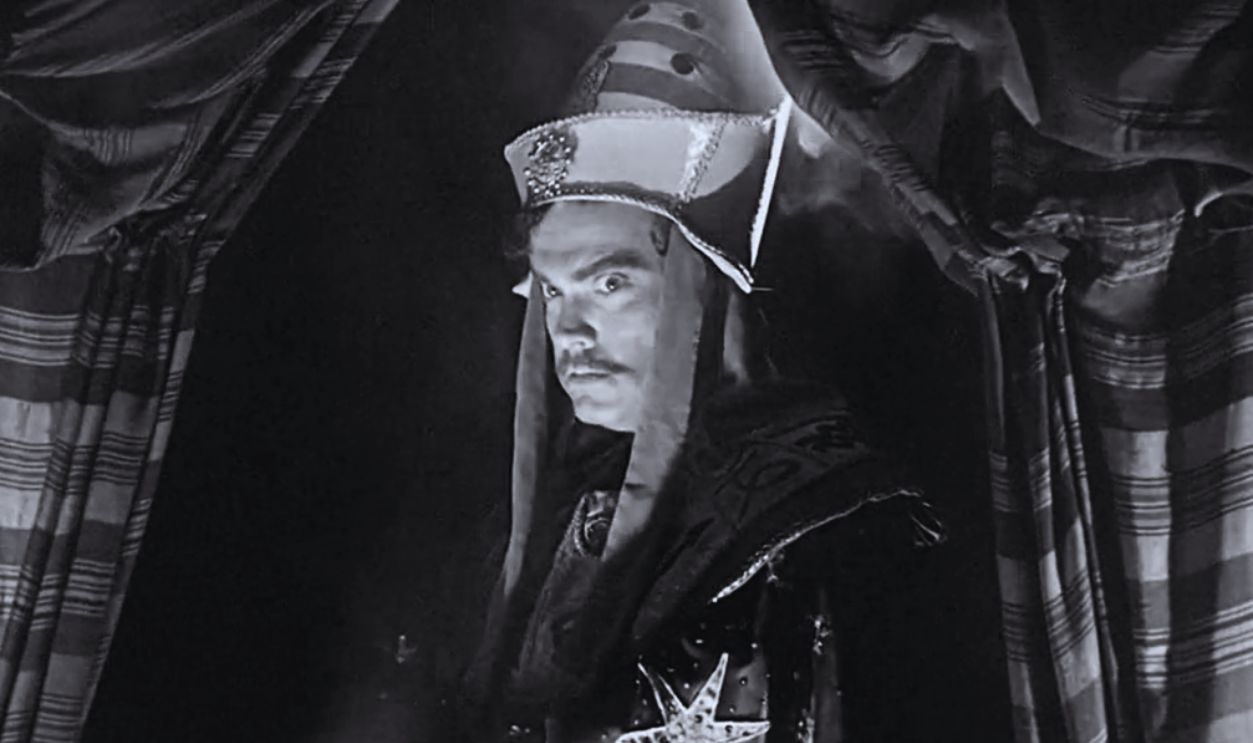
Despite his gifts and obvious intelligence, Cagliostro’s teachers were under no illusions: he was a bad apple from the beginning. Even as a pupil, observers noted that Cagliostro was hungry to “discover secrets which would further the interests of charlatanry”. One account even credited him with a “natural perversity” and an “innate viciousness”.
His true colors were about to come out.
 Screenshot from Black Magic, Edward Small Productions / United Artists (1949)
7. He Embraced A Life Of Vice
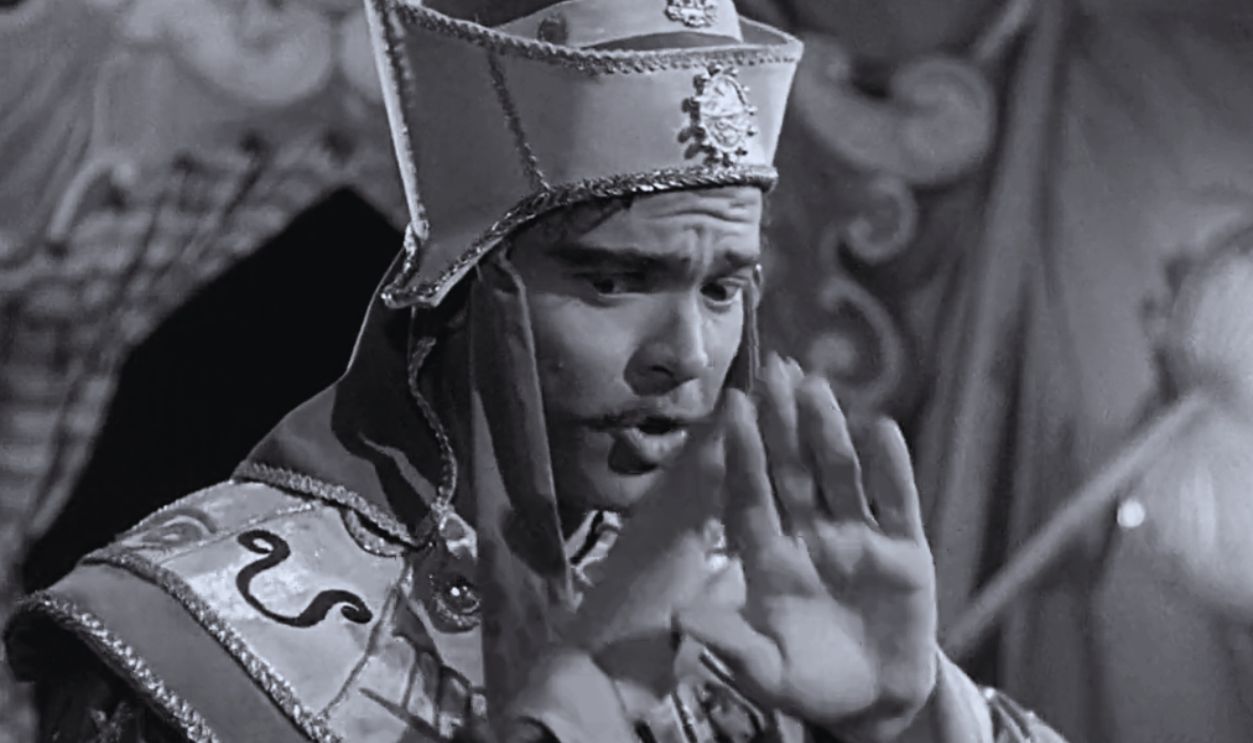
Walls or no walls, Alessandro Cagliostro was determined to find trouble. Just as he had at the seminary, Cagliostro made a habit of slipping out of the convent in search of a good (read: bad) time. He often made his way back to Palermo where he threw himself headlong into carousing, gambling, brawling, and a steady stream of run-ins with the law.
He developed quite the reputation.
 Screenshot from Black Magic, Edward Small Productions / United Artists (1949)
8. His Name Was A Curse
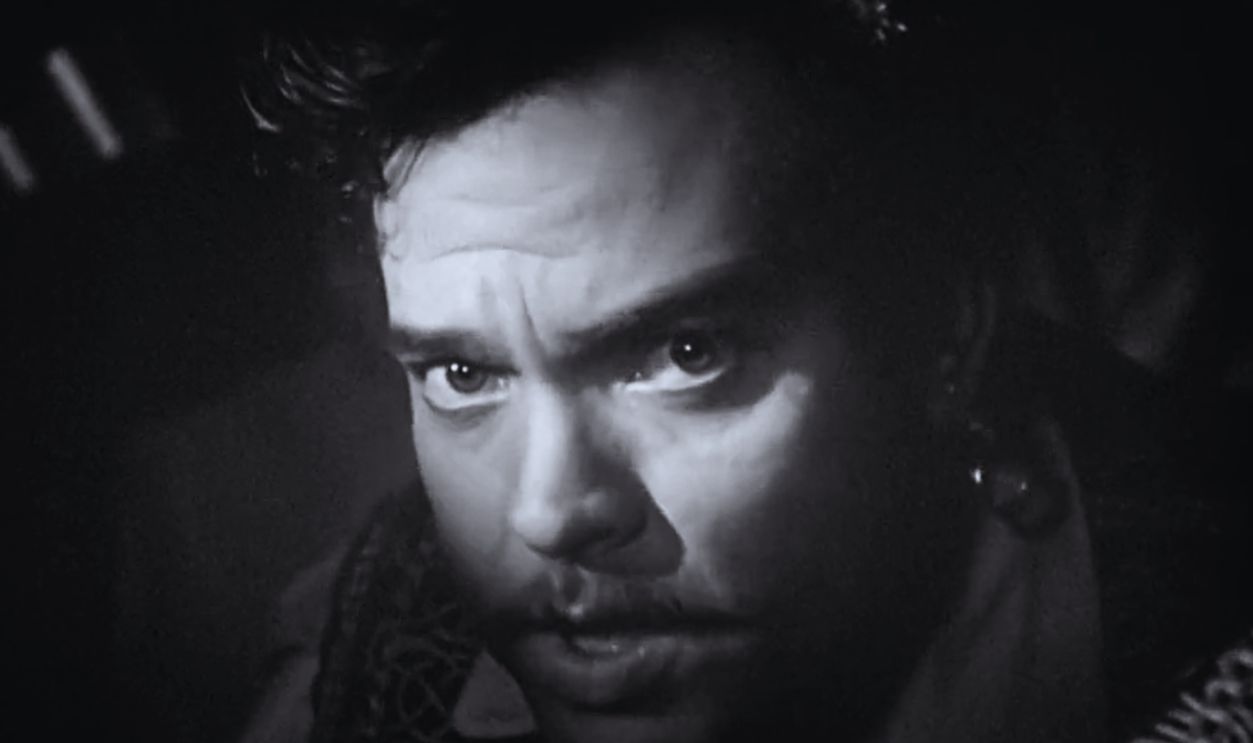
By the time he was in mid teens, Cagliostro had developed quite the rap sheet—and a nickname to match. His worst offenses included peddling forged theater tickets, pilfering from his own uncle, squeezing a friend for money, faking a will to swing an inheritance the wrong way, and trading blows in duels. Before long, Palermo was calling him “Beppo Maldetto”—Beppo the Cursed.
The name fit better than anyone knew.
 Screenshot from Black Magic, Edward Small Productions / United Artists (1949)

History's most fascinating stories and darkest secrets, delivered to your inbox daily.
9. He Became A Convincing Mystic
At 17, Alessandro Cagliostro learned the secret to a good con: look good, and say as little as possible. In his youth, Cagliostro’s contemporaries described him as being “handsome and haughty” with the ability to leave people “spell-bound” despite barely speaking. With this new persona, he presented himself as a young master of the occult who could call up spirits.
The only thing he was conjuring, however, was lies.
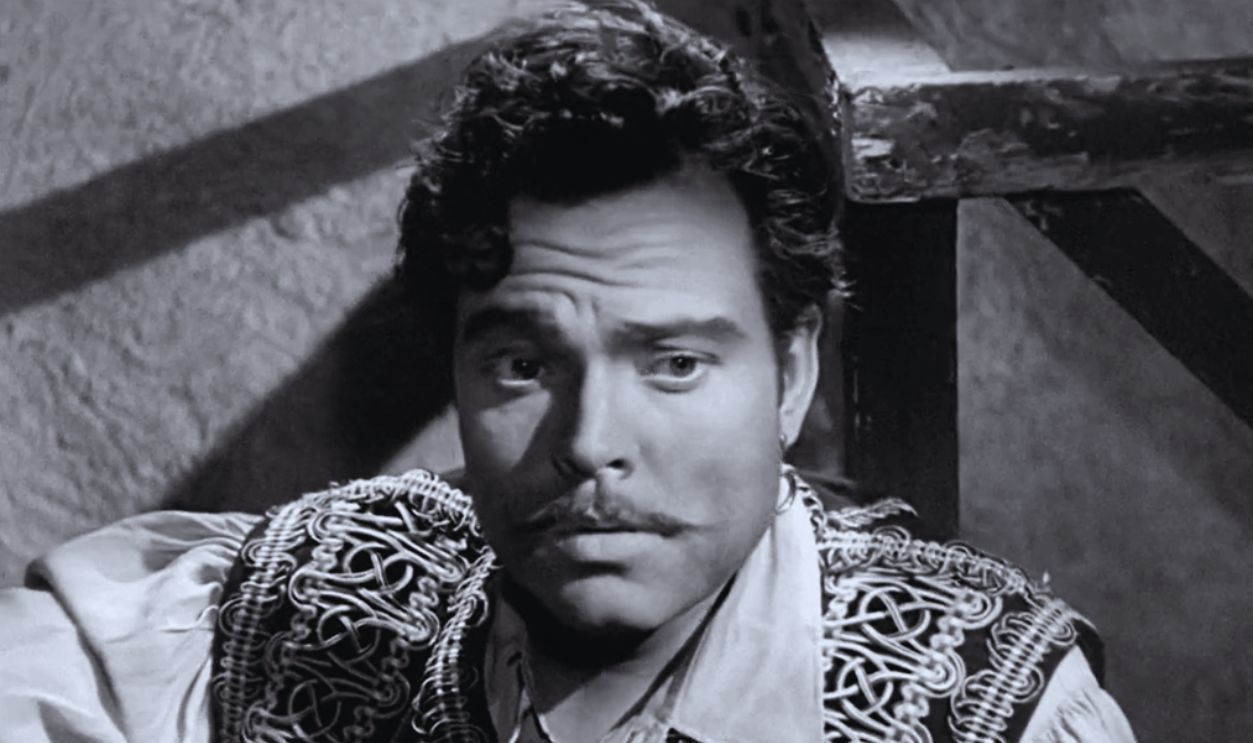 Screenshot from Black Magic, Edward Small Productions / United Artists (1949)
10. He Conjured His First Fortune
Cagliostro’s first big con job was as elaborate as it was unbelievable. The young trickster set his sights on a superstitious goldsmith named Marano. The con? Cagliostro promised Marano that he could find buried treasure in an olive field using an occult ritual. Of course, the ritual required Marano to hand over 60 ounces of gold first.
It takes gold to make gold—and to lose it.
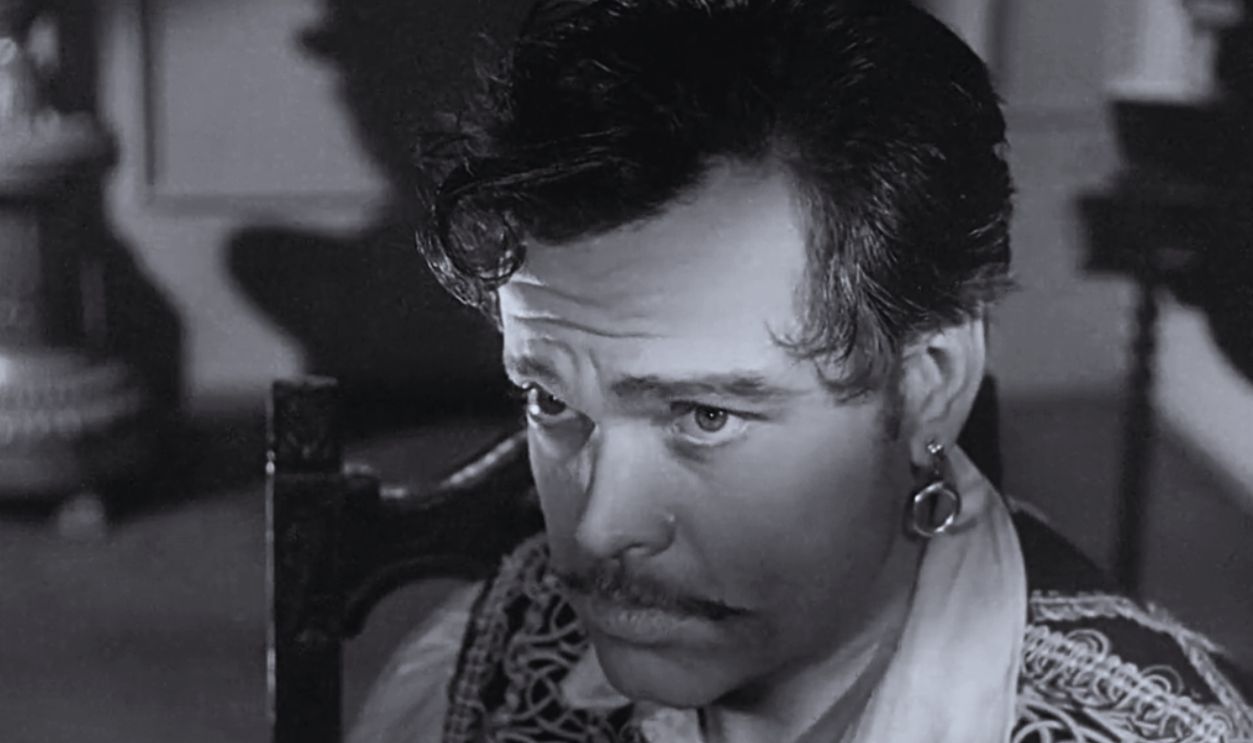 Screenshot from Black Magic, Edward Small Productions / United Artists (1949)
11. He Beat A Hasty Retreat
Cagliostro’s ritualistic treasure hunt didn’t exactly work—at least, not for Marano. Out in the olive field, he carried on with his bogus ritual until Marano crumpled to the ground in a fit of emotion. And that was Cagliostro’s cue. He set upon the poor man with sticks, scooped up the 60 ounces of gold, and bolted, catching a boat to Messina before Marano could so much as dust himself off.
Beppo the Cursed had pulled his first real vanishing act.
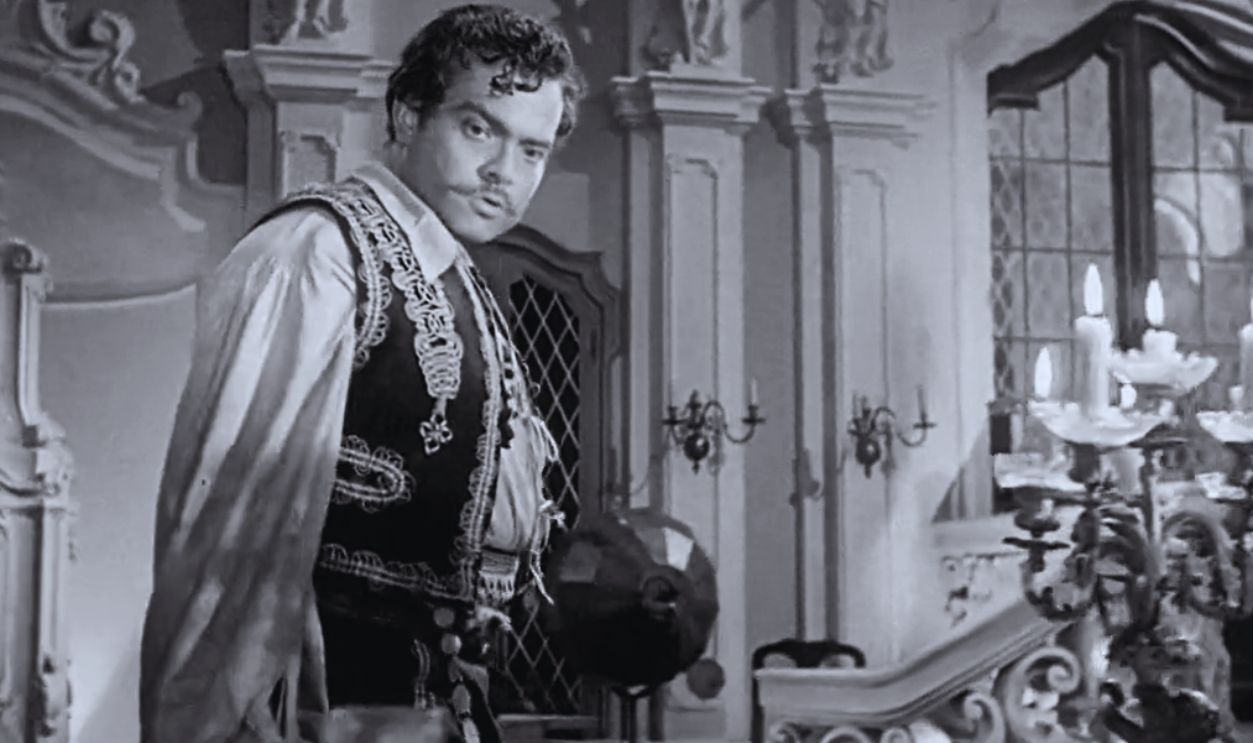 Screenshot from Black Magic, Edward Small Productions / United Artists (1949)
12. He Crowned Himself A Count
Cagliostro’s stunt in Palermo made him a wanted man—and all wanted men need new names. So, with the authorities in Palermo looking for “Beppo”, he gave himself the name that would make him infamous: Count Alessandro Cagliostro. But he still relied on “Beppo’s” connections, hoping to ride the coattails of a rich aunt in Messina.
But the joke was on him. That aunt had passed and left every last coin to charity. He needed a new mark.
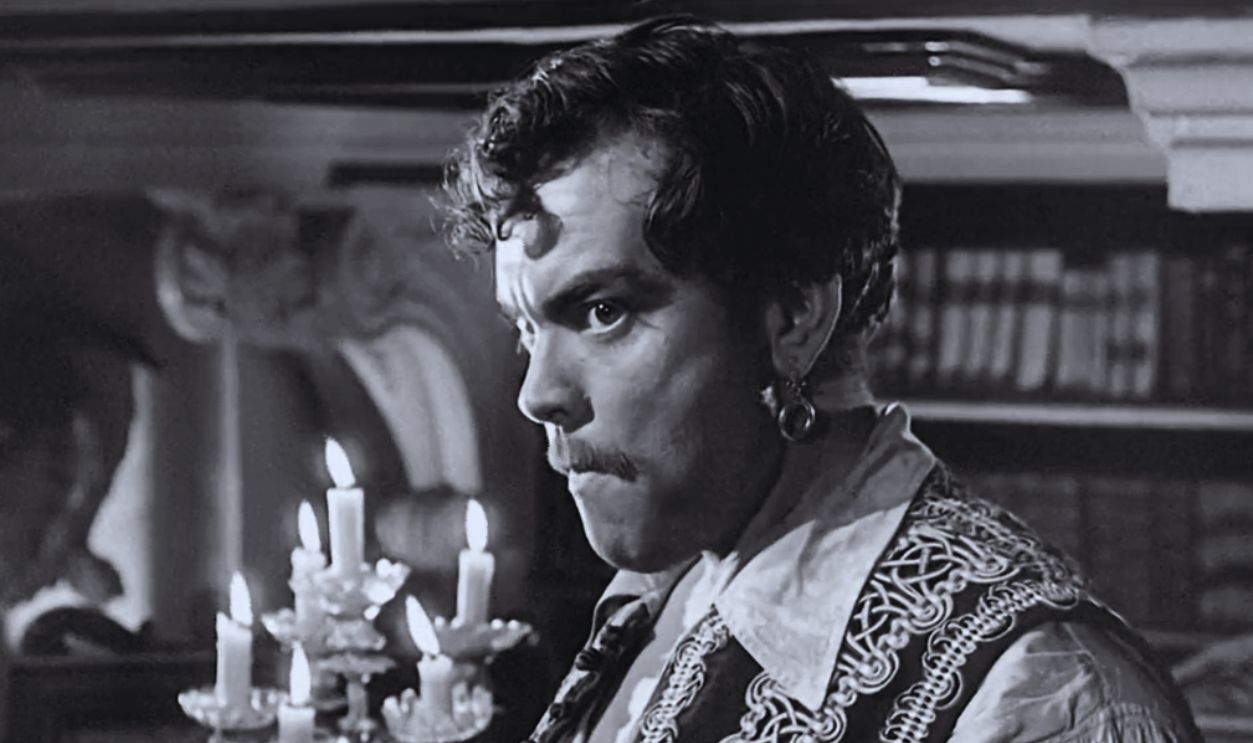 Screenshot from Black Magic, Edward Small Productions / United Artists (1949)
13. He Found A Master
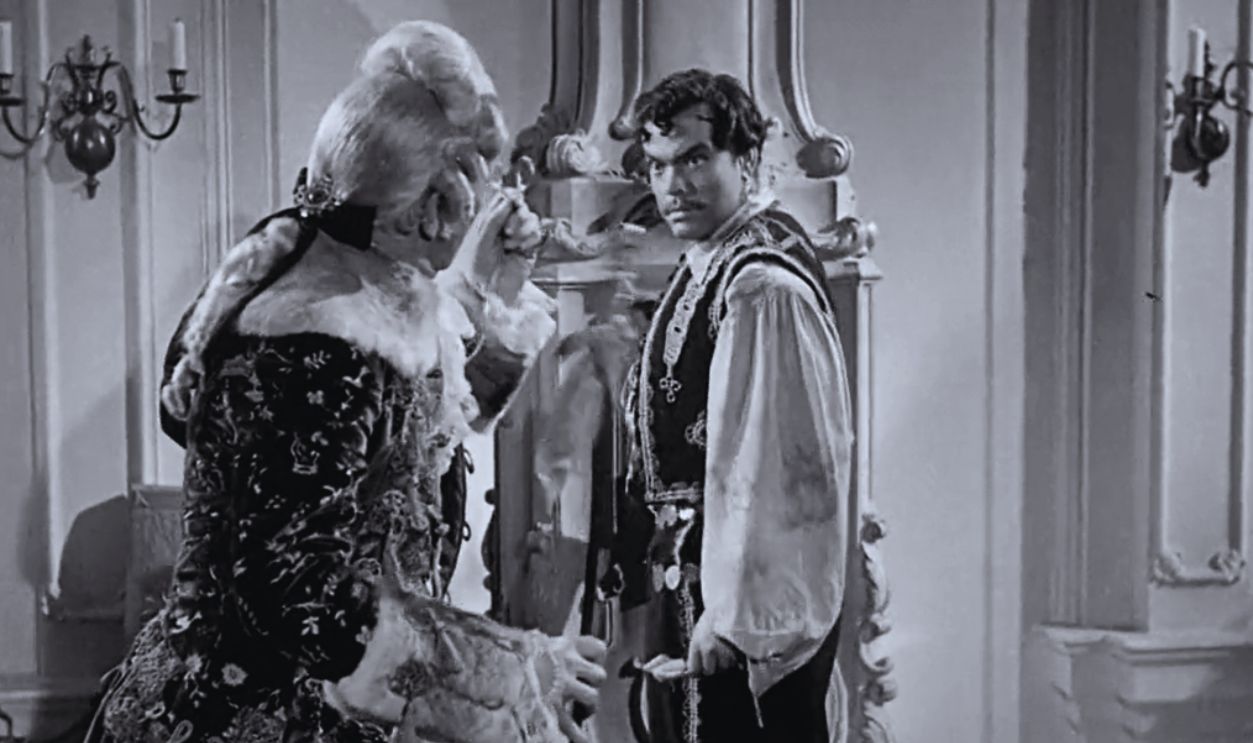
Without a mark, Alessandro Cagliostro needed a mentor and he found one in the shadowy figure known to history only as Althotas. Their paths crossed in Messina and Althotas taught Cagliostro everything he knew—medicine, chemistry…alchemy. In fact, Althotas claimed to know “the entire circle of human sciences”. True or not, he was a cultured man.
Cagliostro would learn from the best.
 Screenshot from Black Magic, Edward Small Productions / United Artists (1949)
14. He Toured The Ancient World
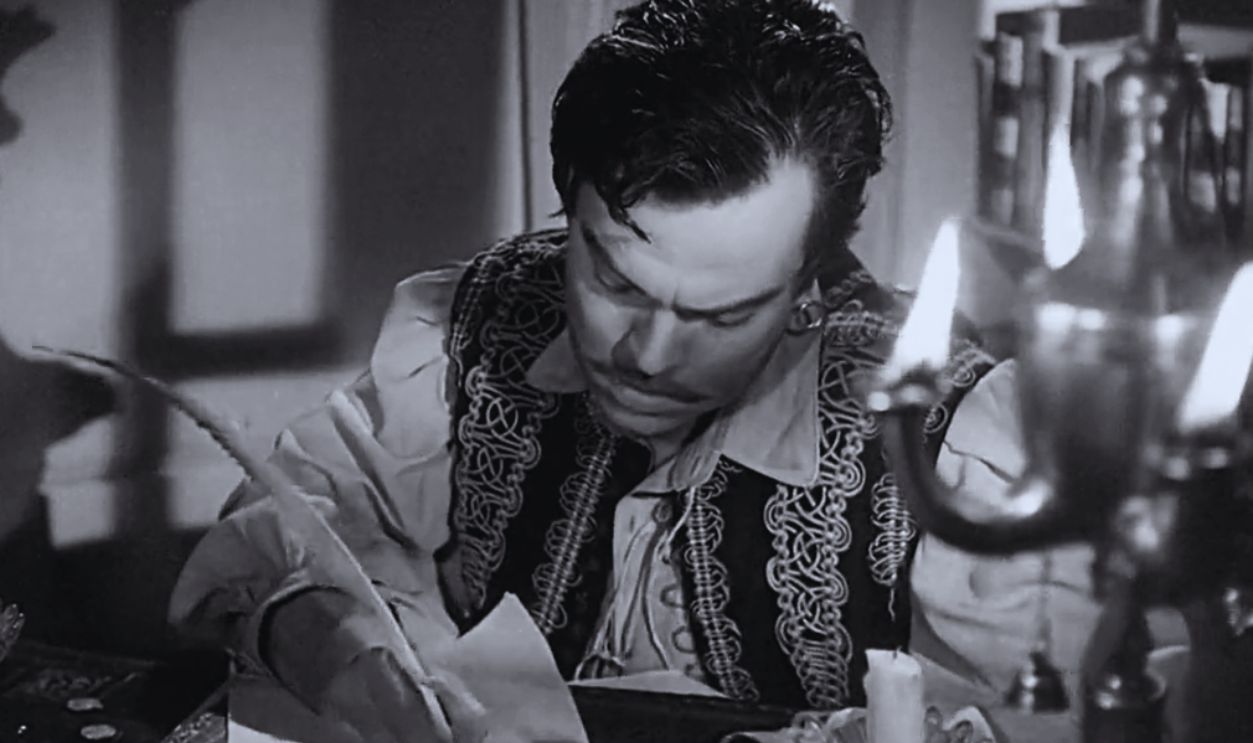
With Althotas at his side, Alessandro Cagliostro took his grifts and went global. Over the next three years or so, the pair roamed through Egypt and, by Cagliostro’s own telling, “all the principal kingdoms of Africa and Asia”. After studying with priests and alchemists, Althotas boasted that he’d cracked the scientific secret to manufacturing gold and precious stones.
True or not, Cagliostro and his mentor accumulated a fortune during their travels. A fortune that would soon be Cagliostro’s alone.
 Screenshot from Black Magic, Edward Small Productions / United Artists (1949)
15. He Charmed A Grand Master
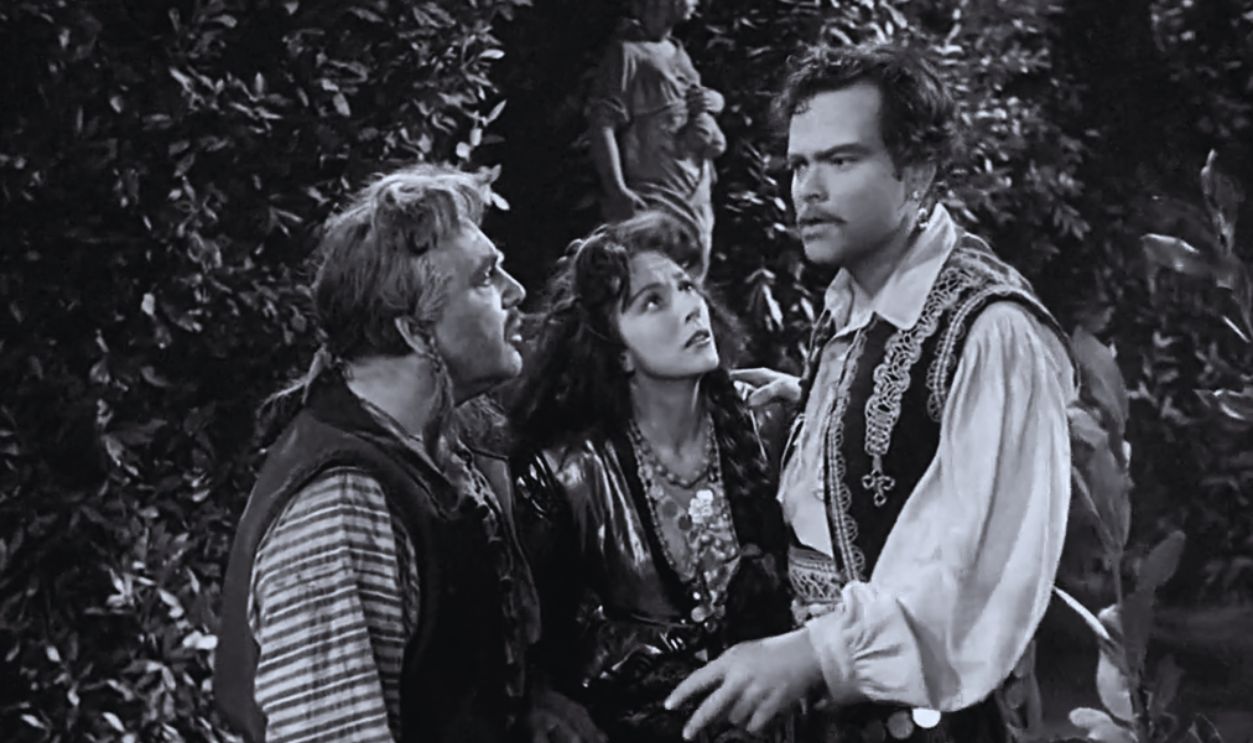
Alessandro Cagliostro managed to secure letters of introduction that brought Althotas and himself into the orbit of Manuel Pinto da Fonseca, Grand Master of the Order of Saint John. Pinto was a mighty Portuguese nobleman with a weakness for alchemy and a private laboratory to indulge it. Curiously, it was on the island of Malta that Cagliostro claimed Althotas breathed his last.
He got into even more trouble on his own.
 Screenshot from Black Magic, Edward Small Productions / United Artists (1949)
16. He Became A Knight
By 21, Beppo the Cursed was no more—and Sir Cagliostro was born. Around 1754, Cagliostro had so thoroughly charmed Grand Master Pinto with his alchemy that he didn’t even need to swindle him. Pinto gave Cagliostro a place among the Knights of Malta and showered him with money. When Cagliostro was ready to move to Naples, Pinto even gave him an escort.
Knight or not, he was as cunning as ever.

17. He Played The Pious Pilgrim
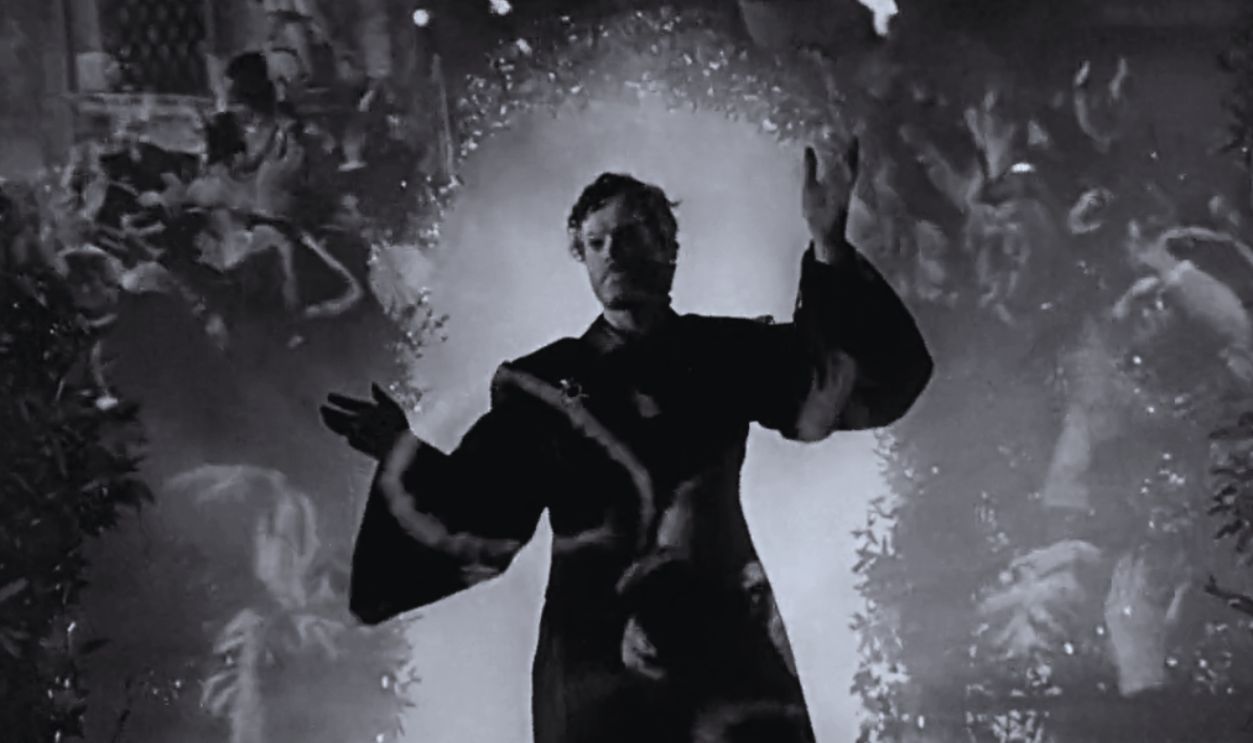
When Alessandro Cagliostro arrived in Naples, he immediately found trouble. Teaming up with an old priest friend, he tried to open a gambling house. But, when the authorities shut it down, he cut his losses and shoved off to France. Disguising himself as a pilgrim—and sometimes even as a priest—Cagliostro managed to secure more letters of introduction.
These letters would lead him all the way to Rome.
 Screenshot from Black Magic, Edward Small Productions / United Artists (1949)
18. He Posed As A Nobleman
In Rome, Cagliostro assumed the identity of a nobleman and checked himself into a swanky hotel. But he could no longer rely on his handsomeness to pull off con jobs. The historian Thomas Carlyle noted that Cagliostro had become a “dusky, bull-necked, mastiff-faced, sinister-looking individual”. To pay his bills, he had to sell cheap sketches “dressed up” to look like expensive artwork.
But whatever he’d lost in beauty, he made up for in boldness.
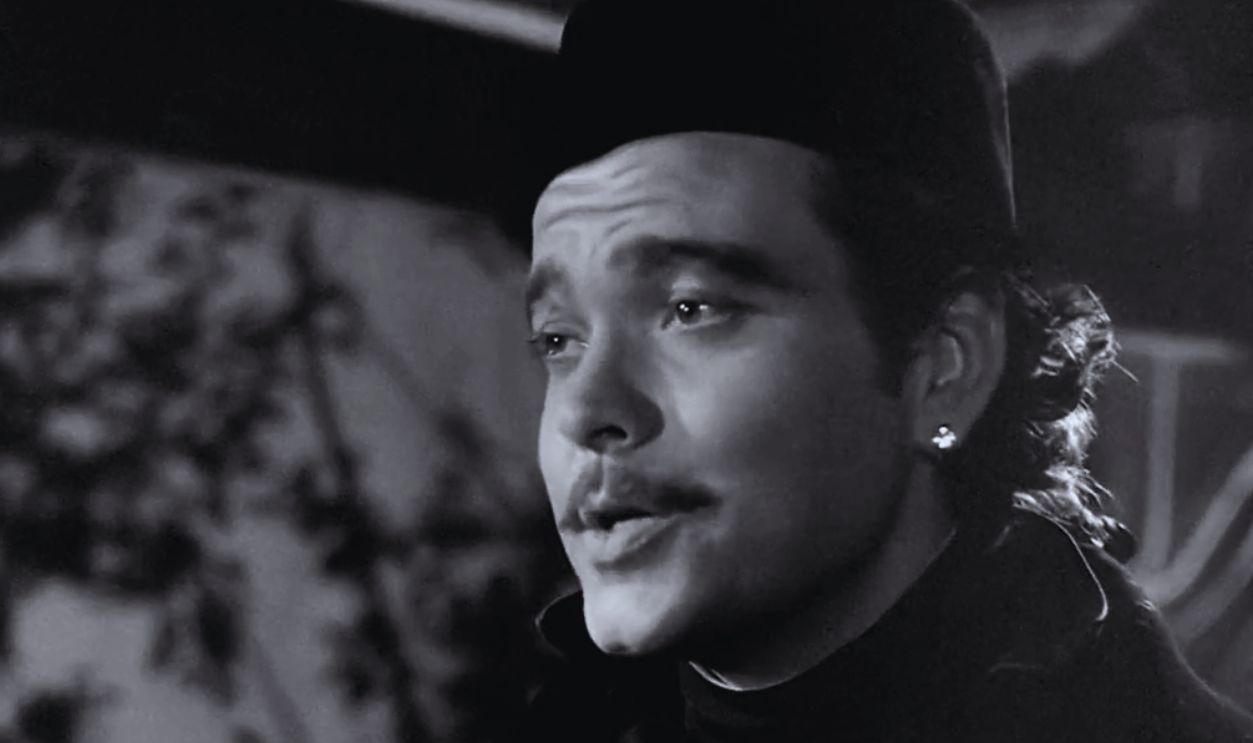 Screenshot from Black Magic, Edward Small Productions / United Artists (1949)
19. He Fell For A Beauty
Alessandro Cagliostro might have lost his good looks, but he still had game. While in Rome, he met the 14-year-old Lorenza Seraphinia “Serafina” Feliciani and immediately fell in love. Even at her tender age, Serafina was already considered a “Roman beauty”. By 1768, the two had gotten married and moved in with Serafina’s parents.
From then on, they would be husband and wife…through sickness and swindles.
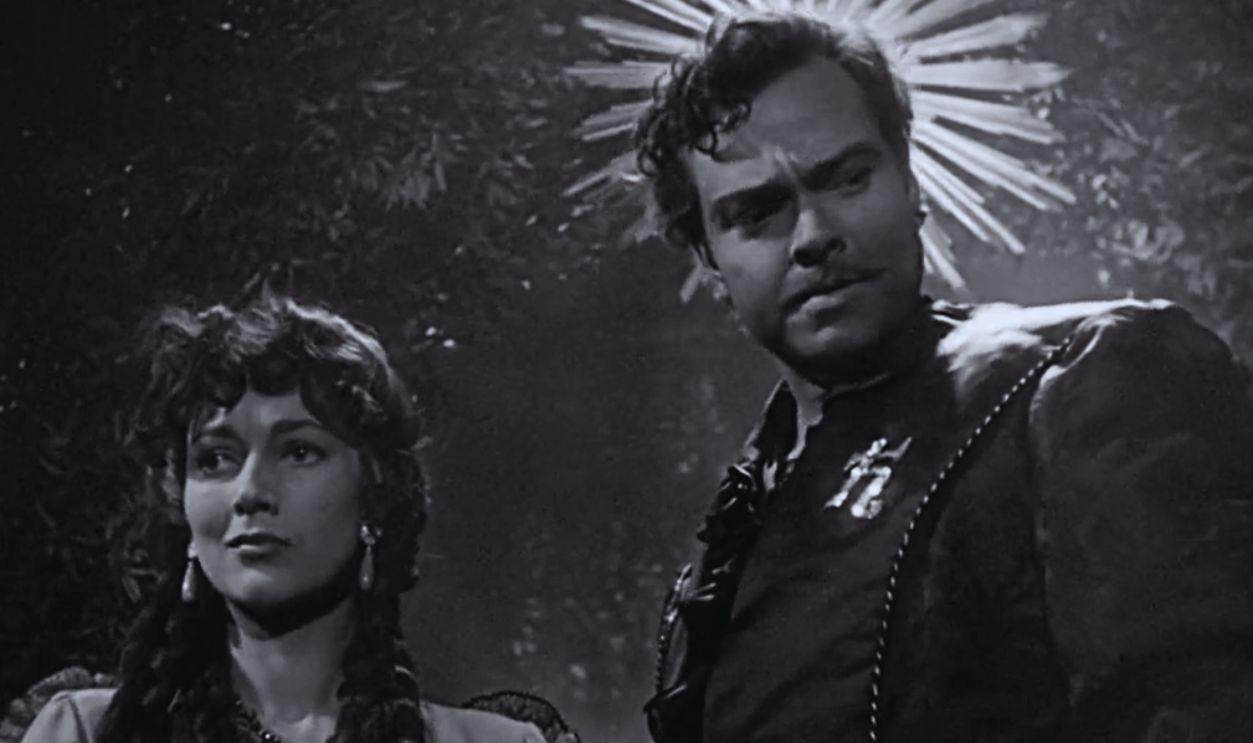 Screenshot from Black Magic, Edward Small Productions / United Artists (1949)
20. He Turned Love Into A Con
Not surprisingly, the honeymoon (if you could call it that) didn’t last long. No sooner had they married than Cagliostro began schooling his teenage bride to seduce and ensnare well-off men on his behalf. When Serafina thought to question it, Cagliostro reassured her that “adultery was no [sin] if it was used to advance a woman’s interests”.
And if it advanced his interests, well, all the better. Or worse.
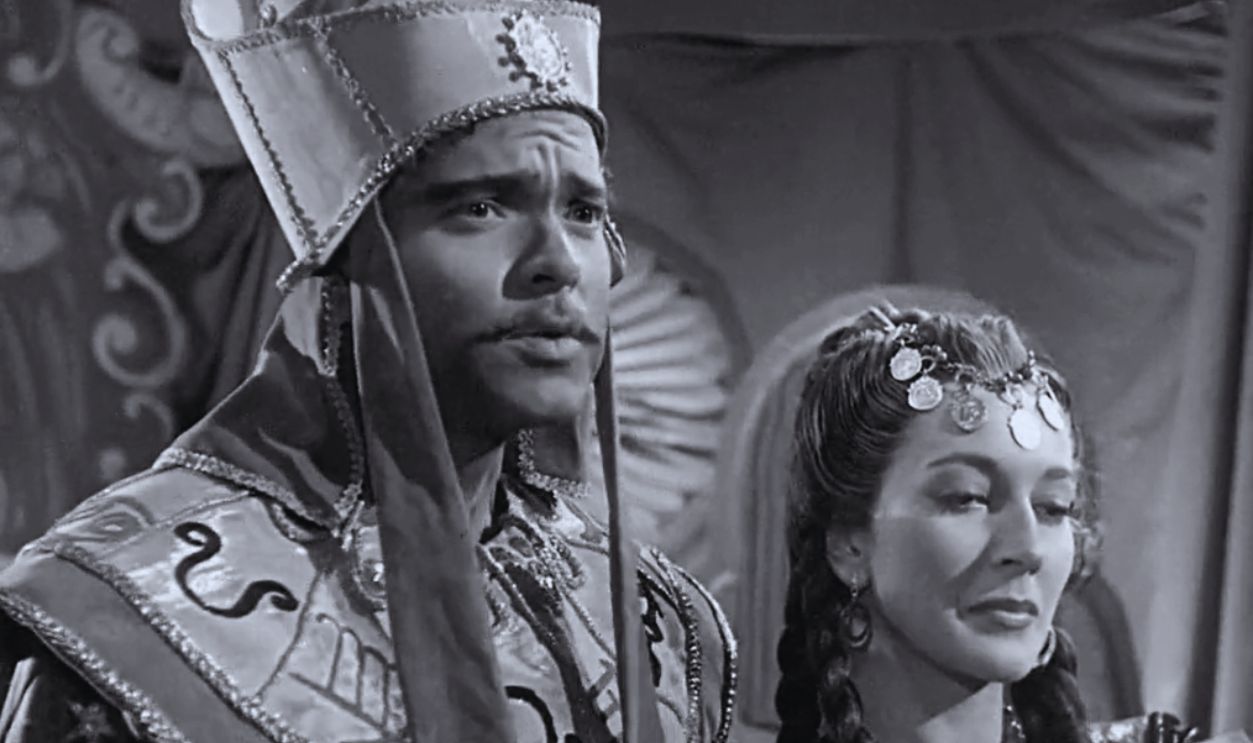 Screenshot from Black Magic, Edward Small Productions / United Artists (1949)
21. He Forged A Fortune
Serafina wasn’t Cagliostro’s only money-making scheme—but she was, perhaps, his safest. While still in Rome, Cagliostro and two of his associates raked in serious cash…by forging it. But the good times didn’t last. Authorities caught on to their scheme and Cagliostro had to flee to Bergamo. But even there, someone recognized him and he landed behind bars before getting kicked out of town.
He wouldn’t stay in one place for long.
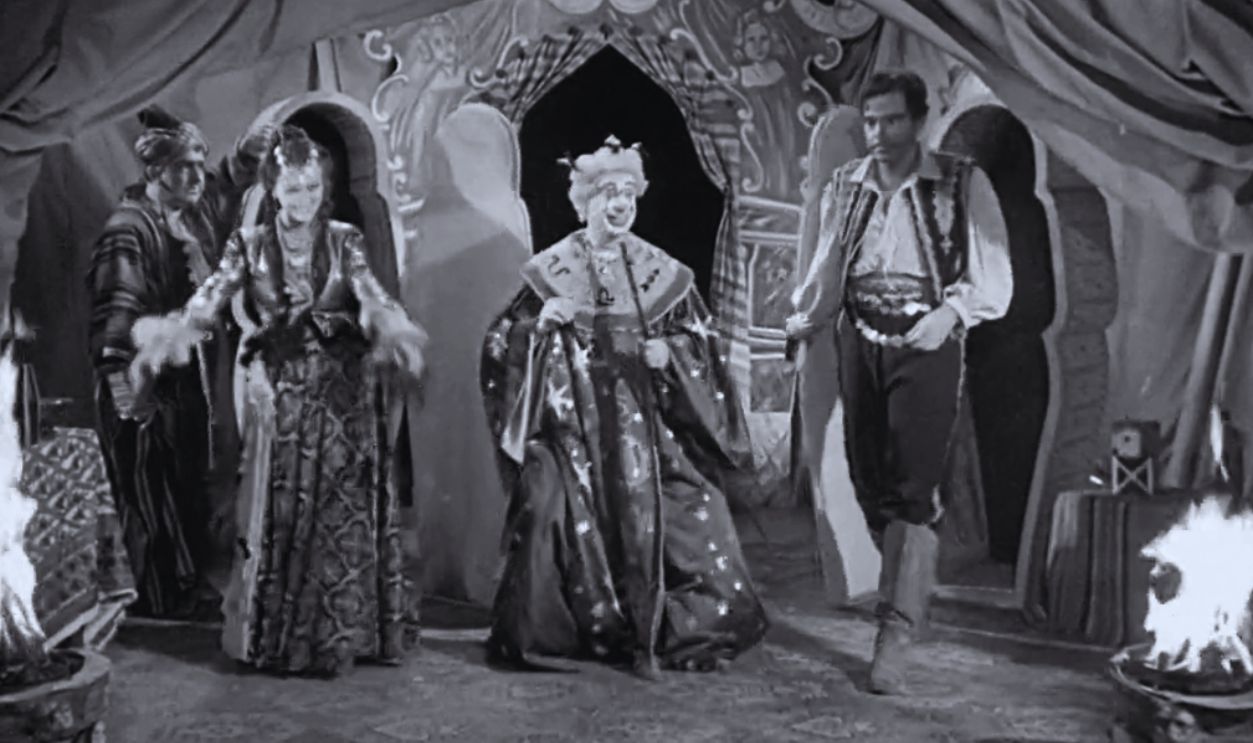 Screenshot from Black Magic, Edward Small Productions / United Artists (1949)
22. He Drifted Across Europe
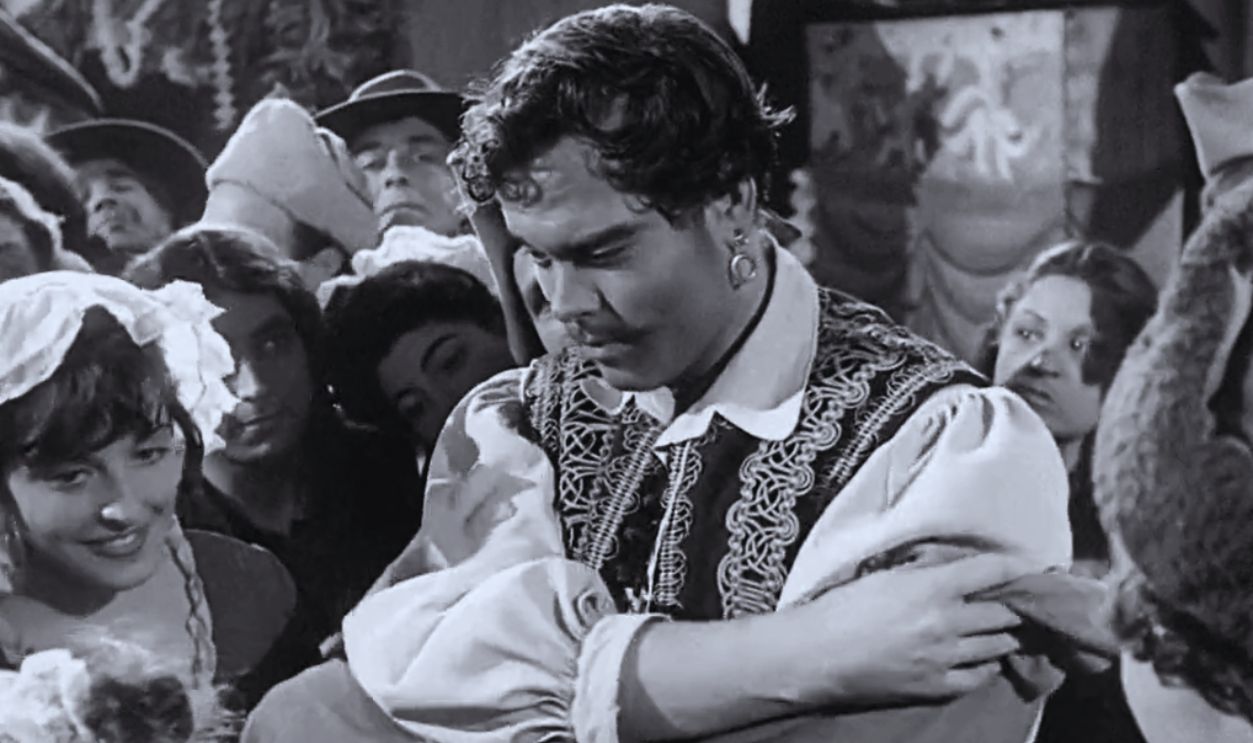
Life on the road seemed to suit Cagliostro just fine. With his wife Serafina in tow, he drifted from Galicia to Genoa, Antibes, Barcelona, Madrid, and Lisbon, getting by however he could. Mostly, that meant peddling bogus “amulets” and “cures” and even renting out Serafina by the hour. One of those johns seemed to stick.
By 1772, the couple had made their way to Paris in the company of one “M Duplaisir”.
 Screenshot from Black Magic, Edward Small Productions / United Artists (1949)
23. He Turned On His Wife
It didn’t take Cagliostro long to relieve Duplaisir of every last coin he had. Outraged, Duplaisir turned to Serafina and begged her to abandon Cagliostro and run home to her parents. But Cagliostro, ever the puppet master, pulled some strings and had his own wife locked away instead. With his primary source of cash behind bars, Cagliostro turned to selling fake potions.
And business was booming—or blowing up.
 Screenshot from Black Magic, Edward Small Productions / United Artists (1949)
24. He Knew The Secrets To…Everything Apparently
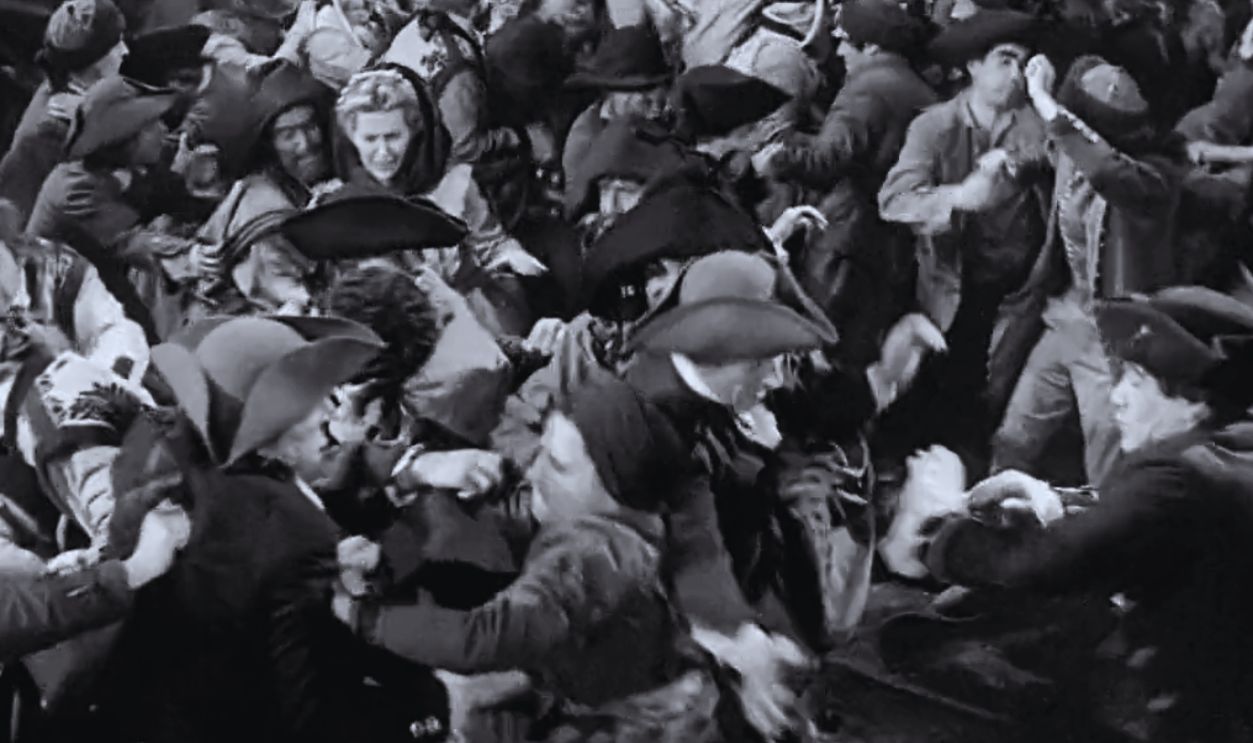
As his obsession with the occult grew, Cagliostro claimed to hold the secrets of the Hermetic Mystery, the Elixir of Life, the Philosopher’s Stone. But the bigger his lies became, the quicker his marks caught on. Before long, angry customers had chased him out of Paris and he wound his way through Brussels, Germany, and then, bafflingly, right back to Palermo.
The moment he arrived in the city, the authorities nabbed him. But he had an unlikely savior.
 Screenshot from Black Magic, Edward Small Productions / United Artists (1949)
25. His Wife Sprang Him Loose
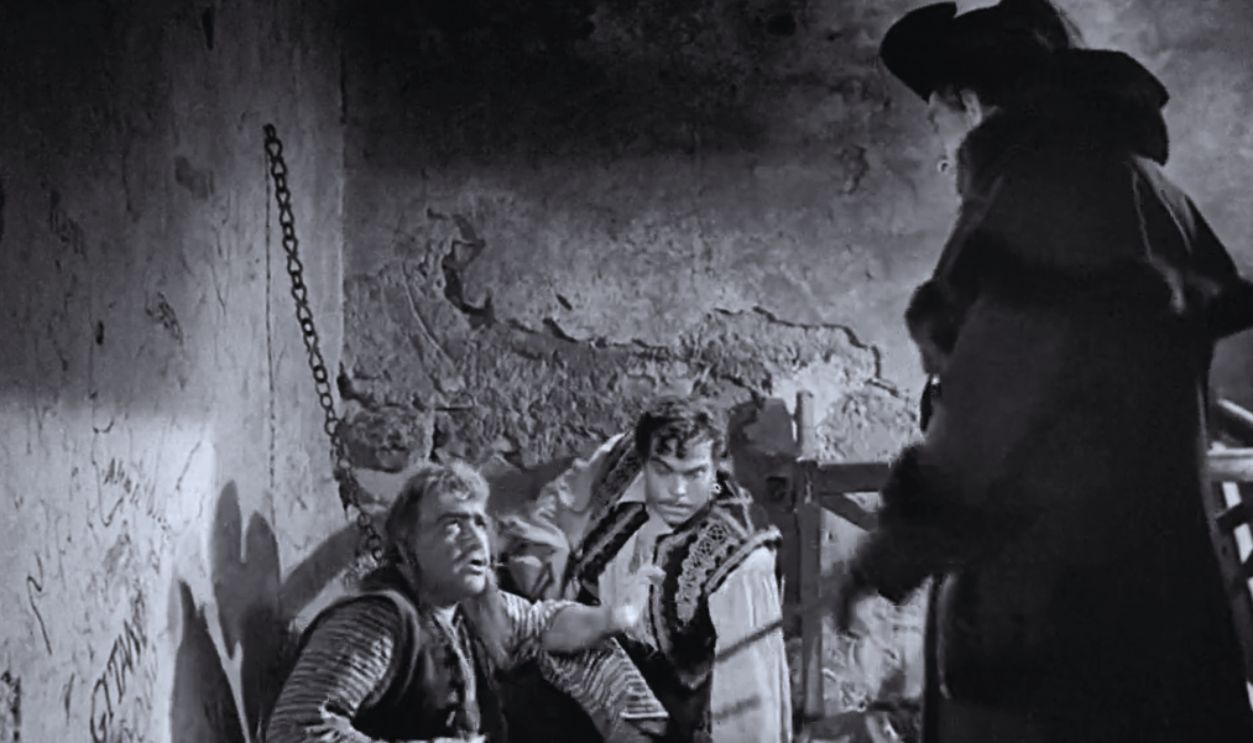
Cagliostro’s unlikely savior turned out to be his own wife—and clearly, Serafina had learned from the best. She found a random stranger willing to pose as the “Marchese Pellegrini,” a wholly invented prince of Naples. Under Serafina’s direction, the “prince” claimed to be the couple’s protector and demanded Cagliostro’s release. Astonishingly, it worked.
Free again, the pair swindled their way through Naples, Marseilles, and Barcelona before landing in London where things took a dramatic turn.
 Screenshot from Black Magic, Edward Small Productions / United Artists (1949)
26. He Lived Large In London
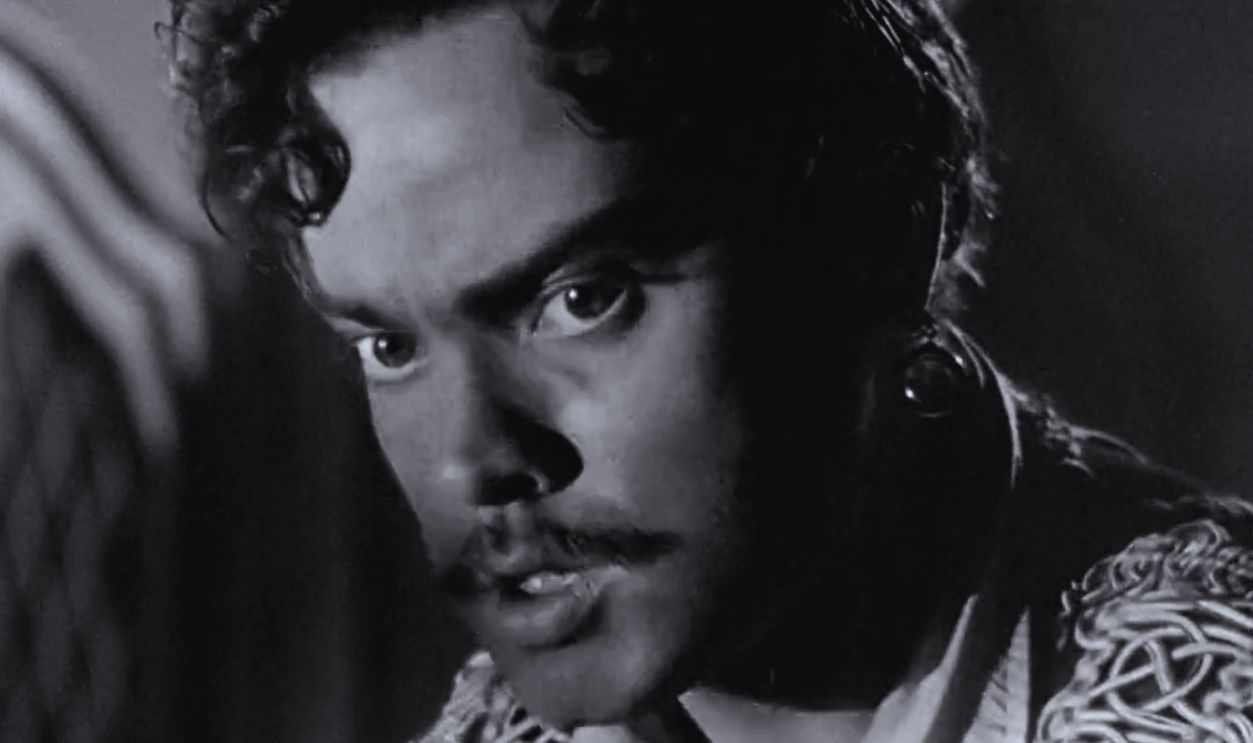
Cagliostro arrived in London in July of 1776 as a rich man. A very rich one. Historical records note that, in addition to “his wife and a secretary,” Cagliostro arrived with “three thousand pounds in gold, besides money and jewels”. He set himself up in swanky rooms and pretended to be a “professor of the occult sciences and an infallible guide to lucky numbers in lotteries”.
His biggest London moneymaker, though, was still to come.
 Screenshot from Black Magic, Edward Small Productions / United Artists (1949)
27. He Sold A Fresh Start
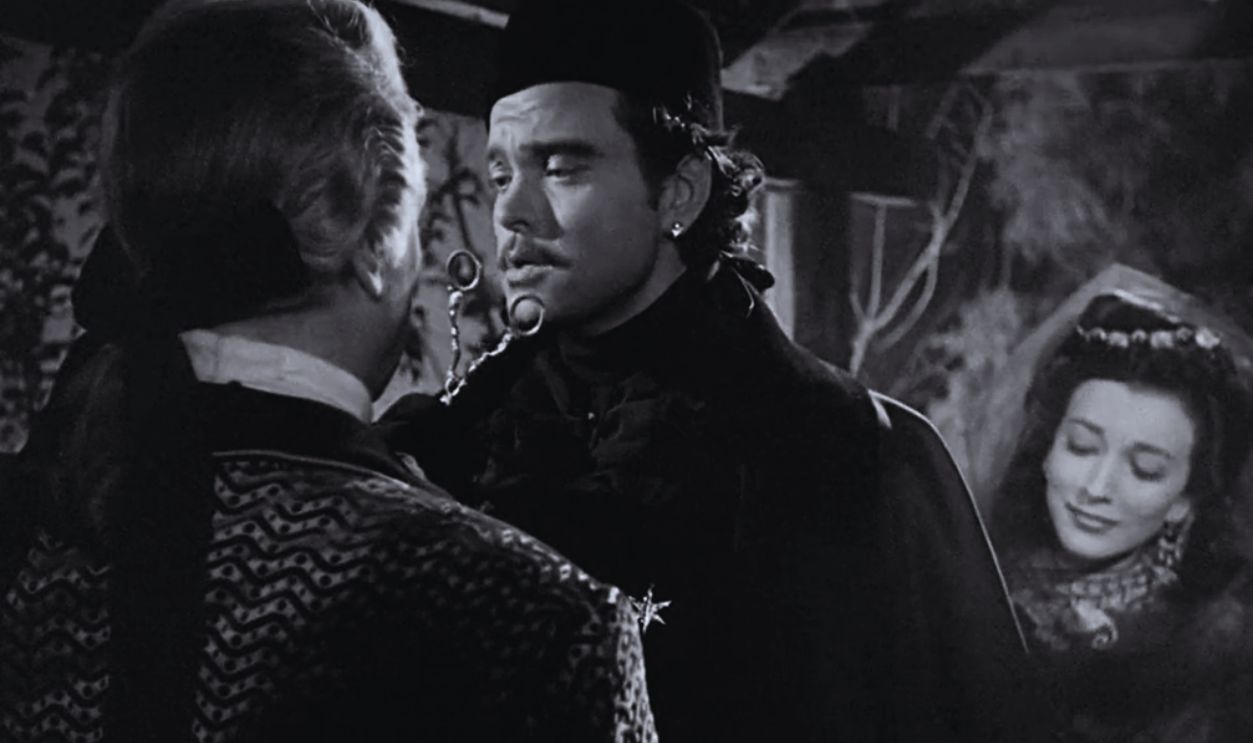
In London, Cagliostro continued overpromising on the effects of his potions and rituals. His latest ruse? A full-spectrum detox that promised “physical regeneration”: a forty-day ordeal of “baths, sweating, starvation, medicines, purgatives and a diet of roots”. Even if that sounded more like a punishment than a panacea, Londoners lined up and “declared they were cured”.
One Londoner, however, wasn’t fooled for a second.
 Screenshot from Black Magic, Edward Small Productions / United Artists (1949)
28. He Made A Dangerous Enemy
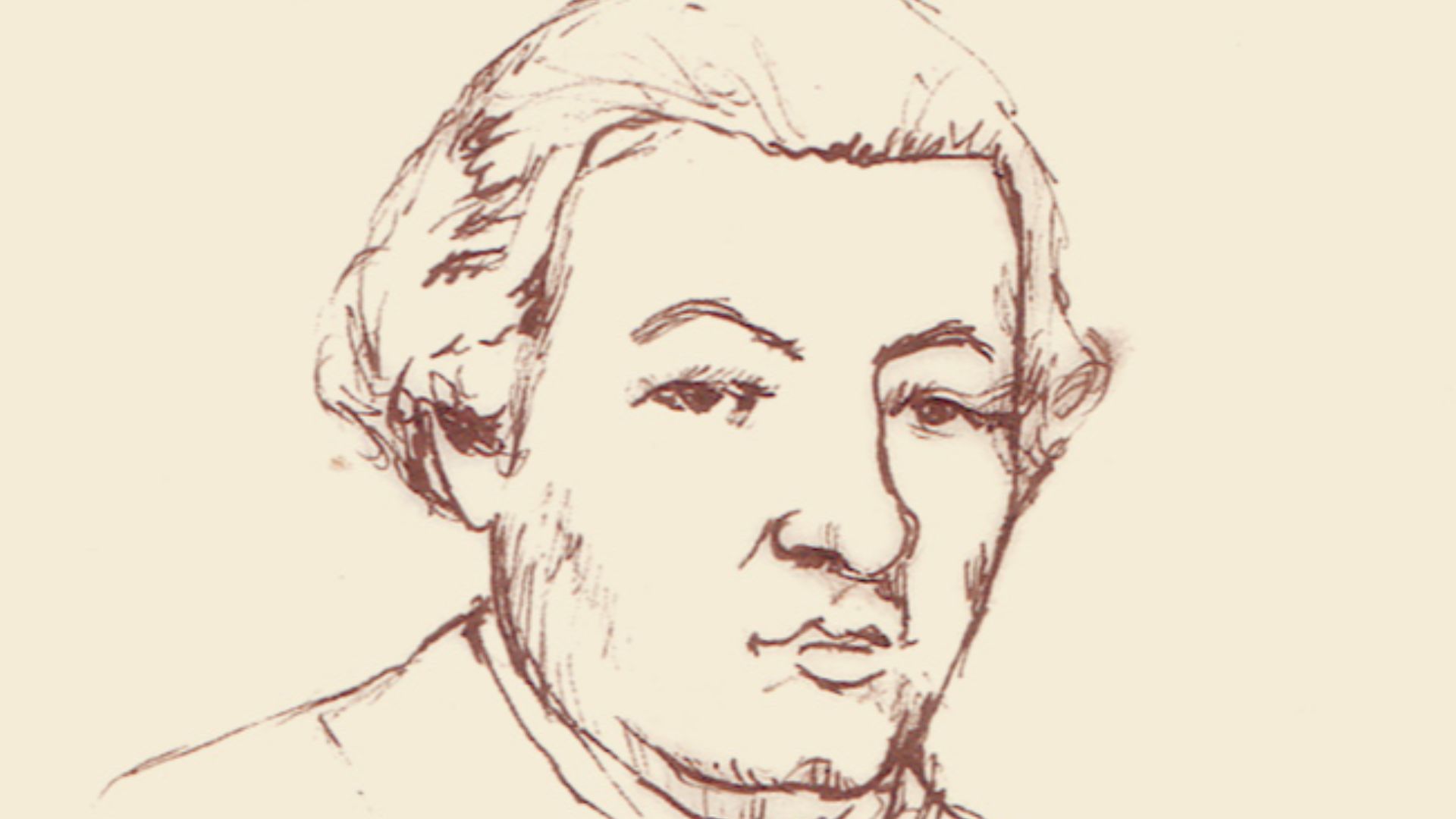
While most Londoners drank up Cagliostro’s lies, one didn’t: Charles Théveneau de Morande. A blackmailer by trade, de Morande knew all of Cagliostro’s dirty little secrets and tried to extort him. But Cagliostro refused. That turned out to be a big mistake. De Morande might have been a blackmailer by trade, but he was the editor of the widely circulated Franco-British paper Le Courier de l’Europe by profession.
29. His Secrets Hit The Papers
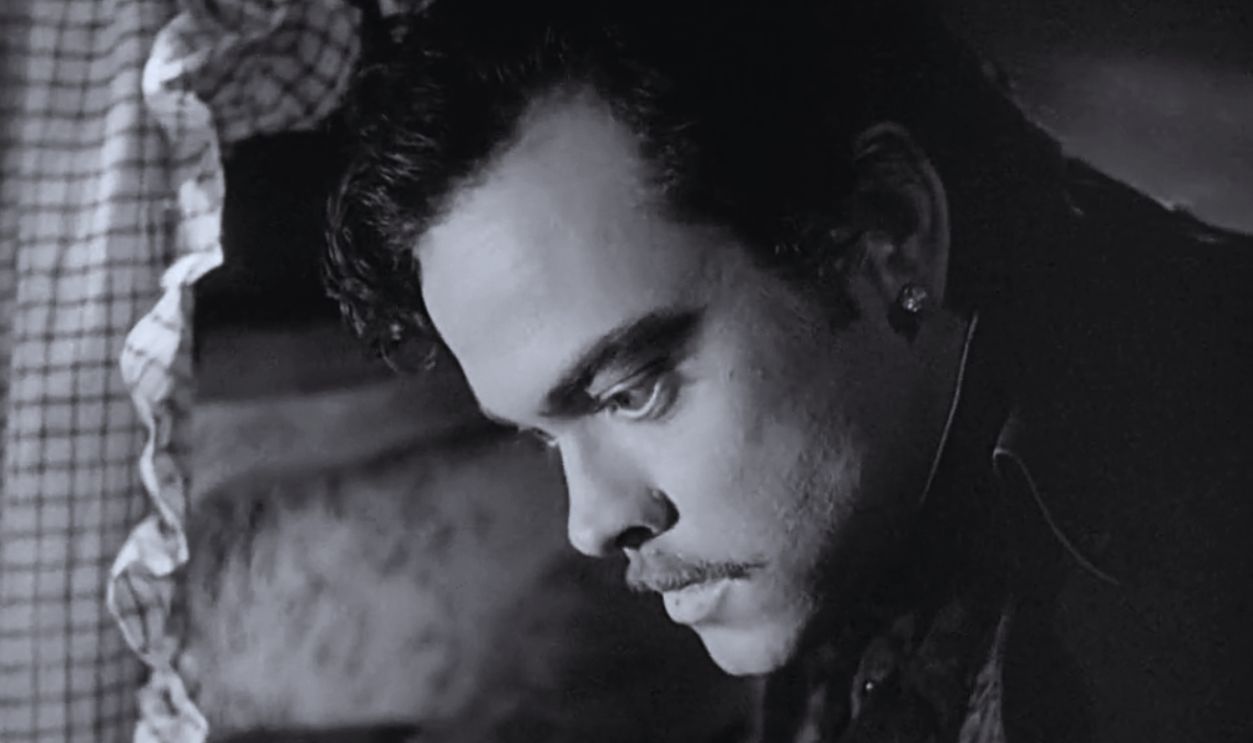
Suffice to say, de Morande was not happy when Cagliostro refused to pay him to keep his secrets. So, he got his revenge in ink. De Morande turned his newspaper loose on Cagliostro, “making sure that everyone in Europe knew who and what he was”. Cagliostro’s black magic was, it turns out, more powerful than de Morande’s black ink.
 Screenshot from Black Magic, Edward Small Productions / United Artists (1949)
30. He Joined A Secret Society
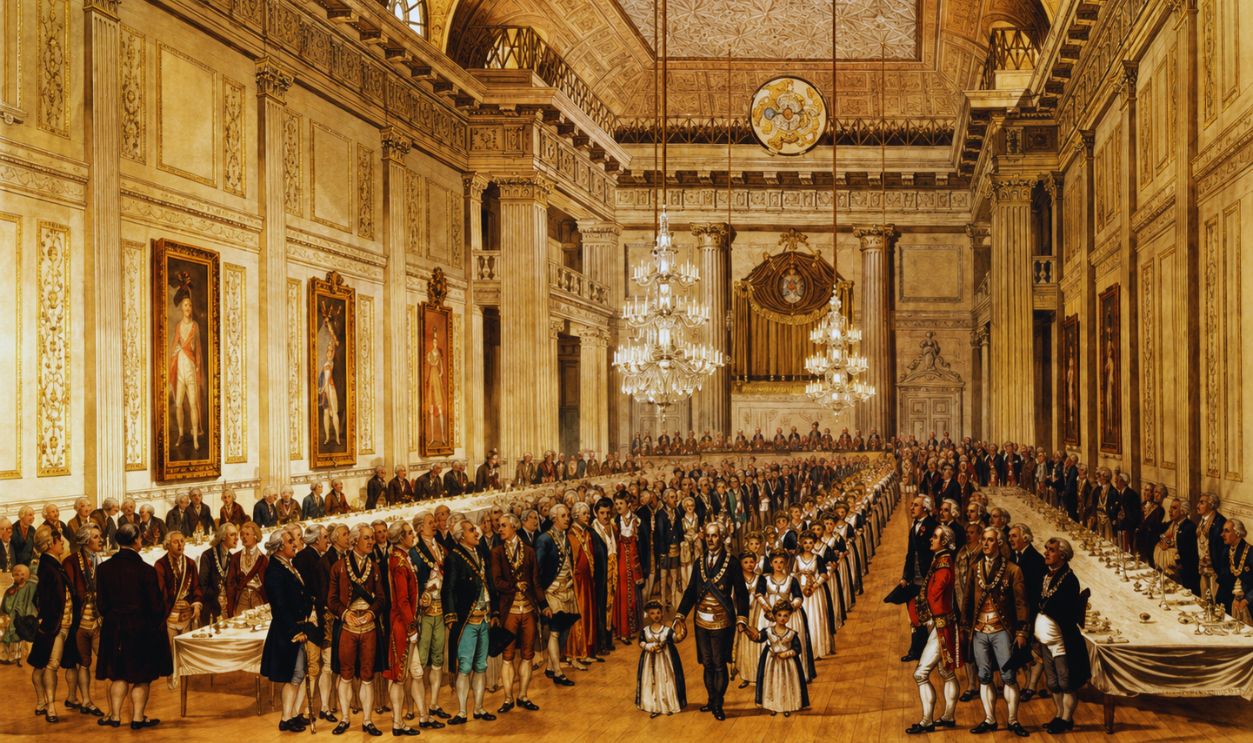
Even if the papers called him names, Cagliostro maintained his status in Europe’s high society. In fact, in the spring of 1777, “Joseph Cagliostro” became a Freemason, joining the Espérance Lodge No 289. Historians note that it was a “low rank” lodge but it gave Cagliostro what he needed: a book all about the arcane world of Egyptian Masonry.
It was the con that would define the rest of his life.
 Unknown Author, Wikimedia Commons
31. He Became The Grand Cophta
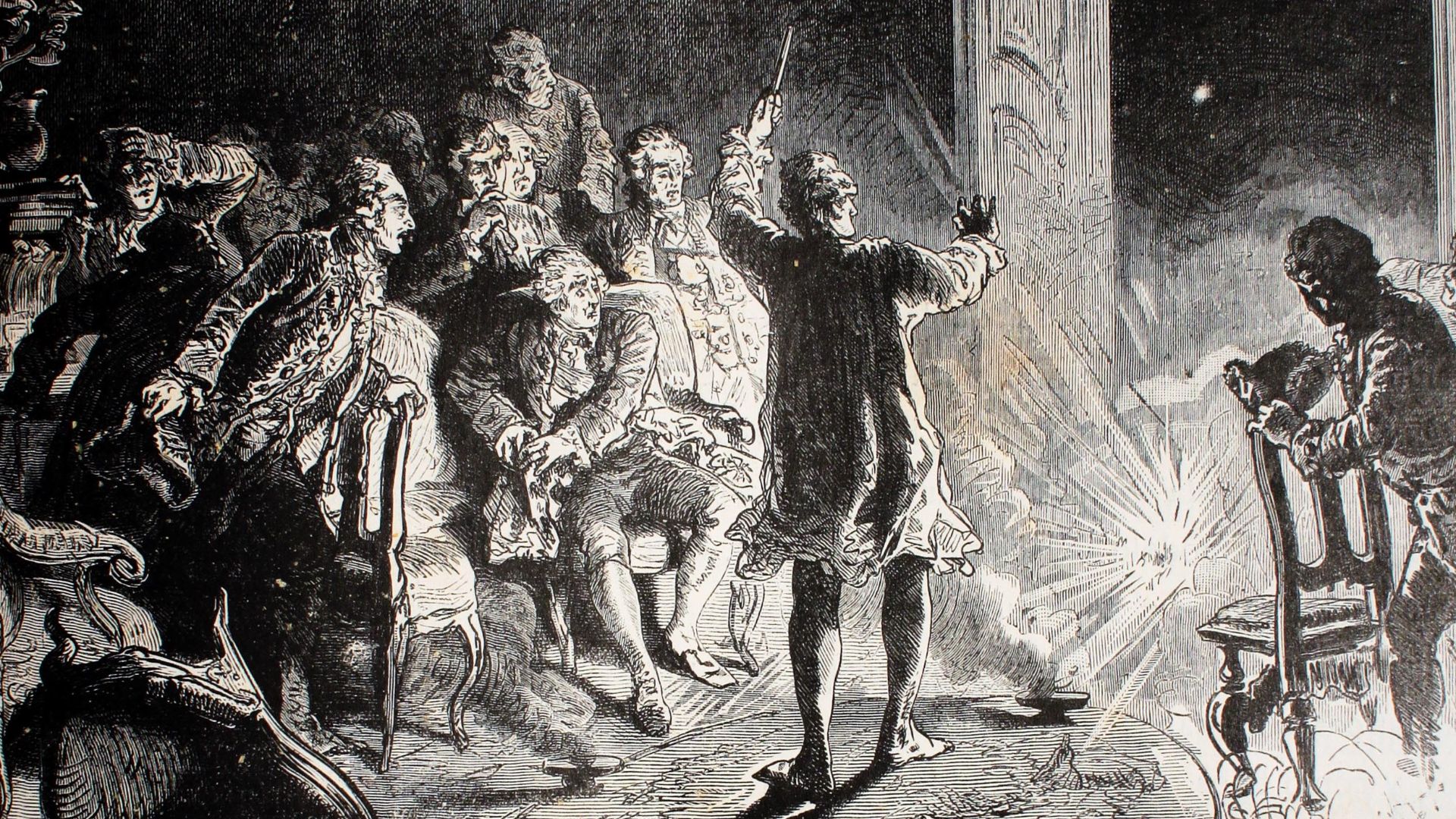
Cagliostro was already a count, a grand master, and a knight. But he needed one more title: the “Grand Cophta”. Under that name, he lured followers into lodge meetings for stranger and stranger rituals, all promising “perfection” through “physical and moral regeneration”. For unknown reasons, Cagliostro ended up behind bars at King’s Bench for a time during that period.
But no cell could contain the great “Grand Cophta” for long.
 Fondo Antiguo de la Biblioteca de la Universidad de Sevilla from Sevilla, España, Wikimedia Commons
32. He Went Looking For Converts
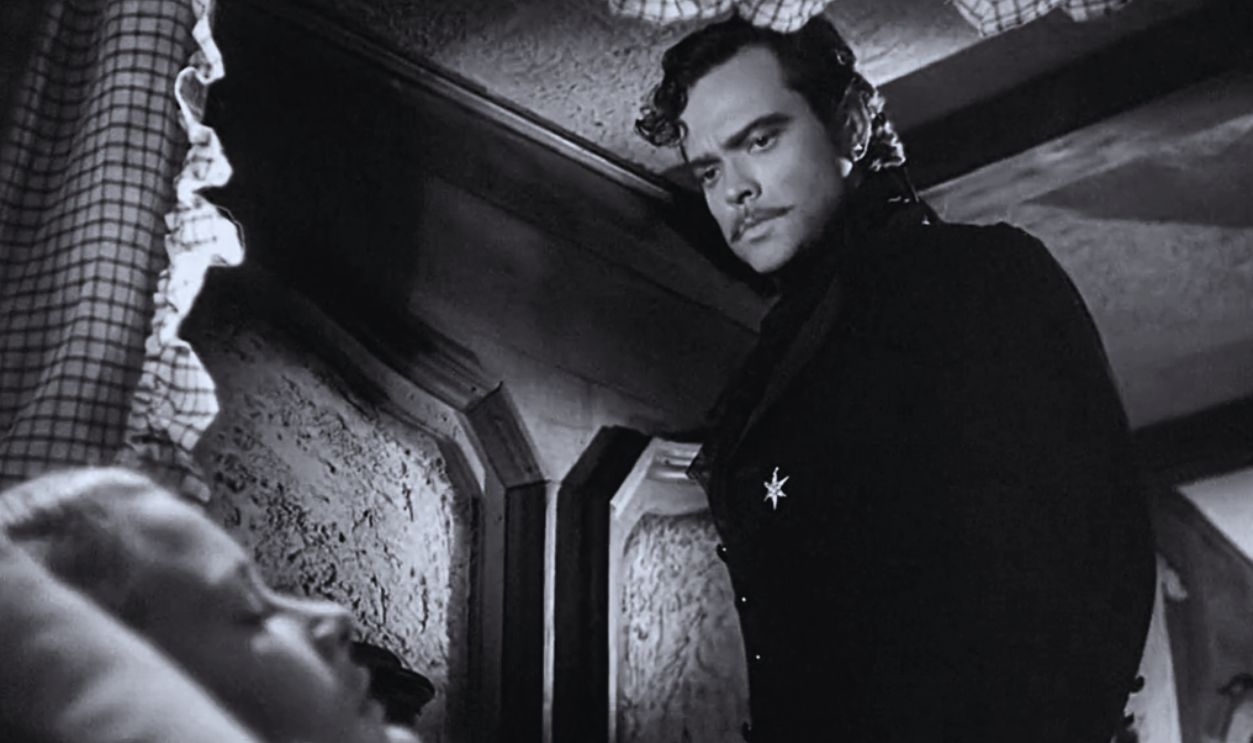
By December of 1777, Cagliostro was ready to move on. With Serafina in tow once again, he hit the road, scheming his way through Switzerland, Germany, and Prussia. Everywhere he stopped, he worked the local Masonic lodges, hoping to find marks to induct into his homemade “Egyptian Freemasonry”. By the spring of 1778, he found what he was looking for in Saint Petersburg.
 Screenshot from Black Magic, Edward Small Productions / United Artists (1949)
33. He Crossed Catherine The Great
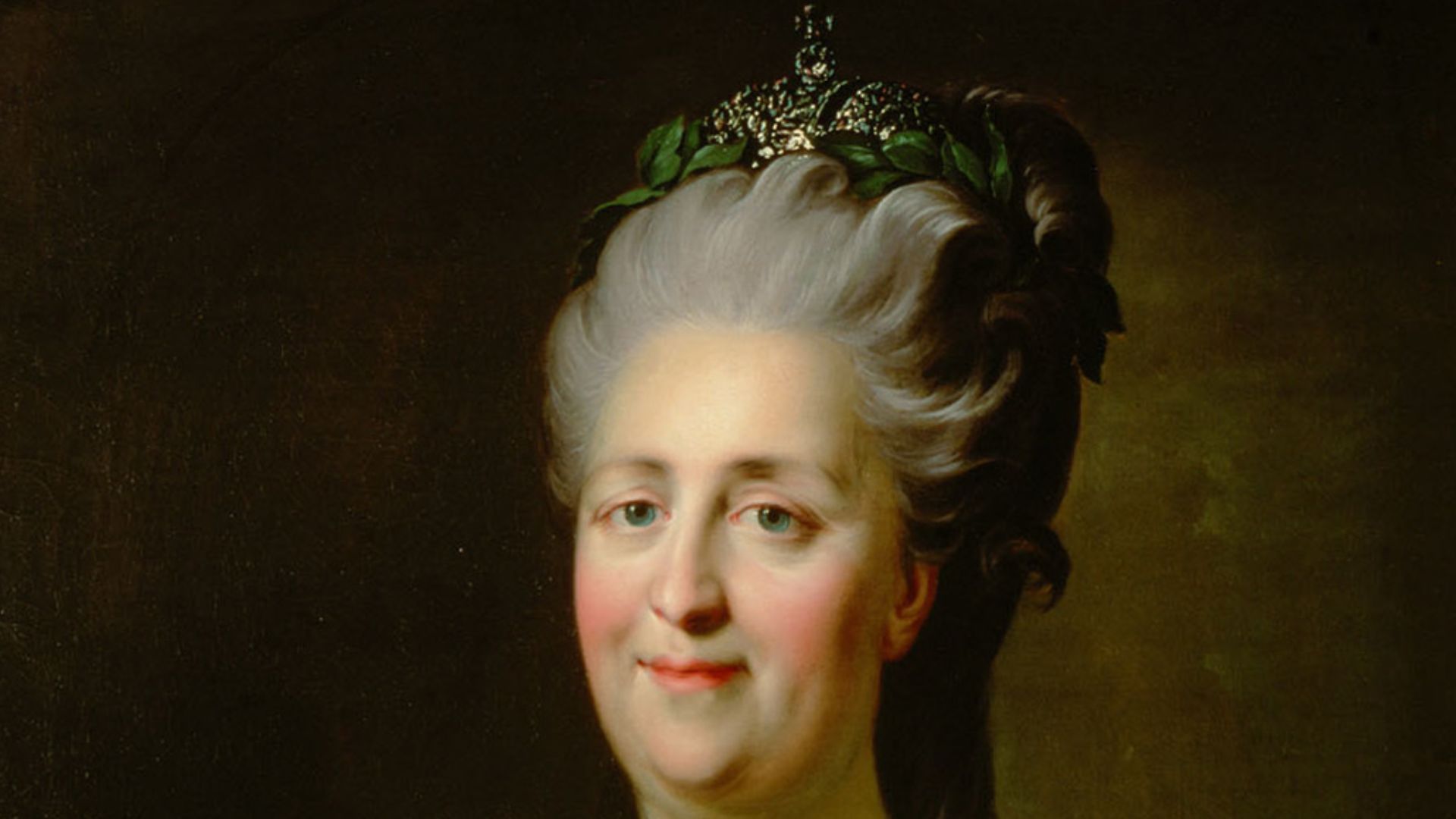
In Saint Petersburg, Cagliostro took aim at his biggest mark yet: Empress Catherine the Great. He gave the Empress his miracle potions, but not everyone in her court was so eager to drink the Kool-Aid, as it were. Her personal physician tested his concoctions and discovered that they were totally useless. An all-out court conspiracy against Cagliostro formed quickly.
Disgraced, he fled Russia.
 After Alexander Roslin, Wikimedia Commons
34. He Couldn’t Fool A Countess
Cagliostro had failed to impress an empress, but he hoped to pilfer a poet. Arriving in Courland, he set his sights on the poet Countess Elisa von der Recke, who hoped to contact the dearly departed. But she wasn’t fooled for long. Recke exposed Cagliostro, but not before he could swindle another aristocrat out of their fortune.
Trips to Vienna, Frankfurt, and, by 1783, Strasbourg followed. He couldn’t outrun unhappiness, though.
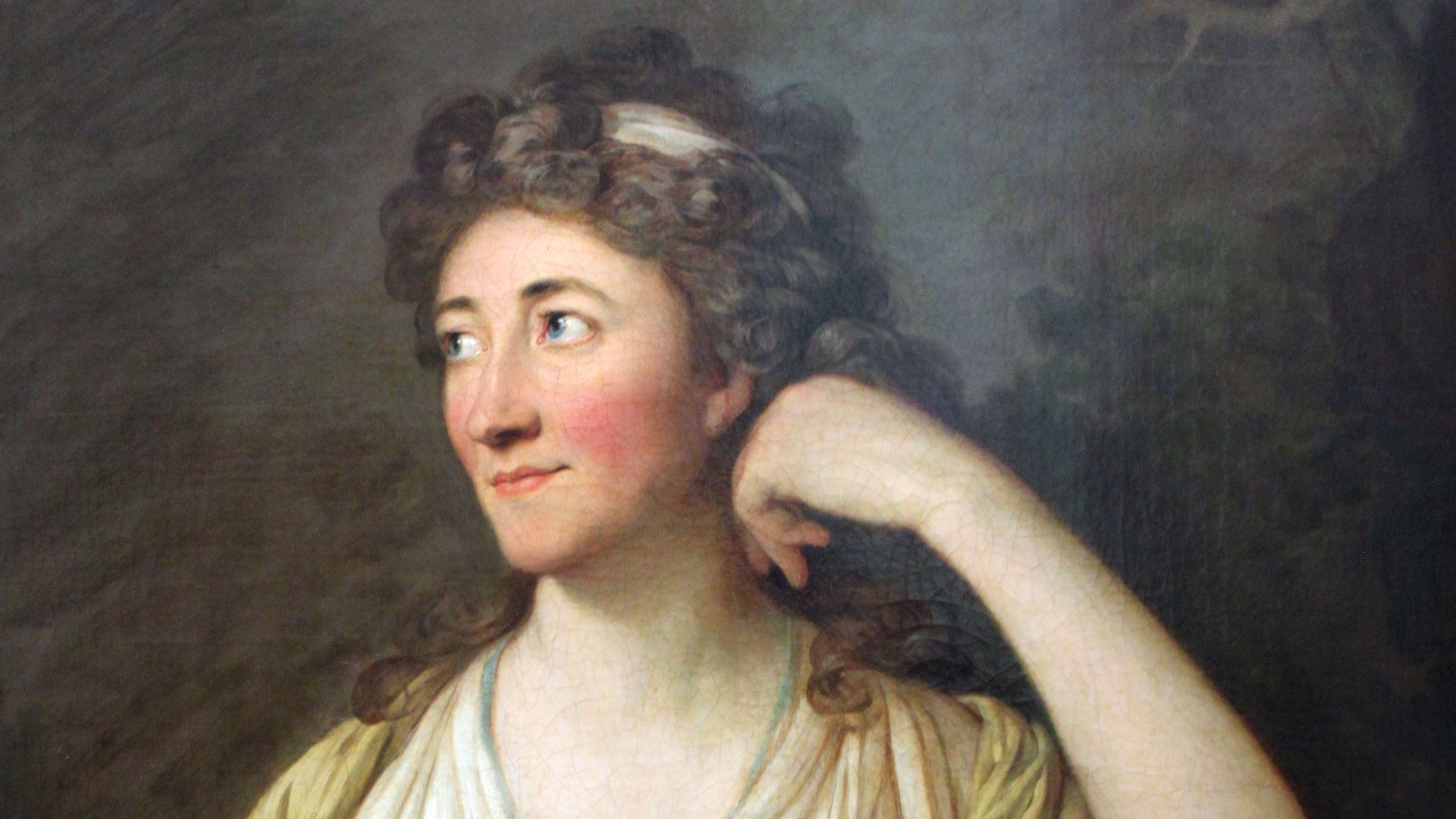 Anton Graff, Wikimedia Commons
35. He Was Rich But Wretched
By 1783, Cagliostro looked like a man who had it all. He and Serafina wore the finest clothes, kept a house full of servants, and entertained in grand style. But, just like Cagliostro himself, it was all a show. In actuality, Cagliostro and Serafina looked “haggard and jaded,” could barely stand each other, and—by one account—fought constantly.
All that glittered, it turned out, truly wasn’t gold.
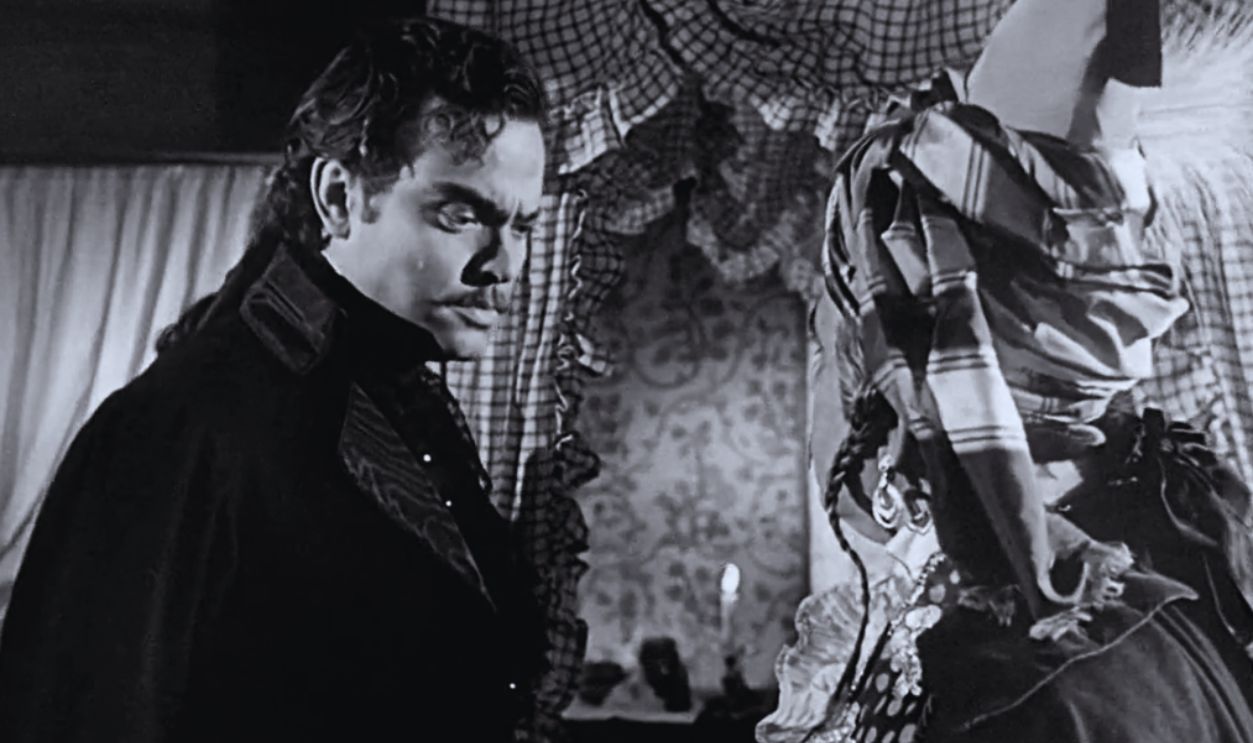 Screenshot from Black Magic, Edward Small Productions / United Artists (1949)
36. He Reeled In A Cardinal
Cagliostro concealed his greed with charity. Playing the saint, he gave money to the poor and dosed the sick with a tonic he called “Extract of Saturn”. But it was all bait for one very big fish: the fabulously wealthy Prince Cardinal de Rohan. “Your soul is worthy of mine,” Cagliostro purred in de Rohan’s ear. “You deserve to be made participator of all my secrets”.
All, that is, except for one.
 Unidentified painter, Wikimedia Commons
37. He Built A Masonic Empire
With de Rohan’s fortune behind him, Cagliostro went into business. In 1784, Cagliostro used de Rohan’s money to set up Egyptian Masonic lodges in Naples, Bordeaux, and Lyon. Oddly enough, Cagliostro’s lodges were quite progressive, opening their doors to both men and women alike. But the promise of “perfection through the physical and moral rebirth of all who believed in it” was a step too far.
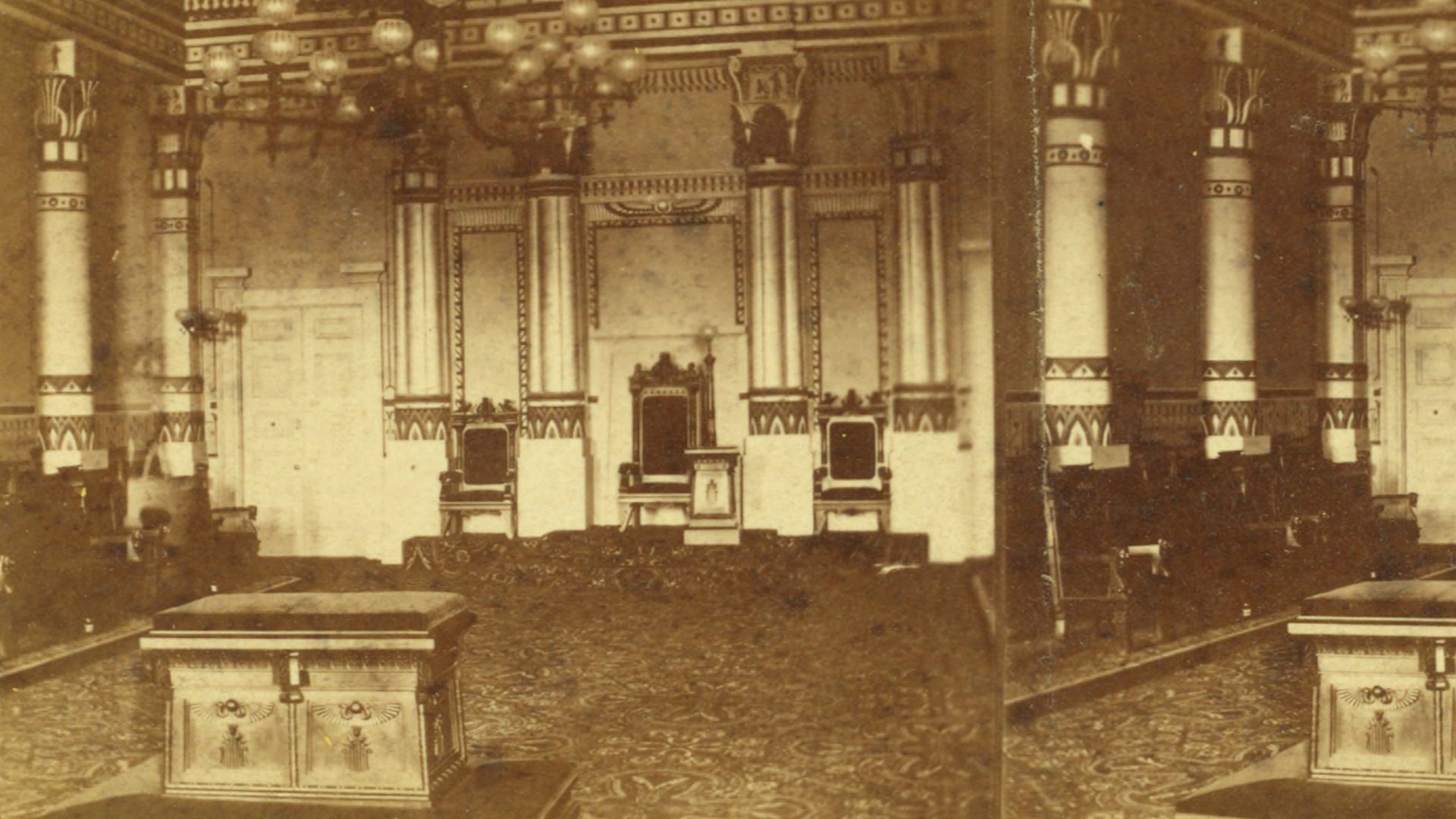 Unknown artistUnknown artist, Wikimedia Commons
38. He Promised Immortality
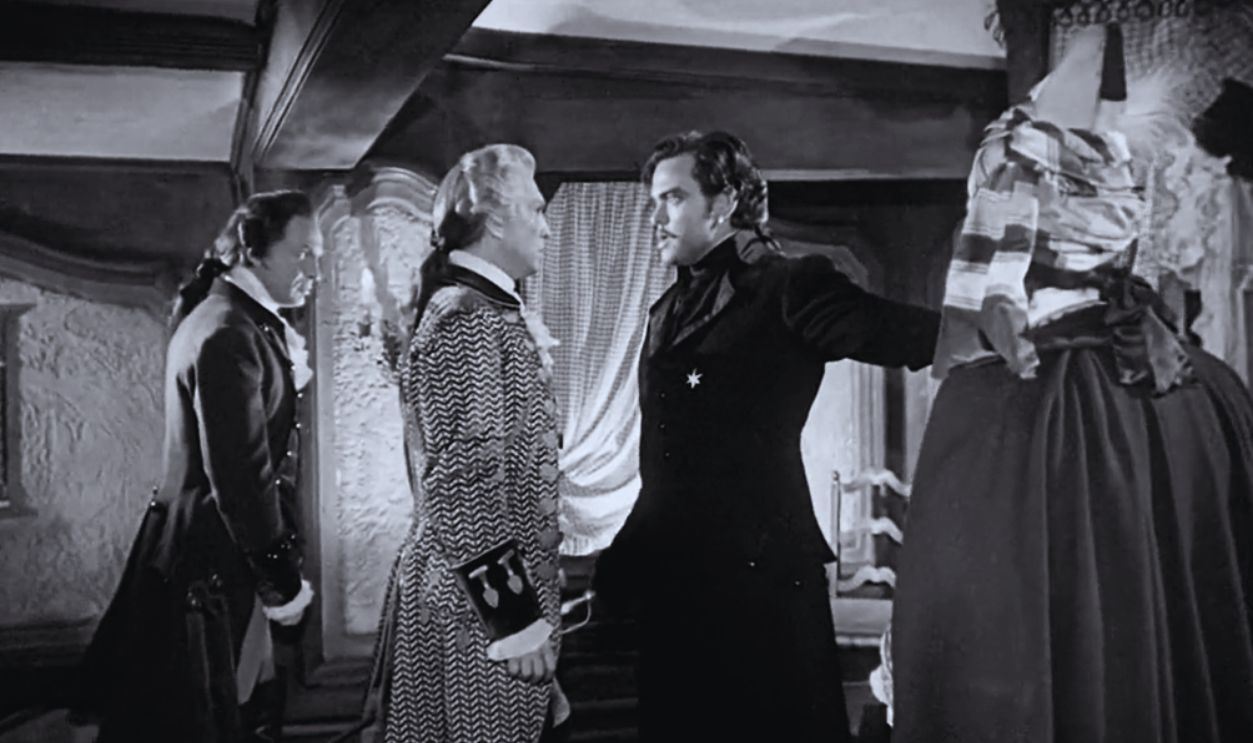
To attract even more adherents (aka dupes) into his lodges, Cagliostro’s lies became truly spectacular. He swore that his Egyptian Freemasonry could deliver “the primary matter, or the philosopher’s stone,” restored “the powers of the most vigorous youth,” and rendered a man “immortal”. He even gave his ruse Biblical authority, tracing its origins back to Enoch and Elias.
The irony of Cagliostro selling immortality was about to become apparent.
 Screenshot from Black Magic, Edward Small Productions / United Artists (1949)
39. He Was All The Rage In Paris
When Cagliostro returned to Paris in 1785, he was no longer a pariah. In fact, his séances had become the hottest tickets in town—“the rage of fashionable society,” as one source put it. But, when his friend (read: piggy bank) de Rohan became embroiled in the Affair of the Diamond Necklace, the only rage that Cagliostro inspired was that of a queen.
 Château de Breteuil, Wikimedia Commons
40. He Was A Victim Of A Swindle
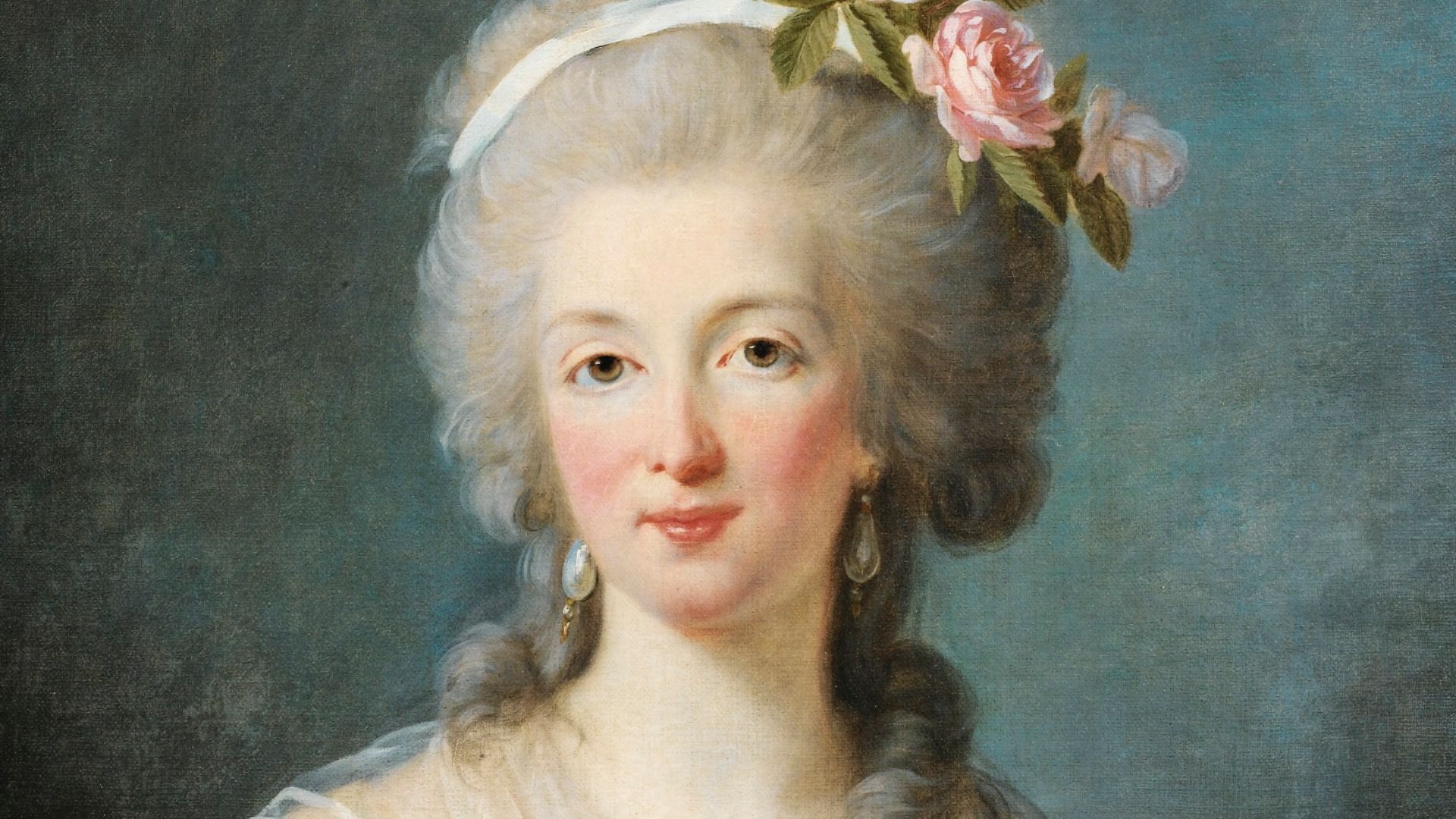
The Affair of the Diamond Necklace barely involved Cagliostro at all—but it would be his undoing all the same. At the center of the scandal was a different trickster, the Comtesse de La Motte, who fooled de Rohan into believing he was buying a wildly expensive diamond necklace on behalf of Queen Marie Antoinette herself. Of course, he wasn’t.
The whole arrangement was a swindle—a royal-sized one—and when it went south, it took Cagliostro down too.
 Élisabeth Louise Vigée Le Brun, Wikimedia Commons
41. He Got Off, Then Got Out
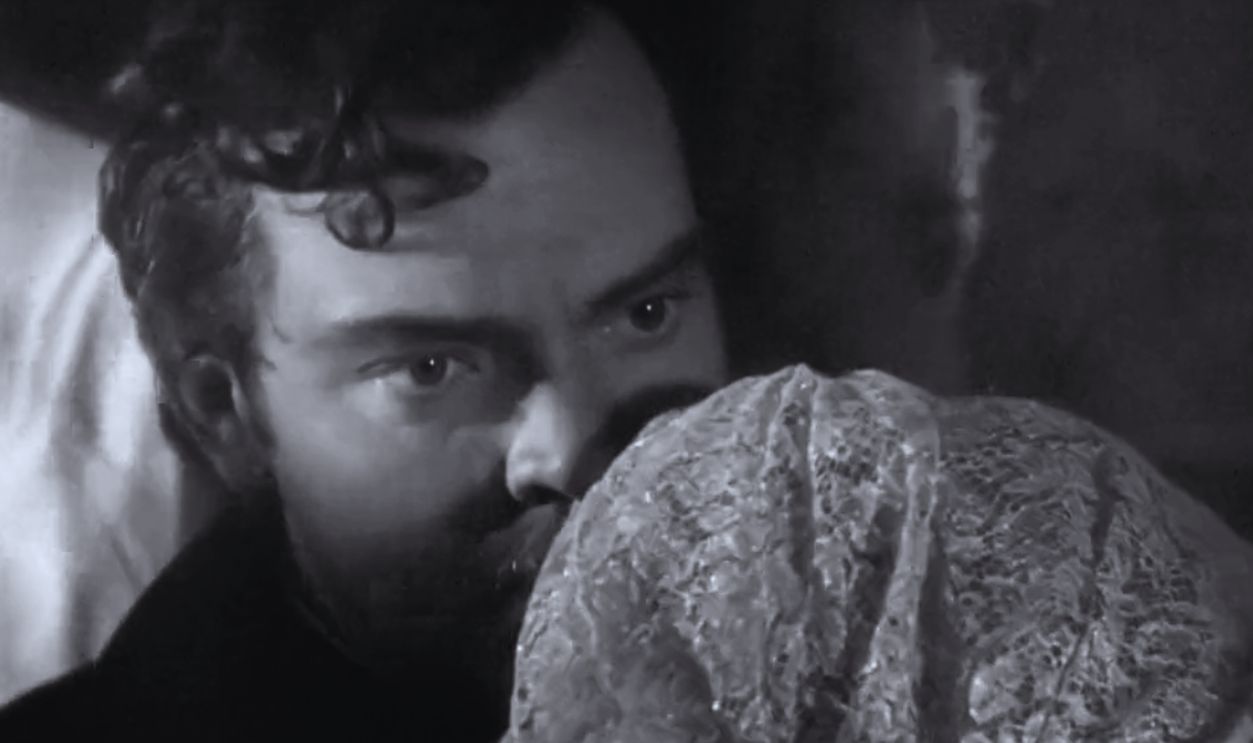
For the first time in his life, Cagliostro went down for a con job that he had almost nothing to do with. When French authorities rounded up the conspirators in the Affair of the Diamond Necklace, both Cagliostro and de Rohan landed in the Bastille. Fortunately, he wasn’t there for long. Authorities acquitted him of the charges but banished him from France all the same.
Yet again, Cagliostro was headed for London.
 Screenshot from Black Magic, Edward Small Productions / United Artists (1949)
42. His Past Caught Up With Him
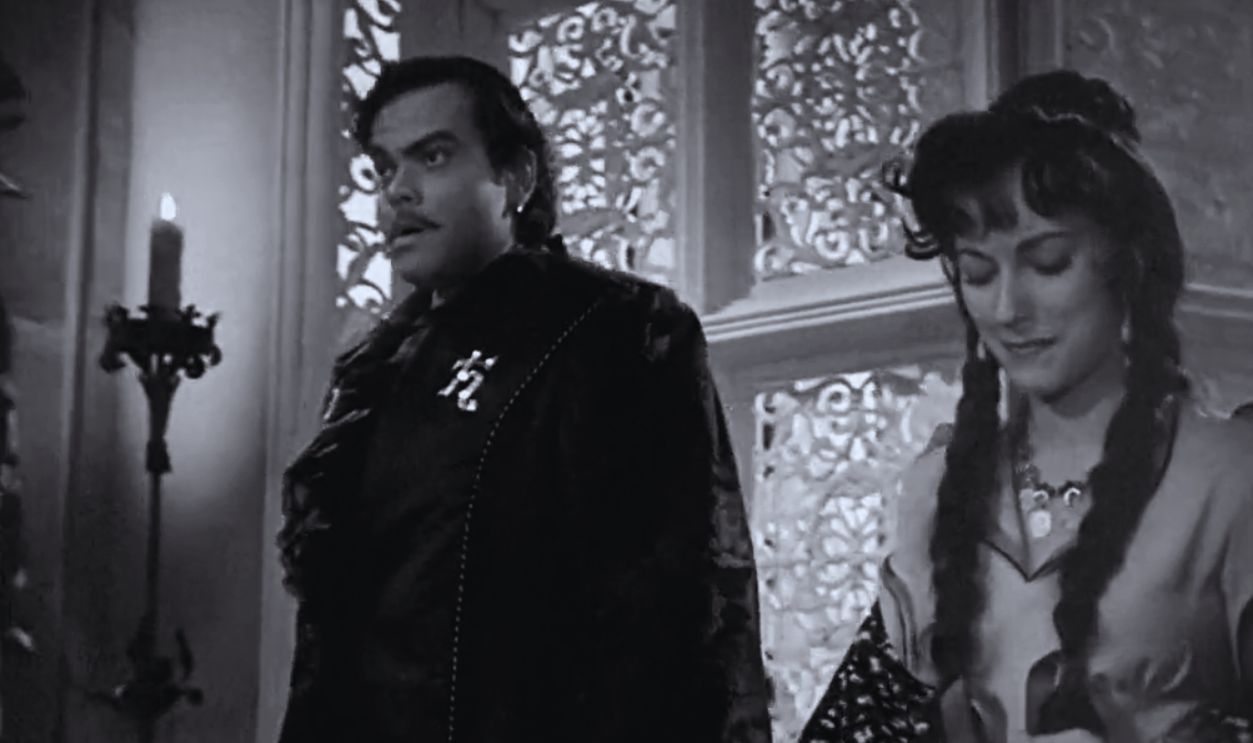
Just because Cagliostro was done with France didn’t mean France was done with him. While Cagliostro settled back into life in London, the French government quietly hired a lawyer from old Beppo the Cursed’s hometown of Palermo. The lawyer’s job? Build a genealogy of the curious Cagliostro. When the German writer Johann Wolfgang von Goethe encountered this lawyer, all of Cagliostro’s secrets came out.
 Screenshot from Black Magic, Edward Small Productions / United Artists (1949)
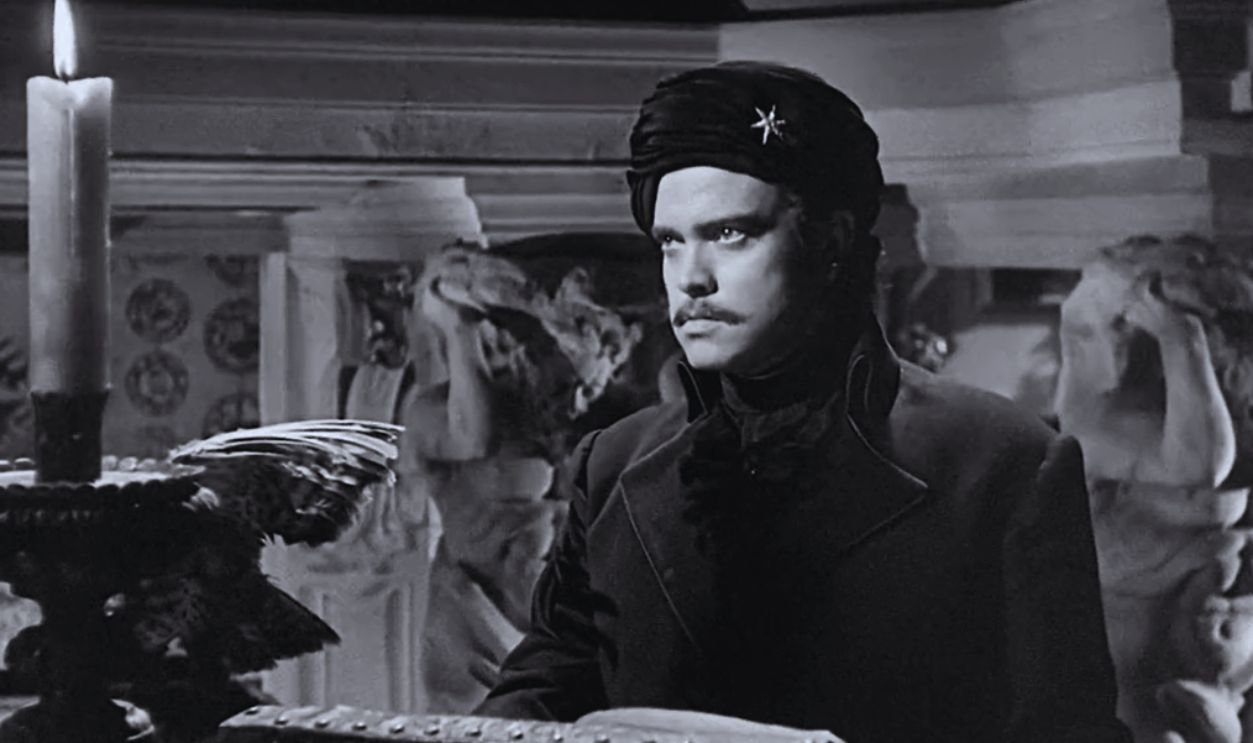
43. He Abandoned His Own Family
Goethe picked up where the Palermo lawyer left off. The German traveled to Palermo where he found Cagliostro’s relatives, including his mother, Felicità Balsamo, still alive—but only barely. Unlike Cagliostro (who was living large in London at the time), Cagliostro’s family was living in abject poverty. All while he owed his sister a small fortune that he simply never repaid.
Karma was coming for Cagliostro.
 Screenshot from Black Magic, Edward Small Productions / United Artists (1949)
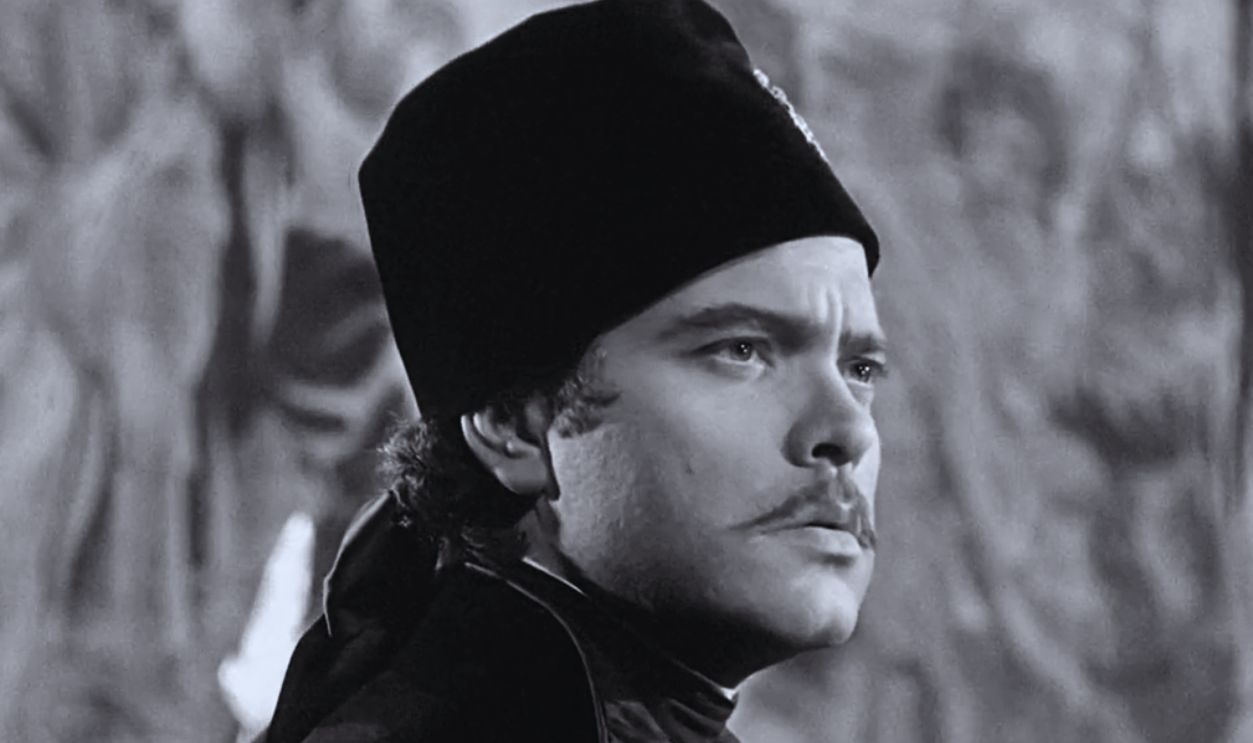
44. He Cleared His Name
Unaware of the unraveling of his lies, Cagliostro set about rewriting his story in London. He forced his old foe de Morande into printing a public apology for every word he’d ever published about him. Then he tried his own hand at spin, using his 1787 Letter to the English People to pin all his troubles on other people’s lies and false charges.
On paper, it was a triumph. In reality, his potions had stopped selling and authorities from England to France were tightening his noose.
 Screenshot from Black Magic, Edward Small Productions / United Artists (1949)
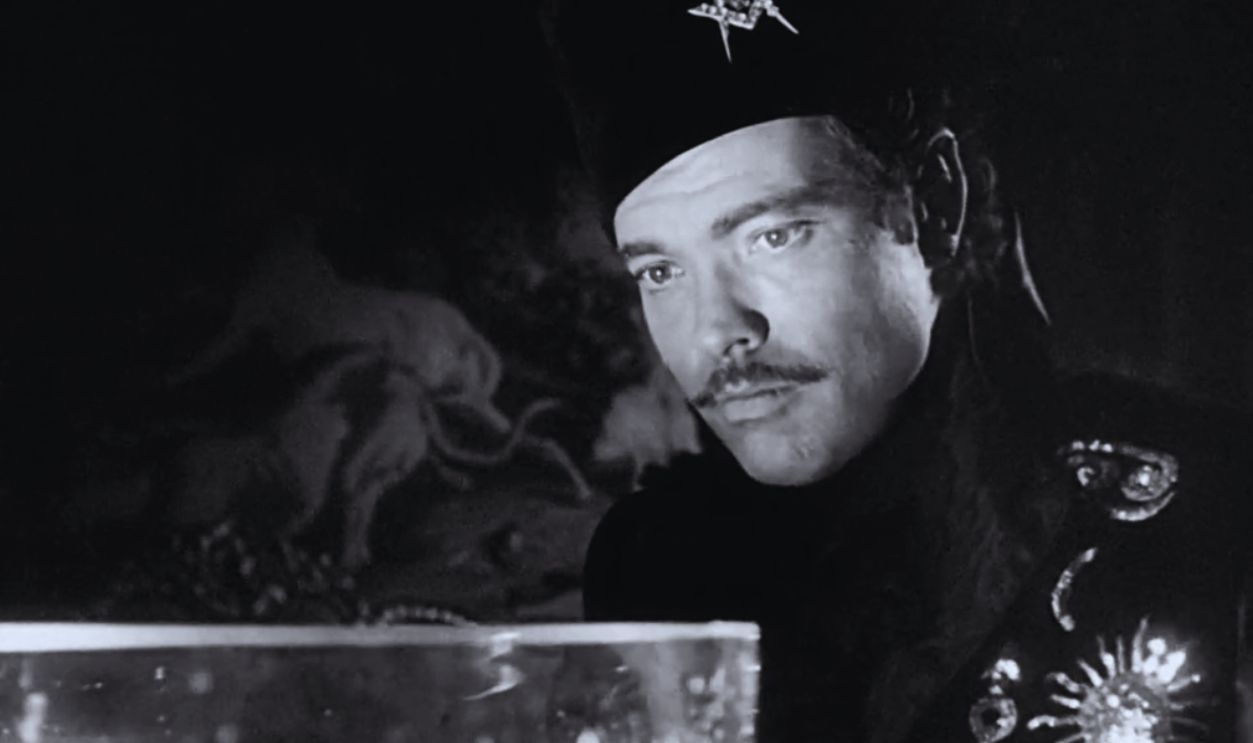
45. He Ran Out Of Road
By May of 1787, the walls had closed in on Cagliostro completely. The “Count” and his wife Serafina slipped out of London, but for the first time, he had run out of places to hide and reinvent himself. Country after country, city after city shut their doors in their faces—Switzerland, Savoy, Turin—until the couple was reduced to pawning their belongings just to eat.
Turns out, Cagliostro couldn’t turn everything into gold.
 Screenshot from Black Magic, Edward Small Productions / United Artists (1949)
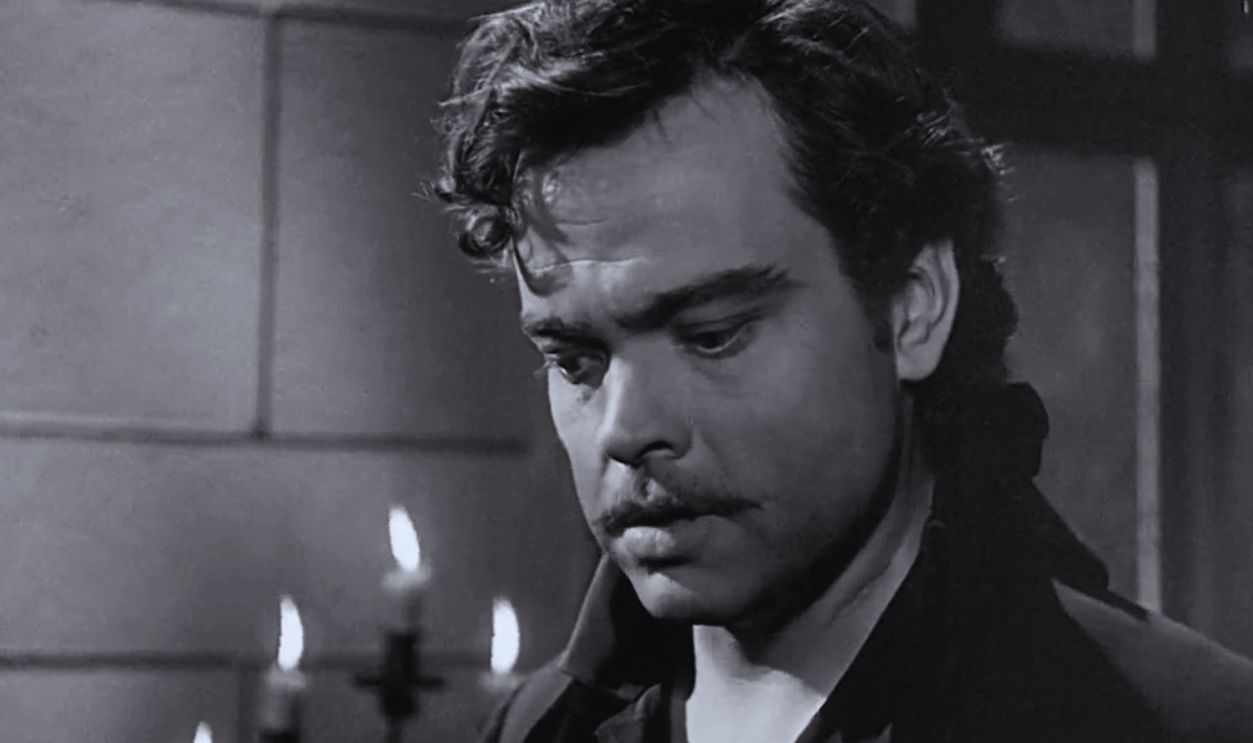
46. He Walked Into A Trap
Two years later, Cagliostro was on the road back to Rome. When he arrived, he thought it would be business as usual and tried to get another Masonic lodge up and running. But, before he could hold a séance, the Roman Inquisition swept in and scooped him up. Shortly after Christmas Day in 1789, both Cagliostro and Serafina were locked away inside the Castel Sant’Angelo.
No amount of alchemy could save him from what came next.
 Screenshot from Black Magic, Edward Small Productions / United Artists (1949)
47. His Wife Turned On Him
If Cagliostro counted on Serafina to spring him loose a second time, he was in for a shock. Unbeknownst to Cagliostro, Serafina had been quietly letting the truth about him slip for months. But, locked away with no hope of escape, she stopped being quiet and told the Inquisition everything. She called her husband a “heretic, magician, conjuror, and Freemason”.
It was the last thing she would ever do.
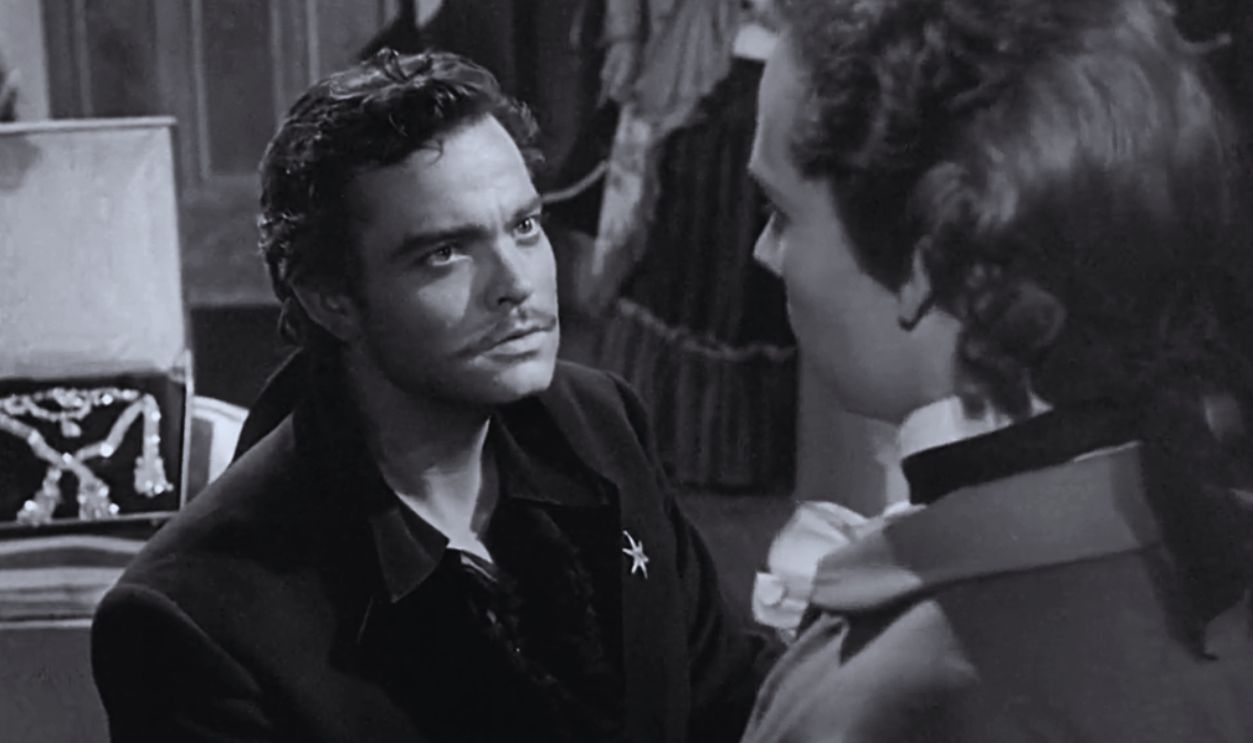 Screenshot from Black Magic, Edward Small Productions / United Artists (1949)
48. He Gave False Confessions
Cagliostro didn’t take Serafina’s betrayal lying down. He tried to counter her confessions with lies and fabrications, but Serafina’s true words had more weight than his false confessions. The Roman authorities didn’t believe his lies and let Serafina walk free to live out the last of her days in a convent where she passed in 1794.
Cagliostro’s sentence had just begun.
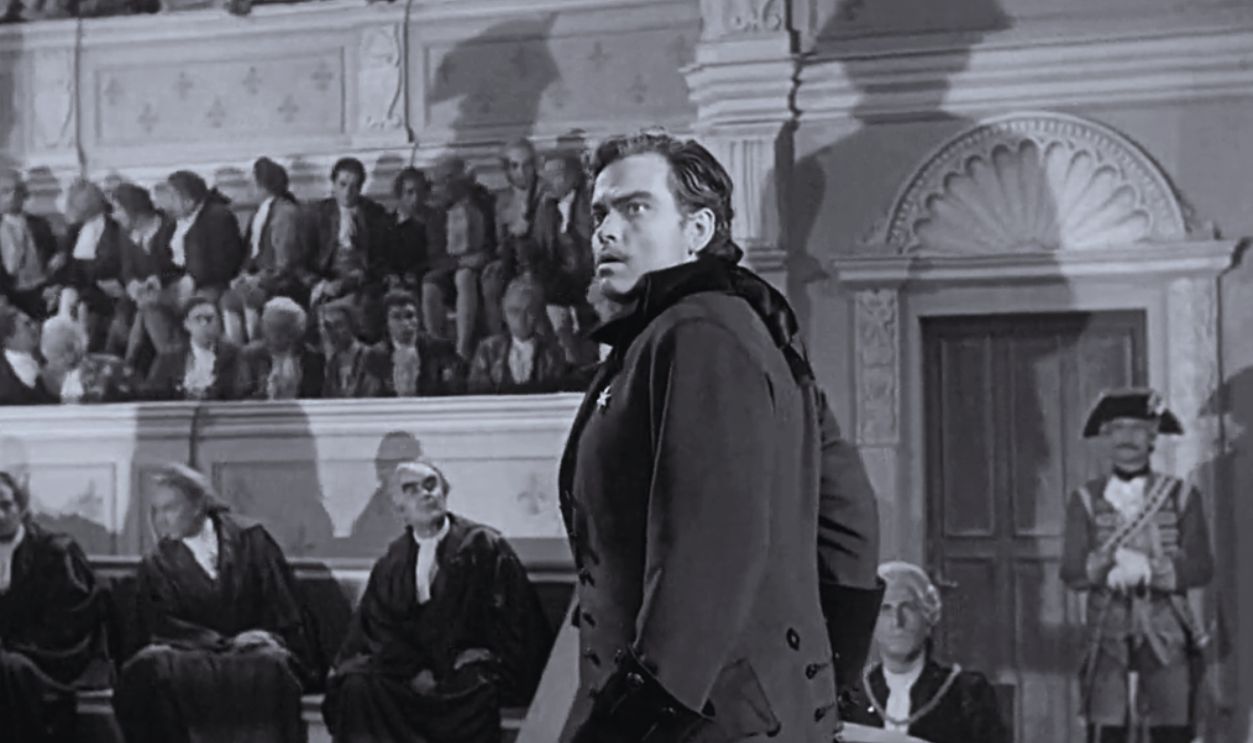 Screenshot from Black Magic, Edward Small Productions / United Artists (1949)
49. He Was Condemned At Last
Between Serafina’s confession and the genealogical report, the Roman Inquisition had everything it needed. In April 1791, it formally condemned Cagliostro’s Egyptian Masonry and planned to execute him before deciding that life in the clink would be a far more just punishment. They did, however, execute his legacy by burning his “papers, effects, and Masonic paraphernalia”—in a ritualistic manner, no less.
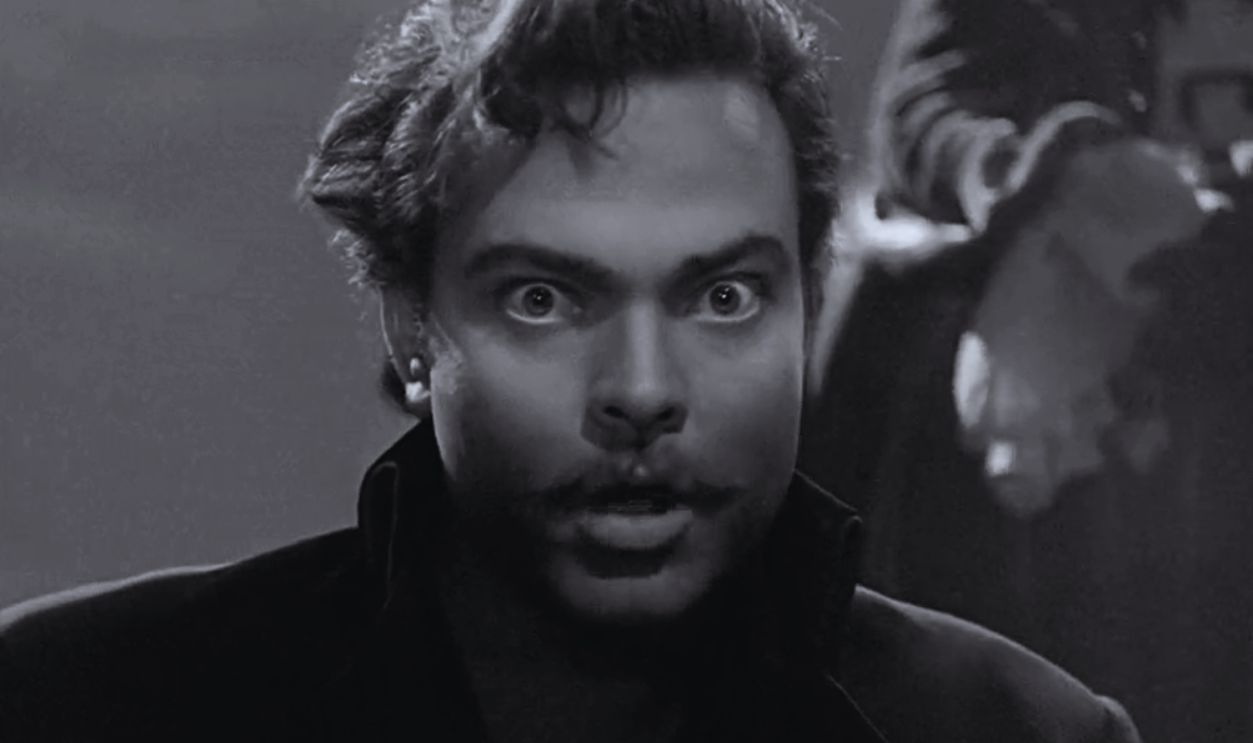 Screenshot from Black Magic, Edward Small Productions / United Artists (1949)
50. He Couldn’t Escape His Fate
For Cagliostro—the man who had schemed his way through every major European city—“life behind bars” was the worst kind of punishment. He spent his final years in the mountain fortress of San Leo in a cell that even Houdini couldn’t escape. There, Europe’s greatest charlatan repeated his lies to the walls. Mercy finally came on August 26, 1795, at the age of 52, when he breathed his last.
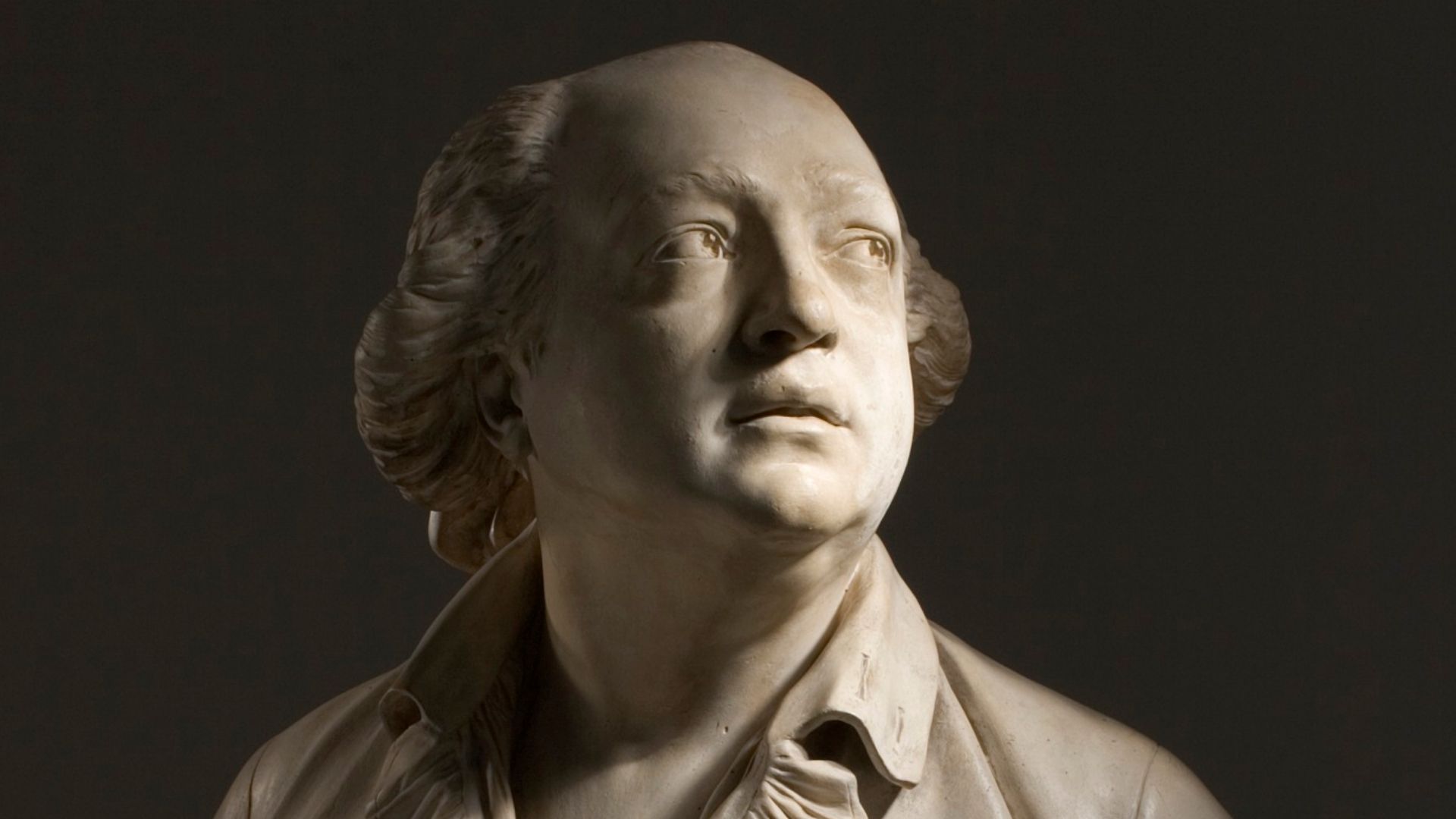 Jean-Antoine Houdon (France, Paris, 1741-1828), Wikimedia Commons
51. Alessandro Cagliostro Was The “Quack Of Quacks”
Historians give Alessandro Cagliostro credit for spreading Freemasonry across Europe. Well, Freemasonry, and lies. It was Thomas Carlyle who best summed up Cagliostro’s legacy, calling him a “liar of the first magnitude” and giving him the ignominious title of “Quack of Quacks”.
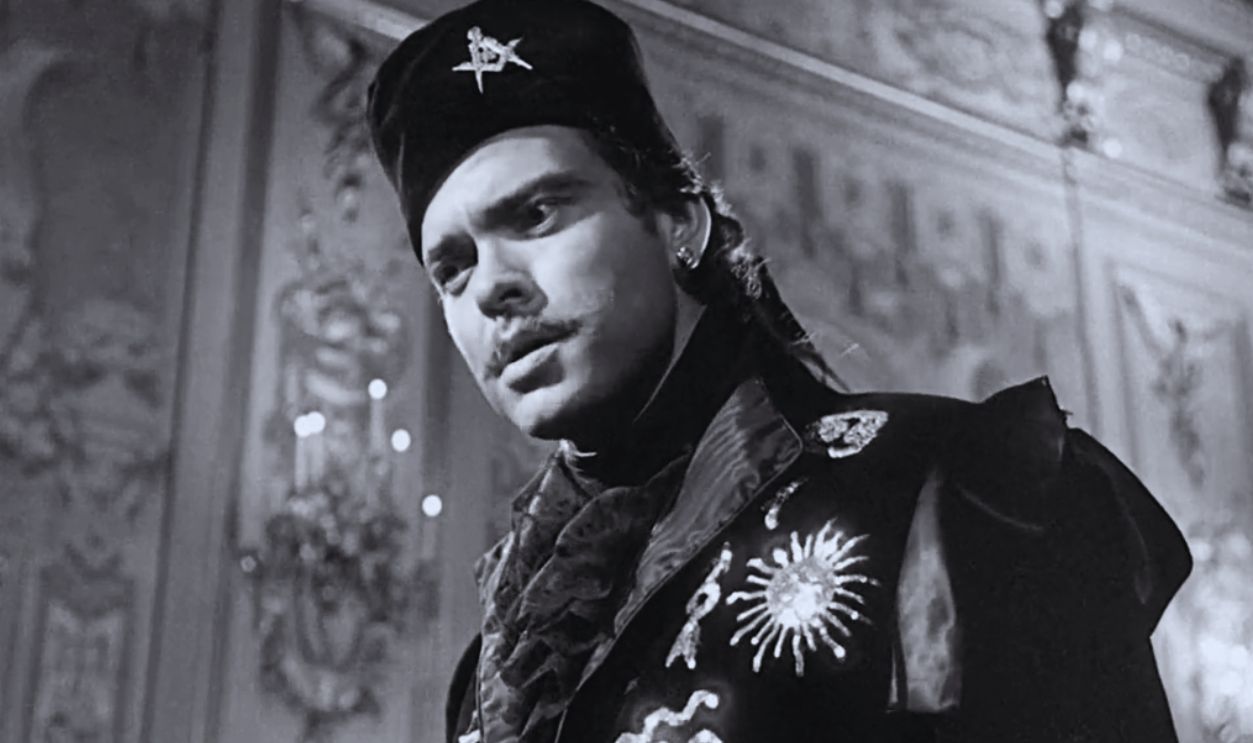 Screenshot from Black Magic, Edward Small Productions / United Artists (1949)