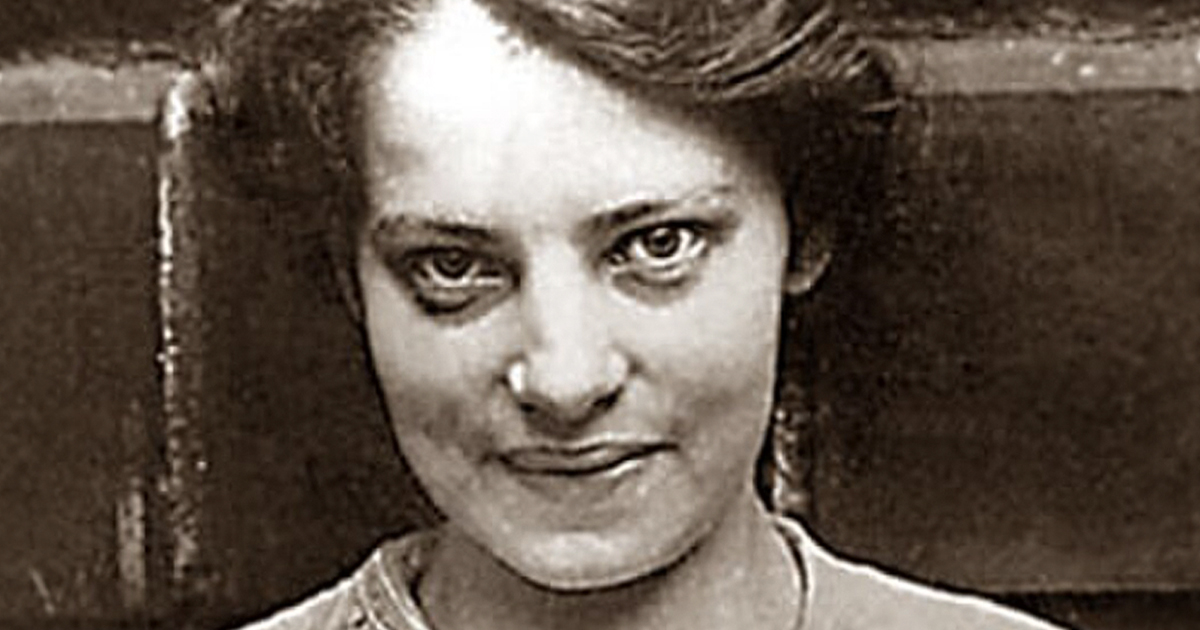
Who Was Anna Anderson?
For much of the 20th century, one woman managed to do the almost impossible. She convinced aristocrats, former servants, journalists, judges, and ordinary people that she was Grand Duchess Anastasia Nikolaevna—the long lost daughter of Russia's last tsar. Others dismissed her as a clever impostor. Her name was Anna Anderson, and her extraordinary claim divided Europe for decades.
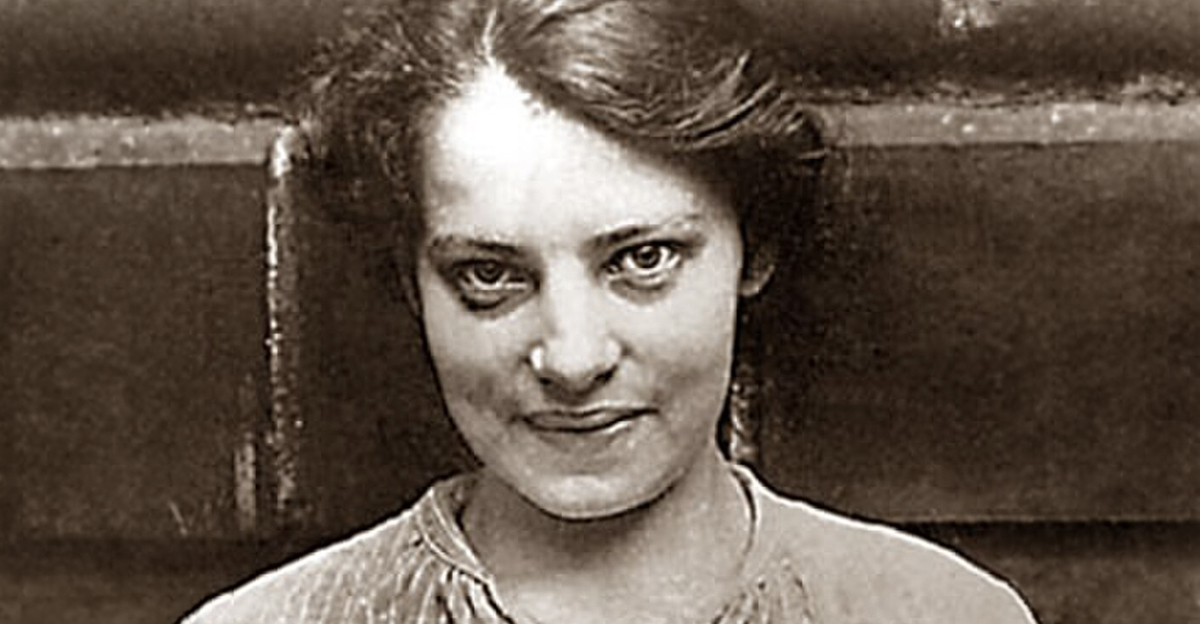 Unknown Author, Wikimedia Commons
A Royal Family Disappeared Overnight
In the early hours of July 17, 1918, Tsar Nicholas II, Empress Alexandra, their five children, and four loyal attendants were taken to the basement of the Ipatiev House in Yekaterinburg, Russia. Bolshevik guards carried out their execution, ending more than 300 years of Romanov rule. Yet because details of the killings remained secret, rumors immediately began circulating that one of the children had escaped.
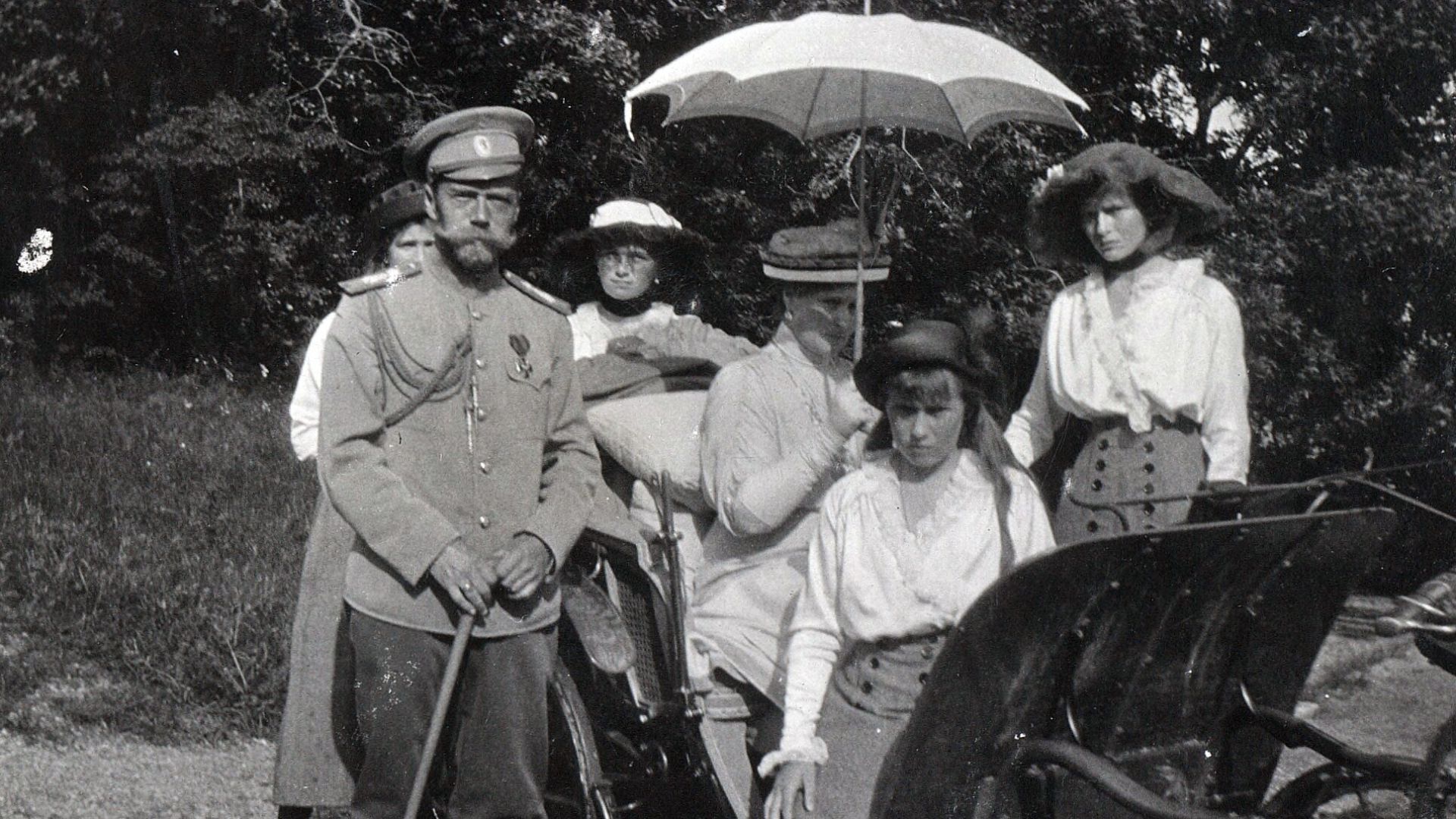 Romanov family, Wikimedia Commons
One Daughter Captured The World's Imagination
Among the Romanov children, Grand Duchess Anastasia quickly became the focus of those rumors. Just 17 years old when the family disappeared, she was remembered as lively, witty, and endlessly mischievous. With no bodies publicly identified for decades, countless people hoped the youngest princess had somehow survived.
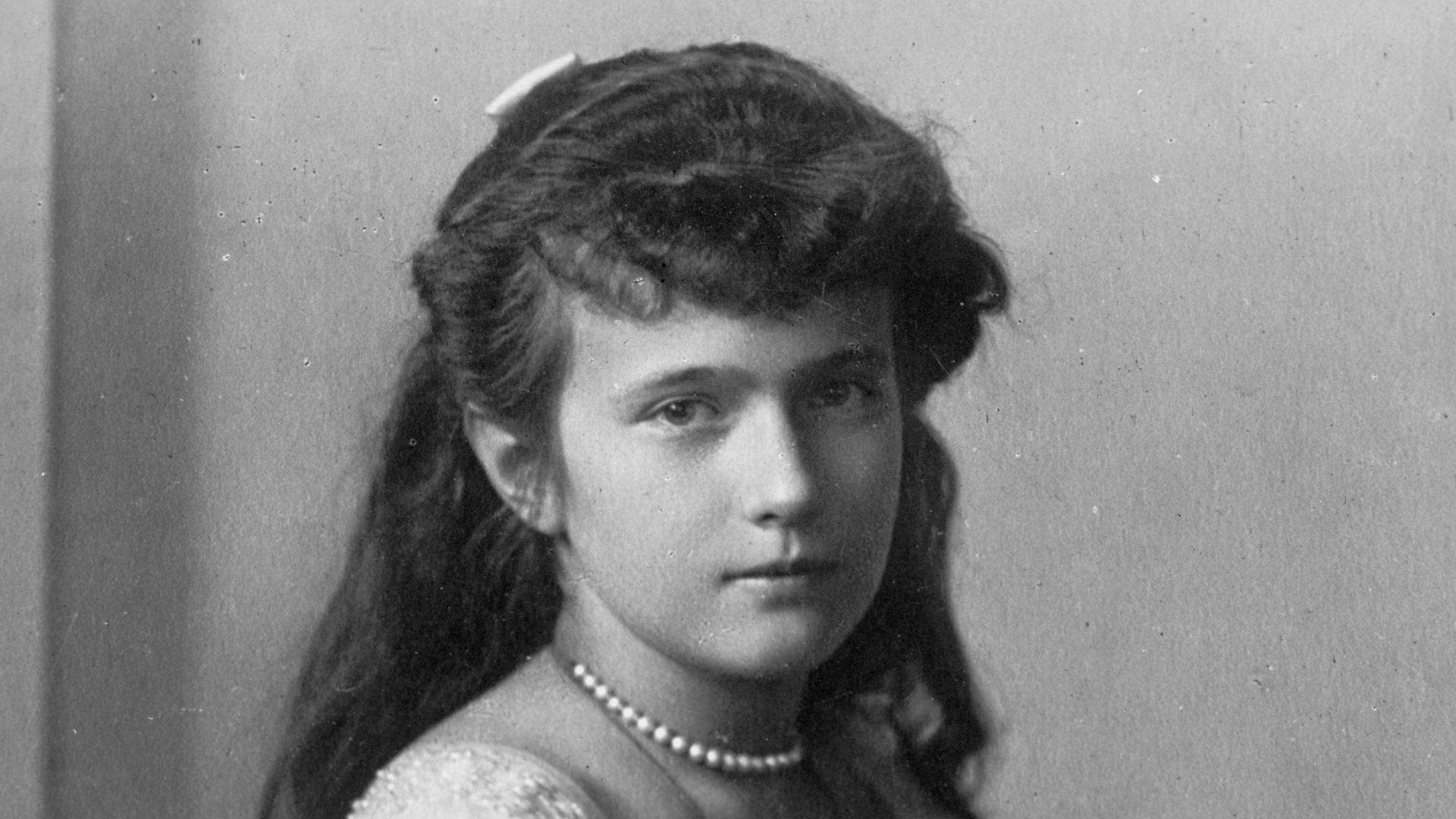 Boissonnas et Eggler, St. Petersburg, Nevsky 24. – Bain News Service, publisher., Wikimedia Commons
Then A Stranger Appeared In Berlin
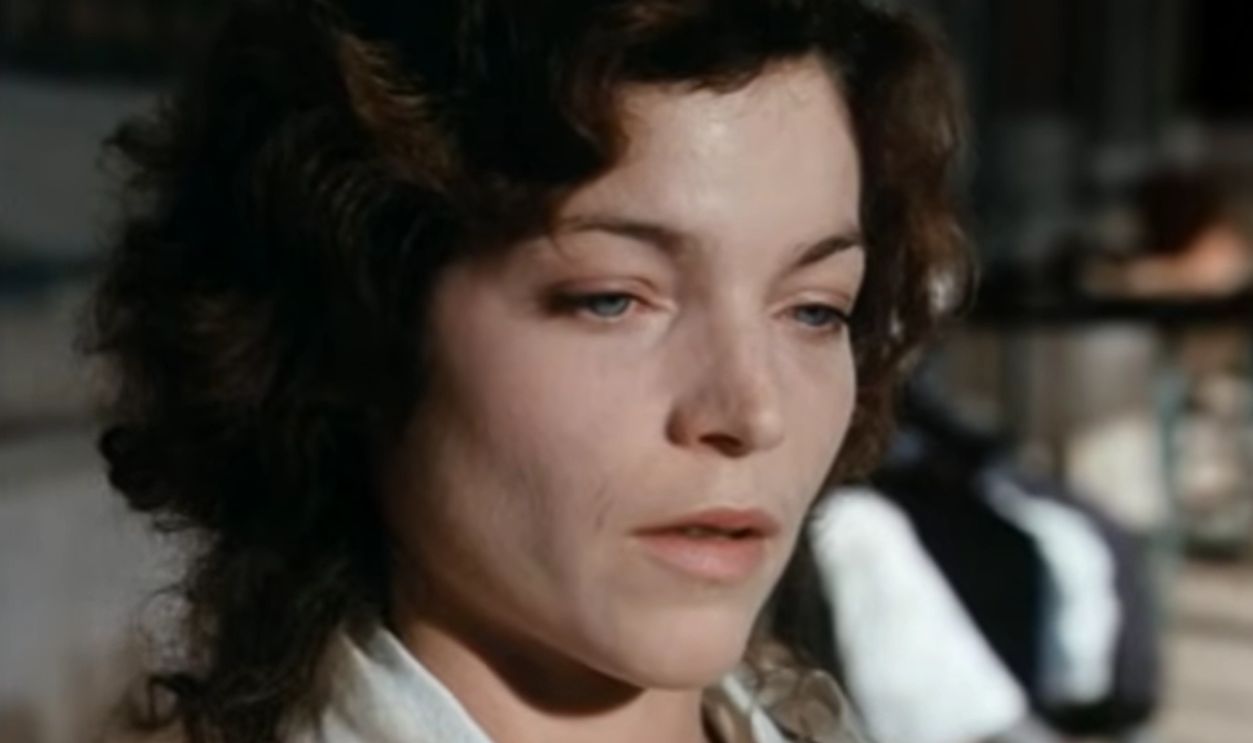
On February 17, 1920, Berlin authorities rescued a distraught young woman after she intentionally jumped into the Landwehr Canal. She survived but refused to reveal who she was. Doctors admitted her to Dalldorf Asylum, where hospital records listed her simply as "Fräulein Unbekannt"—"Miss Unknown." No one could have guessed she would soon become one of history's greatest identity mysteries.
 Screenshot from Anastasia: The Mystery of Anna, Sonar Entertainment (1986)
She Didn't Even Have A Name
For nearly two years, the mysterious woman refused to identify herself. After leaving the asylum in 1922, she briefly used the name Anna Tschaikovsky, claiming she had escaped Russia alongside a man with that surname. Soon afterward, she adopted the name Anna Anderson. No one knows exactly why she chose it, but it became the name recognized around the world.
 Screenshot from Anastasia: The Mystery of Anna, Sonar Entertainment (1986)
She Never Claimed To Be Anastasia At First
During her first months in the asylum, she rarely spoke and avoided discussing her past. Staff members described her as withdrawn and deeply traumatized. Other patients noticed her refined manners and unusual bearing, leading some to wonder whether she had once belonged to an upper-class family.
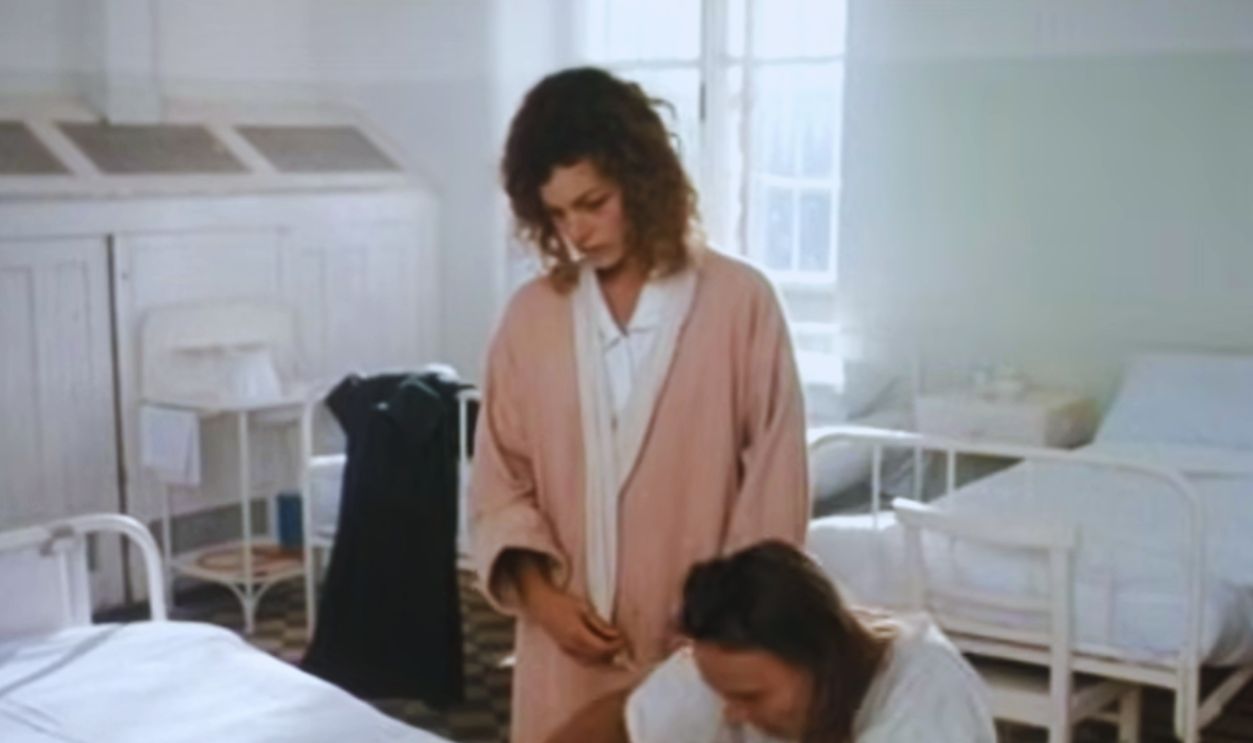 Screenshot from Anastasia: The Mystery of Anna, Sonar Entertainment (1986)
A Casual Remark Changed Everything
In 1922, another patient suggested the mysterious woman resembled Grand Duchess Tatiana, Anastasia's older sister. She quietly denied being Tatiana. Eventually, however, she hinted that she might actually be Anastasia. That single suggestion transformed an anonymous patient into an international sensation.
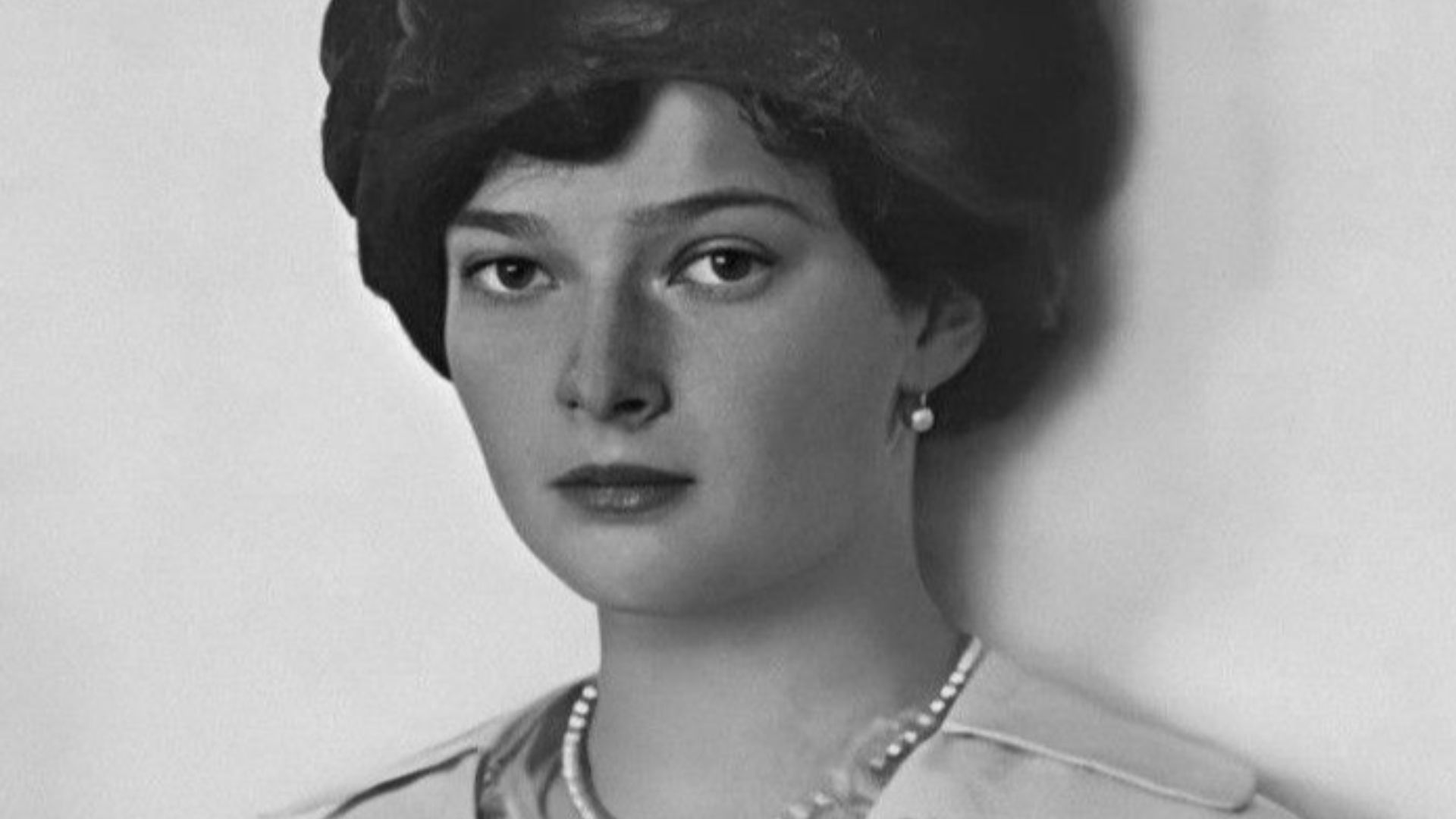 Public Domain, Wikimedia Commons
Visitors Started Taking Sides
Russian émigrés who had fled the Revolution soon traveled to meet her. Some dismissed her almost immediately, insisting she was an obvious fraud. Others walked away convinced they had just met the lost Romanov princess. The debate had begun—and it would last for generations.
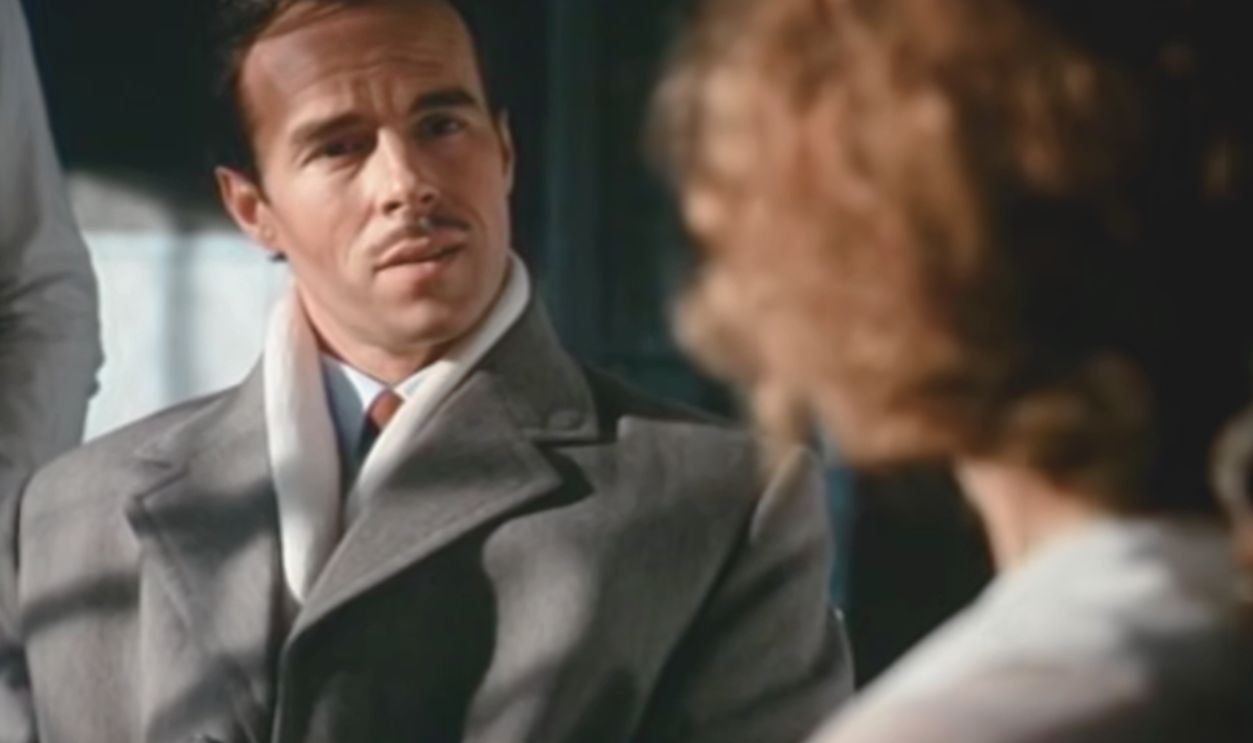 Screenshot from Anastasia: The Mystery of Anna, Sonar Entertainment (1986)
She Remembered Remarkably Specific Details
Anderson described rooms inside the Alexander Palace, members of the imperial household, family pets, and private habits of the Romanovs. Supporters argued those details were too personal to have been invented, while critics insisted they could have been learned from former Russian aristocrats living in exile.
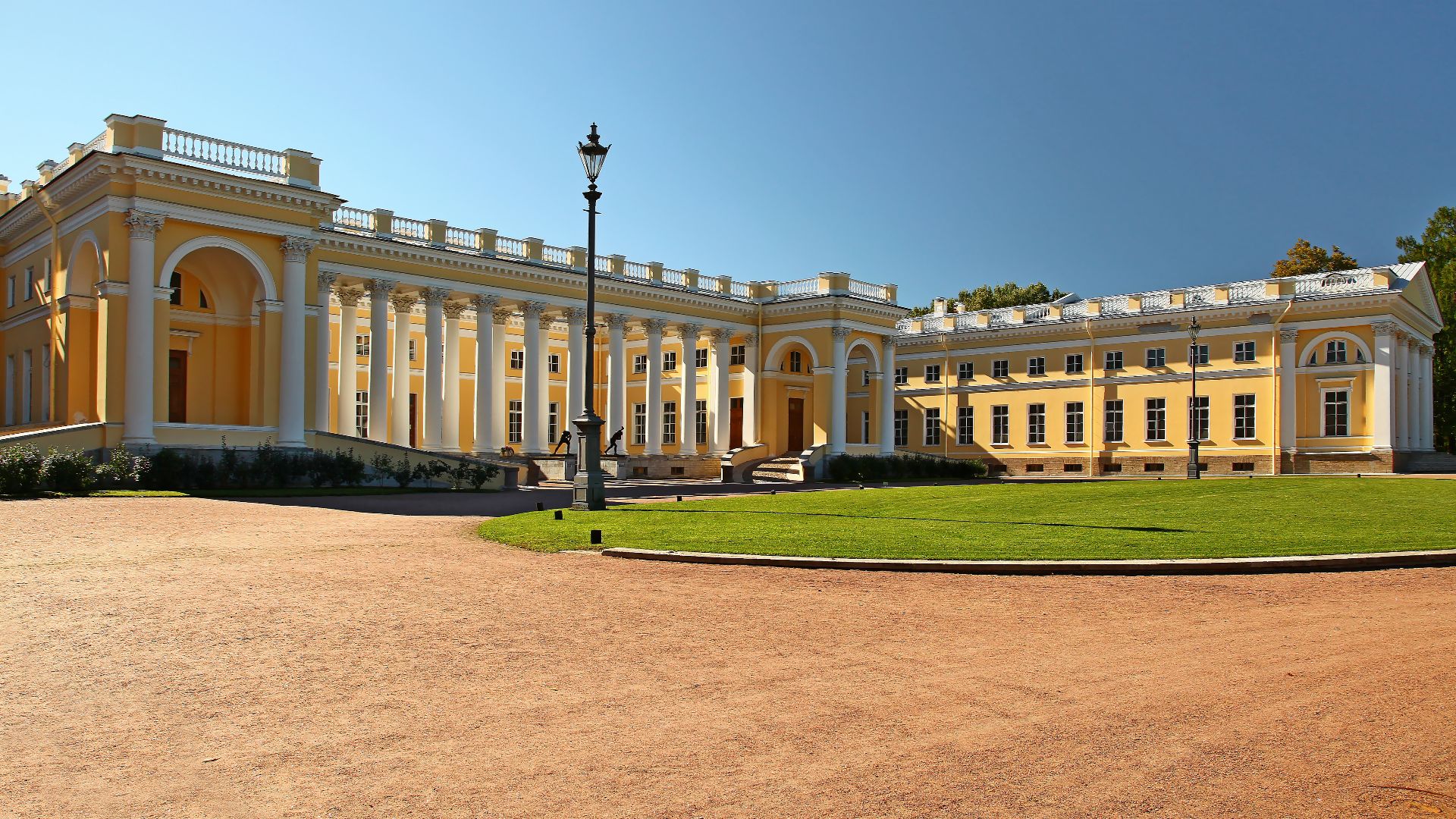 Alexander2018, Wikimedia Commons

History's most fascinating stories and darkest secrets, delivered to your inbox daily.
Skeptics Had Their Own Theory
Critics believed Anderson had spent years listening to stories from Russian refugees before repeating them as her own memories. Europe's fascination with the fallen Romanovs made those stories surprisingly easy to collect. To skeptics, she wasn't a princess—she was simply an excellent storyteller.
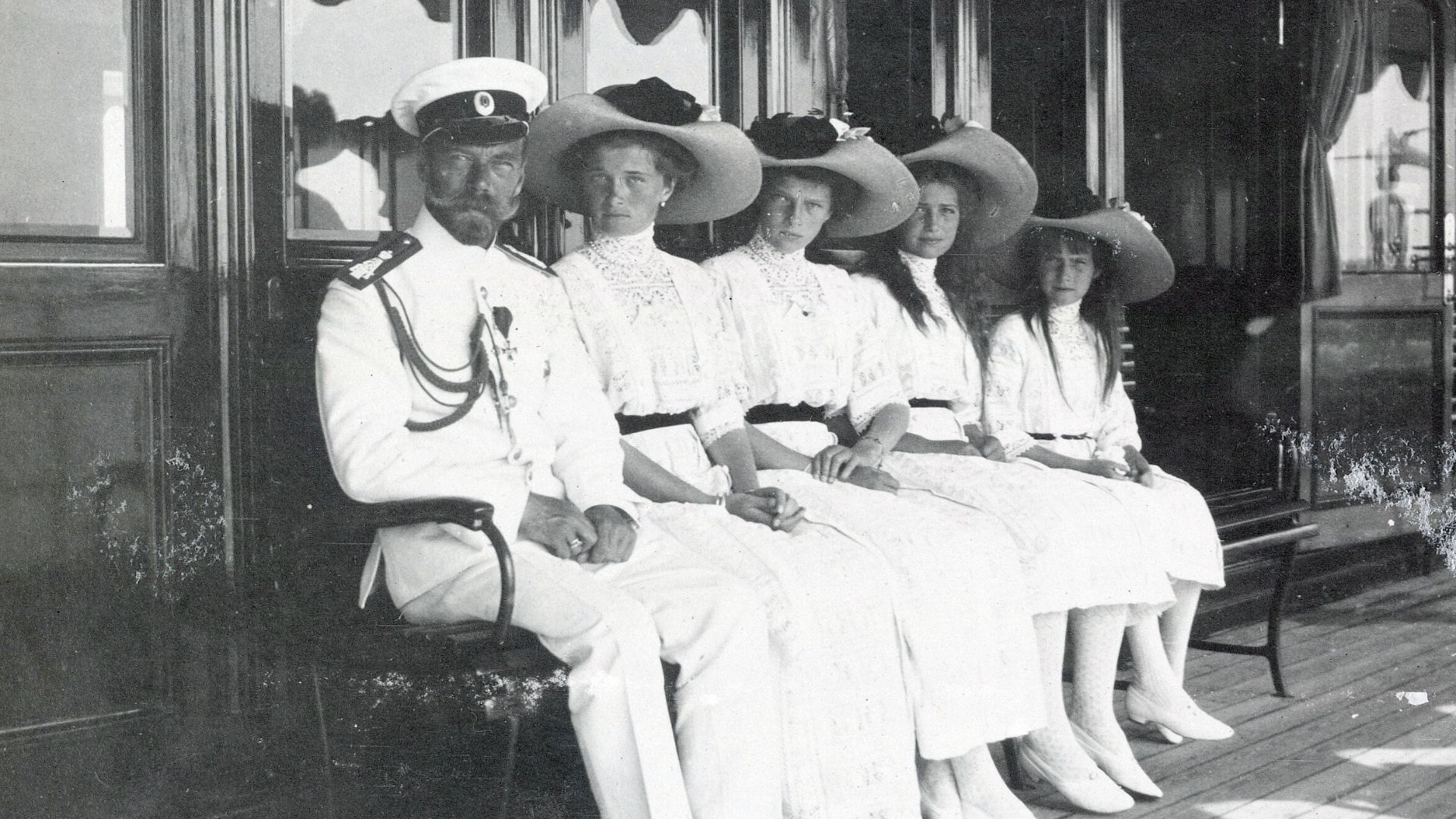 Romanov family, Wikimedia Commons
Even The Romanovs Couldn't Agree
The people who actually knew the imperial family were deeply divided. Prince Sigismund of Prussia believed Anderson truly was Anastasia. Grand Duchess Olga Alexandrovna, Tsar Nicholas II's sister, met Anderson and rejected her claim completely. The split only fueled public fascination.
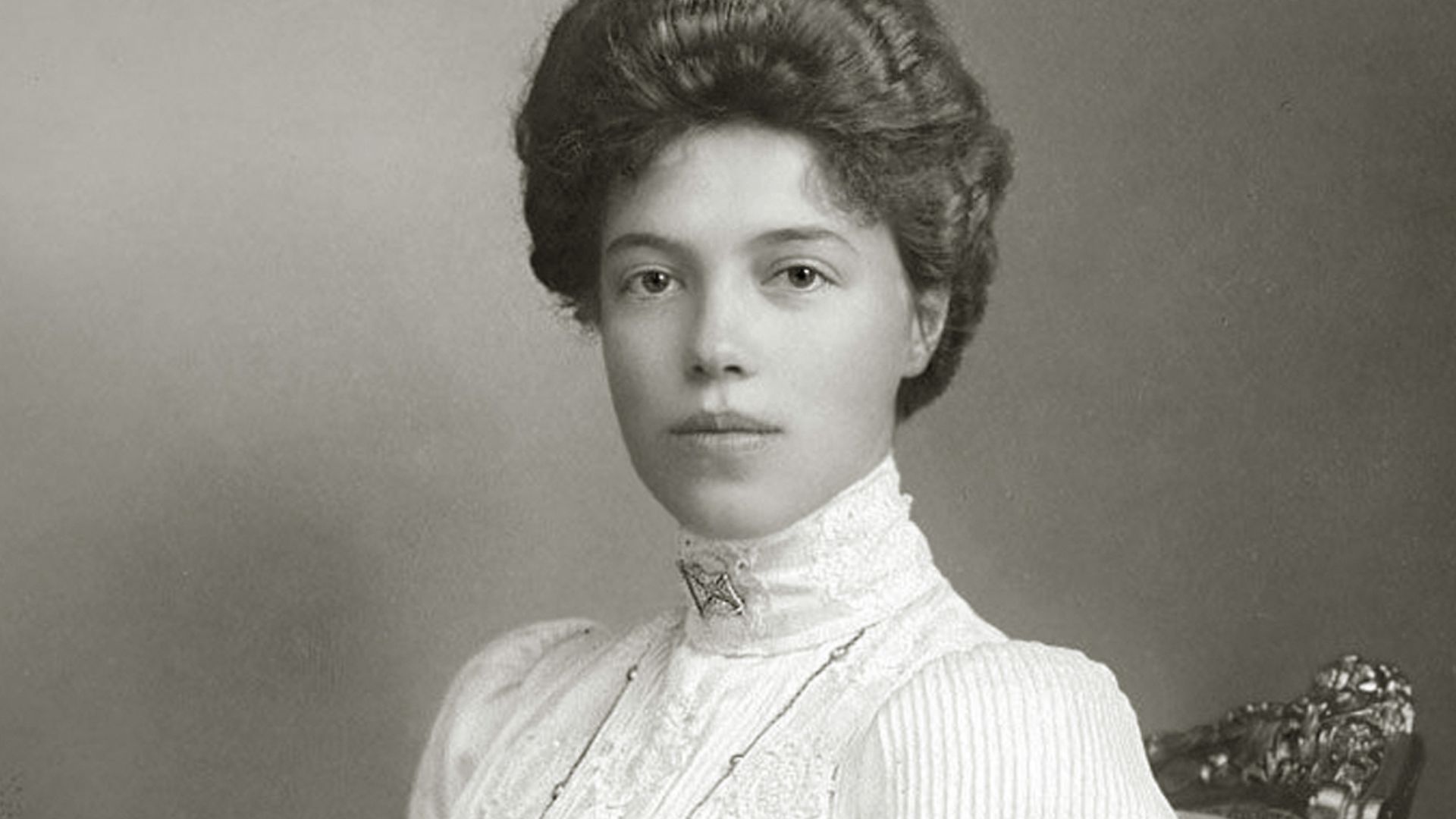 Unknown authorUnknown author, Wikimedia Commons
Her Face Looked Uncomfortably Familiar
Newspaper readers couldn't ignore the photographs. Anderson's face appeared strikingly similar to surviving portraits of Anastasia. Supporters pointed to the shape of her eyes, ears, and smile. Skeptics argued that people naturally saw what they wanted to believe.
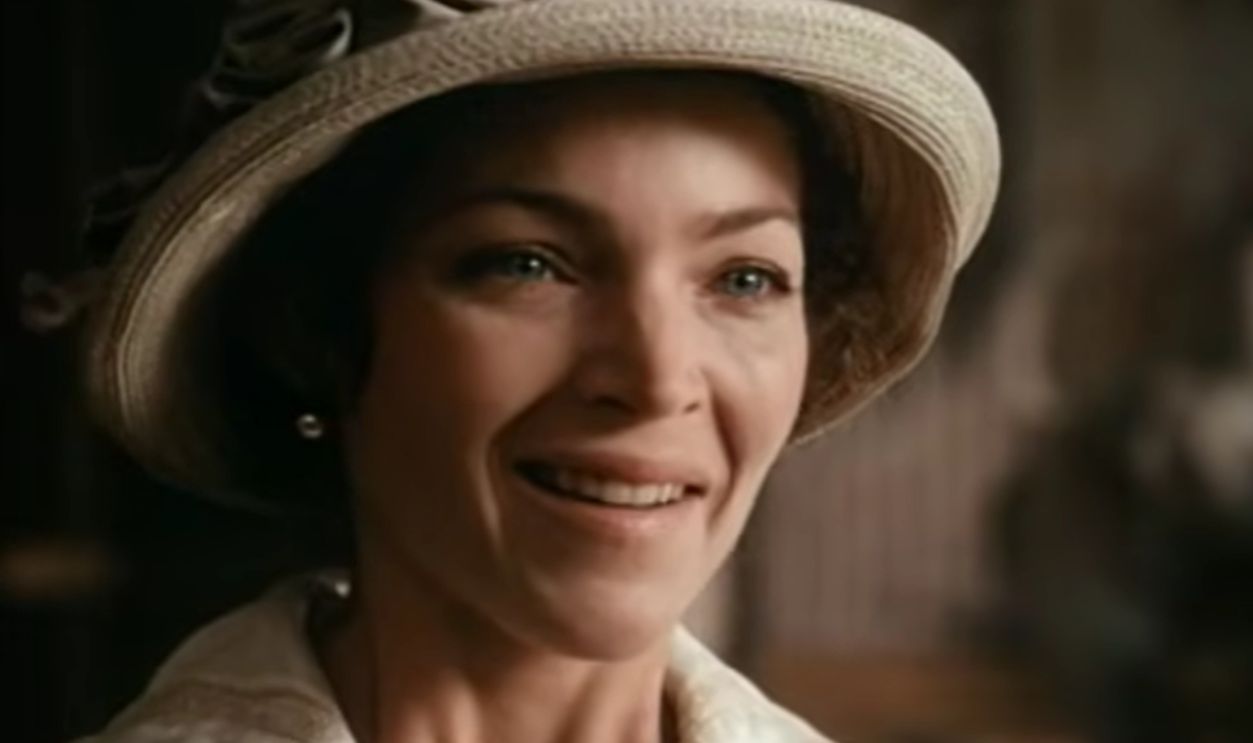 Screenshot from Anastasia: The Mystery of Anna, Sonar Entertainment (1986)
Then People Noticed The Scars
Anderson carried numerous scars on her body. Believers argued they were consistent with injuries she might have suffered during the Romanovs' final hours and an alleged escape. Critics responded that scars could come from countless causes and proved absolutely nothing.
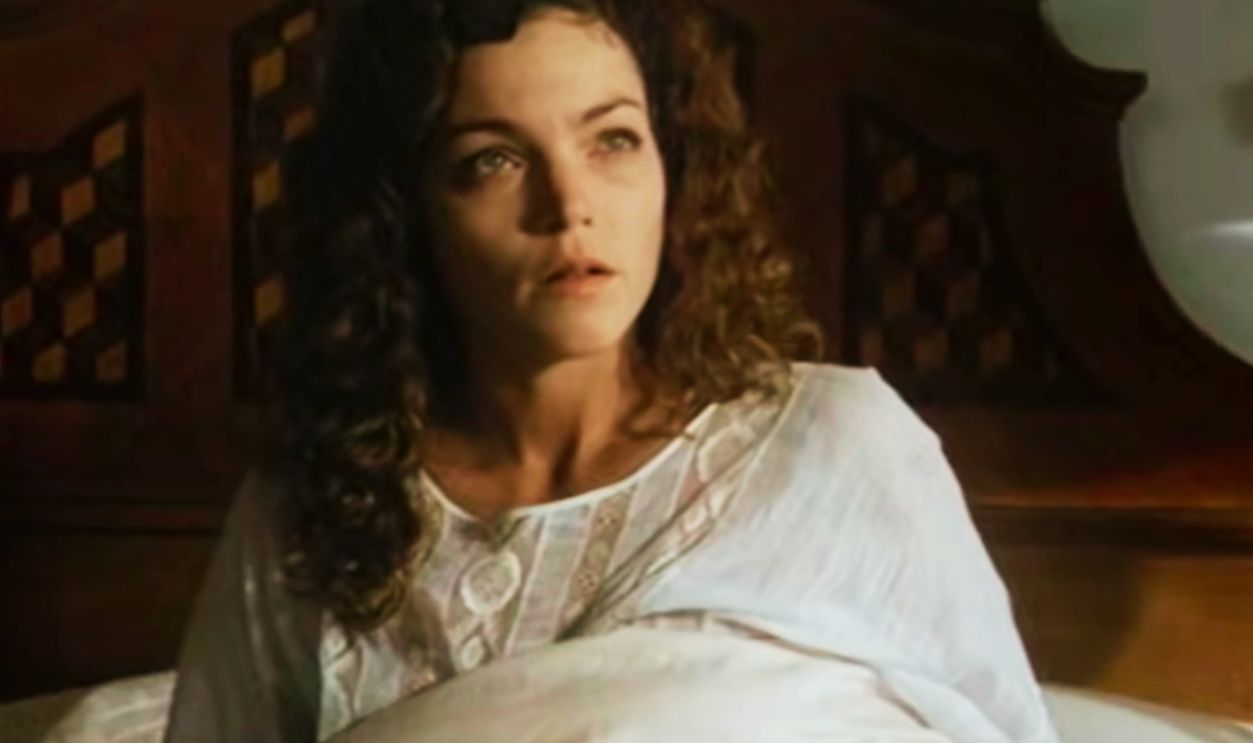 Screenshot from Anastasia: The Mystery of Anna, Sonar Entertainment (1986)
Her Story Didn't Always Stay The Same
When questioned repeatedly over the years, Anderson sometimes described different versions of her supposed escape from Russia. Those inconsistencies became one of the strongest arguments against her. Even some supporters admitted portions of her story were difficult to explain.
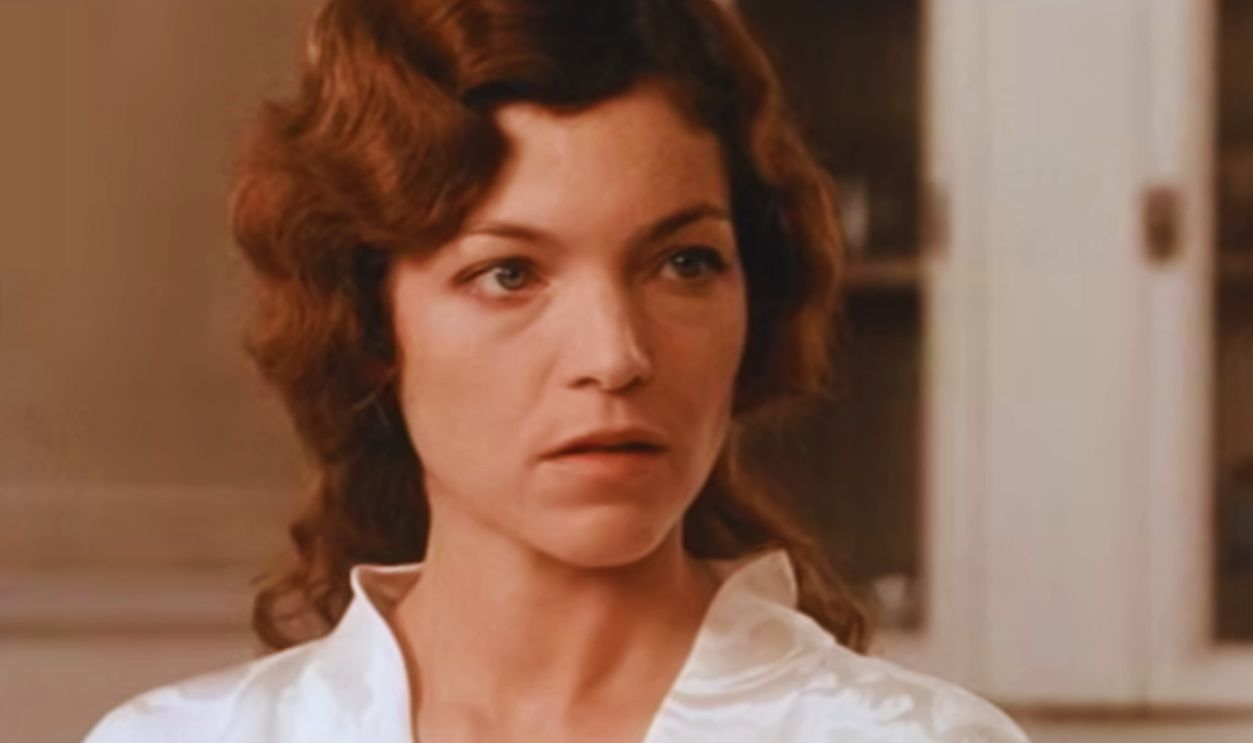 Screenshot from Anastasia: The Mystery of Anna, Sonar Entertainment (1986)
Wealthy Supporters Came To Her Rescue
German aristocrats Harriet and Julius von Kleist welcomed Anderson into their home and introduced her to influential supporters. Several wealthy families helped cover her expenses because they sincerely believed they were protecting the last surviving Romanov.
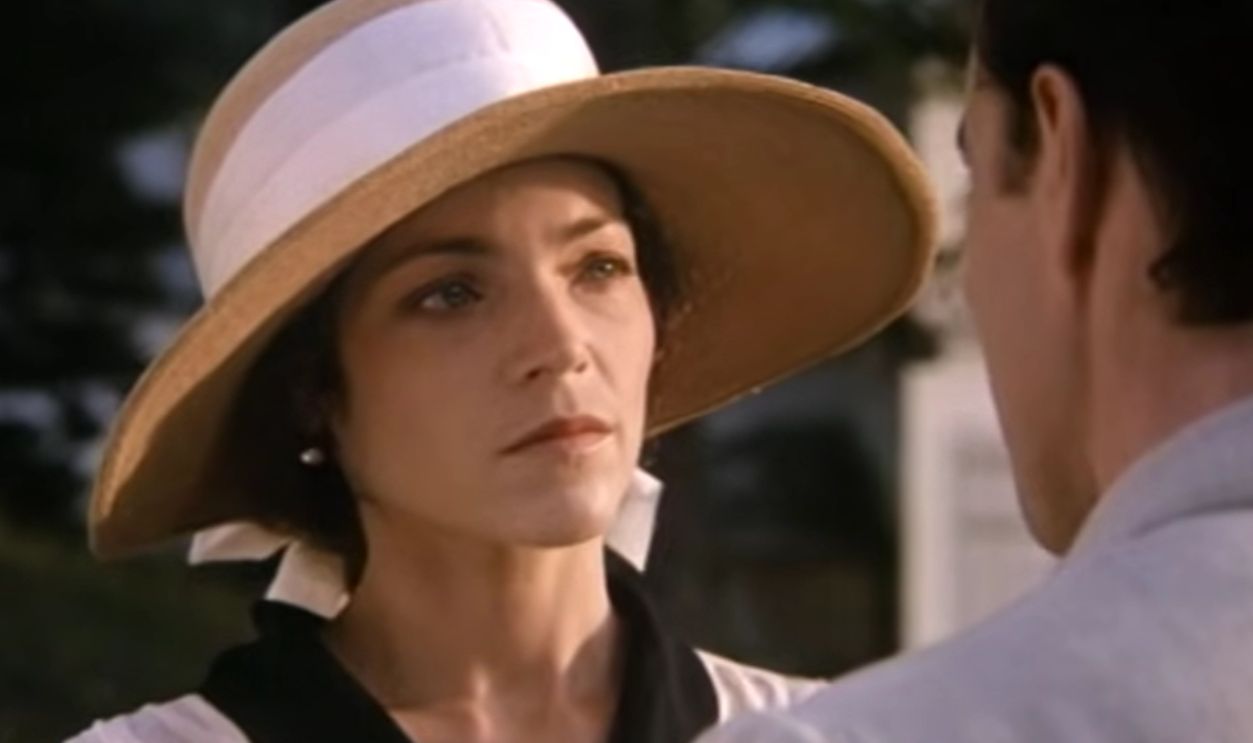 Screenshot from Anastasia: The Mystery of Anna, Sonar Entertainment (1986)
The Newspapers Couldn't Resist
Throughout the 1920s and 1930s, Anderson's story filled newspapers across Europe and America. Every interview, photograph, and witness statement became front-page news. Readers couldn't get enough of the possibility that one of history's greatest royal mysteries had a happy ending.
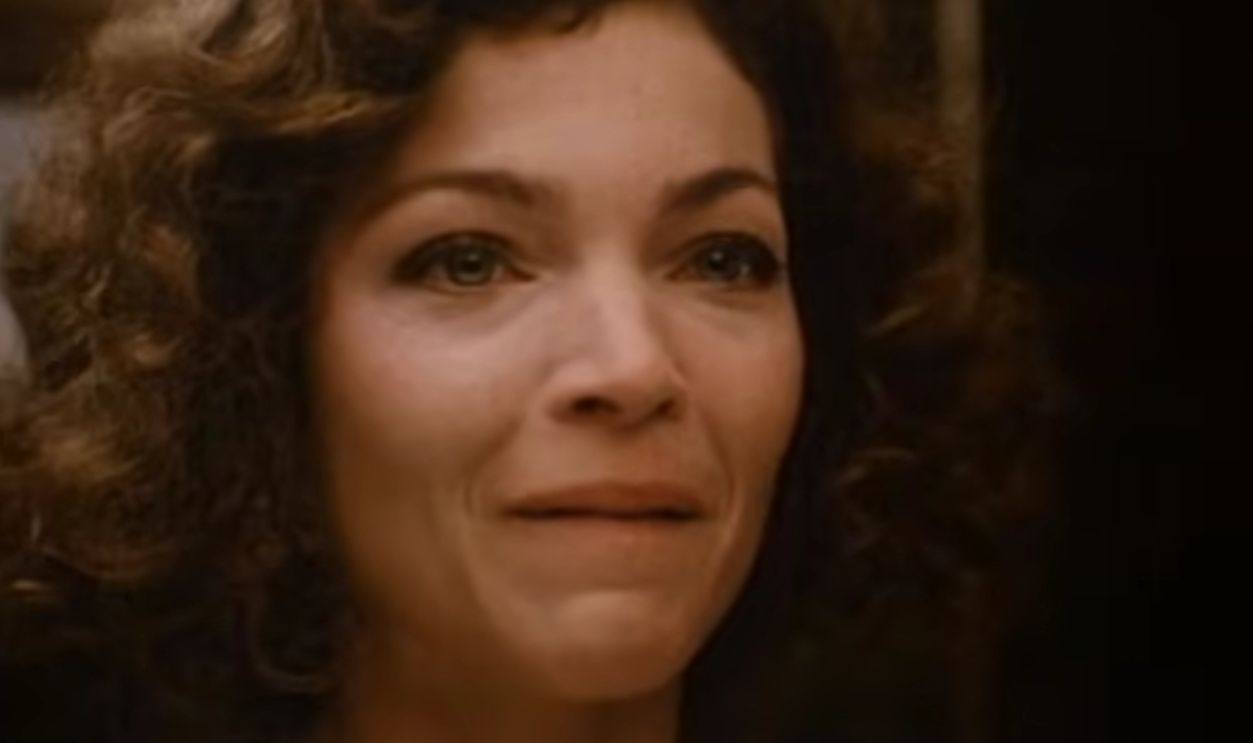 Screenshot from Anastasia: The Mystery of Anna, Sonar Entertainment (1986)
Then Came An Extraordinary Court Battle
In 1938, Anderson filed a lawsuit in Germany seeking legal recognition as Grand Duchess Anastasia Romanov. What followed became one of the longest identity cases ever argued in court, stretching across decades.
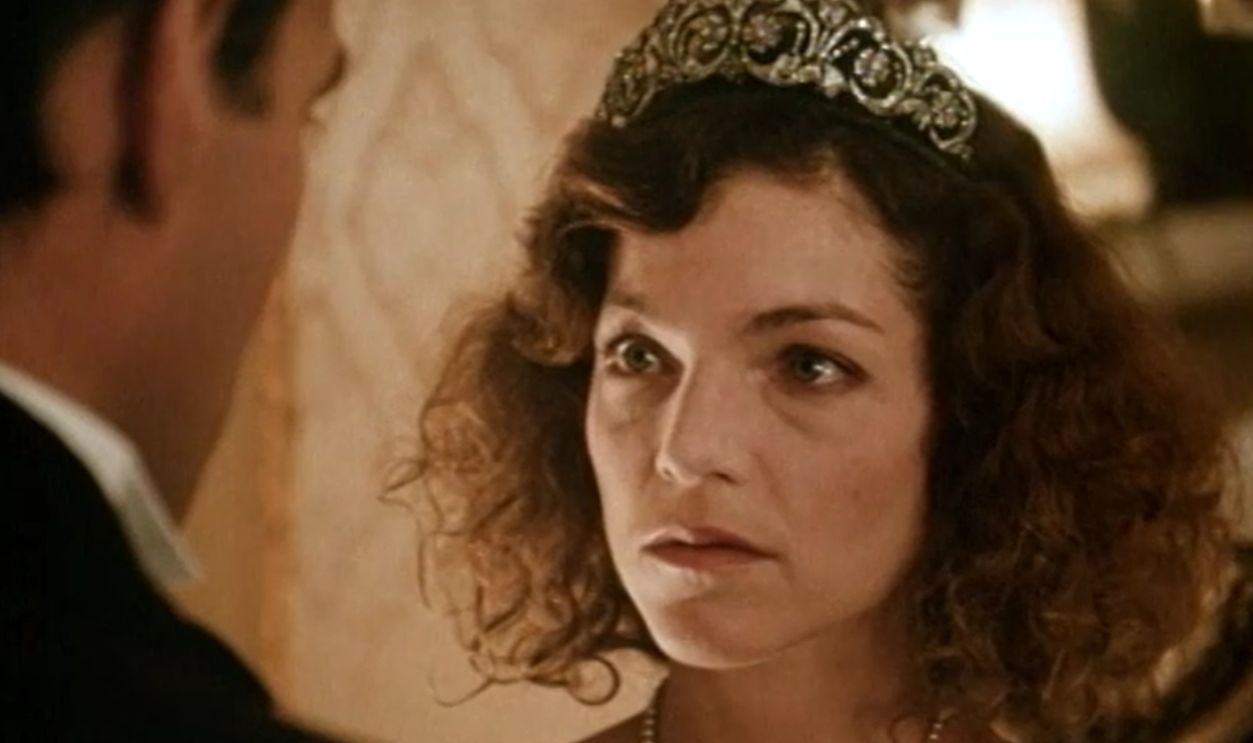 Screenshot from Anastasia: The Mystery of Anna, Sonar Entertainment (1986)
Judges Examined Every Possible Detail
Former servants, aristocrats, doctors, handwriting experts, and historians all testified. Thousands of pages of documents were introduced into evidence. Rarely had one person's identity received such exhaustive examination.
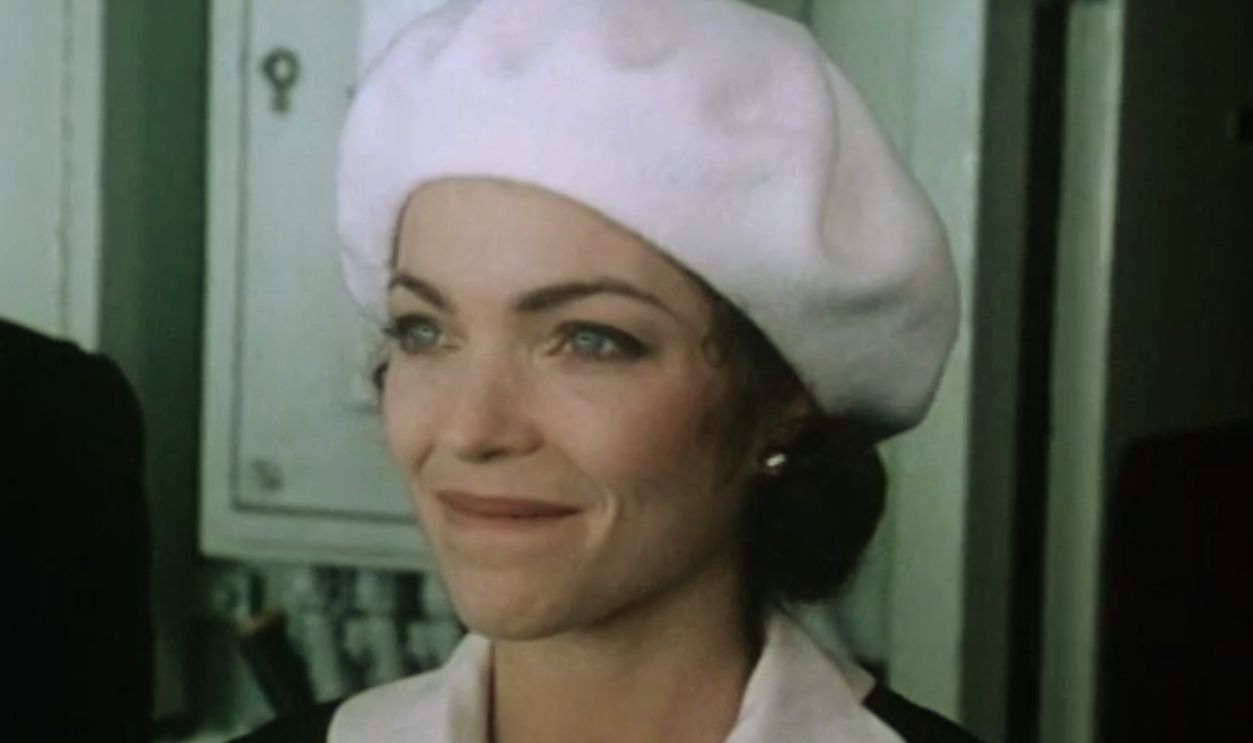 Screenshot from Anastasia: The Mystery of Anna, Sonar Entertainment (1986)
Forty Years Passed Without A Final Answer
The legal battle dragged on as governments changed, witnesses died, and memories faded. Yet the central question remained exactly the same: Who was Anna Anderson?
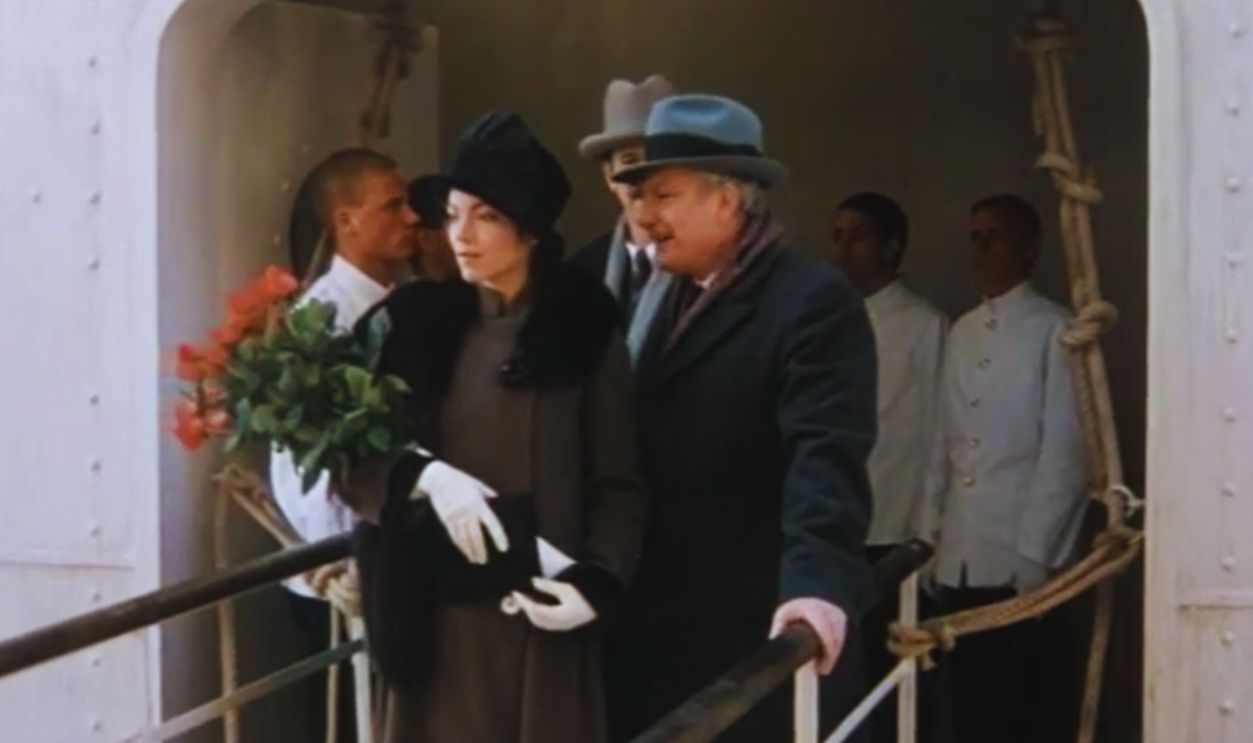 Screenshot from Anastasia: The Mystery of Anna, Sonar Entertainment (1986)
The Court Left Everyone Unsatisfied
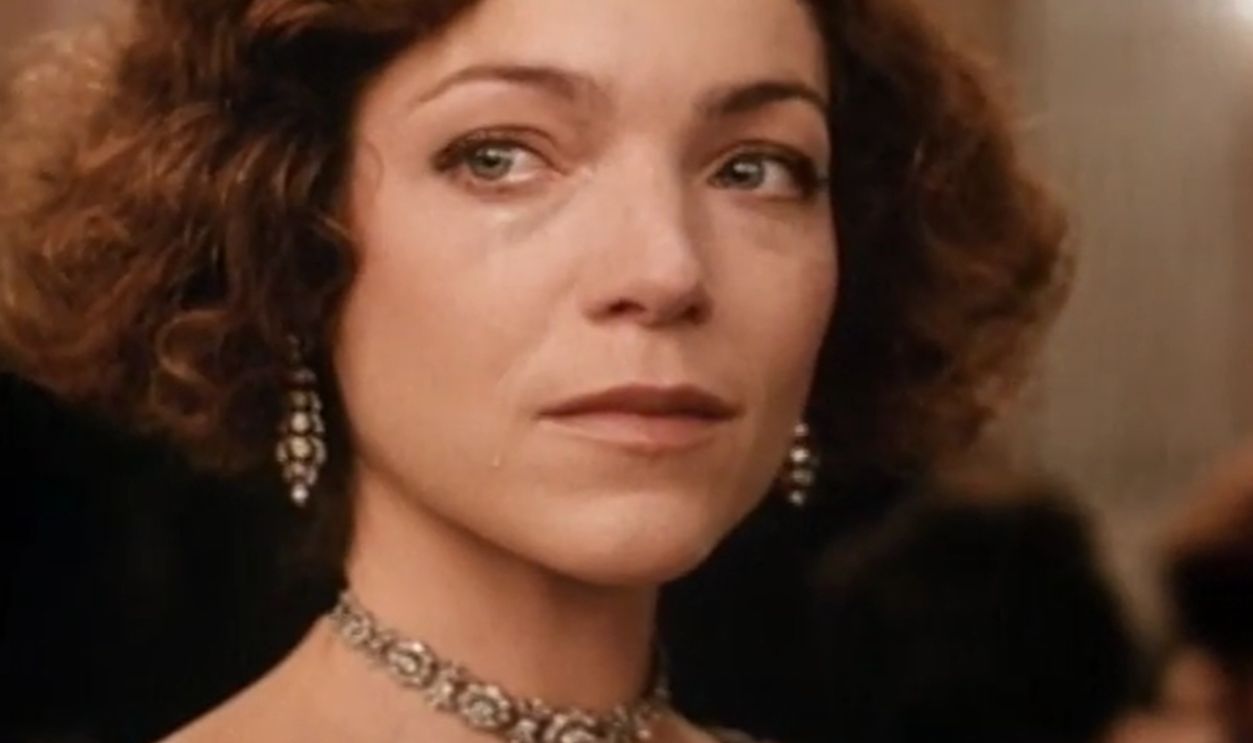
In 1970, German courts ruled there wasn't enough evidence to prove Anderson was Anastasia—but there also wasn't enough evidence to prove she wasn't. Supporters celebrated the uncertainty, while skeptics viewed the decision as a rejection of her claim.
 Screenshot from Anastasia: The Mystery of Anna, Sonar Entertainment (1986)
Hollywood Helped Keep The Legend Alive
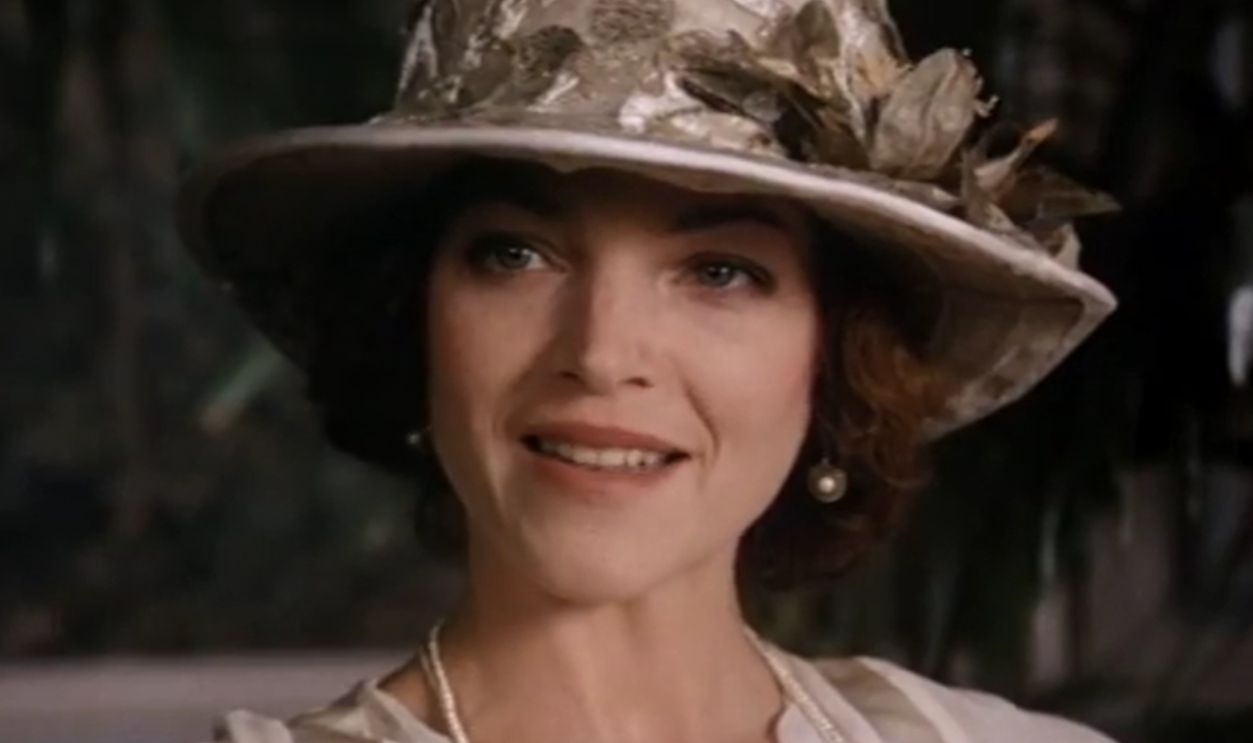
Books, documentaries, television specials, and feature films continued introducing Anderson's story to new audiences. Every adaptation kept the mystery alive, ensuring her name remained tied to Anastasia long after the courtroom battles had ended.
 Screenshot from Anastasia: The Mystery of Anna, Sonar Entertainment (1986)
Another Identity Slowly Emerged
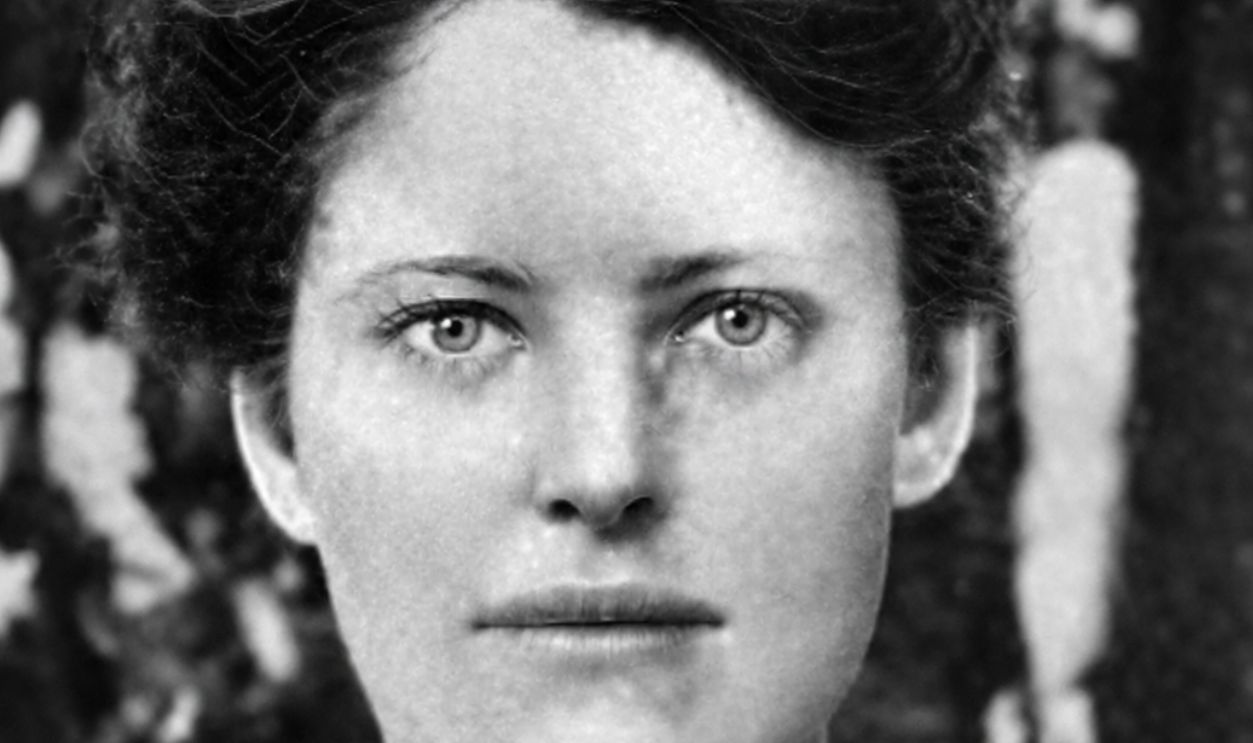
As years passed, investigators increasingly concluded Anderson was actually Franziska Schanzkowska, a Polish factory worker who disappeared after suffering injuries in a munitions factory explosion during World War I. Members of Schanzkowska's family believed Anderson strongly resembled their missing relative.
 Unknown author, Wikimedia Commons, enhanced
She Never Backed Down
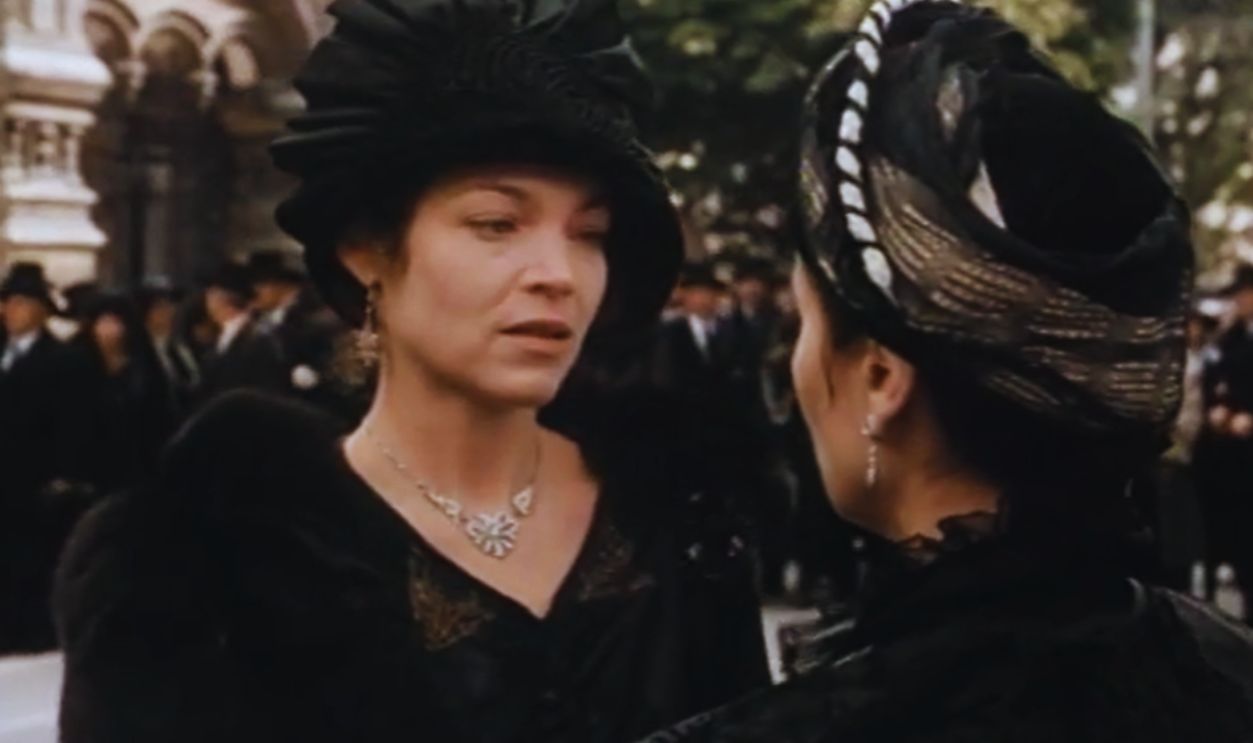
Despite relentless criticism, Anderson insisted until the end of her life that she was Anastasia. She rarely wavered during interviews and maintained that her critics simply refused to accept the truth.
 Screenshot from Anastasia: The Mystery of Anna, Sonar Entertainment (1986)
America Became Her Final Home
In 1968, Anderson moved to the United States. On December 23, 1968, she married history professor and genealogist John Eacott "Jack" Manahan in a civil ceremony in Charlottesville, Virginia. Friends later described the couple as unconventional but devoted to one another.
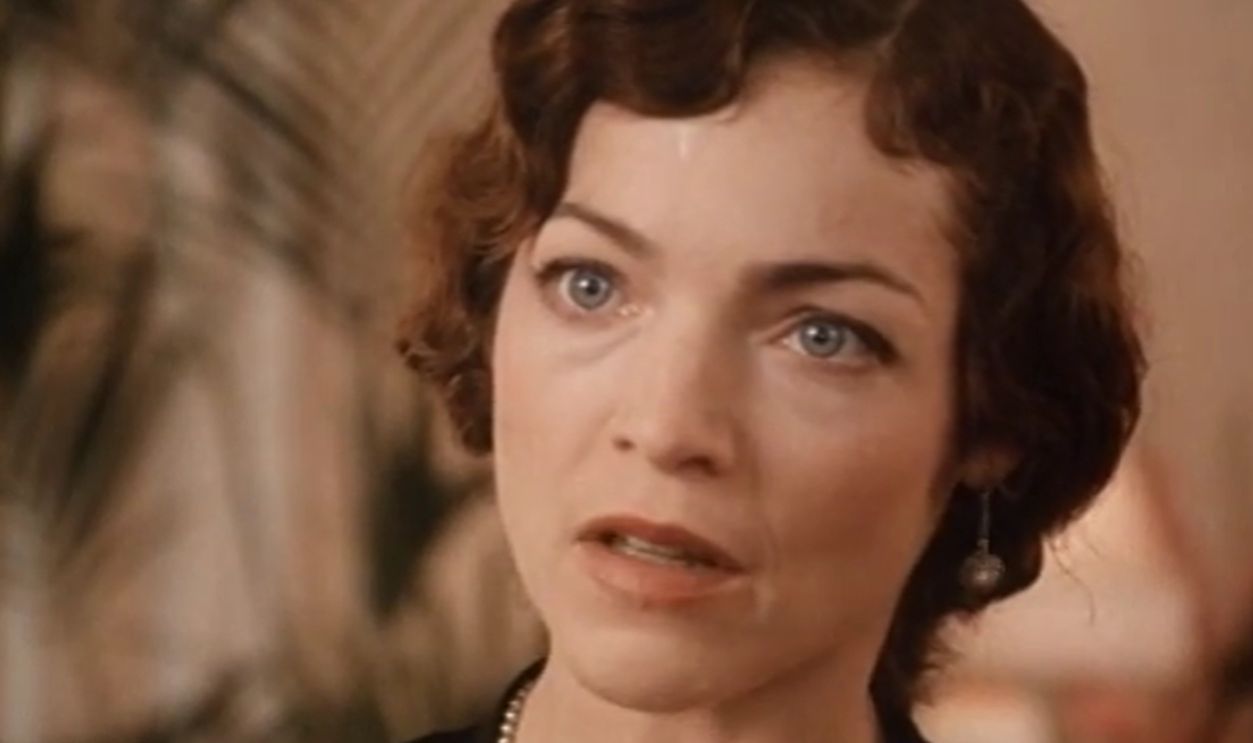 Screenshot from Anastasia: The Mystery of Anna, Sonar Entertainment (1986)
She Died Still Believing Her Story
Anna Anderson died on February 12, 1984, at the age of 87. Even after her death, many supporters insisted the mystery remained unsolved. Without scientific proof, they argued, the debate could continue forever.
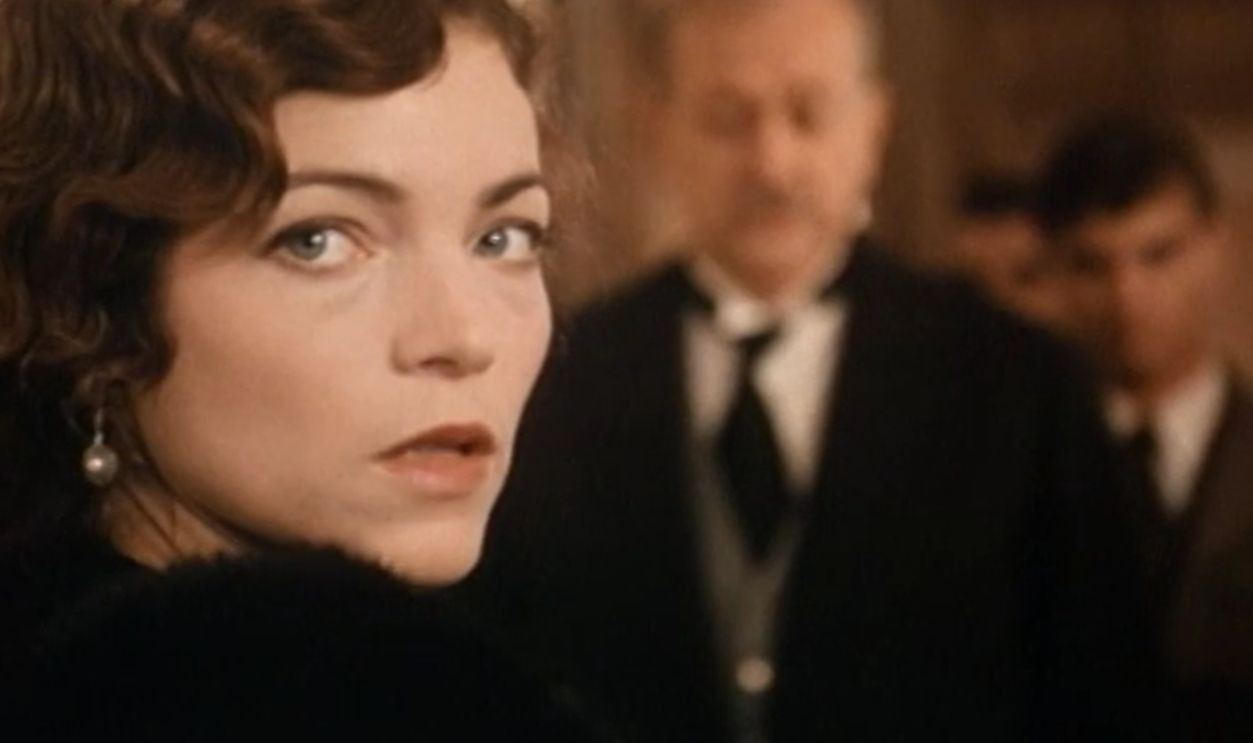 Screenshot from Anastasia: The Mystery of Anna, Sonar Entertainment (1986)
Science Finally Stepped In
During the early 1990s, advances in DNA testing allowed researchers to examine preserved biological samples linked to Anderson. Scientists compared them with living Romanov relatives, including Prince Philip, Duke of Edinburgh, whose maternal line connected him to Empress Alexandra.
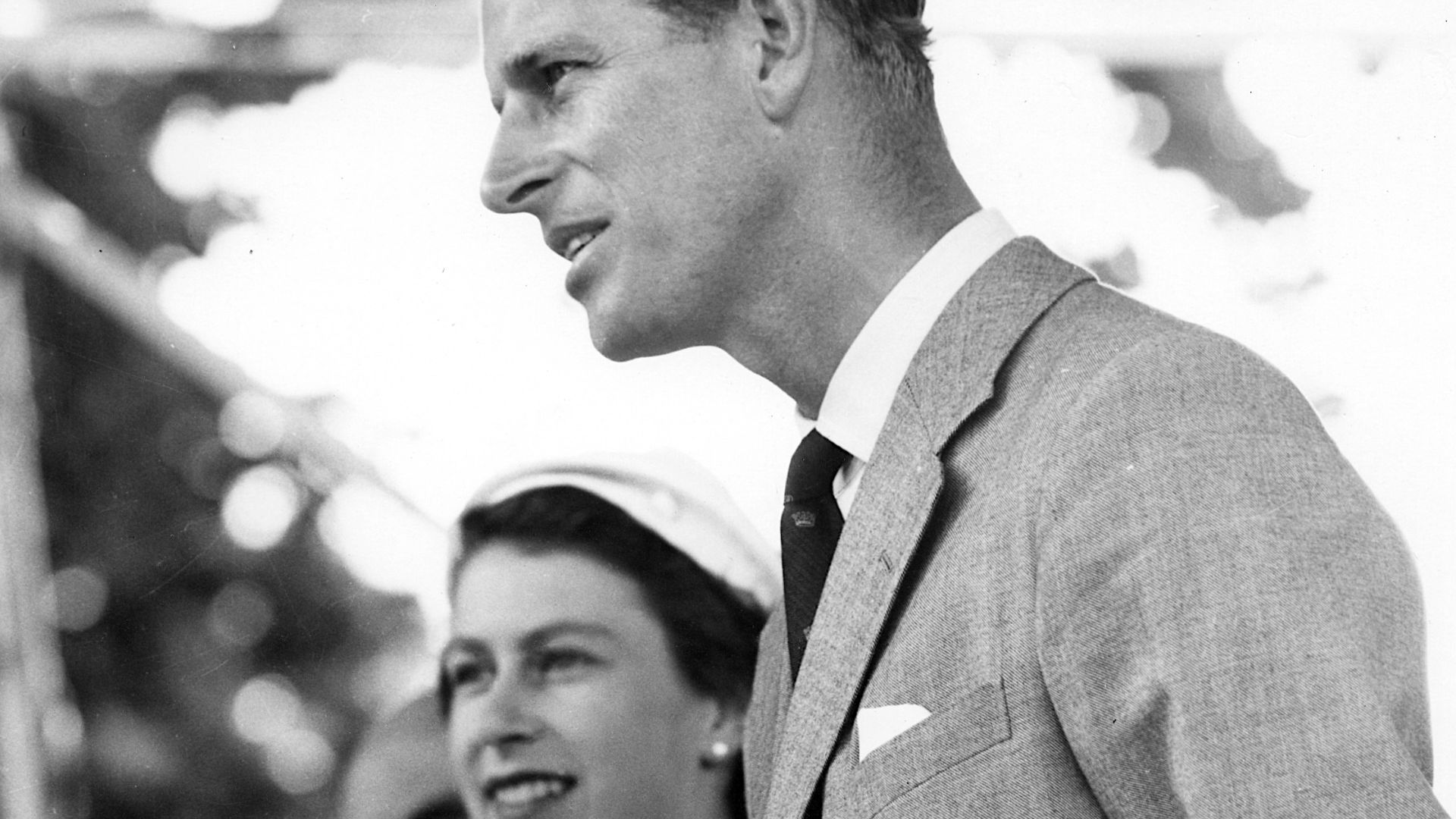 Archives New Zealand from New Zealand, Wikimedia Commons
The DNA Changed Everything
The results were decisive. Anderson's DNA showed no connection to the Romanov family. Instead, it closely matched relatives of Franziska Schanzkowska. For historians, the world's longest royal identity mystery had finally reached its conclusion.
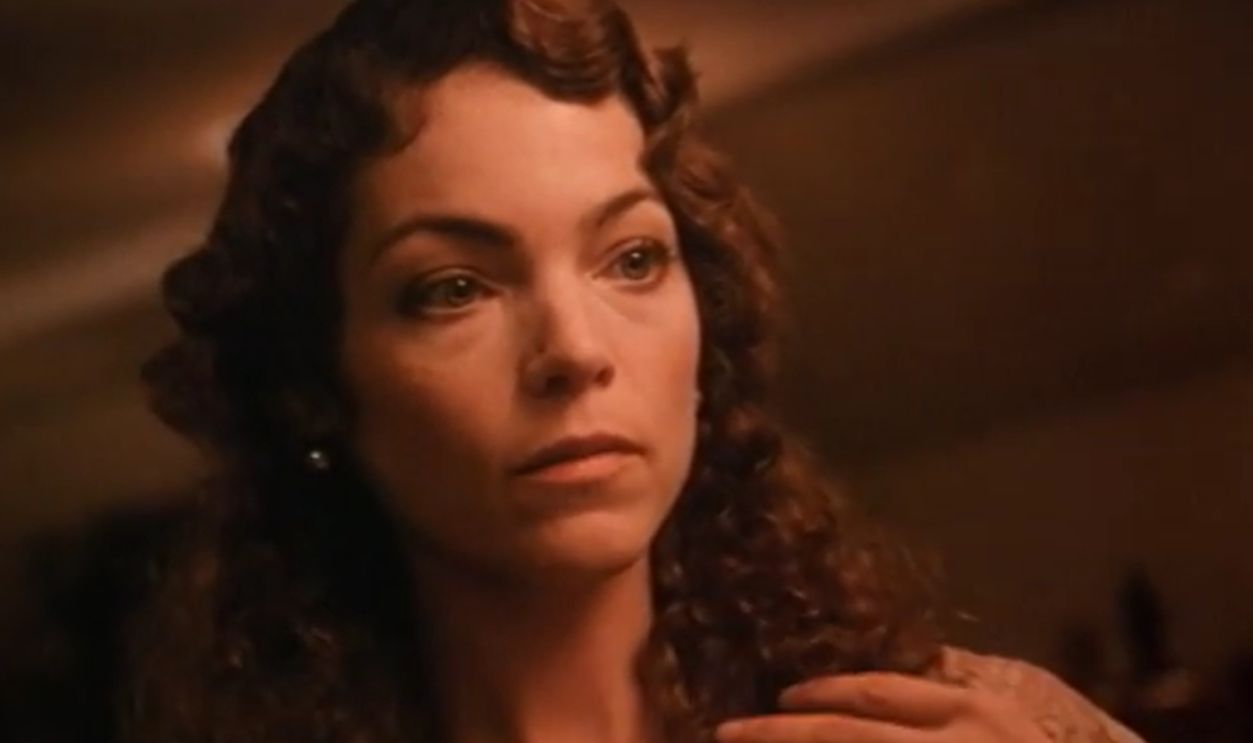 Screenshot from Anastasia: The Mystery of Anna, Sonar Entertainment (1986)
Yet Not Everyone Was Convinced
Even after DNA results were published in 1994 and additional Romanov remains were later identified in Russia, a small group of believers continued questioning the scientific findings. They argued unanswered questions surrounding the Romanovs' deaths left room for doubt.
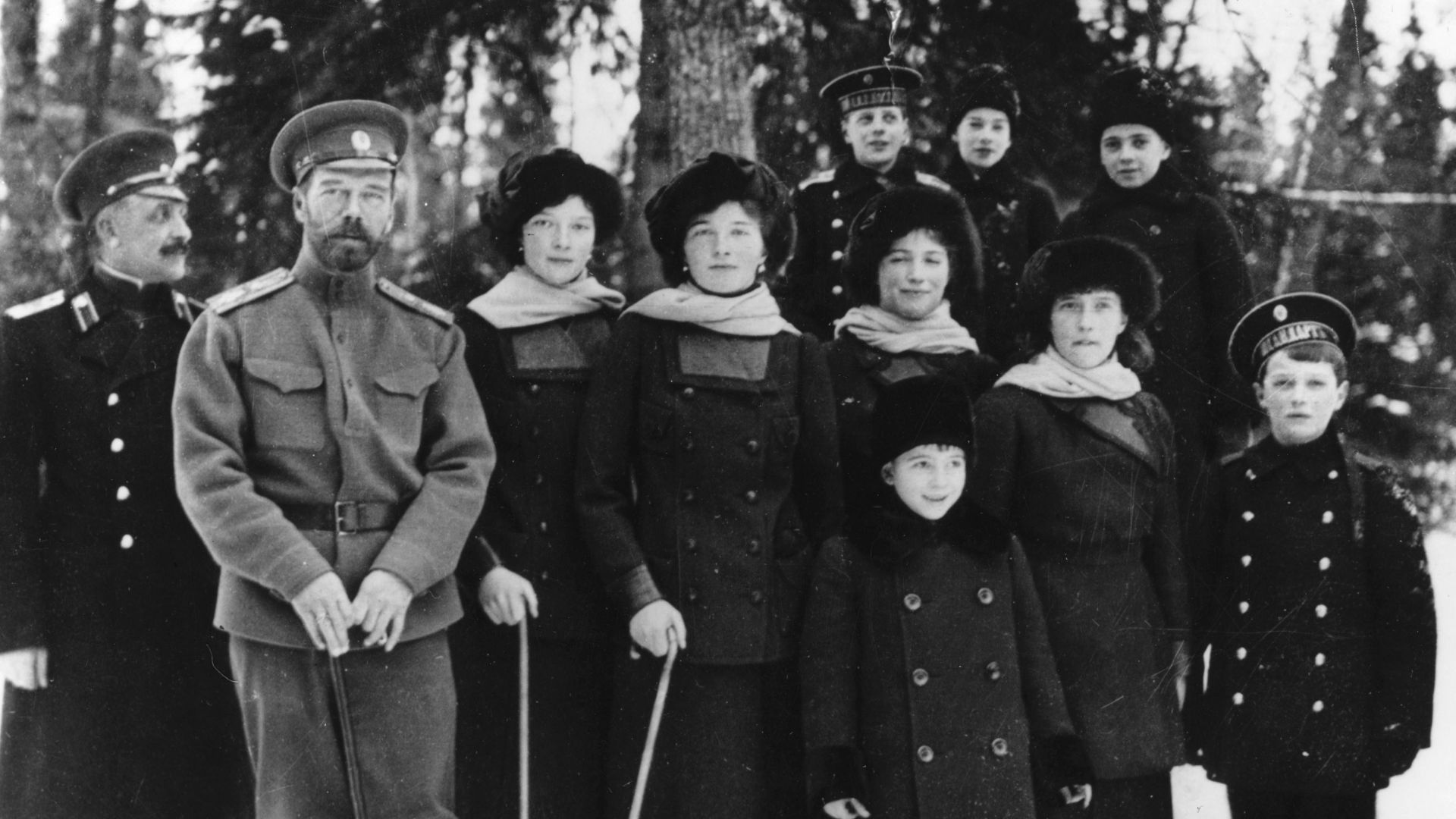 Unknown authorUnknown author, Wikimedia Commons
The Woman Who Fooled Much Of The World
Whether she was a deeply traumatized woman, a gifted storyteller, or history's most convincing impostor depends on who you ask. What cannot be denied is her extraordinary impact. For nearly seven decades, Anna Anderson persuaded countless people that she might be a lost princess, inspired one of history's longest identity battles, and blurred the line between truth and legend in a way few people ever have.
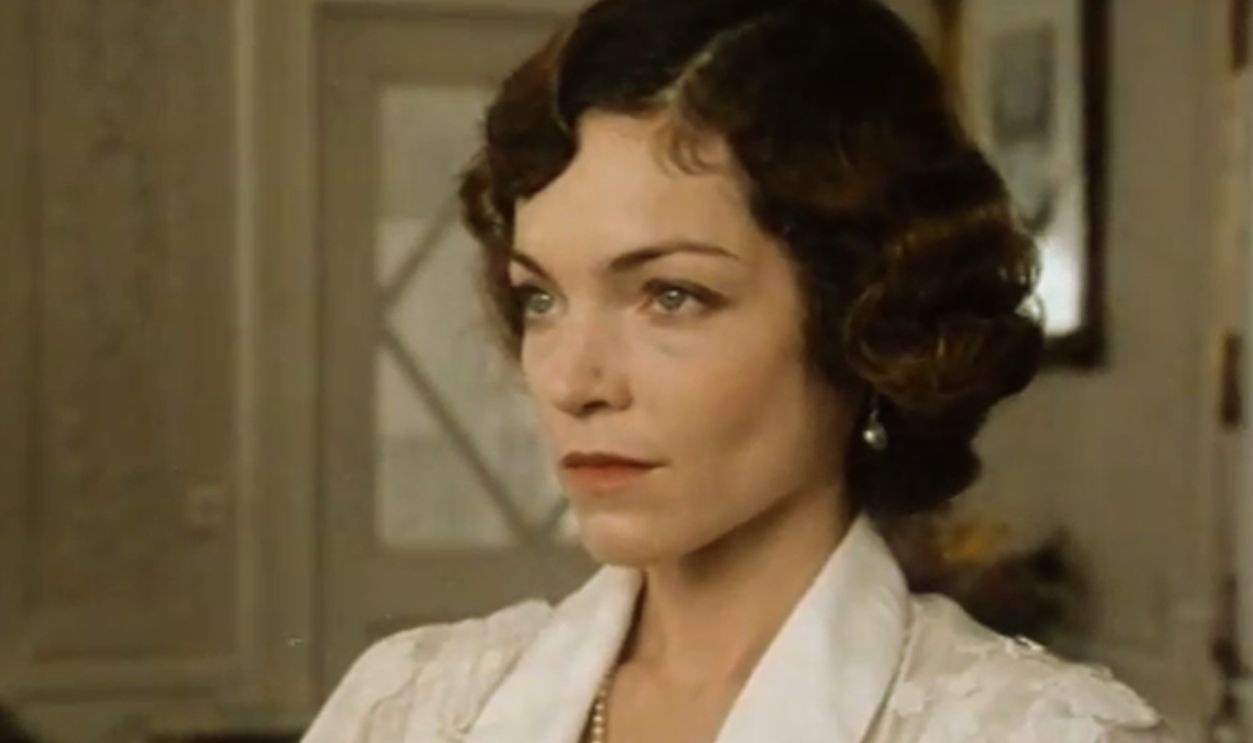 Screenshot from Anastasia: The Mystery of Anna, Sonar Entertainment (1986)
You May Also Like:
Completely Normal American Habits From The 1970s That Would Seem Completely Bizarre Today—Did You Do Any Of These?
The Worst Man-Made Disasters in U.S. History
America’s Most Isolated Town