Brilliant Minds, Terrible Decisions
History’s greatest geniuses were not always successful outside their area of expertise. Albert Einstein revolutionized physics but struggled in his personal relationships, Nikola Tesla battled financial troubles, and Jean-Jacques Rousseau failed to live by his own parenting ideals. These remarkable figures changed the world while making some surprisingly human mistakes.
 Fred Stein Collection, Getty Images
Isaac Newton
Isaac Newton helped define modern physics and mathematics, and he later served as president of the Royal Society. Yet his judgment failed him during the South Sea Bubble, one of the most famous financial manias in British history. Oxford’s Newton and the Mint project notes that he likely lost money, although the exact scale remains uncertain. It is a comforting reminder that even a mind built for celestial mechanics could get rattled by earthly speculation.
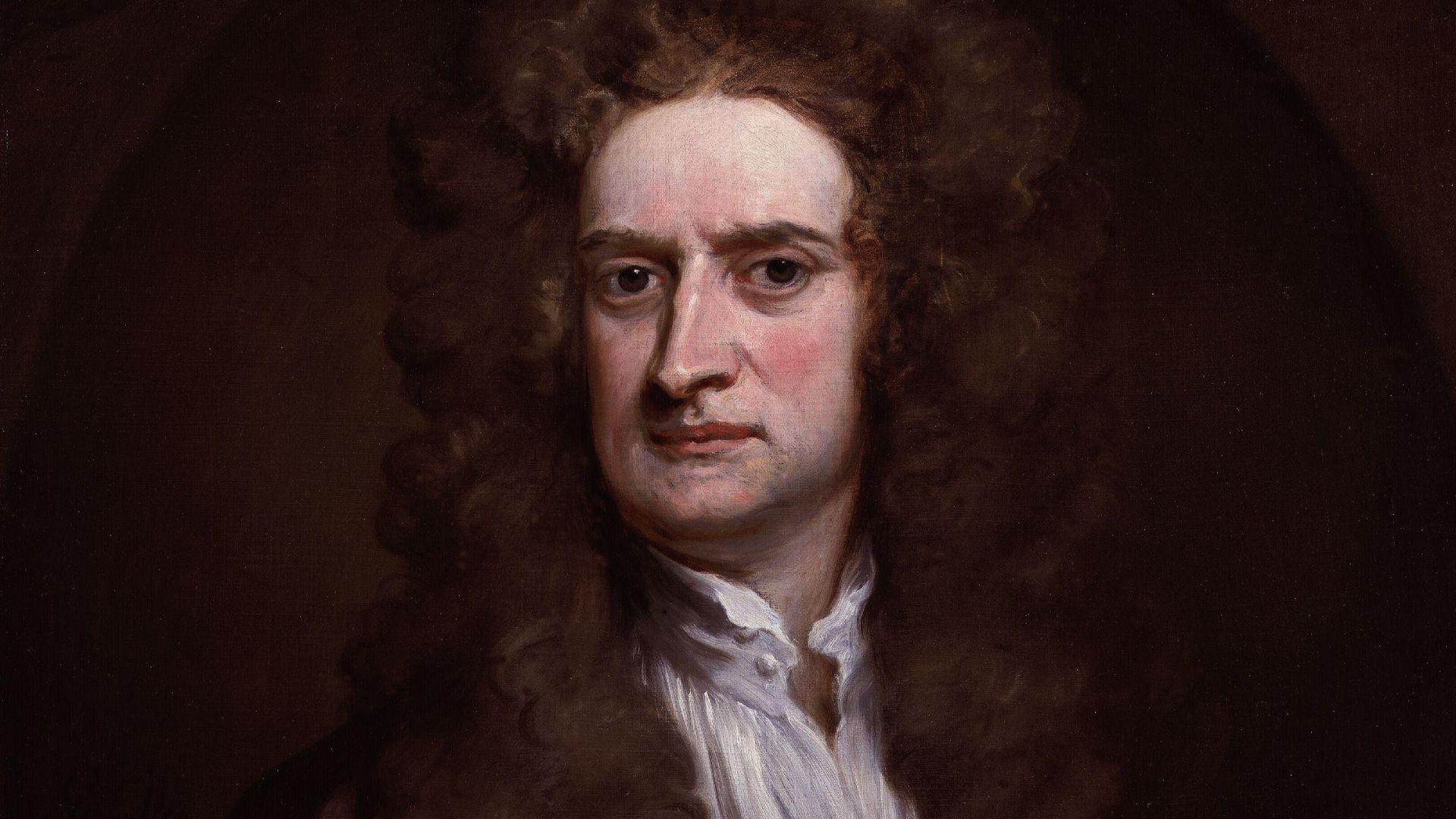 Godfrey Kneller, Wikimedia Commons
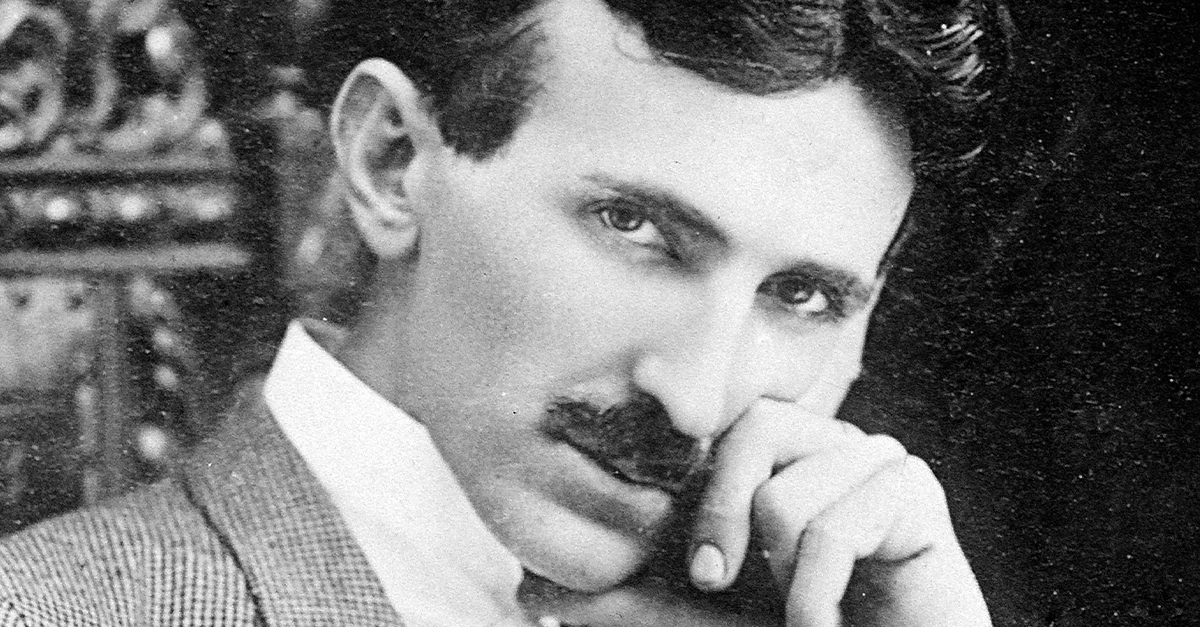
Nikola Tesla
Nikola Tesla transformed electrical engineering through his work on alternating current and related inventions. His personal finances were far less controlled than his experiments, and he spent later years moving between New York hotels. Accounts of his life describe unpaid hotel bills and a growing obsession with feeding and caring for pigeons. The result is one of history’s sharpest contrasts between technical brilliance and everyday instability.
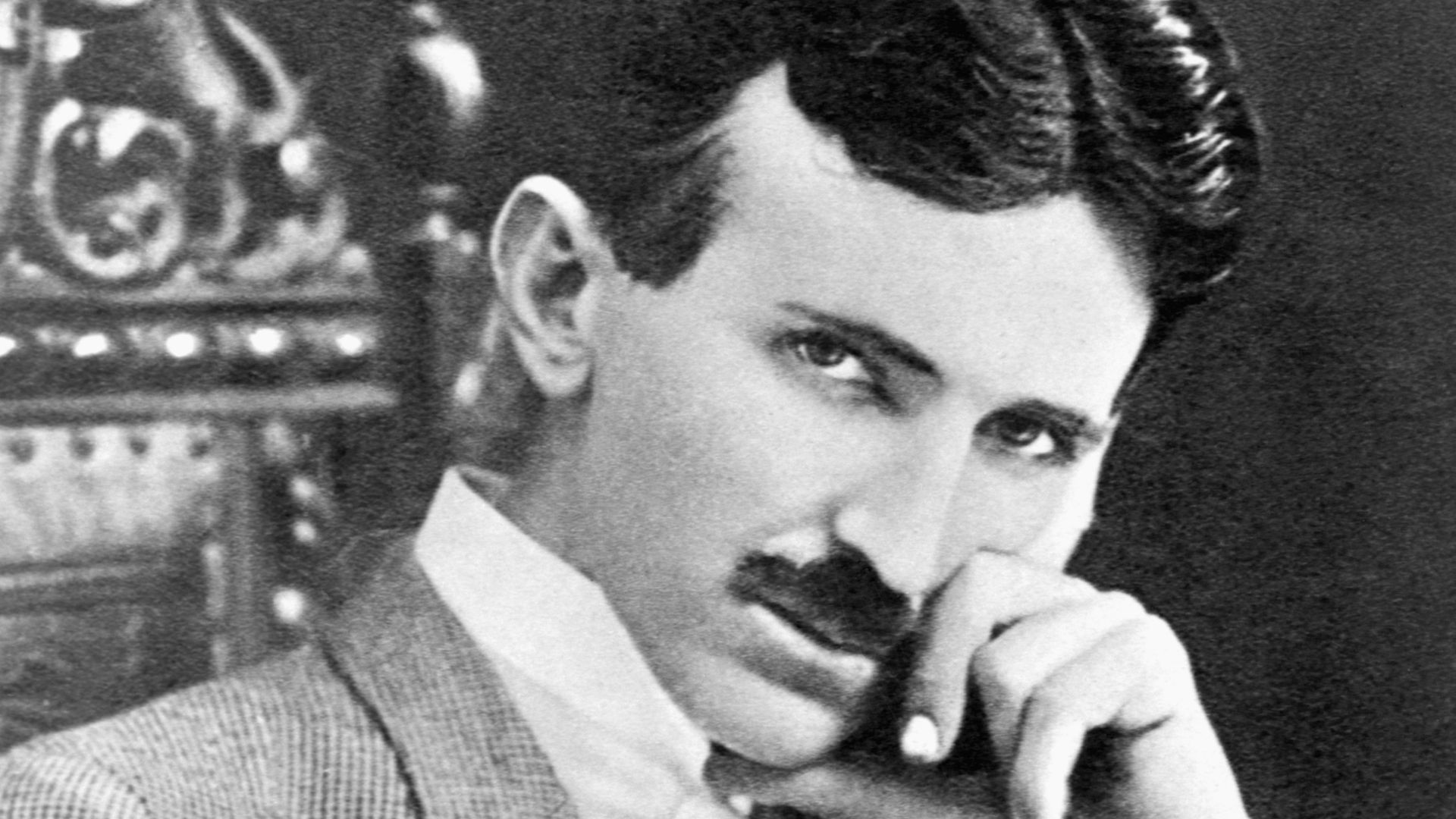 Unknown authorUnknown author, Wikimedia Commons
Wolfgang Amadeus Mozart
Mozart wrote across the major musical forms of his time and remains one of Western music’s central figures. He also spent years asking friends and patrons for loans, especially during his Vienna period. Surviving letters show him pleading for money to settle debts. His music sounded effortless, but his finances were anything but graceful.
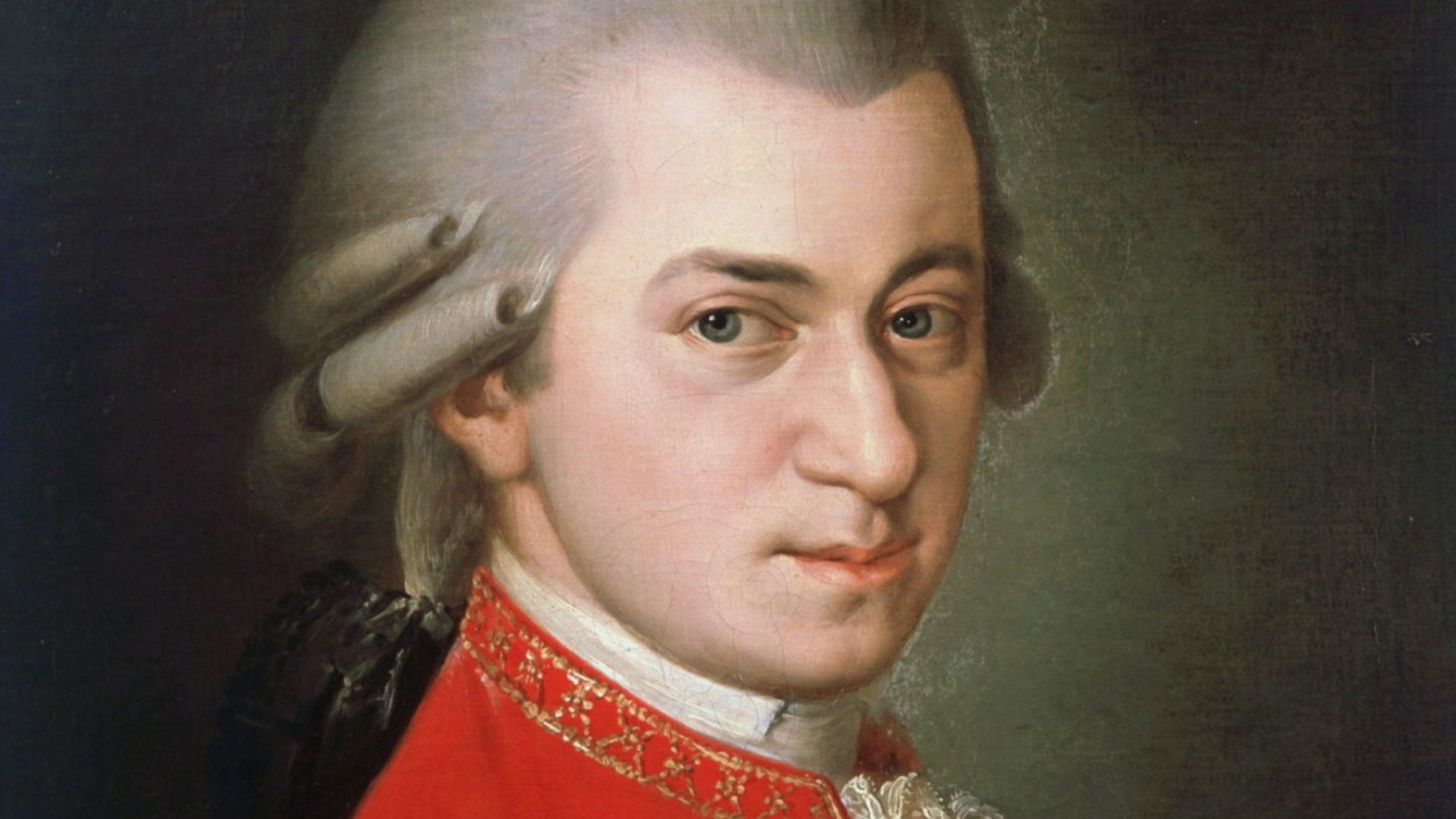 Barbara Krafft, Wikimedia Commons
Ludwig Van Beethoven
Beethoven became one of the towering composers in European history. Outside composition, he was famously difficult, suspicious, and combative with patrons, relatives, and servants. His worsening deafness deepened his isolation and made ordinary communication harder. The music soared, but the daily life around it could be stormy.
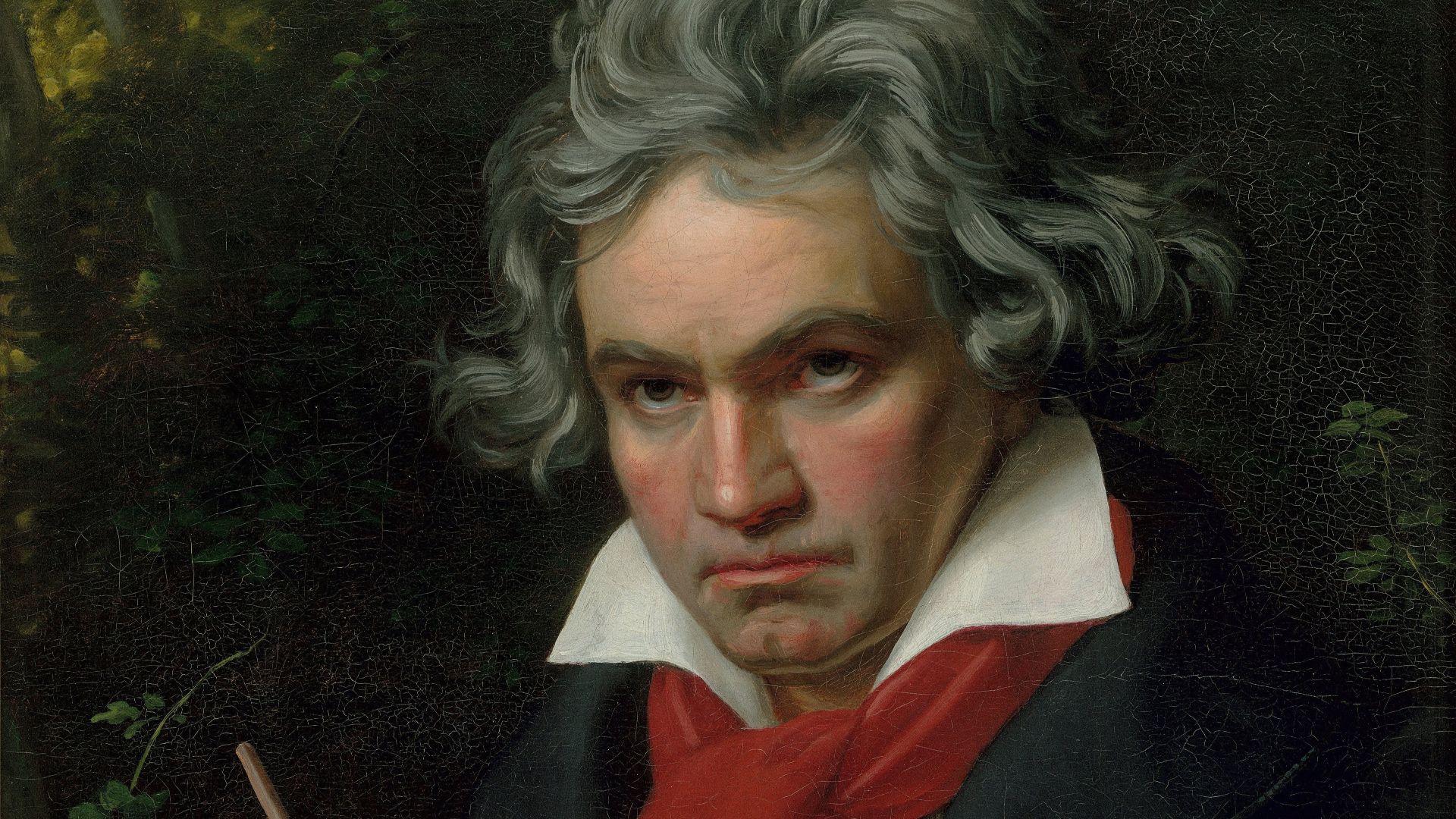 Joseph Karl Stieler, Wikimedia Commons
Jean-Jacques Rousseau
Jean-Jacques Rousseau influenced political thought and wrote Émile, one of the most famous works on education. Yet he admitted in Confessions that he sent his children with Thérèse Levasseur to a foundling hospital. That decision haunted his reputation, especially because he later wrote so forcefully about childhood and moral formation. Few contradictions in intellectual history are more uncomfortable.
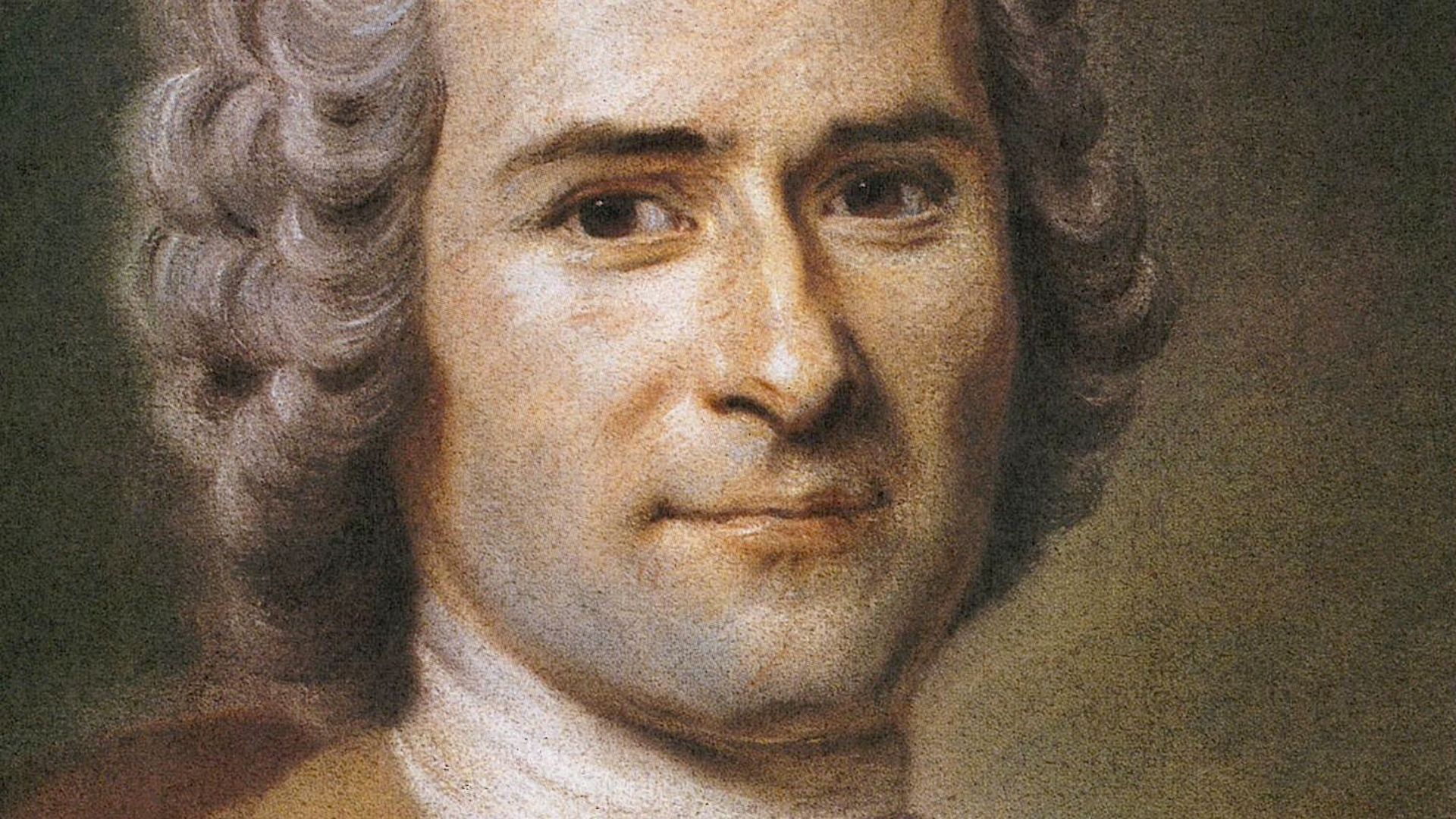 Maurice Quentin de La Tour, Wikimedia Commons
Oscar Wilde
Oscar Wilde was one of the sharpest literary celebrities of Victorian Britain. At the height of his fame, he sued the Marquess of Queensberry for libel after a public accusation about his sexuality. The case collapsed, evidence from it was used against Wilde, and he was later convicted of gross indecency. His plays survived triumphantly, but his legal strategy destroyed his public life.
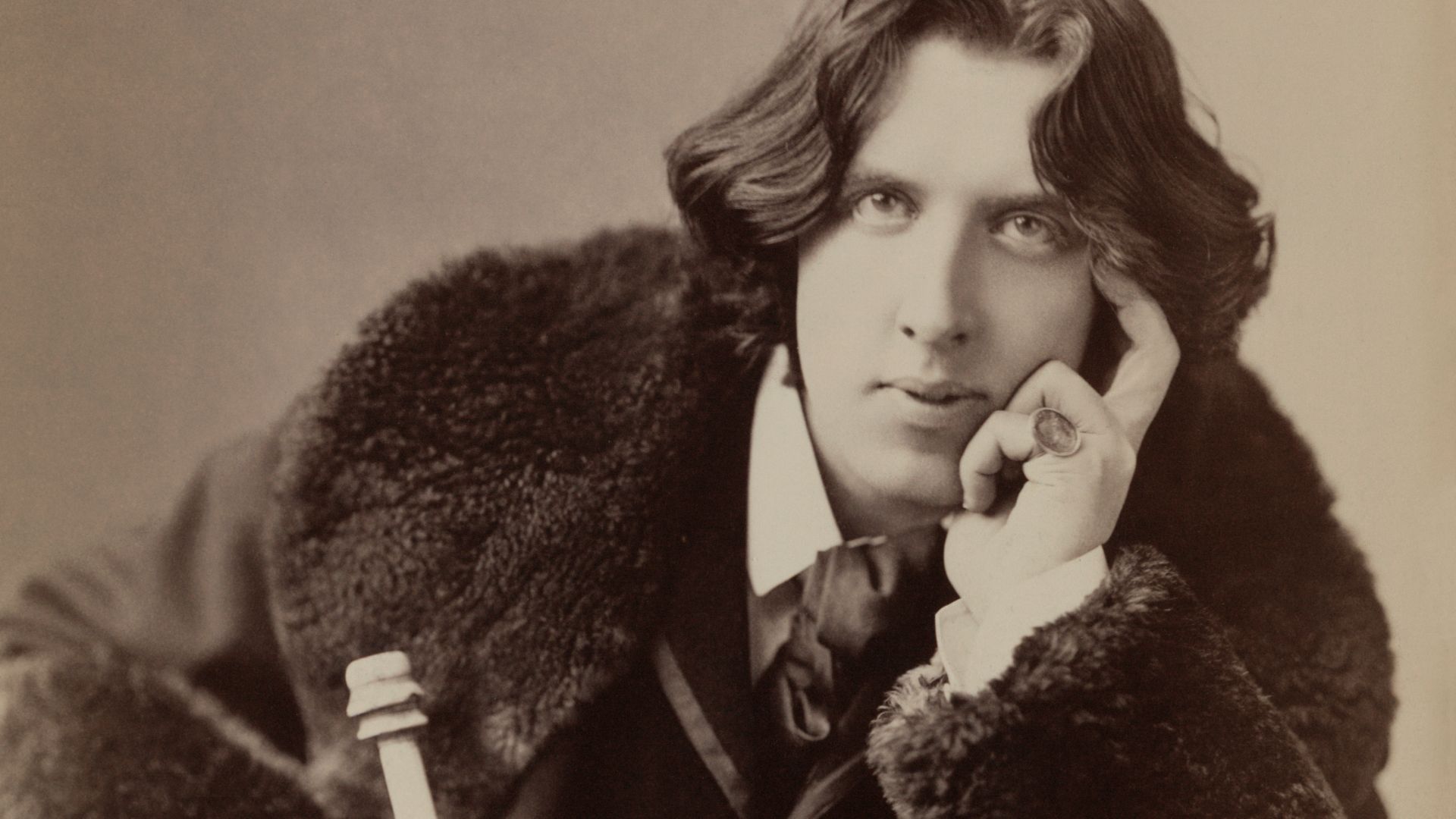 Napoleon Sarony / Adam Cuerden, Wikimedia Commons
Lord Byron
Lord Byron’s poetry and personality made him one of Europe’s first literary superstars. His private life was tangled with debt, affairs, and public scandal. In 1816, after the breakdown of his marriage and mounting pressure from creditors, he left England and never returned. The Byronic hero was thrilling on the page, but Byron himself was exhausting in person.
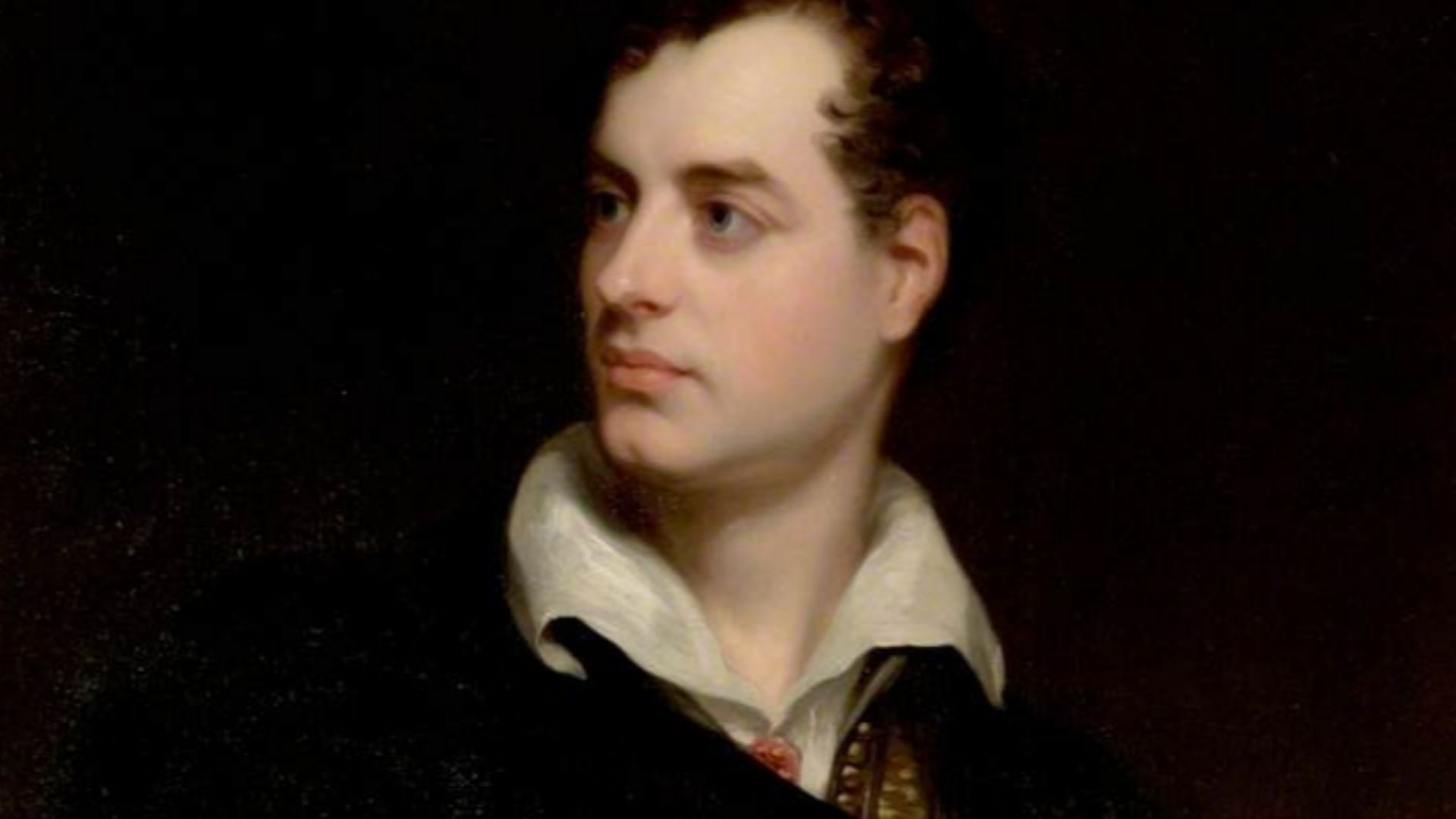 Thomas Phillips, Wikimedia Commons
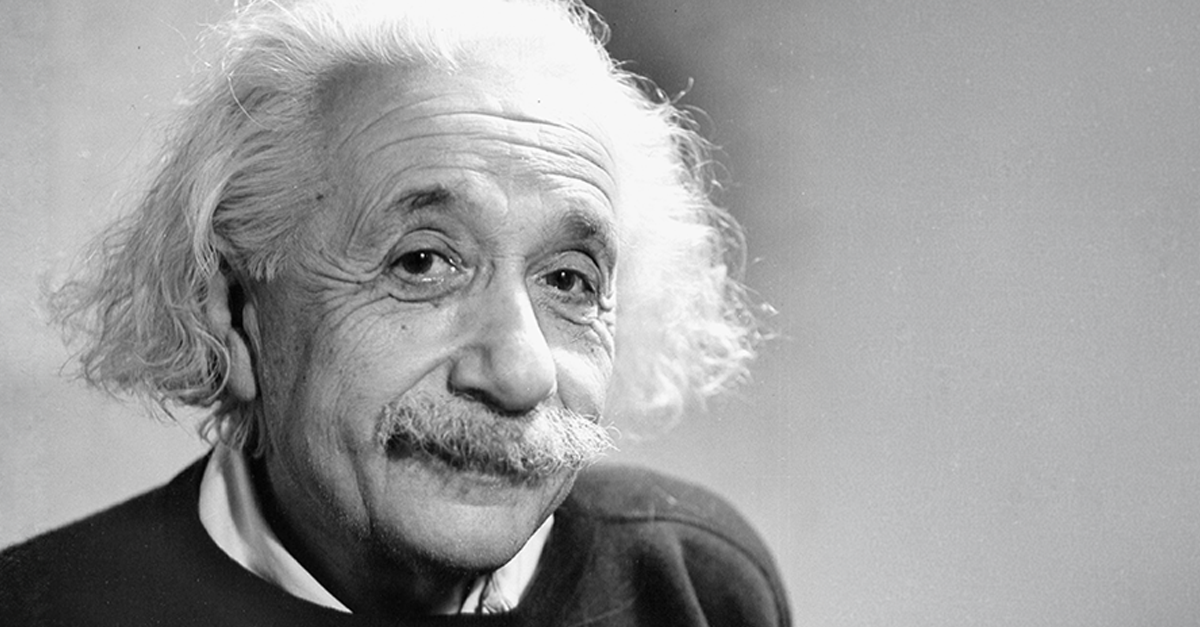
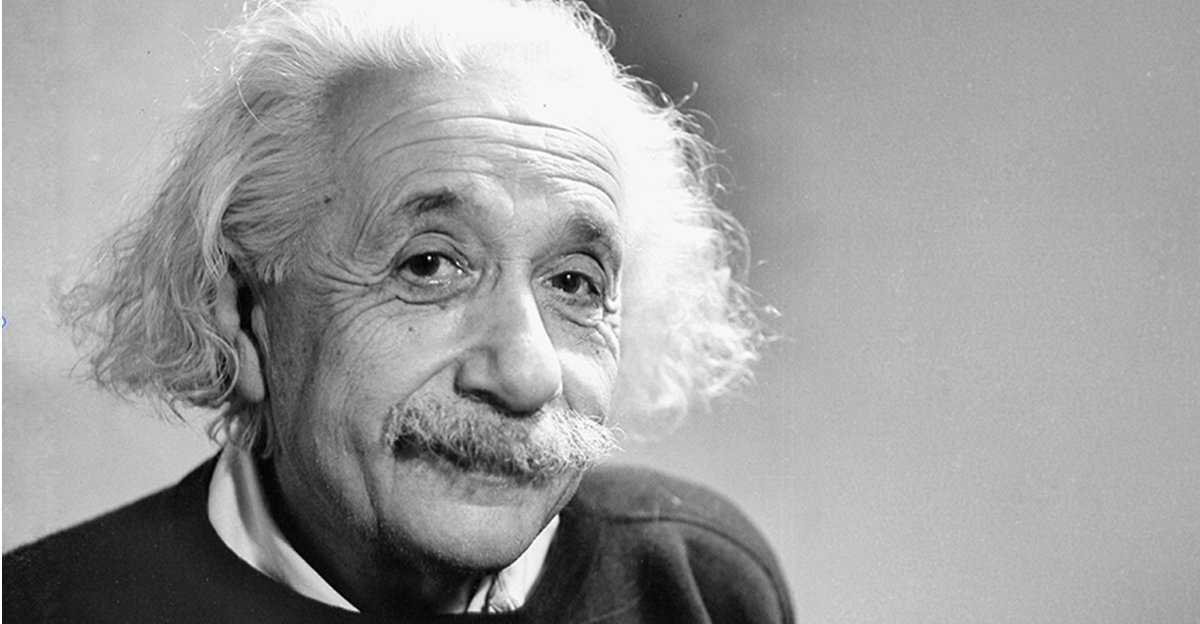
Albert Einstein
Albert Einstein changed physics with relativity and won the Nobel Prize for his work on the photoelectric effect. His first marriage to Mileva Marić collapsed after years of strain, separation, and his relationship with his first cousin Elsa Löwenthal. Their divorce agreement famously directed future Nobel Prize money to Marić if Einstein ever won. The arrangement was clever, but the family story behind it was painful.
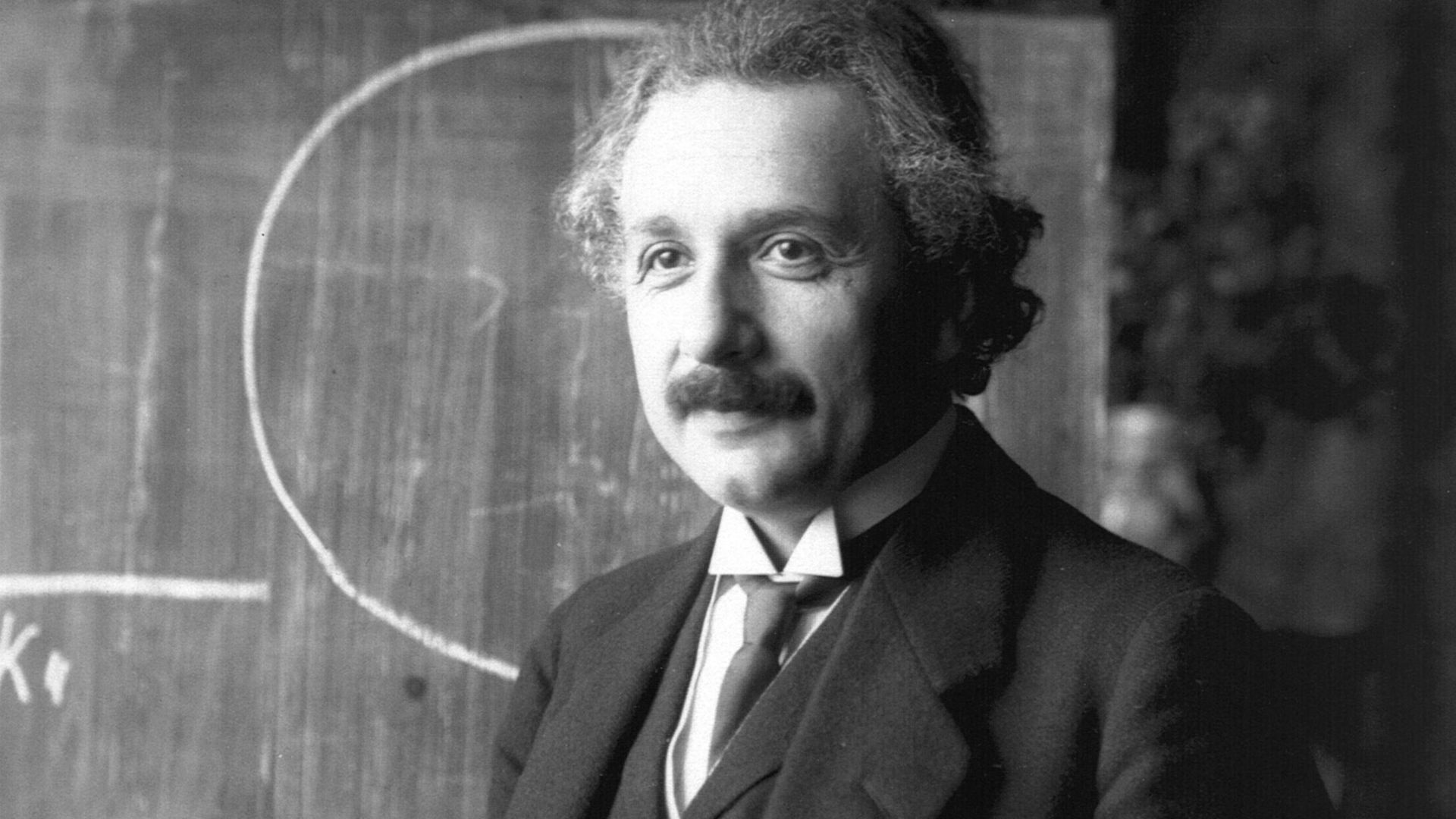 Ferdinand Schmutzer, Wikimedia Commons

History's most fascinating stories and darkest secrets, delivered to your inbox daily.
Tycho Brahe
Tycho Brahe produced some of the most accurate astronomical observations before the telescope. He also lost part of his nose in a duel as a young man, an absurdly human detail attached to a very serious scientist. Later, he lost royal support in Denmark and left the island observatory that had made him famous. His measurements helped Kepler, but his own life was a maze of pride, politics, and spectacle.
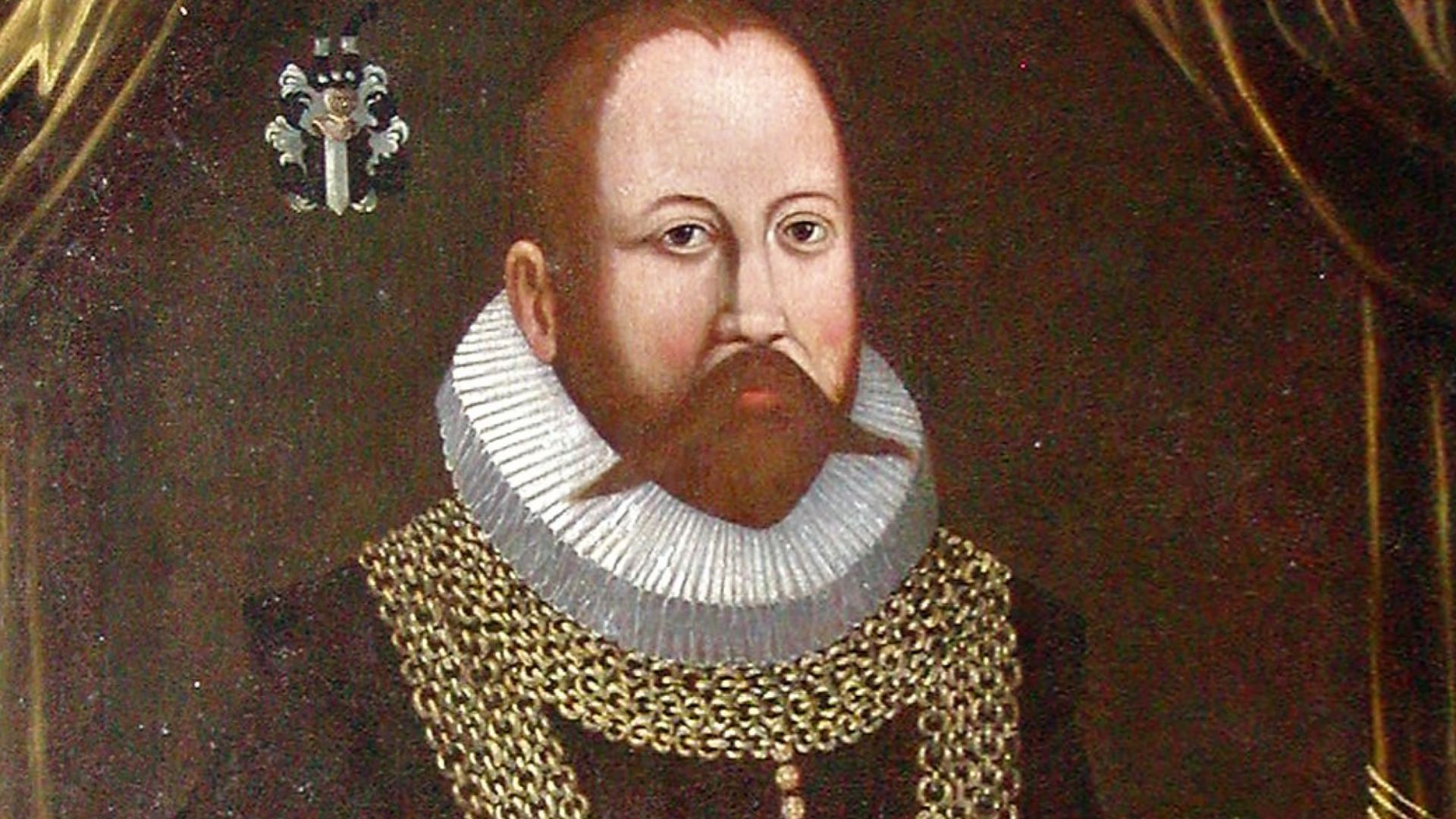 Unknown artistUnknown artist, Wikimedia Commons
Caravaggio
Caravaggio revolutionized painting with dramatic realism and intense light. His personal life was violent enough to leave a long trail in Rome’s criminal records. After killing Ranuccio Tomassoni in 1606, he fled Rome with a death sentence hanging over him. His canvases entered churches, while their creator kept running from the law.
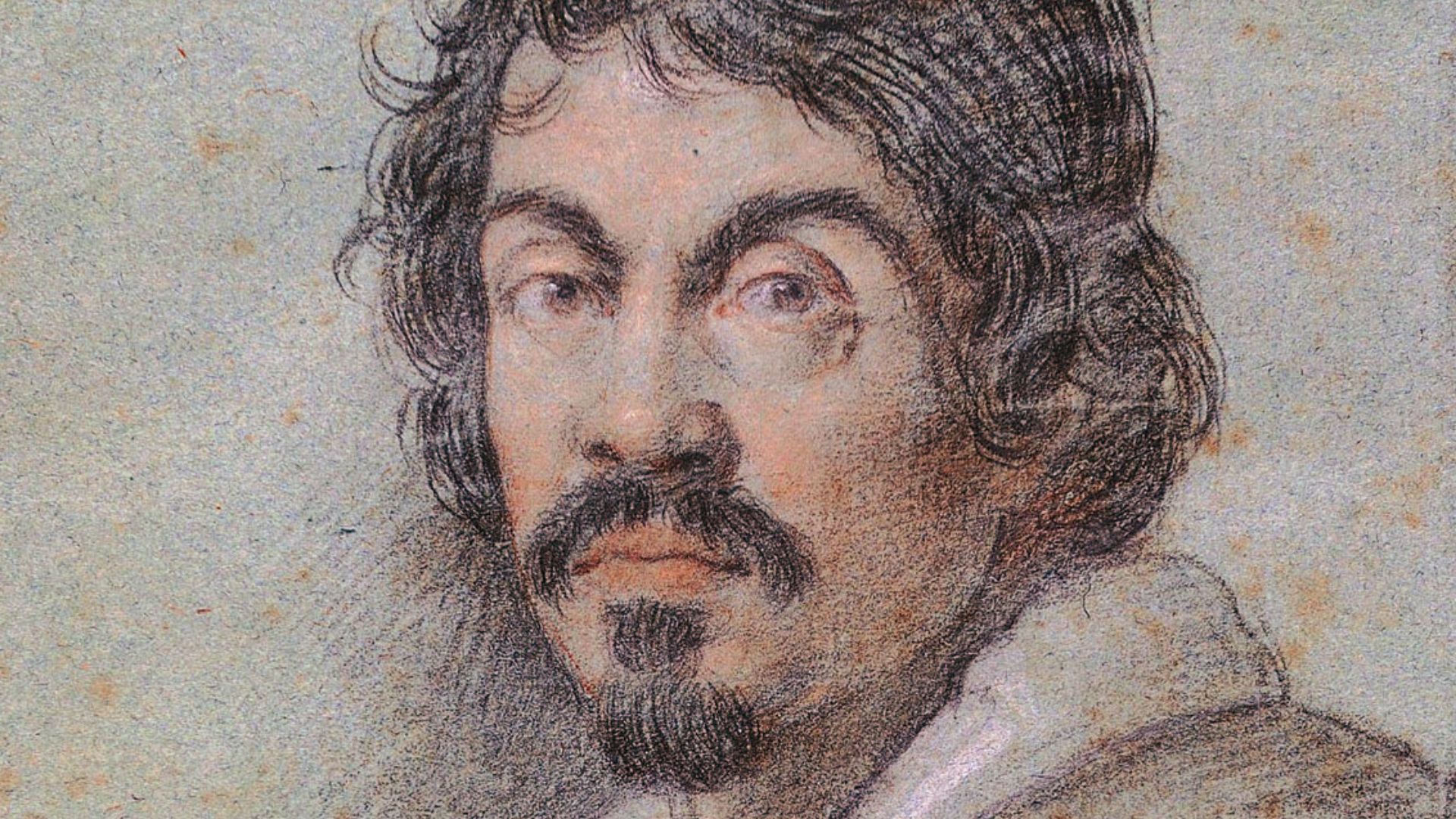 Ottavio Leoni, Wikimedia Commons
Karl Marx
Karl Marx helped shape modern political thought through The Communist Manifesto and Das Kapital. His own finances were often precarious, and he relied heavily on support from Friedrich Engels. Marx spent years researching in the British Museum Reading Room while his household struggled with debt and illness. He analyzed economic systems with ruthless clarity, but his own budget rarely cooperated.
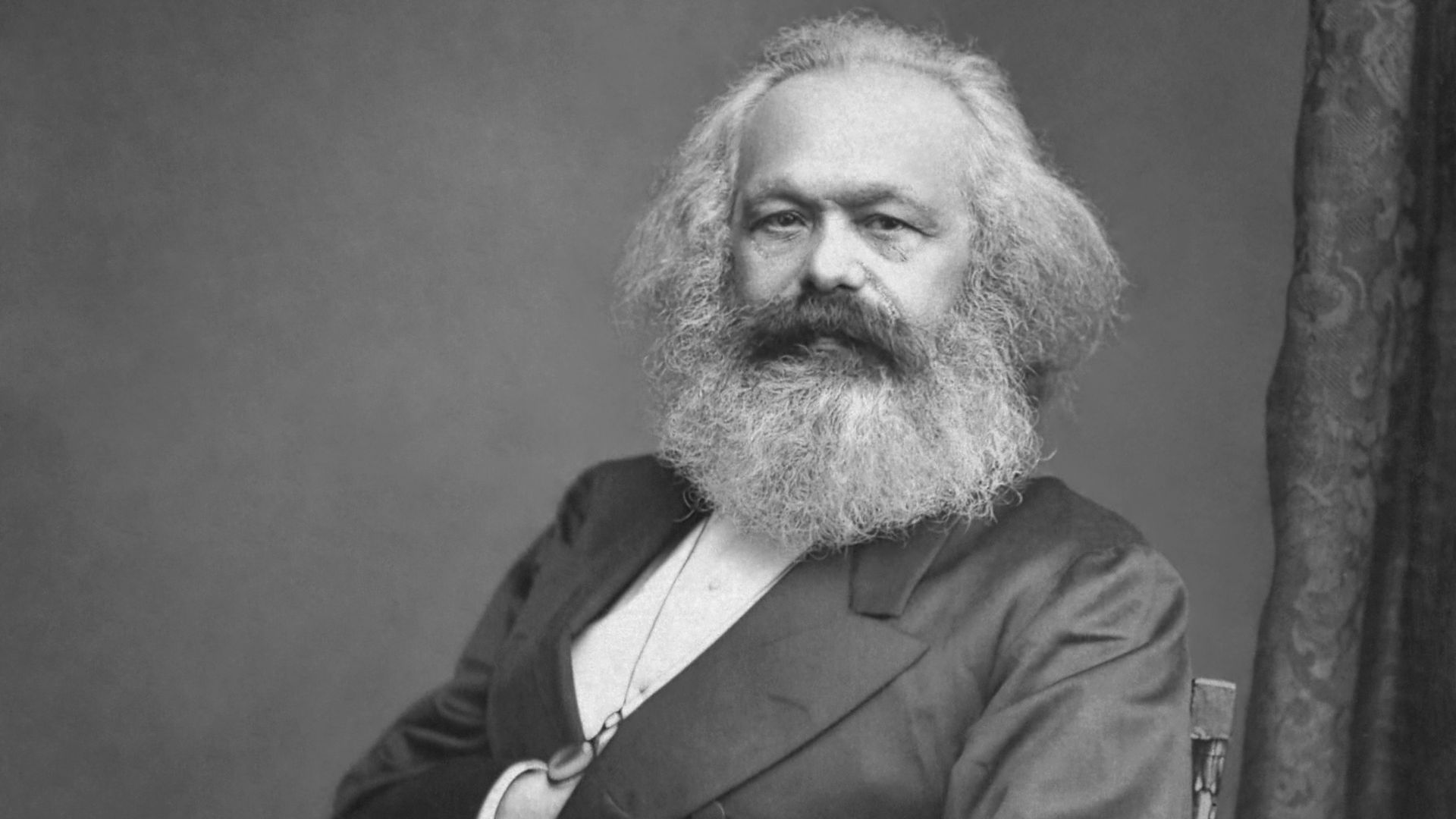 John Jabez Edwin Mayall, Wikimedia Commons
Edgar Allan Poe
Edgar Allan Poe helped create modern detective fiction and gave American literature some of its darkest masterpieces. His life was marked by quarrels, poverty, and early gambling debts at the University of Virginia. Those debts helped drive his break with the Allan family and his departure from college. Poe could build a perfect atmosphere of dread, but he could not build a secure life.
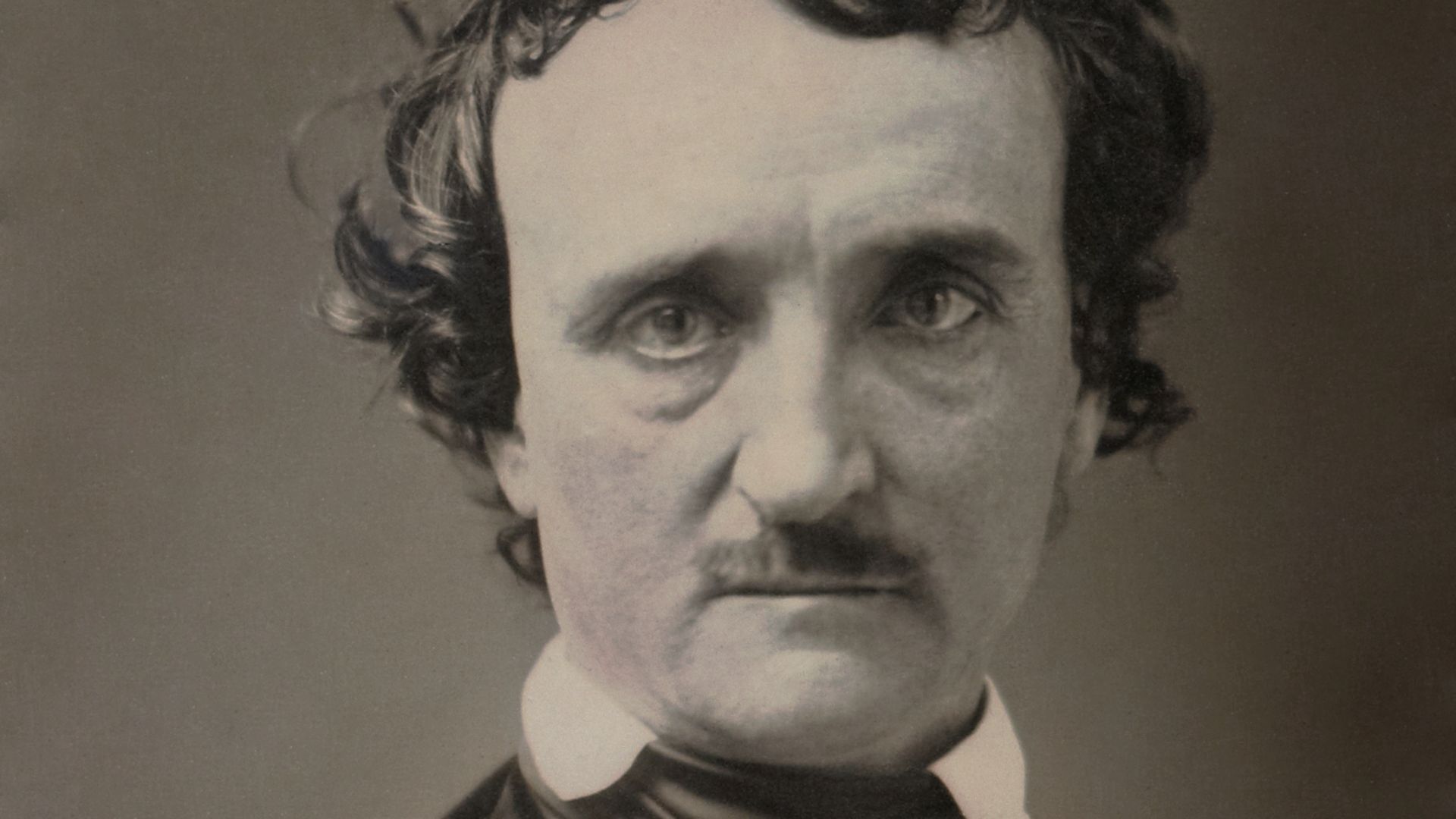 Unknown authorUnknown author; Restored by Yann Forget and Adam Cuerden, Wikimedia Commons
Richard Wagner
Richard Wagner changed the direction of opera with works like The Ring and Tristan und Isolde. His personal finances were chaotic, and debt followed him through much of his early career. Political involvement in the Dresden uprising also forced him into exile. He dreamed on a mythic scale, then left other people to deal with the invoices.
![Photograph of composer Richard Wagner, Paris, 1861 (catalog number 007); this was taken when Wagner was in France for the premiere of Tannhauser.[1] A 1901 letter from Fillon to Mrs Burrell affirms the photo as a 1861 work.[2]](https://www.factinate.com/storage/app/media/factinate/2026/6/19/1781850636000bb59b2148db2963f1961f9a70a584c2677c15.jpg) Pierre Petit, Wikimedia Commons
Pierre Petit, Wikimedia Commons
Ada Lovelace
Ada Lovelace is remembered for her notes on Charles Babbage’s Analytical Engine and is often called the first computer programmer. Later accounts describe her involvement in horse-racing bets and attempts to use mathematical systems to win. The scheme reportedly went badly and left her in serious debt. She saw the logic of machines more clearly than the odds of gambling.
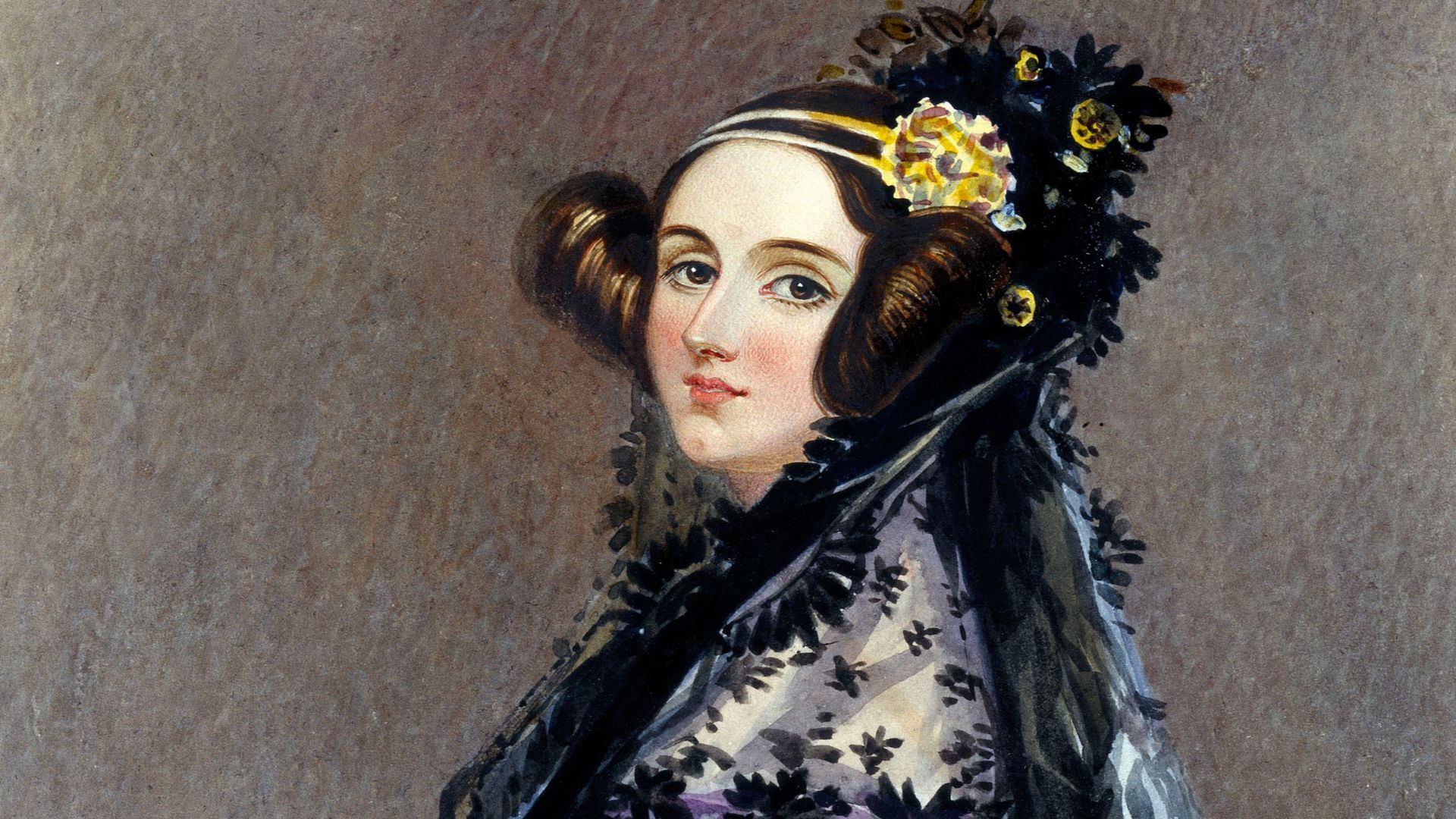 Alfred Edward Chalon, Wikimedia Commons
Francis Bacon
Francis Bacon helped shape the modern scientific method and wrote brilliantly about knowledge. As lord chancellor, however, his political career ended in disgrace. In 1621, he was charged with corruption, fined, briefly imprisoned in the Tower of London, and barred from office. The philosopher of clear procedure became a case study in compromised power.
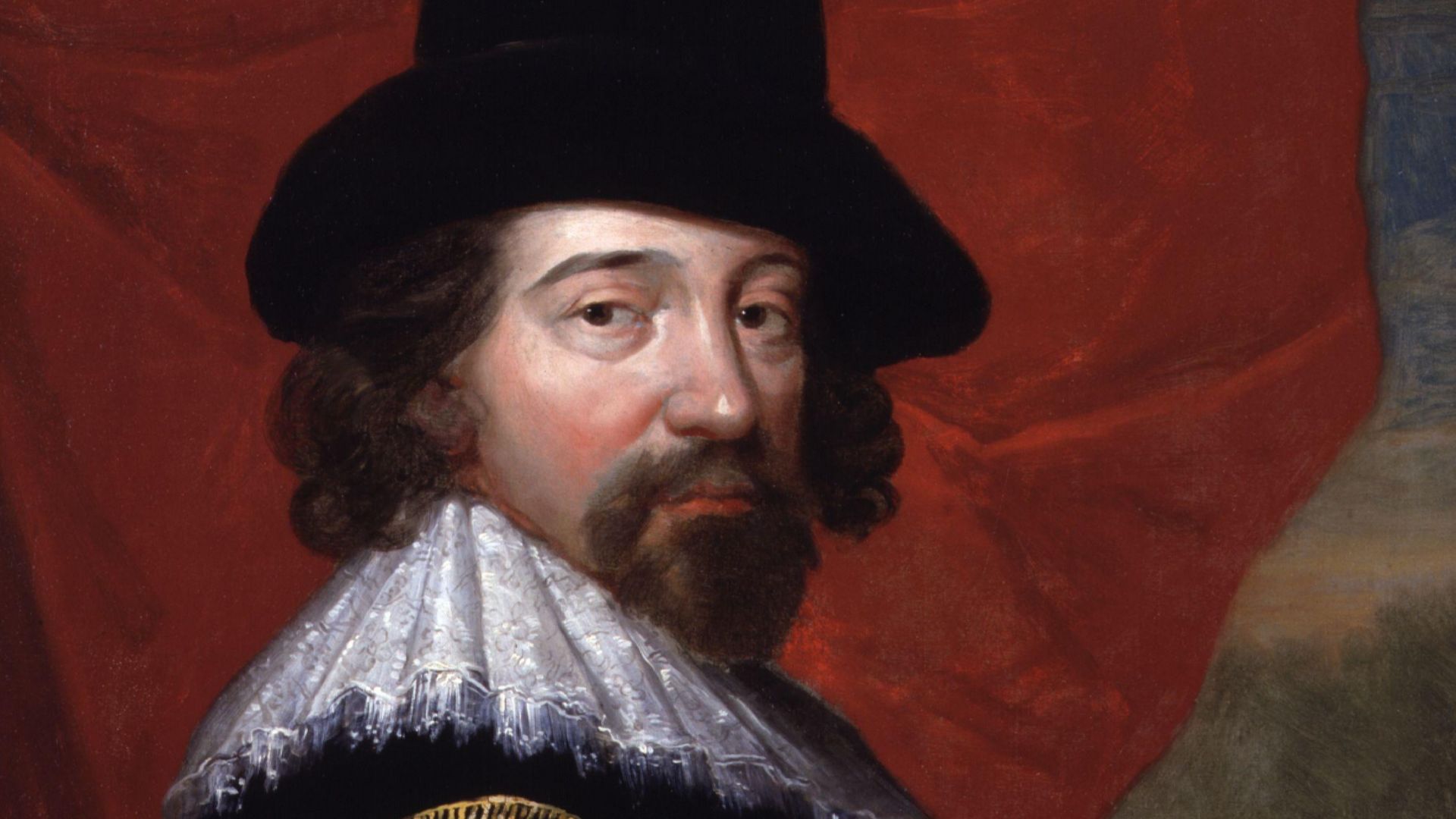 John Vanderbank, Wikimedia Commons
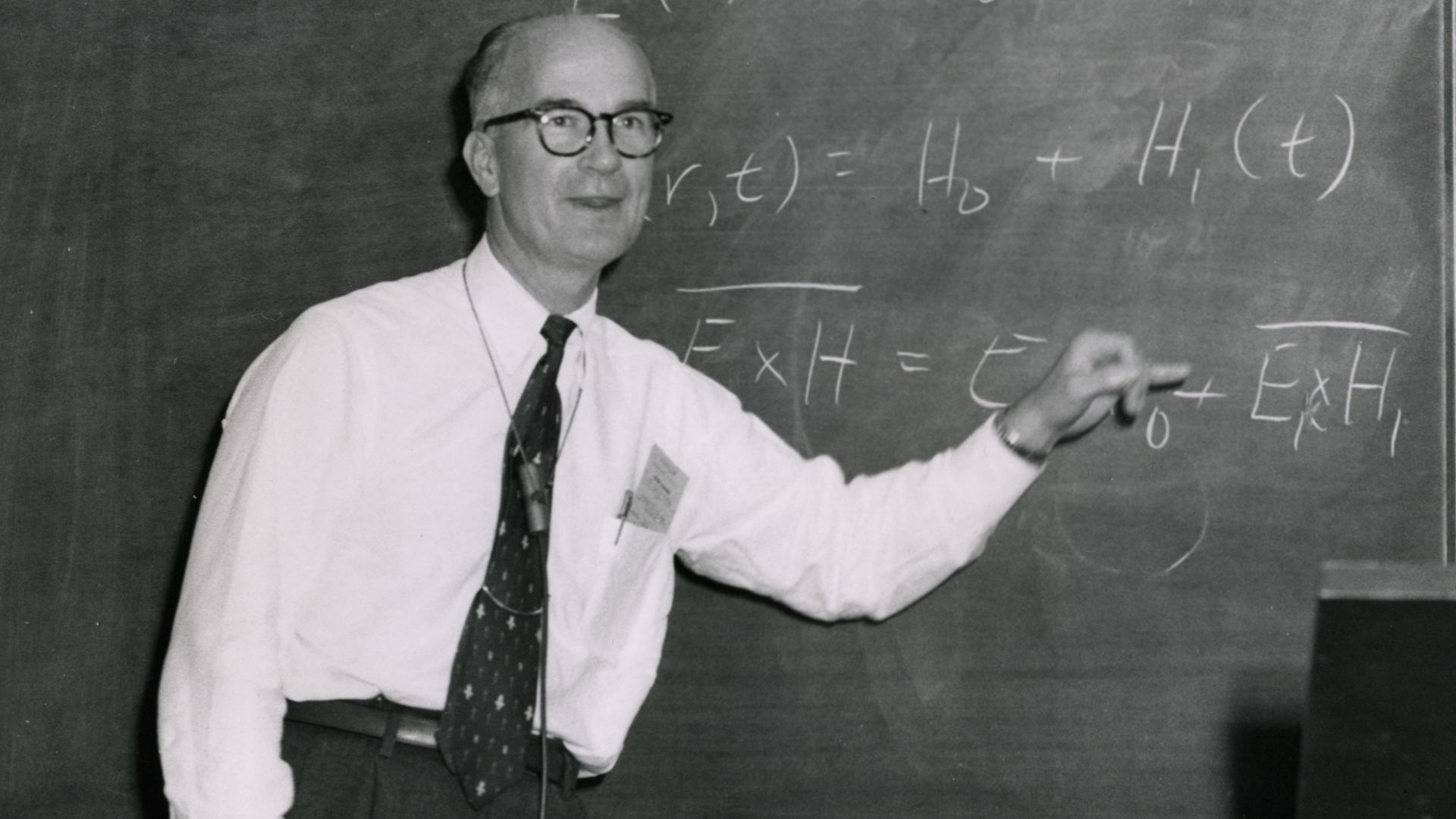
William Shockley
William Shockley shared the 1956 Nobel Prize in Physics for work connected to the transistor. His management style at Shockley Semiconductor alienated talented employees who later helped build Silicon Valley. Later, he became notorious for promoting racist ideas outside his field of expertise. His scientific achievement was enormous, but his public judgment became disastrous.
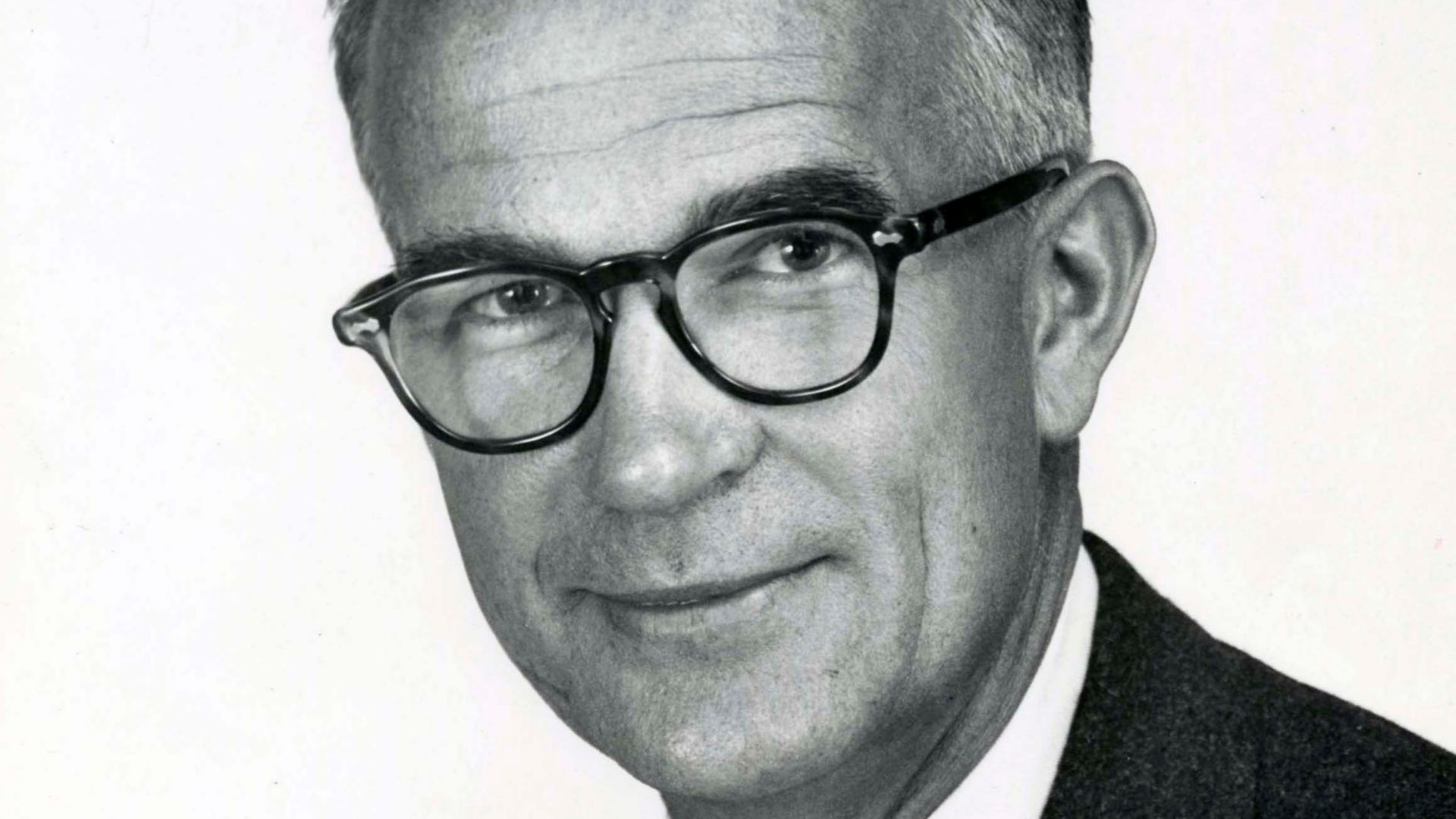 Nobel foundation, Wikimedia Commons
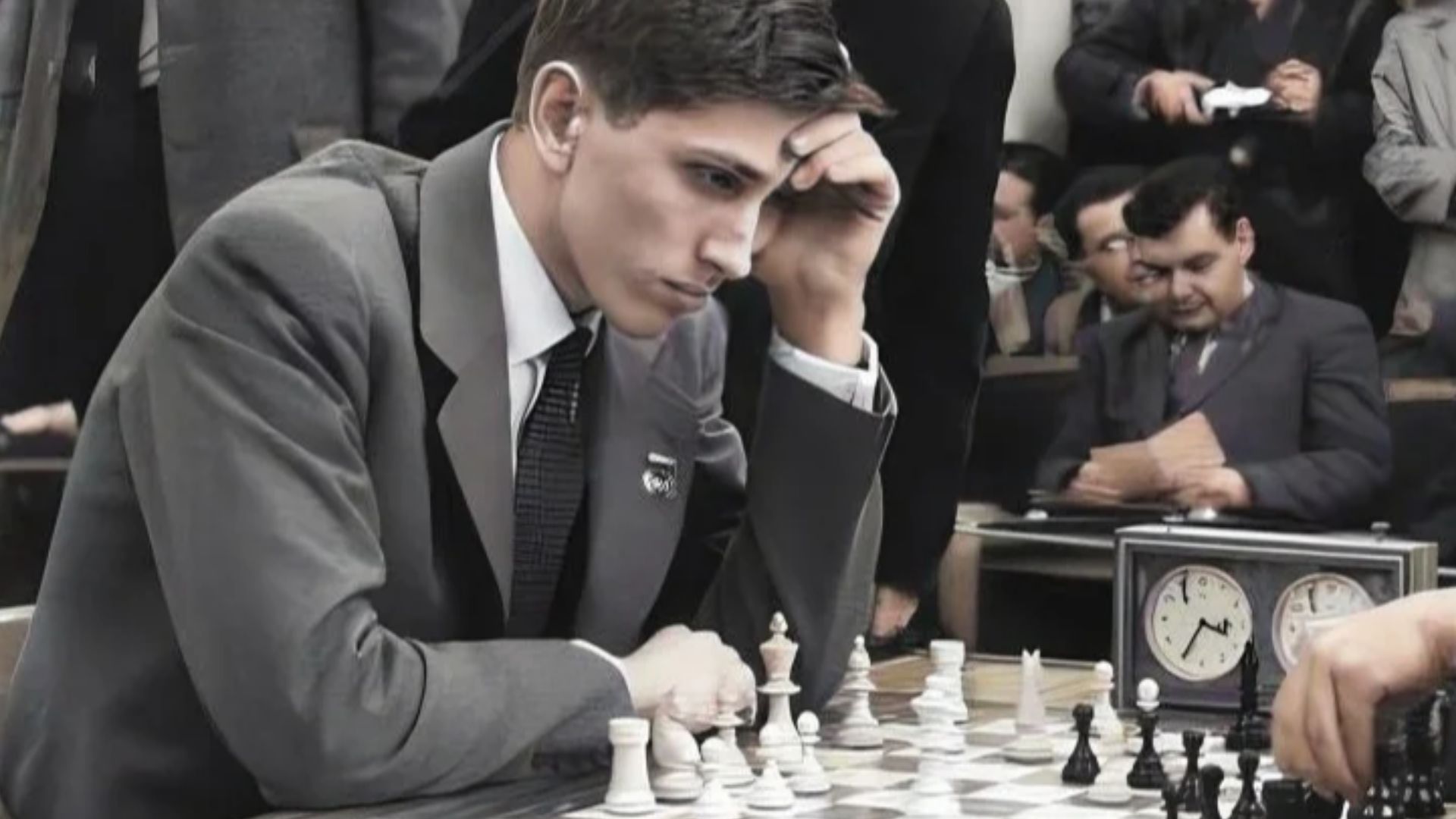
Bobby Fischer
Bobby Fischer became world chess champion in 1972 and made chess a Cold War spectacle. He later refused to defend his title when he could not reach agreement with FIDE over match conditions. In later years, his public statements included Holocaust denial and antisemitic remarks. His chess genius remains historic, but his public life became increasingly ugly.
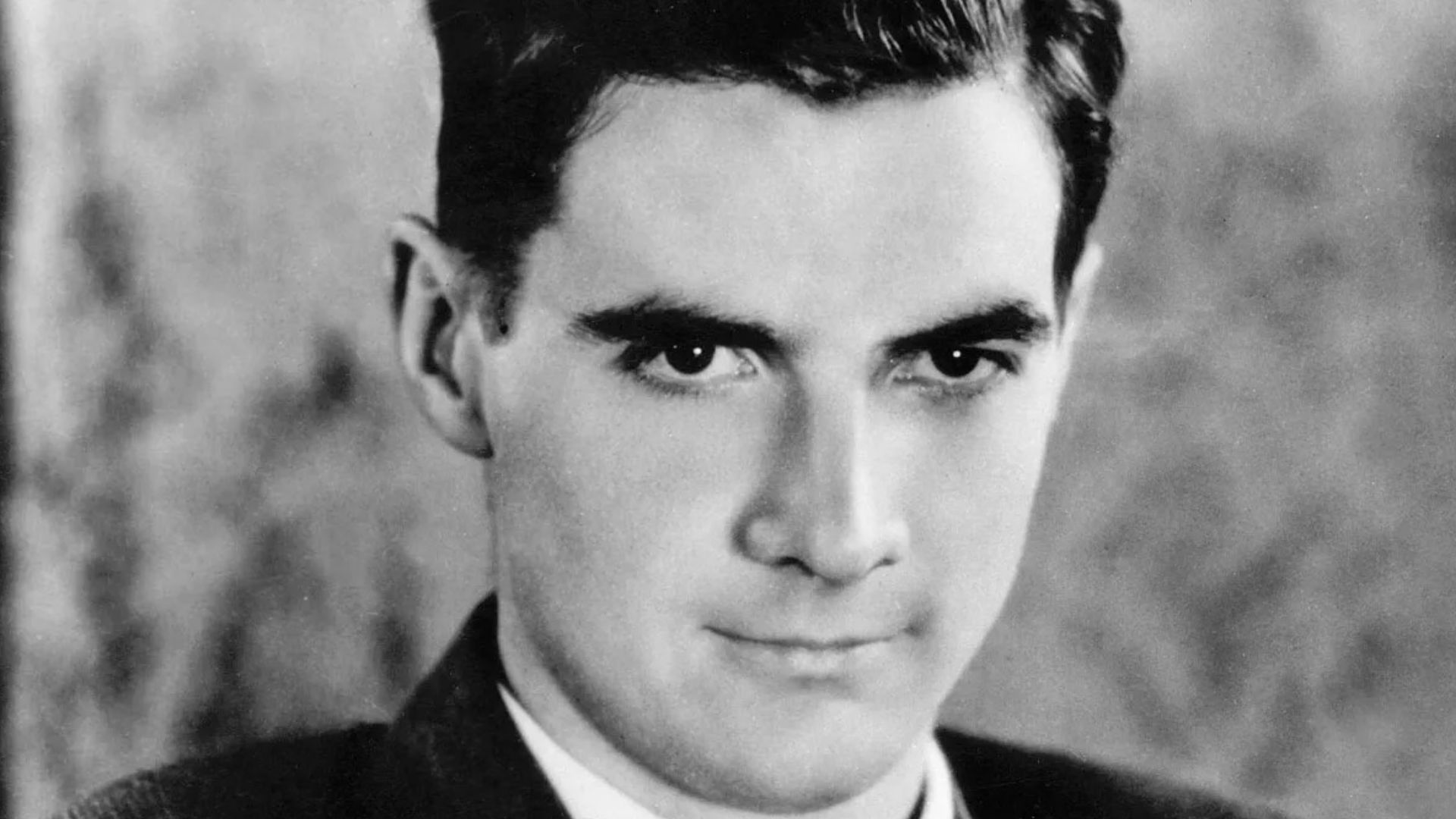
Howard Hughes
Howard Hughes was a film producer, aviator, manufacturer, and one of the richest Americans of his era. He also became famous for extreme reclusiveness and obsessive behavior. He is remembered as much for his eccentricities as for his ventures. Hughes conquered Hollywood, aviation, and business, then became trapped by his own rituals.
 AnonymousUnknown author, Wikimedia Commons
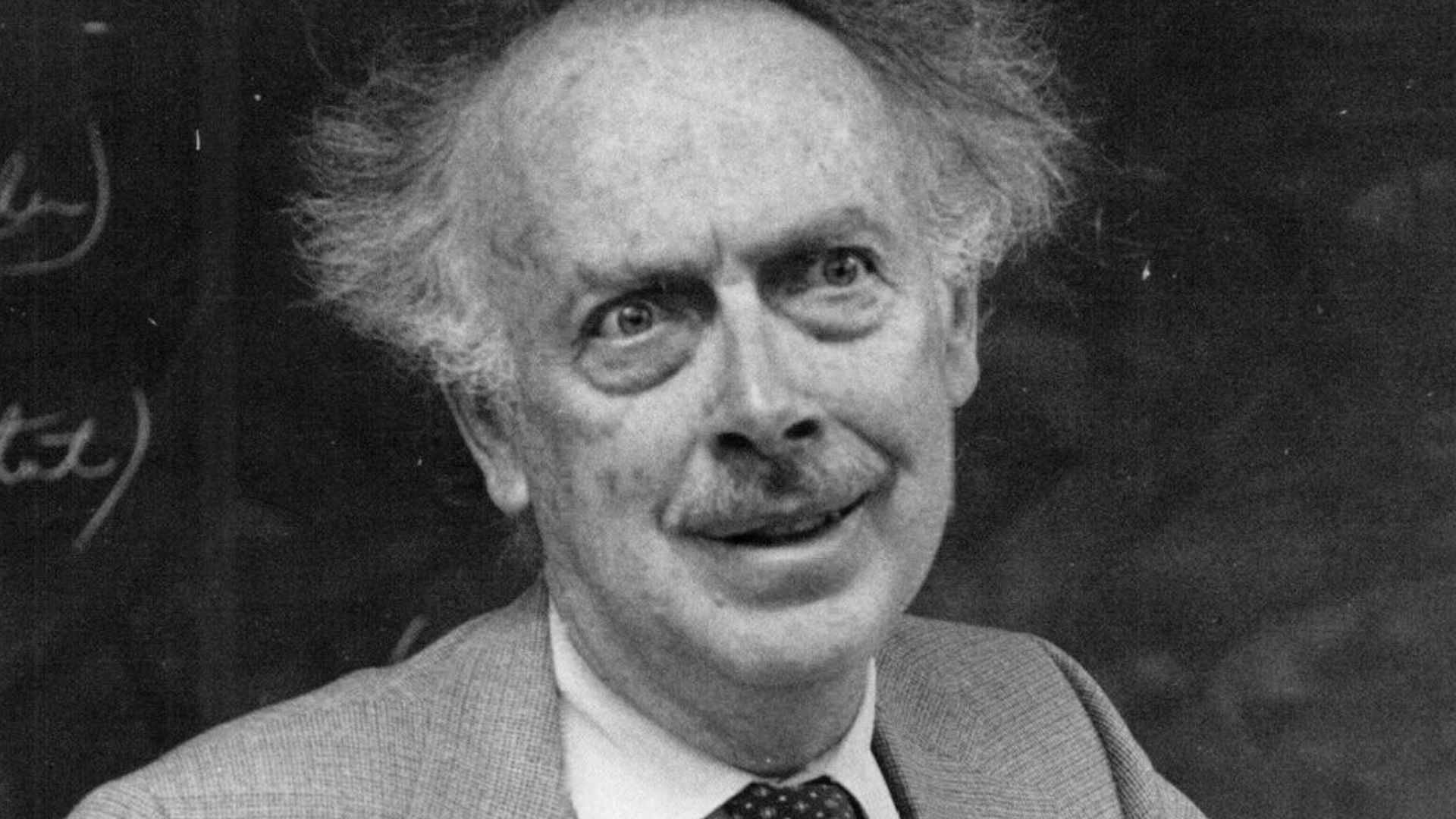
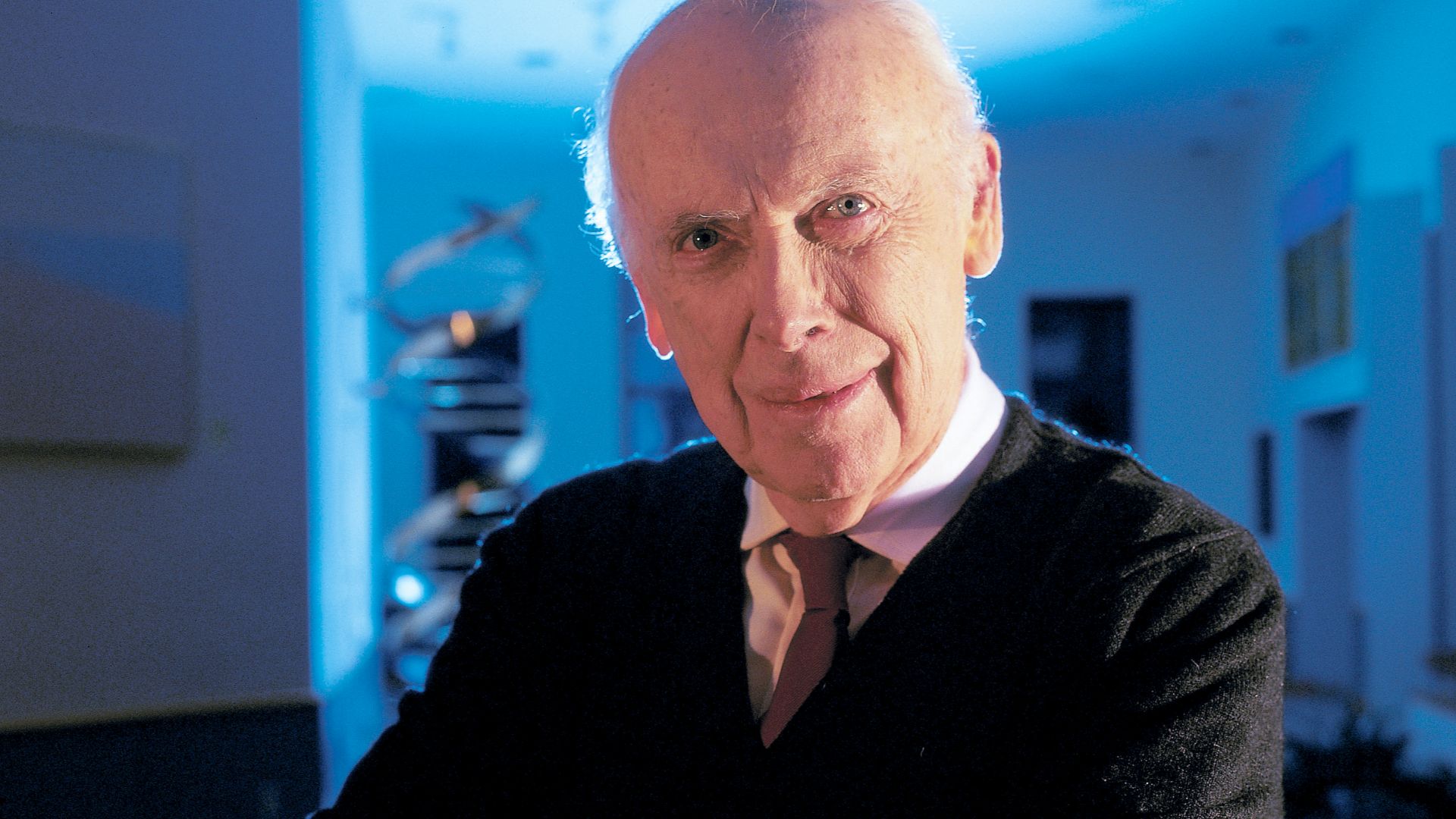
James Watson
James Watson shared the Nobel Prize for work on the structure of DNA. Decades later, repeated racist comments led Cold Spring Harbor Laboratory to strip him of honorary titles. The laboratory publicly condemned the remarks as unsupported by science. His discovery changed biology, but his later public statements badly damaged his legacy.
 Unknown authorUnknown author, Wikimedia Commons
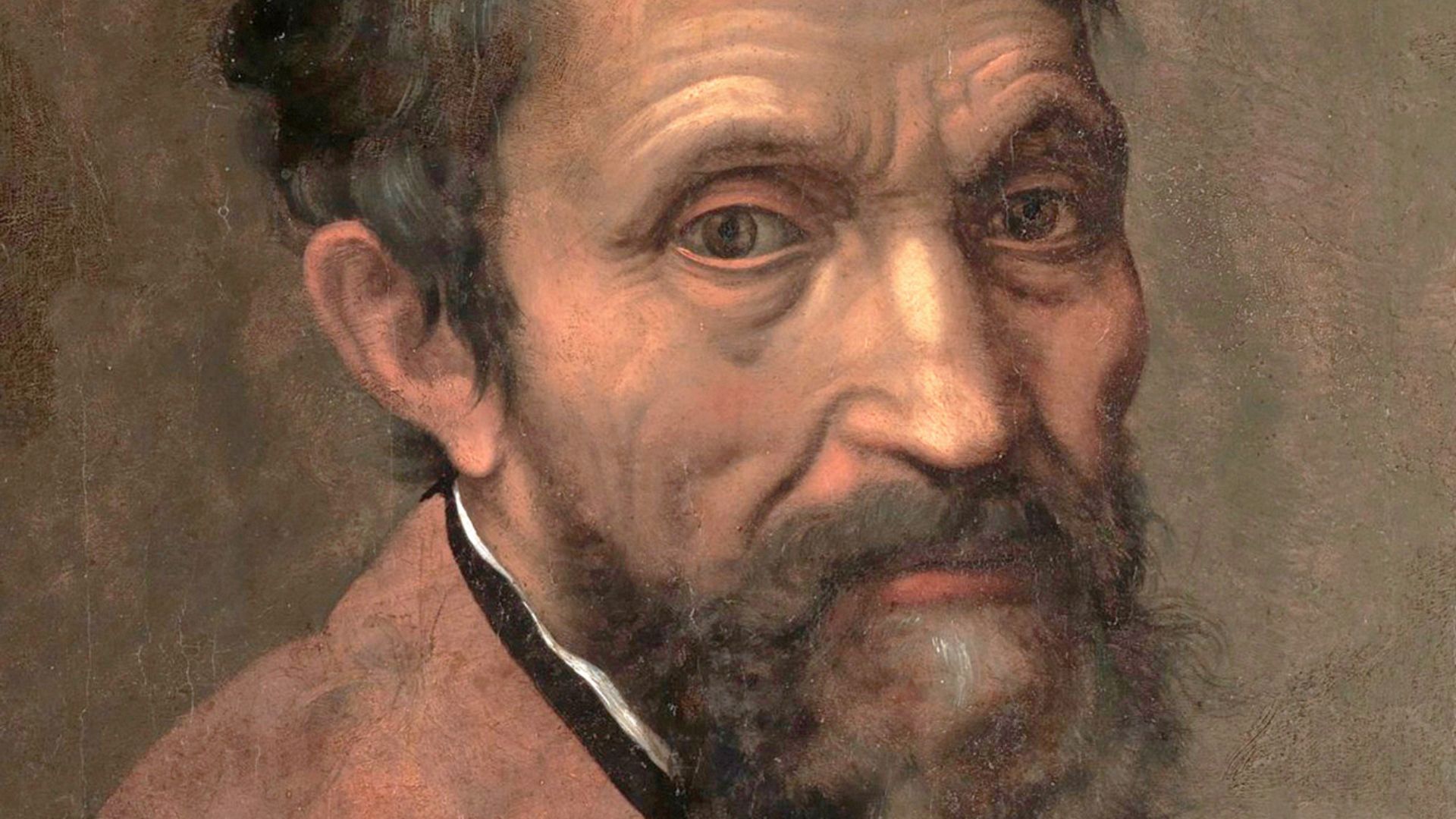
Michelangelo
Michelangelo created the David, painted the Sistine Chapel ceiling, and shaped Renaissance art at a monumental scale. He was also famously difficult, secretive, and prone to conflict with patrons, including Pope Julius II. Their clashes became part of the story behind the Sistine Chapel itself. The masterpieces were divine, but the project management was brutal.
 Attributed to Daniele da Volterra, Wikimedia Commons
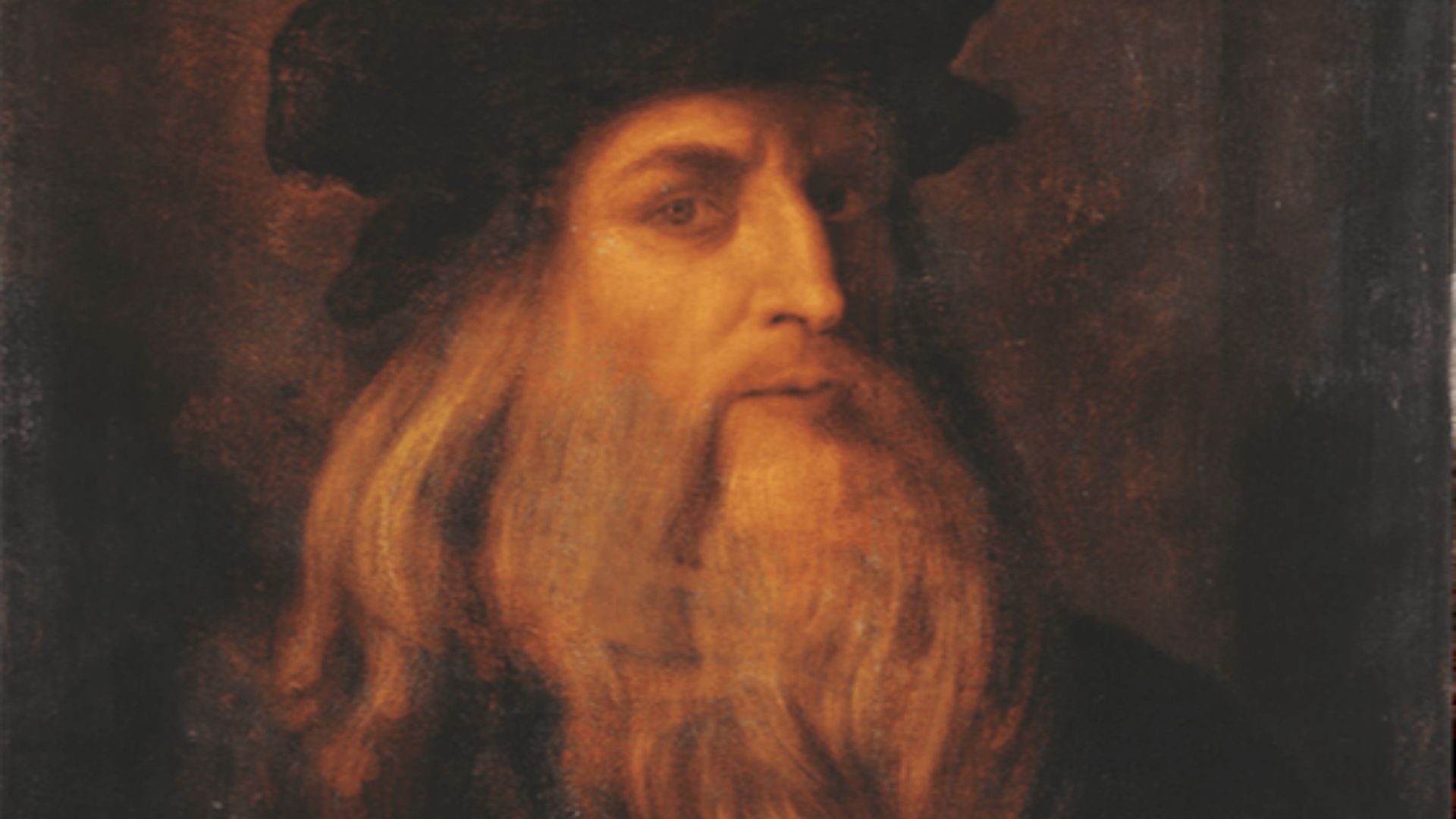
Leonardo Da Vinci
Leonardo da Vinci was a painter, engineer, anatomist, and one of the defining figures of the Renaissance. Yet many of his projects were unfinished, abandoned, or technically unrealized during his lifetime. The great equestrian monument for Ludovico Sforza never became the bronze giant Leonardo envisioned. His imagination raced ahead of what time, money, and materials could support.
 Formerly attributed to Leonardo da Vinci, Wikimedia Commons
Ernest Hemingway
Ernest Hemingway won the Nobel Prize in Literature and reshaped modern prose with his lean style. His private life was turbulent, with four marriages, heavy drinking, injuries, and worsening mental health. The mythology of toughness often hid a life marked by pain and instability. On the page, he cut everything unnecessary, but off the page, the damage piled up.
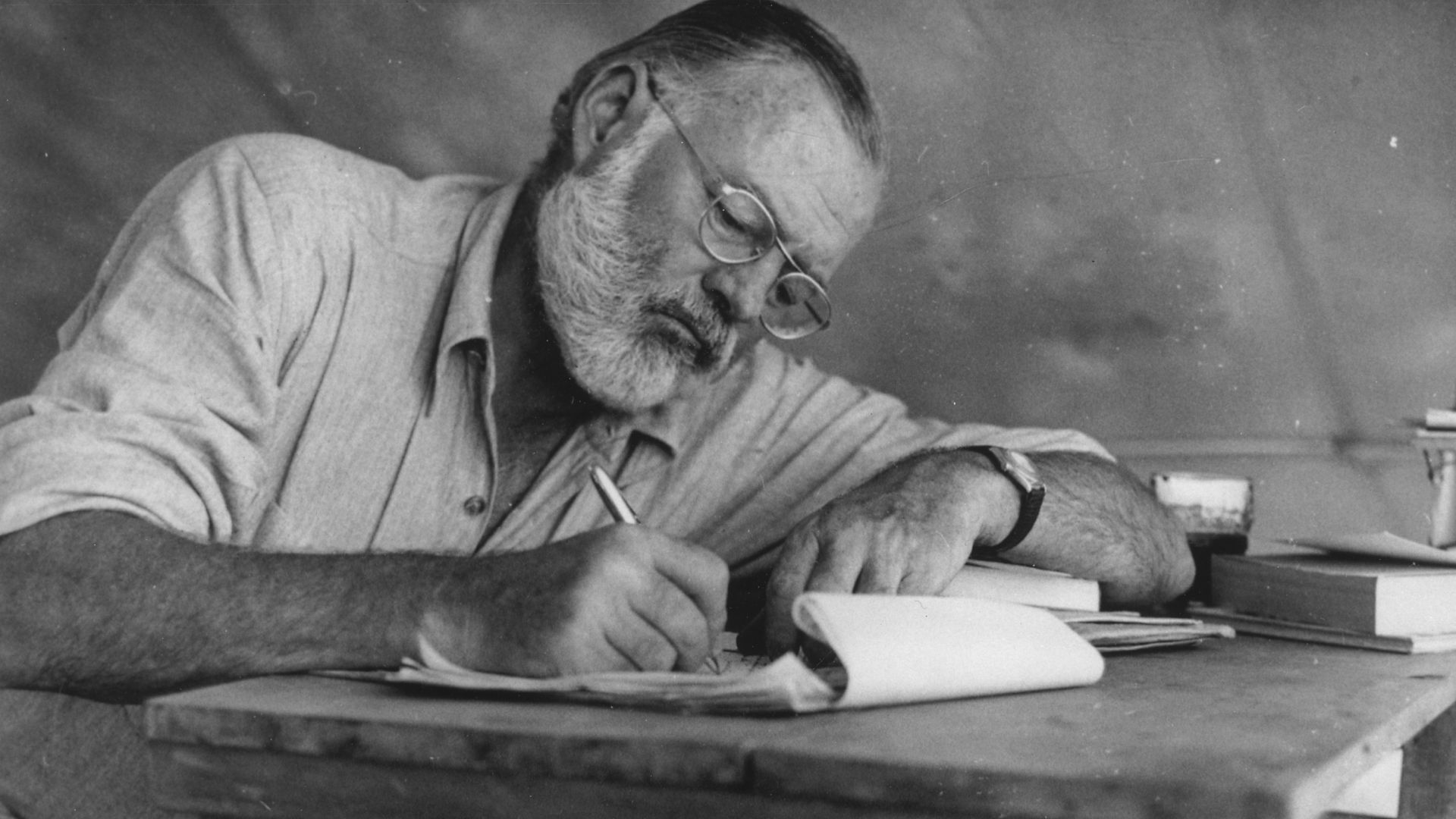 Look Magazine, Photographer (NARA record: 1106476), Wikimedia Commons
Vincent Van Gogh
Vincent van Gogh produced some of the most beloved paintings in modern art. During his lifetime, he struggled with poverty, illness, and repeated crises. The famous incident in which he cut off part of his ear followed a conflict with fellow artist Paul Gauguin. His art radiates life, but his own life was painfully fragile.
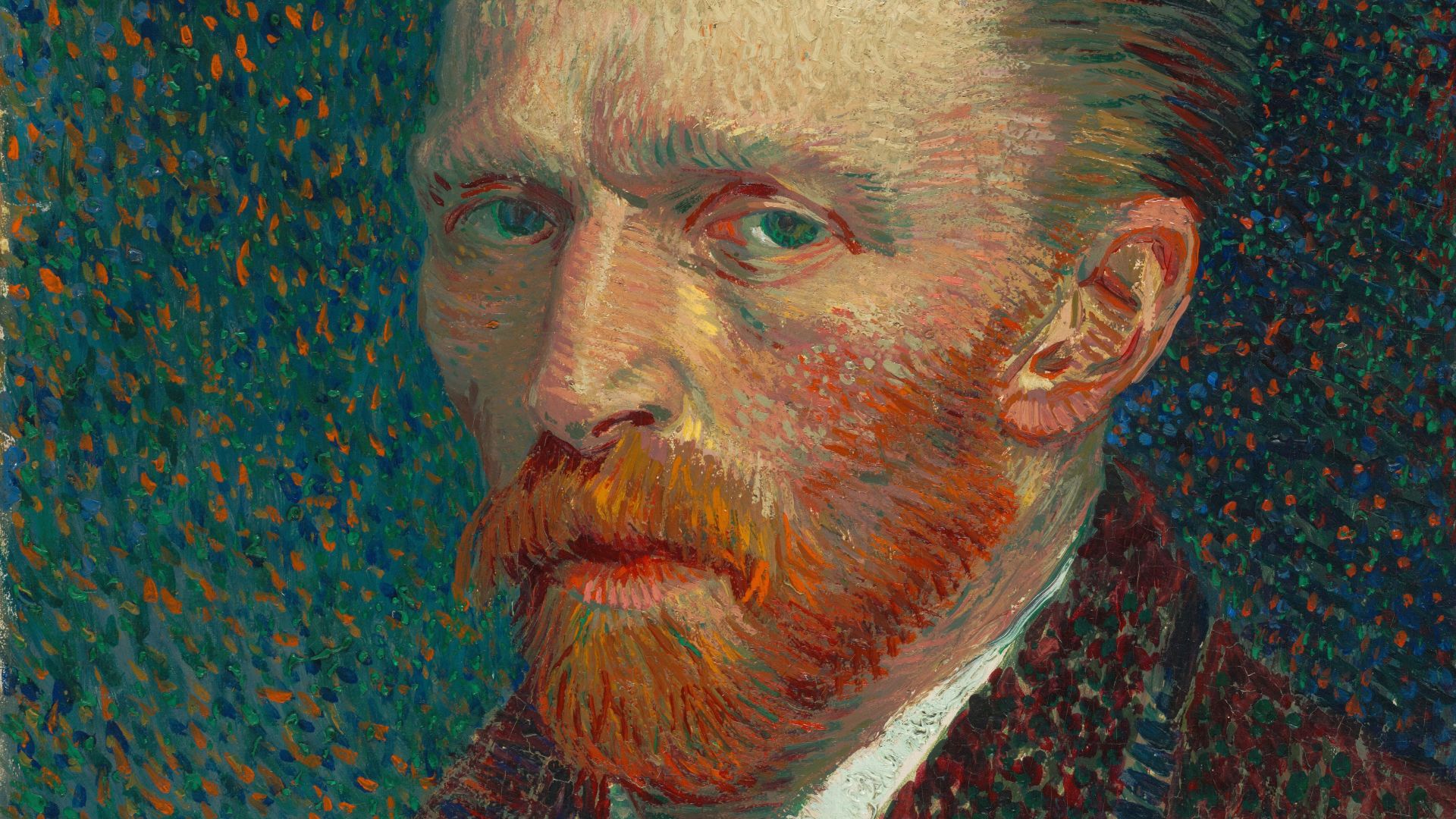 Vincent van Gogh, Wikimedia Commons
Fyodor Dostoevsky
Fyodor Dostoevsky became one of literature’s greatest explorers of guilt, faith, and moral crisis. He also had a destructive gambling habit, especially roulette, which worsened his financial troubles. Those experiences fed directly into The Gambler, a novel written under pressure. He could anatomize compulsion with terrifying insight because he knew it too well.
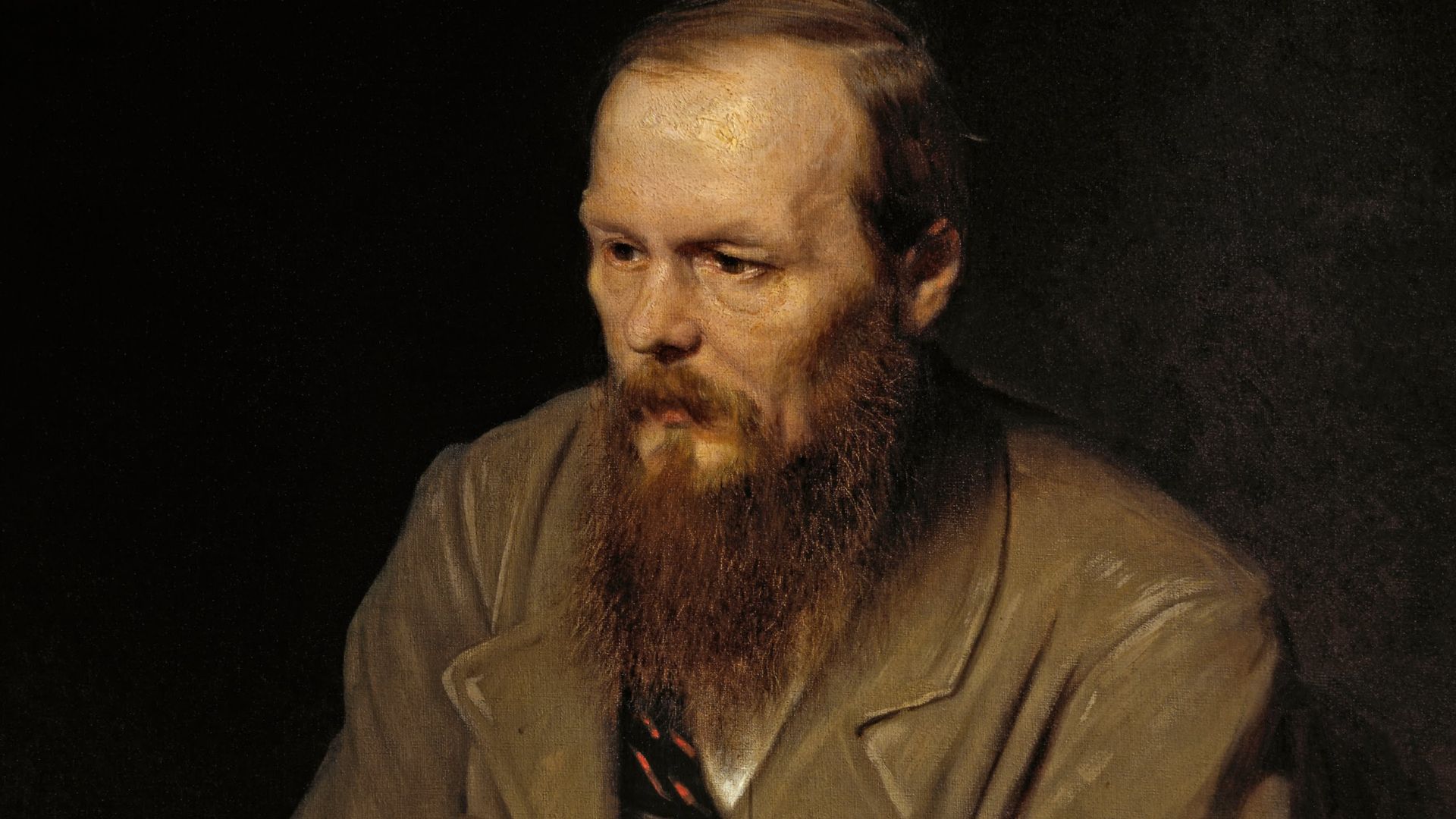 Vasily Perov, Wikimedia Commons
Genius Does Not Guarantee Good Judgment
One theme connects all of these remarkable figures. Extraordinary talent in one area does not automatically translate into wisdom in every other part of life. Many of history’s brightest minds struggled with relationships, money, politics, addiction, or personal conduct. Their failures do not erase their achievements, but they do make them feel surprisingly human.
The Human Side Of Greatness
History often remembers genius as something almost supernatural. Looking closer reveals people who were flawed, impulsive, stubborn, and sometimes self-destructive. Their accomplishments changed the world, yet many could not solve the problems closest to them. That contrast is what makes their stories so enduring and fascinating.
 William Shockley, Wikimedia Commons
You May Also Like:
Famous Historical Figures Who Were Far Stranger Than Most People Realize
Historical Figures Who Met Unusually Ironic Ends
Sources: 1, 2, 3, 4, 5, 6, 7, 8, 9, 10, 11, 12, 13, 14, 15, 16, 17, 18, 19, 20, 21, 22, 23, 24, 25