He Wanted To Be A Warrior
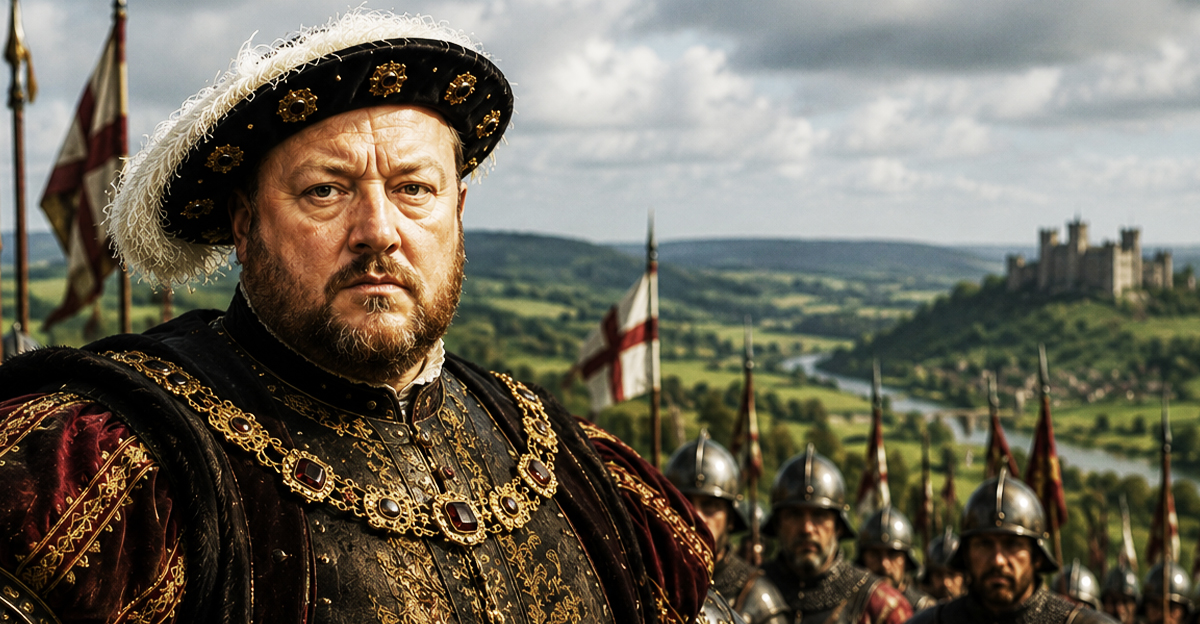
Henry VIII is remembered for six wives, the break with Rome and the succession crisis that consumed his later reign. Yet Henry himself desperately wanted another reputation: warrior king. He dreamed of battlefield glory, conquest in France and comparison with Henry V. His wars reveal a man of enormous ambition, occasional genuine success and a striking willingness to make England pay for his pursuit of greatness.
His Father Preferred Peace
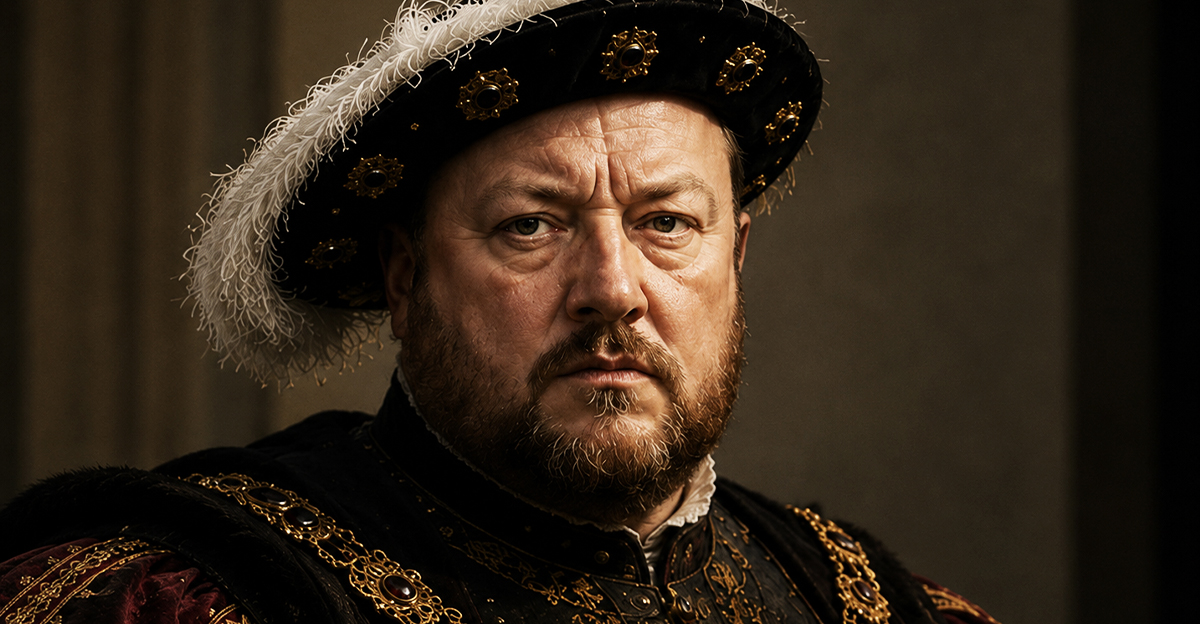
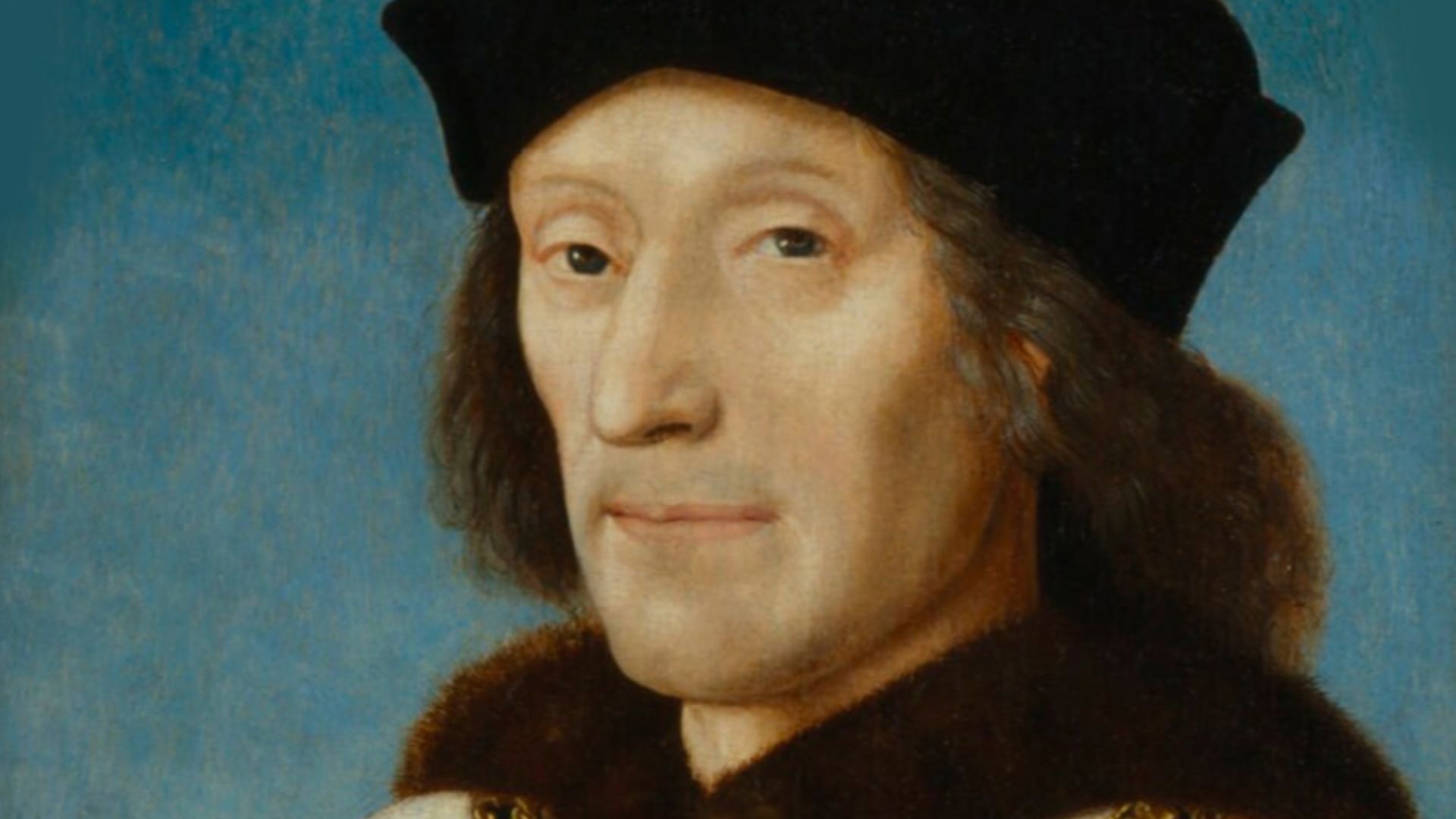
Henry VII had spent years securing a dynasty born from civil war and generally approached foreign warfare more cautiously and pragmatically than his son would. He had invaded France himself in 1492, but was willing to turn military pressure into a profitable peace rather than pursue expensive conquest. His son inherited a comparatively stable kingdom and a healthy treasury in 1509. The 17-year-old Henry VIII had different instincts. Peace preserved resources, but war offered something the young prince valued enormously: honor, reputation and glory.
Henry V Cast A Shadow
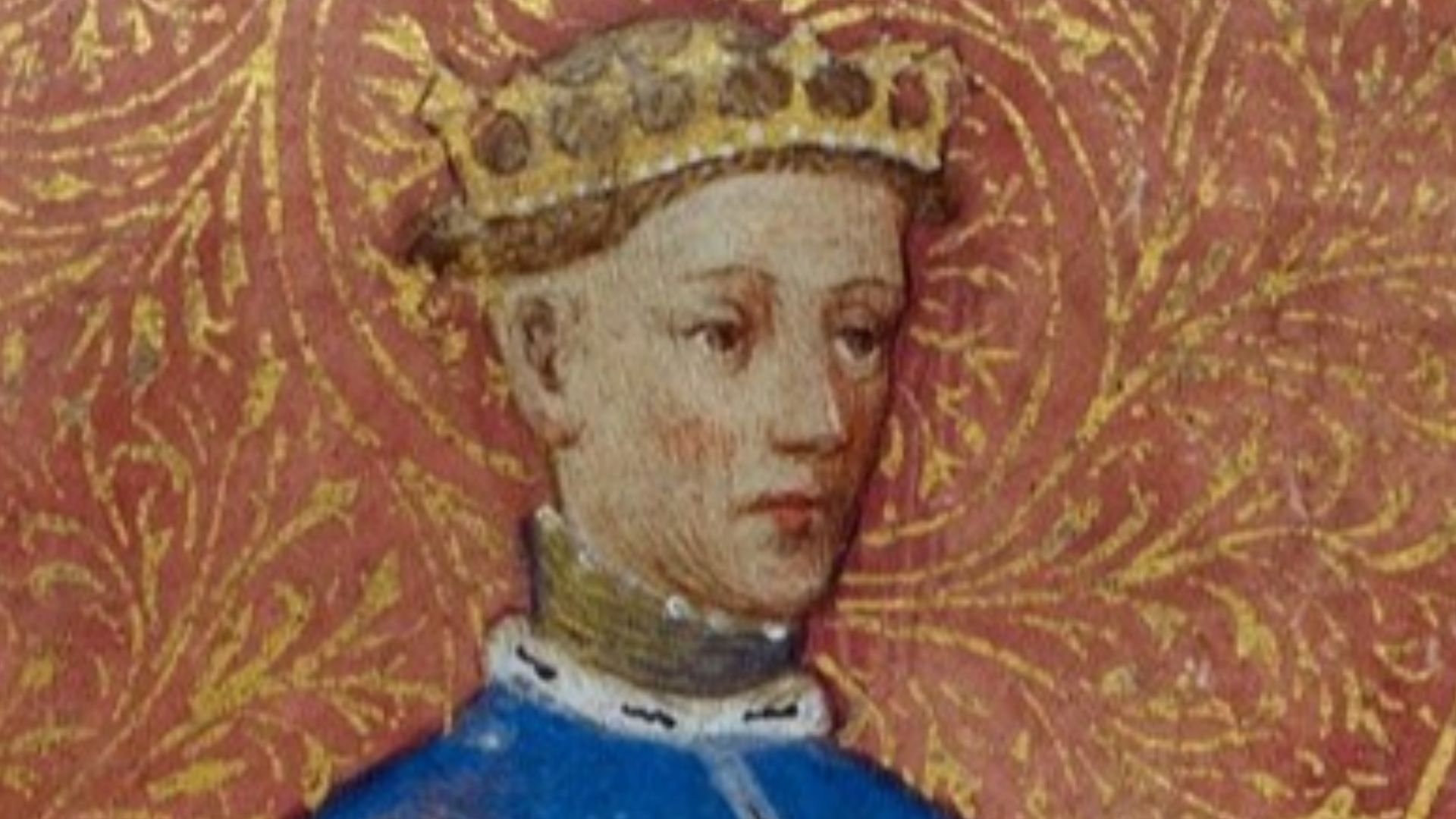
The great model was Henry V, whose victory at Agincourt and conquests in France remained central to English ideas of heroic kingship. Henry VIII inherited the old English claim to the French crown and took it seriously. Fighting France could therefore be presented simultaneously as legitimate dynastic policy, national interest and an opportunity for the young king to emulate his celebrated namesake.
 Unknown authorUnknown author, Wikimedia Commons
Europe Offered An Opening
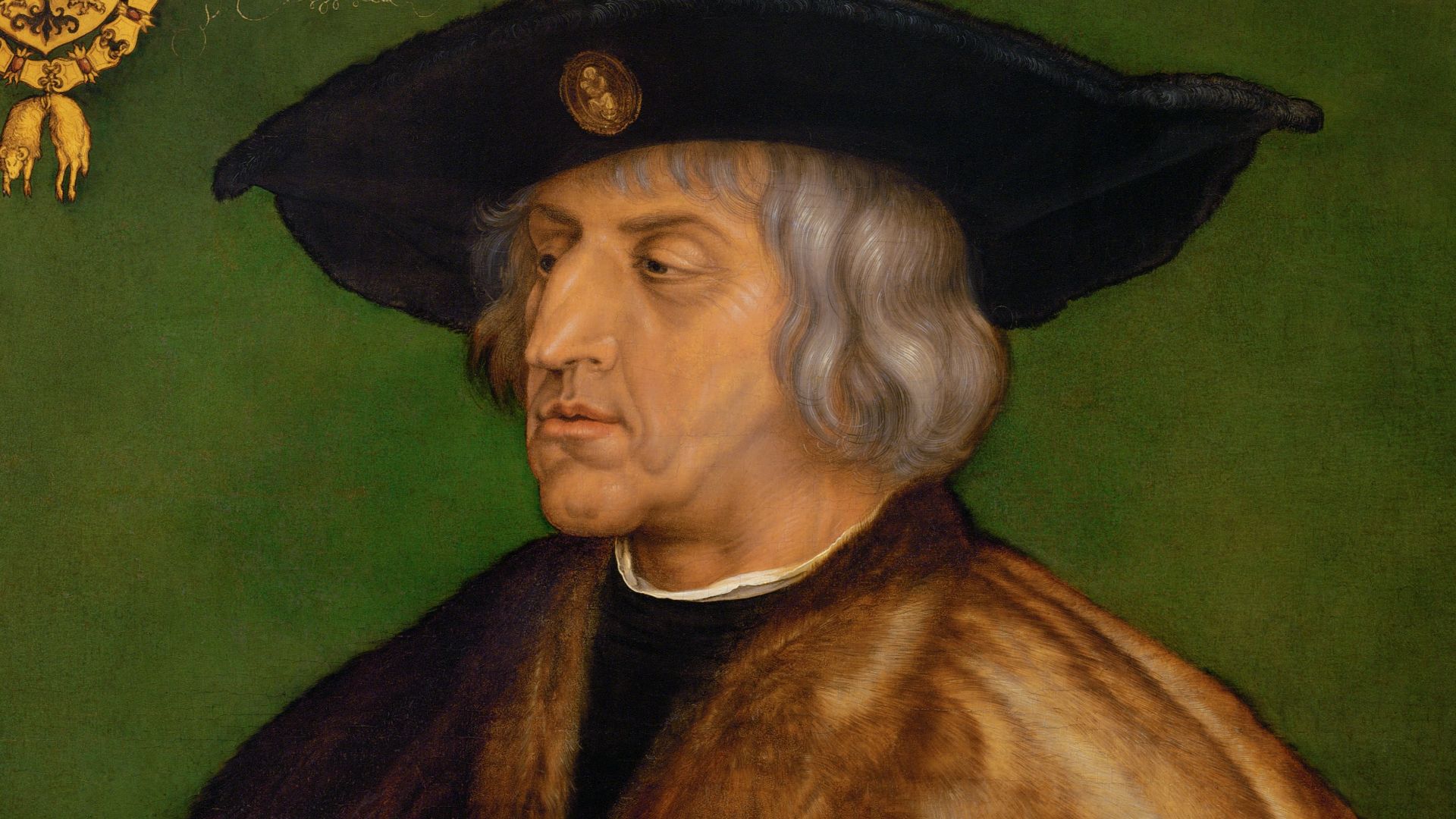
France was deeply involved in the Italian Wars when Pope Julius II organized the Holy League against Louis XII. Ferdinand of Aragon, Holy Roman Emperor Maximilian I and other powers had their own reasons for opposing France. Henry saw an opportunity to enter Europe's great-power politics while pursuing the military reputation he wanted for himself.
 Albrecht Dürer, Wikimedia Commons

History's most fascinating stories and darkest secrets, delivered to your inbox daily.
The First Invasion Failed
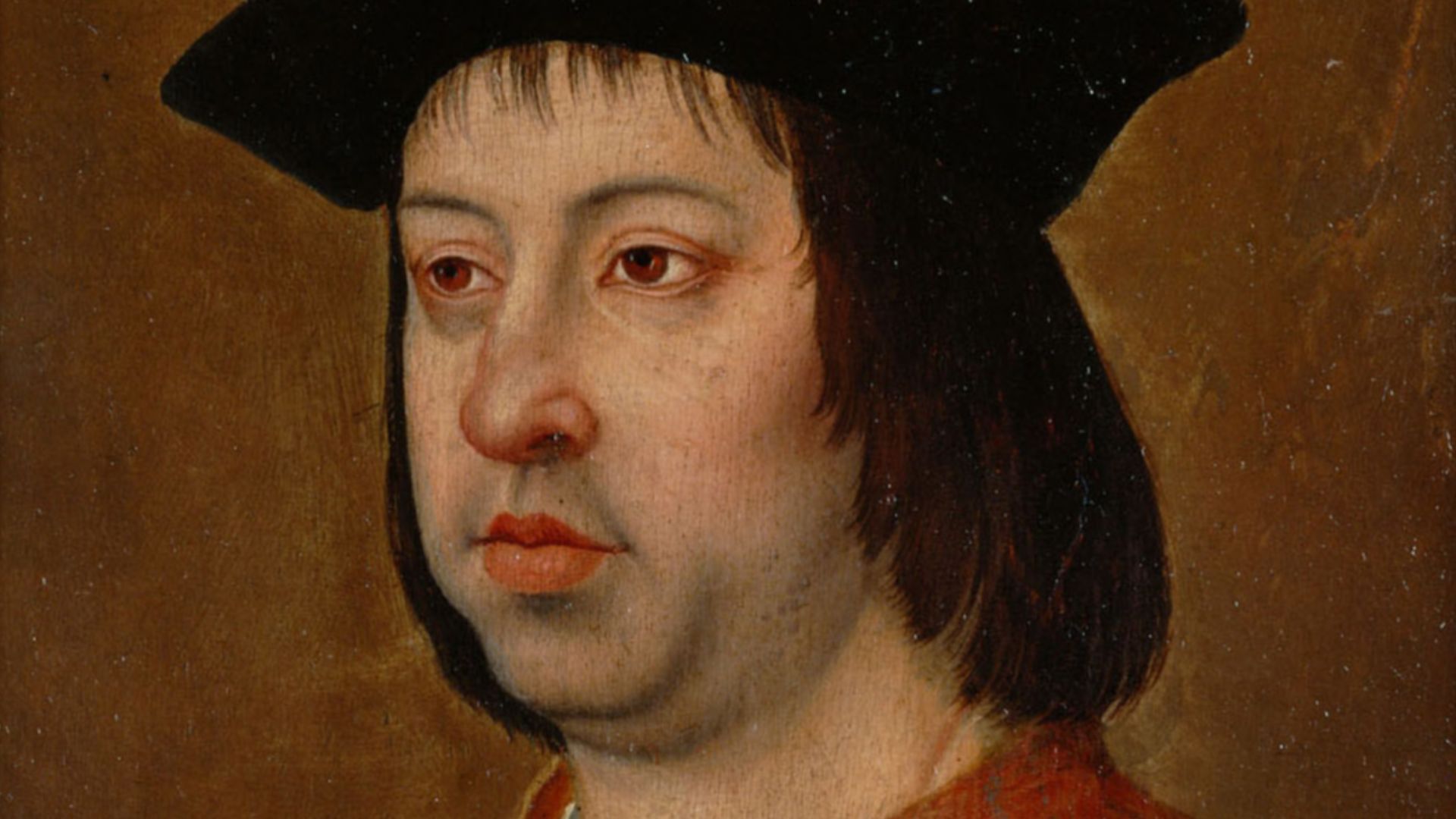
England's first major expedition in 1512 was an embarrassment. Thomas Grey, Marquess of Dorset, took an English army to southwestern France intending to cooperate with Ferdinand of Aragon. Instead, Ferdinand exploited English assistance to conquer Navarre. Disease ravaged Henry's troops, discipline collapsed, and the survivors returned home having achieved virtually nothing for England.
 Michael Sittow, Wikimedia Commons
Henry Would Go Himself
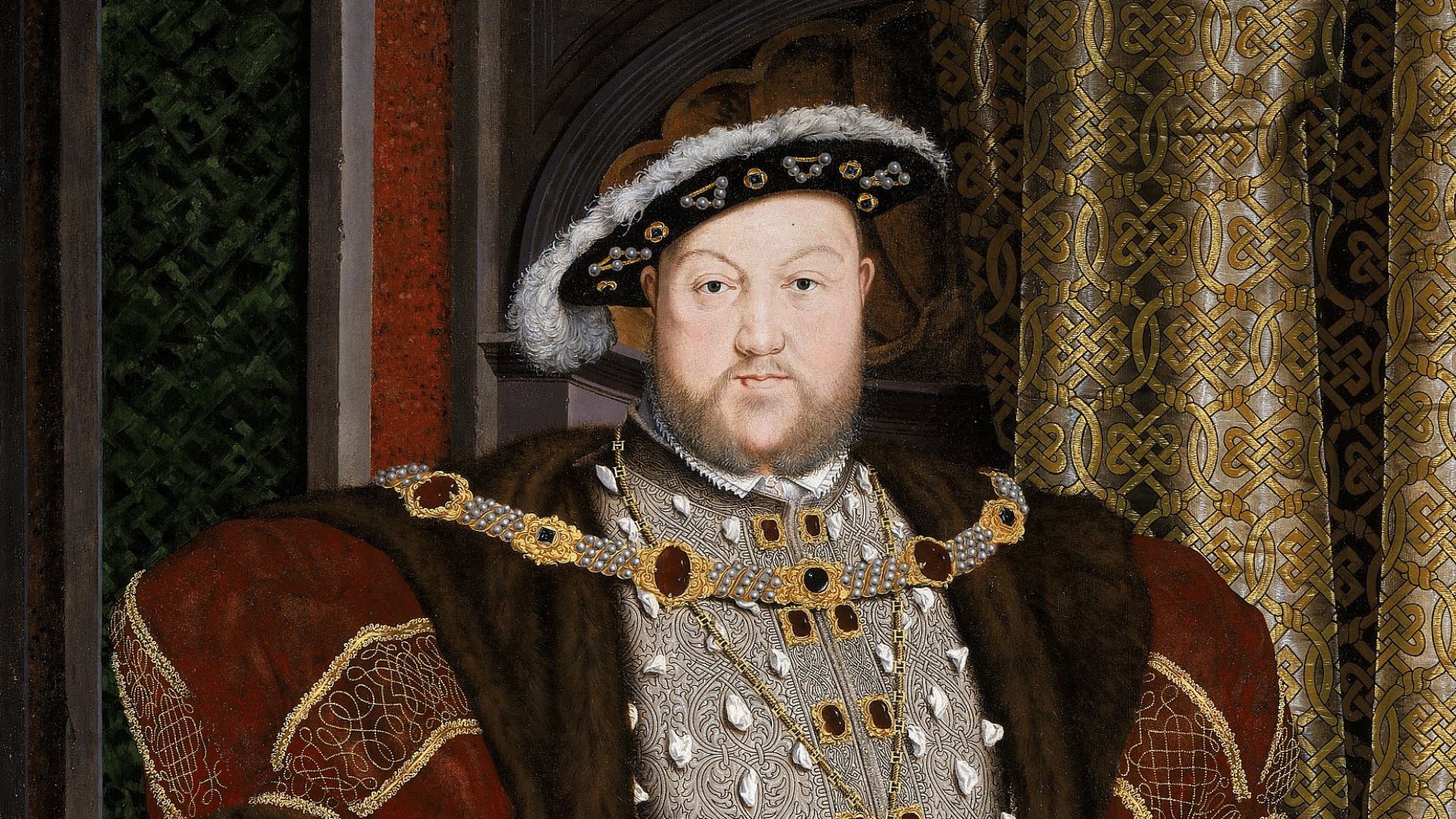
Failure didn't cure Henry's enthusiasm. In 1513, he prepared a much grander invasion of northern France and this time accompanied his army personally. It was precisely the sort of royal spectacle he wanted: thousands of soldiers, magnificent armor, elaborate tents, artillery and a king crossing the Channel to fight England's hereditary enemy.
 Workshop of Hans Holbein the Younger, Wikimedia Commons
Maximilian Joined Him
Henry's campaign brought him together with Emperor Maximilian I, one of Europe's most experienced rulers. Maximilian joined the English army and, in an extraordinary diplomatic gesture, accepted Henry's pay, allowing him to present himself as serving the young king rather than competing with him for command. For Henry, campaigning beside the Holy Roman Emperor enormously enhanced the image of England's king as one of Europe's great warrior princes.
 Giovanni Ambrogio de Predis, Wikimedia Commons
The Battle Of The Spurs
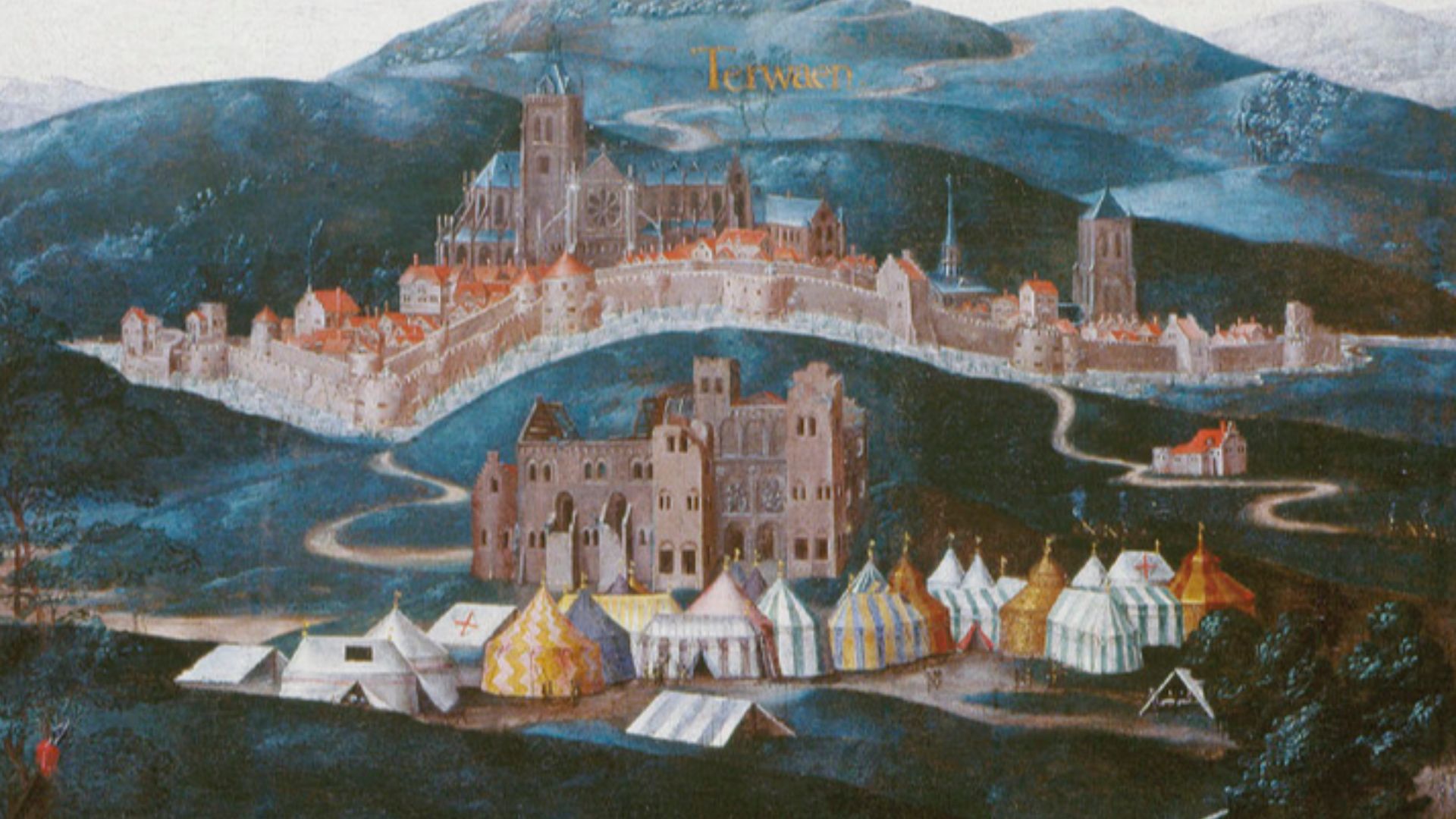
On August 16, 1513, Anglo-Imperial forces encountered French cavalry attempting to relieve Thérouanne. The French withdrew rapidly, prompting the mocking name "Battle of the Spurs" because they supposedly used their spurs more enthusiastically than their weapons. It was hardly another Agincourt, but Henry's court transformed the victory into precisely the chivalric triumph he craved.
Thérouanne Fell
Thérouanne surrendered later that August. Rather than retaining the strategically useful fortress, Henry agreed that it should be handed over and largely demolished, a result strongly favored by Maximilian. Henry had won a prestigious siege, but England gained no permanent possession from it.
Then Came Tournai
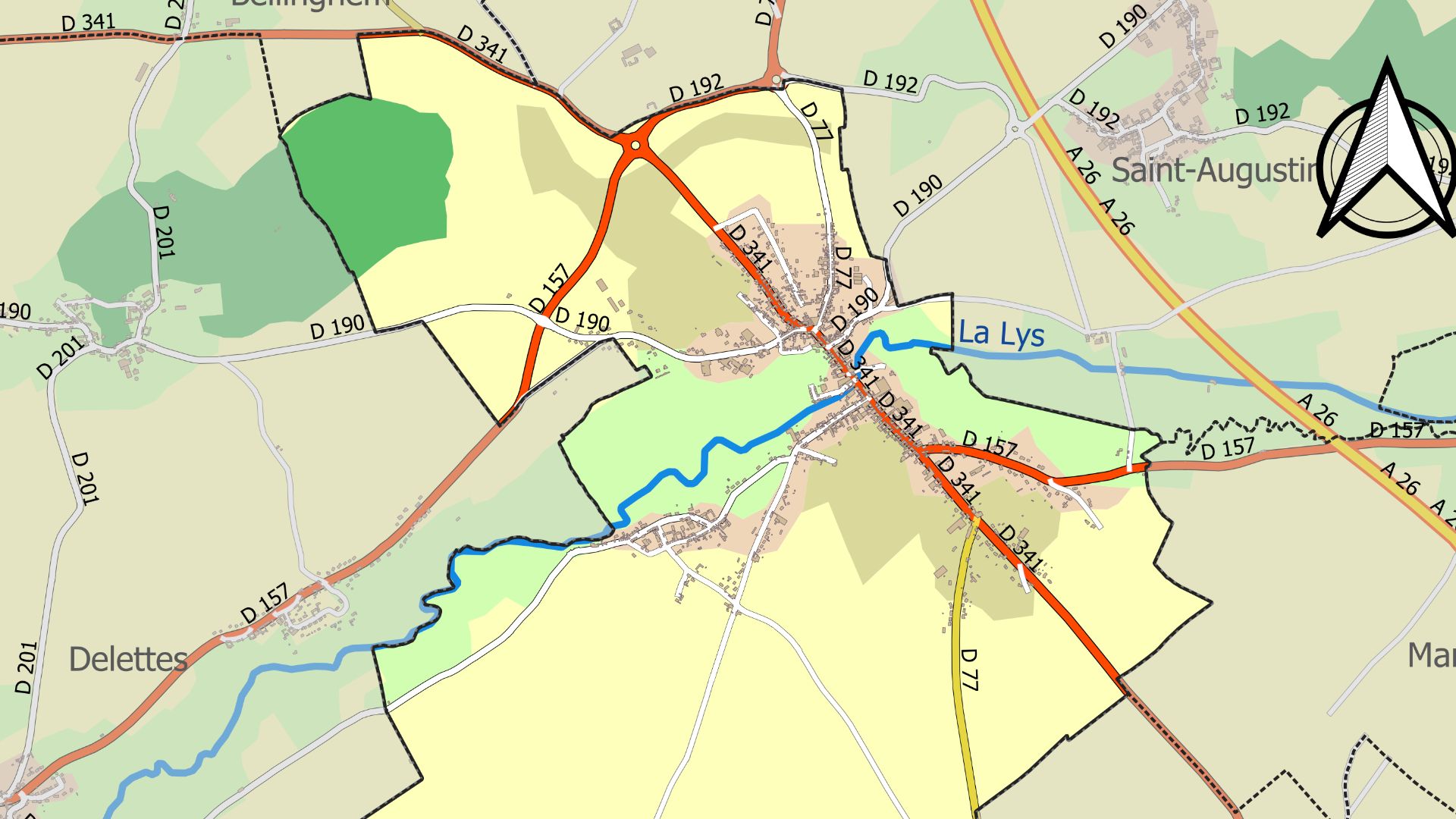
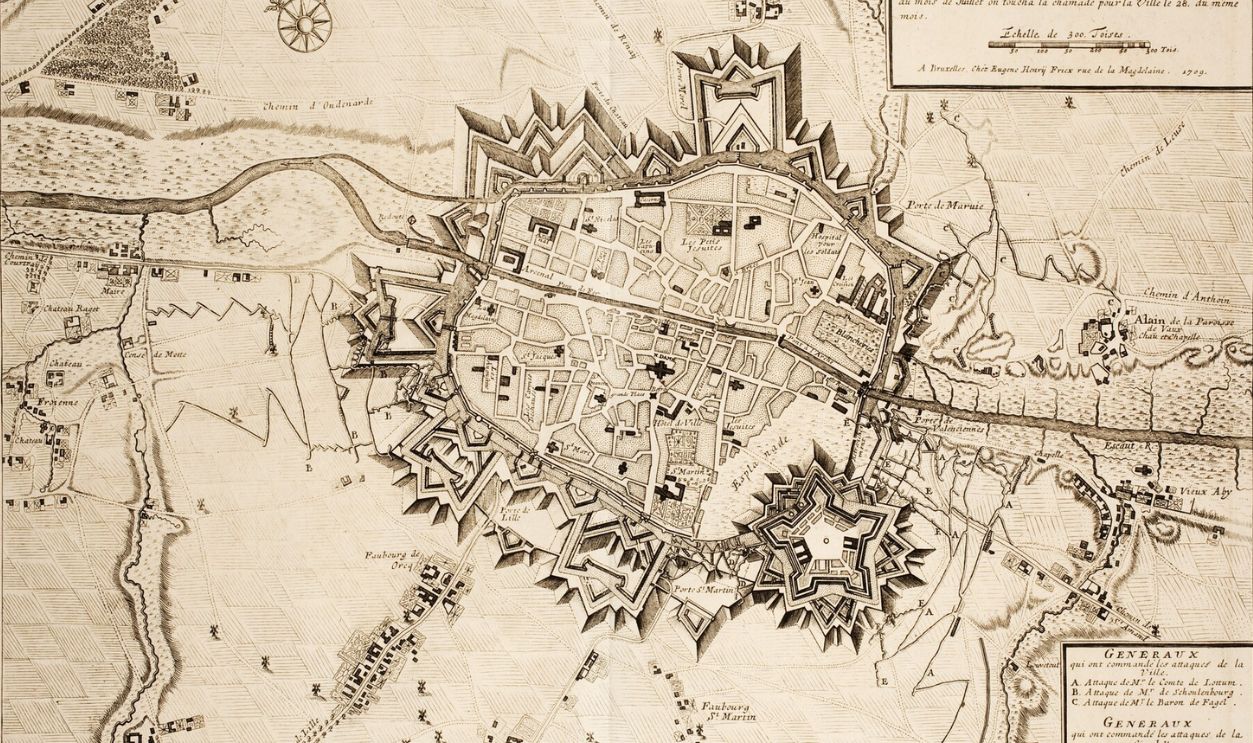
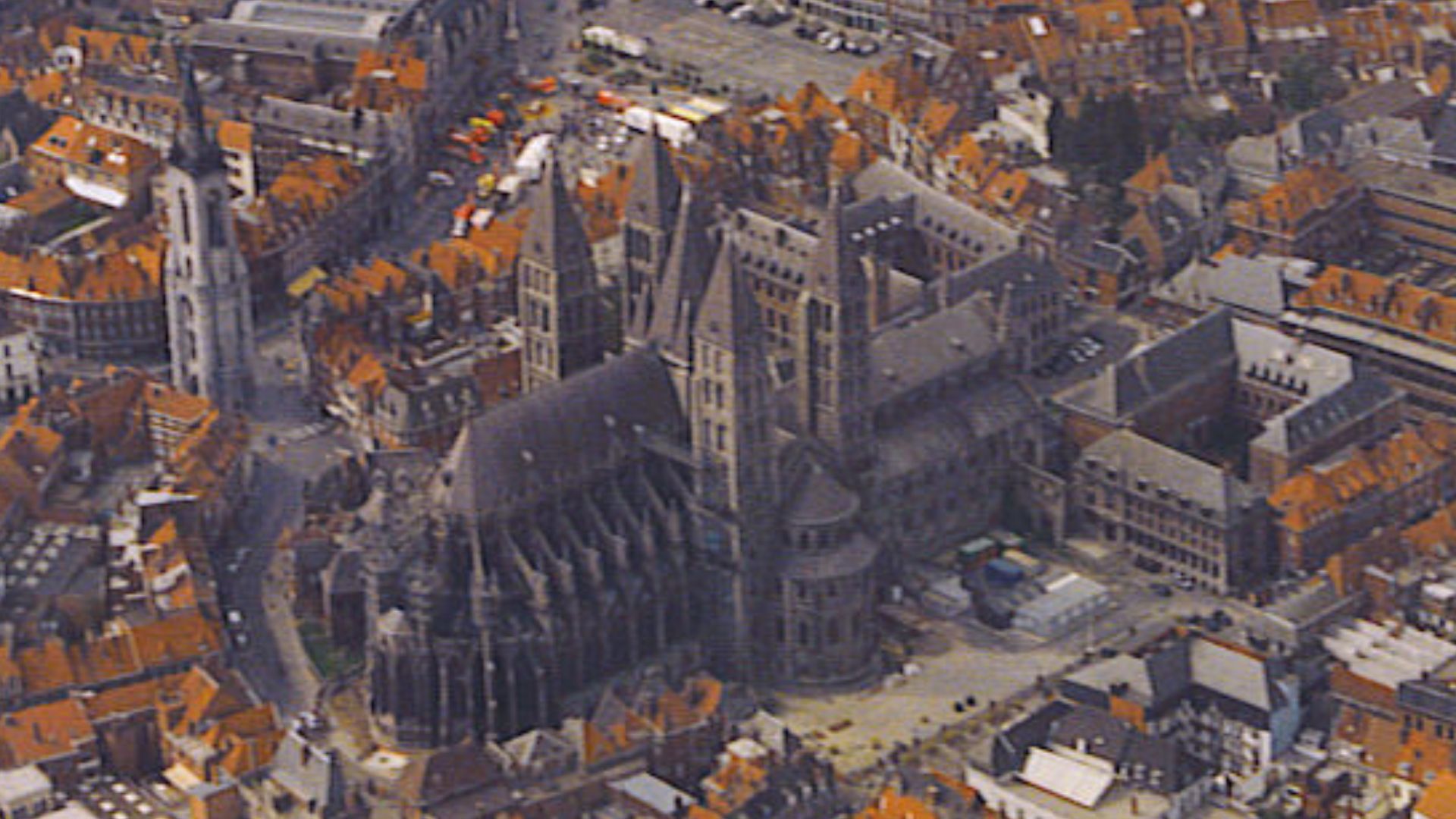
Henry next captured Tournai, giving him a tangible continental possession. He entered the city ceremonially, installed an English administration and spent money strengthening its defenses. For a king dreaming of renewed English power in France, Tournai looked like a foothold for future expansion. In practical terms, however, maintaining a distant continental enclave was extremely expensive.
 Unknown author, Wikimedia Commons
History's most fascinating stories and darkest secrets, delivered to your inbox daily.
Scotland Invaded England
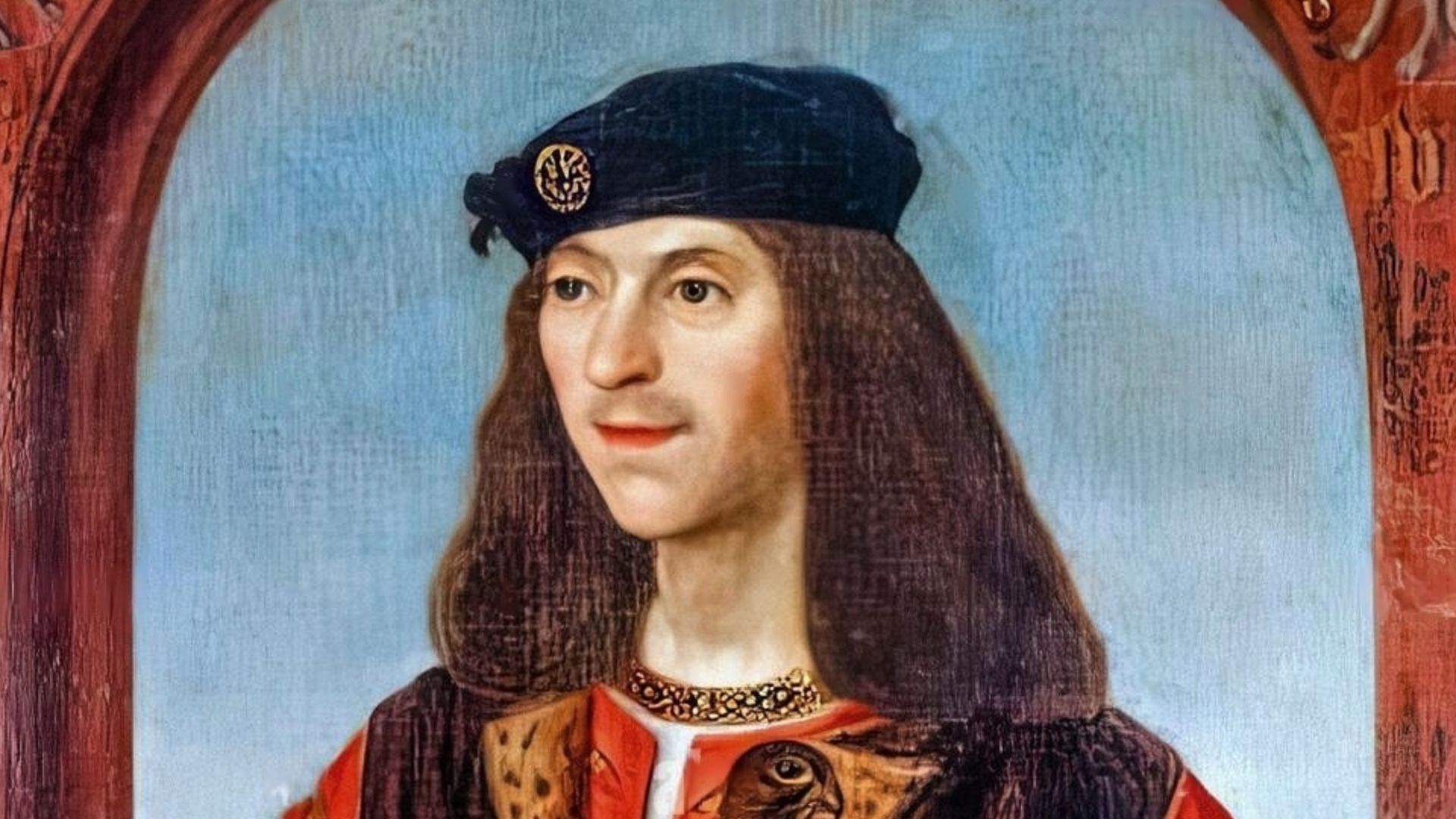
While Henry pursued glory in France, James IV of Scotland invaded northern England in support of Scotland's Auld Alliance with France. Henry had left Catherine of Aragon as regent, while Thomas Howard, Earl of Surrey, commanded the English force that confronted James. Suddenly, England faced a far more immediate military threat than anything around Thérouanne.
 Unknown authorUnknown author, Wikimedia Commons
Flodden Was The Bigger Victory
At Flodden on September 9, 1513, the English inflicted a catastrophic defeat on Scotland. James IV was killed along with a large portion of the Scottish nobility. Strategically, Flodden was arguably Henry's greatest victory of 1513, yet Henry himself wasn't there. His celebrated French adventure had produced prestige; the army at home had removed a dangerous invading king.
 Stephen McKay, Wikimedia Commons
Peace Followed Glory
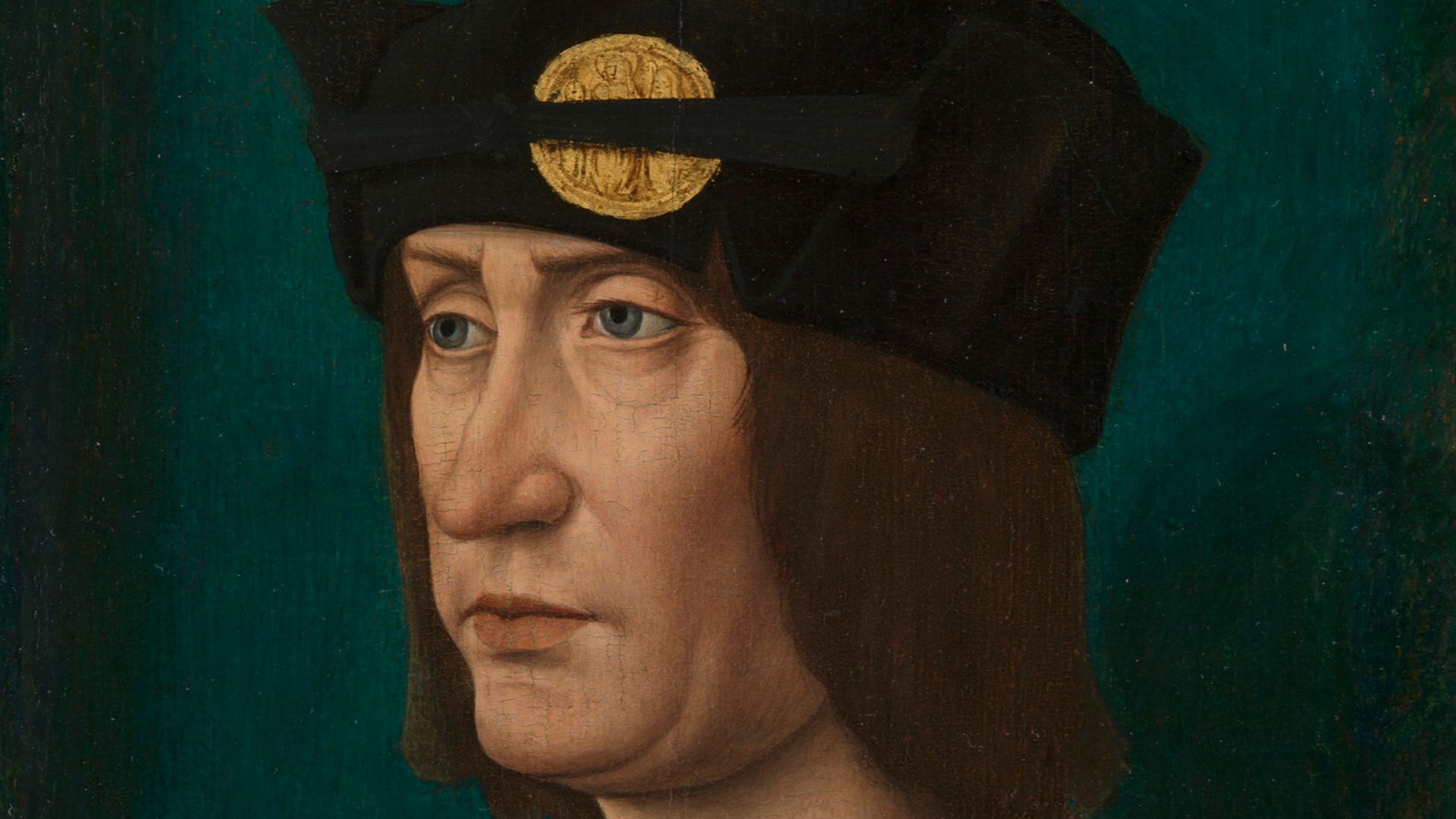
By 1514, Henry's campaigns had become painfully expensive and his allies' priorities were changing. He made peace with France, with his sister Mary marrying the much older Louis XII. Henry could present the settlement from a position of prestige, but his dream of major French conquest had produced Tournai rather than a restored Plantagenet empire.
 Workshop of Jean Perréal, Wikimedia Commons
Tournai Was Given Back
England's continental prize didn't last. Henry agreed to return Tournai to France under the agreements of 1518, with the transfer completed in 1519. The city had cost substantial sums to acquire, fortify and garrison. Its surrender demonstrated the fundamental weakness of Henry's early wars: impressive ceremonies and battlefield reputation were easier to obtain than permanent territorial gains.
 Swordsman~commonswiki, Wikimedia Commons
Diplomacy Replaced Battle
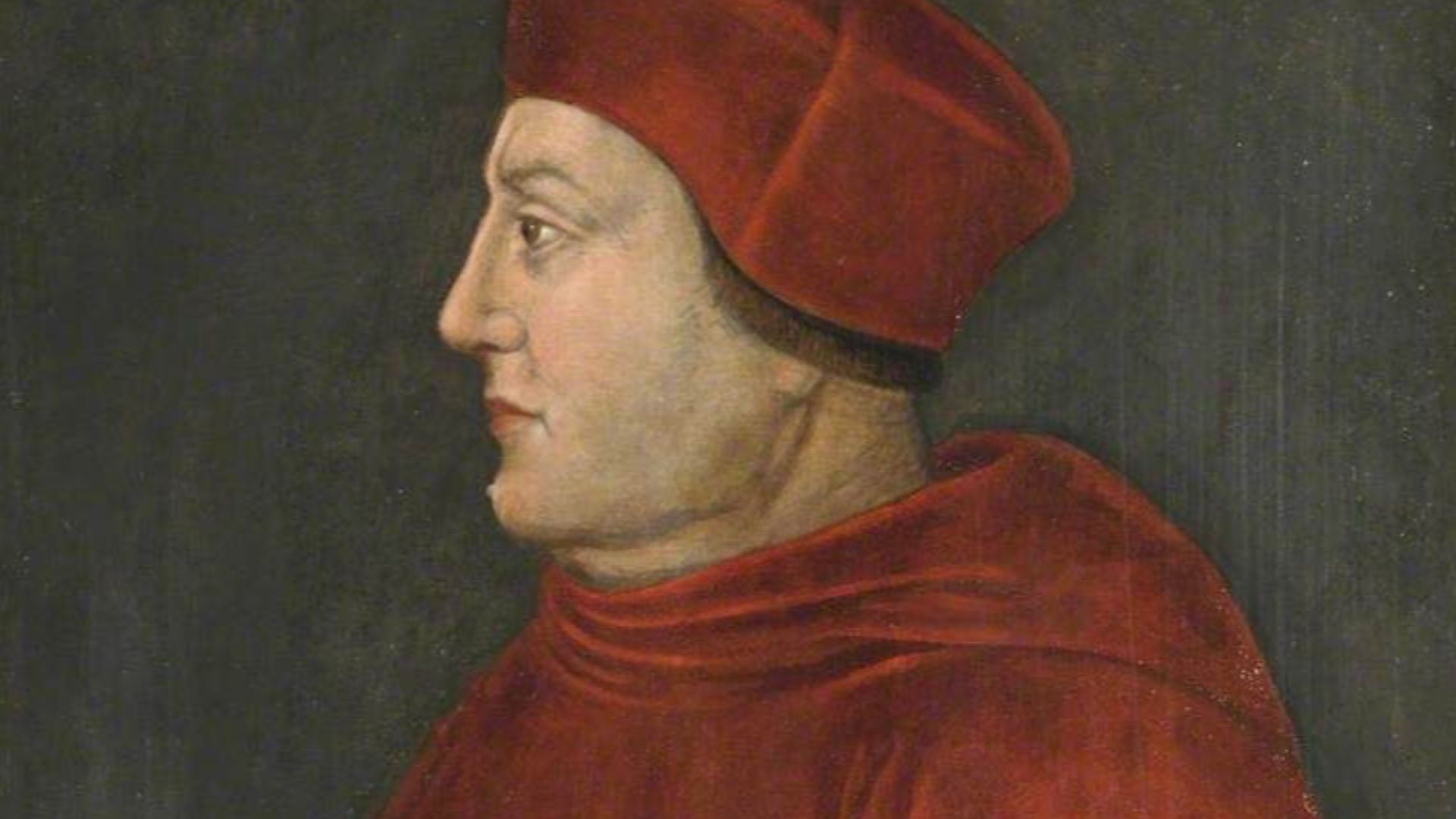
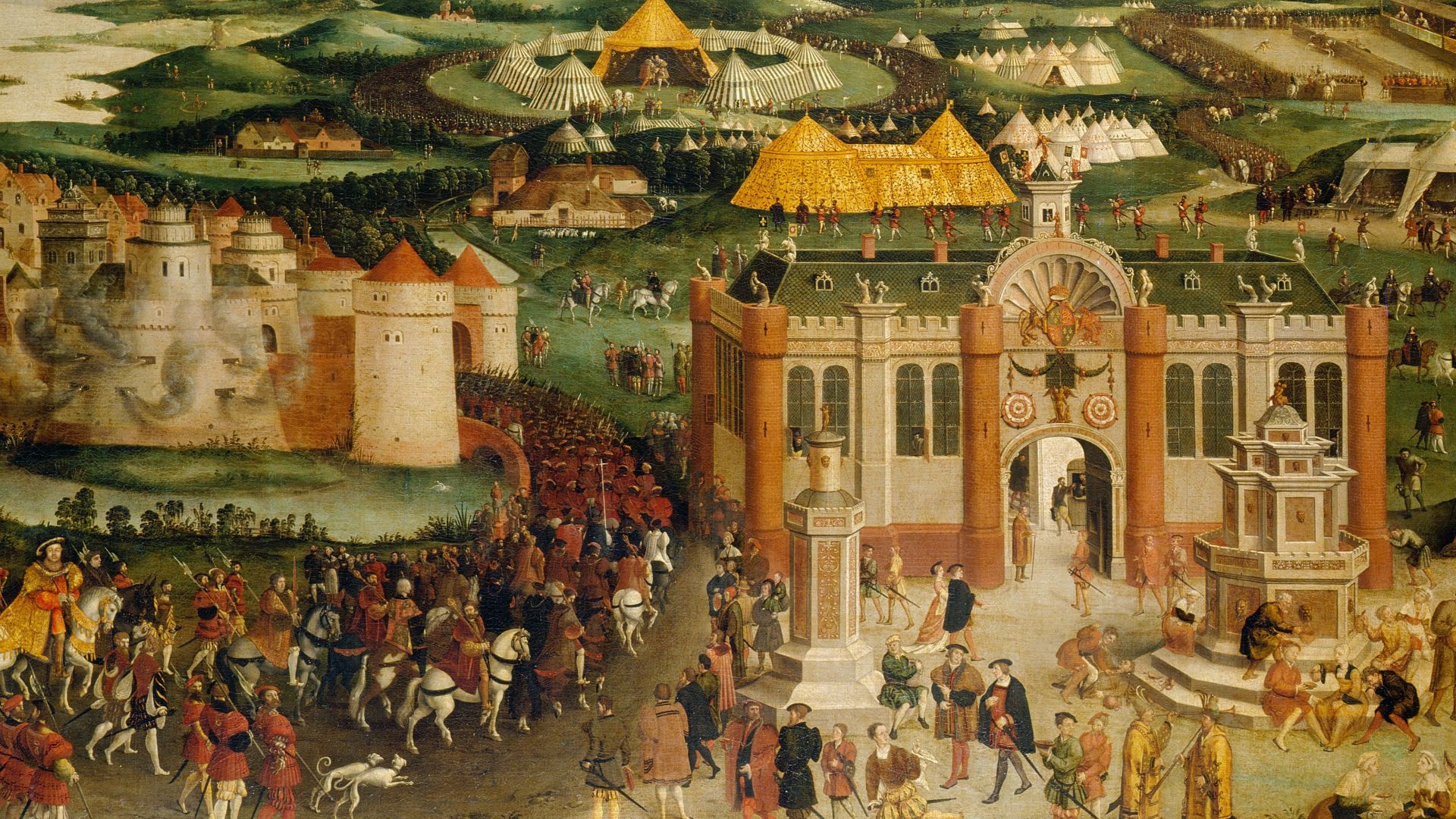
Cardinal Thomas Wolsey increasingly pursued influence through diplomacy rather than expensive conquest. The 1518 Treaty of London attempted to position England at the center of a European peace. The Field of the Cloth of Gold in 1520 then allowed Henry and Francis I to compete through tournaments, banquets, clothing and magnificence instead of artillery. It was warfare transformed into pageantry.
Charles V Changed Everything
The rise of Charles V complicated Henry's ambitions. Charles ruled Spain, the Holy Roman Empire and vast Habsburg territories, while Francis I remained his great rival. Henry could now imagine joining the emperor to dismember France. The Treaty of Bruges in 1521 committed England and Charles to an offensive alliance against Francis. Once again, Henry prepared for war.
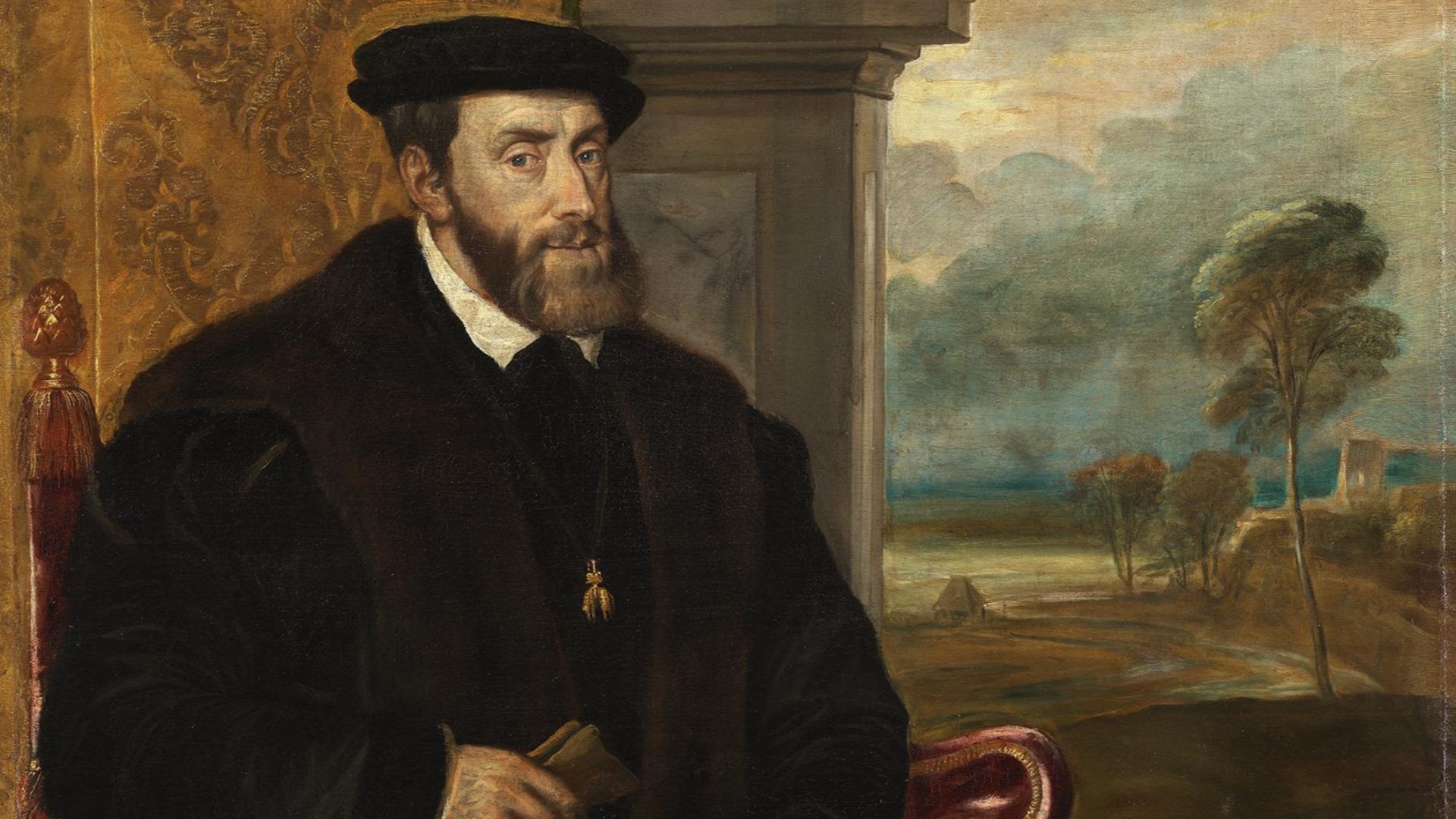 Attributed to Titian, Wikimedia Commons
History's most fascinating stories and darkest secrets, delivered to your inbox daily.
War Returned In 1522
English forces attacked northern France in 1522, devastating territory without securing the spectacular conquest Henry wanted. Raiding could hurt France economically and demonstrate English military reach, but it didn't produce Paris, a great battlefield victory or a durable territorial settlement. Henry was discovering that medieval-style claims required very modern amounts of money.
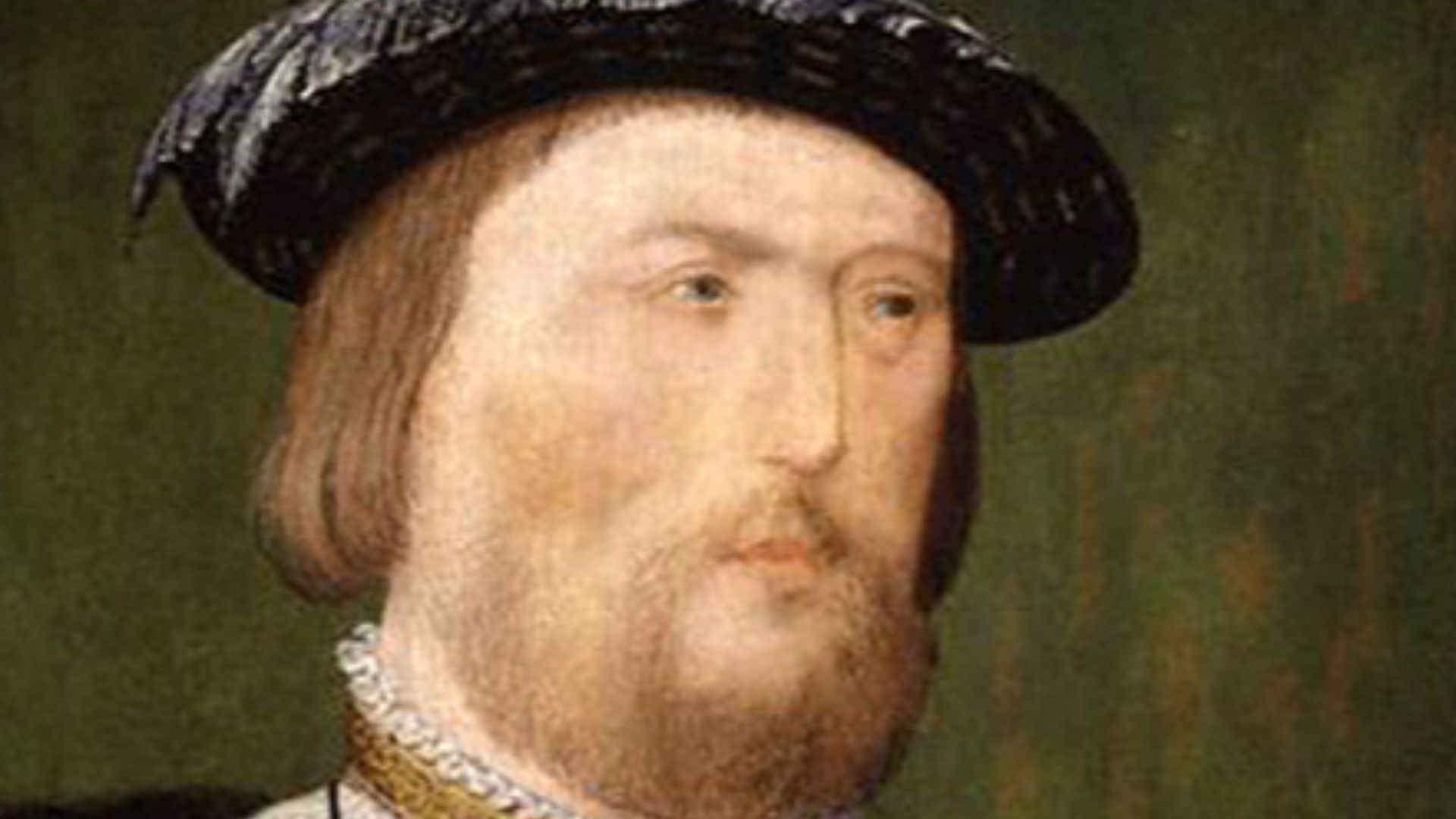 Unknown authorUnknown author, Wikimedia Commons
Suffolk Marched Toward Paris
The grander effort came in 1523, when Charles Brandon, Duke of Suffolk, led a large English army deep into France. The campaign advanced remarkably far and at one point raised hopes of threatening Paris. But worsening weather, supply problems, sickness and inadequate allied support made further progress increasingly dangerous. Suffolk ultimately retreated.
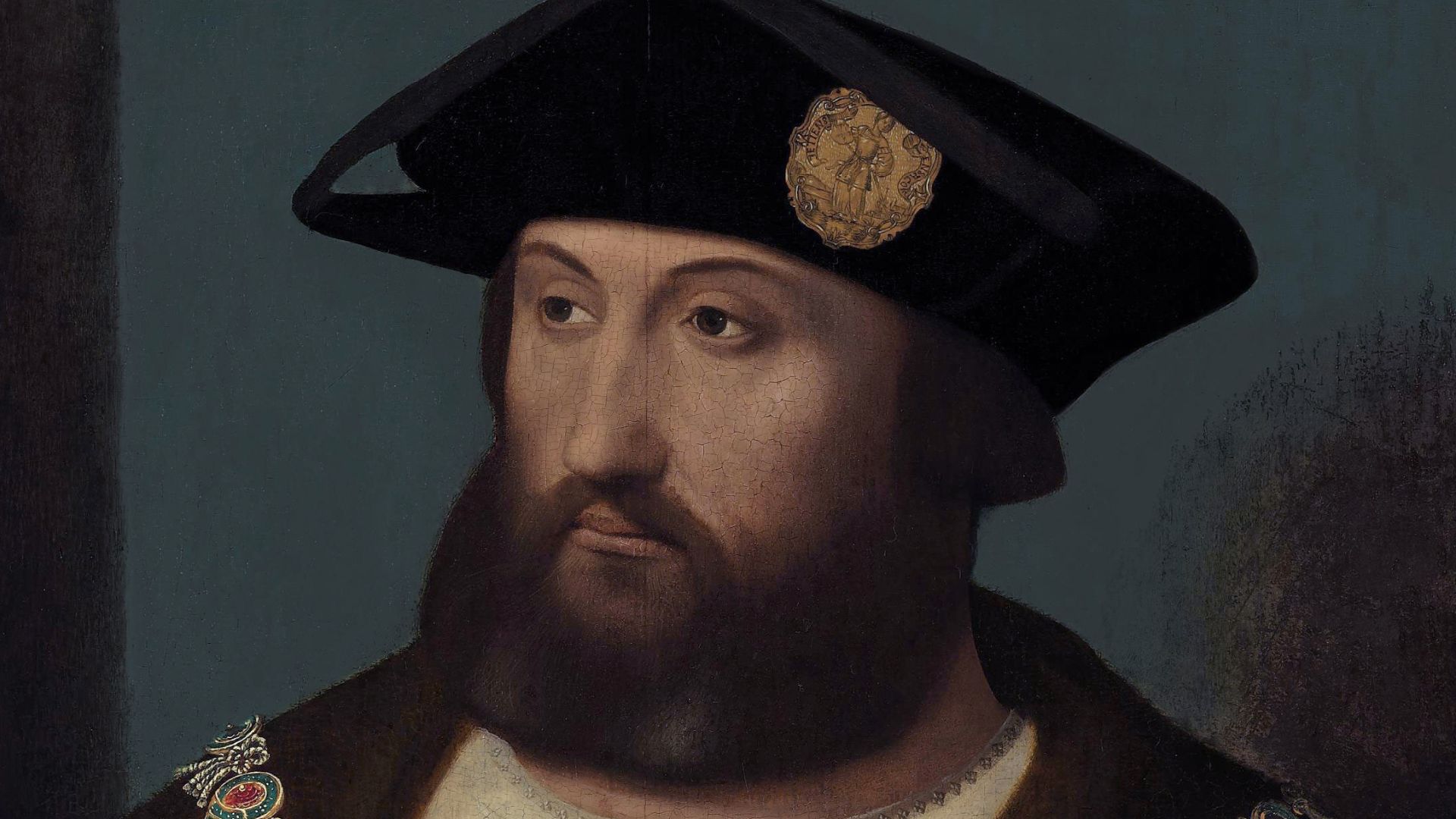 Master of the Brandon Portrait, Wikimedia Commons
The Allies Failed Him Again
Henry expected Charles V to share his enthusiasm for dismantling France, but Charles had his own priorities. This was another persistent weakness in Henry's foreign policy. England possessed useful money, troops and Channel access, yet its stronger continental allies rarely considered Henry's dream of conquering France as important as Henry did.
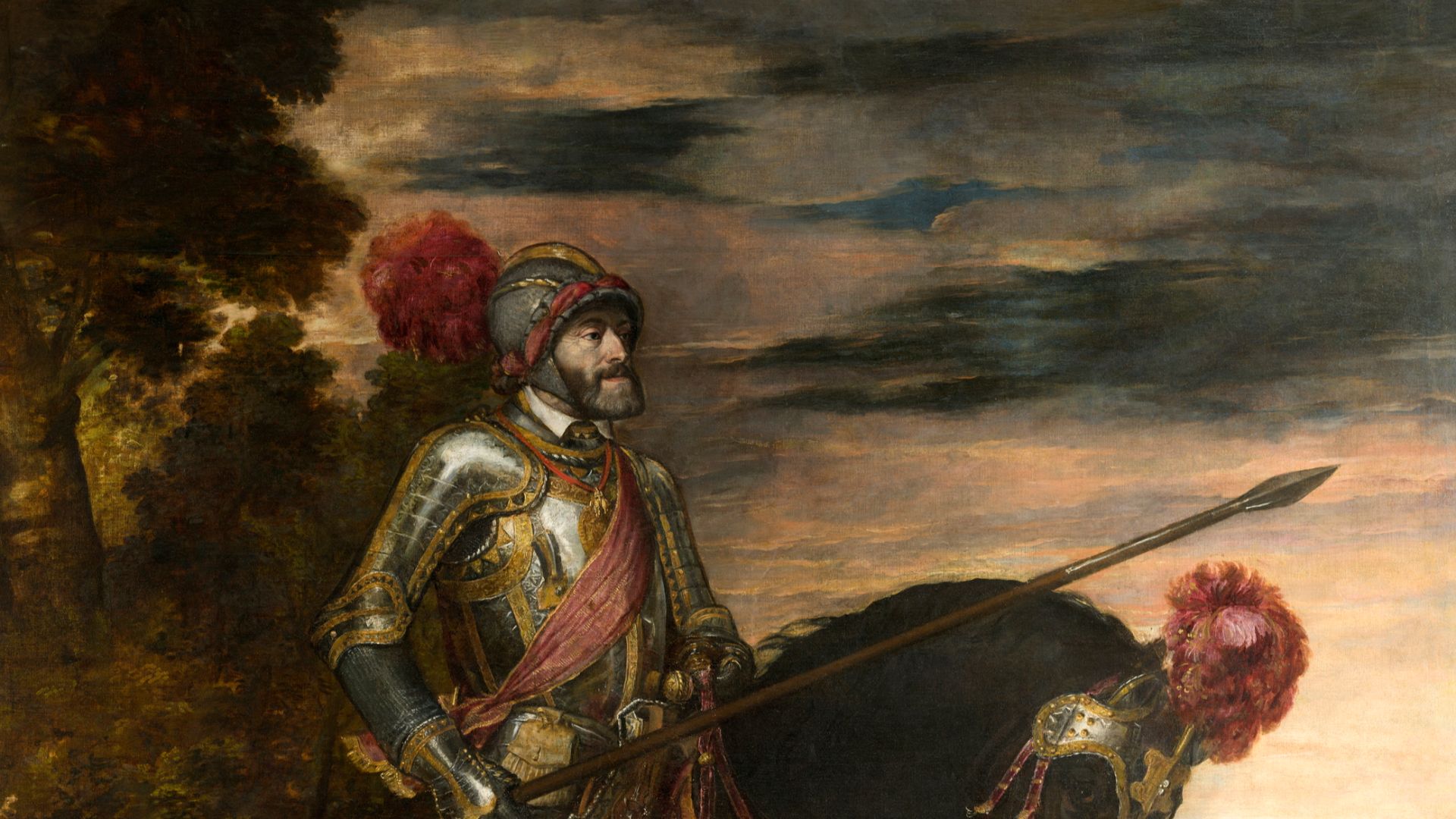
Francis Was Captured
Then came an extraordinary opportunity. Charles V's forces crushed the French at Pavia in 1525 and captured Francis I. Henry hoped the French king's imprisonment might finally allow a partition of France and recognition of his own claims. Instead, Charles had little interest in financing Henry's ambitions or dramatically increasing English power.
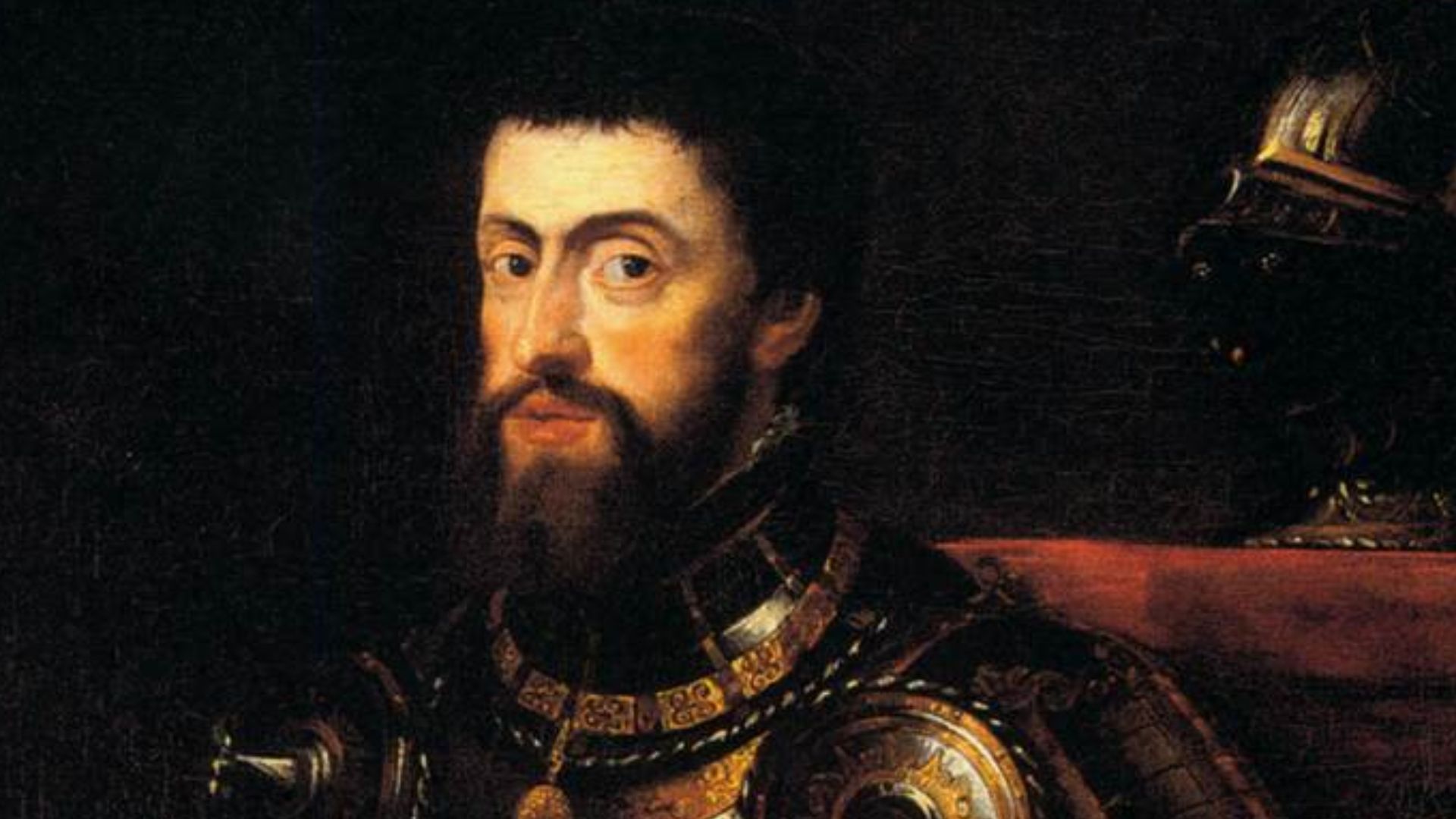 Peter Paul Rubens, Wikimedia Commons
England Couldn't Afford It
Henry considered another invasion, but the money simply wasn't available. Wolsey's attempt to raise the enormous "Amicable Grant" in 1525 produced fierce resistance and had to be abandoned. It was a revealing moment. Henry's subjects might appreciate victories over France, but enthusiasm for chivalric glory had limits when the bill arrived.
![Henry VIII with harp
[Miniature only] King Henry VIII as David, seated with harp, in an interior with his jester, William Sommers; illustrating Psalm 52](https://www.factinate.com/storage/app/media/factinate/2026/9/2/178831934272dfc4b4c909b21327a8a3b84c56e2eabbbd6972.jpg)
Henry Changed Sides
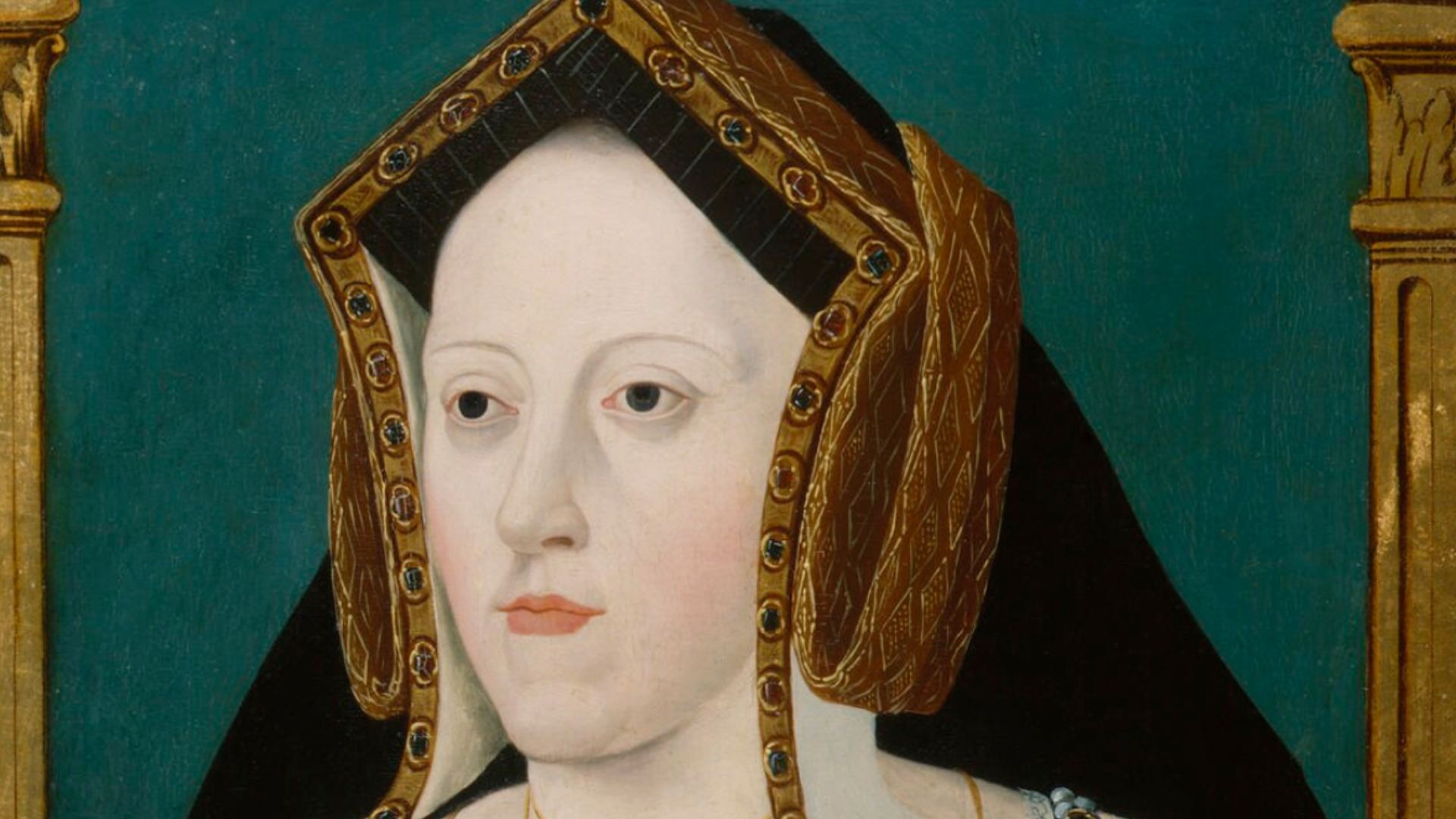
Diplomacy subsequently pulled England toward France and against Charles V. Henry's marital crisis and the emperor's relationship to Catherine of Aragon further complicated matters. The king who had dreamed of conquering France could ally with Francis when circumstances required it. Personal glory mattered enormously, but Henry was capable of considerable opportunism when Europe's balance of power shifted.
History's most fascinating stories and darkest secrets, delivered to your inbox daily.
Scotland Became The Target
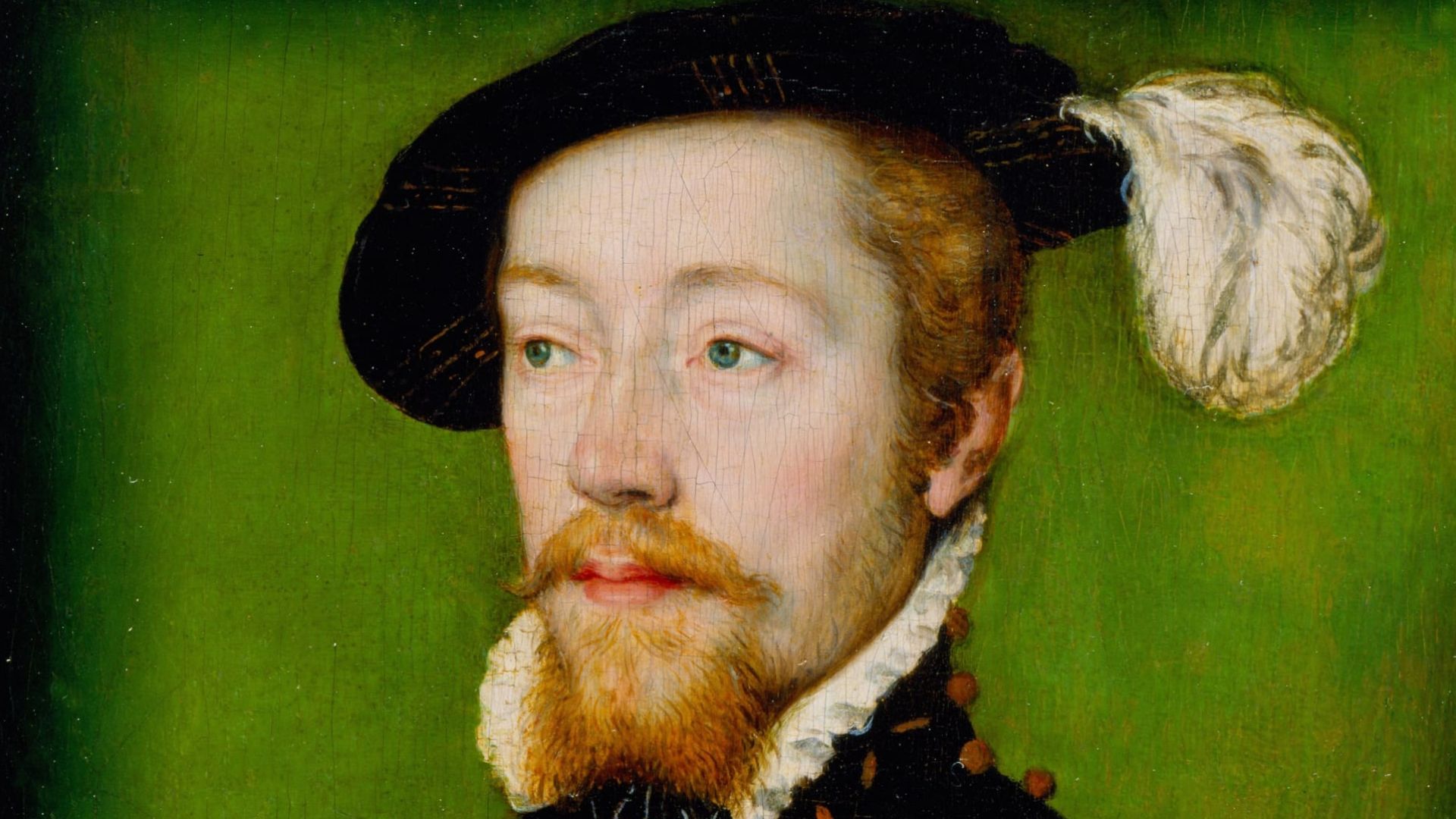
By the early 1540s, Henry's attention returned to Scotland. Relations with his nephew James V deteriorated amid religious, diplomatic and dynastic tensions. English forces defeated the Scots at Solway Moss in November 1542. James died shortly afterward, leaving his infant daughter Mary, Queen of Scots, at the center of a new struggle over Scotland's future.
 Corneille de Lyon, Wikimedia Commons
Henry Planned A Marriage
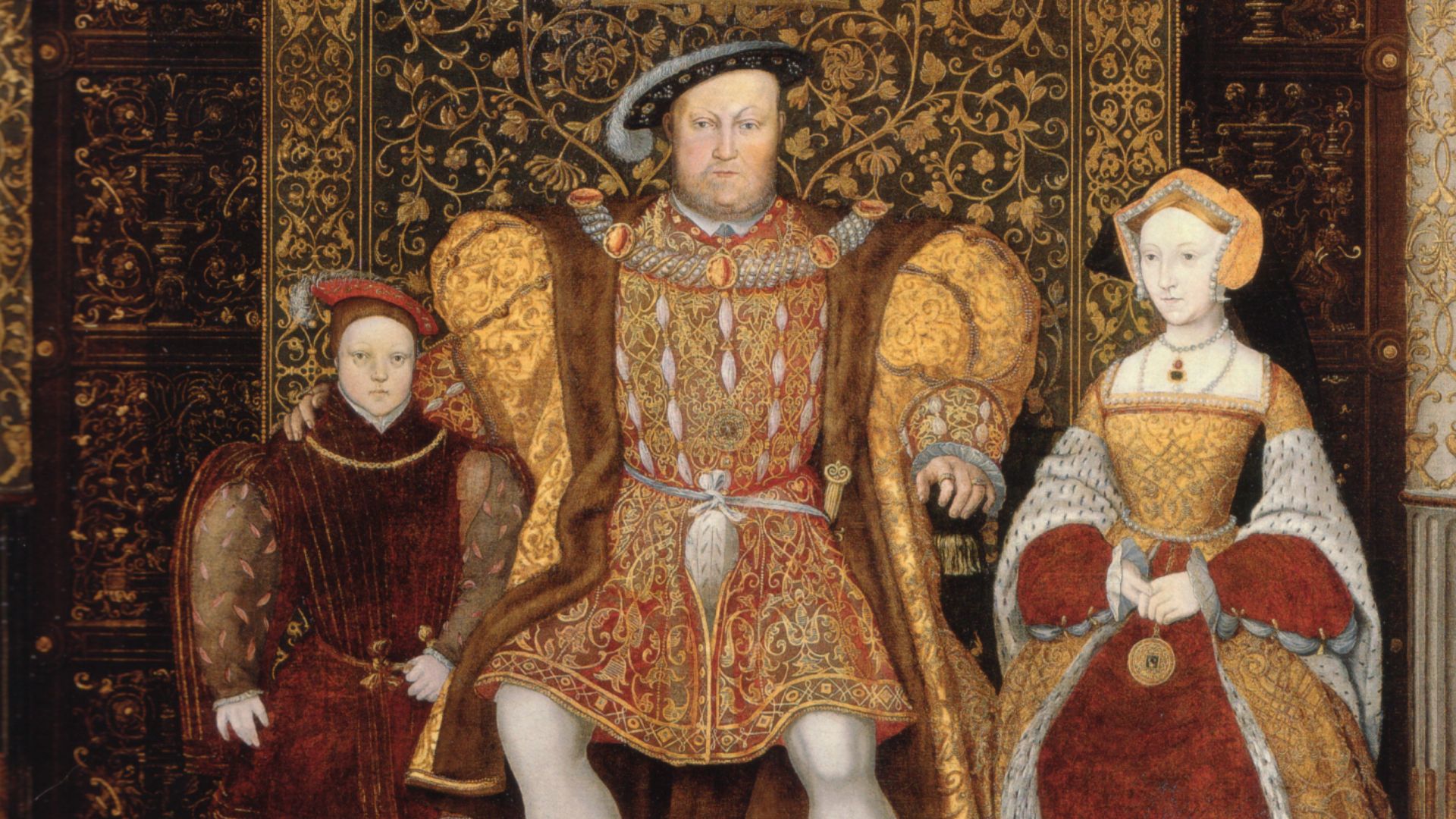
Henry saw an opportunity to bind Scotland to England by marrying the infant Mary to his son, Prince Edward. The Treaty of Greenwich in 1543 provided for the match. Scottish resistance to English domination soon undermined the agreement, however, and Henry responded not with patient diplomacy but with increasingly destructive military coercion.
 Unknown authorUnknown author, Wikimedia Commons
The Rough Wooing Began
The resulting conflict later became known as the Rough Wooing. Henry intended to force Scotland into accepting the English marriage alliance and weaken its connection with France. In 1544, Edward Seymour, Earl of Hertford, led an English expedition that captured and burned Edinburgh and devastated surrounding areas. Violence was supposed to compel cooperation; instead, it hardened Scottish resistance.
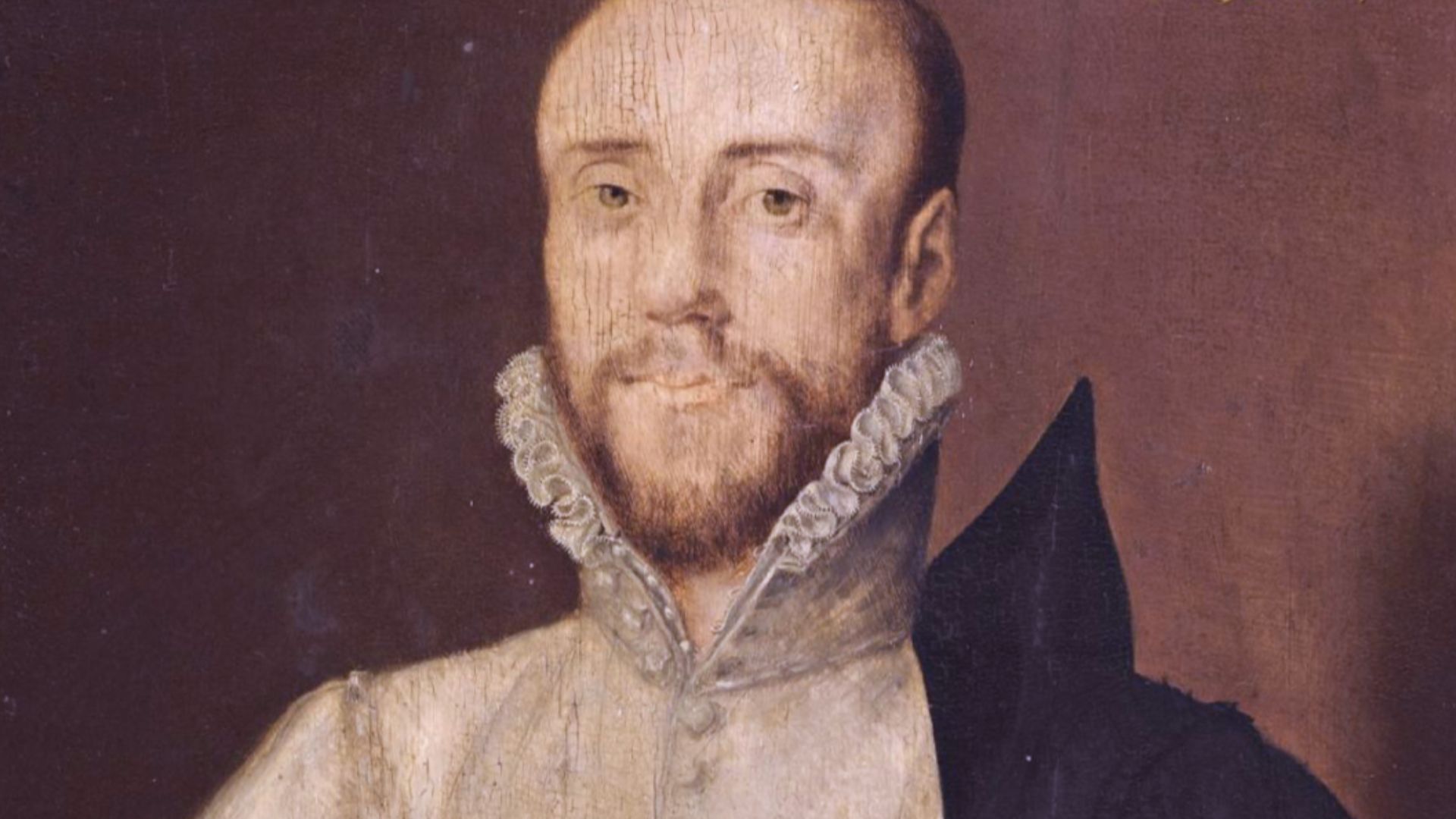 Attributed to Hans Eworth (1515-1574), Wikimedia Commons
France Tempted Him Again
At the same time, the aging Henry returned to his oldest dream. He allied with Emperor Charles V for another invasion of France in 1544. More than three decades after his youthful campaign, Henry was again crossing the Channel personally. Despite age, obesity and poor health, he still wanted the identity he had pursued since his accession: conquering warrior king.
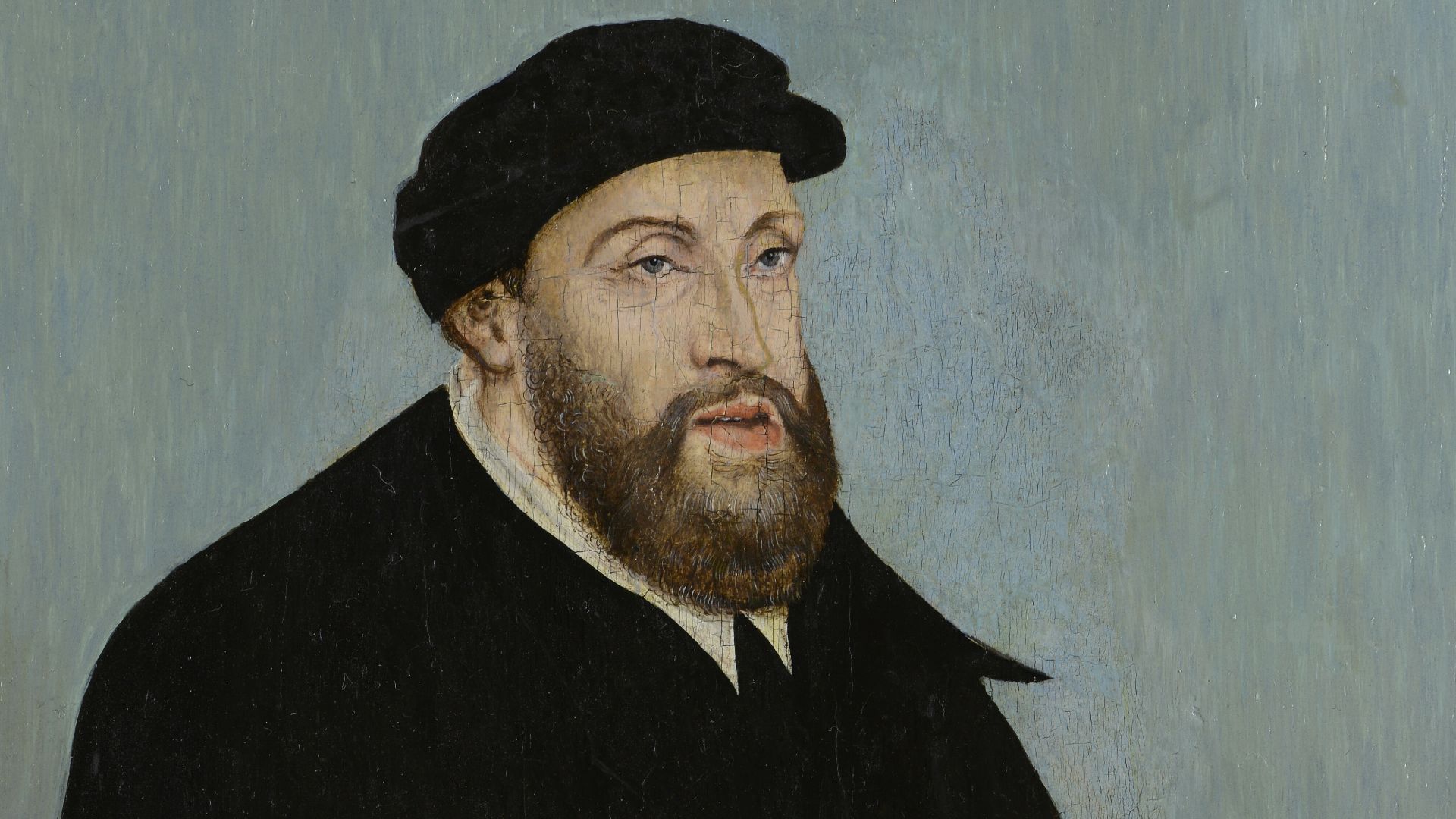 Lucas Cranach the Elder, Wikimedia Commons
Boulogne Became The Prize
English armies besieged Montreuil and Boulogne, while Henry eventually concentrated his attention on Boulogne and personally accompanied the siege campaign. The city surrendered in September 1544. It was a genuine conquest and Henry treated it accordingly. Yet concentrating on Boulogne also distracted from Charles V's preferred strategy of advancing toward Paris.
 Marc Ryckaert, Wikimedia Commons
Charles Made His Own Peace
Henry's alliance again proved less durable than he expected. Charles V reached a separate peace with Francis I at Crépy in September 1544, leaving England fighting France largely alone. Henry had captured Boulogne, but the grand coalition that was supposed to transform the European balance had dissolved around him. His French foothold now had to be defended at enormous expense.
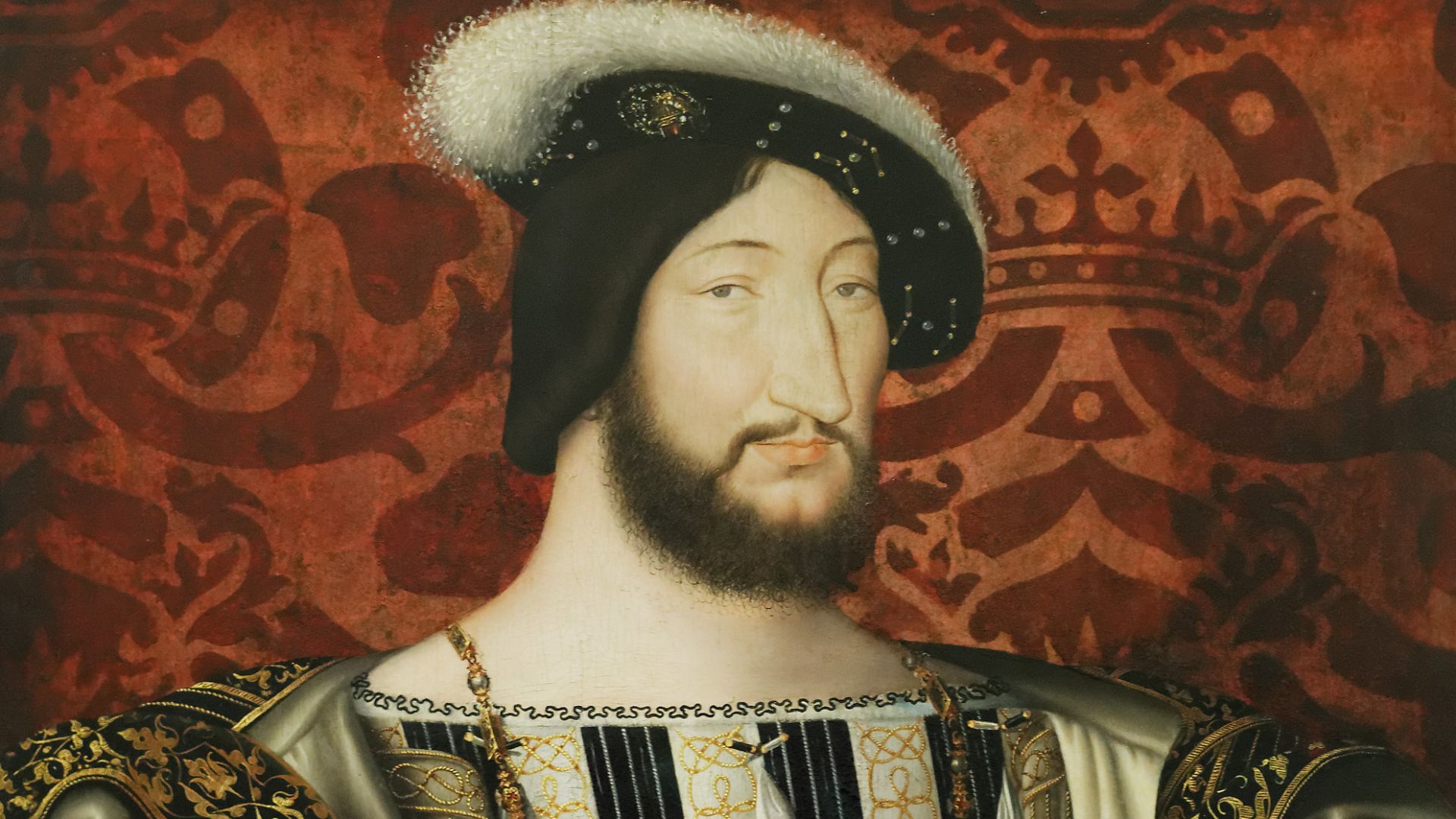 Jean Clouet, Wikimedia Commons
History's most fascinating stories and darkest secrets, delivered to your inbox daily.
France Struck Back
Francis I prepared retaliation in 1545. A large French fleet entered the Solent and confronted Henry's navy. During the engagement, the English warship Mary Rose famously sank. French troops also landed briefly on the Isle of Wight. England survived the threat, but Henry's war had brought the conflict directly to English shores rather than producing decisive mastery of France.
Boulogne Cost A Fortune
Holding Boulogne became brutally expensive. Henry's final French war consumed extraordinary resources while fortifications, garrisons and continuing operations demanded still more. The crown resorted to taxation, borrowing, selling property and debasing the coinage. The wealth Henry had acquired through the dissolution of the monasteries helped finance ambitions that produced remarkably little permanent territorial benefit.
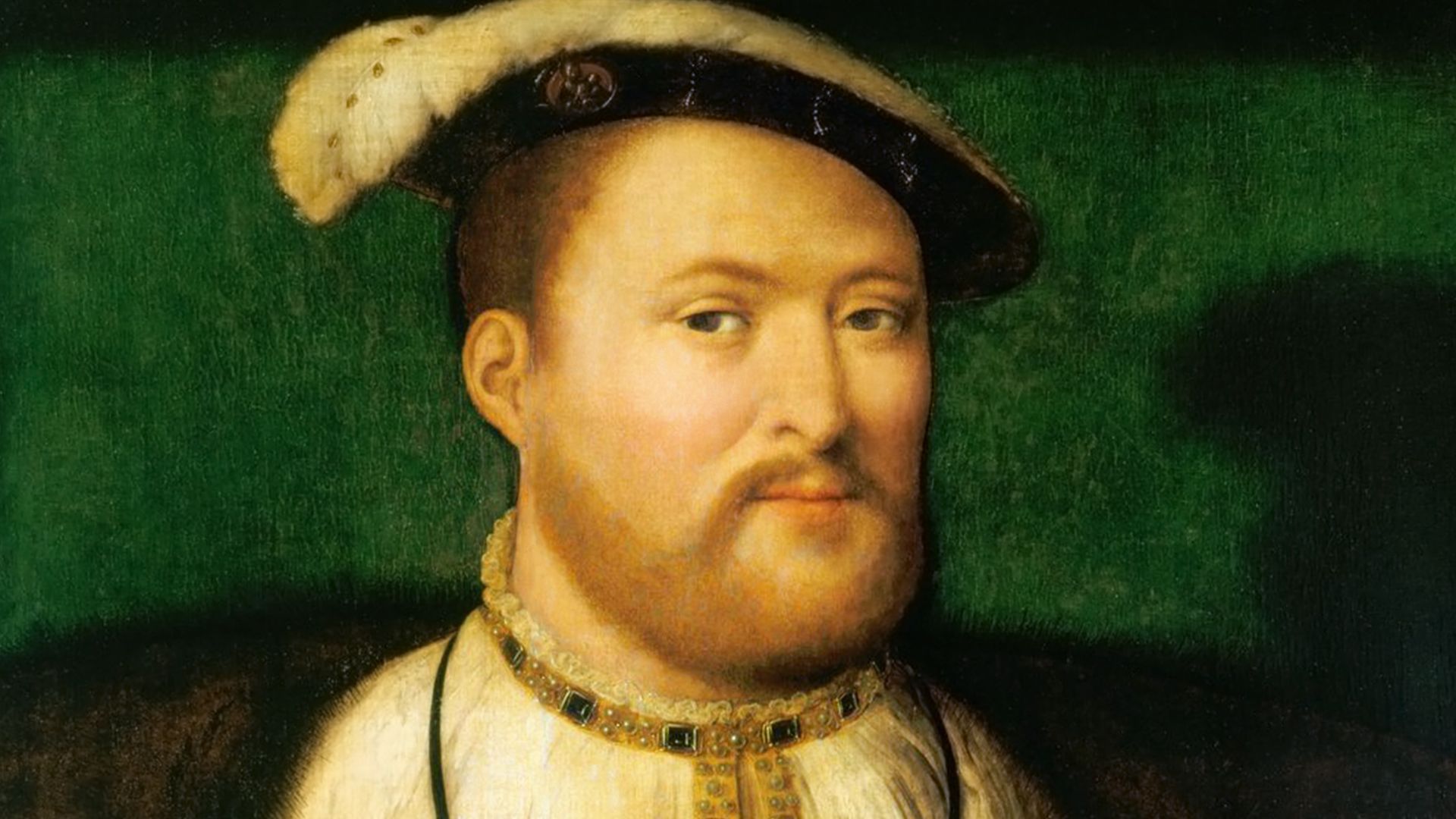
Peace Came In 1546
The Treaty of Camp ended the war with France in June 1546. England was permitted to retain Boulogne until 1554, when France was supposed to pay two million crowns covering arrears and Henry's fortification expenses, after which the city would be restored. Henry could therefore die claiming possession of a French conquest, but even Boulogne was never intended to become a permanent English possession.
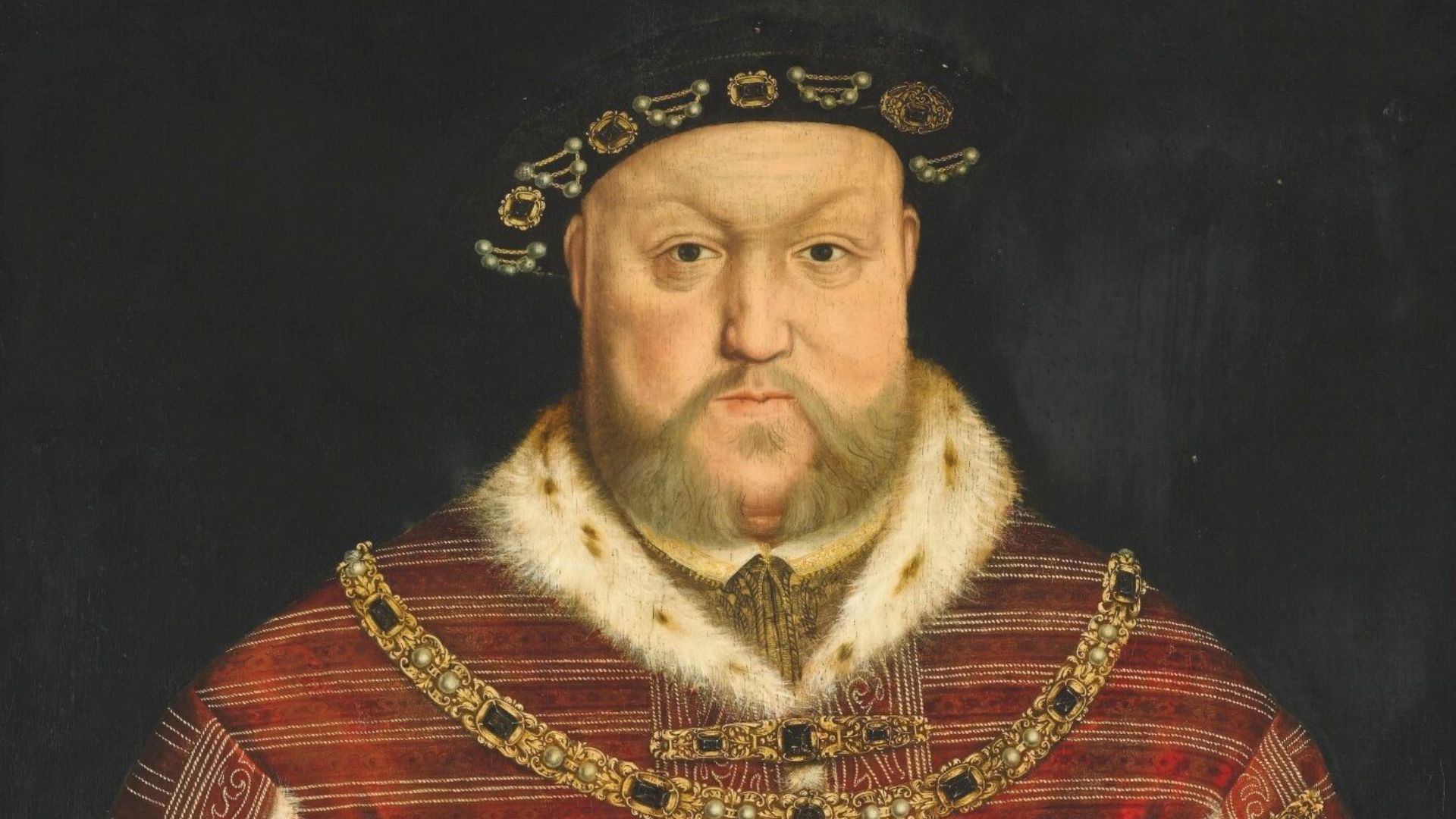 Workshop of Hans Holbein the Younger, Wikimedia Commons
Scotland Wouldn't Submit
The Rough Wooing also outlived Henry. English armies won further victories after his death, most notably at Pinkie in 1547, but Scotland did not accept the political future Henry had tried to impose. Mary was eventually sent to France and married the future Francis II. Military coercion had helped reinforce the very Franco-Scottish connection Henry wanted to destroy.
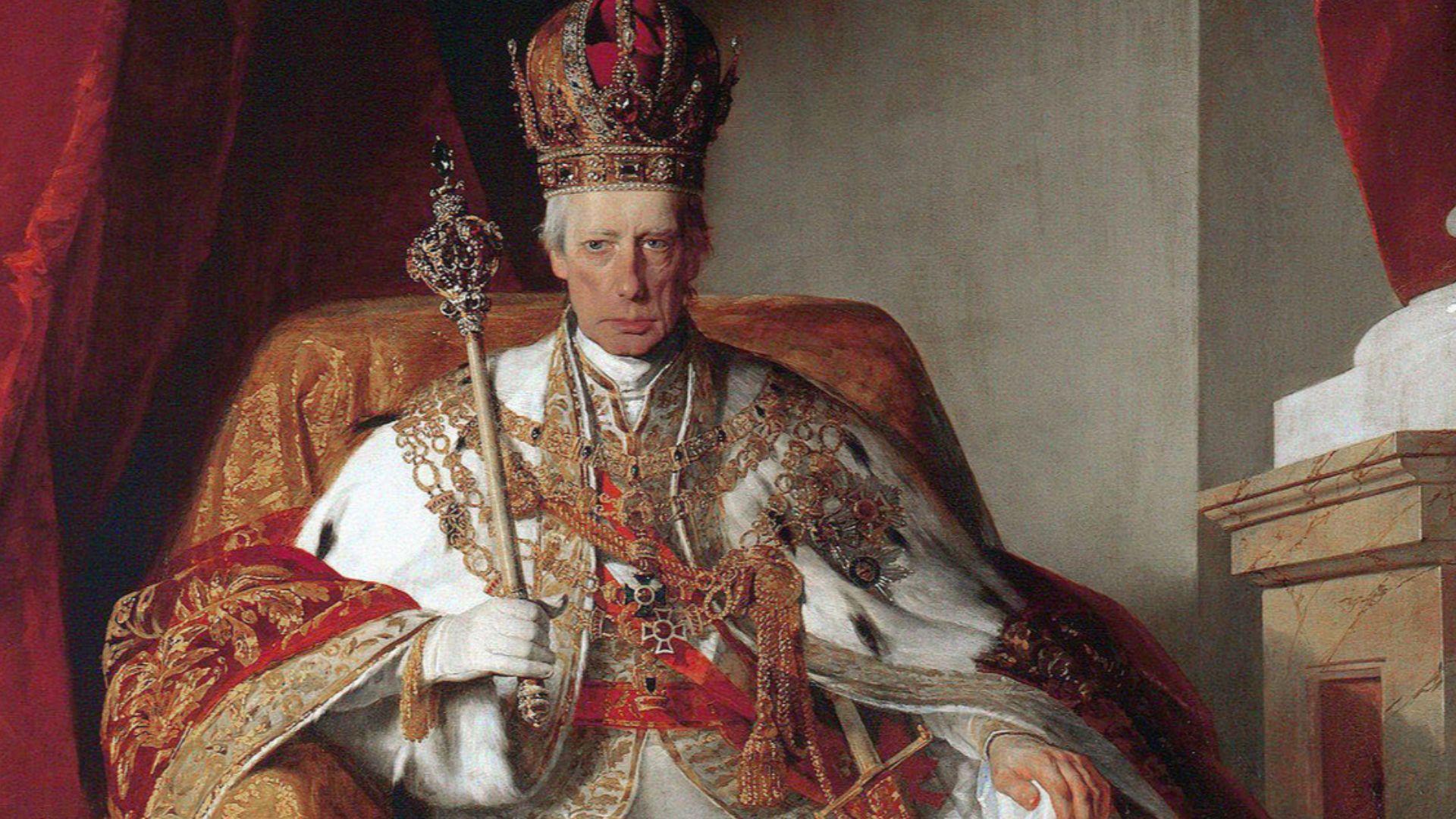 Friedrich von Amerling, Wikimedia Commons
What Did England Gain?
Henry's wars weren't entirely pointless. They demonstrated England's ability to mobilize large armies, encouraged investment in fortifications and naval power, produced victories including Flodden and gave the monarchy considerable international prestige. Boulogne briefly expanded English territory in France. But these gains have to be measured against enormous expenditure and the absence of lasting conquest.
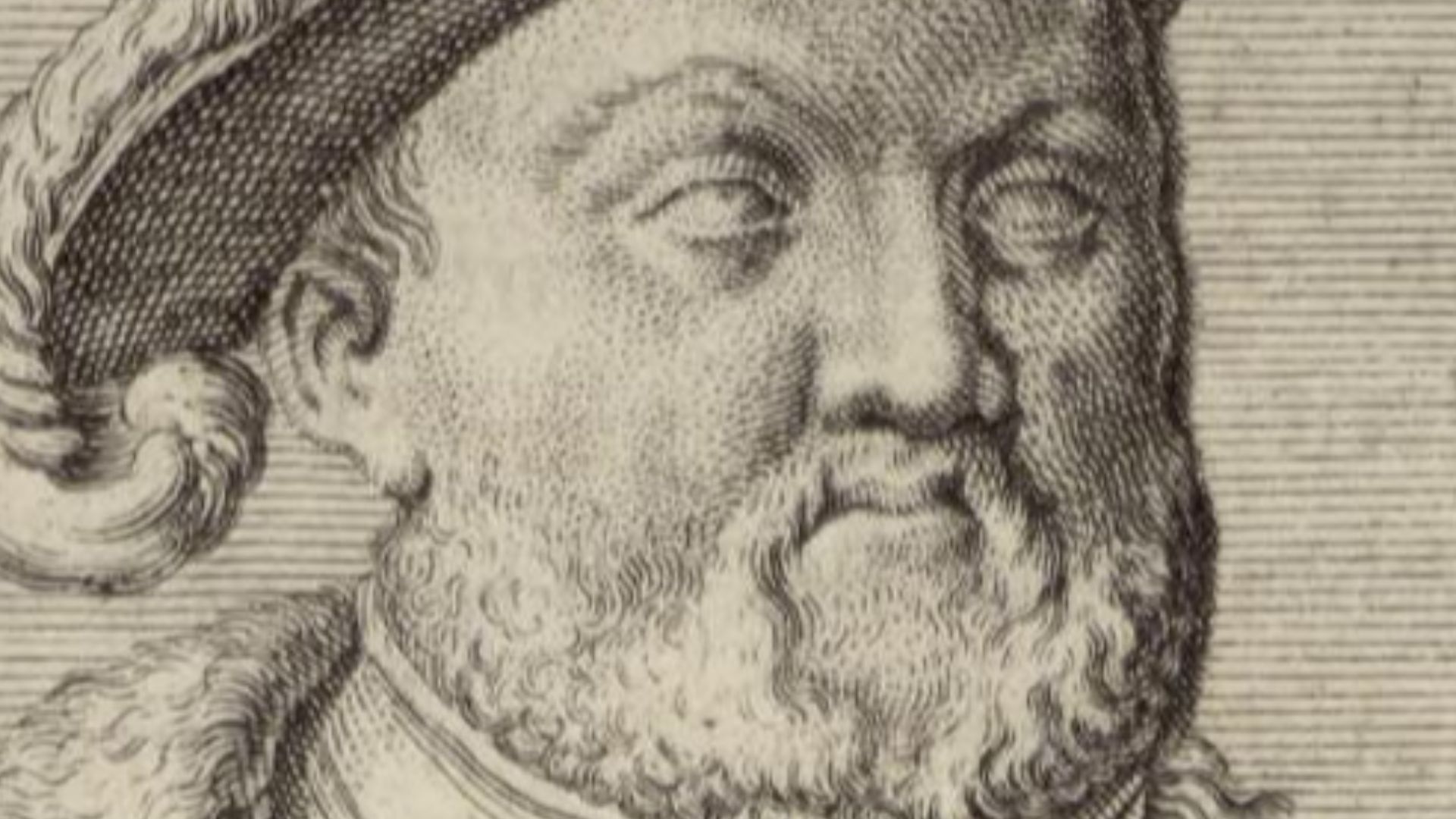 Unknown authorUnknown author, Wikimedia Commons
The King He Wanted To Be
Henry never became another Henry V. His wars captured towns rather than kingdoms, and allies repeatedly exploited England or abandoned it when their own interests changed. Yet the campaigns reveal something essential about him. Henry wanted contemporaries and posterity to see a magnificent Renaissance warrior who restored England's medieval glory. The tragedy was that personal honor, national strategy and royal fantasy were never quite the same thing.
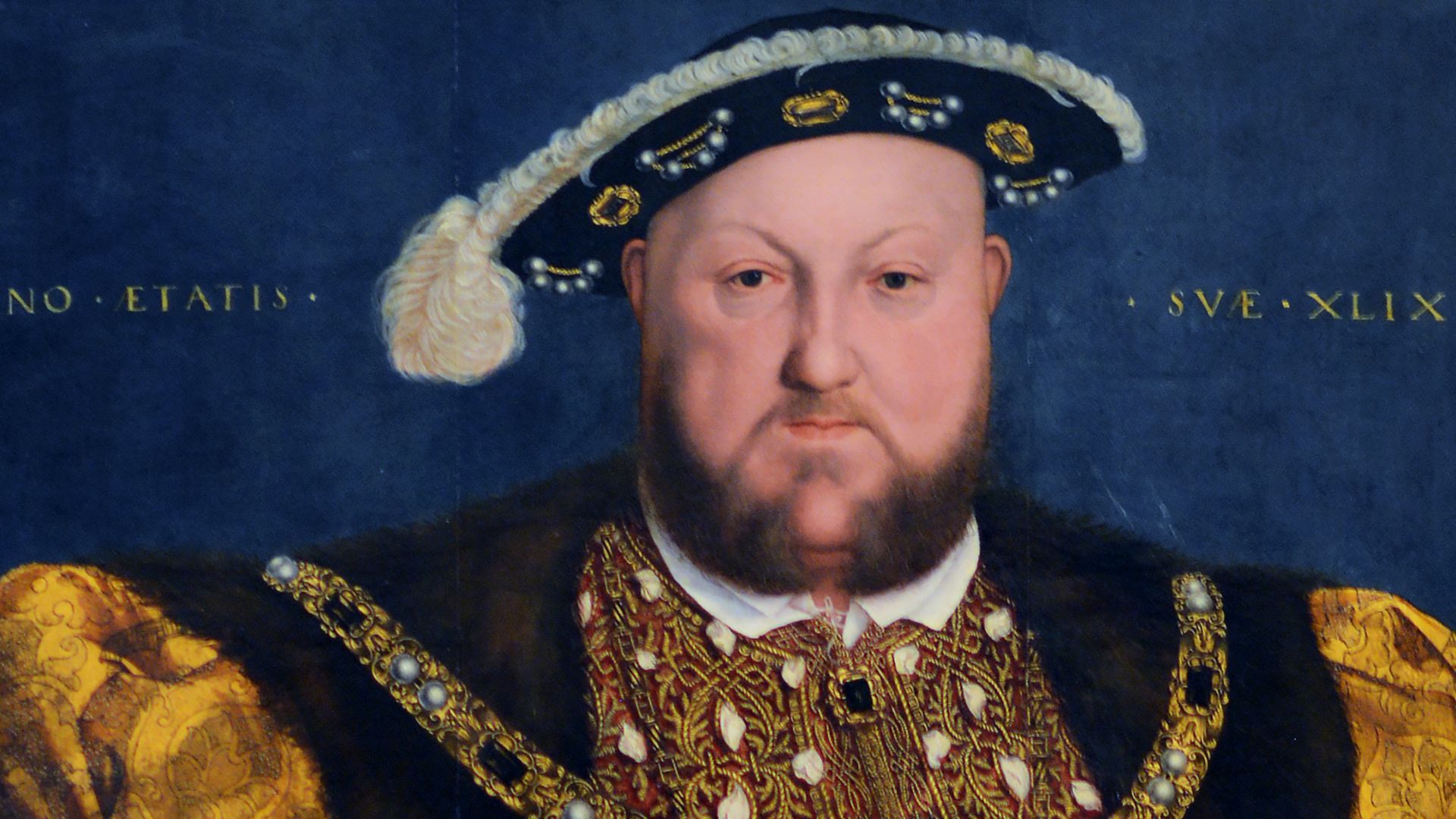 Hans Holbein the Younger, Wikimedia Commons
You May Also Like:
King Henry VIII Married Six Women—But Only Two Outlived His Brutal Reign
Utterly Deranged Facts About History's Mad Monarchs