Six Brides, Two Axes, and One Terrible Husband
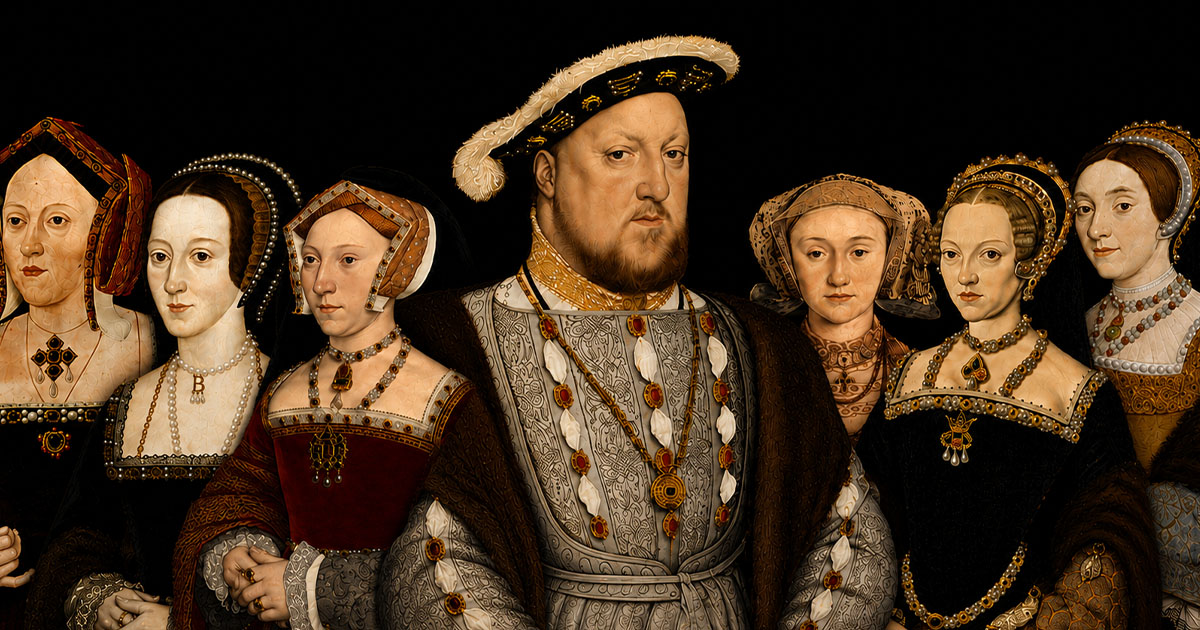
Henry VIII’s six wives arrived from Spain, Germany, and England, carrying royal bloodlines, political alliances, and hopes for the future. What followed included annulments, imprisonment, childbirth, suspected betrayal, and two executions. At Henry’s court, becoming queen was the easy part. Surviving the position was considerably harder.
This is the story of Henry VIII’s six wives—and the tragic fates that awaited them.
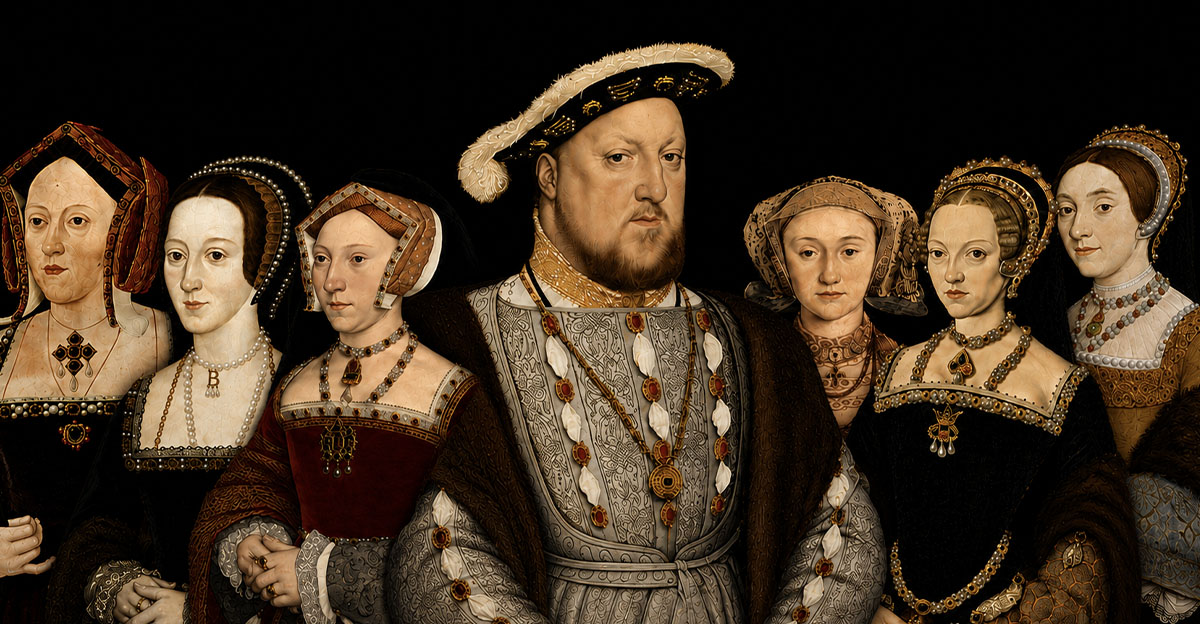 Hans Holbein the Younger, National Portrait Gallery, Master John, via Wikimedia Commons
The Rhyme Does Not Tell the Whole Story
“Divorced, beheaded, died; divorced, beheaded, survived” makes the marriages sound like history’s darkest nursery rhyme. Technically, however, Henry had two marriages annulled rather than divorced. More importantly, the rhyme reduces six complicated women to the ways one extremely demanding husband disposed of them.
Catherine of Aragon Came From Spain
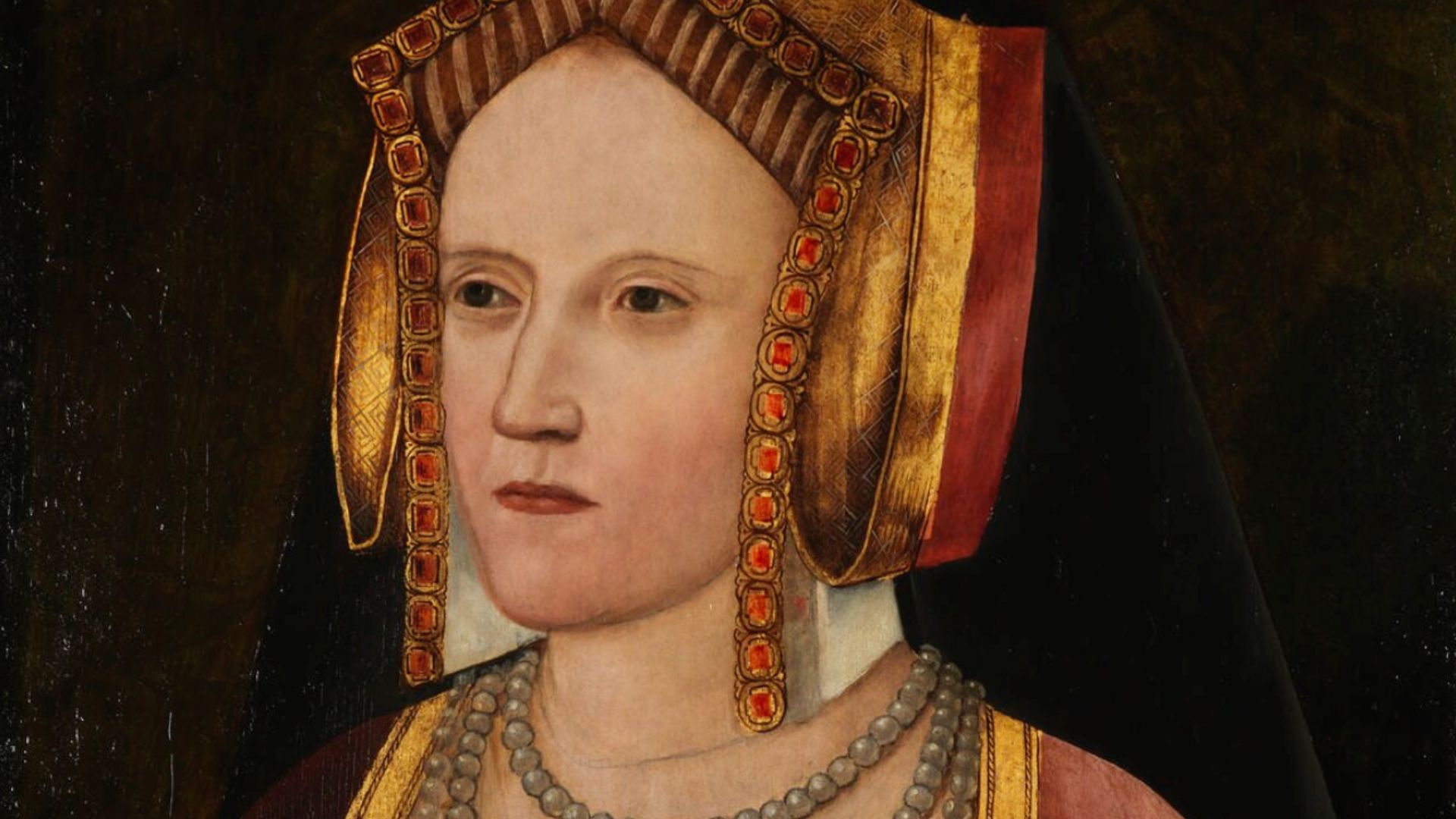
Born on December 16, 1485, in Alcalá de Henares, Catherine was the daughter of Spain’s powerful monarchs, Ferdinand of Aragon and Isabella of Castile. Intelligent, deeply religious, and politically trained, she arrived in England as a diplomatic prize—not as the opening act in Henry’s marital disaster.
She First Married Henry’s Brother
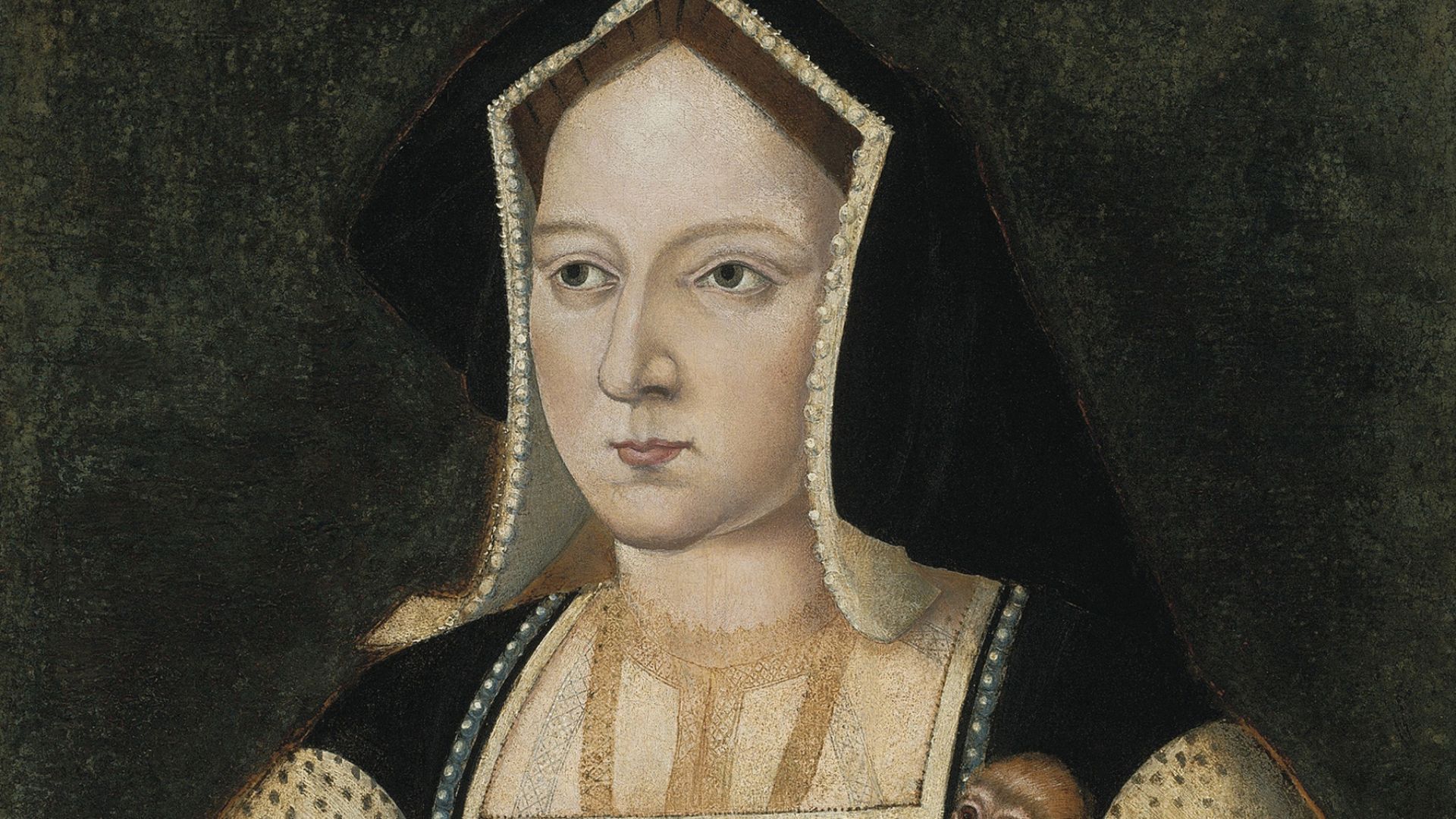
Catherine originally came to England to marry Arthur, Prince of Wales. They wed at St Paul’s Cathedral on November 14, 1501, when Catherine was 15. Arthur died the following April, leaving his young widow stranded in England while two royal families debated what to do with her.
 Lucas Horenbout, Wikimedia Commons
Henry Inherited the Bride
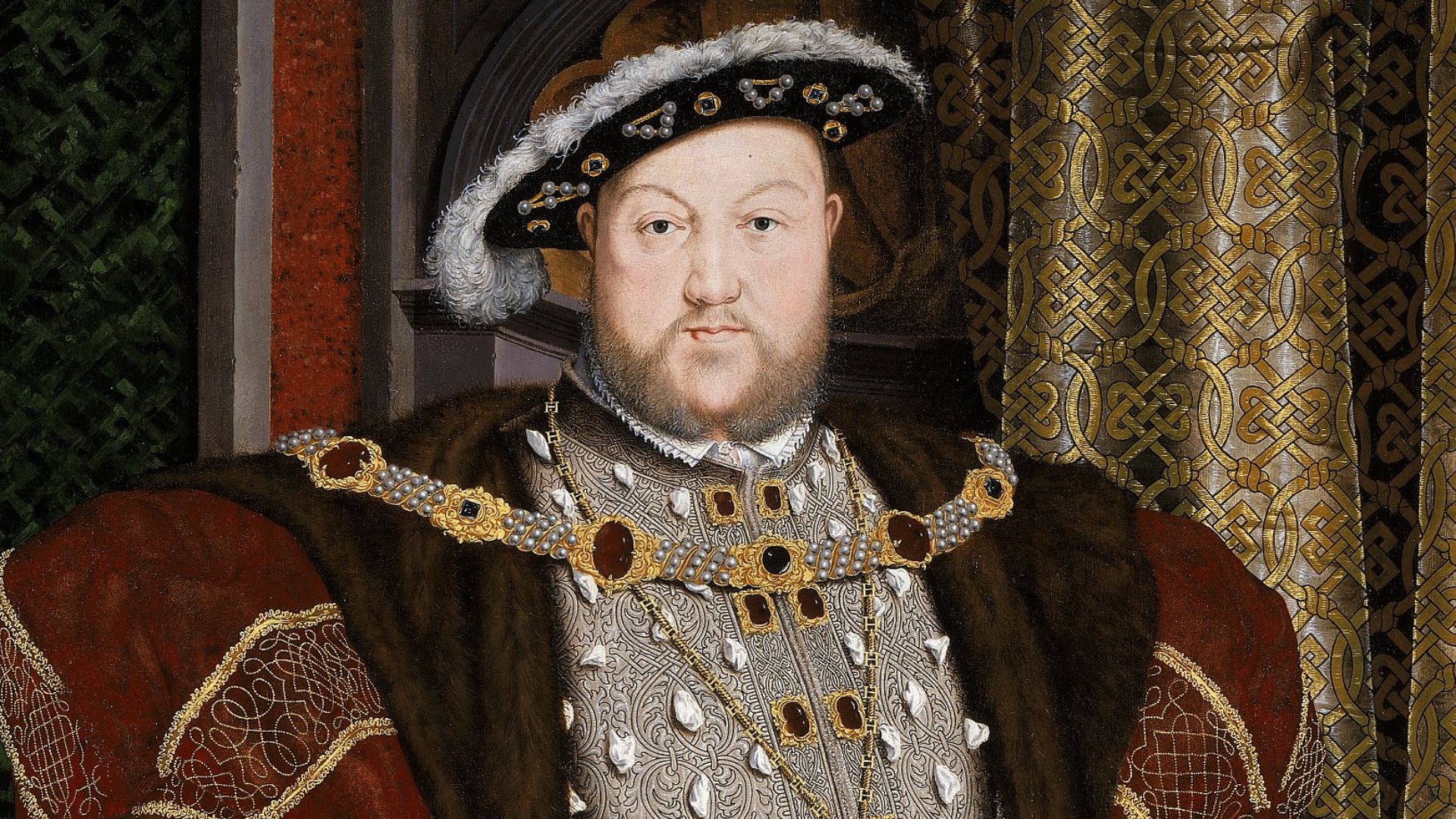
After Henry VII died, his 17-year-old son became Henry VIII. On June 11, 1509, Henry married Catherine at Greenwich. They were crowned together at Westminster Abbey thirteen days later. The teenage king had acquired an experienced Spanish princess—and, for once, the arrangement initially worked.
 Workshop of Hans Holbein the Younger, Wikimedia Commons
Catherine Was More Than a Royal Wife
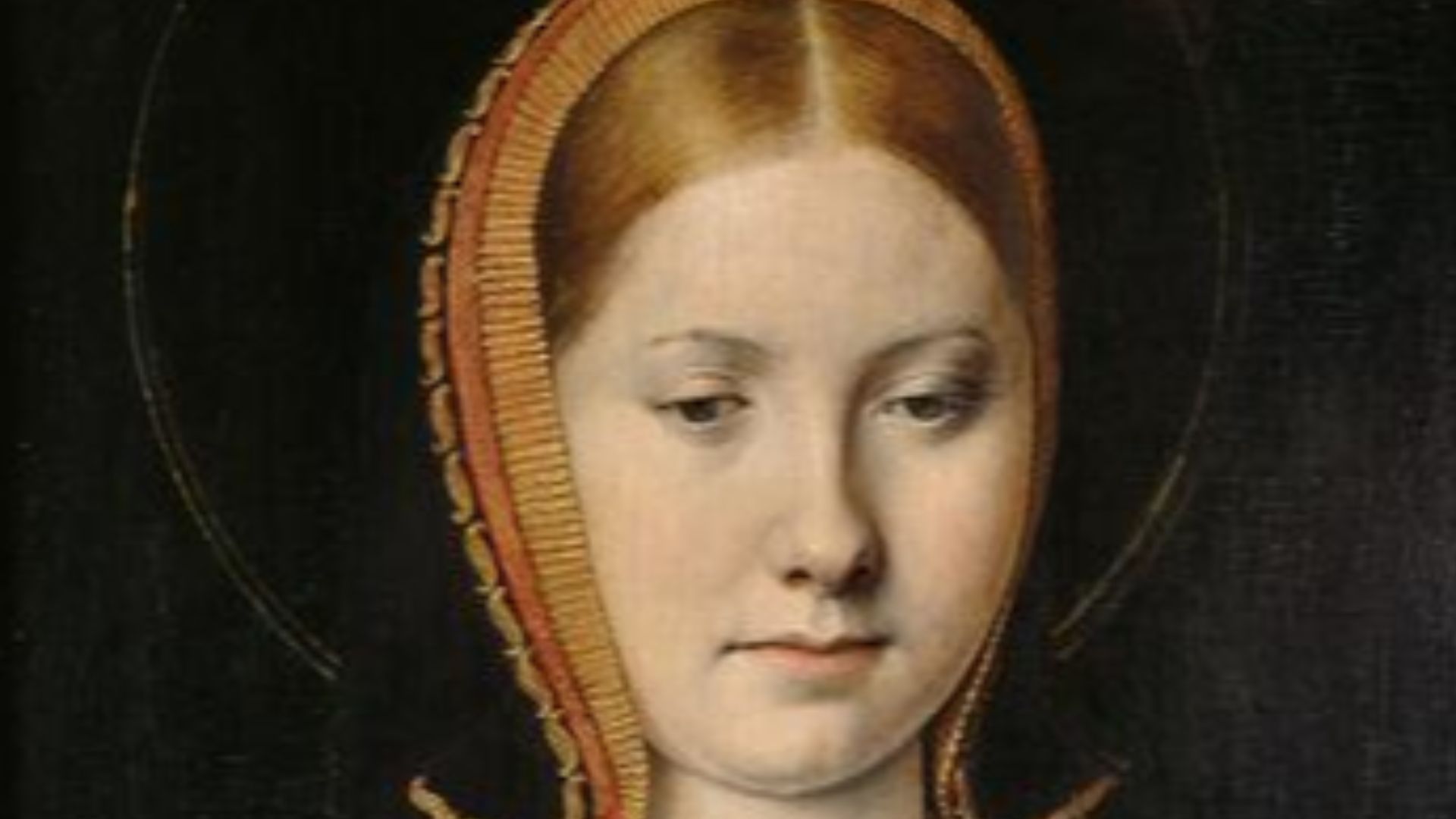
Catherine served as regent while Henry campaigned in France in 1513. During her leadership, English forces defeated an invading Scottish army at Flodden. She reportedly wanted to send Henry the defeated Scottish king’s body, but settled for his bloodstained coat. Romance was different in Tudor England.
 Michael Sittow, Wikimedia Commons
Her Pregnancies Ended in Heartbreak
Catherine endured multiple pregnancies, but only one child, Princess Mary, survived infancy. Henry became increasingly obsessed with producing a legitimate son. Never mind that Catherine had demonstrated intelligence, loyalty, and political ability—Henry wanted a boy, and Tudor biology conveniently blamed the woman.
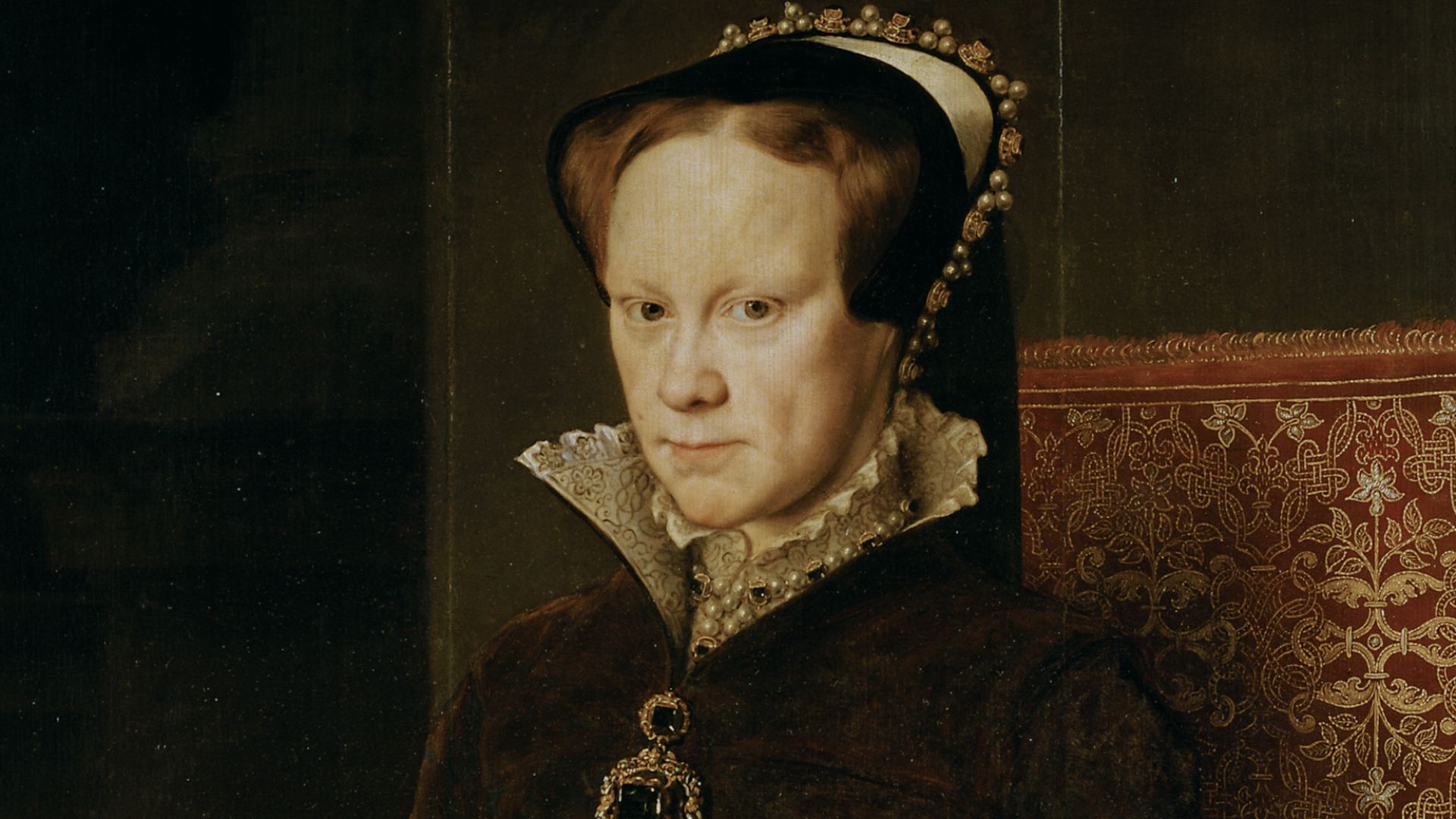 Antonis Mor, Wikimedia Commons
Henry Decided the Marriage Was Invalid
By the late 1520s, Henry wanted to marry Anne Boleyn. He argued that marrying his brother’s widow had offended divine law. Catherine insisted that her marriage to Arthur had never been consummated. When the pope refused Henry’s request, the king effectively removed England from papal authority.
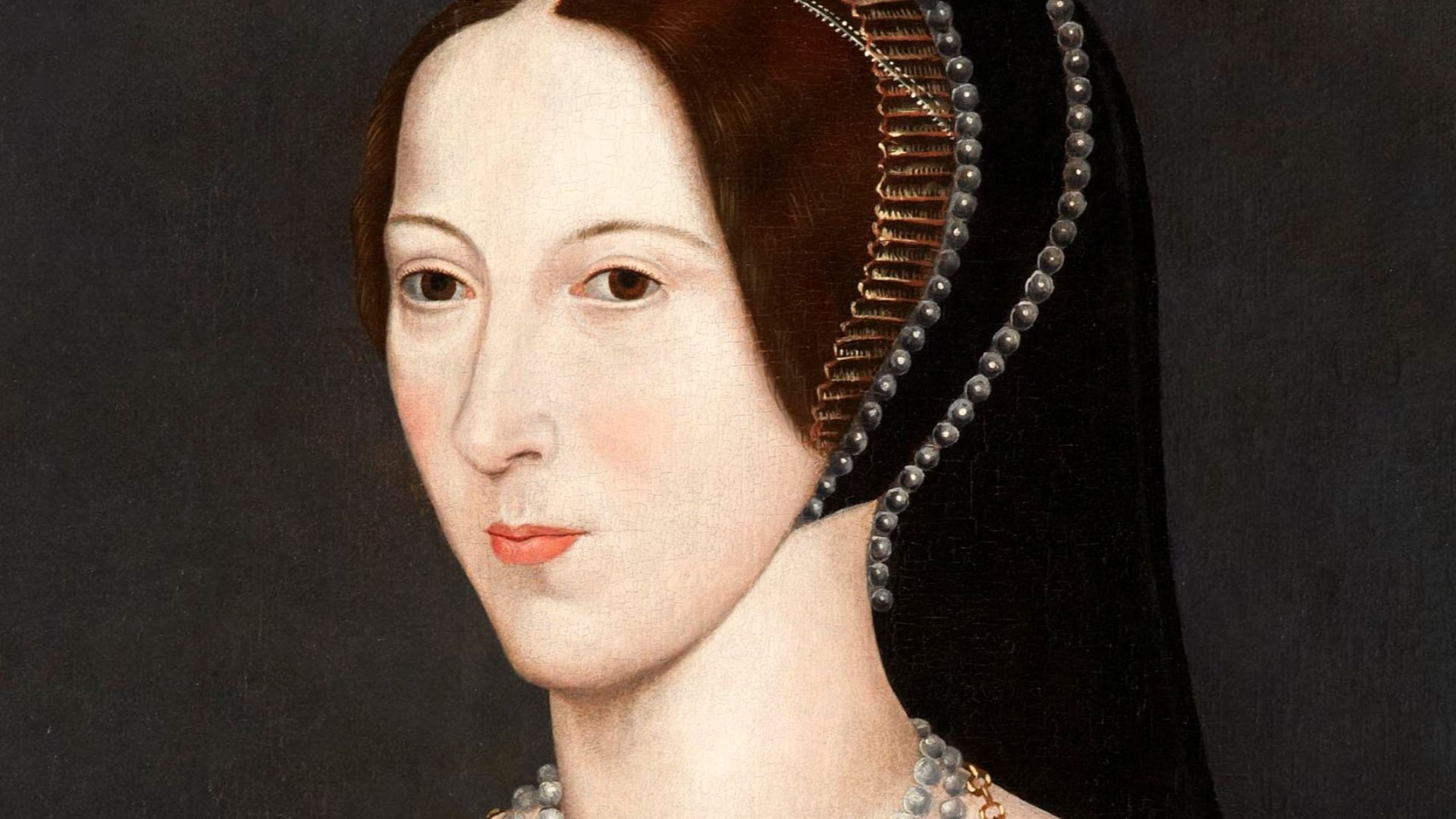 English school, Wikimedia Commons
Catherine Refused to Stop Being Queen
Archbishop Thomas Cranmer declared the marriage invalid on May 23, 1533. Catherine was separated from Mary and ordered to accept the title Princess Dowager. She refused. Even after being moved to Kimbolton Castle, she continued signing herself Catherine the Queen—an impressively stubborn response to royal rebranding.
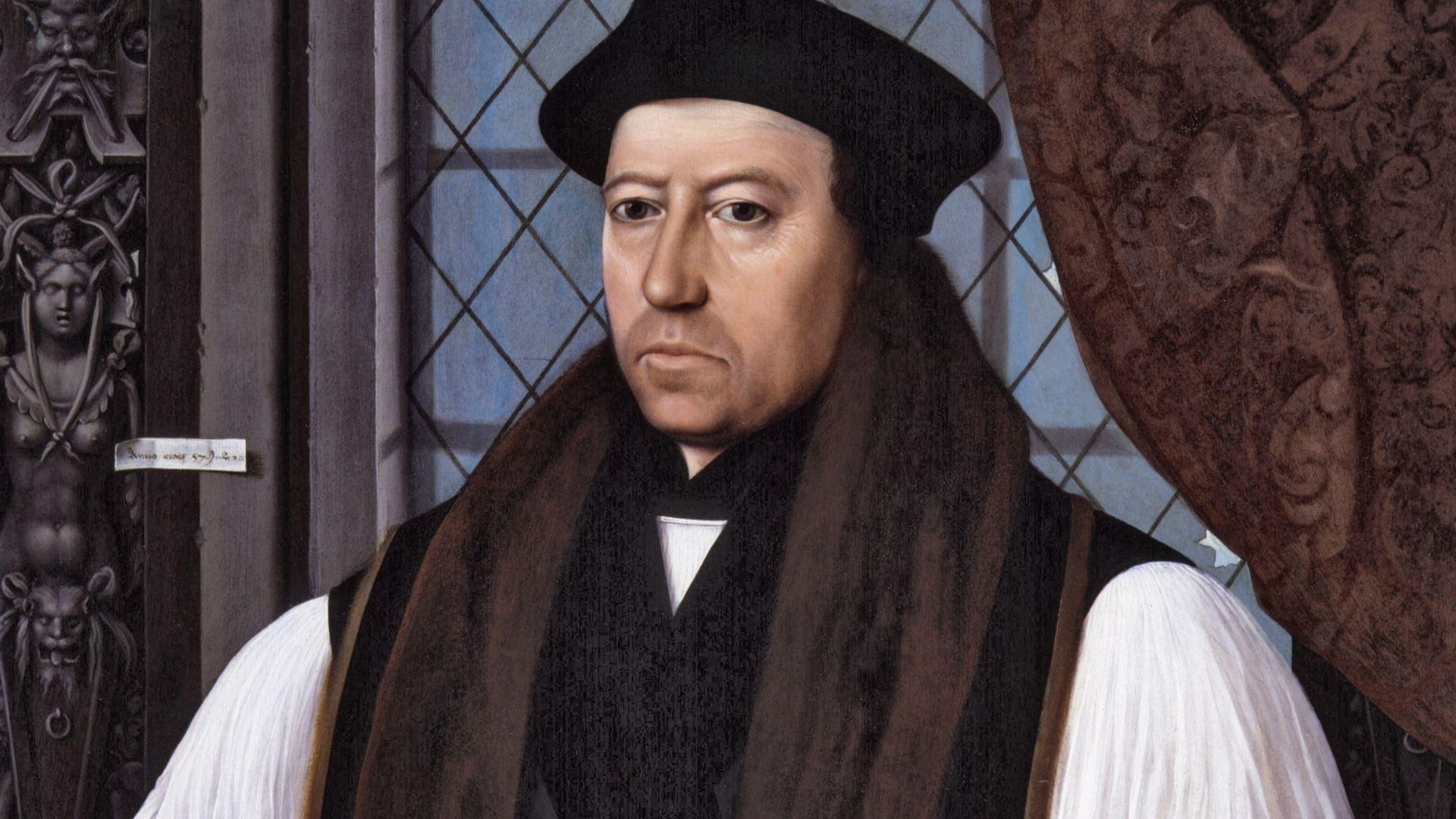 Gerlach Flicke, Wikimedia Commons
Her Death Inspired Poison Rumors
Catherine died at Kimbolton on January 7, 1536, aged 50. During embalming, her household chandler reportedly found her organs healthy except for a blackened heart with a dark growth attached. Many people suspected Catherine of Aragon had been poisoned...by her husband. However, modern historians generally consider cancer, possibly a melanotic tumor, the likelier explanation.
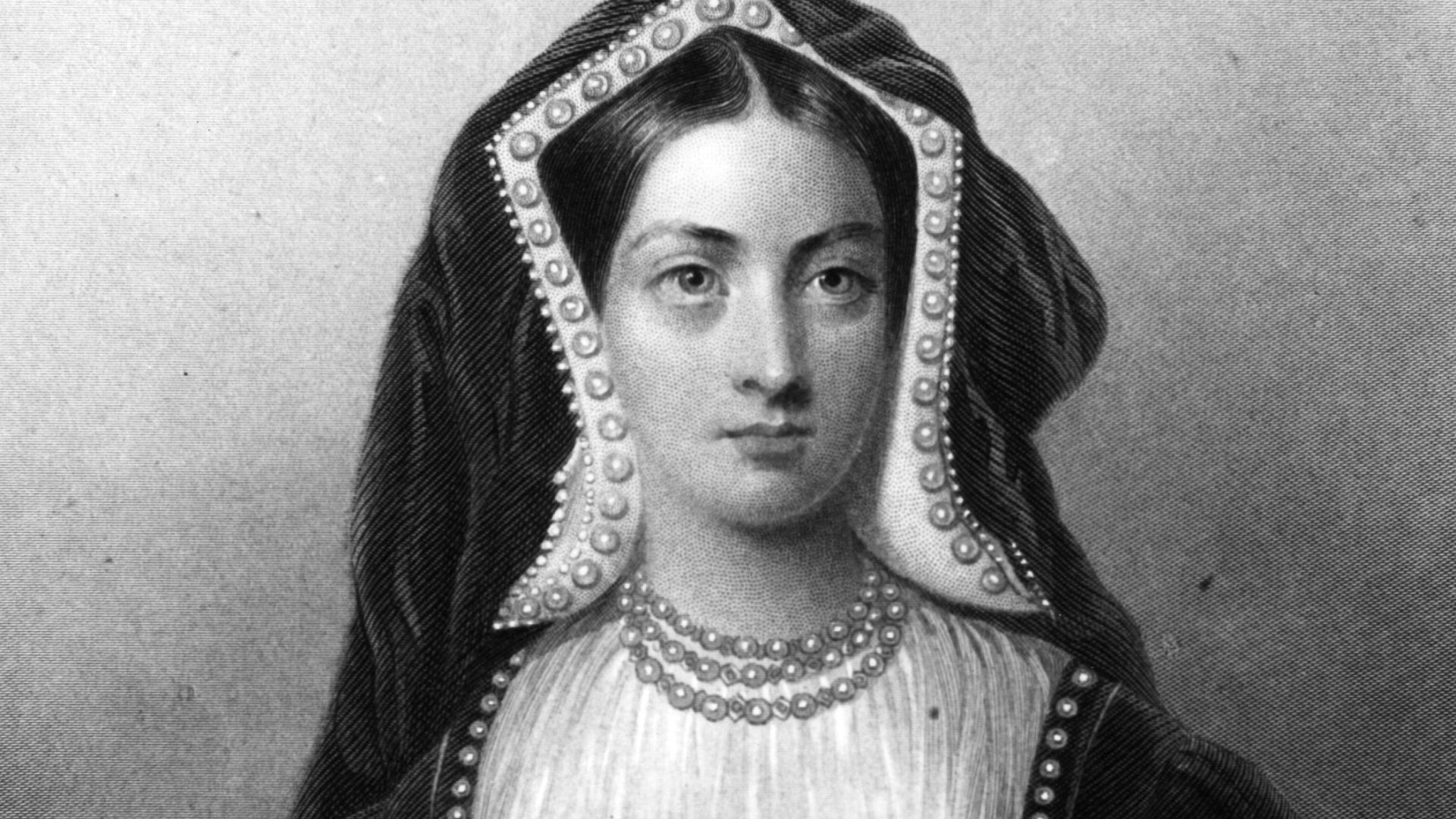 engraved by W. H. Mote (1803-1871) after an illustration by J.W. Wright, Wikimedia Commons
Anne Boleyn Had Continental Polish
Anne Boleyn came from an ambitious English family with connections in Kent and Norfolk. Born around 1501, she spent formative years at courts in the Netherlands and France. She returned to England sophisticated, fashionable, musically accomplished, and considerably less willing than Henry expected to become another temporary mistress.
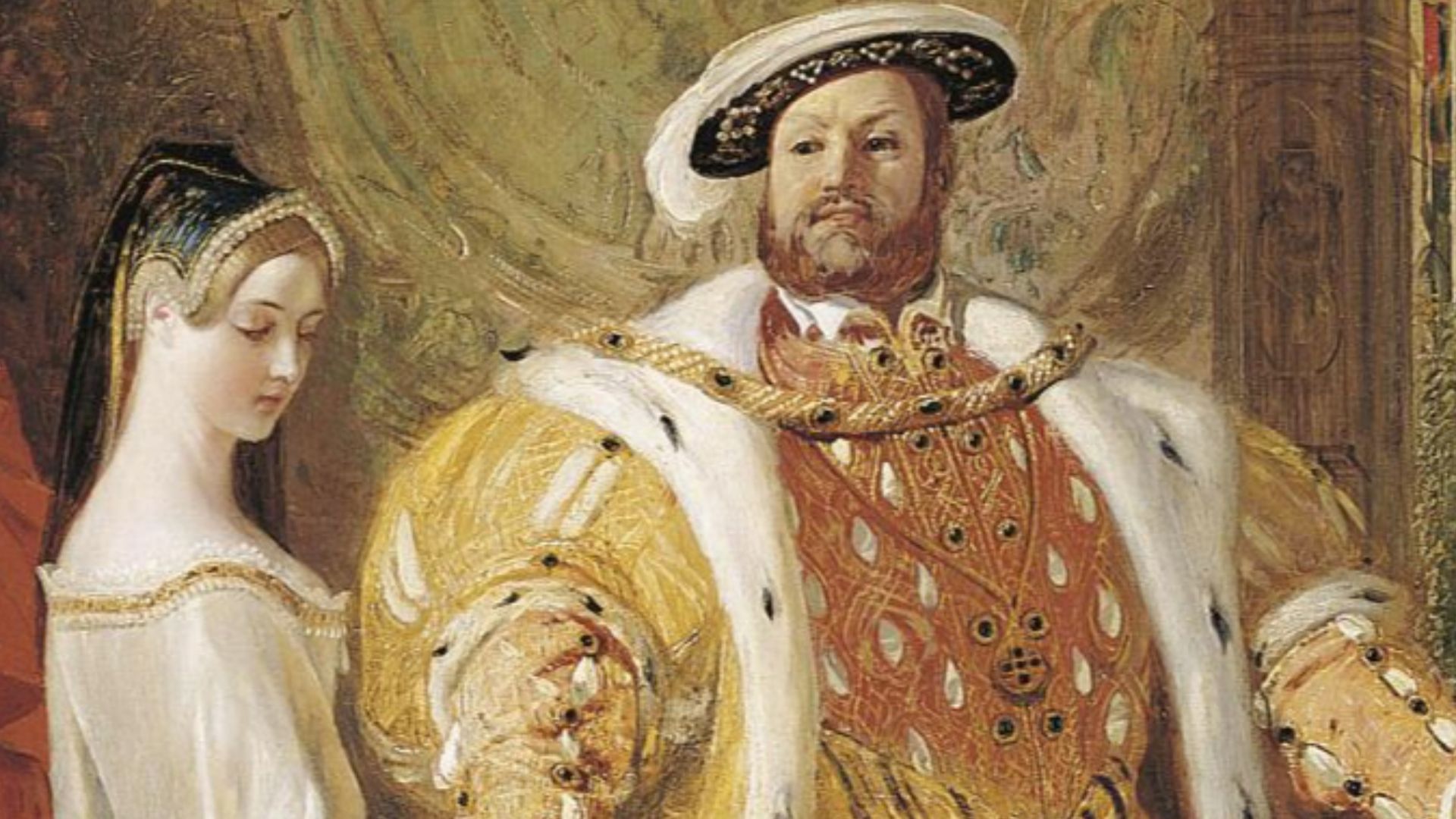 Daniel Maclise, Wikimedia Commons
She Kept Henry Waiting
Henry pursued Anne for years, but she resisted becoming his mistress. Their courtship helped propel the king’s campaign to end his first marriage and break with Rome. Several powerful men lost their careers—or their lives—while Henry attempted to transform romantic impatience into national religious policy.
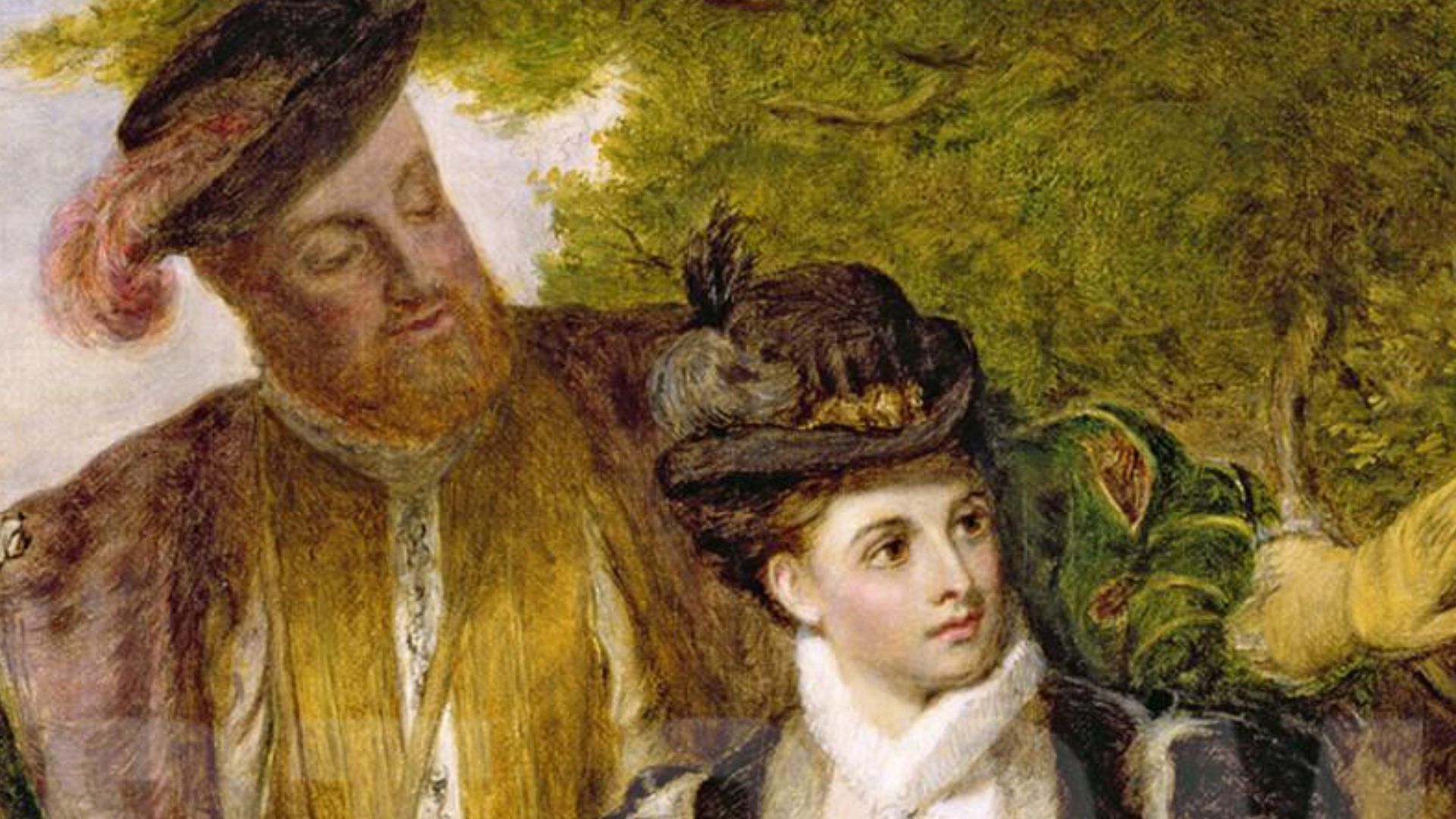 William Powell Frith, Wikimedia Commons
Their Wedding Was Secretive
Henry and Anne married secretly in January 1533, probably on January 25, while Catherine was still legally recognized as his wife. Anne was already pregnant. She was crowned at Westminster Abbey on June 1, and gave birth to Princess Elizabeth on September 7. The expected prince was, inconveniently, another future queen.
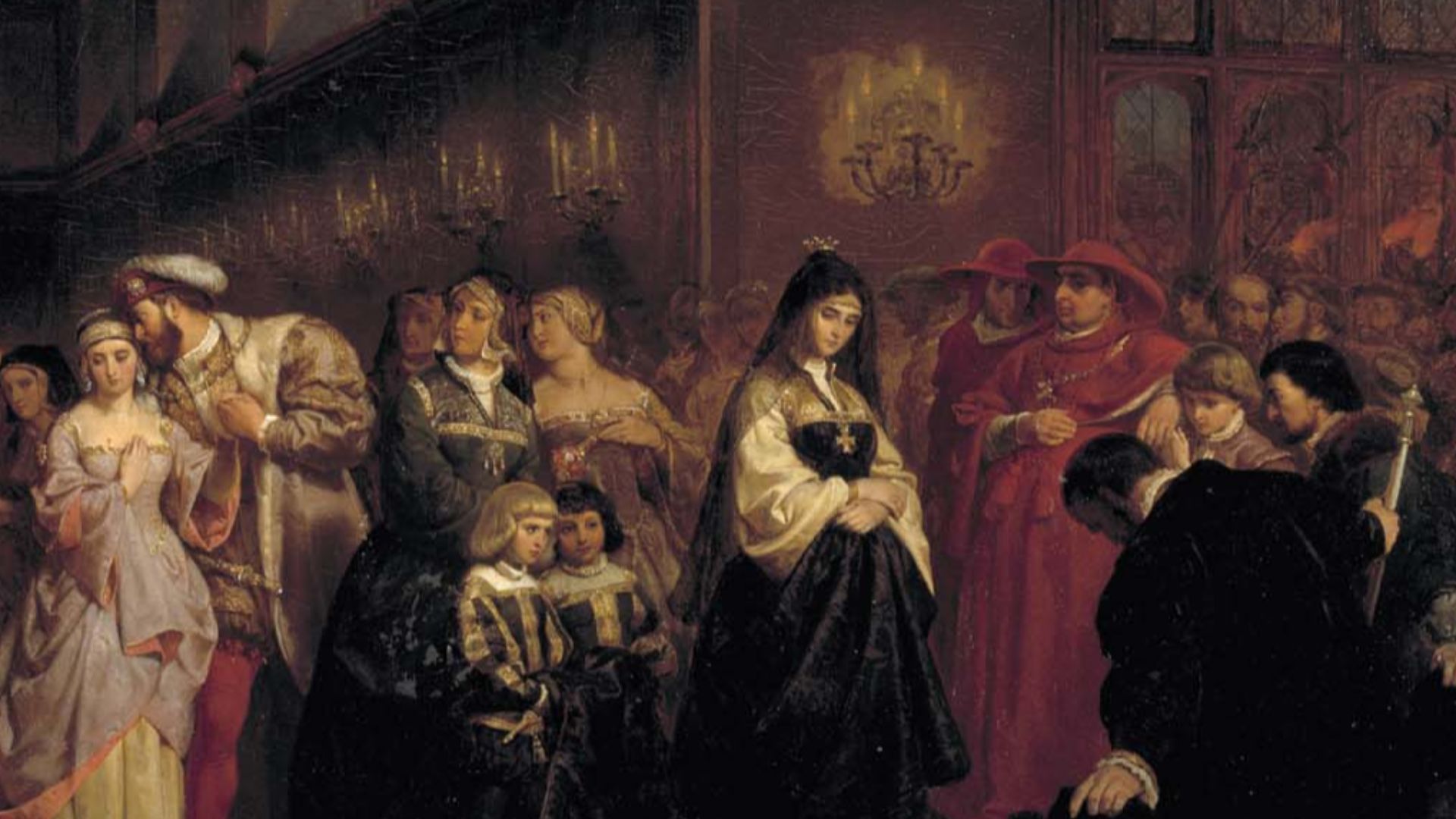 Emanuel Leutze, Wikimedia Commons
Anne’s Position Quickly Became Dangerous
Anne experienced further pregnancies, but no surviving son followed. Her relationship with Henry deteriorated as arguments replaced flirtation. By 1536, Henry had now become interested in Anne’s lady-in-waiting, Jane Seymour. At Henry’s court, noticing the king’s wandering eye was less jealousy than an emergency weather warning.
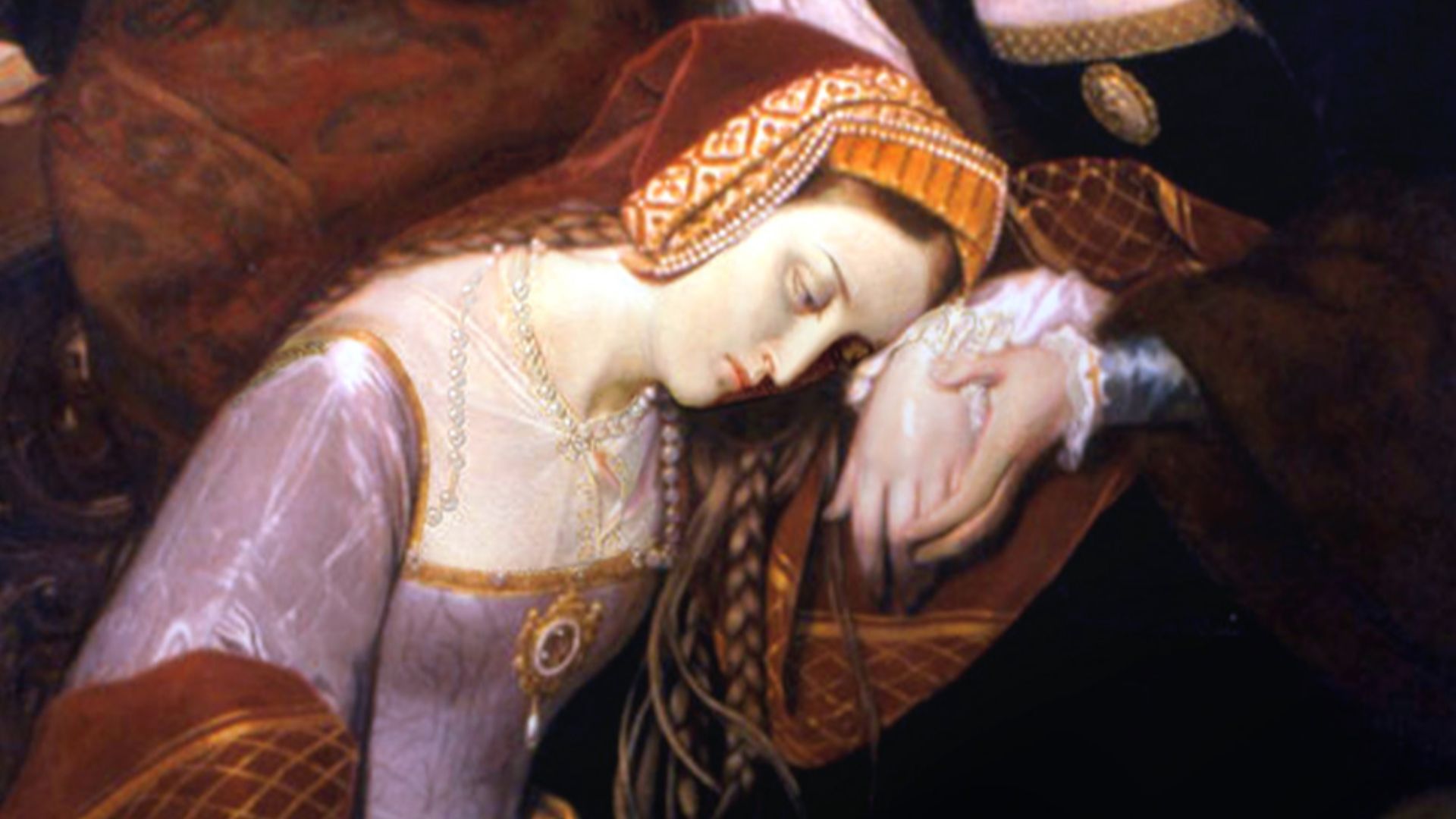 Édouard Cibot, Wikimedia Commons
The Accusations Came Suddenly
In an effort to get rid of his wife, Henry had Anne apprehended on May 2, 1536, and charged with adultery, incest, accused of sleeping with five men—including her own brother—and plotting the king's death. The five men, including her brother George Boleyn, were implicated. The evidence was deeply questionable, several alleged encounters were impossible, and Historic Royal Palaces describes Anne’s proceeding as a sham trial.
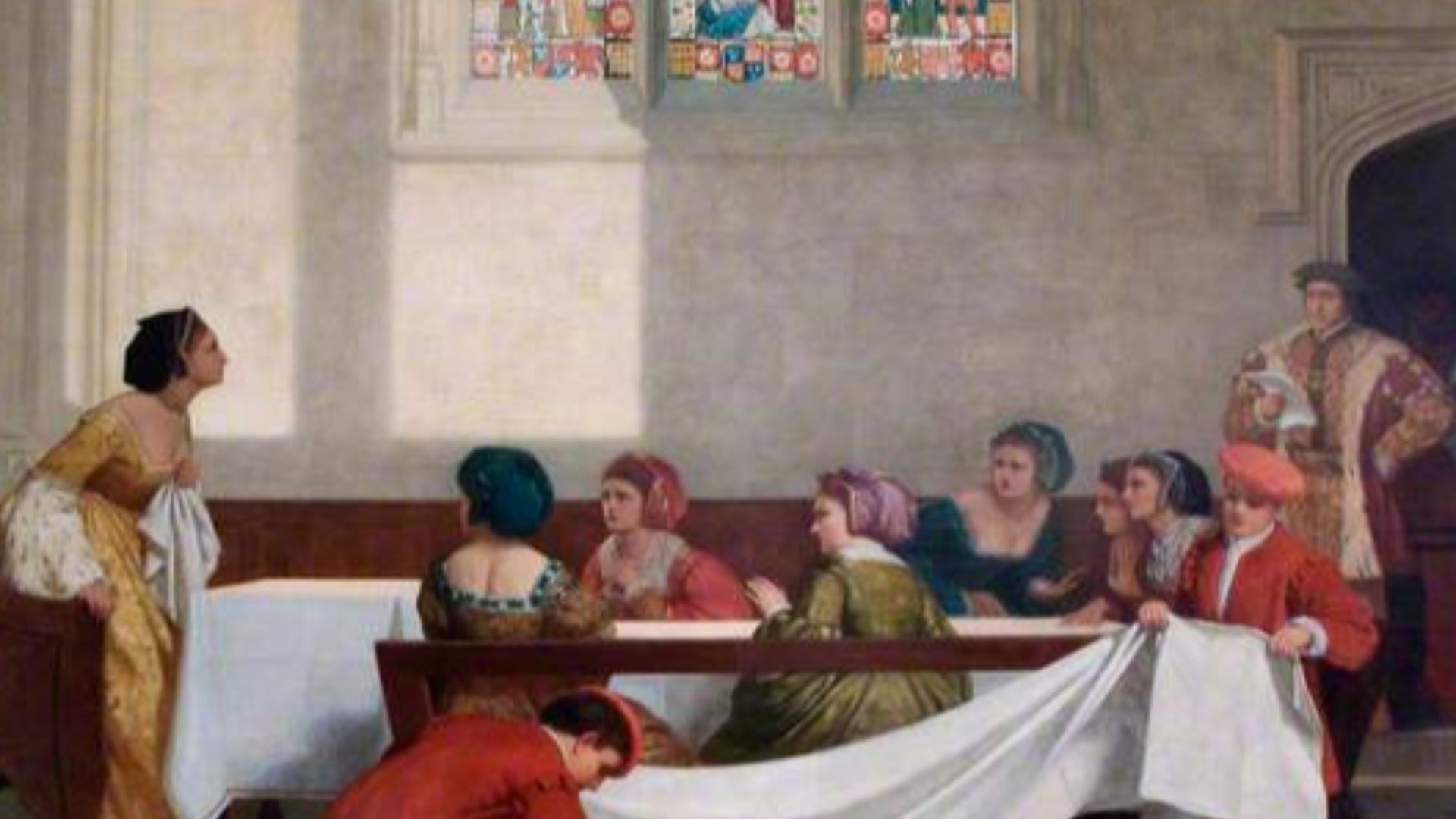 David Wilkie Wynfield, Wikimedia Commons
Henry Ordered an Unprecedented Execution
On May 19, 1536, Anne was taken to a scaffold inside the Tower of London. Henry had hired an expert swordsman from France instead of using the traditional axe. Anne reportedly joked beforehand about having “a little neck.” One stroke ended her life. She was approximately 35 years old.
Now the king was free to pursue Jane.
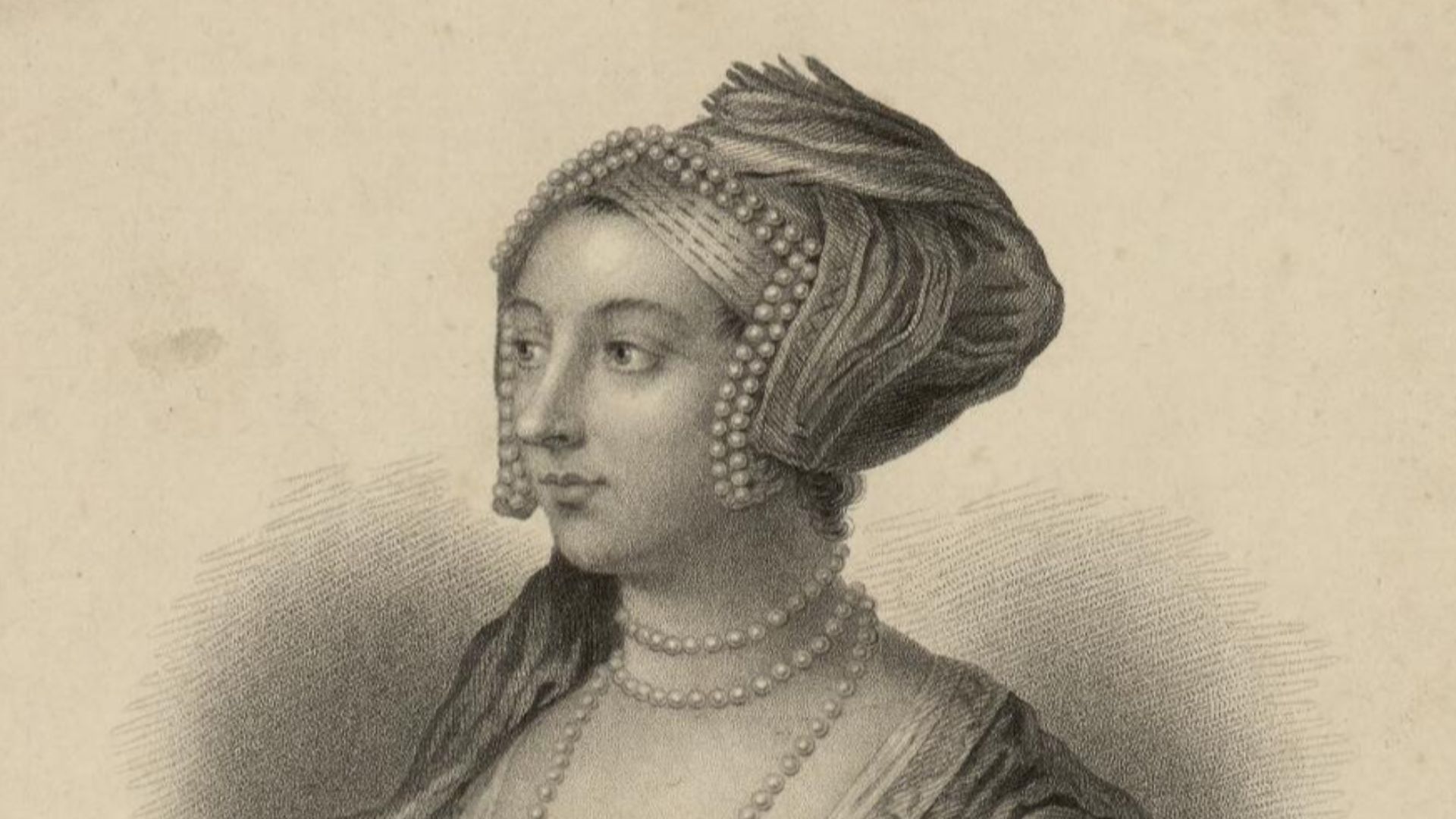 Samuel Freeman, Wikimedia Commons
Enter Jane Seymour
Jane Seymour was born around 1508, probably at Wulfhall in Wiltshire, into a large family with court connections. She served Catherine of Aragon and later Anne Boleyn. Quietly positioned near the throne, Jane became Henry’s new romantic interest while her employer’s position was collapsing around her.
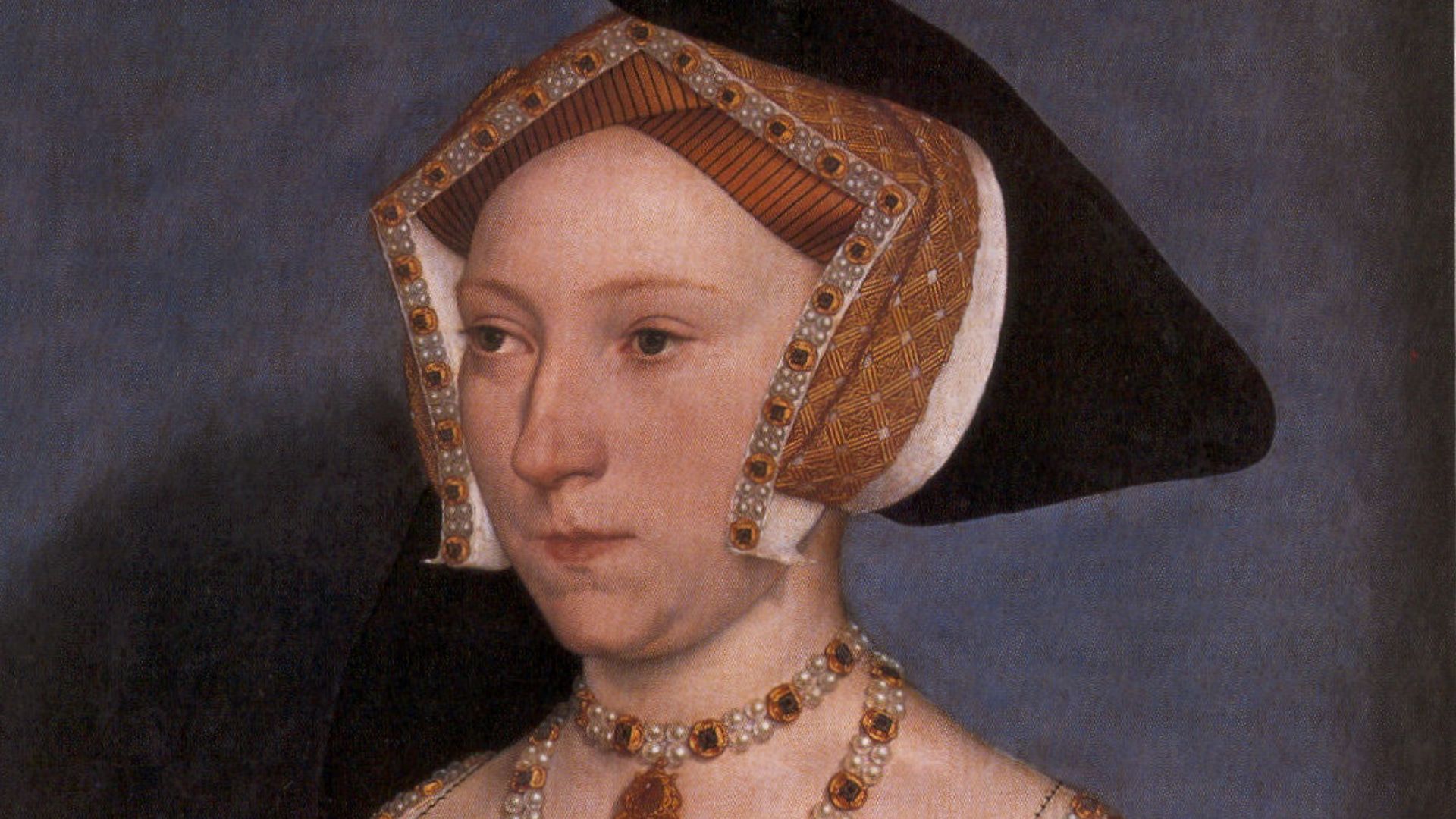 Hans Holbein the Younger, Wikimedia Commons
The Turnaround Was Astonishing
Anne Boleyn was executed on May 19, 1536. Henry became formally betrothed to Jane the following day. They married in the Queen’s Closet at Whitehall Palace on May 30. Eleven days from execution to wedding was unusually efficient—even for a king who treated matrimony like cabinet reshuffling.
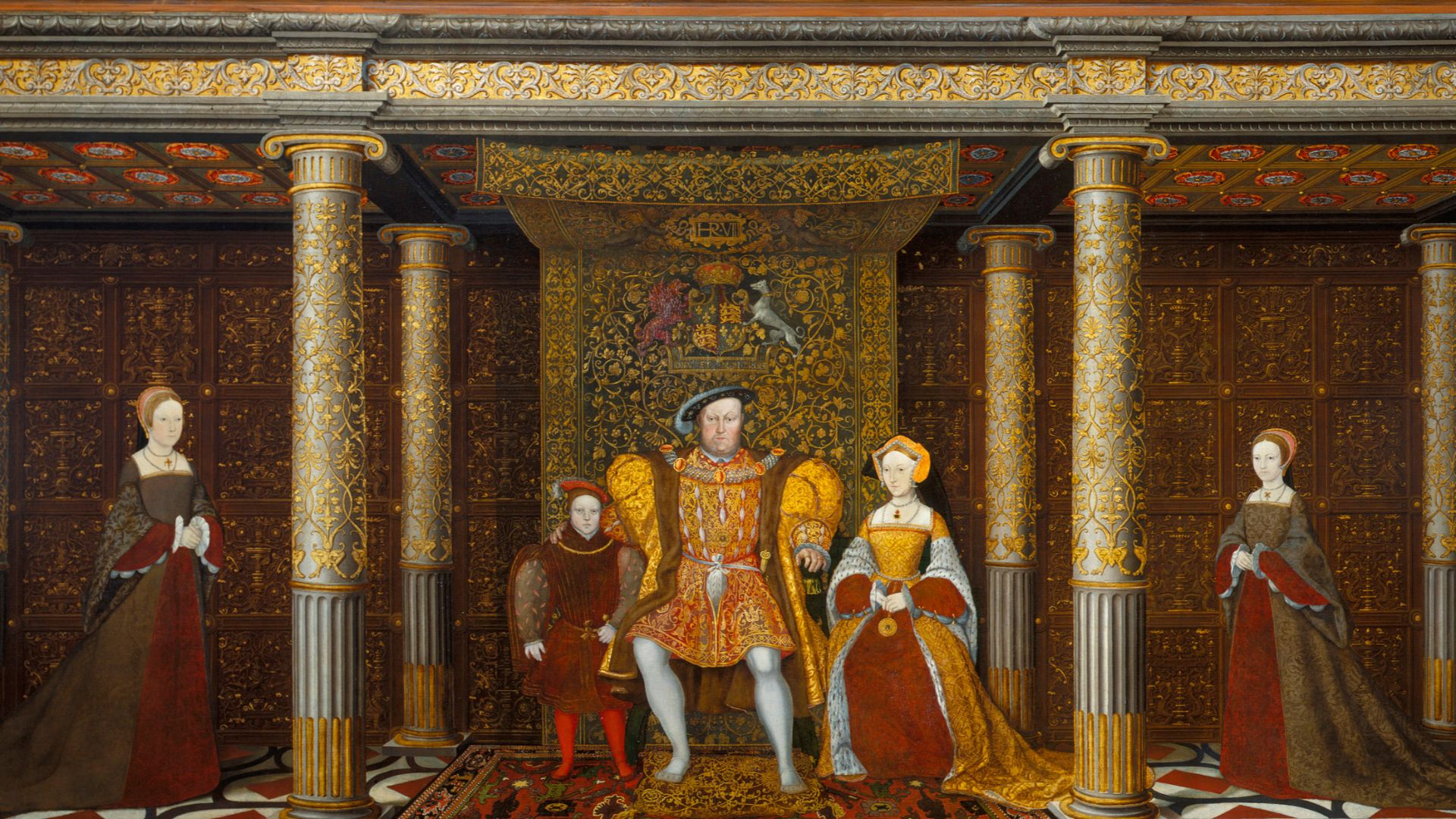 Unknown author, Wikimedia Commons
Jane Gave Henry His Son
Jane became pregnant in early 1537. After a labor lasting two days and three nights, she delivered Prince Edward at Hampton Court Palace at approximately 2 AM on October 12. Henry was ecstatic. He finally possessed the male heir for whom two previous queens could not provide.
But Jane was struggling.
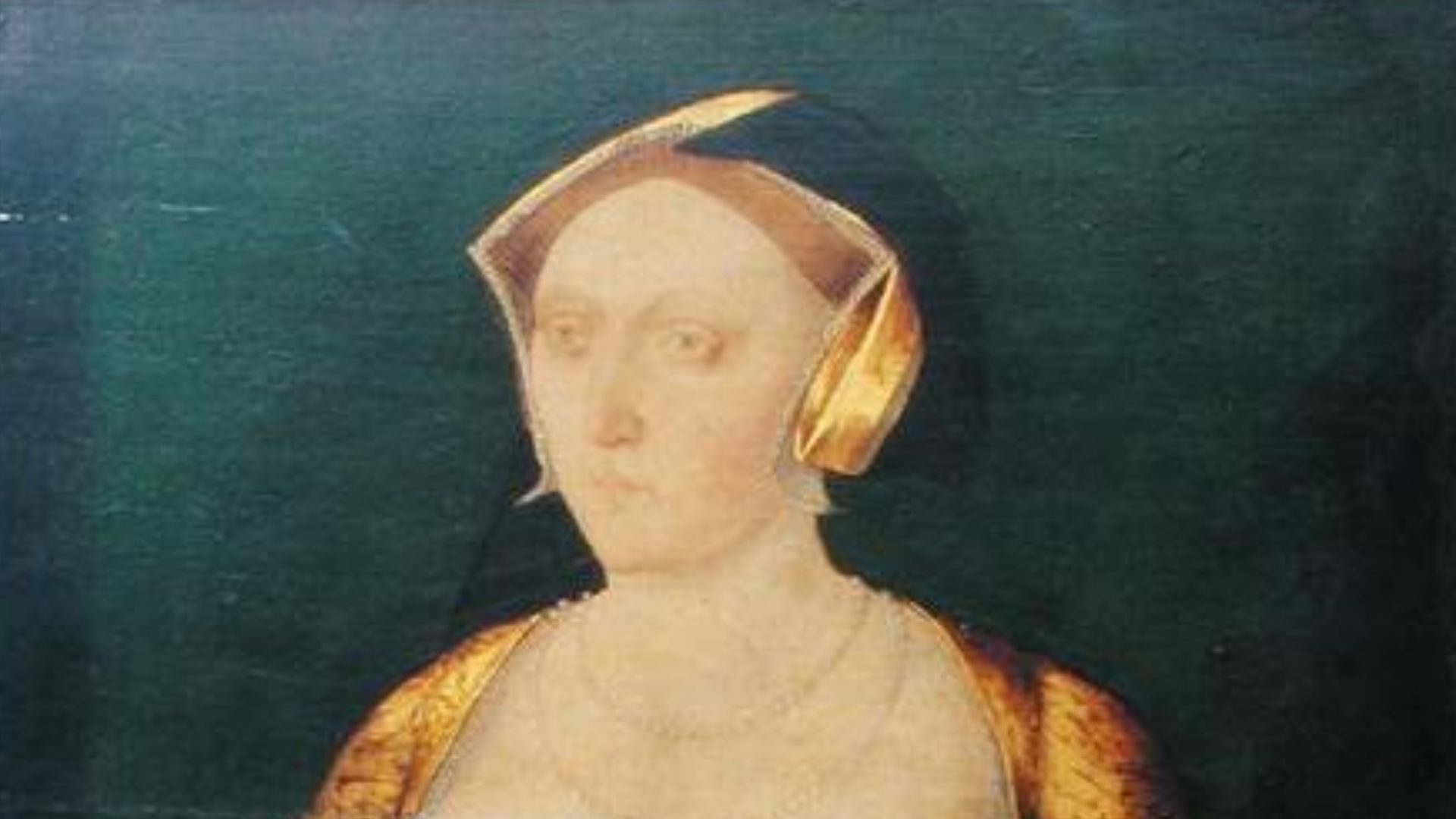 Hans Holbein Workshop, Wikimedia Commons
Her Triumph Became Her Death Sentence
Jane initially appeared to recover, but her condition soon deteriorated. She died at Hampton Court on October 24, 1537, only twelve days after Edward’s birth. She was just 29 years old. Naturally, rumors began that Henry commanded surgeons to cut the baby from Jane’s womb during her difficult labor because he valued the heir over the queen...contributing to her demise.
Many historians believe she contracted childbed fever, although other post-birth complications have been suggested.
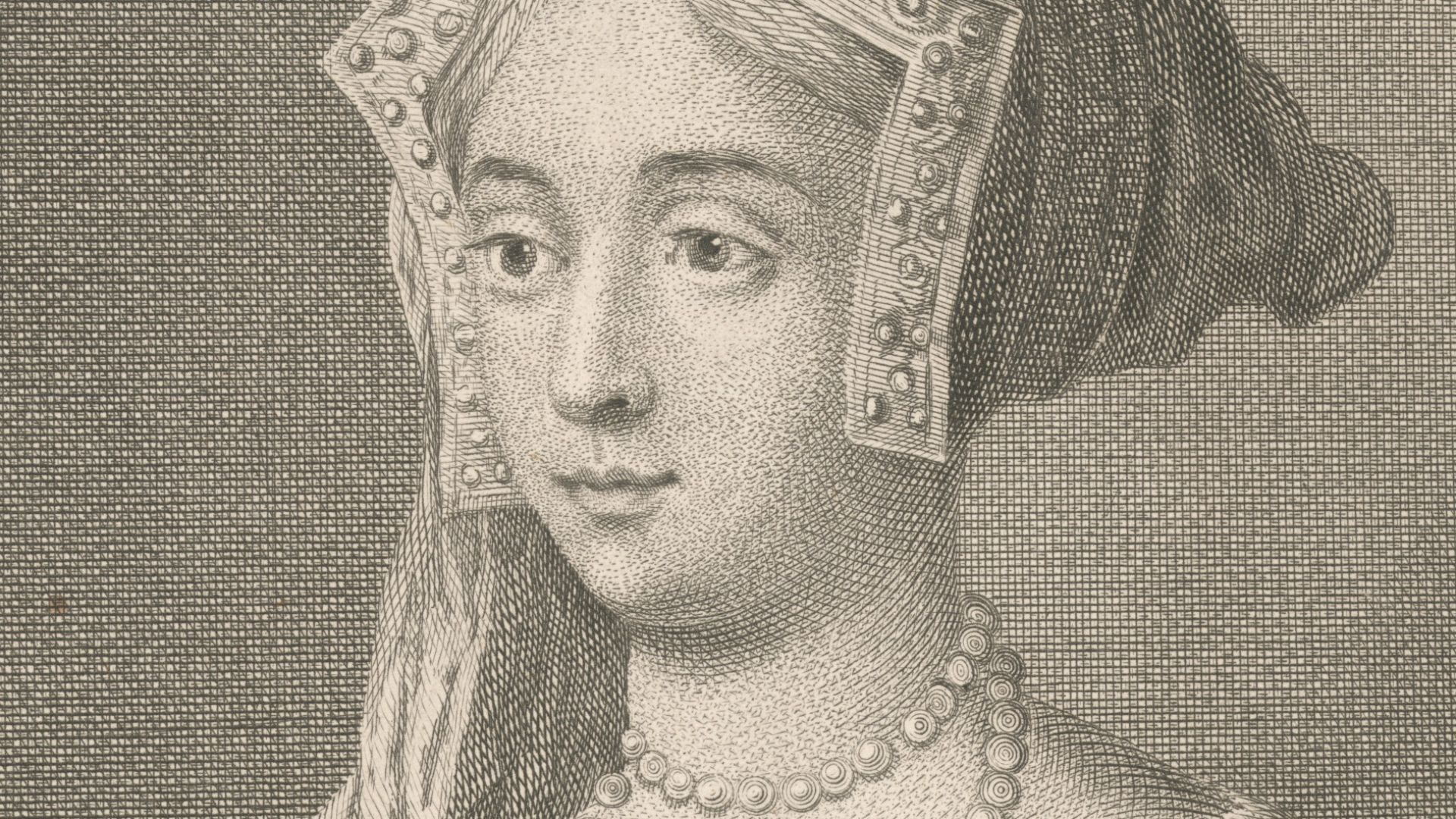 Scan by NYPL, Wikimedia Commons
Henry Chose to Be Buried Beside Her
Jane was buried in St George’s Chapel at Windsor Castle. Henry later selected the same resting place for himself. Her early death allowed him to preserve her as his ideal queen: she had produced a son and died before the marriage could deteriorate. Even Henry behaved better as a widower.
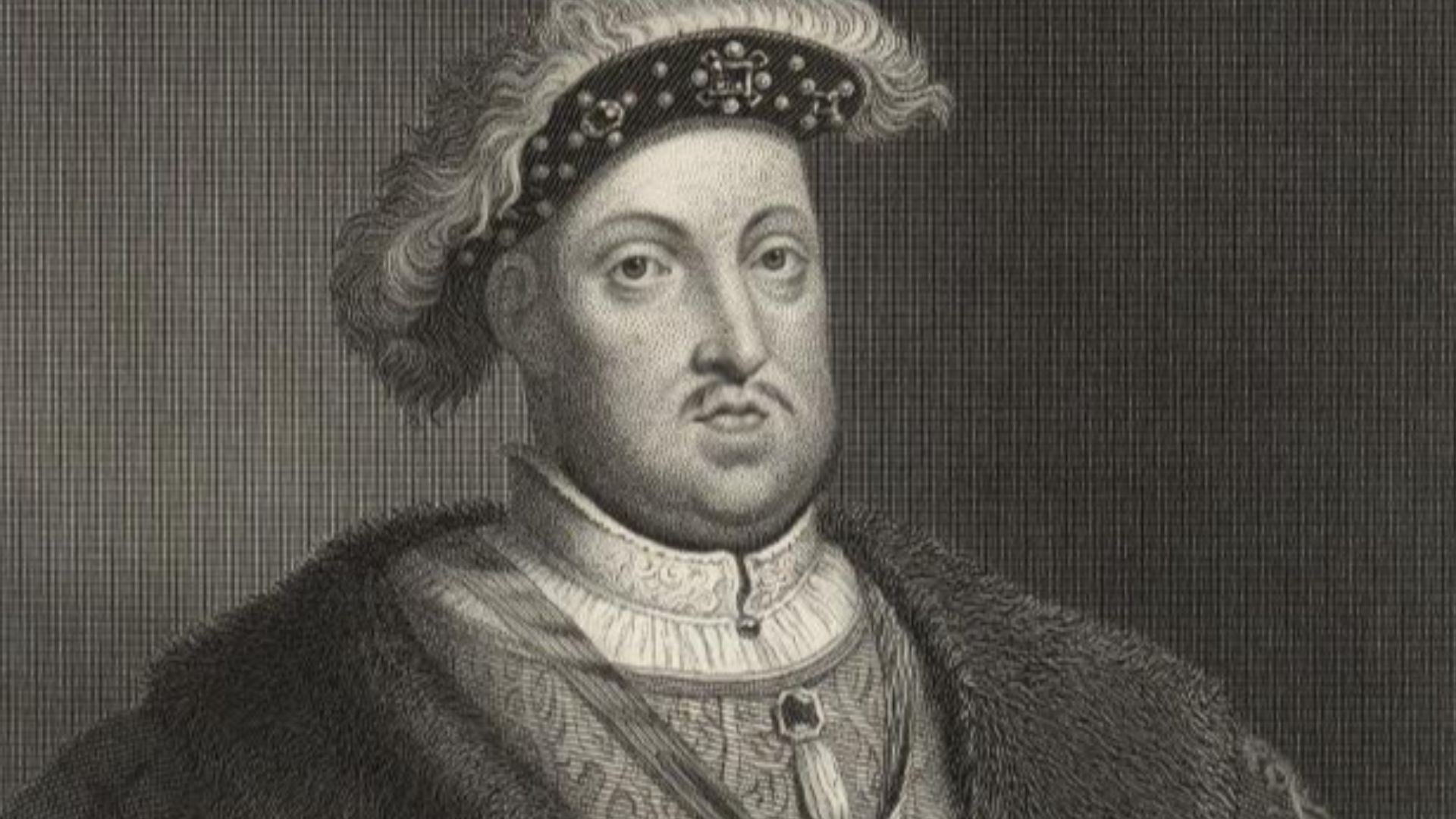 William Holl, Wikimedia Commons
Anne of Cleves Came From Germany
Born in Düsseldorf on September 22, 1515, Anne was the daughter of the Duke of Cleves. England needed allies after Henry’s break with Rome, and a marriage with her German family appeared politically useful. Hans Holbein painted her portrait, making him Tudor England’s most consequential profile photographer.
Henry saw the beautiful portrait and devised a plan.
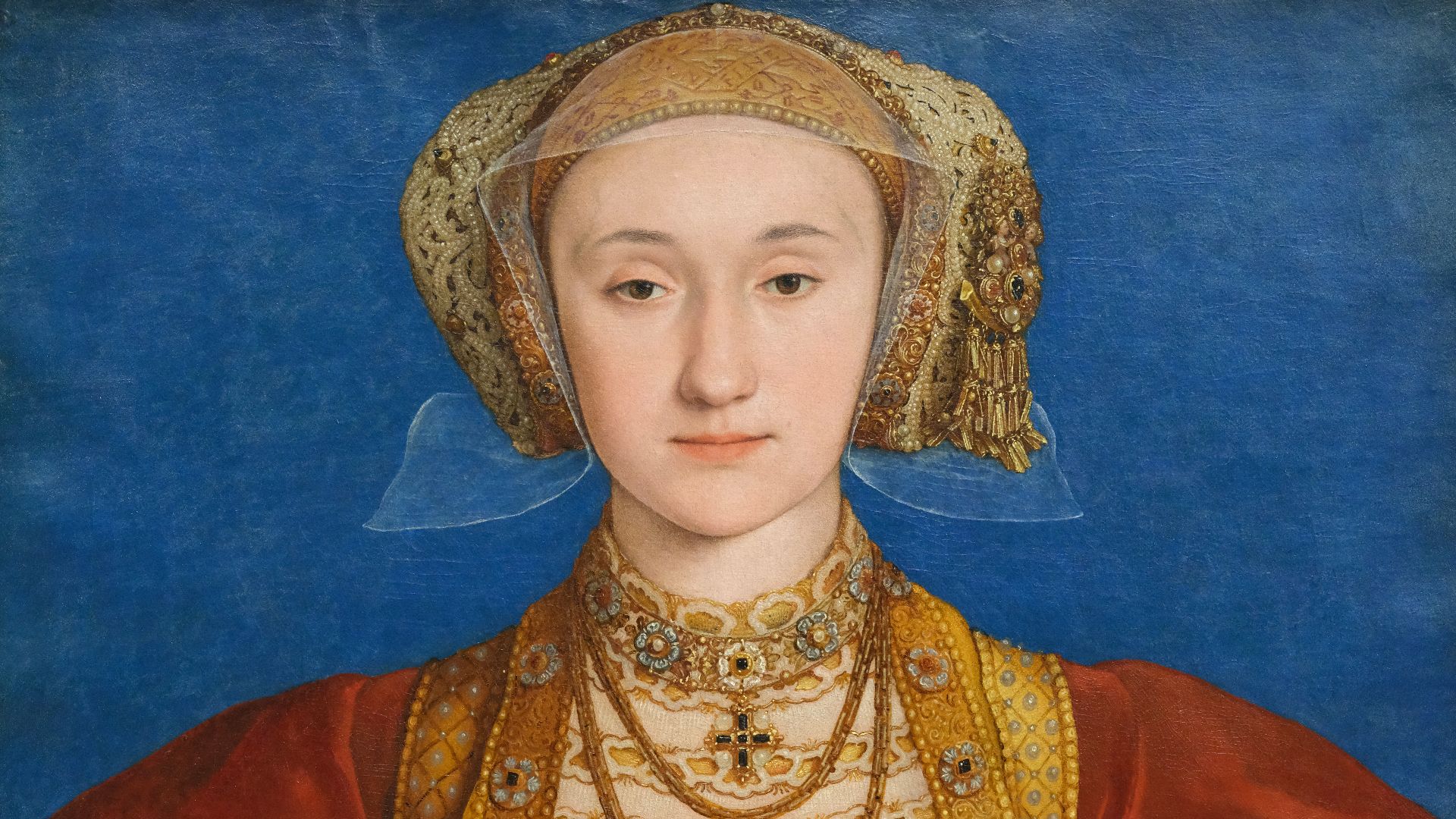 Hans Holbein the Younger, Wikimedia Commons
Their First Meeting Went Badly
Before introducing himself properly, Henry approached Anne in disguise, expecting her to recognize him through the magic of courtly love. She did not. The king’s pride suffered, and instead, turned it around on Anne, claiming that she was deeply unattractive, and nothing like her portrait. Anne’s failure was apparently not realizing that an unidentified stranger was England’s leading romantic fantasy enthusiast.
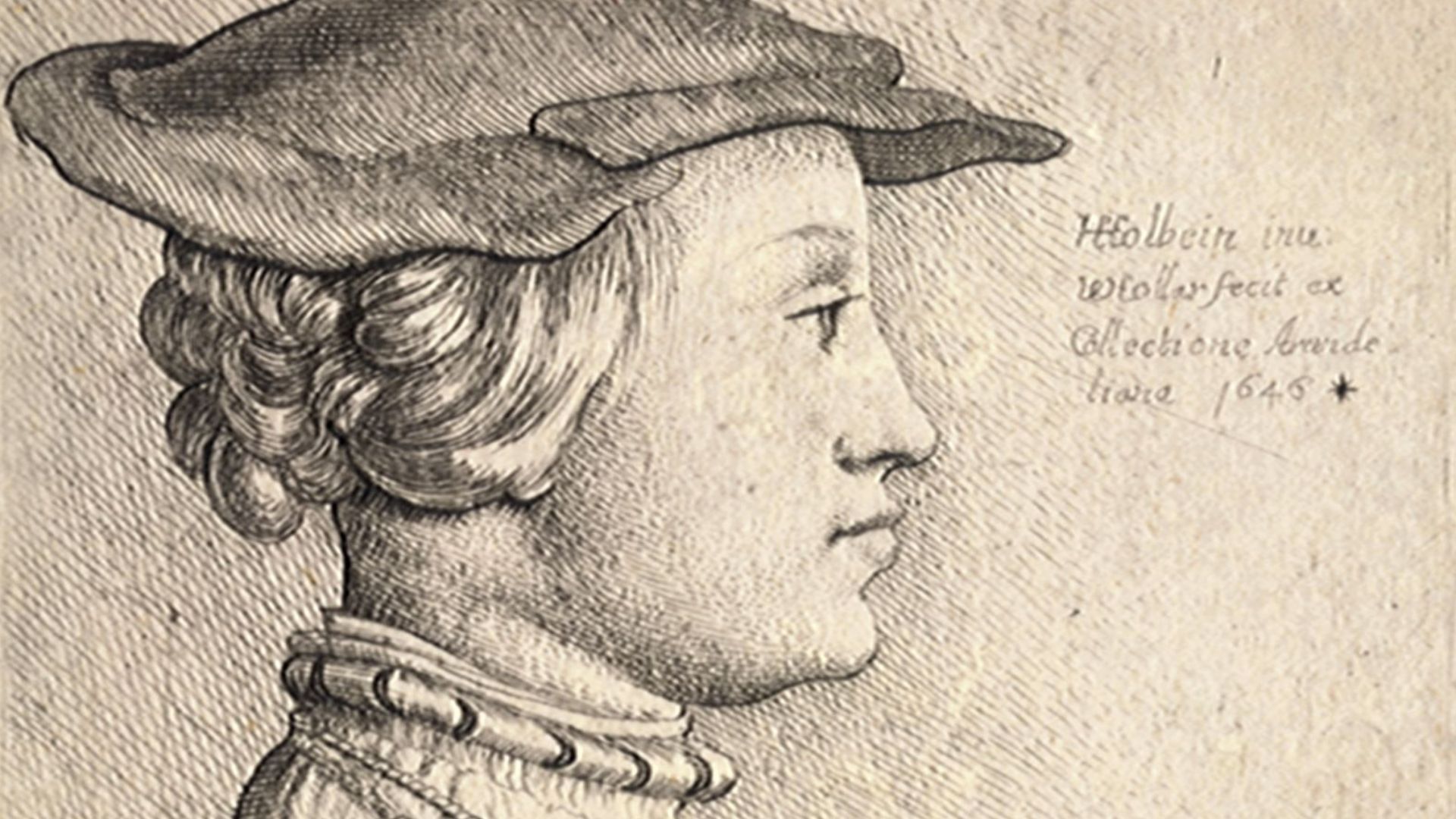 Wenceslaus Hollar, Wikimedia Commons
The Wedding Happened Anyway
Henry married Anne at Greenwich Palace on January 6, 1540. He immediately complained about the match and claimed the marriage had not been consummated. On July 9, after only six months, it was annulled. Not only that, Thomas Cromwell, who had arranged the romantic match, was executed weeks later.
Anne was Henry's fourth wife, and so far, the only surviving one.
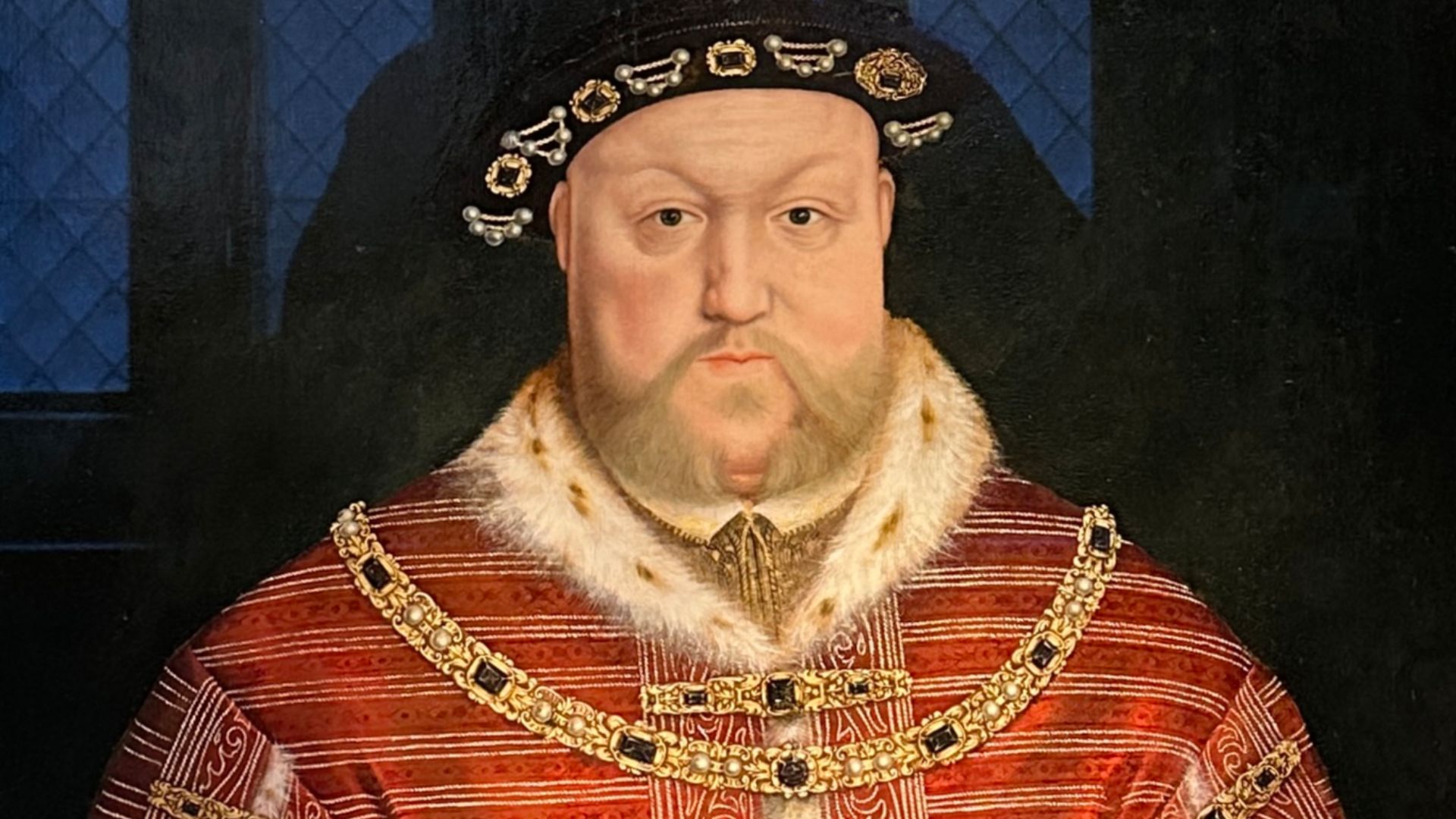
Anne Accepted an Excellent Exit Package
Anne cooperated and received estates, income, and the honorary position of the “King’s Beloved Sister.” She remained in England, maintained friendly relations with Henry’s children, and attended Mary I’s coronation. She lost a husband but gained independence—arguably the most successful negotiation in this entire article.
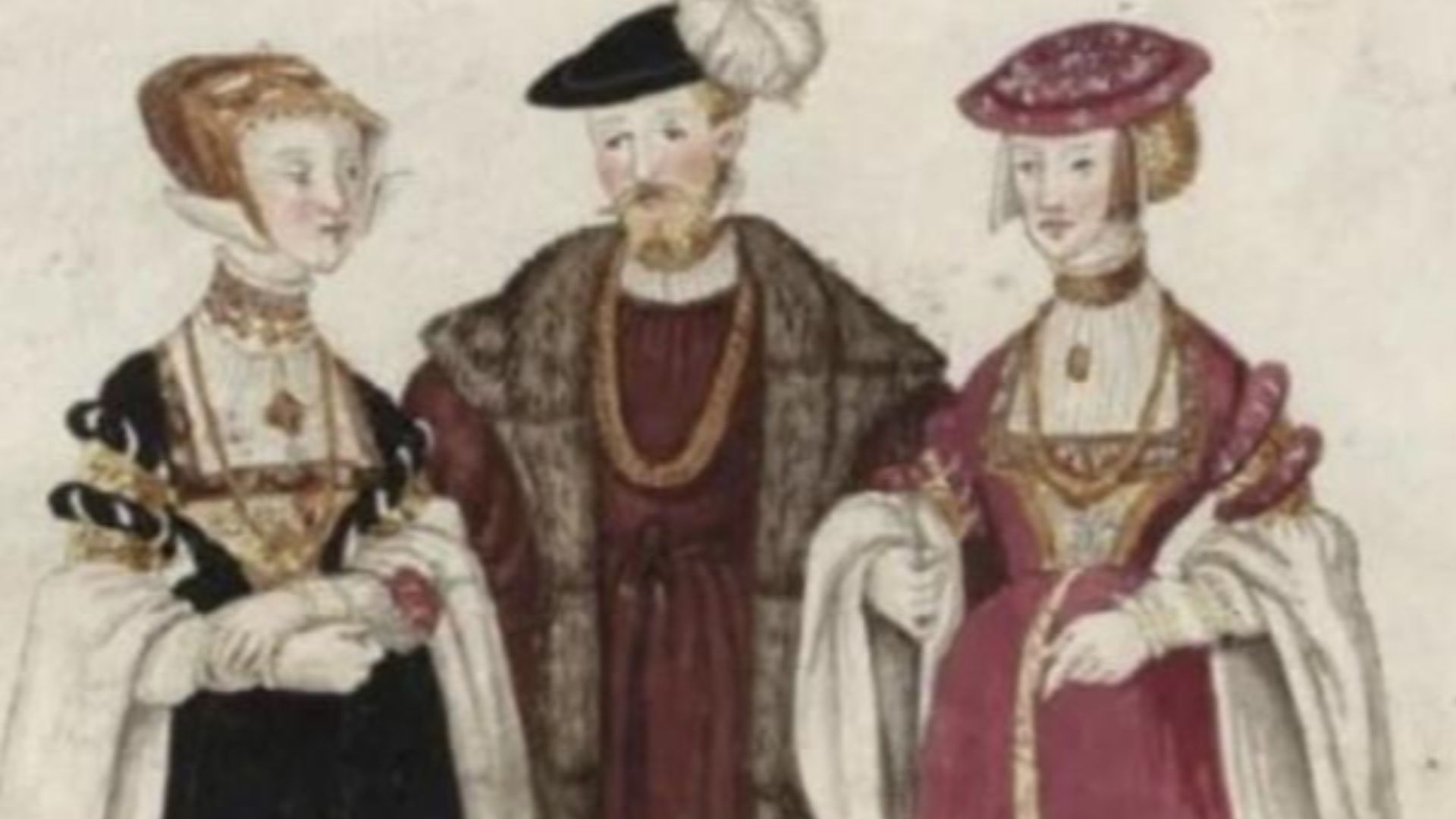
Her Death Came Years Later
Anne suffered periods of poor health before dying at Chelsea Manor on July 16, 1557, aged 41. The precise cause is uncertain. She outlived Henry and his other five wives, and became the only one buried in Westminster Abbey. Rejection had proved unexpectedly excellent for her life expectancy.
But Henry didn't stop at Anne.
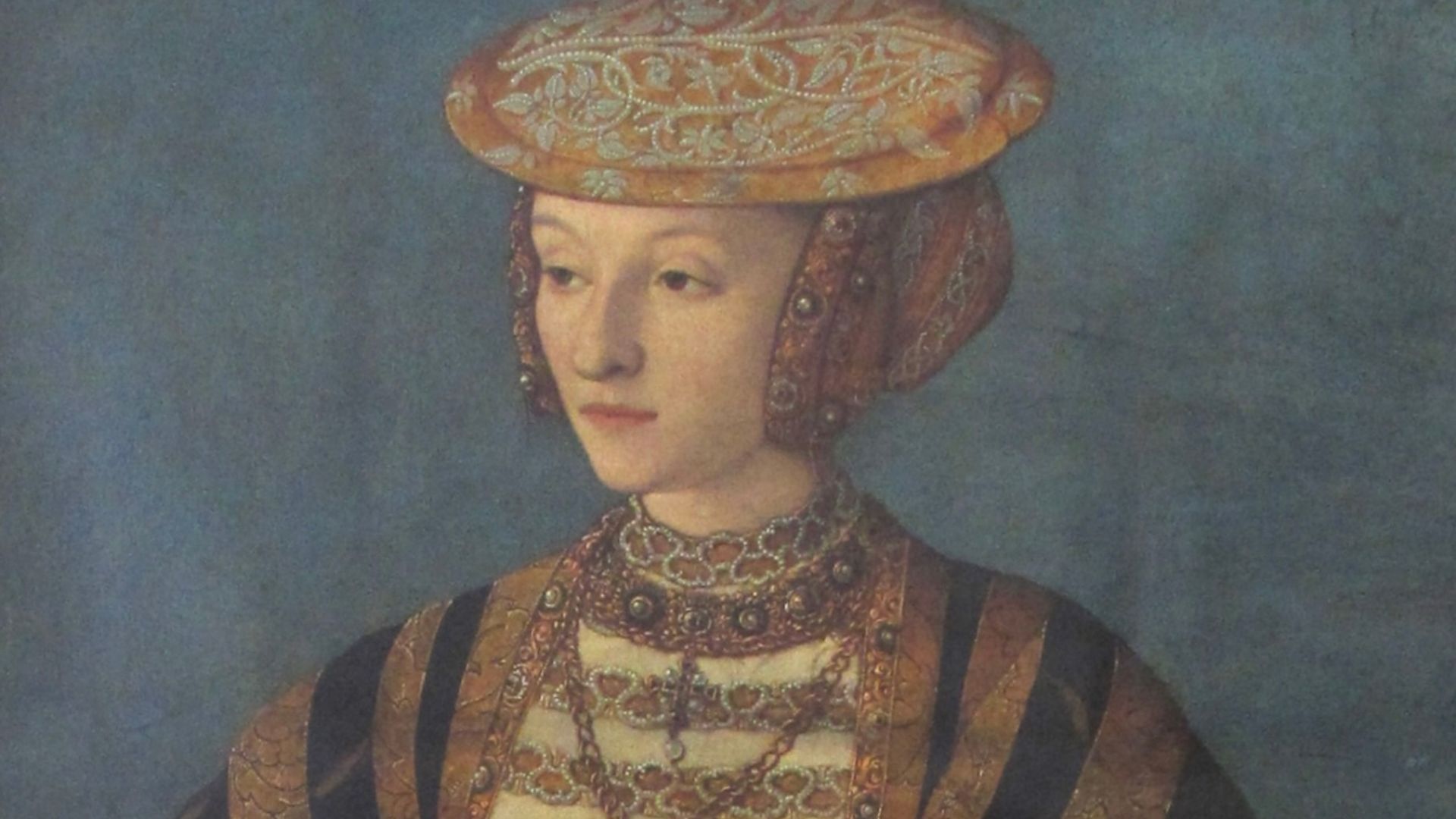 Hans Holbein the Younger, Wikimedia Commons
Catherine Howard Came From a Powerful Family
Catherine Howard was born sometime between 1521 and 1524 into the influential Howard family. She spent part of her youth in the household of her step-grandmother, the Dowager Duchess of Norfolk, where supervision was notoriously loose. Her exact age remains uncertain, but she was extremely young.
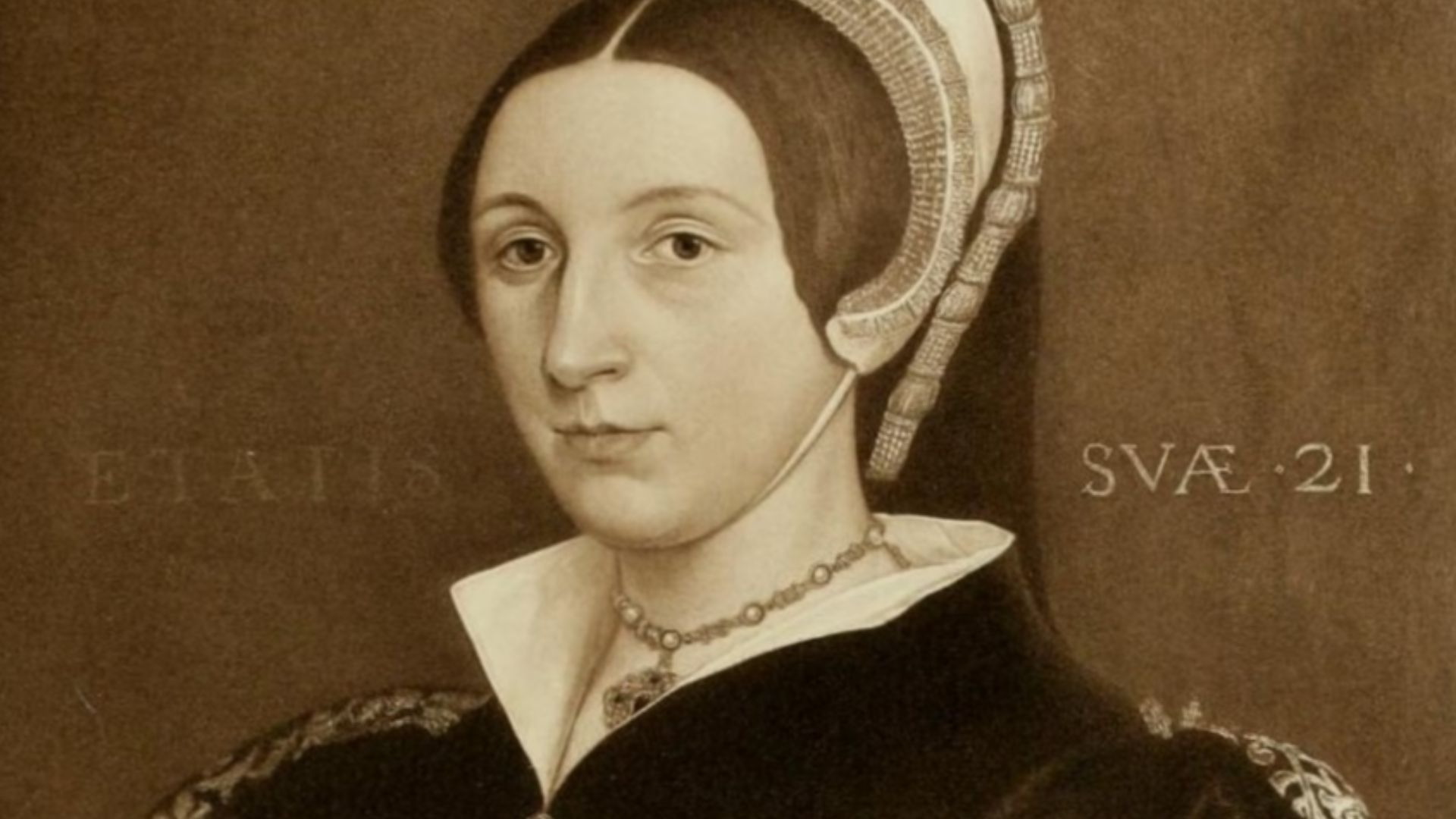 After Hans Holbein the Younger, Wikimedia Commons
She Became Henry’s Fifth Queen
After serving Anne of Cleves, Catherine attracted Henry’s attention. They married at Oatlands Palace in Surrey on July 28, 1540—the same day Thomas Cromwell was executed. The aging king showered his teenage bride with gifts and called her his “rose without a thorn.”
But a young bride didn't necessarily mean a well-behaved bride.
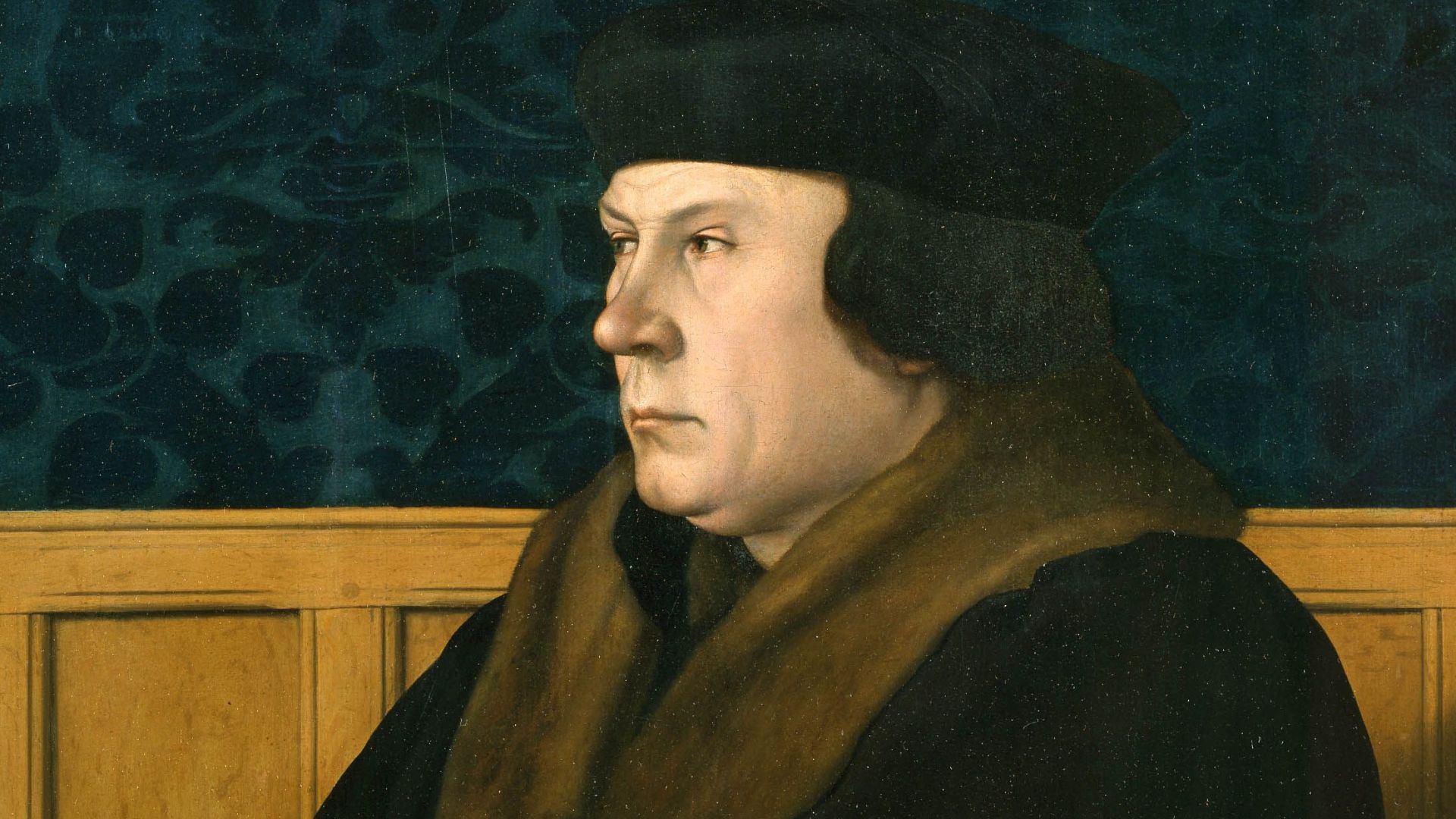 Hans Holbein the Younger, Wikimedia Commons
Her Past Returned Without Warning
Before marrying Henry, Catherine had relationships involving music teacher Henry Manox and Francis Dereham. Evidence later emerged that she had secretly met Thomas Culpeper after becoming queen, suggesting a romantic affair. Catherine's lady-in-waiting Jane Boleyn, Lady Rochford, helped arrange their meetings.
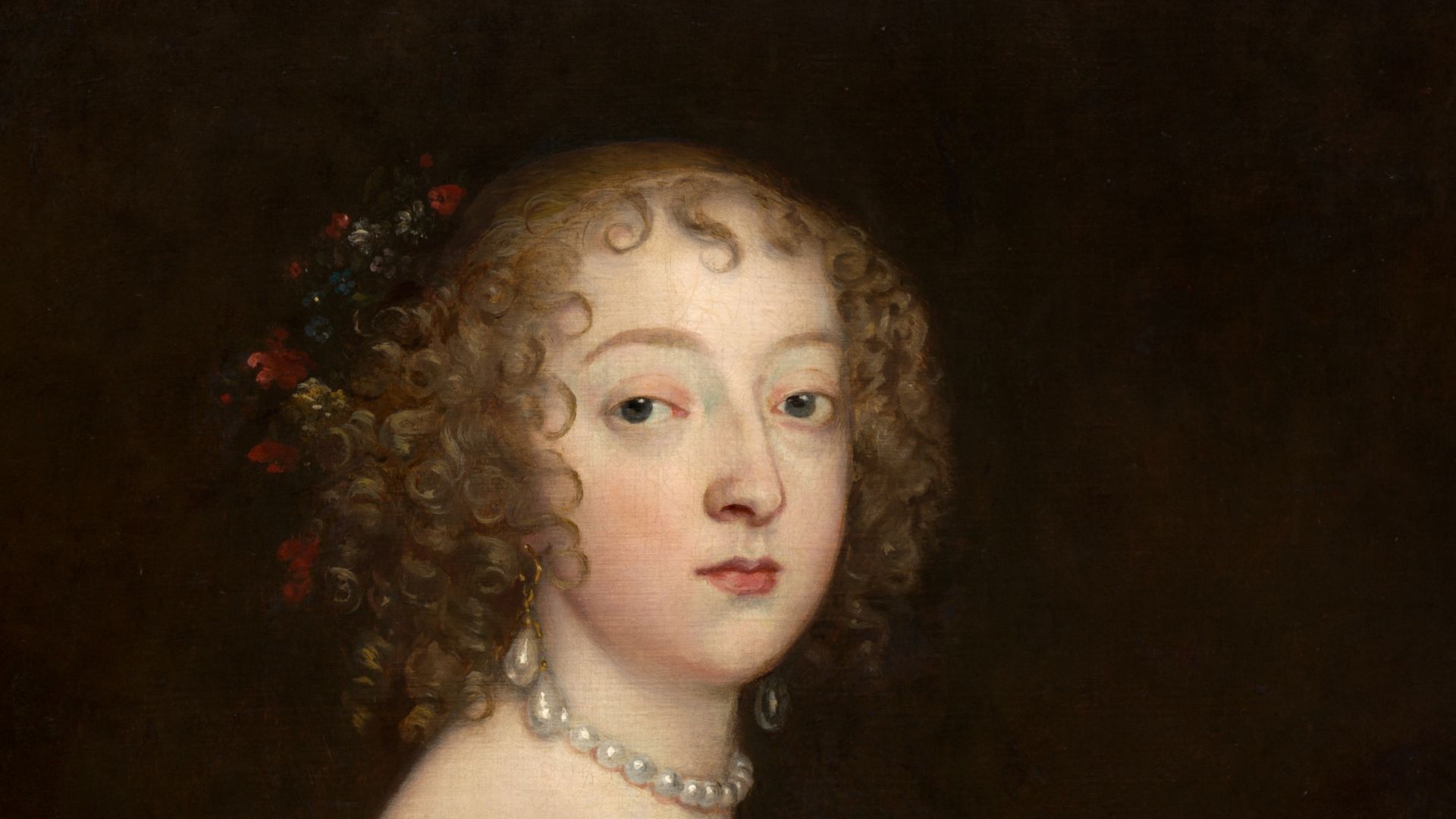 Anthony van Dyck, Wikimedia Commons
There Was No Conventional Trial
Catherine lost her title and was condemned. Dereham and Culpeper, the men she was previously involved with, were executed in December 1541. Catherine was sent to the Tower of London in February, and she may have passed their displaying heads on London Bridge along the way.
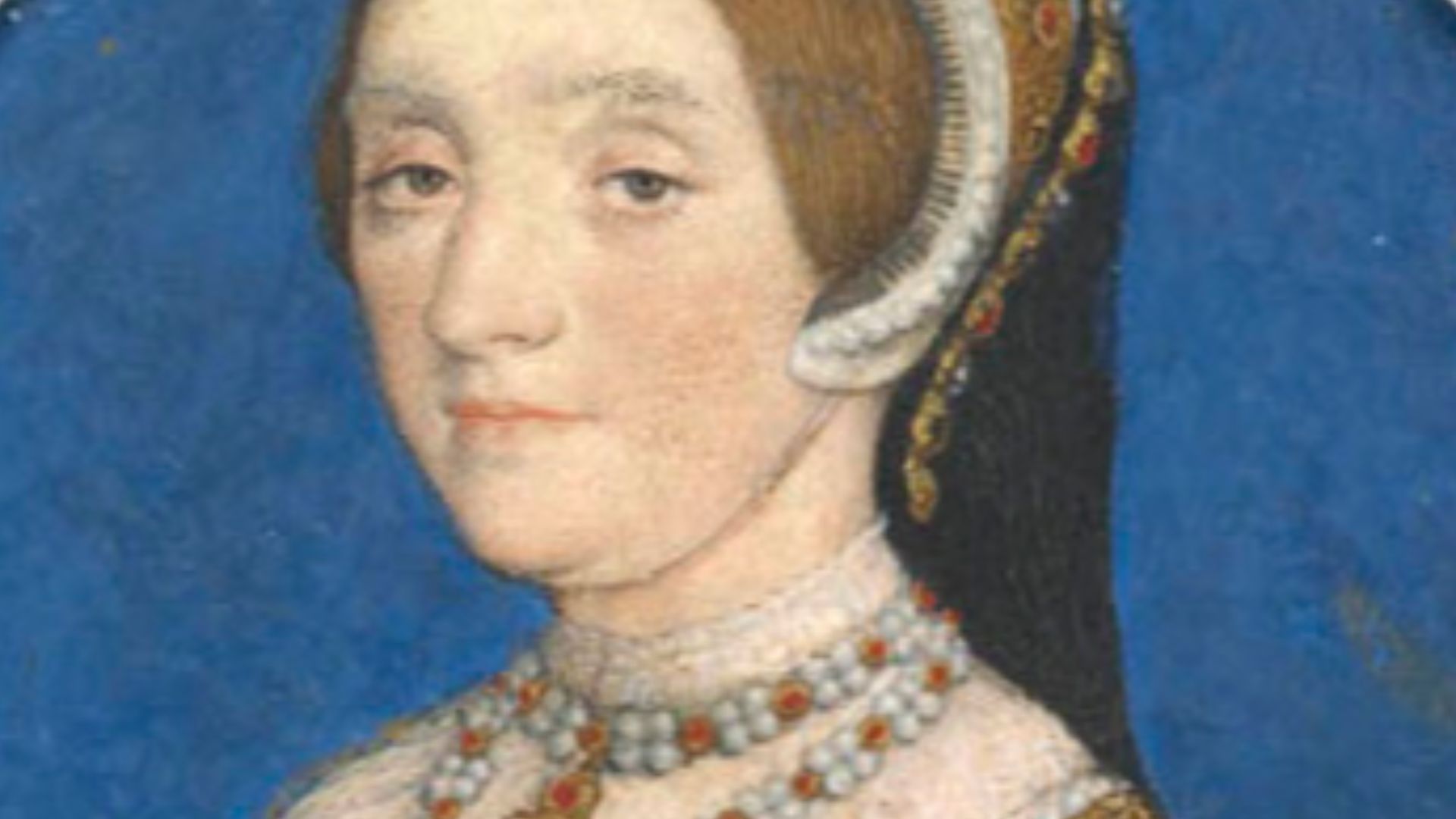 Hans Holbein the Younger, Wikimedia Commons
The Axe Fell on Tower Green
At 9 AM on February 13, 1542, Catherine was beheaded at the Tower of London. She was believed to be only 18 years old. Jane Boleyn was executed shortly afterward. Both were buried without formal funerals in the Chapel of St Peter ad Vincula.
As expected, Henry moved on.
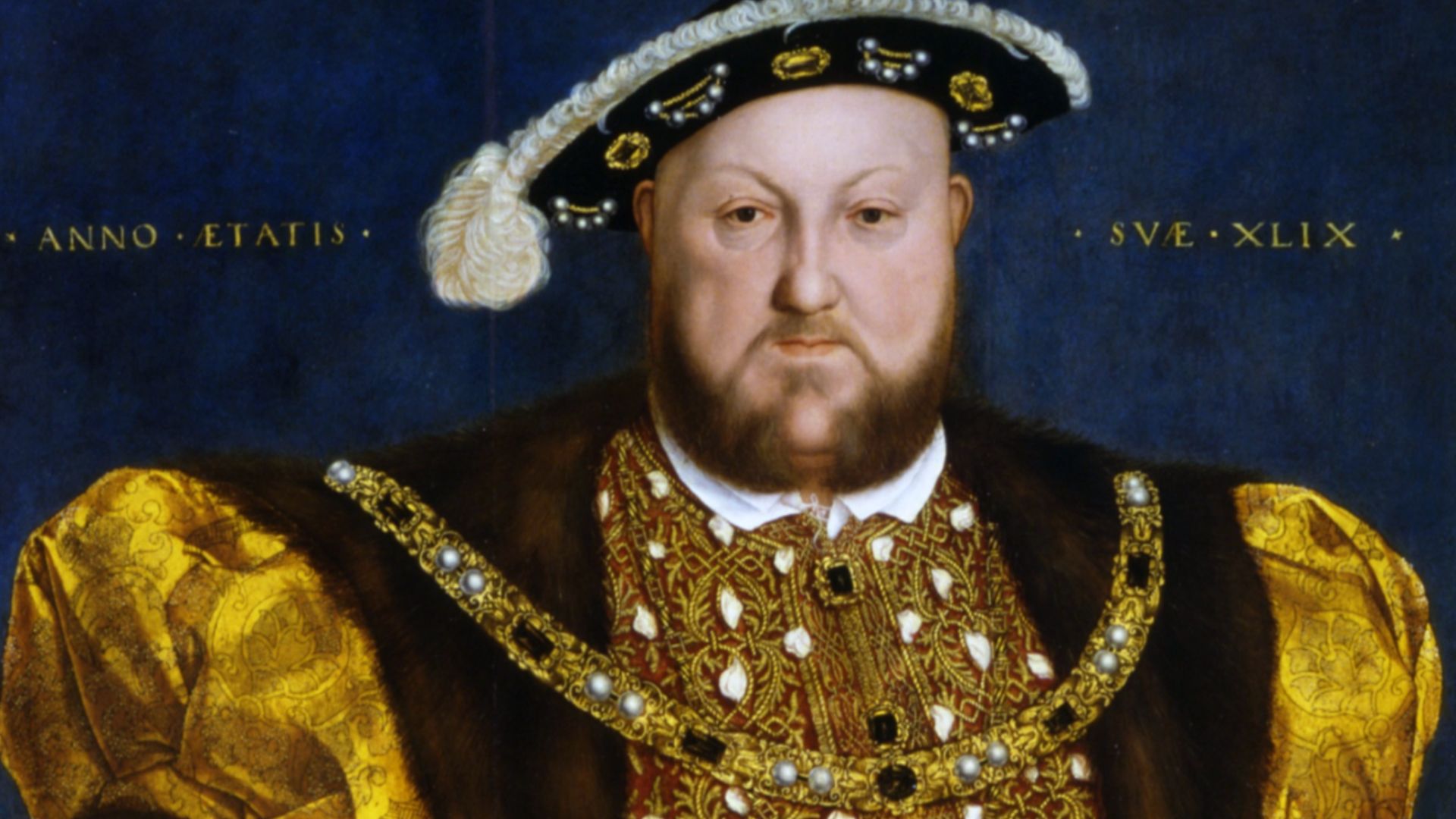 Hans Holbein the Younger, Wikimedia Commons
Catherine Parr Came From an English Noble Family
Born in 1512, probably in London, Catherine Parr belonged to a prominent family with roots in Kendal. By the time she entered Henry’s court, she had already survived two husbands. Educated and intellectually curious, she was more experienced than Henry’s previous young bride—and knew exactly what had happened to her.
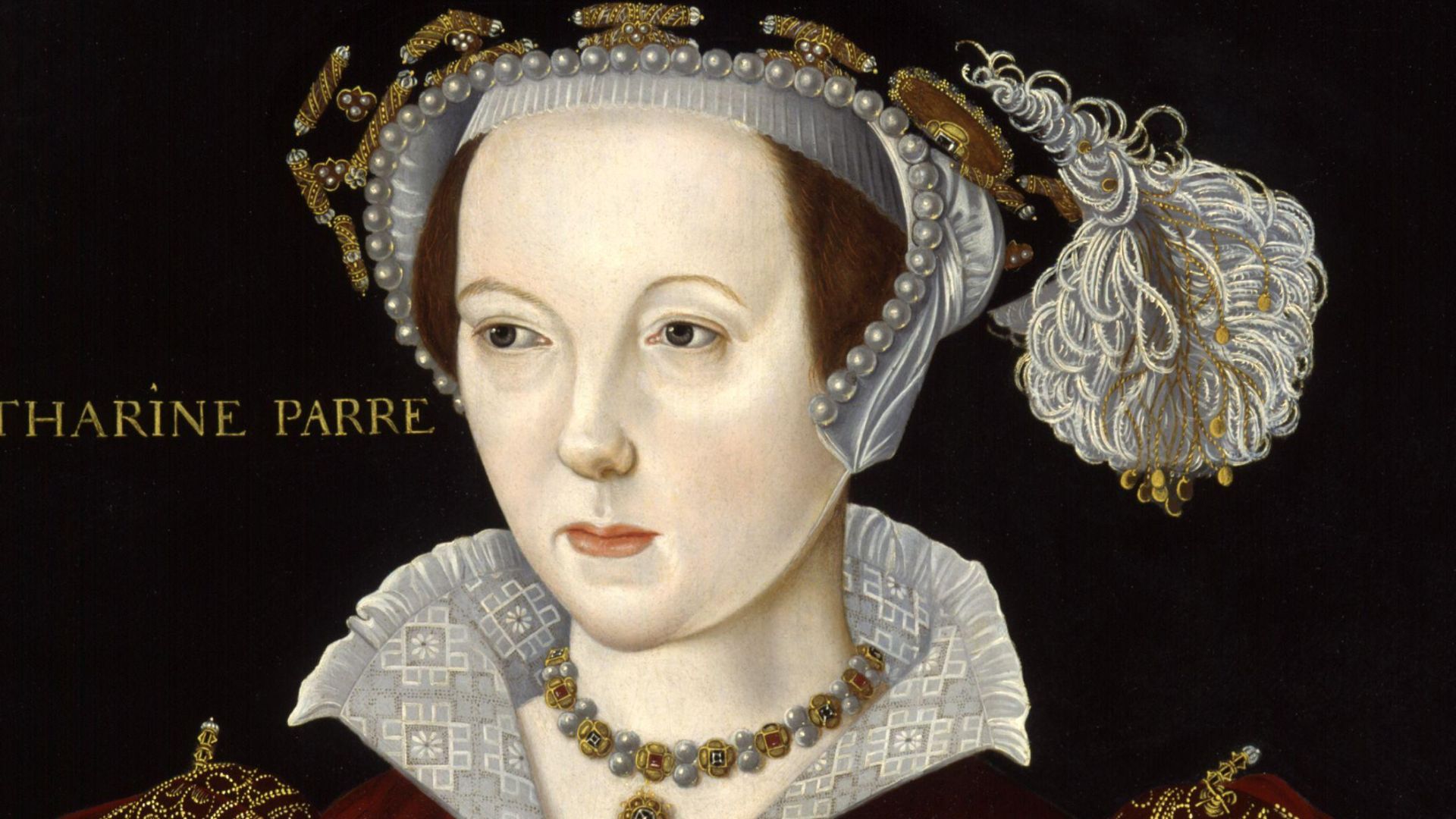
Becoming Wife Six Was Not Her First Choice
Catherine was in love with Thomas Seymour, Jane Seymour’s brother, when Henry proposed. But refusing a king with two executed wives was not a smart choice. Catherine married Henry in the Queen’s Closet at Hampton Court Palace on July 12, 1543, becoming his sixth and final queen.
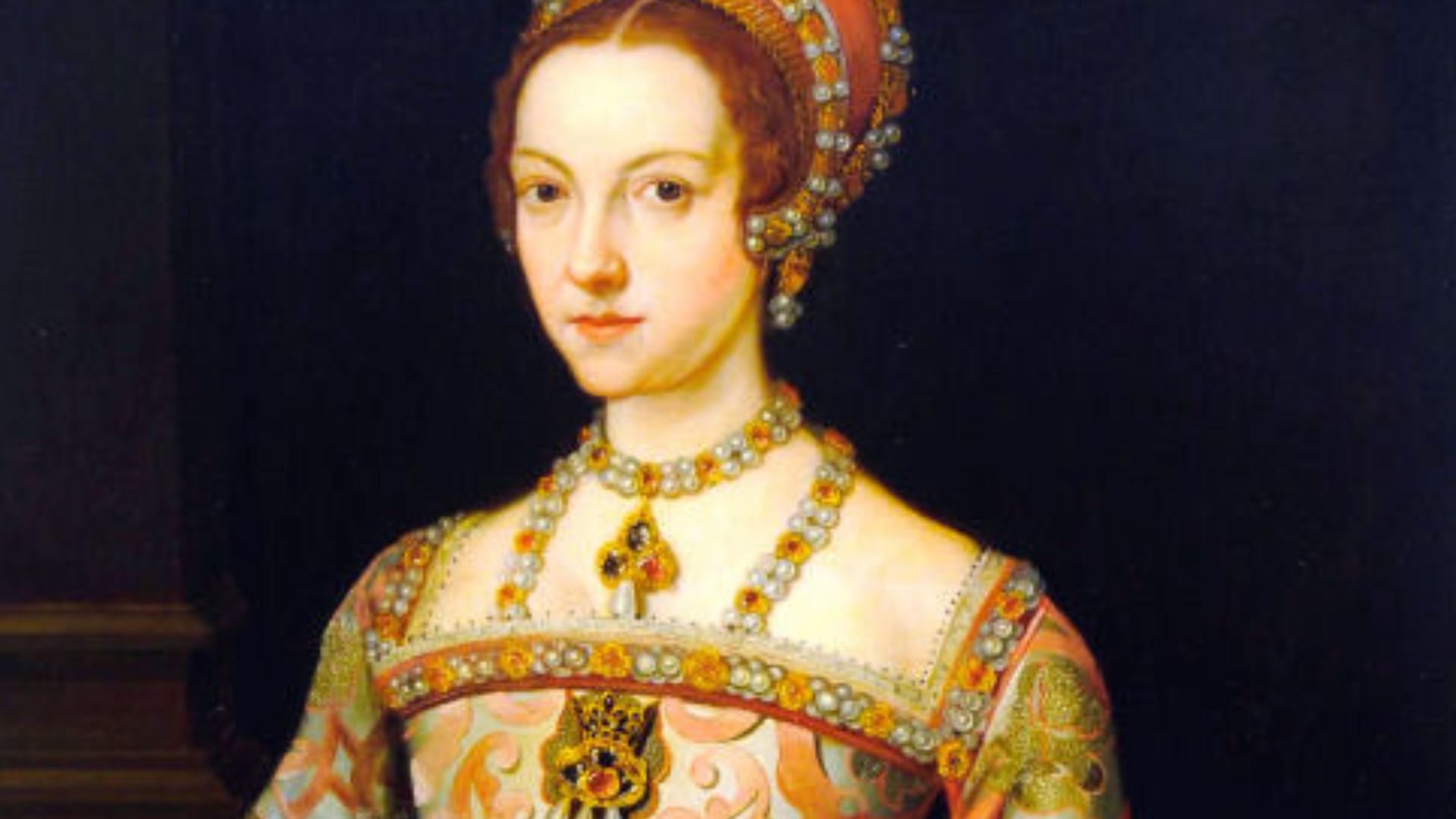 After Master John, Wikimedia Commons
She Nearly Became His Third Executed Queen
Catherine published religious writing and debated theology with Henry. Her reformist views alarmed conservative courtiers, and they prepared an arrest warrant for her in 1546. Catherine found out just in time and reconciled with Henry by saying her arguments were attempts to entertain and learn from him. Henry forgave her, and the warrant quietly disappeared.
Catherine managed to avoid the wrath of Henry.
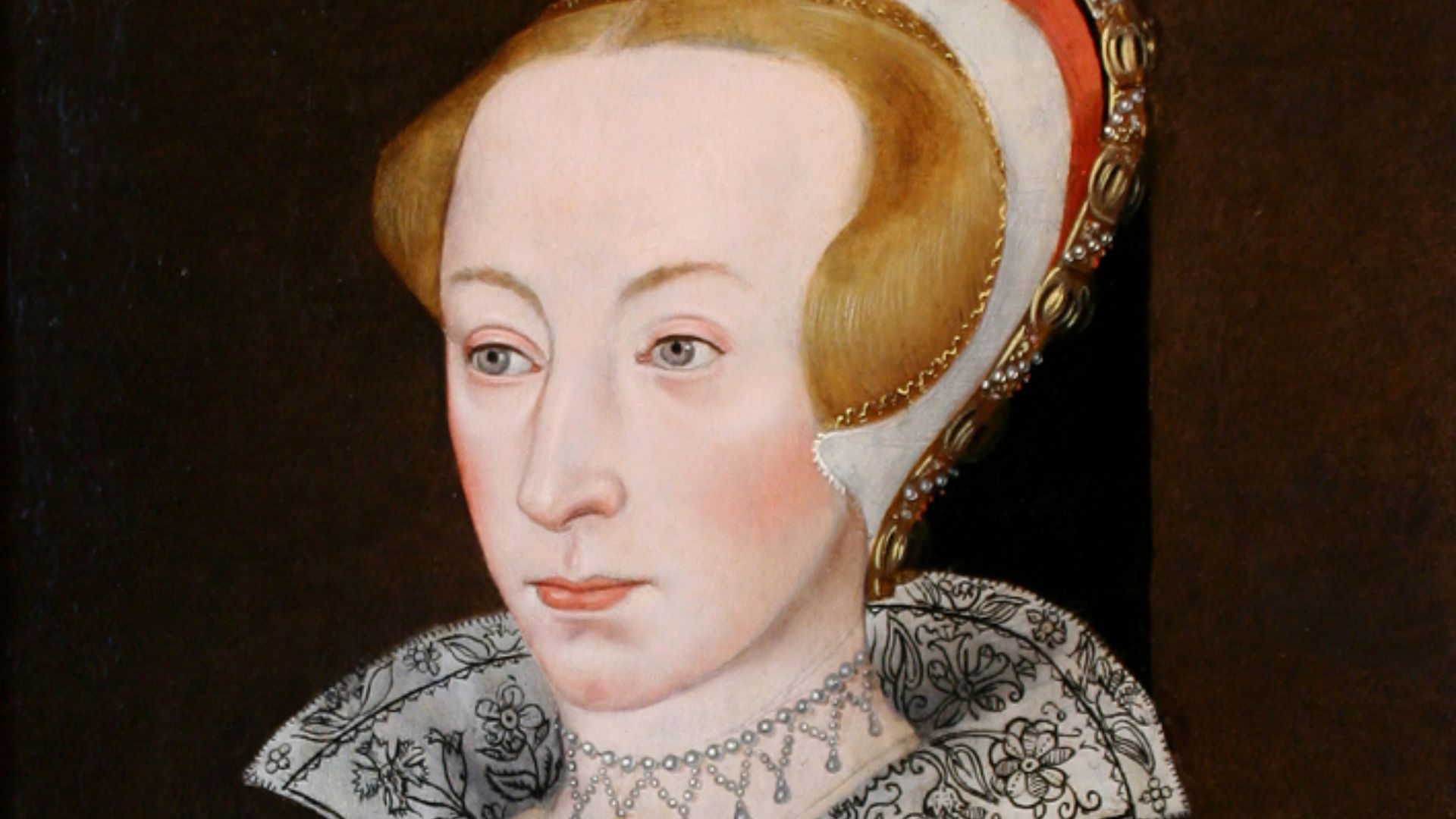 Hans Holbein, Wikimedia Commons
She Survived Henry—but Not for Long
Henry died on January 28, 1547, leaving Catherine free to marry Thomas Seymour. On August 30, 1548, at Sudeley Castle, she gave birth to her only child, Mary. Days later, Catherine developed childbed fever—the same broad category of infection that likely killed Jane Seymour.
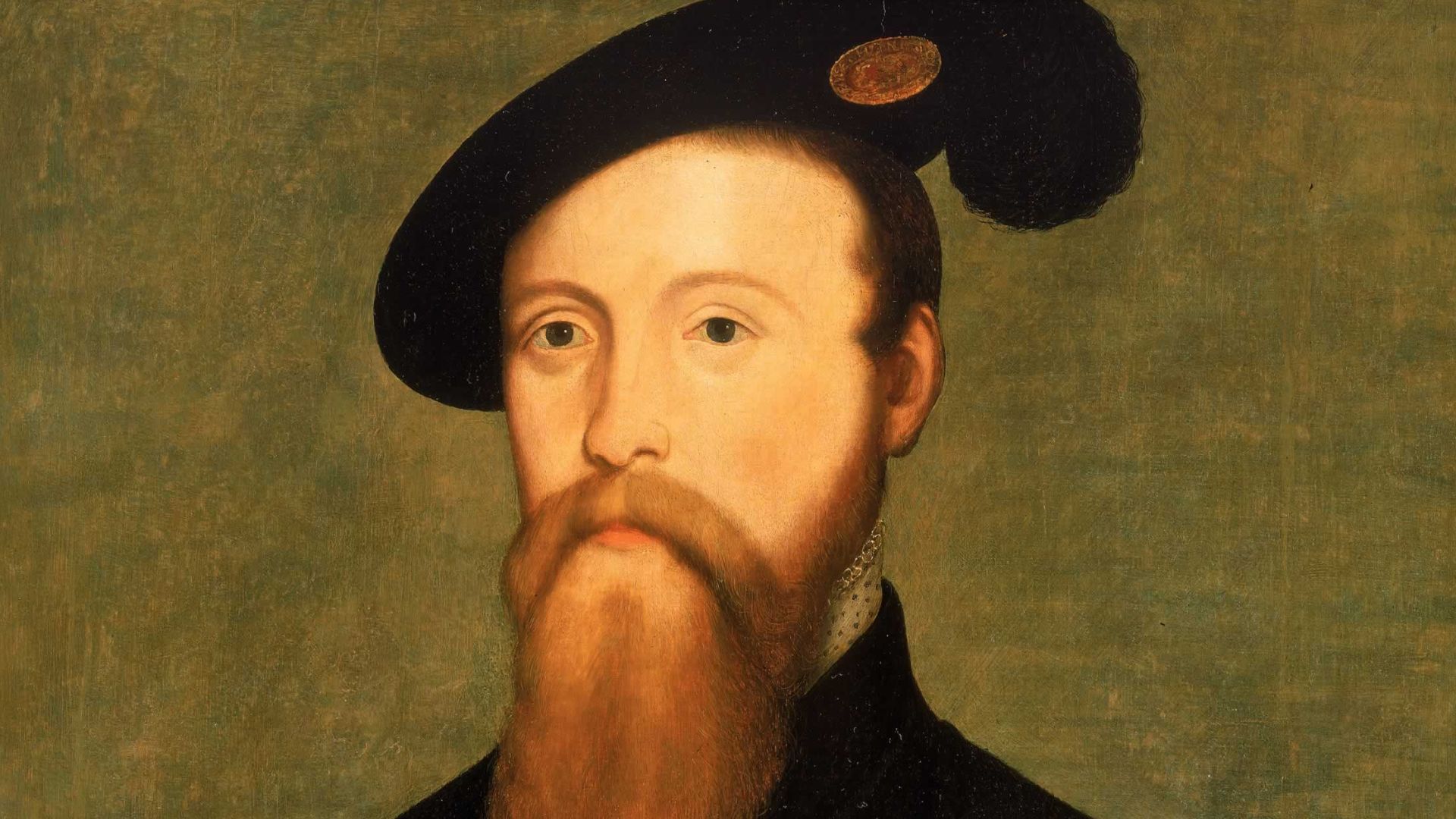 Nicolas Denizot, Wikimedia Commons
The Last Wife Met a Tragic End
Catherine Parr died at Sudeley Castle on September 5, 1548, aged 36. She was buried in St Mary’s Chapel on the estate. The queen who had survived Henry, an arrest plot, and three previous marriages was ultimately taken by one of Tudor England’s most common dangers: childbirth.
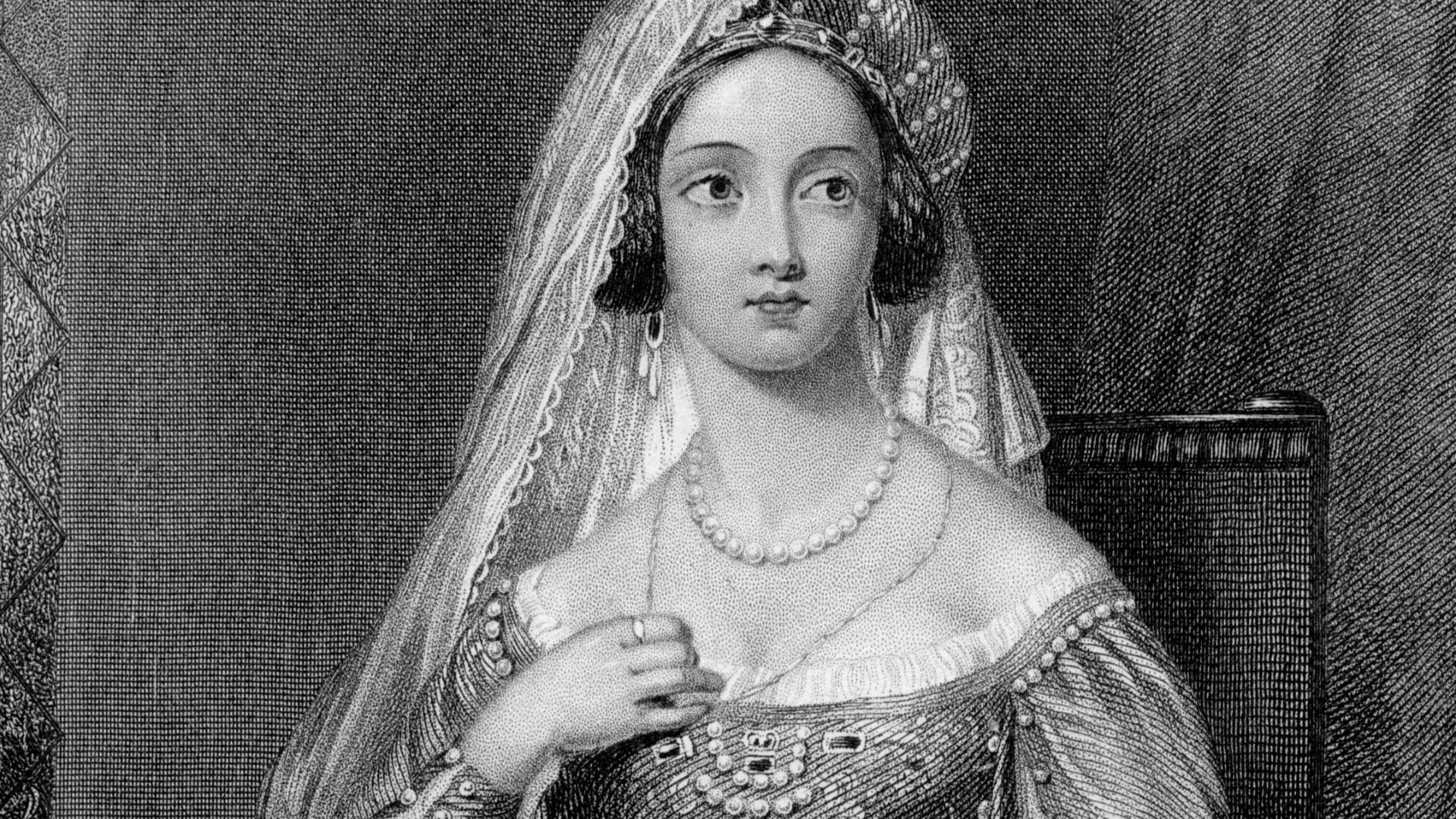 William Holl d’après «J. Herbert», Wikimedia Commons
They Were Always More Than Henry’s Wives
Catherine of Aragon governed, Anne Boleyn influenced a religious revolution, Jane Seymour produced an heir, Anne of Cleves built an independent life, Catherine Howard endured a merciless court, and Catherine Parr became a published author. Henry gave them a famous rhyme; their own stories gave history far more.
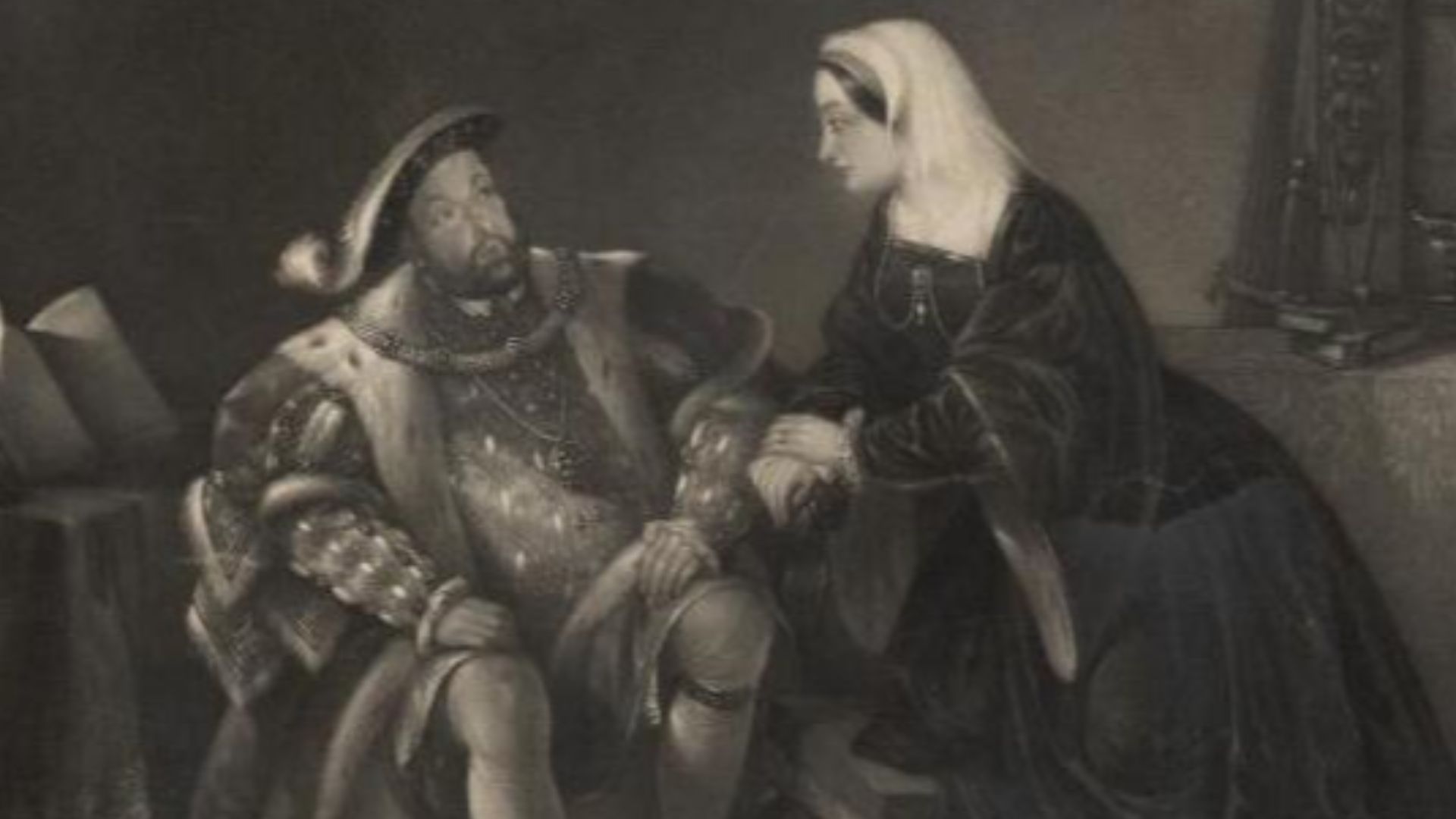 William Henry Kearney, Wikimedia Commons
You May Also Like: