
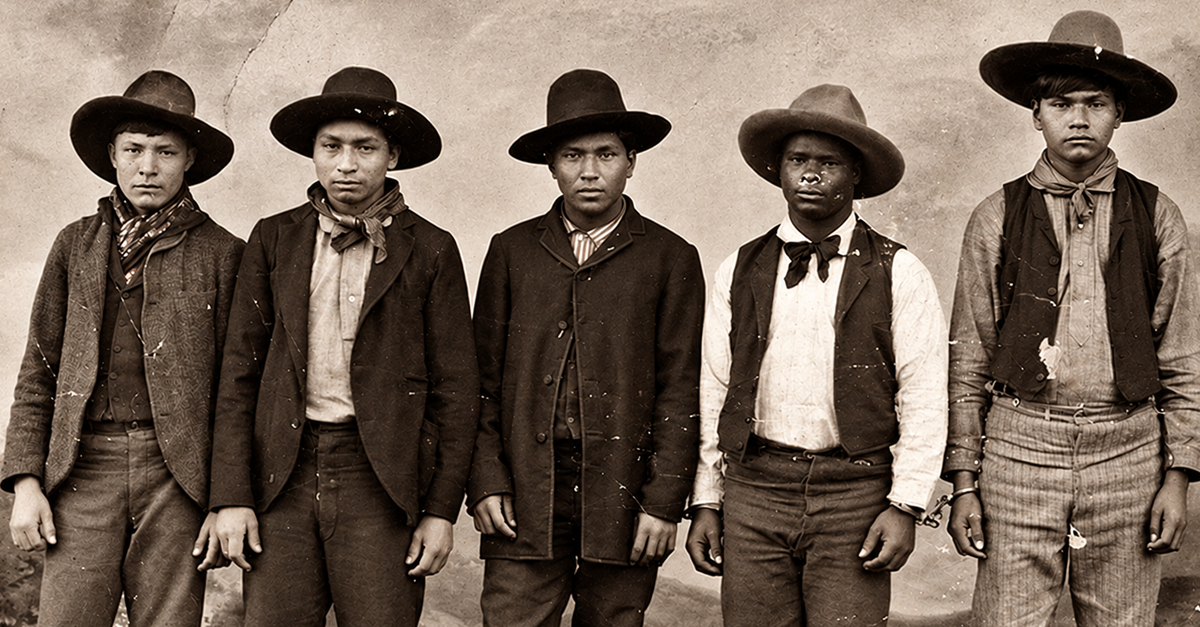
The Wild West Was Stranger Than The Movies
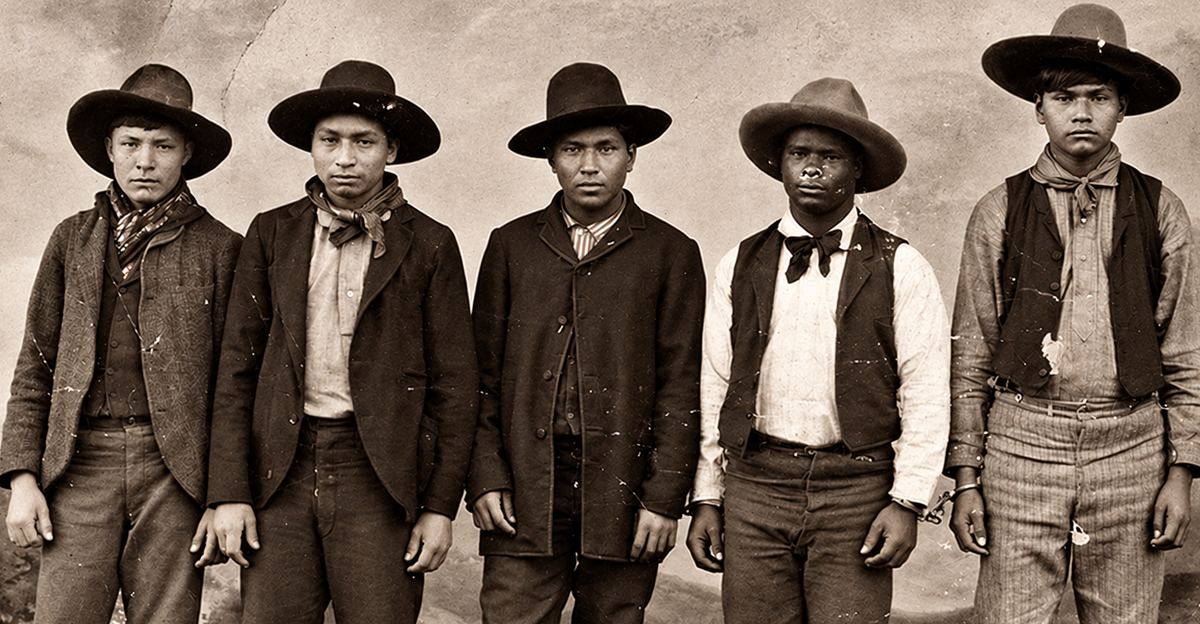
Forget the clean gunfights and heroic outlaws of Hollywood. Real frontier crime was much stranger, with murder inns, botched executions, armed cattle barons, disappearing families, and even an outlaw whose skin was turned into shoes. Many of these stories survive in court records, museum collections, government documents, and contemporary accounts. Some sound completely invented, but the truth is often even stranger.
 unknown photographers, Wikimedia Commons
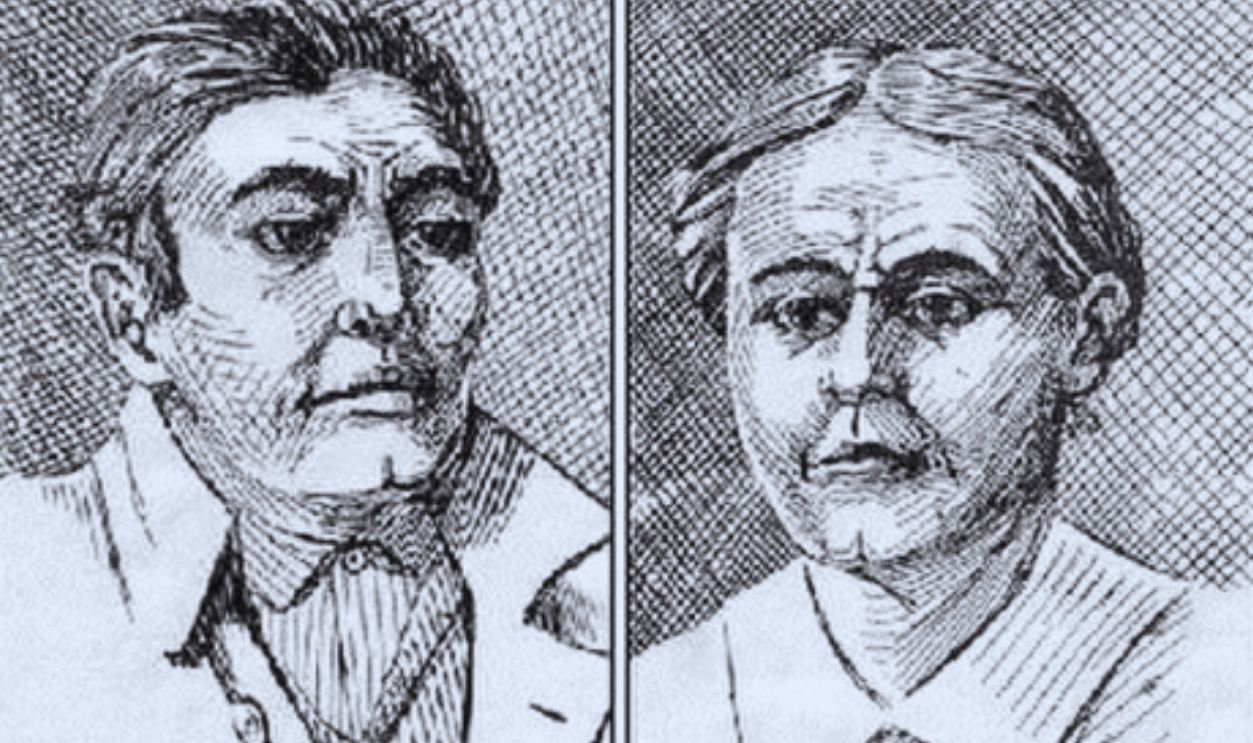
The Benders Opened An Inn On A Lonely Kansas Road
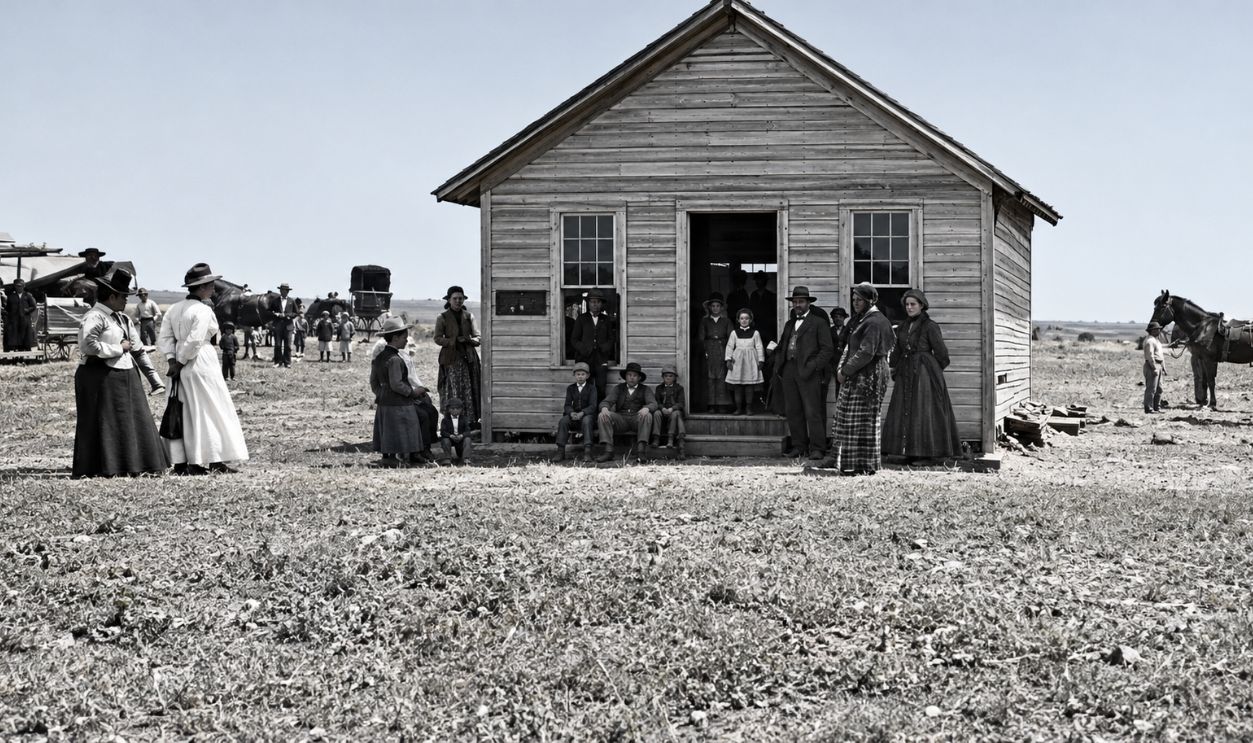
In the early 1870s, the Bender family settled in southeastern Kansas and opened a small grocery and roadside inn. Travelers passing through could stop for food, supplies, or a place to rest. The seemingly ordinary business hid something much darker. People who entered the Bender property had an alarming habit of disappearing.
 George R. Gamble, Wikimedia Commons, Enhanced
Their Dining Room Became A Death Trap
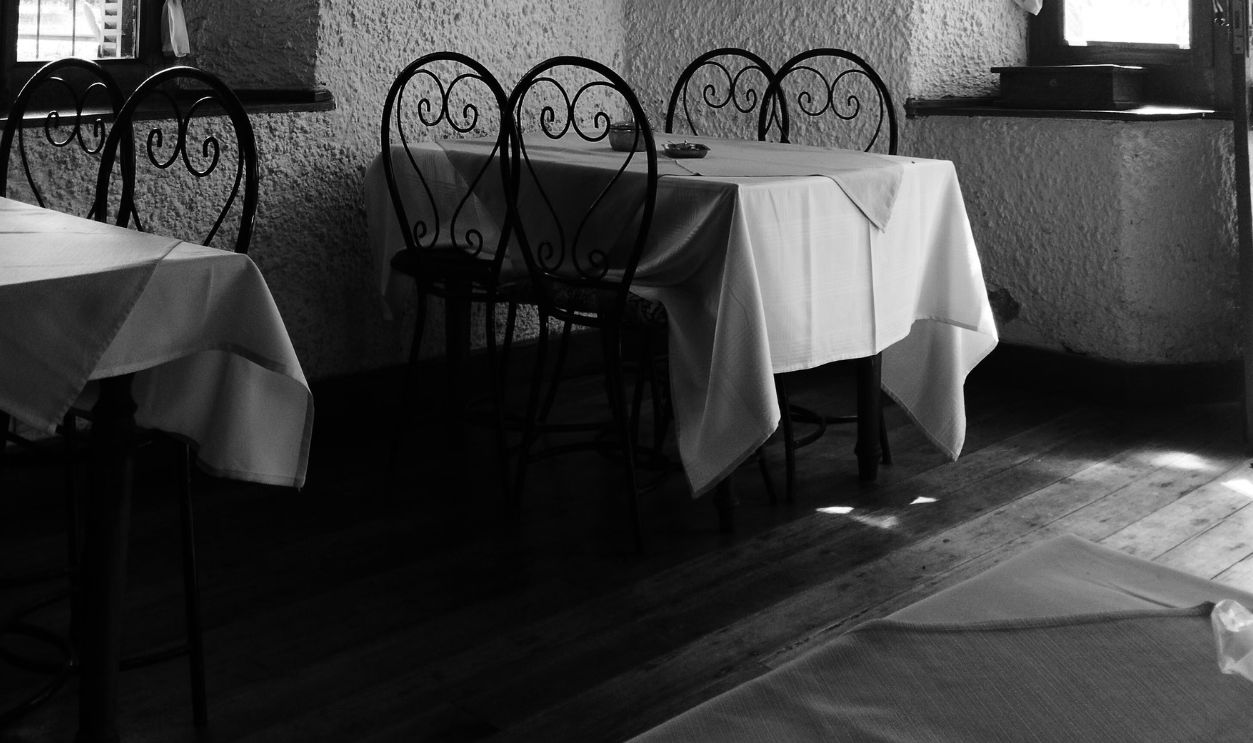
The Bender cabin was divided by a canvas curtain, with visitors apparently seated so their backs were positioned against it. Investigators concluded that victims were likely struck from behind while seated, then dropped through a trap door into the cellar. Their valuables were taken, and bodies were buried around the property. Kate Bender also advertised herself as a spiritualist and healer, making the family's operation even stranger.
 Nantenaina Andrianjaka, Pexels
Then The Entire Family Vanished
Suspicion intensified after physician William York disappeared in 1873. Searchers ultimately uncovered as many as 11 bodies on the Bender property, including York's, but the family had already fled. Authorities pursued sightings and rumors across several states. Nobody ever proved what happened to the Benders after their disappearance.
 John Towner James (author), Public domain, via Wikimedia Commons
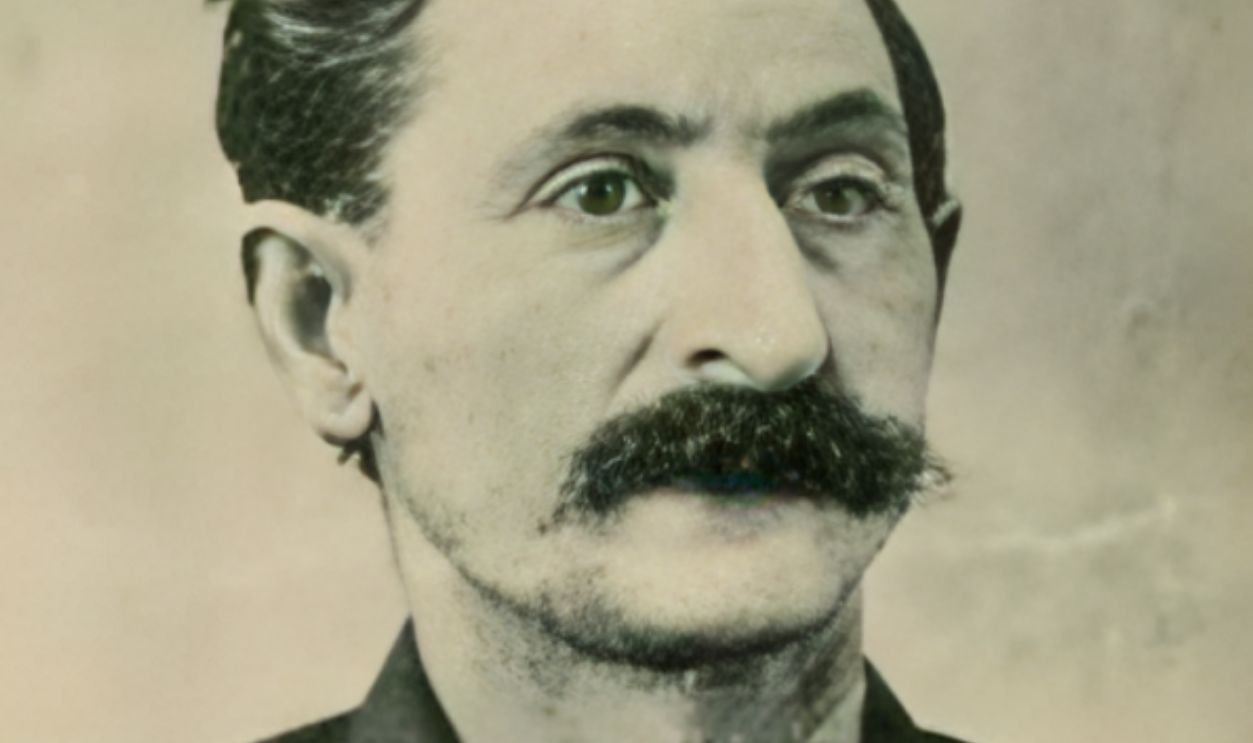
Big Nose George Tried To Derail A Payroll Train
In 1878, George Parrott, better known as Big Nose George, and his gang planned to rob a Union Pacific payroll train in Wyoming Territory. They tampered with the track near Medicine Bow, apparently hoping to derail the train and seize the money. Railroad workers noticed the damaged rail in time and repaired it. The failed robbery instead triggered a deadly manhunt.
 Unknown author, Wikimedia Commons, Enhanced
Two Men Tracking Him Were Killed
Deputy Robert Widdowfield and Union Pacific detective Henry "Tip" Vincent followed the gang to a camp near Elk Mountain. The outlaws were hiding nearby and opened fire, killing both men. Parrott remained free for nearly two more years before authorities finally captured him. What happened after his capture became even more notorious than the robbery attempt.
A Doctor Made Shoes From His Skin
Parrott was jailed in Rawlins, Wyoming, but a mob lynched him in March 1881 after he attempted to escape. Physicians John Osborne and Thomas Maghee claimed the body for medical study, and sections of Parrott's skin were made into a pair of shoes. Osborne later became governor of Wyoming and reportedly wore them to his 1893 inauguration. The shoes still survive in the Carbon County Museum.
The Daltons Tried To Rob Two Banks At Once
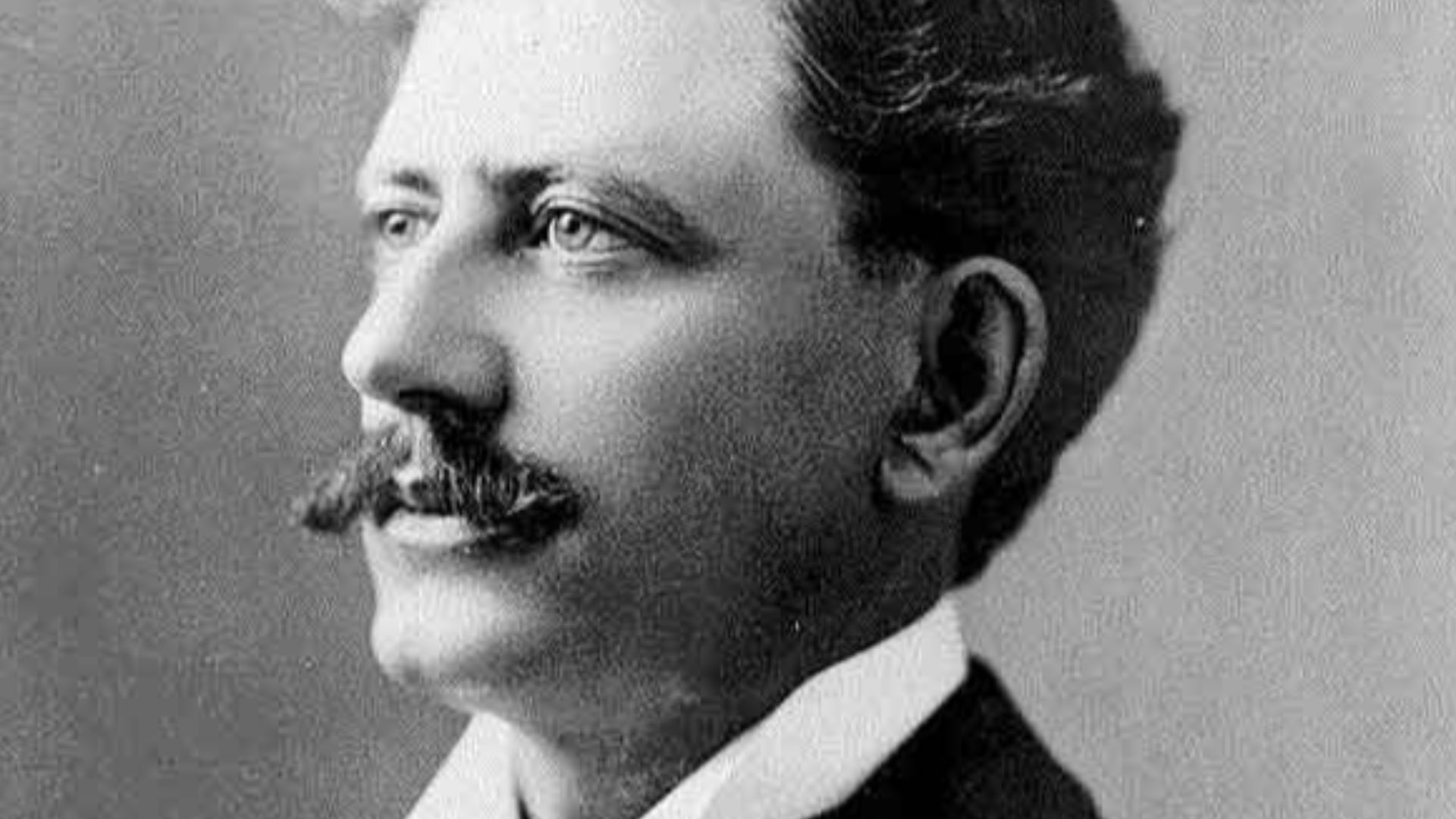
By 1892, the Dalton Gang wanted a crime spectacular enough to cement their reputation. Their plan was to rob two banks in Coffeyville, Kansas, at the same time. Several Dalton brothers had previously lived around Coffeyville, which made choosing their old hometown especially risky. Townspeople recognized the gang almost immediately.
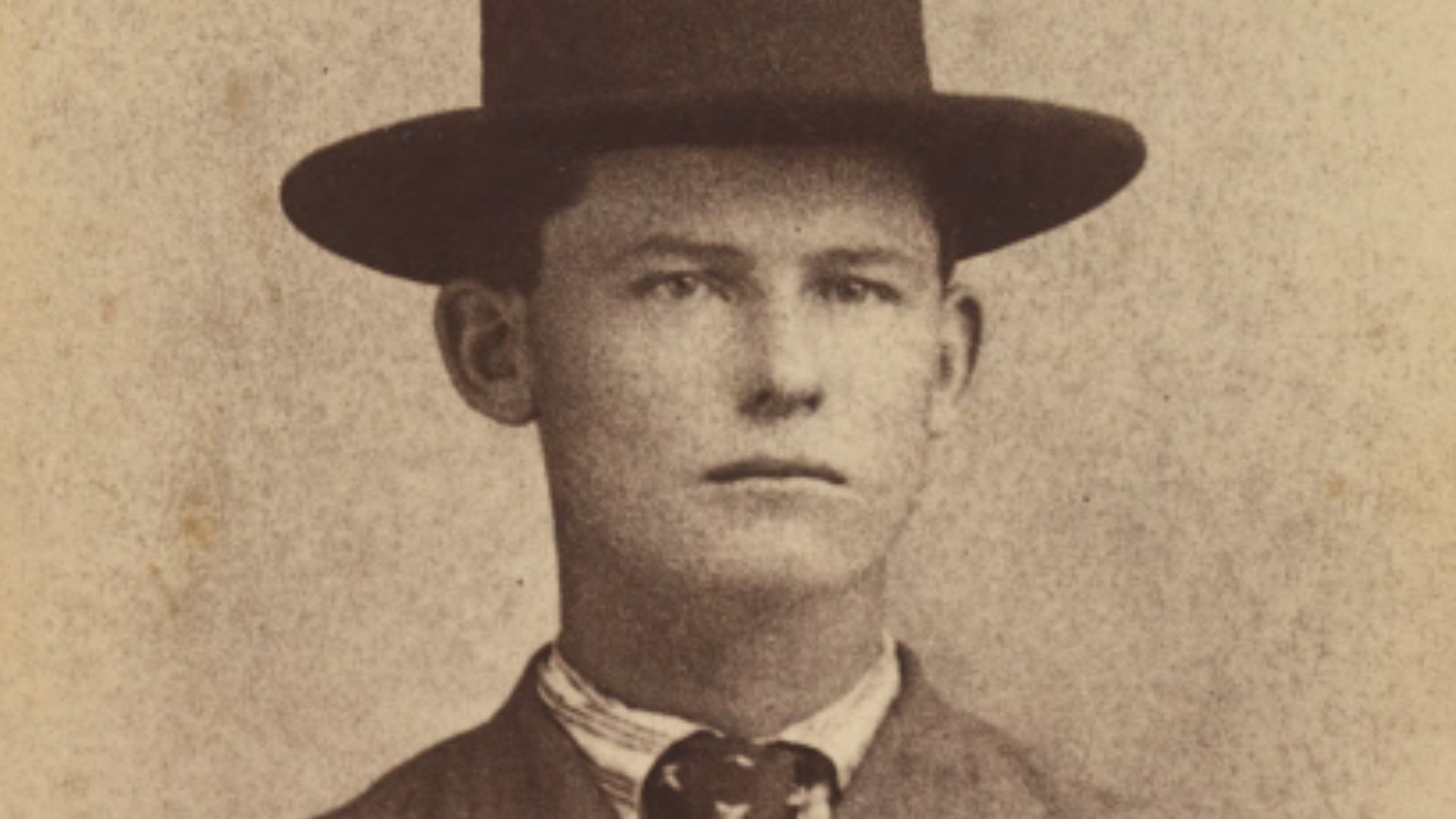 J. F. Standiford, Wikimedia Commons
One Banker Bought The Town Precious Minutes
At the Condon Bank, cashier Charles Ball told the robbers that the safe could not be opened immediately because of a time lock. There was no such restriction. While the gang waited, armed townspeople gathered weapons and took up positions nearby. The robbery quickly turned into a gun battle in the streets.
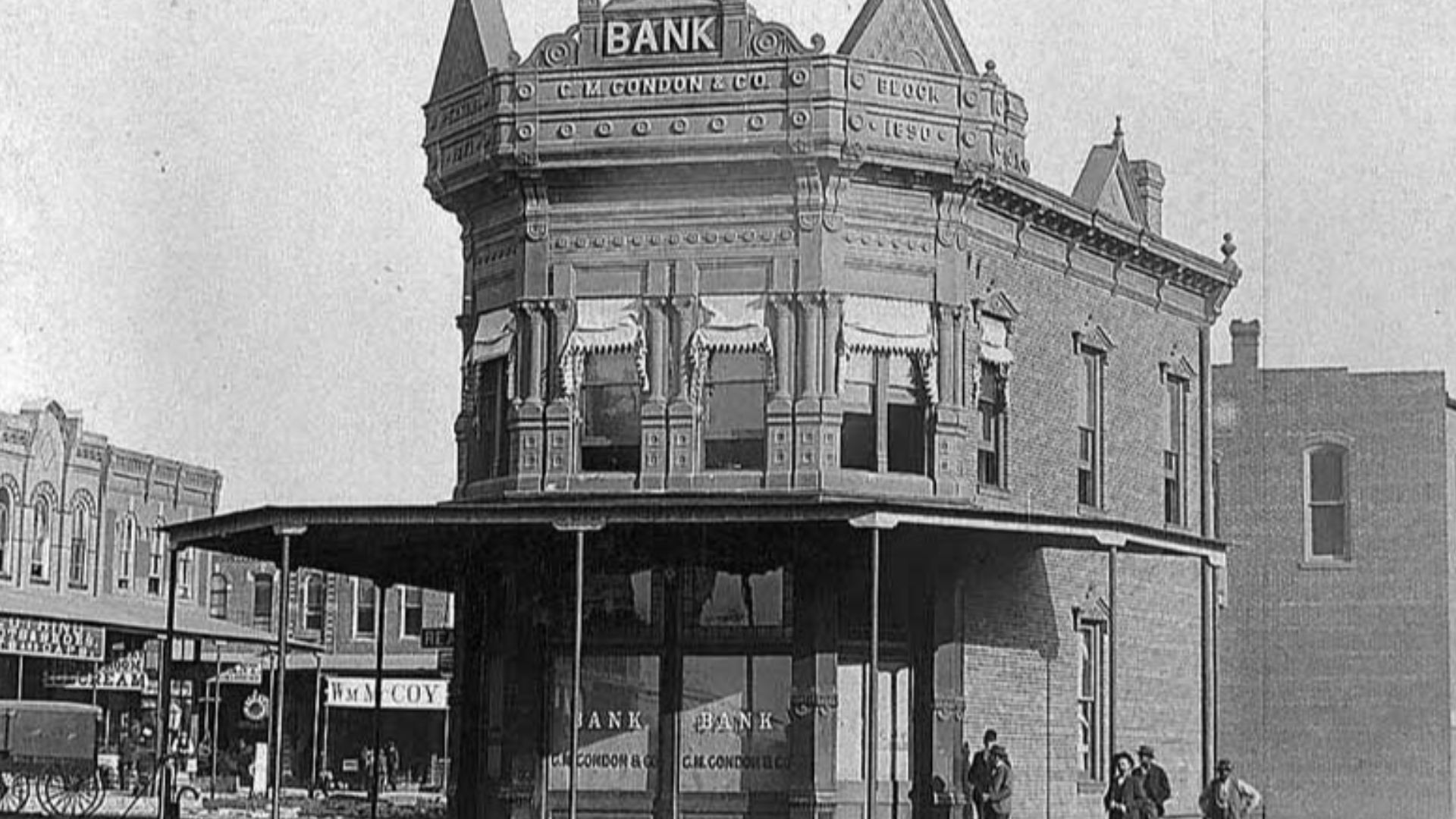 Unknown authorUnknown author, Wikimedia Commons

History's most fascinating stories and darkest secrets, delivered to your inbox daily.
The Dead Outlaws Became Souvenirs
Four gang members were killed, while Emmett Dalton somehow survived despite suffering 23 gunshot wounds. Four townspeople also died. Afterward, spectators cut pieces from the dead outlaws' clothing and took hair from their horses as souvenirs. Fragments connected to the raid eventually entered the Kansas Historical Society's collection.
 State of Kansas, Wikimedia Commons, Enhanced
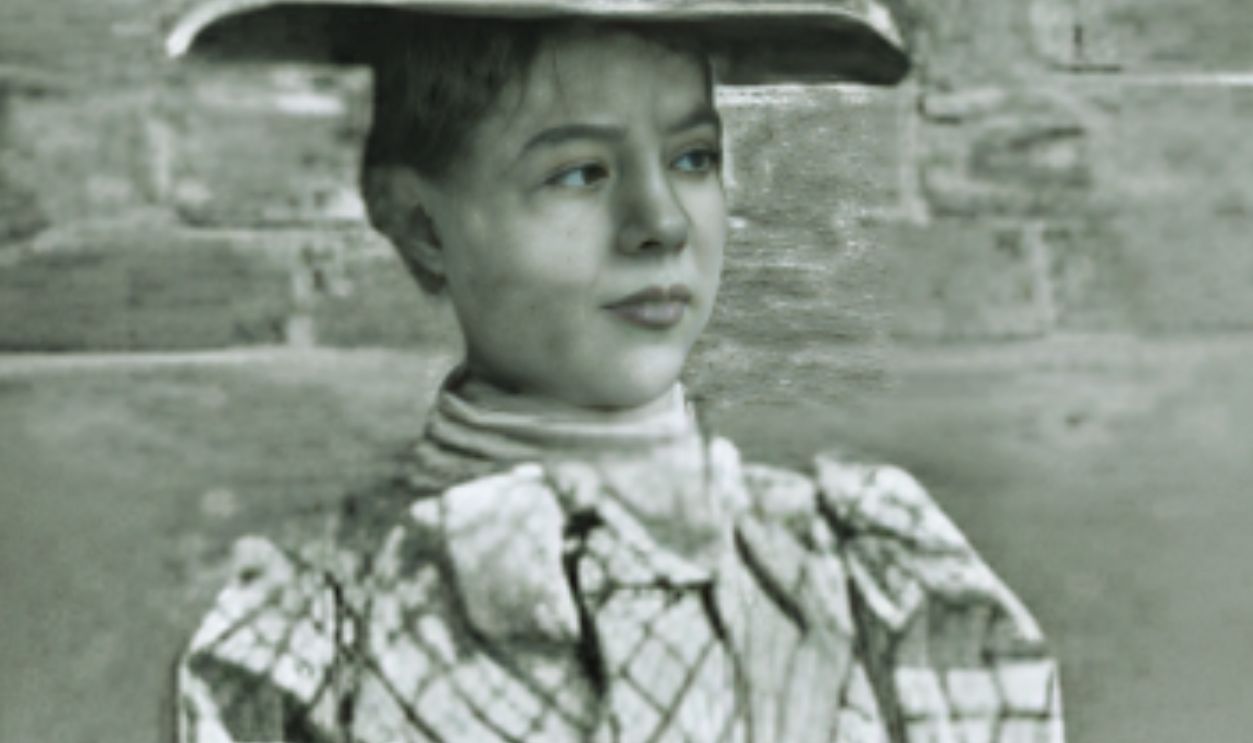
Pearl Hart Became A Frontier Media Sensation
In 1899, Canadian-born Pearl Hart and a partner known as Joe Boot robbed a stagecoach near Globe in Arizona Territory. They took money from passengers and fled into the surrounding country. Their criminal career was remarkably short. A posse captured them only days later.
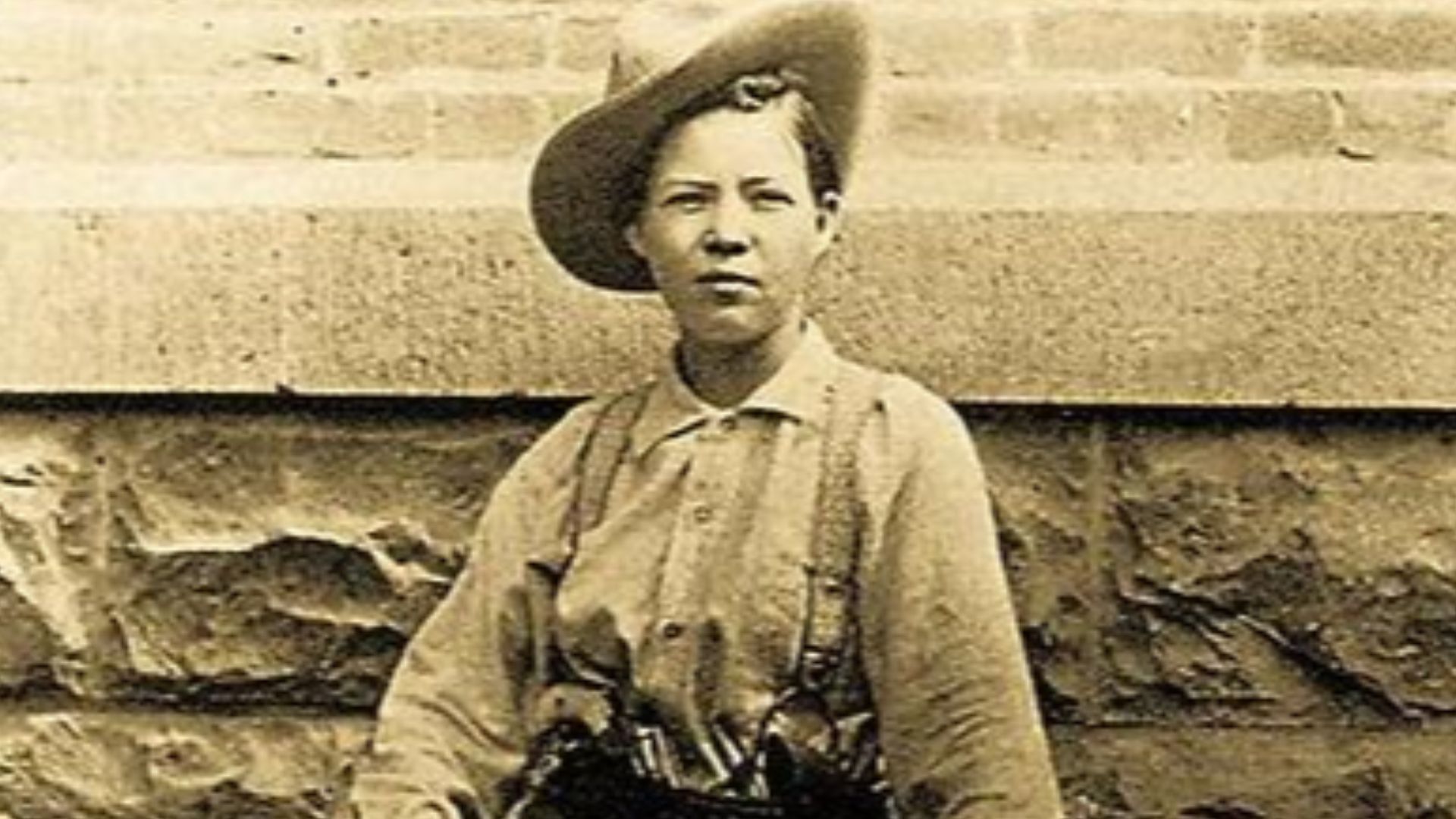 Unknown photographer, Wikimedia Commons
Reporters Could Not Get Enough Of Her
Hart became nationally famous partly because female highway robbers were unusual enough to fascinate newspapers. While jailed in Tucson, she gave interviews and attracted reporters from across the country. The publicity transformed what might otherwise have been a relatively minor stagecoach robbery into a national story. Then Hart gave the press something even better by escaping.
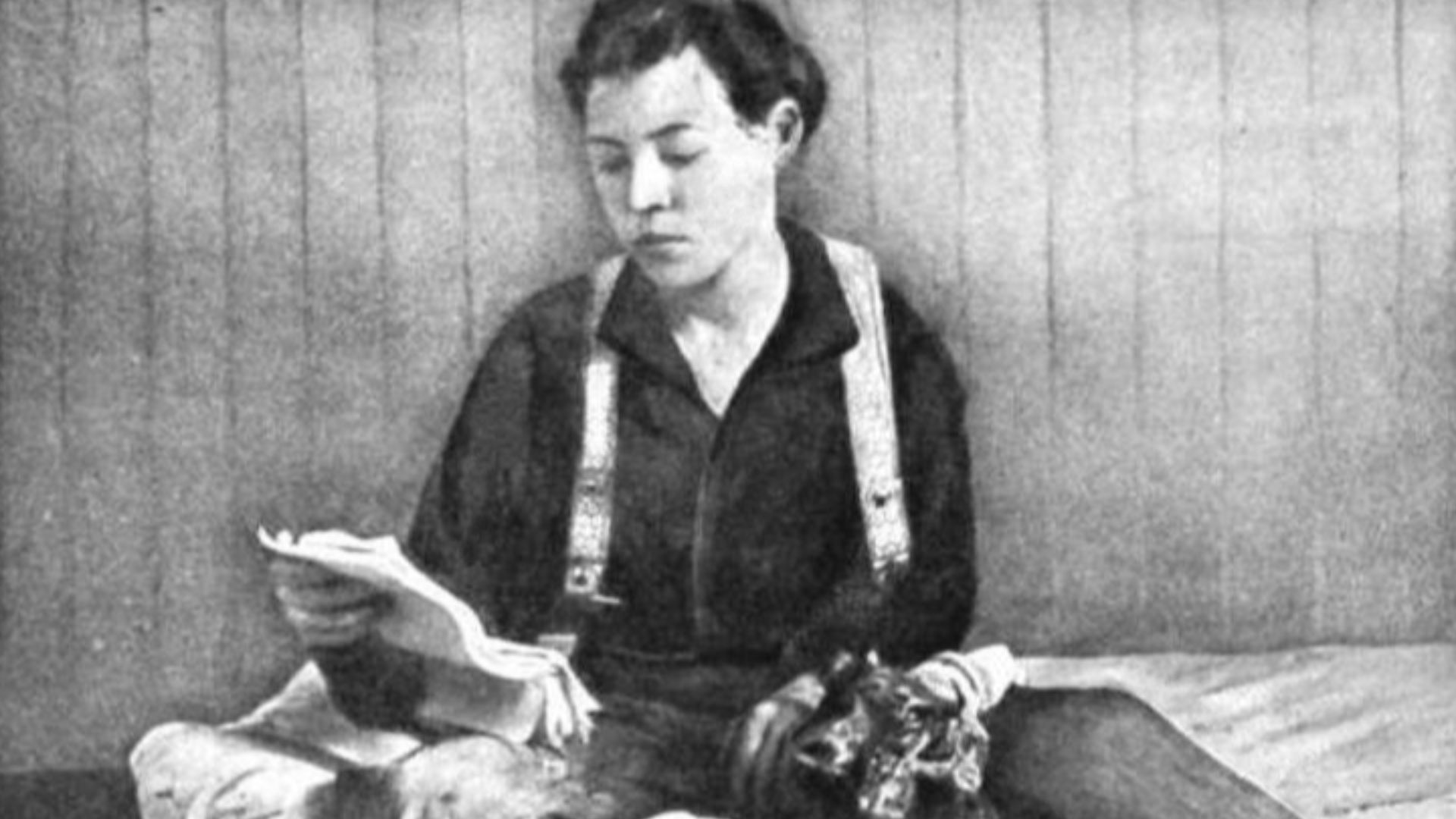 Unknown authorUnknown author, Wikimedia Commons
She Escaped Before Ending Up In Prison Anyway
Hart escaped from jail with another prisoner in October 1899 but was recaptured roughly two weeks later. She was acquitted on one robbery charge, then convicted on a separate federal charge connected to the U.S. mail and sent to Yuma Territorial Prison. Arizona Governor Alexander Brodie pardoned her in 1902. Her later life is poorly documented, which helped keep the legend alive.
 Unknown author, Wikimedia Commons, Enhanced
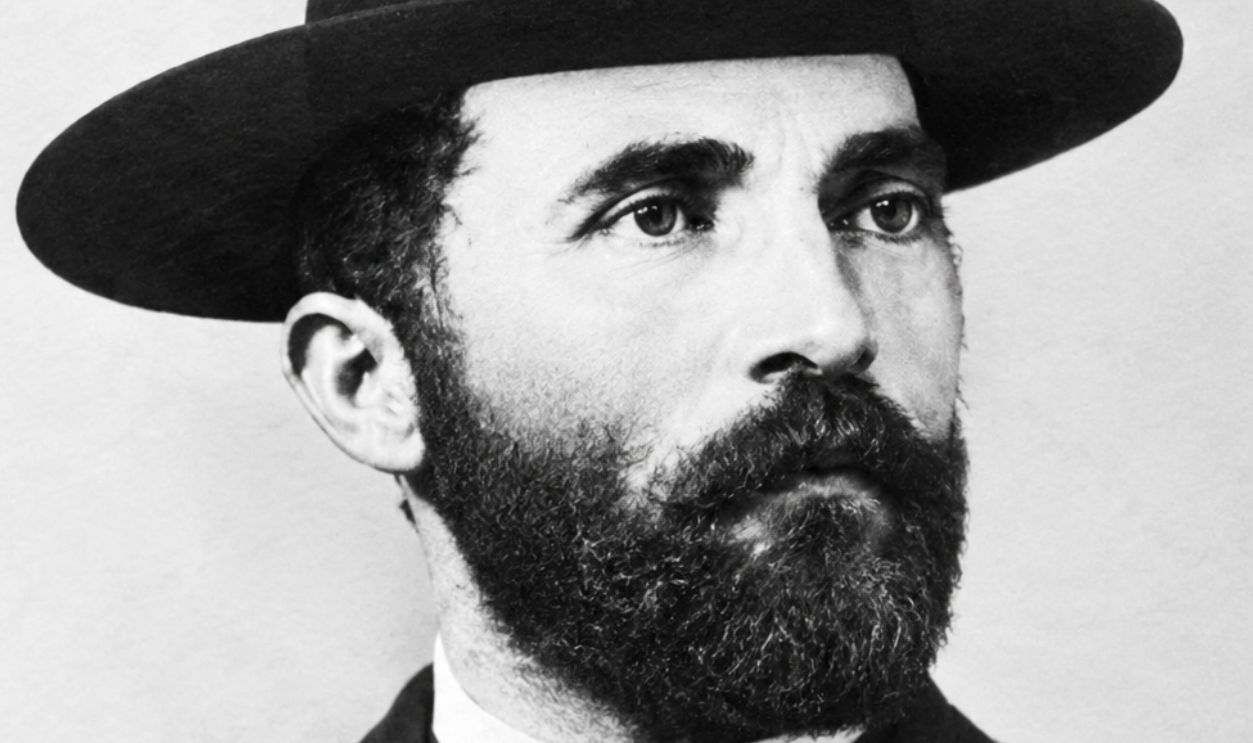
Soapy Smith Built A Criminal Empire In Skagway
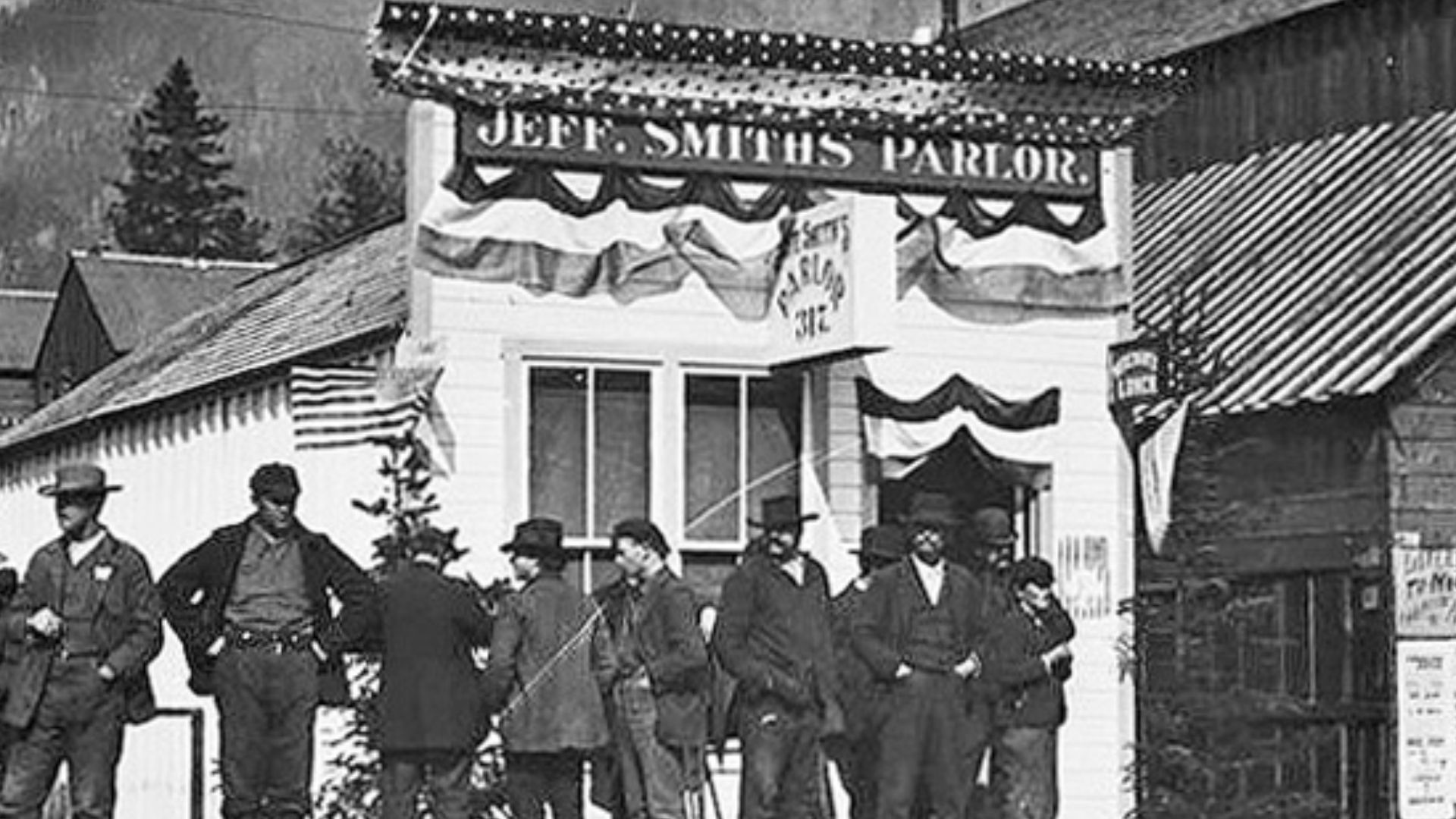
Jefferson Randolph "Soapy" Smith arrived in Skagway during the Klondike Gold Rush and built a network of con men and criminals around himself. His associates targeted newcomers carrying cash and supplies as they prepared to head north. Smith operated from a small building that became known as Jeff. Smith's Parlor. For a brief period in 1898, his gang became one of the most notorious forces in the boomtown.
 Simplicius, Wikimedia Commons, Enhanced
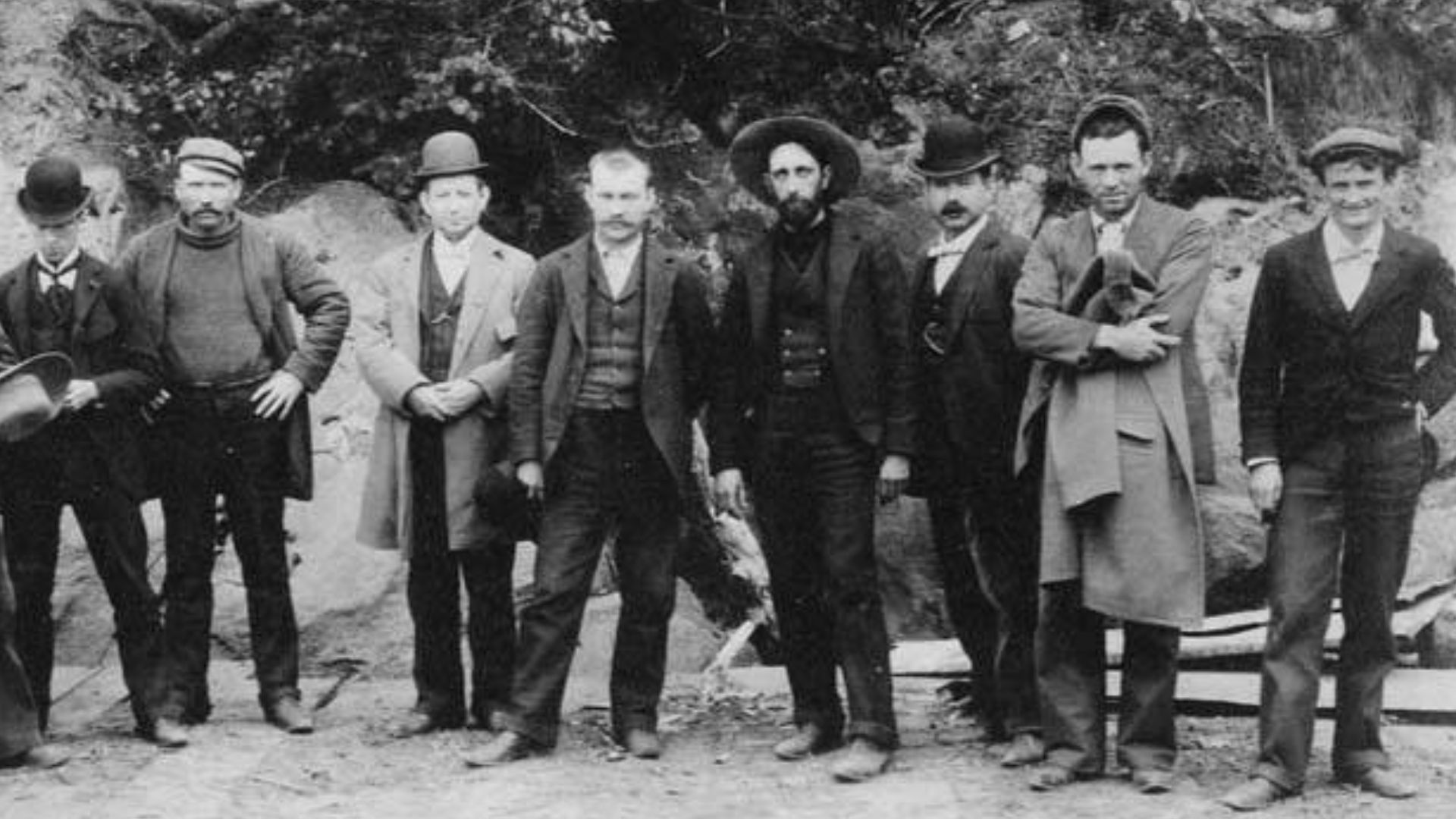
His Gang Had A Scam For Almost Everyone
Smith's network relied on gambling schemes, theft, fake businesses, and confidence tricks aimed at inexperienced stampeders. Some newcomers were steered into rigged games or fraudulent services soon after arriving in town. Smith's organization also intimidated residents who tried to challenge it. Skagway's explosive population growth gave the gang a constant stream of fresh targets.
 Unknown authorUnknown author, Wikimedia Commons
His Empire Ended In A Gunfight
Opposition to Smith eventually hardened among Skagway residents. On July 8, 1898, Smith confronted members of the local resistance and became involved in a gunfight with city engineer Frank Reid. Smith was killed, and Reid was mortally wounded. Authorities then arrested members of Smith's gang, abruptly ending his grip on the town.
 Webster & Stevens, Wikimedia Commons
Wyoming Cattle Barons Assembled Their Own Army
One of the strangest violent episodes in the West did not begin with conventional outlaws. In 1892, powerful Wyoming cattle interests financed an armed expedition into Johnson County during a bitter range conflict. Fifty-two men traveled north, including prominent cattlemen and hired gunmen. Their leaders carried a list naming dozens of people they considered enemies.
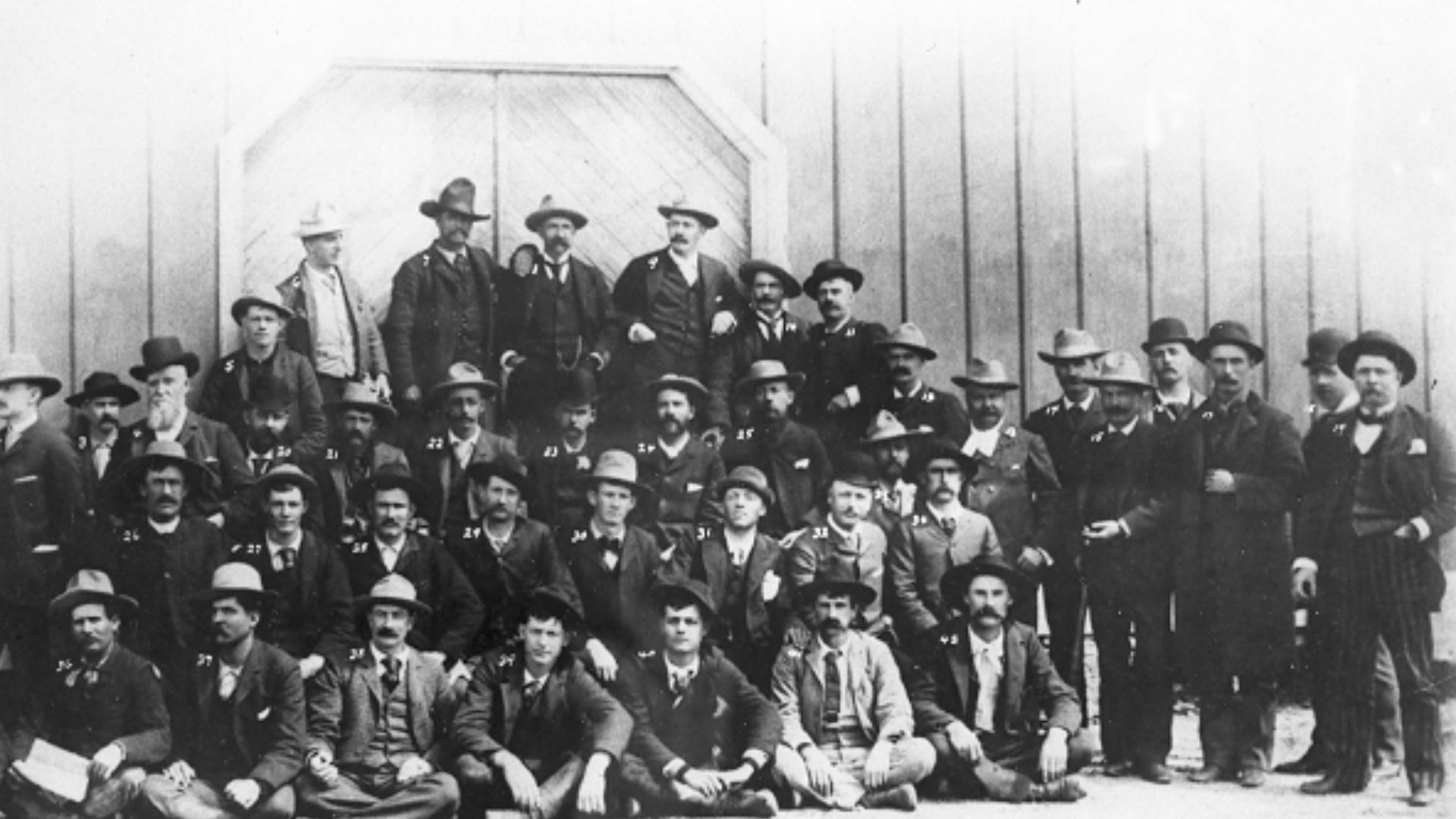
Nate Champion Fought Back From A Cabin
Among the group's targets was small rancher Nate Champion, who had already survived an earlier attack. In April 1892, the invaders surrounded Champion and others at the KC Ranch. Champion held off the attackers for hours before the building was set on fire. Forced outside, he was shot and killed.
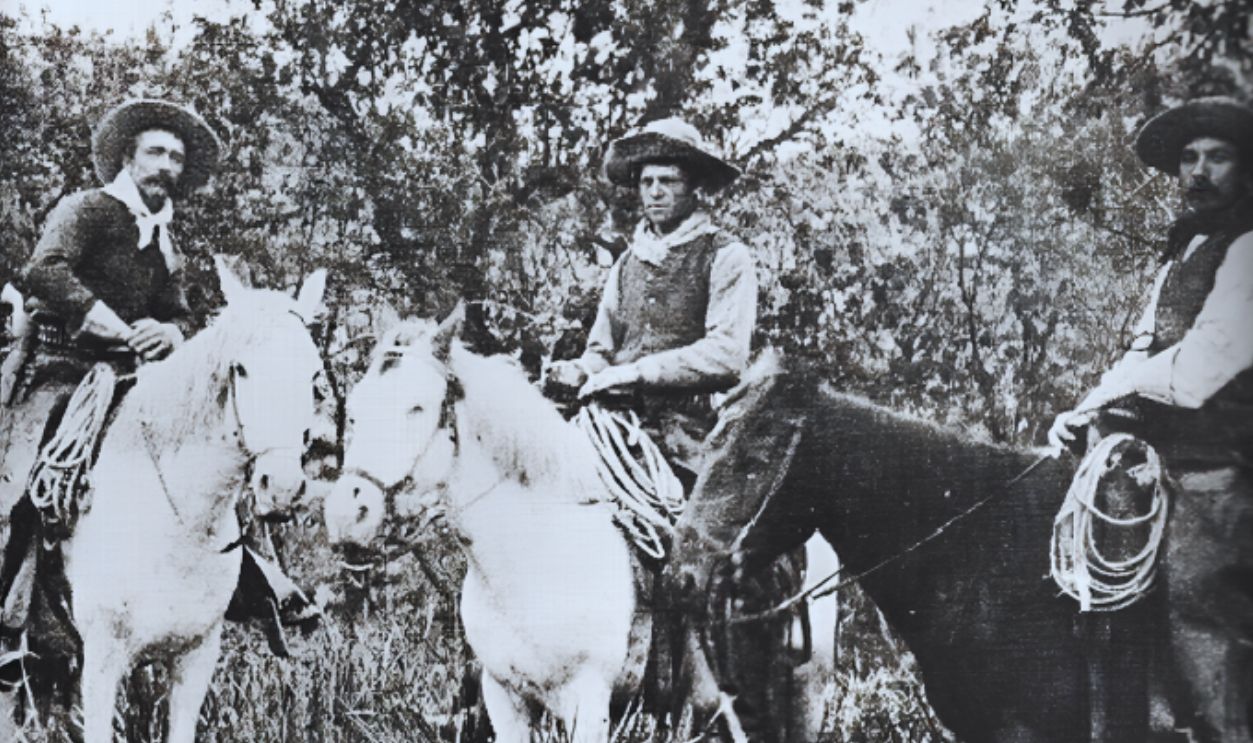 Ok!, Wikimedia Commons, Enhanced
The Invaders Ended Up Needing Rescue
After killing Champion, the invaders retreated to the TA Ranch, where hundreds of armed locals surrounded them. The posse even built a movable wooden fort for protection. Wyoming's governor appealed to President Benjamin Harrison, and federal troops intervened. None of the invaders went to trial after Johnson County ran out of money to prosecute them.
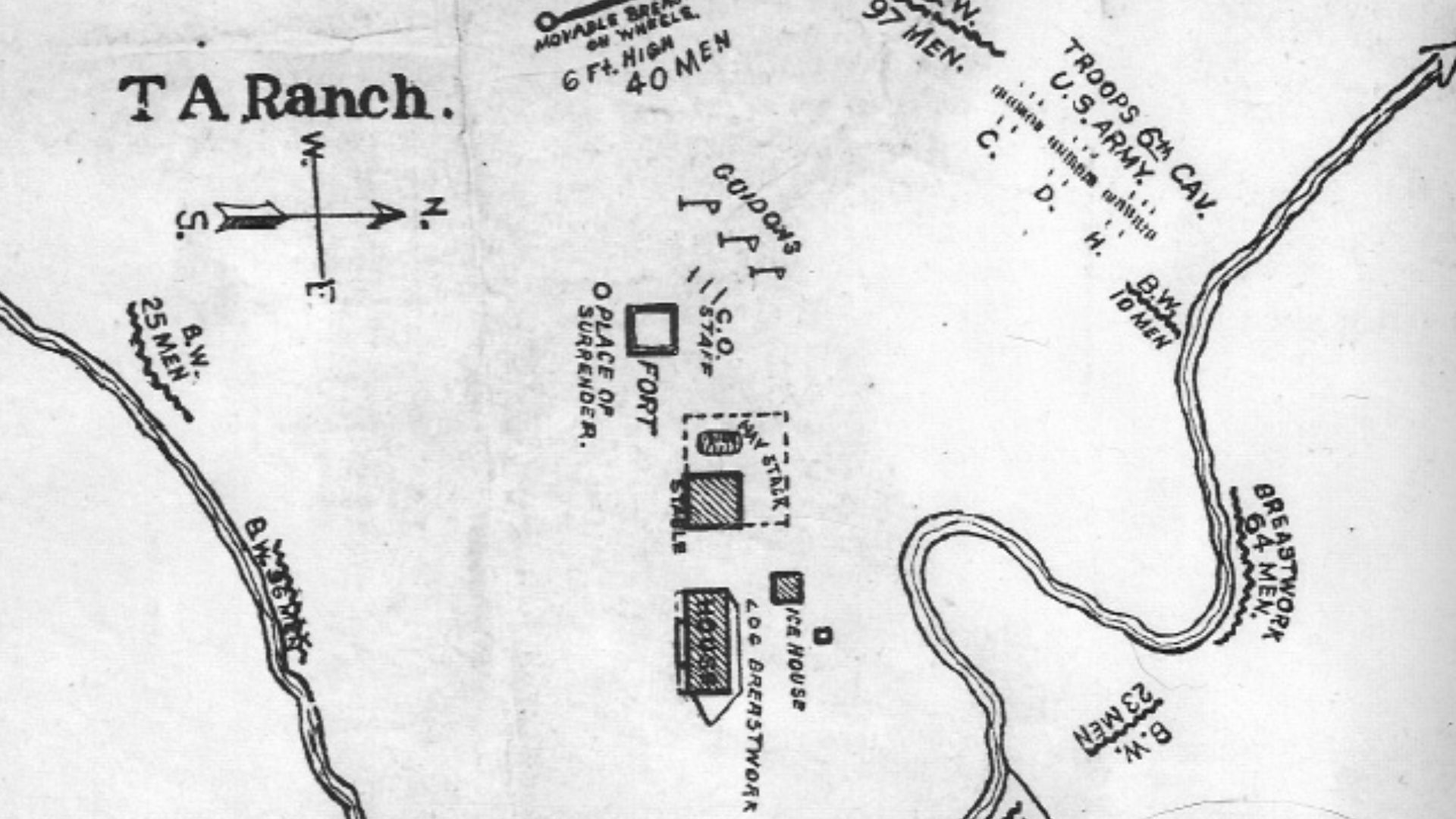 Unknown authorUnknown author, Wikimedia Commons
Arizona's Pleasant Valley Became A Killing Ground
The Pleasant Valley War erupted in Arizona during the 1880s after tensions involving ranching, livestock, and long-running personal rivalries spiraled into violence. The conflict featured ambushes, assassinations, lynchings, and killings by rival factions. By late 1887, several members of the Graham, Tewksbury, and Blevins families and their allies were dead. Even lawmen became deeply entangled in the feud.
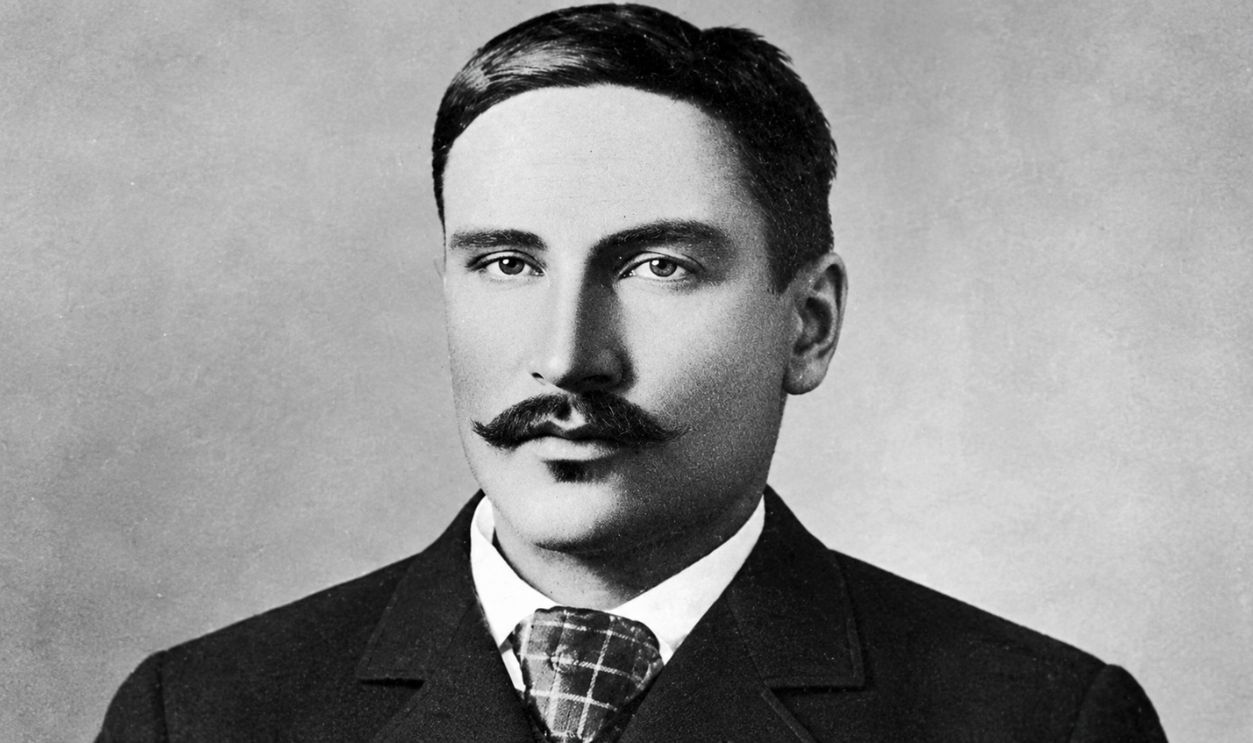 Btphelps, Wikimedia Commons, Modified
The Feud Followed Survivors Into Court
Open warfare faded by the end of the 1880s, but the grudges did not disappear. In August 1892, Tom Graham was shot while driving a wagon near Tempe and later named Ed Tewksbury and John Rhodes as his attackers. Rhodes was arrested, but witnesses supported his alibi and the case against him was dismissed. The feud had moved from remote trails into an actual courtroom.
A Widow Pulled A Pistol In Court
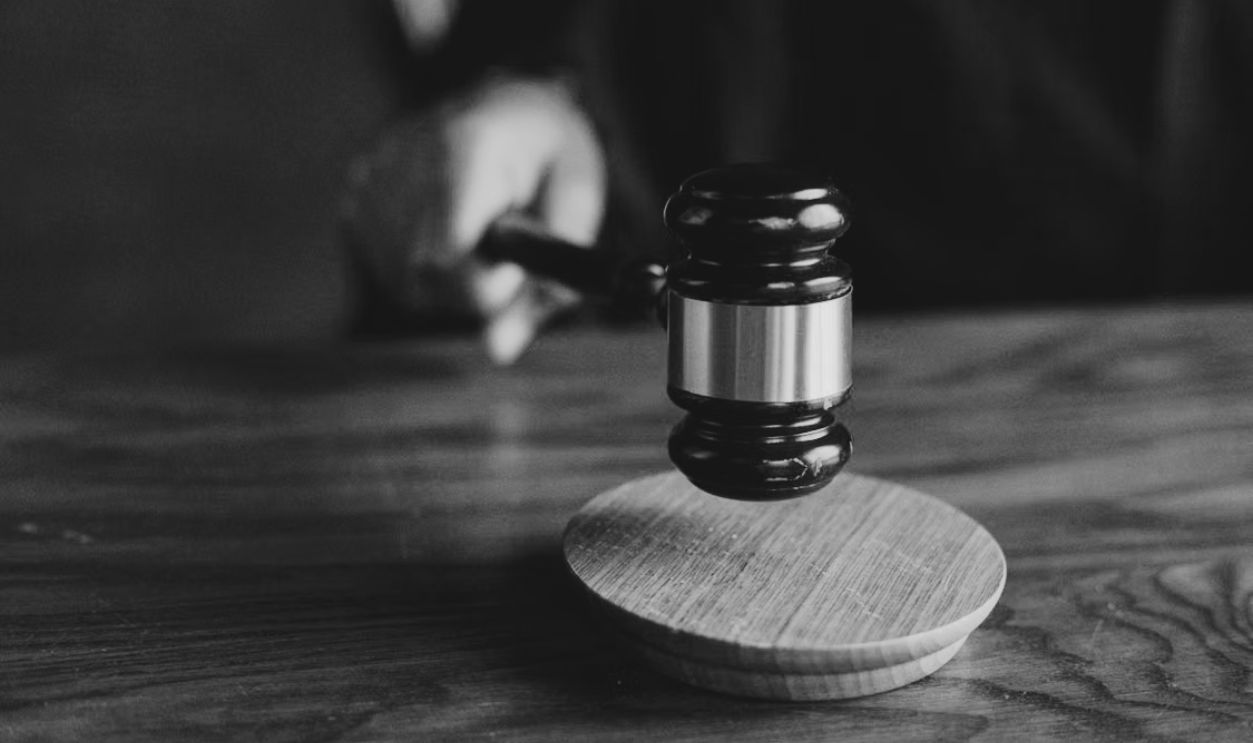
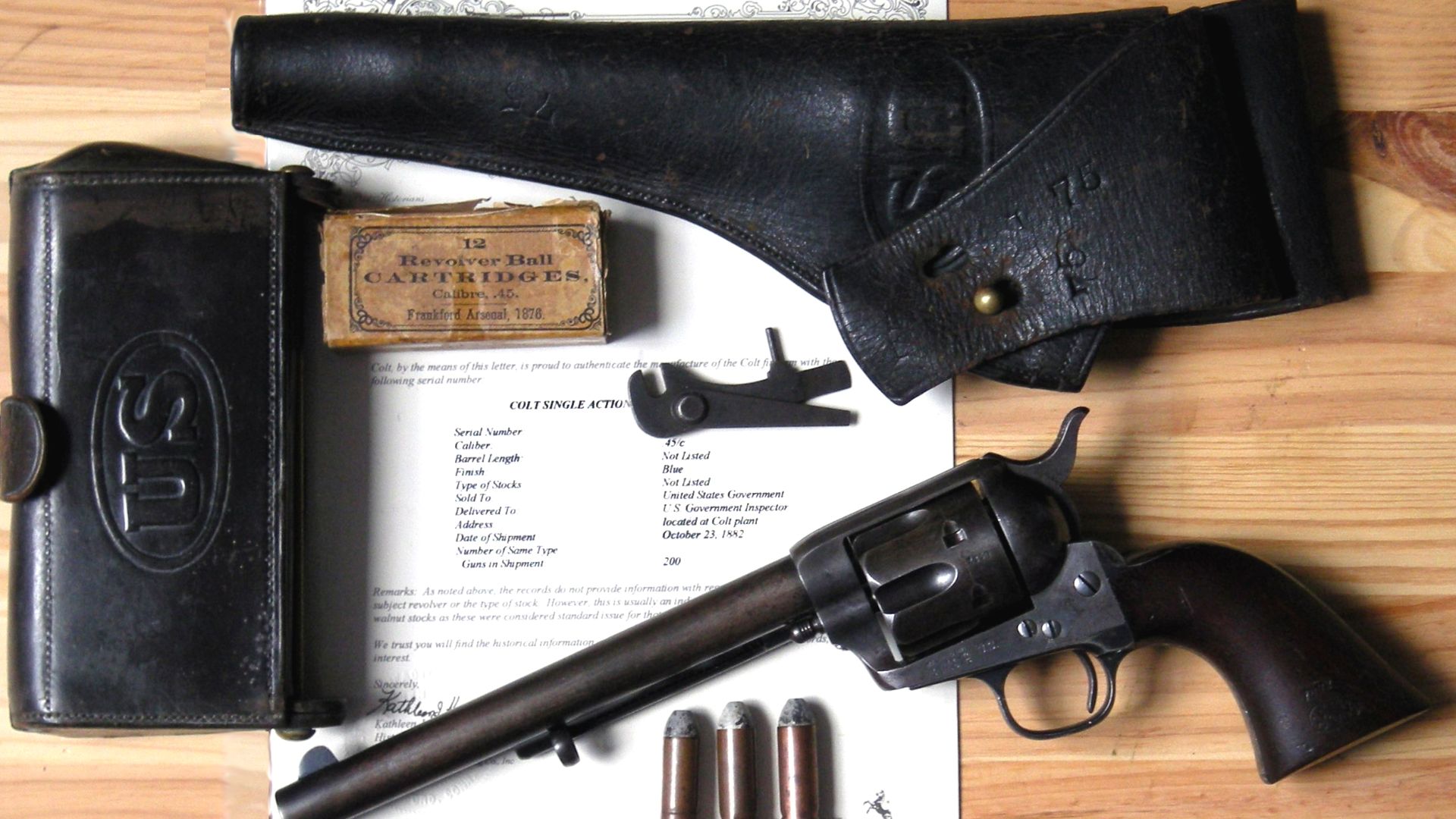
During Rhodes's preliminary hearing, Graham's widow, Anne Melton Graham, pulled a Colt .45 from her mourning clothes and tried to shoot him. The gun misfired. Tewksbury was later convicted in connection with Graham's killing, only for lawyers to discover that he had never formally entered a plea. That error produced a new trial, which ended in a hung jury before prosecutors eventually dismissed the case.
The Rufus Buck Gang's Rampage Lasted Just Thirteen Days
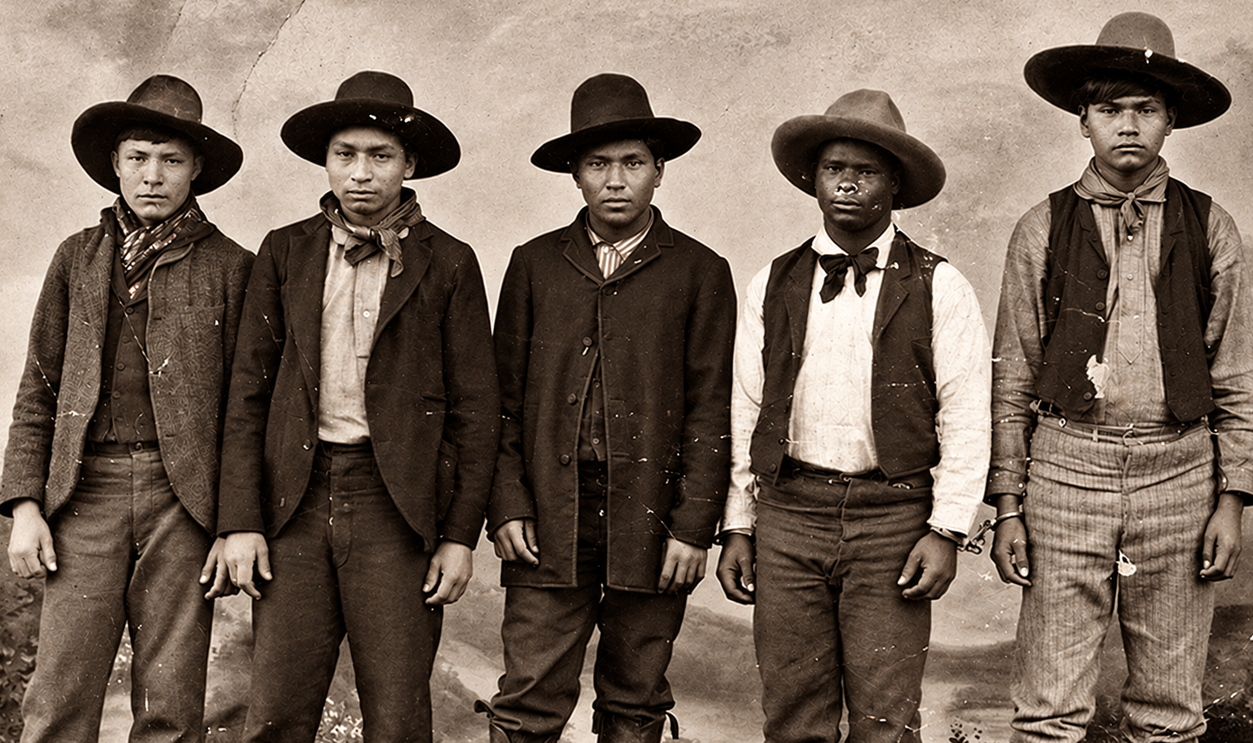
In the summer of 1895, Rufus Buck joined Luckey Davis, Sam Sampson, Maomi July, and Lewis Davis in Indian Territory. Several members had already been involved in crimes including horse theft and illegal liquor dealing. Their organized rampage lasted only about thirteen days. During that brief period, the gang committed robberies, shootings, murder, and violent attacks.
 unknown photographers, Wikimedia Commons
They Killed A Marshal And Drew A Massive Manhunt
During the spree, the gang killed Okmulgee Marshal John Garrett and attacked several other people. Law officers closed in on the group near Flatrock Creek on August 10, 1895. A gun battle followed before the gang was captured. The prisoners were then sent east to face federal justice in Fort Smith, Arkansas.
All Five Men Went To The Gallows Together
The federal court at Fort Smith had jurisdiction over certain crimes committed against white people in Indian Territory. The five gang members were convicted of serious violent offenses and sentenced to death by Judge Isaac Parker. Their case reached the U.S. Supreme Court, but the convictions stood. All five were hanged together at Fort Smith on July 1, 1896.
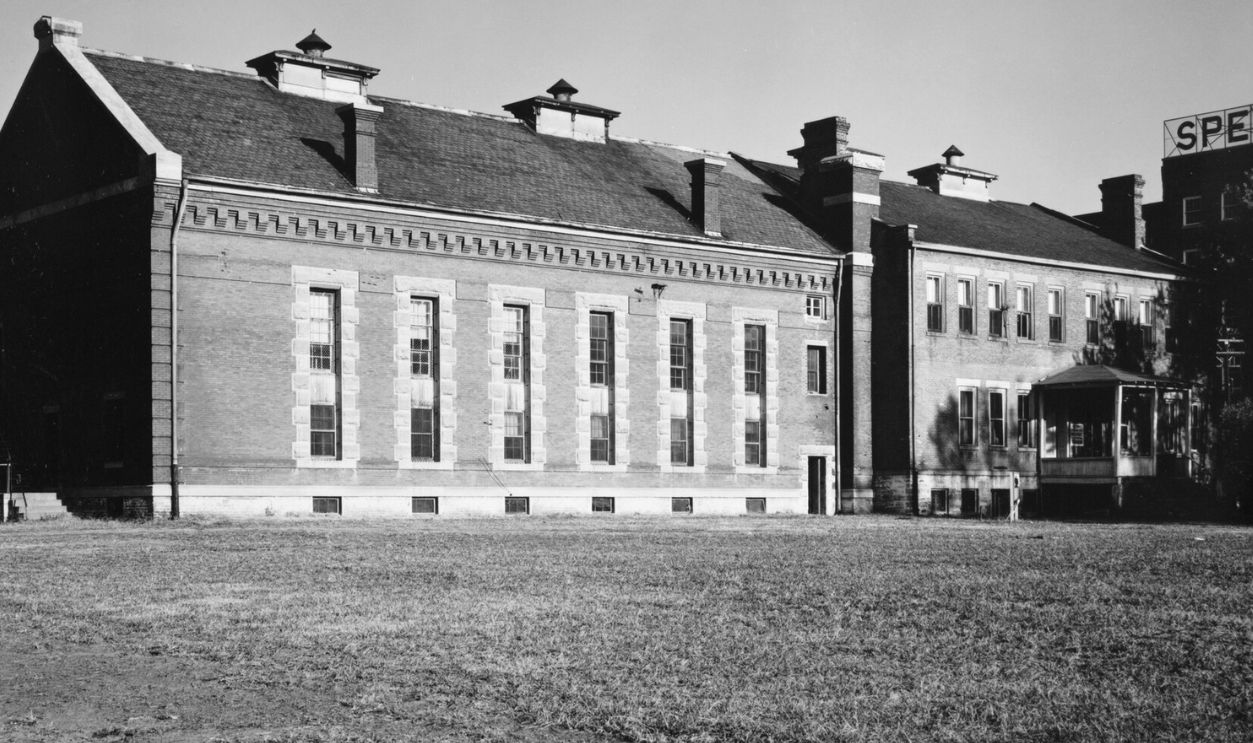
Black Jack Ketchum Tried One Robbery Too Many
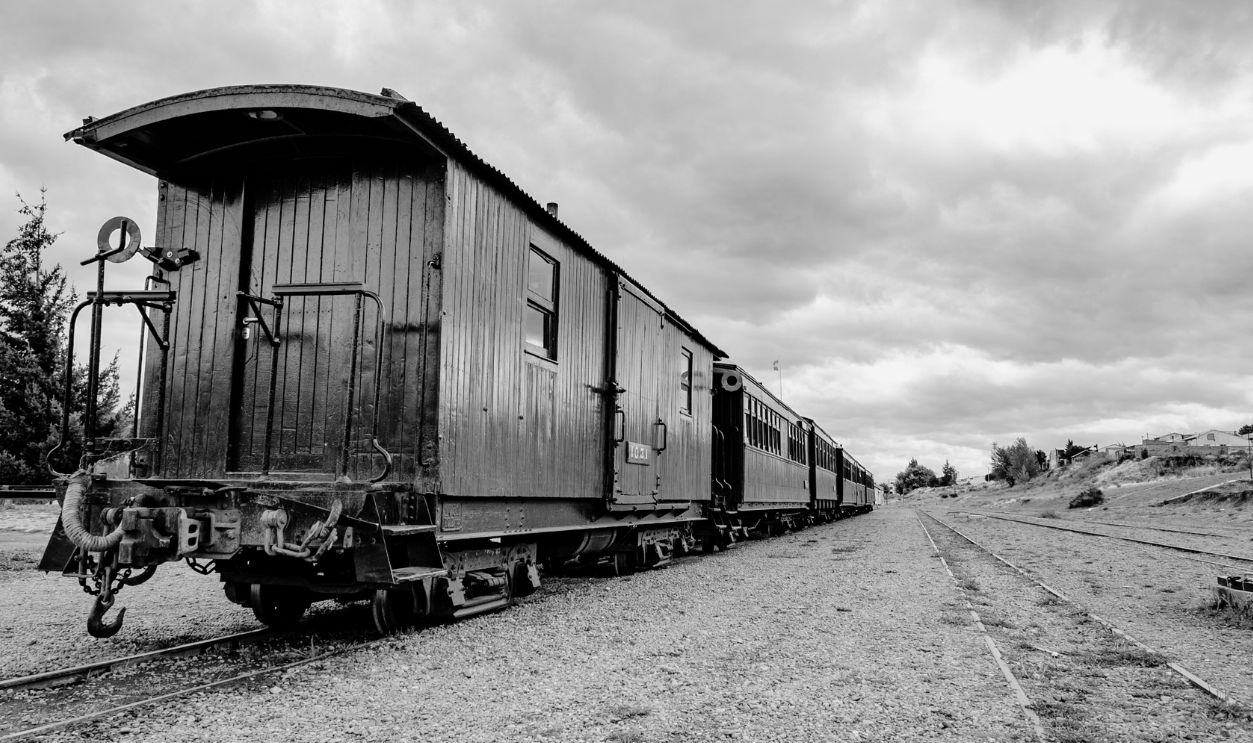
Thomas "Black Jack" Ketchum became notorious for train robbery across New Mexico and the surrounding region. In August 1899, he attempted another train holdup near Folsom, New Mexico, apparently without the rest of his gang. A railroad employee shot him during the attempt. Ketchum survived the wound but was captured soon afterward.
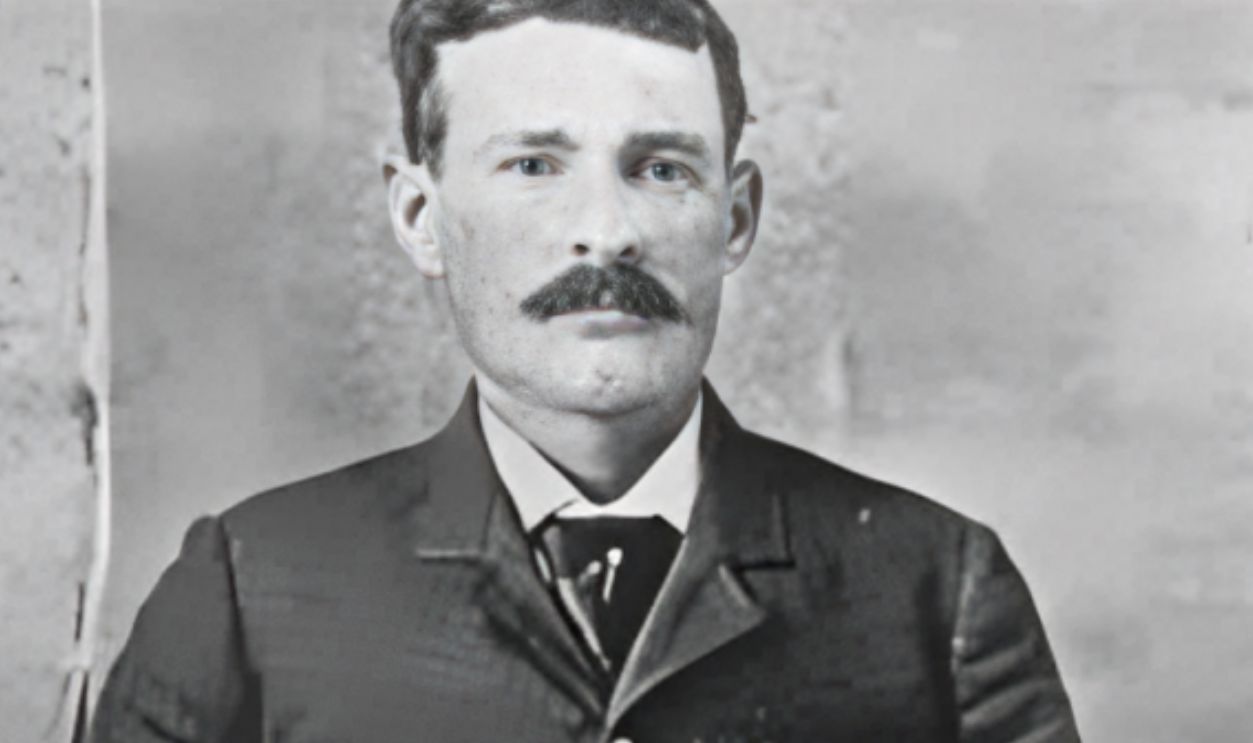 A876, Wikimedia Commons, Enhanced
Train Robbery Could Carry A Death Sentence
Ketchum was tried in New Mexico Territory and convicted under a law that allowed certain train robberies to be punished by death. He was sentenced to hang in Clayton. By the time execution day arrived, he had gained considerable weight during his imprisonment. That detail would become significant when officials calculated the drop from the gallows.
The Execution Went Horribly Wrong
On April 26, 1901, Ketchum stepped onto the scaffold in Clayton. When the trap opened, the force of the drop decapitated him. Contemporary photographs survive, and a later federal appeals court discussed them while considering the risks associated with hanging. After years of robberies and gunfights, Black Jack Ketchum became most famous for one final frontier disaster nobody intended.
You May Also Like:
Two Kentucky Grifters Planted A Fake Diamond Field—Then Fooled Tiffany And America’s Richest Men
Historical Figures Who Successfully Built Public Images On Stories That Later Completely Fell Apart
Historical Figures Who Accidentally Became Everyday Vocabulary










.jpg)


