
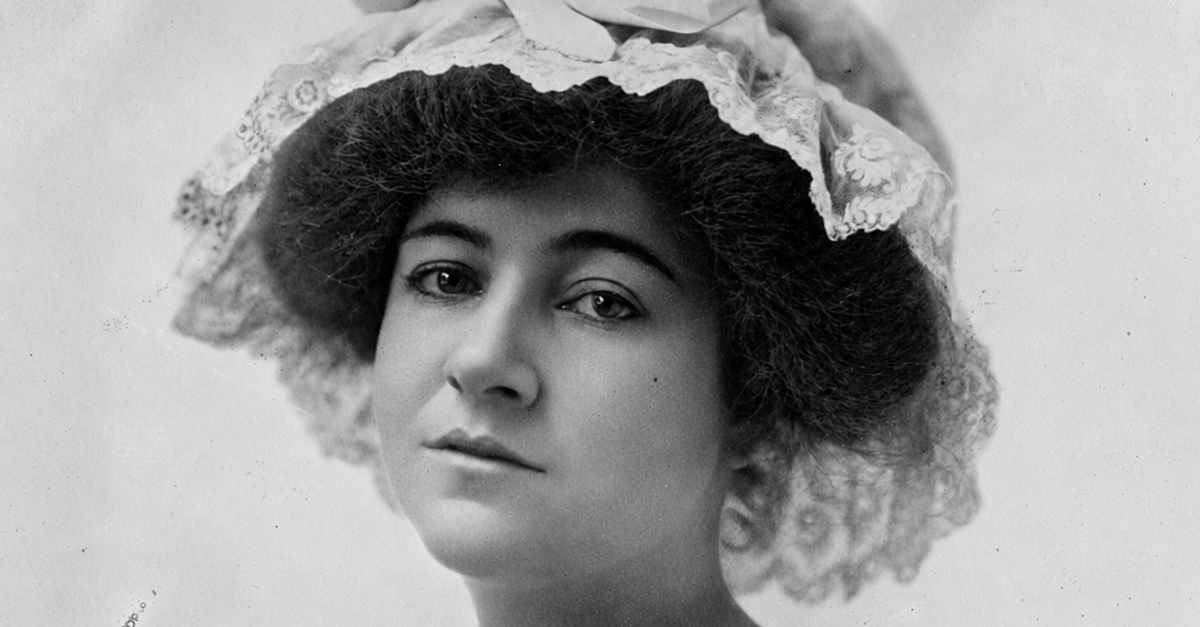
She Disappeared In Plain Sight
On December 12, 1910, Dorothy Arnold left her family’s Manhattan mansion for an afternoon of shopping. The 25-year-old socialite and heiress bought chocolates, visited a bookstore, and chatted cheerfully with a friend. Then she disappeared from one of New York City’s busiest neighborhoods without leaving a confirmed trace.
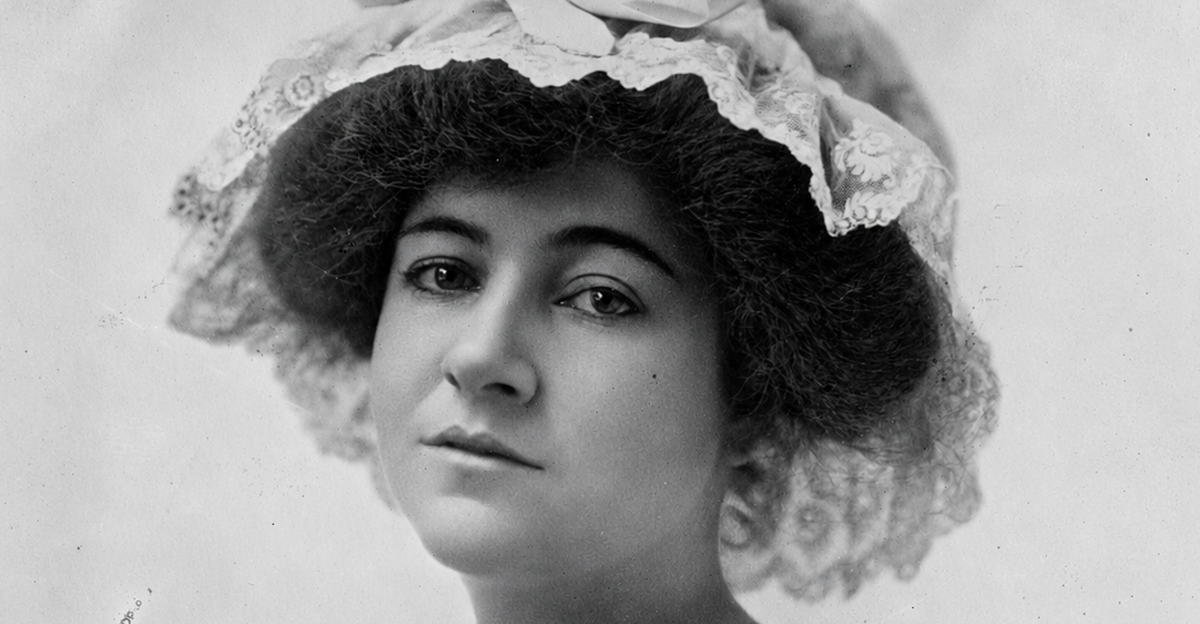 Library of Congress, Wikimedia Commons
Dorothy Was Born Into Privilege
Dorothy Harriet Camille Arnold belonged to one of New York’s wealthy and well-connected families. Her father, Francis Rose Arnold, had made a fortune through his importing business, and her aunt was married to Supreme Court Justice Rufus Peckham. The Arnolds lived at 108 East 79th Street and occupied a respected place in the city’s social establishment.
Society Had Written Her Future
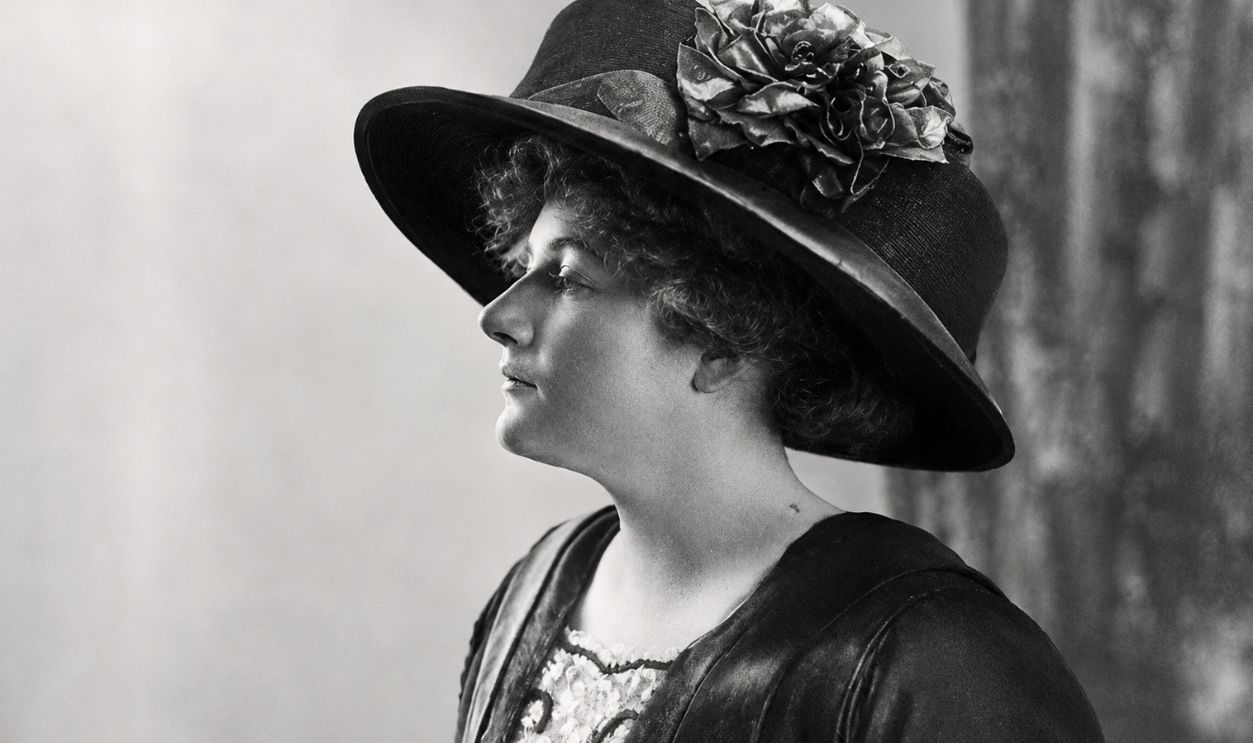
Dorothy graduated from Bryn Mawr College in 1905 and reportedly spoke several languages. As an unmarried daughter of an affluent family, she was expected to live at home until she found a socially acceptable husband. Dorothy, however, was becoming increasingly interested in building an identity of her own.
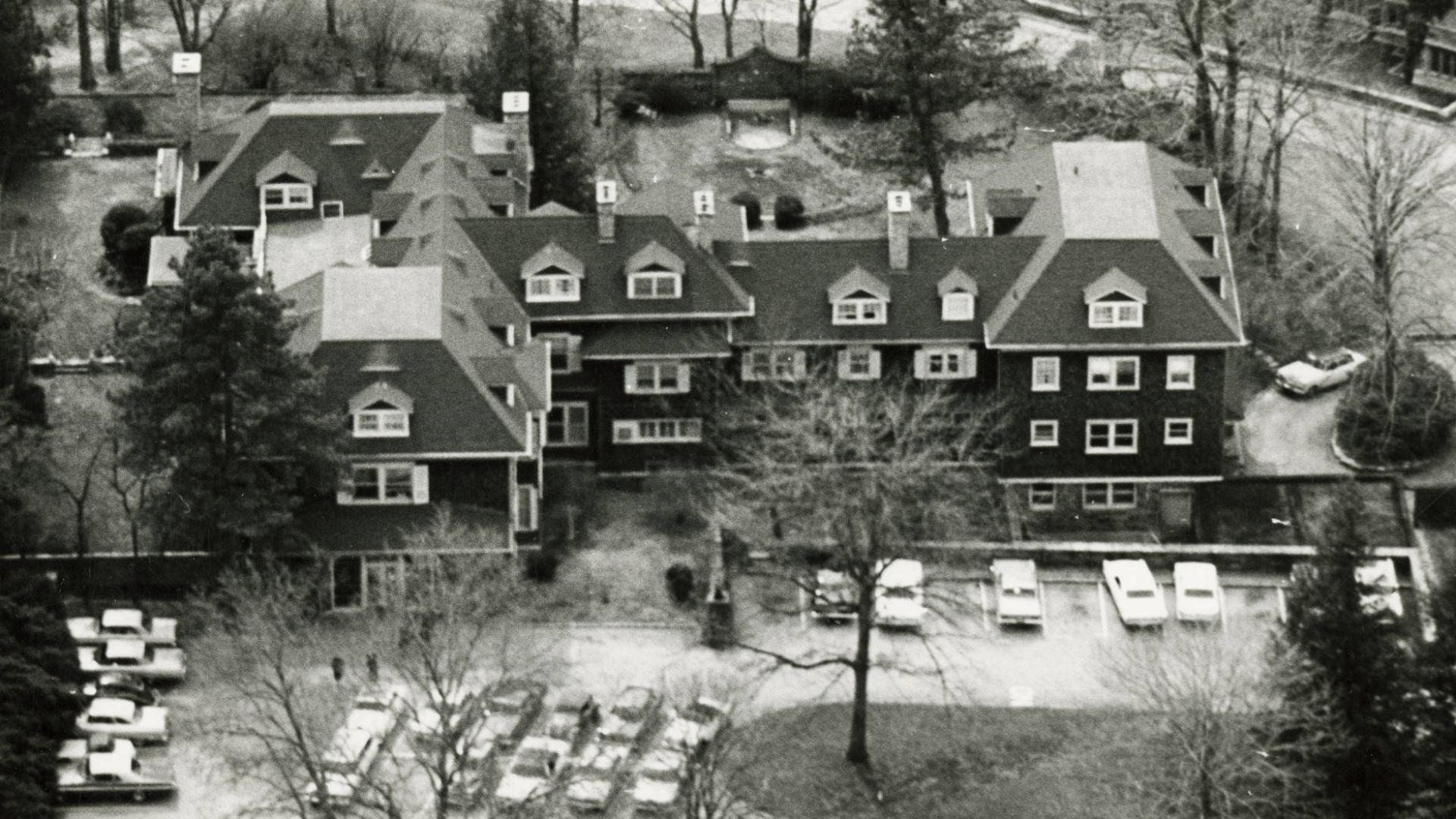 Bryn Mawr College, Wikimedia Commons
She Wanted A Different Life
Dorothy hoped to become a professional writer and submitted short fiction to popular magazines. She also asked her father for permission to rent an apartment in Greenwich Village, which was already developing a bohemian reputation. Francis refused and reportedly insisted that a talented writer should be able to work anywhere.

History's most fascinating stories and darkest secrets, delivered to your inbox daily.
Her Family Mocked Her Ambitions
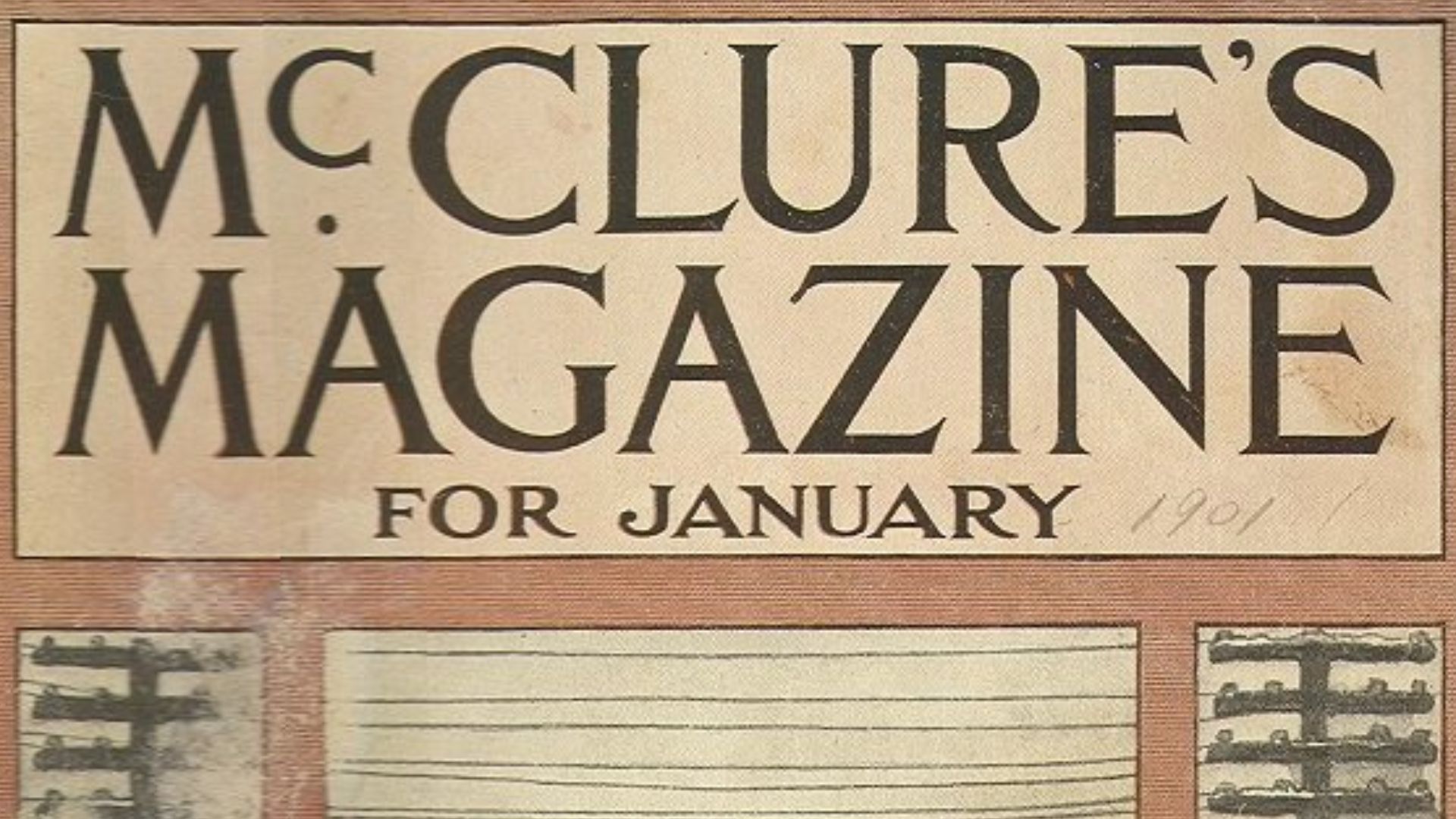
One of Dorothy’s stories was called “Poinsettia Flames,” and she submitted it to McClure’s magazine. The magazine rejected it, while members of her family reportedly teased her about her literary ambitions. Dorothy subsequently began collecting correspondence through general delivery, apparently hoping to keep future rejection notices private.
Another Rejection Troubled Her
Dorothy wrote a second story called “Lotus Leaves,” although surviving accounts disagree about what happened to that manuscript. Her reaction to the earlier rejection was clearer because she described it in a letter. She wrote that failure seemed to be staring at her and that she could see only a long road without a turning.

She Had A Secret Romance
Dorothy was also corresponding with George C. Griscom Jr., a considerably older man from a wealthy Pittsburgh family. The two apparently knew each other from Dorothy’s Bryn Mawr years, but Francis Arnold strongly disapproved of Griscom. Dorothy continued the relationship without fully informing her parents.
Boston Complicated Everything
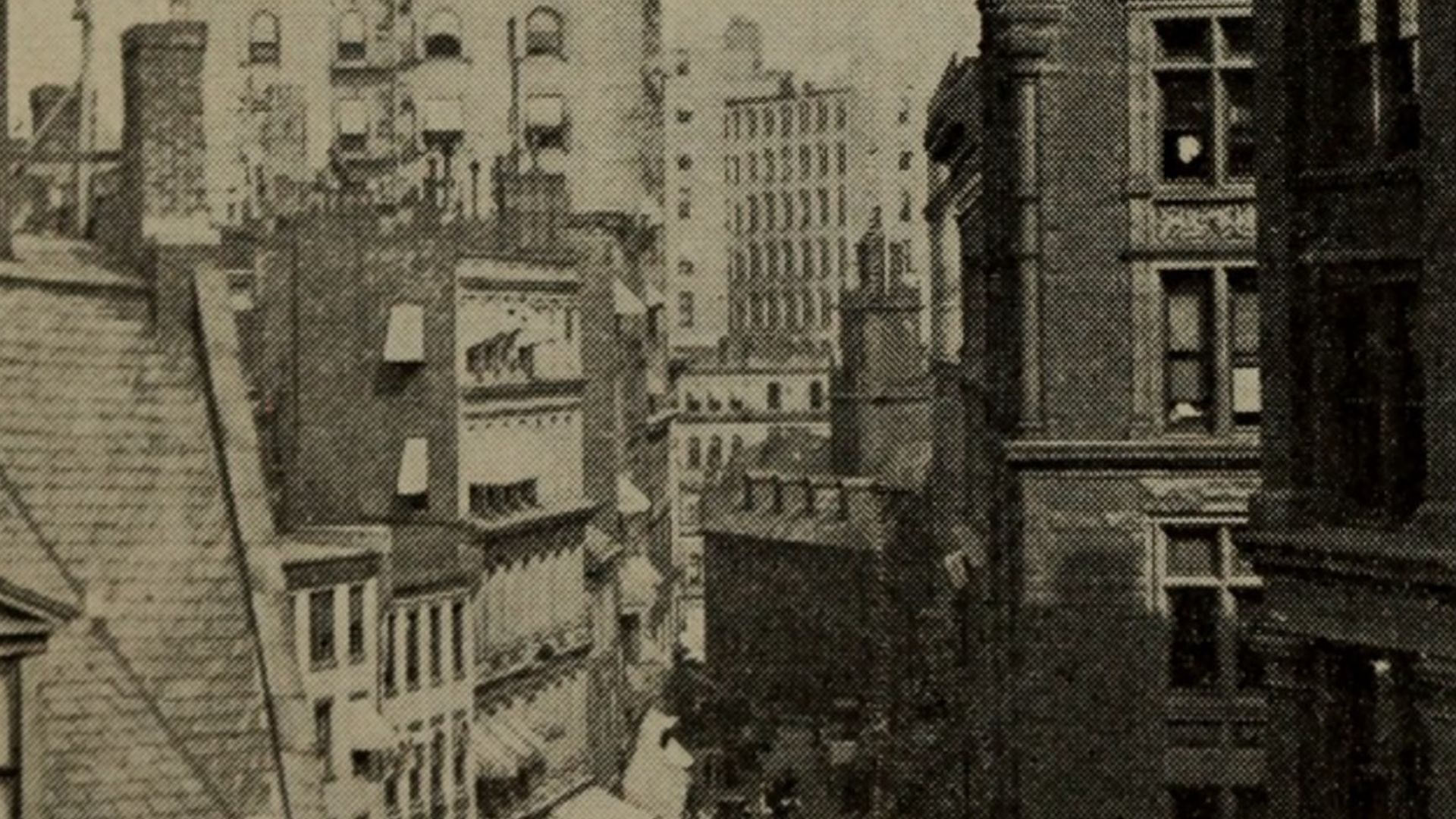
In September 1910, Dorothy told her family that she planned to visit a former classmate near Boston. Instead, she spent approximately a week in the city while Griscom stayed nearby. Dorothy registered at her hotel under her real name, suggesting that she was concealing the visit from her family rather than everyone around her.
 Internet Archive Book Images, Wikimedia Commons
She Pawned Her Jewelry
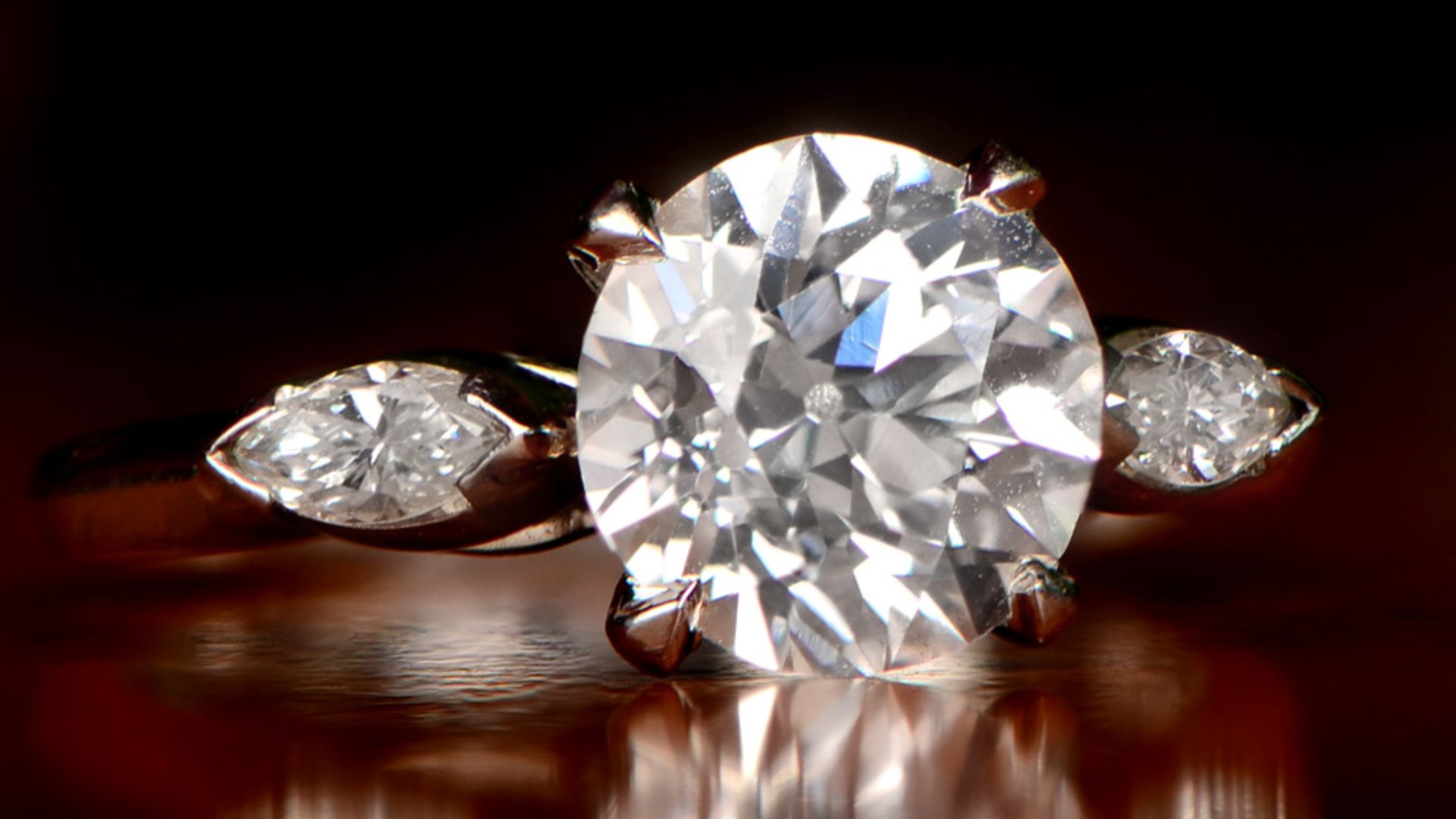
Near the end of the Boston trip, Dorothy pawned jewelry valued at roughly $500 for just $60. She again used her real name and home address during the transaction. The pawnbroker revealed the visit after her disappearance, giving reporters a sensational glimpse into the heiress’s private life.
 CatherineLewis1976, Wikimedia Commons
One Letter Changed The Mood
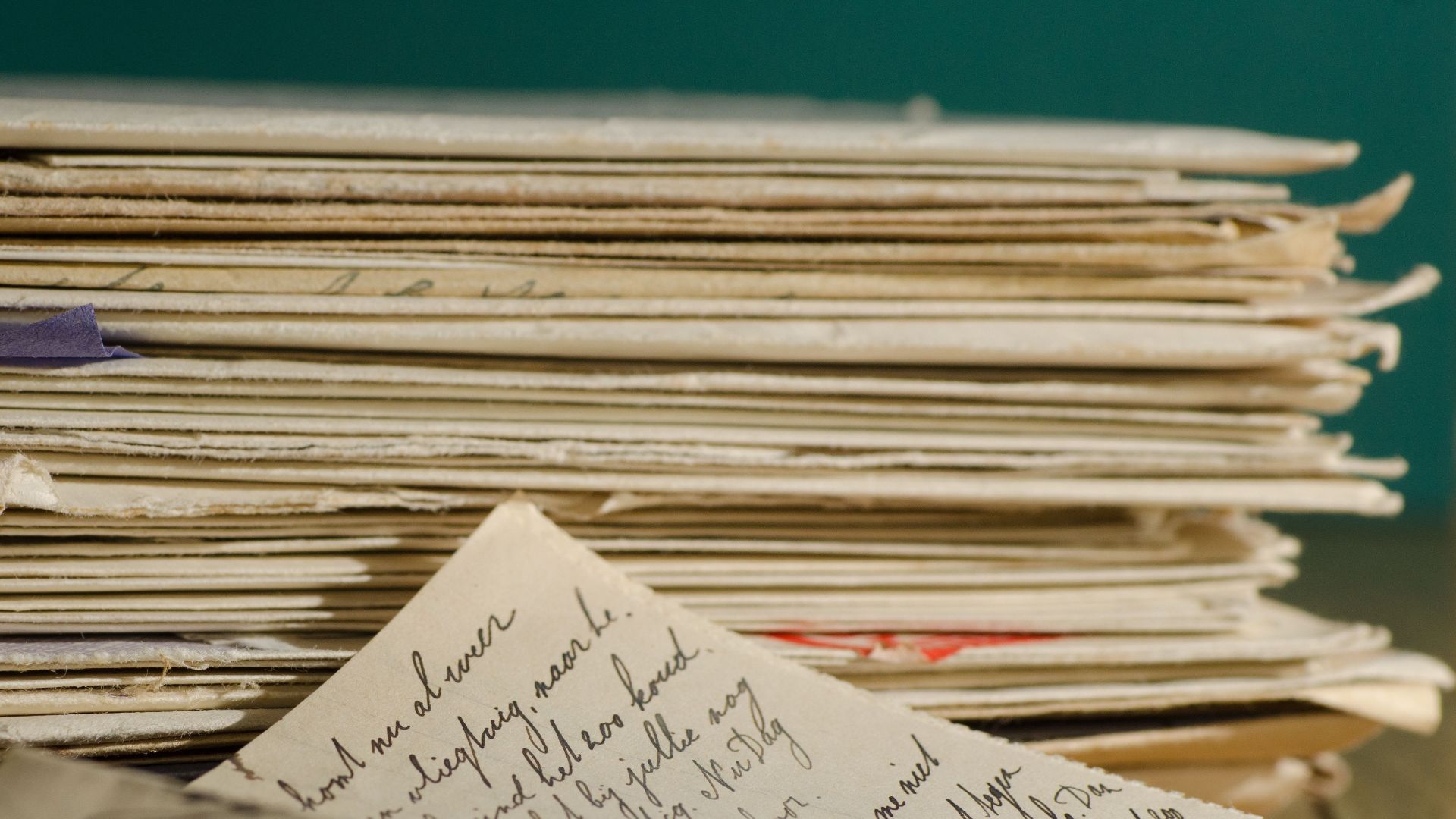
Griscom later left for Europe with his parents, but Dorothy continued writing to him. In one letter, she lamented that McClure’s magazine had rejected her story and remarked that her mother would always believe an accident had happened. Investigators could never determine what those words meant.
History's most fascinating stories and darkest secrets, delivered to your inbox daily.
Her Final Morning Looked Ordinary
Dorothy left home at about 11 a.m. on December 12. She told her mother that she was shopping for an evening dress to wear at her younger sister Marjorie’s upcoming debutante party. When her mother offered to accompany her, Dorothy declined and promised to telephone if she found something suitable.
 Bain News Service, publisher, Wikimedia Commons
She Was Dressed To Be Noticed
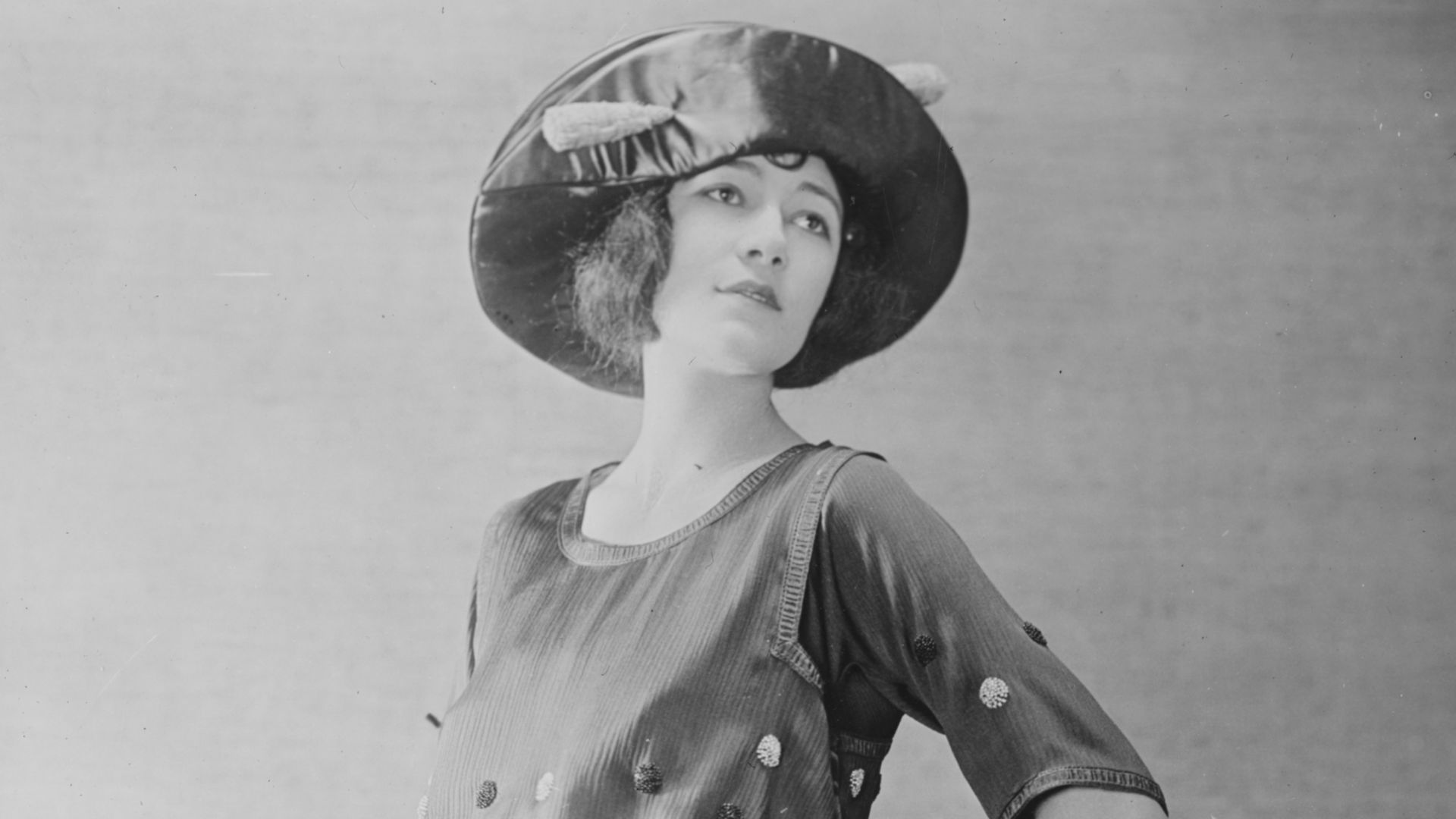
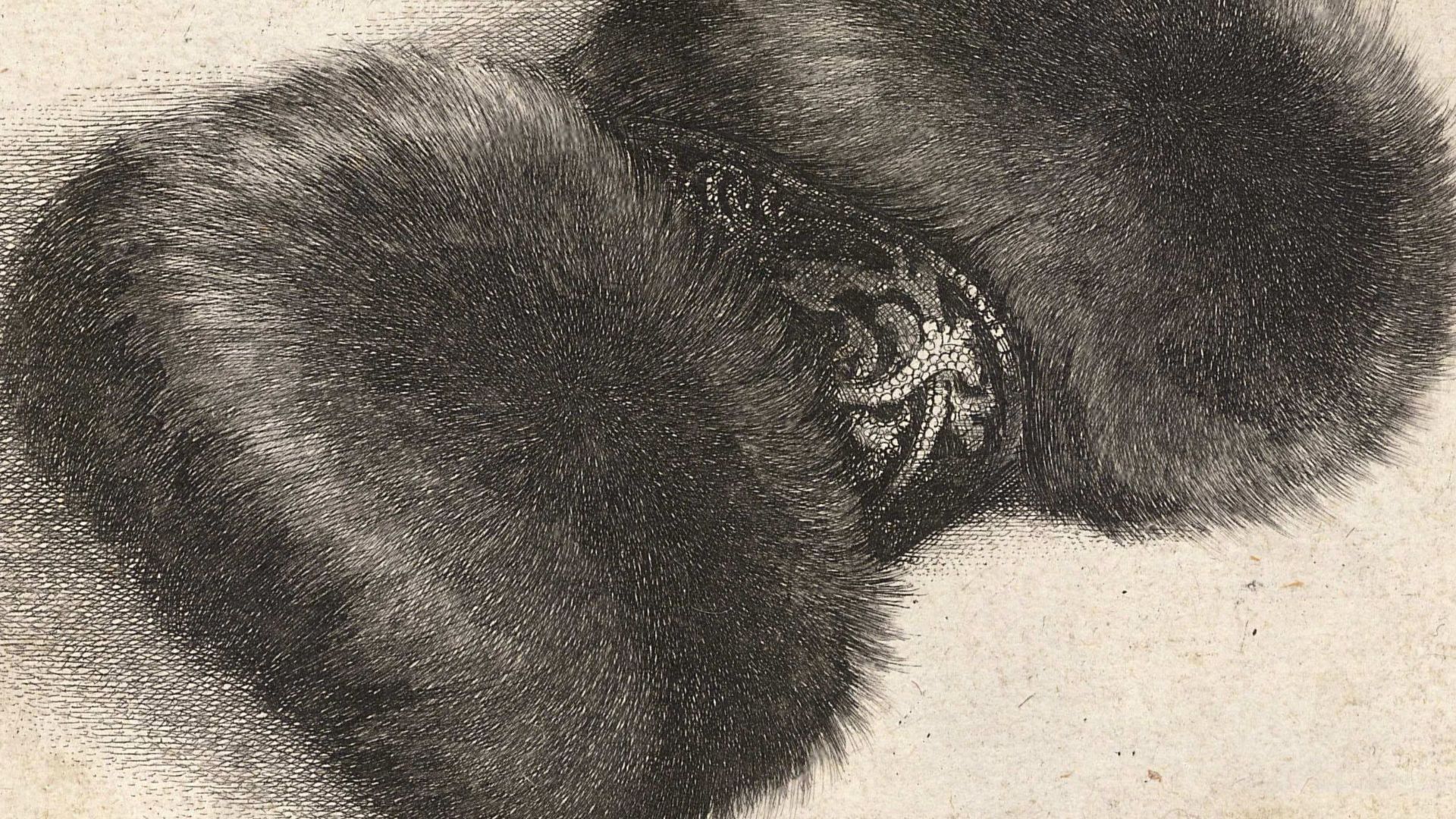
Dorothy wore a tailored blue outfit and a black velvet hat decorated with blue silk roses. She also carried a large fur muff, a satin handbag, and approximately $25 to $30 in cash. Her clothes, jewelry, and passport remained at home, and she carried no visible luggage.
 Wenceslaus Hollar, Wikimedia Commons
She Bought The Famous Chocolates
Dorothy walked south along Fifth Avenue despite patches of ice on the sidewalks. She stopped at Park & Tilford near 59th Street and purchased a half-pound box of chocolates. A clerk recognized her as a regular customer and charged the purchase to the Arnold family account.
![Digital ID: 1113284. [Metropolitan Club - Madison trust Co. - Park & Tilford, fancy groceries - Hotel Netherland.]. Welles & Co. -- Publisher. c1911
Source: Fifth Avenue, New York, from start to finish. (http://digitalgallery.nypl.org/nypldigital/explore/](https://www.factinate.com/storage/app/media/factinate/2026/8/25/1787646892ae1aa5706f401987e09ae7242a5df2b1a8c7d8ac.jpg) New York Public Library, Wikimedia Commons
New York Public Library, Wikimedia Commons
Then She Visited Brentano’s
Dorothy continued downtown to Brentano’s bookstore at Fifth Avenue and 27th Street. There, she bought Emily Calvin Blake’s An Engaged Girl’s Sketches, a collection of light romantic stories. Like the chocolates, the book was charged to her father’s account.
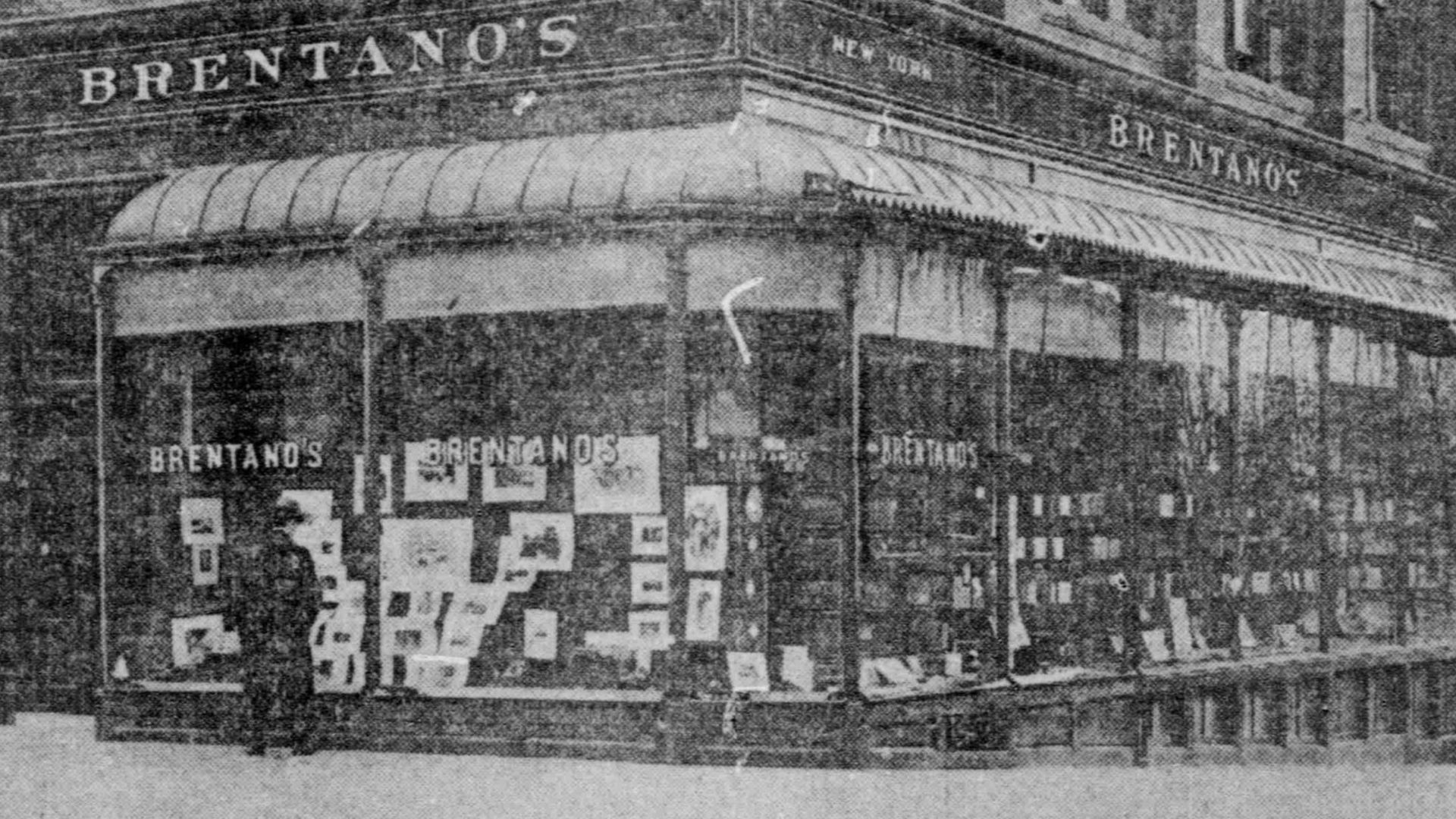 rockcreek from Washington, D.C., Wikimedia Commons
A Friend Saw Nothing Wrong
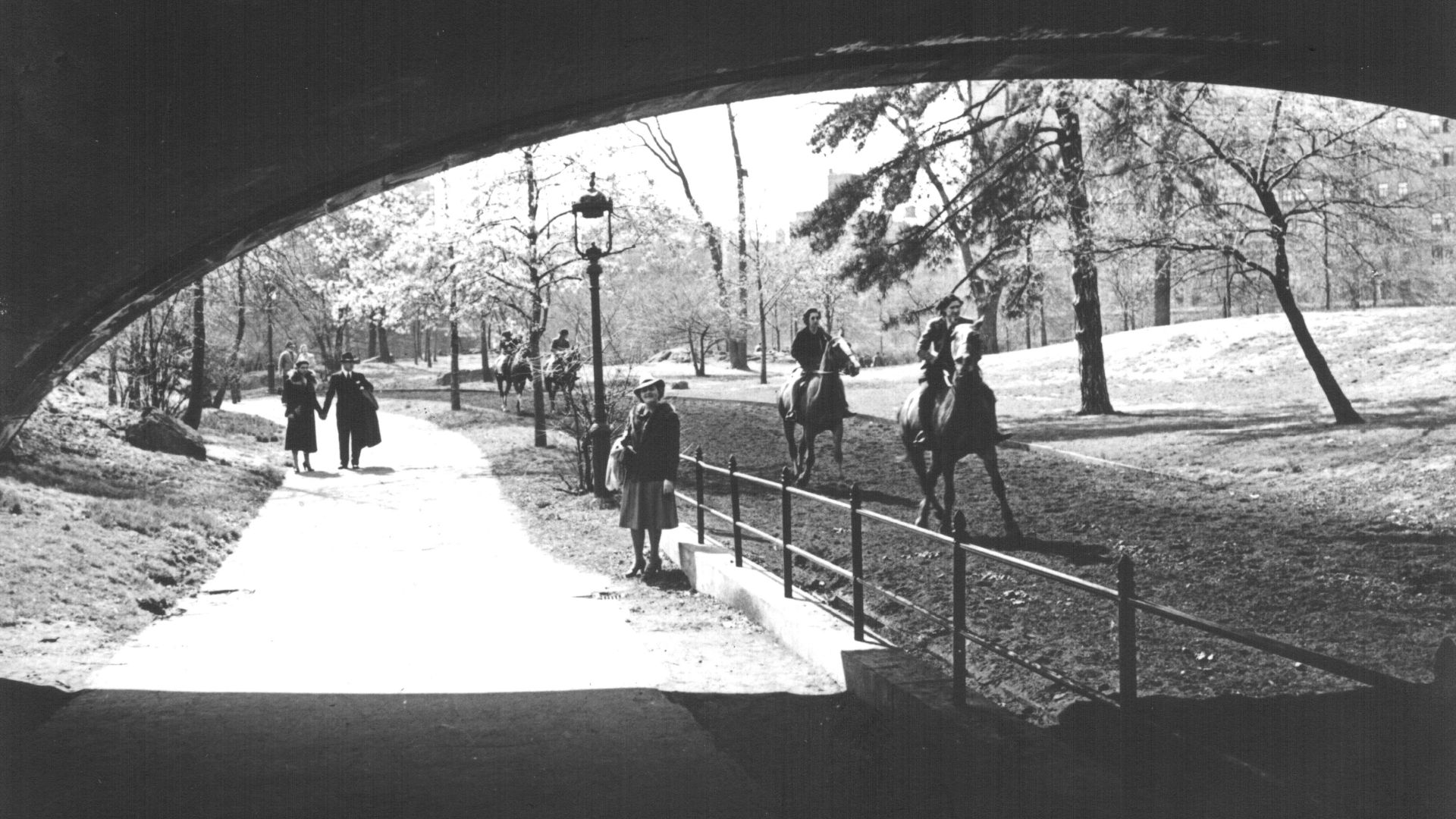
Outside the bookstore, Dorothy encountered her friend Gladys King shortly before 2 p.m. The women chatted and laughed, and Gladys noticed nothing alarming about Dorothy’s behavior. Dorothy reportedly mentioned that she intended to walk home through Central Park.
 Unknown photographer scanned by Derzsi Elekes Andor, Wikimedia Commons
Dorothy Walked Away Forever
Gladys eventually left to meet her mother for lunch. When she reached the opposite corner, she turned and waved goodbye to Dorothy one final time. No witness who personally knew Dorothy ever reported seeing her again.
History's most fascinating stories and darkest secrets, delivered to your inbox daily.
The Family Knew By Dinner
Dorothy had never been known to miss dinner without notifying her family. When she failed to return, the Arnolds quietly telephoned her friends and asked whether she had visited them. According to later accounts, her mother told one concerned caller that Dorothy was home with a headache, even though she was still missing.
They Protected The Family Name
By the following morning, the Arnolds understood that something was seriously wrong. Yet they did not immediately contact the New York Police Department because they feared scandal and relentless newspaper coverage. In their social world, public embarrassment could seem almost as threatening as the disappearance itself.
Her Bedroom Offered Fragments
Family friend and lawyer John S. Keith examined Dorothy’s room for clues. Her clothing appeared to be present, but he found personal letters, transatlantic steamship brochures, and burned papers in the fireplace. None of these discoveries established where Dorothy had gone or whether she had planned to leave.
The First Search Stayed Private
Keith searched hospitals, morgues, and jails in New York, Boston, and Philadelphia. When those efforts failed, the family hired investigators from the Pinkerton Detective Agency. The Pinkertons distributed Dorothy’s description and offered a $1,000 reward for information leading to her return.
Six Weeks Changed Everything
The Arnolds waited roughly six weeks before formally seeking help from New York police. Officials urged Francis to publicize the disappearance, and he reluctantly met with reporters in late January 1911. That delay denied police the chance to question witnesses and retrace Dorothy’s movements while memories were still fresh.
The Story Became Front Page News
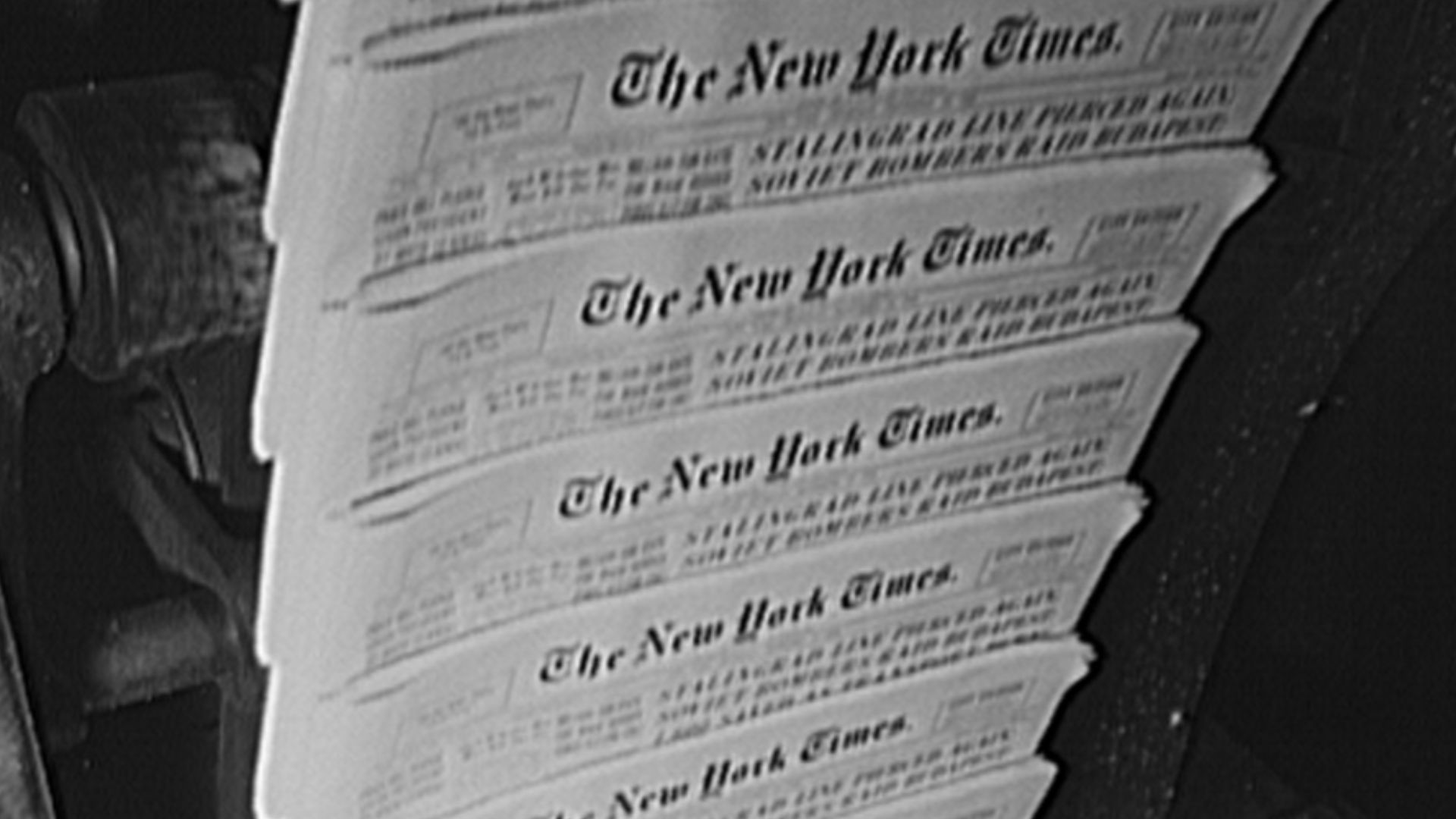
Dorothy’s disappearance appeared on the front page of The New York Times the following day. Her photograph and physical description soon circulated across the United States and Europe. The public now knew about the missing heiress, but the attention produced rumors far faster than reliable evidence.
 Marjory Collins, Wikimedia Commons
History's most fascinating stories and darkest secrets, delivered to your inbox daily.
Reporters Found George Griscom
The press uncovered Dorothy’s relationship with Griscom and learned that he was staying in Florence, Italy. Dorothy’s mother and brother traveled to Europe, confronted him, and obtained a packet of her letters. Griscom denied knowing what had happened and later placed personal advertisements asking Dorothy to contact him.
 The Climate Reality Project, Unsplash
The Search Crossed An Ocean
Police distributed several photographs of Dorothy and reportedly examined passenger lists for ships sailing to Europe. Supposed sightings emerged from cities including Philadelphia, Muskogee, and San Antonio, but none could be confirmed. Hoaxes, misleading letters, and women claiming to be Dorothy further consumed investigators’ time.
Her Father Feared Murder
Francis publicly maintained that Dorothy had been attacked while walking through Central Park. He suggested that a killer might have placed her body in the reservoir or one of the park’s lakes. Searches uncovered no remains or physical evidence supporting that belief.
Escape Remained Possible
Investigators also considered whether Dorothy had deliberately abandoned her family and started again under another name. Her desire for independence, secret relationship, private correspondence, and frustration with her writing career made the possibility difficult to dismiss. However, she had left her passport, possessions, and most of her money behind, and no verified message ever reached her family.

The Darkest Claim Went Unproved
In 1914, physician C. C. Meredith claimed that Dorothy had died during an illegal abortion at a Pennsylvania facility and that her body had been cremated. The allegation encouraged speculation that she had become pregnant and secretly sought medical help. Francis called the story ridiculous, and investigators found no conclusive evidence connecting Dorothy to Meredith or the facility.
The Mystery Outlived Everyone
In 1921, a New York missing-persons official appeared to announce that authorities knew what had happened, only to retract the statement the next day. Dorothy’s parents eventually died believing she was no longer alive, and their wills made no provision for her. More than a century later, no confirmed sighting, communication, body, or decisive piece of evidence has solved Dorothy Arnold’s disappearance.
History's most fascinating stories and darkest secrets, delivered to your inbox daily.
One Ordinary Errand Became A Legend
Dorothy’s story endures because her final afternoon seemed so completely unremarkable. A wealthy young woman stepped into the bustle of Fifth Avenue and somehow slipped beyond the reach of her family, the press, and the police. The chocolates and book she purchased remain haunting reminders of a life interrupted in the middle of an ordinary day.
 Unknown authorUnknown author, Wikimedia Commons
You May Also Like:
Peggy Hopkins Joyce Turned Marrying Rich Men Into A Career, And Newspapers Couldn’t Look Away
Frances Farmer’s Hollywood Story Was Twisted So Many Times That The Truth Became Hard To See
The Silent-Film Vampire Who Walked Into Her Cabin—And Vanished Without A Trace








.jpg)