History Rarely Remembers The Whole Team
History loves a hero, but the person getting the glory wasn't always the one doing the most important work. Behind famous victories, discoveries, and breakthroughs were people whose contributions were just as crucial, yet far easier to forget. Once you know who was really behind the scenes, some of history’s biggest success stories look very different.
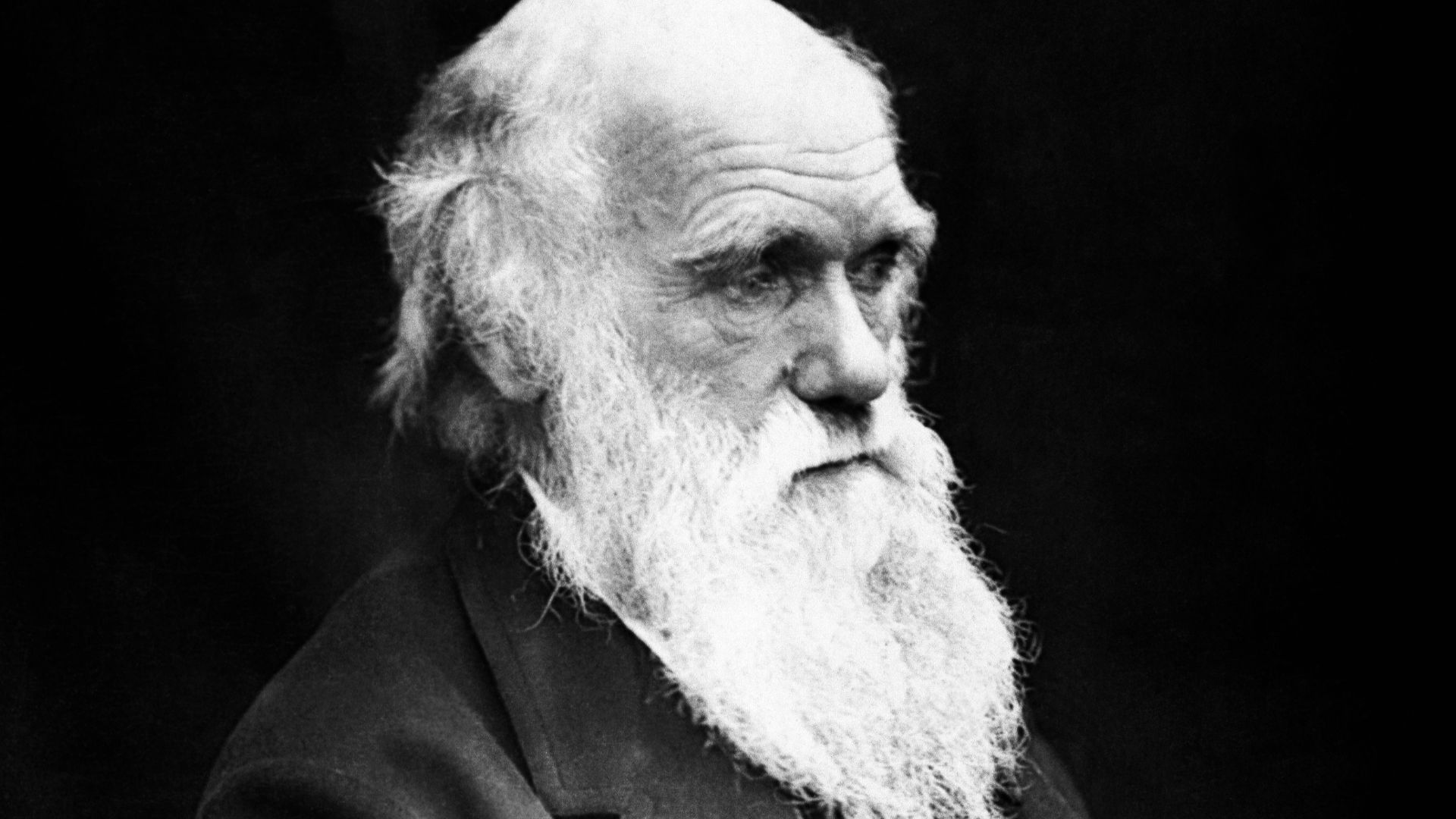
Darwin Became The Face Of Evolution
Charles Darwin became so closely associated with evolution that his name is practically shorthand for natural selection. Yet he spent years developing his ideas without publishing them. Then another naturalist independently reached a remarkably similar conclusion.
 Julia Margaret Cameron, Wikimedia Commons
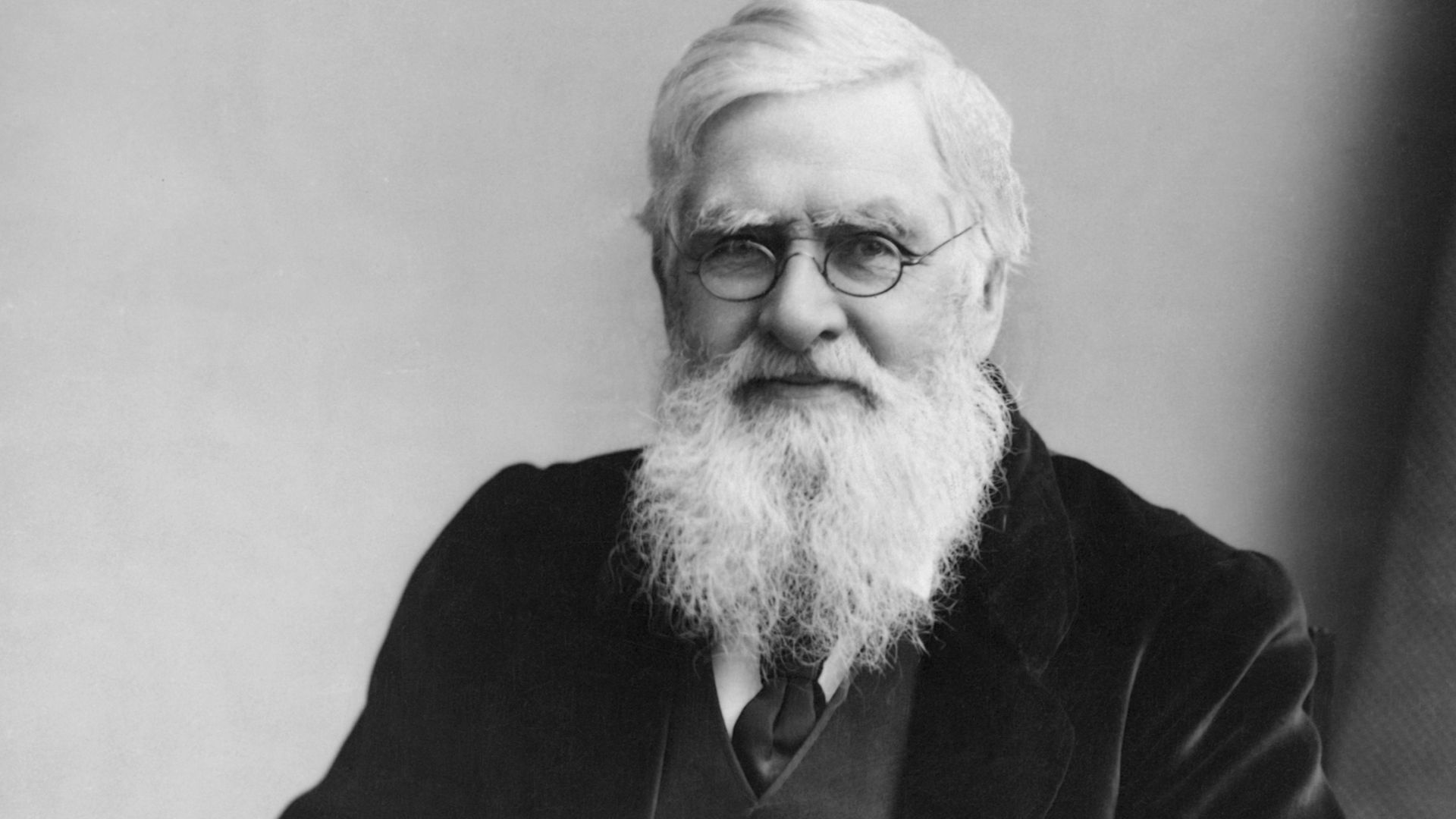
Wallace Forced Darwin's Hand
Alfred Russel Wallace sent Darwin a manuscript describing his own theory of natural selection in 1858. Their work was presented together to the Linnean Society, and Darwin published On the Origin of Species the following year. Darwin became the household name, while Wallace remained the far less famous co-discoverer.
 London Stereoscopic and Photographic Company (active 1855-1922), Wikimedia Commons
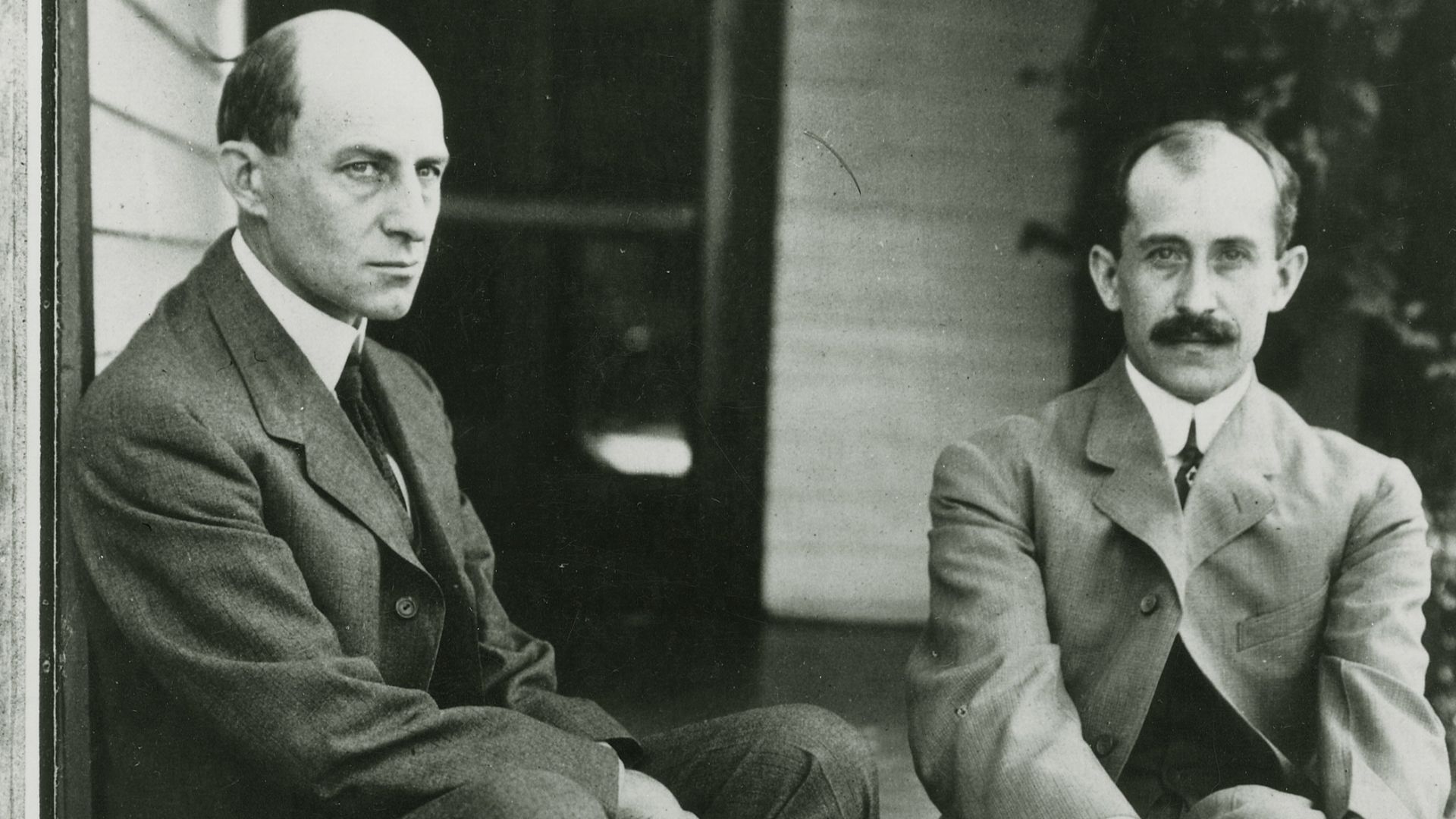
The Wright Brothers Needed An Engine
By 1903, Wilbur and Orville Wright had solved many of the problems standing between humans and powered flight. One major obstacle remained: they could not find a lightweight engine suitable for their airplane. Their bicycle shop mechanic stepped in.
 unattributed, Wikimedia Commons

History's most fascinating stories and darkest secrets, delivered to your inbox daily.
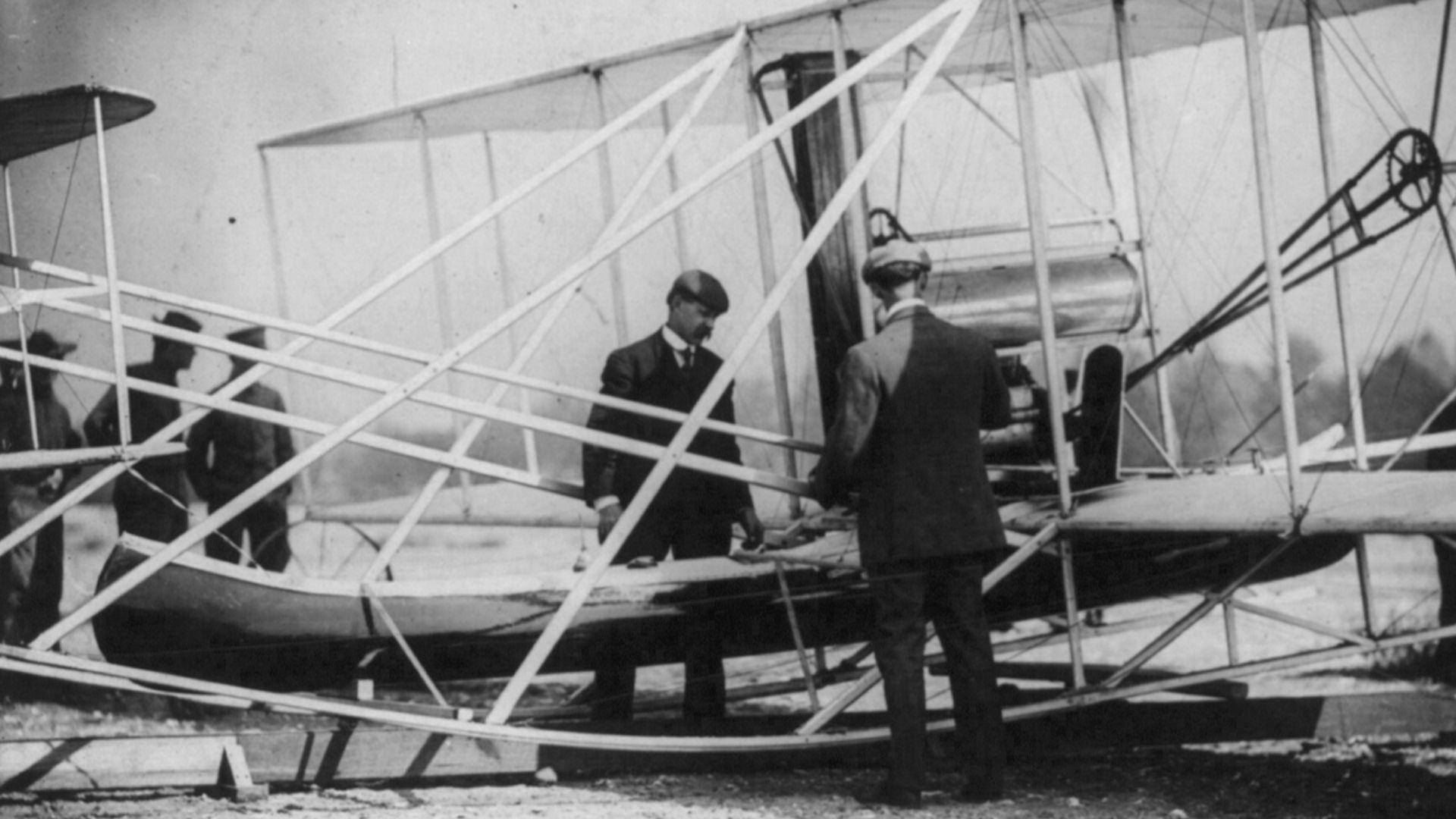
Charlie Taylor Helped Them Take Off
Charlie Taylor worked with the Wright brothers to build the four-cylinder engine that powered the 1903 Flyer. That engine carried Orville Wright into the air at Kitty Hawk on December 17. The brothers became legends, while the mechanic who supplied their crucial power remained far less famous.
 George Grantham Bain Collection, Wikimedia Commons
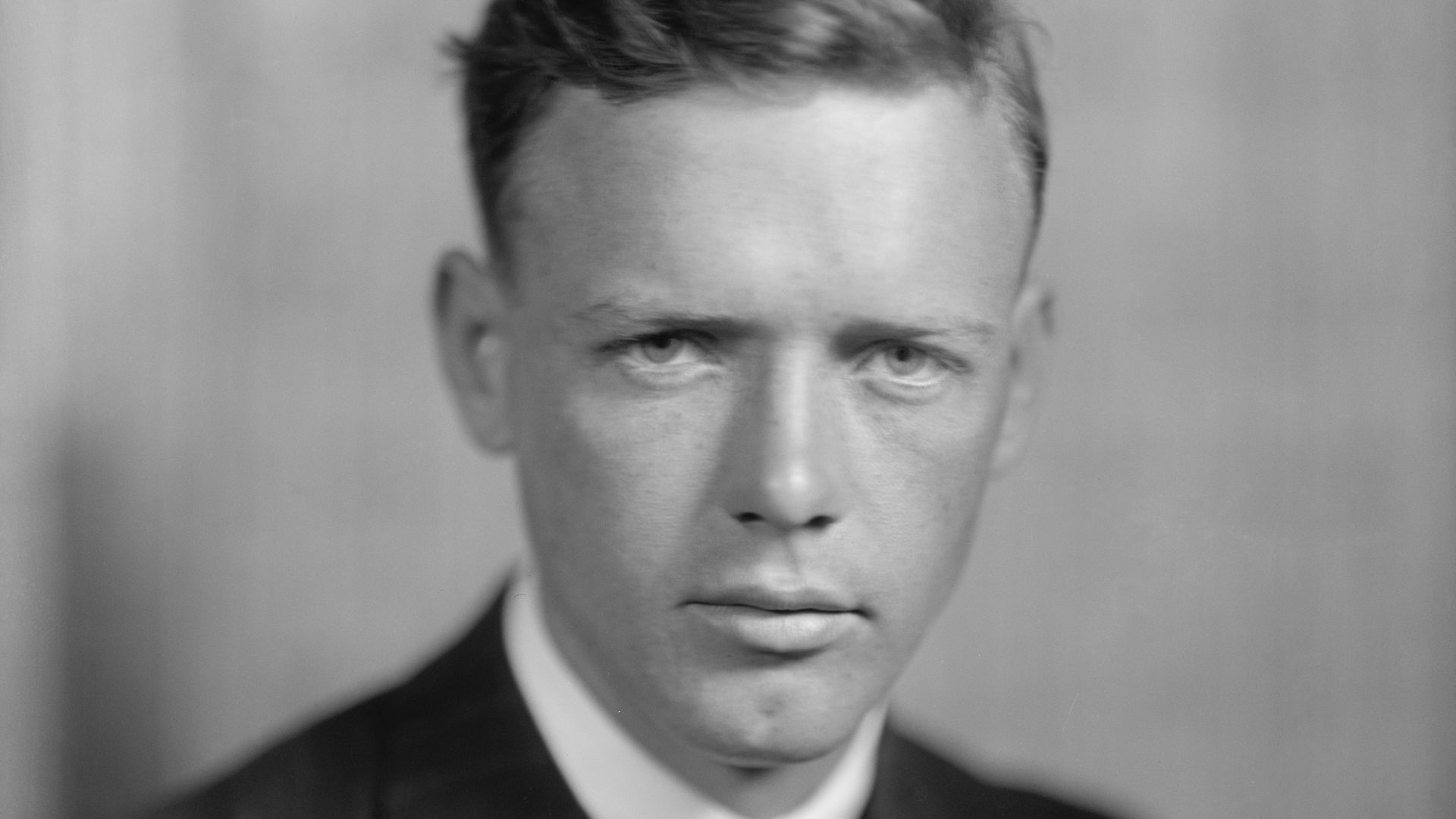
Lindbergh Became An Overnight Celebrity
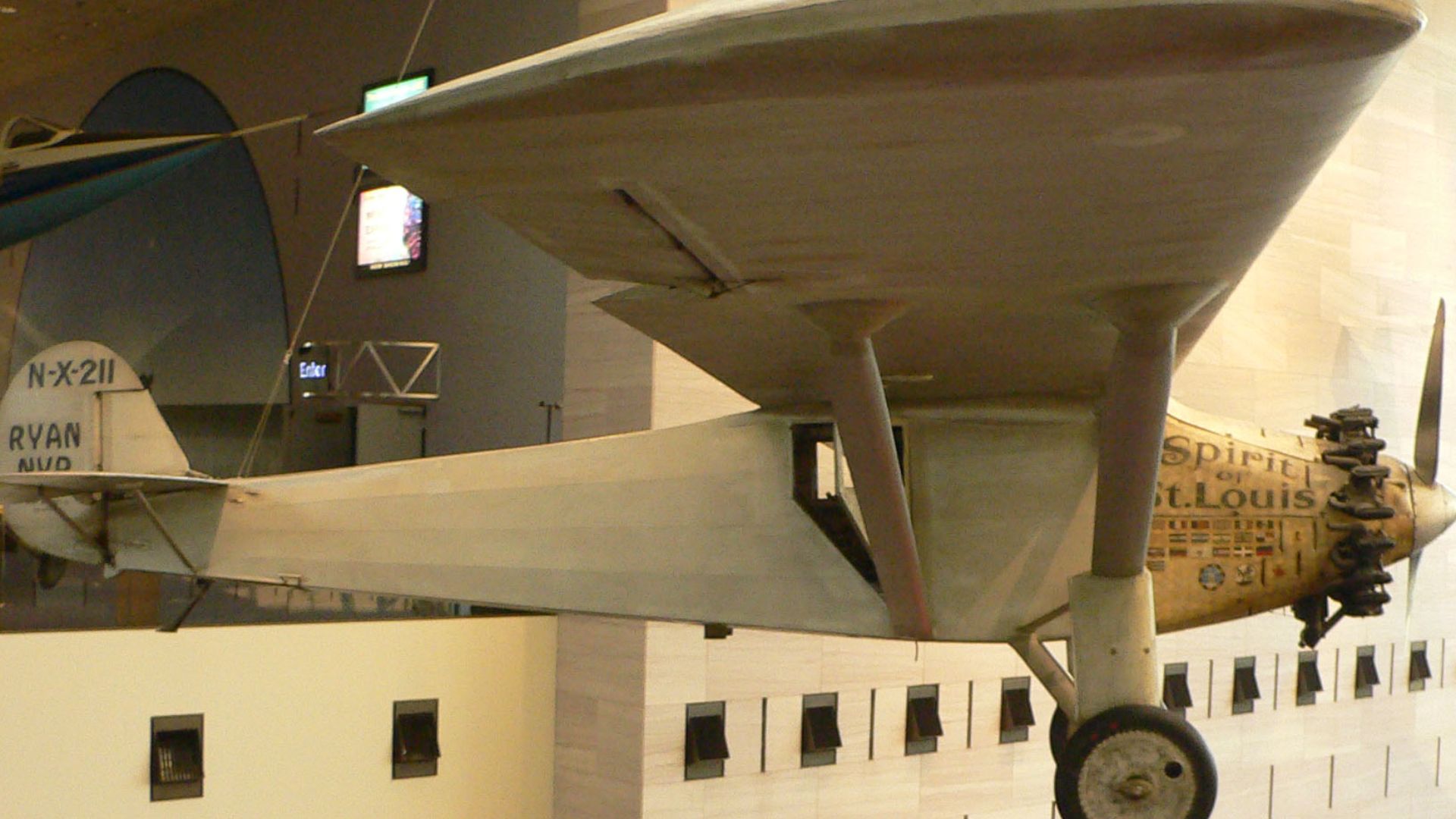
Charles Lindbergh's 1927 solo flight from New York to Paris made him an international sensation. He crossed more than 3,600 miles in the Spirit of St. Louis and won the $25,000 Orteig Prize. But Lindbergh did not build the remarkable airplane that carried him there.
 Harris & Ewing, Wikimedia Commons
Donald Hall Designed The Plane
Ryan Airlines engineer Donald Hall was the principal designer of the Spirit of St. Louis. Working closely with Lindbergh, Hall created an aircraft capable of carrying the enormous fuel load needed for the crossing. Lindbergh flew into history, while Hall stayed largely behind the scenes.
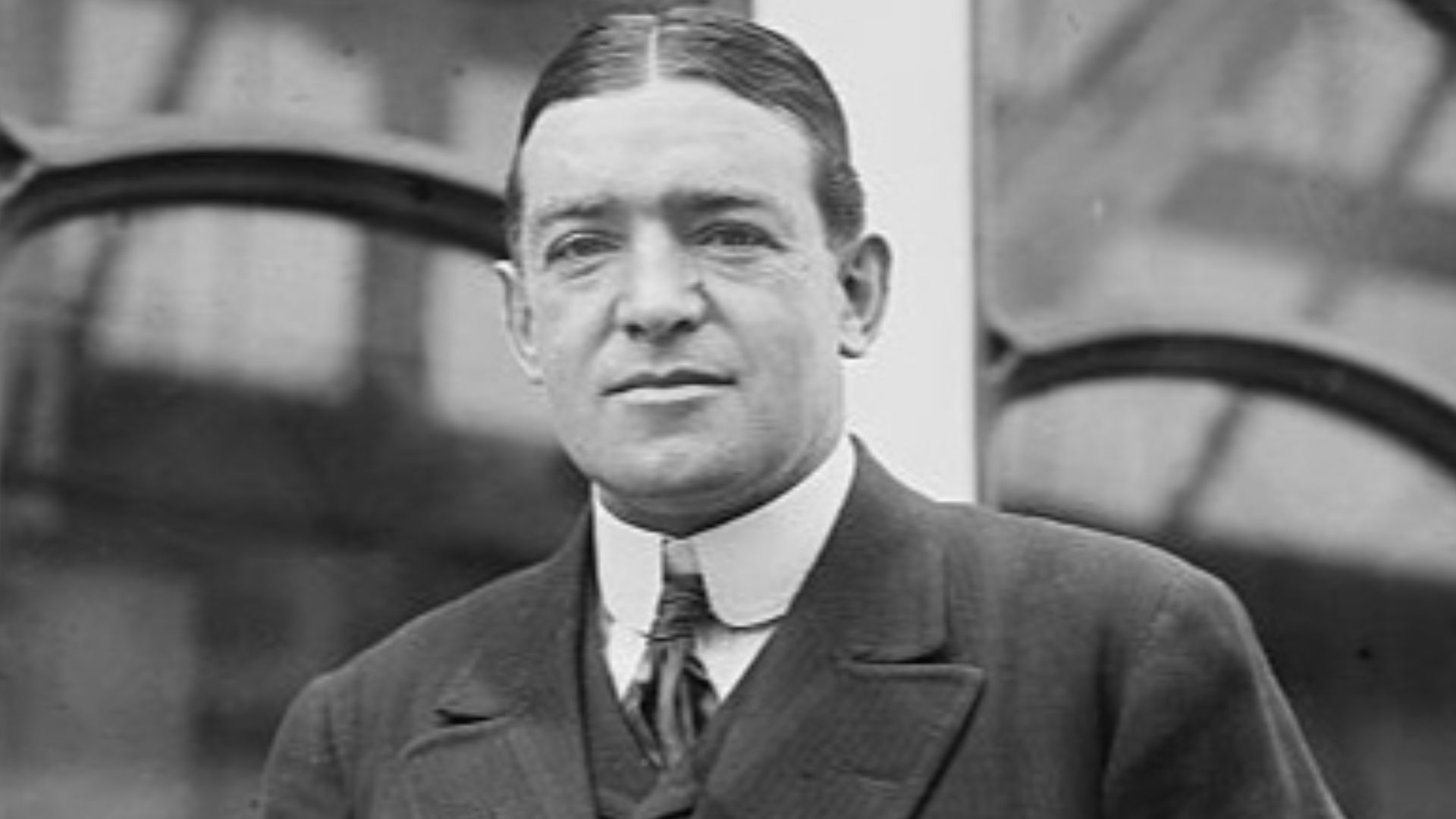
Shackleton Became A Survival Legend
Ernest Shackleton's Antarctic expedition went disastrously wrong when the Endurance became trapped and crushed by ice. Yet every member of his stranded party ultimately survived. Shackleton became famous for the rescue, but another man's navigation was essential to it.
 Bain News Service, publisher, Wikimedia Commons
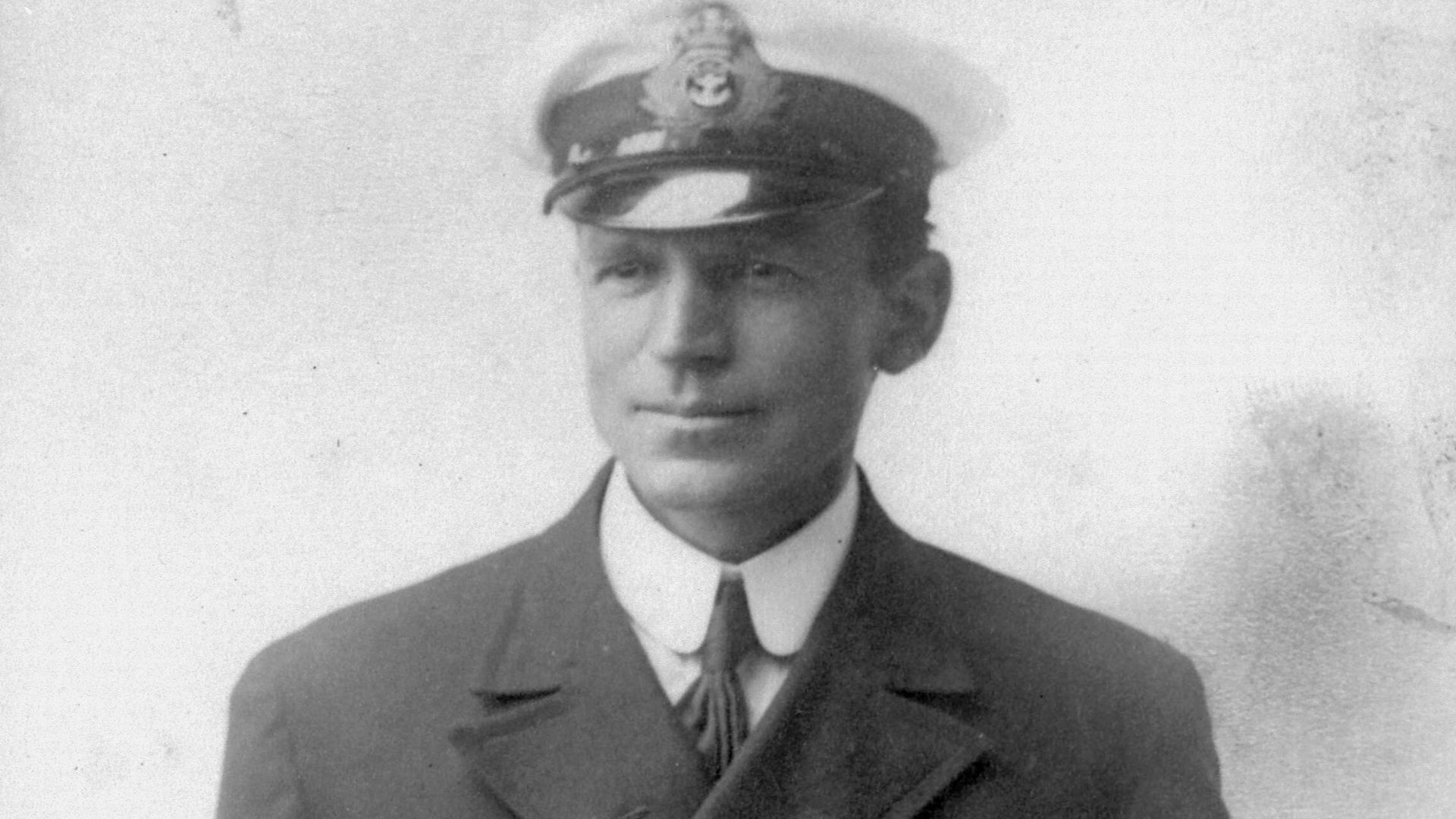
Frank Worsley Found A Tiny Island
Captain Frank Worsley navigated the small James Caird roughly 800 nautical miles across the stormy Southern Ocean. With few reliable sightings available, he still managed to guide the boat toward tiny South Georgia. Shackleton became the celebrated leader, while Worsley's extraordinary feat remained less familiar.
 Unknown authorUnknown author, Wikimedia Commons
Magellan Got His Name On The Voyage
Ferdinand Magellan organized the expedition that became the first to sail around the world. His name remains inseparable from the achievement. There was just one problem: Magellan never completed the journey himself.
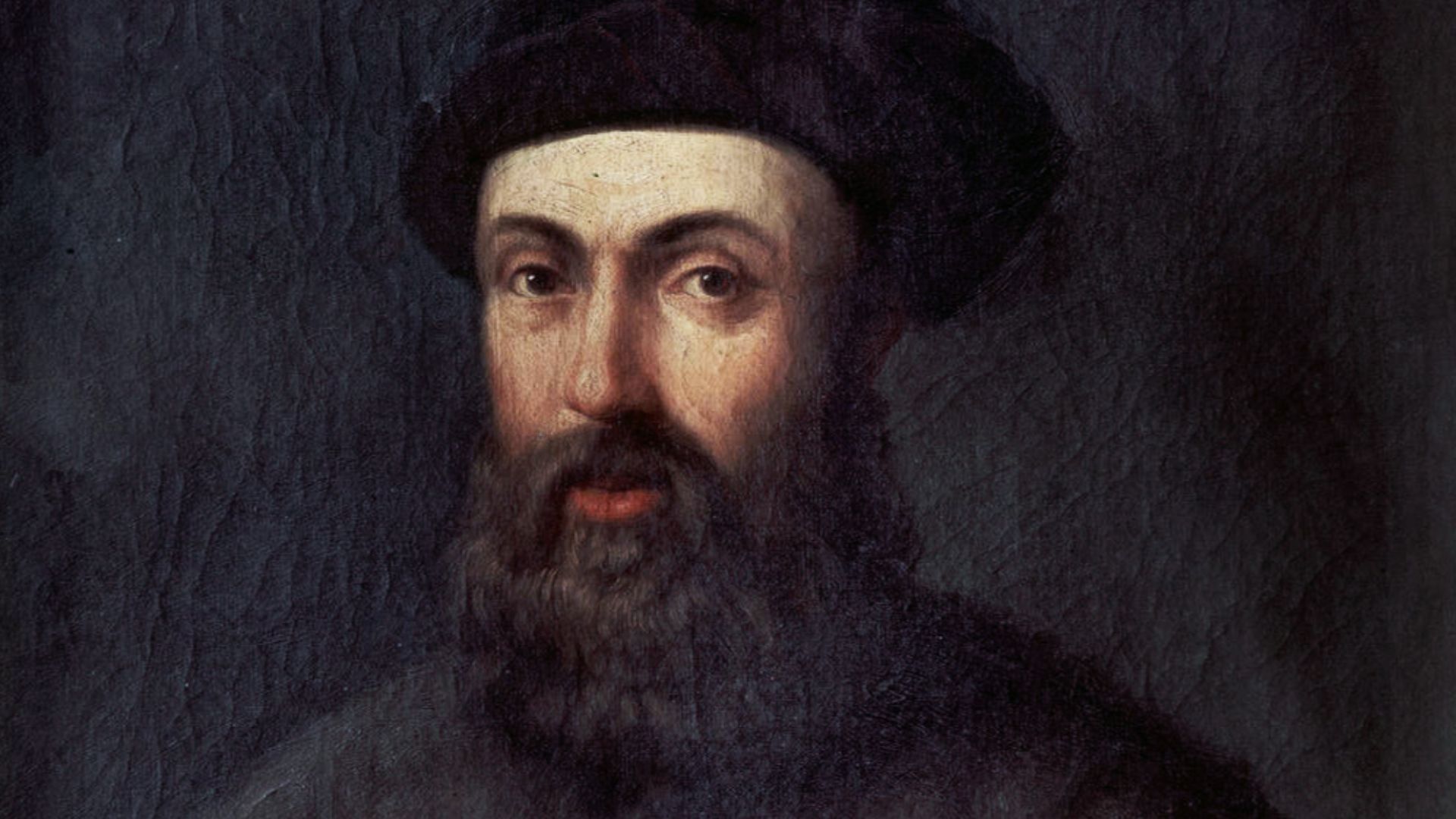 Unknown artistUnknown artist, Wikimedia Commons
History's most fascinating stories and darkest secrets, delivered to your inbox daily.
Elcano Actually Made It Home
Magellan was killed in the Philippines in 1521, leaving the expedition without its original commander. Juan Sebastián Elcano later took command of the Victoria and returned to Spain in September 1522. Magellan started the voyage, but Elcano actually completed the first circumnavigation.
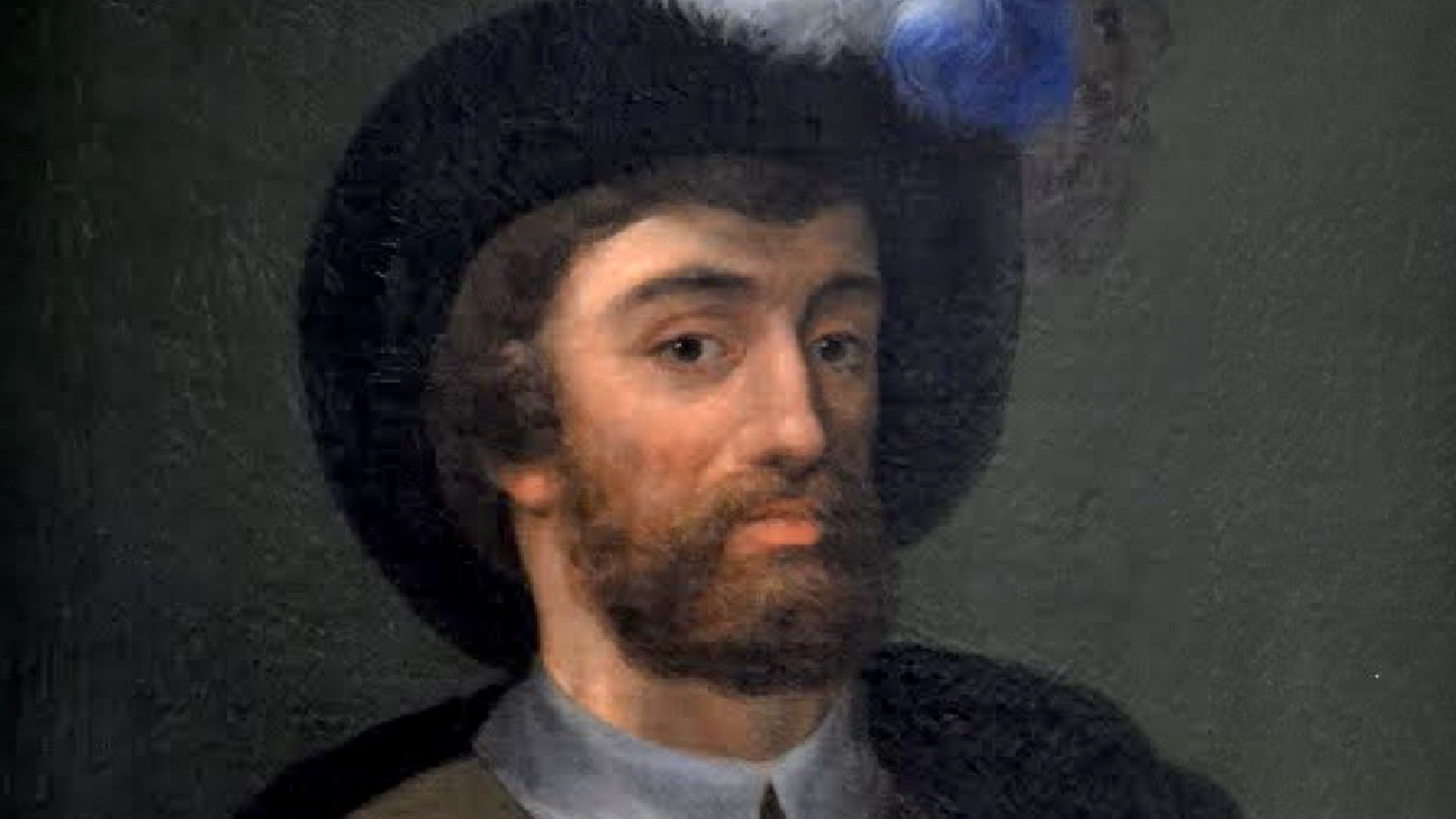 AnonymousUnknown author, Wikimedia Commons
Washington Had An Army To Fix
George Washington became the defining military hero of the American Revolution. During the difficult winter at Valley Forge, however, his army still needed better discipline, organization, and standardized training. A Prussian officer arrived at exactly the right time.
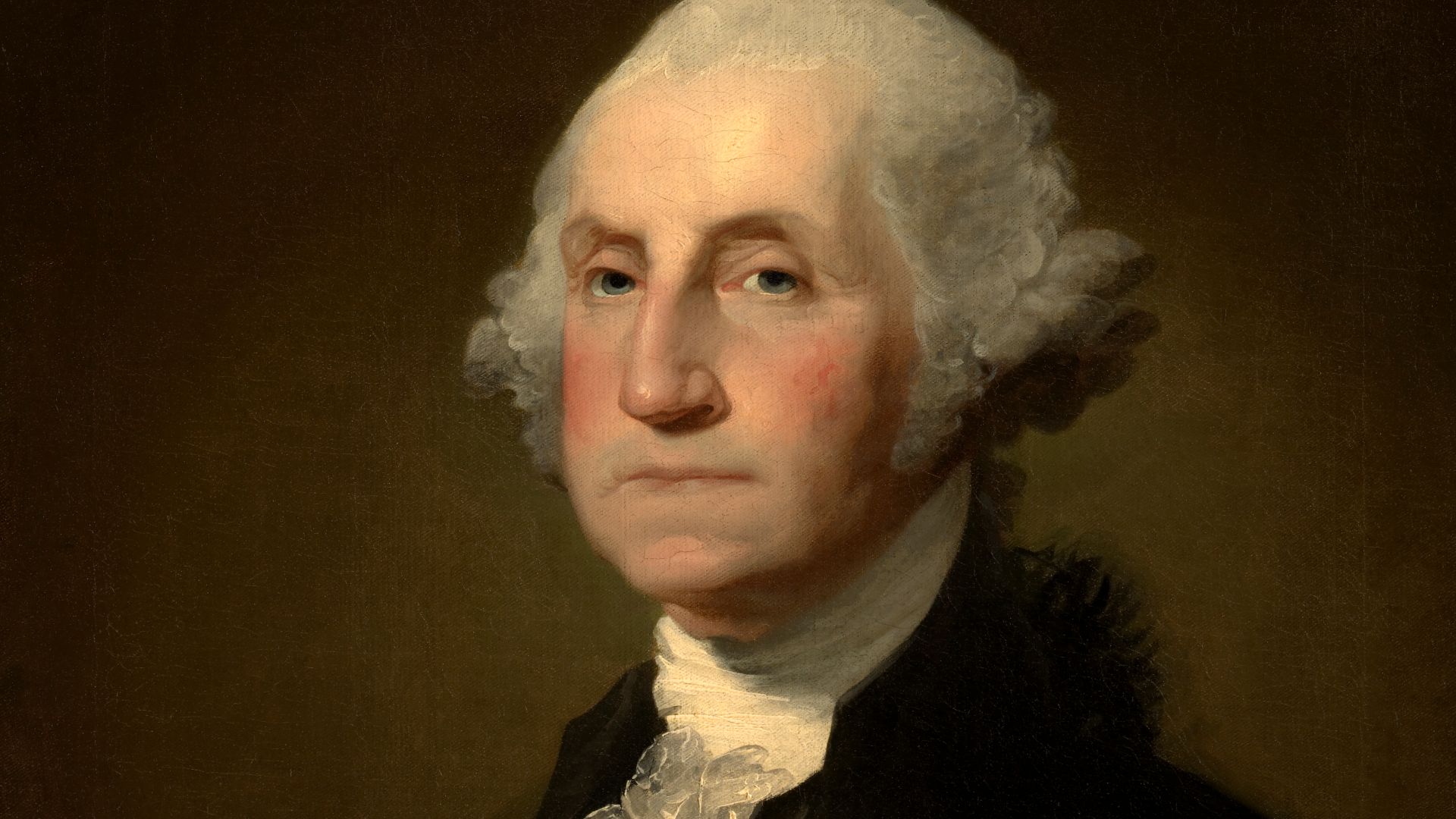 Gilbert Stuart, Wikimedia Commons
Von Steuben Transformed The Troops
Friedrich Wilhelm von Steuben introduced standardized drills and personally trained a model company at Valley Forge. His methods spread through the Continental Army and helped make it a more cohesive fighting force. Washington remained the famous commander, but von Steuben helped give him a much stronger army.
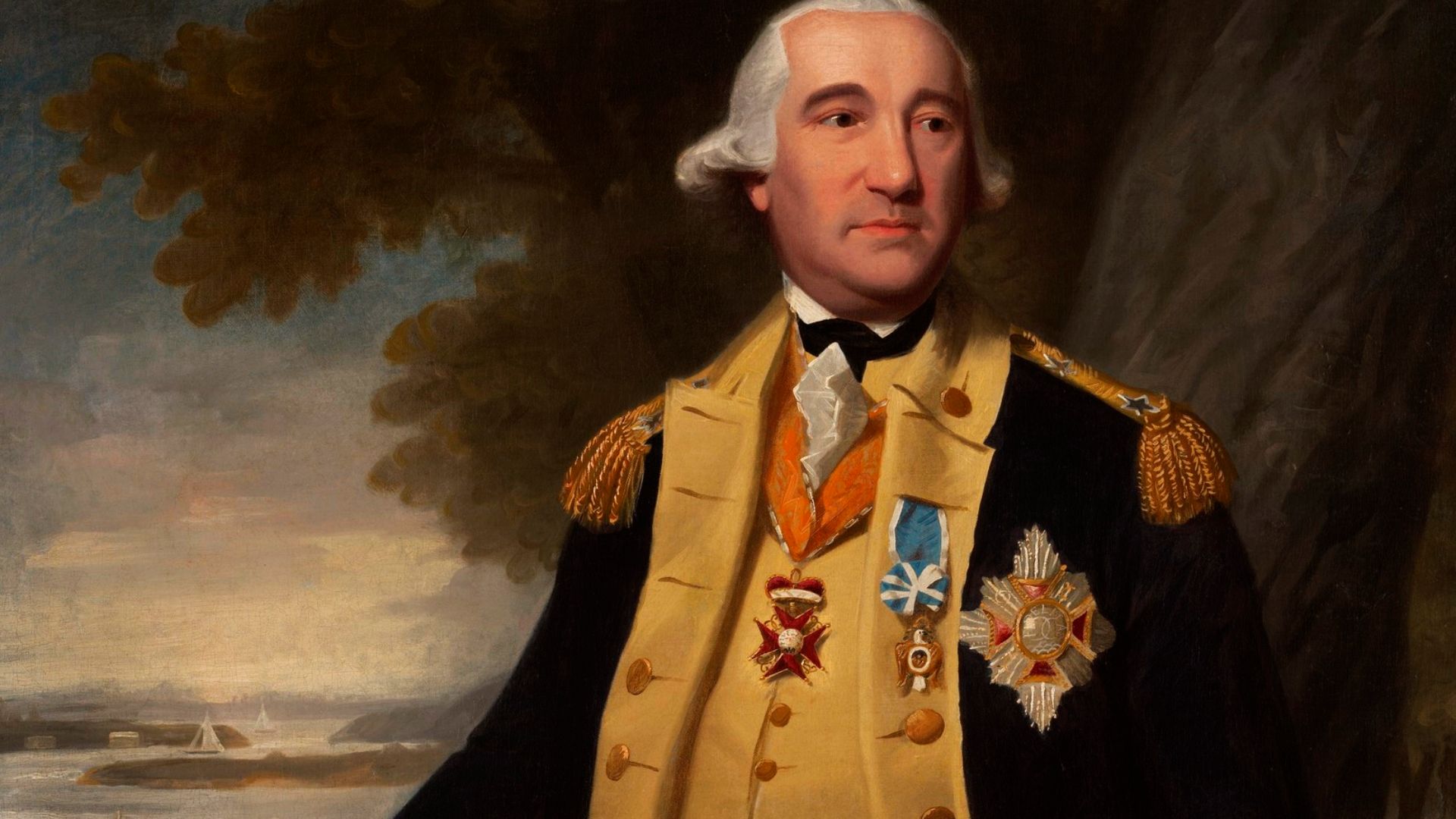
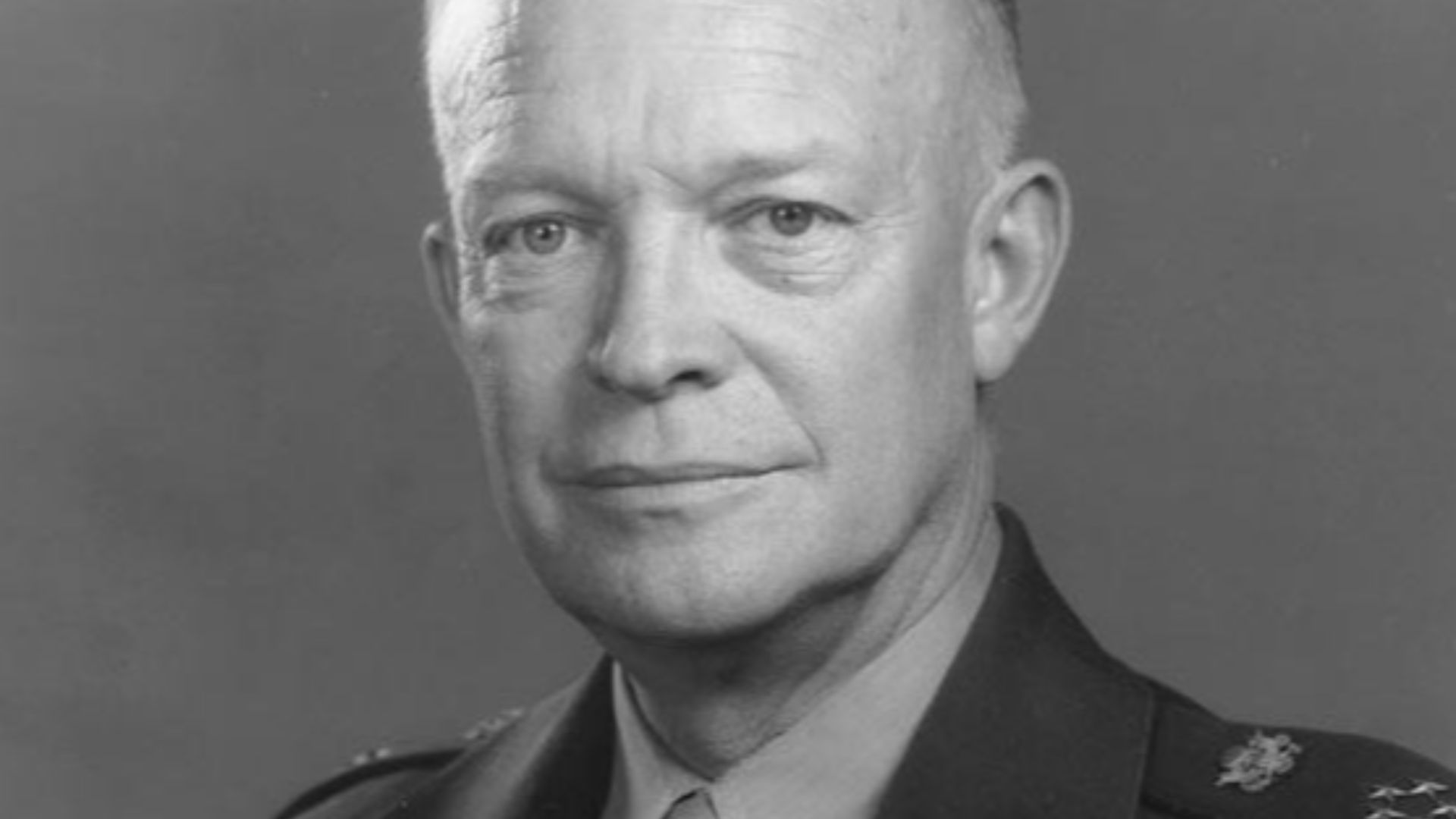
Eisenhower Led The Biggest Invasion
Dwight D. Eisenhower became one of World War II's most celebrated Allied commanders, particularly after D-Day. The invasion required huge numbers of troops and vehicles to reach beaches without conventional ports. A New Orleans boatbuilder helped make that possible.
 Unknown authorUnknown author, Wikimedia Commons
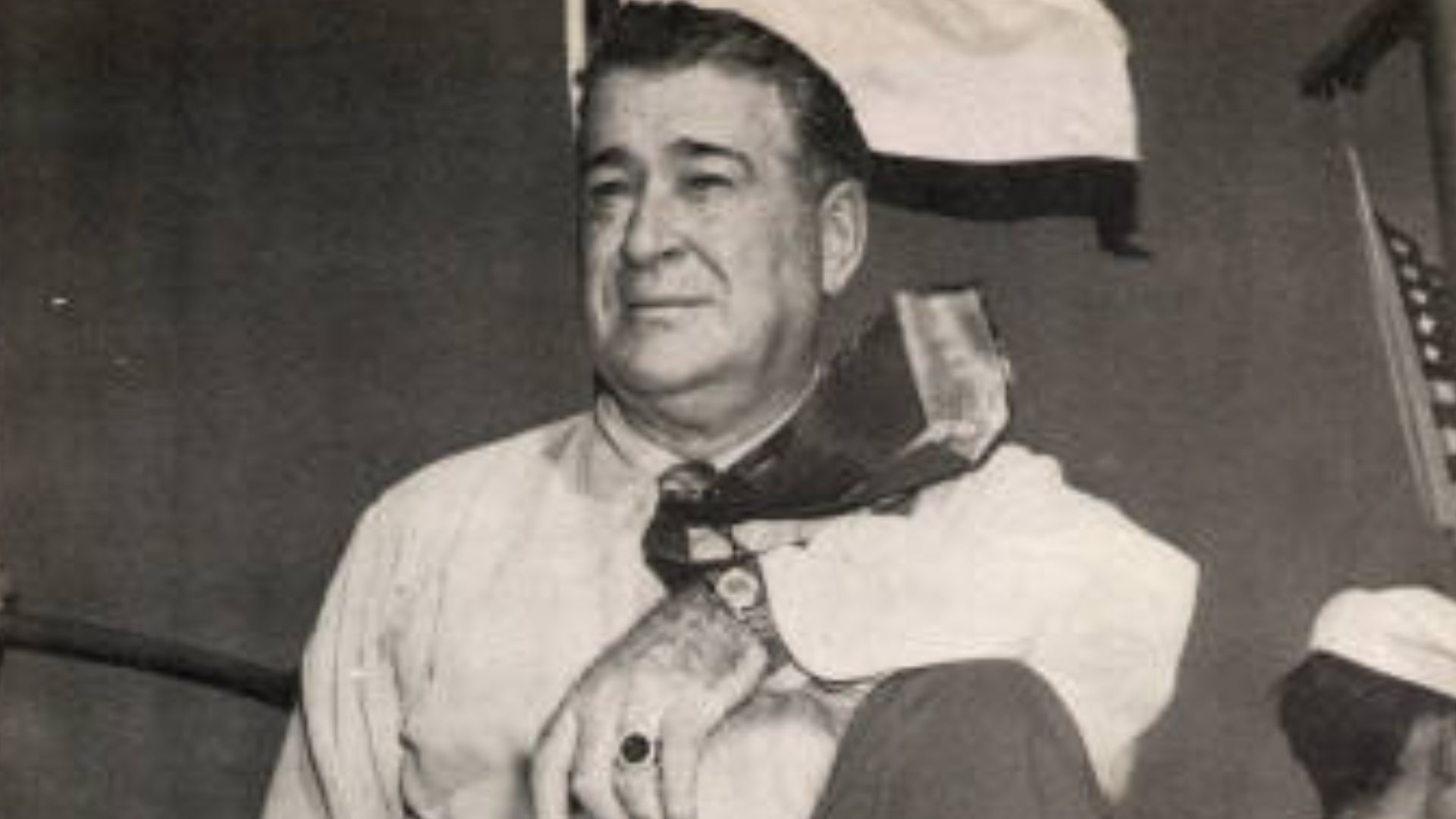
Eisenhower Knew Higgins Mattered
Andrew Higgins developed landing craft with front ramps that could deliver troops and vehicles directly onto beaches. His company produced thousands of vessels used across the war. Eisenhower later called Higgins "the man who won the war for us," yet Higgins never became remotely as famous.
 Higgins Industries / U.S. Navy, Wikimedia Commons
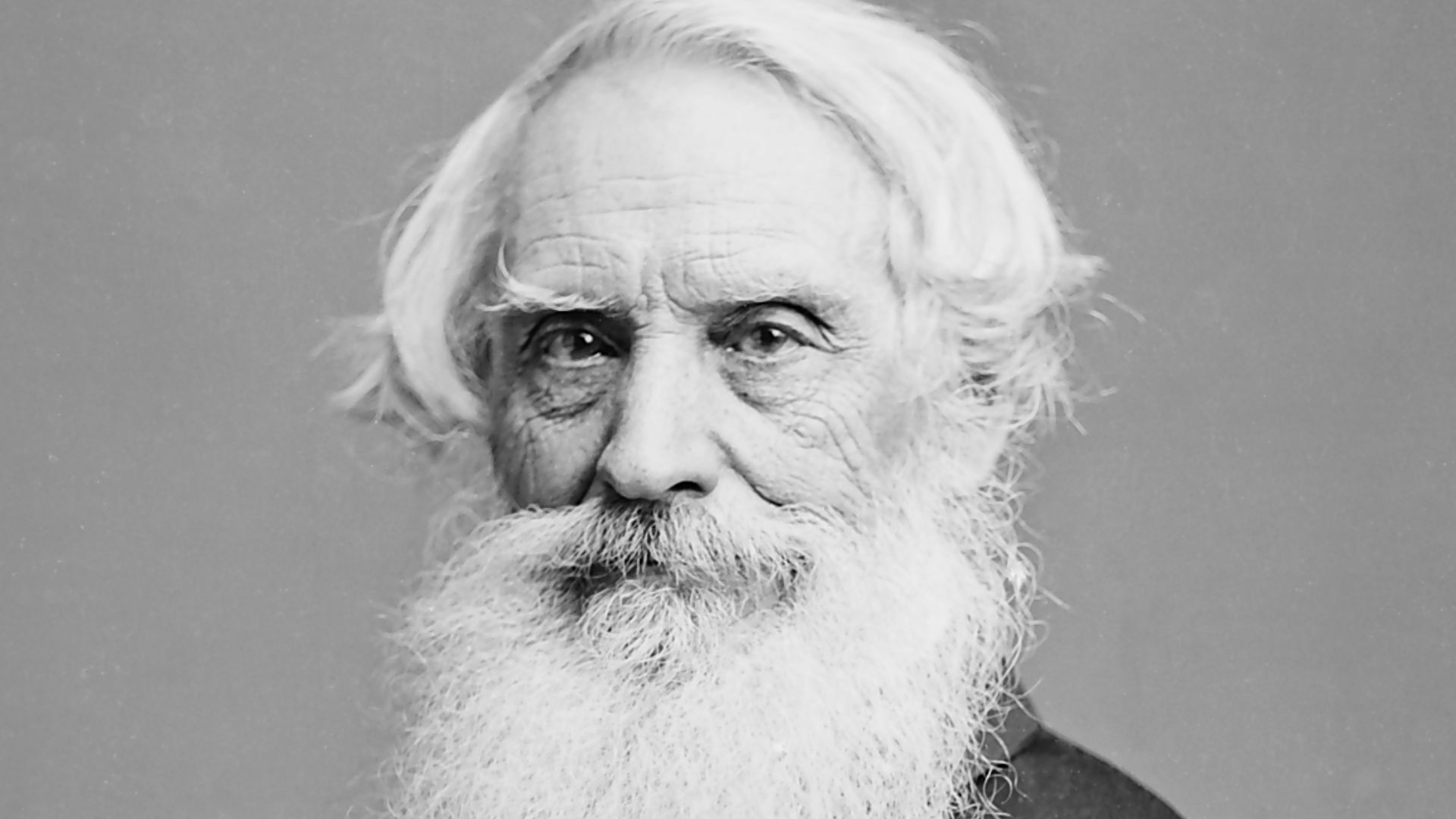
Morse Put His Name On The Code
Samuel Morse became synonymous with the telegraph and the dots and dashes of Morse code. His name became so dominant that the invention can seem like a solo achievement. In reality, Alfred Vail was one of his most important collaborators.
 Mathew Benjamin Brady, Wikimedia Commons
History's most fascinating stories and darkest secrets, delivered to your inbox daily.
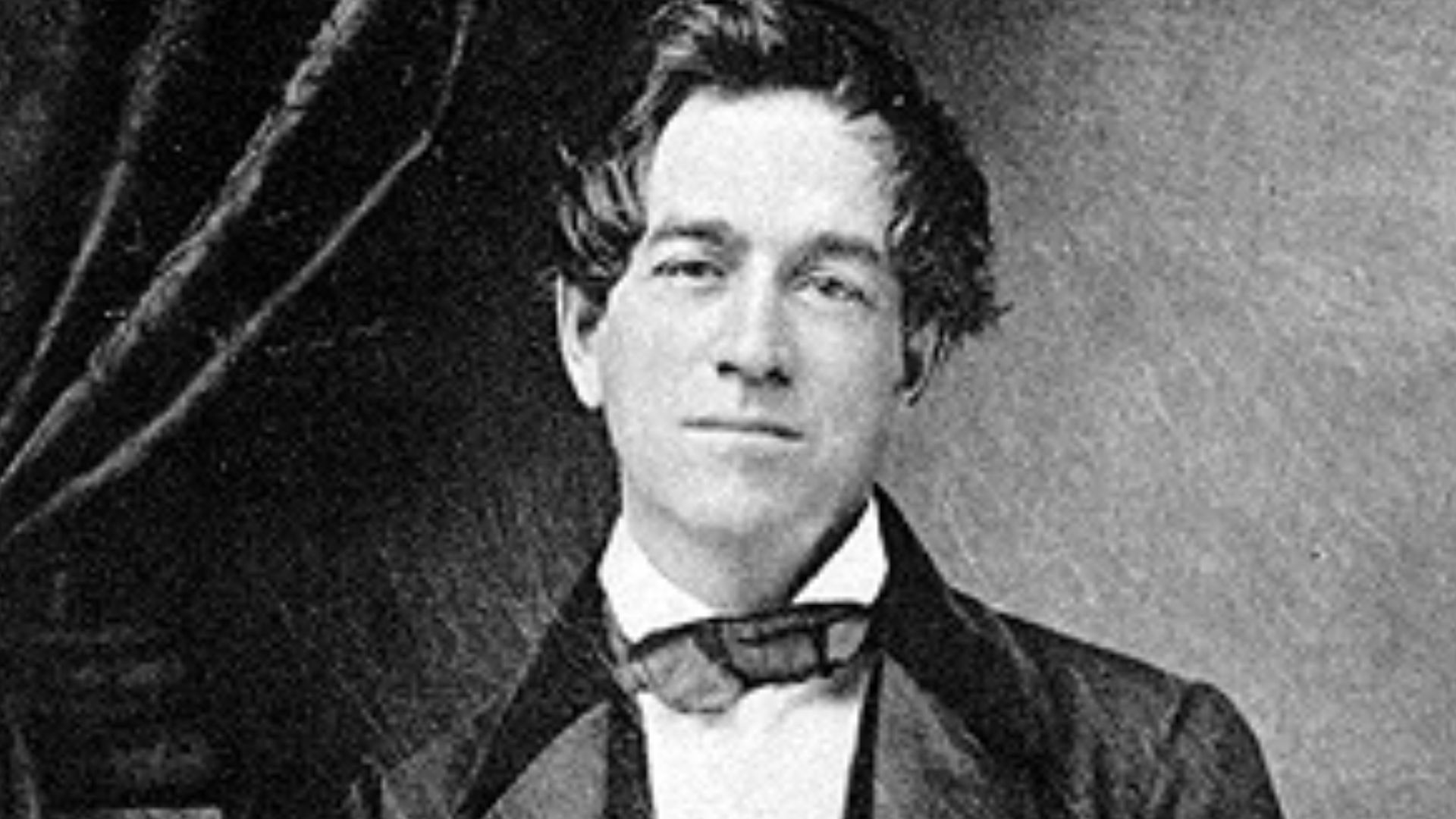
Alfred Vail Made It Practical
Vail helped develop a practical system for sending and receiving electrical signals and improved the telegraph equipment itself. Smithsonian records also credit him with developing the alpha code used with the electromagnetic telegraph. Morse got the famous name, while Vail became a footnote to a system he helped create.
 Unknown authorUnknown author, Wikimedia Commons
Champollion Cracked Ancient Egypt
Jean-François Champollion became famous for deciphering Egyptian hieroglyphs in 1822. His knowledge of Coptic allowed him to understand how the ancient writing system represented the Egyptian language. But another scholar had already opened part of the door.
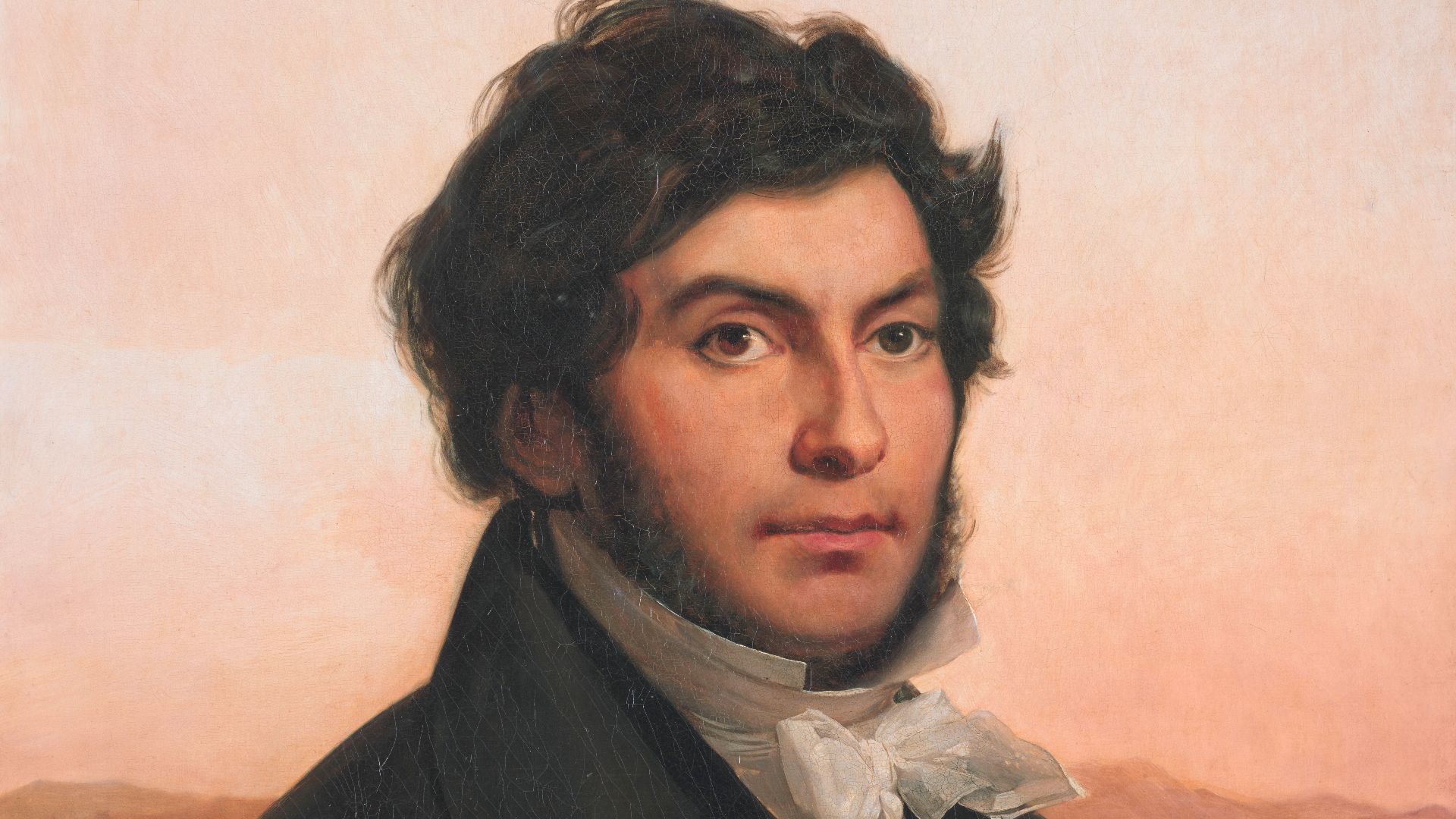 Léon Cogniet, Wikimedia Commons
Thomas Young Found Crucial Clues
Thomas Young showed that some hieroglyphs on the Rosetta Stone represented sounds in the name Ptolemy. He also identified important connections between hieroglyphic and demotic writing. Champollion ultimately went much further, but Young had already provided several crucial clues.
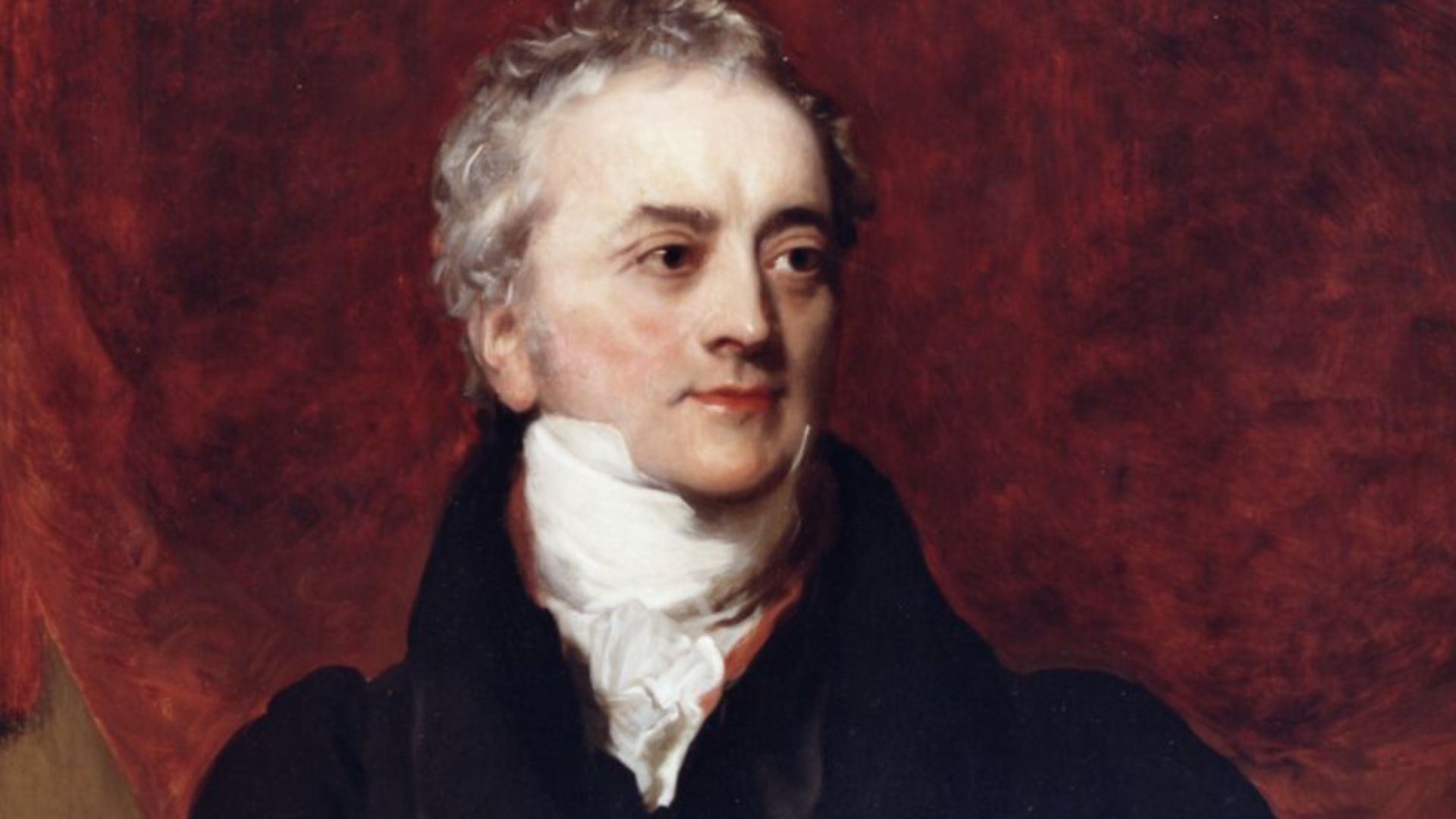 Henry Perronet Briggs, Wikimedia Commons
Edison Became The Famous Inventor
Thomas Edison built a public image as America's great inventor, and early motion pictures became part of his enormous legacy. His laboratory developed the Kinetograph camera and Kinetoscope viewer. Much of the hands-on work, however, came from one of his employees.
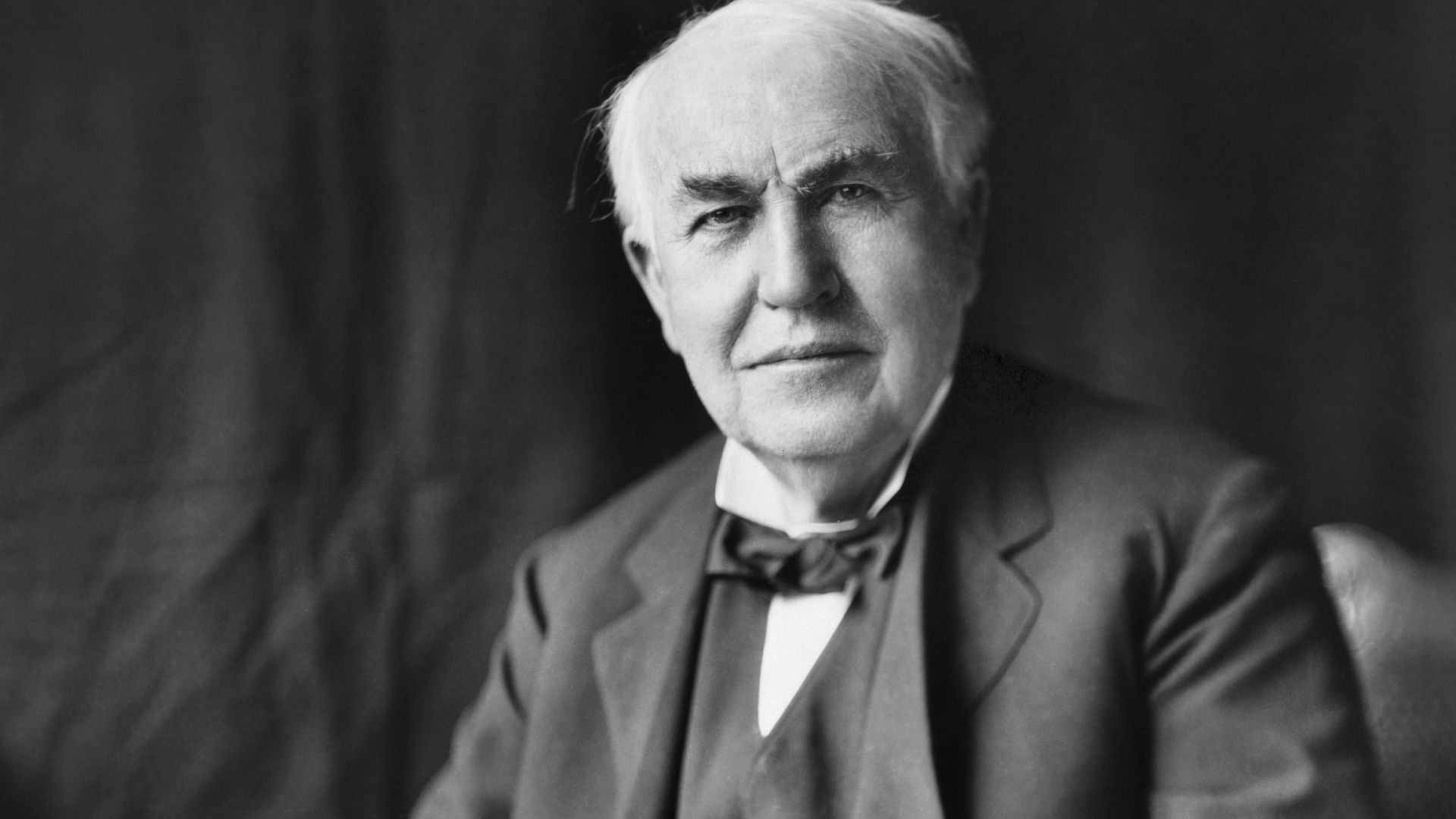 Louis Bachrach, Bachrach Studios, restored by Michel Vuijlsteke, Wikimedia Commons
Dickson Did Much Of The Work
William Kennedy Laurie Dickson performed much of the work on Edison's early motion-picture system beginning in 1888. He helped develop the equipment and participated in some of the earliest experimental films. Edison's name became the brand, while Dickson stayed largely inside film-history books.
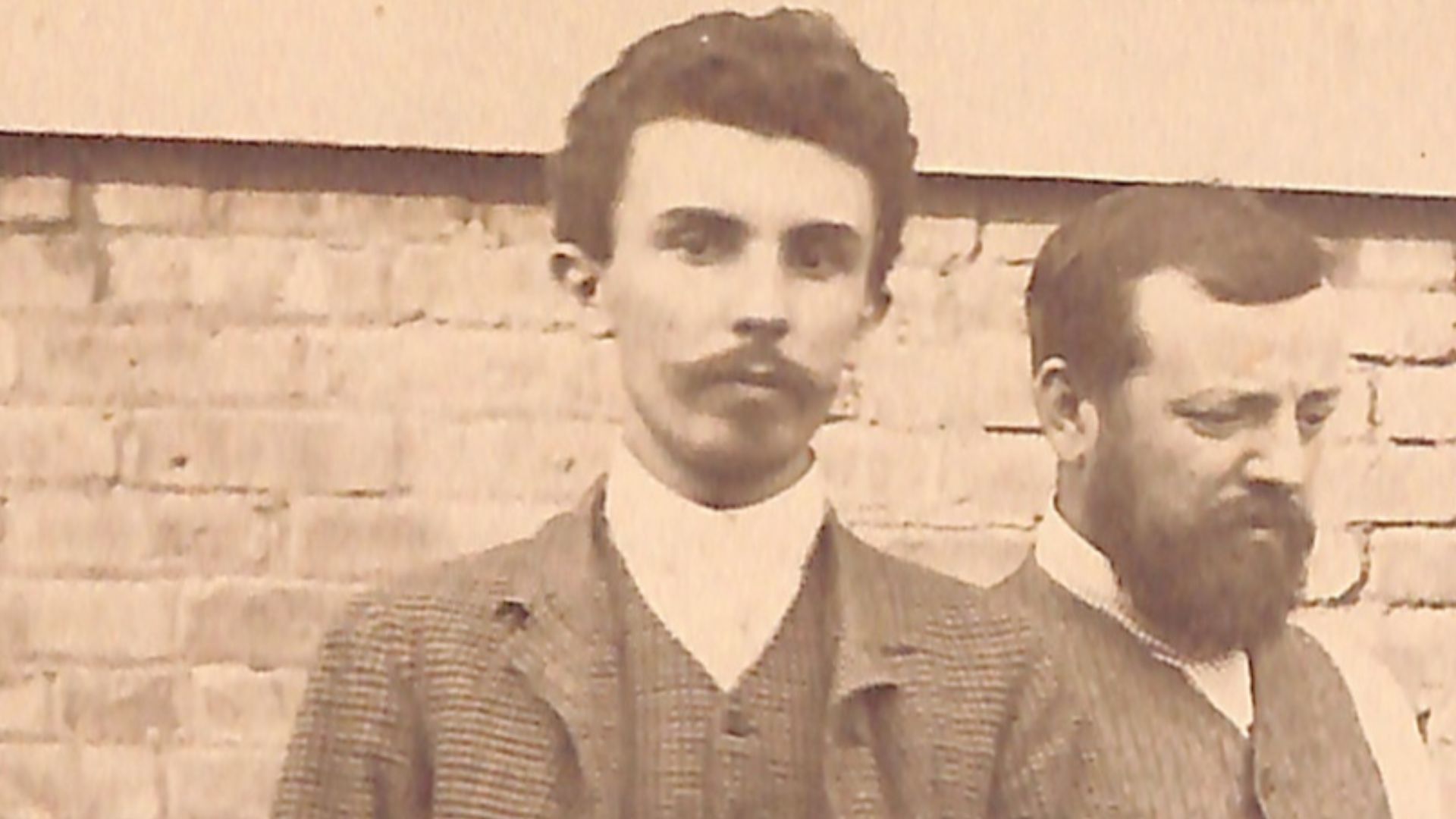 Unknown authorUnknown author, Wikimedia Commons
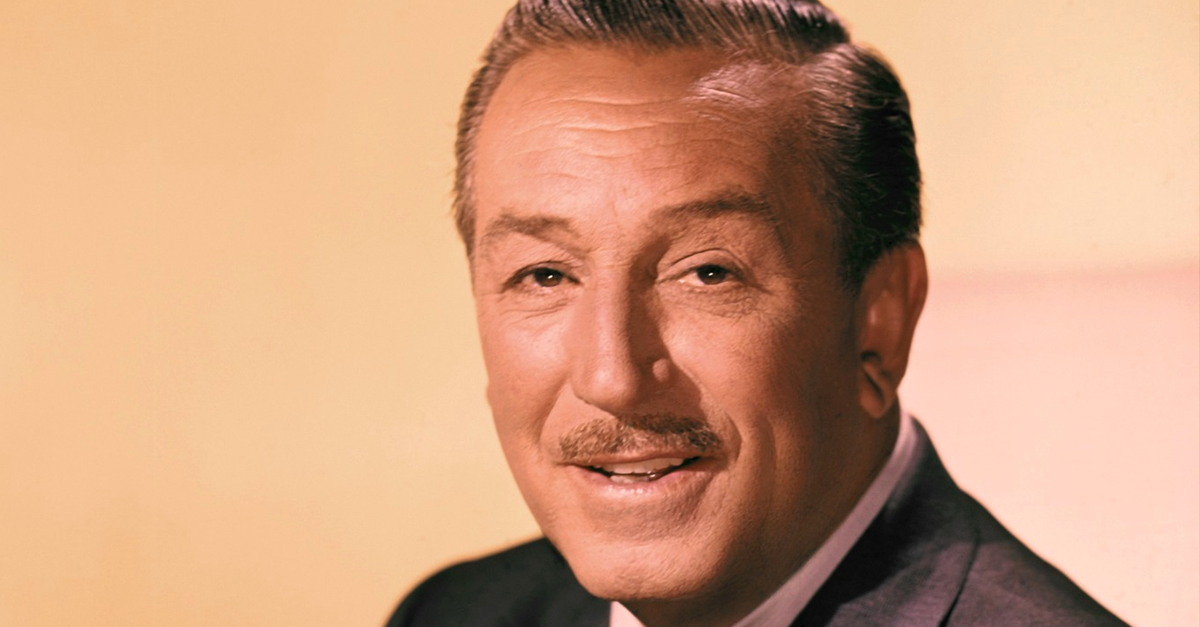
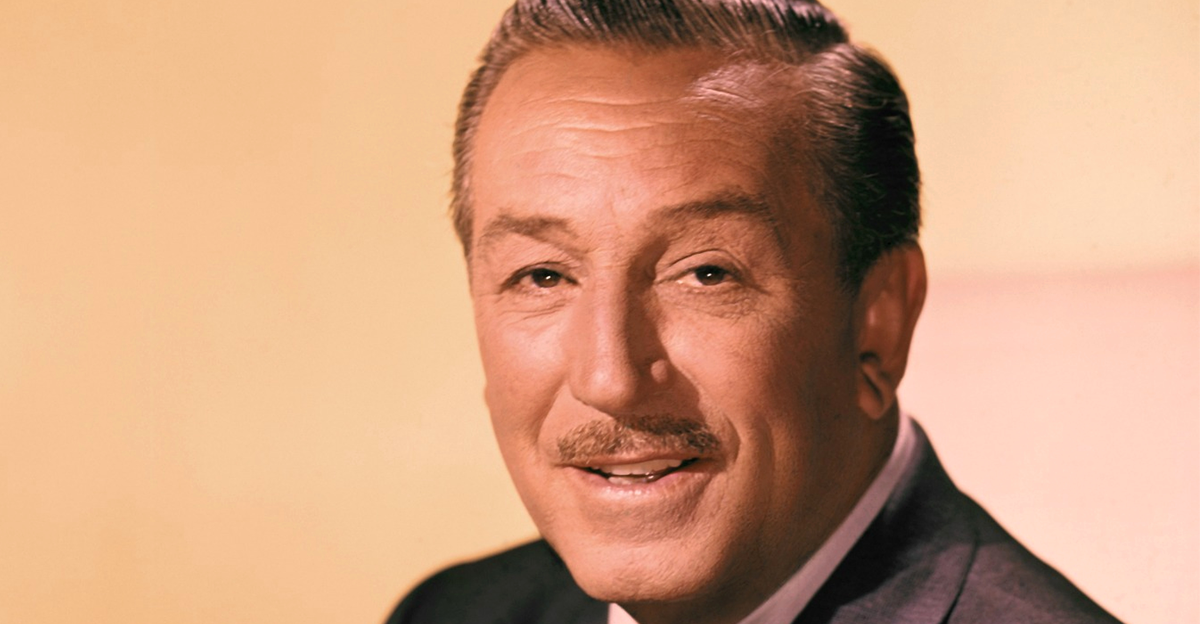
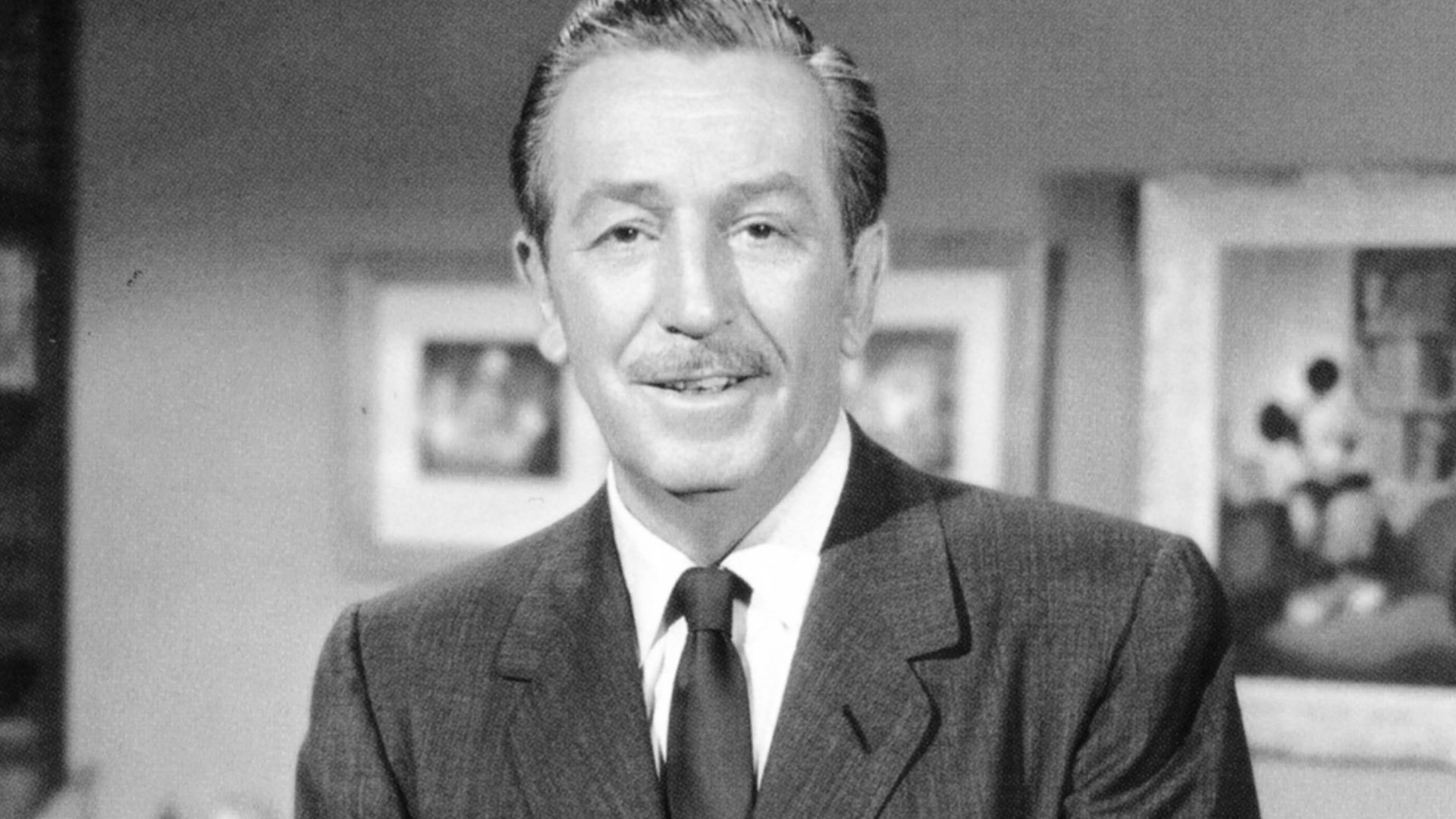
Disney Became The Name Everyone Knew
Walt Disney built one of the most recognizable entertainment empires in history. Mickey Mouse became its defining character after Disney lost control of Oswald the Lucky Rabbit. But another animator was there when Mickey came to life.
 AnonymousUnknown author, Wikimedia Commons
History's most fascinating stories and darkest secrets, delivered to your inbox daily.
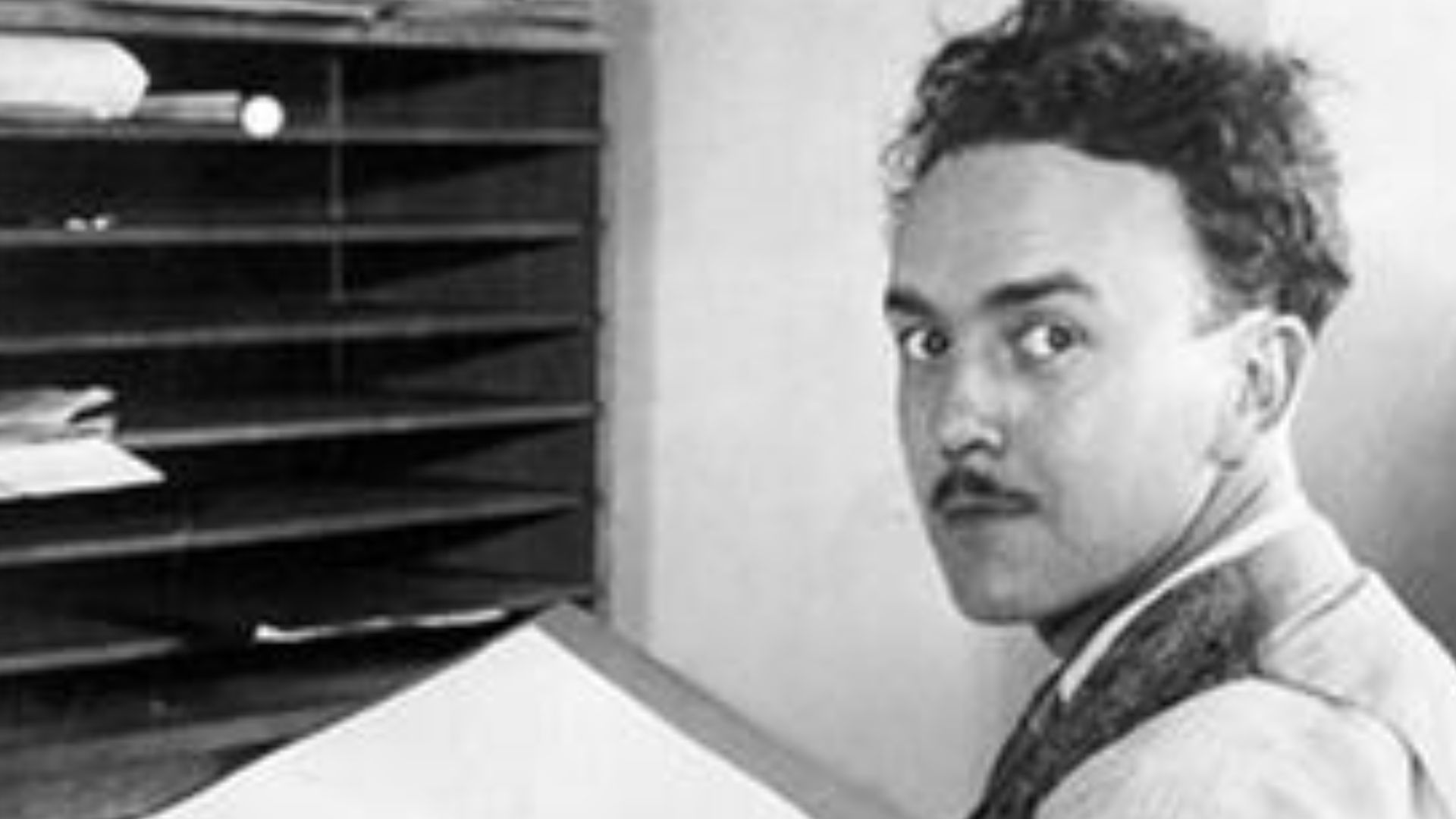
Ub Iwerks Drew The Heavy Load
The Smithsonian credits Walt Disney and Ub Iwerks with co-creating Mickey Mouse. Iwerks then produced huge amounts of animation for the earliest Mickey cartoons at remarkable speed. Disney became the public face of the empire, while Iwerks remained far less recognizable.
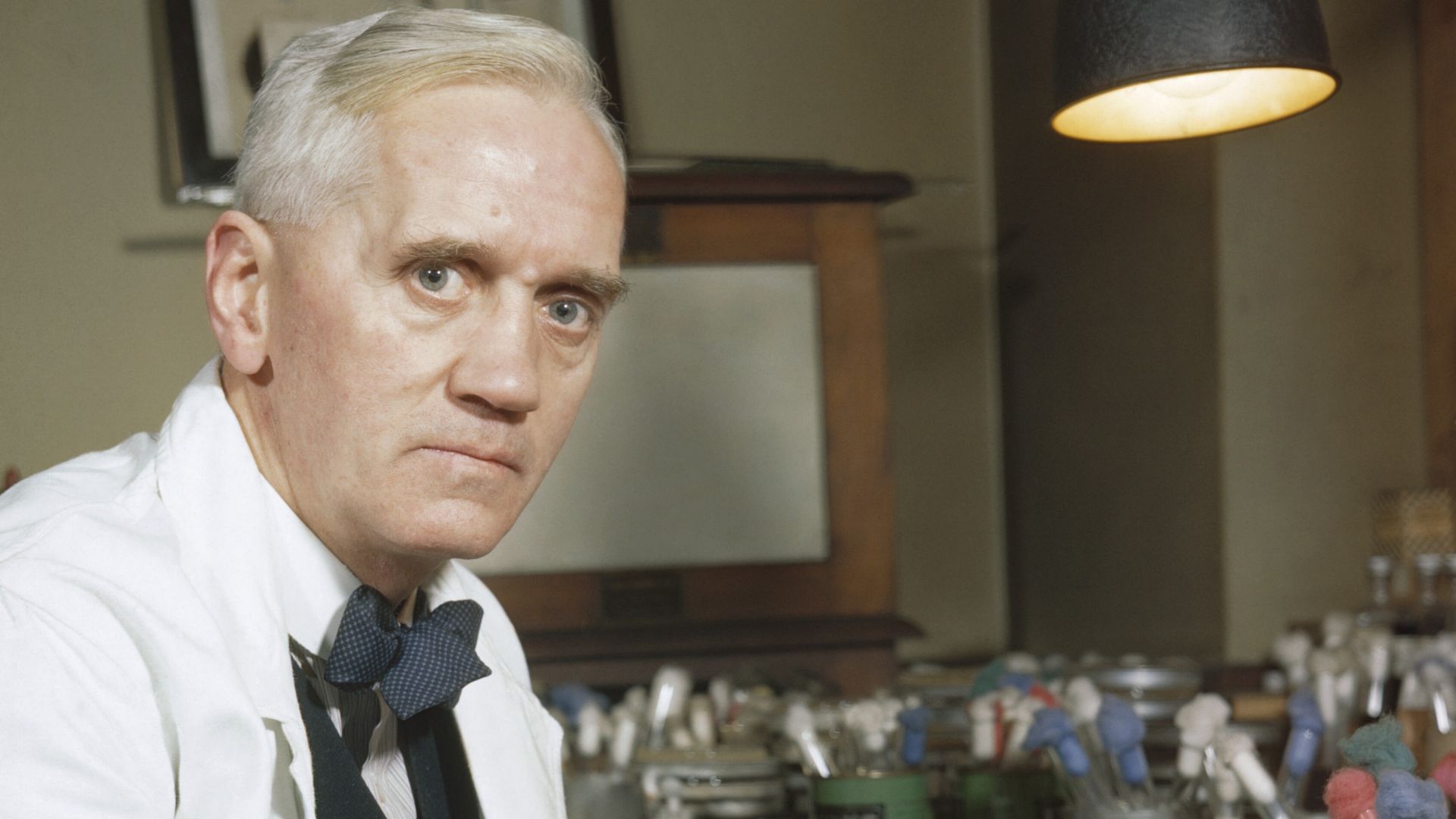
Fleming Made The Famous Discovery
Alexander Fleming's accidental discovery of penicillin in 1928 became one of medicine's most famous stories. He noticed that mold contaminating a bacterial culture could stop bacterial growth. But Fleming did not turn that discovery into the widely usable medicine that followed.
 Official photographer, Wikimedia Commons
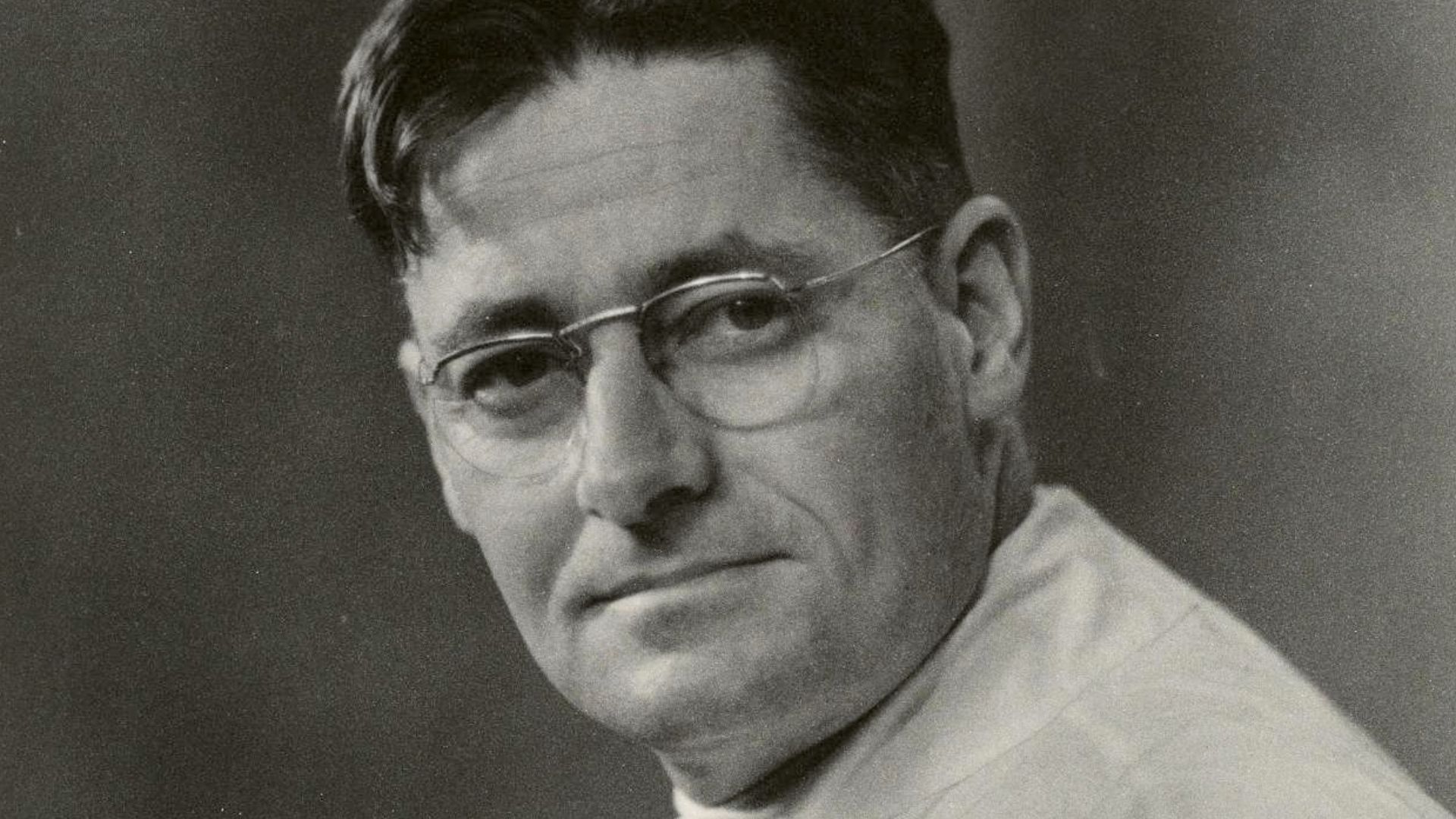
Florey And Chain Made It Medicine
Howard Florey, Ernst Chain, and their Oxford team later developed ways to concentrate and test penicillin as a treatment. Their work led to animal studies, human trials, and eventually large-scale production. All three men shared the 1945 Nobel Prize, but Fleming became the name most closely associated with penicillin.
 Julian Smith, Wikimedia Commons
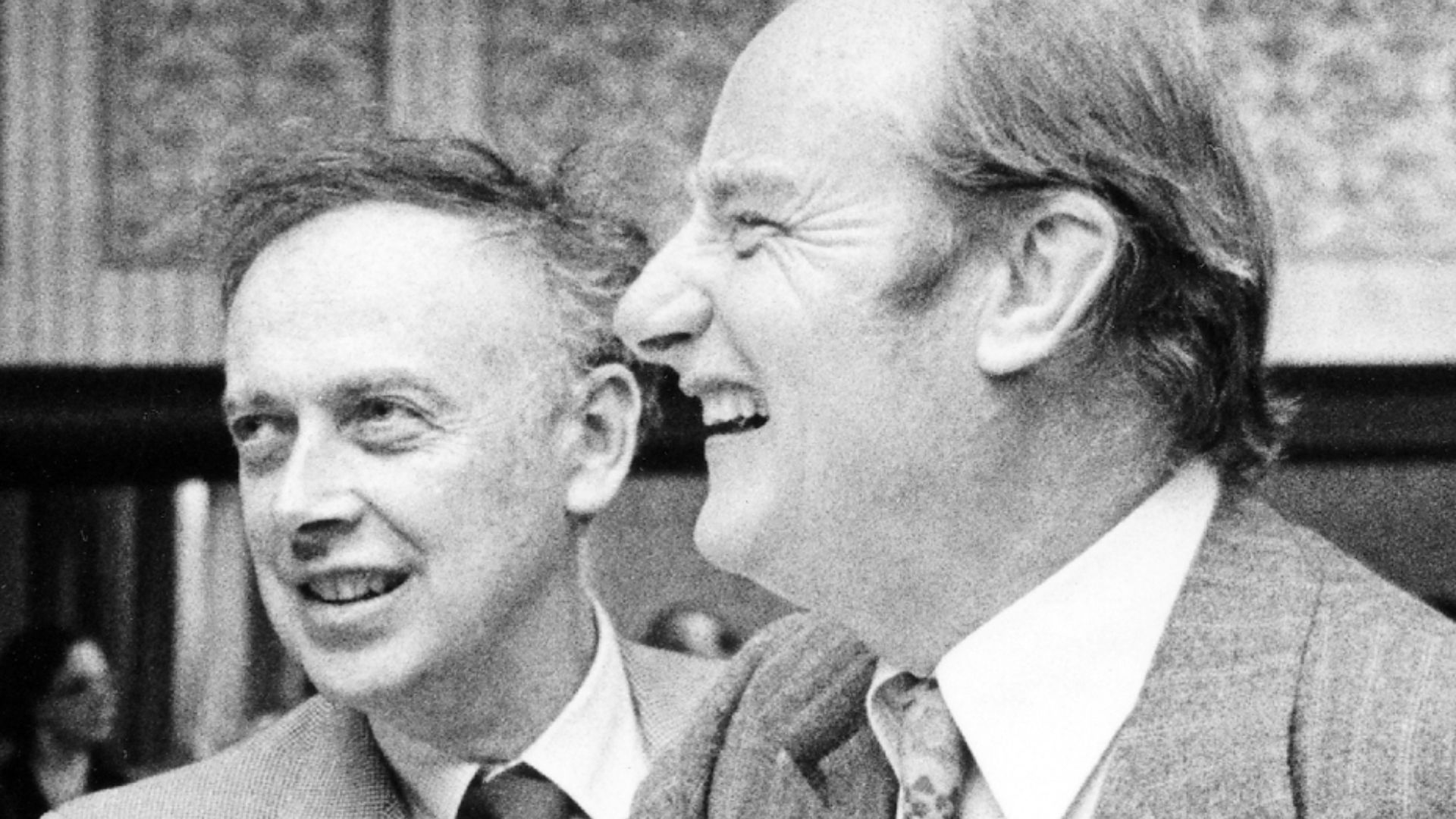
Watson And Crick Won Lasting Fame
James Watson and Francis Crick's 1953 model of DNA's double helix became one of modern science's defining breakthroughs. They later shared the 1962 Nobel Prize with Maurice Wilkins. For decades, Rosalind Franklin's contribution received far less public attention.
 Marjorie McCarty, Wikimedia Commons
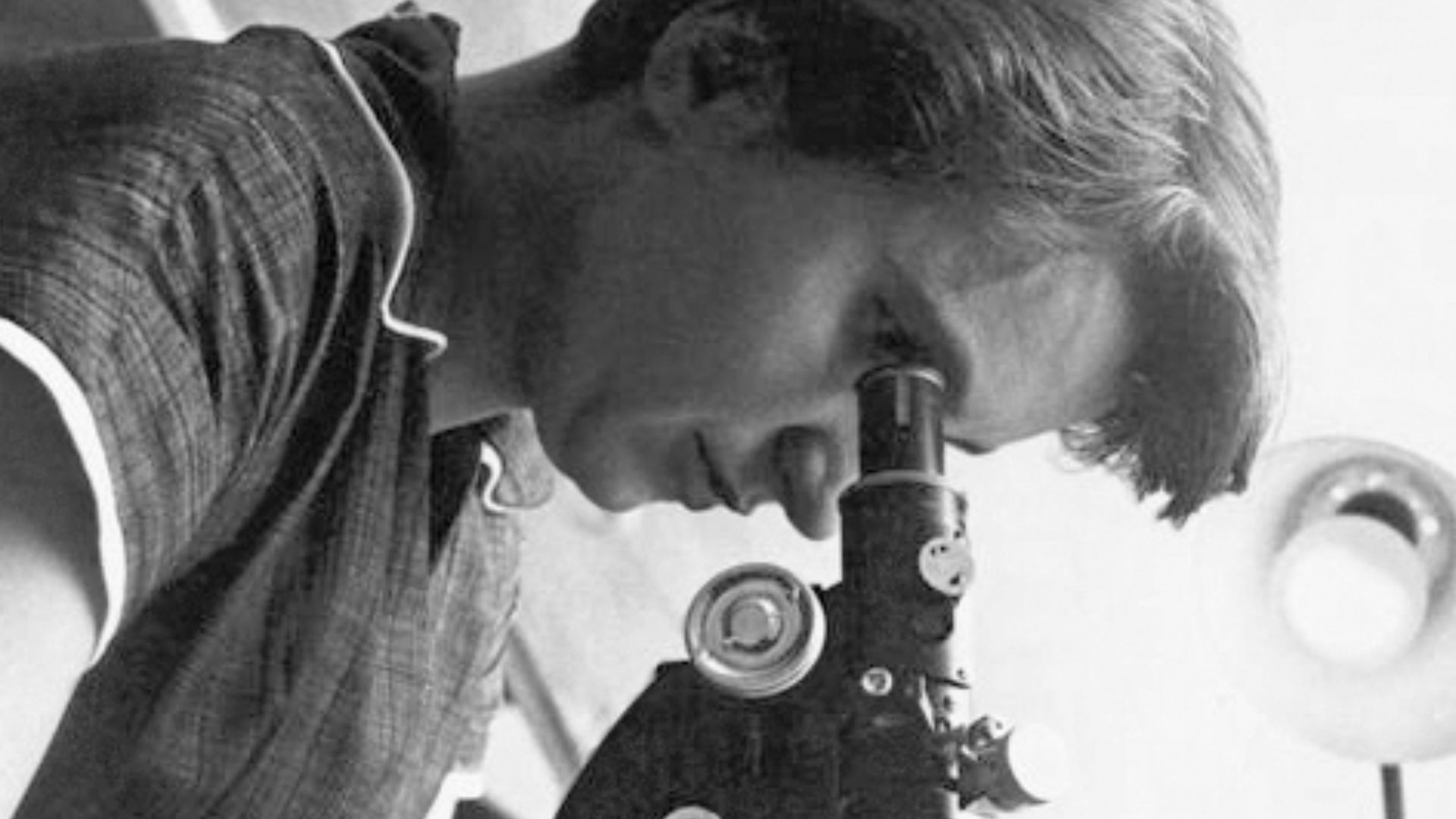
Franklin Supplied Crucial Evidence
Rosalind Franklin used X-ray diffraction to produce important evidence about DNA's structure while working with Raymond Gosling. Her data helped Watson and Crick develop and check their model, while Franklin made major structural insights herself. She died in 1958, but her central role is now far more widely recognized.
 MRC Laboratory of Molecular Biology, Wikimedia Commons
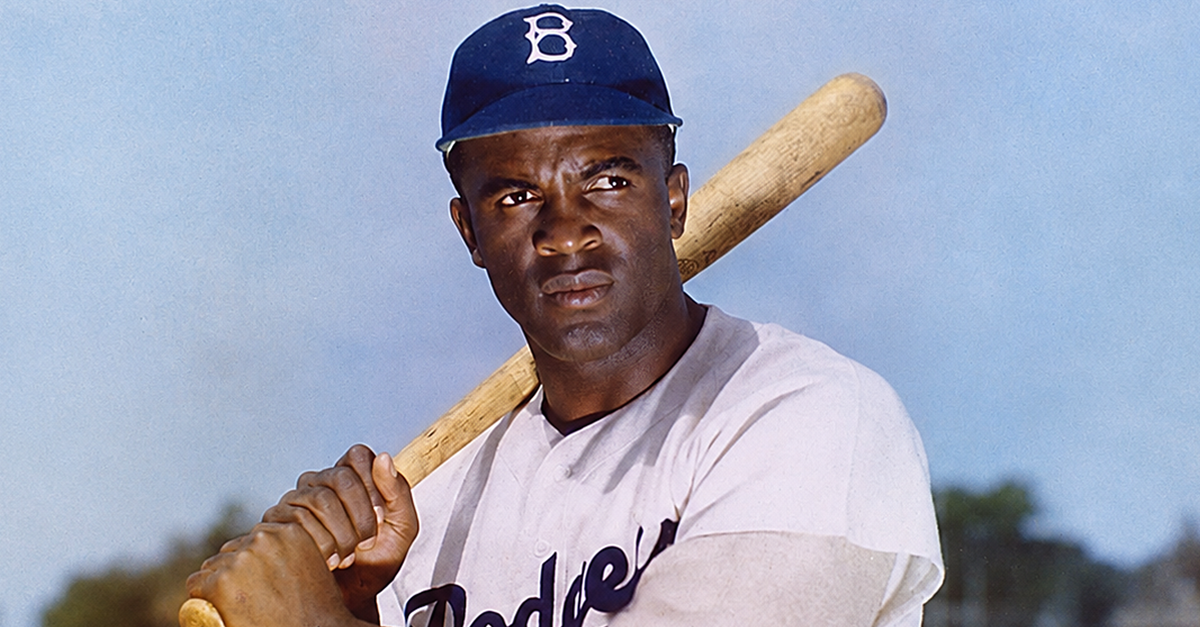
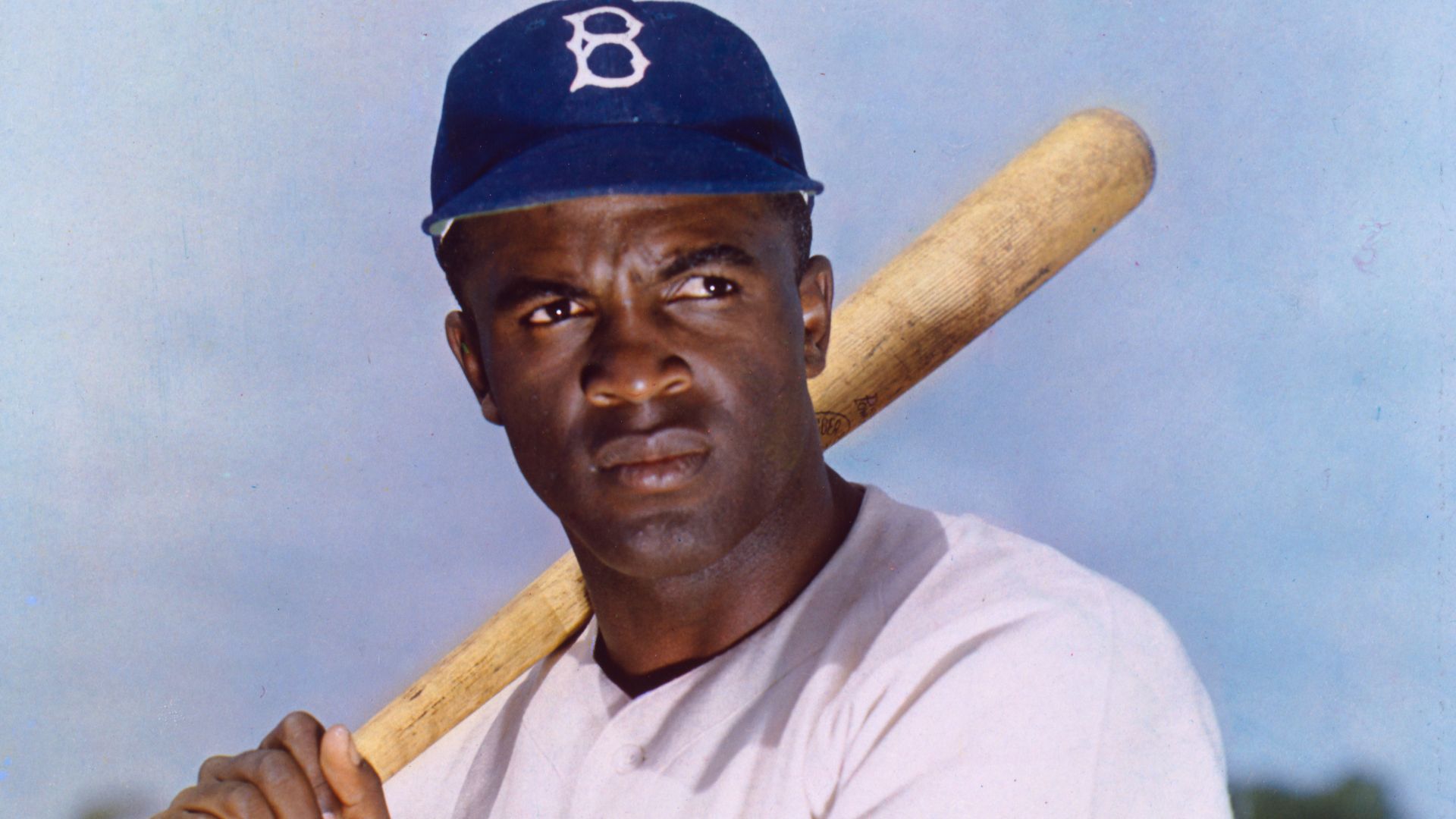
Jackie Robinson Changed Baseball Forever
Jackie Robinson became a national icon after breaking Major League Baseball's modern color barrier with the Brooklyn Dodgers in 1947. His talent and composure under relentless racist abuse made him one of America's most important athletes. But someone inside baseball first had to create that opportunity.
 Harry Warnecke / Frank Livia / Robert F. Cranston / William Klein, Wikimedia Commons
History's most fascinating stories and darkest secrets, delivered to your inbox daily.
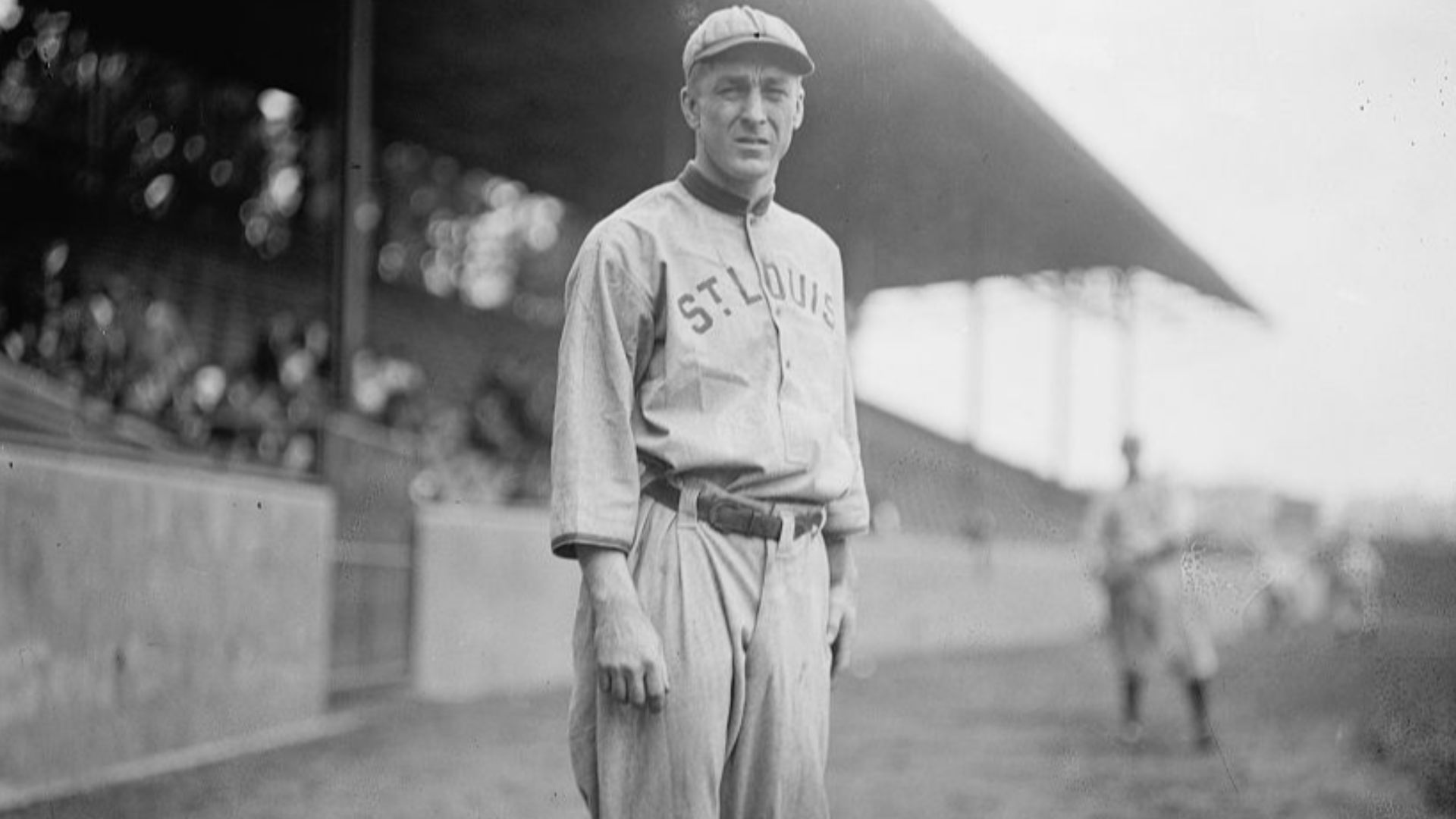
Branch Rickey Opened The Door
Dodgers executive Branch Rickey deliberately searched for a Black player capable of succeeding despite enormous hostility. He signed Robinson in 1945 and stood behind the decision to integrate the Dodgers. Robinson carried the burden on the field, but Rickey helped create the opening that changed baseball.
 National Photo Company, Wikimedia Commons
You May Also Like:
Historical Geniuses Who Were Complete Disasters Outside Their Field
Jackie Robinson Broke Baseball’s Color Barrier—But First, The Army Put Him On Trial
Powerful World Leaders Who Took "Holding A Grudge" To Another Level
Sources: 1, 2, 3, 4, 5, 6, 7, 8, 9, 10, 11, 12, 13, 14, 15, 16, 17