He Wanted Something Different
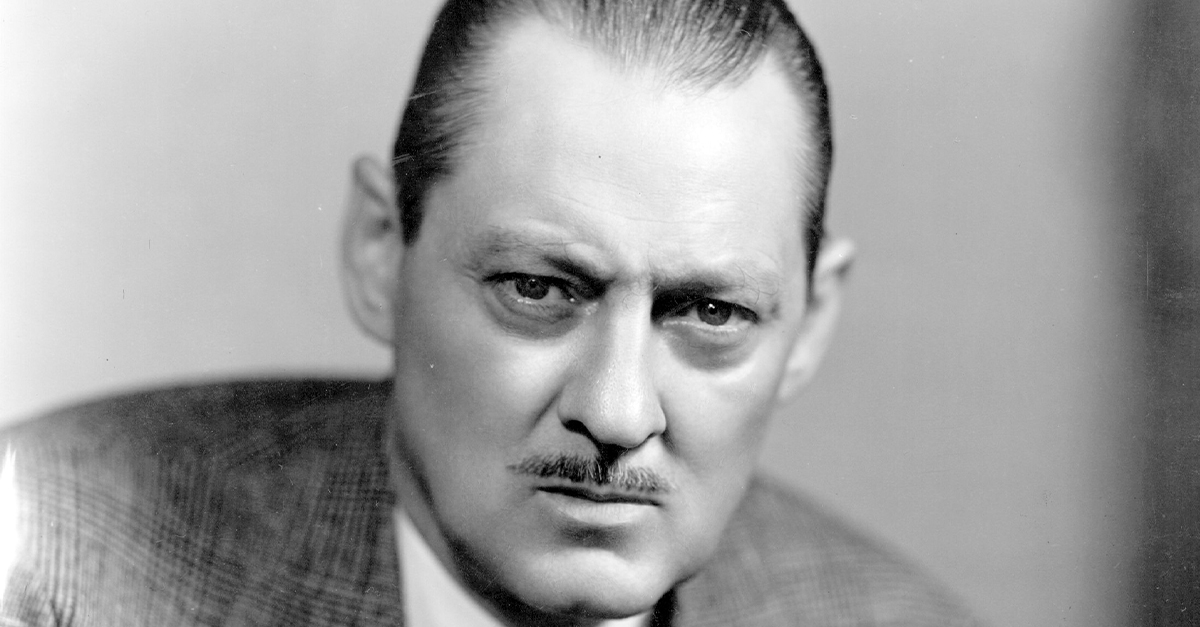
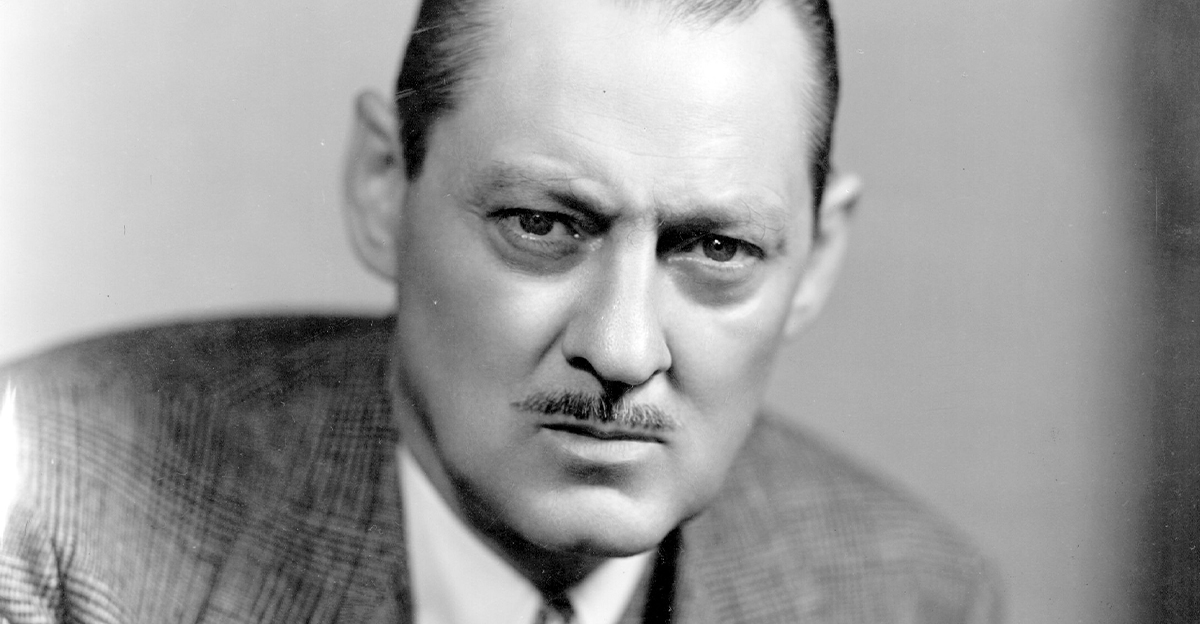
Lionel Barrymore was the son of Maurice Barrymore, the patriarch of the Barrymore-Drew acting dynasty. But Lionel never wanted to be an actor—he wanted the quieter life of a painter and writer. However, the blinding lights of the Broadway stages and Hollywood cameras found him anyway. And so did a whole lot of drama.
1. He Was Born Into Theatre Royalty
Lionel Herbert Blythe graced the stage of life on April 28, 1878, in Philadelphia, Pennsylvania. His parents—Maurice Barrymore and Georgiana Drew Barrymore—were both celebrated stage performers. That meant, from his very first breath, the theatre claimed him as its own.
His family’s legacy would prove to be both a blessing and a curse.
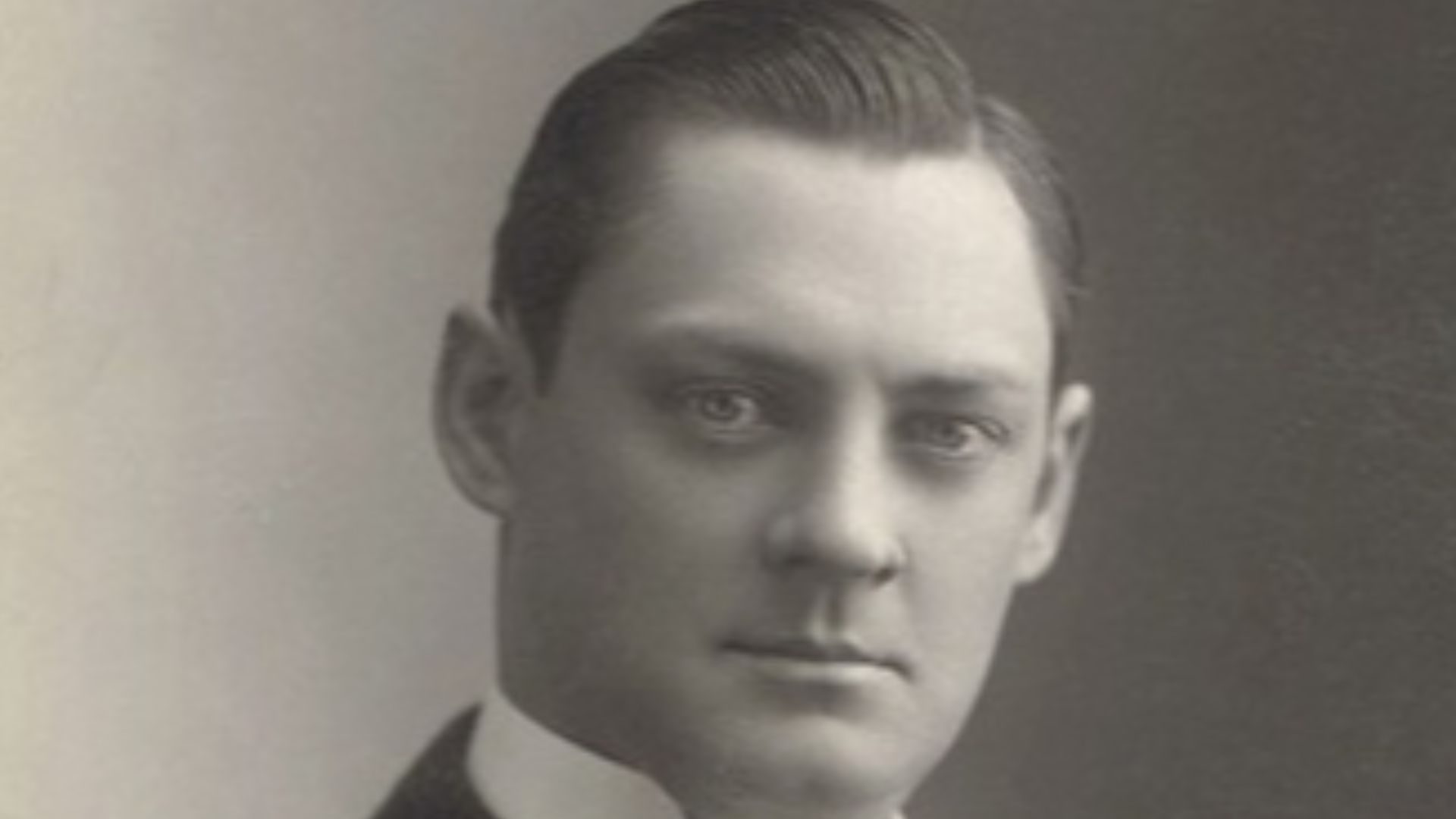 Unknown authorUnknown author, Wikimedia Commons
2. His Family Tree Was Theatrical
Barrymore grew up surrounded by entertainers. His maternal grandmother, Louisa Lane Drew, commanded respect as both an actress and a theater manager. And he shared his famous last name with siblings Ethel and John Barrymore, who would become legends in their own right. Decades later, his great-niece Drew Barrymore would continue the family tradition.
His childhood, sadly, was no musical.
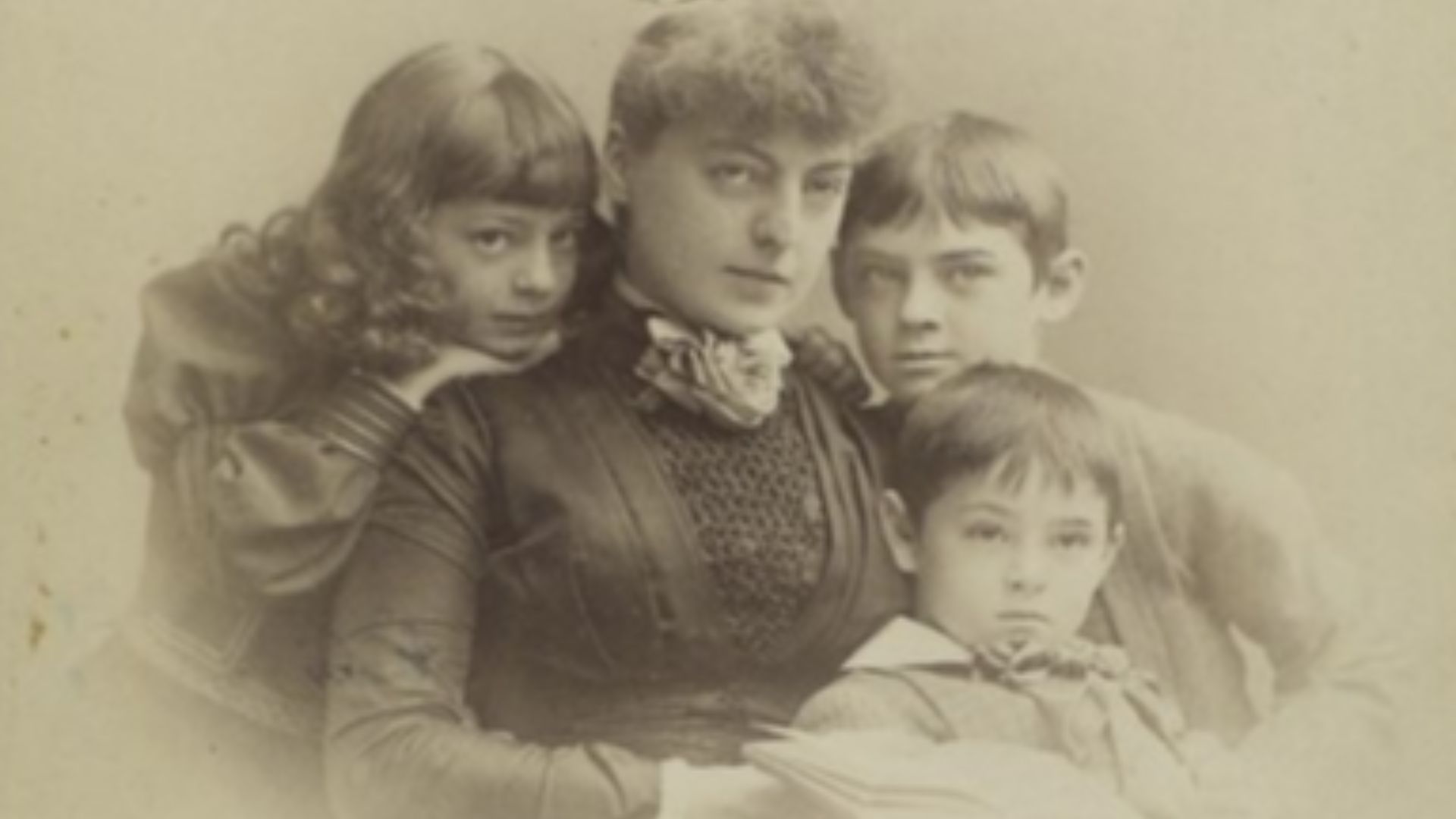 Benjamin Joseph Falk, Wikimedia Commons
3. His Mother Met A Tragic End
In 1891, when Lionel Barrymore was just 13, his mother Georgiana fell gravely ill with tuberculosis. The disease ravaged her body for two years before finally claiming her life at a Santa Barbara treatment center in 1893. His father’s fate, less than a decade later, would be even more devastating and horrific.
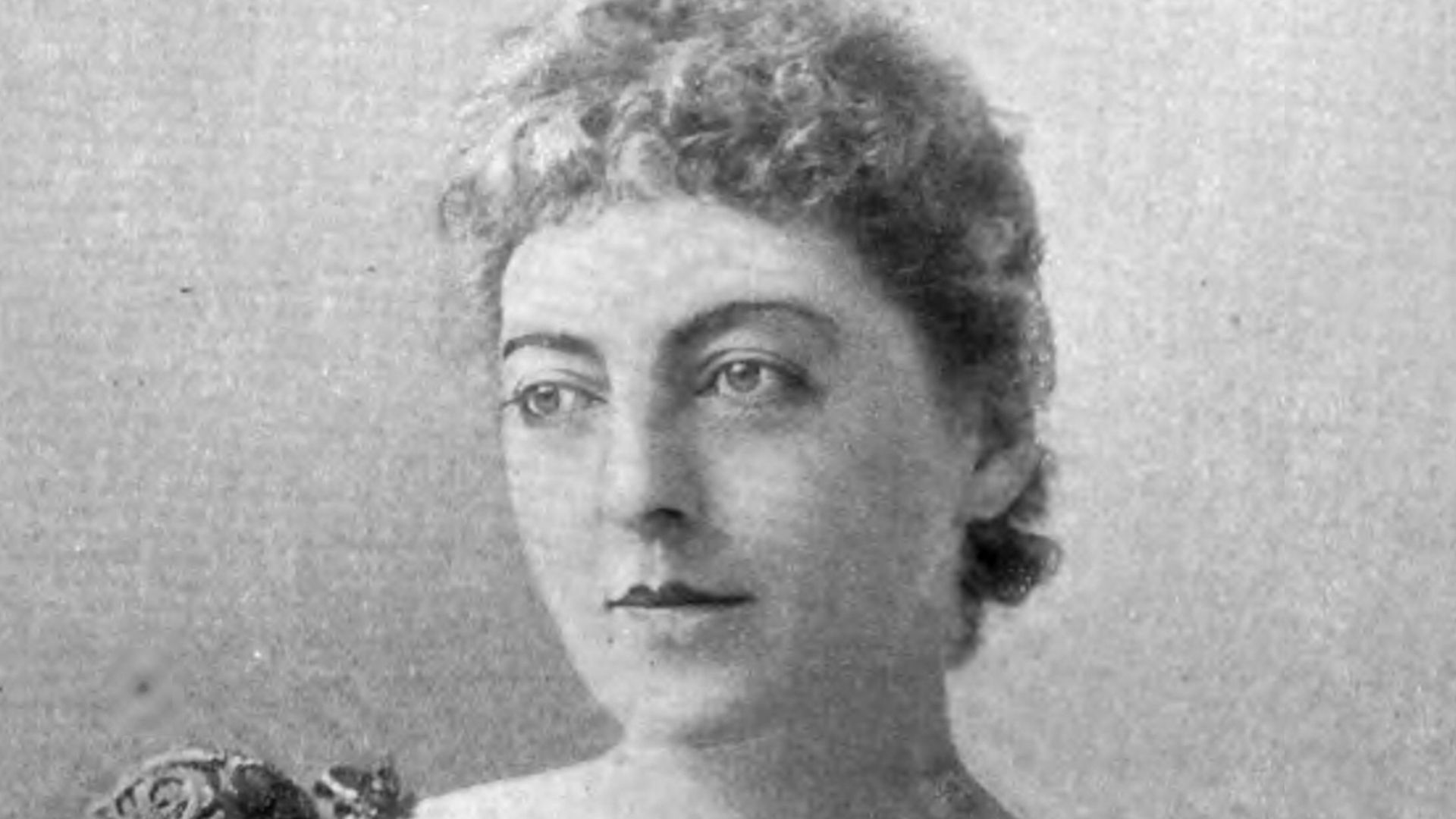 Napoleon Sarony, Wikimedia Commons

History's most fascinating stories and darkest secrets, delivered to your inbox daily.
4. His Father’s Affairs Destroyed Him
Barrymore’s father, Maurice, had a wandering eye that led to a string of infidelities—and his dalliances had dire consequences. Maurice suffered with untreated syphilis for years, and poor little Barrymore could only watch as the disease ravaged his father’s mind. By 1901, the sickness had caused such severe brain damage that he suffered a psychological collapse.
Maurice’s life ended in 1905 in a New York mental institution. Thankfully, Barrymore had faith.
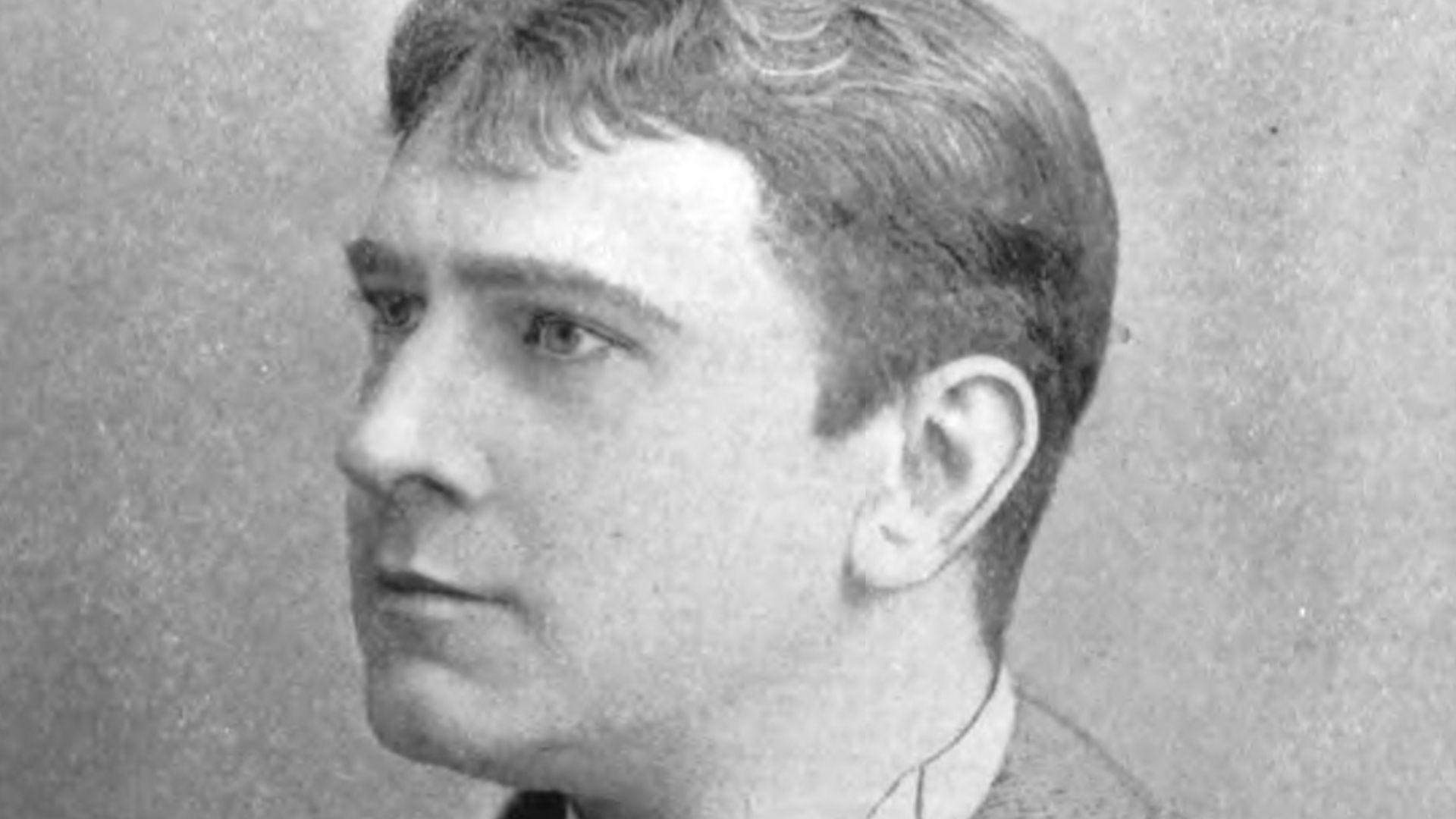 William McKenzie Morrison, Wikimedia Commons
5. He Attended Catholic Schools
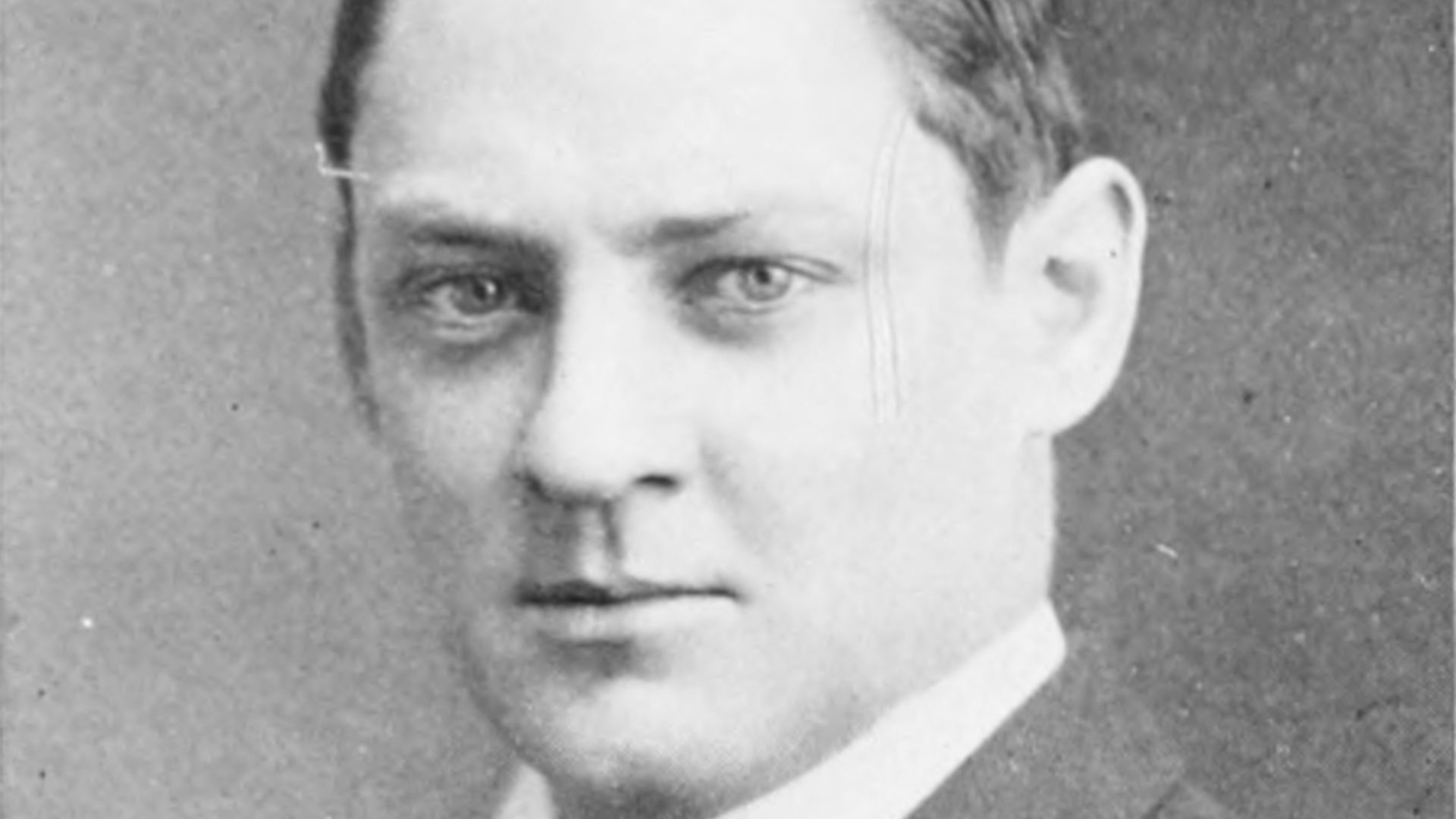
Despite his family’s bohemian theatrical lifestyle, Barrymore received a traditional Catholic education. He studied at Philadelphia’s Episcopal Academy before graduating from Seton Hall Preparatory School in 1891. The religious instruction provided structure in an otherwise tumultuous childhood.
In fact, he wasn’t like the rest of his family at all.
 Unknown photographer, Wikimedia Commons
6. His First Performance Was A Disaster
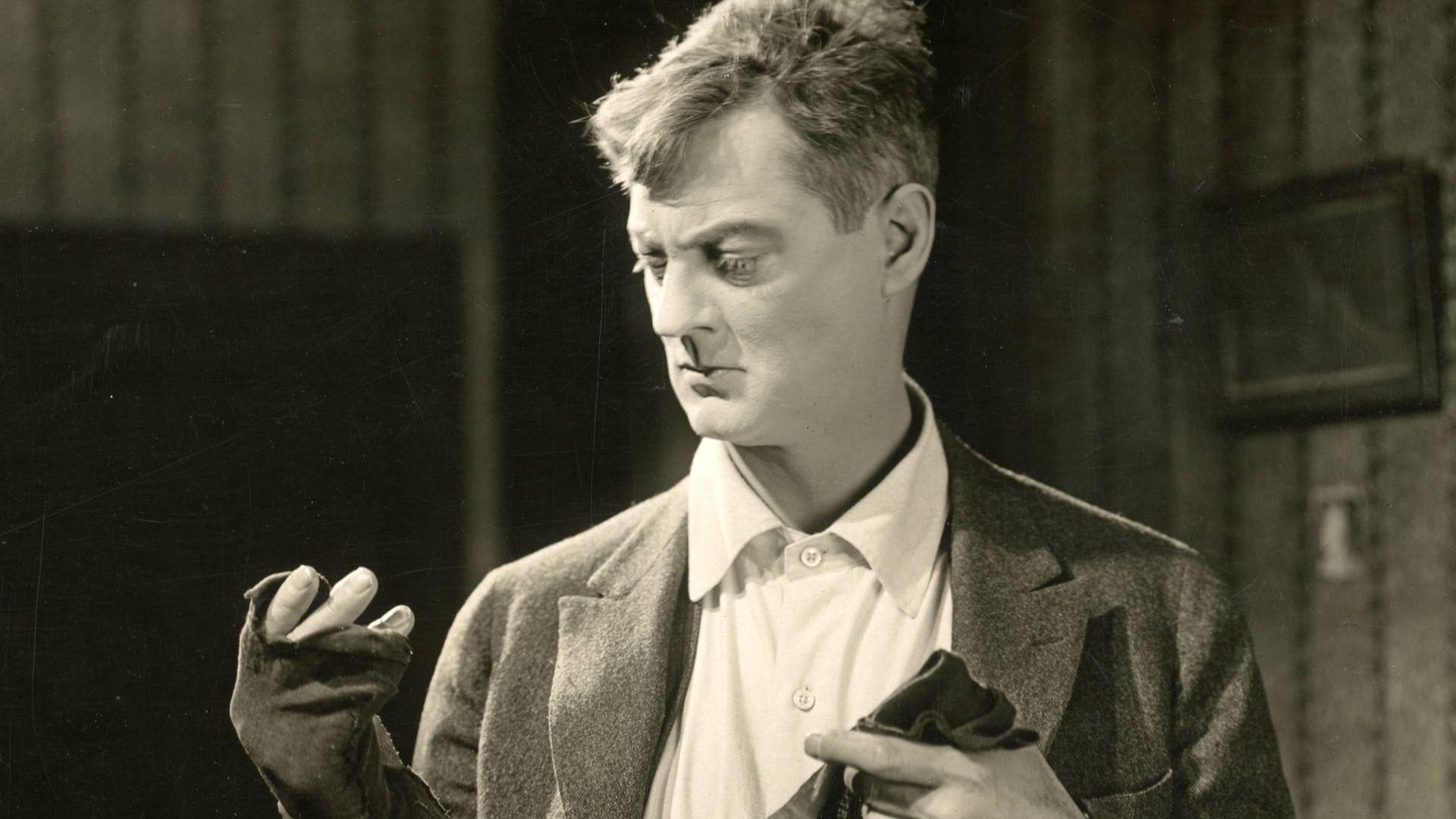
For Barrymore’s family, acting came naturally. But not for him. At age six, his grandmother thrust him onto the stage with her theatrical company. Instead of delivering his lines with the patented Barrymore-Drew confidence and gusto, the terrified child burst into tears and ran off the stage.
The humiliating experience kept him away from acting for nearly a decade. But eventually, the family business would claim him.
 Unknown authorUnknown author, Wikimedia Commons
7. He Made His Real Debut Young
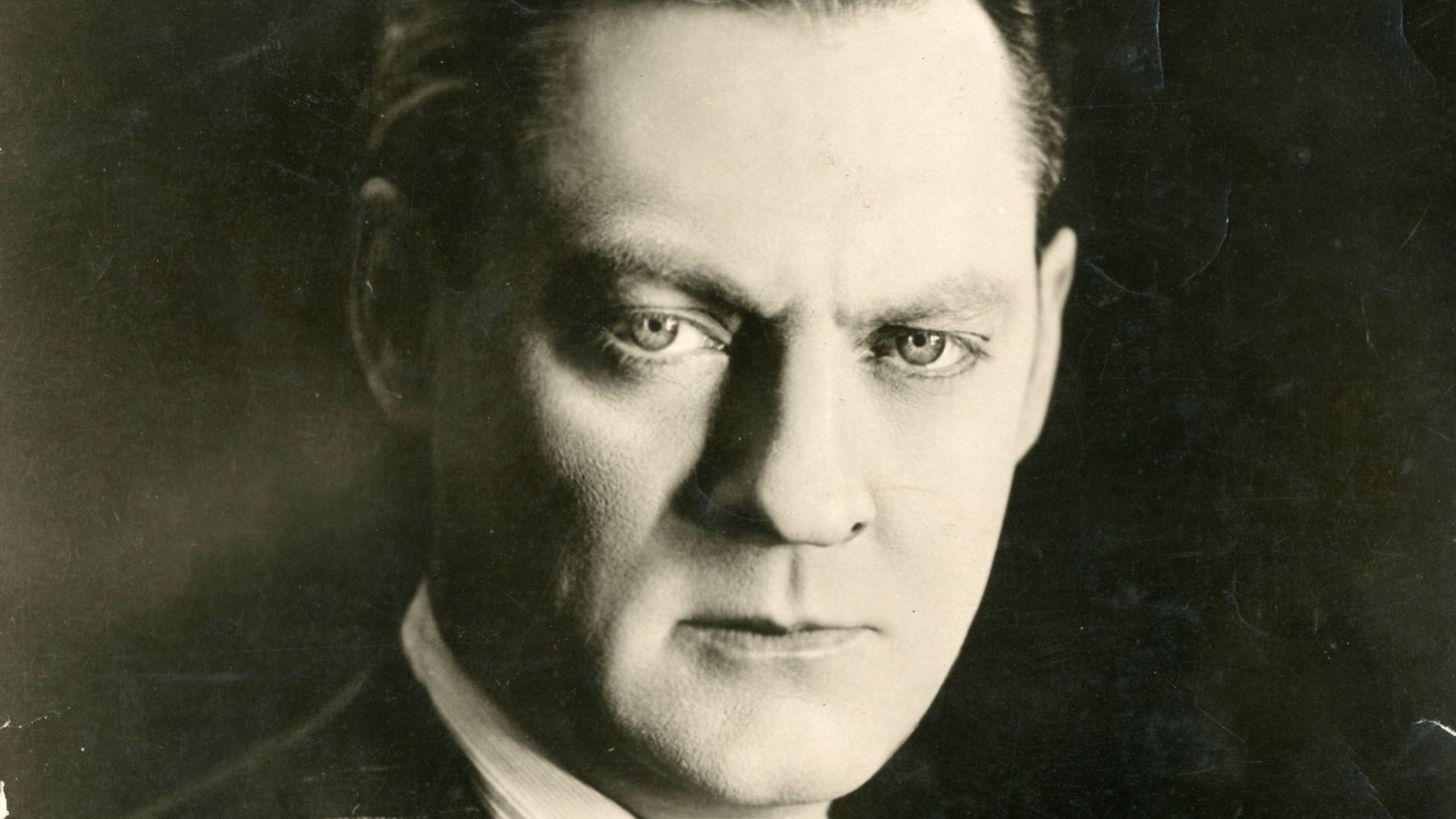
It wasn’t until 1893, when he was 15 years old, that Lionel Barrymore finally felt confident enough to return to the stage. Still, it probably helped that he had his grandmother, Louise Lane Drew, at his side for the production of The Rivals. He managed to speak his lines, hit his marks, and make a name for himself.
His heart, however, longed for something else entirely.
 Unknown authorUnknown author, Wikimedia Commons
8. He Never Wanted To Act
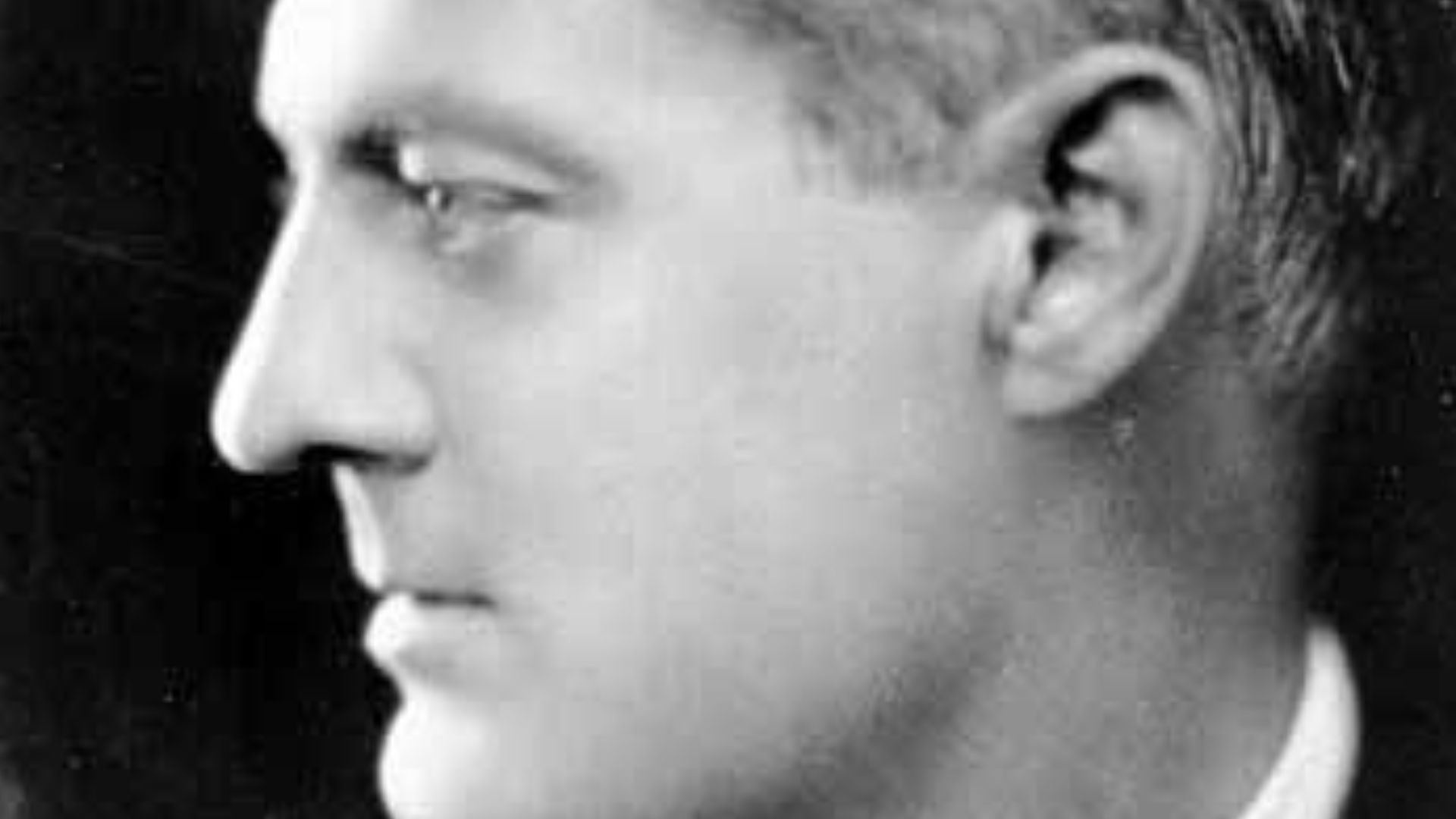
Decades later, Barrymore confessed his true feelings about the family profession: “I didn't want to act,” he said. “I wanted to paint or draw. The theater was not in my blood, I was related to the theater by marriage only; it was merely a kind of in-law of mine I had to live with”.
Whether he wanted it or not, the spotlight would find him.
 Unknown authorUnknown author, Wikimedia Commons
9. He Toured With Theatre Legends
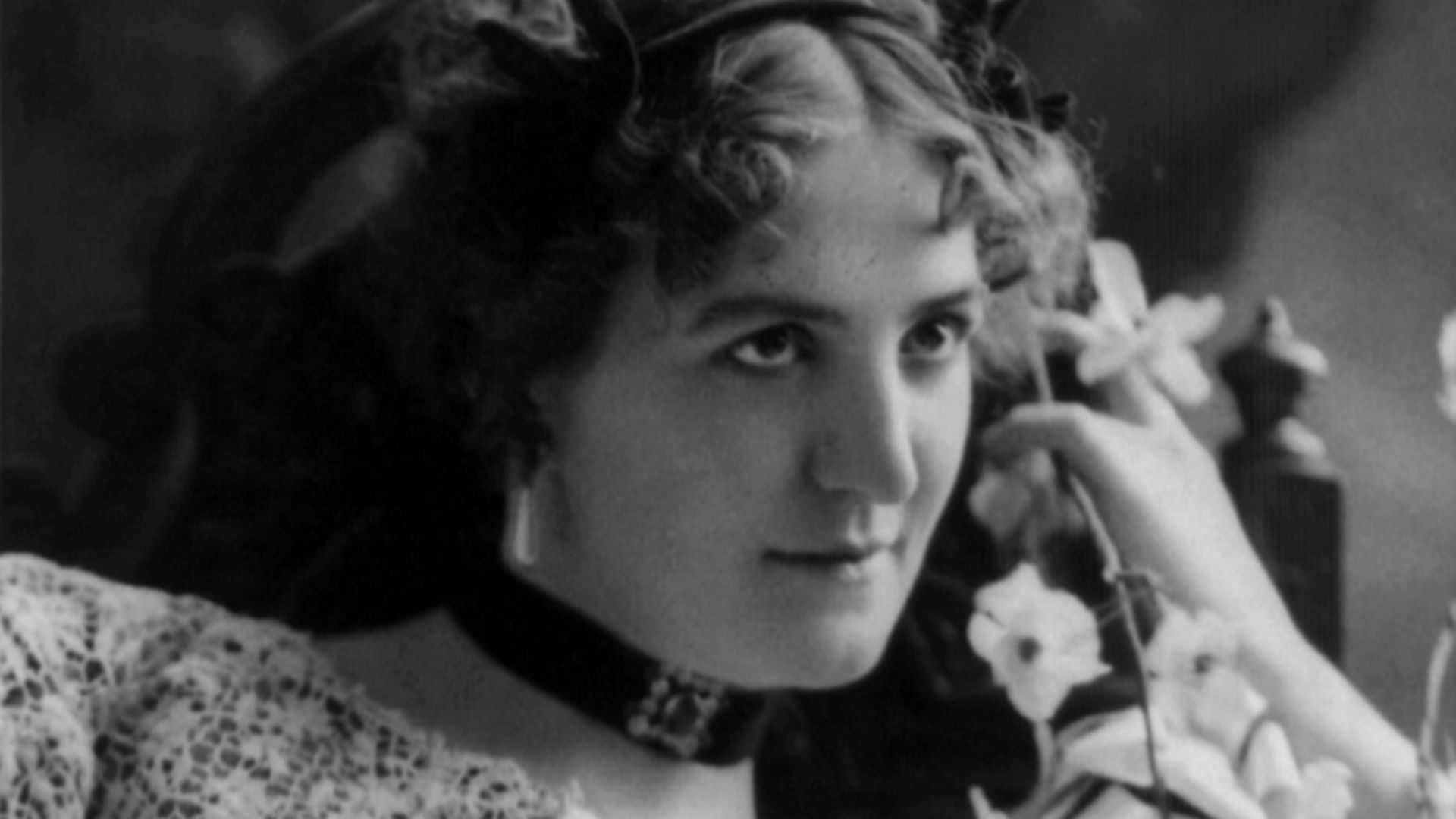
Having proven himself deserving of his family legacy, throughout his late teens, Lionel Barrymore worked alongside some of the era’s most respected performers. He rubbed shoulders with actress-manager Nance O’Neil and performed with his uncle John Drew. In 1900, he also toured in JA Herne’s production of Sag Harbor.
Broadway beckoned with even greater opportunities.
History's most fascinating stories and darkest secrets, delivered to your inbox daily.
10. His Broadway Success Came Early
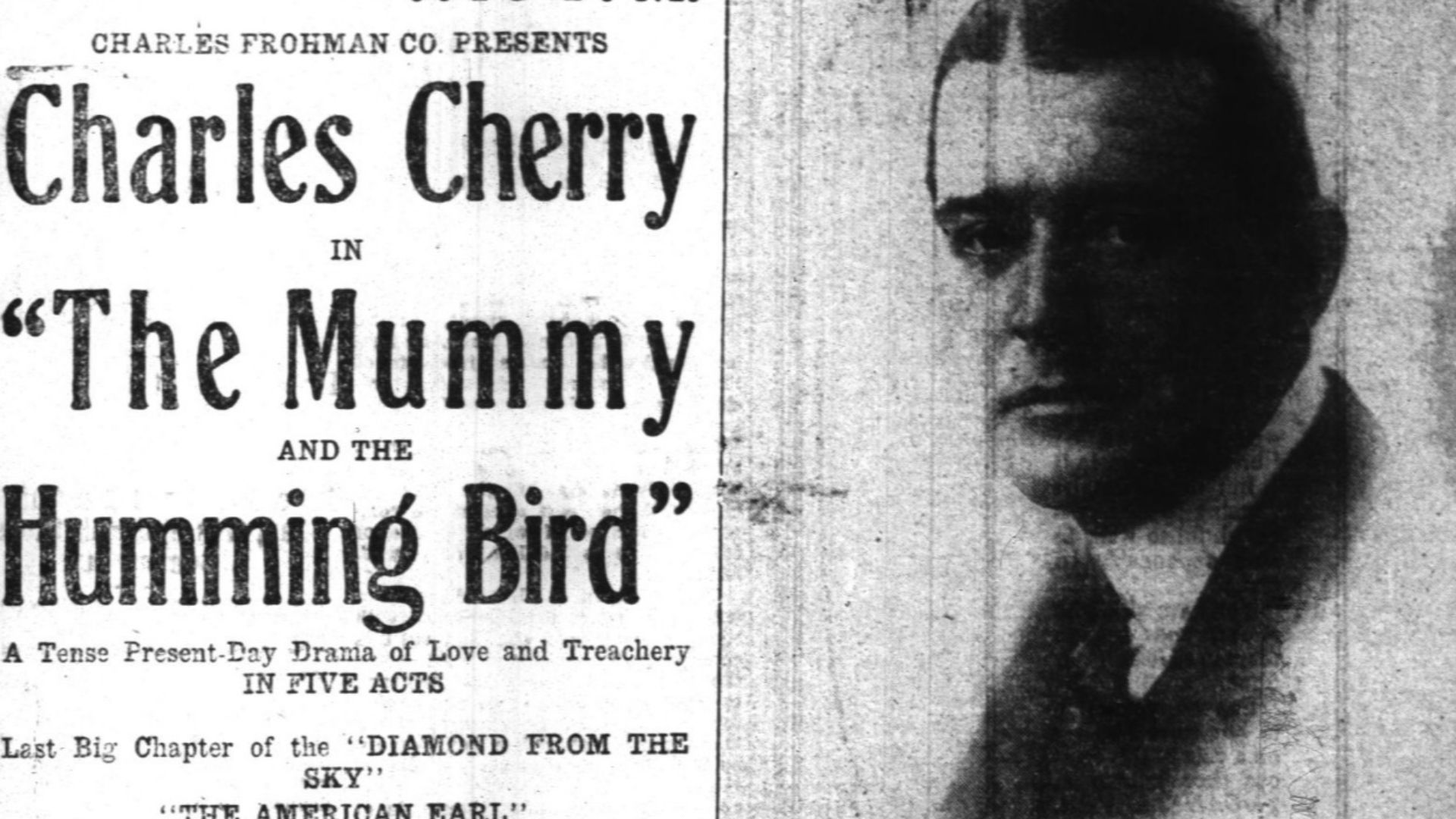
Even if he didn’t want to act, Barrymore was good at it. So good, in fact, that by his early 20s, he was already breaking into Broadway. He starred with his uncle, John Drew Jr, in The Second in Command (1901) and earned rave reviews for The Mummy and the Hummingbird the following year. Next came The Other Girl with a two-year run that would have been the crowning achievement for most actors.
His heart simply did not belong to the stage.
 Honolulu star-bulletin, Wikimedia Commons
11. He Married Into The Family
Lionel Barrymore might not have been fond of his family’s business. But he was fond of his family. In 1904, he delighted his Barrymore clan by marrying Doris Rankin. She was the sister of his Uncle Sidney’s wife. At the time of their nuptials, he was 26 while she was just 16. Their marriage almost guaranteed that Barrymore would stay in the family business.
 Unknown photographer, Wikimedia Commons
12. He Shared A Stage With His Brother
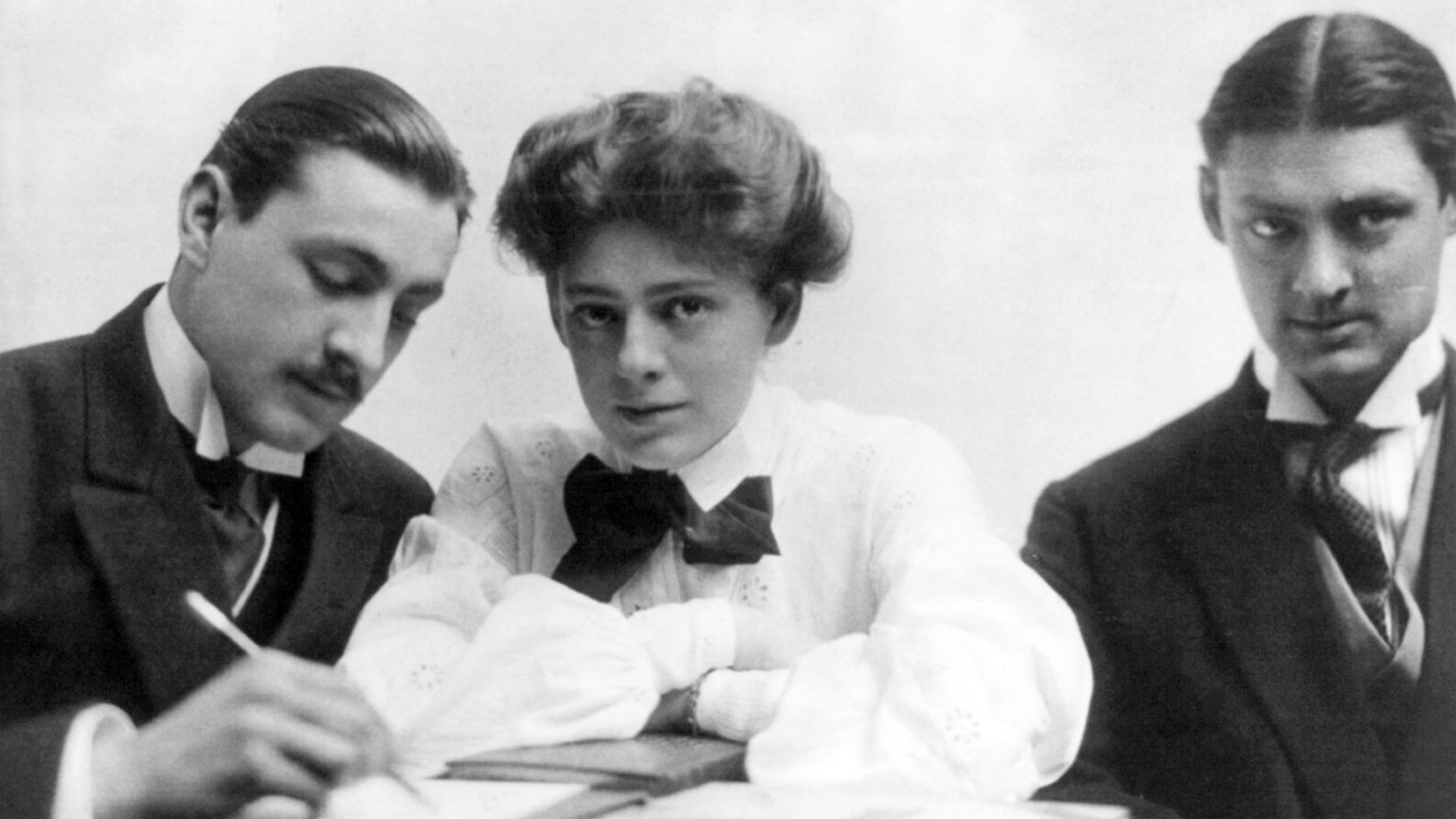
If acting was the family business, then every play was a chance for a reunion. In 1905, Barrymore appeared alongside his younger brother John in the one-act play Pantaloon. At the same time, his younger sister Ethel took to the stage in Alice Sit-by-the-Fire. It was a family reunion that Barrymore simply had to break up.
 Unknown authorUnknown author, Wikimedia Commons
13. He Chased His Dreams To Broadway
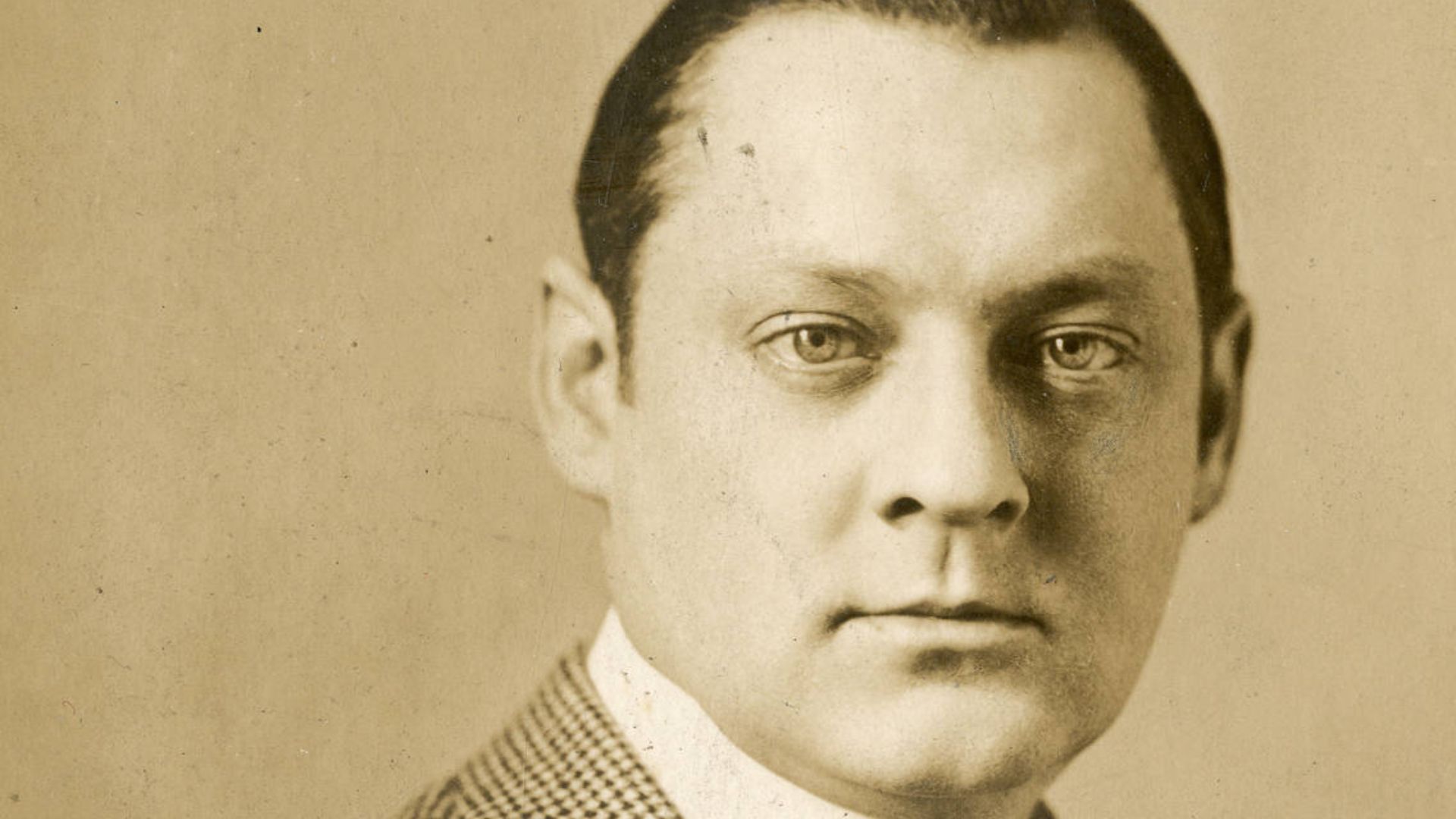
By 1906, Lionel Barrymore had enough with the lackluster roles he'd been entertaining. And his true passions were calling out to him. Along with his wife, Rankin, Barrymore abandoned Broadway and traveled to Paris. There, he devoted himself to painting with hopes of becoming a professional artist. For the first time, he felt free to chase the dream he’d always wanted.
But it quickly turned into a nightmare.
 Unknown authorUnknown author, Wikimedia Commons
14. He Had A Family—And Lost It
While living in Paris, Barrymore and Rankin welcomed two baby girls into the world, Ethel and Mary. But tragedy defined their early parenthood. Both of their daughters were only fated to make cameo appearances in his life, passing away in infancy. Those unbearable losses reshaped Barrymore’s life forever.

15. He Never Healed From Grief
The sorrow of losing both of his daughters so young marked Lionel Barrymore deeply. According to later accounts, their tragic passing left Barrymore with permanent emotional scars, and the grief he felt caused tension with his wife. Unfortunately, baby girls and a happy marriage weren’t the only things he was losing.
 Alfred Cheney Johnston, Wikimedia Commons
History's most fascinating stories and darkest secrets, delivered to your inbox daily.
16. His Artistic Dream Fell Apart
Hoping Paris would transform him into a painter, Barrymore stayed for years—but success never came. By 1909, he and Rankin gave up on their dreams and returned to America, frustrated and financially strained. Fortunately for Barrymore, there was always one line of work that he could rely on.
Whether he wanted to or not.
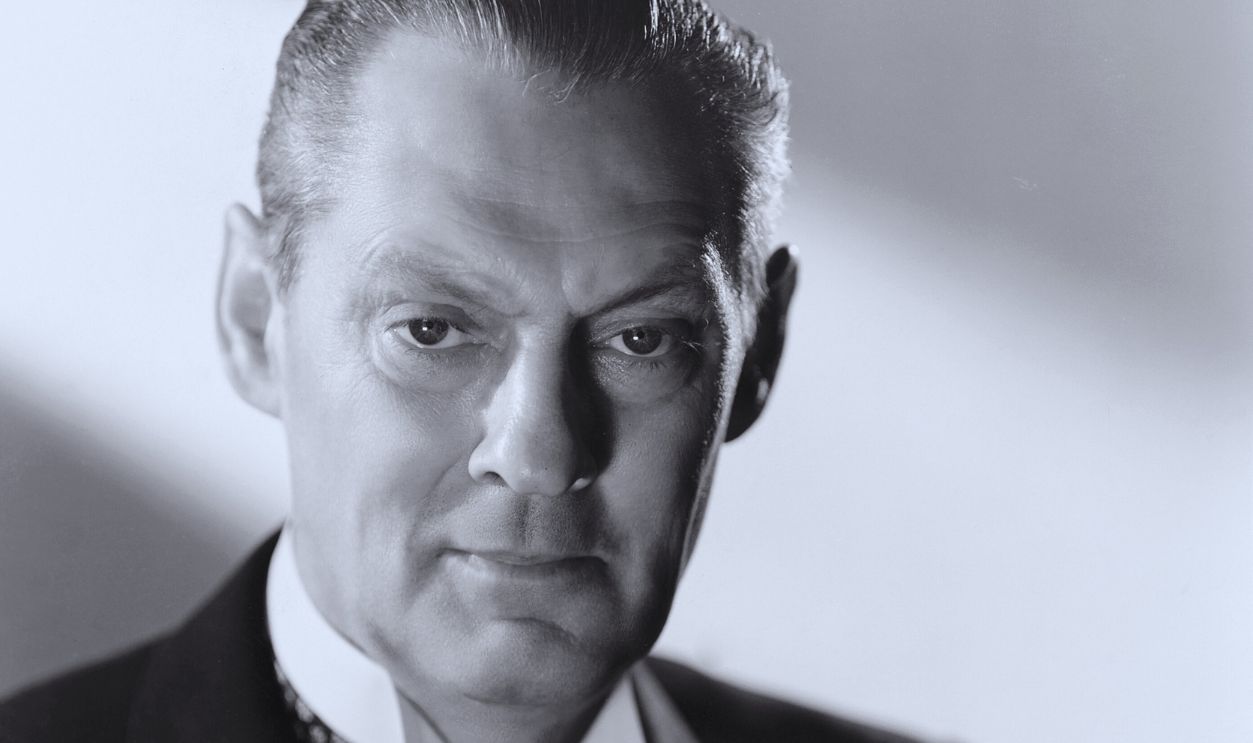
17. He Had Terrible Nerves
Once he was back home, Lionel Barrymore fell right back into the family business: acting. But it wasn't without its challenges. Though he reacquainted himself with the stage, he couldn't quite control his nerves. This overwhelming anxiety derailed his role in The Fires of Fate, as he ultimately quit the production. Thankfully for Barrymore, the producers mercifully blamed his absence on appendicitis.
Still, show business wasn't done with him yet.
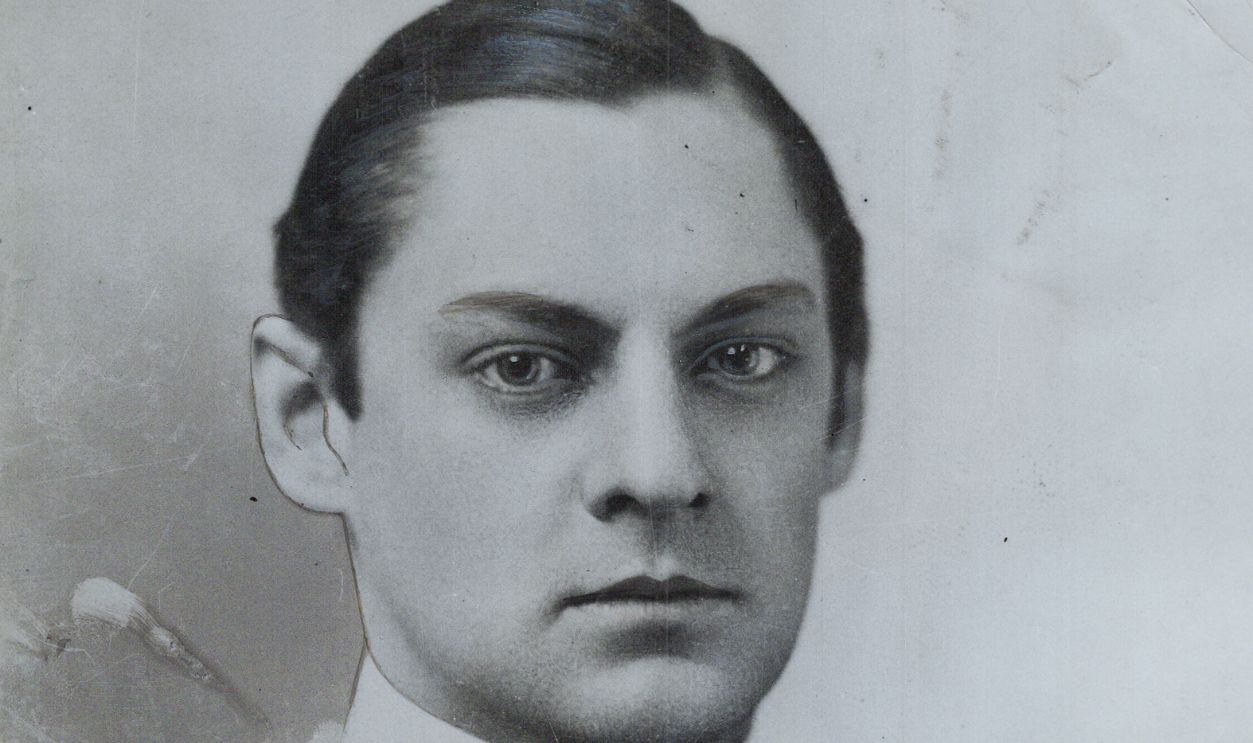 Toronto Star Archives, Getty Images
18. He Hogged The Camera
Barrymore's nerves may have driven him to quit one play, but he wasn't about to throw in the towel altogether. He teamed up with the pioneering director DW Griffith and Biograph Studios. By 1911, he was taking on leading roles. By 1915, he had completed 70 short films, earning as much as $25 per script.
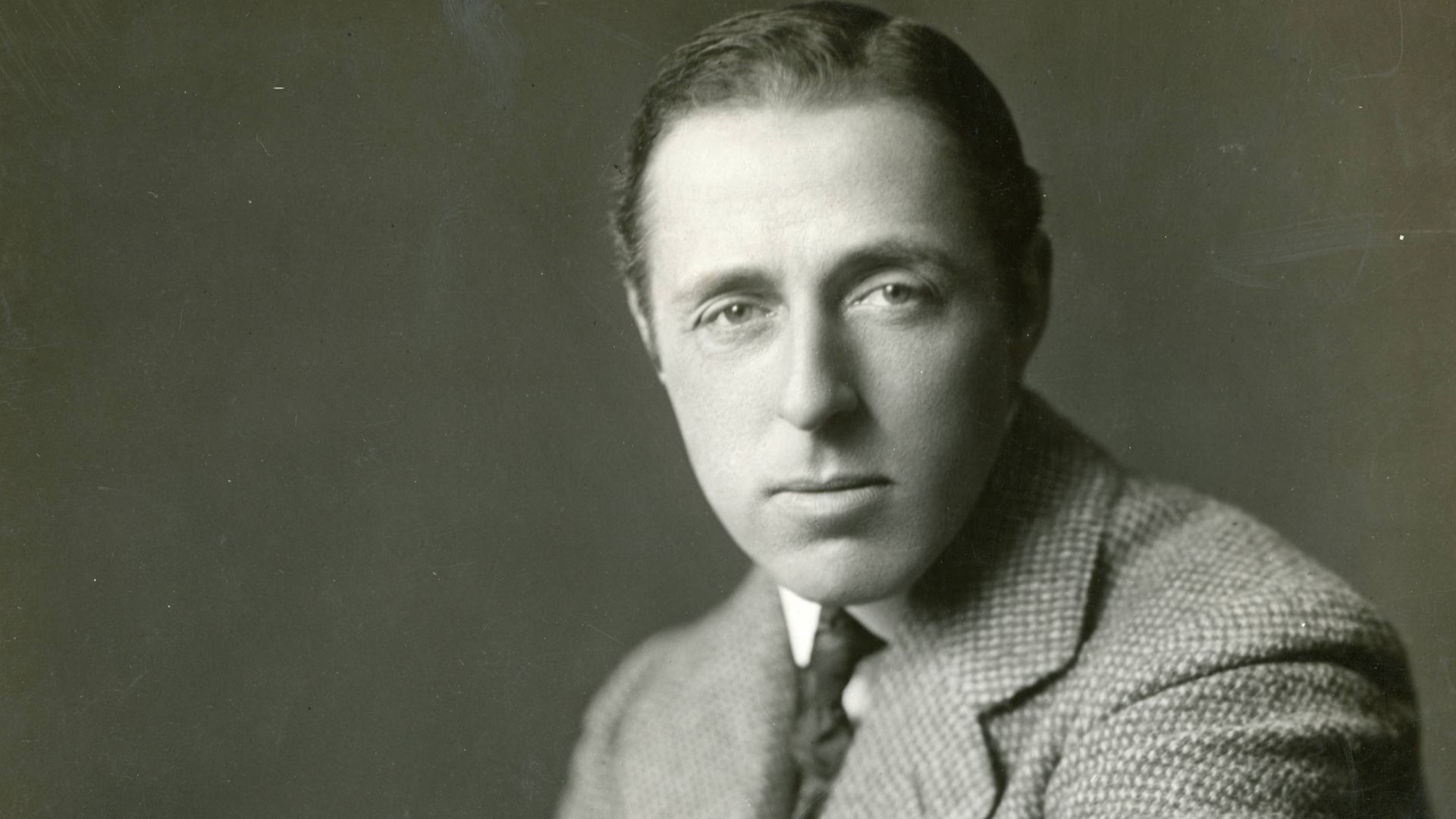
19. He Returned To The Stage As A Star
Whether he liked it or not, the stage was in Barrymore’s DNA. Even with his success in film, he returned to the theater, performing Peter Ibbetson with John. Two years later, their joint triumph in The Jest prompted New York Times critic Alexander Woollcott to hail the brothers as “the two foremost actors of the English-speaking stage,” commending their “imaginative and eloquent” work.
He rarely made a misstep. But when he did, everyone noticed.
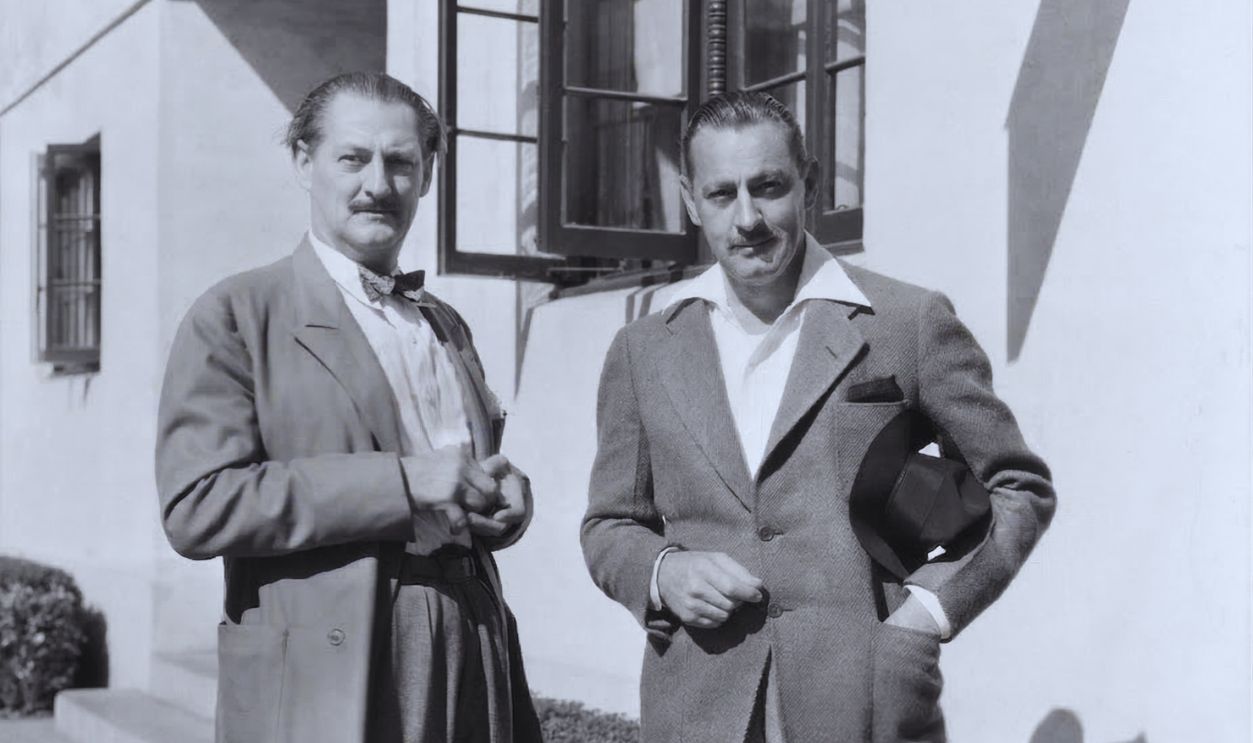 Bettmann, Getty Images, Modified
20. His Macbeth Missed The Mark
Despite earlier acclaim, not every Lionel Barrymore performance won over critics. After heaping praise on Barrymore for previous performances, Alexander Woollcott dismissed Barrymore’s interpretation of Macbeth as “monotonous and unimaginative”. In fairness to Barrymore, he might have been distracted at the time.
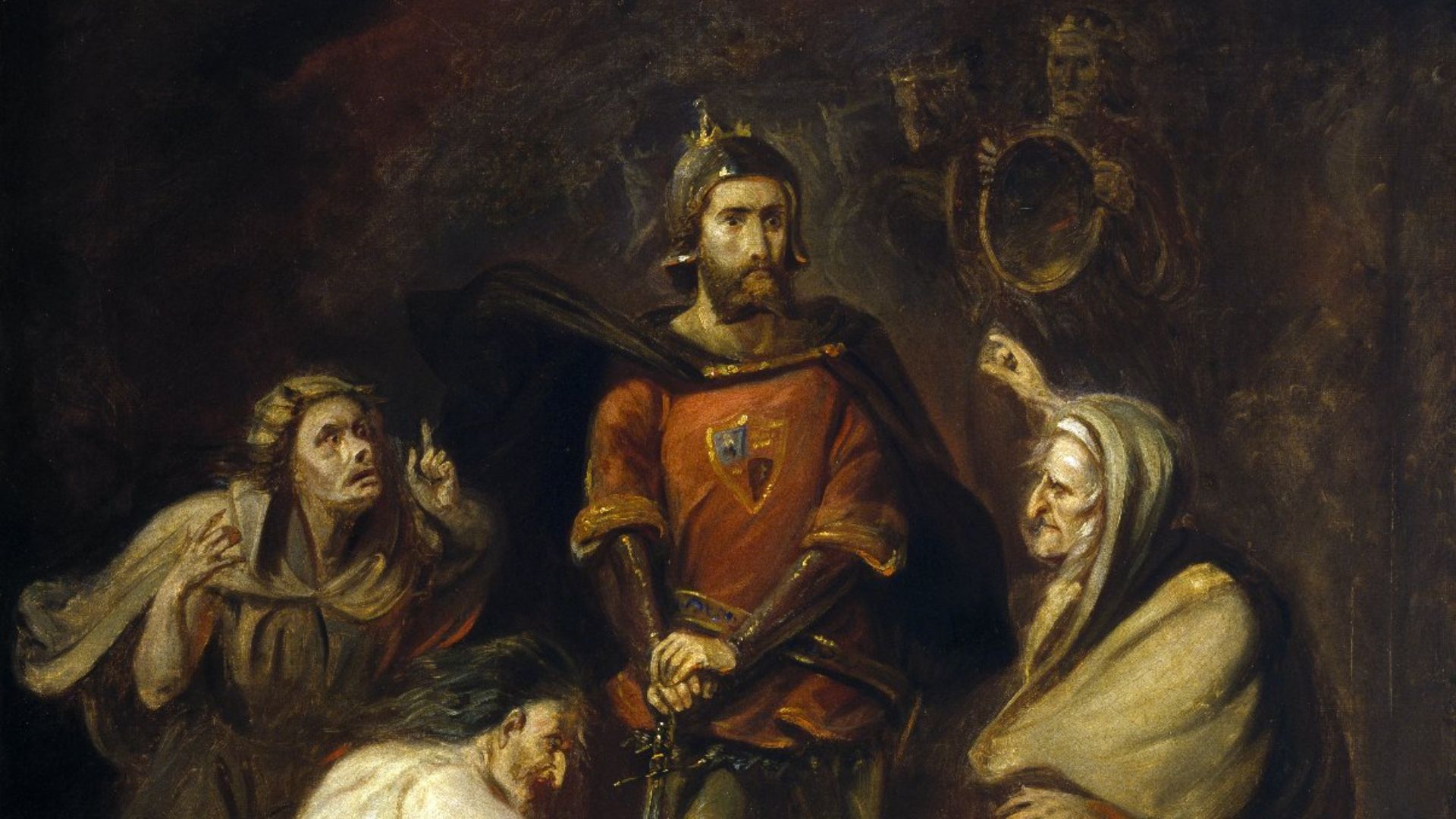 Thomas Barker of Bath, Wikimedia Commons
21. He Fell For A Co-Star
While performing The Claw in 1922, Barrymore met the actress Irene Fenwick. Their chemistry was clearly combustible, and before long, the two had fallen in love. Unfortunately, Barrymore was still in a fractured marriage to Rankin. Of course, that was nothing he couldn’t solve.
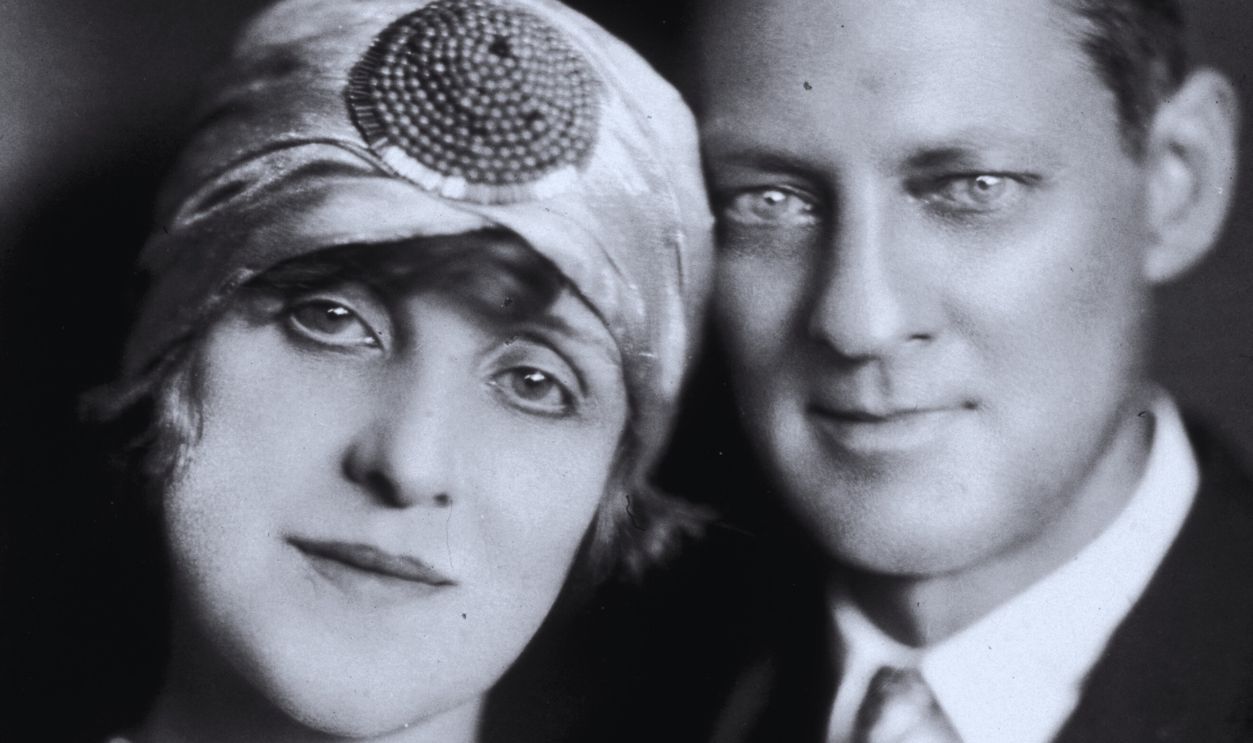
History's most fascinating stories and darkest secrets, delivered to your inbox daily.
22. He Remarried Immediately
By December 1922, Barrymore and Rankin had decided that it was time to give up on their strained marriage. Before the end of the year, they were divorced. And so the stage was clear for Barrymore’s next act. By mid-1923, Barrymore married Irene Fenwick in Rome. His first marriage wasn’t the only chapter he was closing.
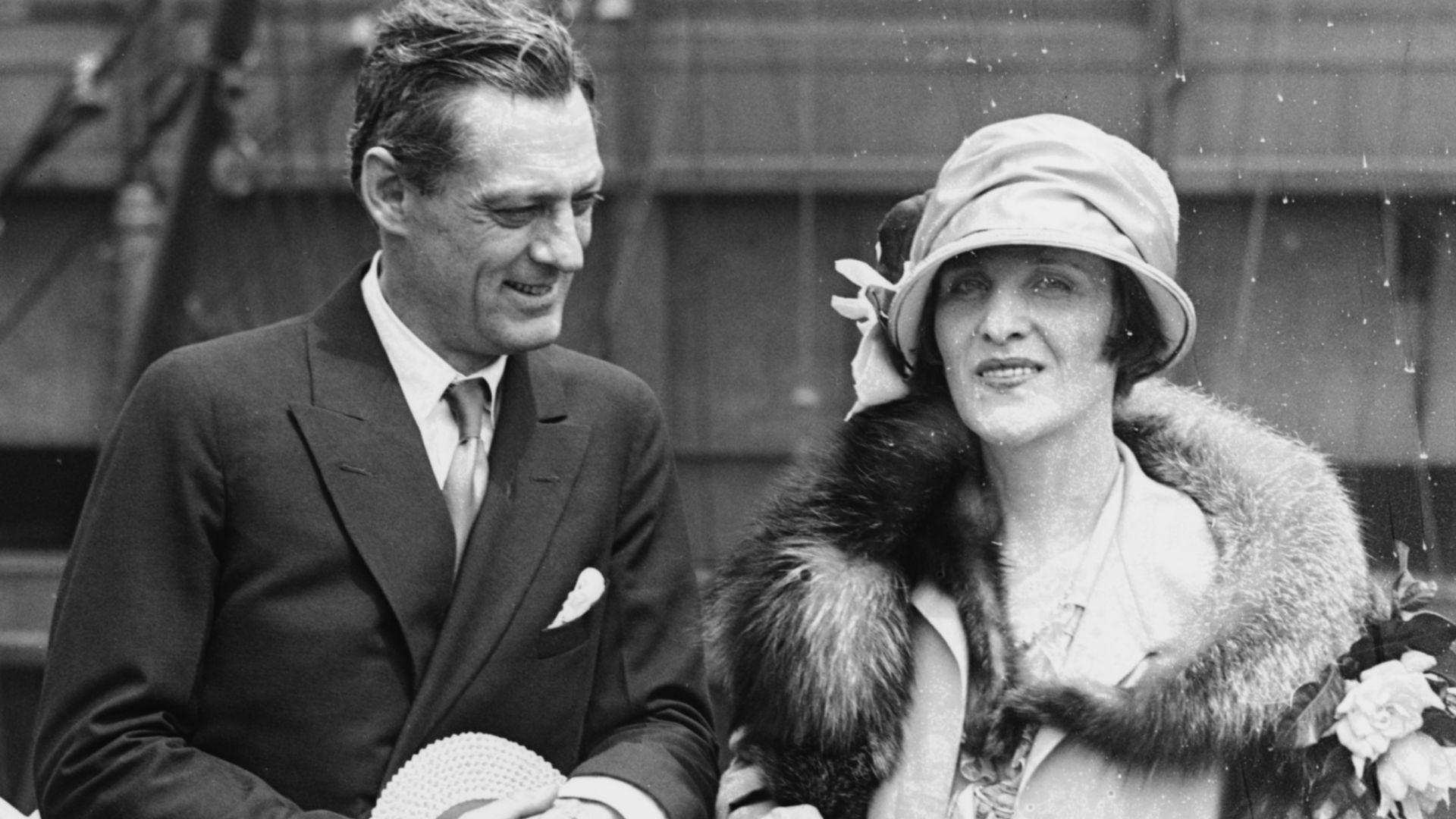 George Grantham Bain Collection (Library of Congress), Wikimedia Commons
23. He Shared One Last Stage Triumph
Barrymore’s stage career peaked with 1923’s tear-soaked melodrama Laugh, Clown, Laugh. In the play, he performed alongside his new wife, Fenwick, and had audiences enthralled with the emotional intensity. Clearly, he and Fenwick had more than just romantic chemistry. They were about to become a true power couple.
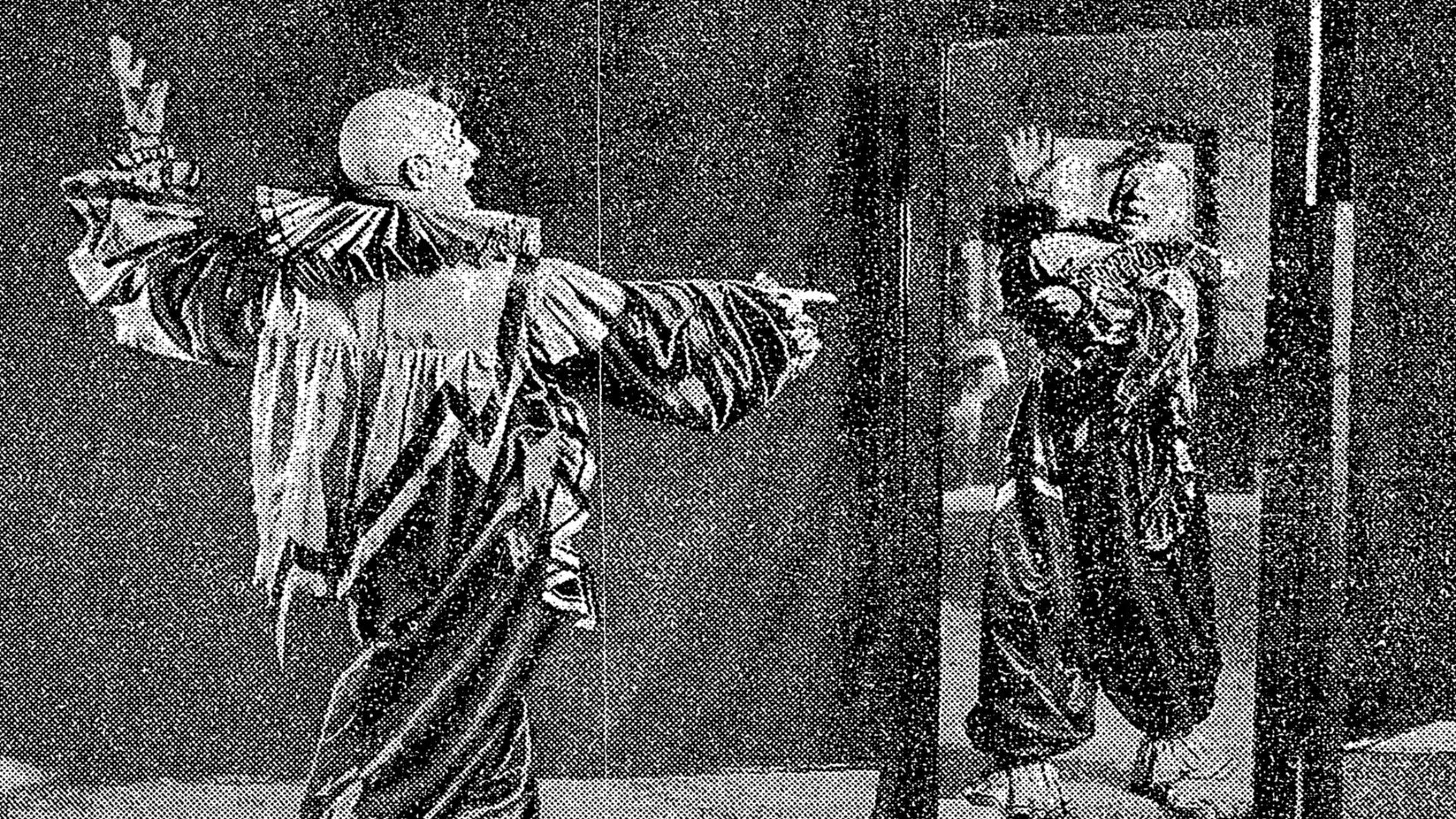
24. He Turned His Honeymoon Into A Film Set
Right after their wedding, Barrymore and Fenwick decided to hang around in Rome to celebrate their honeymoon—as only two actors could. While in Rome, the newlyweds filmed The Eternal City, turning their honeymoon into a working holiday. Their relationship had actually started on rocky grounds.
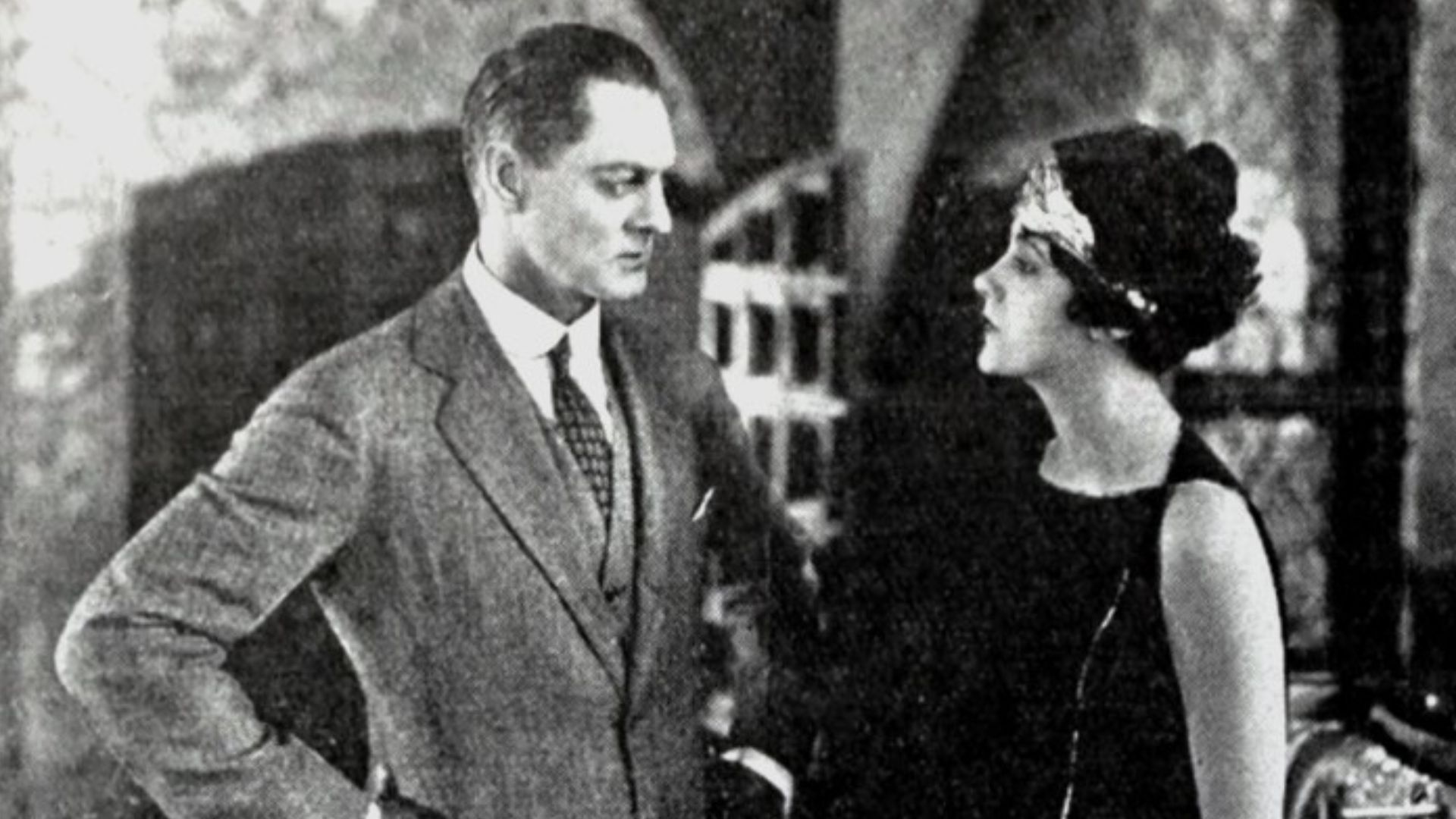 Samuel Goldwyn Productions / Associated First National, Wikimedia Commons
25. He Married His Brothers’ Ex
Before marrying Fenwick, Barrymore clashed bitterly with his brother John over a deeply personal issue. John, you see, had previously carried on an affair with Fenwick. Before their nuptials, Barrymore defended Fenwick’s chastity against accusations his brother made. In the end, Barrymore gained a wife.
But did he lose a brother?
 Unknown authorUnknown author, Wikimedia Commons
26. He Endured A Two-Year Feud
The argument between Barrymore and his brother John over the topic of Fenwick’s chastity grew so intense that it caused a rift. For two full years, the famous brothers didn’t speak and avoided each other at all costs. It wasn’t until the 1926 premiere of John’s film Don Juan that they finally made nice.
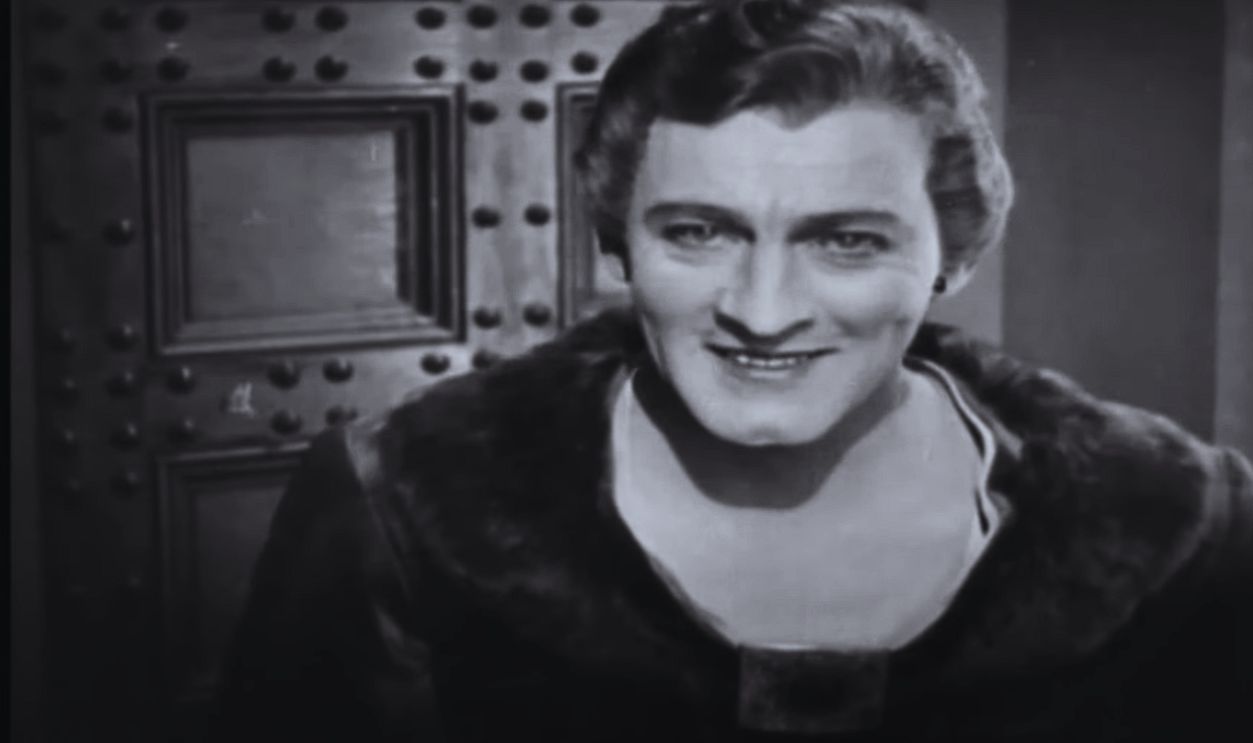 Screenshot from Don Juan, Warner Bros. (1926)
27. His Broadway Career Fizzled Out
Lionel Barrymore made a brief return to the stage in 1925 with The Piker, Taps, and Man or Devil. Unfortunately, none of the plays ran beyond 40 performances, signaling that he might have lost his touch for live performances. By that time, he was ready for something bigger anyway.
 Clarence Sinclair Bull, Getty Images
History's most fascinating stories and darkest secrets, delivered to your inbox daily.
28. He Left Stage For Good
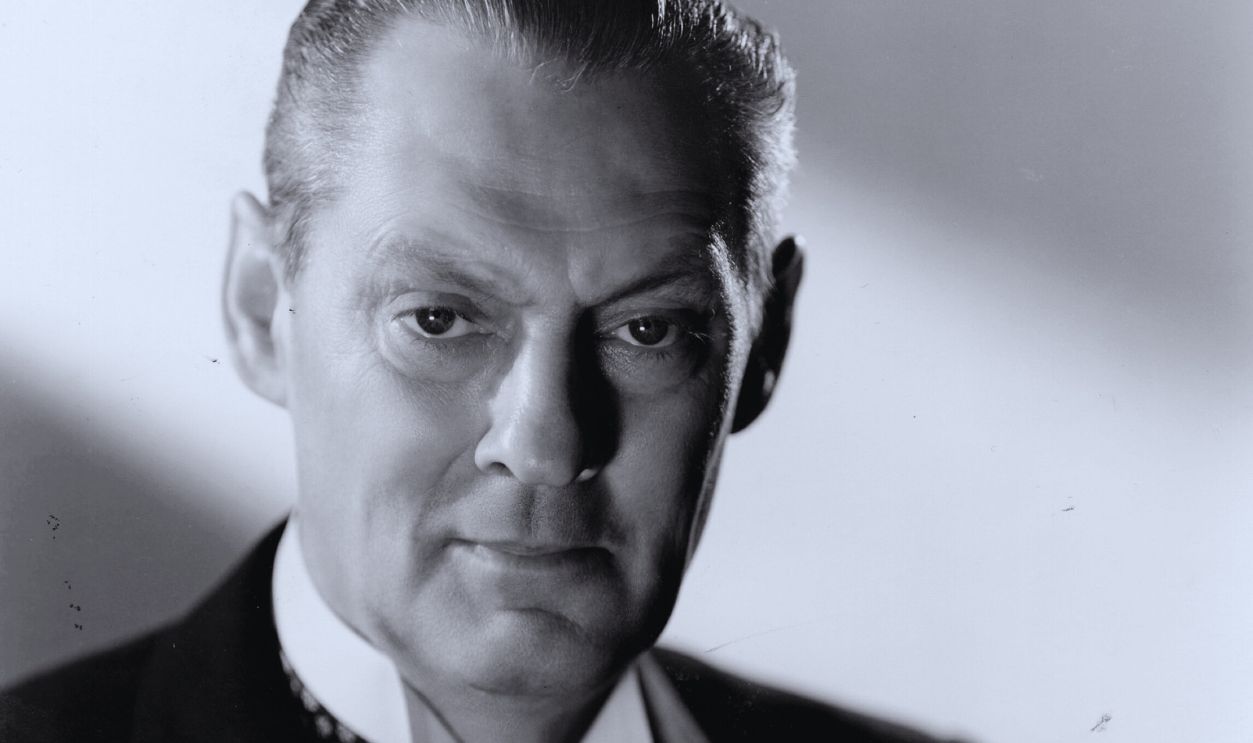
In 1925, nearly 50 years old, Barrymore switched careers—kind of. He left his home in New York behind and moved to Hollywood to make films full-time. He joined the newly formed Metro-Goldwyn-Mayer the following year and never looked back. From that point on, film—not theater—would define his career.
It was where his true talents were.
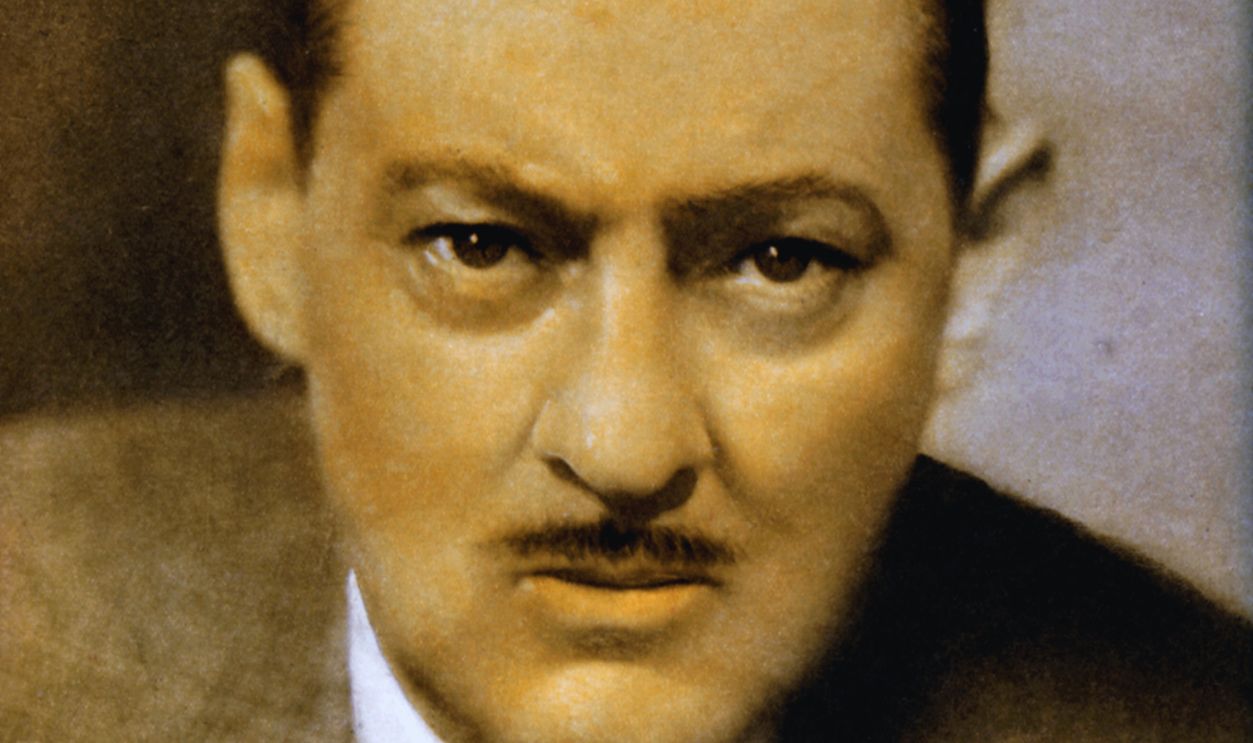
29. He Shone In The Talkies
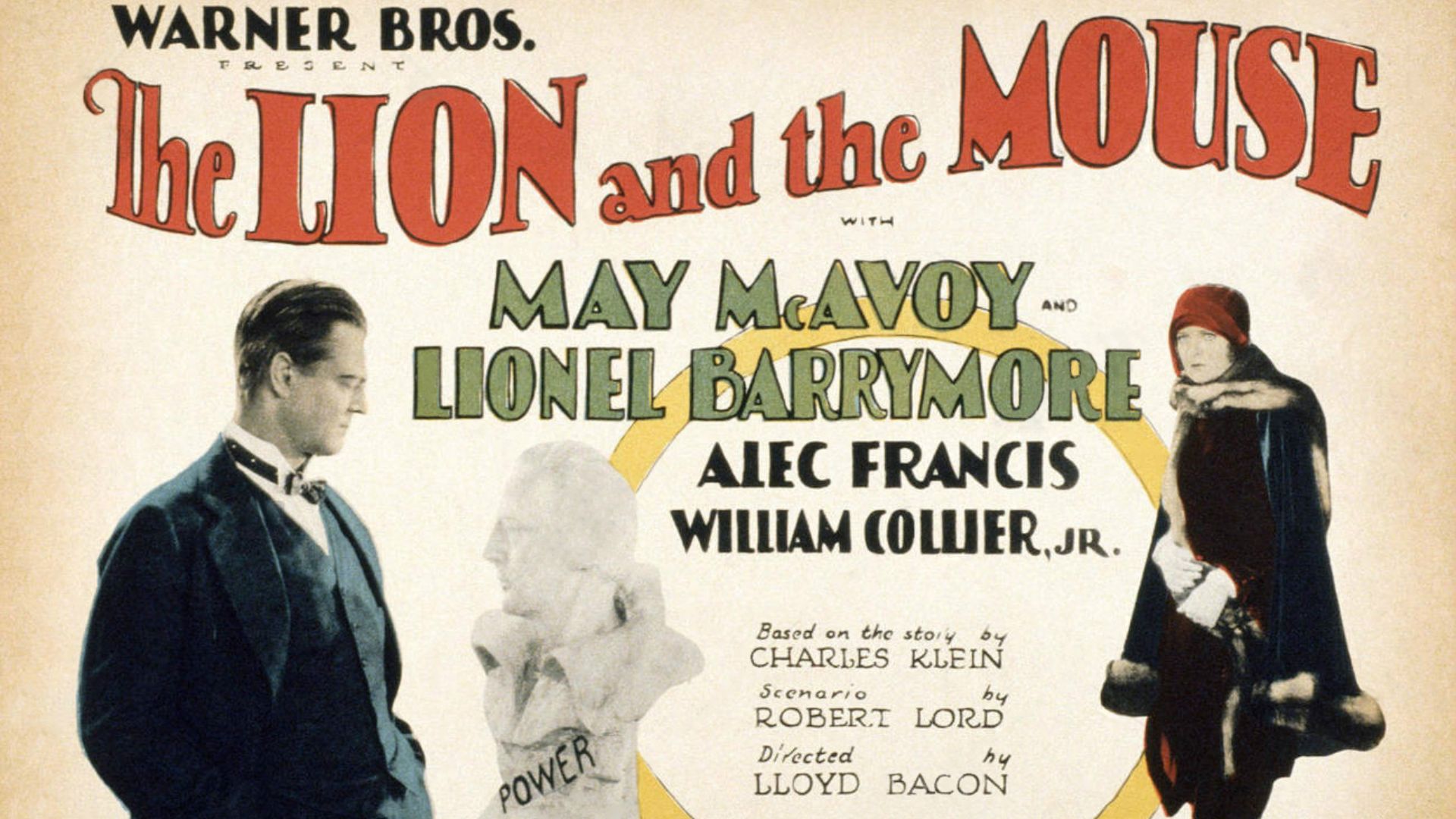
Lionel Barrymore transitioned into the “talkies” era of filmmaking with ease. His first talking feature, The Lion and the Mouse, proved what producers suspected: His rich stage training made him unusually skilled at handling early cinematic dialogue. But Barrymore had other plans that involved a lot less talking.
 Warner Bros., Wikimedia Commons
30. He Decided To Quit Acting—Again
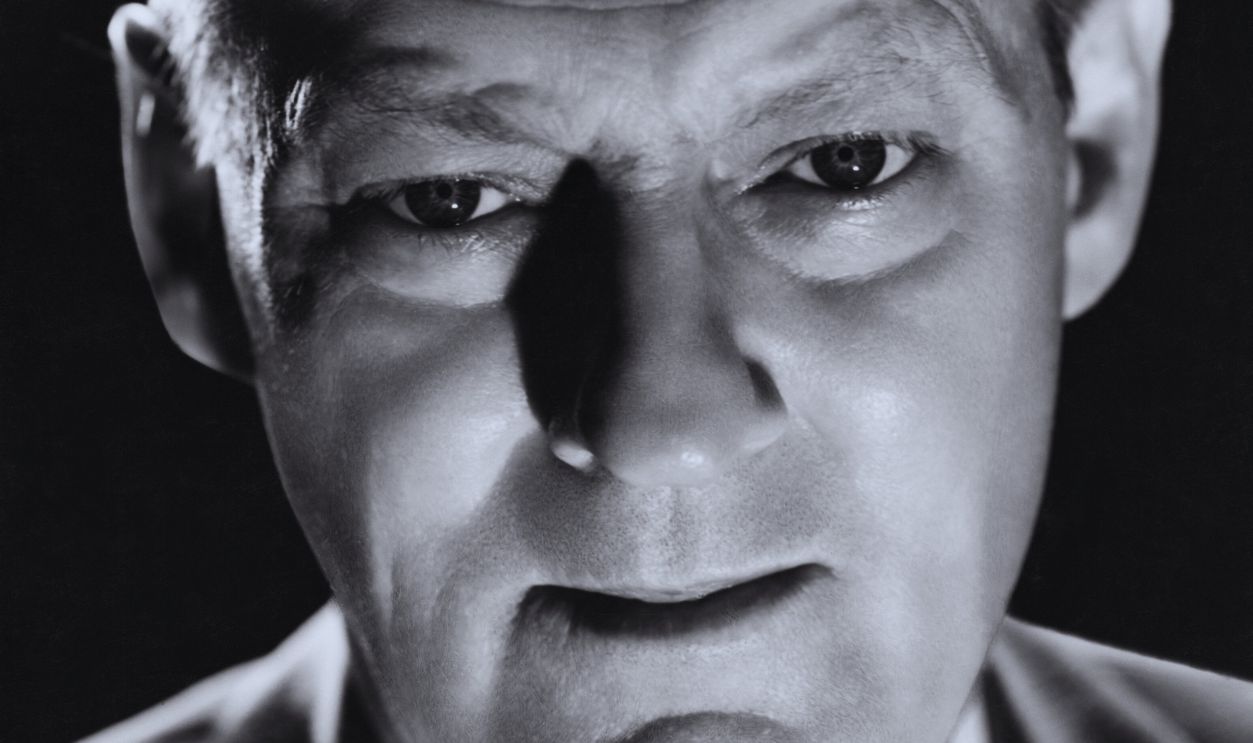
By 1929, MGM was searching for new directors to shape the future of “talkies”. Barrymore volunteered, signing a contract that let him act and direct. But he had a secret plan. Almost before the ink on the contract had dried, Barrymore announced that he was giving up acting entirely and stepping behind the camera for good.
He revealed yet another talent of his.
 John Springer Collection, Getty Images
31. His Directorial Debut Was A Triumph
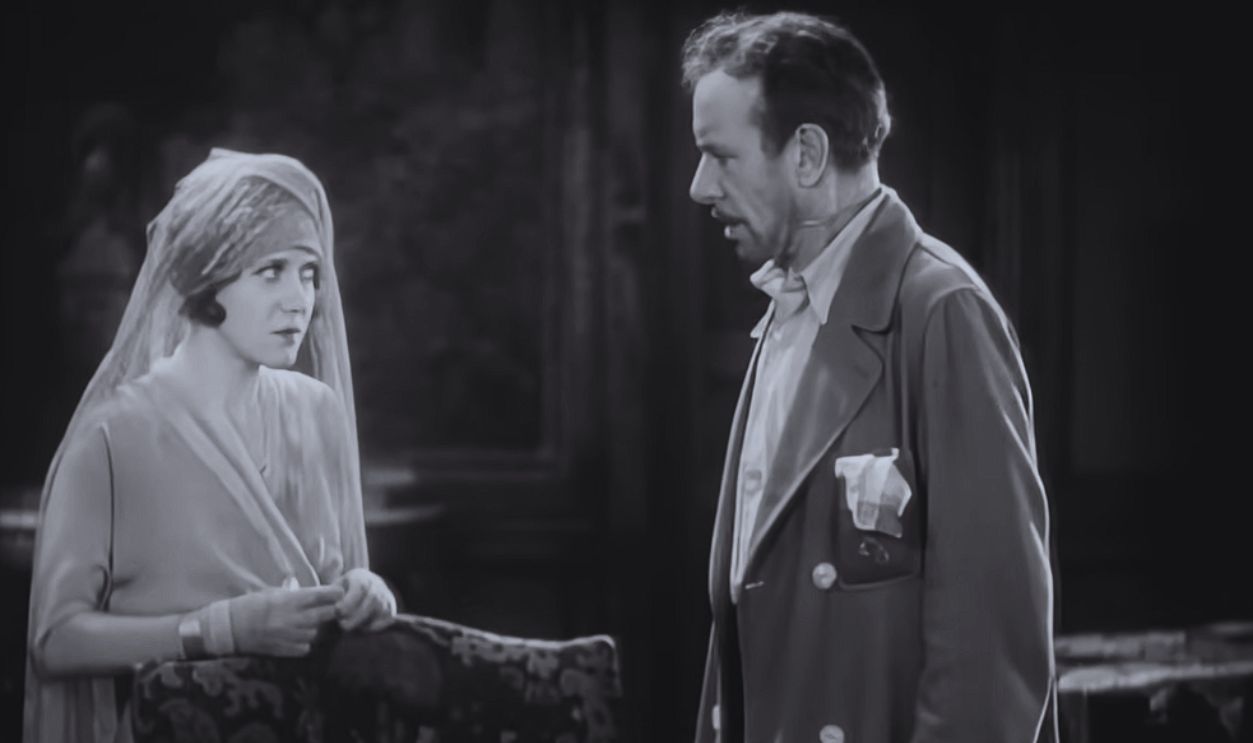
Lionel Barrymore had already impressed audiences with his acting skills. But he really impressed them with his off-camera talents. His first feature as director, Madame X (1929), became a breakout success. The film made such an impression that he was on the shortlist for a Best Director Academy Award.
There’s no question about it: He was a filmmaking pioneer.
 Screenshot from Madame X, Metro-Goldwyn-Mayer (1929)
32. He Invented The Boom Mic
During the early days of sound in film, Barrymore got sick and tired of trying to hide bulky microphones on his sets. So, he pioneered a new way of recording audio. He grabbed a fishing pole, attached a mic, and improvised what later became known as the boom microphone. However, whether he was officially the first one to employ this technique is still up for debate.

33. He Made Expensive Movies
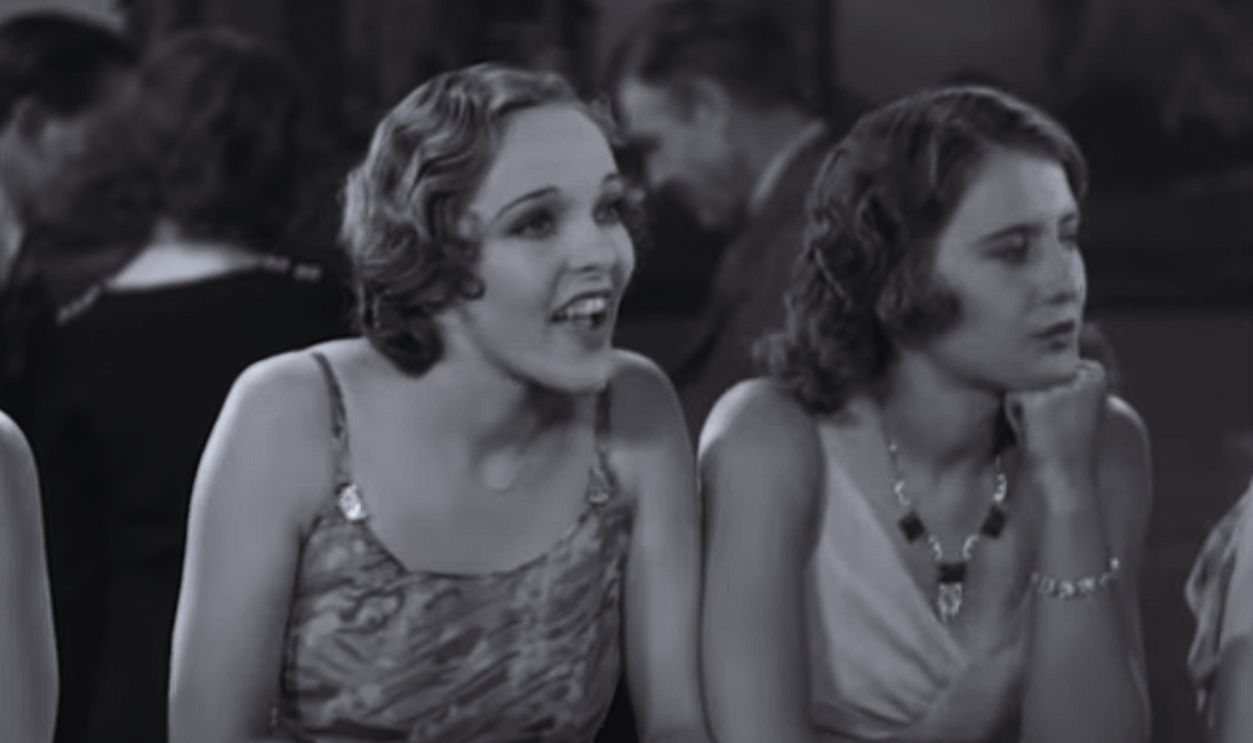
Barrymore’s directing career was over almost as soon as it began. His final directing credit was for 1931’s Ten Cents a Dance. While the film was good, it cost a lot more than 10 cents. Barrymore’s slow, deliberate filming style stretched the schedule and exploded the budget. In all fairness to Columbia, Barrymore might not have known what he was doing anyway.
 Screenshot from Ten Cents a Dance, Columbia Pictures (1931)
History's most fascinating stories and darkest secrets, delivered to your inbox daily.
34. He Didn’t Understand The Audience
Lionel Barrymore wasn’t exactly torn up about the end of his directing career. He later confessed that the “public taste is a riddle to me”. Even so, he maintained that he wasn’t “a failure as a director,” he just “[refused] to assume the burden of production”. “It wears a man down too fast,” he explained.
That did not mean, however, that he was done with Hollywood—not even close.
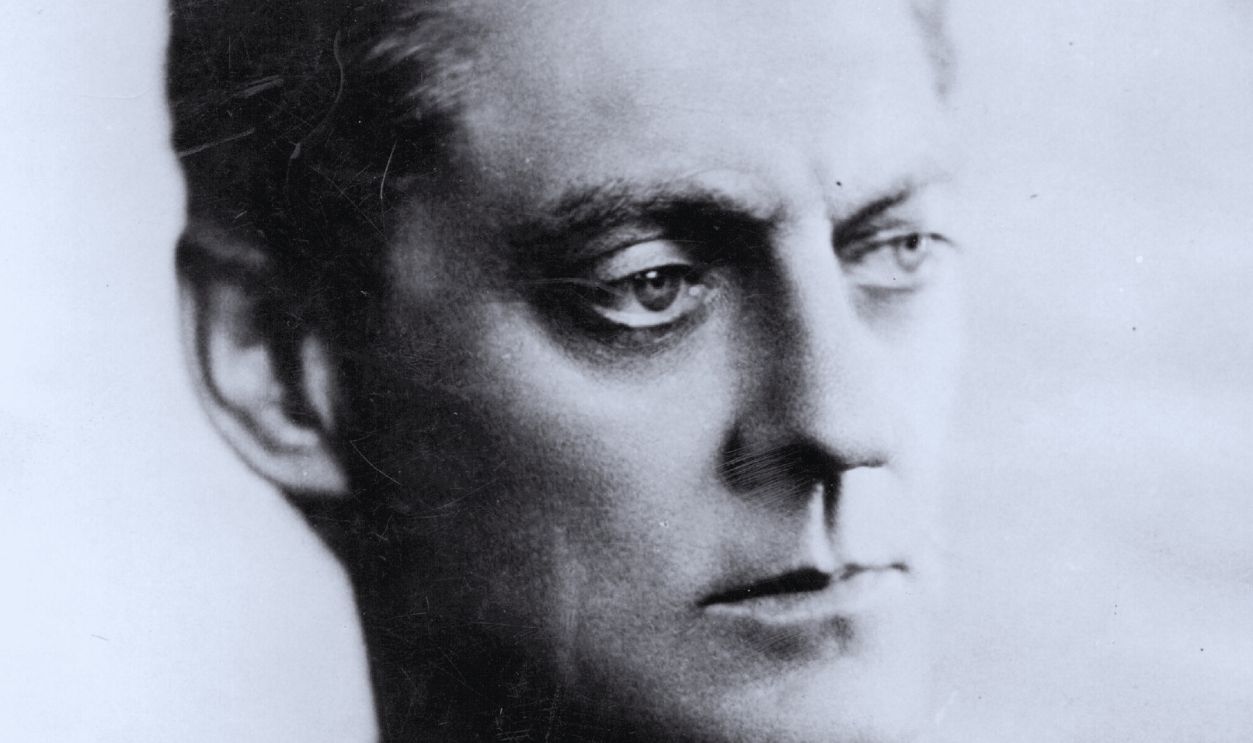 General Photographic Agency, Getty Images
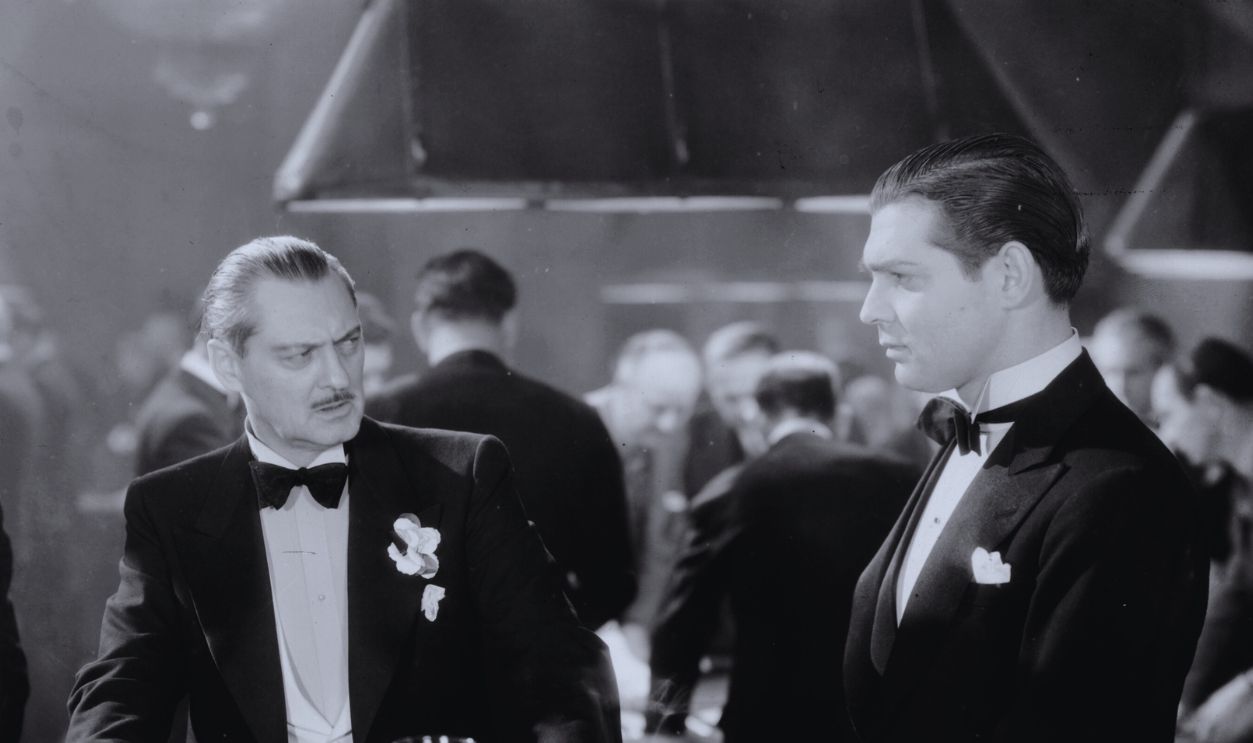
35. He Won An Oscar With A Monologue
In 1931, Barrymore once again came out of his acting retirement and delivered a powerhouse performance in A Free Soul. In the film, he portrayed a negligent, hard-drinking father whose climactic courtroom speech became the stuff of Hollywood legend. The role earned him the Academy Award for Best Actor—and cemented his place among Hollywood’s elite.
He was certainly Hollywood royalty.
36. He Starred With His Entire Famous Family
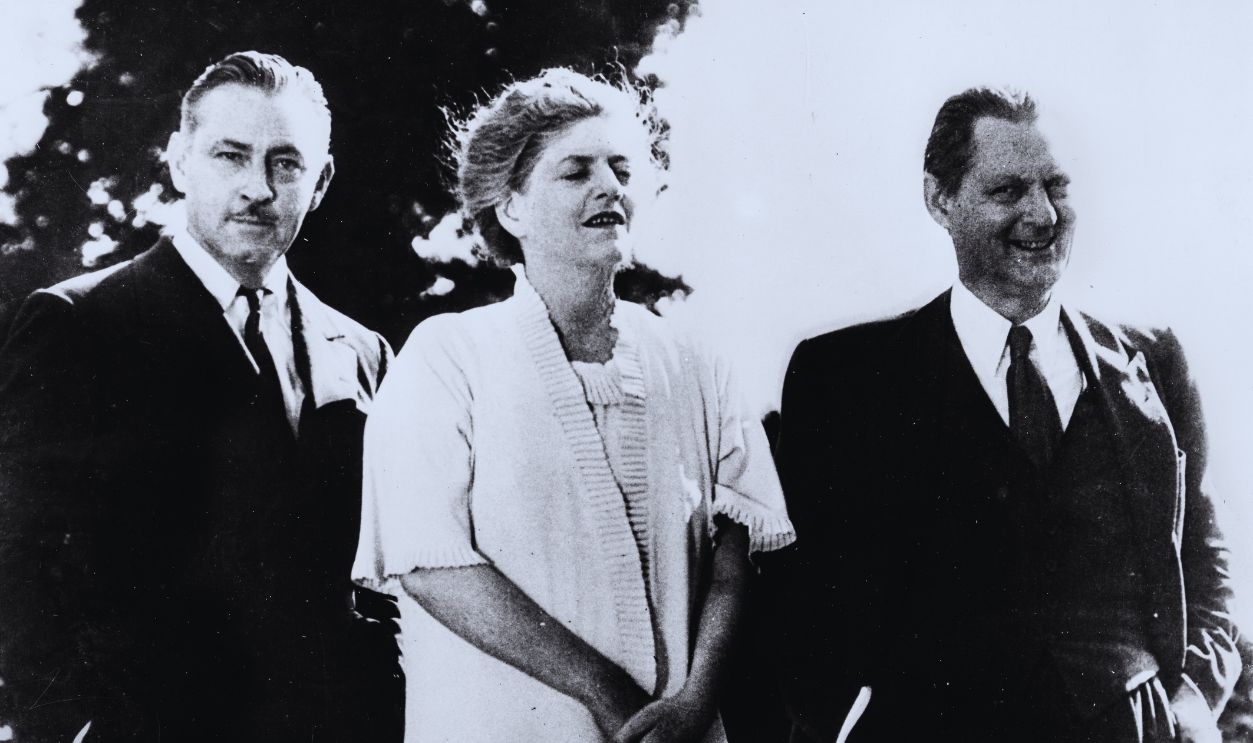
Acting was a Lionel Barrymore family affair—and that was most apparent in Rasputin and the Empress (1932). In the film, Barrymore portrayed the notorious mystic opposite his real-life sister Ethel and his brother John. It remains the only film where all three Barrymore siblings appeared together.
But offscreen, his personal life was about to take a painful turn.
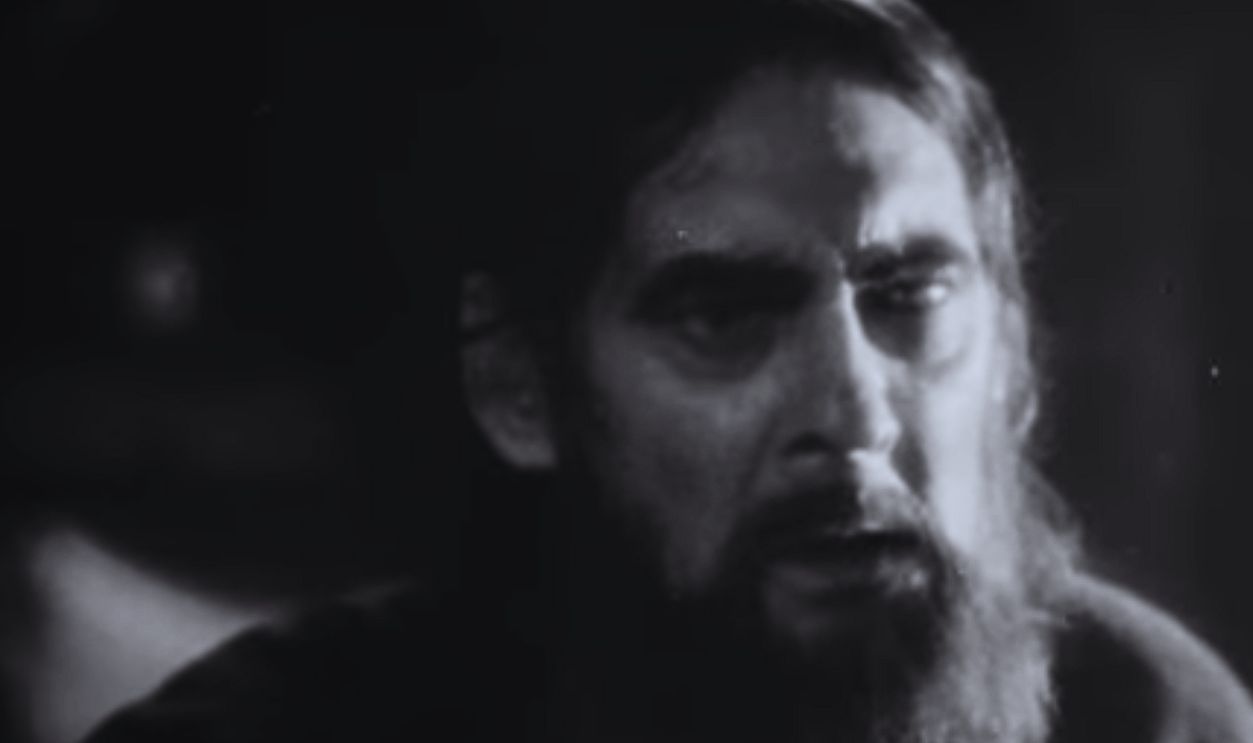 Screenshot from Rasputin and the Empress, Metro-Goldwyn-Mayer (1932)
37. He Became Radio’s Favorite Scrooge
Starting in 1934, Barrymore brought Ebenezer Scrooge to life each Christmas on radio broadcasts of A Christmas Carol. For nearly 20 years, the sound of his voice was as closely tied to Christmas as jingling bells. However, there was one year that brought little reason for festive celebrations and holiday cheer.
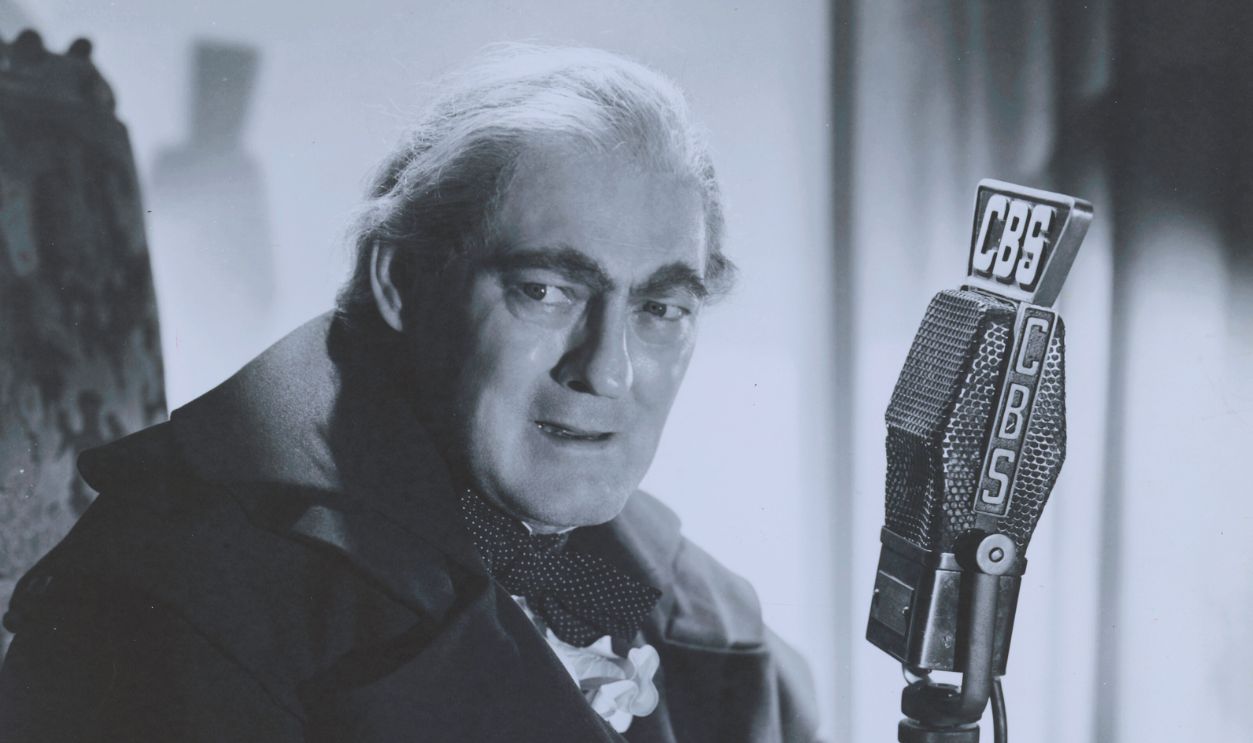
38. He Had A Sad Christmas Eve
On December 24, 1936, Lionel Barrymore learned that he would be unwrapping gifts alone. His second wife, Irene Fenwick, passed on at the age of 49 due to complications from what was then called “overdieting”. Barrymore, utterly devastated, never remarried after losing her. That Christmas Eve marked the end of his romantic life—but not the end of his professional burdens.
 Anonymous photographer, Wikimedia Commons
39. His Grief Interrupted A Tradition
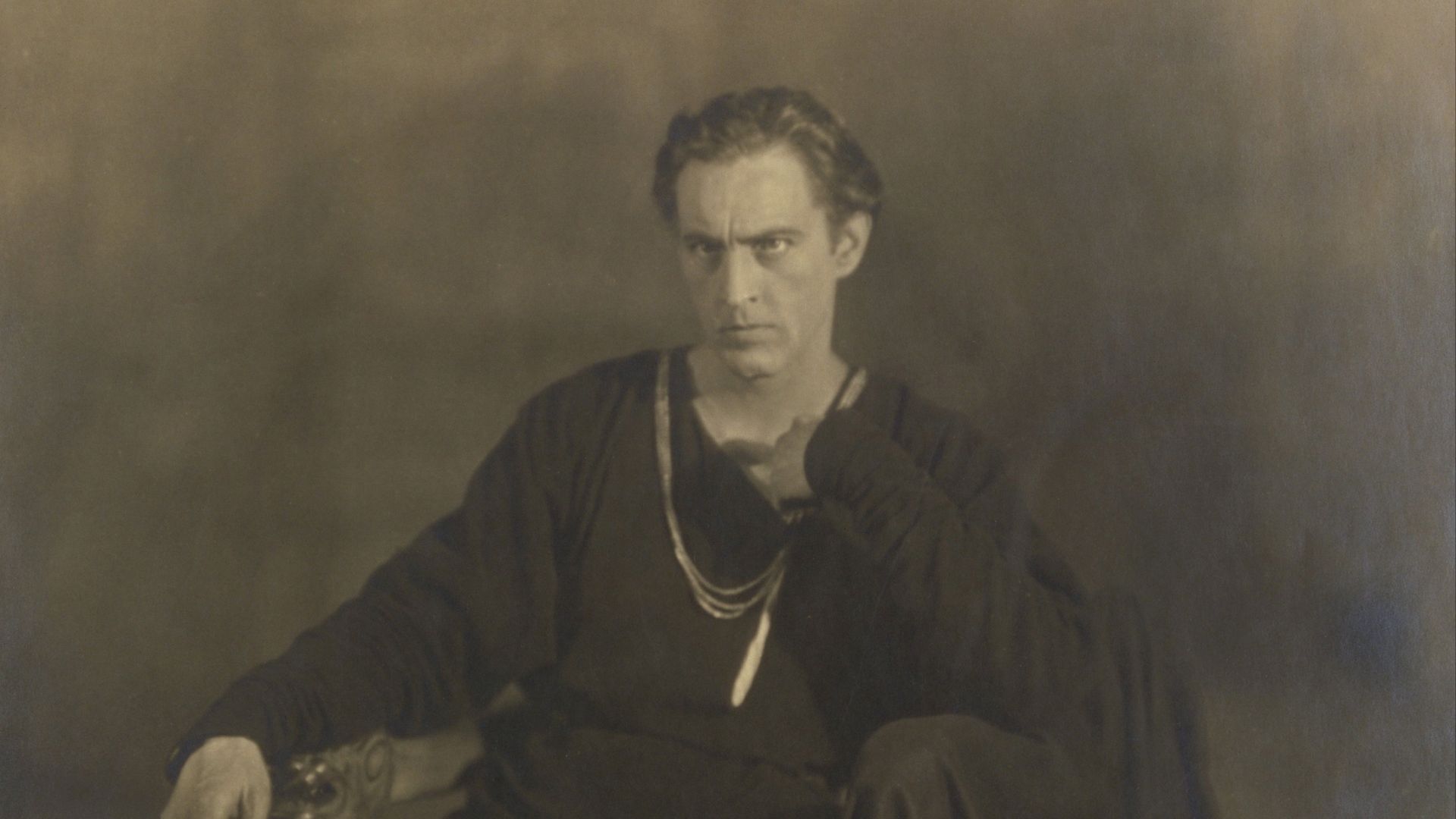
Because of Fenwick’s tragic passing on Christmas Eve, Barrymore couldn’t bring himself to dazzle audiences with his annual radio portrayal of Scrooge. Thankfully, audiences still got a Barrymore performance when his brother John stepped in to fill the airwaves. Even after his heart healed, his body broke down.
 Francis Bergman, Wikimedia Commons
History's most fascinating stories and darkest secrets, delivered to your inbox daily.
40. He Suffered A Crippling Accident
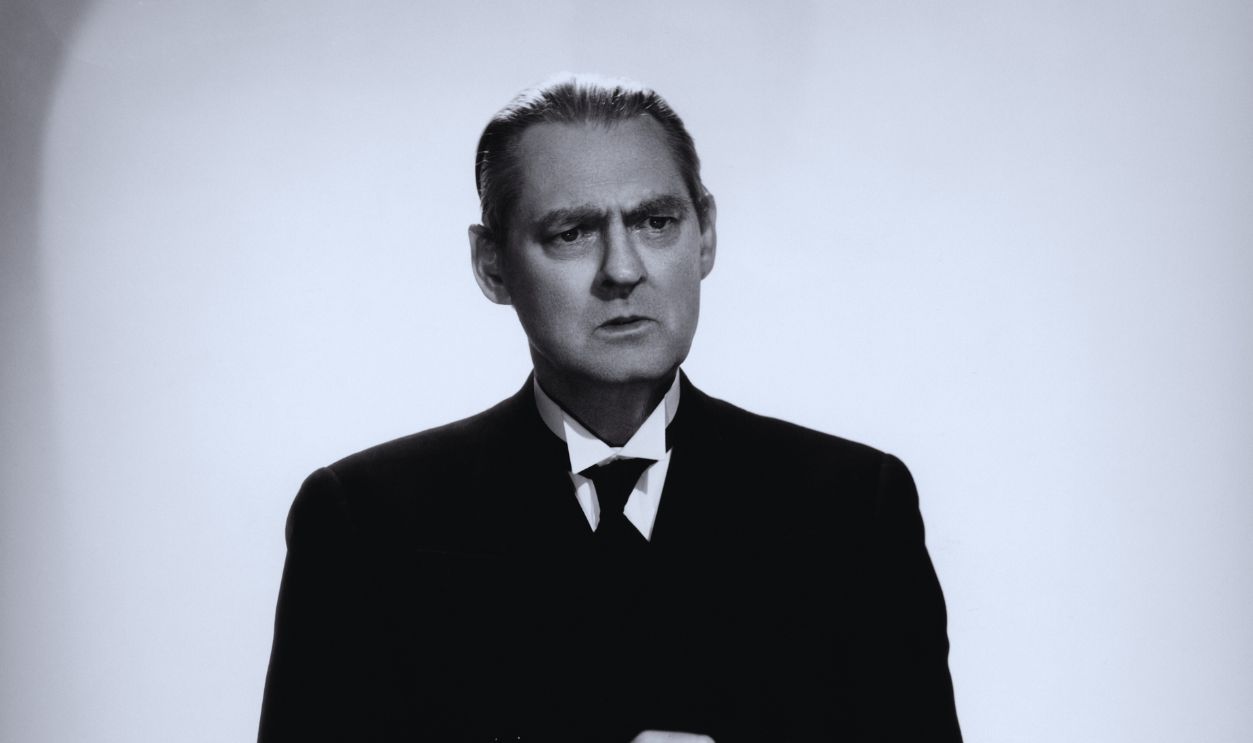
1936 really wasn’t Barrymore’s year. In a freak accident, a drawing table fell on him, breaking his hip. A younger man might have bounced back, but the injury had lasting consequences for the veteran actor, forcing him to adapt his work and lifestyle. Unfortunately, his trouble with injuries was just beginning.
41. He Broke His Hip—Again
Lionel Barrymore recovered from his broken hip just in time to break it again. This time, Barrymore was filming Saratoga when he “tripped over a cable” and took a nasty tumble. The fall resulted in another broken hip and, reportedly, a fractured kneecap. From then on, his acting career would never be the same.
 Donaldson Collection, Getty Images
42. He Worked Through The Pain
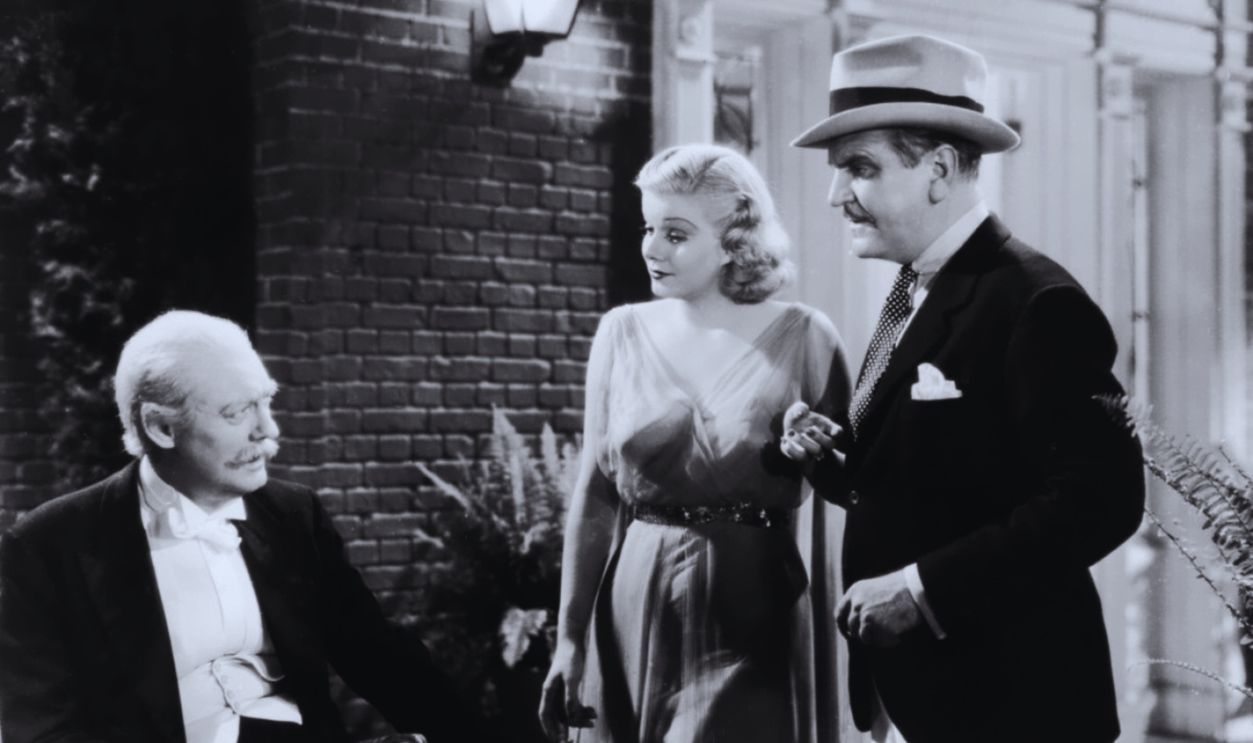
Barrymore’s recovery from his second hip injury wasn’t quite as quick—or easy. While filming You Can’t Take It With You in 1938, he was in excruciating pain. Barrymore complained that standing on crutches felt like agony. The discomfort was so relentless that he needed hourly doses of pain medication just to stay on his feet.
Eventually, he got off his feet altogether.
43. He Wheeled Around Set
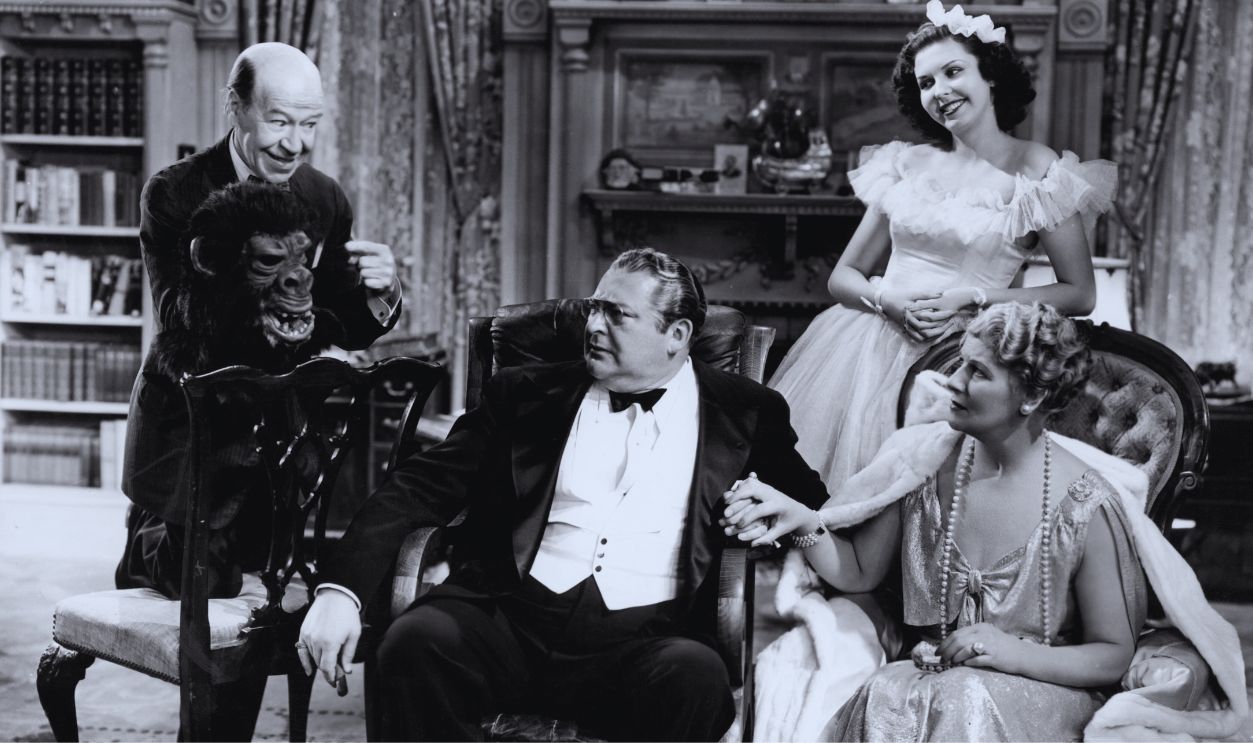
After years of injuries and “worsening arthritis”, Barrymore’s mobility changed permanently. Fed up with the pain of standing on crutches, Barrymore confined himself to a wheelchair. From then on, all of his roles were written to match his disability. He could still stand briefly—most notably at John’s funeral in 1942—but walking was gone for good.
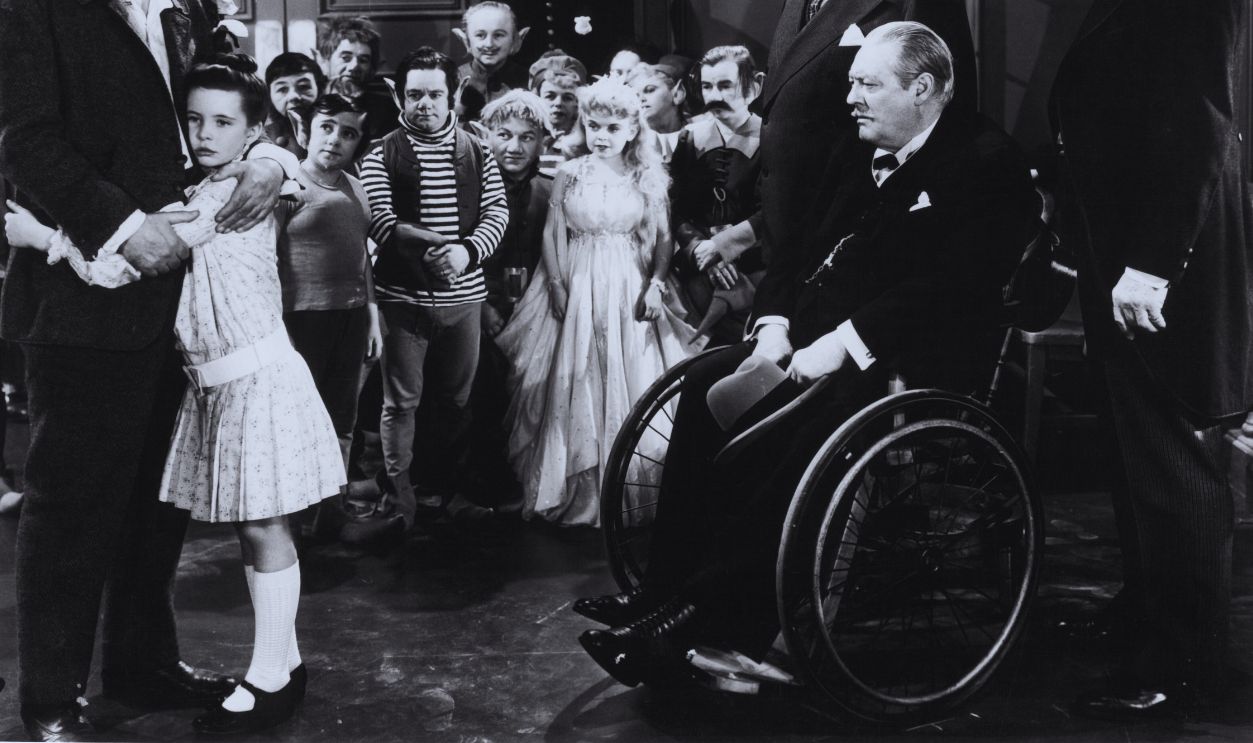
44. His Studio Fed His Pain Relief Habit
Injured or not, Hollywood wasn’t done with Lionel Barrymore. According to one biographer, MGM titan Louis B Mayer authorized a staggering daily sum—$400 worth of an illicit substance—to help Barrymore cope with his constant discomfort. Whether true or not, Barrymore’s most memorable performances were still in his future.

45. His Best Role Came From His Hardest Years
Crippled by arthritis or not, Barrymore still had his acting chops. And in 1939, he debuted his most enduring character of all time: Dr Leonard Gillespie, the brilliant mentor to young Dr Kildare. Taking on the role of Kildare through nine films, Lew Ayres stayed on the project until 1942. However, Barrymore’s Gillespie was so popular that he carried the character on through six more movies.
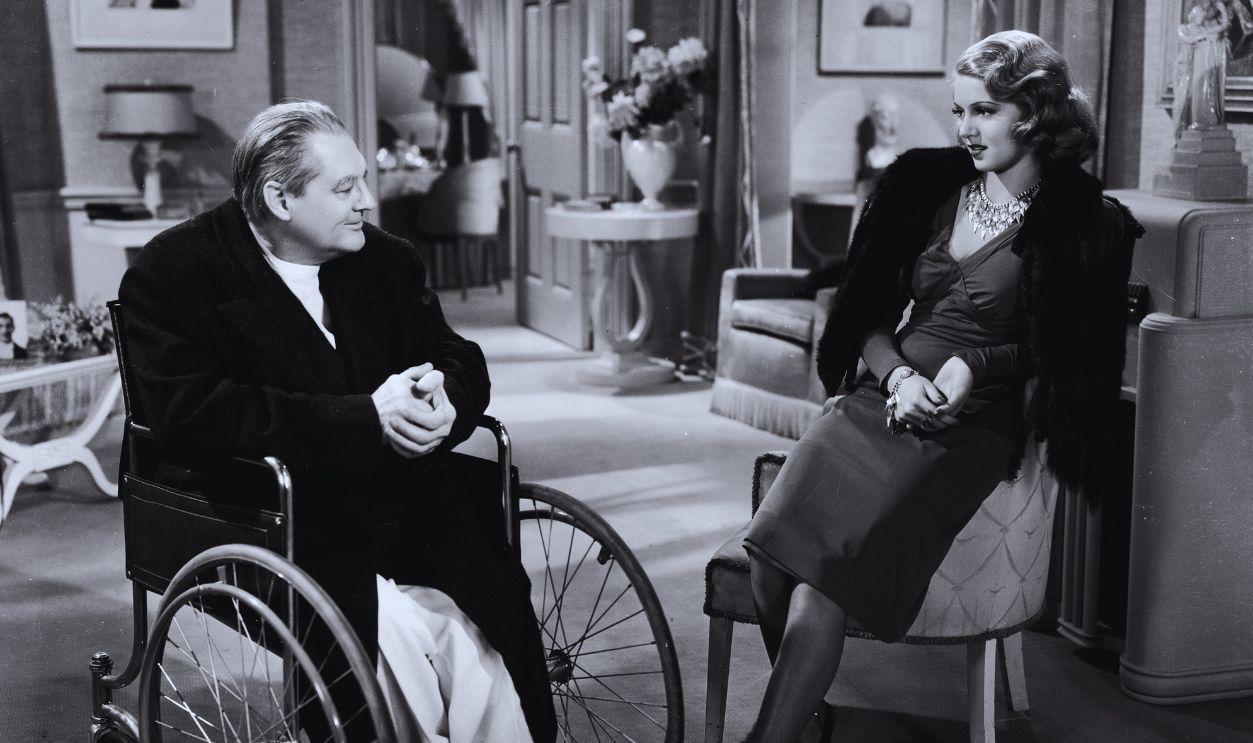 John Kobal Foundation, Getty Images
History's most fascinating stories and darkest secrets, delivered to your inbox daily.
46. His Birthday Became A Hollywood Diversion
Barrymore’s 61st birthday party was a classic Hollywood diversion. When Louis B Mayer threw Barrymore the big bash, he wasn’t just being a good friend. Mayer used Barrymore’s birthday party as a way to keep Hollywood hotshots off the red carpet premiere of a rival studio’s film.
 Dell Publications, Wikimedia Commons
47. His Heart Broke For Jean Harlow
Over the course of his career, Barrymore had developed a tender, protective relationship with the actress Jean Harlow. She was around the same age as his daughters would have been had they survived infancy. And that should have been a bad omen. When Harlow passed on in 1937, Barrymore was utterly gutted.
The only way he knew how to grieve was to let it all out on camera.
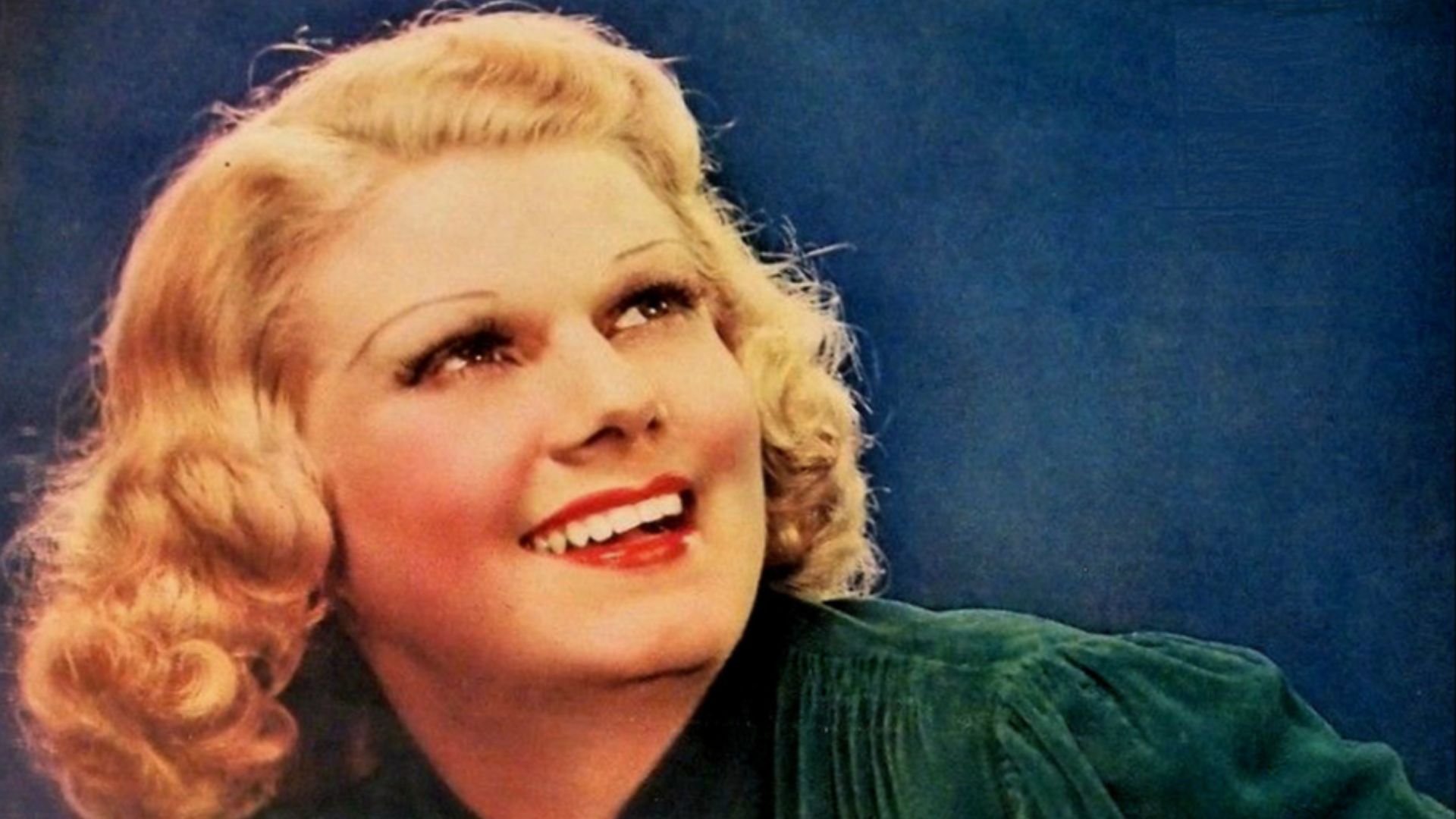 New York Sunday News., Wikimedia Commons
48. He Had A “Wonderful Life”
In 1946, Barrymore delivered the role that would etch his name into holiday tradition forever: the miserly Mr Potter in It’s a Wonderful Life. His icy portrayal opposite James Stewart turned him into cinema’s quintessential Christmas curmudgeon. Yet offscreen, he was anything but miserly and crotchety.
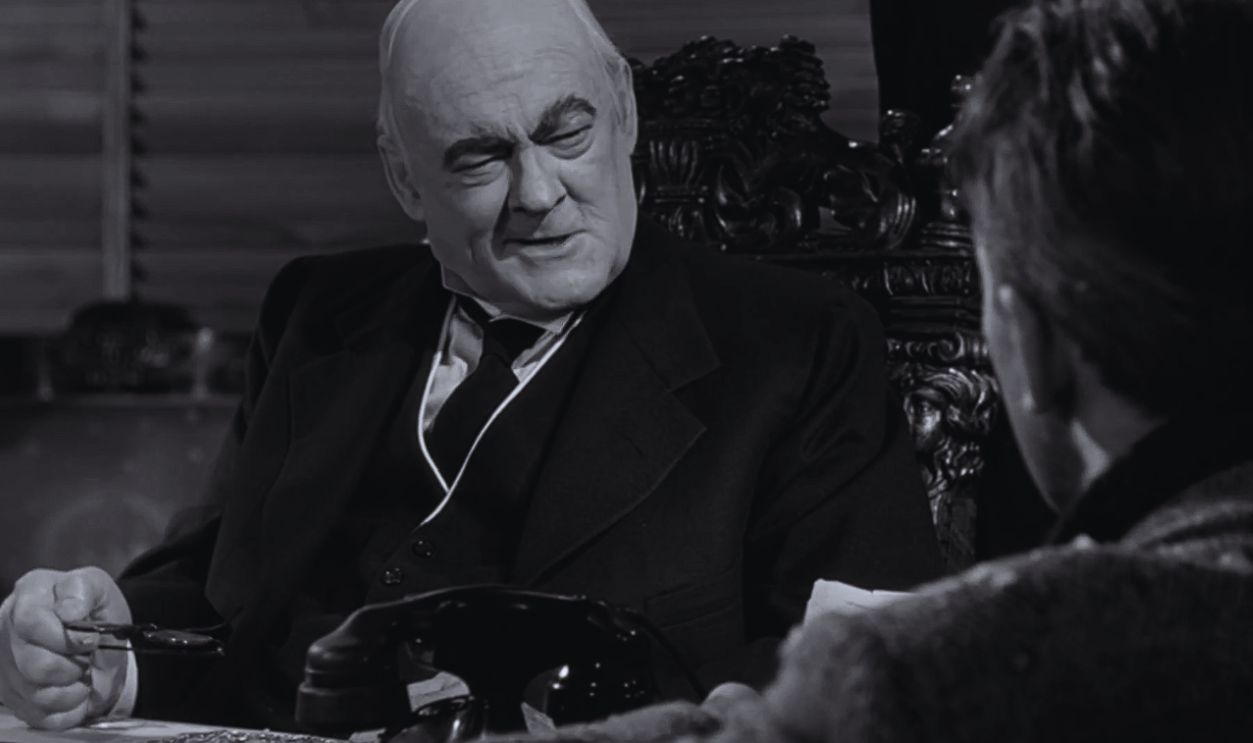 Screenshot from It's a Wonderful Life, Paramount Pictures (1946)
49. He Registered For Service Anyway
Barrymore was nothing if not patriotic. Despite his age and disability, he filled out draft paperwork during WWII. While he knew that he couldn’t serve on the frontlines in his condition, he hoped he could serve another way. By announcing his registration publicly, he hoped that he could inspire younger, able-bodied men to enlist.
He…just didn’t want to pay for it.
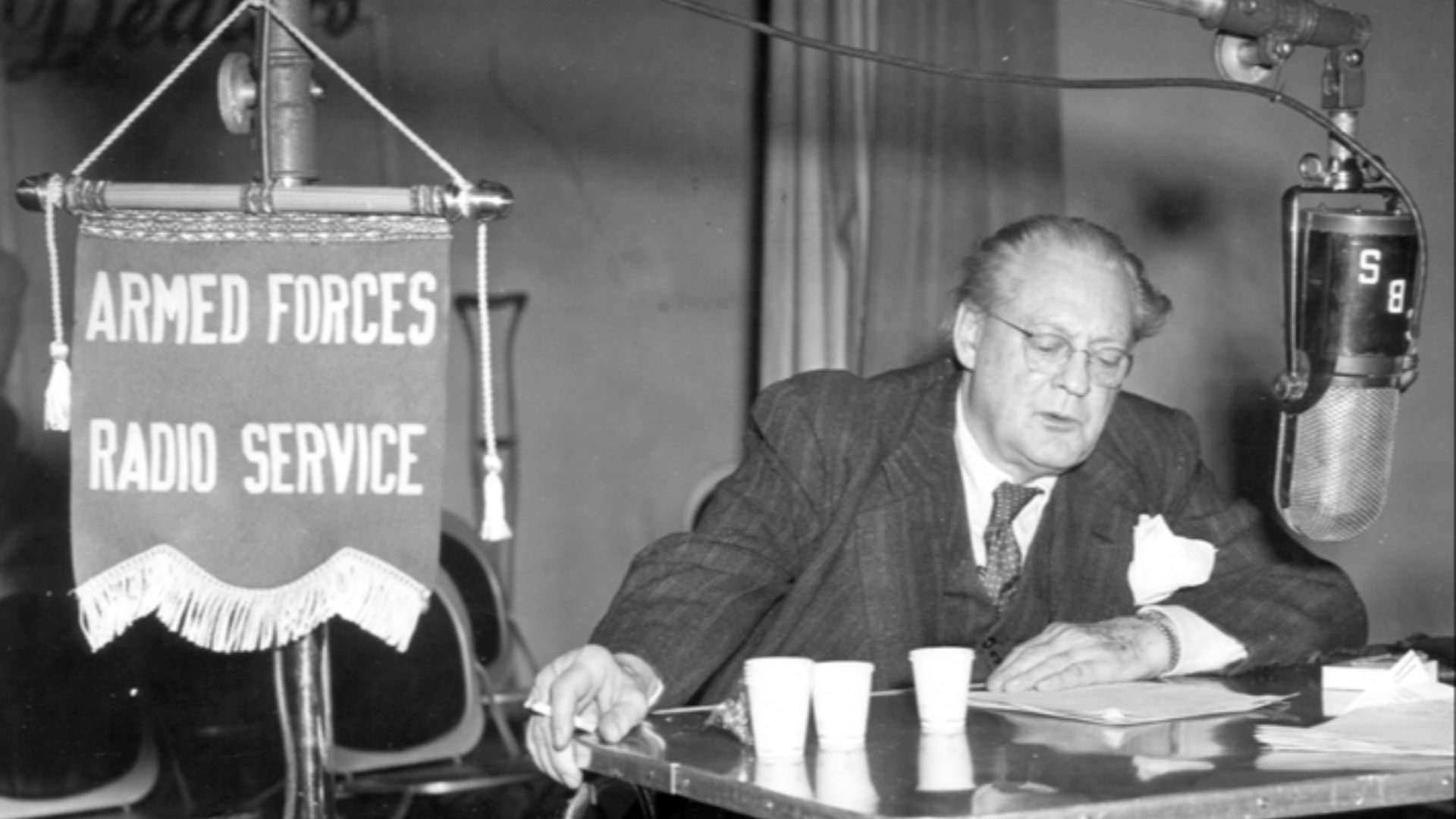
50. He Dodged His Taxes
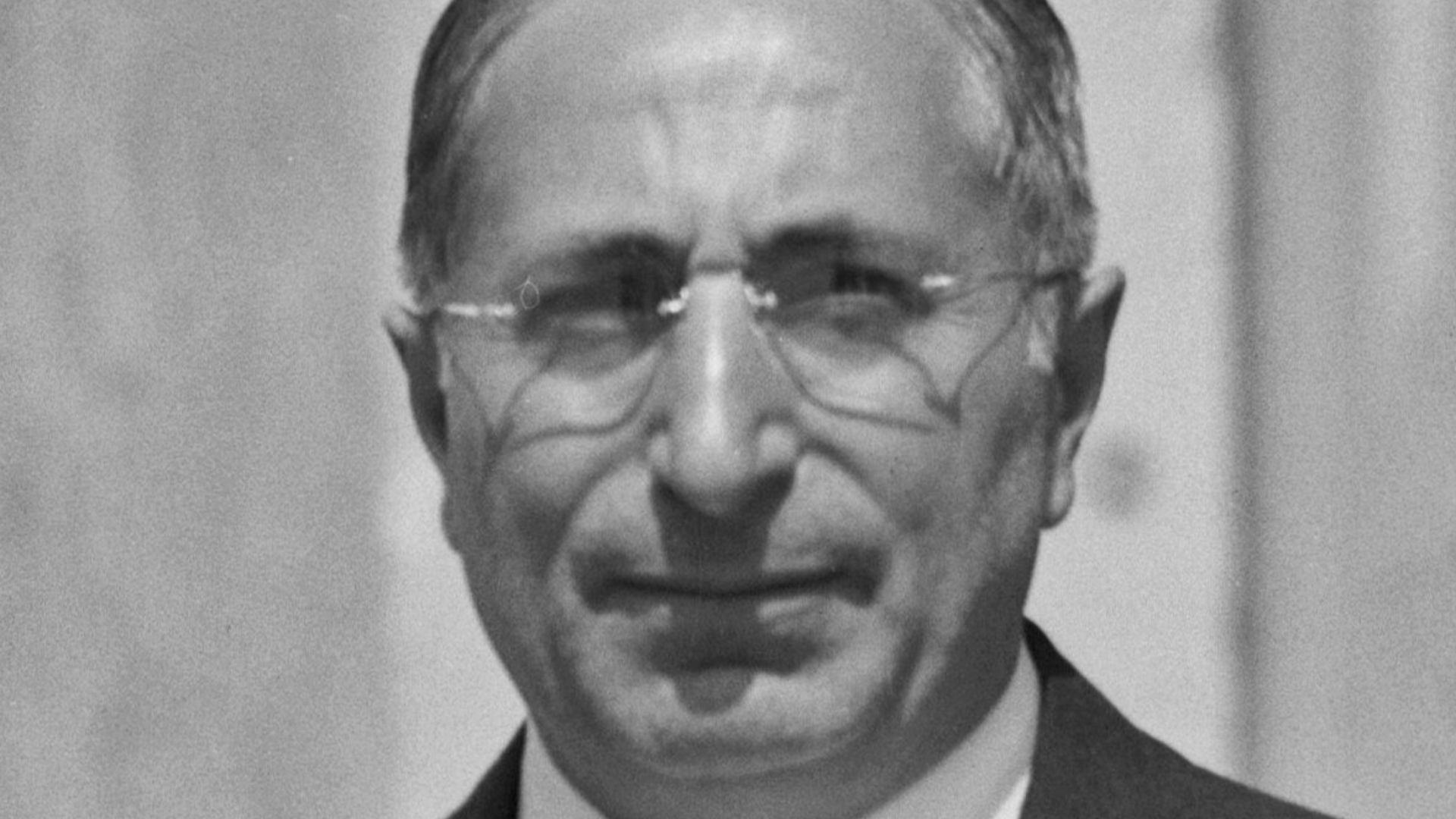
Barrymore’s biggest battle wasn’t with arthritis—it was with the IRS. For the last 15 years of his life, he and the taxman duked it out. Barrymore was so behind in back taxes that Louis B Mayer allegedly had to make an arrangement with the IRS to deduct money from Barrymore’s pay. Even after his passing, the IRS seized the proceeds from the sale of his artwork.
 Los Angeles Times, Wikimedia Commons
51. He Wrote Music
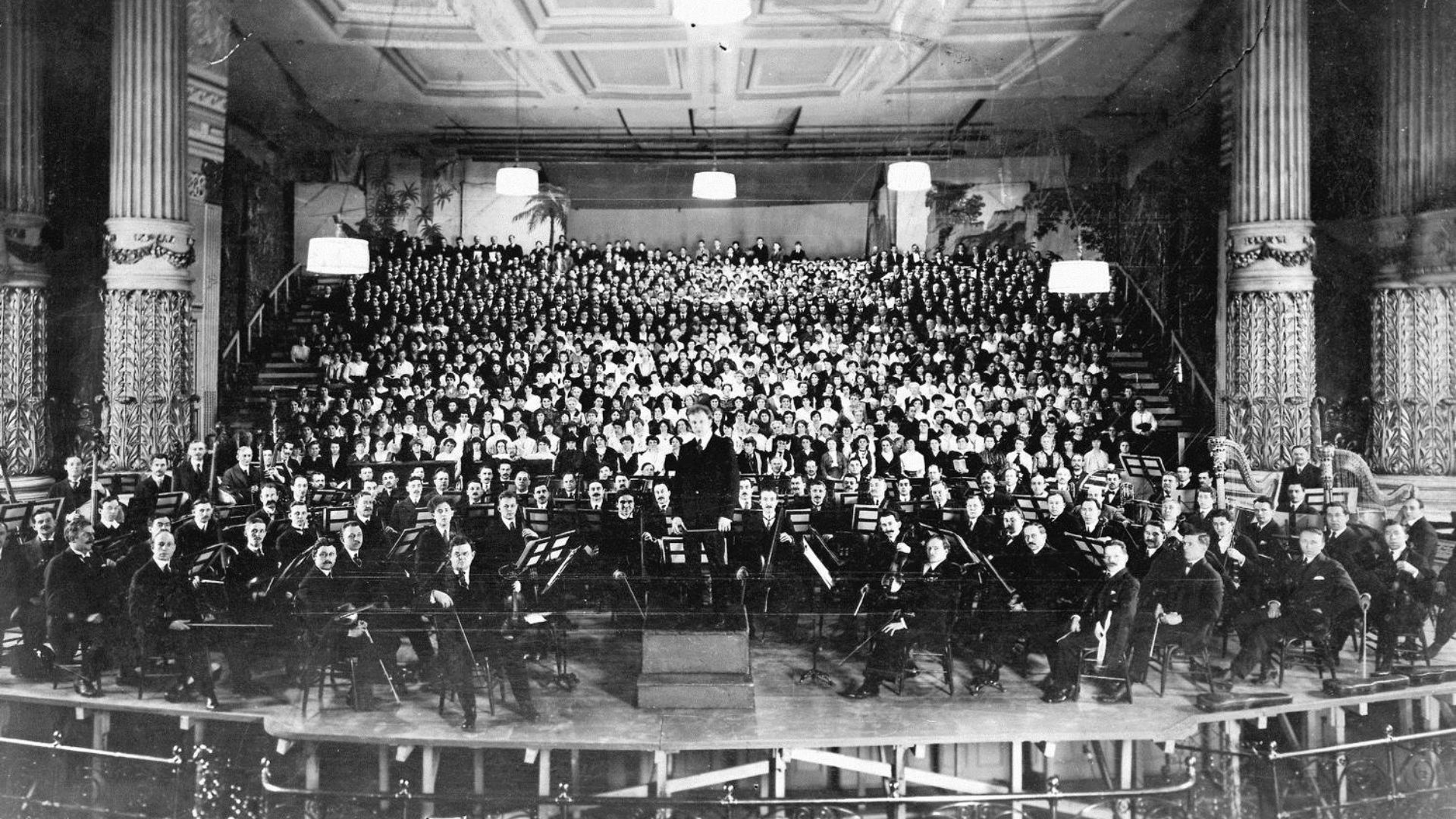
Throughout his life, Barrymore composed everything from piano pieces to full orchestral works. His Partita received multiple performances, and when his brother John passed in 1942, Barrymore honored him with an orchestral memorial piece—In Memoriam—performed by the Philadelphia Orchestra.
His artistry went far beyond the screen.
History's most fascinating stories and darkest secrets, delivered to your inbox daily.
52. He Was A Sketch Artist
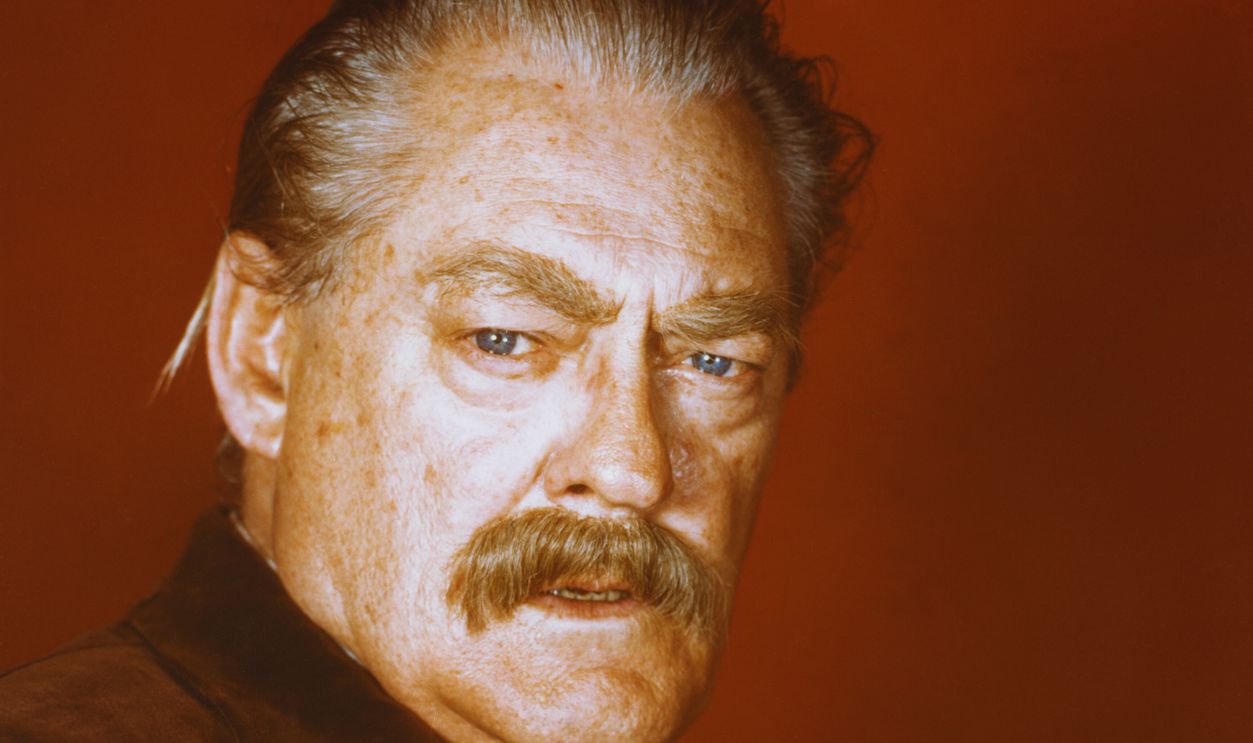
When he wasn’t acting, directing, or composing music, Barrymore still dreamed of becoming an artist. In a way, he completed that dream. Barrymore became a gifted illustrator, joining the Society of American Etchers and even having some of his sketches land in the pages of Hundred Prints of the Year. His other talents were surprising.
 Sunset Boulevard, Getty Images
53. He Had A Green Thumb
Towards the end of his life, Barrymore became something of an outdoorsman. At his Chatsworth Ranch, he practiced horticulture, most notably growing beautiful roses. In between pruning and ranching, he completed the novel Mr Cantonwine: A Moral Tale. Still, it was his acting that defined his career.

54. He Had His Last Role
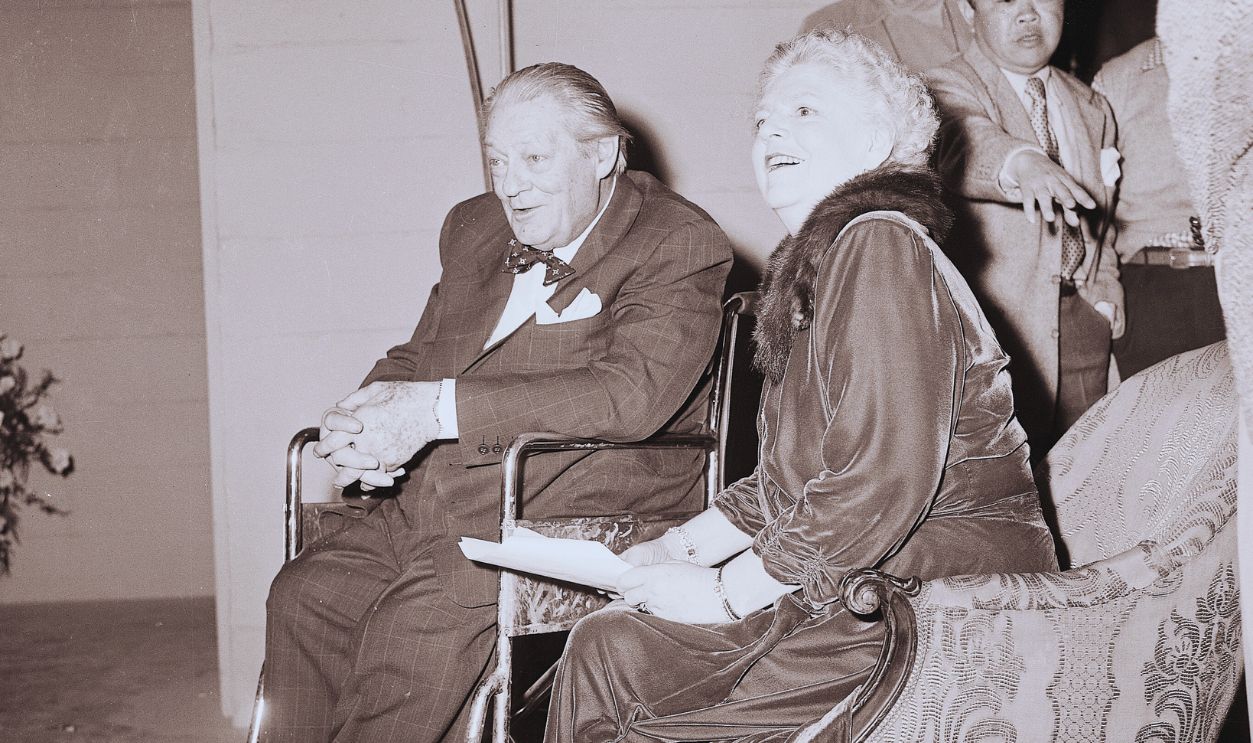
By the early 1950s, Barrymore had all but given up the family business of acting and spent more time on his hobbies. However, whether he liked it or not, acting was in his blood, and in 1953, he gave his last performance. Starring alongside his sister Ethel, he appeared in Main Street to Broadway. It was a fitting final chapter.
55. He Exited The Stage
Just one year after his final performance, Barrymore exited the stage for good. At the age of 76, on November 15, 1954, Barrymore suffered a heart attack and took his final bow. He was entombed beside his wife, Irene Fenwick, and his brother John. His legacy, however, would live on forever.
56. He Got His Stars
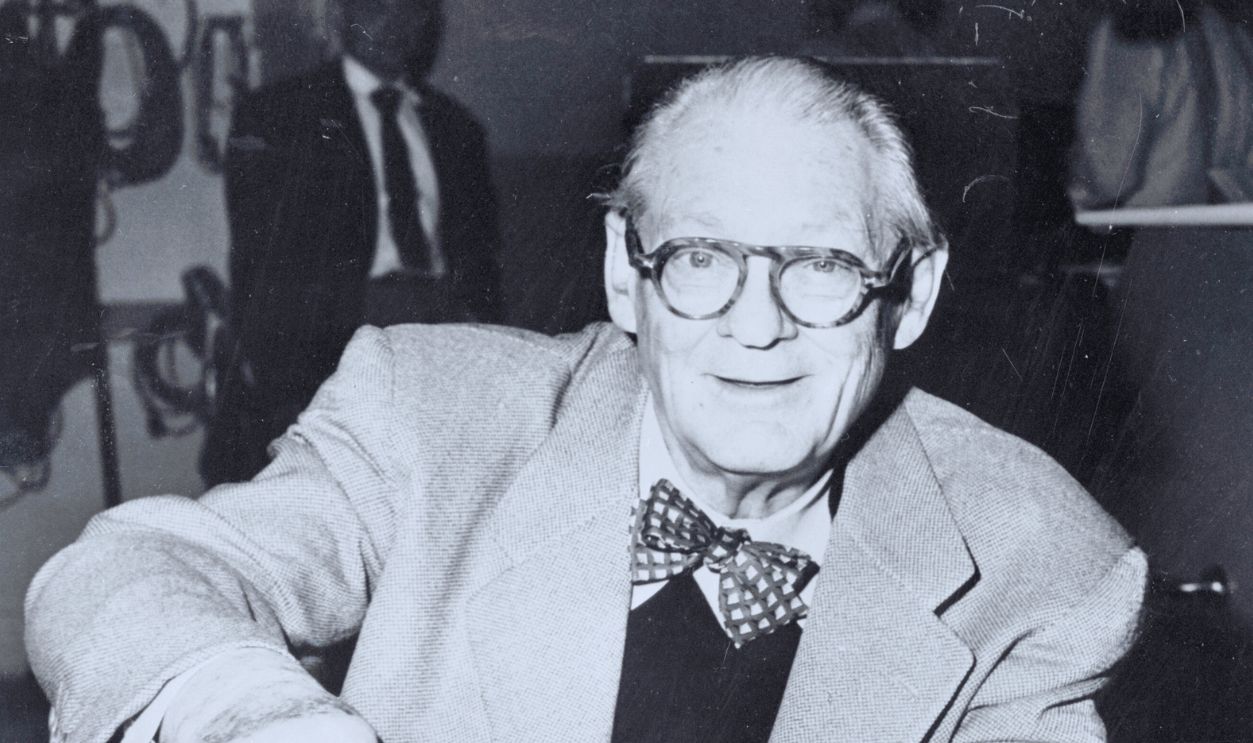
Barrymore might not have wanted to become an actor, but it was in his DNA from the beginning. And, with two stars on the Hollywood Walk of Fame, it was the very thing that made him immortal. His truest honor, however, might have been getting inducted into the American Theater Hall of Fame with his siblings, Ethel and John.
Once a Barrymore, always an actor.
 Universal History Archive, Getty Images
You May Also Like:
Carl Reiner Was A Comedic Genius With An Incredible Story
Hollywood’s Risqué Maiden Chose A Different Life