She Started Rich
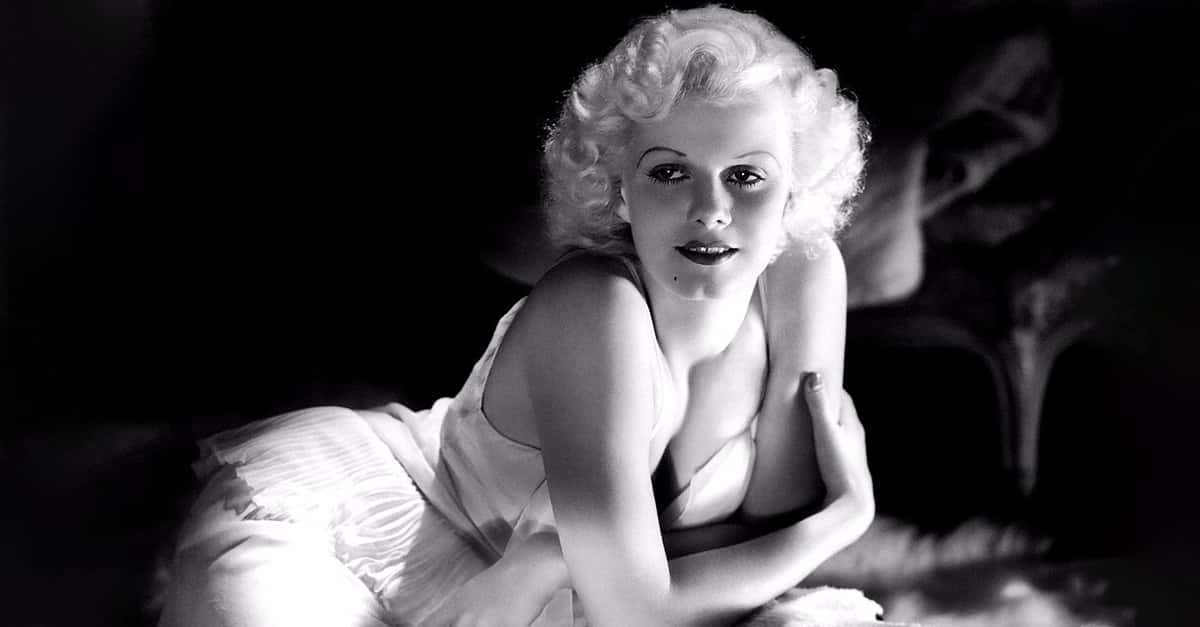
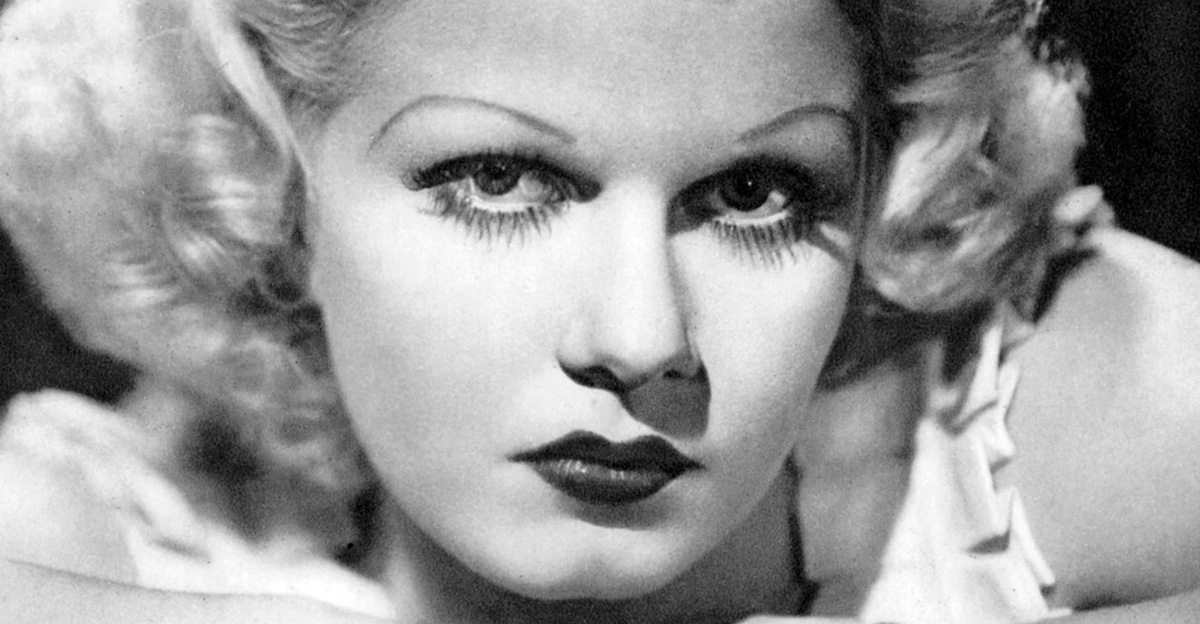
Jean Harlow had one of the strangest trajectories to superstardom in Hollywood history. For one thing, she wasn’t in it for the money. She was already a millionaire before she started in Hollywood. Secondly, her acting was uniformly ridiculed by critics for her first films. Yet somehow Harlow rose to the top and made over 30 feature films all before her tragic passing at the age of 26. This “Platinum Blonde” has one of the most fascinating stories in Hollywood.
1. She Got All The Love
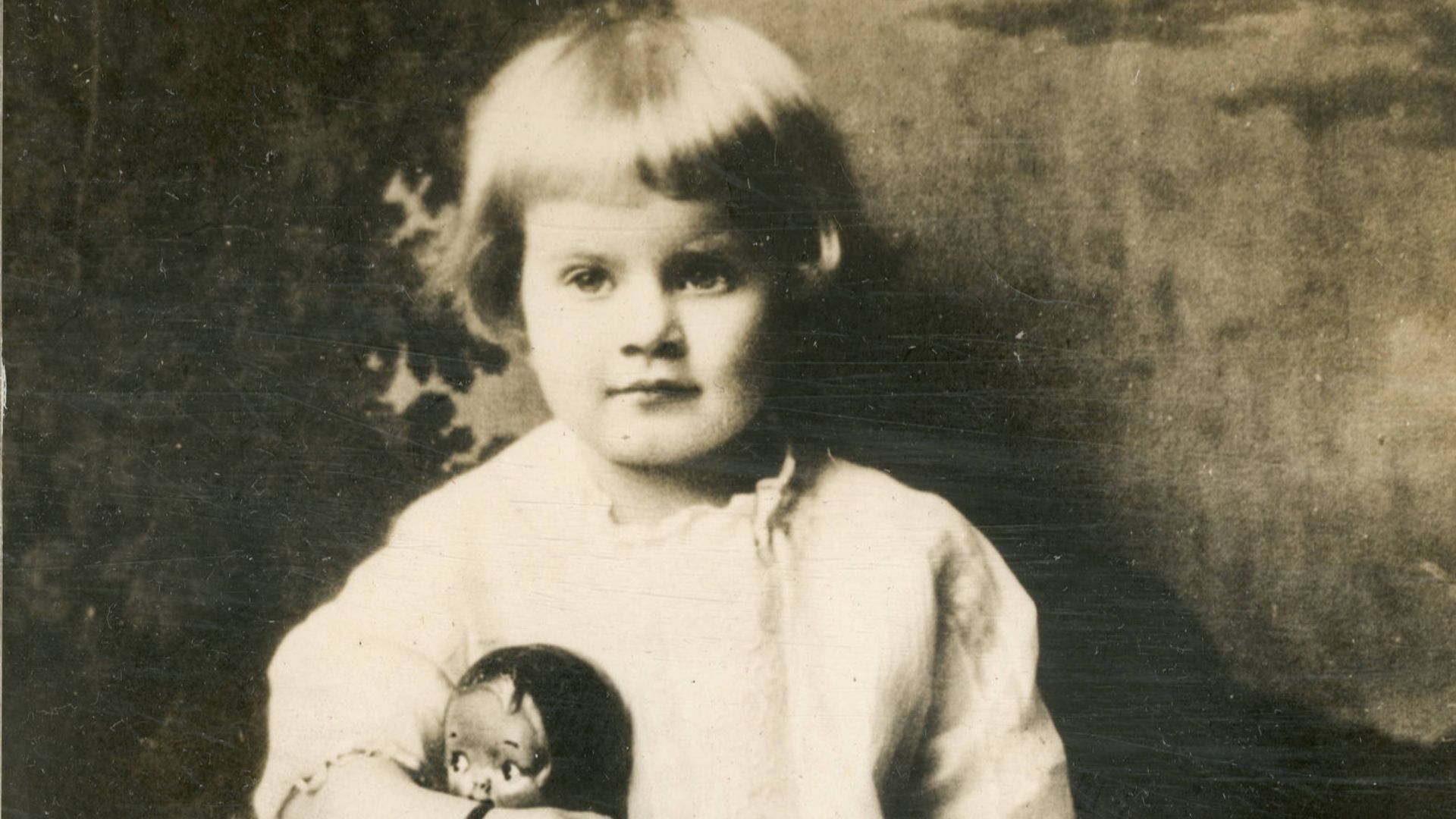
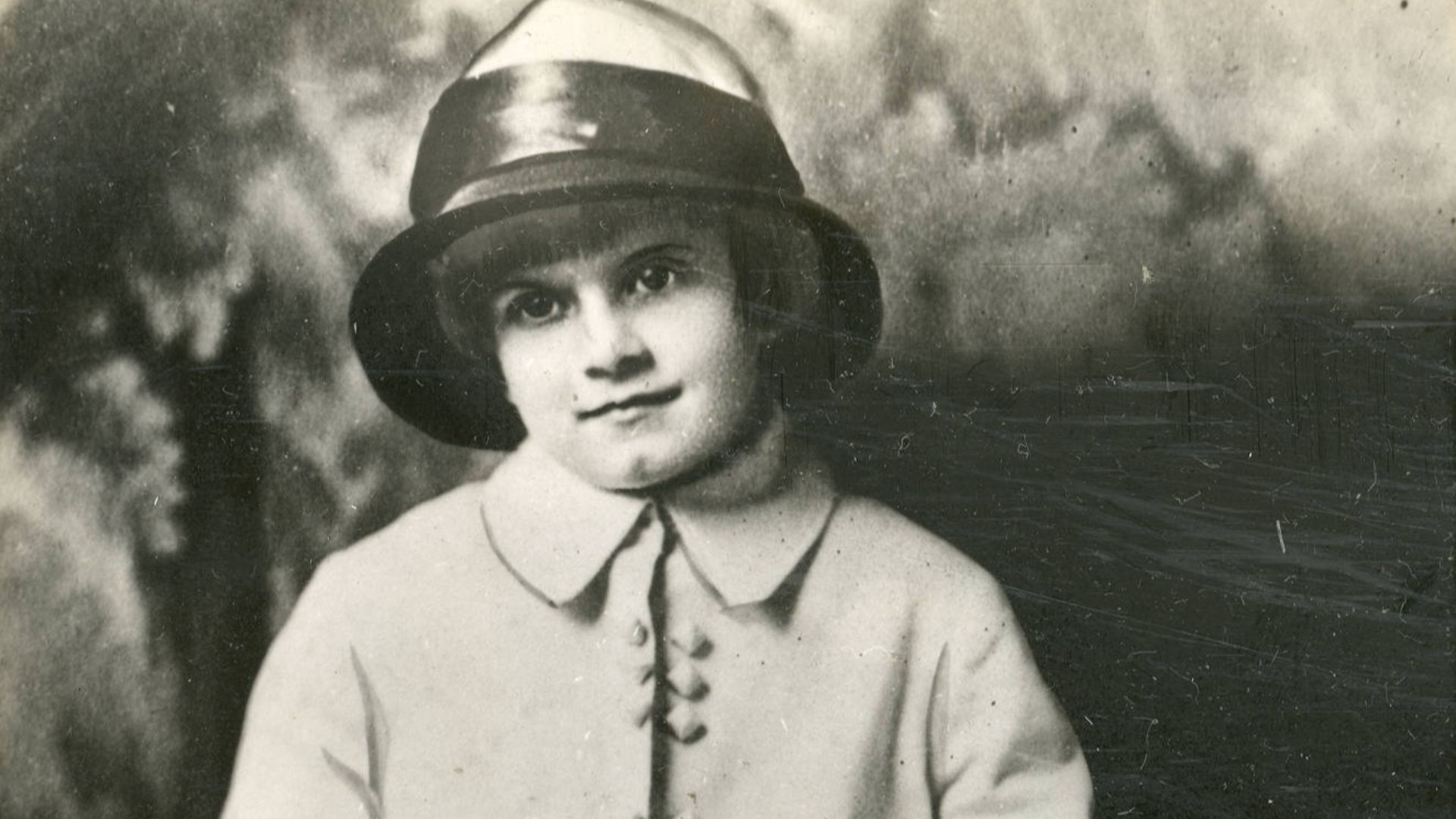
Harlow's mother, Jean Poe Harlow, was still a minor when she married Mont Clair Carpenter. It was Jean's father who had arranged the marriage, and she wasn't happy about it. When she had a baby girl on March 3, 1911, Jean decided to pour all her love into the care of her baby. She had no idea how famous her little girl would become.
 Unknown authorUnknown author, Wikimedia Commons
2. She Didn’t Know Her Name
Jean Poe Carpenter named her baby girl Harlean Harlow Carpenter, but everyone just called her “Baby”. In fact. Harlow didn’t know her own name until she went to Miss Barstow’s Finishing School for Girls. When the staff and students started addressing her as Harlean, she finally figured out that her real name wasn’t Baby.
Well, this baby was about to grow up fast.
 Unknown authorUnknown author, Wikimedia Commons
3. She Met A Rich Man
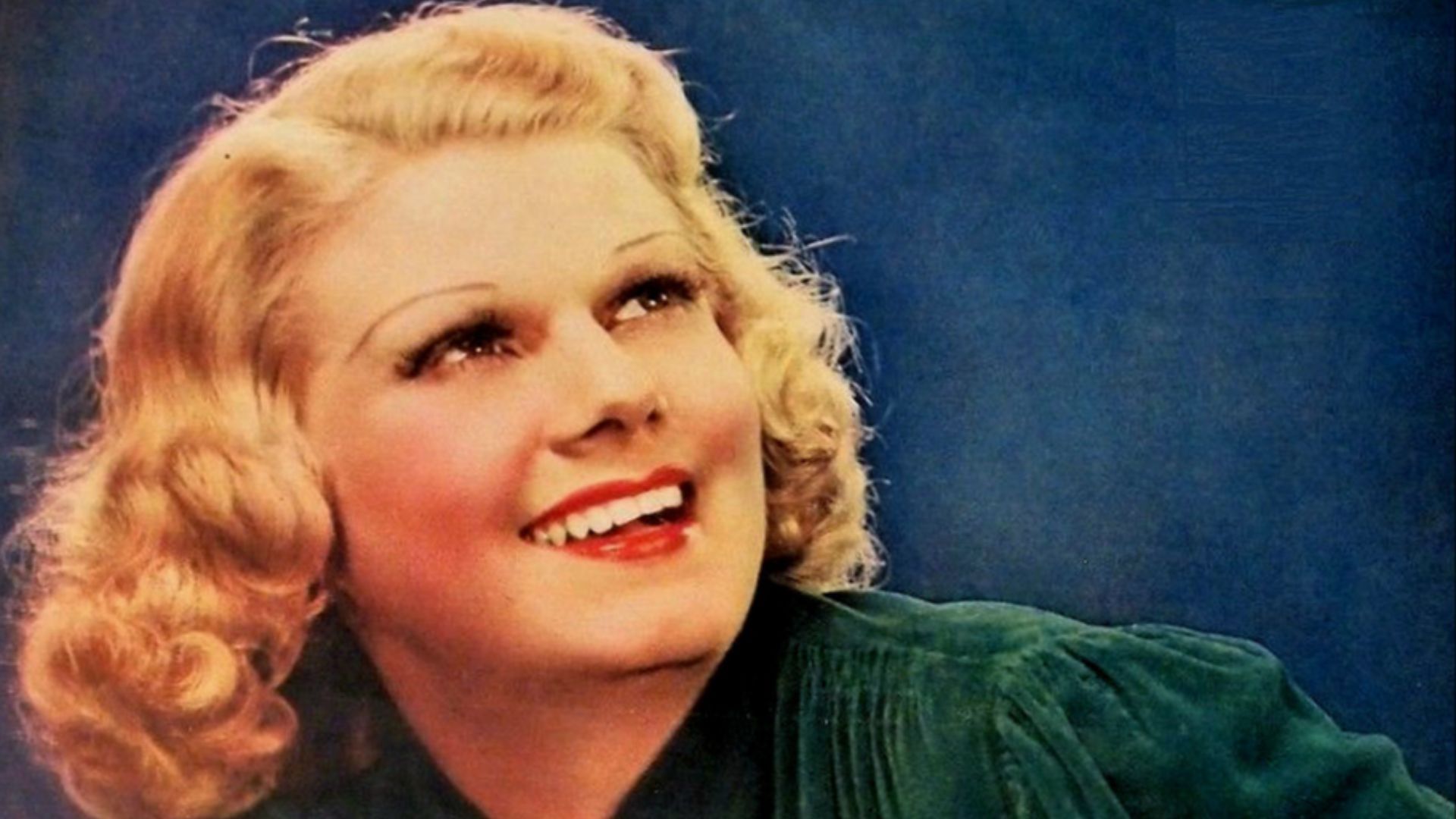
When Mom and Dad’s marriage ended, Harlow and her mother ended up in Illinois. While attending the Ferry Hall School, Harlow met Charles Fremont McGrew III. The long name may give you a hint about his family’s wealth. They had a fortune, and Harlow was soon engaged to “Chuck”. When they walked down the aisle in 1927, McGrew was about to inherit his portion of the family fortune.
But McGrew saw something strange about Harlow's relationship with her mother.
 New York Sunday News., Wikimedia Commons
4. He Took Her Away
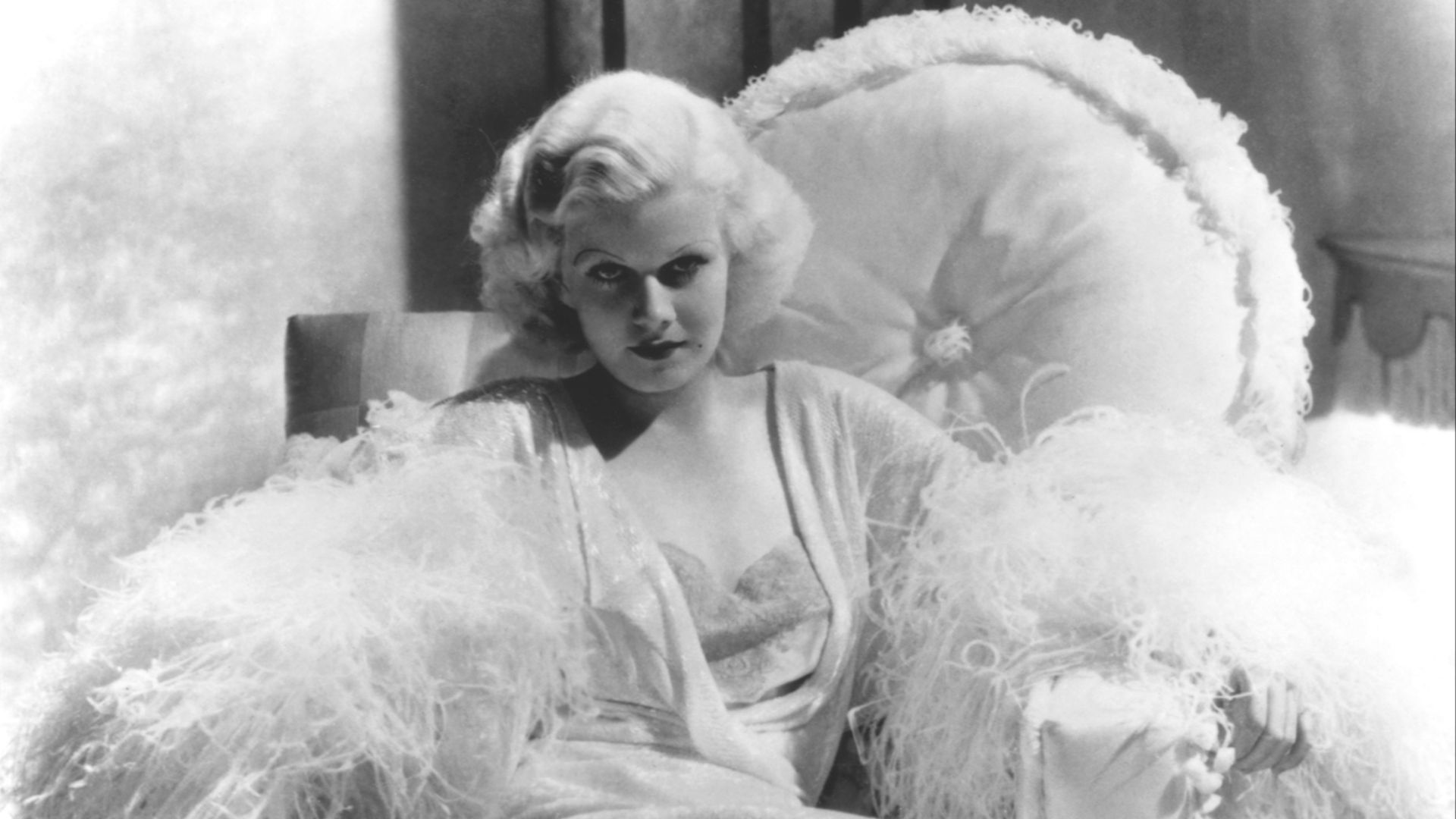
Harlow's husband had the money to do whatever he wanted, and what he wanted was to get his 16-year-old wife away from her mother. Two months after the wedding, Harlow and McGrew moved to Beverly Hills, California. They were young and extremely wealthy. They were going to have the time of their lives.
 Time Inc., Metro-Goldwyn-Mayer photograph by Harvey White, Wikimedia Commons
5. She Made A Bet
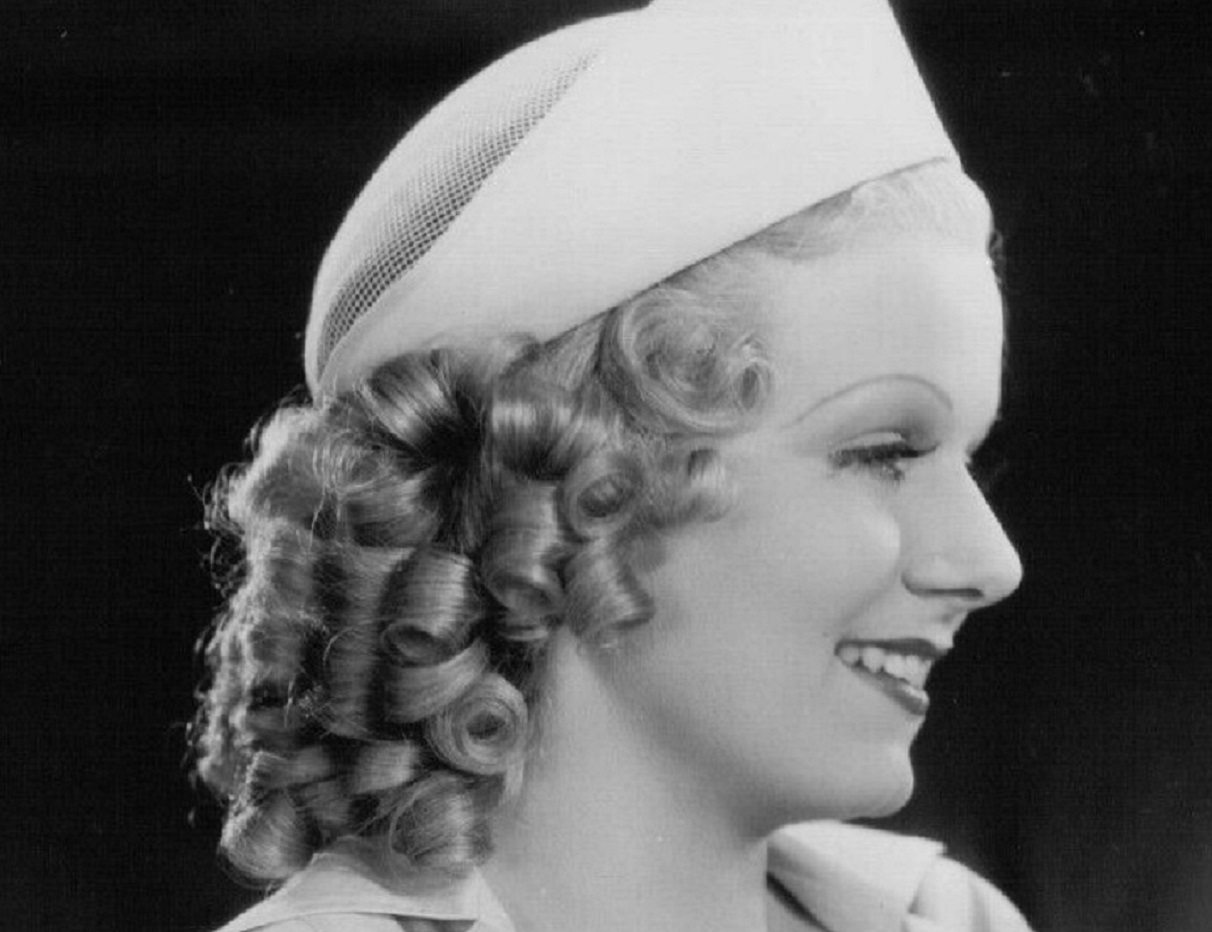
Harlow was still a teenager, but she could already say goodbye to ever needing a job. She and her husband began the life of hard-drinking socialites. One of Harlow’s friends was an aspiring actor, and she bet Harlow that she was too shy to go on a movie audition. Harlow went and, not wanting to give her true identity, she signed up with her mother’s maiden name: Jean Harlow.
A star was about to be born.
6. She Didn’t Need The Money
Harlow was soon getting offers to appear as an extra for a small fee. Even though she didn’t need the money, she accepted. Pushing her forward was her mom, who had since remarried and moved to Los Angeles to be close to her daughter. The one person who didn’t support her hobby of being an actress was her husband.
This put her marriage in serious trouble.
 George Hurrell, Wikimedia Commons
7. She Got To Speak
Harlow and McGrew soon separated, and Harlow continued working in films. In 1929, she got her first speaking role. This was The Saturday Night Kid, and the star was Clara Bow. McGrew must have realized that her interest in working as an actor was not going away, so he did. The two divorced in 1929.
Harlow could now focus exclusively on her career.
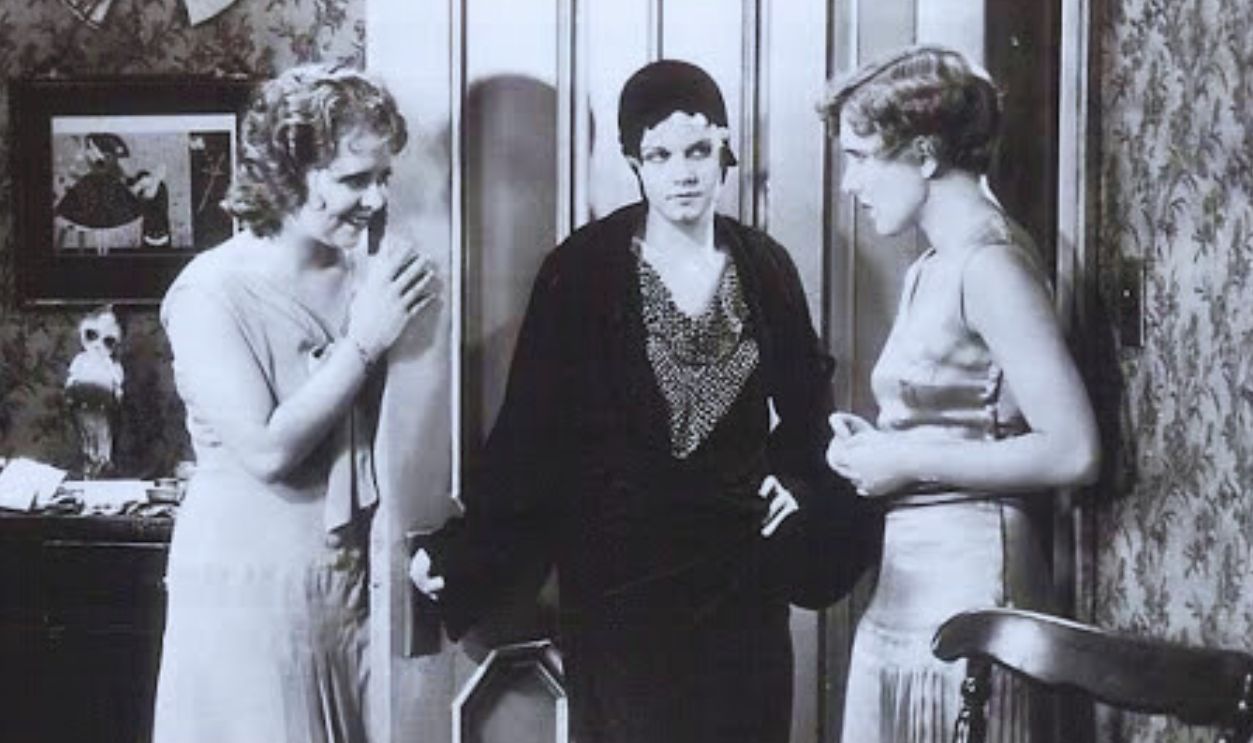 Paramount Pictures, The Saturday Night Kid (1929)
8. She Met A Millionaire
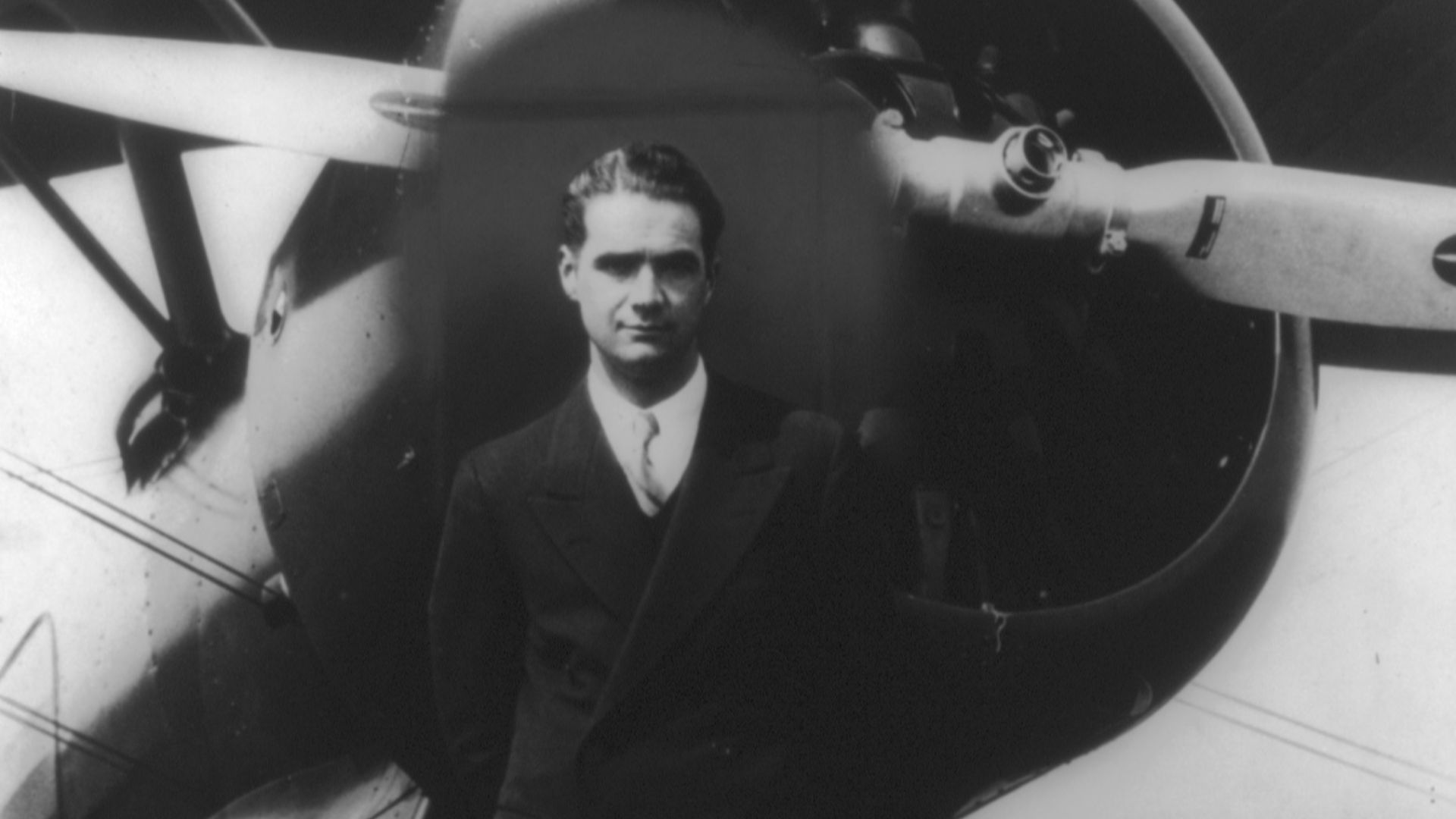
Later that same year, Harlow came to the attention of millionaire and filmmaker Howard Hughes. Hughes was in a dilemma. He wanted his new film to be a talkie, but his leading actress had a thick Norwegian accent. Hughes gave Harlow a screen test and hired her as a replacement.
This would be Harlow’s first big role.
 AnonymousUnknown author, Wikimedia Commons

History's most fascinating stories and darkest secrets, delivered to your inbox daily.
9. It Was A Star Studded Affair
Hughes’ film was Hell’s Angels, and its premiere was a star studded affair, including appearances by luminaries such as Charlie Chaplin, Cecil B DeMille and Gloria Swanson. The media heaped praise on Hughes’ filming of the aircraft scenes. Unfortunately, Harlow’s acting didn’t get the same positive reception.
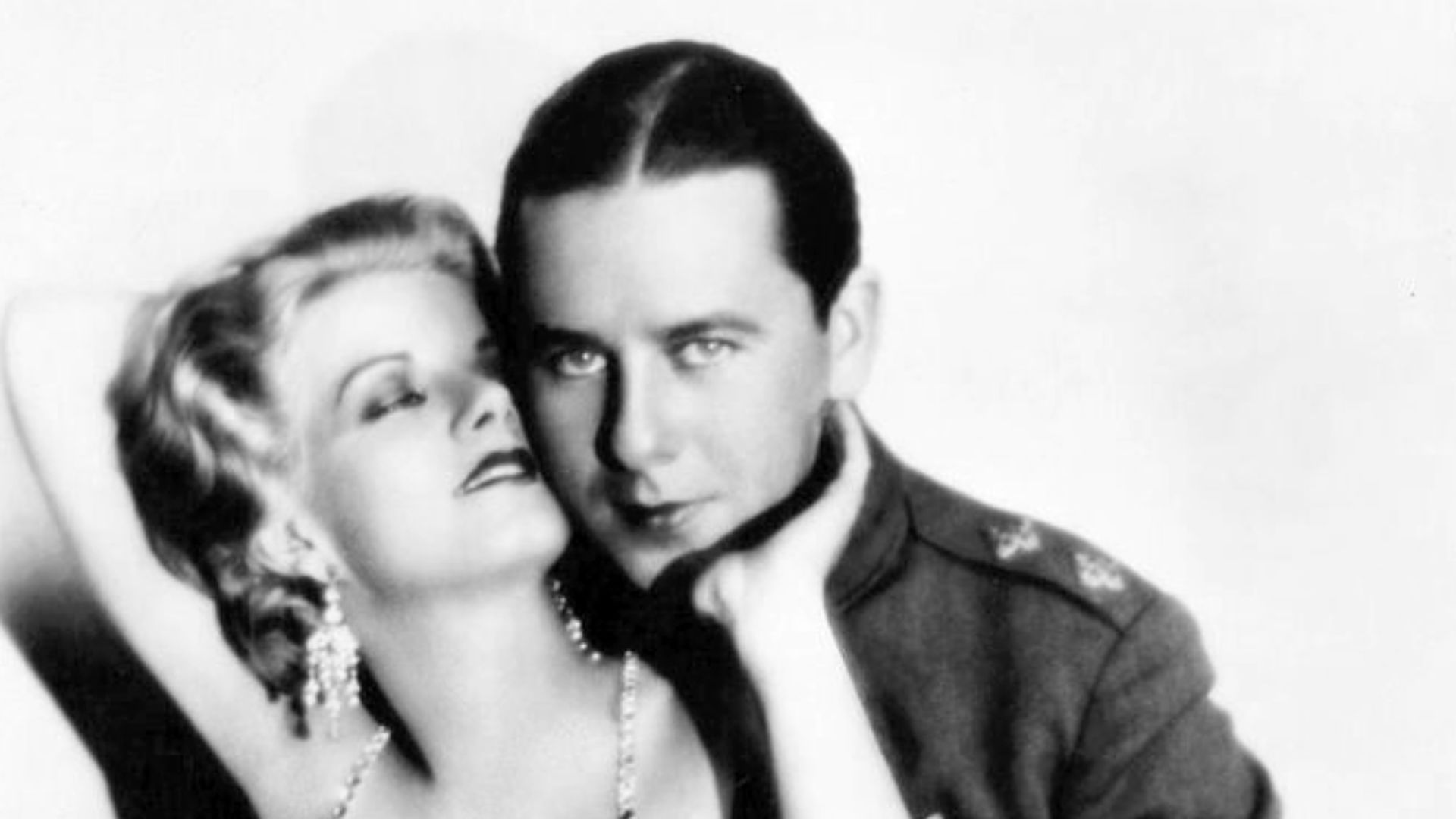 United Artists, Wikimedia Commons
10. She Was Mediocre
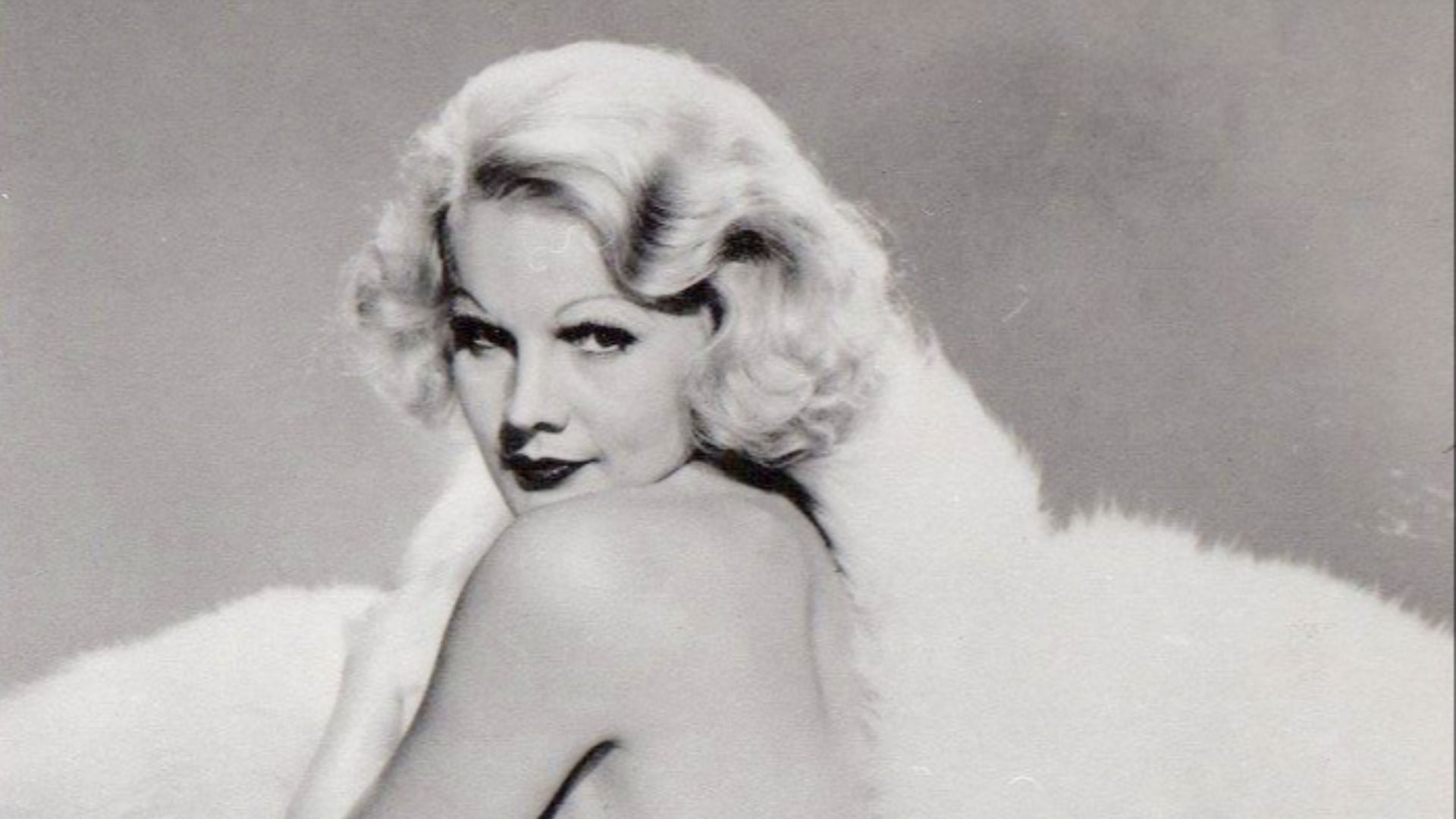
Harlow and her co-stars didn’t feel any warmth from critics. One said that when Harlow was on the screen, “the picture is a most mediocre piece of work”. Another critic knew the truth: It didn't matter if she couldn’t act, “nobody ever starved possessing what she's got”. The film made $2.5 million, but it cost Hughes $2.8 million to make it.
If Hughes was angry at Harlow, he showed it in an unusual way.
 Unknown authorUnknown author, Wikimedia Commons
11. She Started An Affair
Everyone seemed to know that Harlow and Hughes had started a romantic affair. It became so well-known that in 1977, the story of their relationship got its own movie. We can only hope that the affair was better received than this clunker of a picture.
With Hughes as her unofficial boyfriend, Harlow continued with her career.
12. She Was Extra
Strangely, after the success of Hughes’ film, Harlow still struggled. She got a role in City Lights starring Charlie Chaplin. To her utter humiliation, she was an uncredited extra. This was after being in one of the biggest hits of the year. Hughes saw that she was struggling and had an idea to ignite her career.
 United Artists, City Lights (1931)
13. They Mocked Her
In 1931, Hughes started loaning out Harlow to other studios. Her next films—The Secret 6, The Iron Man, and The Public Enemy—all did well with the critics and the box office. Where they didn’t do well was on Harlow’s reputation. Critics were now openly mocking her skill as an actor. One good thing did come out of The Secret 6: Harlow made a friend who also had a bright future.
14. She Made An Important Friend
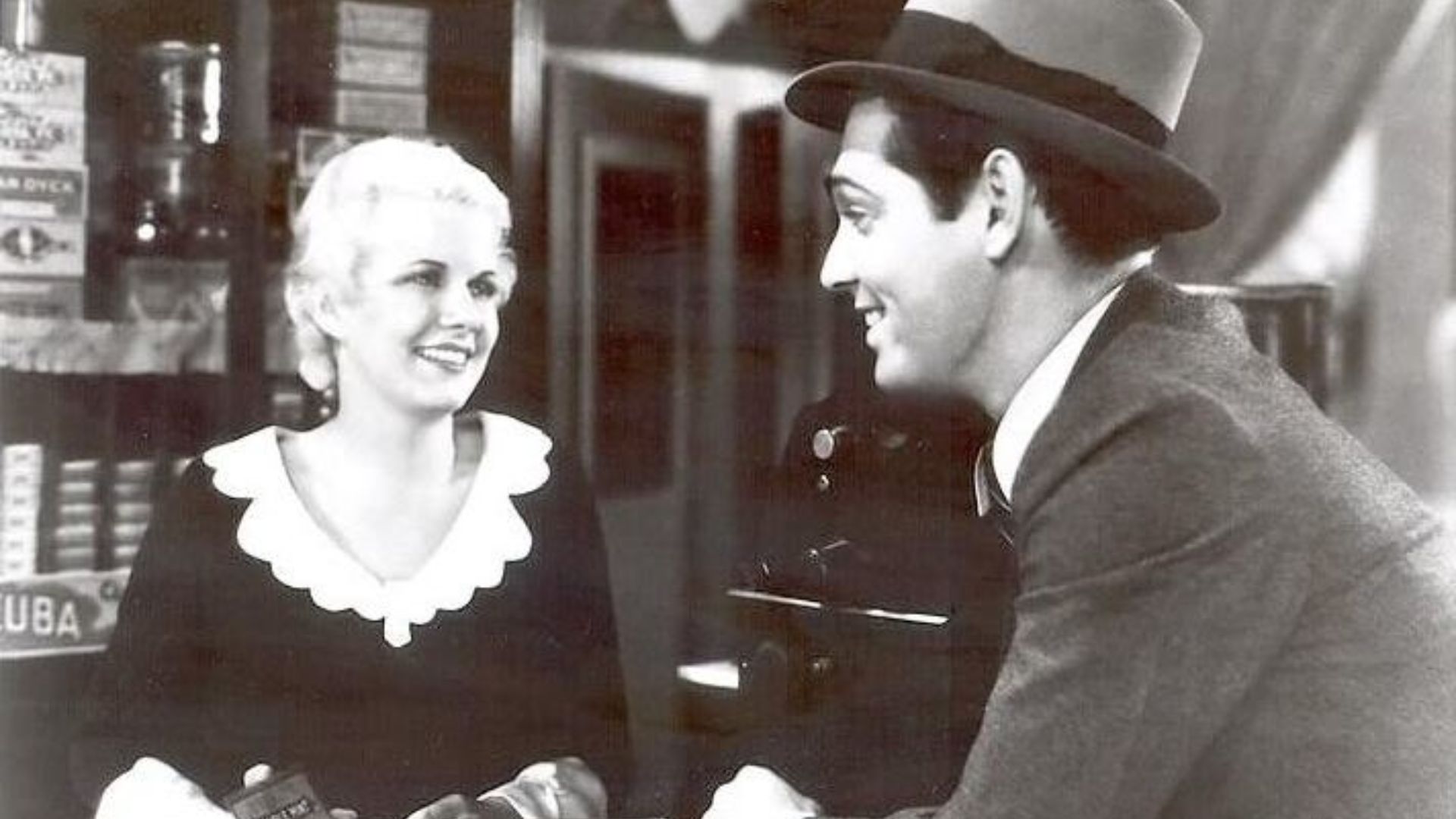
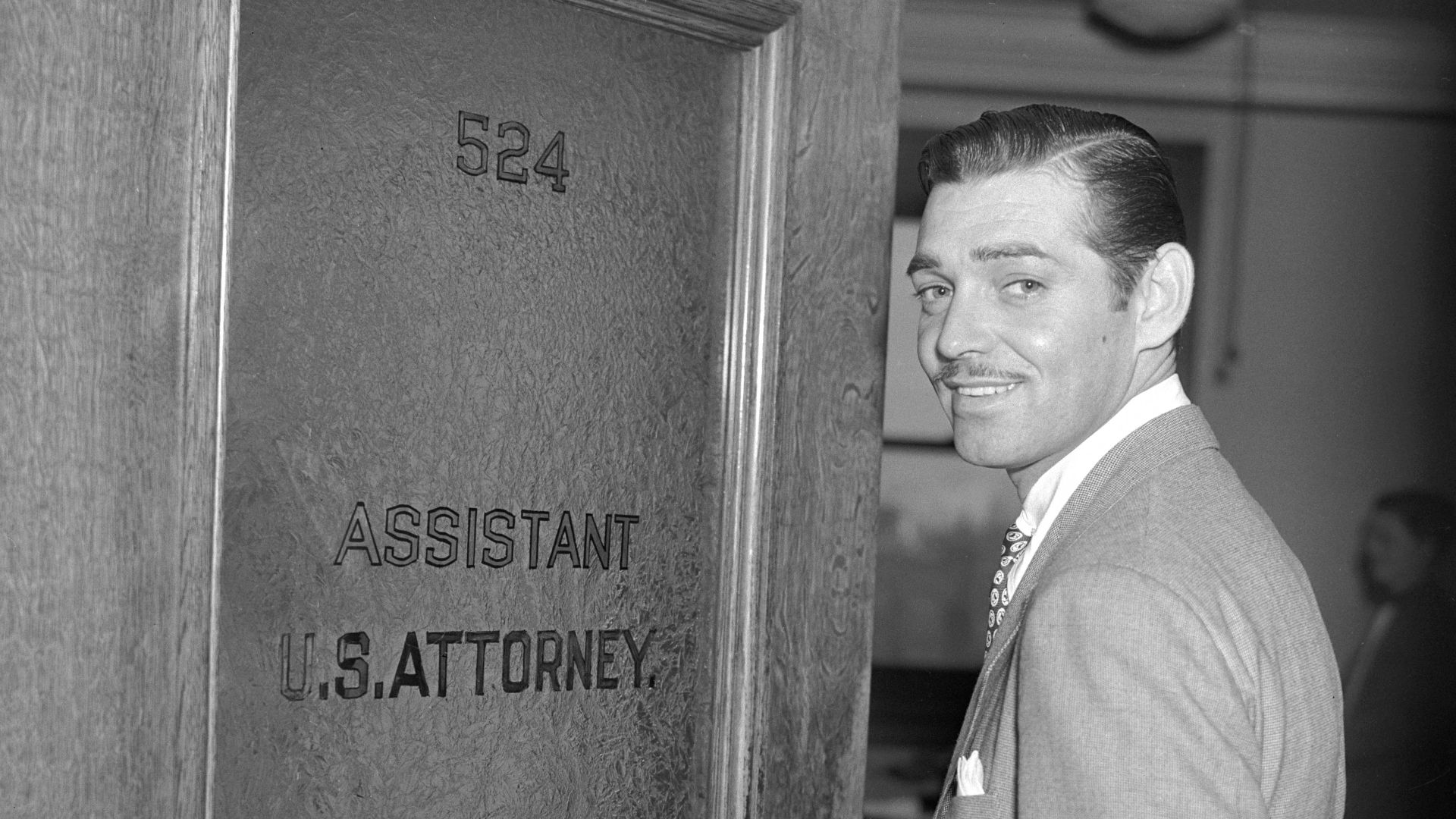
One of Harlow’s costars on The Secret 6 was up-and-coming actor Clark Gable. The two were both so new at this business that they kept asking each other how they were between takes. No one knew at the time, but these two would have a fabulous future together. But before her fabulous future, Harlow would come face-to-face with some not-so-nice things about Hollywood.
 Los Angeles Daily News, Wikimedia Commons
15. She Gave A Chilly Response
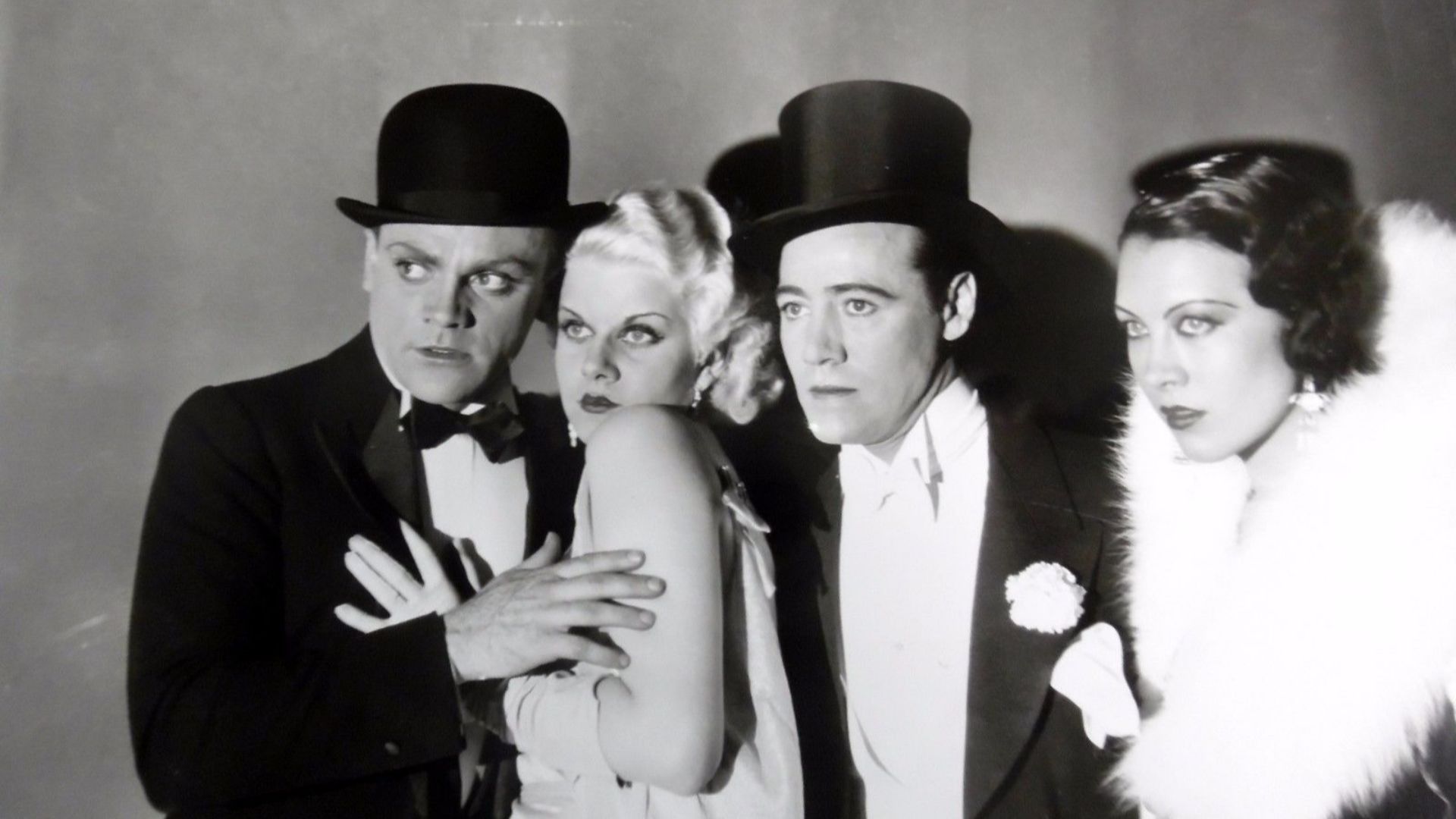
On The Public Enemy, Harlow had to deal with leading man James Cagney, who couldn't stop looking at her chest. He eventually asked her flat out how she kept “those things” up. Harlow’s quick and candid reply was that she iced them. With that answer, Harlow retreated to her dressing room. Apparently, they were in desperate need of icing.
The Public Enemy was about mobsters, and Harlow seemed more than a little intrigued.
 Warner Bros., Wikimedia Commons
16. She Dated A Mobster
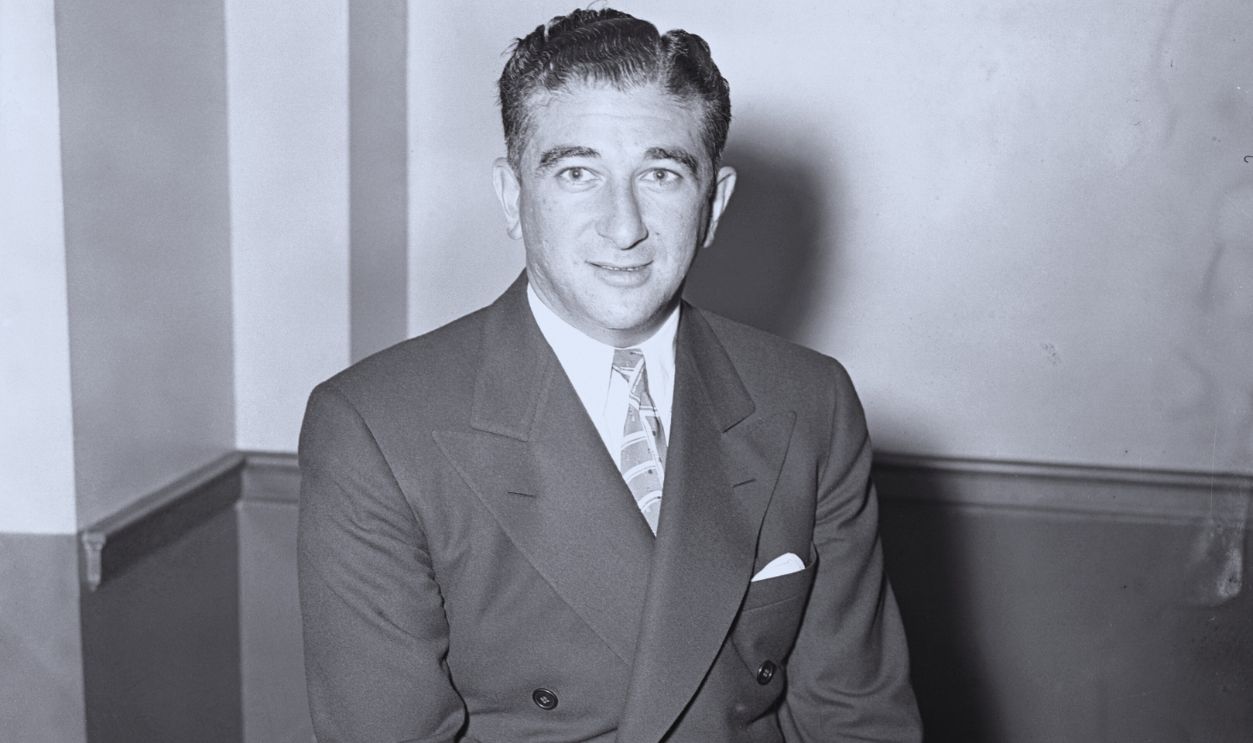
After her involvement in The Public Enemy, Harlow dated a real-life mobster. This was Abner Zwillman, whose occupations included businessman, bootlegger, and mobster. Zwillman won Harlow over with a gift of a very expensive jewel bracelet. The red Cadillac he bought her also helped.
Then Zwillman got his hands on her career.
17. He Called Her Some Nasty Names
In aid of Harlow’s career, Zwillman handed over a huge loan to the head of Columbia Pictures, Harry Cohn. This loan bought Harlow a contract for two pictures. It was a nice gesture, but Harlow's relationship with Zwillman soon soured. The authorities caught him saying some nasty things about her on a surveillance recording.
Harlow dumped Zwillman, but she hung on to the deal with Columbia.
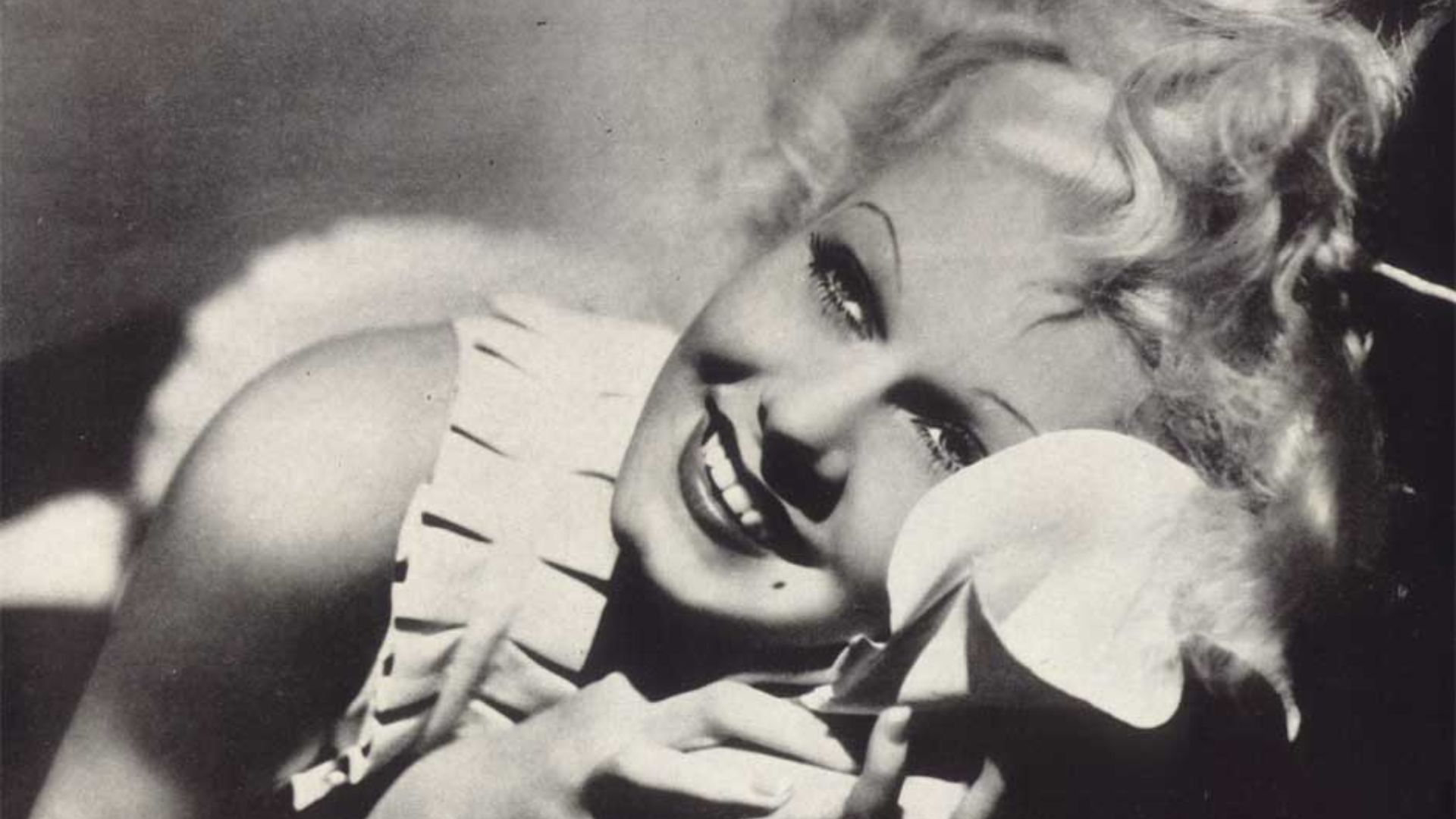 produced by Hurrell and supplied to CINEGRAF magazine, Wikimedia Commons
18. Her Hair Was A Mystery
It’s A Wonderful Life director Frank Capra had a film with Columbia called Gallagher. When Harlow jumped on board, the film got a name change. They called it Platinum Blonde to play up on Harlow’s hair color, which was beginning to cause quite a stir. When people accused her of bleaching her hair, Harlow denied it.
But later, the shocking truth came out.
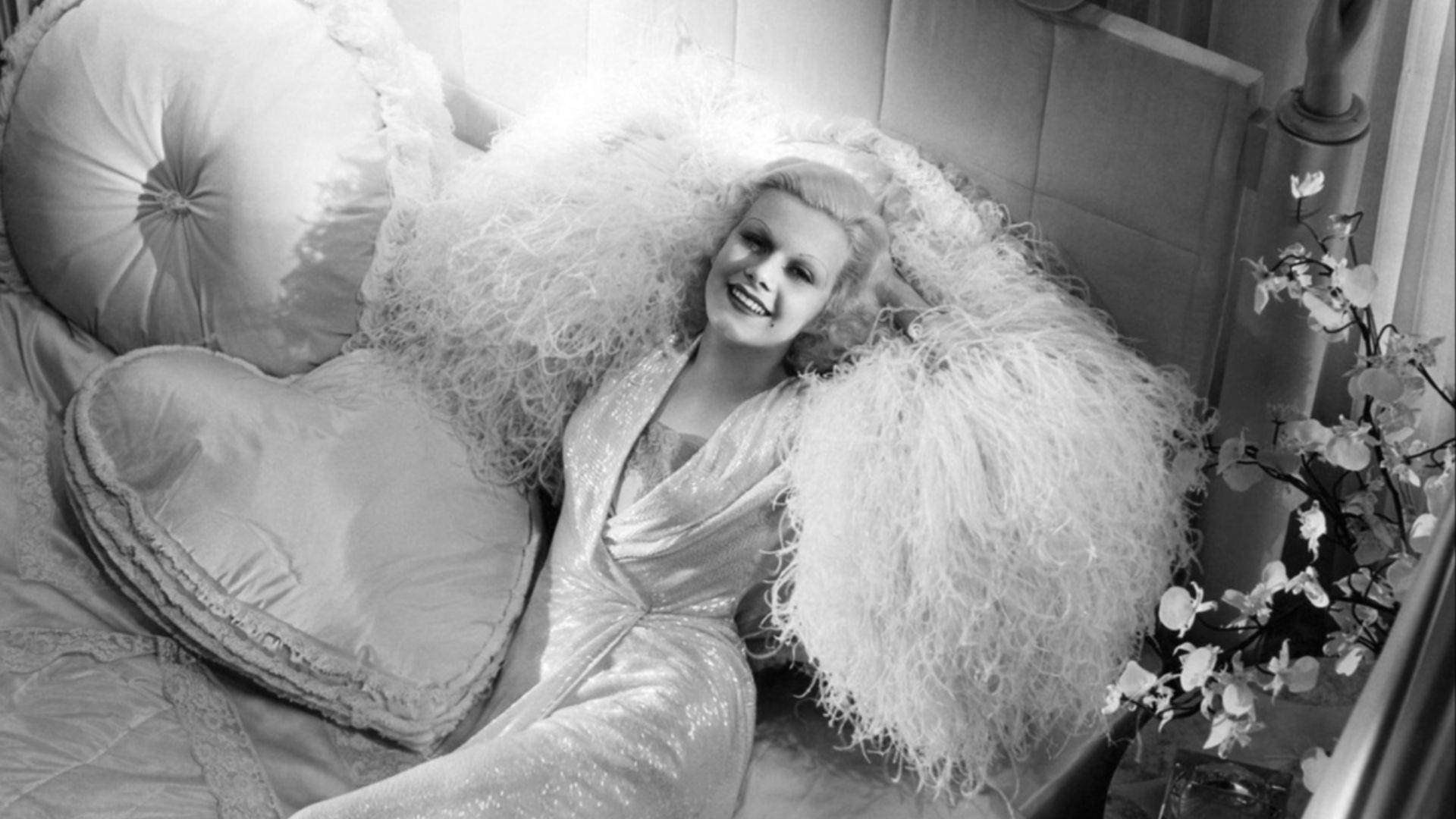
19. She Had A Process
Eventually, it came out that making Harlow’s hair platinum involved some ammonia, some Clorox bleach, and a few Lux soap flakes. Worse still, she had to go through this process every week. It was quite a recipe, and it did some serious damage to her hair, which was naturally ash-blonde.
Damaged or not, American women soon wanted the same color for their hair.
 John Springer Collection, Getty Images
20. They Were Crazy About Her Hair
American women's desire to make their hair as platinum as Harlow’s grew into a frenzy. Howard Hughes decided to try to capitalize on the trend and organized a competition amongst hairdressers. The winner would get a prize of $10,000, and all they had to do was make a perfect match. Sadly, no one could do it.
But there was a happy ending for Harlow.
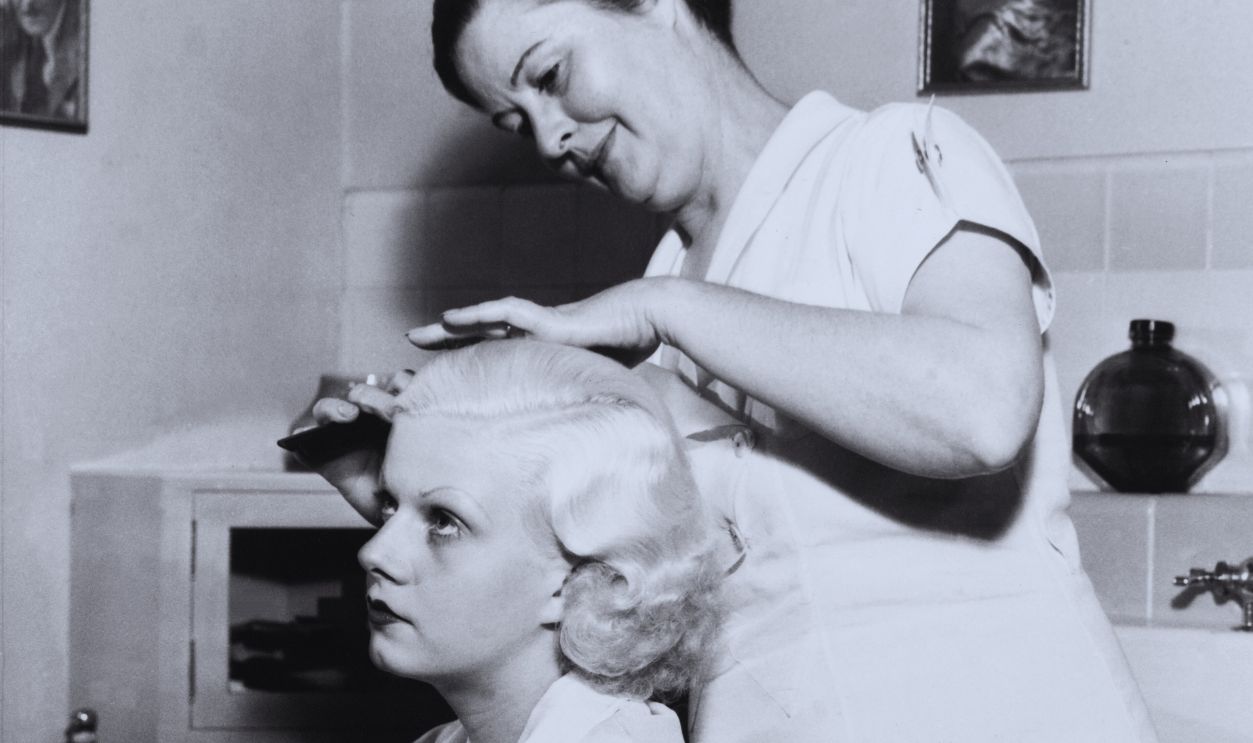
21. She Wanted To be Good
All this talk about Harlow’s hair got her the nickname “Platinum Blonde”. It also got her her first starring role and top billing. The film was Three Wise Girls, and in addition to the top billing, Harlow got something else: She was finally able to play a “good girl”. But a certain critic thought that this was absolutely impossible.
 Columbia Pictures, Three Wise Girls (1932)
22. There Was A Problem With Her Body
In a review for Three Wise Girls, a critic at Variety pointed out that Harlow could certainly act like a good girl. The problem was her body. The critic said that Harlow’s “contours and manner of displaying them” didn’t quite allow her to pull off playing the “good girl”.
If the public wanted her to be bad, Harlow was ready to give them what they wanted.
 Columbia Pictures, Three Wise Girls (1932)
23. She Played A Moll
Back when she was on loan to MGM, Harlow had met Paul Bern. Now, Bern wanted to borrow Harlow from Hughes for an MGM film called The Beast of the City. This film got a reputation for its over-the-top ending where an elaborate shootout begins. In the end, everyone, including Harlow as Daisy, lay lifeless on the floor.
The film may have had a downer of an ending, but it was the beginning of something great for Harlow.
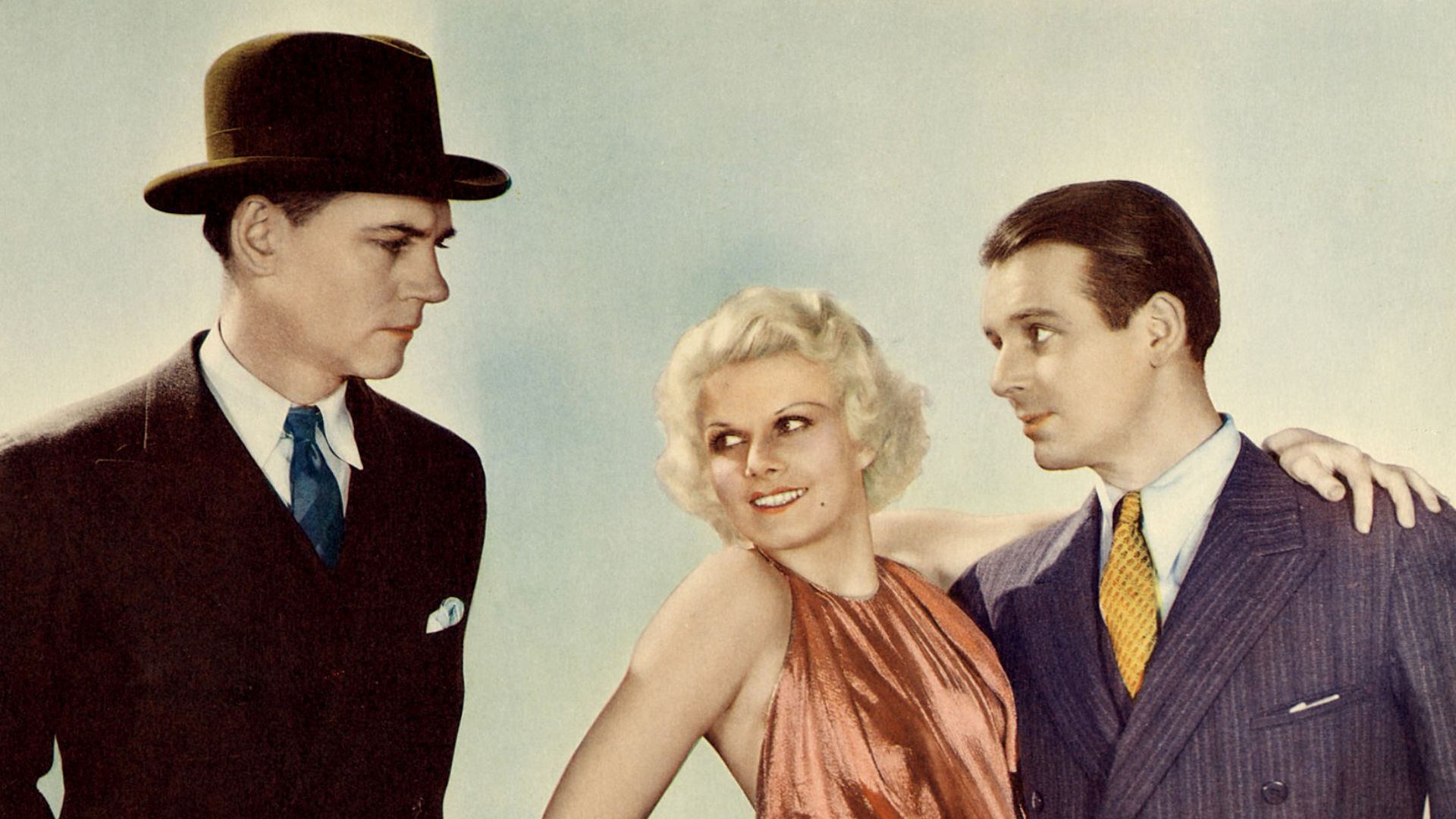 Metro-Goldwyn-Mayer, Wikimedia Commons
24. She Hit The Road
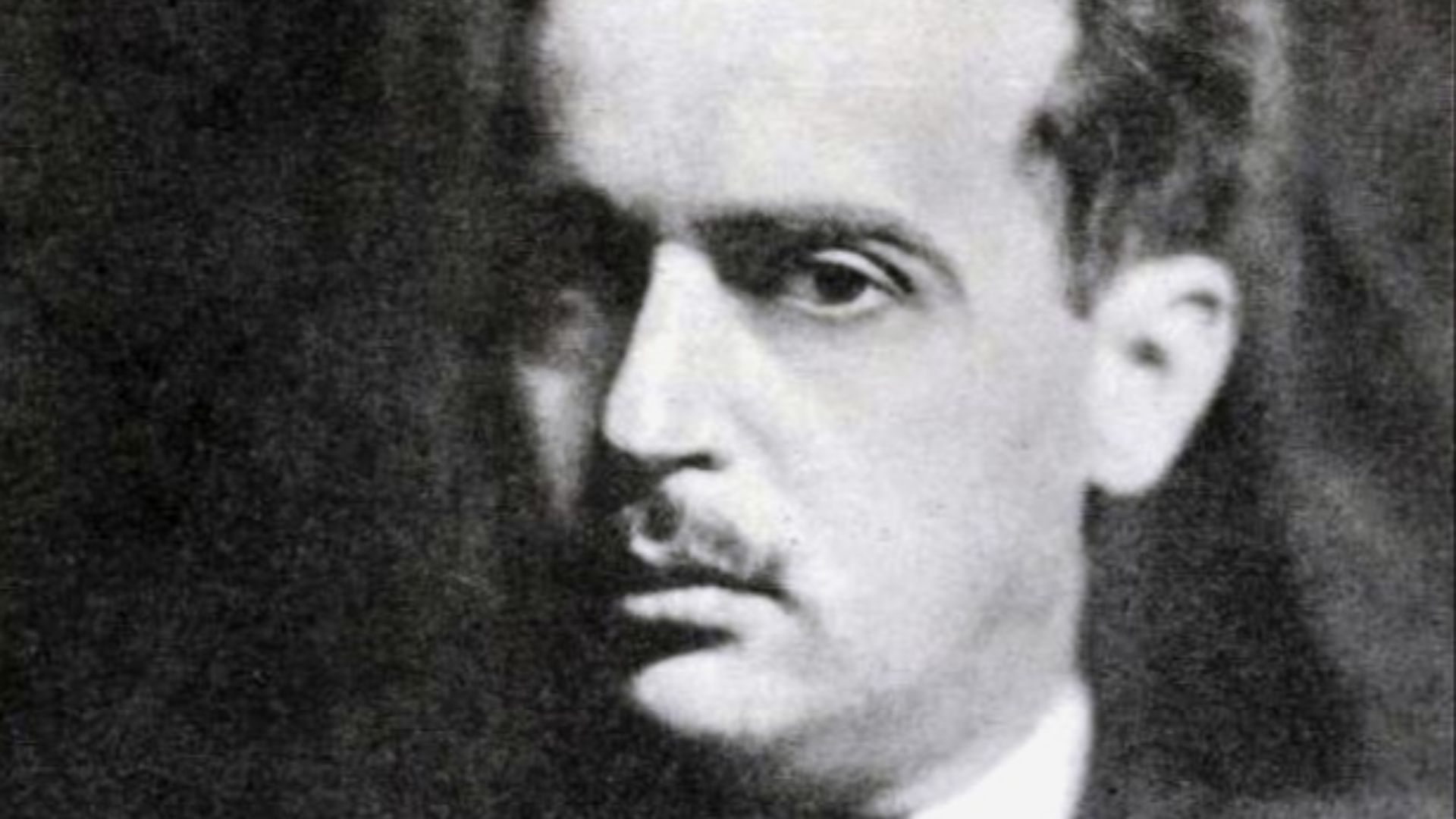
Once the film was in the can, Bern wanted to take Harlow on a tour of the East Coast. This tour was crazily successful, and even though Halrow was still not getting great reviews for her acting, people had become desperate to catch a glimpse of her. With audiences clamoring to lay their eyes on the Platinum Blonde, Bern extended the tour from 10 to 16 weeks.
But it wasn’t just audiences that wanted a piece of Harlow.
 Famous Players Lasky Corp., Wikimedia Commons
25. He Had An Edge
It turned out that Bern had romantic feelings for Harlow, and he had something that gave him an edge over the competition. He actually believed in Harlow’s acting ability. Before long, Harlow and Bern were dating, and he was also helping her with her career.
Bern wanted to move Harlow into MGM, but there was a major problem.
 International Newsreel (1932), Wikimedia Commons
26. She Wasn’t Elegant Enough
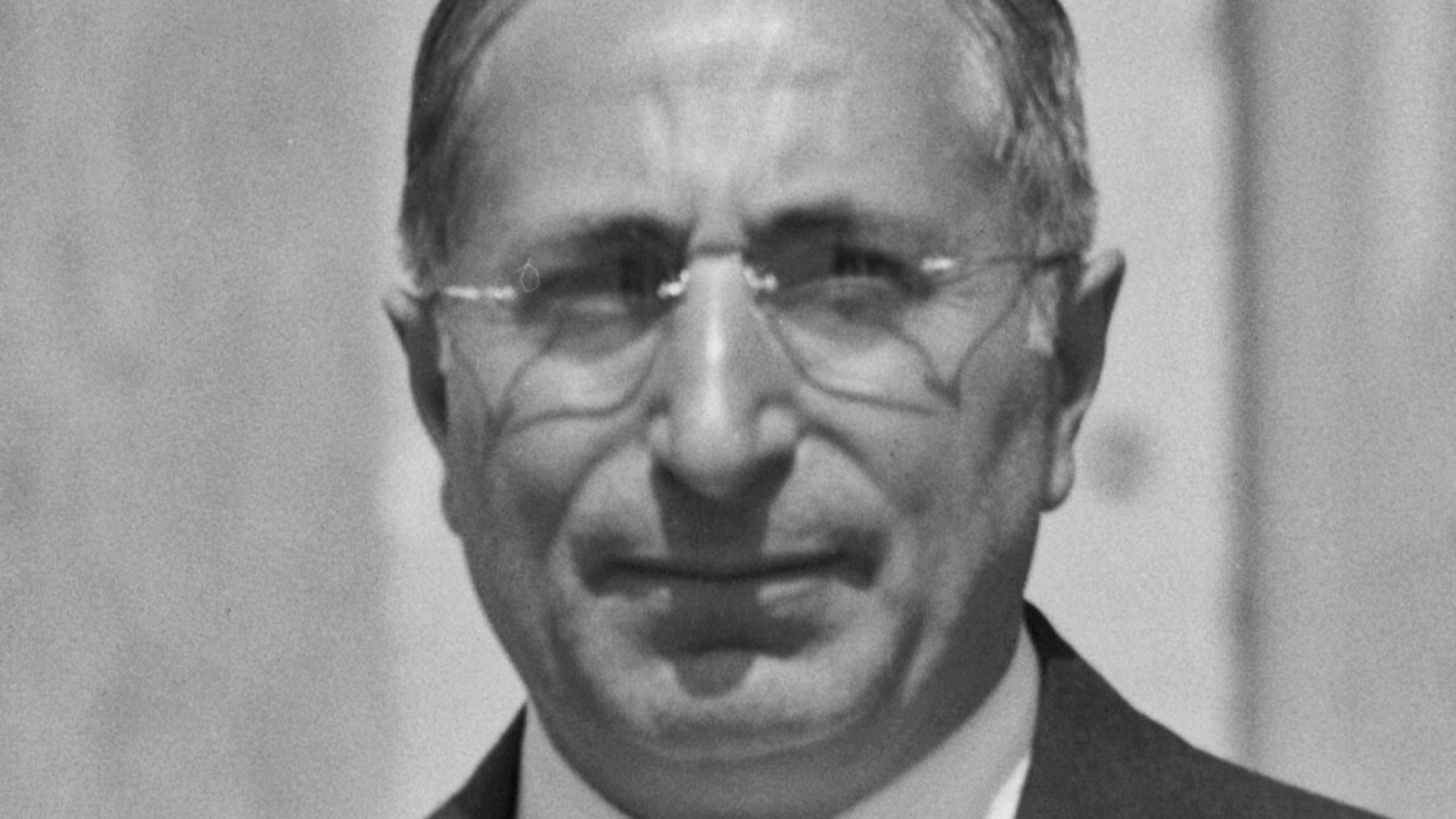
The head of MGM was Louis B Mayer, and Bern went directly to him to plead the case of Harlow. Mayer, however, had a problem with the “Platinum Blonde”. He said that MGM’s leading actresses were elegant, which he thought Harlow was definitely not. Luckily, Bern wasn’t the type of guy to give up so easily.
He had a plan B.
 Los Angeles Times, Wikimedia Commons
27. She Got In
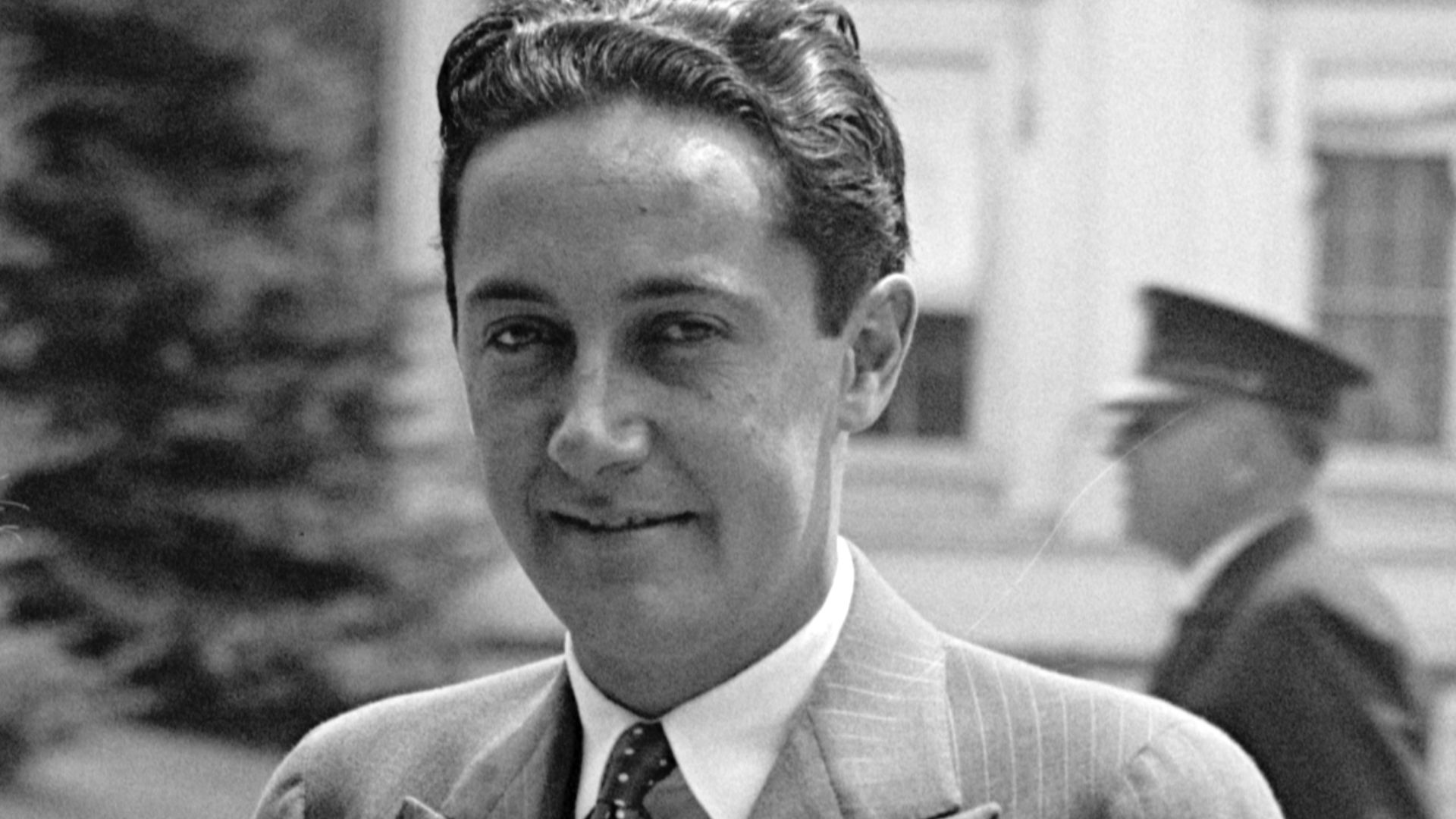
Mayer’s number two man was Irving Thalberg, and Bern tried to get him to accept Harlow. After some begging and pleading, Thalberg relented and, on her 21st birthday, Harlow joined MGM. MGM bought her contract from Hughes and hoped that she could bring them enough income to cover it.
The first thing that MGM did was change a vital part of Harlow.
 National Photo Company, Wikimedia Commons
28. She Went Red
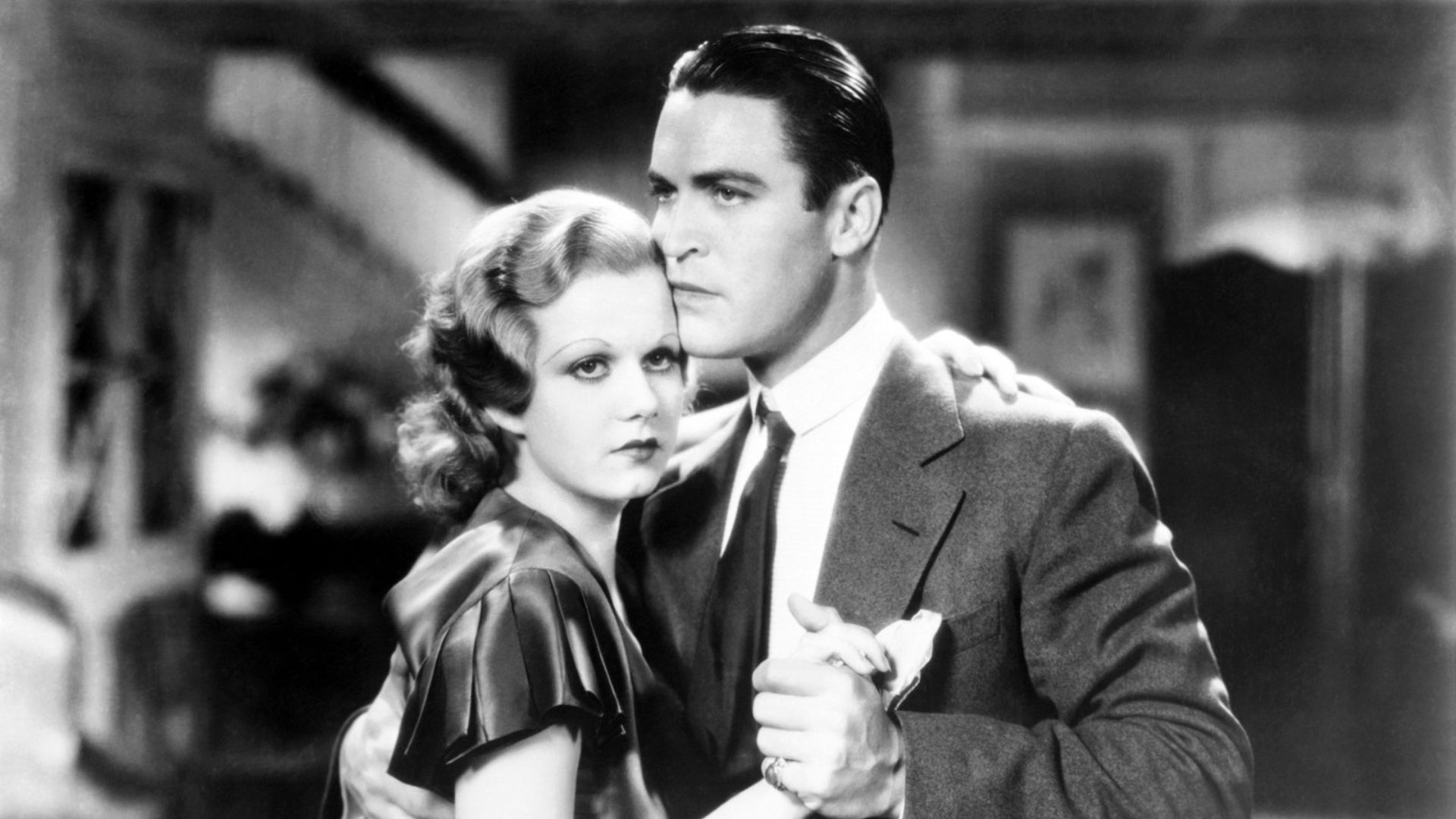
Harlow’s most recognizable trait was her gorgeous platinum hair. Well, MGM stuck a wig on her and put her in Red-Headed Woman. Harlow's first line in the film was the definition of tongue-in-cheek. It’s “So, gentlemen prefer blondes, do they?”. While it sounds like a joke, Red-Headed Woman was a huge success, and some say it was Harlow’s first crack at actual acting.
Unfortunately, this film was going to see some trouble.
 Unknown authorUnknown author, Wikimedia Commons29. She Wore Too Little
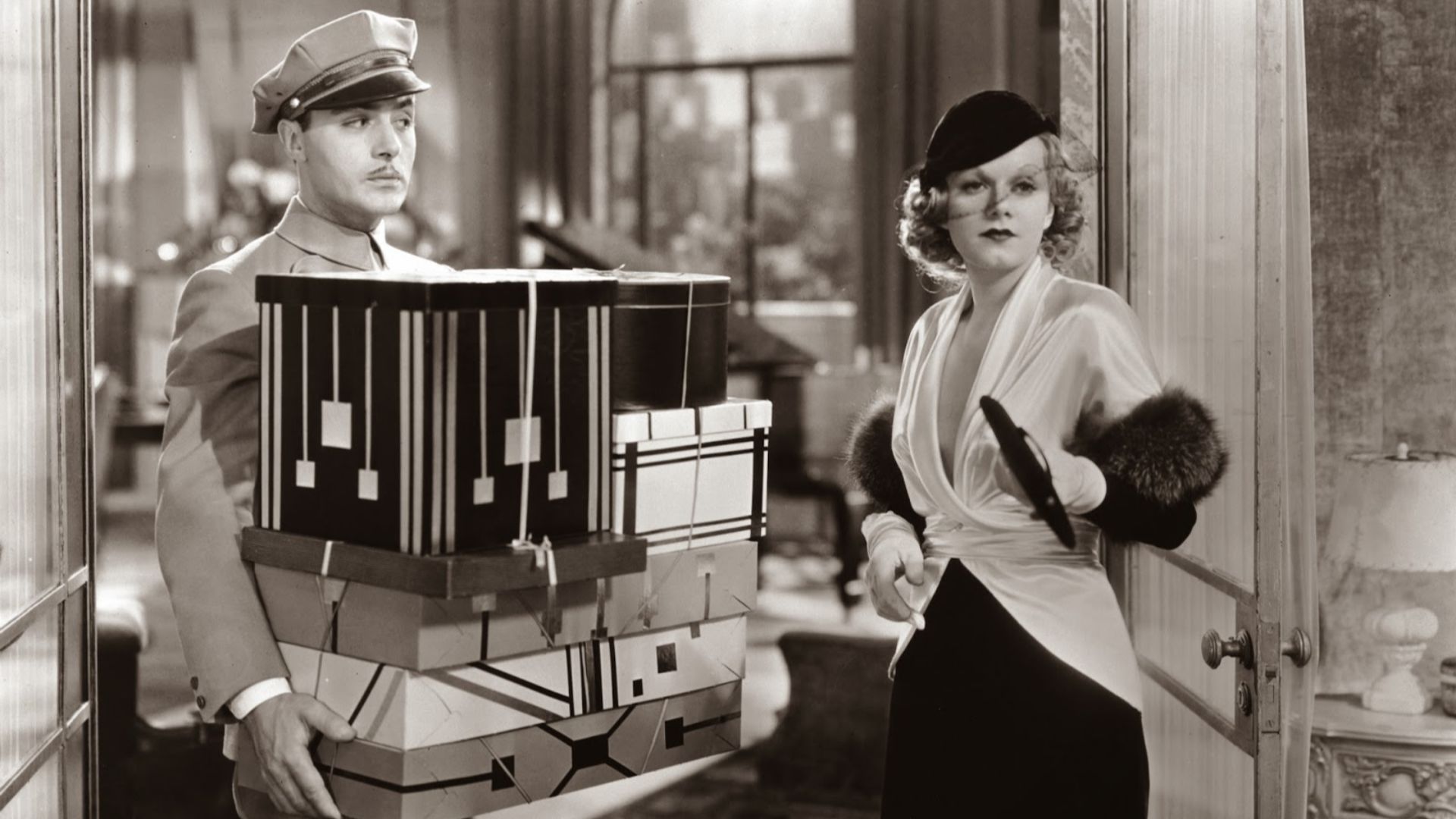
The censors had some problems with Red-Headed Woman. In one scene, they thought that Harlow wasn't wearing enough clothes. In another, a romantic scene, she was being too forward. The director had to allow 17 specific cuts from the film. Ironically, audiences still complained about the lack of morals in Red-Headed Woman.
None of this mattered as Red-Headed Woman let MGM know that they had a real star on their hands.
 Metro-Goldwyn-Mayer, Wikimedia Commons
30. She Met Him Again
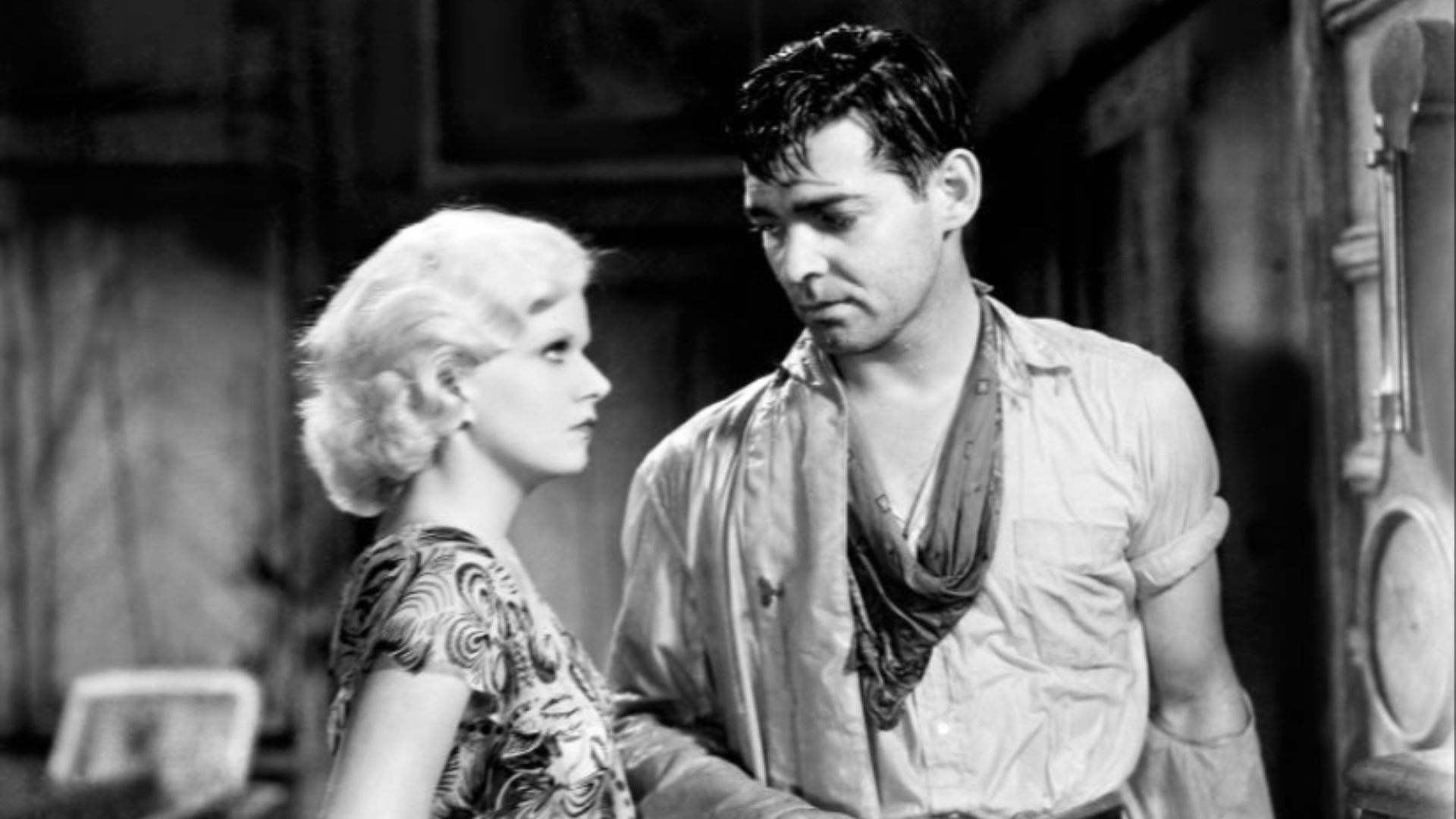
MGM must have felt lucky when they paired Harlow with the word “red” because her next film was Red Dust. Harlow had met Clark Gable back in 1931’s The Secret 6 and now the studio was pairing them again in Red Dust. Both actors had had quite the year and were now enjoying a certain amount of fame.
Well, their fame was about to become infamous.
 Unknown authorUnknown author, distributed by: Metro-Goldwyn-Mayer, Wikimedia Commons
31. She Titillated The Boys
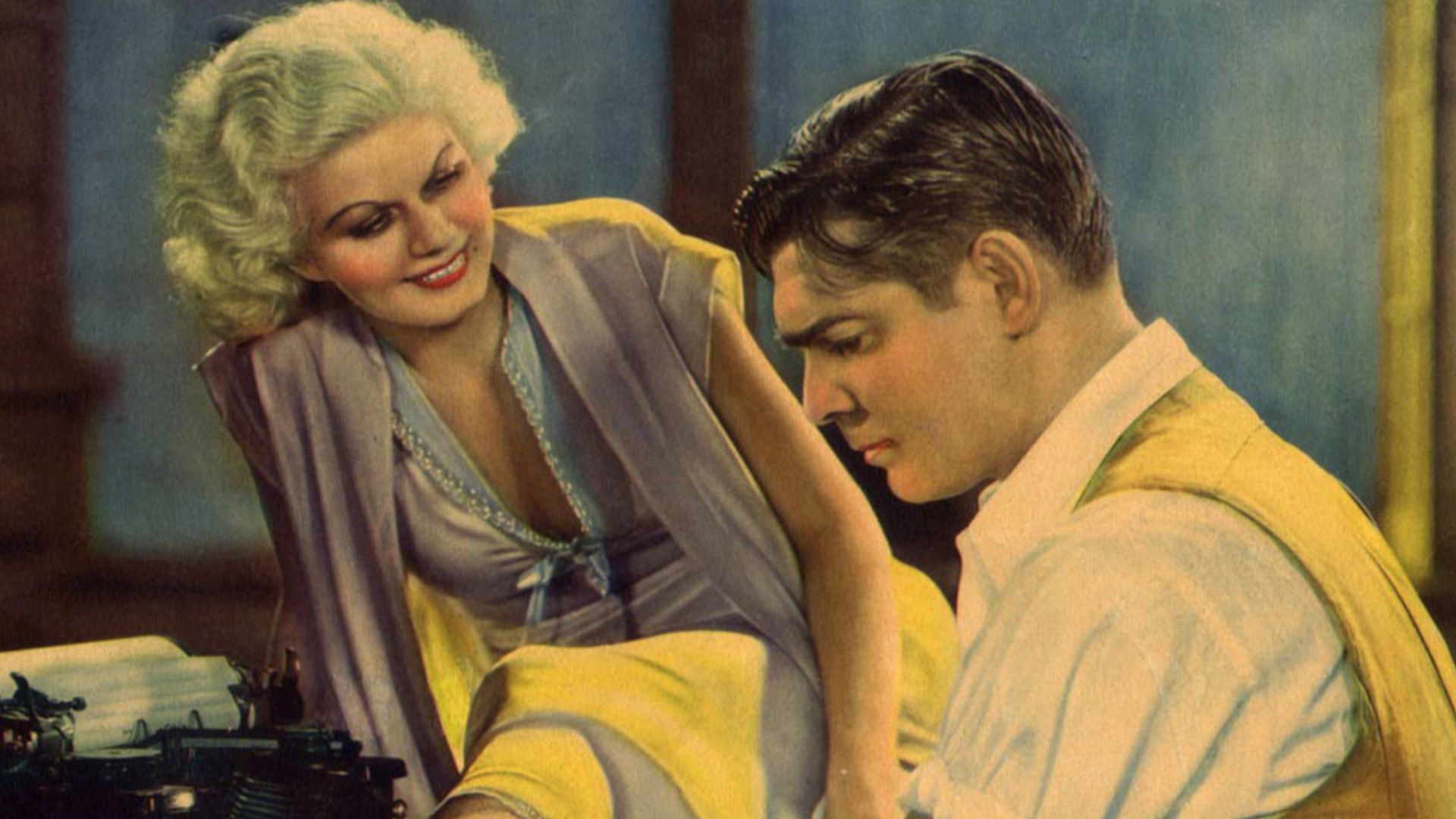
There’s a suggestive scene in Red Dust where Harlow takes a bath in a rain barrel while Gable pulls on her hair. The story goes that at one point during filming, a totally topless Harlow stood up and bared her chest to the cameras. When she did it, she announced that it was a gift for the “boys in the lab”.
Sadly, not everything on this film had a great punchline.
32. She Got The Worst News
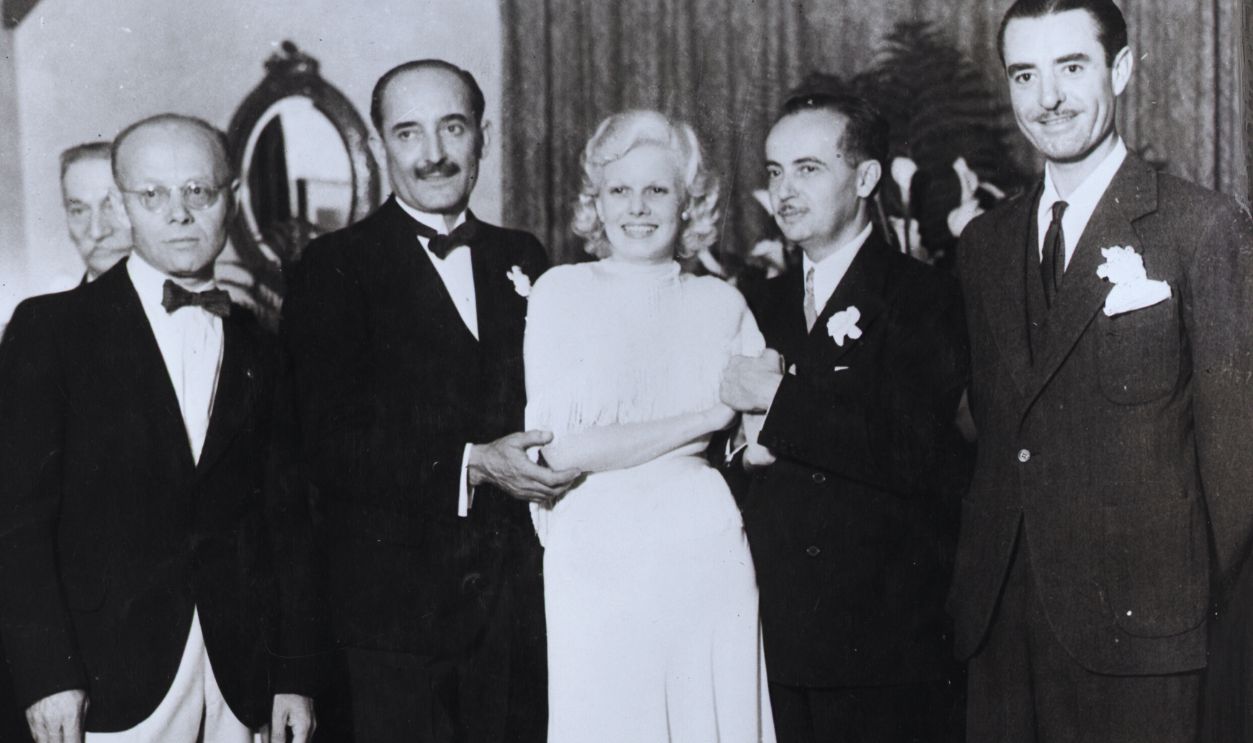
A few months before starting work on Red Dust, Harlow and Bern had tied the knot. While she was filming the movie, she got the worst news imaginable. Authorities had found Bern’s lifeless body in their home. Losing her husband was bad enough, but things were about to get much, much worse.
33. He Wanted Her Off The Film
One of the first things that the authorities did was accuse Harlow of doing in her own husband. When Mayer got wind of this, he planned to replace Harlow on Red Dust with Tallulah Bankhead. When audiences heard about this plan, they got a chance to voice their opinion.
They were certainly not amused.
 Metro-Goldwyn-Mayer, Wikimedia Commons
34. They Wanted Her
Around this same time, authorities dropped Harlow as a suspect and announced that they thought that Bern had taken his own life. An audience poll indicated that they wanted Harlow to stay on Red Dust. Mayer saw the sympathy that Harlow was getting, so he kept her on and put pressure on the director to finish the film as quickly as possible.
Mayer looked at his grieving widow and saw dollar signs.
 Metro-Goldwyn-Mayer (MGM), Red Dust (1932)
35. She Had To Return
Of course, Red Dust couldn’t go ahead without Harlow on set, but she was busy grieving the loss of her husband. In true Hollywood fashion, Harlow only only took 10 measly days off from filming. As a form of respect for the grieving widow, when Harlow returned to the set, her dresses had high necklines.
As it turned out, Harlow really hadn’t needed much time to grieve.
 Metro-Goldwyn-Mayer (MGM), Red Dust (1932)
36. She Moved On Quickly
Fans seemed to grieve for Harlow’s loss longer than she did. Harlow soon began an affair with professional boxer Max Baer, who already had a wife. The two were on a trial separation, but that soon turned into a divorce. Baer’s wife—actress Dorothy Dunbar— named Harlow as the main reason for the end of her marriage.
This was just the first of Harlow’s problems with Baer.
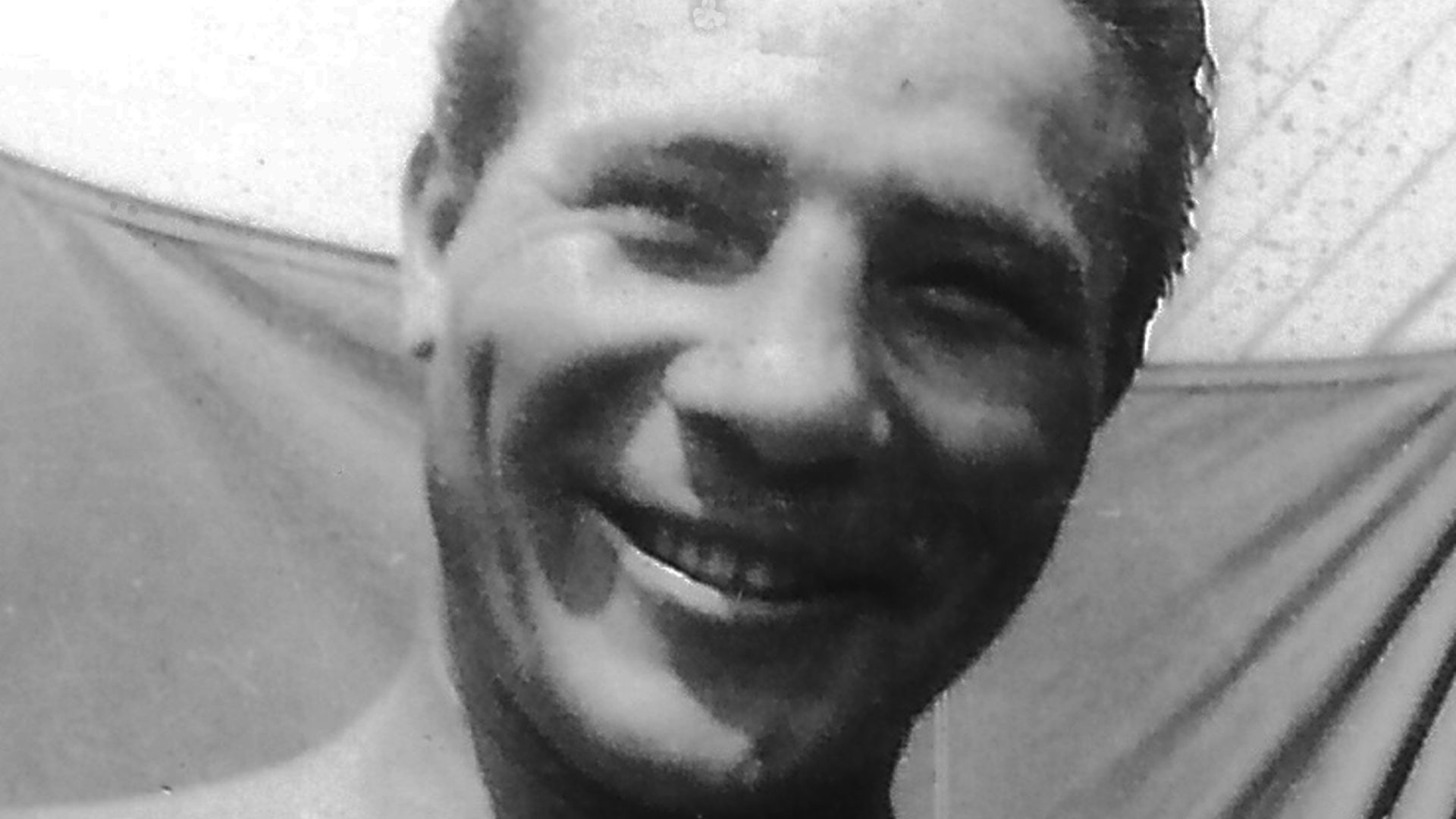 Photo by Stephania Puchlik. Digitized and uploaded by Maxies Gal at en.wikipedia, Wikimedia Commons
37. She Got Into Deeper Trouble
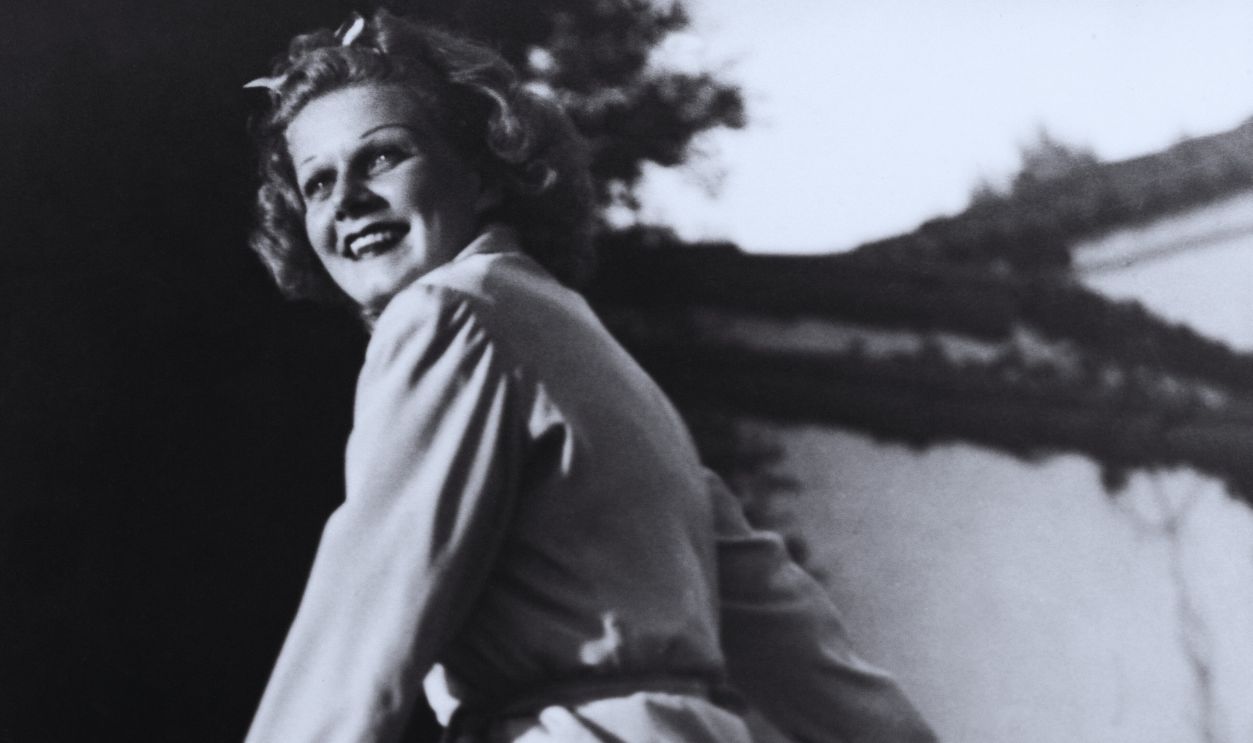
The second problem Harlow had with Baer was that she got pregnant with his child. She started an even worse scandal when she decided to end the pregnancy. MGM and Mayer had enough. They were going to straighten out Harlow’s life—whether she wanted them to or not.
38. They Wanted To Fix Her
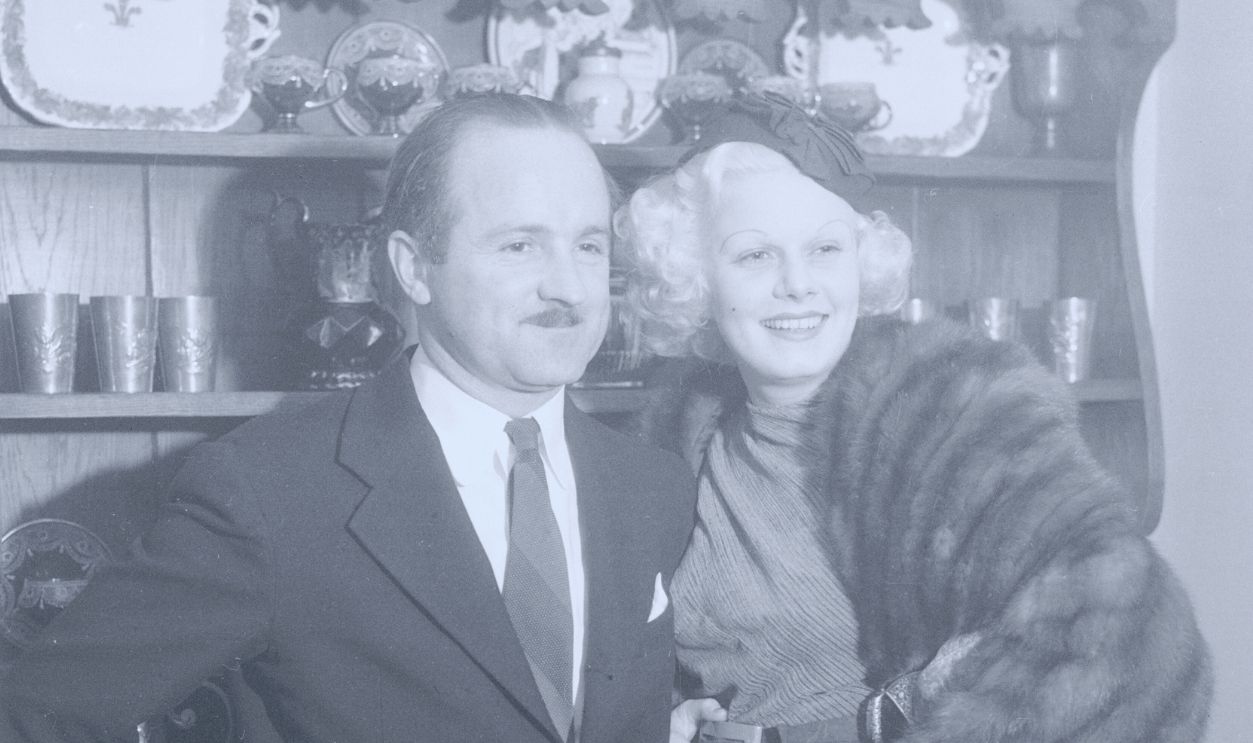
MGM decided that what Harlow needed to clean up her image was a new husband. They chose the cinematographer from Red Dust to stand in as her husband. The good news was that Harlow and Harold Rosson were friends. The bad news was that they were most likely not at all in love.
They walked down the aisle on September 17, 1933. This marriage was heading for disaster.
39. She Made Big Money
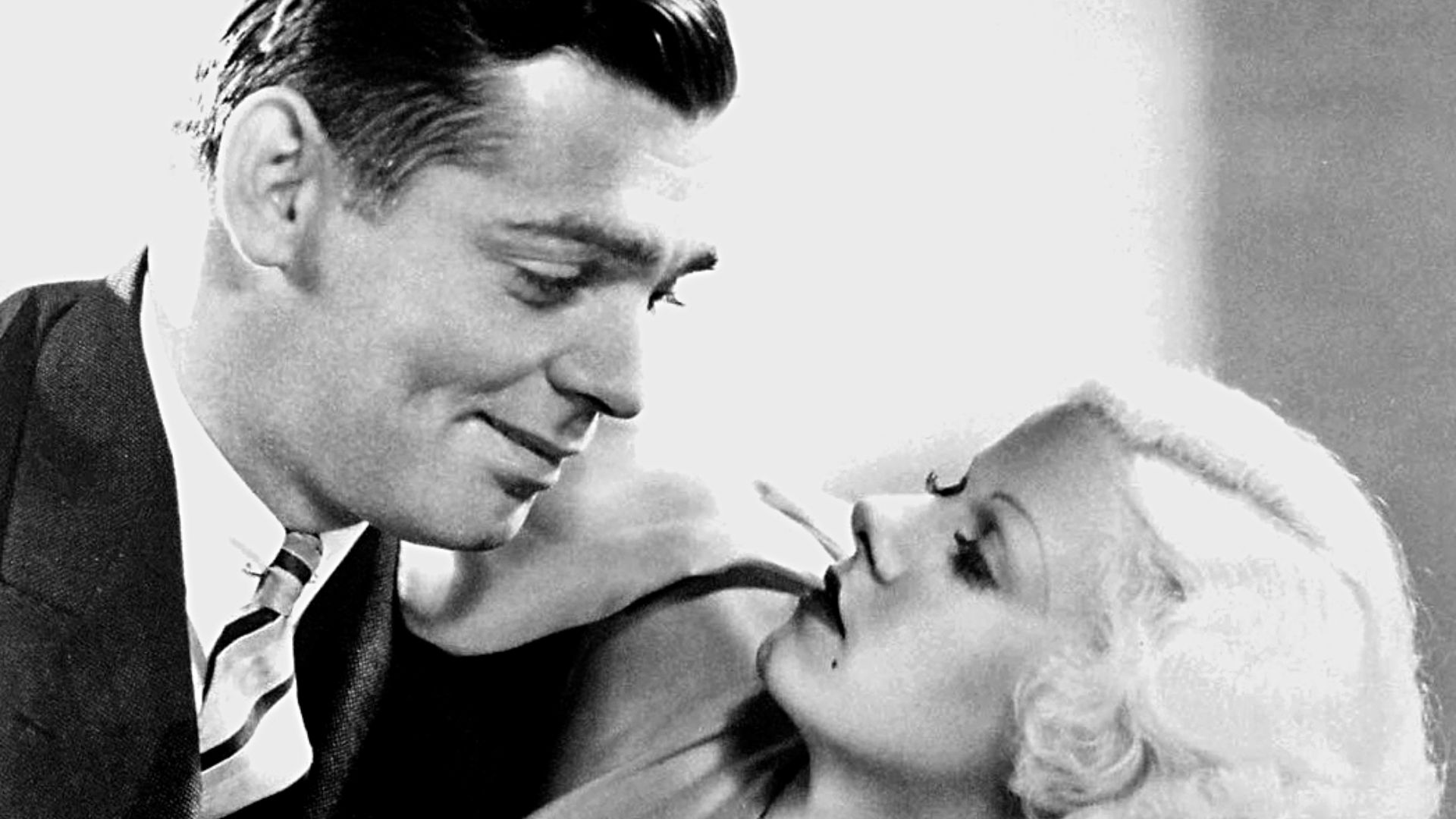
While Harlow hung on to her new husband, she paired with Gable again in Hold Your Man. This film made MGM a 400% profit. Harlow was now one of MGM’s most profitable assets, and she was soon ready for the next hurdle. They wanted to see if she could carry a film without a notable leading man.
This could be the end of her career.
40. She Did It Alone
After appearing in the ensemble film Dinner at Eight, Harlow was ready to go out on a limb. The title of this film was Bombshell, and she had to carry it all by herself. The film is a satire of Clara Bow’s life, and Harlow got rave reviews from critics. But there was trouble on the horizon for Harlow and her career.
 Metro-Goldwyn-Mayer (MGM), Dinner at Eight (1933)
41. It Got A Name Change
Harlow’s next film with MGM was Born to be Kissed, but the title never hit the screens. MGM knew that the Hays Code was about to take effect. This was a code that censored the morally questionable content of films. MGM changed the title to The Girl from Missouri and tried to make Harlow’s presence a little less titillating.
Good luck with that.
 Metro-Goldwyn-Mayer (MGM), The Girl from Missouri (1934)
42. She Was Unstoppable
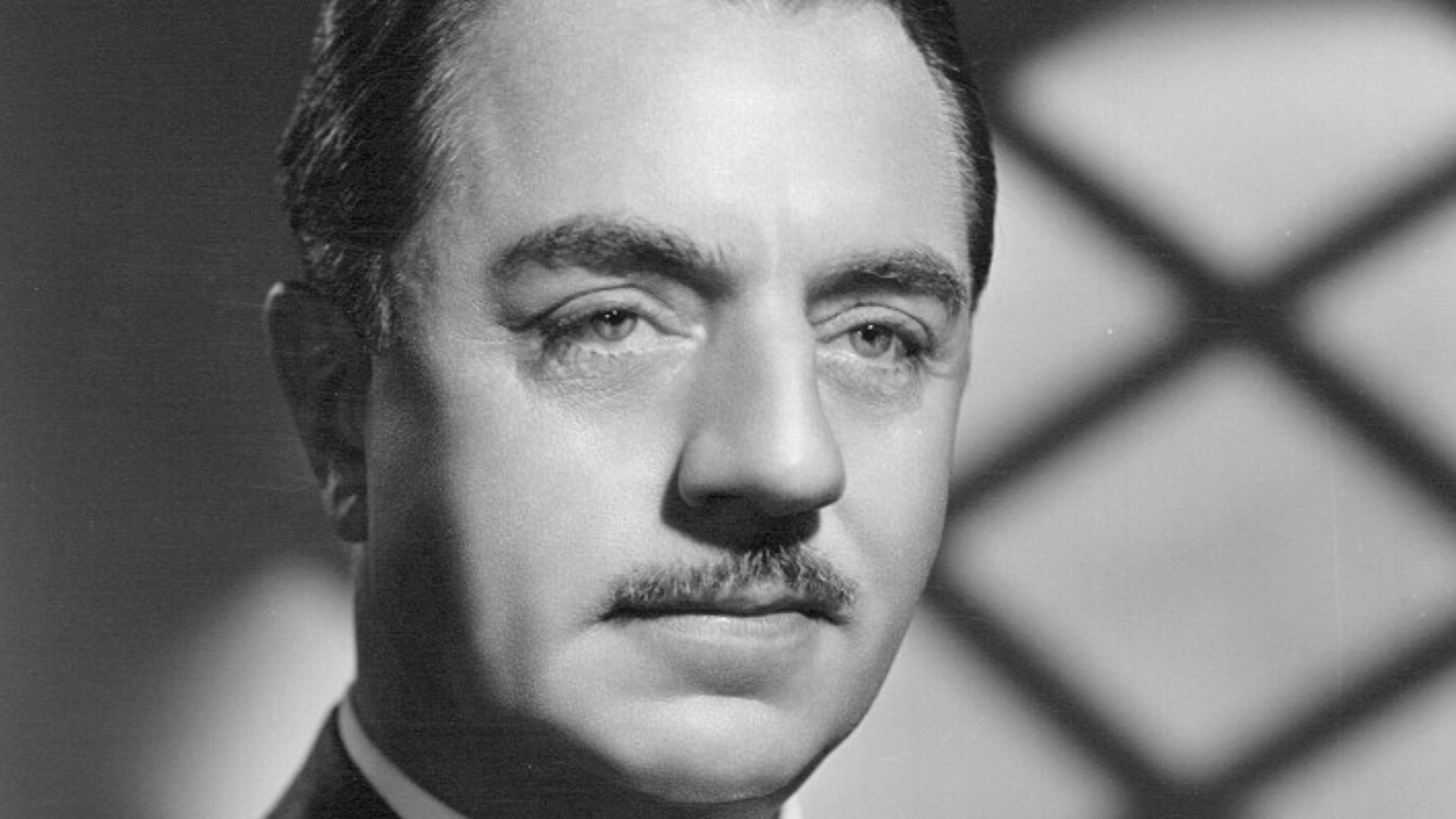
In spite of the Hays’ Code, the provocative Harlow continued to be a huge success. The Depression also couldn't stop her fans from lining up to see her in films. One thing that didn’t last was her third marriage. Remember, this was a marriage of convenience arranged by the studio, and so it was no surprise that it didn’t last. Next up for Harlow was actor William Powell.
The studio got its meddling hands in this relationship as well.
43. She Replaced Crawford
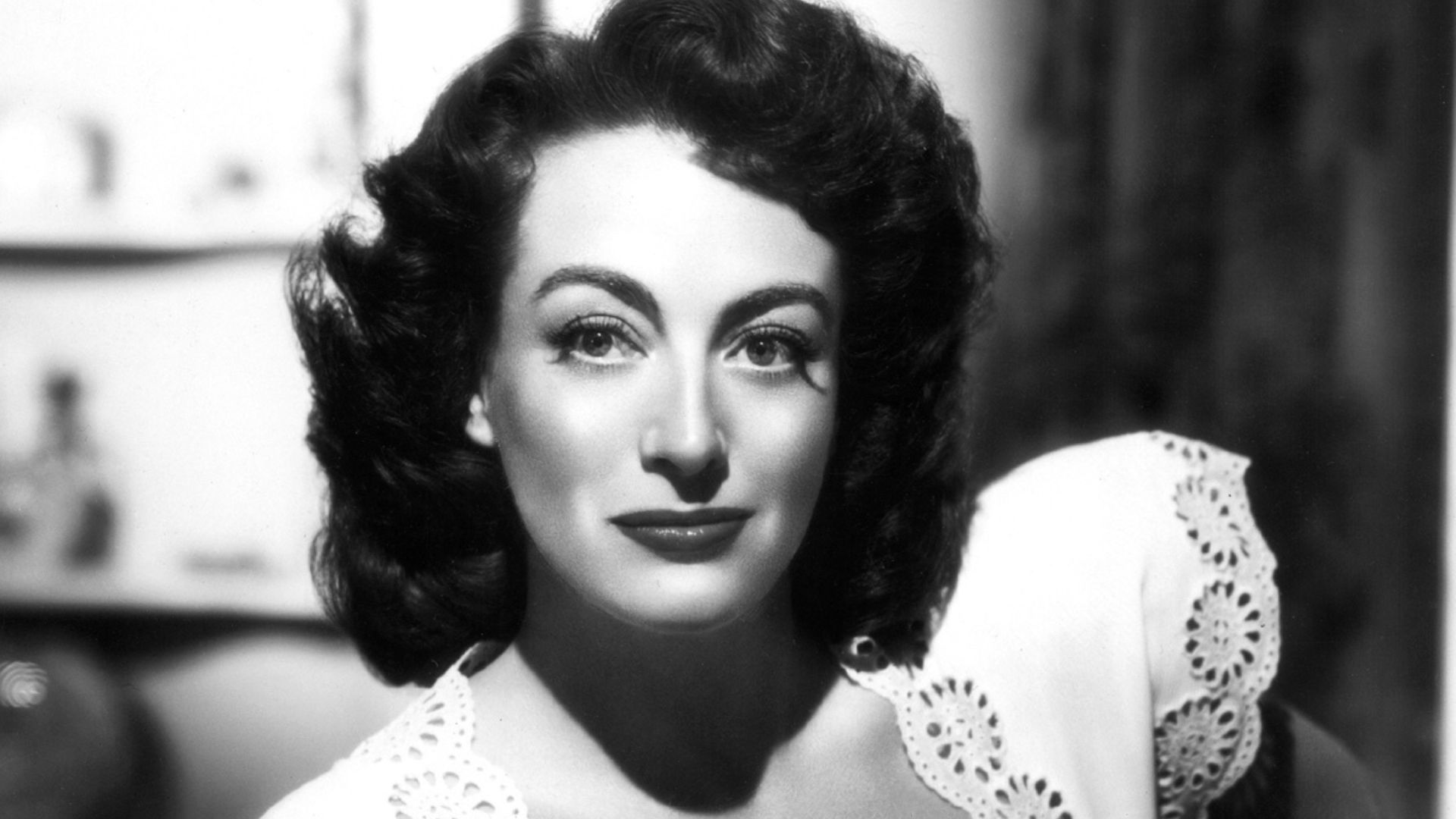
Once Harlow was romantically linked to Powell, MGM heartlessly removed Joan Crawford from 1935’s Reckless and put Harlow opposite her boyfriend. Of course, they did this to make more money from ticket sales. Problems arose when Harlow read the script. She had a very good—and personal—reason to say no to Reckless.
 Studio publicity still, Wikimedia Commons
44. It Was Eerily Familiar
Harlow was likely shocked that the story behind Reckless clearly imitated the tragedy she had personally lived through when her husband took his own life. Strangely enough, the film actually took its plot from a different true story. In the end, Powell convinced Harlow to accept the role to avoid getting a suspension from the litigious MGM.
Harlow and Powell made sparks fly on film, but their private life was looking like a real dud.
 Metro-Goldwyn-Mayer (MGM), Reckless (1935)
45. This Engagement Went Nowhere
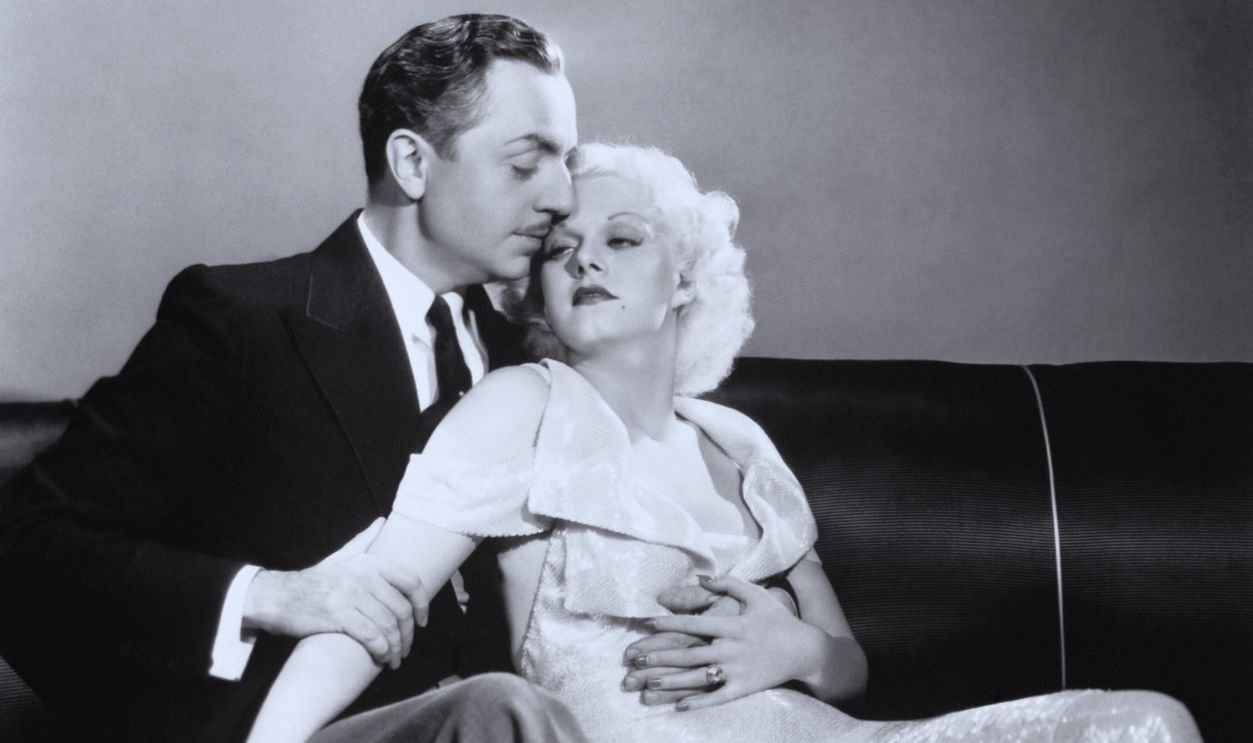
Harlow and Powell had been dating for some time before they announced their engagement. Then, the engagement also seemed to last forever. People were starting to wonder if they’d ever walk down the aisle. Sadly, it never happened. Harlow found herself pregnant, and Powell refused to marry her. The studio stepped in and set up the termination of her second pregnancy.
After that, Harlow would soon be back in the hospital.
46. She Felt Ill
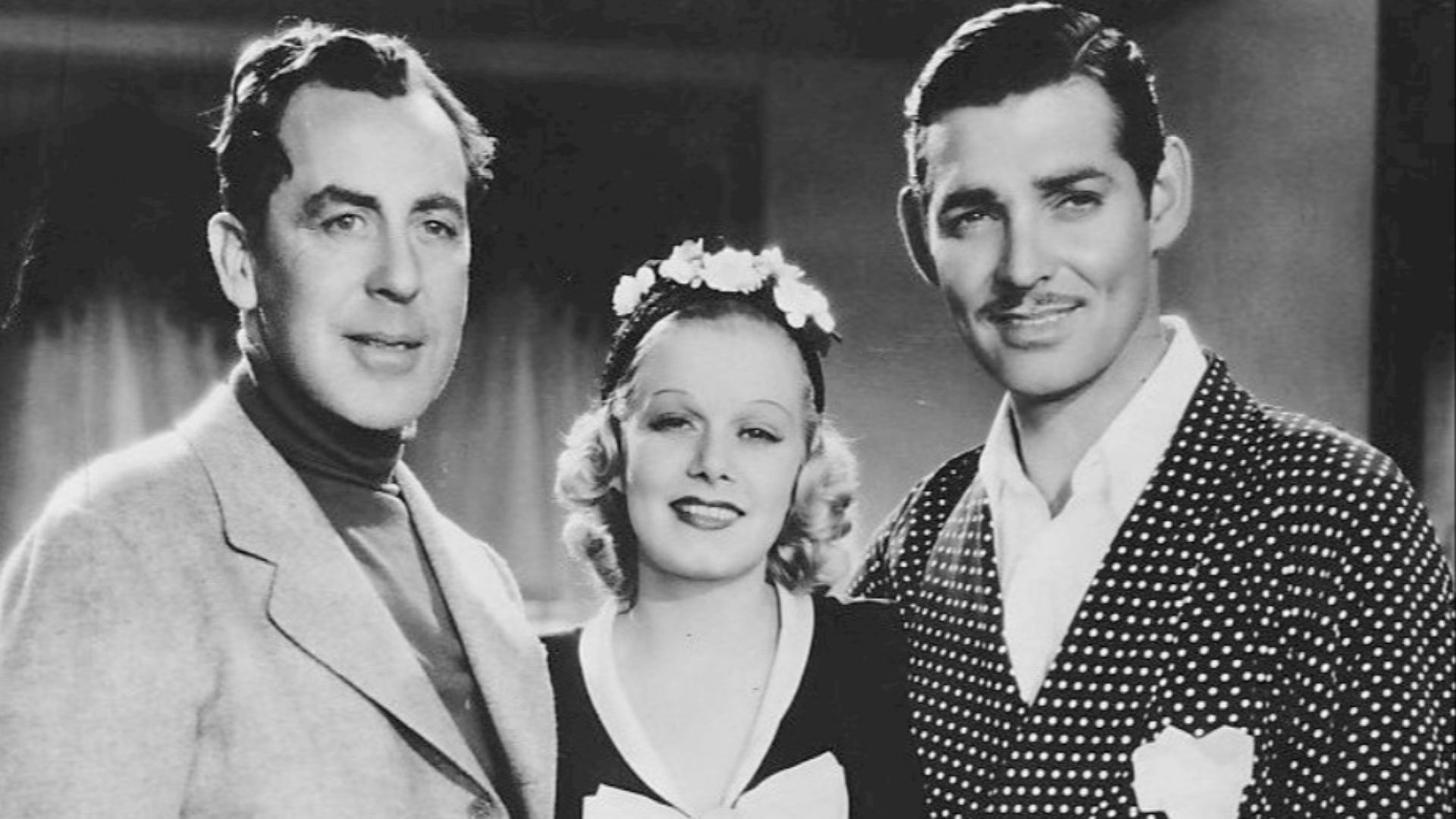
In March 1937, Harlow began work on Saratoga with Clark Gable. Well, she would have started working if she hadn’t gotten sepsis from having her wisdom teeth removed. When she did eventually get to the set, she complained of feeling ill. The studio didn’t take her complaints seriously, and filming continued.
This was the beginning of the end for Harlow.
 Acme News photos, Wikimedia Commons
47. She Got Some Devastating News
When Harlow started feeling ill again, she turned to her ex-boyfriend Powell, to help her get off the set. He picked her up, took her home, and called for a doctor who didn’t work for the studio. This doctor thought it was an inflamed gallbladder. The doctor who gave them a third opinion had some devastating news for Harlow.
 Donaldson Collection, Getty Images
48. They Rushed Her To The Hospital
What Harlow was suffering from was kidney failure, and it was life-threatening. They rushed her to Good Samaritan Hospital in LA, where she went into a coma and passed the next day. She was just 26 years old. MGM quickly started looking for a replacement for her in Saratoga, but the public outcry made them stop.
They had to take an extraordinary step to keep Harlow in the picture.
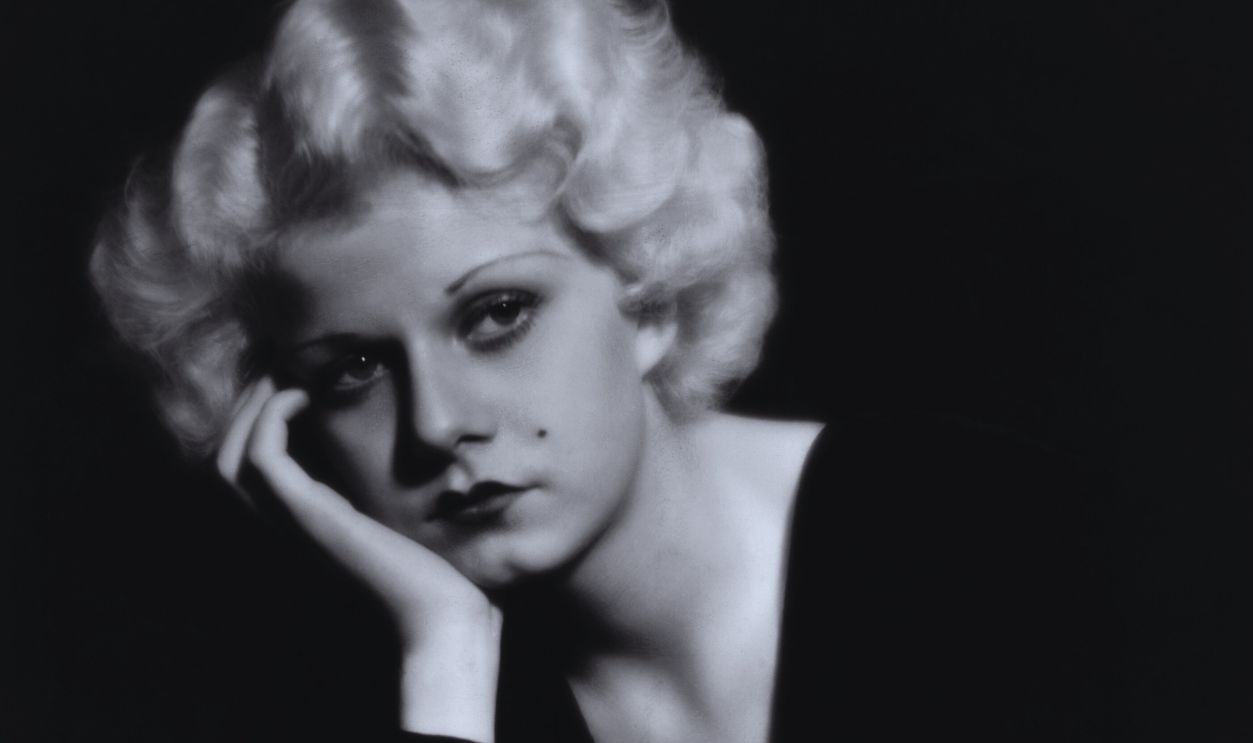
49. She Went Out With A Bang
MGM saw how audiences were desperate to see Harlow’s last film. They managed to finish it using three different doubles and released it just months after Harlow’s passing. Moviegoers showed their love by seeing the film in droves, making it Harlow’s most successful film and the year's biggest money maker.
Now all that was left was her legacy.
 Metro-Goldwyn-Mayer (MGM), Saratoga (1937)
50. She Inspired Blondes
Feminist Camille Paglia insists that Harlow was the inspiration for the idea that blondes have more fun. She definitely had an effect on Marilyn Monroe, who held Harlow up as an idol when she was a child. And let’s not forget Madonna, who, in addition to copying many of her looks, brought the name Harlow to a new league of fans in the iconic song “Vogue”.
You May Also Like:
The Most Terrifying Man In Hollywood
Marilyn Monroe’s Tragic Life Is Even More Twisted Than We Knew