Making The World Laugh
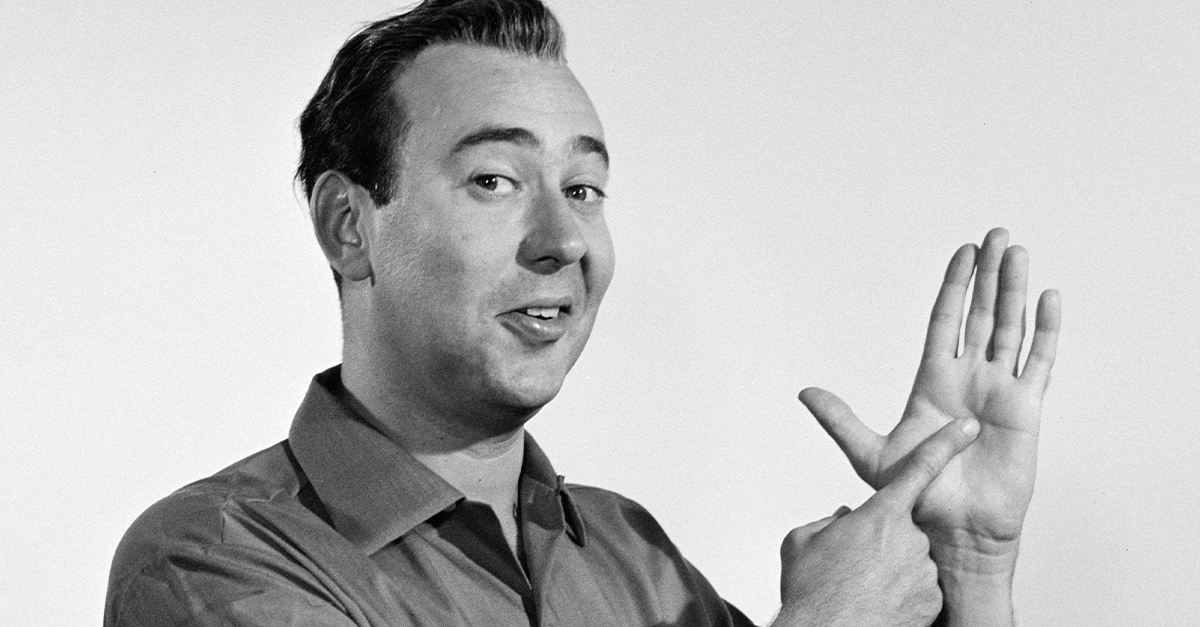
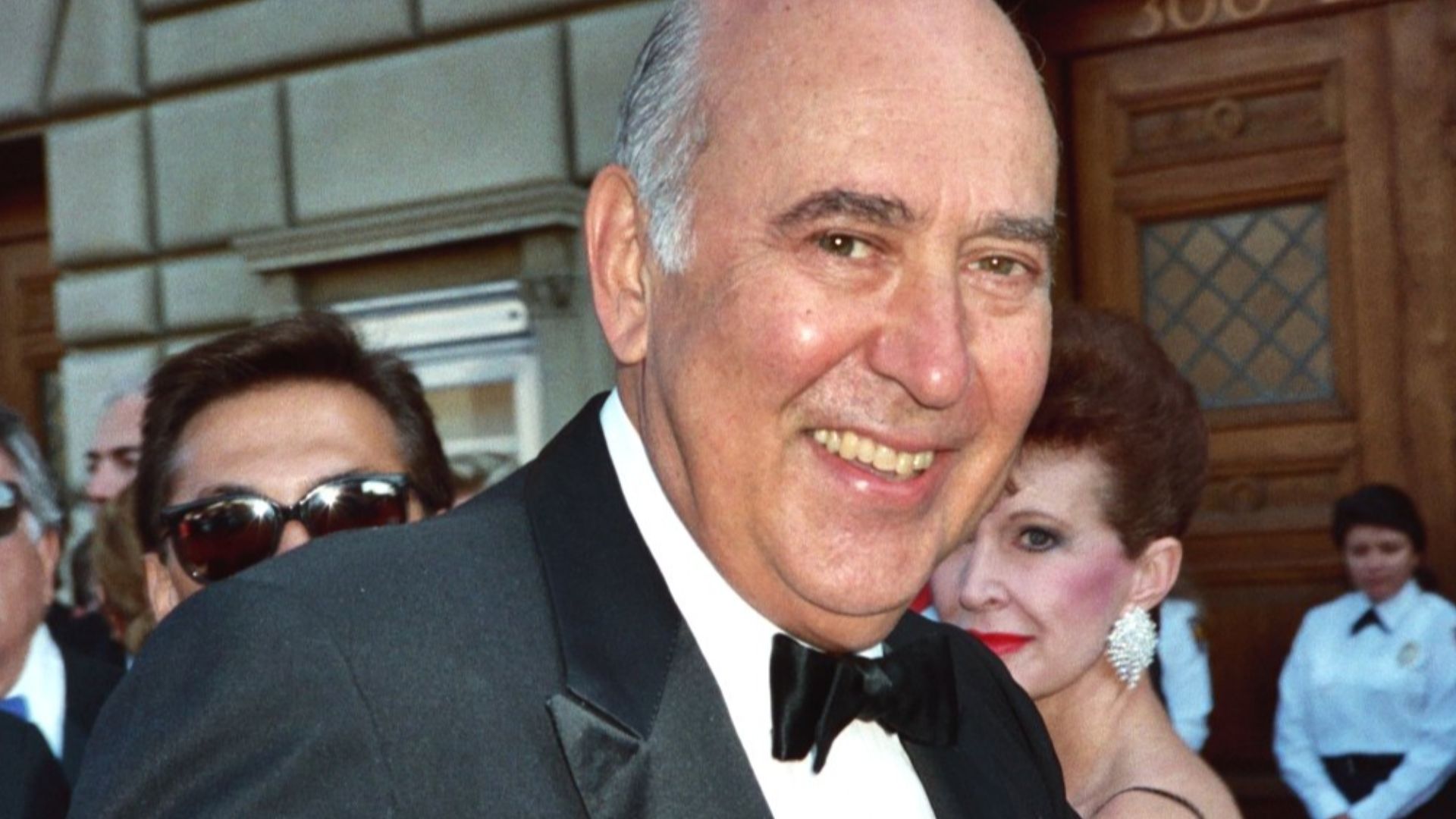
Writing comedy wasn’t always easy in the 1950s and 1960s, especially for television, but Carl Reiner had such a raw talent for comedy that he made it look like the easiest job in the world. Creating some of the most iconic sitcoms and films, and often appearing in roles of all sizes to the delight of his audience, he had an uncanny ability to make people happy—both on and off-screen.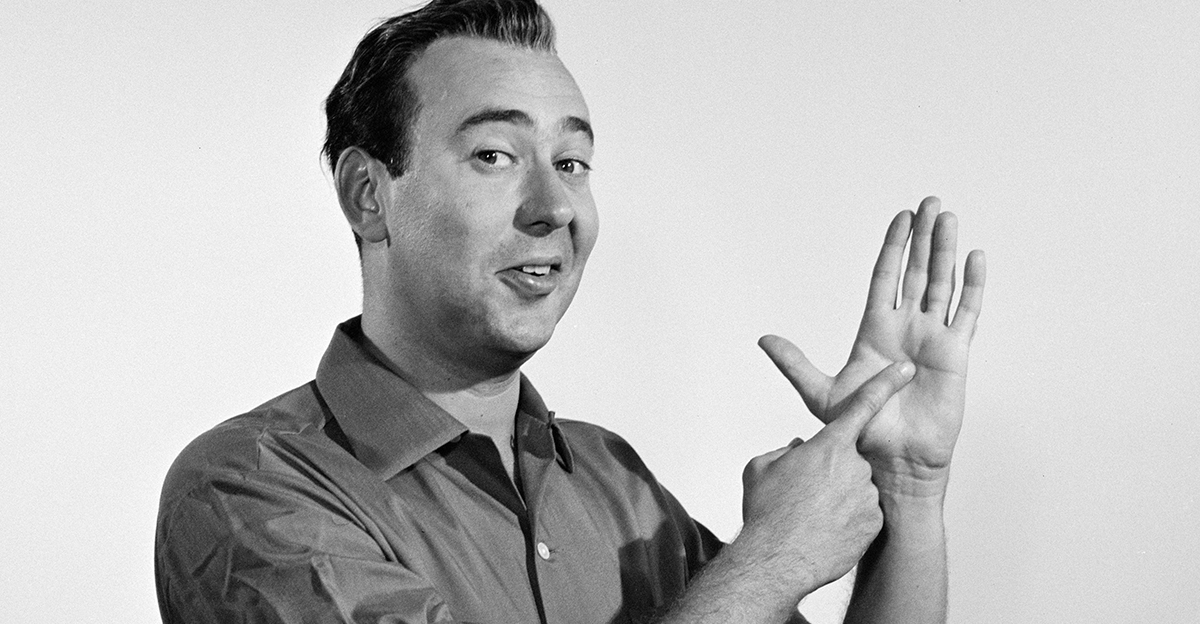 Graphic House, Getty Images
1. He Wasn’t The Only One
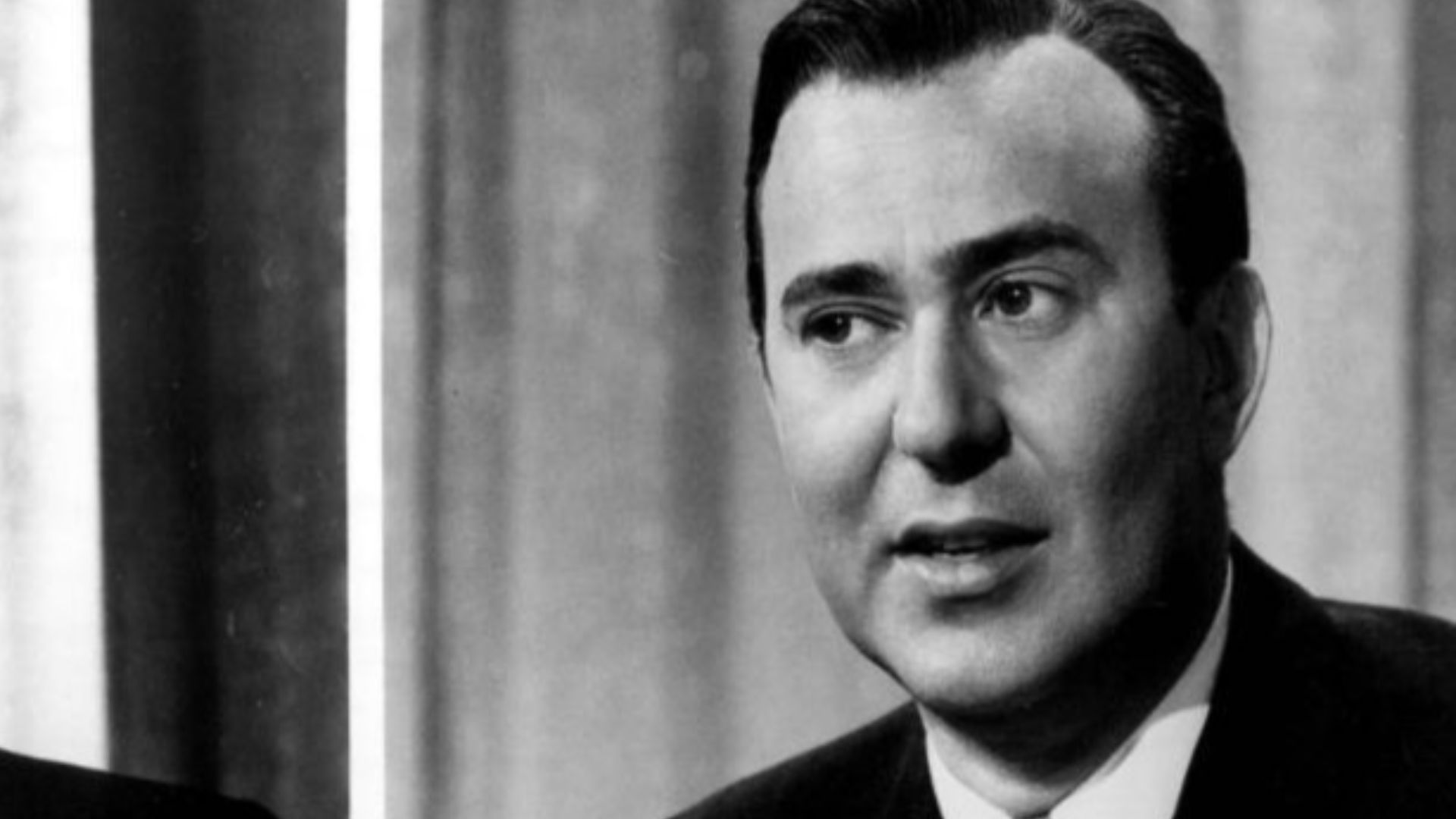
To anyone who had the pleasure of working with Carl Reiner or just seeing his talent first-hand, it was clear that being funny was a natural part of who he was. Despite this, while it may be surprising for some, he didn’t come from a family of comedians, as his father mostly worked as a watchmaker. However, he did have one role model: his uncle Harry Mathias, who had been the first and only other entertainer in his family at the time.
Still, his family was looking out for him—and one member would help change his life forever.
 CBS Television, Wikimedia Commons
2. He Got His Chance
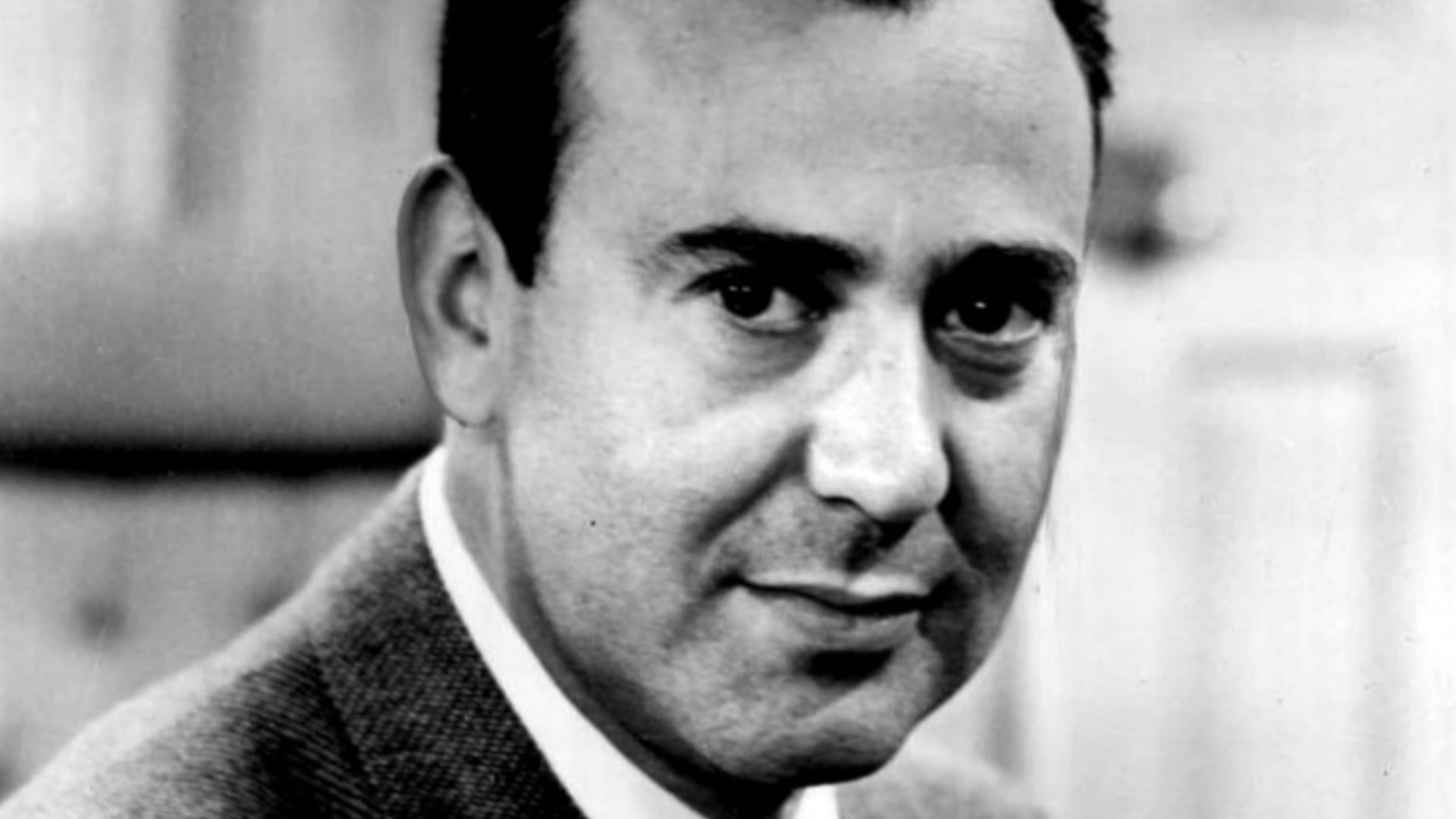
Until his teenage years, Carl likely never even considered an entertainment career, but that all changed when an extraordinary opportunity landed in his lap. While reading the paper, his brother, Charles, noticed an ad for a free drama workshop and thought it might interest Carl, so he encouraged his brother to go for it.
Even after all the fame and fortune he achieved—he never forgot one important thing.
 Rogers & Cowan, public relations, Wikimedia Commons
3. He Gave Him All The Credit
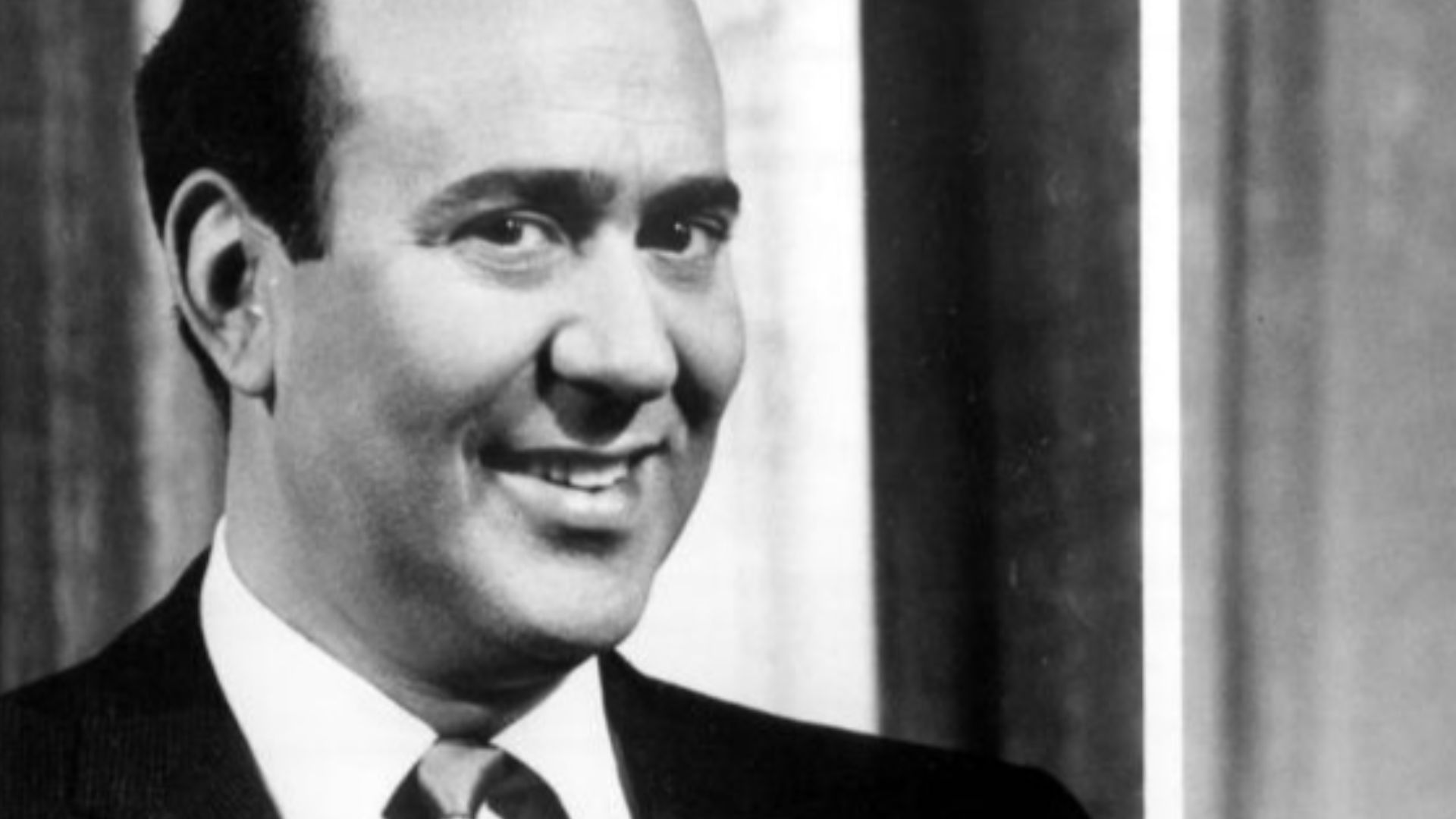
Carl would eventually go on to create many stories centered on family, which comes as no surprise, seeing as he felt so much gratitude for his brother. Although he was working as a machinist at the time, he left his comfort zone and attended the drama workshop, kicking off what would become his lifelong career.
Ultimately, he was never shy about admitting that he wouldn’t have even considered switching career paths if not for Charles. Thanks to his brother, Carl was at least able to get some training—while he still could.
 CBS Television, Wikimedia Commons
4. He Had Some Experience
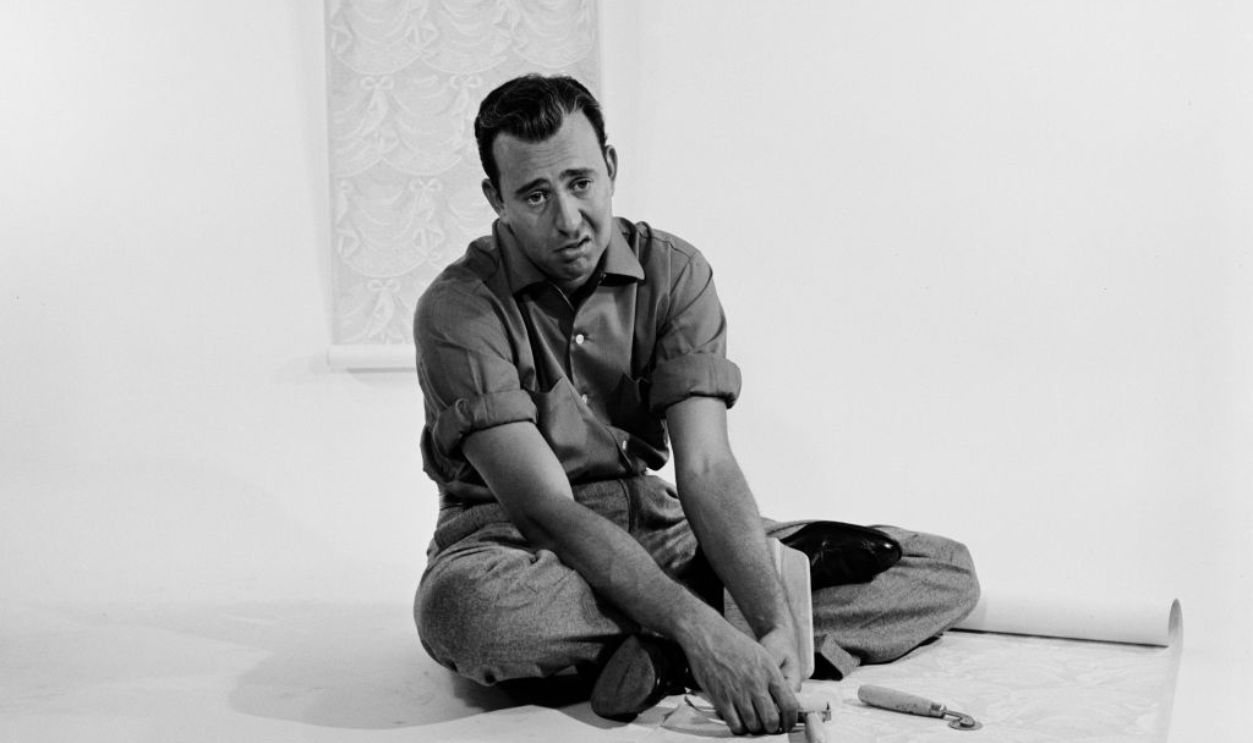
Once Carl stepped into the world of performance, it didn’t take long to realize that it was exactly where he was meant to be, and he was intent on honing his skills as much as possible. Working in the Catskill Mountains in sketch comedy, he quickly found his specialty and knew that he had a bright future ahead of him.
Suddenly, something far worse took priority over any passions.
5. He Served His Country
Although his heart remained with sketch comedy, Carl had to put all of that on the back burner in 1942, when the US Army drafted him into service. WWII was already in full swing, and Carl served in the conflict for four years, by the end of which he achieved the rank of corporal.
If the horrors of WWII weren’t enough, his health started to fail him at the worst moment.
6. He Was Sick
Beyond the grueling training and horrific combat that came with fighting in WWII, Carl had to face another, more internal threat that had him bedridden early on in his service. Although he had been busy learning to be a radio operator, he once again had to stop in his tracks as he developed a serious case of pneumonia that kept him in the hospital for three months.
Luckily, even through all of this, Carl managed to find a light in the darkness.
 Pictorial Parade, Getty Images
7. He Made His First Production
Although it was a rough three months, Carl recovered from his pneumonia and transferred to Georgetown University, where he studied to be a French interpreter. Unexpectedly, this allowed him to return to his theatrical roots and take his first steps as a director when he produced one of Molière’s plays—and kept it completely in French.
As another welcome surprise, college allowed Carl to find something that would help him survive the rest of WWII—true love.
 Unknown authorUnknown author, Wikimedia Commons
8. He Found Someone Special
Before WWII began, when Carl was still working in the Catskill Mountains, he was lucky enough to meet the woman he would spend the rest of his life with. Estelle Lebost was a set designer for hotel shows, and as soon as she met Carl, the two fell head over heels for each other. Even though he was called to fight before long, they were able to marry in 1943 while Carl was attending university.
In time, he managed to build a life with her—and inspire the next generation.
 John Mathew Smith & www.celebrity-photos.com, Wikimedia Commons

History's most fascinating stories and darkest secrets, delivered to your inbox daily.
9. They Were All Talented
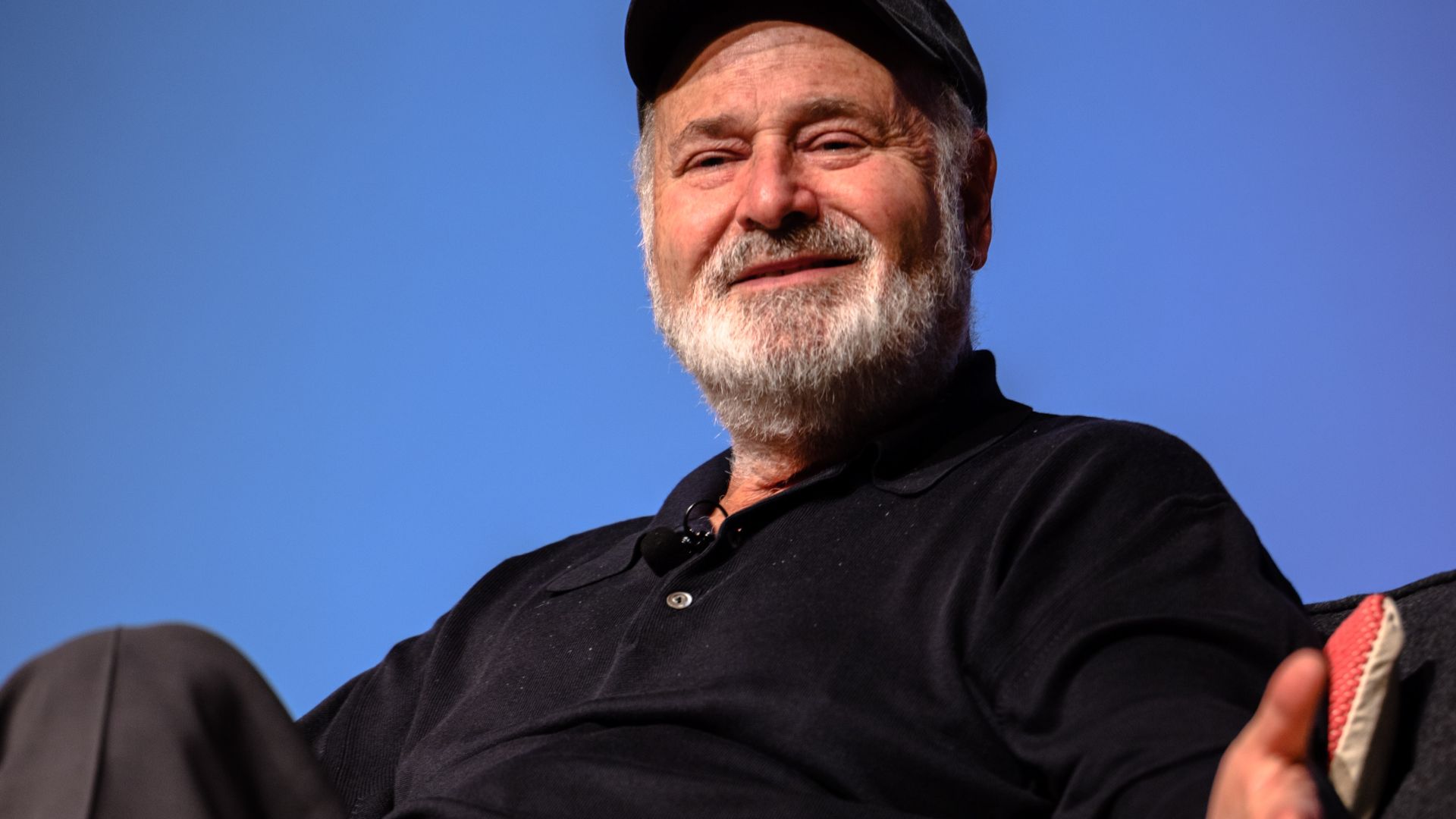
Carl and Estelle truly lived happily ever after and were married for a whopping 65 years until Estelle sadly passed in 2008. In that time, though, they were able to welcome three children—all of whom seemed to inherit their creativity. Their daughter, Annie, grew up to be an author and poet, Lucas Reiner went into filmmaking, and their oldest child became a famous actor and director by the name of Rob Reiner.
Furthermore, one of them was all too thrilled to collaborate with his parents.
 Montclair Film, Wikimedia Commons
10. She Was Involved
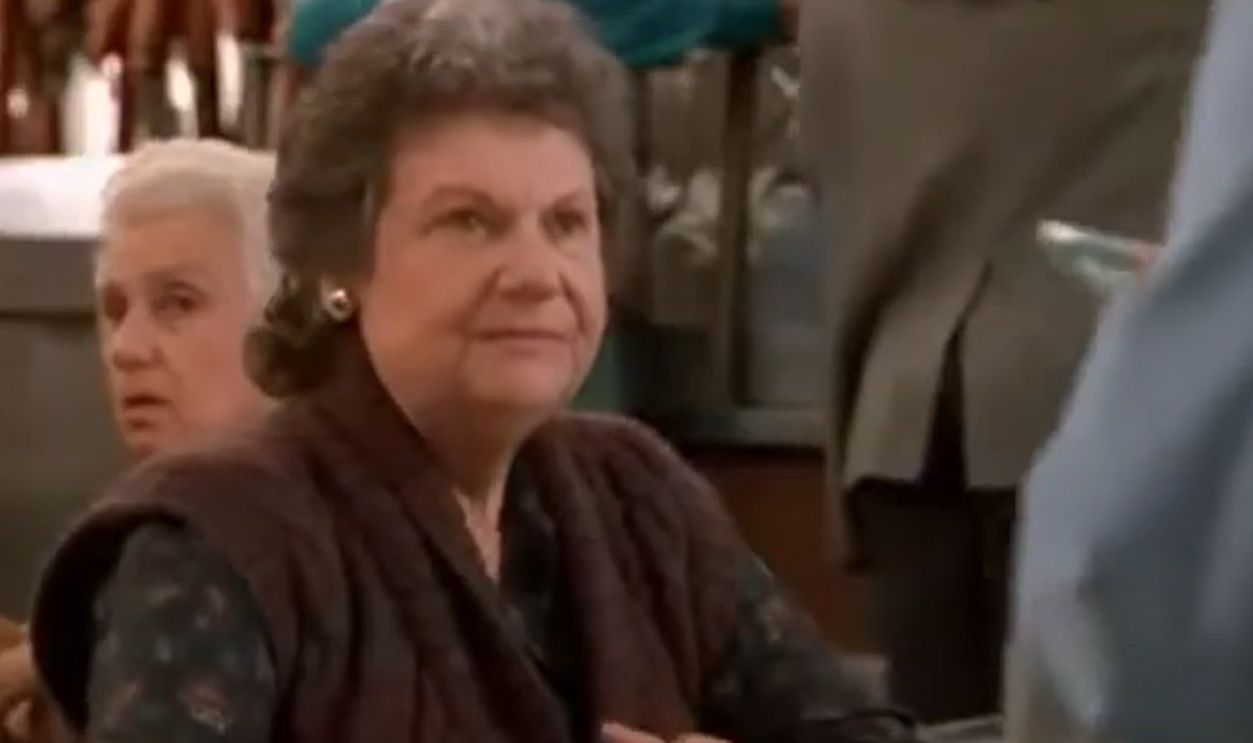
While Carl and Rob would eventually become the most famous members of their family, Estelle had her time in the spotlight and was responsible for one of the most famous movie lines in history. While filming one of Rob Reiner’s classics, When Harry Met Sally, Rob chose to include his mother in a scene. Proving that Carl wasn’t the only funny one in their relationship, Estelle perfectly delivered the iconic line, “I'll have what she's having”.
Back during WWII, though, Carl’s future in the army would have looked much different if he hadn’t made one last-minute decision.
 Screenshot from When Harry Met Sally, Columbia Pictures (1989)
11. He Caught A Show
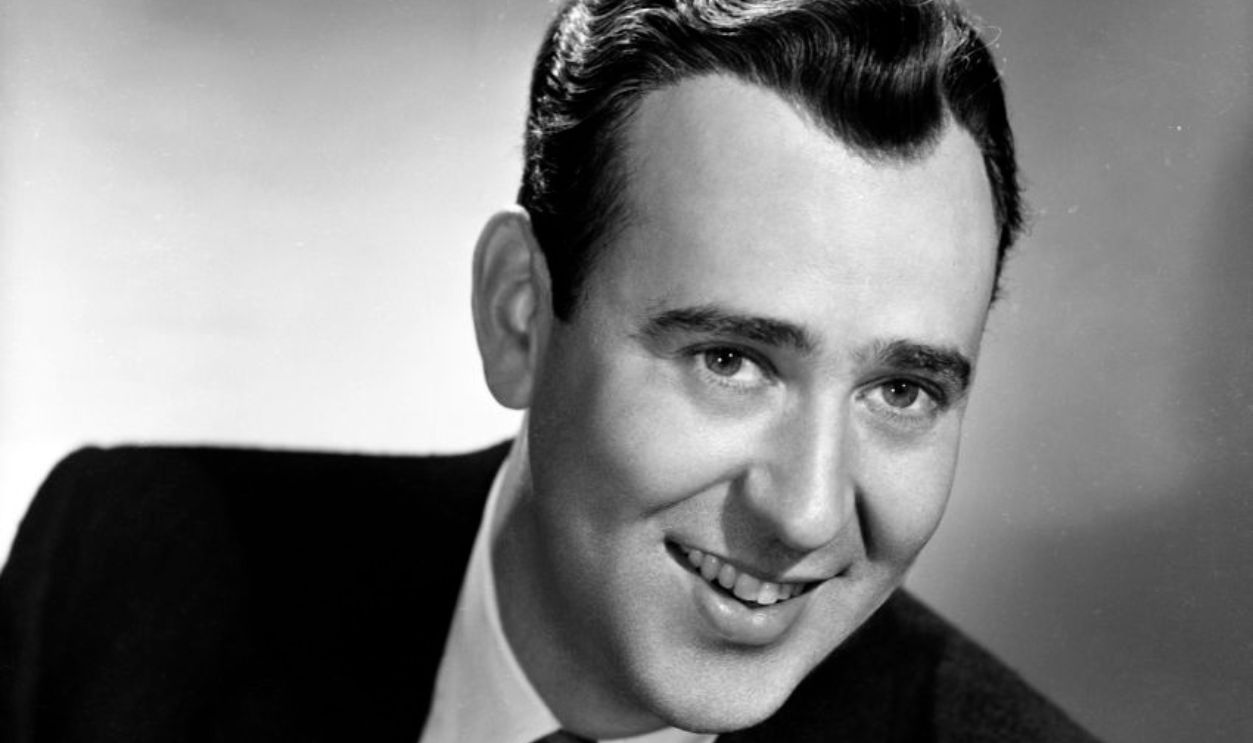
After ten months of rigorous studying, Carl was now ready to ship overseas for active service, but something changed his course in the eleventh hour. After briefly working as a teleprinter operator in Hawaii, Carl was about to leave for Iwo Jima when he decided to see a production of Hamlet the night before. This was no ordinary show, however, as it was presented by the entertainment branch of the army, the Special Services.
Suddenly, he had a chance to chase his passion once again—all while still serving his country.
 Michael Ochs Archives, Getty Images
12. He Put Himself Out There
Carl was so in love with the art of performance, and specifically live theatre, that as soon as he saw that he could serve in the army and pursue acting at the same time, he could think of nothing else. Determined to join the Special Services, Carl auditioned for Captain Allen Ludden and Major Maurice Evans, impressing them so much that they had him transferred to their branch.
Finally, Carl was able to feel like he was doing his life’s work—even so far away from home.
13. He Performed All Over
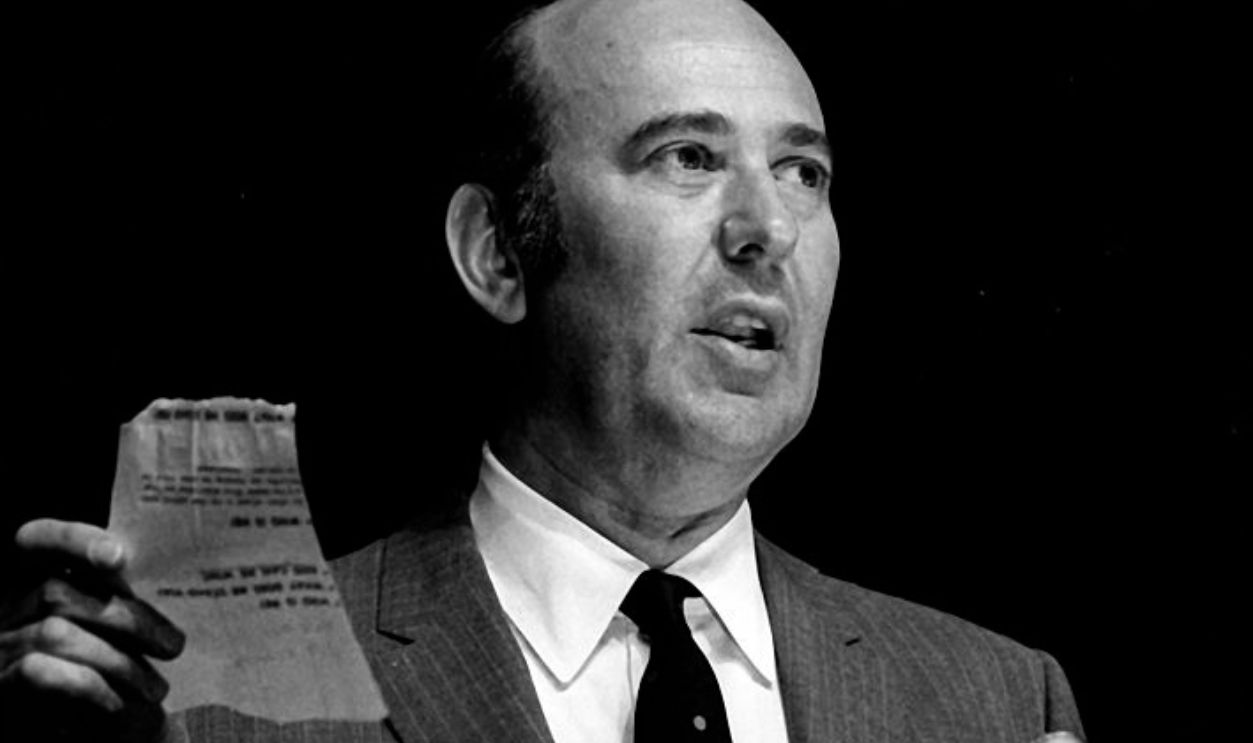
Carl still shipped out to the Pacific theatre, but rather than facing only the ugliest parts of WWII, he took pride in his work as he lifted the spirits of all those fighting alongside him. Excelling as a member of the Special Services, Carl performed everywhere from Iwo Jima to Saipan to Guam before his time in the army ended in 1946 with an honorable discharge.
Of course, now that he was no longer in active duty, he was free to chase his dreams full-time.
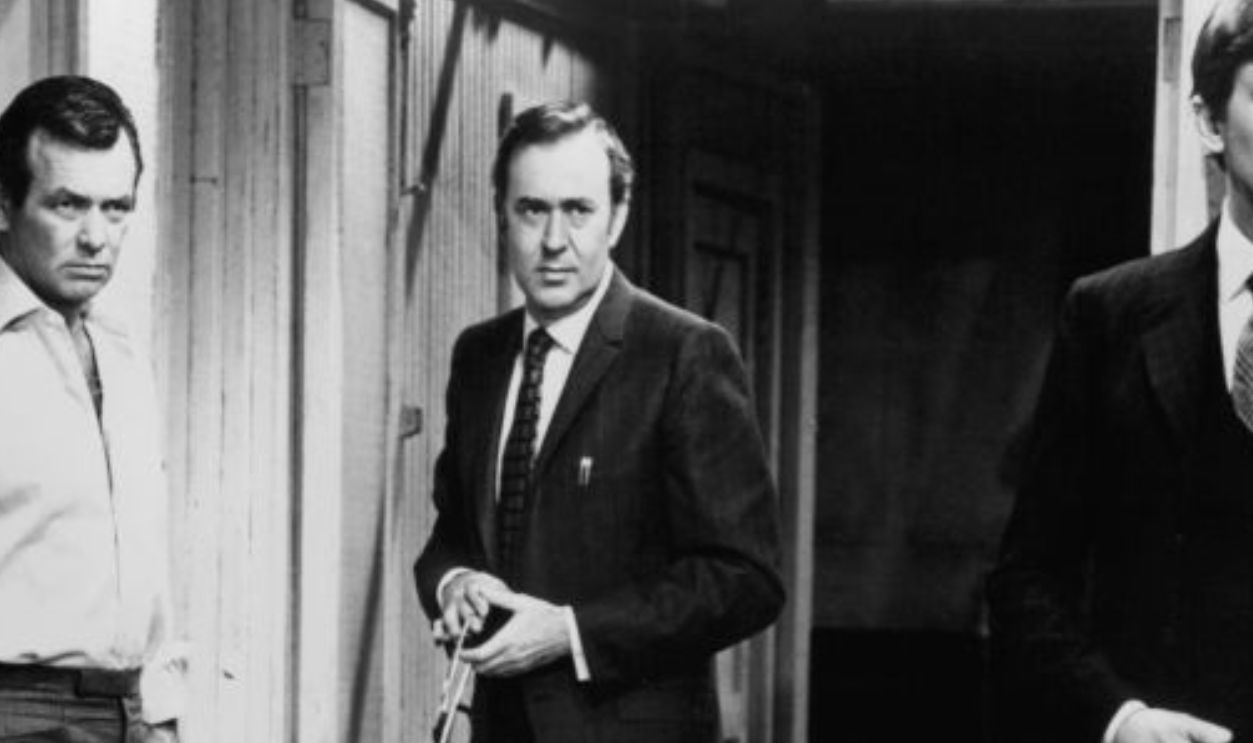 Michael Ochs Archives, Getty Images
14. He Kept Going
Still pursuing a career in acting, Carl wasted no time after leaving the army and went straight for the big leagues, securing a gig that most young actors only dream of. Debuting in a production of Inside USA, Carl began his short stint as a Broadway musical actor, and he would go on to perform in others like Call Me Mister and Alive and Kicking.
Before long, he found himself getting bigger and better opportunities—and meeting another kind of soul mate.
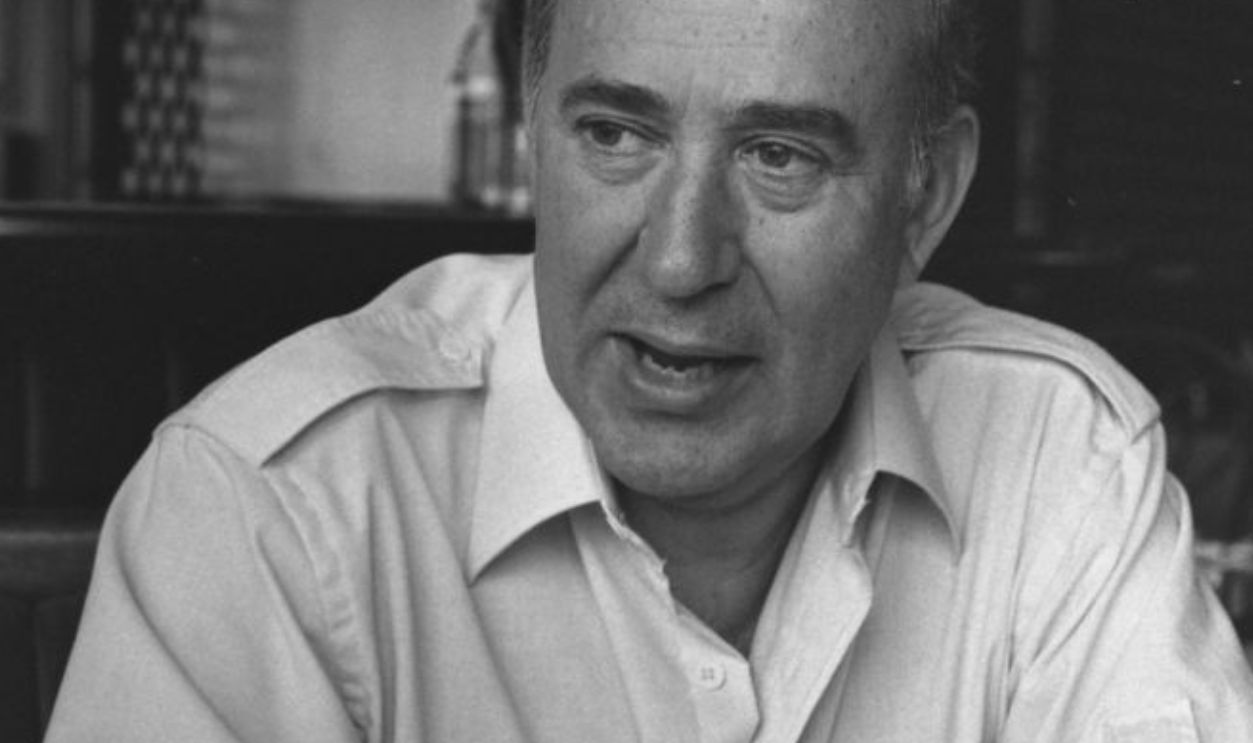 South China Morning Post, Getty Images
15. He Met His Best Friend
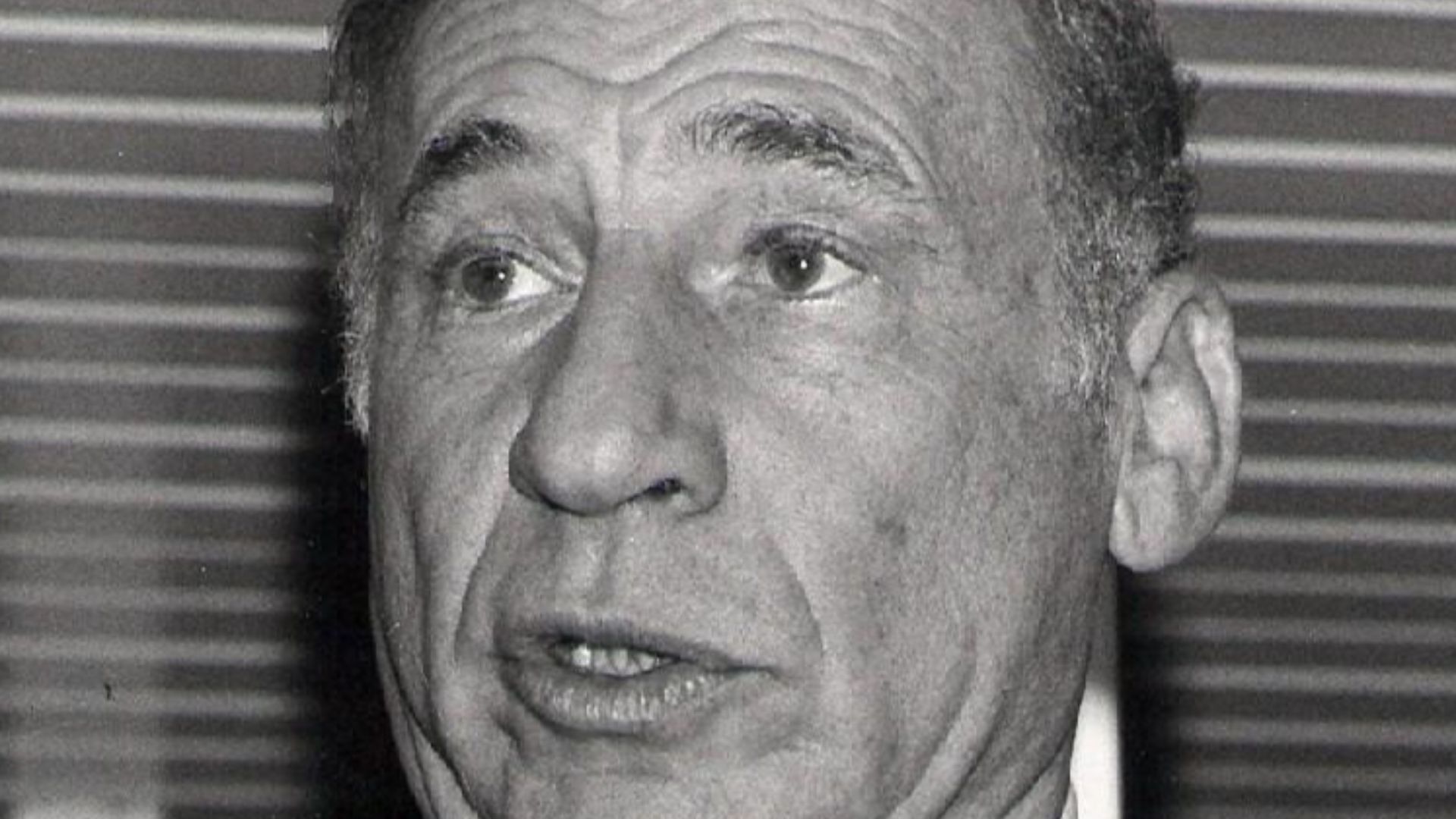
As the 1950s began, Carl left his work on Broadway to transition into TV acting, as director Max Liebman cast him in the NBC variety series Your Show of Shows. Not only did Carl get to flex his comedic acting while working on the show, but he also got a taste of comedy writing, often collaborating with the show’s writers. As fate would have it, Carl would become lifelong friends with one of the show’s most talented writers—Mel Brooks.
Of course, while this was his purpose in life, it wasn’t always a picnic.
16. He Was Almost Invisible
To the surprise of no one, Carl had a knack for comedy writing, and he and Mel Brooks spent a lot of time together brainstorming for the show, although the audience would never know it. As he was primarily a comedy actor on Your Show of Shows, the studio refused to credit his idea contributions. Thankfully, this didn’t mean he fell into obscurity, and he went on to win two Emmys for his role as a supporting actor on the series.
Suddenly, TV was one of the biggest parts of his life—and it gave him his next great gig.
17. He Took Over As Host
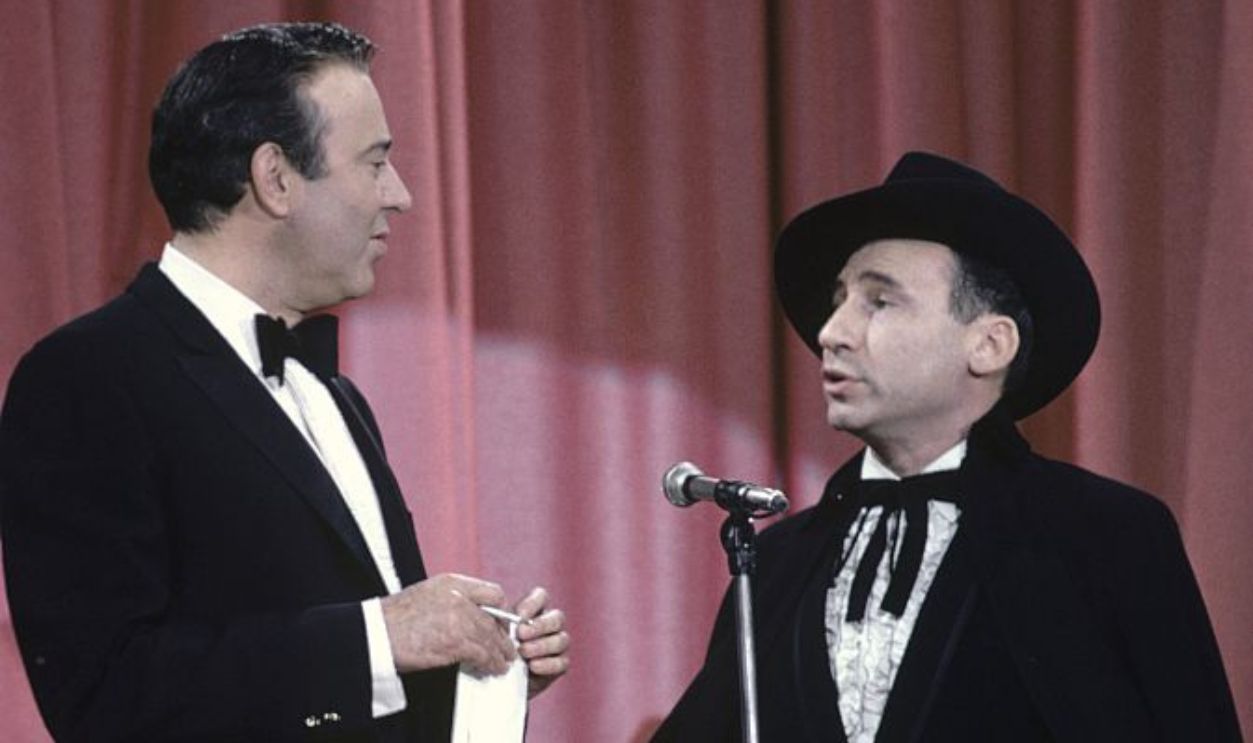
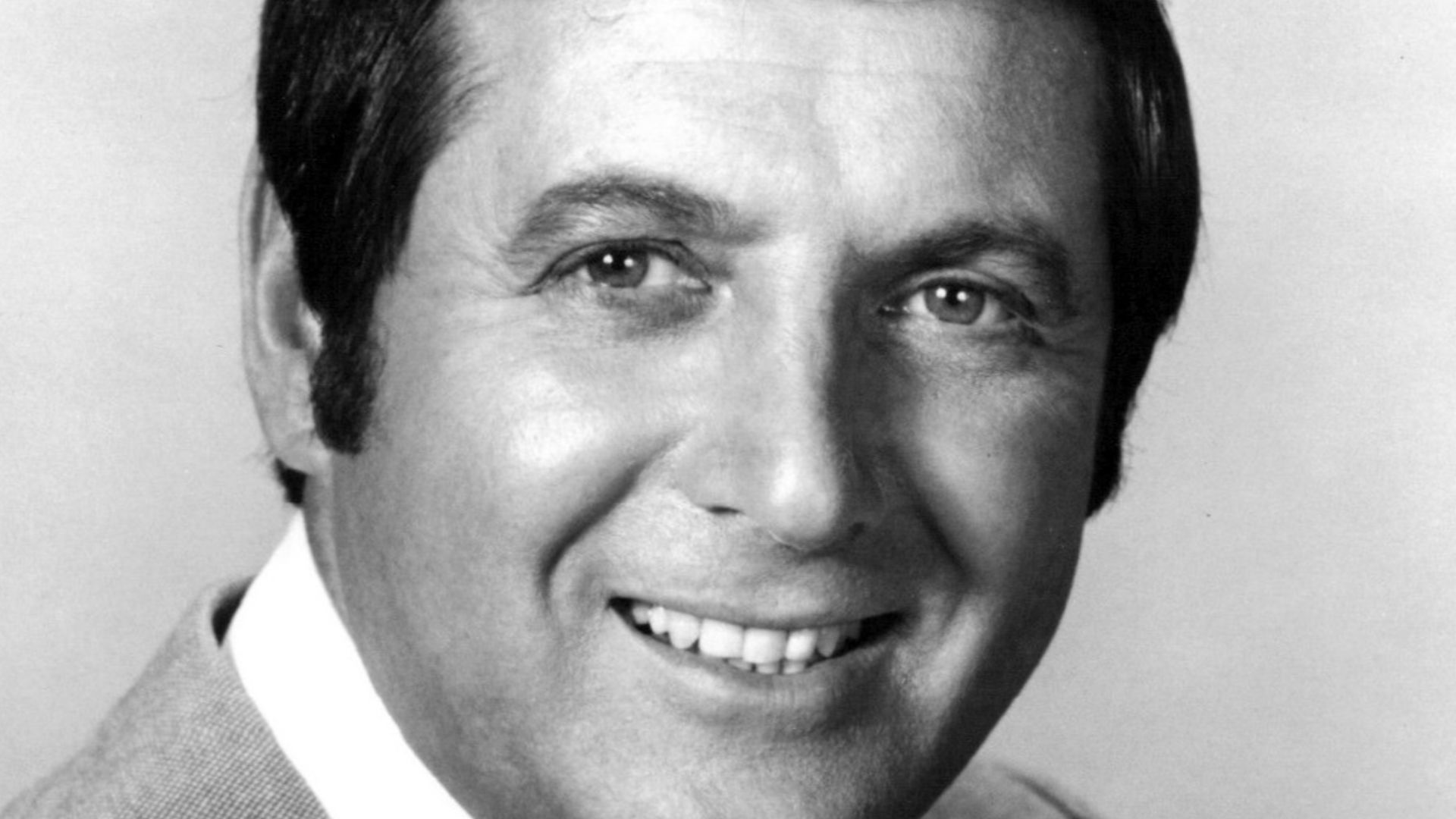
By the end of the 1950s, Carl had been working mostly as an actor or director, but CBS allowed him to take on a completely different role. Replacing famous TV personality Monty Hall, Carl began hosting the game show Keep Talking and stuck with the gig for about a year, at which point actor Vincent Price took over.
By this point, though, Carl knew what he wanted to be doing—and who he wanted to work with.
 ABC Television Uploaded by We hope at en.wikipedia, Wikimedia Commons
18. They Teamed Up
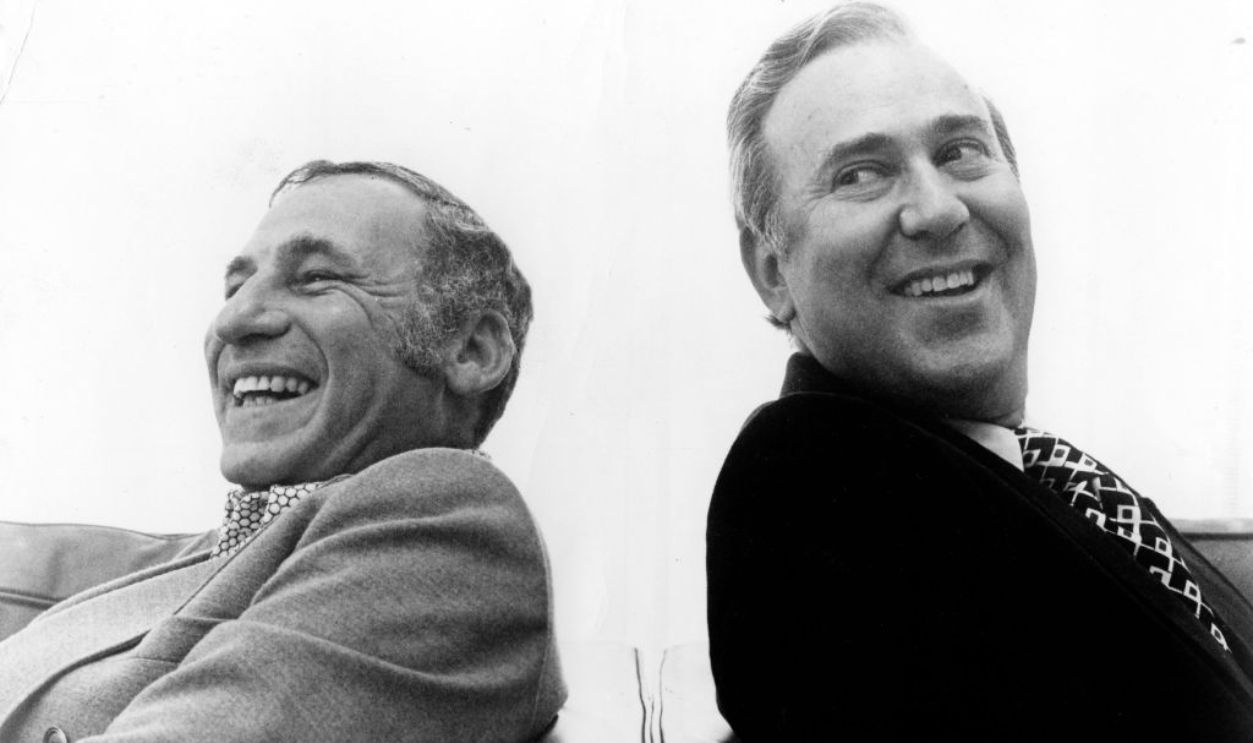
Carl hadn’t seen the last of Mel Brooks, and much to their collective excitement, the two would work together again as a comedy duo on The Steve Allen Show. This kicked off a partnership that would last the rest of their days, resulting in five comedy albums, countless sketches, and even an animated special.
Little did Carl know that he was on the verge of arguably the greatest breakthrough of his career.
 Michael Ochs Archives, Getty Images
19. He Used His Experiences
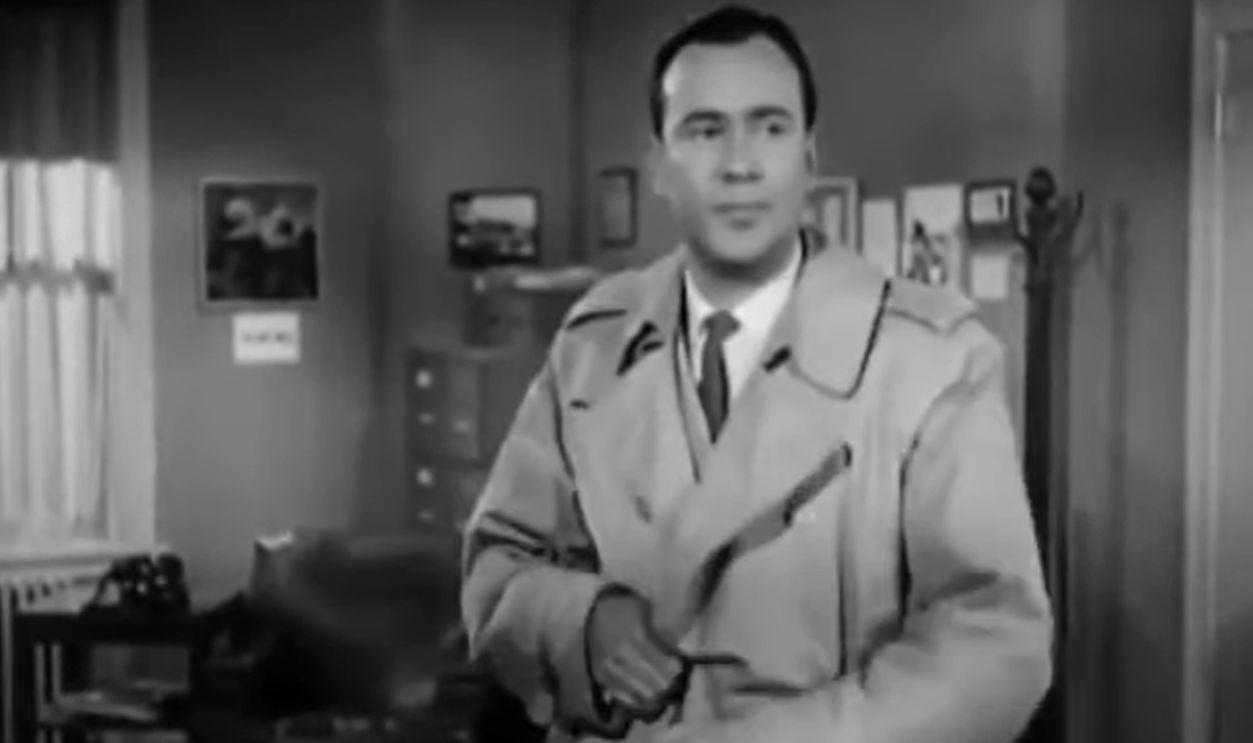
All while working with Mel Brooks to make America laugh, Carl continued to write his own solo works, one of which was the concept for a sitcom titled Head of the Family. Drawing from his own life as a husband, father, and comedy writer, he wrote 13 prospective episodes with the intention of playing the main character, Rob Petrie.
Still, he wasn’t the only one serving as an inspiration for the show.
 Screenshot from Head of the Family, Acre Enterprises (1960)
20. They Were Real People
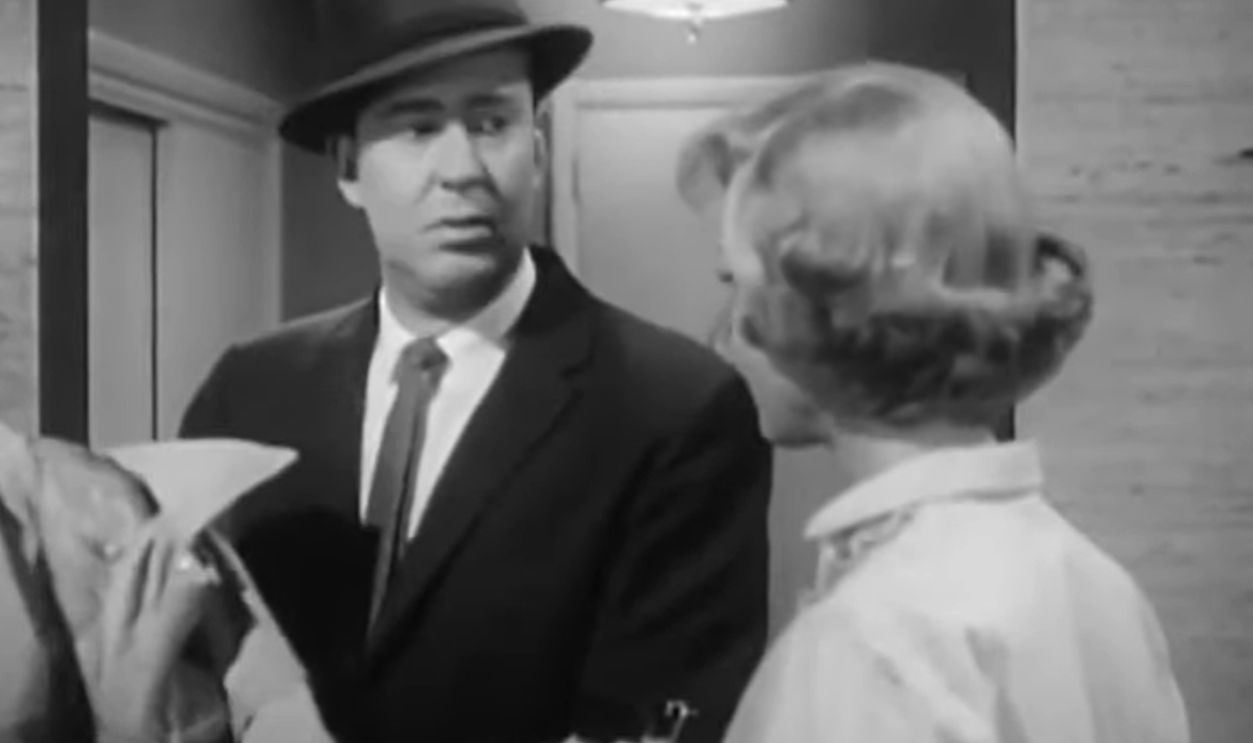
Beyond using his career to inspire many of the story elements for Head of the Family, even basing the writing office in the series on the Your Show of Shows writers’ room, Carl basically made the main character a TV version of himself. Furthermore, he included his best friend, Mel Brooks, by basing the character of Buddy Sorrell on him.
Unfortunately, one thing stood in the way of him realizing his vision for the show.
 Screenshot from Head of the Family, Acre Enterprises (1960)
21. He Wasn’t Right For It
Believing he had struck gold with Head of the Family, Carl likely hoped that TV studios would be fighting each other to sign him to a contract, but they weren’t biting as he thought they might. Thankfully, it drew the attention of producer Sheldon Leonard, who saw great potential in the show—despite one problem. He liked the character of Rob Petrie, but he refused to let Carl play the role.
Whether Carl agreed with the decision initially, it was clear who was right in the end.
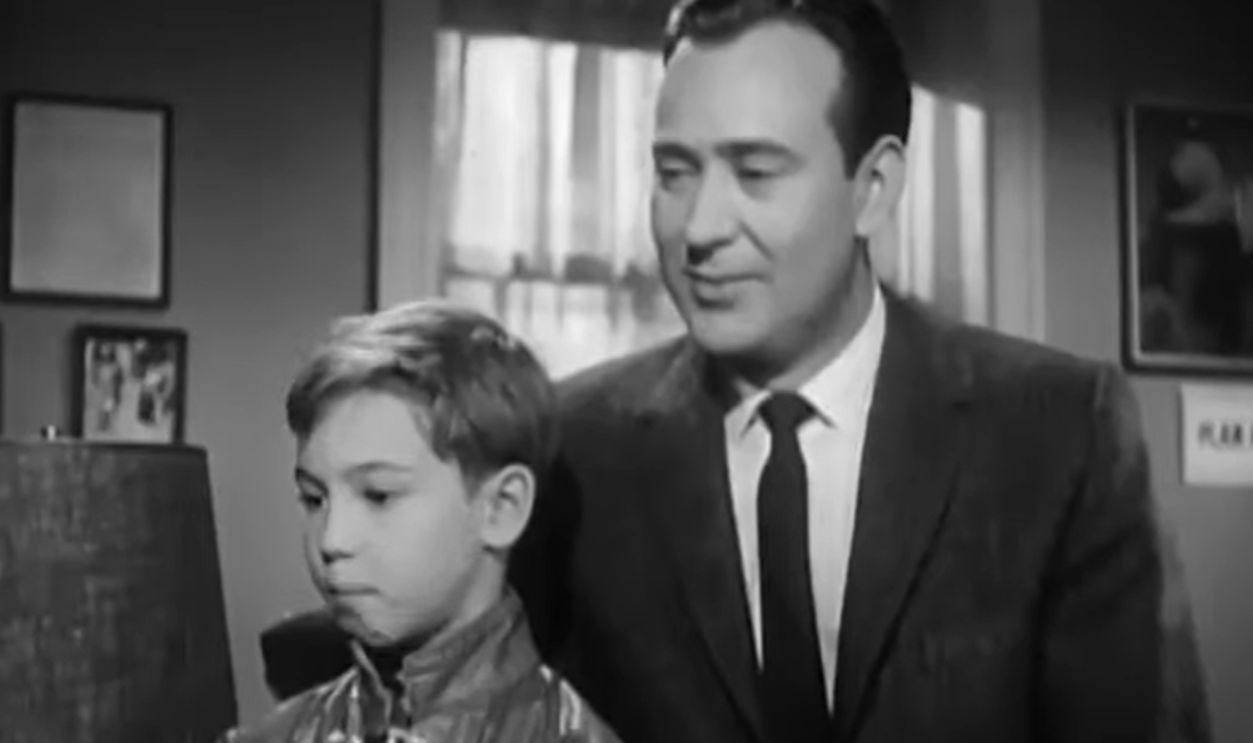 Screenshot from Head of the Family, Acre Enterprises (1960)
22. It Was A Massive Hit
Sheldon Leonard got his way and recast the lead role, bringing on actors Dick Van Dyke and Mary Tyler Moore as Rob Petrie and his wife, Laura, respectively. The show even got the new title, The Dick Van Dyke Show, and soon enough, it was on every TV in America. Becoming an instant success, it not only brought worldwide fame to its lead actor but also to his co-star, Mary Tyler Moore.
Still heavily involved, Carl was eager to get to know his cast—and soon developed a specific reputation.
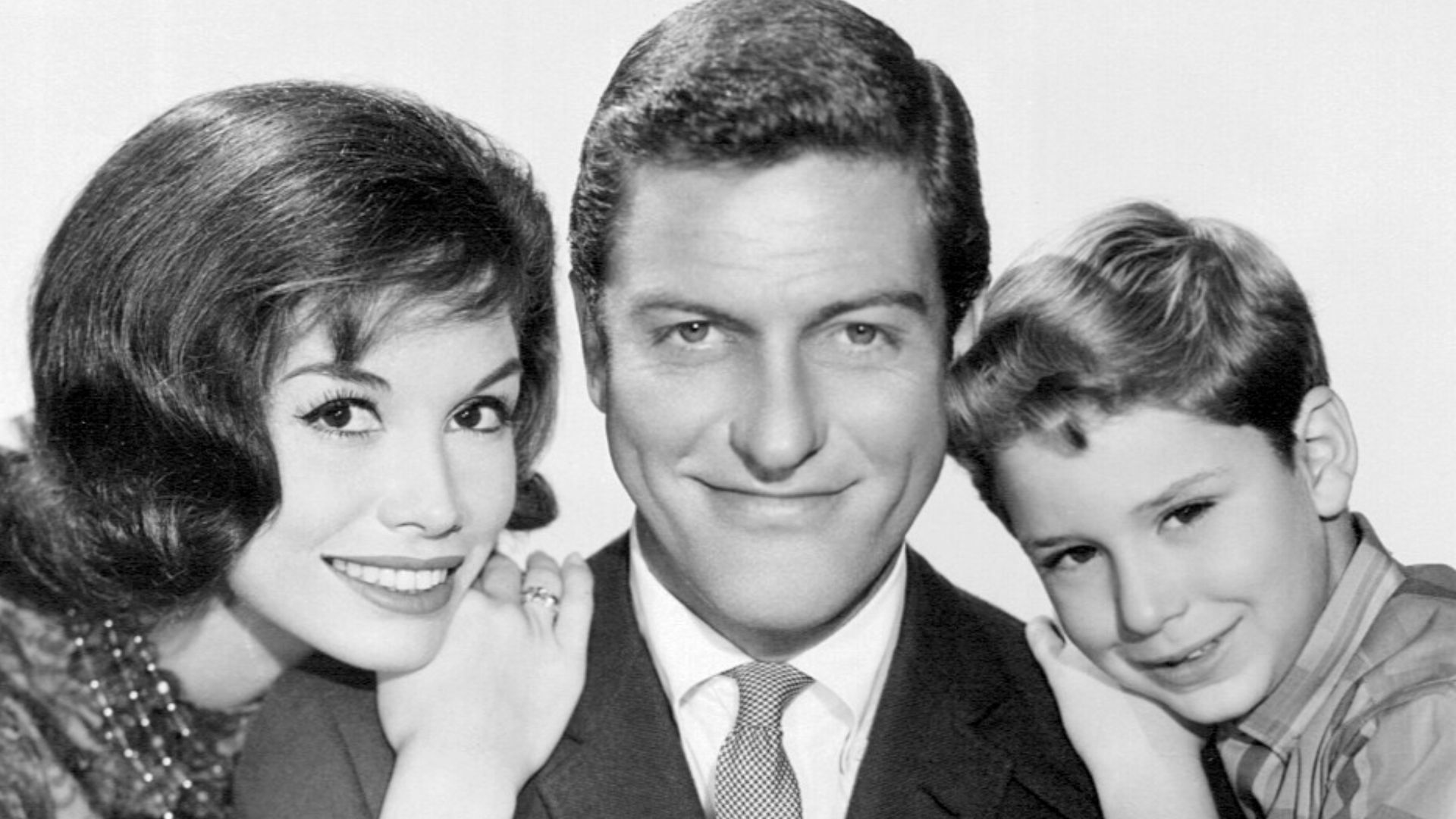 CBS Television, Wikimedia Commons
23. He Asked Them About Their Lives
Although he had lost out on playing the lead role, Carl was never bitter towards the actors, and it helped that he got to guest-star on several episodes. Behind the scenes, though, he became known for how pleasant and friendly he was, often speaking with both cast and crew members and listening to their life stories.
At the same time, Carl wasn’t only doing this to be nice—he had another motive.
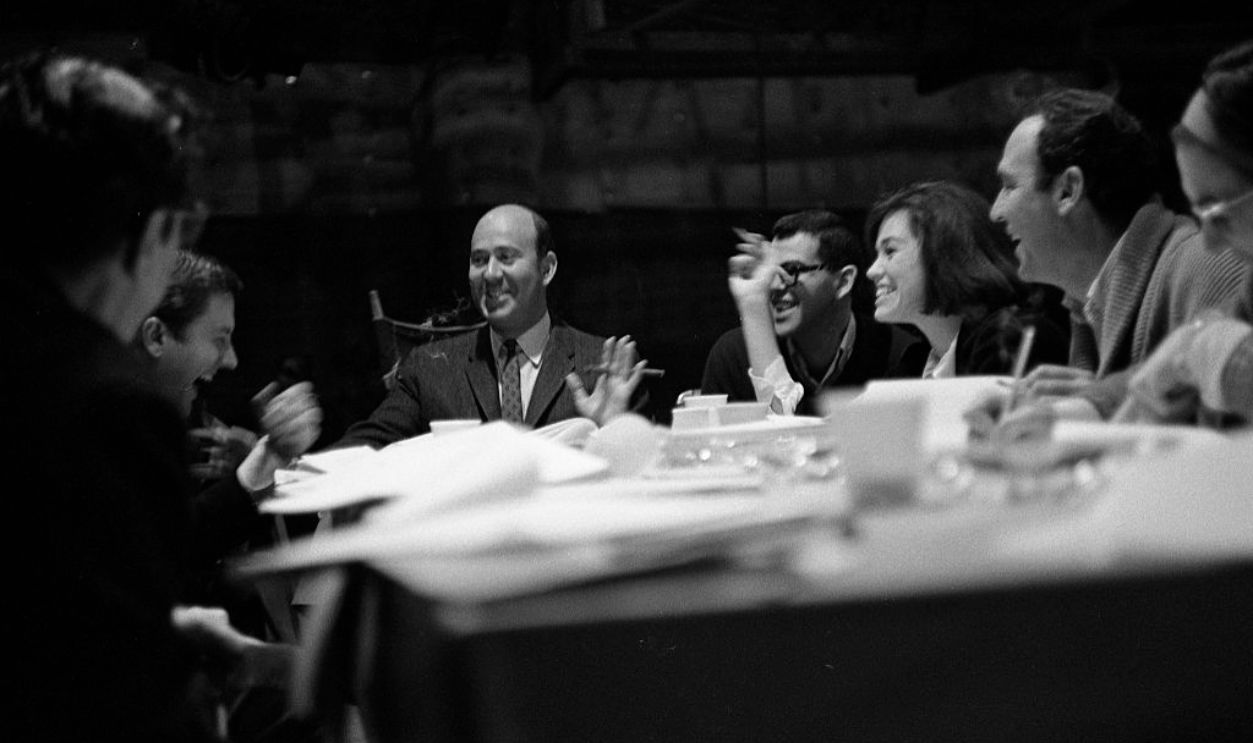 Earl Theisen Collection, Getty Images
24. He Used Their Stories
While Carl likely had a genuine desire to get to know his cast and crew better, he was also inquiring about their lives as part of his creative process. He would often ask people about the funniest things they had experienced, and, lending a unique authenticity to the show, he would usually incorporate these stories into the various episodes.
Although his inspiration came from all around him, Carl had one specific rule for the series.
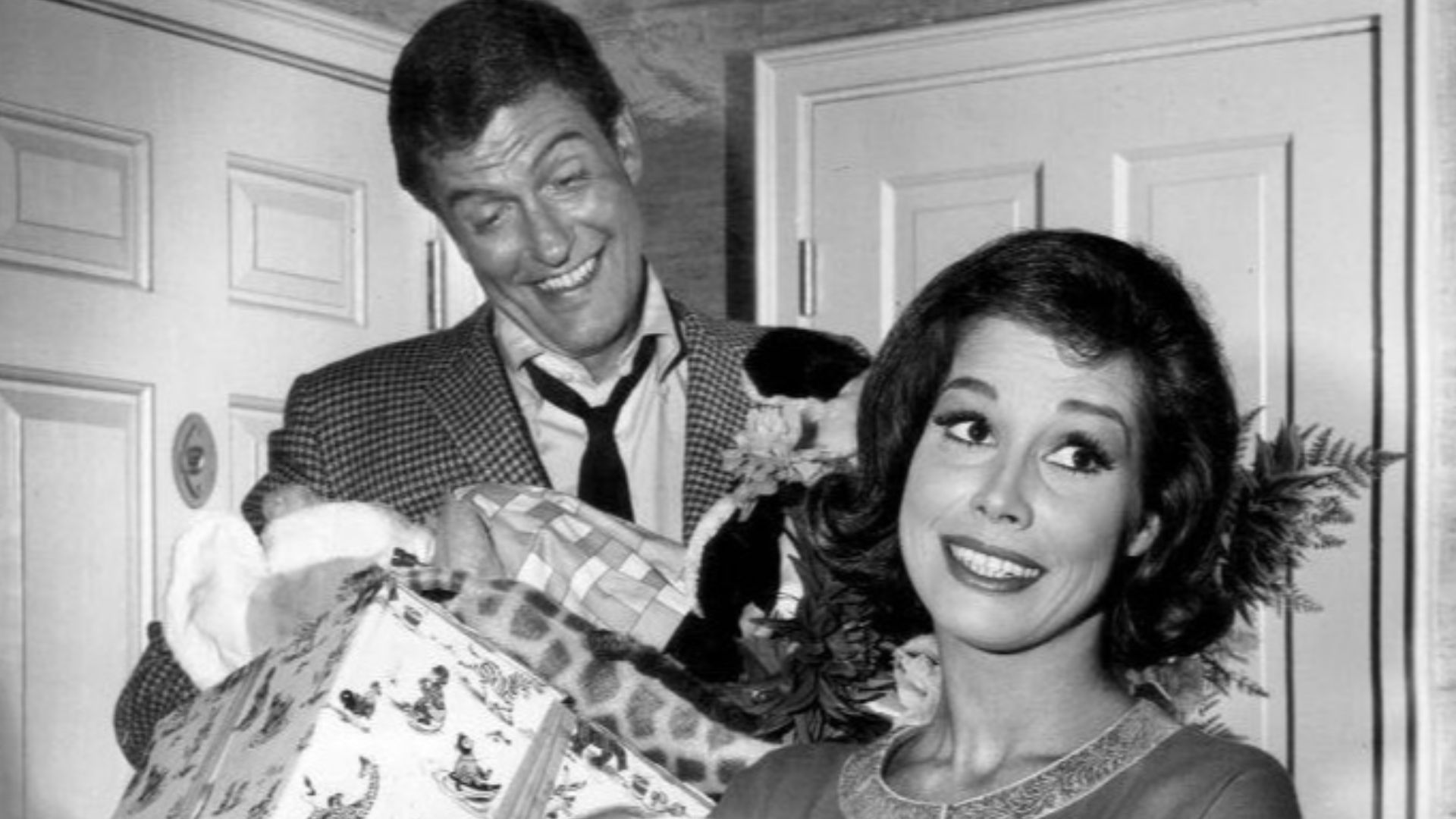 CBS Television, Wikimedia Commons
25. He Wanted It To Last
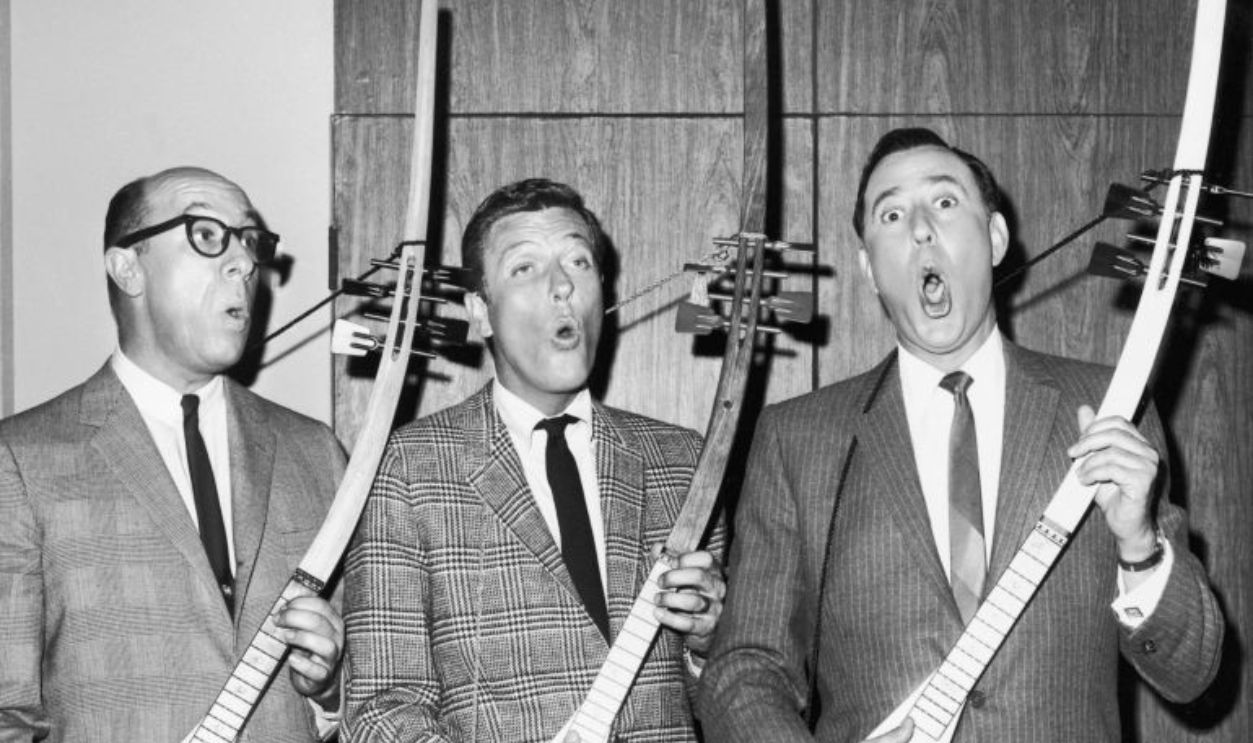
Making a TV show in the 1960s already came with enough challenges, especially with some of the more strict guidelines imposed on studios, but Carl saw fit to add one more to the mix. While he couldn’t ensure it indefinitely, his goal was to create a show that would remain timeless, so he told the writers to avoid any references to current events or slang from that period.
Fortunately, the show would live on for decades—even if there were some updates.
 CBS Photo Archive, Getty Images
26. He Revamped The Series
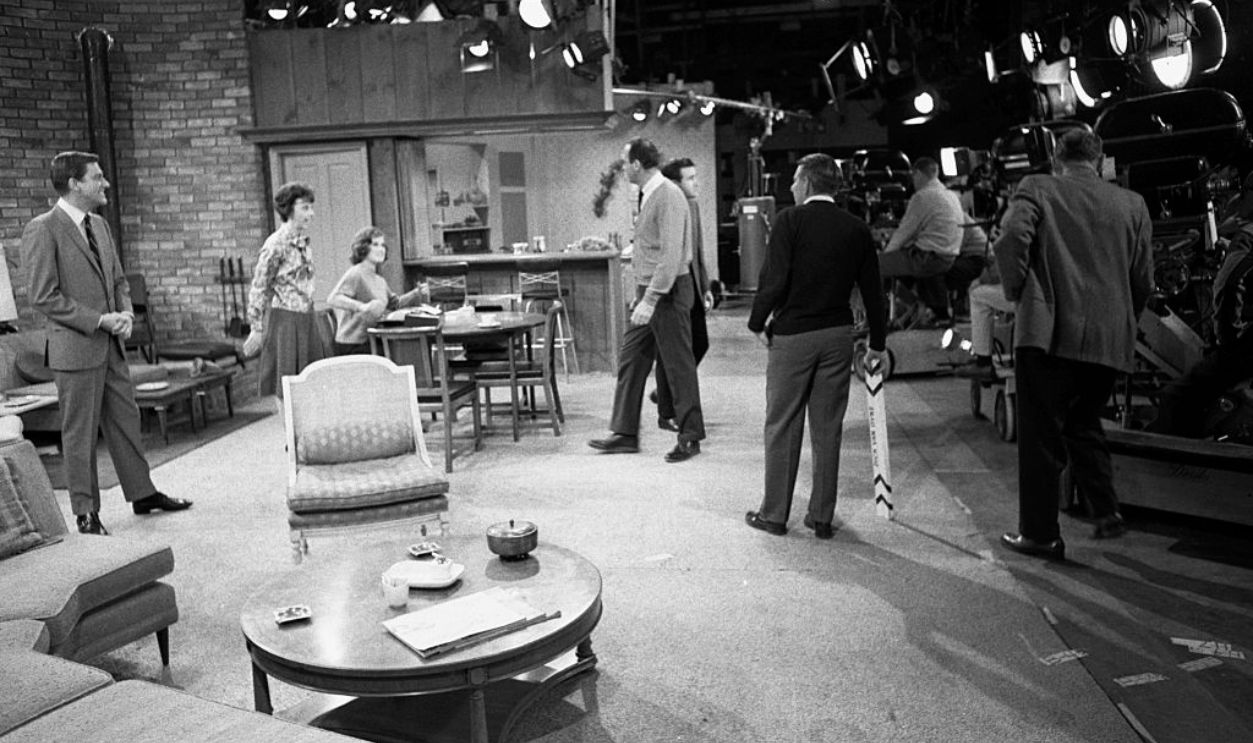
Although The Dick Van Dyke Show ran for about five years and left a wonderful legacy behind it, CBS wanted nothing more than to keep working with its lead, and they already had a concept going. Creating The New Dick Van Dyke Show, they brought back the titular actor, and Carl returned as its showrunner.
Thankfully, he was always willing to lift others up—otherwise, the world wouldn’t have another of its finest comedians.
 Earl Theisen Collection, Getty Images
27. He Helped Another Legend
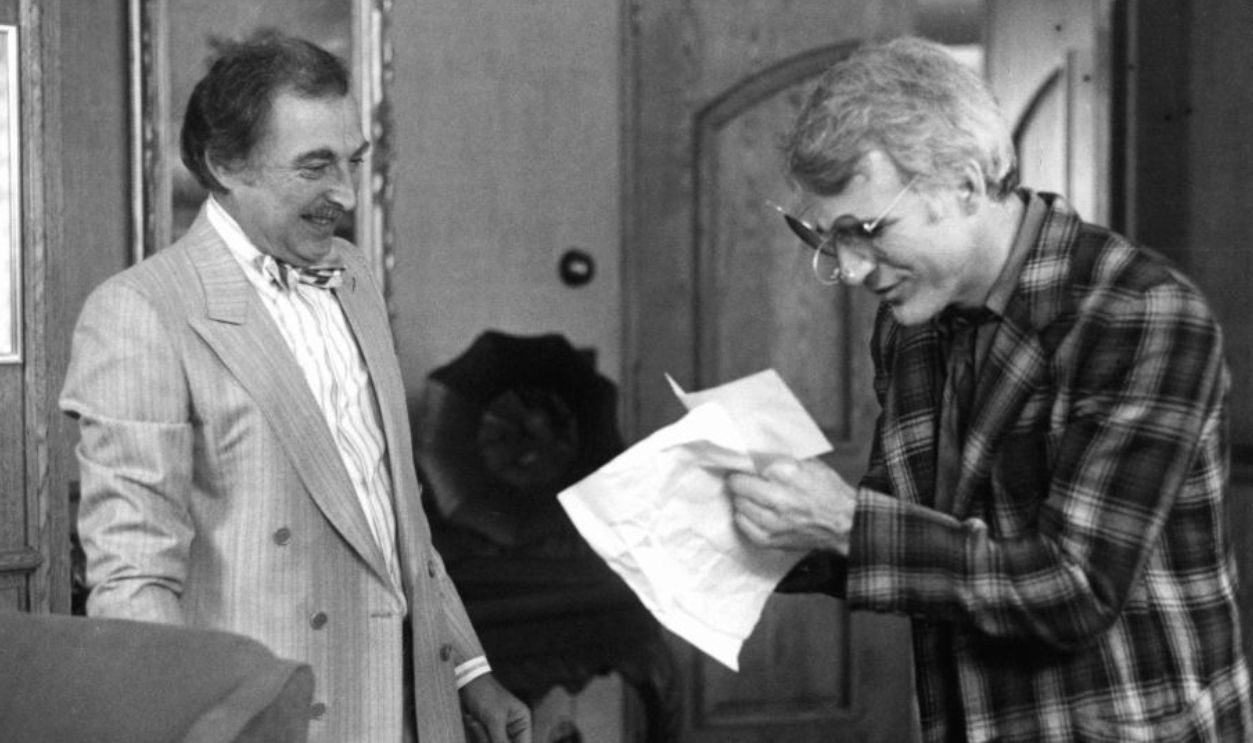
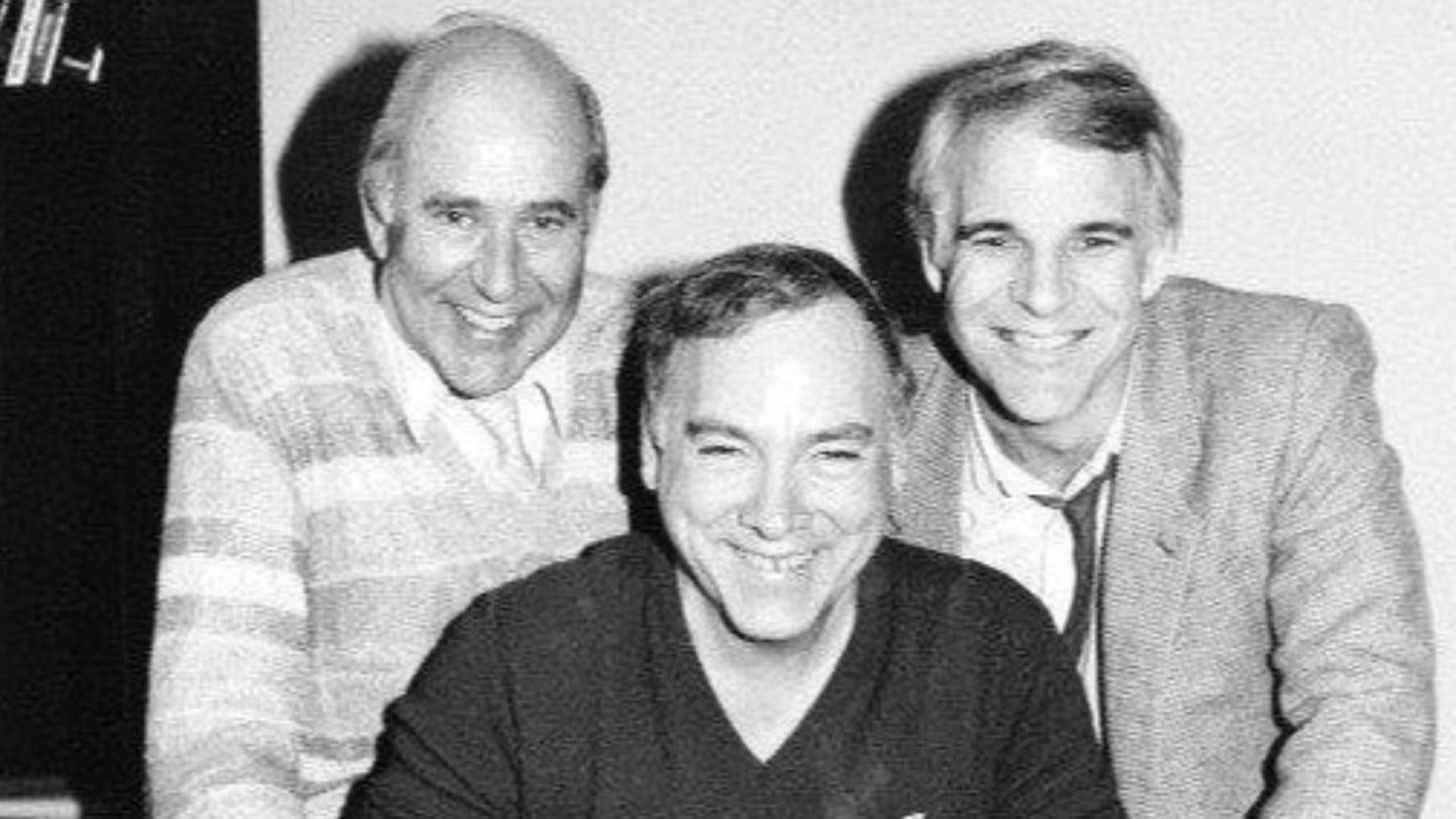
Carl had already been integral in giving some of history’s greatest comedic actors a boost, and as the 1970s came to an end, he was about to do it again. Directing the classic comedy film, The Jerk, Carl helped to kick-start the career of one of America’s favorite funny guys—Steve Martin.
Naturally, everyone working on the film had a lot to say about Carl.
28. They Loved Working There
Although it had been well over a decade since his first hit TV show, it was nice to know that Carl hadn’t lost the friendliness that made him so popular on set, which was evident while filming The Jerk. According to Steve Martin, everyone always ate lunch together and kept what he called “a joyful set,” all thanks to Carl’s influence.
Understandably, Carl and Steve became practically inseparable—though not always by choice.
 Jim Summaria, Wikimedia Commons
29. They Worked Well Together
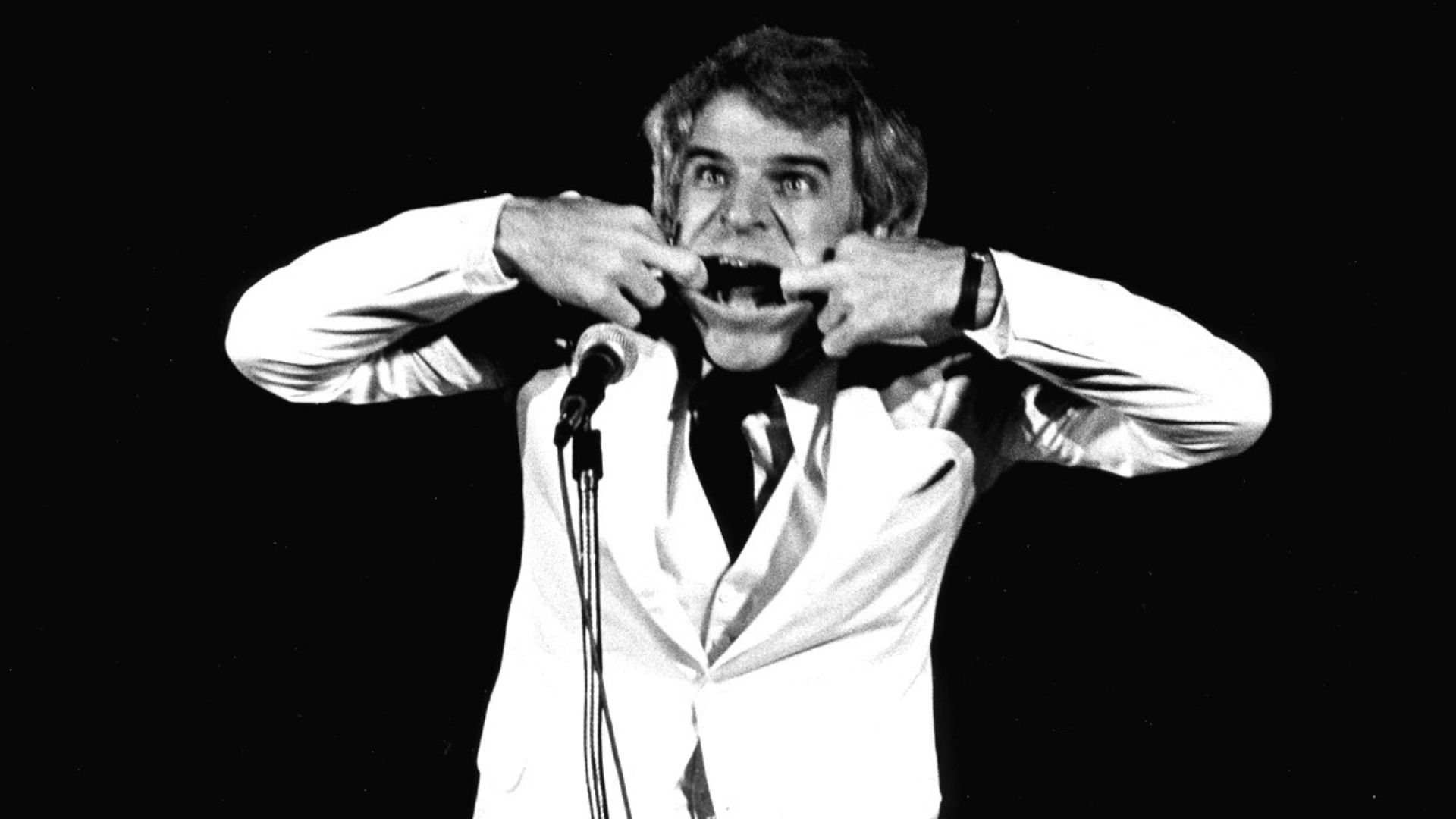
Beyond collaborating on the actor’s debut, Carl and Steve would go on to write several more films together, but it all started with their unique situation while filming The Jerk. As there had been a gas shortage at the time, Carl and Steve always carpooled to and from set, and they spent each commute coming up with new jokes and bits for the movie.
Finally, Carl received the recognition he should have had from the beginning.
 GeorgeDGipe, Wikimedia Commons
30. They Acknowledged Him
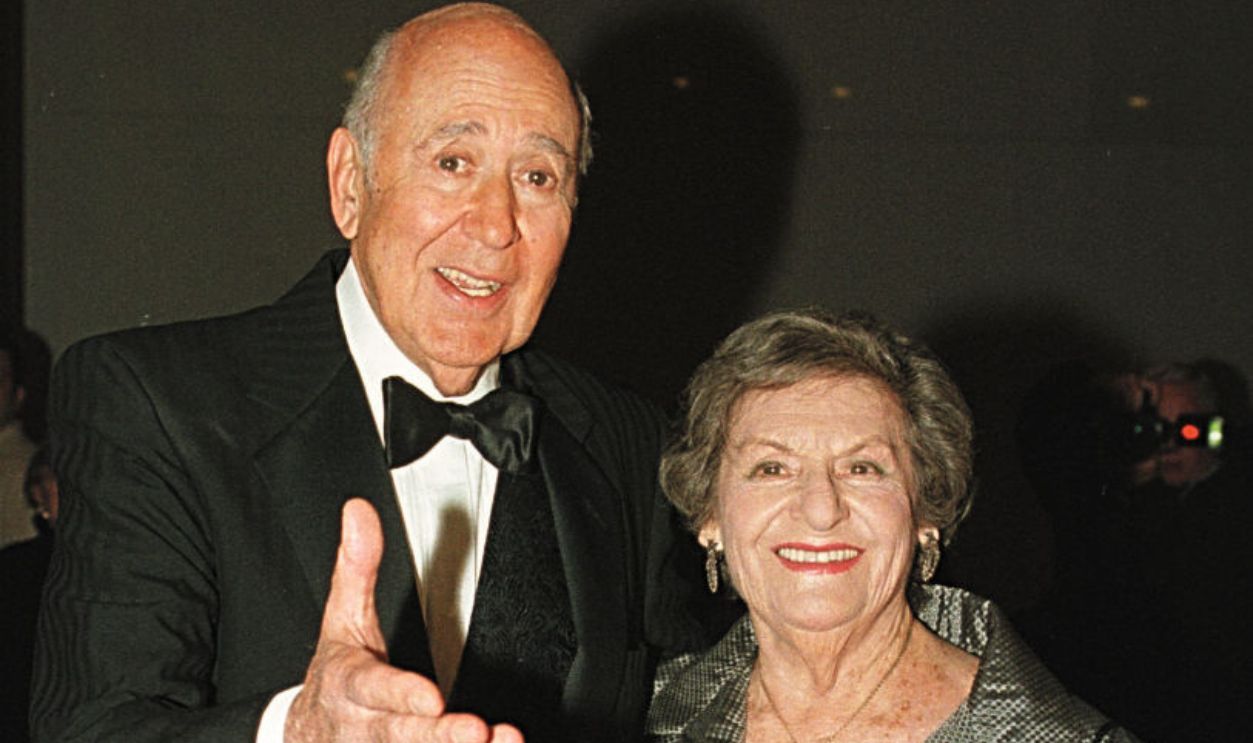
Going from his uncredited sketch work on Your Show of Shows to creating one of the most memorable sitcoms on television, Carl had truly left his mark on the entertainment world, and the rest of the industry knew it. Receiving the Mark Twain Prize for American Humor in 2000, Carl was grateful for both the old and new familiar faces coming out in support, such as Jerry Seinfeld, Mary Tyler Moore, and, of course, Mel Brooks.
Taking more substantial acting roles, he suddenly found himself in one of cinema’s most iconic franchises.
31. He Was In A Trilogy
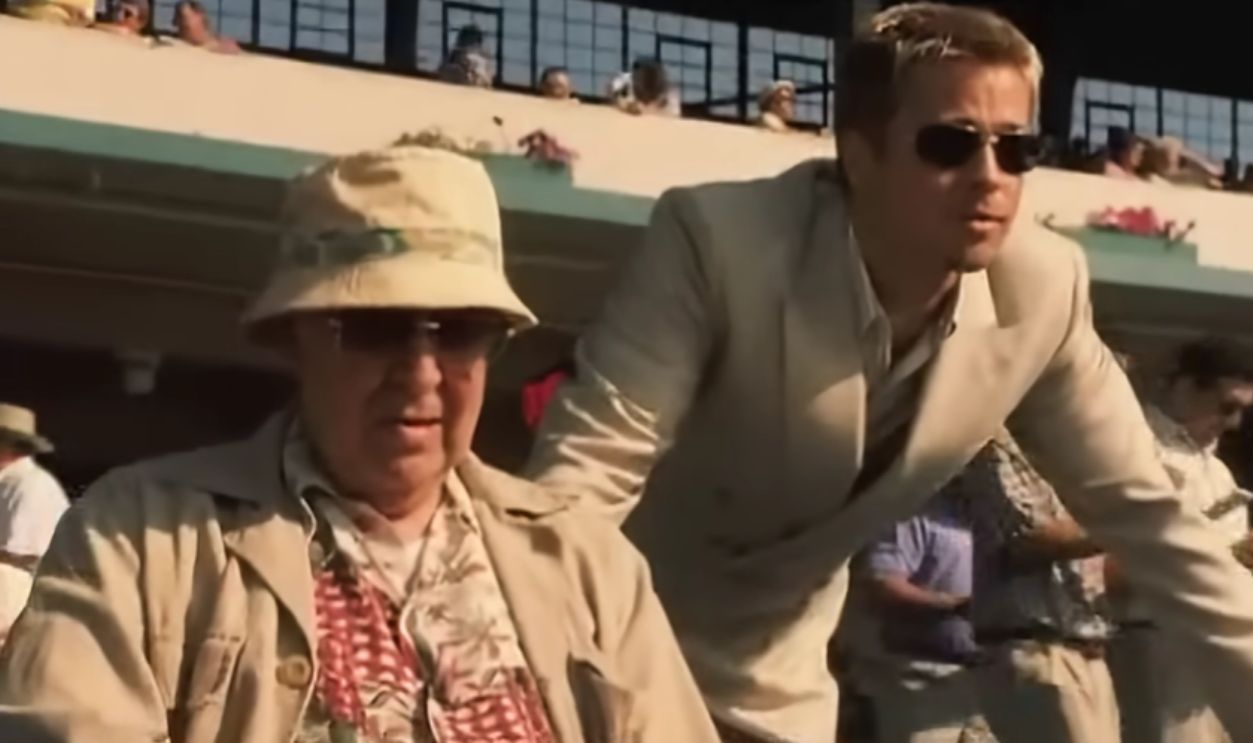
By 2001, Carl was nearing his 80s, but he had no intention of slowing down anytime soon, and proved it by taking a role in that year’s iconic heist movie, Ocean's Eleven. Playing the character of Saul Bloom, this became one of the more uncommon instances of him working solely as an actor, and he was happy to return for both sequels.
However, he hadn’t given the role much thought before taking it—since he had almost no time to at all.
 Screenshot from Ocean's Eleven, Warner Bros. Pictures (2001)
32. He Had Short Notice
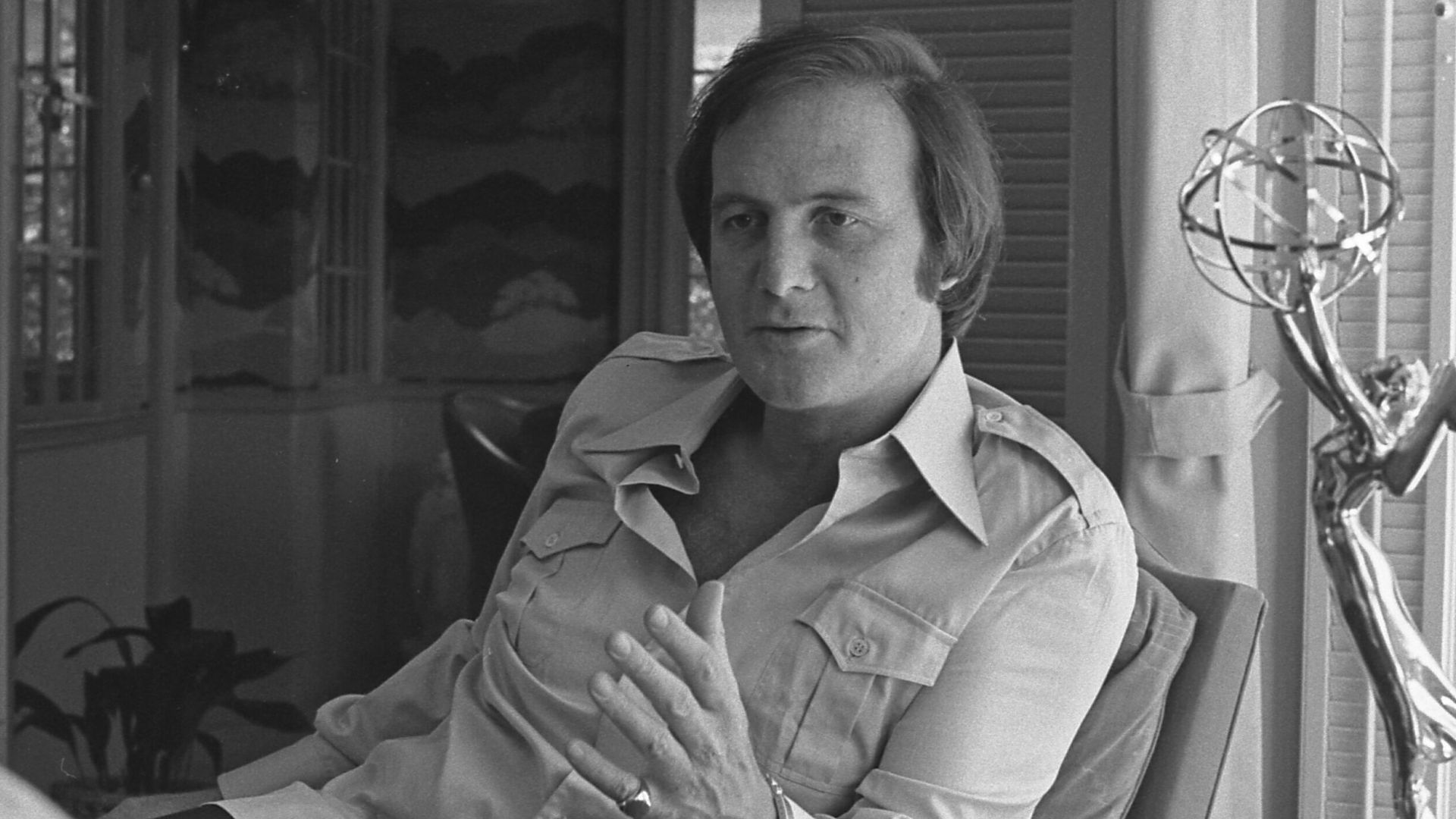
For Ocean’s Eleven producer Jerry Weintraub, casting Saul Bloom hadn’t been one of those situations where he always knew Carl was right for the part, and in fact, he didn’t ask Carl to join until only a few days before filming. Thankfully, the two of them were old friends, so Carl had no qualms about the last-minute request.
Nonetheless, he carried his trademark charm with him onto set—even when it became a problem.
 Los Angeles Times, Wikimedia Commons
33. They All Loved Him
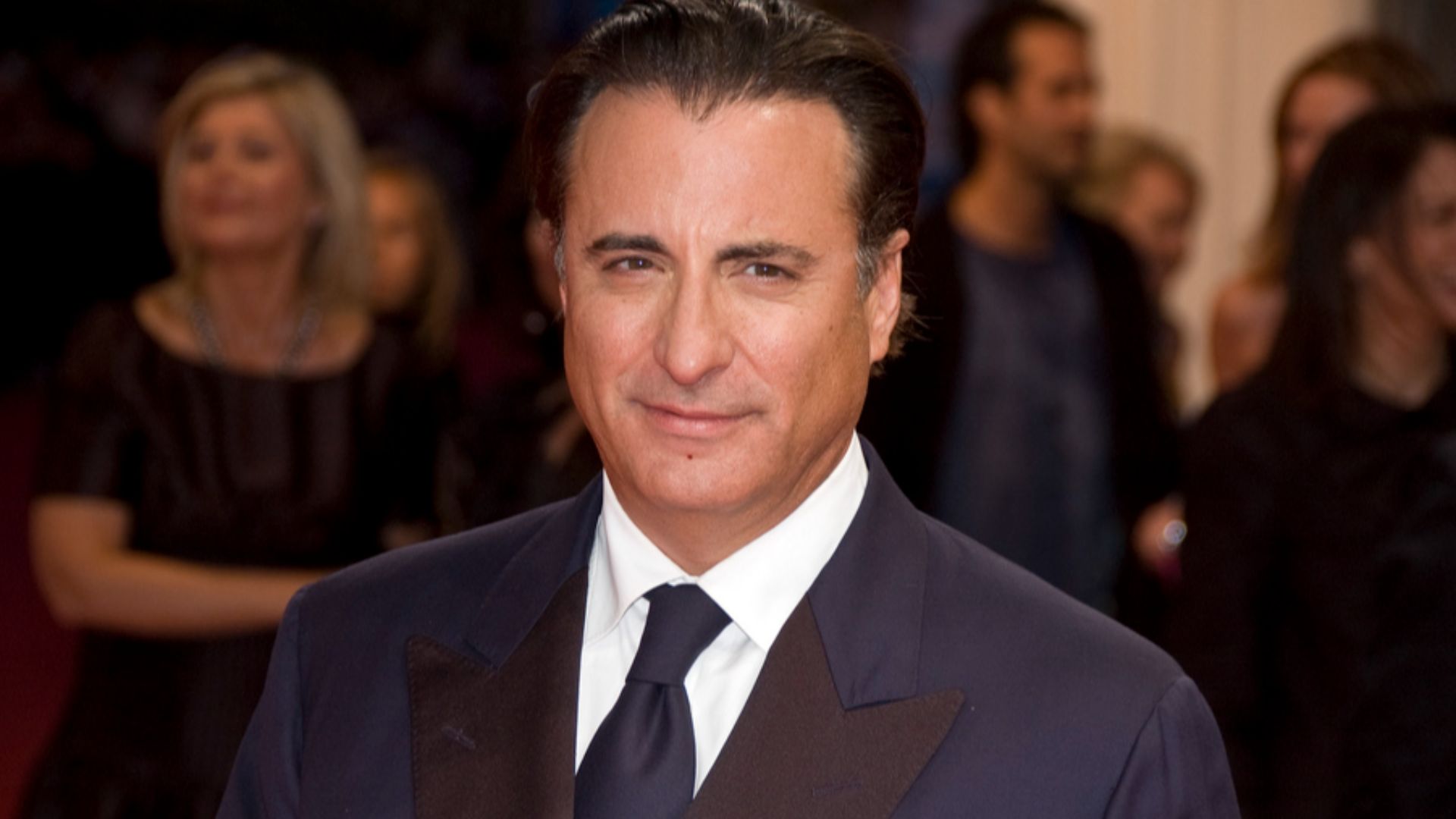
Part of what made Ocean’s Eleven so successful was the chemistry between all the actors, so director Steven Soderbergh encouraged them to spend time together to make this authentic. That was where Carl flourished, and his cast members often came to him for stories from his life, usually resulting in uproarious laughter. Even while filming, actor Andy Garcia admitted that acting with Carl was too challenging because he was just too funny.
His next television project was on the horizon—and this one was much more personal.
 Mireille Ampilhac, Wikimedia Commons
34. He Felt Connected To It
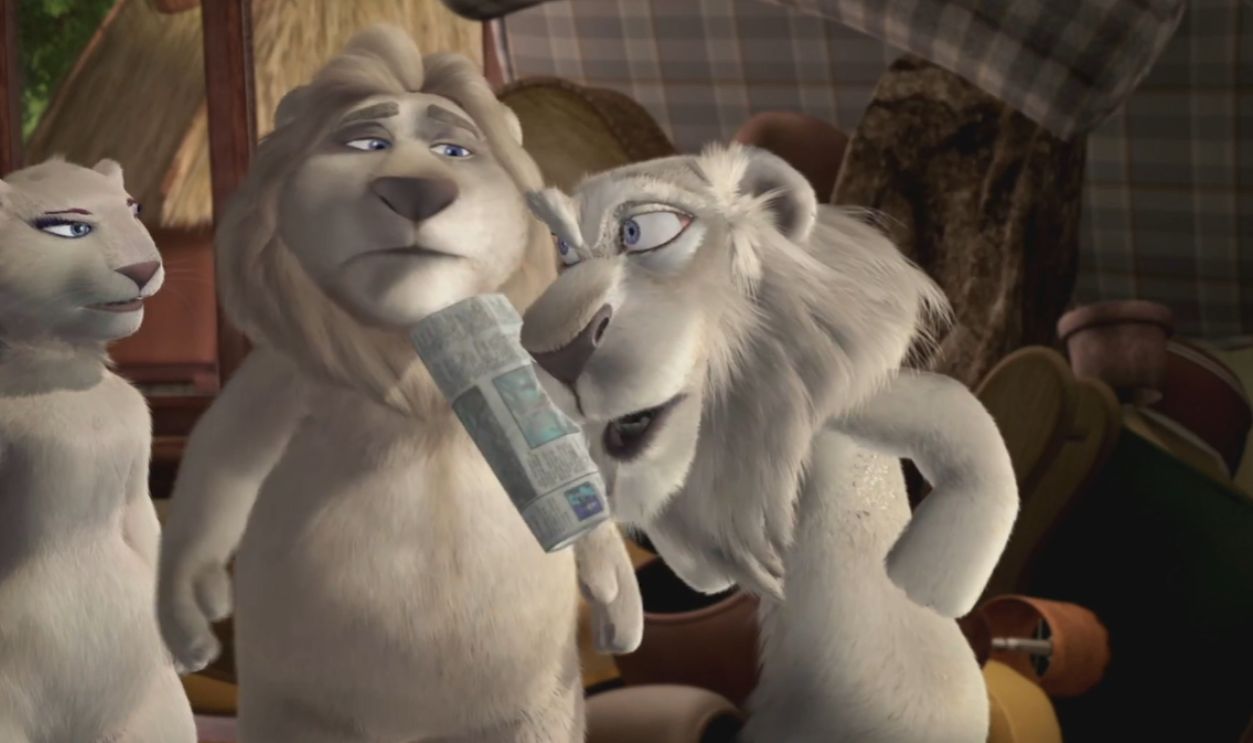
The 2000s had even more in store for Carl, and while the next show he joined may not have been as prestigious as some of his other works, he took endless pride in it. Playing the villain of the story, Carl joined the animated series Father of the Pride about a family of lions, a role he found a special kinship with. He claimed he knew exactly how to play the character since he grew up next to the Bronx Zoo, and watching the lions was a favorite pastime of his.
Even at his age, Carl tried to stay hip to the modern world—but it was all for one important reason.
 Screenshot from Father of the Pride, NBC (2004-2005)
35. He Wanted To Say In Touch
While Carl always kept busy with acting and directing jobs, he was careful not to let other priorities fall to the back burner, especially after he lost his wife in 2008. Ensuring that his loved ones knew he was always there for them, he even joined Twitter in 2012 specifically to connect with his grandson, Jake. As a result, he later became the oldest active celebrity on the platform at 98 years old.
Needless to say, he was a family man—a fact he would soon etch in stone.
36. They Left Their Marks
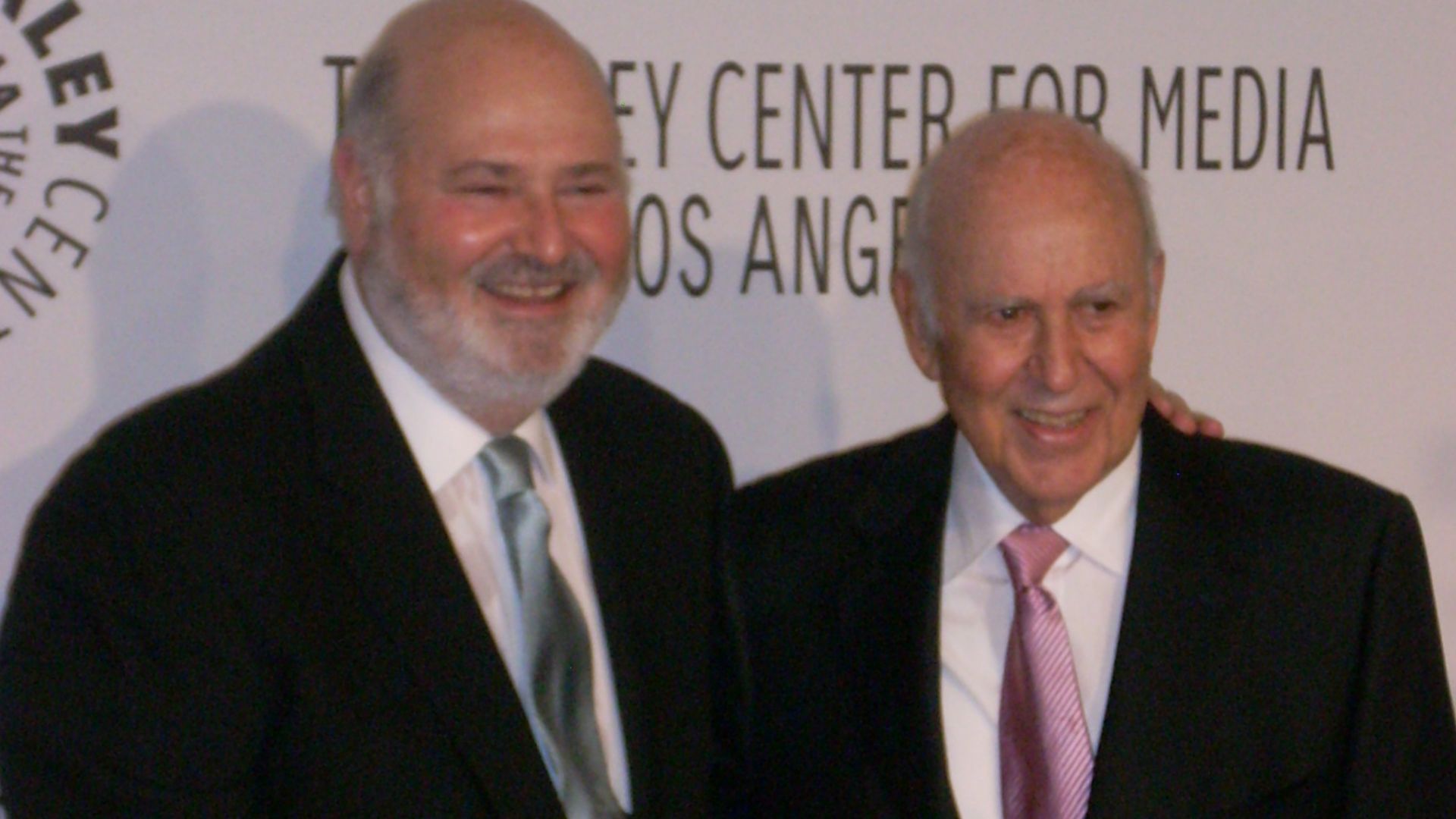
By this point, Carl’s eldest son, Rob Reiner, had long since become just as iconic as the senior filmmaker, so it was only fitting that the two immortalize their legacies together in 2017. As many other celebrities did before and after, both Carl and Rob added their handprints and footprints to the concrete outside Grauman's Chinese Theater, becoming the first father-son duo to do so.
While he never stopped being a family man, one friendship became just as strong.
 Kristin Dos Santos, Wikimedia Commons
37. He Invited Him Over
Constantly trying to stay active in his 90s, Carl worked with a lot of entertainers as the years wore on, and even appeared on Jerry Seinfeld’s Comedians in Cars Getting Coffee. Speaking about his long and storied career, Carl mentioned that he and Mel Brooks had kept their friendship alive all this time, going so far as to ask Jerry if he wanted to come over for dinner with the two of them.
While this was a distinguished invite, it wasn’t exactly once-in-a-lifetime.
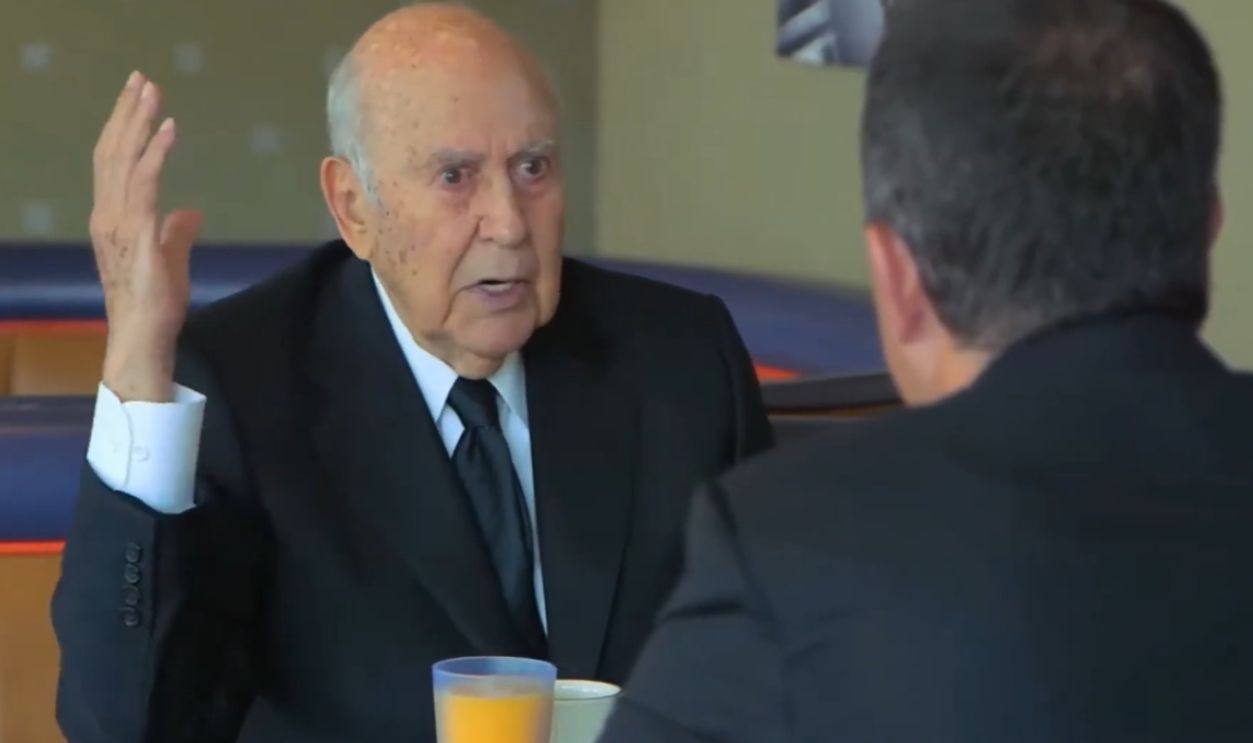 Screenshot from Comedians in Cars Getting Coffee, Netflix (2012-2017)
38. They Hung Out Every Day
Just because Carl was intent on working for as long as he could, it didn’t mean he was against having downtime, and in fact, it was of the utmost importance to him and Mel. The two of them had a long-standing routine where, every night, Mel would come over to Carl’s place for dinner, after which they would watch Jeopardy! and movies.
These hangouts weren’t as relaxed as one might expect—the two men took their films very seriously.
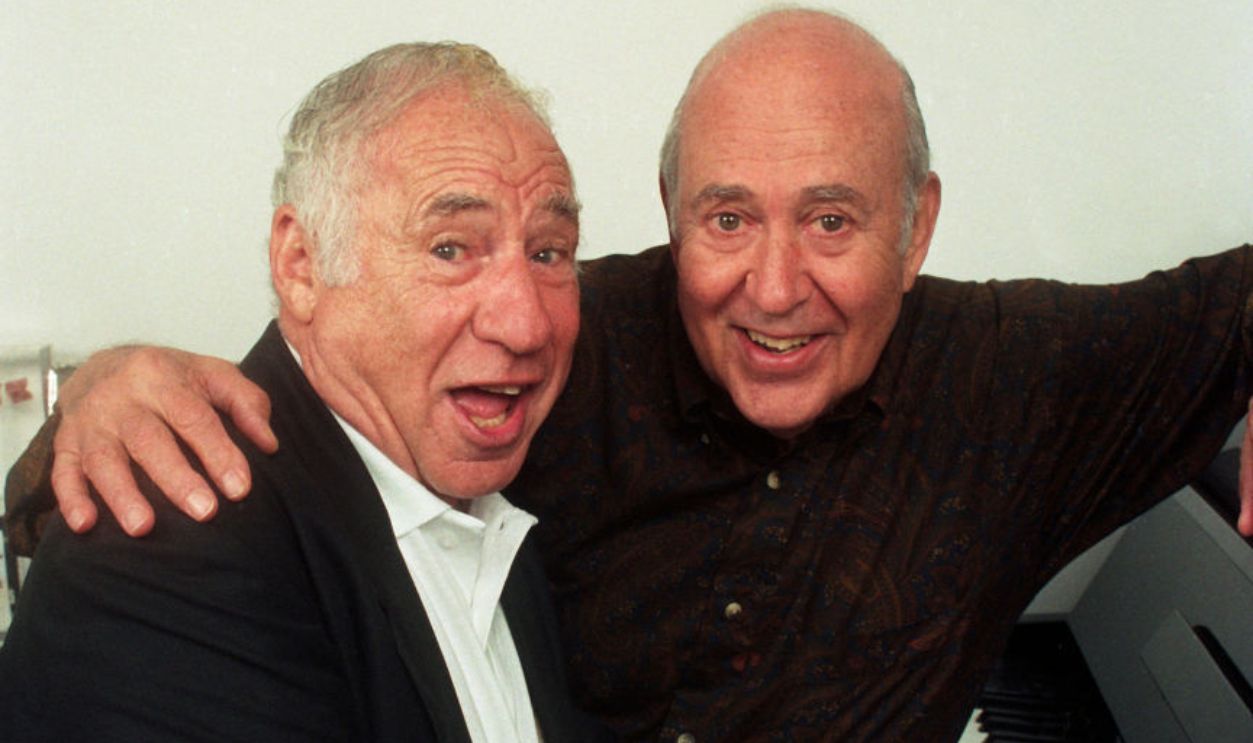
39. They Had Strict Rules
After lifetimes in the film and television industry, both Carl and Mel had not only seen many of the movies airing on TV, but they also knew exactly what kinds they liked. According to Carl, whenever it came to their nightly watch party, the rule was that the film had to include one of two lines, either “Secure the perimeter!” or “Get some rest”.
Unfortunately, it would only be so long before their time together ran out.
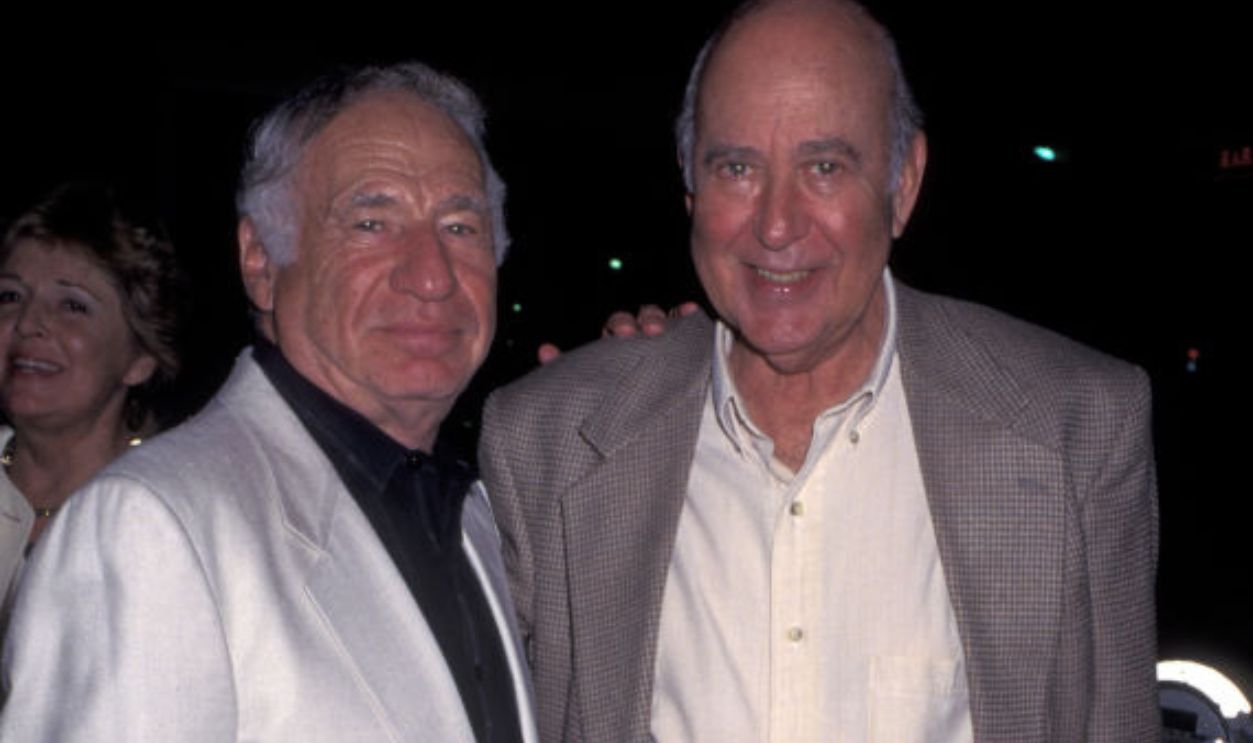 Ron Galella, Ltd., Getty Images
40. They Celebrated Together
Like they had every day for years, Carl invited Mel over on June 28, 2020, but this was no ordinary day—it was Mel’s birthday. The legendary comic was turning 94 and spent the day celebrating with his friends and family, but after all was said and done, he and Carl settled in for their usual routine.
All in all, Carl had enjoyed a beautiful night with his friend—even if it would be one of his last.
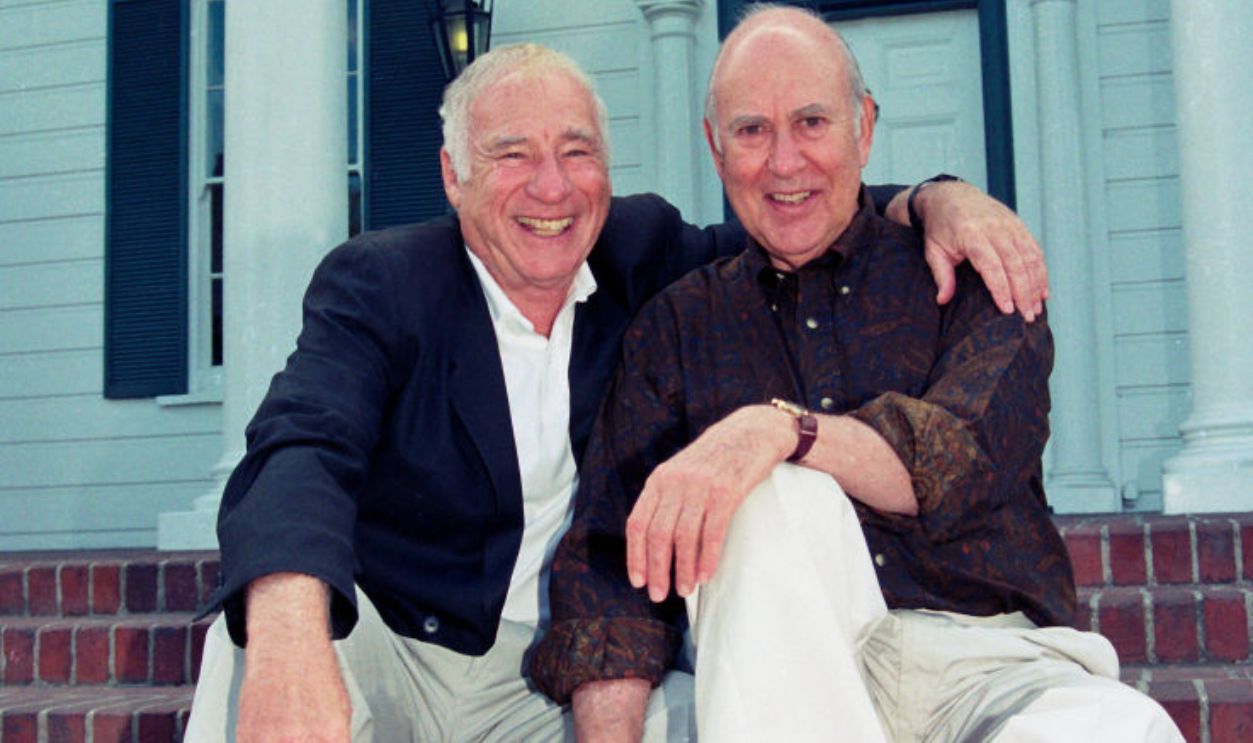
41. He Was Having A Good Day
After Mel’s birthday, Carl woke up to what seemed like a completely normal day, and he was even able to see some family, as his nephew, George Shapiro, recalled that he had been in a good mood. Of course, once the day wound down into the evening, he had Mel over again for dinner and movies.
In a bittersweet twist, this served as a fitting sendoff as his story came to an end.
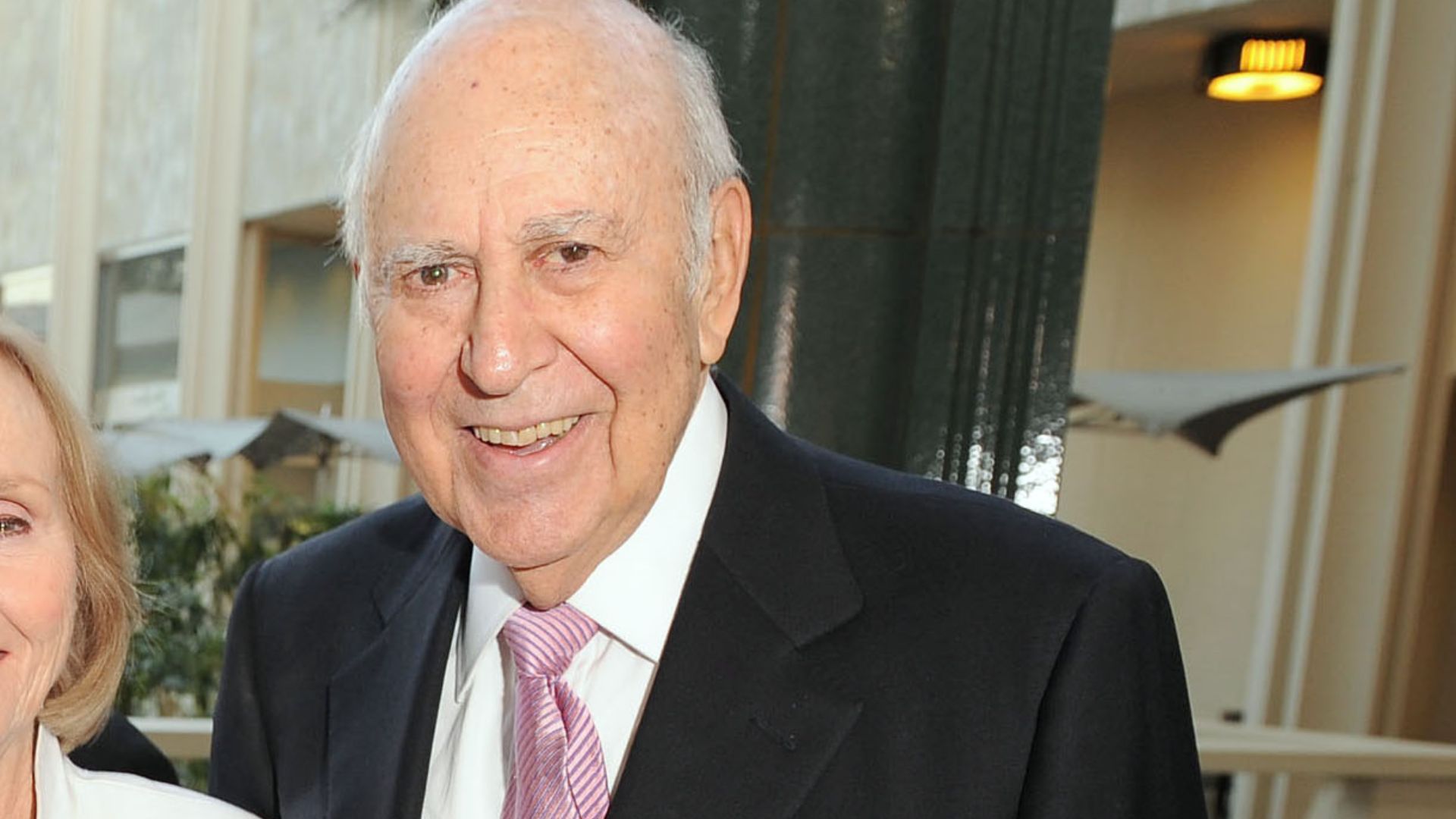 Canadian Film Centre from Toronto, Canada, Wikimedia Commons
42. He Passed Out
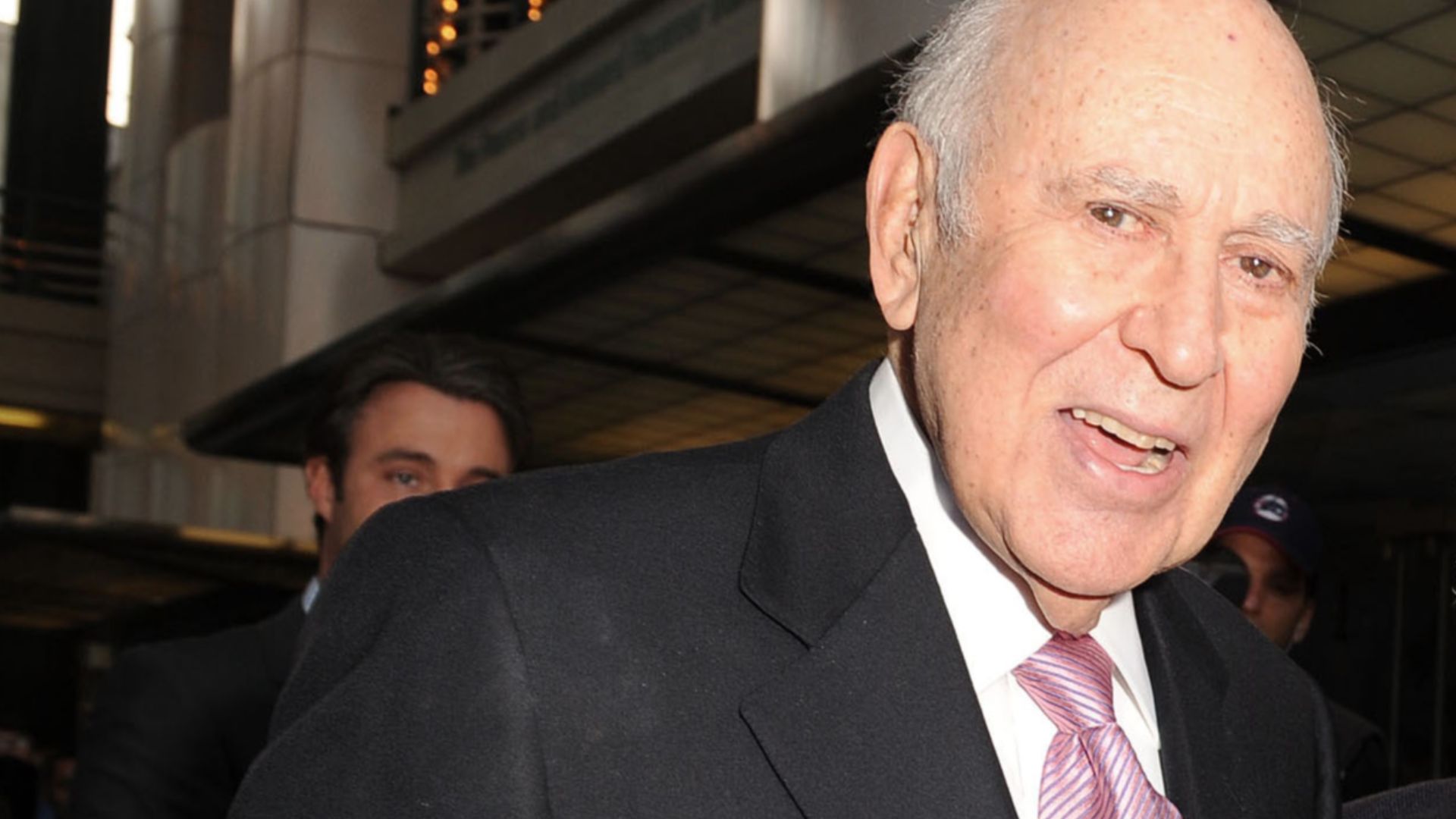
Spending another perfect evening with Mel as normal, Carl seemed totally fine until around 10 pm, when his walking suddenly became unsteady. With the help of his housekeeper, Carl tried to keep moving, but he soon collapsed and fell unconscious. Sadly, little could be done for him at his age, and it wasn’t long before he took his last breath.
Naturally, this was quite a shock for the industry—and no one was quiet about it.
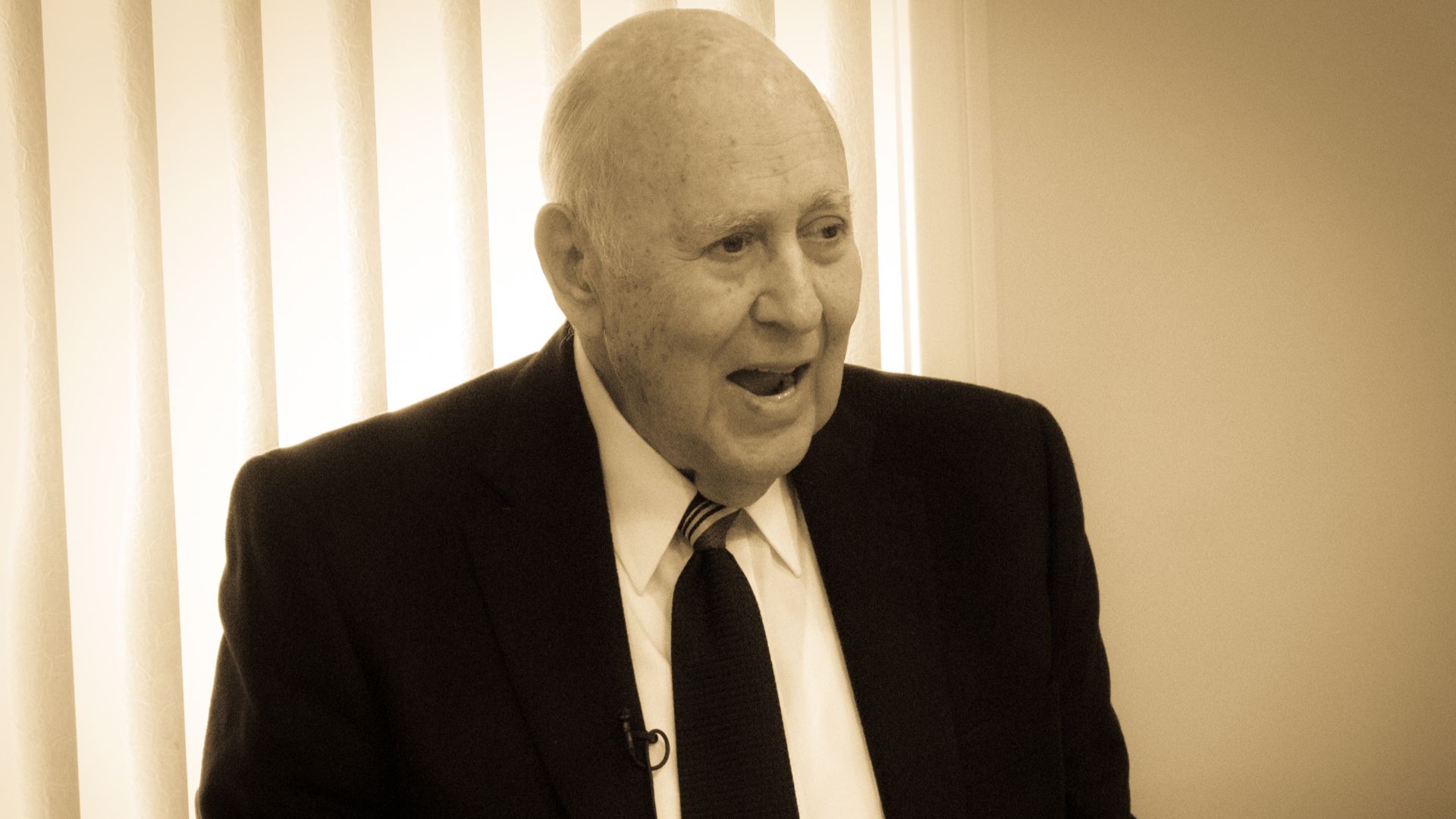 Louise Palanker from Los Angeles/Santa Barbara, USA, Wikimedia Commons
43. They All Honored Him
The passing of Carl Reiner hit the film and television worlds like a wrecking ball, and thousands of people took to the internet to send their condolences and give him a proper farewell. Obviously, the most heartwrenching of these came from his children and Mel, but many others spoke up as a reminder of how many lives he had touched, including Steve Martin and Carol Burnett.
Many recalled how kind and loving he was—something that was clear whenever he spoke about the woman he had lost.
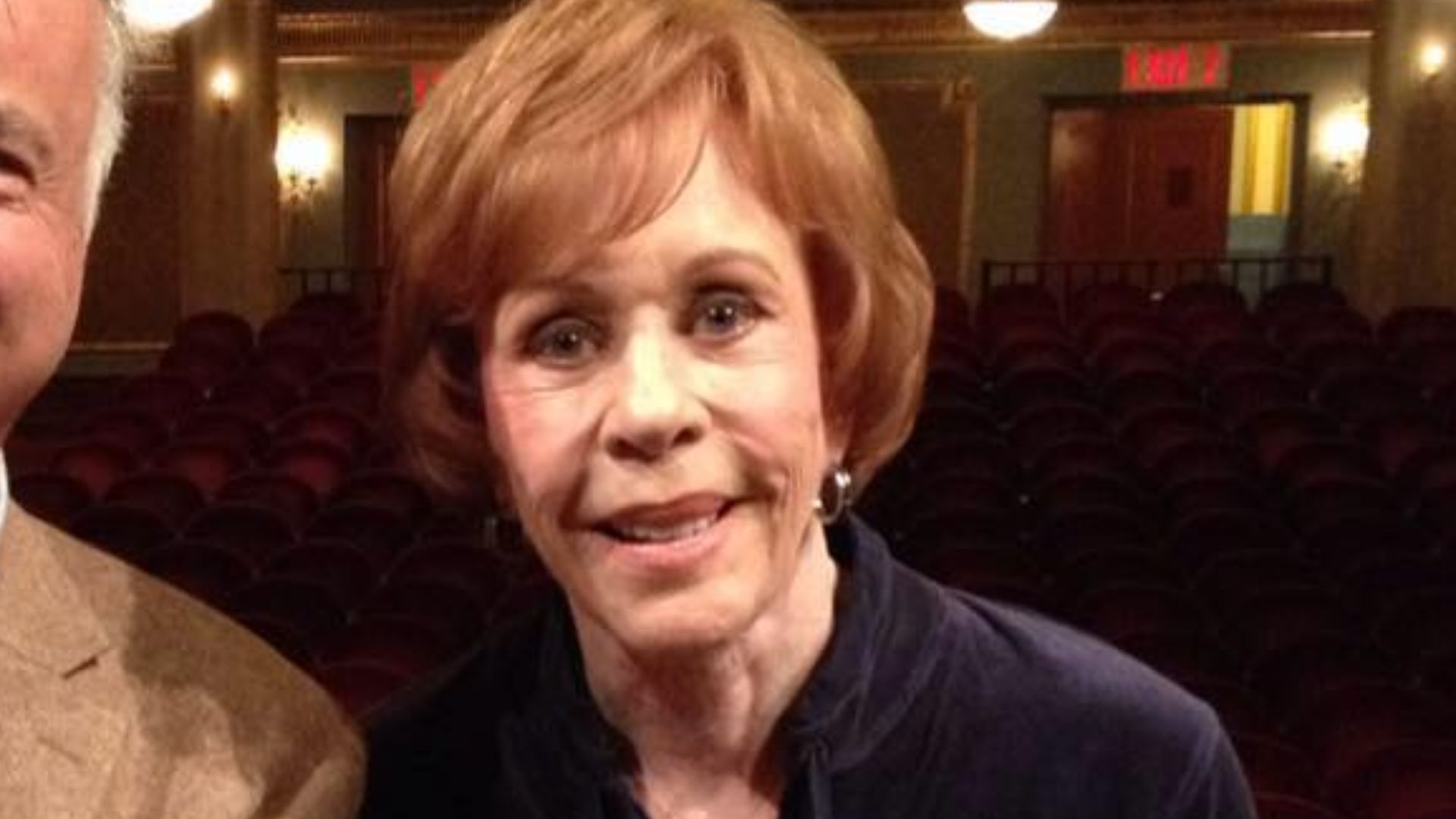
44. He Talked About Her
Carl loved to be in the public eye, and while he could have spent his last interview discussing his career or his directing style, he chose to speak about someone more important. Appearing on the web show, Dispatches From Quarantine, Carl raved about his late wife Estelle, explaining when they met and praising her.
Rather than face retirement, Carl took acting jobs right until his passing—one of which had an extra special connection.
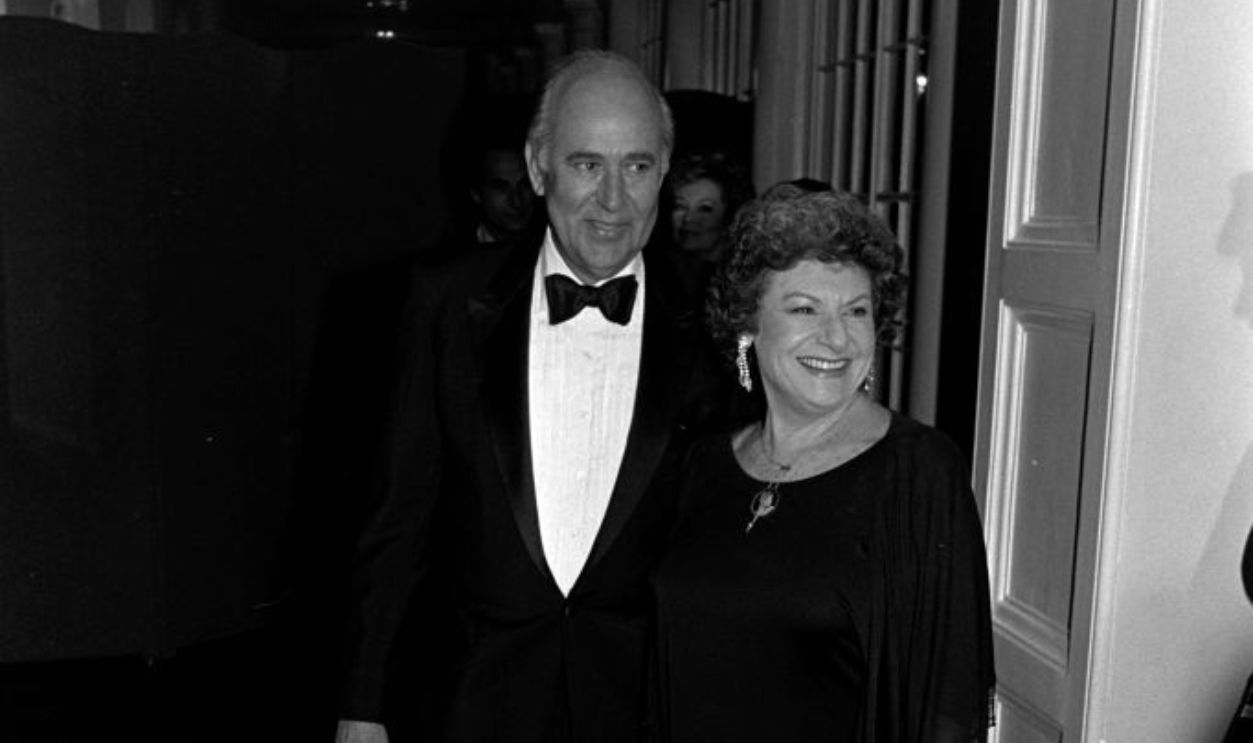
45. He Joined A Project
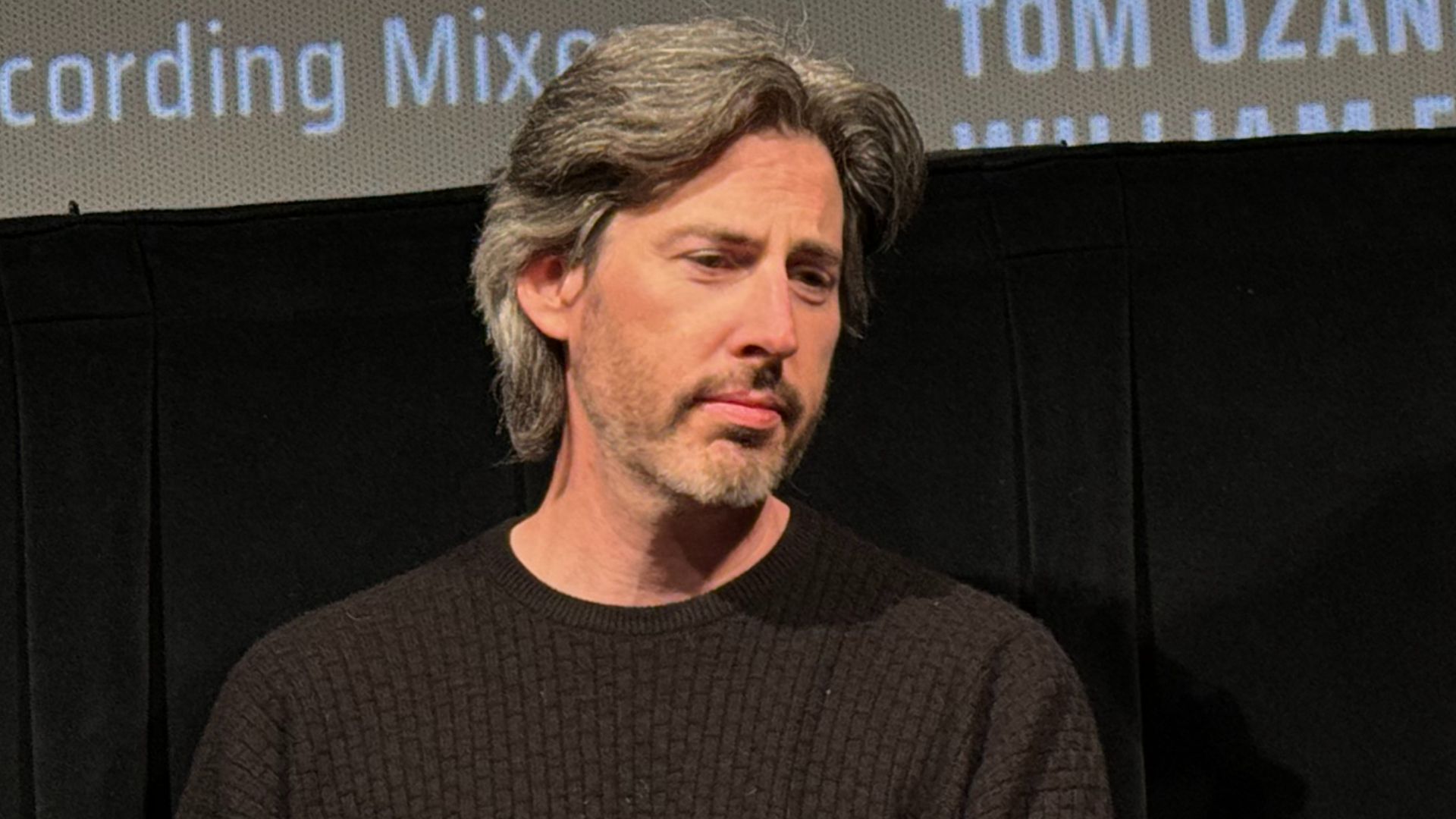
Carl had spent his life trying to lift people’s spirits, which became all the more necessary during the COVID-19 pandemic. As a means to raise money for charity, director Jason Reitman enlisted the help of several celebrities to recreate a classic film from the comfort of their own homes. This would eventually become Home Movie: The Princess Bride, and since his son had directed the original film, Carl was naturally on board to help.
Not only that, but he finally got to work with one of his favorite actors in the world.
 Jennifer 8. Lee, Wikimedia Commons
46. They Shared A Scene
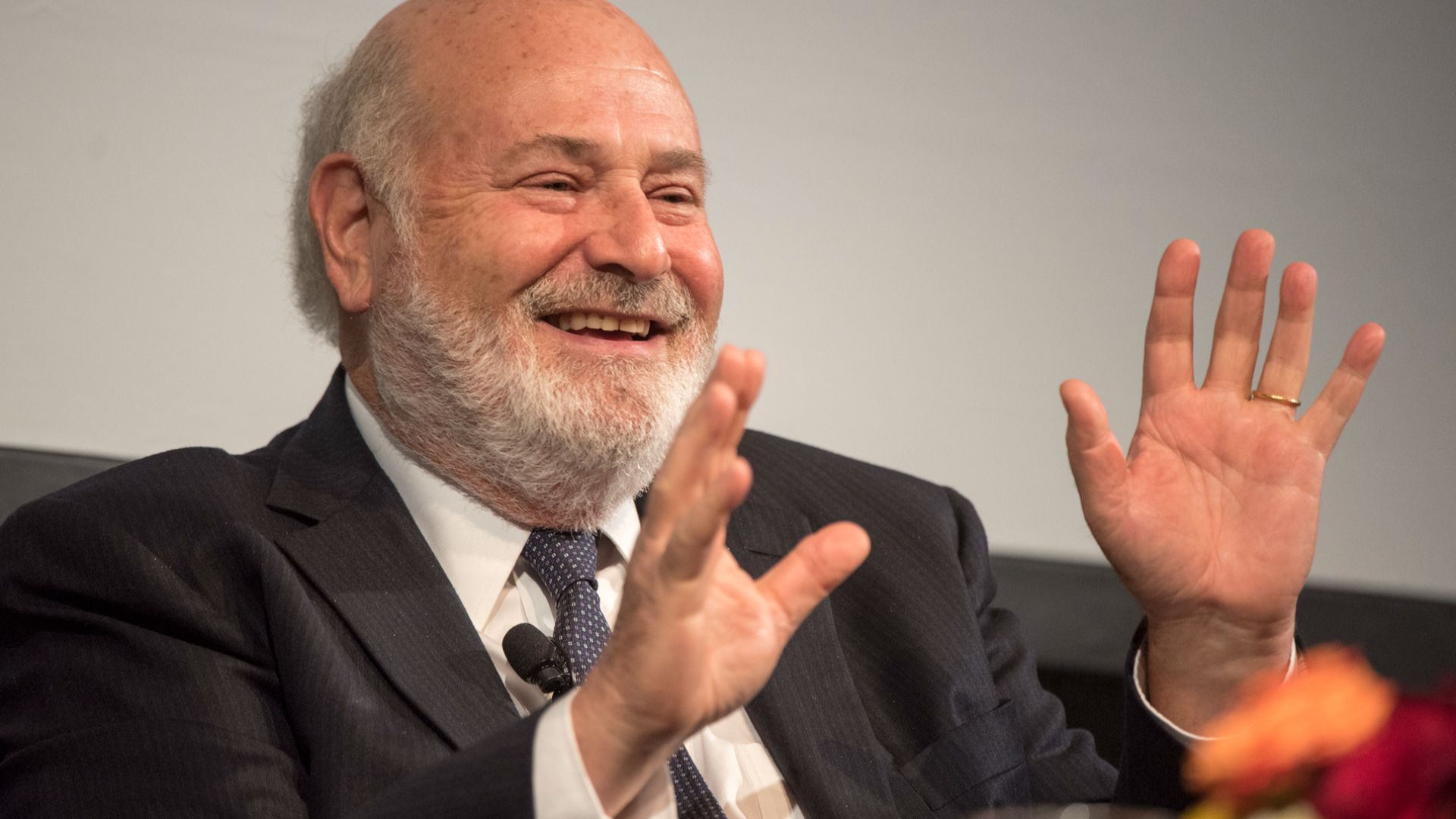
Despite both becoming titans of the entertainment industry, Carl and his son Rob didn’t collaborate on many projects, but one at the end of his life was enough. Since Rob directed The Princess Bride, Jason Reitman chose him to play the grandson in the final scene of the home movie—opposite Carl as his grandfather.
Despite being such a short scene, Carl put his all into it—only for it to be nearly scrapped.
47. They Gave The Okay
In a strange twist of fate, Home Movie: The Princess Bride would be the last time Carl performed on screen, as he ended up passing just three days after he shot his scene. Wanting to respect his memory and his family’s wishes, Jason Reitman reached out to the Reiners and offered to replace the scene. However, they thought it was an appropriate tribute to him and gave their blessing to keep it in the film.
However, Carl’s family would face even more tragedy due to one shocking moment years later.
 Canadian Film Centre from Toronto, Canada, Wikimedia Commons
48. She Checked On Them
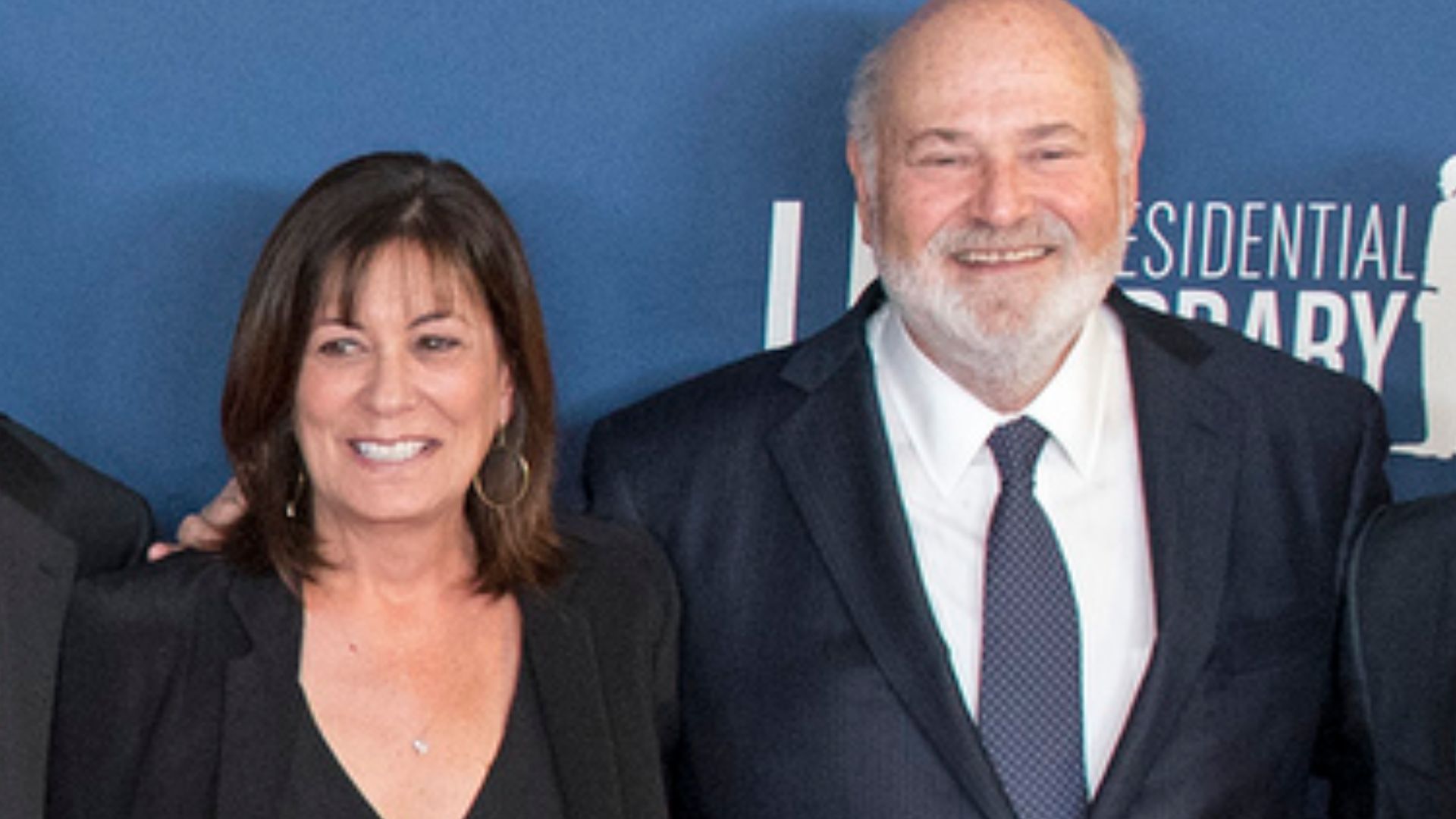
Unfortunately, grief hadn’t finished with the Reiners, and on one dreadful day in 2025, they learned of an atrocity that had come from within their own family. On December 14, Carl Reiner’s granddaughter, Romy, received a call from her parents’ massage therapist, who said that Rob and Michele had failed to show up for their appointment.
But the truth behind their absence was a downright nightmare.
 LBJ Library, Wikimedia Commons
49. His Son Didn't Make It
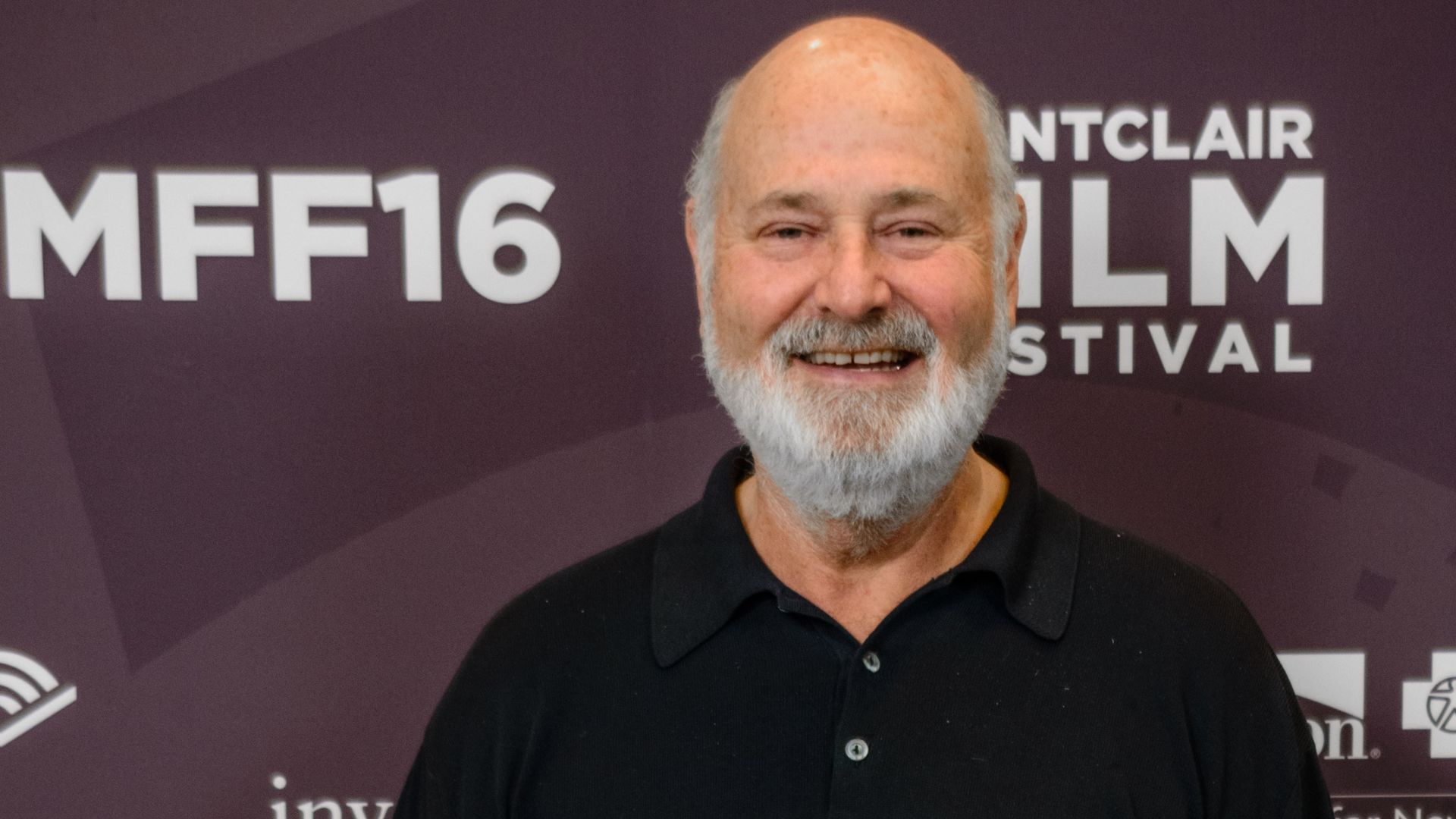
When Romy arrived at her parents' house to see if they were okay, she made a terrible discovery. She found the body of her father, Rob Reiner, bearing several stab wounds. Sadly, all signs pointed to one suspect—and it was no stranger.
 Montclair Film, Wikimedia Commons
50. They Were Having Issues
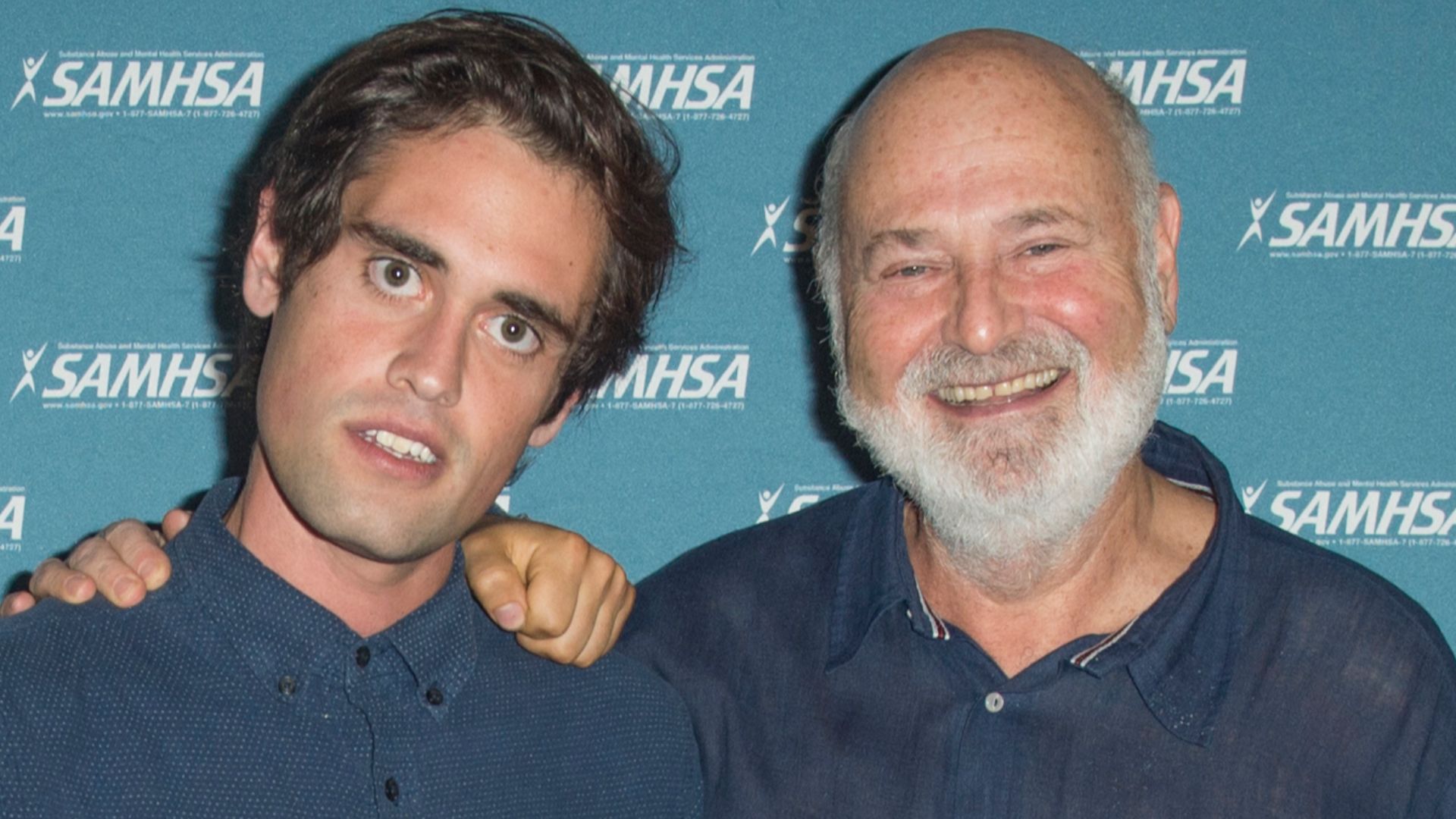
As the nightmare continued, authorities found Rob’s wife in a similarly horrific condition, and they had an idea who was behind it. Rob’s son, Nick, had accompanied him to a Christmas party the night before, where guests reported that Nick was acting erratically, leading to an explosive argument between him and Rob.
This was all the authorities needed, and they took Nick into custody, charging him with taking the lives of both his mother and father. Years before this, though, Carl’s final official role held even more weight—and it didn’t disappoint.
 SAMHSA from Rockville, Wikimedia Commons
51. He Gave His Love
At the core of everything he did in life, Carl Reiner loved his family, and audiences felt that quality throughout his works as a writer, director, and actor. Shockingly, his final on-screen line reflected exactly who he was, even if Jason Reitman never intended it to be the perfect epitaph.
In the film, as his character says goodbye to Rob’s, he leaves him with a line that means “I love you” in the story of The Princess Bride—“As you wish”.
You May Also Like:
Troy Donahue, The Superstar Who Faded Fast