
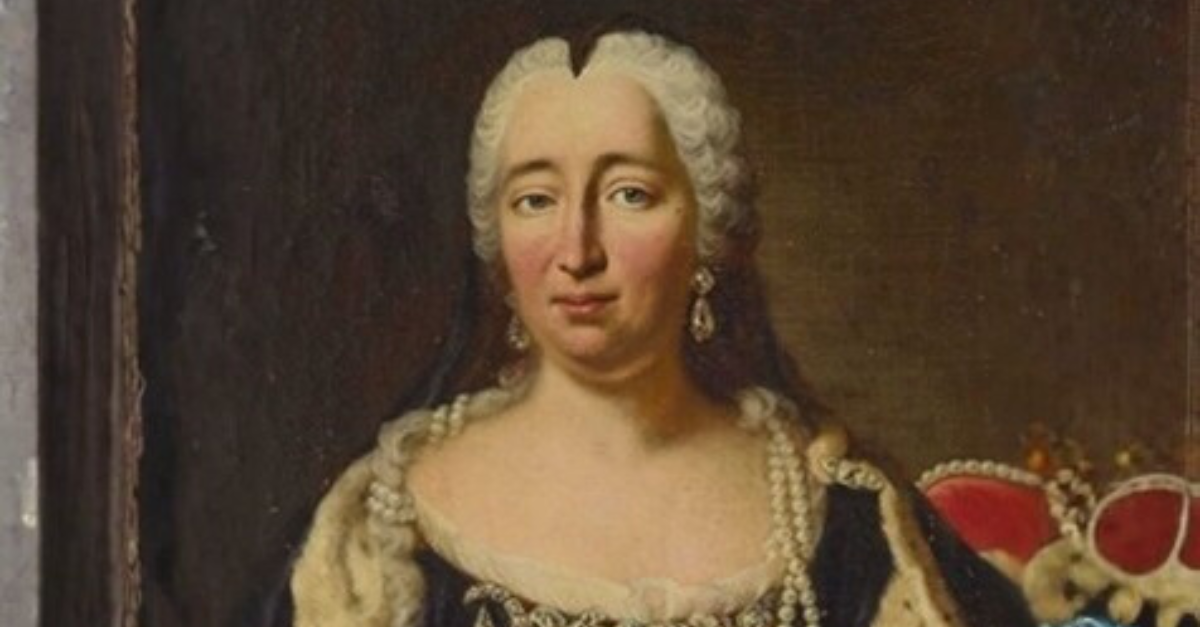
The Queen Who Wouldn’t Leave
Maria Anna of Neuburg became the second wife of Charles II of Spain for one very specific reason: the women in her family had a famous reputation for being incredibly fertile. With the Spanish throne in desperate need of an heir, she seemed like the perfect solution. But when Maria Anna failed to produce the long-awaited child, the queen who was supposed to secure the dynasty suddenly found herself fighting to keep her place in the royal court.
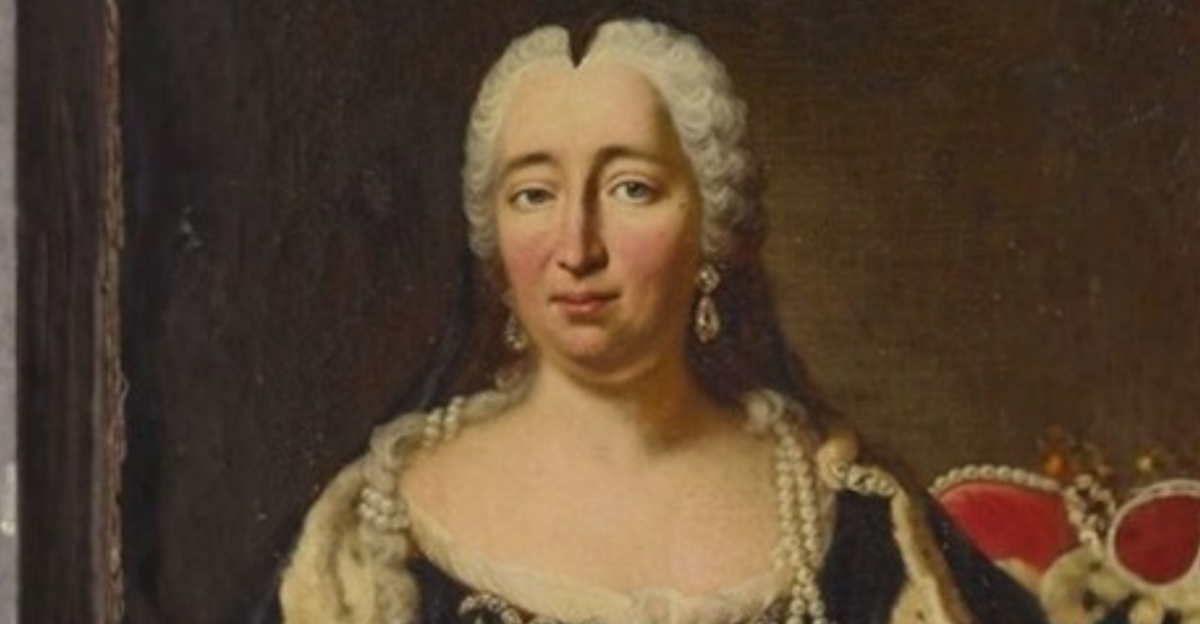
1. It Was A Full House
Maria Anna of Neuburg was born in Germany, very close to Düsseldorf, at the Benrath Palace on October 28th of 1667. Her parents were Phillip William, who was the ruler of the duchies of Berg and Jülich, and Elisabeth Amalie of Hesse-Darmstadt. Maria was the 12th child of this couple, and four more followed.
This proved the start of her legend, as having so many children sent a particularly noticeable message to other royal families.
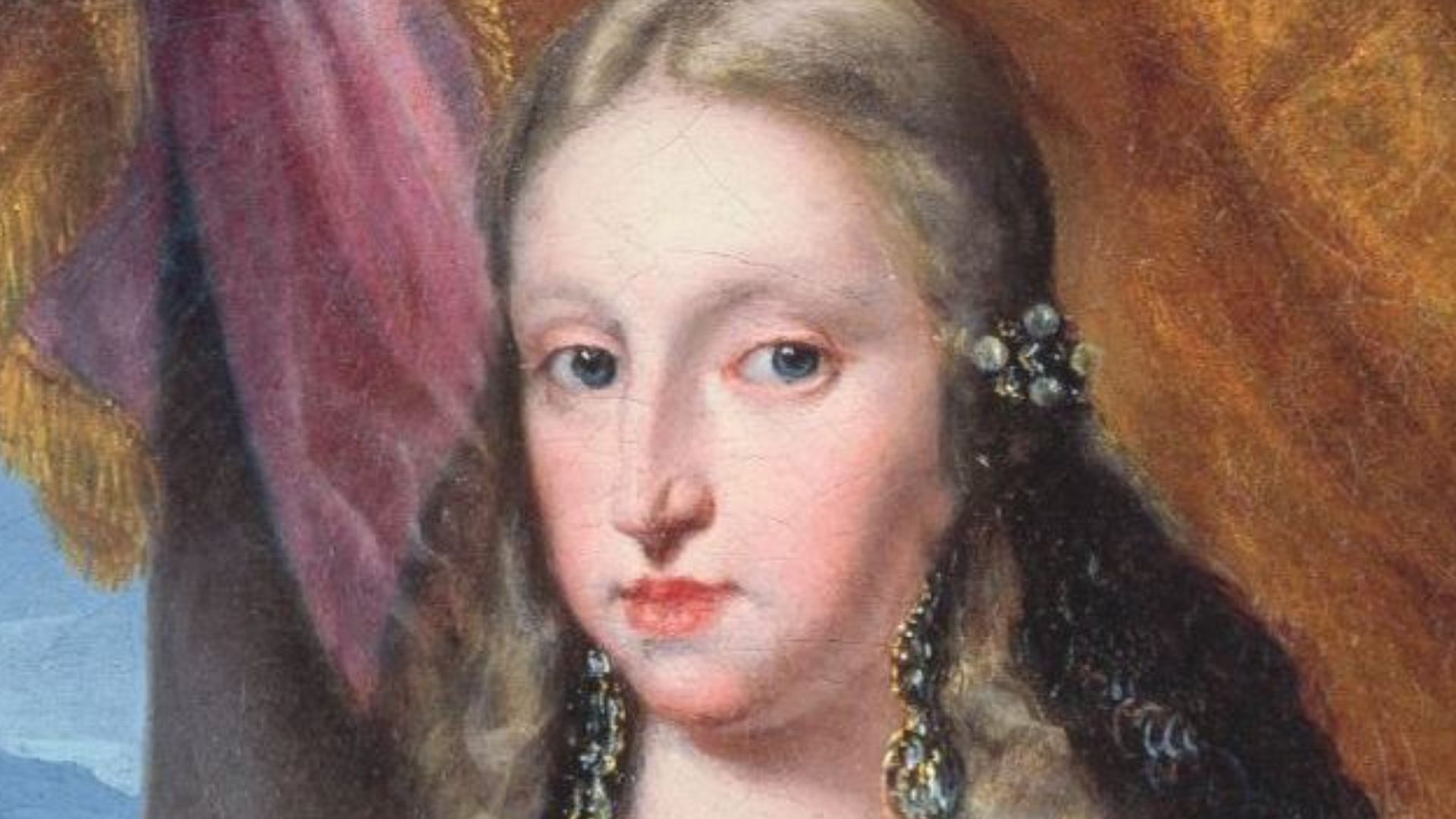 Attributed to Jan van Kessel the Younger, Wikimedia Commons
2. She Was Royal Material
Having so many children running around the place said one thing. This family was good at reproducing. This meant that the daughters of this couple would be a hot commodity for other royal families. Especially those who were having trouble having kids.
But these daughters were more than just potential mothers...
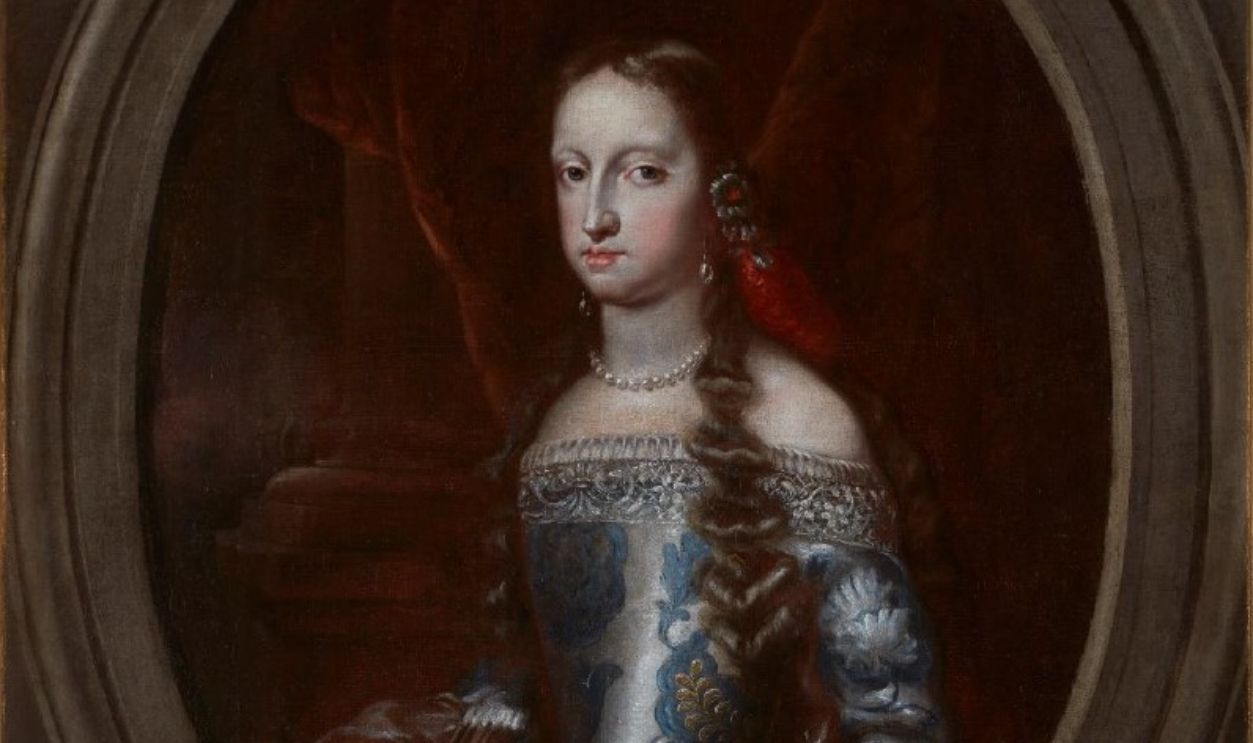 Attributed to Jan van Kessel the Younger, Wikimedia Commons
3. They Had Good Genes
Maria Anna of Neuburg and her sisters had a reputation as potential bearers of children, but they were so much more. You see, they came from the Wittelsbach family, and this was a plus as well. This family was a dynasty that had ruled in Bavaria. And as we know, royal families like to find their mates from other royal families.
But, luckily for Maria Anna, there was more than just good genes here.
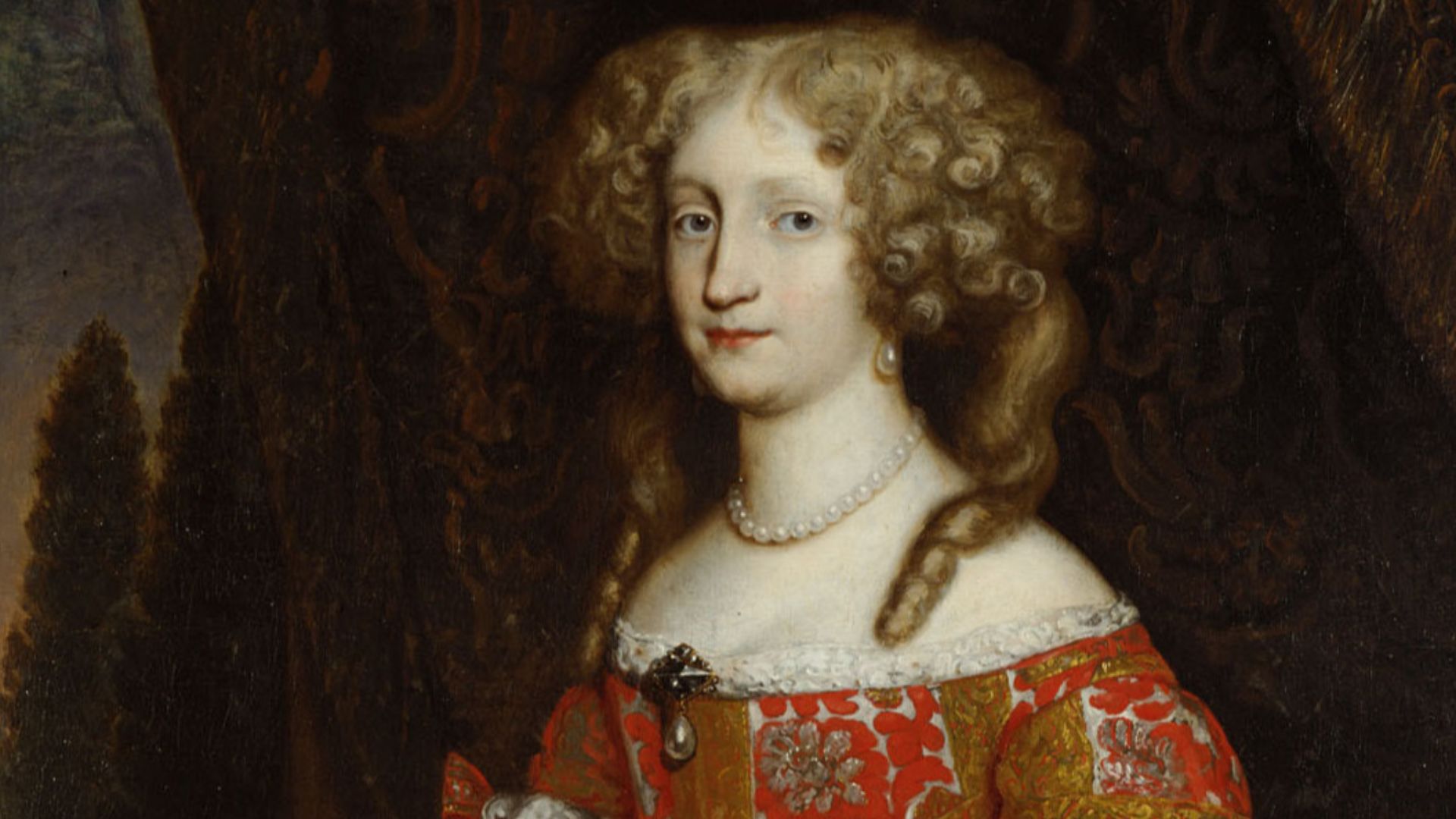 Unidentified painter, Wikimedia Commons
4. She Had An Education
Like the other children of her family, Maria Anna’s education was comprehensive. She and her brothers and sister received an education that included science, music and religion. So, besides having great reproductive capabilities, Anna Maria was well-educated.
Needless to say, Anna Maria and her sisters had their pick of princes.
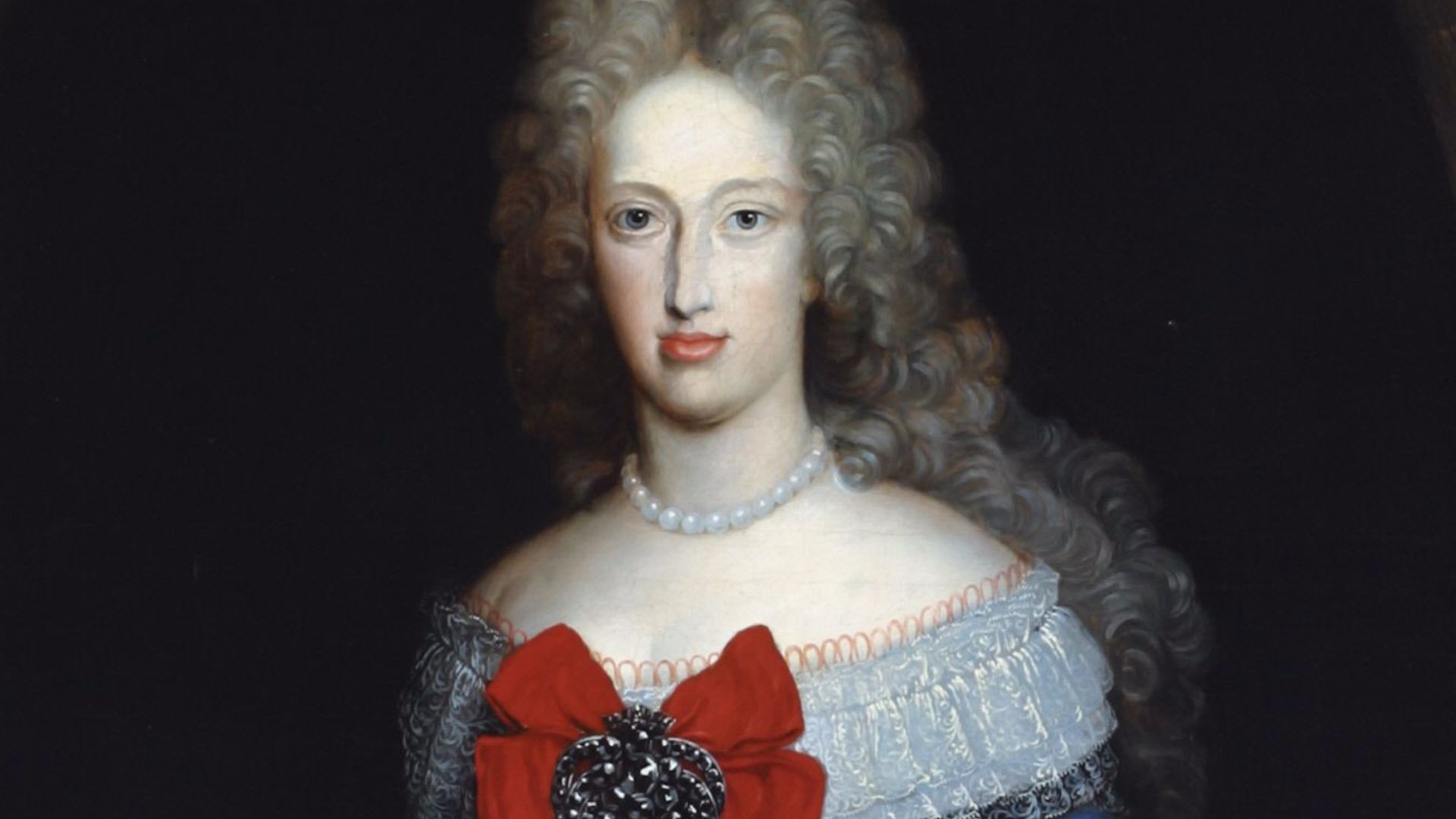 Wilhelm Humer, Wikimedia Commons
5. They Got Married
As the daughters got to marrying age, they found themselves in marriages of mutual convenience more than love. Maria Anna’s sister Sophia, ended up in Portugal with Peter II. Her sister Eleonore hooked up with Germany’s Emperor Leopold. This second union would have a huge impact on Maria Anna’s future.
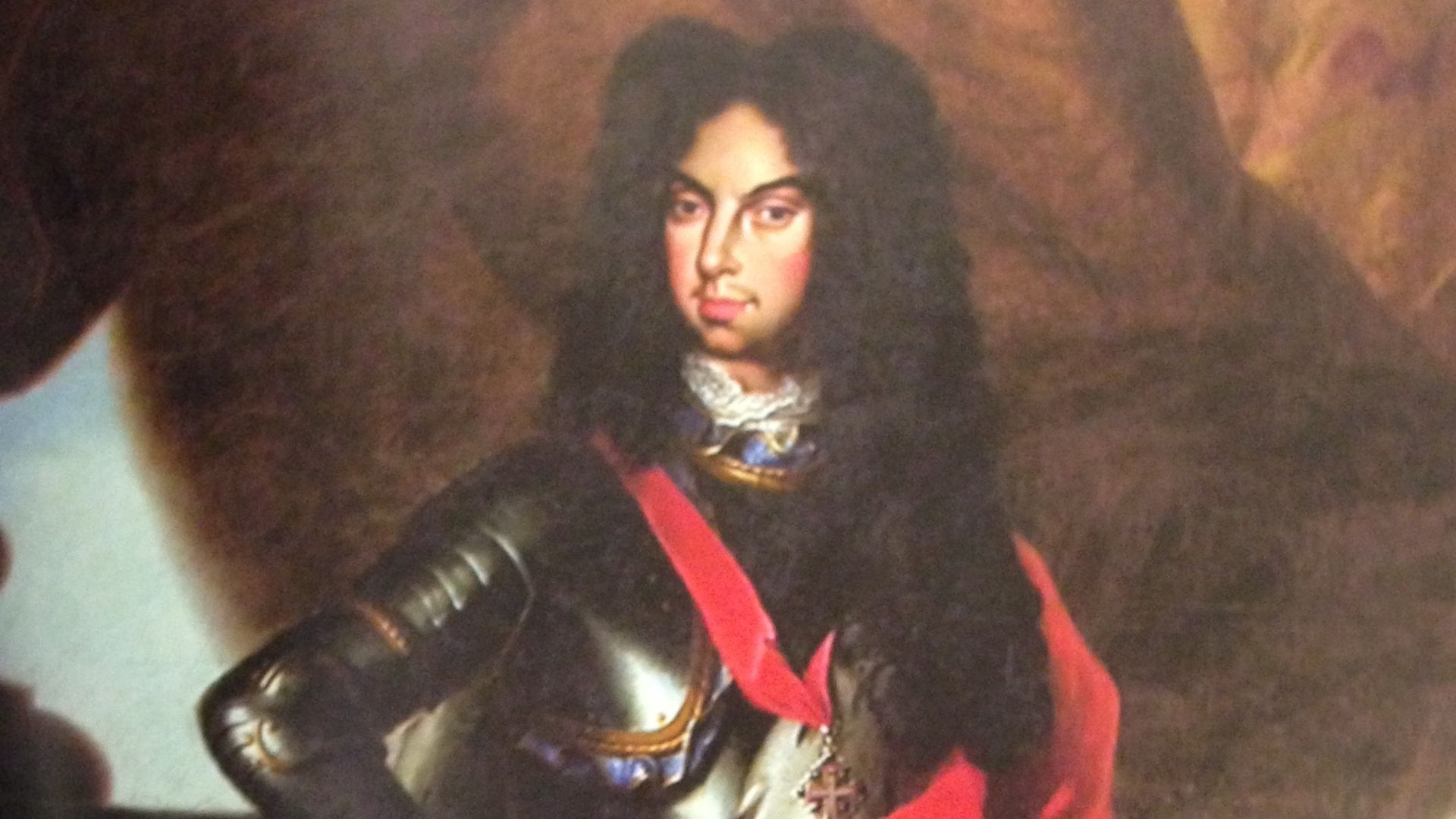 portuguese unknown, Wikimedia Commons
6. She Had A Bias
Meanwhile, Maria Anna’s father, Philip William, had moved up in rank. He was now the Count of the Palatinate. Before he had a chance to enjoy his reign, Louis XIV swooped in and took half of it for France. Worse still, he destroyed towns and villages that got in his way. This made Maria Anna not too fond of all things French.
But, Maria Anna's chance to get back at the French soon came.
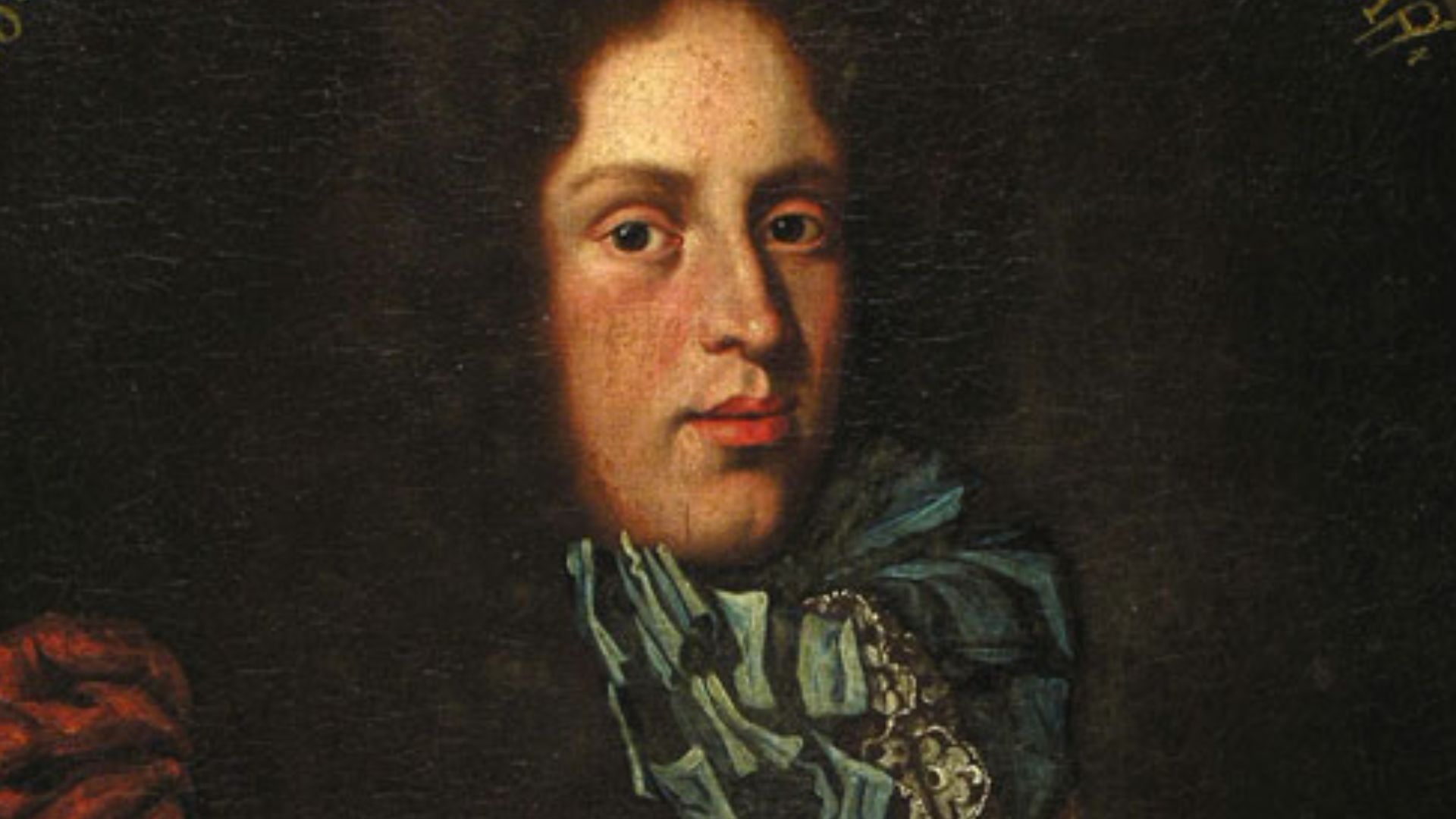 Unidentified painter, Wikimedia Commons
7. She Was Perfect
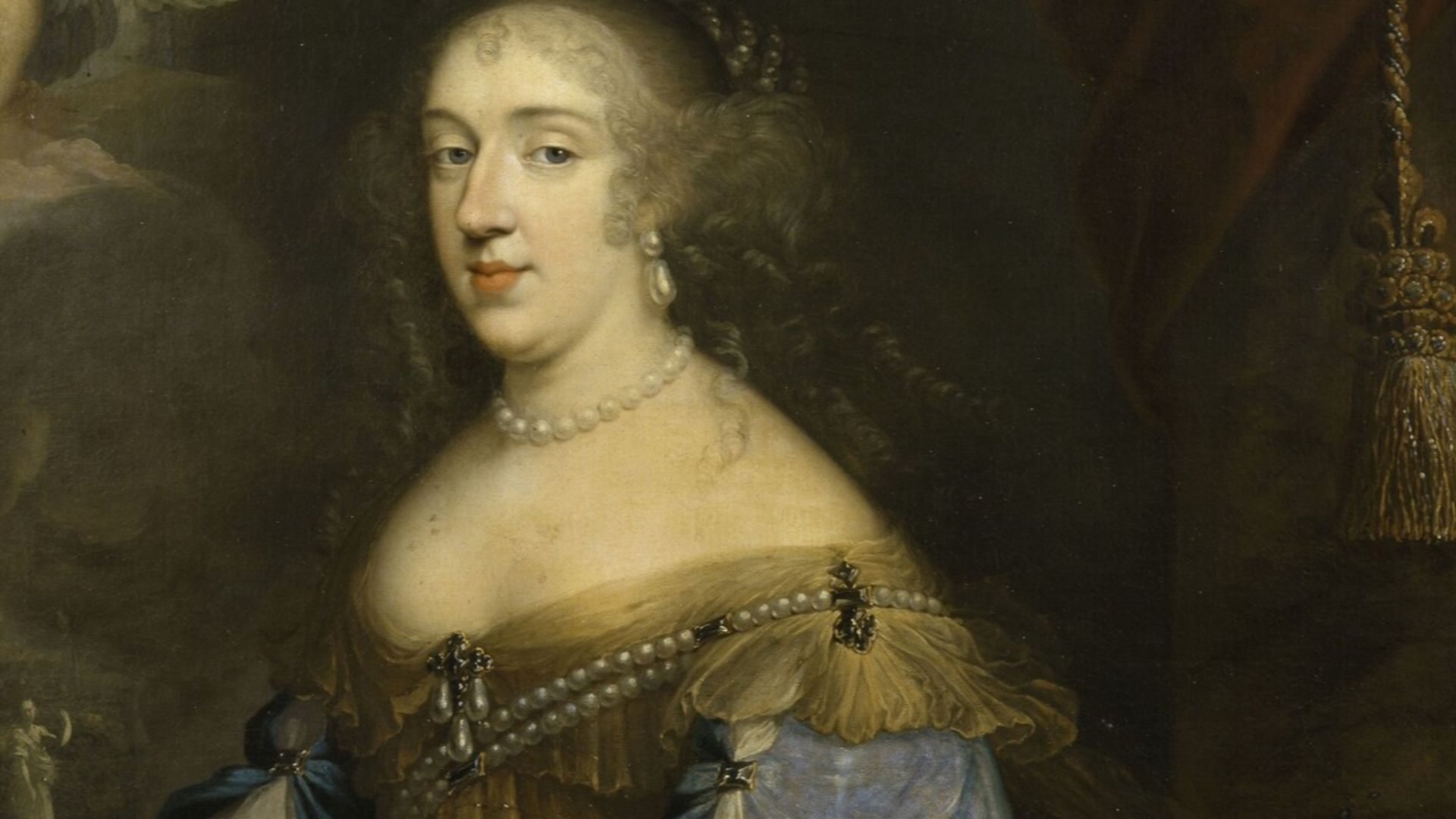
Over in Spain, Charles II’s wife, Marie Louise d’Orléans had produced no heirs. When she suddenly passed after horseback riding, some thought maybe it was a little suspicious. You see, they were desperate for Charles to have a child, and with Marie Louise out of the picture this would be possible.
Maria Anna of Neuburg was the perfect match for Charles II. In more ways than one.
 Attributed to Gilbert de Sève, Wikimedia Commons
8. She Leaned The Right Way
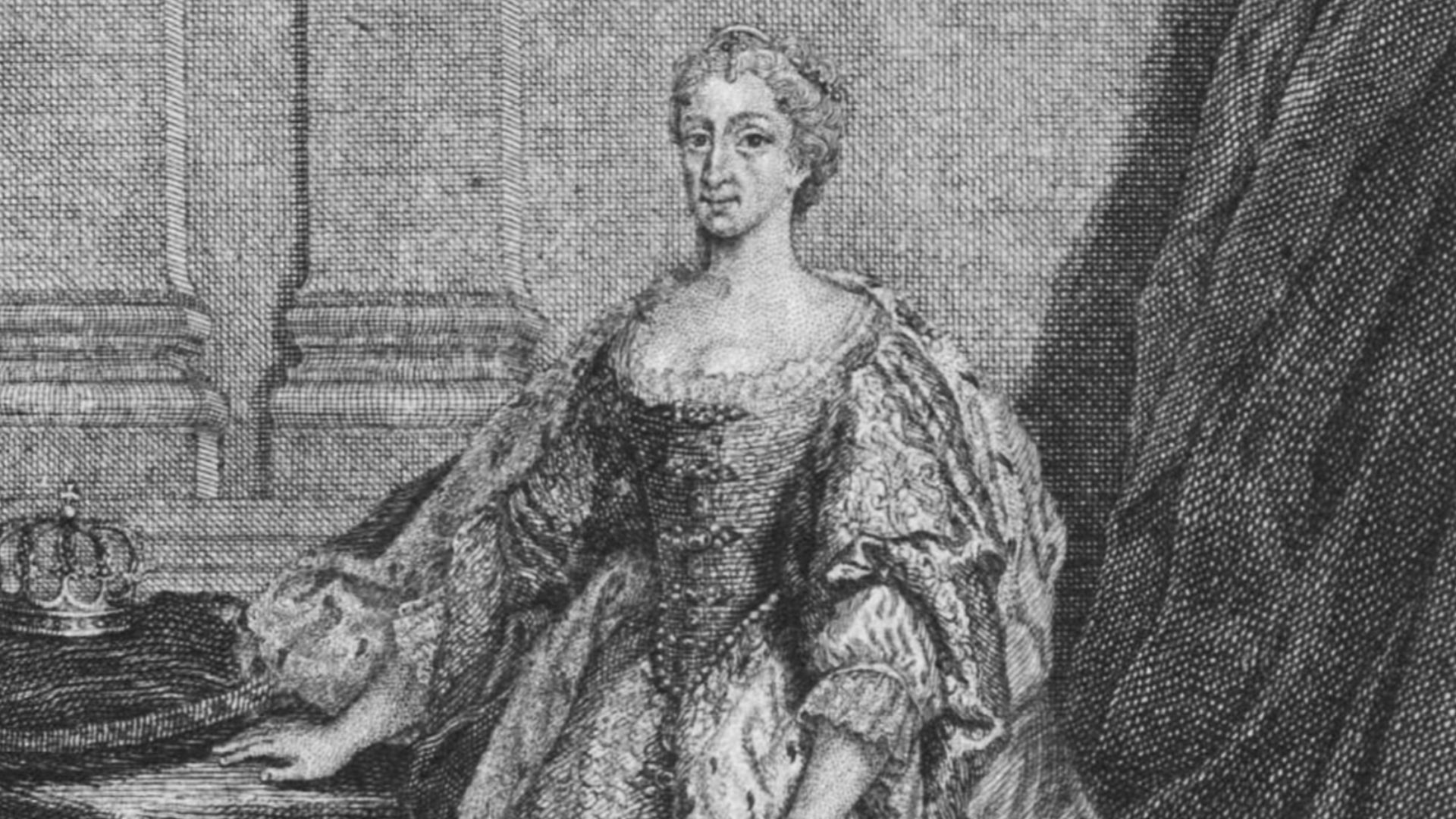
Besides being a guaranteed child producer, there was something else about Maria Anna. Because of what had happened to her father, she was quite anti-France and therefore pro-Austrian. This pleased the Spanish royal family immensely. She was definitely one of them and would fit in perfectly.
But time was of the essence.
 Unidentified engraver, Wikimedia Commons

History's most fascinating stories and darkest secrets, delivered to your inbox daily.
9. They Were In A Hurry
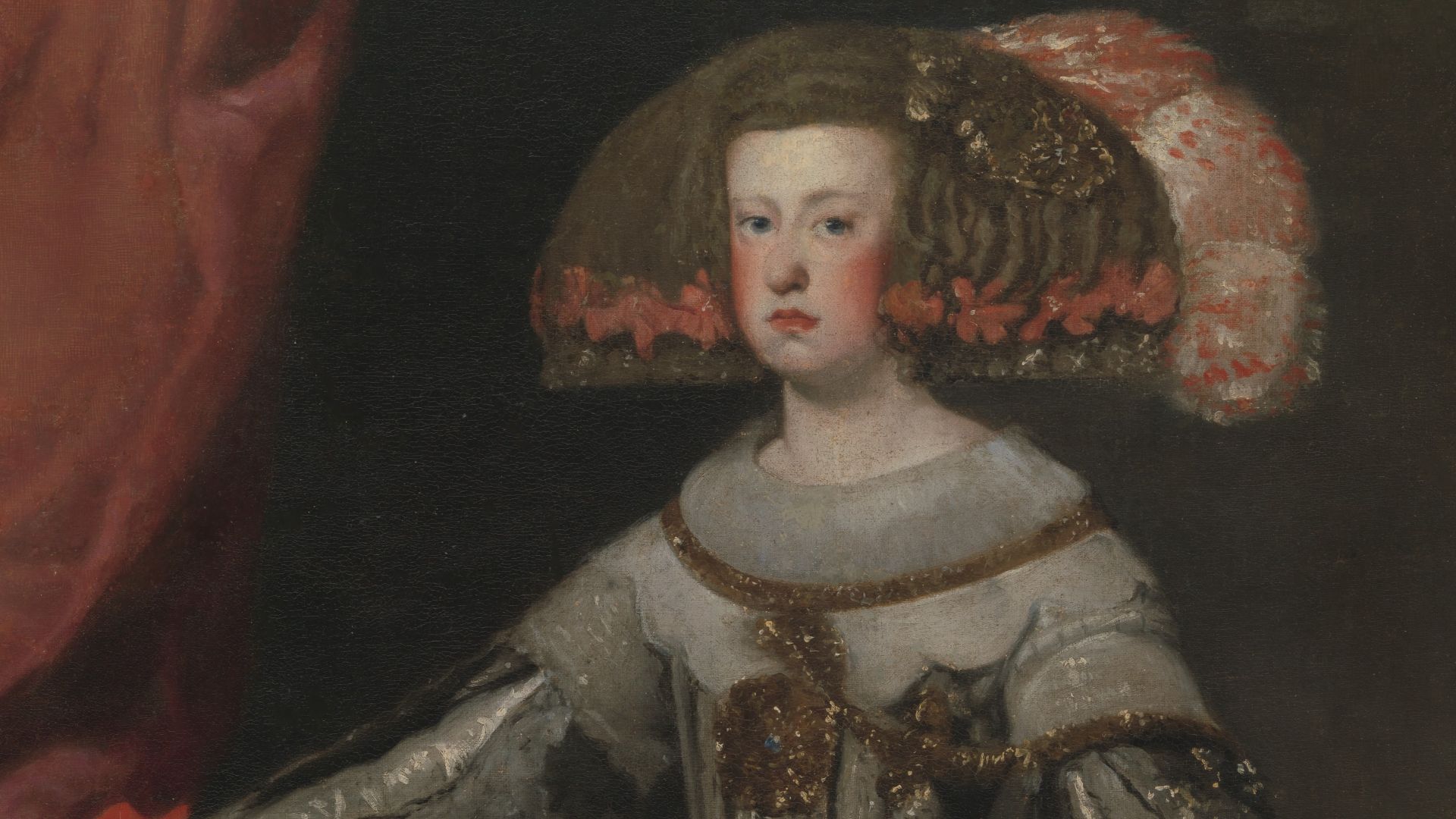
Spain’s throne was in desperate need of stability. Charles's mother, Queen Mariana, made a decision. Based on Maria Anna’s reputation for fertility and her family connections, she reckoned that Maria Anne would be the perfect match for her son.
But this was also good news for Maria Anna’s family.
 Workshop of Diego Velázquez, Wikimedia Commons
10. Her Marriage Was A Victory
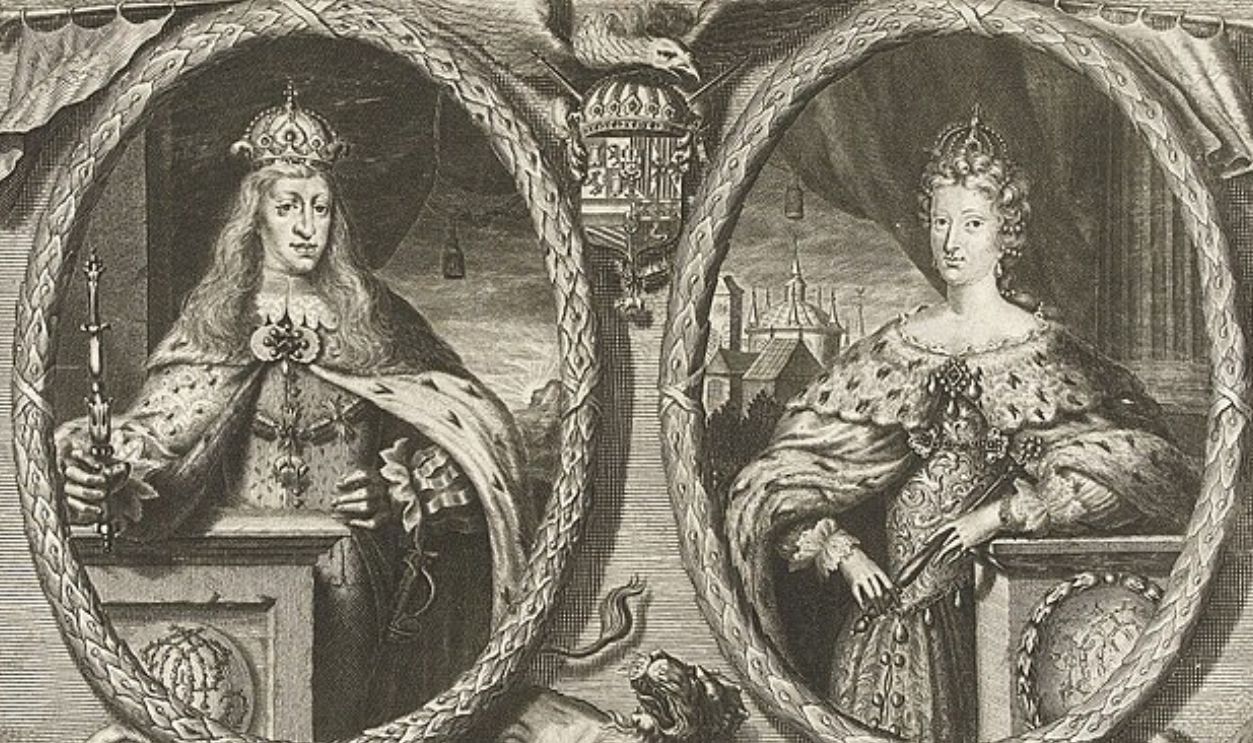
This marriage would mean something even more. It would be a sort of victory. The two fighting dynasties were the Habsburgs and the Bourbons. Maria Anna of Neuburg was a member of the Habsburgs, so this was a way for them to get one over on the Bourbons. Maria Anna was quickly moving from a young girl to a woman with a potential for great power.
In other words, this wedding proved a good investment for everyone involved. At first, any way.
 Rijksmuseum, Wikimedia Commons
11. They Did It Quickly
With Charles’s health in decline, it was important to get him married quickly. They decided to have a proxy marriage in August 1689, only six months after Marie Louise of Orleans’ passing. The reason for proxy marriage was due to the battles going on around them. Sadly, this meant that Maria Anna would have to wait for her fancy nuptials.
But she would get them.
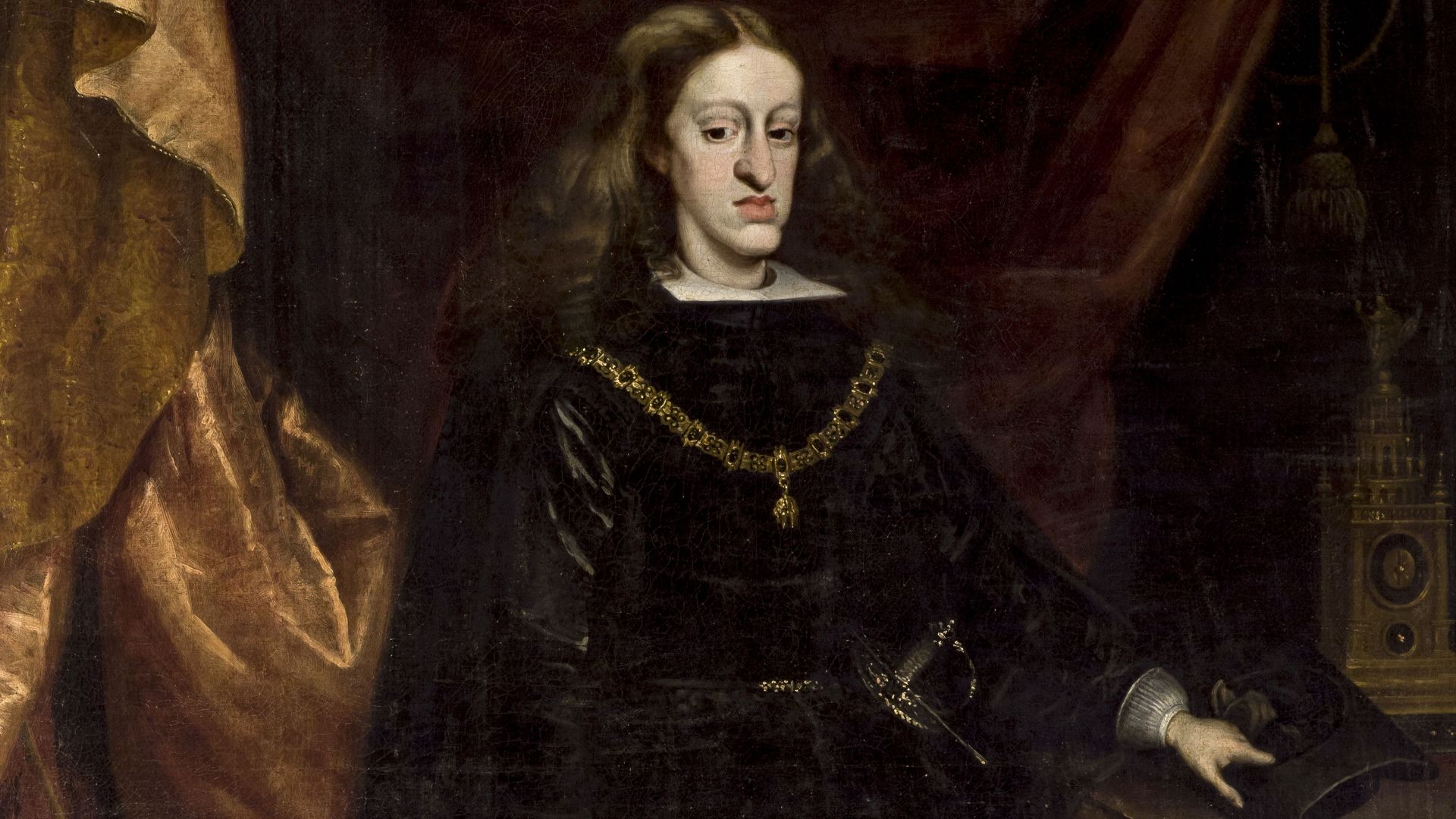 Juan Carreño de Miranda, Wikimedia Commons
12. She Had Trouble Getting There
To avoid the battle, Maria Anna of Neuburg traveled by sea. Her lavish wedding finally took place on May 14th, 1690. This was in San Diego, which was close to Valladolid, Spain. They held the ceremony in a monastery. It was finally time for Maria Anna to make her grand entrance.
There was so much excitement about Maria Anna that it proved time for a special commemoration...
 Unidentified or anonymous photographer., Wikimedia Commons
13. She Came In on Horseback
To commemorate Maria Anna’s entrance into Madrid, Italian artist Luca Giordano put oil on canvas. He depicted Maria Anna arriving on horseback, which was how it really happened. It did seem, however, to be a poor choice as Charles’s first wife had passed after riding a horse.
No matter, there was plenty more in this picture that was positive.
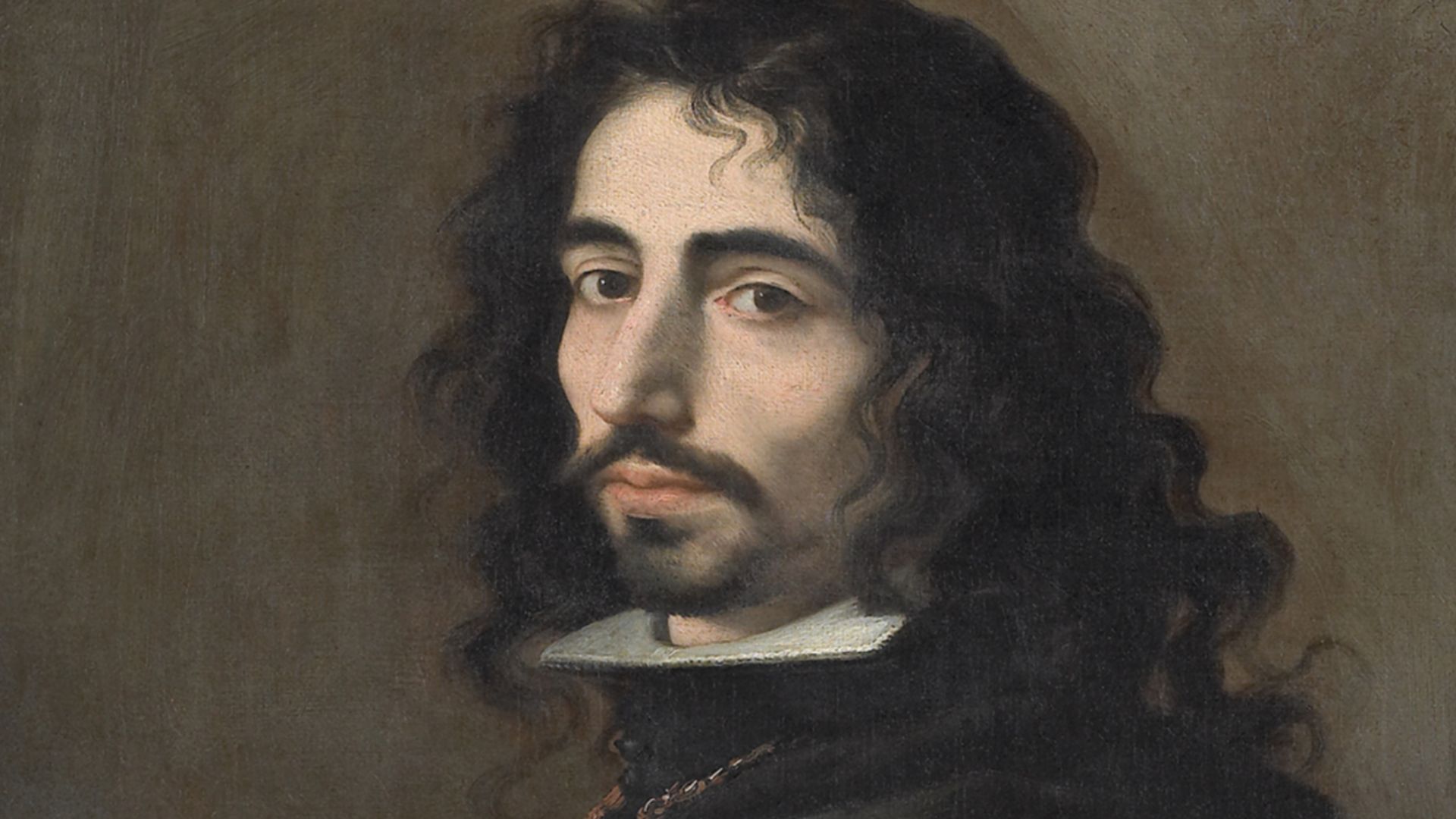 Luca Giordano, Wikimedia Commons
14. Her Assets Were On Display
Giodarno filled his painting, which he called Queen Maria Anna of Neuburg on Horseback, with images of what was best about Maria Anna. Small angels hold a cornucopia filled with fruit, which symbolizes prosperity. The river god and bounty of the sea indicate fertility. The painting had it in a nutshell. Maria Anna was going to bring wealth and a baby to King Charles.
But fate had other plans.
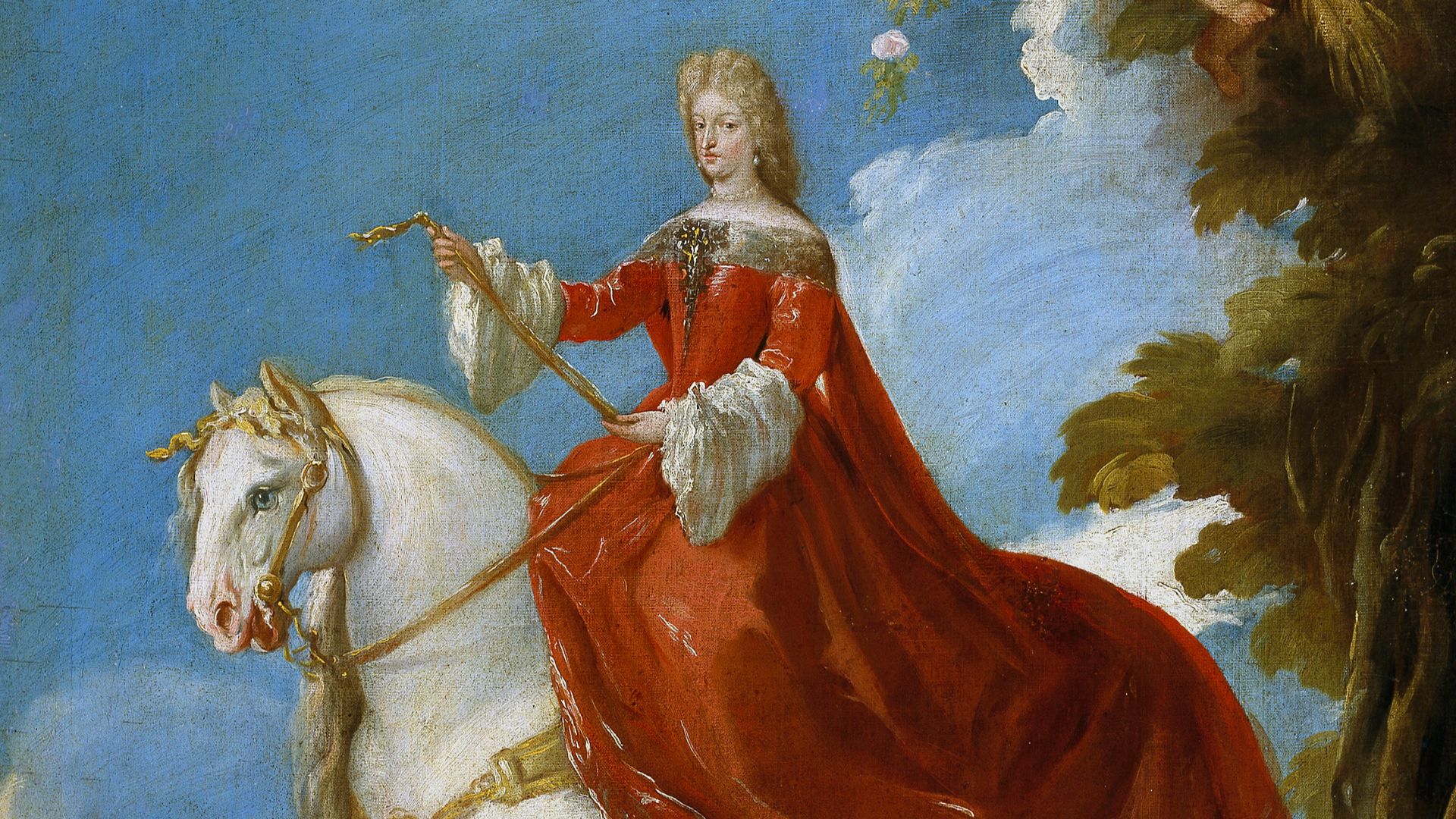 Luca Giordano, Wikimedia Commons
15. She Was Different
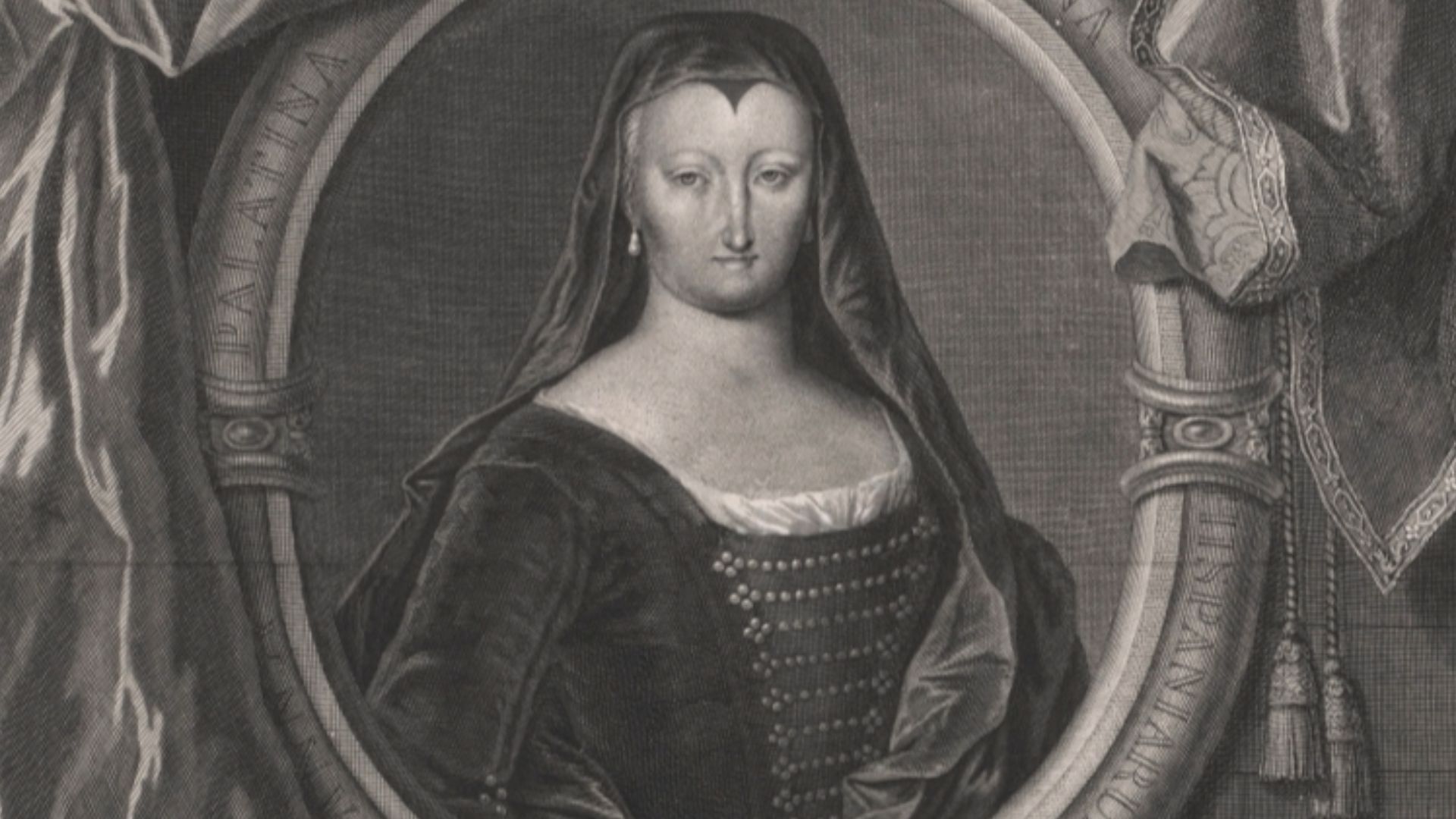
Right away, Charles could see that Maria Anna was not like his first wife. In fact, she called herself the ”first minister” to Charles. You see, Maria Anna was not going to be content just bearing heirs. She wanted to have an involvement in politics. As it turned out, there was a good reason for this.
 Jean-François Cars / After Robert Gabriel Gence, Wikimedia Commons
16. He Needed Help
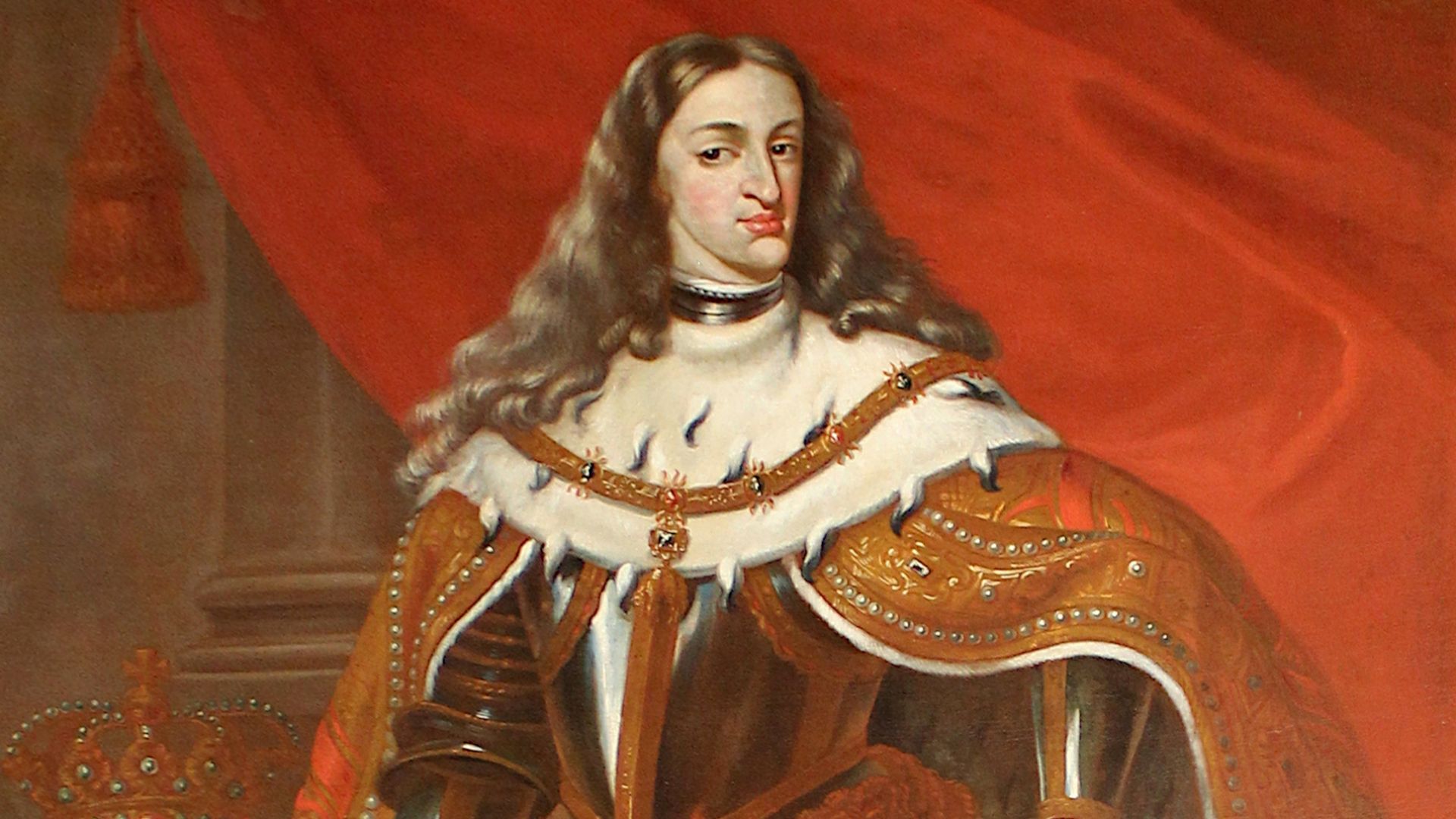
It may be that Maria Anna of Neuburg knew she had to pick up the slack. You see, Charles was perhaps not quite all there. Some even say he had a mental weakness. Having a strong-willed wife at his side could perhaps help the king in his duties. But Maria Anna was aware that she had competition, and she harbored plans to get rid of them.
 Kaho Mitsuki, Wikimedia Commons
17. She Sent Him Packing
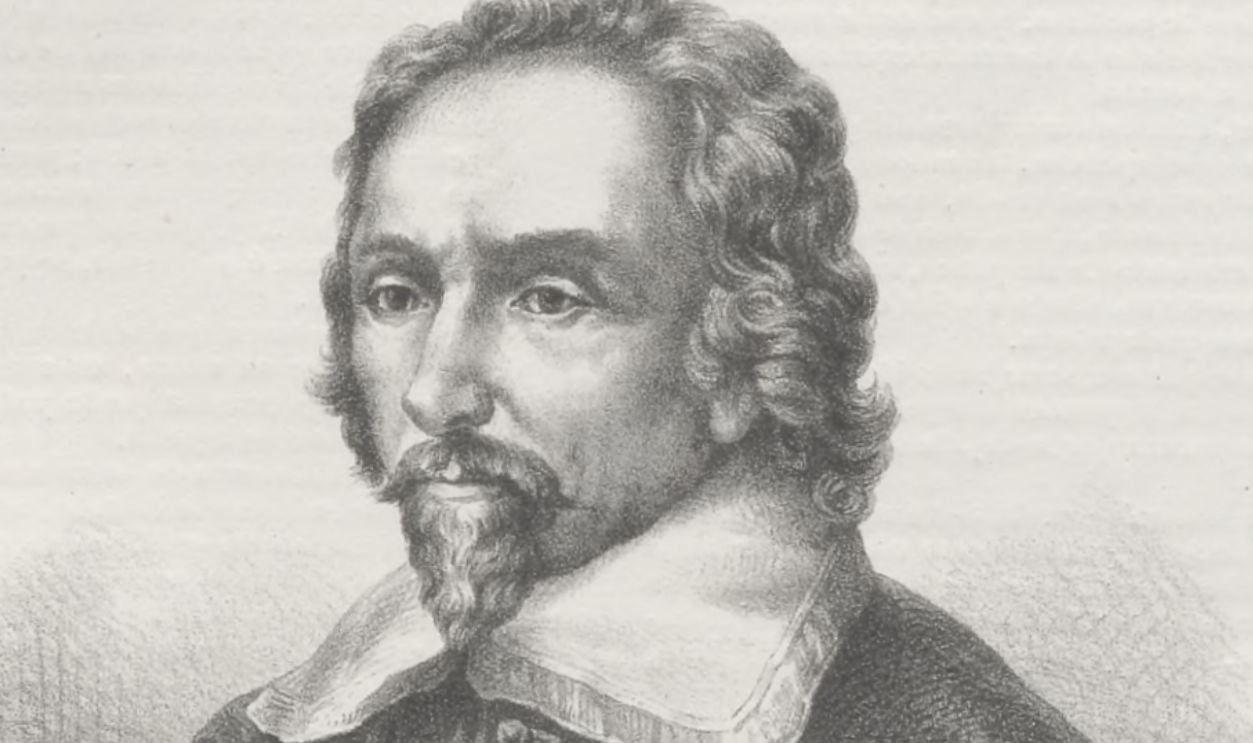
In 1691, Maria Anna got rid of one who she thought might get in her way. This was Charles’s senior minister, Manuel Joaquin Alvarez of Toledo. Maria Anna used her wiles, and he was soon out of the picture. This gave Maria Anna even more power than before.
As such, she was ready to use her power for her own selfish good.
 Josep Serra i Porsón, Wikimedia Commons
18. She Tried Pushing Her Weight Around
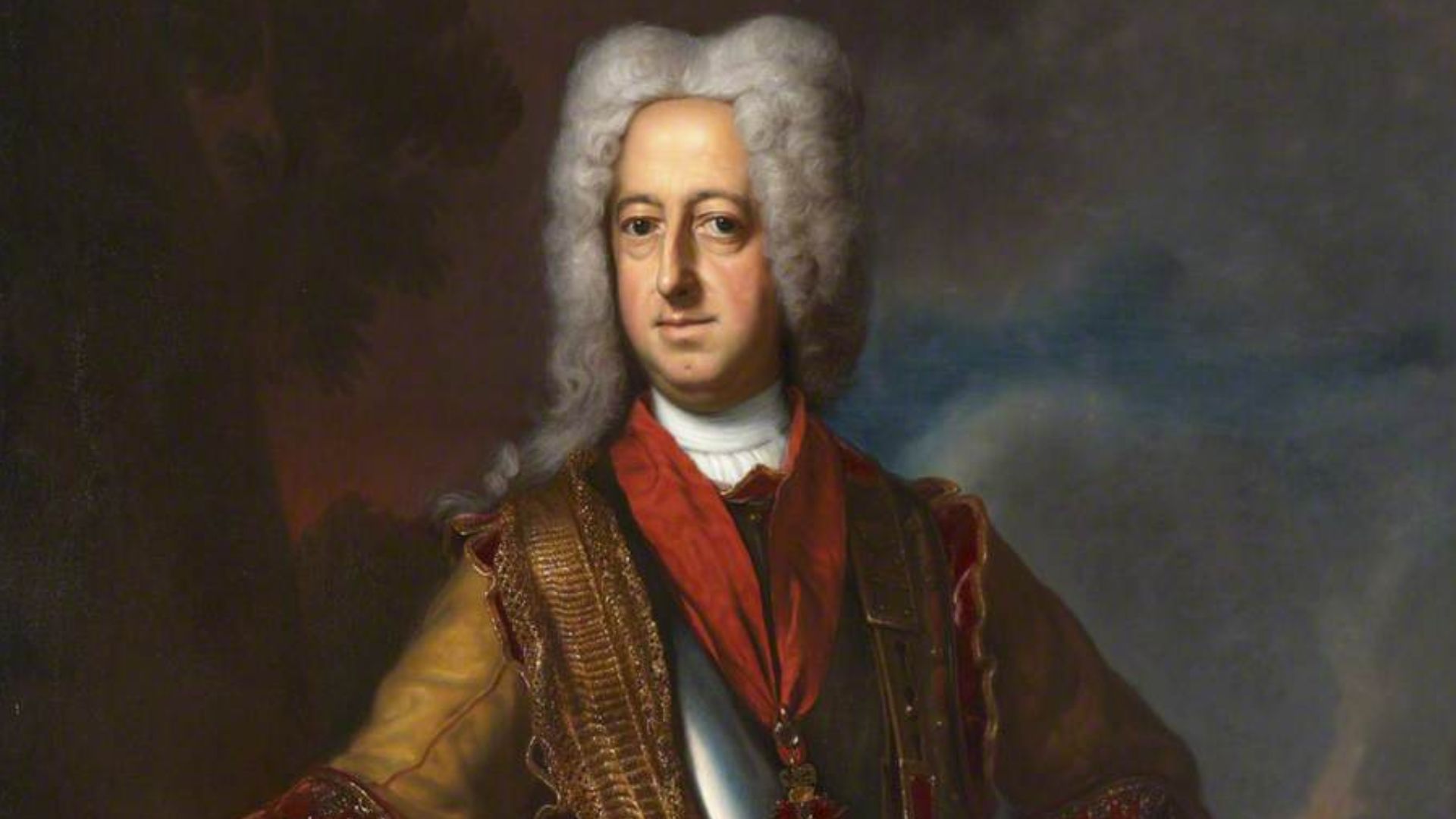
Next on Maria Anna’s agenda was a job for her older brother, Johann Wilhelm. She wanted him to become the governor of the Spanish Netherlands. This is where Maria Anna’s mother-in-law stepped in and flexed her own muscles. She overrode Maria Anna and gave the job to Maximilian II Emanuel of Bavaria.
And unfortunately for Maria Anna, there were repercussions for this conflict.
 Andreas Møller, Wikimedia Commons
19. They Didn’t Get Along
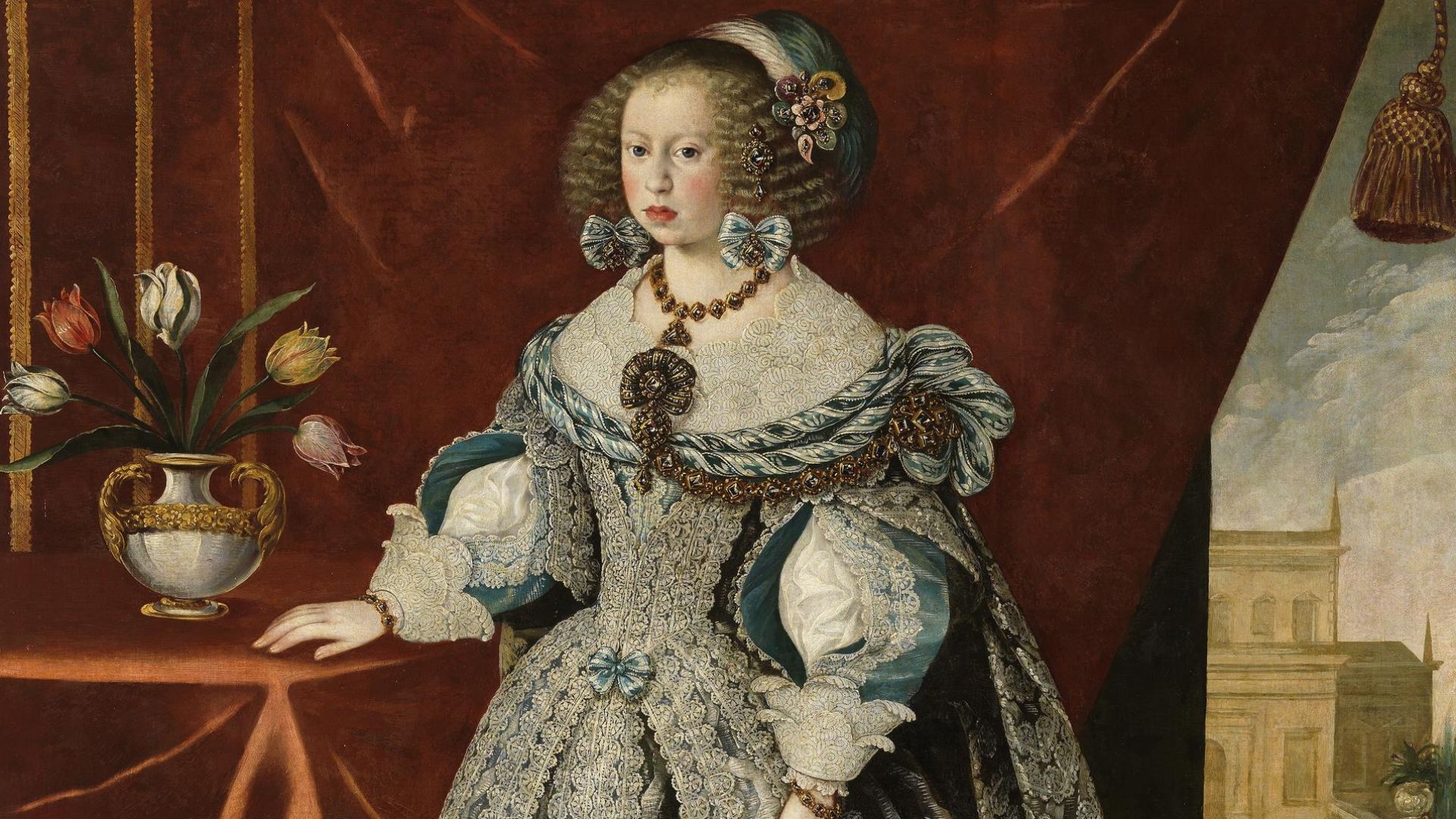
Like many new brides, Maria Anna of Neuburg knew it was important for her to keep a positive relationship with her mother-in-law. After she had the Queen Mother locked horns over the governor of the Spanish Netherlands, the relations became icy. But Maria Anna had a way to keep her mother-in-law on her side. She was the sole possibility of providing an heir.
Maria Anna had to make that happen and soon.
 Frans Luycx, Wikimedia Commons
20. Time Was Of The Essence
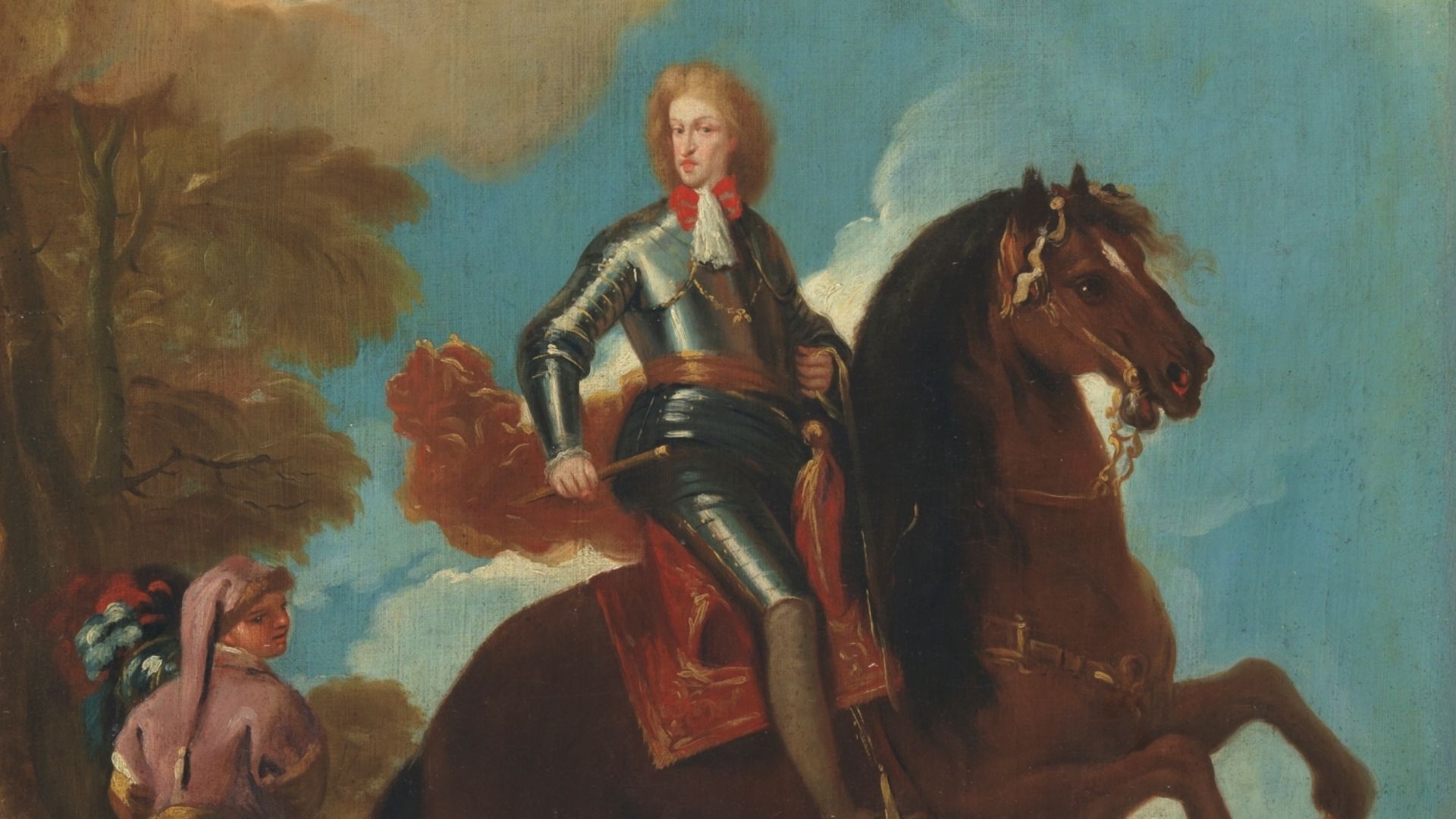
Of course, most of Maria Anna’s power came with the fact that she would bring a child to the family. So there was a real urgency for her to deliver. Literally. You see, in addition to his mental weakness, Charles's physical health was also not good. No child seemed to be coming, so Maria Anna was biding her time.
But she was about to become even more important than just a baby machine.
 Luca Giordano, Wikimedia Commons
21. She Took Charge
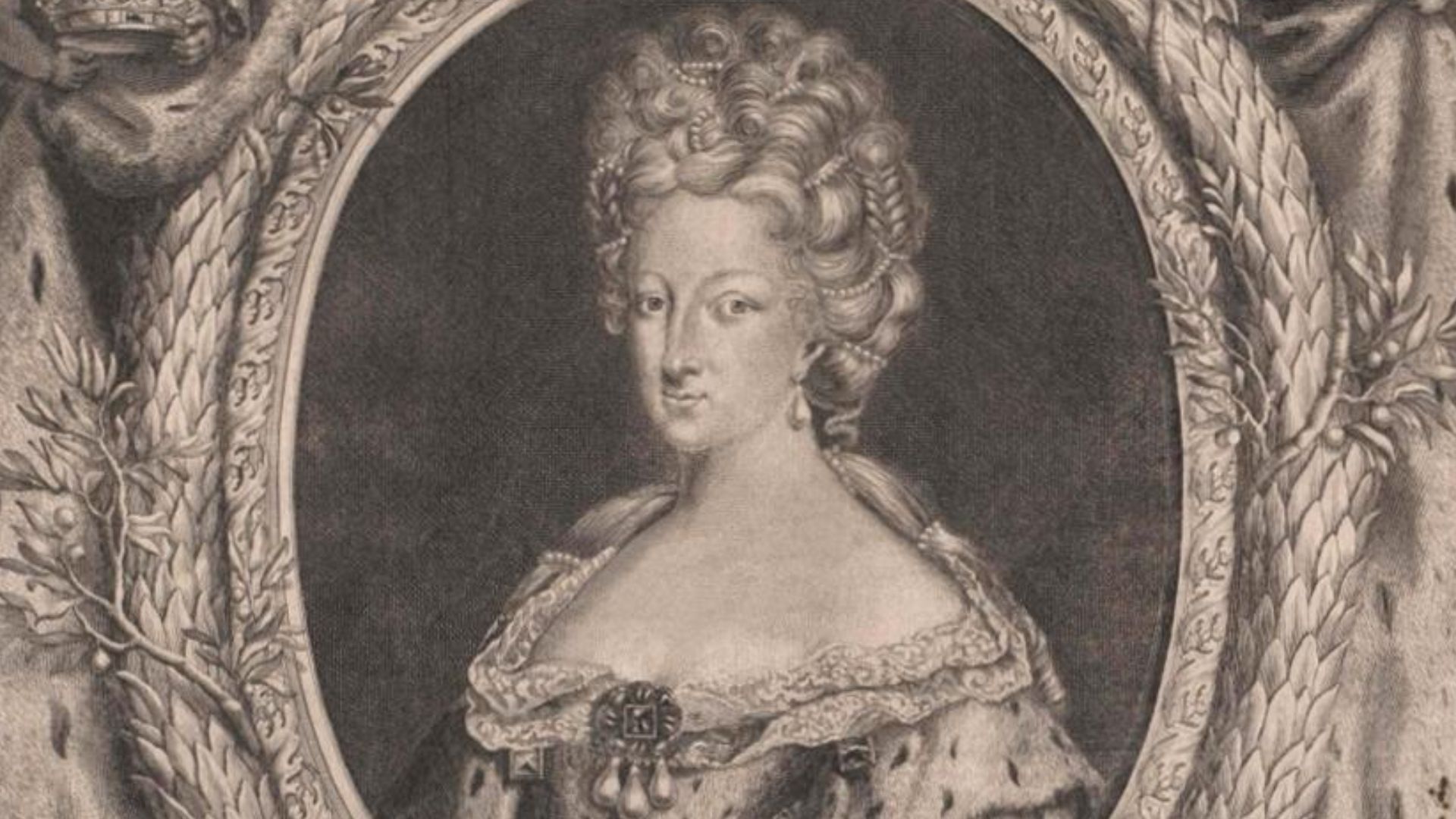
The Spain that Maria Anna of Neuburg entered into was in conflict. To make your way through it, most people had to choose to be either pro-France or pro-Austrian. Of course, Maria Anna was with the latter camp, which just so happened to control the government.
Everything changed for Maria Anna when her mother-in-law got sick.
 Richard Collin, Wikimedia Commons
22. She Took The Lead
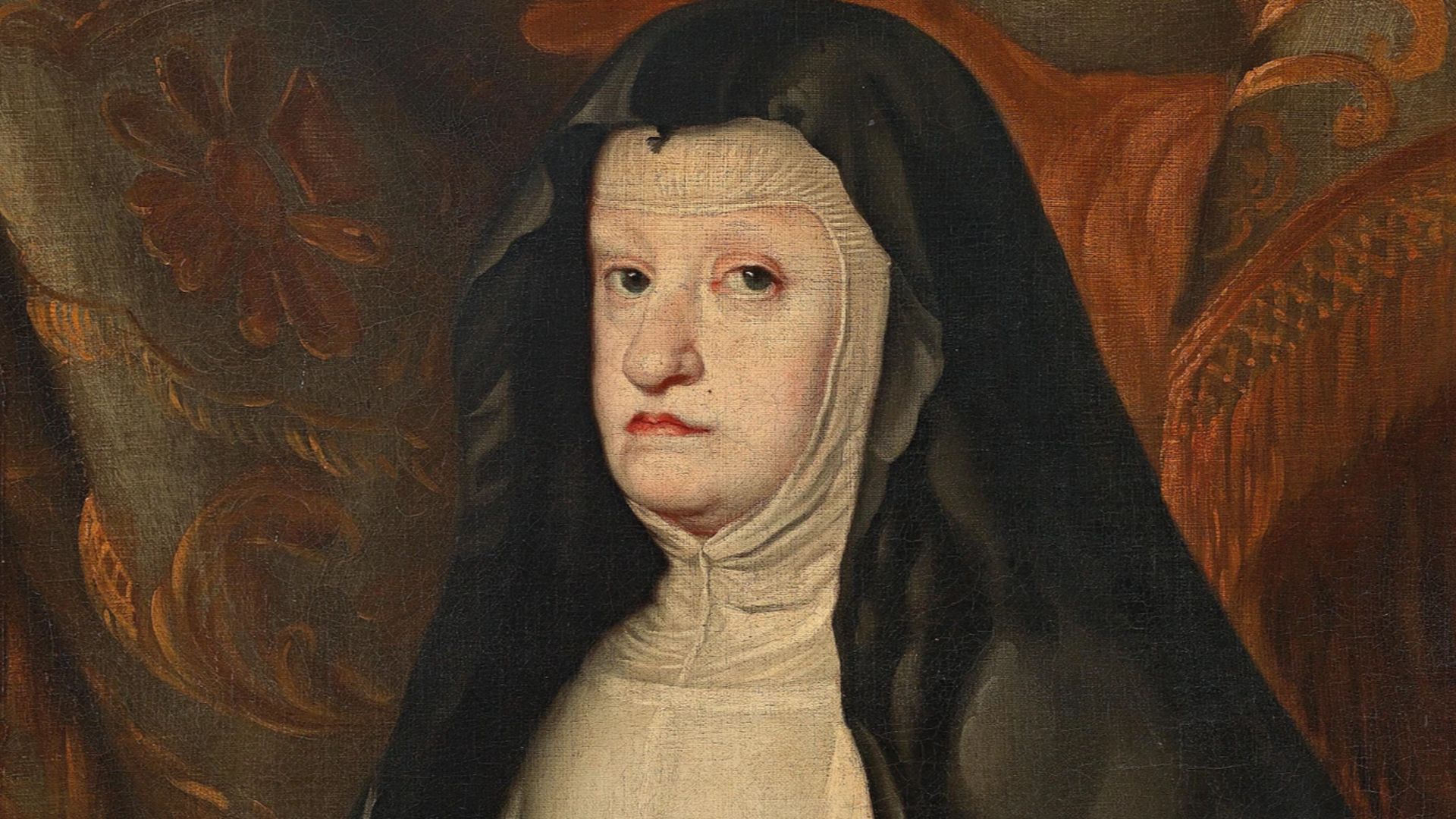
Charles II's mother, Mariana of Austria, passed due to cancer on May 16, 1696. What this meant for Maria Anna was huge. She was now the leader of the pro-Austrian faction. Back in 1690, the pro-Austrians pushed Spain into the Nine Years’ War, which pretty much bankrupted the country.
Now Maria Anna would have to deal with the consequences of their decision.
 Claudio Coello, Wikimedia Commons
23. She Had Issues
Because of the disastrous Nine Years’ War, Catalonia was under French rule. But Spaniards believed it was Spanish. These were the kind of very serious and complex issues that young Maria Anna of Neuburg was dealing with. Plus, no one had forgotten about what Maria Anna had promised. They still expected an heir to the throne.
But as time moved on, a disappointing reality started to become clear.
![Sujet : Aragon, Royaume d'
Catalogne
Couverture : Espagne – Catalogne
Langue : multilingue
Éditeur : [s.n.]](https://www.factinate.com/storage/app/media/factinate/2026/3/7/1772875891531f1274458cd2488d0d0e4c9f55d04e1e7aa132.jpg)
24. She Failed To Produce
One of the reasons why Maria Anna had so much power was that she was the source for Spain’s future king. But something horrible was becoming more and more clear. There was no baby coming. This was weird because it was Maria Anna’s reproductive ability that landed her in this marriage in the first place.
Something wasn’t adding up.
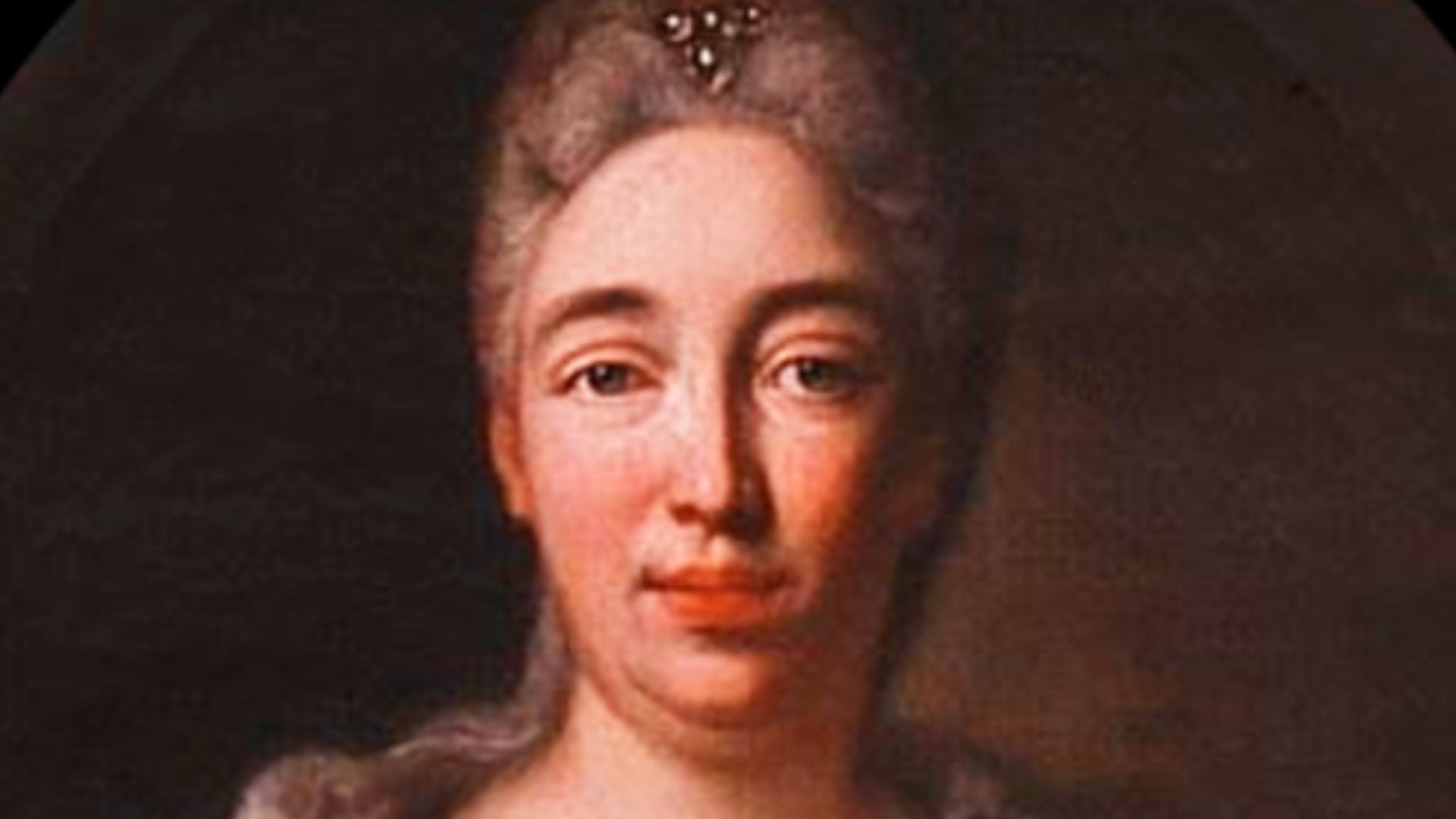 After Joseph Vivien, Wikimedia Commons
25. She Wasn’t To Blame
Through the rumor mill, most people probably knew the truth. It wasn’t Maria Anna of Neuburg that was to blame. It was Charles. His health was poor, and he probably was impotent. In fact, they later found in an autopsy that he had only one testicle, and even it was not in good shape. But still, Maria Anna needed to provide an heir or she would lose all her power.
Luckily, she had a plan, and it was menacing.
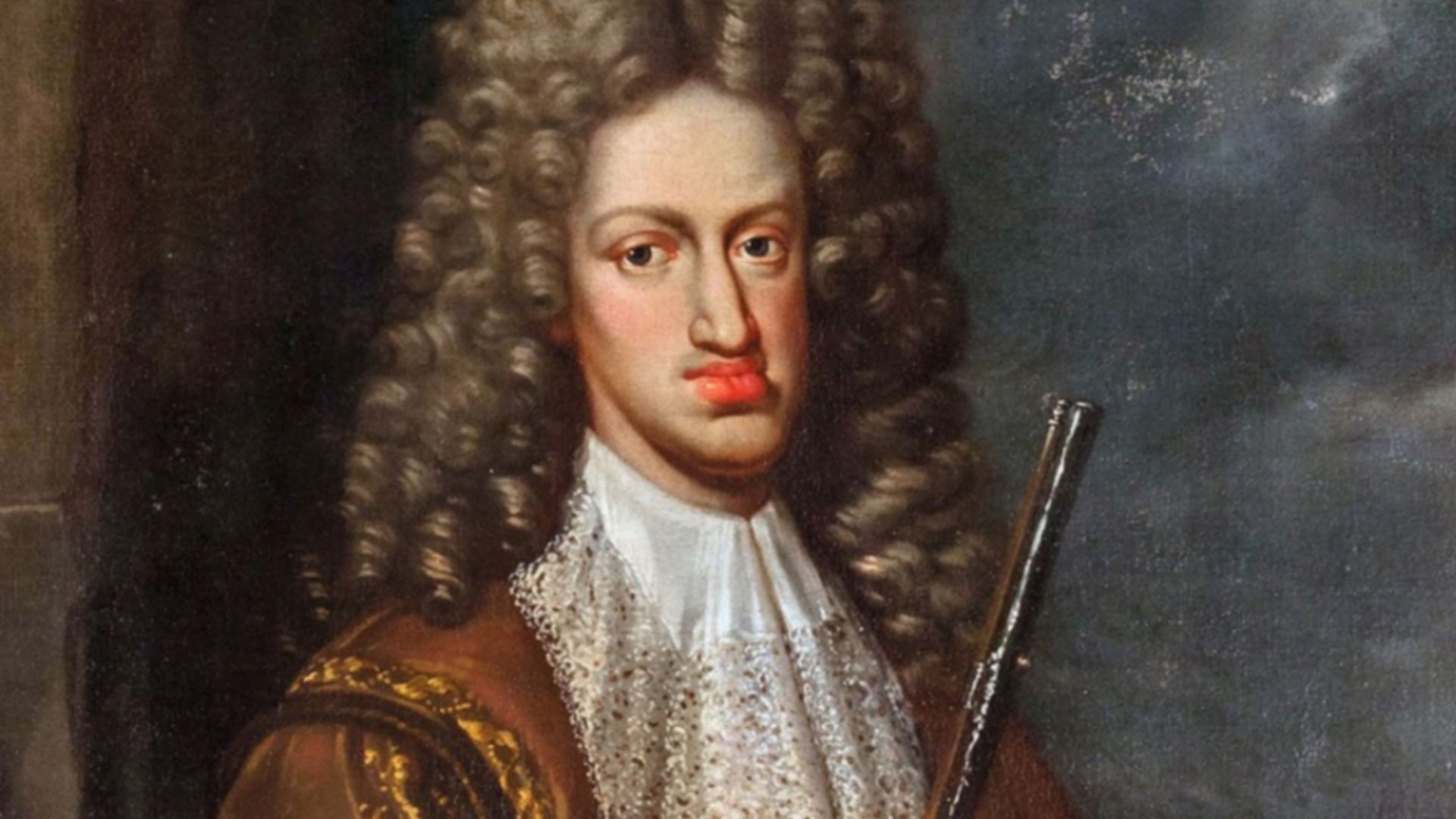 John Closterman, Wikimedia Commons
26. She Told A Little Lie
To try to keep her influence, Maria Anna sometimes pleased the people by announcing that she was pregnant. The only problem with this was that her popularity only increased while everyone thought she was carrying a child. The moment it became clear that it was a false alarm, her popularity plummeted again.
But clever Maria Anna had a plan B.
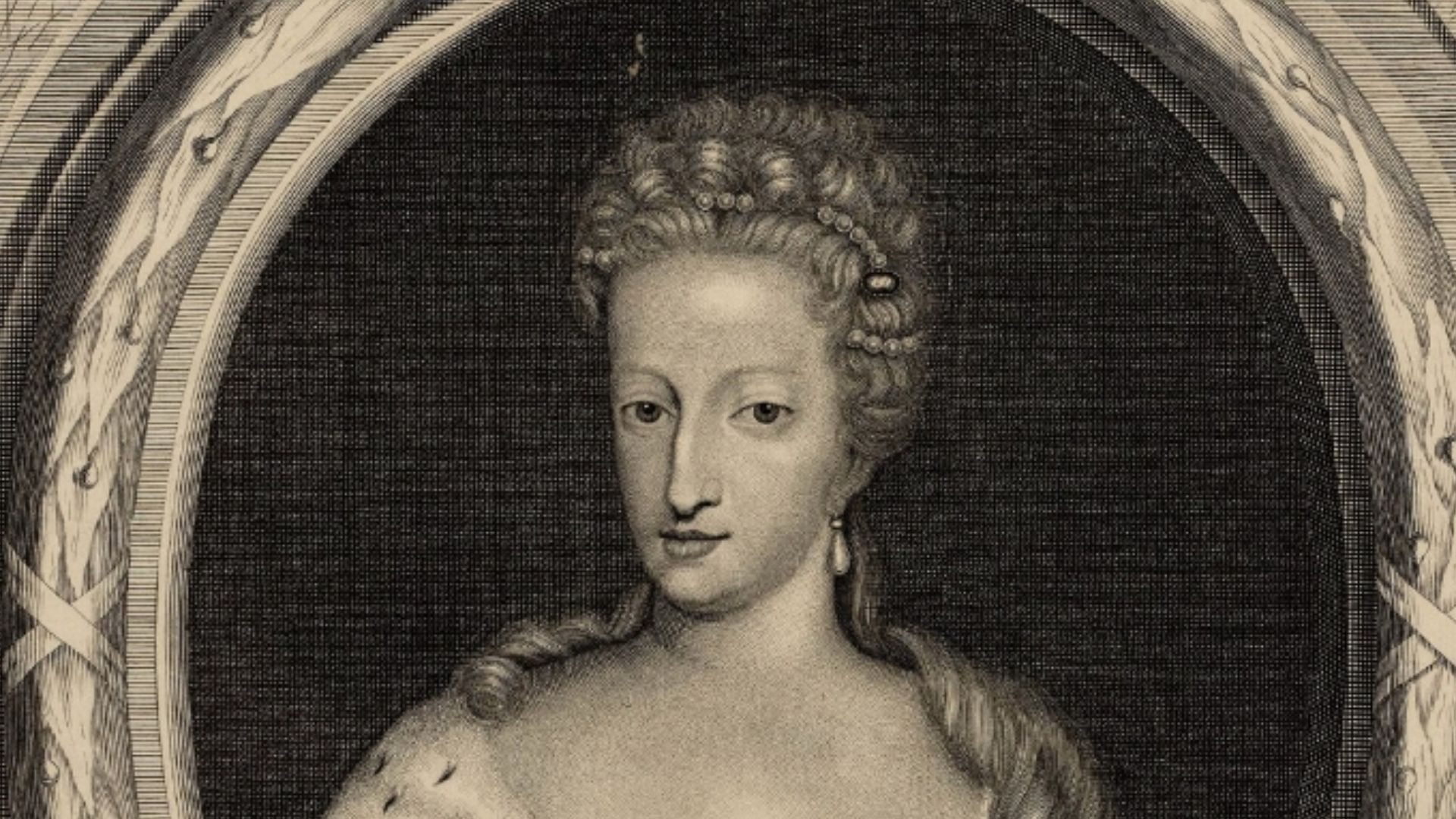 Pieter van Gunst, Wikimedia Commons
27. She Offered Him Treatment
People were growing tired of Maria Anna’s announcement of pregnancies that didn't bear any children. To combat this, she would urge her husband to try different kinds of treatments that would supposedly help him do his fatherly duties. But Maria Anna had a diabolical reason for doing this.
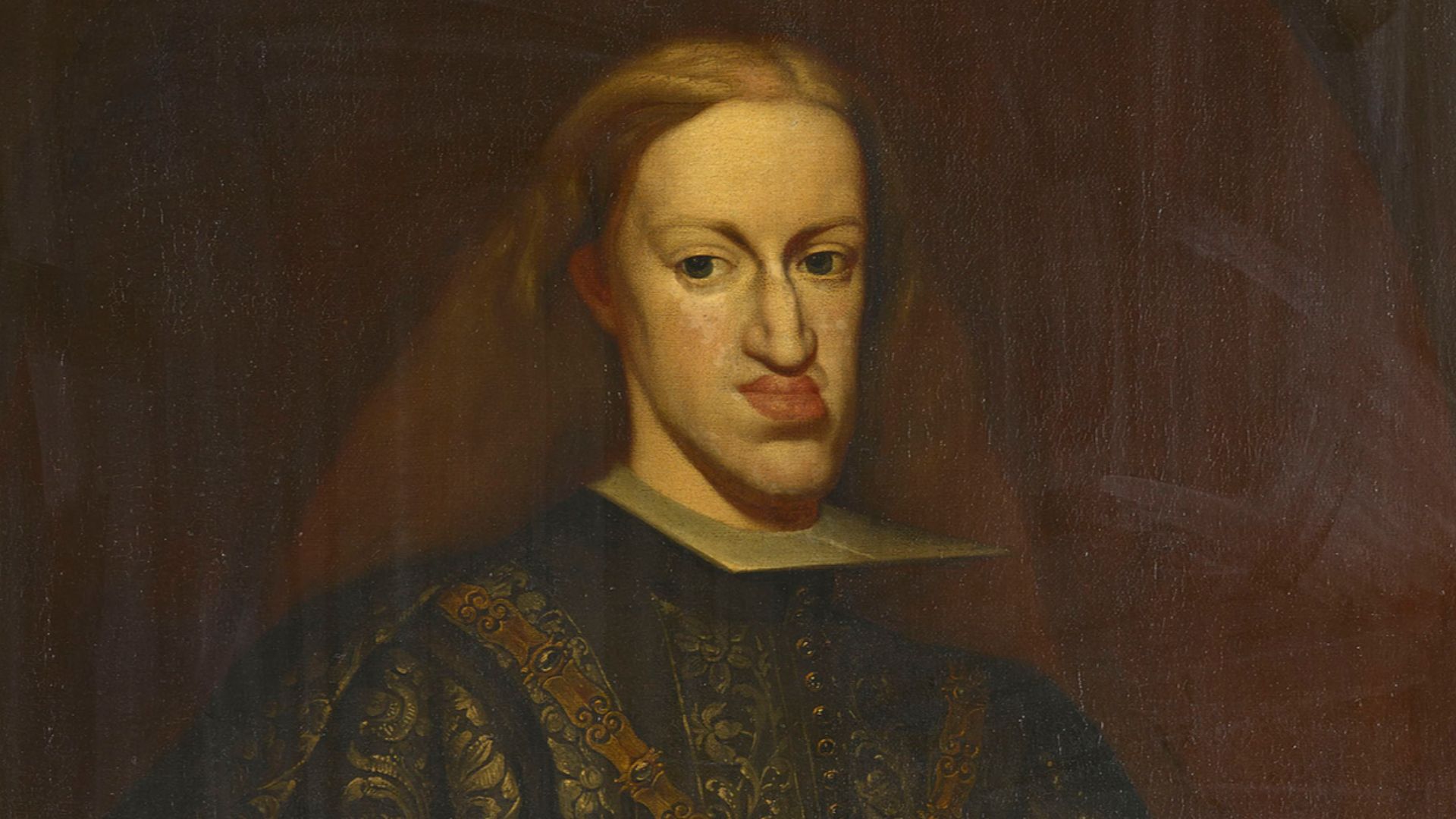 Claudio Coello, Wikimedia Commons
28. She Was Sneaky
Maria Anna saw to it that Charles tried different treatments in the hope that he could impregnate her. But she likely knew that this wouldn't work. So, why try? Well, she likely figured that if the court saw her husband undergoing treatments for fertility, they would know that he was the one to blame.
Still, time was running out for these two to produce an heir.
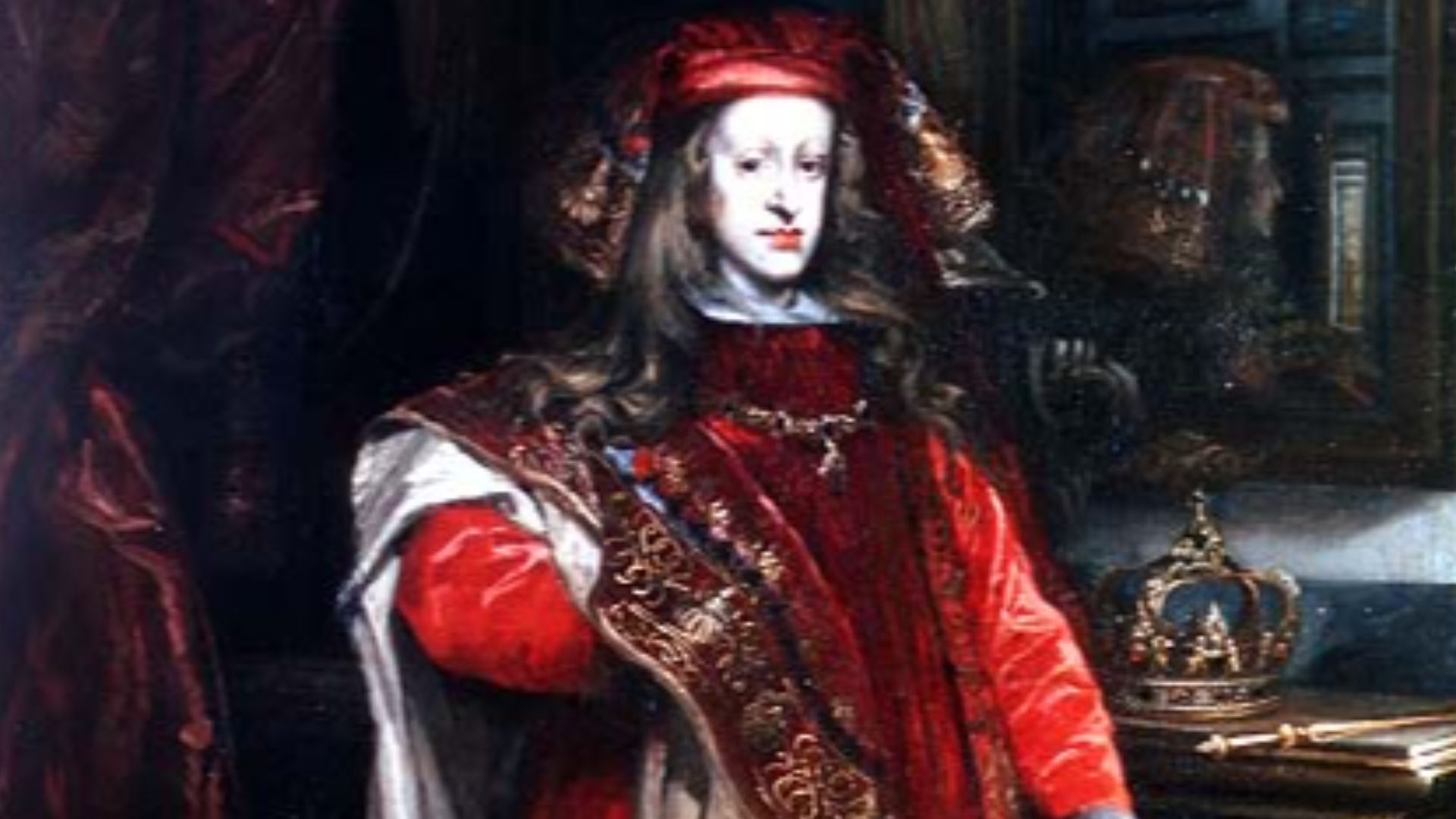 Juan Carreño de Miranda, Wikimedia Commons
29. He Got Sick
The years went by, and there was still no heir to the throne. Maria Anna of Neuburg was likely sweating in her boots. In 1698, Charles got very sick, and it was now very clear. Charles would not be fathering the heir to the throne. Other European countries saw the writing on the wall and decided to take action.
This was not looking good for Maria Anna.
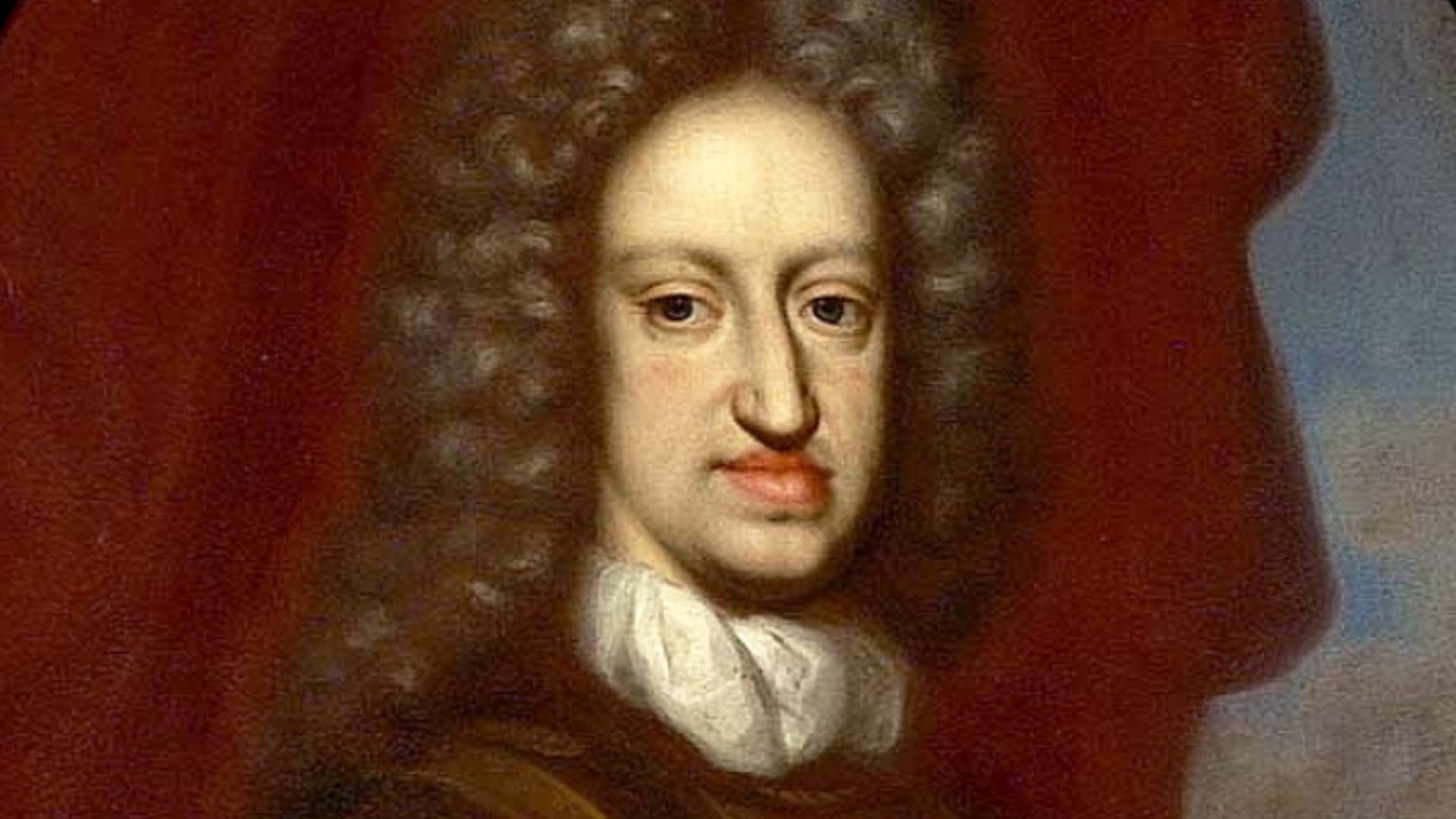 Jan Frans van Douven, Wikimedia Commons
30. They Chose An Heir
When Britain, France and the Netherlands saw that Charles would likely pass without an heir, they got busy. They drew up the Treaty of the Hague, which would help decide the inheritor of the vast empire of Spain. The person they chose was a six-year-old boy named Joseph Ferdinand of Bavaria.
This was good news for Maria Anna.
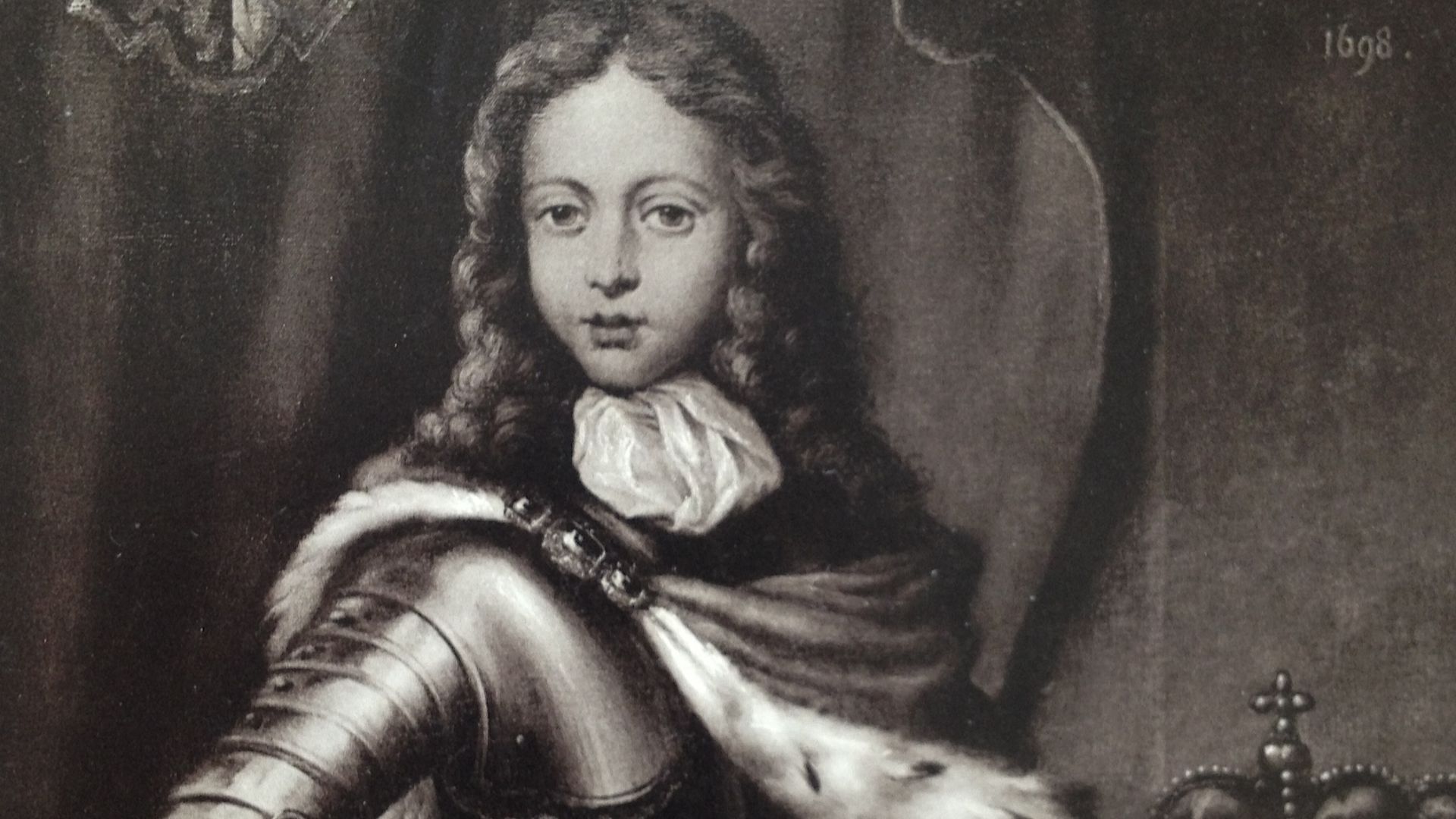 D. Fuchsberger, Wikimedia Commons
31. They Were Related
Joseph Ferdinand’s parents were Maria Antonia, who was Charles’s niece and, more importantly, Maximilian of Bavaria, who, like Maria Anna, was a Wittelsbach. Now, little Joseph Ferdinand wasn't going to get all of Spain, but he was going to get the biggest piece. But, of course, Spain was not happy with this arrangement.
Not happy at all.
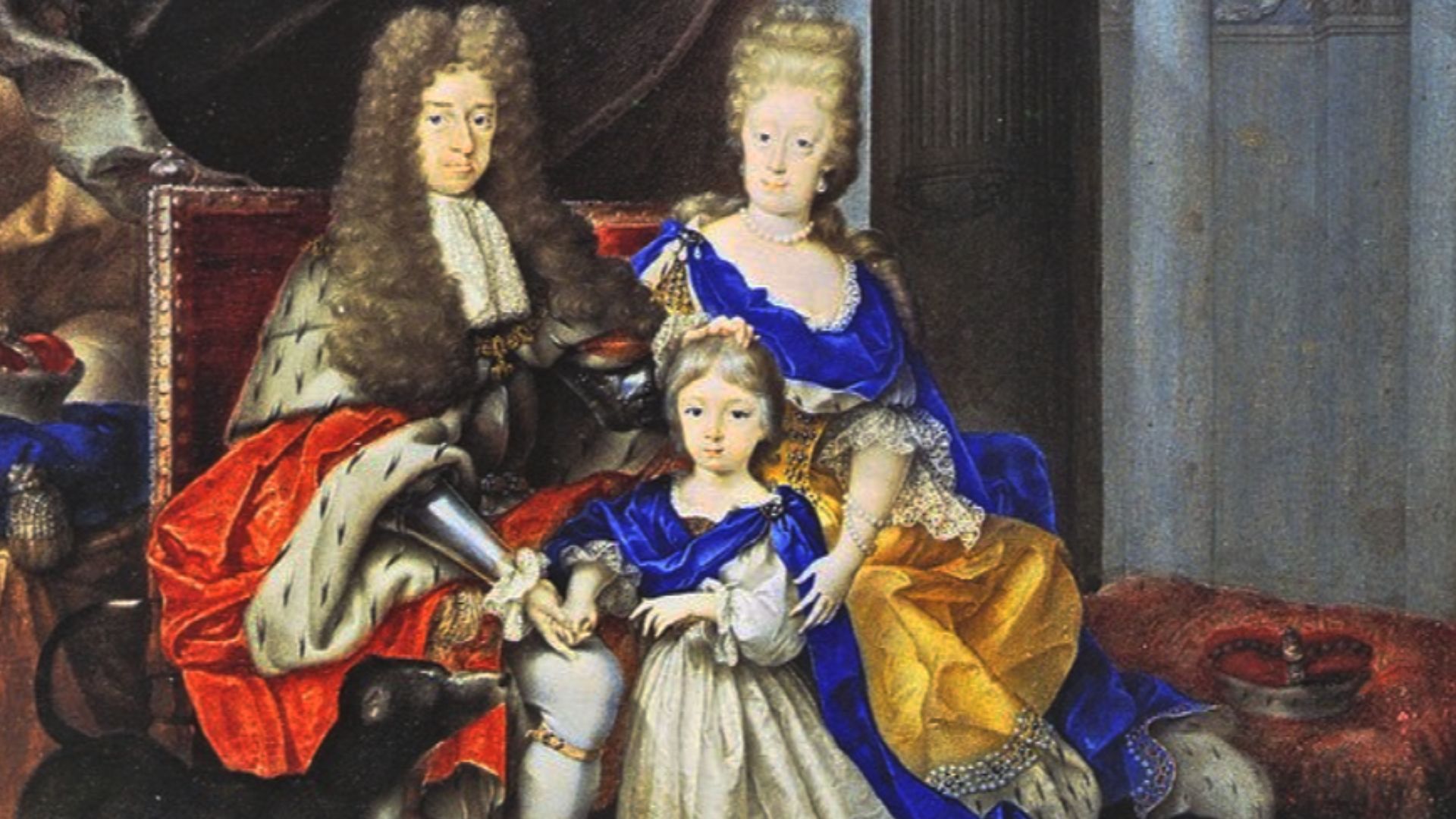 F. C. Bruni, Wikimedia Commons
32. They Came Up With A Plan
Charles’s days were clearly numbered, but he wasn’t going to go quietly. He ignored the Treaty of the Hague and announced his own will. He agreed that Joseph Ferdinand would be his heir but insisted on a united Spanish Empire. Of course, that didn’t sit well with the Spanish.
And Charles had one more announcement that would make them even more angry.
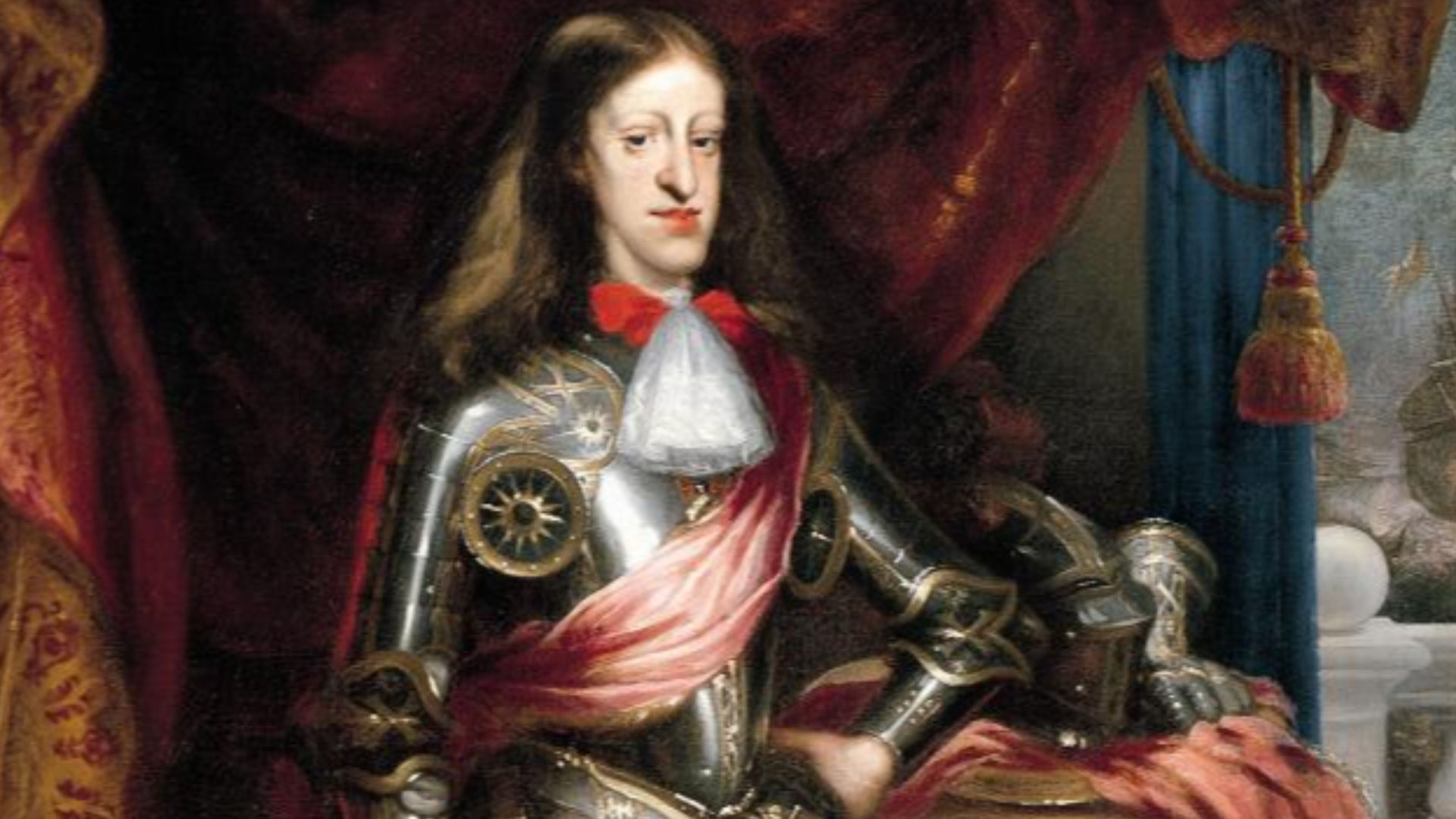 Juan Carreño de Miranda and workshop, Wikimedia Commons
33. He Put Her Name Forward
Because Joseph Ferdinand was too young to rule, there had to be someone temporarily in his place. Charles’s suggestion was his wife, our very own Maria Anna. She would be the regent and rule the country. Let’s just say that this news fell on some very deaf Spanish ears.
And then something happened that no one saw coming.
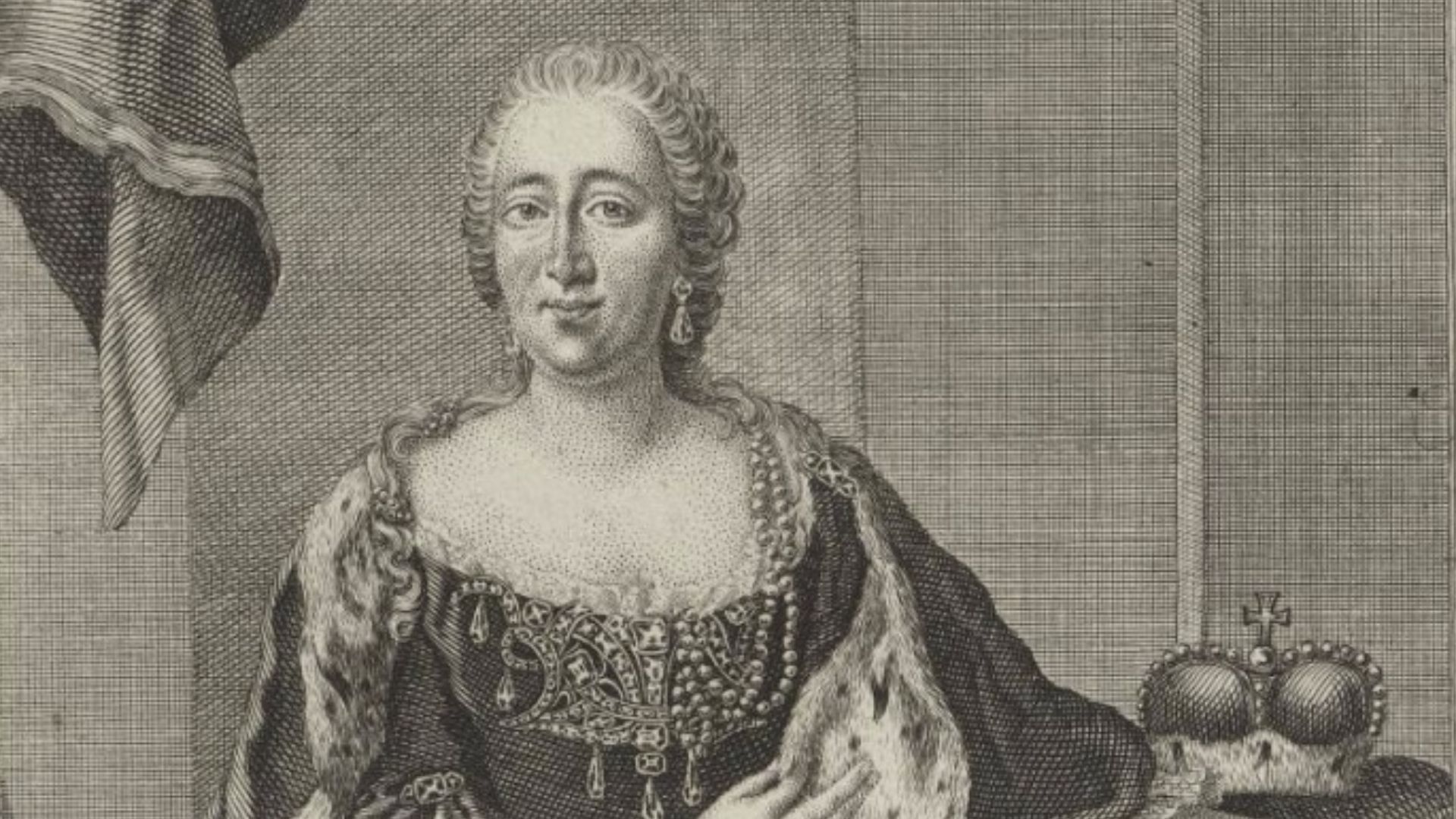 Zimmermann, Joseph Anton (ADB) / After Georg Desmarées, Wikimedia Commons
34. The Plan Was Falling Apart
Around the beginning of February 1699, little Joseph Ferdinand started having seizures. He was also vomiting and losing consciousness. This was the last thing that anyone expected, and on February 6, 1699, when he passed, they had to throw their entire plan out the window. Maria Anna’s ploy to be regent would not happen after all.
But there was one last hope.
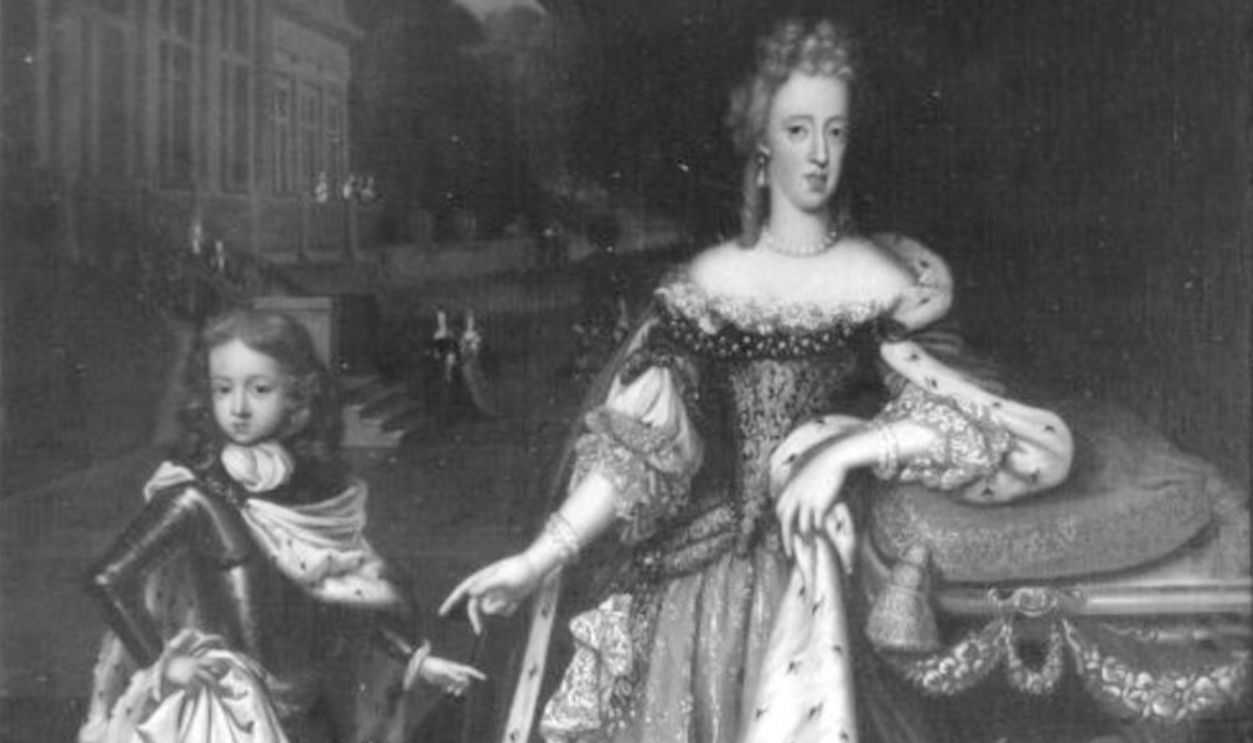 Unidentified painter, Wikimedia Commons
35. There Was A Chance
With Joseph Ferdinand deceased, they had to write up a new treaty. They did it quickly, and the new heir was Archduke Charles. Clearly, Maria Anna had luck on her side, as this was her own nephew. But there was still a downside to this new treaty.
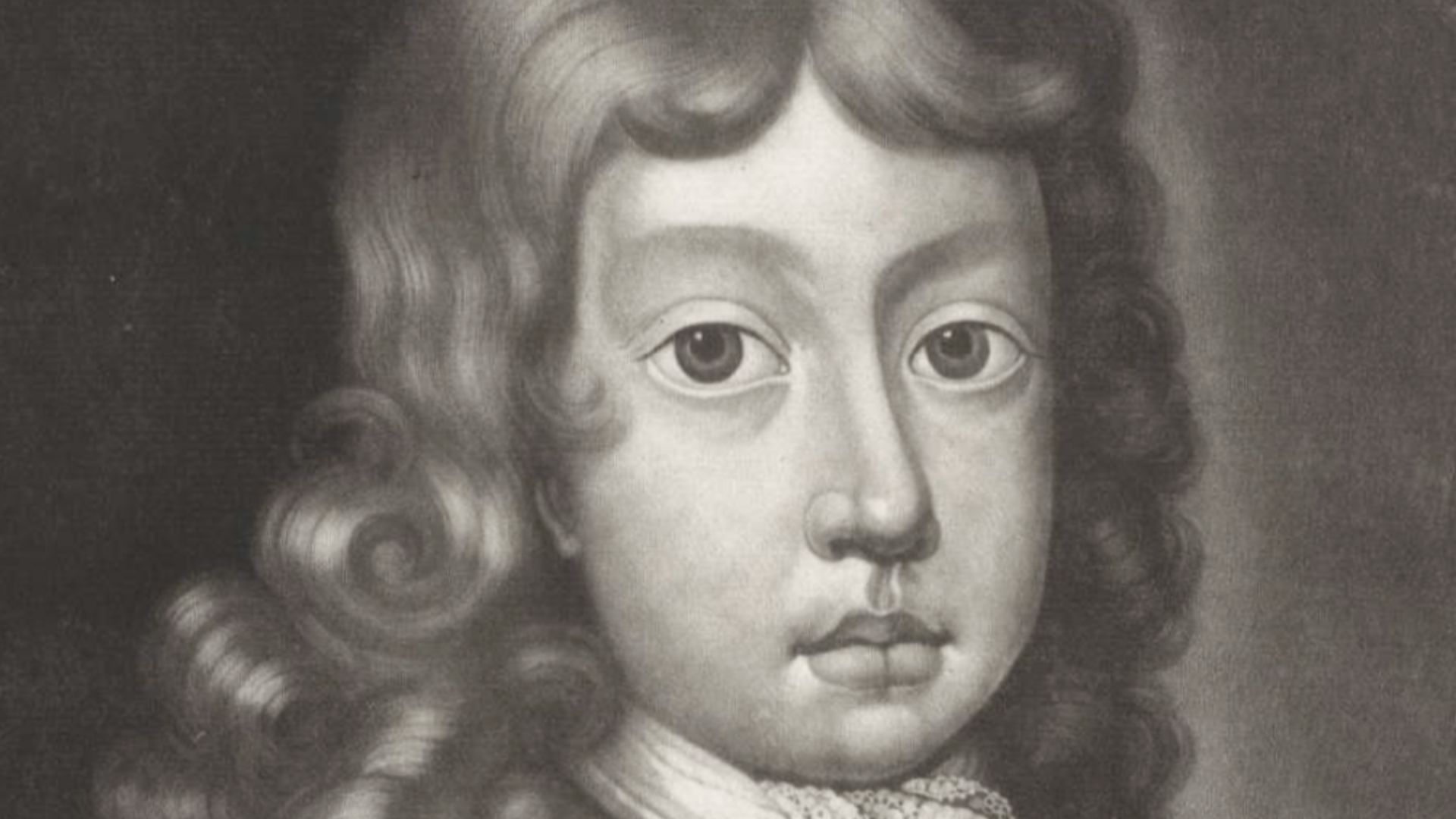 Peter Schenk the Elder, Wikimedia Commons
36. They Risked Dividing The Country
Sure, the new heir was even closer to Maria Anna than the last one. But there was still a problem. This treaty did not include an undivided Spain. In fact, it broke up Spain and gave it to different European countries. But Charles hadn’t passed yet, and he still had influence.
It was time for him to write yet another will.
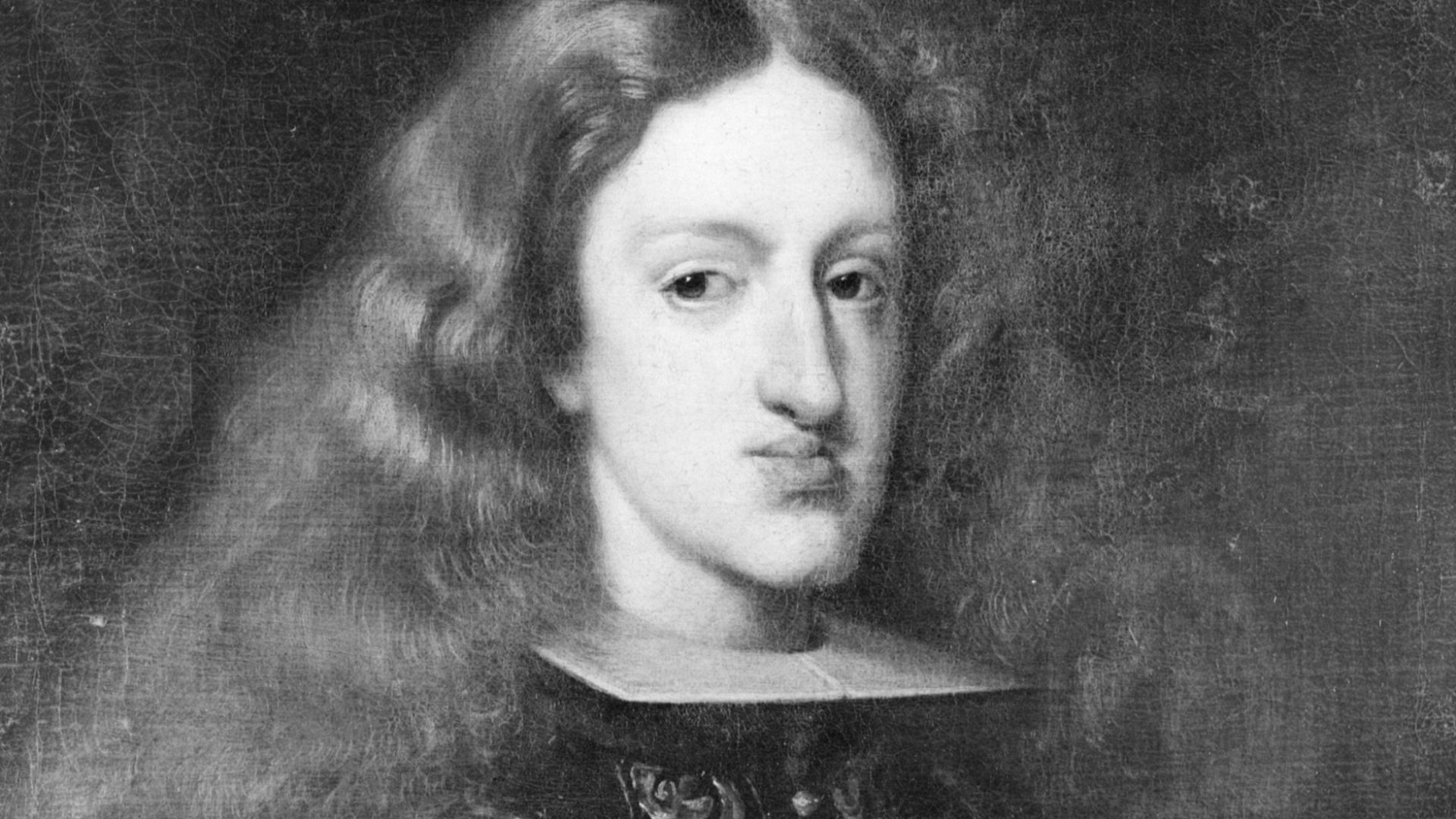 Claudio Coello, Wikimedia Commons
37. She Was Under Stress
Charles’s new will also announced Archduke Charles as his heir. But once again this will differed in the division of Spain. He wanted the Spanish monarchy to stay together, and he demanded that Spain be independent from Austria. What this meant for Maria Anna was that she, as regent, would be under great stress to make this all happen.
She had some pretty clear enemies to fight against.
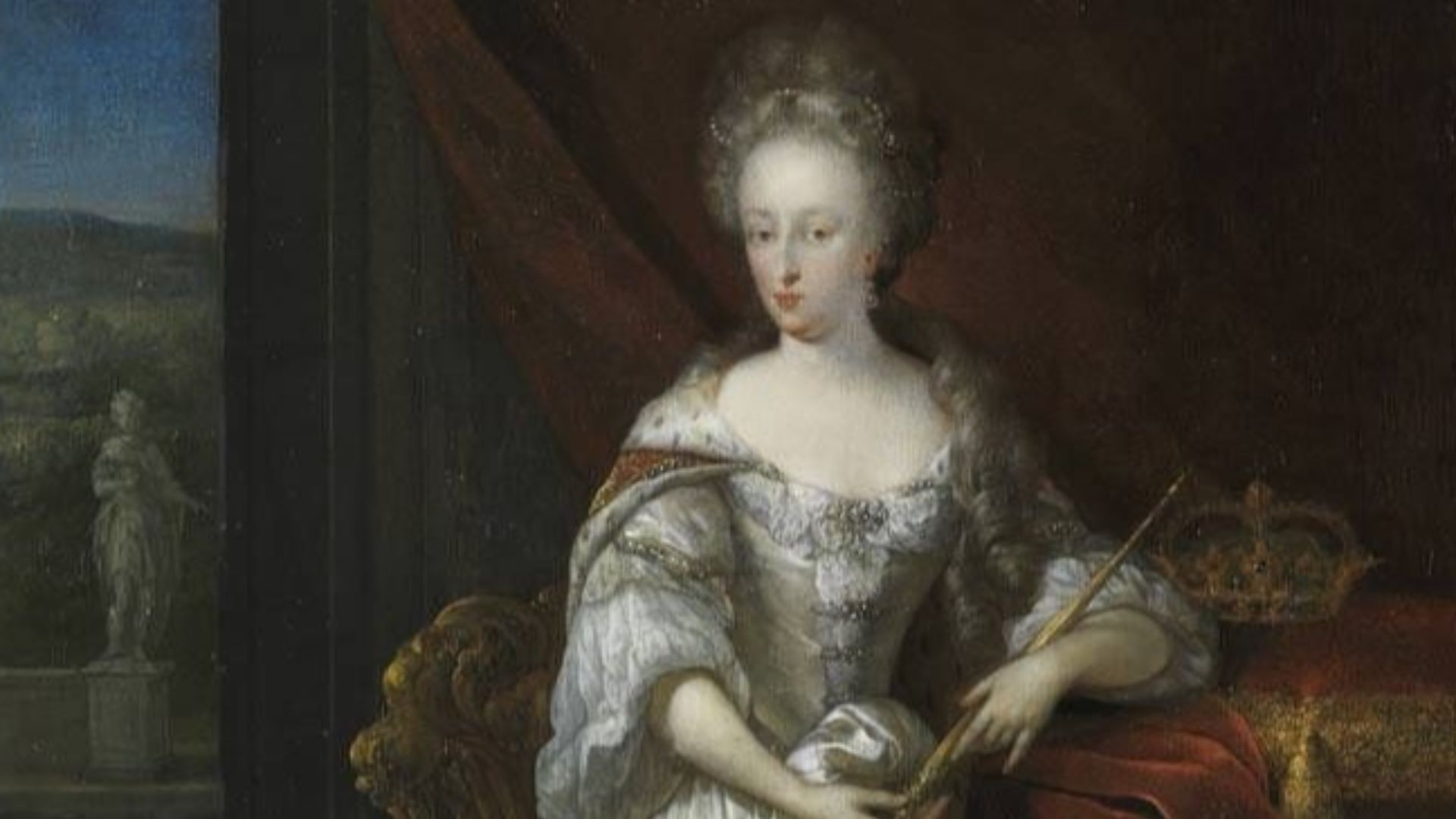 Eglon van der Neer, Wikimedia Commons
38. They Wanted Someone Else
Charles and Maria Anna may have wanted Archduke Charles as the future king, but the preference of the Castilian nobility became more and more clear: they wanted an heir from Maria Anna’s enemies, the Bourbon family. Maria Anna was doing what she could to make sure her nephew got the top spot, but her power in this situation was limited.
In June 1700, Maria Anna made a dramatic move.
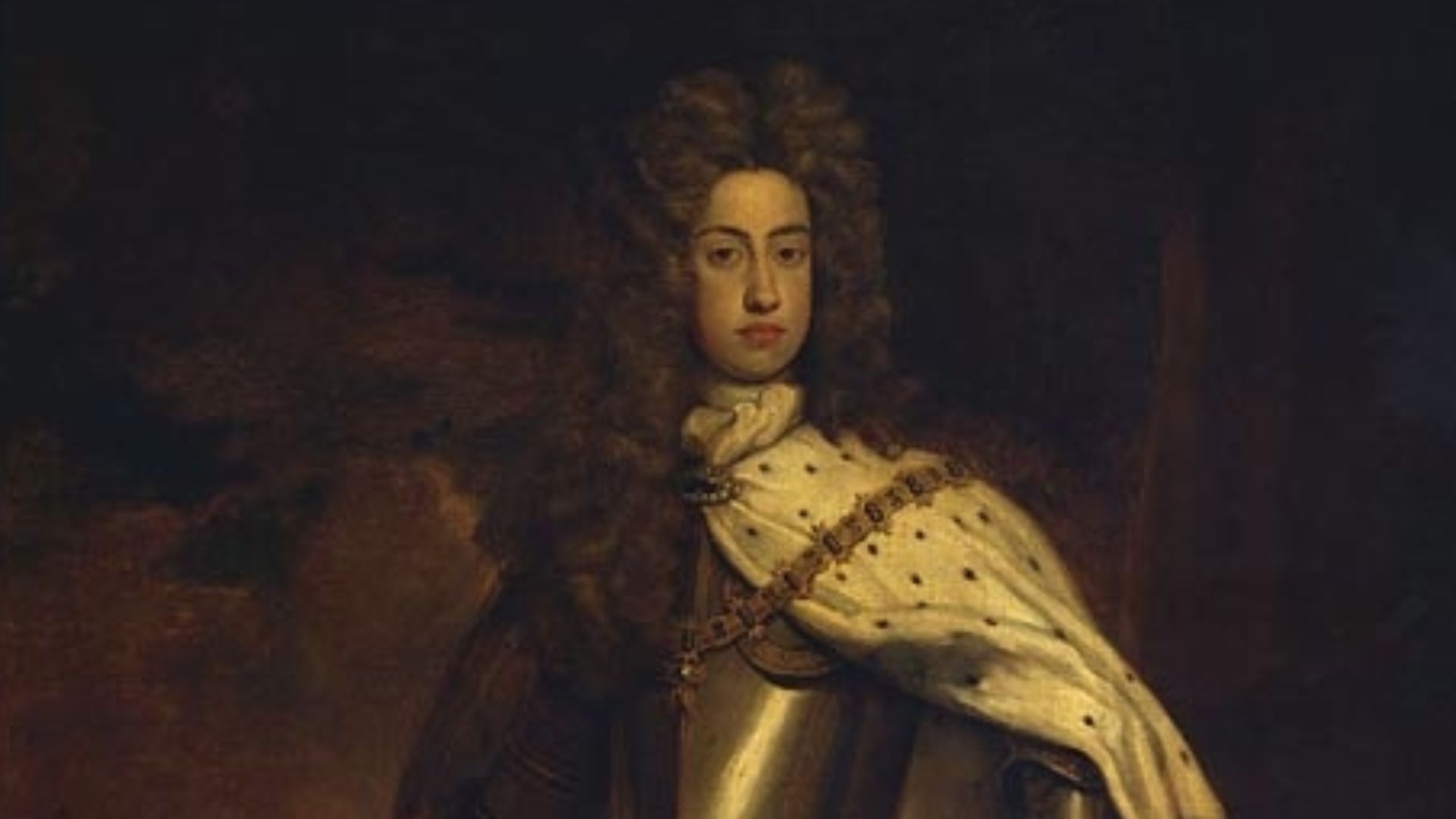 Godfrey Kneller, Wikimedia Commons
39. She Was Put In A Difficult Position
Charles had a personal confessor named Frolilán Diaz, and he was a problem. He was pro-French. In June 1700, Maria Anna consulted with her ally Mendoza, who was a member of the Inquisition. She got Mendoza to apprehend Frolilán Diaz and then announced the charge. He said that Frolilán Diaz was “bewitching the king”.
This could be the solution to Maria Anna’s problems.
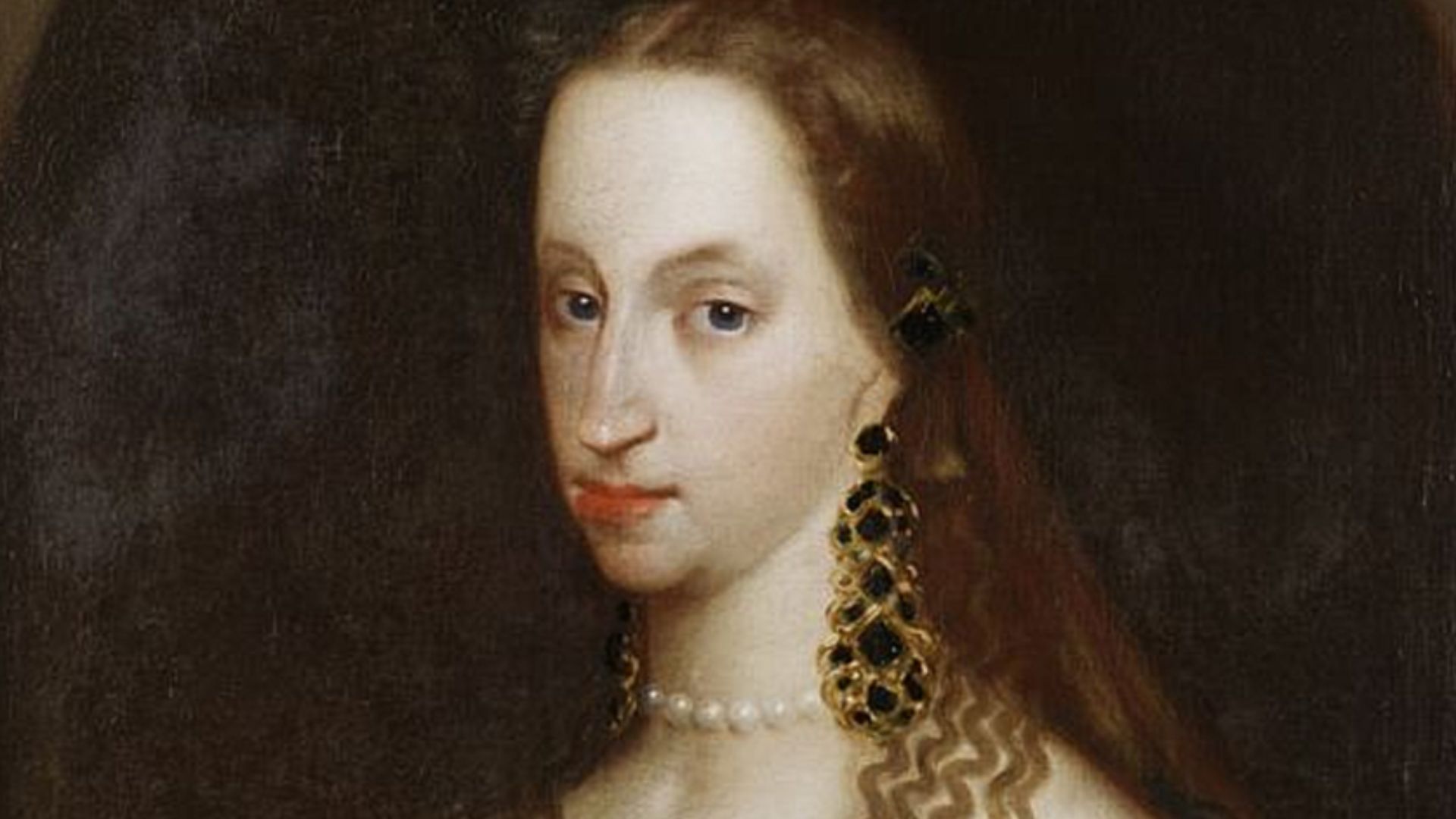 Attributed to Claudio Coello, Wikimedia Commons
40. He Was Found Innocent
They eventually found Frolilán Diaz innocent and set him free. This was some serious bad news for Maria Anna. It meant that her powers were not as strong as she thought. And it also meant that the pro-France movement had more power than she had anticipated. Maria Anna’s influence was on a downward trajectory.
And then the worst thing happened.
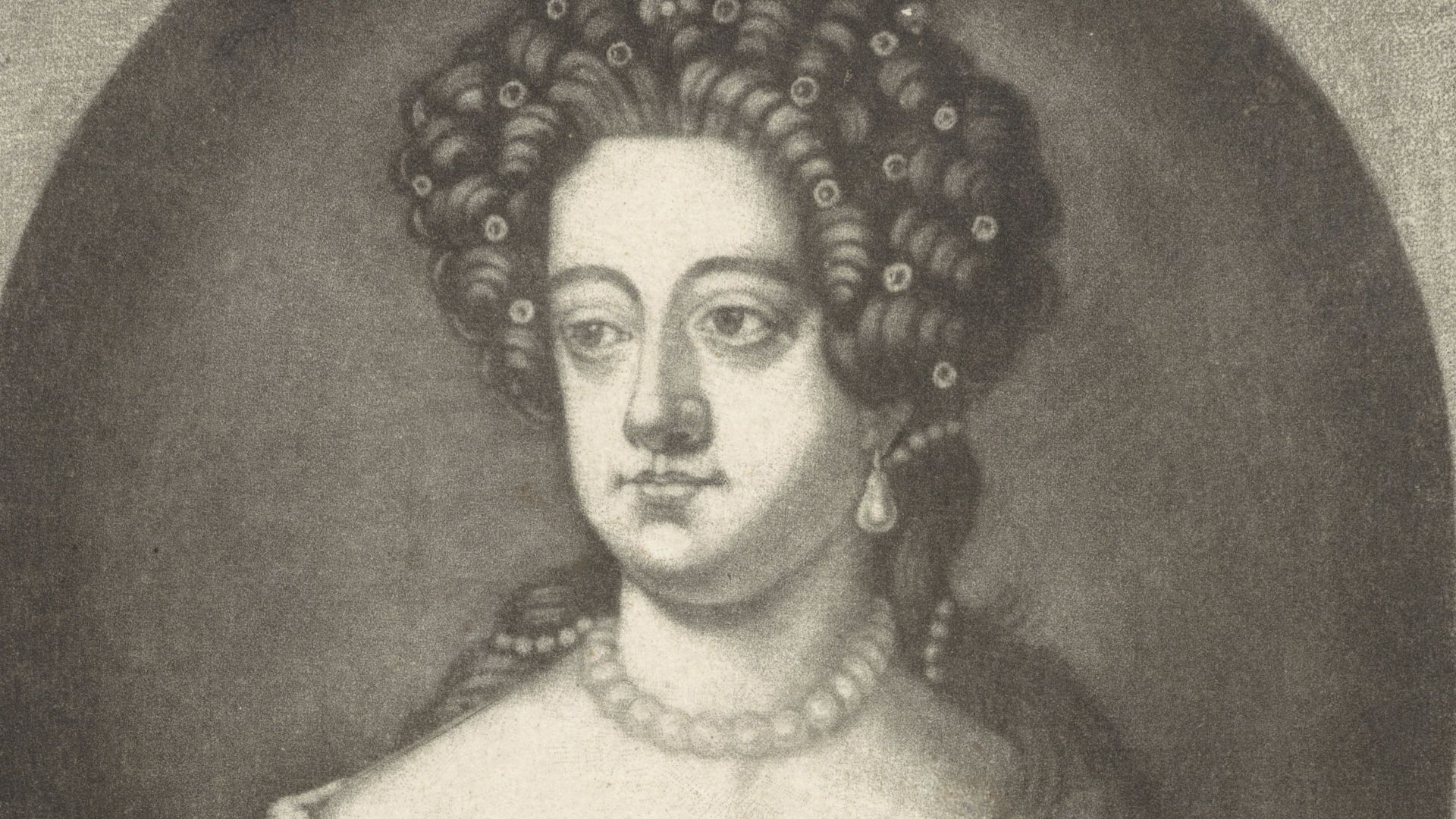 Matthys van Marebeck (circa 1659-1699), Wikimedia Commons
41. He Got Him Alone
Sure, Maria Anna’s power was at an all-time low, but she was still the wife of the King. Charles hung in there as long as he could, but his health was still deteriorating. As he neared the end, the pro-French Cardinal Fernandez de Portocarrereo sneakily got Charles alone. He had an evil plan, and it was not going to be good for Maria Anna.
 Unidentified painter, Wikimedia Commons
42. They Spoke In Secret
Maria Anna’s husband was close to dying, and Fernandez de Portocarrereo put an idea in his head. He suggested that he change his will one more time. He wanted the new heir to be 17-year-old Philip of Anjou. Anjou was Louis XIV's grandson and obviously very French.
If Charles listened to Portocarrereo, Maria Anna would be in big trouble.
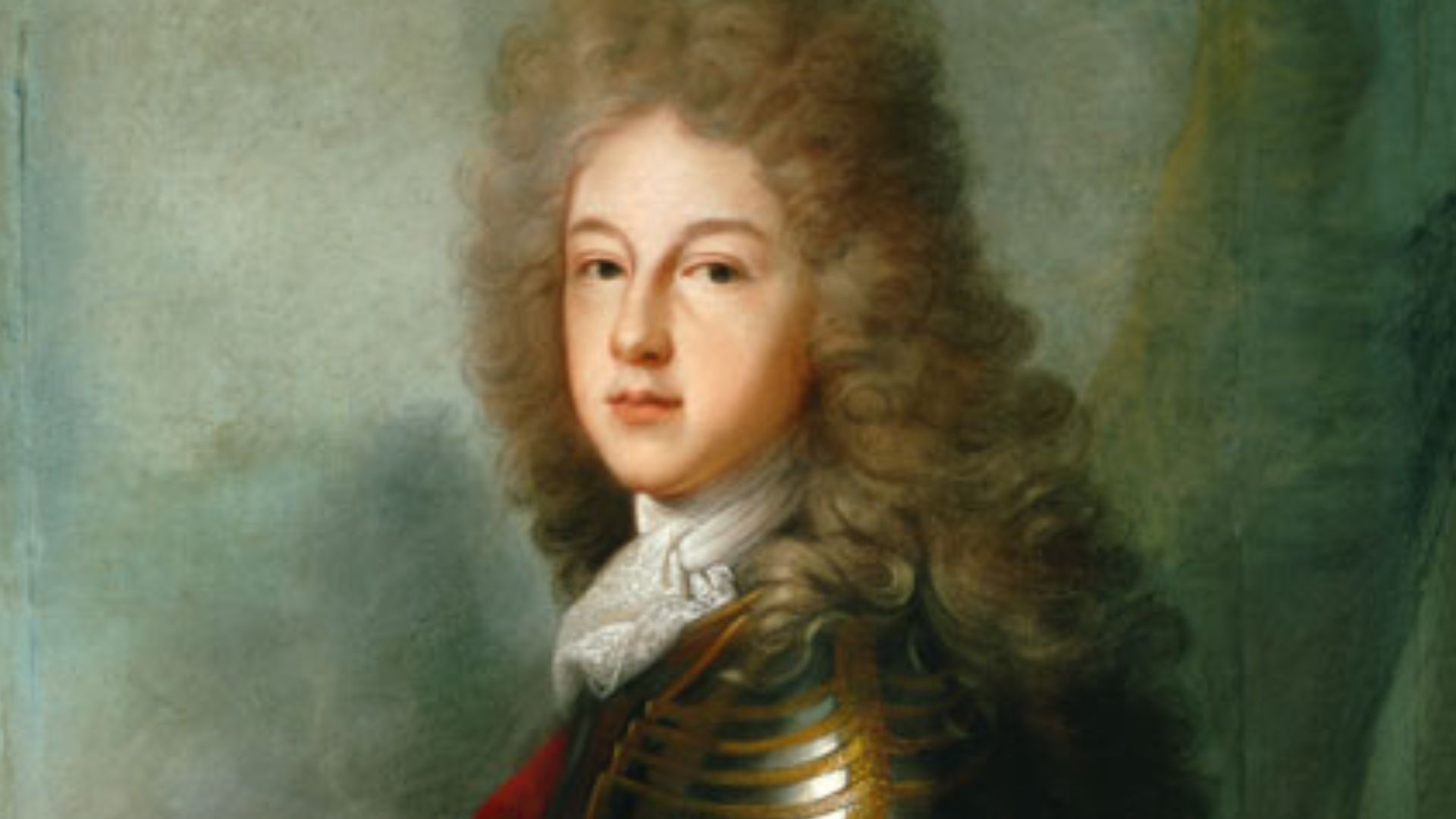 Joseph Vivien, Wikimedia Commons
43. They Announced A New King
After a lengthy illness, Charles finally breathed his last on November 1, 1700. And as it turned out, Portocarrereo had successfully gotten Charles to change his will. A few weeks later, they announced Philip of Anjou as the new king of Spain. This was horrible news for Maria Anna. But she hadn't given up yet.
She still had one more move to keep her in her position of power.
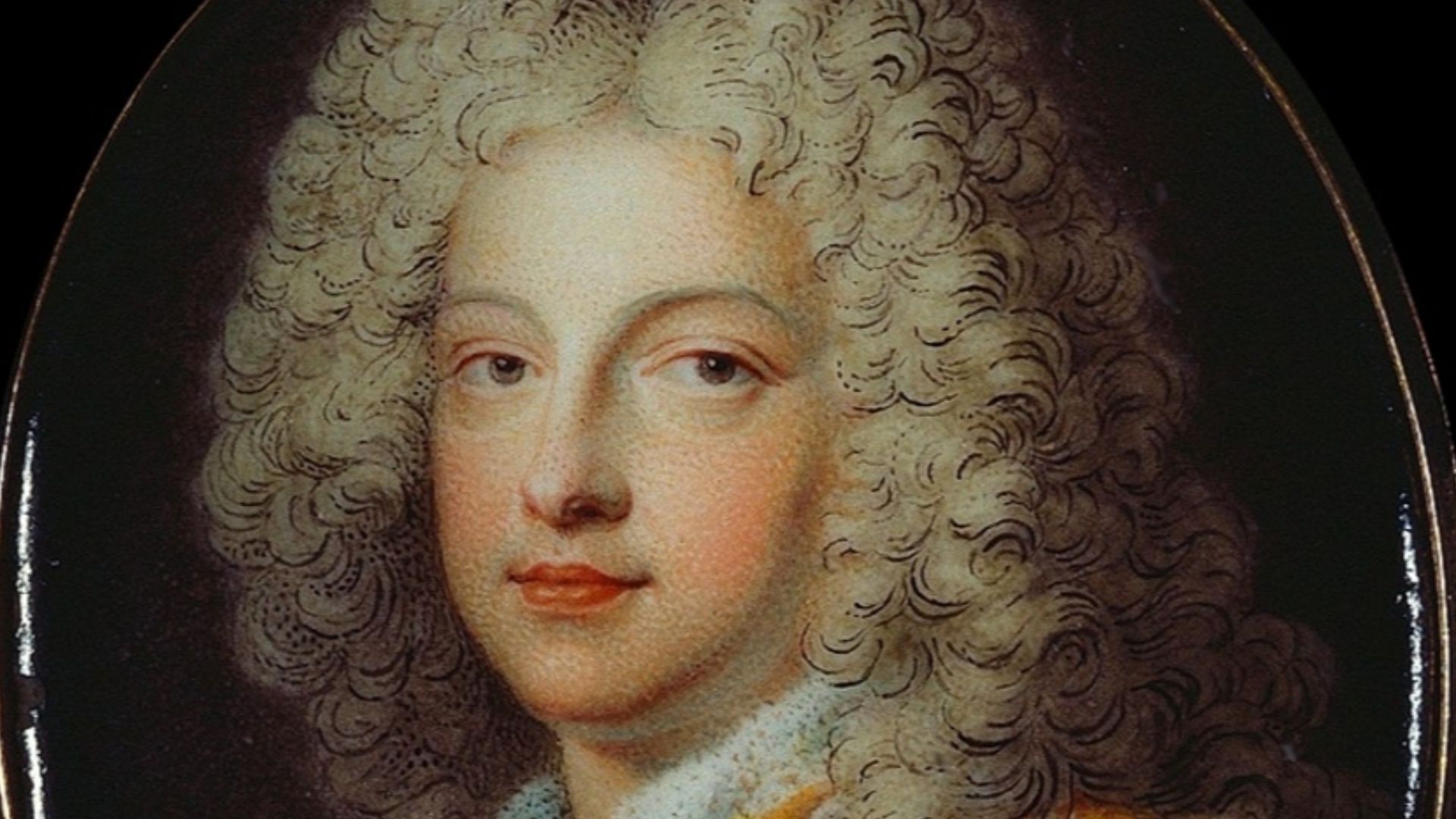 Unknown authorUnknown author, Wikimedia Commons
44. She Changed It
Because Maria Anna wasn't happy with Charles’s new will, she made a last-ditch effort. She desperately tried to have his will annulled. Her new version of the will had Archduke Charles as the heir to the throne. Sadly, this plan failed, and the new king would still be Phillip of Anjou.
Maria Anna was in very serious trouble.
![Philip V of Spain (1683-1746), born Philippe de France, fils de France and duc d'Anjou, was king of Spain from 1700 to 1724 and from 1724 to 1746, the first of the Bourbon dynasty in Spain. Philip was the second son of Louis, le Grand Dauphin and Maria Anna of Bavaria,[1] known as Dauphine Victoire. He was a younger brother of Louis, duc de Bourgogne and an uncle of Louis XV of France.](https://www.factinate.com/storage/app/media/factinate/2026/3/9/17730366055b6a971dd47d4c3006efa15053fd17e4b552cfa1.jpg) Miguel Jacinto Meléndez, Wikimedia Commons
Miguel Jacinto Meléndez, Wikimedia Commons
45. She Had No Future
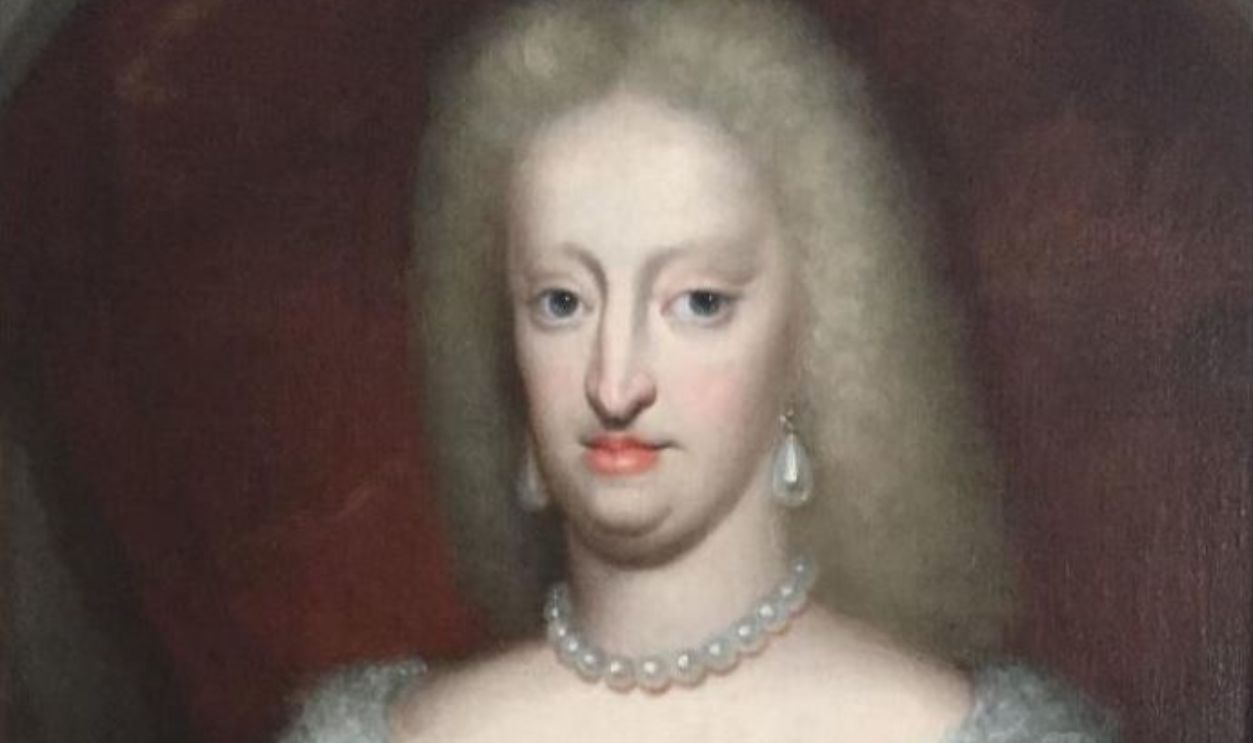
With a French Philip of Anjou as the new king, Maria Anna had lost all of her power. What was worse was the man who would be the new king’s right-hand man. It was none other than Portocarrero himself. With a French king and an advisor like Portocarrereo, Maria Anna’s future looked very grim.
 Attributed to Jan van Kessel the Younger, Wikimedia Commons
46. They Put Her Away
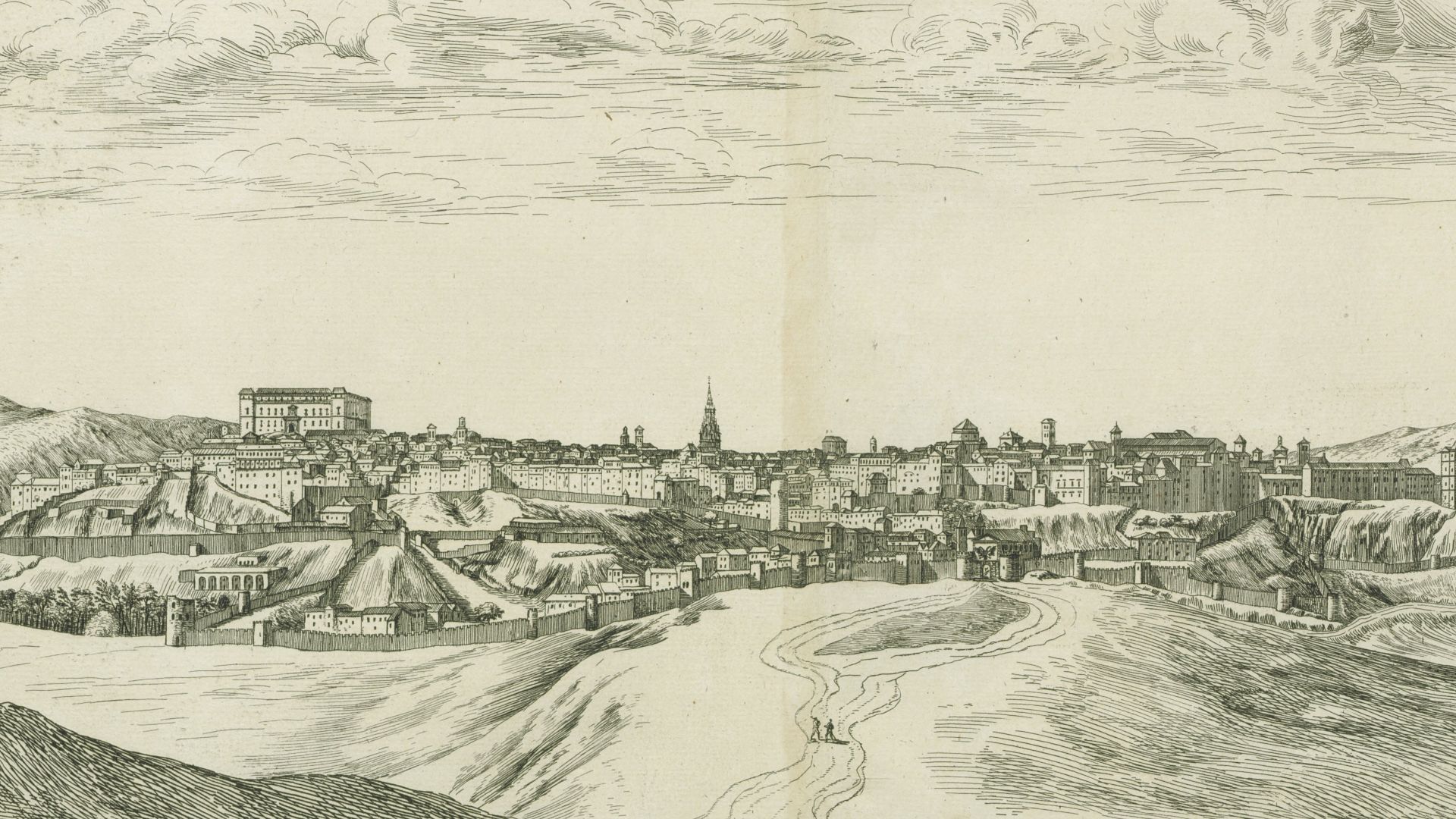
The new king and Portocarrereo quickly decided what to do with Maria Anna. They put her in exile in Toledo, far from where she had any influence at all. While it seems like Maria Anna had already had a very long life, she was still just 33 years old. She had the rest of her days to live.
What was she going to do?
 Israel Silvestre, Wikimedia Commons
47. She Thought They Forgot Her
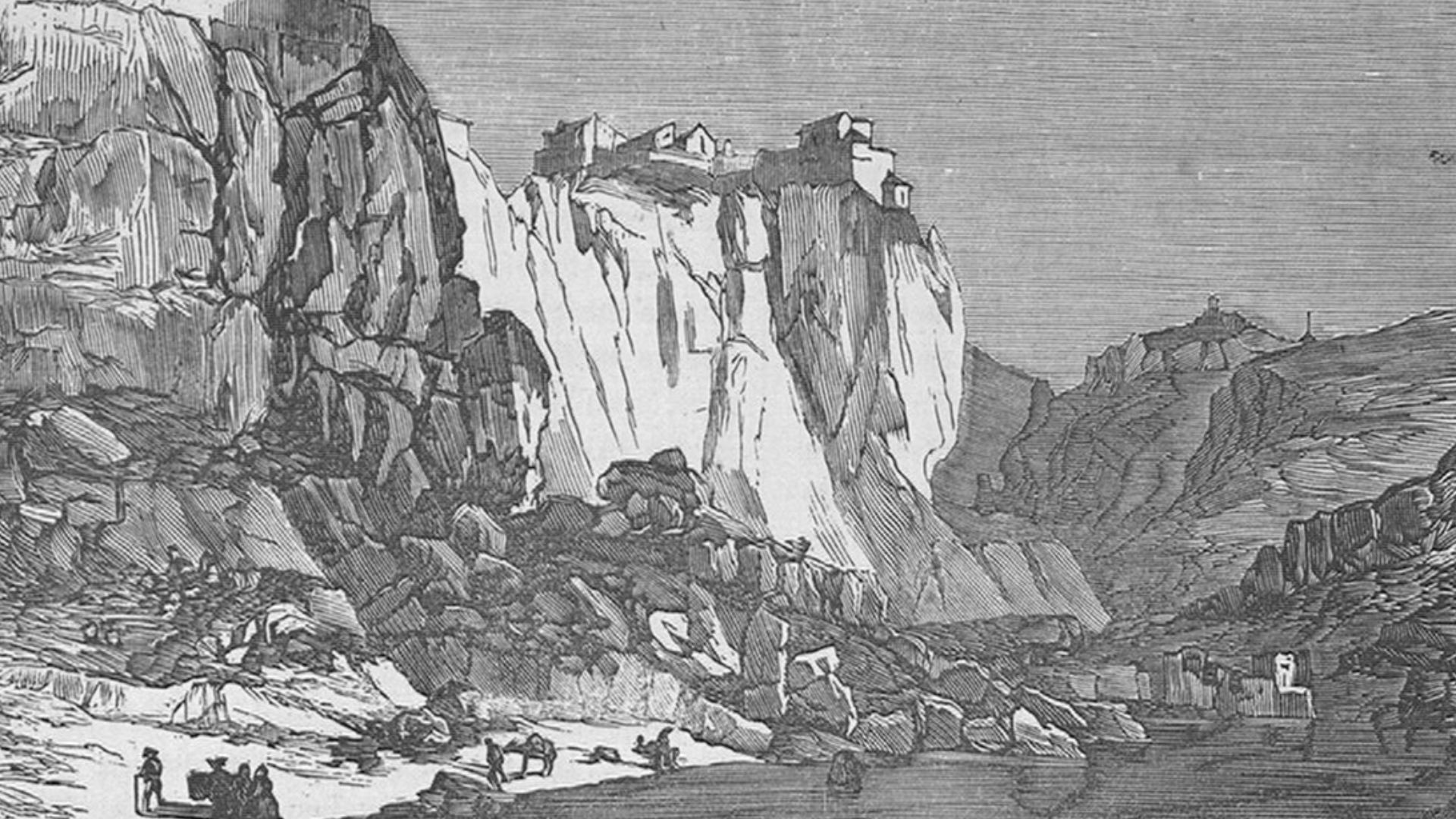
While spending her days quietly in Toledo away from the Spanish court, Maria Anna must have assumed that everyone had simply forgotten about her. But that wasn’t true. After spending six years in Toledo, a message came from the King. But instead of an invitation back, it was more bad news.
 Vicente Urrabieta / Joaquín Sierra y Ponzano, Wikimedia Commons
48. She Took Sides
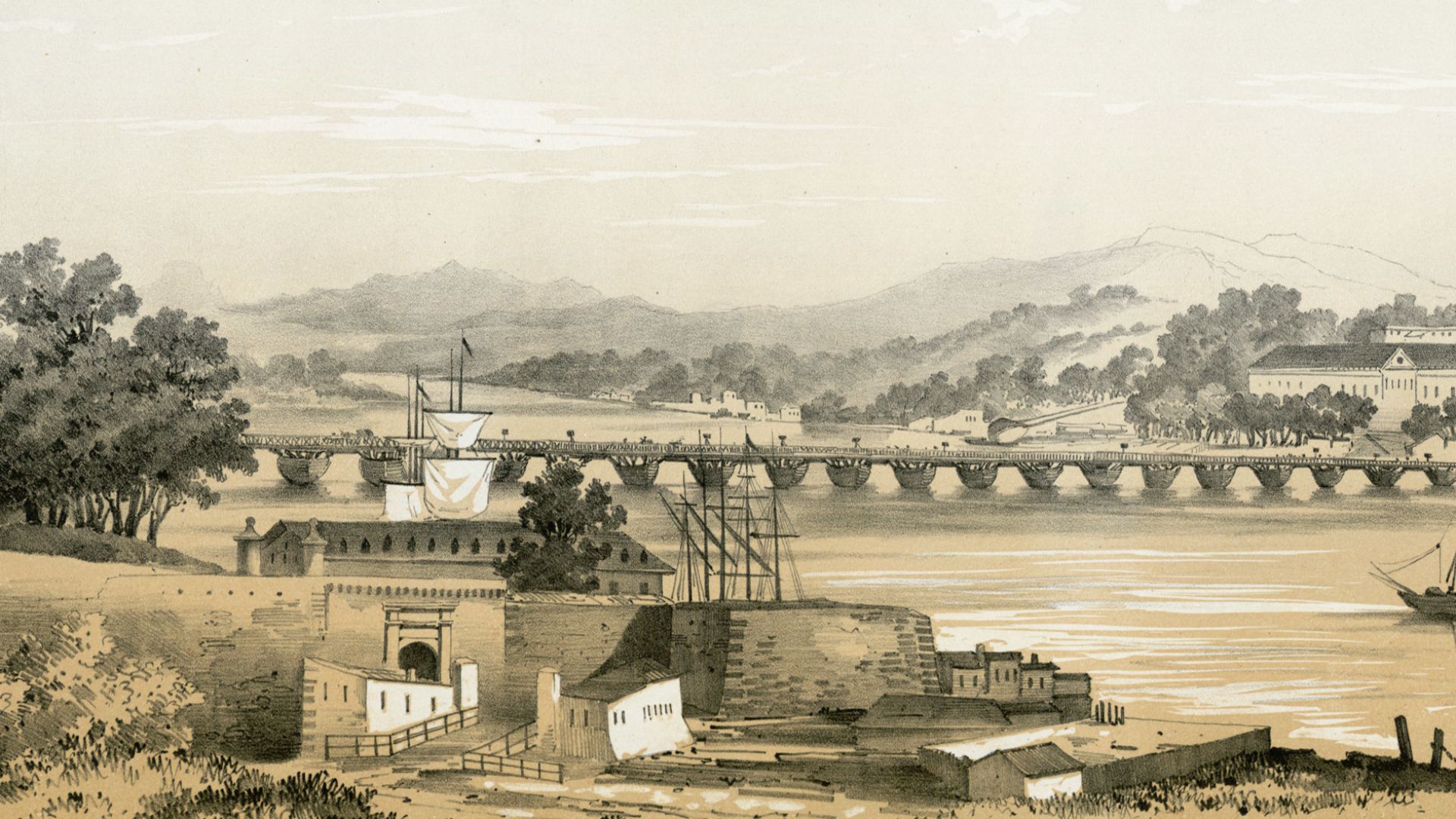
Because Maria Anna was taking the side of Austria during the War of the Spanish Succession, she was in hot water. As it turned out, the king no longer thought that Toledo was far enough from the center of power. He had some bad news for Maria Anna. She was going to live out the rest of her days in Bayonne, France.
This was particularly bad for Maria Anna.
 Eugène de Malbos, Wikimedia Commons
49. She Busied Herself
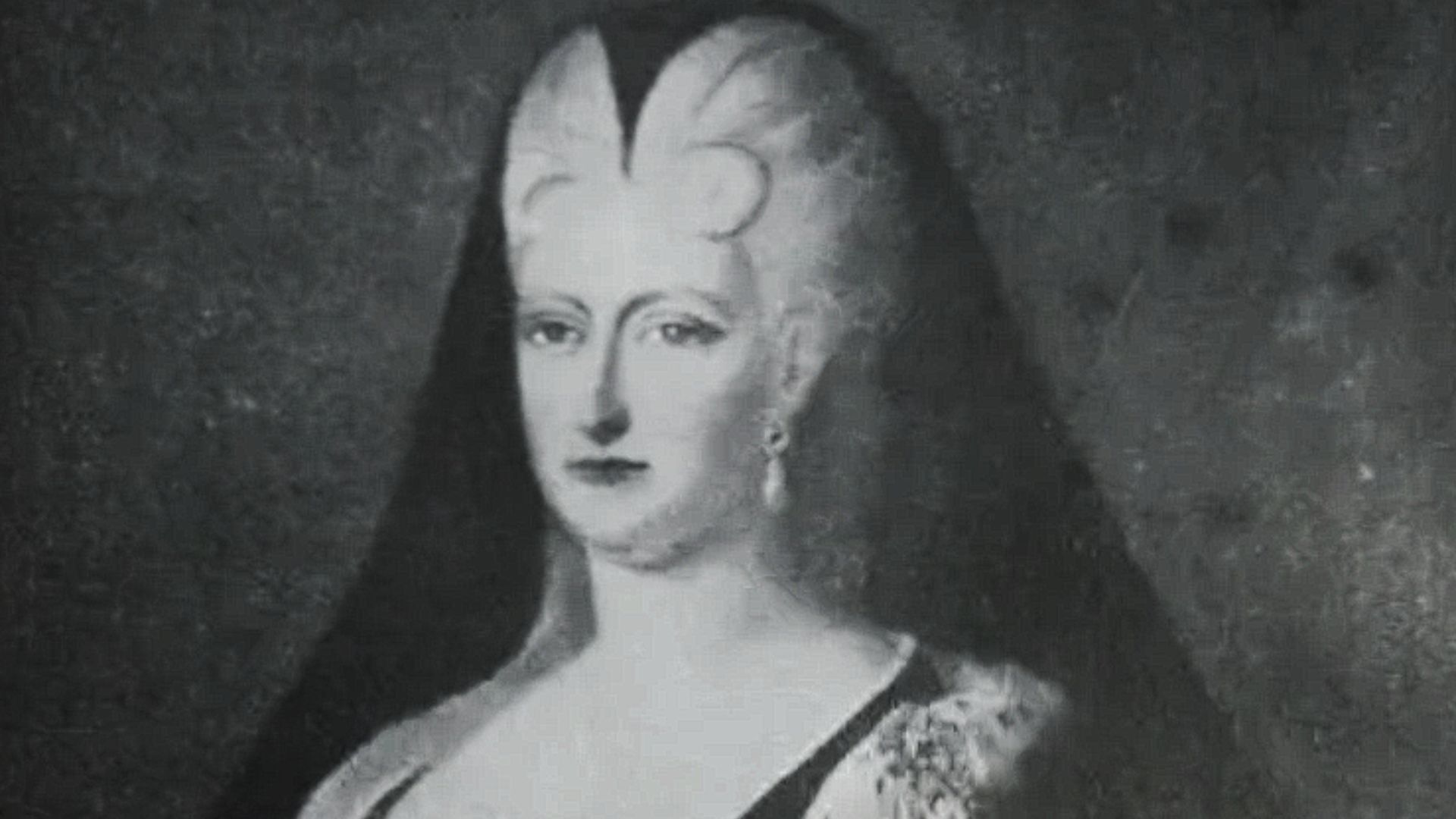
Remember, for years and years Maria Anna had been anti-France. Now, here she was living out her days there. To make matters worse, money was tight, as her pension for being the wife of the king was not coming. She made the best of it and took up music and devoted herself to religion.
Toward the end of her life, Maria Anna finally got some good news.
 Unidentified painter, Wikimedia Commons
50. She Finally Came Home
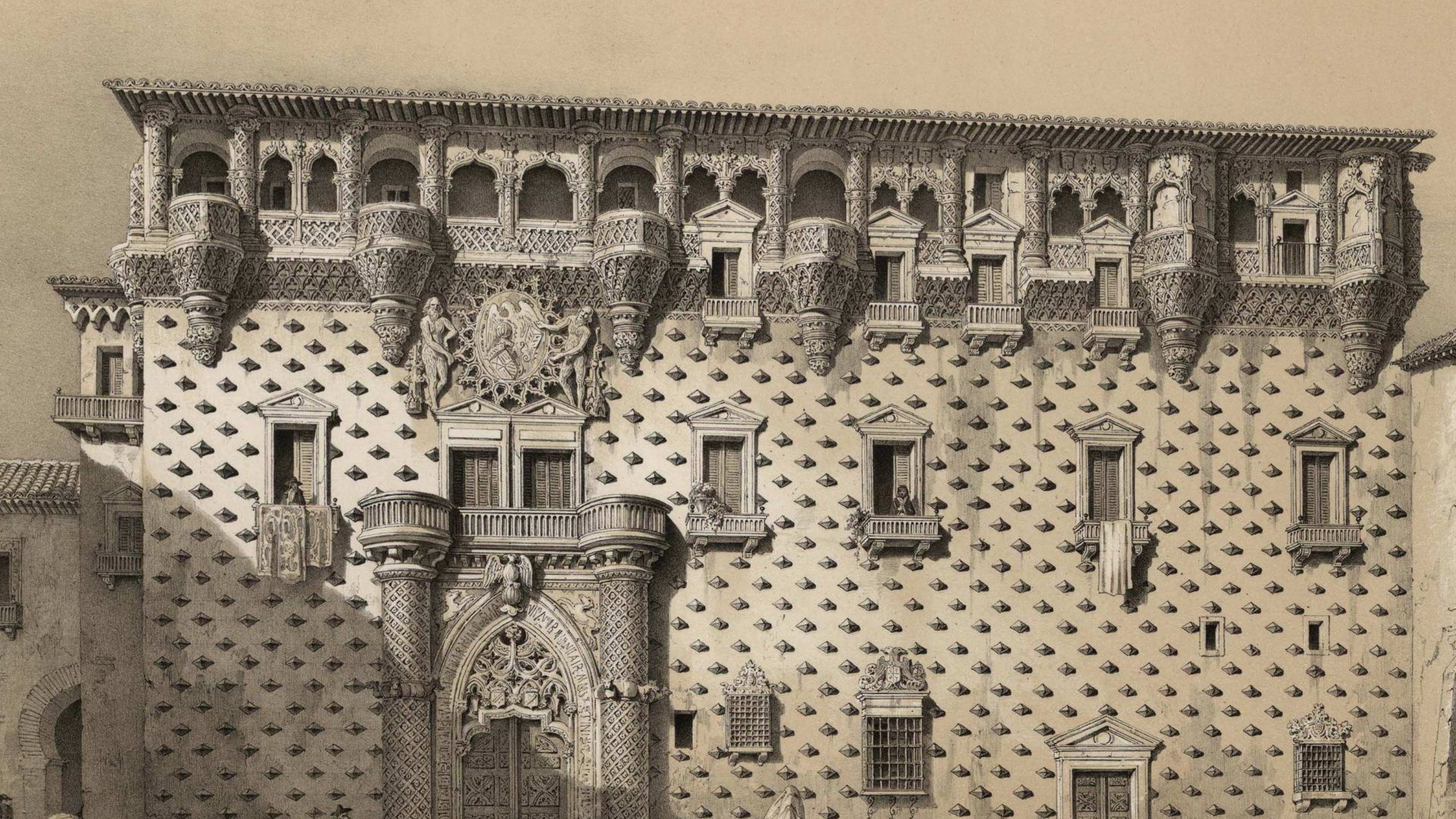
After nearly 40 years away, Maria Anna was finally allowed to return to Spain in 1739. They gave her a place to live in Guadalajara at the Palacio del Infantado. Her life, which had been full of important events and challenges, came to an end the following year, in 1740. She passed in Guadalajara, marking the end of a very long and eventful life.
 Genaro Pérez Villaamil / Léon Auguste Asselineau, Wikimedia Commons
You May Also Like:
Maria Carolina of Austria, The Vengeful Queen
The Most Bizarre And Interesting Things Queen Elizabeth Owns










_(Attr.)_-_Portrait_of_Maria_Anna_of_Neuburg.jpg)

.png)

_(Attrib._to)_-_Portrait_of_Maria_Anna_of_Neuburg.JPG)