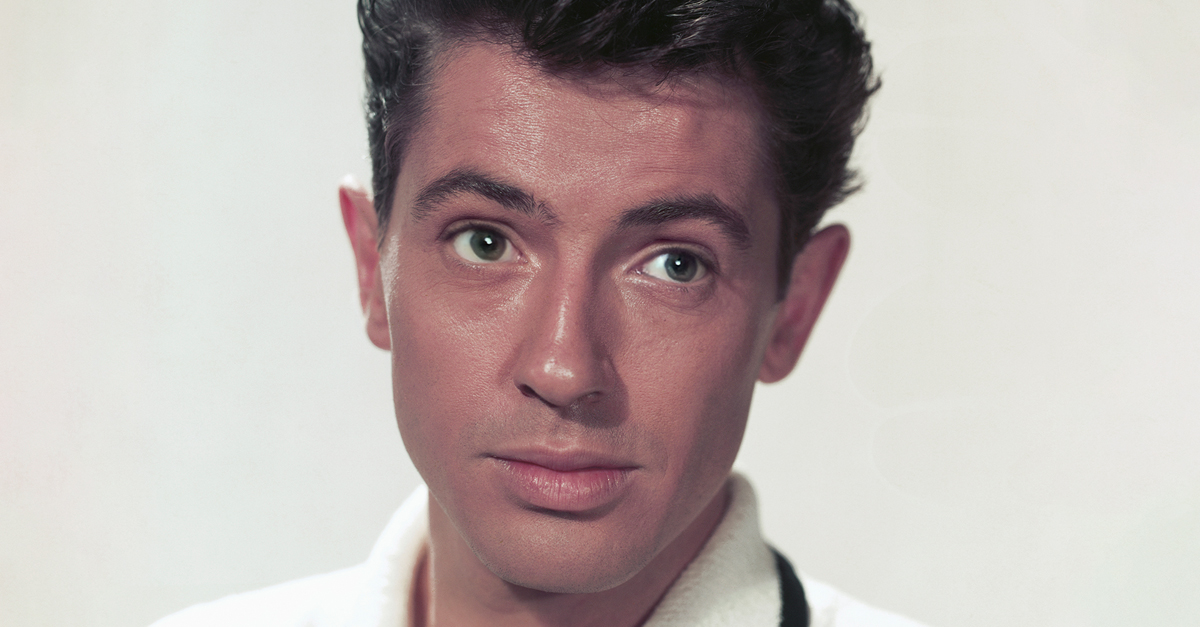
He Went In Reverse
Most Hollywood stars pay their dues in thankless roles, as they try to reach the dizzying heights of Hollywood. Not Farley Granger. He started in big films and then turned his back on Tinsel Town altogether. What followed were foreign films, stage acting, and even soap operas.
While this may sound like a sad descent into obscurity, Granger was in total control of his career. Besides, he was too busy enjoying one of the most varied—and audacious—personal lives in Hollywood history.
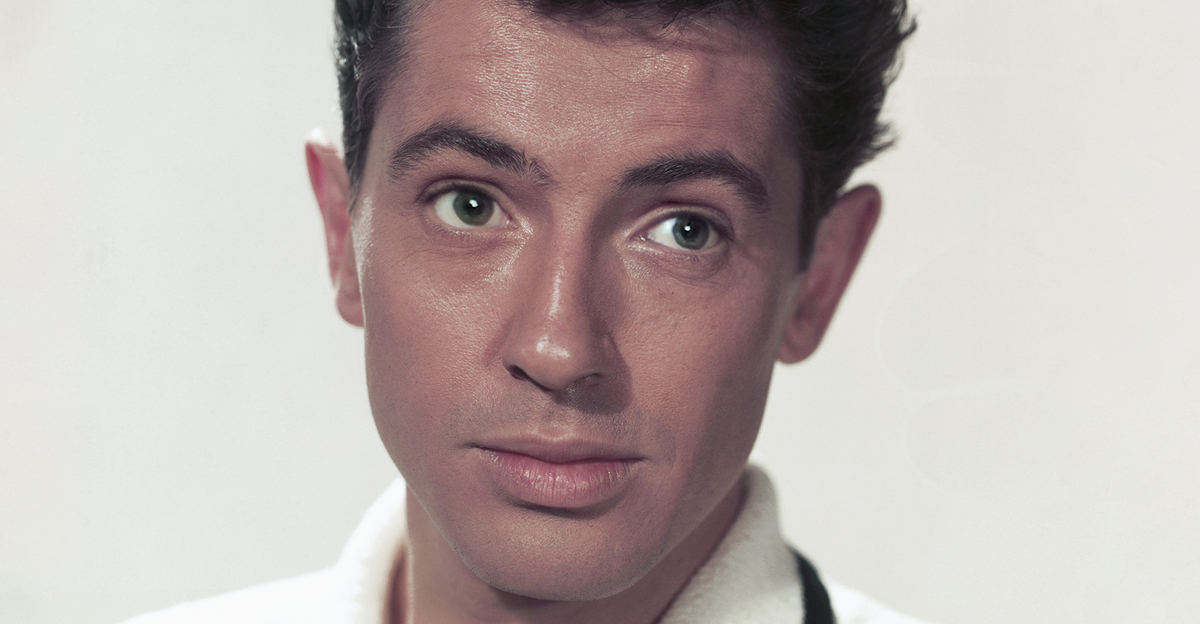 John Springer Collection/CORBIS/Corbis via Getty Images
1. He Was Born Into Privilege
Farley Earle Granger Jr was born on July 1, 1925, in San Jose, California. The family owned a car dealership, and with the income from that lived a life of privilege. In addition to their usual residence, they also owned a beach house on Monterey Bay. It was a charmed life for little Farley.
But it was not going to last.
2. They Lost Almost Everything
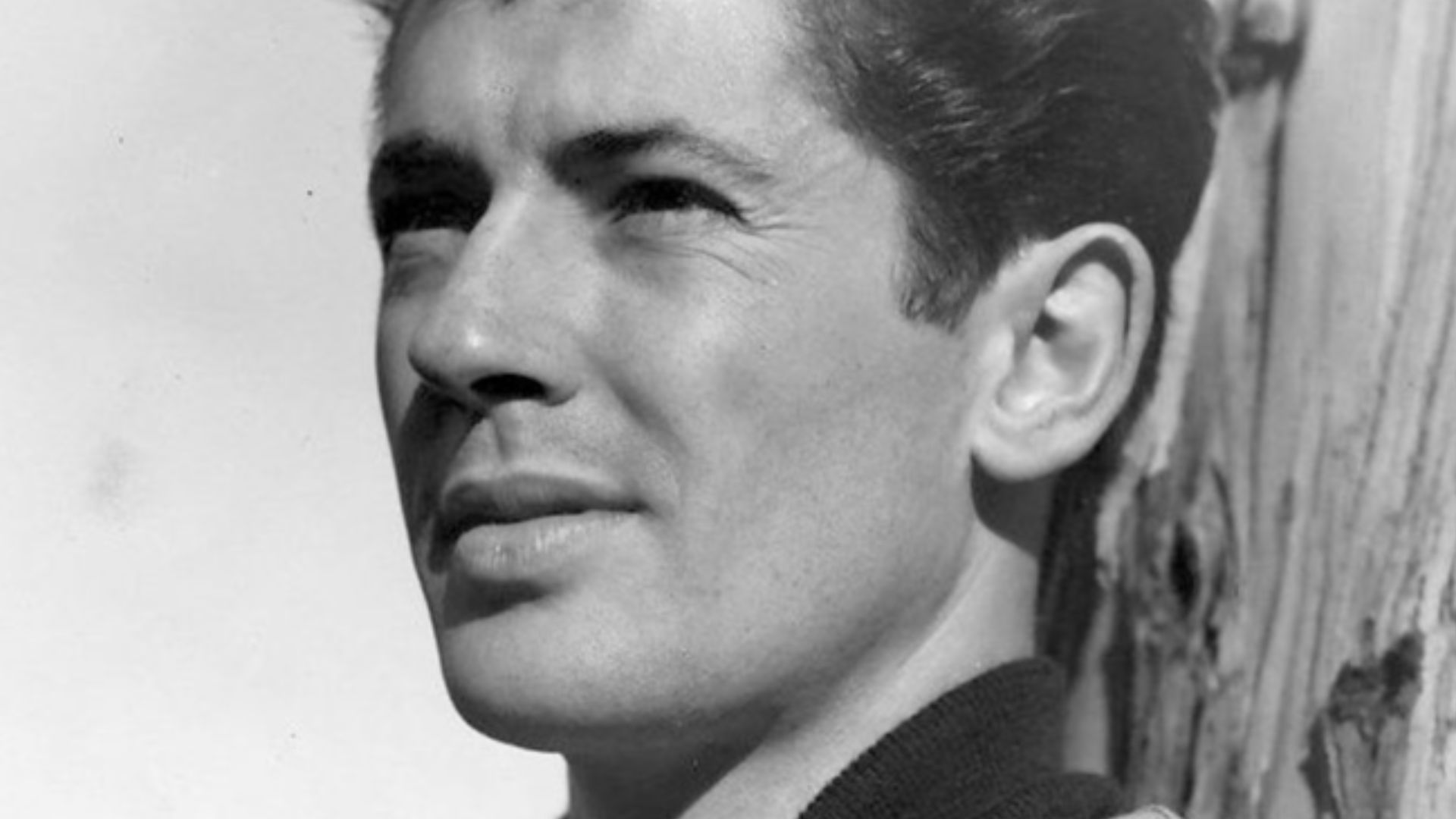
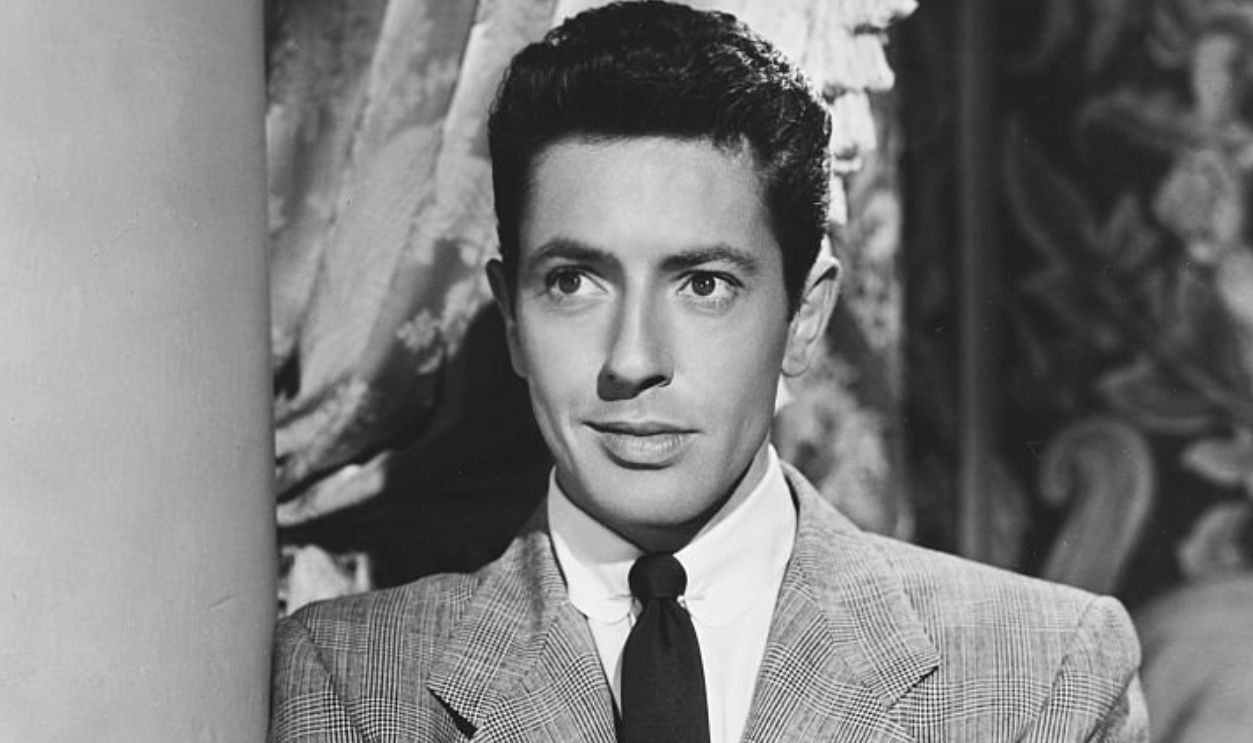
Farley Granger was still a toddler when the 1929 stock market crash changed his life forever. It was so bad that the family had no choice but to sell both homes and take up residence in an apartment above the car dealership. This financial strain led both parents to a life of drinking.
Sadly, it would get worse before it got better.
 John Springer Collection, Getty Images
3. They Escaped
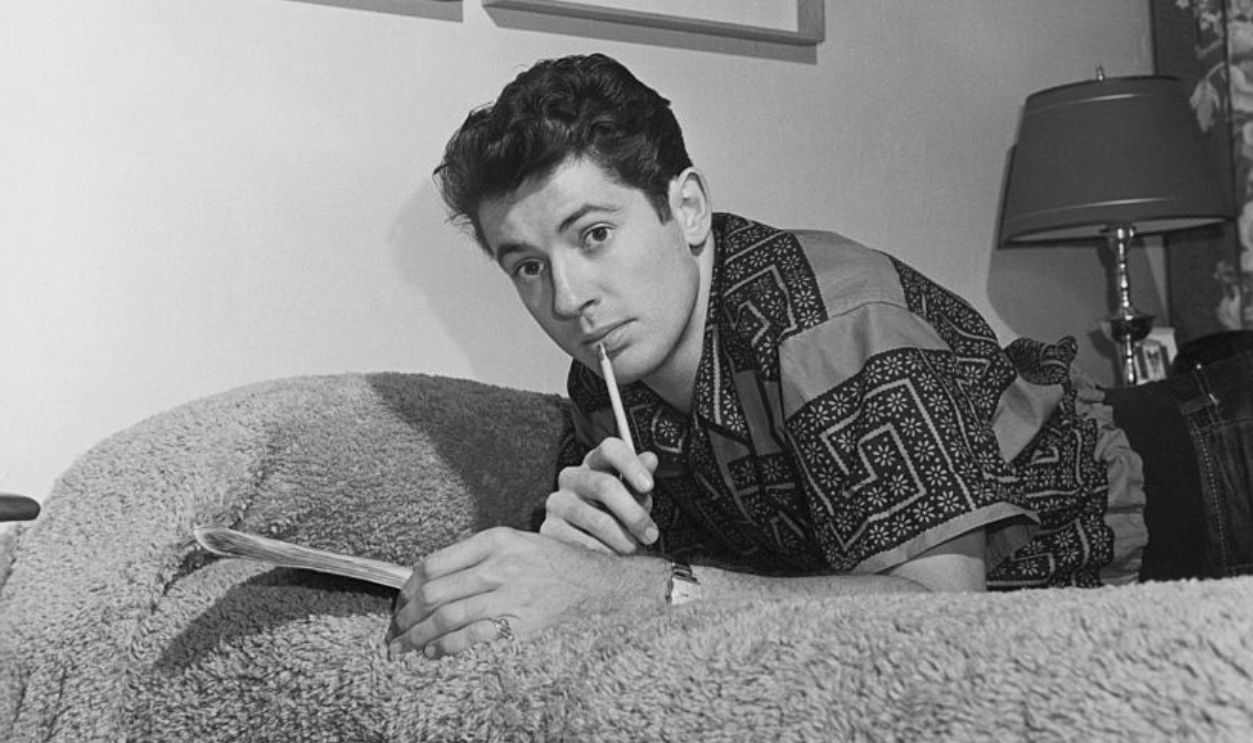
Even living in this small apartment was financially difficult, and the family began selling off their possessions. When that didn’t end their financial woes, Granger Sr did something drastic. Only one car remained on his lot, and he used it to make an escape. The family left in the middle of the night and ended up in a not-so-great neighborhood in Hollywood.
This move would have only one benefit: it would get Granger nearer to the action of Hollywood.
 John Springer Collection, Getty Images
4. He Could Do Accents
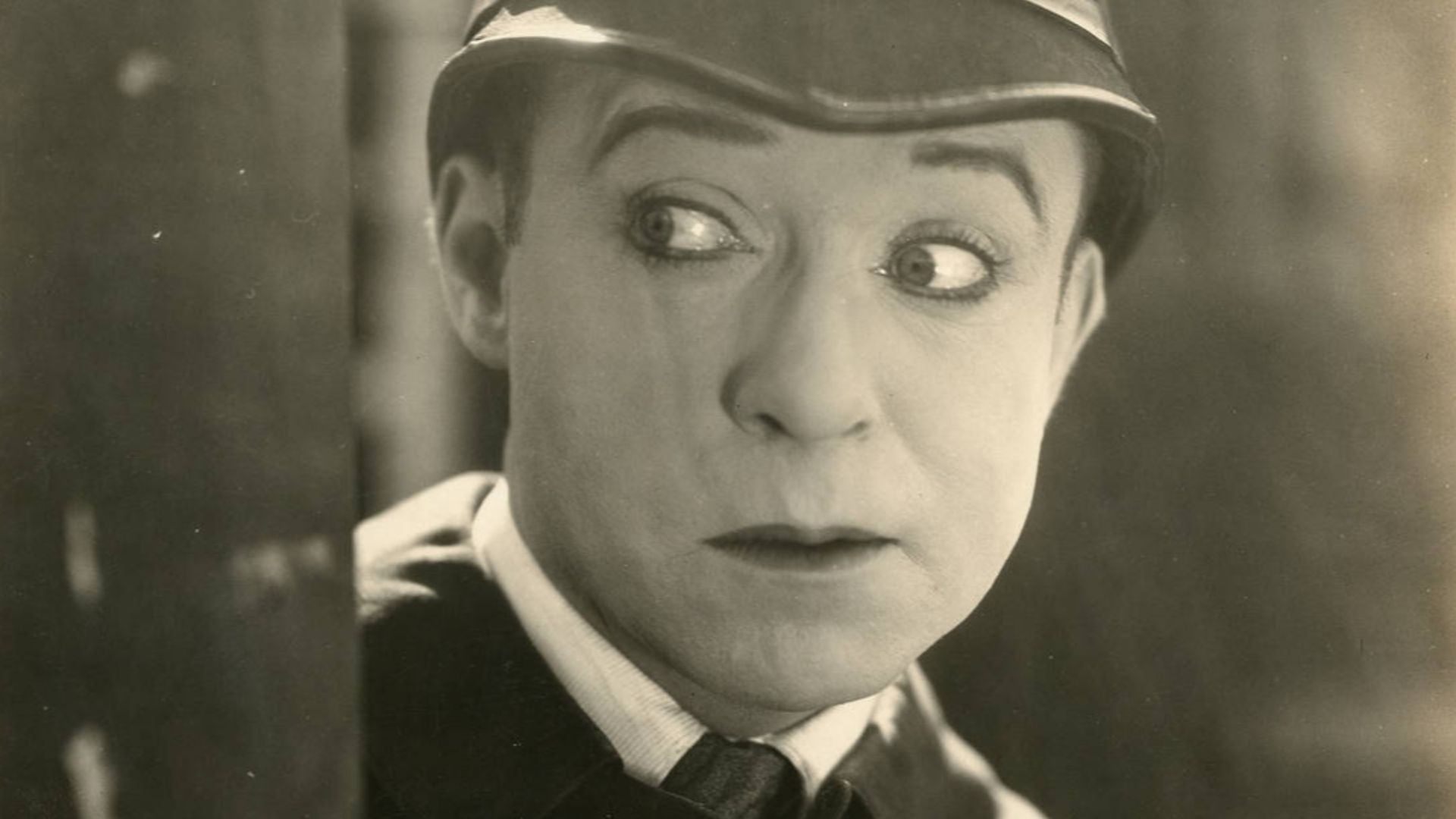
The Grangers’ life slowly improved, and eventually they settled in Studio City, where their neighbors were people working in Hollywood. Harry Langdon, a comedian and actor, saw something in young Farley Granger and suggested that Dad take him to an audition for a theater company. Somehow, Granger aced a cockney accent and got hired.
What happened next is straight out of a Hollywood legend.
 Unknown authorUnknown author, Wikimedia Commons
5. He Got A Big Break
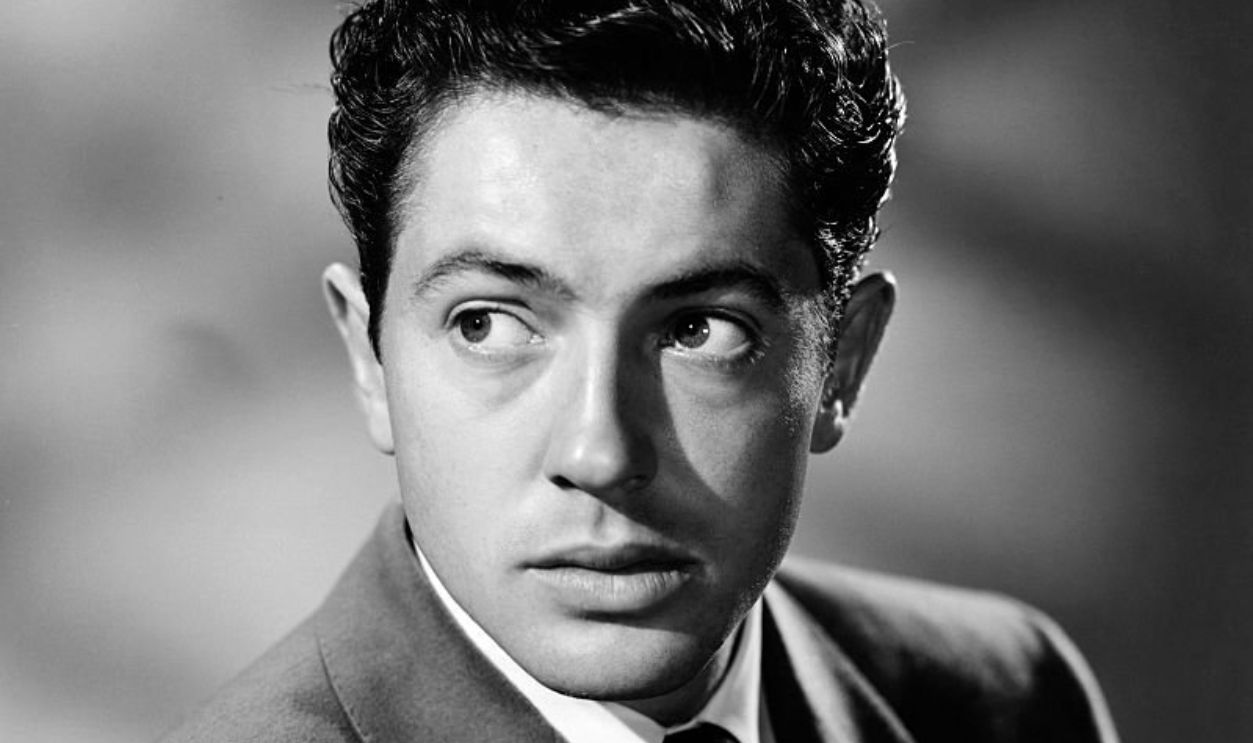
On opening night, two talent agents and a casting director were in the audience. After seeing Granger perform, they arranged a meeting. They had a role for him in a film called The North Star. Granger nailed his audition and was ready for his first motion picture.
But there was something odd about this film.
 John Springer Collection, Getty Images
6. He Made A Propaganda Film
The North Star was a WWII film, but it did something that made some audience members uncomfortable. Many people thought it was pro-Soviet propaganda, and because of this, it was also pro-communist. It still ended up with six Academy Award nominations, which meant that Farley Granger was in a hit film.
Granger signed a contract with Samuel Goldwyn Productions, and before long the studio began meddling in his personal life.
 Mondadori Portfolio, Getty Images
7. He Stood By His Name
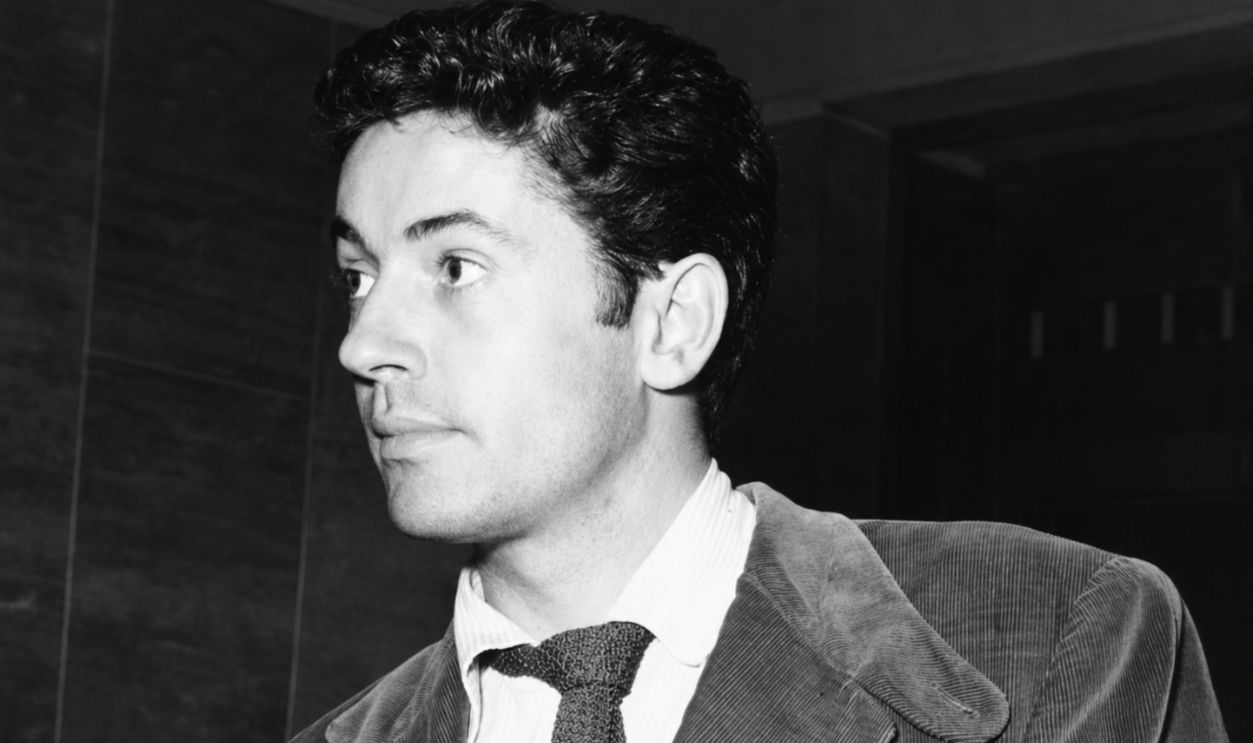
The first thing that Goldwyn demanded was a name change. British actor Stewart Granger sounded too similar, and Goldwyn sent over a list of names for Granger to choose from. The studio offered not-so-clever names like Gordon Gregory or Gregory Gordon. Granger laughingly offered up Kent Clark, but no one thought that was funny. Although he was only a teenager, Granger flatly rejected the name change.
The next thing they wanted to change was Granger’s history.
8. They Lied About His Backstory
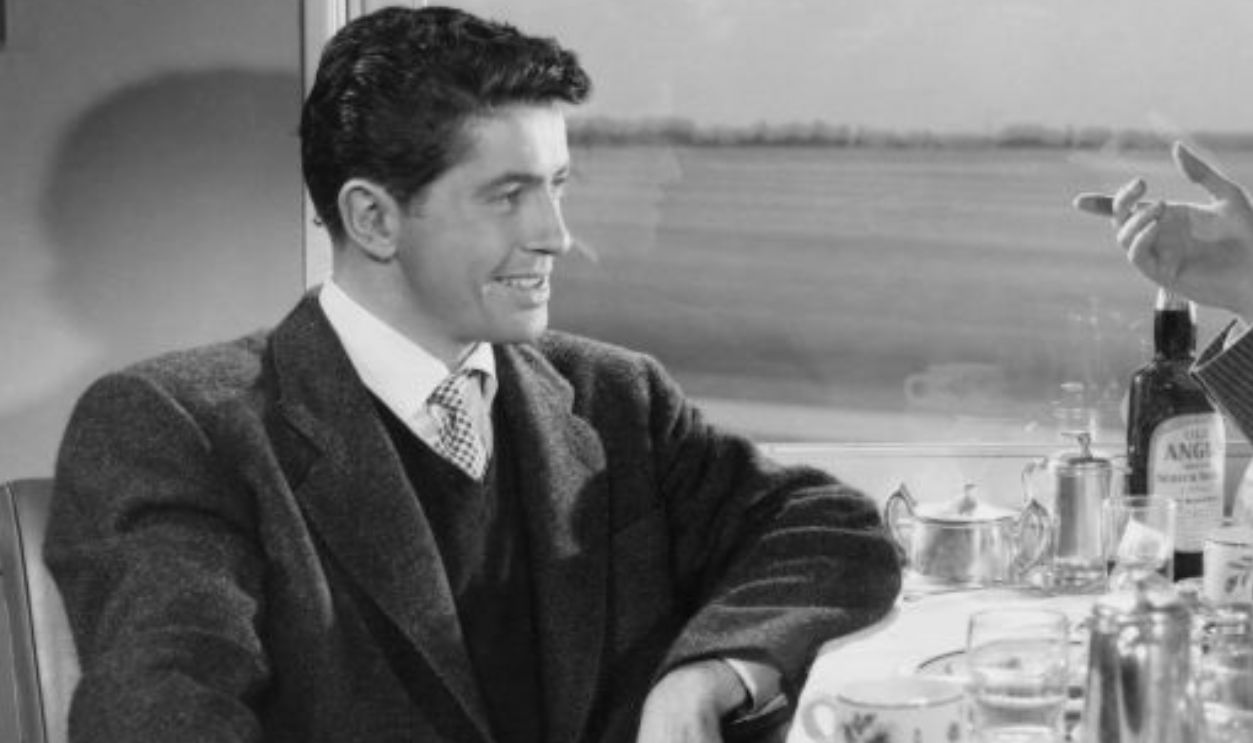
Goldwyn changed Granger's origin story. Instead of the truth, that agents had discovered him in a play, they thought it would be cute to say that the teenage Granger read about the movie role in a newspaper and wrote it in to obtain an audition. While this was harmless enough, Goldwyn also shared his opinion about what sort of friends Granger could have.
 University of Southern California, Getty Images, Modified
9. He Made A Queer Friend
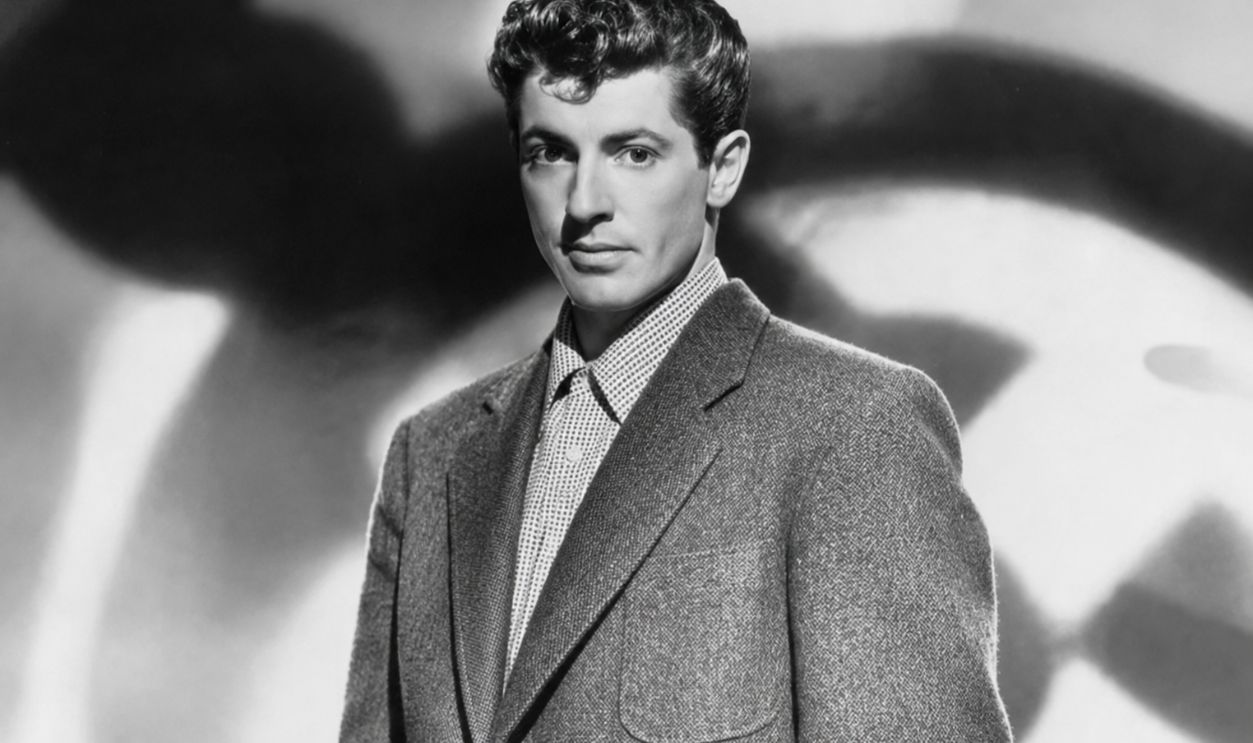
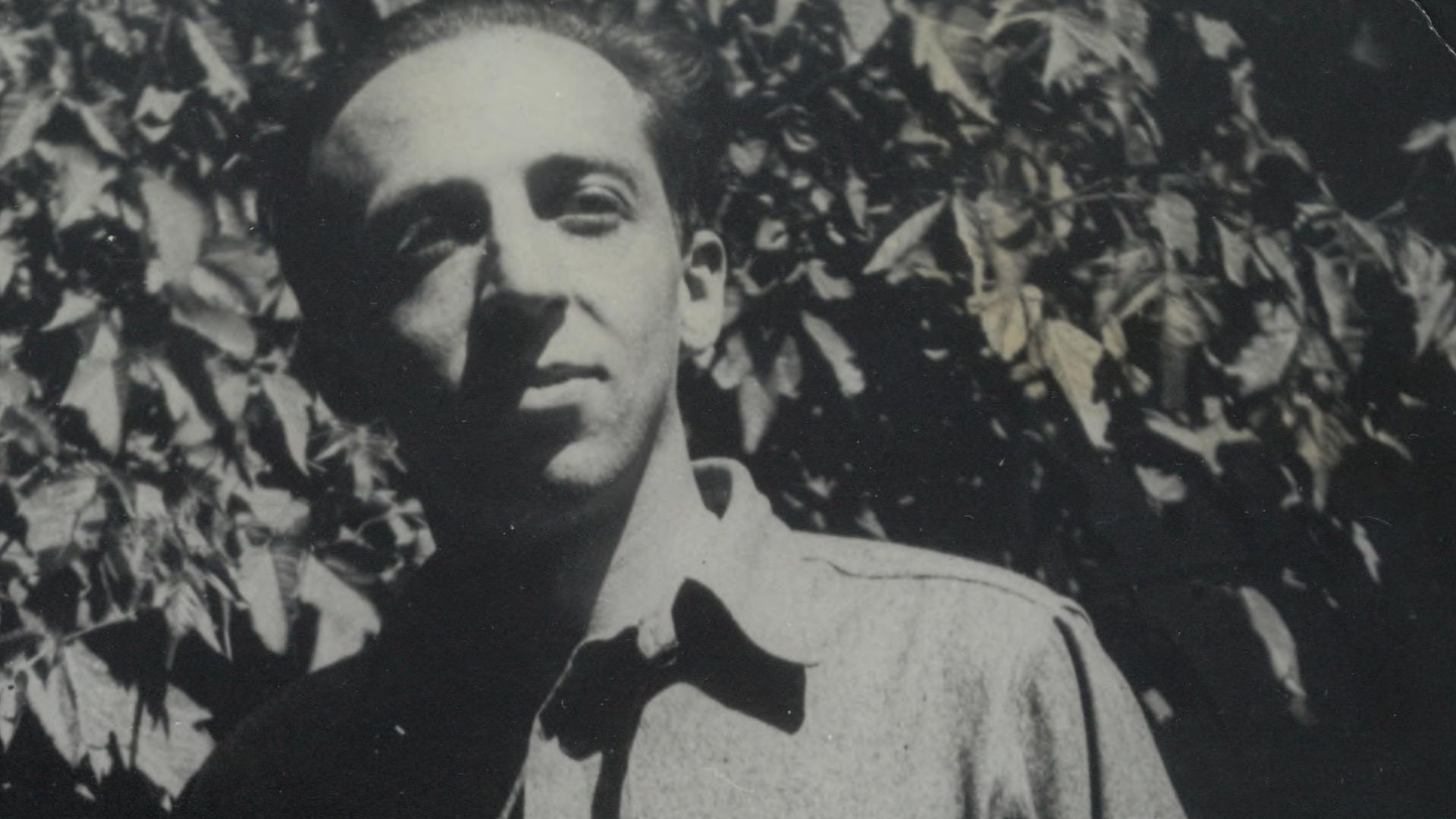
Samuel Goldwyn gave some unsolicited advice to Farley Granger, who’d befriended composer Aaron Copland. Goldwyn thought this friendship would not be good for Granger’s career. He wanted Granger to stay away from Copland because the composer was gay. Granger didn't listen to this advice at all and carried on the friendship.
Granger wasn’t bending to Goldwyn’s desires, but the movies kept coming.
 Unknown authorUnknown author, Wikimedia Commons
10. He Chased Adventure
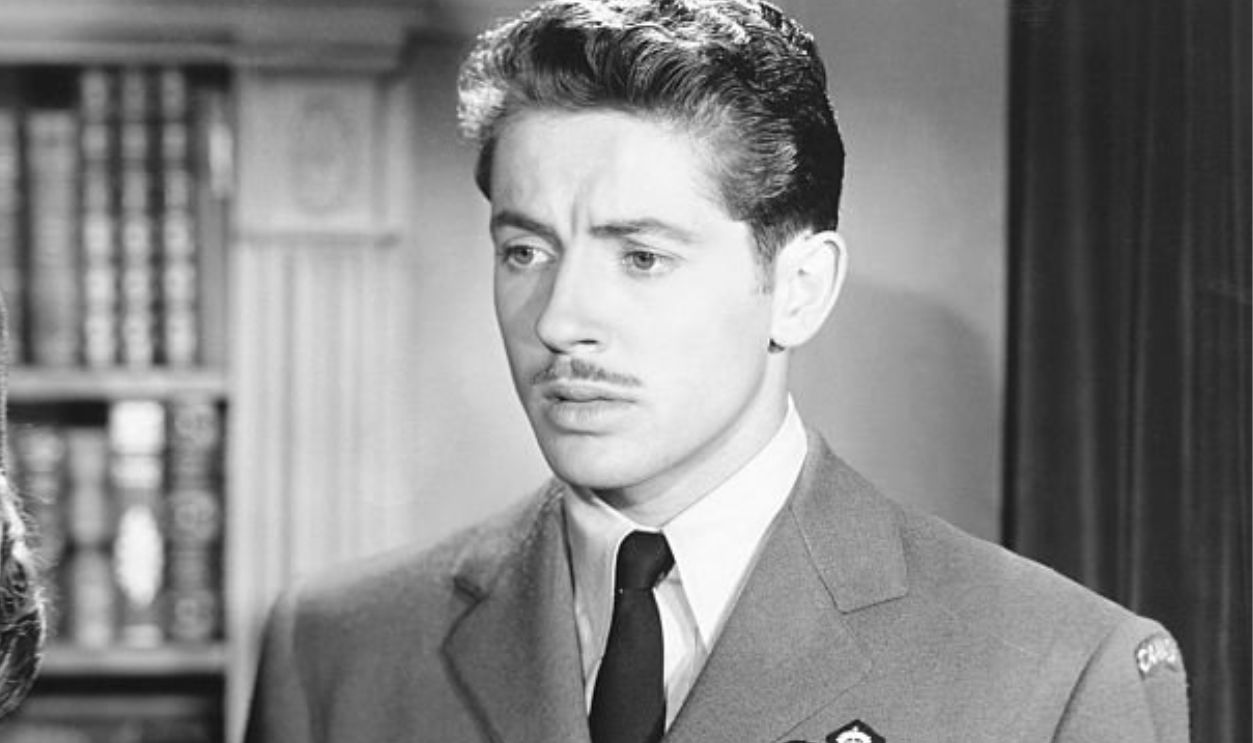
After another controversial WWII movie—this one was about Japanese POW camps—Granger signed up to experience the real thing. While crossing the Pacific with the US Navy to get to Hawaii, Granger became dangerously seasick. When he arrived in Honolulu, he was 10 kg (23 pounds) lighter and ready for a hospital bed.
Getting seasick did not bode well for Granger's career with the Navy.
 John Springer Collection, Getty Images
11. He Hung Out With The Stars
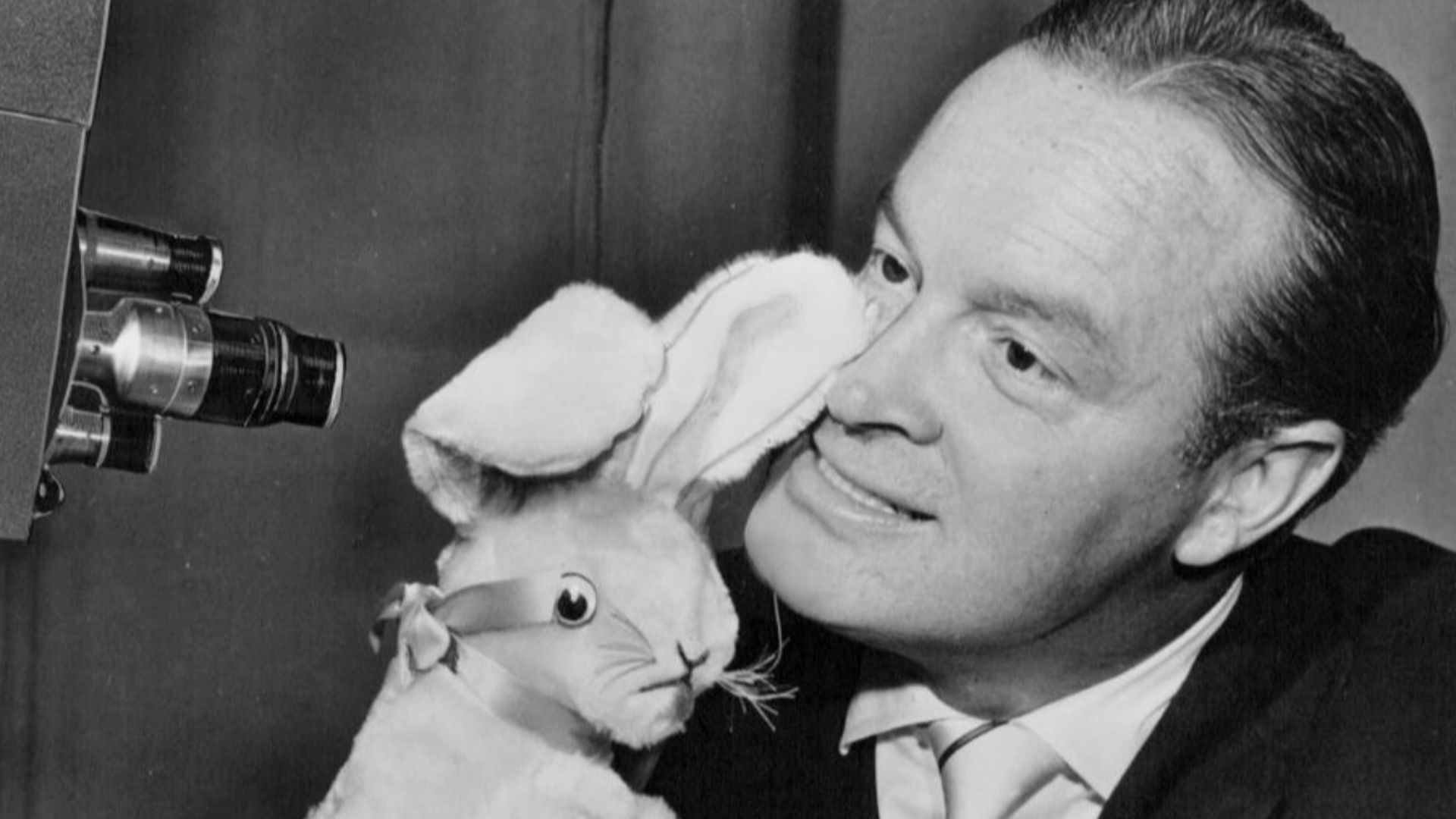
Because of his seasickness, Farley Granger received the unappealing job of cleaning the enlisted men’s club in Waikiki Beach. Things started looking up when he became friendly with the ones who entertained the servicemen and women. He was soon hobnobbing with stars like Bob Hope, Bing Crosby, and Rita Hayworth.
But Granger experienced another kind of action while serving his country.
 NBC Television, Wikimedia Commons
12. He Had A Big Night
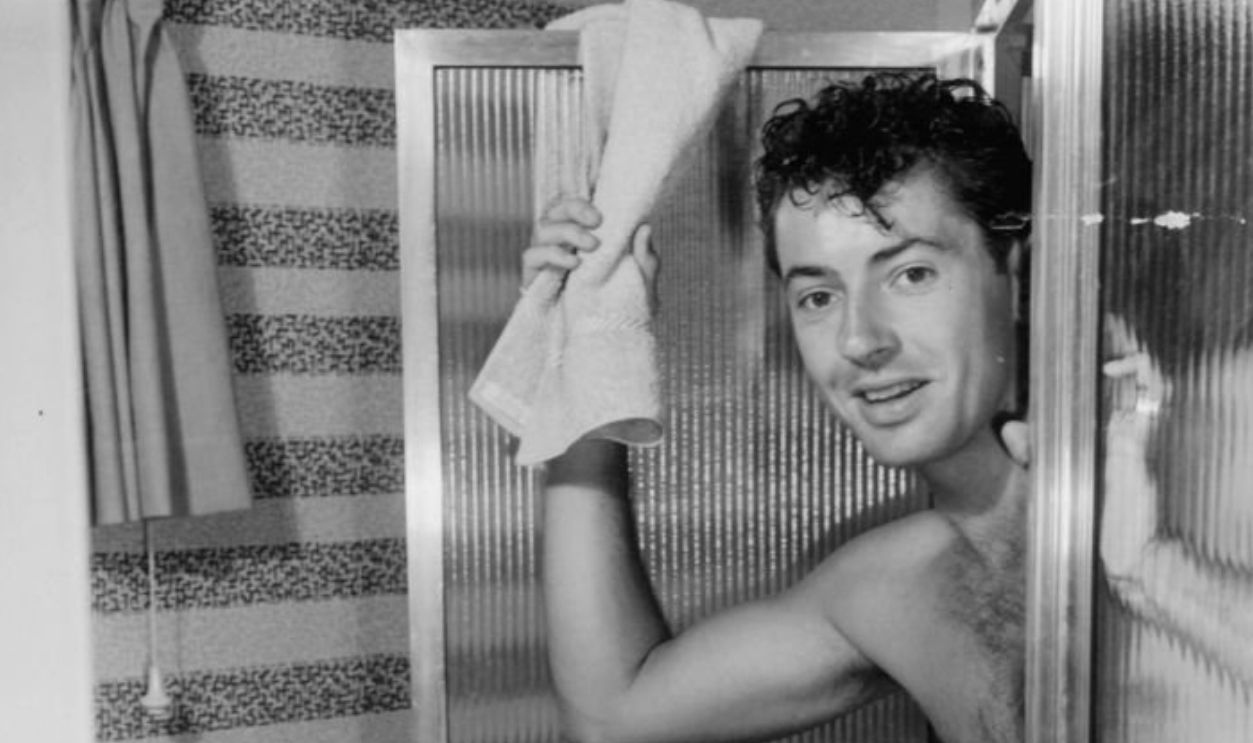
When Granger arrived in Hawaii, he was completely inexperienced about what happened in the bedroom. Well, that all changed in Hawaii. According to his memoir, he first bedded one of the hostesses of a private club. But the night was still young, and Granger was still not ready for sleep.
13. He Played For Both Teams
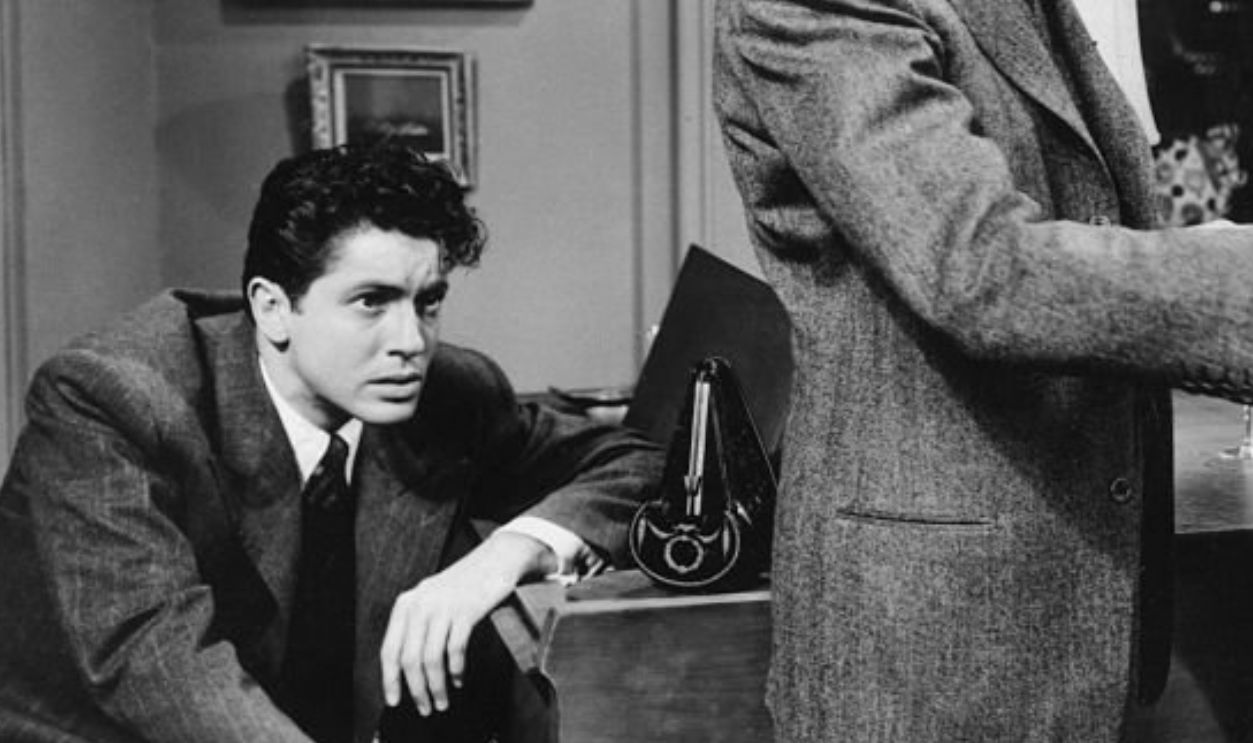
The same night he lost his virginity to the hostess, Farley Granger experienced another encounter. This was at the same private club, but this time with a male Navy officer. The club where Granger had his two encounters was exclusive; but Granger apparently was not. He later said, “I have loved men. I have loved women”.
Sadly, this was the kind of behavior that could end a Hollywood career.
 John Springer Collection, Getty Images
14. He Was Normal
After Granger’s time in the Navy, Photoplay magazine published a picture of Granger in uniform. Accompanying the photograph was a quote from Granger’s mom, where she called him a “normal boy” who had “lots of girlfriends”. The reporter then tried to undo Mom’s message by reminding readers that Granger's best friend was Roddy McDowall, another Hollywood actor who many suspected of being gay.
Somehow, Goldwyn still kept Granger aboard his ship.
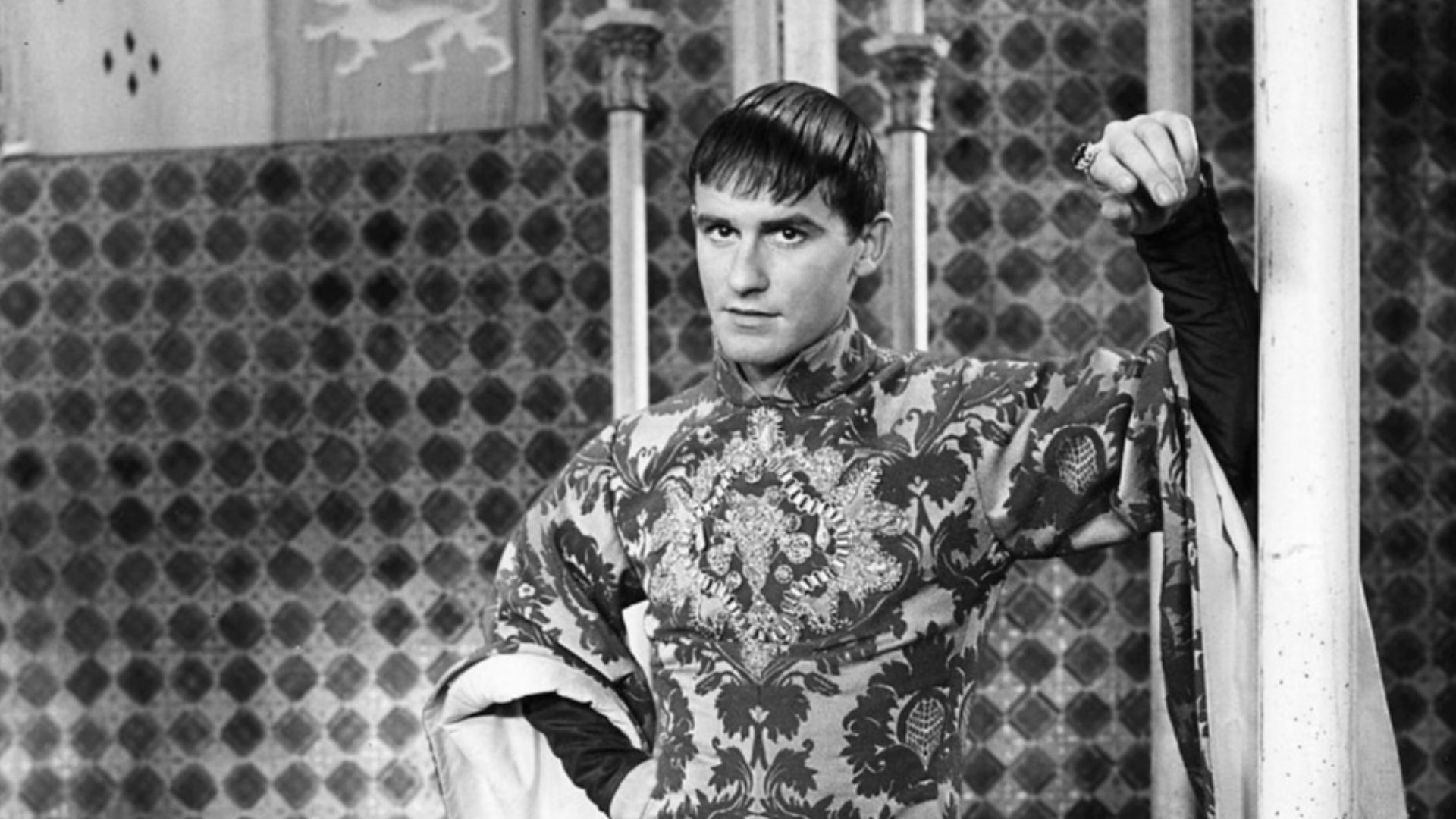 photo by Friedman-Abeles, New York., Wikimedia Commons
15. He Made Some Influential Friends
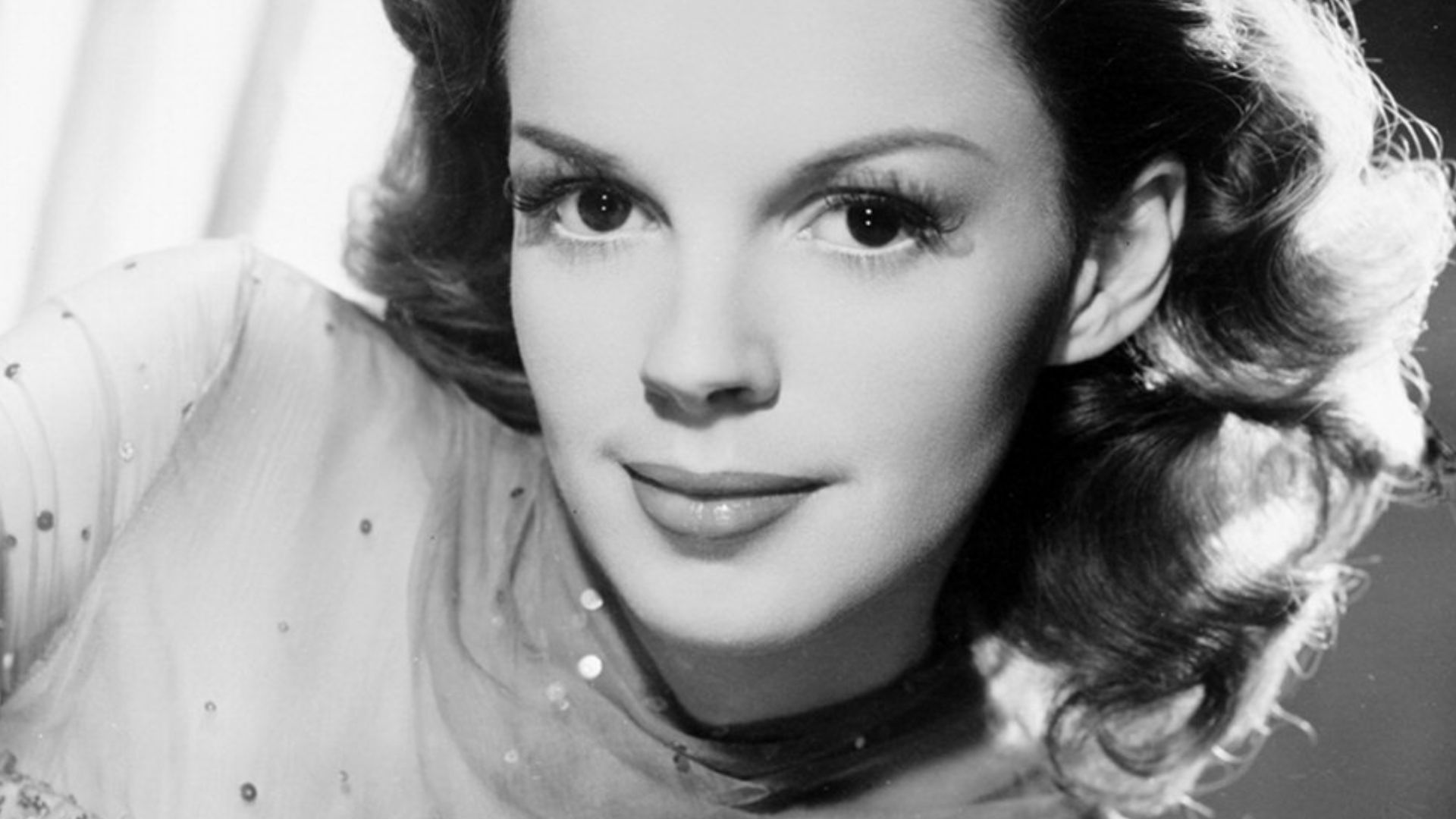
Once back in the States, Farley Granger received a raise from Goldwyn and the gift of a 1940 Ford Coupe. He also started hanging around with an impressive group of friends. The list included Judy Garland, Lena Horne, Gene Kelly, and Leonard Bernstein.
Then he met Rebel Without A Cause director Nicholas Ray—and Granger got the opportunity of a lifetime.
 Eric Carpenter (1909-1976) for Metro-Goldwyn-Mayer., Wikimedia Commons
16. Someone Believed In Him
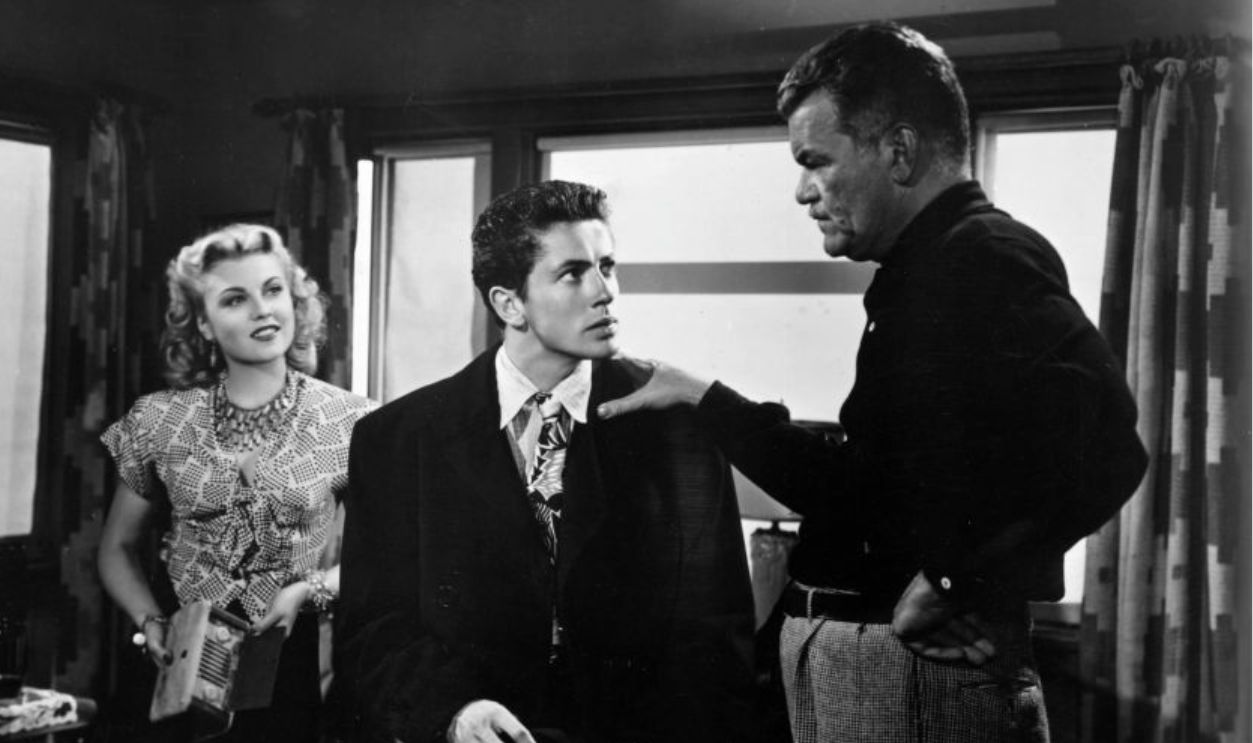
Granger’s new friend, Nicholas Ray, was casting for a noir film called They Live By Night for RKO Pictures. Ray really believed in Granger and told RKO that they had to hire Granger or he wouldn't work on the film. Ray was taking a huge risk, as Granger still hadn’t proved himself as a leading man.
Granger’s future career depended on this film.
17. It Was A Disaster
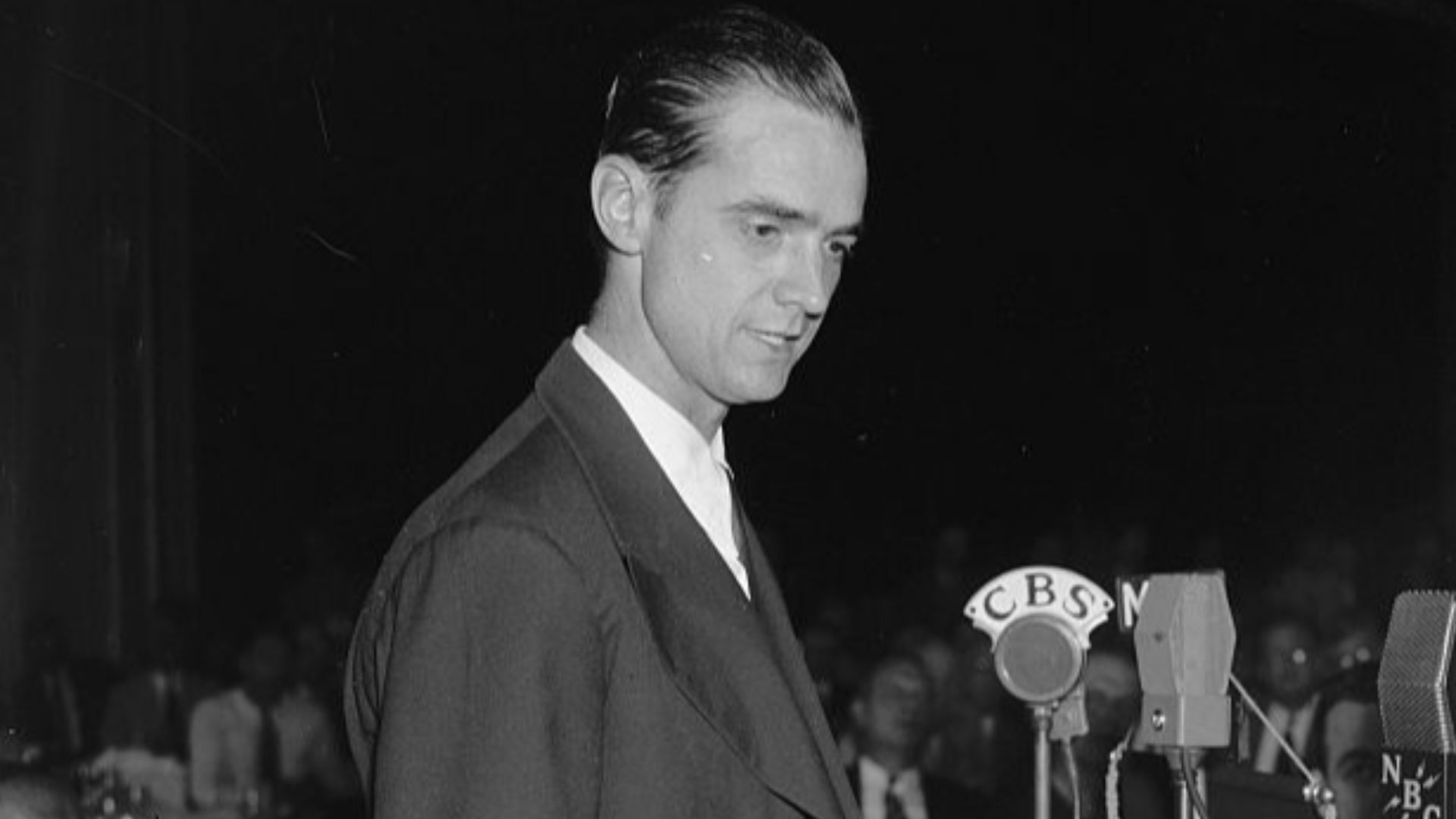
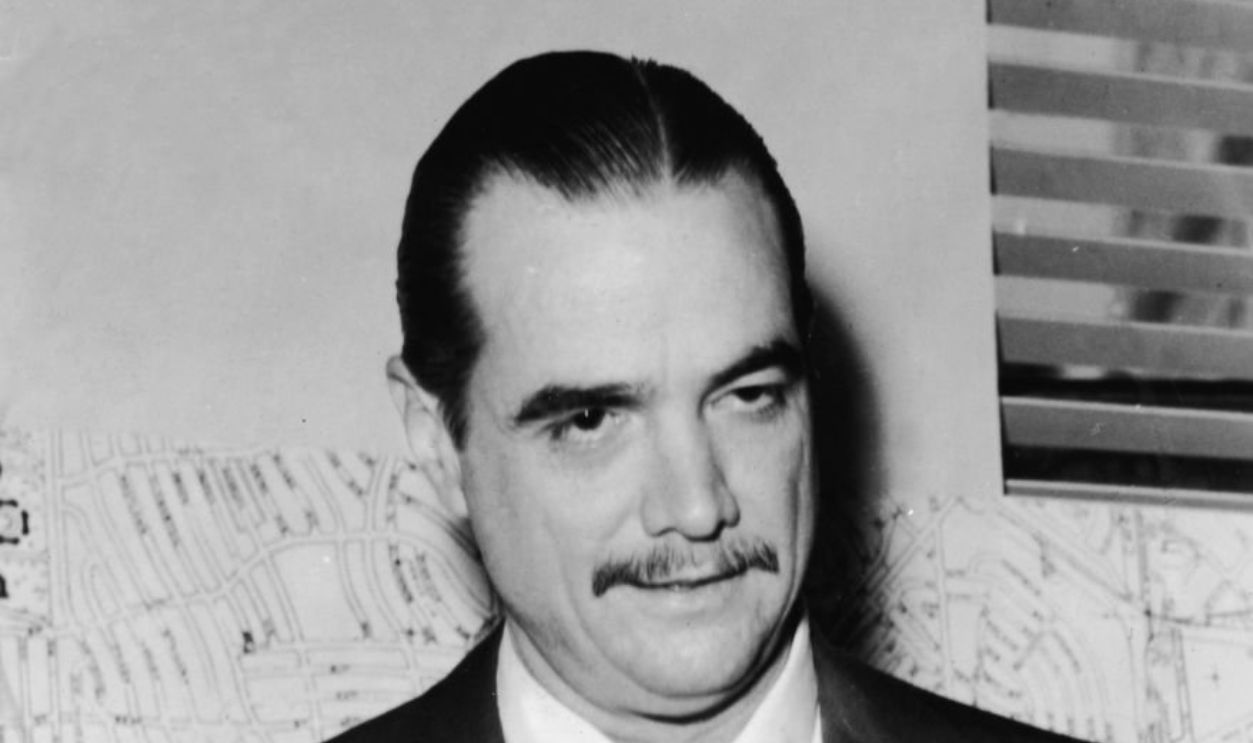
Just as they were finishing work on They Live By Night, Howard Hughes bought RKO. For some reason, Hughes didn't like the film and put it on the shelf. When he eventually released the movie, the critics were enthusiastic, but audiences were not. The film lost almost half a million dollars. Granger’s first leading role ended in disaster.
But there was a silver lining.
 Harris & Ewing, photographer, Wikimedia Commons
18. He Received A Career-Changing Call
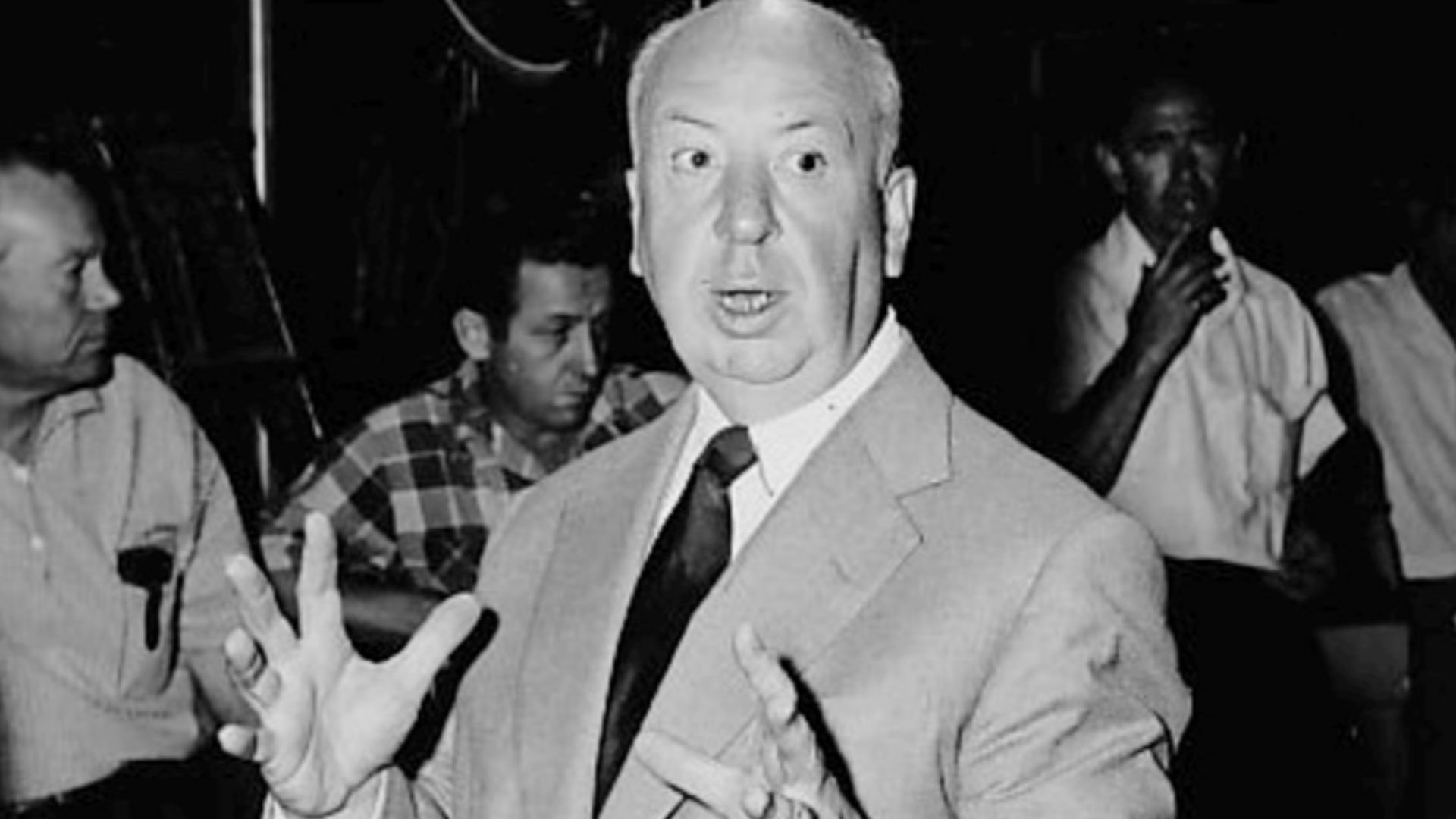
During the period when They Live By Night sat on the shelf, there were some private screenings. One attendee was none other than Psycho director Alfred Hitchcock, who saw something in Granger. As it turned out, Hitchcock was looking for an actor, and he thought Granger could be the one.
Granger got the call to see Hitchcock and discuss the film Rope.
 CBS Television, Wikimedia Commons
19. It Was A Remarkable Coincidence
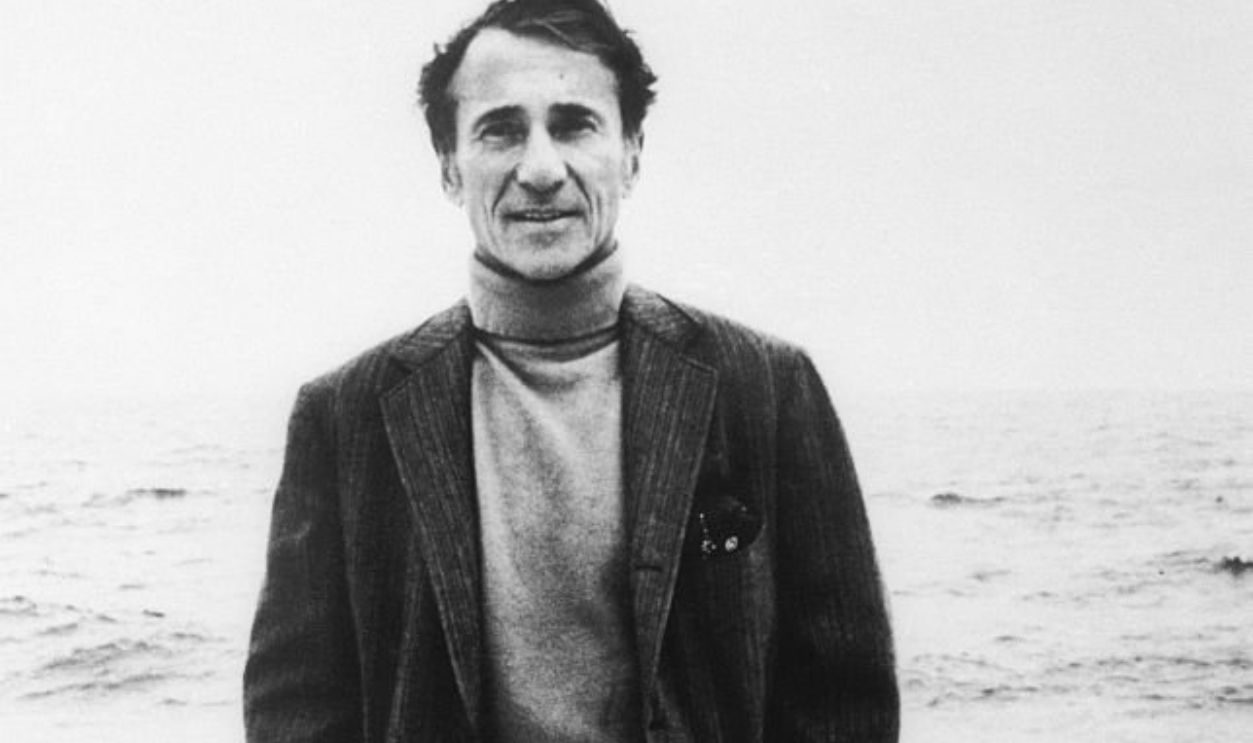
Before Farley Granger left for Hollywood for his meeting with Hitchcock, he had one night left in New York. During that night, he met Arthur Laurents, and they became friends. The two obviously didn’t talk about their careers, and Granger was in for a shock. He’d spent the night with the man who had written the film that Hitchcock was casting.
This coincidence would either help or hurt Granger’s chances of getting the role in Rope.
20. He Got The Green Light
Granger received the green light to appear in Hitchcock's Rope—and as a bonus, he also started dating Laurents. As it turned out, three characters in Rope were supposed to be gay. As the writer, the problem for Laurents was that the Hays Office was closely monitoring the film for any hints of man-on-man romance.
This was going to be a bizarre filmmaking experience.
 Trailer screenshot, Wikimedia Commons
21. They’d Have A Gay Ol’ Time
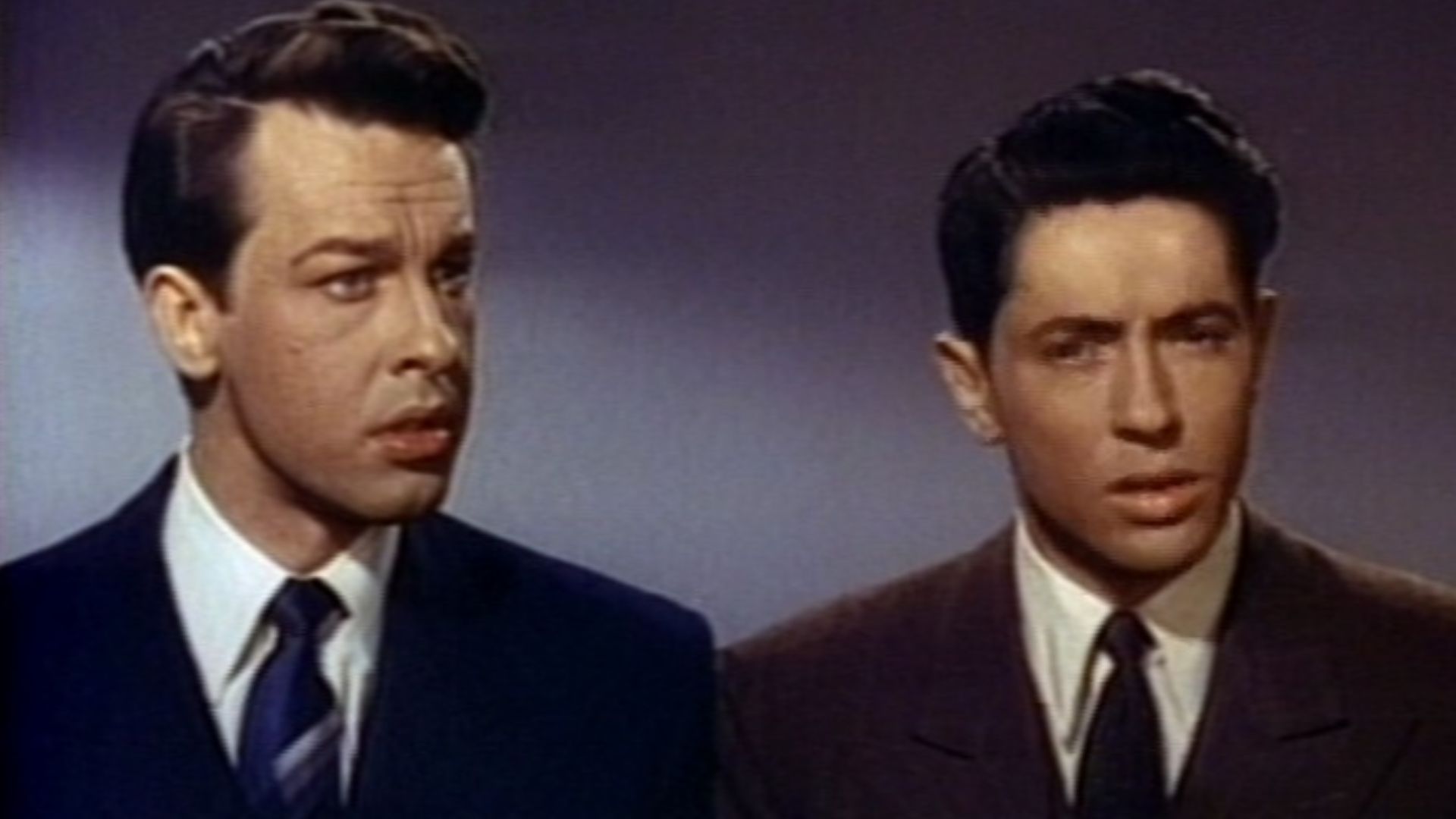
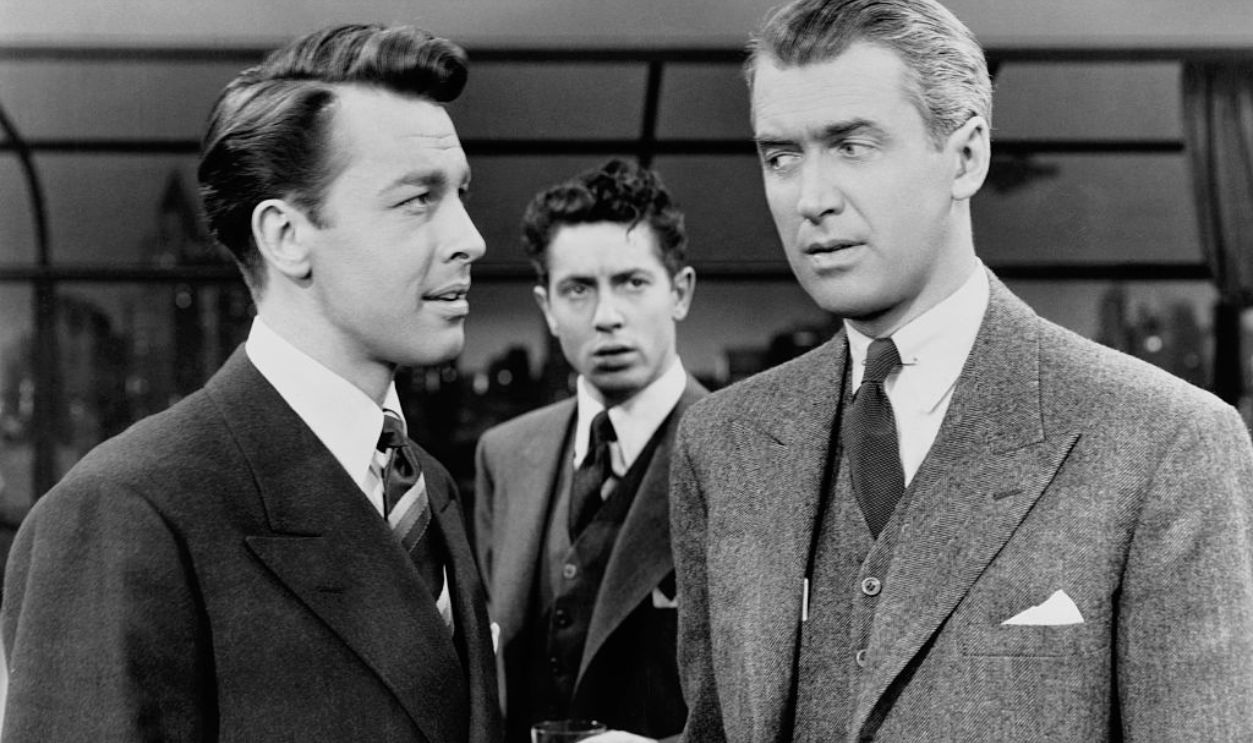
So, on the set of Rope there was Granger and his boyfriend, the writer Laurents. Granger's co-star was John Dall, who most believed was gay. The two characters they played were also gay. A third actor, Jimmy Stewart, also played a character who was gay, but had no idea about this.
There was one man at the center of all these strange goings on.
 John Springer Collection, Getty Images
22. They Were Living With Secrets
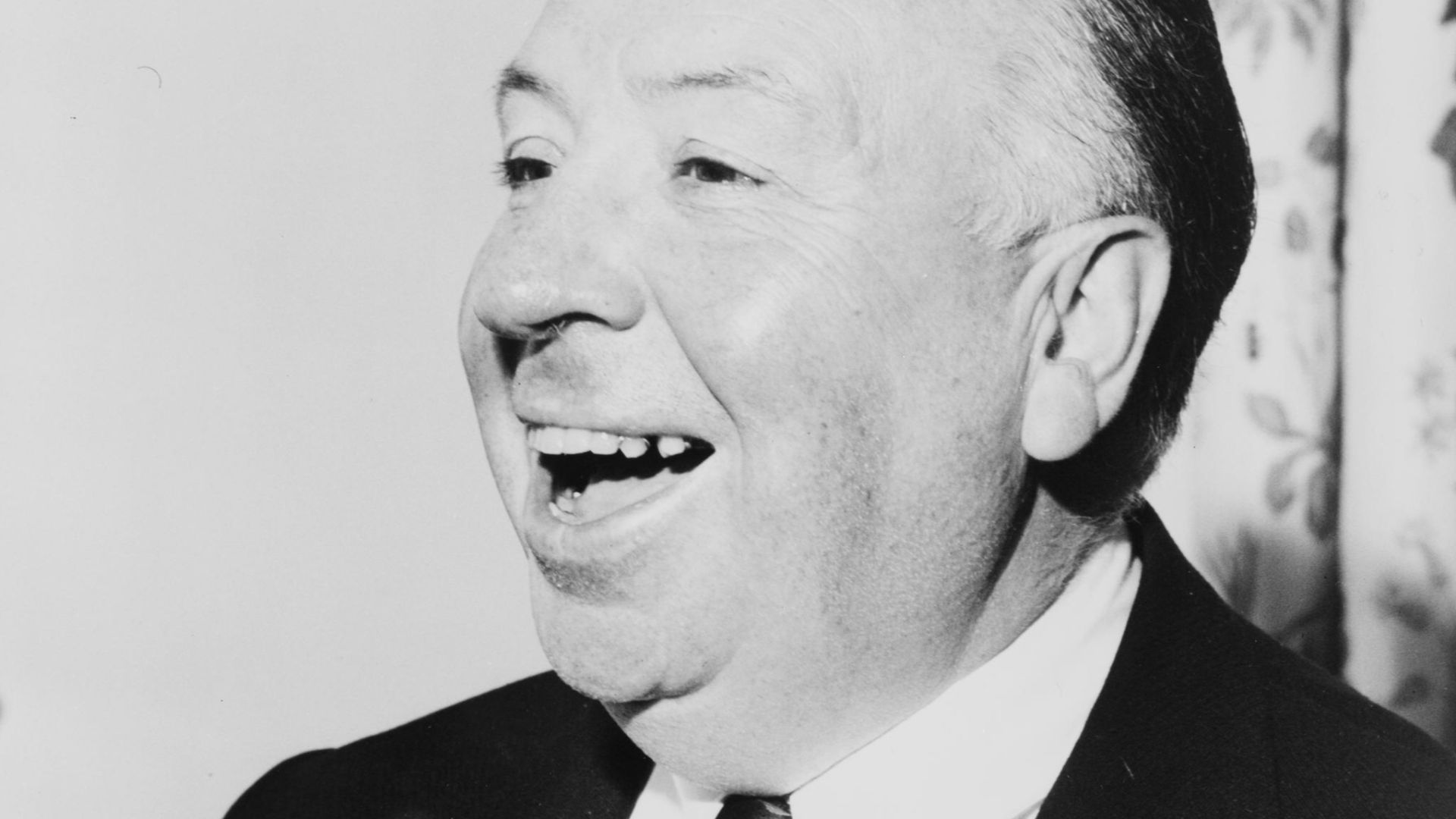
The one who knew everything was Hitchcock, and he apparently was enjoying every minute of the confusion. Because even though both Granger and his costar Dall were actually gay, they couldn’t be open about it, even with each other. Of course, Granger also couldn’t talk about his affair with Laurents.
But off the set, Granger’s life was completely different.
 Alfred_Hitchcock_NYWTS.jpg by Fred Palumbo derivative work: Rodhullandemu (talk), Wikimedia Commons
23. He Lived Openly
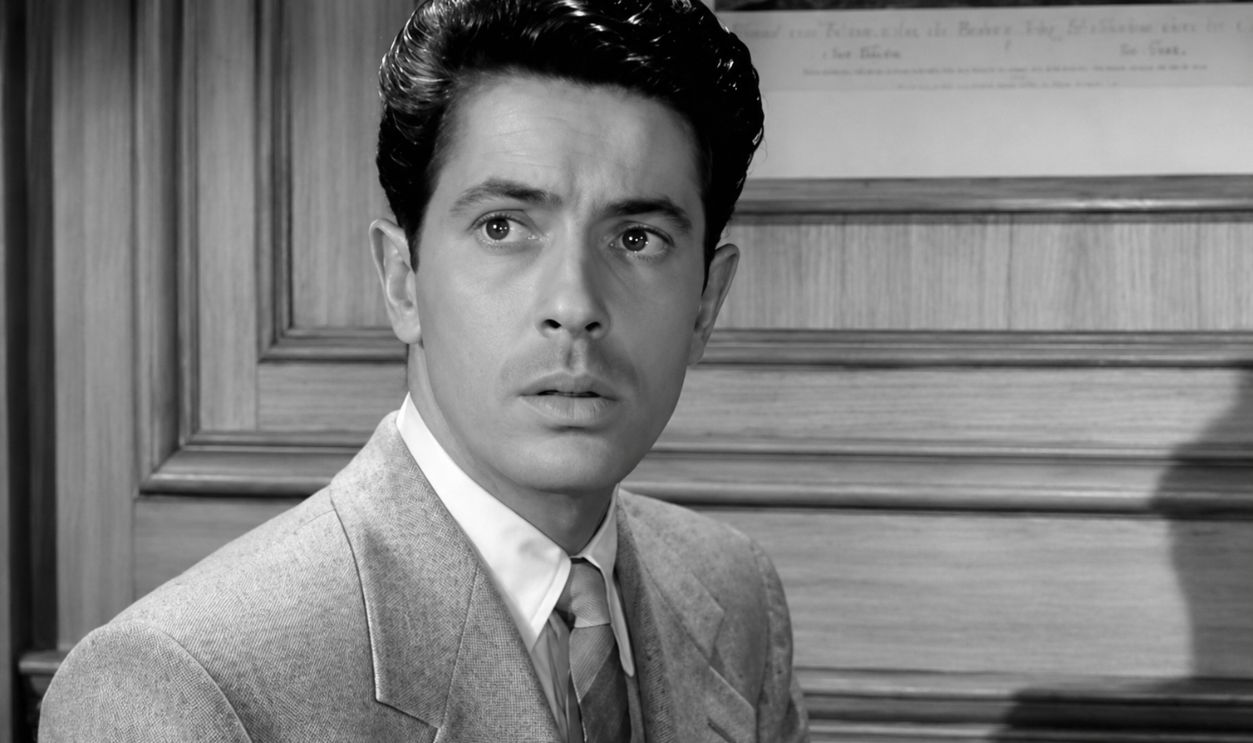
Farley Granger wasn’t willing to live a lie, so he and Laurents eventually started living together. Of course, this angered Goldwyn, and he was clear that he didn't like Laurents. He didn’t like him for his left-wing politics, and that he was living openly in a gay relationship with his under-contract star. Granger did eventually end his relationship with Laurents, but Goldwyn had nothing to do with it—Granger had his own reasons.
Which left him a free man.
 Trailer screenshot, Wikimedia Commons
24. It Was A Chance Meeting
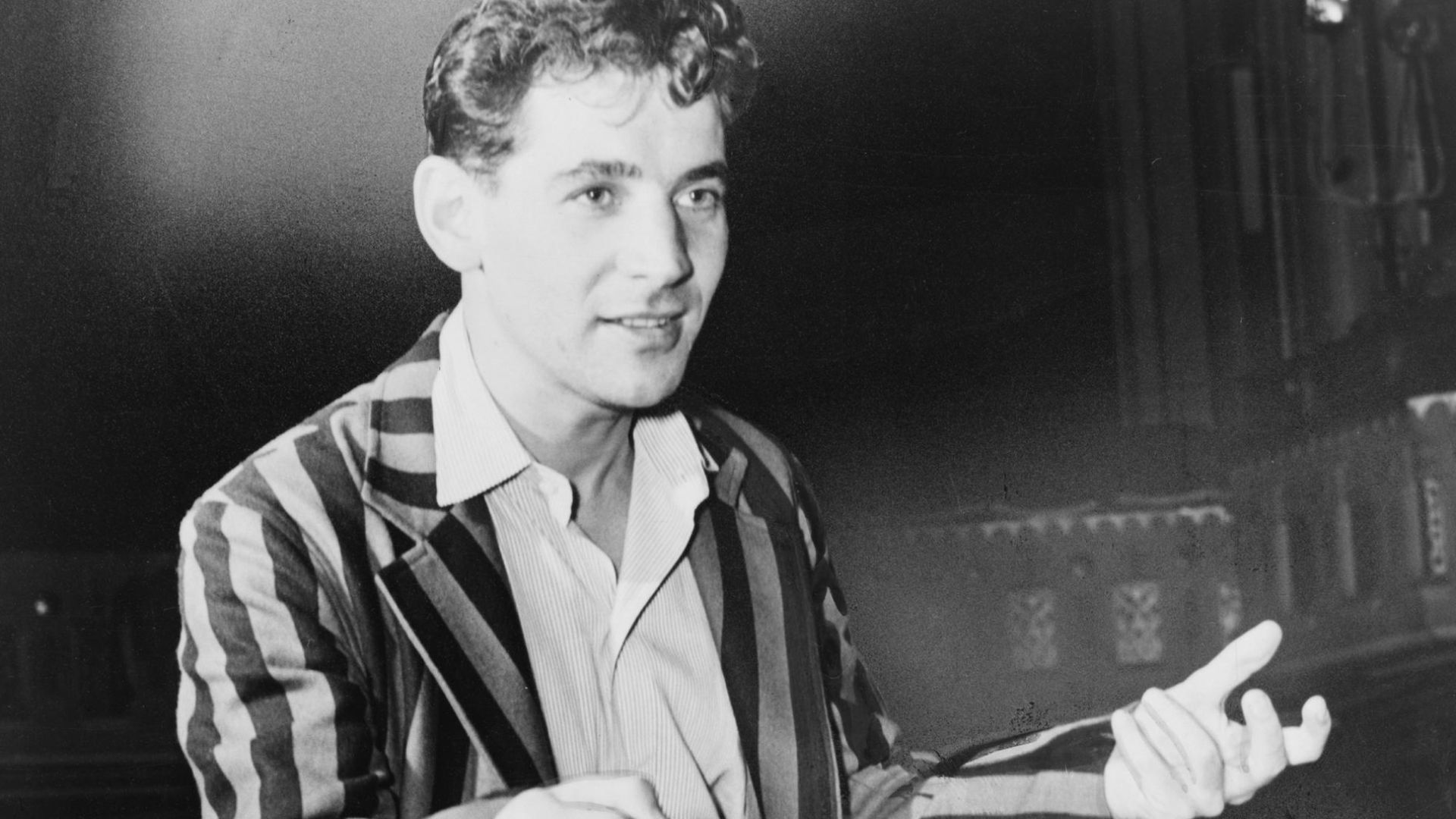
After two forgettable films with Goldwyn—Enchantment and Roseanna McCoy—Granger had a chance meeting with an old friend. He was on location in Manhattan filming Side Street and came across composer Leonard Bernstein. There was an instant connection, and Bernstein offered up a stunning invitation for Granger. He wanted Granger to accompany him on his tour of South America.
Granger was in, but there was still a film to finish.
 Fred Palumbo, World Telegram staff photographer, Wikimedia Commons
25. He Missed The Boat
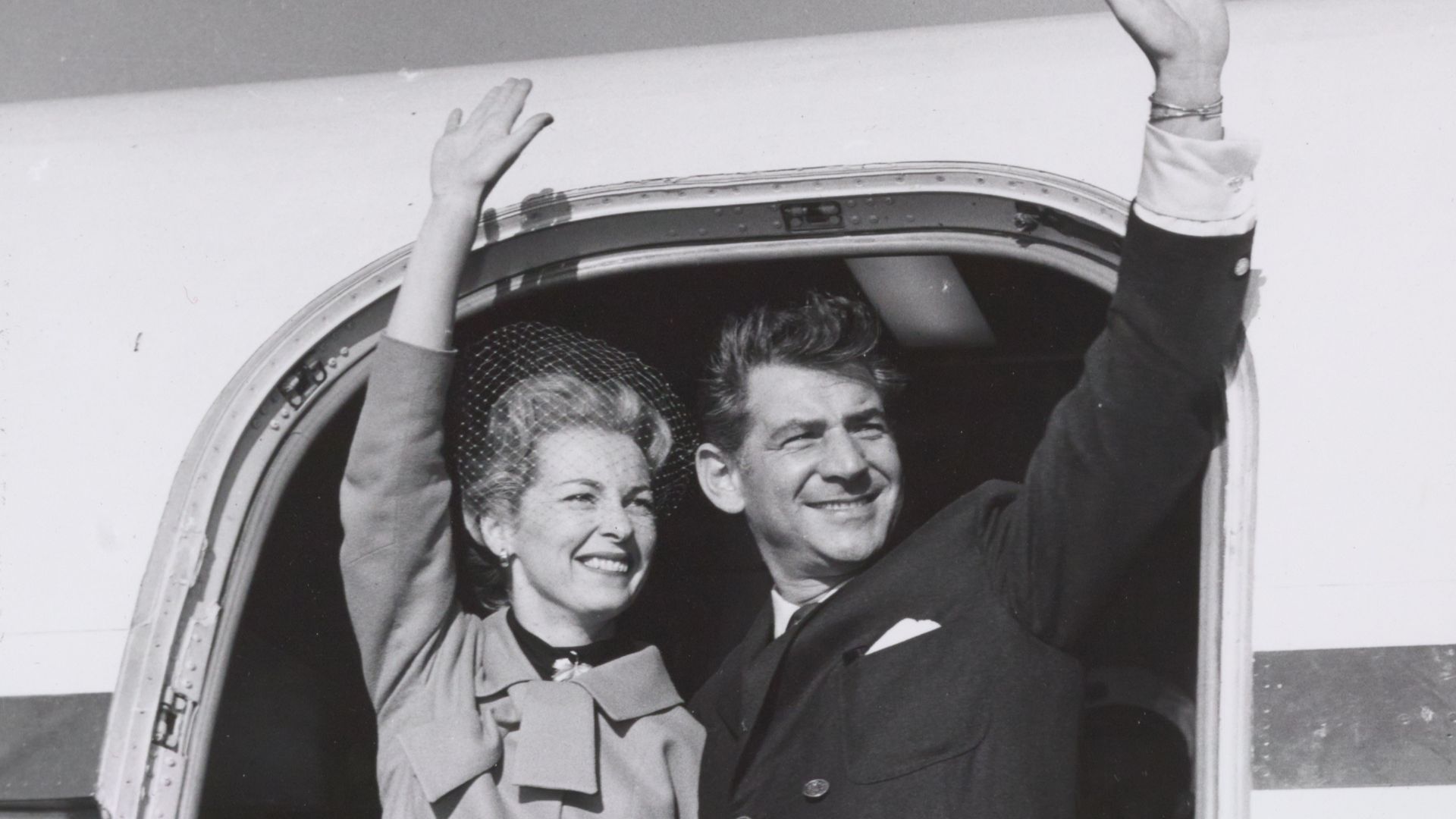
Once Farley Granger finished making Side Street, he was ready to join Bernstein for a romantic tour of South America. Except it didn’t happen. In that short time, things had changed—and I mean really changed. Bernstein had walked down the aisle with Costa Rican actress Felicia Montealegre.
With no South American cruise to go on, Granger reluctantly returned to making movies.
26. He Wasn’t Happy
Granger continued to toil on films by RKO. Neither Edge of Doom nor Our Very Own made Granger happy. In fact, Granger refused to attend the premiere of Our Very Own. He said he would only show up if Goldwyn paid for his outrageously high hotel bill at London’s Savoy Hotel. Goldwyn paid, and Granger did his duty.
But there was more disagreement ahead.
27. They Didn’t Get Along
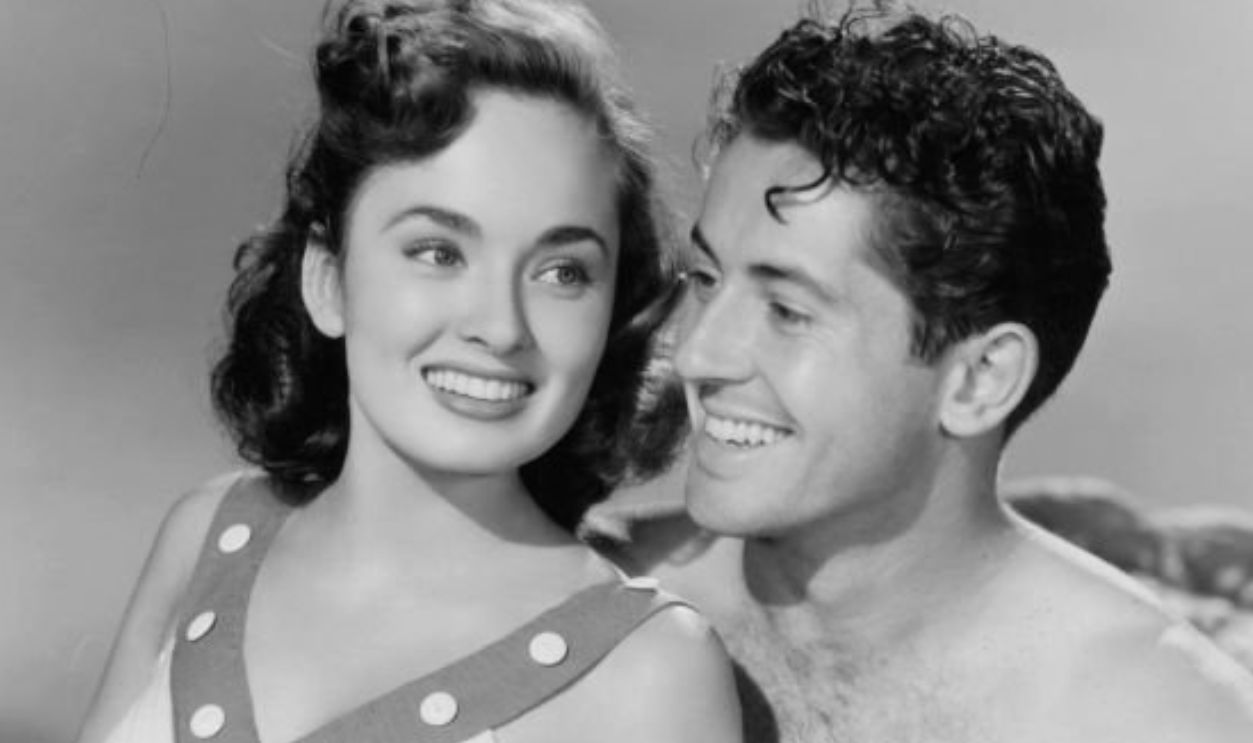
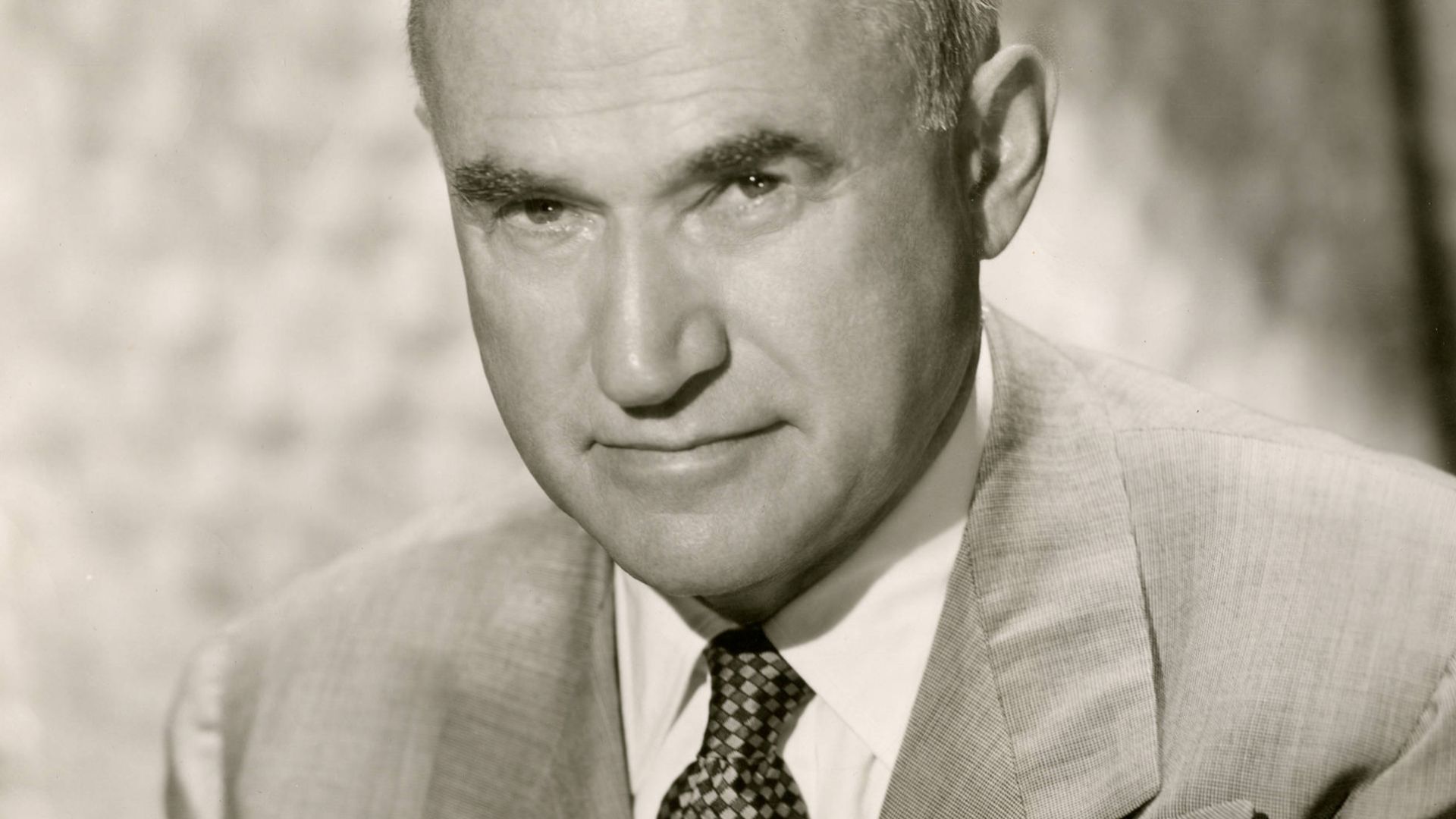
Farley Granger and Goldwyn were just not seeing eye-to-eye. When Goldwyn tried to loan him out to Universal for a “magic carpet” movie, Granger flat out refused. Granger also said no to promoting the other films he’d done with Goldwyn. Their relationship was quickly breaking down.
With all this bad behavior, Goldwyn had no choice but to put Granger on suspension.
 Unknown authorUnknown author, Wikimedia Commons
28. He Put His Problems Behind Him
The word “suspension” was like music to Granger’s ears. It allowed him to spend time in Italy, Germany, and Austria, where he met up with his ex, Laurents. Granger put his problems in Hollywood far behind him and simply enjoyed himself. There was even time for a brief affair with choreographer Jerome Robbins.
There was only one thing that would drag Granger back to Hollywood.
 studio publicity still, Wikimedia Commons
29. He Teamed Up With His Favorite
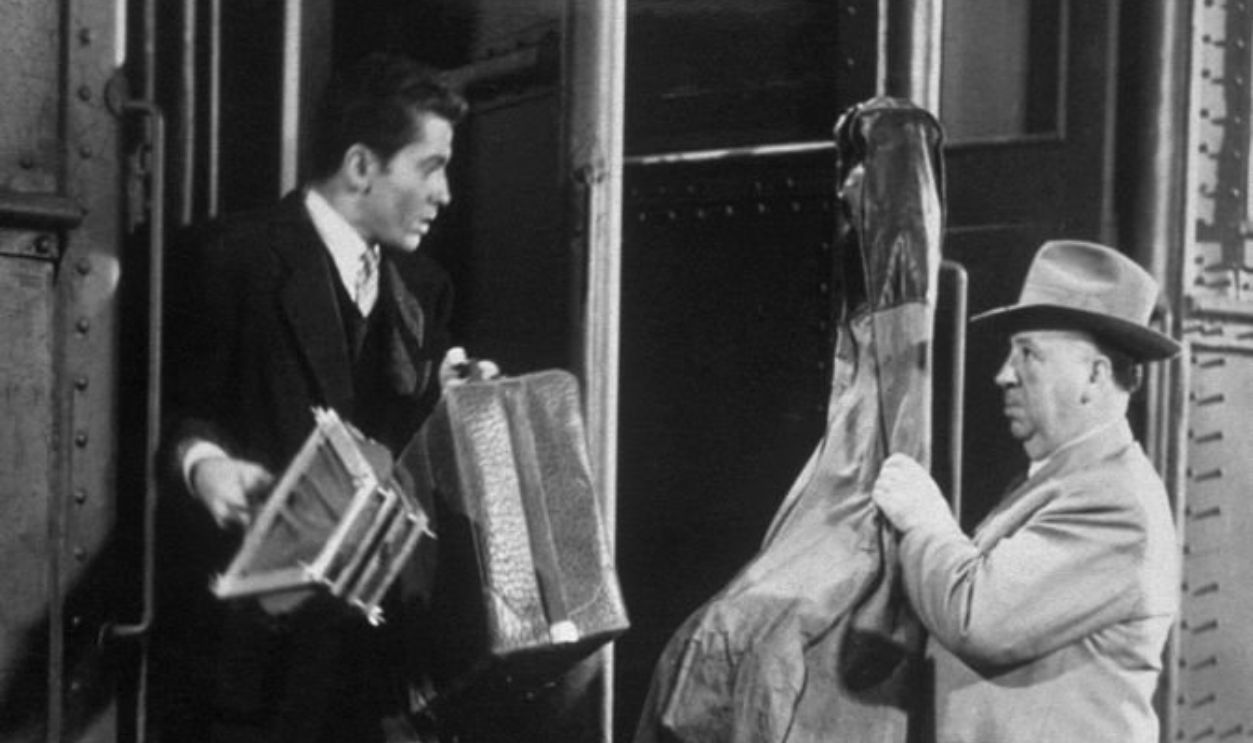
A message that ended Granger’s time in Europe was from Hitchcock. He wanted him again. This time it was a film called Stranger on a Train. Once again, this film with Hitchcock featured an intense man-on-man friendship, although they’d toned it down from Patricia Highsmith’s original book.
When he arrived on set, he met a man who would lead him to heartache.
 Sunset Boulevard, Getty Images
30. They Got Intimate Fast
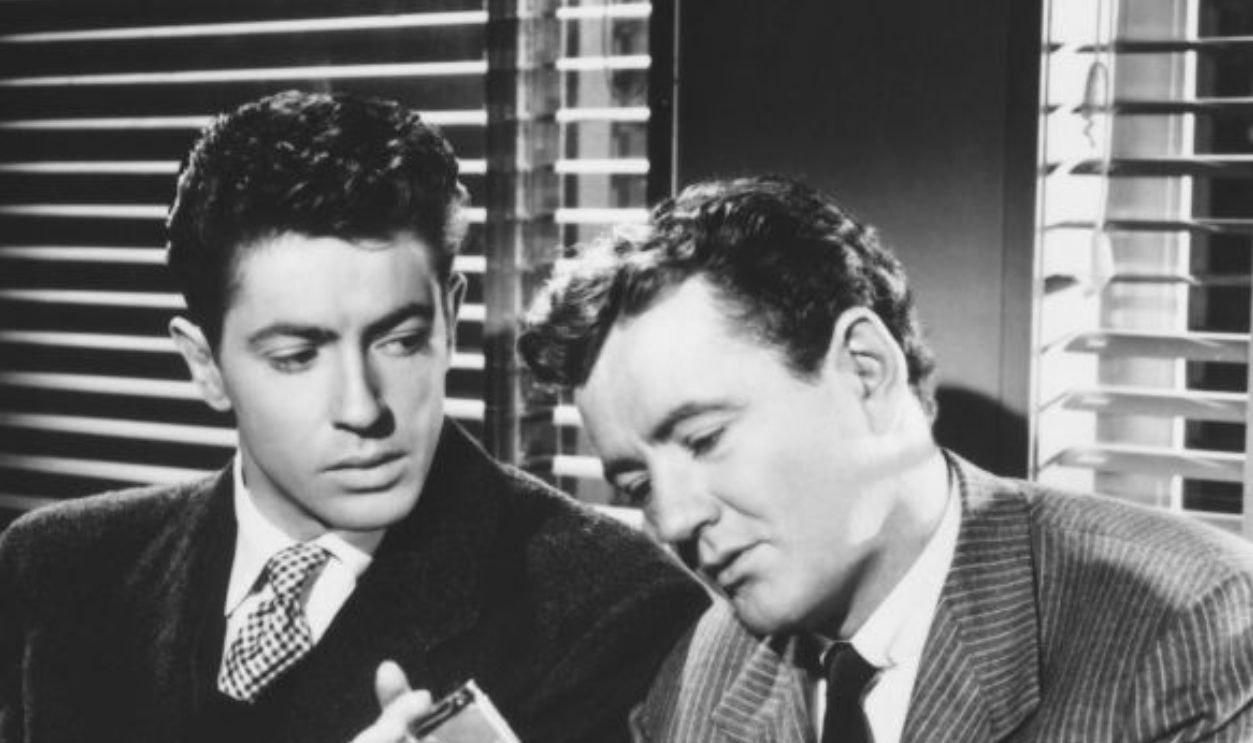
Granger’s co-star on Stranger on a Train was Robert Walker. Before they started filming together, the two men walked around the streets of Washington to get to know the city. The two became close, as Walker had a lot to talk about. He’d just lost his wife, Jennifer Jones, to the powerful film producer David O Selznick.
But this friendship was not going to last.
31. It Left Him Devastated
Farley Granger later said that working on Strangers on a Train with Walker and Hitchcock was his “happiest filmmaking experience”. Sadly, his friend Walker would never see the success that the film was. Walker passed when he accidentally combined booze and prescription meds. This loss devastated Granger.
But there was also trouble with another friend of Granger’s.
 Sunset Boulevard, Getty Images
32. He Ditched Her
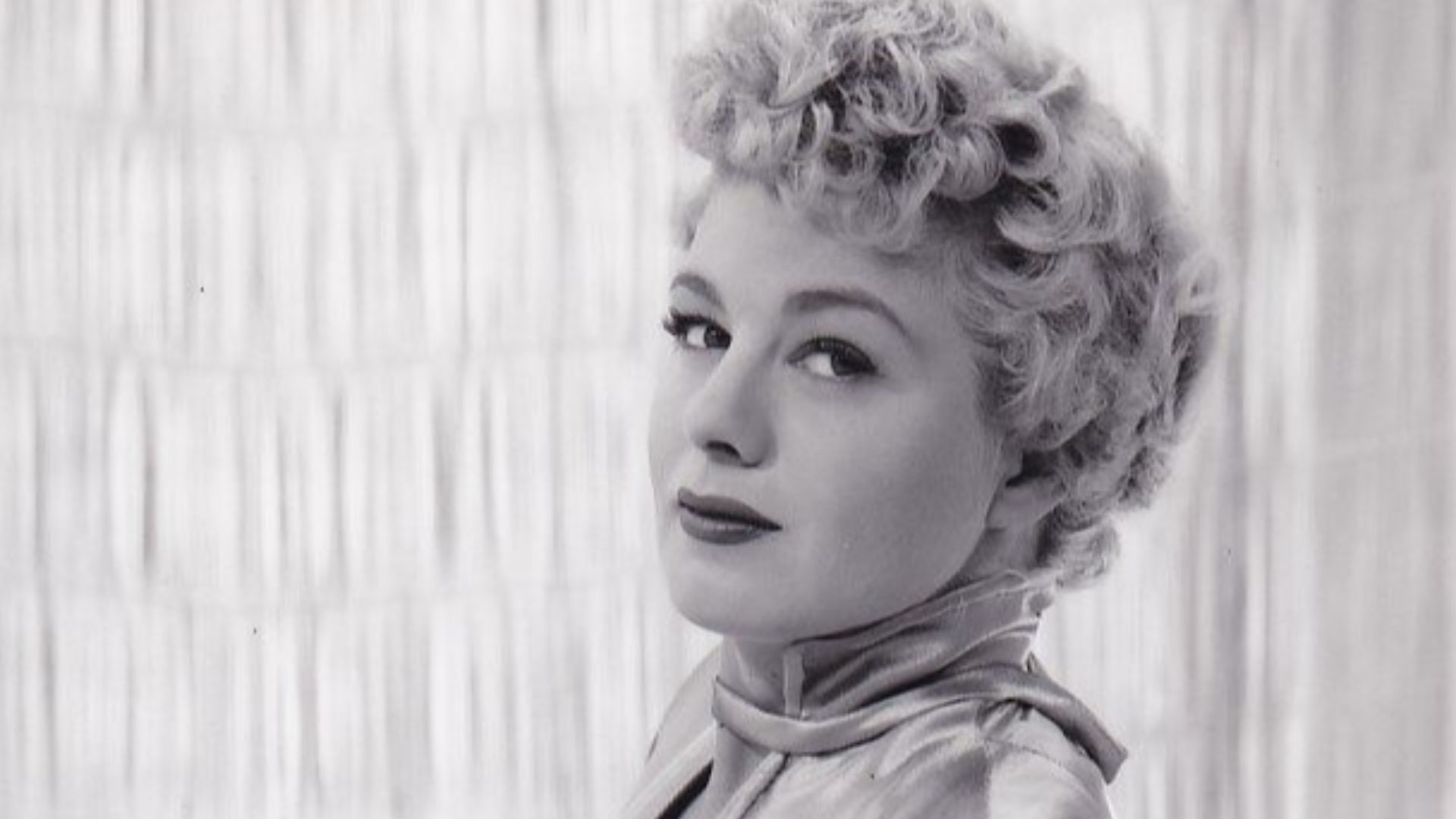
In 1950, Granger had a date with his best friend, actress Shelley Winters. Granger had waited two full hours for Winters to get ready, and this led the two friends into an argument. When they finally arrived at the party, an irate Granger ditched Winters and went looking for another companion.
The person he found would soon become a Hollywood icon.
 Engstead, John, Wikimedia Commons
33. He Met An Icon
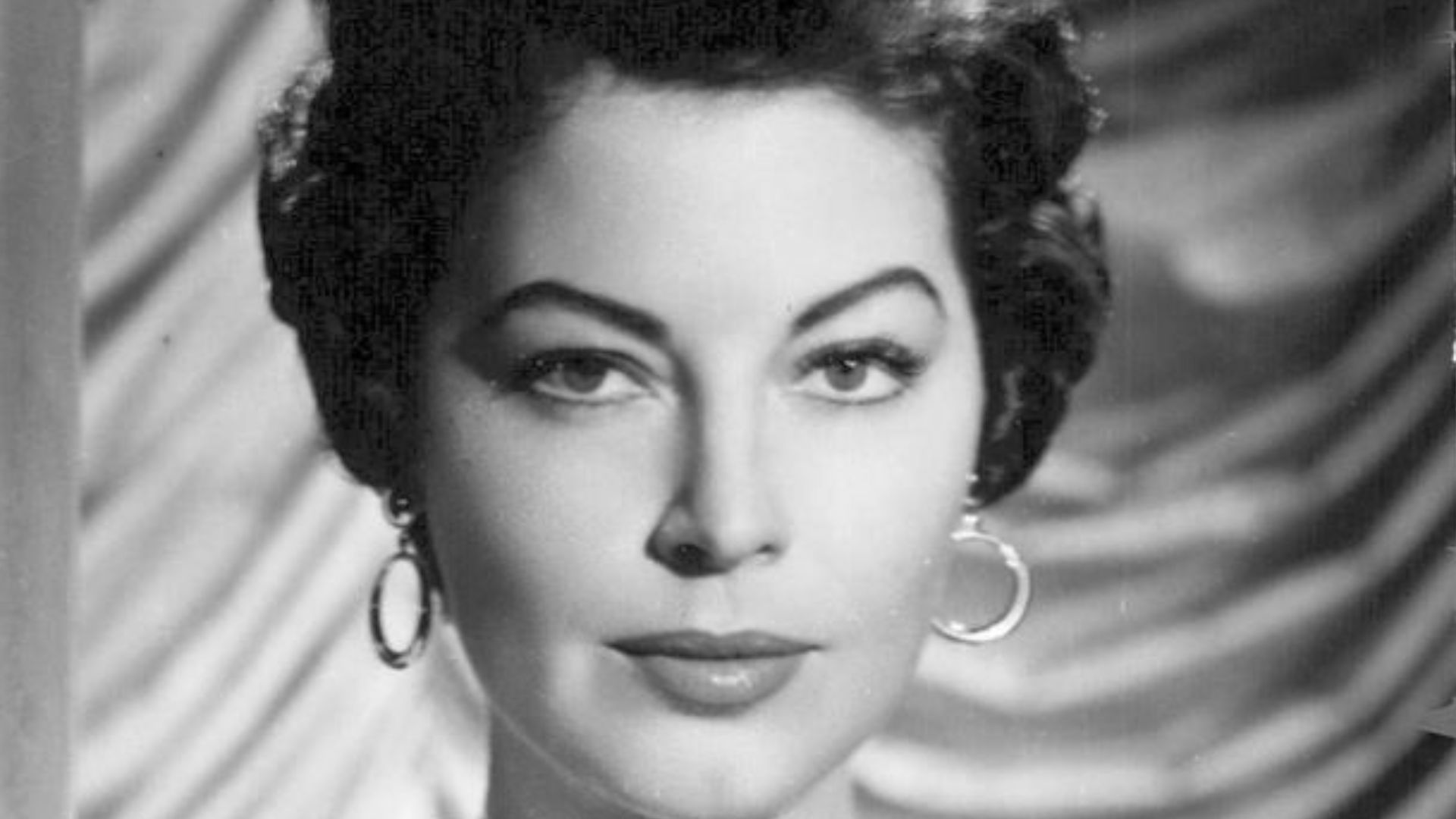
After leaving Winters at the party, Granger bumped into Ava Gardner. The two left the first party, went to a jazz show, and then ended up at Granger's place. What followed was an intense one-month relationship that ended when Gardner went on to make one of her stand-out films: Show Boat.
With any luck, Winters would take Granger back.
 Unknown photographerUnknown photographer, Wikimedia Commons
34. They Fought About Everything
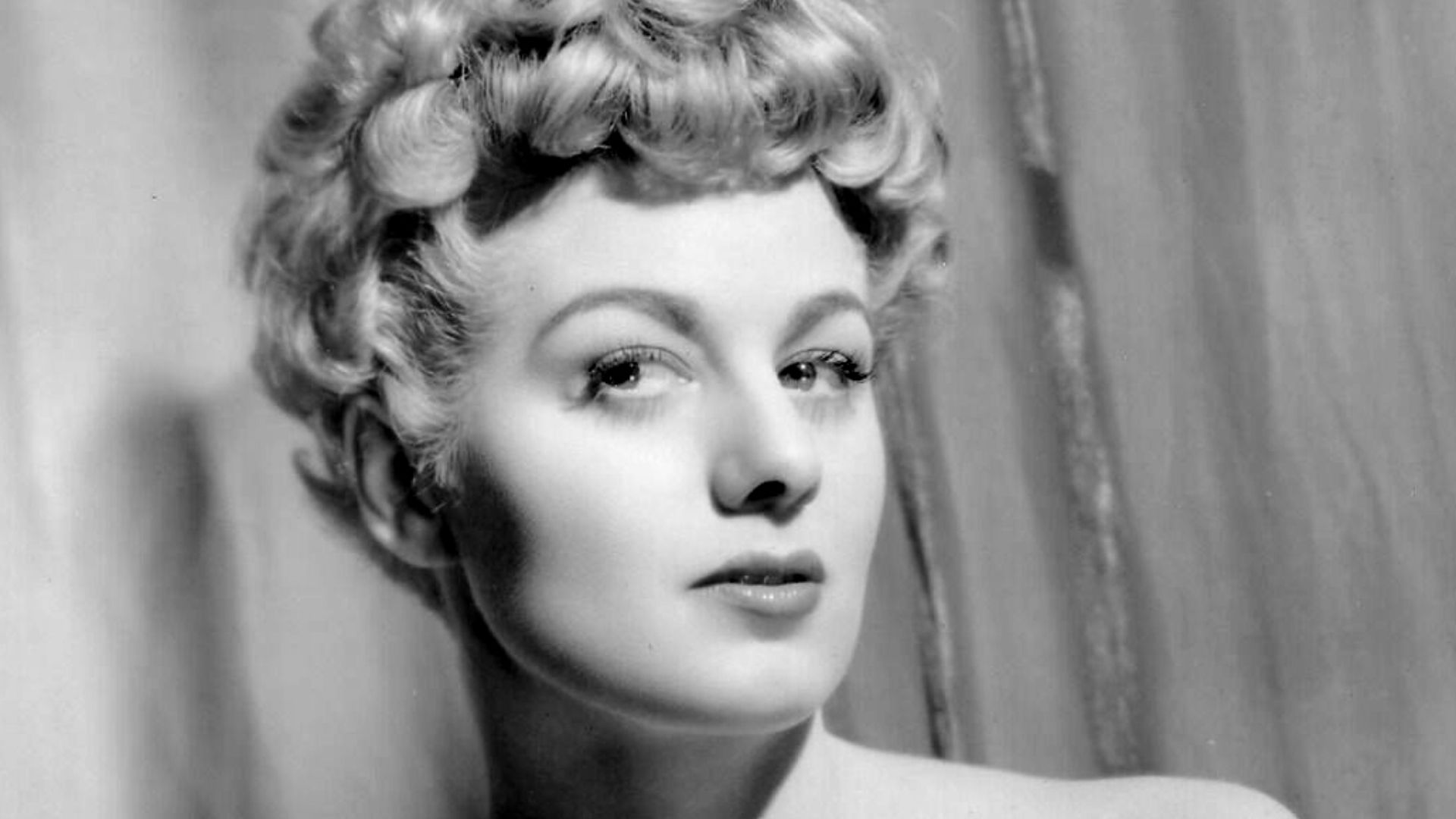
Farley Granger did manage to reconcile with Winters, and the two headed off to New York City and classes at the Actors Studio. This bickering couple even managed to spar about acting school. Granger thought that classes didn't make sense, and the two were soon looking into separate styles of acting classes.
And then Hollywood came calling and interrupted everything.
 Studio Publicity, Wikimedia Commons
35. He Thought It Lacked Something
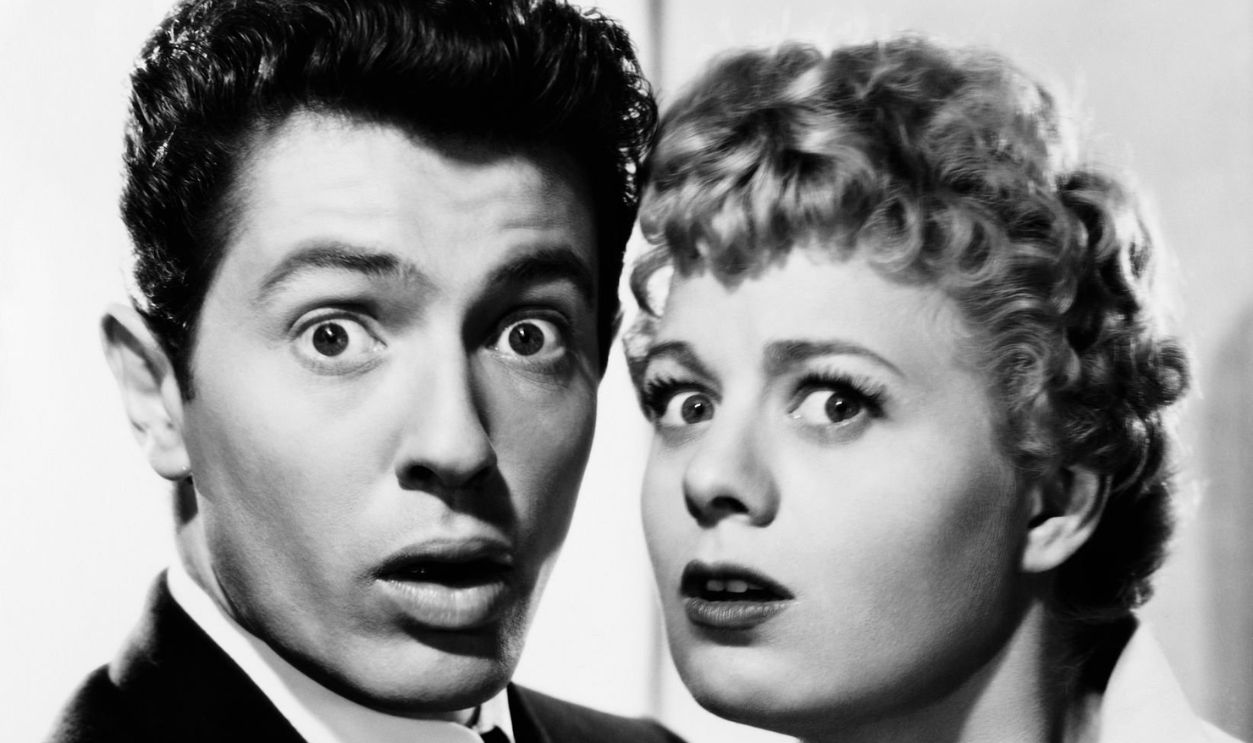
Neither Granger nor Winters got the chance to take classes, as they both received offers to be in movies. Granger’s film was I Want You, which was about how the Korean conflict affected an American family. Granger thought the film was “dull and dated,” and so did audiences and critics. Luckily, his next film—a comedy with Winters—did much better.
But the studio had a very odd idea for promotion.
 John Springer Collection, Getty Images
36. A Millionaire Meddled
Since Farley Granger and Shelley Winters were in a film together, Howard Hughes, then at the helm of RKO, decided to meddle in their affairs. Granger and Winters were both single, so Hughes suggested that they get engaged. This wasn’t for love—but rather to boost the box office.
This engagement was a farce…or was it?
37. It Was Complicated
Granger was feeling dejected about the movie roles he was getting, and this caused him to fall into some very familiar arms: Winters’ arms, to be precise. Even though their engagement hadn’t been real, they became lovers. Later, Granger tried to explain his friendship with Winters to people and simply concluded that “it works for us”.
What wasn't working was Granger’s career in Hollywood.
38. He Wanted Out
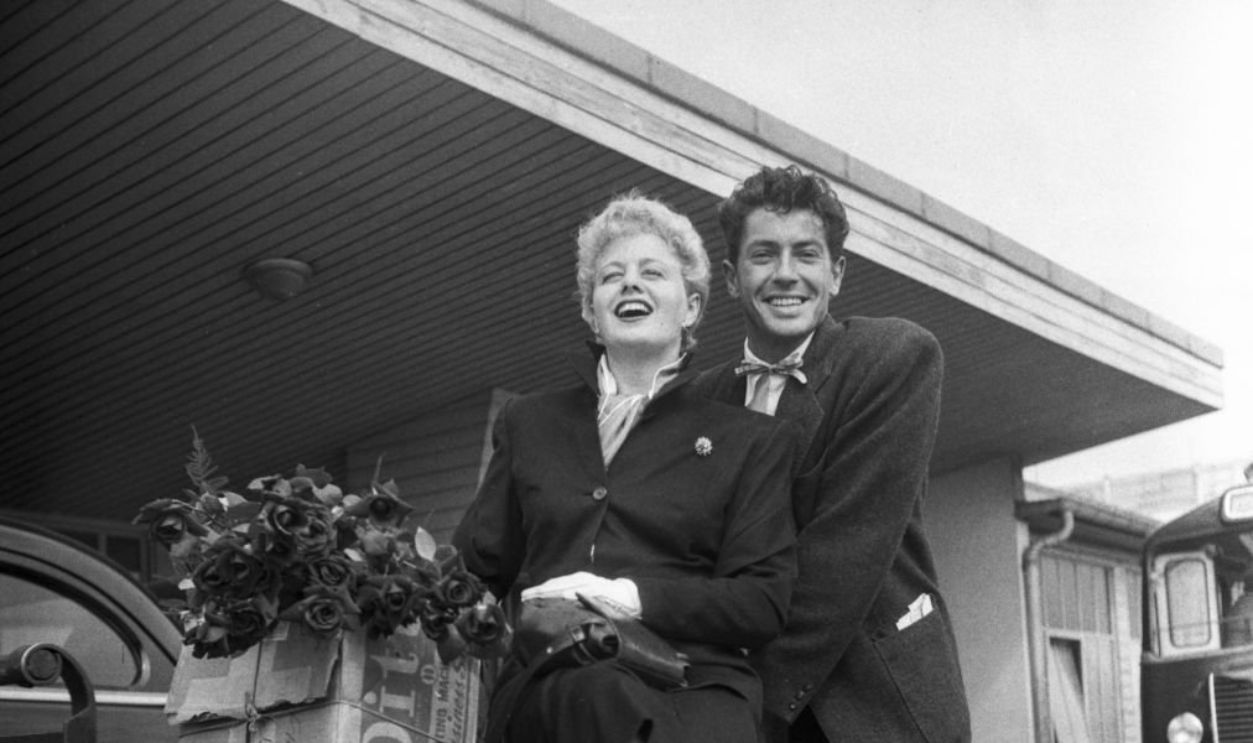
After another disappointing film—the musical Small Town Girl— Farley Granger was sure he wanted out of Hollywood. Because of the studio system, this was going to be difficult. One thing that studios listened to was money, so Granger paid an enormous fee to buy his way out of his contract.
Granger was now in serious debt and needed a way out.
 Michael Ochs Archives, Getty Images
39. He Compromised
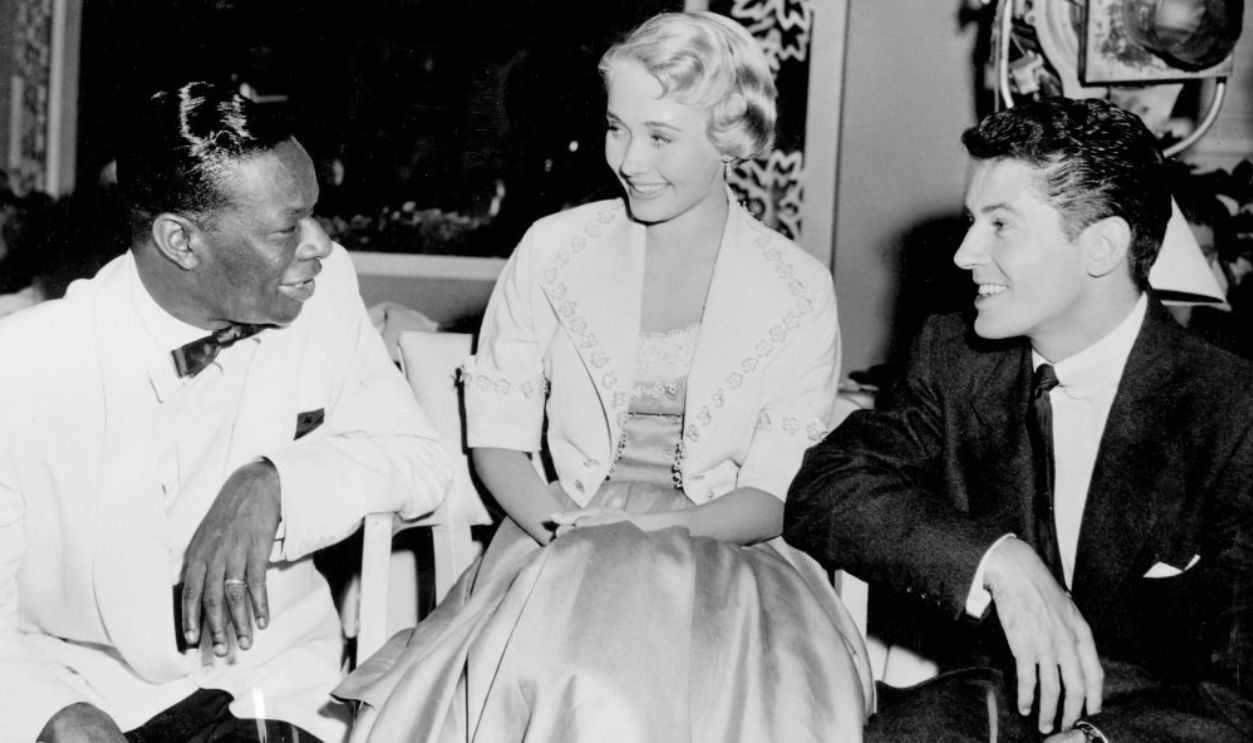
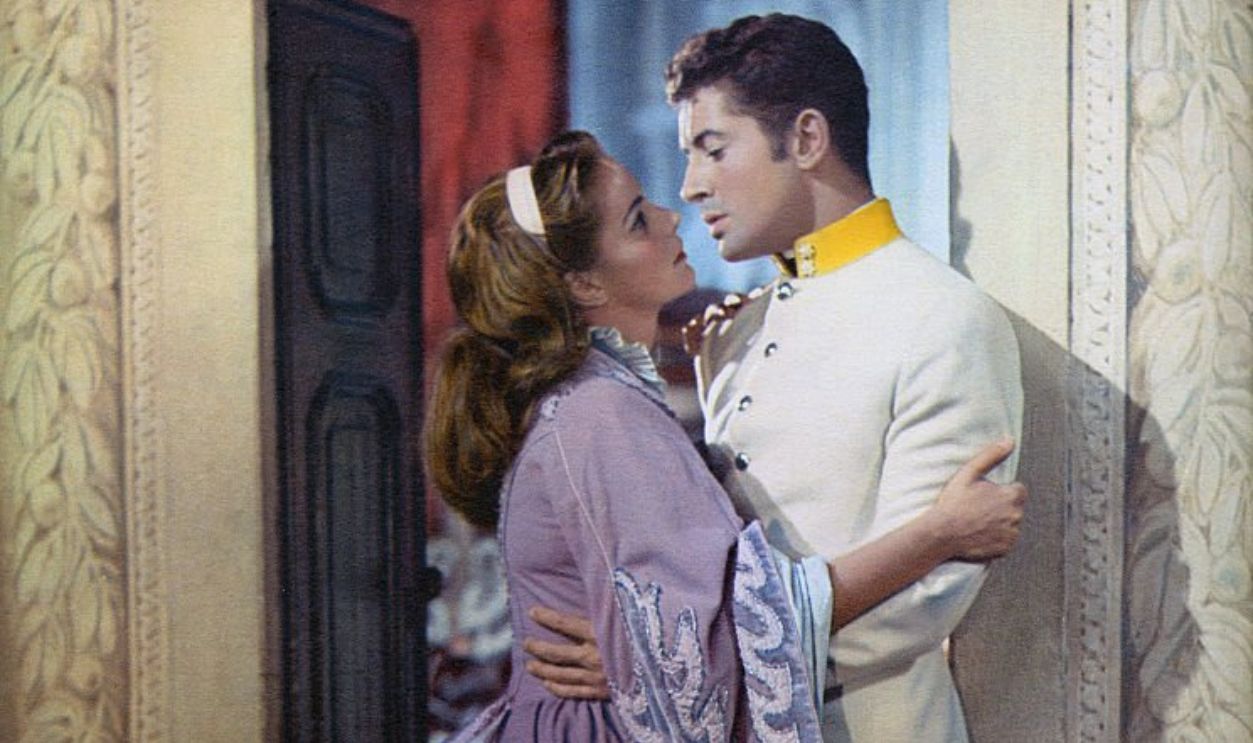
Granger’s plan was to leave Hollywood and pursue a career on the stage in New York. But his agent was thinking more about money. They compromised with a film away from Hollywood and in beautiful Italy. Granger packed his bags and was off to work with famed director Luchino Visconti on Senso.
Like all things associated with Granger, there was adventure.
 Sunset Boulevard, Getty Images
40. He Had Time On His Hands
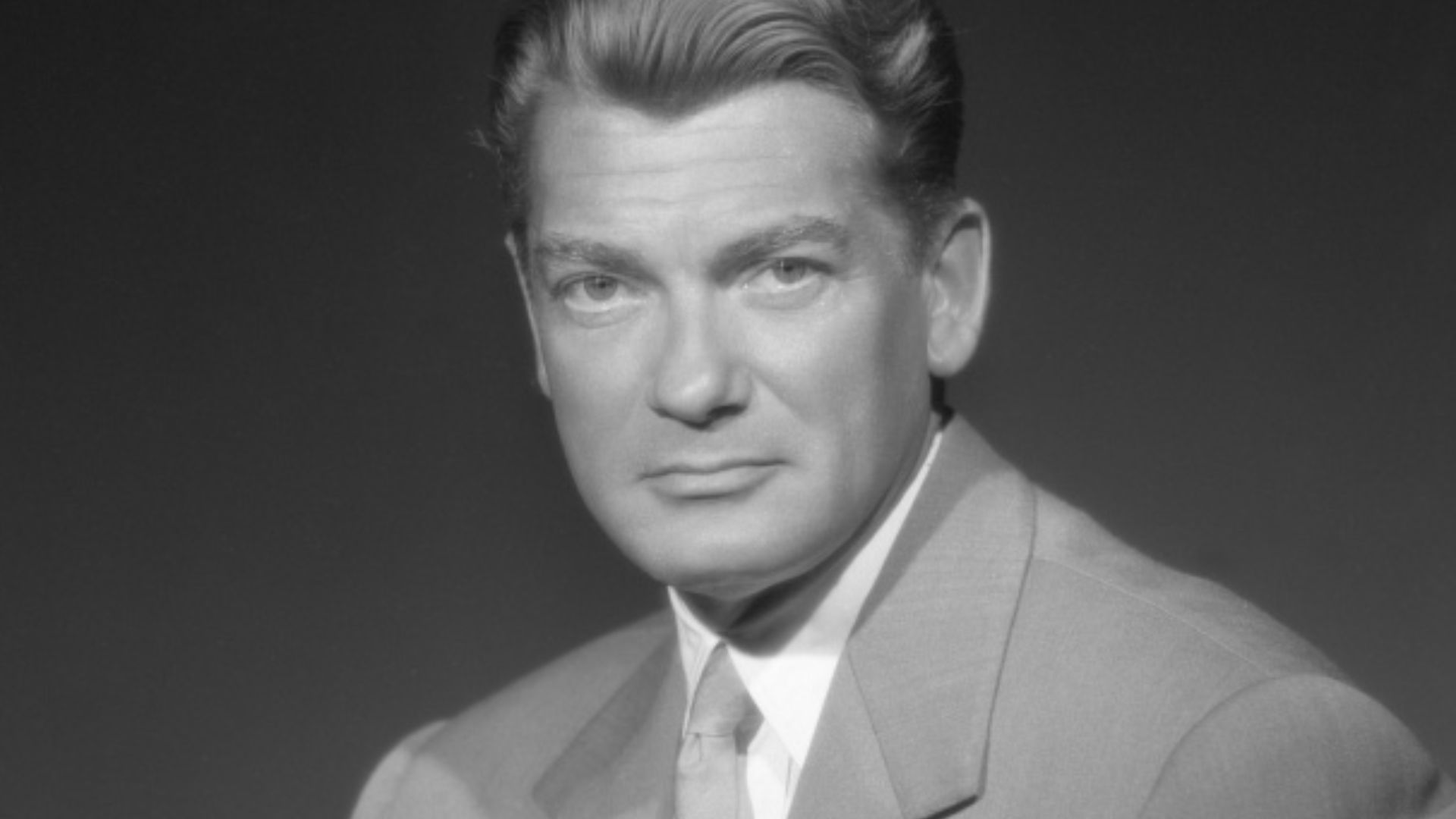
On Senso, the production rarely needed Granger on set. This gave him the chance to explore Italy. When he managed to get away for a longer period, he went to Paris. Here he met up—and had an affair—with the French actor Jean Marais, who was also a painter, sculptor, and photographer.
But back on the set of Senso, Granger was in trouble.
 Studio Harcourt, Wikimedia Commons
41. He Walked Off The Job
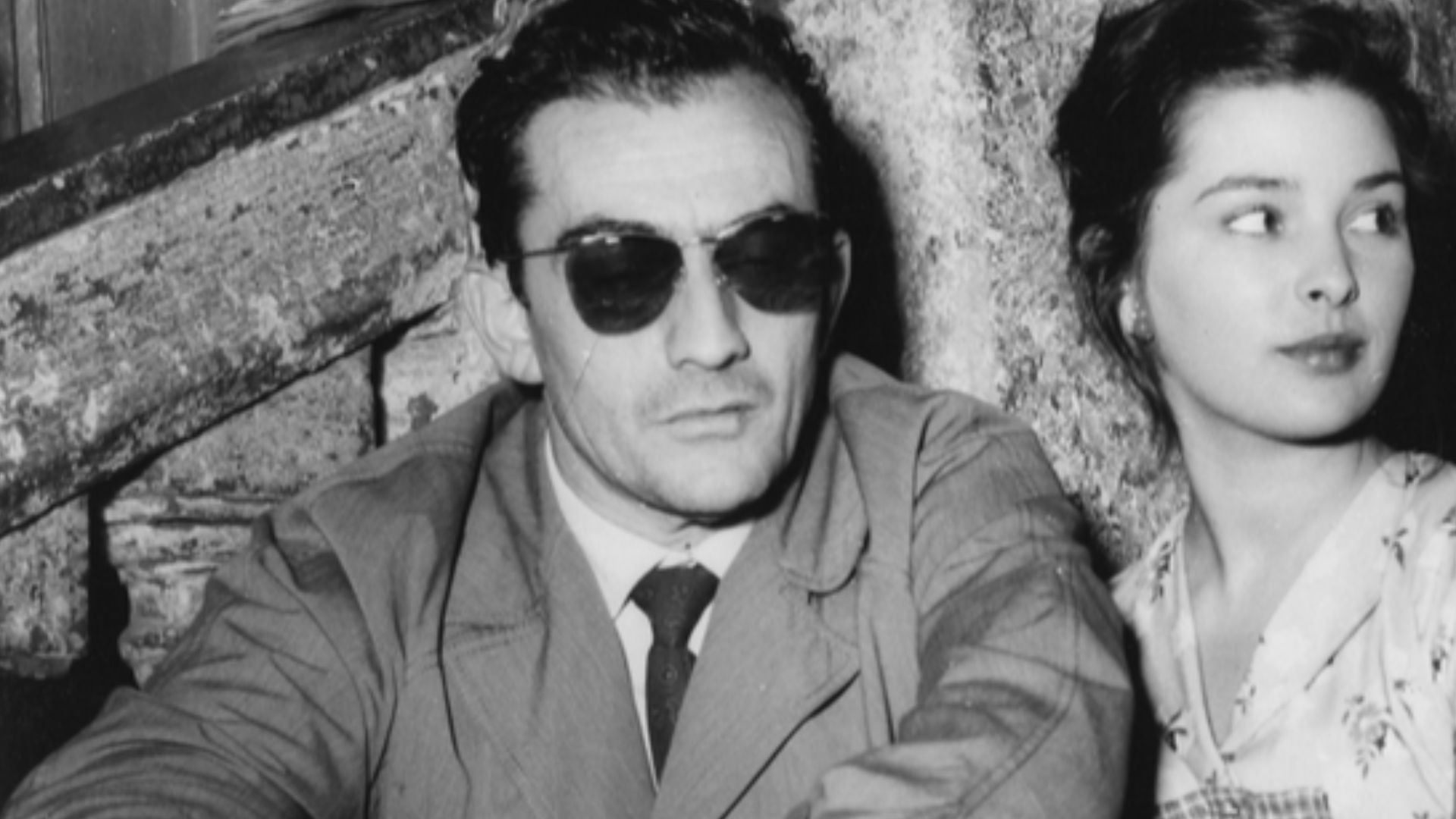
Granger and Senso director Luchino Visconti were not getting along, and just before they finished filming, Granger went home to the US. Granger's departure left Visconti with an unfinished film, and only a drastic act could fix it. Visconti employed a stunt double, who somehow managed to do all his acting with his hands in front of his face.
 G.B. Poletto, Wikimedia Commons
42. He Heard Wedding Bells
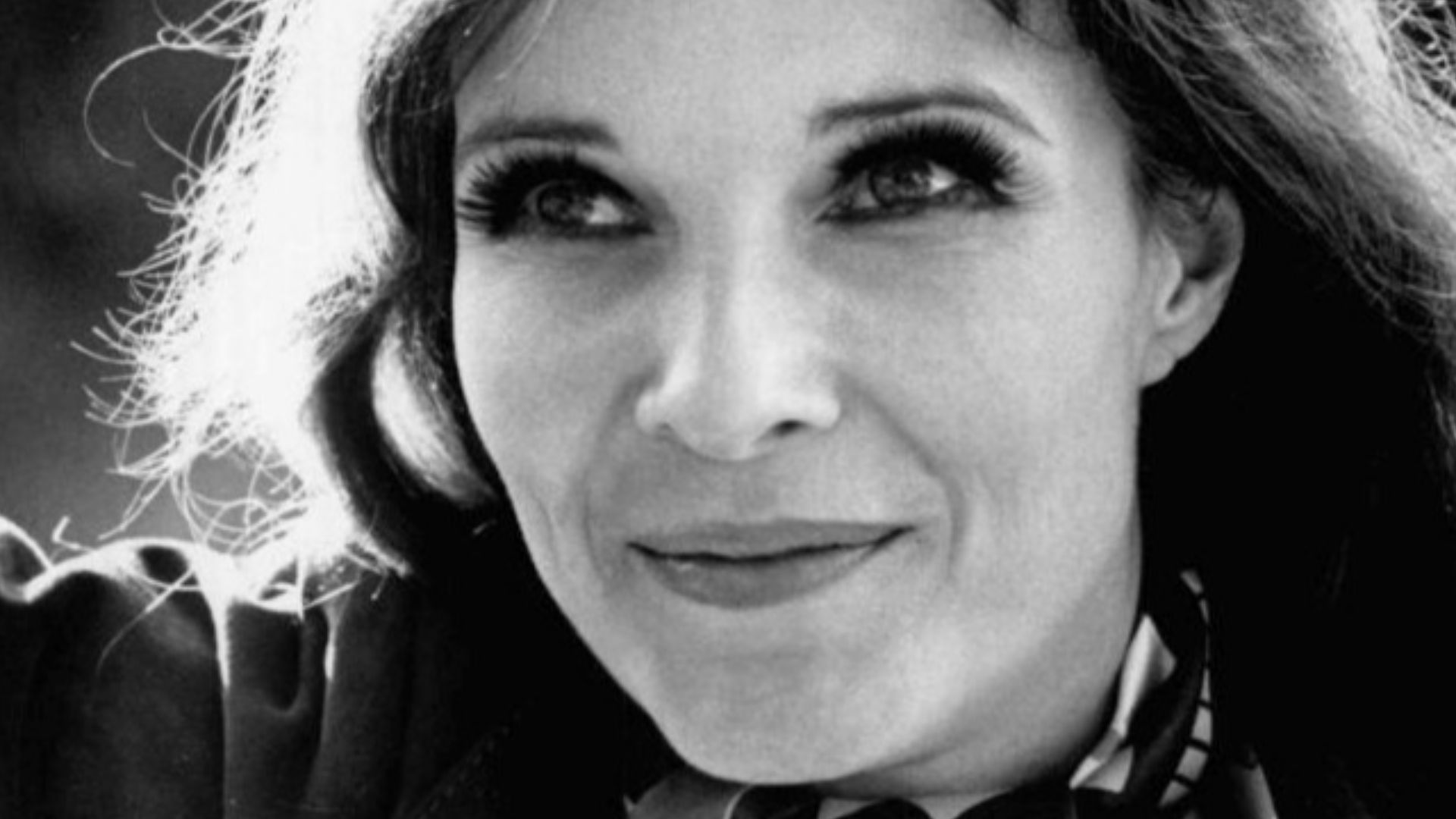
After two mediocre films with Darryl F Zanuck, Granger was ready to fulfill his dream of acting on the stage. Sadly, The Carefree Tree closed after just 24 performances. But this wasn't a total loss. Granger started dating his costar—Janice Rule—and they were soon making wedding plans. When it turned out that the two actors had less in common than their on-stage characters, they called the wedding off.
It was time to focus on his career again.
 CBS Television, Wikimedia Commons
43. He Met Up With More Failure
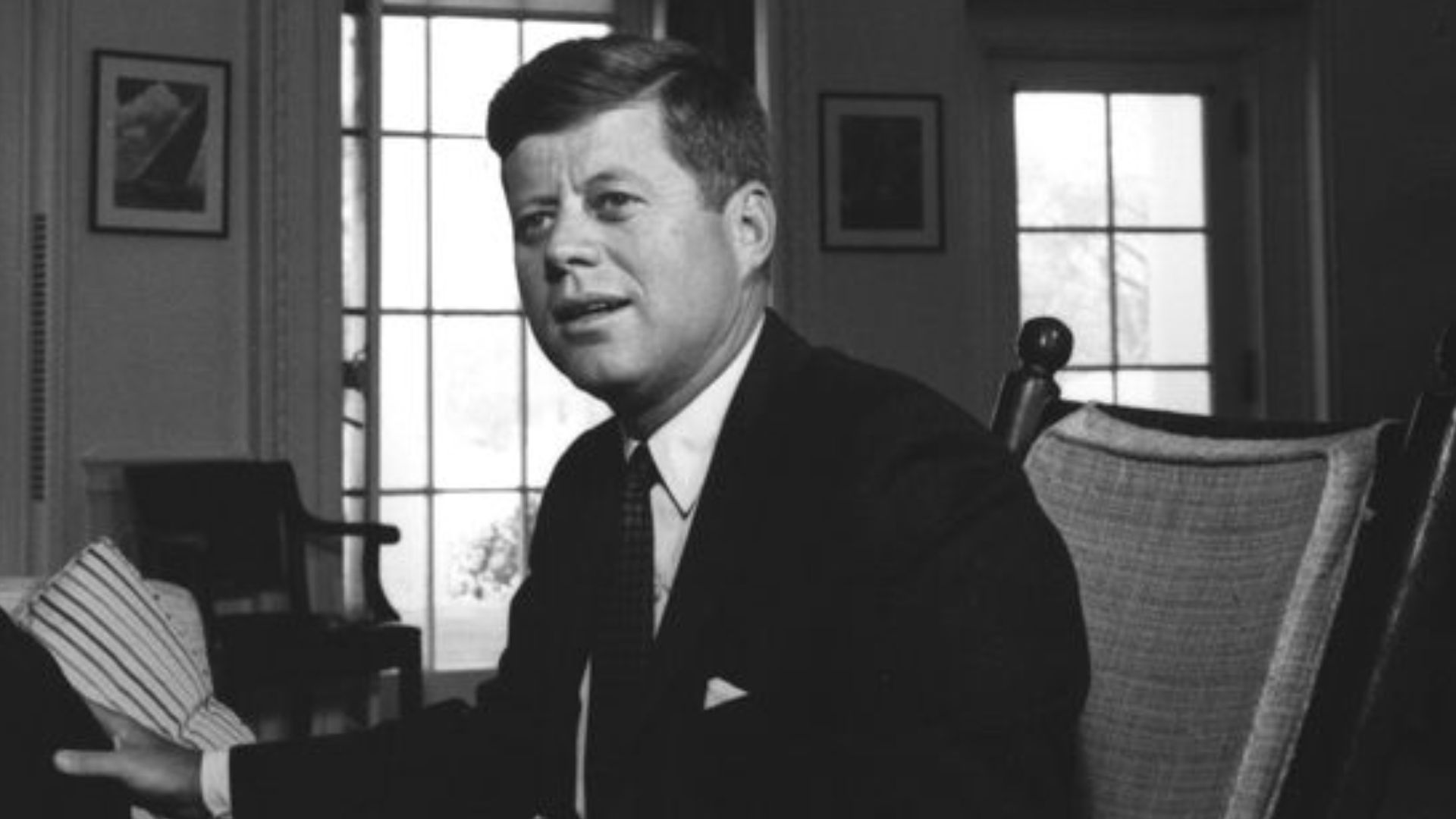
After giving television a try, Farley Granger was soon back on the stage. First Impressions and The Warm Peninsula both failed to excite theatergoers. When he appeared with the National Repertory Theater, President John F Kennedy even attended the opening. When Kennedy tragically lost his life, it sent Granger for a loop.
44. He Needed A Man
The loss of President Kennedy shocked the nation, but it also sent Granger into the arms of a new lover. He and the production supervisor of the National Repertory Theater, Robert Calhoun, had exchanged glances, but it was the Kennedy tragedy that sent them into each other's arms. This would be Granger’s lifelong relationship.
He’d conquered love, but Granger still hadn’t conquered Broadway.
 Trailer screenshot, Wikimedia Commons
45. He Was A King
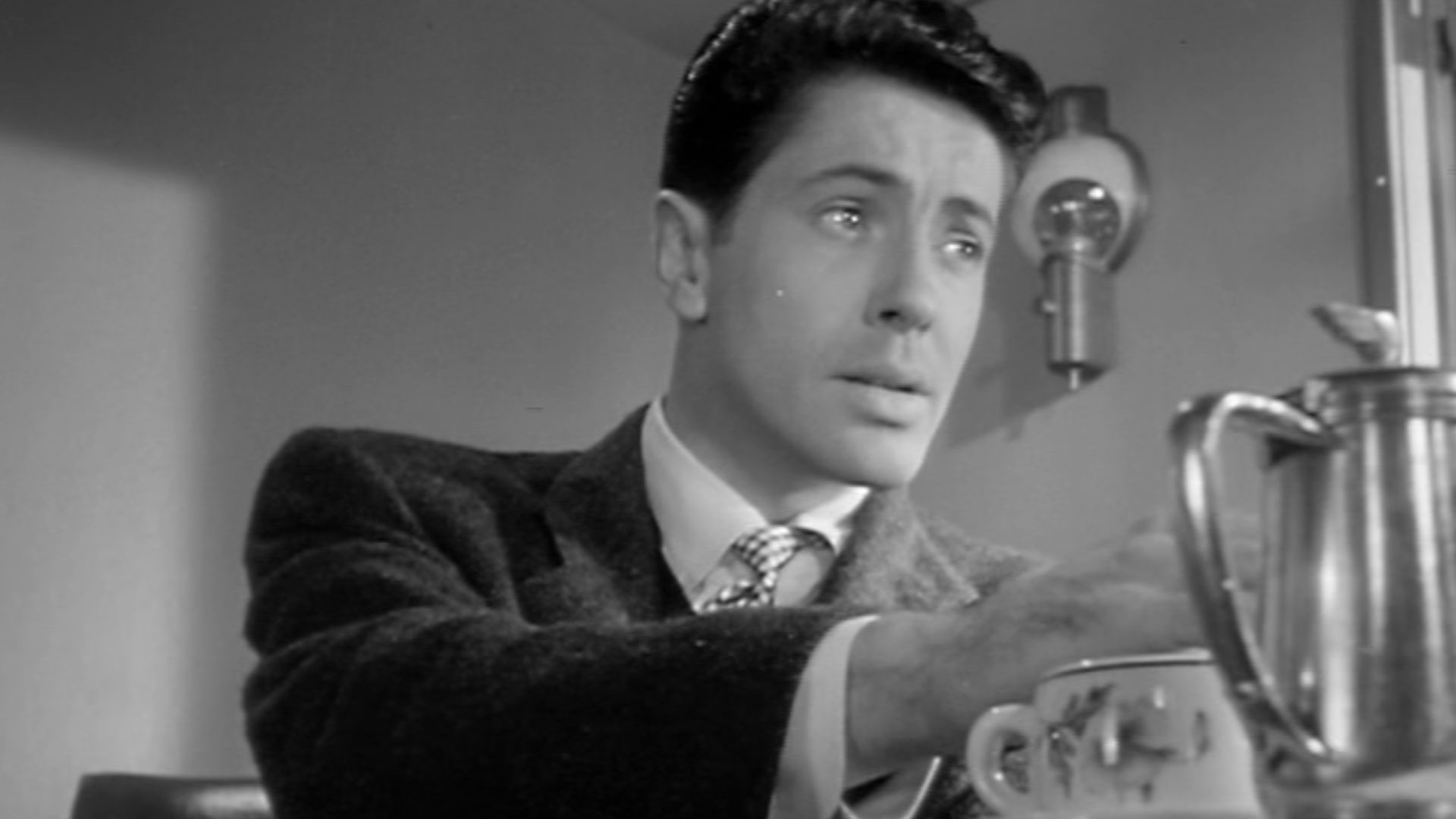
Farley Granger did eventually manage to find success on Broadway. He slayed in heavily dramatic plays like The Seagull and The Crucible. He also did The King and I off-Broadway. Some even thought he was a better King than the legendary Yul Brynner.
But Granger was still restless and was soon on the road again.
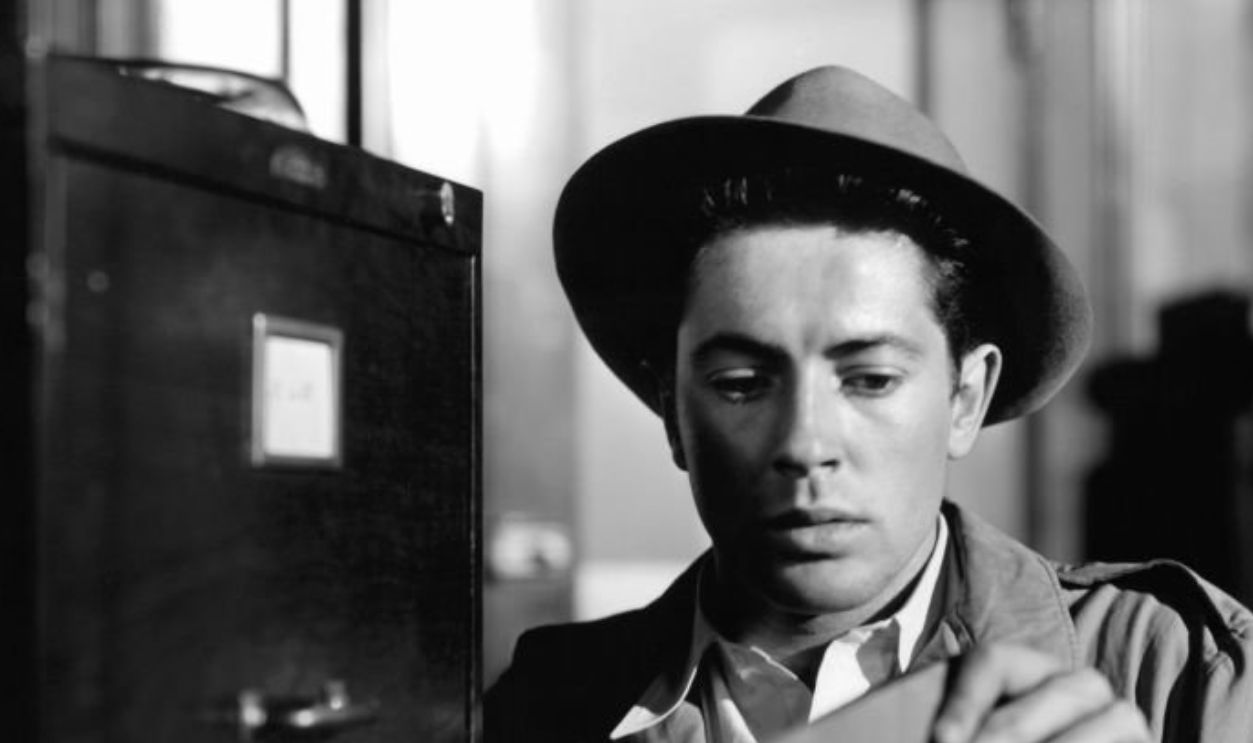
46. He Did Daytime TV
Granger remained partners with Calhoun, and the two travelled to Italy in the early 1970s. To make ends meet, Granger appeared in Italian films. He then returned to the States and embarked on a career in the soaps. He appeared in three different soap operas and received an Emmy nomination for his work on One Life To Live.
In his incredible life, Granger went from Hollywood leading man to Broadway stage actor and finally to daytime TV. It was time to tell the whole story.
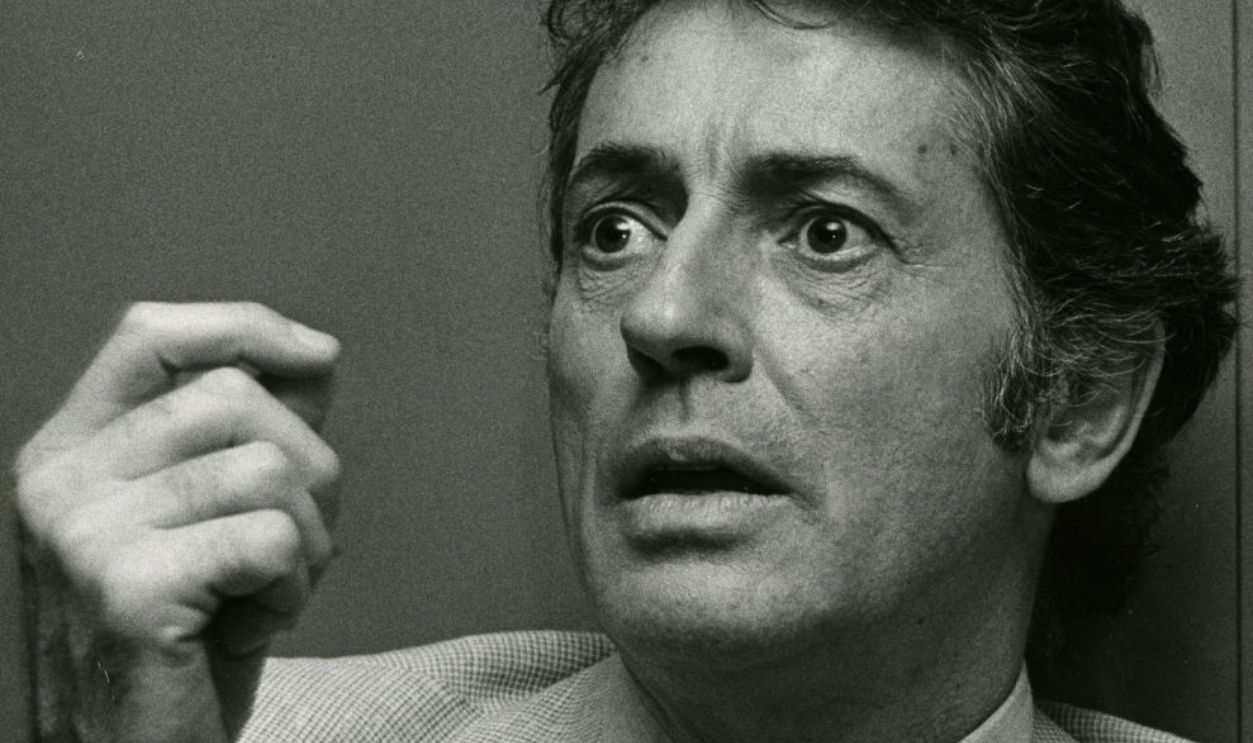
47. He Told All
Granger and Calhoun worked together on telling Granger’s life story. The result was 2007’s Include Me Out. Granger didn’t hold back, and the book is full of stories of love, lust, adventure, and added Barbara Stanwyck, Joan Crawford, and Tyrone Power to his list of lovers. About Barbara Stanwyck, Granger said, they “enjoyed each other’s company to the fullest.”
But it was Shelley Winters who was the dominant woman in Granger’s life.
 University of Southern California, Getty Images
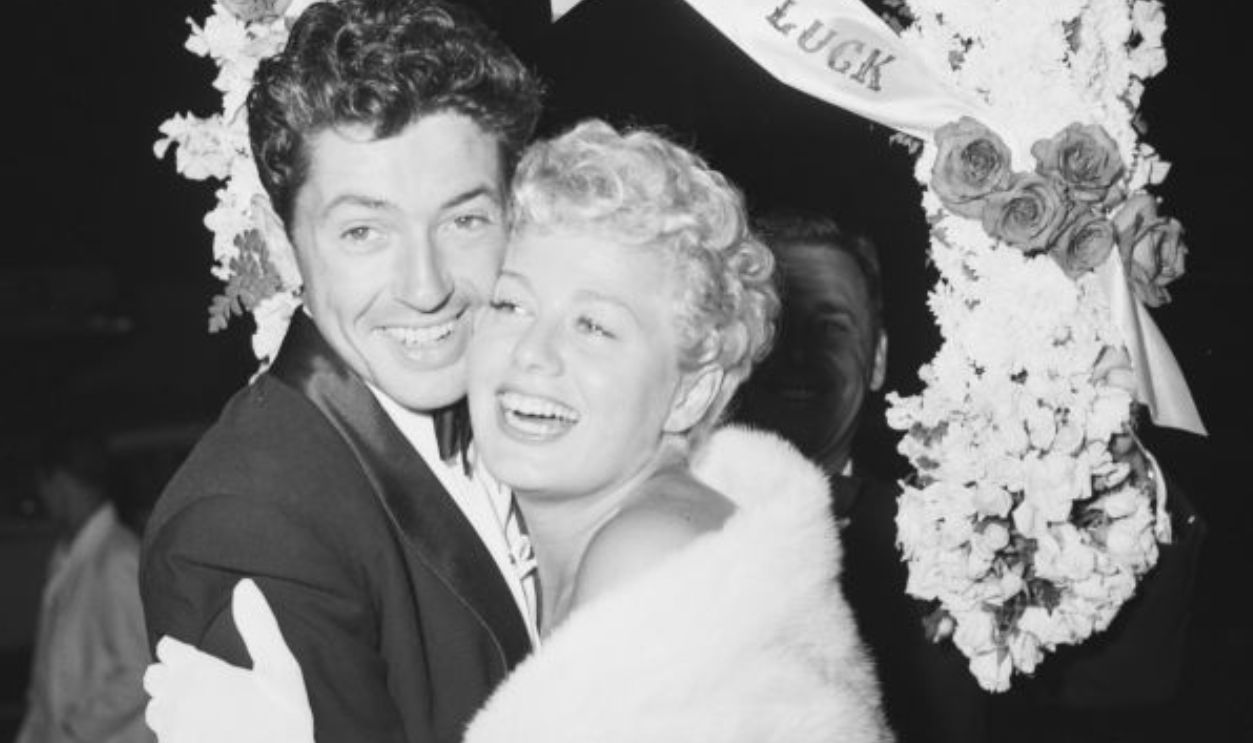
48. He Kept Her Close
Granger and Winters’ friendship had been all over the map. They were best friends, lovers, and even engaged for a short time. Granger thought that Winters was difficult but also “very dear”. She was an angel and monster all together. As they aged, Granger arranged for Winters to stay nearby. He found her an apartment in his building.
With his lover beside him, and his best friend nearby, it was time to age gracefully.
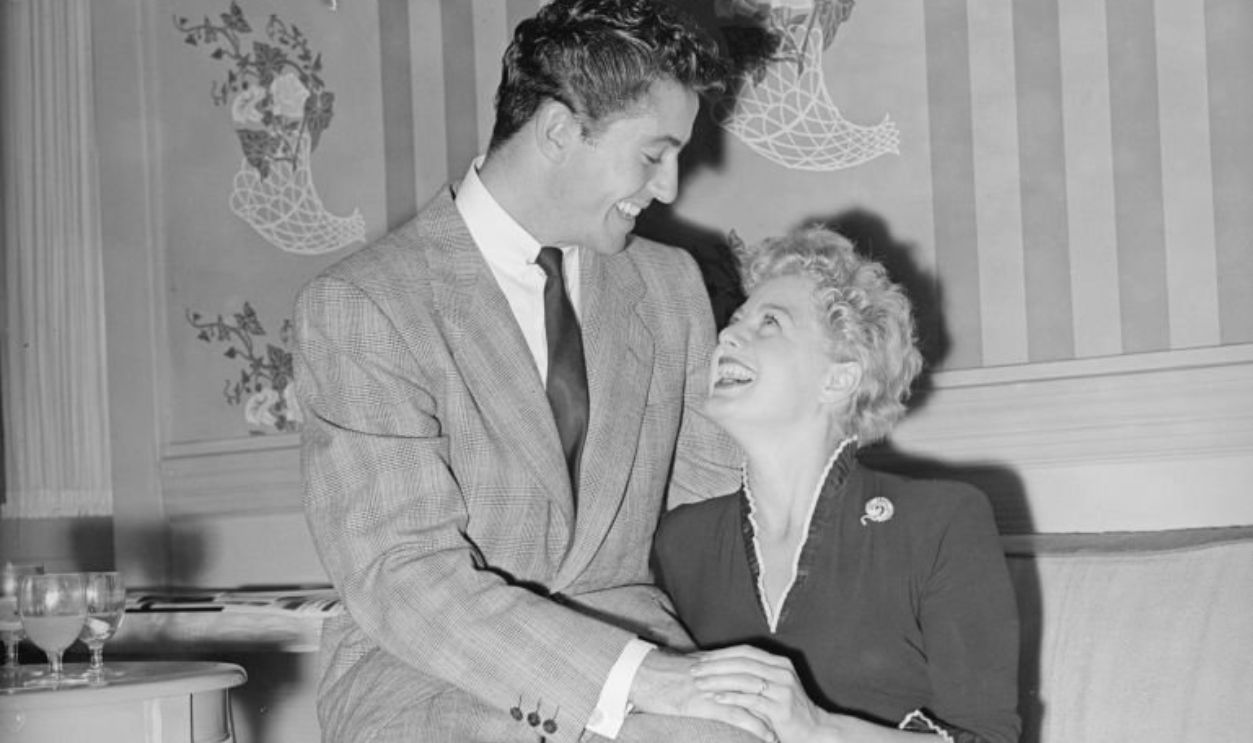
49. He Never Chose
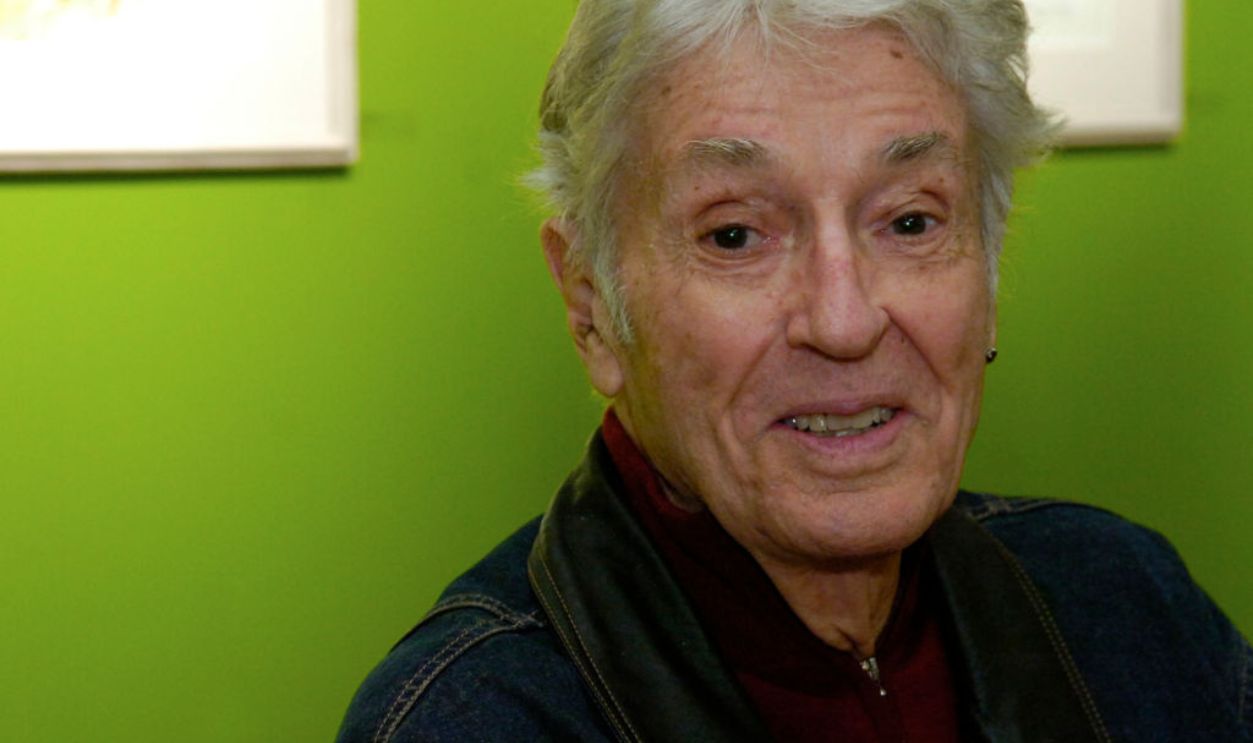
Granger stayed with Calhoun until Calhoun passed due to lung cancer in 2008. Three years later, it was Granger’s turn. He passed on March 27, 2011, at the age of 85. A few years before he passed, a journalist asked Granger if he was gay, straight, or something in between. Granger’s answer was a classic. "I'm too old to worry about that," he said. "I've done too much."
But there is one thing that Granger never got the chance to experience.
 MediaNews Group/Reading Eagle via Getty Images, Getty Images
50. He Lived A Charmed Life
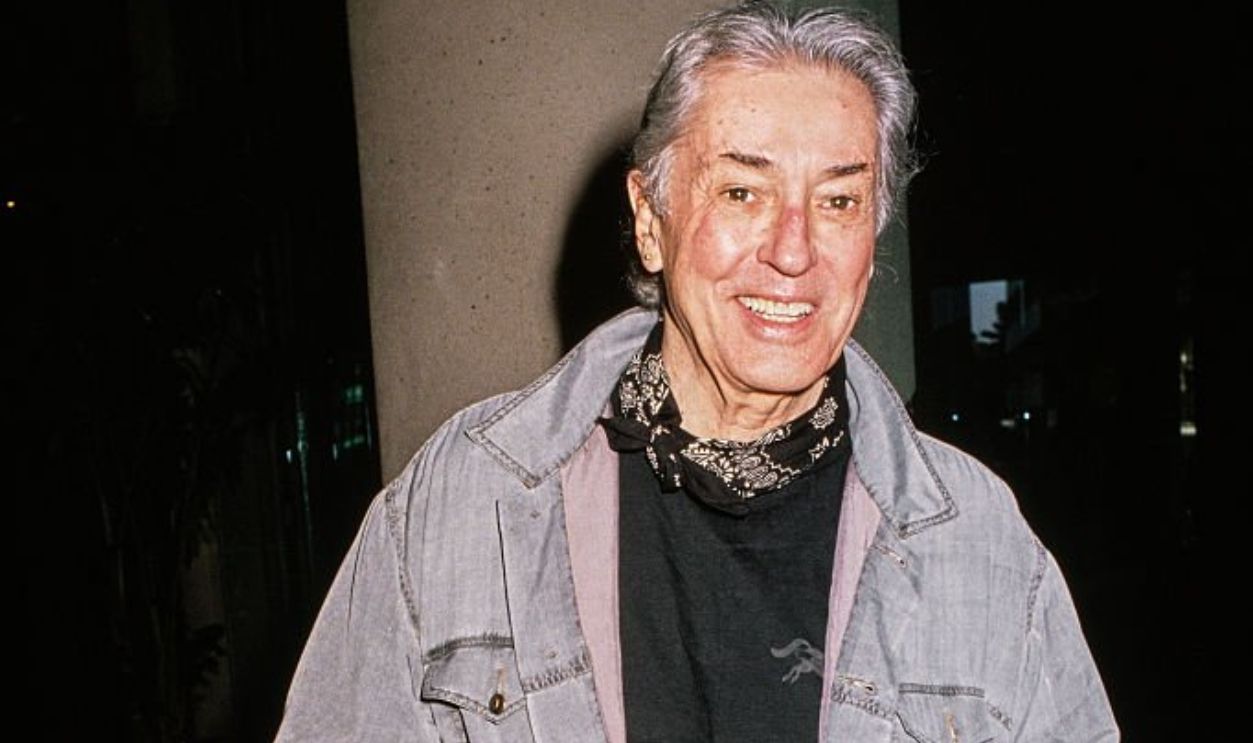
Granger’s life and his book are filled with romantic interludes—some frivolous and others serious. He also mentions a few times when he’d rejected the advances of would-be lovers. During an interview, a reporter asked Granger to tell a story about a time when he’d had his heart broken. Granger's answer said it all. "Not that I can think of".
You May Also Like
Private Facts About Dirk Bogarde, The Most Secretive Actor
Brooding Facts About Montgomery Clift, The Mysterious Hollywood Heartthrob
Hunky Facts About Tab Hunter, Hollywood's Scandalous Heartthrob