
On The Surface, His Life Was Picture Perfect
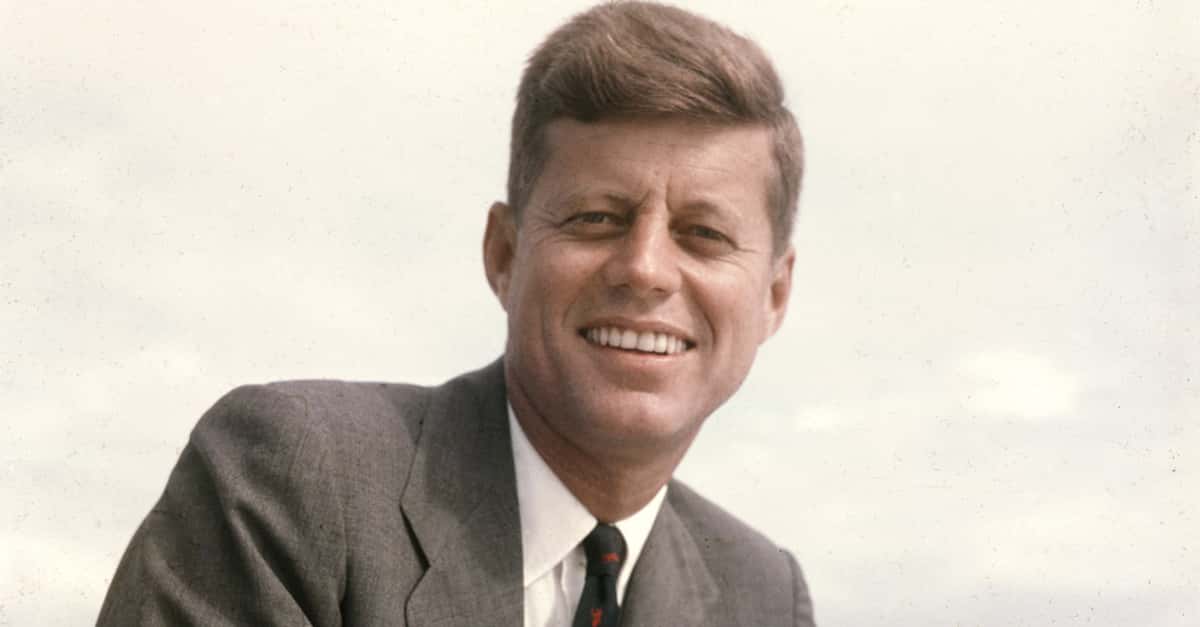
For less than two years in the early 1960s, many Americans looked to John F Kennedy as a shining example of what a president should be. But behind closed doors, there was more to Kennedy than met the eye.
From scandals to dark conspiracy theories, there's a reason why JFK has one of the most tragic stories in American history.
1. He Was Born Into Privilege
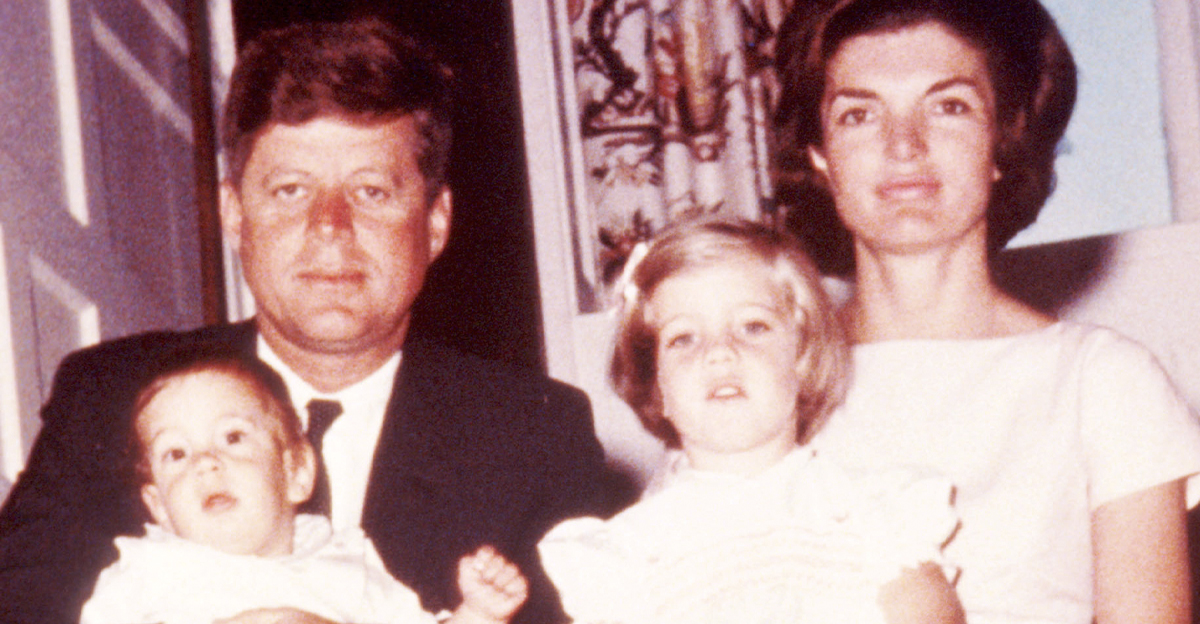
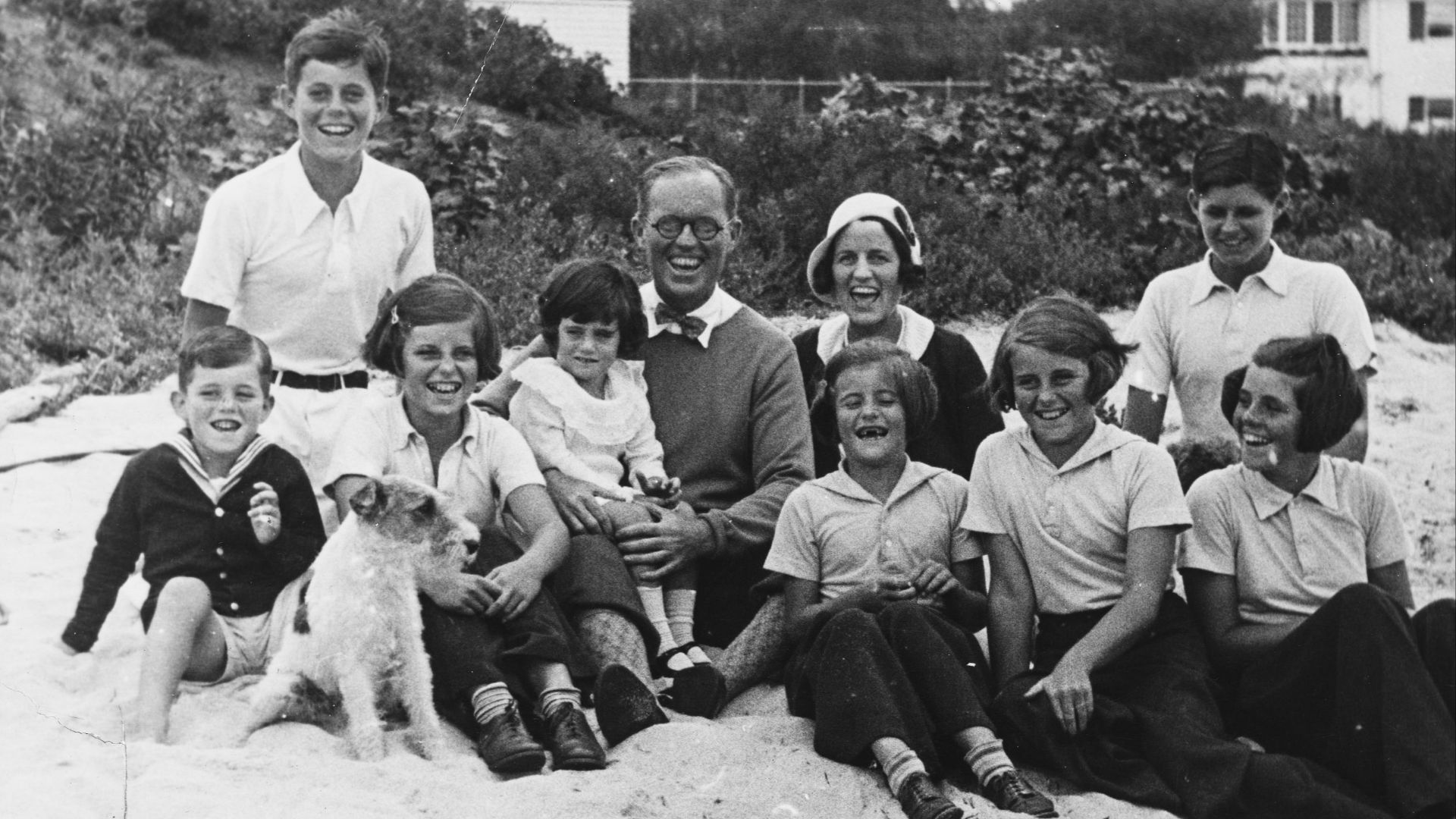
John Fitzgerald Kennedy was born on May 29, 1917, into a very successful family. His father was a businessman and a politician, and his mother was a well-connected socialite and philanthropist. This Irish-American family lived just outside of Boston, Massachusetts, and Kennedy's father had carefully plotted out a plan for his children.
Joseph P Kennedy would do anything it took to make this dream a reality.
2. He Was Likely To Succeed
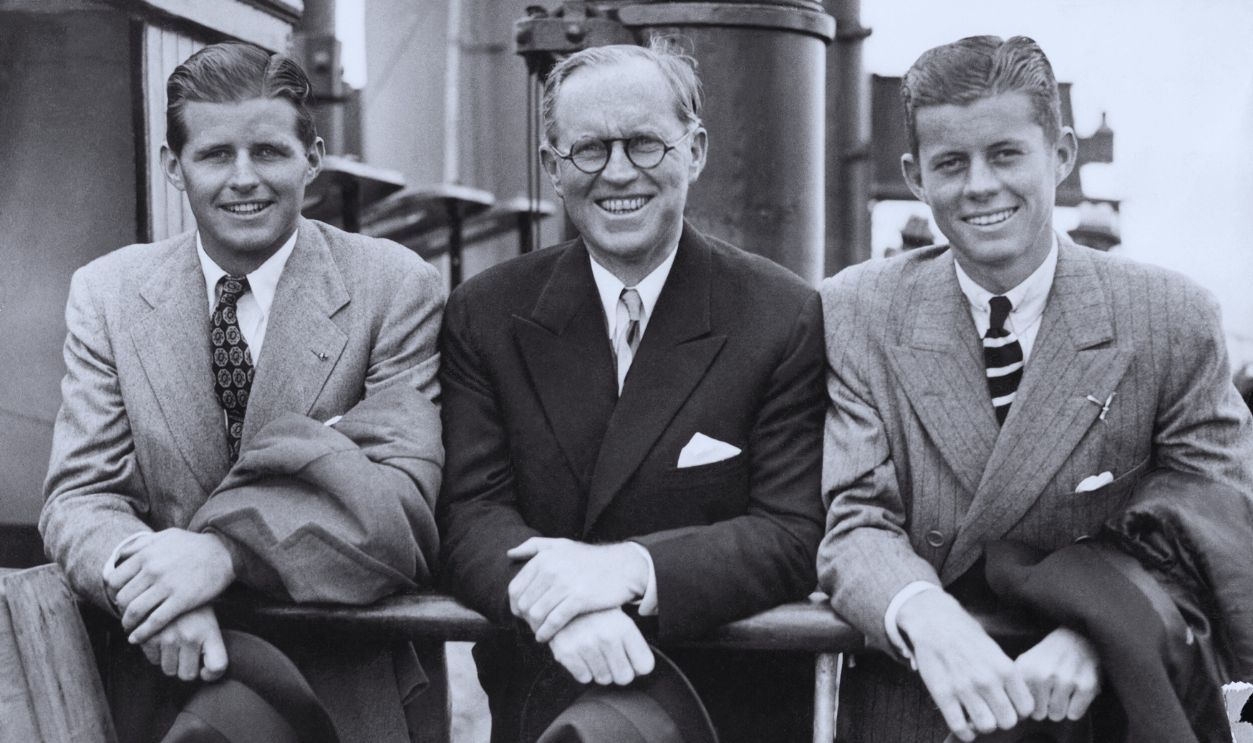
The father of the Kennedy clan, Joe Kennedy, wanted his children to be in politics, and he knew this from the beginning. When his wife Rose suggested sending John and his older brother to a Catholic School, Joe insisted it would not be good for their political futures. The boys went to a protestant school called Choate, where John received the honor of “most likely to succeed”.
Kennedy would eventually find success, but a heartbreaking illness would make that very, very difficult.
3. He Suffered From Illness
Though Kennedy may have looked like a robust young man, there was trouble lurking beneath the surface. He couldn’t attend the London School of Economics like his big brother had because of his poor health. But that wasn't all. He also had to drop out of Princeton University because of a gastrointestinal sickness.
When he ended up in Harvard College, things weren’t much better. But this was for a very different reason.
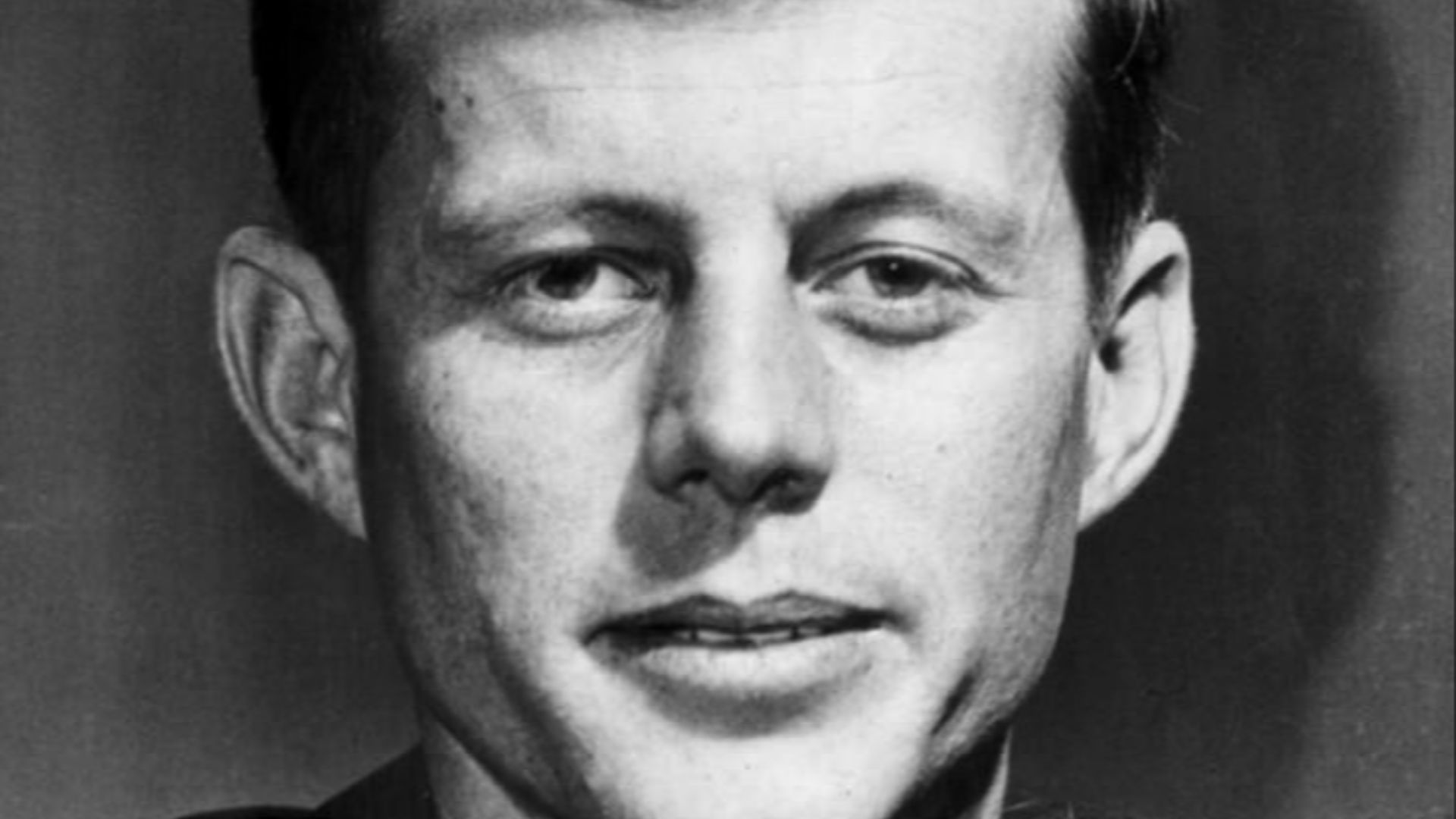 U.S. Junior Chamber of Commerce, Wikimedia Commons
4. He Was A Party Boy
It wasn’t poor health that troubled Kennedy at Harvard: It was focus. Well, he did have focus, but it was more honed in on sports and parties than anything else. Then, he sustained a football injury that made him quit sports and gave him back problems for the rest of his life.
This was not a promising start for a man who would one day be President of the US.
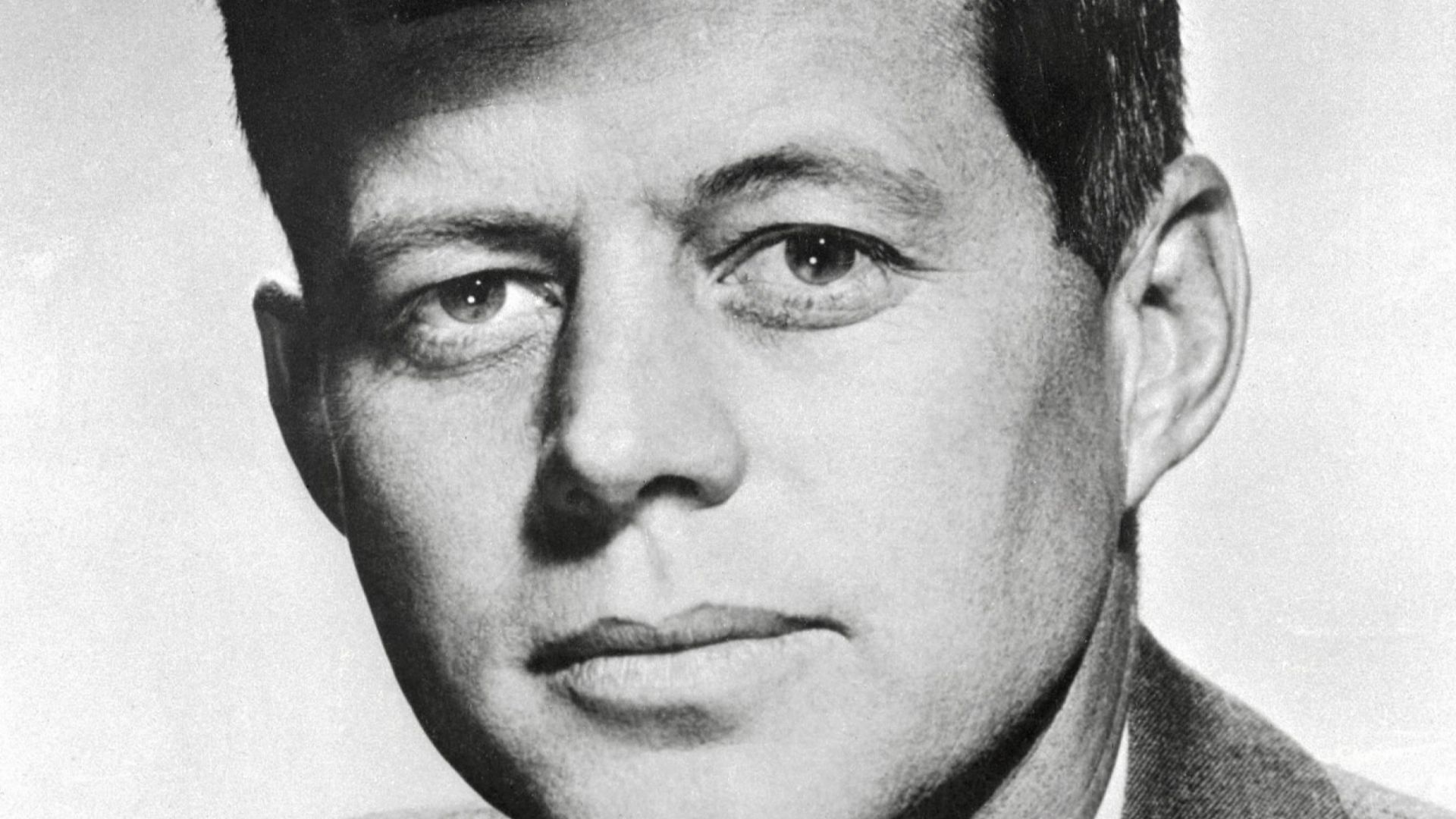 U.S. Government, Wikimedia Commons
5. He Was Unfit For Service
Kennedy did eventually get his act together and graduated from Harvard with a BA in government and international affairs. His next stop was Yale Law School, but the outbreak of WWII put those plans on the back burner. Kennedy was eager to fight for his country, but his back problems made him unfit.
Well, his father was not about to let his son miss out on WWII.
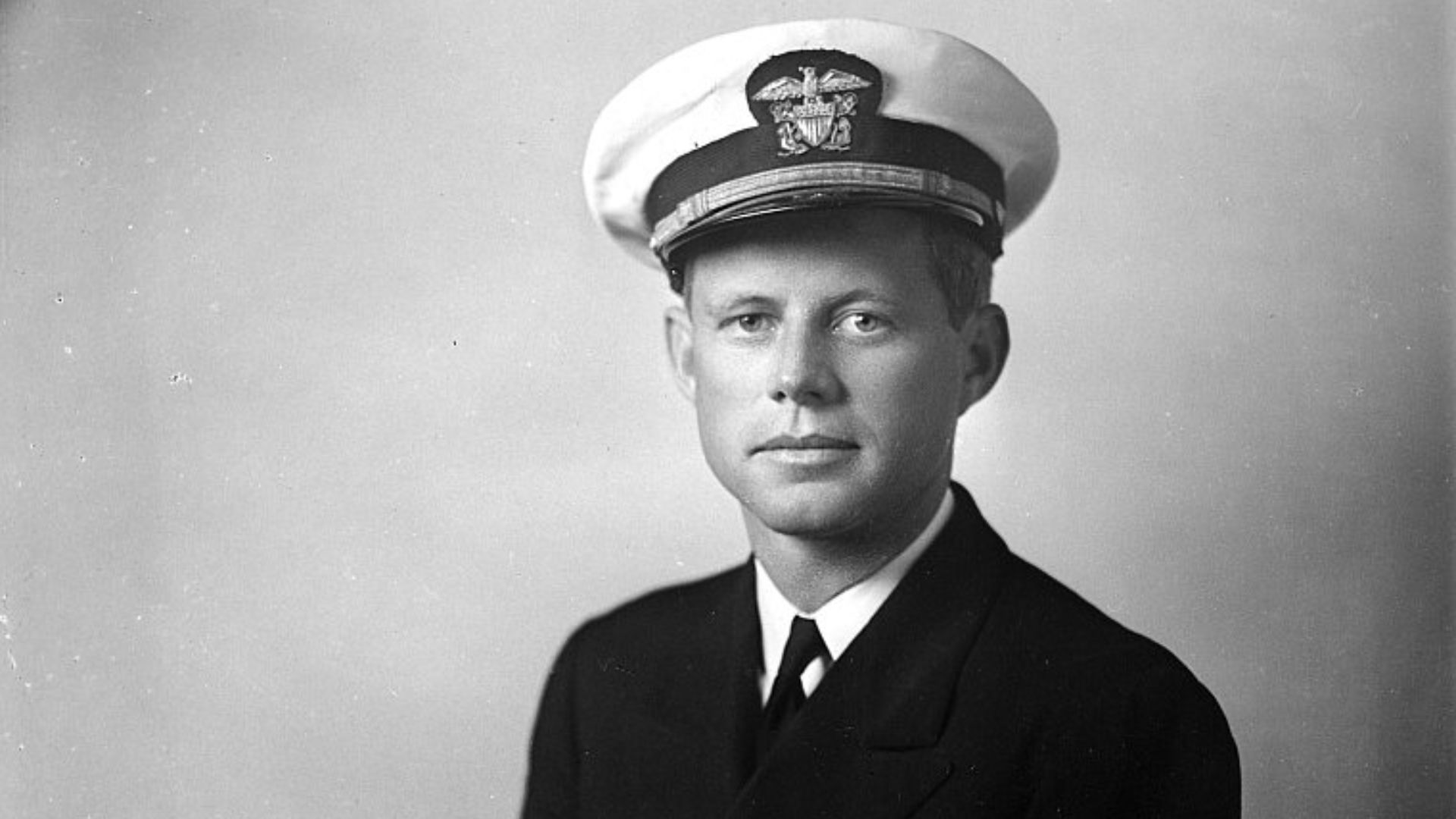 Frank Turgeon Jr., Wikimedia Commons
6. He Had A Meddling Father
Joseph Kennedy was not above meddling in the affairs of his children, and he used his enormous wealth and clout to get things done. With some deceptive medical records, Joseph got his son onto a boat fighting the Japanese in the dangerous South Pacific. When an accident cut his ship in half, Kennedy found himself in a life-threatening situation.
 Wide World Photos, Wikimedia Commons
7. He Was A Hero
Two crew members on the PT-109 lost their lives, but Kennedy was not going to let anyone else perish. The surviving crew members now had to swim to the nearest shore. Kennedy became a hero when he pulled a shipmate through the sea to safety on what is now called Kennedy Island.
Kennedy was a hero, but he had some secrets he had to keep sealed up tight.
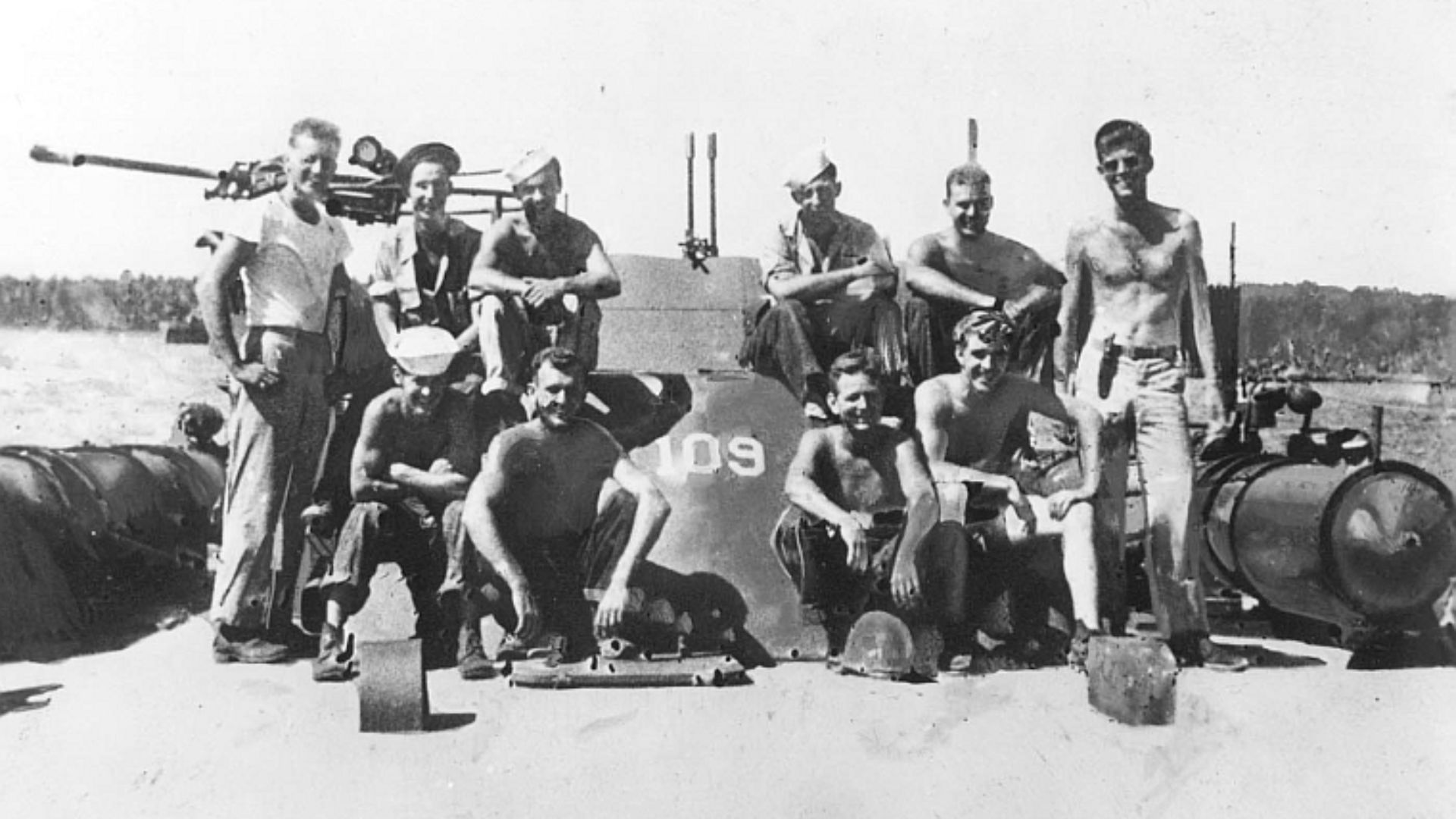 U.S. federal government, Wikimedia Commons
8. He Dated A Suspected Spy
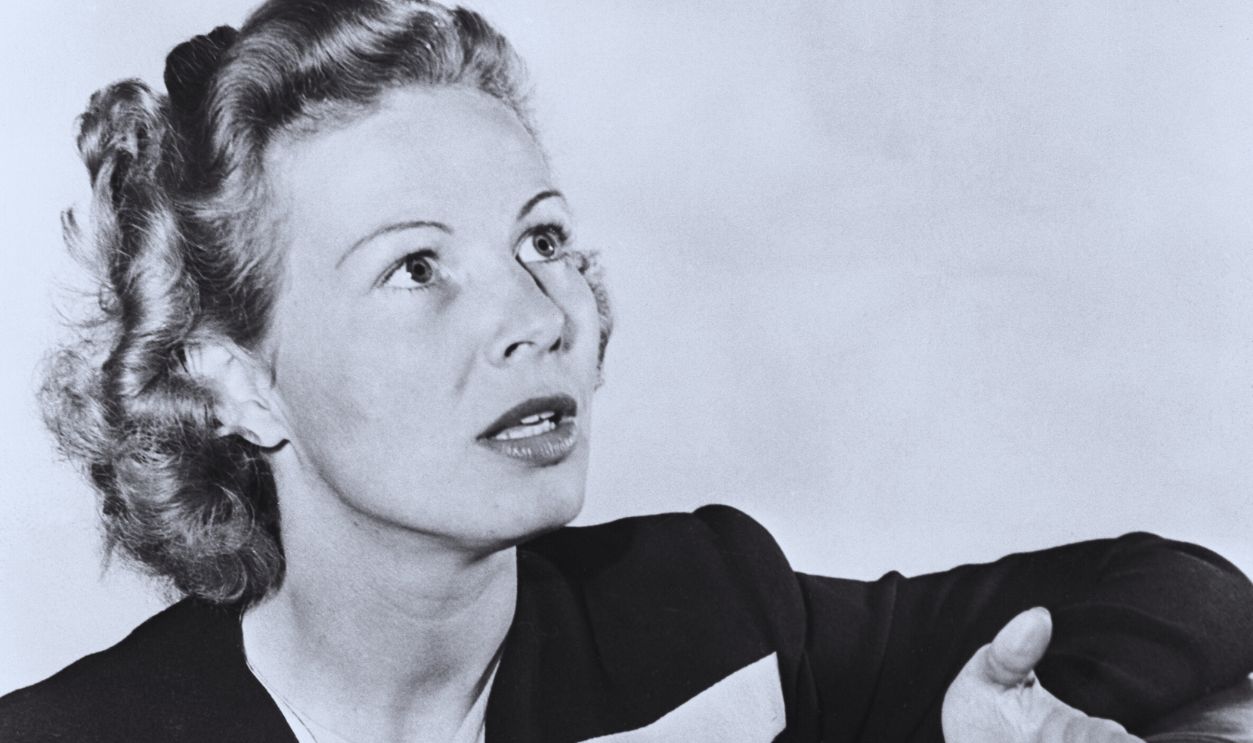
Around this same time, Kennedy had a girlfriend named Inga Arvad, who had received the title Miss Denmark. The controversy about this romance was that many thought that Arvad was a spy for the Germans. The Navy transferred Kennedy as far from Arvad as they could, but the two secretly met up and carried on anyway.
While Kennedy was carrying on a secret affair, his older brother was in grave danger.

History's most fascinating stories and darkest secrets, delivered to your inbox daily.
9. He Lost A Sibling
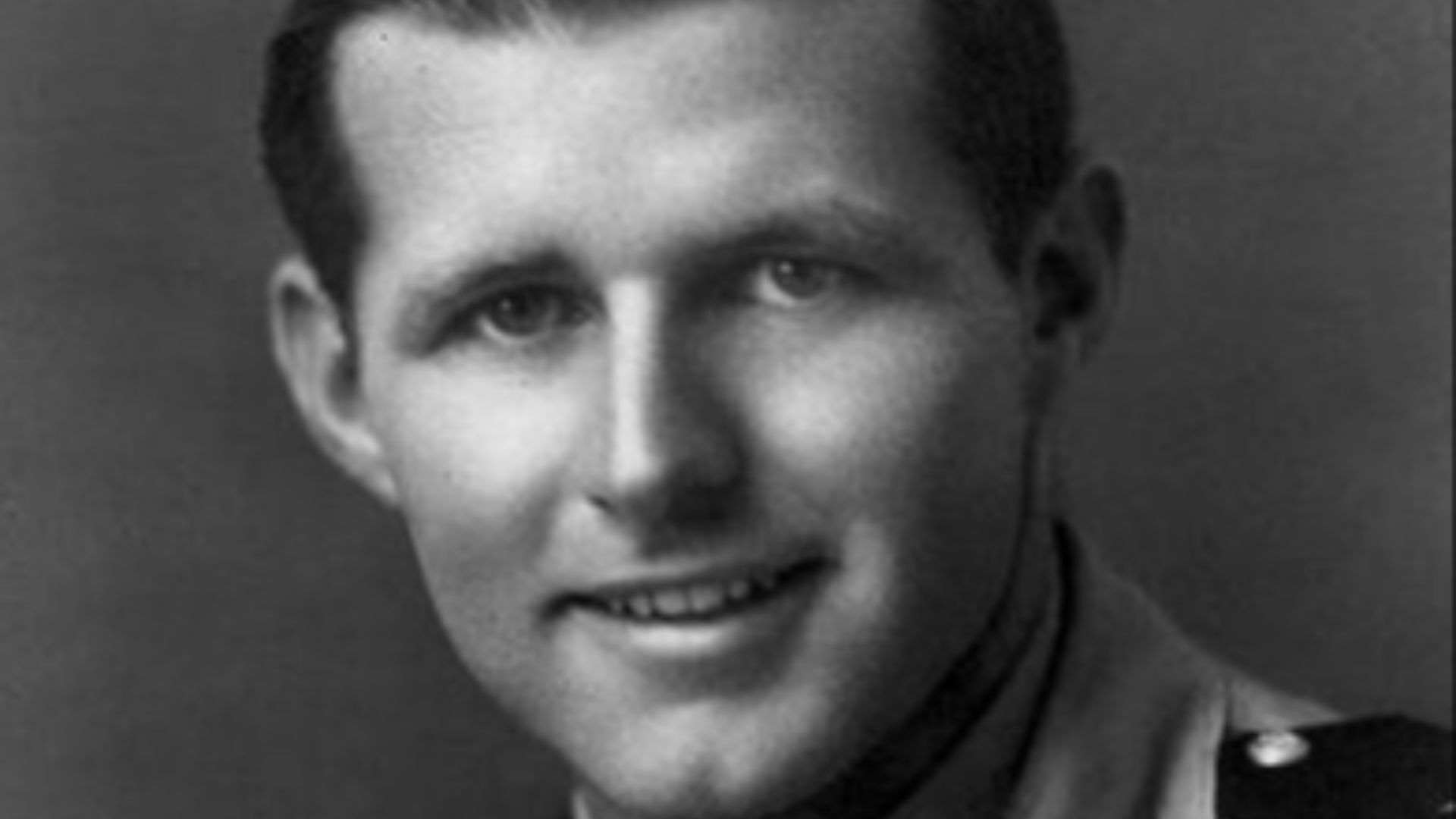
Kennedy’s back problems had become worse, and he eventually got a discharge. This did nothing to diminish his reputation as a hero, and some feel that Kennedy’s older brother, Joe Jr, felt he had to outdo his little brother’s heroism. Sadly, when he attempted it, only tragedy awaited him—and he lost his life during a doomed air mission.
Now, the oldest surviving Kennedy son, he had a huge weight on his shoulders. However, that didn't mean he was all business and no play.
 John F. Kennedy Presidential Library & Museum, Wikimedia Commons
10. He Dated The Most Beautiful Star
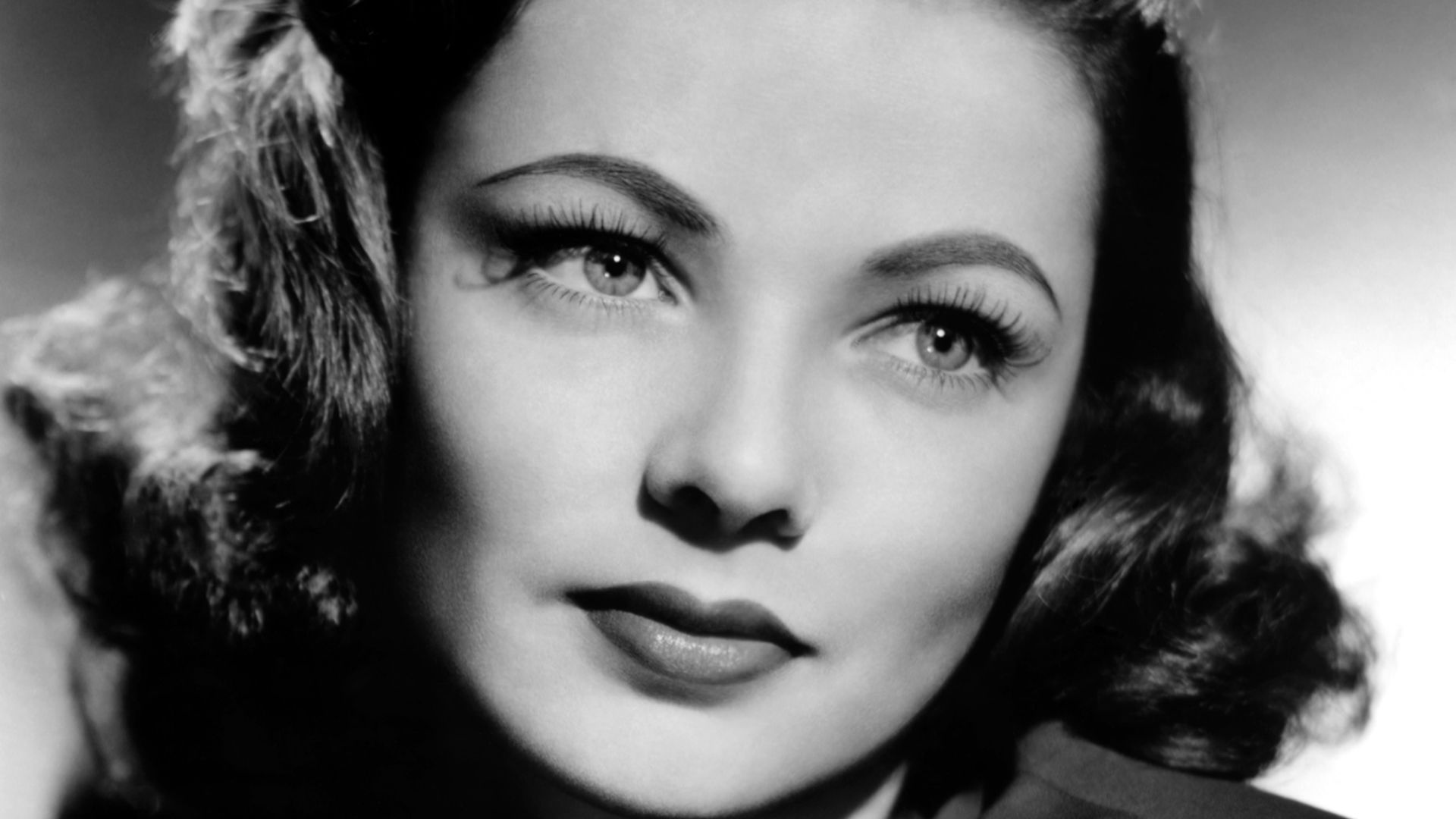
In 1944, Kennedy visited a movie set and scored an introduction to Gene Tierney, who some believed was the “most beautiful woman in movie history”. Kennedy had to have her and did, even though she was still married to fashion designer Oleg Cassini. Ironically, Cassini would later design clothes for Kennedy’s wife.
But Kennedy still had his father’s dream of being a politician to worry about.
 Unknown authorUnknown author, Wikimedia Commons
11. He Became The Number One Son
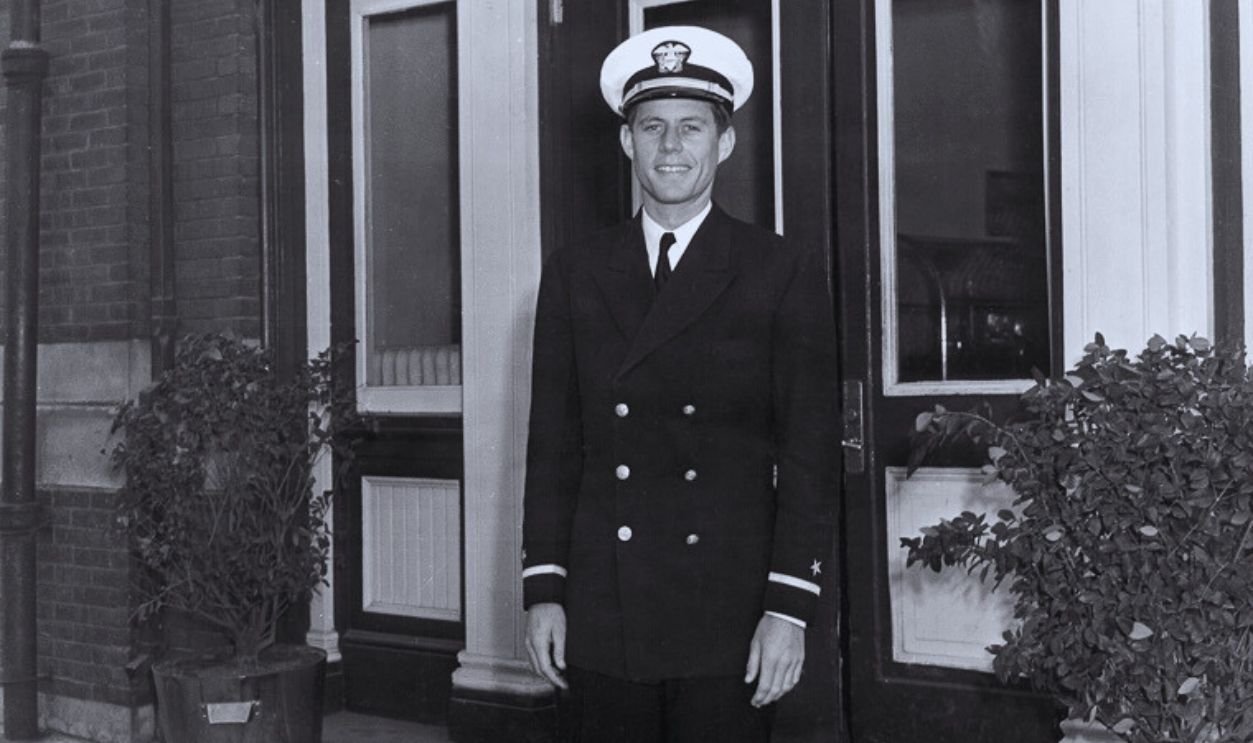
With Joe Jr gone, Kennedy's father now shifted his hopes to his younger son, John. The first step in Dad’s plan was to get his son to Washington. He used his wealth and power to get Kennedy elected to the House of Representatives. Kennedy was following his family’s dream of success in politics.
Strangely, it looked like he didn't even want to be there.
 Unknown Author, Wikimedia Commons
12. He Was A No-Show
Kennedy didn't show much interest in being a congressman. In fact, he had the most no-shows out of any other congressman at that time. One explanation was his poor health, and another was that he was too shy. He also found all the bureaucracy exhausting. It looked like maybe Kennedy didn’t have what it took to be a politician.
But his father was not about to let his son quit just yet.
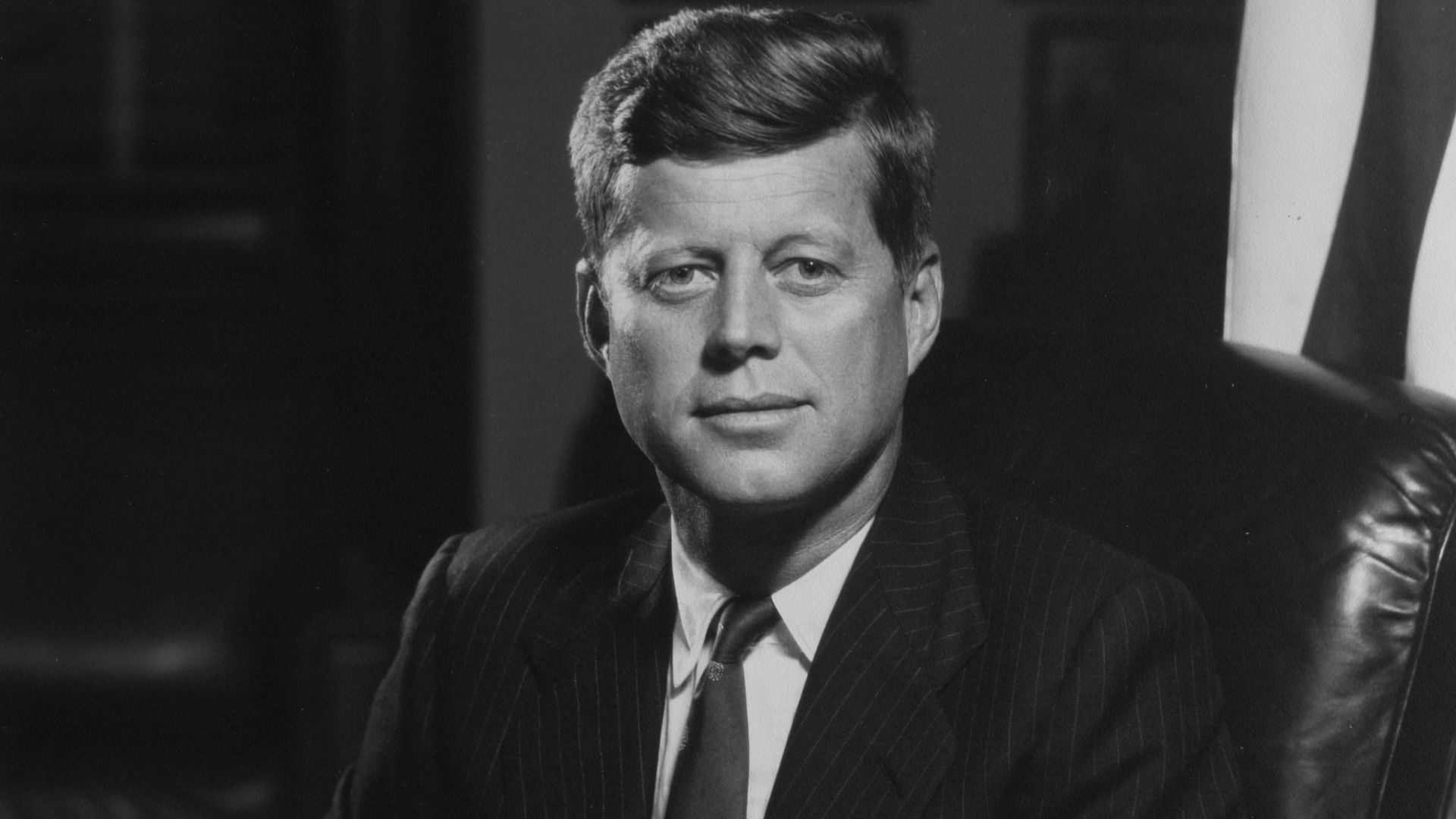 Bachrach Studios, Wikimedia Commons
13. The Whole Family Helped Him
The next step on Kennedy’s political ladder was the US Senate, and Joe Sr was going to use his usual tricks to make sure his son won the election. It turned out to be a family affair. Kennedy’s younger brother, Robert Kennedy, became his campaign manager, and the women of the family did their part, attracting the women’s vote.
While preparing for the election, Kennedy met a woman who would change his life forever. She wasn’t another meaningless affair. This time, she was a keeper.
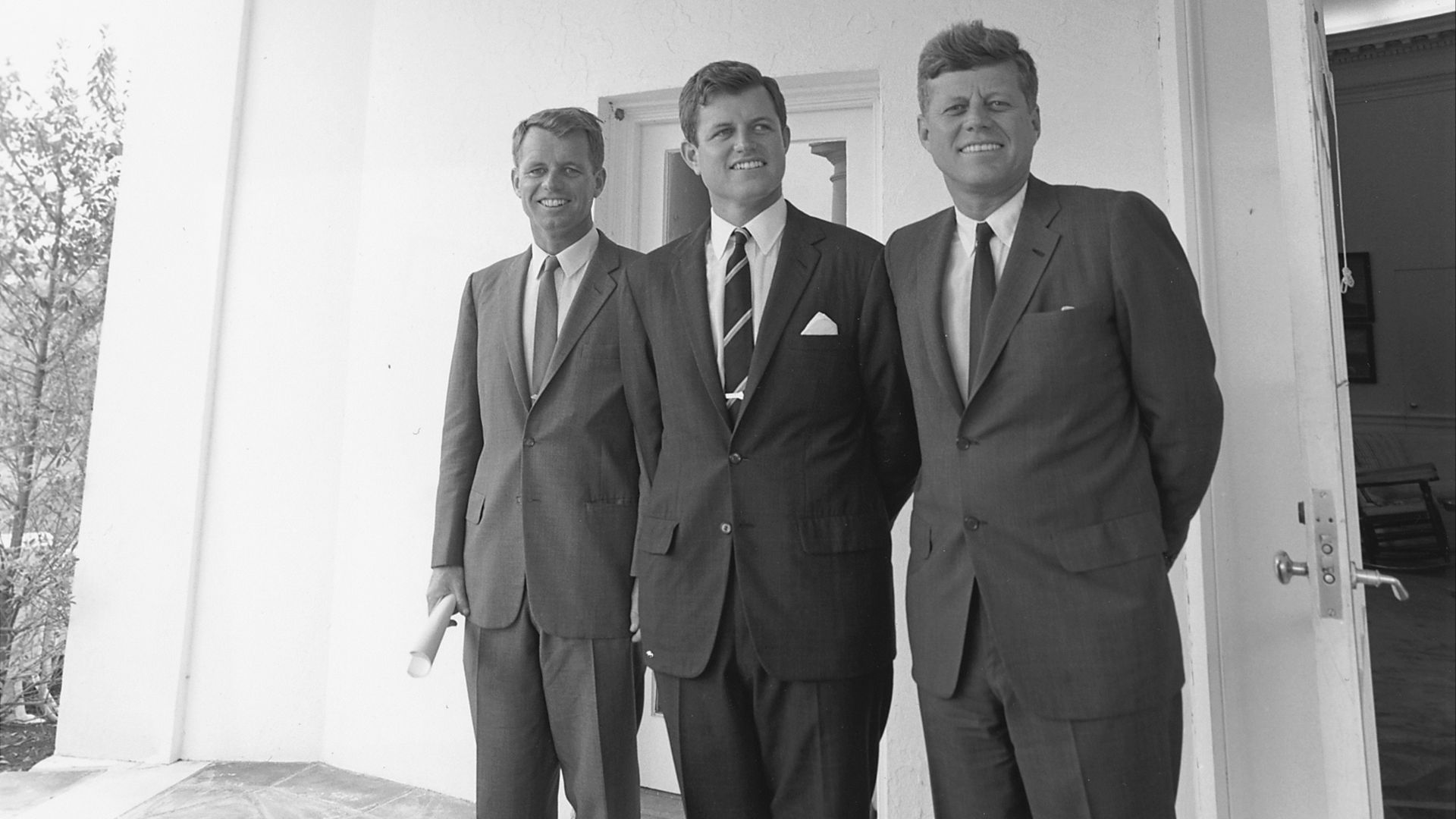 Stoughton, Cecil (Cecil William), 1920-2008, Photographer, Wikimedia Commons
14. He Got Down On One Knee
In 1952, Kennedy was at a dinner party and met journalist Jacqueline Bouvier. Bouvier had seen Kennedy and thought he was handsome, and she thought the money he had was attractive too. The two started dating and, after Kennedy won the Senate seat, he took the opportunity to ask Bouvier to marry him.
She was the envy of countless women, and her answer was a stunner.
 Robert Knudsen, Wikimedia Commons
15. She Made Him Wait
Even though Kennedy was a very eligible bachelor, Bouvier took her time giving her answer. She put Kennedy on hold while she went to England for her job with the Washington Times-Herald to cover Queen Elizabeth’s coronation. When she returned to the US, she blessed him with a yes.
Sadly, Bouvier had no idea what kind of crazy marriage she was in store for.
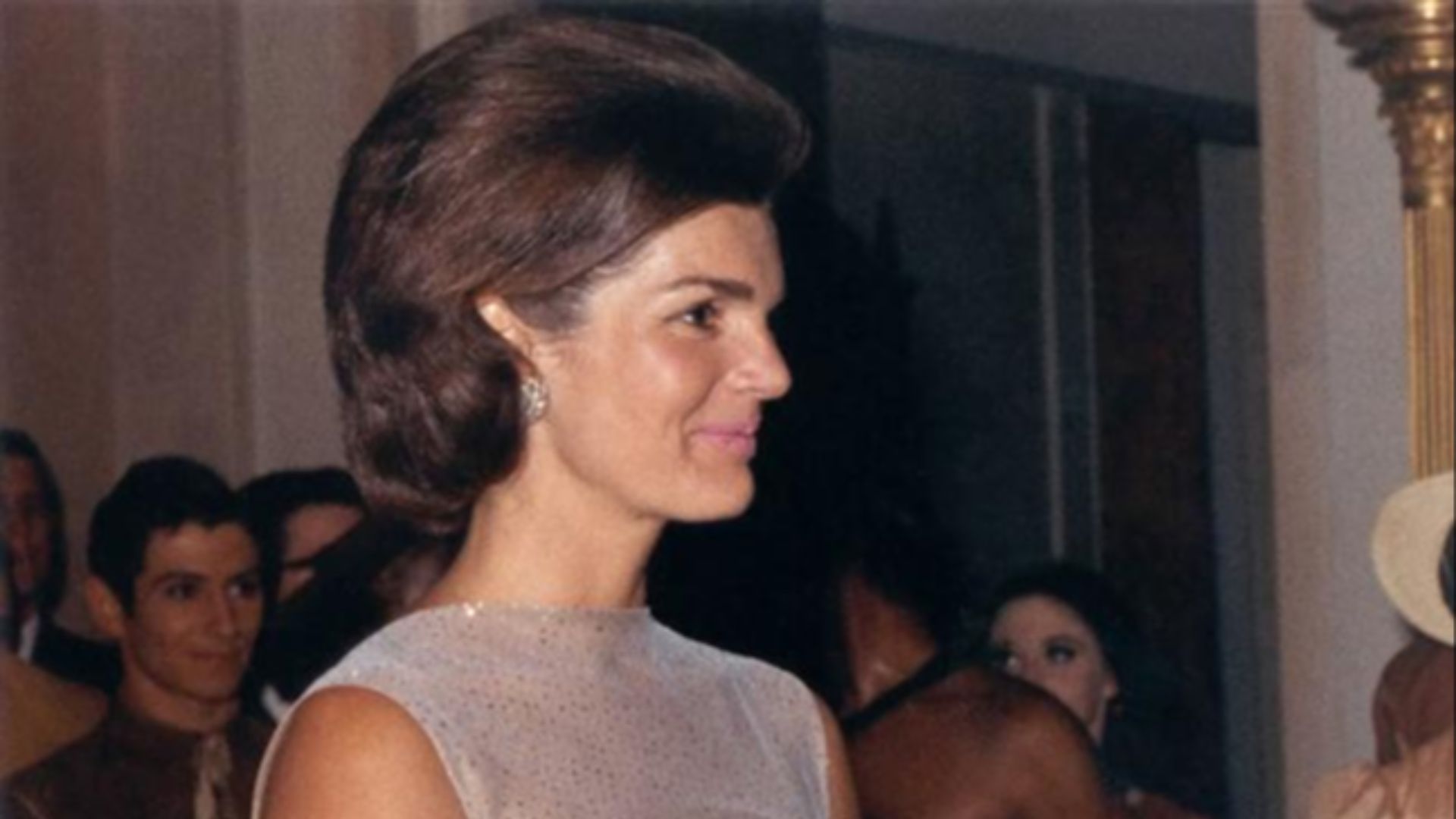 Robert Knudsen, White House, Wikimedia Commons
16. He Had A Quick Fling
Before Kennedy and Bouvier walked down the aisle, the future president found the time to squeeze in one more affair before he became married. This was with an aristocrat from Sweden named Gunilla von Post. While this affair flew under the radar, the scandalous truth eventually came out in 1997 in von Post’s book, Love, Jack. Then, in 2010, she put the letters Kennedy had sent her up for auction.
Though von Post may have been but a blip on the radar, this didn't mean Kennedy's days of infidelity were behind him.
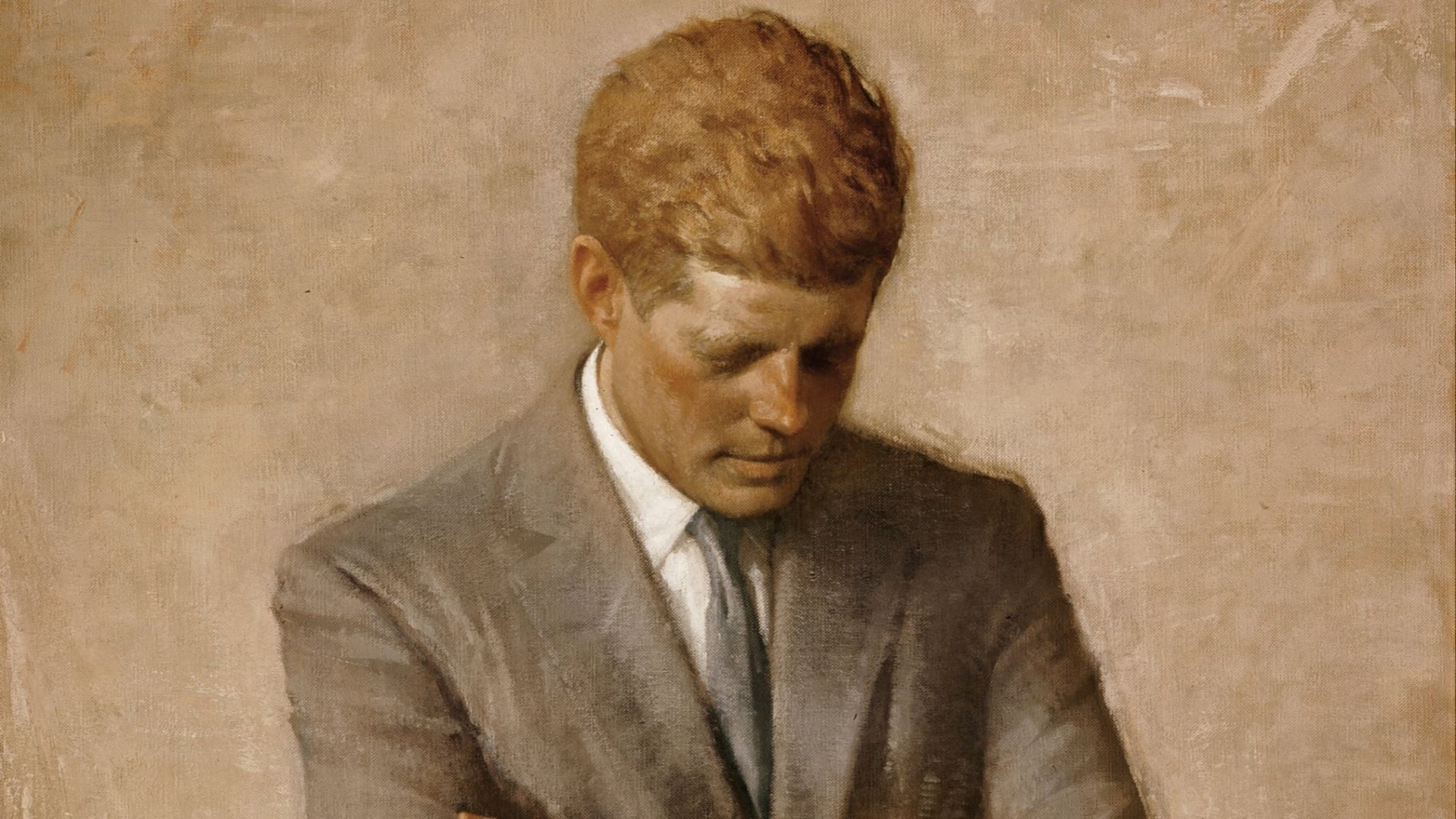 Aaron Shikler, Wikimedia Commons
17. They Thought He Was Gone
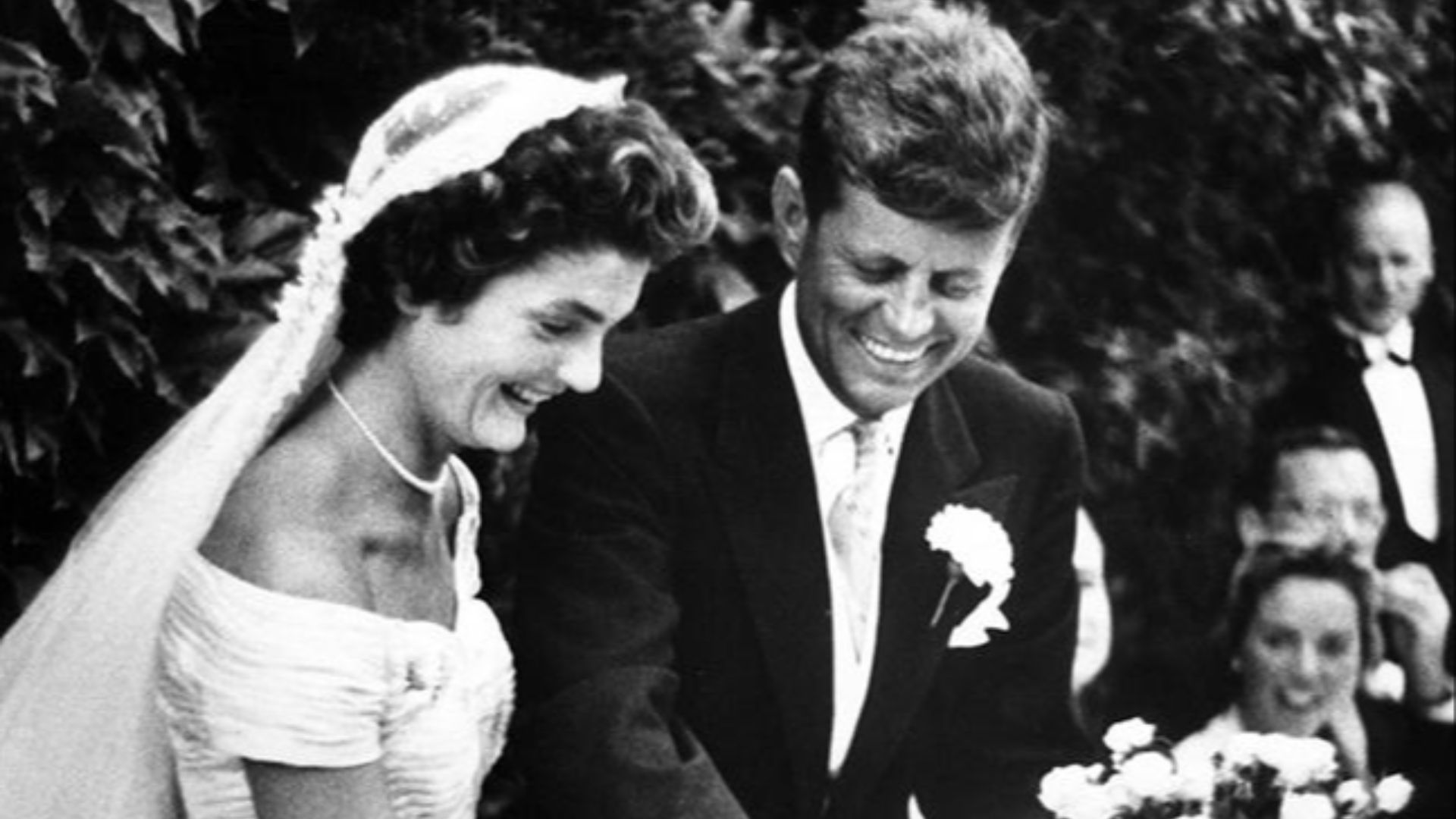
The wedding ceremony of Kennedy and Bouvier took place on September 12, 1953, with 700 guests looking on. But the marriage faced some difficulties right away. Kennedy underwent back surgery the following year, and it looked like he wouldn't recover from it. In fact, it was so dire that they even read him his last rites.
Thankfully, though, Kennedy pulled through—and it gave him an idea to write a book.
 Toni Frissell, Wikimedia Commons
18. He Was A Phony
While recovering from one of his surgeries, Kennedy got the idea to write a book about US senators who had serious personal beliefs and even put their careers on the line for them. It was titled, Profiles in Courage—and in 1957, it won the Pulitzer Prize for Biography. Years later, it came out that the book's ghostwriter was Kennedy’s speechwriter Ted Sorensen.
I guess Kennedy didn't have time to be writing books: He had battles to fight.
 Abbie Rowe, National Park Service photographer, Wikimedia Commons
19. He Went Against Hoffa
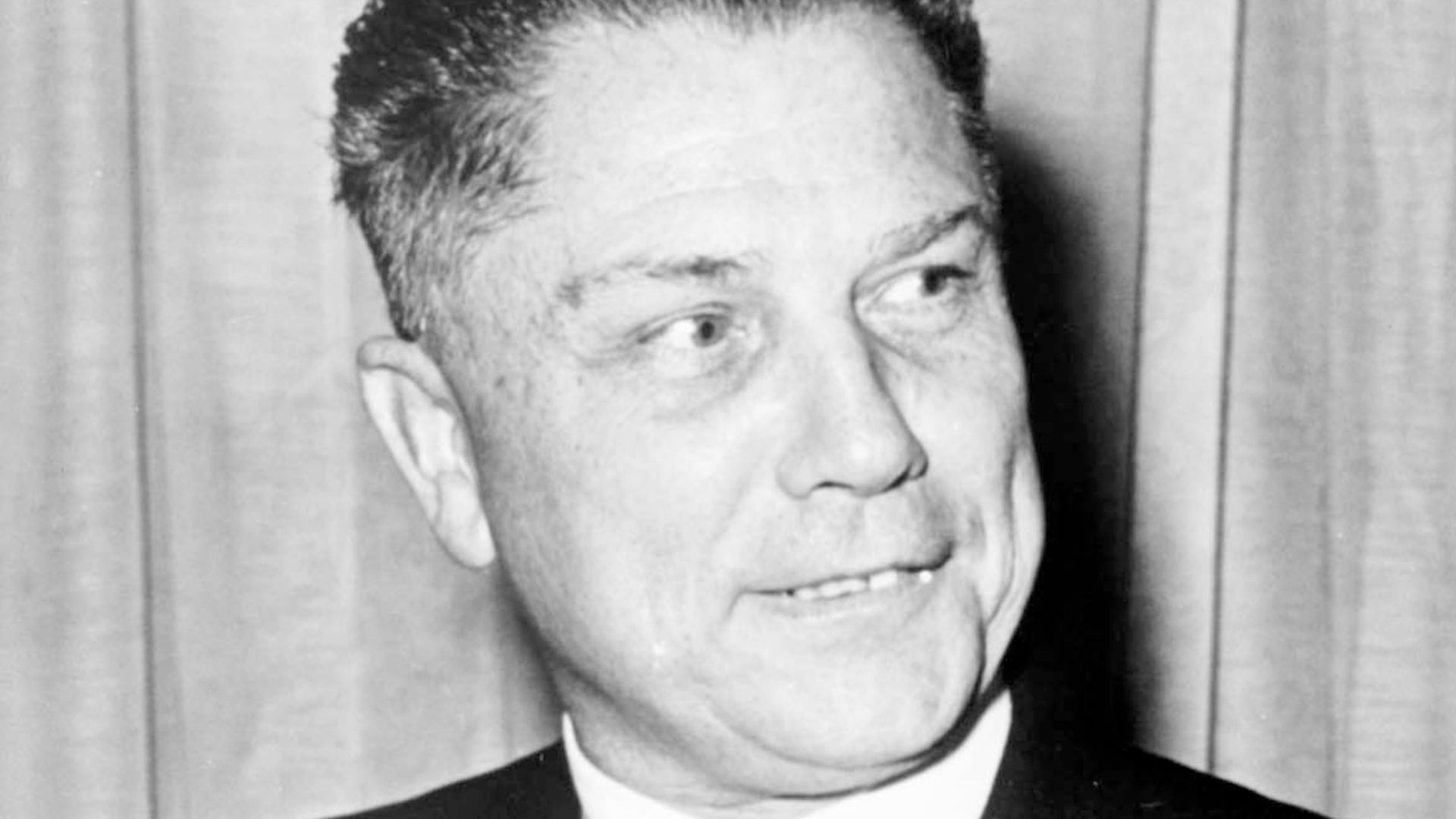
In 1957, Kennedy and his brother Bobby faced up against union leader Jimmy Hoffa with an accusation about racketeering in the unions. The Kennedy brothers had heated arguments with Hoffa that the public got to witness on TV and radio. Kennedy was making dangerous enemies. But he was also making some dangerous friends.
20. He Had An Opening Line
In 1958, Kennedy met Diana de Vegh and served up this opening line: “Give me your seat, so a tired old man can sit next to a pretty girl”. Compared to the 20-year-old, the twice-her-age senator was certainly an old man. No matter, de Vegh was head over heels in love. Of course, now that Kennedy had a wife, keeping this affair a secret was going to be quite a feat.
 UPI-United Press International, Wikimedia Commons
21. They Kept Her A Secret
Some of Kennedy’s staff were in on his affairs and put out a concerted effort to hide them from the public eye. A secret driver would bring de Vegh to where Kennedy was campaigning, and his staff would treat her like she was part of the organization. This way, de Vegh would not stand out. Later, Kennedy would take the 20-year-old to a hotel or a private residence for some “quiet time”.
But with de Vegh, Kennedy was in for a shock.
 Photographer Doug Kennedy for The Miami Herald, Wikimedia Commons
22. There Was A Shocking Coincidence
As it turned out, de Vegh had a surprising connection to Kennedy’s work. Kennedy had been meeting with an economist about some political issues, and—shocker alert—this man was de Vegh’s father. Kennedy had had no idea, and this could certainly be a problem. Needless to say, his affair with de Vegh fizzled out.
Speaking of fizzling out, let’s get back to Kennedy’s political career.
 Associated Press, Wikimedia Commons
23. He Was "Pathetic"
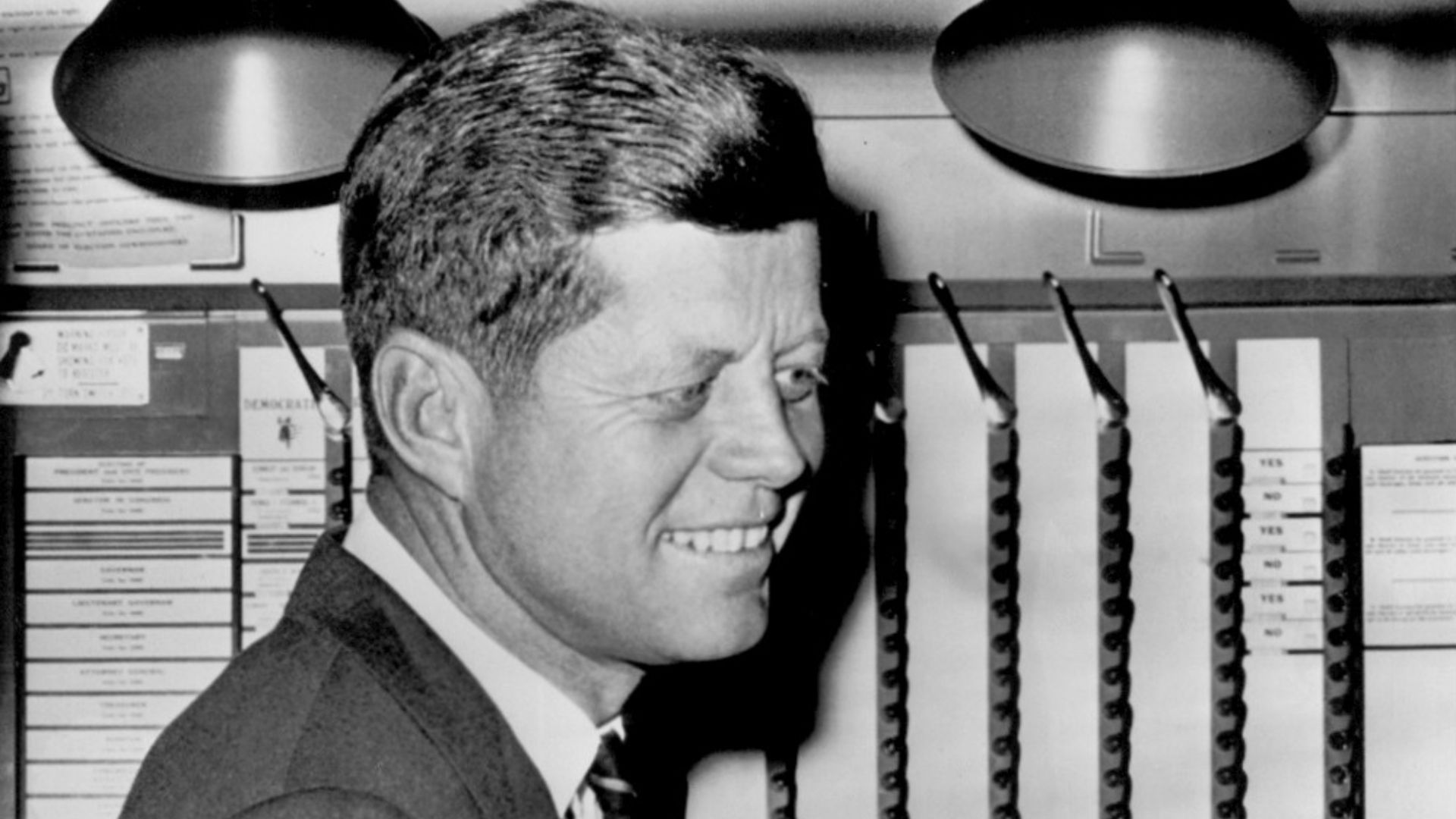
Some people were critical of Kennedy’s work as a senator. The majority leader, Lyndon Johnson, called Kennedy's work “pathetic”. He also described Kennedy as a playboy. He was not making friends in the Senate, but he still convinced the public to re-elect him in 1958. Now Kennedy (and his father) thought he was ready—ready for the top position in the country.
24. He Had Some Major Obstacles
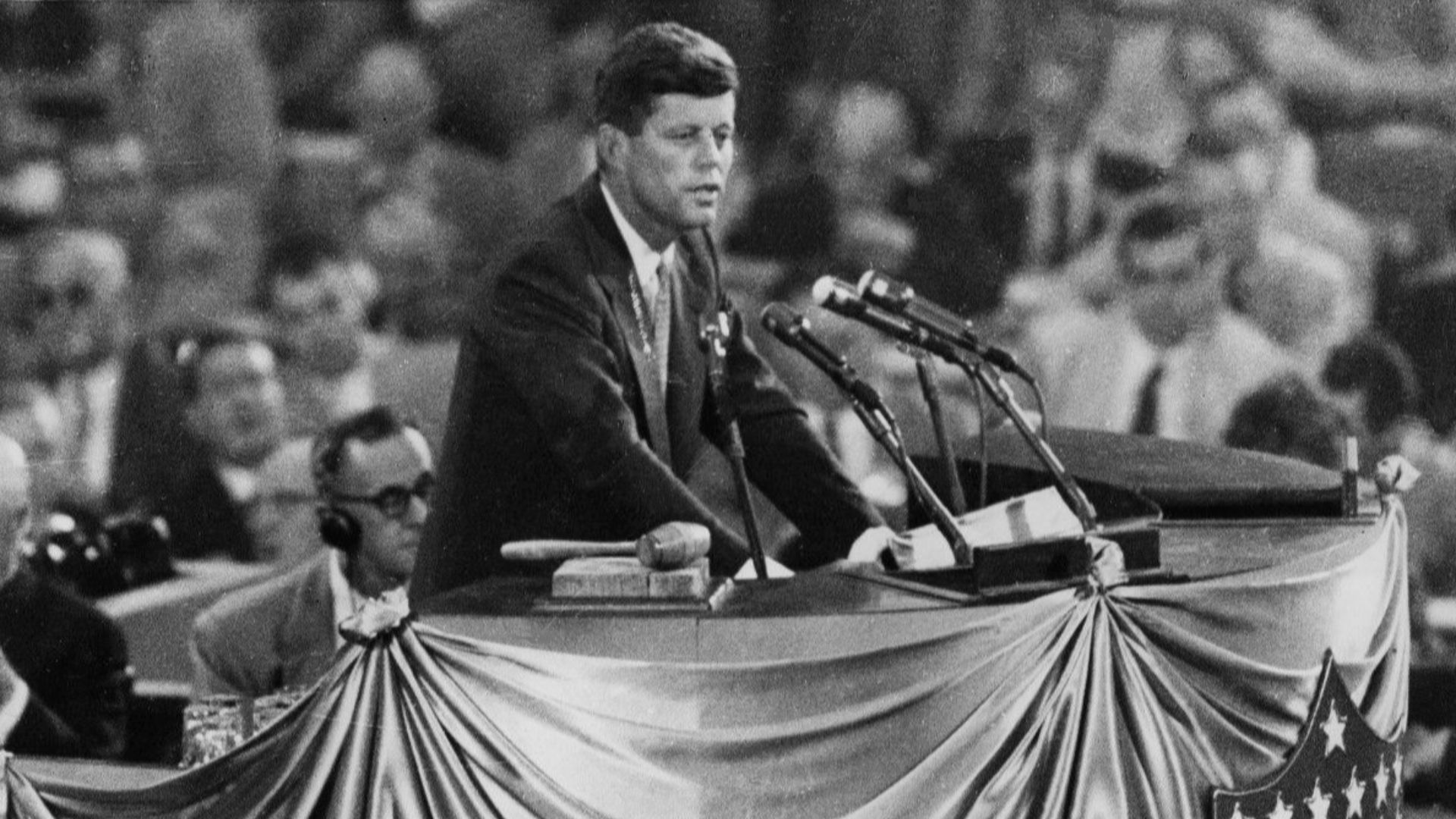
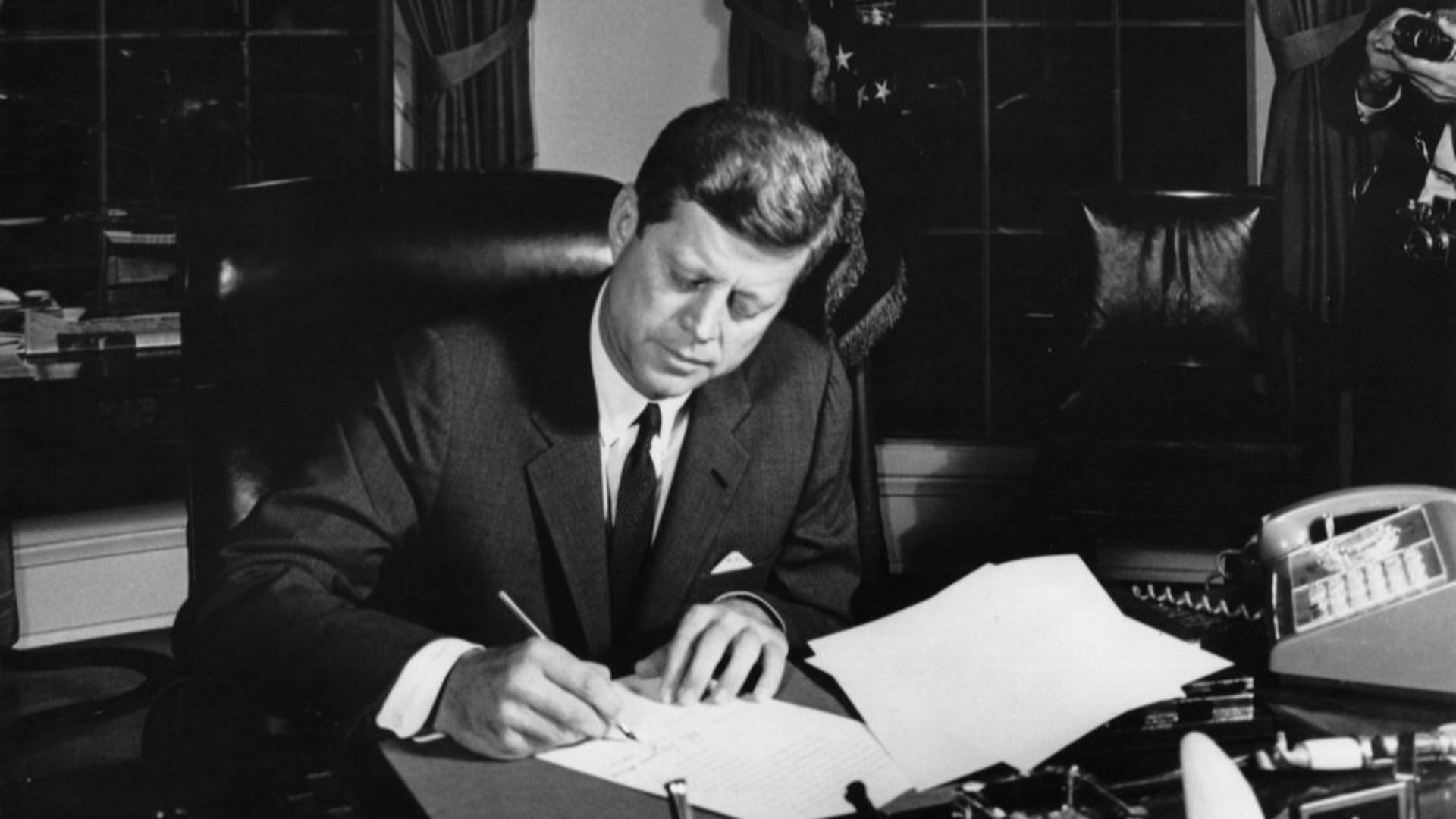
In January 1960, Kennedy made the announcement that he would run for the Democratic presidential nomination. The big obstacles were Kennedy’s youth, his lack of experience, and the fact that he was a Catholic. What Kennedy had in his corner was magnetism and skills as an orator. Against the odds, Kennedy won on the first ballot.
It was time to start his journey to the White House.
 US Information Service/US Information Agency, Wikimedia Commons
25. He Worked The Camera
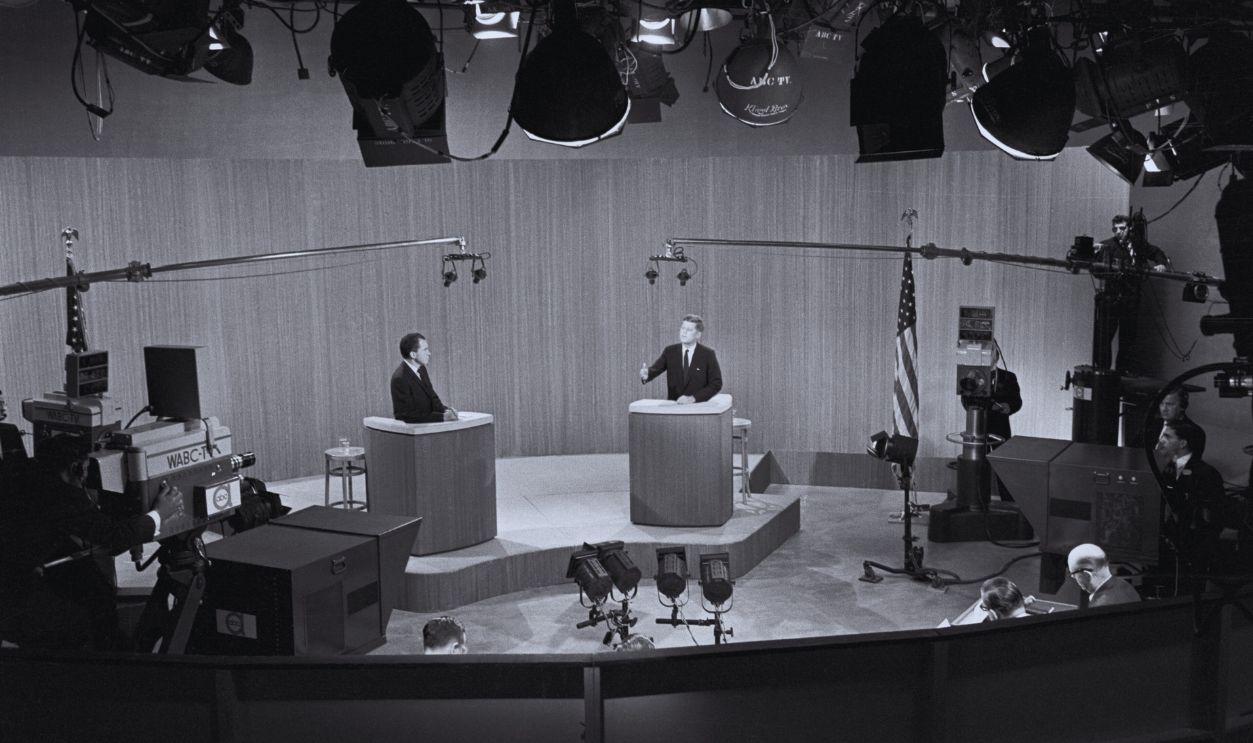
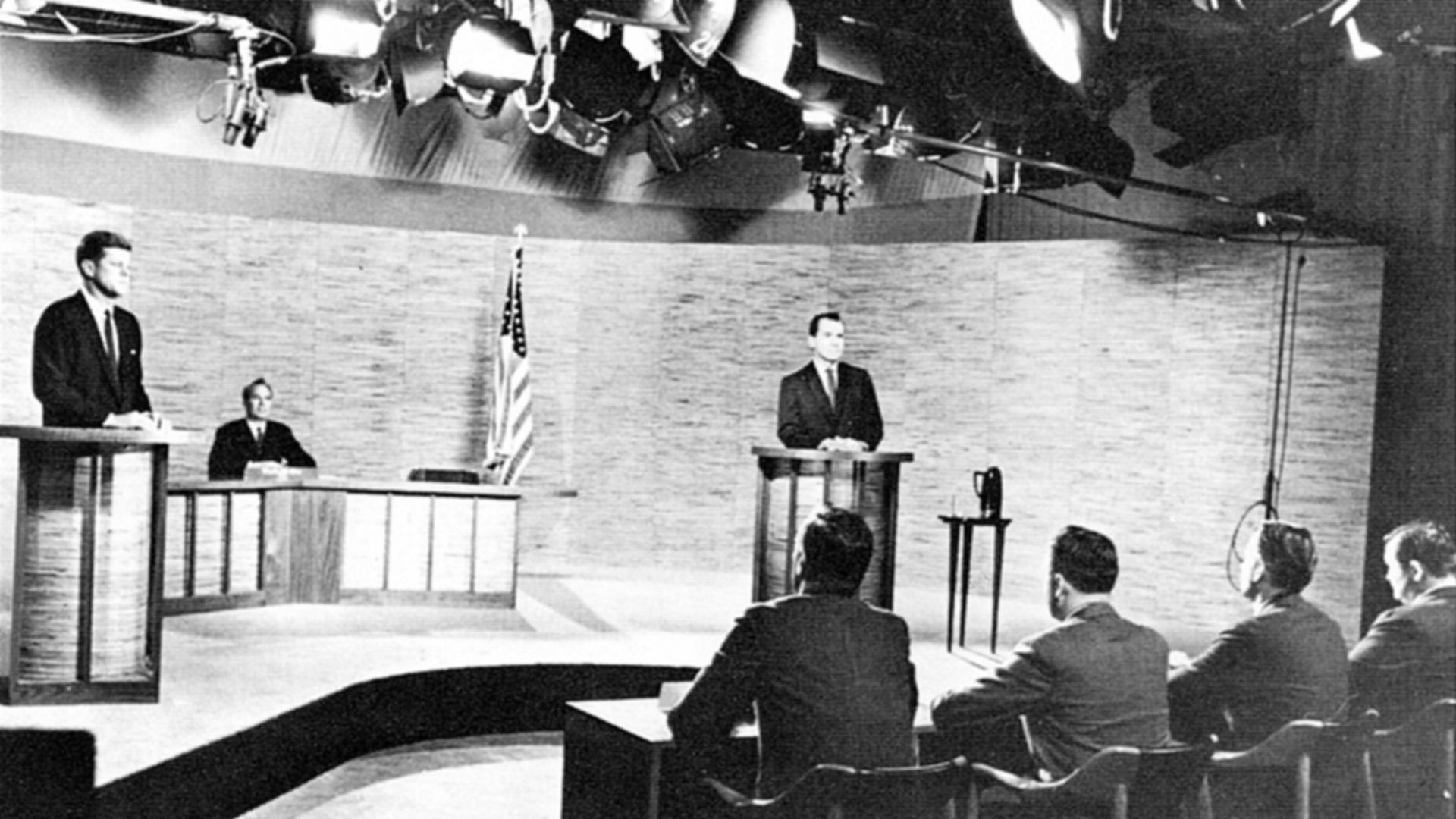
A new idea at this time was holding the presidential debates on television. Kennedy faced off against Richard Nixon on September 26, 1960. Kennedy was much more clever about optics than Nixon was. He chose to wear a suit that would reduce glare and even spoke with the technicians about the placement of the cameras.
Kennedy was not leaving anything up to chance—and it showed.
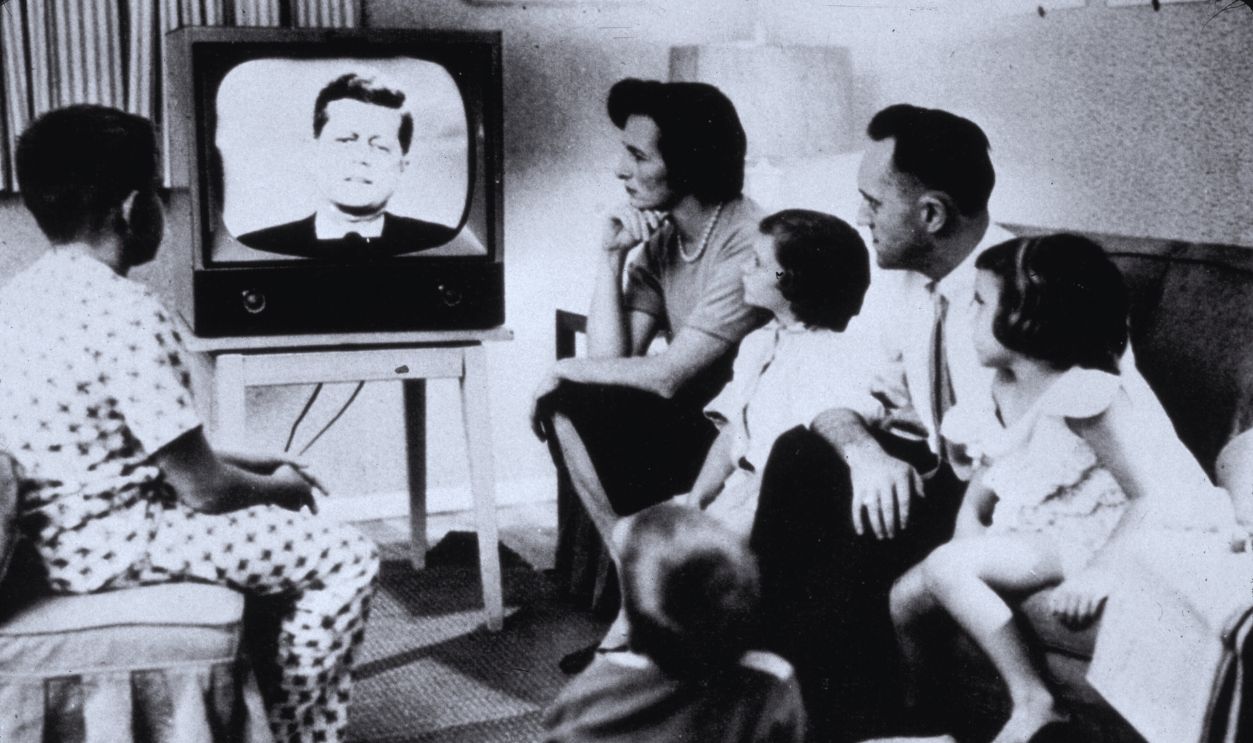
26. He Gazed Into Our Living Rooms
On the day of the televised debate, Nixon suffered. His suit made him blend woefully into the grey background, and he didn't know that it was best to look at the camera instead of the reporters. The heat of the lights also caused him to sweat profusely. Kennedy, on the other hand, came across as cool, relaxed, and dashingly handsome—his gaze confidentley penetrating the homes of voters across the country.
He certainly know how to turn the charm up to a 100. But would this be enough to make him president?
 United Press International, Wikimedia Commons
27. He Was The TV Winner
It was very clear that the cameras liked Kennedy more than they liked Nixon. Most TV viewers were undoubtedly swayed by Kennedy's performance and considered him the winner of the debate. However, it has also been claimed that radio listeners had a shockingly different interpretation, believing that Nixon's arguments were stronger.
When it came to election day, though, Kennedy was the ultimate winner. He and Jacqueline were headed to the White House. With his new position secured, Kennedy had a new and compelling question to ask Americans.
28. He Asked An Important Question
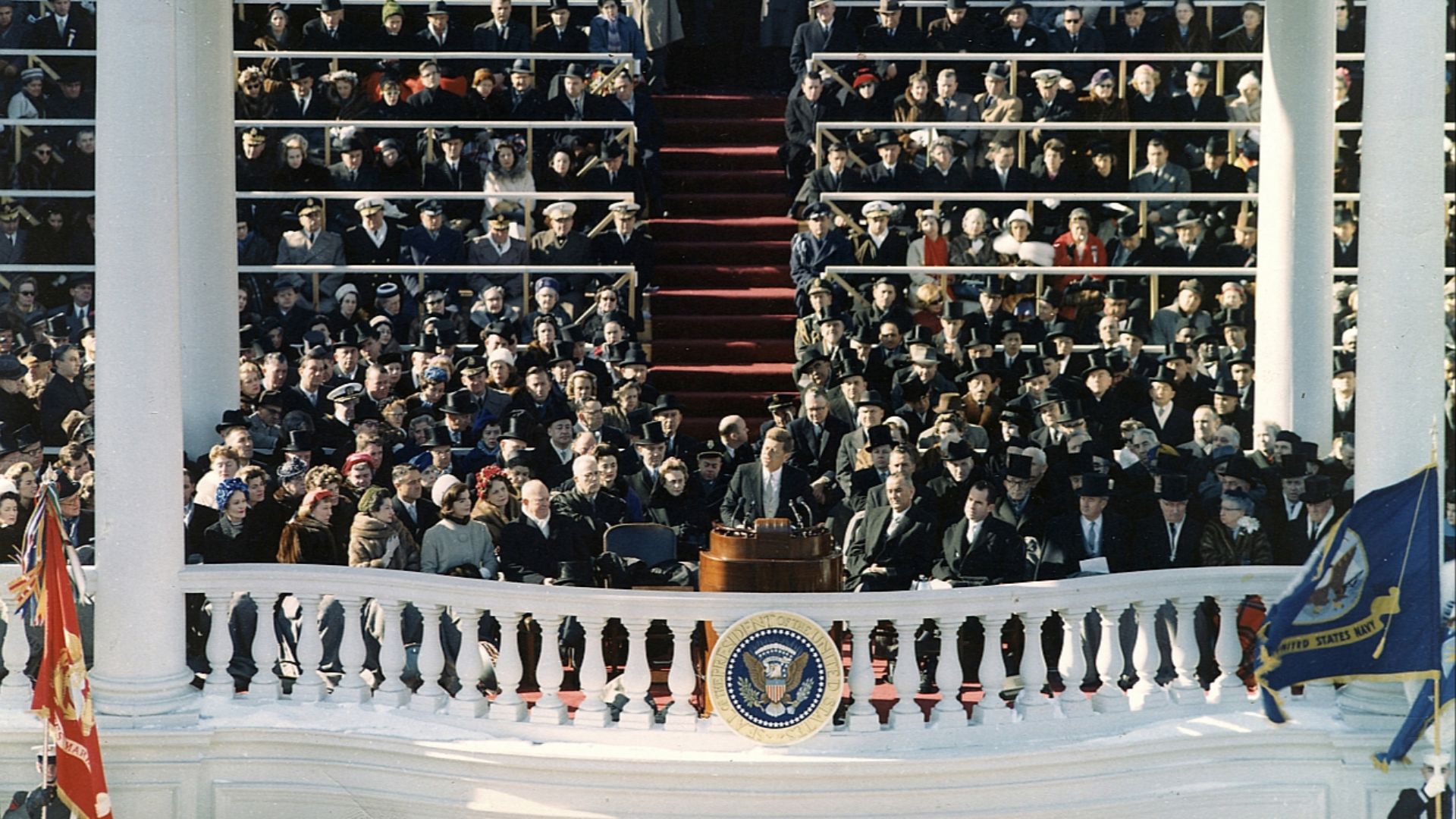
On January 20, 1961, Kennedy made his famous inaugural address. He would go down in history as the President who said, "Ask not what your country can do for you—ask what you can do for your country." He was young, attractive, and had an optimism that few other politicians had.
His image was intoxicating, and women were putty in his hands.
 CWO Donald Mingfield, USA, Wikimedia Commons
29. She Was New
Mimi Beardsley was only on her fourth day working for the White House press office when she got an amazing invitation. Kennedy’s assistant, Dave Powers, invited her to use the White House residence's swimming pool. The invitation got even more exciting when Kennedy himself showed up. This ultimately led to another invitation to a cocktail party. The 19-year-old Beardsley couldn’t believe her luck.
And then things went south.
 State Library and Archives of Florida, Wikimedia Commons
30. He Used His Wife’s Bedroom
To Beardsley’s delight, Kennedy invited her for a personal tour of the residence. But when they got to Jackie Kennedy’s room, they made an unscheduled stop. The two had an intimate encounter, which put an end to Beardsley’s virginity. The relationship lasted 18 months and so bothered Beardsley that she had to drop out of college.
But Beardsley wasn't the only woman to succumb to the White House pool.
31. He Had Two
Priscilla Ware and Jill Cowen were secretaries at the White House, but their job description was a little different than most. Their main role was to go skinny-dipping in the pool. They were also invited to some trips Kennedy took to places like Ireland, Berlin, and Rome. To avoid getting caught, Kennedy just called them by their code names: “Fiddle and Faddle”.
As it turned out, Fiddle and Faddle were the White House’s worst-kept secret.
32. He Didn’t Hide It Well
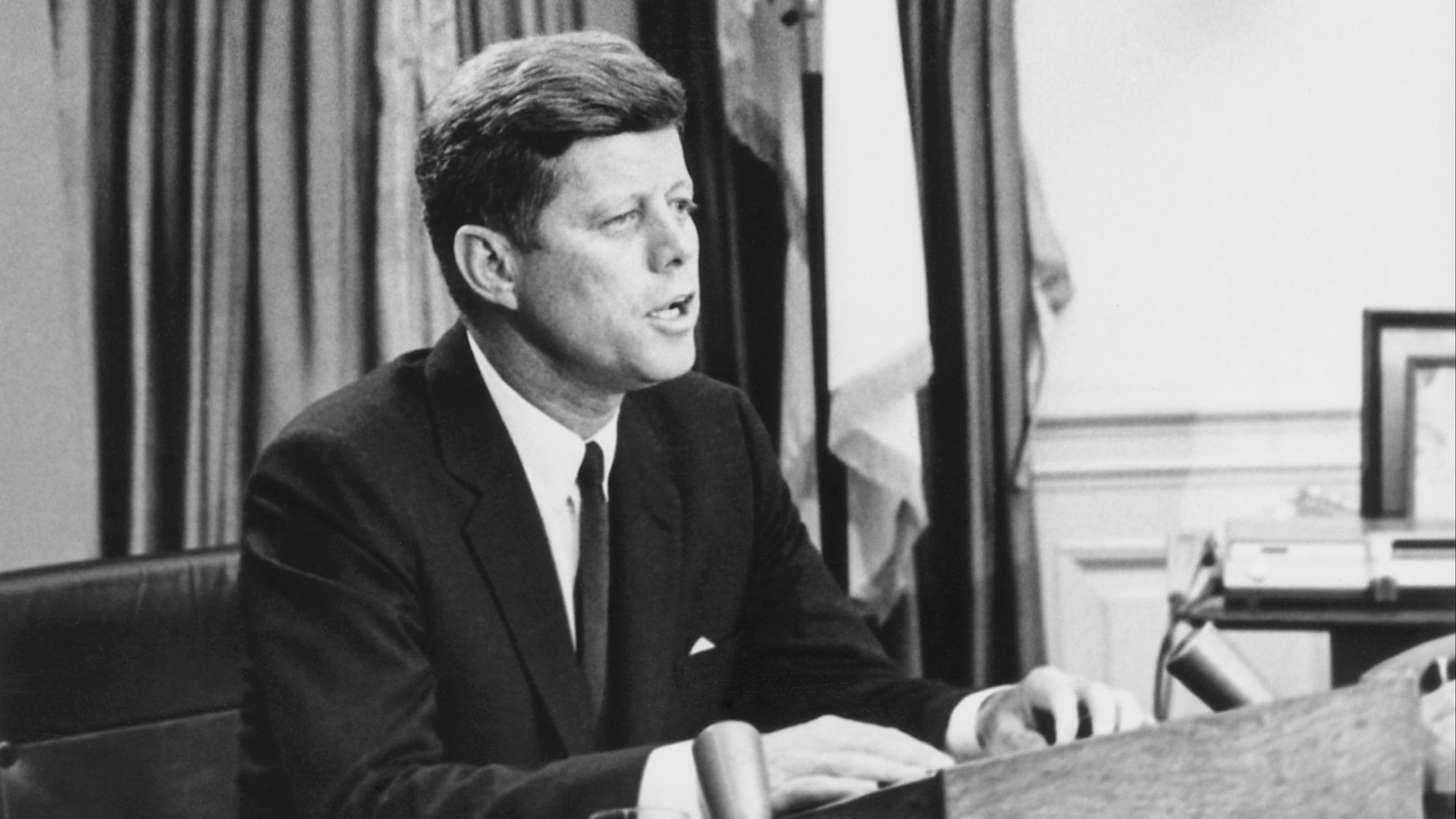
There’s a story about a tour that Jackie Kennedy gave of the White House to a reporter from Paris Match. When Jackie came across Priscilla Ware during the tour, she said to the reporter in perfect French: “This is the girl who supposedly is sleeping with my husband”.
There was also an affair that was all in the family.
33. He Followed His Father
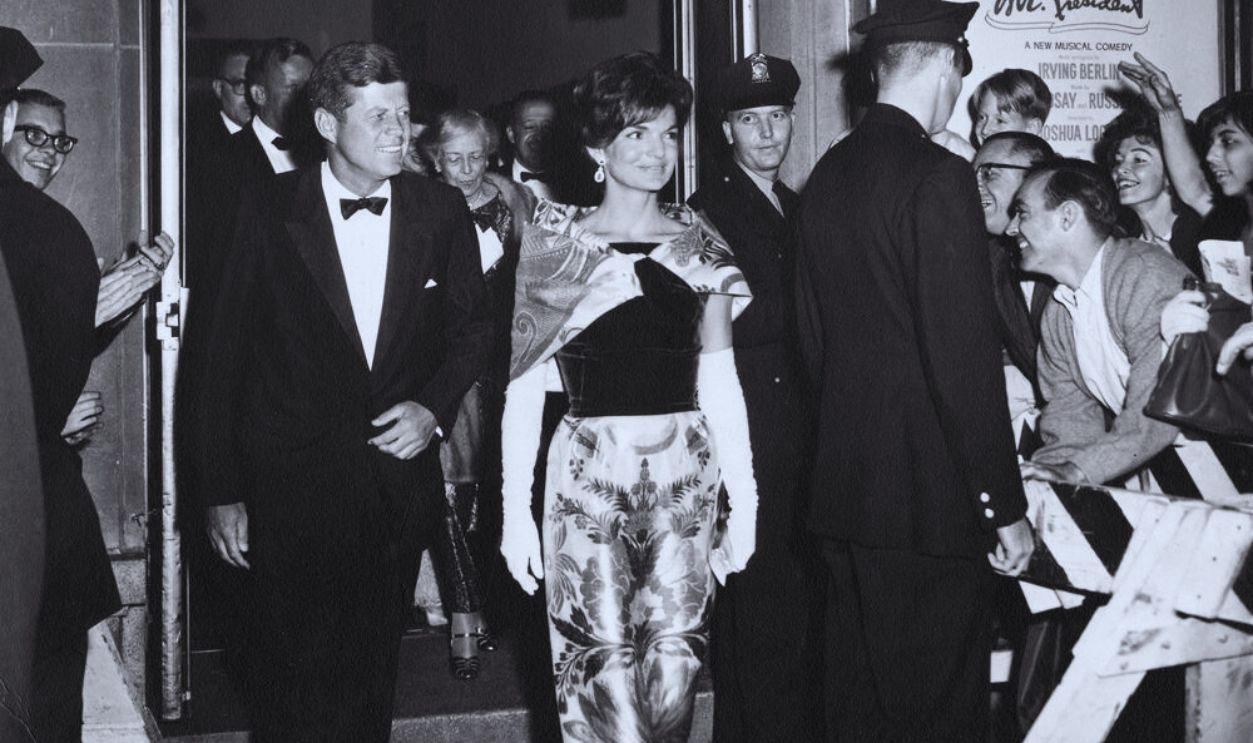
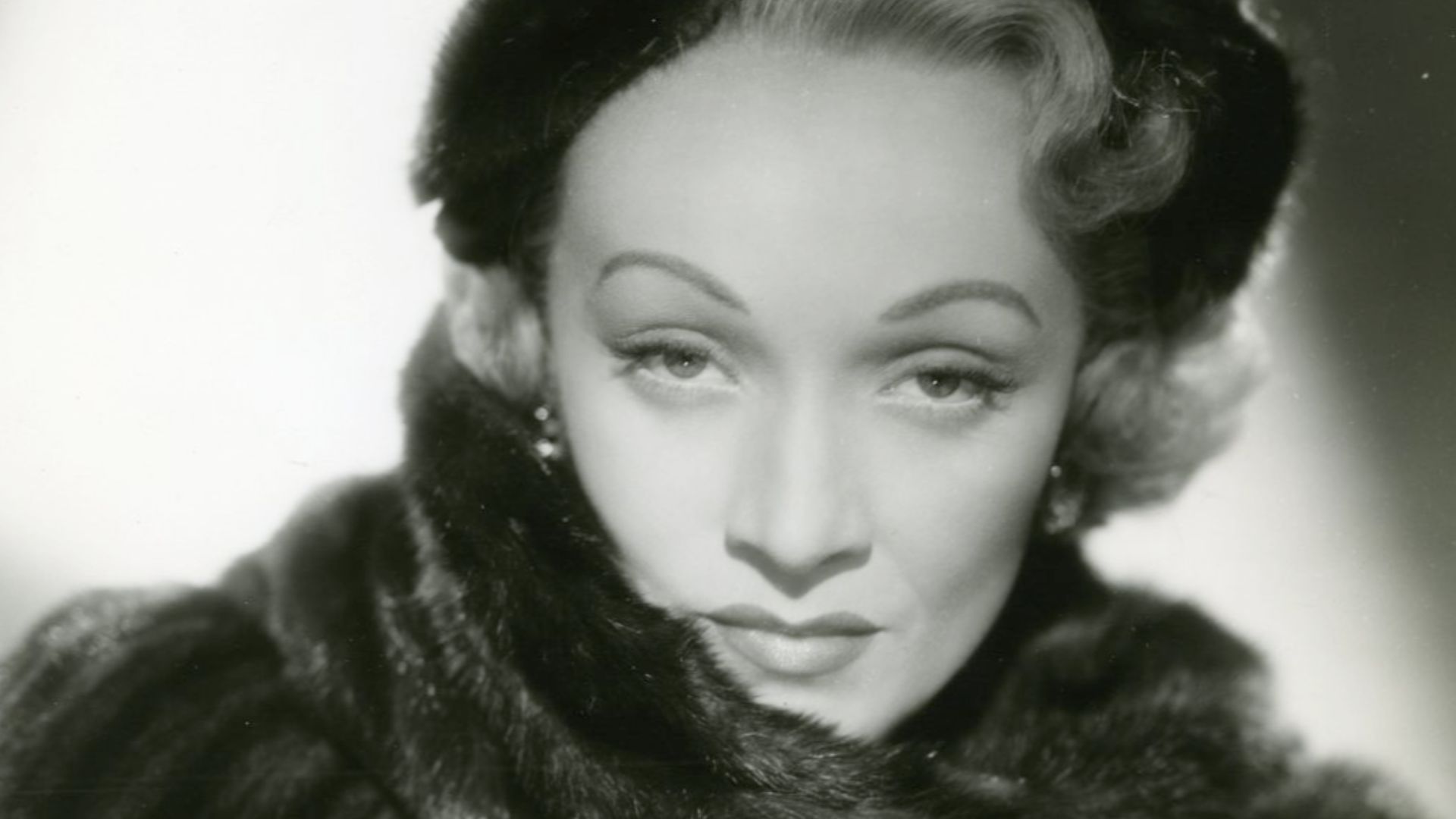
Kennedy had trouble resisting the temptation of beautiful Hollywood stars. At this time, there wasn’t anyone more alluring than German-born Marlene Dietrich. While Dietrich later said she didn't remember much of the affair, she may have suffered from confusion. You see, she’d also had an affair with Kennedy’s father.
Kennedy seemed to enjoy the company of women he had no business being around. Ellen Rometsch was certainly one of these.
 Twentieth Century Fox, Wikimedia Commons
34. He Slept With the Enemy
Allegedly, Kennedy also pursued an affair with Ellen Rometsch. There were two reasons Kennedy should have stayed away from her. She had a husband, and some alleged that she was a high-class girl for hire. Oh, and one more thing, many believed she was a spy for the communists. In 1963, she was kicked out of the country "because of her behavior in Washington".
But there was another affair that had an even more tragic conclusion.
 Robert LeRoy Knudsen, Wikimedia Commons
35. He Hung Out With Some Cool Friends
Before he became president, Kennedy started hanging out with a cool set of friends known as the “Rat Pack”. This included movie stars and singers Sammy Davis Jr and Frank Sinatra. Through the Rat Pack, Kennedy met Judith Exner. The thing was, the Rat Pack and Exner had associations with the mafia—associations that Kennedy would dangerously use for his own gain.
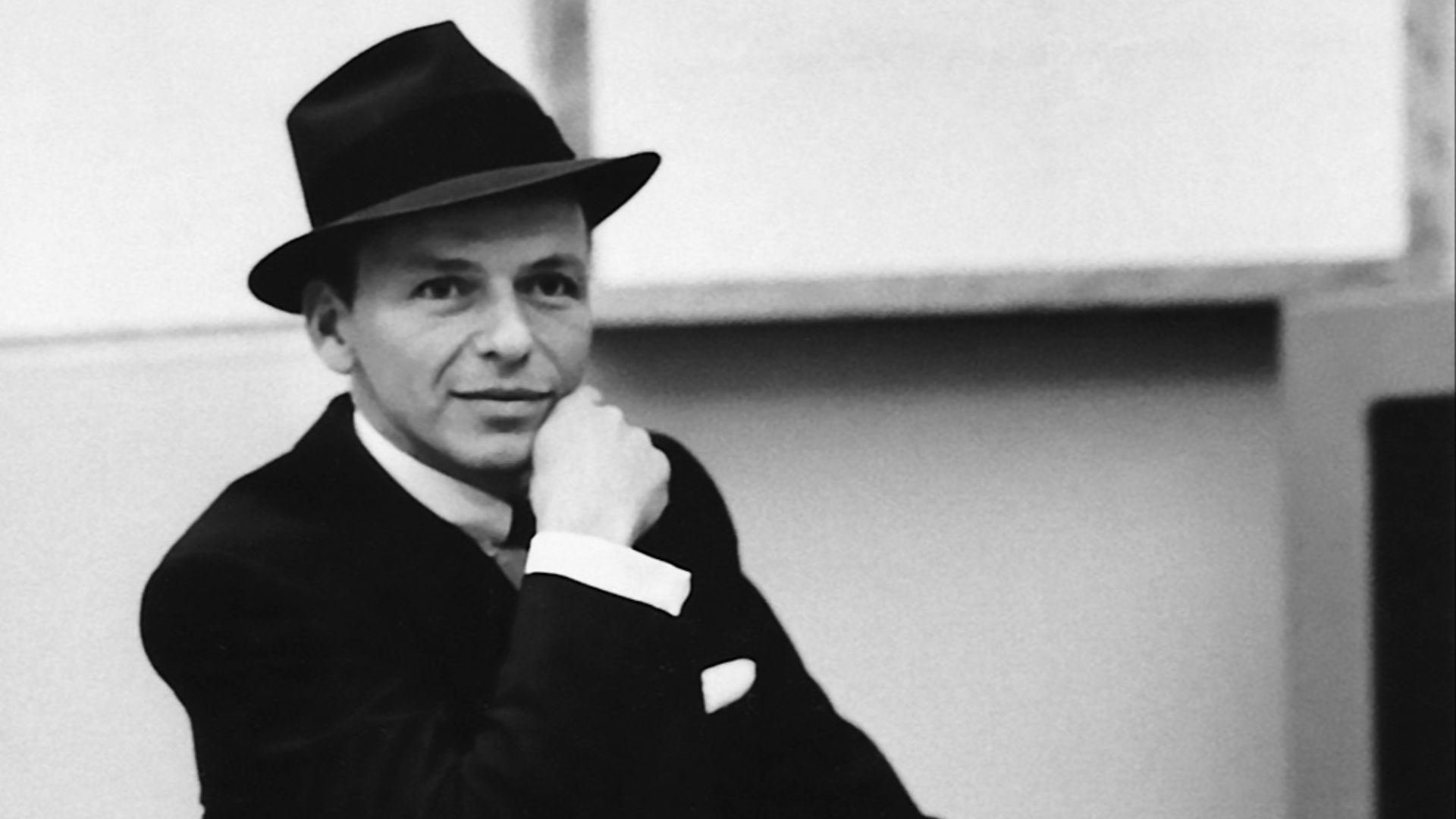 Capitol Records (File No. 3860-25). Photographer unknown., Wikimedia Commons
36. He Had Some Shady Associates
Soon, Kennedy was in a heated affair with Exner and, worse still, he was allegedly doing business with Sam Giancana of the Mafia. Kennedy was using the mafia to try to get Fidel Castro out of power in Cuba. Exner eventually grew tired of keeping Kennedy’s secrets and exposed everything—even claiming that she'd gotten pregnant by Kennedy, and had an abortion.
This next affair is Kennedy’s most infamous, and perhaps the most harrowing.
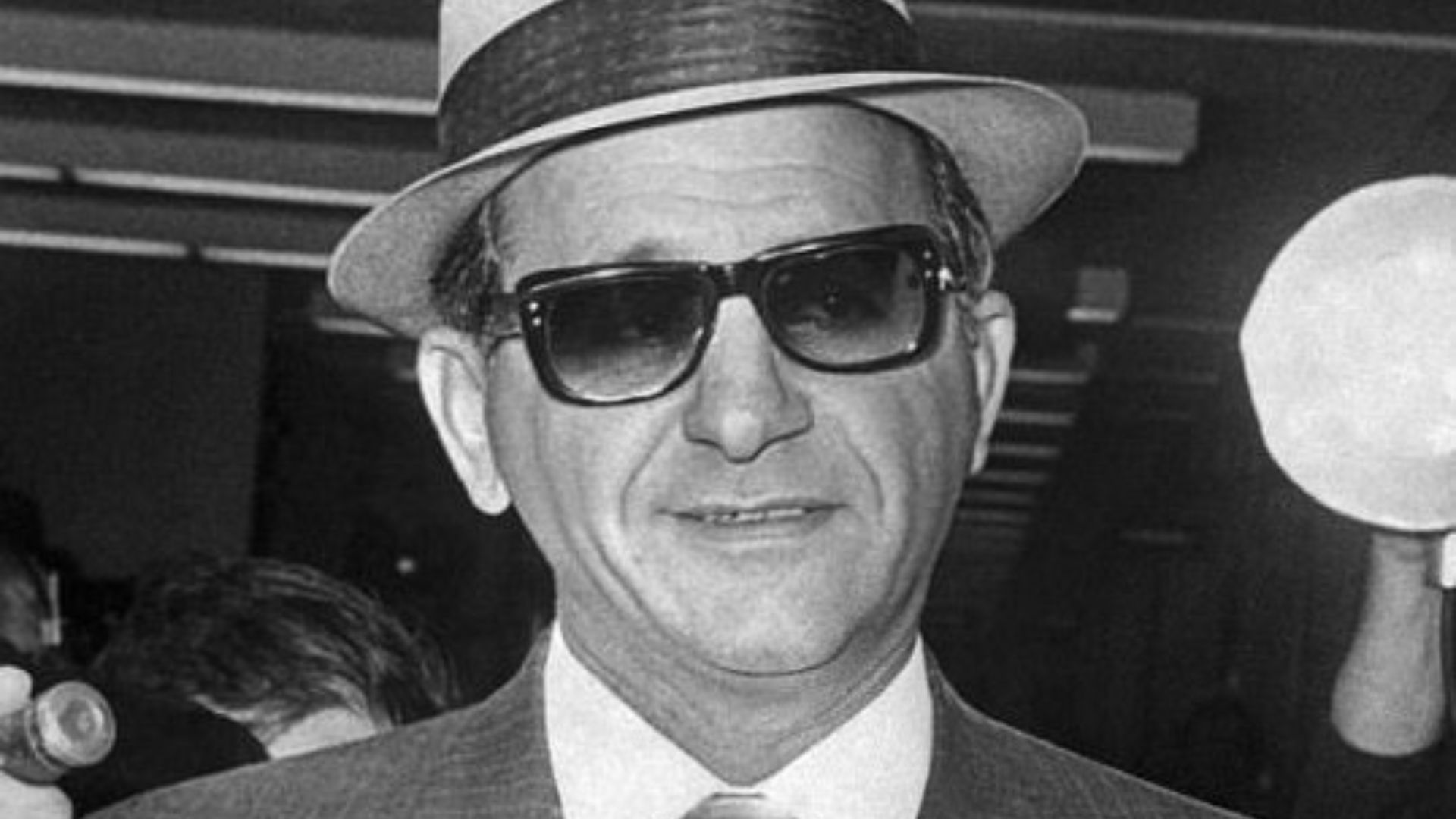 Unknown authorUnknown author, Wikimedia Commons
37. She Sang Happy Birthday
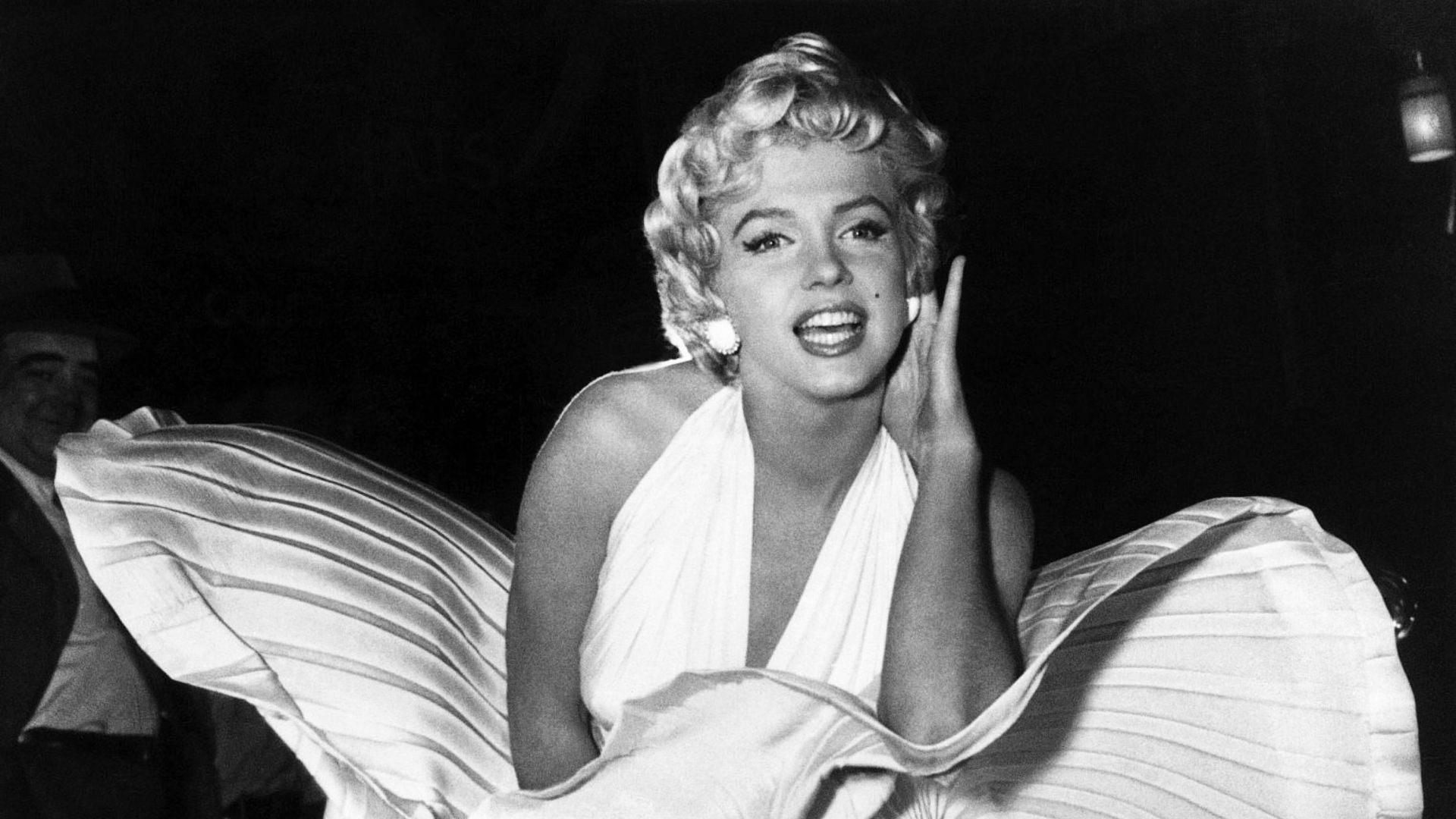
On May 19, 1962, Kennedy was celebrating his 45th birthday at Madison Square Garden. During the celebration, knockout actress Marilyn Monroe got up to sing “Happy Birthday”. When the song came out more sultry than sanitary, tongues started to wag. It looked like there was something going on between the President and Monroe.
38. He Passed Her Off
Kennedy’s involvement with Monroe allegedly went back to 1954, when the two first met. The story goes that by 1962, Kennedy was through with Monroe and, instead of just ending it, he did something heartless. According to the biographer James Spada, he passed Monroe off to his little brother Bobby.
So, when Monroe was singing “Happy Birthday," she may have been in a relationship with John Kennedy, his brother Bobby, or both. Sadly, Monroe’s intimacies with the Kennedys would end in disaster.
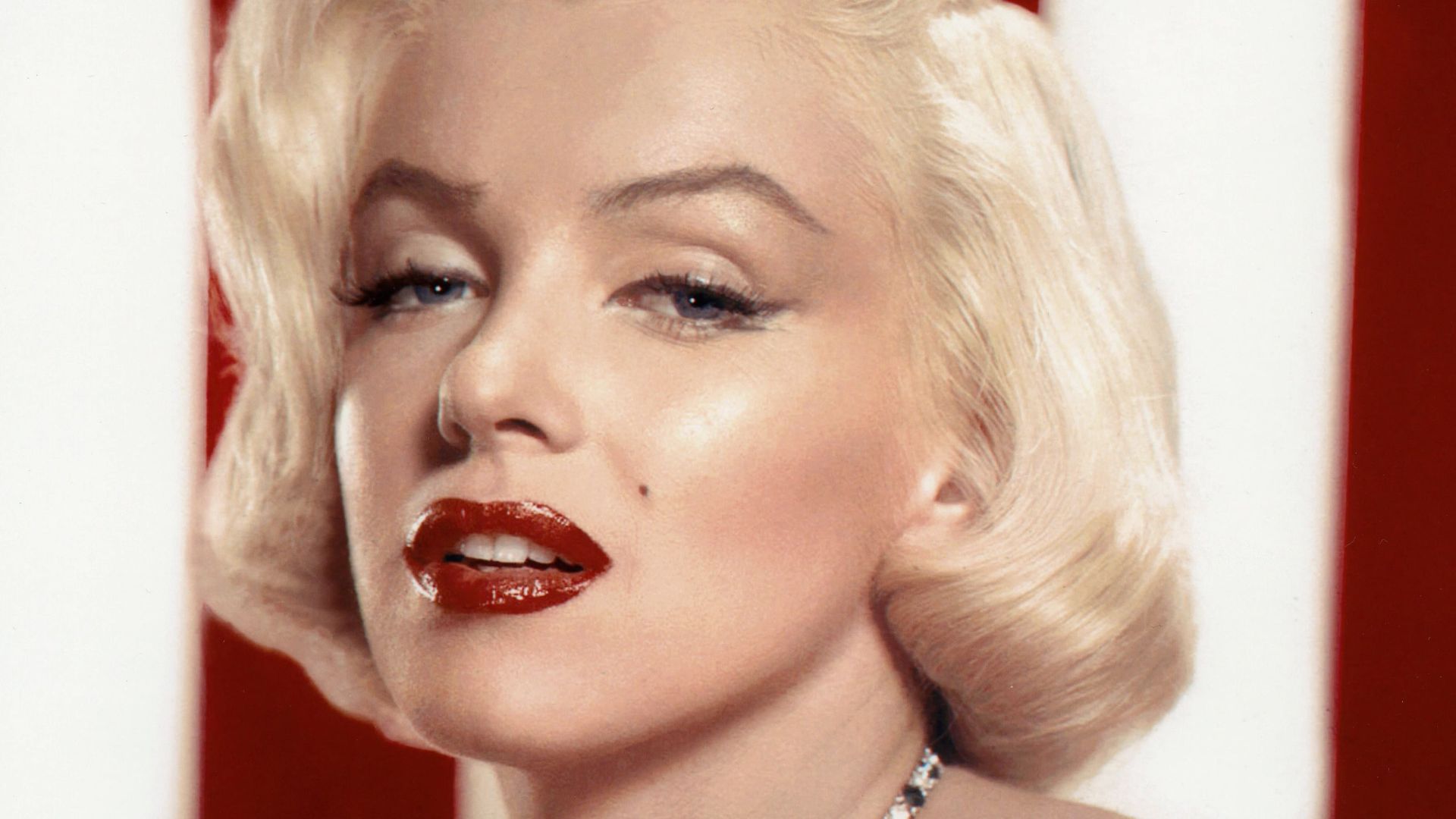 Studio publicity still, Wikimedia Commons
39. She Took Too Many Pills
Three months after singing at the President’s birthday party, Monroe passed under suspicious circumstances. On the surface, it looked like the iconic star had purposefully taken too many barbiturates to end her own life. But what came out later made it look like someone else had wanted her to meet her tragic end.
Since her passing, the rumor mill hasn't had a day of rest.
 Dell Publications, Inc. New York, publisher of Modern Screen, Wikimedia Commons
40. She Wanted To Tell The Truth
When she passed, Monroe was in a terrible state. Three marriages had ended in divorce, and her future film career looked dismal. And then there were the Kennedys. It was a well-known fact that Monroe struggled both mentally and emotionally, which would undoubtedly pose a liability to any affair she was supposed to keep secret.
It's no wonder that so many conspiracy theories point to the Kennedy brothers as possible conspirators who caused Monroe's demise.
 New York Sunday News, Wikimedia Commons
41. He Kept It A Secret
Monroe’s second husband—baseball player Joe DiMaggio—once said that Monroe had told him that someone was going to end her life. After it happened, DiMaggio felt strongly that the Kennedys had some involvement: "The whole lot of Kennedys were lady-killers, and they always got away with it. They'll be getting away with it a hundred years from now".
If these rumors were true, though, whatever happened on that fateful night required a massive cover-up.
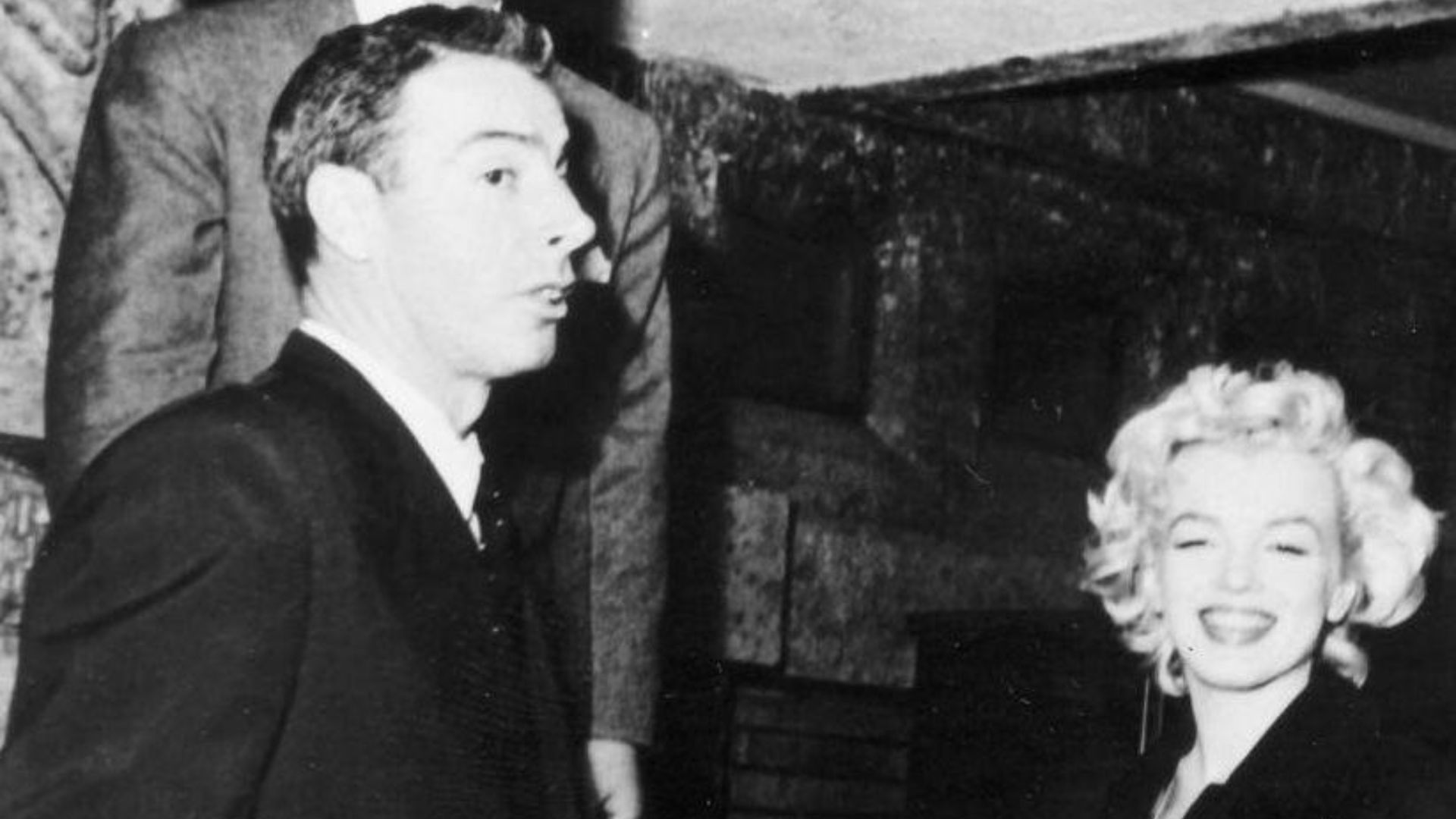 Unknown authorUnknown author, Wikimedia Commons
42. There Was A Cover-Up
Many conspiracy theorists believe that Monroe’s last night alive involved some sort of cover-up by the Kennedys. Such stories became so widely spread that Monroe's case was reviewed by the office of the Los Angeles District Attorney in 1982. In conclusion, they had no real evidence of such foul play, though their official report did admit that there were "unanswered questions" and "factual discrepancies".
Sadly, there were more nightmares on the horizon.
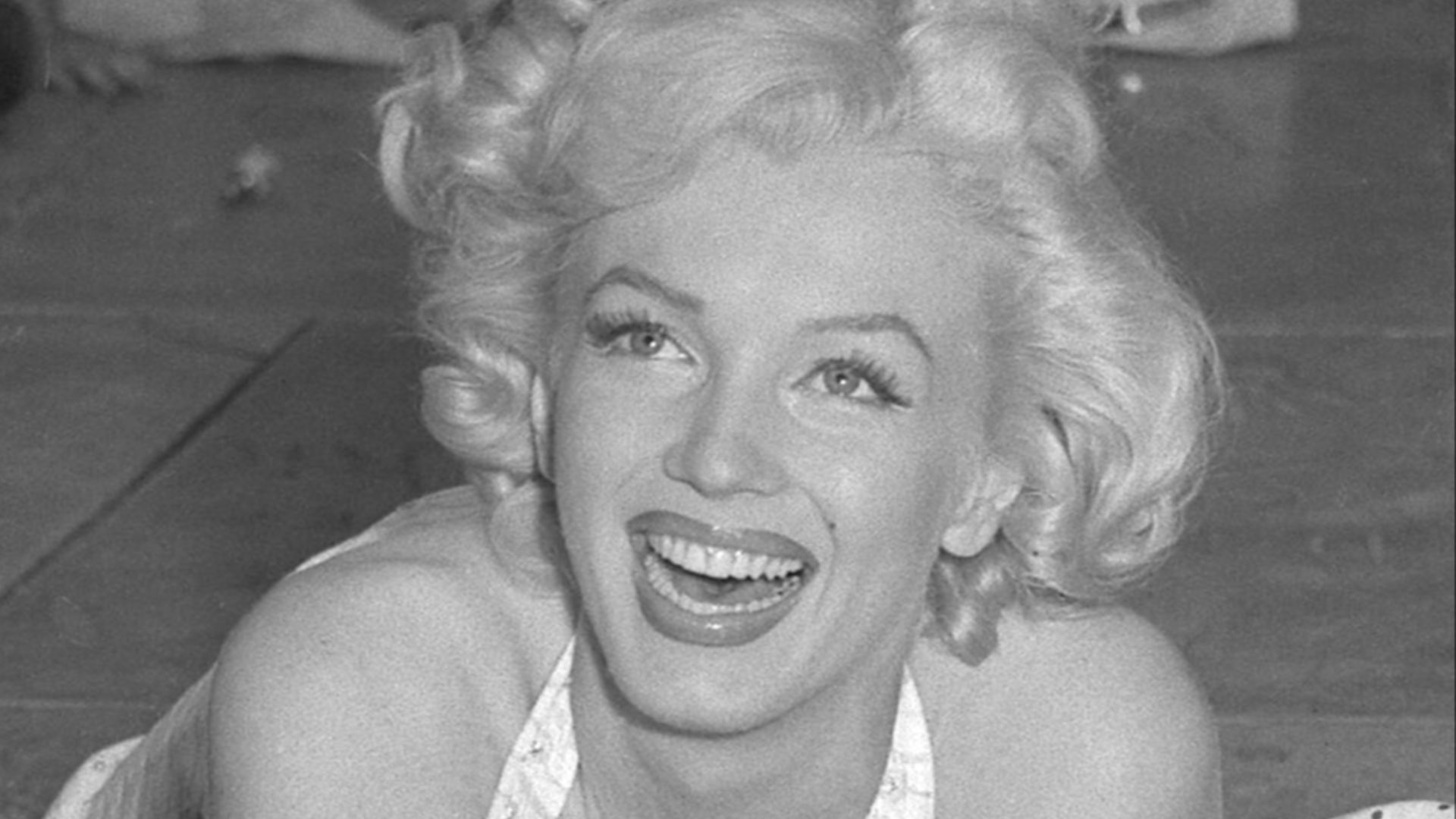 Los Angeles Times, Wikimedia Commons
43. He Had An Affair With A Neighbor
Mary Pinchot Meyer was the ex-wife of CIA operative Cord Meyer when she started a relationship with Kennedy. Meyer had been a neighbor and friend to both John and Jackie Kennedy. The story goes that Meyer actually influenced Kennedy’s decision-making with her pacifist ideas.
But the two were up to something much more intimate than discussing international policy.
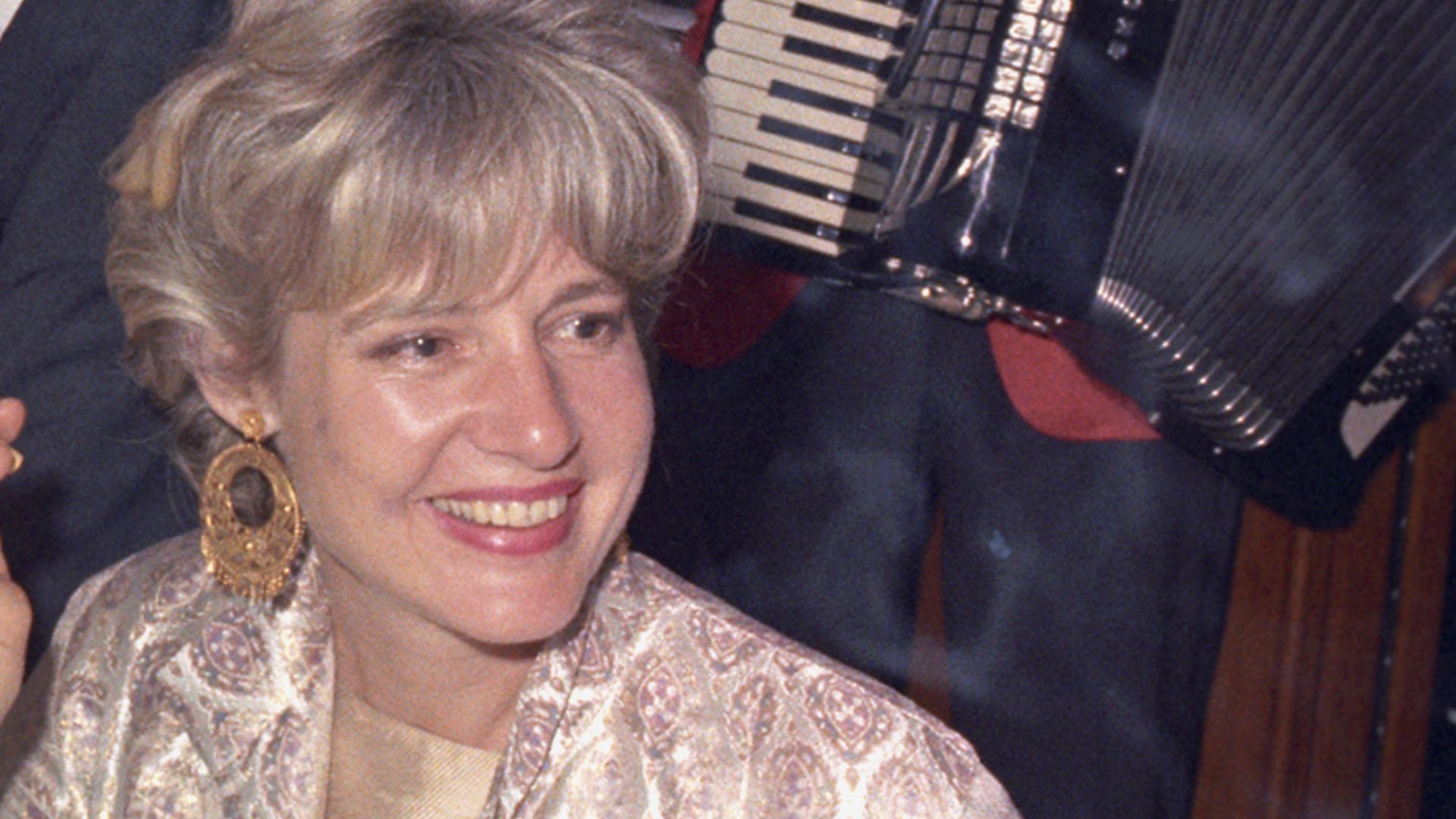 Robert LeRoy Knudsen, Wikimedia Commons
44. She Was In Terrible Danger
Kennedy spent many evenings in the White House with Meyers, usually when Jackie was out of town. But tragically, on October 12, 1964, Meyer became the victim of murder. Officers charged a suspicious individual, but he did not end up behind bars. The murder is still unsolved.
Meyer's biographer Nina Burleigh later made a bold claim, drawing a connection between Meyer's demise and Kennedy. She went so far as to say, “The theory is that she had to die because she knew too much". However, it wasn't only his mistresses who met sad ends. Fate had a horror show in store for Kennedy himself.
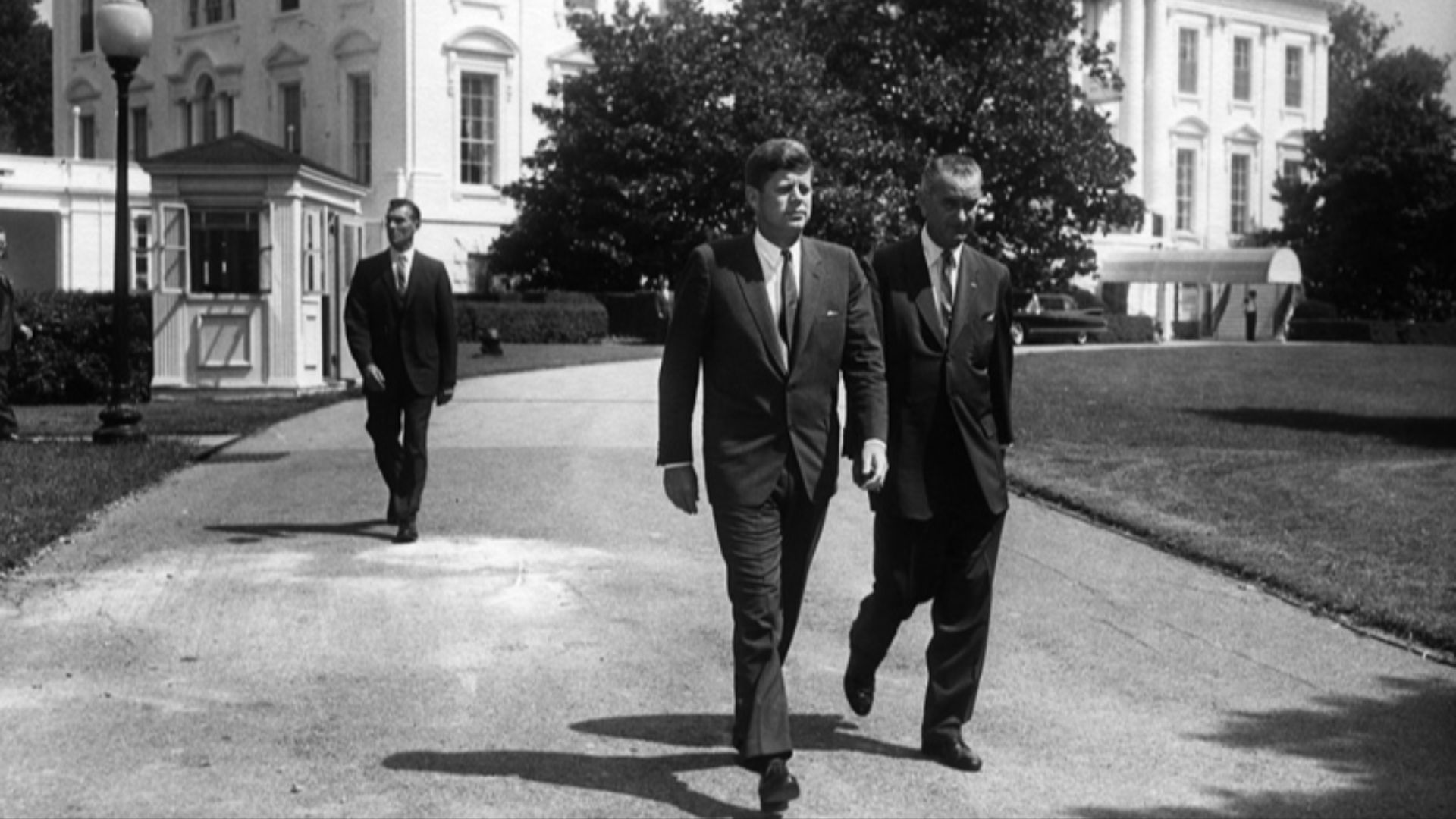
45. It Happened In Dallas
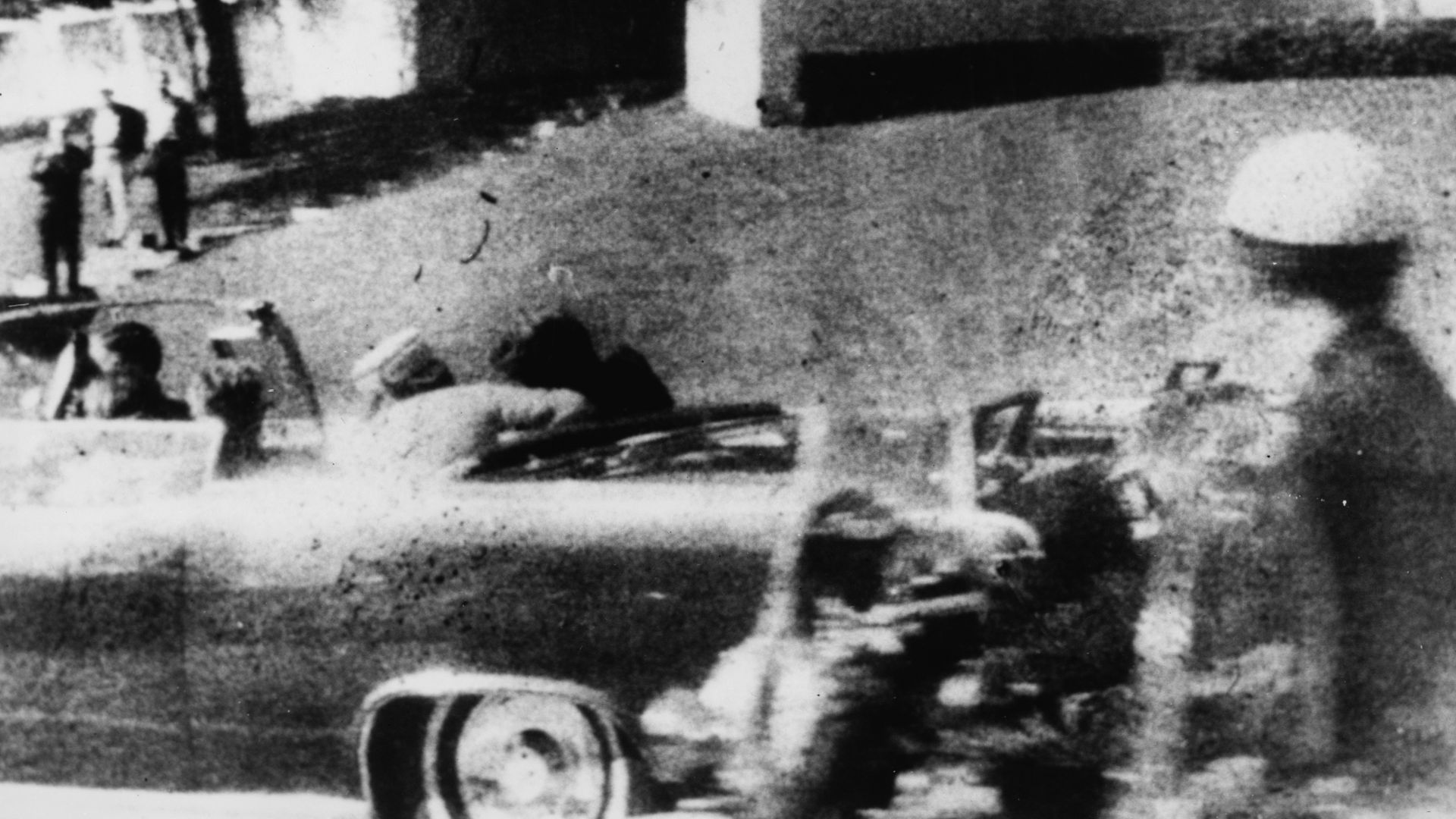
As the US president—not to mention his connections to the mafia, communists, and angry union leaders—Kennedy's life was always at risk. As everyone knows, on November 22, 1963, at 12:30 pm, Kennedy’s life came to an abrupt and very public end in Dallas, Texas. And the details have been a source of fascination and heartbreak for decades.
 Abbie Rowe, National Park Service, Wikimedia Commons
46. His Final Moments Were Unassuming
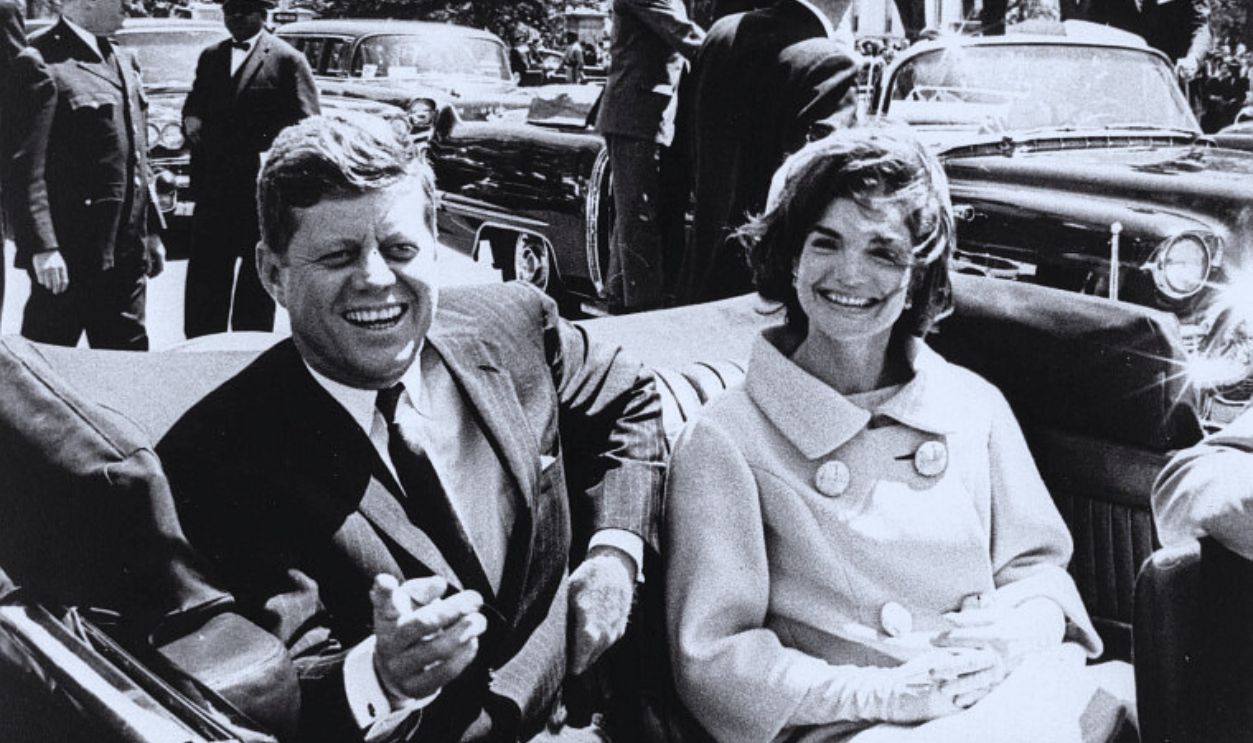
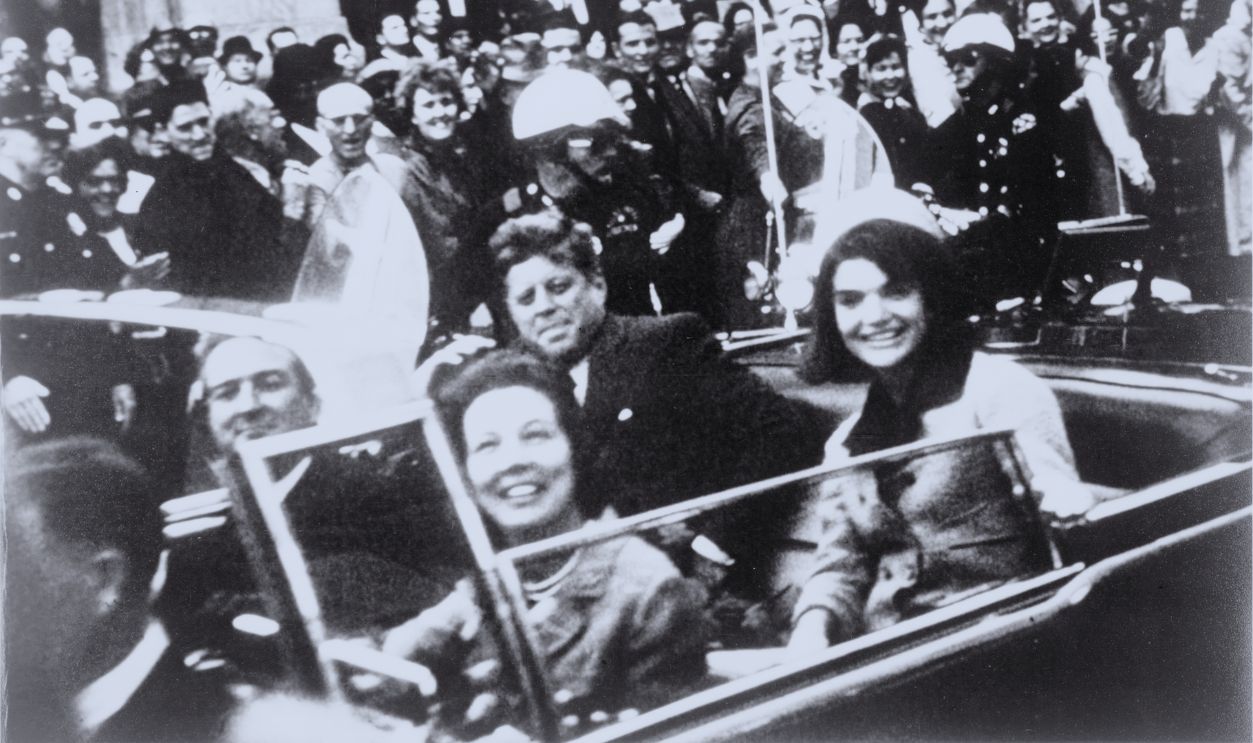
Kennedy and Jackie were riding through Dealey Plaza in a presidential motorcade when a nightmare unfolded. The Texas governor John Connally and his wife Nellie were also with them in the car. Just moments before shots rang out, Nellie asked Kennedy, "Mr. President, they can't make you believe now that there are not some in Dallas who love and appreciate you, can they?"
The president's last words were chilling. He replied, "No, they sure can't".
 Victor Hugo King, Wikimedia Commons
47. He Was Hit Twice
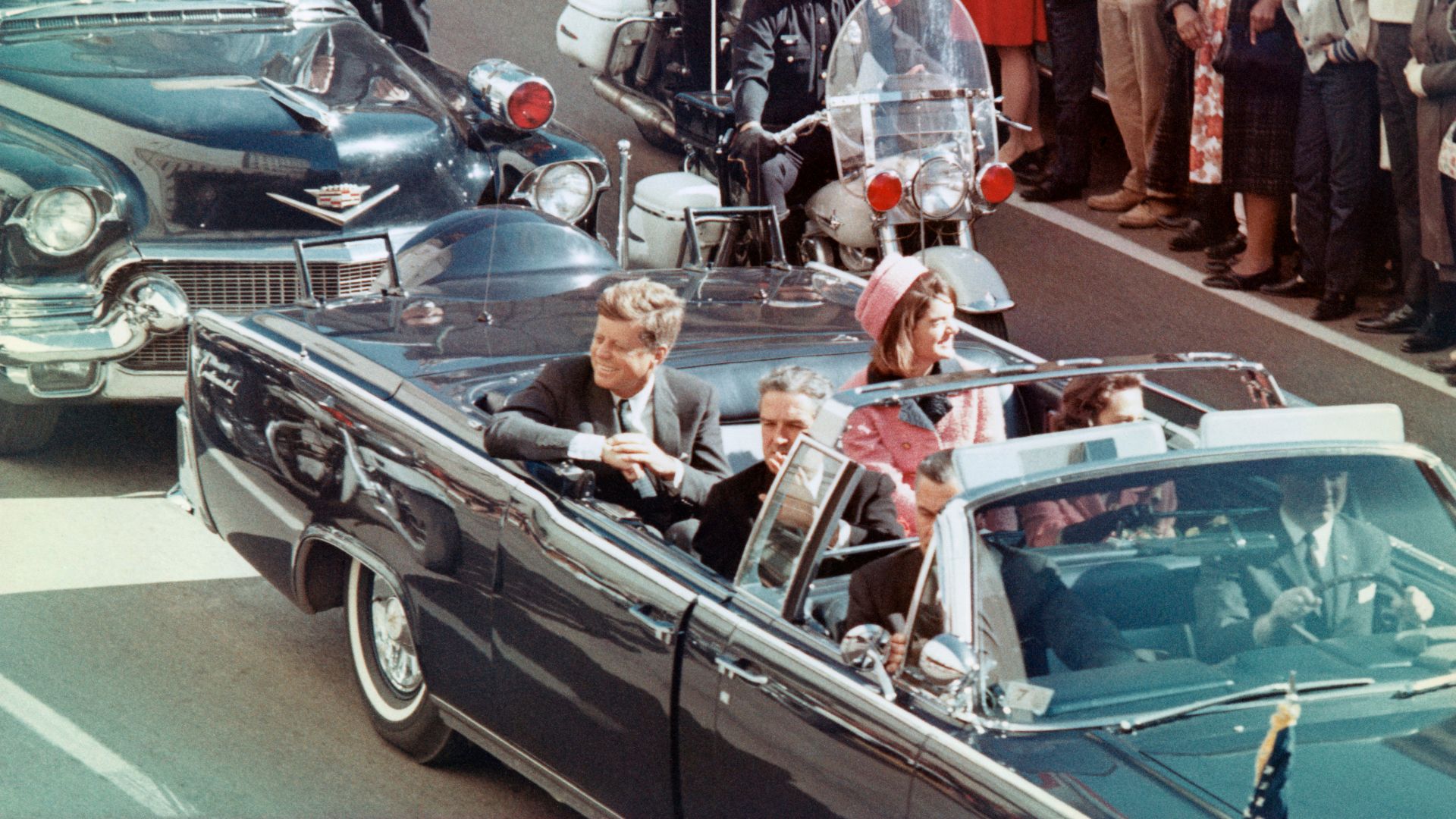
Just as Kennedy began waving at the exuberant audience, he got hit in the back—the shot exiting his throat. According to reports, he could have survived this wound, but tragically, this wasn't the end of it. Kennedy was sadly hit a second time. This time, it caused a fatal head injury. That's when poor Jackie, seated right next to him, did something unforgettable.
 Walt Cisco, Dallas Morning News, Wikimedia Commons
48. She Climbed Onto The Trunk
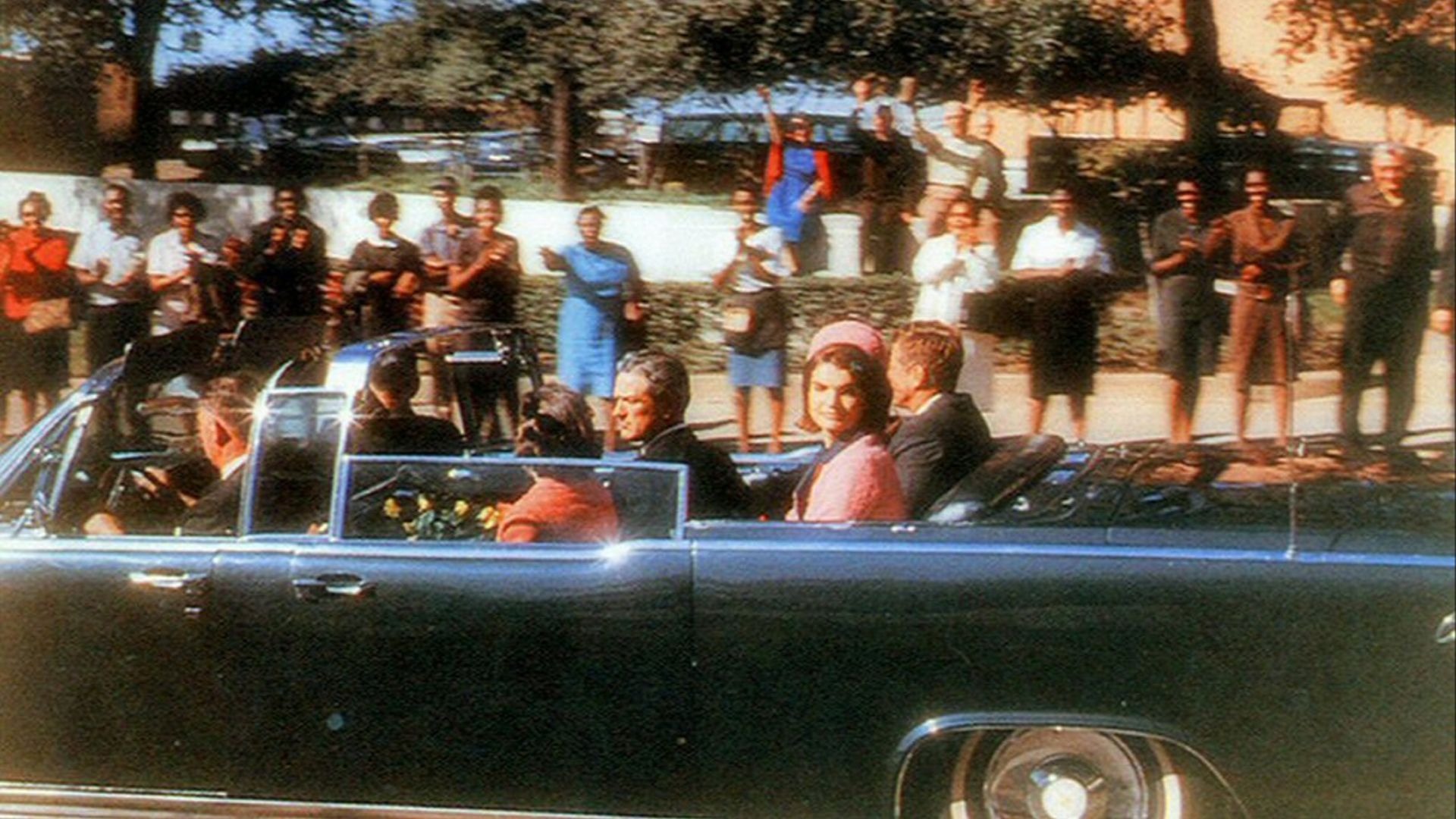
Those who have seen the harrowing footage of John F Kennedy's demise can never unsee the image of Jackie Kennedy, in her pink dress, climbing onto the back of the vehicle—an act of desperation that she later claimed she had no memory of. However, Secret Service Agent Clint Hill believed there was a devastating reason why she did this.
 Robert Croft, Wikimedia Commons
49. She Couldn't Remember It
According to the opinion of Clint Hill, a distressed Jackie climbed out of her seat in pursuit of a piece of her husband's skull. When she eventually made her way back to her seat, she began repeating something over and over again—two haunting sentences that will never be forgotten: "They have killed my husband. I have his brains in my hand".
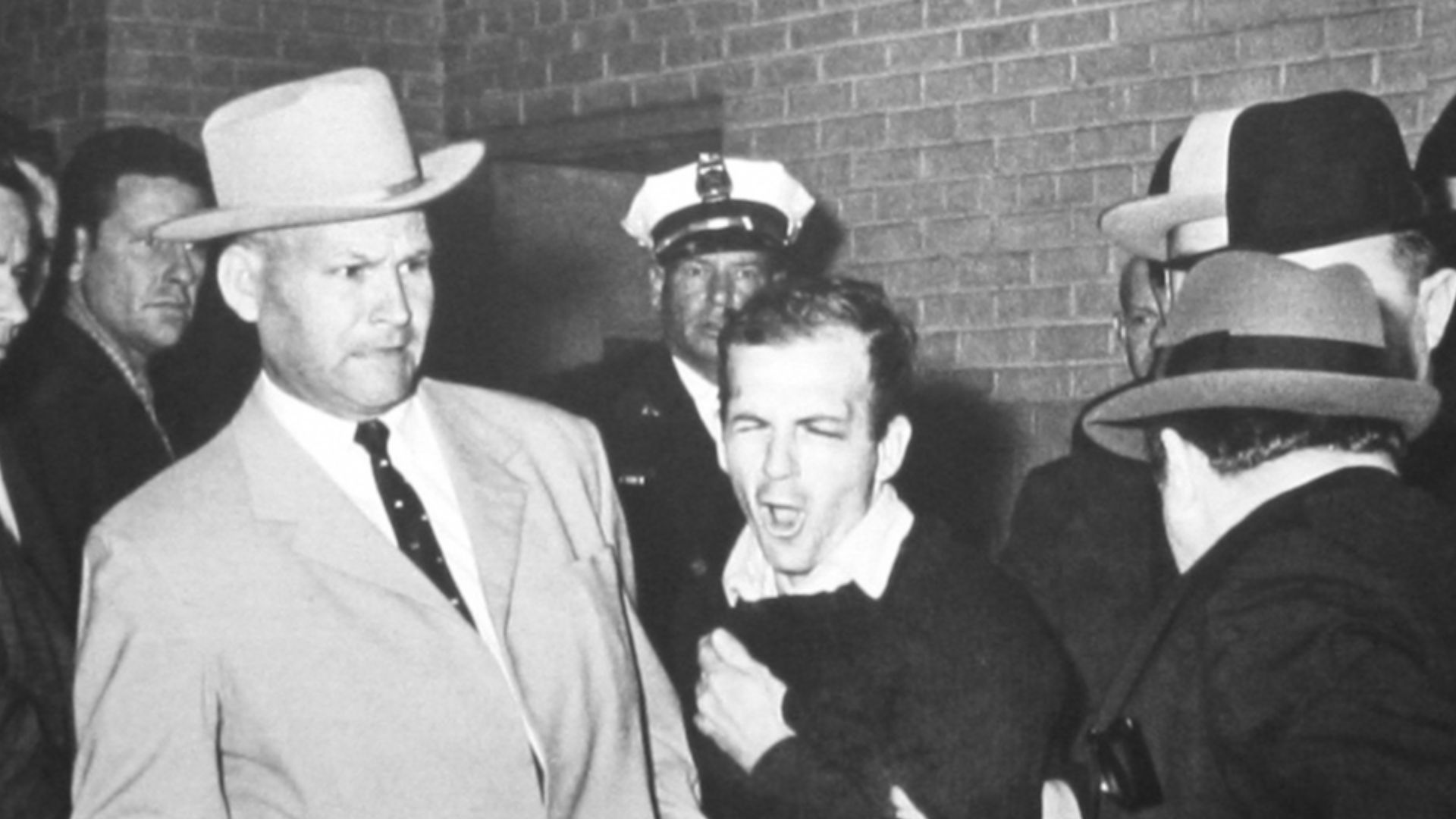
In the wake of this horror, officers apprehended a suspect named Lee Harvey Oswald, who denied doing anything wrong. Most believed the truth would come out in a trial. Well, that didn’t happen.
 Mary Ann Moorman (Mary Krahmer), Wikimedia Commons
50. The Truth Was Lost
Before Oswald could face a judge, he was also taken down. This was a single shot by nightclub owner Jack Ruby. Some believe that Ruby had purposefully silenced Oswald—and that, because of this, we would never know the truth about Kennedy’s tragic demise. Before they could convict Ruby, he passed from cancer.
When the dust had settled, Americans had to come to terms with what had happened to their fairytale president.
 Robert H. Jackson (29), Wikimedia Commons
51. It Was A Loss Of Innocence
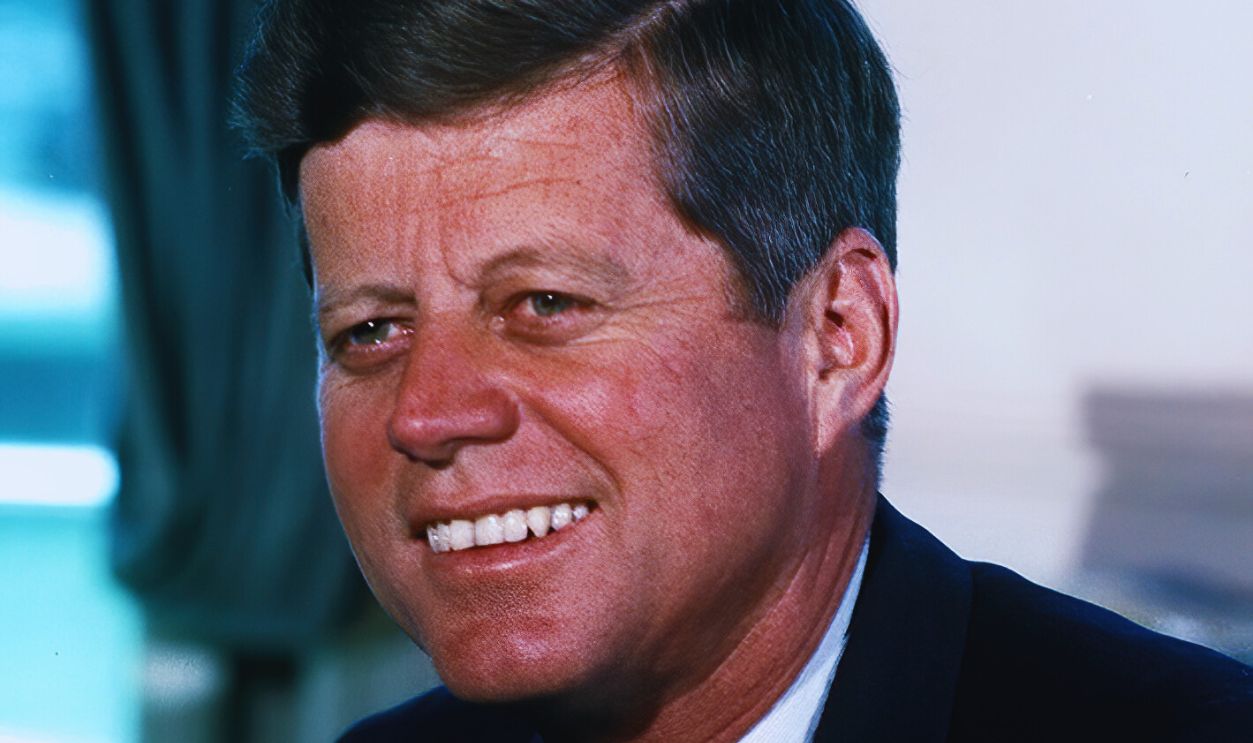
John F Kennedy was one of the most loved American Presidents of all time. When his life ended in Dallas that afternoon, Americans felt the loss of much more than a president. Some felt that the country had lost its innocence. The event was one of the things that prompted Don McLean to write his much-loved song “American Pie”.
While it’s hard to know exactly what McLean was singing about, most people think they have figured it out.
 Cecil Stoughton, White House, Wikimedia Commons
52. He Was One Of Three
In the sixth verse of “American Pie," McLean sings about the three men whom he admired most, and that they “caught the last train for the coast”. Most believe McLean was referring to John F Kennedy, civil rights activist Martin Luther King, and one more who tragically lost his life for his beliefs: Kennedy’s little brother Bobby.
 Robert Knudsen, Wikimedia Commons
53. It Was A Brief Shining Moment
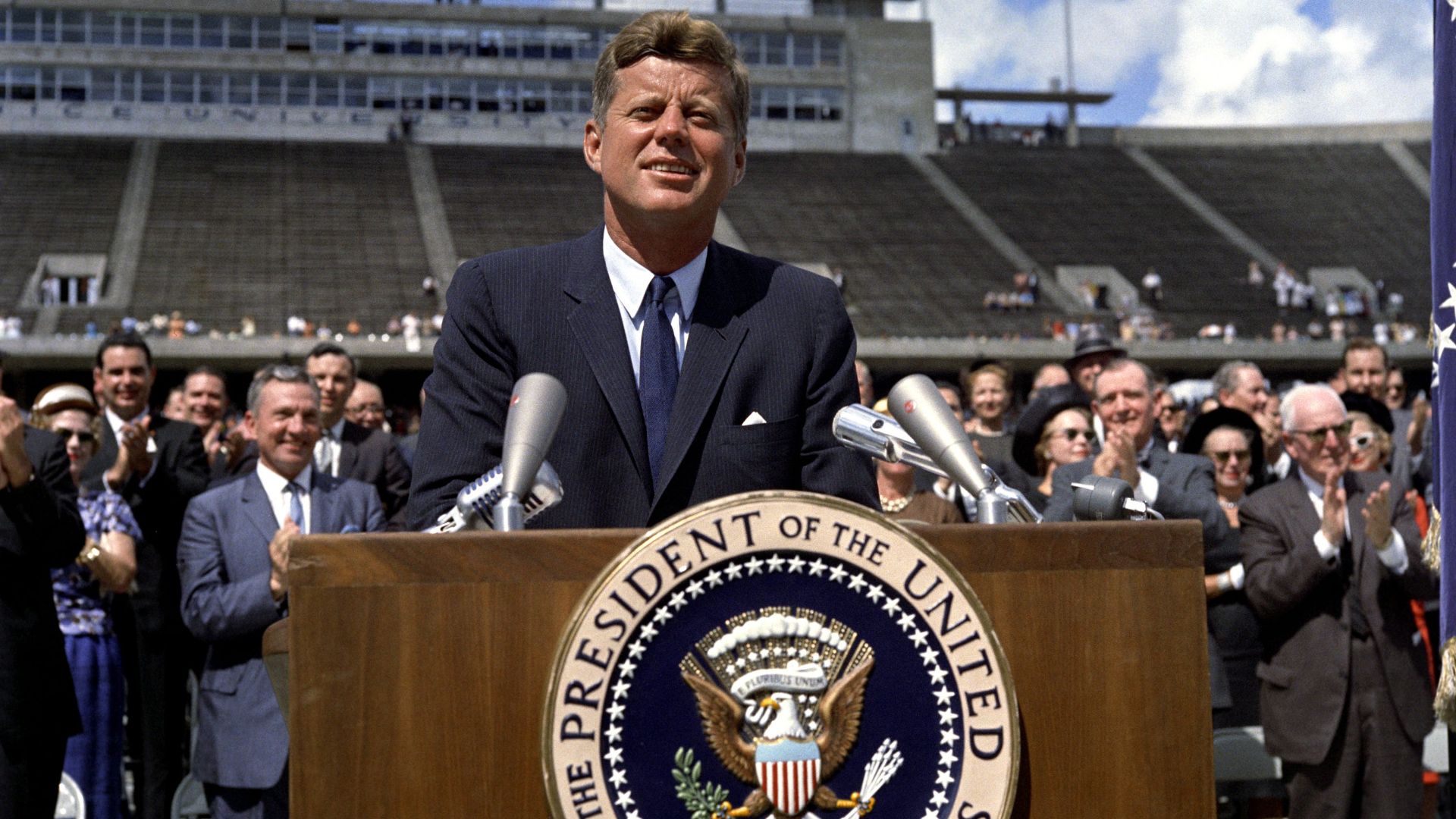
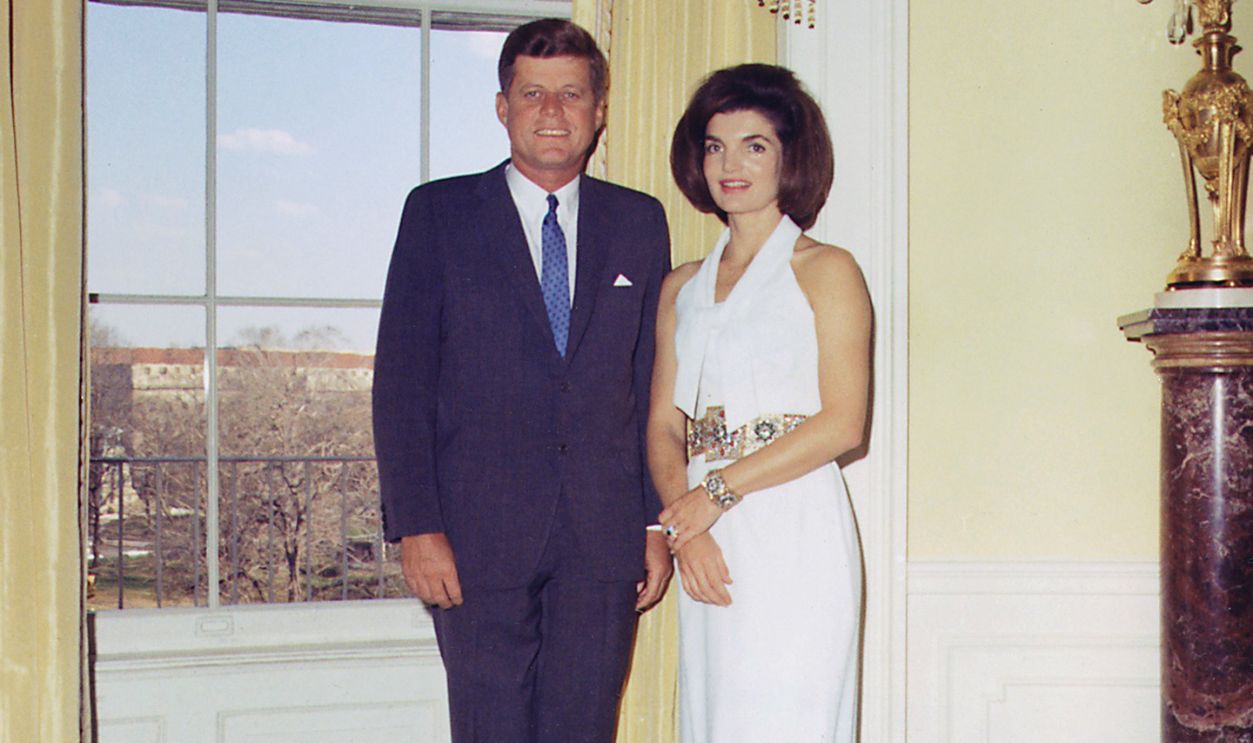
While it was brief, Kennedy’s time as president holds a special place in the hearts of Americans. Jackie Kennedy said her husband loved the musical Camelot, and soon this period of optimism in the White House took that name as well. Sadly, as reports of Kennedy’s tangled web of lies and corruption emerged, the “shining moment” of Camelot has, for some people anyway, lost some of its luster.
 Cecil W. Stoughton, Wikimedia Commons
You May Also Like:
The Scandalous Downfall Of Truman Capote











.jpg%20)

.jpg)


