Davy Crockett Was A Folk Legend With Controversy
Davy Crockett was the American statesman, militiaman, and frontiersman who became famous for his fateful final stand at the Alamo. However, his legacy has become a tangled tumbleweed that weaves together fact and fiction, man and myth.
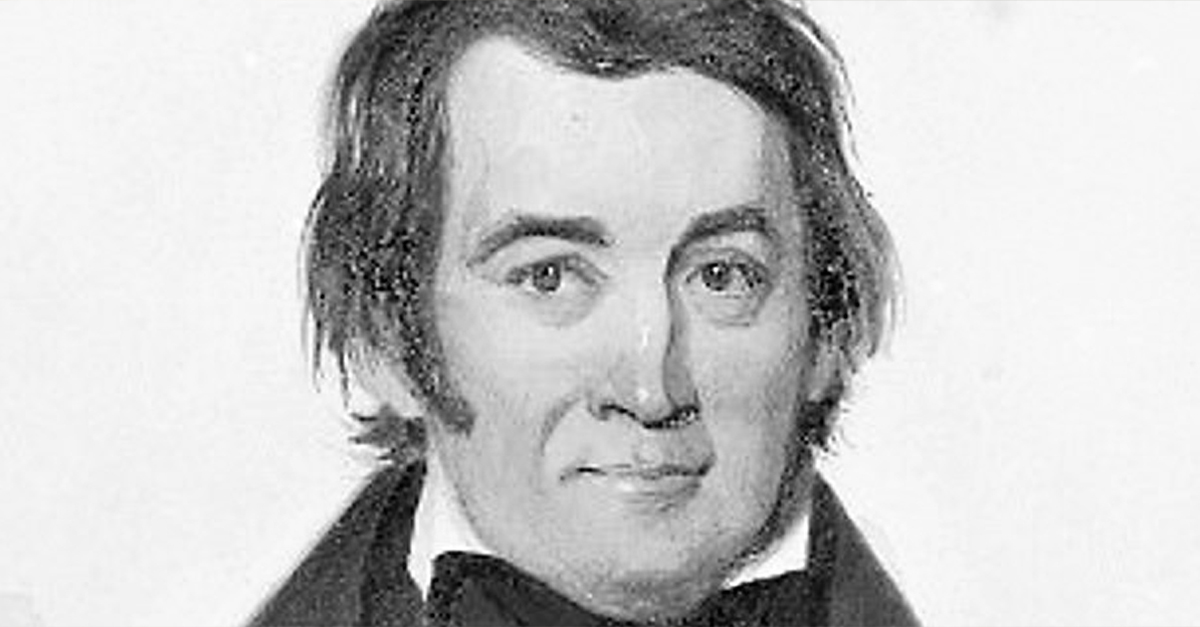
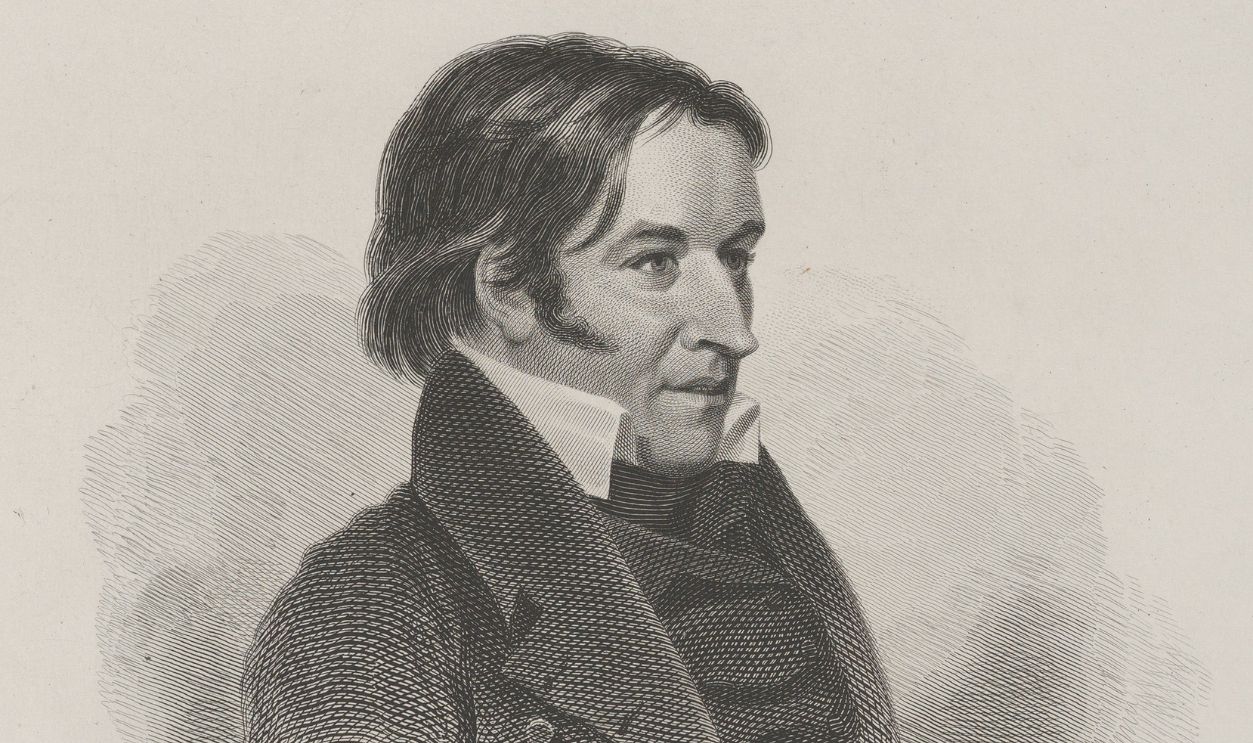
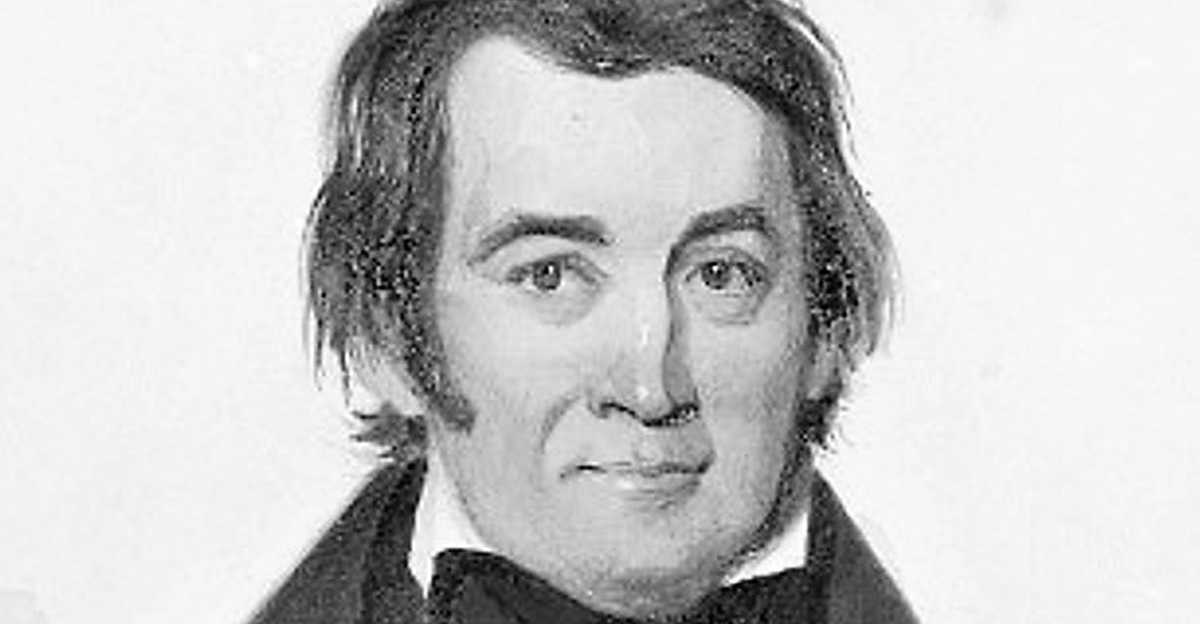 James Hamilton Shegogue, 1806 - 1872, Wikimedia Commons
1. He Wasn’t Born On A Mountaintop
Forget the song. David “Davy” Crockett was born on Aunullgust 17, 1786, in a valley in what is now Greene County, Tennessee—nowhere near a mountaintop. Nevertheless, the frontier was in his blood from the start. His father, John Crockett, had fought as one of the Overmountain Men at the Battle of Kings Mountain during the American Revolution and later dabbled in local politics.
Even as a child, Davy pushed the frontier forward.
2. His Family Pushed The Frontier
Davy was one of nine children—the fifth son—born to John and Rebecca Hawkins. But John could never quite outrun his debts and dragged the family from Lick Creek to Cove Creek to Mossy Creek and finally Morristown, where he opened a tavern. That constant movement to new frontiers in search of fortune was part of the Crockett DNA.
But it came at a terrible cost.
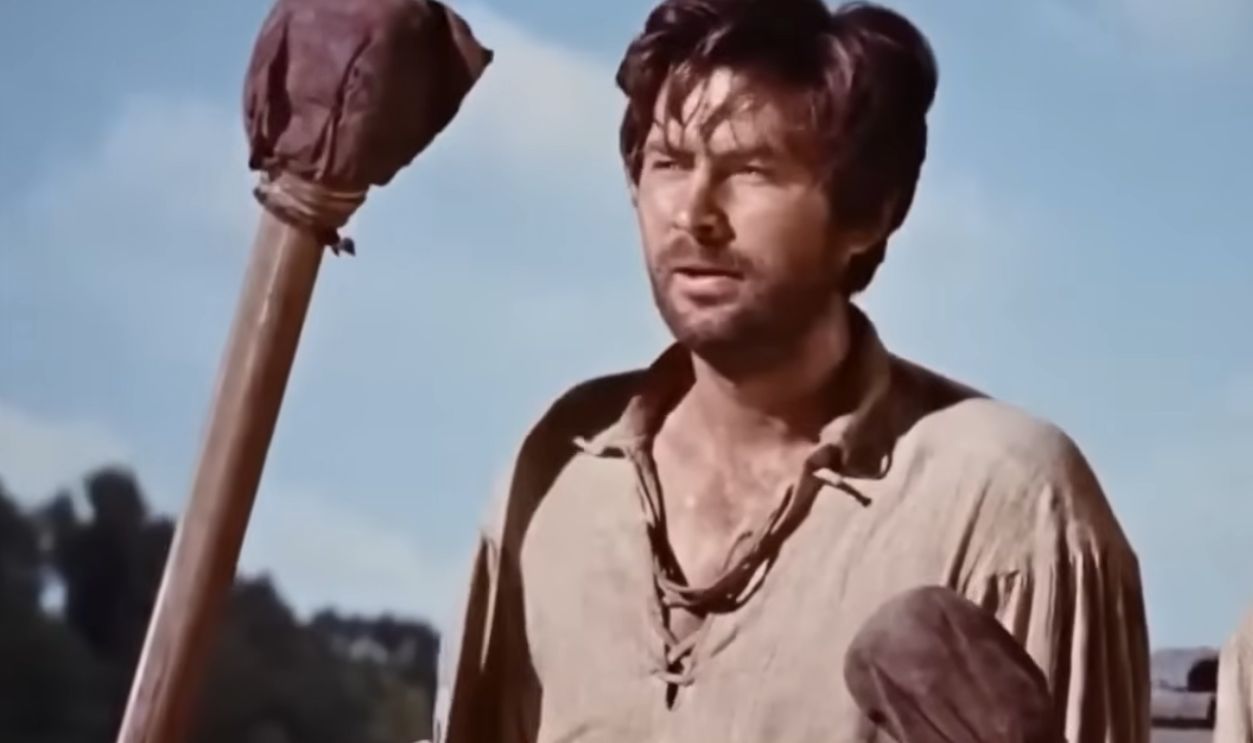 Screenshot from Davy Crockett and the River Pirates, Walt Disney Productions (1956)
3. His Ancestors Paid The Price
Crockett’s lineage went all the way back to French-Huguenot and English settlers who arrived in Virginia in the mid-17th century. And his ancestors paid a brutal price. In 1777, Crockett’s grandfather and grandmother were slain near modern Rogersville by Creeks and Chickamauga Cherokees. One great-uncle was wounded; another was captured and held for 17 years.
The frontier took as much as it gave.
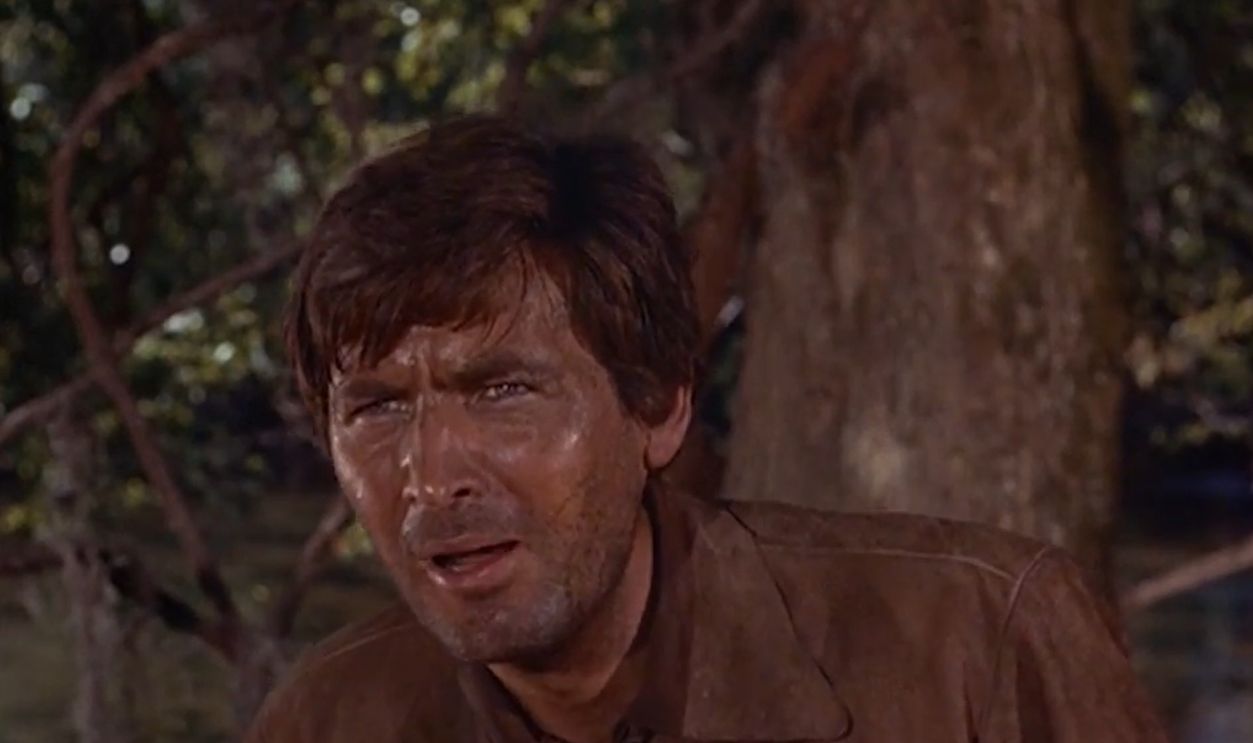 Screenshot from Davy Crockett: King of the Wild Frontier, Walt Disney Productions (1955)

History's most fascinating stories and darkest secrets, delivered to your inbox daily.
4. He Was Sent Away As A Boy
Struggling to pay off his debts, Crockett’s father handed the 12-year-old Davy over to a cattleman named Jacob Siler to work off what the family owed. Davy showed a knack for cowboy work, accompanying Siler’s herd on a grueling 400-mile trek to Natural Bridge, Virginia. Siler treated him well and even paid him, but Crockett eventually made his own way back to Tennessee.
He was already learning to fend for himself.
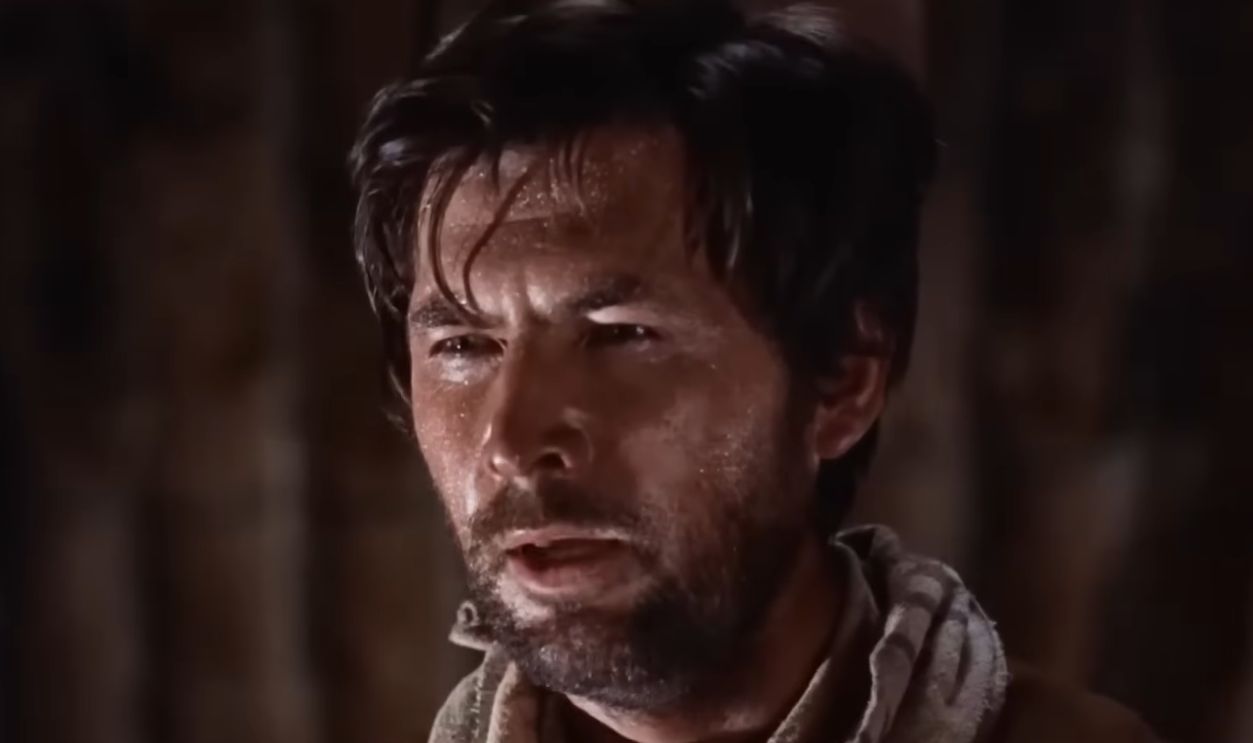 Screenshot from Davy Crockett and the River Pirates, Walt Disney Productions (1956)
5. He Ran Away From Home
School was no place for a future frontiersman. Crockett regularly skipped school, and when his father tried to discipline him, the 13-year-old bolted. Out in the world on his own, he got the education that no school—or parent—could ever give him. When he finally returned home in 1802, he’d grown so much that his own family didn’t recognize him.
But they recognized what they could get out of him.
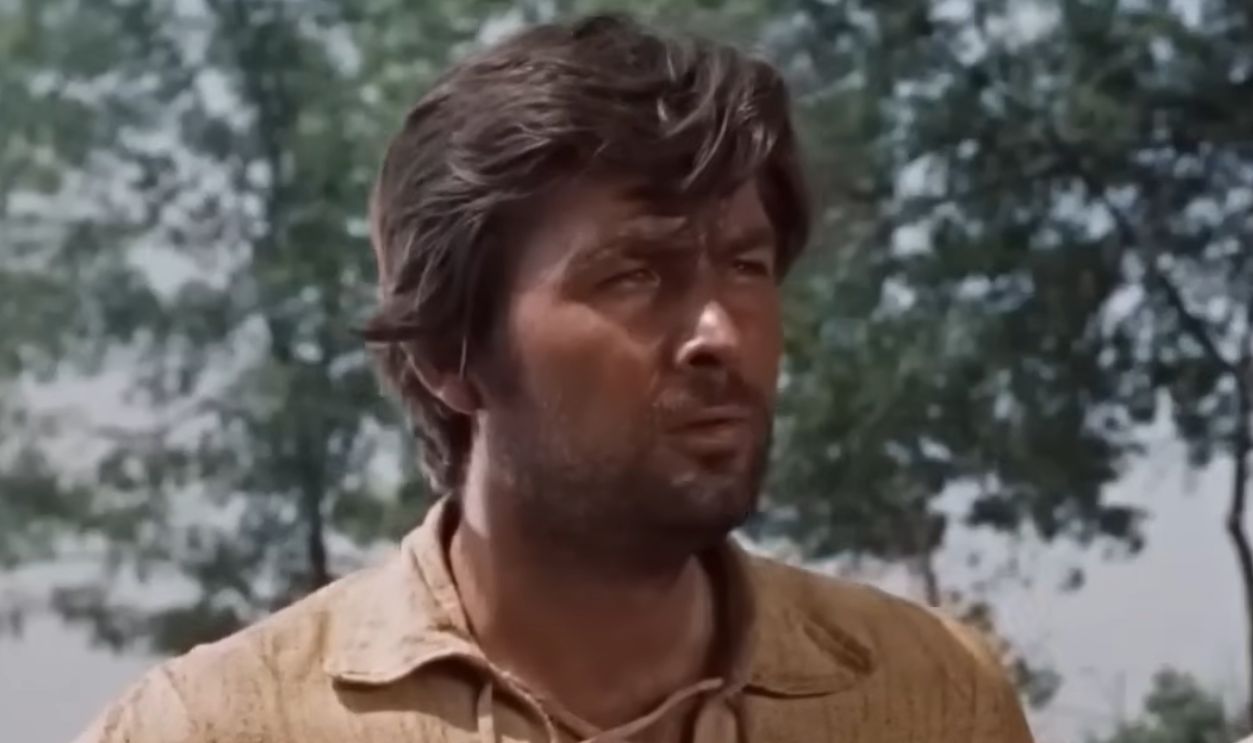 Screenshot from Davy Crockett and the River Pirates, Walt Disney Productions (1956)
6. He Wanted To Marry The Boss’ Niece
Crockett came home, but not to a warm welcome. He spent months paying off his father’s $36 debt to Abraham Wilson and a separate $40 debt to a man named John Canady. Curiously, even after clearing both ledgers, Crockett stayed on at Canady’s employment. Though there was a likely explanation. While there, Crockett had fallen for Canady’s niece, Amy Summer.
Unfortunately, Summer was already engaged to Canady’s own son, Robert. Then Crockett found another match.
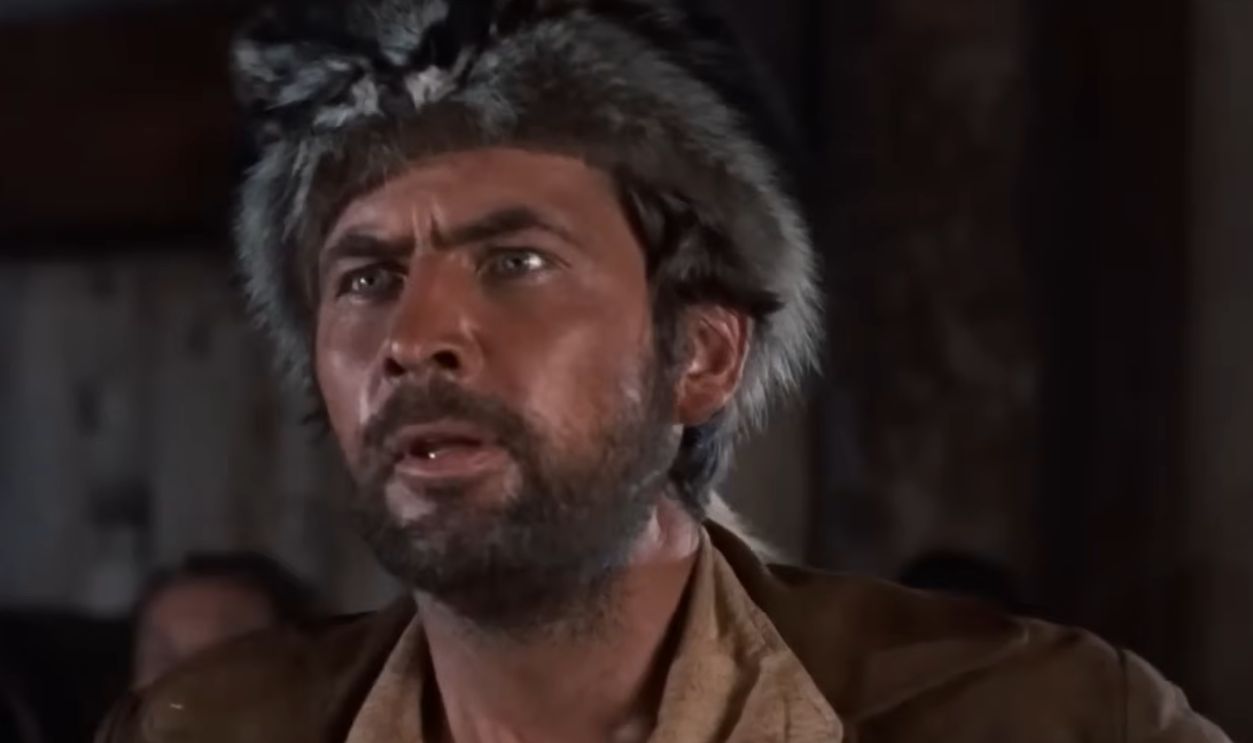 Screenshot from Davy Crockett and the River Pirates, Walt Disney Productions (1956)
7. His Bride Chose Someone Else
Crockett didn’t cry many tears over Summers. While serving in her wedding party, he met a woman named Margaret Elder and talked her into marrying him. The two drew up a marriage contract on October 21, 1805 and seemed set for their “happily ever after”. But Elder had been hedging her bets—she’d gotten herself engaged to another man at the same time.
In the end, Elder married the other suitor and left Crockett standing alone.
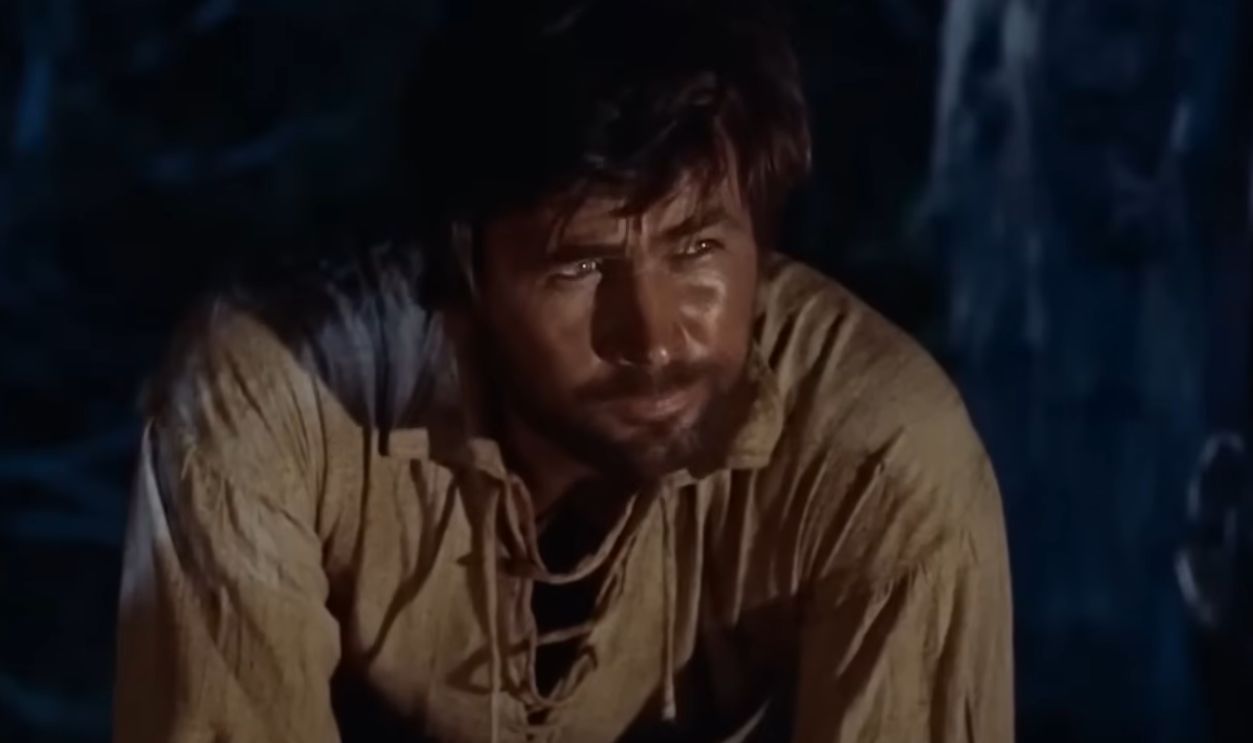 Screenshot from Davy Crockett and the River Pirates, Walt Disney Productions (1956)
8. He Refused To Take No For An Answer
After two failed marriage attempts, Crockett wouldn’t take no for an answer a third time. He met Mary “Polly” Finley and her mother Jean at a harvest festival and set his sights on her immediately. Jean Finley wanted nothing to do with the match and even insulted Crockett, but Crockett declared he’d marry Polly regardless—wherever and however it had to happen.
He would have his bride, no matter what her mother said.
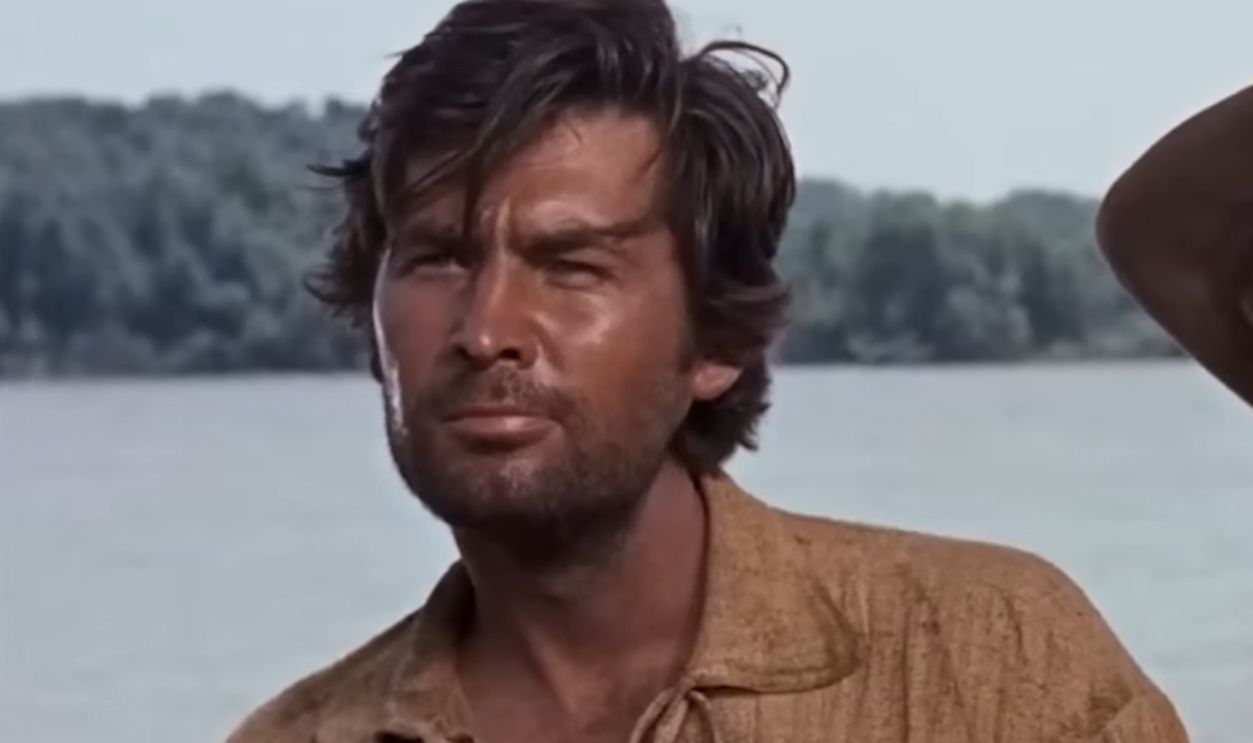 Screenshot from Davy Crockett and the River Pirates, Walt Disney Productions (1956)
9. He Showed Up Ready For Anything
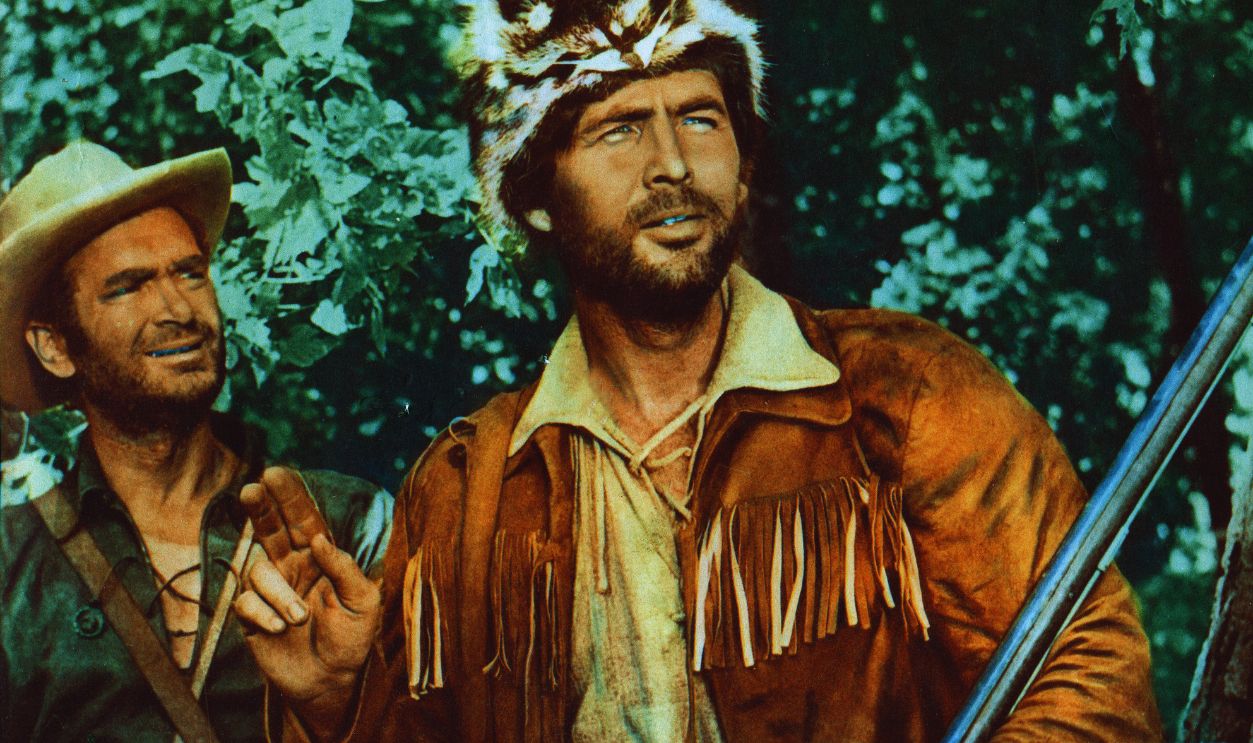
On August 12, 1806, Crockett took out a marriage license and rode to Polly’s house with a “wedding party” in tow—prepared to take his bride away if necessary. Polly’s father, seeing the entourage, pleaded with Crockett to hold the ceremony at the Finley home instead. Crockett agreed—but only after Jean apologized for the way she’d treated him.
Being a husband would be harder than he thought.
History's most fascinating stories and darkest secrets, delivered to your inbox daily.
10. His Family Grew Faster Than His Fortune
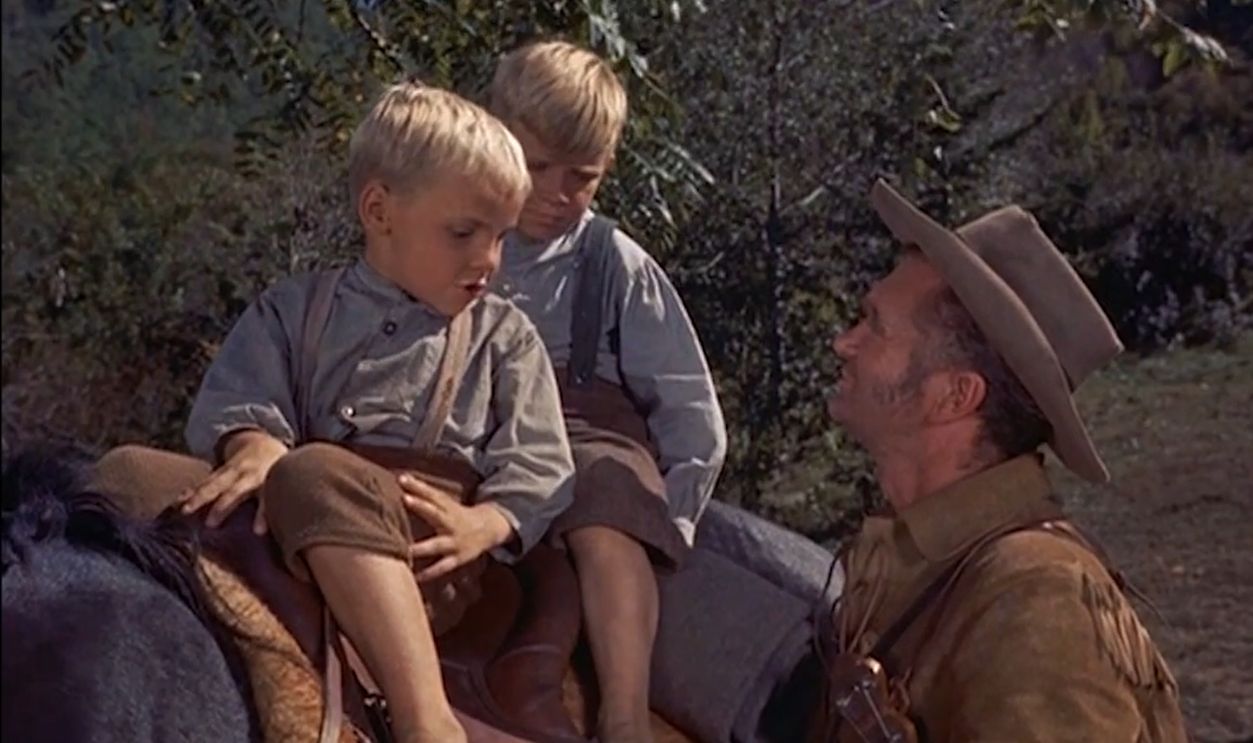
Crockett got his wish and married Polly on August 14, 1806, in Jefferson County, Tennessee, and the couple settled on a small rented farm near her parents. The marriage proved fruitful, and the couple quickly produced three children—but no money. As Crockett himself put it: “In this time, we had two sons, and I found I was better at increasing my family than my fortune”.
But he could put meat on the table.
 Screenshot from Davy Crockett: King of the Wild Frontier, Walt Disney Productions (1955)
11. He Took Down Bears By The Dozens—Or Hundreds
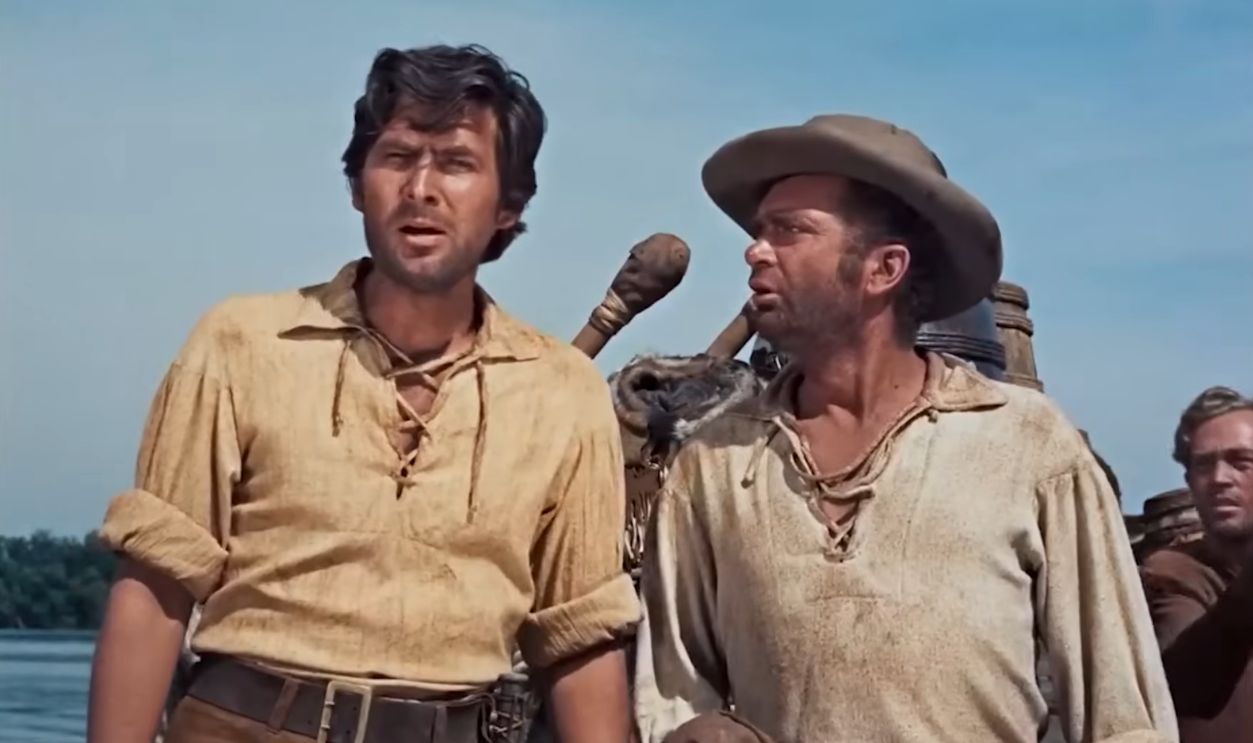
Crockett kept up his family tradition, moving his family around the frontier before eventually settling on Beans Creek in Franklin County. There, Crockett built a little homestead that he named “Kentuck,” but he was never a good farmer. Though he didn’t need to be. In a single season, Crockett brought down 105 bears.
The flesh was dinner, the furs and skins were cash, and the shots were training for what came next.
 Screenshot from Davy Crockett and the River Pirates, Walt Disney Productions (1956)
12. He Joined The Fight After Fort Mims
On August 30, 1813, Creek Indians stormed Fort Mims near Mobile, cutting down roughly 500 settlers. The news rippled through the frontier, and Crockett answered the call. Less than a month later, Crockett enlisted as a scout in Francis Jones’ Company of Mounted Riflemen, riding under Colonel John Coffee. No amount of bear-hunting could have prepared him for what he saw.
13. He Witnessed Something Unspeakable
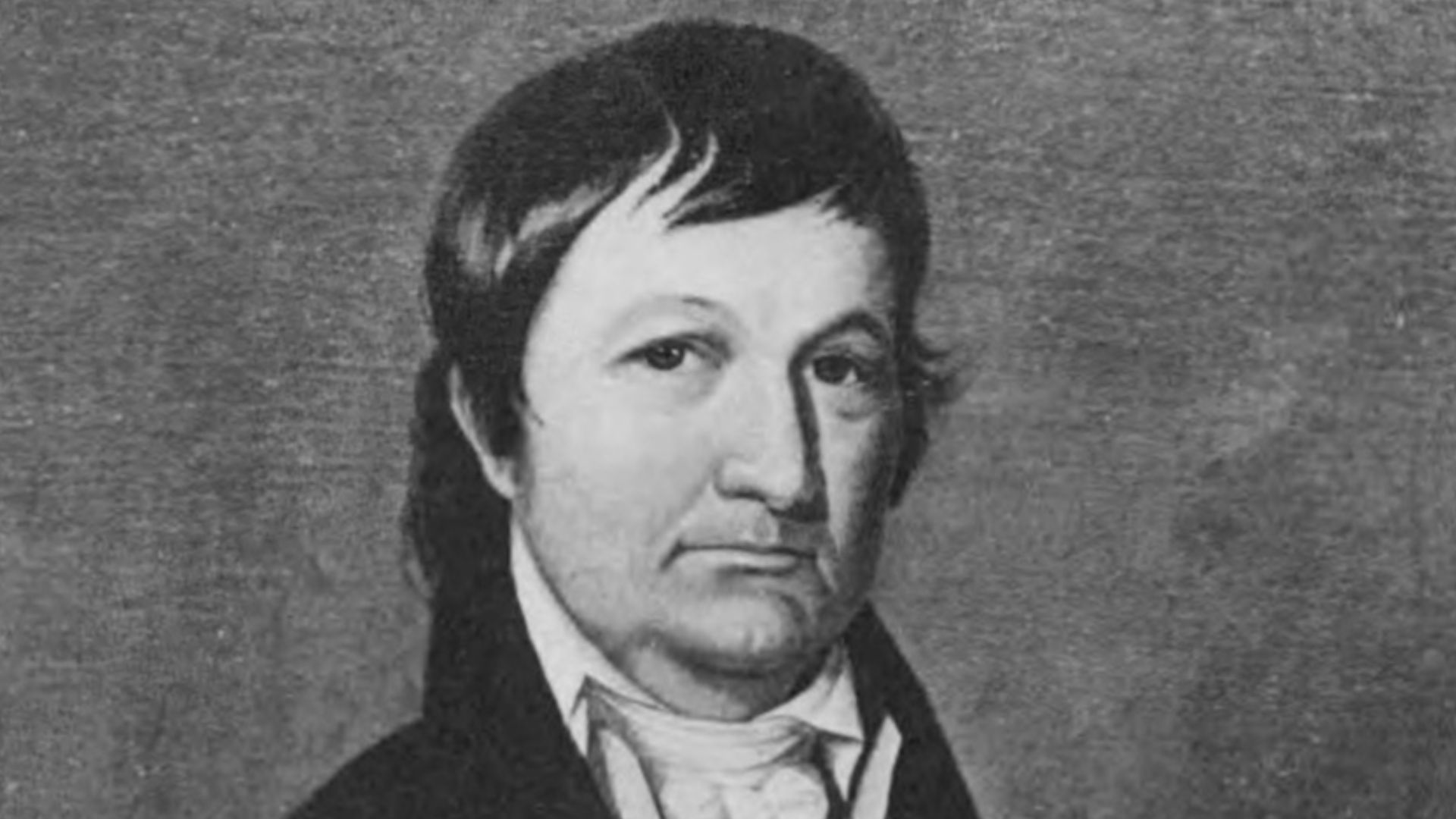
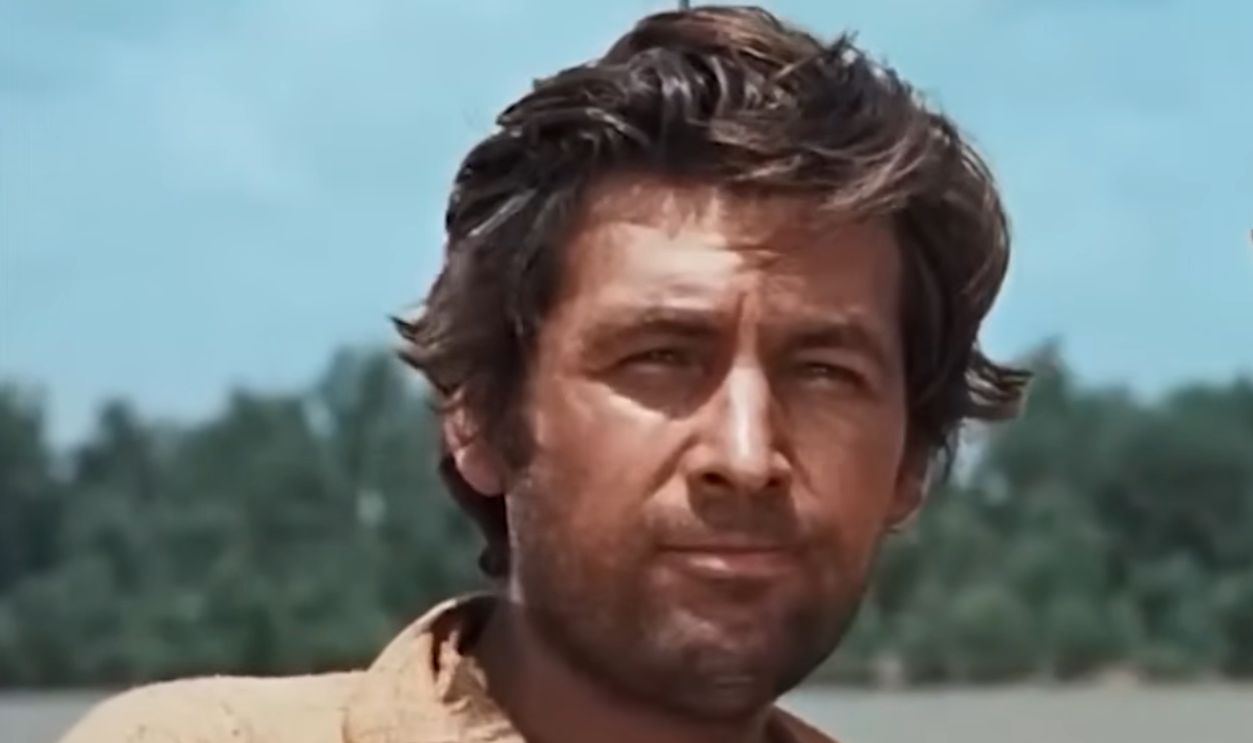
On November 3, 1813, Crockett took part in the storming of Tallussahatchee—and the memory sickened him. “We now shot them like dogs,” he later wrote, “and then set the house on fire, and burned it up with the forty-six warriors in it”. More than 200 Creek men, women, and children perished. The conduct of his fellow militiamen turned his stomach.
He would only take aim at something else after that.
 Screenshot from Davy Crockett and the River Pirates, Walt Disney Productions (1956)
14. He Preferred Hunting To Heroism
After the butchery at Tallussahatchee, Crockett realized he was better suited to tracking game for his fellow servicemen than to fight alongside them. He served until Christmas Eve in 1813, leaving the moment his 90-day enlistment expired. By walking away when he did, he missed Andrew Jackson’s decisive victory at Horseshoe Bend the following March.
But his time on the front wasn’t over yet.
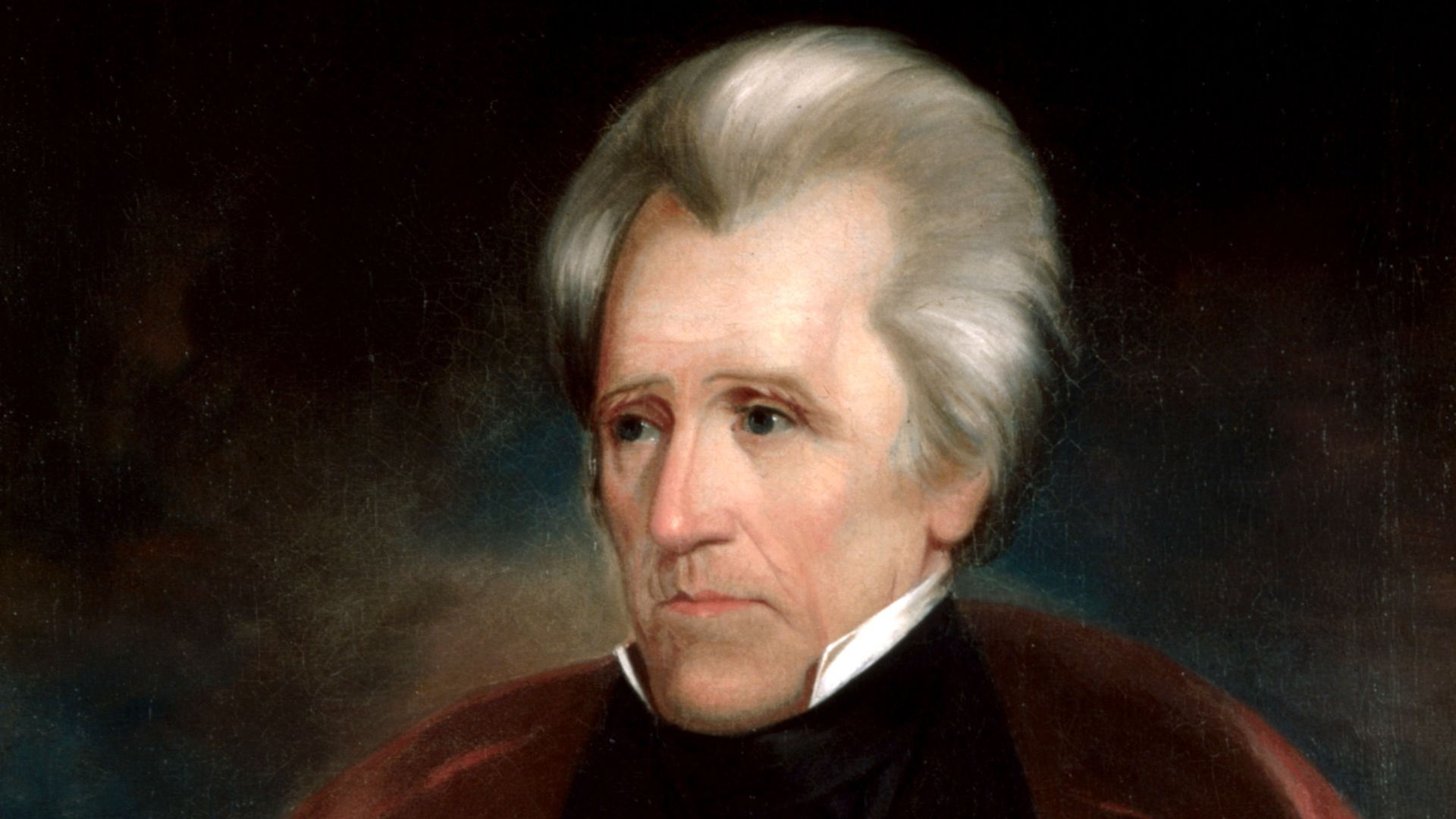 Ralph Eleaser Whiteside Earl, Wikimedia Commons
15. He Paid Someone Else To Serve
Crockett re-enlisted on September 28, 1814, signing on as third sergeant with the Tennessee Mounted Gunmen under Captain John Cowan. His unit scouted through the West Florida swamps but saw little action as they were days behind the frontlines. But Crockett wanted real adventure. So, in December he headed back home and hired a young man to finish out his service for him.
He was needed at home anyway.
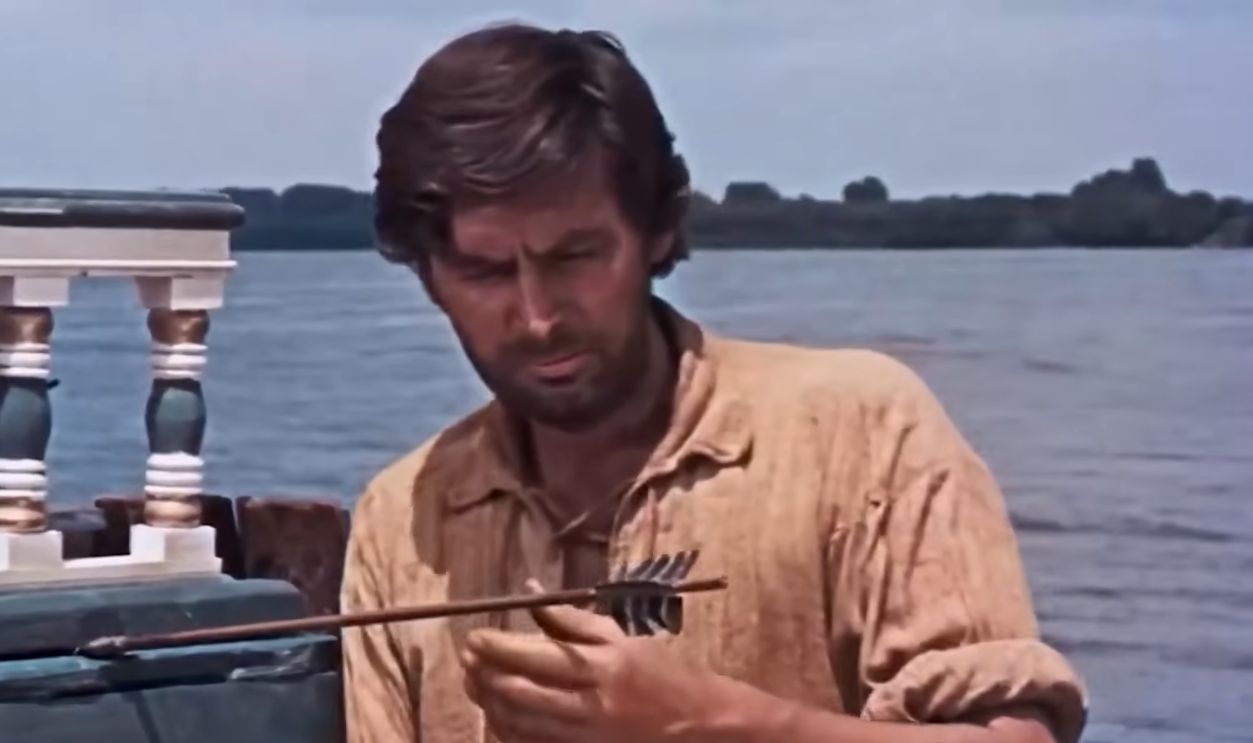 Screenshot from Davy Crockett and the River Pirates, Walt Disney Productions (1956)
History's most fascinating stories and darkest secrets, delivered to your inbox daily.
16. He Lost The Love Of His Life
Crockett came home to joy and sorrow in equal measure. Polly had given birth to their third child, Margaret. But shortly after, she fell suddenly ill and passed on in 1815—an event Crockett called “the hardest trial which ever falls to the lot of man”. Left alone with three young children, he asked his brother John and sister-in-law to move in.
He was already devising a plan to solve his predicament.
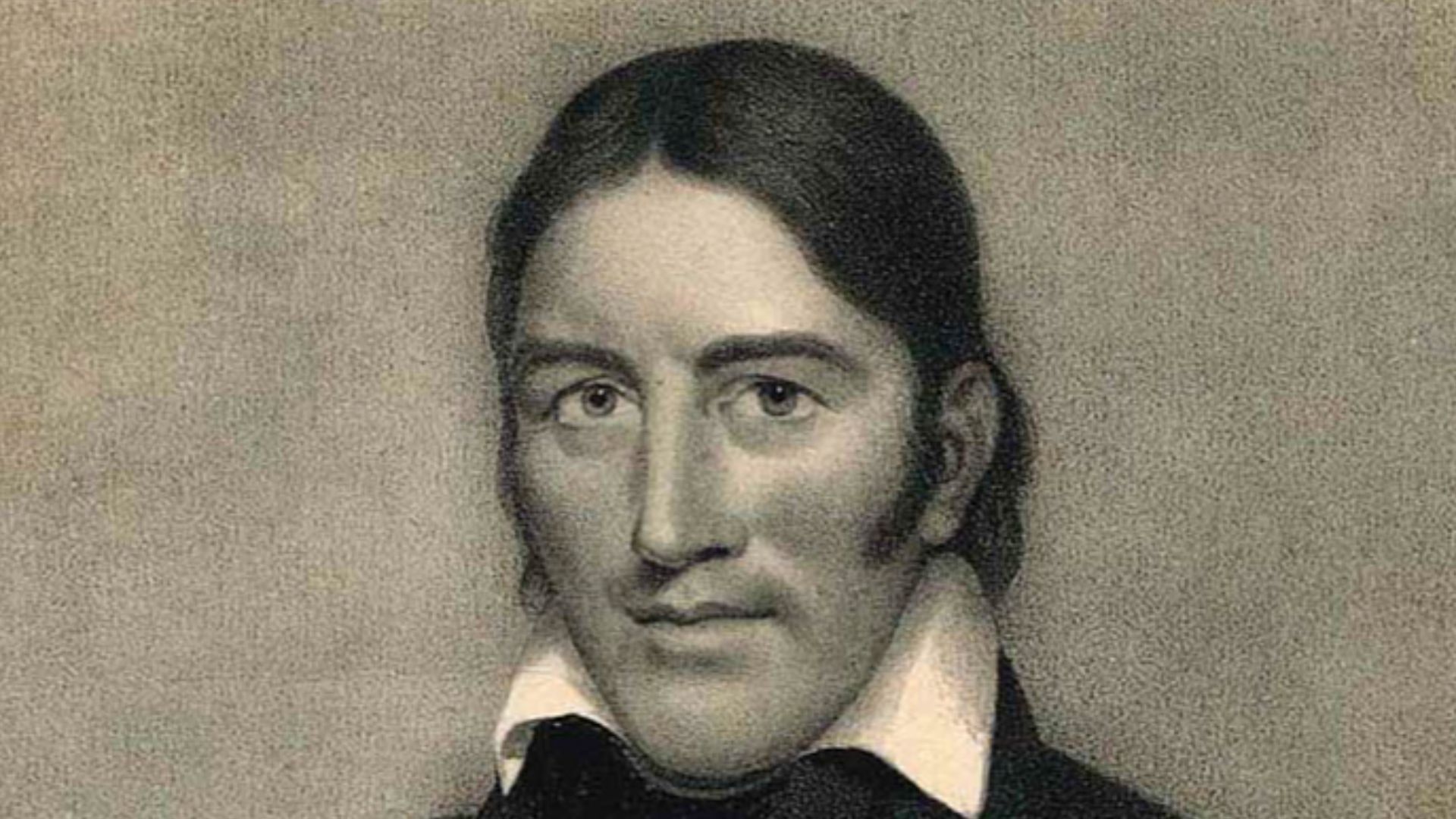
17. He Was Like A Fox In A Hen House
As a recent widower, Crockett turned his attention to Elizabeth Patton. Patton was, herself, a widow whose husband had fallen in the Indian conflicts. But it wasn’t that he loved her. Crockett admitted he had his eye on her "snug little farm,” and, as he put it, “began to pay my respects to her in real good earnest; but I was as sly about it as a fox when he is going to rob a hen-roost”.
Regardless of the motives, Crockett and Patton got married in 1816 and had three more children of their own.
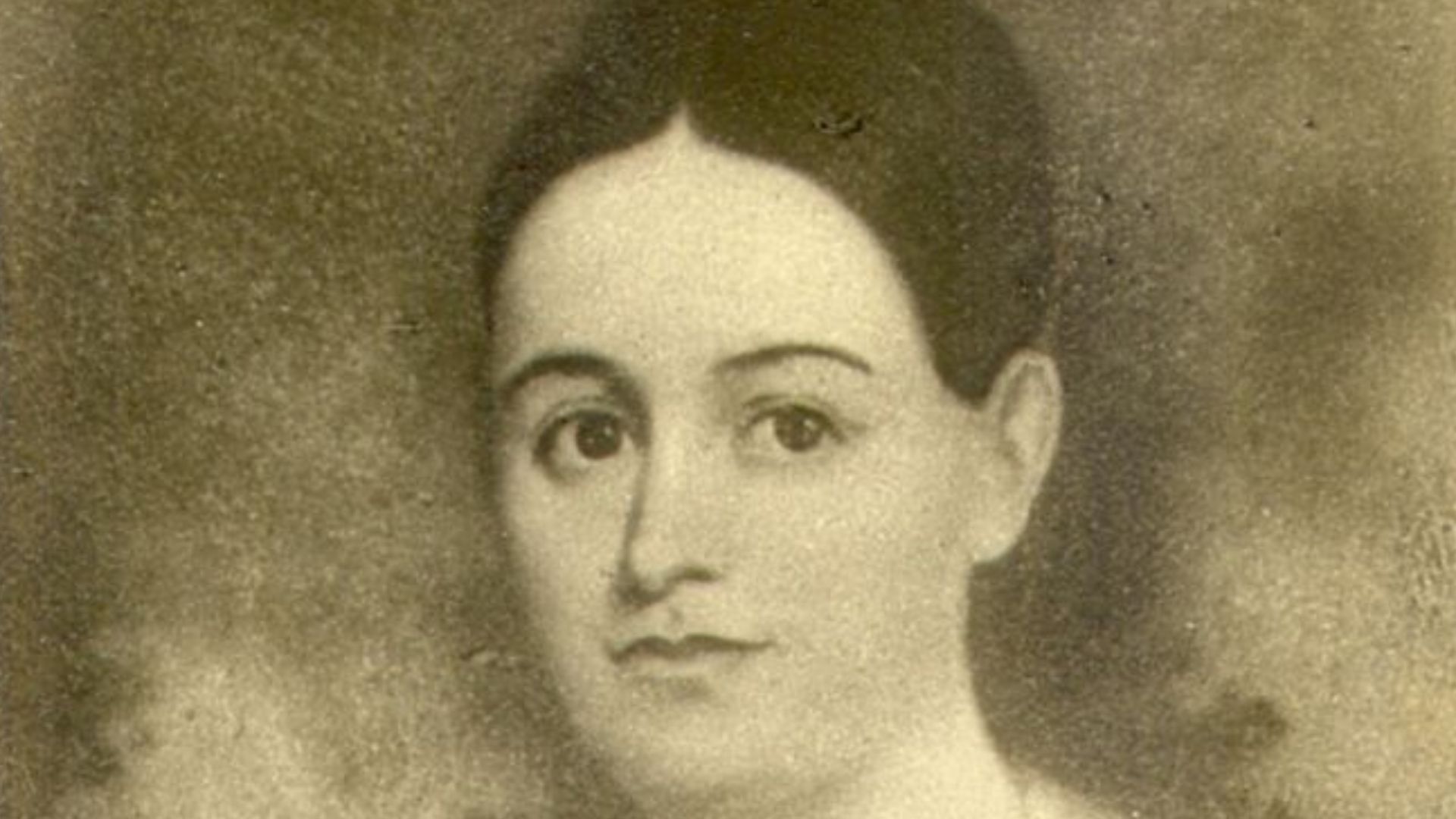 Unknown authorUnknown author, Wikimedia Commons
18. He Climbed The Ranks Fast
With his new, larger family, Crockett relocated to Shoal Creek in Lawrence County, Tennessee, and Crockett’s public career took off like a bushfire. He served as magistrate, justice of the peace, and town commissioner in quick succession. Then, on March 27, 1818, he topped it all by winning election as lieutenant colonel of the Fifty-seventh Regiment of Tennessee Militia.
Politics was supposed to be his way out of poverty.
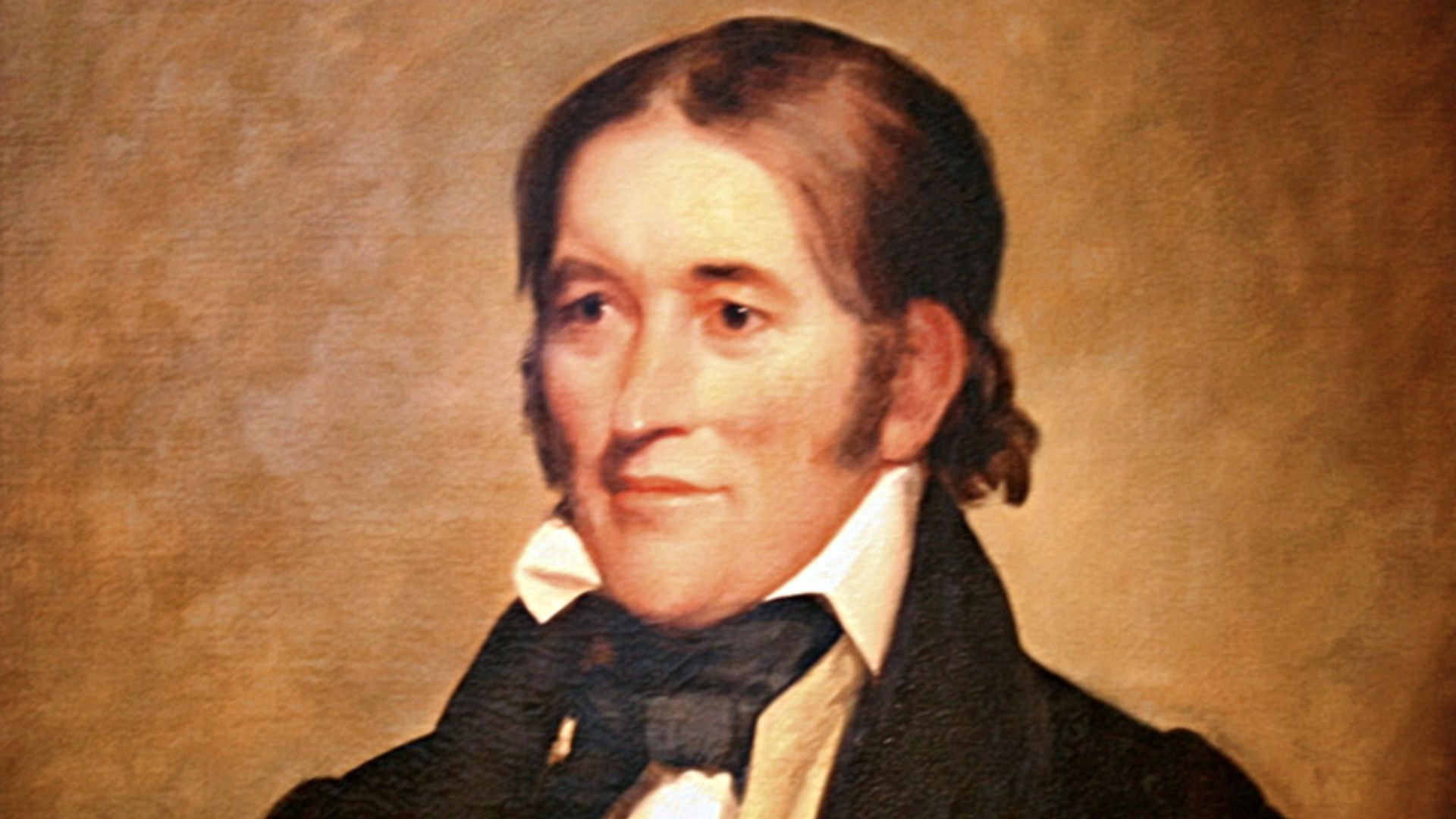
![Portrait of David Crockett, by John Gadsby Chapman, oil on canvas [n. d.].](https://www.factinate.com/storage/app/media/factinate/2026/8/10/1786350207278809e238c33d97b75afb7f2585d1b109d178fe.jpg) John Gadsby Chapman, Wikimedia Commons
John Gadsby Chapman, Wikimedia Commons
19. His Timing Was Spectacularly Bad
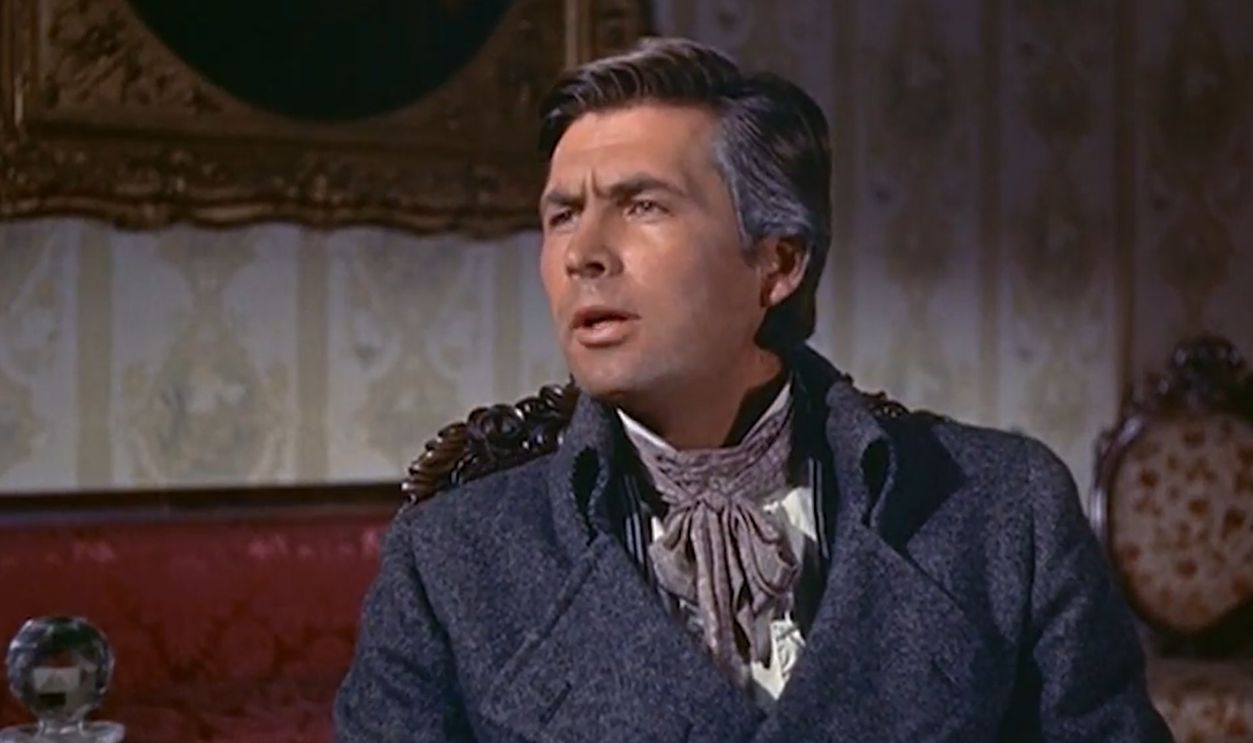
In 1821, Crockett won a seat in the Tennessee General Assembly, rousing voters with his newfound gift for storytelling. Less than two weeks after sweeping into power, however, a flood of the Tennessee River swept away his businesses. His father-in-law had to give him 800 acres to start over, but Crockett had to sell most of it just to cover his debts.
Ruin seemed to follow him like a shadow.
 Screenshot from Davy Crockett: King of the Wild Frontier, Walt Disney Productions (1955)
20. He Fought For The Little Guy
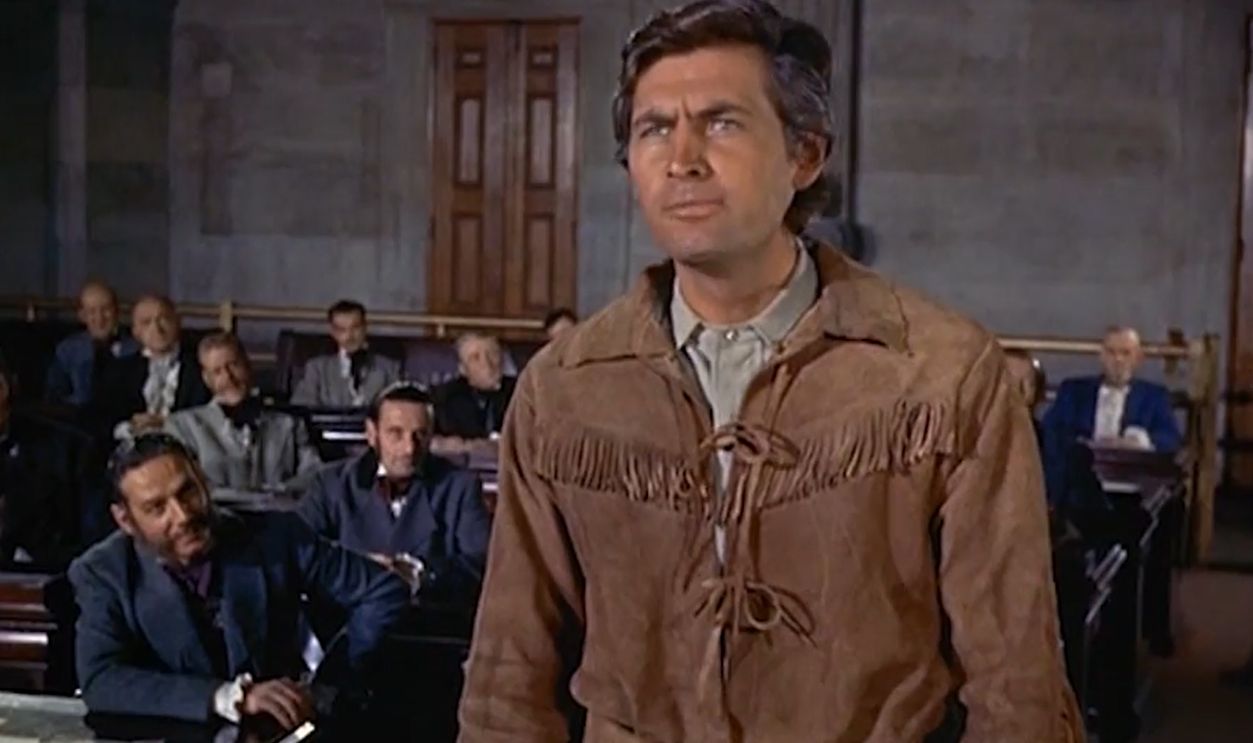
Despite—or because of—his own troubles, Crockett approached politics differently. Throughout his time in the legislature, he championed land reform and the rights of poor settlers who risked losing their property under Tennessee’s tangled grant system. As Crockett himself explained, the government should “at least occasionally, legislate for the poor”.
That principle would eventually cost him dearly.
 Screenshot from Davy Crockett: King of the Wild Frontier, Walt Disney Productions (1955)
21. He Lost Before He Won
Crockett’s first run for a US House seat in 1825 ended in disaster and defeat at the hands of incumbent Adam Rankin Alexander. Crockett might have given up on politics altogether had it not been for a chance encounter with the Memphis mayor Marcus Brutus Winchester, who convinced him to try again. The backwoodsman was headed for the capital—in style.
 Screenshot from Davy Crockett: King of the Wild Frontier, Walt Disney Productions (1955)
History's most fascinating stories and darkest secrets, delivered to your inbox daily.
22. He Took His Opponent’s Speech
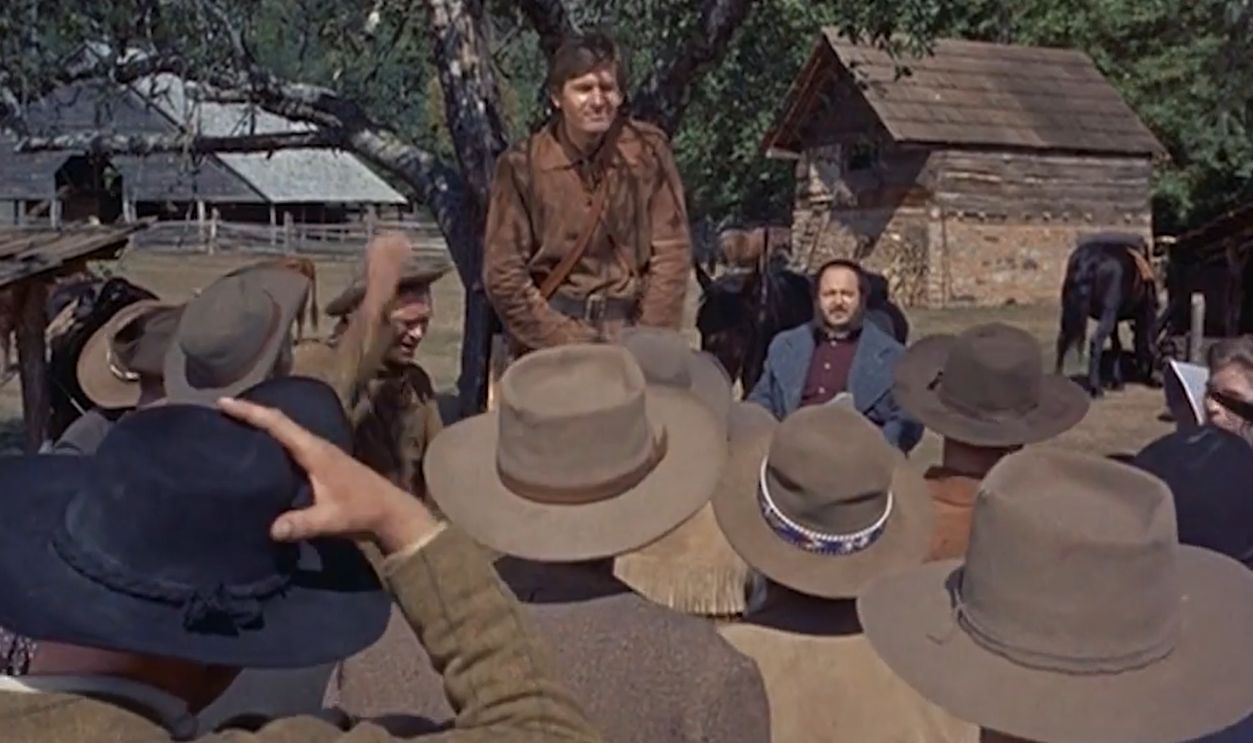
Crockett’s second campaign became a turning point in American political history. Perpetually short on cash, he had to rely on his storytelling ability to make up the difference. On one particularly notable occasion, Crockett memorized his rival’s entire stump speech and delivered it, mockingly, word-for-word. The crowd, predictably, responded with uproarious laughter.
 Screenshot from Davy Crockett: King of the Wild Frontier, Walt Disney Productions (1955)
23. He Didn’t Impress Everyone
Fame came fast once Crockett reached Washington. The American people lumped him in with Andrew Jackson’s “age of the common man”—though, not everyone found that flattering. French observer Alexis de Tocqueville met Crockett in 1831 and sniffed that the congressman “has no education, can read with difficulty, has no property, no fixed residence, but passes his life hunting, selling his game to live, and dwelling continuously in the woods”.
In other words, you can take the man out of frontier, but you can’t take the frontier out of the man.
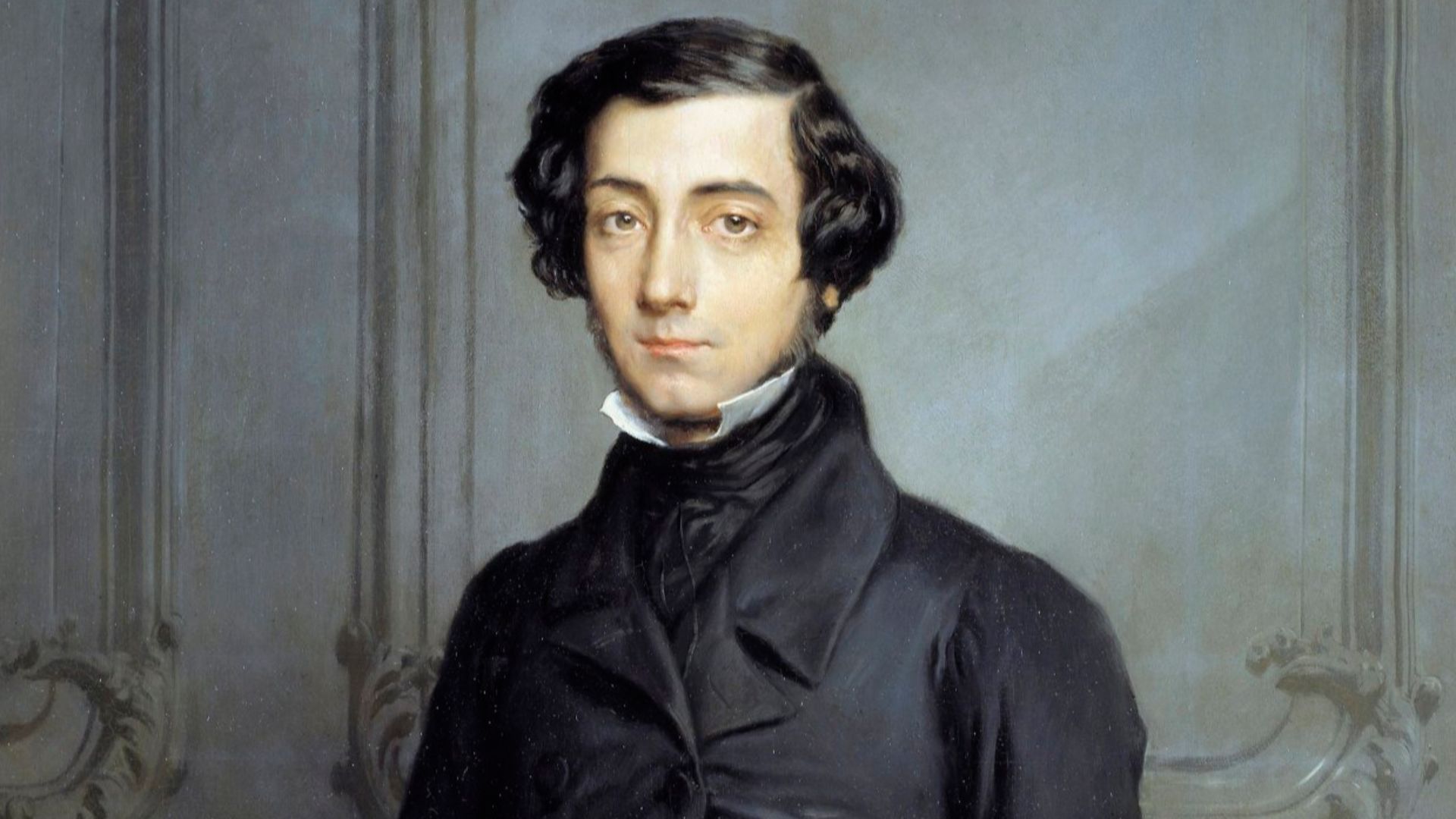 Theodore Chasseriau, Wikimedia Commons
24. He Tried To Shut Down West Point
Crockett won re-election in 1829 and promptly picked fights with the establishment. On February 25, 1830, he introduced a resolution to abolish the United States Academy at West Point, arguing it funneled public money to men born into rich families. He also spoke out against granting $100,000 to the widow of naval hero Stephen Decatur.
He made enemies as easily as friends.
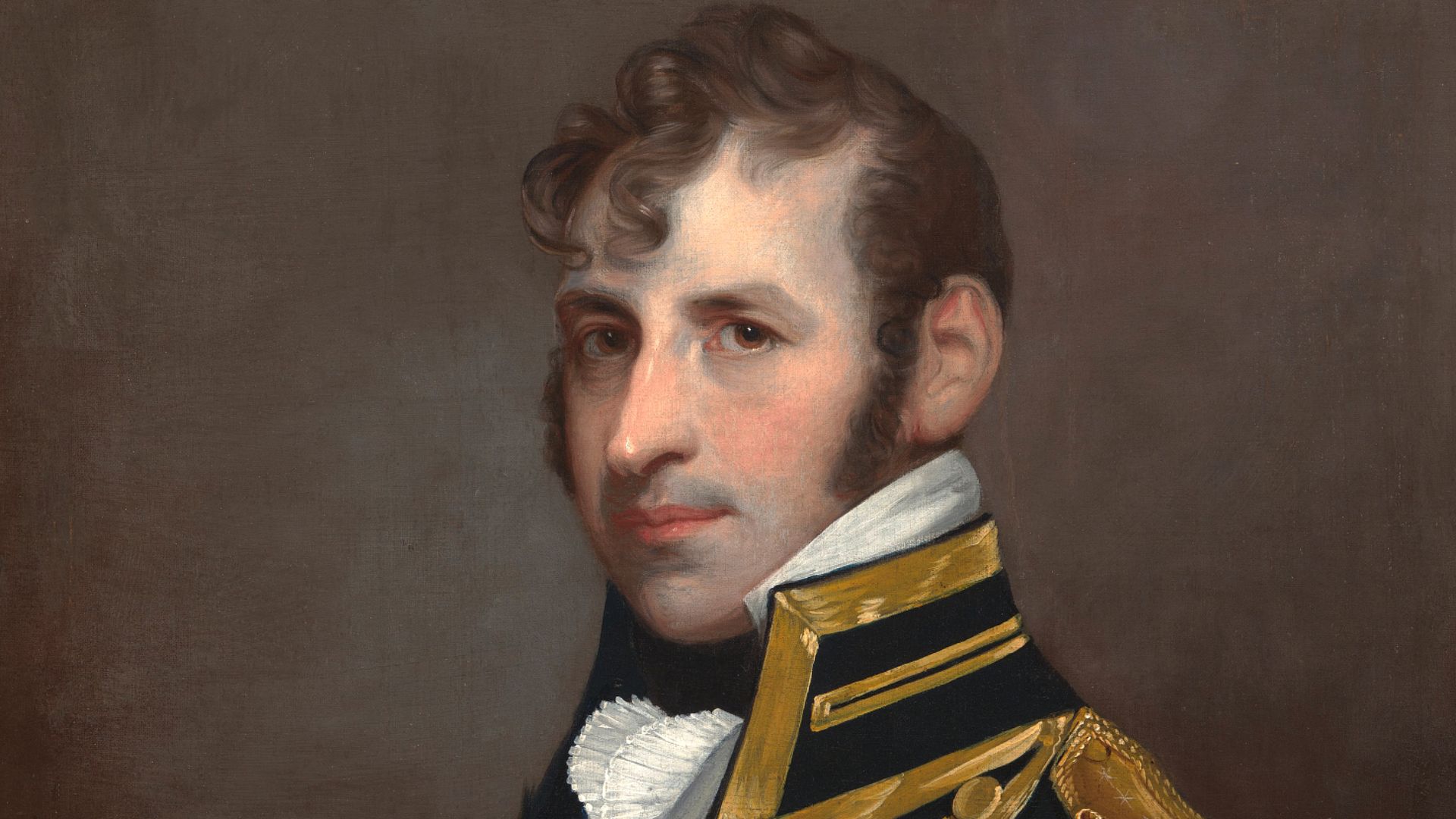 Charles Bird King, Wikimedia Commons
25. He Made A Presidential Enemy
When President Jackson pushed through the Indian Removal Act of 1830, Crockett was the only member of the Tennessee delegation to vote against it—and make an enemy out of the president. “I believed it was a wicked, unjust measure,” he wrote. “I voted against this Indian bill, and my conscience yet tells me that I gave a good honest vote, and one that I believe will not make me ashamed in the day of judgement".
While Cherokee leaders thanked Crockett for his support, others condemned him.
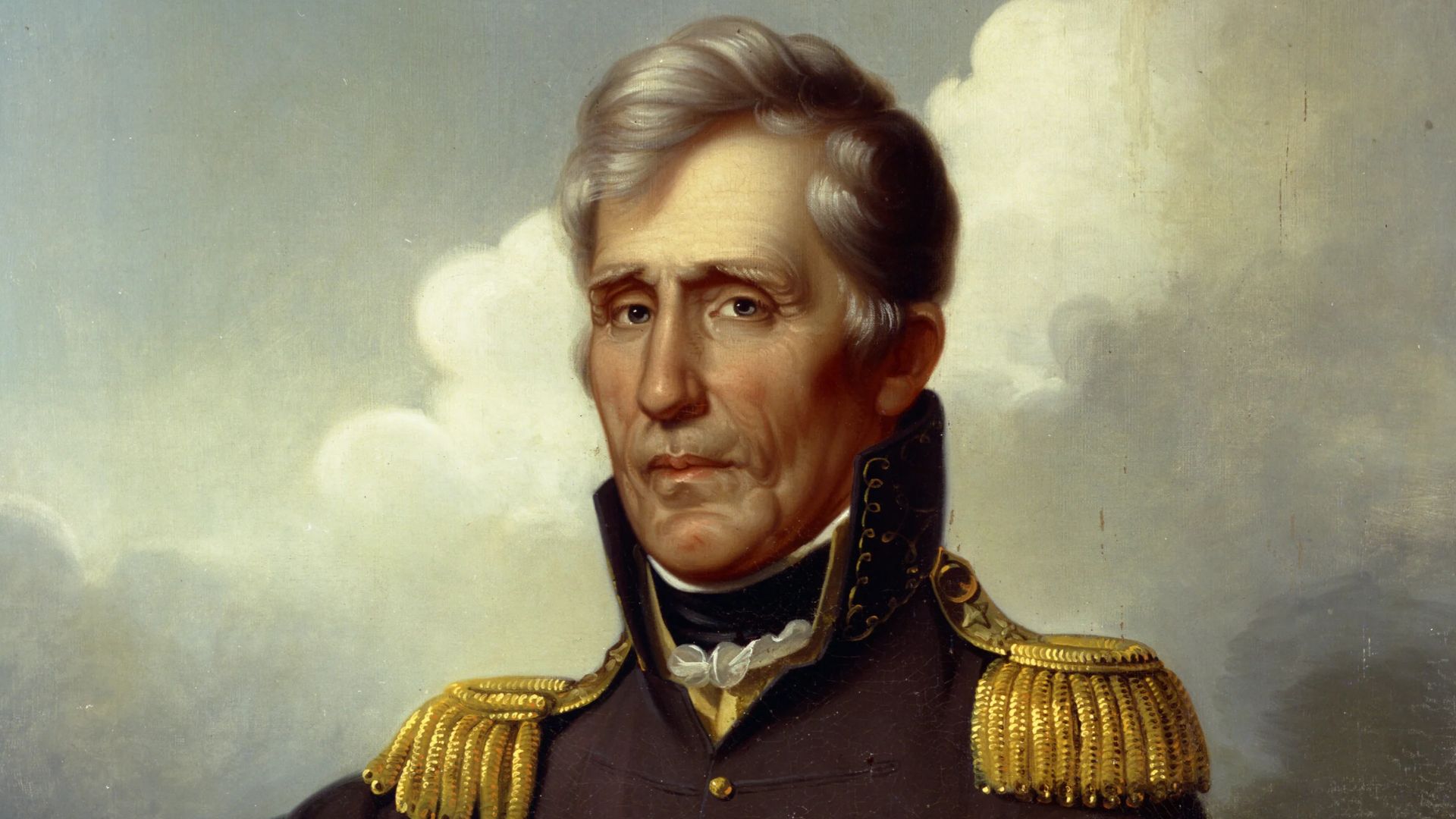 Rembrandt Peale, Wikimedia Commons
26. His Conscience Cost Him His Seat
Jackson’s political apparatus went after Crockett with everything it had. His vote against Indian removal was deeply unpopular back home, and Jackson mobilized his political machine to deliver a narrow victory for their man, William Fitzgerald, in the 1831 race. However, by that time, Crockett had a reputation to uphold.
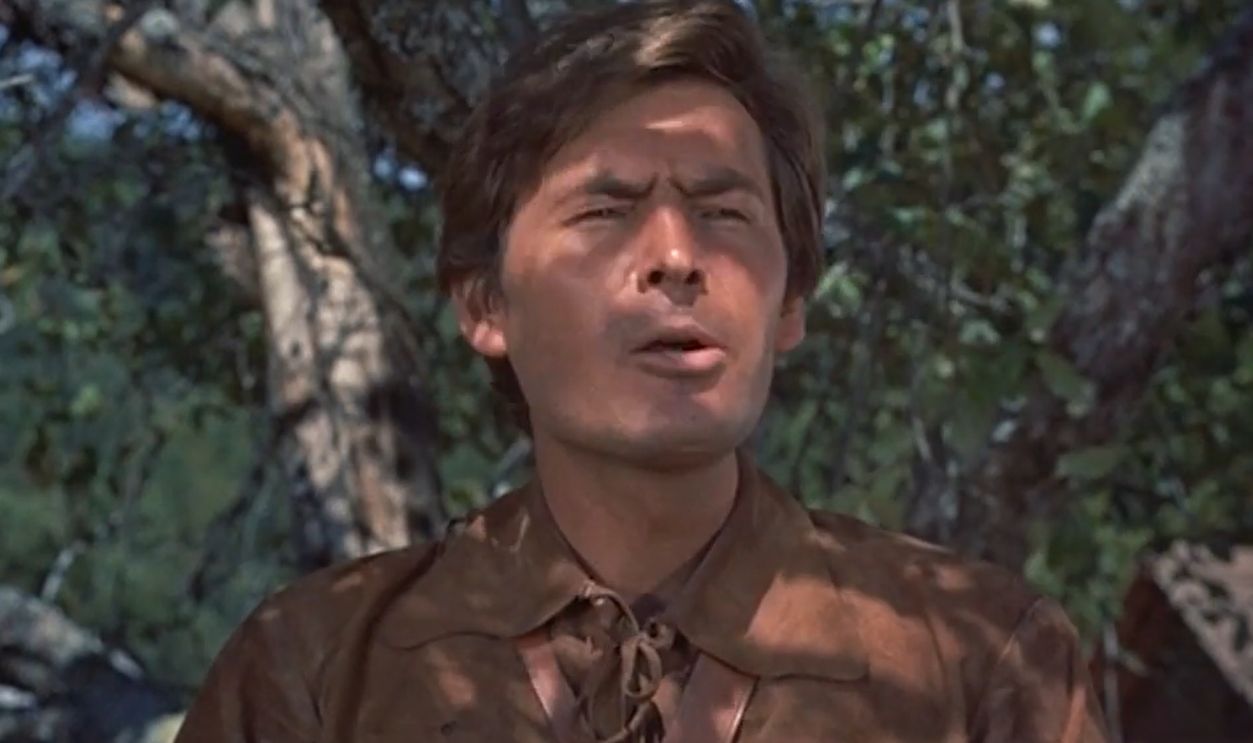 Screenshot from Davy Crockett: King of the Wild Frontier, Walt Disney Productions (1955)
27. He Became A National Sensation
By 1831, Crockett’s fame had outgrown his congressional seat anyway. One newspaper called him “an object of universal notoriety” and declared that visiting the capital without seeing him “betrayed a total destitution of curiosity”. That same year, actor James Hackett debuted as Colonel Nimrod Wildfire in the play The Lion of the West—a character everyone immediately recognized as a Crockett caricature.
Crockett was taking it all in good humor.
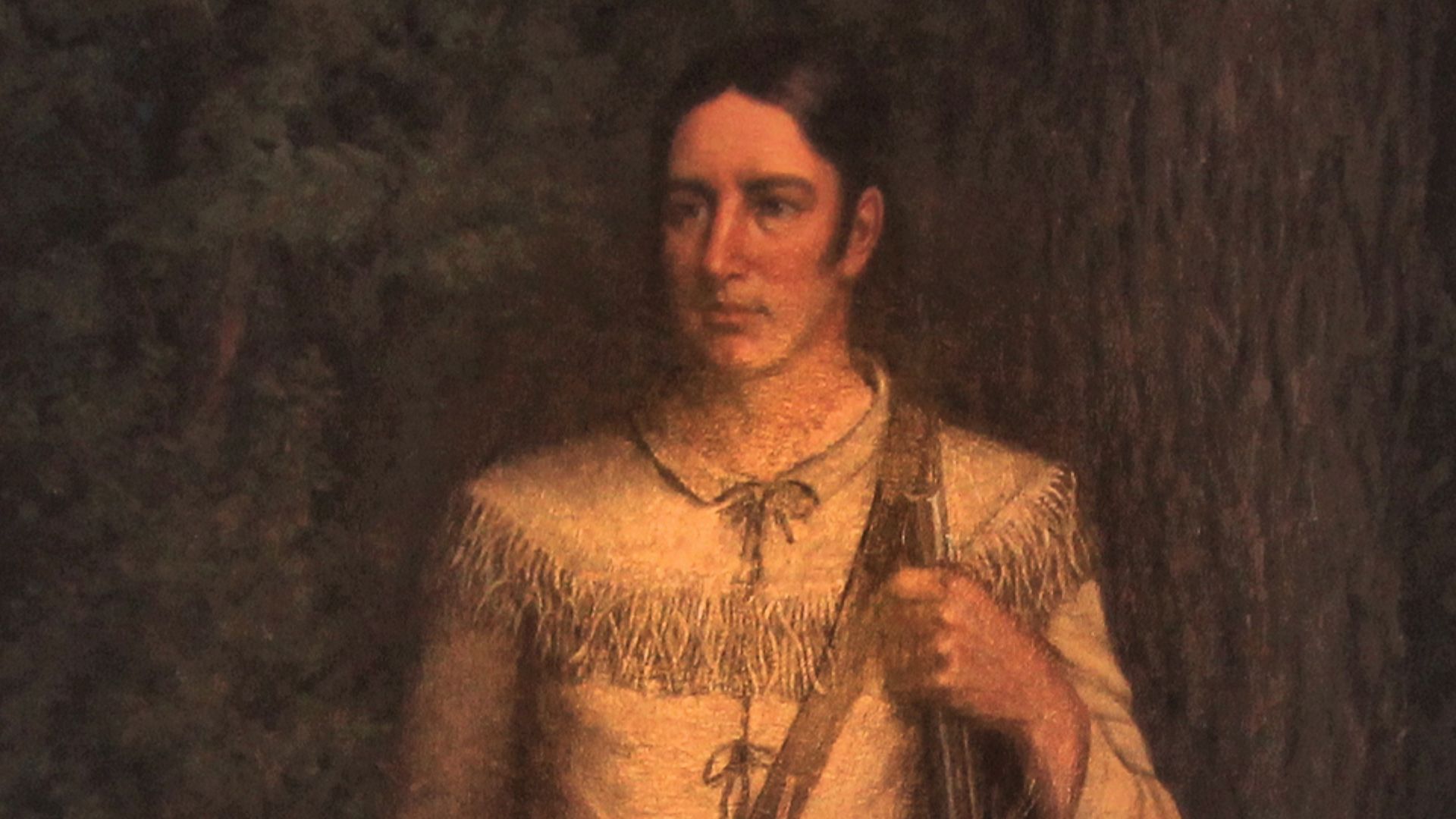 William Henry Huddle, American, 1847 - 1892, Wikimedia Commons
History's most fascinating stories and darkest secrets, delivered to your inbox daily.
28. He Bowed Back
In December 1833, Hackett brought The Lion of the West to Washington for a benefit performance. Sitting in a reserved box seat for the occasion, he demonstrated his own amusement with his national notoriety. When Hackett appeared onstage in his buckskin costume, he turned and made a deliberate bow toward Crockett. Crockett courteously rose and bowed right back.
The whole audience went wild.
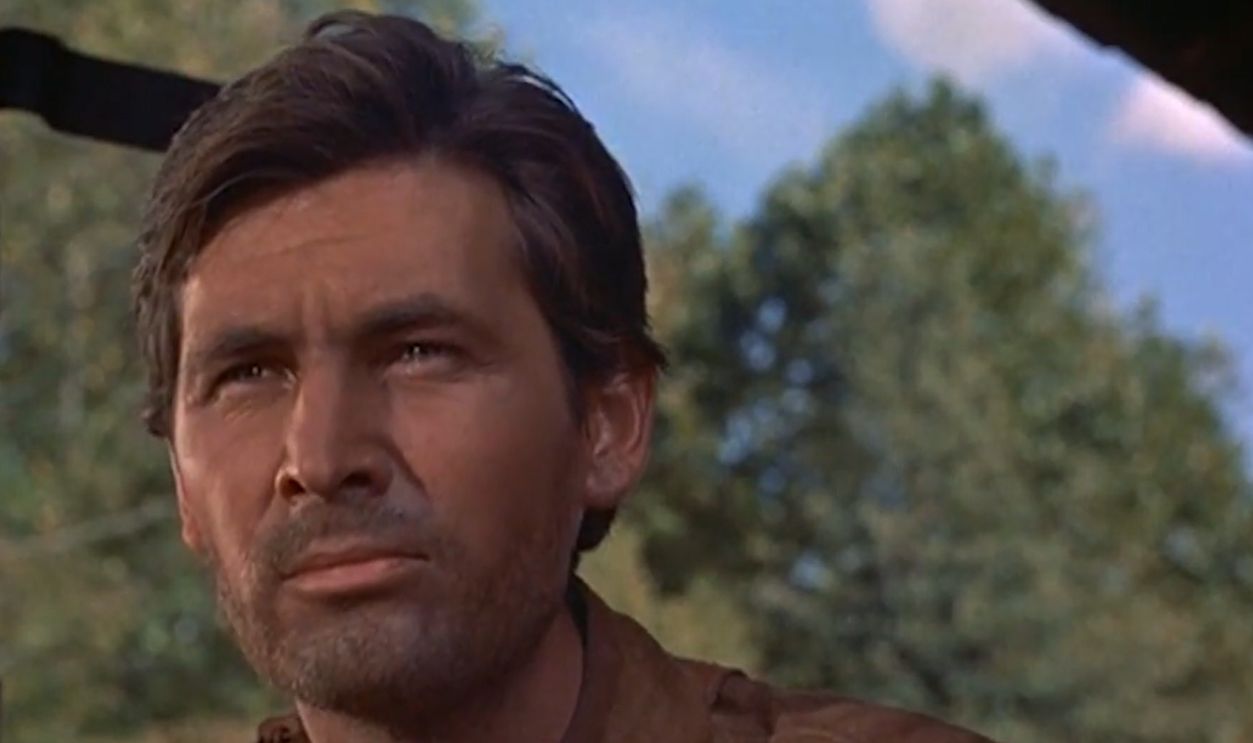 Screenshot from Davy Crockett: King of the Wild Frontier, Walt Disney Productions (1955)
29. His Iconic Cap Was Borrowed
The image of Davy Crockett in his coonskin cap has become synonymous with the American frontier. But here’s the catch: the cap wasn’t Crockett’s. It was Hackett’s. Before 1835, no contemporary portrait or written account placed a coonskin cap on Crockett’s head. Sources say that the first drawing of Crockett wearing a fur cap—actually a wildcat skin—appeared on the cover of Davy Crockett’s Almanack in 1837, and it was based on a sketch of Hackett in character.
The King of the Wild Frontier wore a borrowed crown.
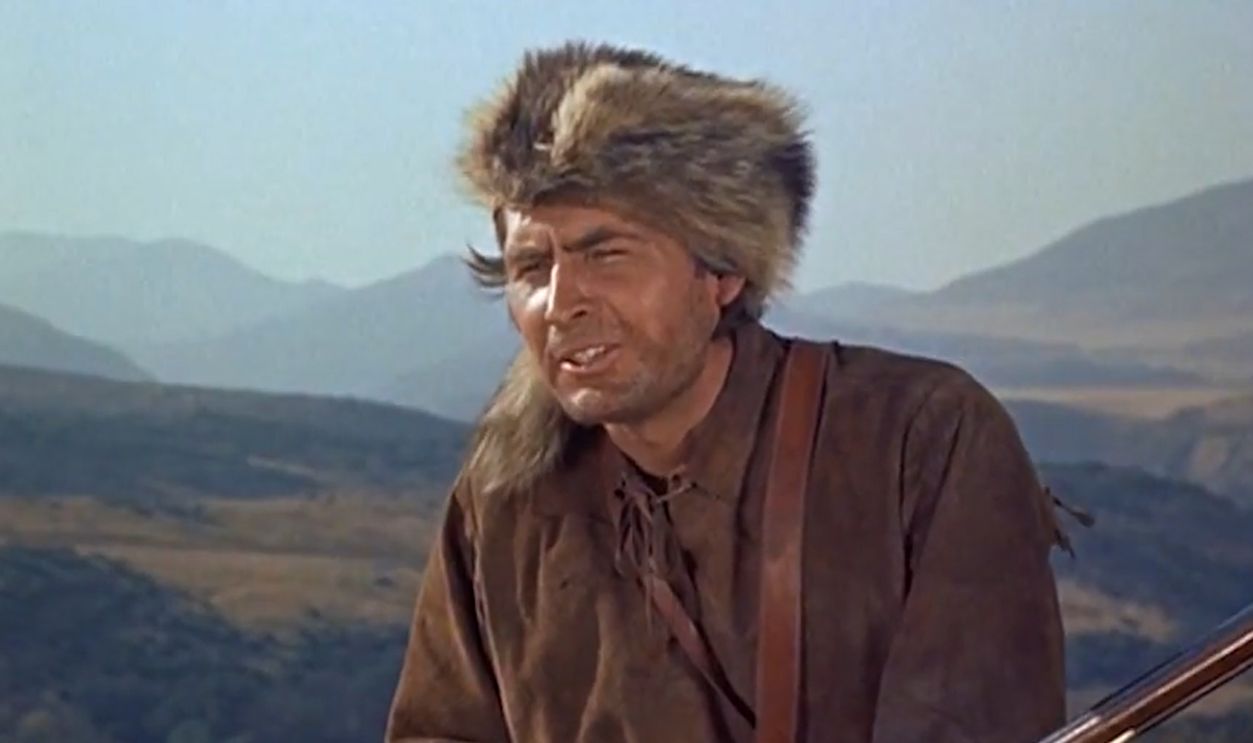 Screenshot from Davy Crockett: King of the Wild Frontier, Walt Disney Productions (1955)
30. He Came Back Swinging
After two years out of office—spent, naturally, hunting bears in the frontier—Crockett stormed back into politics and defeated Fitzgerald in the 1833 election. But he was still holding a grudge. During his third term, Crockett drifted from Jackson’s orbit entirely. He joined the Whig Party and even garnered talk as a potential presidential candidate for 1836.
He just had to get his story right first.
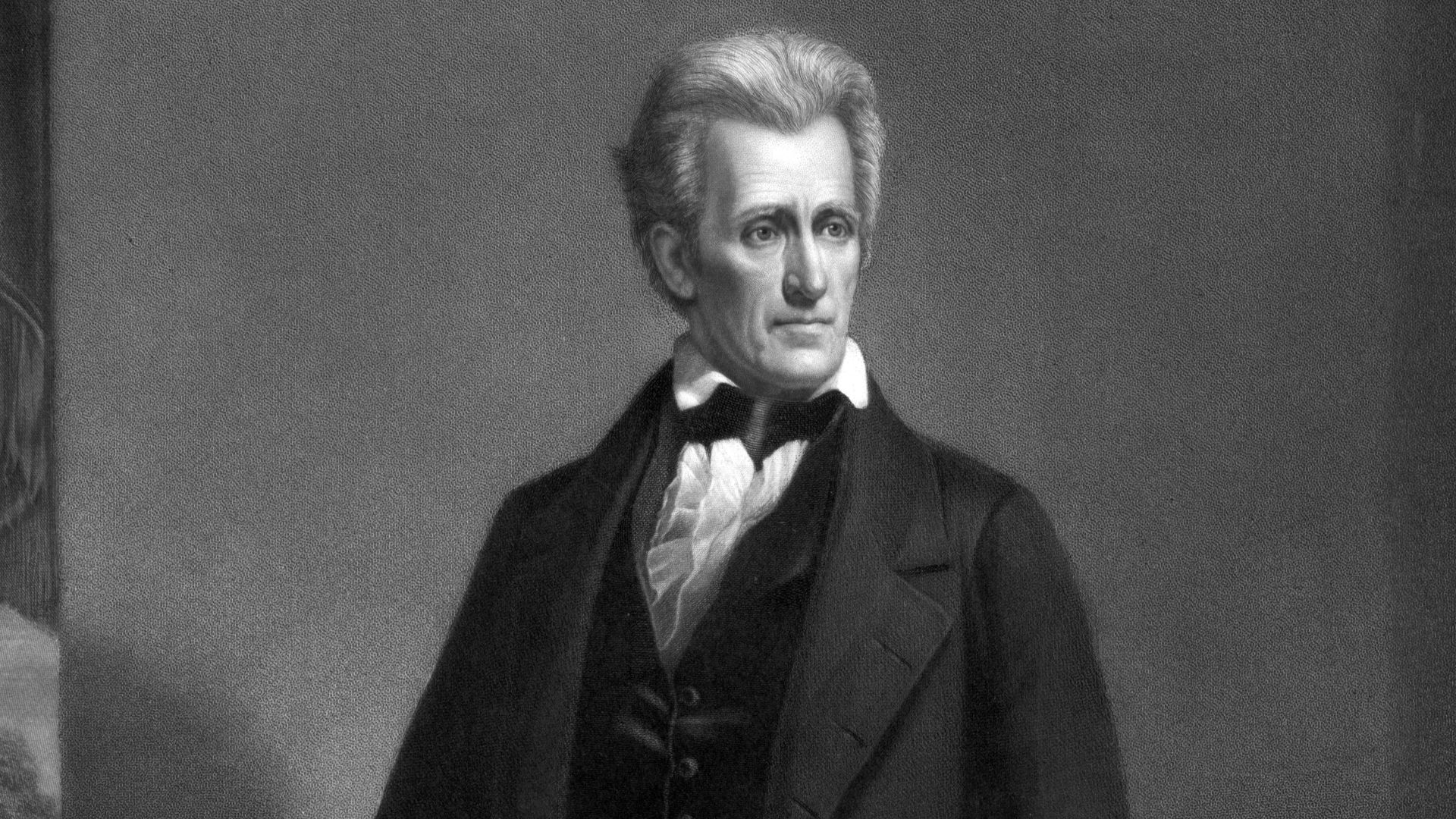 Alexander Hay Ritchie, Wikimedia Commons
31. He Wrote His Own Story
During his final congressional term, Crockett teamed up with Kentucky Congressman Thomas Chilton to pen his autobiography, A Narrative of the Life of David Crockett, Written by Himself, published in 1834. But it wasn’t a vanity project. Crockett said he’d been compelled to write the book to set the record straight against an unauthorized 1833 publication called Sketches and Eccentricities of Col Crockett.
Clearly, people preferred the myth to the man.
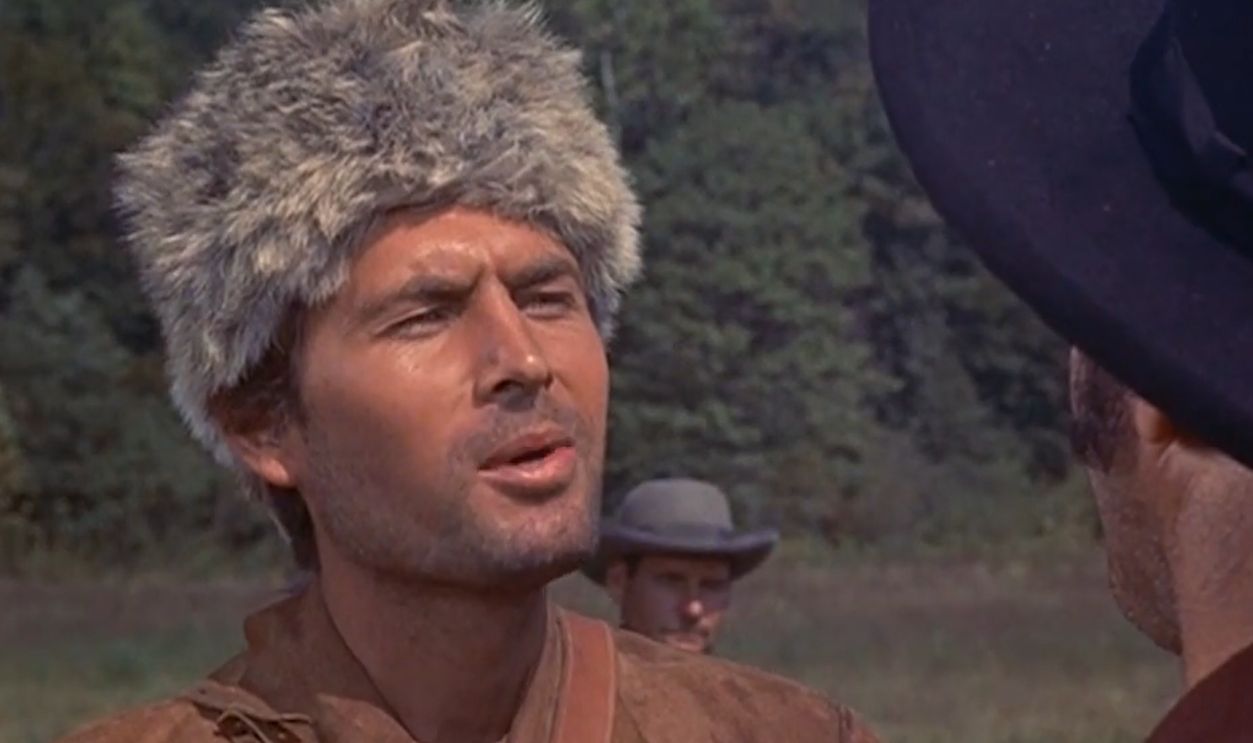 Screenshot from Davy Crockett: King of the Wild Frontier, Walt Disney Productions (1955)
32. He Lost To A Man With A Wooden Leg
Despite his autobiography, speaking tours, and two ghostwritten Whig books, Crockett couldn’t hold his congressional seat. In August 1835, he fell to Adam Huntsman—a peg-legged lawyer—in a narrow defeat. But Crockett hadn’t done himself any favors as, by that time, the Whig Party had largely turned its back on him for stubborn refusal to submit to their control.
No one could control Crockett. Not even his voters.
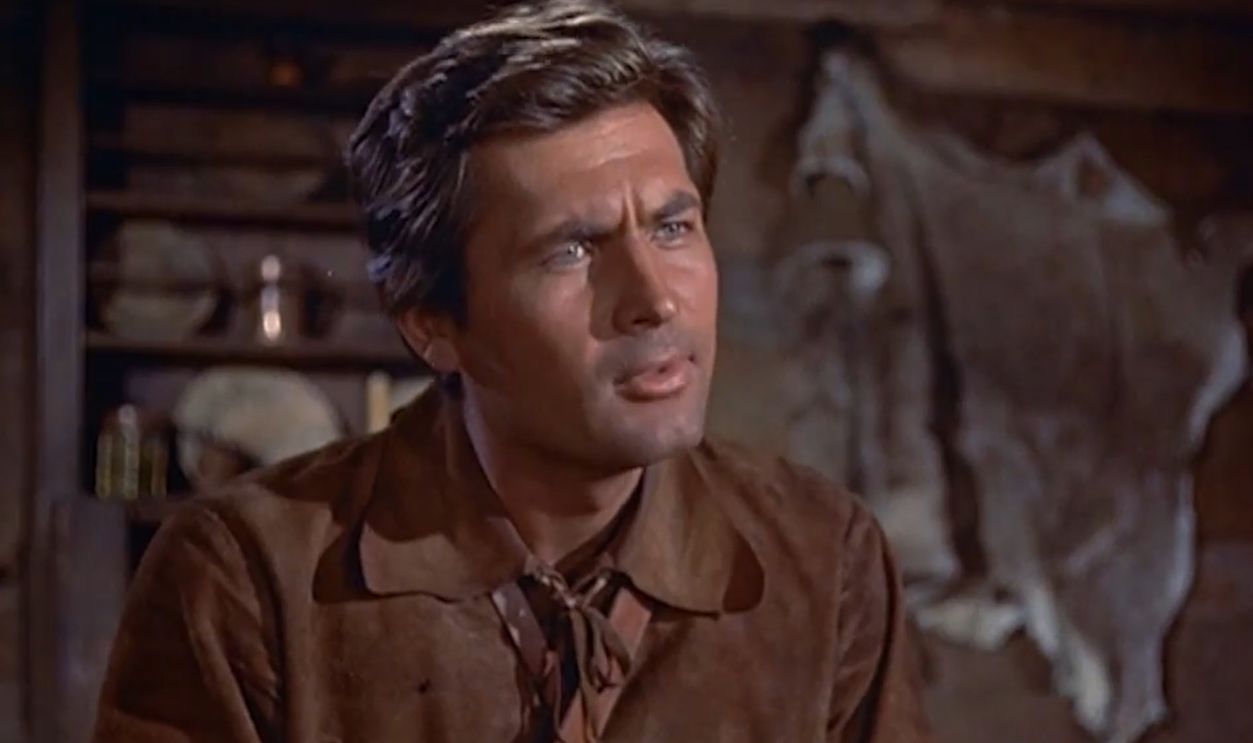 Screenshot from Davy Crockett: King of the Wild Frontier, Walt Disney Productions (1955)
33. He Told His Voters Where To Go
Crockett’s exit from politics produced one of the most quoted lines in American history. “I told the people of my district that I would serve them as faithfully as I had done,” he said after his defeat, “but if not, they might go to hell, and I would go to Texas”. Of course, Crockett had no way of knowing that he would be going to his destiny—and history.
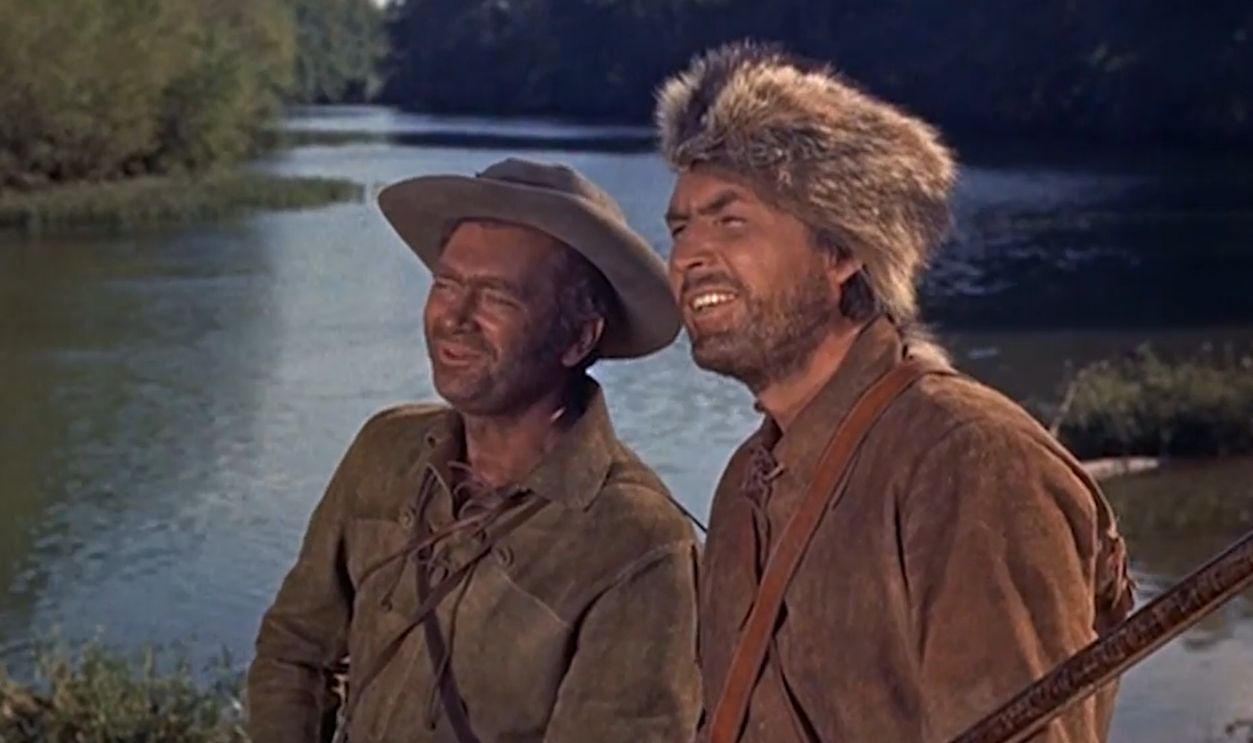 Screenshot from Davy Crockett: King of the Wild Frontier, Walt Disney Productions (1955)
History's most fascinating stories and darkest secrets, delivered to your inbox daily.
34. He’d Been Eyeing Texas For Years
Crockett’s march toward Texas wasn’t as impulsive as the legend suggests. He’d been mulling the move since at least December 1834, writing to friends about heading south if Martin Van Buren won the presidency. By October 1835, he wrote that he was “on the eve of Starting to the Texes” and planned to “explore the Texes well before I return”.
He had no way of knowing that he was about to make his last stand.
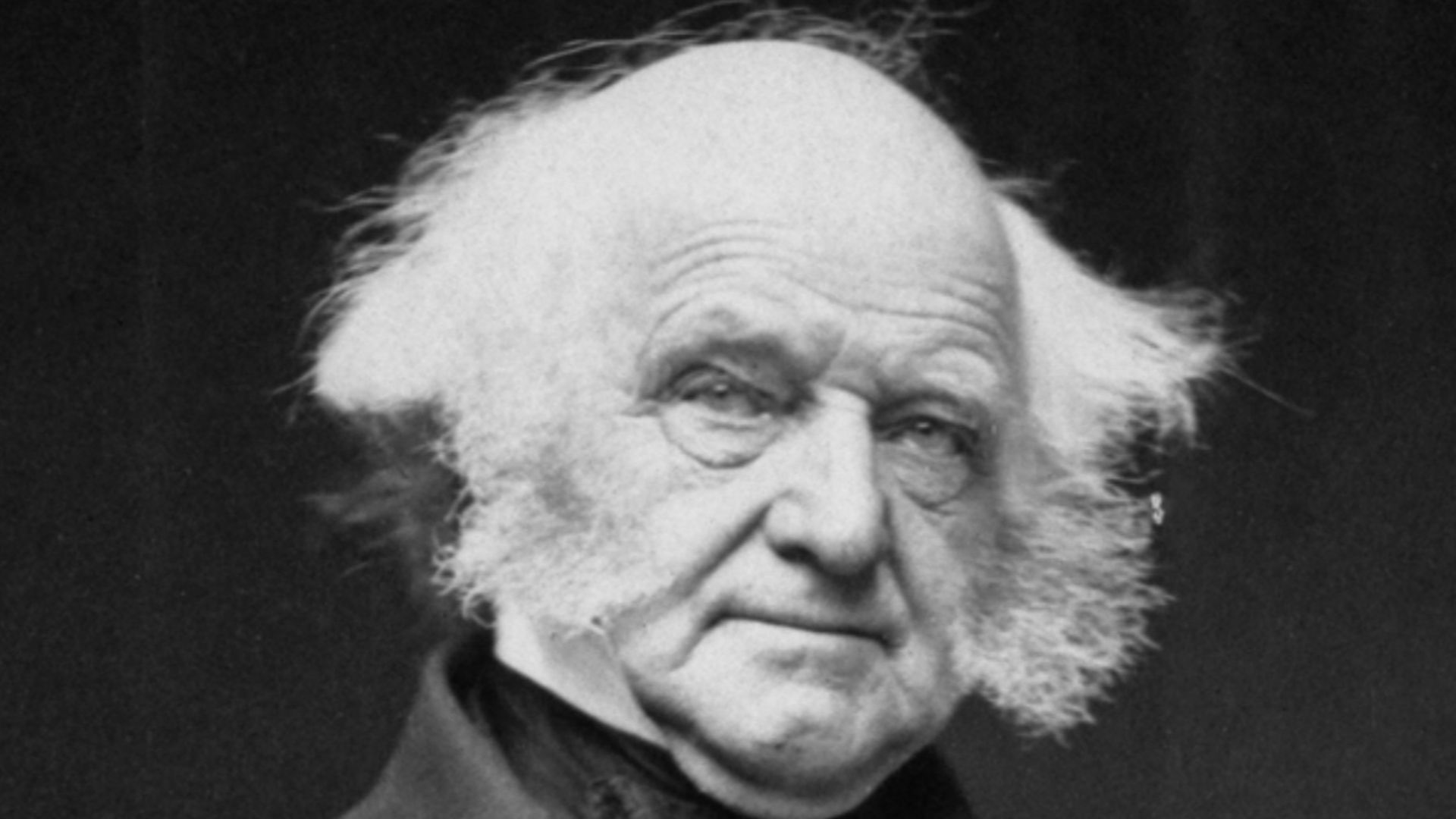 Mathew Benjamin Brady, Wikimedia Commons
35. His Daughter Watched Him Leave
Personal matters delayed Crockett’s departure, but he finally left his home near Rutherford on November 1, 1835, with three companions. His youngest daughter Matilda later recalled the moment: “He was dressed in his hunting suit, wearing a coonskin cap, and carried a fine [shooting iron]…He seemed very confident the morning he went away that he would soon have us all to join him in Texas”.
She never saw him again.
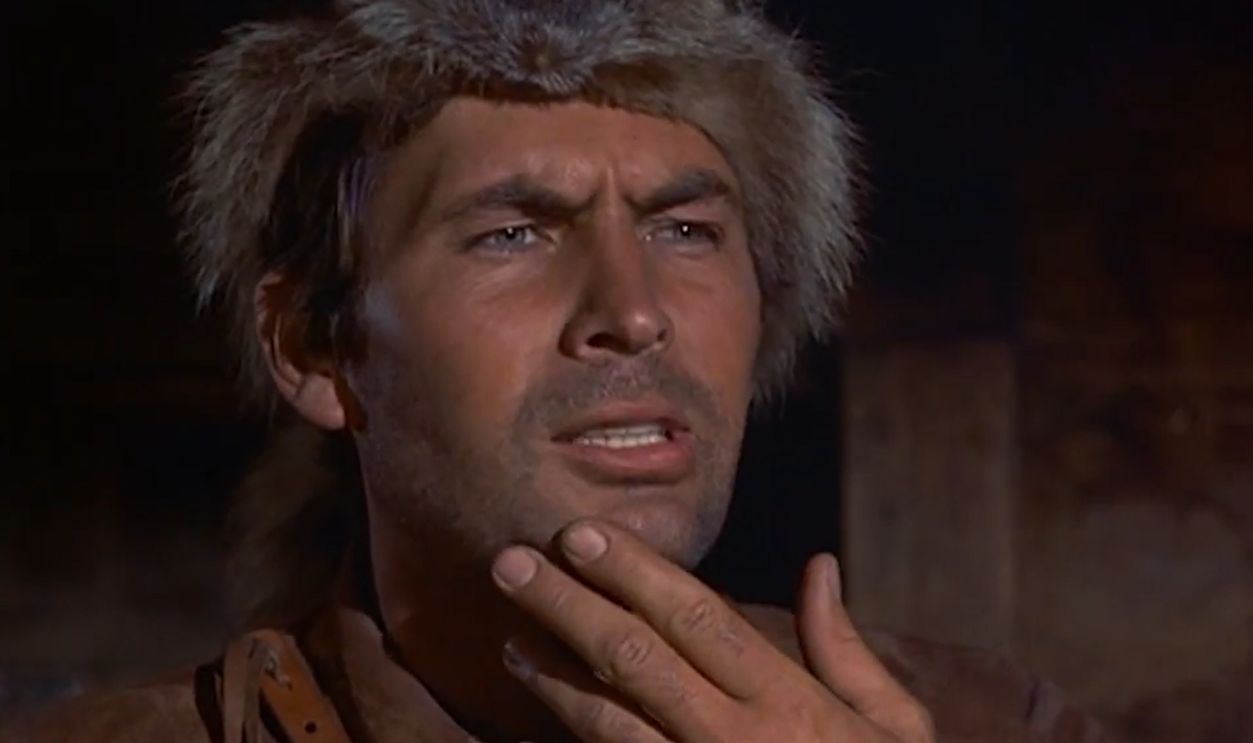 Screenshot from Davy Crockett: King of the Wild Frontier, Walt Disney Productions (1955)
36. He Drew Crowds Everywhere He Went
Crockett’s party swelled to 30 men as they traveled through Tennessee. By the time his party reached Little Rock, Arkansas in November of 1835, hundreds swarmed the town, and leading citizens threw a dinner in his honor at the Jeffries Hotel. Eyewitness accounts seem to suggest that Crockett had accepted his folk hero status at this point.
James D Davis later recalled that Crockett “wore that same veritable coon-skin cap and hunting shirt”—the first recorded sighting of the famous cap on the actual man.
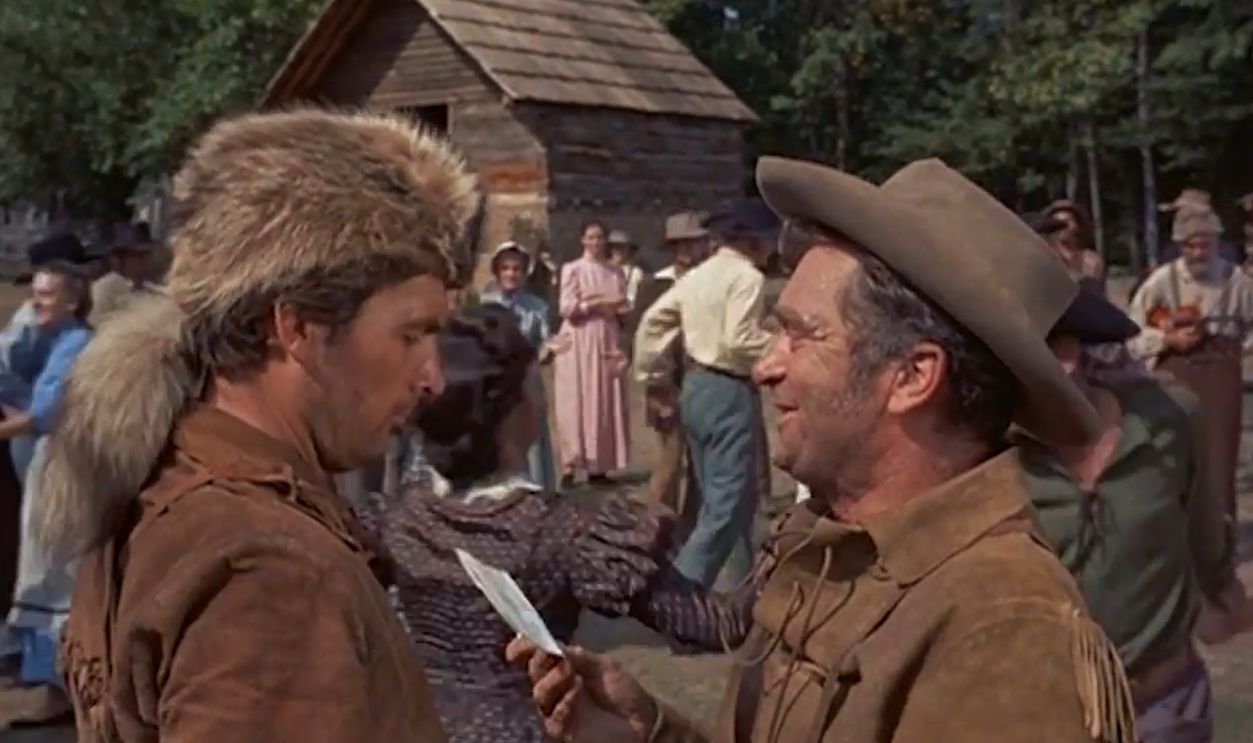 Screenshot from Davy Crockett: King of the Wild Frontier, Walt Disney Productions (1955)
37. He Insisted On His Own Terms
Crockett arrived in Nacogdoches, Texas, in early January 1836 and signed an oath to the Provisional Government of Texas, alongside 65 other men with the promise to receive roughly 4,600 acres of land—each. Crockett, as it turns out, was instrumental in shaping Texas’s identity. He refused to sign the oath until the word “republican” was added.
He believed he'd found his new home./
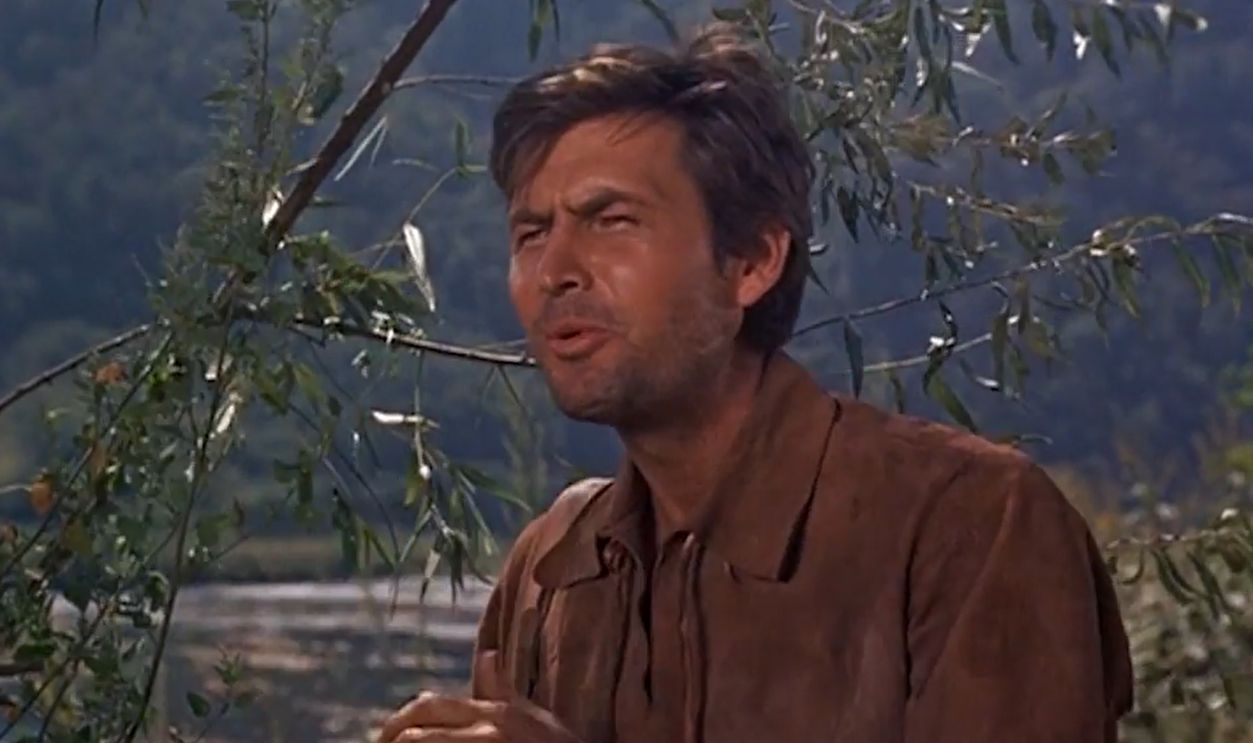 Screenshot from Davy Crockett: King of the Wild Frontier, Walt Disney Productions (1955)
38. He Was Full Of Hope
On January 9, 1836, Crockett sat down in San Augustine and wrote to his daughter Margaret. “I have but little doubt of being elected a member to form a constitution for this province,” he told her. “I am rejoiced at my fate. I had rather be in my present situation than to be elected to a seat in Congress for life”. He would get his wish.
Just not the way he imagined.
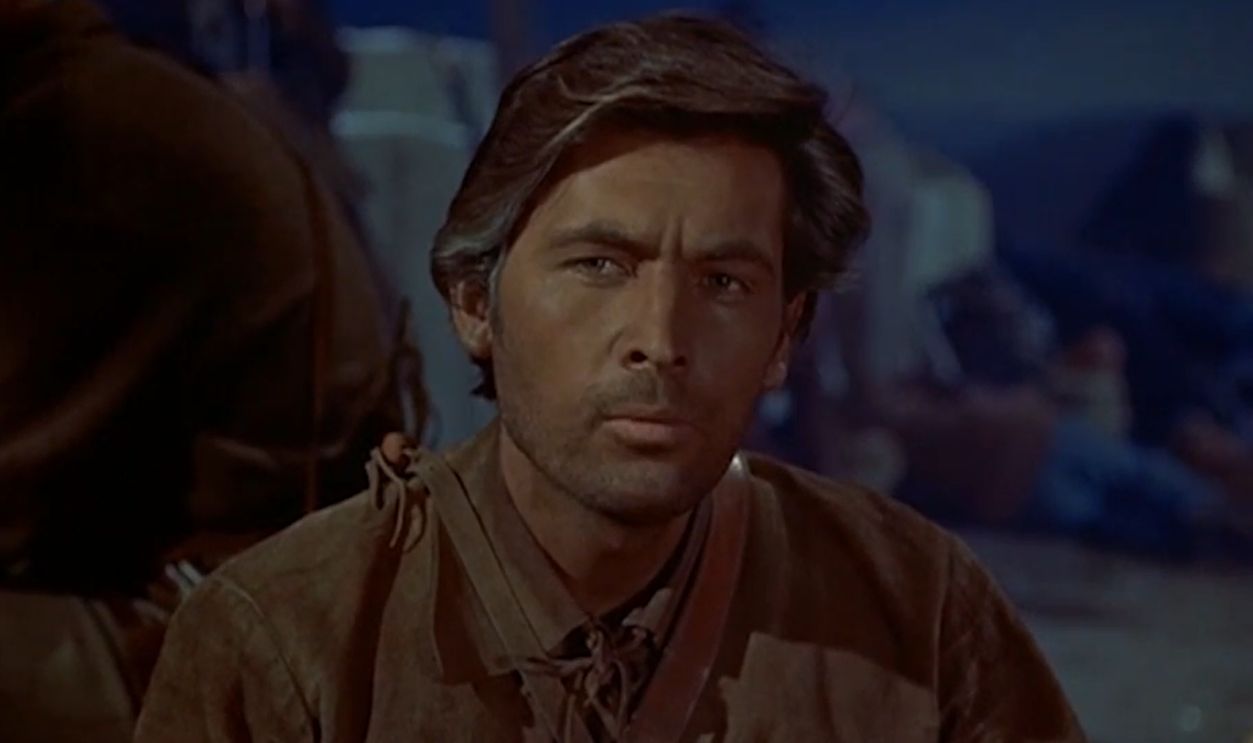 Screenshot from Davy Crockett: King of the Wild Frontier, Walt Disney Productions (1955)
39. He Arrived Like A Celebrity
In early February 1836, Crockett and his companions—calling themselves the “Tennessee Mounted Volunteers”—rode into San Antonio de Bexar. The crowd demanded a speech, and Crockett obliged, delivering a real barnburner. “I have come to aid you all that I can in your noble cause,” he said. “I shall identify myself with your interests, and all the honor I desire is that of defending as a high private…the liberties of our common country”.
He would give his life for those liberties.
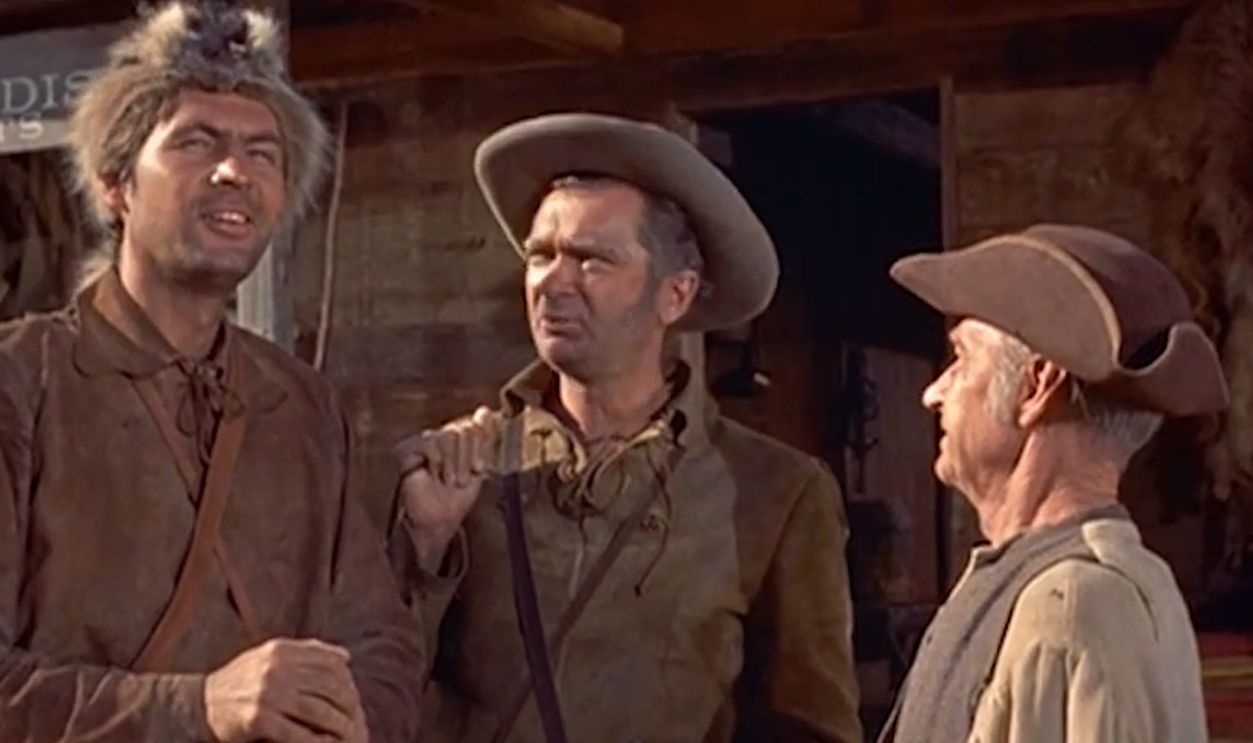 Screenshot from Davy Crockett: King of the Wild Frontier, Walt Disney Productions (1955)
History's most fascinating stories and darkest secrets, delivered to your inbox daily.
40. He Danced While Danger Approached
Crockett reached the Alamo Mission on February 8, 1836—with no idea of what the near-future held. Two days later, the garrison threw a grand fandango in his honor, but mid-celebration, a scout burst in with a report: the Mexican forces had crossed the Rio Grande, just 150 miles away. Everyone agreed that the Mexicans couldn’t possibly be that close.
The dancing went on and on.
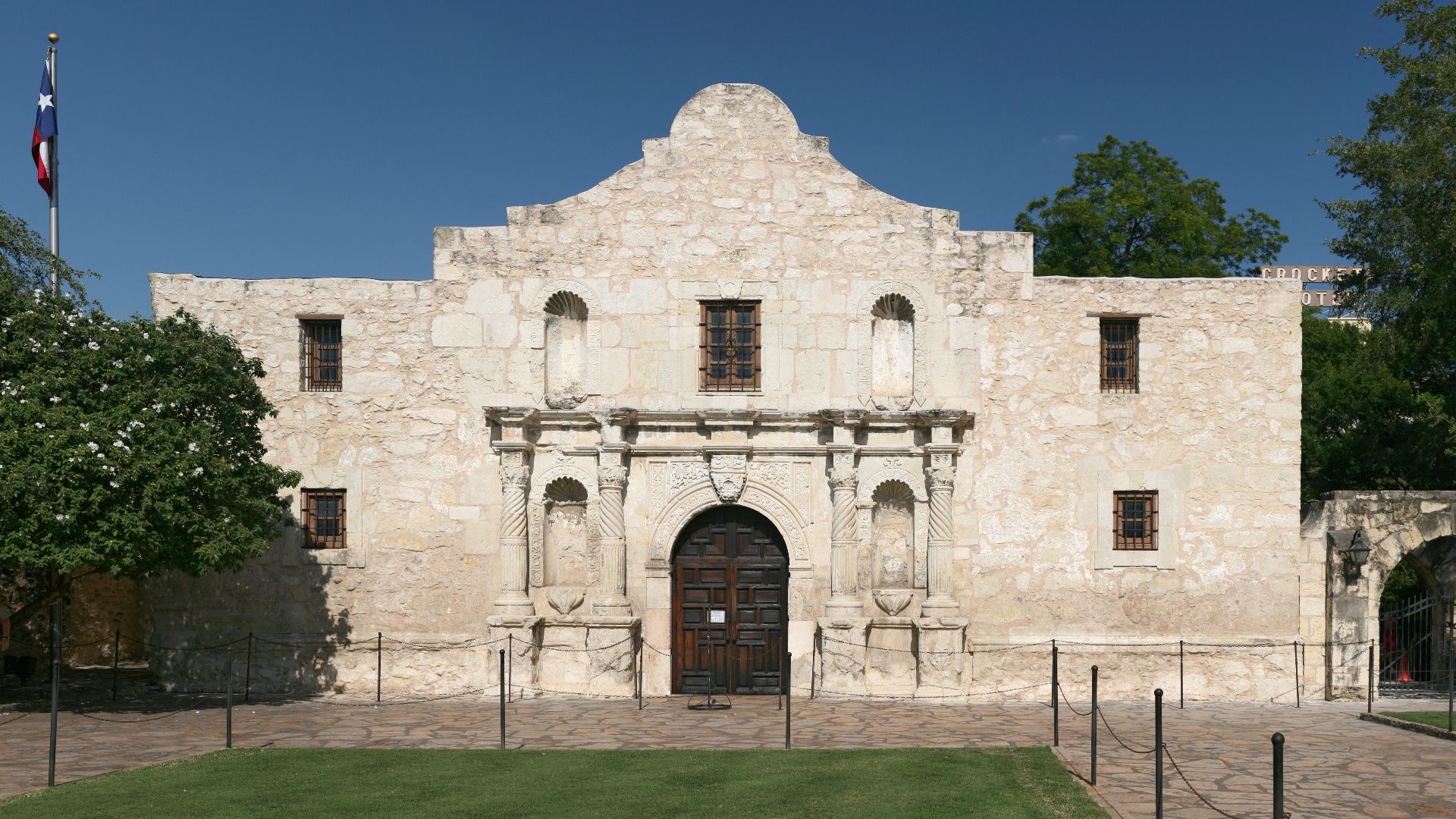 Daniel Schwen, Wikimedia Commons
41. He Prepared To Defend The Alamo
The scout had been right: General Antonio López de Santa Anna’s forces arrived at the Alamo on February 23, 1836, catching the garrison off guard. Crockett and the other defenders scrambled into the Alamo as the Mexican forces hoisted a blood-red flag, indicating they would not show any quarter. And neither would Crockett.
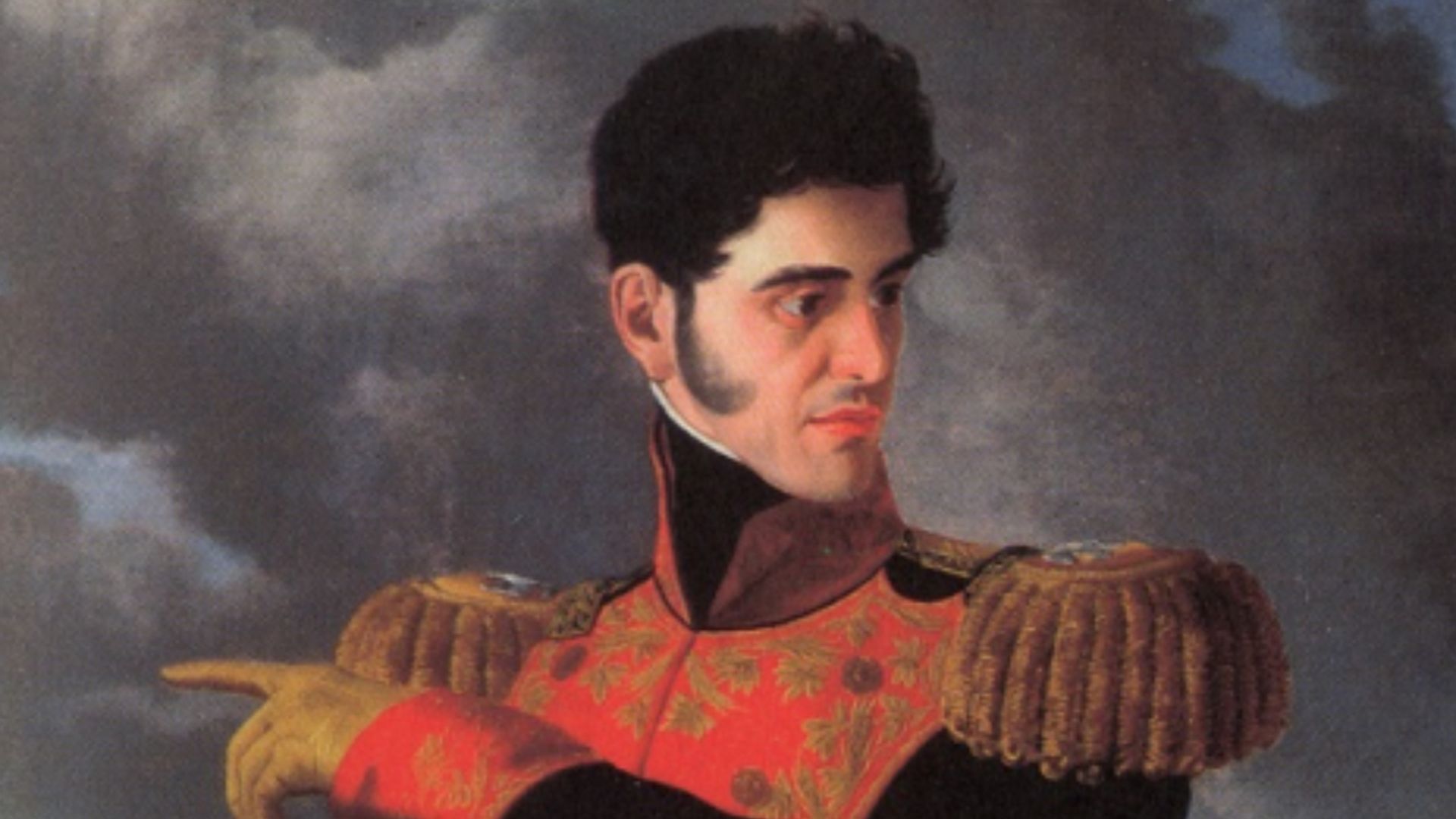 Carlos Paris, Wikimedia Commons
42. He Was Everywhere At Once
During the siege, Alamo commander William Barret Travis noted in his written reports that Crockett seemed to be everywhere—rallying the defenders, bolstering morale. Even when 200–300 of Santa Anna’s men crossed the San Antonio River to establish a new position, Crockett and his men were there, providing suppressive cover while the Alamo’s heavy ordnance roared.
Crockett put up a good fight—but it just wasn't enough.
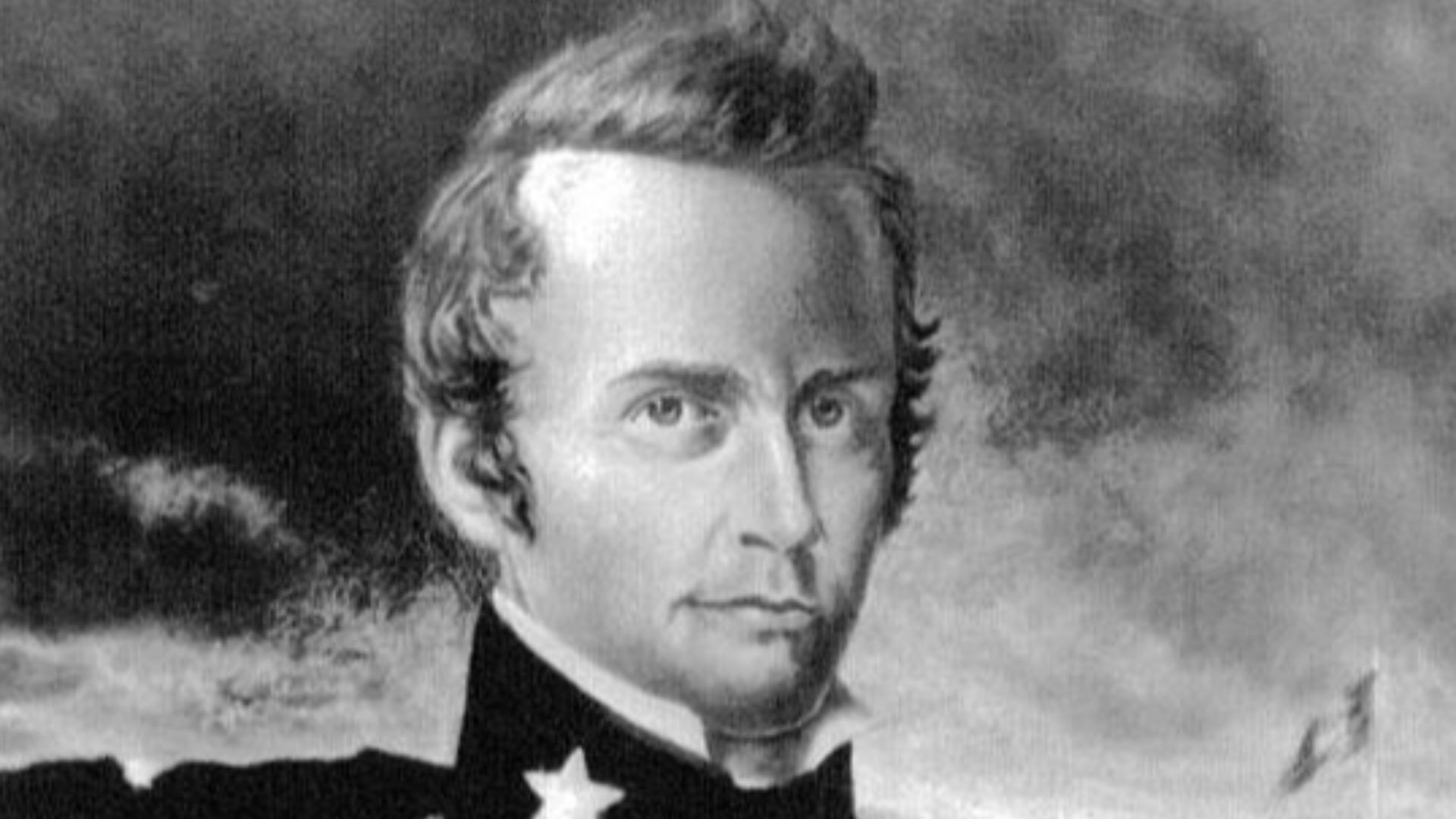 Henry McArdle, Wikimedia Commons
43. He Wanted To Face His Fate
As the siege dragged on and the munitions ran as low as the morale, Crockett tried to keep spirits up with his fiddle. But he wasn’t fooling anyone—least of all himself. Crockett allegedly told fellow defender Susannah Dickinson: “I think we had better march out and [perish] in the open air. I don’t like to be hemmed up”. By the time Crockett and others called for reinforcements, it was too late.
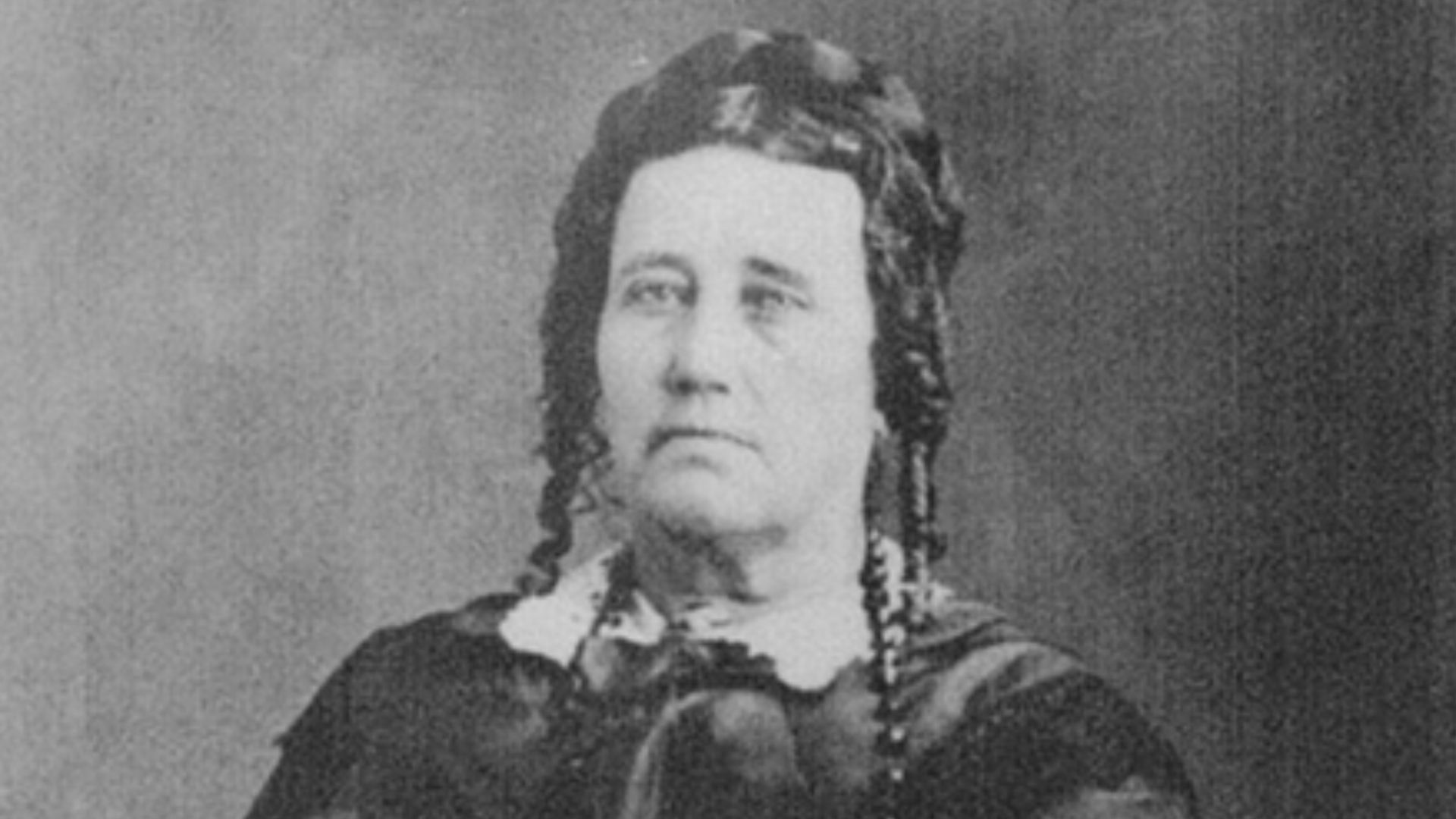 Unknown authorUnknown author, Wikimedia Commons
44. He Made His Last Stand
The final attack came in the early morning hours of March 6, 1836. Santa Anna hurled roughly 1,500 men at the Alamo’s walls, with 100 of them headed straight for Crockett and his men. But Crockett wasn’t sweating it. According to one account, the frontiersman paused briefly in the chapel to pray before sprinting to his post.
The battle raged for over an hour, and when their long arms became useless, Crockett’s men swung them as clubs and reached for their blades. In the end, however, no defender survived. Not even Crockett.
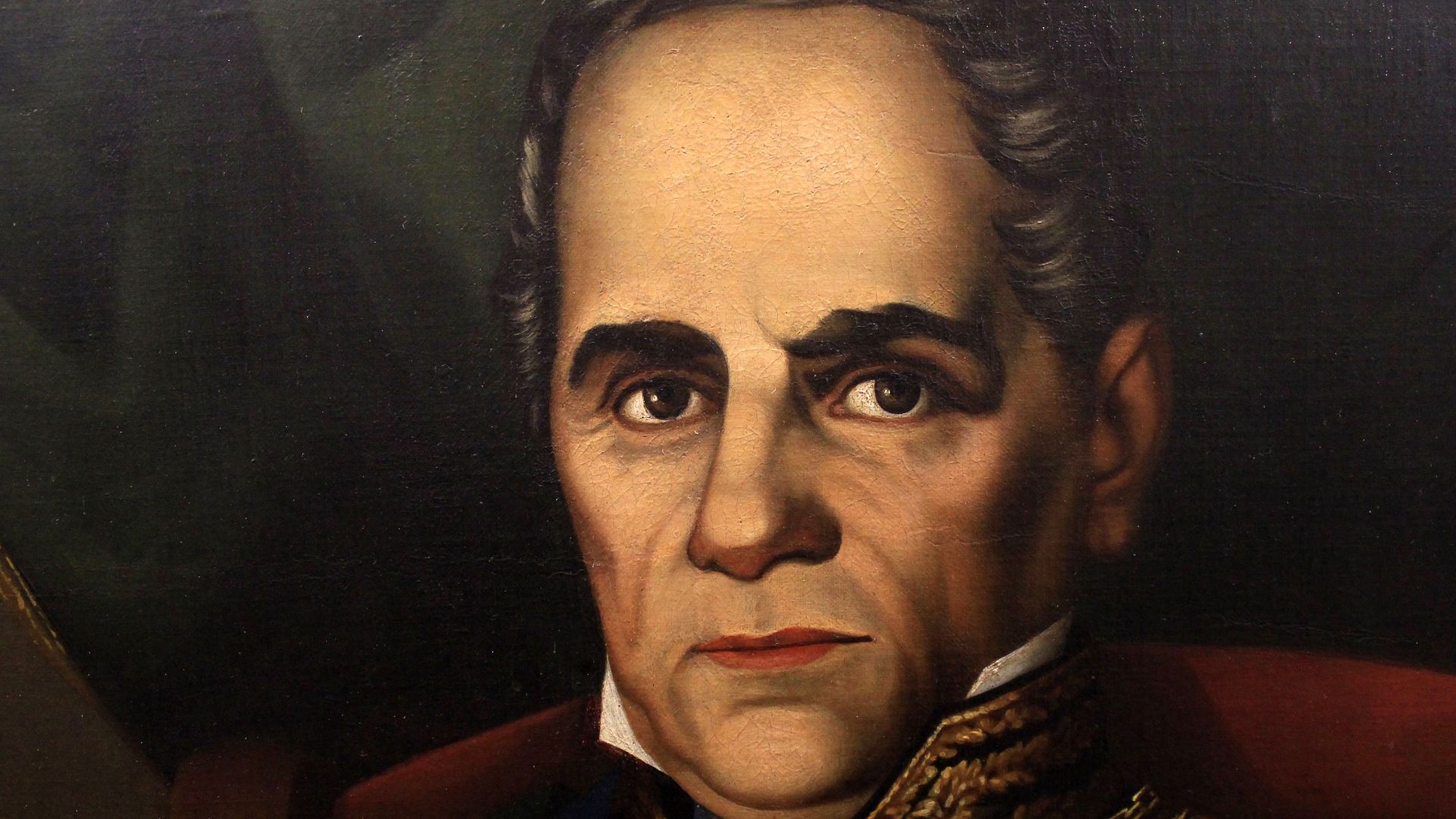
45. His Ashes Were Never Found
After the battle, Santa Anna had Crockett’s and his fellow defenders’ remains carried to a nearby grove, stacked with timber, and set alight. It wasn’t until February of 1837—almost a year later—that forces returning to the area uncovered the ashes. A local carpenter built a simple coffin for the ashes and carved only the names of Travis, Crockett, and Bowie on the lid.
The exact location of the coffin today remains a mystery. As do the actual events of Crockett’s last stand.
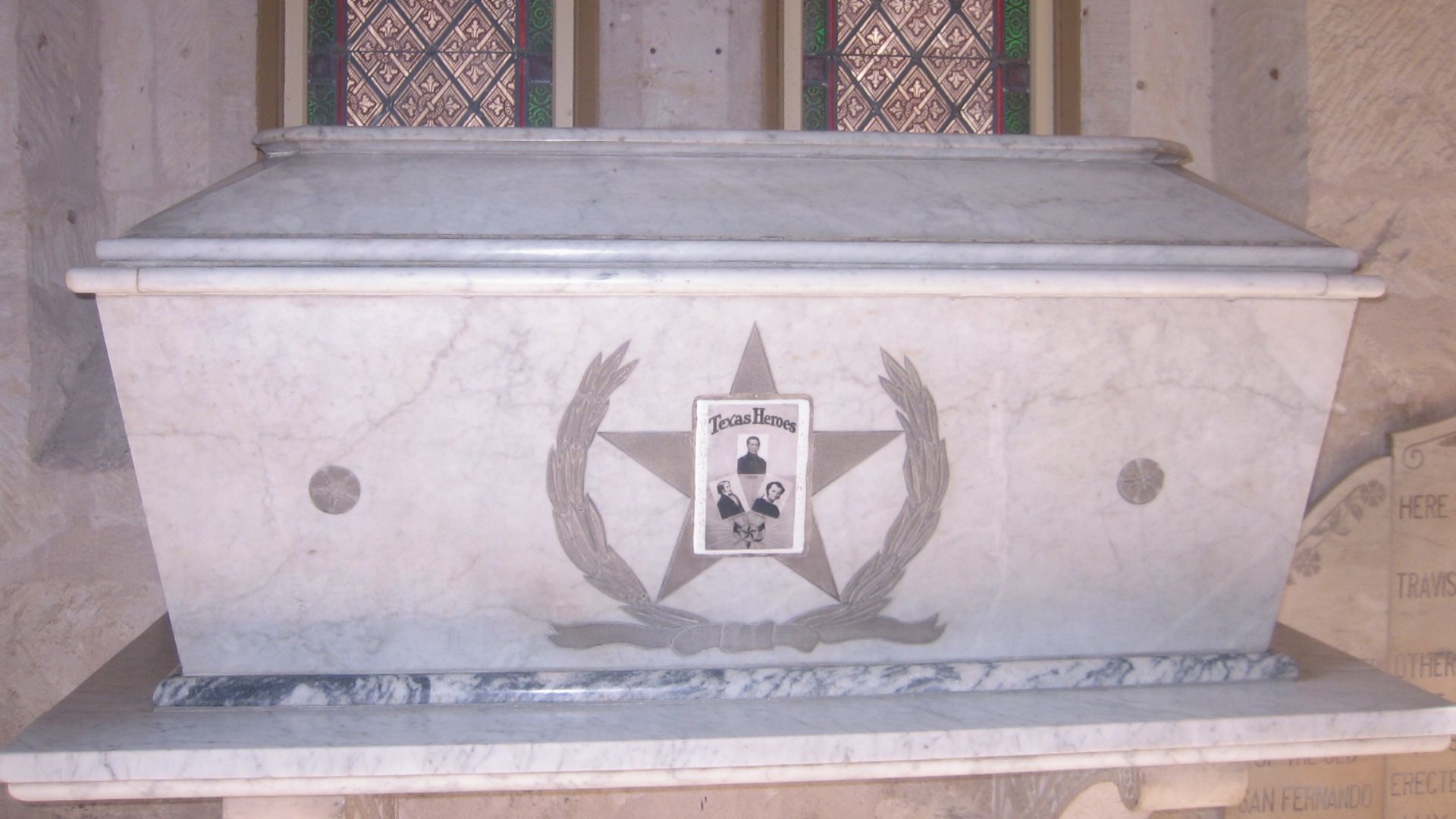 Svs220 at English Wikipedia, Wikimedia Commons
History's most fascinating stories and darkest secrets, delivered to your inbox daily.
46. He May Have Gone Down Fighting
How Crockett met his end remains one of the most contested questions in American history. One tradition comes from a man named Ben—a formerly enslaved man who served Santa Anna’s officers. Ben reported that Crockett’s remains were found in the barracks with "no less than sixteen Mexican corpses".
Santa Anna’s own account, that no defender “showed signs of desiring to surrender” seems to back up this claim. But questions linger.
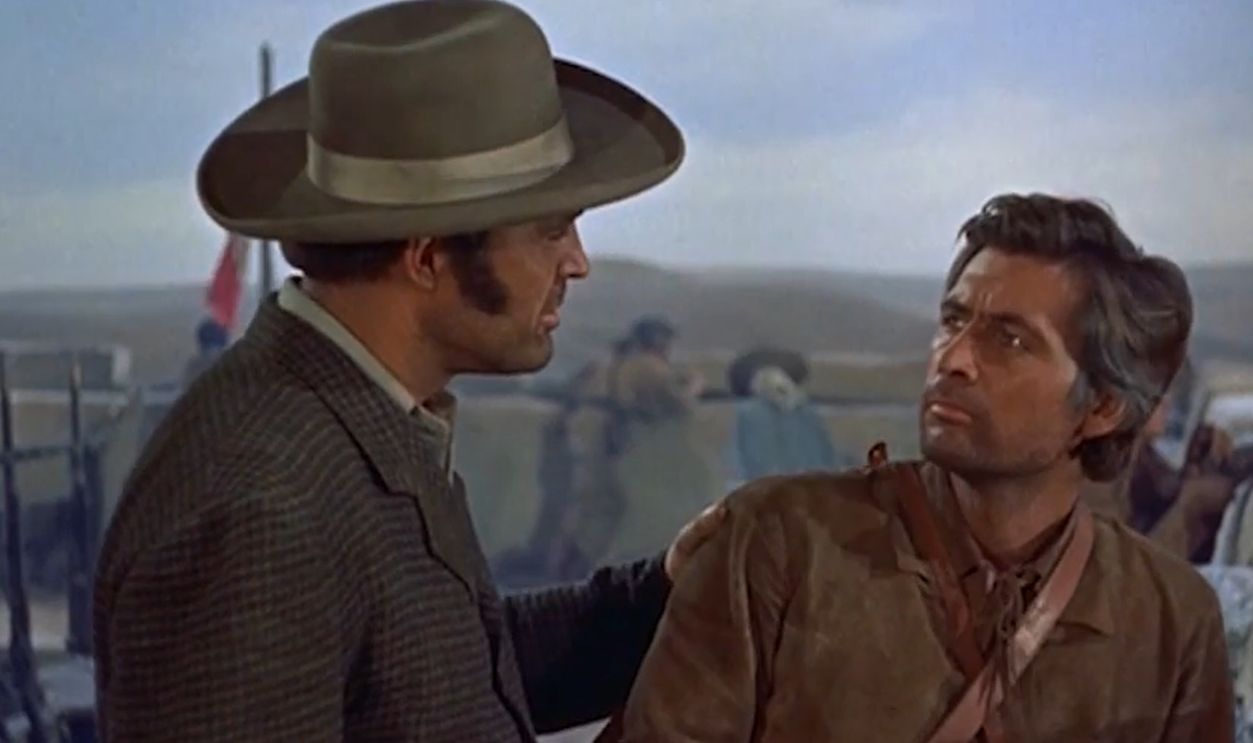 Screenshot from Davy Crockett: King of the Wild Frontier, Walt Disney Productions (1955)
47. He Was Just A Tourist
A rival account tells a very different story. In 1955, Jesús Sánchez Garza uncovered the memoirs of José Enrique de la Peña, a Mexican officer who was present at the Alamo. According to de la Peña, Crockett pretended to be a tourist who had only “taken shelter” in the Alamo. Despite pleas from his own generals, Santa Anna had Crockett and the other defenders executed anyway.
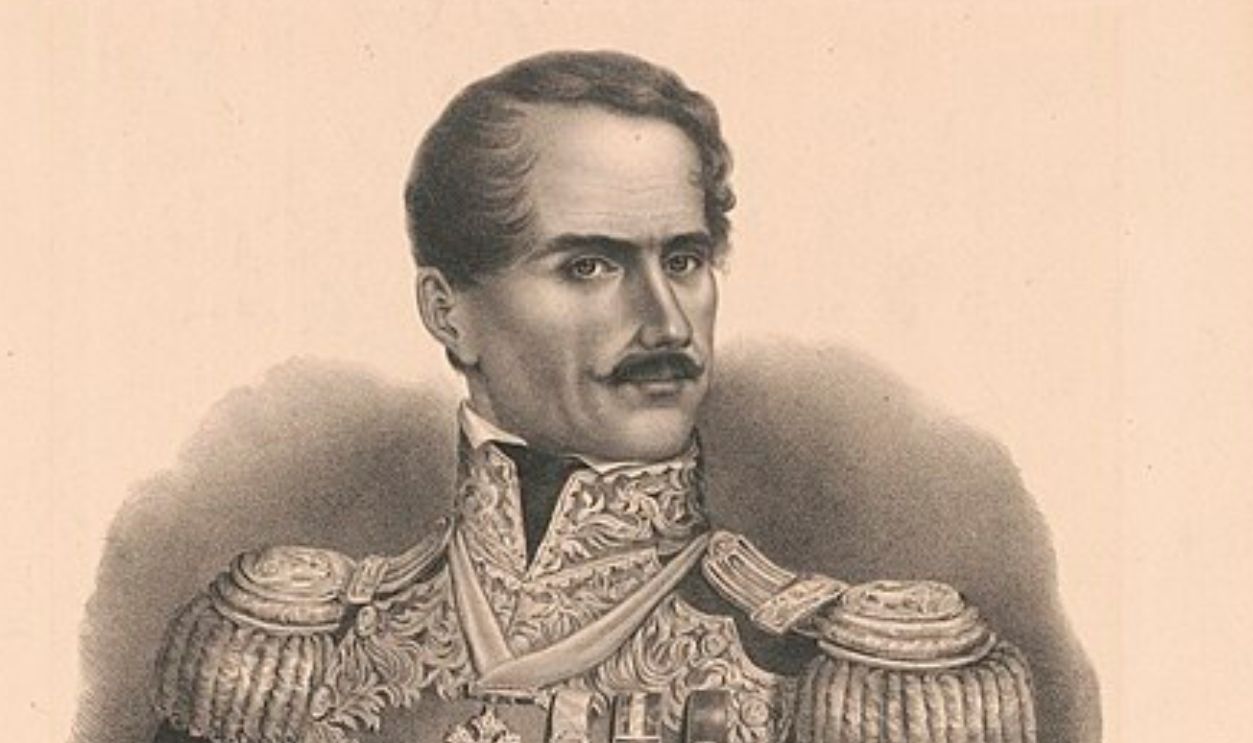 Popular Graphic Arts, Wikimedia Commons
48. His Legacy Sparked A Paper Chase
The de la Peña diaries were in doubt from the moment they surfaced. Historian William Groneman III argued that inconsistencies in the journal’s paper raised doubts about its authenticity. Others noted that the timing of the discovery was too convenient, coinciding with the peak of the 1955 Walt Disney Davy Crockett craze.
But the evidence was not in their favor.
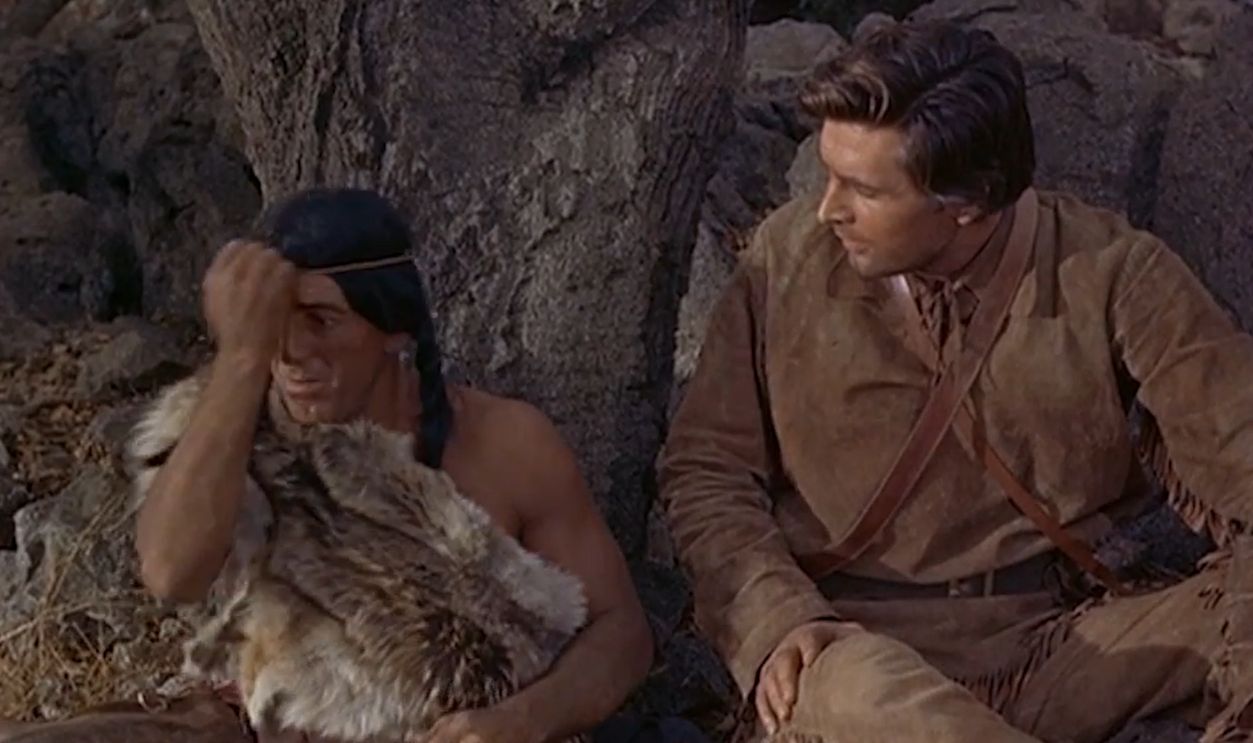 Screenshot from Davy Crockett: King of the Wild Frontier, Walt Disney Productions (1955)
49. He Got The Last Word—Sort Of
In 2001, archivist David Gracy published a forensic analysis that quieted many skeptics of the de la Peña diaries. Lab results confirmed that both the paper and the ink were consistent with what the Mexican army would have used in the 1830s. Handwriting analysis further confirmed a match to de la Peña. The diary, it seemed, was real.
But the debate was not over.
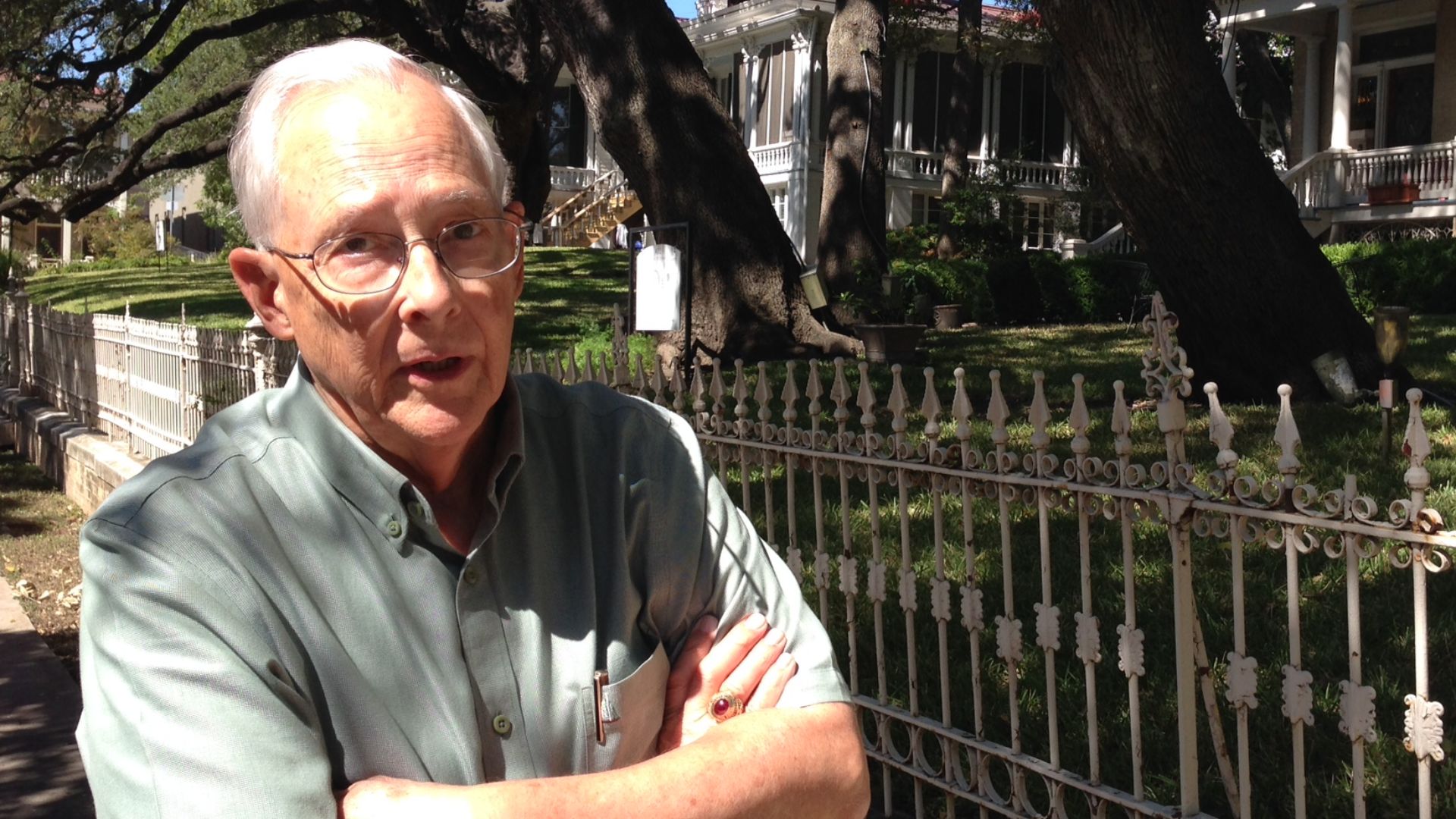 Archivisticus, Wikimedia Commons
50. His Fans Took It Personally
Carmen Perry—the English translator of the de la Peña diary and former librarian of the Daughters of the Republic of Texas—learned the hard way that some legends are not to be questioned. Crockett loyalists bombarded her with anonymous letters and intimidating phone calls, treating the mere suggestion that their hero might have surrendered as outright blasphemy.
But the diaries did little to actually diminish Crockett.
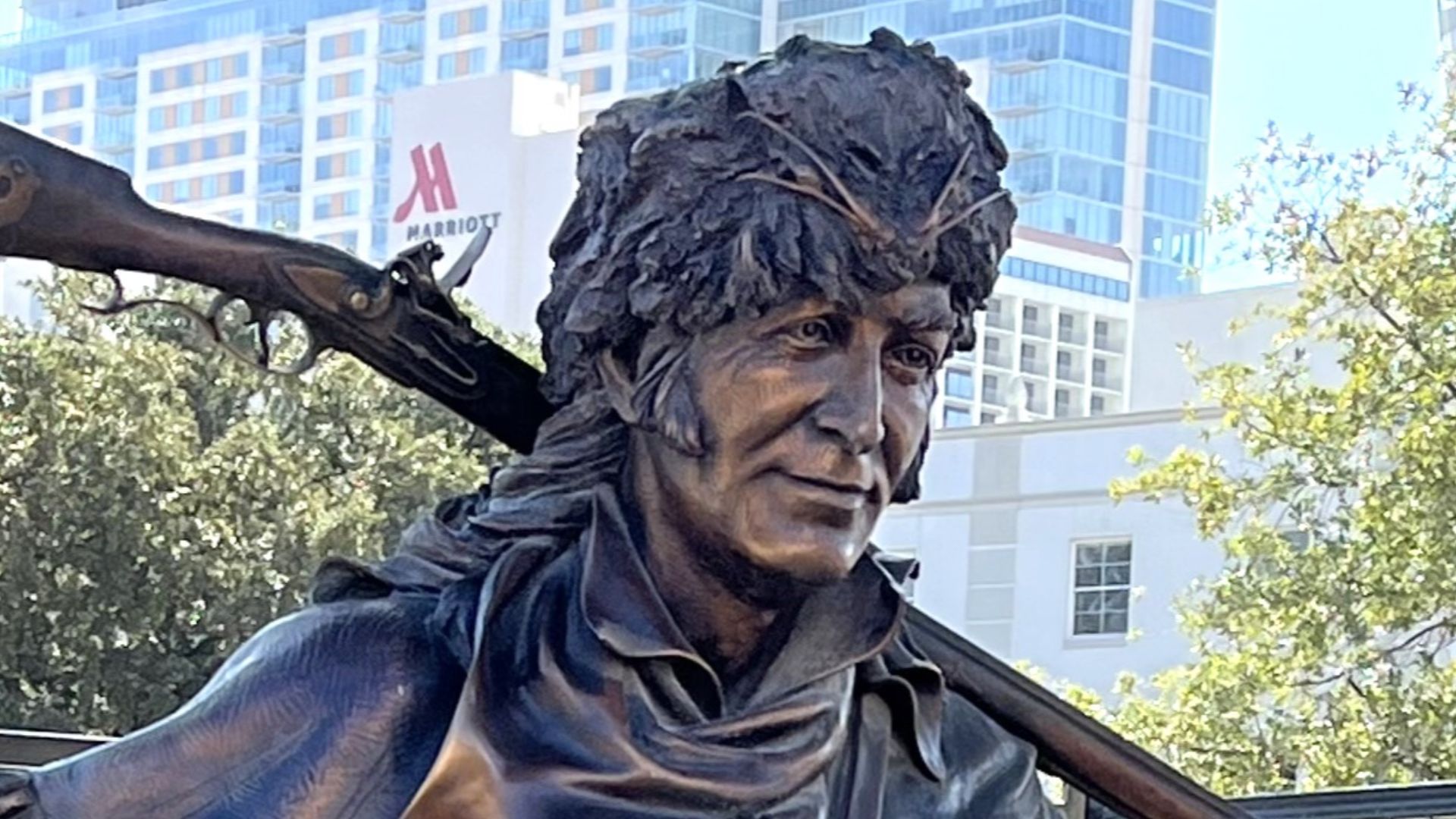 Michaelluckey, Wikimedia Commons
51. He Reportedly Faced His End With Dignity
However Crockett met his end, he met it as any frontiersman should. In his diaries, de la Peña described Crockett as a man “in whose face there was the imprint of adversity, but in whom one also noticed a degree of resignation and nobility that did him honor”. The captives, de la Peña wrote, met their ends “without complaining and without humiliating themselves before their torturers”.
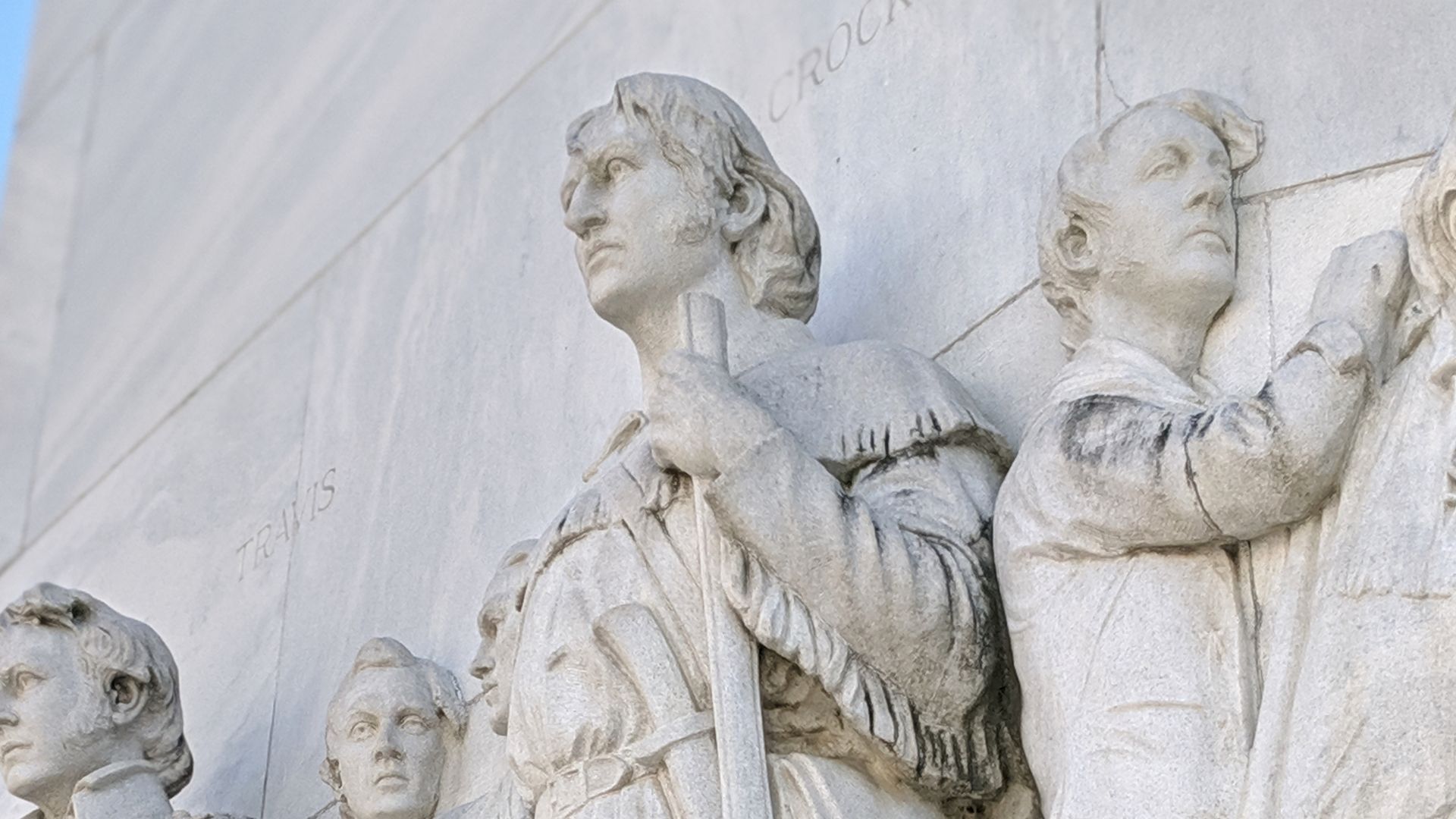 Eden, Janine and Jim from New York City, Wikimedia Commons
History's most fascinating stories and darkest secrets, delivered to your inbox daily.
52. His Motto Outlived Him
Whether he was deep in the frontier hunting bears, fighting for the poor in Washington DC, or making his final stand at the Alamo, Crockett lived by one motto. Circulated in almanacs between 1835 and 1856, Crockett’s philosophy can be summed up in his most famous and unforgettable words: “Always be sure you are right, then go ahead”.
You May Also Like:
Captain Beefheart Was A Genius With A Terrifying Dark Side
Alessandro Cagliostro: The “Quack of Quacks”