He Was The Father Of Punk
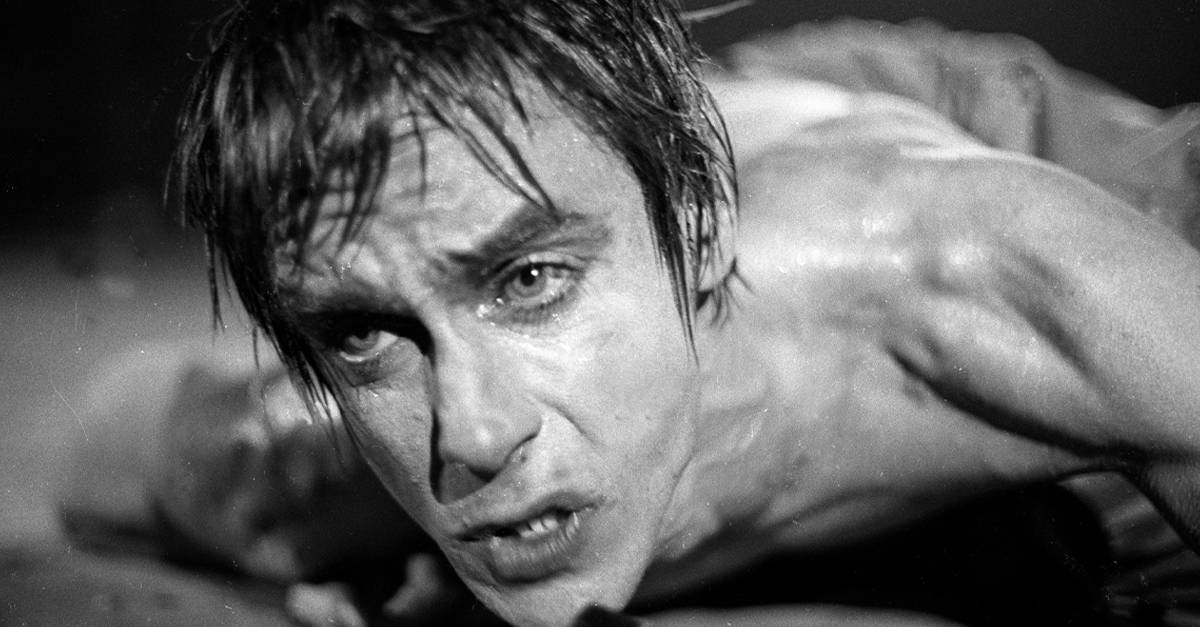
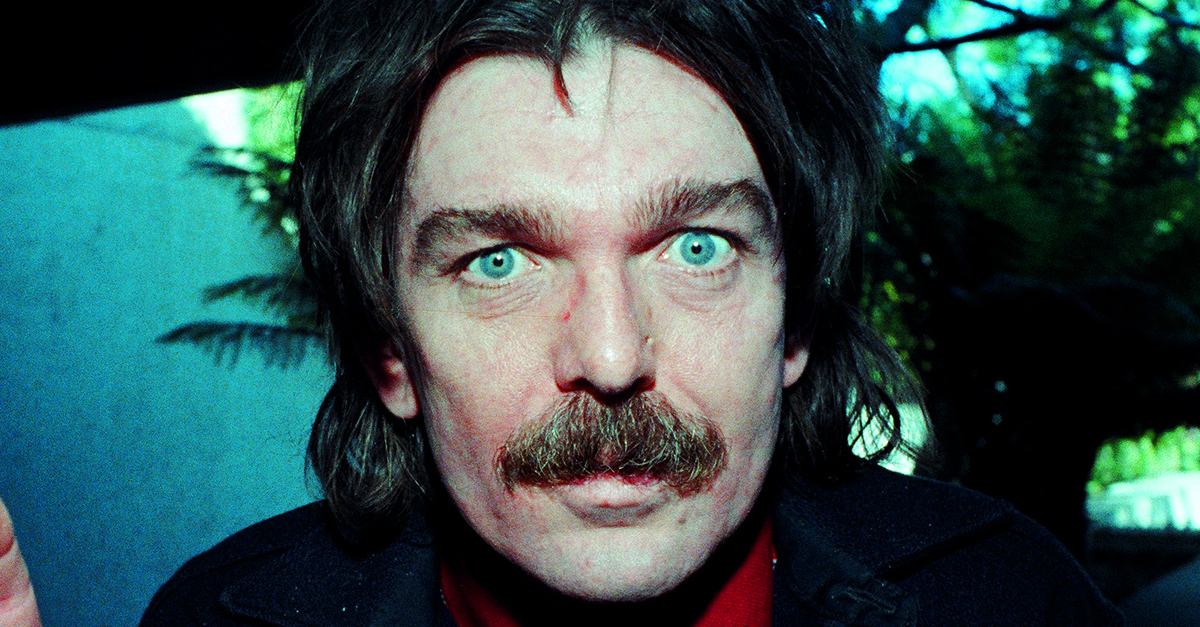
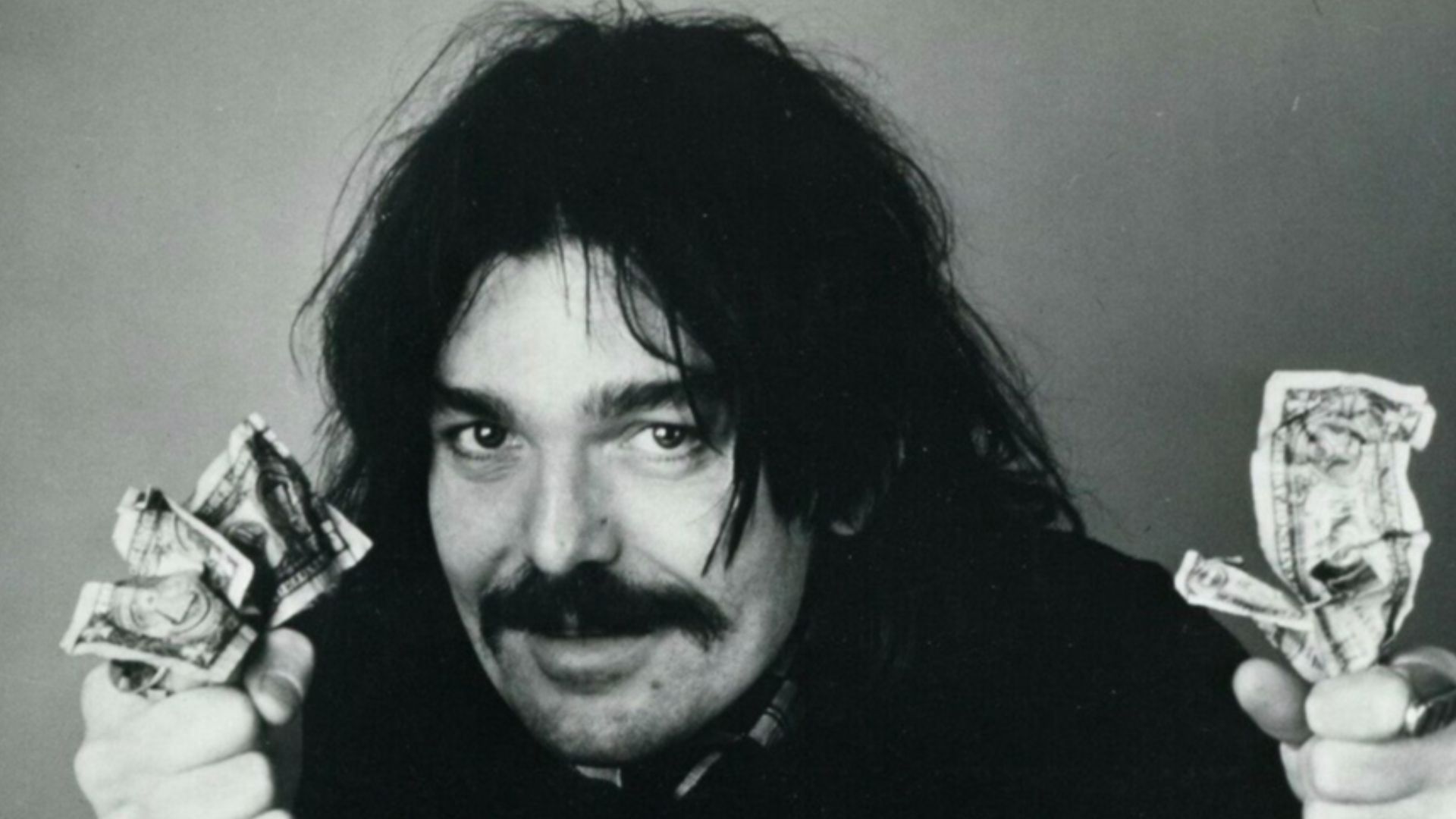
Many believe that the oddly-named artist Captain Beefheart was the father of punk and new wave music. But it was behind the scenes where Beefheart became a true visionary. Unfortunately, it came at the expense of his bandmates.
Beefheart’s bizarre process for creating groundbreaking music included both emotional and physical punishment. Maybe even more scary was his almost cult-like control of anyone who worked with him.
 Richard McCaffrey/ Michael Ochs Archive/ Getty Images
1. He Remembers His Birth
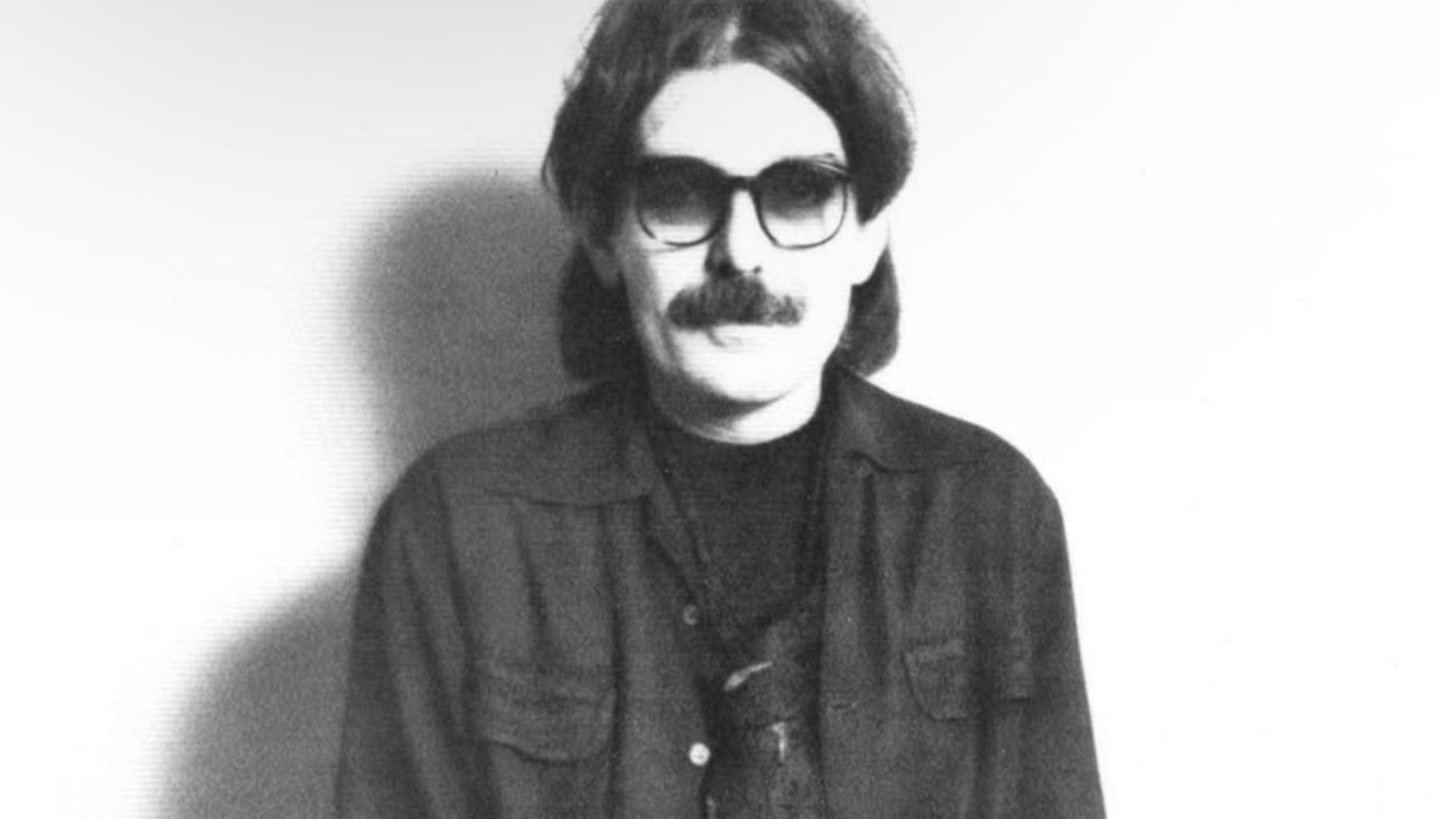
Captain Beefheart was born Don Glen Vliet on January 15, 194 in Glendale, California. His parents were Glen Alonzo Vliet, who owned a gas station, and Willie Sue Vliet, an Arkansas native. Beefheart has a strange memory of his childhood. He says that he remembers his own delivery.
It soon became clear very early that Beefheart was no ordinary kid.
 Warner Bros. Records, Wikimedia Commons
2. He Started Young
At a very young age, Captain Beefheart started dabbling in the arts. When he was just three years old, he began painting and sculpting. He had an obsession with animals, and this was what his early works were of. But he wasn’t just a child having fun, his works appeared on TV, and at age nine, he won a Los Angeles Zoo sculpting contest for children.
This prize would lead him toward greatness.
 Mercury Records, Wikimedia Commons
3. He Was A Child Professor
A sculptor named Agostinho Rodrigues ran the LA Zoo competition, and he considered Beefheart to be a child prodigy. Sometime in the 1950s, Rodriguez took Beefheart on as an apprentice. Beefheart claims that he was giving lectures at the Barnsdall Art Institute at the age of 11, but he may simply have delivered a dissertation. Still, it was quite an accomplishment for a boy of 11.
But Beefheart’s interest in the arts was about to hit a very serious snag.

History's most fascinating stories and darkest secrets, delivered to your inbox daily.
4. His Parents Stopped Him
Clearly, the future Captain Beefheart had no shortage of talent. What he had a shortage of was parental support. Mom and dad did not want their son to pursue a career in the arts. In their opinion, artists were all “queer”. When institutes offered Beefheart a scholarship, his parents would not let him take it.
This lack of support angered Beefheart, and he did something drastic.
5. He Turned His Back
Despite having all this talent, Beefheart turned his back on sculpting. His parents had made it impossible for him to pursue it and find any success. But he couldn’t ignore his creative side and started getting interested in music. Then his parents made a decision that would affect his tastes immensely.
6. His Environment Changed Dramatically
Captain Beefheart was just 13 years old when his family packed up and moved to Lancaster, California. While this was only a short drive, it was a significant move, as they were now residing in the Mojave Desert. This move had an effect on Beefheart’s creativity.
He also hooked up with some musicians.
 Michael Ochs Archives, Getty Images
7. He Met a Lifelong Friend
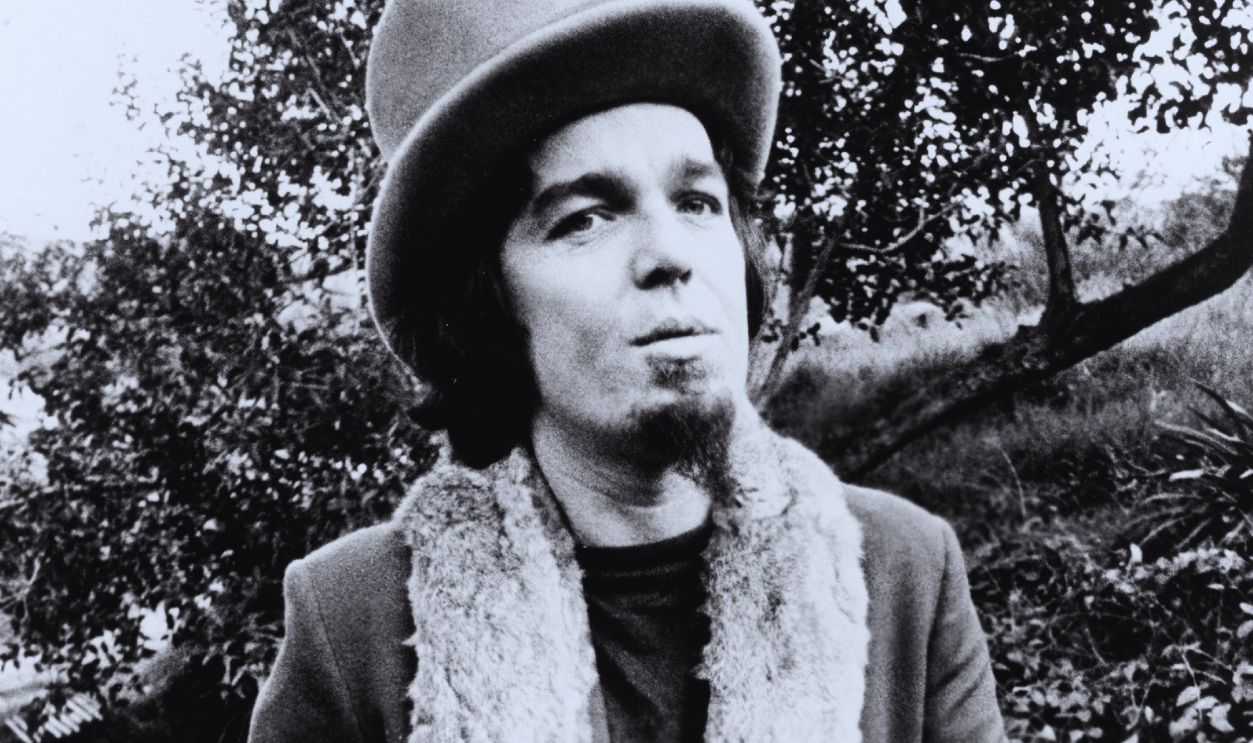
Beefheart started making friends who were musicians. These were local bands with names like The Omen and The Blackouts. The latter band had a drummer named Frank Zappa. Beefheart and Zappa joined forces to write “teenage operettas”. One got the bizarre title Captain Beefheart & the Grunt People.
Zappa has some strange memories of Beefheart.
 Fotopersbureau De Boer, Wikimedia Commons
8. He Liked Things Close
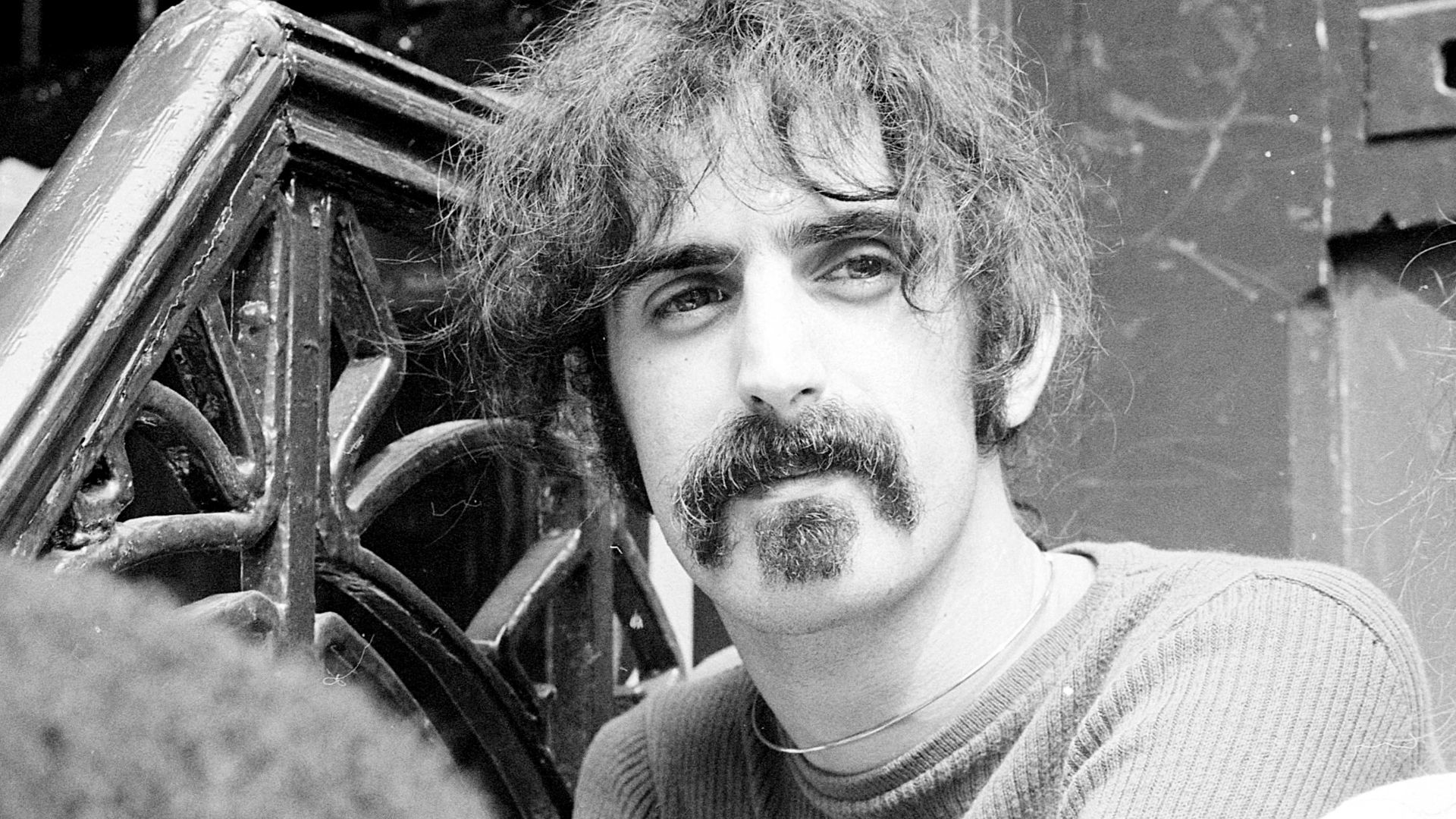
Zappa, who would go on to become a successful experimental artist, remembered that Beefheart liked to spend a lot of time at home. All the important things in his life were close by. His girlfriend and his grandmother lived in his house. His uncle and aunt were right across the street.
One thing that wasn’t close by was the refrigerator.
9. He Just Wanted A Soda
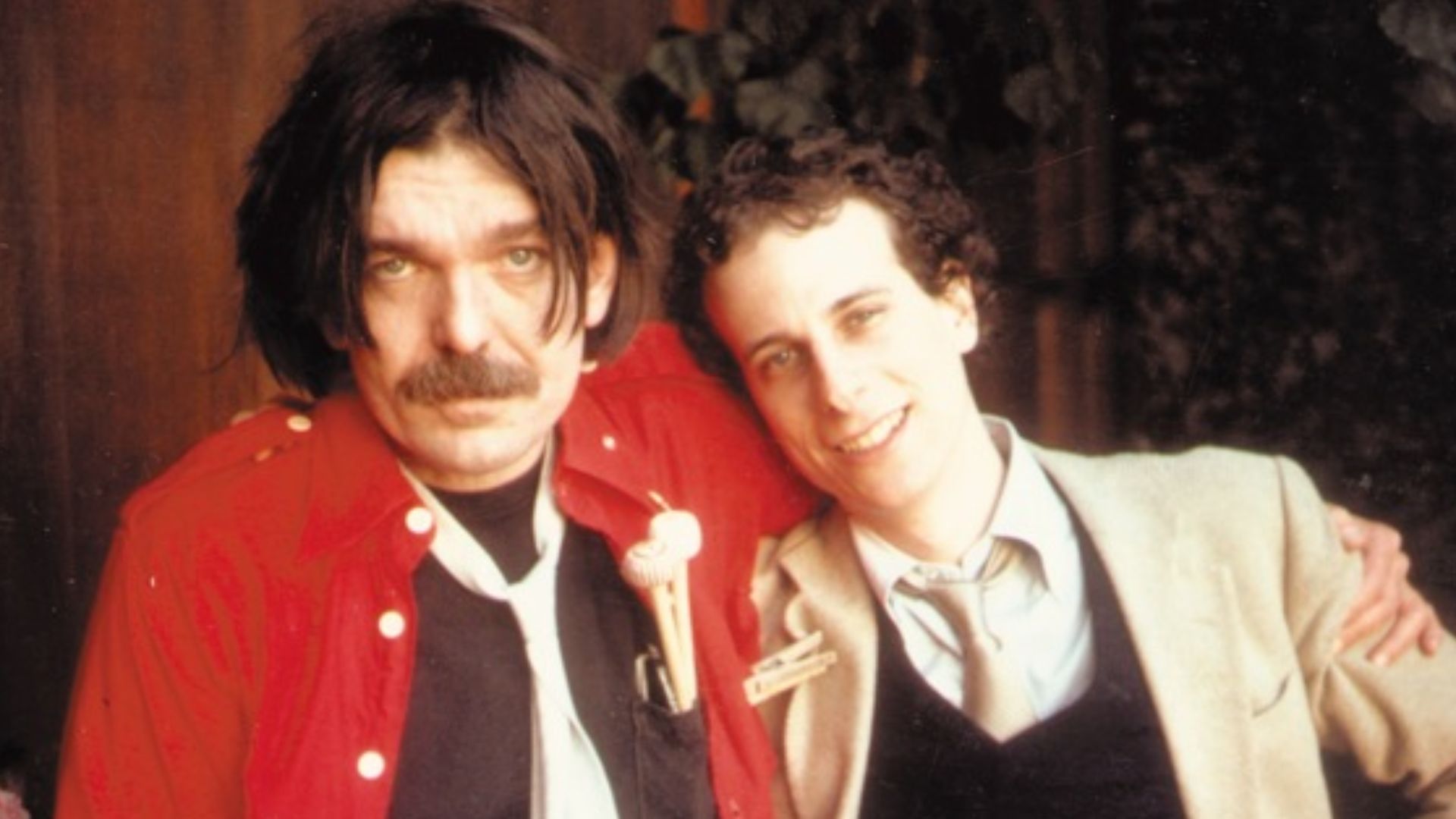
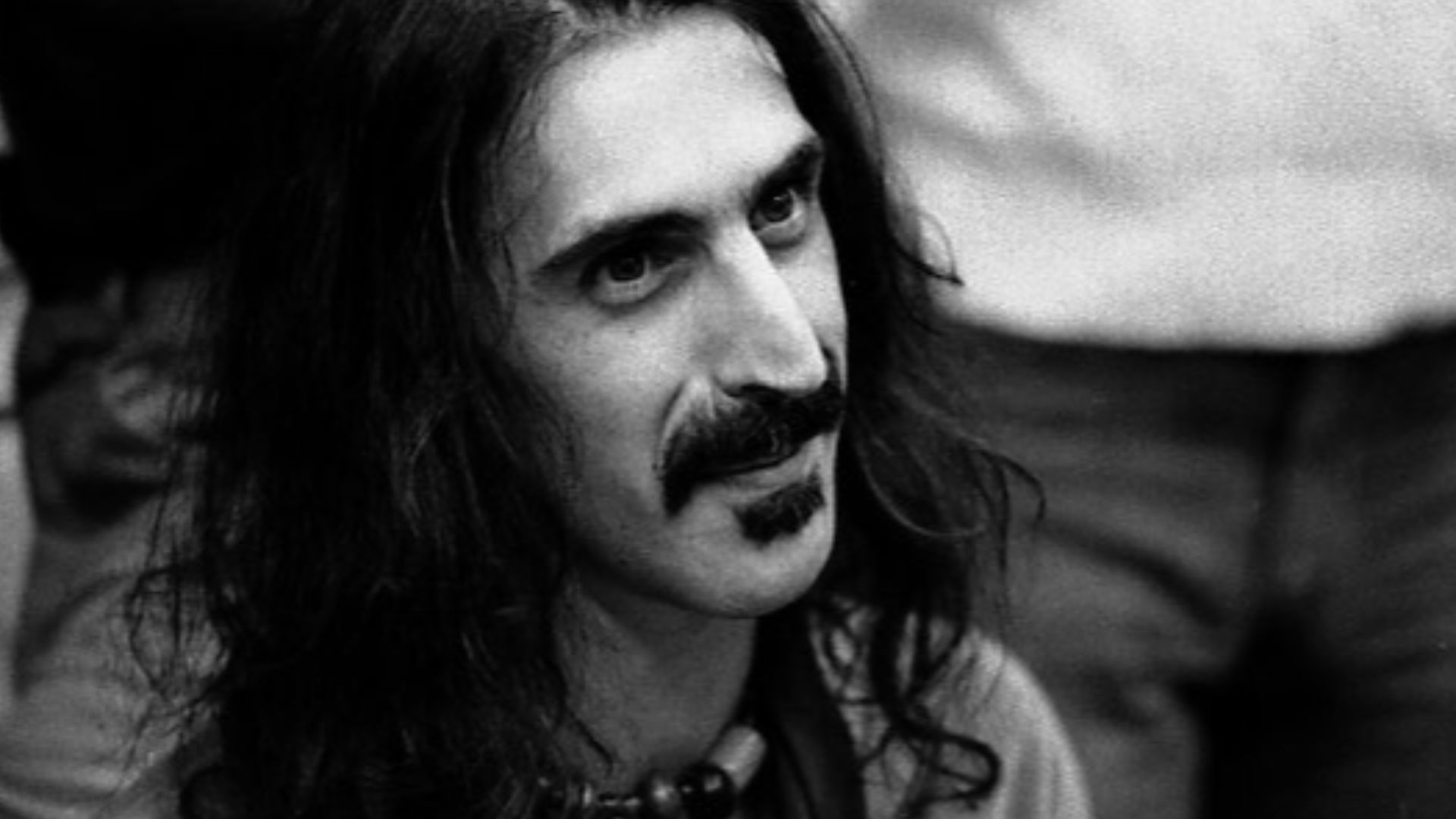
Zappa had a strange memory of Beefheart at this time in his life. He remembered that Beefheart would often scream at his mother to bring him a Pepsi. Zappa thought this was interesting enough to write a song called "Why Doesn't Someone Give Him a Pepsi?" But there were also some rather unsavory things going on in this household.
 Allan Tannenbaum, Getty Images
History's most fascinating stories and darkest secrets, delivered to your inbox daily.
10. She Got An Eyeful
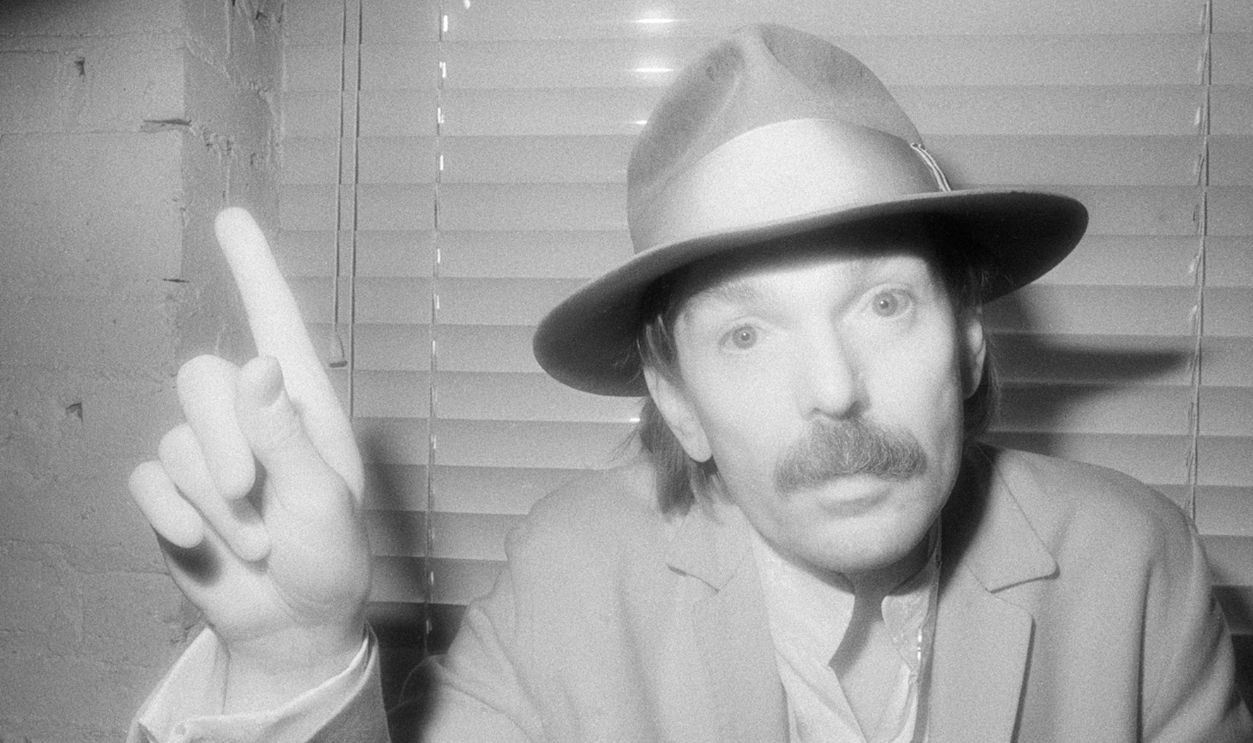
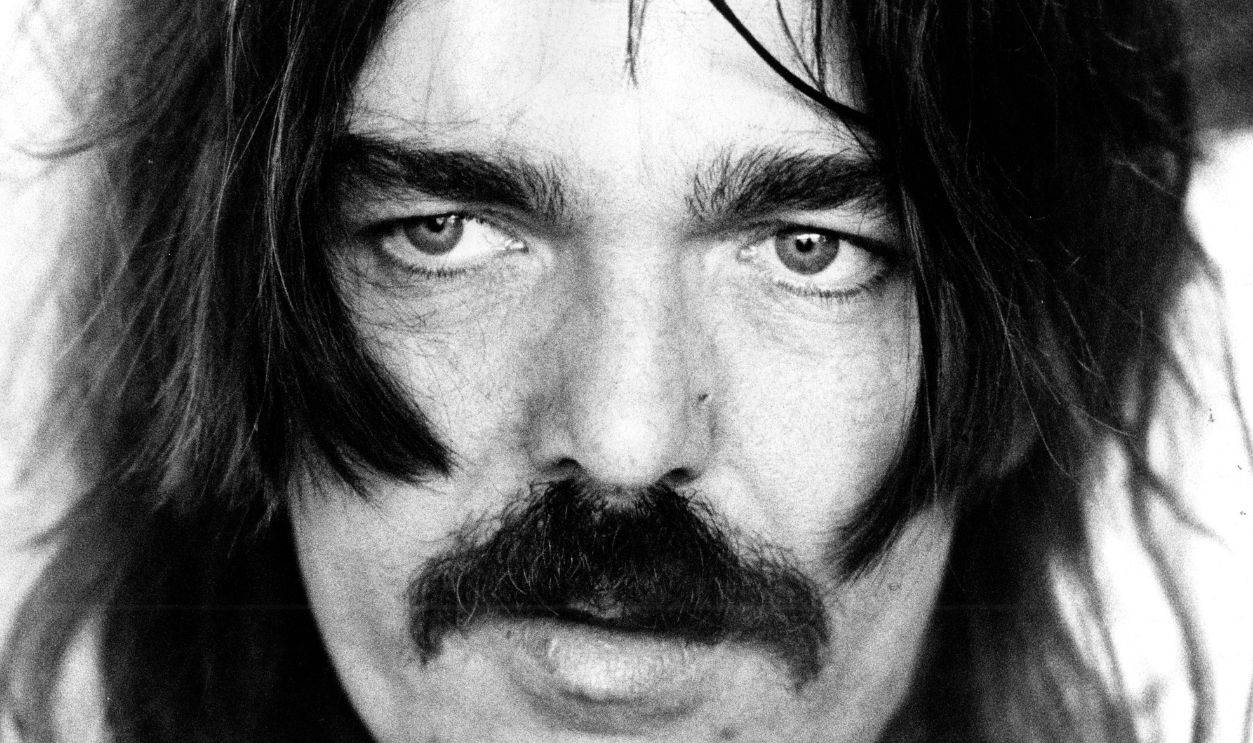
The name “Captain Beefheart” has a strange origin. Since Beefheart’s girlfriend was living at the family house, she had a lot of exposure to the Vliet family. Some may say too much exposure. Beefheart’s uncle would often use the washroom without closing the door. If Beefheart’s girlfriend walked by, Uncle Alan would refer to his member as a big beef heart.
But despite his work with Zappa, Beefheart was about to put music on the back burner.
 Gijsbert Hanekroot, Getty Images
11. He Went Door To Door
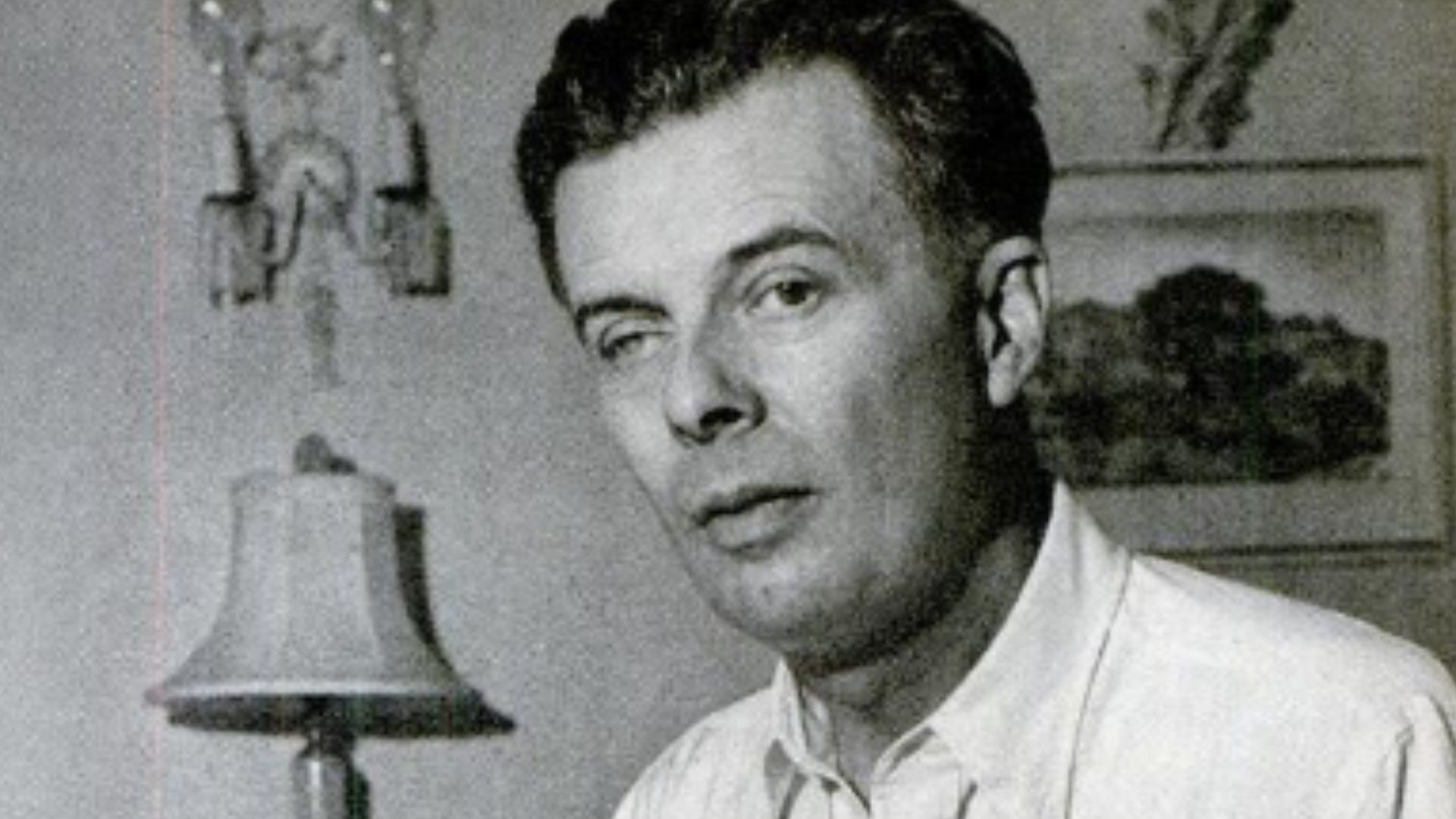
After some collaborations with Zappa, Captain Beefheart became an art major at Antelope Valley College. He only lasted one year. He replaced college with a job selling vacuums door to door. His favorite line while demonstrating to customers was, "Well, I assure you sir, this thing sucks”. One of his prospective buyers was Brave New World novelist Aldous Huxley.
But selling vacuums could not compete with making music.
 AnonymousUnknown author, Wikimedia Commons
12. He Had To Get Over Shiness
After trying to sell vacuum cleaners, Beefheart managed a shoe store. But he couldn’t forget music. He eventually moved to Rancho Cucamonga, California, and met up with Zappa again. Beefheart learned to play the harmonica, and Zappa helped him work on his shyness. Soon, the two were performing at dances and clubs across Southern California.
It was now time to join his first band.

13. He Changed His Name
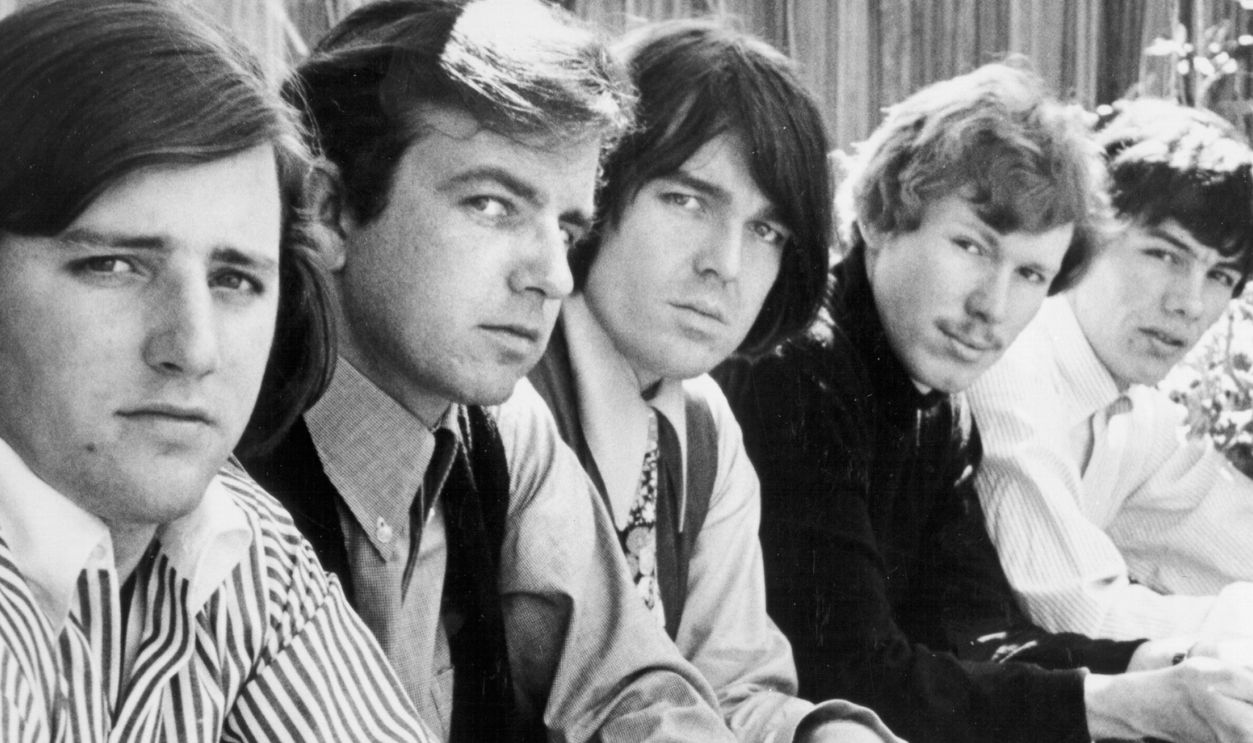
Around this same time, Beefheart got an offer. He’d met Alexis Snouffer back in the 1950s, and Snouffer now wanted him to join his group, called the Magic Band. At this time, Beefheart was still using his original name, Don Glen Vliet, and he made the slight change to Don Van Vliet. Snouffer also didn’t see success with his name, and changed it to Alex St Clair.
Then Beefheart’s new bandmates noticed something strange about their new recruit.
 Michael Ochs Archives, Getty Images
14. He Had Trouble With The Words
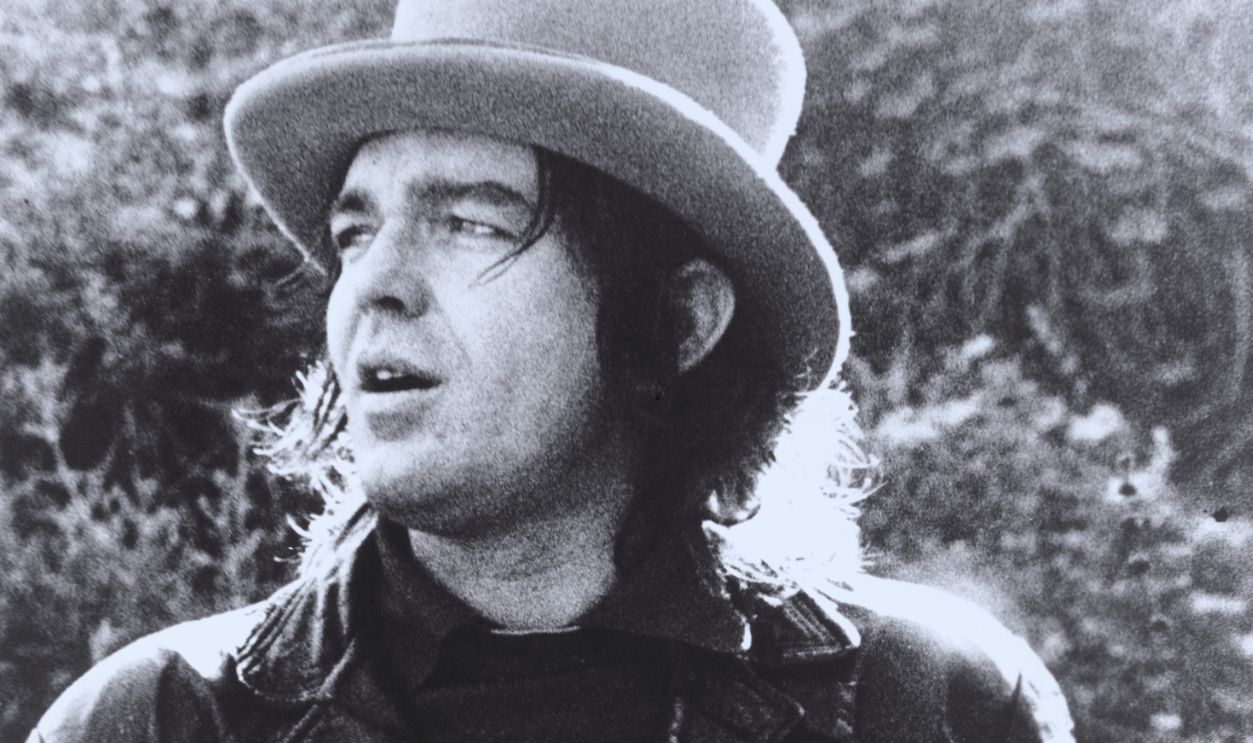
When Captain Beefheart joined up with Magic Band, his new bandmates noticed something strange. Beefheart had trouble with the cue cards. He also needed someone to read things to him. It could be that Beefheart was suffering from dyslexia but didn’t know it. This could also explain Beefheart’s bizarre attitude toward education.
 Michael Ochs Archives, Getty Images
15. He Didn't Value Education
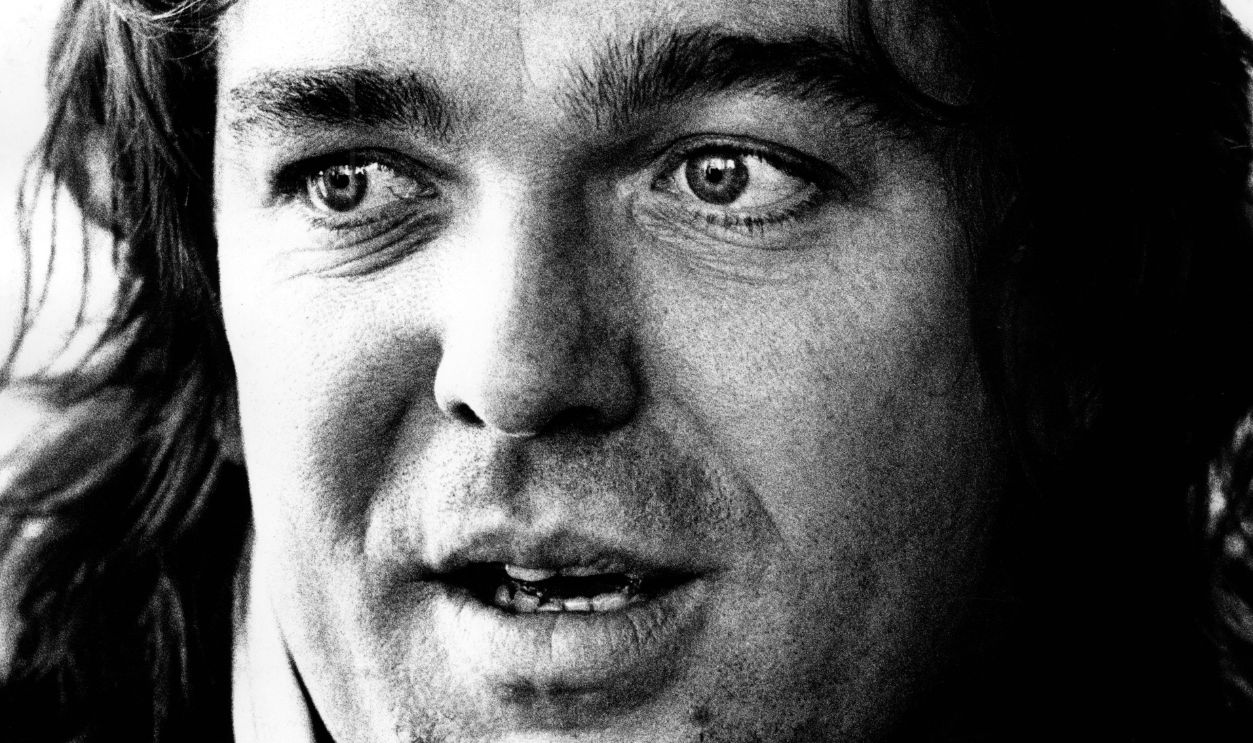
When asked how much education he had, Beefheart would often humorously answer, “half day of kindergarten”. But Beefheart seemed to have a casual relationship with the truth. After all, his picture did appear in the Antelope Valley High School yearbook. But a lack of education was not going to stop Beefheart from hitting the big time.
 Gijsbert Hanekroot, Getty Images
History's most fascinating stories and darkest secrets, delivered to your inbox daily.
16. He Took His New Name
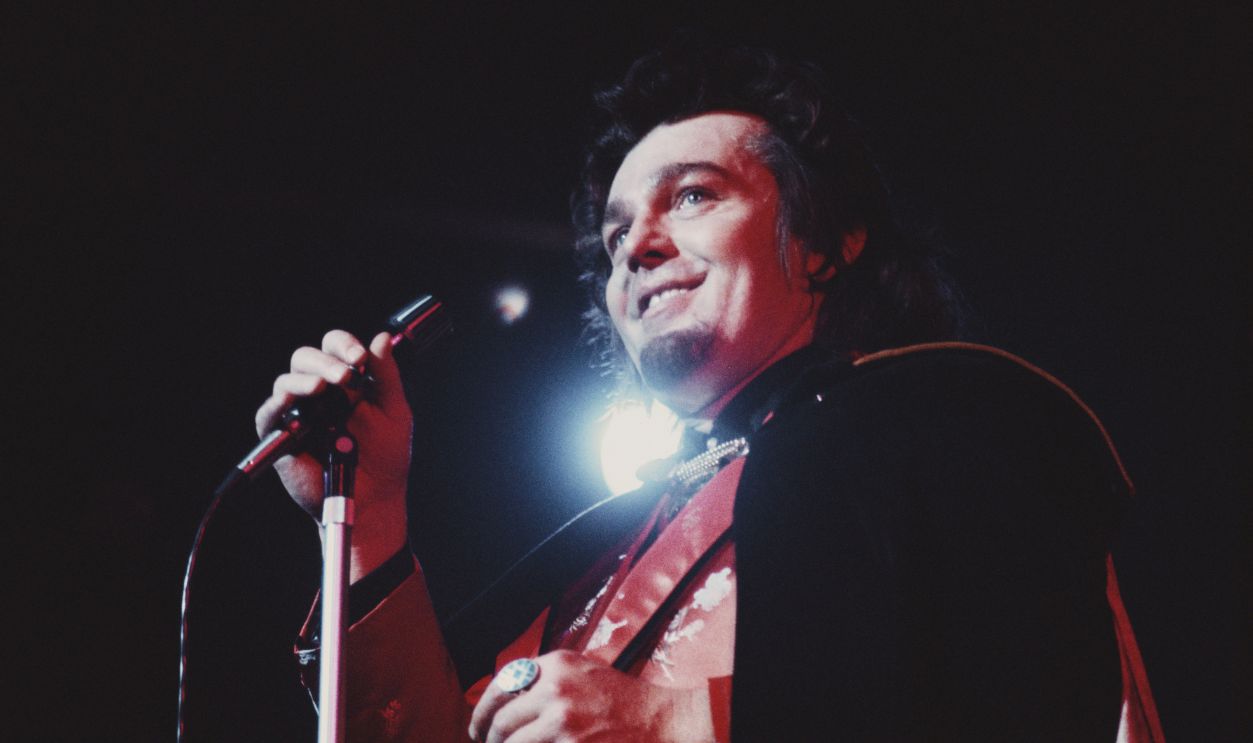
In 1964, Beefheart became Captain Beefheart and the band became Captain Beefheart and his Magic Band. Soon, they’d signed on with A&M Records and released a pair of regionally popular singles. They also started playing in larger venues like San Francisco‘s Avalon Ballroom. Beefheart was now ready to put out an album.
Well, that would prove more difficult than it sounds.
17. He Was Too Negative
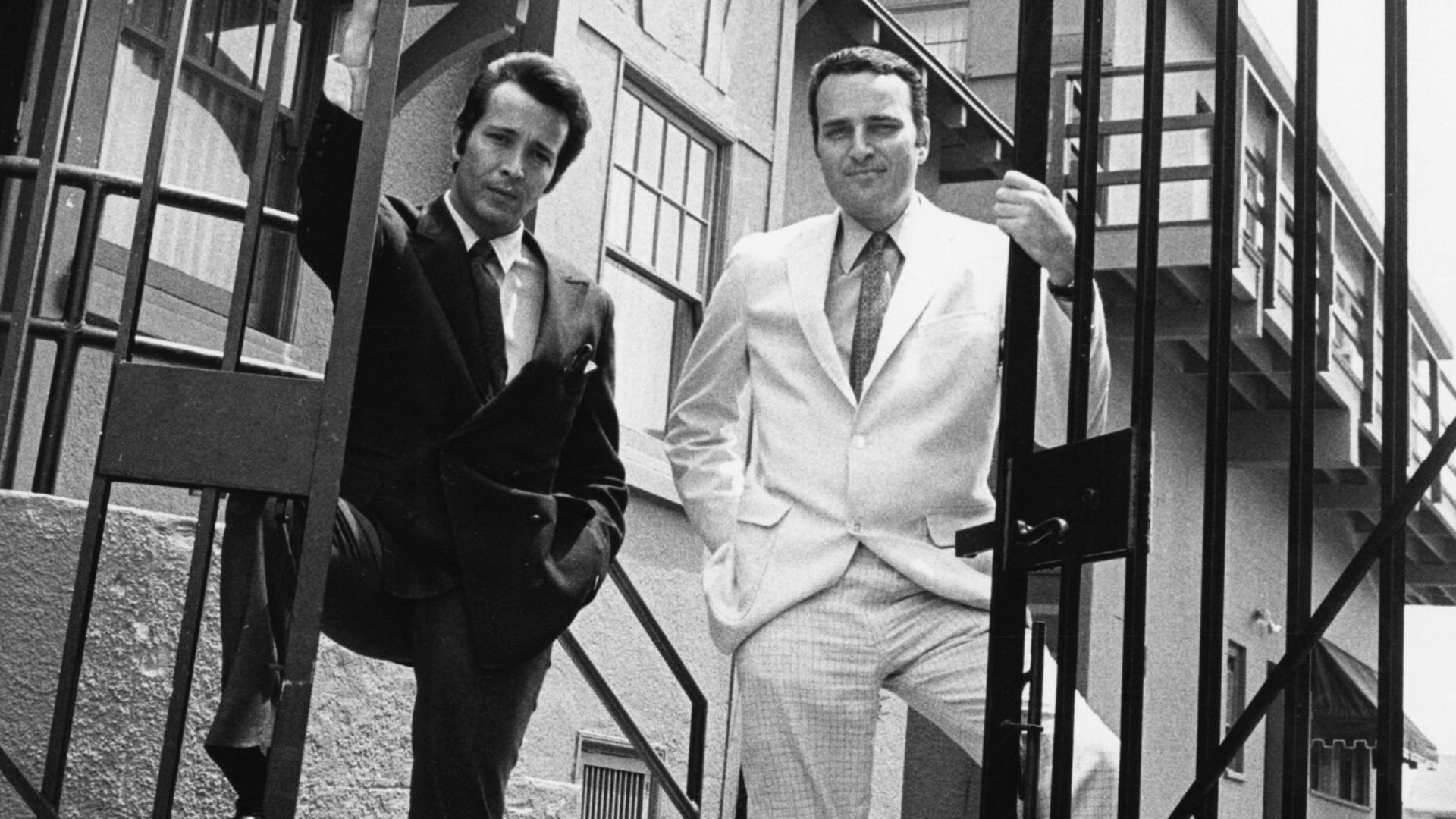
Beefheart and the Magic Band were gearing up to make the next step. They handed over some demos to A&M Records that they were making into an album. Jerry Moss over at A&M listened to the demos and had only one thought. The tracks were way too negative. Moss dropped Captain Beefheart and the Magic Band from the label.
They were back to square one.
 United Press International, Wikimedia Commons
18. He Was Askew
At the end of 1966, Captain Beefheart had managed to attract another label. This was Buddah Records, and with them the band released Safe as Milk. It was difficult to describe the kind of music that was on Safe As Milk. Richie Unterberger of Allmusic called it “blues-rock gone slightly askew”. He also called Beefheart’s vocals “twisted”.
As it turned out, Beefheart also had a hard time articulating what his music was.
 Joe Mabel, Wikimedia Commons, enhanced
19. He Banged On The Piano
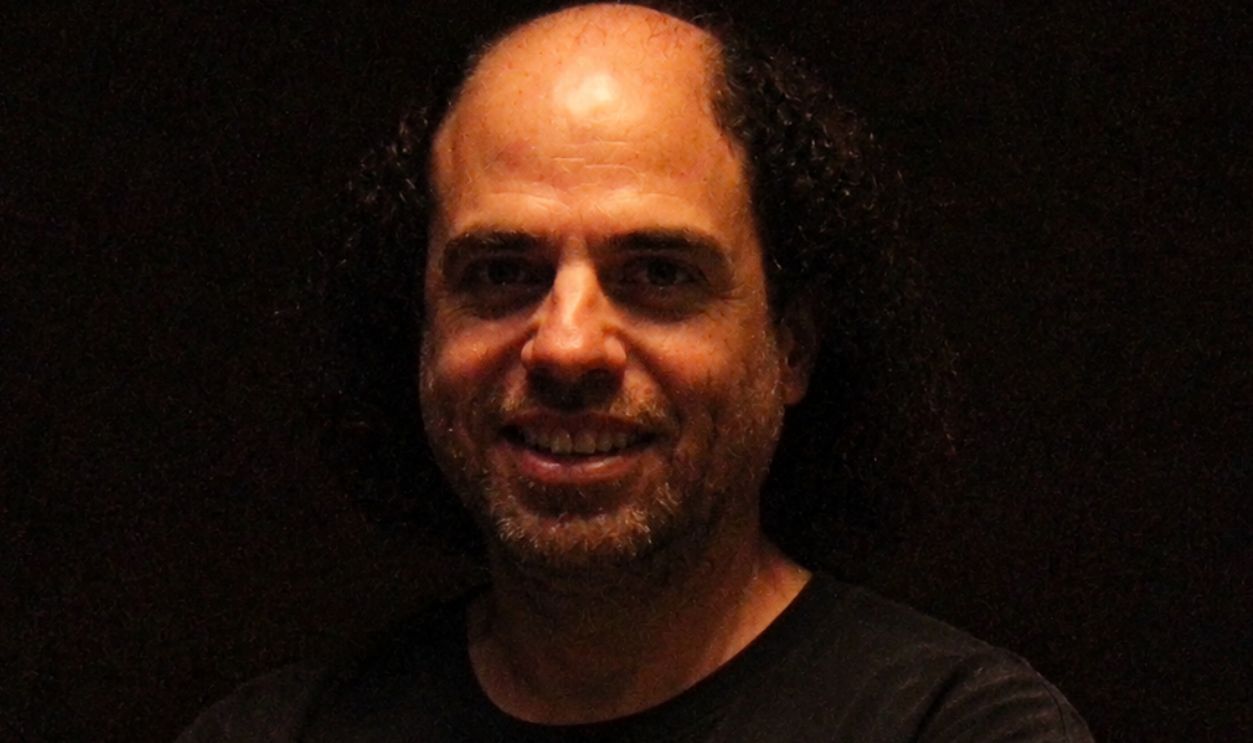
Captain Beefheart had an odd way of communicating his ideas to his bandmates. Drummer John French had the arduous task of transcribing Beefheart’s ideas into musical form. To French’s surprise, Beefheart often communicated by whistling or crudely banging on the piano.
Sure, it was difficult to work with Beefheart, but he clearly was on to something big.
 Gijsbert Hanekroot, Getty Images
20. He Was Groundbreaking
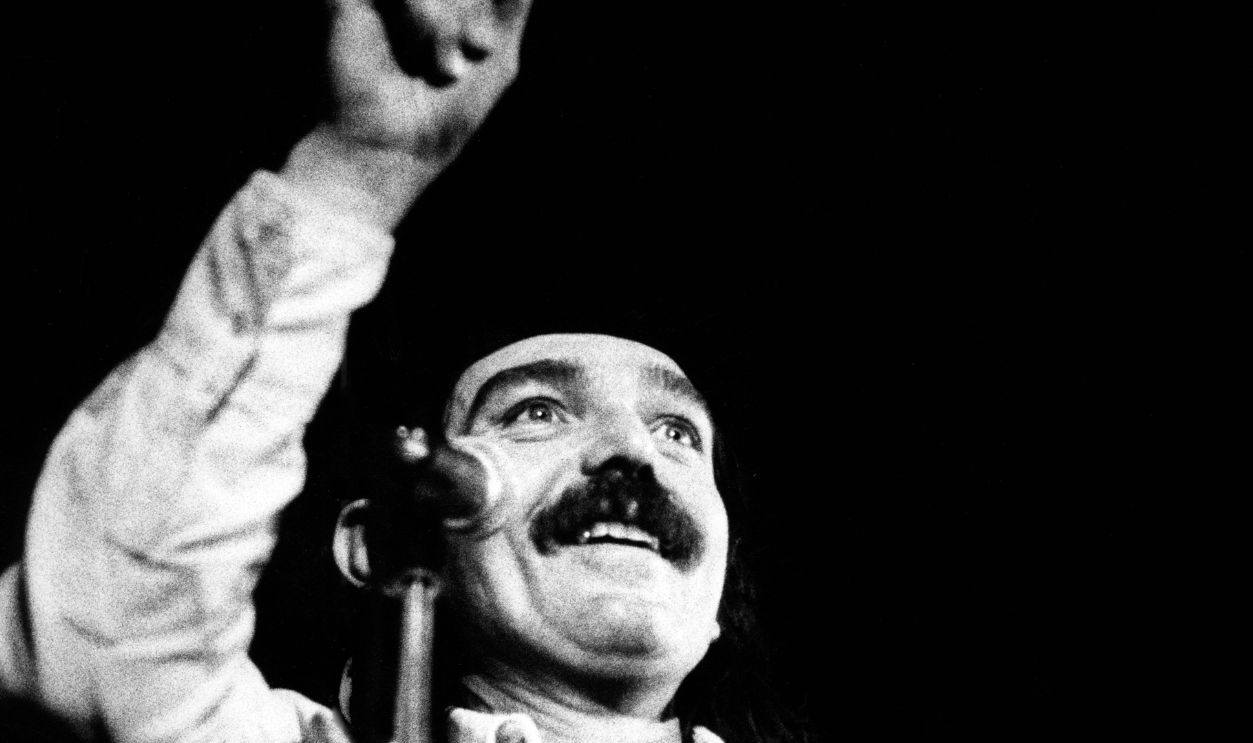
The thing was, Beefheart was laying down tracks for future musical genres. Some see him as pioneering punk rock, post-punk, and new wave. He was also a leader in the art rock and experimental rock movements. As far as Beefheart was concerned, he simply played what he loved: jazz, R&B, psychedelia, and avant-garde music.
His original sound would soon end up with a VIP fan.
21. He Had A Legendary Fan
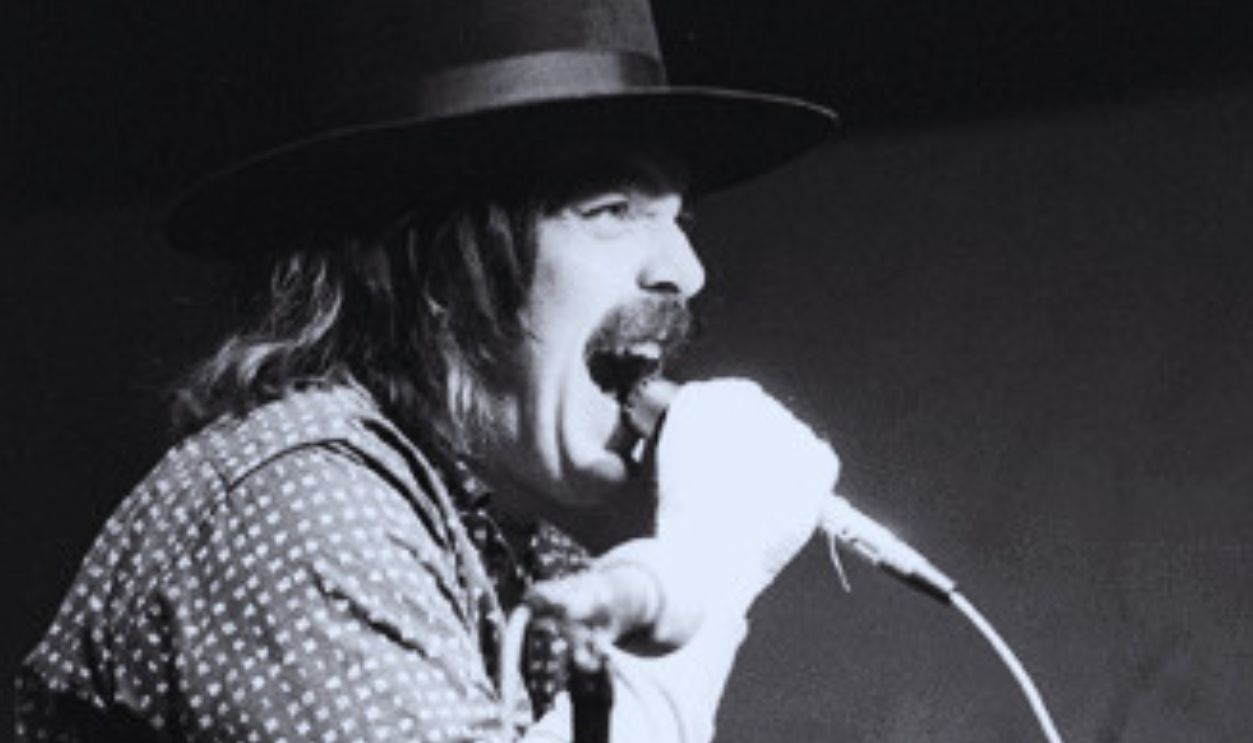
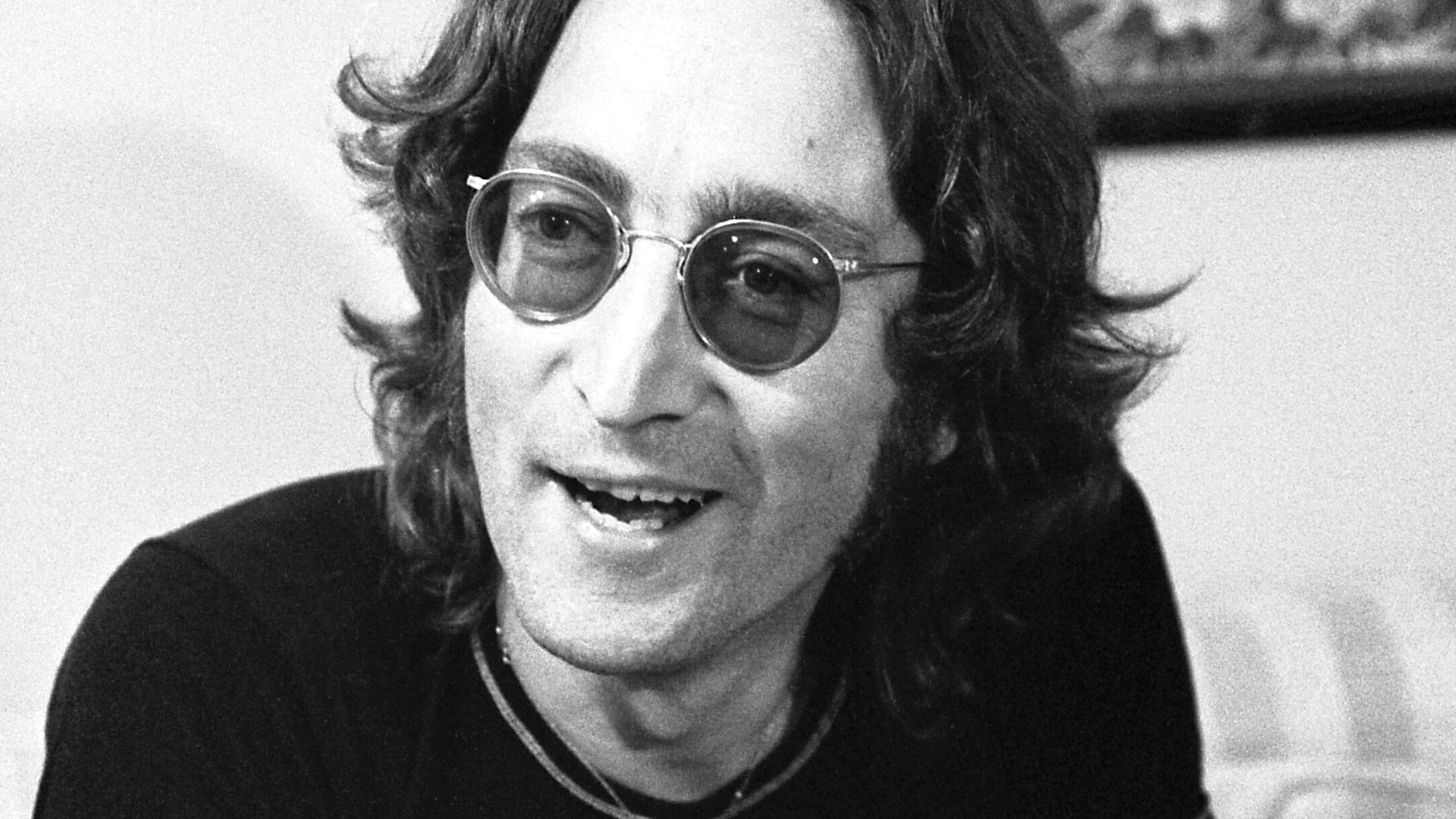
Beatles legend John Lennon was a fan of Beefheart and even put up some of the band’s "baby bumper stickers" in his home. The Beatles had the intention of signing Beefheart to their Zapple label, which would focus on experimental music. This didn't pan out, but maybe it was for the better.
You see, Beefheart was no fan of Lennon or the Beatles.
 Tony Barnard, Los Angeles Times, Wikimedia Commons
History's most fascinating stories and darkest secrets, delivered to your inbox daily.
22. Beefheart Had A Beef
Captain Beefheart had a beef with the Beatles. He called their songs “lullabies”. He even wrote a song called "Beatle Bones 'n' Smokin' Stones" that teased the four guys from Liverpool. But Beefheart had a reason for his dislike. During Lennon and Yoko Ono’s famous 1969 “Bed-in” protest, he sent them a telegram to support them and never got a reply.
But Beefheart had more important things to worry about.
![Collectie / Archief : Fotocollectie Anefo
Reportage / Serie : [ onbekend ]
Beschrijving : John Lennon en zijn echtgenote Yoko Ono op huwelijksreis in Amsterdam. John Lennon en Yoko Ono in bed in het Hilton Hotel
Datum : 25 maart 1969
Locatie : Amsterdam,](https://www.factinate.com/storage/app/media/factinate/2026/8/7/17860888353989f7d856f09eb1801548ce80b31eda78f3dd5e.jpg) Eric Koch for Anefo, Wikimedia Commons
Eric Koch for Anefo, Wikimedia Commons
23. He Stepped Off The Stage
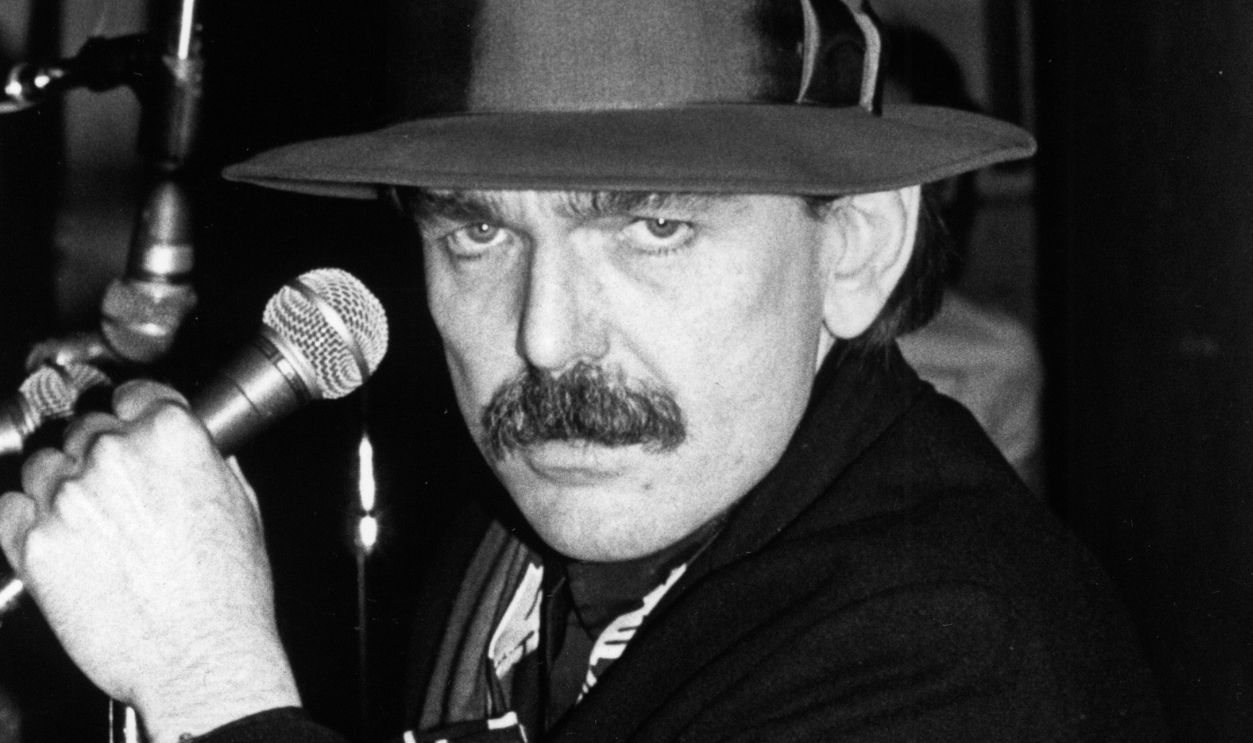
At one concert, Captain Beefheart did something very strange. He suddenly froze, fixed the tie he was wearing, and then stepped off the stage. The thing was, it was a 3 meter (10 ft) drop. Luckily for Beefheart, he landed right on his manager, Bob Krasnow. When asked why he did this, Beefheart had a shocking answer.
24. He Saw A Scary Image
Beefheart said that during the concert, he’d looked out into the audience and saw a girl. Right before his eyes, she turned into a fish, and then bubbles started coming out of her mouth. If this sounds absolutely preposterous, you have to take into account that Beefheart was heavily into psychedelics at this time.
Episodes like this were starting to take a toll on Beefheart’s sanity.
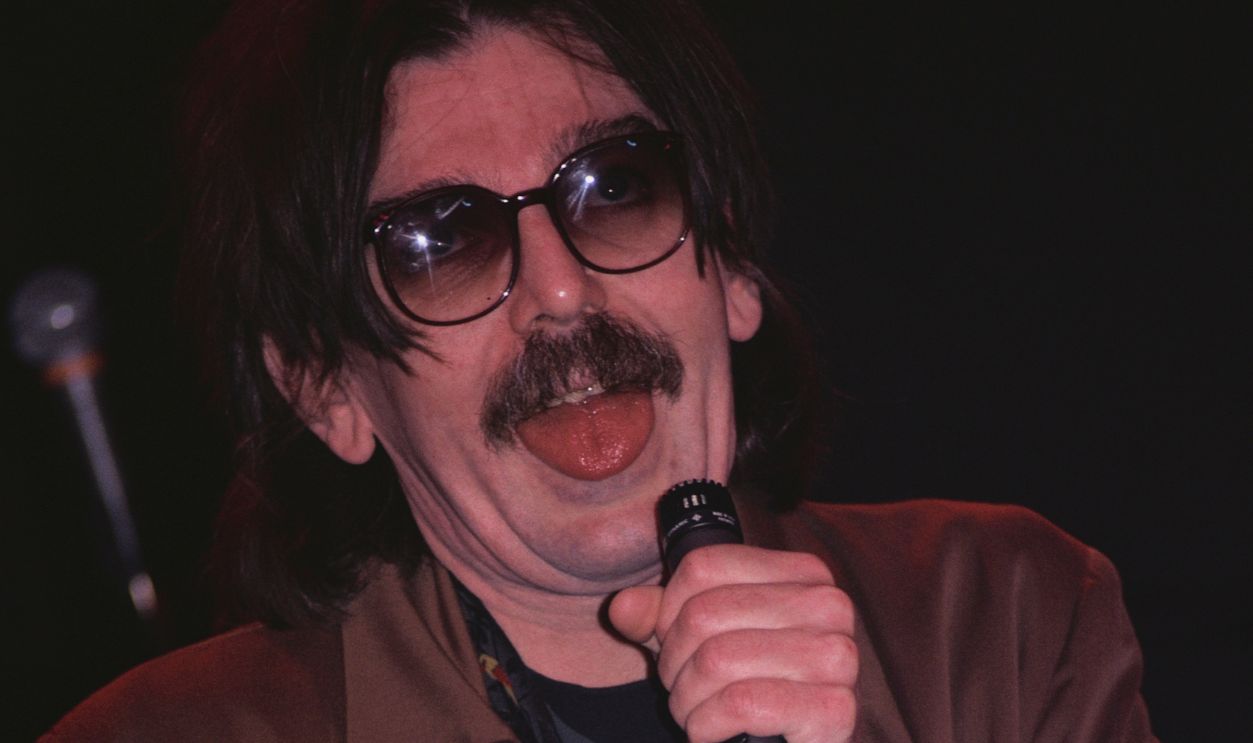
25. He Panicked
In 1967, Captain Beefheart was getting ready to launch the album Safe as Milk and signed the band up to play at the Monterey Pop Festival. Days before the festival, Beefheart became convinced that he was having a heart episode. The fact that his dad had previously passed from one sent Beefheart straight into full panic attack mode. This concert was not going to happen.
And this made one man very angry.
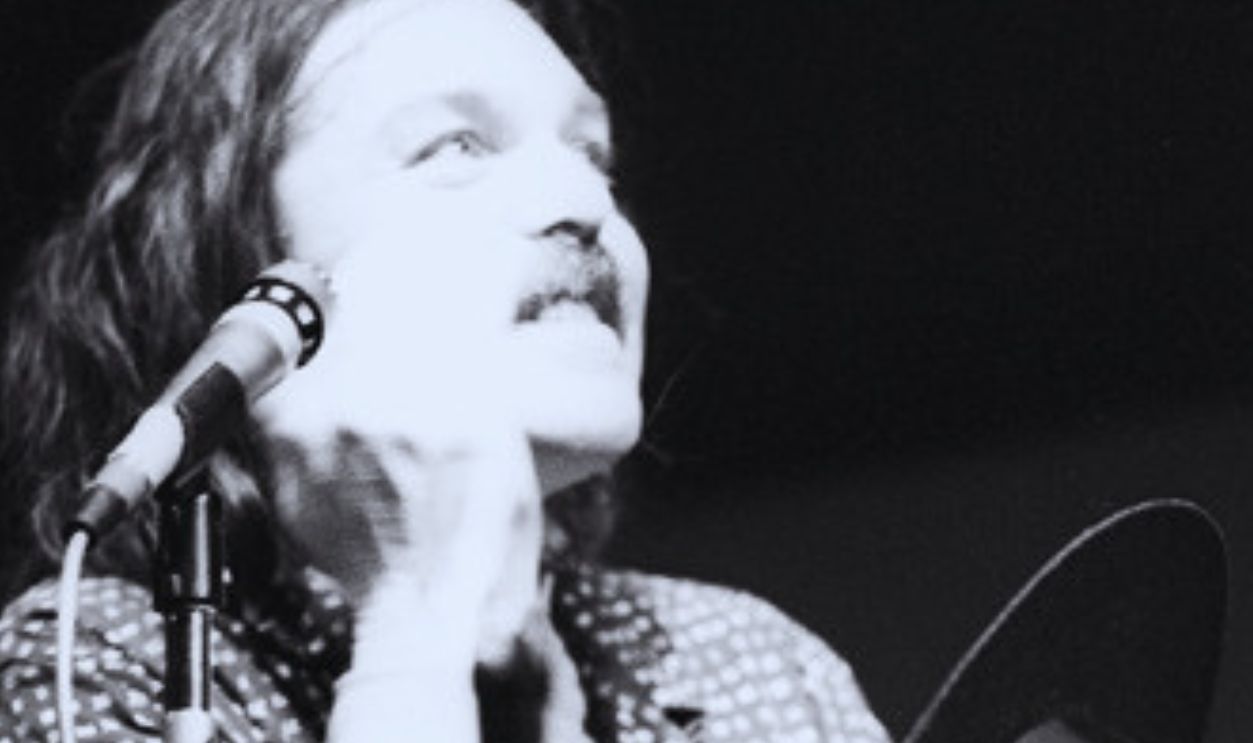
26. He Drove One Away
One of the members of Captain Beefheart and his Magic Band was Ry Cooder, and he’d had enough of Beefheart's psychedelic-induced dramas. He wanted nothing to do with Beefheart, and he walked. Cooder went on to produce the wildly popular Buena Vista Social Club album.
For his next album, Beefheart was going to have to tell a lie.
 Eddie Janssens, Wikimedia Commons
27. He Told A White Lie
After another successful album—Strictly Personal—Captain Beefheart decided to release a collection of his recordings that he’d made back in 1967. The problem was that he didn't really have the right to release these recordings. So, when he released Mirror Man in 1971, he added a little white lie to the liner notes. He said that all the recordings had taken place on one night in 1965. Little lies like this would later come back to haunt Beefheart.
But what should’ve been a simple trip through the London airport turned out to be a more pressing disturbance.
History's most fascinating stories and darkest secrets, delivered to your inbox daily.
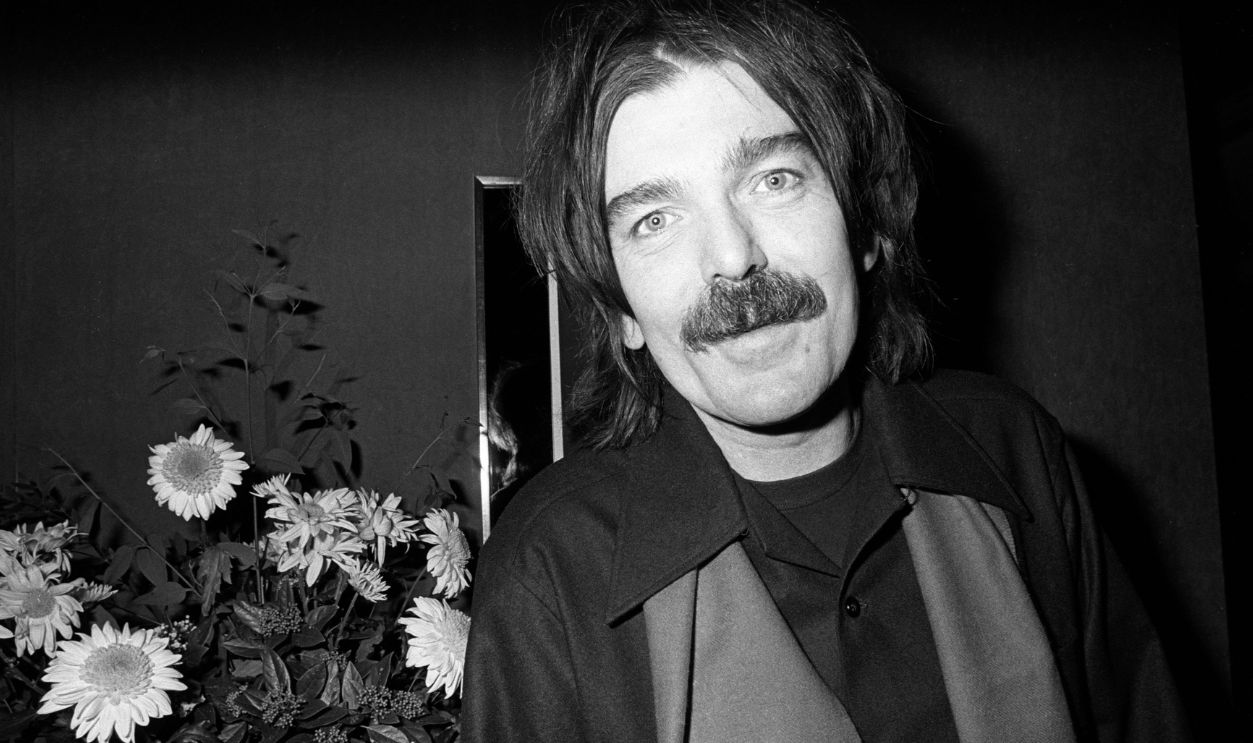
28. He Got Stopped
When Beefheart and his band members arrived in London for a series of gigs, the authorities would not let them leave the airport. No, it wasn’t an illicit substance issue, it was a working permit issue. Somehow, the fans and the media found out what was happening and protested. Authorities felt the pressure and let the guys enter the country.
Beefheart was now ready for the next album. His bandmates had no idea about the horror that awaited them.
 Warner Bros. Records, Wikimedia Commons
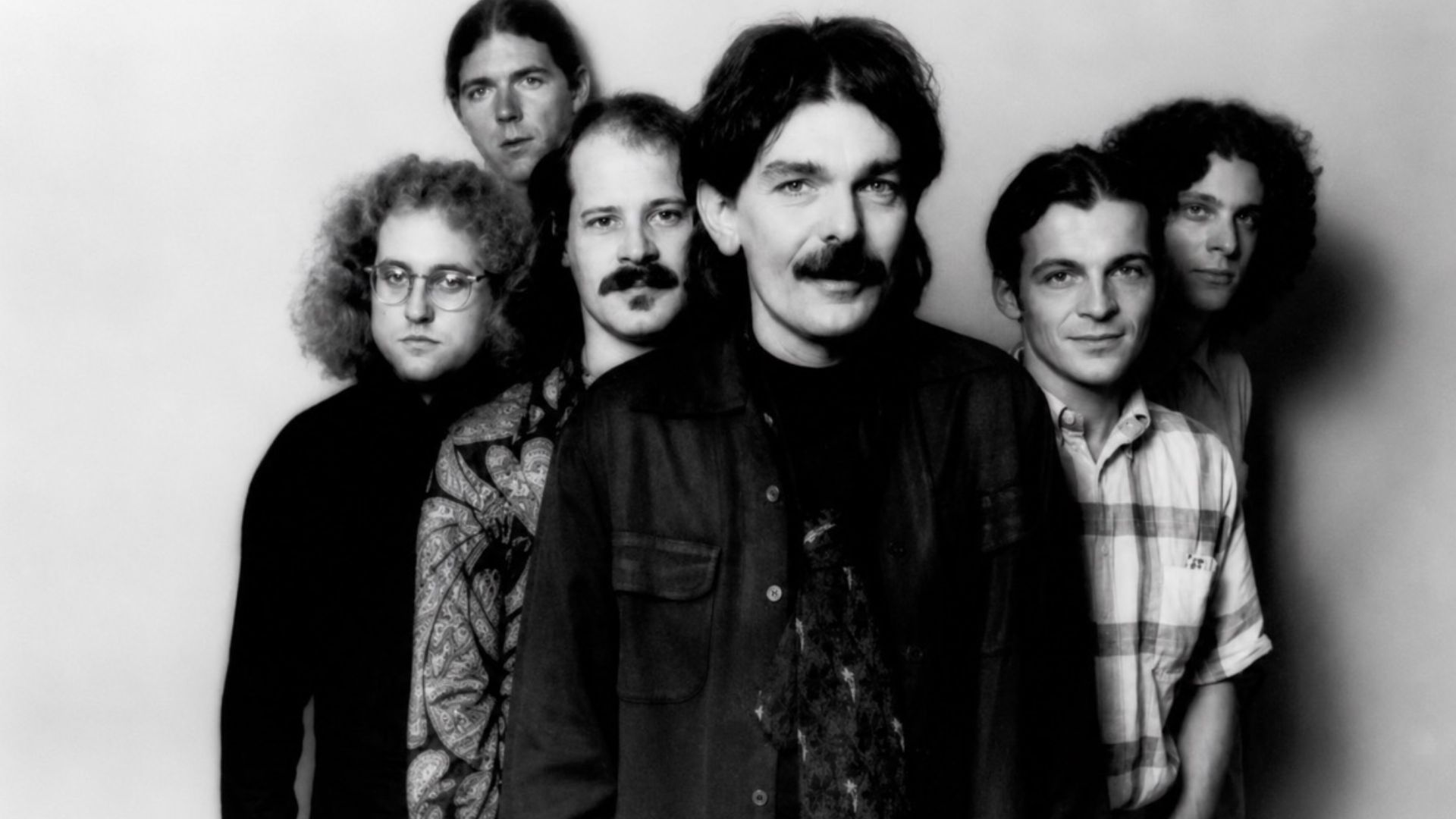
29. He Worked Them Hard
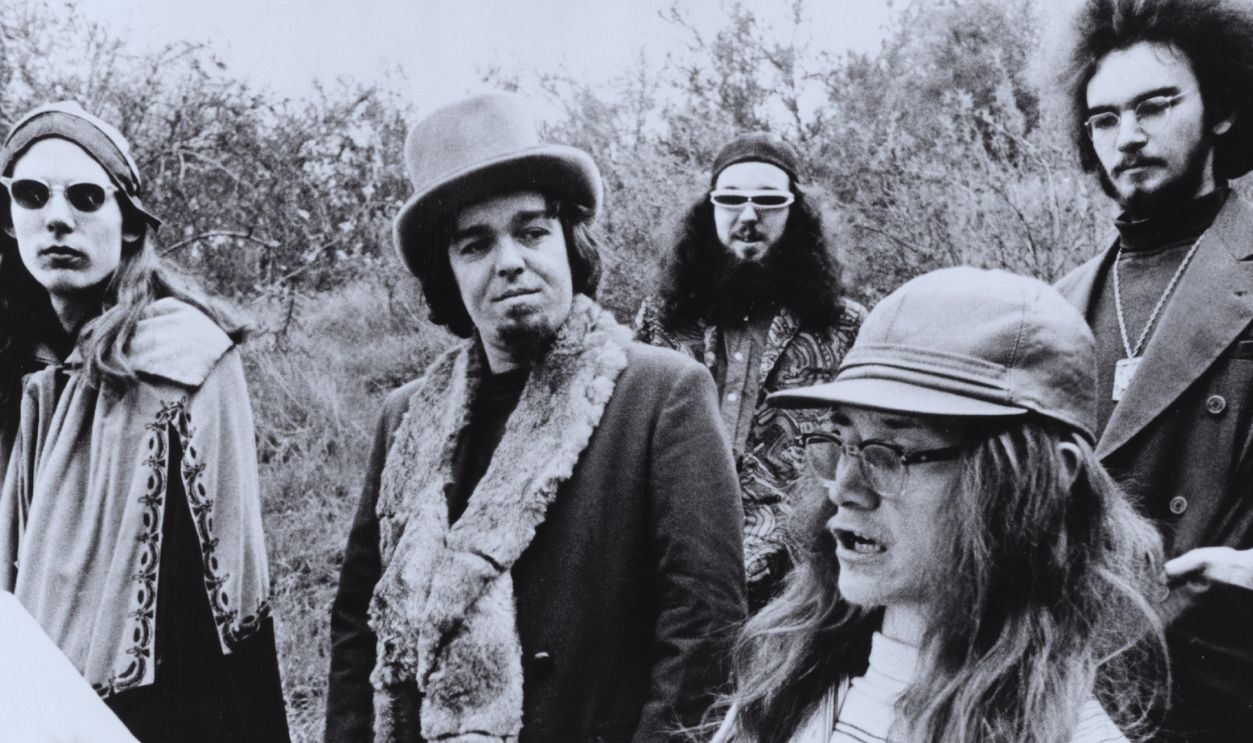
For his next album, Trout Mask Replica, Captain Beefheart went to unusual extremes to get the album he wanted. First, he required all band members to move into a two-bedroom house. His routine for the band was to rehearse for a grueling14 hours a day, and they would do this for eight months.
If you think this sounds unreasonable, just wait.
 Michael Ochs Archives, Getty Images
30. They Were Starving
While living together in this tiny house, none of the band members was making any money. So in addition to the long hours and cramped conditions, there wasn't much food. One band member, John French, said that he lived for one month with nothing more than a cup of dry beans per day. They survived on welfare checks, and some even resorted to shoplifting food.
But feeling hungry was nothing compared to Beefheart’s cruel behavior.
31. He Was A Cruel Boss
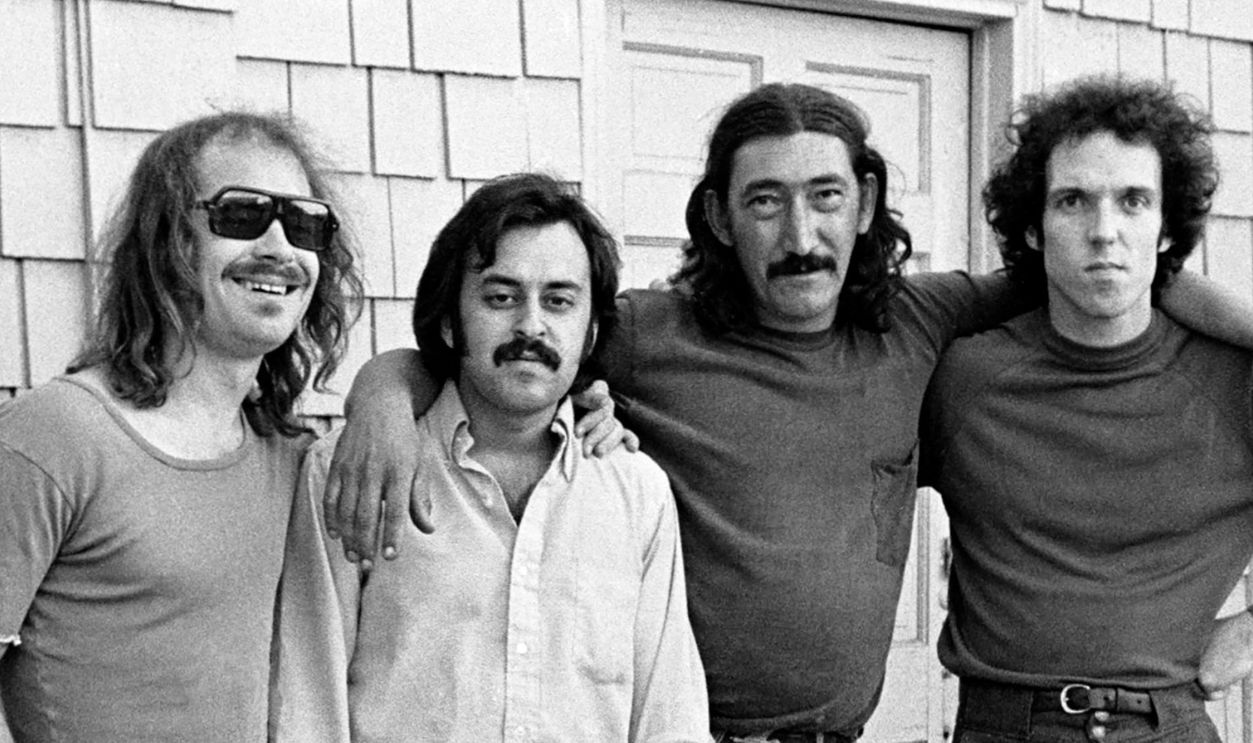
In addition to the harsh living conditions, Captain Beefheart made the band members’ lives miserable in other ways. Beefheart demanded complete control over the making of the album. When band members made mistakes, Beefheart would reprimand them—sometimes for days. Some members thought it felt like a cult, and one, referring to Charles Manson, even called it “Mansonesque”.
Some of the punishments soon became corporal.
 Mark Hayward Archive, Getty Images
32. He Doled Out Punishment
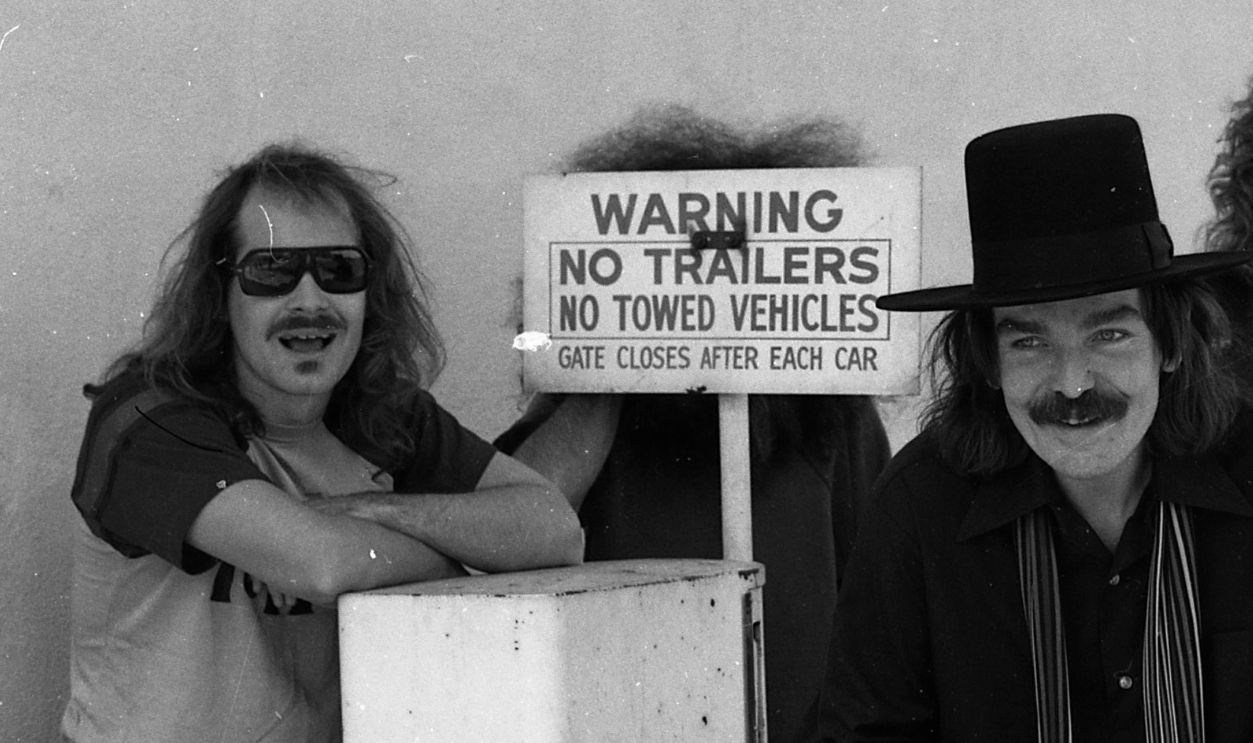
John French was the band member who suffered the brunt of Beefheart’s inexcusable behavior. Beefheart punched him in the face, but then other band members would join in. He said that band members punched him, threw him into walls, kicked him, and even went at him with a “sharpened broomstick”.
So, after all this drama, what kind of album was Trout Mask Replica anyway?
 Mark Hayward Archive, Getty Images
33. It Was A Masterpiece
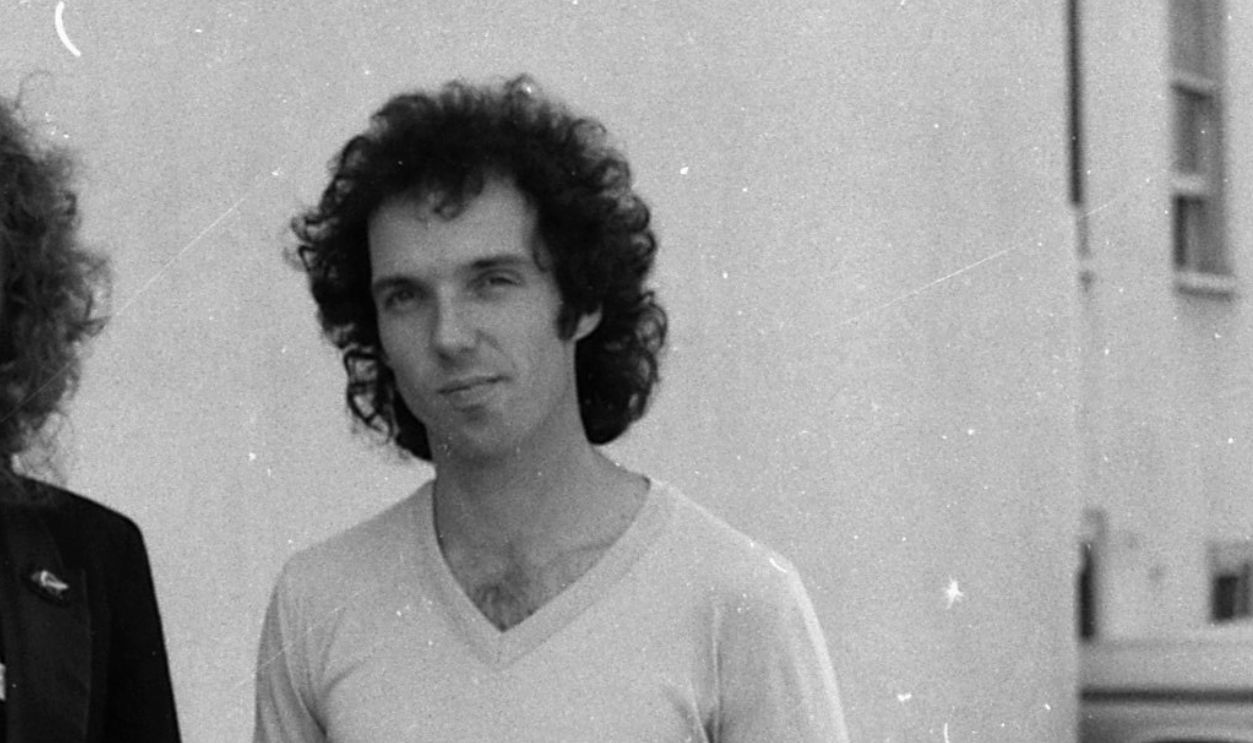
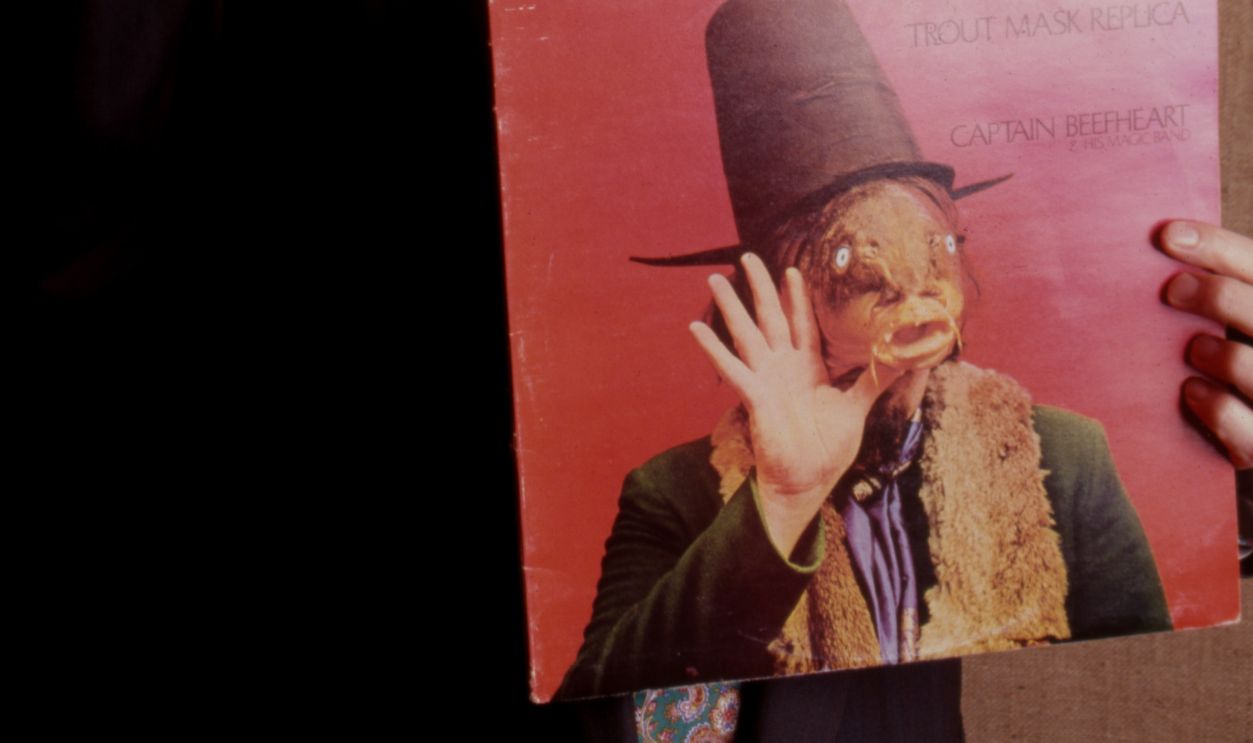
Trout Mask Replica eventually had its release in 1969. Critics thought it broke many musical rules and blended a mixture of genres, including blues, jazz, and avant-garde. Beefheart also added surreal poetry to the mix. While it may sound like an absolute mess, many consider it to be a masterpiece. It has also appeared on many “best album lists" from various publications.
Clearly, Beefheart had gotten what he wanted. But could he do it again?
 Richard Ecclestone, Getty Images
History's most fascinating stories and darkest secrets, delivered to your inbox daily.
34. He Reached The Top
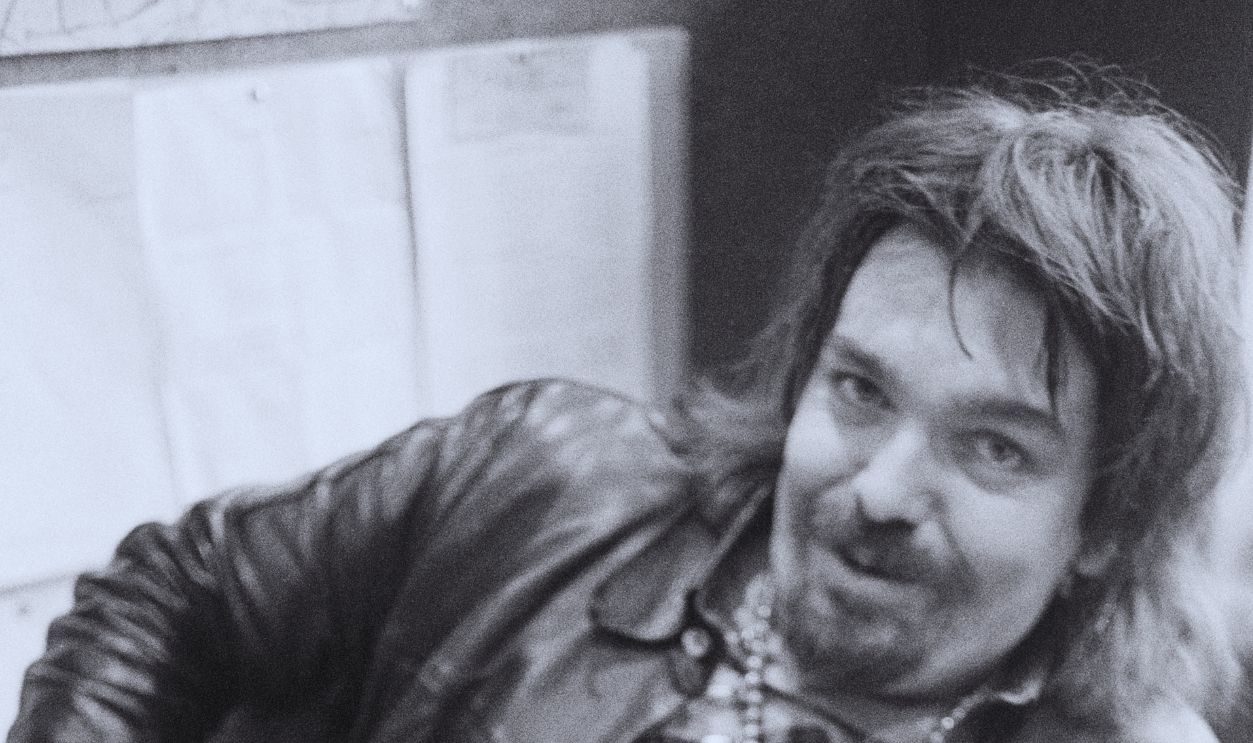
Despite his episodes, Captain Beefheart somehow convinced French to rejoin the group and they made Lick My Decals Off, Baby in 1970. This proved to be another huge success for Beefheart and his band. In fact, it was their best seller in the UK. Beefheart was at the top of his game musically. But he had not forgotten his first love: art.
35. He Put His Art Out There
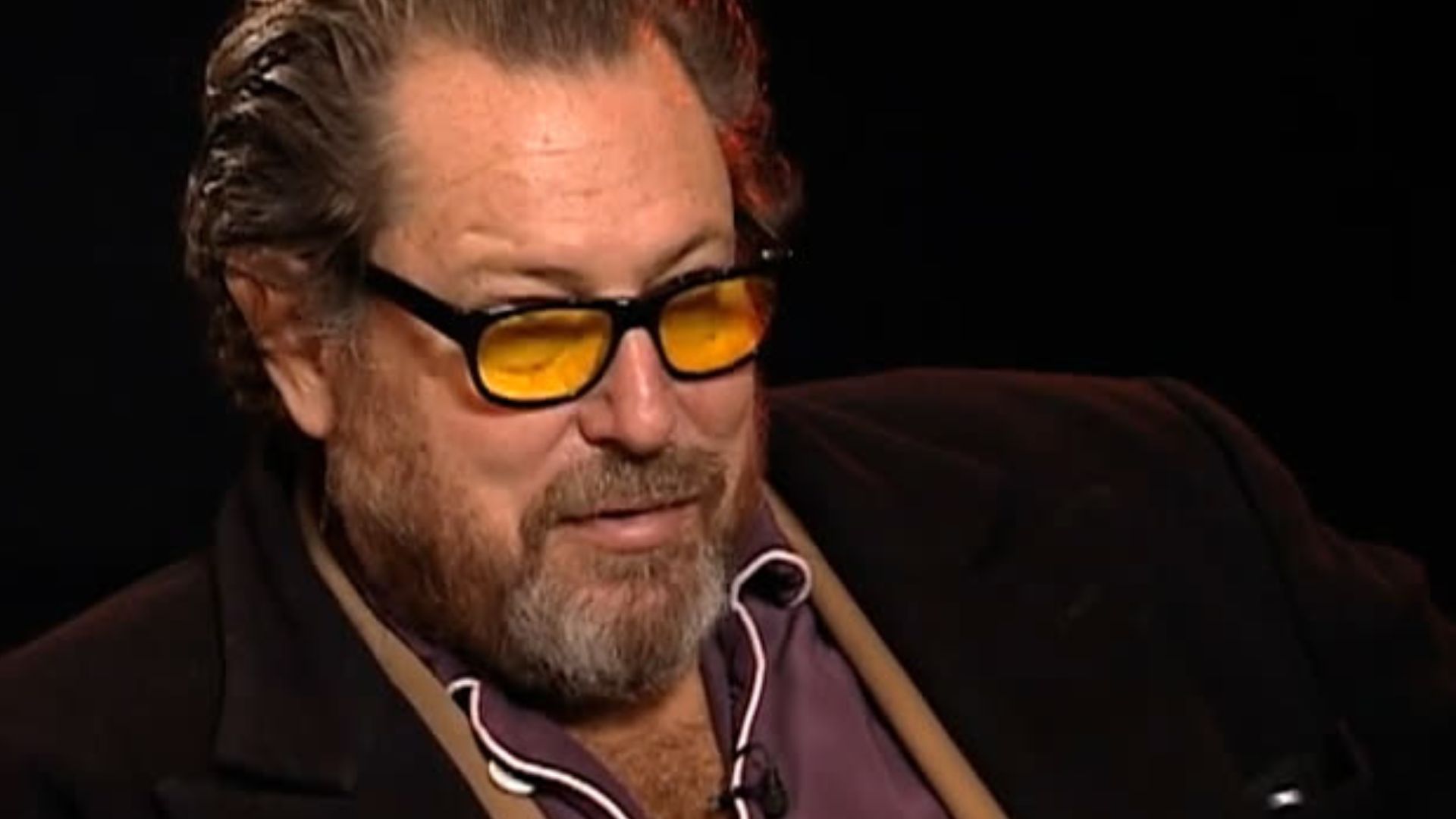
While enjoying his celebrity as a musician, Captain Beefheart took the time to put his paintings out there. In 1972, he had an exhibit at The Blueboat in Liverpool. His work gathered him some attention, even enough for a TV interview. He also caught the attention of indie filmmaker Julian Schnabel, who bought a drawing from him.
While his paintings were catching the public's attention, Beefheart decided to give his music a little twist.
 Voice of America, Wikimedia Commons
36. He Wanted Money
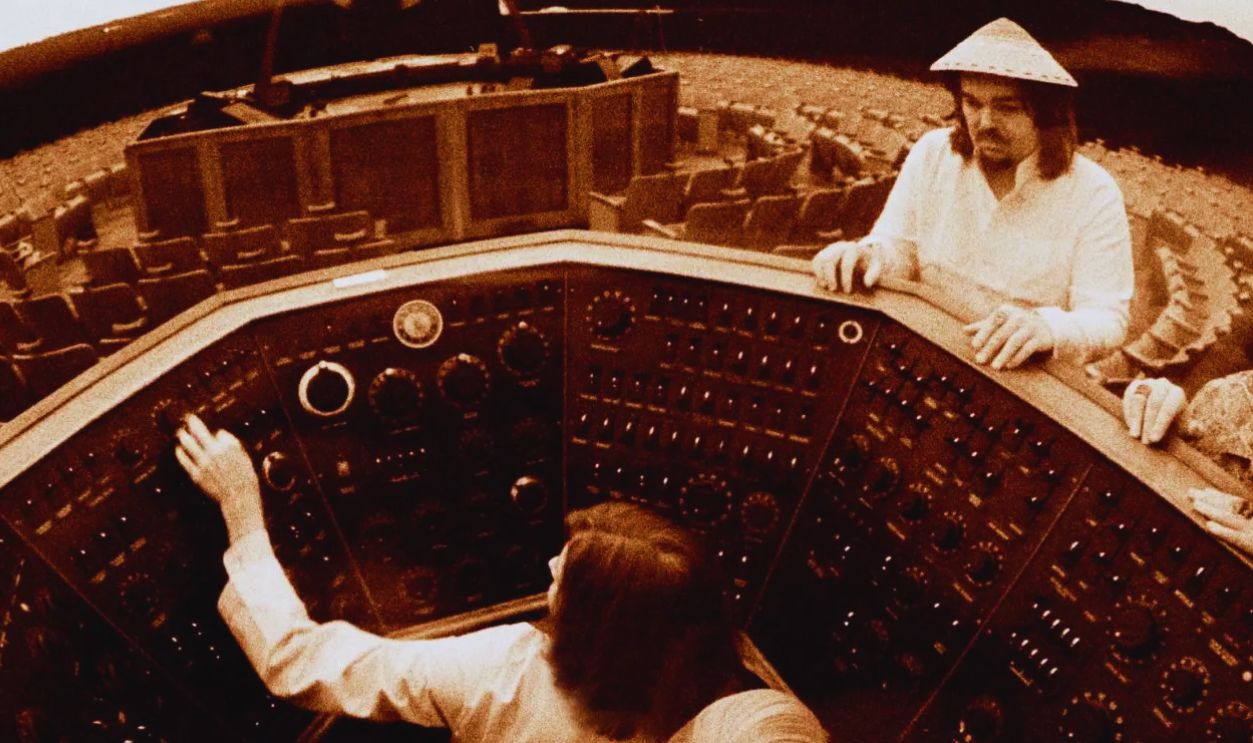
Captain Beefheart released two albums in 1972: The Spotlight Kid and Clear Spot. Beefheart’s goal seemed obvious. He wanted these albums to have more of a commercial appeal. Reading between the lines, we may assume he just wanted to make a bit more money on these ones. Critics found his music much more relaxed.
But things behind the scenes were anything but.
37. He Went Down That Road Again
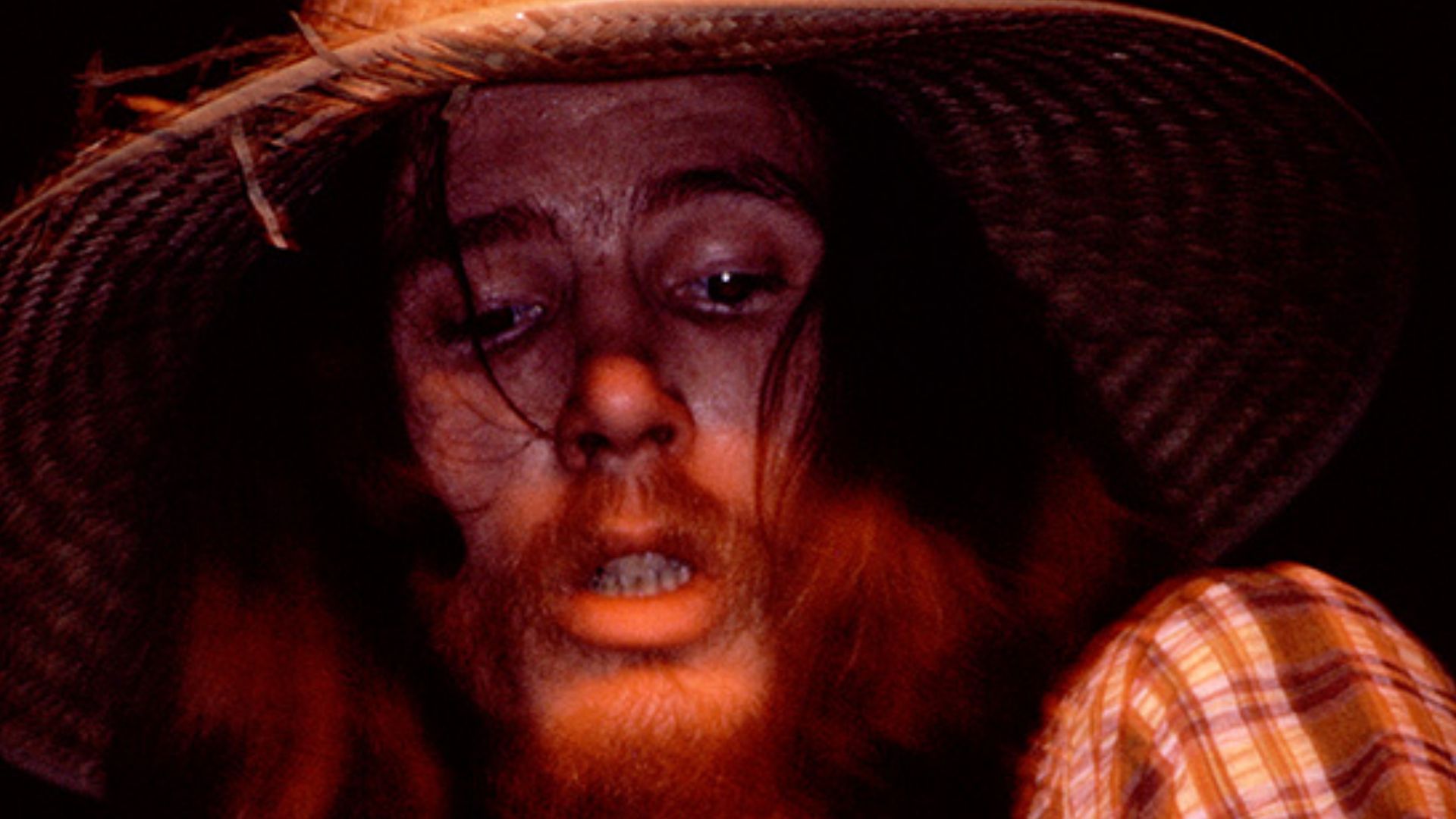
Even though Beefheart was going for a more relaxed sound, he was still treating his band members like dirt. Like on Trout Mask Replica, Beefheart had the band holed up together in a house. Once again, things turned both tense and violent. Guitarist Bill Harkleroad said that Beefheart threw him into a dumpster.
This time the guys were ready to make a move.
 Alastair Thompson, Wikimedia Commons
38. They Walked Away
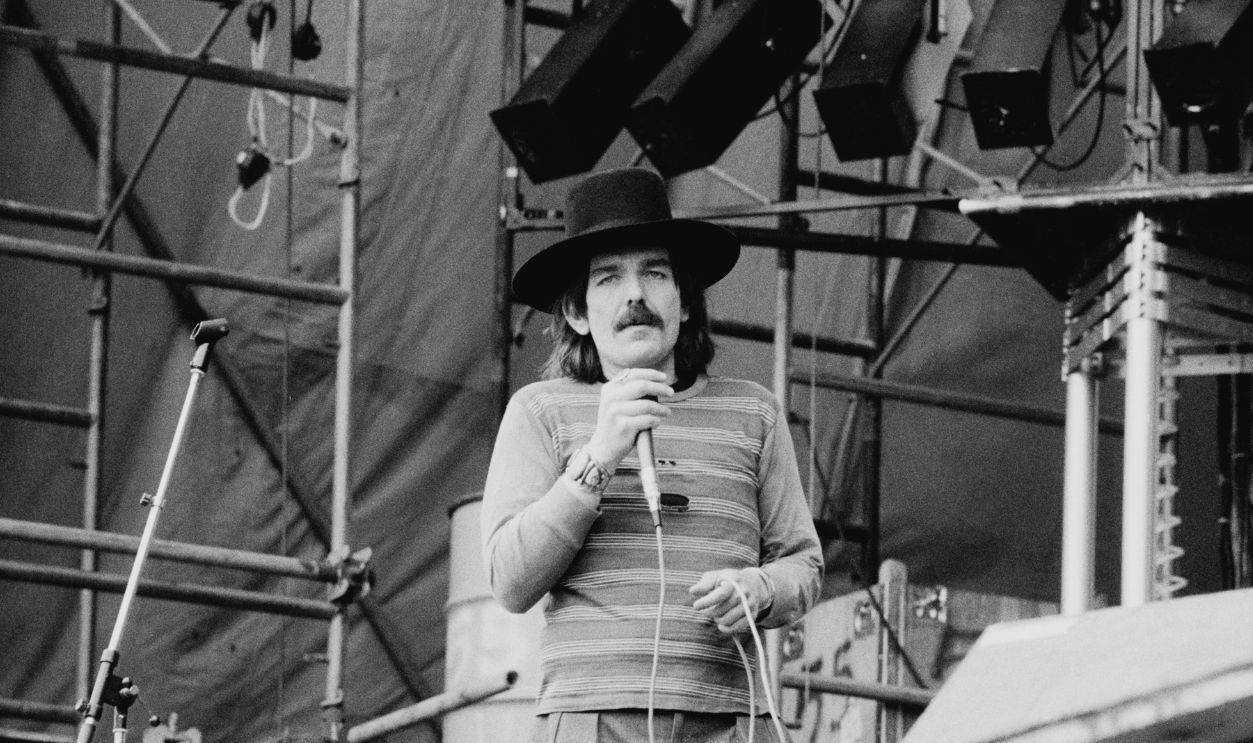
1974’s Unconditionally Guaranteed was another attempt by Captain Beefheart to be successful commercially. After this, the guys went on to form their own band called Mallard. Noticeably absent was any contribution from Beefheart. For his part, Beefheart hired session players to take the place of the departing members. Sadly, this band was a failure and got the nickname “Tragic Band”.
Was it really that bad? In short, yes.
39. He Was Horrible
Unconditionally Guaranteed and its follow-up album Bluejeans & Moonbeams failed to make audiences happy. The departed members of the band expressed shock at the poor quality of these albums. Beefheart could do nothing but agree. He admitted the albums were “horrible and vulgar.”
“Horrible” might also describe Beefheart’s contract issues.
 Michael Ochs Archives, Getty Images
History's most fascinating stories and darkest secrets, delivered to your inbox daily.
40. He Took An Alias
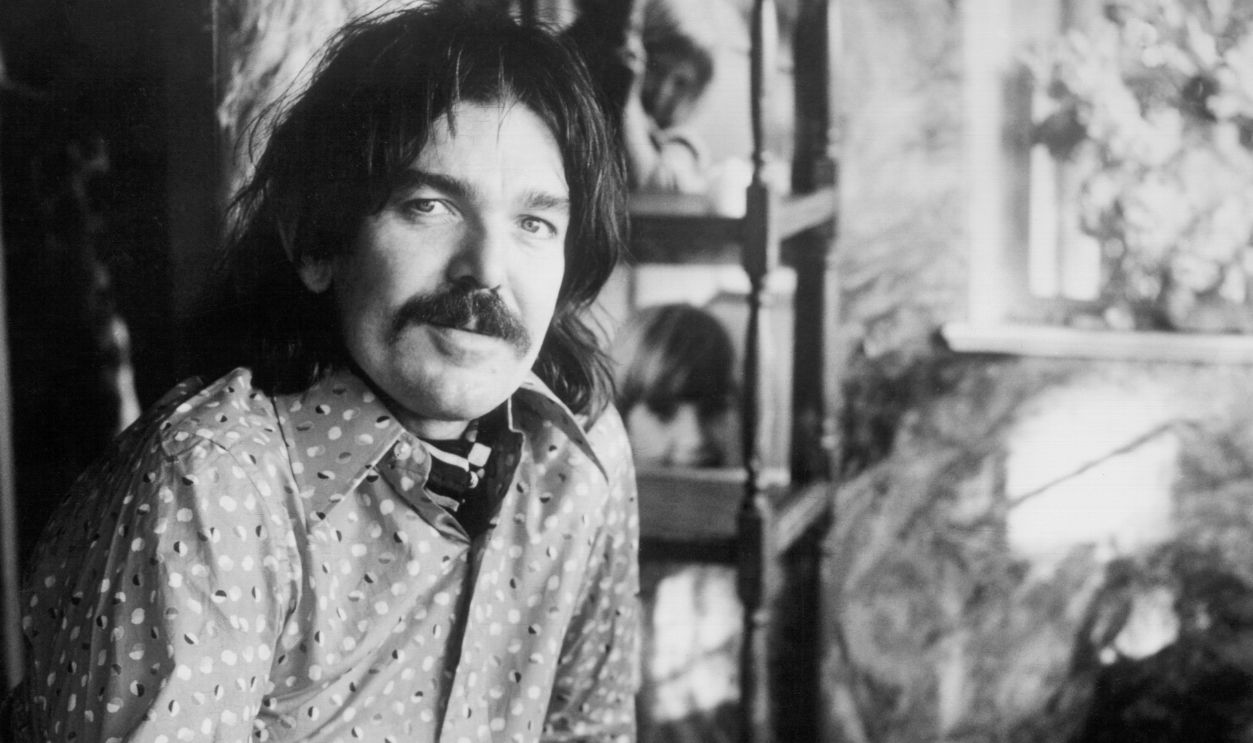
Despite the disappointment of these two albums, Captain Beefheart continued to make music. Unfortunately, he now faced various contractual conflicts. In fact, he was so caught up with these problems that he was unable to play gigs or record music at all. His old friend Frank Zappa came to the rescue. He gave him an alias—Bloodshot Rollin’ Red—and let him work for him on the sly.
But Beefheart’s huge ego would get in the way again.
 Goedefroit Music, Getty Images
41. It Was A Dramatic Relationship
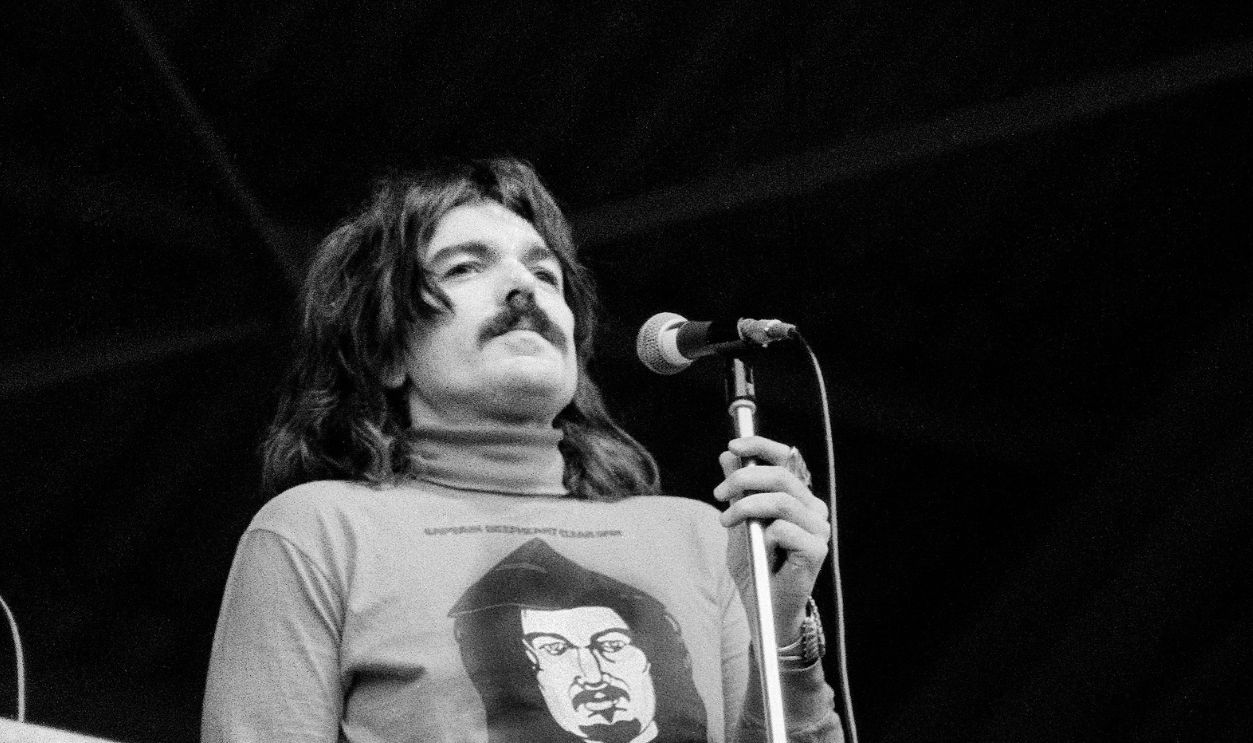
Both Beefheart and Zappa had huge personalities, and they looked at creativity differently. Zappa was big on discipline, and Beefheart was more spontaneous. But Zappa still wanted to help Beefheart get back on track. In 1978, Beefheart released Shiny Beast (Bat Chain Puller) on Warner Bros. Many saw this as a triumphant return for Beefheart. They were now calling Beefheart “the father of the new wave”.
But if he was old enough to be the “father”, maybe it was time to quit.
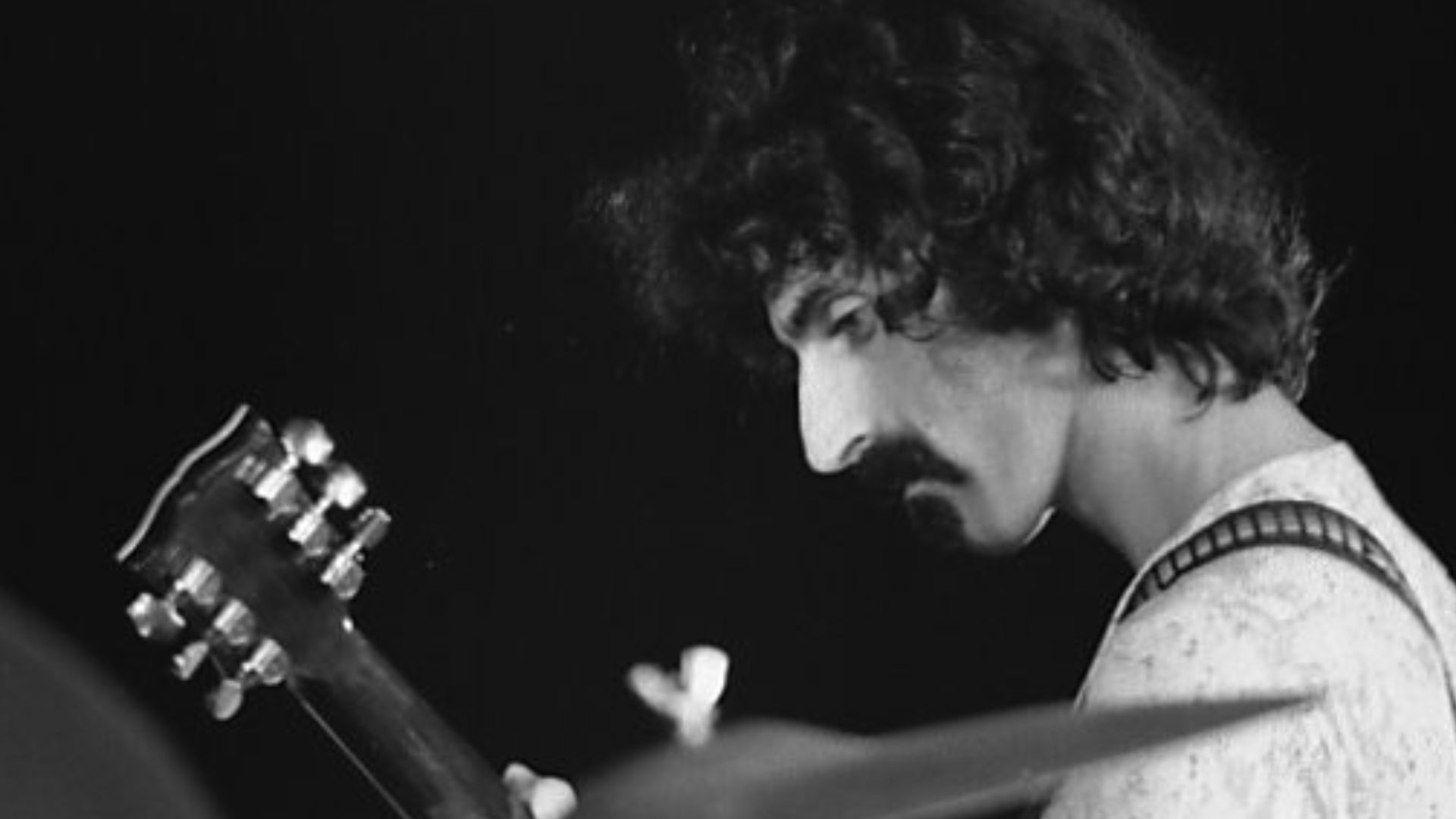
42. He Had To Choose
After making Ice Cream for Crow in 1982, Captain Beefheart faced a big decision. He’d made a connection with a gallery owner in Germany, and this owner gave it to Beefheart straight. He said that no one would take him seriously as a painter if he continued making music.
Beefheart had a big decision to make.
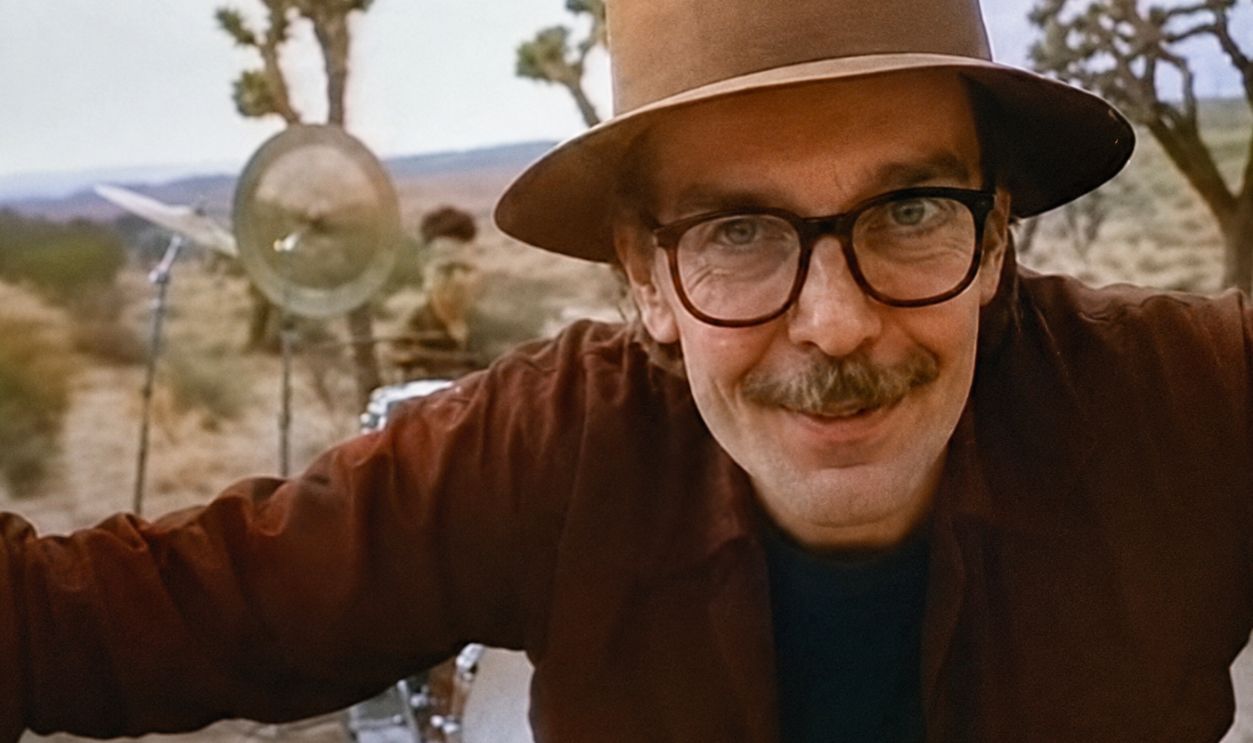 Screenshot from Ice Cream for Crow, Universal Music Group (1982), enhanced
43. He Walked Away
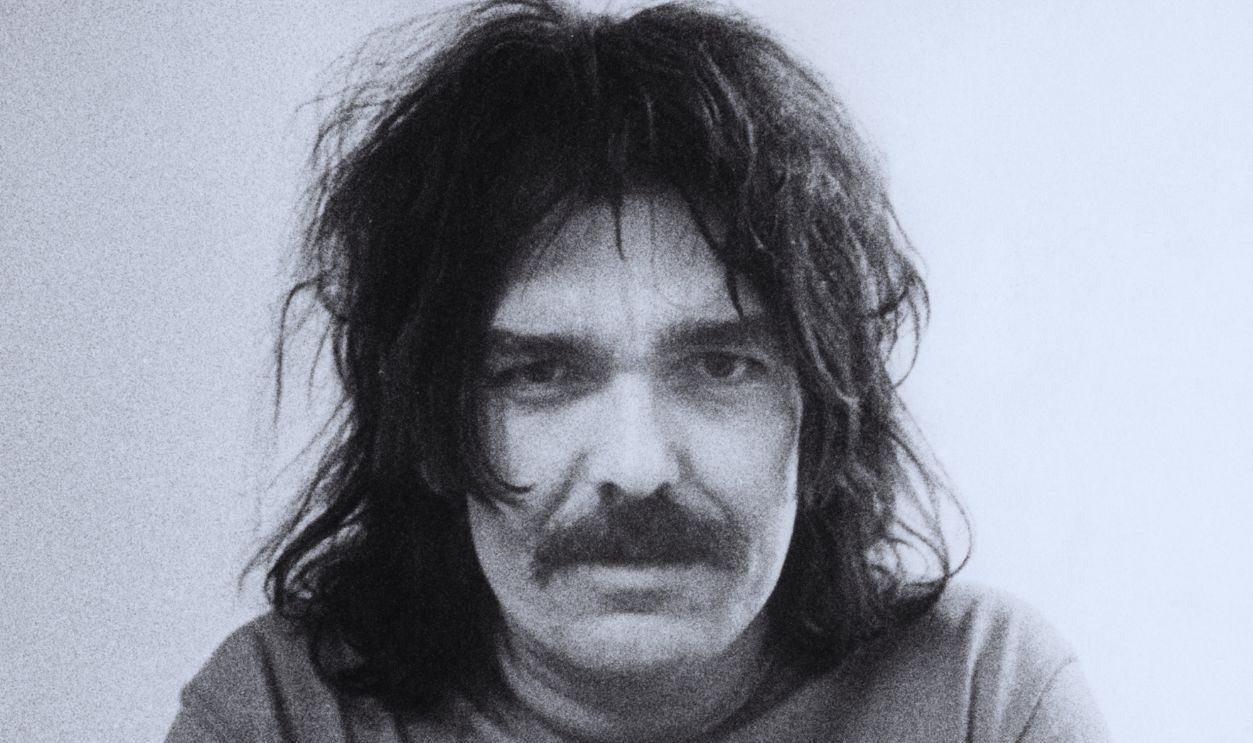
In 1983, Beefheart took the gallery owner’s advice and officially retired from the music industry. He started painting in the abstract expressionist style, and his works sold for prices as high as $25,000. But working alone altered Beefheart’s personality. He became more isolated from other people.
But one thing hadn’t changed. He was as hard on himself as he’d been on his bandmates.
 David Warner Ellis, Getty Images
44. He Destroyed Art
Remember, Captain Beefheart was very hard on the musicians that he worked with, sometimes even becoming violent. Well, now he was working for himself, so that had to change. Except it didn’t. Beefheart was equally hard on himself. If he painted something he didn’t like, he didn’t waste any time thinking about it. He heartlessly destroyed it.
Well, you can’t say Beefheart wasn’t his own man.
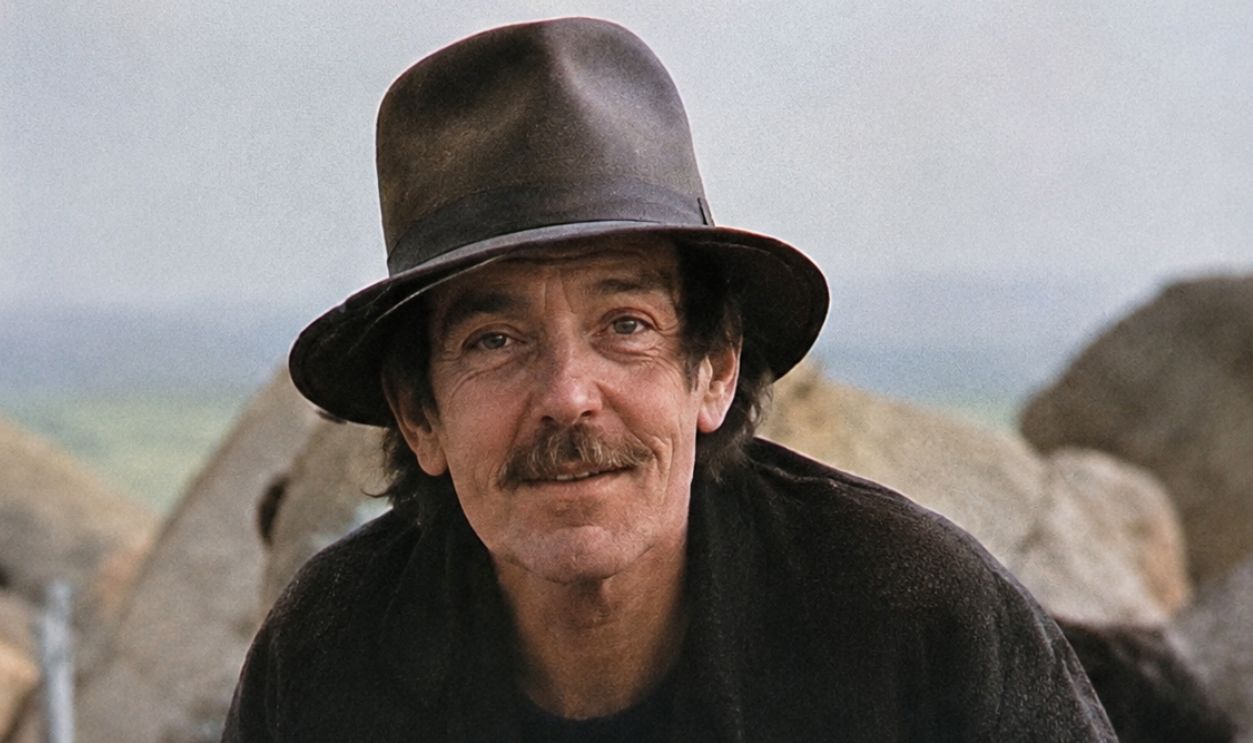 Screenshot from Ice Cream for Crow, Universal Music Group (1982), enhanced
45. He Had No Influences
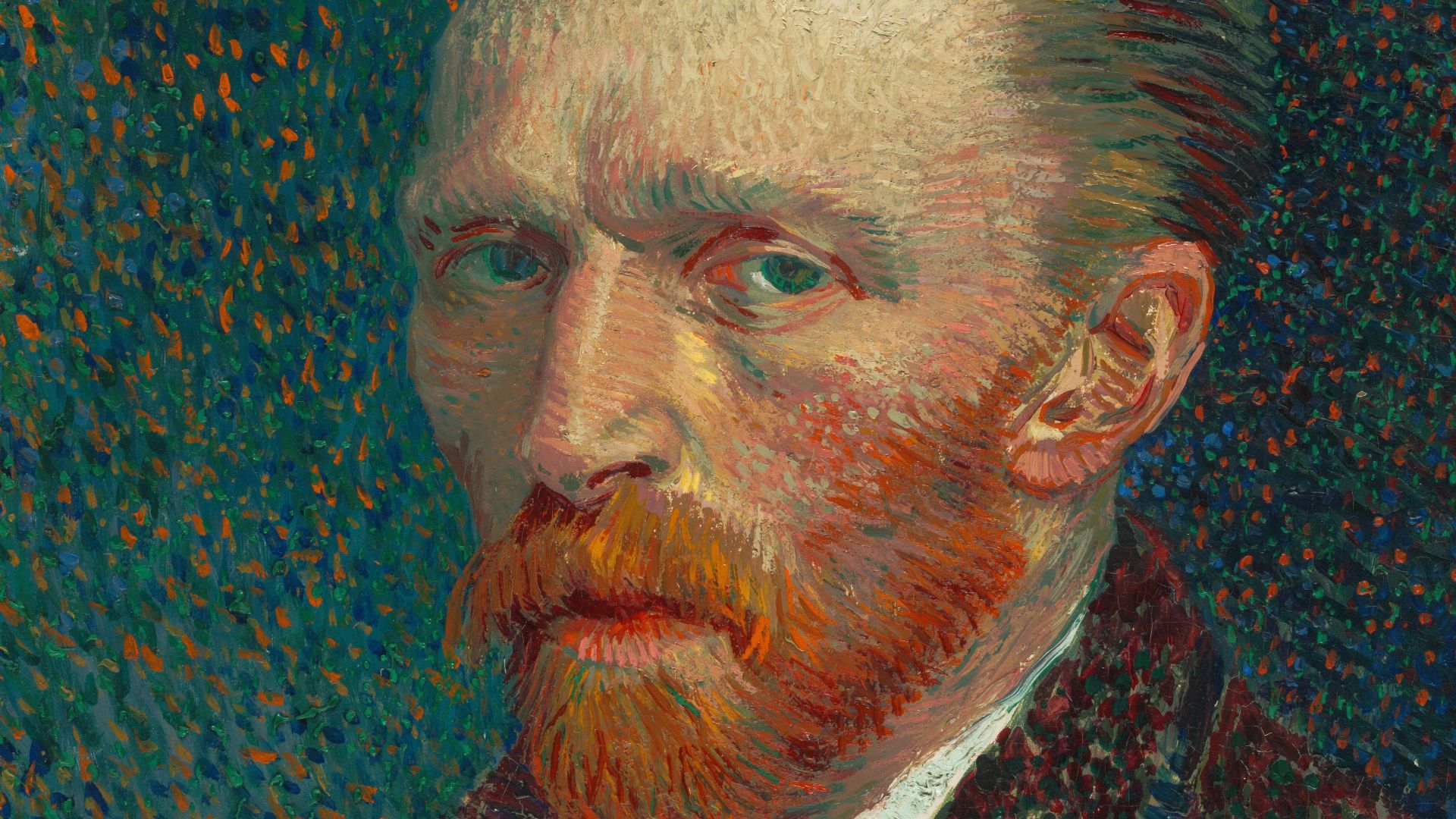
People were starting to take Beefheart seriously as a painter, and they wanted to know which painters inspired him. Beefheart said he had no influences. He saw it this way: "I just paint like I paint and that's enough influence”. He did admit that he liked Vincent van Gogh and said that after seeing paintings by the Dutch artist, "The sun disappoints me so".
Sadly, Beefheart was going to face his own huge disappointment.
 Vincent van Gogh, Wikimedia Commons
History's most fascinating stories and darkest secrets, delivered to your inbox daily.
46. He Faced A Health Crisis
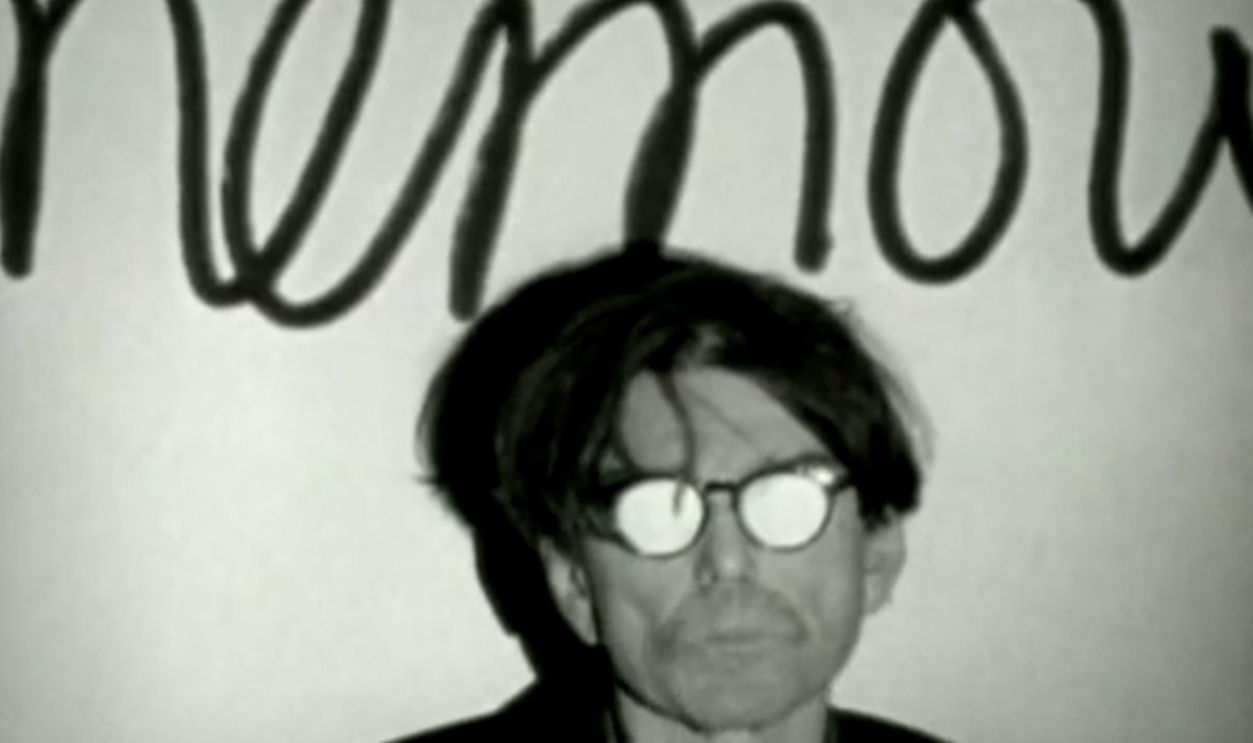
In the early 1990s, Captain Beefheart faced a tragedy. He had multiple sclerosis, and he now had to use a wheelchair. His final public appearance was in a documentary in 1993. In the documentary, Beefheart looks quite weak, and his speaking voice sounds impaired. In the short film, Beefheart reads poetry and talks about the environment, art, and music.
It was clear his life was winding down.
 Screenshot from Some Yo Yo Stuff, BBC (1993)
47. They Paid Their Respects
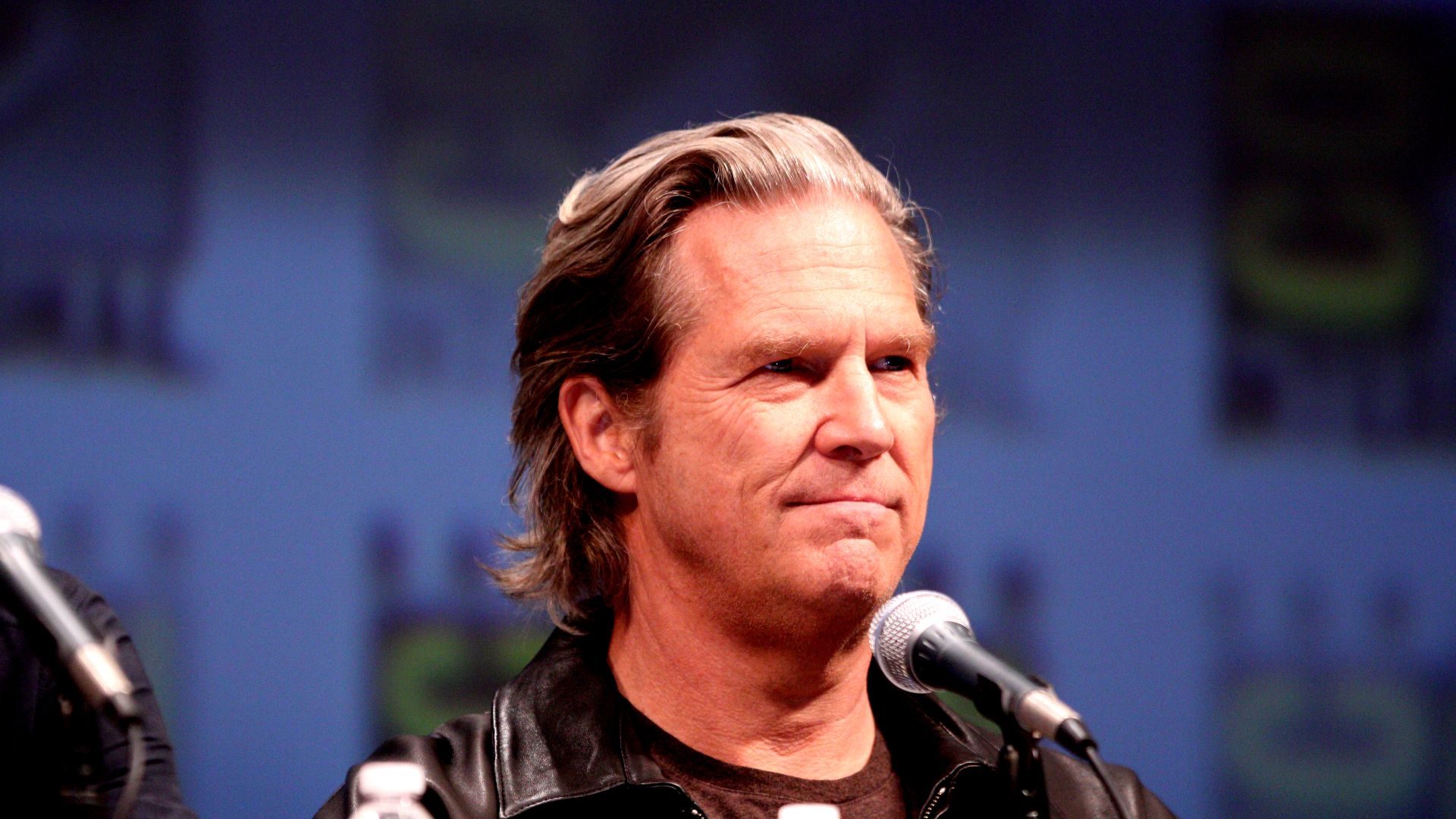
On December 17, 2010, Captain Beefheart passed on. The cause was multiple sclerosis. The next night, Jeff Bridges appeared on Saturday Night Live, and he ended the show with, "Rest in peace, Captain Beefheart"! Zappa’s daughter, Dweezil Zappa, dedicated a song to Beefheart at her performance at the Beacon Theater.
All that was left now were the memories.
 Gage Skidmore from Peoria, AZ, United States of America, Wikimedia Commons
48. He Was A Difficult Genius
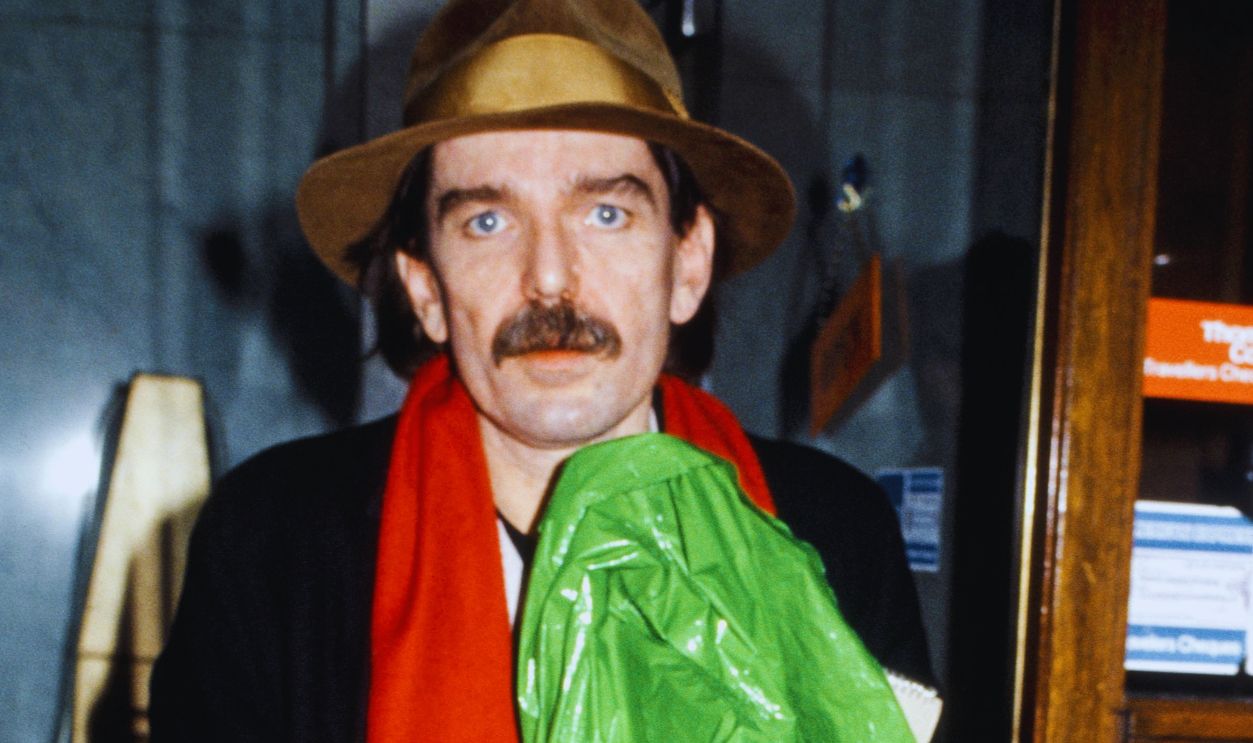
Critics and audiences have fond memories of Beefheart’s groundbreaking music. Sadly, some band members have more negative thoughts. John French and Gary Lucas were the only two people who could work with Beefheart for extended periods. Both men have great respect for Beefheart’s musical genius, but working with this difficult genius left a bad taste in their mouths. In French's case, it's no wonder why.
 FG/Bauer-Griffin, Getty Images
49. He Threw Him Out
After surviving the bizarre making of Trout Mask Replica, Captain Beefheart threw John French out of the band. In fact, he literally threw him right down a flight of stairs. Beefheart replaced French with a roadie with zero drumming experience and removed French’s name from the credits to the album.
But Beefheart did inspire others.
50. He Was Unforgettable
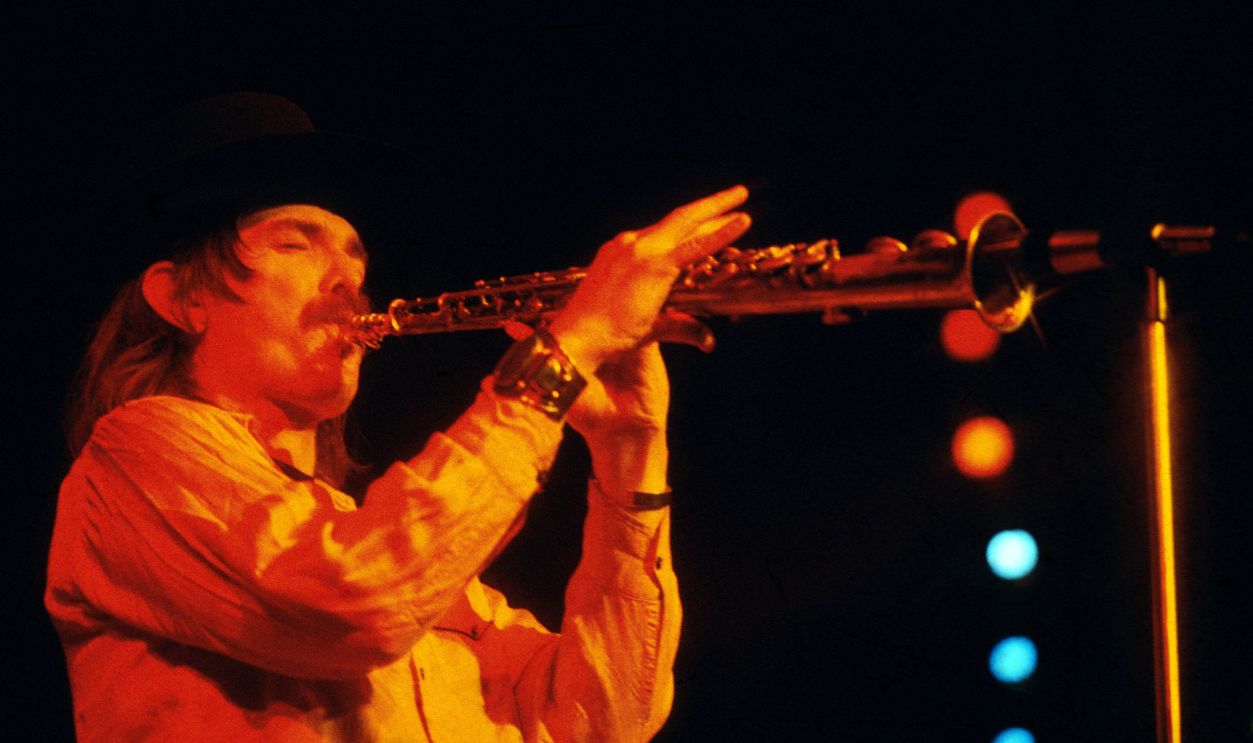
In the 1980s, Tom Waits was enjoying a career as a mildly successful folk singer. One day, his wife introduced him to Beefheart's music, and it changed Waits forever. After hearing Beefheart, Waits’ next album, Swordfishtrombones, showed an about-face in his sound. Maybe it’s Waits who summed up Beefheart’s music best. He said, "Once you've heard Beefheart, it's hard to wash him out of your clothes. It stains, like coffee or blood."
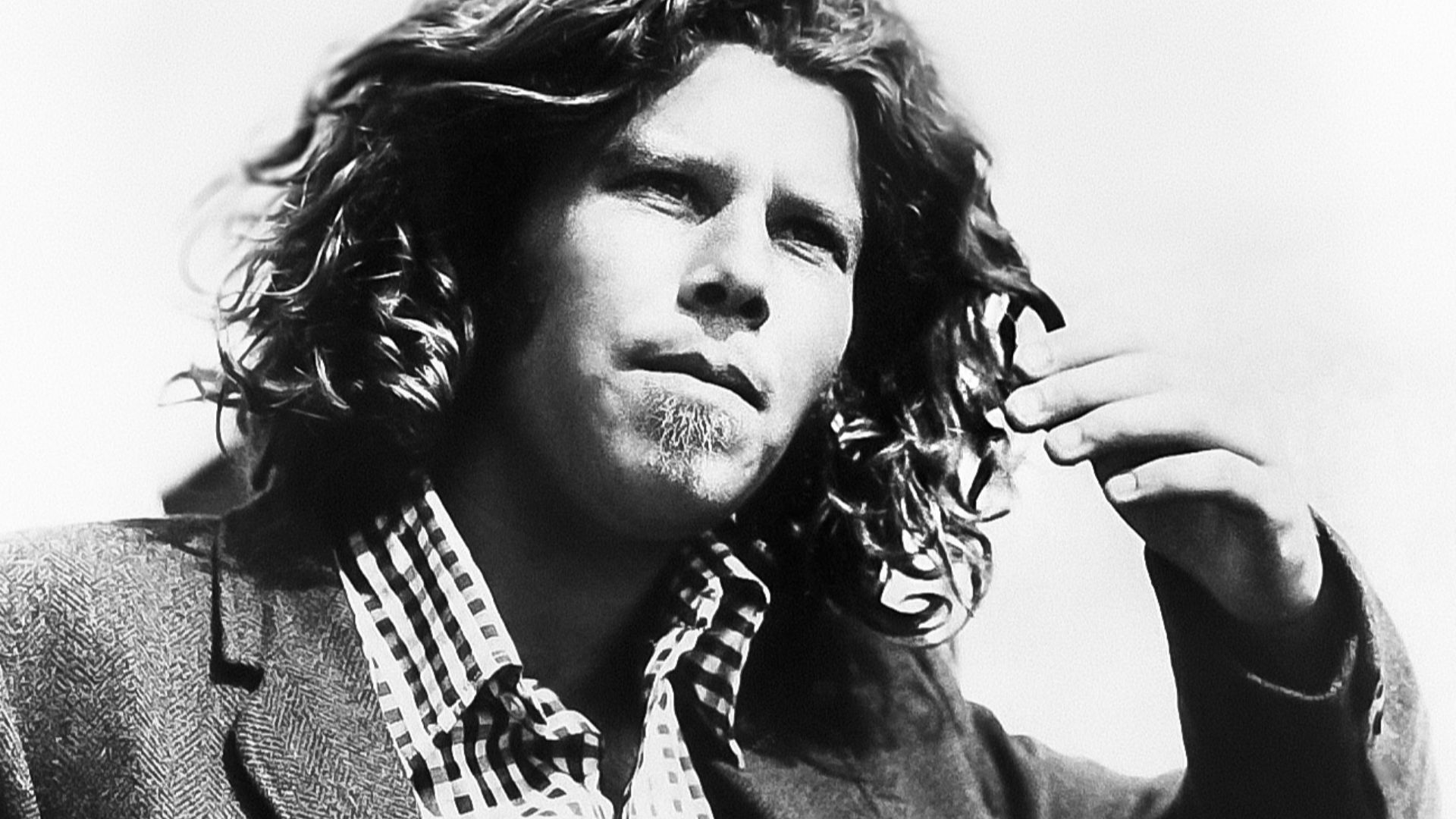 Published by Asylum Records. Photographer uncredited and unknown., Wikimedia Commons
You May Also Like:
Wild Facts About Brian Wilson, The Beach Boys’ Tragic Genius
Historical Geniuses Who Were Complete Disasters Outside Their Field
Depressive Facts About Nick Drake, The Singer-Songwriter Who Passed Too Soon