
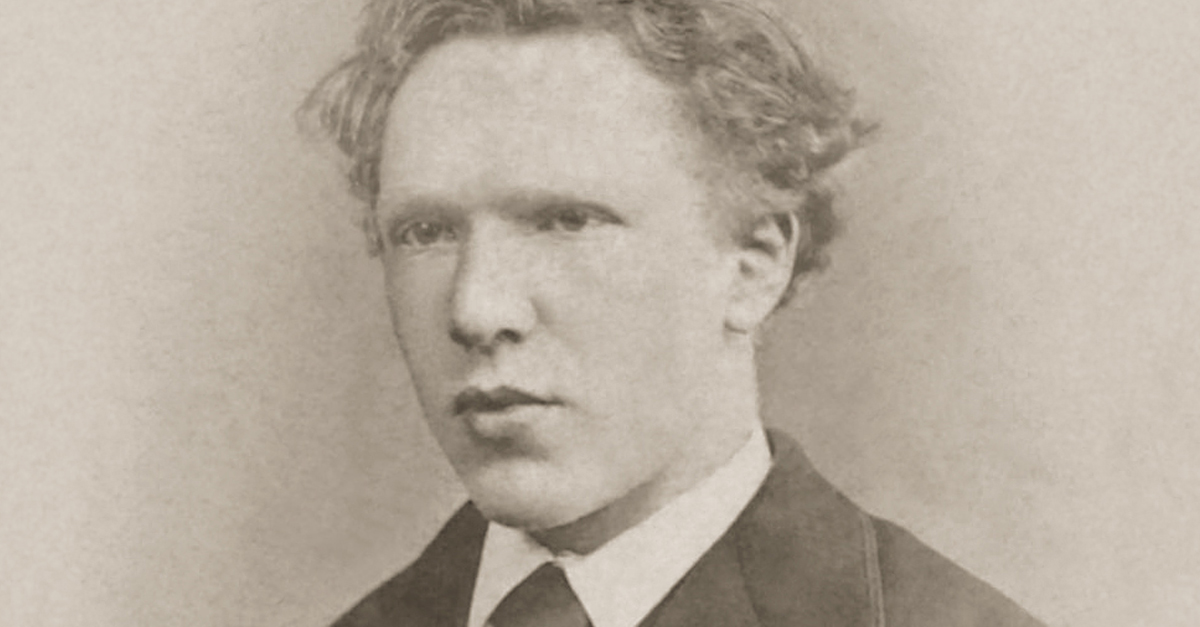
Into A Starry Night
Today, Vincent van Gogh is a household name. Even those who have no interest in art are familiar with him. However, the reality of his life couldn’t have been more different. Van Gogh struggled not just to make a name for himself, but with emotions he couldn’t control—and in the end, those emotions cost him everything.
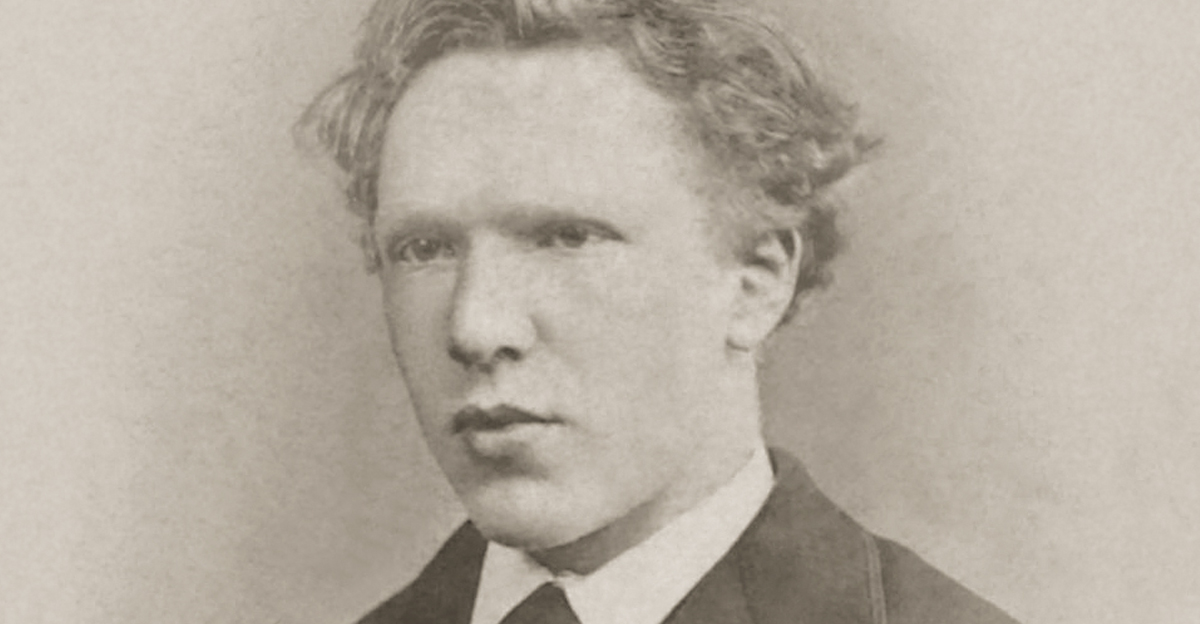 Jacobus Marinus Wilhelmus de Louw, Wikimedia Commons
1. He Had A Difficult Childhood
Despite growing up in a modestly well-to-do family, Vincent van Gogh did not enjoy his childhood. One of six children, he only fostered a lasting relationship with two siblings, and even his relationship with his parents remained difficult; their parenting choices left a lasting impact on Van Gogh.
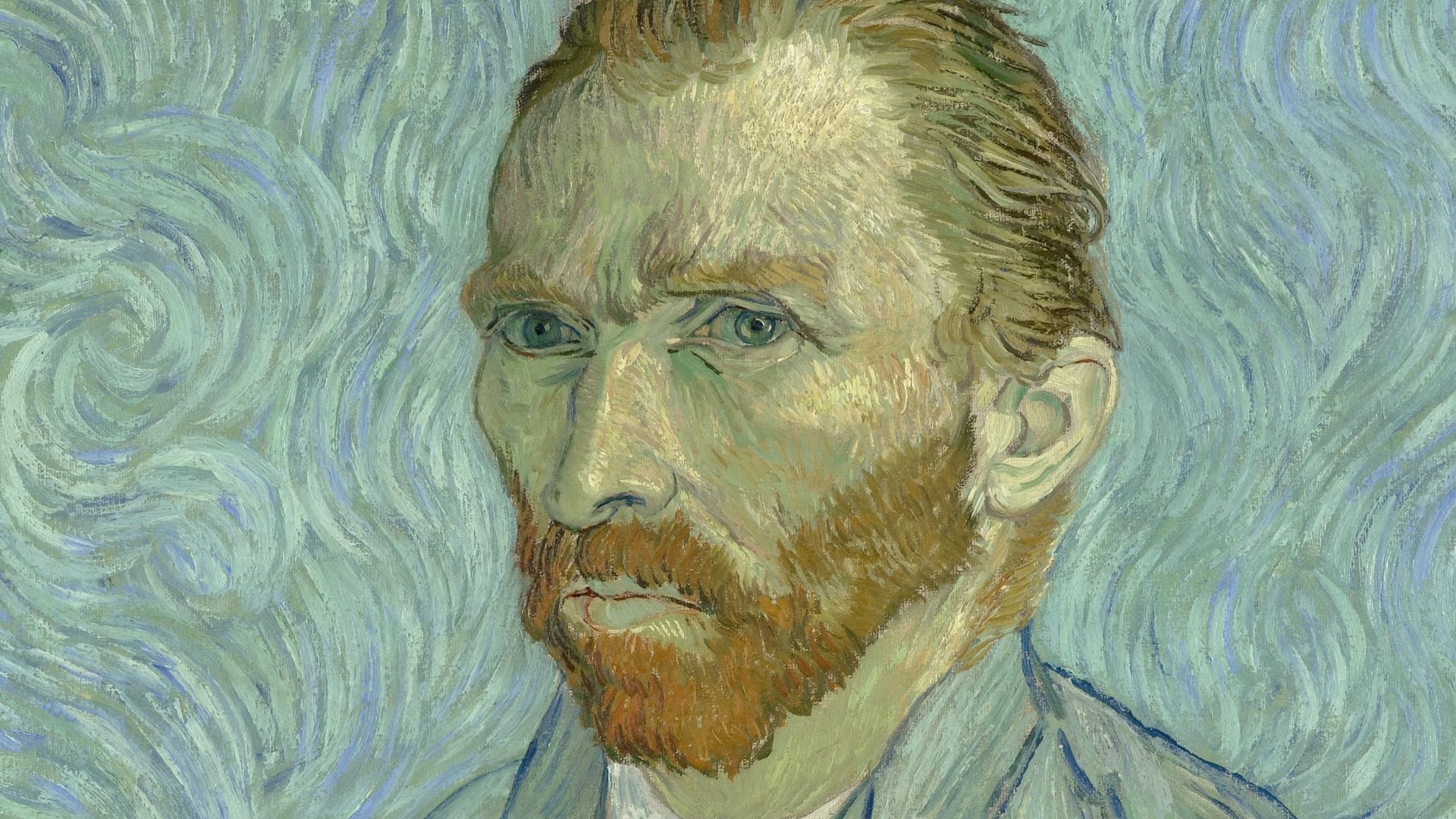 Vincent van Gogh, Wikimedia Commons
2. He Struggled With His Parents
Van Gogh’s childhood seemed to have brought him little joy. One of the few positive things history credits his parents with is teaching him to draw and giving him access to the art world. However, even this caused Van Gogh much suffering before it gave him anything close to joy.
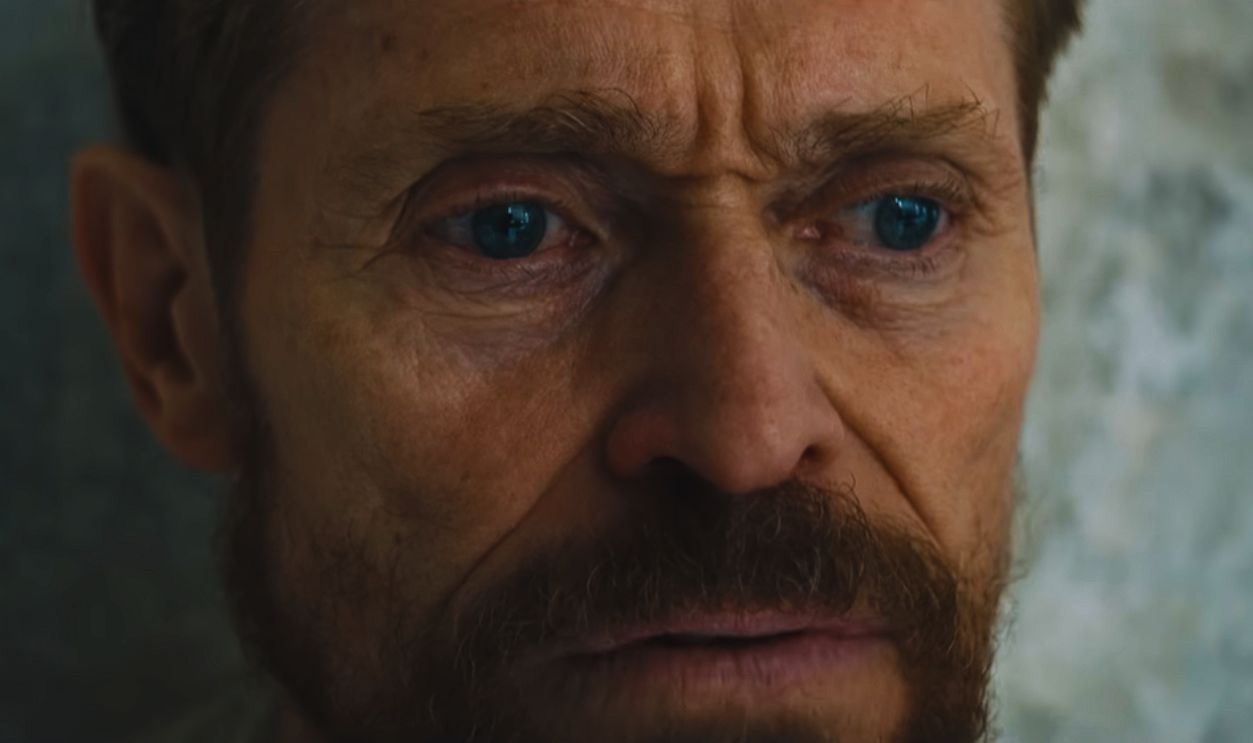 Screenshot from At Eternity’s Gate, CBS Films (2018)
3. He Couldn’t Settle In One Place
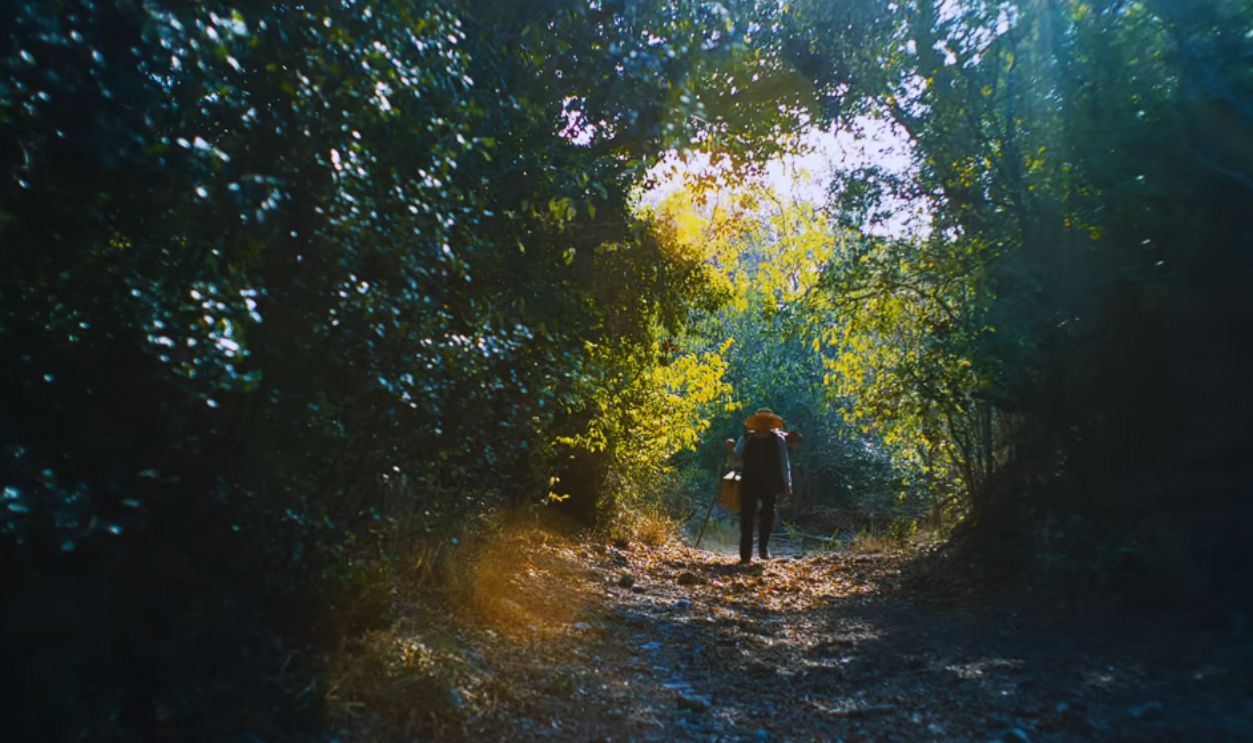
Van Gogh spent his youth listless, moving from city to city, constantly followed by failures and heartbreak. By April 1881, he’d fully committed himself to his art, yet had been forced to return to his parents. There, he reconnected with his recently widowed maternal cousin, Cornelia “Kee” Vos-Stricker—yet another disappointment for Van Gogh.
 Screenshot from At Eternity’s Gate, CBS Films (2018)
4. He Caught The Wrong Eye
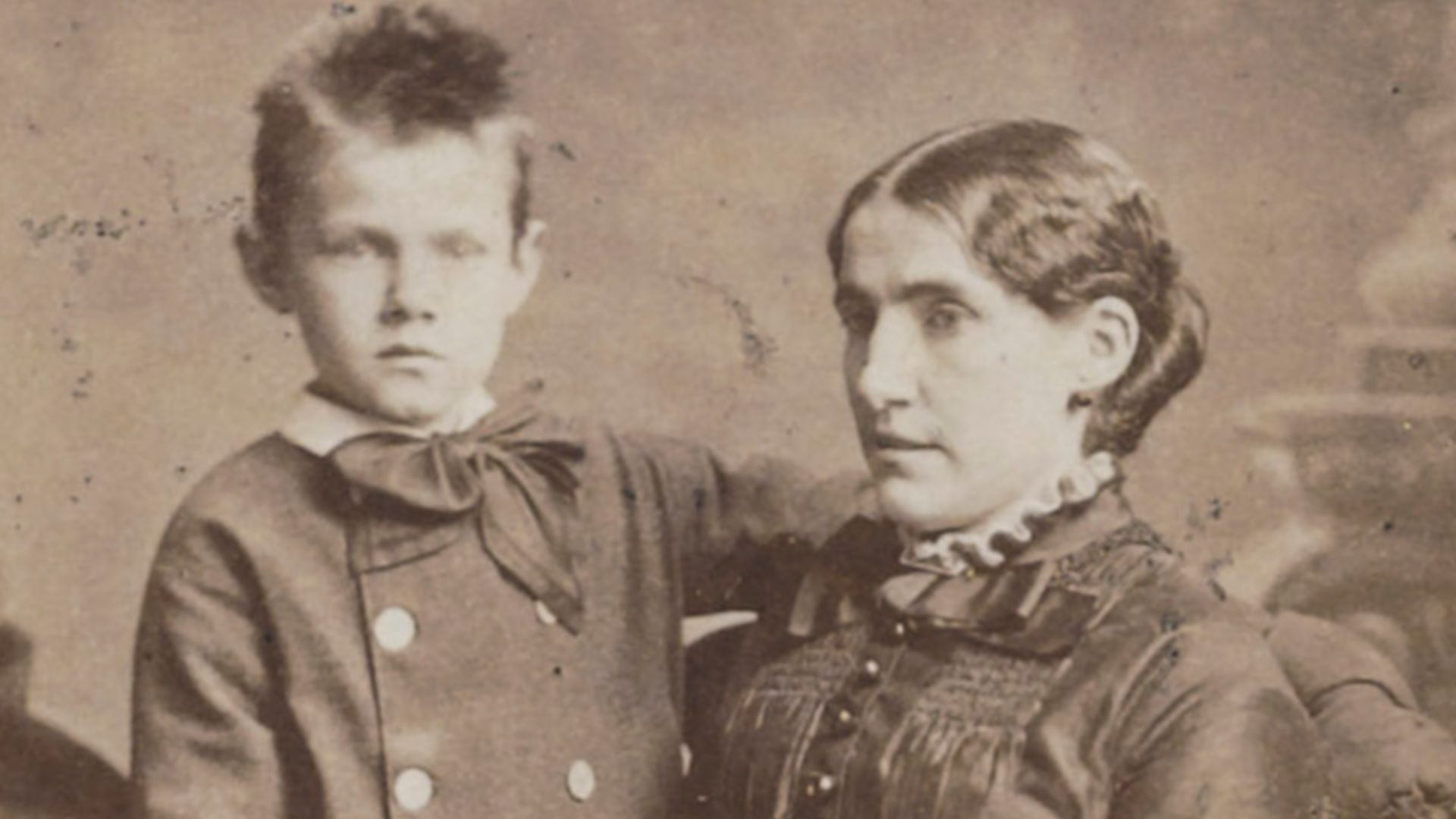
Vos-Stricker quickly caught Van Gogh’s eye—he became completely infatuated. Unfortunately, she did not feel the same. When Van Gogh shocked everyone with a proposal, Vos-Stricker replied with a vehement “No, nay, never”. Vos-Stricker had no interest in Van Gogh, nor any idea why he’d thought she did. Yet, Van Gogh didn’t take the hint.
 Albert Greiner, Wikimedia Commons
5. He Refused To Let Go
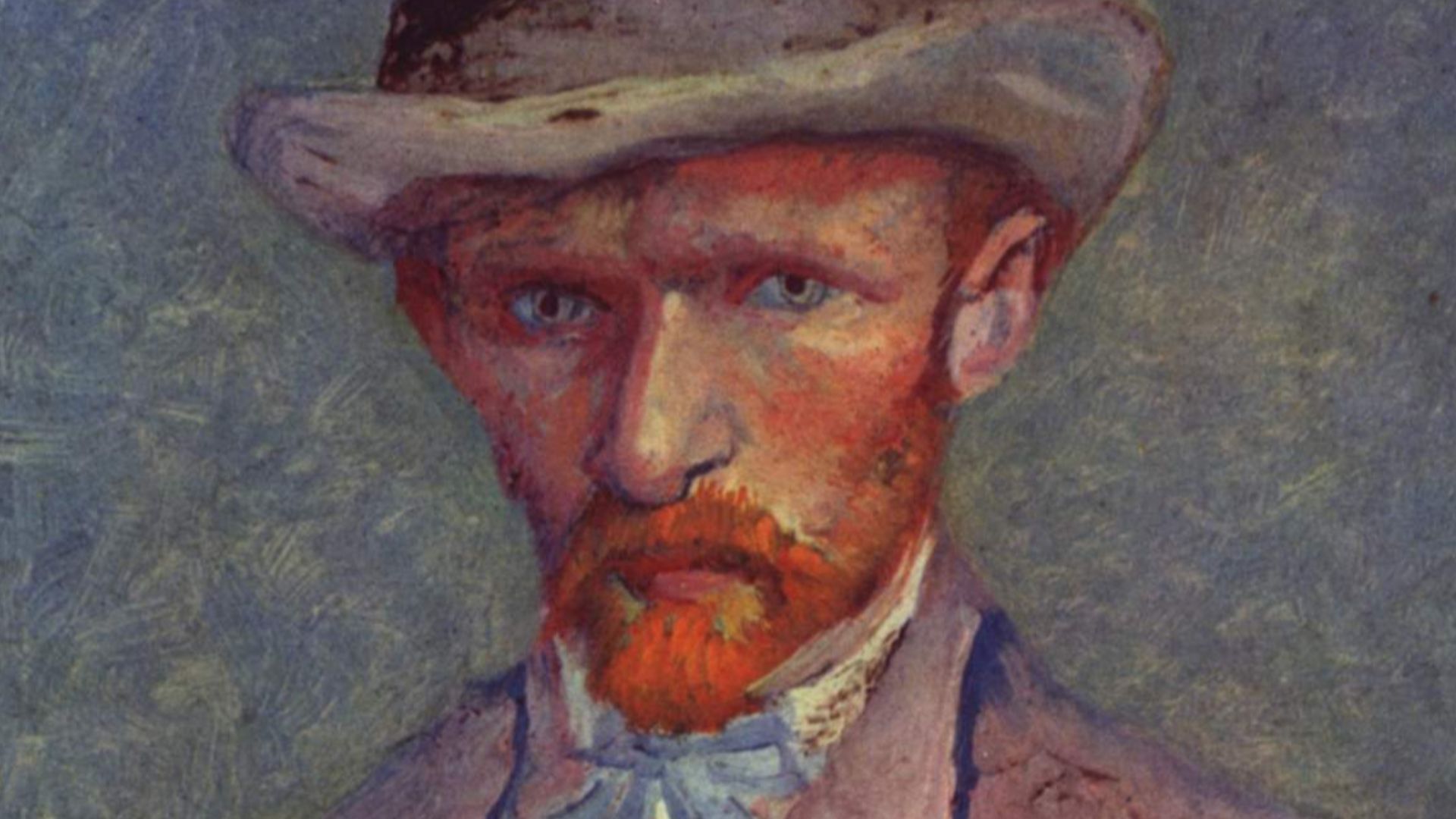
Instead of moving on, Van Gogh continued to persist in his pursuit of Vos-Stricker until her father, his uncle, made it abundantly clear that the marriage would never happen. What effect this had on Van Gogh is difficult to assess. While Van Gogh eventually moved on from this heartbreak, he continued to set himself up for failure.
 Vincent van Gogh, Wikimedia Commons
6. He Courted Scandalous Women
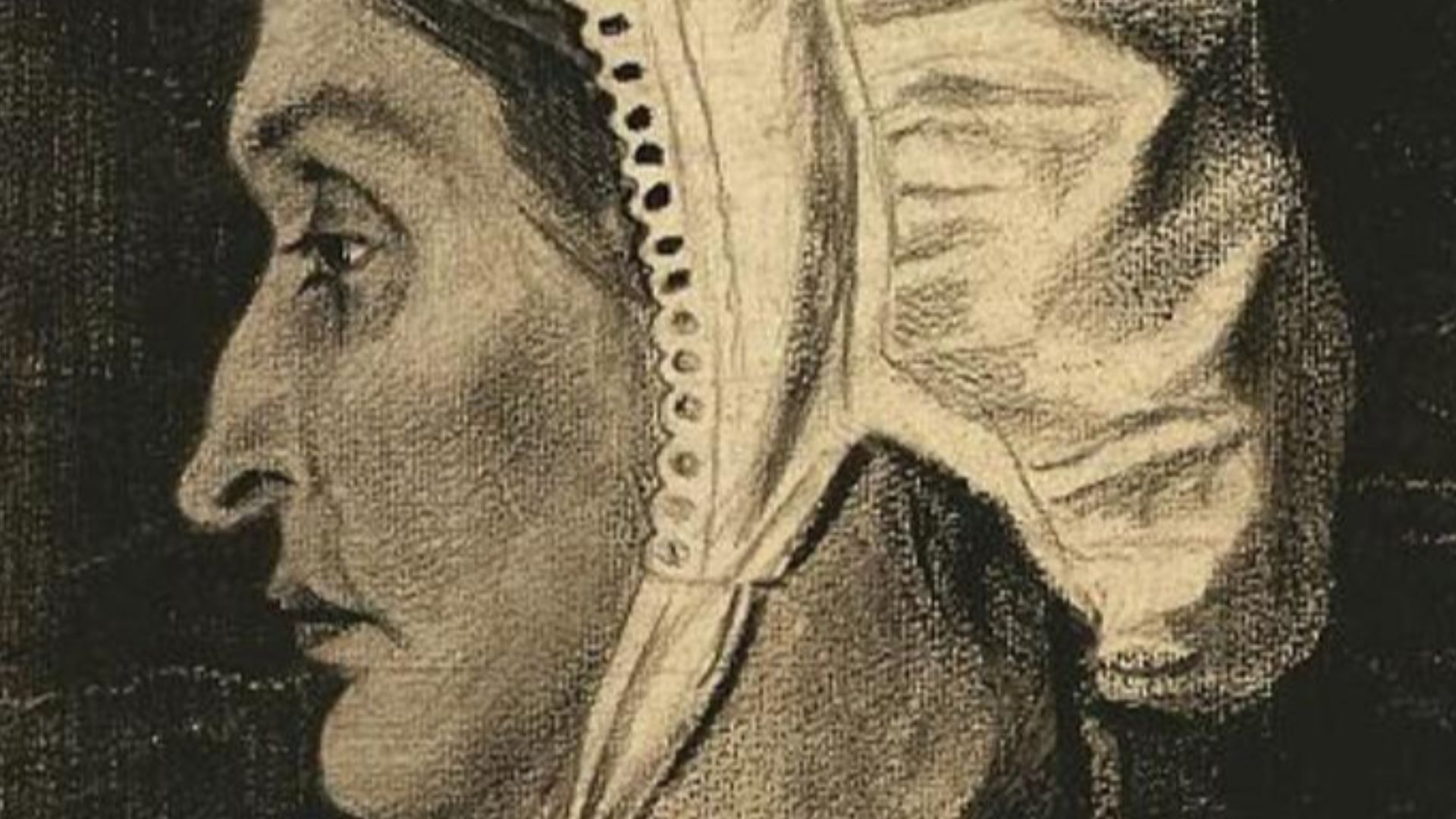
The next object of Van Gogh’s affections became Clasina Maria “Sien” Hoornik, a woman of the night with one daughter and a second child on the way, neither of whom was fathered by Van Gogh. This relationship sent a shockwave throughout Van Gogh’s community, with many of those closest to him telling him to give Sien up or face the consequences. Van Gogh chose Sien. Yet he chose her for nothing.
 Vincent van Gogh, Wikimedia Commons
7. He Chose Her Over His Family
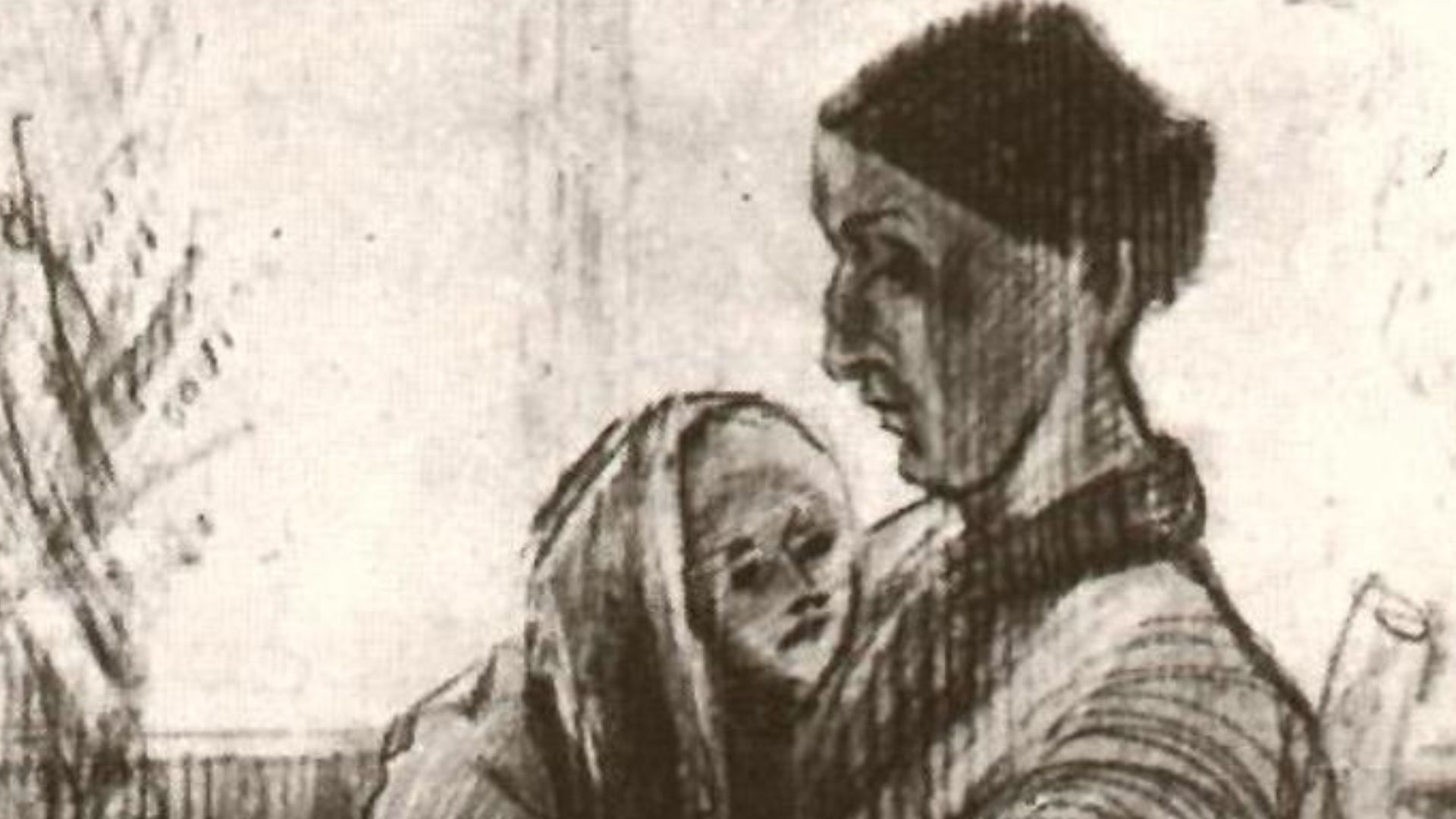
While Van Gogh initially chose Sien over all others in his life, the relationship eventually soured. Poverty plagued them, likely pushing Sien back to her less savory career options. In the end, it seemed Van Gogh lost the appeal of playing house. He left Sien and her family, once again returning to his restless movement, unable to settle.
 Vincent van Gogh, Wikimedia Commons
8. He Tried Again
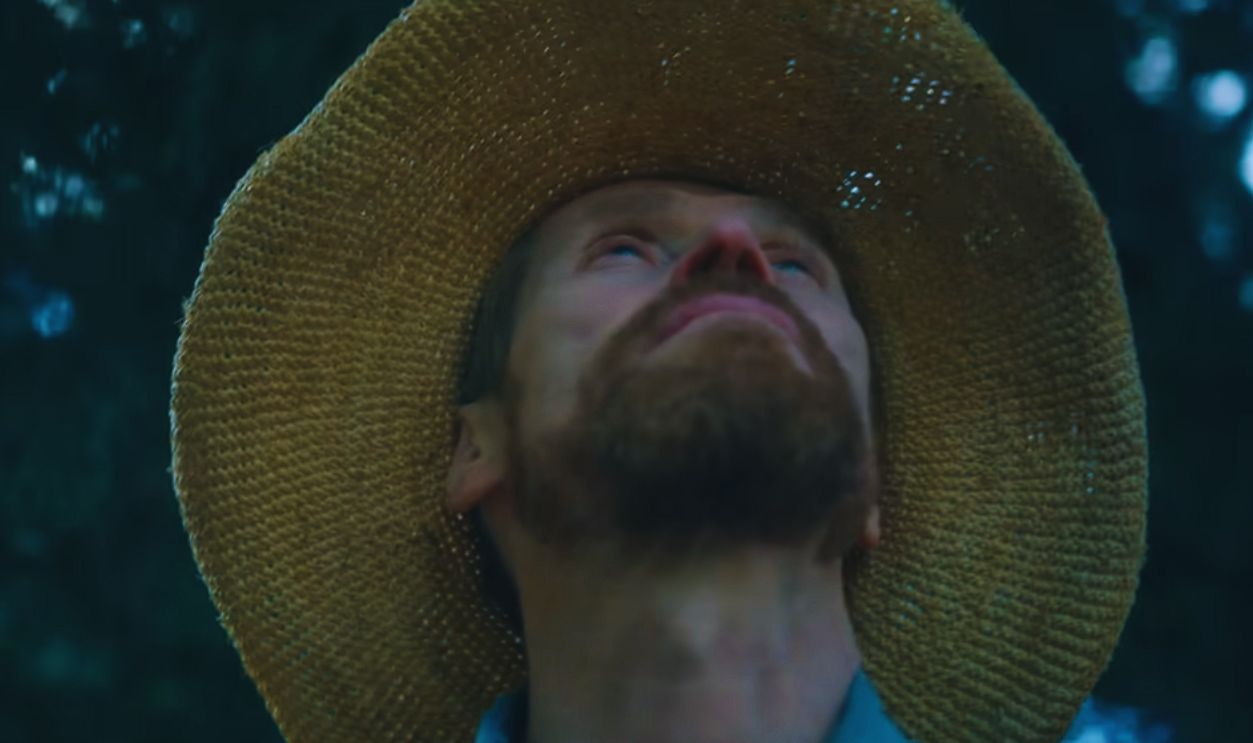
The year after leaving Sien and the city behind, Van Gogh found himself in Nuenen. Although he focused on painting and drawing during this period, he wasn’t entirely alone. Margot Begemann, a neighbor’s daughter, joined Van Gogh on his painting journeys, and soon something more than art began to develop.
 Screenshot from At Eternity’s Gate, CBS Films (2018)

History's most fascinating stories and darkest secrets, delivered to your inbox daily.
9. He Found Another Love
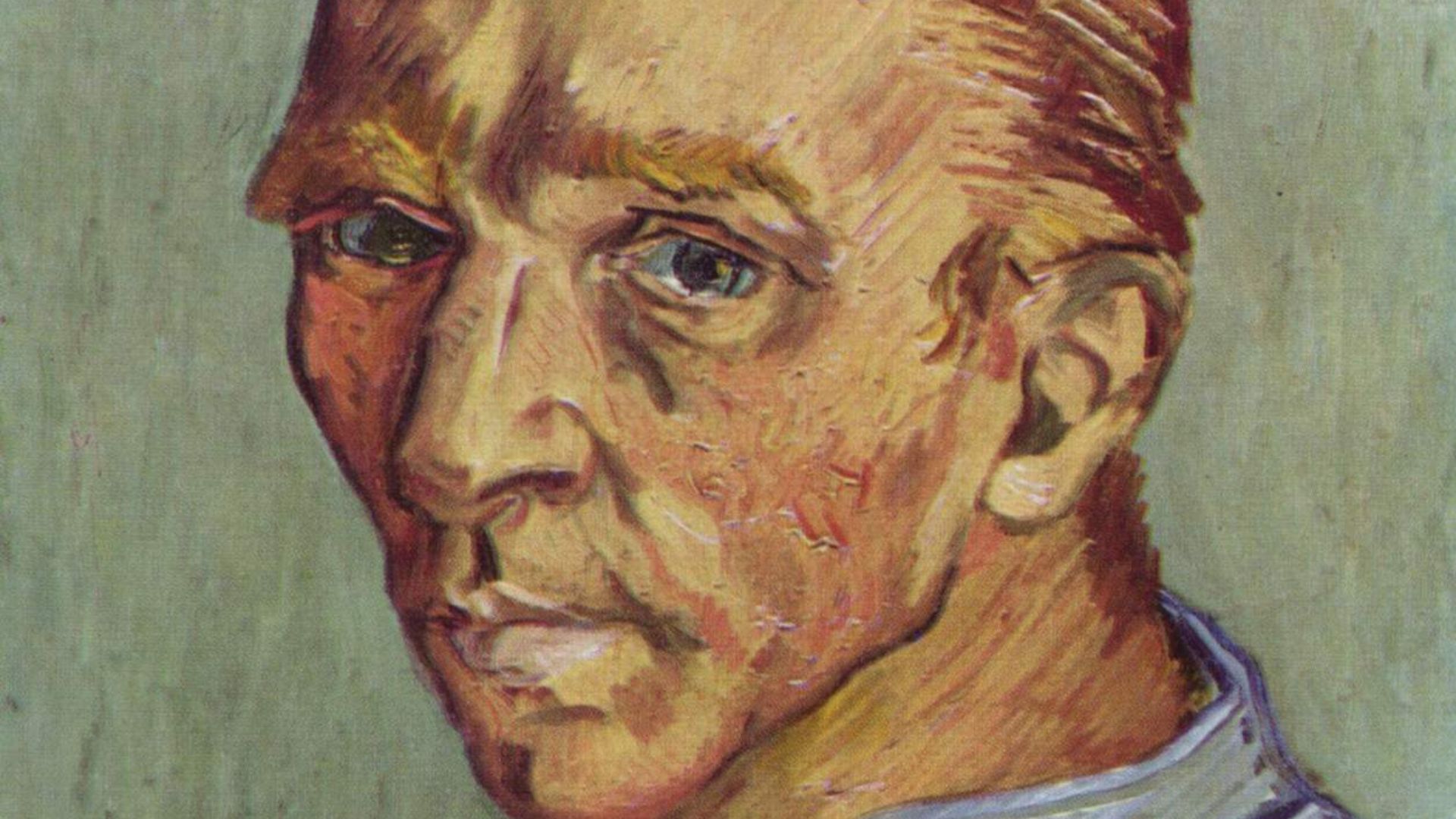
Love bloomed between Margot and Van Gogh. It finally seemed Van Gogh had gotten it right, even if Margot seemed fonder of Van Gogh than he of her. However, yet again they faced a hurdle. Margot was 10 years older than Van Gogh, and no one but the young couple wanted to see them together. The consequences were horrifying.
 Vincent van Gogh, Wikimedia Commons
10. He Almost Lost Her
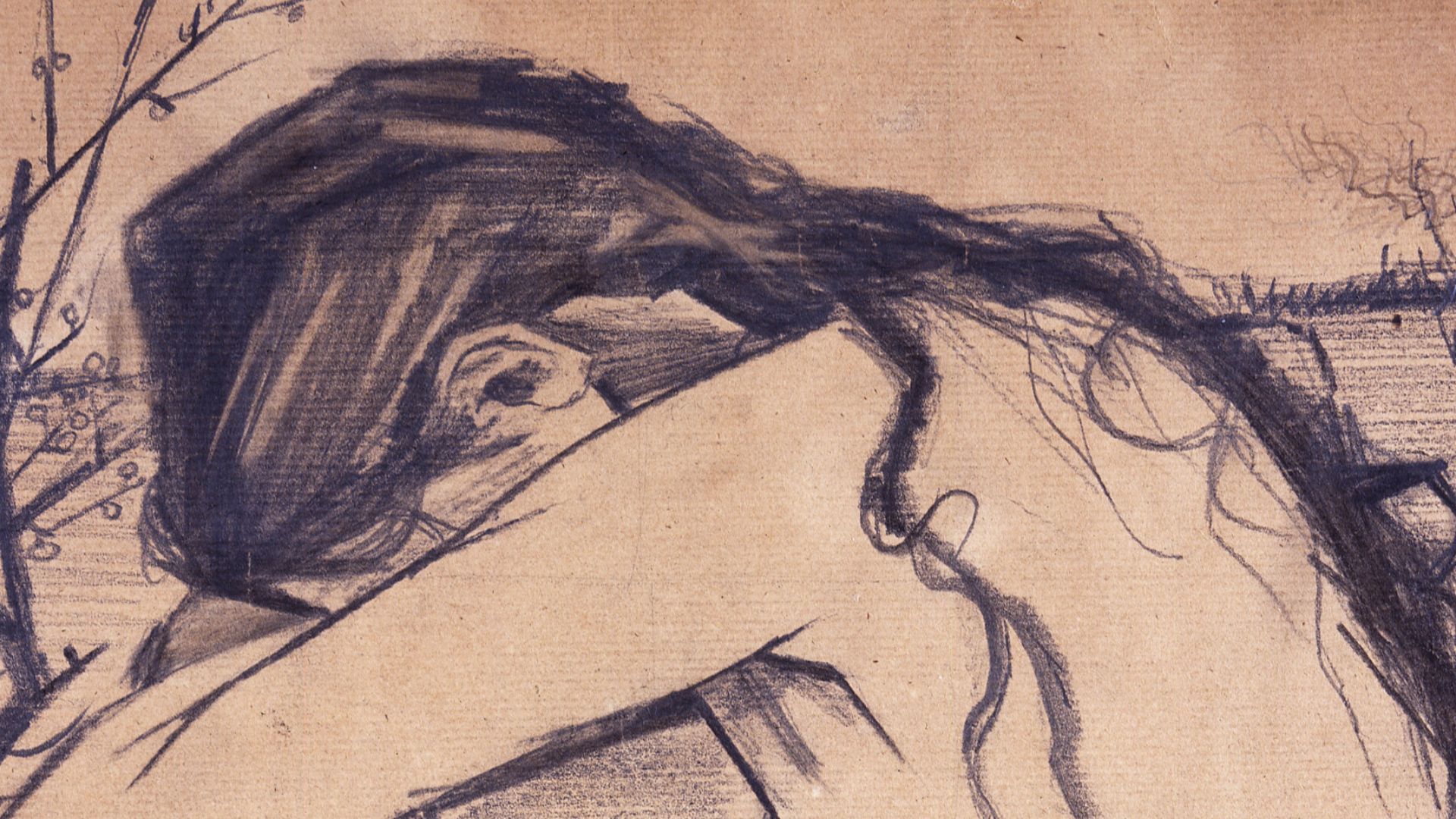
Both families refused to allow the young couple to marry. Van Gogh may have been able to bear yet another obstacle in his love life, but Margot could not. Distraught at being denied her love, Margot consumed strychnine with only one thought in mind: ending her own life.
 Vincent van Gogh, Wikimedia Commons
11. He Swooped In Just In Time
Discovering Margot in distress, Van Gogh rushed her to a nearby hospital, saving her life. Yet, he did not save their relationship. Margot became yet another failed attempt at love. Yet, it did not end his time in Nuenen. In fact, Van Gogh proved extremely productive while in Nuenen—until he got into even more trouble.
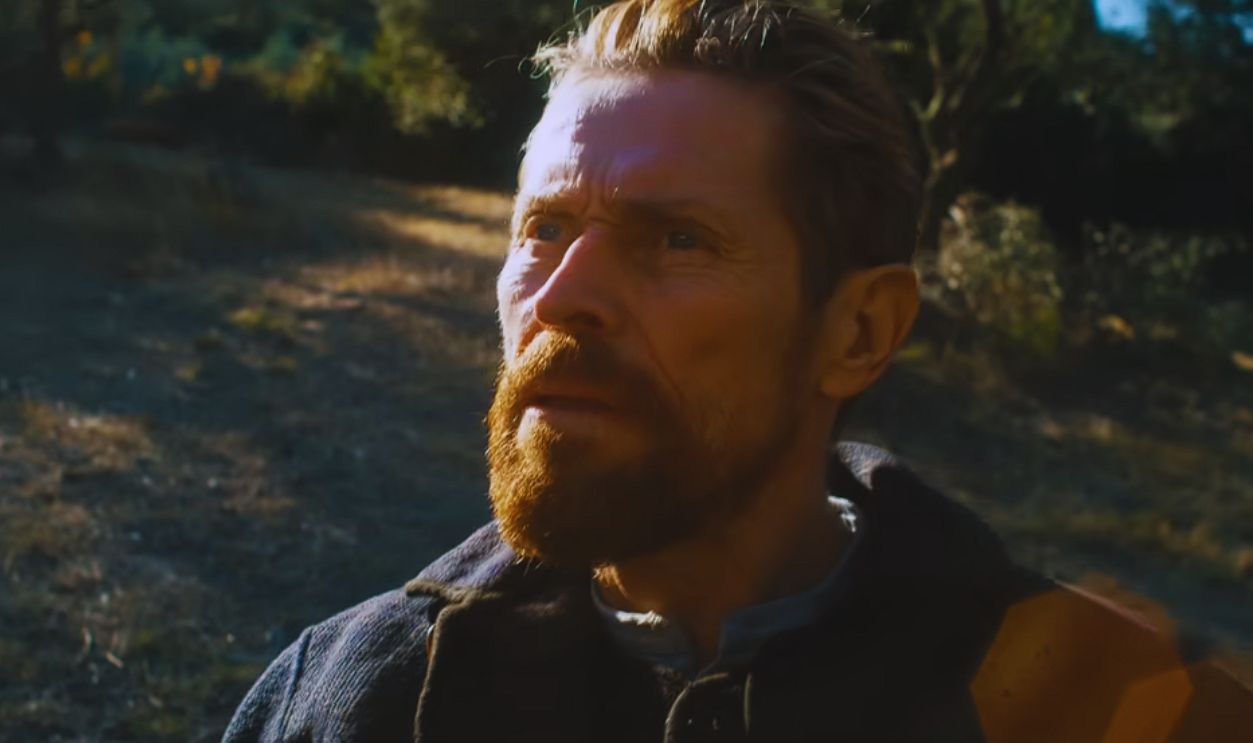 Screenshot from At Eternity’s Gate, CBS Films (2018)
12. He Was An Outcast
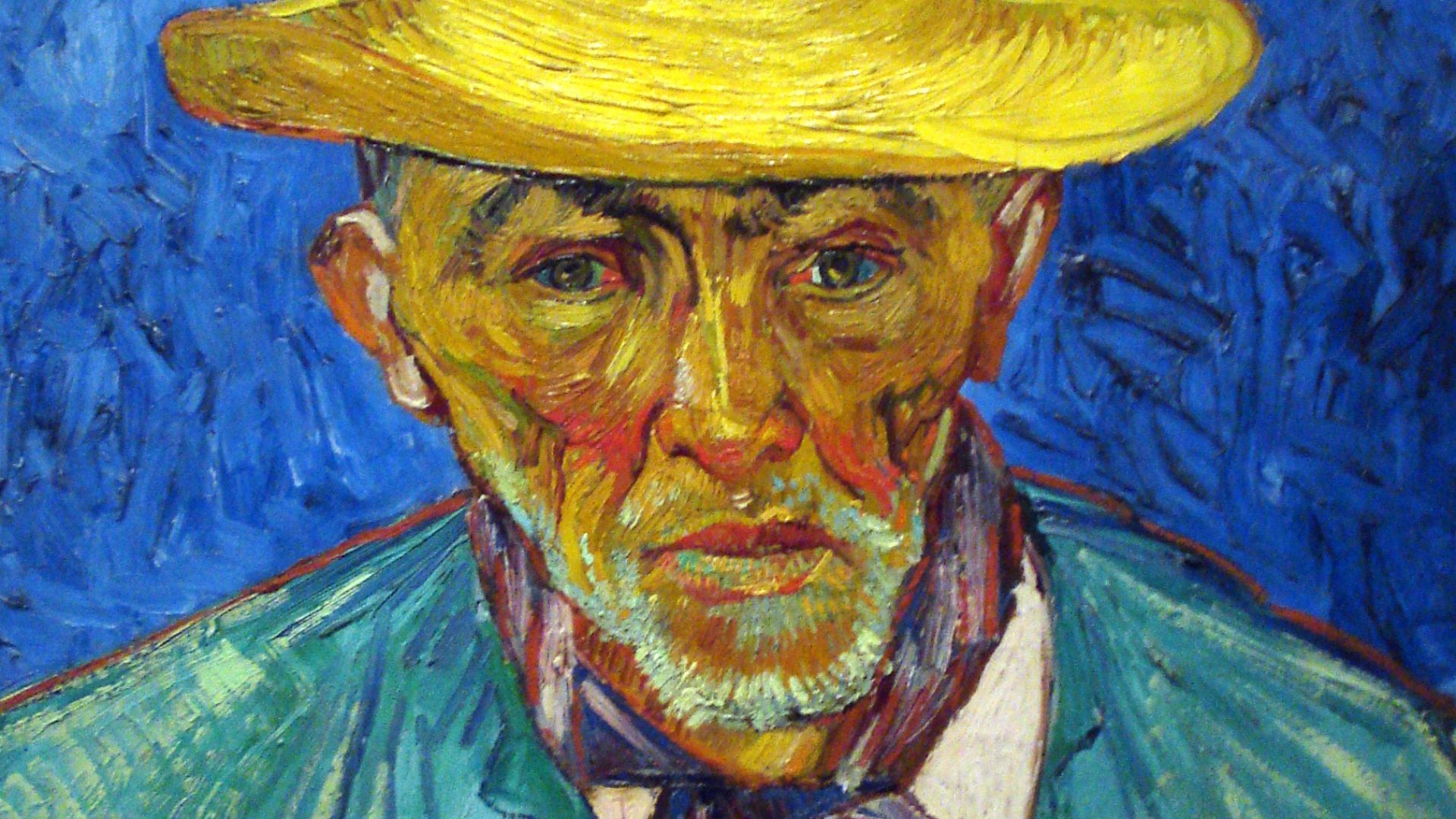
While in Nuenen, Van Gogh completed many paintings of the various peasants who lived within the village. Trouble arose in September 1885 when one of his younger models became pregnant. An outsider with no real clout within the community, Van Gogh became the prime target for rumors.
 Vincent van Gogh, Wikimedia Commons
13. He Was Accused
The village accused Van Gogh of forcing himself upon the girl, though this has never been proven. Yet, the village priest banned the community from sitting for Van Gogh. Without any models, Nuenen no longer held anything for Van Gogh. He once again found himself on the brink of poverty with no home to speak of.
14. He Was Set Adrift Again
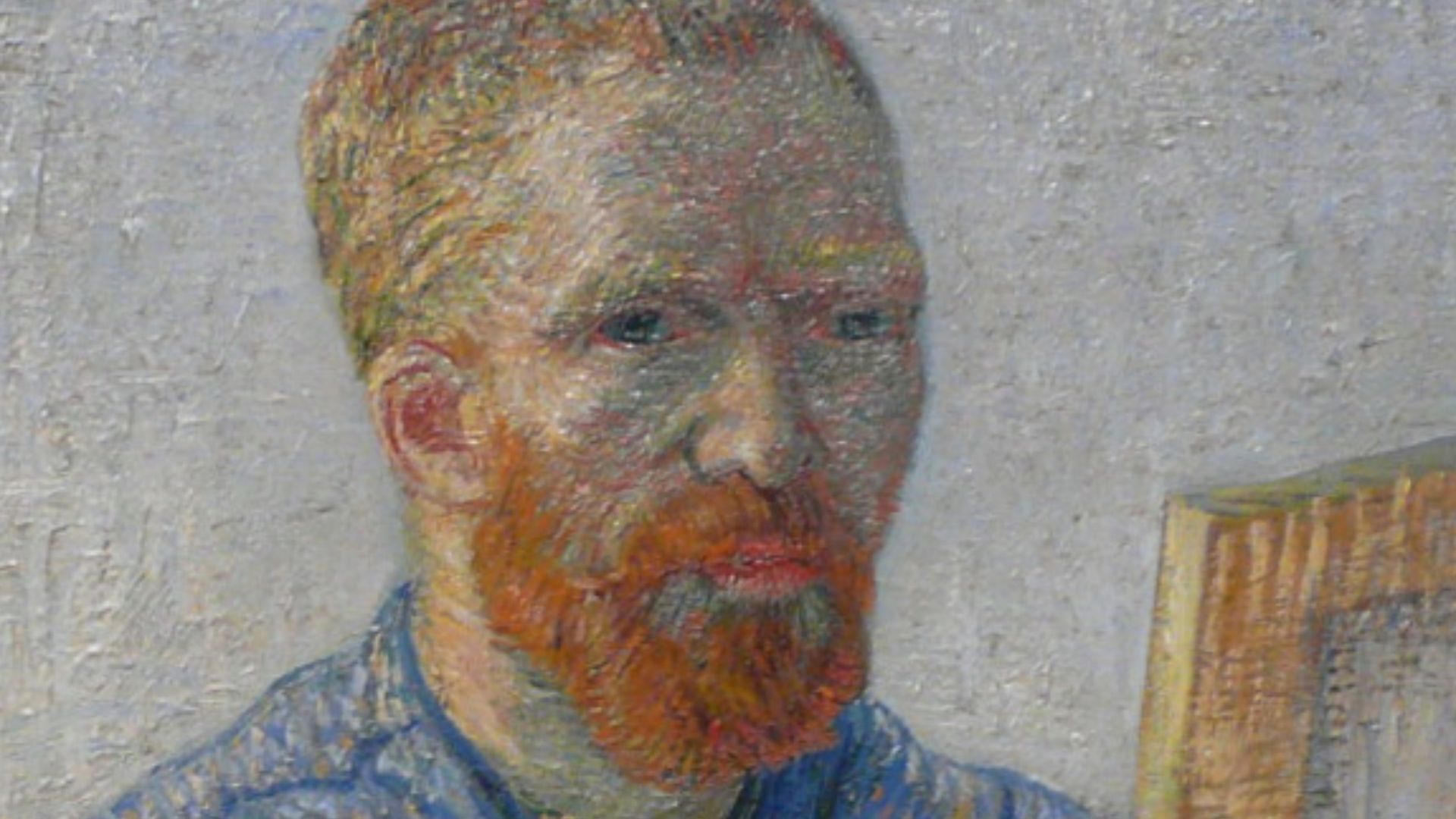
Van Gogh spent several years moving from location to location until he finally settled in Paris, sharing a flat with Theo, his closest sibling. While in Paris, Van Gogh developed many relationships with prominent artists, including Paul Gauguin. However, life in the city eventually became too much for Van Gogh—he needed to seek a quieter life elsewhere.
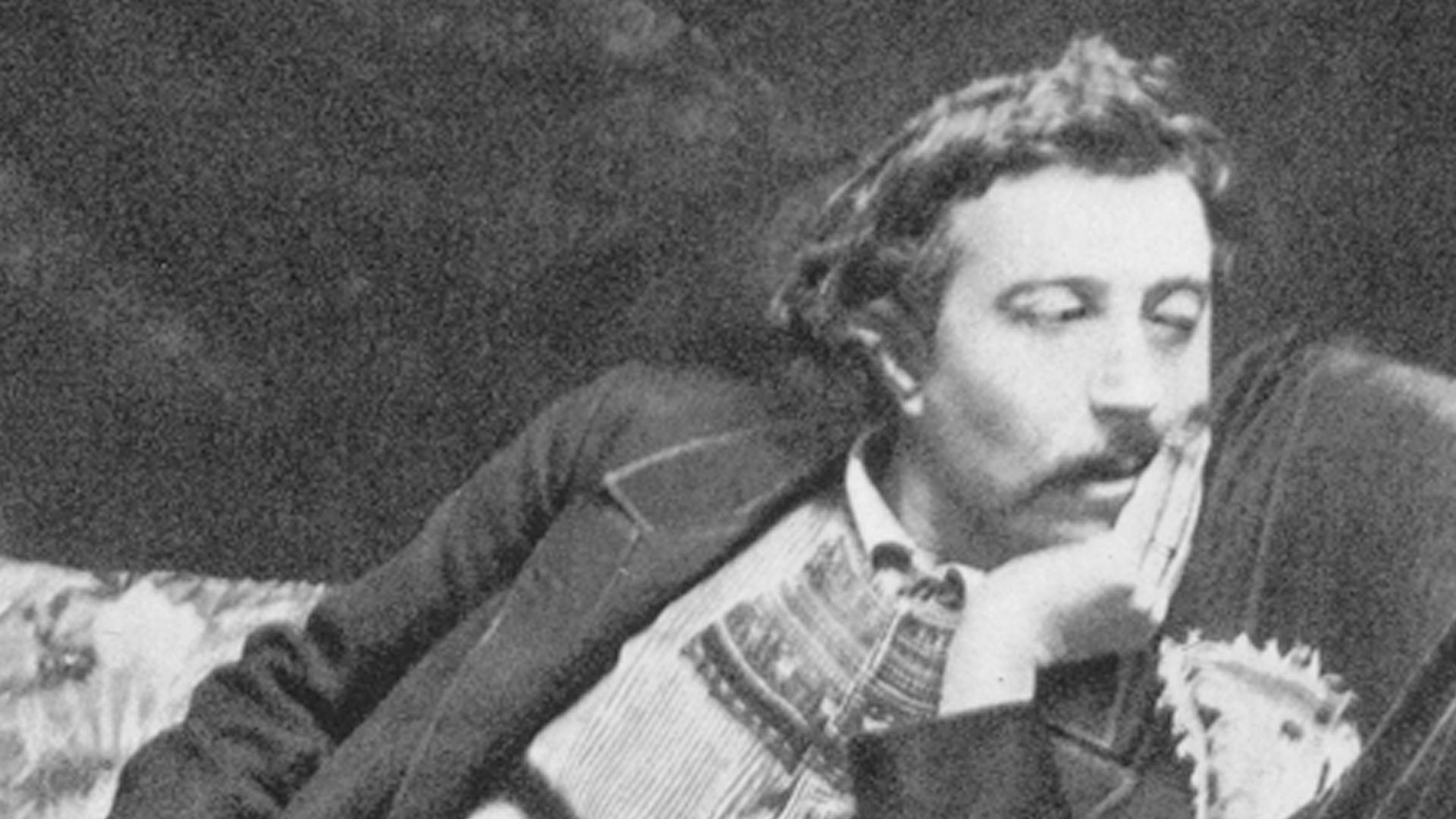 Louis-Maurice Boutet de Monvel, Wikimedia Commons
15. He Sought Refuge
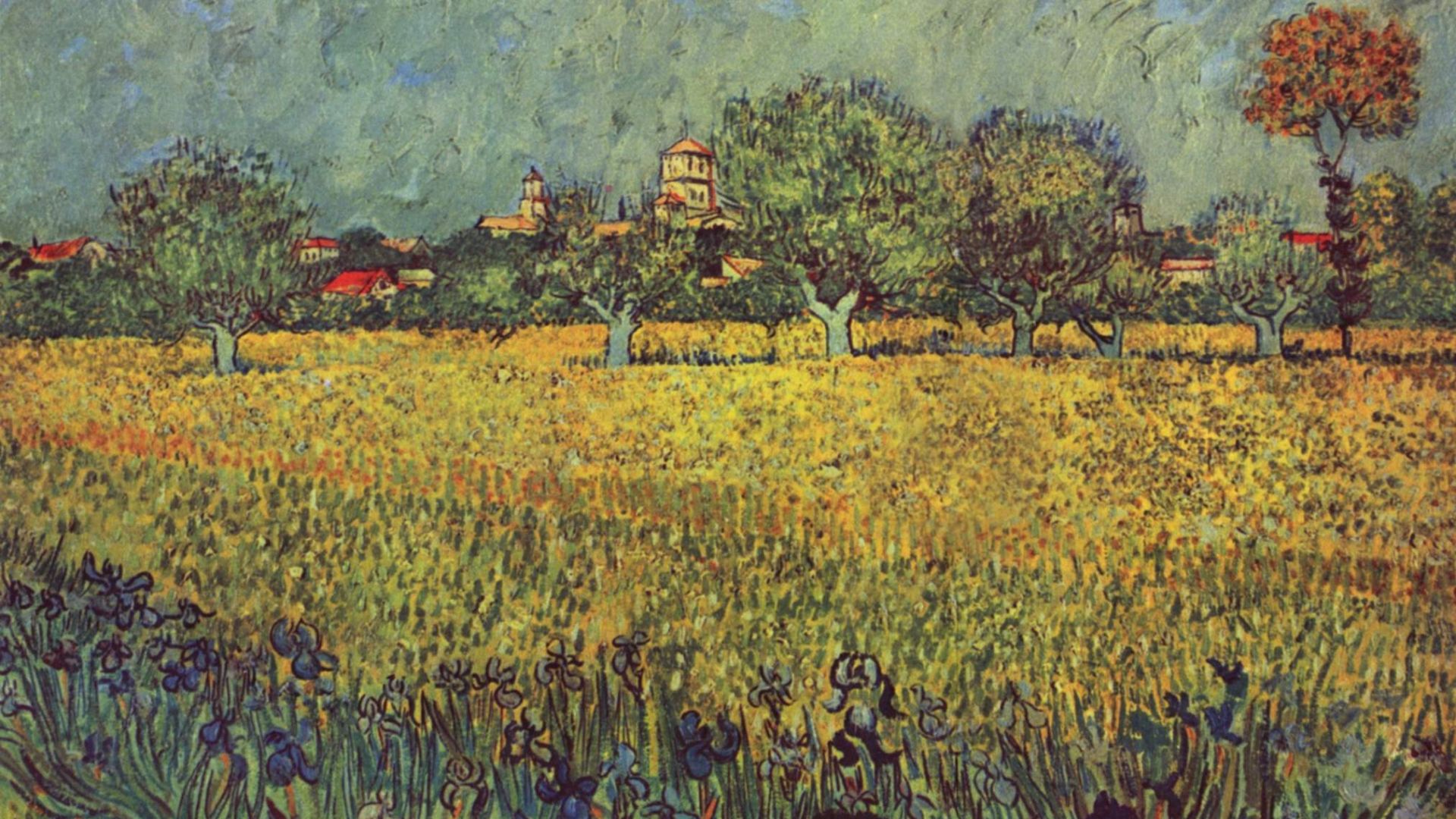
Fleeing the vices that Paris brought to him, Van Gogh sought refuge along the southern coast. In February 1888, Arles became Van Gogh’s sanctuary, providing him with the allure of a world entirely foreign to what he’d previously known. Arles gave Van Gogh new life. However, that couldn’t last long.
 Vincent van Gogh, Wikimedia Commons
16. He Planned For The Future
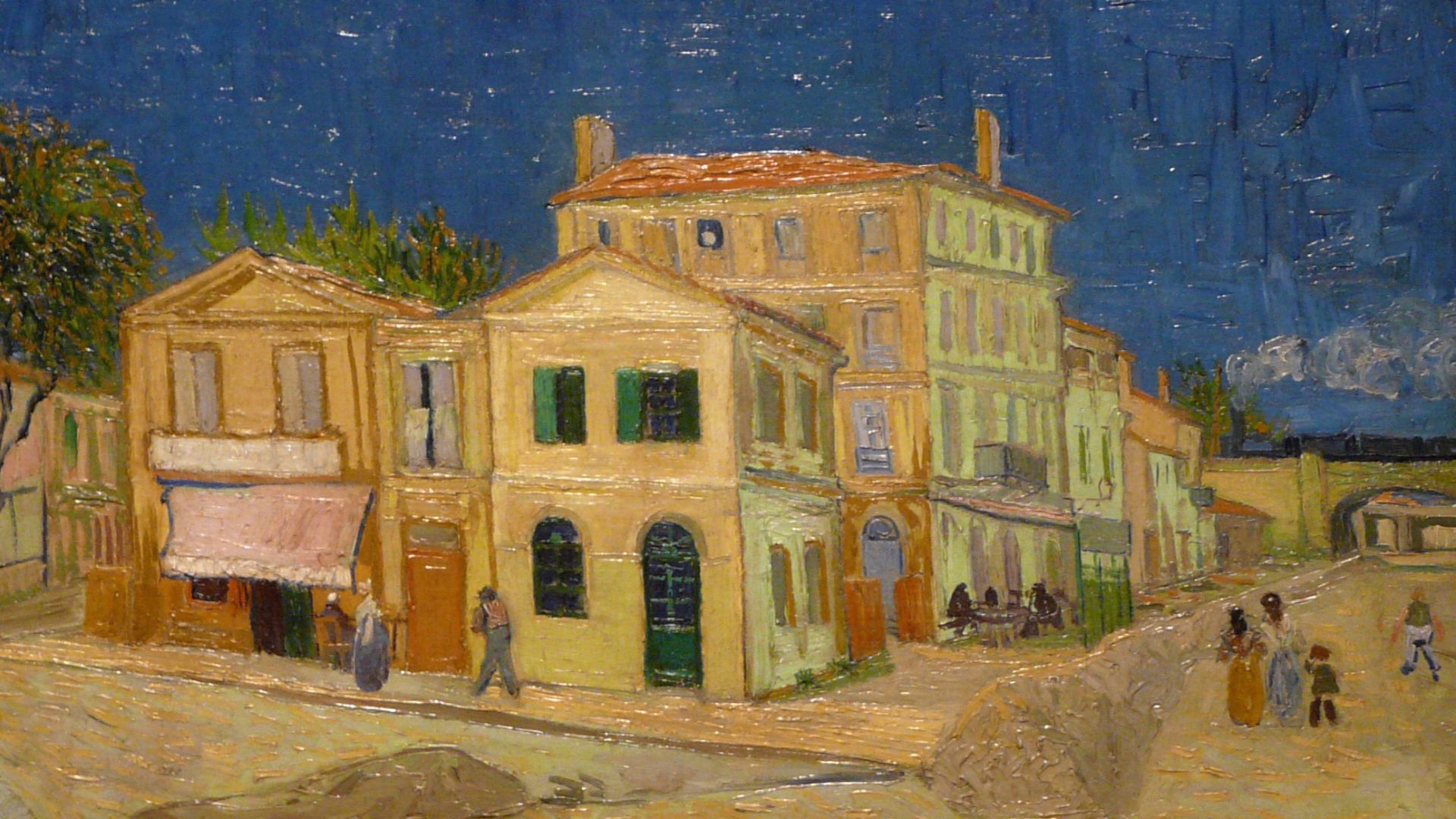
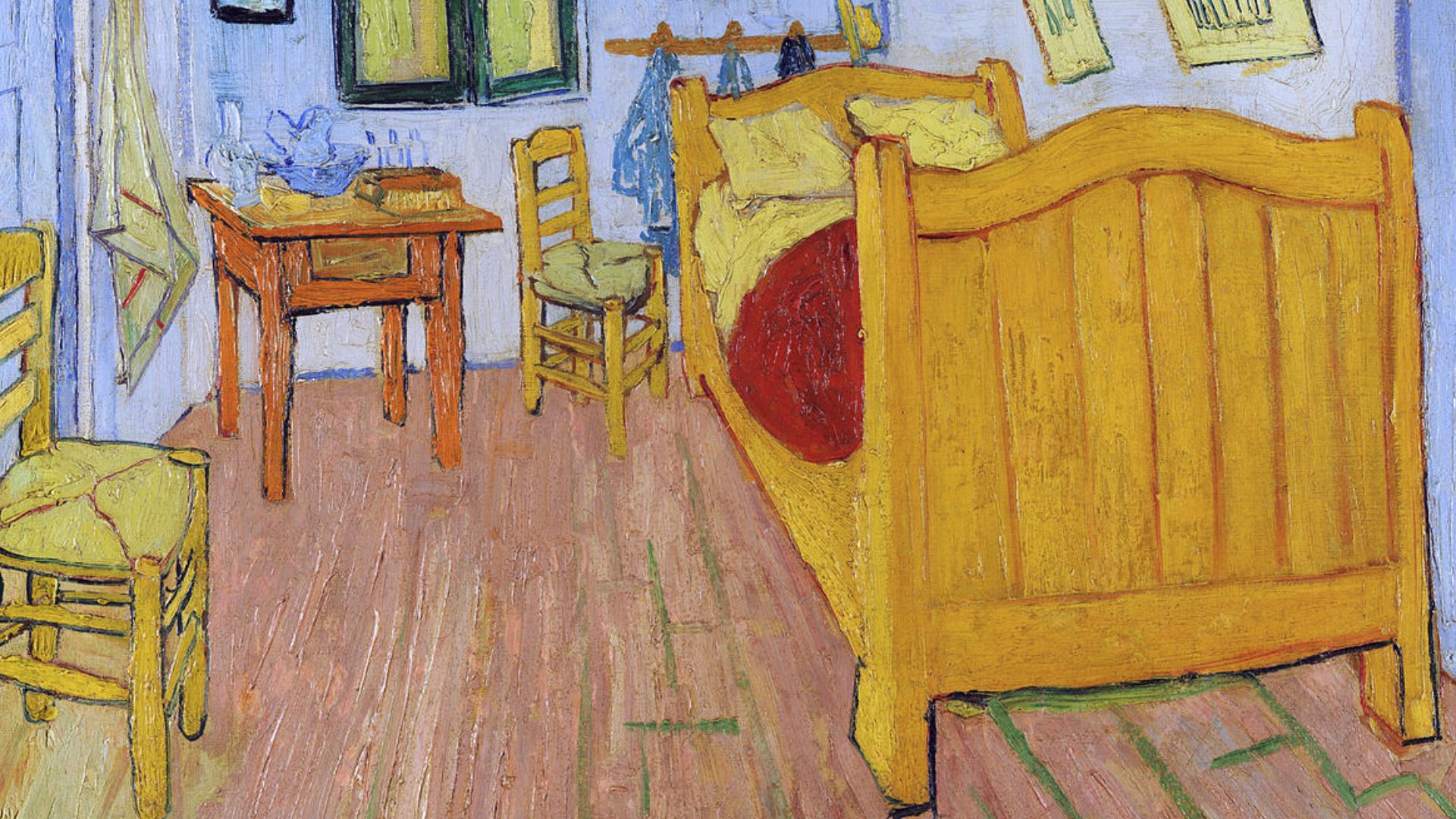
Shortly after arriving in Arles, Van Gogh invested in property, indicating his intention to make Arles his home. He rented out four rooms at 2 Place Lamartine, which later became known as the Yellow House, thanks to Van Gogh’s painting of his rooms by the same name. For Van Gogh, the Yellow House proved to be so much more than merely a place to live. It held the promise of his heart’s desire.
 Vincent van Gogh, Wikimedia Commons
17. He Craved A Connection
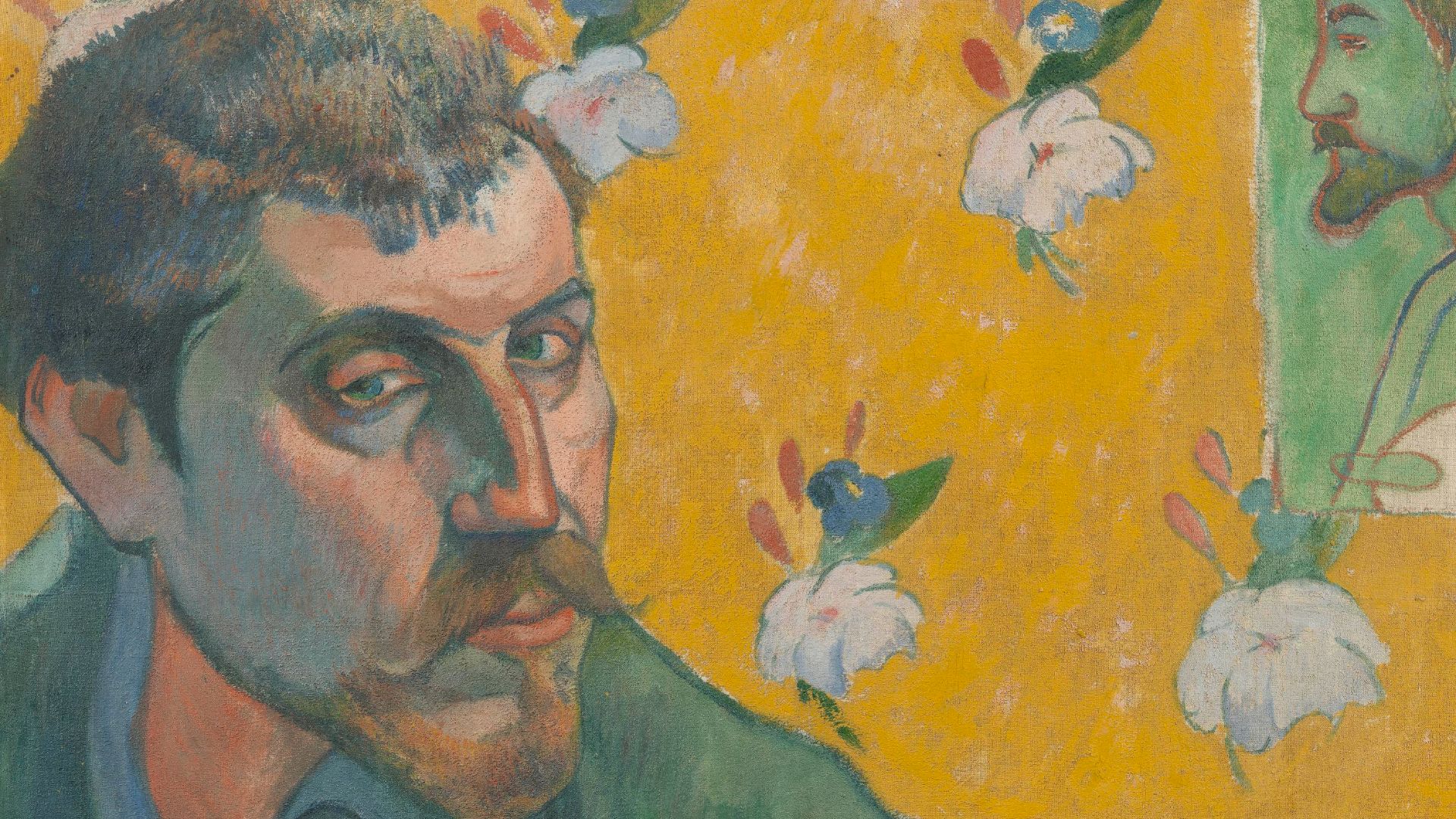
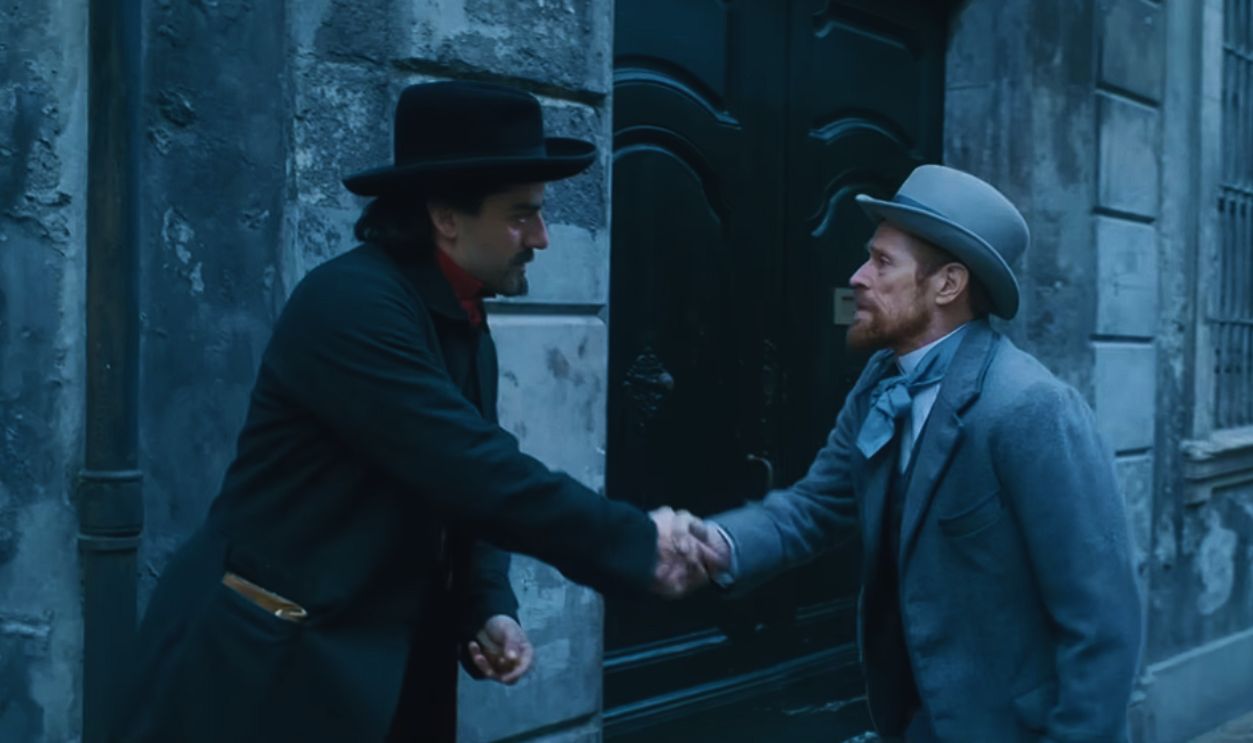
Since leaving Paris, Van Gogh remained in touch with the fellow artists that he had met there, including Paul Gauguin. In Gauguin, Van Gogh saw someone that he could connect with on both a personal and artistic level; he craved a connection to Gauguin that Gauguin did not necessarily return.
 Paul Gauguin, Wikimedia Commons
18. His Dreams Were Too Big
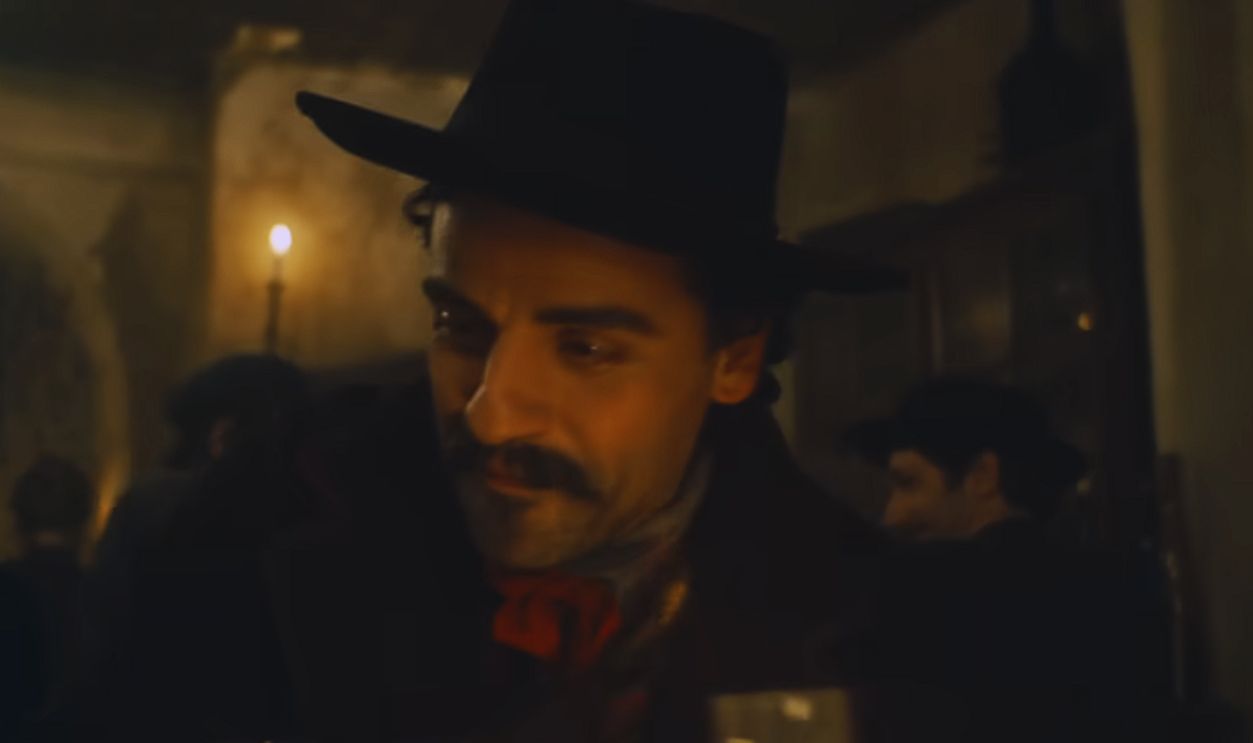
Van Gogh often suffered from dreams that were too lofty to actually achieve. Gauguin proved to be one of Van Gogh’s biggest dreams, and also, possibly, his biggest disappointment. In Gauguin, Van Gogh didn’t just want friendship—he dreamed of a relationship that offered creative satisfaction to each of them. Not that Gauguin got the message.
 Screenshot from At Eternity’s Gate, CBS Films (2018)
19. He Begged And Pleaded
Gauguin appeared initially resistant to Van Gogh’s hopes and dreams. Only after much pleading from Van Gogh did Gauguin agree to arrive in Arles. Yet, now Van Gogh had another problem. The Yellow House had little to no furniture. Where, exactly, did Van Gogh expect his coming guest to rest?
 Vincent van Gogh, Wikimedia Commons
20. He Prepared For The Arrival
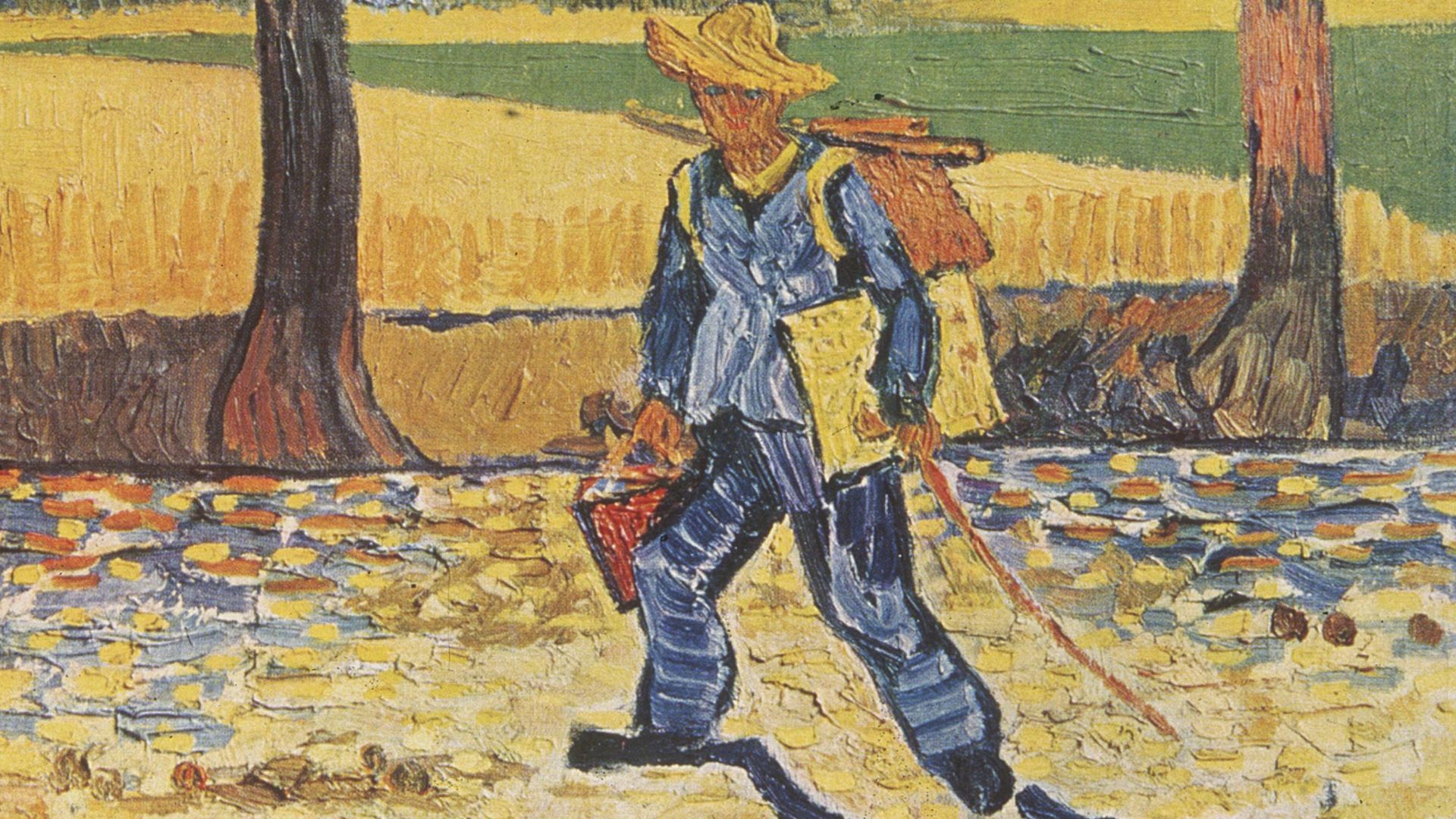
Van Gogh quickly bought two beds under the guidance of the station’s postal supervisor, and one of his models, Joseph Roulin. However, Van Gogh wanted to create a space that proved truly enticing to Gauguin. Therefore, Van Gogh decided that to prepare for Gauguin’s arrival, the Yellow House needed something truly special.
 Vincent van Gogh, Wikimedia Commons
21. He Created Something Special
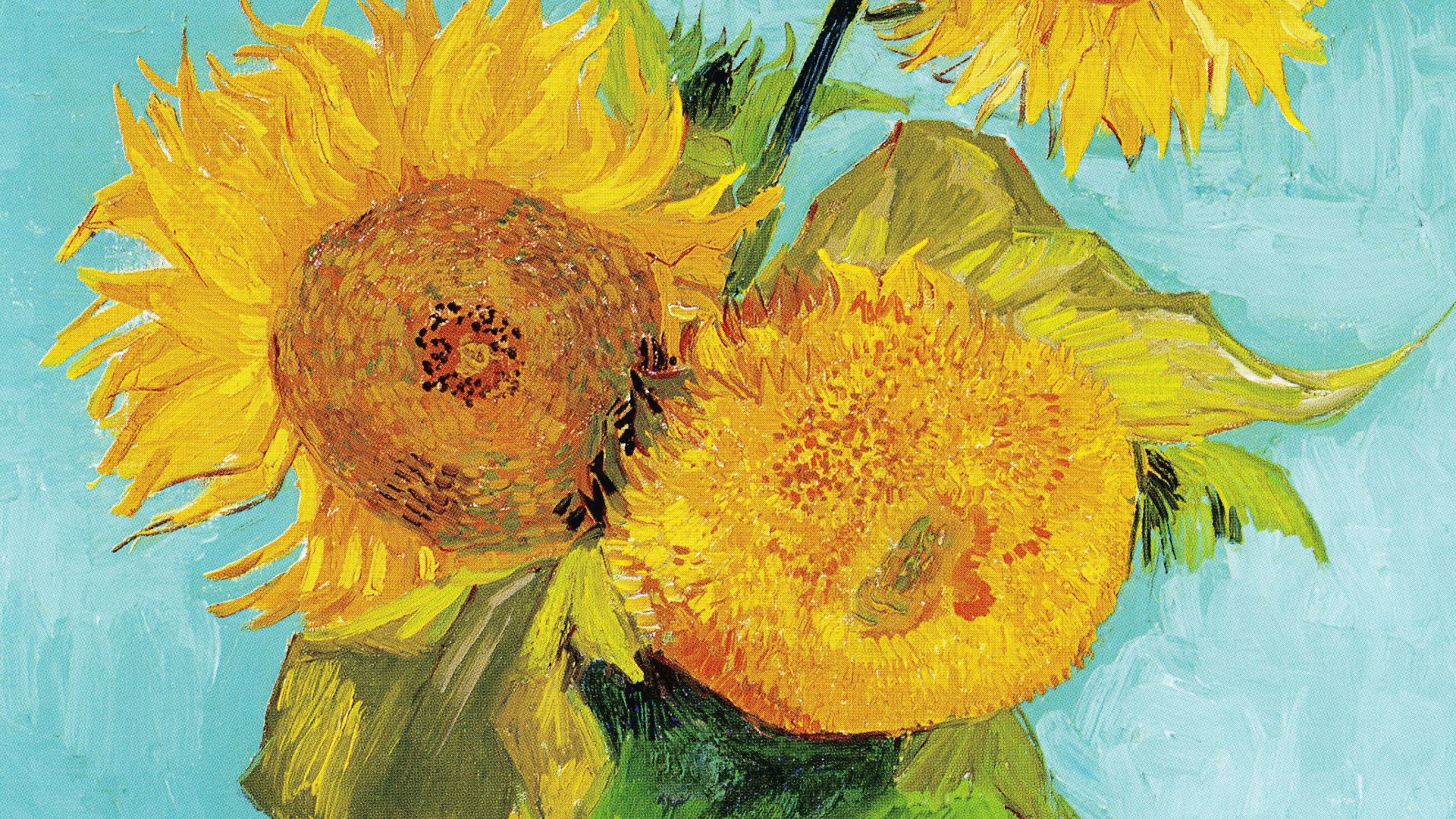
In a letter to his brother, Van Gogh wrote, “In the hope of living in a studio of our own with Gauguin, I'd like to do a decoration for the studio. Nothing but large Sunflowers". In the span of a week, before Gauguin’s arrival, Van Gogh changed the world forever.
 Screenshot from At Eternity’s Gate, CBS Films (2018)
22. He Was Inspired By Friendship
Two paintings are, arguably, Van Gogh’s most recognizable. One of them is a painting of bright yellow sunflowers in a vase. This painting came into existence as part of Van Gogh’s preparation for Gauguin’s visit—it remains one of the few good things to come out of Van Gogh’s dreamt collaboration.
 Vincent van Gogh, Wikimedia Commons
23. His Friend Finally Arrived
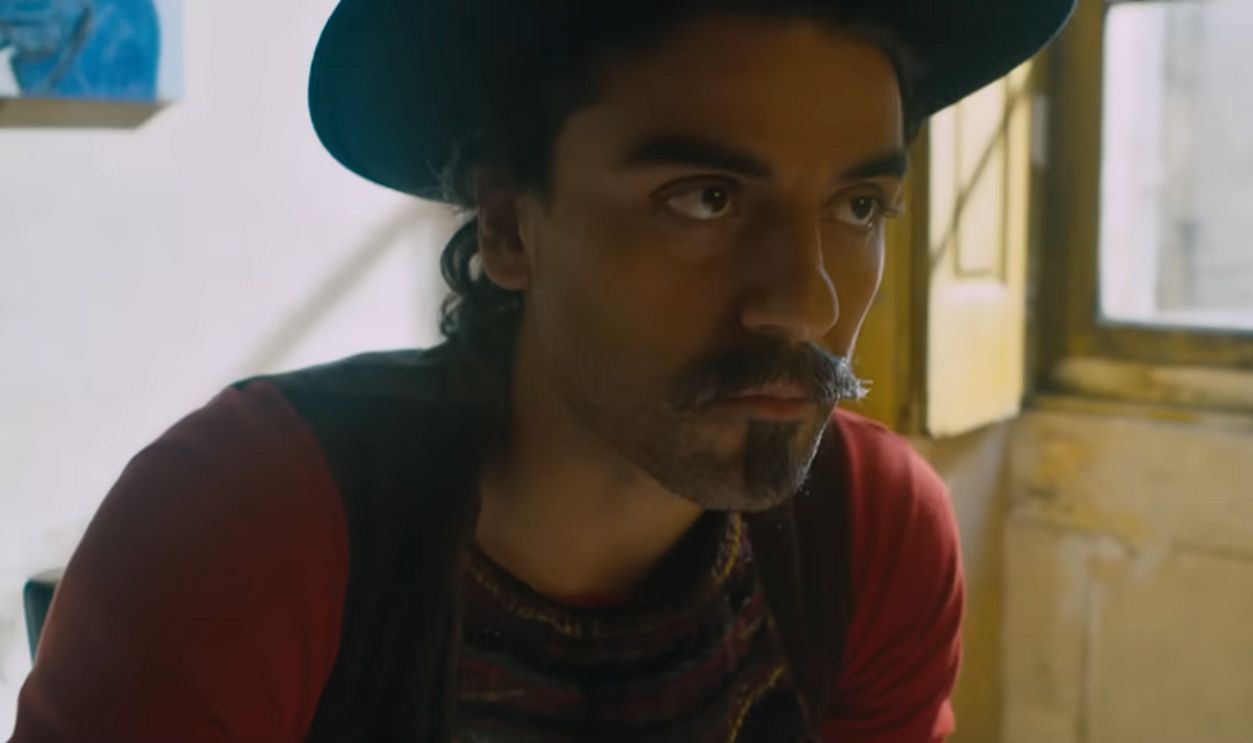
Gauguin finally arrived in Arles on October 23, and by November, Van Gogh achieved what he’d dreamt of. The two artists began painting together. Initially, things went smoothly enough, with Van Gogh taking advice from Gauguin. However, it did not take long for their two personalities to begin to clash, with epic effects.
 Screenshot from At Eternity’s Gate, CBS Films (2018)
24. He Cared More Than Gaugin Did
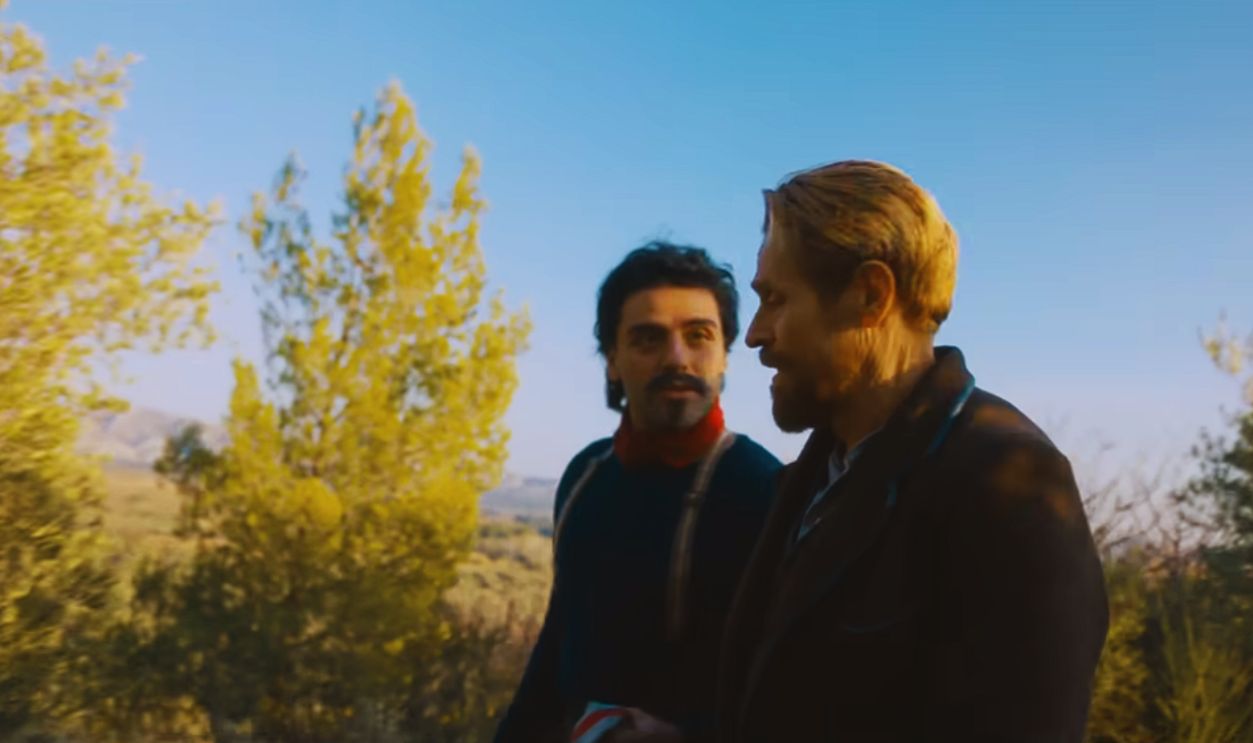
Van Gogh admired Gauguin. He respected his talent and desperately wished for Gauguin to do the same with him. He wanted Gauguin to treat him as an equal—Van Gogh wanted friendship, not mentorship. However, Gauguin didn’t see things in quite the same light.
 Screenshot from At Eternity’s Gate, CBS Films (2018)
25. His Friend Looked Down Upon Him
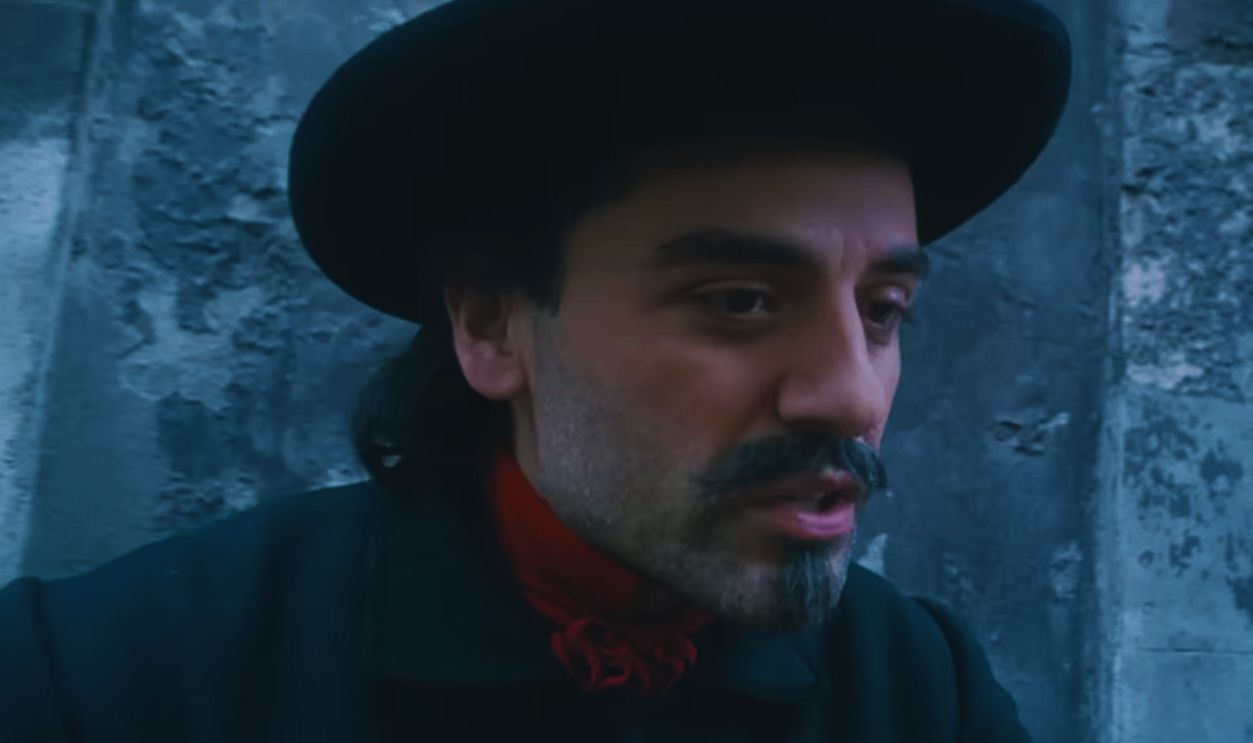
To Gauguin, Van Gogh appeared to be someone inferior. He behaved with arrogance and controlled each situation with an intimidating attitude that ultimately frustrated Van Gogh. As such, they began to argue often. It should’ve been clear that the pair needed to separate, yet that was the last thing Van Gogh wanted.
 Screenshot from At Eternity’s Gate, CBS Films (2018)
26. He Was Desperate To Keep Him
Despite the tension that existed between them, Van Gogh remained desperate for Gauguin to stay. This only caused further problems in their relationship, as the more desperate Van Gogh became for Gauguin’s companionship, the further he seemed to push Gauguin away.
 Screenshot from At Eternity’s Gate, CBS Films (2018)
27. He Became Trapped
As 1888 marched doggedly on into winter, the weather turned. Early December saw a long period of rain that forced the Yellow House to contain both men without a means to escape. Their problems escalated. However, what exactly happened in the days leading up to Van Gogh’s most dramatic act remains something of a mystery.
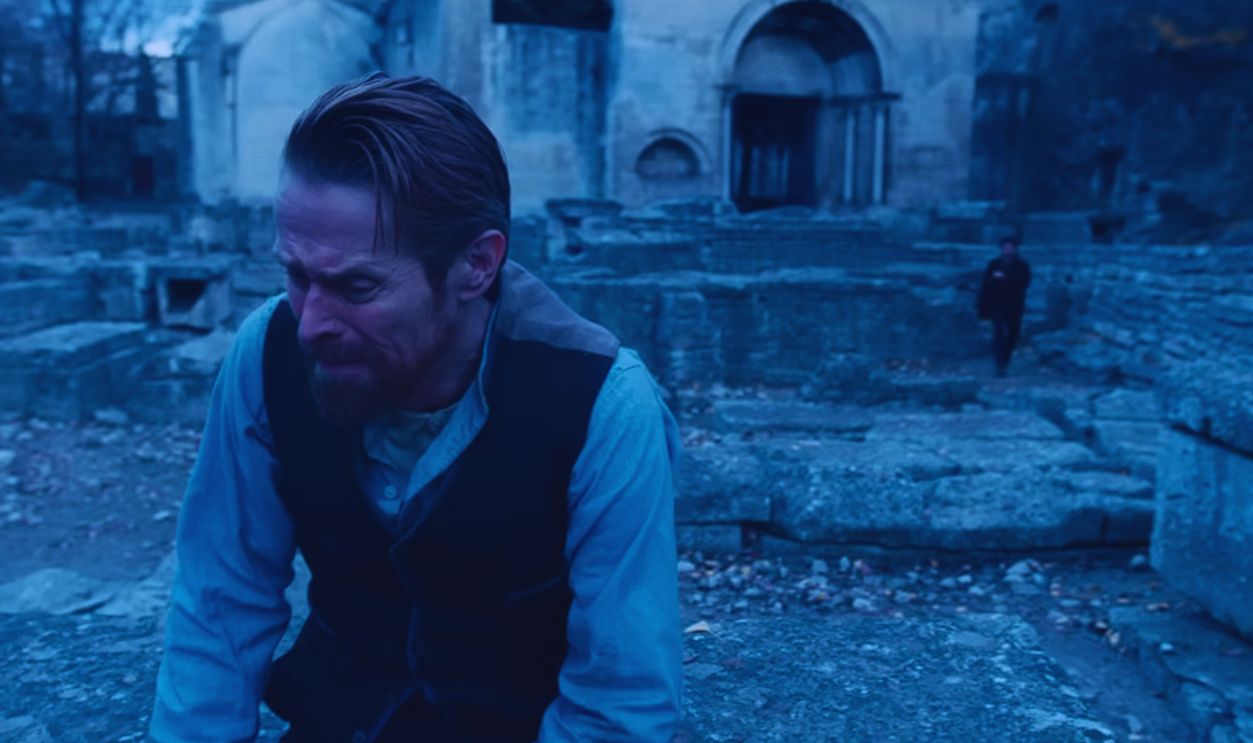 Screenshot from At Eternity’s Gate, CBS Films (2018)
28. He Couldn’t Control Himself
According to Gauguin, Van Gogh attempted to follow him when he left the house for a walk, and, supposedly, “rushed towards me, an open razor in his hand”. With no other witnesses to this supposed event, no one has ever been able to corroborate Gauguin’s claims. Yet, something certainly happened to push Van Gogh towards the edge.
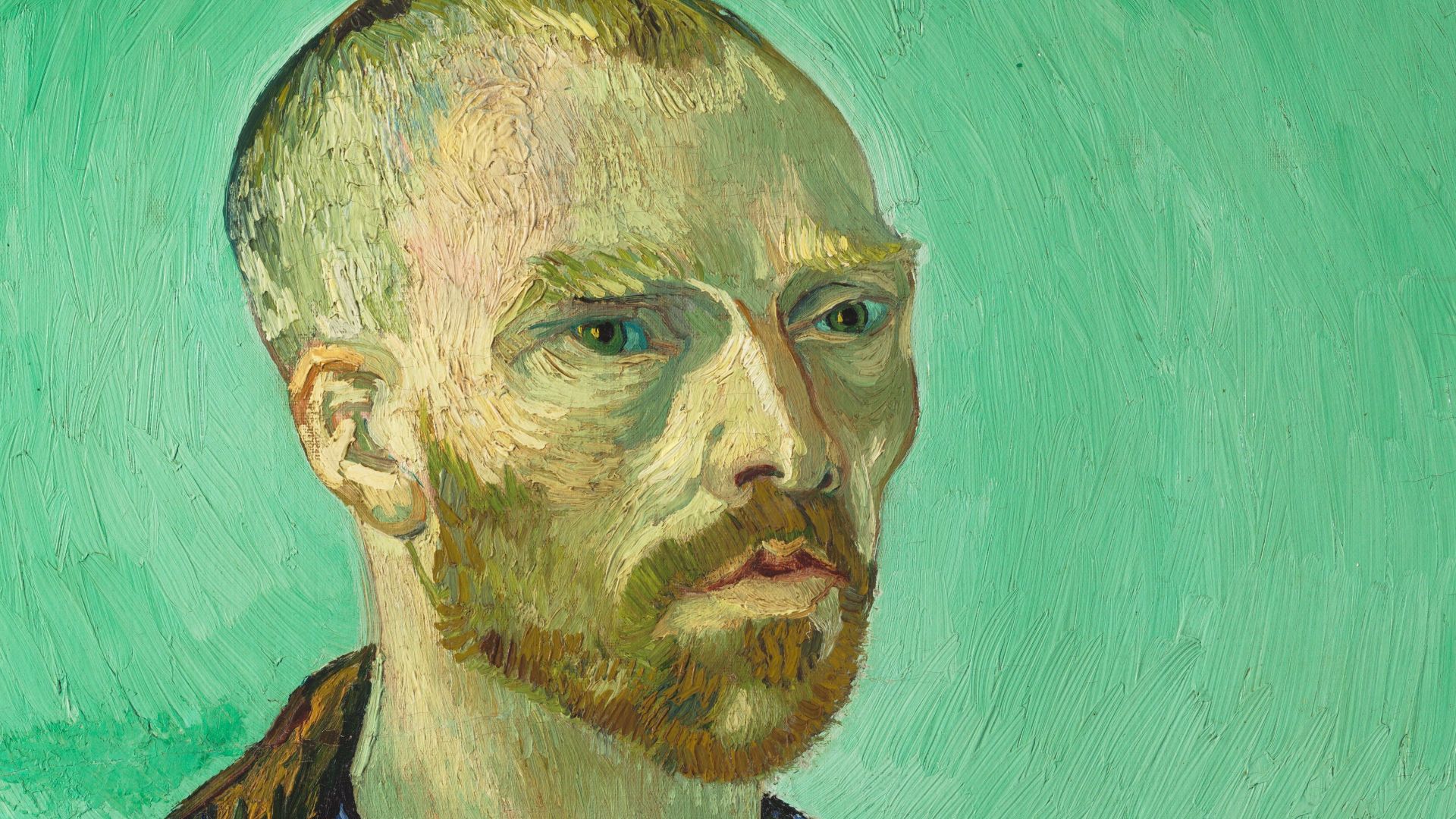 Vincent van Gogh, Wikimedia Commons
29. He Feared The Worst
Whether Van Gogh rushed Gauguin with a razor or not, Gauguin almost certainly did not return to the Yellow House that night, likely remaining in a hotel. Leaving Van Gogh on his own only seemed to make matters worse. Van Gogh could feel his fellow artist pulling away—and the resulting distress led him down a dark path.
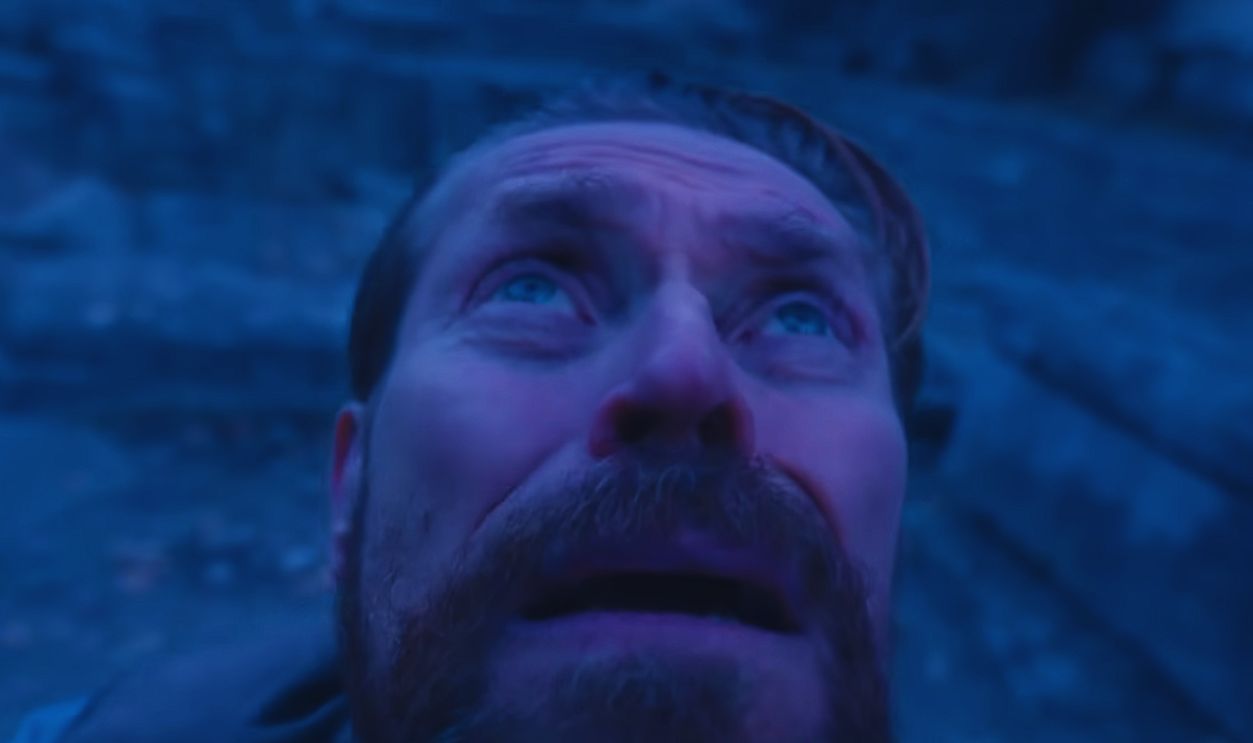 Screenshot from At Eternity’s Gate, CBS Films (2018)
30. He Began To Spiral
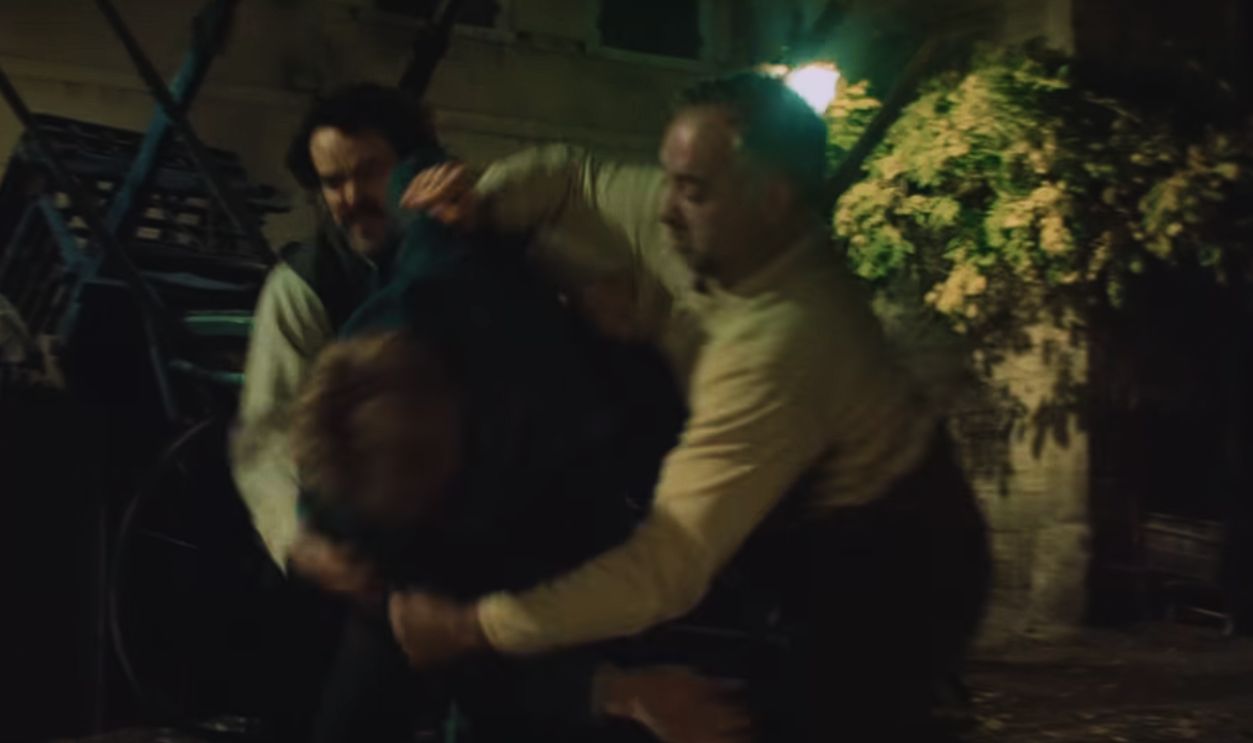
Van Gogh’s descent started in the evening of December 23, 1888. A fiery fight with Gauguin seemed to be the final straw. Desperation only appeared to strengthen Van Gogh’s pre-existing condition—and that's when his grasp on reality truly began to slip. What happened next would go down in history.
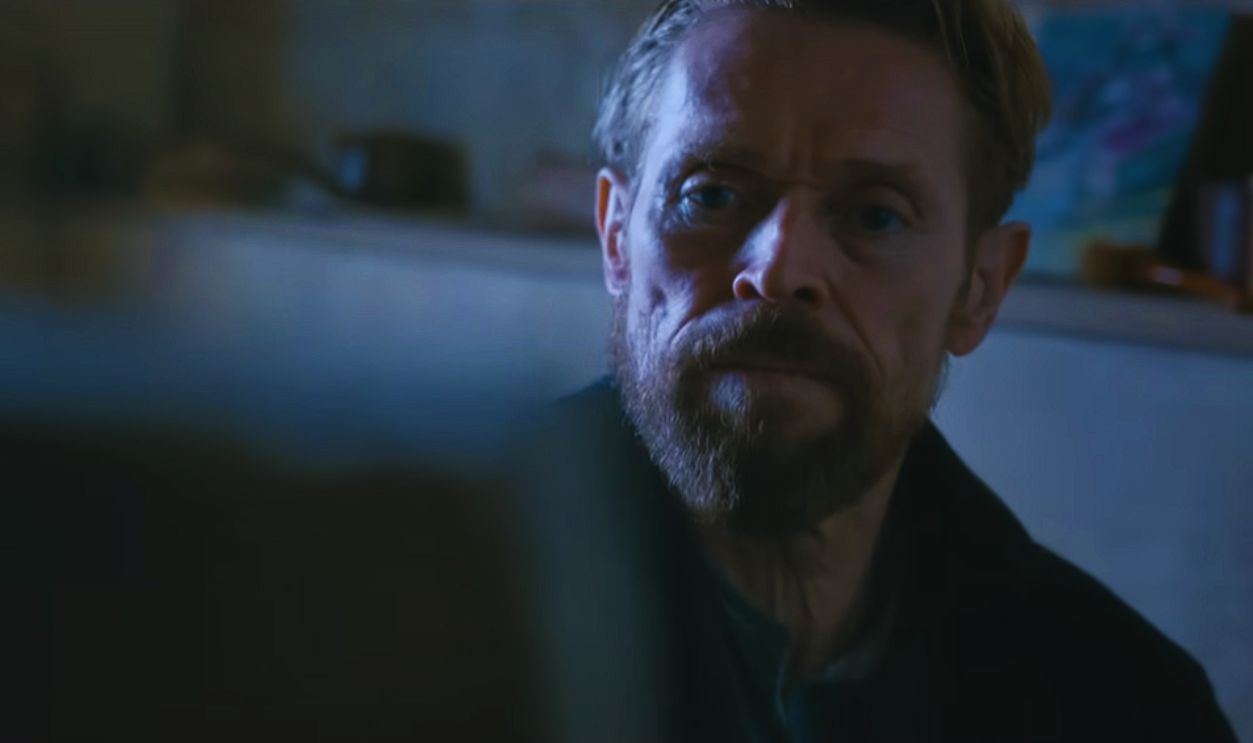 Screenshot from At Eternity’s Gate, CBS Films (2018)
31. His Actions Are Lost
The hours between the evening of December 23 and the morning of December 24, 1888, remain a bit of a mystery; evidence suggests what Van Gogh got up to that night. However, the reality is that no one is certain beyond one truth: The next morning, a policeman found Van Gogh unconscious and bleeding. So what actually happened?
 Screenshot from At Eternity’s Gate, CBS Films (2018)
32. He Lost His Grip On Reality
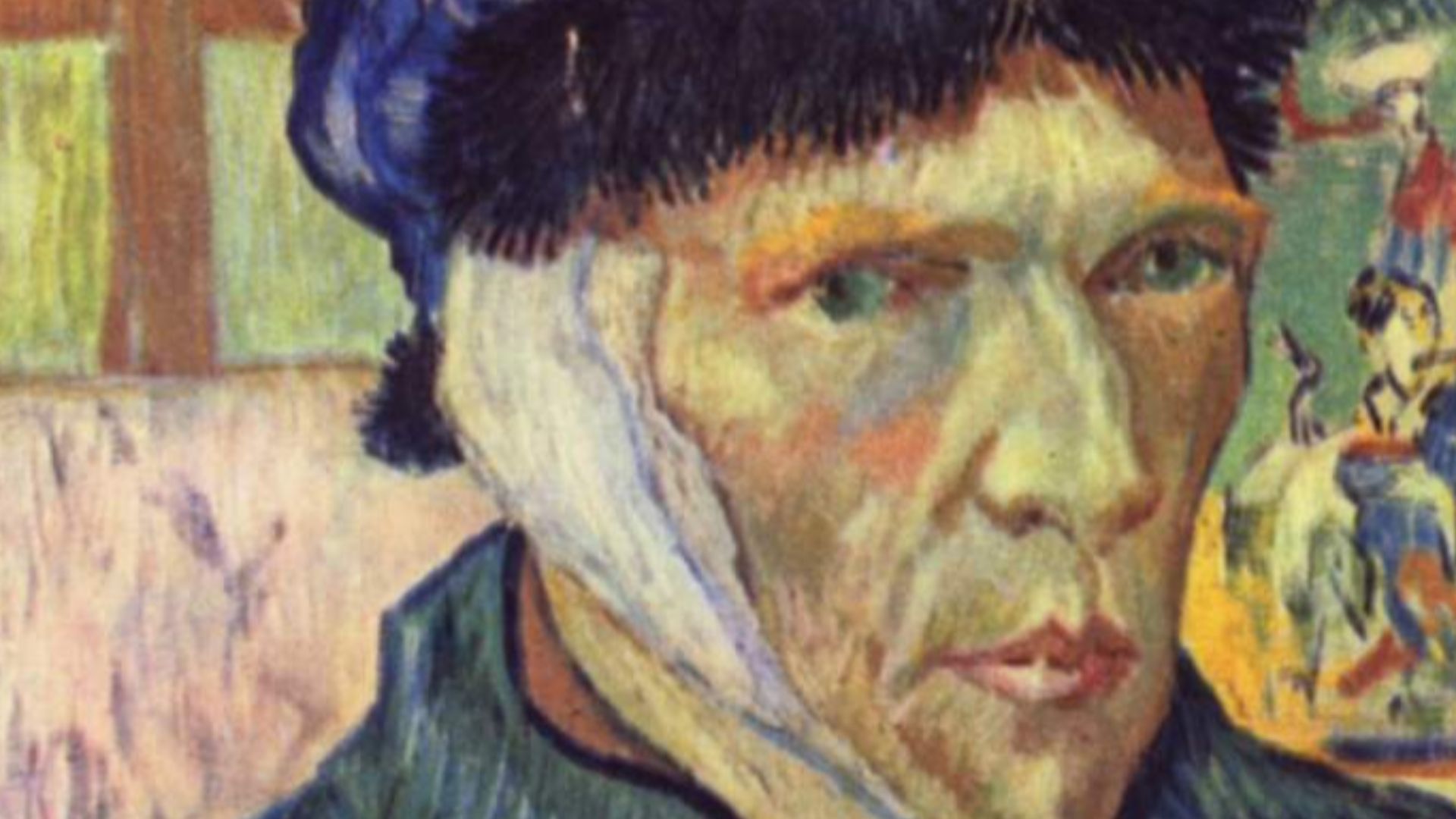
Upon returning to his rooms after his altercation with Gauguin, Van Gogh was in a terrible state. Supposedly hearing voices, Van Gogh defied logic as he grabbed a razor and reached for his ear, either severing it entirely or only in part. As mad as that sounds, Van Gogh was just getting started.
 Vincent van Gogh, Wikimedia Commons
33. He Made A Bold Statement
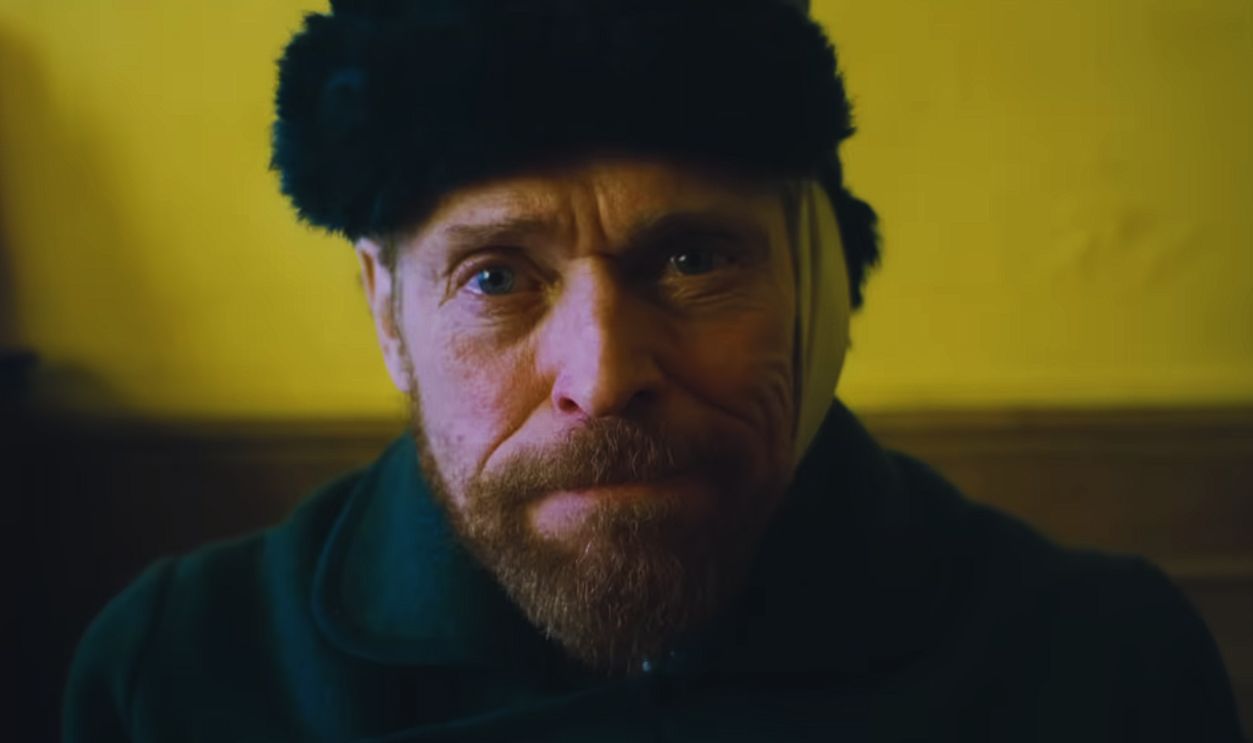
After severing either part of all of his ear, Van Gogh wrapped it in paper and delivered it to a young maid at a local brothel that he’d visited often with Gauguin during his visit. For many years, the identity of this woman remained unknown, adding further mystery to the incident. Who could have prompted Van Gogh to go to such lengths?
 Screenshot from At Eternity’s Gate, CBS Films (2018)
34. He Chose A Young Girl
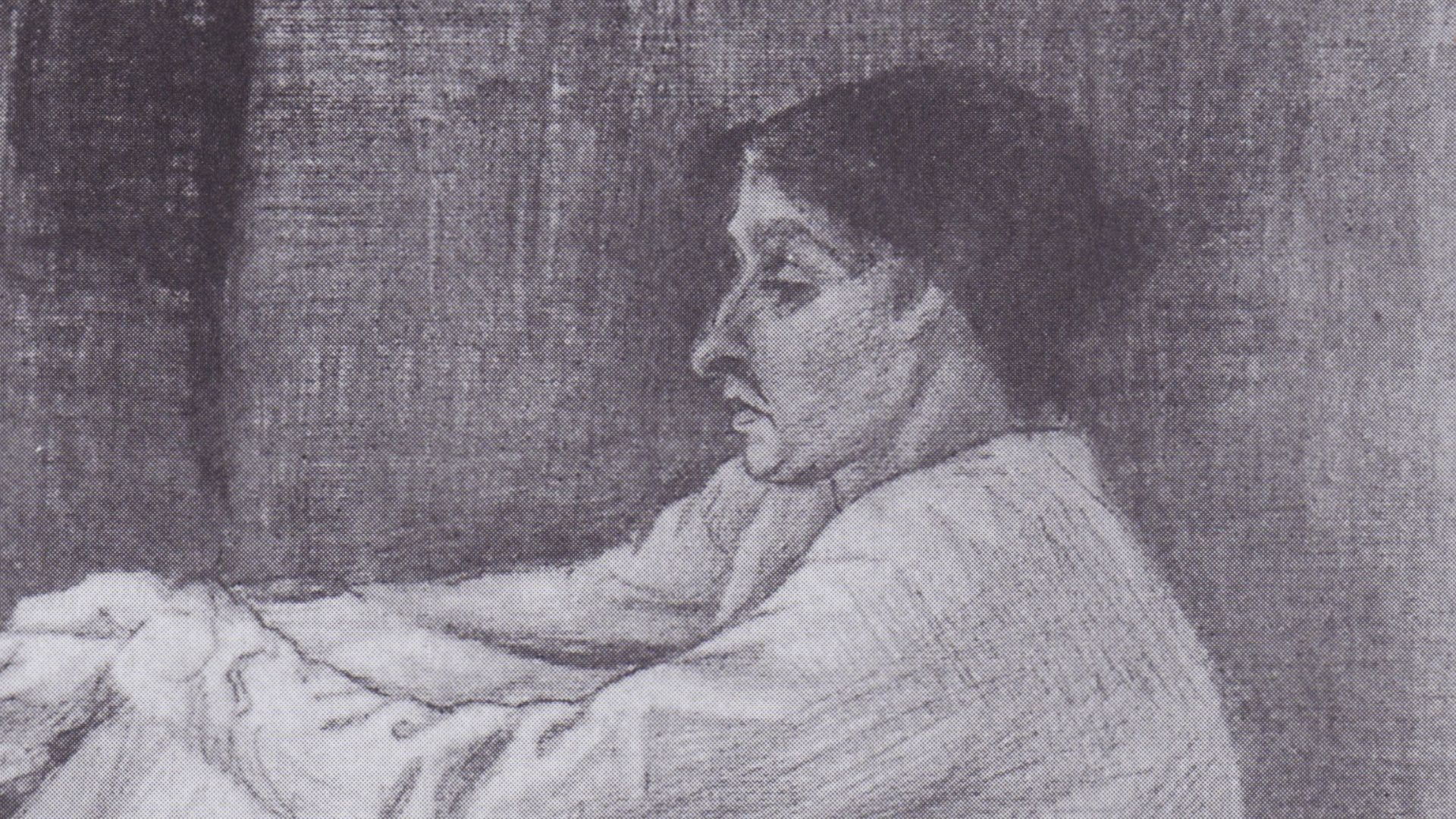
In more recent years, a researcher and historian has identified Van Gogh’s mystery woman. Gabrielle Berlatier passed in 1952 at the age of 80. However, in 1888, she was 17 years old and nothing more than a cleaning girl at the brothel. Why on earth did Van Gogh choose her?
 Vincent van Gogh, Wikimedia Commons
35. He Can’t Remember Anything
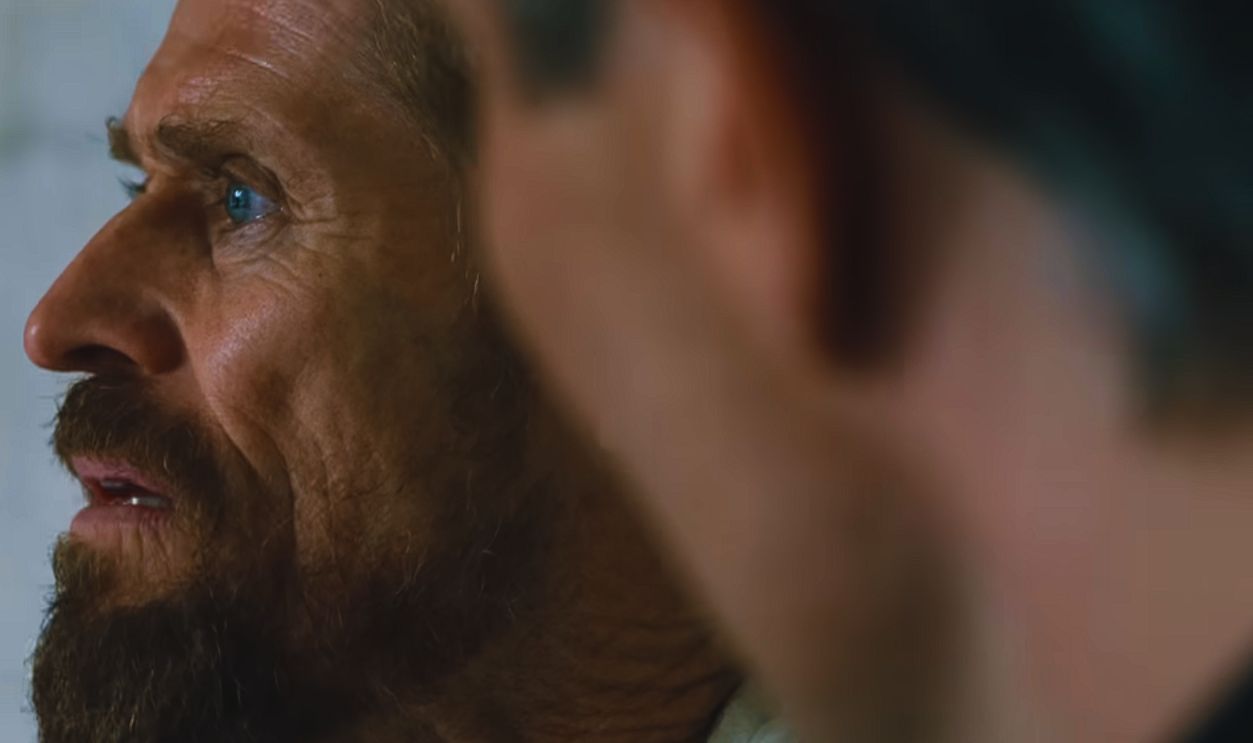
The truth is that no one knows what prompted Van Gogh to go to such dramatic lengths, nor why Gaby, as she’d been known in her youth, became the target of Van Gogh’s attentions—not even Van Gogh himself. Rushing Van Gogh to the hospital the next morning only added more confusion to the entire affair.
 Screenshot from At Eternity’s Gate, CBS Films (2018)
36. He Might Have Finally Snapped
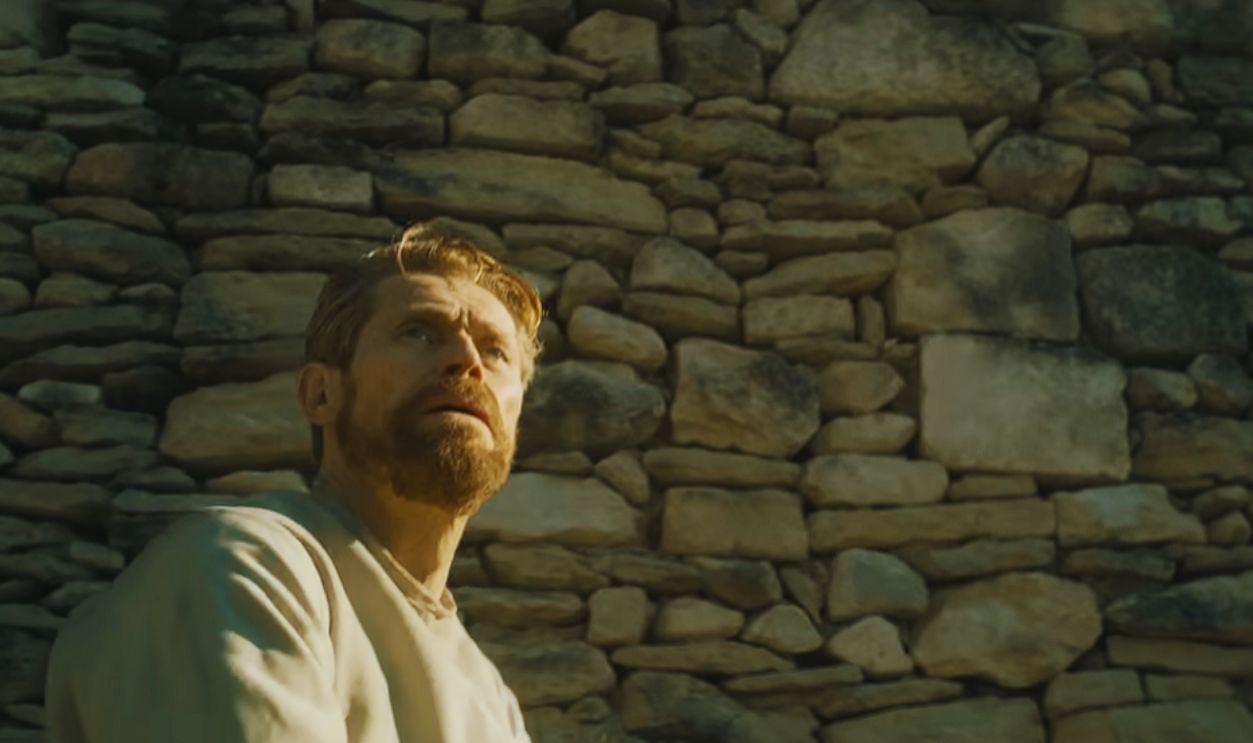
Van Gogh had no memory of the incident. The official diagnosis from the hospital at the time was “acute mania with generalised delirium”. Modern professionals looking back on the incident believe that it’s possible that Van Gogh experienced a severe mental breakdown that evening. Now only one question remained: What of Gauguin?
 Screenshot from At Eternity’s Gate, CBS Films (2018)
37. He Only Wanted One Person
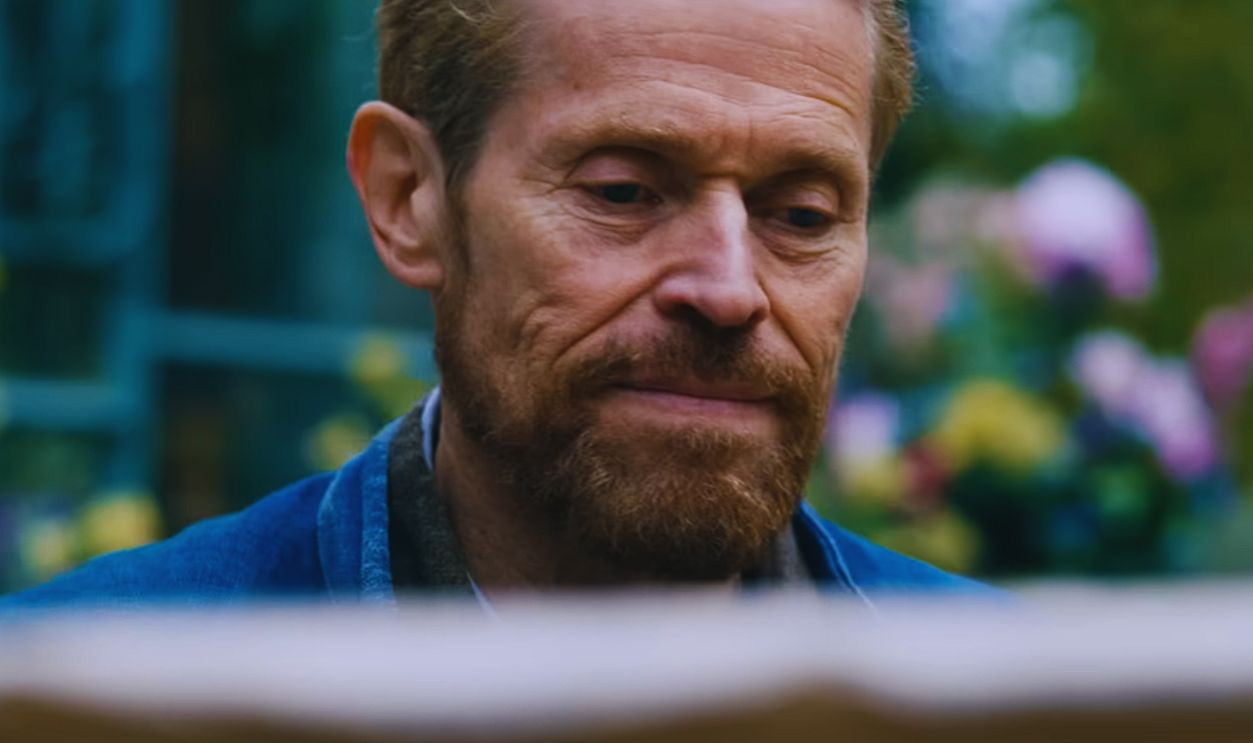
During his first days at the hospital following the incident, Van Gogh only had one consistent request. He wanted to see Gauguin. However, no matter how many times Van Gogh asked for his supposed friend, Gauguin never materialized, and he would never materialize again.
 Screenshot from At Eternity’s Gate, CBS Films (2018)
38. His Desire Couldn’t Be Met
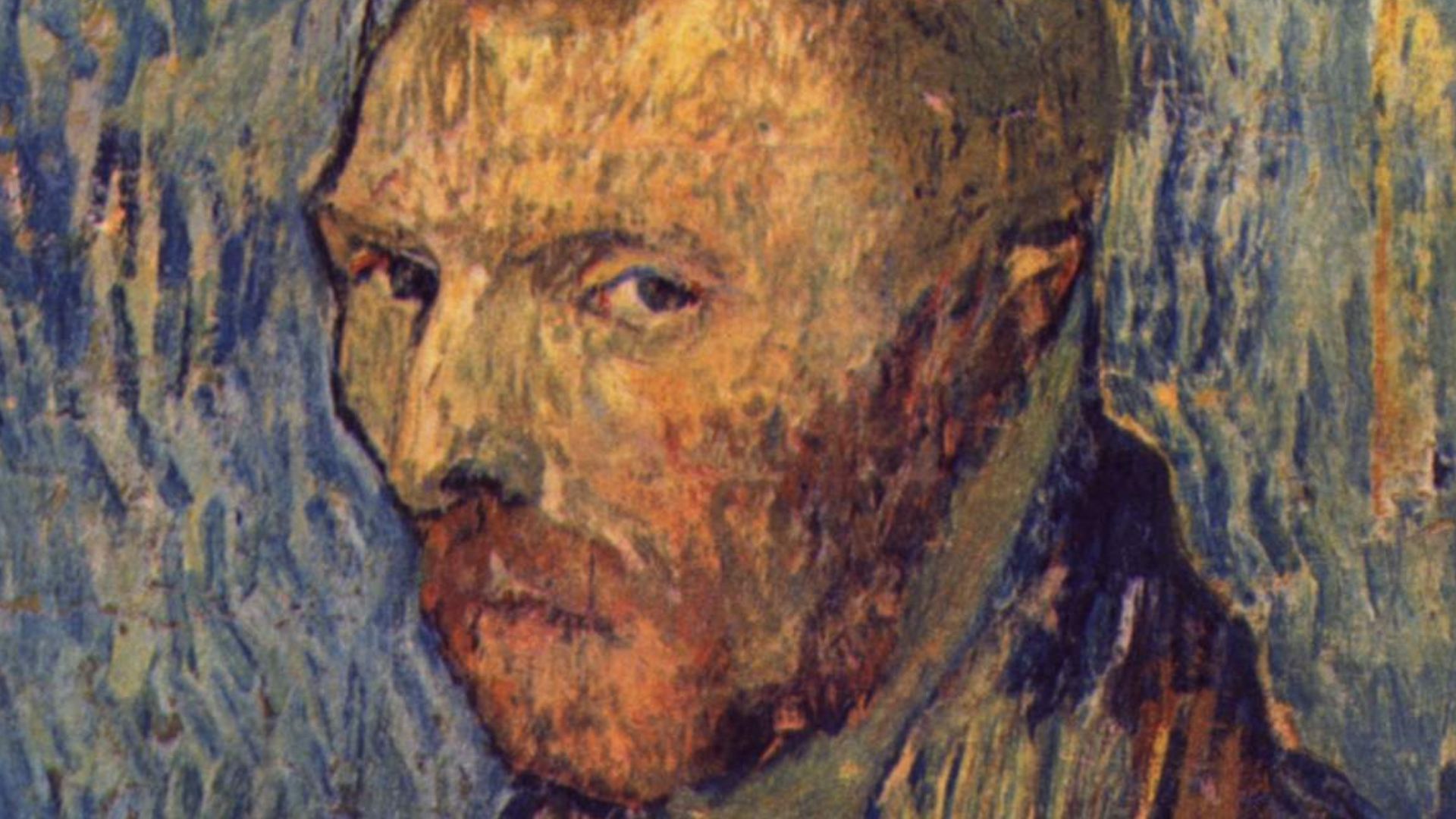
Gauguin left Arles before Van Gogh ever woke up. He asked the policeman responsible for the case to “be kind enough, Monsieur, to awaken this man with great care, and if he asks for me, tell him I have left for Paris”. Gauguin couldn’t remain in the same place as Van Gogh.
 Vincent van Gogh, Wikimedia Commons
39. He Hadn’t Been Abandoned Entirely
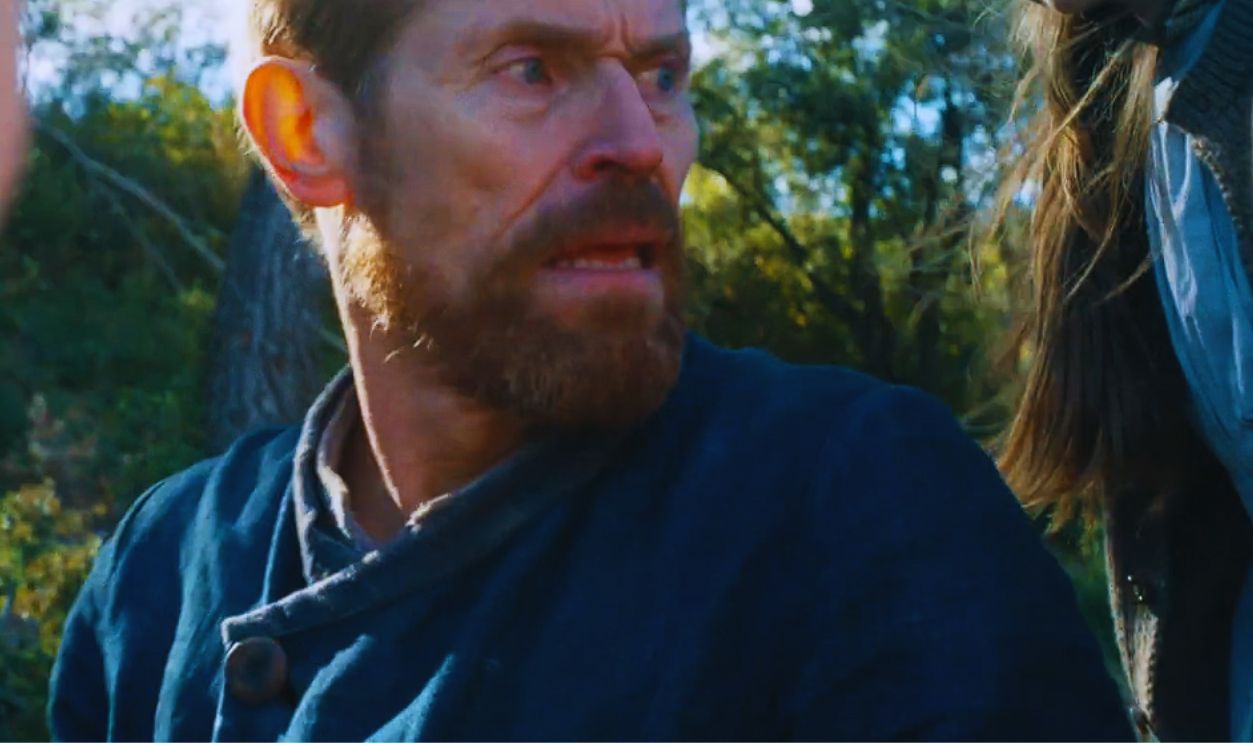
Despite the complexity of their relationship, Gauguin appeared to still have some sentiment for Van Gogh left in his heart. While he fled before Van Gogh woke up, according to him, he did so because “the sight of me might prove fatal for him”. He also ensured that Van Gogh would not be alone, even if he couldn’t be by his side.
 Screenshot from At Eternity’s Gate, CBS Films (2018)
40. His Friend Made One Last Call
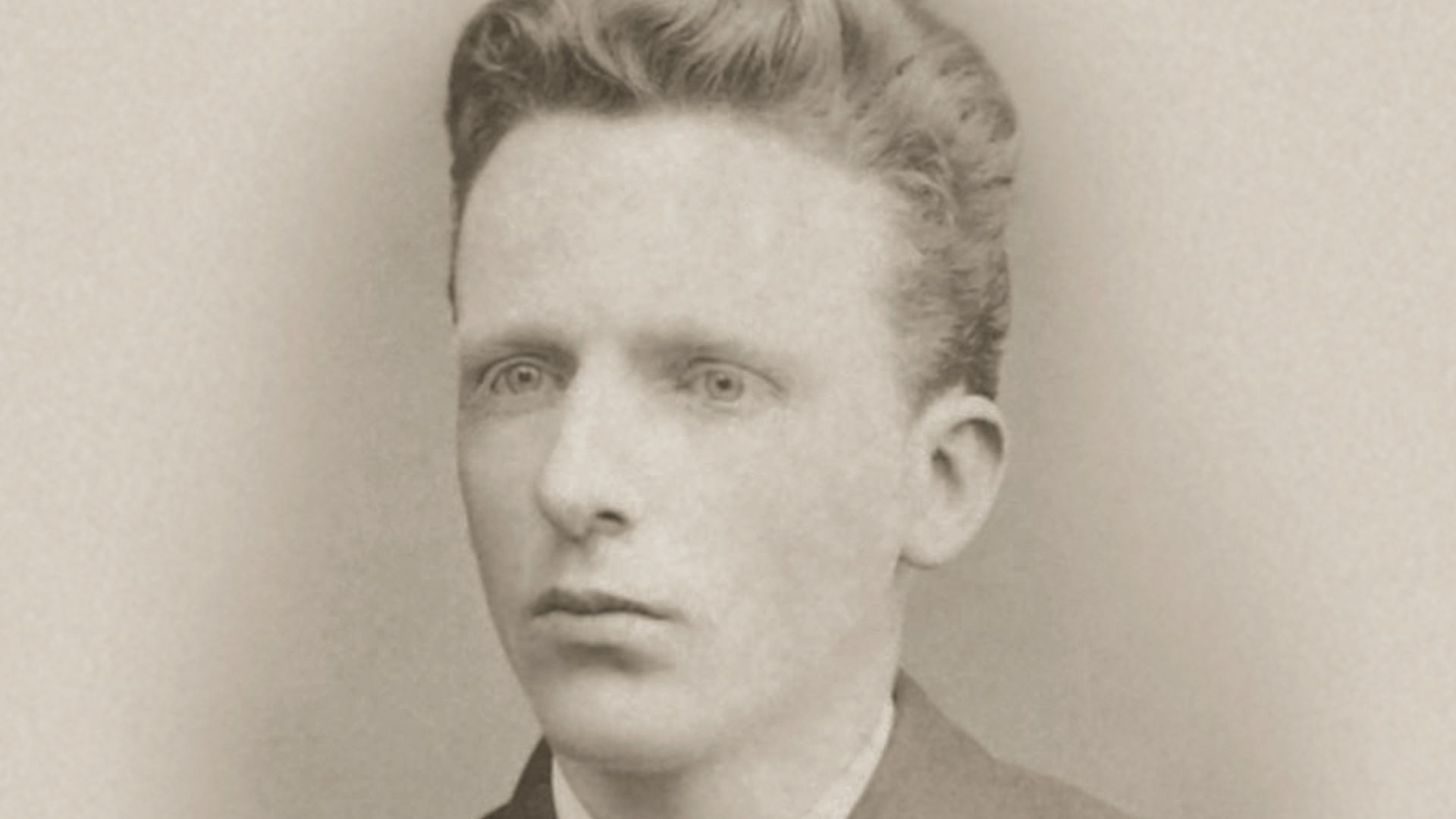
Gauguin immediately contacted Van Gogh’s brother, Theo, who rushed to the train station despite having just proposed to his future wife that same day. After a day of travelling, Theo arrived at Van Gogh’s side. However, he did not remain there for long. Van Gogh quickly found himself on his own again.
 De Lavieter & Co, Wikimedia Commons
41. His Brother Wasn’t There
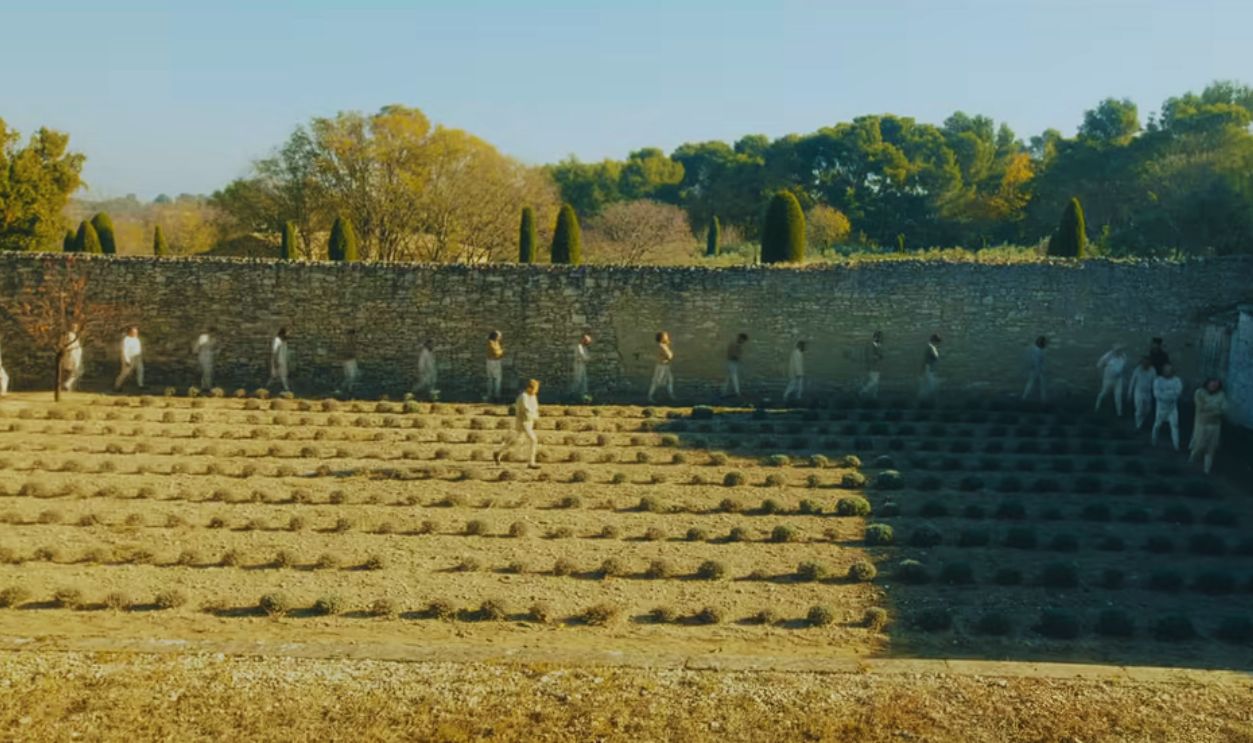
Theo left in the evening of the same day that he arrived. Despite spending the next few weeks in the hospital, Van Gogh quickly gained freedom once more, shocking everyone. However, far from being cured, he could only delay the inevitable. The village eventually displaced him from his beloved “Yellow House”. Everyone knew Van Gogh needed help, even Van Gogh.
 Screenshot from At Eternity’s Gate, CBS Films (2018)
42. He Realized He Needed Help
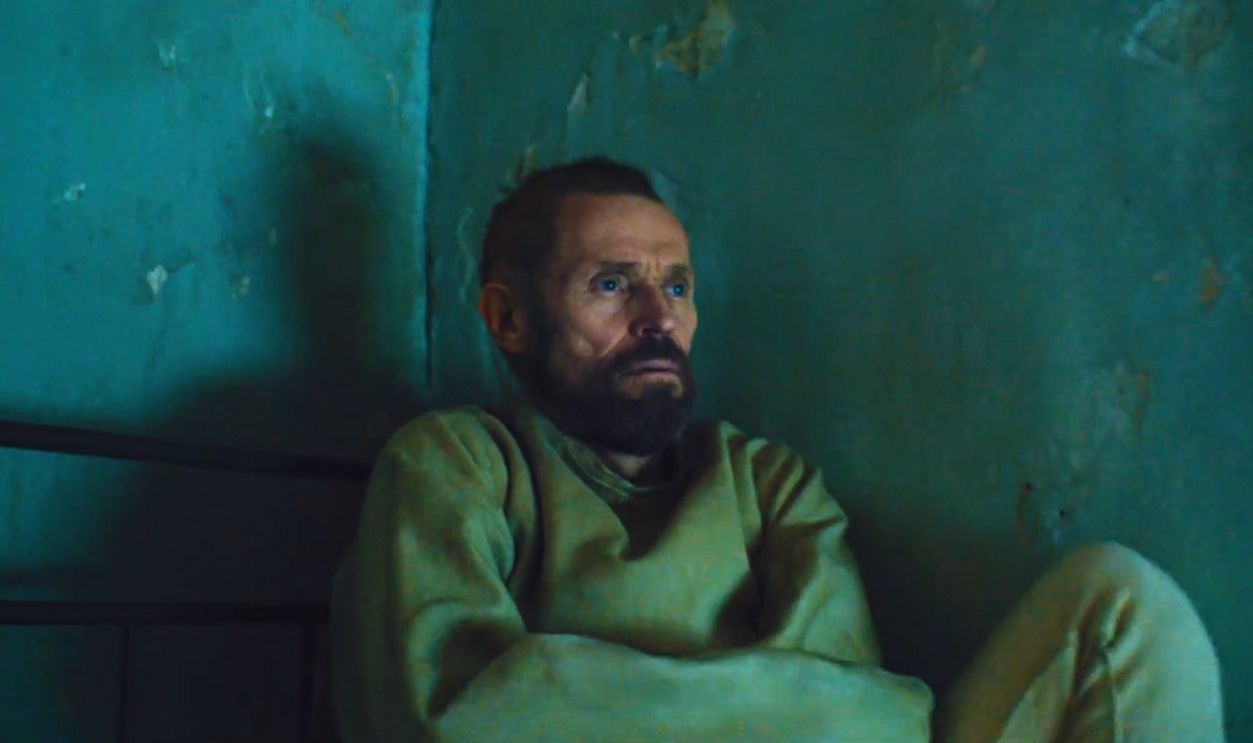
Van Gogh voluntarily entered Saint-Paul-de-Mausole asylum at the start of May 1989, roughly five months after the incident in Arles that started his clear downward slide. At the asylum, Van Gogh’s rooms were sparse—two cells with barred windows. Yet, this drab place forced Van Gogh to dig deep, finding his greatest inspiration.
 Screenshot from At Eternity’s Gate, CBS Films (2018)
43. He Made Something Special
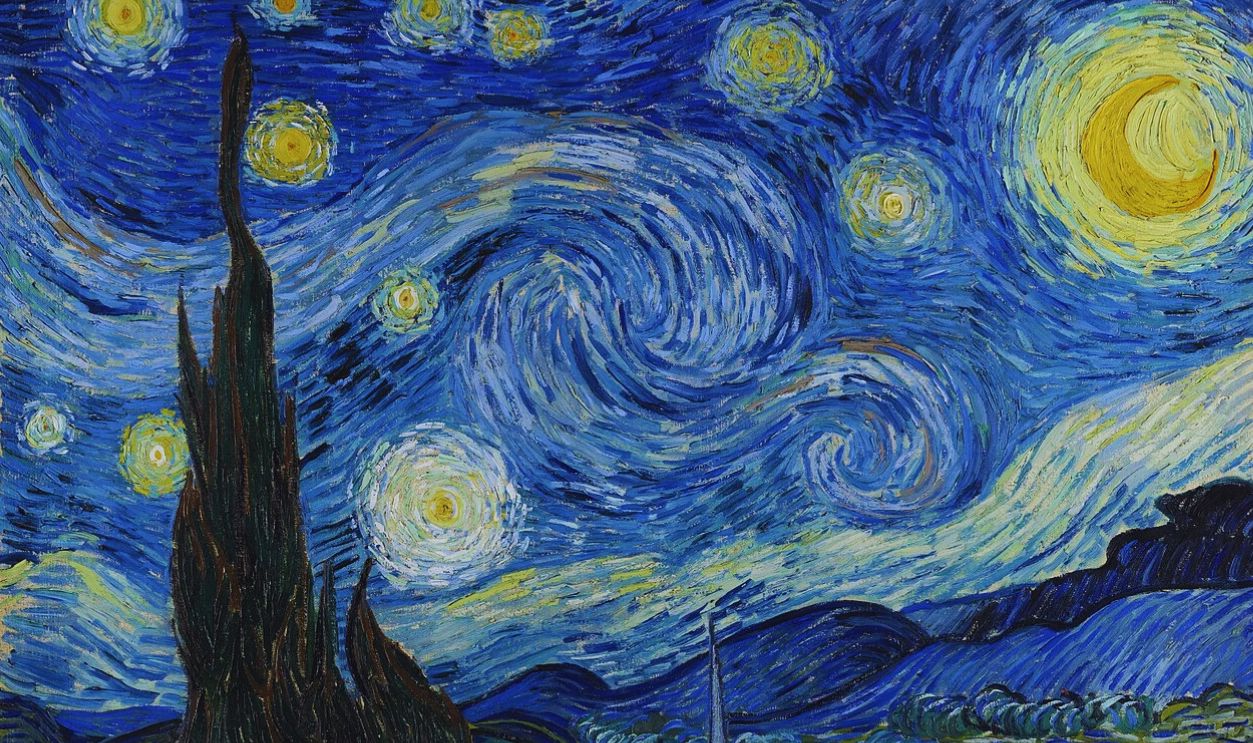
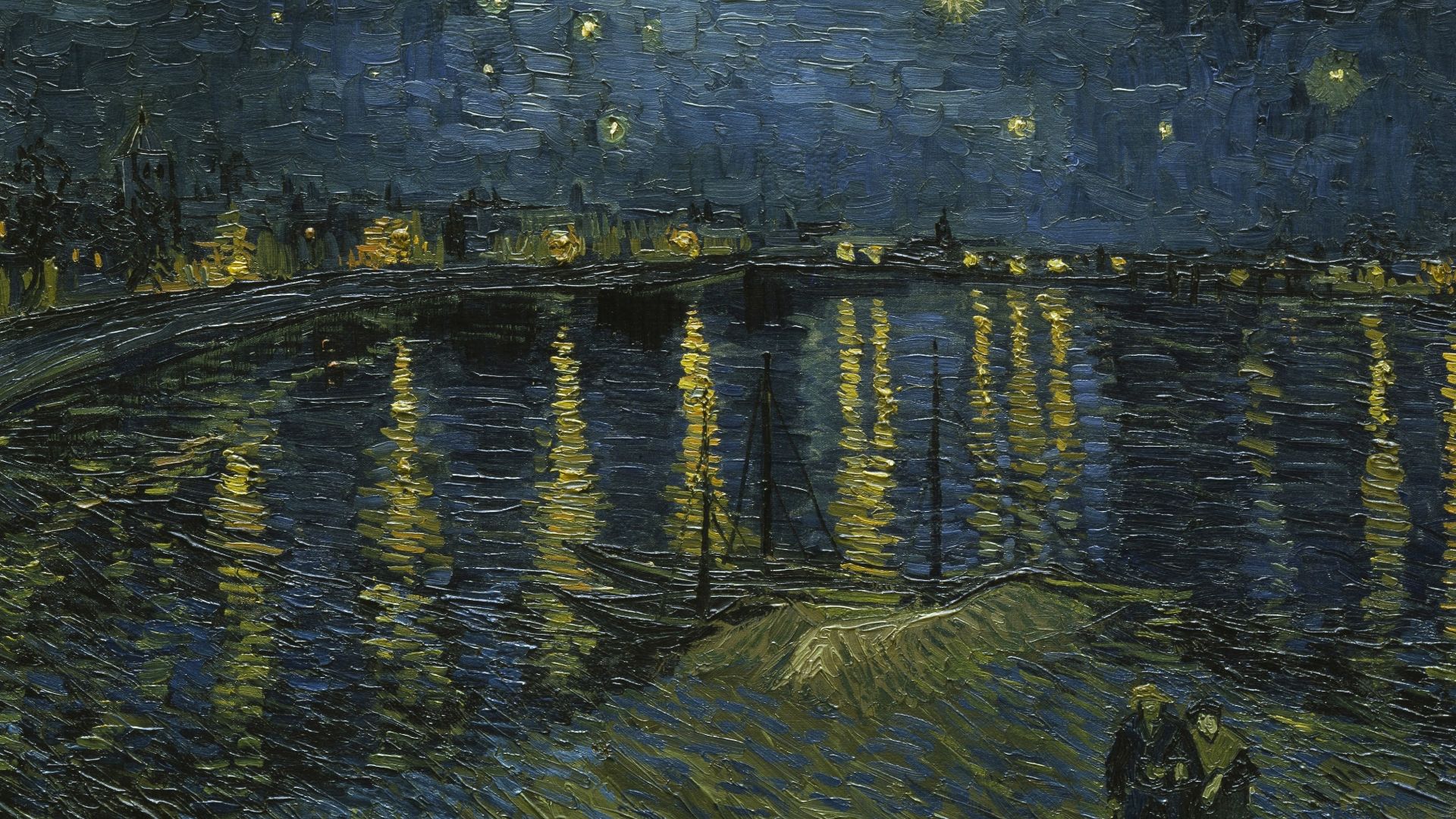
Other than the sunflowers already mentioned, Van Gogh is best known for one other painting. The Starry Night, a captivating painting full of deep blues and swirls, depicts the view Van Gogh had out of his window in the asylum. The confines of the asylum could not deter Van Gogh. Yet it also couldn’t save him.
 Vincent van Gogh, Wikimedia Commons
44. He Started Again
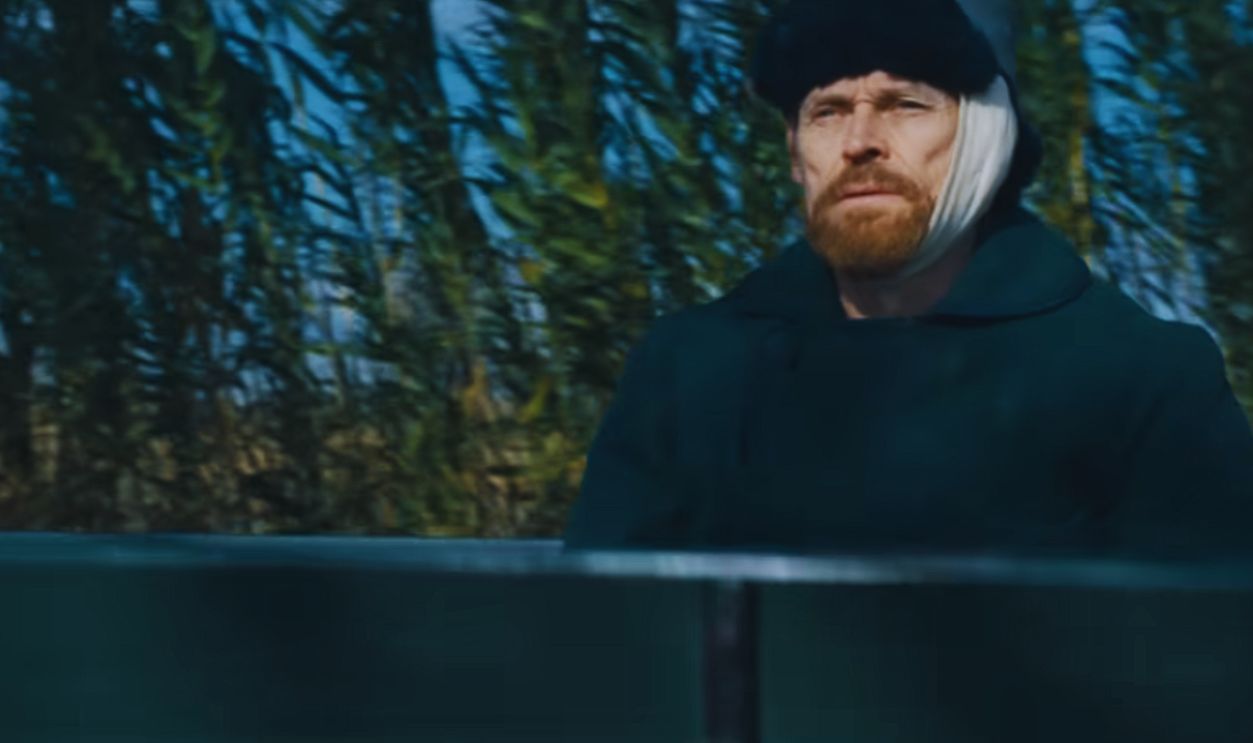
Van Gogh left the asylum in May 1890, roughly a year after entering it. He moved to a Paris suburb to live closer to both Theo and Dr Paul Gachet, an amateur painter who was familiar with treating other artists. Van Gogh may have appeared to be planning for the future, but his demons continued to follow him.
 Screenshot from At Eternity’s Gate, CBS Films (2018)
45. His Demons Caught Up With Him
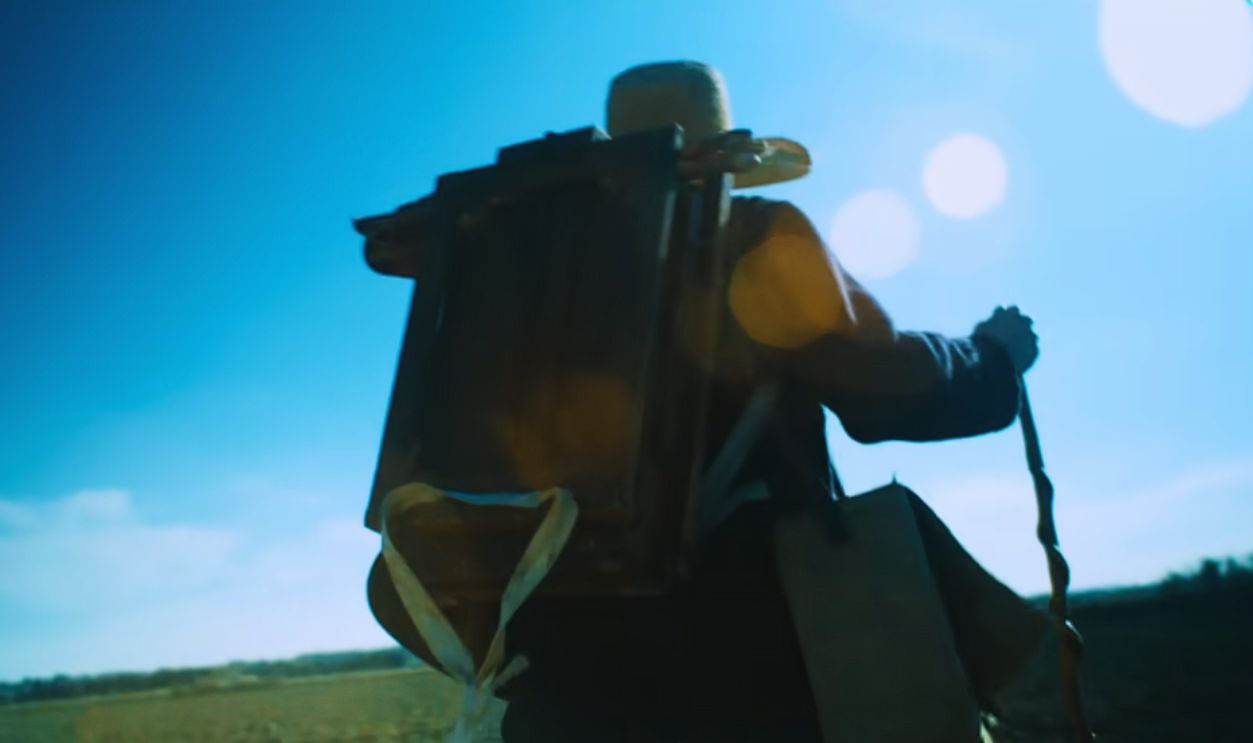
Only two months after leaving the asylum, those same demons finally caught up with Van Gogh. At the age of 37, Van Gogh went to either a wheat field he’d been painting in or a local barn (stories differ) and shot himself in the chest—and then he turned around and walked home.
 Screenshot from At Eternity’s Gate, CBS Films (2018)
46. He Walked It Off
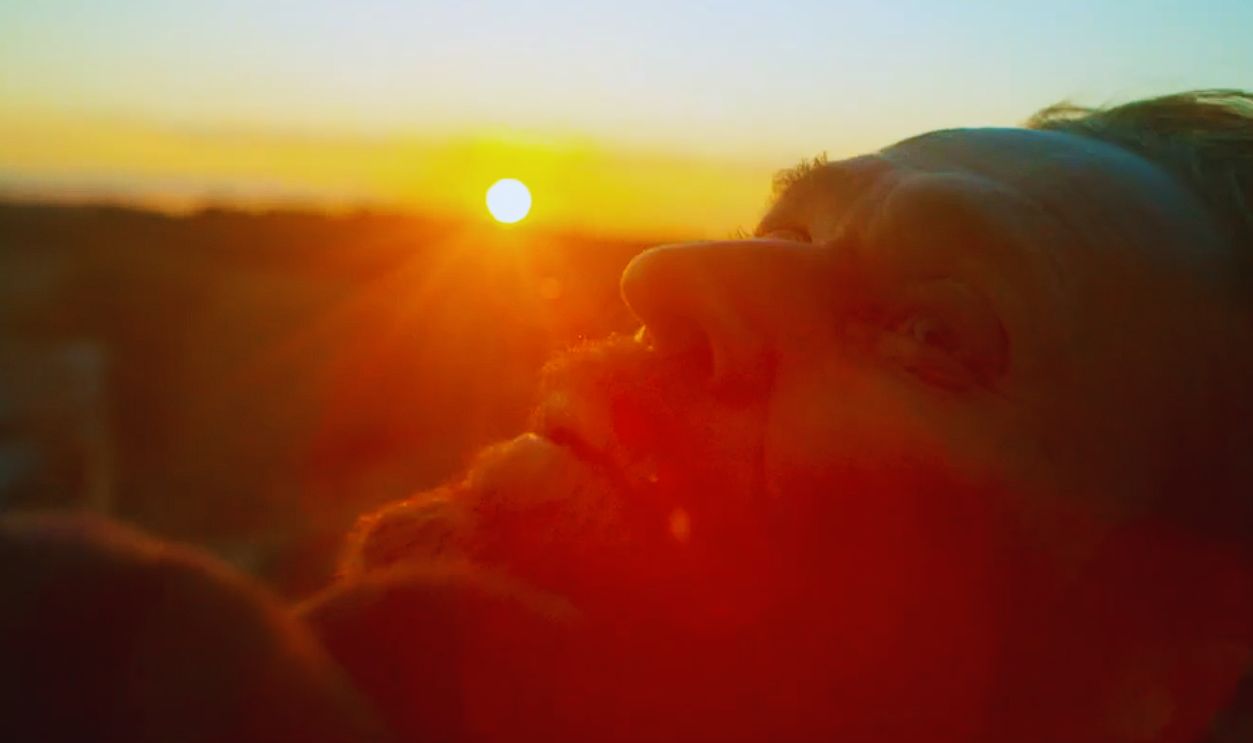
Remarkably, the bullet deflected off one of Van Gogh’s ribs and went through him without doing any immediately lethal damage to his organs. As a result, Van Gogh managed to return to the Auberge Ravoux where he’d been staying. Finding Van Gogh covered in blood, the people there jumped into action.
 Screenshot from At Eternity’s Gate, CBS Films (2018)
47. His Friends Rushed In
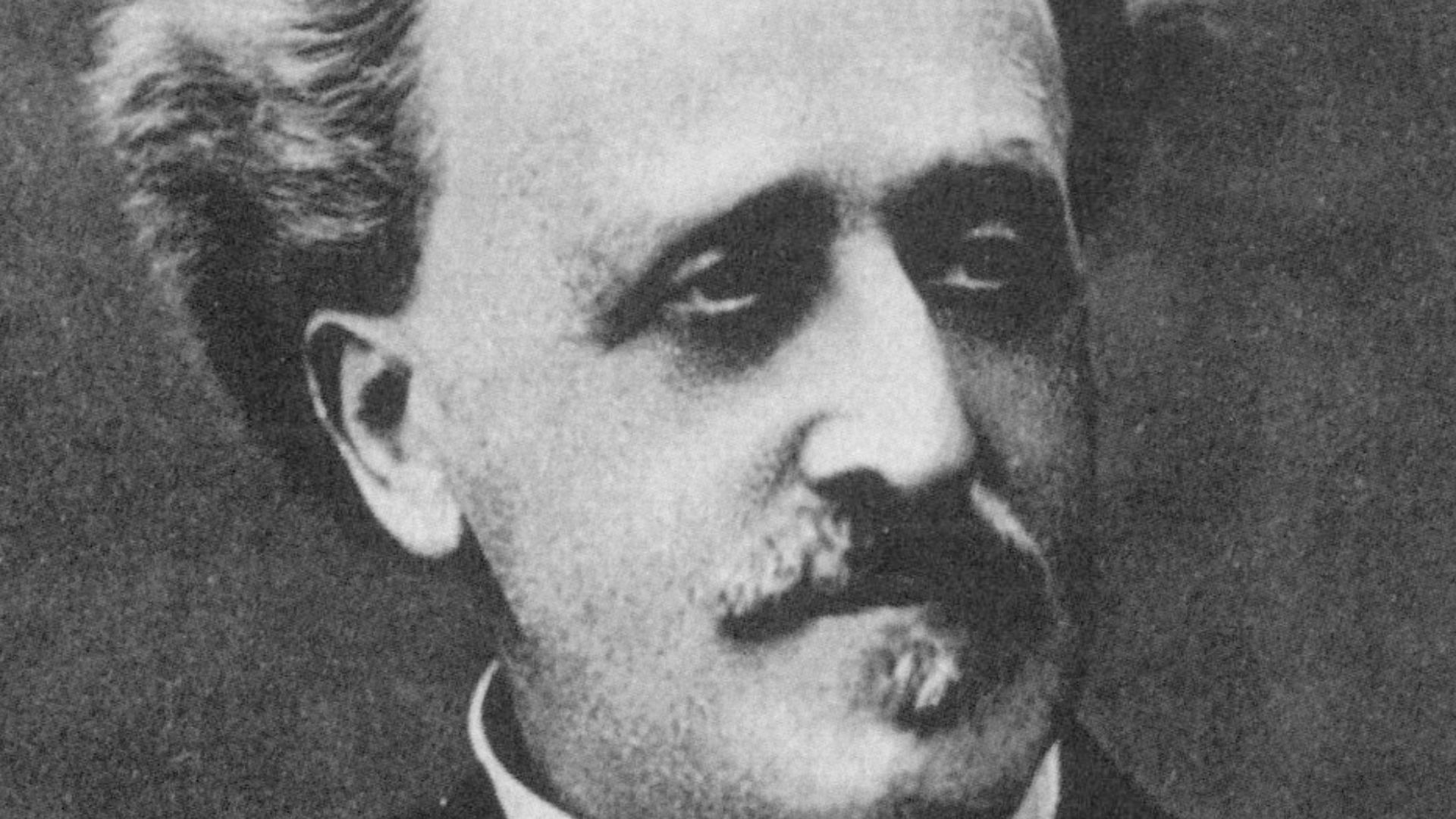
Van Gogh’s friend Dr Gachet had worked as a surgeon during the Franco-Prussian conflict, giving him great knowledge of wounds of this nature. This enabled him, along with help, to stabilize Van Gogh long enough for Theo to rush to his beloved brother’s side.
 Unknown authorUnknown author, Wikimedia Commons
48. He Deteriorated Quickly
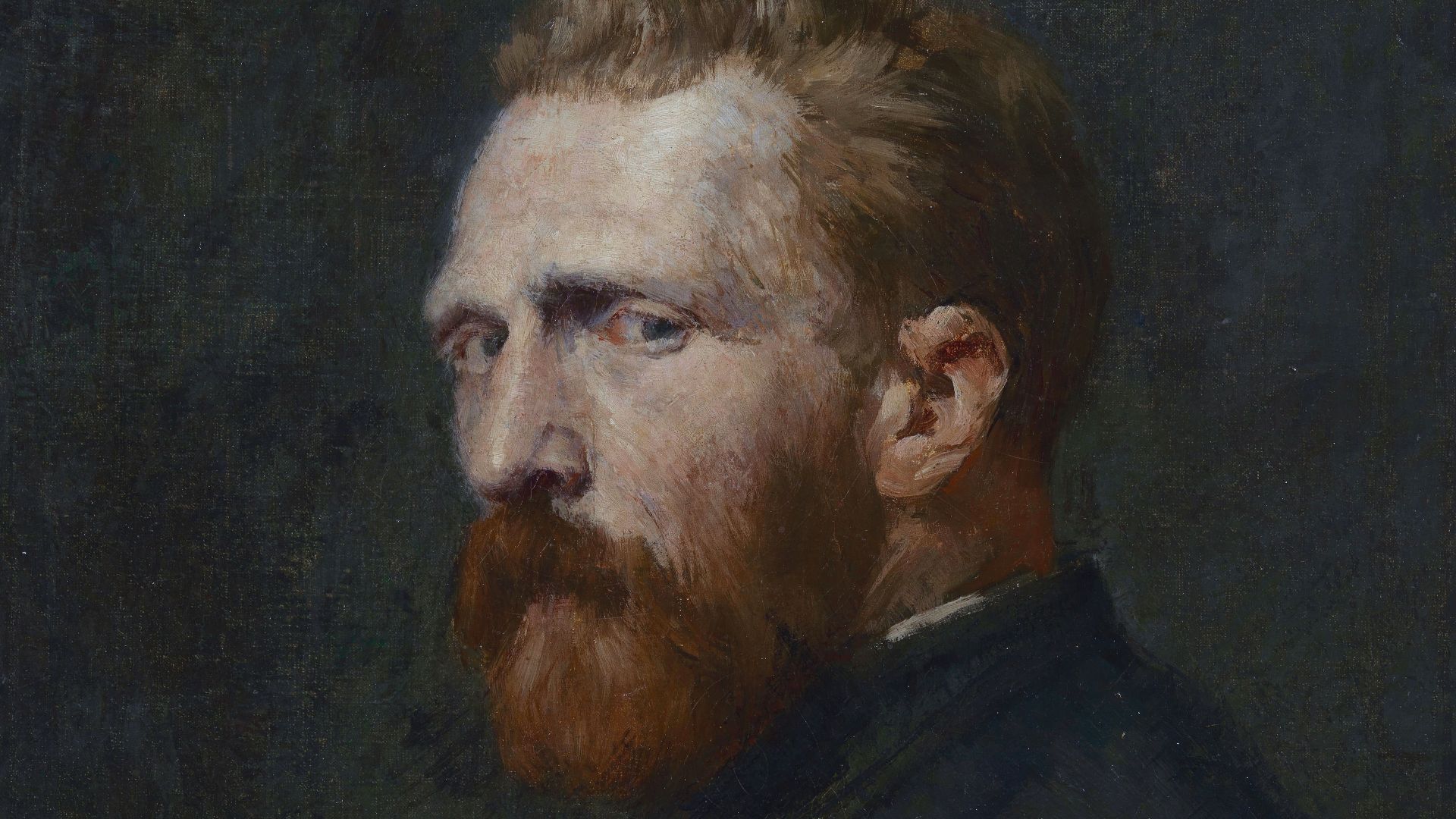
Initially, Van Gogh appeared in good spirits. Theo stayed by his side during this period. However, infection quickly set into the wound, and Van Gogh’s health rapidly deteriorated. With his brother by his side, Van Gogh left the world two days after taking his own life, leaving only haunting words behind.
 John Peter Russell, Wikimedia Commons
49. He Left Behind Haunting Words
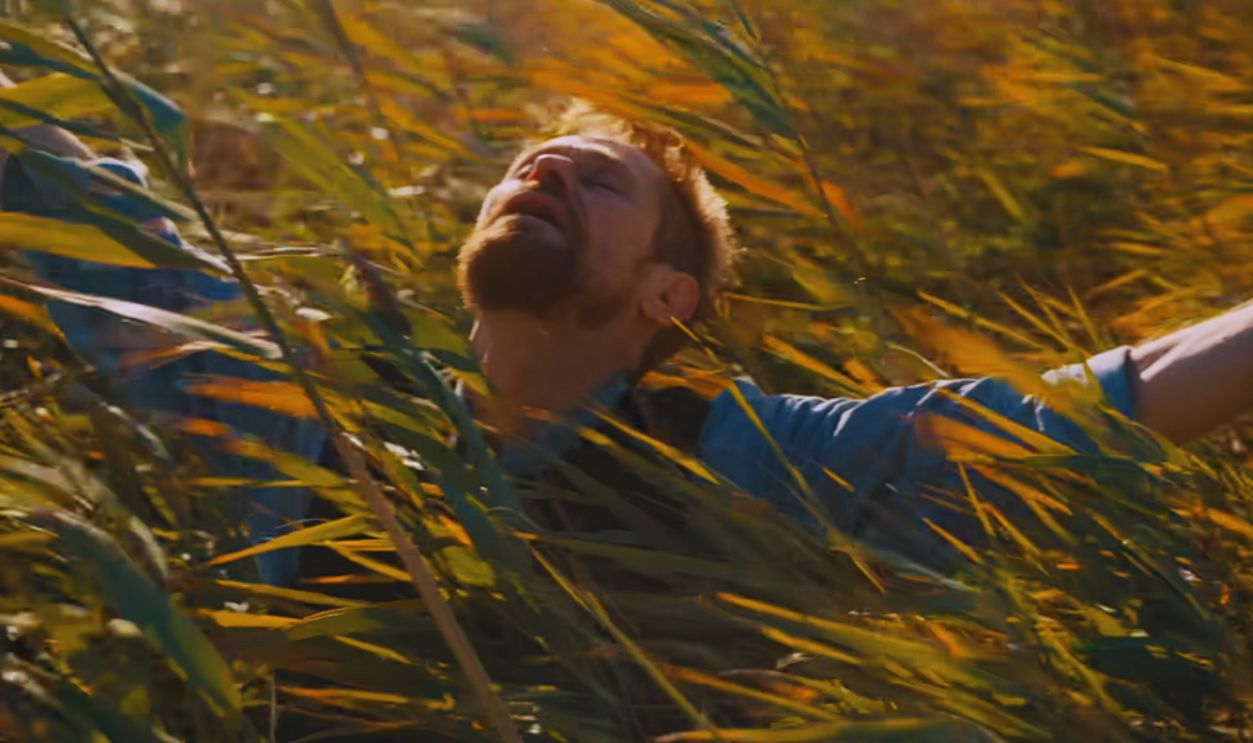
According to Theo, Vincent Van Gogh left the world with five words that seemed to embody his short, tragic life: “The sadness will last forever”. Six months later, Theo van Gogh left the world too, leaving only Theo’s widow behind to attempt to carry on the legacy that Van Gogh deserved to have.
 Screenshot from At Eternity’s Gate, CBS Films (2018)
50. He Never Knew His Own Legacy
During his lifetime, Vincent Van Gogh’s talent went largely unappreciated and unnoticed. Suffering from an episodic mental disorder that greatly inhibited his ability to carry on, Van Gogh suffered greatly in his lifetime. However, in the years since his passing, his artwork has gone on to inspire generations of artists.
 Vincent van Gogh, Wikimedia Commons
You May Also Like:
America’s Angriest Writer Vanished Without A Trace
Winston Churchill: The Man Behind The Myth
Juliette Gréco Was France’s Unforgettable Bohemian Muse
Sources: 1









.jpg)
