The Other Guy
As one of the countless musicians who threw everything away to bet on their dreams, Michael Clarke managed to work his way into a world-famous rock band almost by accident, but he didn’t exactly have the skills to match. However, while he was never mentioned among history’s greatest rock stars, that didn’t mean he was immune to that lifestyle—especially its worst parts.
1. He Took After Her
At the end of his life, Michael Clarke would have tributes and homages pouring out from his fellow musicians, but although they praised his good virtues, they weren’t as complimentary of his musical abilities. Nevertheless, although he could have followed in his father’s footsteps as a tradesman, he had developed a passion for music at an early age from his mother, who was a musician in her own right, though not professionally.
However, Clarke knew from the beginning that he was meant to go further.
 Michael Ochs Archives, Getty Images
2. He Struck Out On His Own
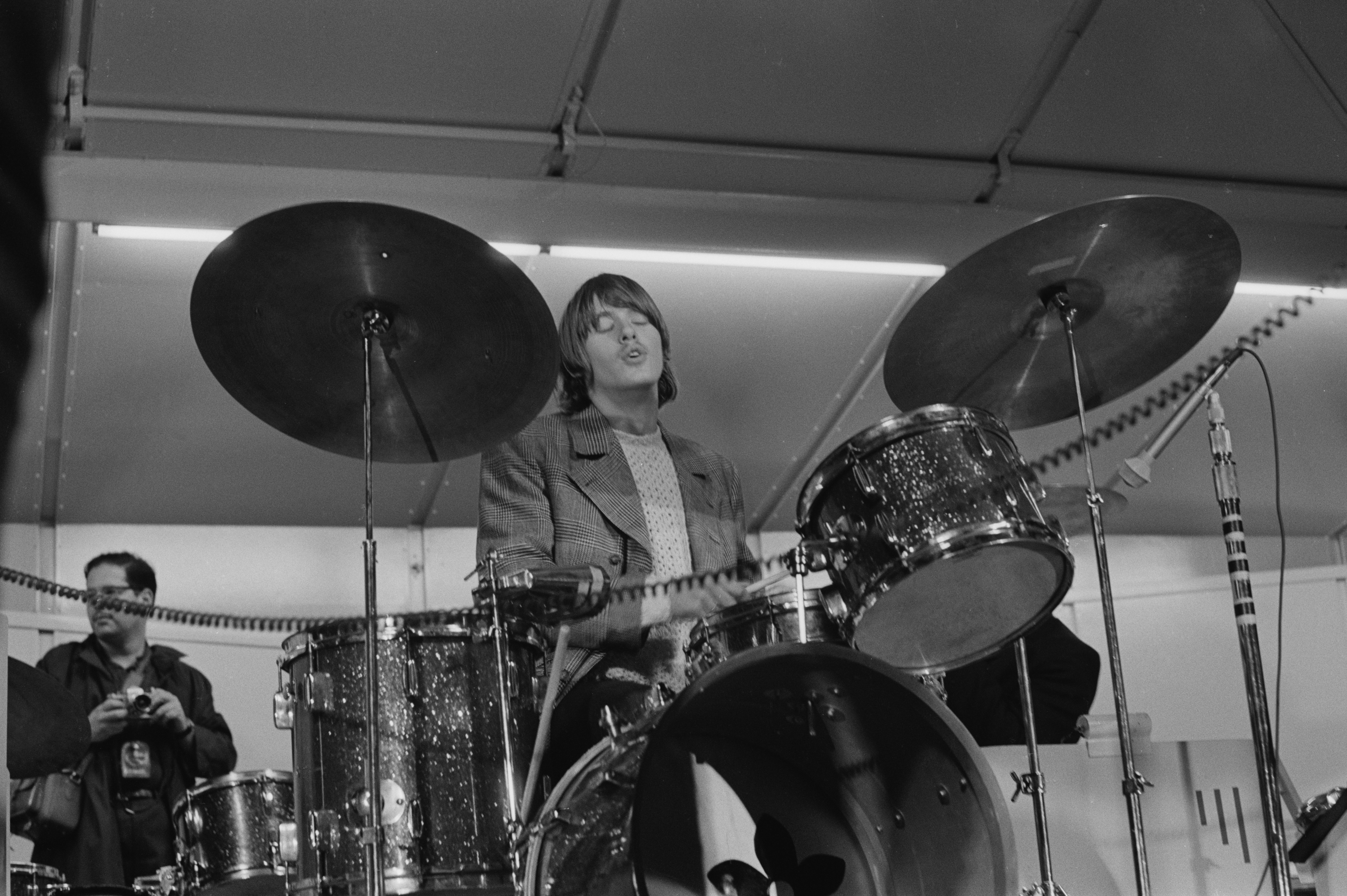
Clarke wasn’t at all satisfied with the life he seemed to be heading toward, so inspired by all his favorite musicians—including his mother—he packed up and left home in the early 1960s. At just 17 years old, he journeyed all the way from his hometown of Spokane, Washington to California with dreams of becoming a rock ‘n’ roll star.
Luckily, he didn’t have to wait long before catching his big break—even if it wasn’t what he expected.
 Michael Ochs Archives, Getty Images
3. He Was At The Beach
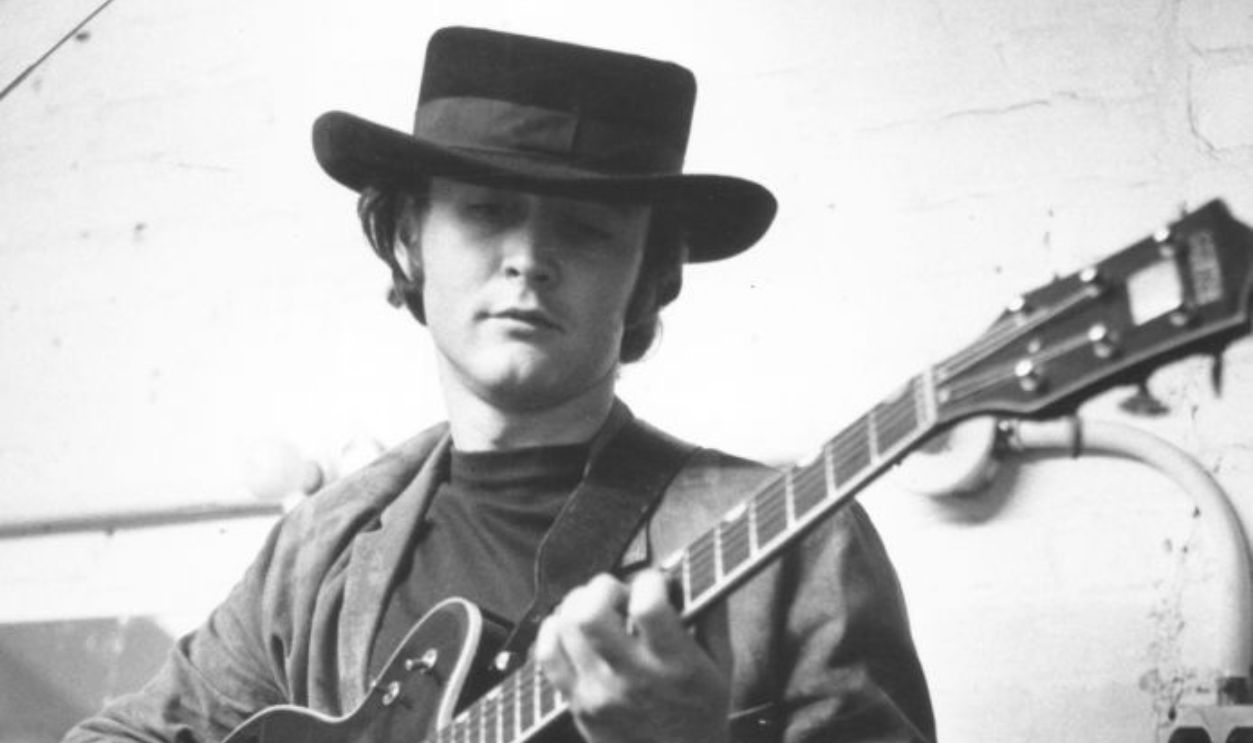
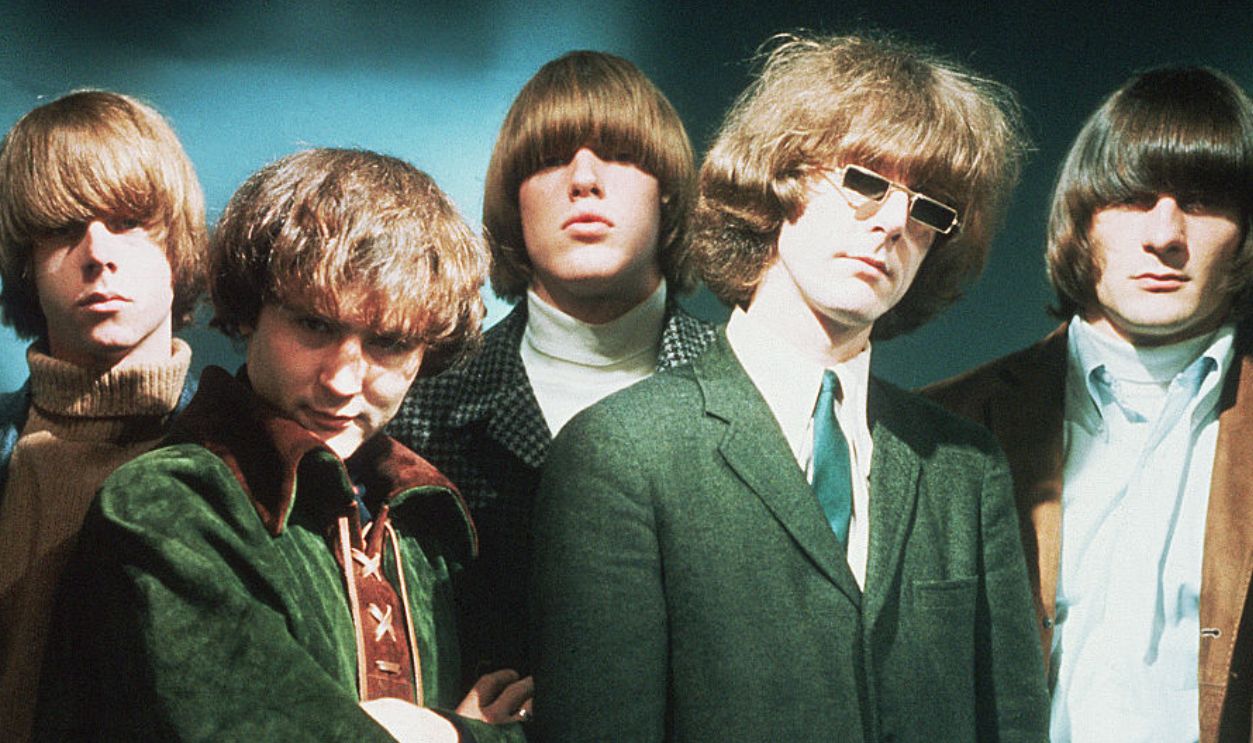
At only 17, Clarke had a drive that fueled his quest to become a professional musician, but he didn’t know exactly how to go about it. So, without any concrete plan, he got himself a pair of bongos and started busking on the beach. It was then that destiny took hold, and famed musician David Crosby walked by, instantly mesmerized by Michael’s performance and inviting the drummer to his newly formed band, The Byrds.
He couldn’t have asked for a more ideal origin story—if it had actually happened that way.
 Michael Ochs Archives, Getty Images

History's most fascinating stories and darkest secrets, delivered to your inbox daily.
4. He Put Him In Touch
Although David Crosby's meeting with Michael Clarke in a near-cinematic turn of events was a common legend, the truth was more typical of the average struggling musician. Breaking into the industry usually requires connections, and thankfully, Clarke drew the attention of singer Ivan Ulz while performing in San Francisco. As a friend of the founding members of The Byrds, Ulz introduced Clarke to them, and the rest was history.
While they were all just starting out in their careers, Clarke was clearly at a disadvantage.
5. He Wasn’t A Pro
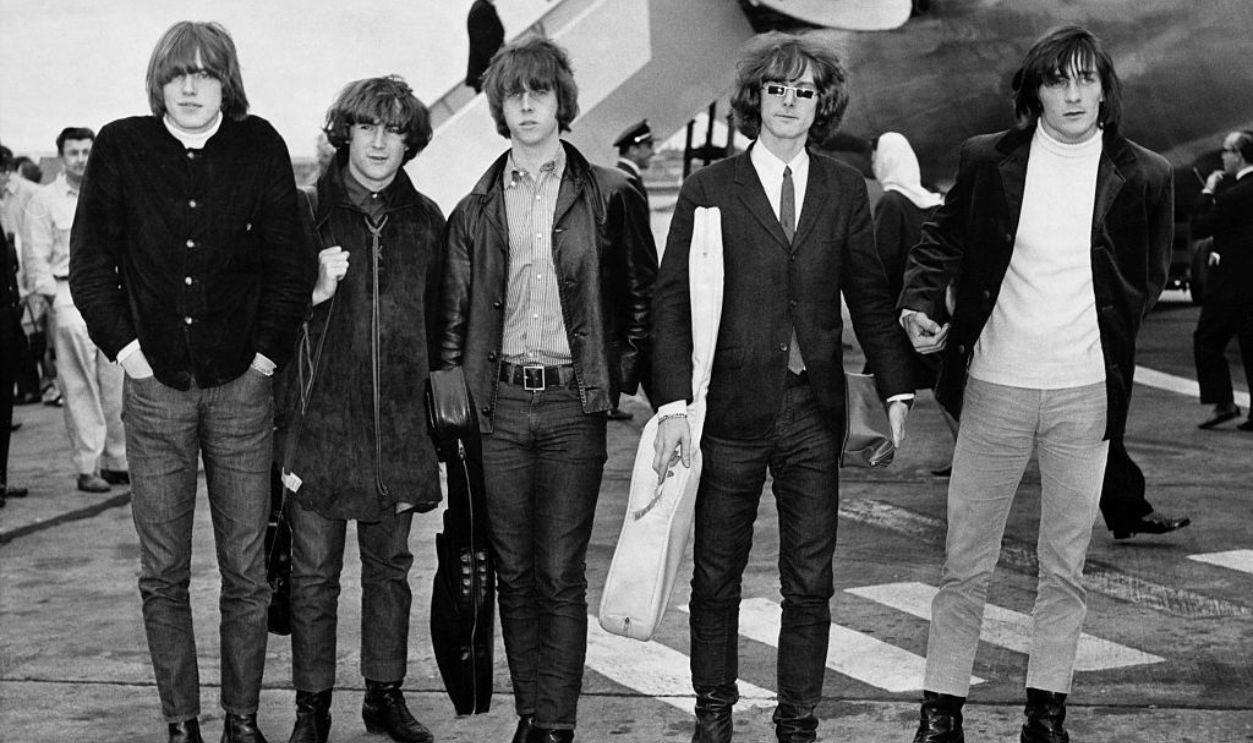
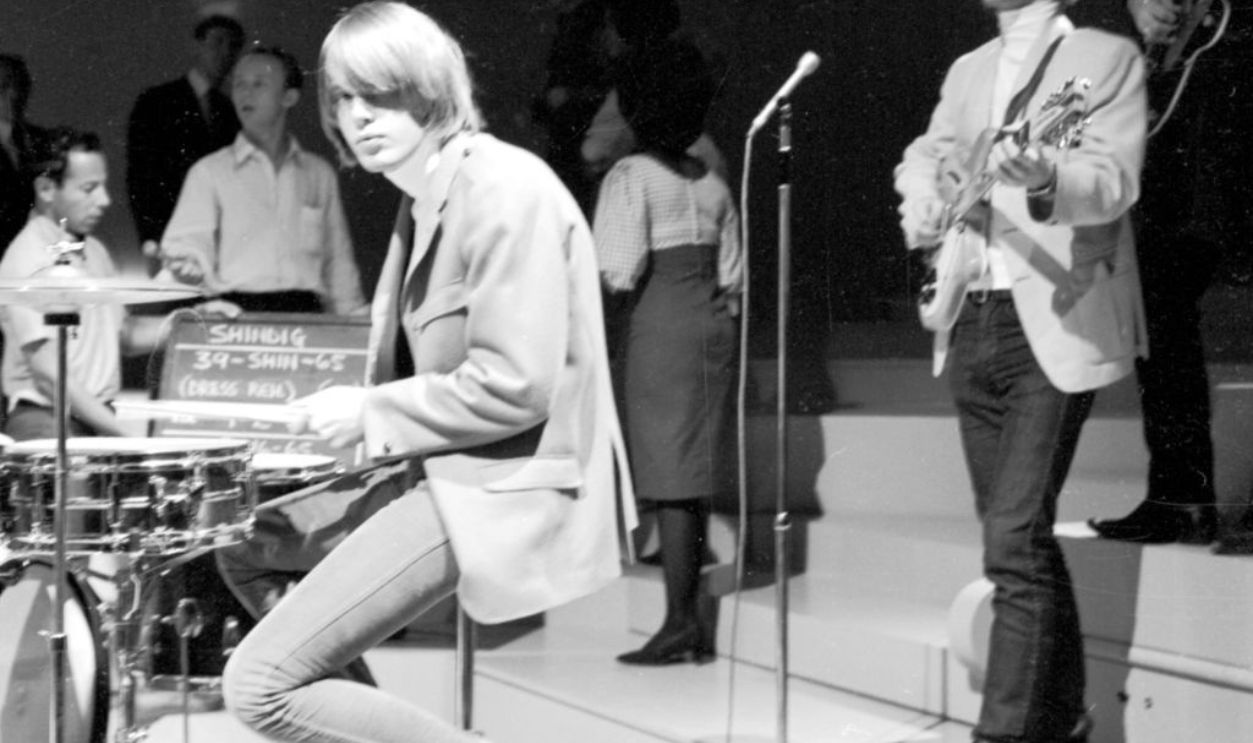
Most of the original members of The Byrds had been playing their respective instruments for years by this point, each having performed both in various groups and on their own. However, Clarke was coming in as almost a complete rookie, growing up playing the drums every once in a while but not nearly to the same degree as his new bandmates.
Even so, Clarke made up for his inexperience with a willingness to learn. There was only one problem.
 Michael Ochs Archives, Getty Images
6. He Had No Equipment
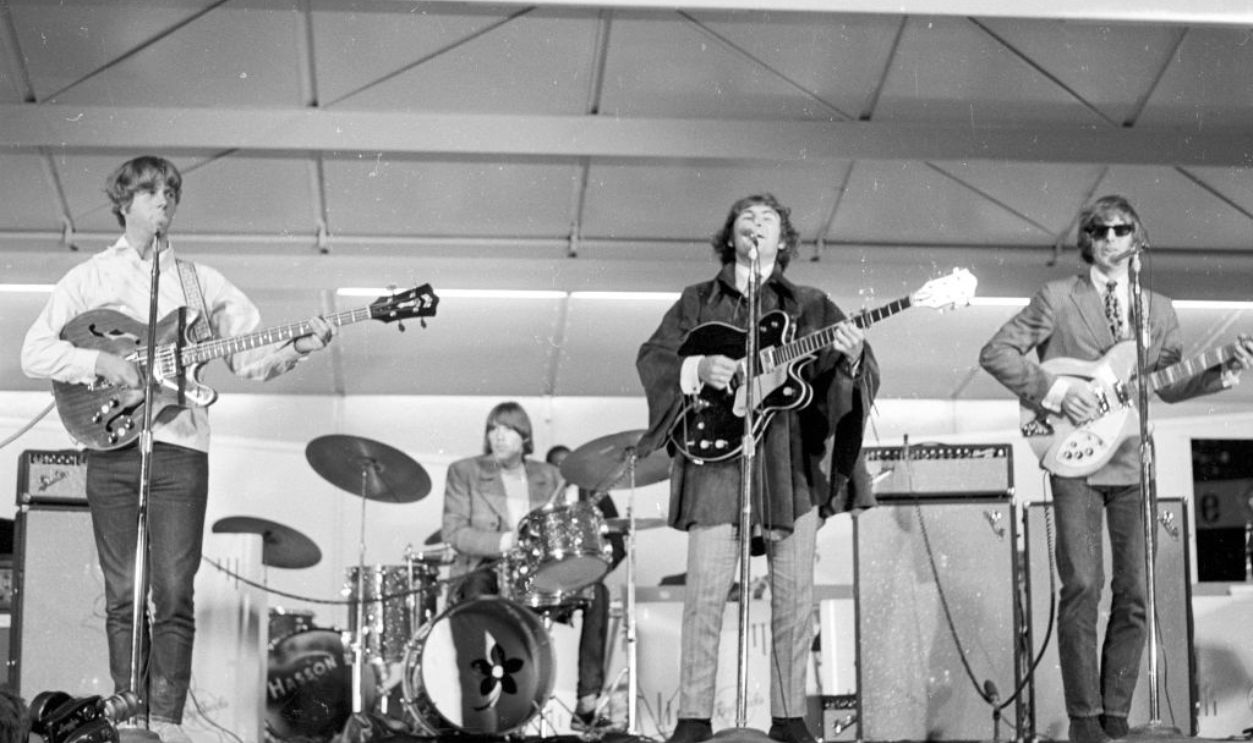
Clarke had hitchhiked to California with little else but the clothes on his back, all while knowing that once he got there, no one would magically grant him the tools he needed. Sure, he was familiar with the drums, but aside from the pair of bongos he procured, he had no kit of his own to join The Byrds with.
Not one to let something like this ruin his dreams, he started to think outside the box, so to speak.
 Michael Ochs Archives, Getty Images
7. He Made Do
Clarke didn’t have the drum set he needed for his new band, nor did he have the money to buy one, but what he did have was a pair of drumsticks and some creativity. Fashioning a makeshift drum kit from several cardboard boxes and a tambourine in place of cymbals, he used this setup for practice until he could find the real thing.
Despite all these drawbacks, The Byrds were eager to have him join their group—for one specific reason.
 Michael Ochs Archives, Getty Images
8. They Saw Something In Him
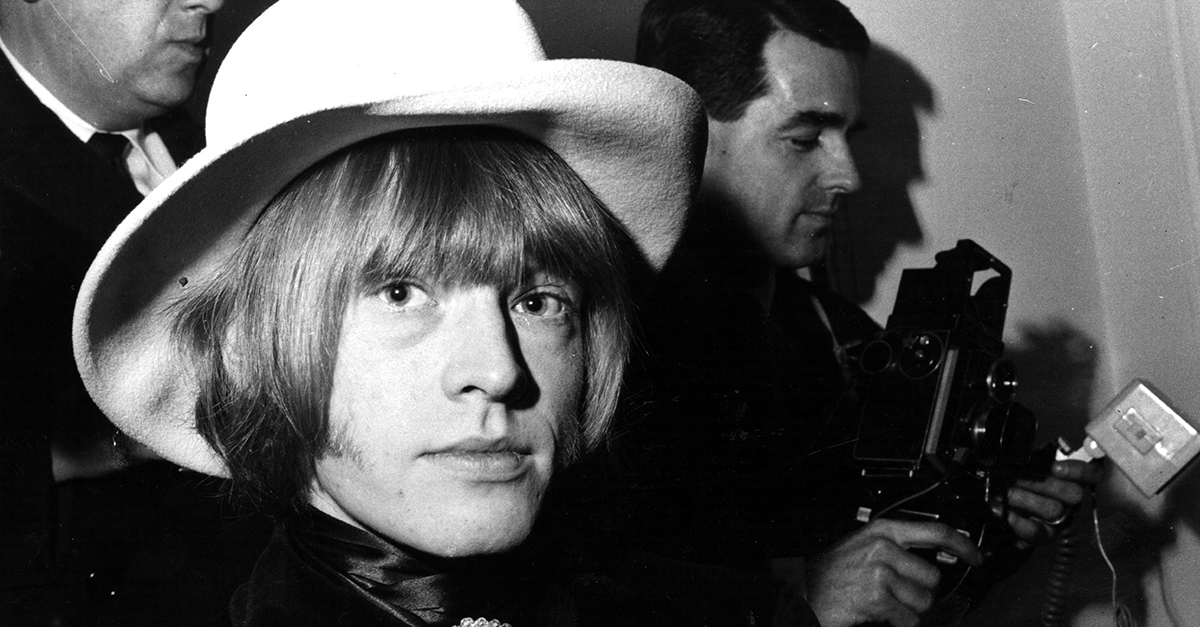
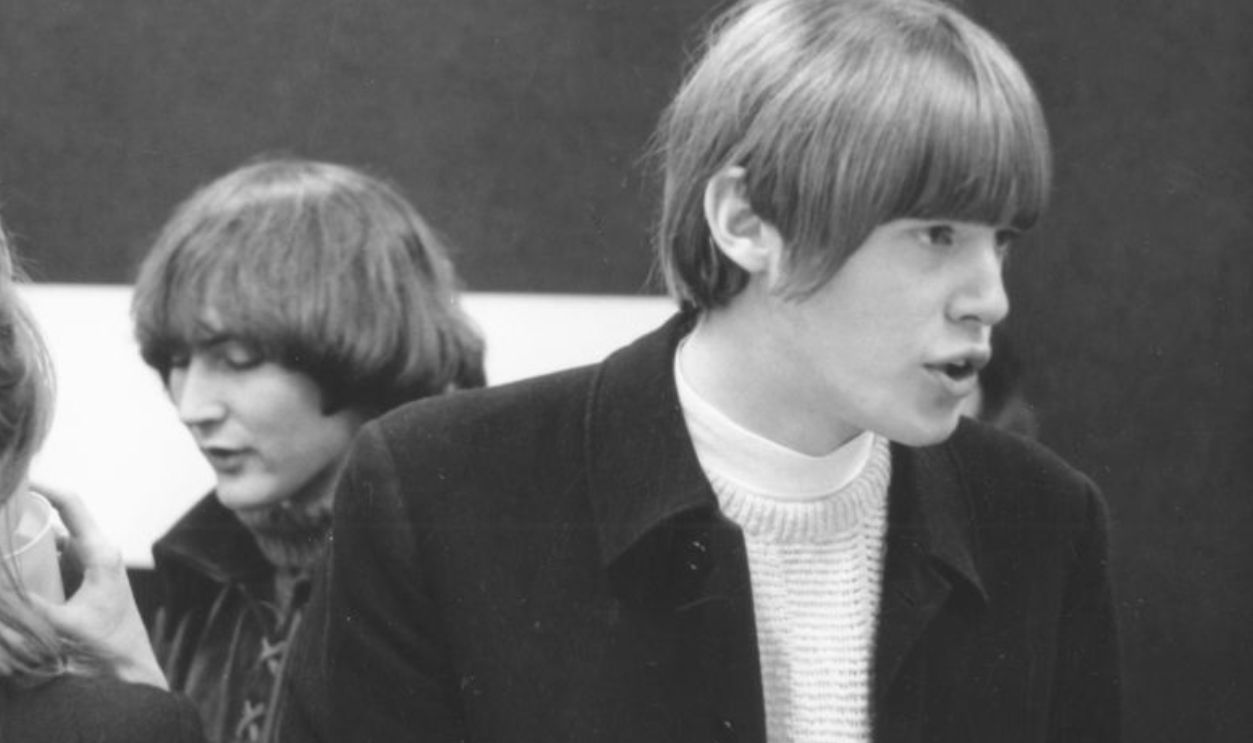
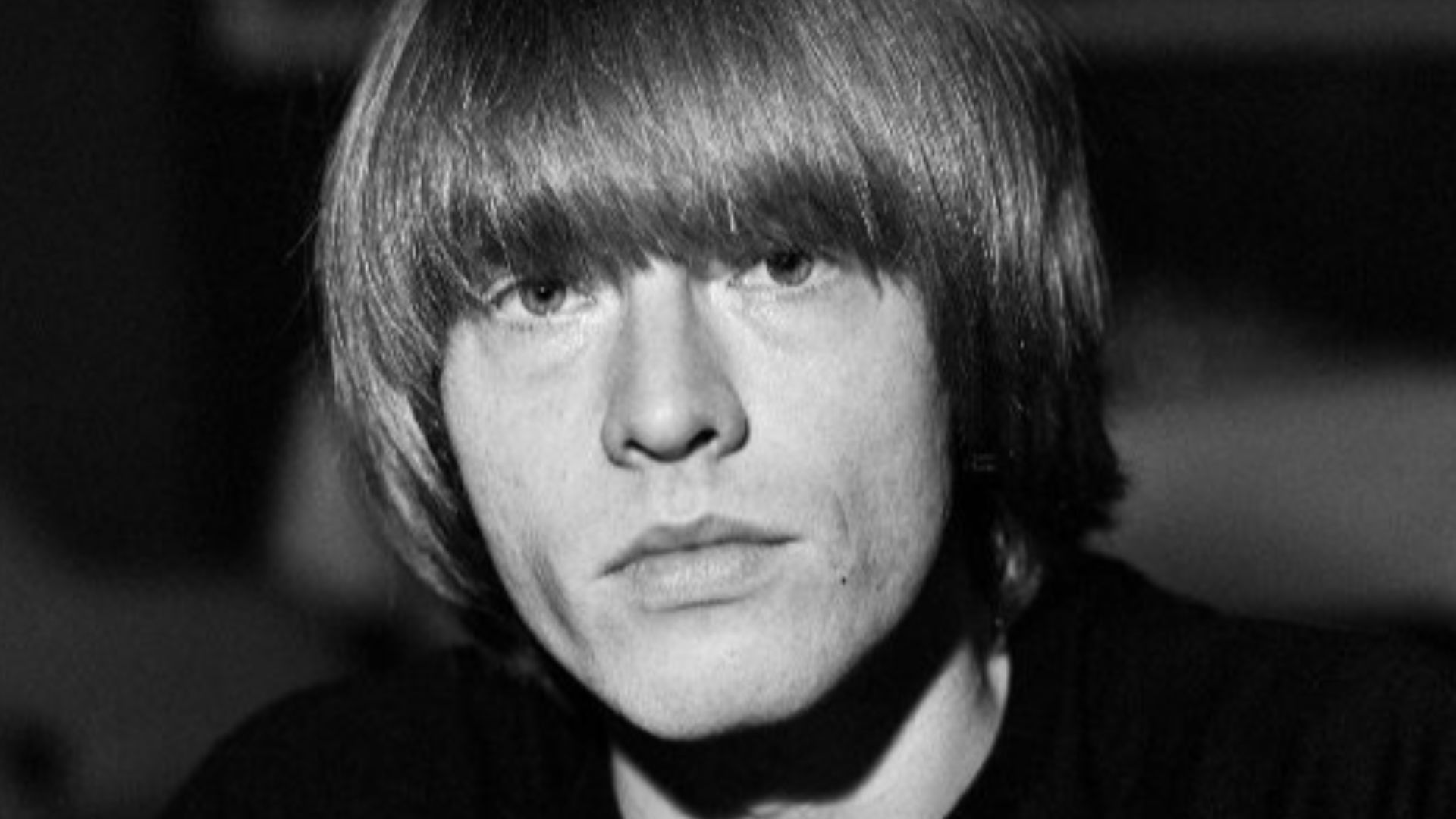
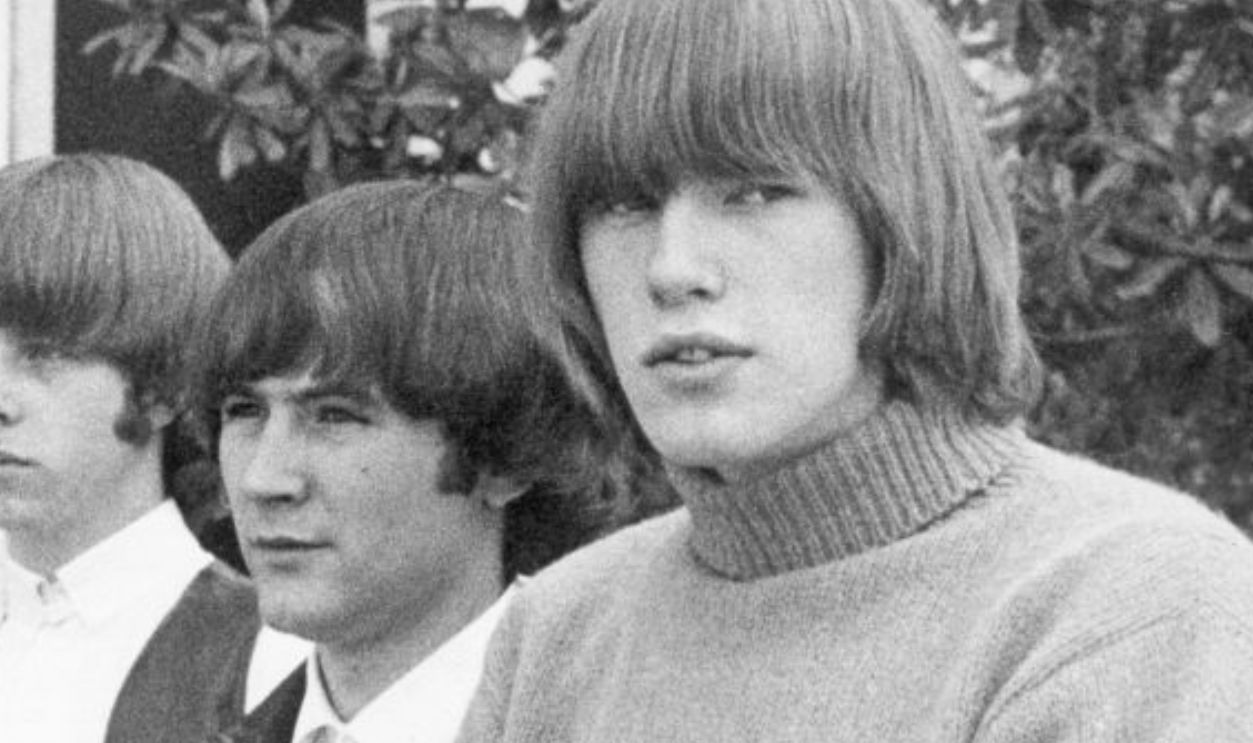
Considering Michael Clarke didn’t even have his own drum kit, let alone the professional skill to play one in a band, it’s a fair question to ask why The Byrds were so intent on him joining. The truth was far more superficial than one might expect, as lead guitarist Roger McGuinn later revealed the only reason they hired Clarke was that he looked like Brian Jones, guitarist for the Rolling Stones.
Still, while they may have gotten the face they wanted, they would have to live with the downsides as well.
 Olavi Kaskisuo / Lehtikuva, Wikimedia Commons
9. He Didn’t Contribute Much
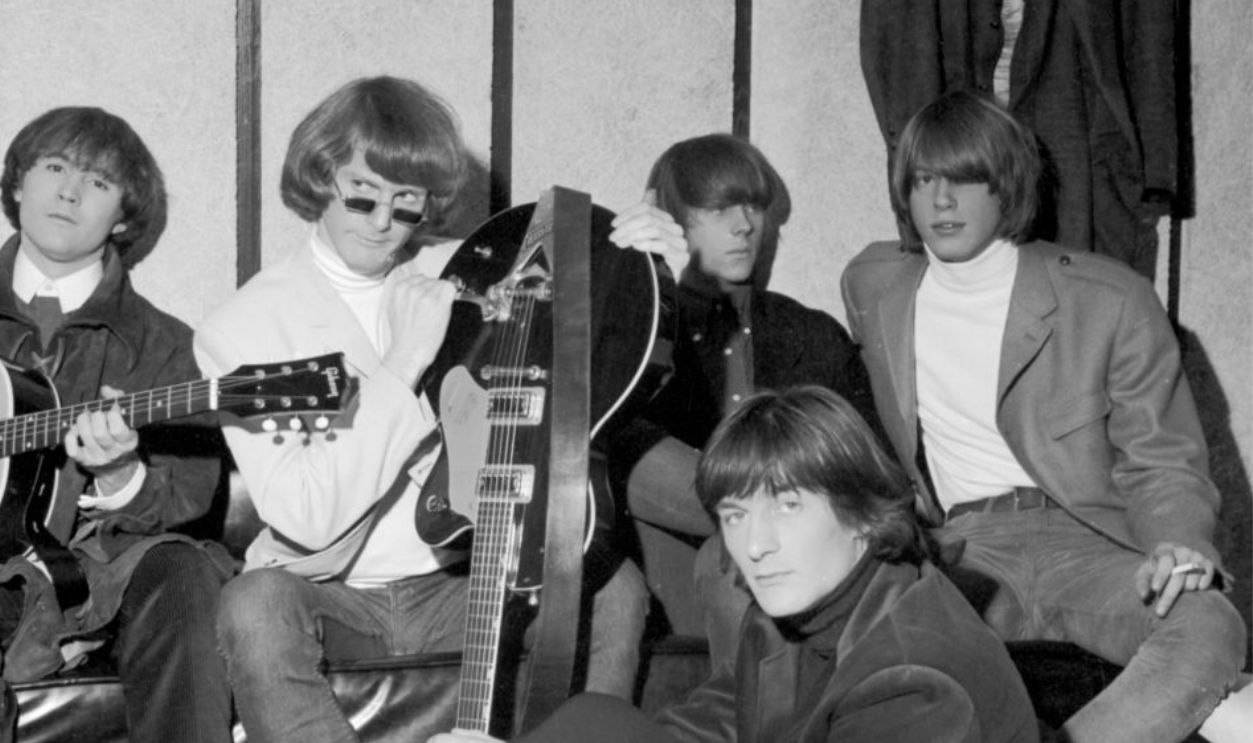
Not only was Clarke the least experienced out of the original members of The Byrds, but it quickly became clear that he was no drum prodigy. Unfortunately, he was noticeably less talented than his bandmates, and as a result, he very rarely helped out with songwriting during their first handful of albums.
As such, they had to make some difficult decisions, some of which weren’t in his favor.
 Michael Ochs Archives, Getty Images
History's most fascinating stories and darkest secrets, delivered to your inbox daily.
10. He Wasn’t Always There
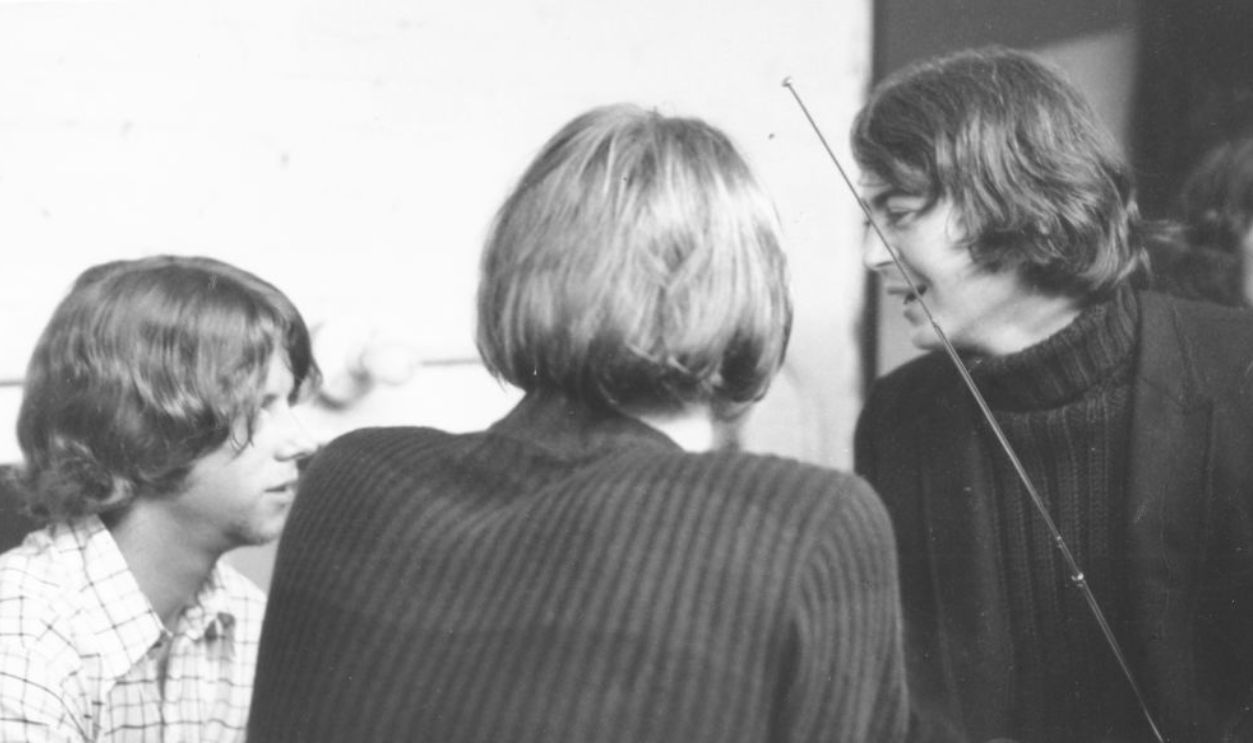
While his bandmates realized the difference in talent between themselves and Clarke, they didn’t think he was a bad musician by any means, and he was certainly skilled enough to at least keep up with them. However, when it came to recording or practice sessions, it wasn’t uncommon for them to bring in another drummer as a substitute.
At the same time, some have said that Clarke wasn’t the only one replaced like this.
 Michael Ochs Archives, Getty Images
11. They May Have Been Absent
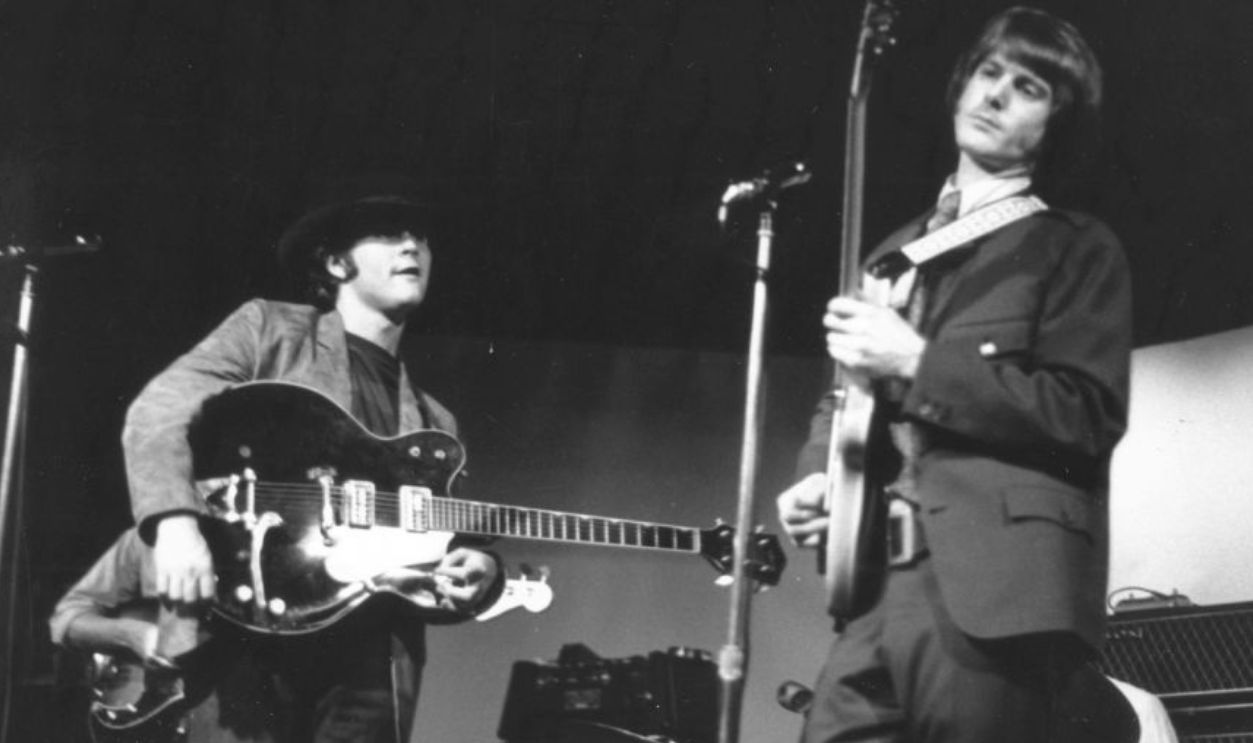
His other bandmates may have been more skilled from the get-go, but they were all still relatively new in the industry, so people started to speculate as the years passed. Stemming from the idea that Clarke sometimes had a replacement, word began to spread that most of the band’s early material was recorded by unnamed session musicians instead.
This became a fairly common rumor about the band, and the truth wouldn’t come out for several years.
 Michael Ochs Archives, Getty Images
12. They Were Recorded
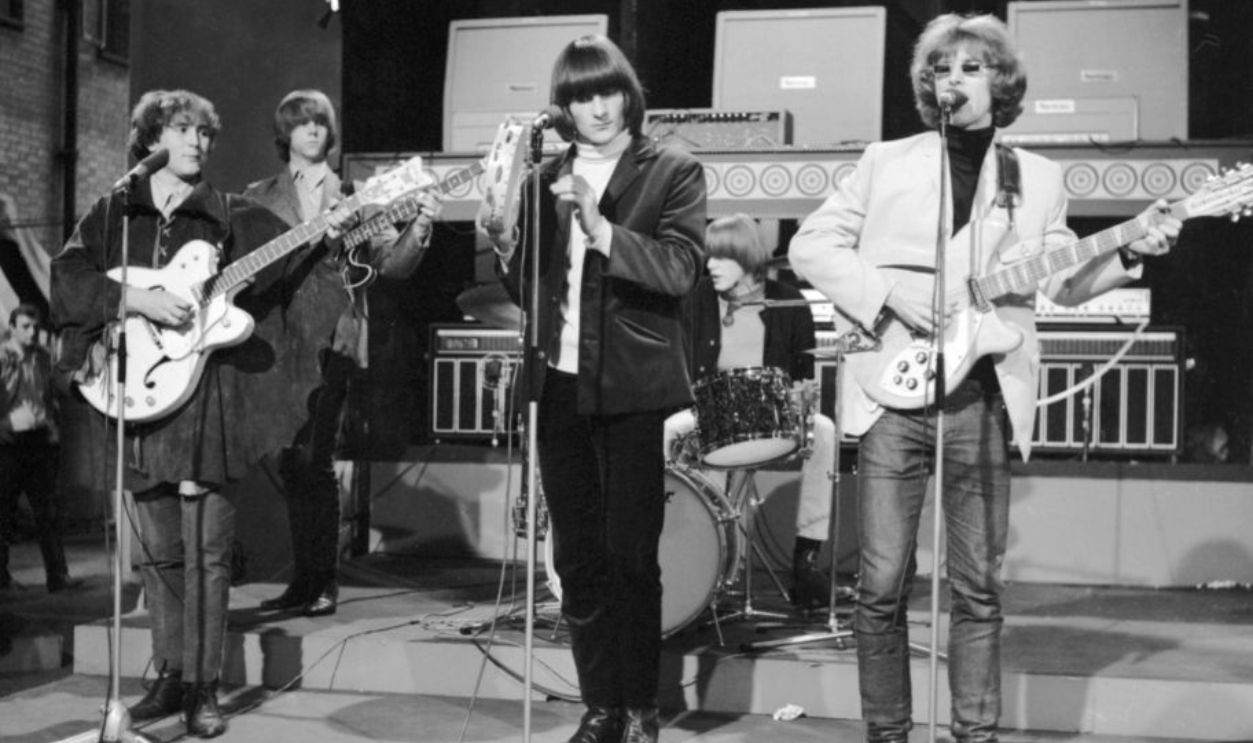
The rumor about The Byrds didn’t go away, and years later, fans would often listen back to some of the group’s earliest recordings, believing they were actually performed by session musicians. This was false, however, as bootleg tapes of their sessions later surfaced, in which all of their voices are clearly audible as they record their material.
Fortunately, it wouldn’t be long before all of them found exactly what they needed—especially Clarke.
 Michael Ochs Archives, Getty Images
13. They Found Inspiration
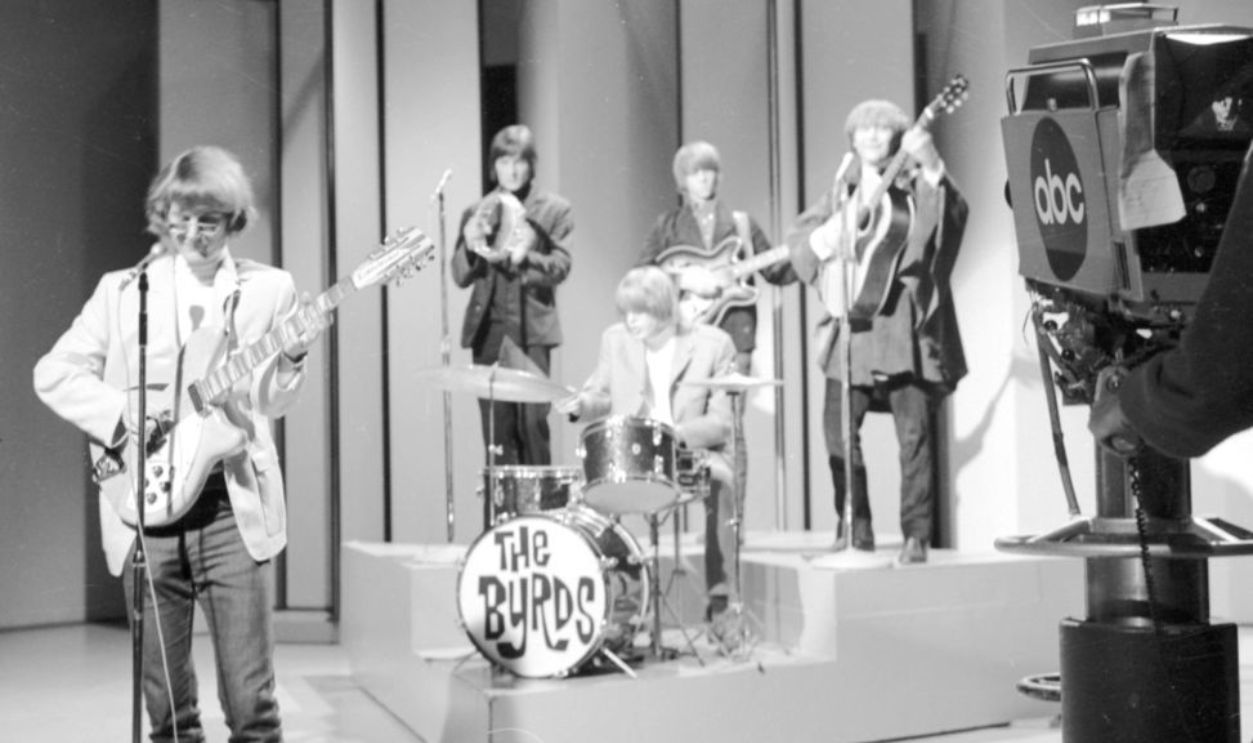
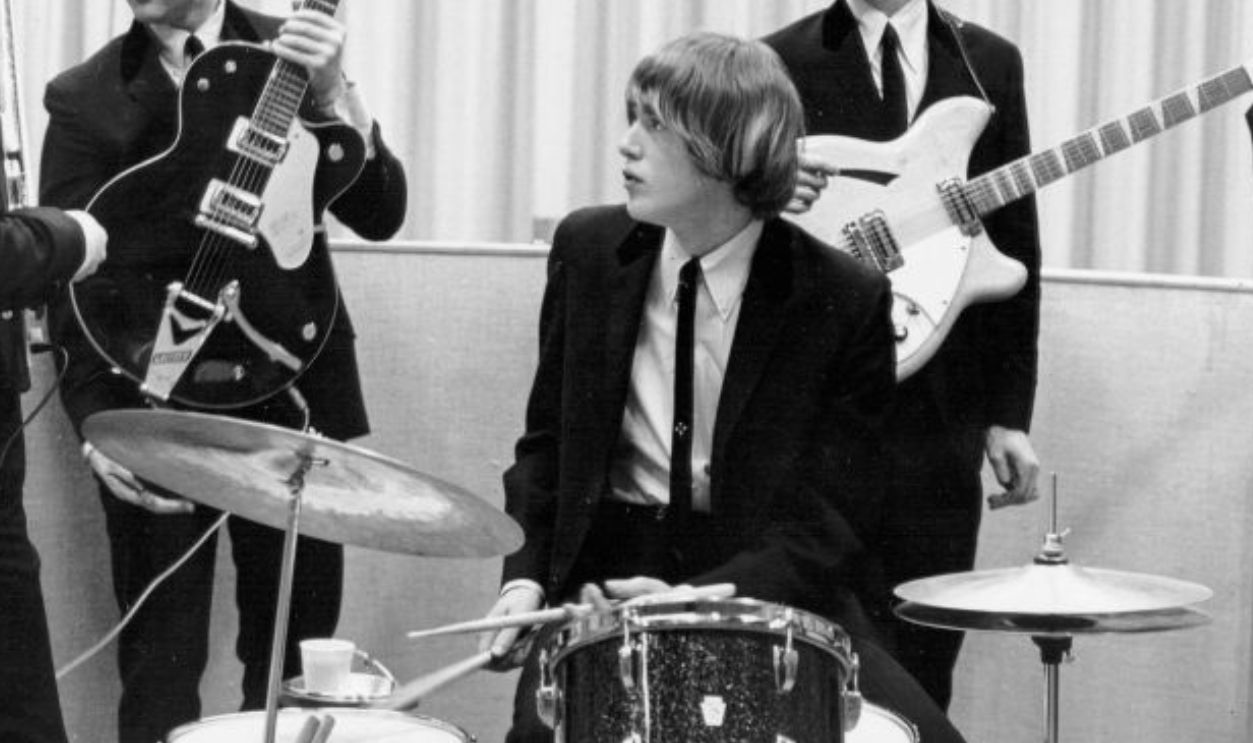
Thankfully, Michael Clarke wouldn’t have to settle for his cardboard drum kit forever, especially since the band suddenly latched onto a brand new aesthetic. Watching The Beatles in A Hard Day’s Night, the group immediately decided to outfit themselves with similar instruments, including a Ludwig drum set for Clarke.
Finally, it was time to reveal their music to the world—and it was better than they ever could have hoped.
 Michael Ochs Archives, Getty Images
14. They Made Their Debut
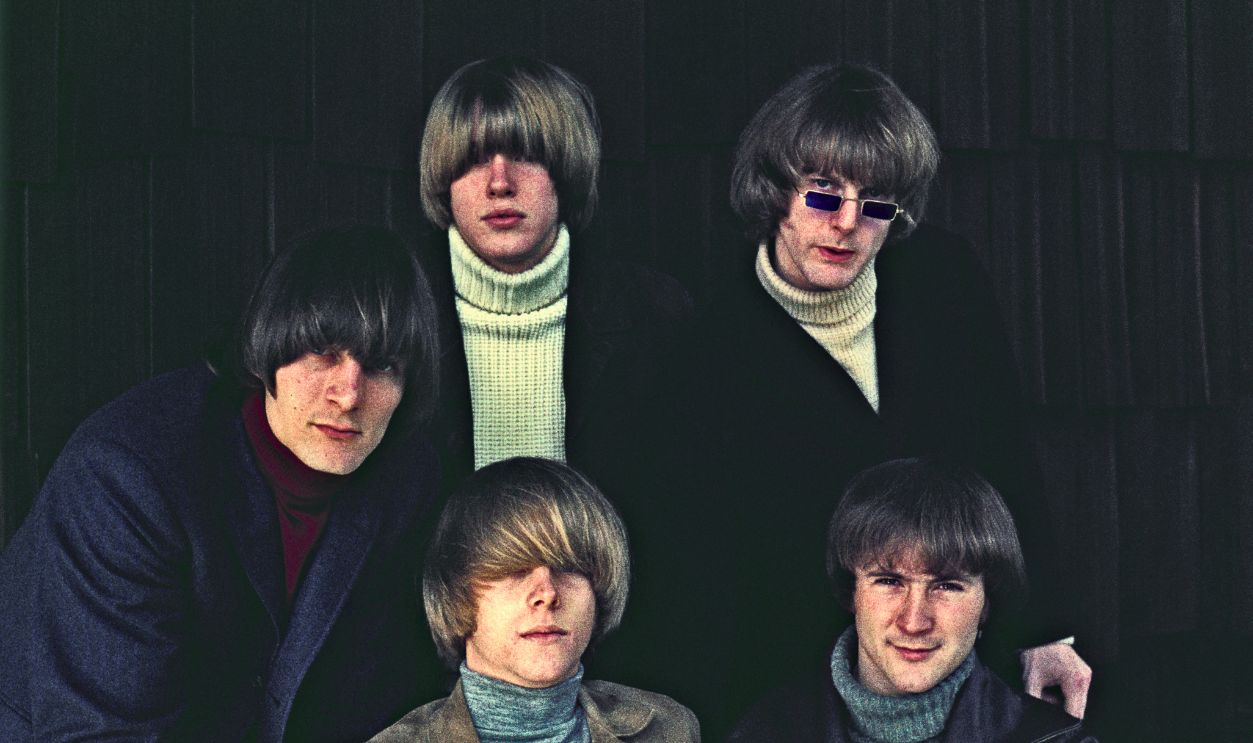
Less than a year after officially forming, The Byrds signed a contract with Columbia Records and got to work on what would be the world’s first taste of their potential. After recording their first single, “Mr Tambourine Man,” over the next several months, they eagerly released it on April 12, 1965.
As for how the public received the group’s first step into the music world, The Byrds certainly could have done a lot worse.
 Michael Ochs Archives, Getty Images
15. They Started A Movement
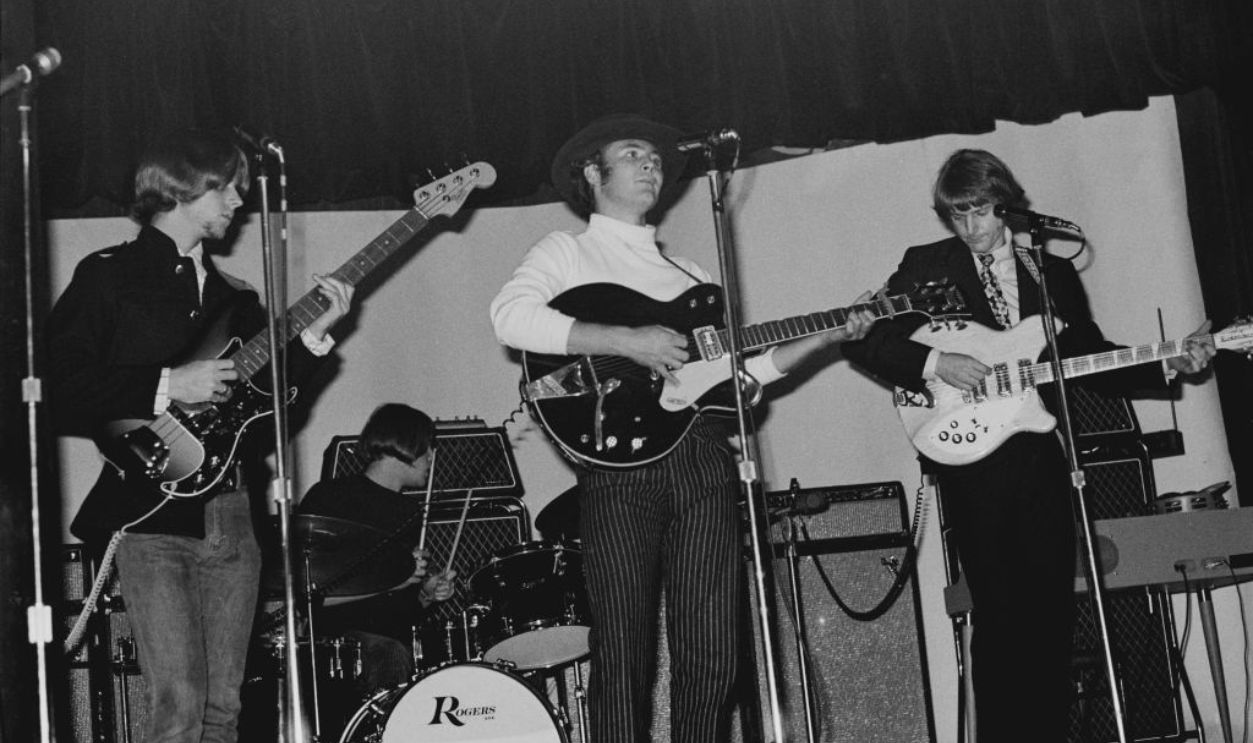
Given his lack of experience, Clarke may have been especially nervous about the release of The Byrds’ debut single. However, there was no need for concern as the public immediately adored their sound, and “Mr Tambourine Man” skyrocketed to the very top of the US Billboard Hot 100 and the UK Singles Chart.
Not only had they released an impressive hit, but they also changed music forever.
 Michael Ochs Archives, Getty Images
History's most fascinating stories and darkest secrets, delivered to your inbox daily.
16. They Coined The Term
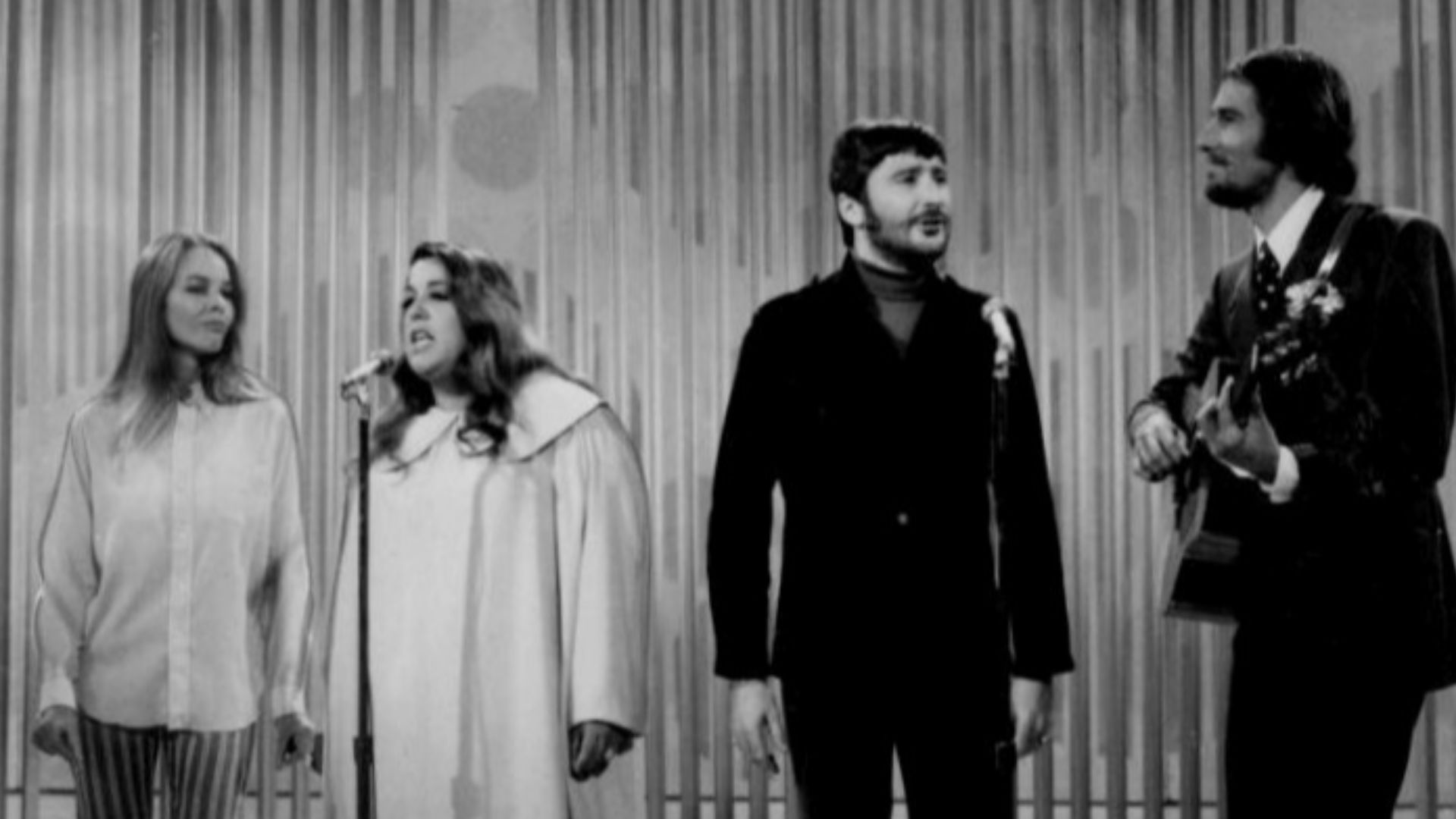
The Byrds were entering the already growing world of rock and roll, but even though they were new on the scene, they managed to create their own legacy within it. Emerging with a unique sound, the group caused a conundrum as the media tried to describe their sound. Soon enough, though, the press created the subgenre “folk rock,” which seemed to stick as a common term, later describing other artists like Bob Dylan and the Mamas & the Papas.
However, while they were constantly growing and evolving, not everyone was happy about it.
 CBS Television, Wikimedia Commons
17. They Changed Things Up
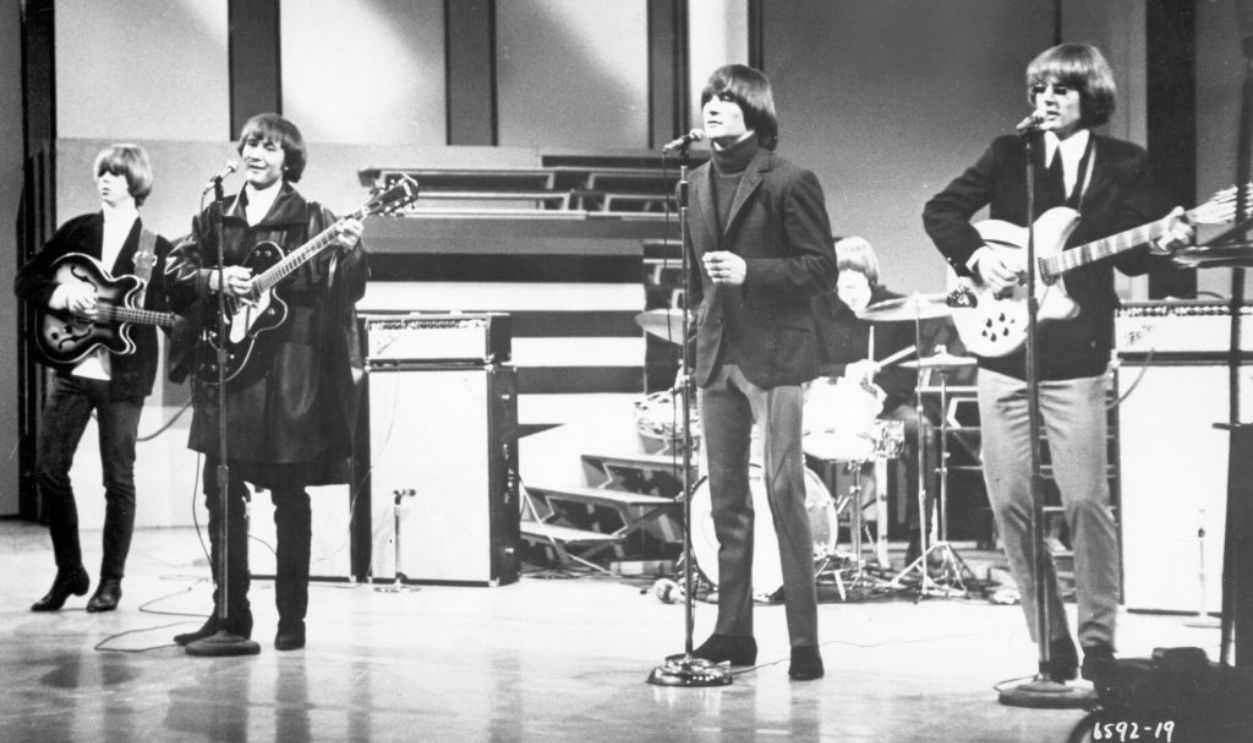
The Byrds kept the hits coming over the following year but, like any band, they wanted to explore and evolve their sound over time—even if not everyone was on board. After recording their song “Eight Miles High” in 1965, it became clear to Michael Clarke that they were abandoning their folk rock roots for the equally trendy psychedelic rock.
This marked the band's new future, but it didn’t sit right with one other member in particular.
 Michael Ochs Archives, Getty Images
18. He Couldn’t Go On
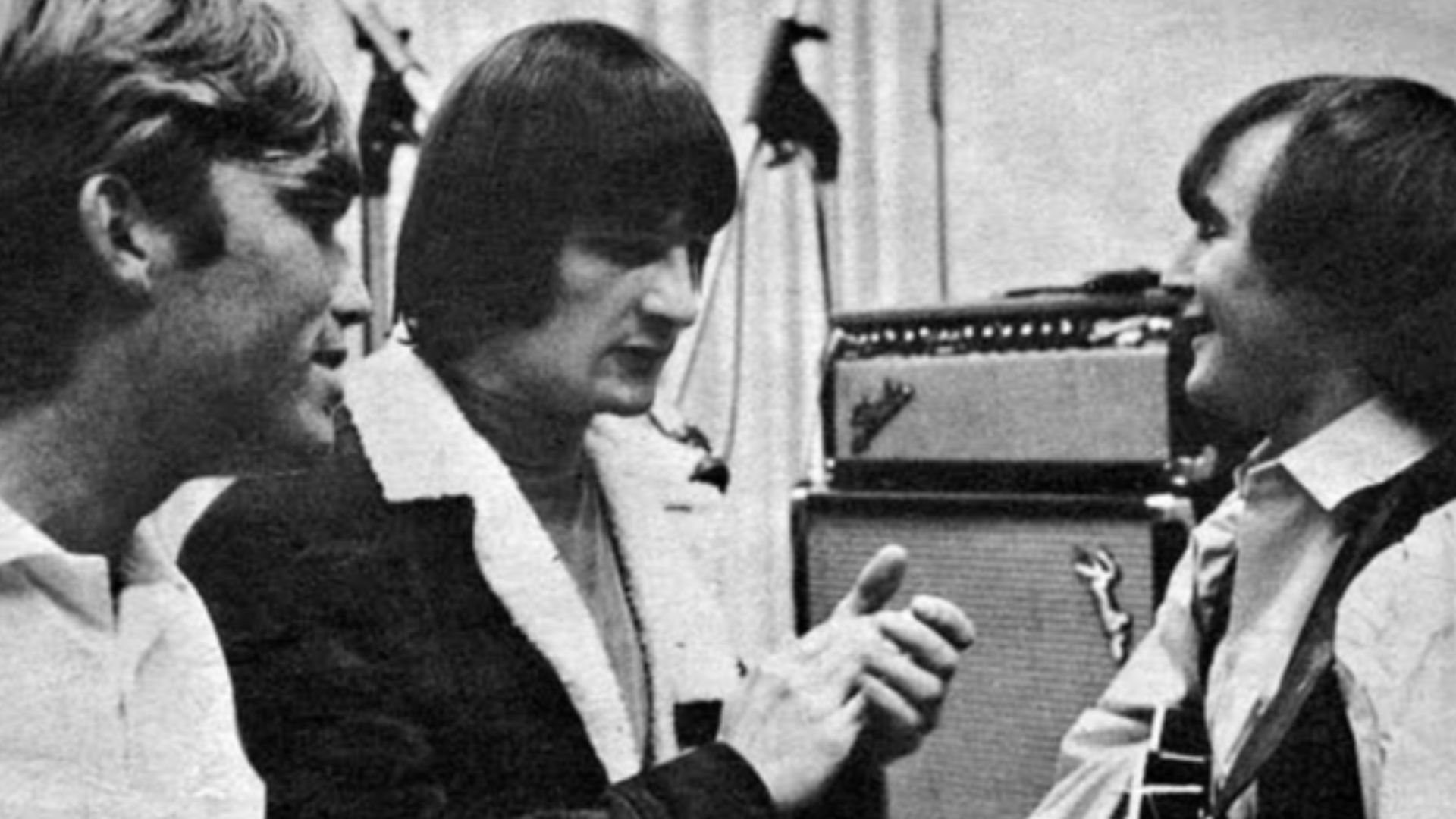
While not everyone agreed with the direction The Byrds were going, they still finished recording “Eight Miles High” and were about to release it before they suffered their first loss. Citing his intense phobia of flying, vocalist Gene Clark quit The Byrds in 1966, but he had also felt increasingly alienated over the recent months.
As it turned out, Gene hadn’t been the only one experiencing this dissatisfaction.
 KRLA Beat Publications-page 10 (PDF file), Wikimedia Commons
19. He Was Disappointed
Still likely feeling at a slight disadvantage, especially since he rarely contributed to the band’s songwriting, Michael Clarke may have thought his opinion held less weight. Not only did this cause him to grow more bitter with each passing day, but he still couldn’t get behind the new creative direction The Byrds were heading.
Finally, Clarke reached a point where he could hardly stand recording their new material—and he wasn’t shy about it.
20. He Stormed Out
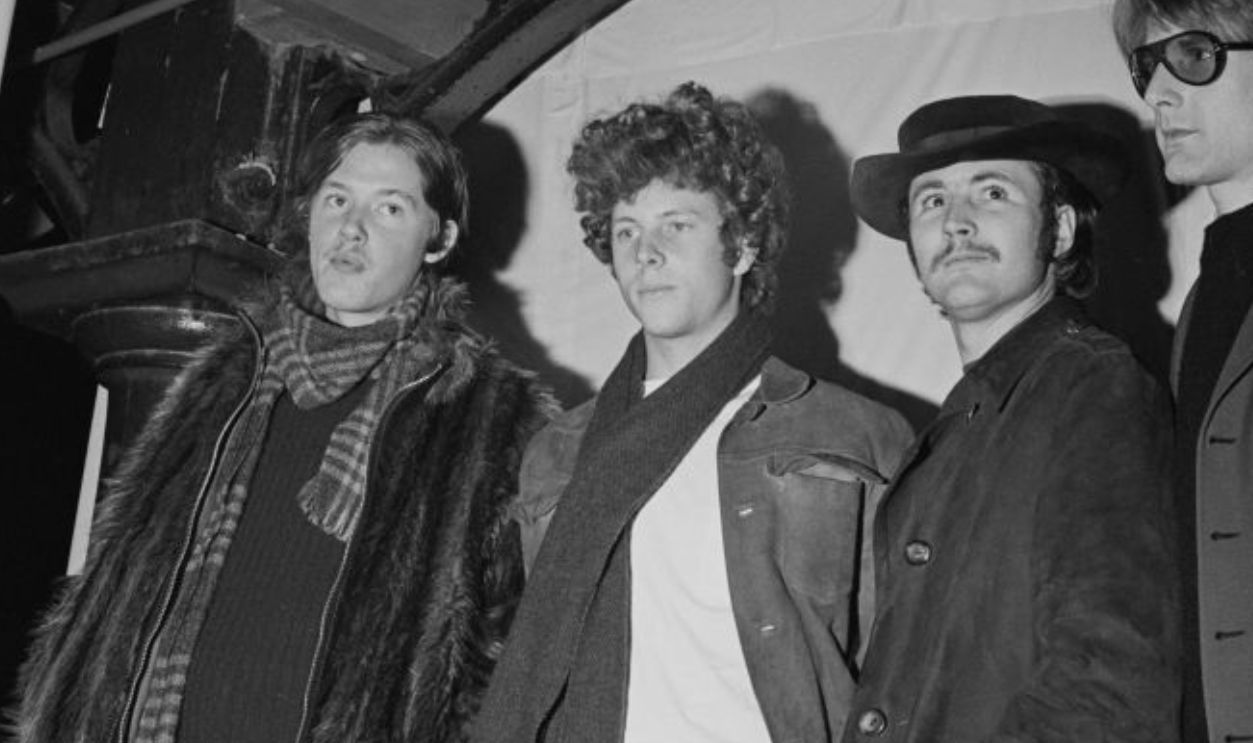
Living with the constant knowledge that he hadn’t joined The Byrds on pure talent alone, Clarke went along with whatever his bandmates thought was best—until he couldn’t anymore. In the summer of 1967, while the group was busy recording their upcoming album, The Notorious Byrd Brothers, Clarke’s grievances all boiled to the surface at once and he left their session, forcing them to replace him once again.
Nonetheless, they hadn’t seen the last of him. After all, he was a man of his word.
 Michael Ochs Archives, Getty Images
21. He Lived Up To His Promises
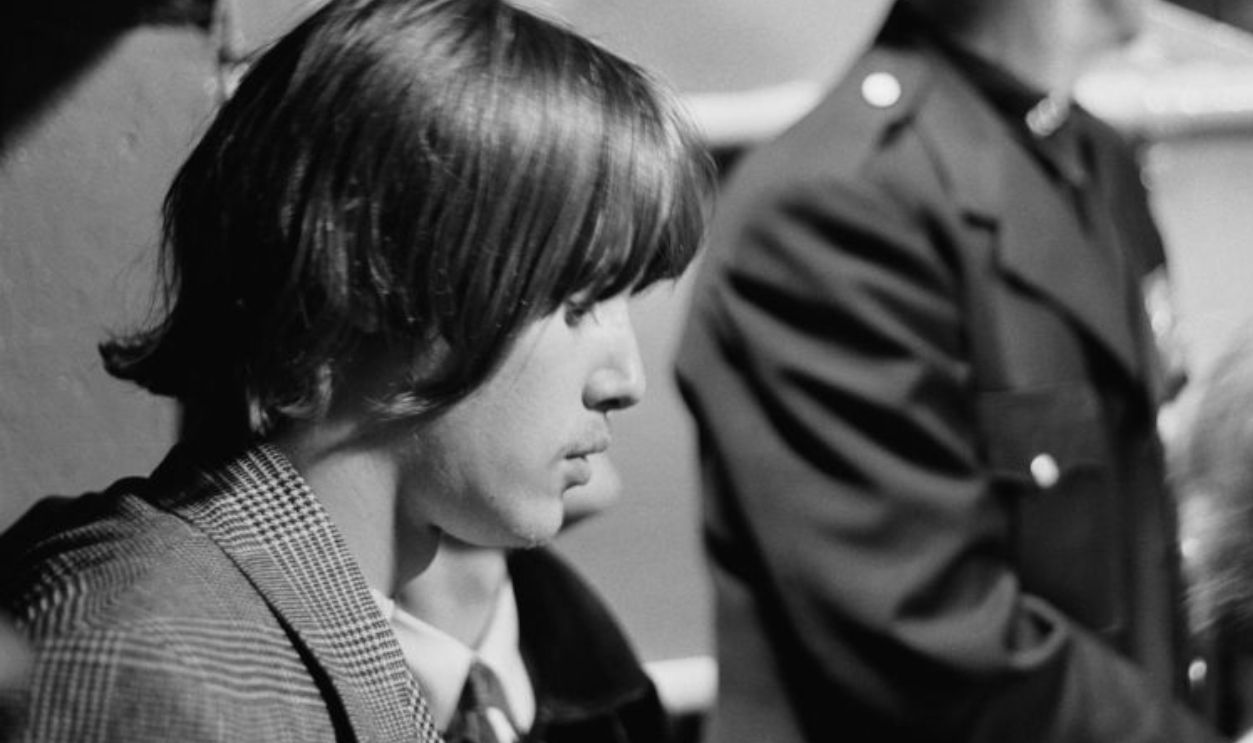
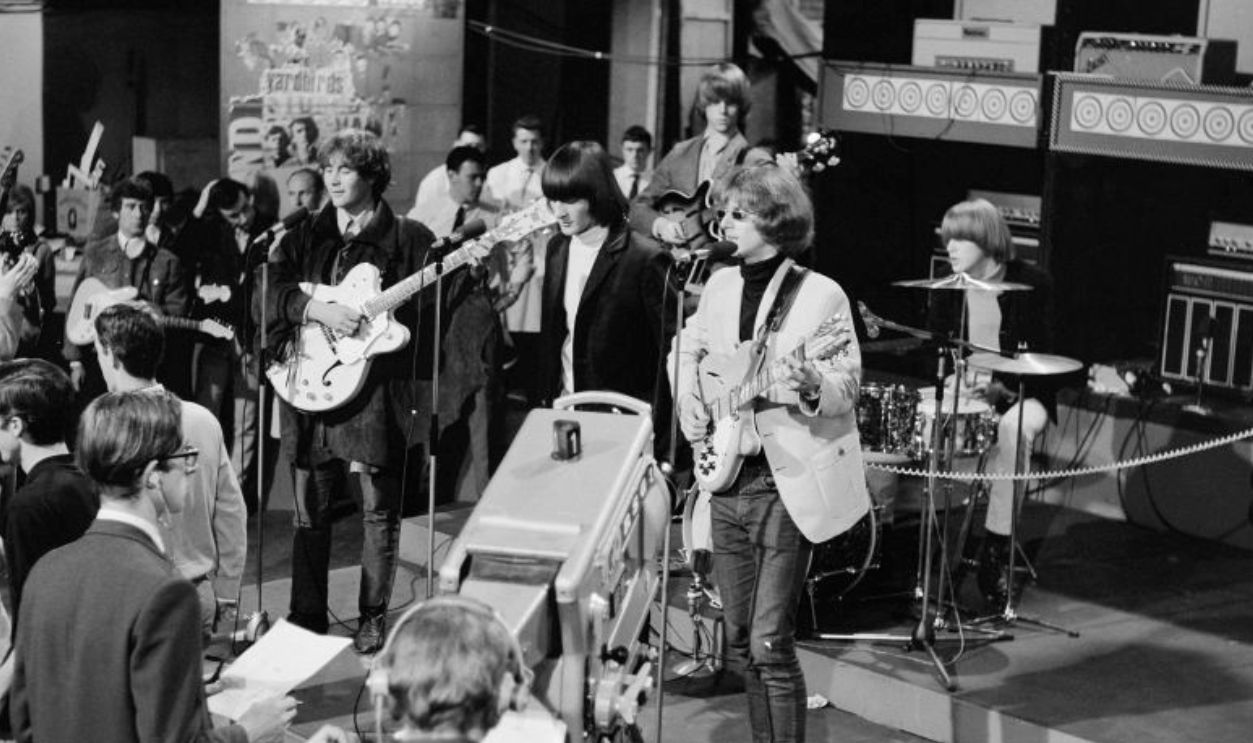
After walking out on The Byrds, Michael Clarke seemed to vanish from all of the band’s sessions, but they still saw him from time to time. He had already committed to playing several live concerts over the next few months and, not wanting to break his word, he did return to fulfill those promises.
Even beyond that, he hadn’t finished recording with the band completely.
 Michael Ochs Archives, Getty Images
History's most fascinating stories and darkest secrets, delivered to your inbox daily.
22. He Returned For A Bit
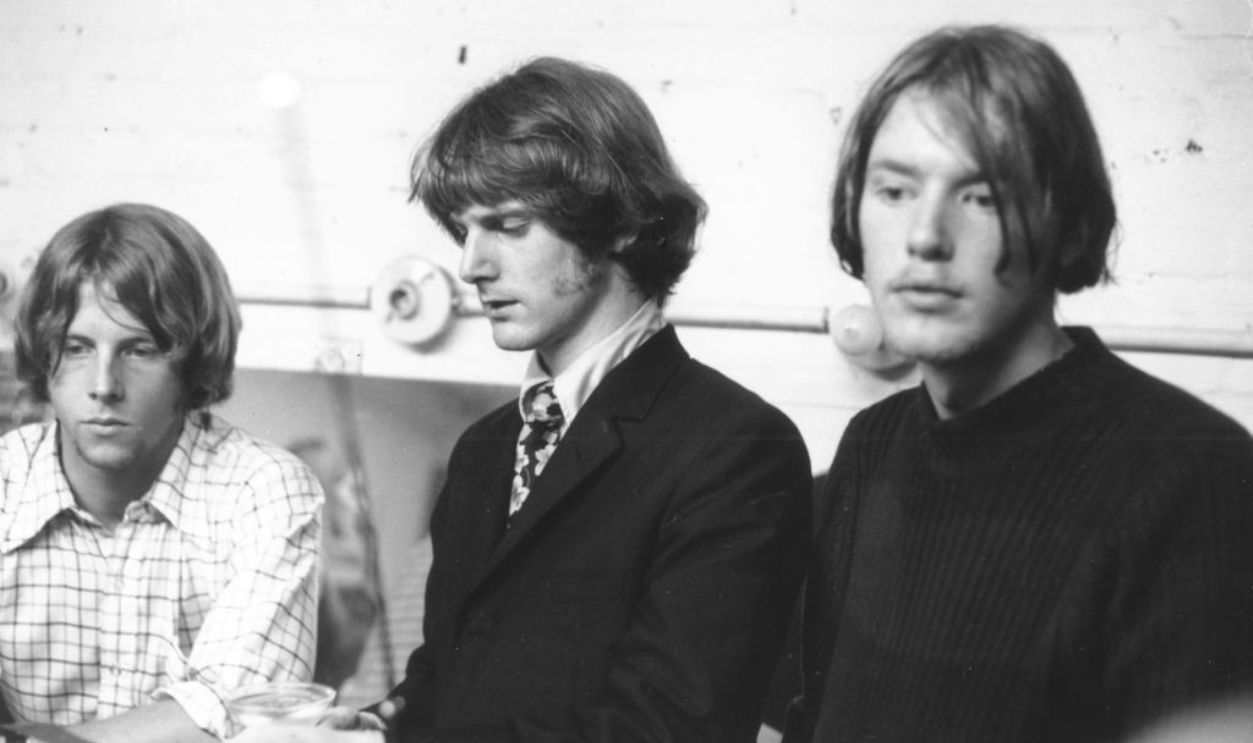
Even after getting some distance from the group, Clarke felt like he wanted to wash his hands of them, but eventually, he cooled down and agreed to rejoin the group. Although the band had been getting by with replacement session musicians, they were happy to have him return in time to record their song “Artificial Energy”.
Soon enough, though, it was his bandmates’ turn to say enough was enough.
 Michael Ochs Archives, Getty Images
23. They Were Fed Up
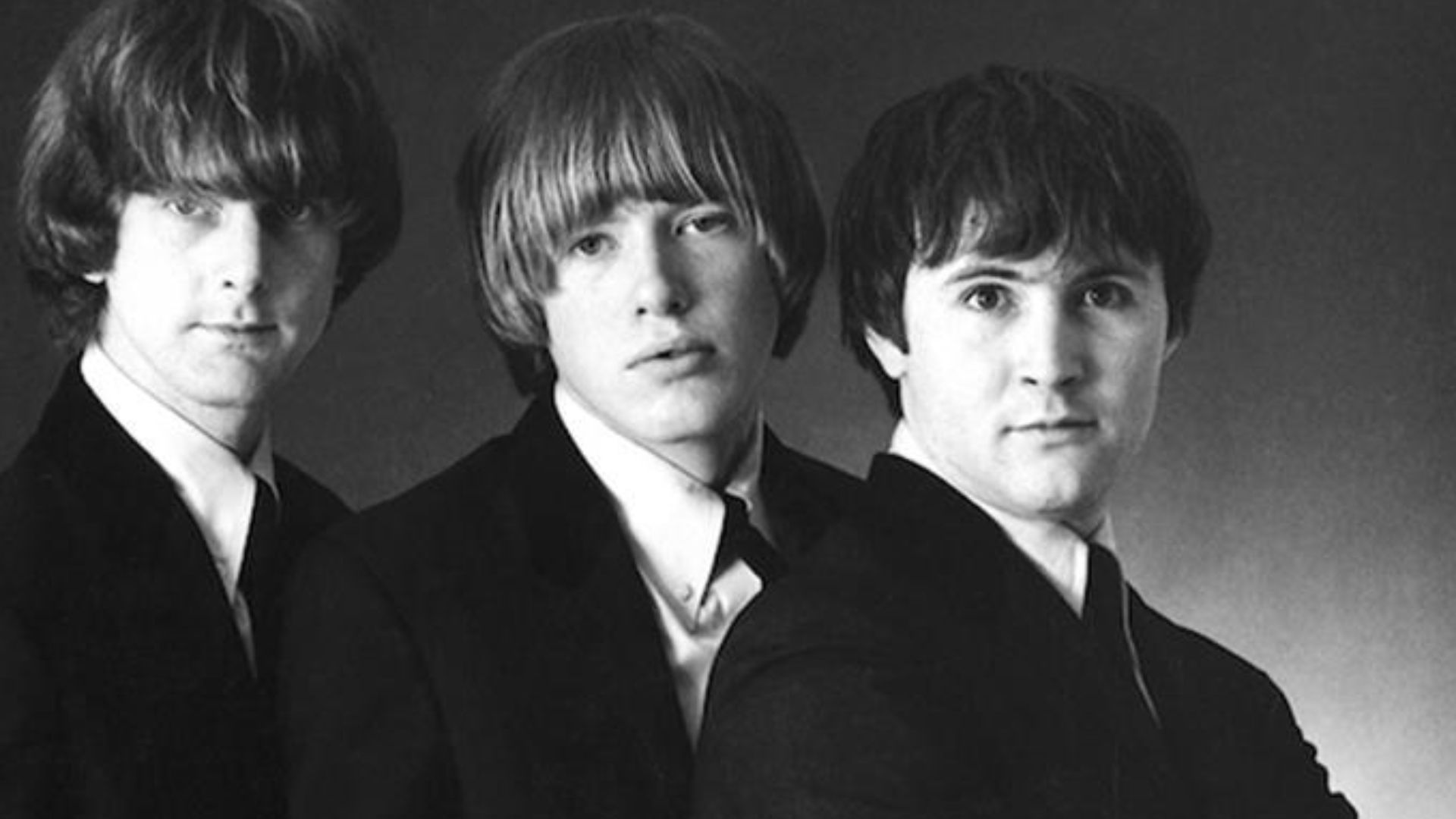
While Clarke may have felt like he had gotten his message across and arrived at a better place with The Byrds, he was the only one who seemed to think so. As for the rest of the band members, they felt he was only bringing them down with his lack of comparable talent and attitude, so they fired him upon completing The Notorious Byrd Brothers.
At the same time, even this story became subject to speculation.
 KRLA Beat/Beat Publications, Inc., Wikimedia Commons
24. He Had A Different Story
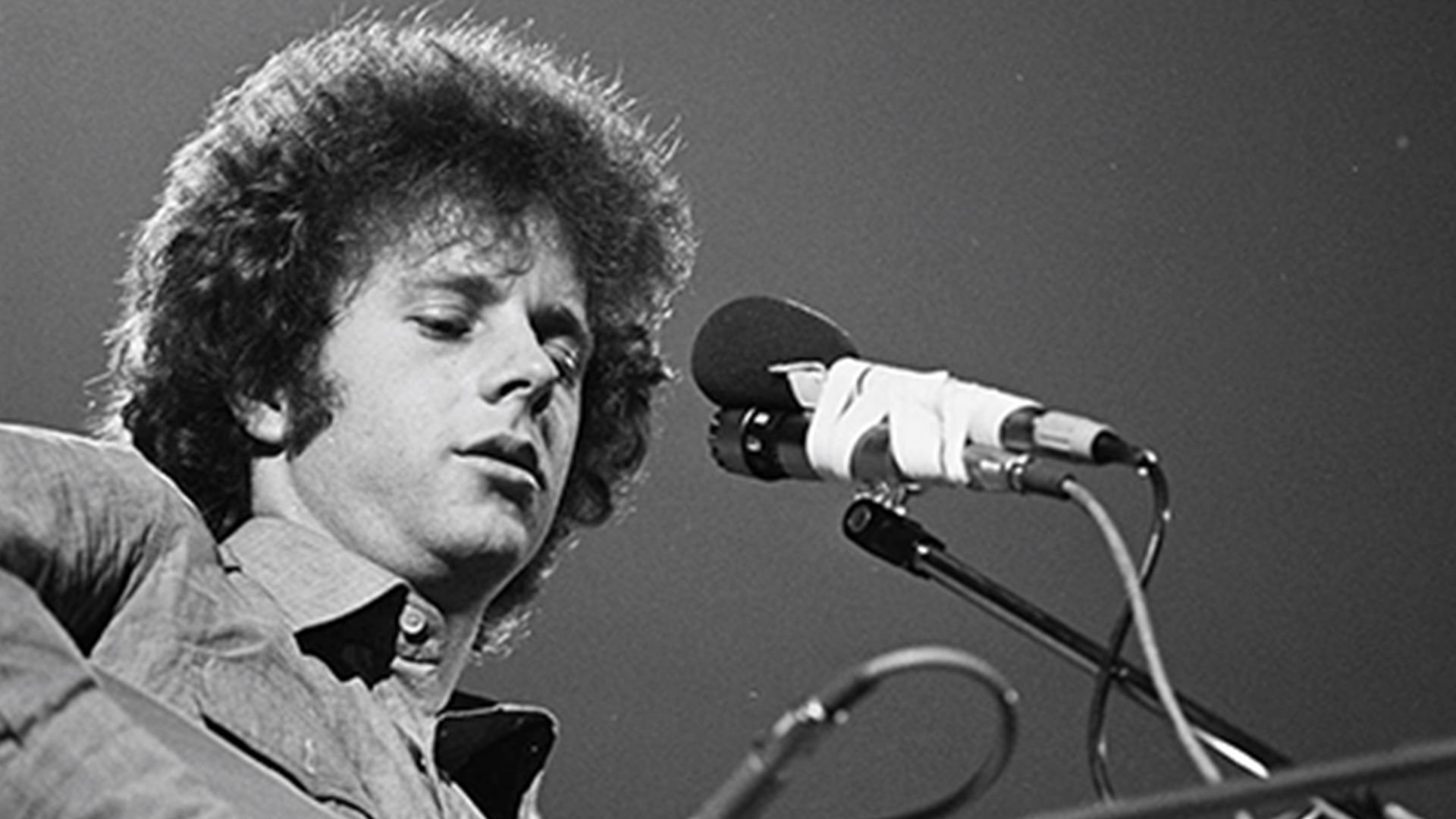
It appears that The Byrds had more than a couple of dubious stories about them, especially when it came to Michael Clarke, as bassist Chris Hillman told a different version of events surrounding the drummer’s dismissal. According to Hillman’s memoir, Clarke left again of his own accord, and while the rest of the band knew he was unhappy, it still came as a surprise.
Regardless, Clarke was now on a new path in life—but it wasn’t one he expected.
 Beeld & Geluid Unknown photographer, Wikimedia Commons
25. He Worked With Them
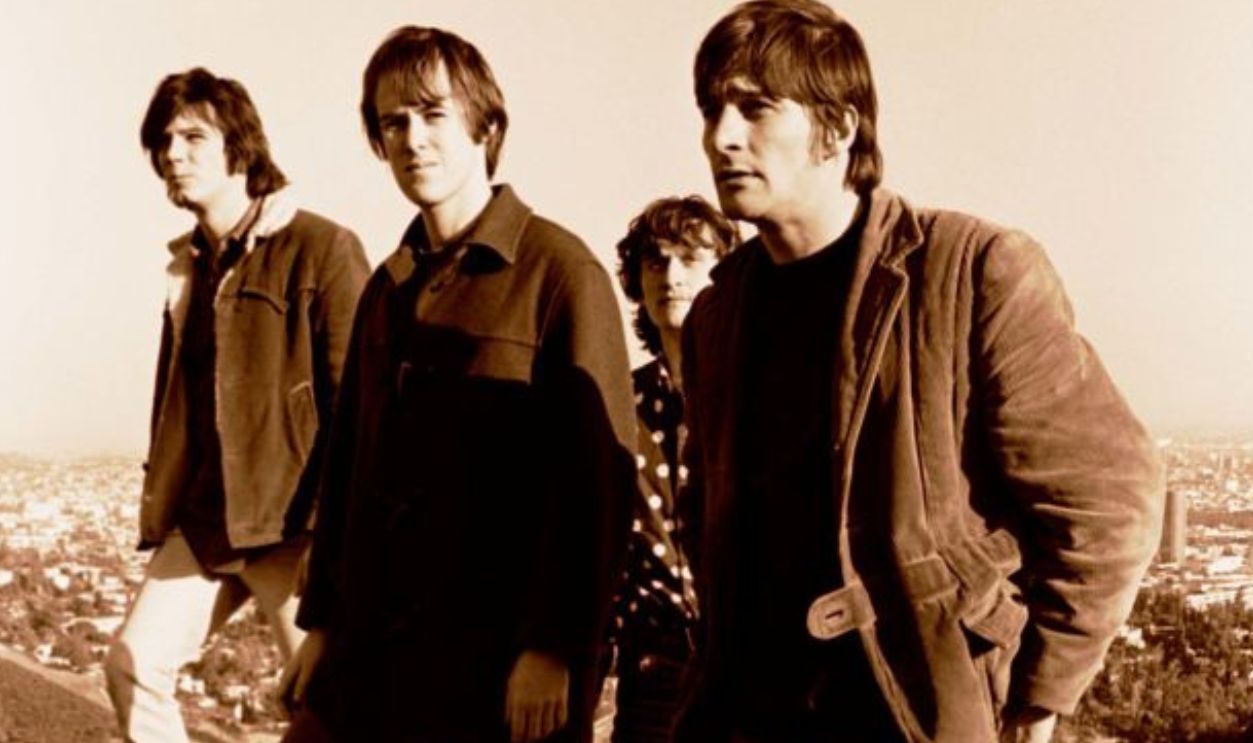
After parting ways with The Byrds yet again, Clarke felt disillusioned with the entire music industry in general, so he turned to other means of providing for himself. Moving to Hawaii, he initially took up painting as a creative outlet and entered the hotel business to provide for himself. However, he soon began to miss music, so when the chance came to reunite with Gene Clark in his new group, Dillard and Clark, Michael agreed to accompany them.
While this wouldn’t last forever, he realized he wanted to remain in the music world—no matter who it was with.
26. He Joined A New Group
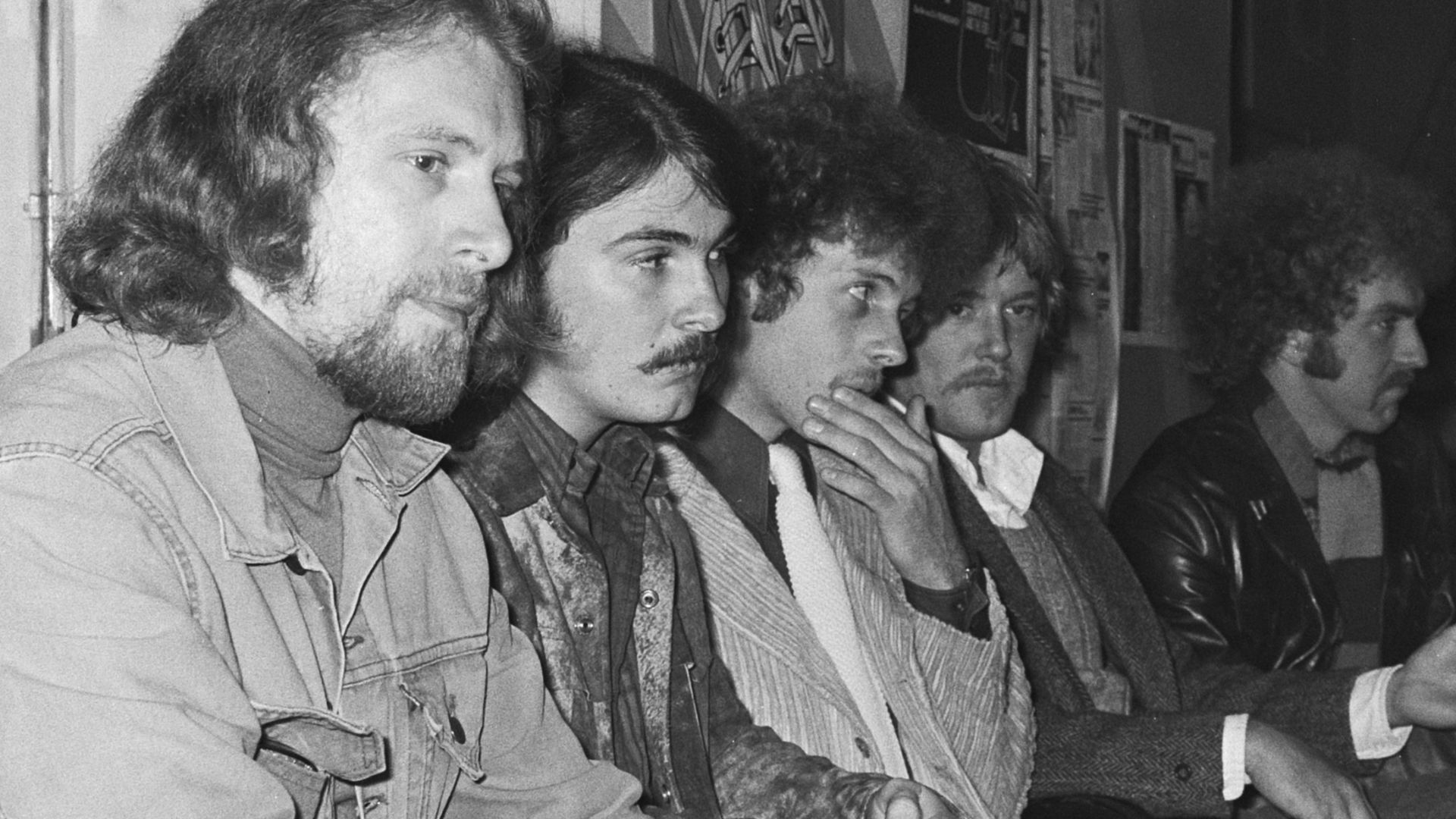
Michael Clarke may have had complicated feelings toward The Byrds, but he didn’t seem to resent all of its members, and he was happy to play with a few outside their former group. Meeting back up with Chris Hillman, Clarke joined the bassist and his new partner, Gram Parsons, in their band, The Flying Burrito Brothers.
Through this partnership, he was able to do more than just play what he wanted; it gave him a chance to work with his idols.
 Rob Croes / Anefo, Wikimedia Commons
27. He Played With The Greats
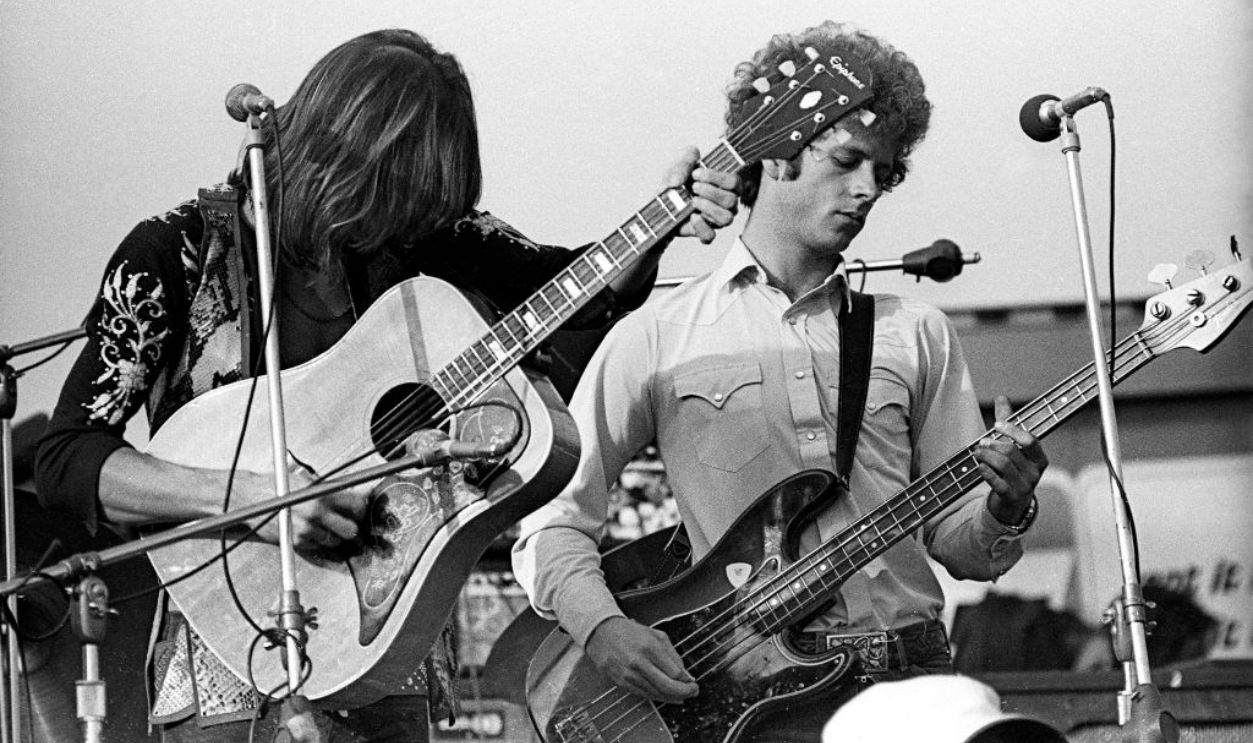
Like many, The Byrds had taken a lot of inspiration from the British Invasion, making one concert in 1969 even more of a unique honor—albeit a controversial one. As part of The Flying Burrito Brothers, Clarke had the chance to appear alongside The Rolling Stones at the Altamont Free Concert, but it wasn’t the dream he expected. The concert would live on in notoriety as several violent incidents occurred, resulting in four fatalities.
Having already worked with a couple of his former bandmates, Clarke suddenly didn’t feel as conflicted about a reunion.
History's most fascinating stories and darkest secrets, delivered to your inbox daily.
28. They Got To Talking
The Byrds continued to thrive in the music world, but they looked very different from when they started—though some wanted to get back to their roots. Even though they hadn’t all parted ways on the best of terms, the original members of The Byrds began entertaining the idea of a reunion as they moved into the 1970s.
While it wasn’t much more than a discussion at this point, Clarke continued to have his own smaller reunions.
29. He Worked With Him Again
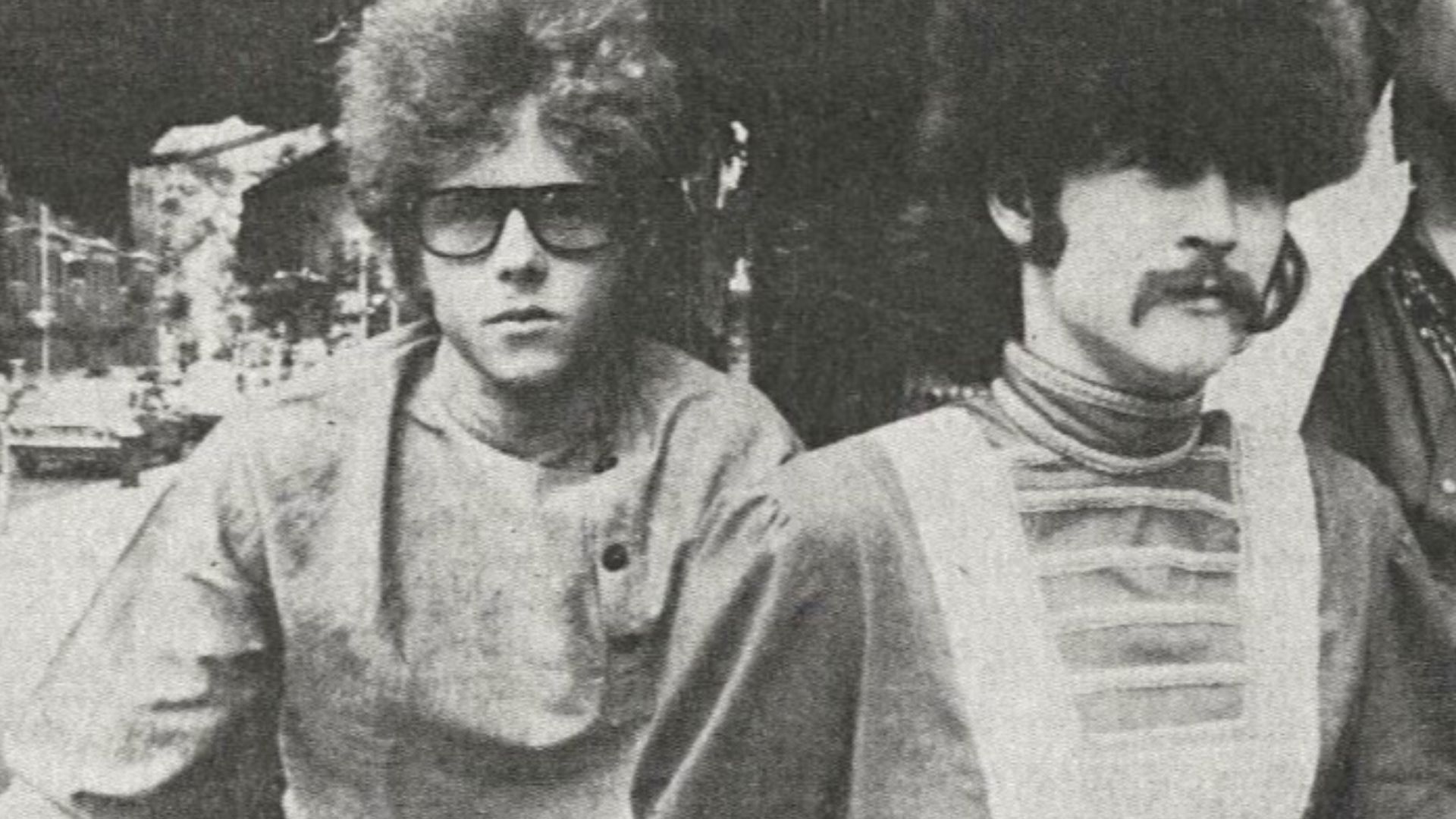
As Gene Clark had also left The Byrds over his own grievances with the band, he and Michael had no problem seeing eye to eye, so naturally, they worked together as much as possible. In the mid-1980s, Gene released a solo album titled Firebyrd, using his new band, The Firebyrds, to promote it, which Michael was happy to join.
Eventually, Michael wanted to go through with a revival on his own terms, ironically making a reunion even less likely.
30. He Created A Scandalous Group
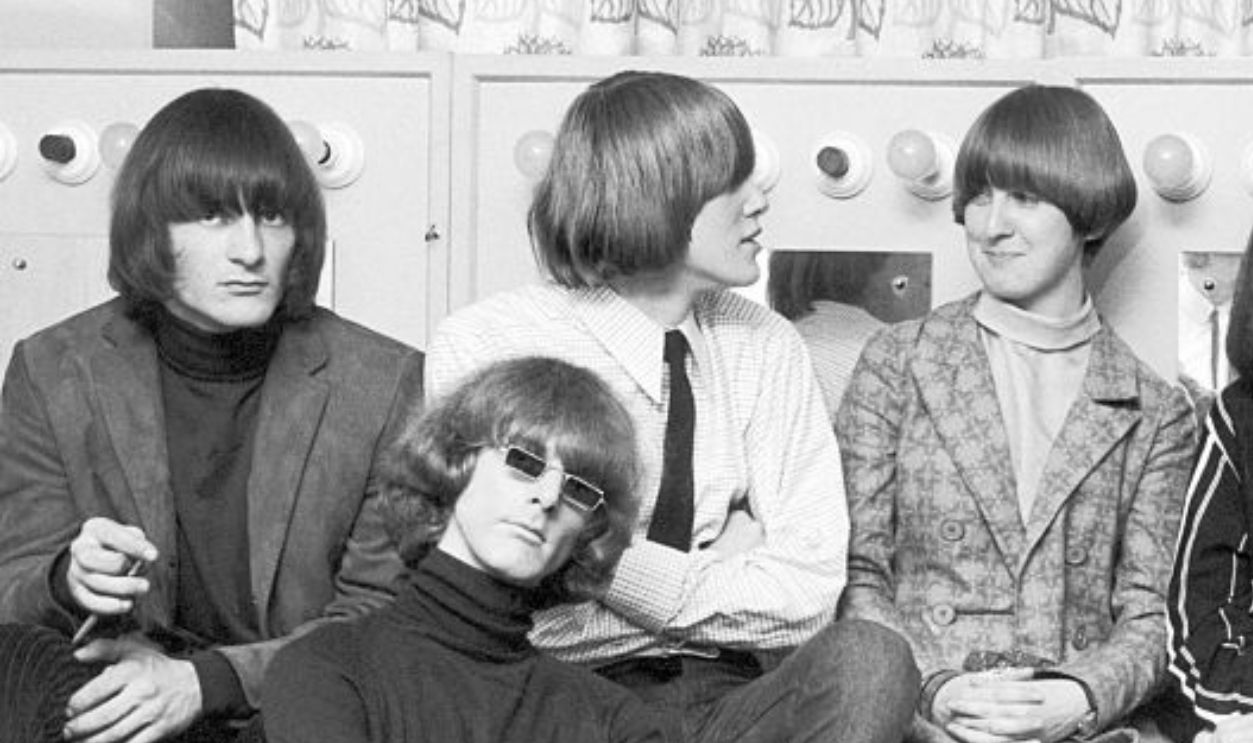
While both Michael and Gene still felt some resentment toward their former bandmates, they nonetheless missed some aspects of The Byrds, especially the following it had. As The Firebyrds parted ways, both musicians suddenly came up with an idea that could allow them the best of both worlds. Performing several shows together again, the pair began calling themselves the 20th Anniversary Tribute to The Byrds.
Of course, this only caused more issues—especially as they became more popular.
31. They Shortened It
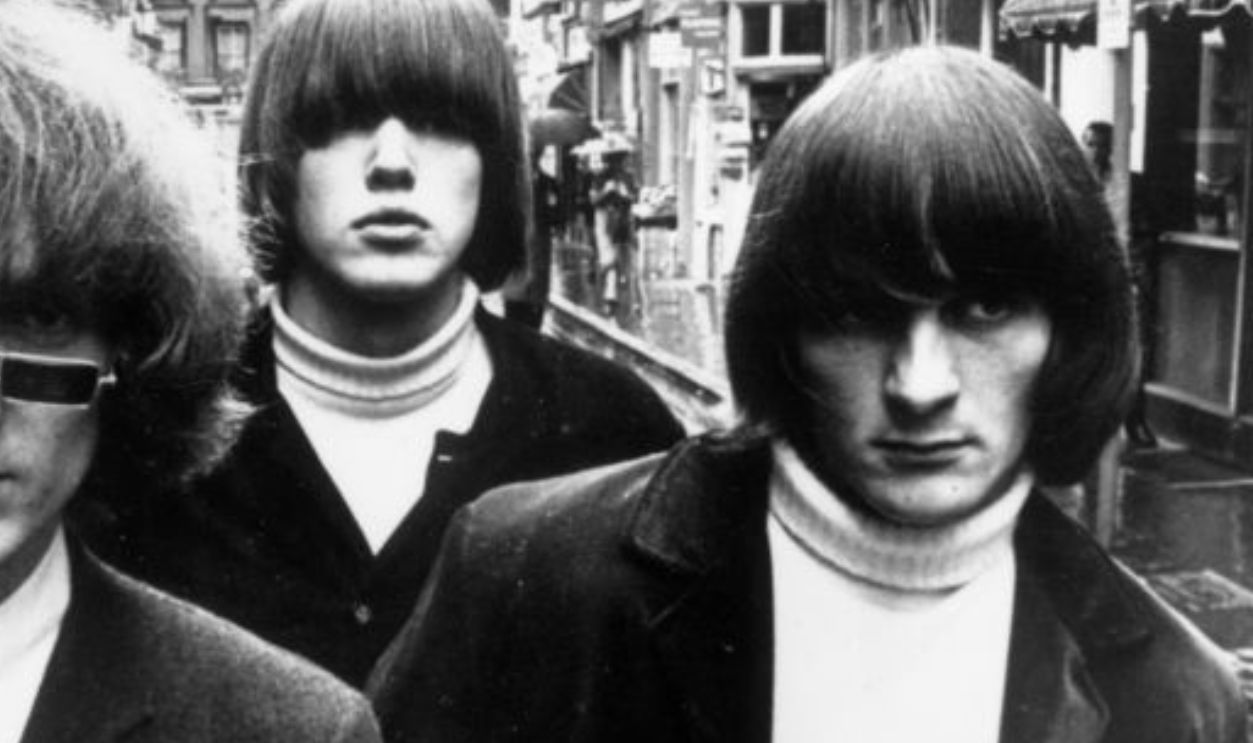
If simply calling themselves a tribute band for The Byrds wasn’t insulting enough for their former bandmates, Michael and Gene soon found themselves in a precarious position. As the name was so long, it was only a matter of time before venues began simply calling them “The Byrds,” driving a wedge further between all the founding band members.
At some point, though, even Gene had other dreams to pursue, leaving Michael with one problem.
 Stanley Bielecki/ASP, Getty Images
32. He Was All Alone
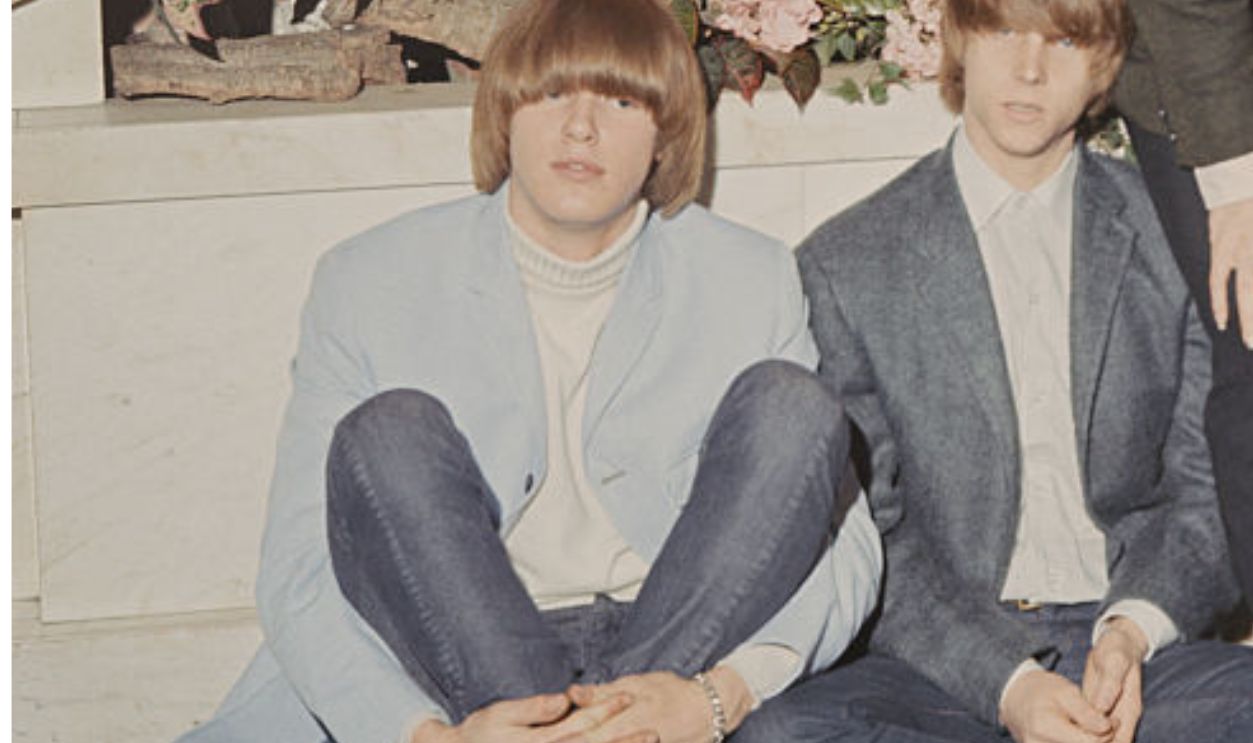
Michael and Gene’s group embarked on a 20th anniversary tour, but after that, Gene had other endeavors he wanted to return to. On the other hand, Michael didn’t have nearly as many opportunities going for him, so he kept this new band alive under the changed name "A Tribute to the Byrds".
Even so, he remained committed to this project—despite whatever trouble it might bring.
 Stanley Bielecki/ASP, Getty Images
33. He Never Stopped
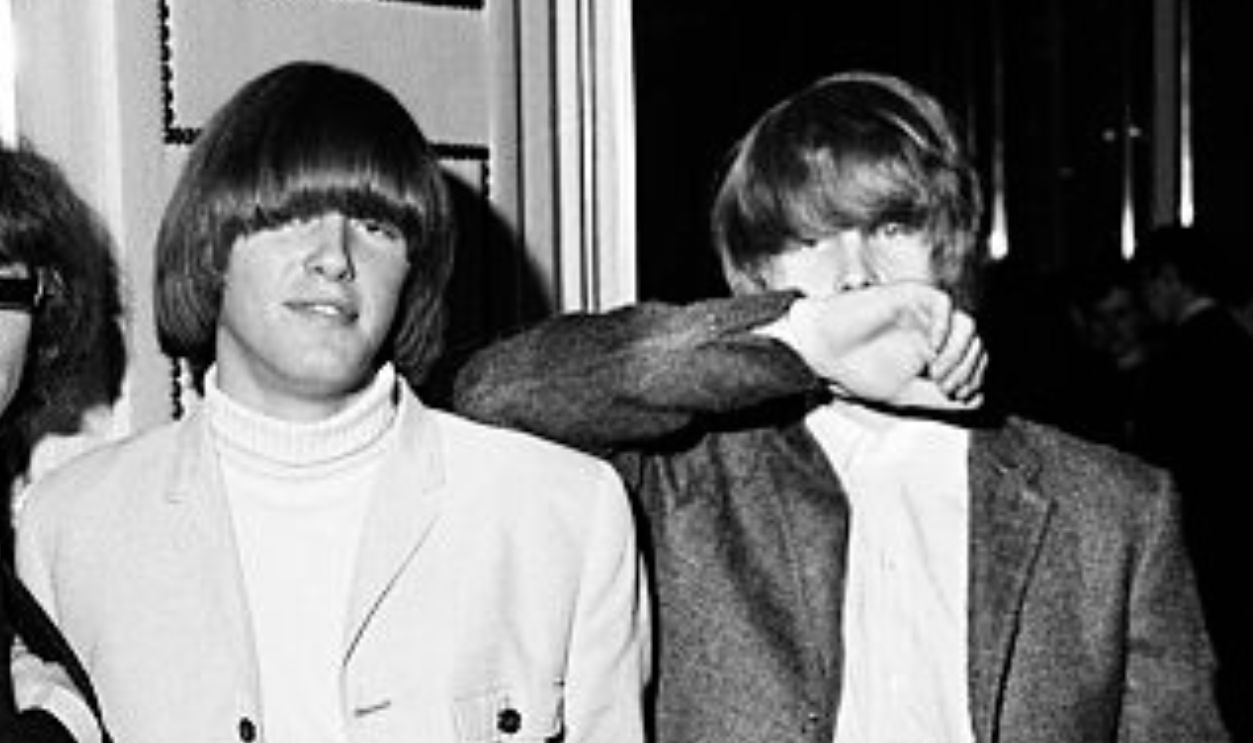
Working off the legacy of his old band, Michael Clarke had found something that was working for him, and he refused to let it go if he could help it. The new group underwent another change, though, and beginning in 1987, he performed under the name “The Byrds featuring Michael Clarke” for the rest of his days.
As expected, this continued to create problems between him and his former bandmates, even if they weren’t exactly fair.
History's most fascinating stories and darkest secrets, delivered to your inbox daily.
34. They Never Used It
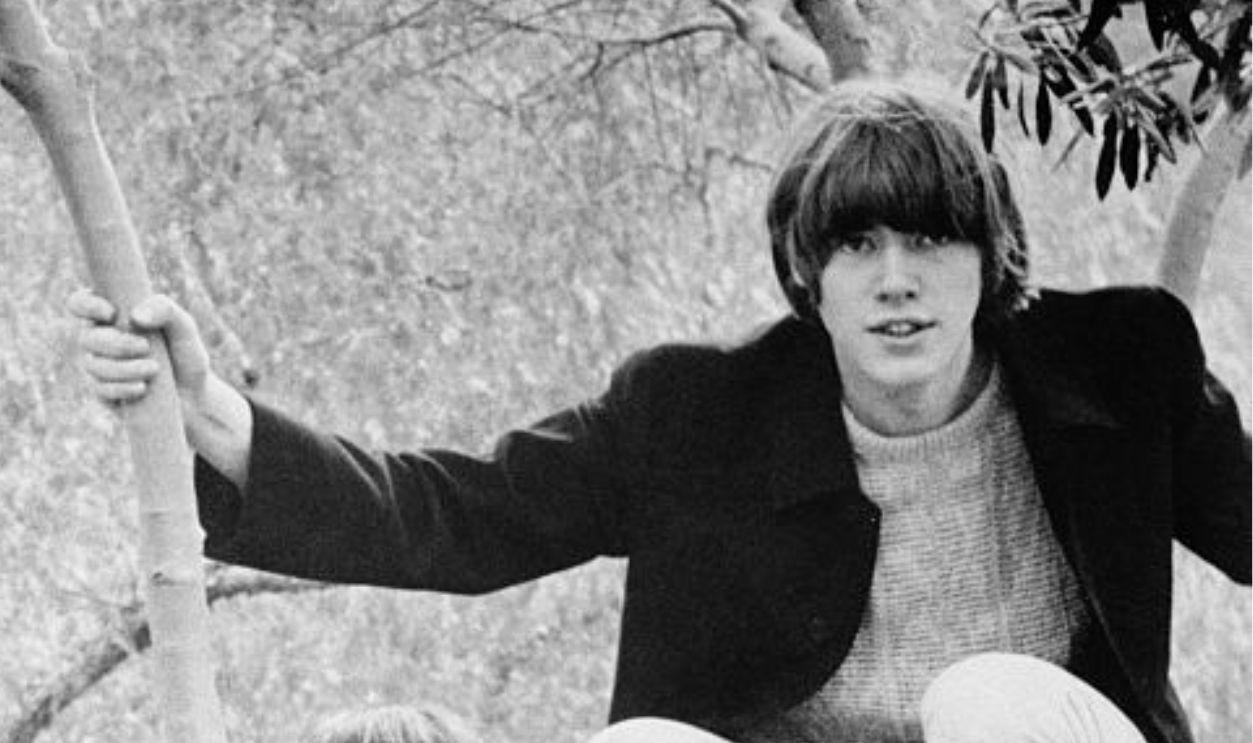
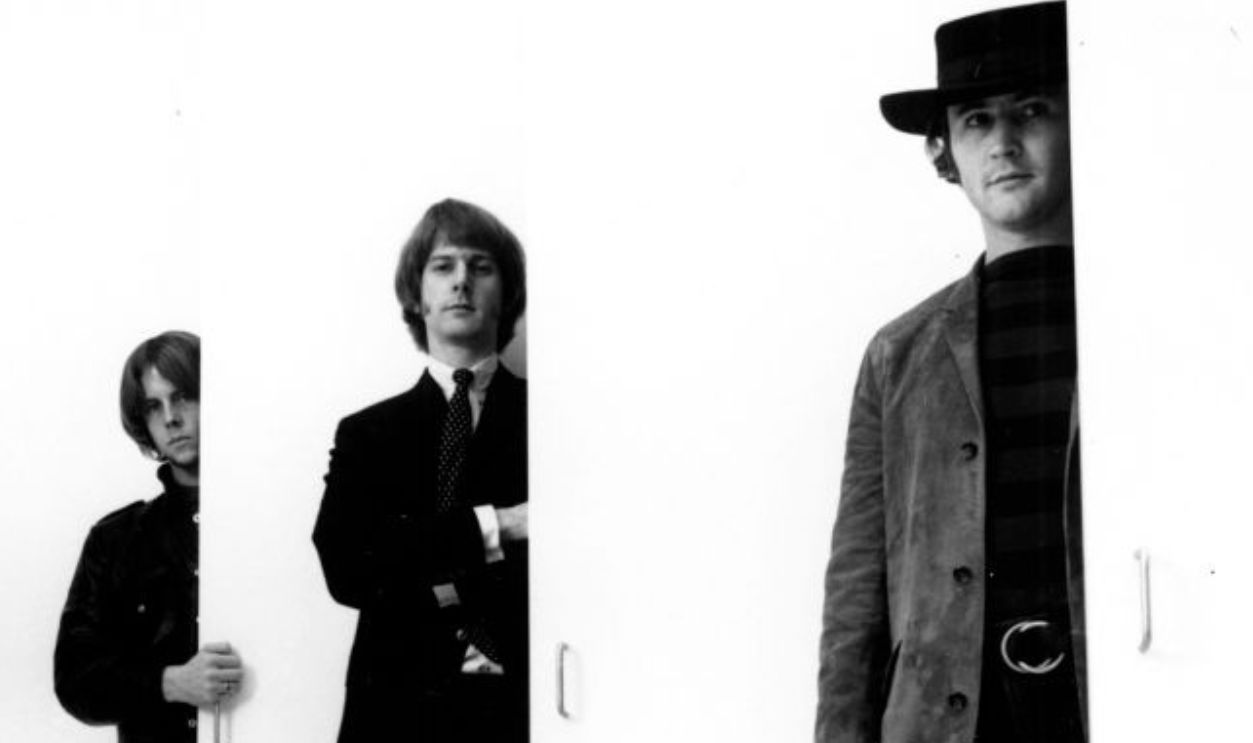
By this point, The Byrds’ new lineup had long since broken up, and even the other original members had been extremely vocal about never wanting to perform under the name again. As such, since Michael Clarke was the only musician actually playing under that name, most considered him the owner of it—prompting founding Byrds members David Crosby, Roger McGuinn, and Chris Hillman to litigation.
They weren’t about to back down from this fight, and they would do whatever was necessary.
 Michael Ochs Archives, Getty Images
35. They Tried To Assert Themselves
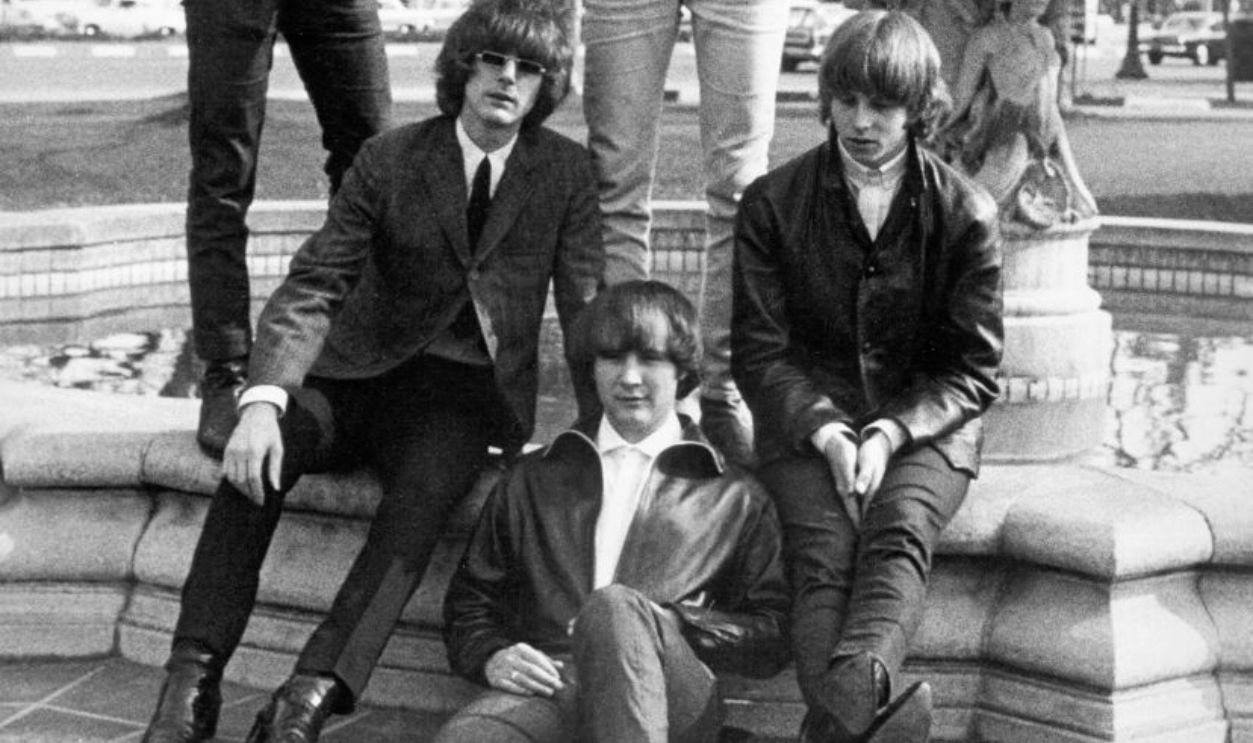
Clarke’s group continued to receive billing under the shortened name of “The Byrds,” prompting him to look into trademarking the name. Although they wanted to leave the name behind, his old bandmates couldn’t let this go. Filing a lawsuit against Clarke, they wanted to do everything they could to help their case, so despite their previous feelings, they announced several upcoming shows in the late 1980s as “The Byrds”.
While they needed all the support they could get, they still held on to some grudges.
 Michael Ochs Archives, Getty Images
36. They Didn’t Want Him
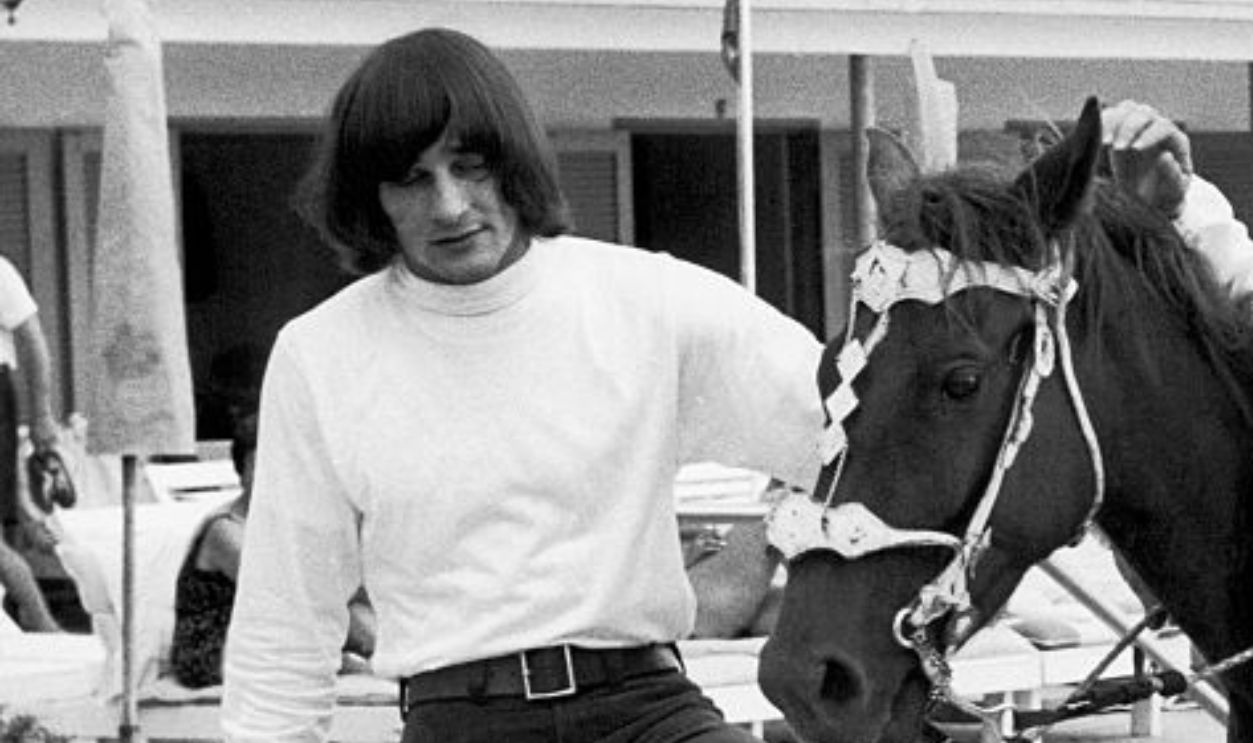
Although Michael Clarke continued with his version of The Byrds and the three other founders created theirs, Gene Clark remained more or less on his own—though that wasn’t his decision. He had already separated from Michael, but just the fact that he had played in the tribute band at one point caused the other three members to shun him completely.
Even without Gene, their shows turned out to be massive hits, much to Michael’s chagrin.
37. They Came After Him
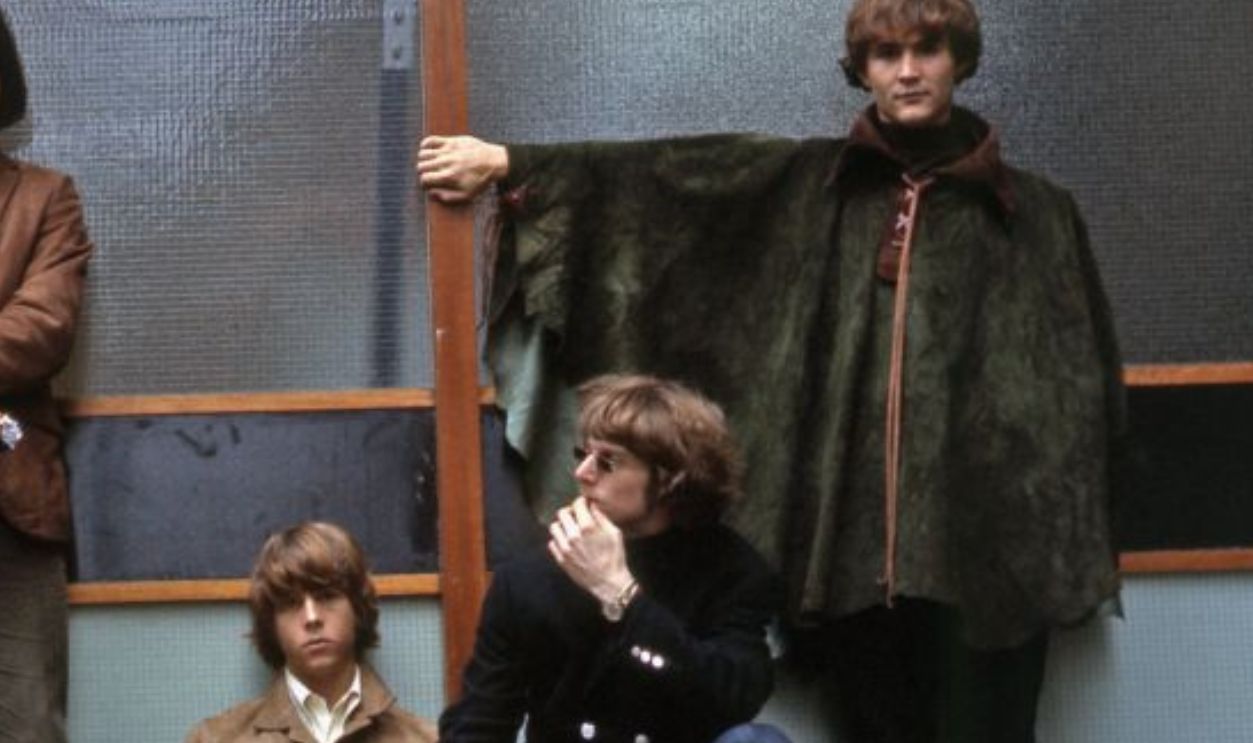
In the minds of David Crosby, Roger McGuinn, and Chris Hillman, the greater the reception they earned from their new tour as The Byrds, the better their case against the rival group. If this were true, then Michael Clarke clearly didn’t stand a chance, as the tour was an unequivocal success. Afterward, the three felt emboldened to proceed with their lawsuit, filing an injunction against Clarke for using their name and accusing him of unfair competition.
They threw everything they had at him—but it didn’t turn out as they expected.
 Mark Hayward Archive, Getty Images
38. They Lost The Battle
After years of this aggression between the two versions of The Byrds, the time finally came for the court hearing that would decide the real band once and for all. However, despite their best efforts, the judge did not rule in favor of the three other members, declaring that Clarke’s new group wasn’t harming them in any real way.
In the end, Clarke’s persistence paid off and they had no choice but to accept the outcome.
39. He Came Out On Top
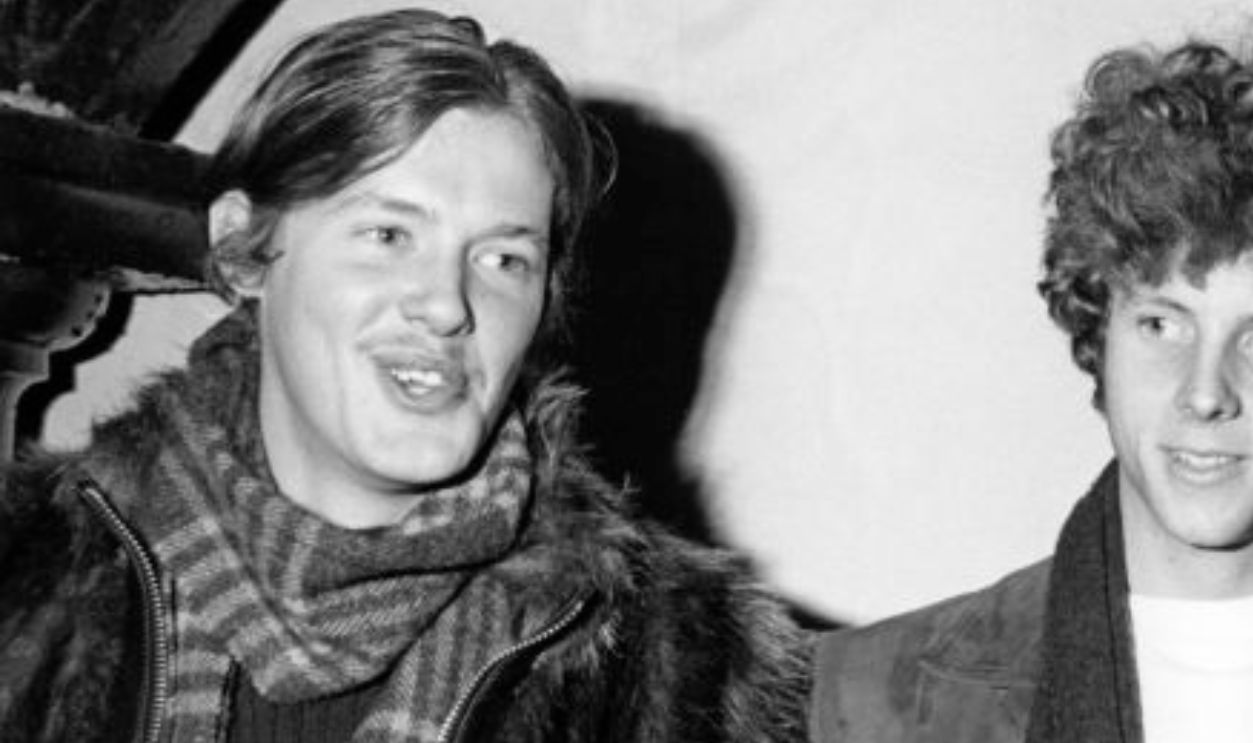
No matter how much they believed they were the rightful owners of the group’s name, Crosby, McGuinn, and Hillman had no other option but to drop their lawsuit. As for Michae Clarkel, the judge had granted him full lawful ownership of the band name, so he was free to perform as “The Byrds" as much as he wanted.
Unfortunately, while this was undoubtedly a major win for Clarke, things weren’t looking so bright behind the scenes.
 Michael Ochs Archives, Getty Images
History's most fascinating stories and darkest secrets, delivered to your inbox daily.
40. He Wasn’t Doing Well
Determined to stay in the music business at any cost, Clarke had dedicated the last several decades to fulfilling his dreams, but the rock star’s lifestyle unfortunately took its toll on him. Behind all his never-ending work was an unhealthy life of excessive drinking, and he reached a point where he couldn’t seem to stay out of the hospital.
Despite this, he would only have to wait a bit longer before a miracle happened.
 Michael Ochs Archives, Getty Images
41. They Agreed To Play Together
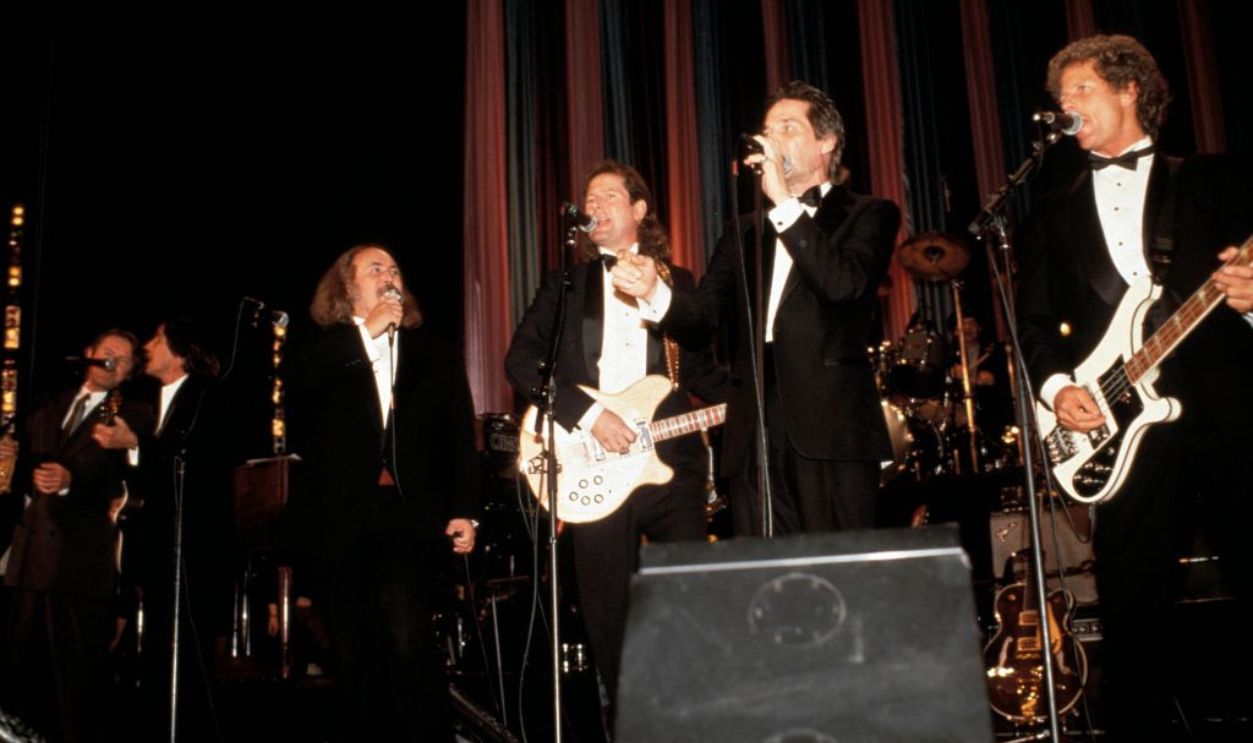
It’s said that time heals all wounds, and although they had gone through so many complications and so much bitterness, it was no different for Michael Clarke and the other Byrds. For their 1991 induction into the Rock and Roll Hall of Fame, each of the founding members of The Byrds came together for one more concert.
This was truly a once-in-a-lifetime event—and it came not a moment too soon.
42. He Lost His Friend
Dating back to when they were both in The Byrds, Michael and Gene had always enjoyed a closer connection than the others, especially since they were the first two members to quit. Unfortunately, their friendship would come to a tragic end when, only a few months after their Hall of Fame reunion concert, Gene Clark passed from a heart attack.
Sadly, Michael’s time was also drawing ever nearer, and he knew it all too well.
43. He Knew It Was Coming
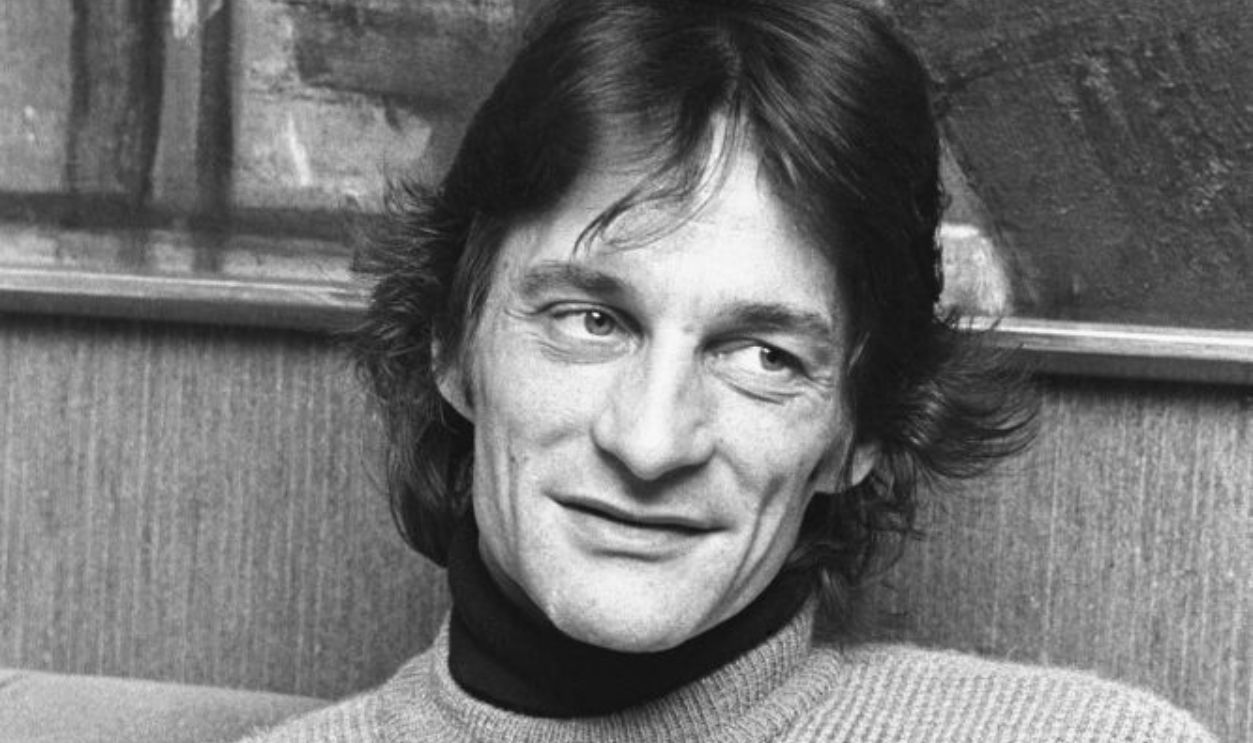
Michael Clarke realized his unhealthy habits were slowly causing his health to deteriorate, but he wouldn’t know the true extent of this until the late 1980s, when he received the worst news of his life. As those who knew him more personally would reveal in later years, his doctors had been very frank about the severity of his condition, informing him that the damage to his liver was so severe that he likely wouldn’t survive more than a few years.
Although he faced countless hardships and health troubles, he never forgot what was truly important.
44. He Wanted To Help People
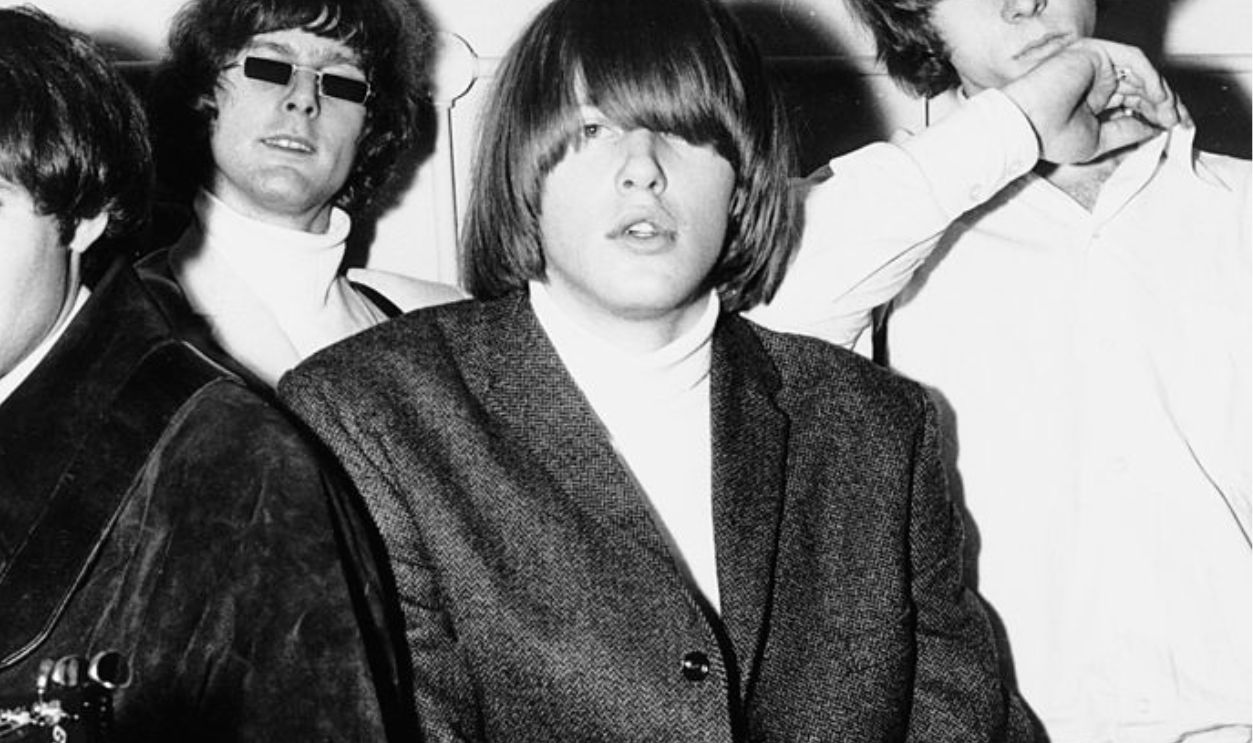
Entering the music industry at a young age, Clarke had likewise found himself exposed to some of the most damaging parts of that world, all before he even had the judgment to avoid them. Hoping to stop other at-risk children from developing the same unhealthy habits, he often spoke about wanting to get on TV so he could spread awareness about alcoholism.
Sadly, this was one dream he would never see fulfilled.
45. He Lost His Life
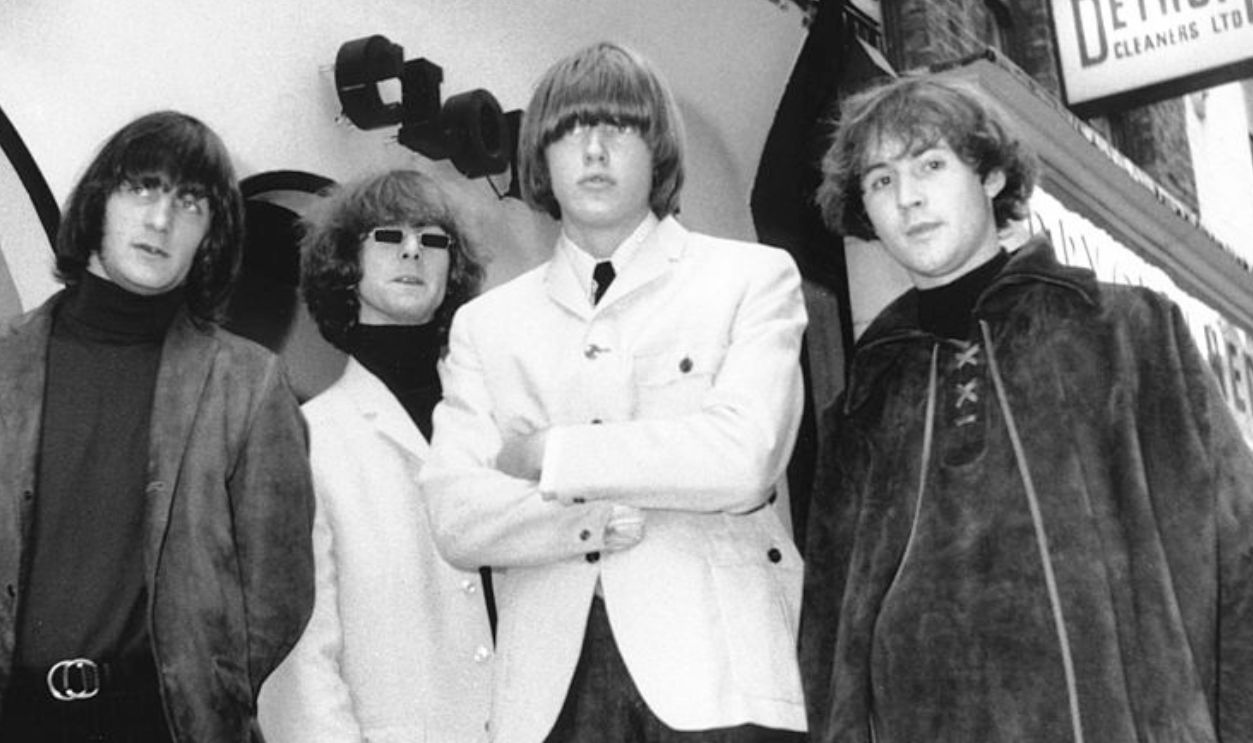
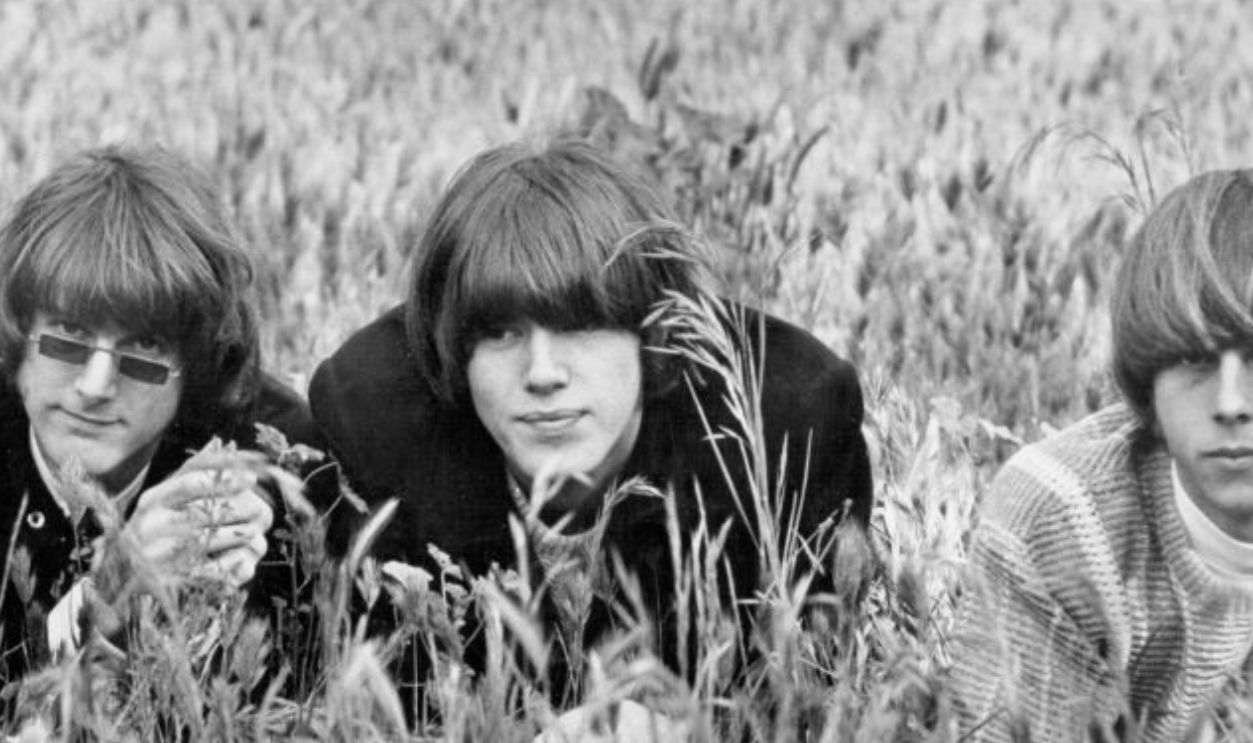
Clarke knew his time was coming soon, but regardless, he never stopped working on his career and continued to schedule concerts as much as he could. However, soon enough, his health no longer allowed him to go on, and on December 19, 1993, he succumbed to liver failure while at home.
Fortunately, he was able to make a difference in the end—though not exactly how he imagined.
 Michael Ochs Archives, Getty Images
History's most fascinating stories and darkest secrets, delivered to your inbox daily.
46. She Carried His Torch
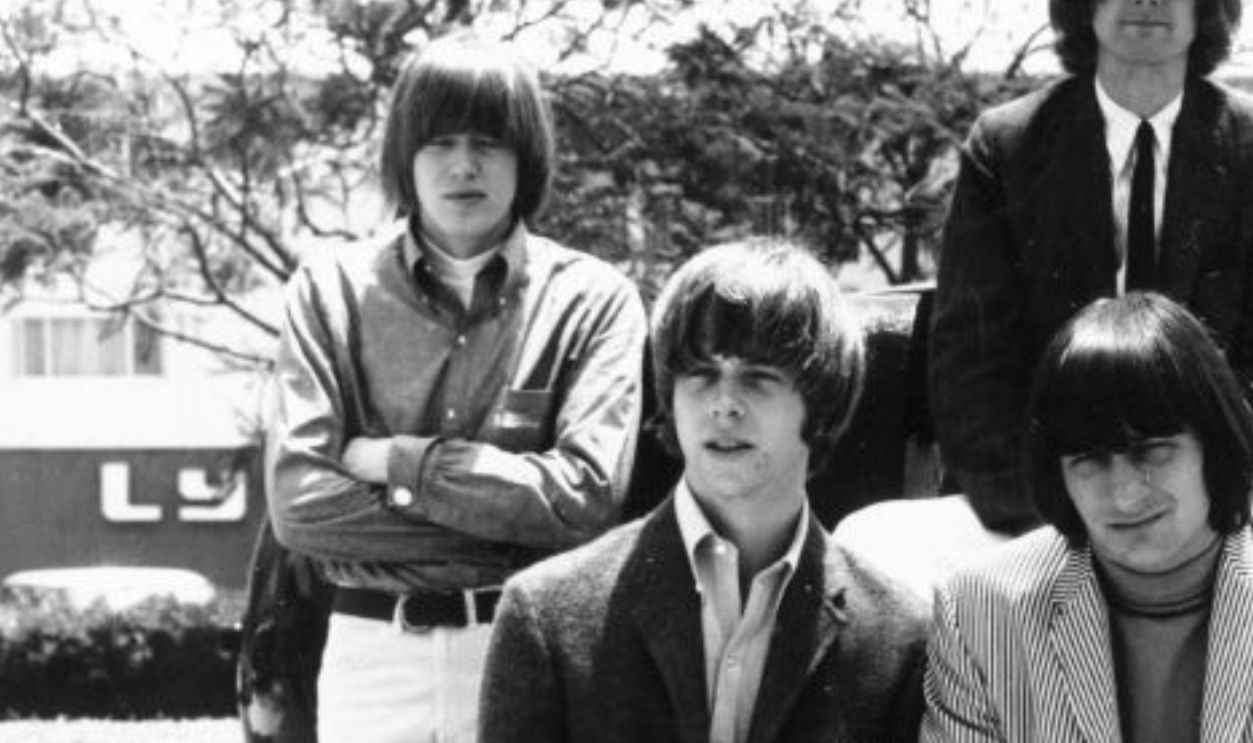
At the time of his passing, Michael Clarke had been dating a woman named Susan Paul, and she wanted to do everything she could to honor his story and what he had hoped to accomplish. Understanding his goal of warning the youth about alcoholism, she created a foundation in his honor called the Campaign for Alcohol-Free Kids.
Of course, she wasn’t the only one continuing the legacy he left behind.
 Michael Ochs Archives, Getty Images
47. They Brought It Back
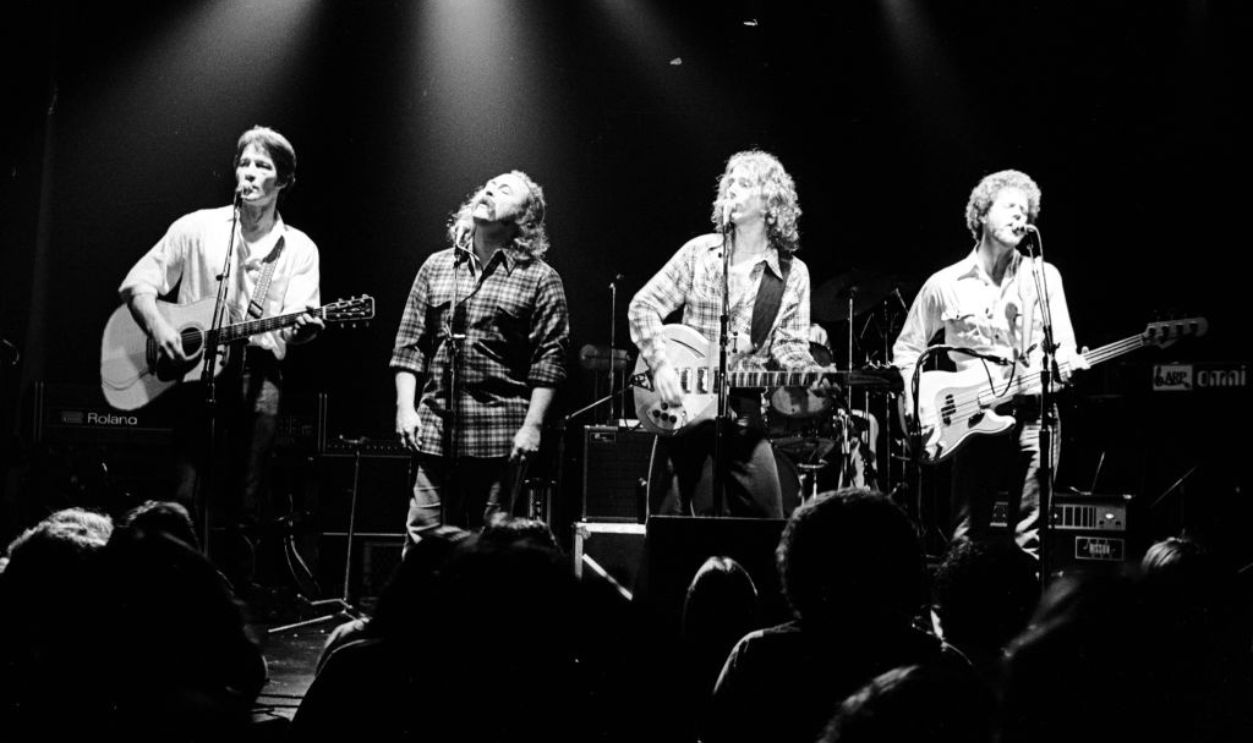
Although Clarke had been the driving force behind the newest version of The Byrds, his bandmates didn’t want to let the dream go with him. Taking a page out of the late drummer’s book, former Byrds member Terry Jones Rogers reformed the tribute band in Clarke’s memory, joined by other former bandmates and musicians.
Before his passing, Clarke thought he had seen the last of his problems with The Byrds—but the story wasn’t over.
 Michael Ochs Archives, Getty Images
48. He Ended The Feud
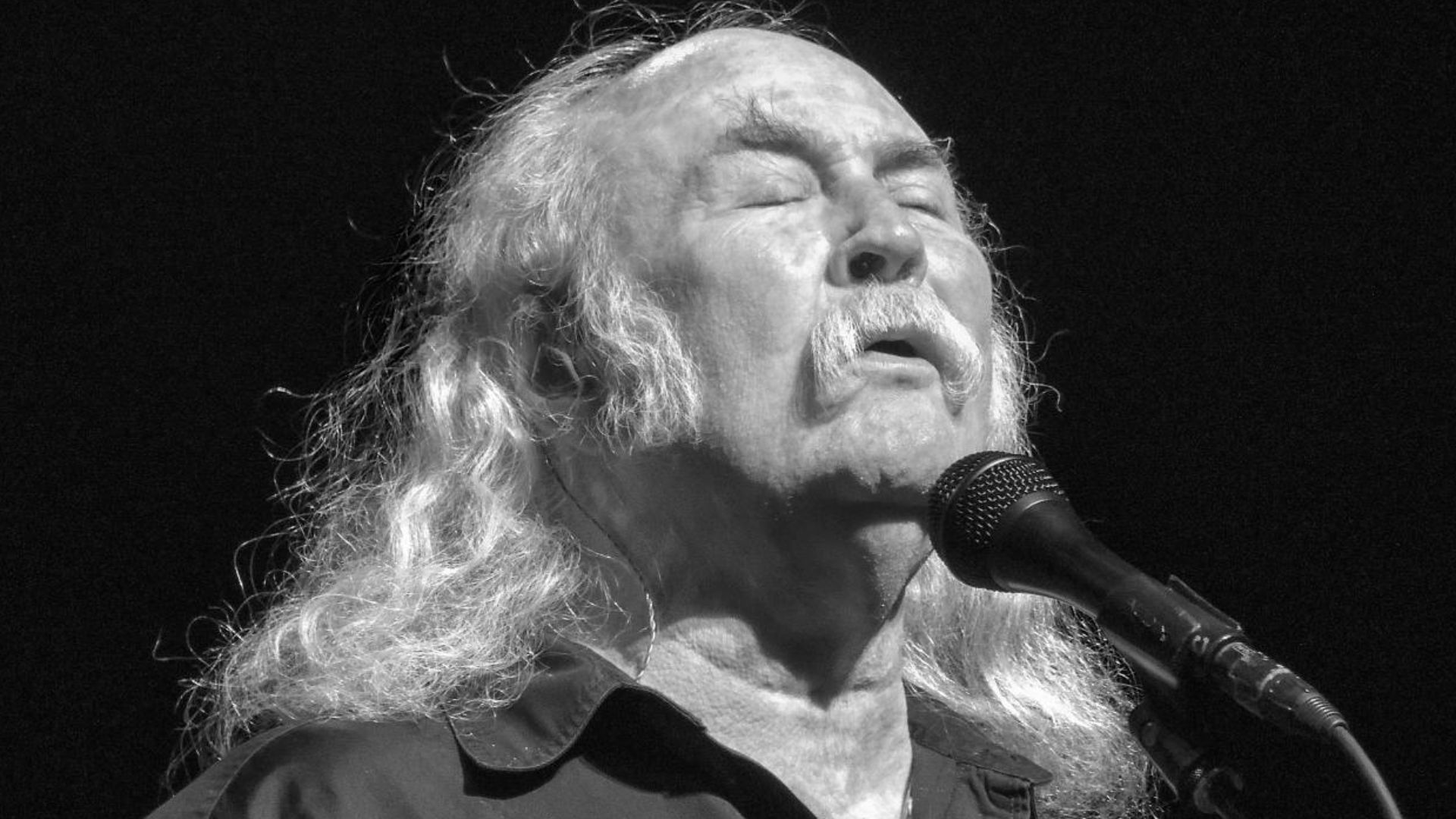
The battle between Clarke and his former bandmates for the title of The Byrds had been exhausting, but even after he passed, he still couldn’t seem to leave it behind. With him gone, the ownership of the name went to his estate, but this only made it easier to purchase. That was exactly what founding member David Crosby thought, and in 2002, he put the whole thing to rest and bought the rights himself.
Luckily, the world could now see that Clarke was more than just one kind of creative.
 Christopher Michel, Wikimedia Commons
49. He Was An Artist
Although Michael Clarke had always been determined to be a musician, no matter what obstacles lay in his way, this wasn’t his only creative outlet. He had loved painting since his younger years and continued to pursue it as a hobby, but after his passing, authors Jim McMullan and Dick Gautier showed his art to the world, featuring his paintings in the book Musicians as Artists.
Despite everything, Clarke’s passing put many problems into perspective, especially for those he once called friends.
 Michael Ochs Archives, Getty Images
50. They Couldn’t Stay Angry
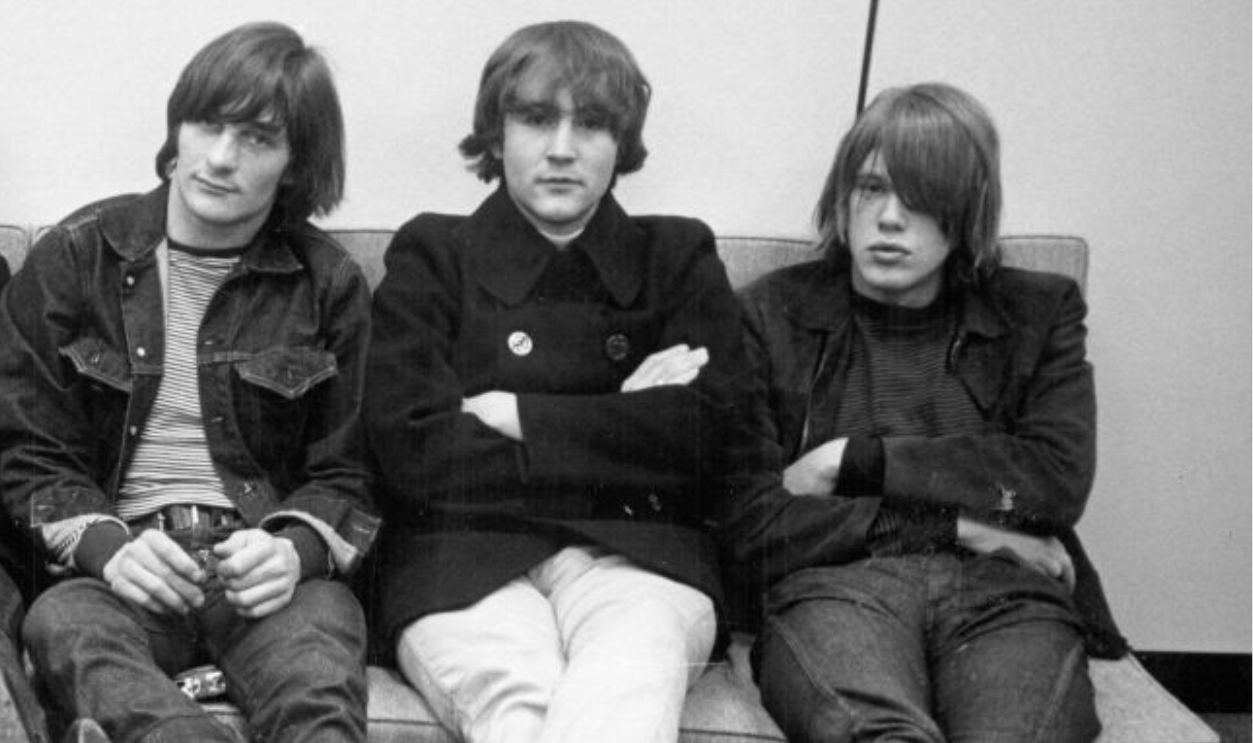
Michael Clarke embarked on a journey at 17 to become a musician, and while he succeeded in this, it wasn’t what his friends and family remembered about him. Even with all the ugliness surrounding the rights issues of The Byrds, his former bandmates had nothing but nice things to say. Specifically, Chris Hillman stated that he and the other Byrds held no grudges against Clarke and that “he was a joy to know”.
You May Also Like:
Tragic Facts About Mama Cass, The Folk Icon
Smooth Facts About Mick Taylor, The Missing Rolling Stone
Rocking Facts About Ronnie Wood, The Rolling Stones Guitarist