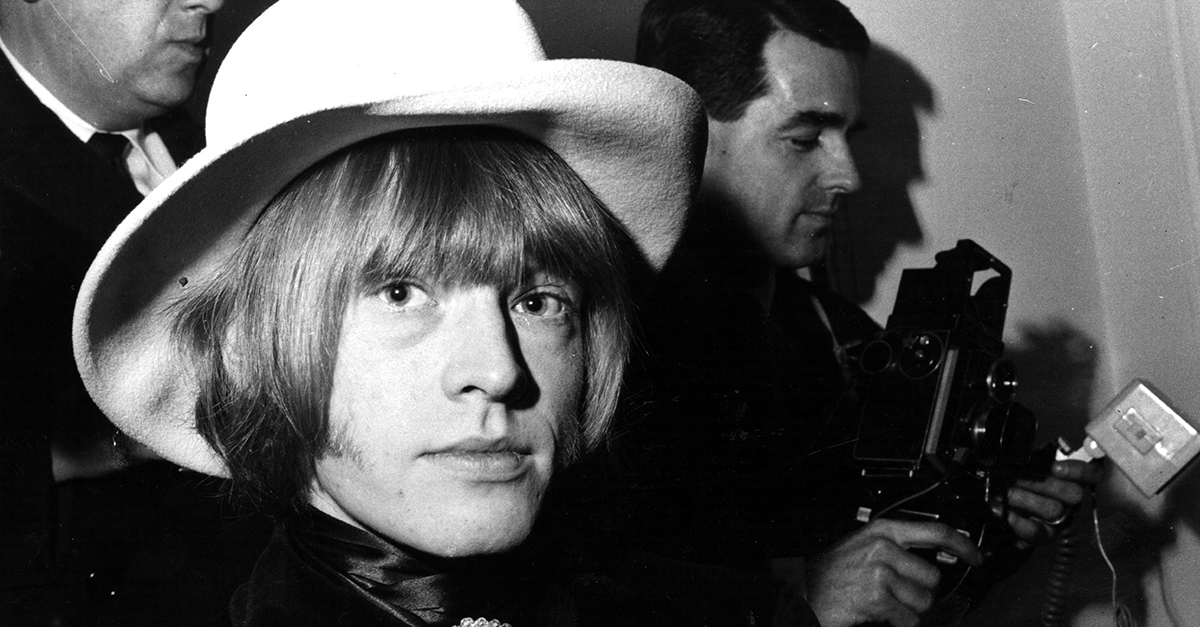
The Stone Who Got Away
Mick Taylor is as famous for his time in the Rolling Stones as he is for the infamous way he left the band. A virtuosic guitarist who injected the Stones with a musicality they hadn’t known before, Taylor’s time with the biggest band on Earth was marked with feuds, addictions, and breakdowns—until he couldn’t take it anymore.
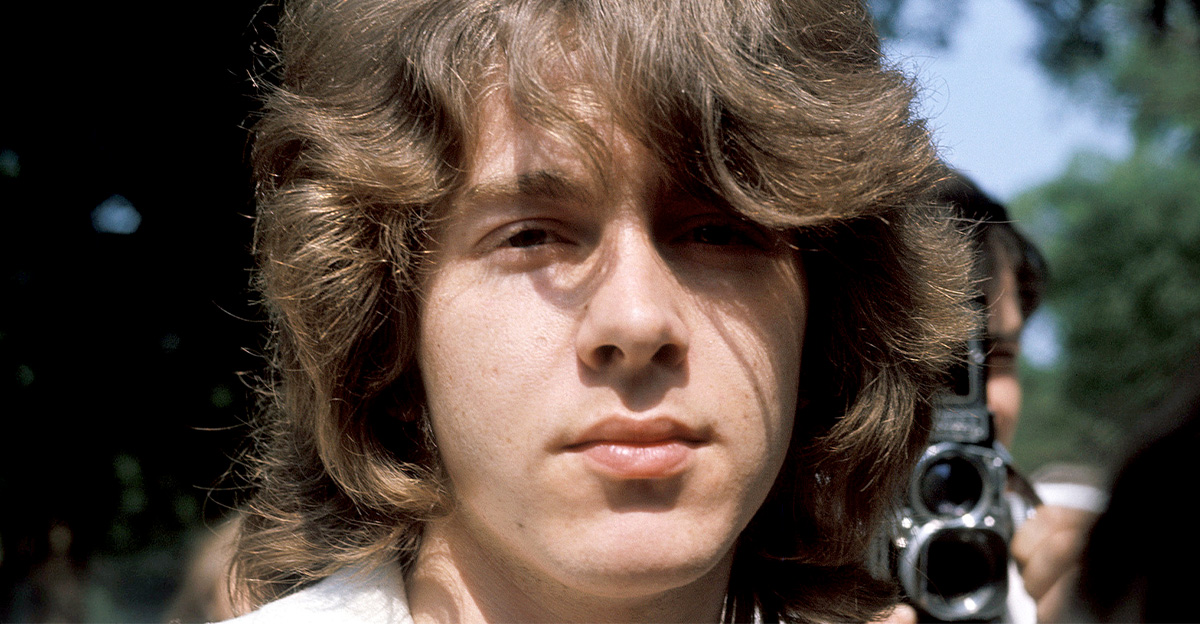
1. He Was A Child Prodigy
Born into a working-class family in England at the end of the 1940s, Mick Taylor began playing guitar at the tender age of nine, and by the time he was a teenager he was dipping in and out of bands, making television appearances, and putting out singles.
It was clear Taylor was headed for bigger things than his working-class background, but no one could have predicted just how fast his destiny would descend.
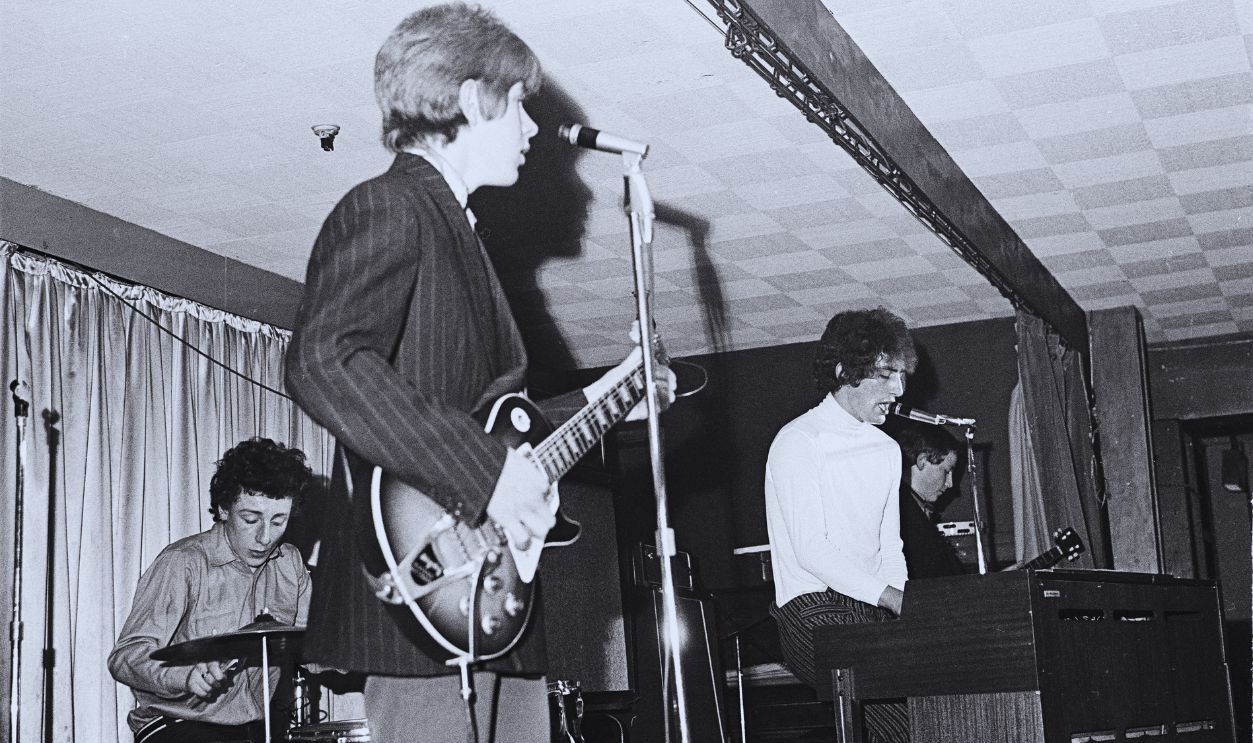
2. He Went To A Fateful Show
While still firmly in his teenage years, Taylor went to see the blues rock band John Mayall’s Bluesbreakers. At the time, a young Eric Clapton was a member, and Taylor—who idolized blues music—must have been excited to see the band together. He got something quite different than he expected. Clapton, already on the rise, didn’t even show up that night.
Instead, something magical happened.
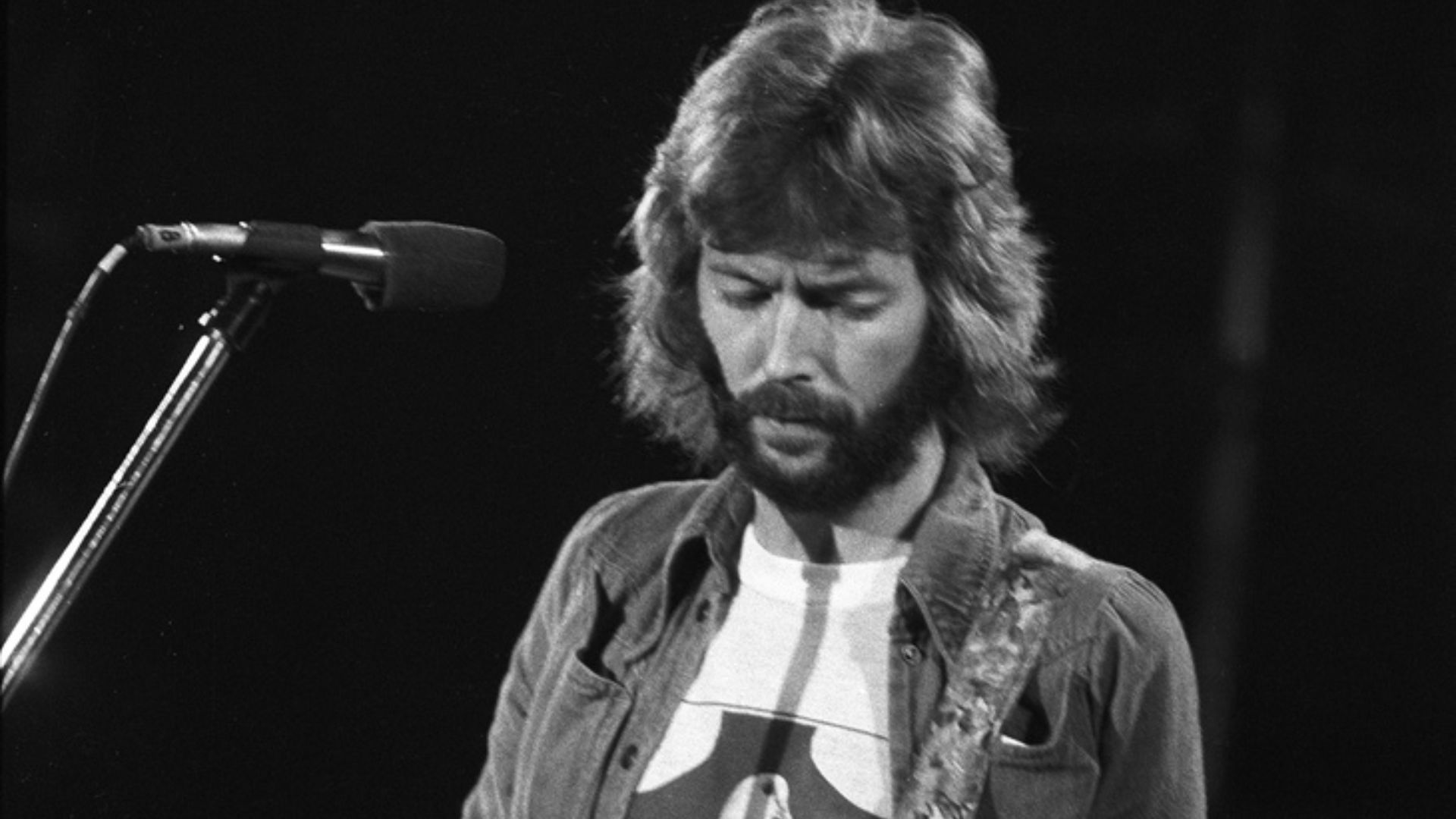 Matt Gibbons, Wikimedia Commons
3. He Replaced Eric Clapton
Taylor gathered his courage, then went up to the band and told them that—seeing as he knew their songs by heart—he could fill in for Clapton. Incredibly, the band took the kid up on his offer. Even more incredibly, Taylor wowed the crowd. As frontman John Mayall recalled, “Not only did he know the songs, but he played ‘em like WE did, instead of just like the originals”. Still, Taylor’s moment in the spotlight didn’t last long.
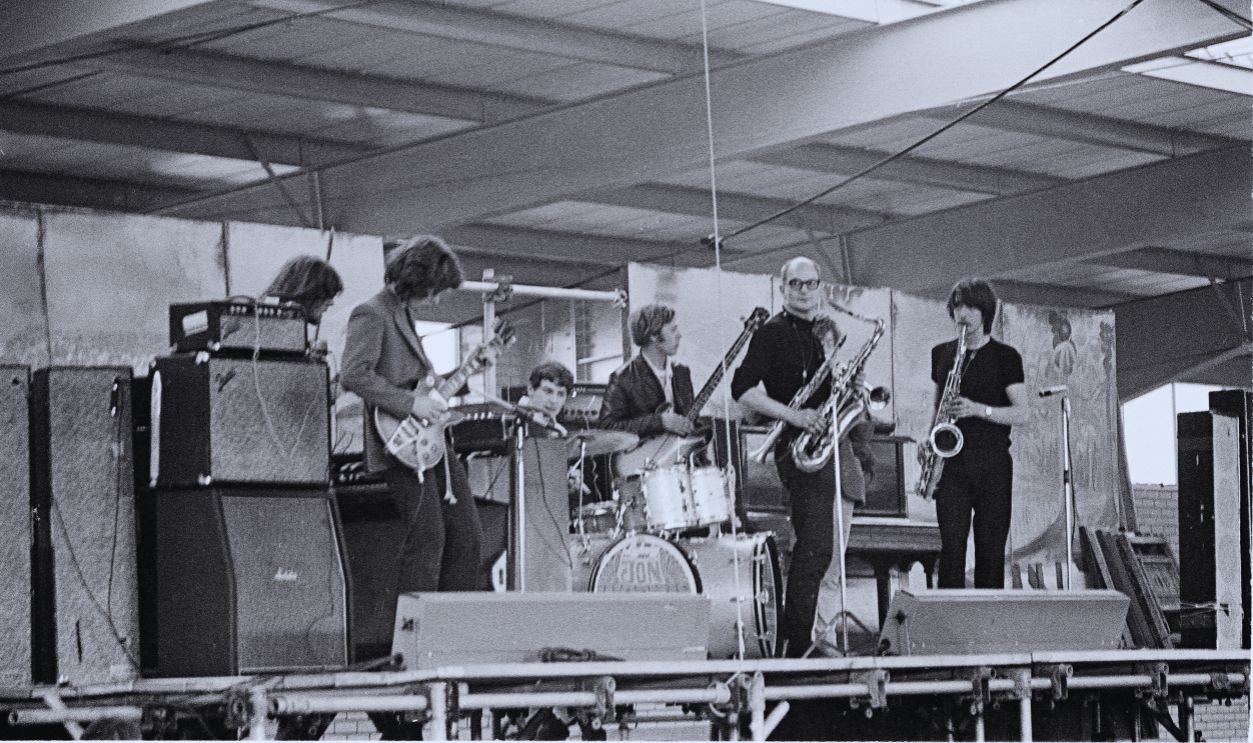
4. He Disappeared
Even at the time, Taylor had something of a reputation for being reserved and even shy off stage, despite his massive and already apparent guitar skills. So at the end of the set, Taylor walked right off stage, joined his friends, and all but fled the venue, preventing Mayall or the rest of the band from speaking with him. But it wouldn’t be their last meeting.
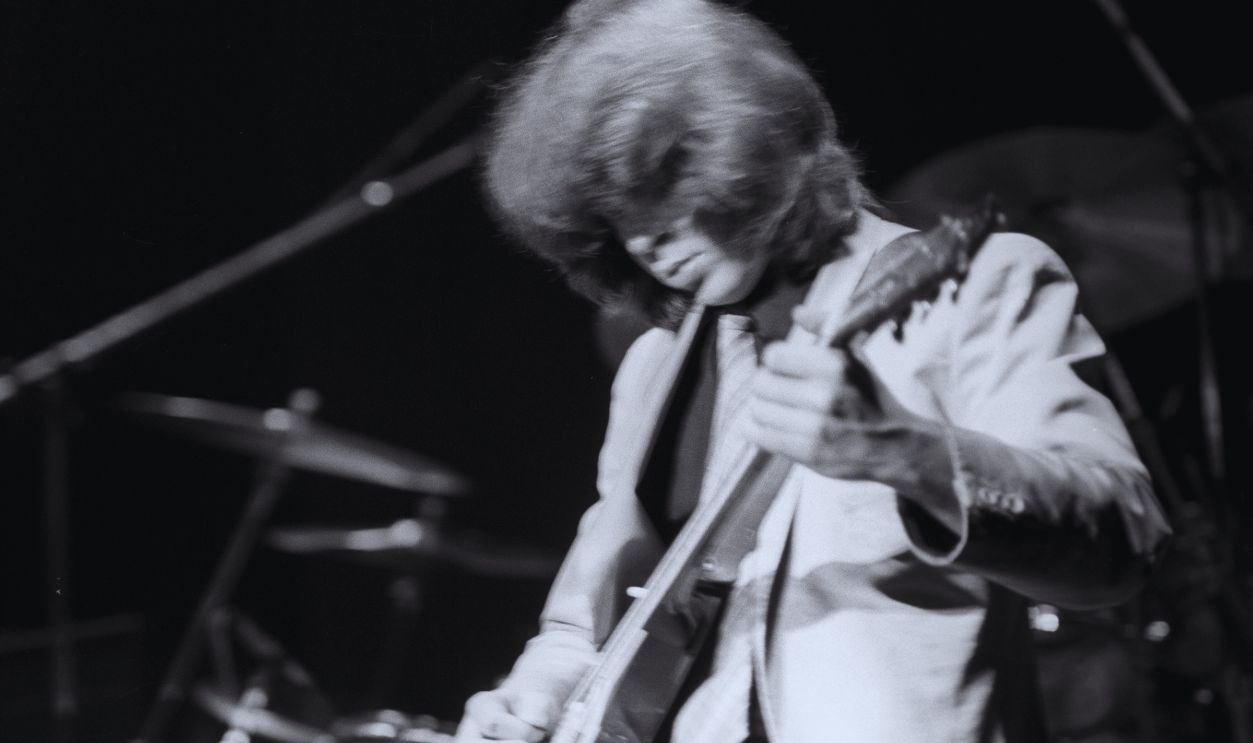
5. He Nailed His Audition
The next year, destiny came knocking for Mick Taylor. One of the Bluesbreakers left the band, and John Mayall suddenly needed a new guitarist, not to mention that Clapton had already left by then, too. When Mayall put an ad in Melody Maker, Taylor eagerly answered it, and Mayall, remembering the young virtuoso’s ad hoc performance, hired him.
Not for the last time, Taylor found himself the guitarist in an already successful band. But it was about to be an uphill climb.
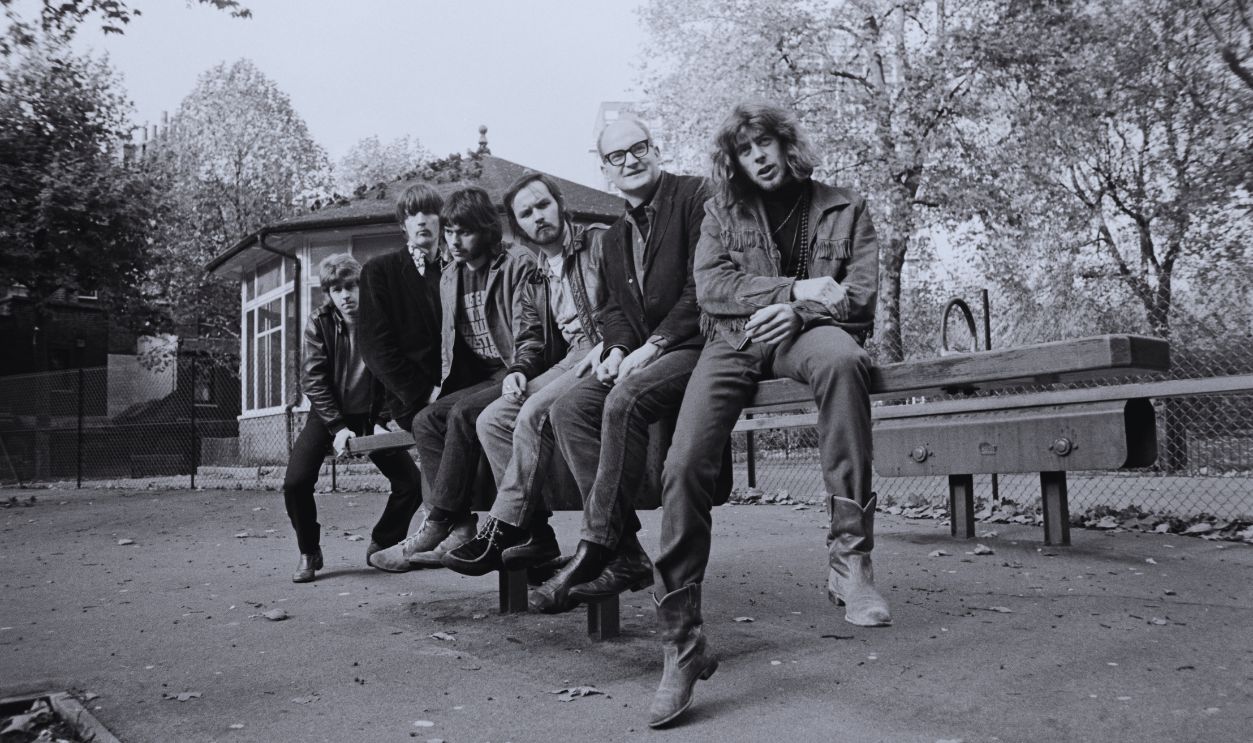
6. He Proved His Worth
When Taylor joined up with the Bluesbreakers, audiences were more excited to see how a 17-year-old could stack up next to a burgeoning great like Clapton than they were to see him simply play. But Taylor more than held his own, and in his first month with the band he had already helped cut their album, Crusade, in just seven hours. It opened up a whole new world.
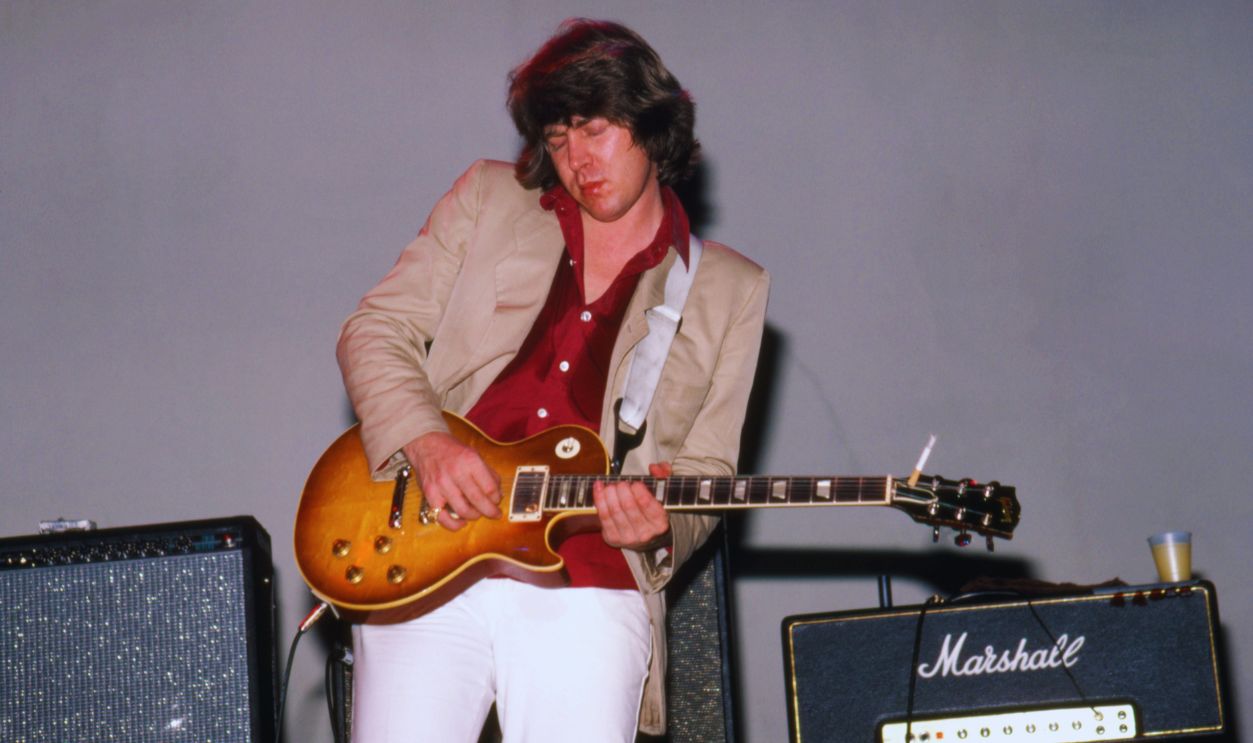
7. He Made It
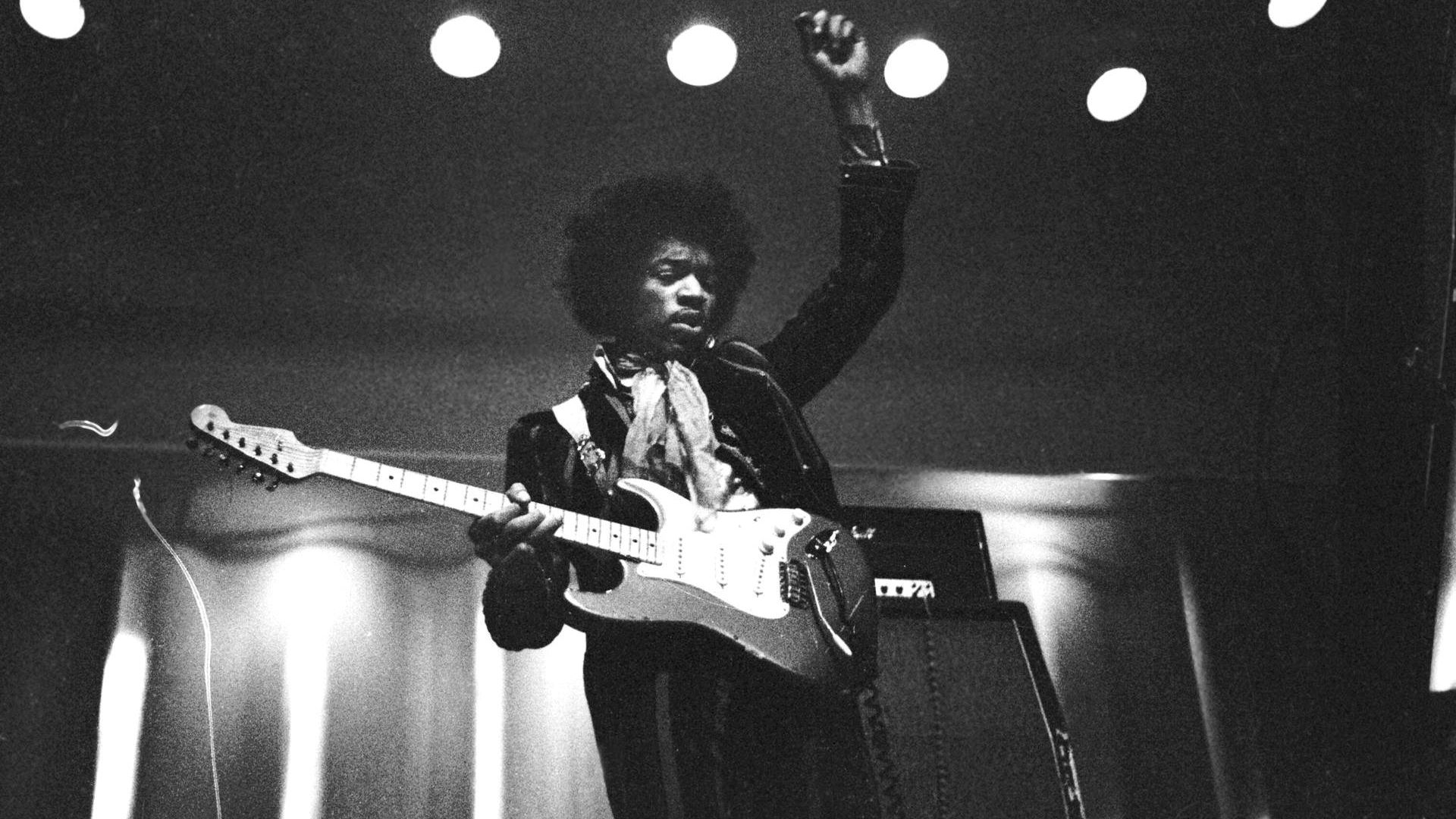
Taylor now entered into the rock lifestyle in earnest. He toured extensively with the Bluesbreakers, which included partying with the likes of Jimi Hendrix, and also had enough money to buy his first Fender Stratocaster.
In other words, he looked like the picture of success—and if this were another guitarist’s story, maybe this would be the peak. But Taylor was even better than that.
 Hannu Lindroos / Lehtikuva, Wikimedia Commons
8. He Got Antsy
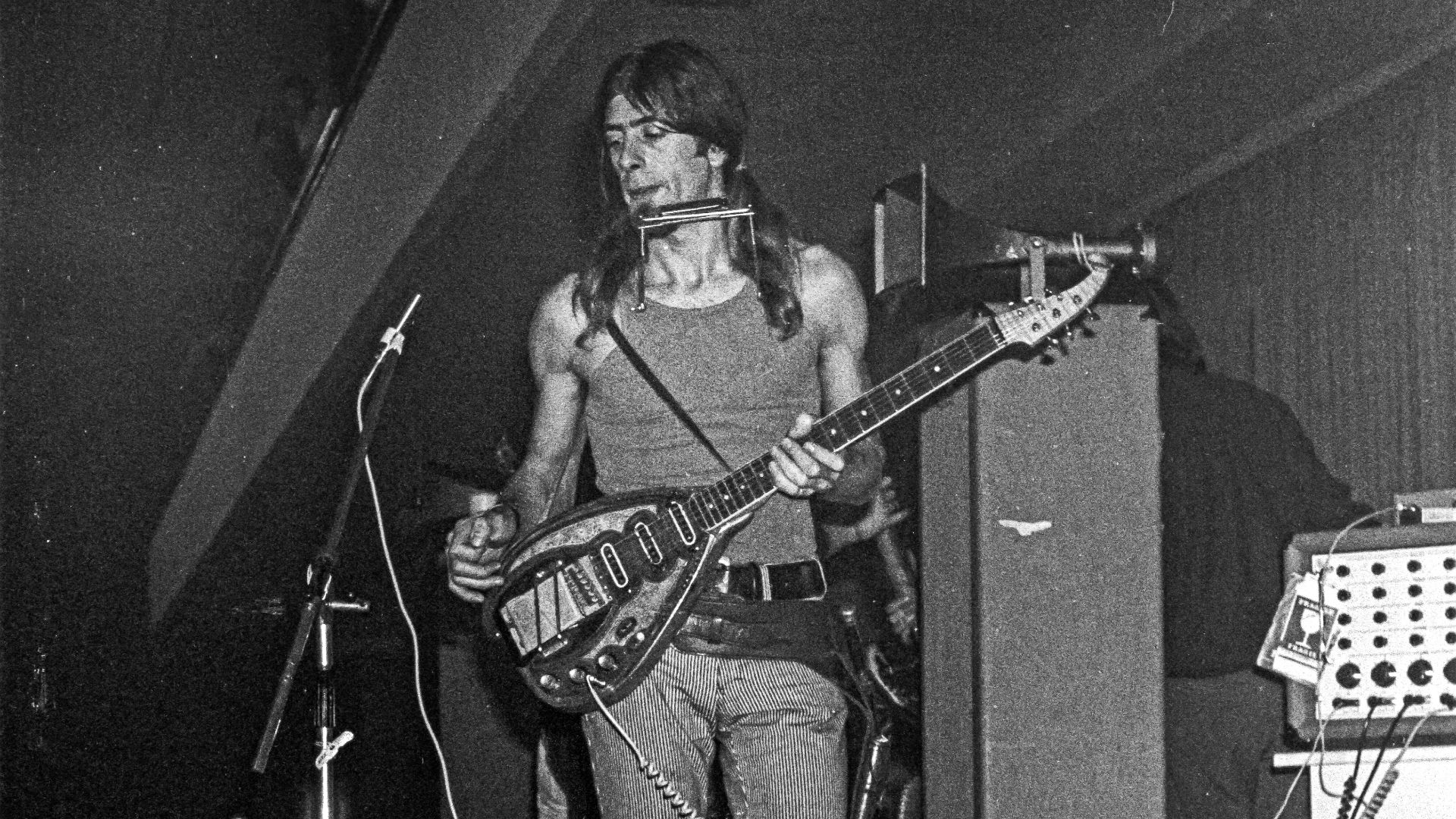
The Bluesbreakers were something of a revolving door for musicians, and just after his second album with the band, 1968’s Blues from Laurel Canyon, Taylor became their longest-lasting guitarist. Still, he knew it was time for a change, particularly since John Mayall was now threatening to make the band drummerless, a move Taylor didn’t like.
According to some sources, though, the real reason for any tension went beyond experimenting.
 Herbert Weber, Hildesheim, Wikimedia Commons

History's most fascinating stories and darkest secrets, delivered to your inbox daily.
9. His Mentor Turned Into A Rival
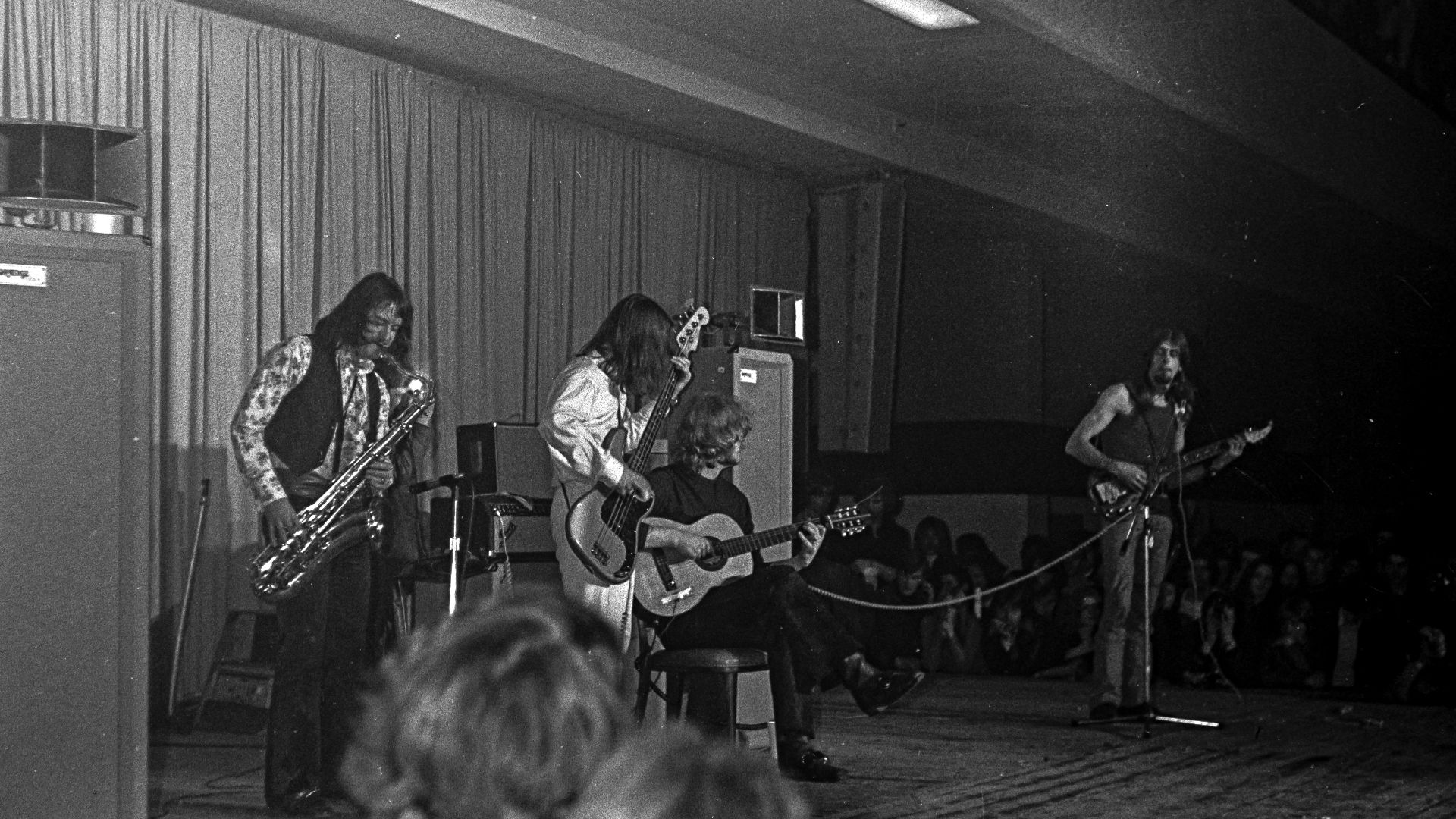
For music historian Philip Norman, Taylor’s desire to leave the Bluesbreakers was more personal than professional, as bandleader John Mayall had begun to view him less as a pupil and more as a rival—and treat him accordingly. As Norman wrote in Symphony for the Devil, “Mick Taylor realized he had become too good for Mayall’s peace of mind, and that he had better find employment elsewhere”.
He certainly landed a good replacement gig.
 Herbert Weber, Hildesheim, Wikimedia Commons
10. An Opportunity Was Coming His Way
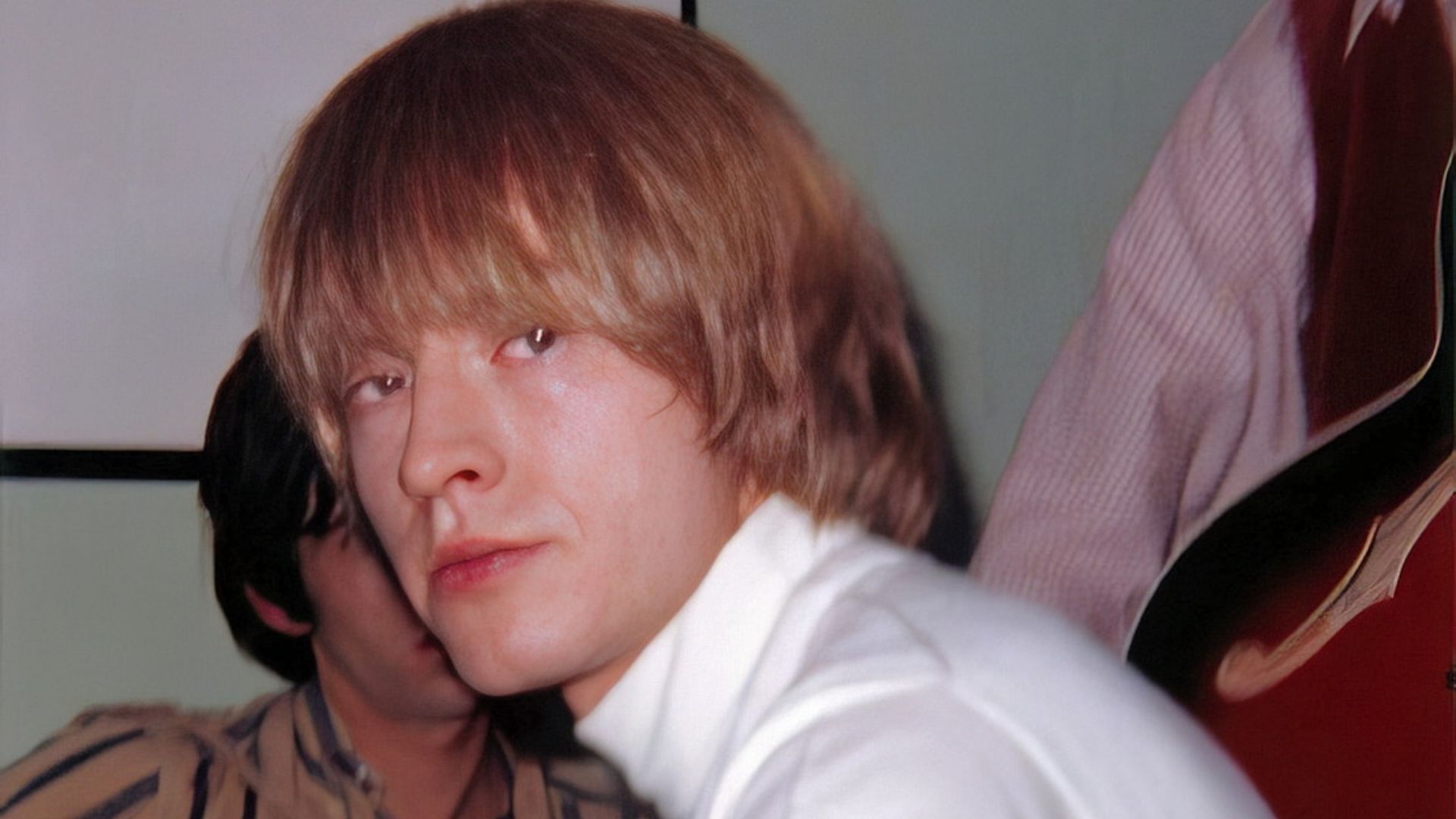
In 1969, after Beggars Banquet, the Rolling Stones were one of the biggest bands in the world—and yet they were in dangerous waters. Their founding member Brian Jones was struggling under the weight of addiction, and now wasn’t able to contribute regularly to their music or even go on tour. Yet this was about to be the biggest break of Mick Taylor’s life.
 Steve Denenberg, Wikimedia Commons
11. He Got A Referral
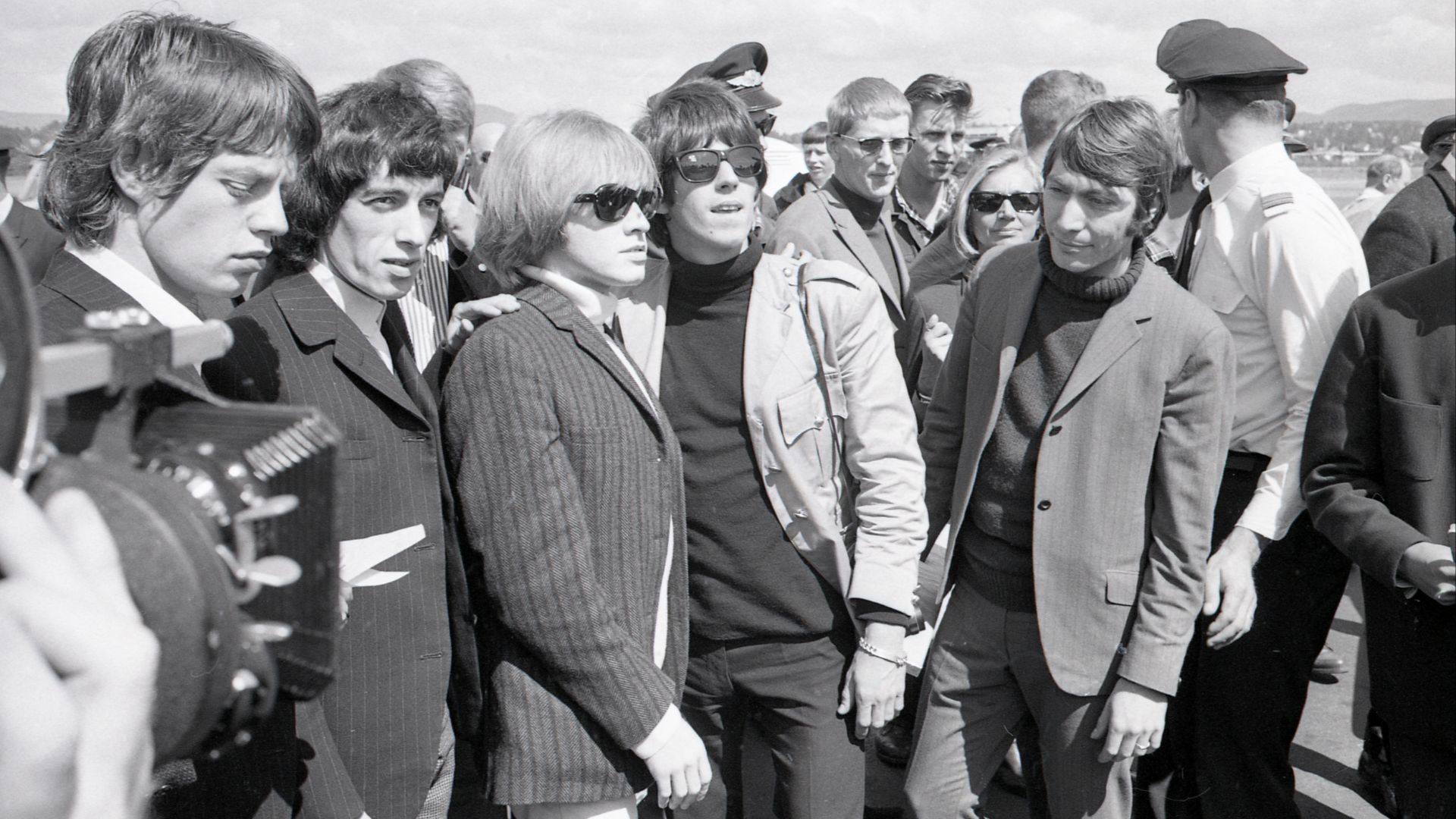
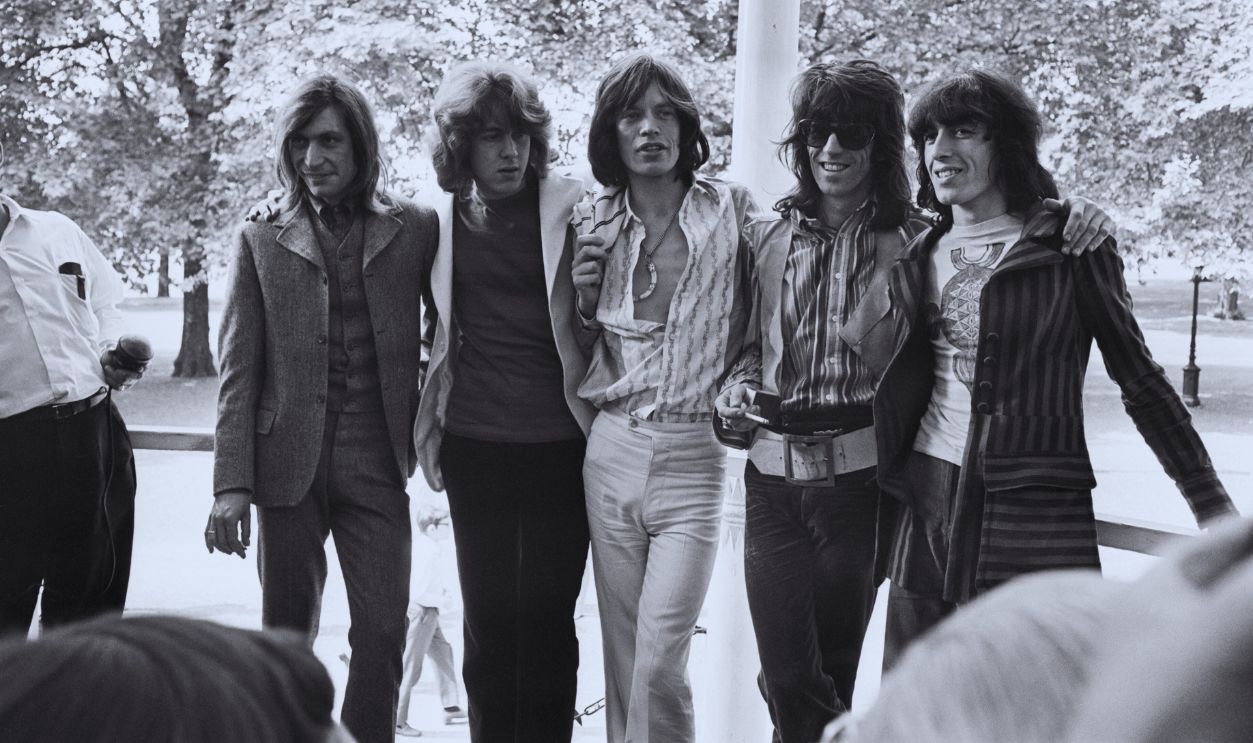
In June of 1969, Brian Jones officially left the Rolling Stones, and Mick Jagger, Keith Richards, Bill Wyman, and Charlie Watts began looking around for a new, reliable guitarist. In this, Taylor got a leg up from a friend: His bandmate Mayall—perhaps to get Taylor out of his own orbit—recommended him to Mick Jagger, and the band soon decided Taylor was in.
Only, it wasn’t just Taylor’s guitar prowess that got him there.
12. He Had The Look
Rock n’ roll or not, the Stones were extremely image conscious. In fact, their manager had already fired founding member Ian Stewart from the stage for being less teen-friendly, more square-jawed and stocky. Not coincidentally, Taylor suffered from no such issues: Now barely in his 20s, he had an angelic face and blonde good looks.
Unfortunately, the Stones had even more ulterior reasons for hiring him.
13. They Wanted To Control Him
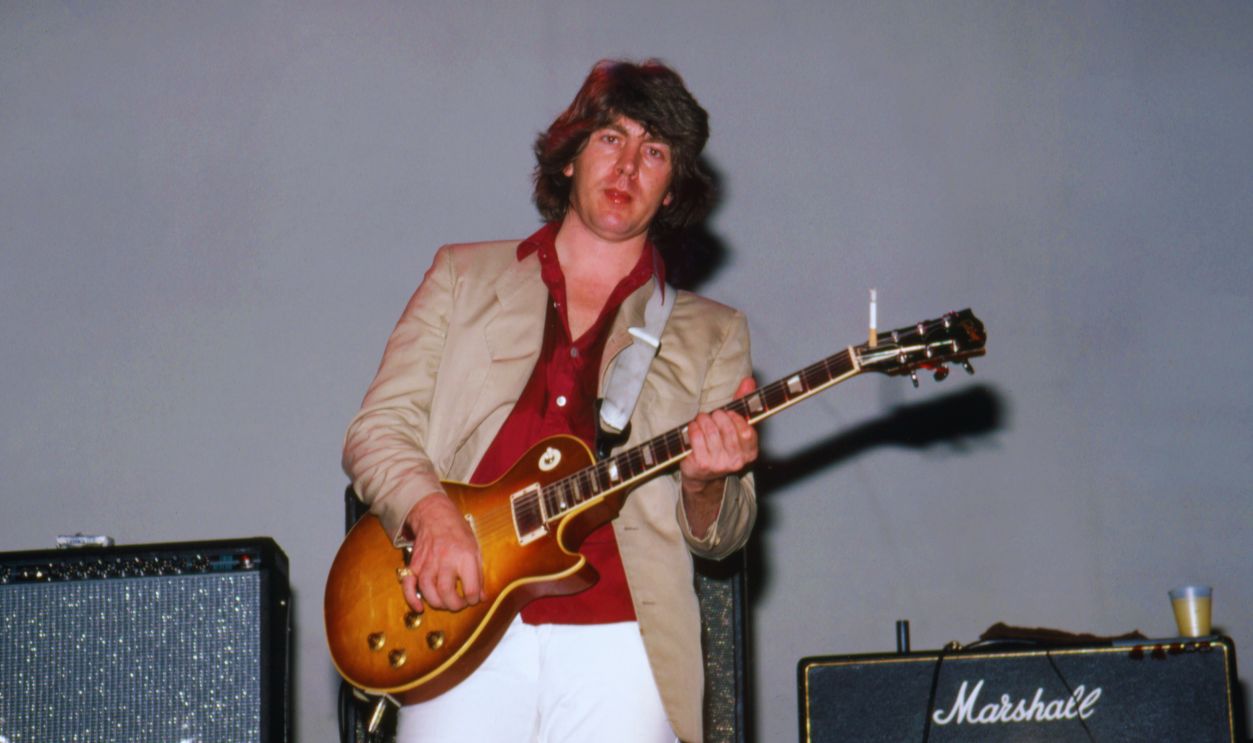
The Stones were so big at the time, many wondered why they didn’t just call up Eric Clapton or Jeff Beck and ask them to fill the vacancy. The answer doesn’t make them look good. The older members of the Stones didn’t want someone who knew their full worth and had an ego to match; they wanted someone who could blend in and, more importantly, whom they could control. It just didn’t work out for them.
14. He Thought They Were Bad
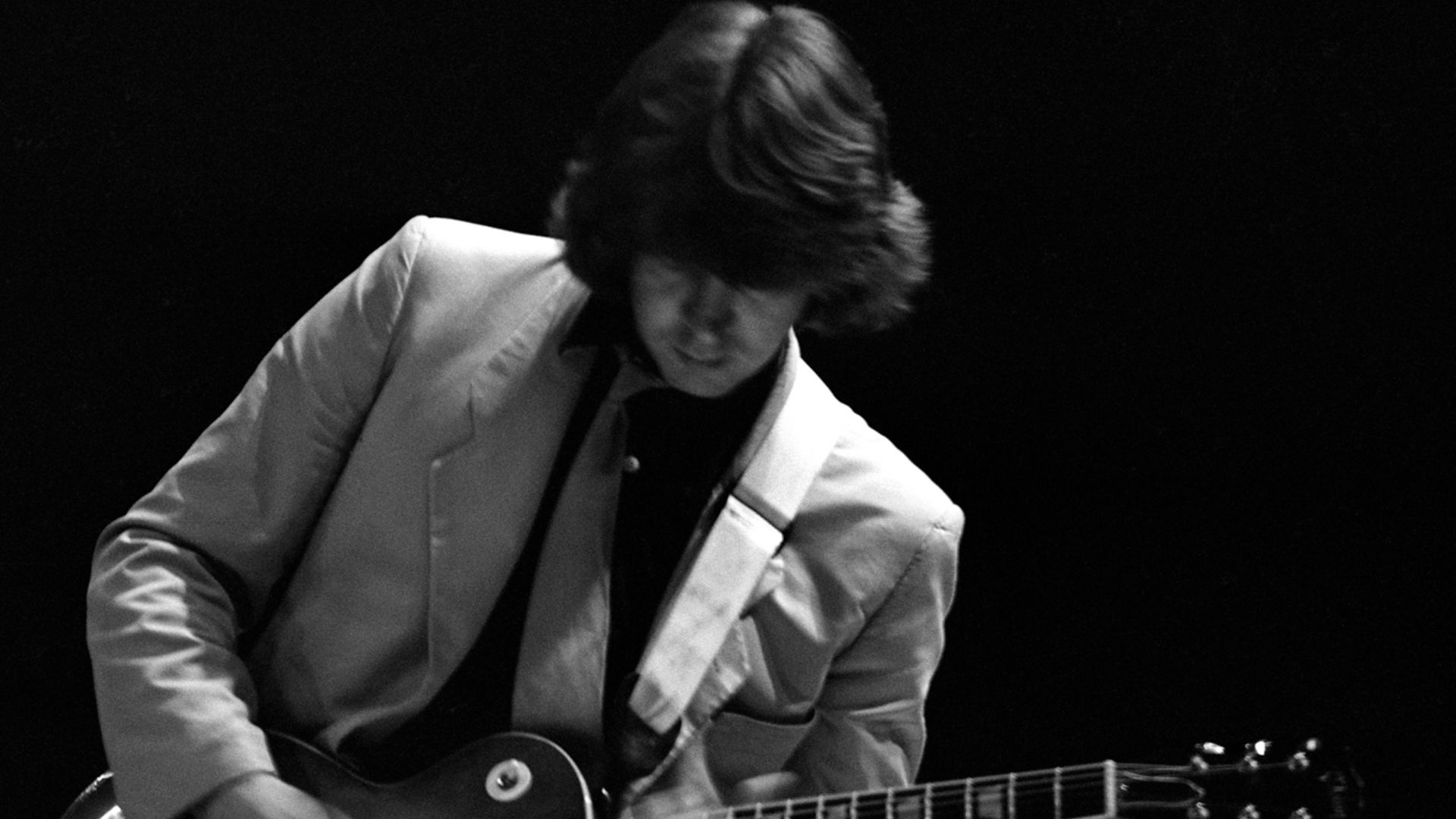
If the Stones thought they were getting a compliant guitarist in the quiet Mick Taylor, they were very wrong. His first reaction to the band was vicious: After hearing them play during a rehearsal, he later recalled, “I just couldn’t believe how bad they sounded”. Not one to mince words and always one to appreciate musicality, he went on, “Their timing was awful. …I thought: ‘How is it possible that this band can make hit records?’”
Well, Taylor thought he knew how to help them.
 Gary Chvatal, Wikimedia Commons
15. He Worked Overtime
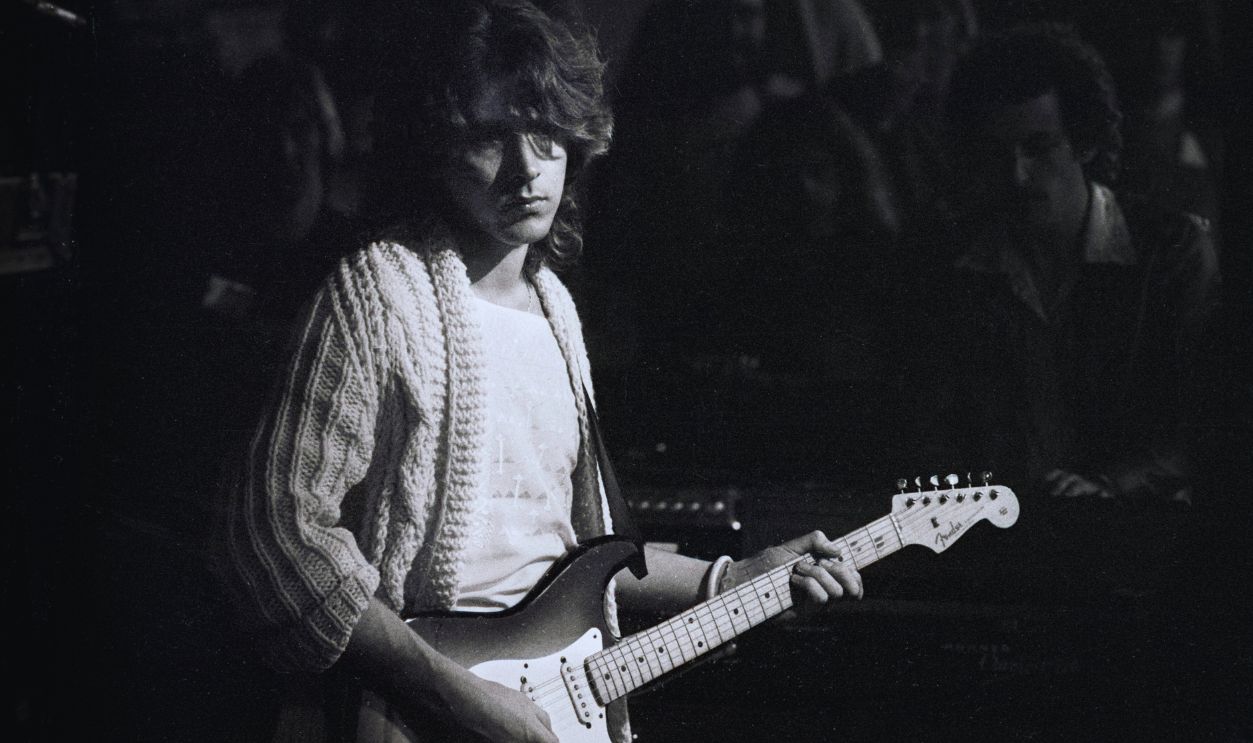
The Stones had put Taylor right to work overdubbing guitar on their upcoming album Let It Bleed, and he happily began giving the songs new life with his fluid musical style, hoping to fix in the studio what they would need to work on while on stage. After all, the band were also preparing to play a free show in Hyde Park on July 5, 1969—the show that would be Taylor’s big debut as a Rolling Stone.
Instead, the event was overshadowed by a horrible tragedy.
 Gijsbert Hanekroot, Getty Images
16. He Was Overshadowed
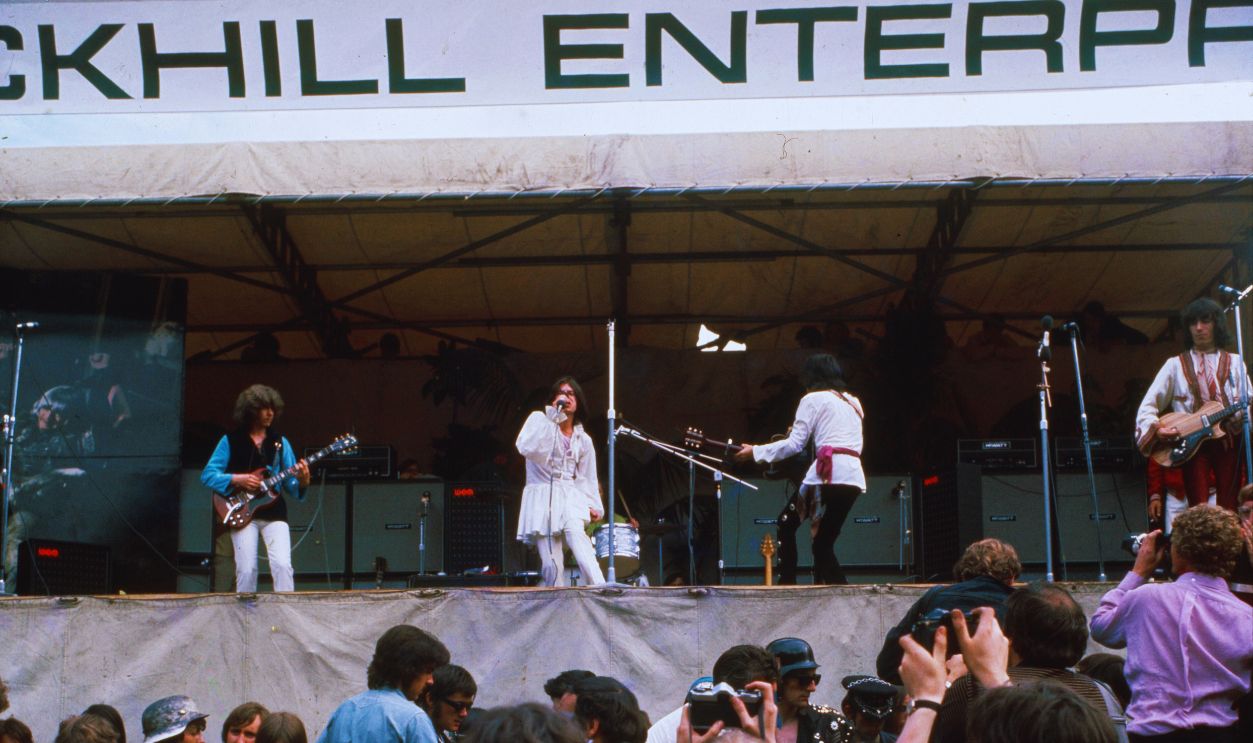
On July 3, 1969, Brian Jones was found dead in his pool at the age of 27, just a month after leaving the Rolling Stones and just days before the Hyde Park concert. His fate, which is mysterious to this day, shook the band deeply, and Taylor’s debut at Hyde Park turned into a tribute for their fallen former member.
It was not a good start, and it got rockier.
17. He Was Too Good-Looking
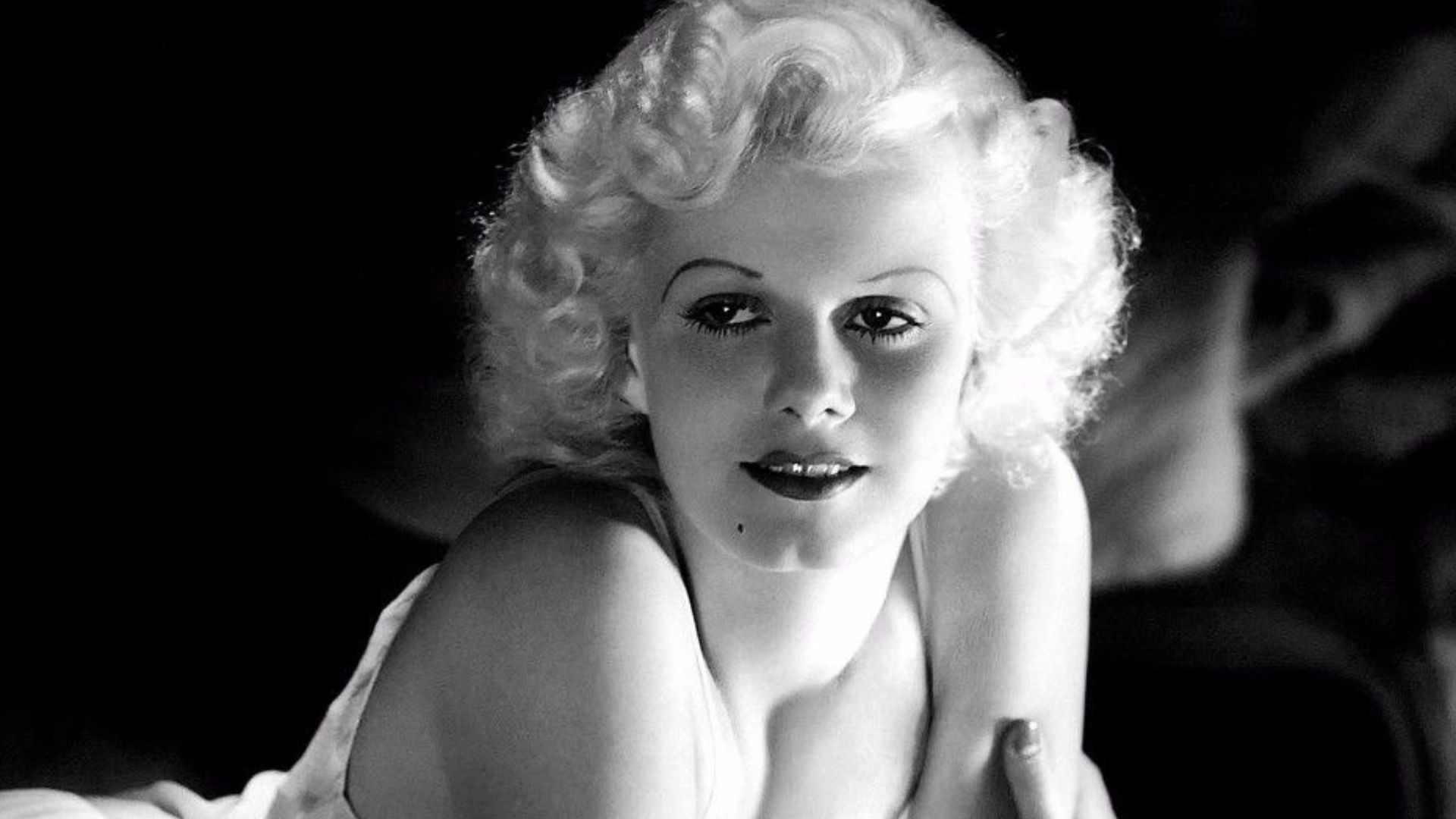
Standing alongside giants a half a decade or more older than him, Mick Taylor was desperate to be heard and respected. He was in for disappointment. Although Taylor’s boyish good looks likely helped him get the Stones job, they also made the press and some fans deeply suspicious of his bonafides; Truman Capote once sneered that he was "a little Jean Harlow blond-type, but dumb, and totally uninteresting”.
Taylor didn’t do himself any favors, either.
 Metro-Goldwyn-Mayer Studio, Wikimedia Commons
18. He Was Camera Shy
Although the newest Rolling Stone had “Byronic” good looks, whenever the cameras came around he went slack-jawed, likely from shyness. As bandmate Bill Wyman recalled, “Rather like Charlie [Watts] and me, Taylor was not an extrovert like Mick [Jagger] and Keith [Richards], and it showed”.
Even those who had the opportunity to get to know Taylor found him off-putting.
 Gijsbert Hanekroot, Getty Images
19. He Didn’t Make A Good Impression
Music manager Phil Kaufman had no very high opinion of Taylor when he first met him, and in addition to calling him “Mister Clean” and “very straight,” he claimed he “wouldn’t even cook vegetables in the same pot meat had been cooked in” and “didn’t even smoke”. These and other accounts led to the myth that Taylor was a vegetarian and didn’t partake in tobacco.
But Taylor’s innocent face could hide a multitude of sins.
 Koh Hasebe/Shinko Music, Getty Images
20. His Friends Spread Rumors
Taylor may have looked like an angel, but he was more than ready to participate in the debauched life most of the Stones were leading at the time. When Taylor had surgery for acute sinusitis a few years after joining the band, one acquaintance even claimed the nasal issues were because of his “ever-increasing” substance use, a claim Taylor would deny.
Even so, the Swinging 60s were about to catch up to everyone.
21. He Played An Infamous Show
At the end of 1969, Taylor was just settling into his new band when the Stones signed up to play at the Altamont Speedway Free Festival in California, a bash with 300,000 people in attendance that was set to be the West Coast’s answer to New York’s recent and already legendary Woodstock festival.
It was also another chance for Taylor to show a crowd what he could really do, especially after the Hyde Park free show became a Brian Jones memorial. Except it turned into a worse disaster.
22. He Was In A Dangerous Position
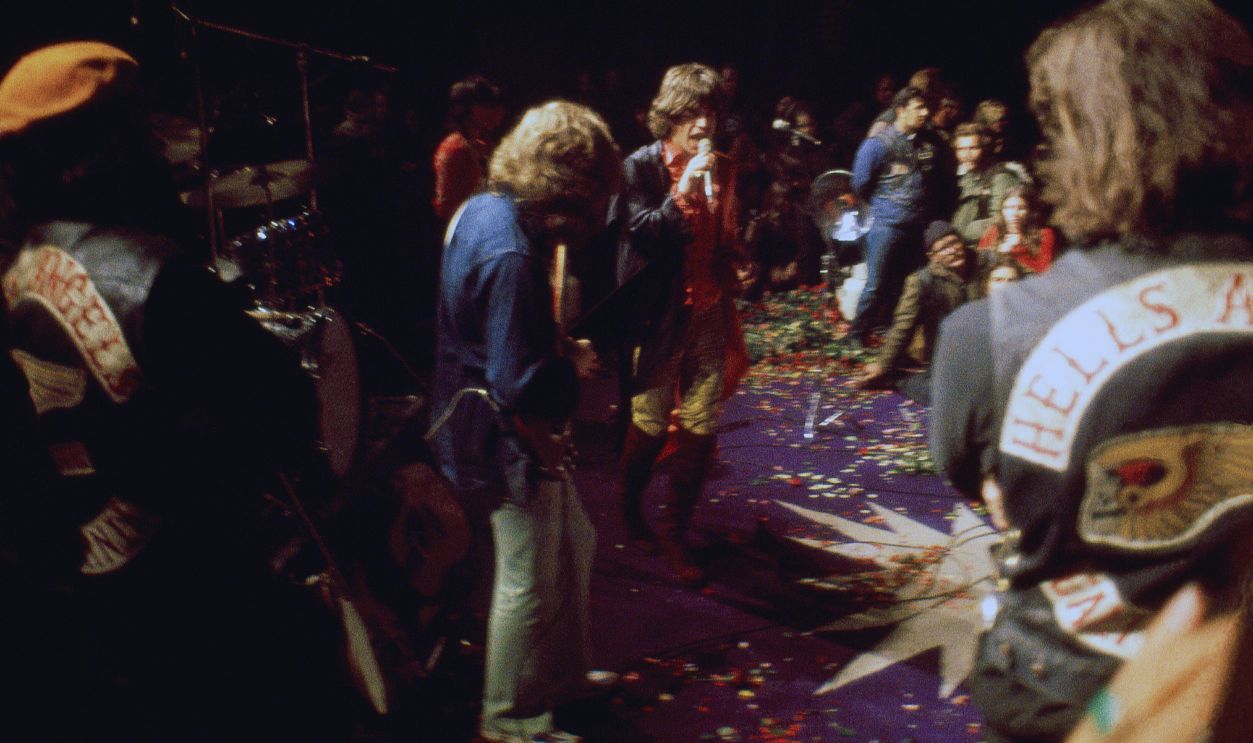
When Taylor and the Stones took the stage at Altamont that day, the crowd was already unruly and near to bursting, undeterred by the Hells Angels who were running security. Nonetheless, the Stones kept on playing, and kept doing so even after 18-year-old audience member Meredith Hunter tried to clamber on stage with a horde of other fans while the Angels tried to shove them back.
They would soon wished they’d stopped right then and there.
23. He Watched A Fan Die
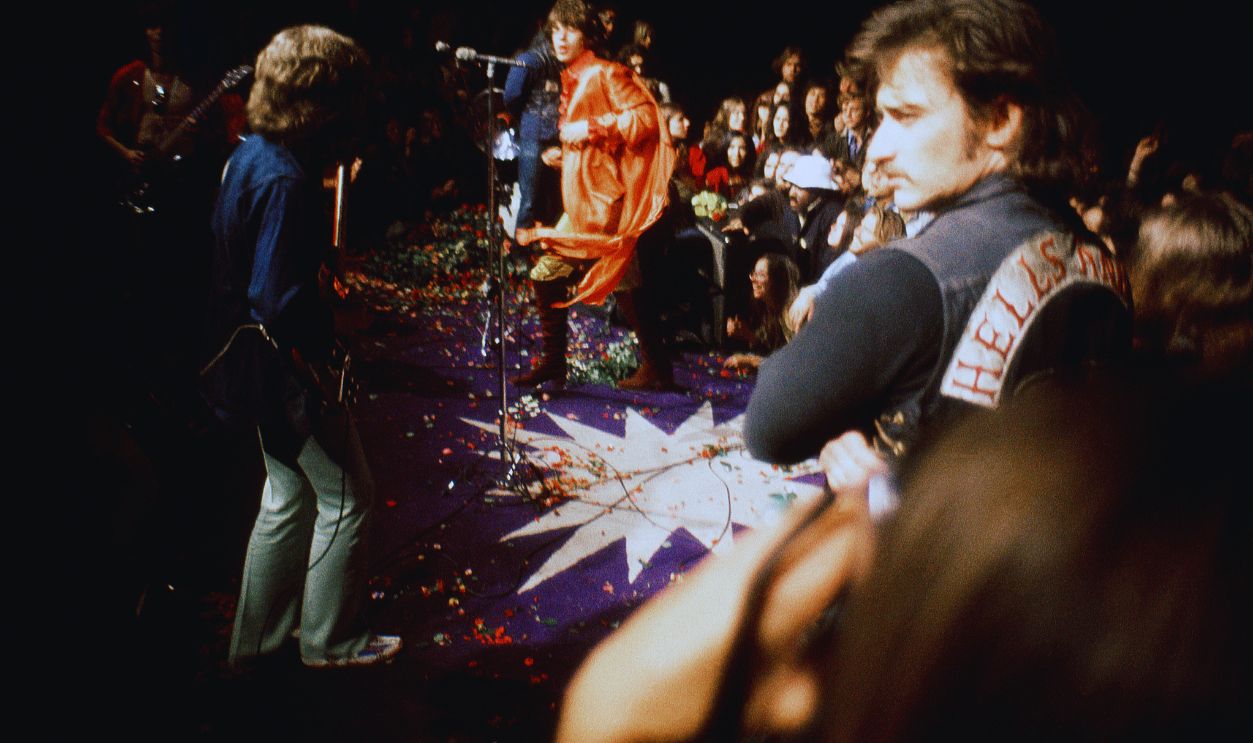
After another scuffle between Meredith Hunter and an Angel, Hunter pulled a piece from his jacket—and the Angel responded by stabbing Hunter in the head, slaying him almost instantly. The Stones reacted with horror. Although none of them could fully understand what was happening, footage from the day shows Jagger calling out mid-song and saying, "We've really got someone hurt here...is there a doctor?"
The Stones’ nightmare wasn’t over.
24. He Was Part Of A Notorious Decision
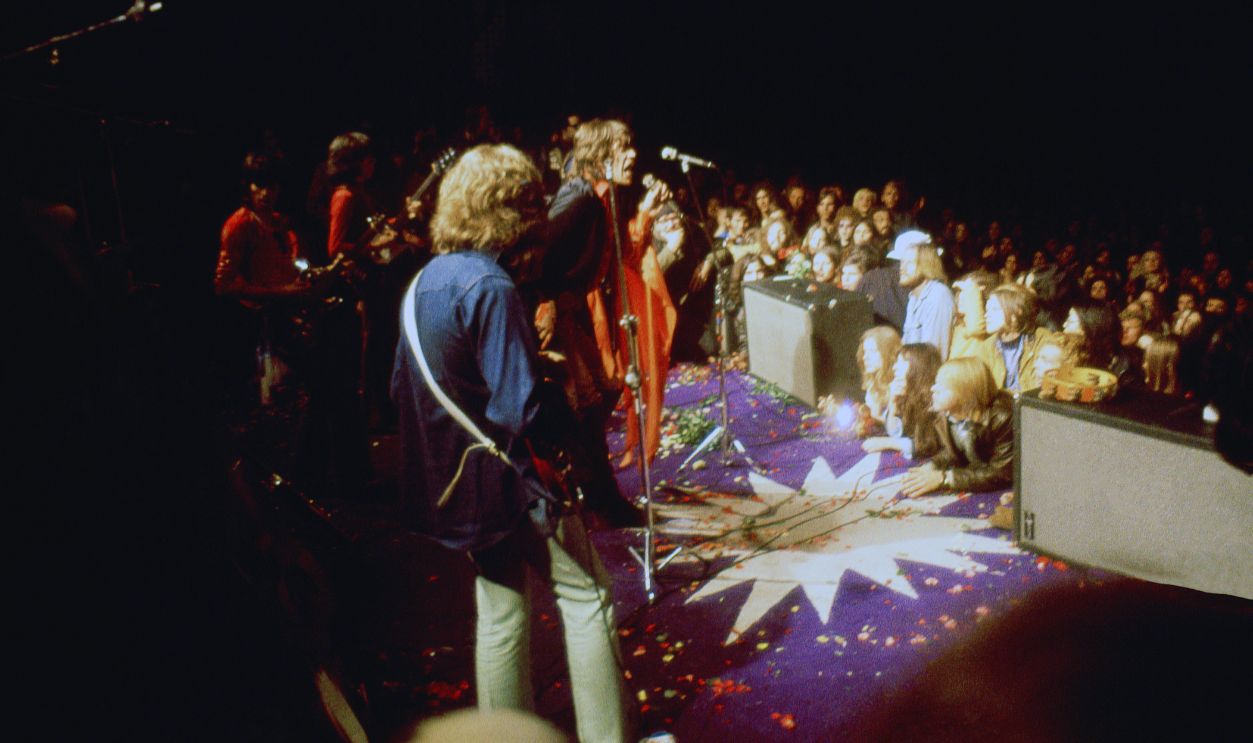
No medic could do anything for Meredith Hunter now, but the Rolling Stones’ next decision was controversial all the same: They continued to play through their set list, actually debuting “Brown Sugar,” which they had recorded just days earlier, to a live audience, and going on to play other hits like “Gimme Shelter” and “(I Can’t Get No) Satisfaction”.
Jagger would ultimately defend the choice, saying they believed ending the concert then would have only triggered more violence. But no amount of music could hide the truth.
25. He Wanted To Keep Going
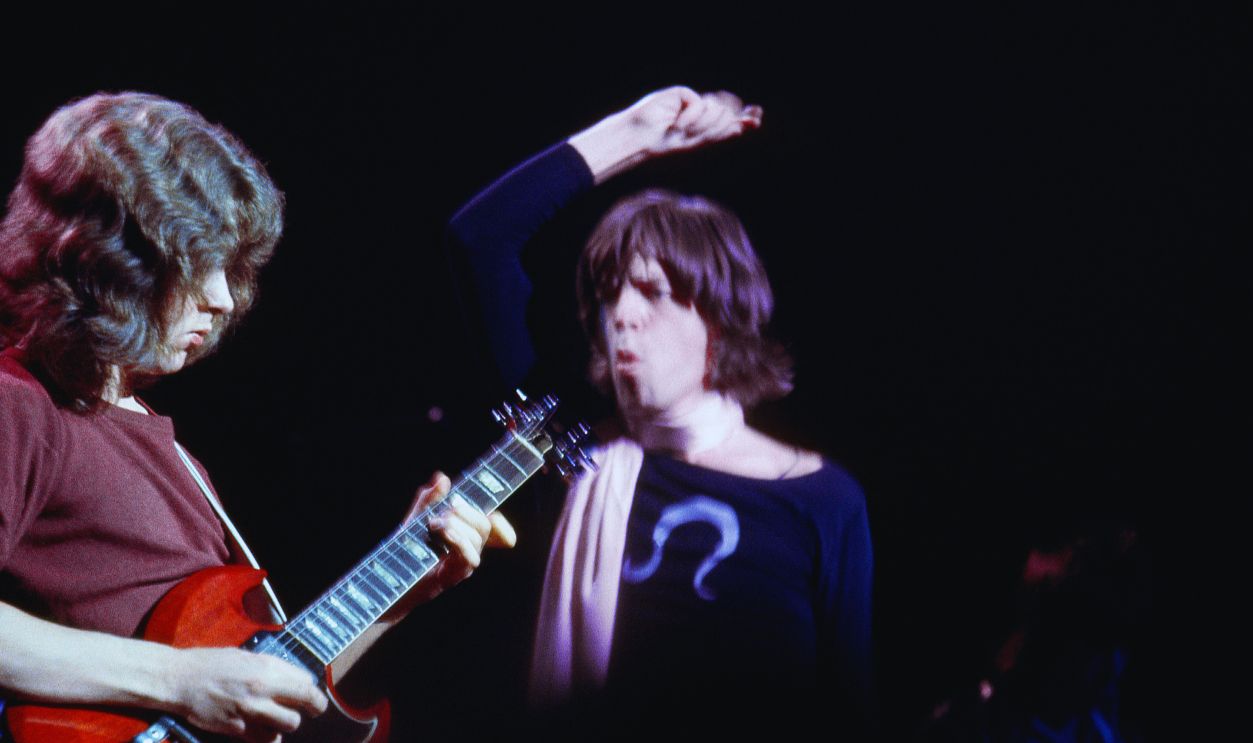
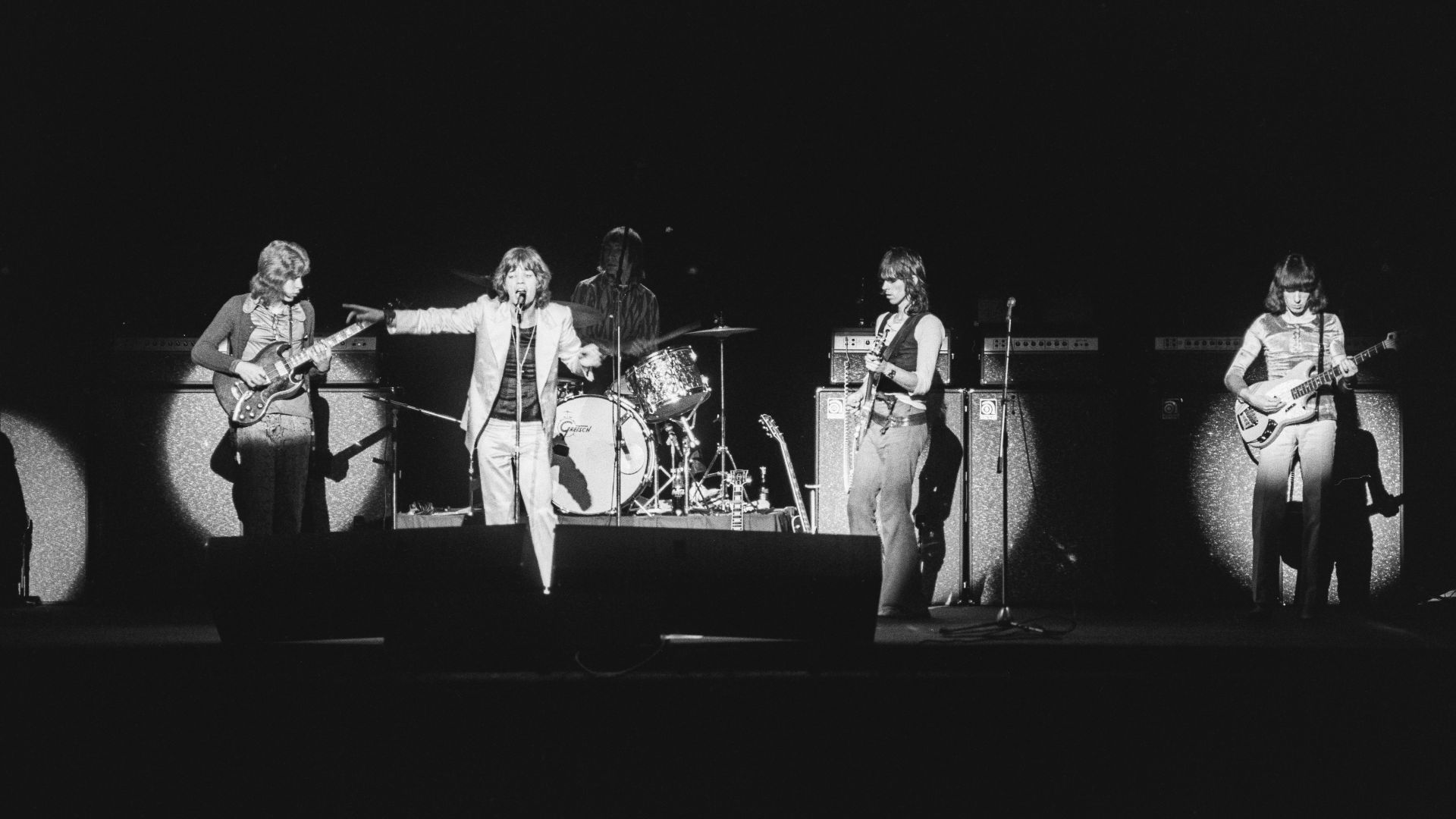
Altamont is widely seen as the end to the freedom and naivety of the 1960s, and Mick Taylor and the Rolling Stones were right in the middle of its downfall. When the calendar turned to 1970, Taylor had barely been in the band for half a year, and yet had already seen a lifetime of pain. Still, for him, the only way forward was to make and play more music—but not everyone in the band saw it that way.
 Kari Pulkkinen, Wikimedia Commons
26. He Was Antsy
With a band like the Bluesbreakers, Taylor had gotten used to touring constantly and (metaphorically) singing for his supper. When he joined the Stones, it’s likely he thought it would be more—much more—of the same. He got a rude awakening: The Stones were as much a lifestyle as a band, and didn’t spend all their time on the road.
As Jagger put it around this time, “I think Mick Taylor wants to play on stage with somebody. I think he’s a bit frustrated. We’re not touring all the time. I don’t want to tour all the time. I don’t know what he wants to do”. As it happened, though, even the lifestyle was killing Taylor.
27. He Made A Massive Sum
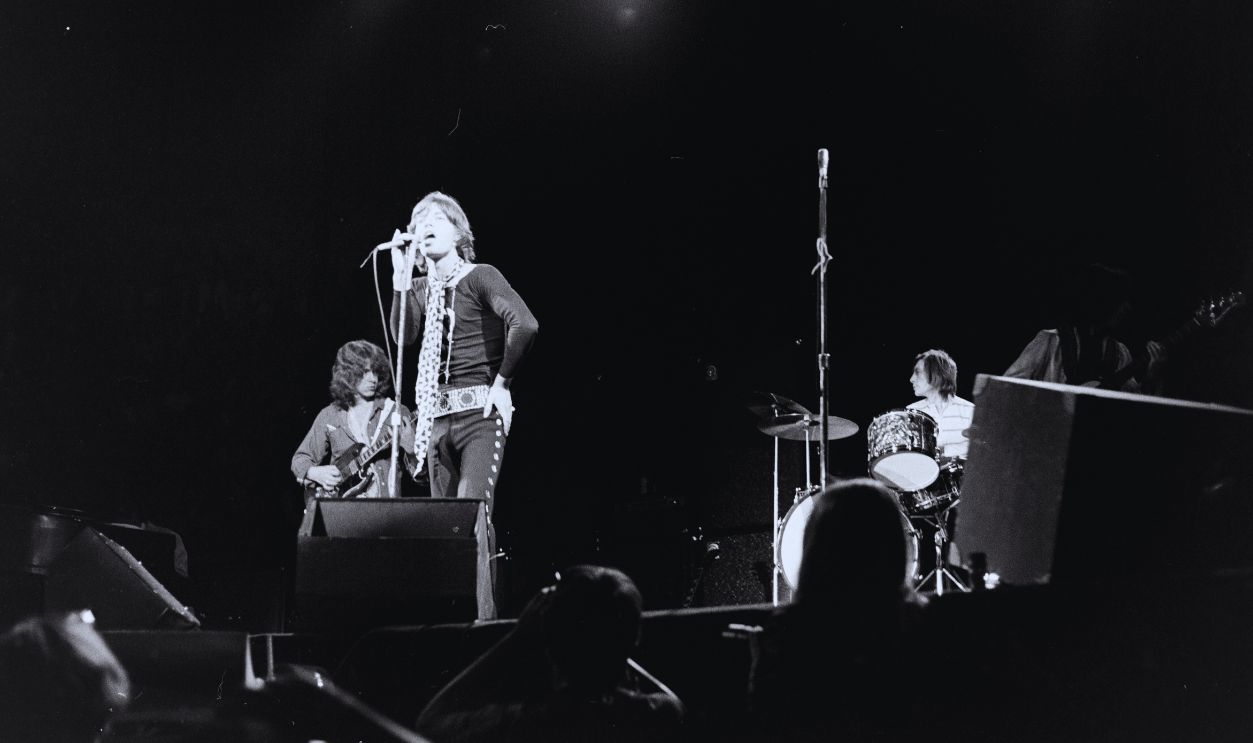
When Taylor started with the Stones, he earned 150 pounds a week before becoming a fully paid member and getting one fifth of their earnings—minus any songwriting royalties, which went to Jagger and Richards. In many ways, it was a young man’s dream, and he rocketed up to something far beyond his working-class roots. But it was also a double-edged sword.
 Michael Ochs Archives, Getty Images
28. The Government Was After Him
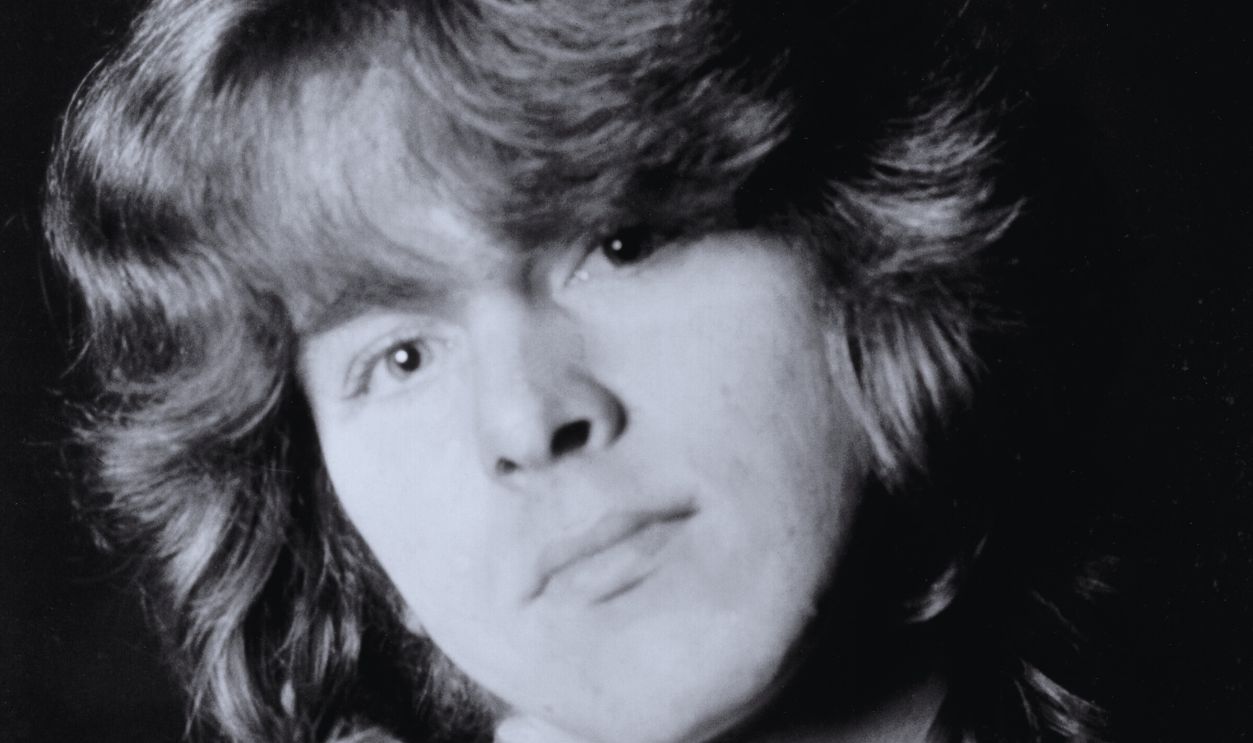
After just a year and a half with the Rolling Stones, Taylor made a stomach-turning discovery. He owed Inland Revenue, the British version of the IRS, an incredible 22,000 pounds. It was a vast sum, and it was also money he likely didn’t have anymore thanks to the Stones’ decadent partying. For the band, there was only one option left.
 Koh Hasebe/Shinko Music, Getty Images
29. He Exiled Himself
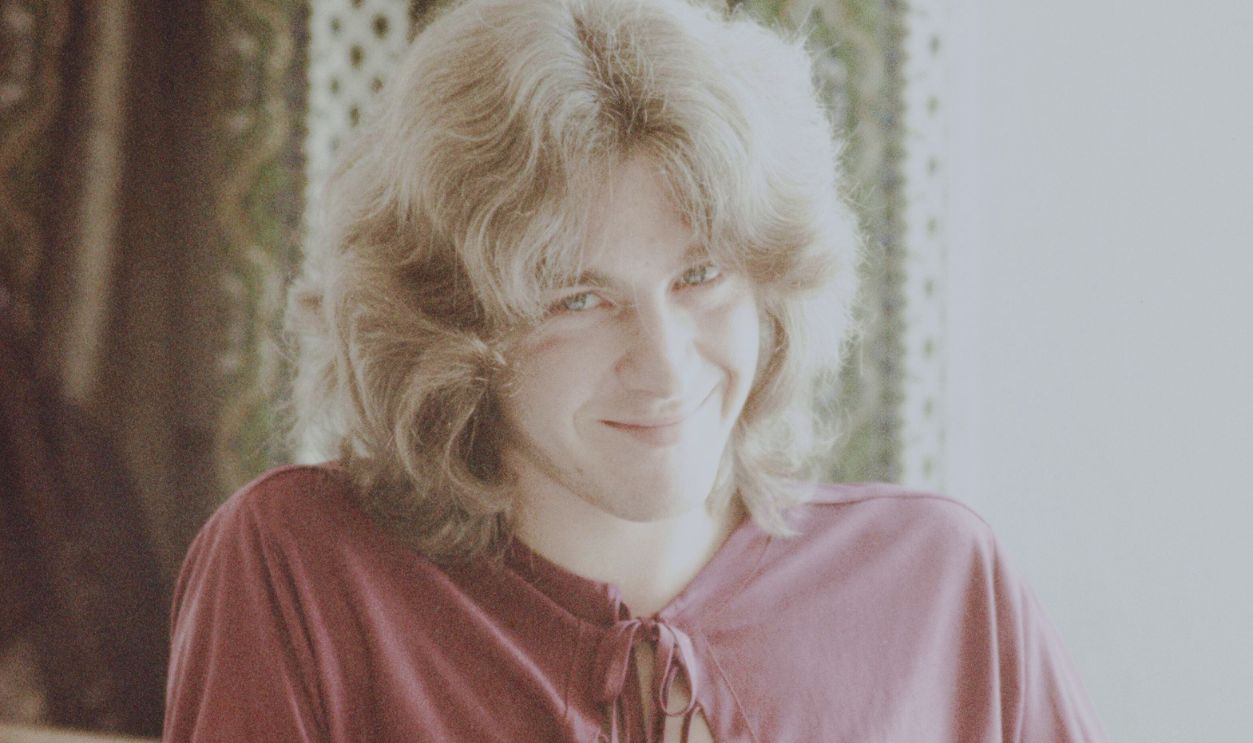
Taylor wasn’t the only Rolling Stone in trouble with Inland Revenue, and in 1971, the Stones turned themselves into tax exiles, leaving England in order to escape their masses of debt. They generally settled around France and tried to stay close together, but it was hardly a situation that would support more touring, and Taylor grew more dissatisfied.
 Los Angeles Times, Wikimedia Commons
30. He Became A Father
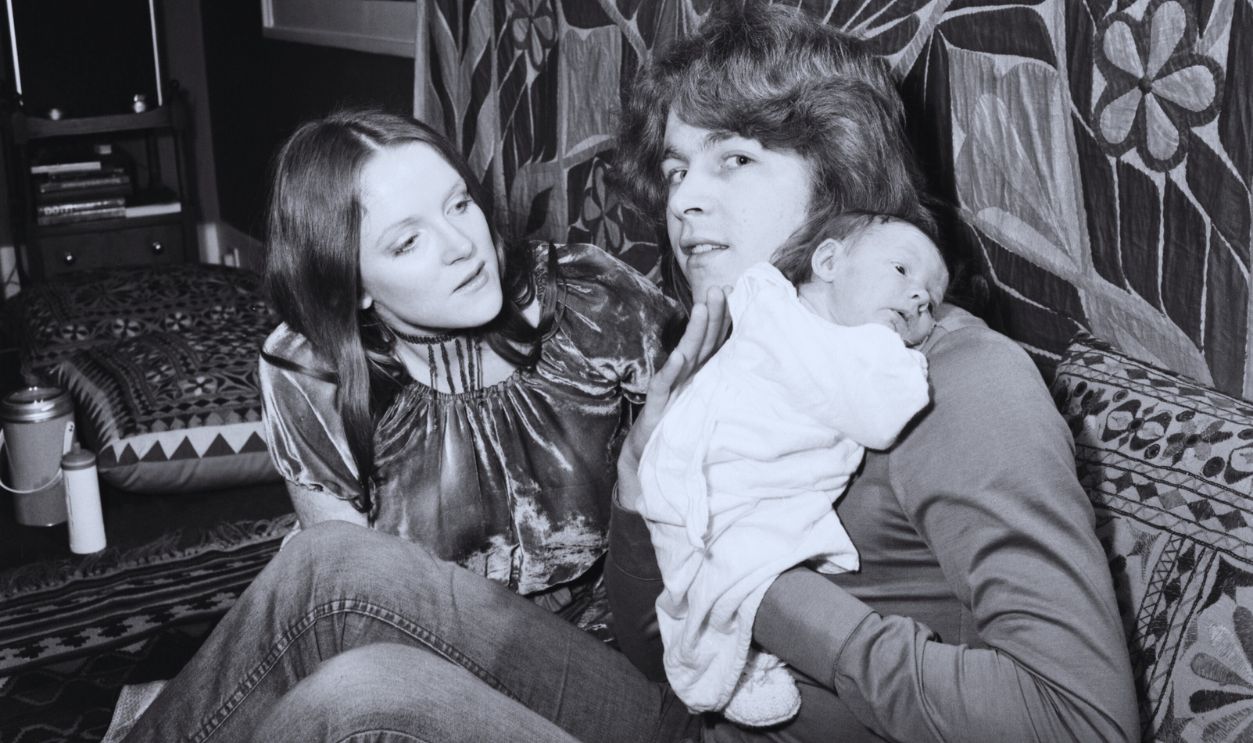
In January of 1971, the same year that Taylor and the Stones left England, Taylor had a baby girl, Chloe, with his then-girlfriend Rose Millar. But even this wasn’t enough to cure Taylor’s restlessness: He began lending out his guitar playing to other acts, notably BB Blunder’s album Worker’s Paradise and Reg King’s debut album.
Still, when the Stones did finally get back together again, it was madness and magic in equal parts.
31. He Lived In Chaos
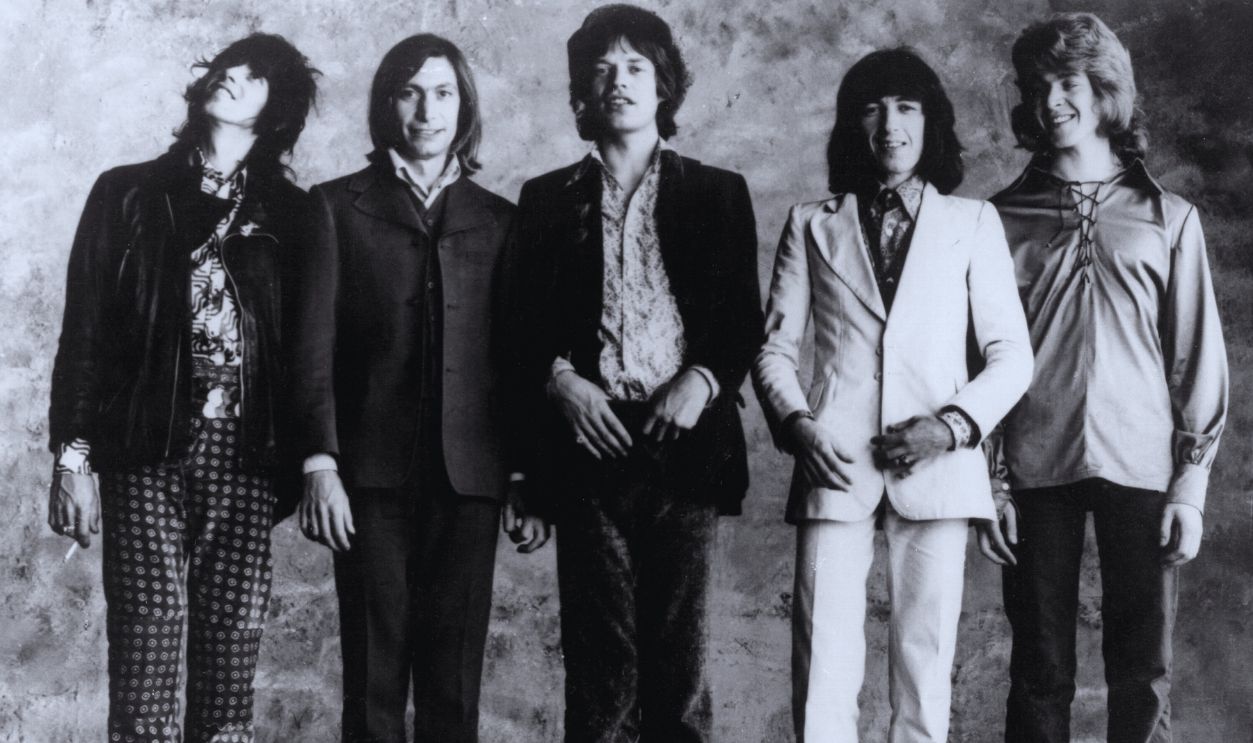
In 1970 and 1971, the Stones had released Get Yer Ya-Ya’s Out! and Sticky Fingers, and were now aiming to follow it up with what would become the double album Exile on Main Street. But even for the Stones, the recording sessions were shambolic. Taylor described it as “like a holiday camp,” with people constantly going in and out and the sessions, which took place at all hours of the day just with whoever was around.
It wasn’t the only way the band was pulling apart.
 Michael Ochs Archives, Getty Images
32. His Bandmate Floundered
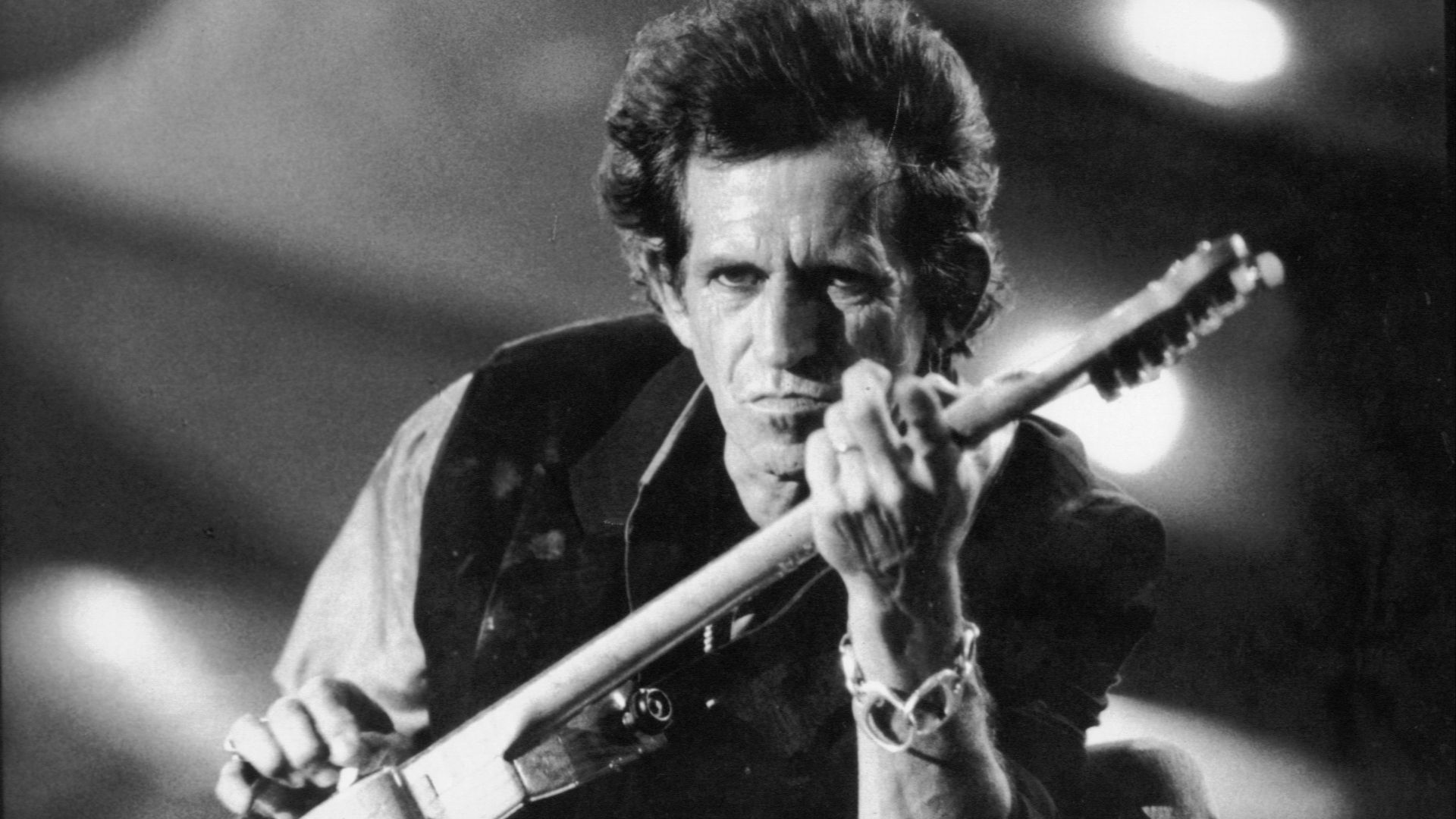
When Taylor had first joined the Stones, Jagger and the rest of the band had envisioned a real two-guitar section for their songs. It soon became clear this wasn’t possible, and for a harrowing reason: Guitarist Keith Richards was becoming consumed with his own addictions, and as a result was increasingly unable to play intuitively—or even well—on stage.
At the time, though, the Stones shrugged it off, put out Exile on Main Street, and went on tour to support the release. It was just what they didn’t need.
 Machocarioca, Wikimedia Commons
33. He Had A Debauched Tour
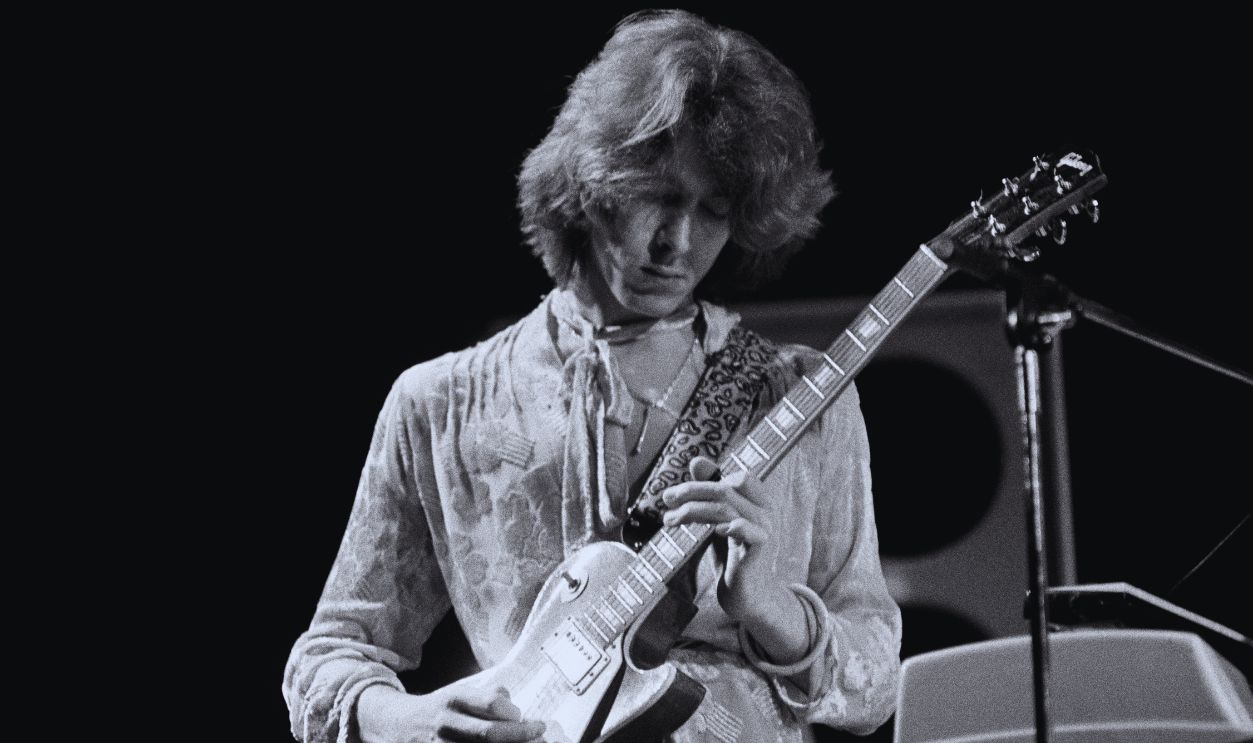
Many consider the Exile tour the peak of the Rolling Stones—but this only means the band were about to plummet. Taylor and his bandmates played tight sets on the road, but they indulged in a myriad of vices off stage, even fitting in a bleary, depraved visit to Hugh Hefner’s mansion. Then reality began to hit.
34. The Band Was Falling Apart
Late summer and early fall of 1972 proved a crucial time for the Stones, and not in a good way. Jagger had married socialite Bianca Perez-Mora Macias and was usually off with her social set, while Keith Richards had gone to Switzerland to deepen his addictions. Then, that September, both Charlie Watts and Bill Wyman got nabbed for possession.
It was all falling apart, and the consequences came quickly.
35. Their Work Suffered
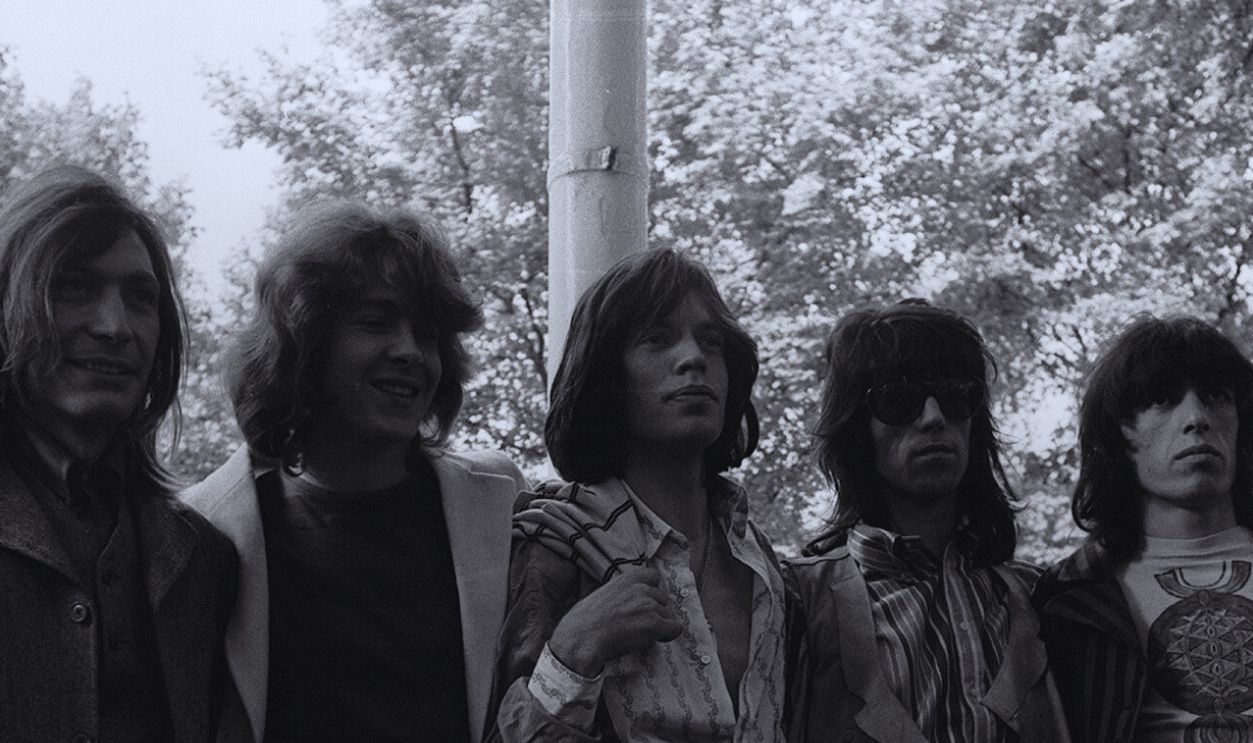
1973’s Goats Head Soup seemed to be fate finally catching up with the Stones. Although it performed well on the charts and helped introduce a more glam-rock Stones—with Mick Taylor and the boys often wearing glitter makeup on stage—few critics or fans list it as one of the band’s best, and Taylor himself confessed that the work was “a bit directionless”.
Even so, albums need tours, and this tour would prove to be Taylor’s undoing.
 Koh Hasebe/Shinko Music, Getty Images
36. He Succumbed To His Own Demons
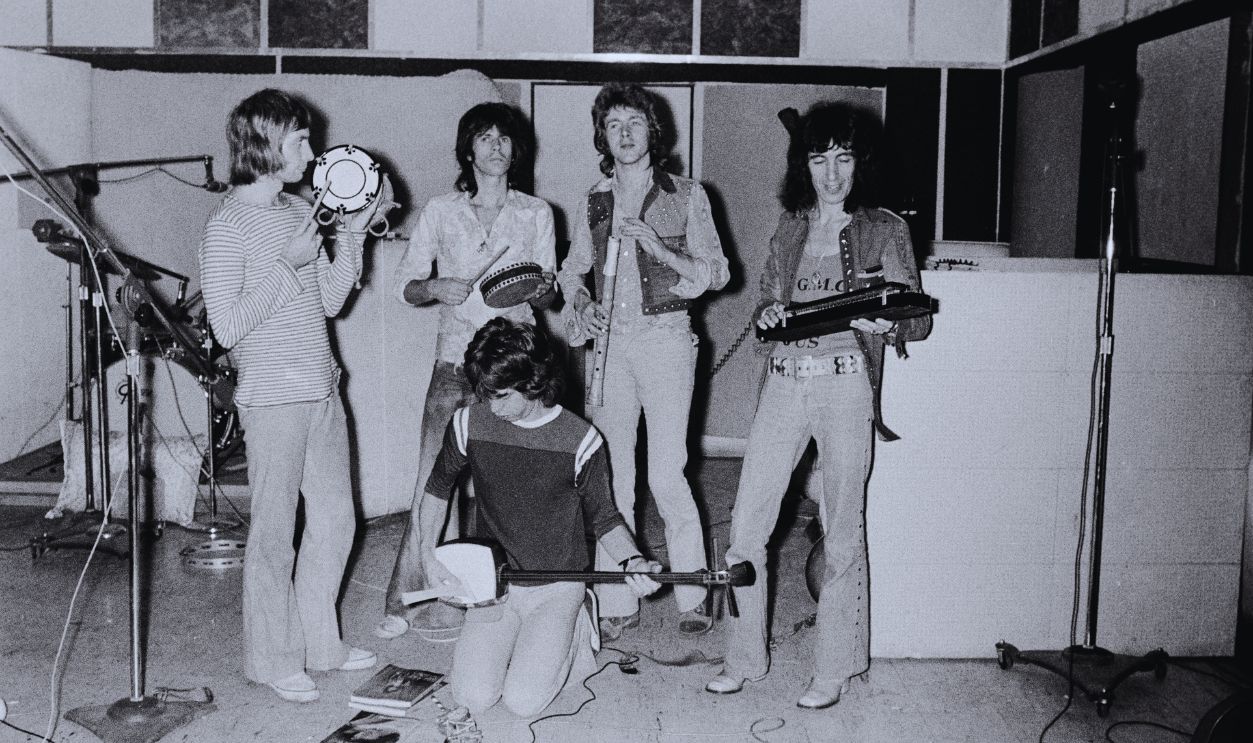
The 1973 European Tour in support of Goats Head Soup was nothing short of disaster. Richards fell off the map almost completely, but Taylor couldn’t escape his own fate. Music journalist Nick Kent relates that on this tour, “Mick Taylor was becoming seriously lost in a [substance] fog,” following Richards right down the rabbit hole. “It went from being a thing they did every weekend to something they did every day,” Kent continues, “and they sorta didn’t know what happened. Taylor became like that”.
The Stones tried to keep going. They failed.
 Gijsbert Hanekroot, Getty Images
37. He Had Tension With Keith Richards
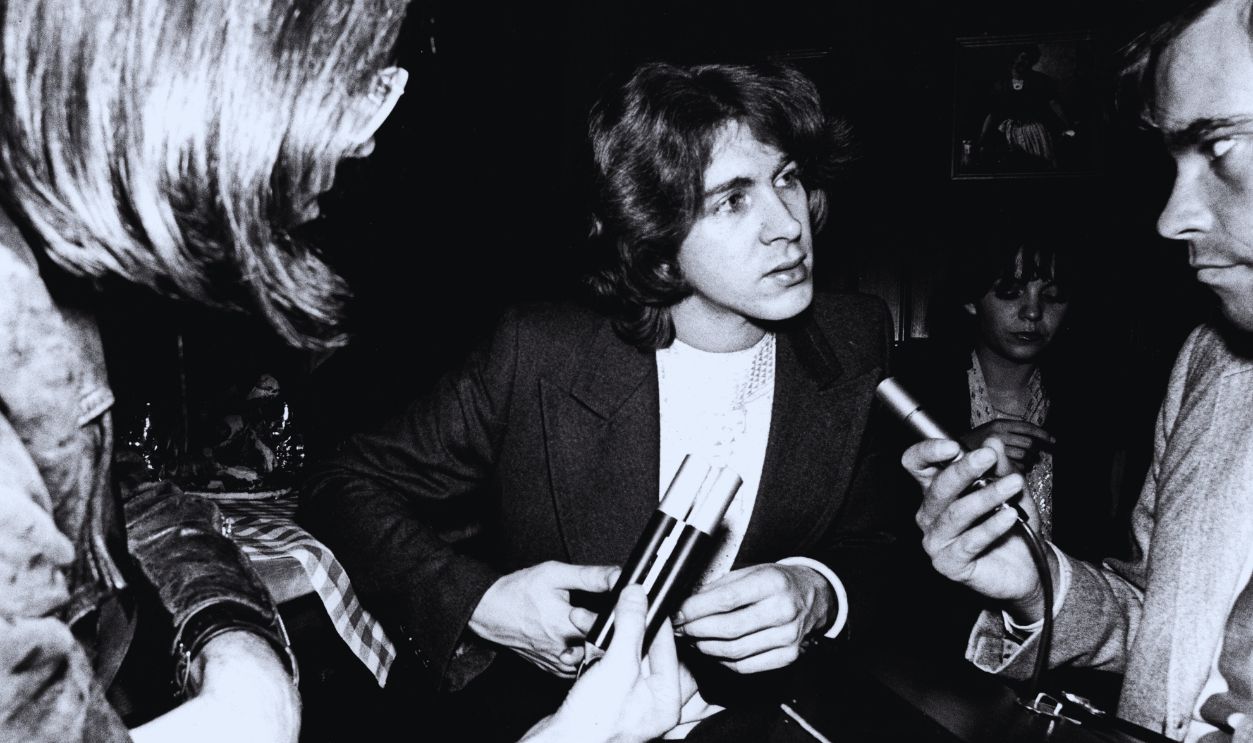
By late 1973, the Stones were trying to write and record songs again for what became It’s Only Rock and Roll, but something had shifted. When Taylor arrived in early 1974 to perform overdub work, he now found Keith Richards nearly insufferable to play next to—especially since Richards had reportedly turned manipulative, keeping Taylor from playing certain riffs and secretly erasing others that were already on tape. Yet this was the least of his worries.
 Olavi Kaskisuo / Lehtikuva, Wikimedia Commons
38. The Band Kept Him Down
Accounts from the time indicate that Taylor was trying to break more into the writing side for this album, and made relatively significant contributions to several songs. The response was bitter. Despite a reported promise from Jagger that he’d get some writing credit, Taylor complained to producer Andy Johns that Jagger and Richards "won't let me write any songs. Any time I have an idea I'm blocked out”. Worse was to come.
 Larry Rogers, Wikimedia Commons
39. He Ran Away
Clearly, the Rolling Stones still wanted a naive guitarist they could control, and Taylor wasn’t having it anymore; as bandmate Bill Wyman recalled, Taylor became “very, very, moody and frustrated”. So much so, in fact, that he took himself on a six-week trip to Brazil just after recording was done. When he came back, he got the shock of his life.
 Revista Pelo #9, 1970, Wikimedia Commons
40. He Got Horrible News
While talking with NME for promotion of It’s Only Rock and Roll, Taylor indicated to journalist Nick Kent that he had co-written “Time Waits for No One” and “Till the Next Goodbye” on the album—only to find out from Kent, who had seen the album cover, that he was nowhere in the songwriting credits. It was crushing news for Taylor, who had believed in Jagger’s promise to him, and he reportedly "went silent for a second before muttering a curt 'We'll see about that!"
At this point, all Taylor needed was a push. He got one.
 Larry Rogers, Wikimedia Commons
41. His Manager Pushed Him
In the face of his creative frustrations, not to mention his bandmates’ personal demons and his own substance issues, it became clear to Taylor’s confidants that he was no longer happy with the Stones, nor likely to be in the future. His girlfriend Rose Millar had long been encouraging Taylor to do something about his discontentment, but it was producer Andy Johns who really pressed him to stop complaining and make a choice about his role in the band. He just wasn’t prepared for Taylor to listen.
 Evening Standard, Getty Images
42. He Quit
In December of 1974, Taylor was at a party hosted by Eric Clapton, stewing in his issues and mulling over the Stones’ next stint in Munich, where they were supposed to record the next album. Then he made a stunning announcement. He told his bandmates he was leaving the group, then reportedly walked right out. It certainly made an impression.
 Gijsbert Hanekroot, Getty Images
43. His Timing Was Horrible
Left in the lurch right before their session time, the whole band was incensed at Taylor. Jagger would admit it was “inconsiderate of him to inform us a day before we were about to enter the studios,” while Bill Wyman complained that "It was a very inconvenient time...I didn't think he did it very politely”. But there was one surprising reaction, and from an even more surprising source.
44. He Got A Beautiful Message
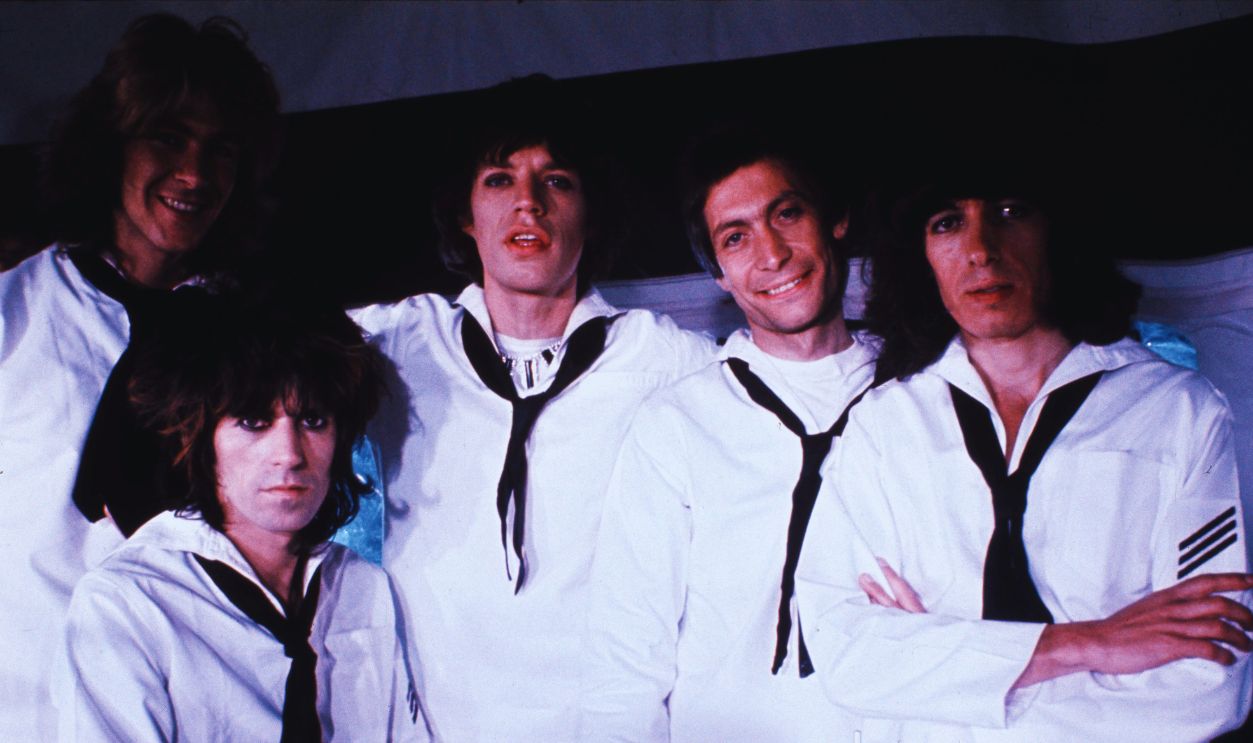
The day after Taylor told the group his decision, he received a telegram that made him cry. Keith Richards put aside their differences and sent him a message that read: "Really enjoyed playing with you for the last five years. Thanks for all the turn-ons. Best wishes and love”. According to Rose Millar, Taylor was barely through it before he started bawling.
45. He Sent A Shockwave Through The Music World
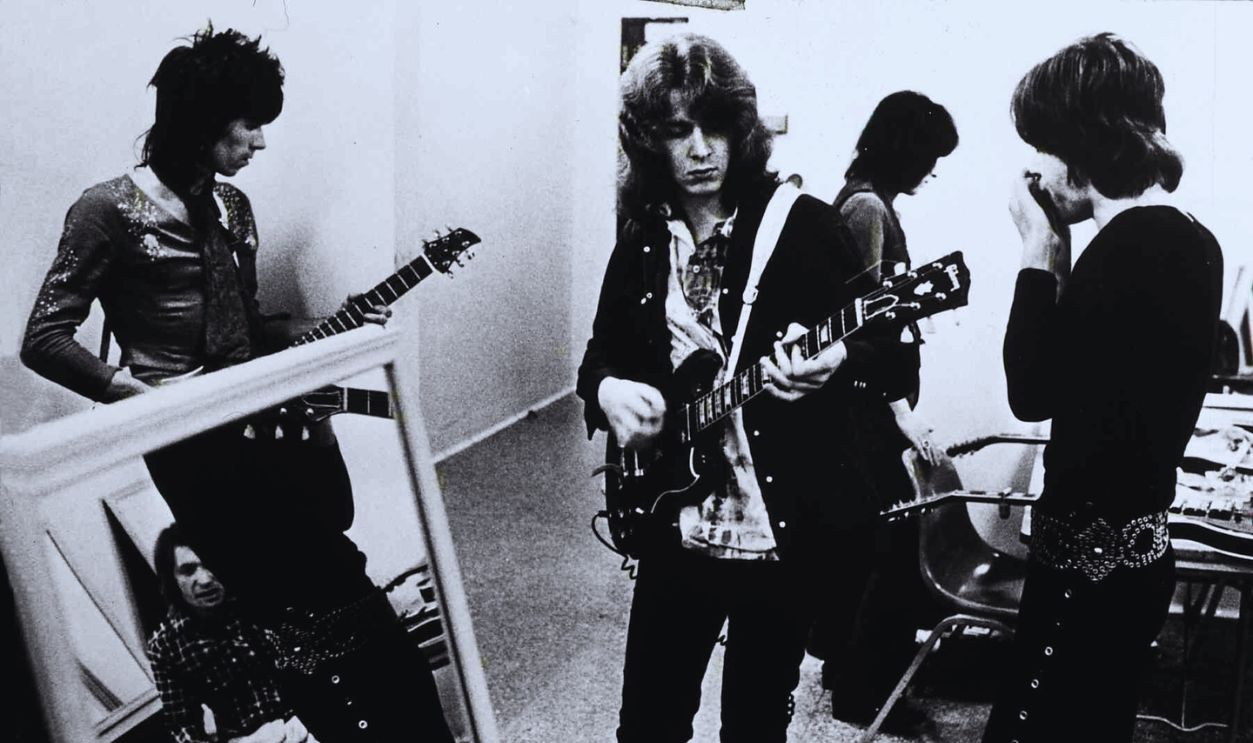
Taylor’s official resignation, which skimmed over any tensions, went public a handful of days later—but no one could quite believe it, and no one wanted to. Producer Andy Johns later called his encouragement of Taylor’s resignation “the worst thing I ever did,” with the predominant feeling from the band being “What is he, insane? No one's ever left us before!”
It took over three decades for Taylor to reveal the whole truth.
46. He Regretted His Decision
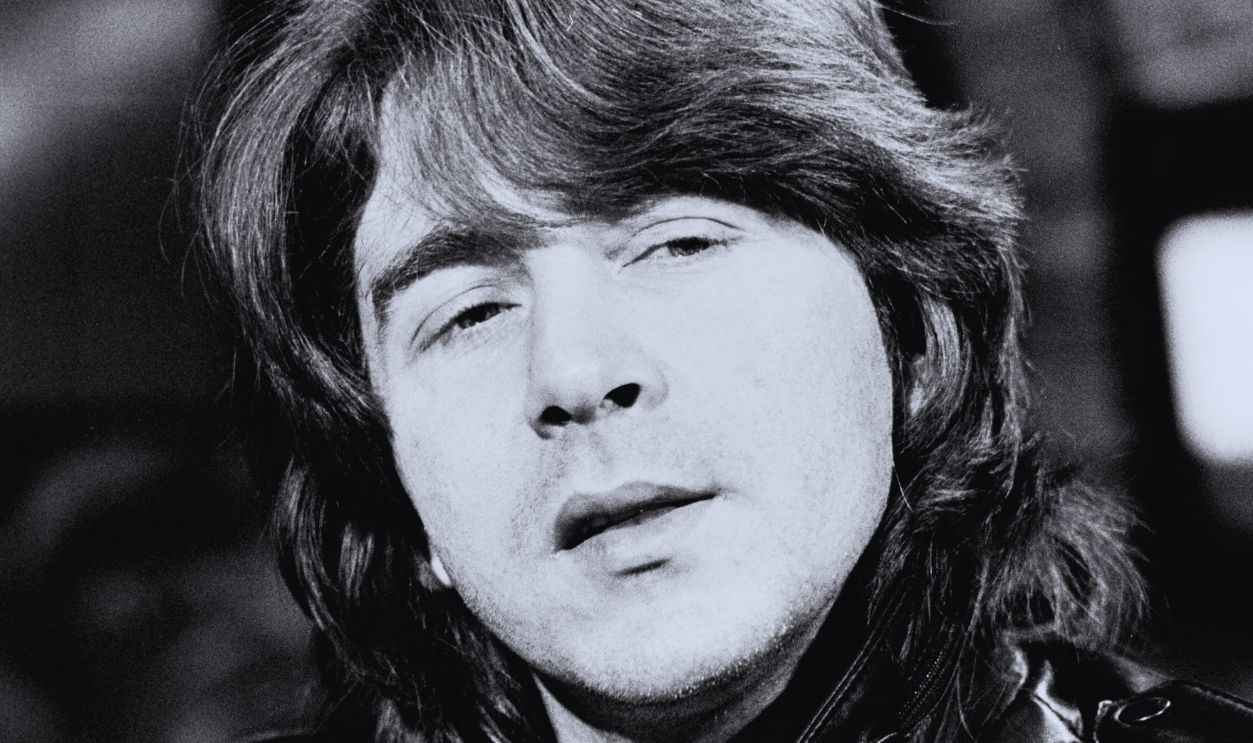
In a 2009 interview, Taylor finally told the public the whole story, and then some. He revealed that although the “records were doing well…the band was falling apart,” and he never actually thought any of them would stay together in the end. He said, “I suppose I just thought I had enough. I decided to go and form a team with Jack Bruce. Even from the beginning, I never really felt like I would stick with the Stones forever. I’m not sure why". It's clearly a belief that was proven wrong in the years that followed his departure.
Perhaps most poignant of all, Taylor hinted that he had come to regret his choice. After relating how Jagger offered him six months off instead of quitting, Taylor said, “I’ve never been good at taking advice. Maybe I should have listened”.
 Joshua Knowlton Berry (joshbg2k ), Wikimedia Commons
47. They Made Him Give Back One Thing
With most of the Rolling Stones annoyed at him, there was a final indignity Mick Taylor had to suffer on his way out the door. When he called the Stones’ office to tell them the news, one of the first things they did was “[ask] for my gold Amex card”. A practical consideration, but still one that must have stung Taylor, who had no real idea where he was going to go next. Luckily, it more than worked out for him.
48. He Was The Best They Had
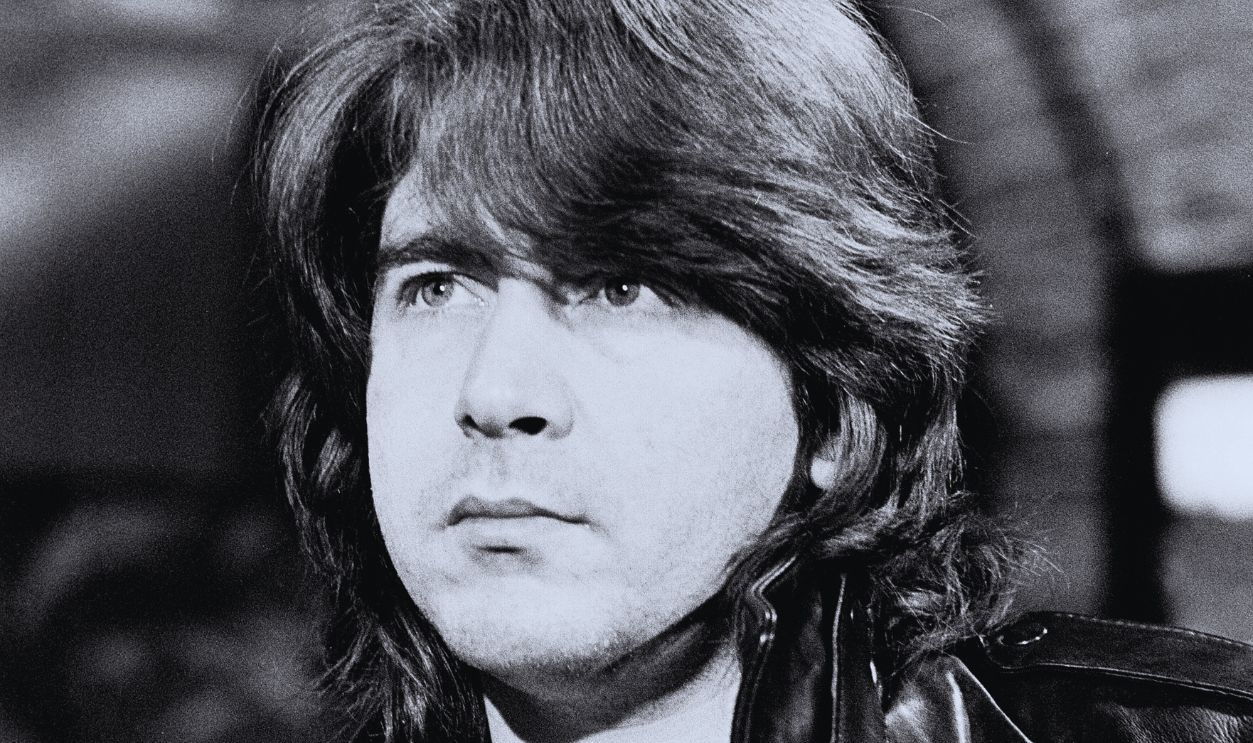
Still in his mid 20s when he left the Rolling Stones, Taylor continued to play music with the likes of Cream’s Jack Bruce, Bob Dylan, and other greats in his post-Stones career, alongside a steady stream of session work. More than that, the Stones felt his loss: Ronnie Wood was and is an excellent replacement, but the Stones never hit that same bluesy musicality that they had with Taylor again. As Jagger himself once stated, “some people think that's the best version of the band that existed”.
But Taylor had some losing to do, too.
 Catharine Anderson, Wikimedia Commons
49. He Lost His Relationship
The 1970s were a long, dark period for Taylor personally, even as his professional career blossomed on its own. In 1975, just after leaving the Stones, he married his girlfriend Rose Millar, but by then they were already “in tatters,” likely in no small part to his continued addictions, and they divorced soon after. Even so, time healed Taylor’s wounds.
 Mark and Colleen Hayward, Getty Images
50. He’s Thriving
It took a couple of decades, but things did fall into place for Mick Taylor. By the 1990s, Taylor had kicked his habits; in 1998, he had another child, Emma; and most recently, he’s in a long term relationship and lives in the Netherlands. Today, Taylor is in his mid 70s, and has spent the last decades primarily working on Stones-related reunion materials and tours—as it turns out, not even the Rolling Stones can hold a grudge that long.
You May Also Like:
The Rolling Stones' Doomed Genius