
Drama Queen
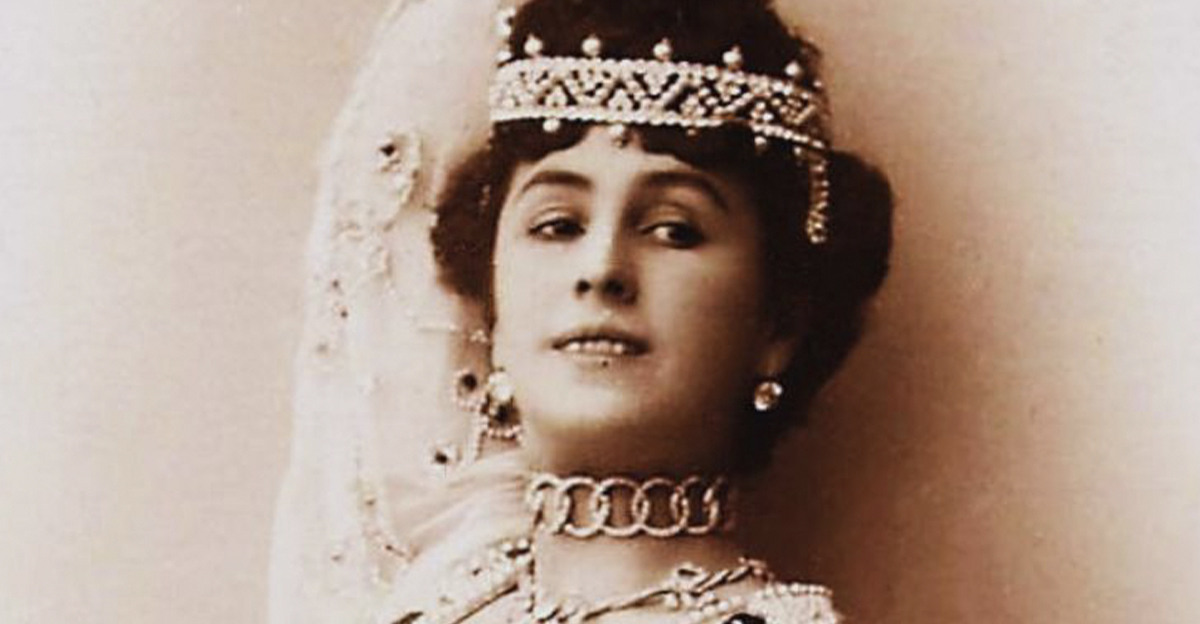
Mathilde Kschessinska was the ultimate diva, with a life story ripped from the tabloids. A talented ballerina who redefined the artform on the world stage, her life behind the scenes burst with sordid affairs with royals, petty squabbles with her fellow dancers, and, at the outbreak of revolution in Russia, a hasty exit from her homeland. She lived a long life and witnessed seismic changes in the world, but her craft always remained her north star.
 Е.Л. Мрозовская, Wikimedia Commons
1. She Was Nobility
Mathilde-Marie Feliksovna Kschessinska was born on August 31, 1872, in St Petersburg. She was the youngest child of the noble Krzesiński family, who had their origins in Poland. The lineage had a reputation for more than just their nationality, however.
2. She Had A Family Business
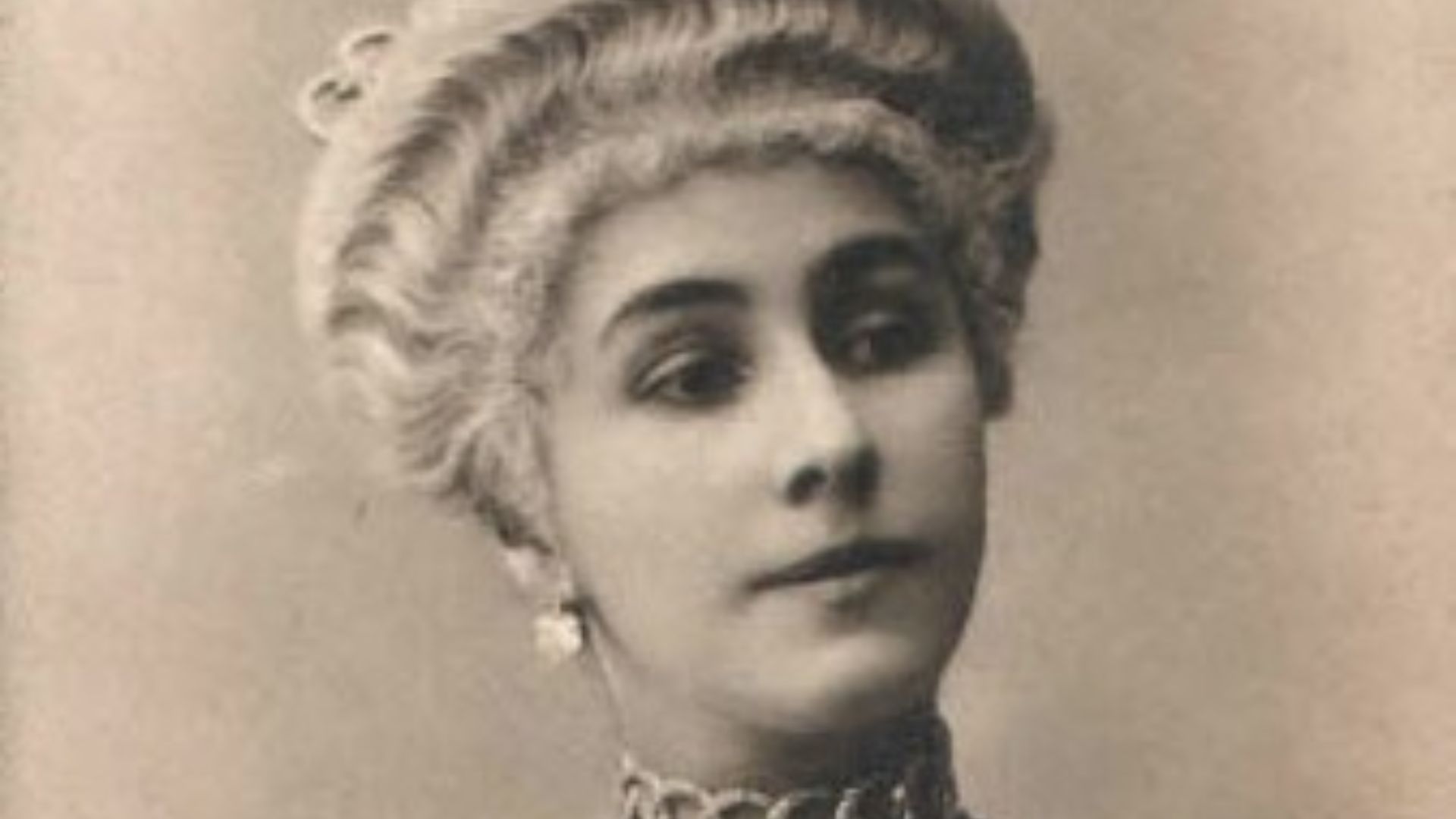
Mathilde’s destiny as a ballerina seemed preordained: she came from a family renowned for their dancing skills. Indeed, her father, brother, and sister all danced in St Petersburg at one point or another. Her father, in particular, had received the honor of a royal summons.
3. Her Father Got Invited
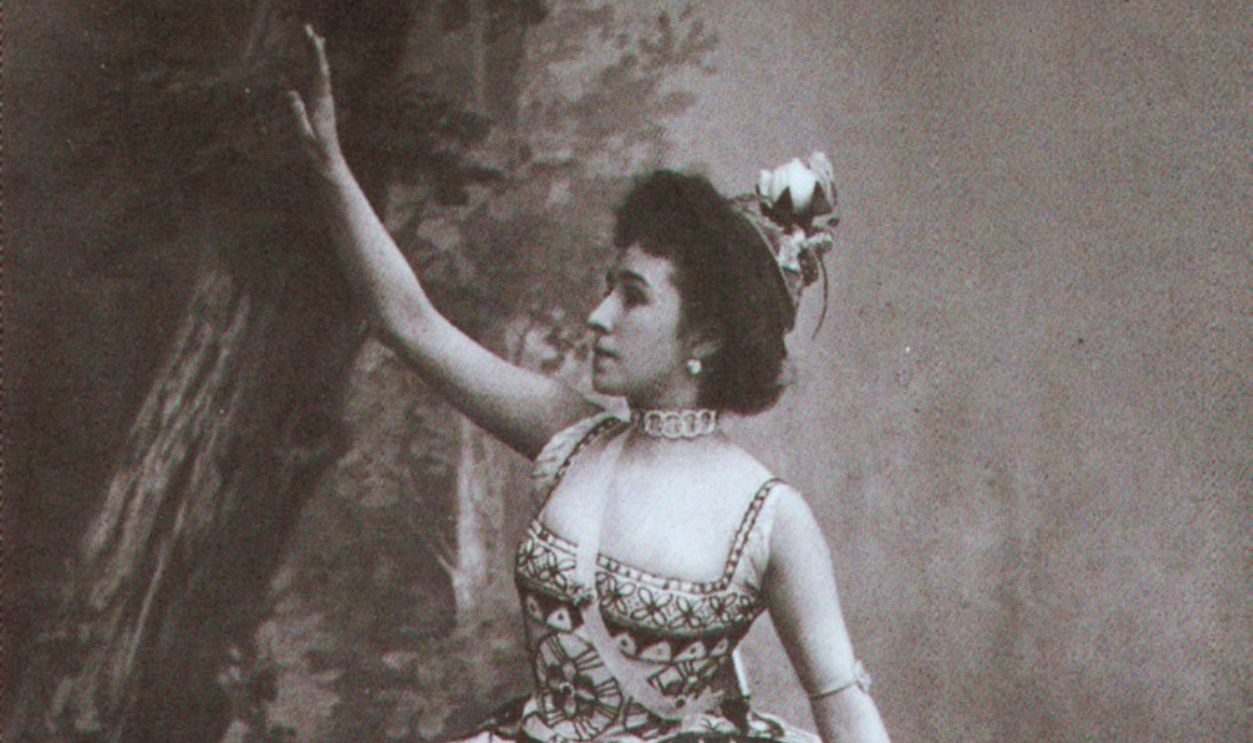
Mathilde’s father was Adam-Felix Kschessinsky, an extremely talented mazurka dancer. Mazurka is a Polish musical form of folk dance, and along with four other dancers, the tsar personally invited Adam-Felix to perform in St Petersburg’s Mariinsky Theater in 1853, a huge honor for the noble. It was only natural, then, that his daughter would follow in his footsteps.
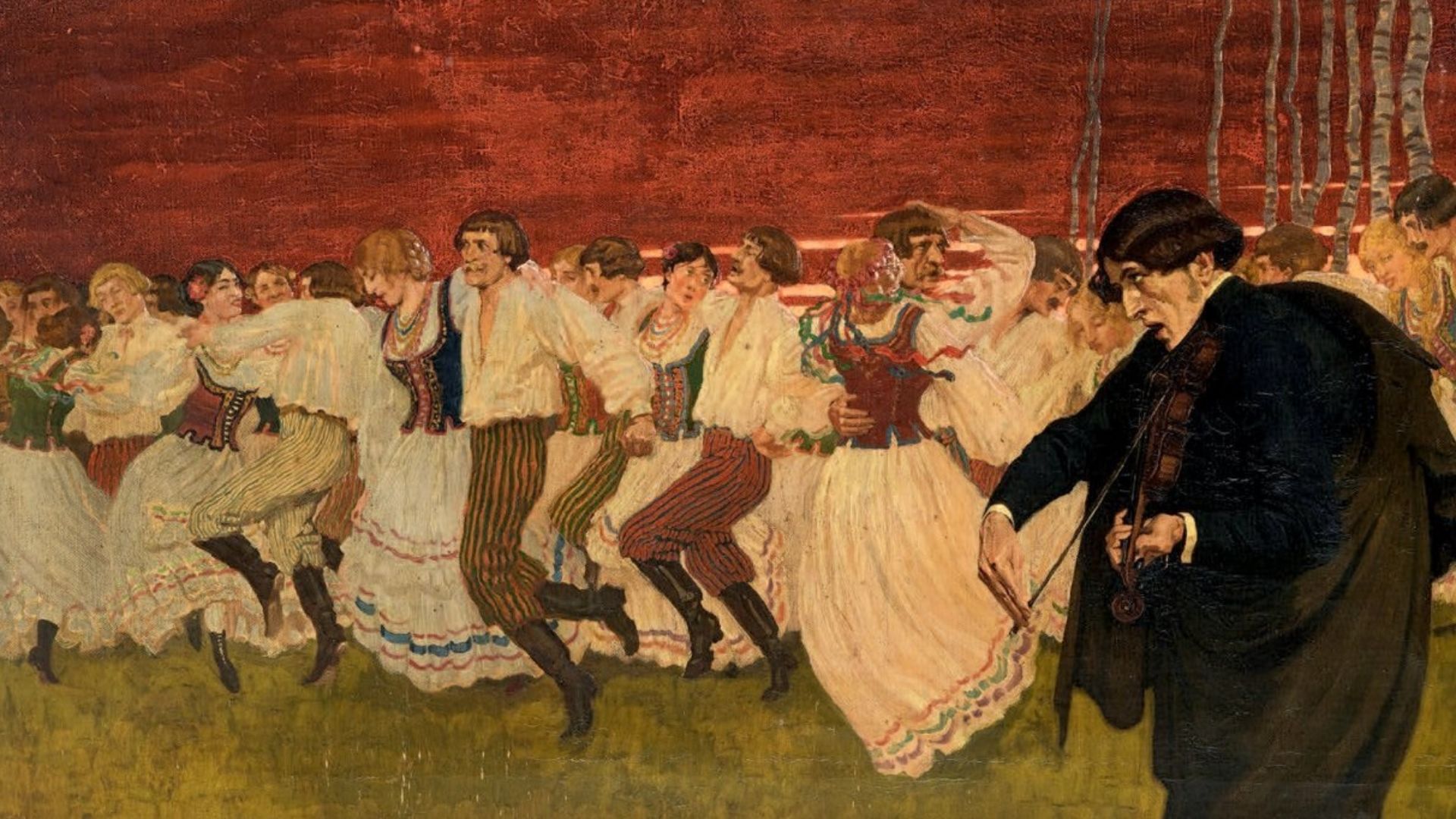 Edward Okuń, Wikimedia Commons
4. She Studied Ballet
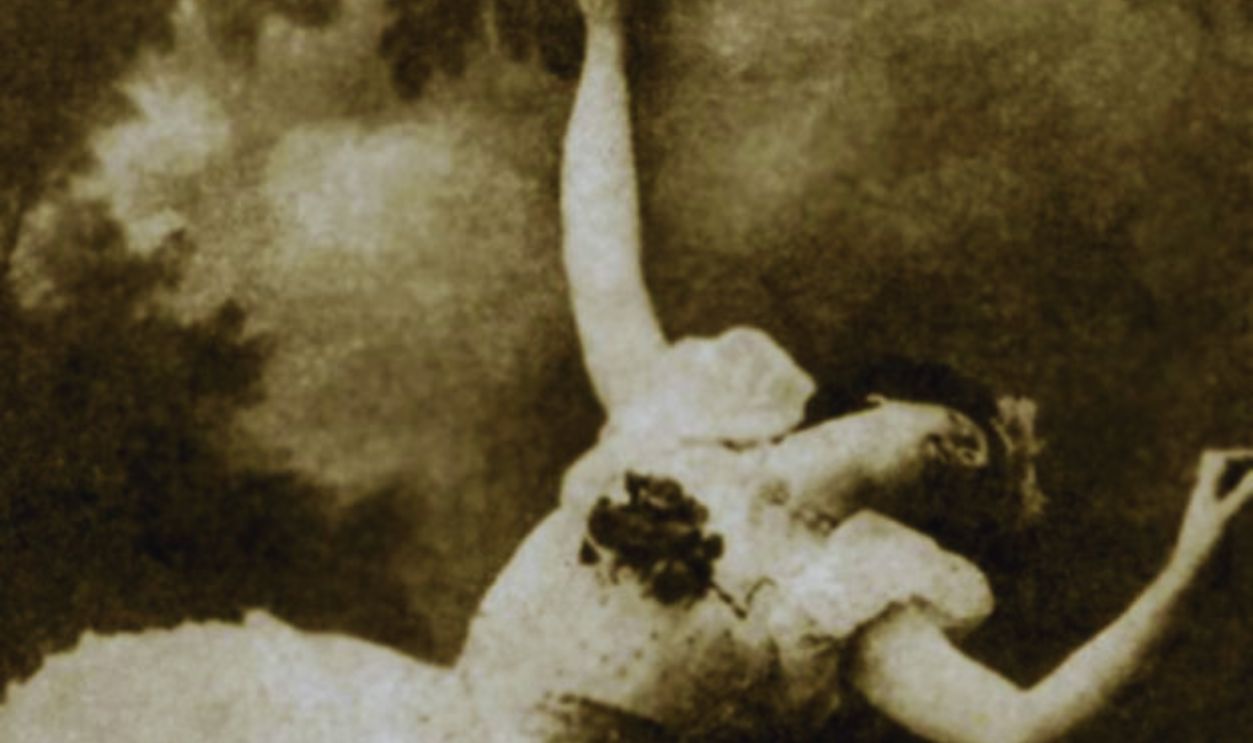
Mathilde’s father decided to stay in St Petersburg and enrolled his daughter in the Imperial Theatre School in 1880, when she was just eight years old. There, Mathilde studied ballet under some of the discipline’s biggest names, including the famous prima ballerina and instructor Yekaterina Vazem. Mathilde was already enthusiastic about the art form, taking inspiration from dancers such as Virginia Zucchi. It wasn’t long before she was ready to take the stage.
 Unknown Author, Wikimedia Commons
5. She Put On A Show
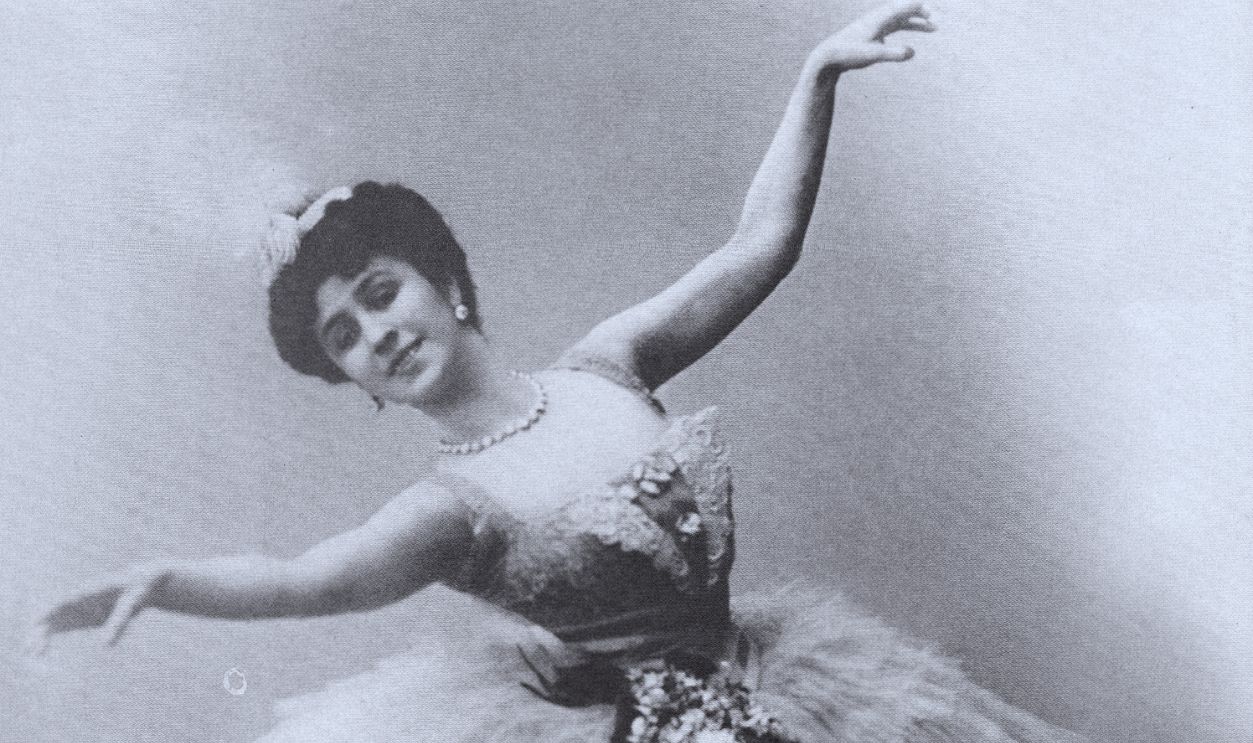
It spoke to Mathilde’s great talent that her very first performance was on such a renowned stage: On August 30, 1881, the day before her ninth birthday, she performed in a ballet production of Don Quixote on the Grand Theater Stage. She excelled even as a child, and before long, she was attracting some notable spectators.
 Unknown photographer at the Mariinsky Theatre, St. Peterbsurg, Russia, Wikimedia Commons
6. She Had To Impress
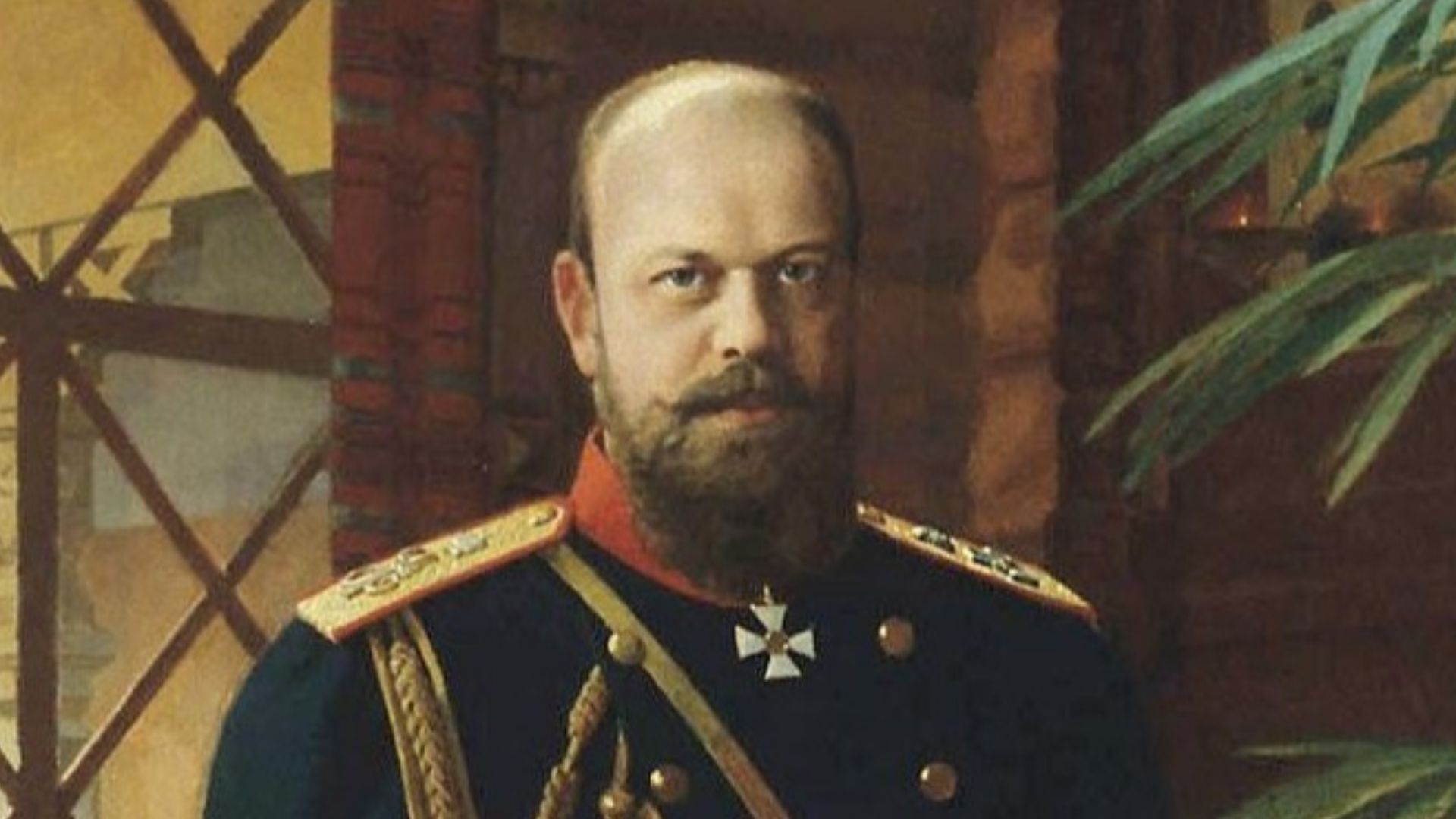
For her graduation exam dance, Mathilde Kschessinska opted to perform the pas de deux from La Fille Mal Gardée, to the music of Stella Confidenta. And as if she wasn’t nervous enough already, the young ballerina soon learned that none other than the tsar himself, Alexander III, and other members of the Imperial family would attend her graduation performance. The pressure was on, and the tsar was not shy with his assessment.
 Nikolai Dmitriev-Orenburgsky, Wikimedia Commons
7. She Nailed It
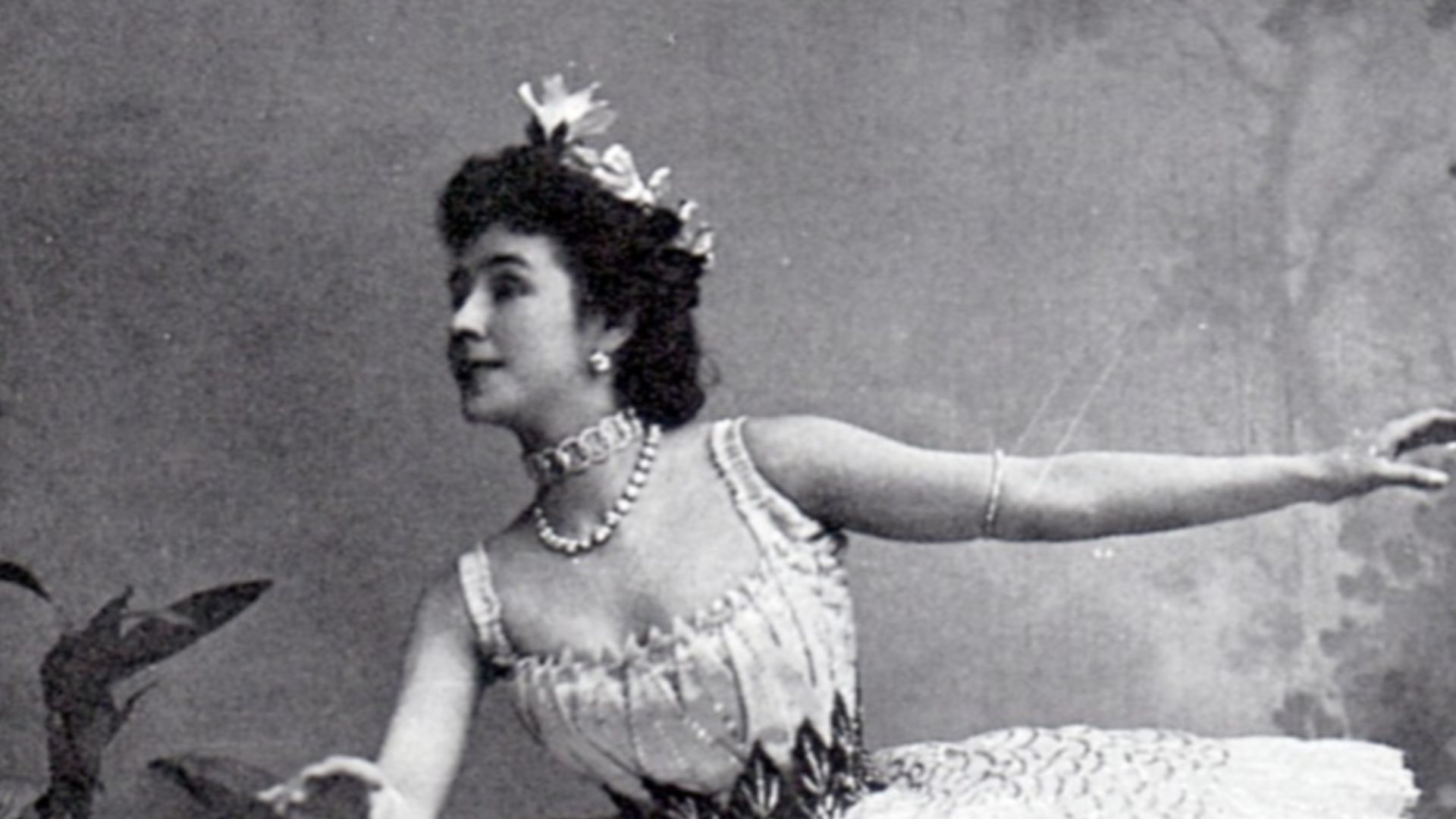
The stakes for Mathilde’s graduation dance could not have been higher, but her immense talent and determined attitude meant she met the moment with grace and skill. So impressed was the tsar with her performance that afterward, he publicly gushed: “Be the glory and the adornment of our ballet!” There was another member of the Imperial family that Mathilde impressed, too.
8. She Met A Boy
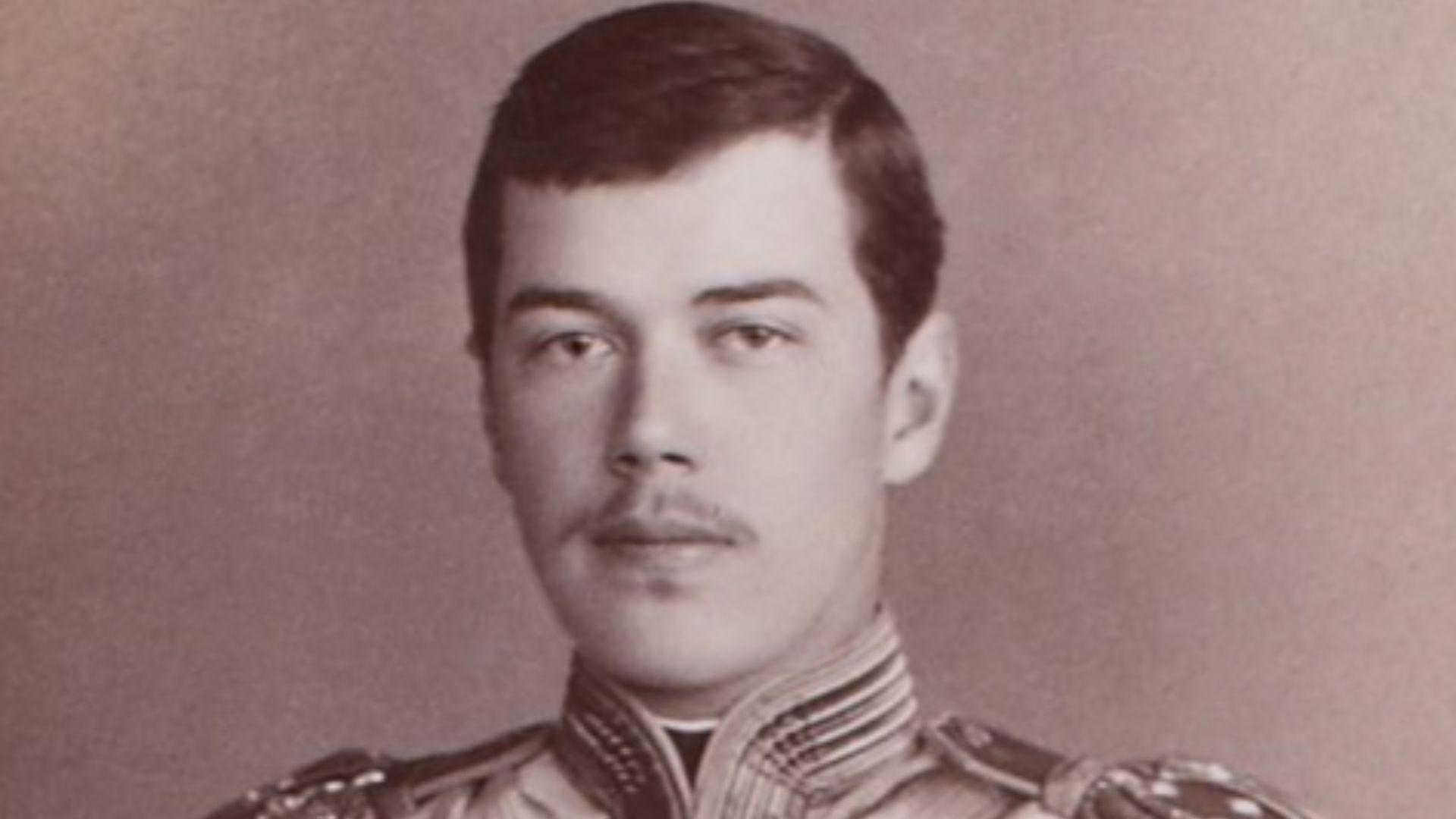
Accompanying the tsar to Mathilde’s graduation performance was his son, the Tsesarevich, and the future Tsar Nicholas II. Nicholas, like his father, felt mesmerized at the ballerina’s performance, and mutual friends introduced the two after the show. They quickly developed feelings for one another.
 Sergey Lvovich Levitsky, Wikimedia Commons

History's most fascinating stories and darkest secrets, delivered to your inbox daily.
9. She Had A Royal Affair
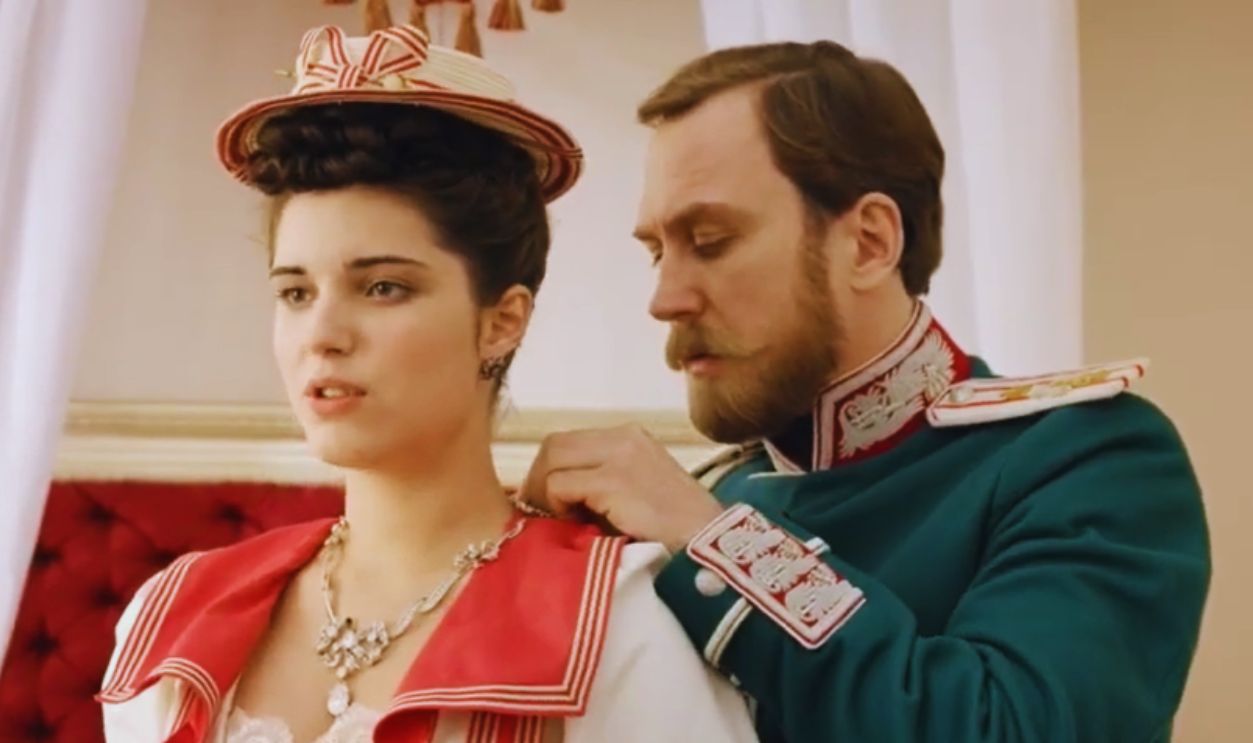
Mathilde Kschessinska was just 17 when she met Nicholas in 1890, and the two began a secret relationship. She became his mistress for the next three years or so, during which time they would meet clandestinely. She developed deep feelings for the future tsar, but ultimately, their destinies would not overlap. For Nicholas, duty called.
 Screenshot from Matilda, TPO Rok / Rock Films (2017)
10. She Got Moved Aside
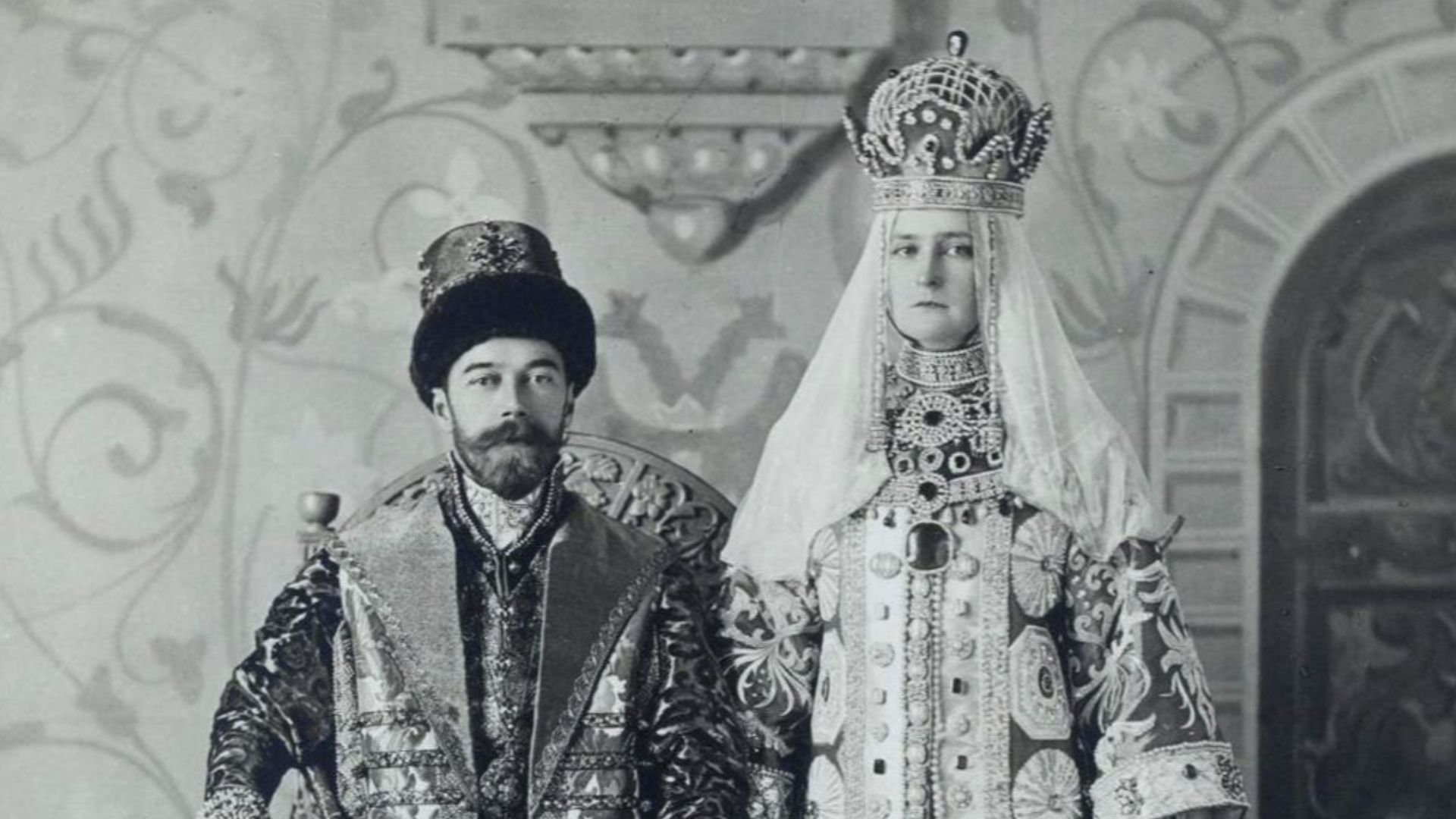
In 1894, Nicholas’ father passed after a bout with illness. Now facing an ascension, Nicholas had to do his imperial duty. Shortly after his father’s passing, the new tsar married Empress Alexandra Feodorovna and ended his affair with Mathilde. Perhaps the young ballerina would have been more heartbroken had she not had a career to focus on.
 Lev Levitsky, Wikimedia Commons
11. She Began Her Career
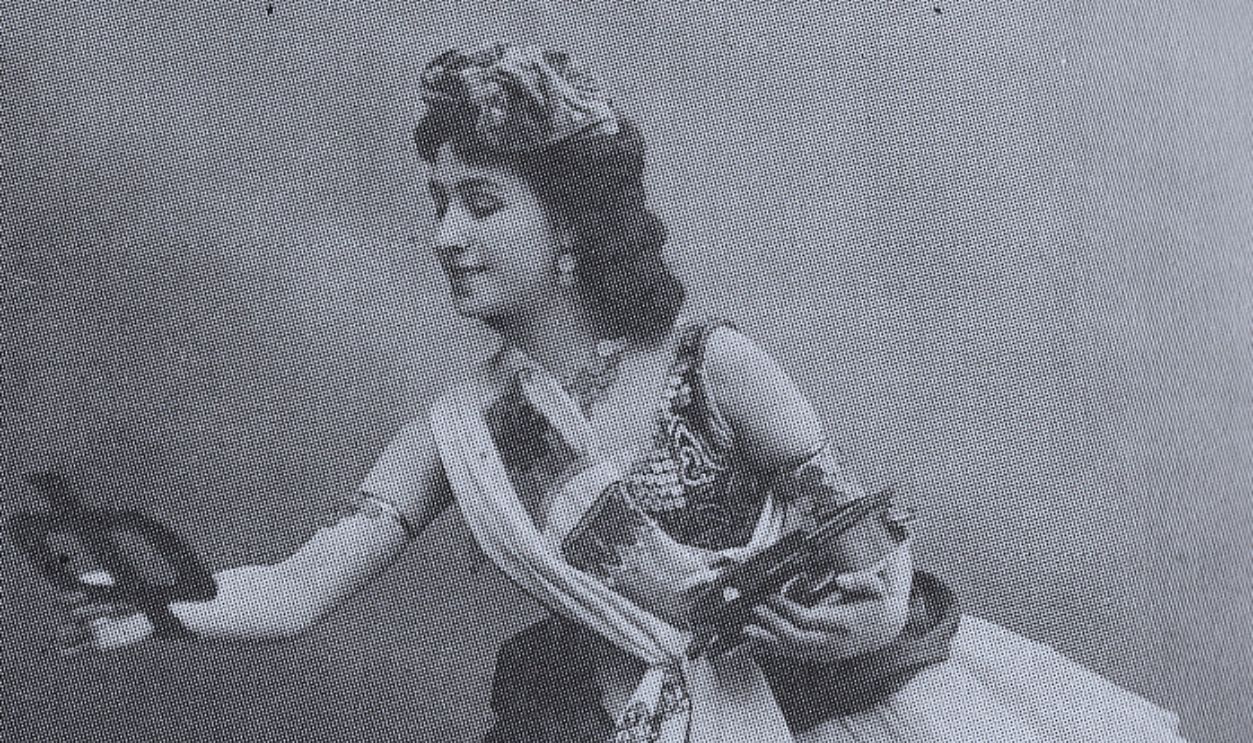
Mathilde Kschessinska graduated from the Imperial Theater School at the age of 18 and received accolades as one of the most skilled dancers of her graduating cohort. She made her official onstage debut on April 22, 1890, performing the same dance she had chosen for her exam. Before long, she would attain the most coveted title.
 Mrlopez2681, Wikimedia Commons
12. She Was Number One
After grinding for six straight years, tirelessly working to perfect her craft and performing in several stage shows, Mathilde reached a milestone in 1896 when she obtained the title of prima ballerina assoluta of the Saint Petersburg Imperial Theatres. It was a monumental achievement for a performer as young as her, and all the more impressive by the fact that they scarcely awarded the title locally.
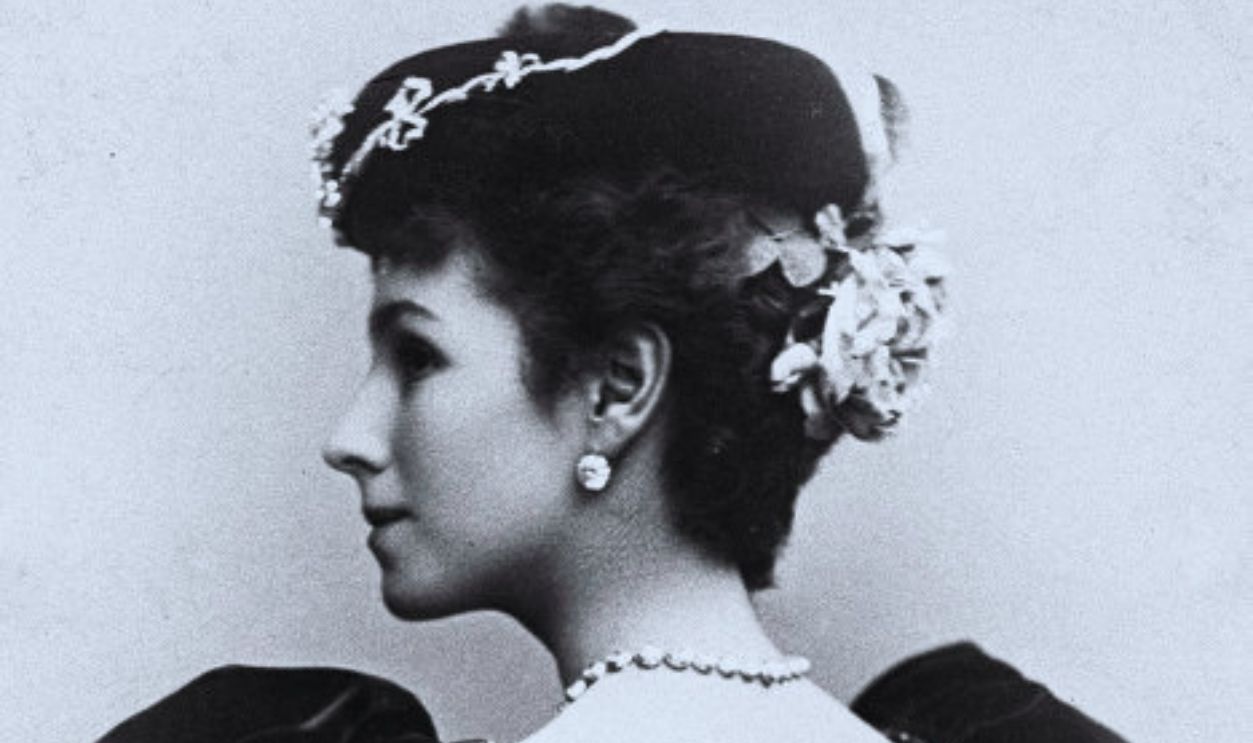
13. She Was First Of Her Nation
Despite dancing in a Russian ballet troupe, in the most renowned theater in Russia, Mathilde was, surprisingly, the only Russian dancer ever to receive the prima ballerina title in the Saint Petersburg Imperial Theatre and would remain the sole Russian recipient up until the 1917 Revolution.
Before that, the title always went to imported dancers from other nations, making Mathilde a great source of pride among her countrymen. Indeed, she had earned quite a reputation as a performer.
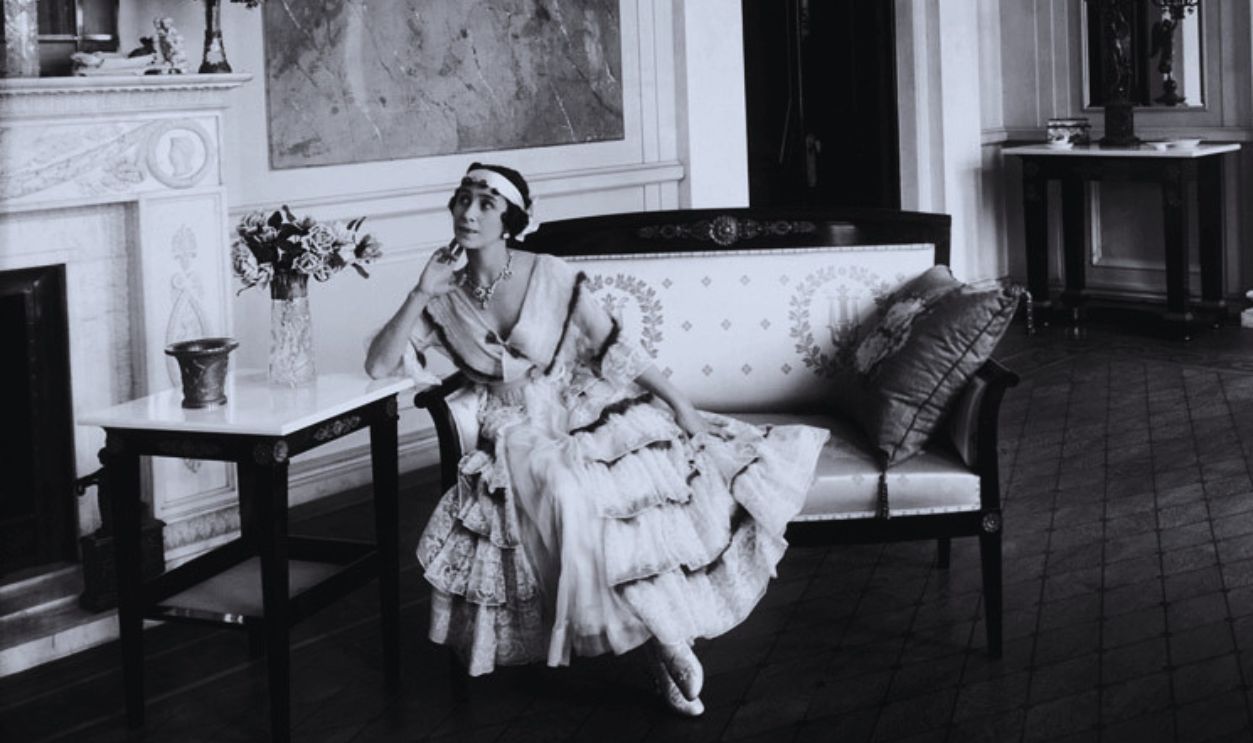 Yakov Vladimirovich Steinberg, Wikimedia Commons
14. She Had Skills
Mathilde Kschessinska had certainly earned her prima ballerina title. She had a reputation for her vigorous work ethic and energetic commitment to improving her technique. She gained renown among critics and spectators alike for her expressive depth, her grace, and her technical prowess. She even set a record here and there.
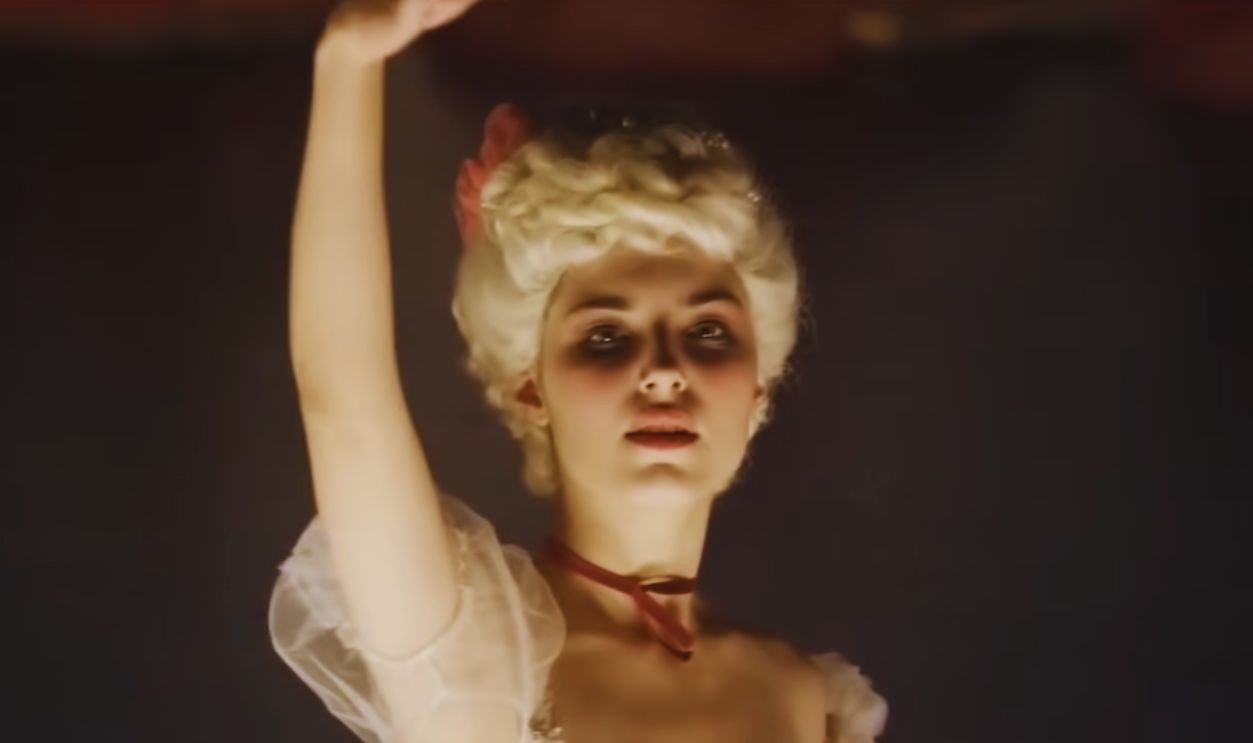 Screenshot from Matilda, TPO Rok / Rock Films (2017)
15. She Was A Spinner
Mathilde developed a reputation for taking on difficult ballet moves, and she gave particular focus to improving her fouettés en tournant, the name given for “whipped turns” performed in place on one leg. She excelled at this undertaking and became the first Russian dancer to master an astonishing 32 consecutive turns. Her unmatched skill launched the artform into the stratosphere.
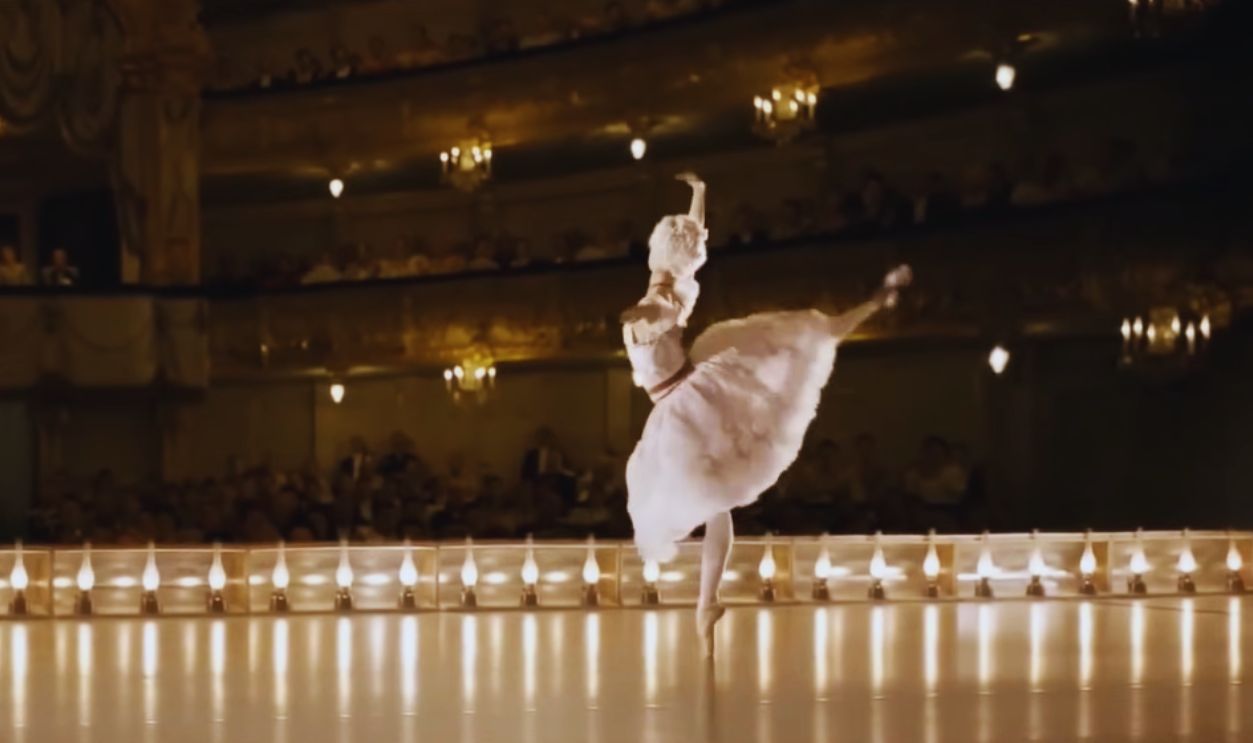 Screenshot from Matilda, TPO Rok / Rock Films (2017)
16. She Redefined Her Craft
Mathilde’s exceptional talent meant that audiences kept lining up, and though she could have rested on her laurels, she always pushed that little bit harder. Her technical mastery and expressive artistry played an important role in influencing the development of Russian ballet itself, turning it into a dominant cultural force on the world stage. And indeed, the world was watching.
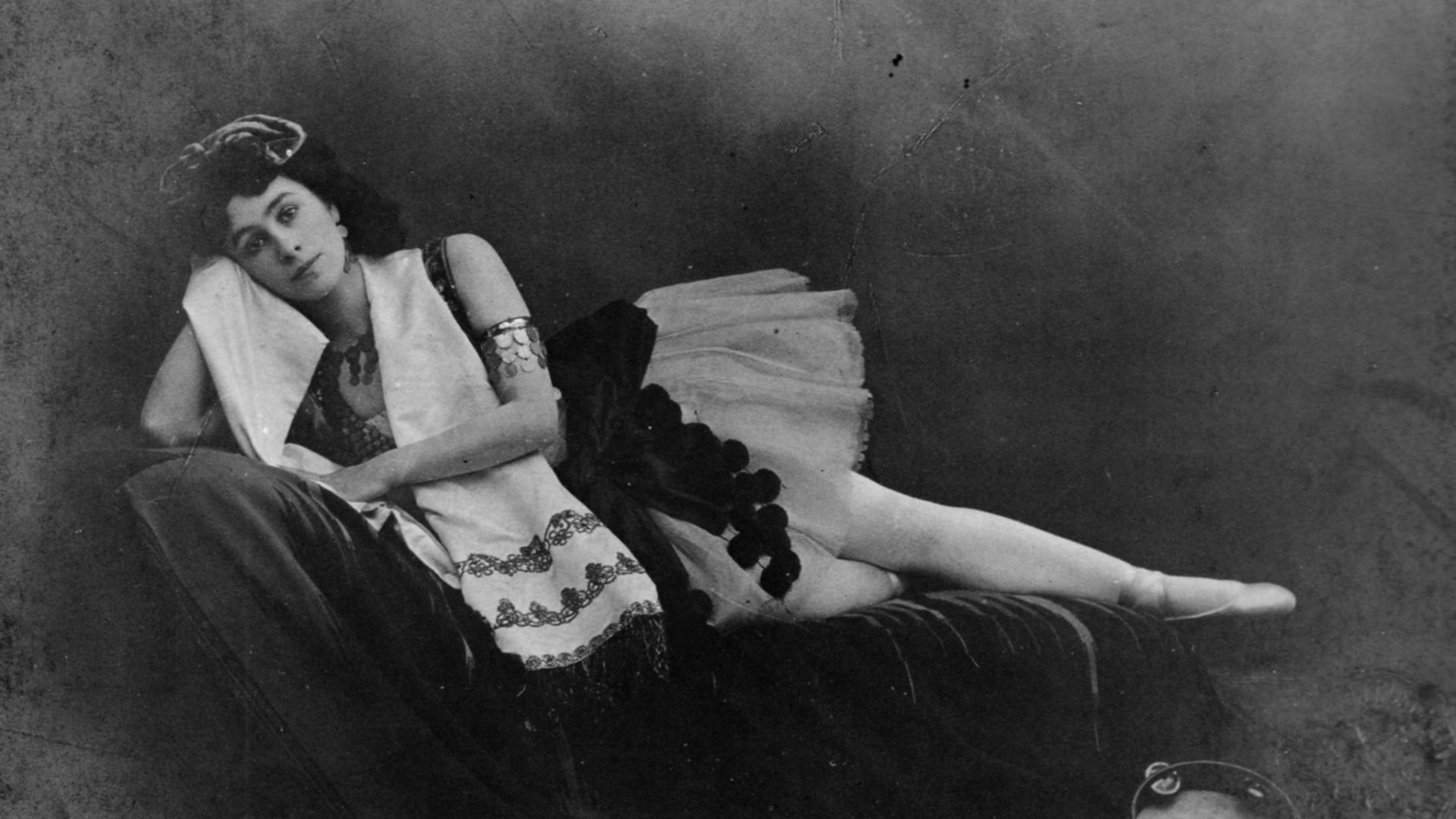
17. She Hit The Road
Mathilde extended her influence over ballet across the globe. As part of her Imperial Theatre troupe duties, she undertook extensive international tours, dancing throughout Europe, North America, and beyond, enthralling audiences the world over. Even with her colossal success, however, there was always a bigger fish.
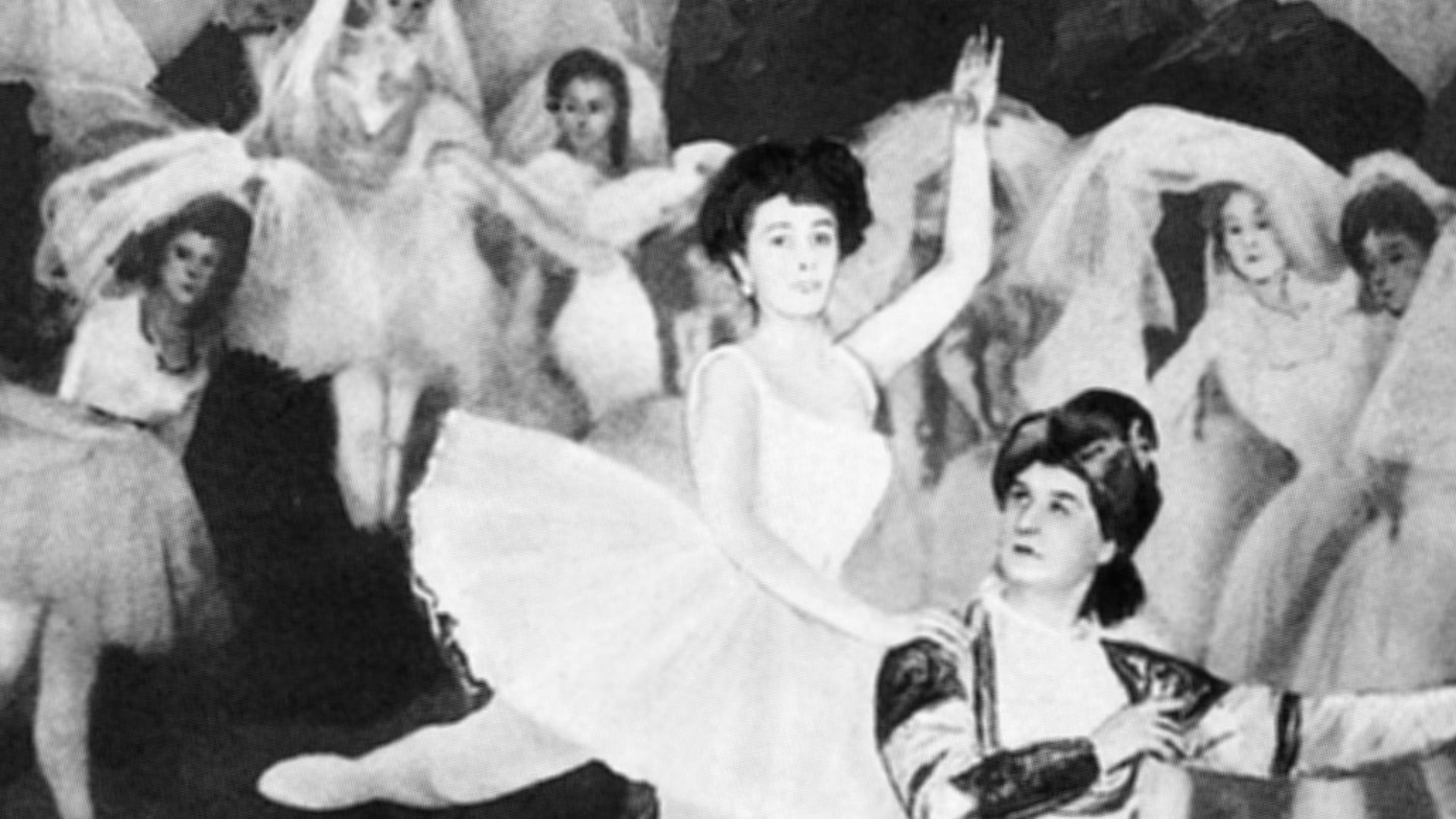
18. She Was Often Number Two
Despite Mathilde’s wild success, international renown, and prima ballerina status, she somehow still often played second fiddle to her talented co-star, Italian ballerina Pierina Legnani. Many consider Legnani one of the greatest ballerinas of all time and because of this, she often received better roles in the Imperial Theatre’s productions than the overlooked prima ballerina. Mathilde still had her advocates, of course.
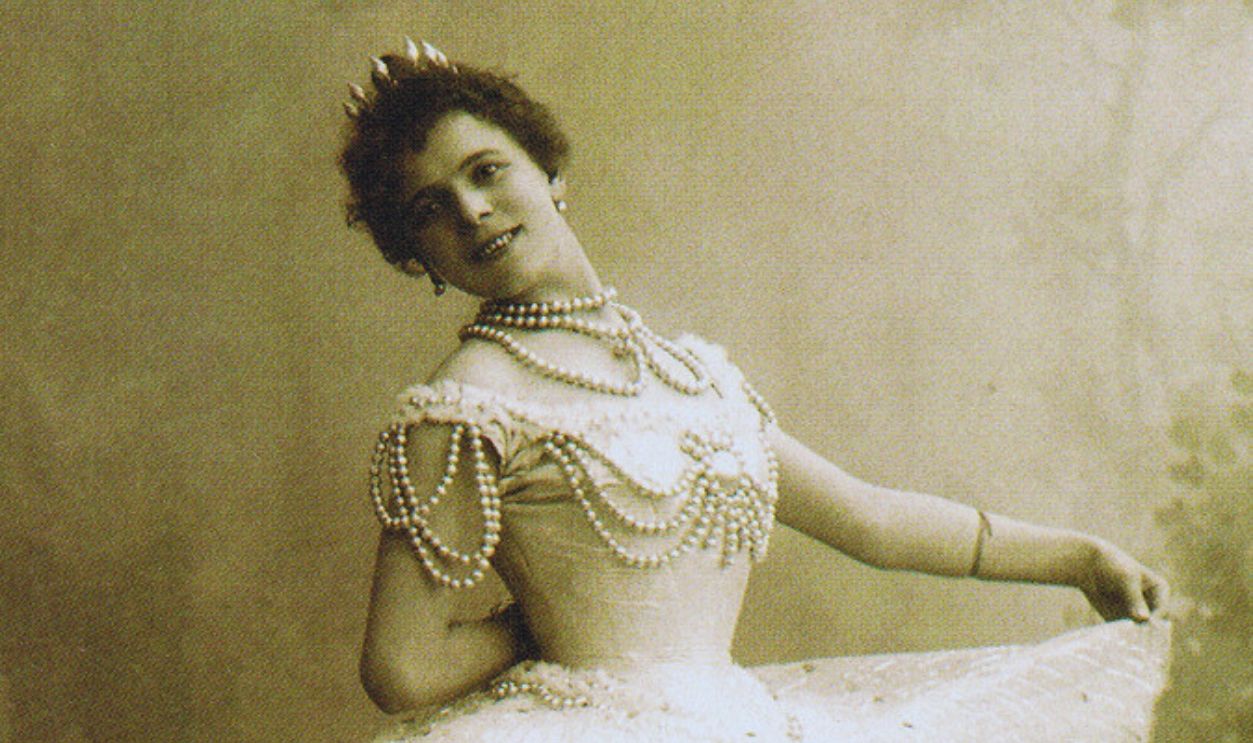
19. She Was A Muse
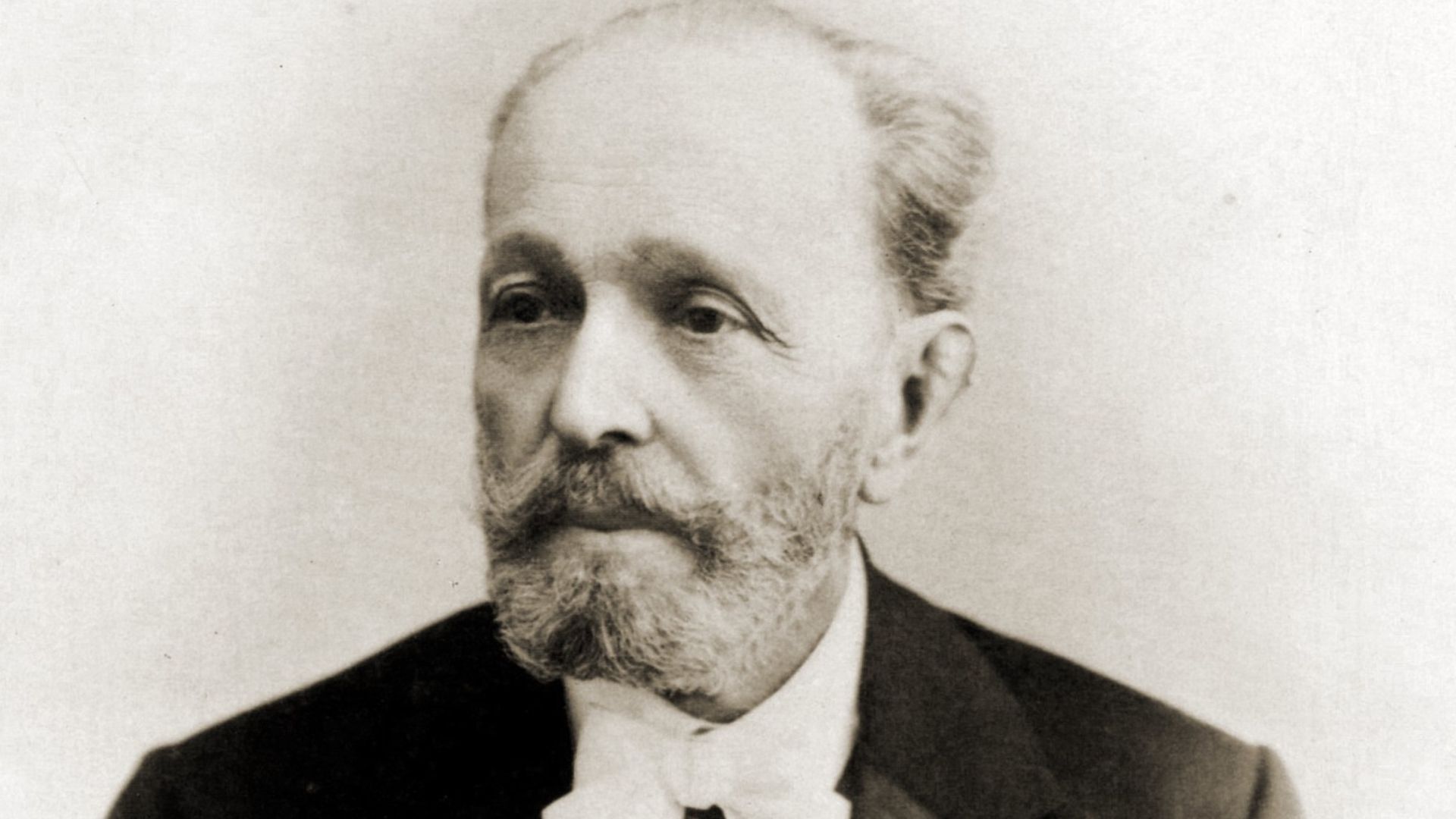
From early in her career, Mathilde Kschessinska developed a close collaborative relationship with Marius Petipa, a renowned French-Russian ballet dancer and choreographer. Petipa created roles specifically for Mathilde in no fewer than seven productions.
Indeed, even the ballerina herself acknowledged the role her collaborator played in her career, conceding, “My whole artistic career […] had been linked with Petipa”. And while she served as a muse for one man, she could be incredibly difficult for others.
 Unidentified photographer, Wikimedia Commons
20. She Was A Diva
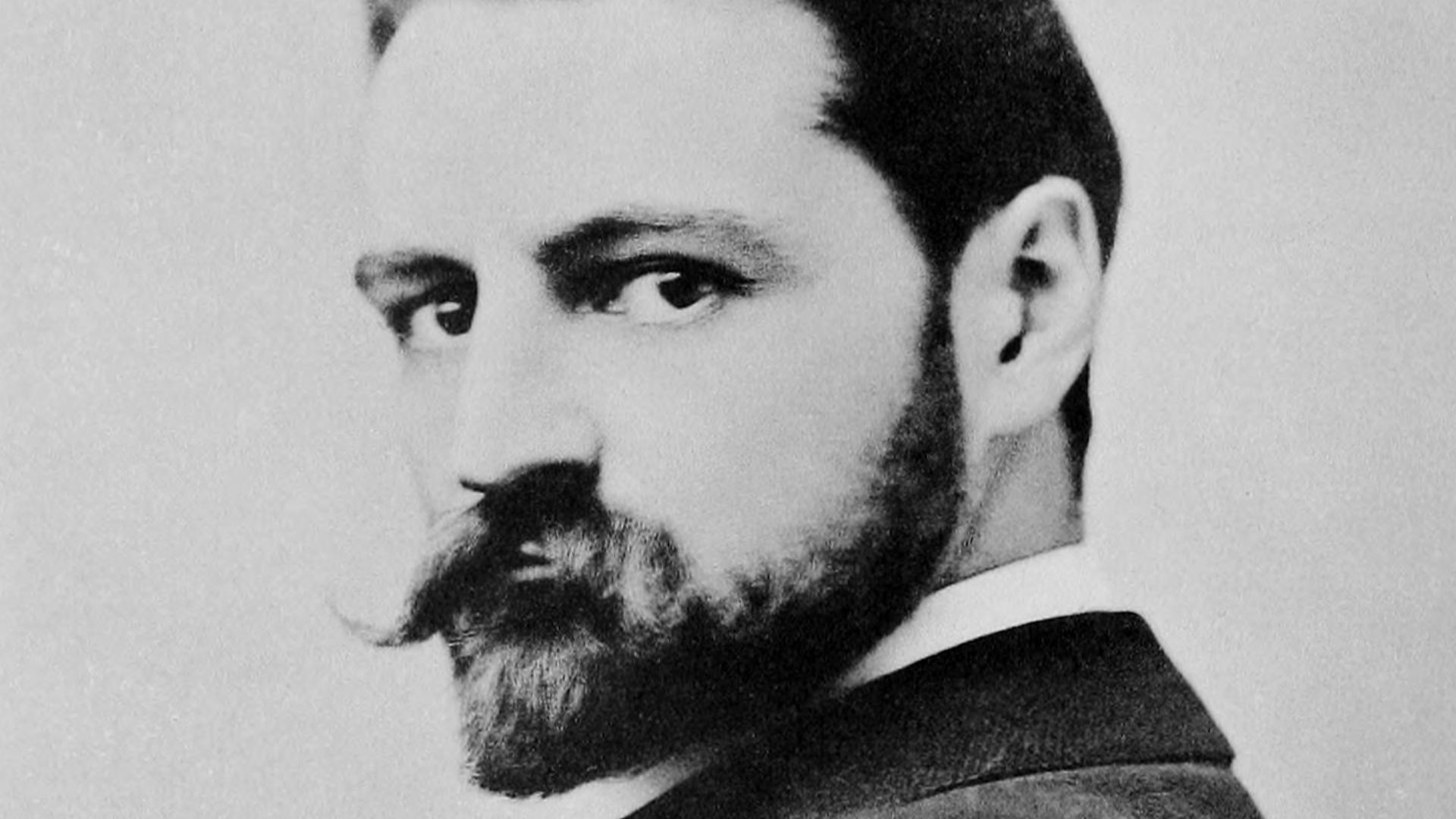
1899 saw the appointment of Prince Serge Wolkonsky as director of the Imperial Theatres. Though he achieved much during his brief tenure, he only held the position for around three years—and Mathilde was partly responsible for this.
The two creatives would often clash and, in 1902, after Mathilde refused to perform in an unflattering costume for a ballet performance, the fallout forced Wolkonsky to resign. The prima ballerina clearly had sway, and it may have been because of her associations.
 Published by Lamson, Wolffe and Co, Boston, 1897, Wikimedia Commons
21. She Got Busy
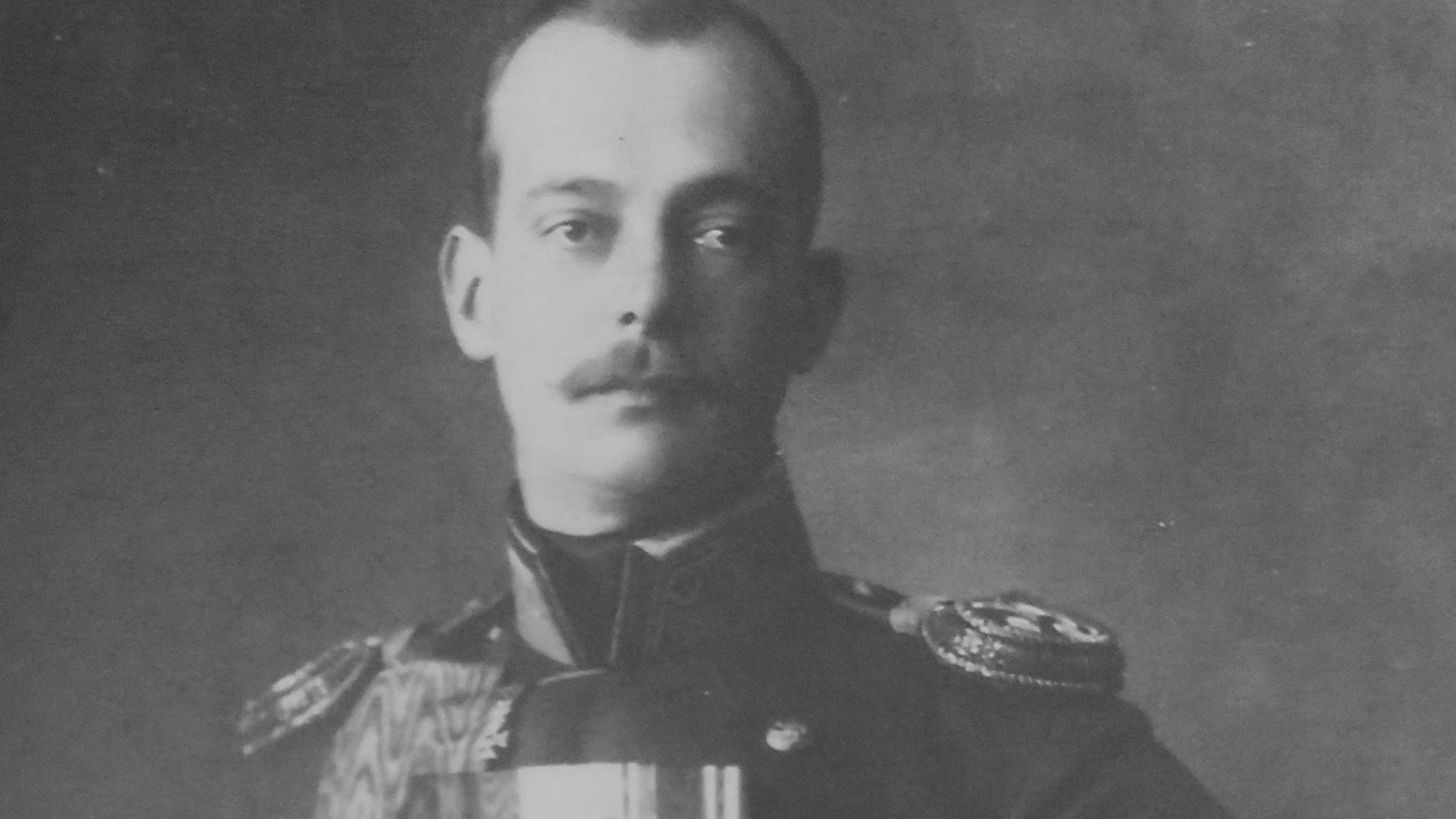
Mathilde attracted the attention of some high-profile men with her mesmerizing stage presence and striking beauty. During the late 1890s and early 1900s, she engaged in physical relationships with not one but two Grand Dukes of the Romanov family: Andrei Vladimirovich and his cousin, Sergei Mikhailovich. The situation, inevitably, got messy.
 Unknown authorUnknown author, Wikimedia Commons
22. She Had A Kid
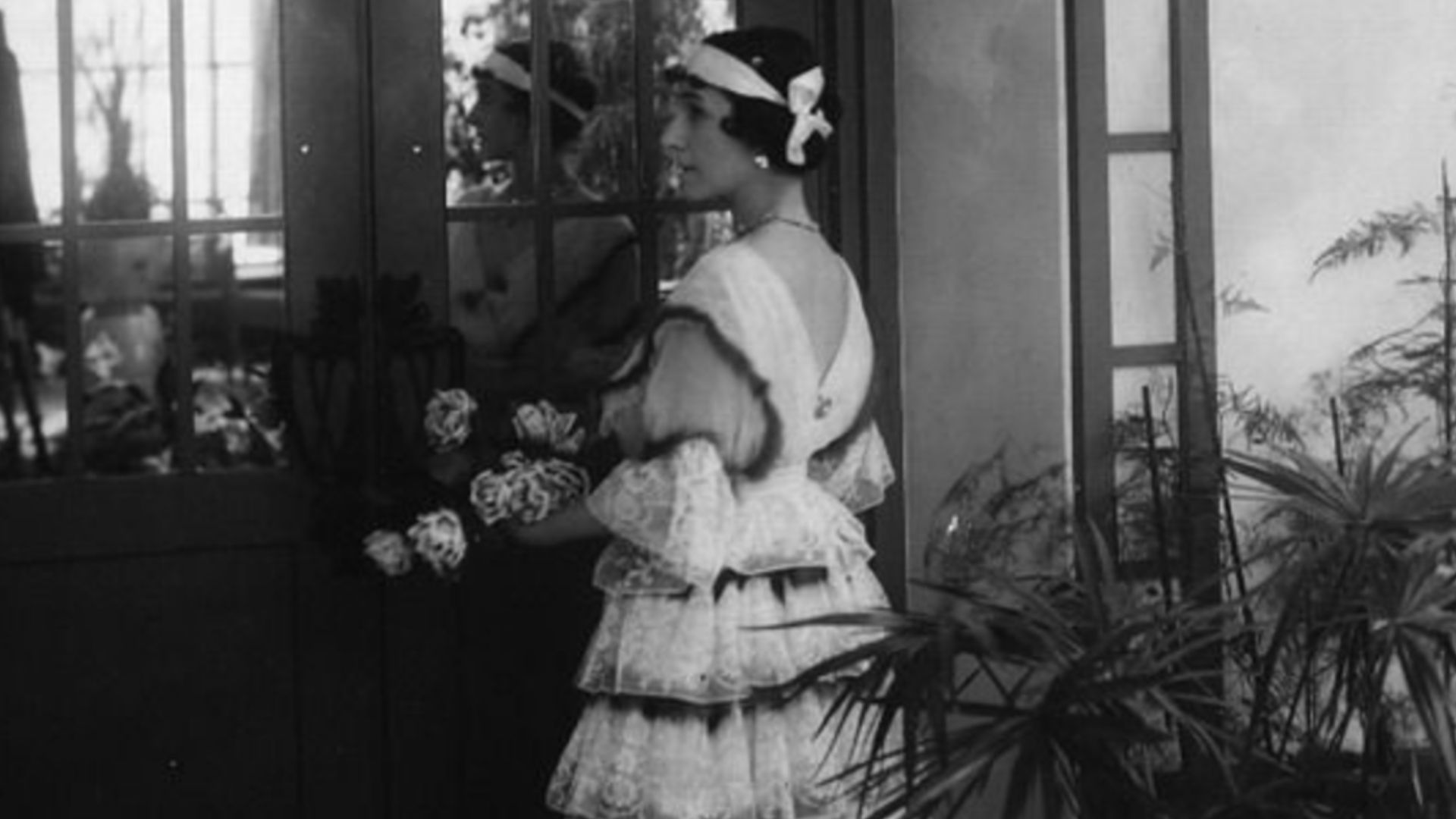
In 1902, Mathilde Kschessinska gave birth to a son whom she named Vladimir. Little Vlad would go by “Vova” for most of his life. But who was his father? Well, even Mathilde wasn’t certain of that; either Vladimirovich or Mikhailovich could have sired him, though no one ever found out for sure. But that didn’t stop speculation.
 Yakov Vladimirovich Steinberg, Wikimedia Commons
23. She Got Rebuffed
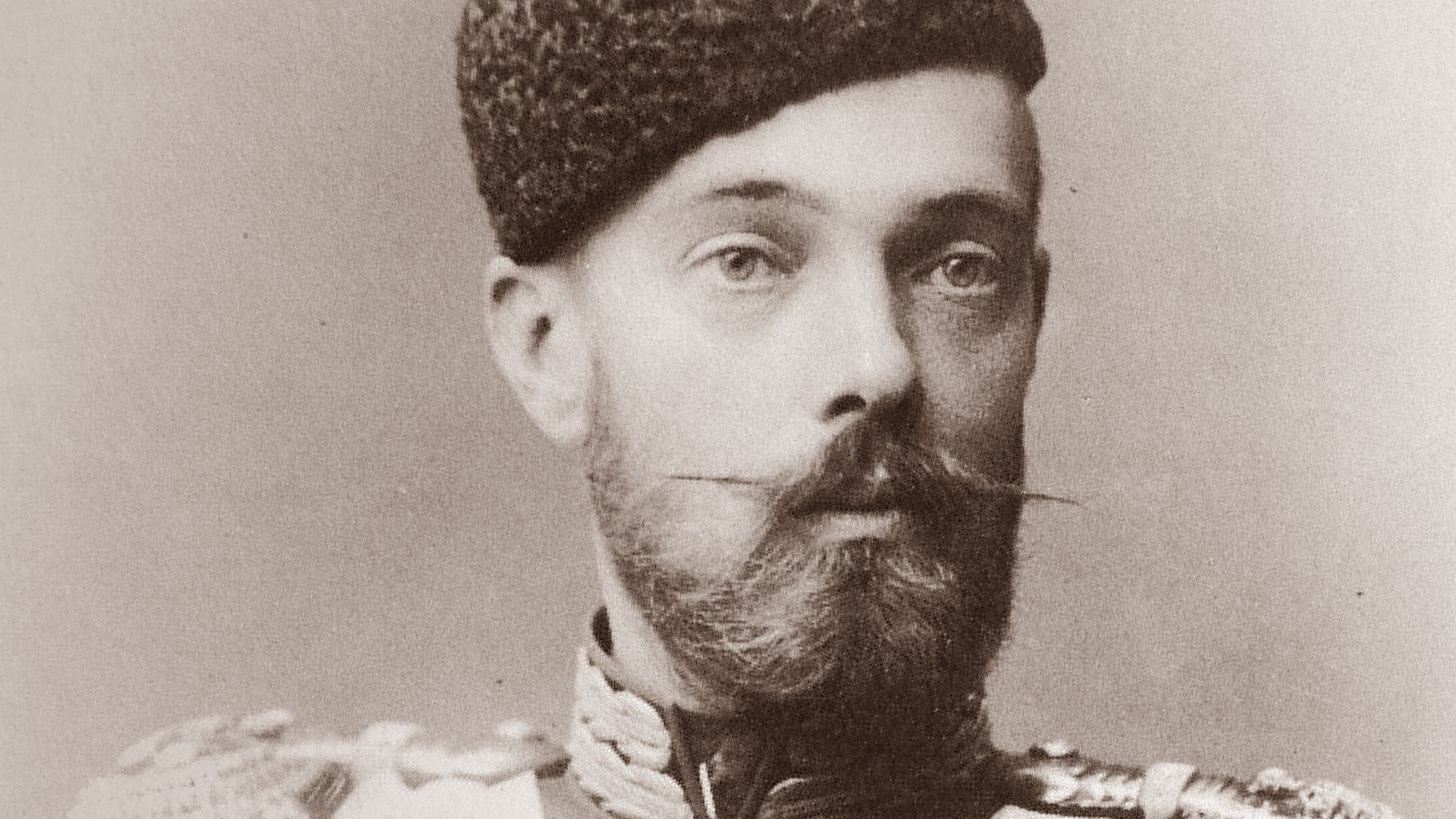
While Mathilde was unsure of her son’s parentage, one candidate certainly seemed confident in his childlessness. She would later write that "Serge knew for certain that he was not the father of the child", and Mathilde seemed to take him at his word. But perhaps it was wishful thinking.
 Unknown authorUnknown author, Wikimedia Commons
24. She Had A Crush
It was easy for Mathilde to go along with Serge’s denial of fatherhood because she preferred the other cousin anyway. She was not reticent in professing her love for Andrei Vladimirovich, in writing nor in exclamation. She even named her son after her preferred candidate for grand-fatherhood, writing that little Vlad got named “in honor of the Grand Duke Vladimir, André's father”. And if Andrei did not object, it was probably the result of a charm offensive.
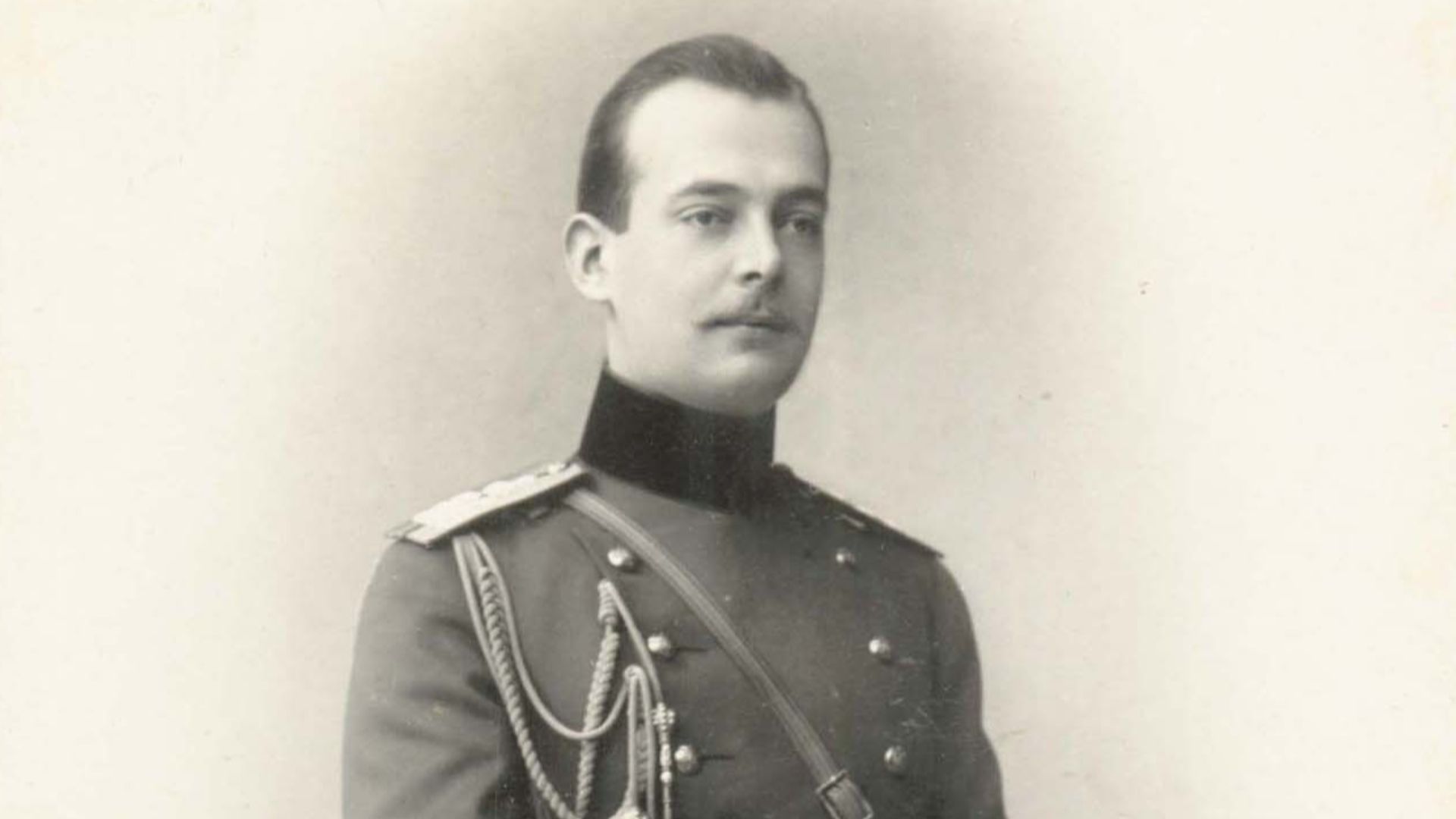 Unknown authorUnknown author, Wikimedia Commons
25. She Was Jovial
Reports as to Mathilde’s character have been mixed. It appears, however, that if she was fond of someone, she could be quite charming and kind. Many colleagues characterized her as such, including a young Tamara Karsavina, who would also go on to be prima ballerina. But Mathilde wasn’t afraid to use any advantage she had.
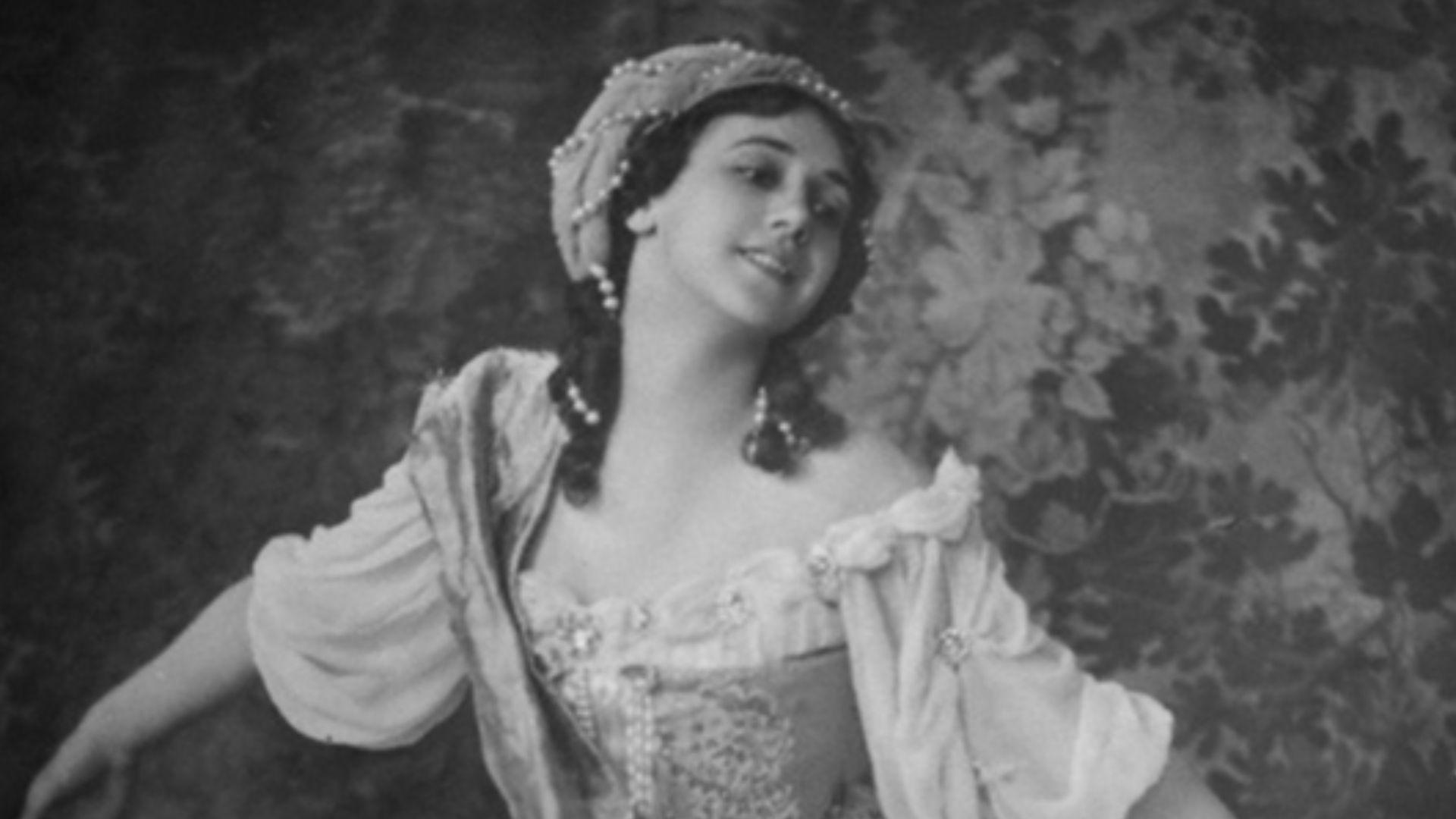
26. She Had Friends In High Places
Because of her previous affair with the tsar and her ongoing liaisons with high-ranking members of the Romanov Imperial family, Mathilde could easily climb the ranks in the Imperial Theatre. Indeed, she was not afraid to use her connections to advance her position. She was a high-class woman through and through.
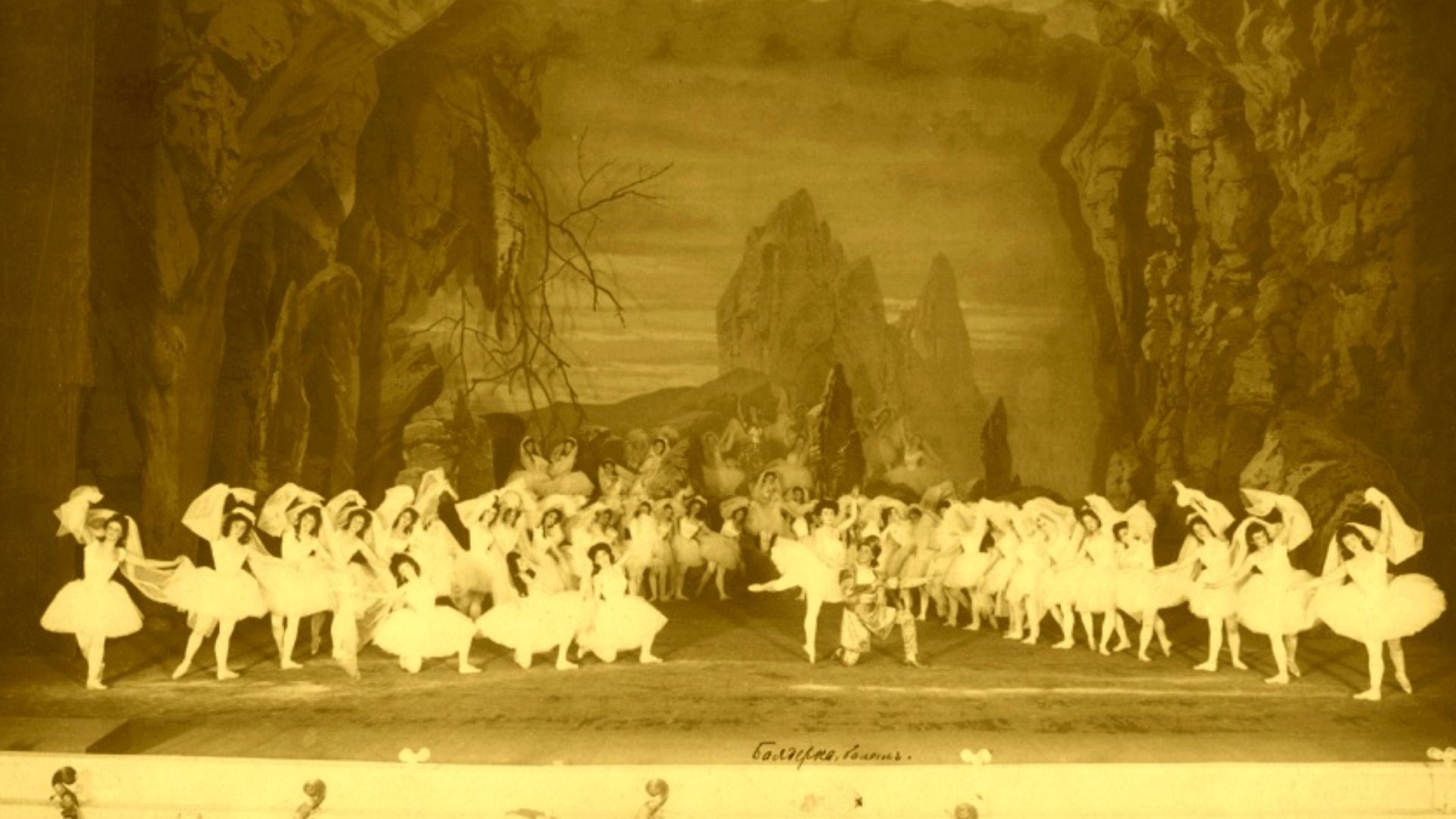
27. She Sparkled
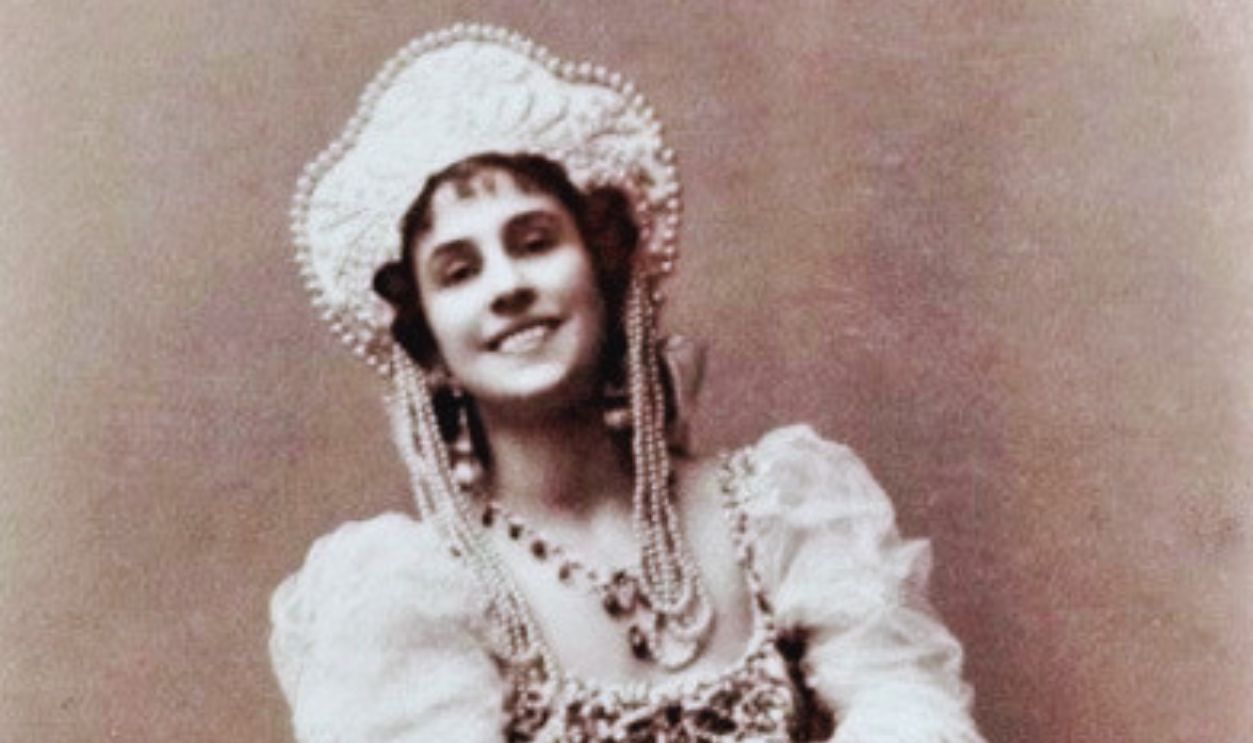
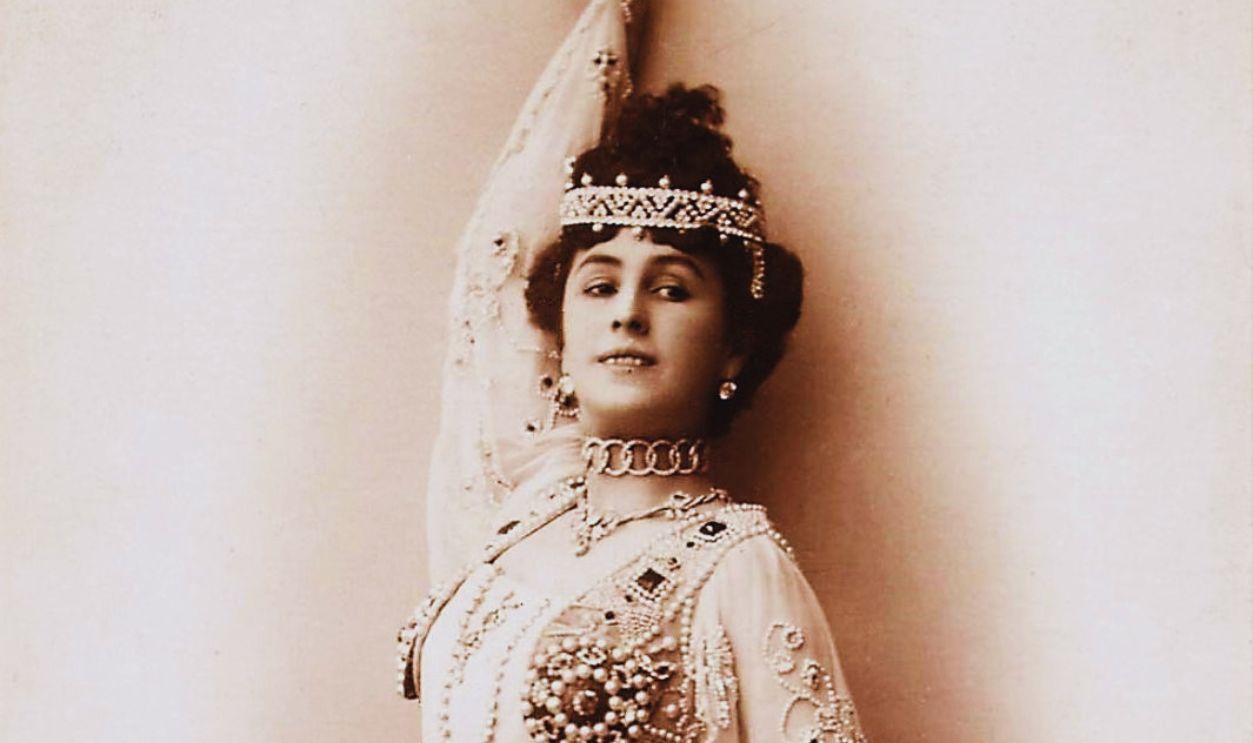
Mathilde did not spare on lavish visuals for her performances. She often sewed valuable jewels into her ballet costumes, and, on at least one occasion, she even wore a diamond encrusted tiara and choker. And you’d better believe that if she had the glamorous, excessive qualities of a diva, she had all the difficult ones too.
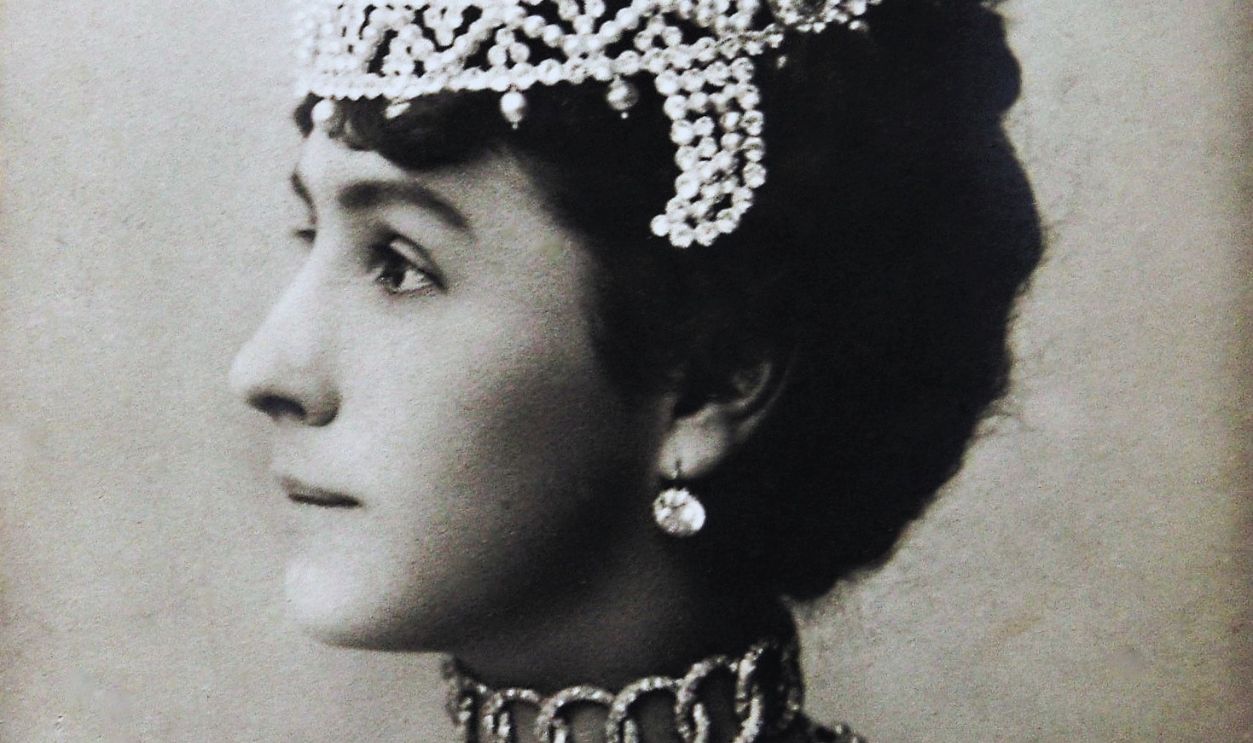 Е. Л. Мрозовская, Wikimedia Commons
28. She Was Dangerous
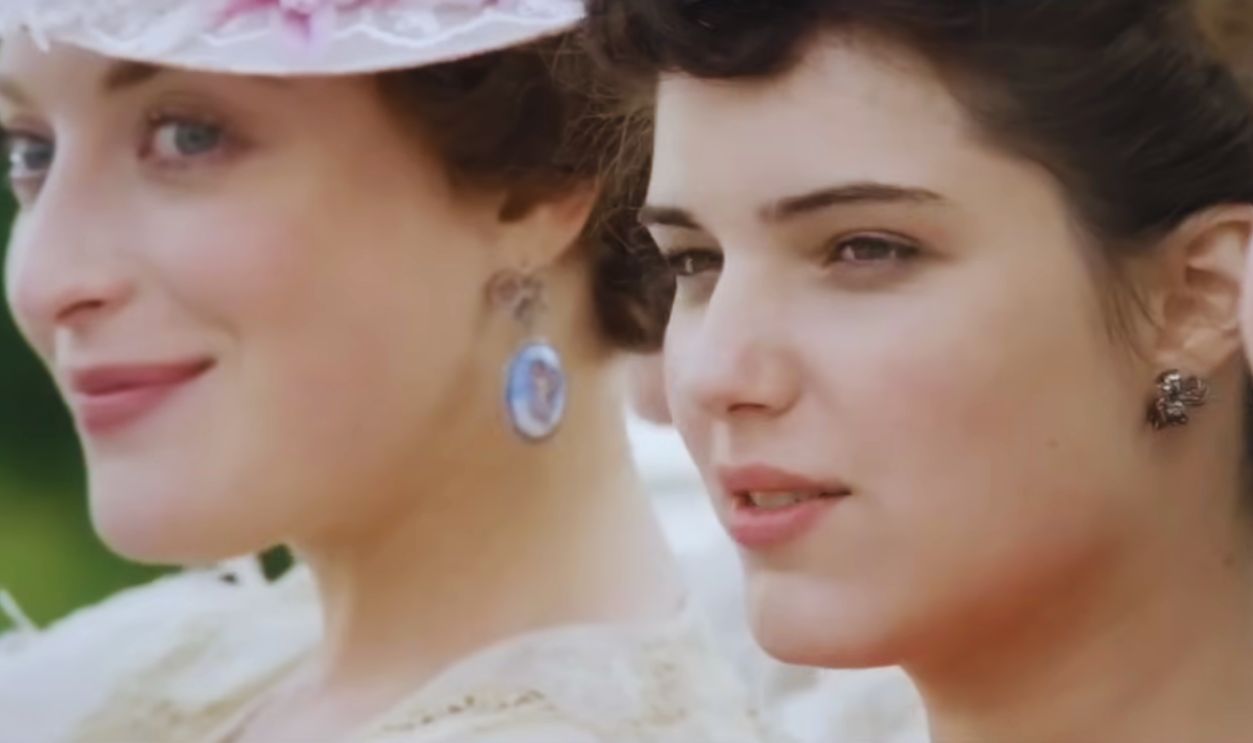
If anyone got on Mathilde’s bad side, even unintentionally, she made life very difficult for them at the Imperial Theatre. She was infamous for her ruthlessness with her rivals, perceived or otherwise. But just because she was cunning and powerful did not mean she always succeeded.
 Screenshot from Matilda, TPO Rok / Rock Films (2017)
29. She Tried To Upstage
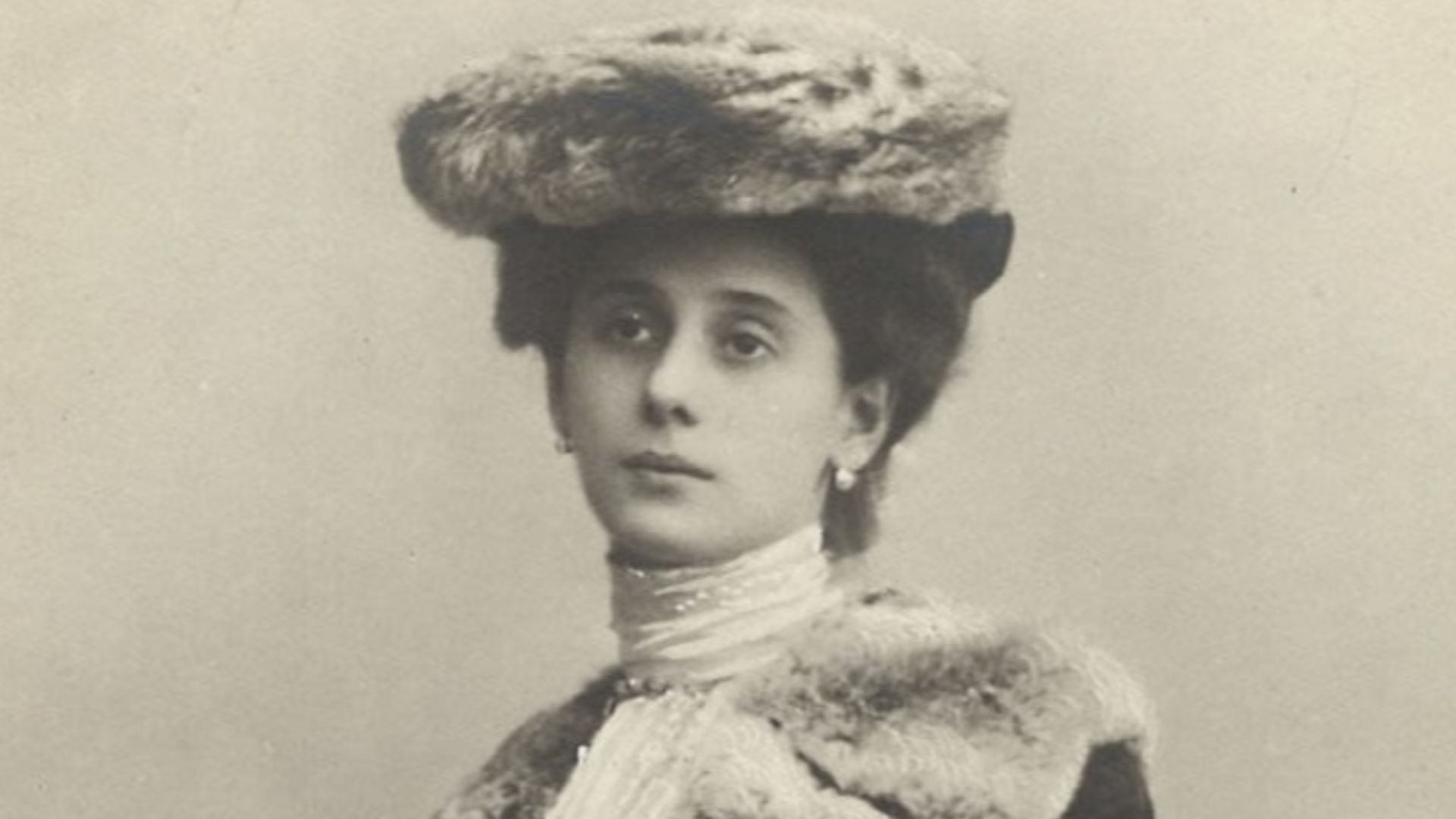
In 1902, while Mathilde Kschessinska was pregnant, the Theatre gave her the responsibility of coaching a young Anna Pavlova. The rising star clearly had talent, and Mathilde probably felt threatened by her. She dismissed Pavlova as technically weak, confidently asserting that the younger ballerina would not upstage the experienced veteran. It was a huge mistake.
30. She Miscalculated
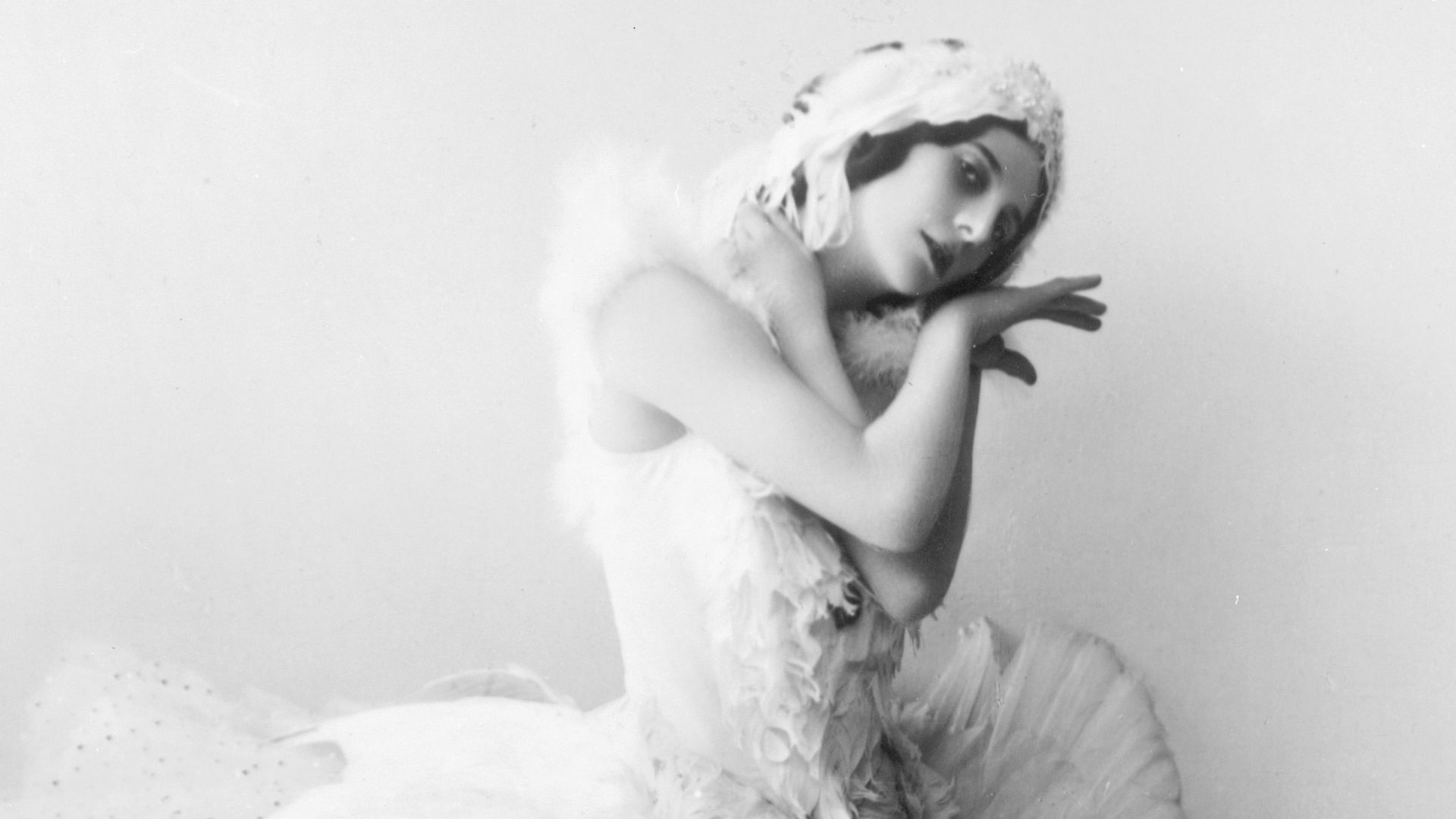
Mathilde missed a valuable opportunity to strap herself to Pavlova’s rising star. The young, frail, ethereal ballerina completely enthralled audiences, and went on to become one of the greatest of all time. She essentially left Mathilde in the dust. But perhaps Pavlova got off lucky, considering some of Mathilde’s other methods of disruption (more on that later).
 Unknown authorUnknown author, Wikimedia Commons
31. She Was Propertied
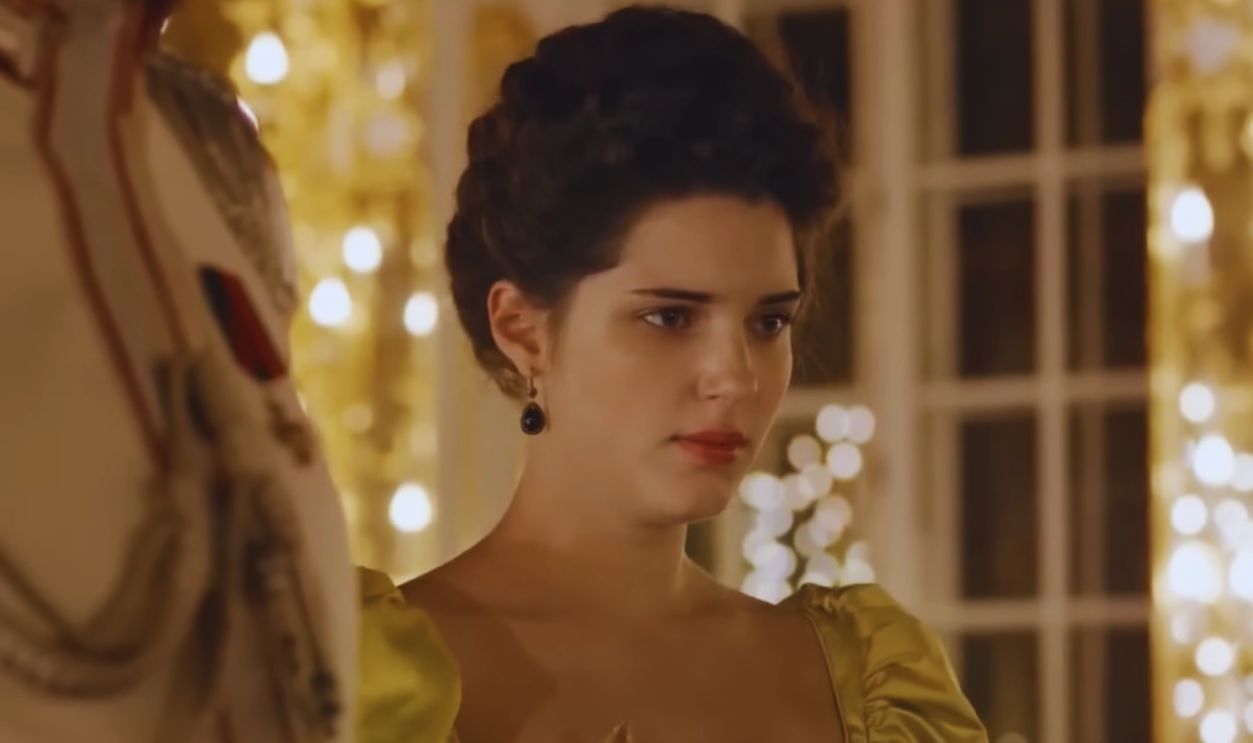
For all her character flaws, Mathilde still had charm enough to maintain a robust network of aristocratic connections. Taking advantage of these friends in high places, the ballerina amassed, over time, plenty of valuable property in Russia’s capital. But the excesses of Mathilde and her aristocratic class would soon come back to haunt them.
 Screenshot from Matilda, TPO Rok / Rock Films (2017)
32. She Got Expropriated
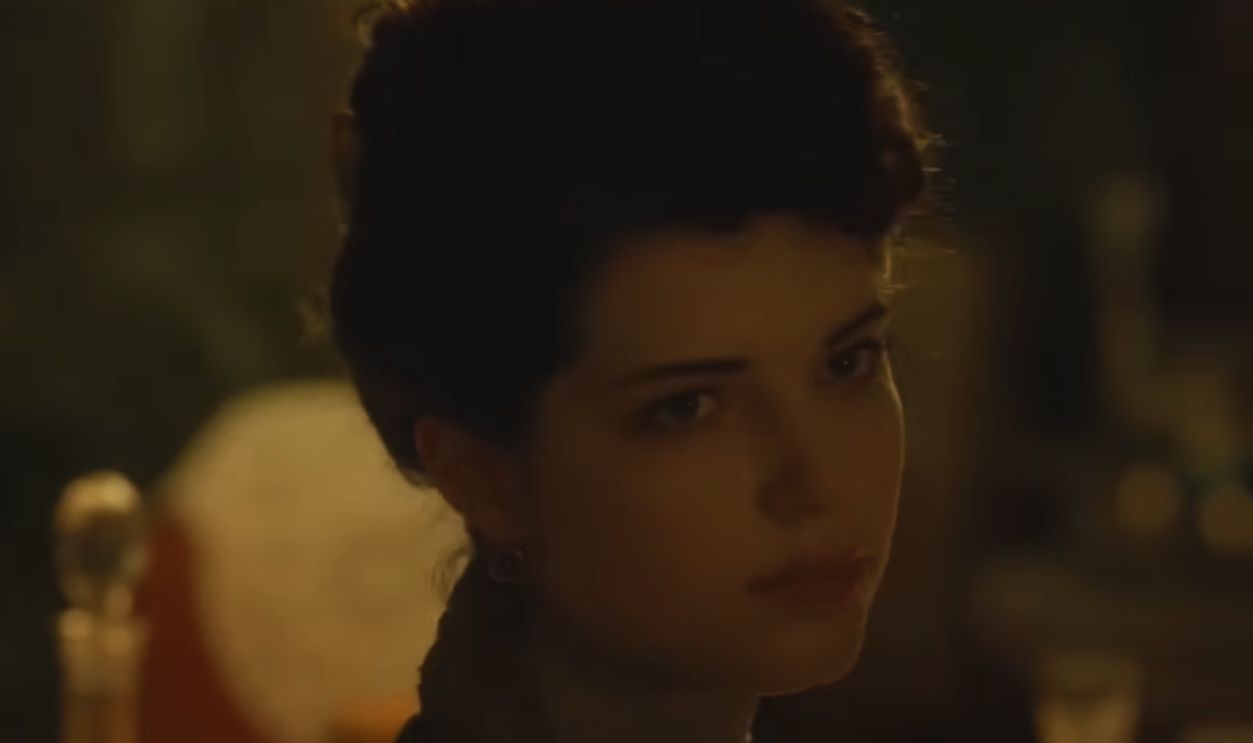
In 1917, the February Revolution against the tsar completely upended the balance of power, and although it was largely a bourgeois revolution (the communists would not take power until the triumphant October Revolution later that year), the Bolsheviks did win some ground that month: namely, Mathilde’s house.
The heroic force of workers took over Mathilde’s property, booted her from the premises, and held party meetings there, one of which was attended by Lenin himself. Reflecting her class interests, Mathilde would, of course, paint a different picture.
 Screenshot from Matilda, TPO Rok / Rock Films (2017)
33. She Felt Entitled
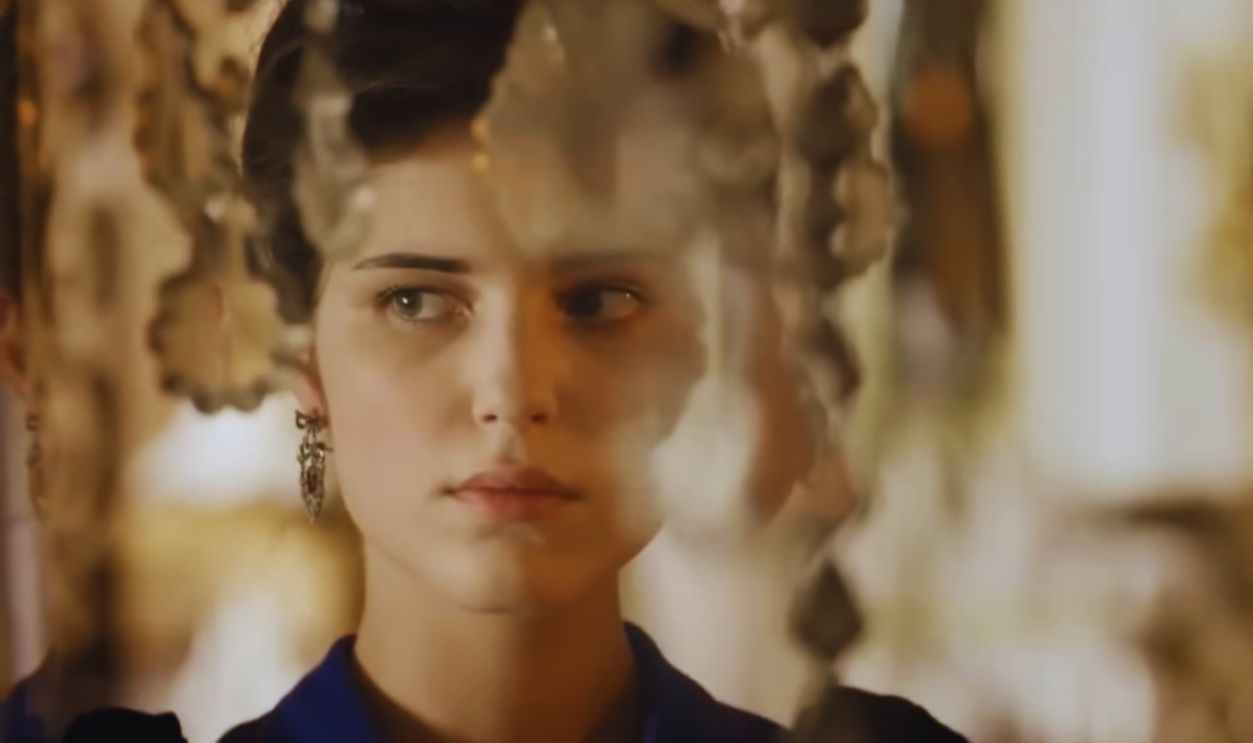
Mathilde Kschessinska tried in vain to reclaim her property. She made unfounded claims that the Bolshevik’s had turned it into a “pigsty” and unsuccessfully attempted, through the courts, to recover her ownership. Hilariously, Mathilde claimed that one day, while passing the house, she spotted prominent Bolshevik organizer Alexandra Kollontai wearing one of her overcoats. And while she no longer had the property, Mathilde still had privilege.
 Screenshot from Matilda, TPO Rok / Rock Films (2017)
34. She Turned Tail
Eventually realizing that her class was quickly losing power and relevance in Russia, Mathilde took her remaining wealth and fled to safer lands for aristocrats: Paris, France. Over the next few years, as the Red Army advanced and the Bolsheviks liberated Russia from tsarist and bourgeois yolk alike, Mathilde fled across the country until she eventually arrived in France on March 12, 1920. She had a companion all the way, and they grew very close.
 Е. Л. Мрозовская, Wikimedia Commons
35. She Married Her Love
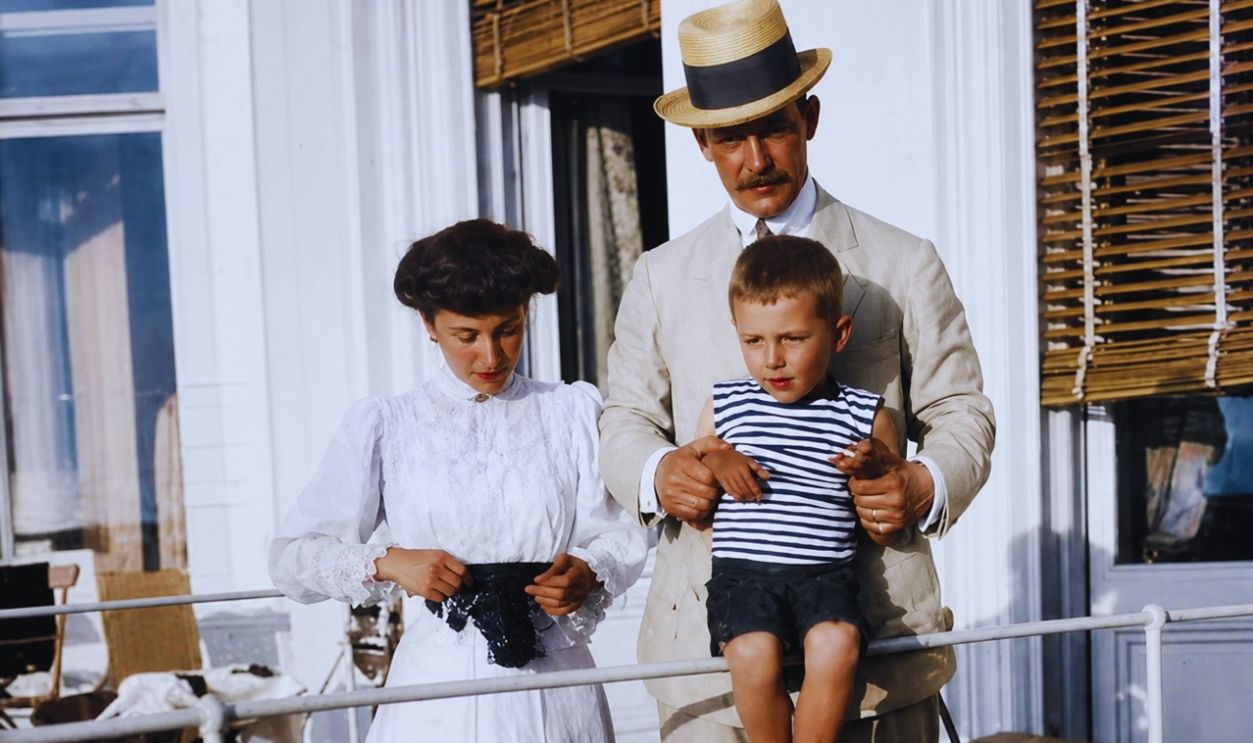
During her entire flight from Russia, Mathilde had company in the form of her long-time lover and likely baby daddy, Grand Duke Andrei Vladimirovich of the deposed Romanov family. The two grew even closer on their journey and, after settling in France, the couple wed in Cannes on January 30, 1921. And though their titles held no power in Russia, the newlyweds desperately clung to them, nonetheless.
 Unknown Author, Wikimedia Commons
36. She Got A Title
Despite the overthrow of the tsar in Russia, Mathilde Kschessinska and her fellow aristocratic exiles still put stock in their now-meaningless titles and positions. Writing about her wedding day, she claimed that the Grand Duke Kirill Vladimirovich of Russia bestowed upon her the name of Krassinsky and the title of Princess. And for good measure, Mathilde added another recognizable name too.
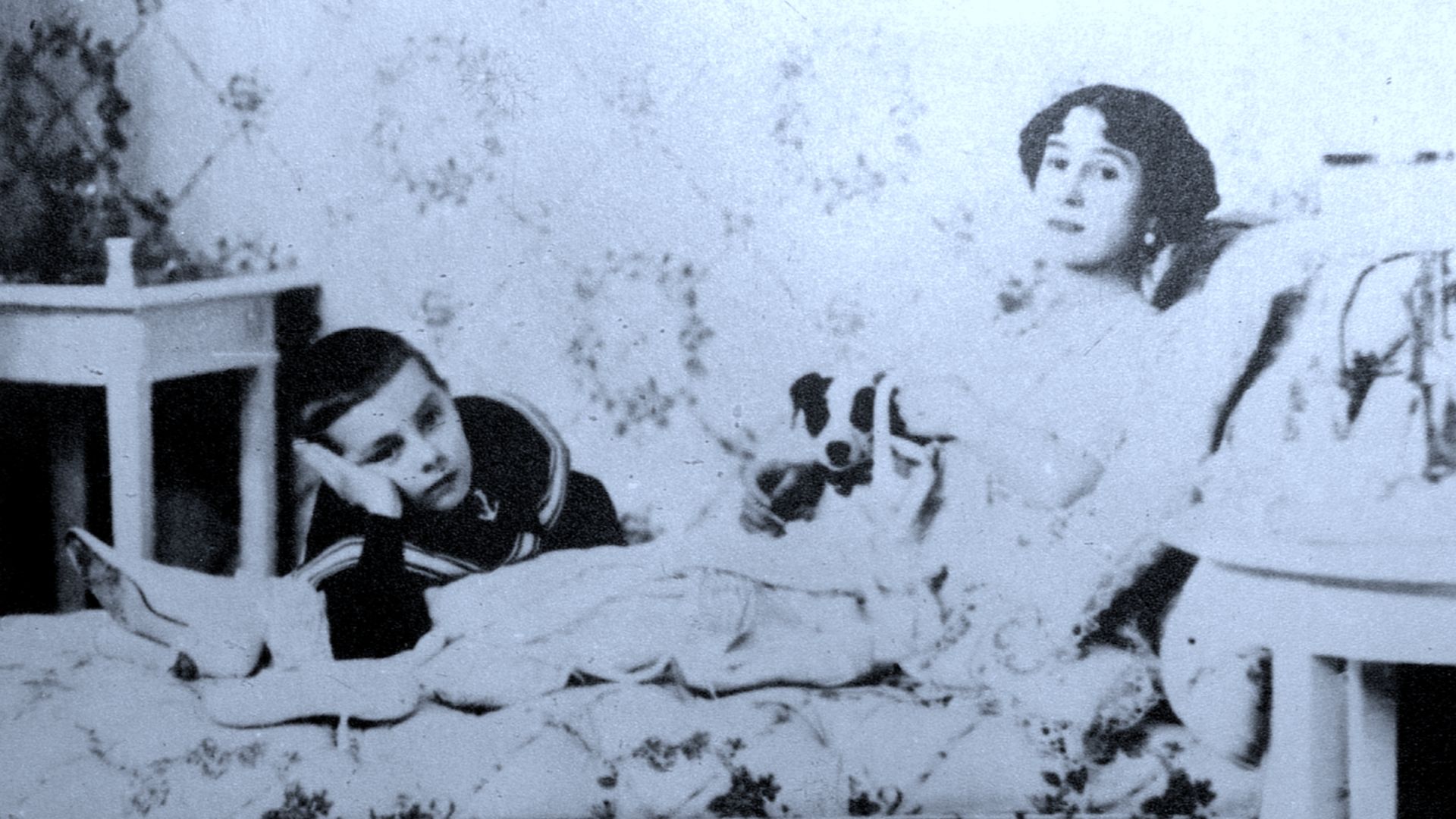 Unknown authorUnknown author, Wikimedia Commons
37. She Became A Royal, I Guess
While Mathilde happily played princess, her marriage to Andrei was, in reality, a morganatic one, given their unequal social rank. Because of this, she could only take the name Romanovsky, though her son received the Imperial name of Romanov, for all the good it would do him. The ballerina princess took one last step to cement herself in the annals of the withering dynasty.
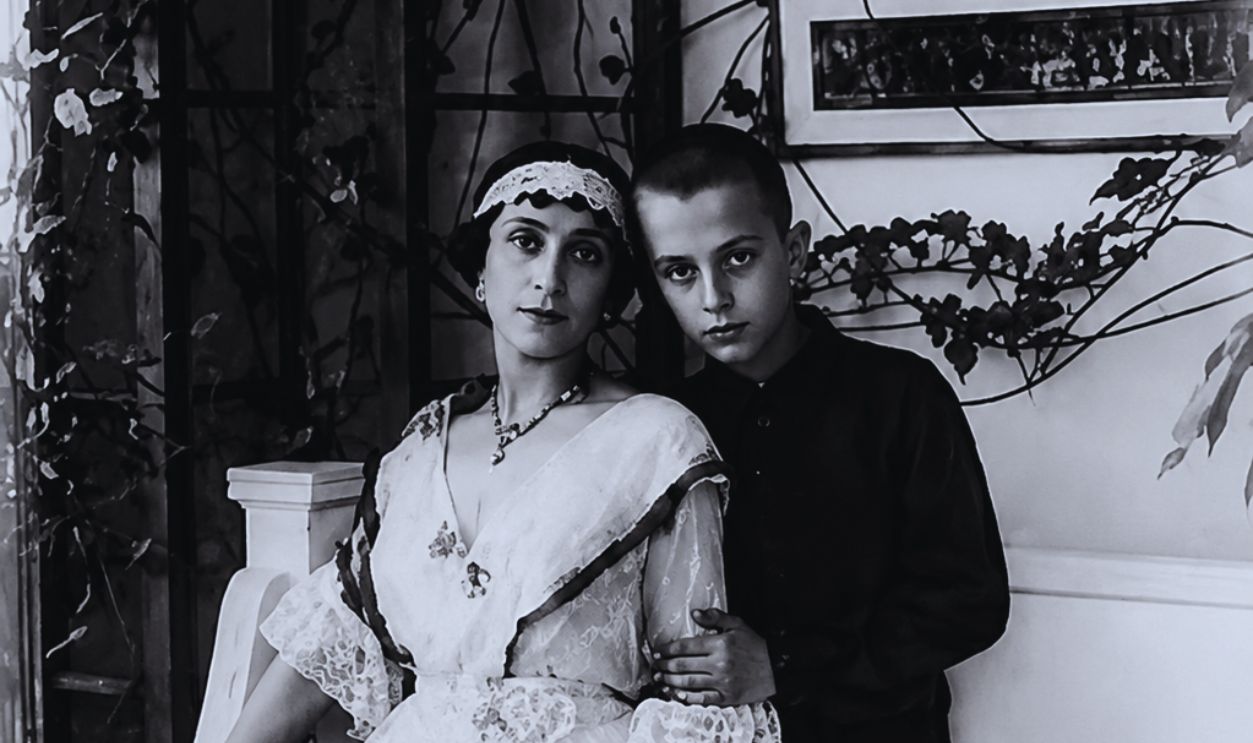 AnonymousUnknown author, Wikimedia Commons
38. She Converted
For all of her life, Mathilde had been a devout Catholic, a faith she had inherited from her Polish roots. This was somewhat frowned upon in Romanov circles, however, and though it took her a while to relent, the princess finally converted to Russian Orthodoxy in December 1925. It was slowly dawning on Mathilde that she may never return to Russia, so she decided to settle.
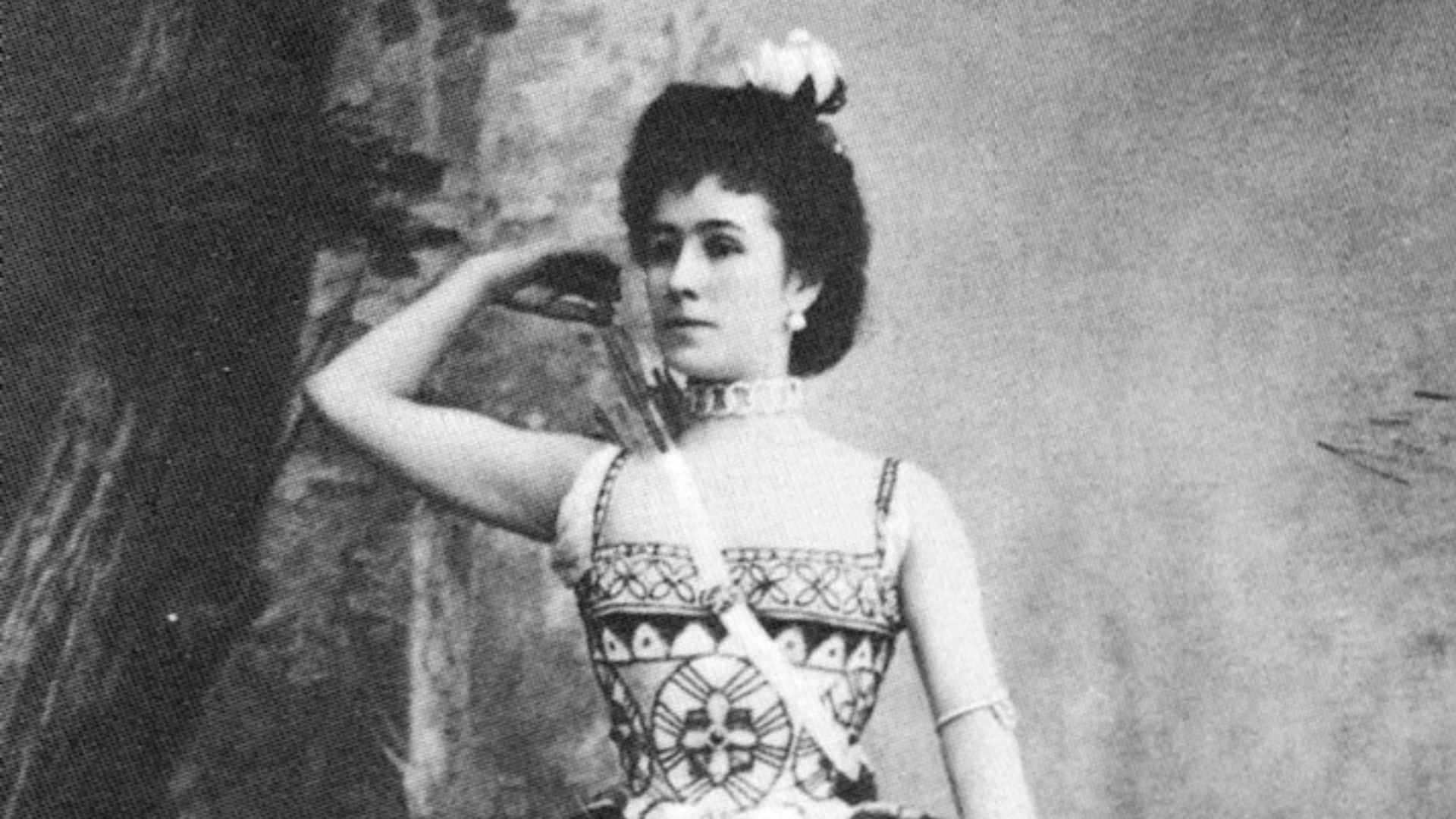 Mrlopez2681, Wikimedia Commons
39. She Established Herself
On February 5, 1929, Mathilde and her family finally made the move to their new Paris home. Less than two months later, Mathilde resumed her life’s passion and opened a dance studio in the French capital. Lessons began in earnest on April 6, and over the next few years, she built something she could be proud of.
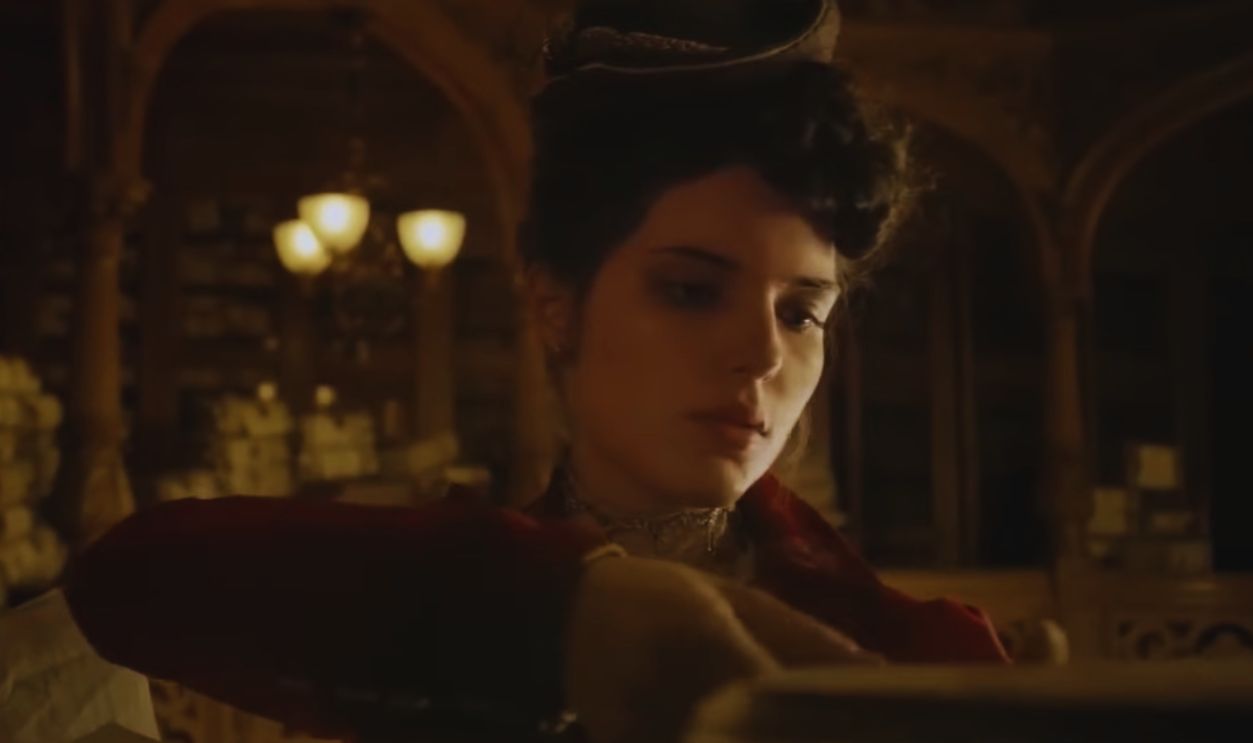 Screenshot from Matilda, TPO Rok / Rock Films (2017)
40. She Attracted A Flock
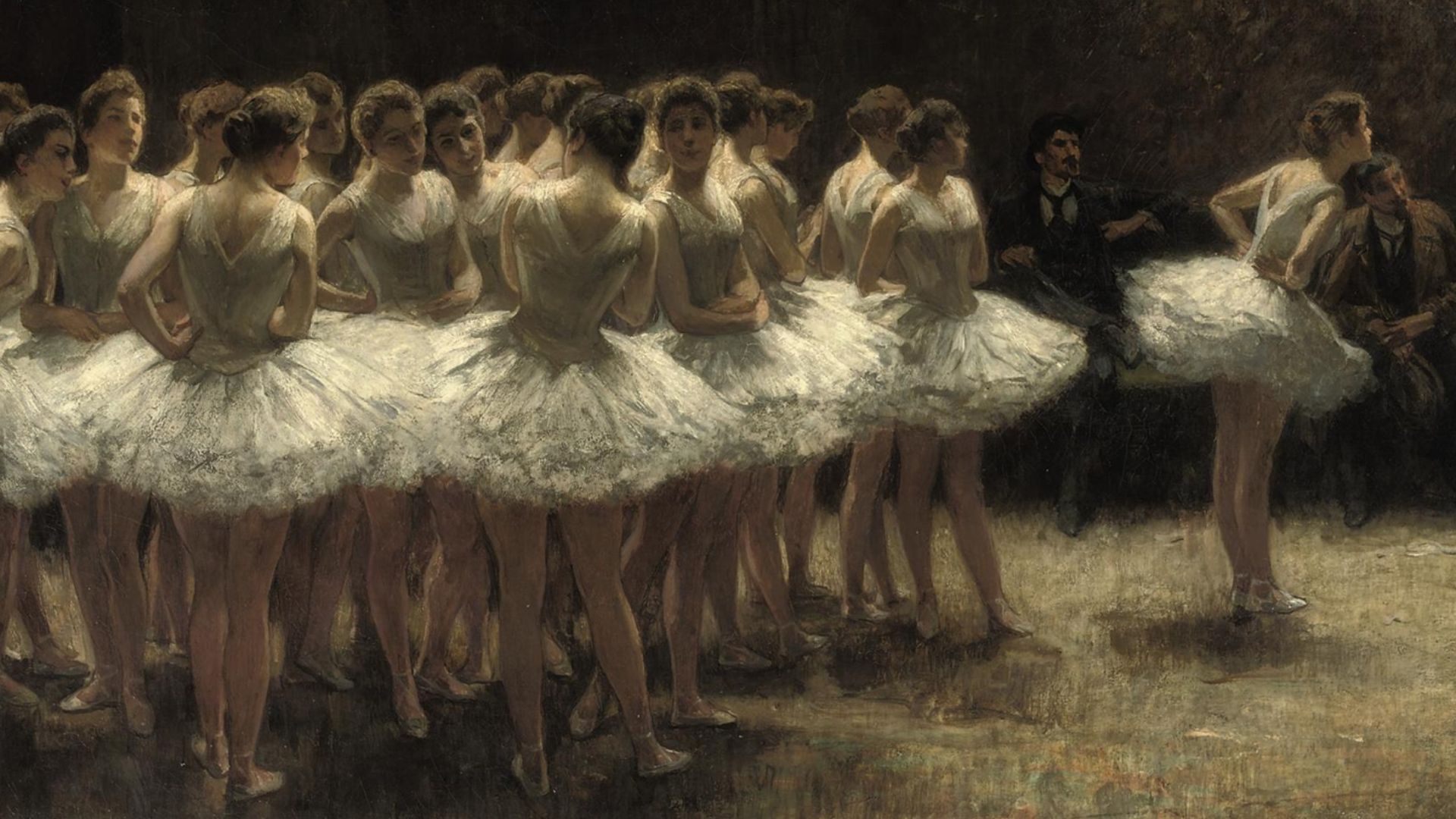
Mathilde’s name held sway among the ballet-parents of Paris, and her school quickly attracted all manner of budding ballerinas. By 1933, she had over 100 students, both boys and girls. Mathilde found herself to be an incredibly competent ballet instructor, and her school’s notable graduates proved it.
 Nicolaas van der Waay, Wikimedia Commons
41. She Taught The Greats
Many notable ballet dancers, teachers, and choreographers graduated from Mathilde’s Paris school, showcasing her supreme eye for talent. Those graduates included names that may not be recognizable to the layperson but whom, within the ballet world, were titans.
Among them were Pearl Argyle, June Brae, Margot Fonteyn, Diana Gould, Andrée Howard, Pamela May, Tatiana Riabouchinska, and Harold Turner. All these performers even had the honor of dancing alongside their decorated teacher and mentor.
 NBC Television, Wikimedia Commons
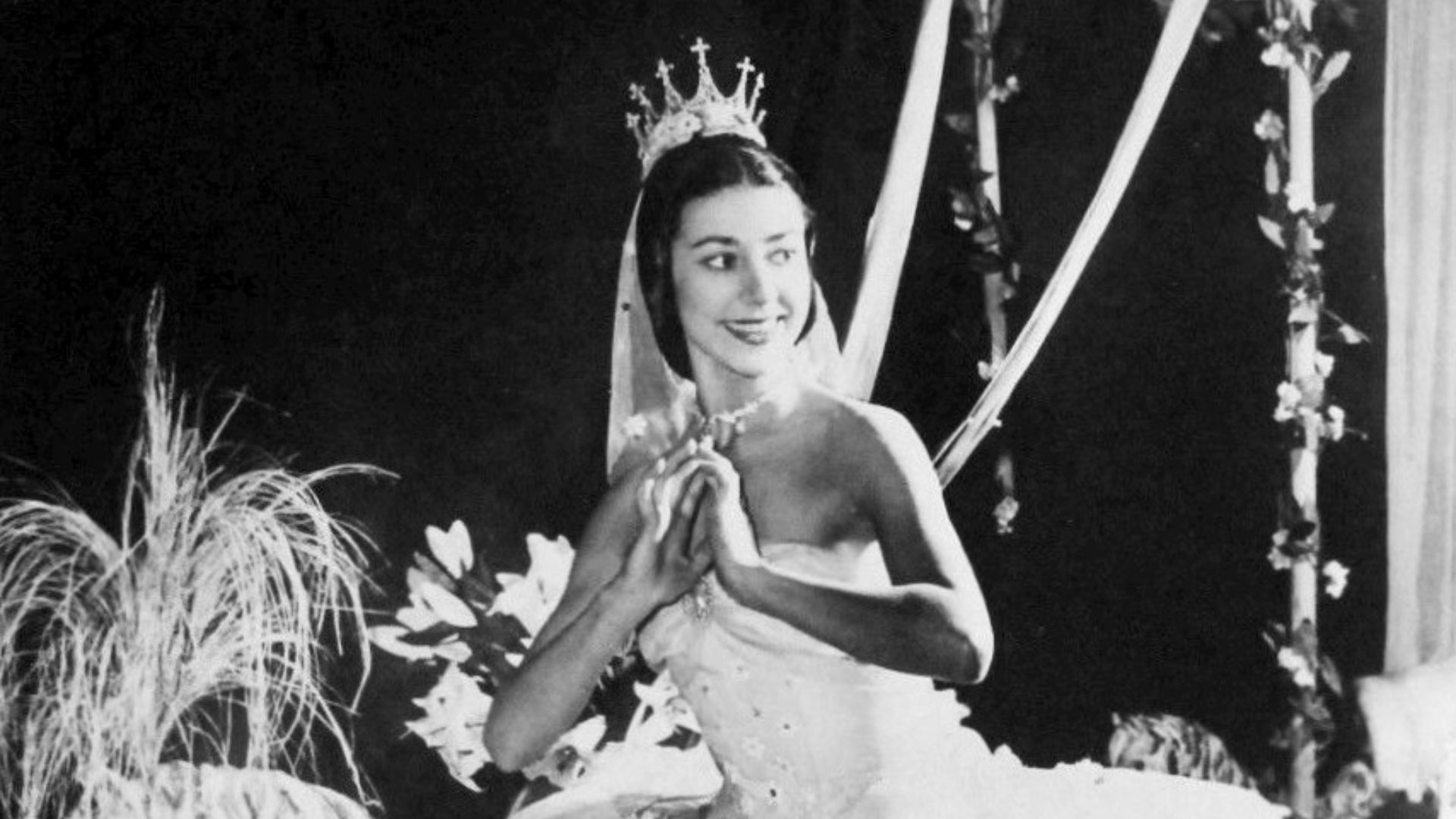
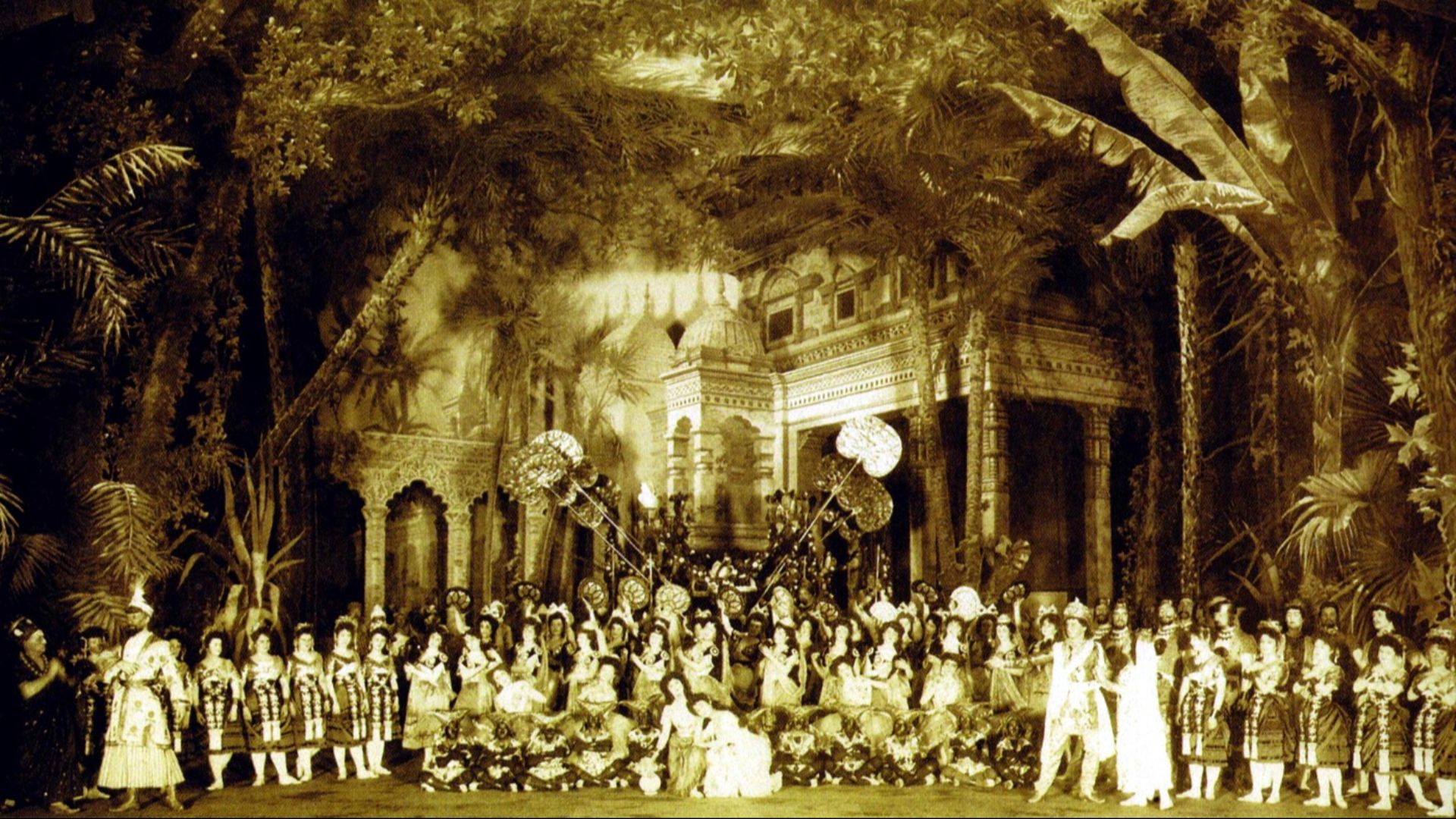
42. She Kept Going
While teaching, Mathilde Kschessinska continued to perform in ballet productions until her body simply no longer allowed it. She made her final appearance onstage on June 14, 1936, at a jubilee performance in London’s Covent Garden. Impressively, the renowned ballerina was 64 years old when she strapped her shoes on for the last time, after which she settled into a long retirement.
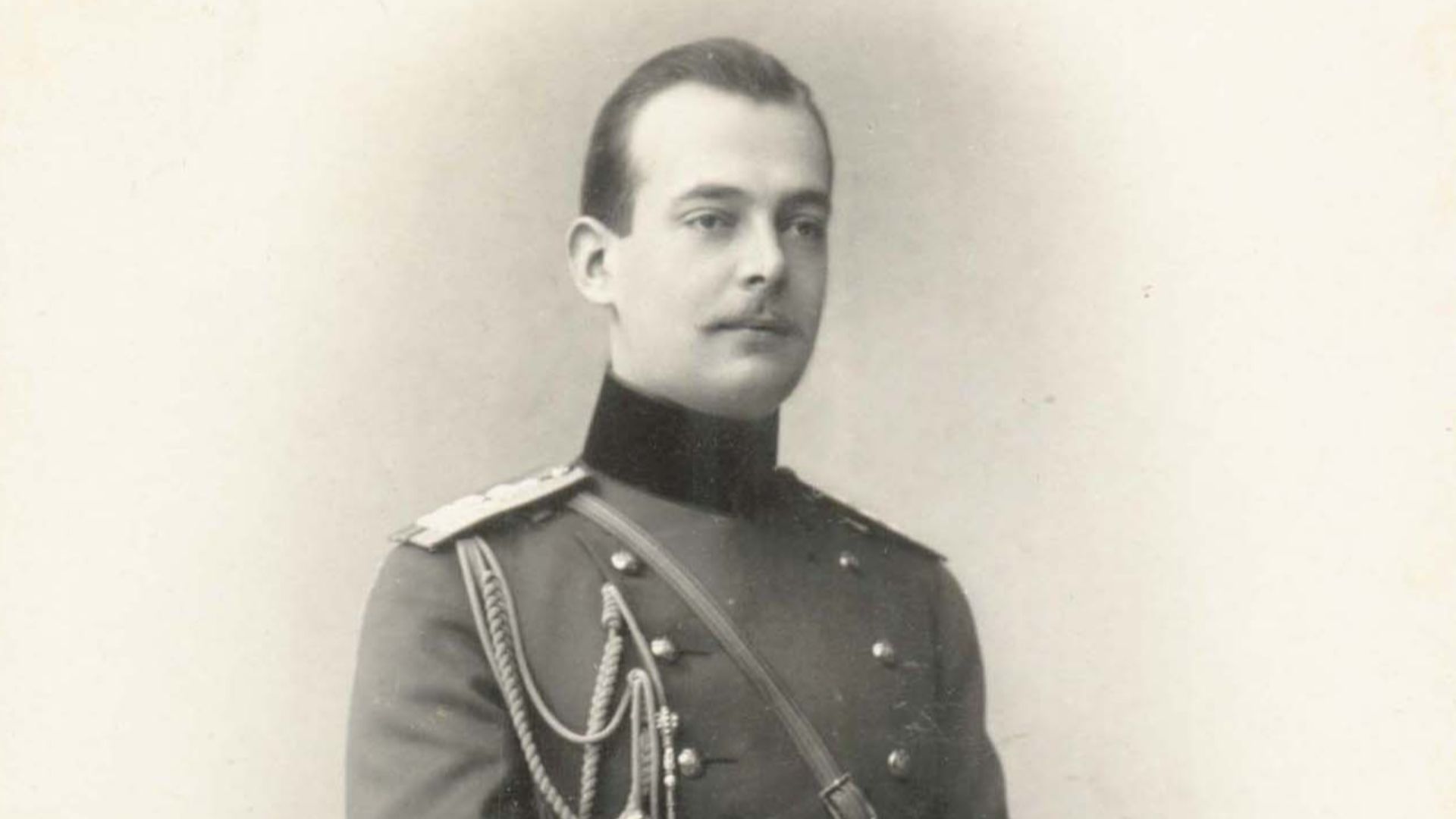
43. She Lost Her Love
With the success of the ballet school, Mathilde and Andrei settled into a quiet and comfortable life in Paris. Over the next couple of decades, Andrei suffered on and off from health issues; despite this, however, he ended up living longer than most Romanovs tended to. Mathilde’s husband passed suddenly in 1956 at the age of 77. Devastated, the ballerina found some comfort in reminiscing.
 Unknown authorUnknown author, Wikimedia Commons
44. She Recounted Her Life
Following her husband’s demise, Mathilde took to the typewriter for creative solace. In 1960, she published her autobiography in French, which later got released in English under the title Dancing in St. Petersburg: The Memoirs of Kschessinska. Unfortunately, however, the book didn’t sell enough to supplement a lost husband’s income.
 Е.Л. Мрозовская, Wikimedia Commons
45. She Struggled
In her later years, Mathilde struggled financially—she and her husband had already been living modestly (compared to their life in Russia) before he had passed, and with his loss and her retirement from the stage, times got tough. Mathilde remained indomitable all the while, however, and held on for a very long time.
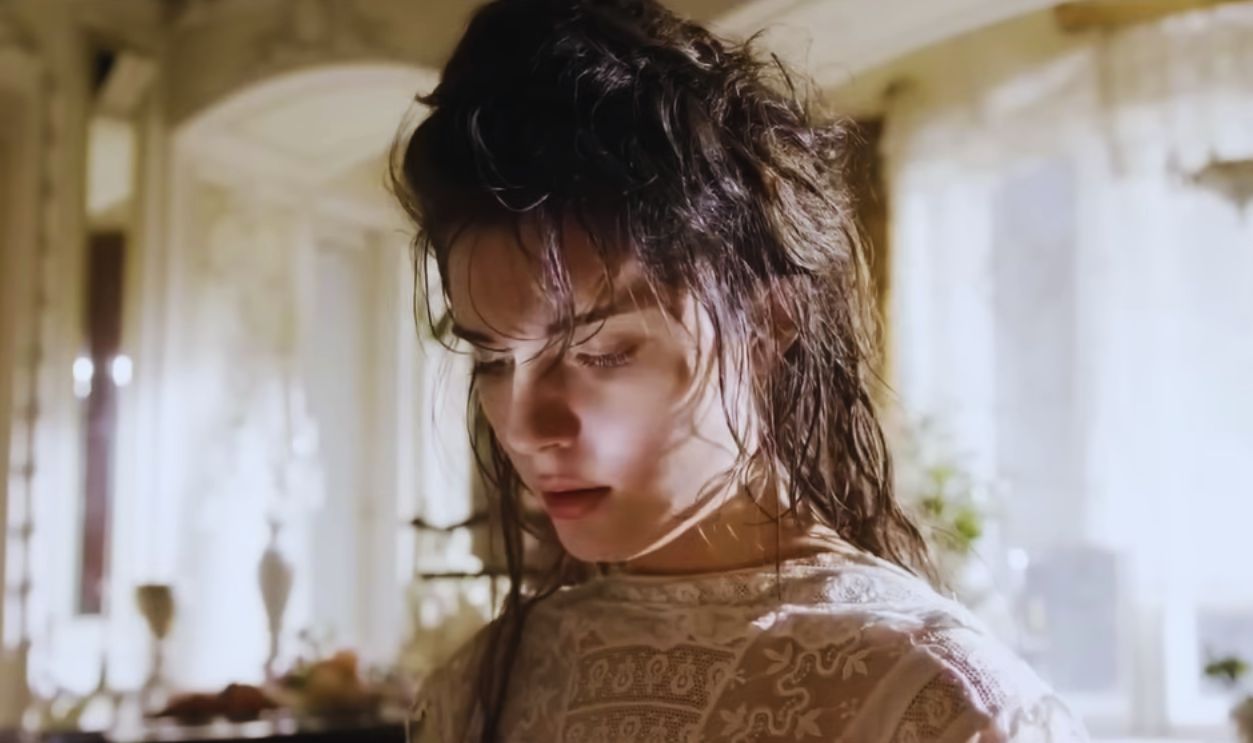 Screenshot from Matilda, TPO Rok / Rock Films (2017)
46. Her Final Curtain Call
Mathilde Kschessinska passed on December 6, 1971, in Paris, France. She was an astounding 99 years of age. The prima ballerina had lived through a tumultuous and dizzying century and, all things considered, had come out of it relatively unscathed, reasonably comfortable, and deeply admired by her community. She was more than ready to rest alongside her loved ones.
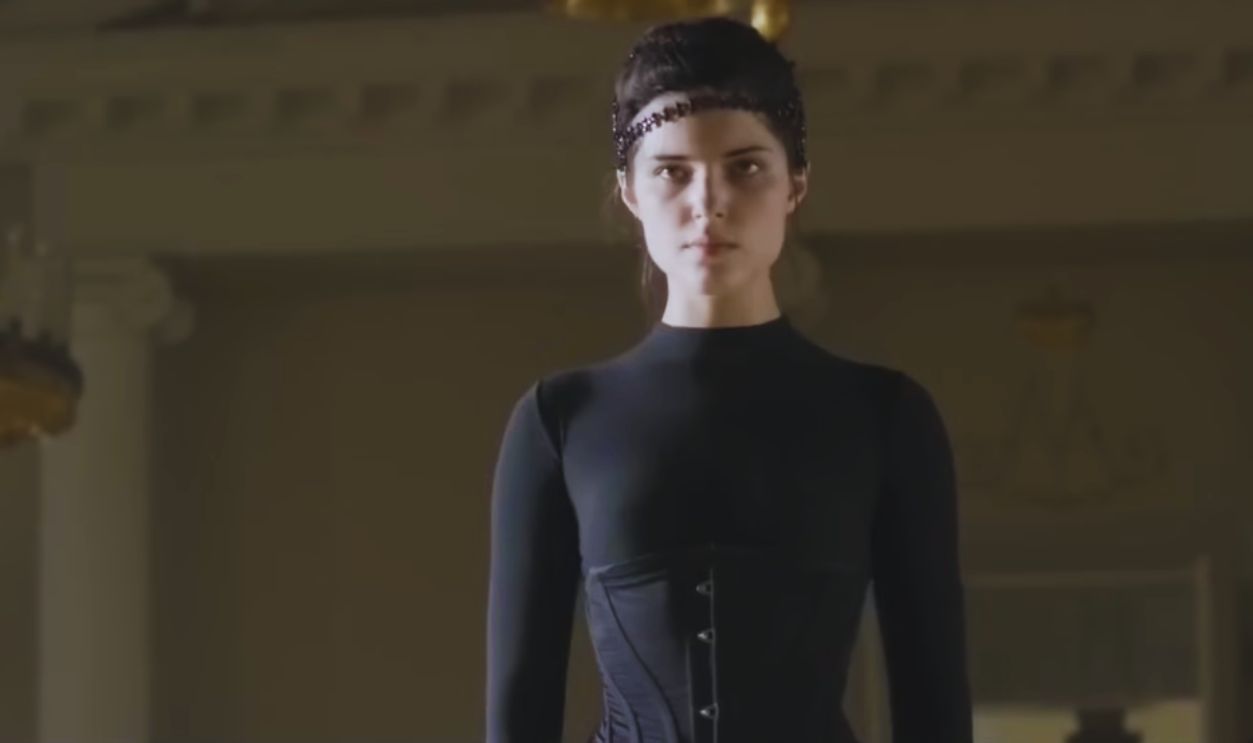 Screenshot from Matilda, TPO Rok / Rock Films (2017)
47. She Lay With Her Love
Mathilde's family entombed her alongside her husband in Paris’ Sainte-Geneviève-des-Bois Russian Cemetery, a cemetery dedicated to the Russian diaspora of the city. And because she lived for so long, it wasn’t actually long before she and Andrei would have further eternal company.
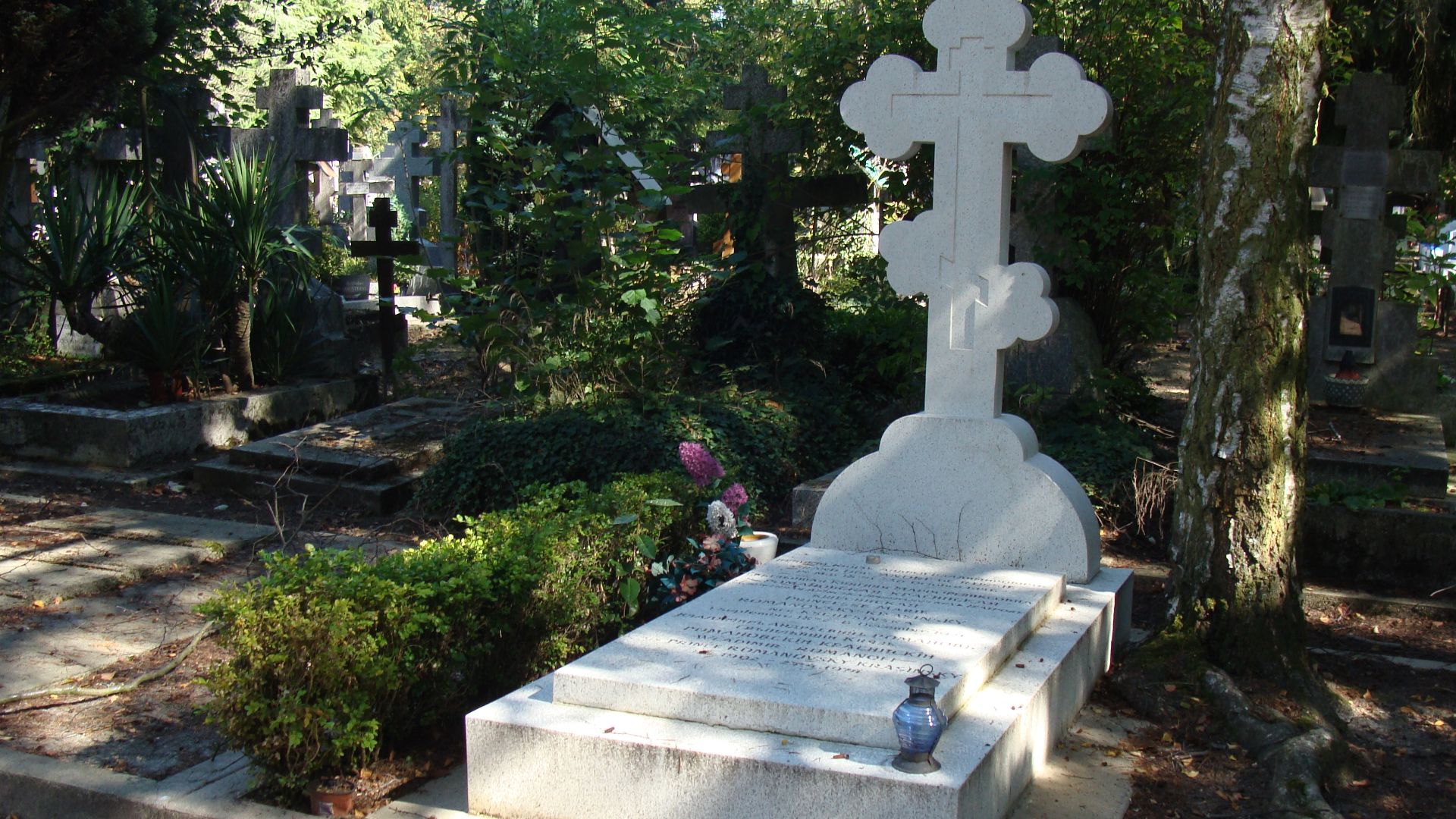 Ivonna Nowicka, Wikimedia Commons
48. Her Son Joined Her
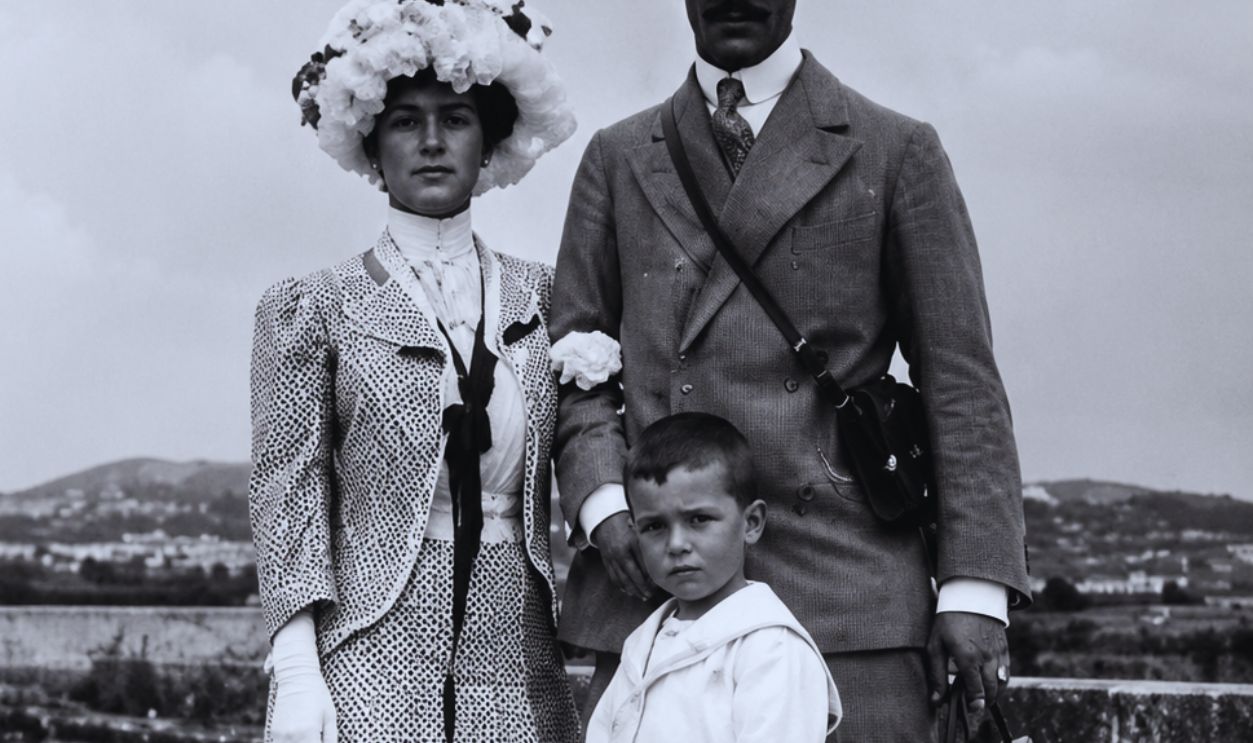
As mentioned, Mathilde was a whopping 99 years of age when she finally kicked it, meaning her son was 69 years old. He was a Romanov boy through and through, and as a result, he did not last much longer than his mother. Three years later, young Vova passed at the age of 72 and got buried alongside his parents. Mathilde’s memory now had to live on in fictional accounts.
 Russian Federation Archives, Wikimedia Commons
49. She Made The Screen
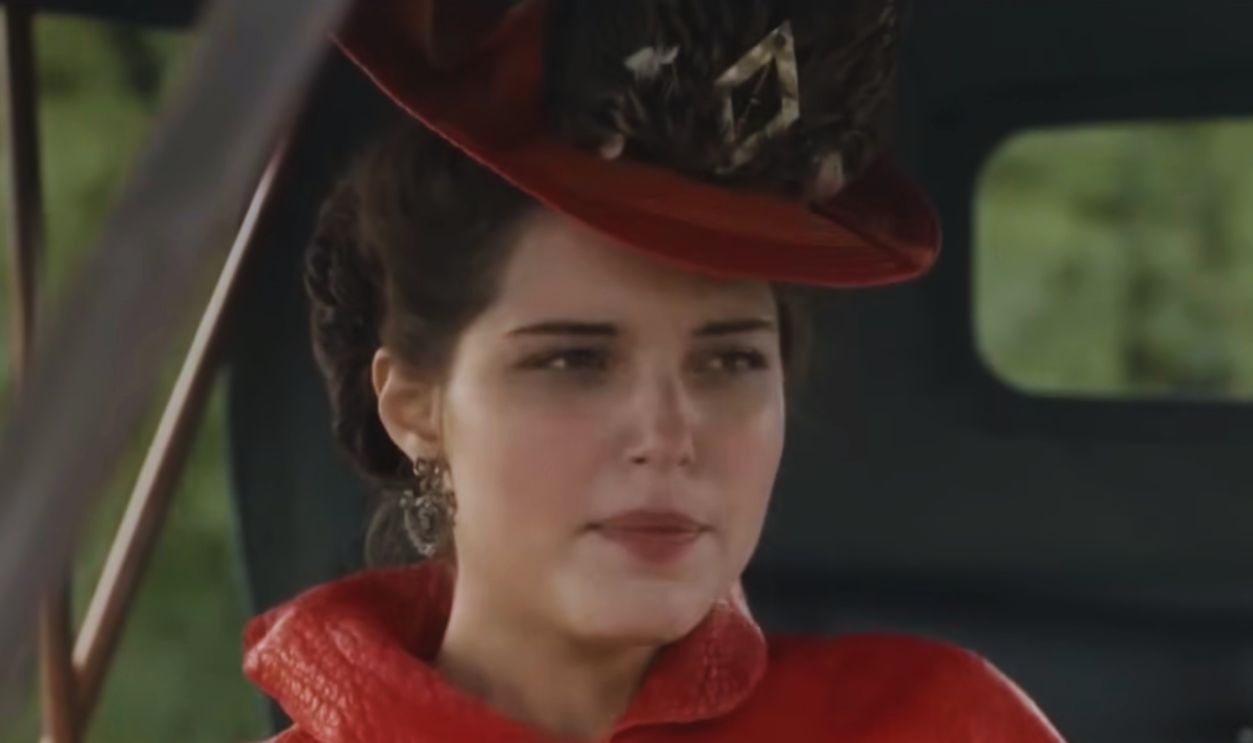
Since her passing, actors have portrayed Mathilde Kschessinska numerous times in film and television. Notable depictions include Fall of Eagles, a 13-part BBC television drama featuring her as a character, a 1983 film about the titular Anna Pavlova, and an upcoming untitled project centering on her and penned by the legendary Paul Schrader, known for writing such massive films as Taxi Driver and Raging Bull.
For a diva like Mathilde, she would take nothing but joy in the idea of gracing the silver screen. She'd also probably be quite amused that the world still remembers one of her most famous pranks.
 Screenshot from Matilda, TPO Rok / Rock Films (2017)
50. She Played Fowl Tricks
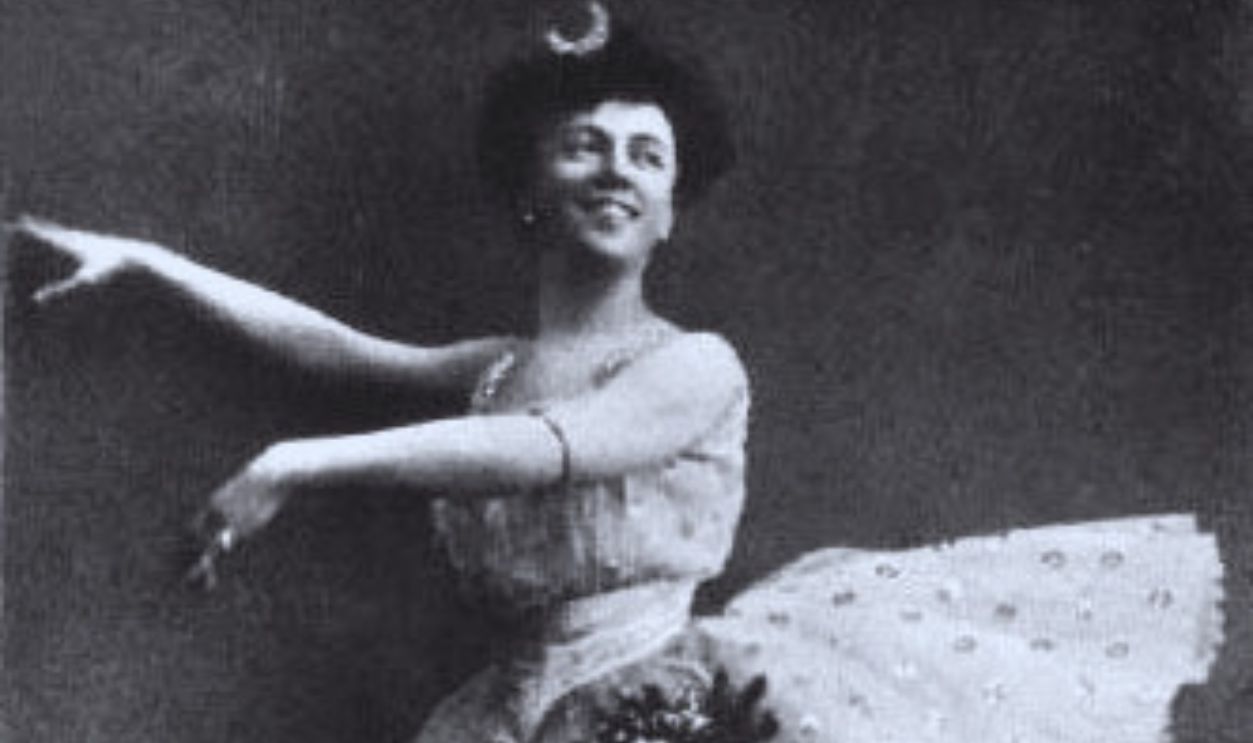
1906 saw the Imperial Theatre planning a production of La Fille Mal Gardée, and Mathilde was determined to play the role of Lise. The coveted role, however, ended up going to fellow dancer Olga Preobrajenska. The production involved the use of live chickens onstage, and, in an act of petty spite, Mathilde released the fowl early in Preobrajenska’s variation, hoping to disrupt her performance.
But much to Mathilde’s chagrin, her rival pulled off the variation flawlessly, resulting in thunderous applause from the audience. It was yet another notorious incident of a plan gone wrong for Mathilde, but at least she had her wealth.
 English Wikipedia user Mrlopez2681, Wikimedia Commons
You May Also Like:
Graceful Facts About Anna Pavlova, Ballet’s Unlikely Icon
Breakout Facts About Maria Tallchief, America's First Prima Ballerina








.jpg)


.jpg%20)
.jpg%20)

