The Romanov Rule
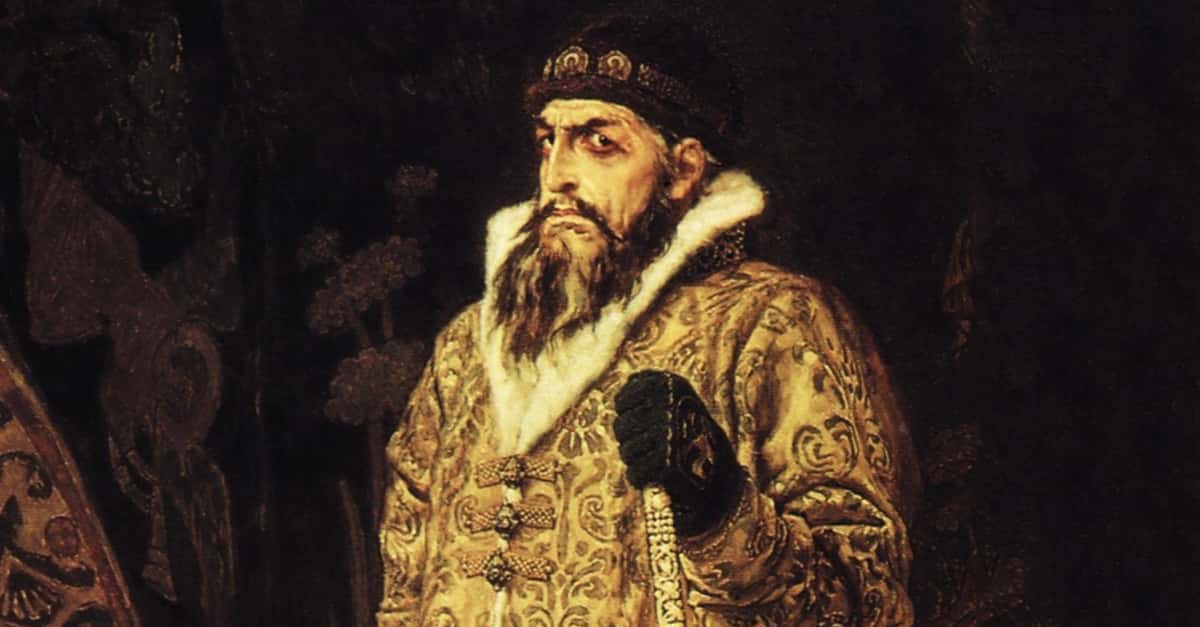
The Romanov family ruled Russia for centuries, during times of great upheaval. And while their most infamous group was their last, it wasn’t just Princess Anastasia and her family who saw shame, blood, and tragedy. In fact, for the Romanovs, scandalous personal lives and brutal ends were something of an ancestral curse.
 Fine Art Images/Heritage Images/Getty Images
1. The First Romanov
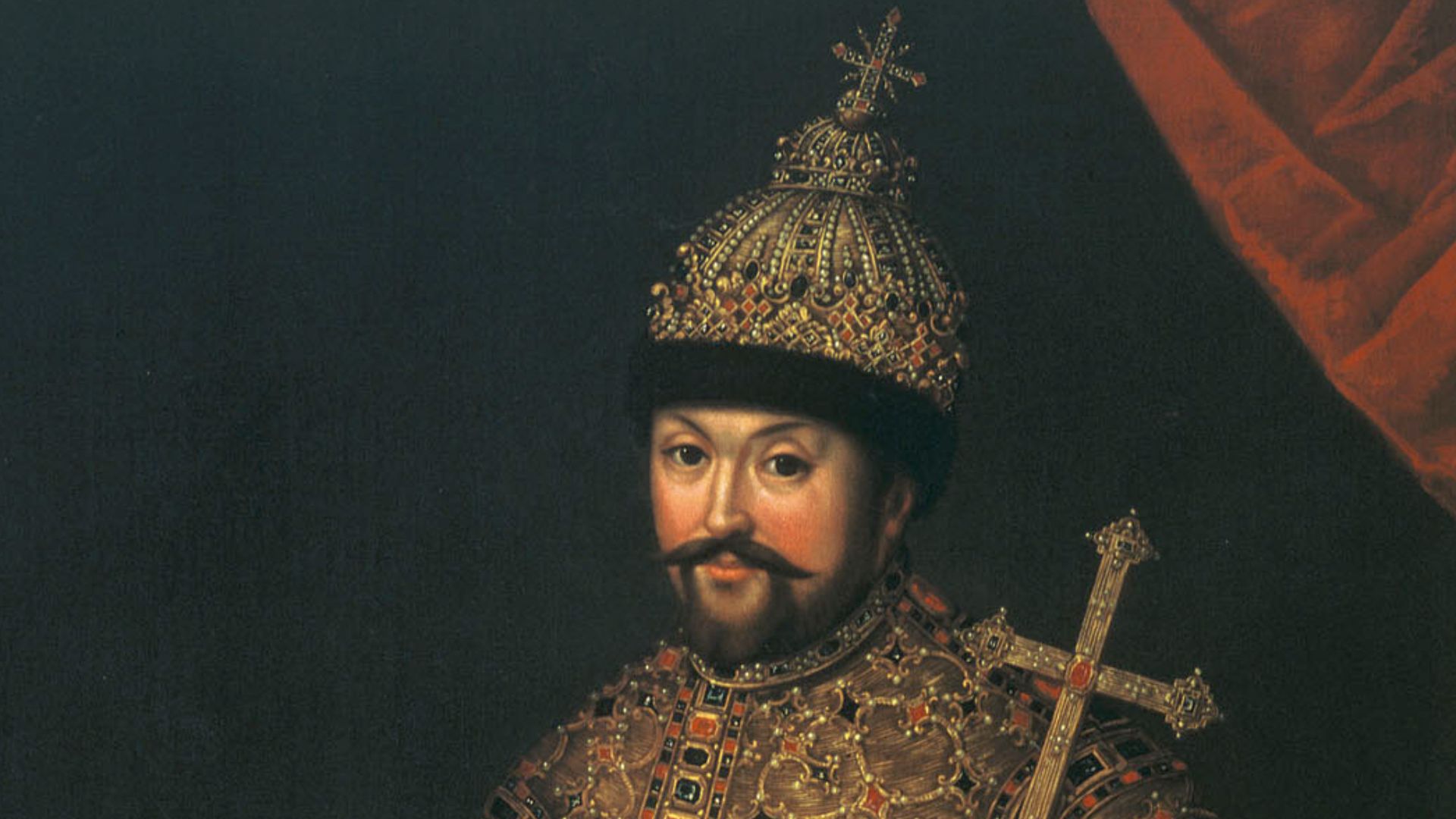
The first Romanov was born out of an era of blood. In 1613, Michael of Russia built the House of Romanov out of the ashes of the Time of Troubles, a period in Russian history that saw multiple usurpers, false rulers, and the collapse of social order. But though Michael’s reign ended these Troubles, he was hardly perfect himself.
 Johann Heinrich Wedekind, Wikimedia Commons
2. He Was A Bad Tsar
Just 16 years old when he came to the throne, Michael was, according to one historian, “poorly educated and not particularly intelligent”. His personal life was little better: He deported his first fiancée Maria Khlopova to Siberia after she demonstrated a weak constitution and lost his wife Maria Dolgorukova to an illness four months after their marriage.
Eventually, though, Michael married Eudoxia Streshneva, and the couple had an incredible 10 children. But all did not end up well for the first Romanov.
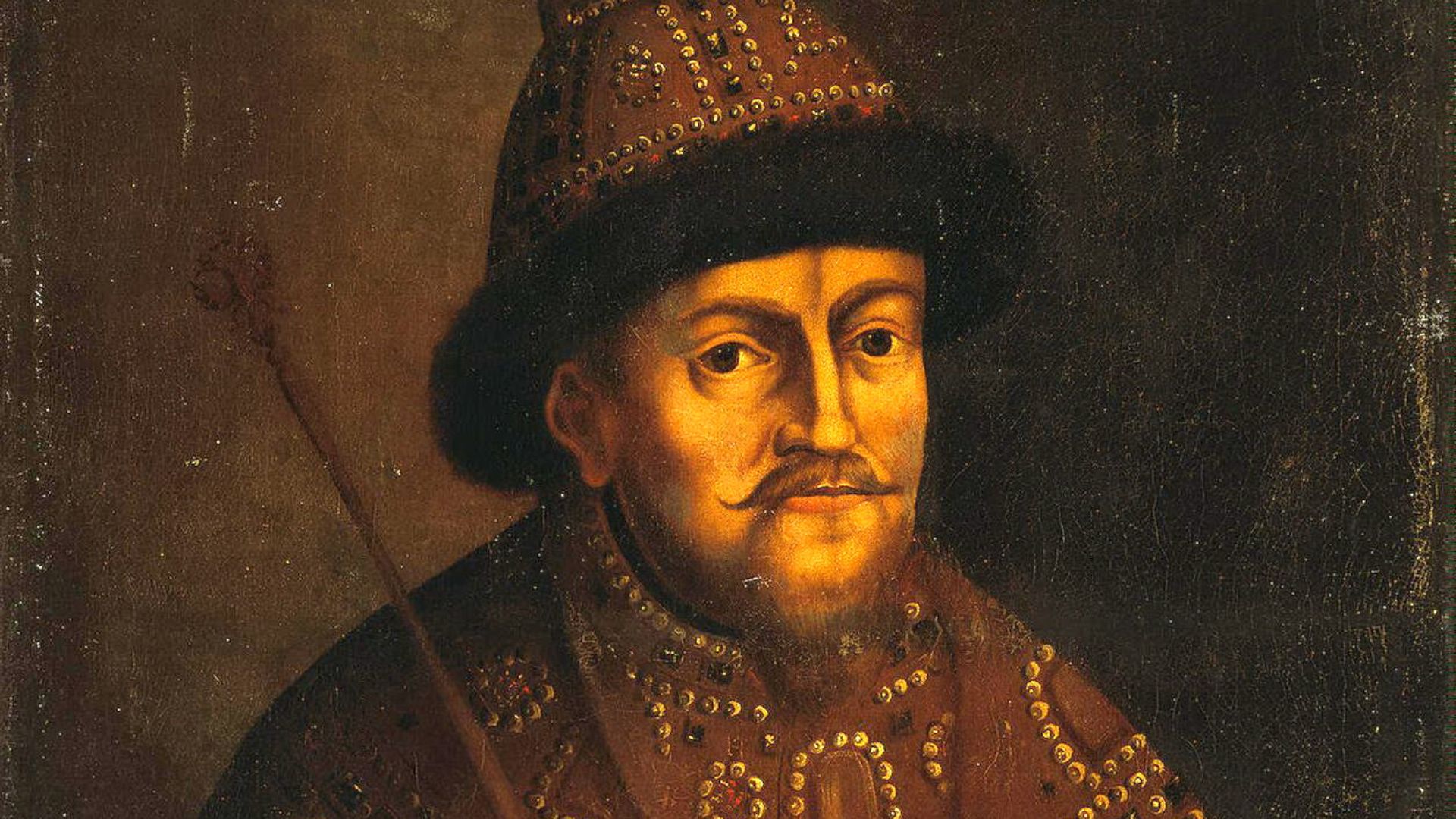
3. He Faded Away
As a youth, Michael got into a horse accident that left him with a progressive leg injury, not unlike the one suffered by King Henry VIII. As such, this seemingly minor mistake led to a lifetime of trouble—by the end of his life, he couldn’t even walk. In 1645, he was only 49 but nonetheless suffered from a battery of ailments, including scurvy, dropsy, and likely depression. In July of that year, he fainted in church, then perished just days later.
Though Michael had a son to succeed him, his burgeoning Romanov dynasty was almost gone in the blink of an eye anyway.
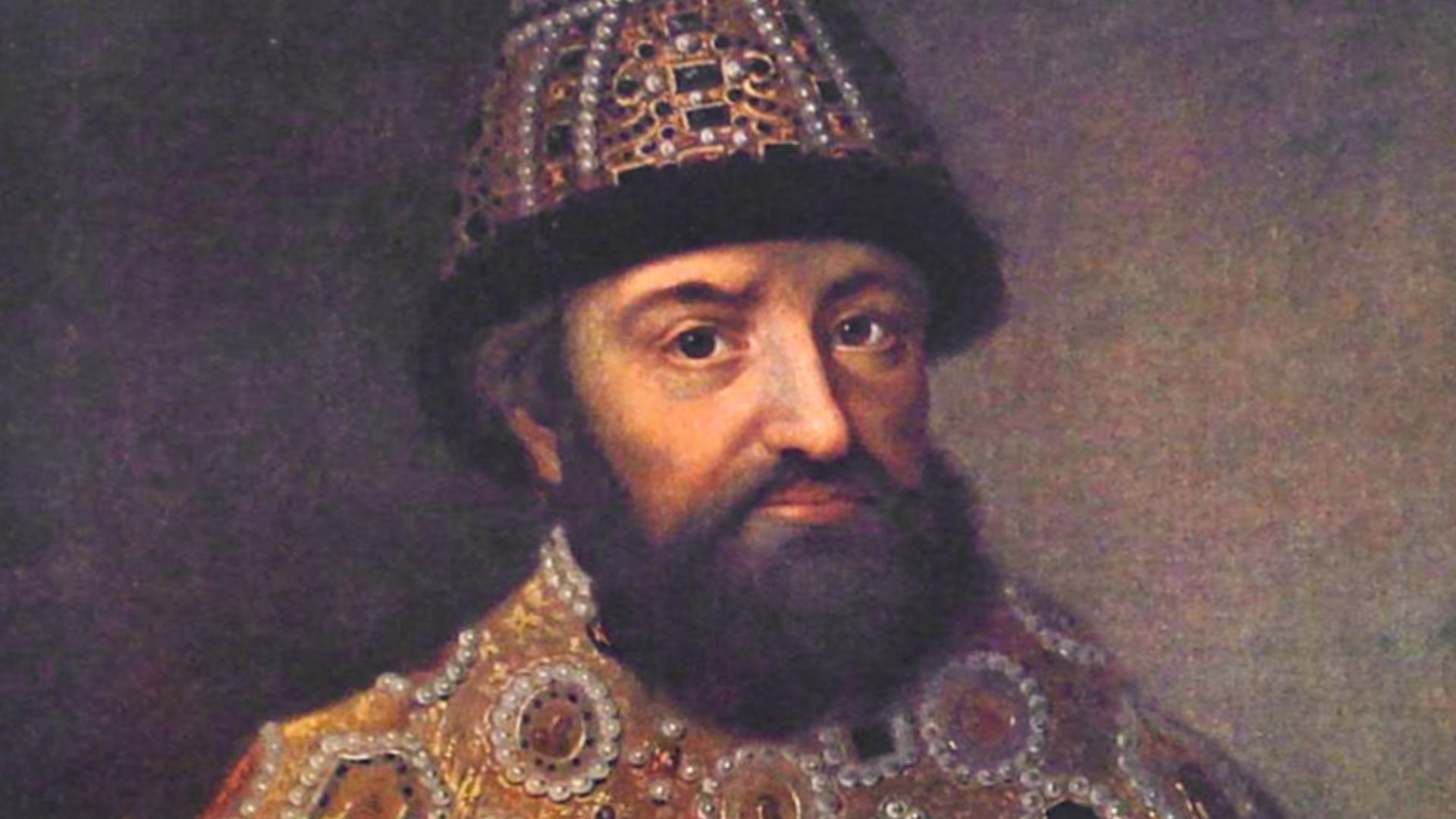 AnonymousUnknown author, Wikimedia Commons
4. Russia Went To Ruin
The next decades of Romanov rule were far from glorious. While England was busy beheading their own ruler Charles I, the new Tsar, Michael’s son Alexis of Russia, began wars wherever he could. Meanwhile, his own successor and son Feodor III died childless and sparked the infamous Moscow Uprising of 1682.
For the first but not the last time, the Romanov line was in shambles. It took a miracle to pull them out.
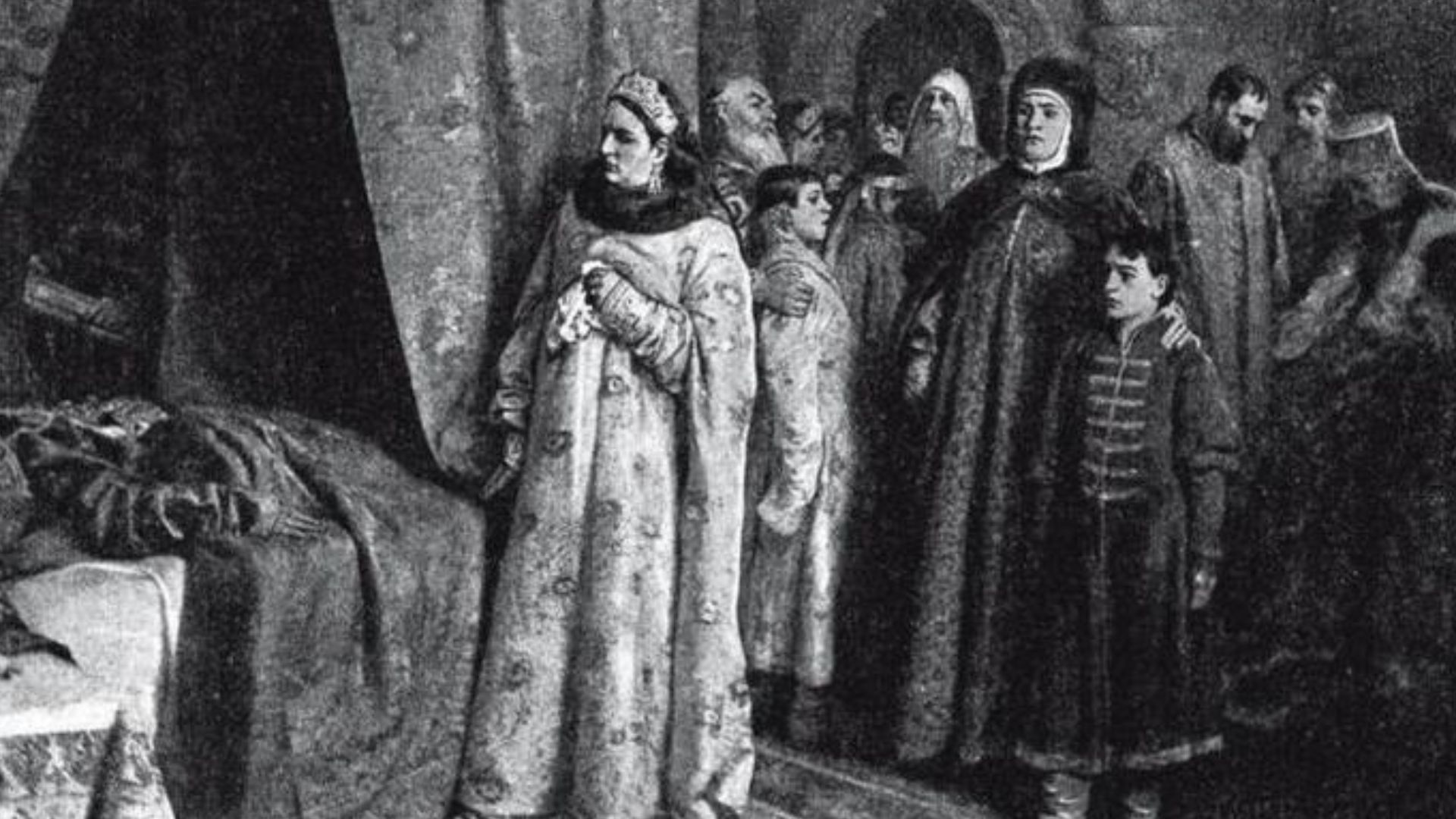 Klavdiy Lebedev (за это полотно автор удостоился звания академика), Wikimedia Commons
5. Young Boys Co-Ruled
When brothers Peter I and Ivan V came to the throne as joint rulers, it looked as if the Romanovs were well and truly done for. Peter was only ten years old, and while Ivan was older, he was also reportedly mentally feeble. The new rulers were so inexperienced, they had a hole cut in the back of their thrones so their regent could whisper decisions for them.
It was, unsurprisingly, a disaster, and Peter and Ivan were right in the middle.
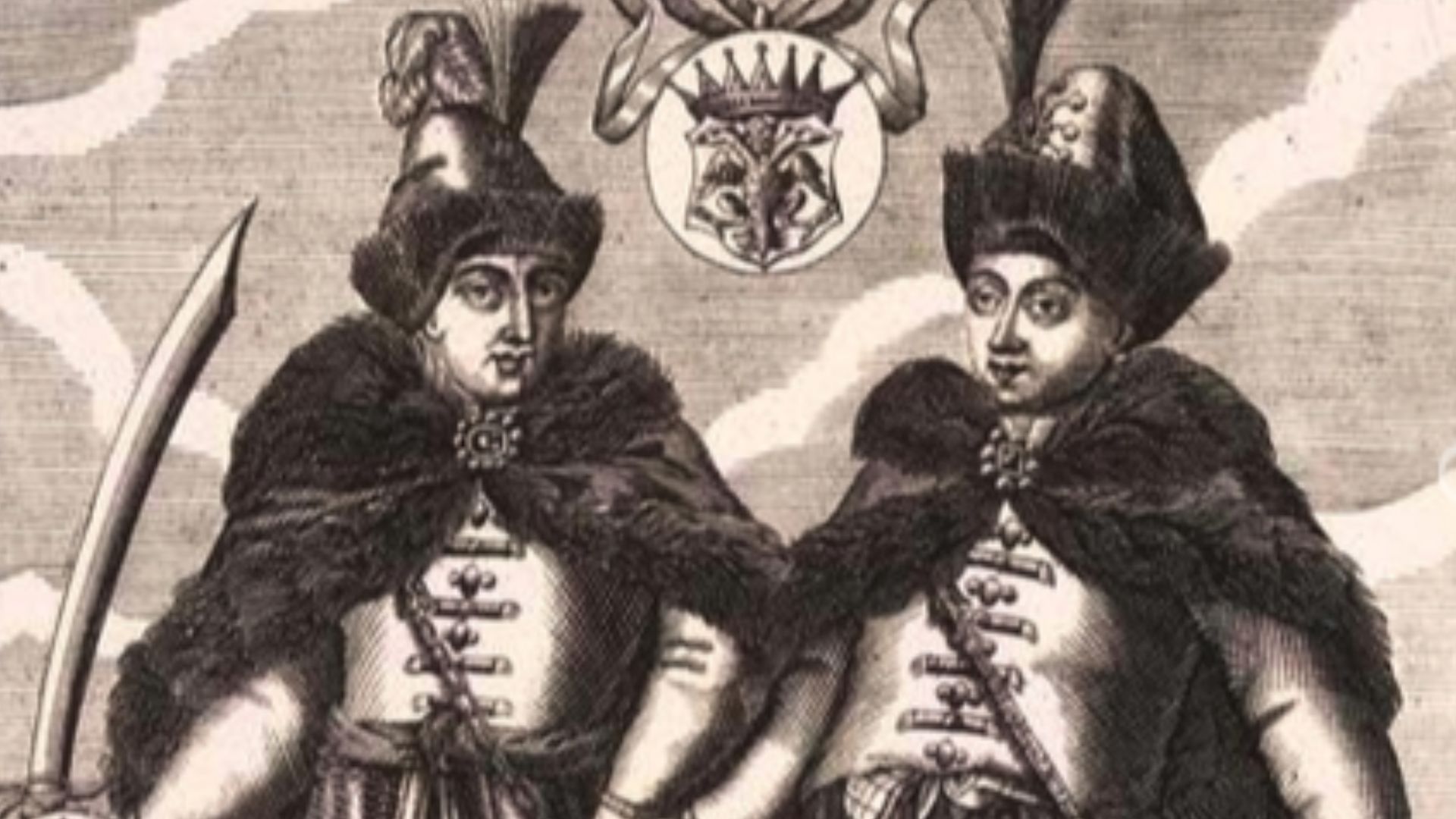 Жерар ЖОЛЛЕН, Wikimedia Commons
6. There Was A Family Feud
Few people were happy about the boy rulers, but Peter and Ivan’s elder sister Sophia Alekseyevna was livid. With the help of powerful Russian courtiers, Sophia briefly led a rebellion to become regent for the young Tsars in order to control them, and she didn’t do it quietly. She murdered many of the boys’ relatives and friends during her brutal rise, even making them witness some of these slayings.
But if there is one thing predictable about the Romanov dynasty and Tsarist Russia, it’s that nothing ever stays the same.
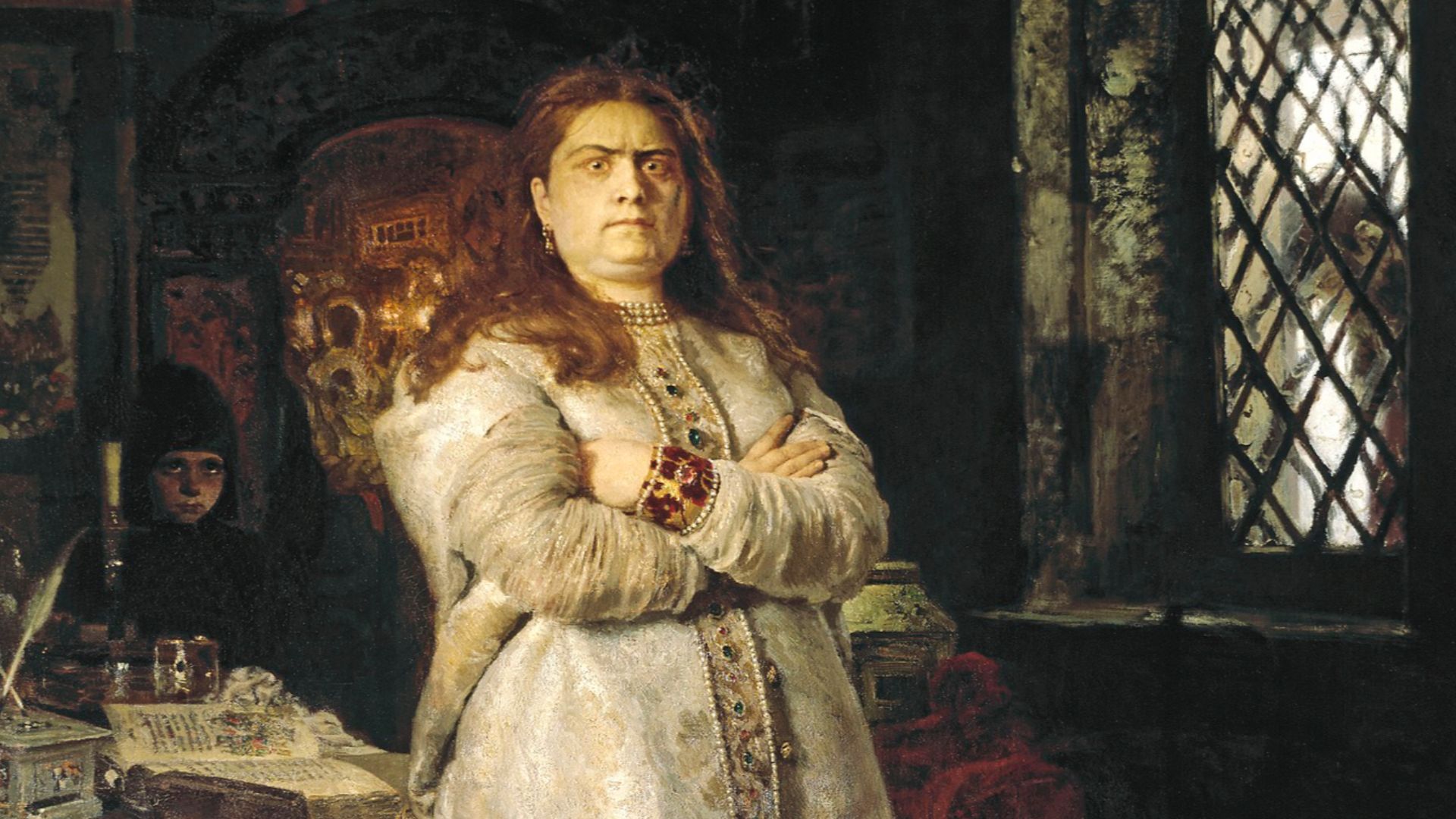
7. One Man Became Great
Sophia eventually lost her influence both over the court and over the young-but-growing Tsars. Then, in 1696, after both Peter’s mother and his co-ruler Ivan died, he truly came into his own. Now 22 years old and standing at a reported 6 feet, 8 inches, people called Peter a “second Goliath” or “Samson”. They would also eventually call him “Peter the Great,” and he changed the Romanov dynasty forever.
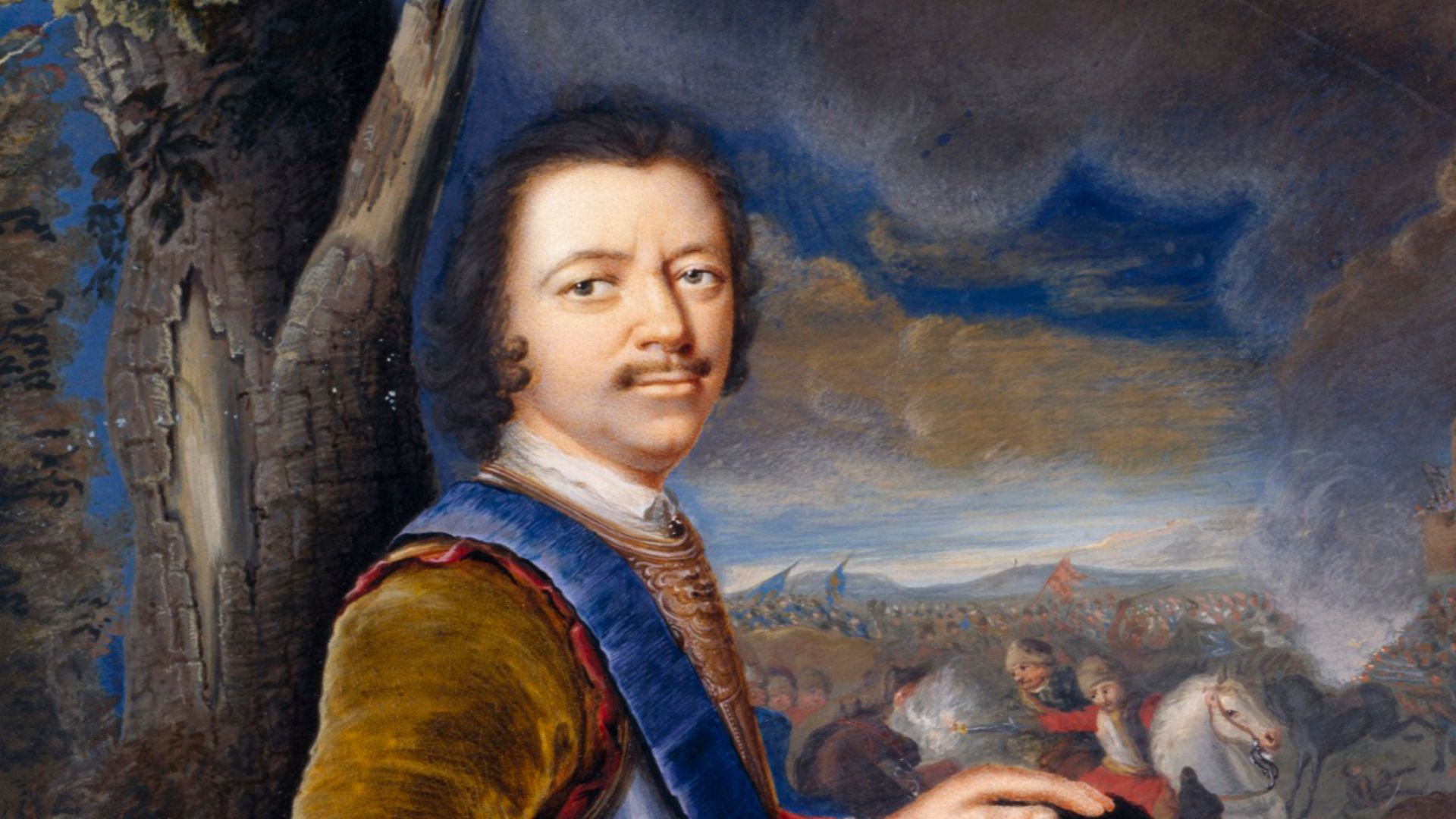 Gustav von Mardefeld, Wikimedia Commons
8. He Changed Russia
Over the course of his storied reign, Peter the Great dragged Russia into the Enlightenment era, though historians are split on how much this actually helped the country—for one, this change also caused many bloody rebellions. Whatever the case, he instituted sweeping reforms, relocated the Imperial capital from Moscow to the more European St Petersburg, and generally left an outsized impression on Russia forever after.
He was also something of a nightmare.
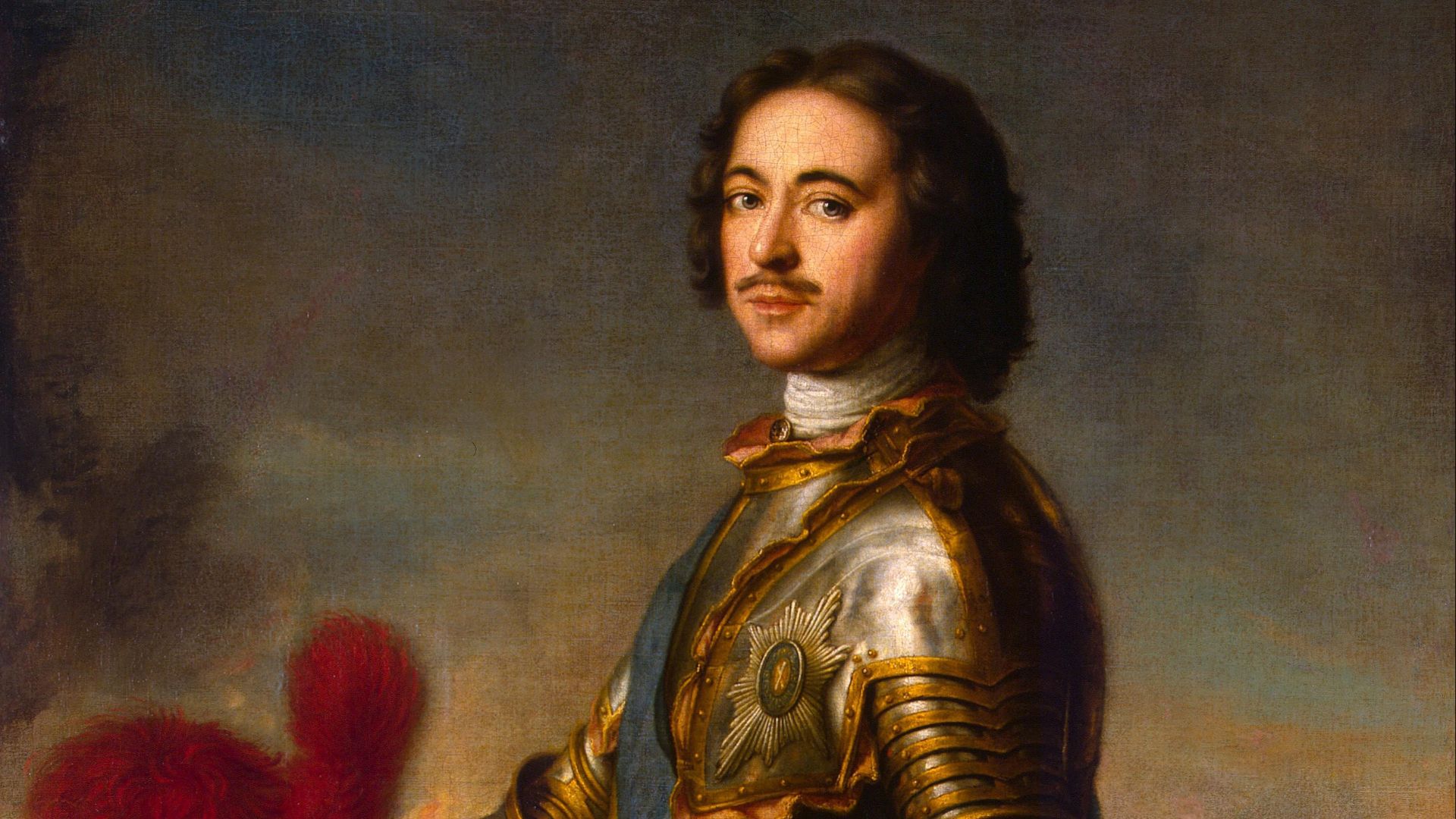 Attributed to Jean-Marc Nattier, Wikimedia Commons
9. He Had A Facial Tic
Even Peter’s physical demeanor, tall as he was, wasn’t so “great”. Though he was “well-formed and slim,” commenters also described his look as “both bewildered and fierce”. In addition, this Romanov Tsar had facial tics his courtiers couldn’t help but notice, and some historians believe he suffered from a neck spasm. And though you shouldn’t judge a book by its cover, Peter’s insides left something to be desired as well.
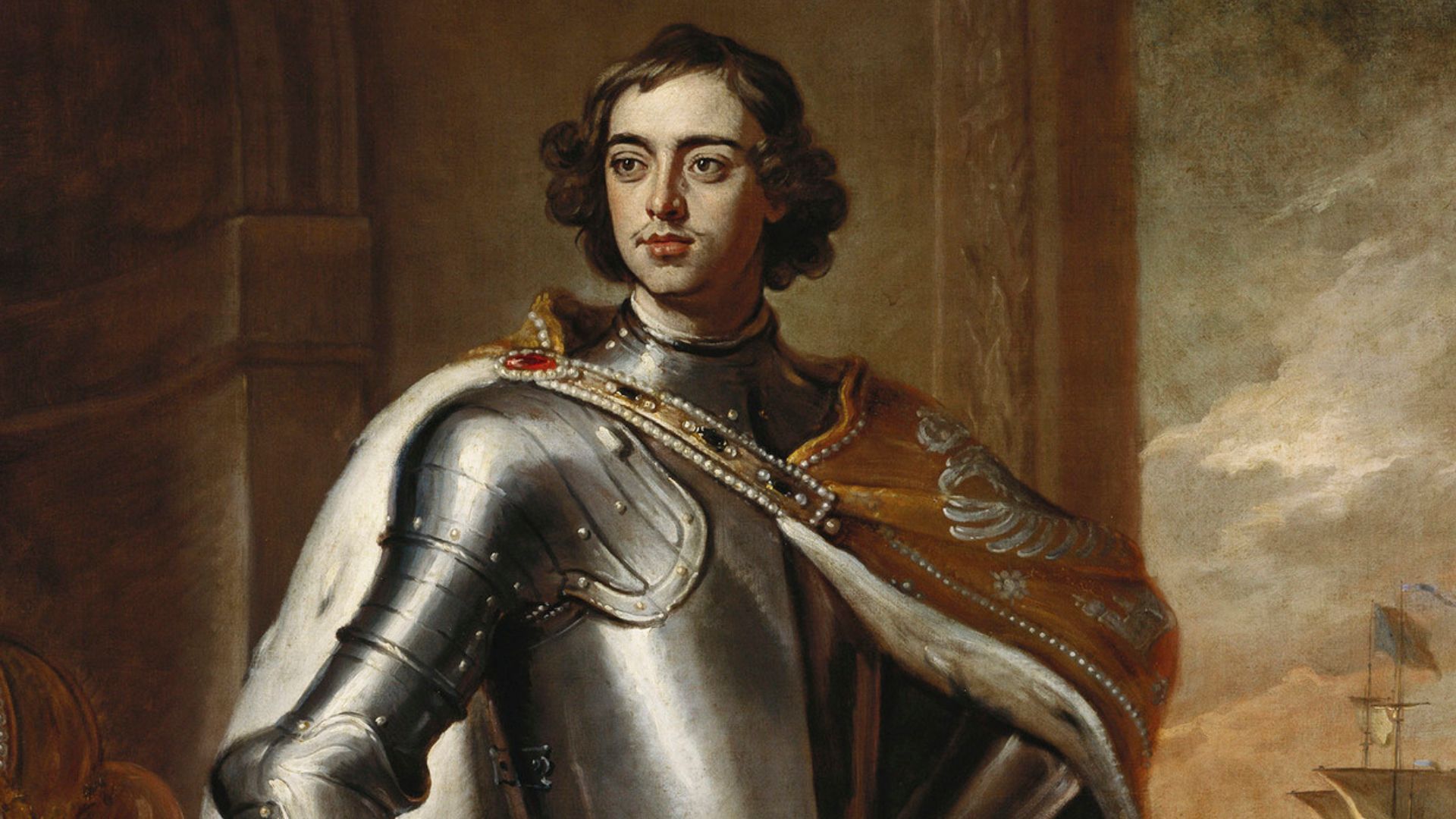 Godfrey Kneller, Wikimedia Commons
10. He Was Forced Into Marriage
When she was still alive, Peter’s mother pushed him to marry Eudoxia Lopukhina, a minor Russian noble. Never happy with the union, Peter treated both Eudoxia and their son together, Alexei Petrovich, with disdain. To add insult to injury, he adored his Dutch mistress Anna Mons, proving he could love someone…just not his wife, or his son. But he would do much worse to them both.
This is truly where things took a dark turn for the Romanov clan.
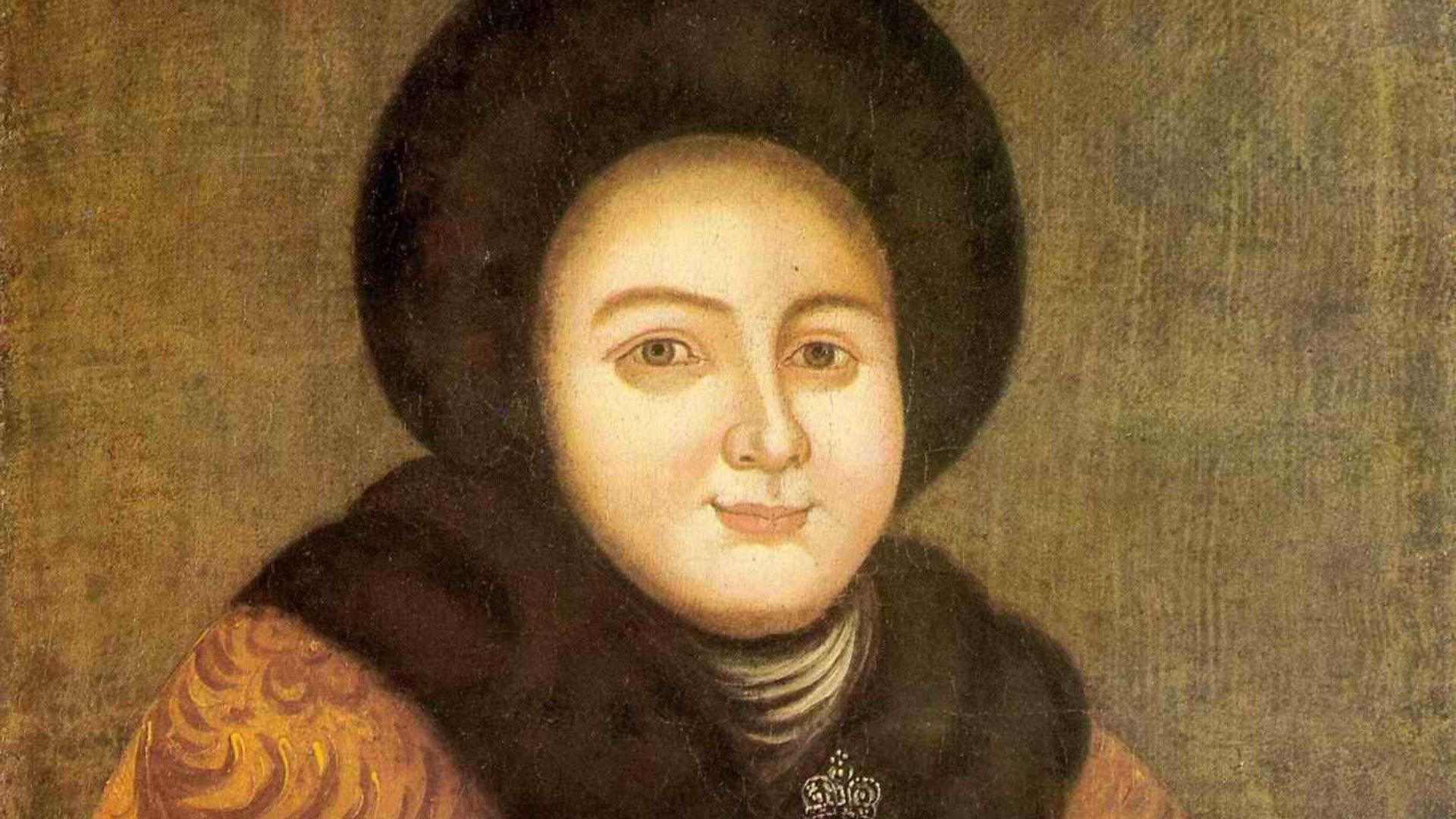 Unknown authorUnknown author, Wikimedia Commons
11. He Was Horrible To His Wife
Peter eventually divorced Eudoxia and carted her off to a convent. Apparently, he also wanted her to be miserable there too, because when he discovered that she’d taken a lover, he had the man executed by impaling him on a stake—making Eudoxia watch—and later had her officially tried for adultery. Yet he saved his worst for his son.
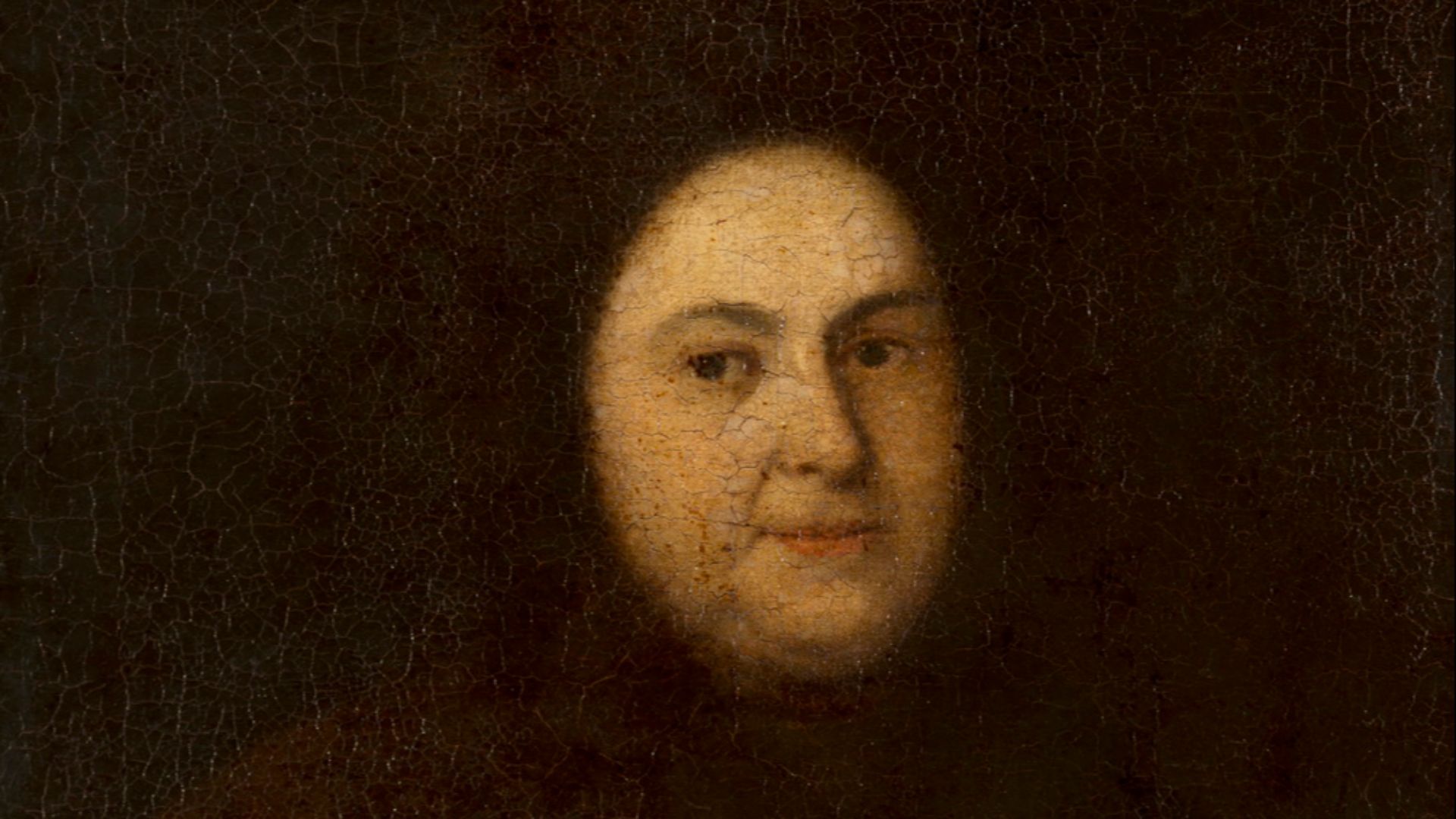 Unknown authorUnknown author, Wikimedia Commons
12. He Killed His Own Son
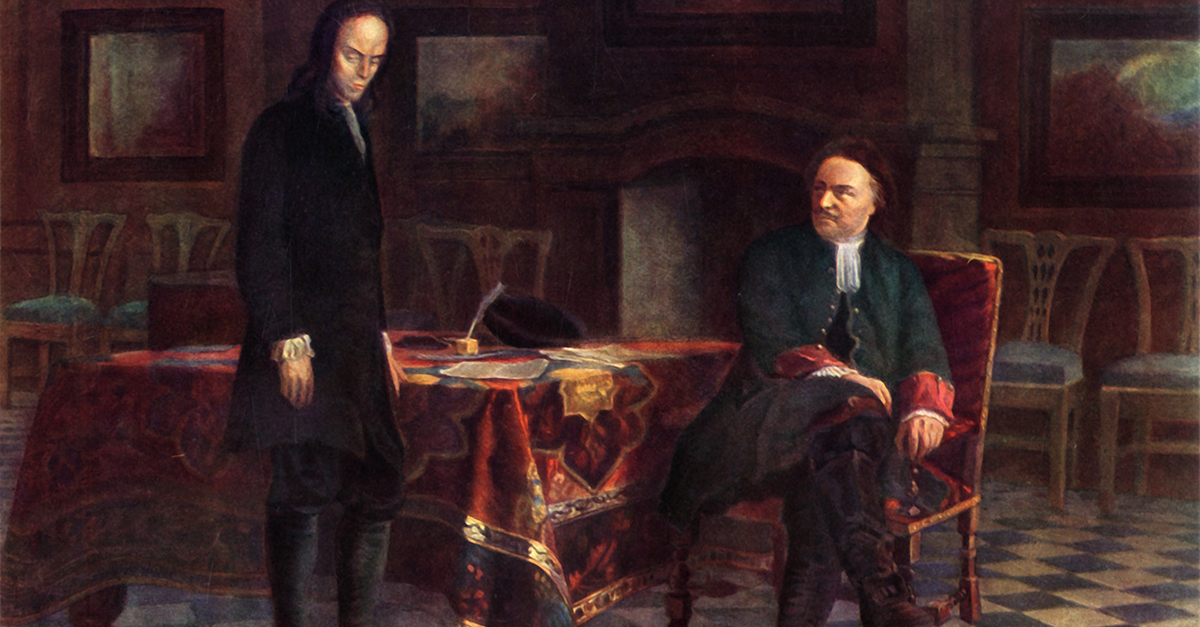
Peter’s relationship with Alexei Petrovich was strained at best, but around 1718 it imploded. To Peter’s fury, Alexei renounced the throne and fled abroad, an act Peter equated with treason. So, when Alexei returned to Russia, Peter locked his own son up for five long months and tormented him endlessly, employing draconic methods that included thumb crushing and stretched limbs.
The inevitable happened: on June 26, 1718, the heir to all Russia and the Romanov dynasty perished from the stress of his injuries at the age of 28. But fate did have a sense of justice.
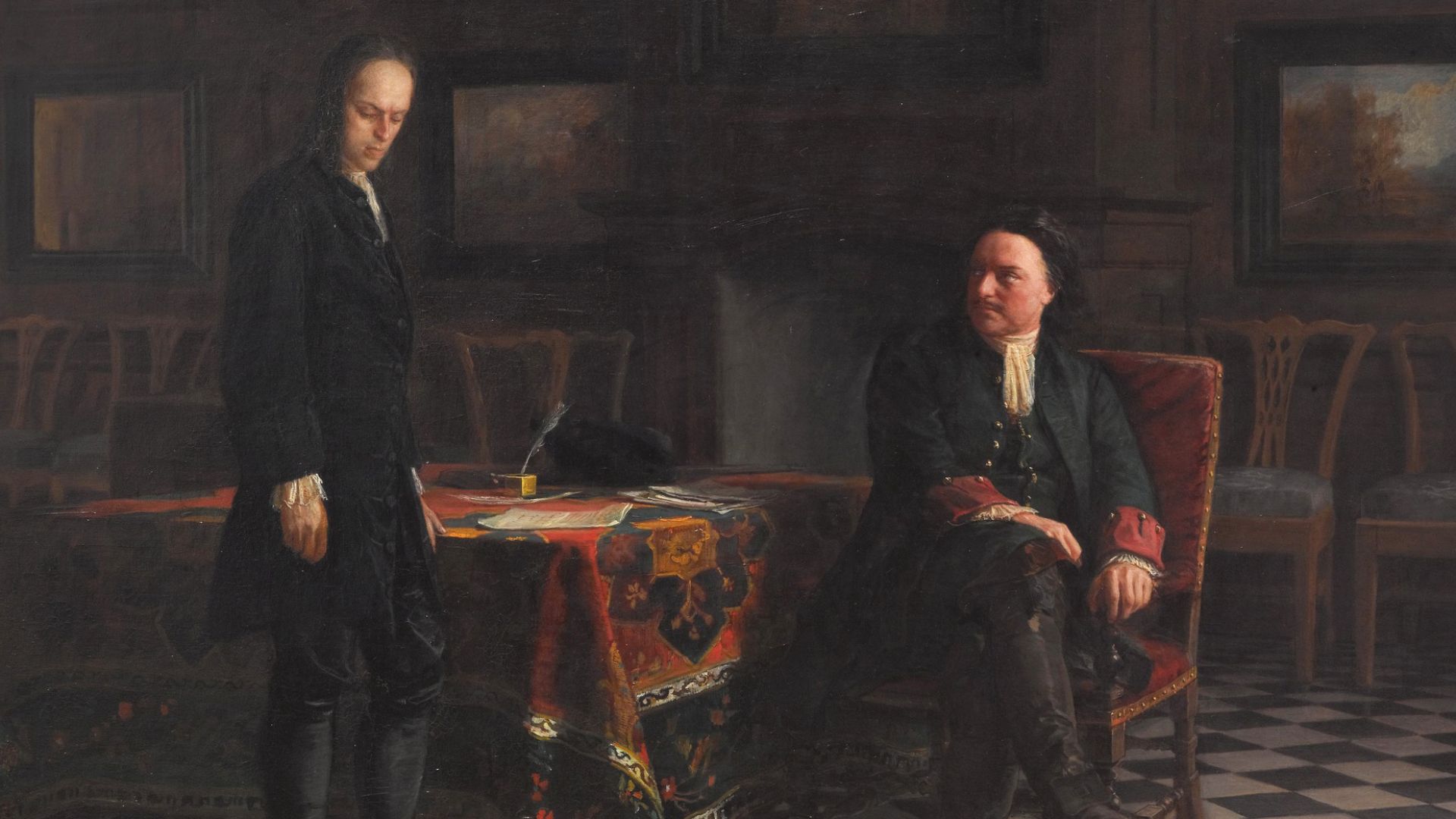
13. He Perished In Agony
Only a handful of years after he killed his own son, Peter the Great began having serious issues himself: his bladder began to fail him, leading doctors to remove four pounds of blocked urine. Despite this, Peter refused to slow down, driving his body to the brink just as he had Alexei’s.
On February 8, 1725, the 52-year-old Tsar passed…and his successor was a huge surprise.
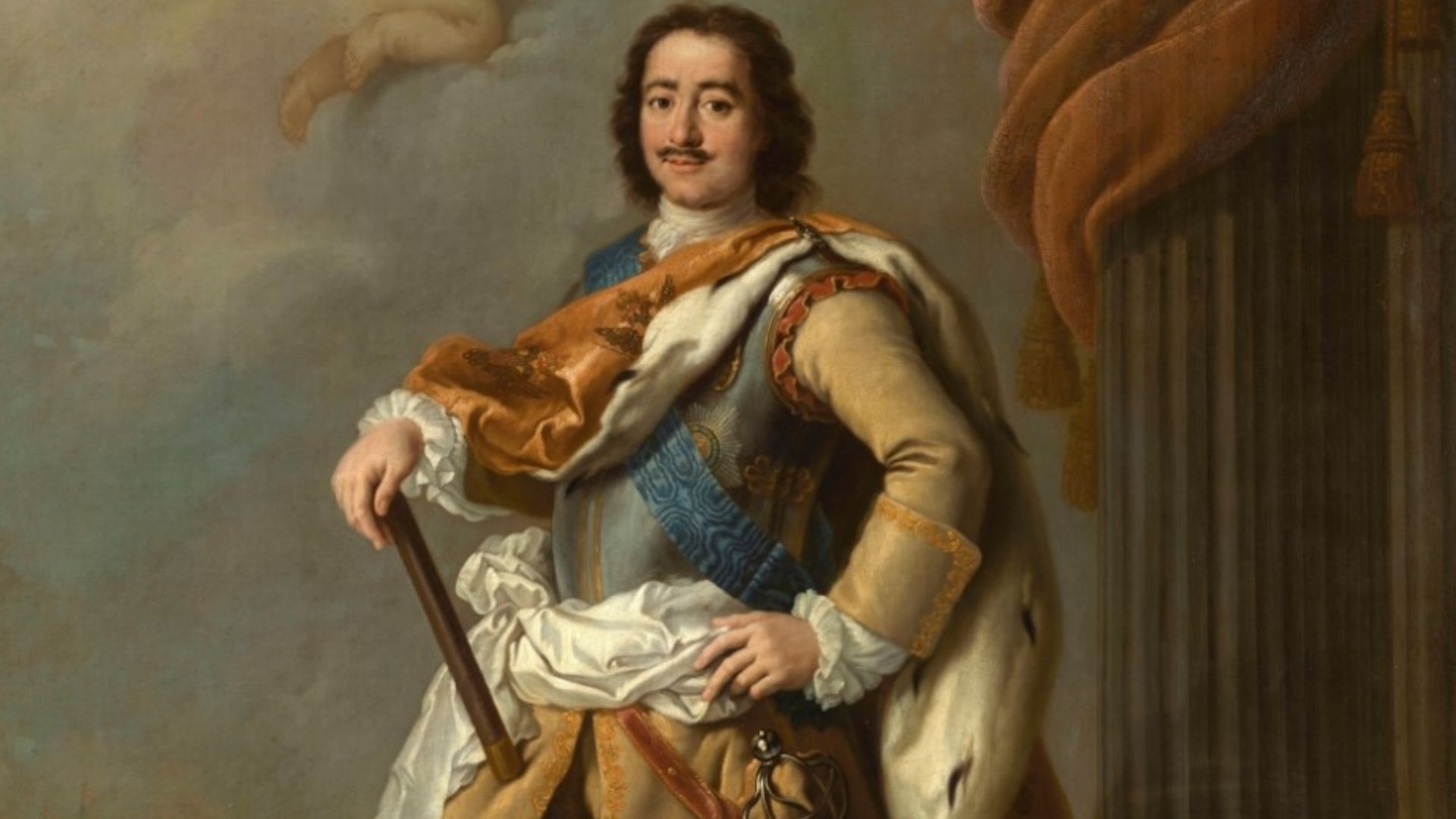 Petr Drozhdin, Wikimedia Commons
14. His Wife Took Over
Although Anna Mons had once been Peter’s favorite mistress, in his later years he had fallen head over heels for the Polish-Lithuanian commoner Marta Skowrońska, who soon converted to Russian Orthodoxy, renamed herself Catherine, and then actually married the Tsar. To the shock of some, it was Catherine who took the Romanov throne after Peter, becoming the first woman to rule the Empire.
It was a plot twist, but it ended in typical Romanov tragedy.
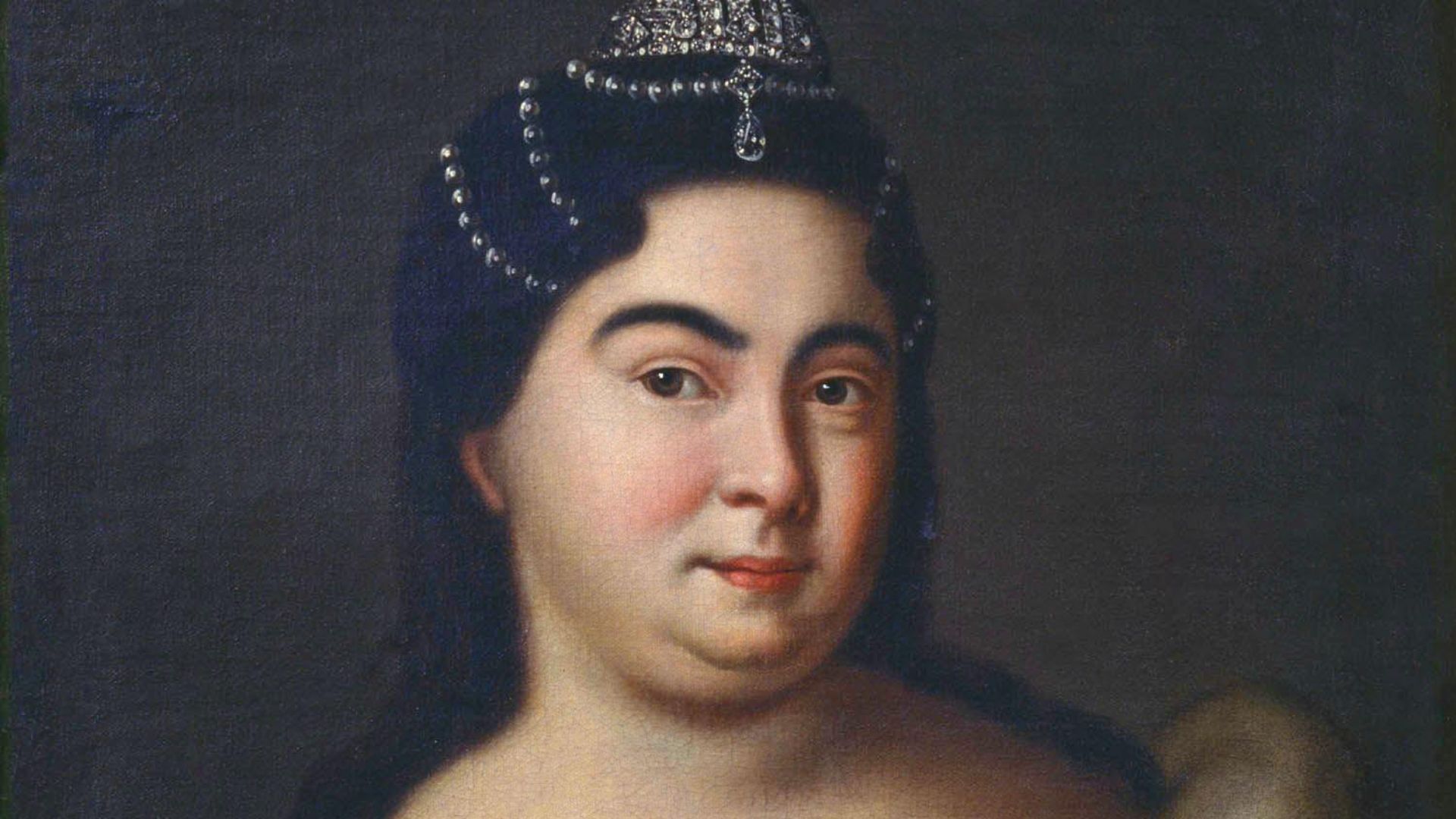 unknown. (Heinrich Buchholz ??? see Image:Empress Catherine I -c.1724 -2.jpg), Wikimedia Commons
15. She Was Extravagant
Catherine, like so many of her predecessors, developed a taste for the finer things in life, and soon her penchant for balls, carriages, and palace extensions developed into overdone luxury. She caroused with the same enthusiasm, and often day-drank, leading one historian to claim her primary occupation was “life wasting”. Oddly, though, it worked for her—until it didn’t.
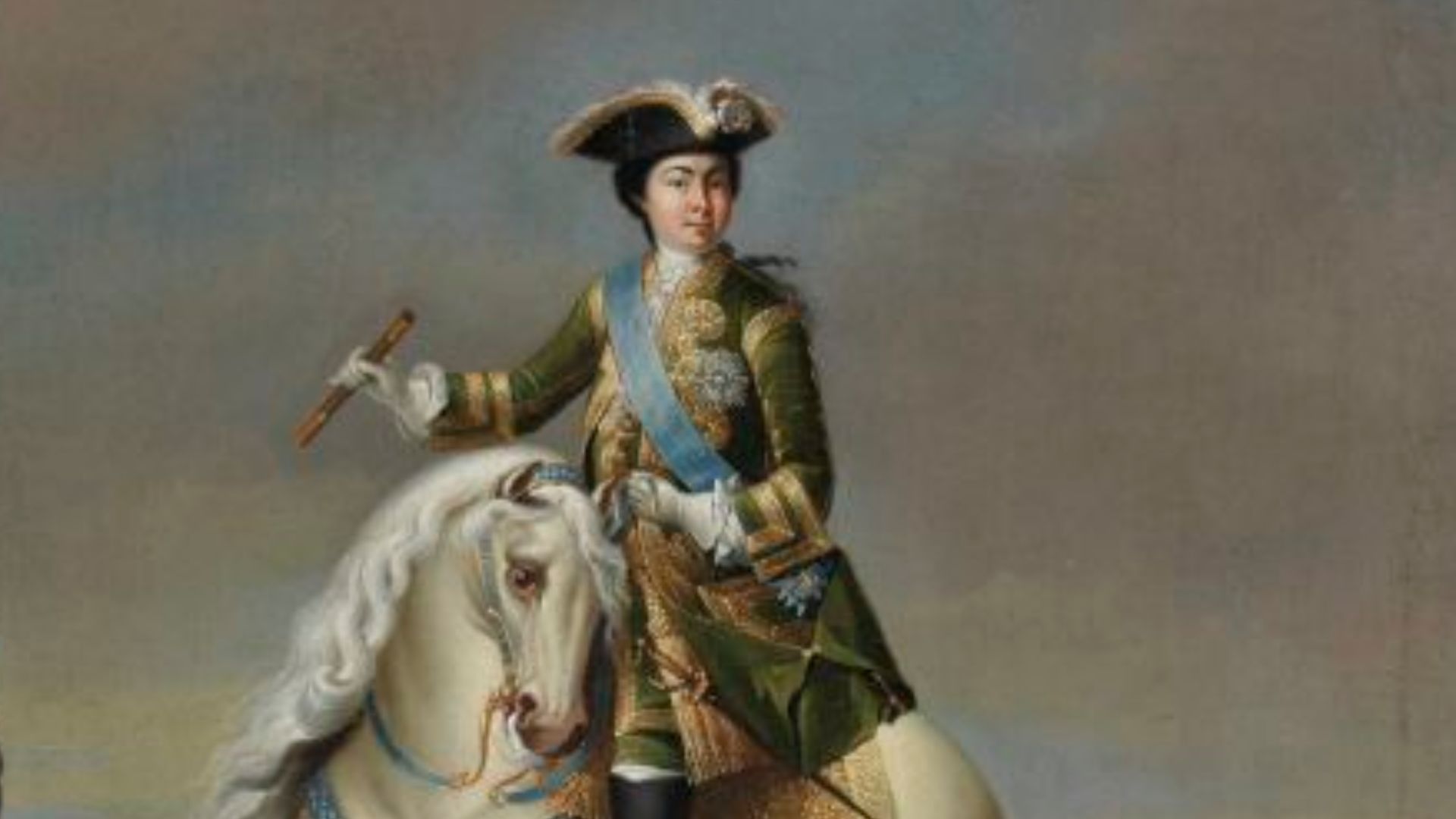 After Georg Cristoph Grooth, Wikimedia Commons
16. Her Rule Crumbled Fast
Against all odds, Catherine became popular with the common people of Russia, who had spurned her when she was a mistress but now embraced her as a ruler. Tragically, though, her reign was brutally short. Catherine was only in her early 40s when she took the throne, but just two years after Peter the Great passed, she herself died of tuberculosis.
Though the Romanovs would continue on for centuries, the next event was the beginning of the end.
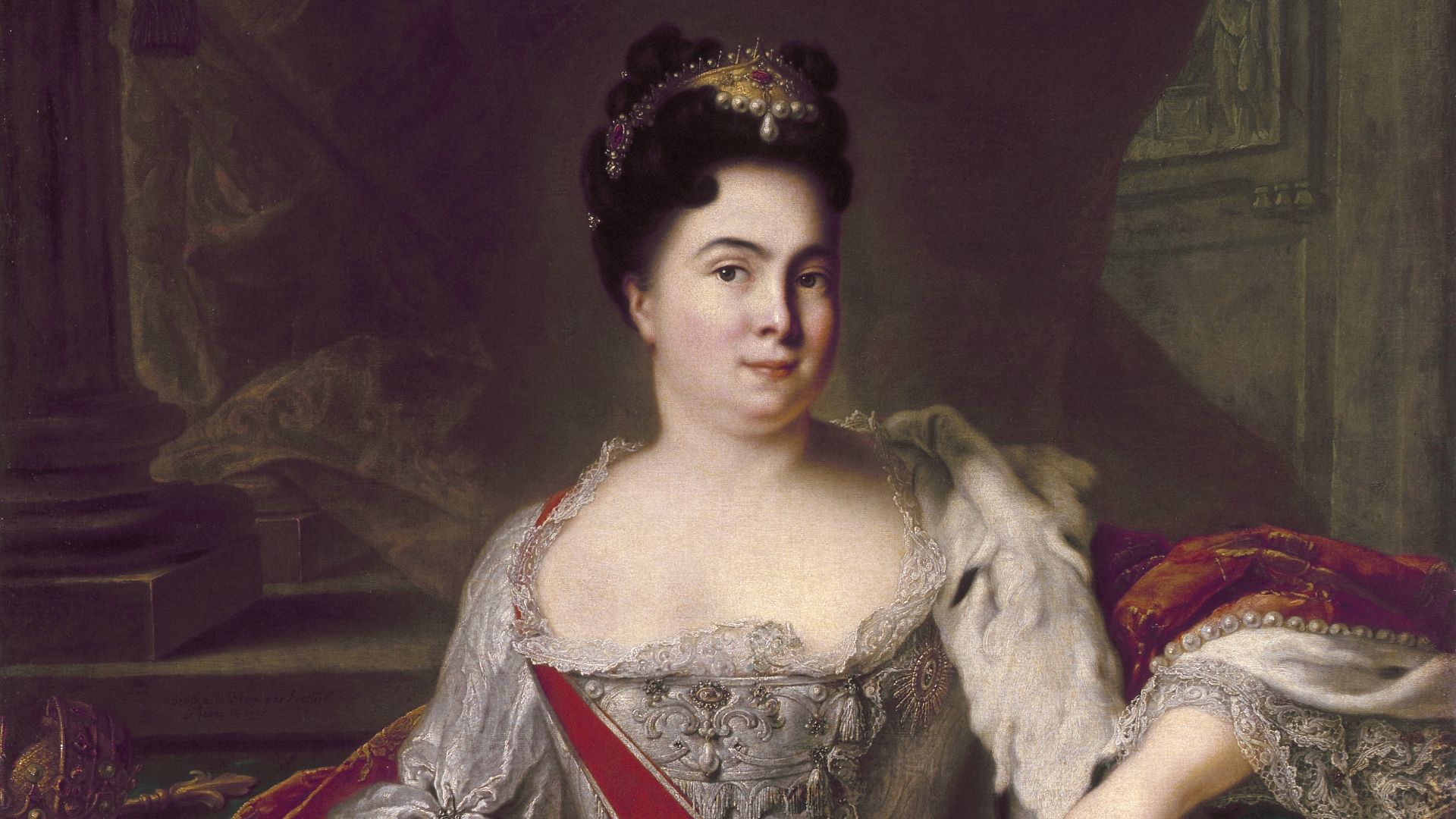 Jean-Marc Nattier, Wikimedia Commons
17. Her Successor Failed
In a controversial move—some even say her final testament must have been forged—Catherine named Peter the Great’s unpopular and weak-willed grandson Peter II as her successor, and it was as bad as everyone feared it would be. After falling under the influence of a succession of power-hungry counsellors, Peter died from smallpox at just 14 years old, long before he could have any heirs.
With Peter II went the last of the direct male line of the House of Romanov, but the Russian future was even bleaker than that.
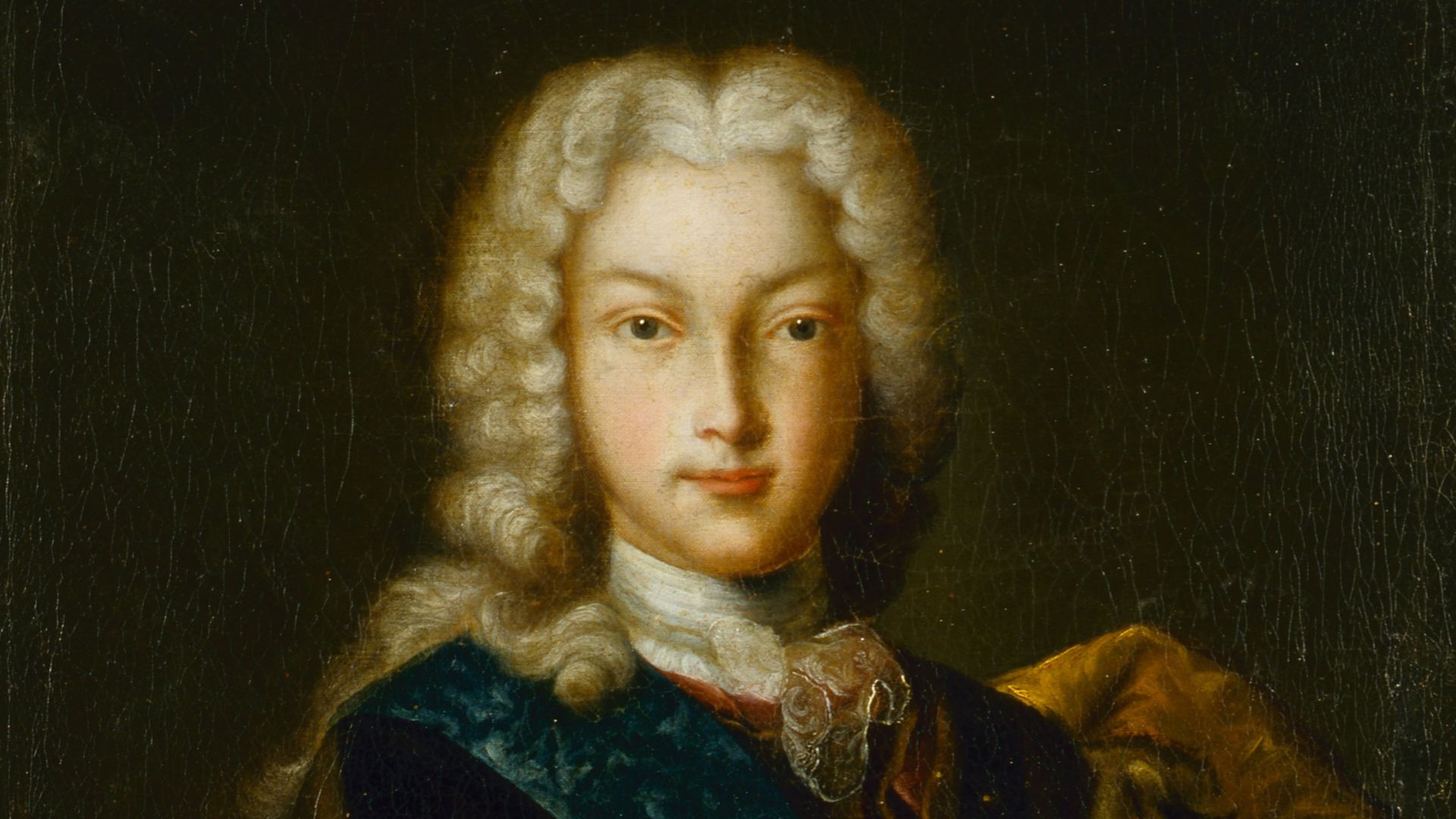 Unknown authorUnknown author, Wikimedia Commons
18. A New Terror Appeared
It was Peter the Great’s niece, Anna of Russia, who came to the throne next. But where Peter II was ineffectual, Anna was terrifying. As a child, she had horrible manners and a mean streak that led to the nickname “Iv-anna the Terrible,” and when she grew up she took a vicious interest in hunting.
It was somewhat surprising, then, that she found a husband. It was even more shocking how she lost him.
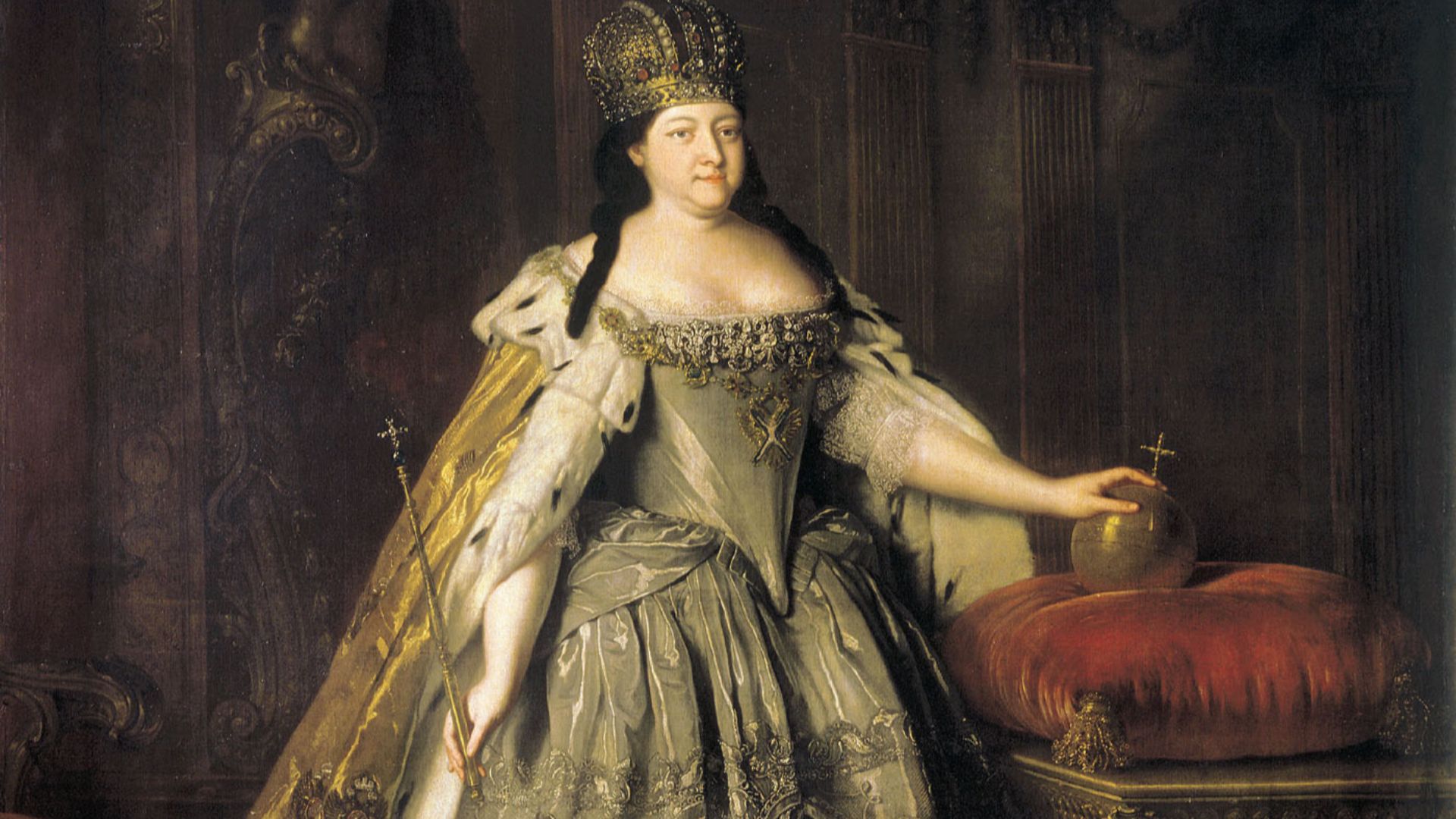 Louis Caravaque, Wikimedia Commons
19. Her Groom Died Suddenly
In 1710, the teenaged Anna married Frederick William, Duke of Courland, in a lavish ceremony. But during the wedding reception, Frederick drank himself into a stupor with Anna’s uncle Peter the Great, fell seriously ill within just a few days, and then died at least in part because of his hangover.
Though Anna would try to find another husband, she never married again. Before long, her bitterness showed.
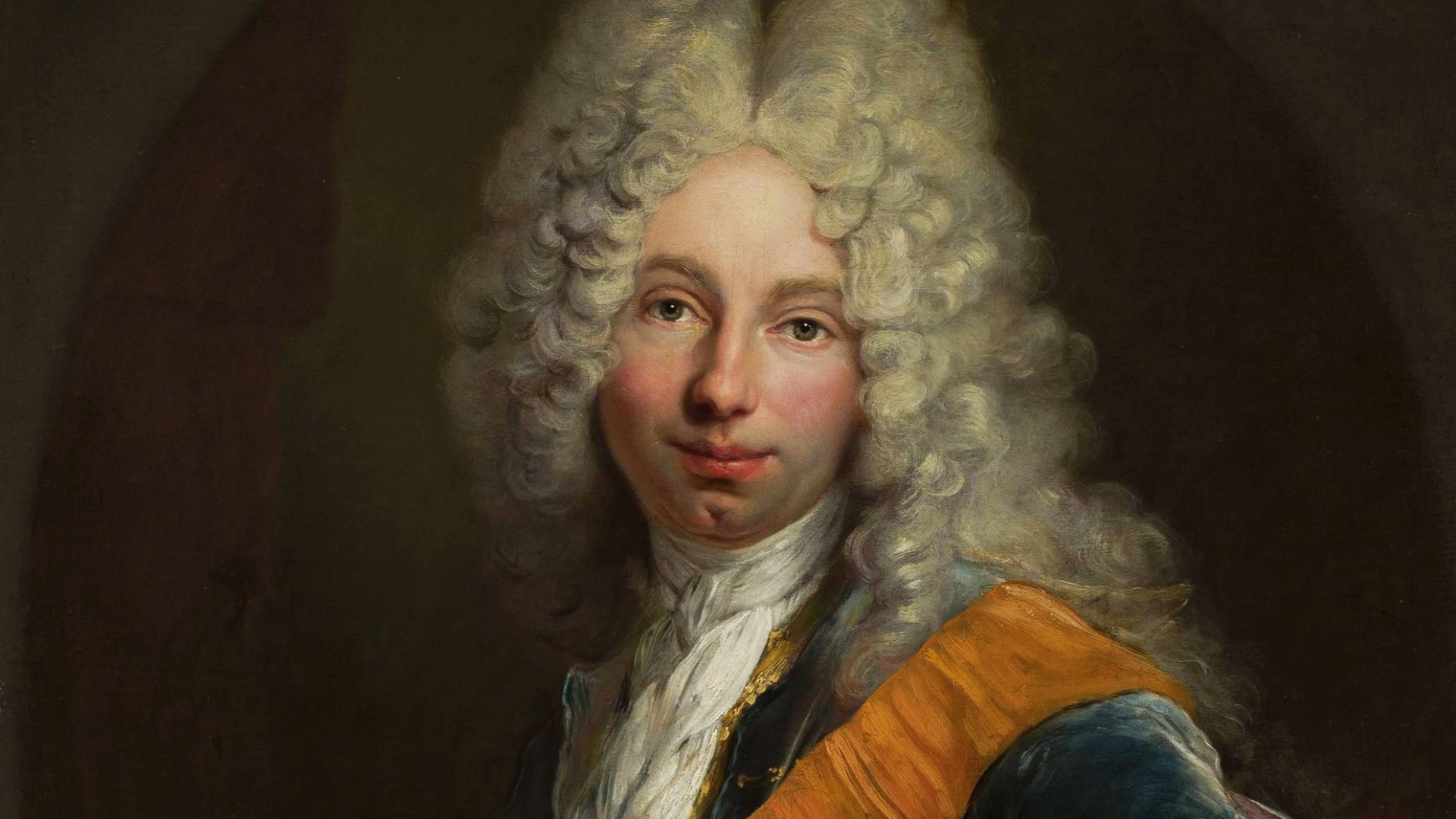 Antoine Pesne, Wikimedia Commons
20. She Had A Heated Rivalry
As Empress, Anna became intensely jealous of her cousin Elizabeth, who was not only her rival to the throne, but also incredibly beautiful. Anna let her jealousy out in a myriad of horrific ways, but perhaps the most disturbing was when, angry that Elizabeth had taken a lover, she cut out the man’s tongue and exiled him to Siberia.
But Anna’s hatred spilled out far beyond her cousin.
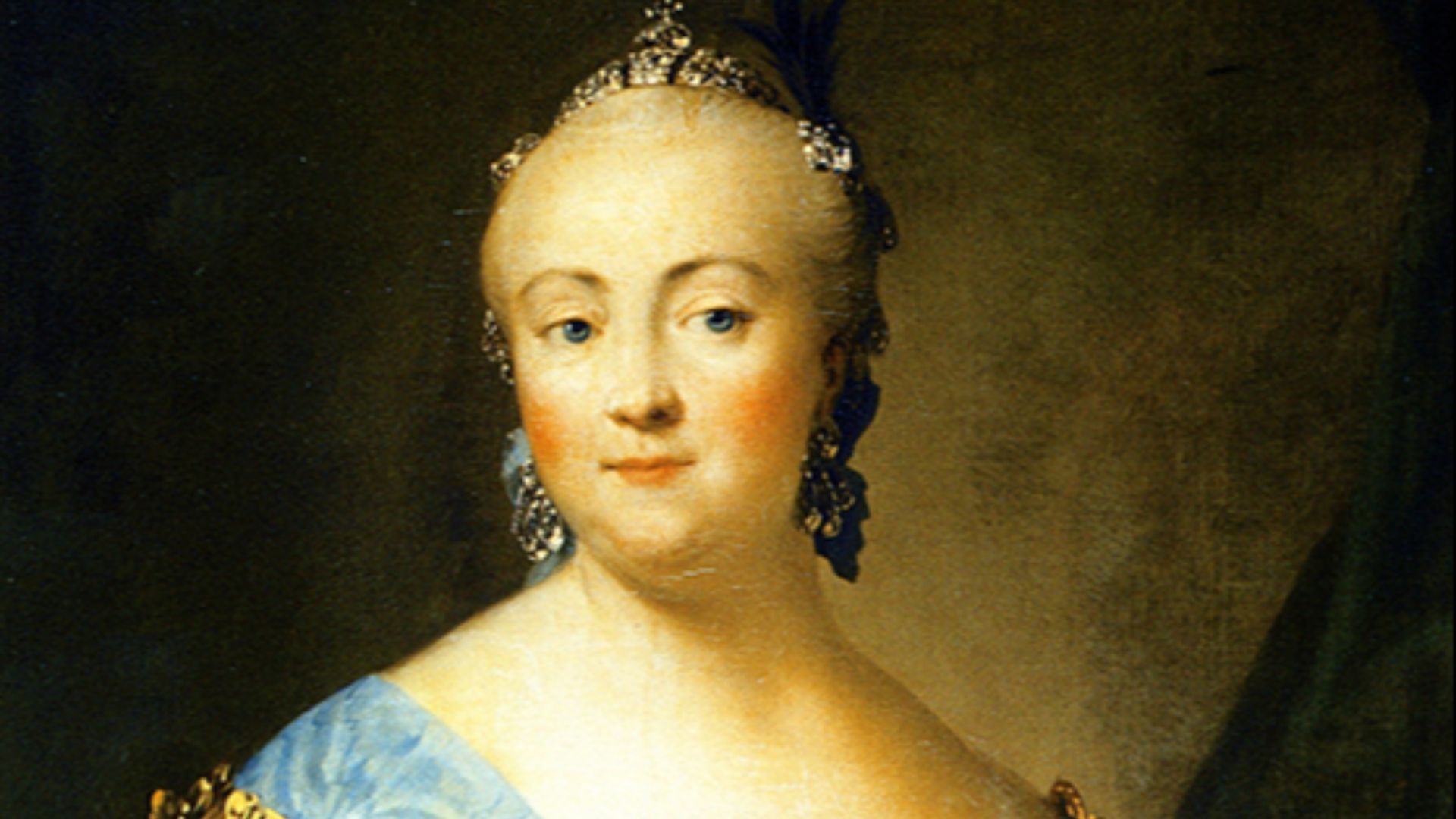 Vigilius Eriksen, Wikimedia Commons
21. She Was Cruel
For one reason or another, Anna especially hated her courtier Prince Mikhail Golitsyn. As punishment for his very presence, she forced him to become a court jester and continually pretend to be…a chicken. Mikhail would sit in a nest in Anna’s reception room and “lay eggs” when anyone came to visit. Except this was not the end of Anna’s meddling.
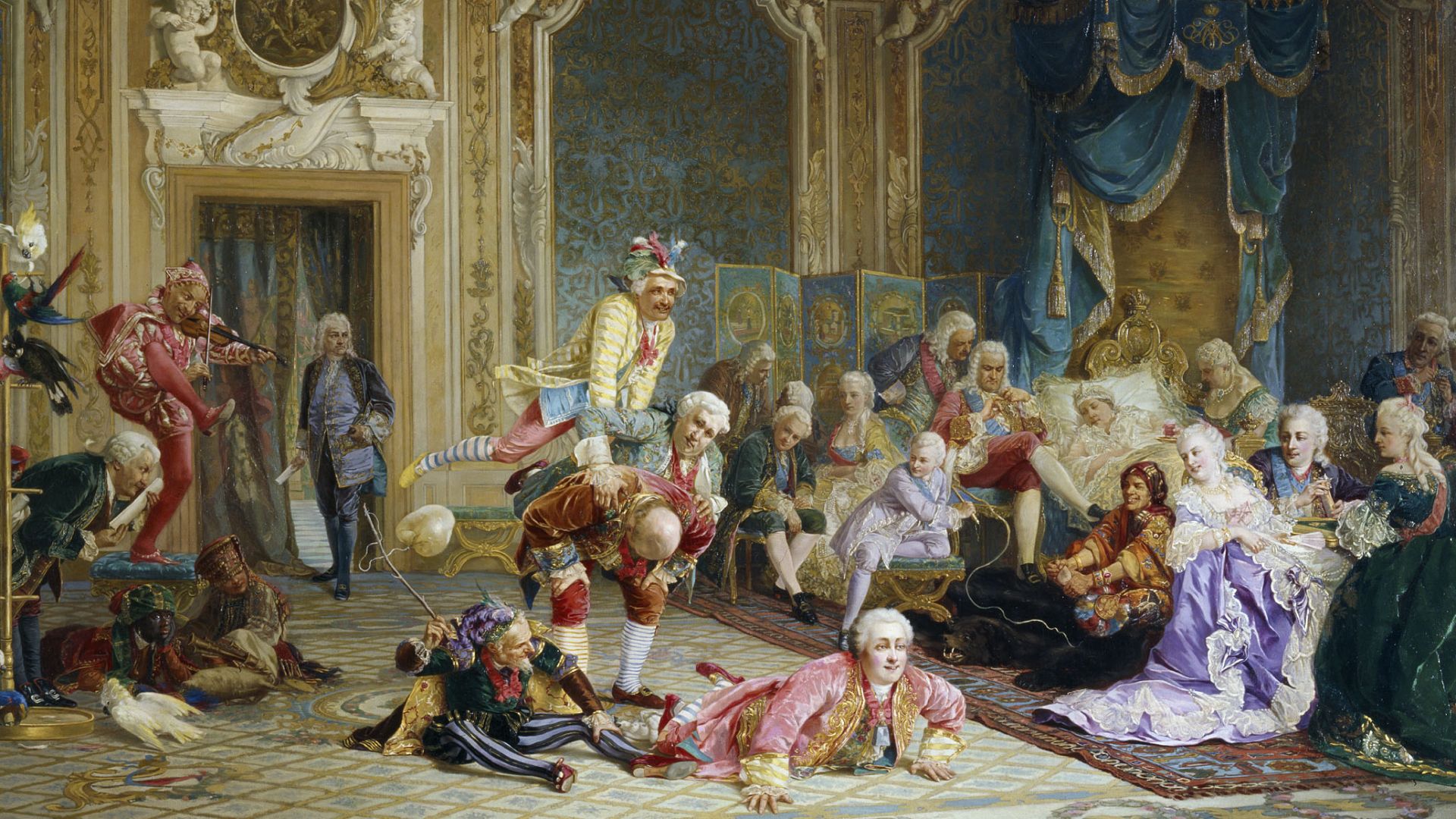 Valery Jacobi, Wikimedia Commons
22. She Forced Her Subjects To Marry
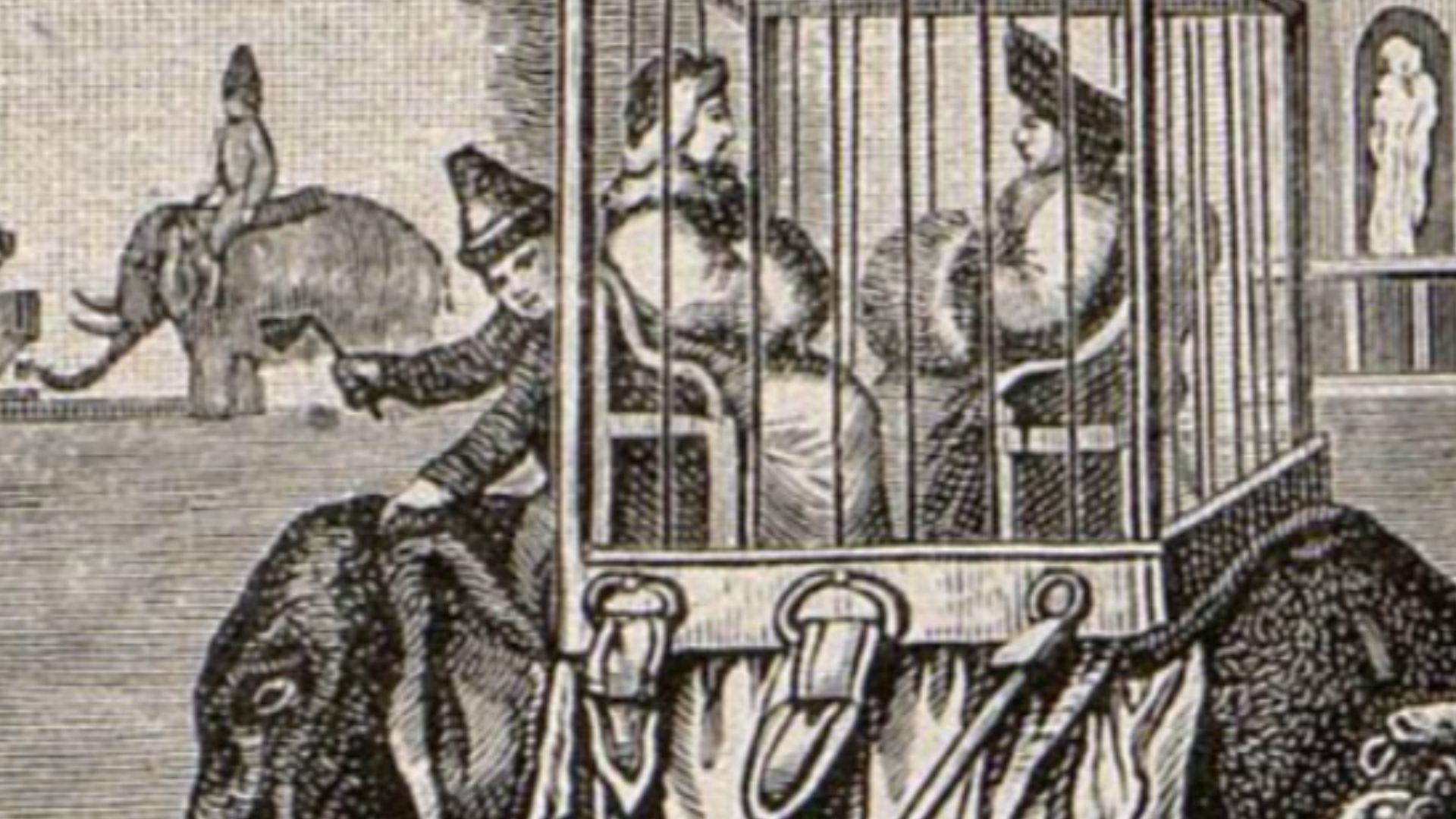
One day, for her own perverse pleasure, Anna forced Mikhail to marry her attendant Avdotya Buzheninova, likely because Avdotya was lower-class, older, and plain-looking. Then, after the ceremony ended, Anna dressed Mikhail and his bride as clowns, put them in a cage, and paraded them down the streets of St Petersburg for people to jeer at them. Then came the “honeymoon”.
 Наржо (Nargeot), Wikimedia Commons
23. She Built An Ice Palace
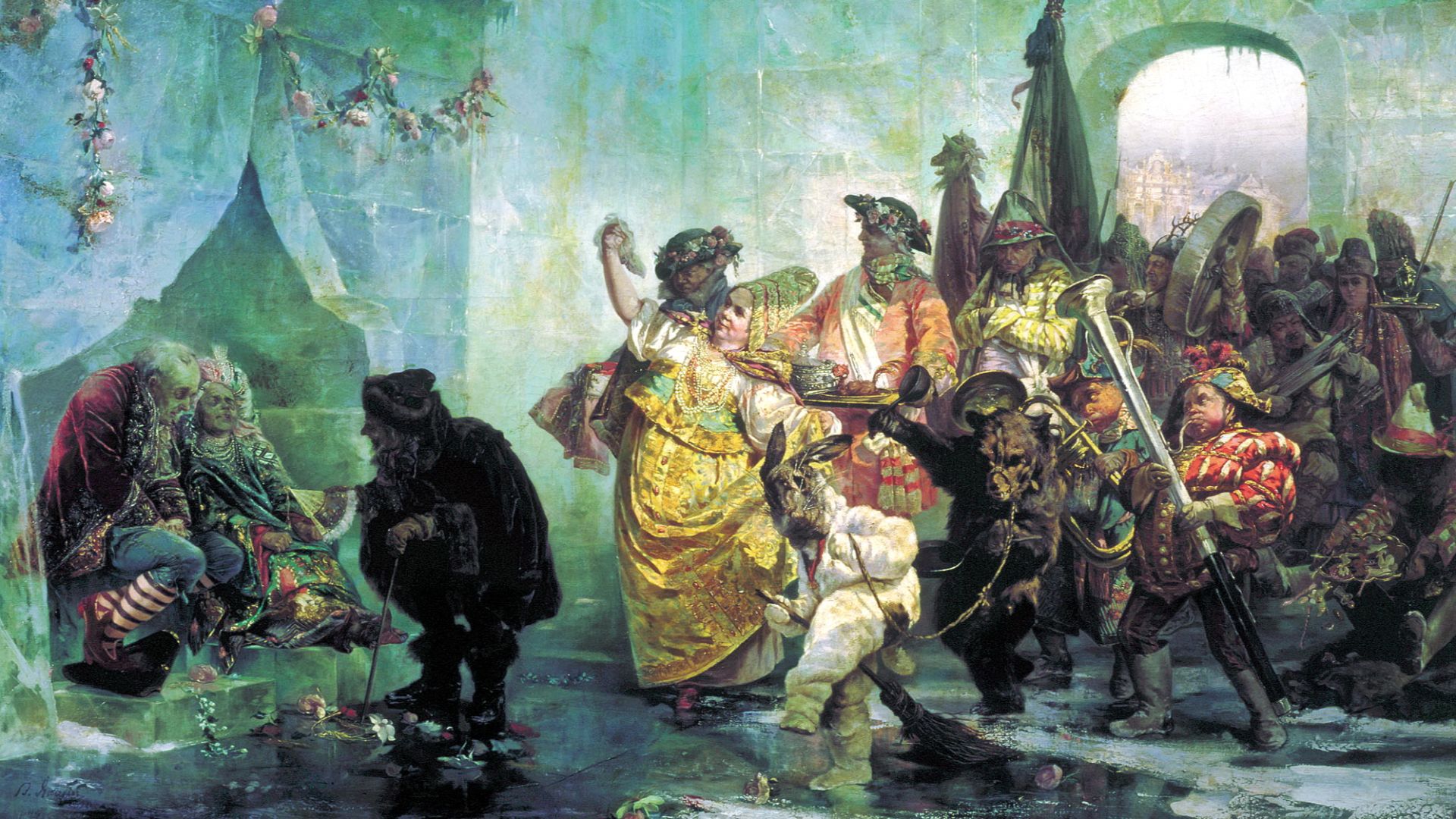
After this ordeal, Anna brought Mikhail and Avdotya to an ice palace she had specifically built for them, complete with frozen beds and chairs, and insisted they sleep there in the middle of the Russian winter. Though they emerged (barely) alive the next morning, Avdotya reportedly succumbed to pneumonia in the days following.
In the end, though, karma would get Anna just like it got her uncle.
 Valery Jacobi, Wikimedia Commons
24. Her Life Ended In Pain
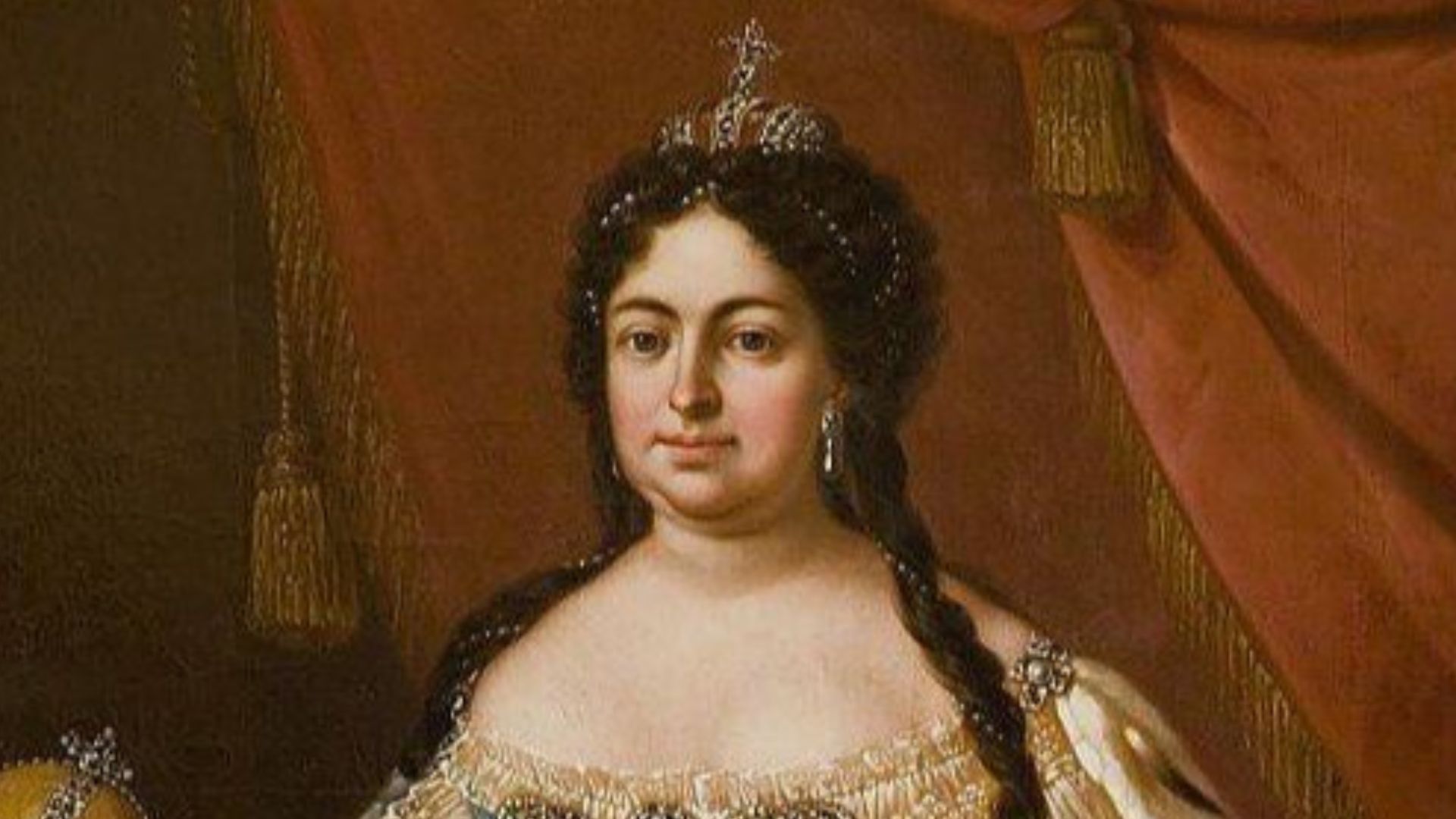
In poetic justice for all the pain she inflicted on others, Anna of Russia met a tormented end. In the last years of her life, she got an ulcer on her kidneys and suffered through painful gout. Then in 1740, when she was 47 years old, a fatal kidney stone tore through her, making her last moments agony.
Anna had named her infant grandnephew Ivan VI as her successor, with her closest advisor—and lover—Duke Ernst Johann von Biron serving as regent. Like so much Anna did, this went terribly.
 Unknown 18th Century Russian painter, Wikimedia Commons
25. Her Cousin Took Over
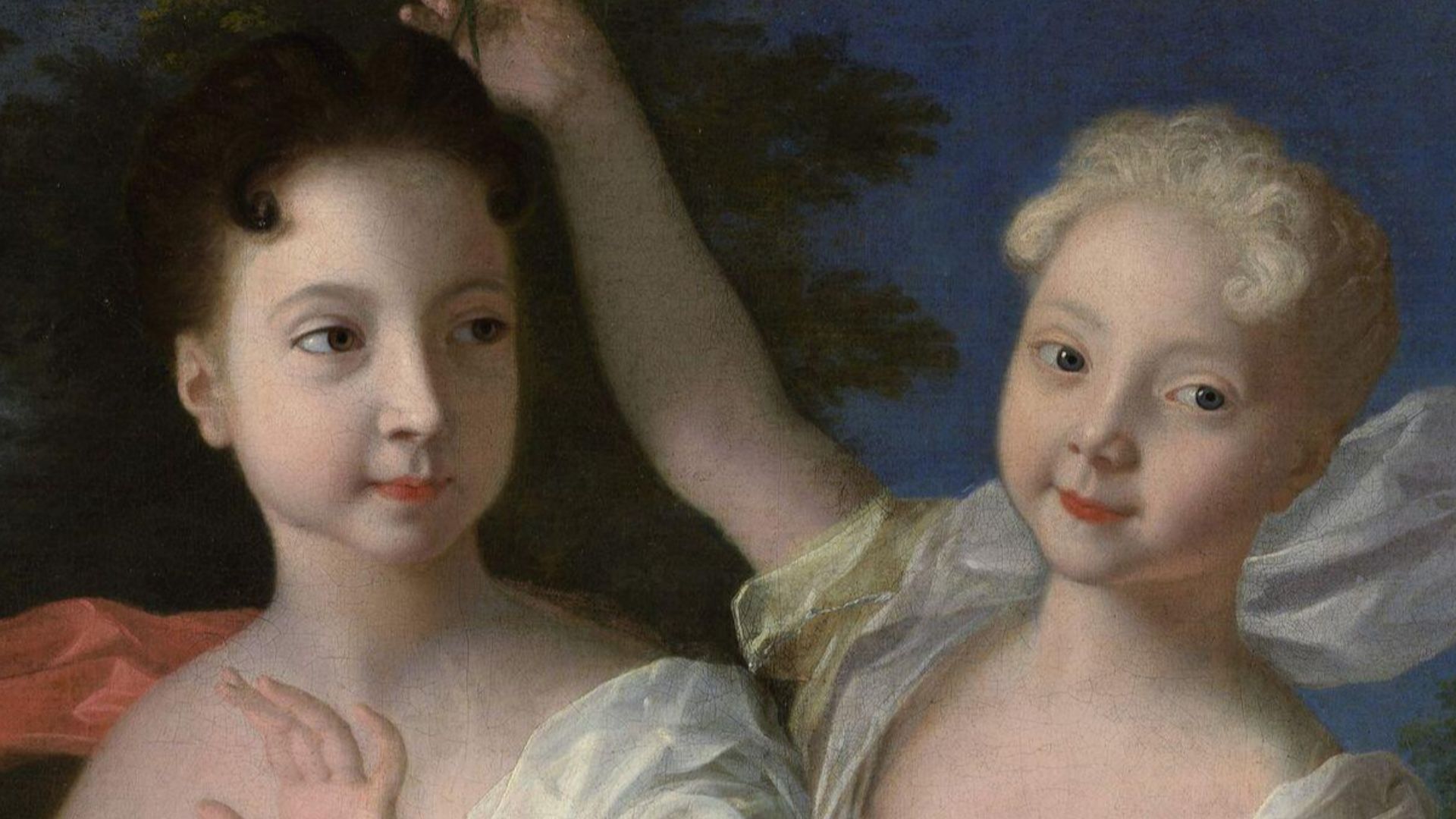
Anna had gravely miscalculated when it came to her successors. With Biron deeply hated at court and Ivan VI unable to even speak as yet, it was all too easy for Anna’s rival and cousin Elizabeth to take power for herself. Within a year, she had shunted Biron out of the way and thrown baby Ivan into a dungeon.
The boy would stay there for 20 long years—not that Elizabeth noticed.
 Louis Caravaque, Wikimedia Commons
26. She Had A Taste For Finer Things
Despite the low-down way she came into power, Elizabeth took after the rest of her family in adoring pageantry. Soon, she was infamous for throwing debauched balls, often two times a week, with one for the public and one for her inner circle. At these private balls, Elizabeth would often throw masquerades, usually dressing as a man, partly because it suited her looks. But this egoism was also her downfall.
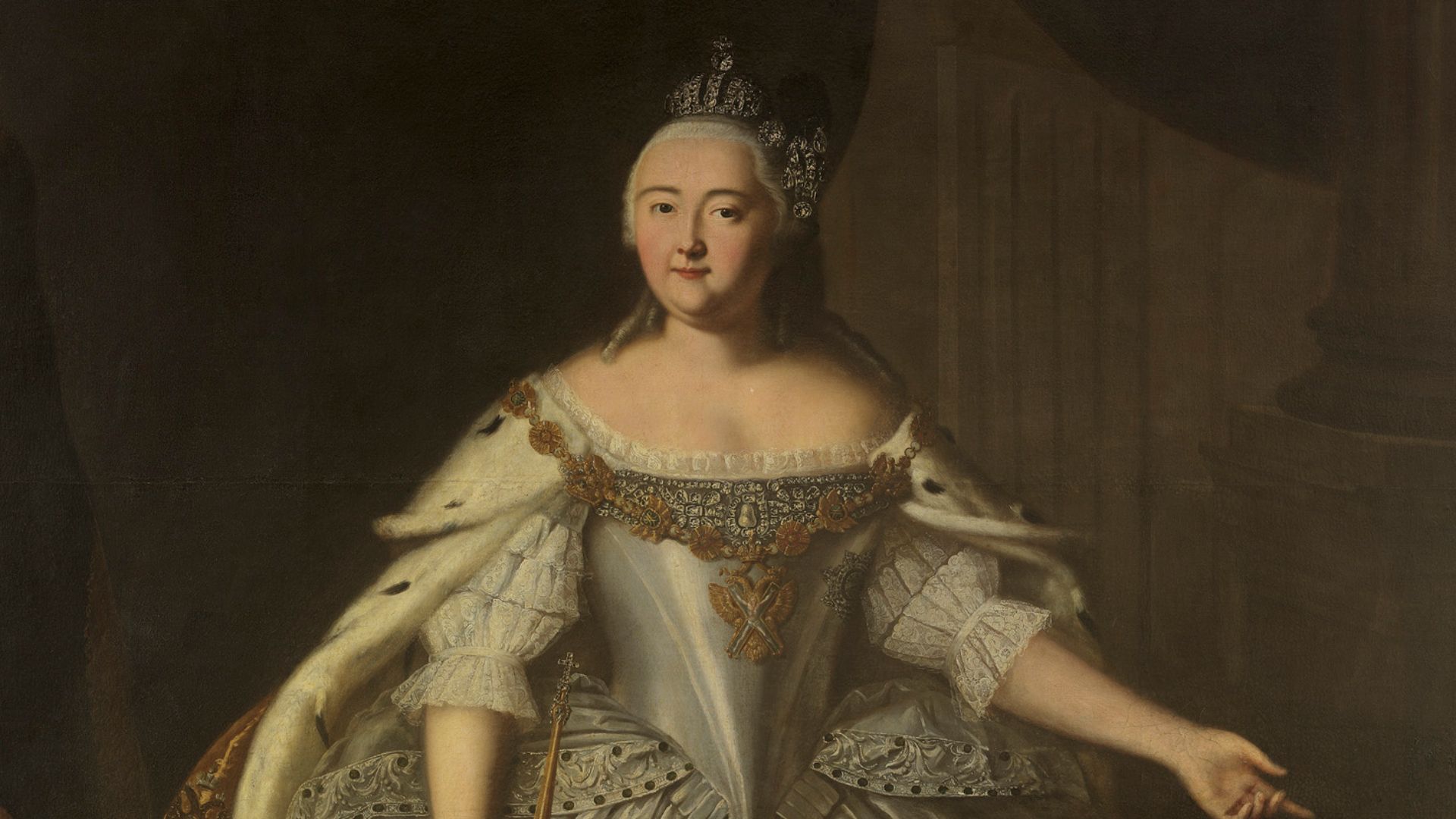 Ivan Vishnyakov, Wikimedia Commons
27. She Threw Tantrums
Elizabeth was on the vain side, and she didn’t handle aging well. By the end of her rule, she reportedly would throw a tantrum if she even saw a woman more beautiful than her, and when she began getting dizzy spells, she forbade anyone from saying the word “death” in front of her. That didn’t stop it from coming for her.
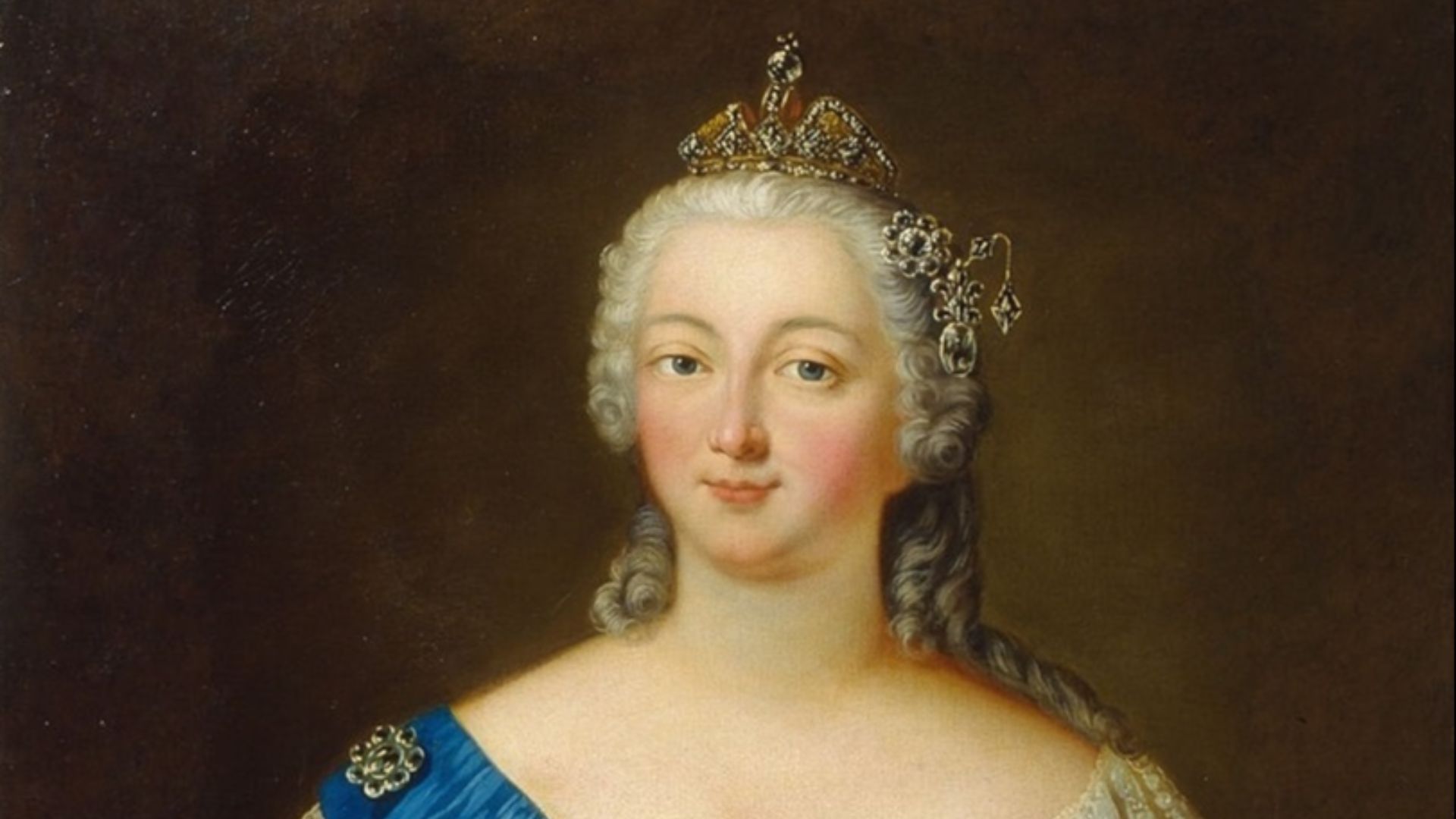 AnonymousUnknown author, Wikimedia Commons
28. She Was The Last Of A Long Line
On Christmas Eve of 1761, Elizabeth suffered a massive stroke and slipped away a day later, on Christmas. This represented another ending for the House of Romanov as a whole: Elizabeth had no children, and she was the last full-blooded Romanov on the Russian throne.
When her nephew Peter III took over, he didn’t stop the rough streak for Romanov men.
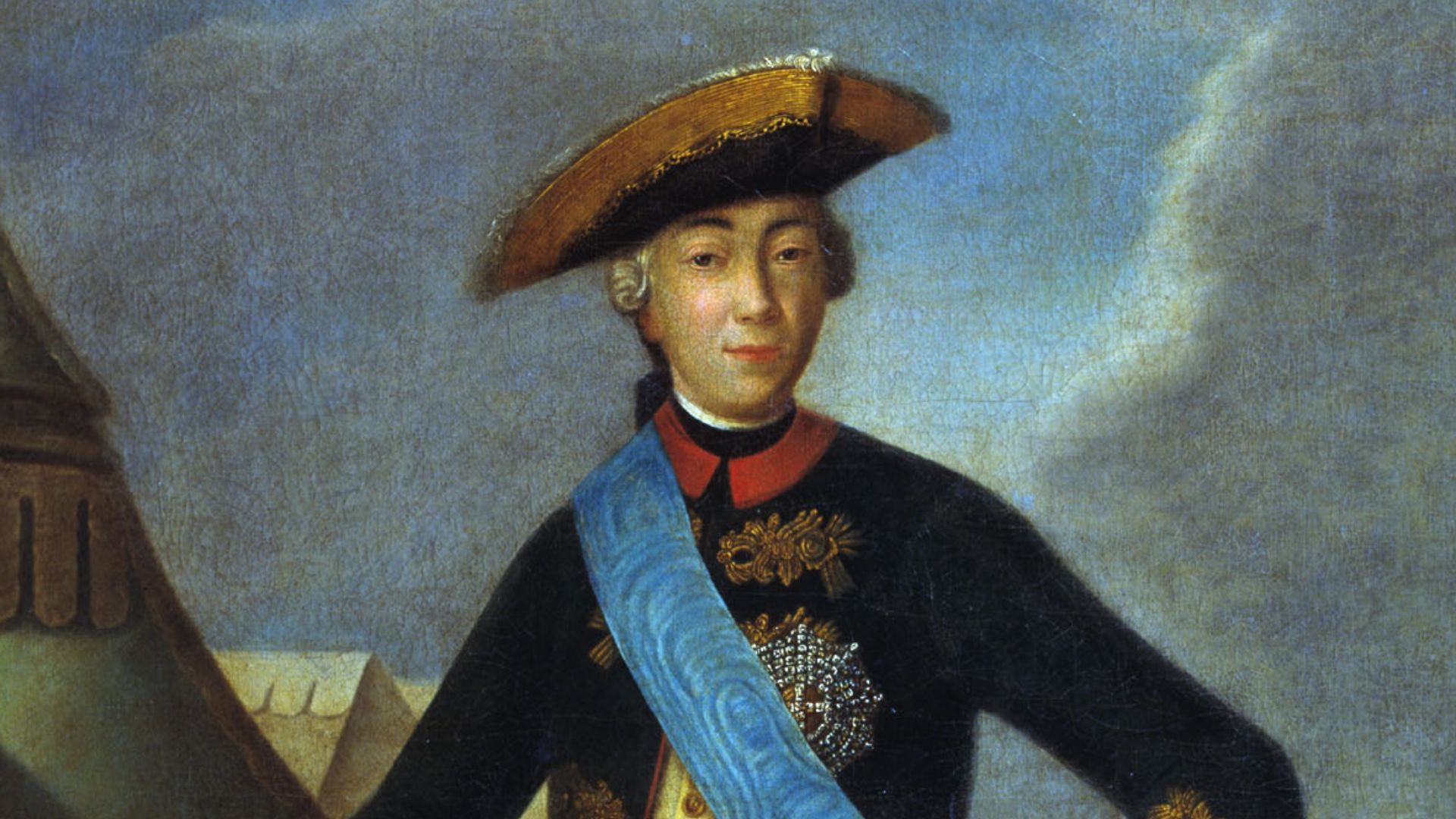 Fyodor Rokotov, Wikimedia Commons
29. The New Tsar Was Spoiled
Peter III had grown up under the strict supervision of his aunt Elizabeth, but some might have said he needed the guidance. After all, as a young boy he was lazy, arrogant, and disturbingly cruel to animals. He also exhibited signs of a strange emotional immaturity: He hated Latin so much that he banned Latin books from his personal library, and was reportedly obsessed with toy soldiers well into his adult life.
It was perhaps fitting, then, that Peter spent most of his rule under the thumb of another woman.
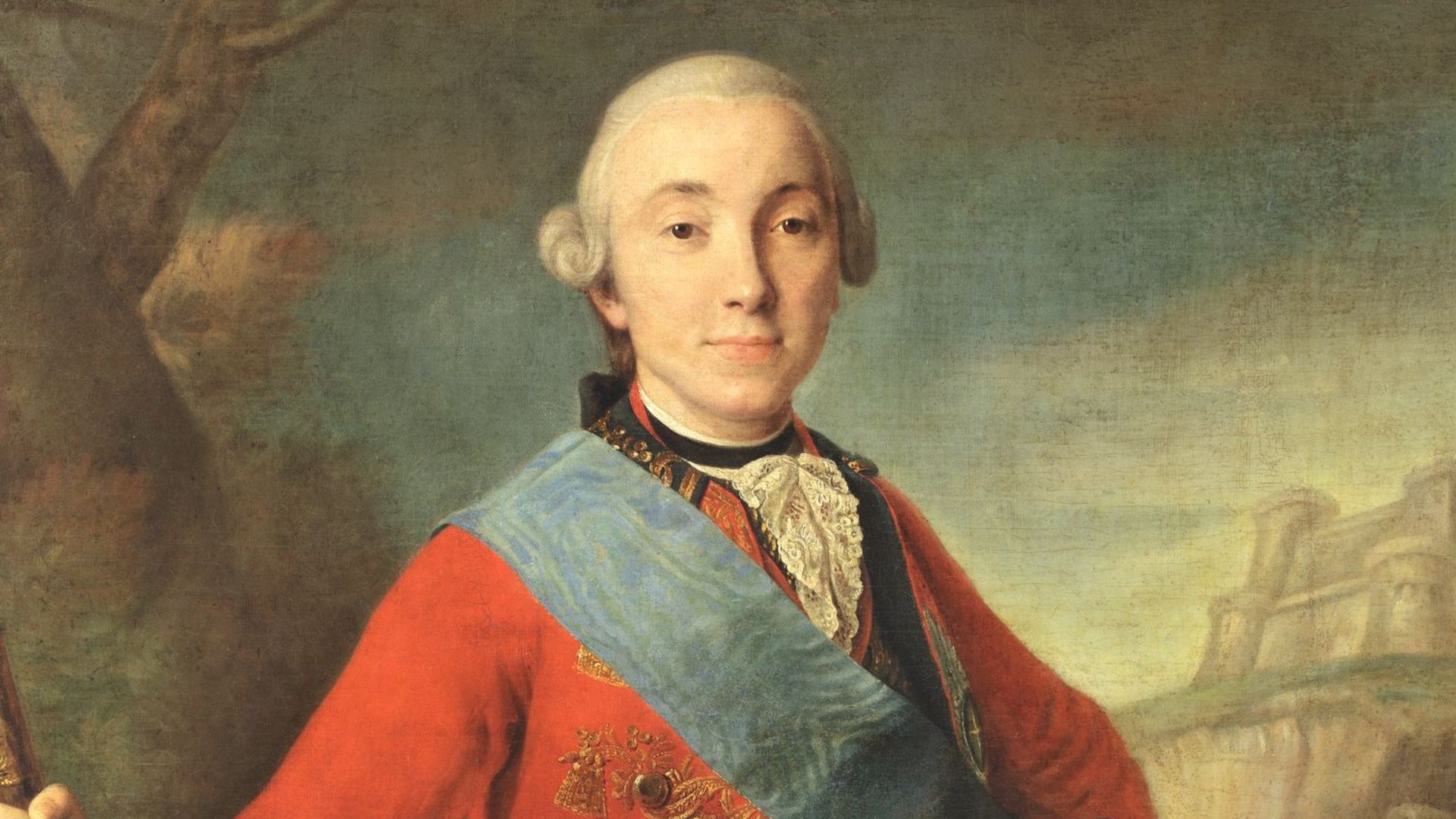 Fyodor Rokotov, Wikimedia Commons
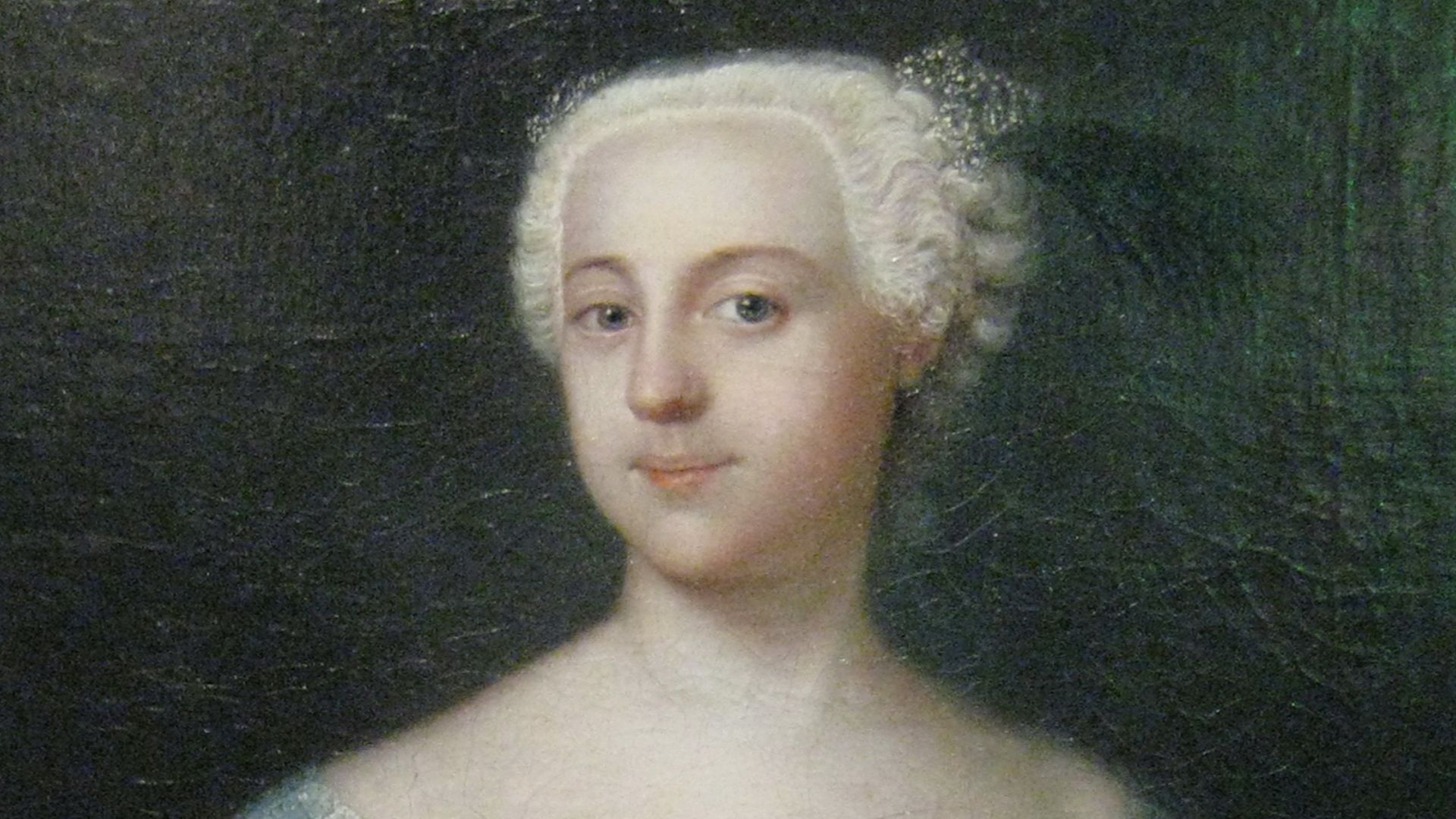
30. He Had A Bad Marriage
In 1745, Peter married Princess Sophia of Anhalt-Zerbst—but you likely know her by her future name, Catherine the Great. It was not, however, a successful marriage. The couple were cold and miserable with each other from the beginning, and when they finally managed to have a boy, Paul, almost a decade after tying the knot, Catherine claimed the infant was actually the son of one of her lovers.
Historians say this likely isn’t true, but the insult still stood, and Peter had a few of his own.
 Anna Rosina de Gasc, Wikimedia Commons
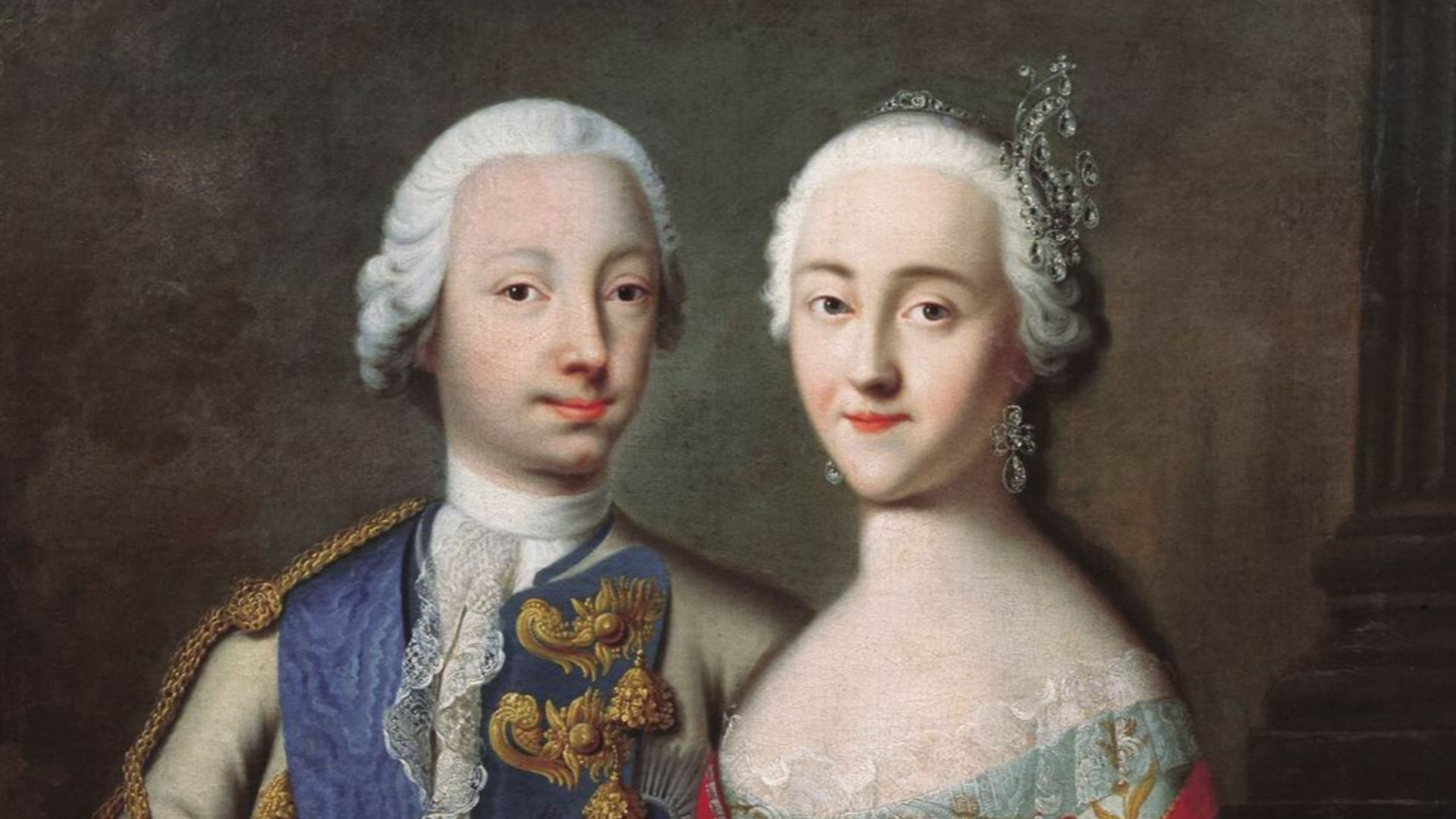
31. He Tormented His Wife
Evidently, it didn’t take long for Peter and Catherine to give up even pretending to like each other, and Peter gave as good as he got. In line with what historians have named Peter’s “corporal’s mania,” Peter once had his soldiers fire at Catherine’s nearby residence, just to make her life a little more inconvenient.
Unfortunately, Catherine would deal him a much larger blow.
 Georg Cristoph Grooth, Wikimedia Commons
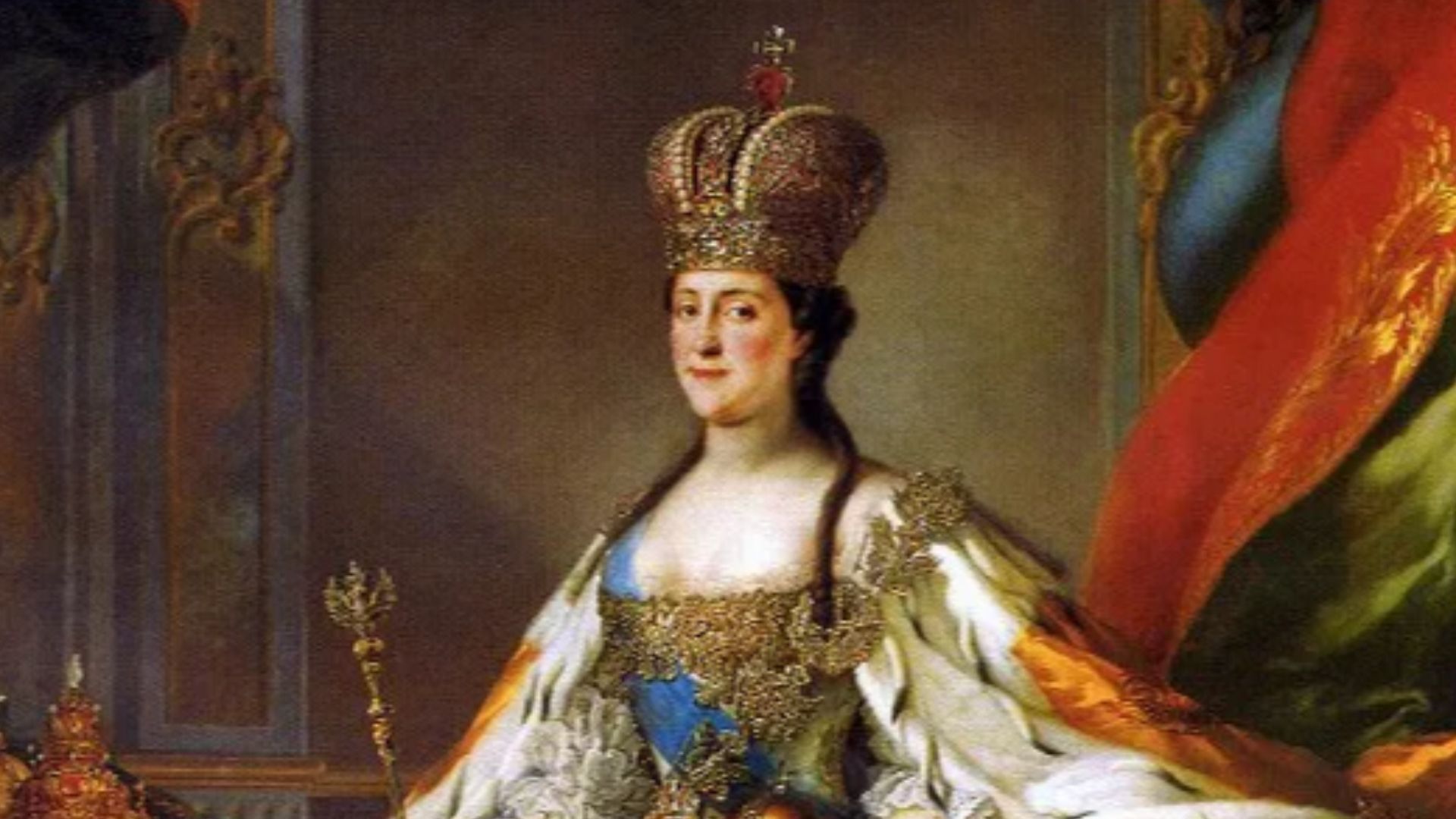
32. She Deposed Him
Like so many Romanov men before him, Peter III was only a flash in the pan in the throne room: He reigned for only 186 days. In July of 1762, Catherine shocked the world when she convinced the Russian Court over to her side, and then forced her own husband to abdicate. On July 9th, she threw Peter behind bars, then declared herself Empress of All Russia.
Days later, the situation turned from scandalous to grim.
 Stefano Torelli, Wikimedia Commons
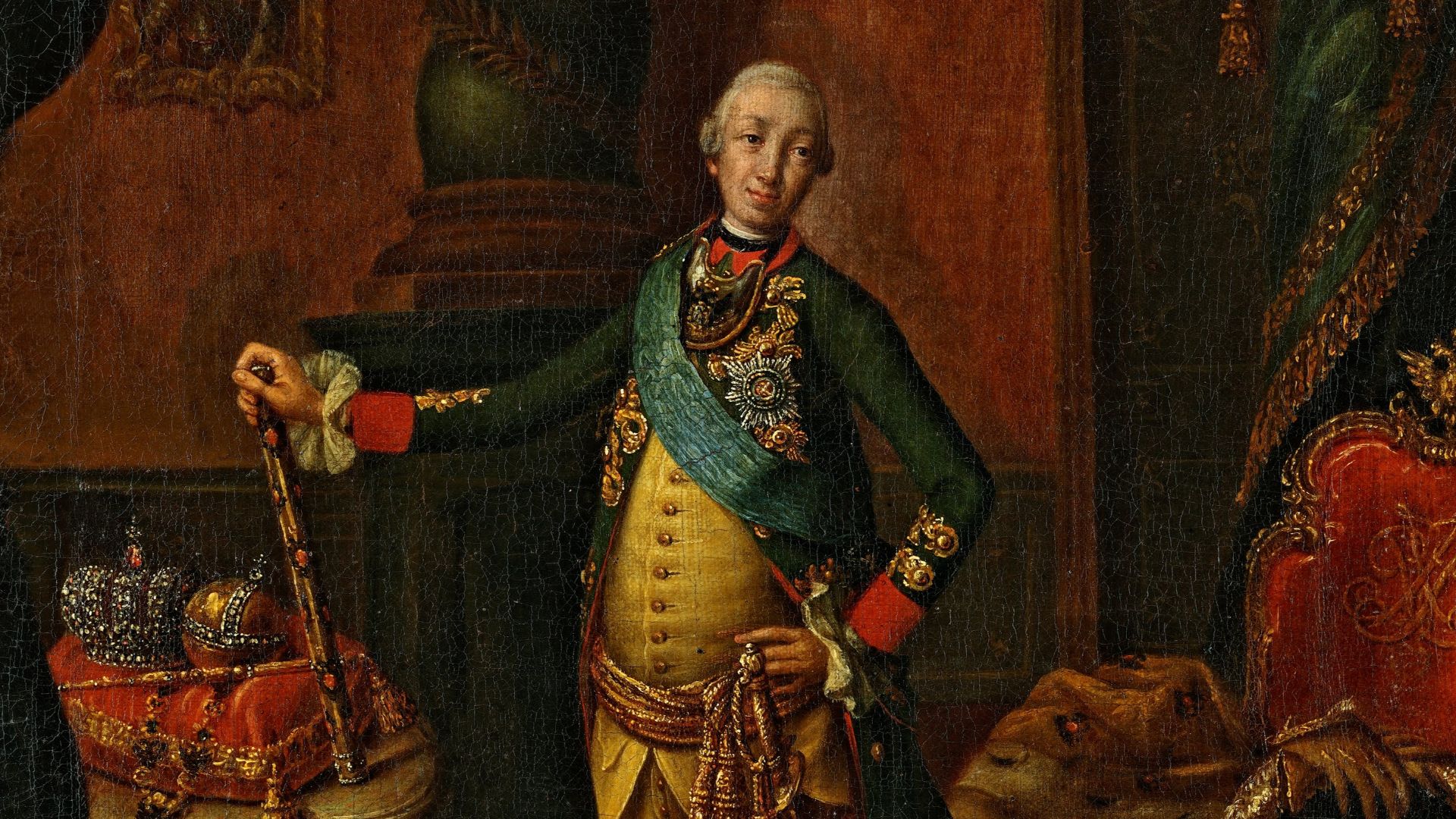
33. He Suddenly Dropped
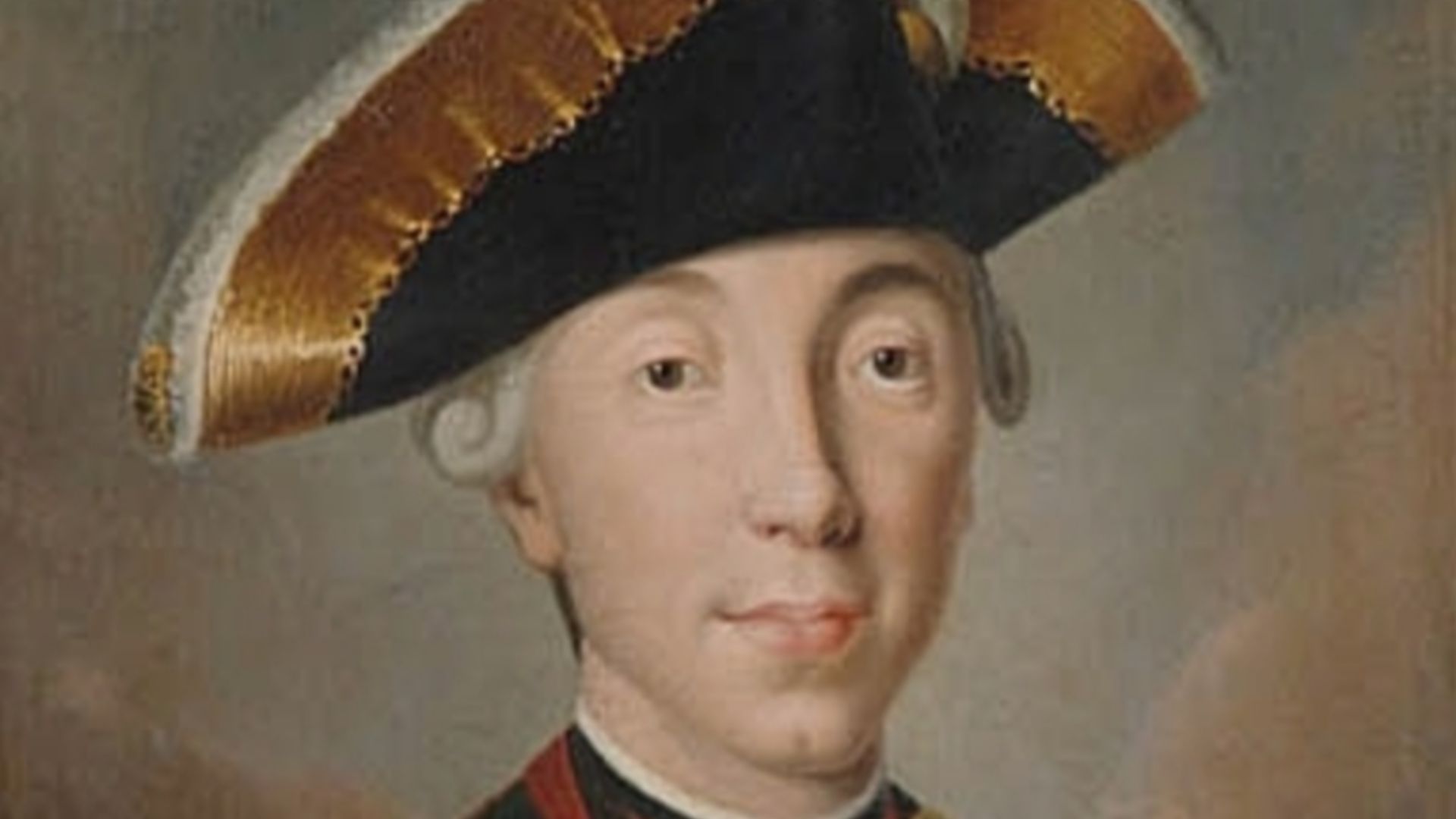
On July 17, after he had mouldered in his prison for just over a week, attendants found Peter’s lifeless body in his cell. An autopsy Catherine ordered revealed that Peter, though he was only 34 years old, had perished from a massive stroke. Nonetheless, the Russian court—and modern historians—had other ideas.
 Aleksey Antropov, Wikimedia Commons
34. His End Was Suspicious
Today, most experts posit that Peter’s death was no accident, and that someone orchestrated his demise. This is dark enough, but the real question is: Who did it? Although most believe Peter died at the hands of a courtier named Alexei Orlov, some suggest that Orlov did it at Catherine the Great’s behest, while others posit she was innocent.
As one historian of the Romanov family put it, the circumstances of Peter’s last moments “can never be known."
 Unknown authorUnknown author, Wikimedia Commons
35. She Was Larger Than Life
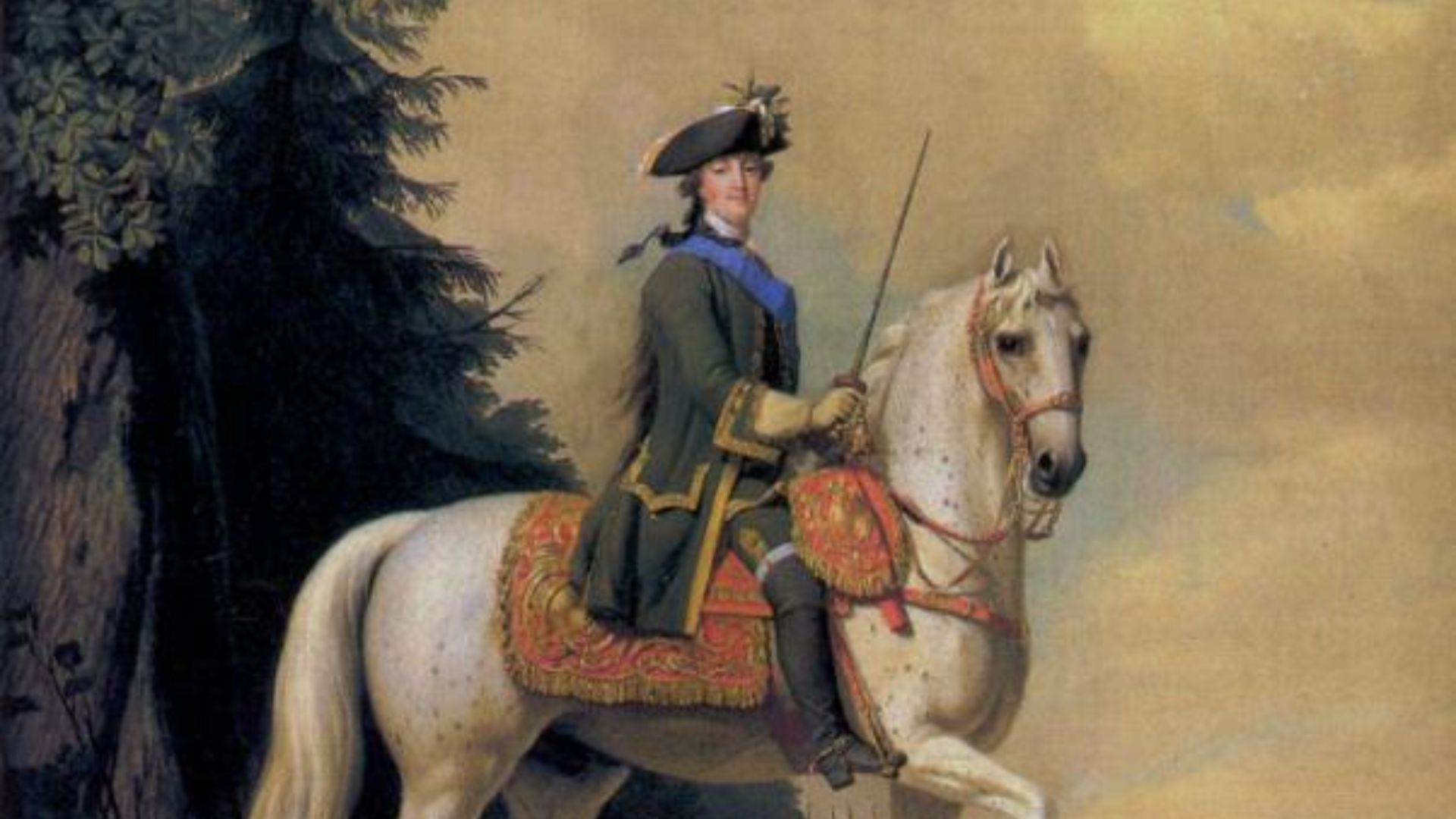
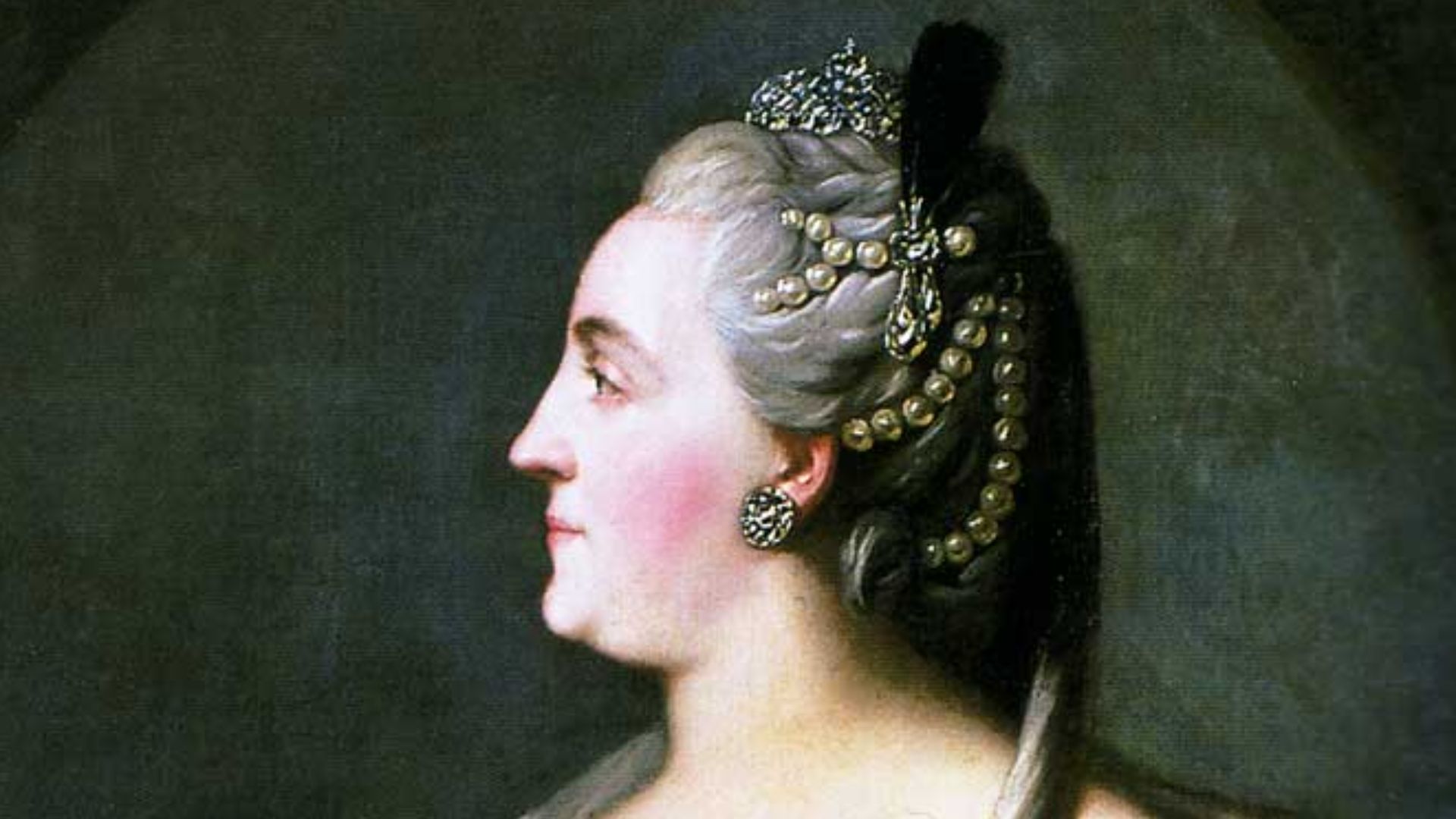
Perhaps because of the incredible circumstances of her rise to power, rampant, unverifiable, and sometimes downright false rumors have always followed Catherine the Great—but the real facts of her life need no embellishment. For one, she had an infamous and confirmed bedroom appetite, and some unusual ways of satisfying it…
 Vigilius Eriksen, Wikimedia Commons
36. She “Tested” Her Lovers
Several historical records claim that before Catherine welcomed a lover, he had to first satisfy her lady-in-waiting, Countess Praskovya Bruce. This is juicy enough, but Catherine also had a temper to go with her ardor: Reportedly, when Catherine stumbled on one of her approved lovers re-visiting Bruce, she sent both him and Bruce into exile. It was hardly the worst she would do.
 After Fyodor Rokotov, Wikimedia Commons
37. She Executed Her Competition
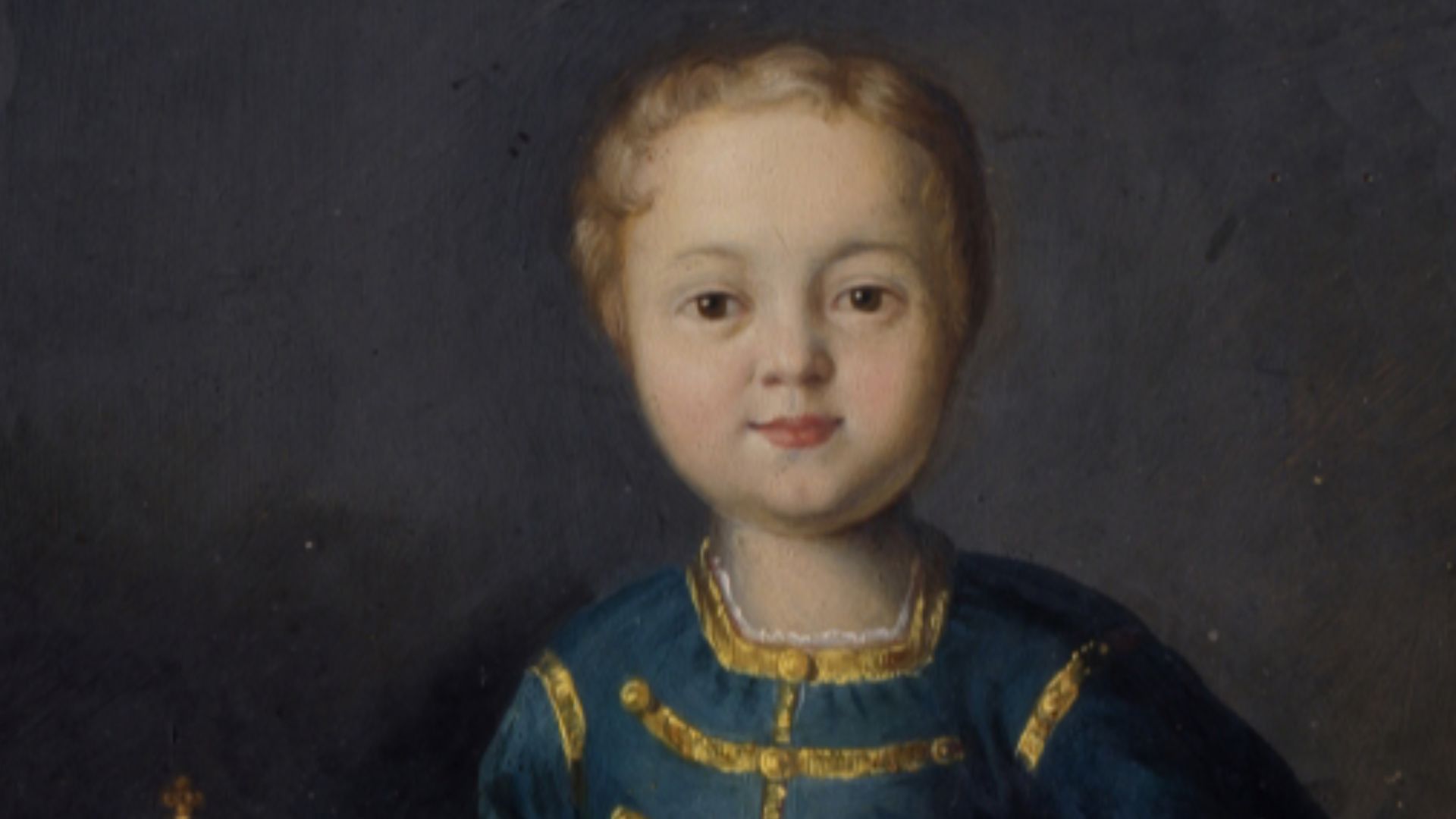
At the beginning of her reign, Catherine didn’t just depose her husband Peter; she also dragged out an old ghost from the palace. Recall that Empress Elizabeth, decades earlier, had shoved Ivan VI in a cell and left him there. Well, Catherine, insistent there would be no rival claimant to her still-precarious throne, let out the now 23-year-old, who was by then quite insane, and executed him.
Of course, even her own family wasn’t free from her wrath.
 anonymous / Unidentified painter, Wikimedia Commons
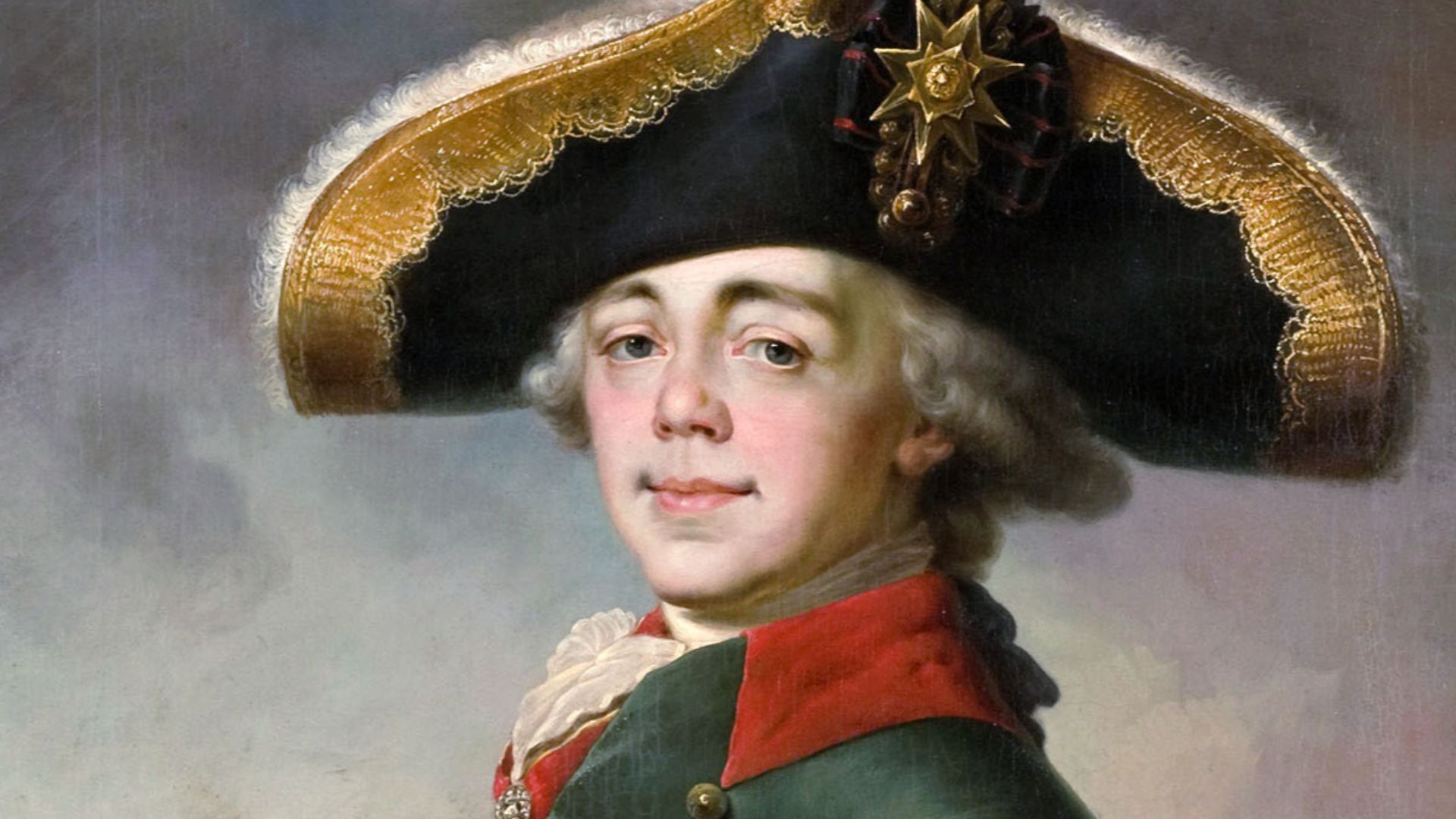
38. She Disliked Her Son
Catherine never took a liking to her eldest son Paul, who suffered from neglect from a young age. One day, he even fell out of his crib and “slept the night away unnoticed on the floor". In another instance, Catherine once gave a friend a 500,000-ruble present, but only gifted her son, on his birthday, with a cheap watch.
Indeed, when Paul had his own son, Alexander, Catherine planned to name the new child as her heir and skip Paul completely in the line of succession. And the dislike went both ways—but there may have been a disturbing reason why when it came to Paul’s disdain for his mother.
 Vladimir Borovikovsky, Wikimedia Commons
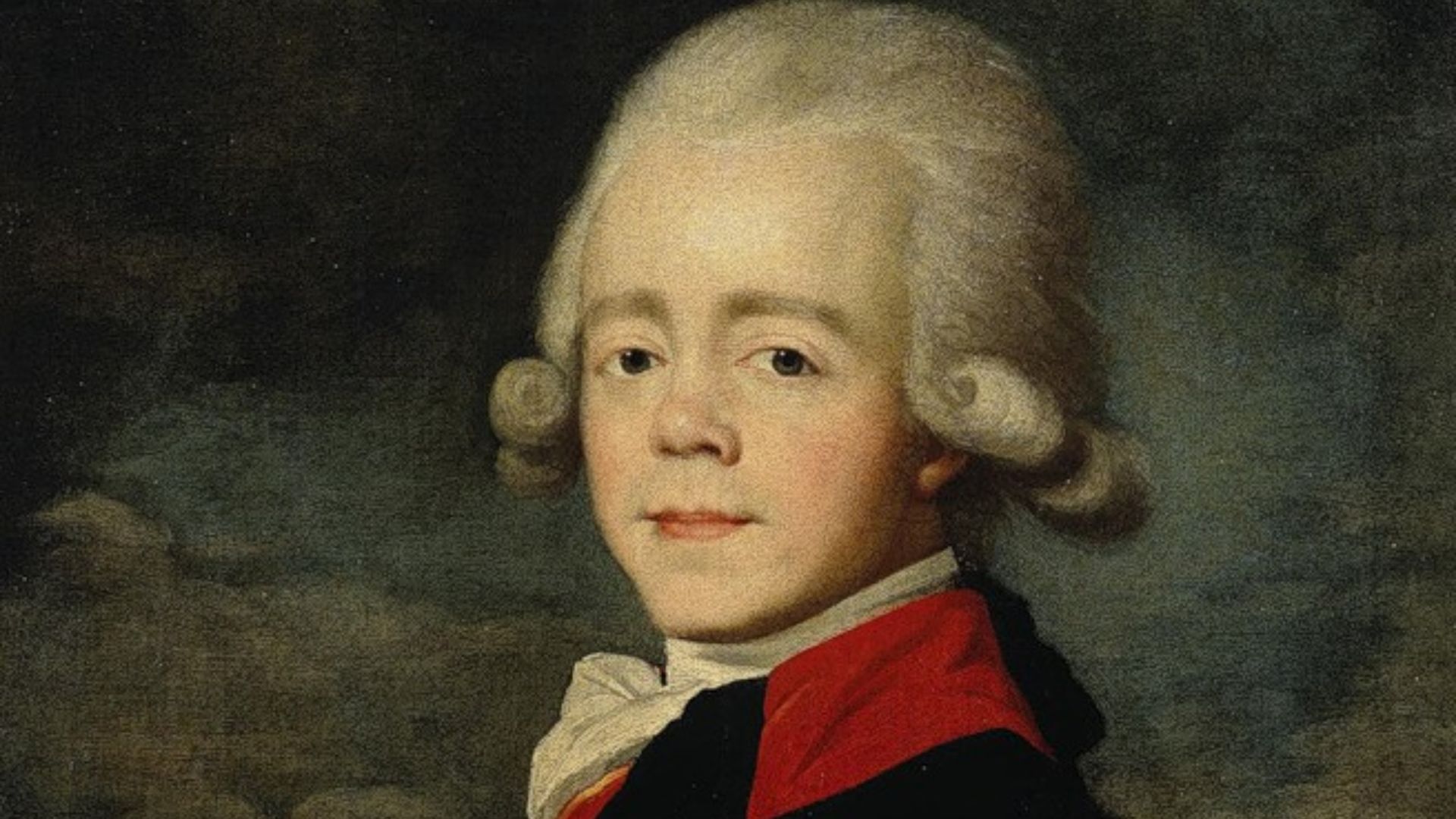
39. He May Have Been Illegitimate
Maybe the reason that Tsar Paul hated his mother so much was that she never truly acknowledged the truth about his parentage. In her first memoirs, she strongly implied that Peter III was not Paul's real father. A later version walked that back and claimed that Peter was the father, but no one in Russia ever knew for sure. On top of everything else, Paul never truly knew if he was the product of an affair or not.
 Андрей Филиппович Митрохин / Andrey Filippovich Mitrokhin (1766-1845), Wikimedia Commons
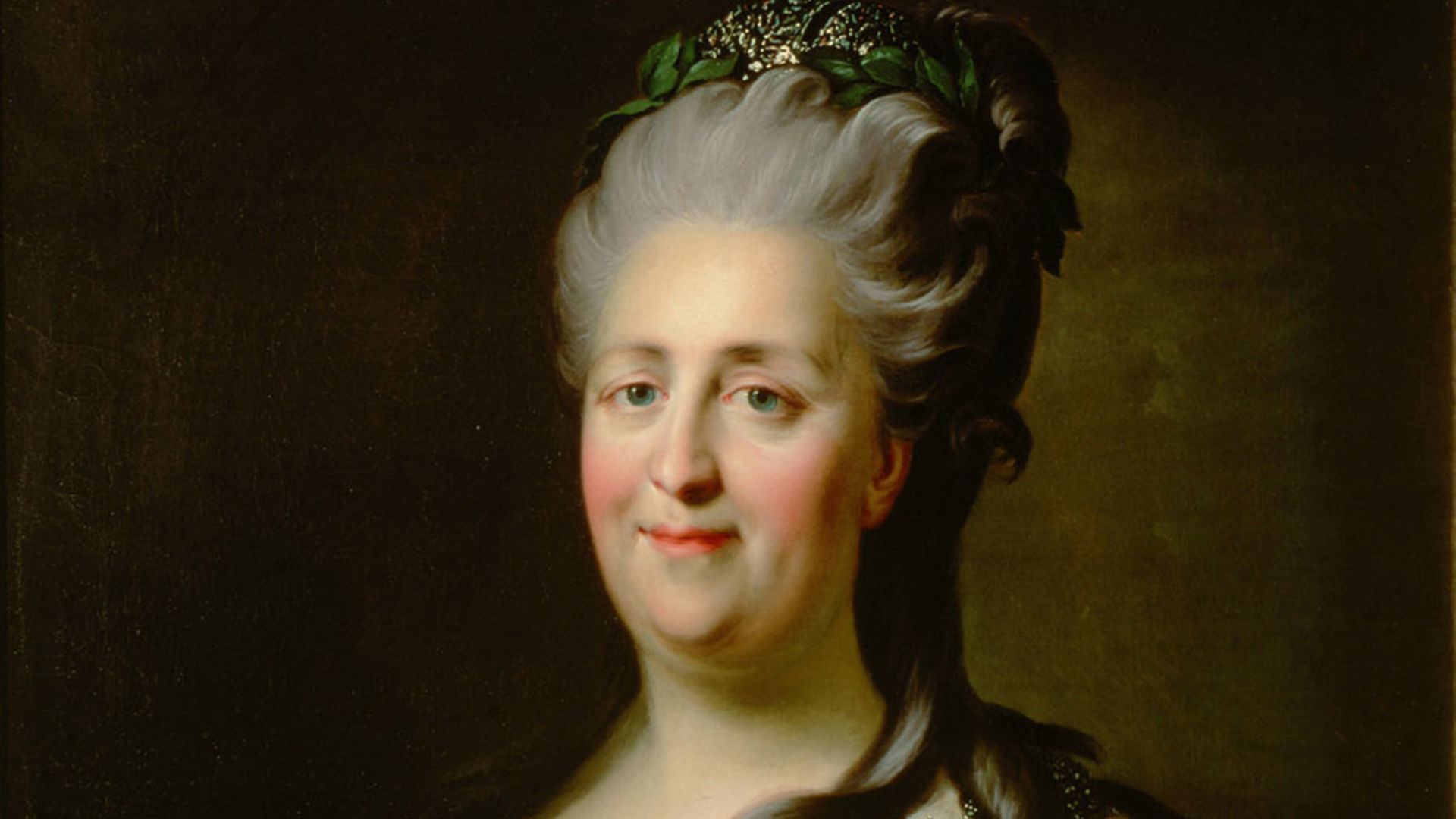
40. She Had A May–December Romance
Catherine the Great was generous with her many lovers, but each one knew that she was in control; one man even described himself and his comrades as “kept girls” for the Empress. Perhaps it was no surprise, then, when a 60-year-old Catherine took the 22-year-old Prince Platon Zubrov as a lover late in life. Still, she was right to enjoy her time while she could.
 After Alexander Roslin, Wikimedia Commons
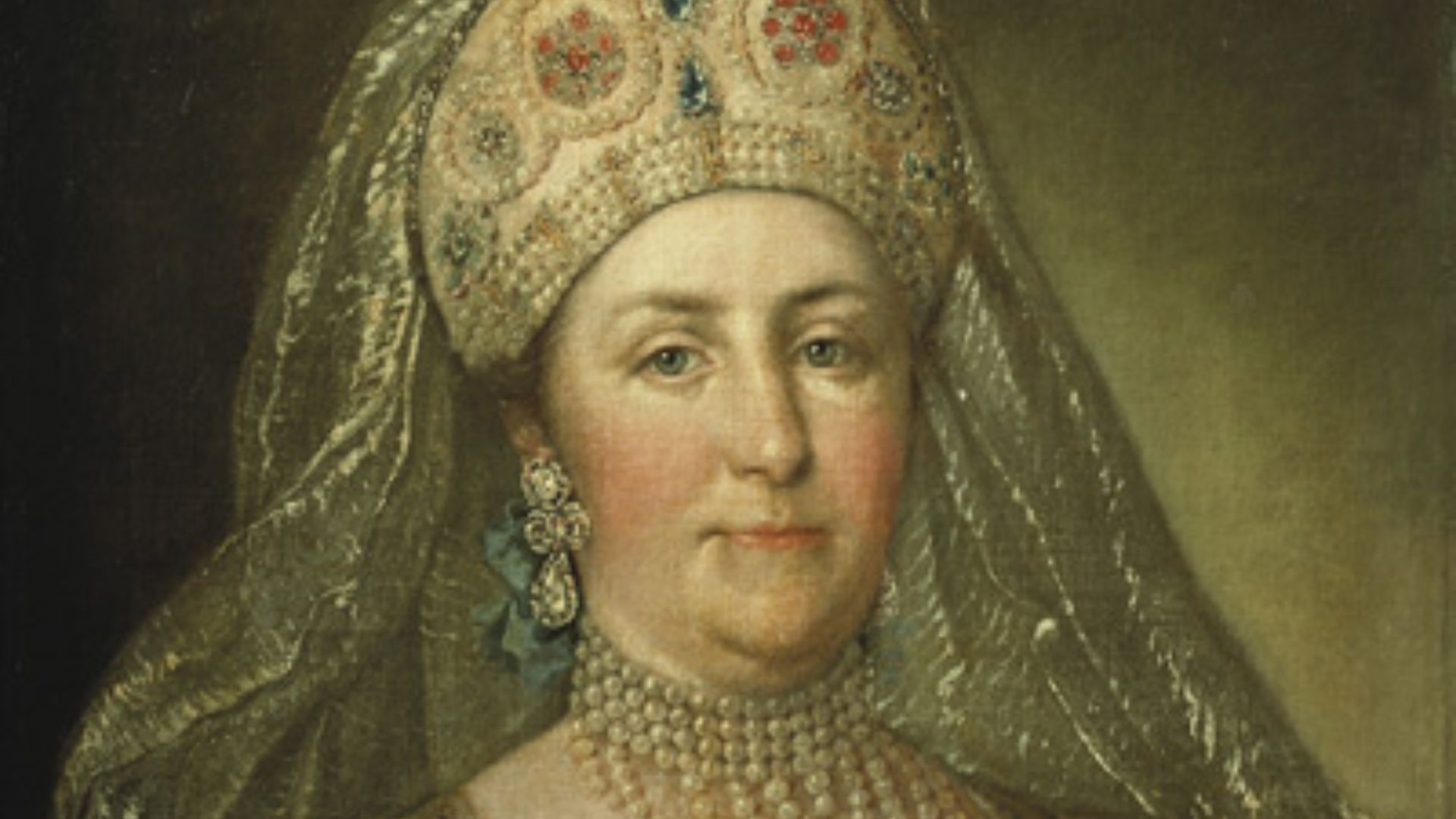
41. She Had A Risque Collection
Catherine’s salacious tastes in the boudoir extended to her taste for art, and she collected many sensual paintings and other works. During WWII, when German forces raided the Winter Palace, they even discovered a storage space for all of Catherine’s erotic furniture. Though they took photographs, the furniture is no longer extant. But that wasn’t all she was hiding.
Catherine also employed full-time foot ticklers. In this respect, Catherine was actually a traditionalist. Russian royalty long employed sensual foot ticklers, who would sing bawdy ballads while feathering their master's feet to provide relaxation and arousal.
 anonymous / After Stefano Torelli, Wikimedia Commons
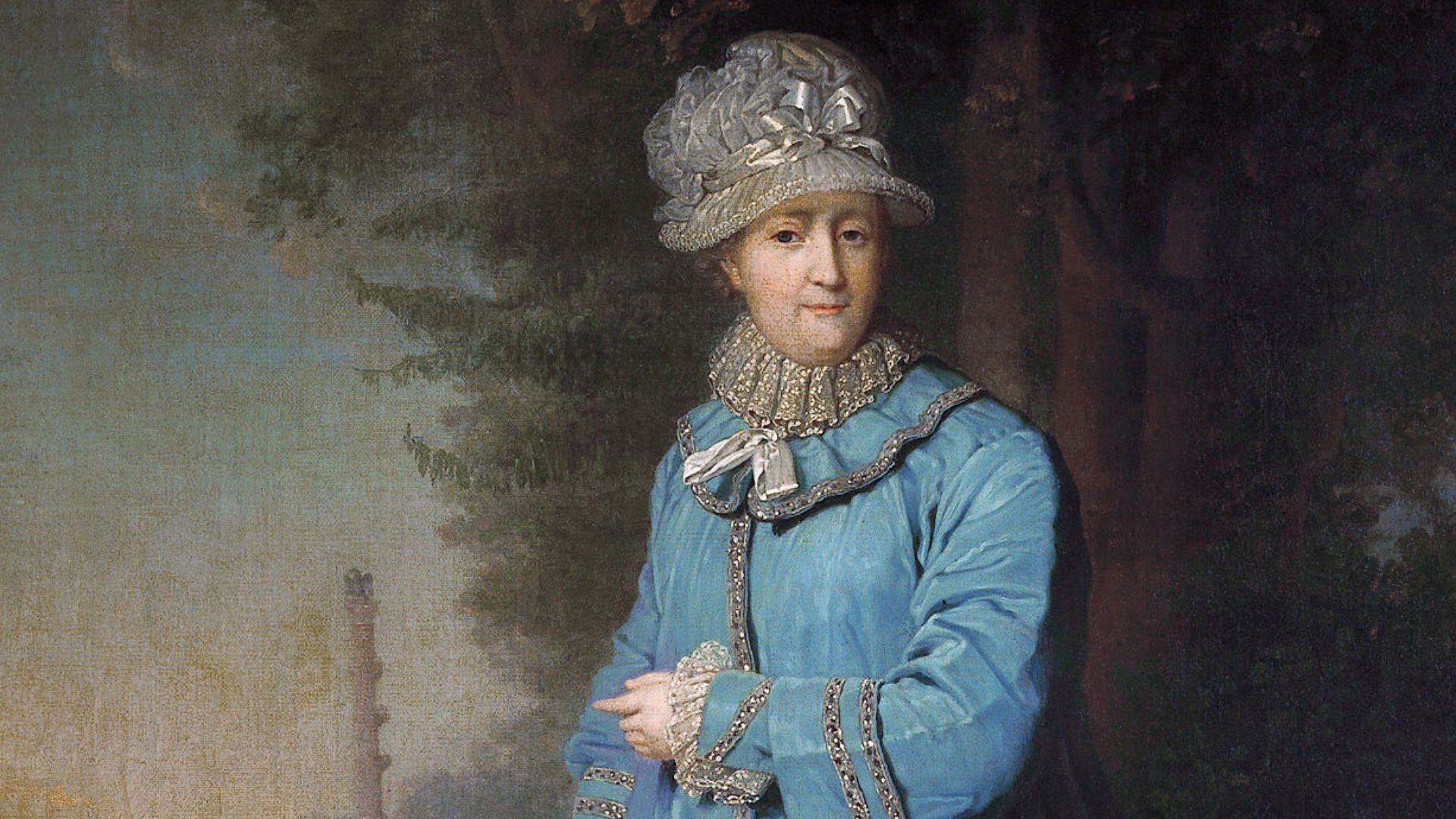
42. Her End Made Rumors Fly
In November of 1796, Catherine’s servants found her lying on the floor, her face purple, and she quickly fell into a coma and passed. Though the reason for Catherine’s end is the biggest source of rumor about her life—with the most notorious whisper claiming she had died after having relations with a horse—the truth is, she simply had a fatal stroke.
 Vladimir Borovikovsky, Wikimedia Commons
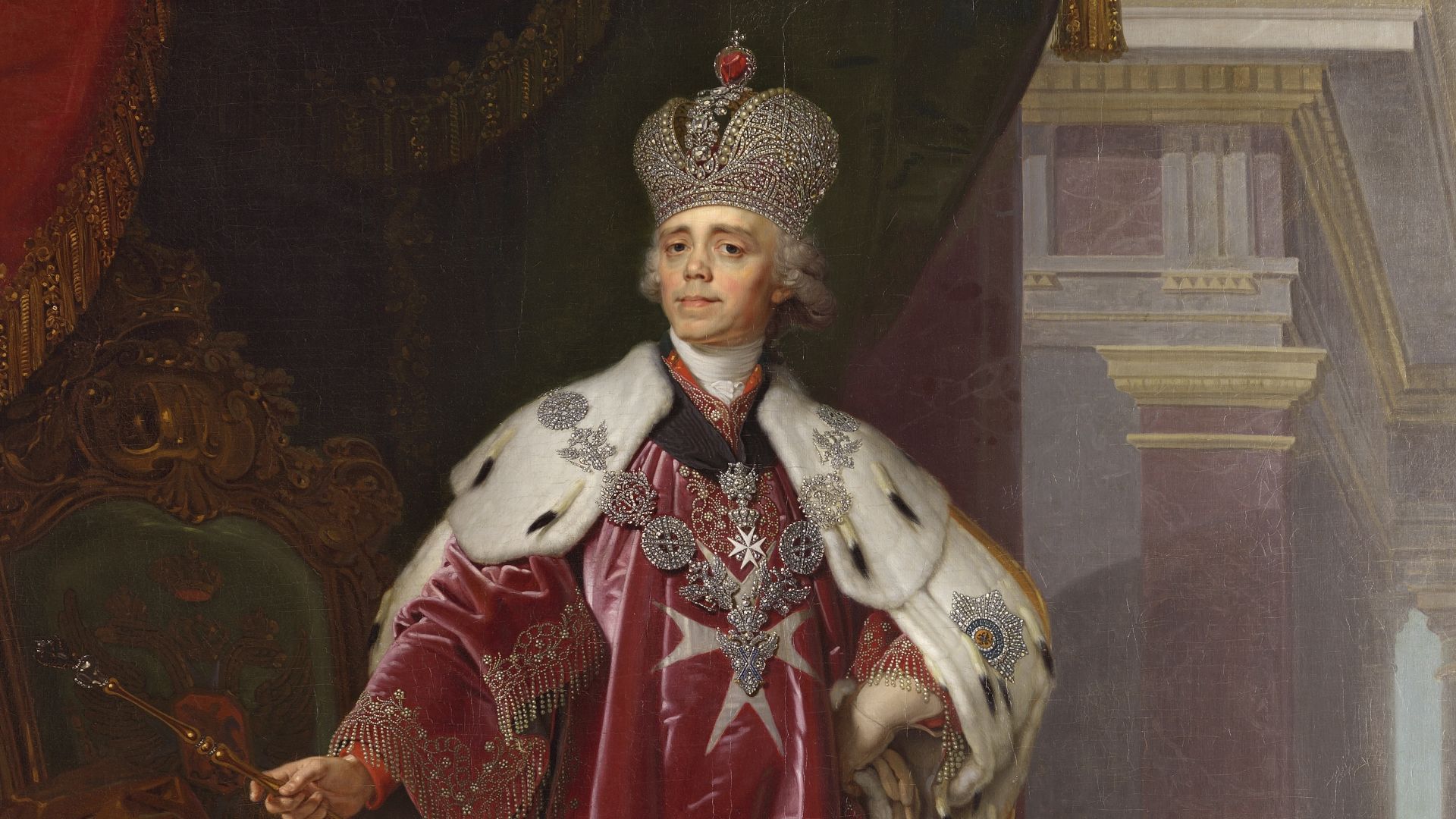
43. The Next Tsar’s Reign Was Disastrous
Despite Catherine’s attempts to disinherit him, her son Paul finally came to the throne. But it turned out Catherine had a point: Paul wasn’t just largely ineffectual and increasingly mentally unstable, his reforms were also deeply unpopular. Eventually, a group of disgruntled Russian aristocrats assassinated the Tsar just a handful of years into his reign in 1801.
Unfortunately for Paul, the Romanov male curse was alive and well, and this brutal night came with a vicious detail.
 Vladimir Borovikovsky, Wikimedia Commons
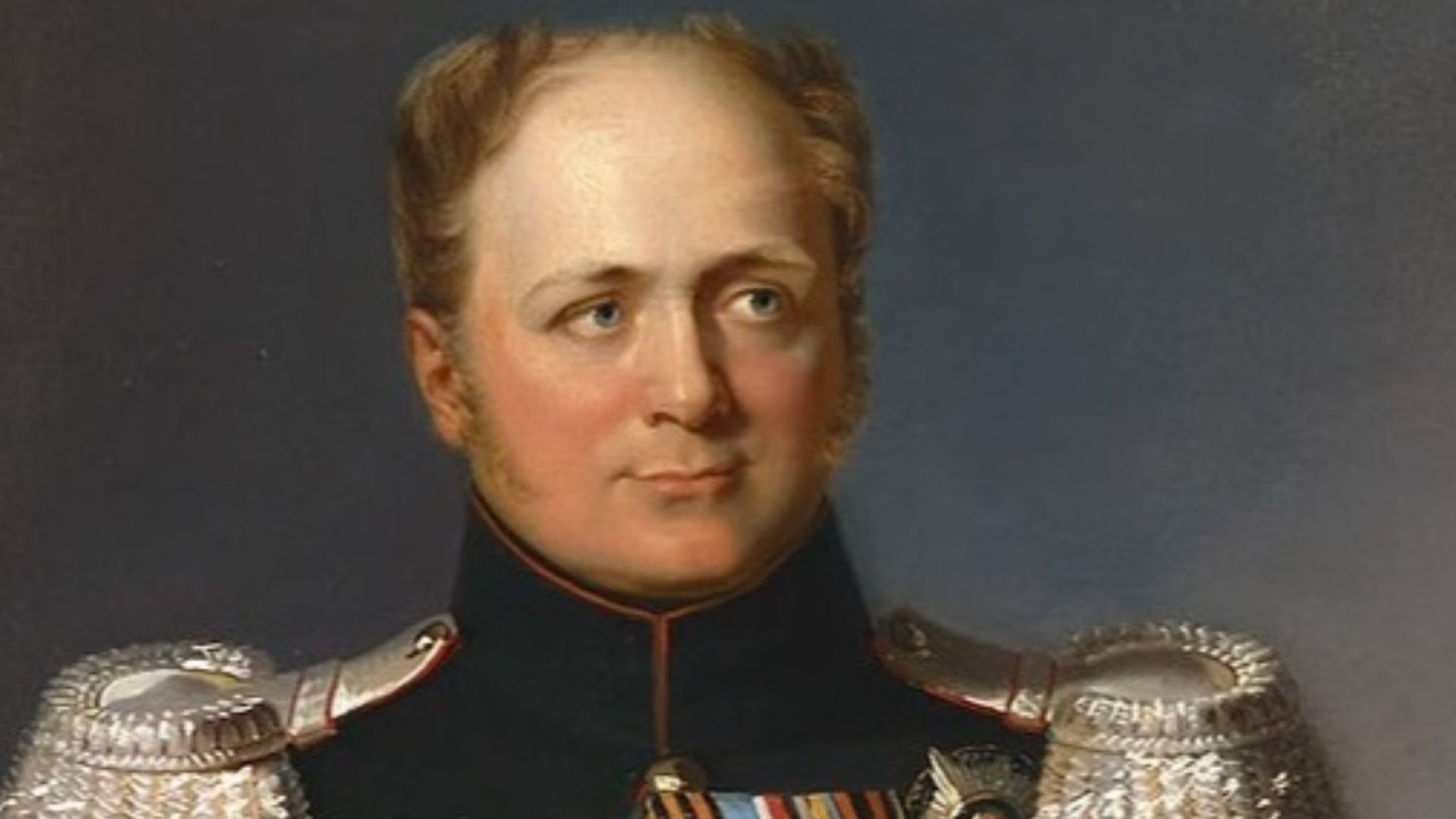
44. He Had Blood On His Hands
Paul’s successor was Alexander I, the boy Catherine the Great had wanted to succeed her all along. He was also likely complicit in his father’s death. There is compelling evidence Alexander knew about the threat to Paul and allowed the conspiracy to continue, though he may have assumed the men would just force the Tsar to abdicate rather than kill him.
Whatever the level of his guilt, Alexander would eventually pay the price.
 George Dawe, Wikimedia Commons
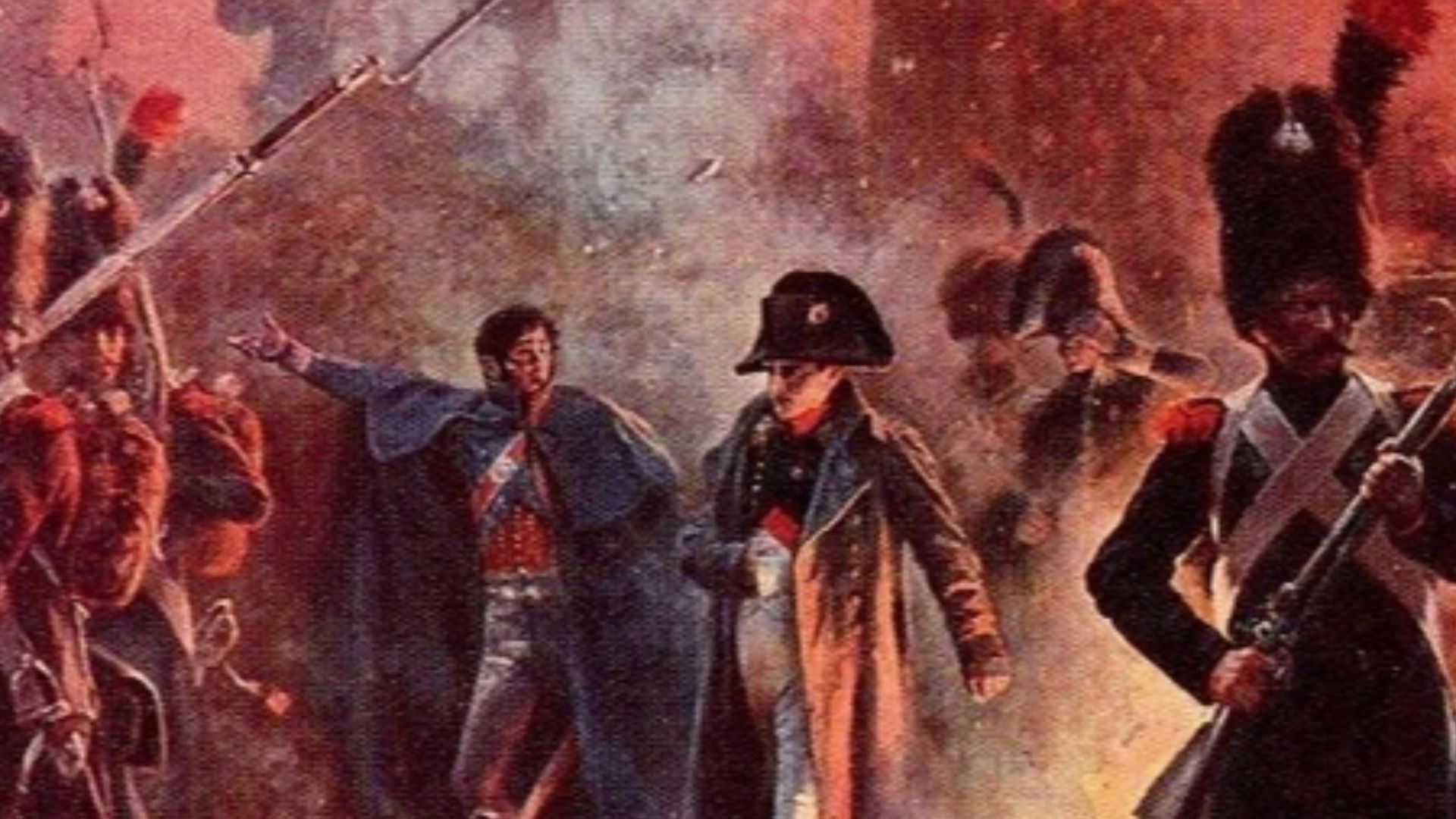
45. He Took On Napoleon
It was Alexander I who ruled when Napoleon performed his infamous and ill-fated invasion of Russia. Indeed, Alexander began the “Fire of Moscow” to stymie Napoleon’s military plans for that city, and watched with satisfaction as Napoleon’s men succumbed to the harsh realities of Russian Winter. Alexander I was even one of the coalition of men who sent the defeated Napoleon into exile in Elba.
After, the Tsar emerged as a superpower, but he was rotting inside.
 Оранж, Морис. Maurice Orange, Wikimedia Commons
46. His Guilt Ate At Him
Alexander’s guilty conscience over his father’s end only grew over time, and it now began to eat away at his insides. To soothe himself, he dove into mysticism, taking instruction from the “religious adventuress” Baroness de Krudener, who was soon performing spiritual prayer circles that had the power to make national policy.
It didn’t help. By the 1820s, Alexander’s mental health began to visibly suffer, and he became paranoid and withdrawn. For better or worse, he didn’t have much time to devolve further.
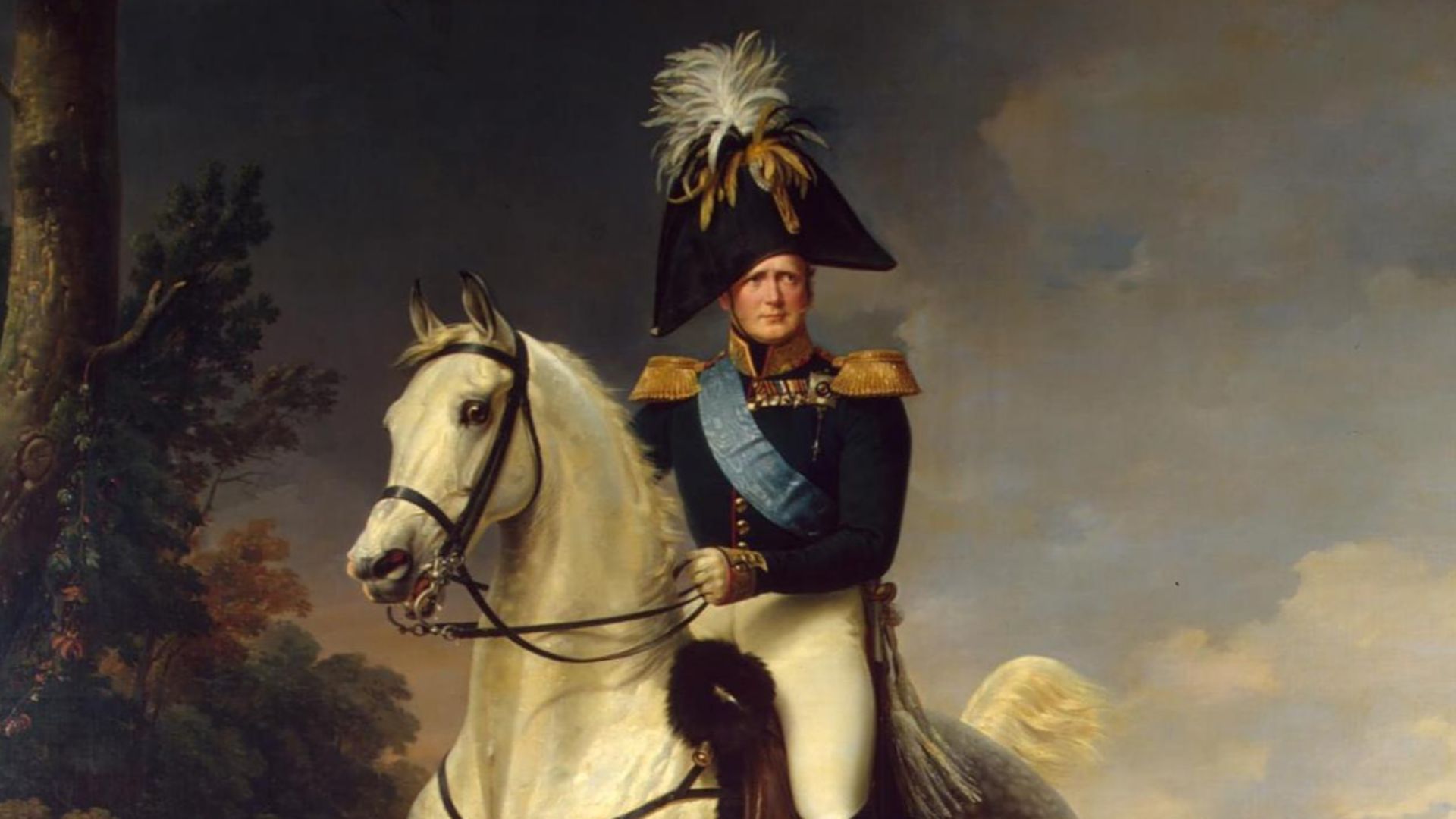 Franz Krüger, Wikimedia Commons
47. He Met A Bitter End
In 1825, Alexander traveled to the south of Russia for his wife’s health, but ended up catching a virulent bout of typhus himself. After hours in bed raging with a fever, he passed on December 1 at the age of 47, having gotten just one more year out of life compared to his father.
Nonetheless, Alexander I’s decades-long reign had finally ended the bitter luck of the Romanov men in keeping their crown. It also began a new, final era.
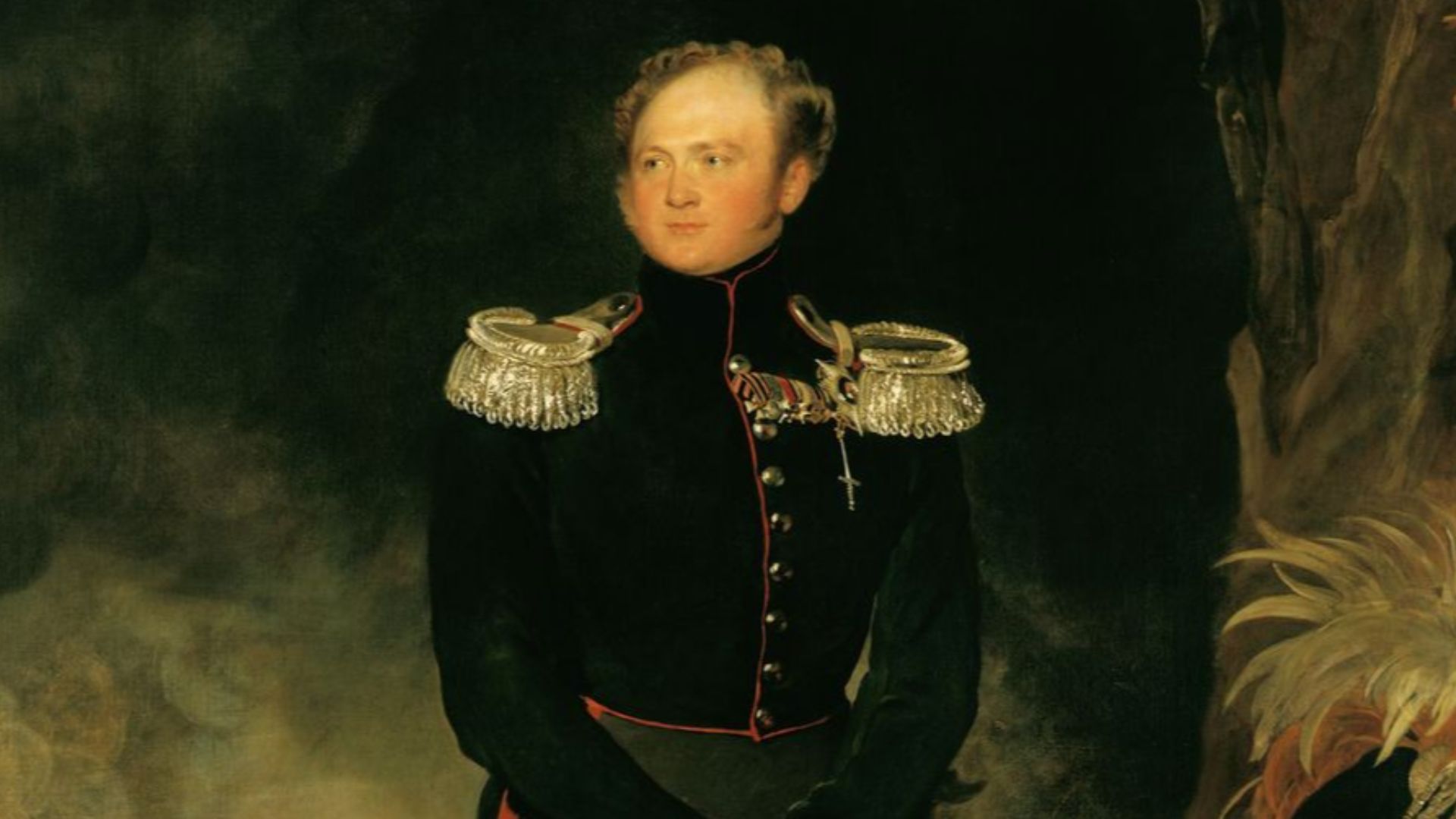 Thomas Lawrence, Wikimedia Commons
48. The Country Began To Rumble
Alexander successor, his younger brother Nicholas I, was a tried-and-true military man who led Russia with iron fist—but his reign became an omen for the blood-spilling to come. The country was now riddled with increasing rebellions, beginning with the Decembrist Revolt in 1825, and Nicholas himself reacted to this discontent with conservatism and weapons.
Although the Russian Empire had expanded to massive proportions by Nicholas I’s death from pneumonia at the age of 58, one historian claimed his reign was “a catastrophic failure”. It would only get worse.
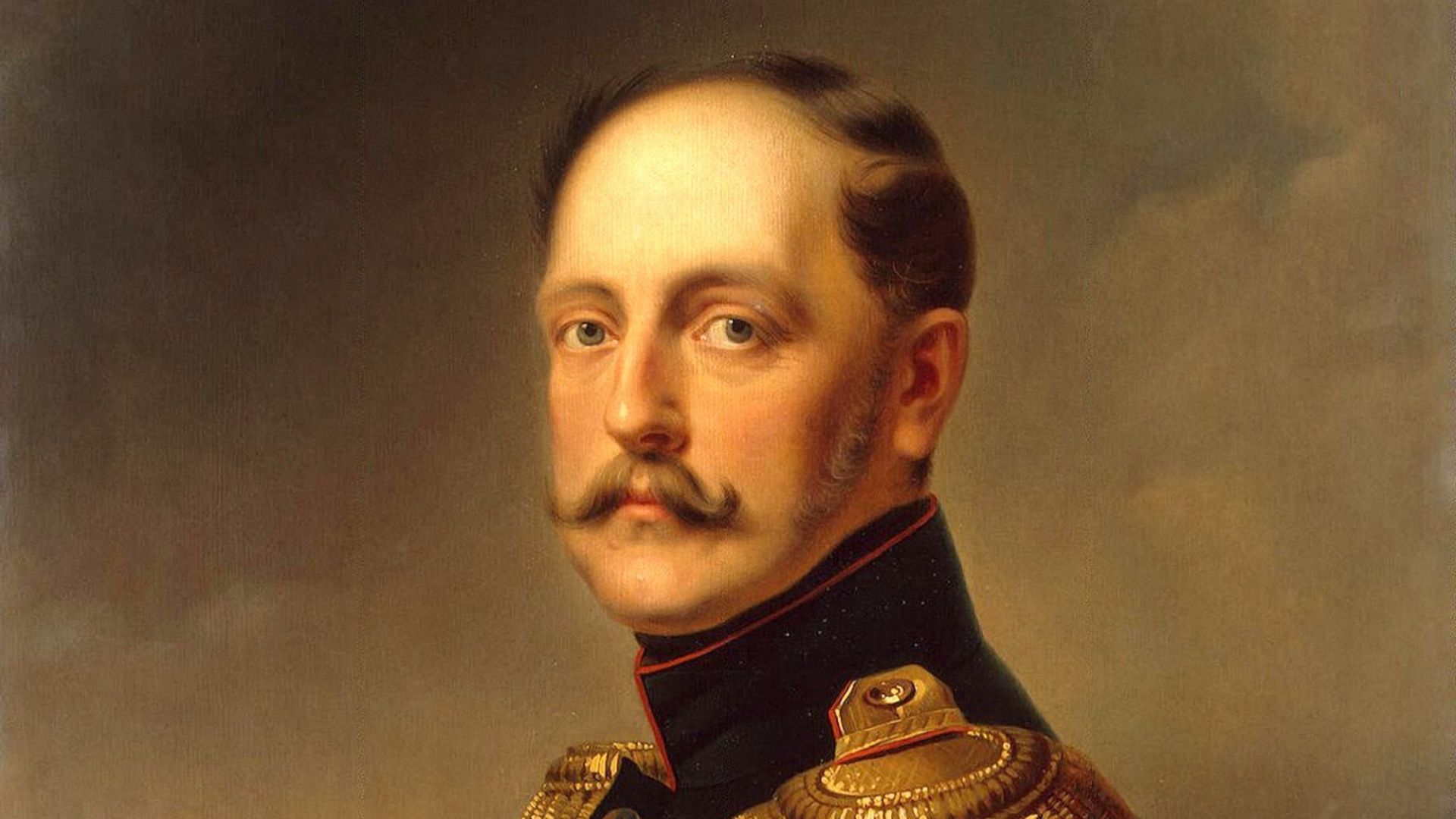 Georg von Bothmann, Wikimedia Commons
49. He Romanced Queen Victoria
Nicholas I’s son and successor Alexander II departed from his father’s stuffiness, and was a devoted libertine: He once romanced a young Queen Victoria, and fell in love with his eventual wife, Marie of Hesse, when she was just 14 years old before insisting on marrying her on his own 23rd birthday. But for all his merry-making, Alexander II continued the inexorable march to revolution.
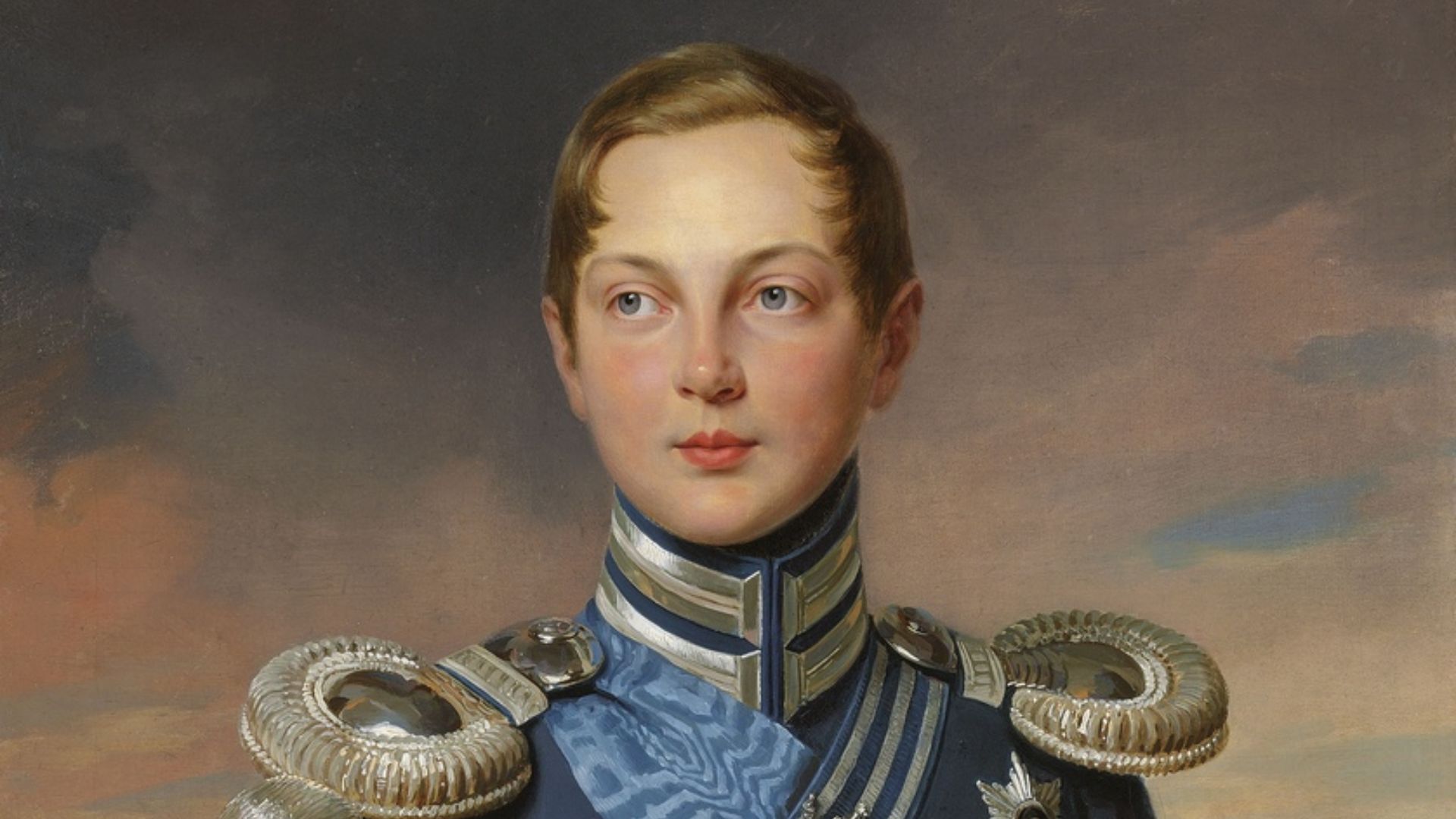 Franz Krüger, Wikimedia Commons
50. He Was A Partier
To be fair, Alexander’s personal life was colorful. Although he was initially devoted to his wife, in middle age he fell hopelessly in love with the 16-year-old Catherine Dolgorukova, a girl he had known since she was 11. In the following years, Alexander II drew his mistress closer and closer to the center of Imperial life, and when his wife passed in 1880, he immediately and scandalously married her.
But it isn’t Alexander II’s bedroom episodes that he’s most remembered for. It’s his violent end.
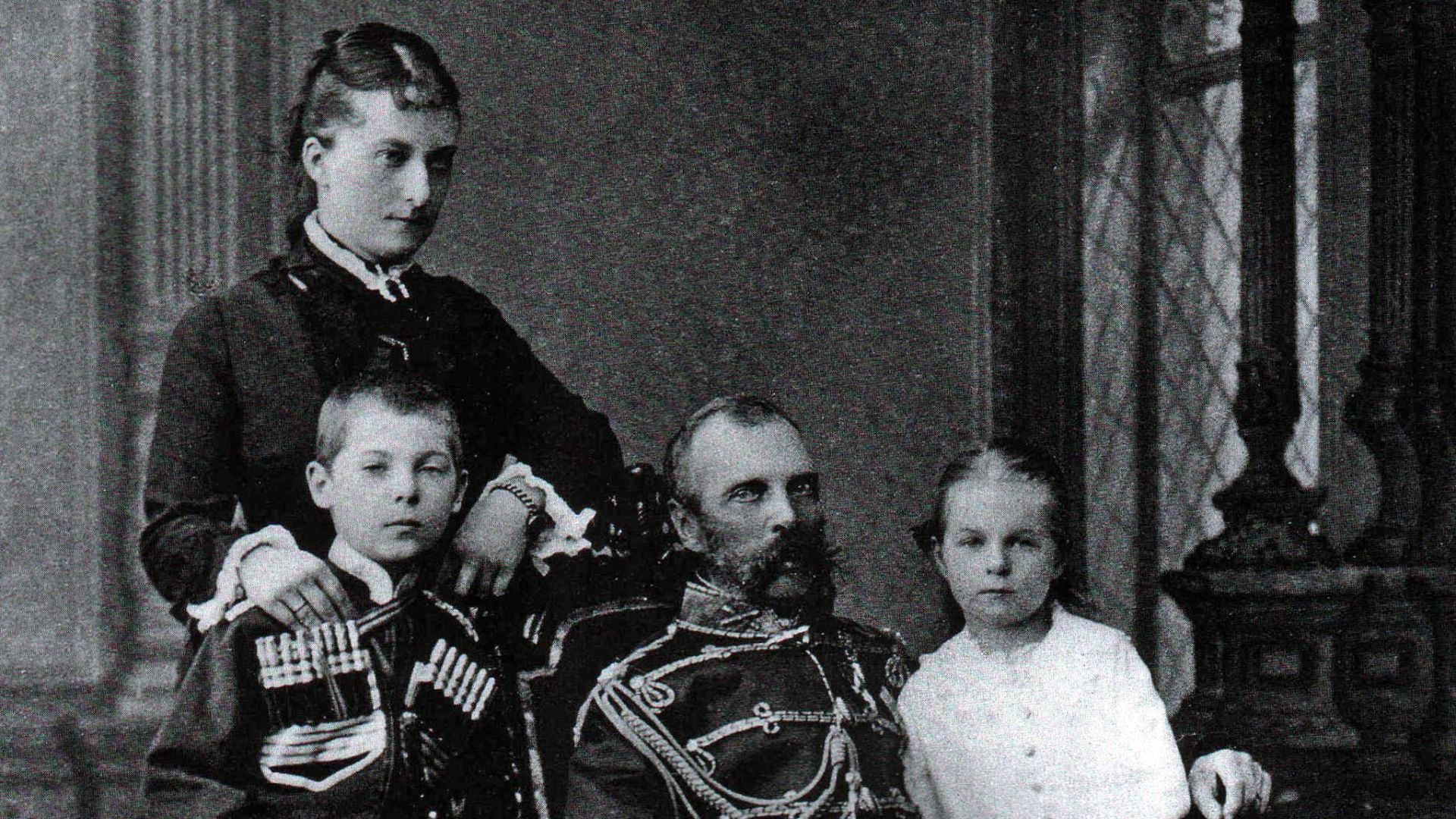 Unknown photographer, Wikimedia Commons
51. His Country Turned On Him
The uprisings that had always plagued Russia now went into a fever pitch during Alexander II’s reign, and he suffered through multiple assassination attempts. At one point, he managed to survive three serious attempts on his life in the span of 12 months. But, in 1881, fate finally caught up with him, and a well-timed explosive from a radical brought him to his deathbed.
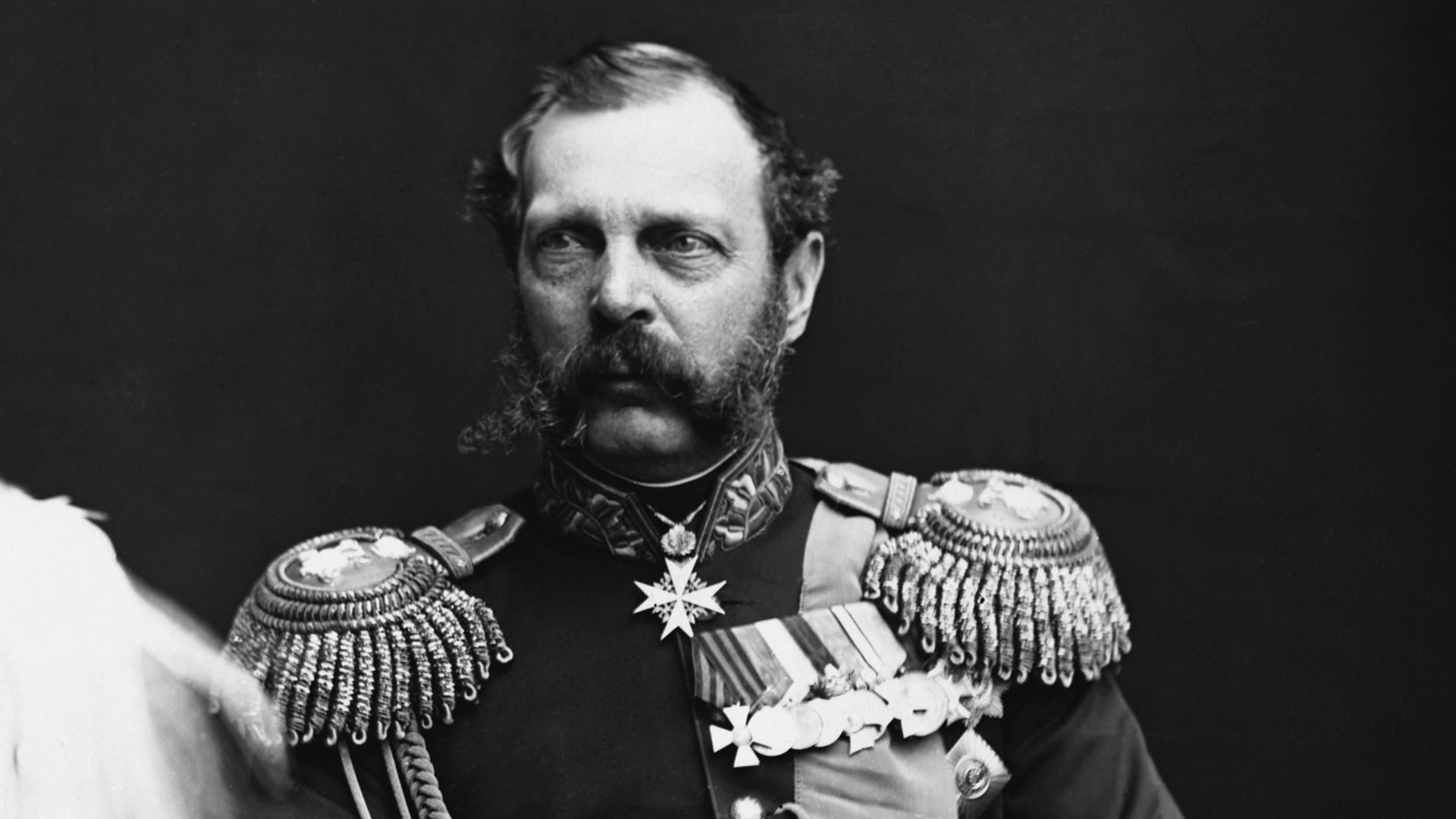 Attributed to W. & D. Downey, Wikimedia Commons
52. She Lost It
Catherine Dolgorukova and the rest of the Imperial Family stayed with Alexander as he slowly faded, her dressing gown now stained with his blood from their final embrace. Eventually, at about 3 pm, he took his final breaths, and his family began their prayer. Catherine couldn’t handle it, however, and immediately fainted before the staff carried her out.
The writing was on the wall.
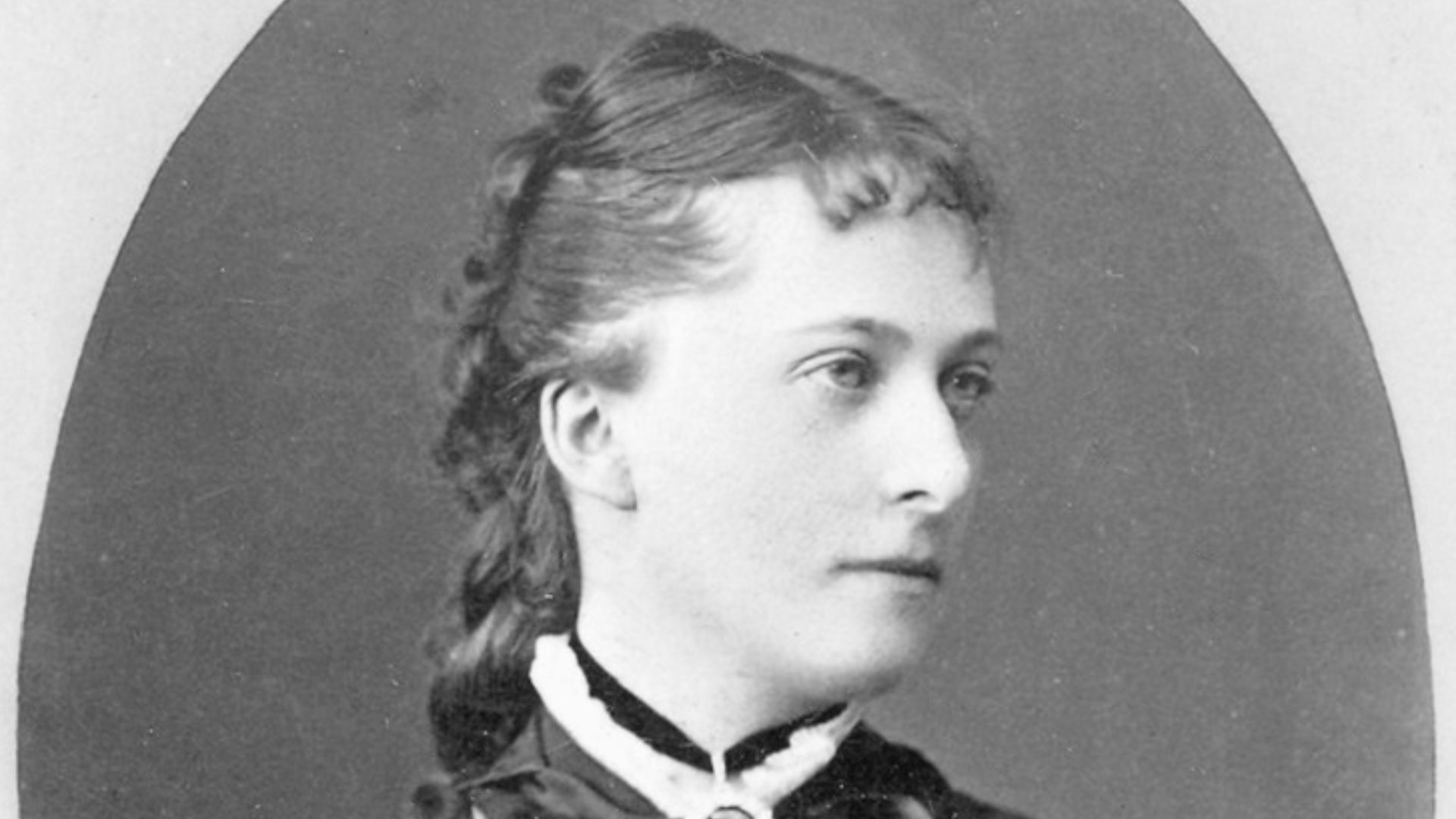 Sergei Lvovich Levitsky (1819 – 1898) and Rafail Sergeevich Levitsky (1847– 1940), Wikimedia Commons
53. There Was A Brief Moment Of Peace
Somehow, Alexander II’s son Alexander III managed to hold Russia together by its edges for the next 13 years, even becoming known as “The Peacemaker” for declining to start any new wars. Even his passing was more of a whimper than a bang: In 1894, at the age of 49, Alexander III succumbed to nephritis…and the throne passed to his 26-year-old son, Nicholas II.
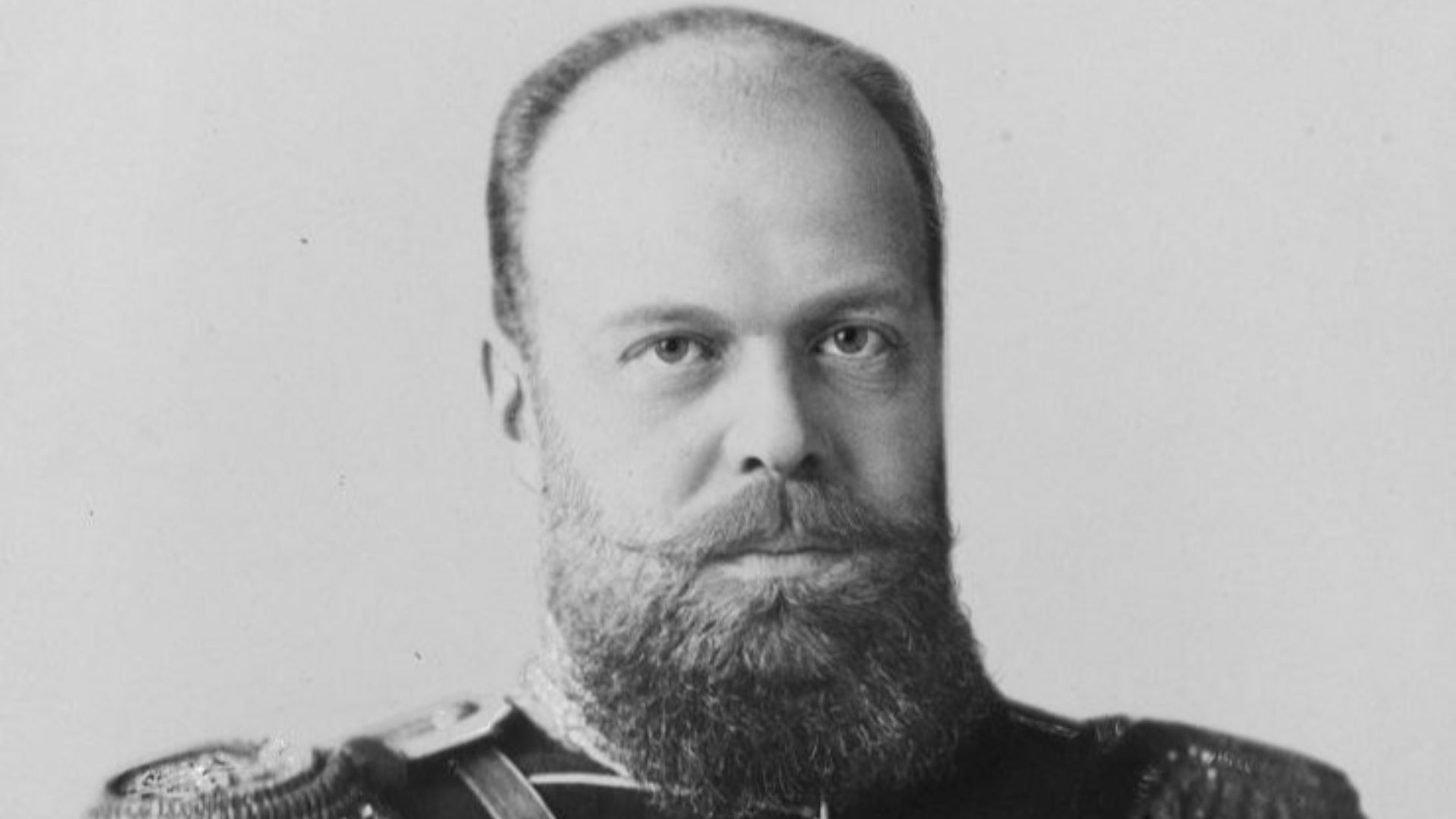 Sergey Lvovich Levitsky, Wikimedia Commons
54. The Last Romanov Came To Power
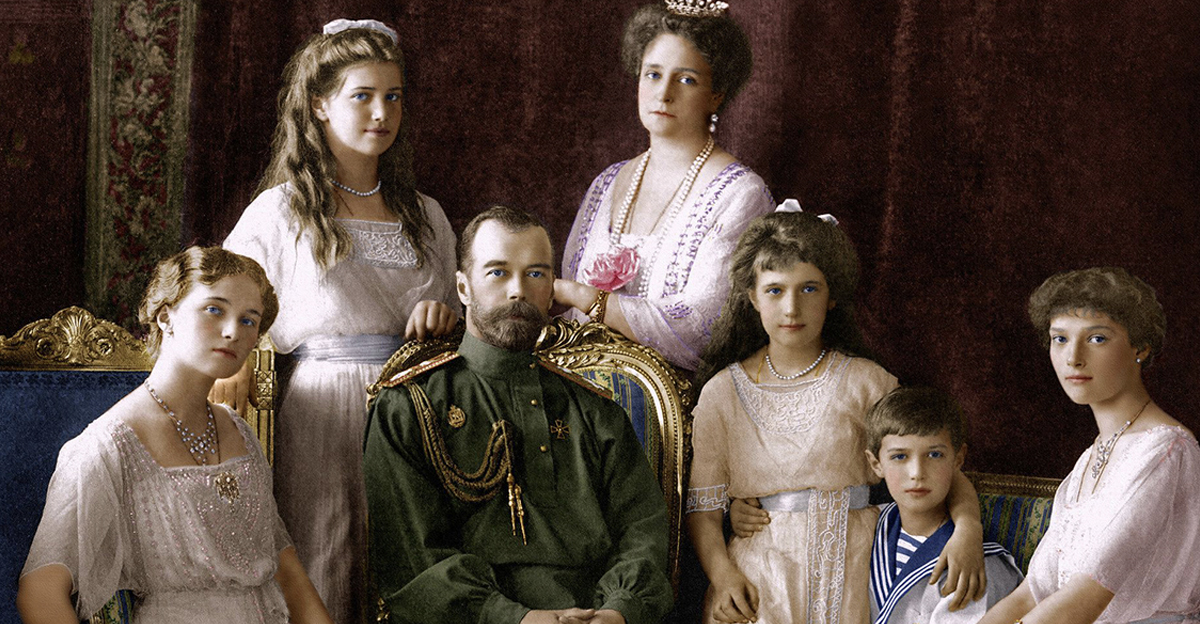
When people hear the name “Romanov” today, it’s usually Nicholas II and his family they’re thinking of, including his daughter Princess Anastasia. This isn’t because his predecessors were boring—they evidently were not—but because the pure violence of his rule and his end overshadow the litany of scandals, feuds, and battles that came before him.
After all, it was with Nicholas II that the centuries’ old reign of the Romanovs came to its bloody end.
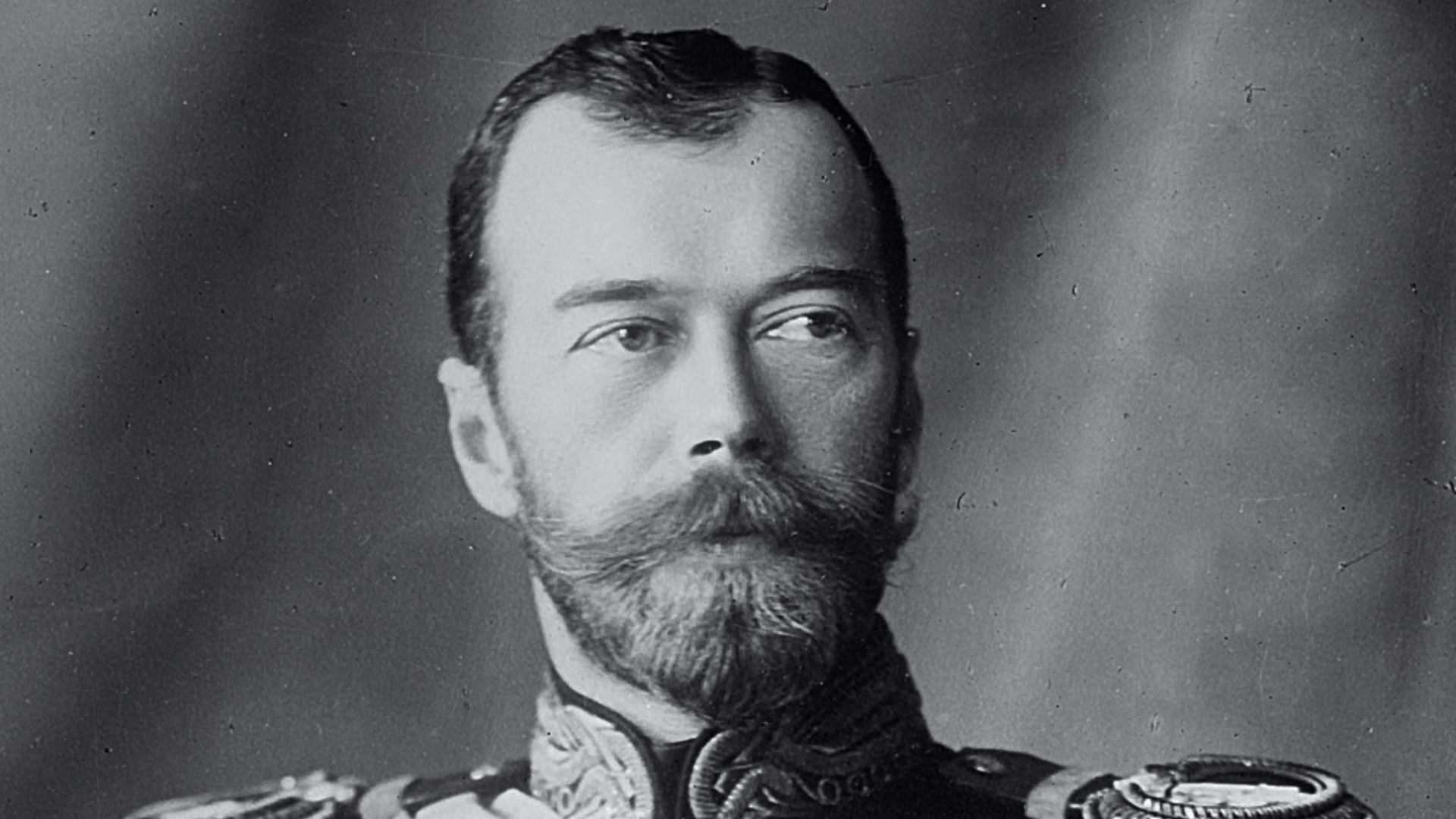
55. His Coronation Was Bloody
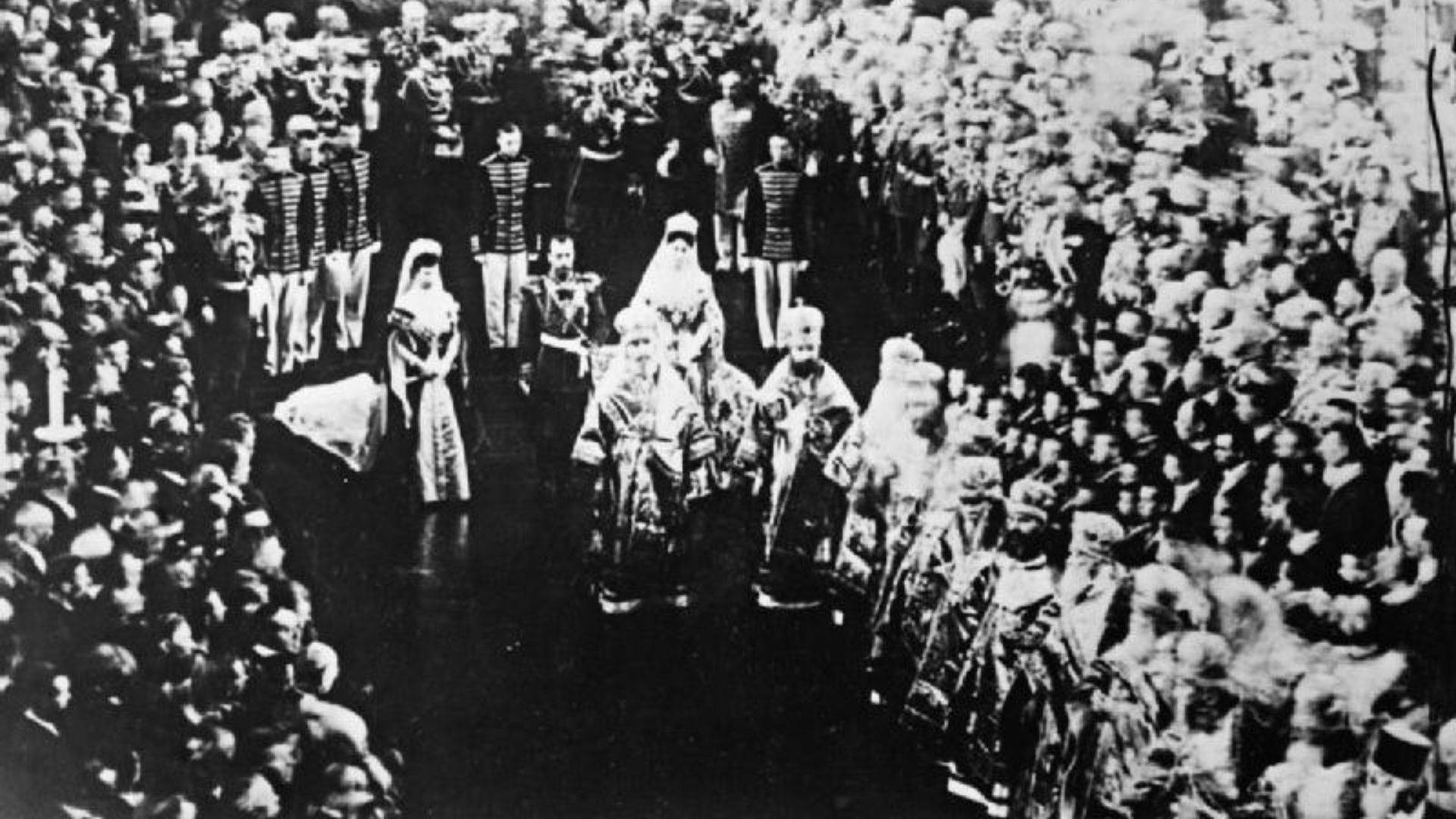
An unfathomable amount of ink has been spilled to define why, exactly, the Russian Revolution happened during Nicholas II’s reign, but it didn’t help that things were bad from the start. When a crowd gathered in Khodynka Field in Moscow to celebrate his coronation, it ended in a massacre. The overwhelming mass of people quickly turned into a mob when food ran low, with over 1,000 souls losing their lives in the crush.
Nicholas’s reaction to this was also to blame.
 Unknown authorUnknown author, Wikimedia Commons
56. He Acted Like Nothing Happened
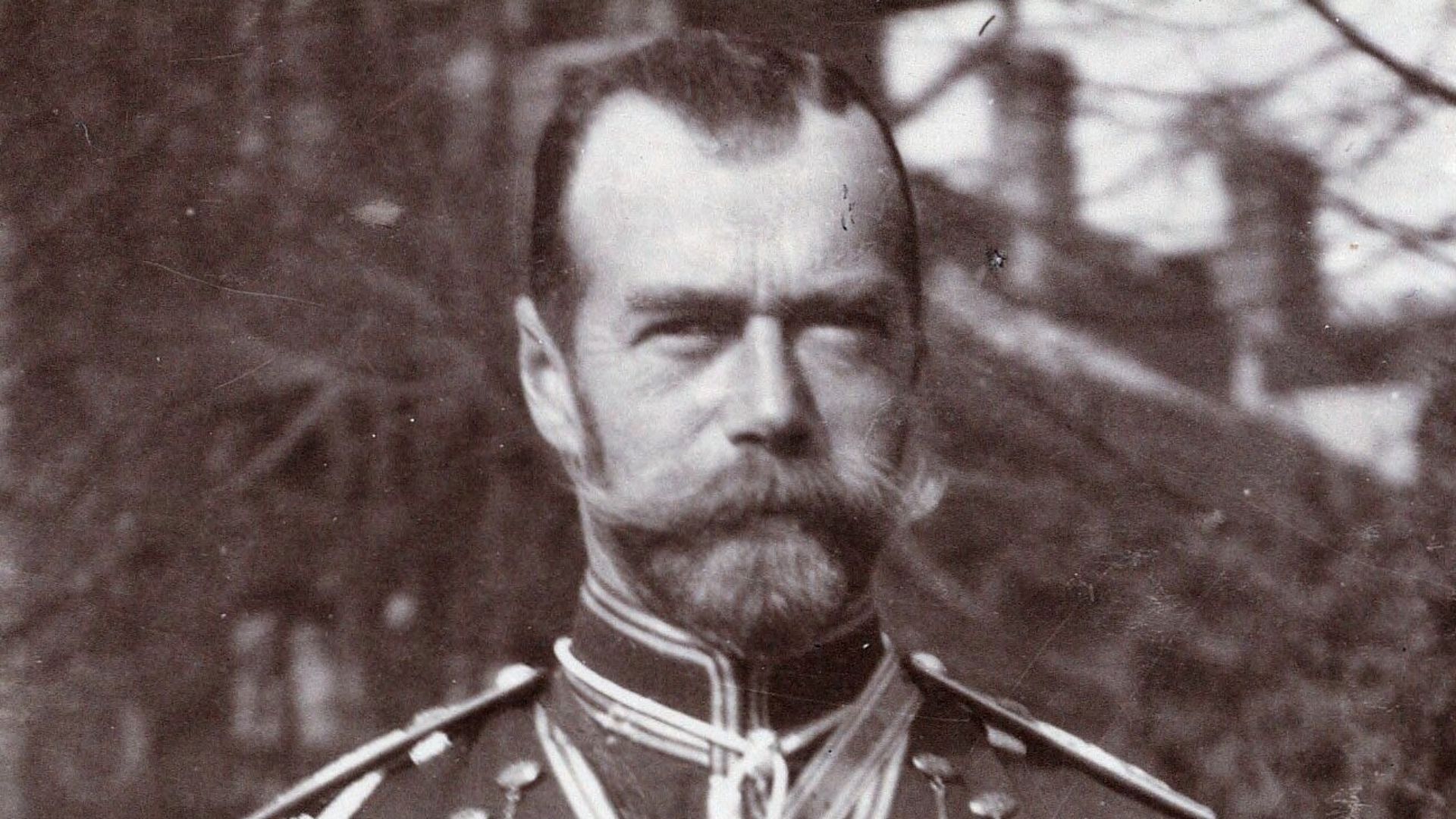
Nicholas’s response to Khodynka made matters much worse when, the very next day, he attended an extravagant ball for the French ambassador. Though he was primarily worried about offending his guests, to his subjects it looked like he barely noticed the horror his coronation had caused.
From the beginning, then, Nicholas positioned himself as a callous, out-of-touch Tsar. It would only get worse.
 Unknown authorUnknown author, Wikimedia Commons
57. They Got Desperate
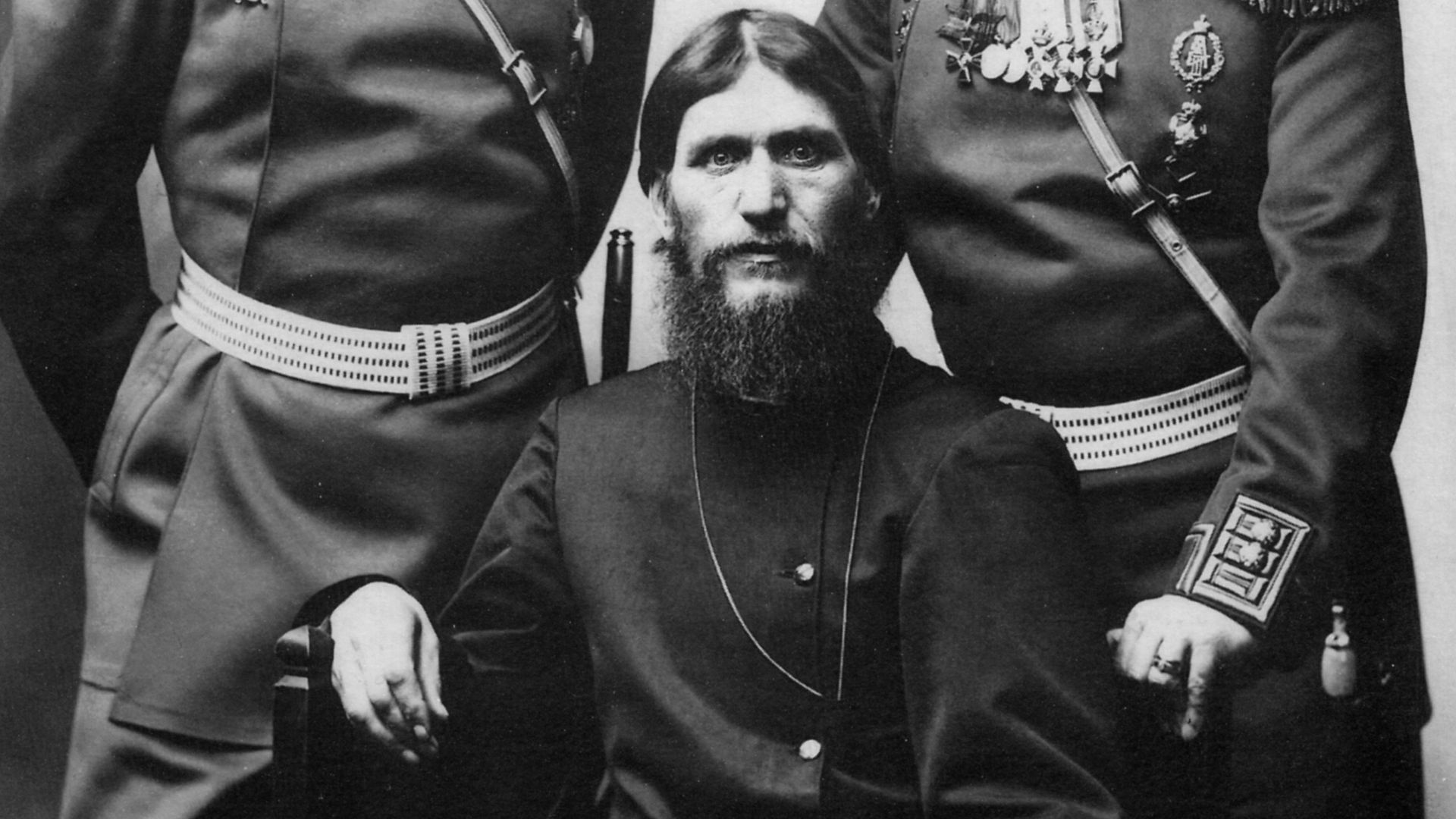
When Nicholas and his wife Alexandra discovered their only son Alexei suffered from the often-fatal blood disorder hemophilia, they searched desperately for a cure. Like Alexander I before them, they found comfort in a mystic: Rasputin. Soon, and much to the horror of the Russian public, this “holy man” became a fixture in court, seeming to exert a dark control over the royal family.
This, coupled with the deprivations of WWI on Russia, pushed the populace to the brink. So when Rasputin was assassinated in 1916, the damage was already done.
58. They Met An Infamous End
In early 1917, the February Revolution hit Russia, bringing armed clashes and mass demonstrations. Nothing was ever the same again: Seeing the grip revolution had on his people, Nicholas II abdicated his throne just days later, and, following a series of other revolutionary measures, he, his wife, and their five children were imprisoned in Ipatiev House in Yekaterinburg, Russia.
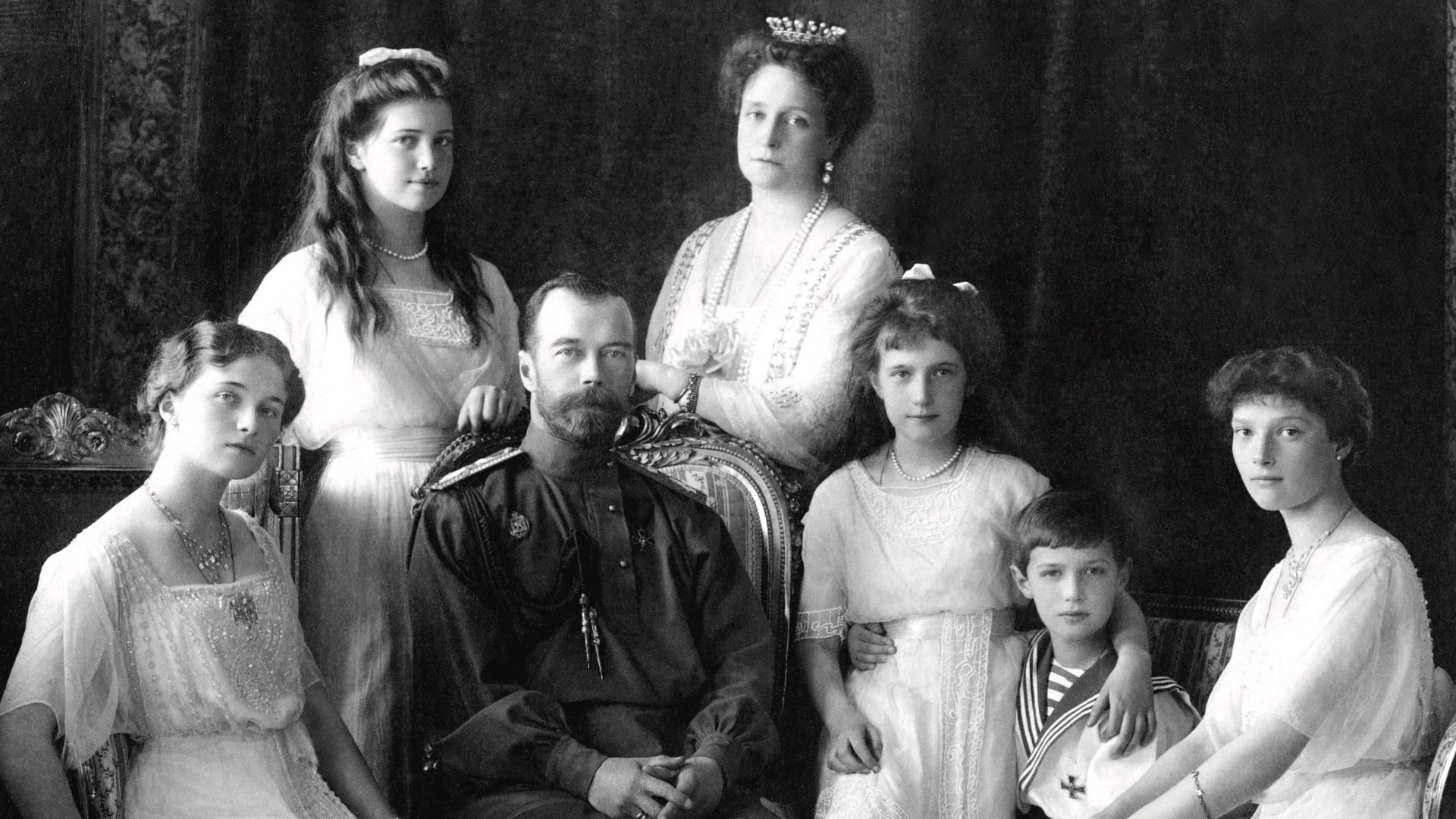 Boasson and Eggler St. Petersburg Nevsky 24., Wikimedia Commons
59. It Didn’t Work The First Time
In July of 1918, barely more than a year after the revolution, the Bolsheviks dragged the Imperial family into the house’s basement and began shooting. It was only when the smoke cleared that they realized something had gone horribly wrong. Nicholas, his wife, and his son lay unmoving, but their four daughters were still alive. Each of them wore several pounds worth of diamonds sewn into their clothing, spirited out of the palace long ago. The stones had somewhat protected the girls from the bullets—but it only delayed the inevitable. The guards set upon them with bayonets, before finally shooting them each in the head.
It had been a long, winding path, but now, in the blink of an eye, the Romanovs were gone.
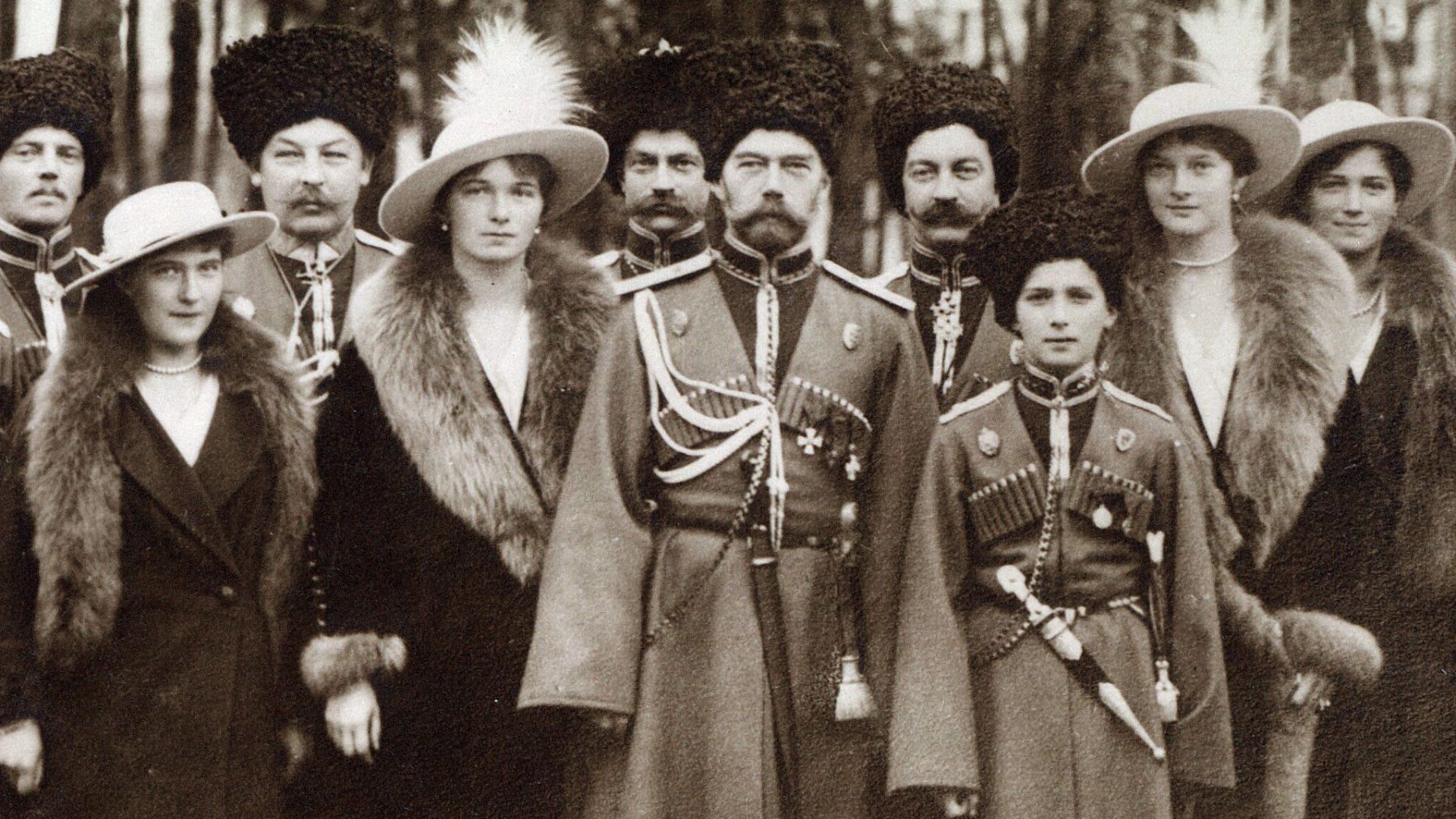 Unknown authorUnknown author, Wikimedia Commons
You May Also Like
Haunting Facts About The Last Romanovs, Russia’s Doomed Imperial Family
Lifeline Withdrawn: When The British Royal Family Left The Romanovs To Their Fate
Scandalous Facts About The House Of Grimaldi, The Messiest Royal Family
Sources: 1, 2, 3, 4, 5, 6, 7, 8, 9, 10, 11, 12, 13, 14, 15, 16, 17, 18, 19, 20, 21, 22, 23