
She Made A Promise
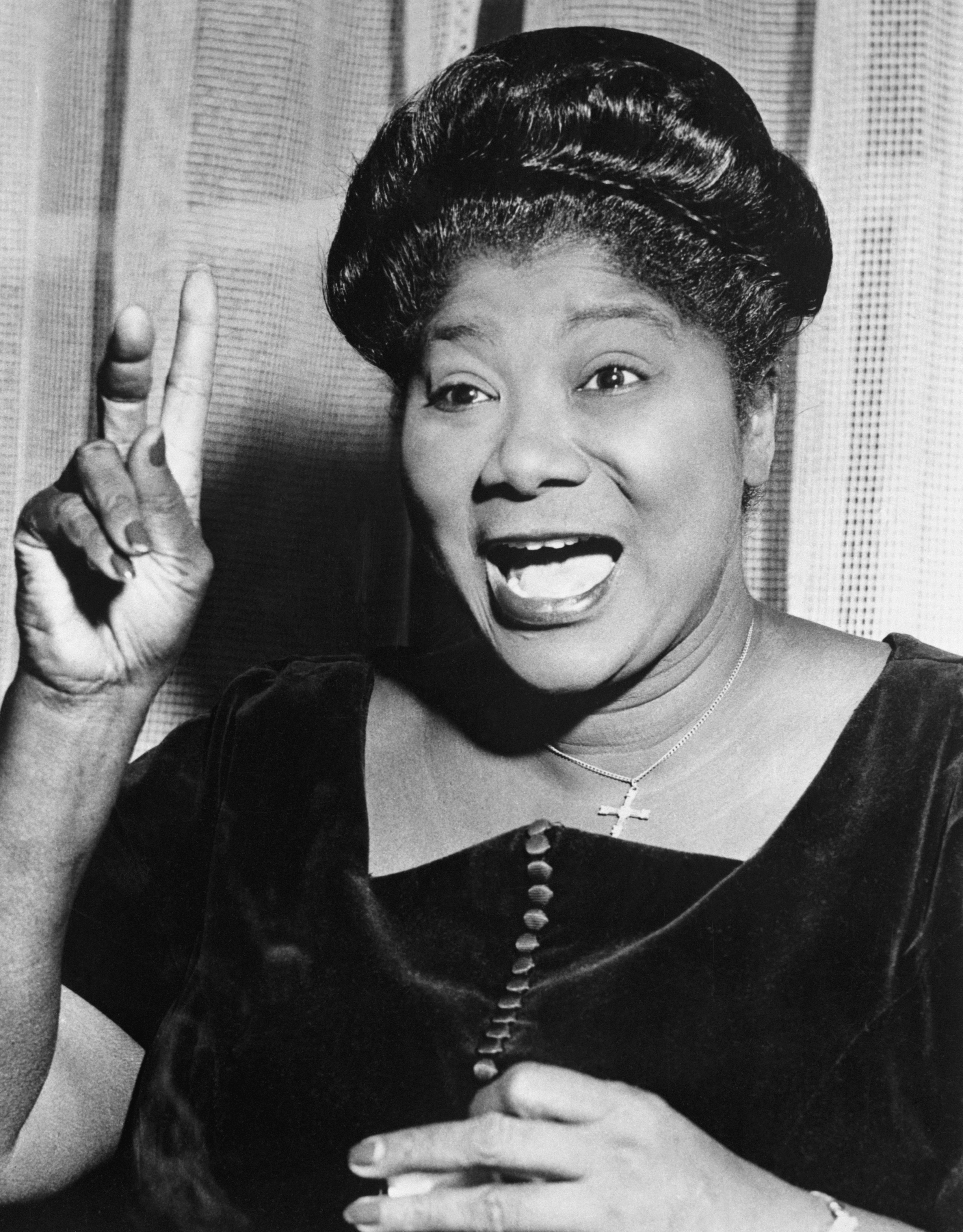
Celebrities we look up to often have the habit of becoming a huge disappointment. Not so with gospel singing sensation Mahalia Jackson. All the usual trappings were there: a childhood of neglect and poverty, followed by a stunning rise to international celebrity and wealth. It was a recipe that usually led to things like outlandish diva behavior, substance use, and sometimes even prison.
There was one thing that kept Jackson on the straight and narrow: a promise she made that she simply could not ignore.
1. Her Parents Weren’t Married
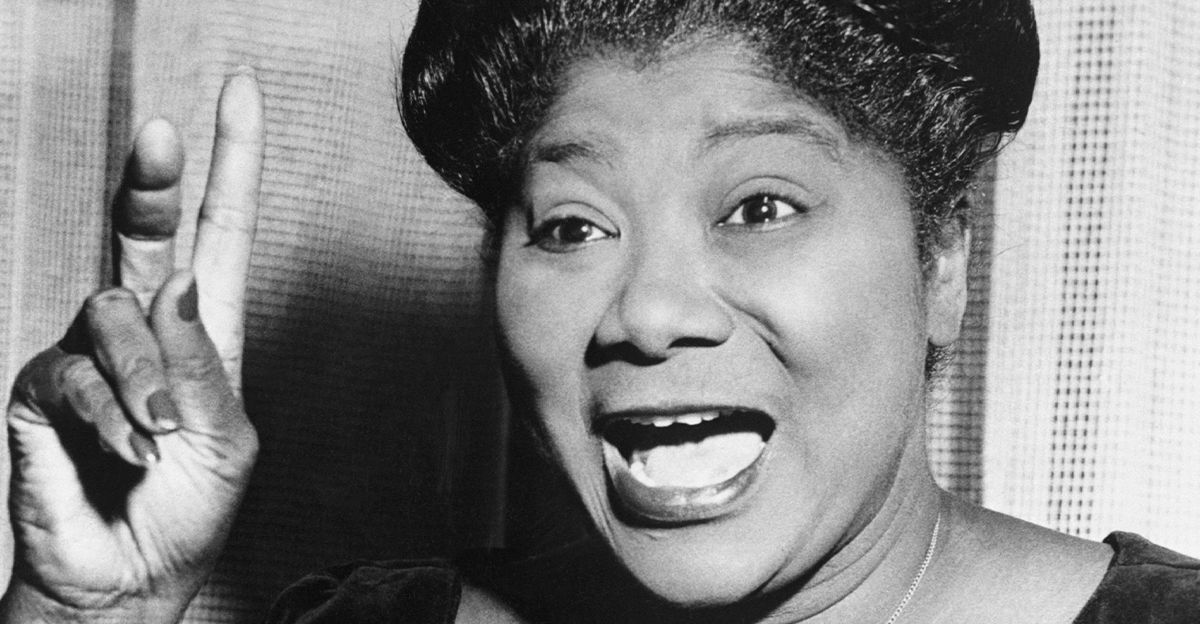
Mahalia Jackson was born to Charity Clark and Johnny Jackson on October 26, 1911, in New Orleans, Louisiana. Her father worked on the docks and as a barber on the weekends. Clark and Jackson never married, which may seem strange given the time. There was a sad reason for this.
2. She Came From Slavery
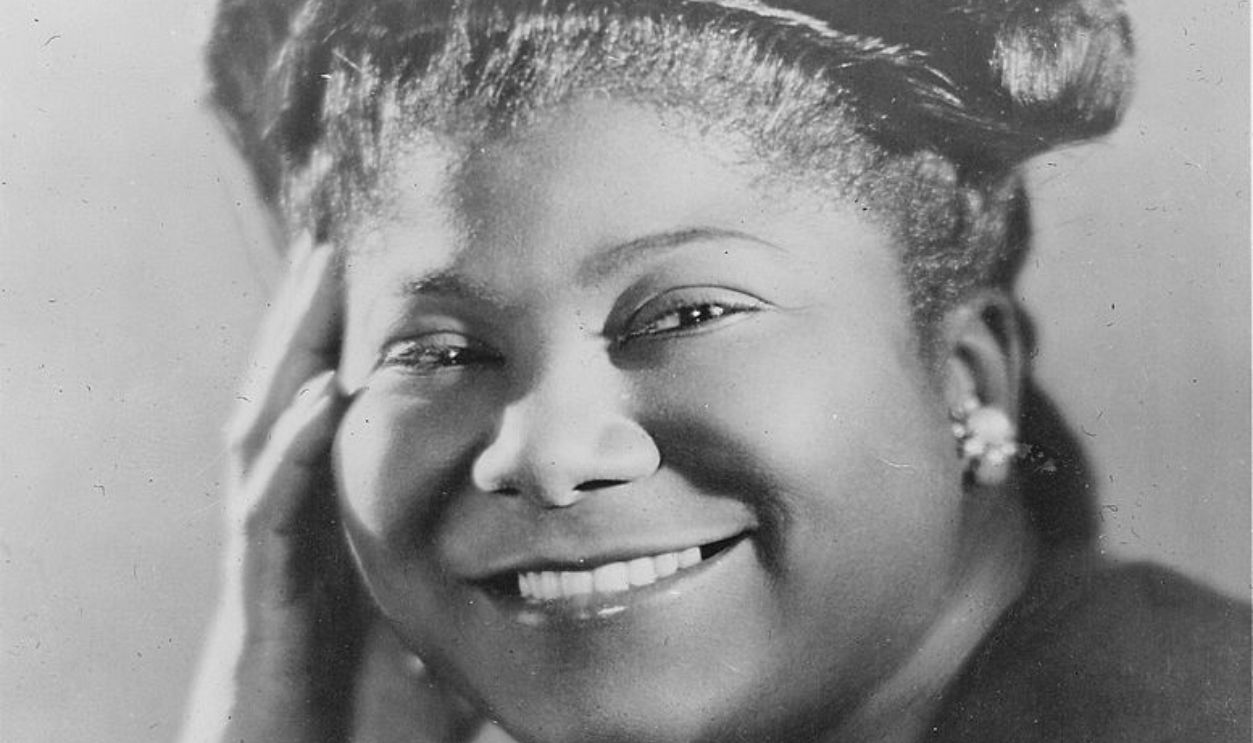
All four of Jackson’s grandparents lived most of their lives in slavery, one set on a rice plantation, and the other worked with cotton. Because slaveholders did not allow their workers to marry, many couples formed relationships without marriage. Although Jackson’s parents never married, they still practiced their faith.
3. She Grew Up With Rules
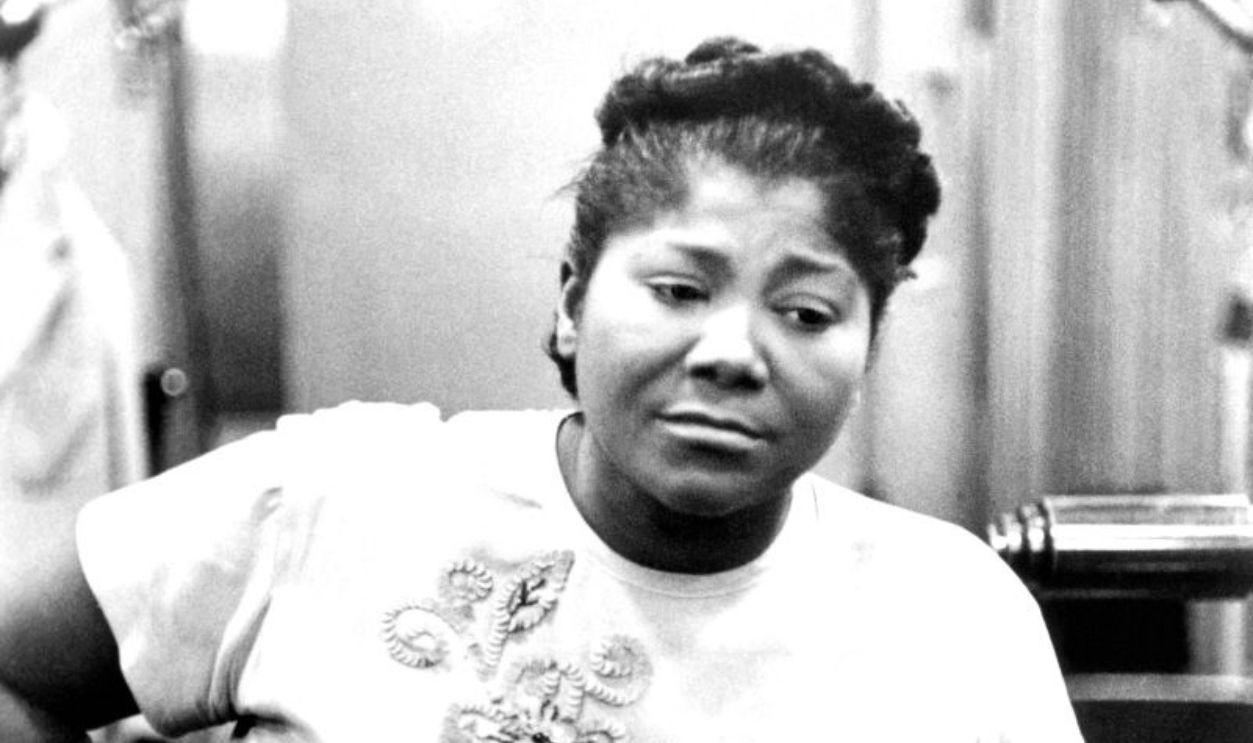
Jackson’s mother was very religious and had strong ties to the Baptist Church. She also had strict rules for her family members. They shut down the entire house every weekend to observe the Sabbath, and all family members had to go to church. There was also a ban on going to any bar or playing cards or listening to jazz music.
These rules would have a huge effect on Jackson’s future career.
4. It Was Tight At Home
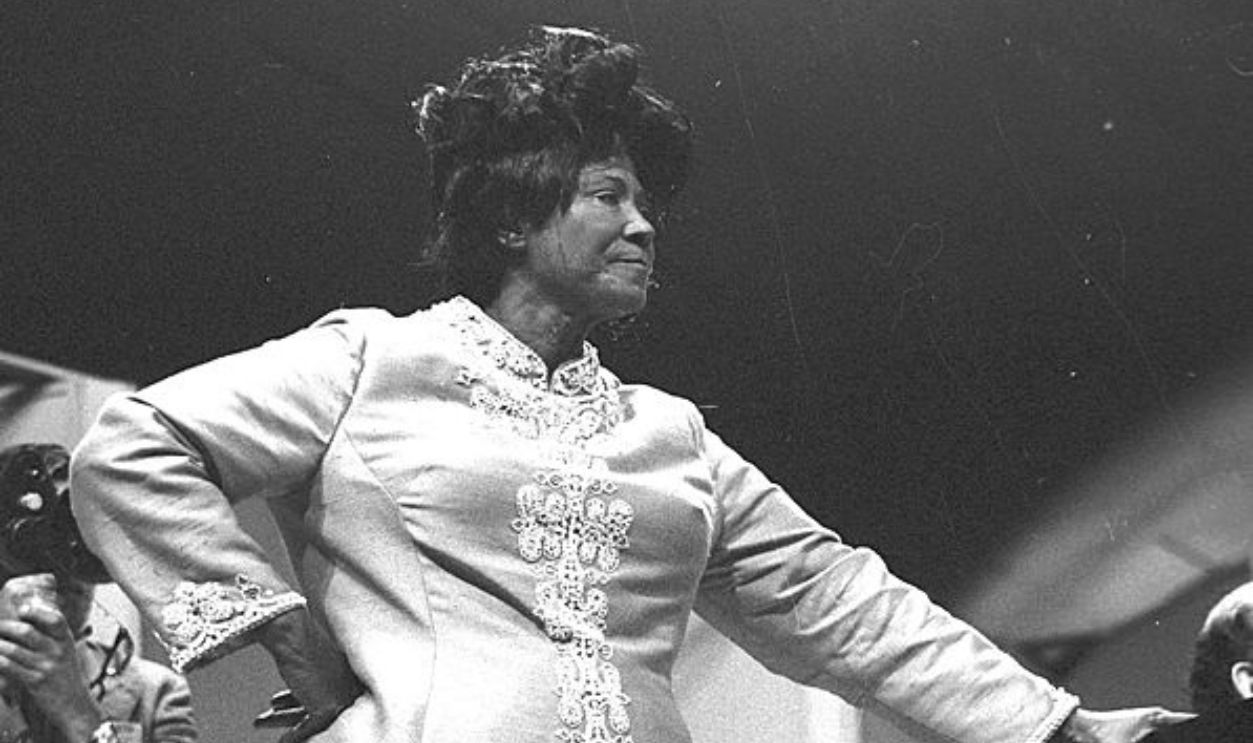
With no father around, it was difficult for Jackson’s mother, Charity, to afford a place to live. Charity’s older sister, Mahala “Duke” Paul, had a house. Unfortunately, it was tiny, and it had to fit 13 people. This included Charity, her sisters, and all their children. As the sisters got jobs and moved out, life in the home gradually became more comfortable.
Around this time, Jackson discovered music. 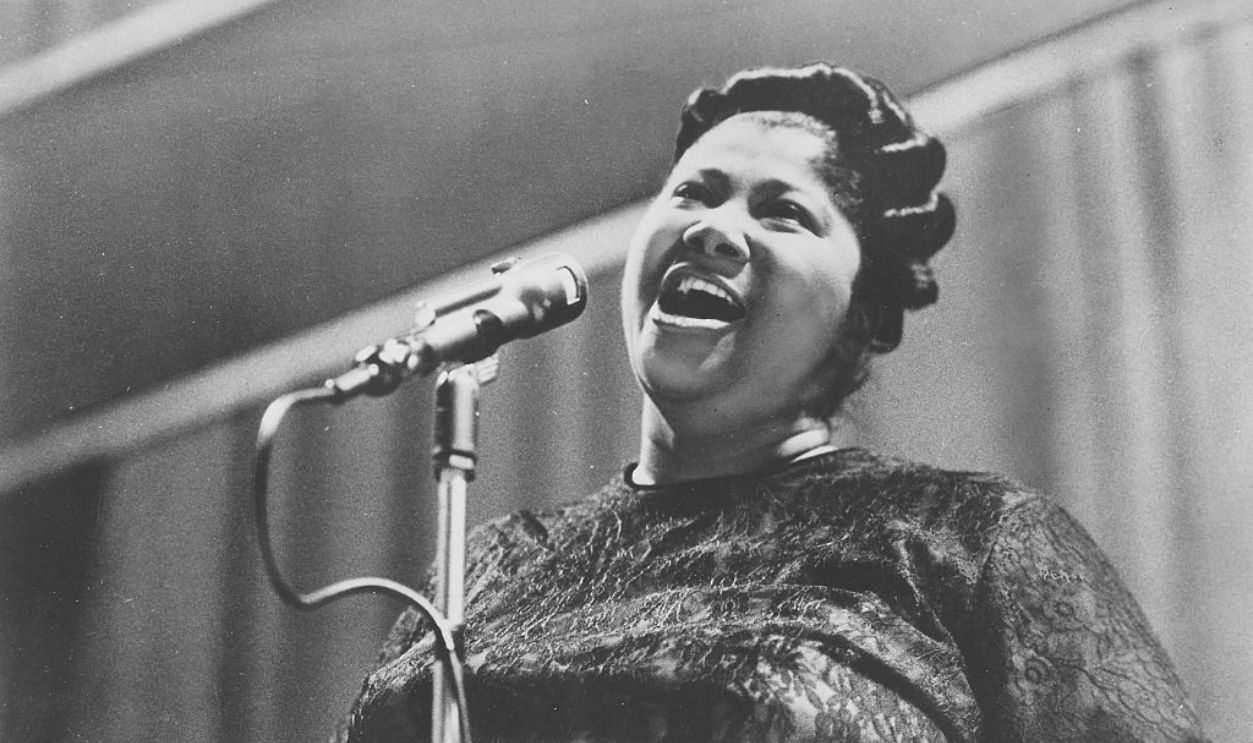 Afro Newspaper/Gado, Getty Images
5. She Had Rhythm
From the age of four, Mahalia Jackson enjoyed singing with the church choir. She especially loved music in which a leader called out songs from the pulpit and the congregation sang them back. With clapping and toe-tapping, these songs had rhythm. Jackson would later take this rhythm into her career as a singer.
All the music in the world could not prepare Jackson for an upcoming tragedy.
6. She Faced An Early Tragedy
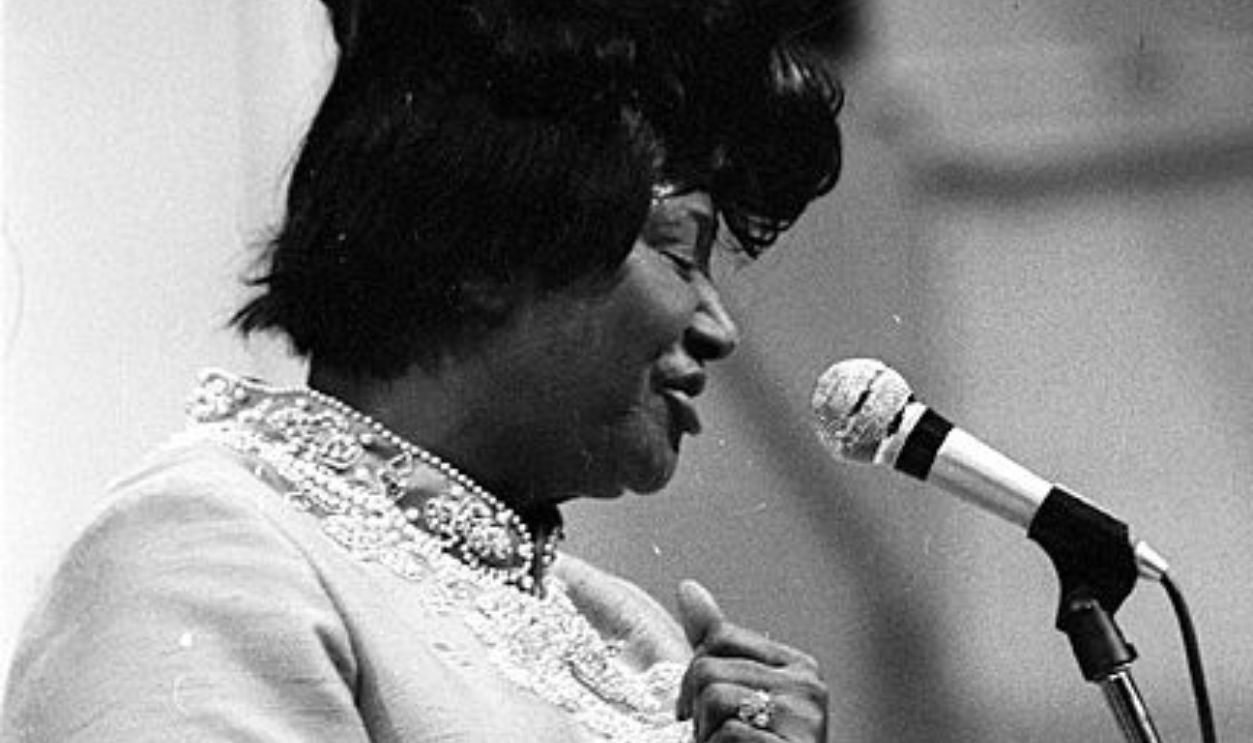
When Mahalia Jackson was just five years old, she faced a horrible tragedy. Her mother passed of unknown causes. This meant that she and her half-brother would have to return to life with Aunt Duke. With her mother absent, Aunt Duke’s temper had free rein. The house became a scary place for Jackson, and she needed to find a place where she felt safe.
7. Her Education Was Incomplete
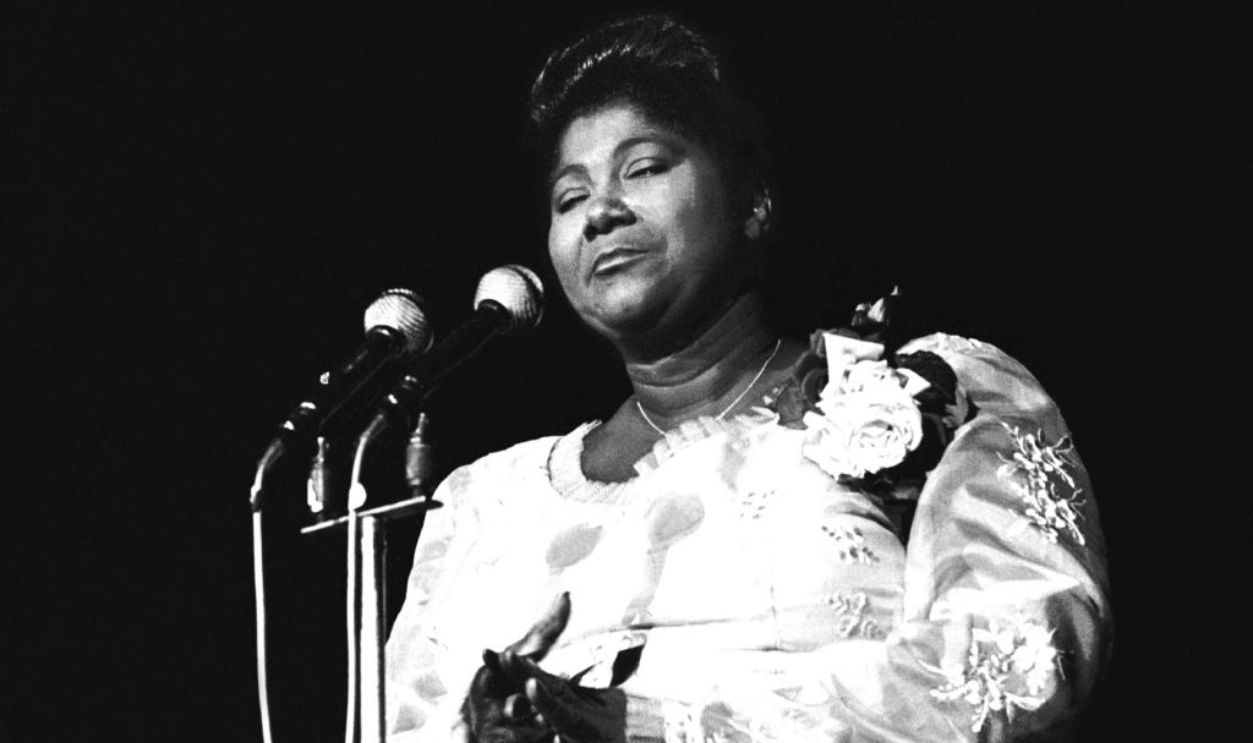
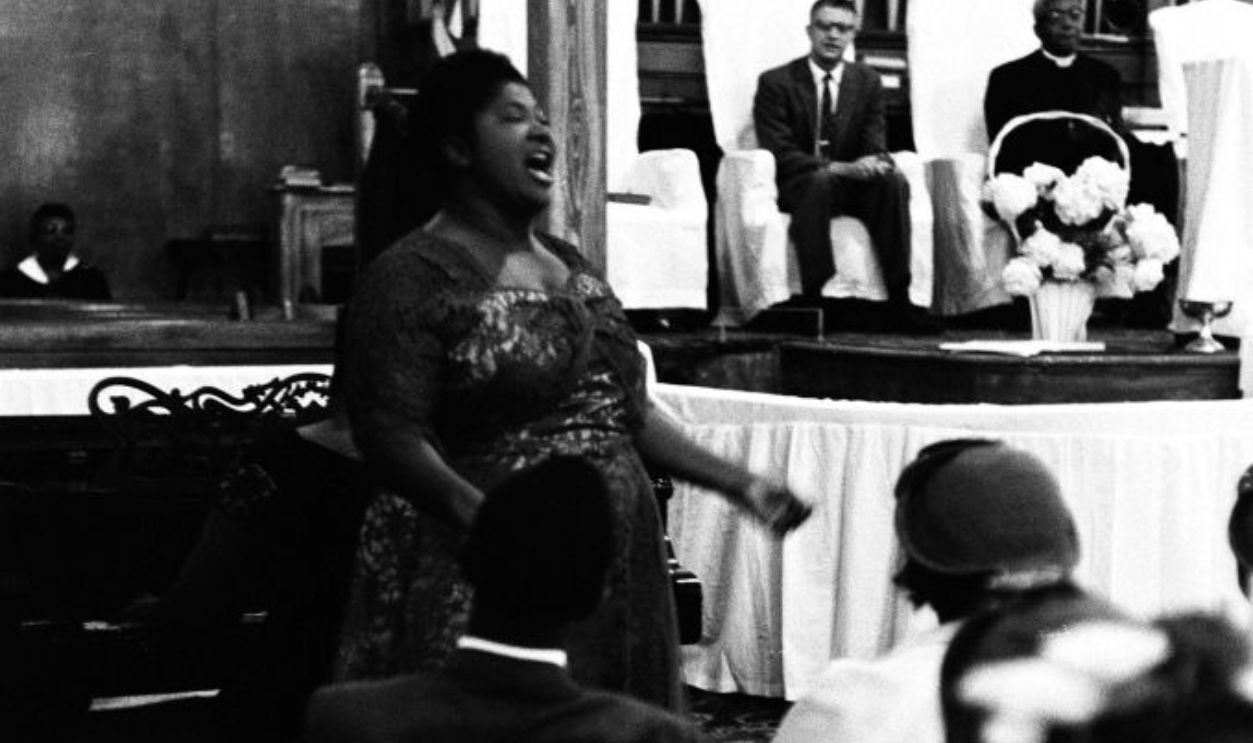
Jackson found a safe place at church, one that she could not find at school. You see, her attendance was spotty, but not because she was a naughty child. Sadly, she often spent her time covering her aunts’ cleaning jobs. By the time she was 10 years old, she had to drop out to support her family.
Unfortunately, she was still stuck living with moody Aunt Duke. And things were getting worse, not better.
 Michael Ochs Archives, Getty Images
8. She Had To Run For Her Life
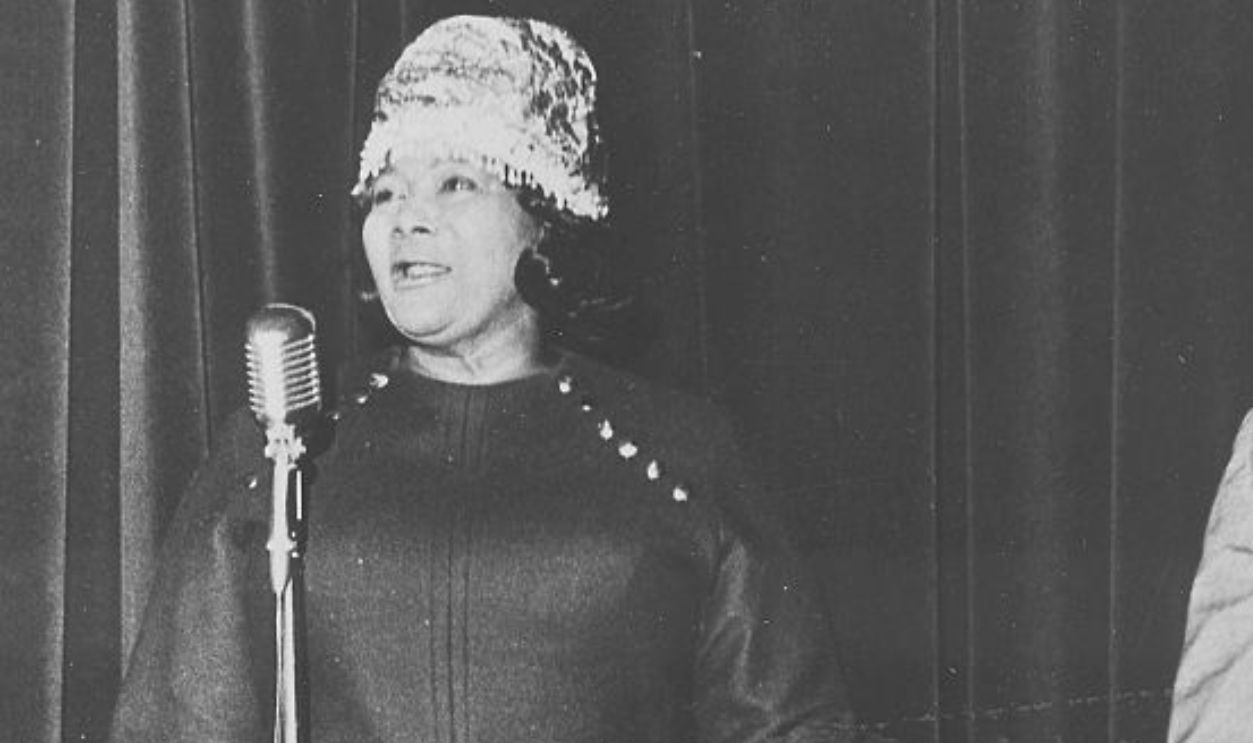
Jackson continued to live in fear of her Aunt Duke, who had taken to using a whip to punish her. Soon, Aunt Duke was throwing Jackson out of the house for sins that Jackson had not even committed. Jackson knew if she didn’t get out of that house, she wouldn't have long to live at all.
 Afro Newspaper/Gado, Getty Images

History's most fascinating stories and darkest secrets, delivered to your inbox daily.
9. They Rescued Her
With her meager earnings from doing laundry, Mahalia Jackson managed to rent a house for herself. But Jackson had grown accustomed to constant company, and loneliness weighed on her. She also wasn't sure how she was going to continue paying the rent. Luckily, two of her aunts had moved to Chicago, and they took pity on Jackson.
Jackson’s life was finally going to get better.
![Collectie / Archief : Fotocollectie Anefo
Reportage / Serie : [ onbekend ]
Beschrijving : Optreden van Mahalia Jackson in Concertgebouw
Datum : 23 april 1961
Locatie : Amsterdam, Noord-Holland
Trefwoorden : concerten, gospels, jazz, muziek, zangeressen
Pe](https://www.factinate.com/storage/app/media/factinate/2026/5/30/1780121576e1836d6b8a77b69ae73ba5221531dc876d8da426.jpg) Dave Brinkman / Anefo, Wikimedia Commons
Dave Brinkman / Anefo, Wikimedia Commons
10. She Saw A Different World
Jackson moved to Chicago and saw a very different world compared to New Orleans. Black people had money and opportunities that seemed almost limitless. Jackson suddenly had the idea that she could have a career besides doing laundry. She thought about nursing or being a teacher, but when her aunt Hannah got ill, Jackson had to give up on her dreams. She had to start working as a domestic and in a factory.
But she still had her music.
11. She Sang Out
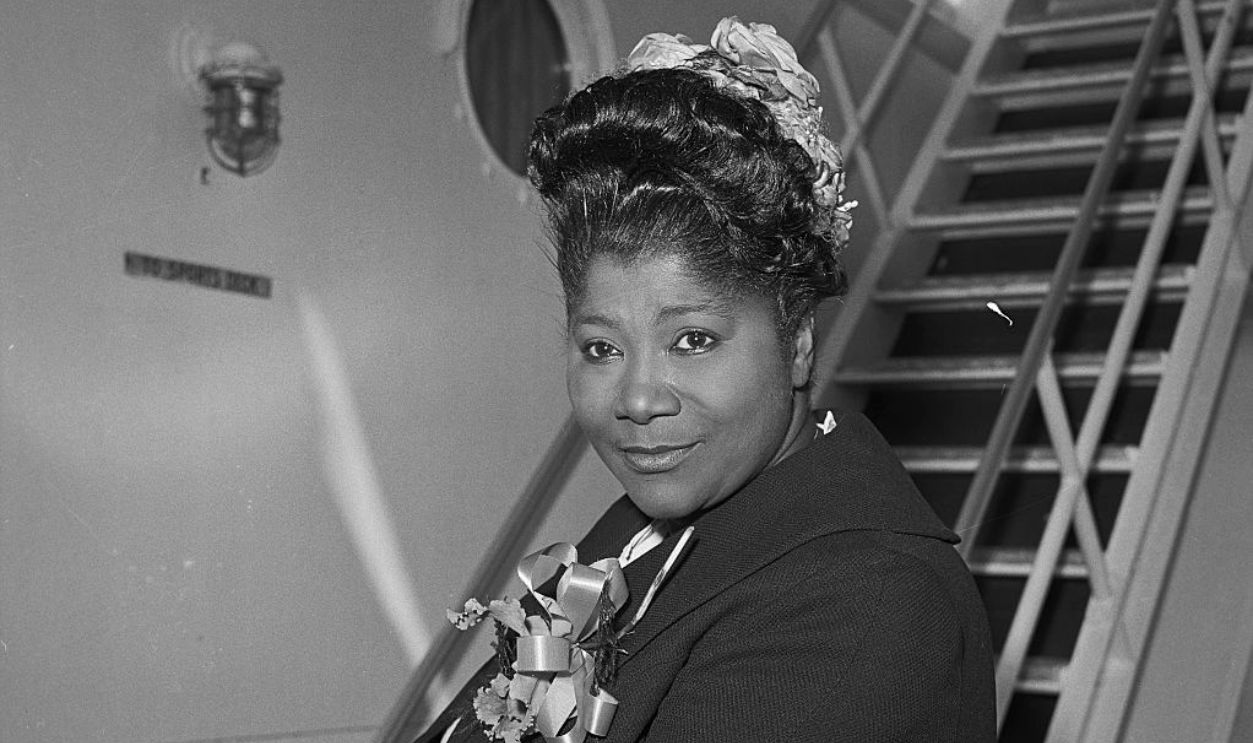
Even the church was different in Chicago. Because people there had more money, the church took on a more formal tone. There was no clapping and shouting out. One day, the pastor asked members of the congregation to talk about their experience with God. Instead of speaking, Jackson sang “Hand Me Down My Silver Trumpet Gabriel”.
Members of the congregation had not heard of this kind of response before. It shocked them.
12. She Was Too Lively
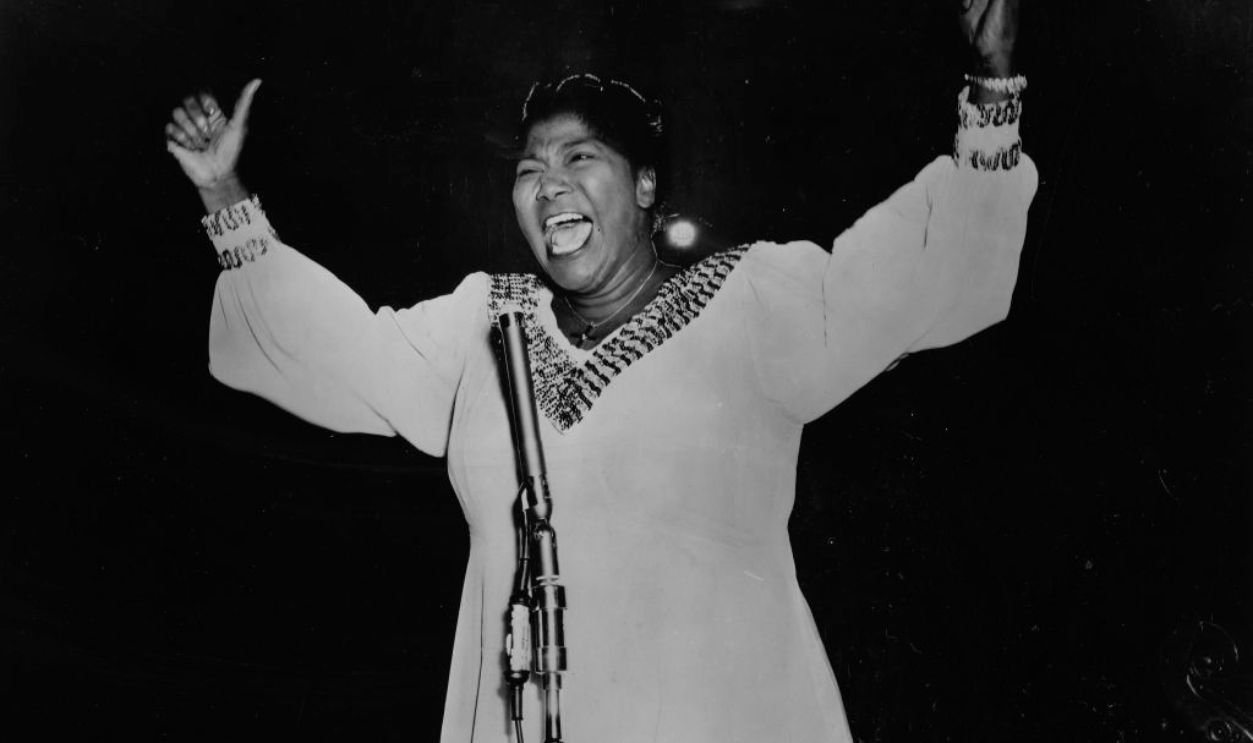
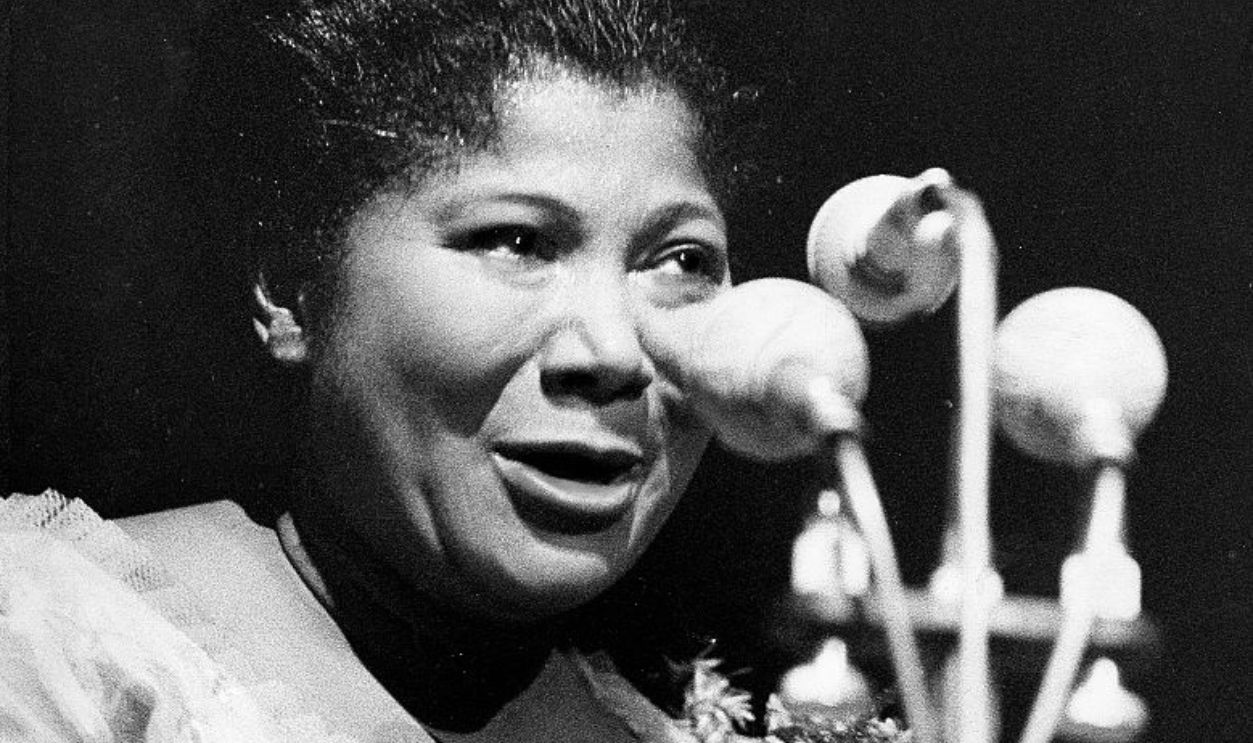
While the congregation was not really used to spontaneous and lively singing during the service, they couldn’t deny the power of Jackson’s voice. Soon, they had her join the choir of the church, which had 50 members. Then, the pastor’s sons picked her out to join them for a small vocal group. Jackson’s career as a singer was finally getting started.
13. She Started Something New
Jackson joined up with the pastor’s three sons and Louise Lemon. Together, they created the first Black gospel group in Chicago. The group performed musicals and at socials. They even wrote and performed plays with a moral message. Jackson was finding all kinds of ways to express her strong beliefs.
One of these ways got her into trouble.
14. She Stood Out For The Wrong Reasons
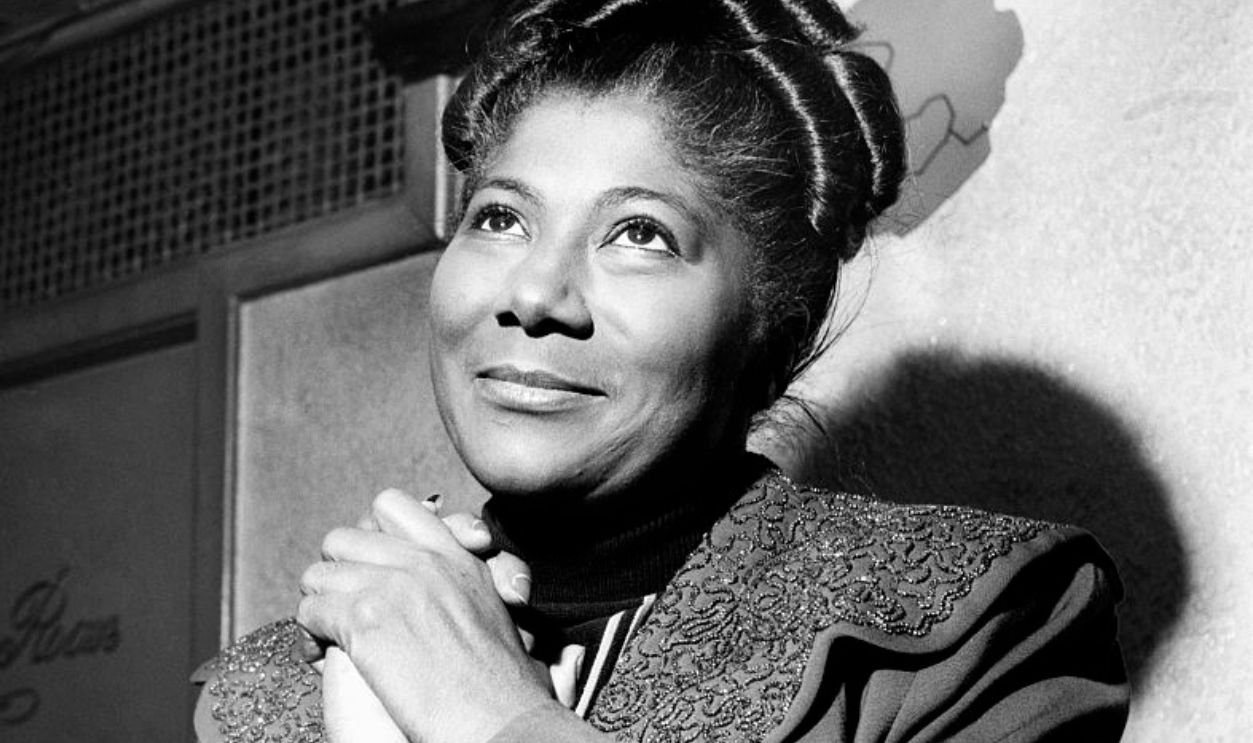
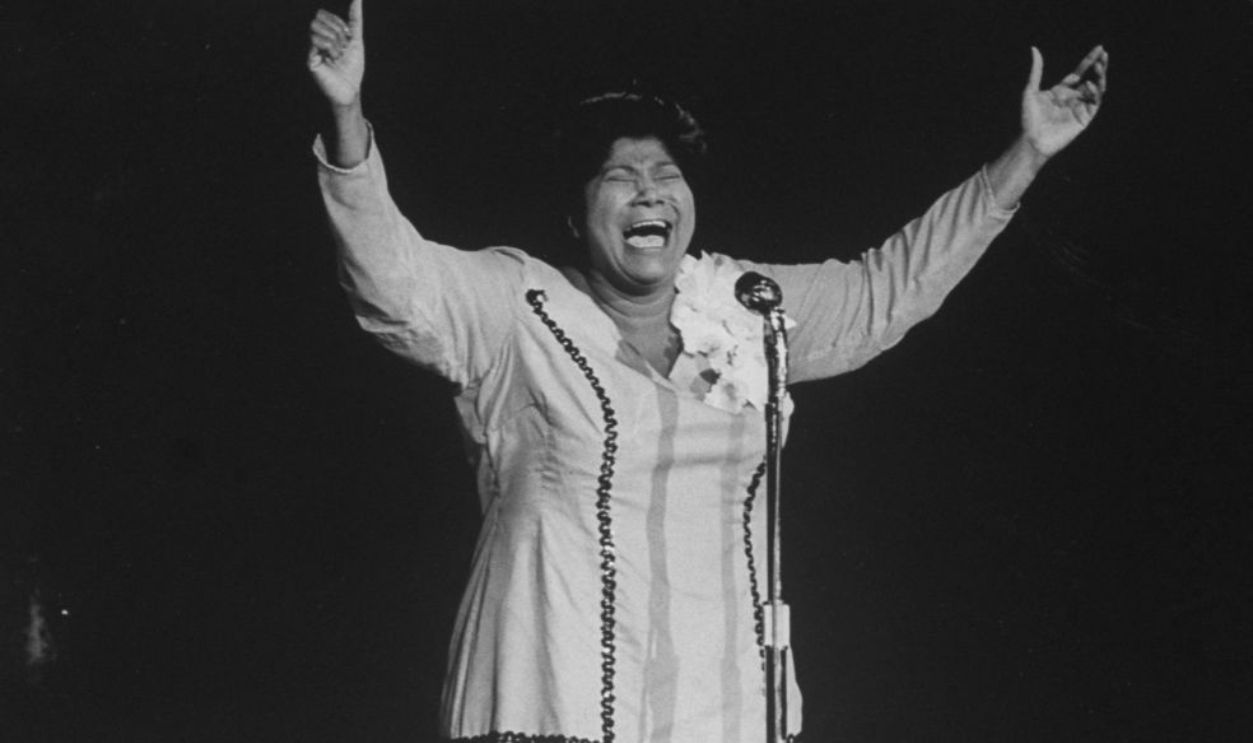
Many churchgoers disliked the way Mahalia Jackson shouted her lyrics. One pastor even called her out as blasphemous and accused her of introducing the church to “twisting jazz”. Another problem was that Jackson could not seem to stop what her body did when she sang. In one church, the pastor asked her to wear loose-fitting clothes to cover up her scandalous movements.
Jackson turned to an expert for help.
15. She Got Some Bad Advice
To fit in more in the Northern churches, Jackson cobbled together enough money to hire a vocal coach. But their lesson didn’t go quite the way she expected. The opera singer told Jackson that she had to stop shouting, and that the way she sang was not “a credit to the Negro race”. He recommended that she sing so that white people could understand.
This was not the kind of advice Jackson was looking for.
 Michael Ochs Archives, Getty Images
16. He Used Her
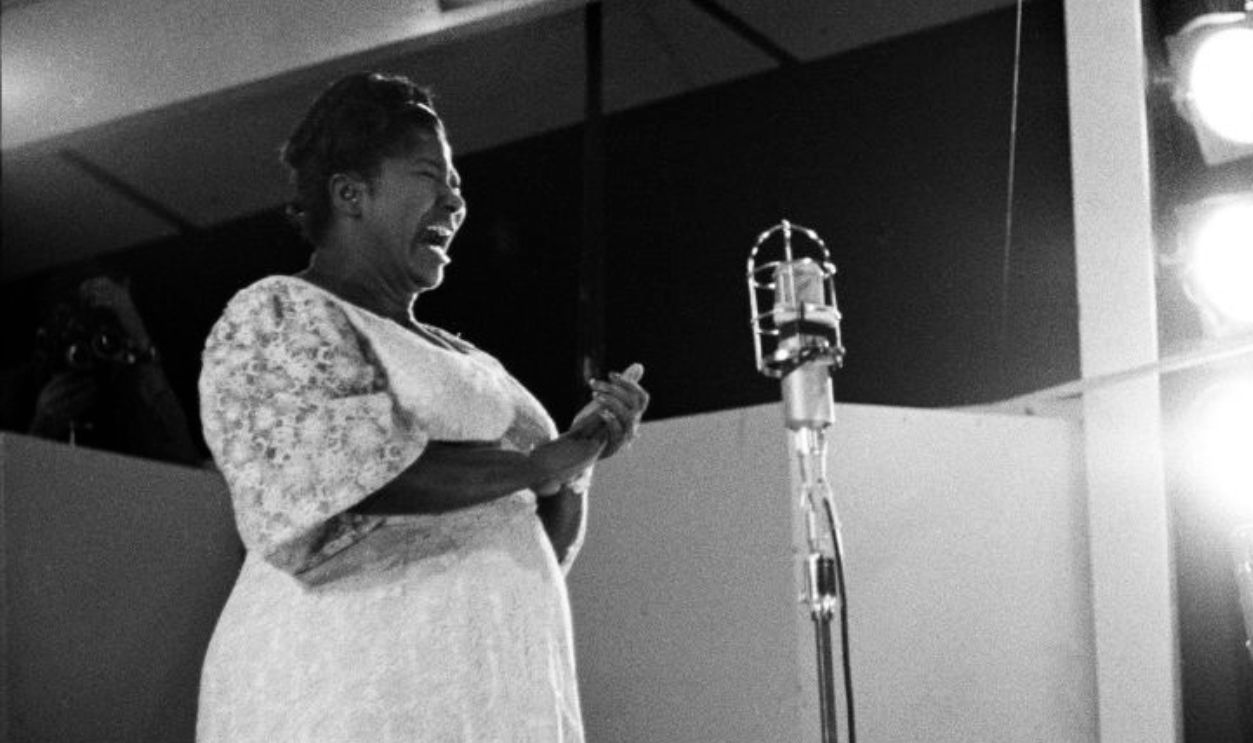
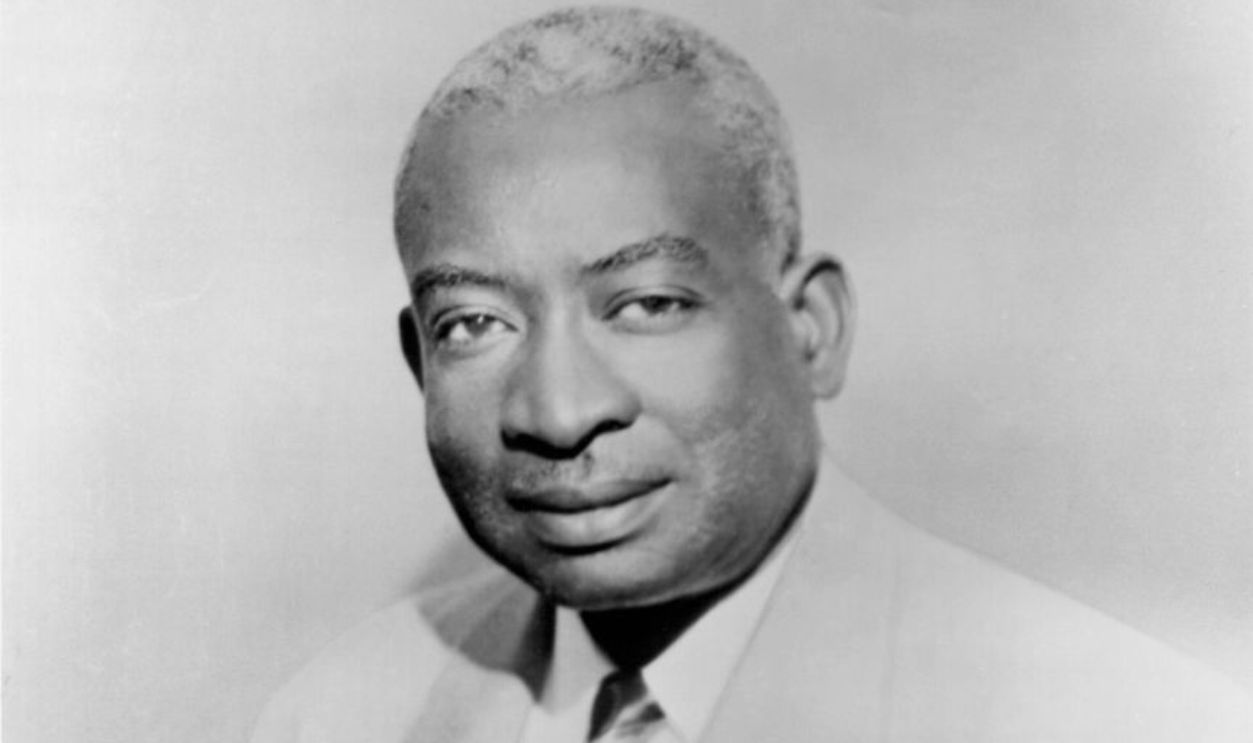
Jackson’s next mentor was Thomas A Dorsey, who was a blues player moving over into gospel. Dorsey’s advice was to get Jackson to sing slower songs. As it turned out, he had an ulterior motive: he wanted Jackson to help him sell his sheet music. Soon, she was on street corners belting out his tunes and selling his pages for 10 cents a pop.
Something good came from this partnership.
 Michael Ochs Archives, Getty Images
17. She Instigated Change
With Dorsey’s help, Jackson created the concept of solo singing with a gospel blues feeling. When the Great Depression hit, Jackson’s popularity soared. You see, more and more people were attending church, and these people responded to Jackson’s style of singing. Jackson seemed to be almost singlehandedly changing gospel singing in Chicago.
The only way for her was up.
![Collectie / Archief : Fotocollectie Anefo
Reportage / Serie : [ onbekend ]
Beschrijving : Mahalia Jackson tijdens haar optreden in de Irenehal in Utrecht voor jeugdmanifestatie Jeugd en Bijbel (publiek
Datum : 7 mei 1964
Locatie : Utrecht
Persoonsnaam : J](https://www.factinate.com/storage/app/media/factinate/2026/5/30/1780122384ebcf62f170c309eaf78657d6f819bee91694d476.jpg) Hugo van Gelderen / Anefo, Wikimedia Commons
Hugo van Gelderen / Anefo, Wikimedia Commons
18. She Started Earning a Living
Jackson’s first recordings were mostly not a success, but she did get gigs performing at funerals and political rallies. In 1932, she received a surprising honor: she got the call to perform for the presidential campaign of Franklin D Roosevelt. For these performances, Jackson was taking in a pretty good wage. She was somehow taking her sacred calling and turning it into a money maker.
So, what was happening to Jackson’s strict moral code?
![Collectie / Archief : Fotocollectie Anefo
Reportage / Serie : [ onbekend ]
Beschrijving : Zangeres Mahalia Jackson (zingend)
Datum : 27 september 1971
Trefwoorden : zangeressen
Persoonsnaam : Jackson, Mahalia
Fotograaf : Fotograaf Onbekend / Anefo
Auteurs](https://www.factinate.com/storage/app/media/factinate/2026/5/30/178012276515d2967e2a5df953409677623aeb6a3a248fa8fb.jpg)
19. She Made A Difficult Promise
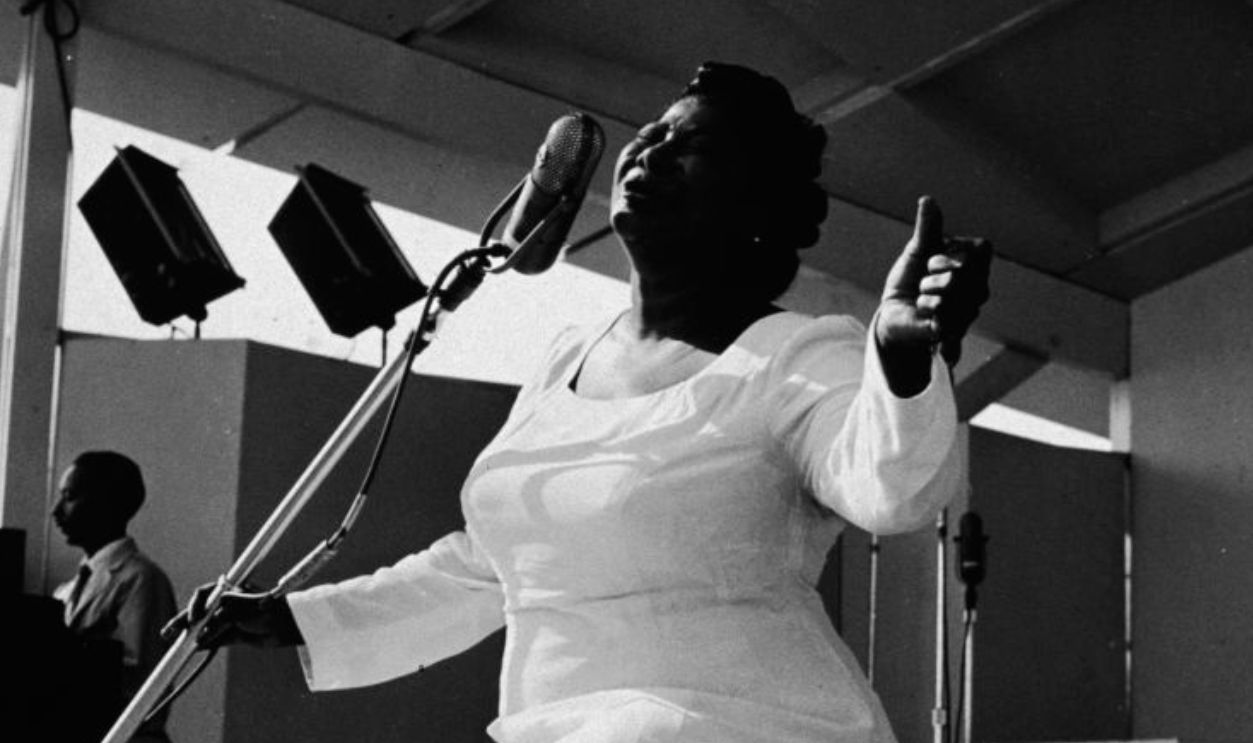
Mahalia Jackson hadn’t strayed away from her religious beliefs, but she did have two vices. She enjoyed going to the movies and attending Vaudeville performances. When her grandfather visited her and had a spontaneous stroke, Jackson had to do something drastic. She promised God she would never enter a theater again if he spared her grandfather’s life. He lived, and Jackson stuck to her promise.
This promise would lead to all kinds of trouble in her future.
20. She Met A Guy
At this time, Jackson was 24 years old and still unmarried. That changed when she met Isaac Hockenhull. He was a chemist, but the depression left him working as a postman. Jackson dated the well-mannered Hockenhull for a year, and then they married. One of her wedding gifts suggested a drastic change in her career.
21. She Started Selling
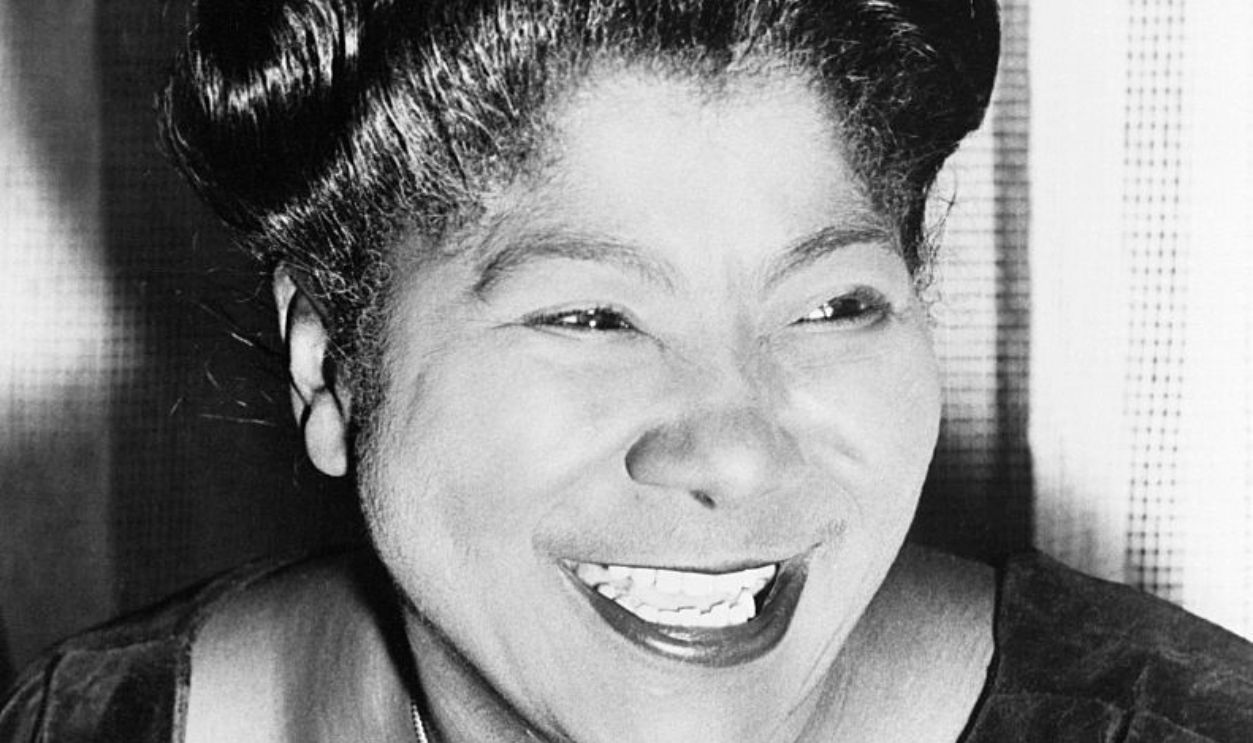
Jackson’s mother-in-law gifted the couple with something strange: she gave them a couple of hundred formulas for healthcare products for hair and skin. Jackson and her husband started making these cosmetics in their own kitchen and selling them as she traveled with her music career. Yet even with this side business, money was tight.
Things got worse when Hockenhill lost his job.
22. They Hit Rock Bottom
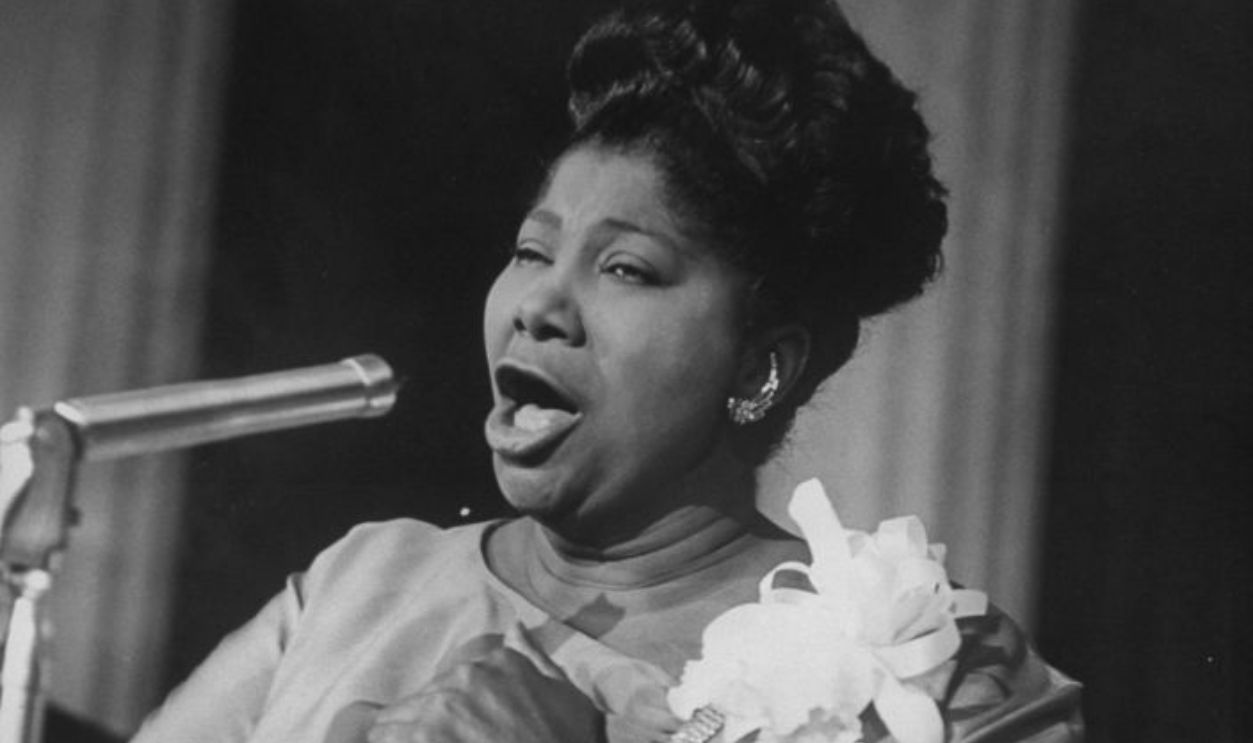
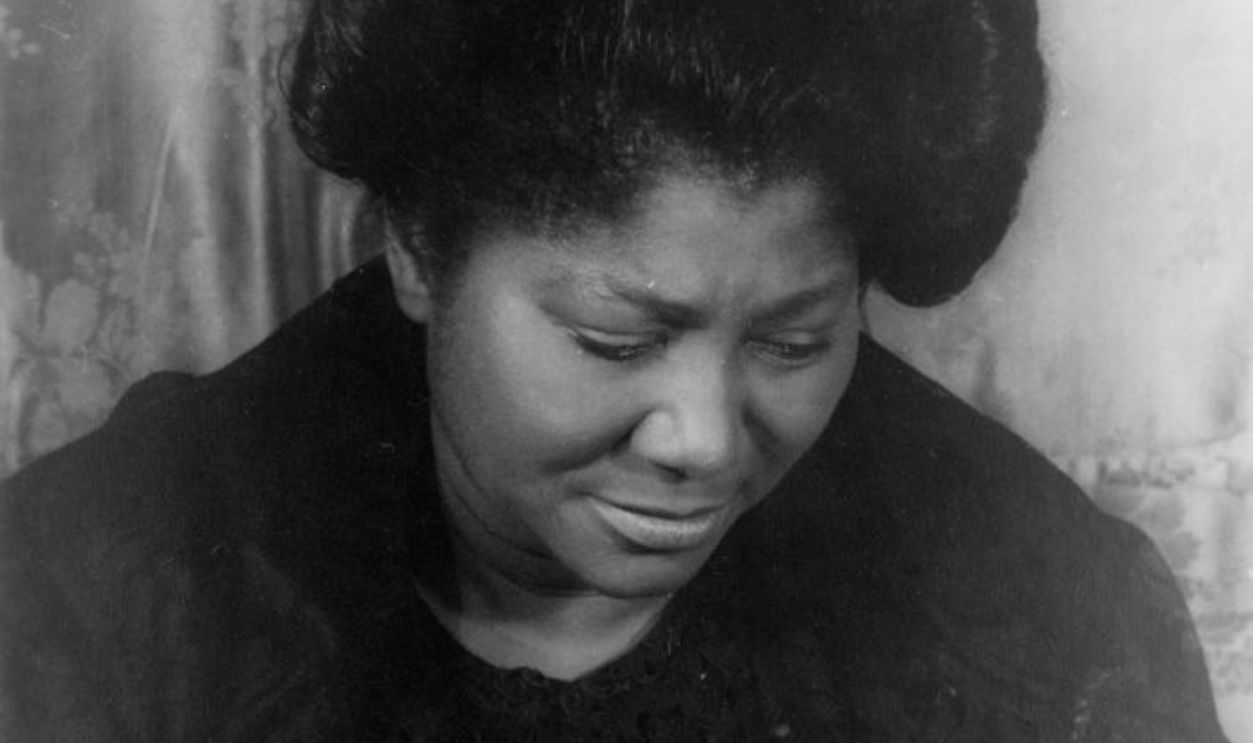
At one point, Jackson and her husband had less than one dollar to their names. Hockenhull saw that there was an open audition for a jazzy interpretation of the Gilbert and Sullivan opera The Swing Mikado. Hockenhull liked the idea of a steady paycheck, but Jackson dug her heels in. She’d promised God that she’d never enter a theater again.
Jackson had a big decision to make.
 Donaldson Collection, Getty Images
23. She Stuck To Her Convictions
Knowing they really needed the money, Jackson attended the audition. To her husband’s delight, they offered her the role. Sadly, this did not make Jackson happy at all. When her husband suddenly got his old job back, she walked away from the role. She had her convictions, and she did not want to stray from them at all.
If she was going to earn a living as a singer, she was not going to break her own moral code.
24. She Finally Said Yes
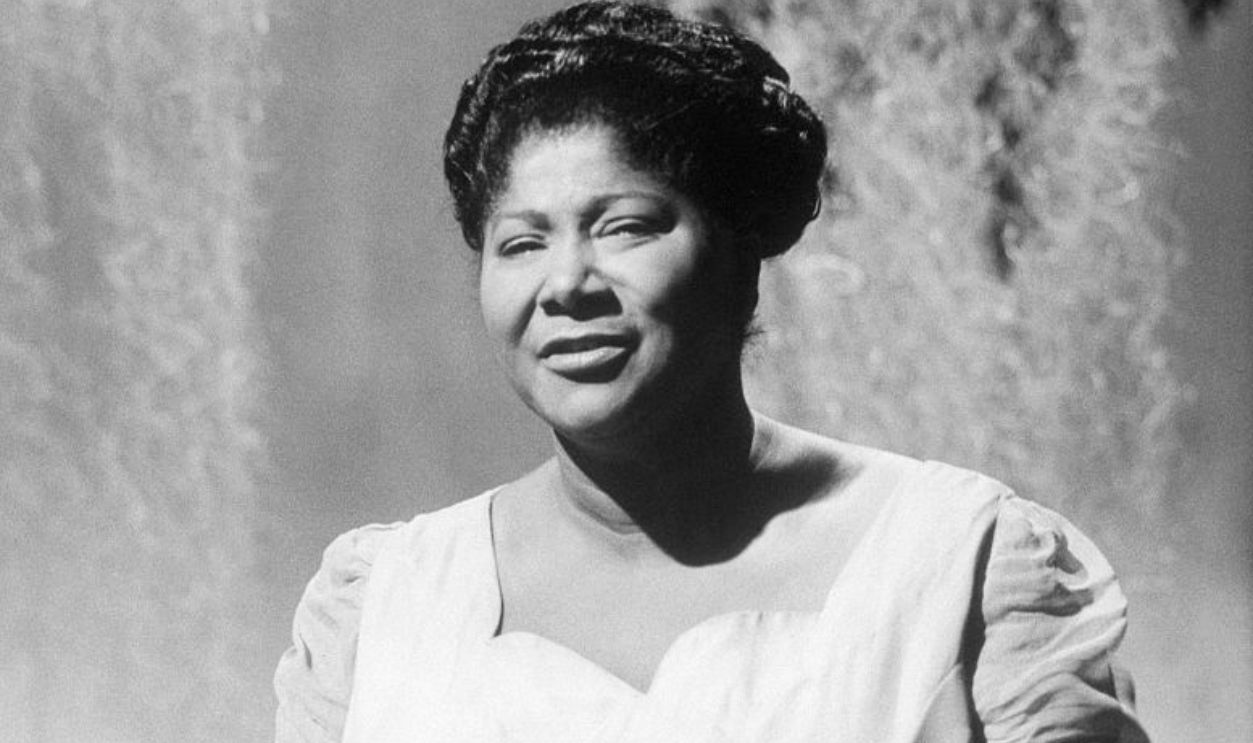
Since Mahalia Jackson was saying no to things, you can add a rejection to sing with both Louis Armstrong and Earl "Fatha" Hines. What she did say yes to was a recording with Decca Records. Of course, Jackson would only record gospel tunes, and they had a limited appeal. Decca wanted her to sing the blues, but she refused.
Jackson had to find another way to make money.
25. She Started Her Own Business
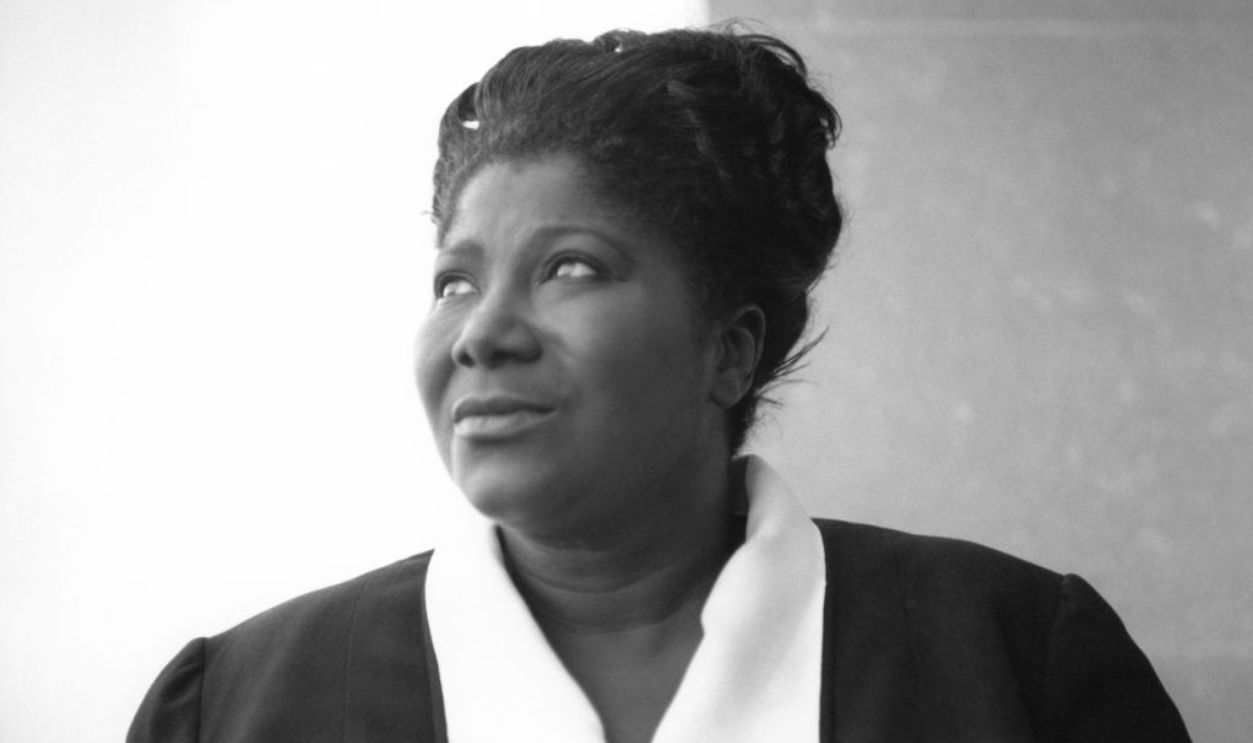
With her meager savings, Jackson opened up a beauty salon. But this place wasn’t just about beauty. It became an ad hoc center of gospel music. Not only that, Jackson would cook meals for large groups of people right there in the salon. But taking care of a salon would not keep Jackson from doing what she did best.
 Afro Newspaper/Gado, Getty Images
26. She Wanted To Wreck The Church
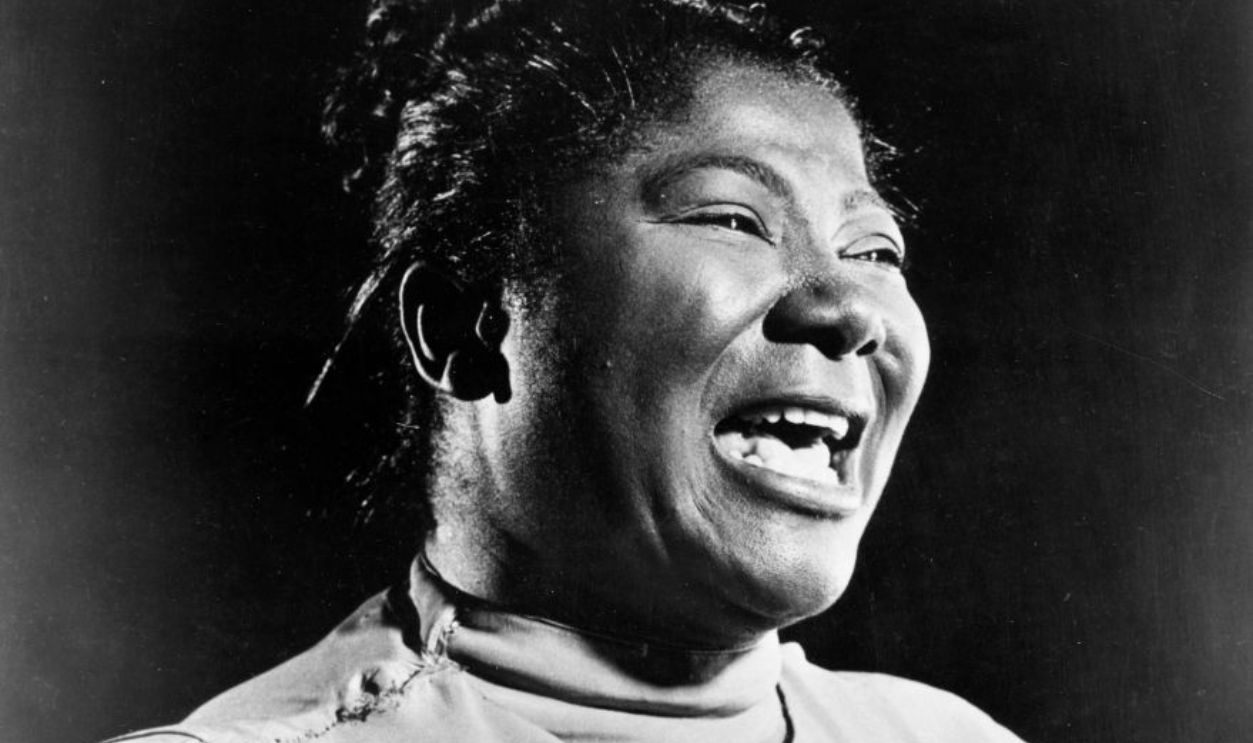
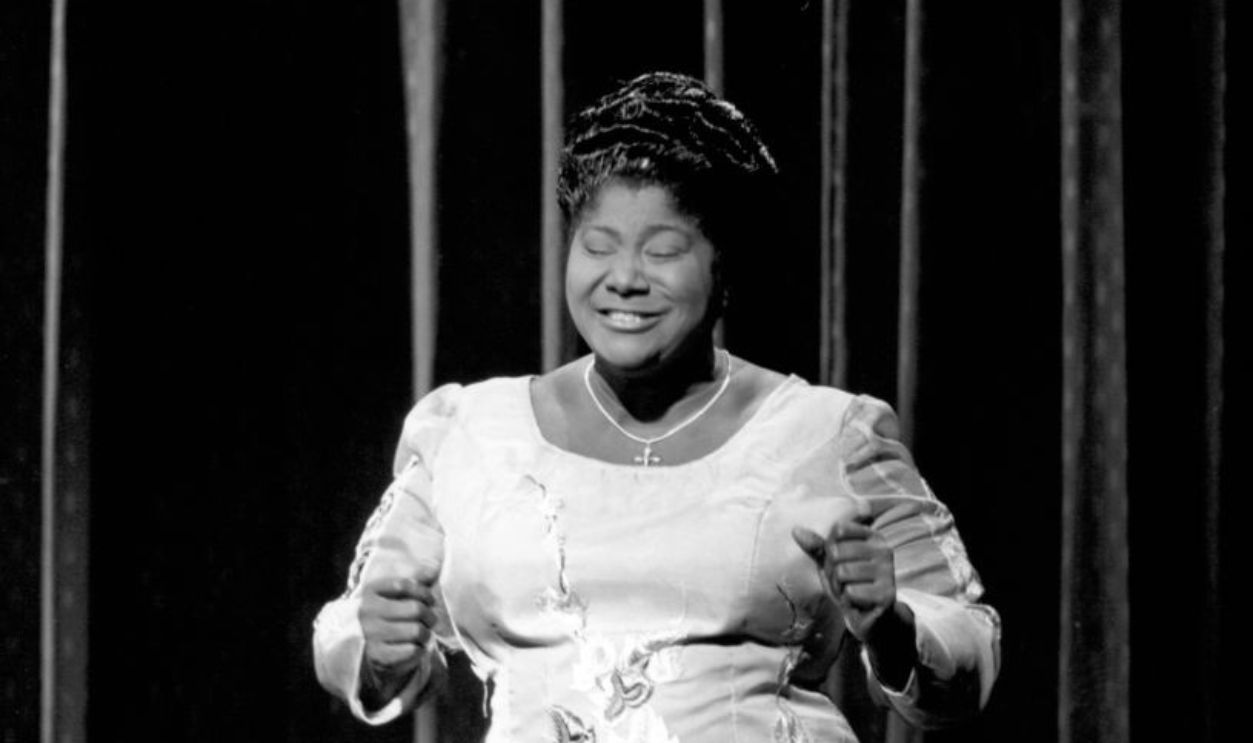
At the same time, Jackson started touring with Dorsey, whose blues background was influencing her performing style. She said that her goal was always to “wreck” the churches she performed in. That meant to create "spiritual pandemonium”. It was during one of these sessions that Dorsey proclaimed that Jackson was the “Empress of Gospel Singers”.
But being the Empress had some disadvantages.
 Michael Ochs Archives, Getty Images
27. They Treated Her Badly
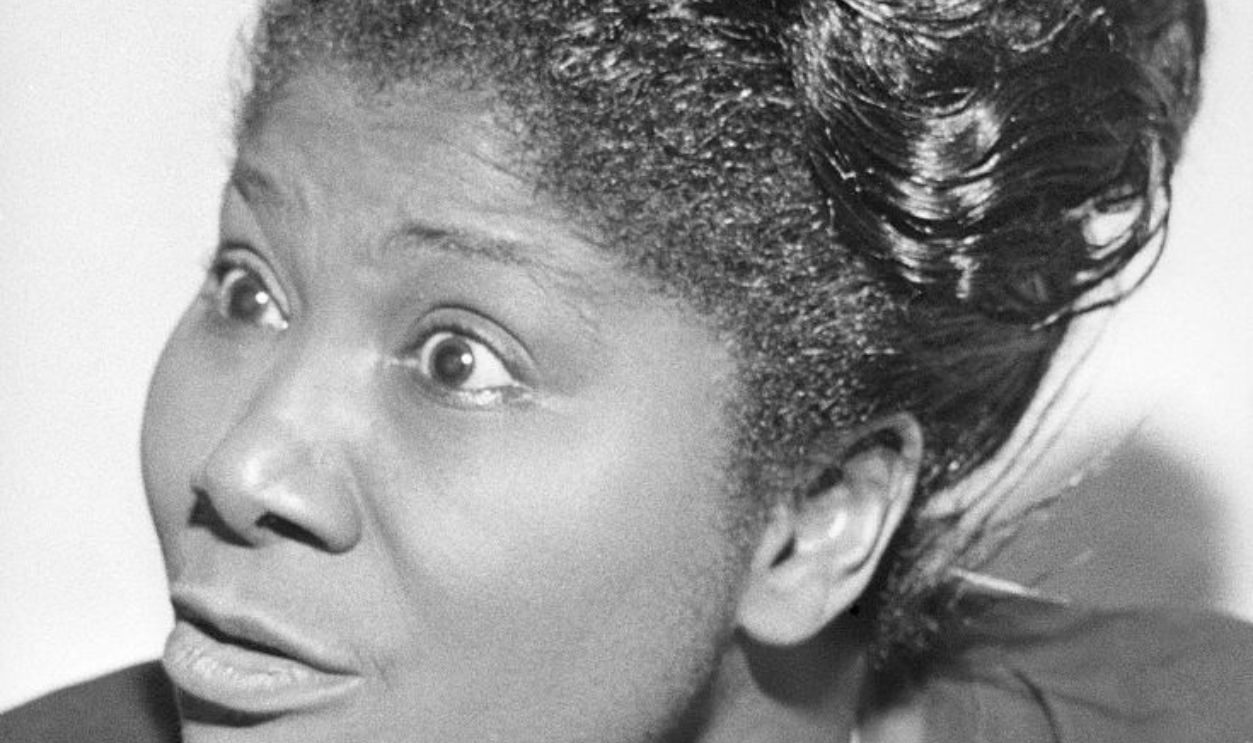
Around this time, Mahalia Jackson was touring in the South, and she had a Cadillac. She had to drive around at night because people couldn’t handle the sight of a Black woman driving such an expensive car. She also had trouble getting simple things like gas, food, and motels thanks to restrictive Jim Crow laws. She even faced prejudice when cashing the checks from her gigs. For this reason, she had to carry around large amounts of cash in her suitcases and even in her underwear.
Sadly, even her home failed to protect her money.
28. She Had To Hide Her Money
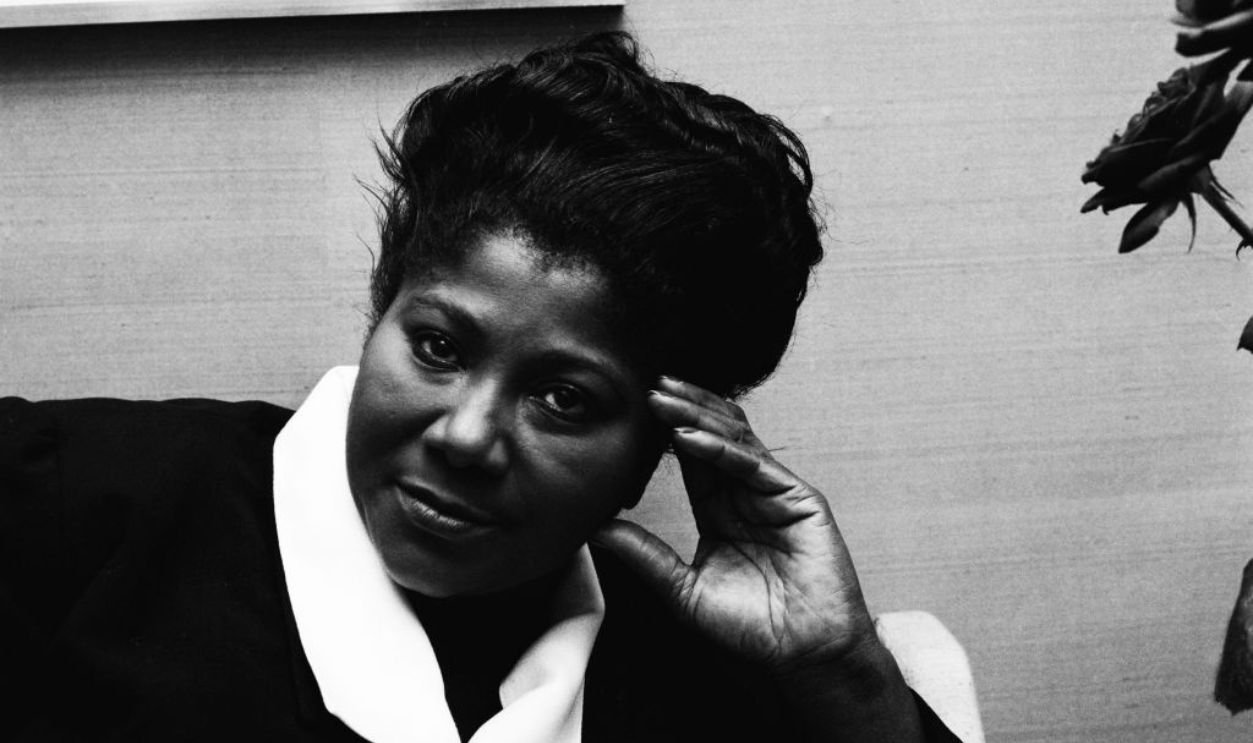
Jackson was taking in decent money from her performances, her hair salon, and from a building she bought. Sadly, she had to hide this money from her husband, who now had a gambling addiction. When Hockenhull found her money, he bought a racehorse and a new car. The bank repossessed the car when Hockenhull could not make the payments. Jackson and Hockenhull divorced and managed to stay friends.
But Jackson was broke once again.
29. She Signed A Contract
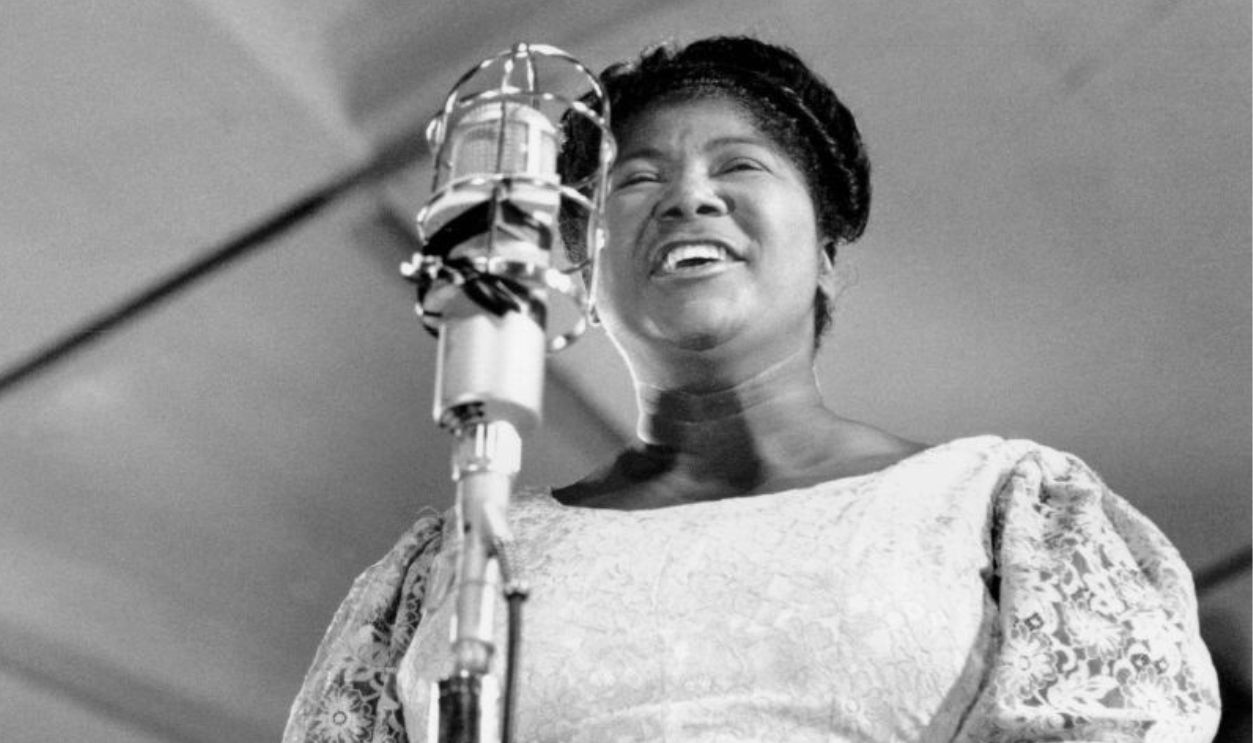
Record companies were now desperate to get Jackson to record, and would even give in and let her sing gospel. It was Apollo Records that gave her a four-record deal. Her first two records did not do well in sales. Once again, the record company asked her to do blues, and she declined. Apollo gave her one last chance. She could record a song called “Move On Up A Little Higher” and see how that went.
Jackson’s future depended on this one recording.
 Michael Ochs Archives, Getty Images
30. She Got Exposure
Around this same time, a radio host in Chicago named Louis “Studs” Terkel was becoming obsessed with Jackson. He played her music repeatedly on the radio and introduced her to white audiences through her music and interviews. When "Move On Up A Little Higher” was ready, there was already an audience eager to buy it.
This had the potential to be her big break.
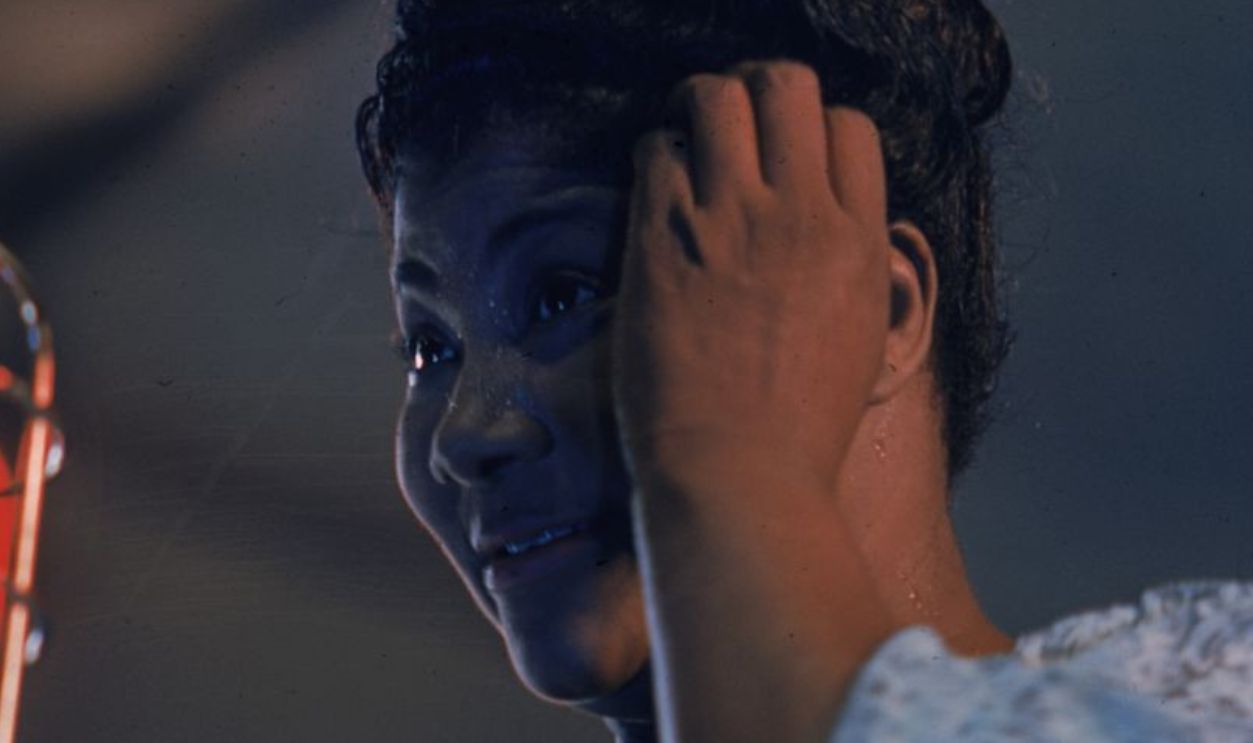
31. She Hit The Jackpot
When they released "Move On Up A Little Higher”, it sold 50,000 copies in Chicago alone. By the time it reached the rest of the country, sales had grown to 2 million. Until this time, a gospel singer could only expect to sell 100,000. Jackson had finally found a song where she could reach a huge audience and not compromise her values.
But there were temptations around every corner.
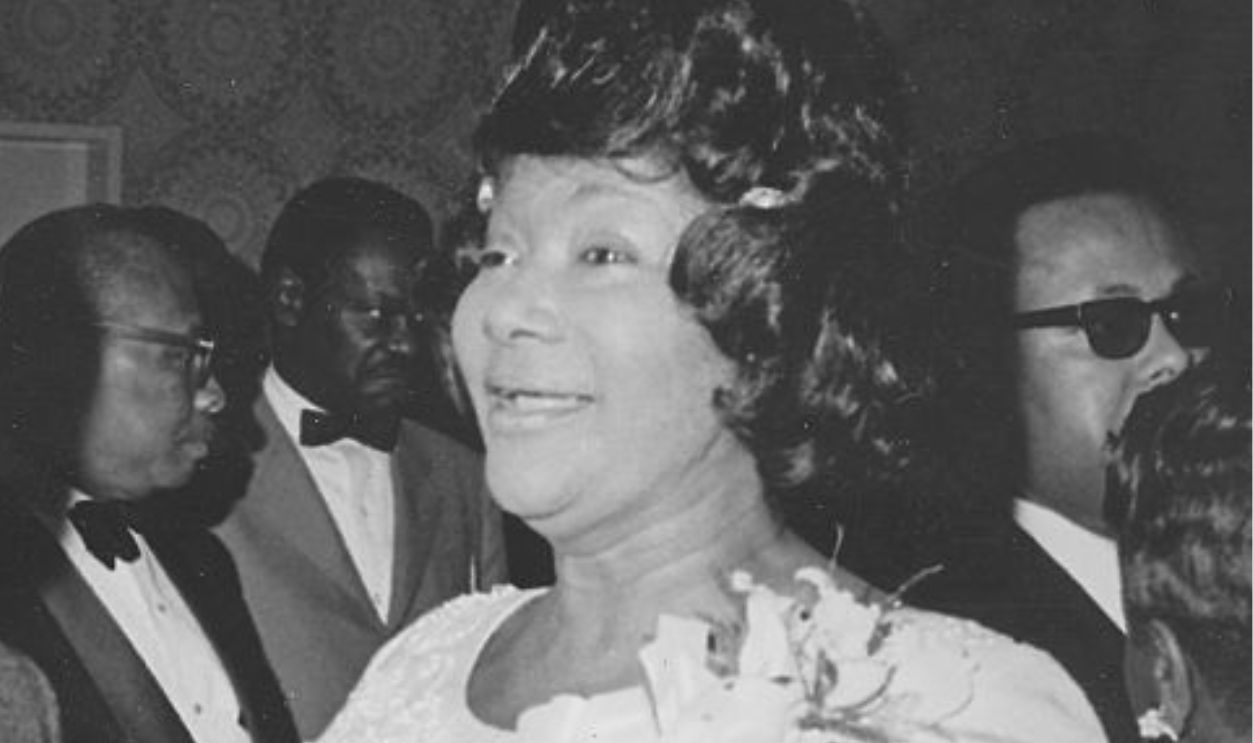 Afro Newspaper/Gado, Getty Images
32. She Was In Demand
Mahalia Jackson was suddenly famous and in demand. Theaters like the famous Apollo were basically begging her to perform there. She remembered her promise to God and refused. But she did say yes to Carnegie Hall. She was the first gospel singer to perform there. Her performance prompted multiple encores, and she gained critical praise as well.
Jackson saw how popular she was getting and decided she needed to start changing the world.
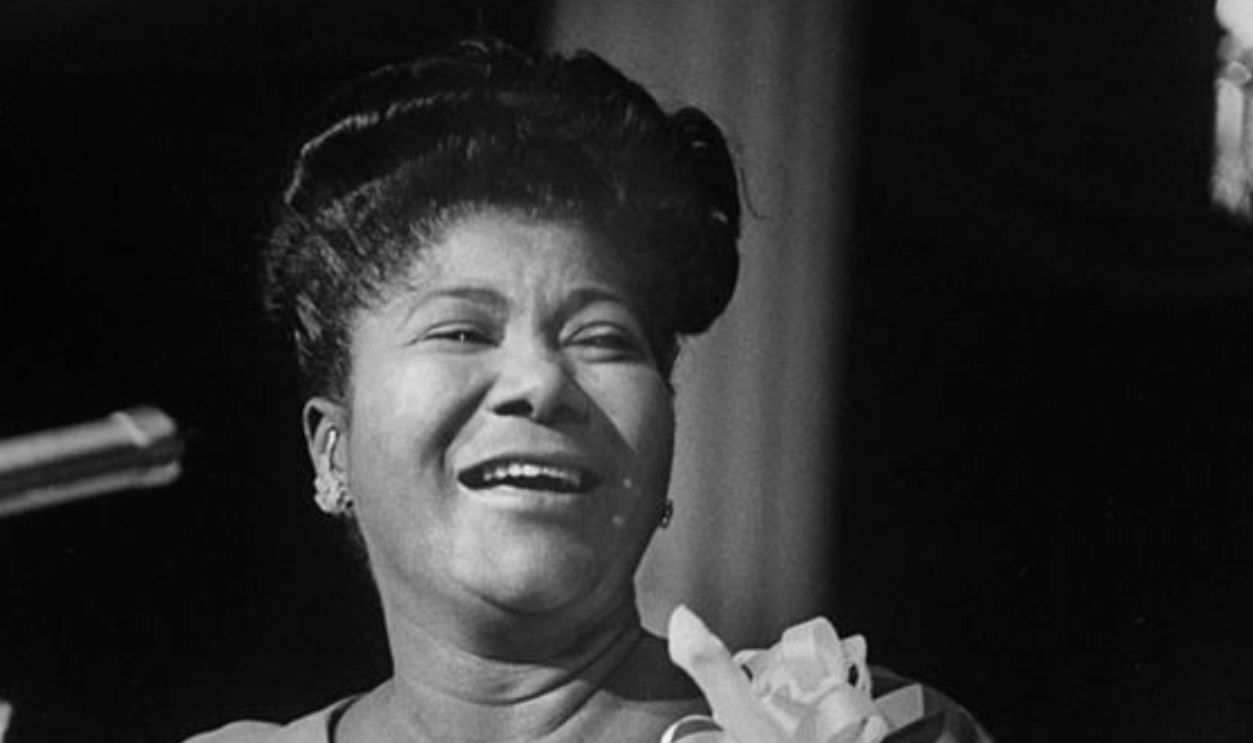
33. She Changed Audiences
Now that she was in demand, Jackson had the opportunity to push her weight around. She hated when theaters had their audience segregated by color, so she encouraged members of the audience to integrate. She said they were all "Christian brothers and sisters”. But life for a celebrated singer who happened to be Black had its disadvantages.
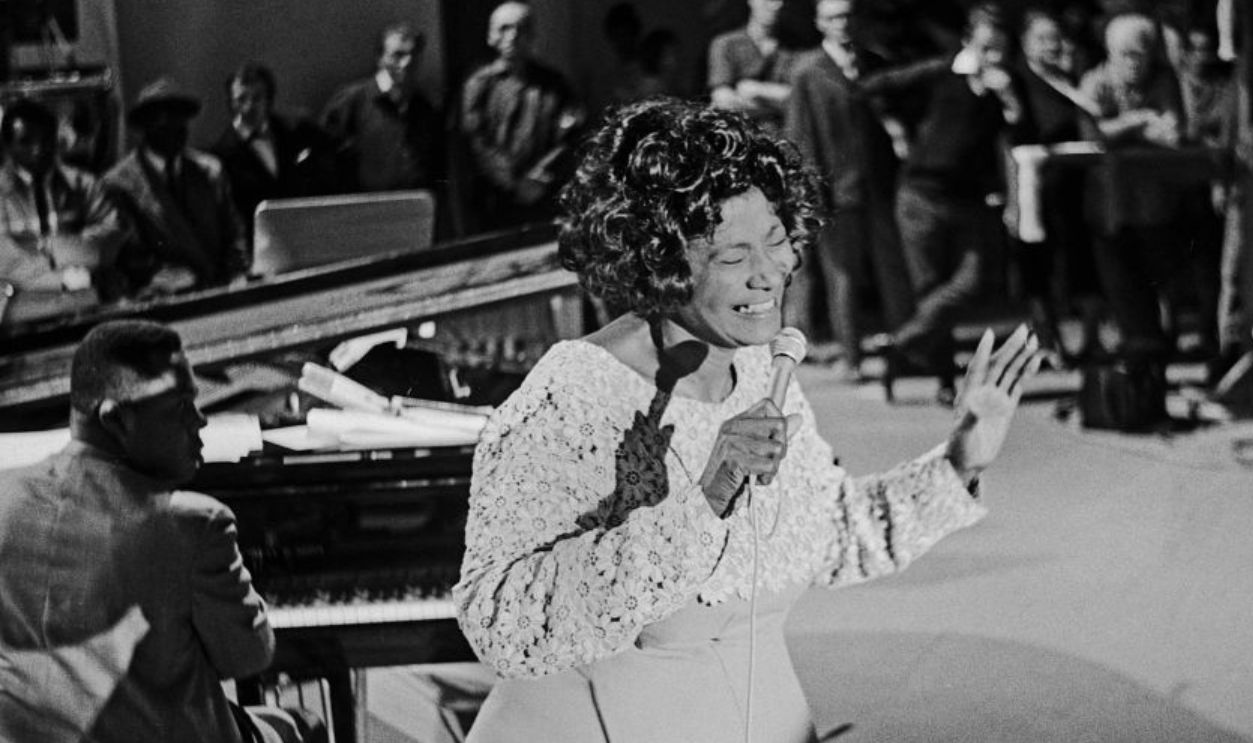
34. She Wasn’t Welcome
At one point, Jackson decided she needed a bigger place to live. She bought a house in Chatham Village, which was an all-white area in Chicago. Soon, she received threats against her life. And then it got worse. Someone drove by and shot out her front window. Because of this harrowing ordeal, the mayor of Chicago, Richard Daley, gave her protection for a year.
One place where she was welcome was France.
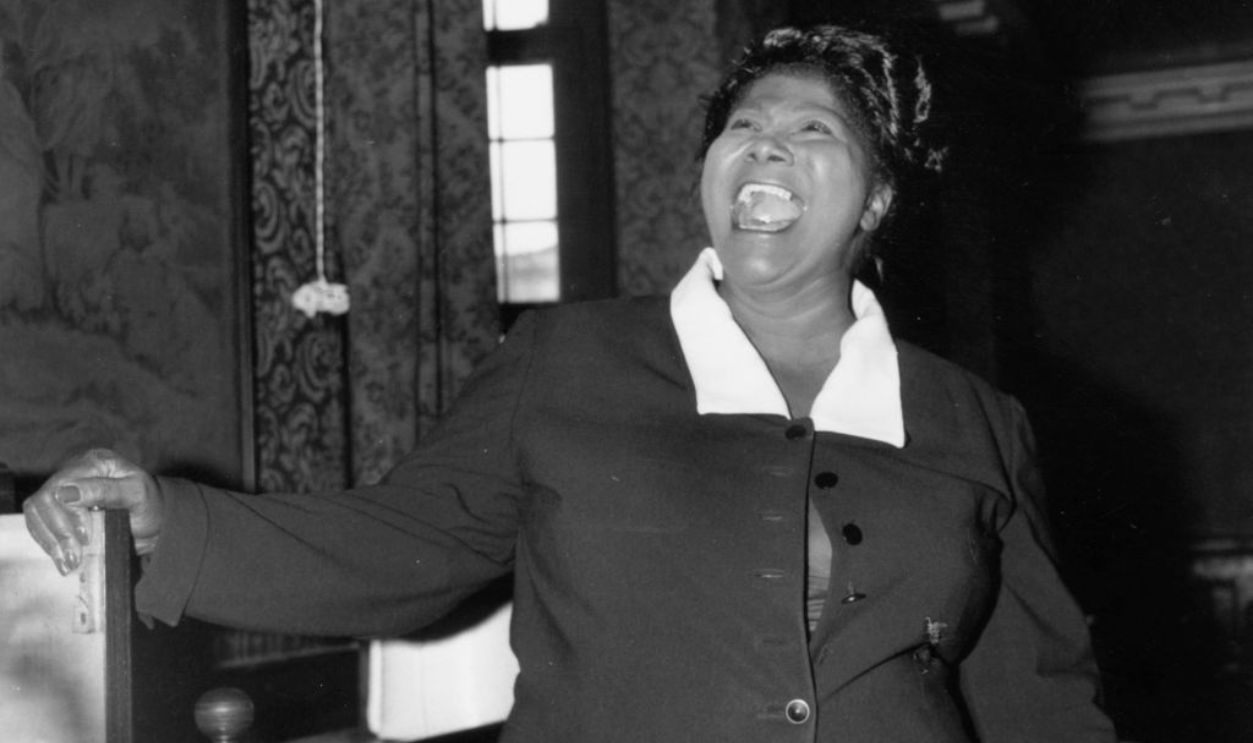
35. She Was Big In France
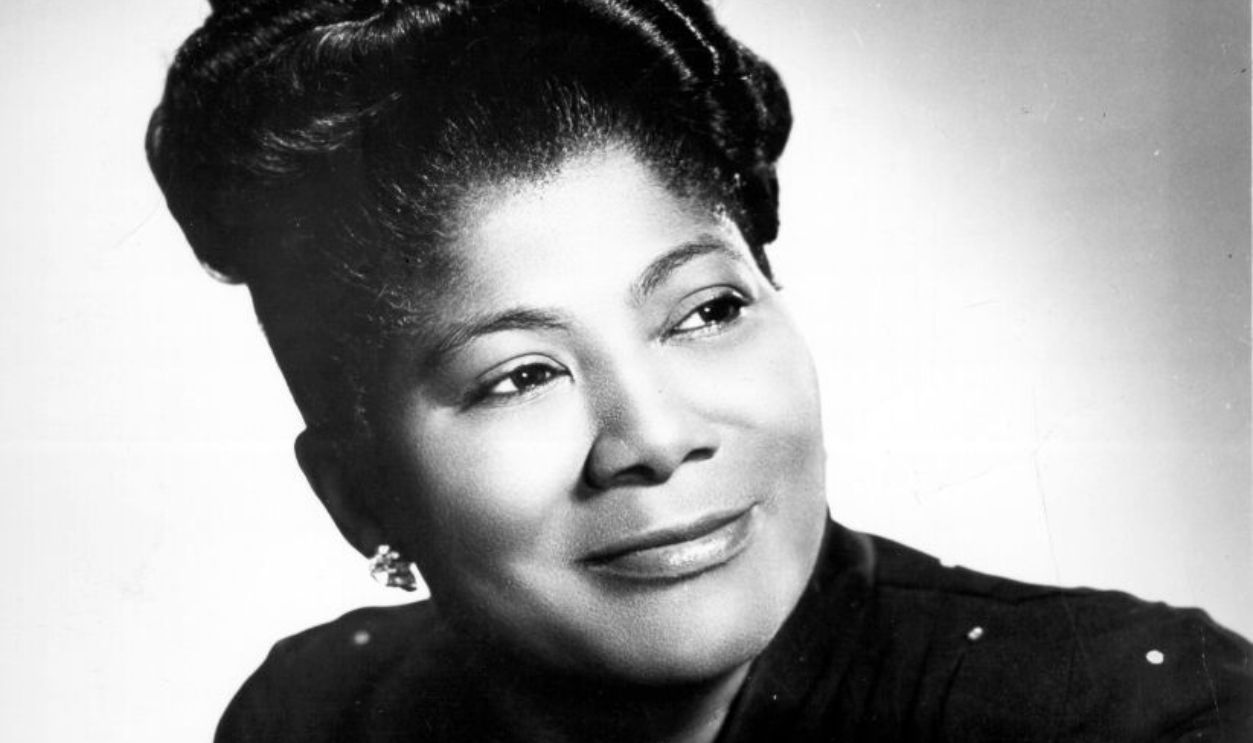
Quite by chance, jazz fan—and Frenchman—Hugues Pannassié was in the waiting room of a record company in New York and came across Jackson’s recordings. He took them back home and introduced this gospel sensation to France. Jackson’s “I Can Put My Trust in Jesus” was the only gospel song to ever receive the Grand Prix du Disque from The Académie Charles Cros.
This led to a very successful European tour.
 Michael Ochs Archives, Getty Images
36. She Felt Like A Pop Star
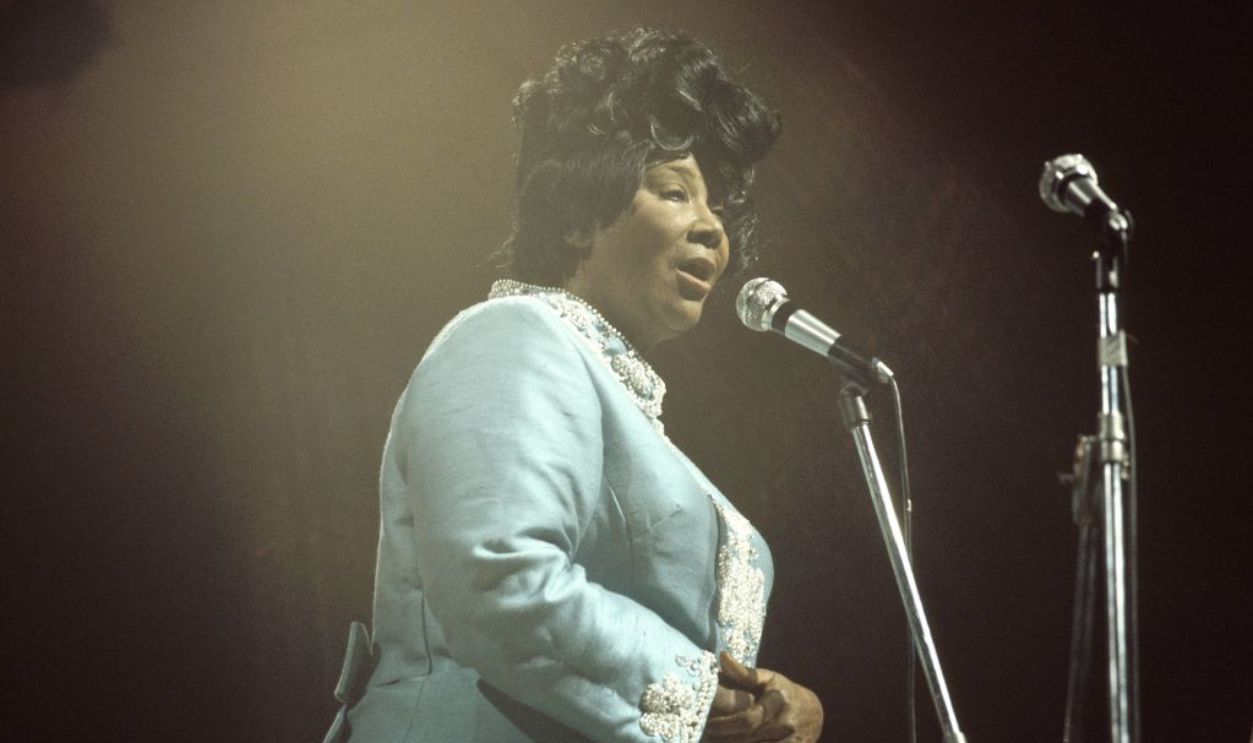
On a tour in Europe, Jackson ran into some unruly fans. As they mobbed her in Utrecht, the Netherlands, Jackson had a strange feeling. She later said that she thought she “was the Beatles”. Back at home, Jackson was ready to get political.
37. She Supported A President
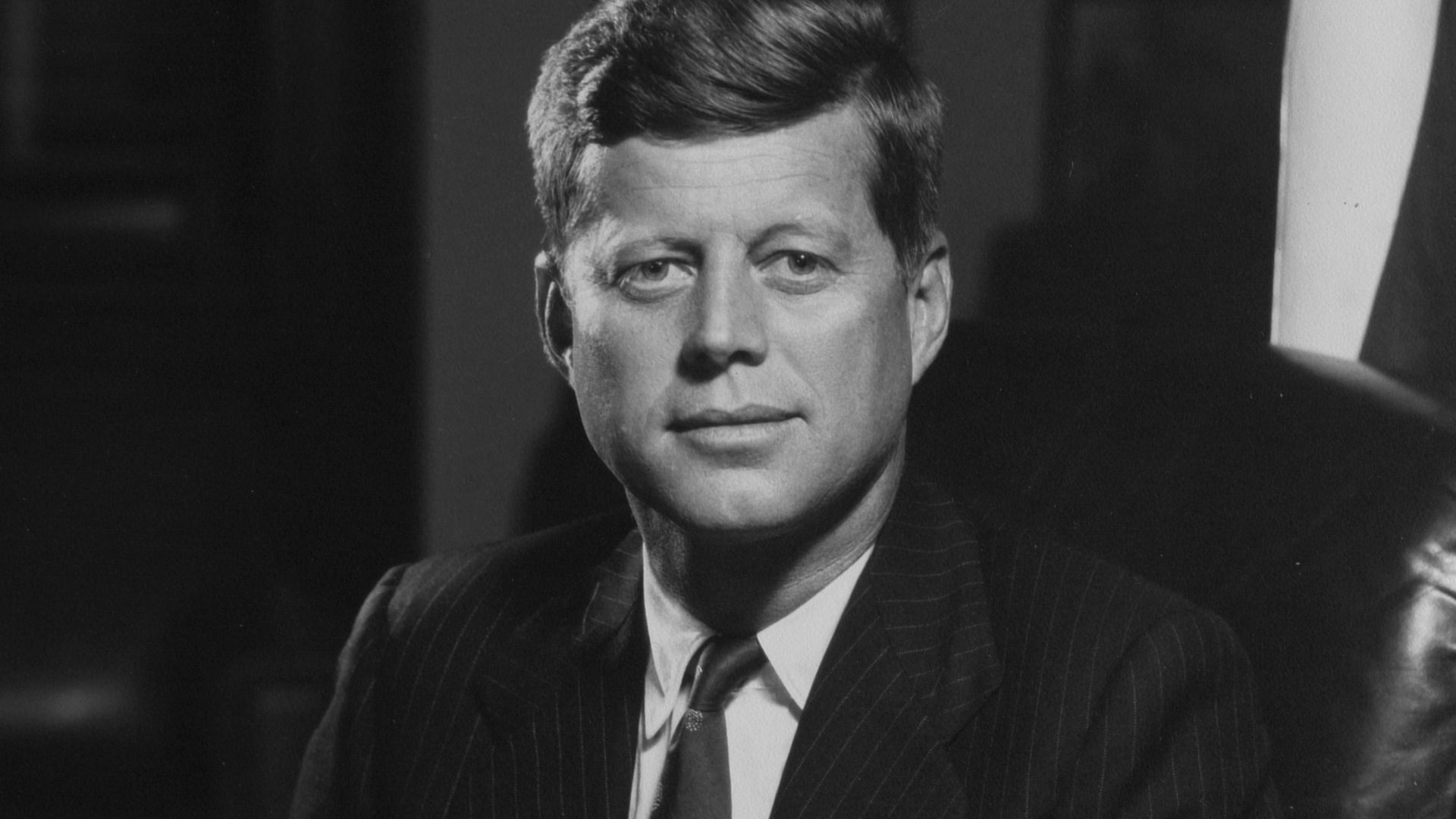
At the beginning of 1960, a judge put Martin Luther King Jr in prison for participating in a sit-in. King was lucky enough to have presidential candidate John F Kennedy on his side to bail him out. Mahalia Jackson saw this and became loyal to Kennedy. This loyalty led her to get the invitation to sing “The Star Spangled Banner” at the President’s inaugural ball.
Jackson and King became friends, and she supported him in a surprising way.
 Bachrach Studios, Wikimedia Commons
38. She Called Out To King
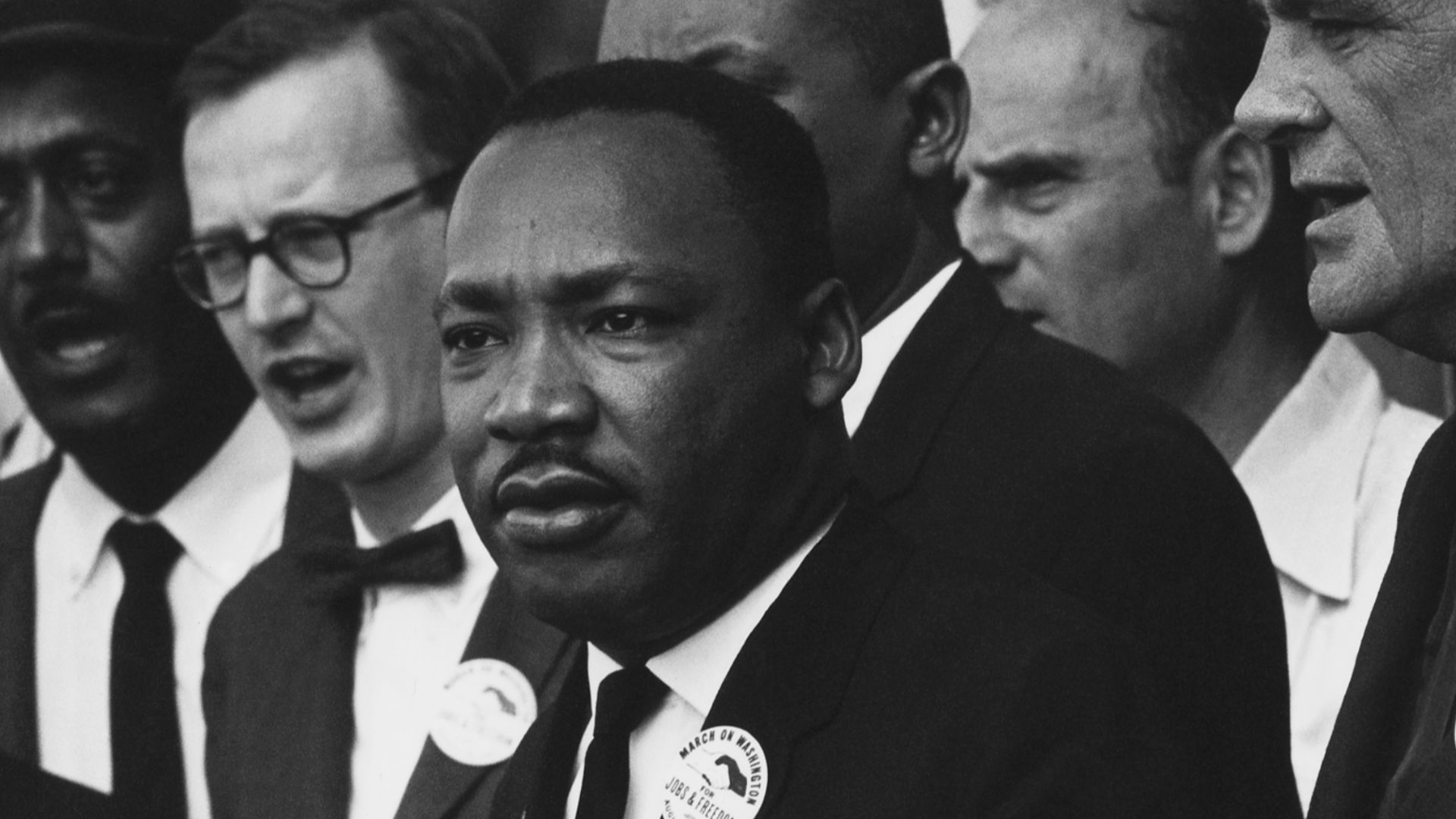
In 1963, Martin Luther King stood before 250,000 people in Washington’s Lincoln Memorial. He was talking about how Black Americans were still not free, but hadn't intended to discuss the dream he'd had months before. As he continued his speech, Jackson, who had just performed, called out, “Tell ‘em about the dream Martin”. He did tell about his dream, and it became one of the most iconic American speeches of the 20th Century.
Jackson was now ready to dole out advice to anyone who needed it.
 Rowland Scherman / Adam Cuerden, Wikimedia Commons
39. She Got Mobbed On The Phone
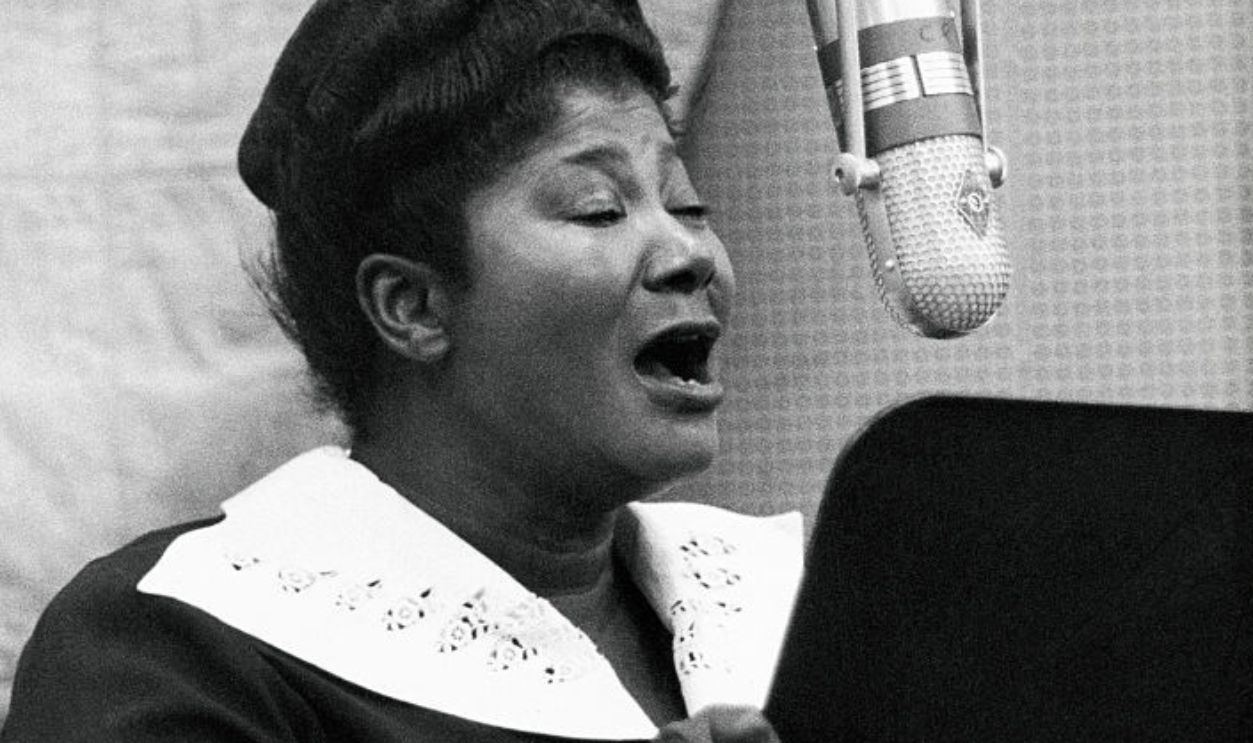
Since becoming famous, Jackson hadn’t bothered to get her phone number unlisted. The phone rang off the hook with calls from friends, strangers, and relatives. Some wanted money, others wanted advice about breaking into showbiz, and some just wanted help with their lives.
But some of the calls she took may have been a bit more personal.
40. She Found A Guy
In the early 1960s, Mahalia Jackson met Sigmond Galloway, who had been a musician but now worked in construction. Despite Jackson's crazy schedule, she found time to go on dates with Galloway. The couple eventually held their wedding ceremony in Jackson’s living room. But this marriage would get off to a rocky start.
41. She Suffered
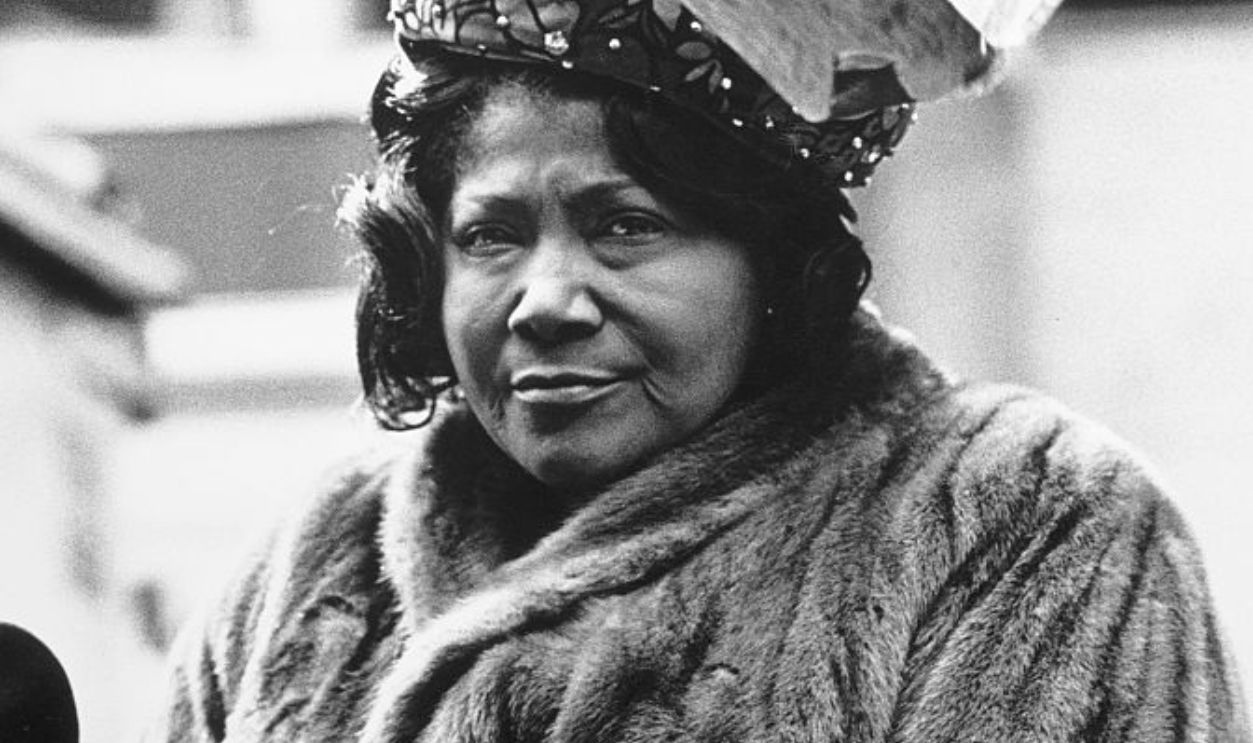
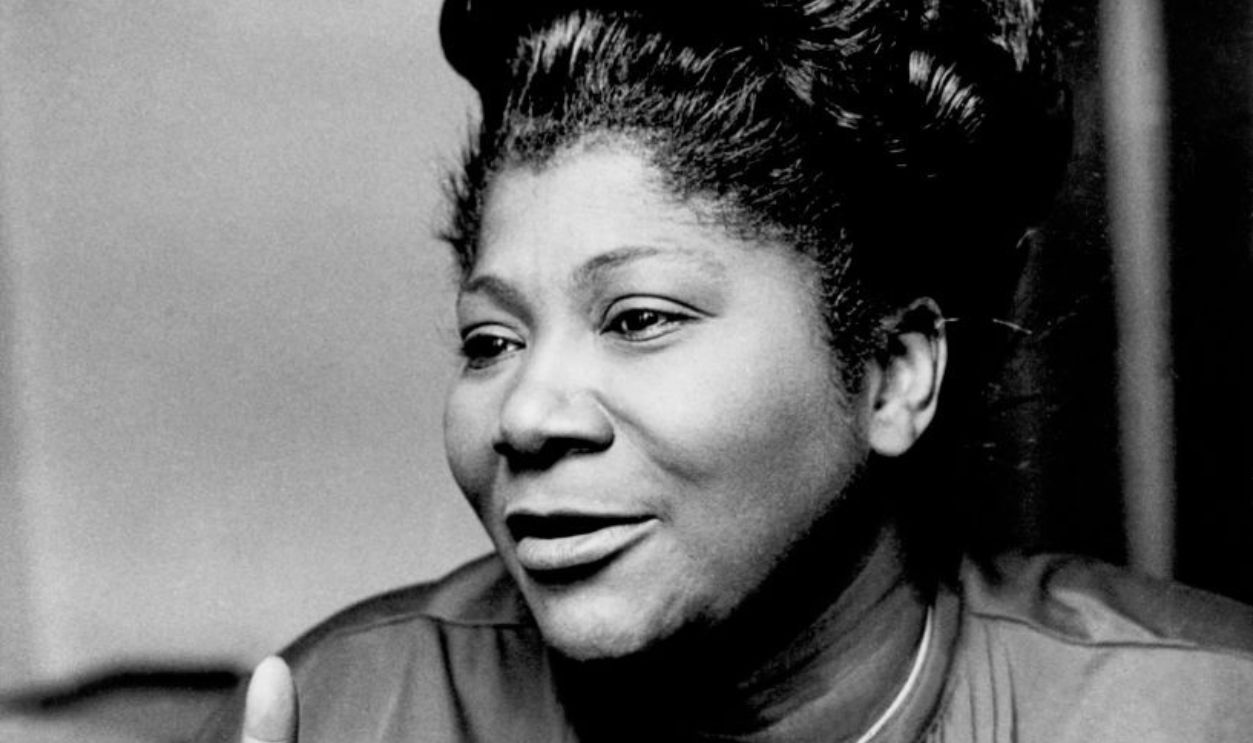
A few weeks after getting married, Jackson’s health began to suffer. She was constantly tired and had coughing fits that seemed endless. When she consulted her doctors, they gave her the bad news: at some point, she’d had a heart attack. It was going to be a long road to recovery.
Luckily, she had a new husband to be at her side.
42. She Was Alone For Her Recovery
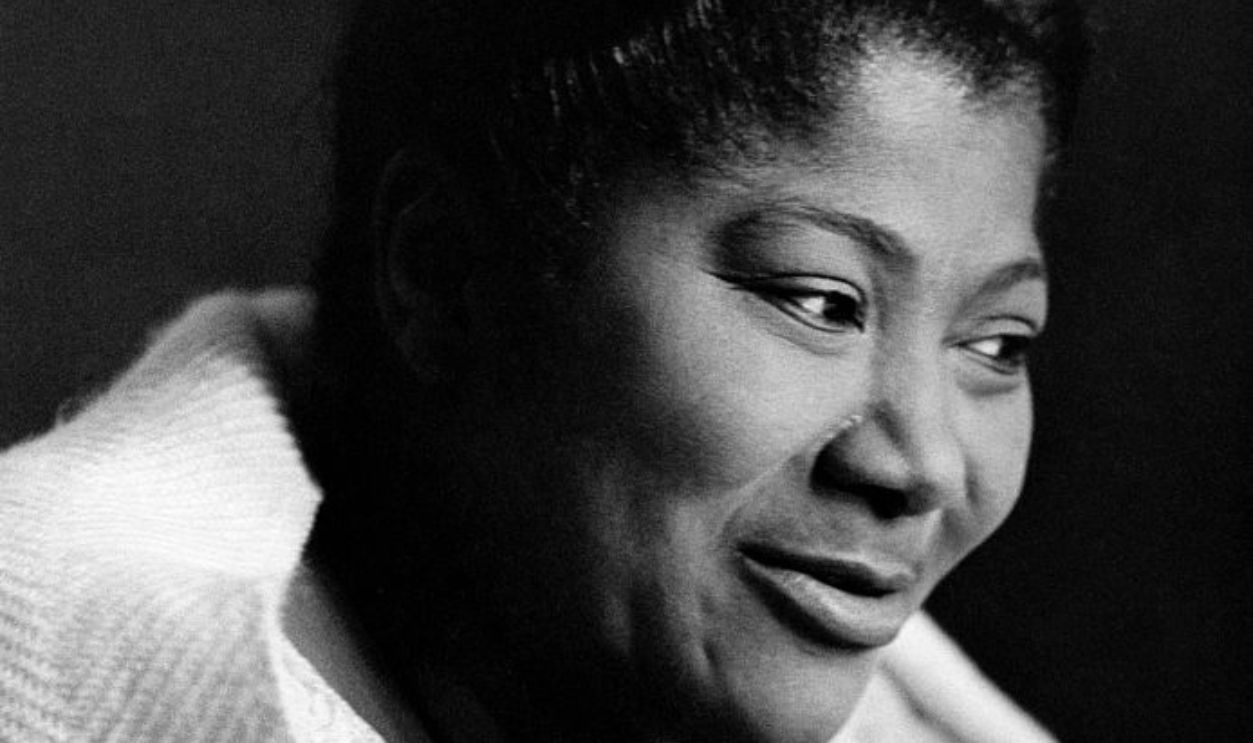
Jackson had to quit work and focus on her recovery. It took her a full year and caused severe weight loss, but she got through it. The strange thing was, her new husband was AWOL during most of it. Not only that, when he was there, he tried to convince her that her illness was all in her head.
This new husband was turning into a dud. And then he just got worse.
 Michael Ochs Archives, Getty Images
43. She Wanted Out
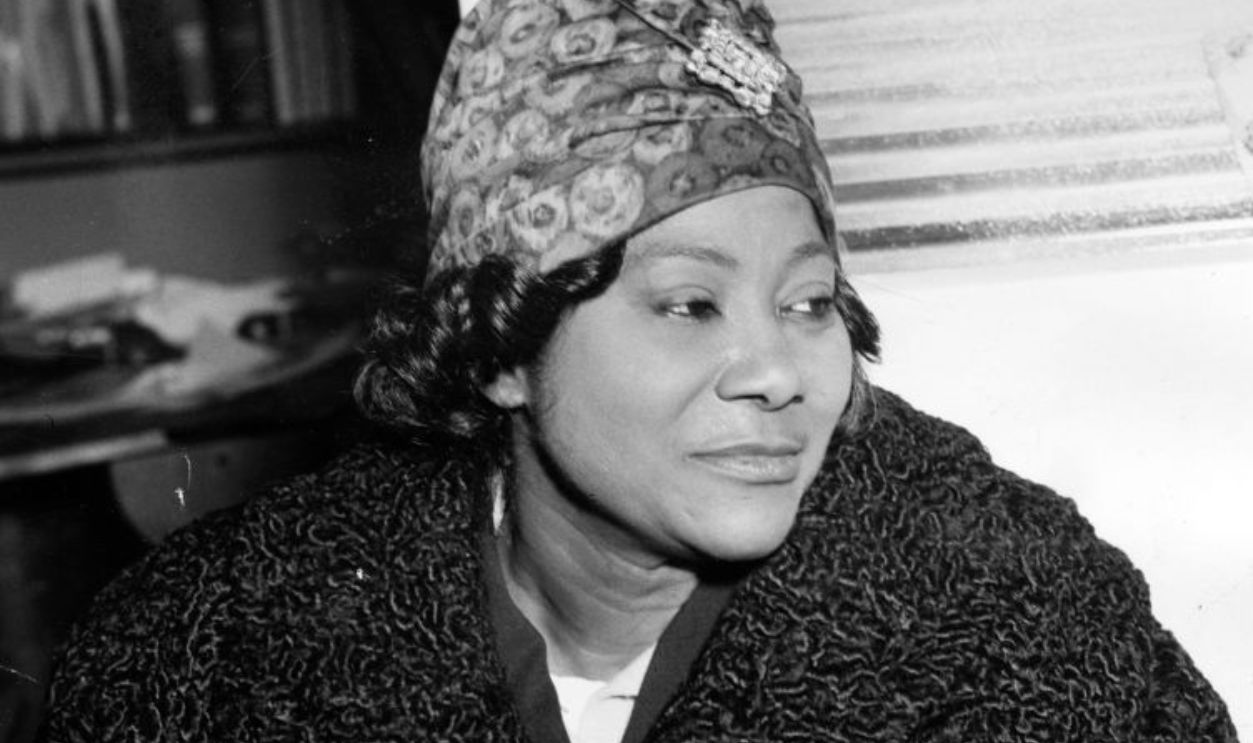
Galloway tried to help with the management of Jackson’s career, but he didn't really have the skill and instigated fights over money. Worse still, he had a temper and tried to hit Jackson twice. During one attack, Jackson ducked, and he hit a piece of furniture so hard that he broke his hand. Jackson wanted out of this horrible marriage.
But Galloway wasn't going to go easily.
 Afro Newspaper/Gado, Getty Images
44. He Wanted To Humiliate Her
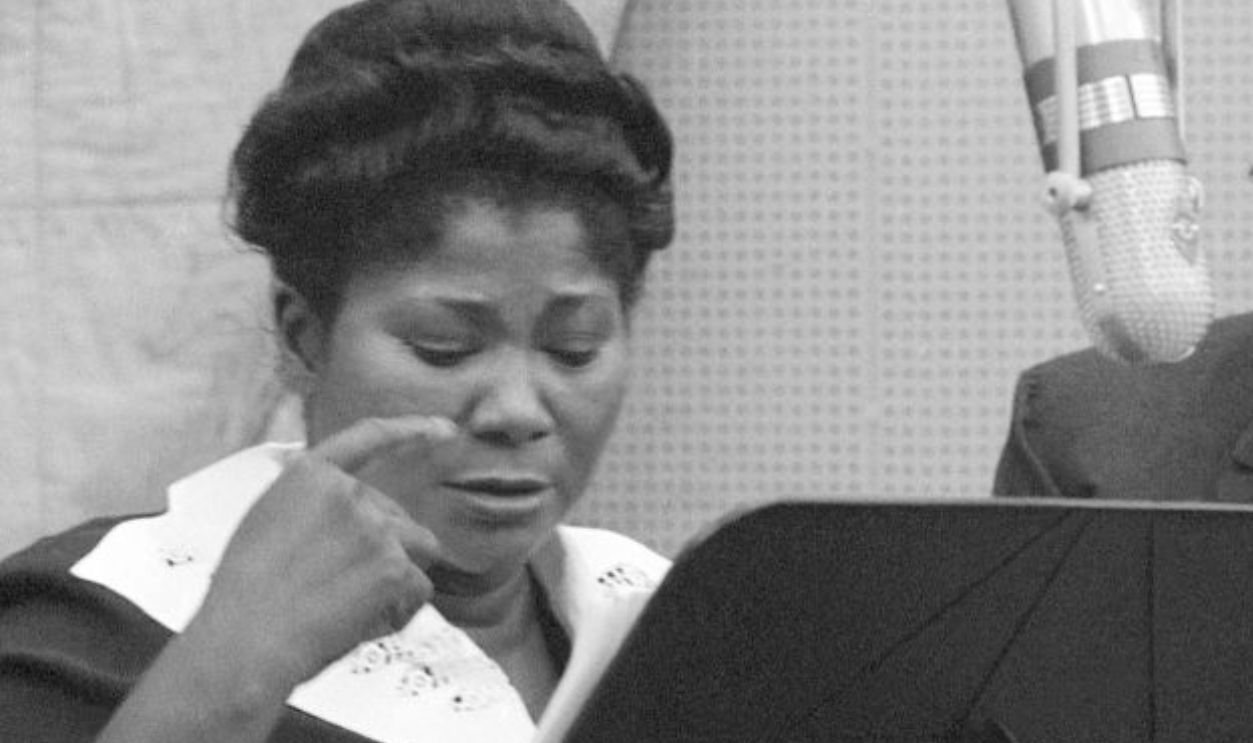
Galloway’s first move was to get a jury for their divorce trial, which was very unusual. His plan was to embarrass Jackson with secrets about their married life. This plan completely backfired when the jury heard about all of Galloway’s many secret affairs. Galloway walked away with nothing.
Jackson had won against Galloway, and she was ready for a whole new business.
 Donaldson Collection, Getty Images
45. She Put Her Name On Chicken
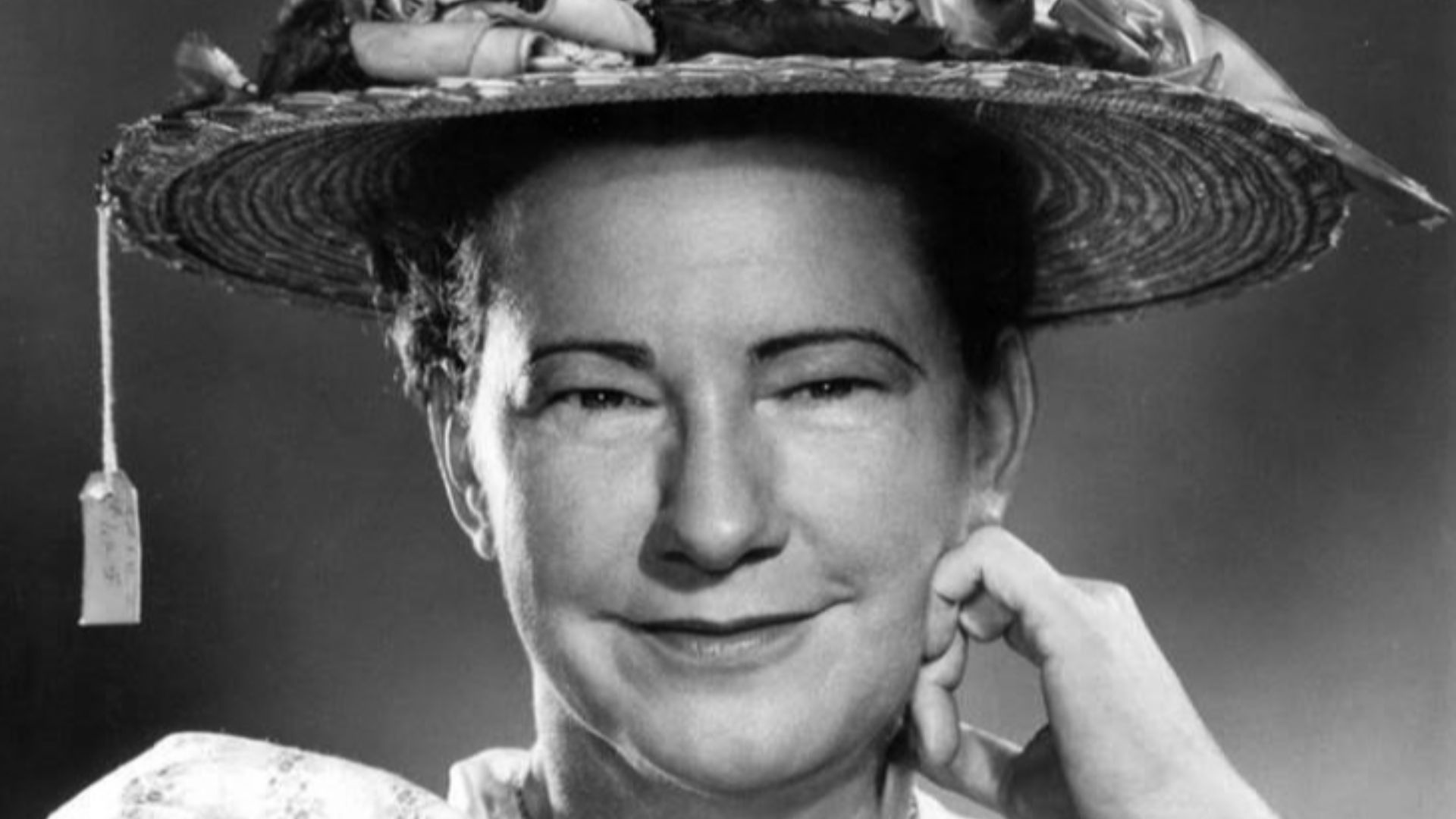
Jackson’s health had already been an issue, and maybe it was for that reason that she entered another industry. She joined up with comedian Minnie Pearl and opened Mahalia Jackson’s Chicken Dinners. She called her chicken “glori-fried” and the restaurants resembled little churches. She also hoped she could empower other Black people who wanted to start businesses.
Jackson had risen from abject poverty to a life of wealth. Now, it was time to take a trip back to where it all started.
 Denny-Moeller Talent, Inc. (management company), Wikimedia Commons
46. She Made A Triumphant Return
In 1969, Mahalia Jackson returned to her hometown, New Orleans. This time, the treatment she received was very different: the Royal Orleans hotel would now welcome her proudly. Before, she would not have been able to enter the lobby. In fact, the hotel was so excited about having Jackson there, they laid out a red carpet for her arrival. Things had certainly changed.
Jackson was ready to spread her message of joy to other parts of the world.
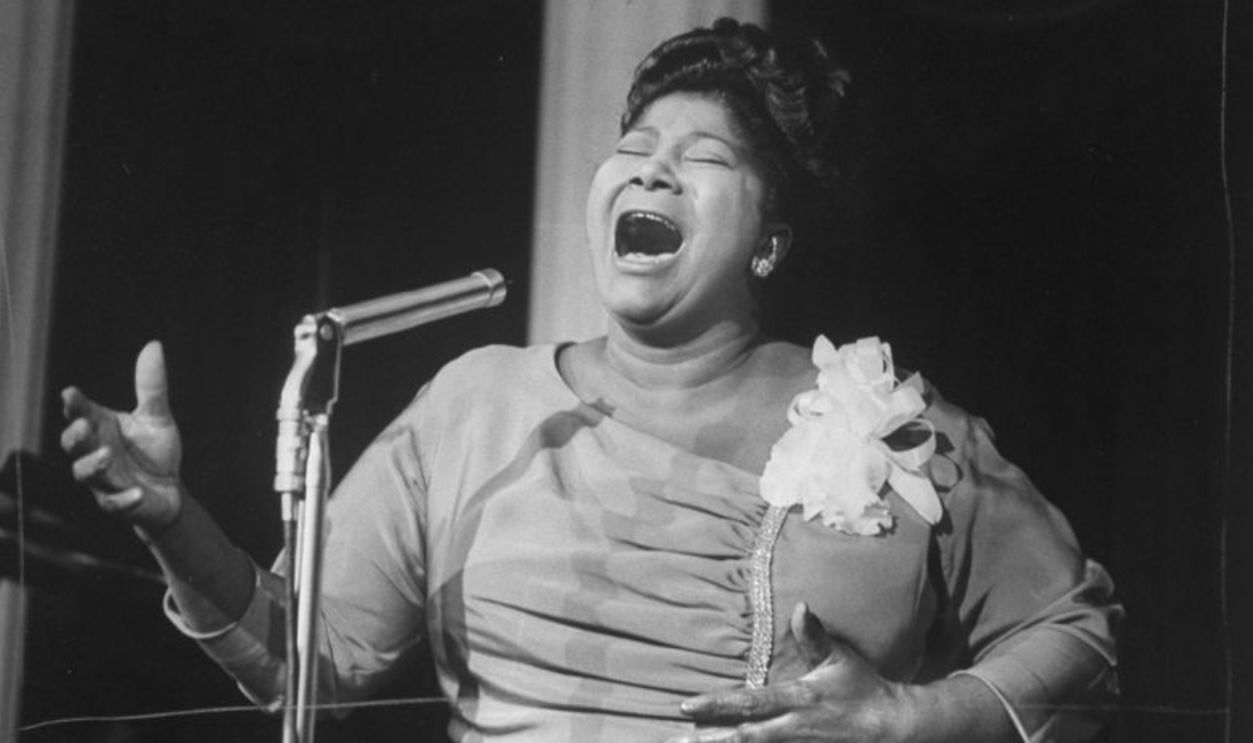
47. She Went International
Jackson wanted to perform for audiences beyond America and Europe. In the late 1960s and early 1970s, she brought her stunning voice to the Imperial Family in Japan and to Indian Prime Minister Indira Gandhi, who said, "I will never hear a greater voice; I will never know a greater person". It seemed that Jackson’s positive message knew no borders.
But there was tragedy ahead for Jackson.
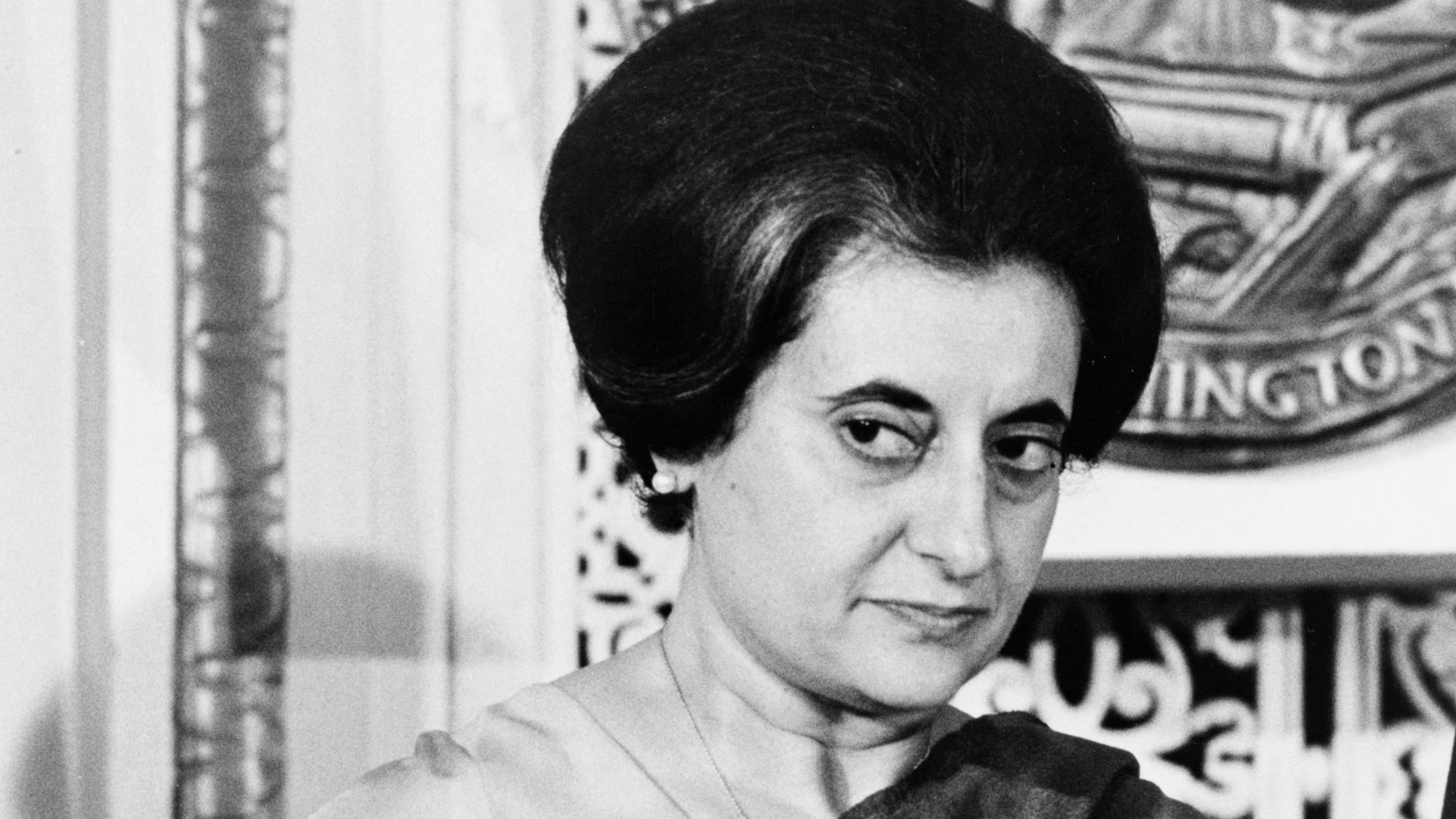 U.S. News & World Report photographer Warren K. Leffler, Wikimedia Commons
48. She Made An Emergency Flight
While on one of her European tours at the beginning of 1972, Jackson became ill. She was in Germany, and she quickly flew back to Chicago. Doctors performed surgery as they had to remove an obstruction in her bowel. Sadly, Jackson passed while in recovery. She was 60 years old. Obviously, we will never forget the legacy of Mahalia Jackson.
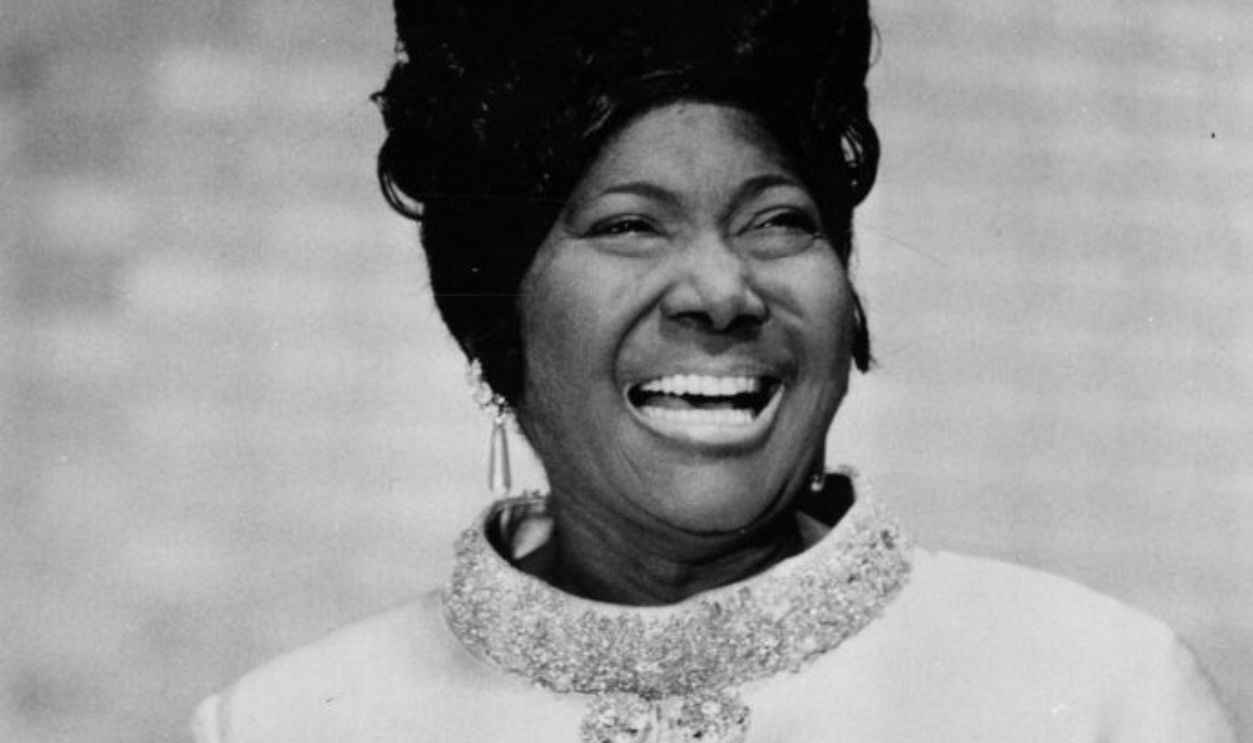
49. She Left A Legacy
Jackson certainly left an unforgettable legacy. They estimate that her record sales were 22 million, and Columbia Records called her the “World’s Greatest Gospel Singer”. Many believe it was she who brought gospel singing to the masses. Also, her rags-to-riches story empowered Black people across the country, and she did it all while staying true to herself and the promise she made.
If these accomplishments weren't enough, there’s more to her place in history.
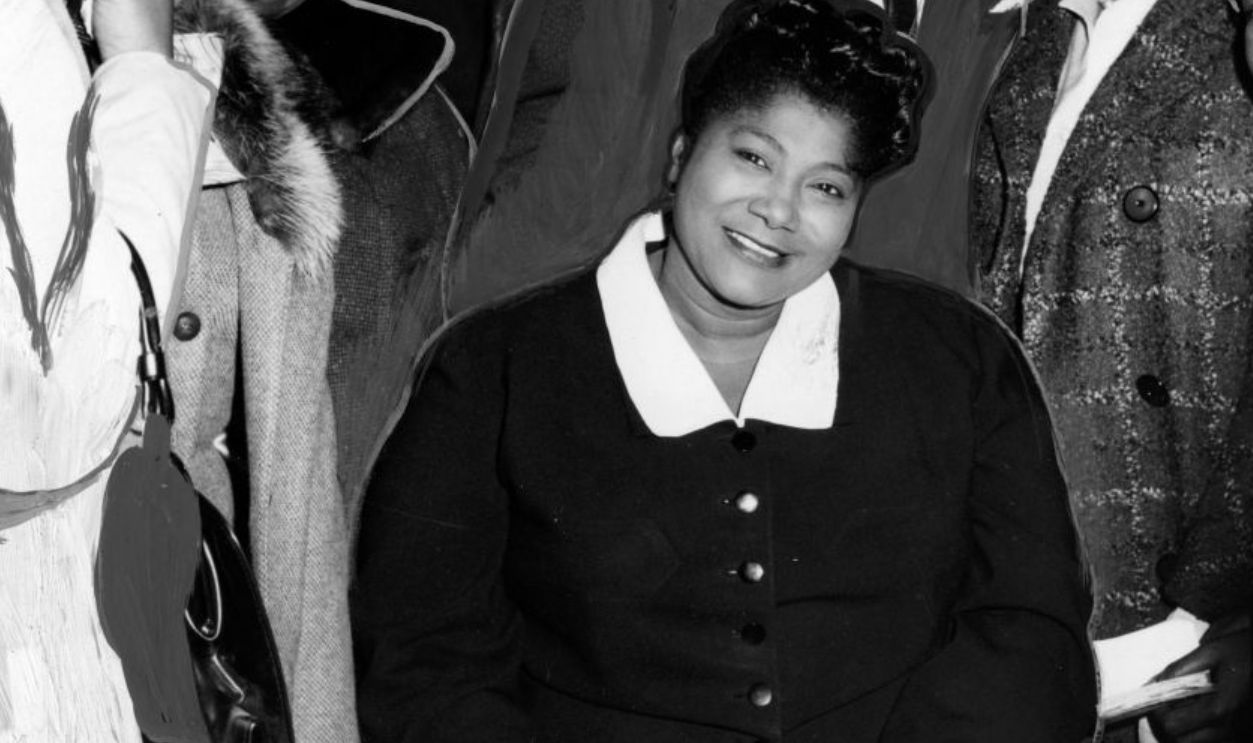 Afro Newspaper/Gado, Getty Images
50. We Won’t Forget Her
There’s no fear of forgetting Mahalia Jackson. There’s been a feature film, a TV movie, and a documentary about her life. Also, the US Postal Service issued a 32-cent stamp in her honor. Strangely, the Rock and Roll Hall of Fame inducted her in 1997. Jackson certainly had not sung this style of music, but they called her an “early influence”. We can only hope she's okay with that.
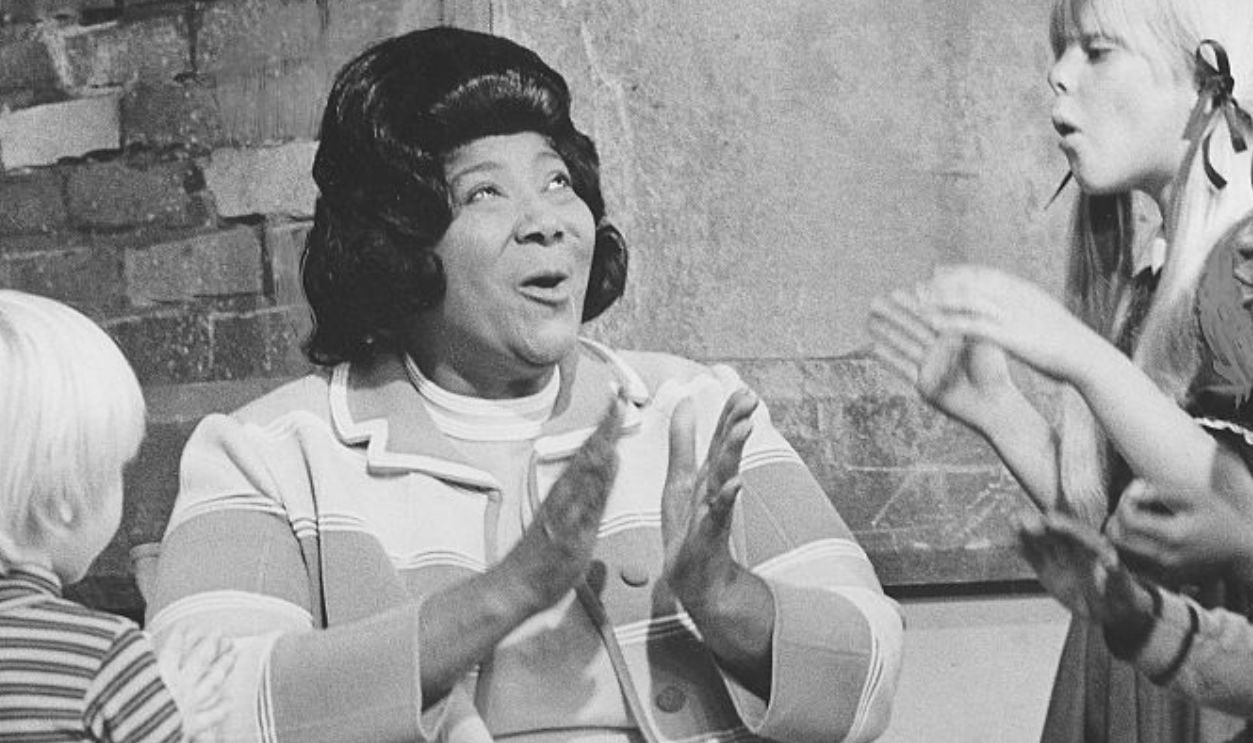 Afro Newspaper/Gado, Getty Images
You May Also Like:
Tragic Facts About Bessie Smith, The Empress Of The Blues
Black and Bluesy Facts About Muddy Waters, The Original Rolling Stone
Outstanding Facts About George Gershwin, The Classical Jazz Pioneer









