Unstoppable And Immovable
Ancient Rome loved to brag about its unstoppable legions, but one man shattered that illusion again and again—and the Romans hated him for it. Hannibal Barca, Carthage’s unstoppable war machine, became the living nightmare stalking Rome’s every battlefield, a commander so brilliant that even his enemies whispered his name with dread.
For him, mercy wasn’t strategy, surrender wasn’t language, and diplomacy was just a joke, because Hannibal fought until the very last shred of fortune finally slipped through his fingers.
1. He Took After His Father
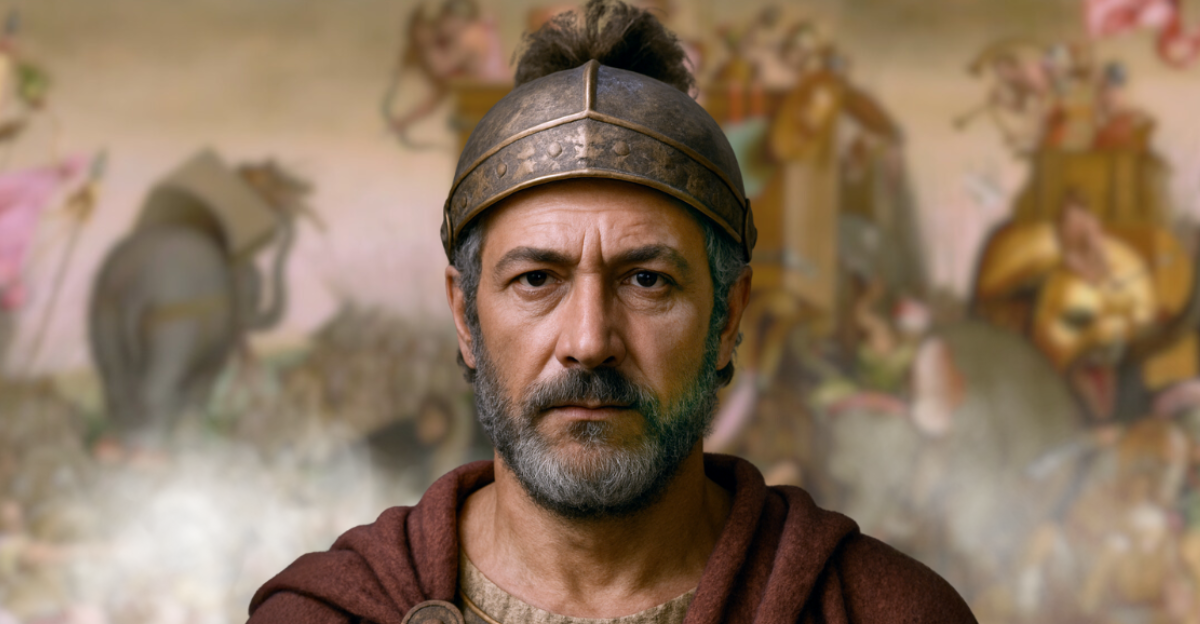
By the end of his life, stories of the cunning and power of Hannibal Barca had spread throughout Rome. However, he didn’t learn the qualities that inspired this kind of reputation all by himself, since Hannibal’s father, Hamilcar, was already a respected warrior before he even started walking. Although ultimately meeting defeat, Hamilcar Barca had led his forces against Rome with formidable guerrilla tactics in the 3rd century BCE.
Hannibal found inspiration in this tenacity from a young age.
 Charles Turner, Wikimedia Commons
2. He Set His Sights Elsewhere
Although Hannibal Barca was still a child at this time, he witnessed his father’s commitment to Carthage and his family firsthand, especially in the wake of his defeat. To recover from the loss against Rome, Hamilcar embarked on another campaign, but this time to conquer and rule over Hispania.
Of course, Hamilcar wouldn’t be around forever, so he issued a startling demand before heading out on his conquest...
3. He Made A Vow
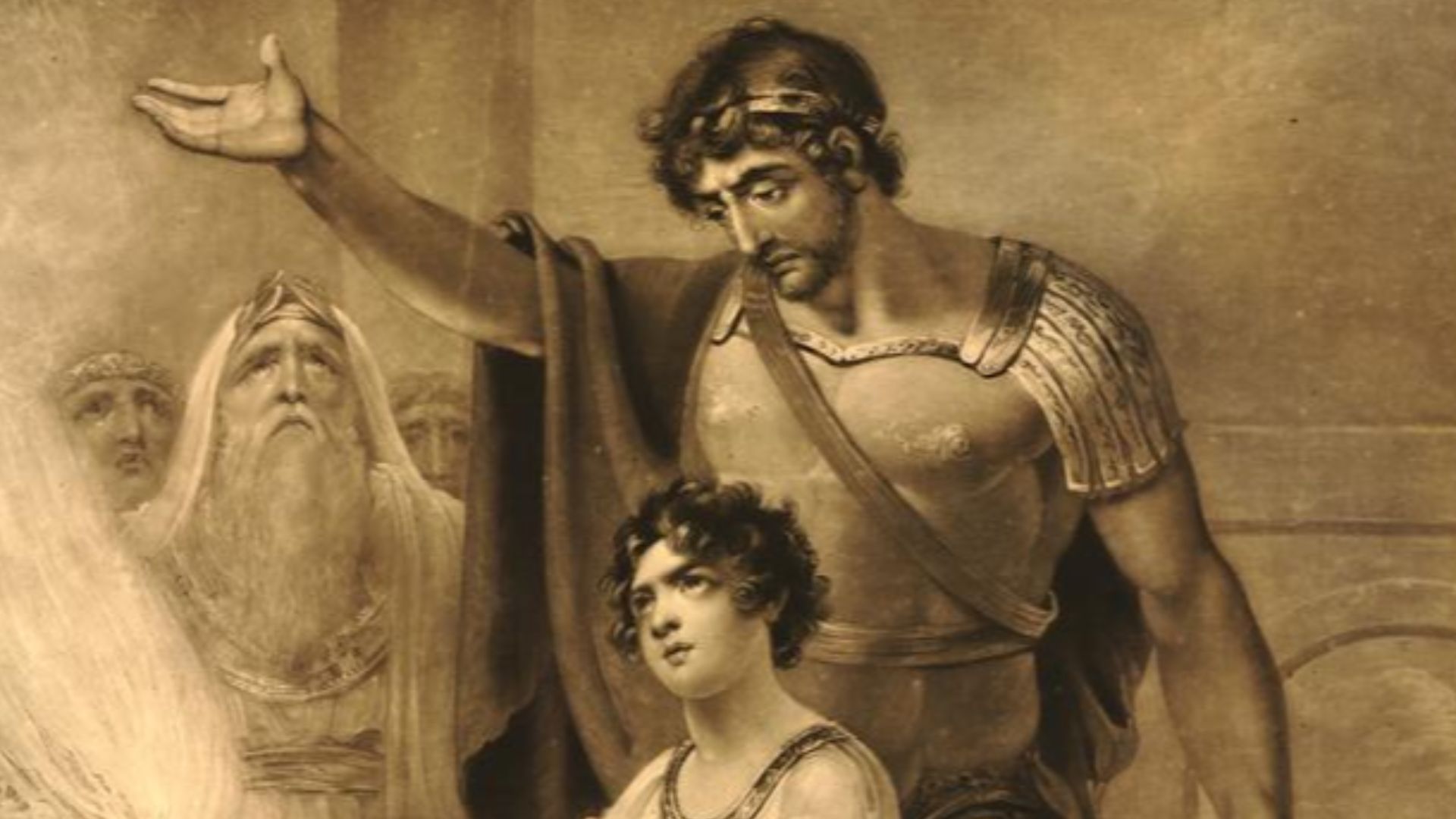
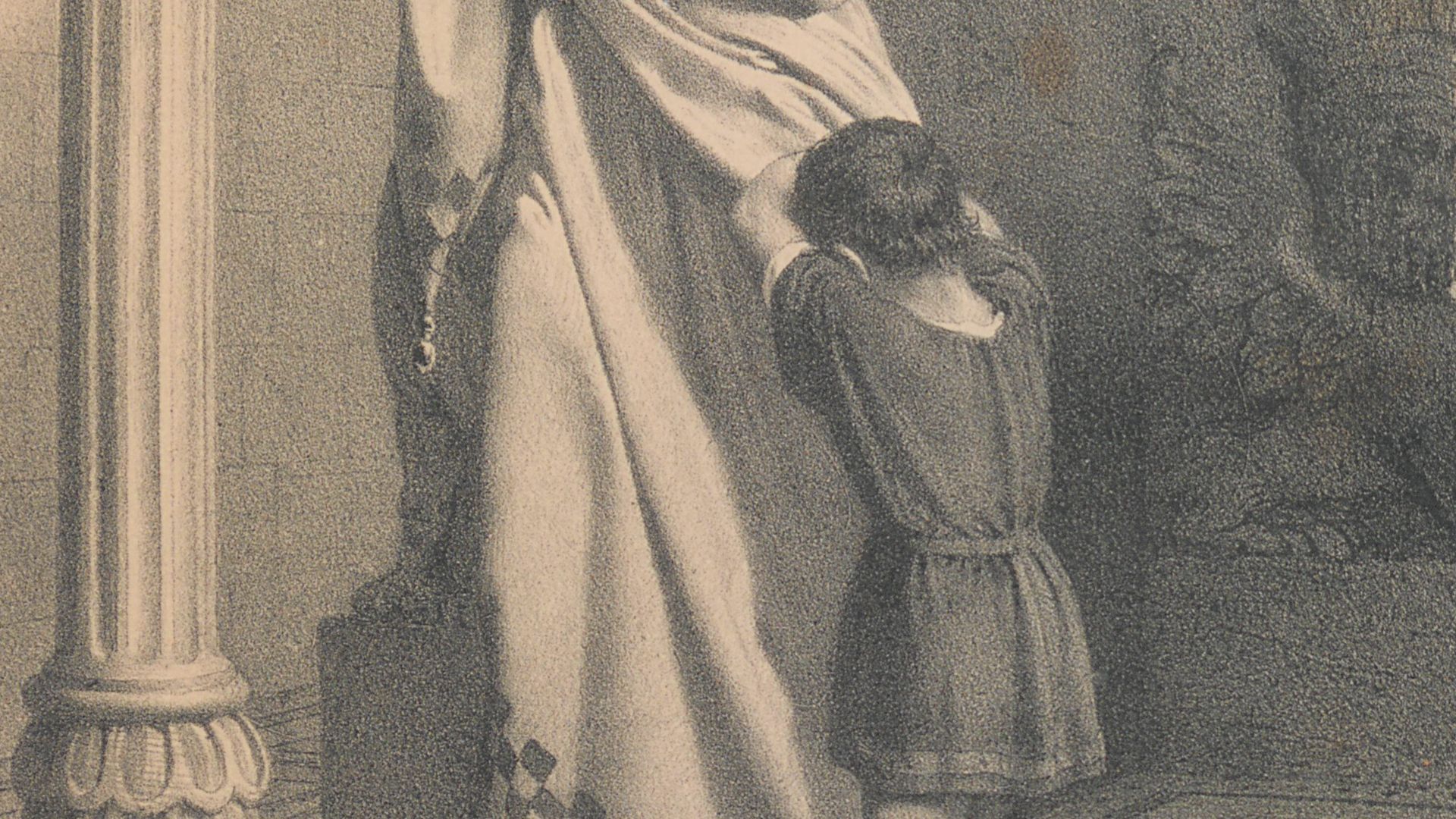
Despite being only nine years old, Hannibal Barca wanted to join his father in battle more than anything, and Hamilcar soon agreed—but not without a promise. While some sources claim that Hamilcar instead forced his son to make this promise while holding him over a fire, the result was the same: Hannibal swore that he would never be a friend to Rome.
This may have proven his dedication, but there was still someone ahead of Hannibal to inherit his father's leadership, for a little while, anyway.
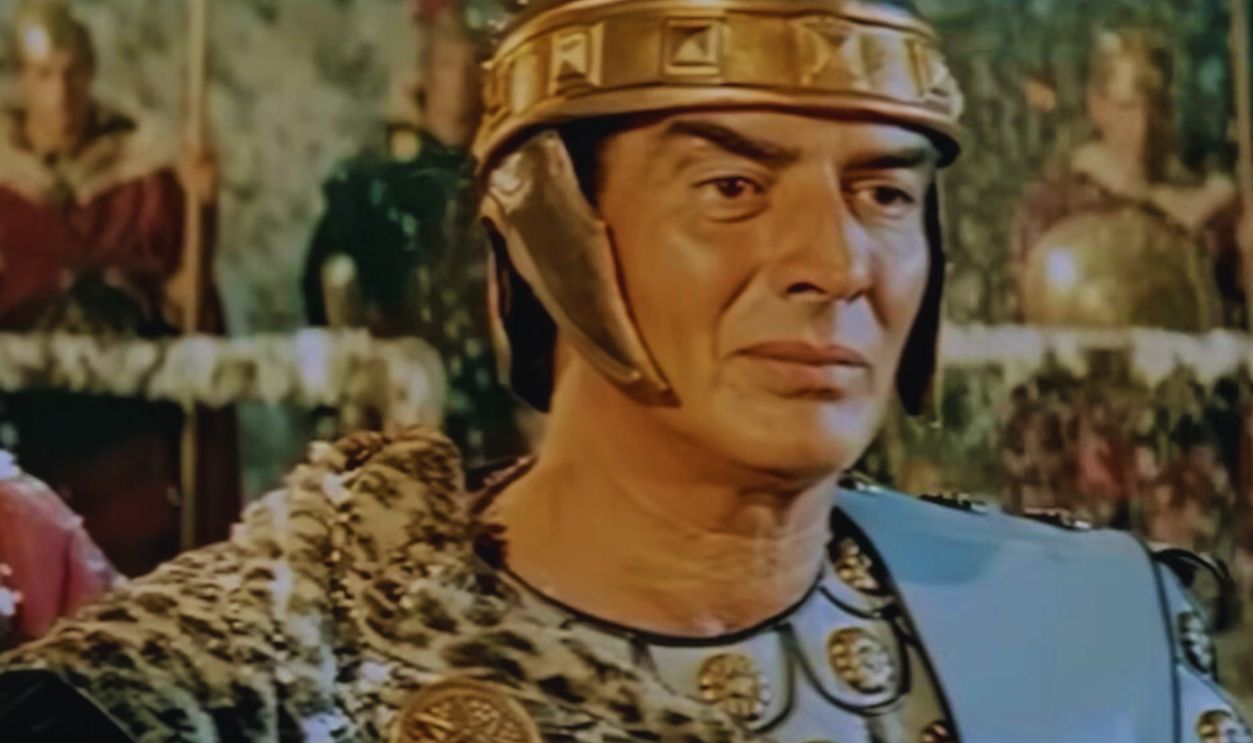 Screenshot from Hannibal, Paramount Pictures (1959)
4. His Brother Moved Up
Unfortunately for him, Hamilcar wouldn’t see the end of his conquest in Hispania, as he perished in battle in 228 BCE—possibly due to drowning. Since Hannibal and his brother were too young to lead, their brother-in-law, Hasdrubal the Fair, took their father’s place as commander. Hannibal wasn’t left with nothing, however, since he served as an officer.
Not to mention, his time to shine wasn’t far off.
 Fratelli Alinari, Wikimedia Commons
5. He Took The Reins
Beginning his post as an officer under his brother-in-law at 18 years old, Hannibal Barca spent the next eight years serving Hasdrubal the Fair diligently and effectively. So, when an assassin slew Hasdrubal in 221 BCE, there was a clear choice for his replacement, beyond any family ties. Supported by the Carthaginian government, Hannibal then became their army’s commander-in-chief.
Meanwhile, he was also ensuring that he continued their bloodline.
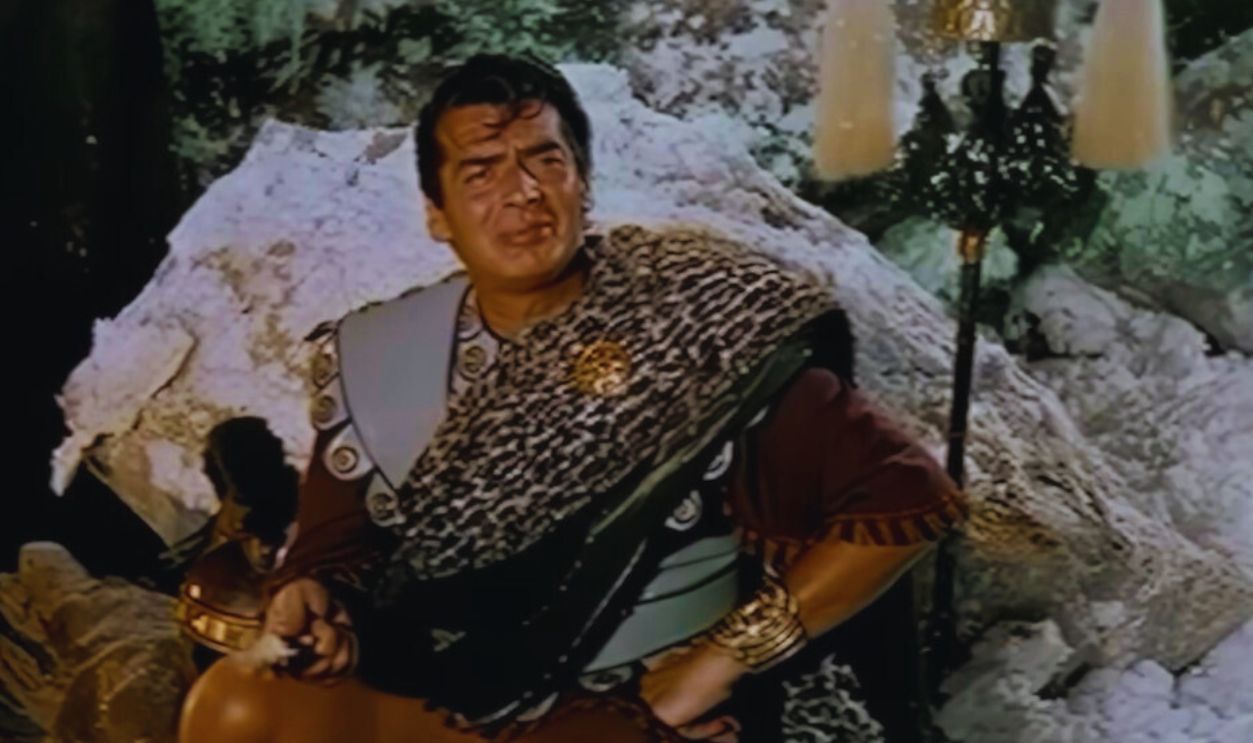 Screenshot from Hannibal, Paramount Pictures (1959)
6. He Had A Family
While Hannibal’s reputation as a warrior and leader may have become well-known, much of his more personal information has been lost to time. For instance, while it’s likely that he eventually made a family, not much is known about who they were. Sources claim that his wife, Imilce, was from the Spanish city of Castulo, and that they may have had a son named Aspar or Haspar; however, most other details remain unclear.
His reputation as a commander, however, soon proved completely unforgettable.
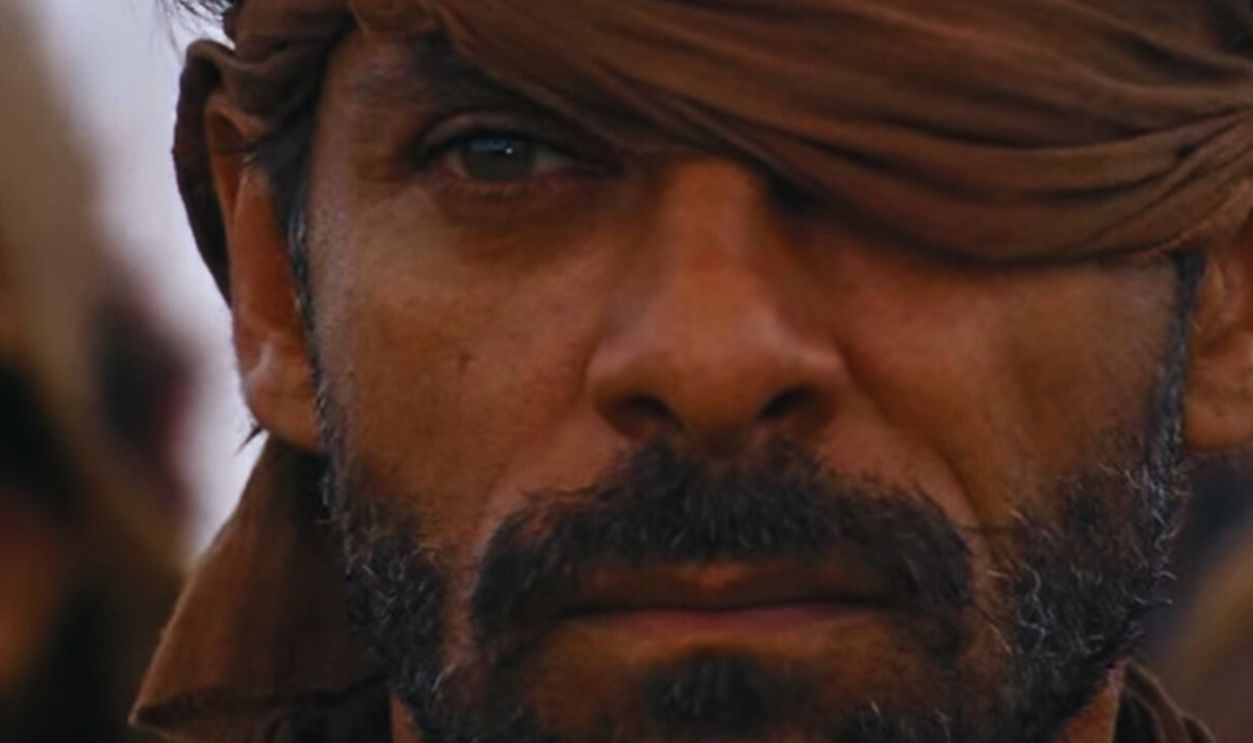 Screenshot from Hannibal: Rome's Worst Nightmare, BBC (2006)
7. They Were Concerned
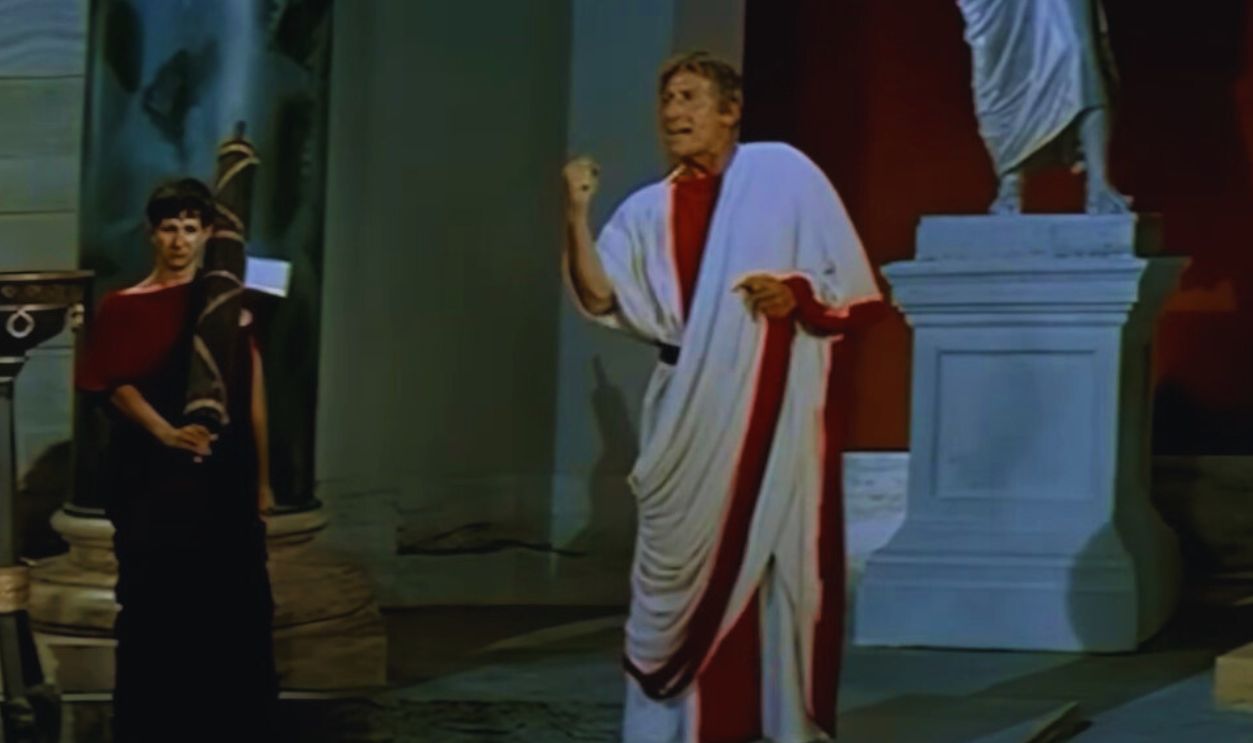
Over the next few years following his appointment as commander-in-chief, Hannibal Barca had major success in his campaigns, and Rome began to take notice. Foreseeing that they would need whatever advantages they could find for an eventual conflict with Carthage, the Romans allied with Saguntum in Hispania and made it a protectorate of theirs.
Naturally, Hannibal wasn’t one to back down from a challenge.
 Screenshot from Hannibal, Paramount Pictures (1959)
8. He Took It As A Sign
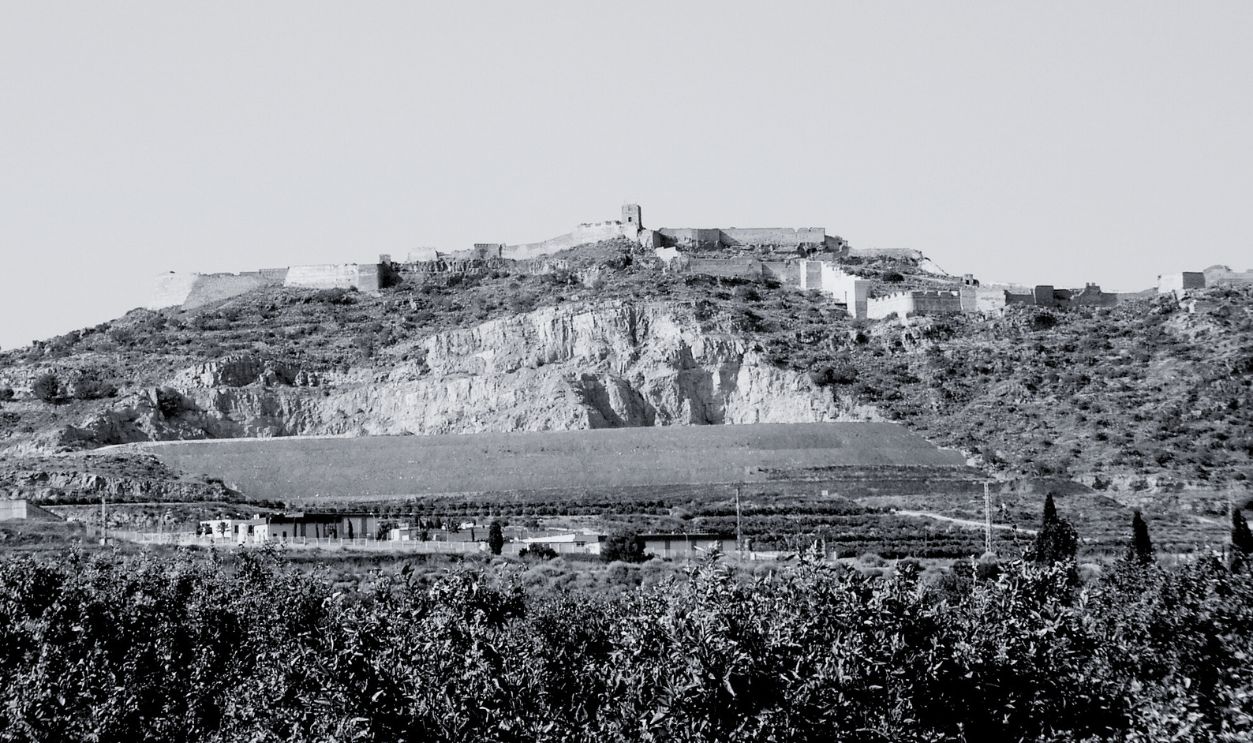
Back when Hannibal’s brother-in-law was alive, Rome brokered a peace treaty with Hasdrubal, which prevented Rome from expanding south of the Ebro River in Hispania. Since the city of Saguntum lay south of the river, Hannibal declared their alliance with Rome a violation of this treaty before spending the next eight months conquering the city.
And with that, Hannibal was off on his biggest campaign yet.
 User:Pelayo2, Wikimedia Commons

History's most fascinating stories and darkest secrets, delivered to your inbox daily.
9. He Began His Journey
With his victory and spoils from Saguntum helping his cause, Carthage supported Hannibal’s proposed campaign against Rome, which he embarked on in 218 BCE. Heading to the Pyrenees mountain range, several of the region’s tribes stood in his way, but his army made quick work of them before arriving at the range’s foothills.
Still, Hannibal Barca knew he didn’t need to achieve everything through fighting.
 Screenshot from Hannibal, Paramount Pictures (1959)
10. He Played Nicely
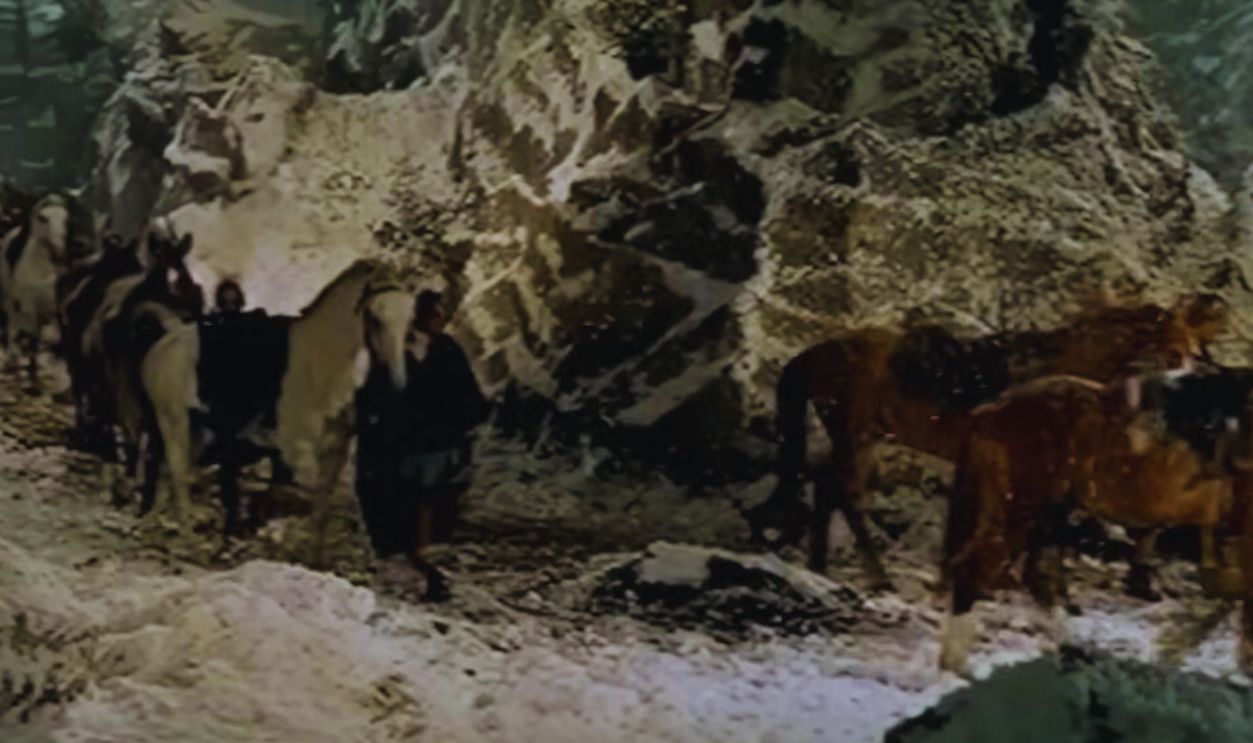
Hannibal had already forged his path to the Pyrenees, but he still needed to cross those mountains—and more iconically—the Alps. To do so, he would be traveling through Gaul and the many other tribes that inhabited the area, but this time, he chose diplomacy instead of conquest and passed through peacefully.
While this journey would be one of his most famous acts, the question of “how?” remains.
 Screenshot from Hannibal, Paramount Pictures (1959)
11. They Can’t Agree
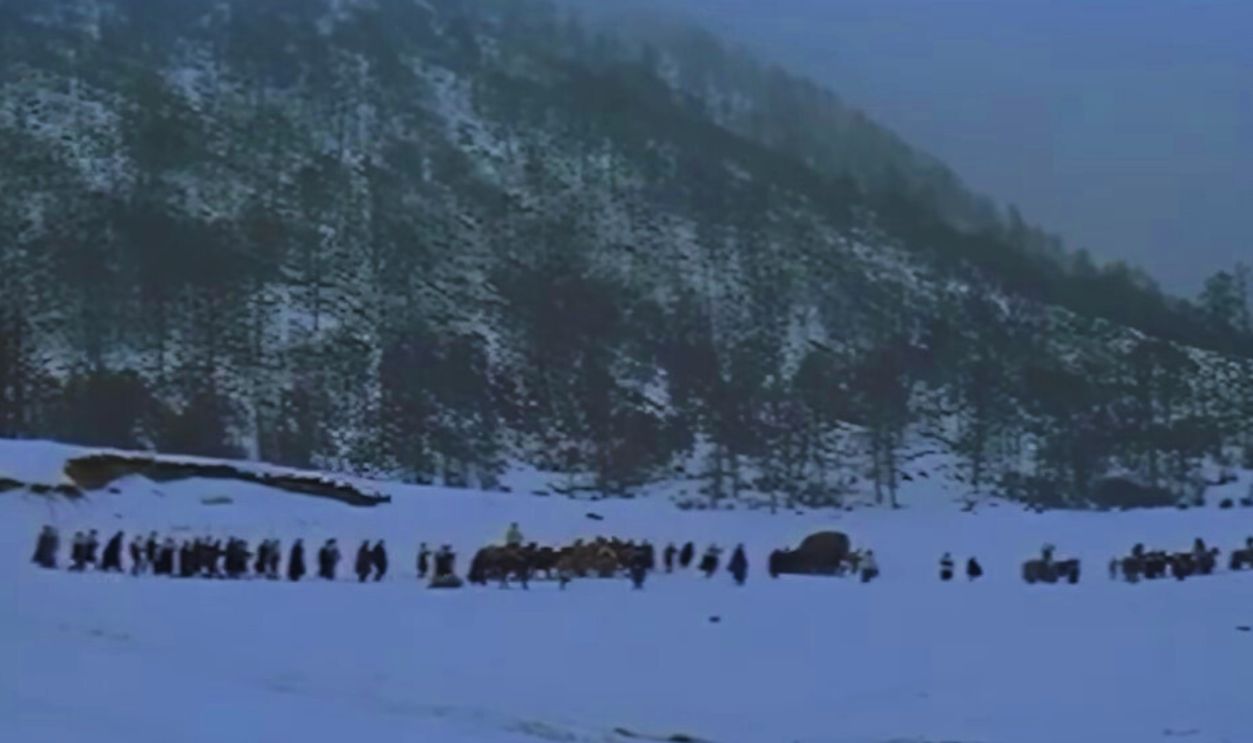
Today, the exact route Hannibal Barca used to cross the Alps is unclear, and even in the earliest surviving account by the Greek historian Polybius, Hannibal’s method was largely debated. While other theories have arisen, those that most scholars accept are that his army either crossed the Col de Montgenèvre mountain or went through the Little St Bernard Pass.
No matter how exactly he did it, it was far from an easy expedition.
 Screenshot from Hannibal, Paramount Pictures (1959)
12. He Lost Some On The Way
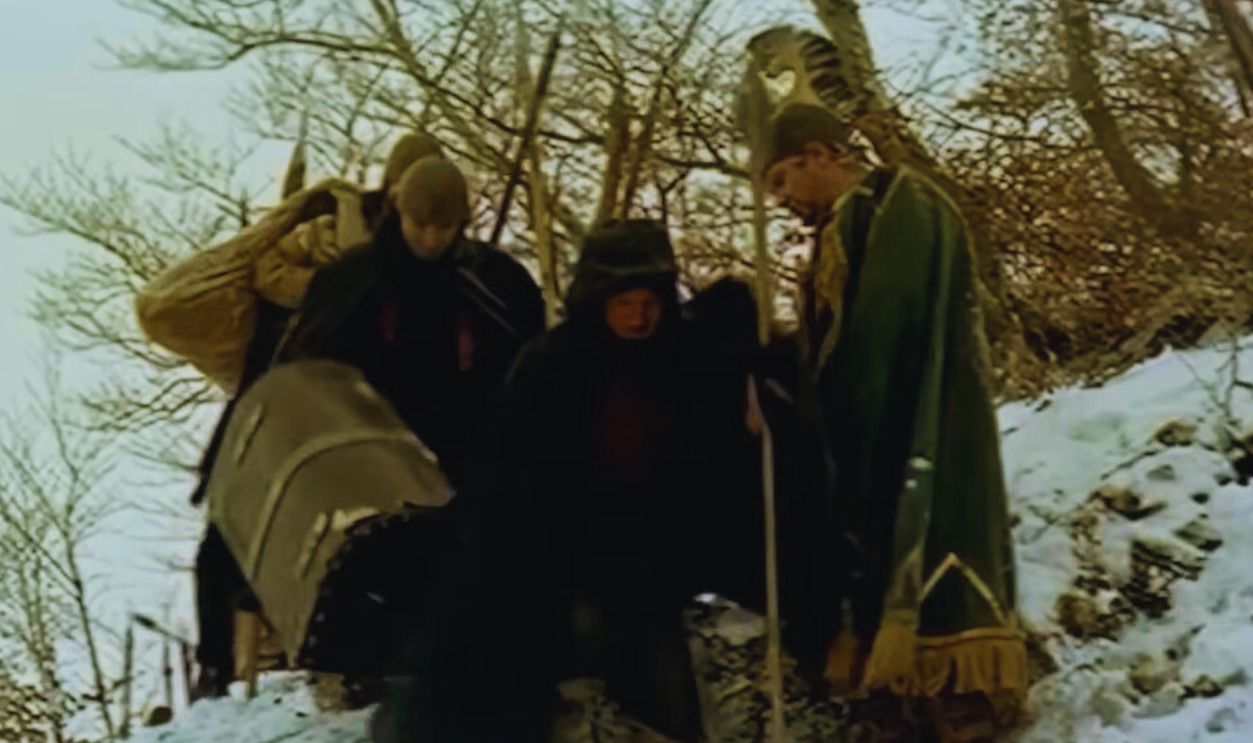
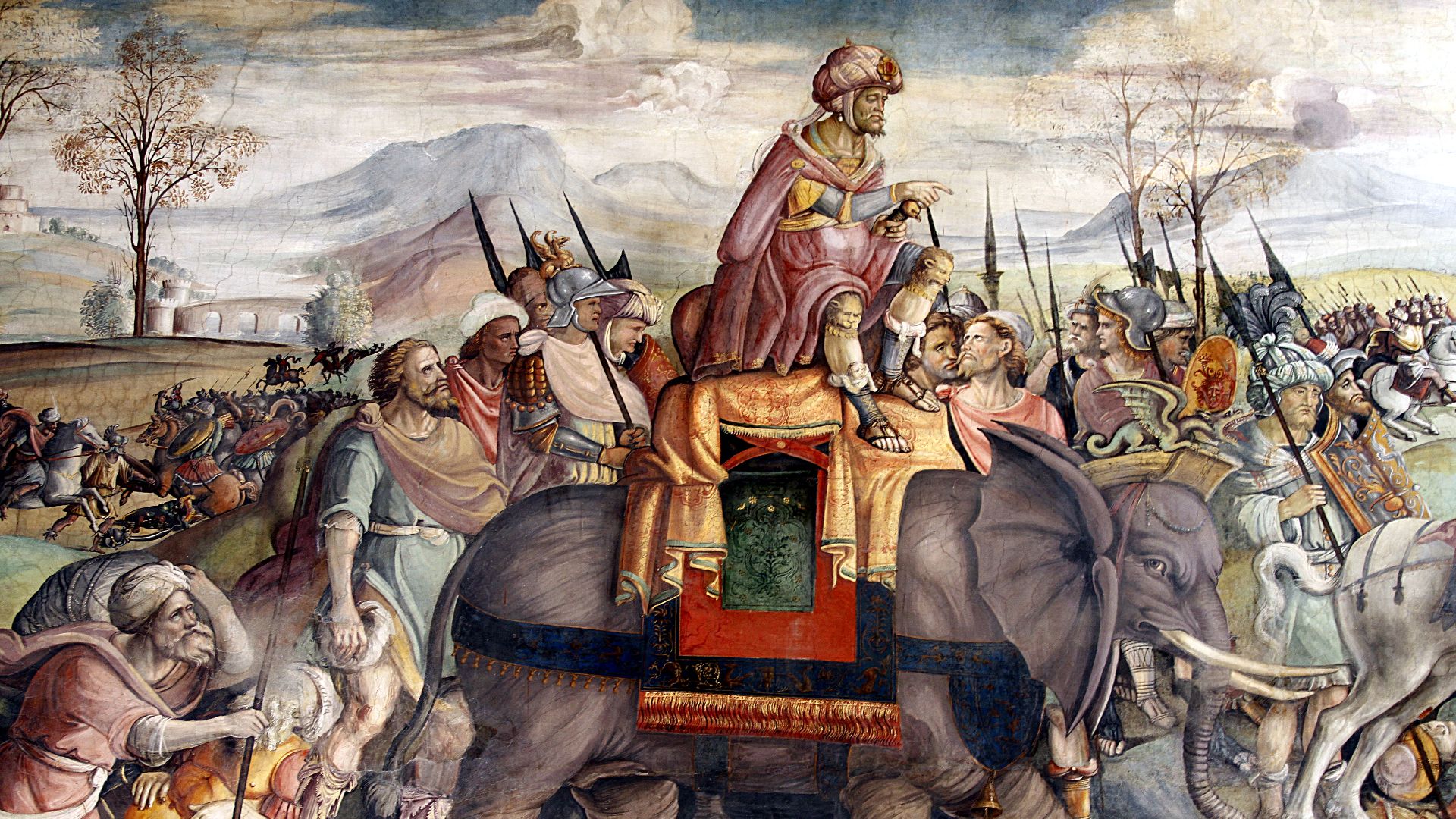
When he had entered Gaul and was preparing to cross the Alps, Hannibal boasted an impressive army of 8,000 cavalry and 38,000 infantry. Not to mention that, as part of his edge against the Romans, he brought along 38 elephants, which he trained for battle. However, mainly due to his army’s inexperience in the harsh conditions, he emerged from the Alps with about half his men and only a handful of elephants.
If it weren’t for his competence, though, they would have fared far worse.
 Screenshot from Hannibal, Paramount Pictures (1959)
13. He Was A Problem Solver
Beyond the resistance Hannibal’s army met from a few Gaulish tribes, they had to contend with the many threats that the Alps themselves posed. Still, he relied on his intelligence to overcome most obstacles, including the deadly rockslides that would occur. According to a source, he used a firesetting technique for this, heating the large rocks in their path with fire and quickly dousing them with vinegar to shatter them.
Recognizing his persistence, Rome wasn’t about to take this sitting down.

14. They Sent Someone After Him
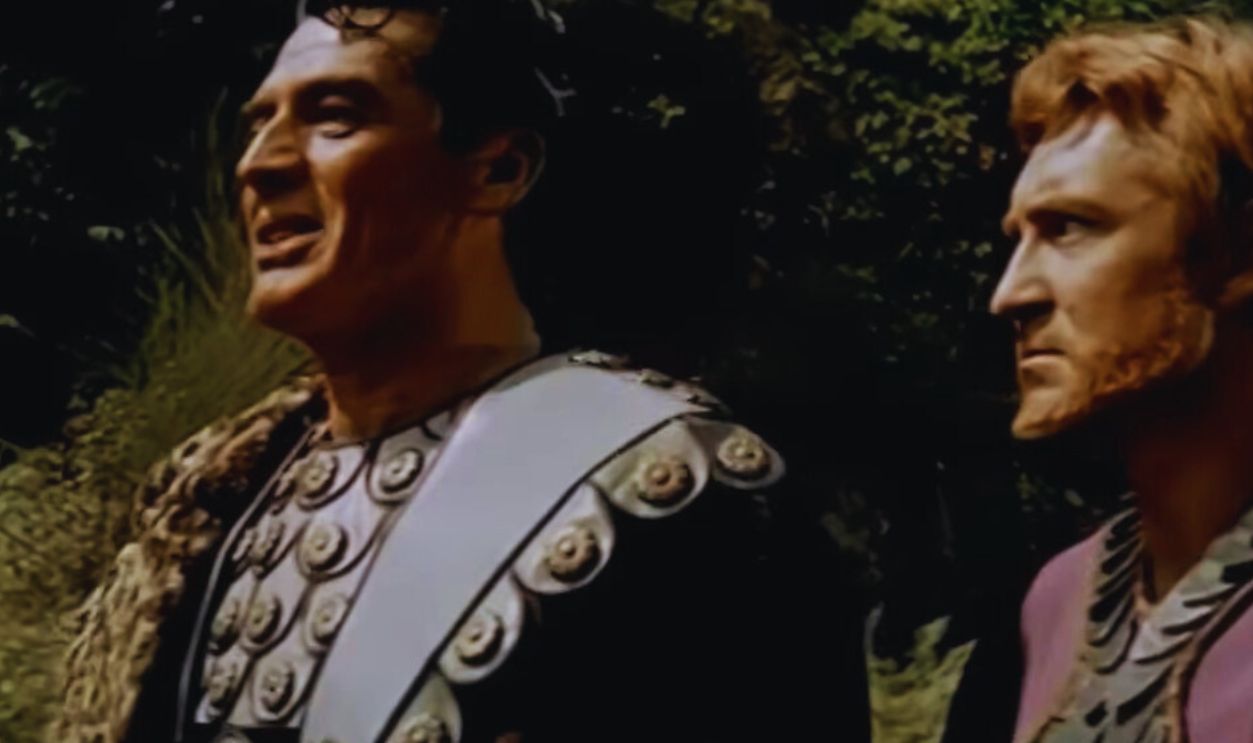
The last thing the Romans wanted was to fight Hannibal Barca on their home turf, but as he successfully crossed the Alps and arrived in Italy, they had no choice but to engage him. Not only that, but he managed to persuade some of the Gaulish tribes in the Po Valley to abandon their loyalty to Rome. However, there was already someone on the case, as the Romans had dispatched General Publius Cornelius Scipio to challenge Hannibal.
At last, Hannibal had gotten the fight he was looking for.
 Screenshot from Hannibal, Paramount Pictures (1959)
15. They Finally Clashed
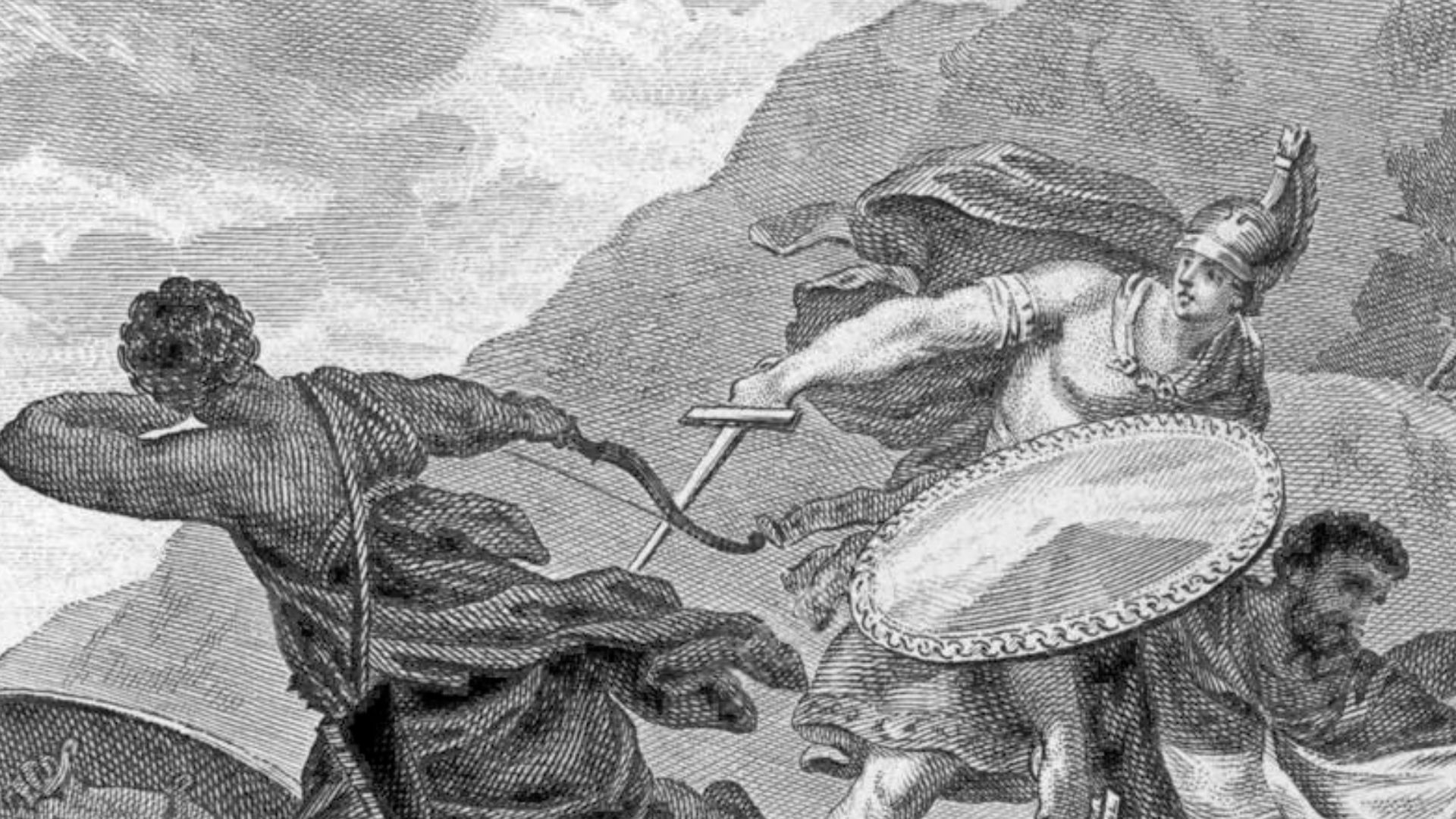
Scipio was already trying to find Hannibal and put him down, but hadn’t foreseen him trying to cross the Alps, so he was still back in the Iberian Peninsula. However, when he received news that Hannibal had reached Italy, Scipio rushed his army back by sea and caught up to Hannibal, meeting in the Battle of Ticinus.
With that one fight, the Romans discovered why Hannibal was such a threat.
 Silvestre David Mirys, Wikimedia Commons
16. He Proved The Superior
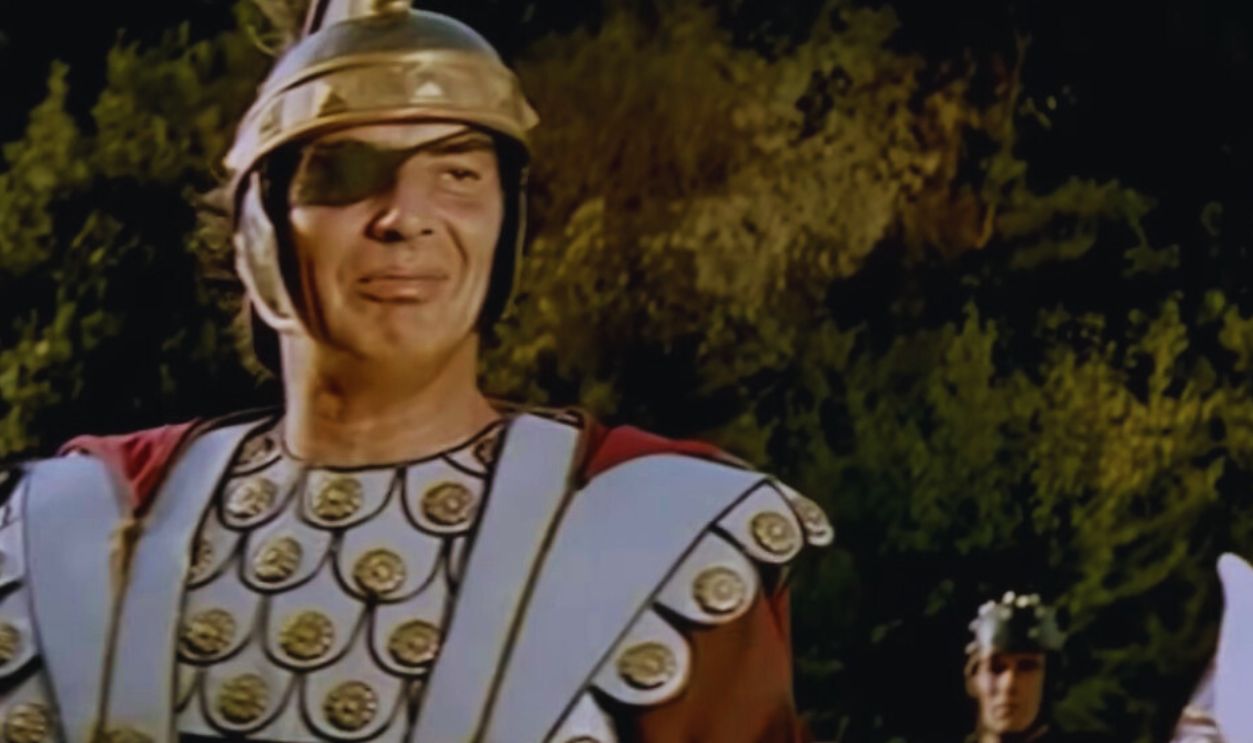
Exhausted from the long and treacherous journey, and down more than half of his forces, Hannibal Barca was in no shape to face Scipio’s army—or so the Romans thought. As it turned out, the Carthaginian cavalry was far more effective than their enemy’s, and Hannibal sent the Romans packing, severely injuring Scipio in the process.
Suddenly, however, Hannibal had more to worry about than the Romans.
 Screenshot from Hannibal, Paramount Pictures (1959)
17. He Was Paranoid
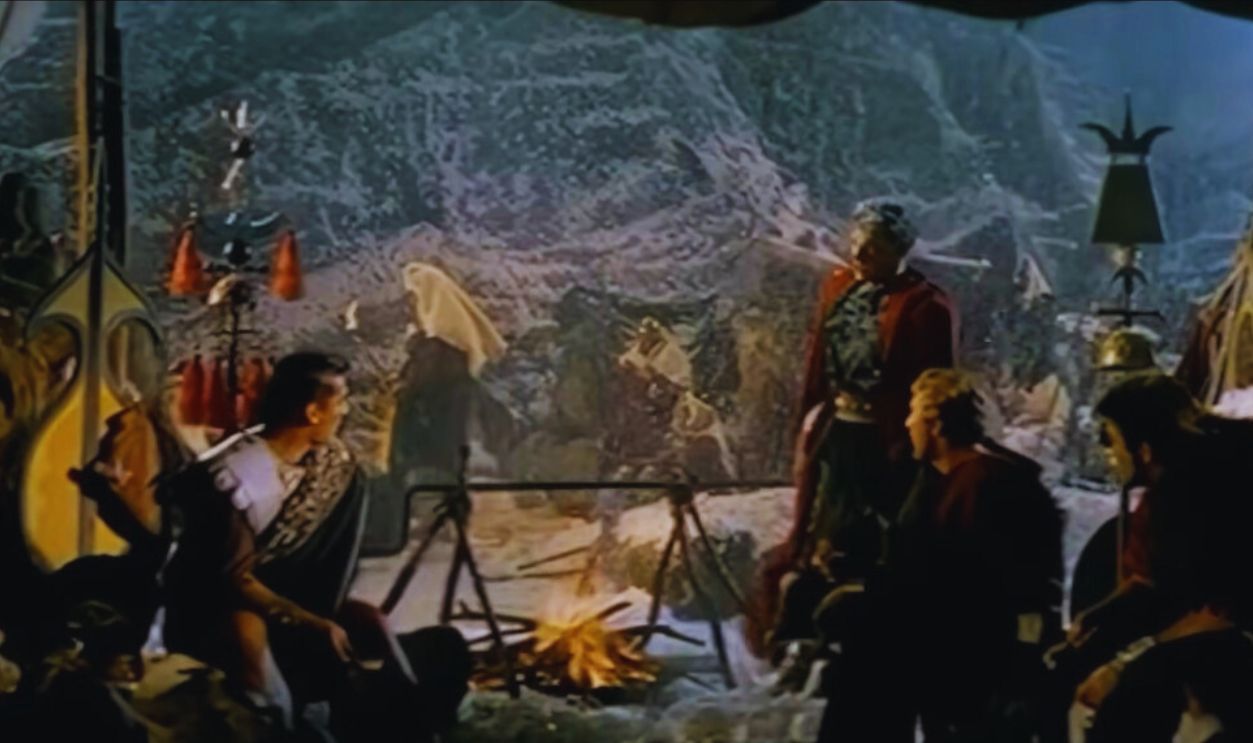
By the winter, Hannibal Barca had overcome several other Roman forces sent after him, but had to find a haven for his army to wait out the cold months. Camping in the Po Valley, he found this brought its own risks, since the Gauls had become much less pleased with him. To avoid any attempts on his life, he disguised himself using a variety of wigs to ensure no one would know it was him.
Meanwhile, the Romans tried to stop him using other methods.
 Screenshot from Hannibal, Paramount Pictures (1959)
18. They Blocked Him Off
Despite threats from his enemies, both external and internal, Hannibal survived the winter and prepared to continue his campaign further into Italy. However, he wasn’t the only one getting ready, as the new Roman consuls, Gaius Flaminius and Gnaeus Servilius, blockaded the eastern and western routes to Rome, determined to halt his progress.
But he wouldn’t let their attempts stop his grand conquest, regardless of what it cost him.
 Screenshot from Hannibal, Paramount Pictures (1959)
19. He Had No Other Choice
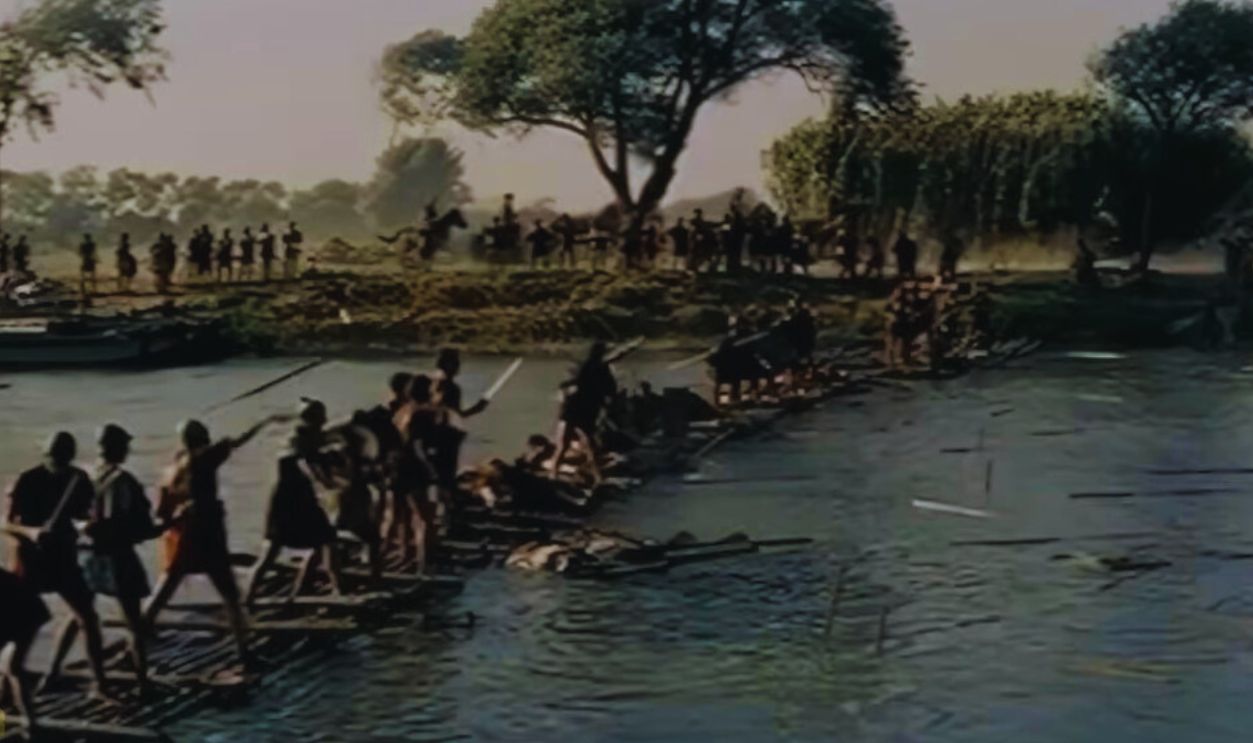
Wanting to avoid a confrontation with either of the Roman consuls, Hannibal Barca looked for an alternative path into Rome, settling on a route that lay at the mouth of the Arno River. Under normal circumstances, the heavily flooded route would have been out of the question, but there was no other way of proceeding—so Hannibal took it.
With this, his men endured yet another grueling obstacle.
 Screenshot from Hannibal, Paramount Pictures (1959)
20. He Lost Much More
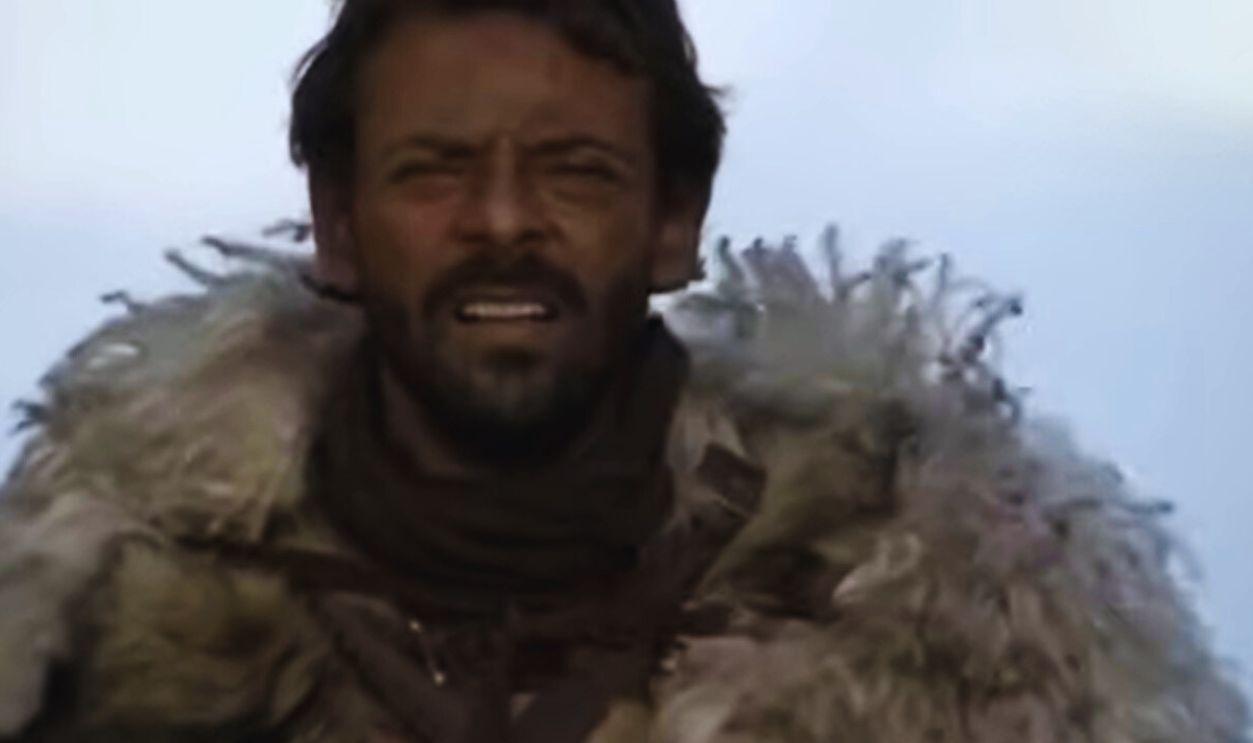
In the thick and flooded marshlands around the Arno River, Hannibal’s army was at a major disadvantage, and the Romans could have easily overtaken him—but they didn’t. Perhaps they knew there was no need, as the terrain took care of his exhausted forces for them. By the time he arrived in the Etruria region in Central Italy, he had lost his eye to conjunctivitis, and another substantial chunk of his men had perished.
Nonetheless, now in a better position, Hannibal was ready to defeat his next opponents.
 Screenshot from Hannibal – Rome's Worst Nightmare, BBC (2006)
21. He Called Him Out
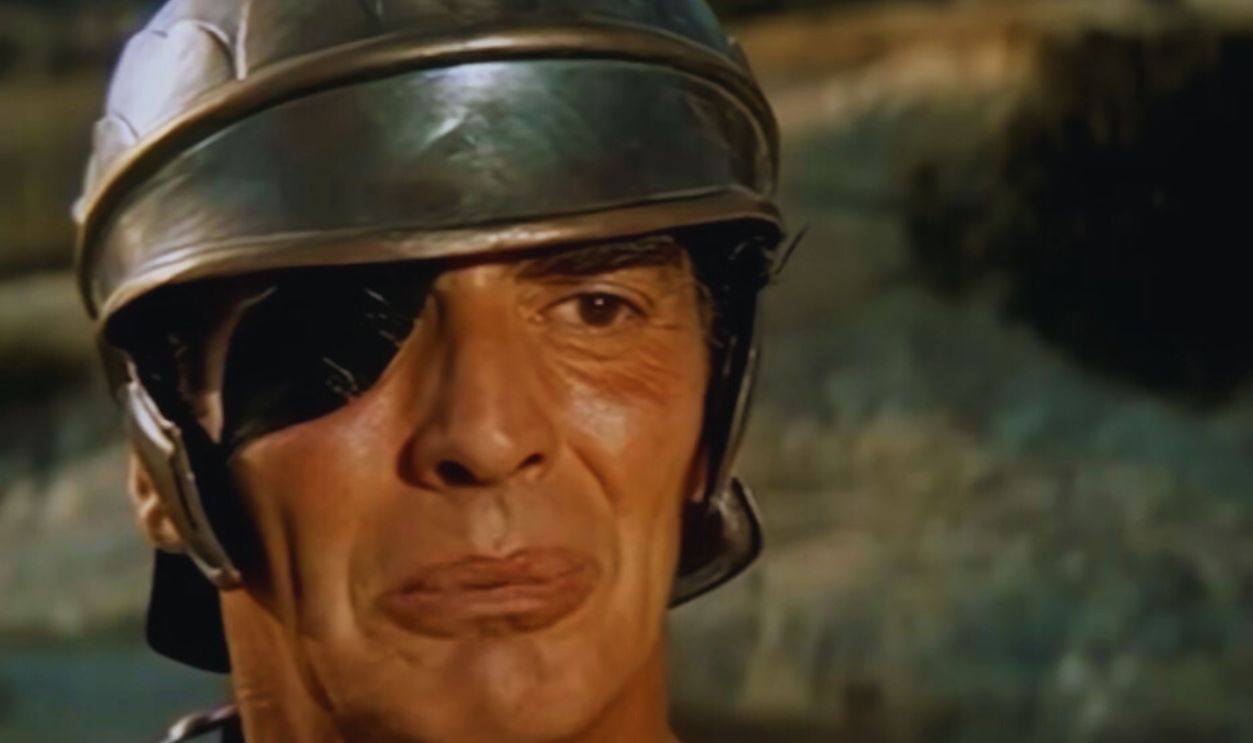
Hannibal Barca had lost many of his men by the time he reached Etruria, but his confidence in his capabilities never faltered, and he set his sights on Gaius Flaminius. Knowing that the consul was watching over the region, Hannibal pillaged and terrorized the area, hoping to entice Flaminius into fighting him.
Instead, Flaminius did something completely unexpected...
 Screenshot from Hannibal, Paramount Pictures (1959)
22. He Wouldn’t Budge
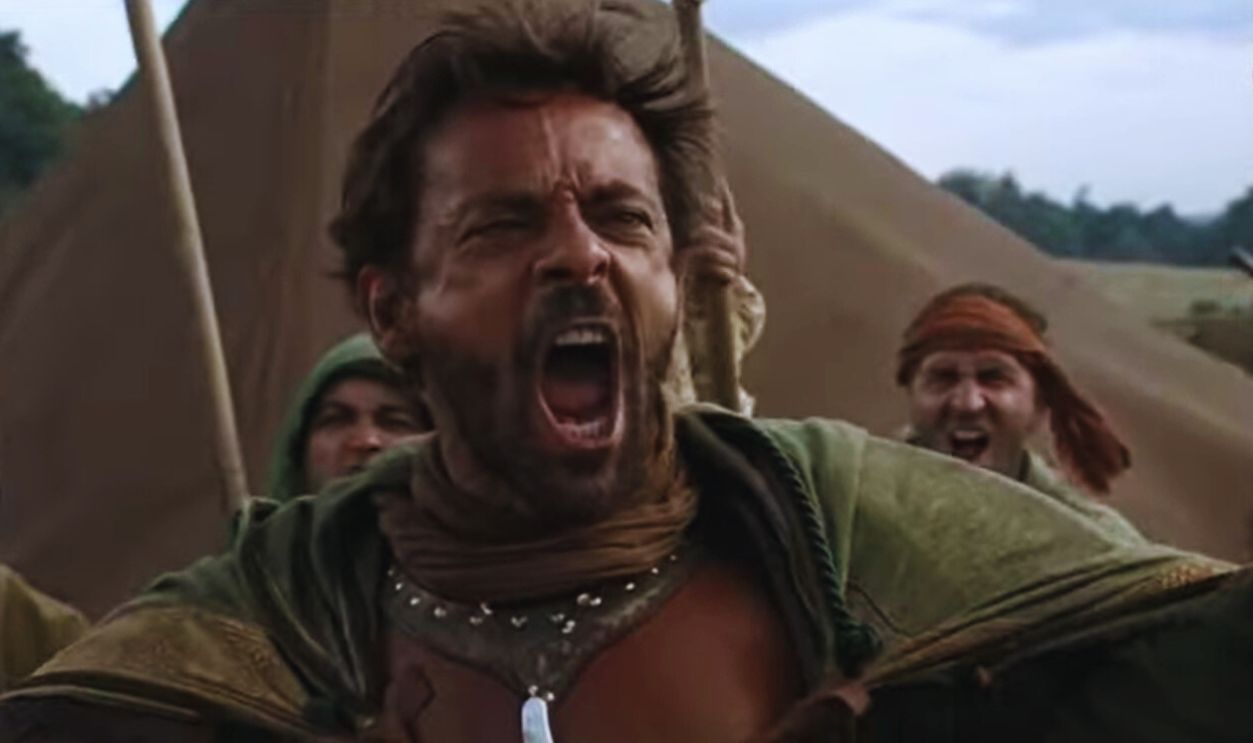
Although effectively undermining Flaminius’ authority in the area and making him look like an incompetent defender, Hannibal couldn’t get a reaction from the consul. Even when Hannibal dared to march his army past Flaminius’ left flank, the Roman leader refused to give in and kept his forces camped at Arretium.
Unfortunately for the Romans, Flaminius couldn’t resist for long.
 Screenshot from Hannibal – Rome's Worst Nightmare, BBC (2006)
23. He Got Inside His Head
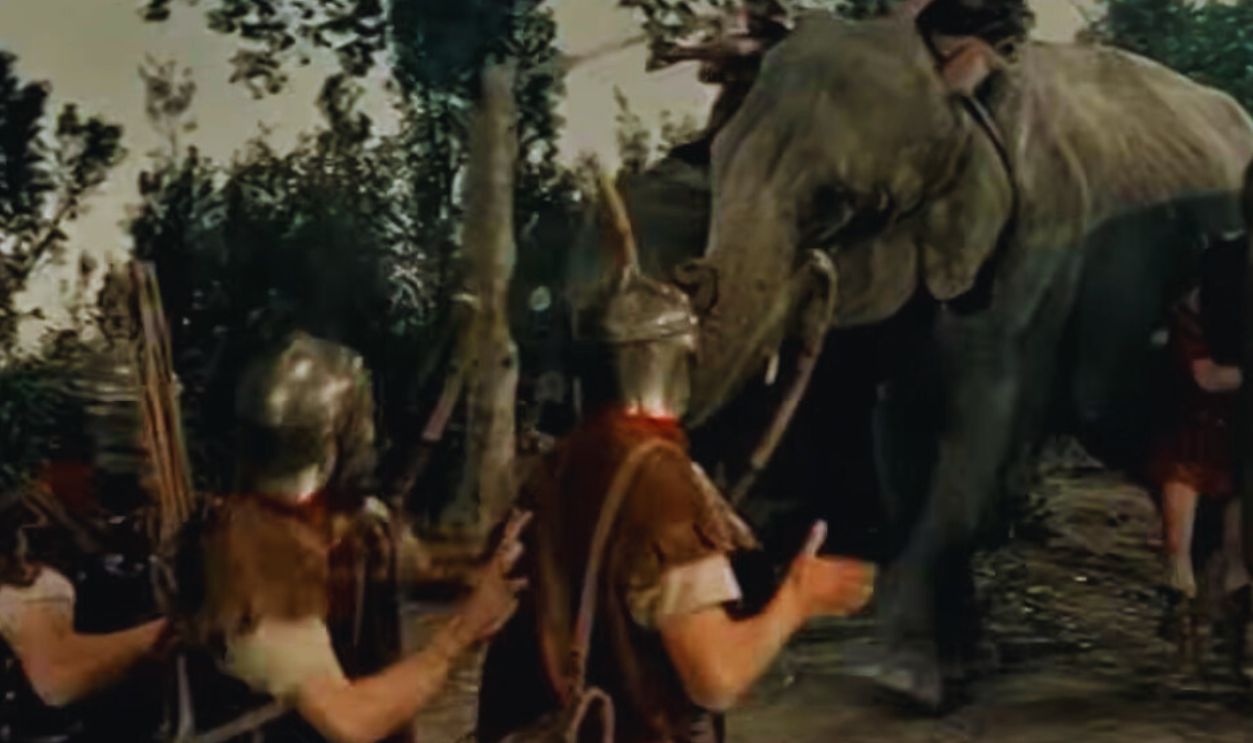
Hannibal Barca now stood between Flaminius and Rome, and while the consul had remained passive up till this point, something had to be done. Unable to risk Hannibal’s further progress into Etruria, Flaminius could no longer avoid a battle. He chased after them, but Hannibal was too smart, ambushing the Roman army near Lake Trasimenus and devastating them—slaying Flaminius in the process.
Understandably, it was time for some new blood on the battlefield.
 Screenshot from Hannibal, Paramount Pictures (1959)
24. They Weren’t Happy With Him
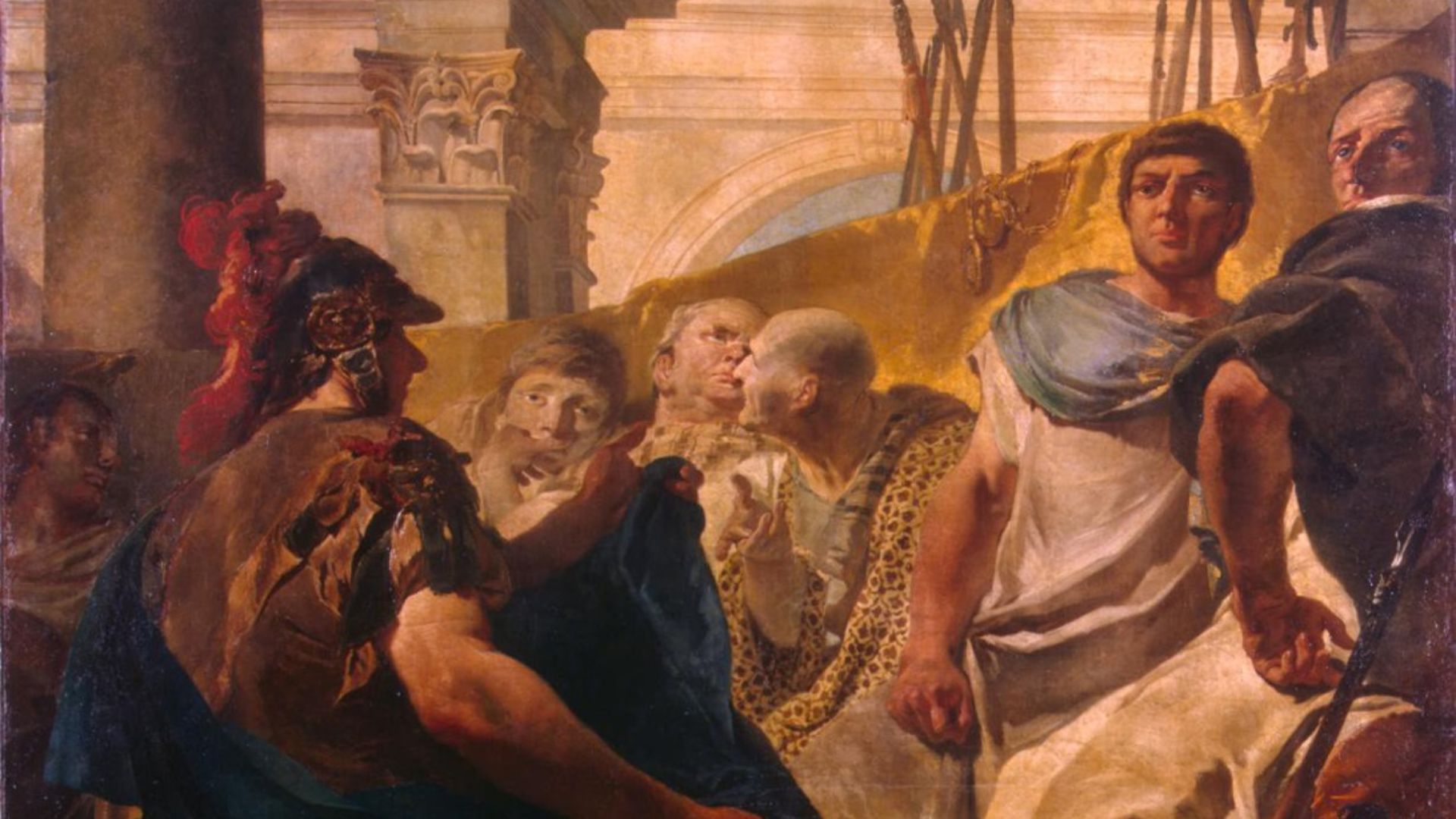
The threat of Hannibal Barca was becoming increasingly dire to the Romans, so to destroy him once and for all, they appointed Quintus Fabius Maximus Verrucosus as dictator. However, while Hannibal continued to ravage the area, Fabius ordered his forces to remain on the defensive. Like Flaminius, Fabius refused to let Hannibal draw him into battle, angering many of the Roman people who believed he was acting cowardly.
Hannibal, on the other hand, found himself running out of options.
 Giovanni Battista Tiepolo, Wikimedia Commons
25. He Had Nowhere To Go
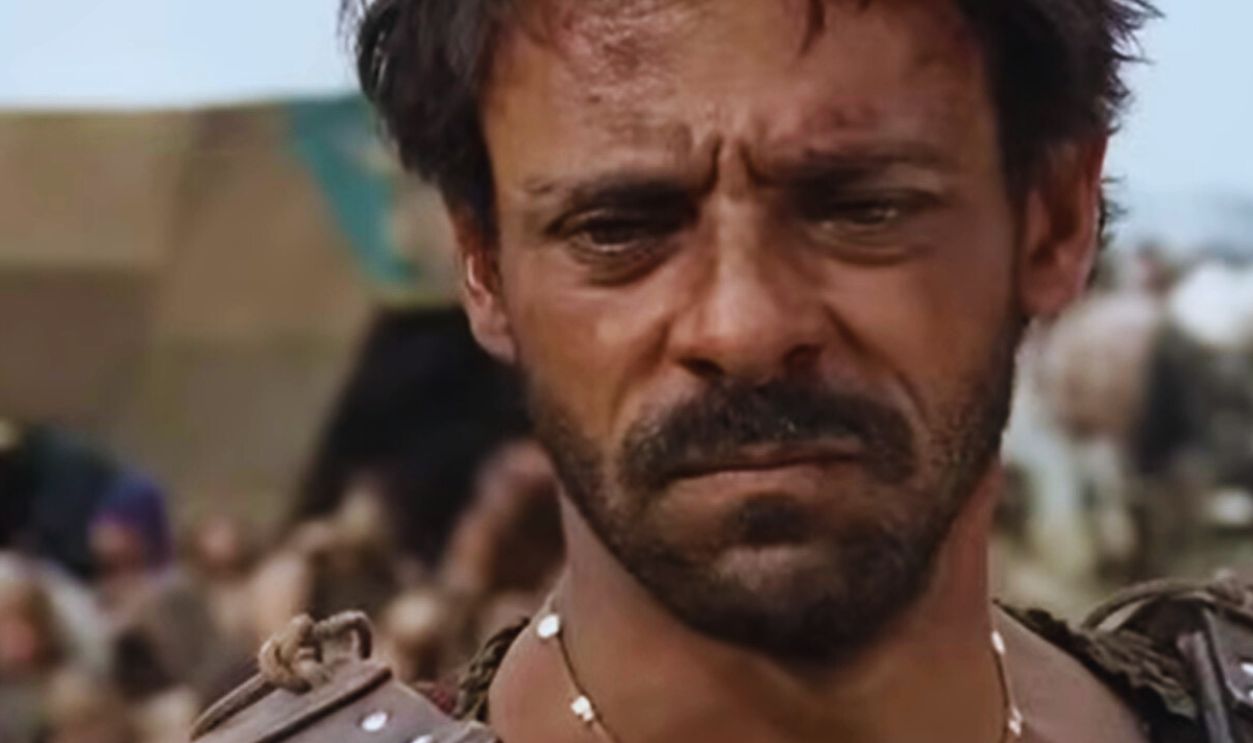
As much as Hannibal Barca wanted to proceed, winter was quickly approaching, so he needed to find a place for his men to hole up again. The lowlands he found himself in were not ideal, but while Fabius wasn’t engaging him head-on, he had blockaded all the exit passes, backing Hannibal into a corner.
But, as always, Hannibal relied on his wits instead of his strength alone.
 Screenshot from Hannibal – Rome's Worst Nightmare, BBC (2006)
26. He Created A Ruse
Unable to overcome all of Fabius’ forces with his army alone, Hannibal hatched another scheme to both escape and further humiliate the Romans. Their best exit route was a nearby pass next to Mount Callicula, but he would need to lure away the 4,000 Romans guarding it. Hannibal had his men tie flaming torches to a large herd of cattle and send them up the mountain in the night, making it look like his army was escaping that way.
As it happens, though, not everyone fell for Hannibal’s trick.
 Screenshot from Hannibal – Rome's Worst Nightmare, BBC (2006)
27. He Didn’t Fall For It
Fabius witnessed the mass of torchlights escaping into the heights, but his doubt got the better of him, and he stopped the men in his camp from attacking. The same couldn’t be said for the Romans guarding the pass, who quickly mobilized after what they believed were fleeing Carthaginians. To their shame, the Romans caught up and found the terrified herd of cattle; meanwhile, the majority of Hannibal’s army slipped through the pass.
This mistake caused the Romans more than just their reputation.
 Screenshot from Hannibal – Rome's Worst Nightmare, BBC (2006)
28. He Cut Them Off
Although Fabius may have seen Hannibal’s ruse for what it was, he still didn’t manage to stop the Carthaginian army before it escaped through the pass. Not only did this damage his already-unpopular reputation, but it also allowed Hannibal to gain a distinct advantage. After wintering in the Apulian plain, Hannibal overtook the village of Cannae, depriving Rome of one of its most important supply depots.
Once again, the Romans needed to change up their tactics.
 Screenshot from Hannibal – Rome's Worst Nightmare, BBC (2006)
29. They Tried To Overpower Him
Since Fabius proved unable to take on the challenge of Hannibal’s army, he lost power as a dictator soon after his humiliation, at which point the Romans elected new leaders. Under the consulship of both Lucius Aemilius Paullus and Gaius Terentius Varro, Rome turned their focus to their strength of arms to deal with Hannibal. Hoping to destroy the Carthaginian forces, they organized an army of at least 50,000 men—a number unrivaled at the time.
However, as Hannibal already demonstrated, numbers meant little to him.
 Screenshot from Hannibal – Rome's Worst Nightmare, BBC (2006)
30. He Surrounded Them
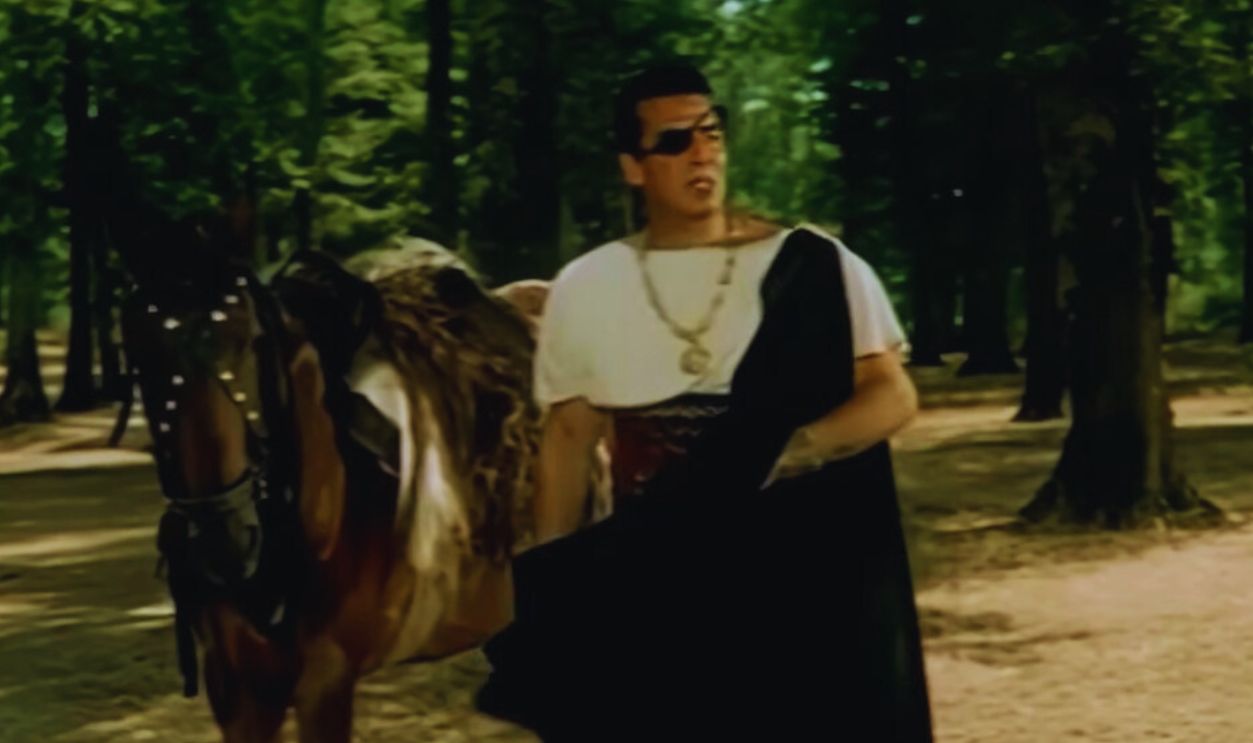
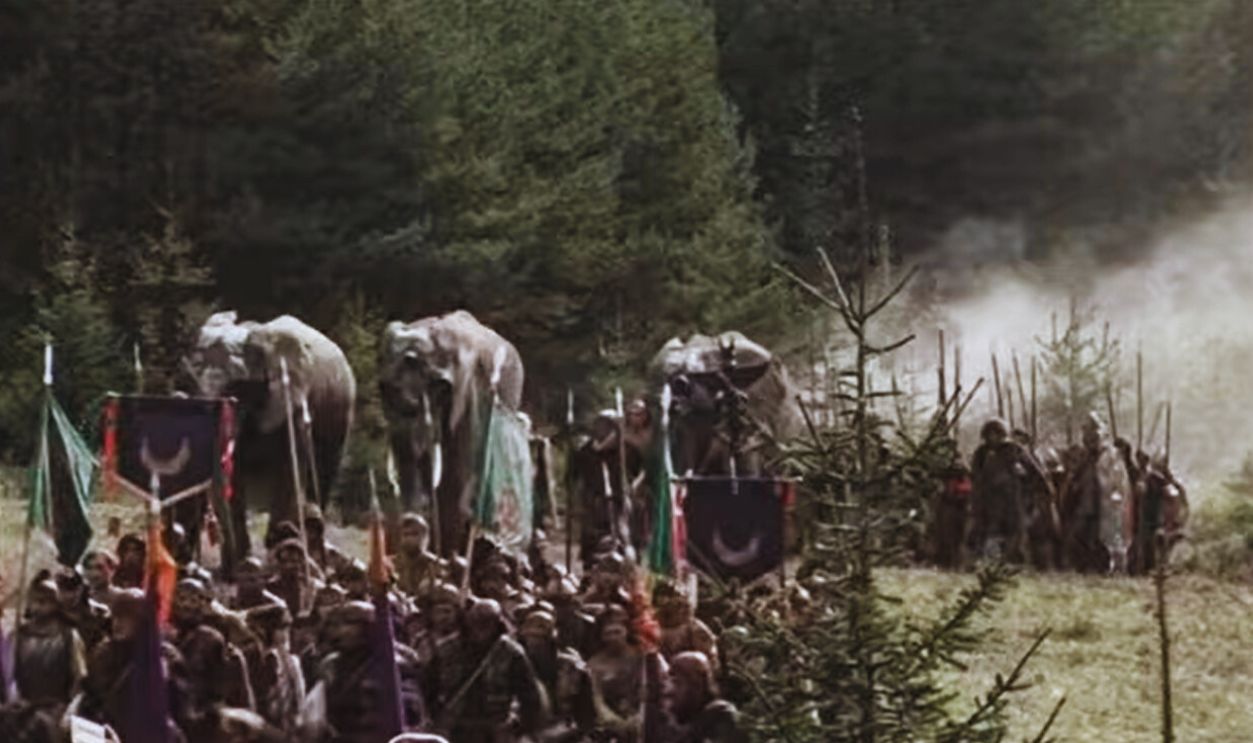
Combining their respective armies, both Paullus and Varrio led their overwhelming force to Hannibal Barca at Apulia, never once considering they might face defeat. Hannibal used their arrogance against them, luring them into a pincer movement with his light infantry, as his superior cavalry enveloped them from each side.
Although confident of their victory, all the Romans found was a bloodbath.
 Screenshot from Hannibal, Paramount Pictures (1959)
31. He Devastated Them
Ultimately, the far superior numbers of the Romans were nothing against Hannibal’s pincer strategy, and it was over as soon as the Carthaginians surrounded them. By the time the dust settled, Hannibal emerged victorious, and the Roman forces had diminished from at least 50,000 men to only a few thousand.
In a twist of fate, though, he would lose his momentum before long.
 Screenshot from Hannibal – Rome's Worst Nightmare, BBC (2006)
32. They Wore Him Down
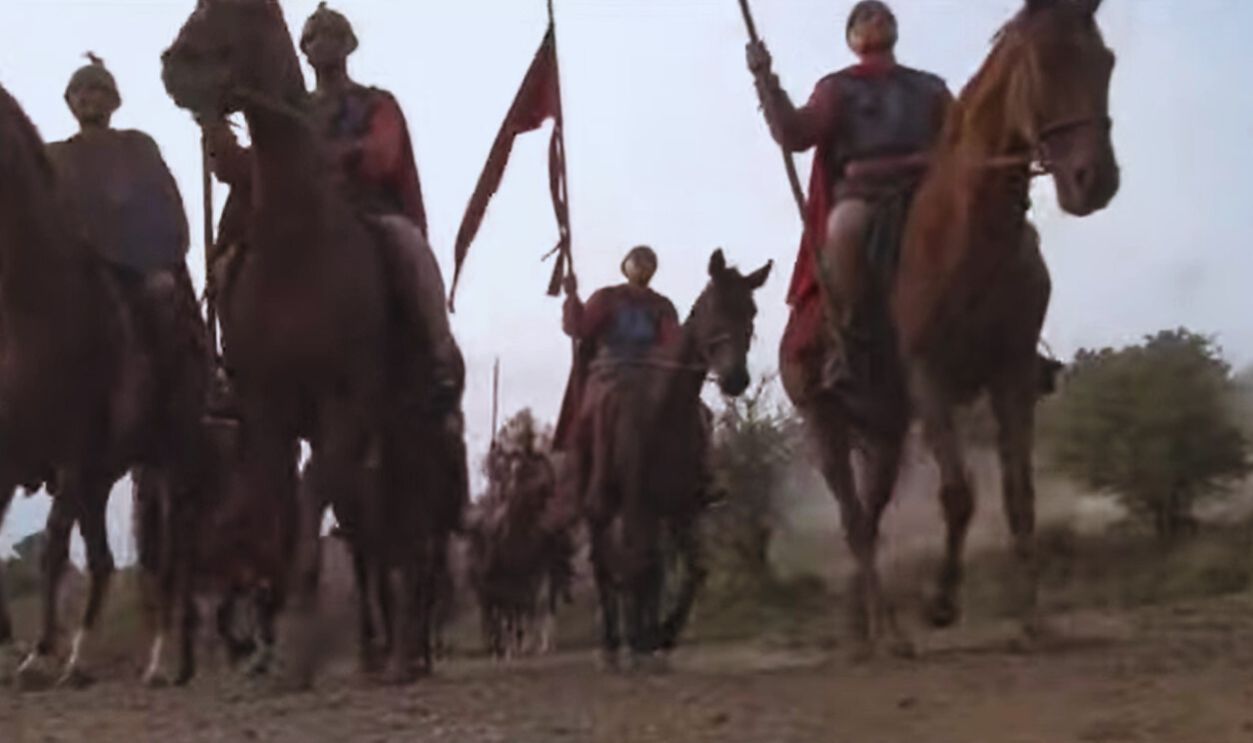
While his impressive victory over the Romans initially gained Hannibal Barca several more allies within Italy, his campaign slowed down over the coming years. Learning from their mistakes, the Romans tried to avoid any other major conflicts with Hannibal. Instead, they spread their forces out across Italy and slowly weakened his forces through smaller skirmishes.
Sadly, even his brilliant mind soon wouldn’t be enough.
 Screenshot from Hannibal – Rome's Worst Nightmare, BBC (2006)
33. He Was Pushed Back
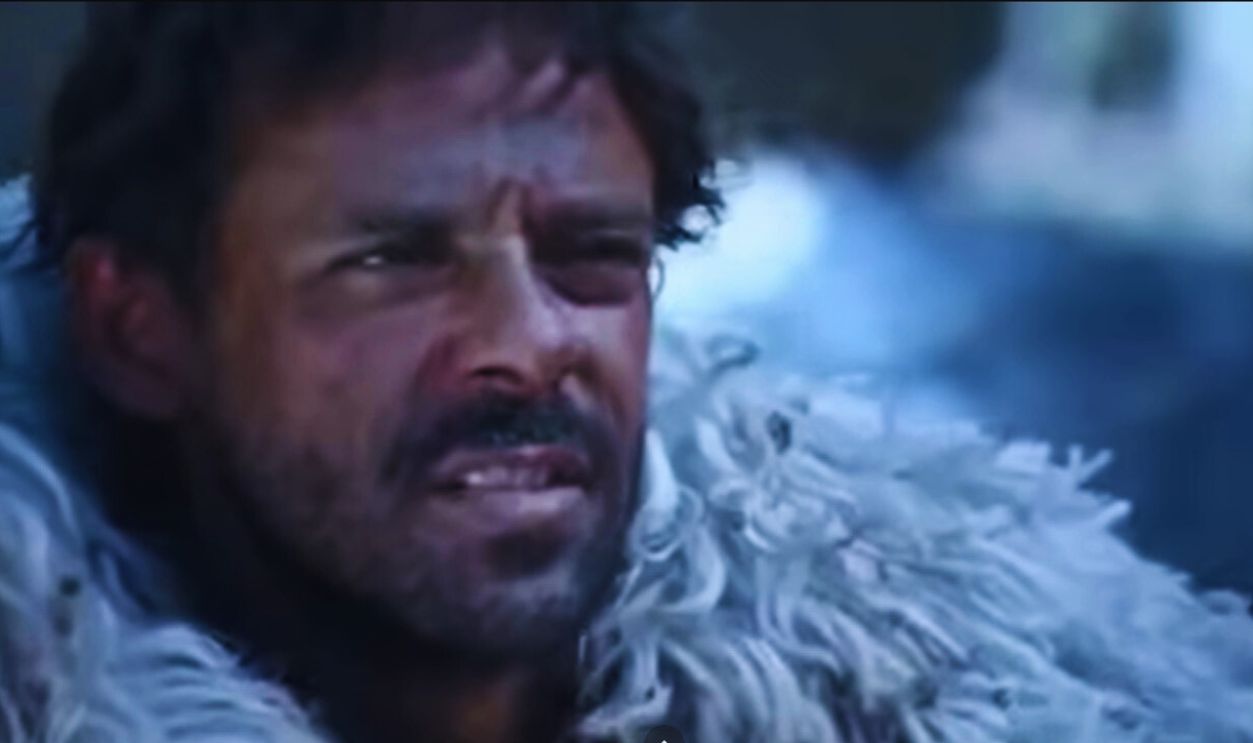
Although he was on a hot streak through Italy, Hannibal didn’t have the resources or leverage to march on Rome itself. Due to this, the Romans succeeded in wearing him down, causing the conflict to reach a standstill. Pairing that with the dwindling support from the government back in Carthage, Hannibal began losing more and more ground.
To add insult to injury, he lost one of his most significant allies.
 Screenshot from Hannibal – Rome's Worst Nightmare, BBC (2006)
34. He Lost Someone Else
Despite being on the back foot, Hannibal Barca still posed a threat to the Romans and managed to eke out a few significant victories. By 207 BCE, Hannibal was still trying to find some way to march on Rome and had positioned himself back in Apulia, awaiting the army of his younger brother, Hasdrubal Barca, to help him. Sadly, before this could happen, Hasdrubal perished while fighting the Romans near the Metauro River.
Making matters worse, the Romans decided to rub salt in the wound.
 The Ogre at en.wikipedia, Wikimedia Commons
35. They Sent Him A Message
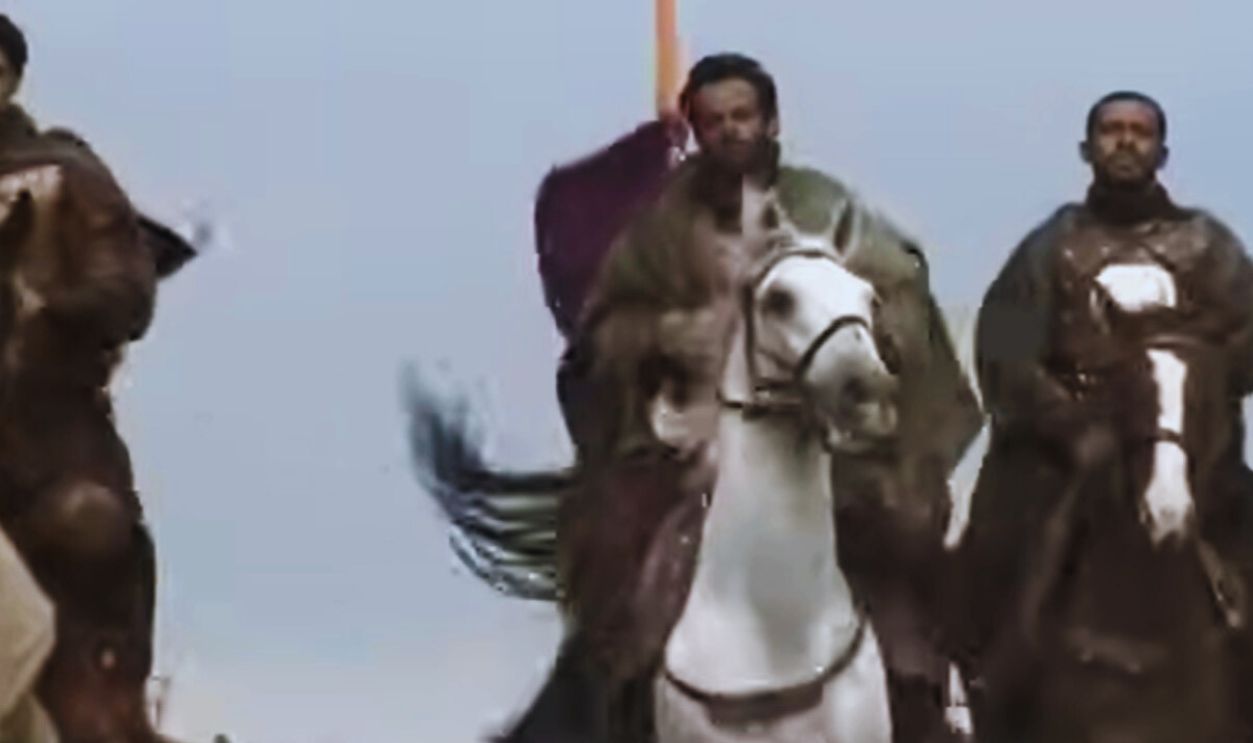
Hannibal received the news of his brother’s demise, and not only did it lower his morale, but the success of his campaign became all the more unlikely. Things became even worse when the Romans decided to send a final deterrent, visiting Hannibal’s camp and throwing Hasdrubal’s severed head over the walls.
If there was going to be any sign of his inevitable defeat, this was it.
 Screenshot from Hannibal – Rome's Worst Nightmare, BBC (2006)
36. He Went Back Home
It seemed all but impossible to make any further progress in Italy, let alone trying to conquer Rome, so Hannibal Barca had to face the facts. Additionally, Rome was now posing a bigger threat, as Scipio Africanus, the son of Publius Cornelius Scipio, was invading Carthage. So after 15 years of fighting his campaign, Hannibal took his army back home in 203 BCE.
As it turned out, he didn't leave his bad fortune behind him.
 Nicolas-Guy Brenet, Wikimedia Commons
37. They Outsmarted Him
The opposition that Hannibal faced from Scipio Africanus was not like what he had found in Italy, and this especially became clear during the Battle of Zama. The Roman cavalry now proved superior to Hannibal’s, and they took care of his elephants by frightening them into rampaging. Eventually, Hannibal’s forces became victims of a two-pronged attack, as Rome secured its victory.
This time, it was his turn to suffer massive losses in battle.
 Cornelis Cort, Wikimedia Commons
38. He Tasted True Defeat
Hannibal had spent the previous decade outsmarting the Romans and lording his staggering victories over them, but now the tables had turned. In the course of defeating the Carthaginians, the Romans lost around 2,500 men, but this only served as a stunning comparison to Hannibal’s casualties, which numbered close to 20,000.
Beaten and humiliated, Hannibal took a step back from being Carthage’s commander.
 Screenshot from Hannibal, Paramount Pictures (1959)
39. He Took A New Gig
Hannibal had lost renown among many of the Carthaginians, but since they had surrendered to the Romans and reached a peace, he saw another way to serve his country. Running for and being elected as Chief Magistrate, Hannibal hoped to improve Carthage’s financial state, recently damaged by the ten-thousand-talent indemnity they had to pay Rome.
However, even off the battlefield, Hannibal was still seen as a threat.
 Screenshot from Hannibal, Paramount Pictures (1959)
40. They Didn’t Trust Him
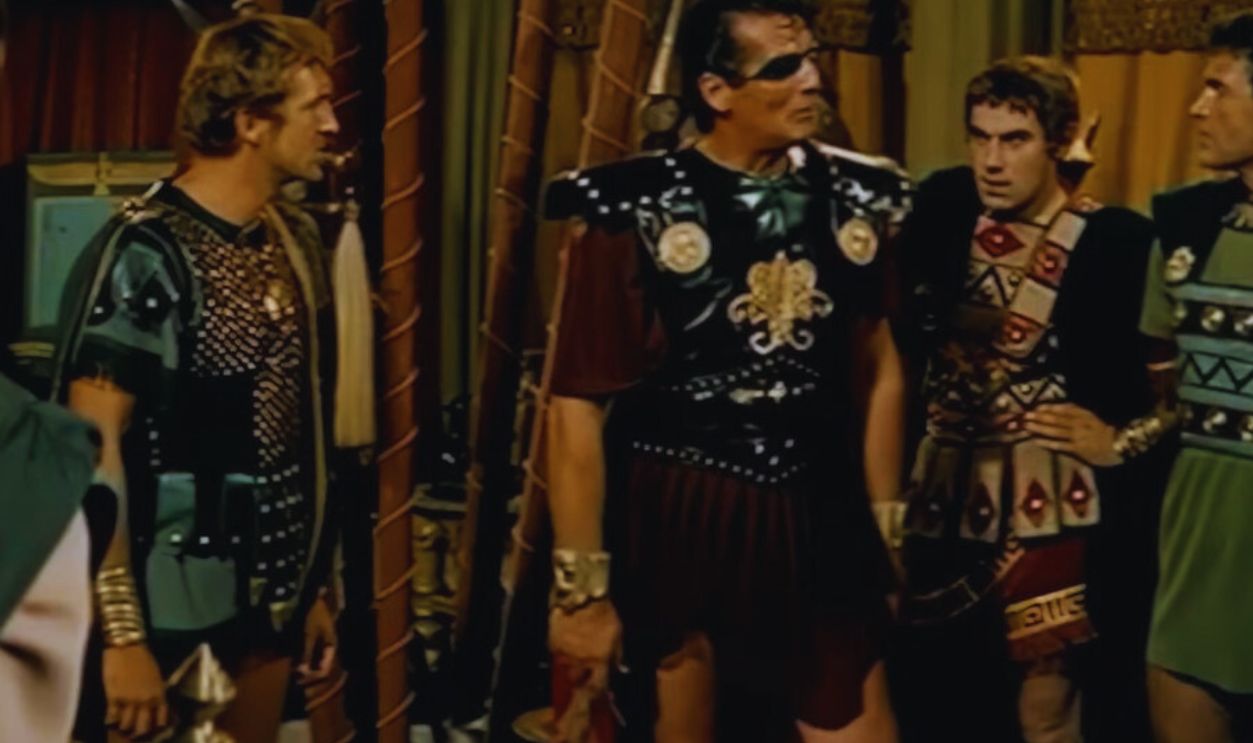
Hannibal immediately began assessing Carthage’s finances, in which he discovered massive amounts of corruption and embezzlement, and strived to eliminate their sources. Over the next seven years, he did such a great job at rebuilding Carthage’s wealth that Rome became suspicious, believing Hannibal could have only done this through allying with their enemies.
Thankfully, Hannibal was smart enough to know when it was time to leave.
 Screenshot from Hannibal, Paramount Pictures (1959)
41. He Got Out Of Dodge
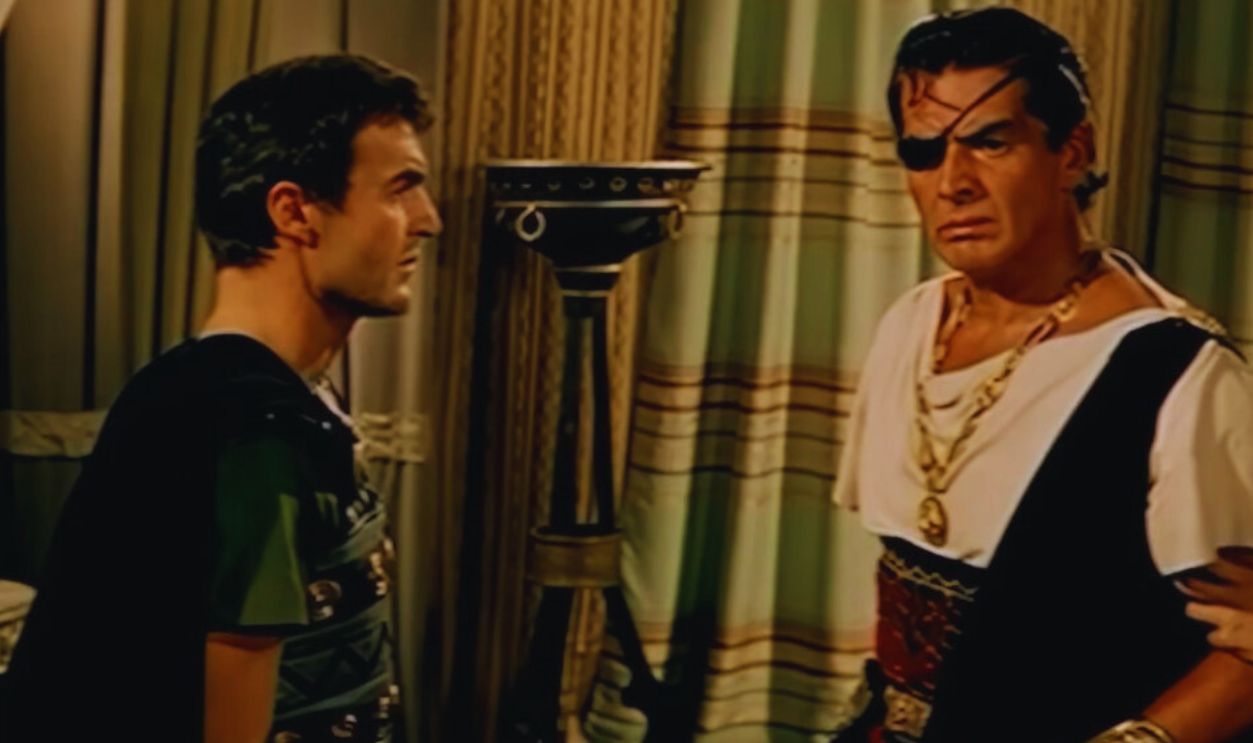
In his investigation into Carthage’s corruption, Hannibal made no shortage of enemies among the elites, who contributed to the accusations of him scheming with Rome’s rivals. Knowing it was only a matter of time before Rome demanded that the government hand him over, Hannibal left Carthage and entered a self-imposed exile.
Despite his most recent defeat, Hannibal’s impressive record spoke for itself.
 Screenshot from Hannibal, Paramount Pictures (1959)
42. He Gave Him Advice
Hannibal began his exile by traveling to Greece, eventually landing in Ephesus, at the court of the very man with whom he was accused of scheming, Antiochus III. Welcomed with open arms by the Seleucid Emperor, Hannibal found that Antiochus greatly valued his tactical prowess, allowing him to provide counsel about potential hostilities with Rome.
Before much longer, he was happy to be back on the battlefield.
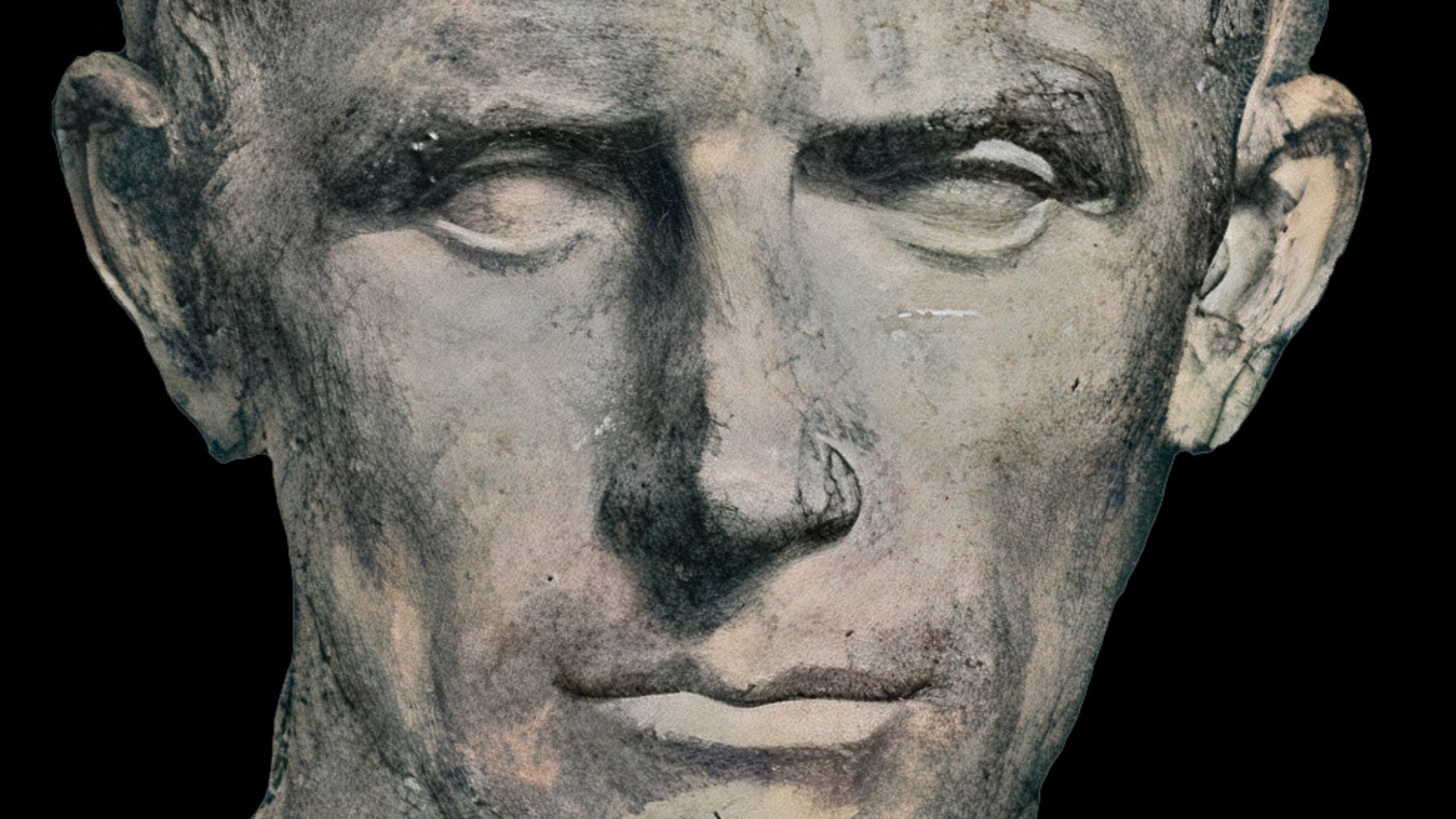 Photo: Bruckmann, Wikimedia Commons
43. He Took Charge Again
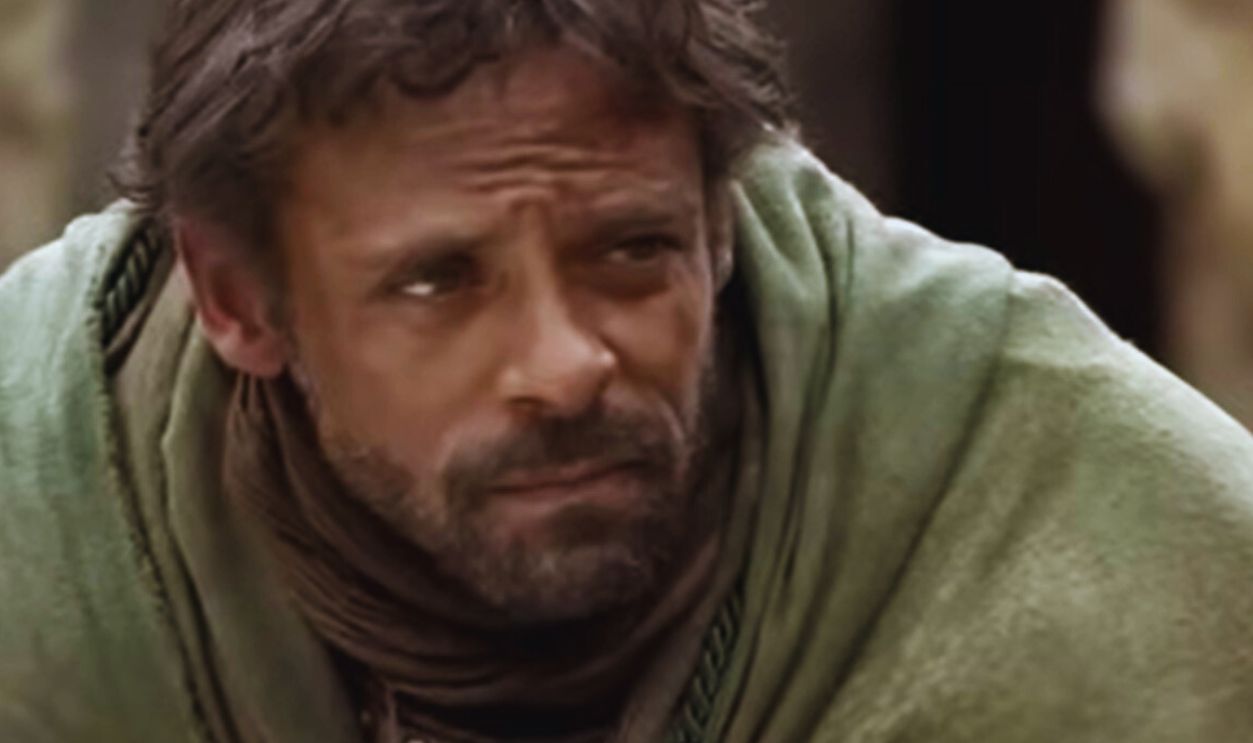
Taking Hannibal’s advice, Antiochus declared hostilities against Rome in 193 BCE, but things didn’t go as well as they had hoped. Hannibal had previously offered to lead his army, and three years later, a string of consistent losses against Rome prompted Antiochus to appoint him as a commander.
Unfortunately, Hannibal’s fortunes hadn’t improved much since his defeat at Zama.
 Screenshot from Hannibal – Rome's Worst Nightmare, BBC (2006)
44. They Came To An Agreement
Hannibal didn’t help the Seleucid army as they had hoped, especially since Antiochus had tasked him with commanding his naval fleet, with which he had little experience. By 189 BCE, the many Roman victories forced Antiochus to sign a peace treaty with them, which included several major stipulations. As expected, Antiochus had no choice but to pay a large indemnity, renounce some of his claims to land—and hand over Hannibal.
Once again, Hannibal had the foresight to pack his bags just in time.
 Screenshot from Hannibal – Rome's Worst Nightmare, BBC (2006)
45. He Caught On
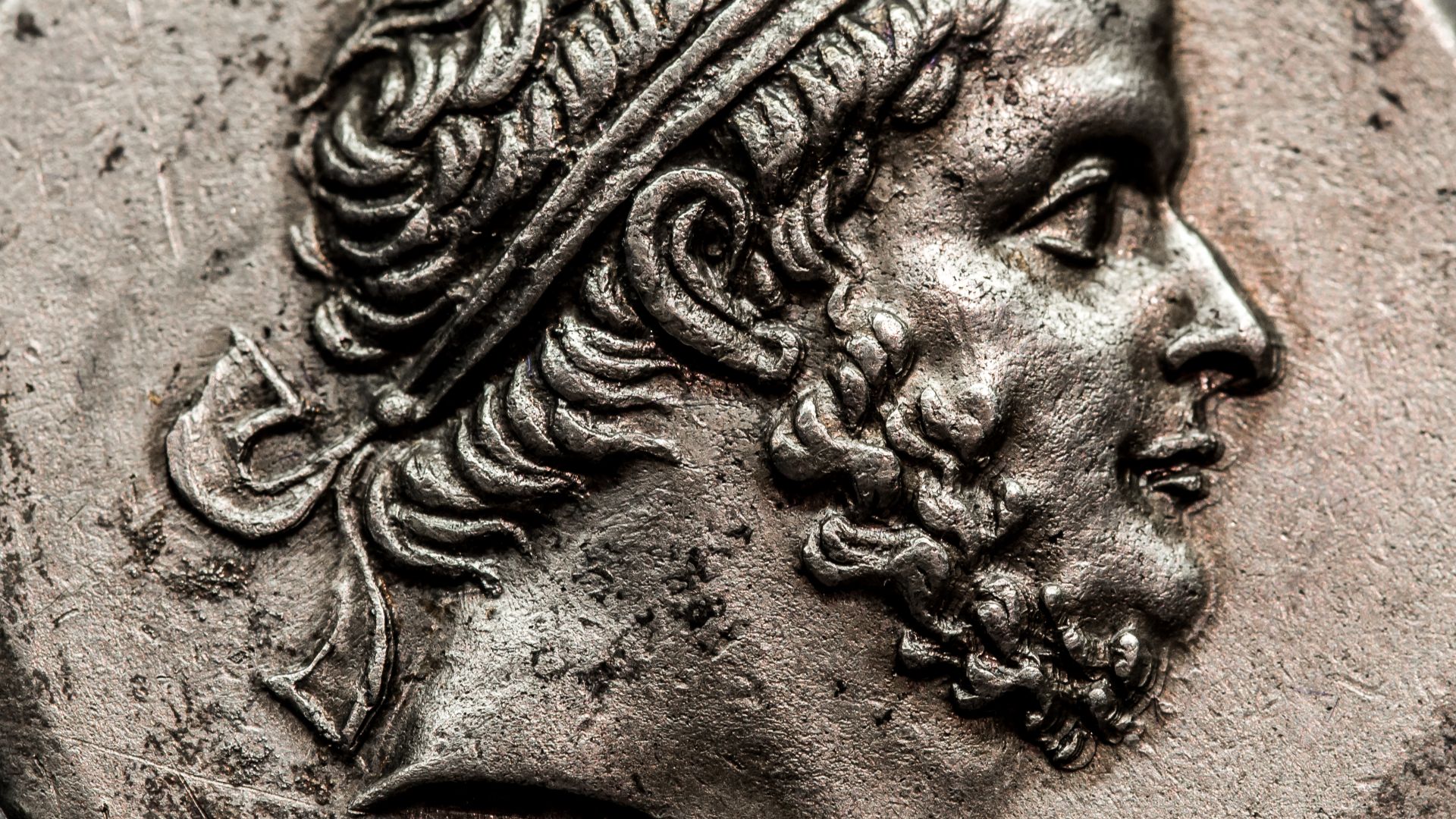
Before Antiochus even told Hannibal of the treaty’s demands, Hannibal recognized the situation as the same one he was in over five years ago, and knew he needed to go. Before Antiochus could capture him and surrender him to the Romans, Hannibal high-tailed it out of there and searched for a new home. It was difficult to find friends who wouldn’t turn on him, but he eventually found safety with King Prusias I of Bithynia.
This time, he was finally able to redeem a bit of his reputation.
 ArchaiOptix, Wikimedia Commons
46. He Hadn’t Lost His Touch
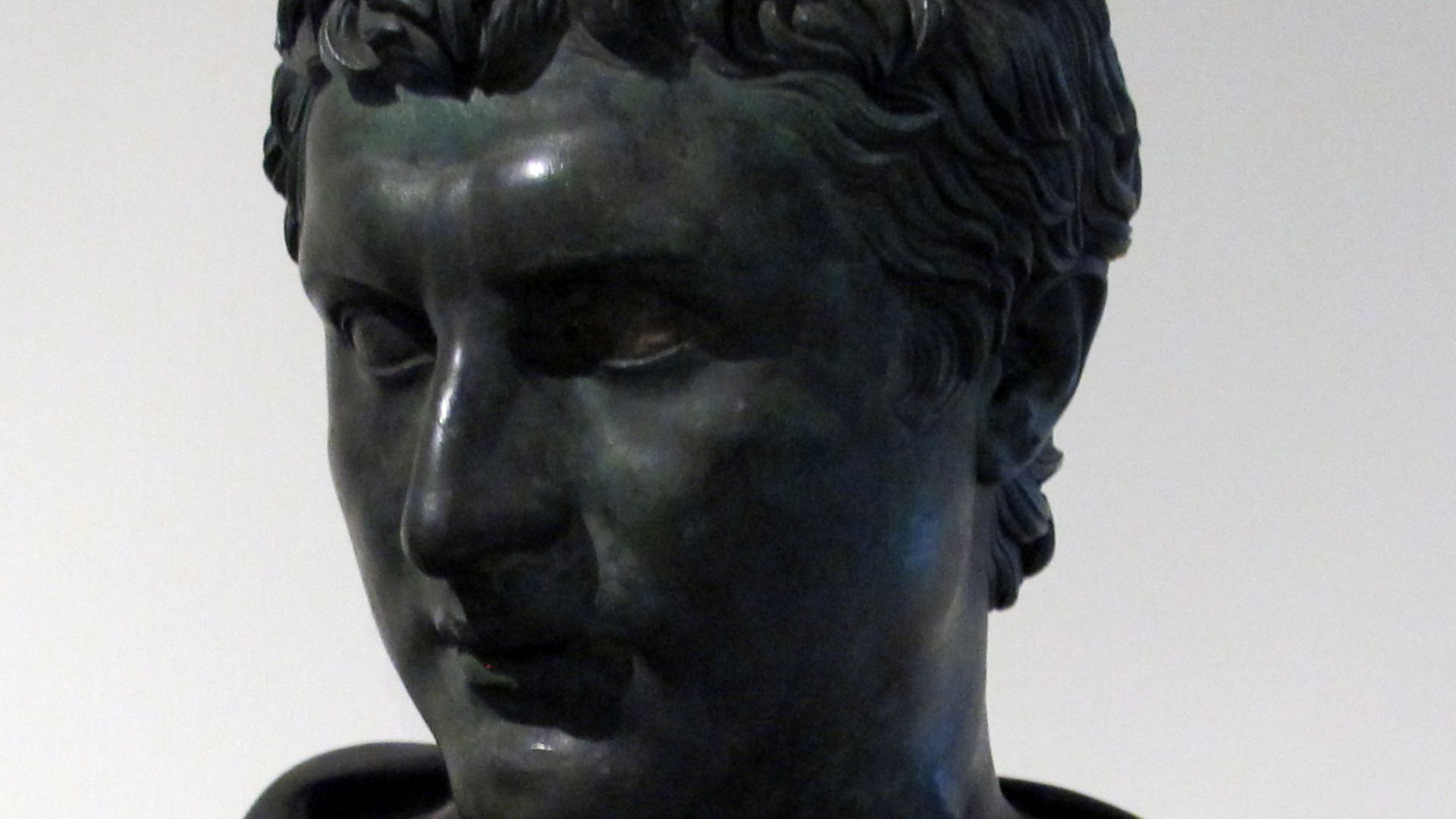
Just like before, Hannibal was eager to serve King Prusias, who was himself embroiled in a conflict with King Eumenes II of Pergamon. Unlike last time, Hannibal commanded Prusias’ naval fleet with valor and ingenuity, even once winning a battle by tossing pots of venomous snakes onto the enemy king’s ship.
However, he couldn’t outrun his fate.
47. They Still Wanted Him
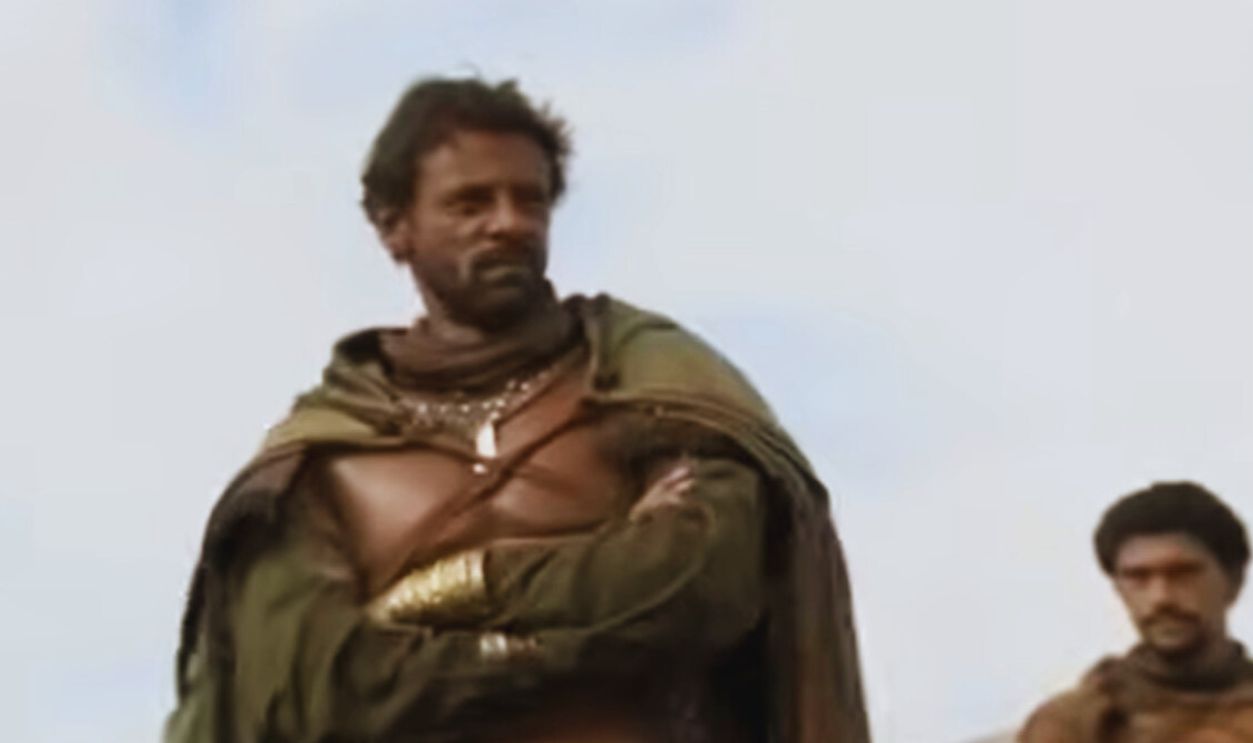
If Hannibal was trying to avoid popping up on Rome’s radar, getting involved in King Prusia’s conflict was not the way to go, as the opposing King Eumenes was a Roman ally. After Hannibal won a few more victories for Prusias, the Romans showed up and demanded that the king surrender him to them.
Knowing that Rome would never stop pursuing him, Hannibal made a terrible choice.
 Screenshot from Hannibal – Rome's Worst Nightmare, BBC (2006)
48. He Never Gave In
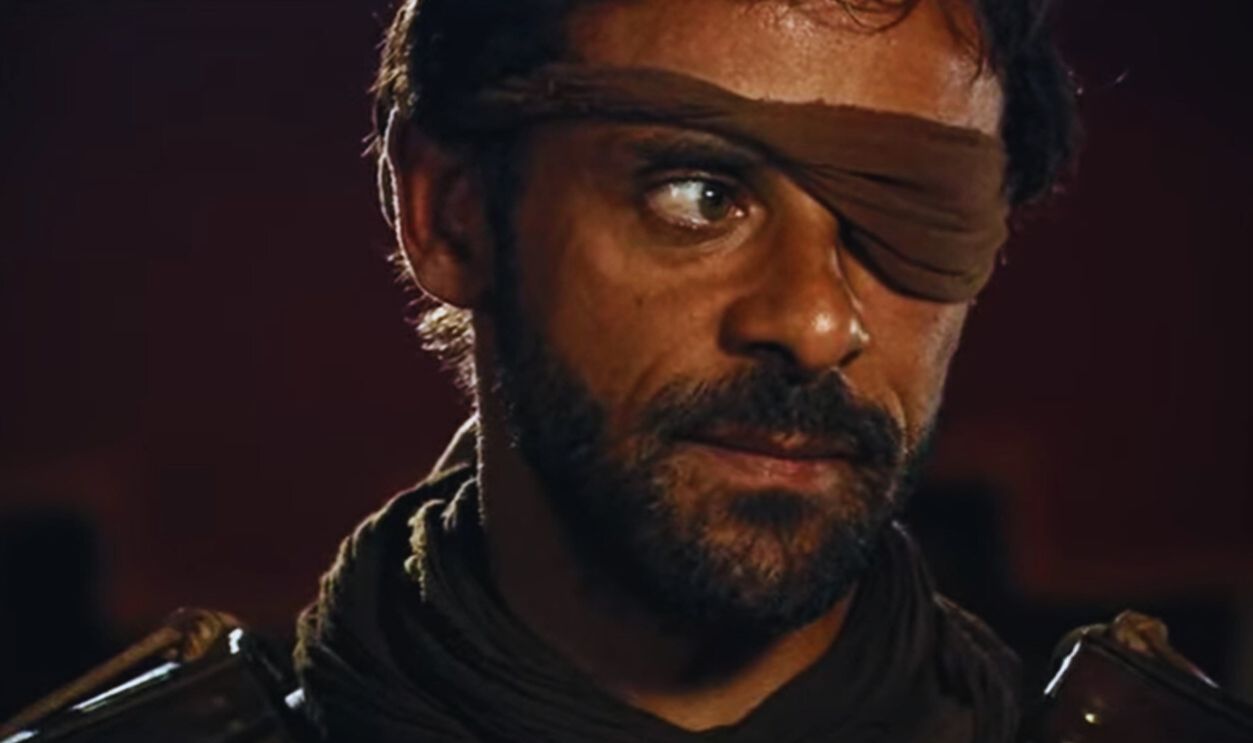
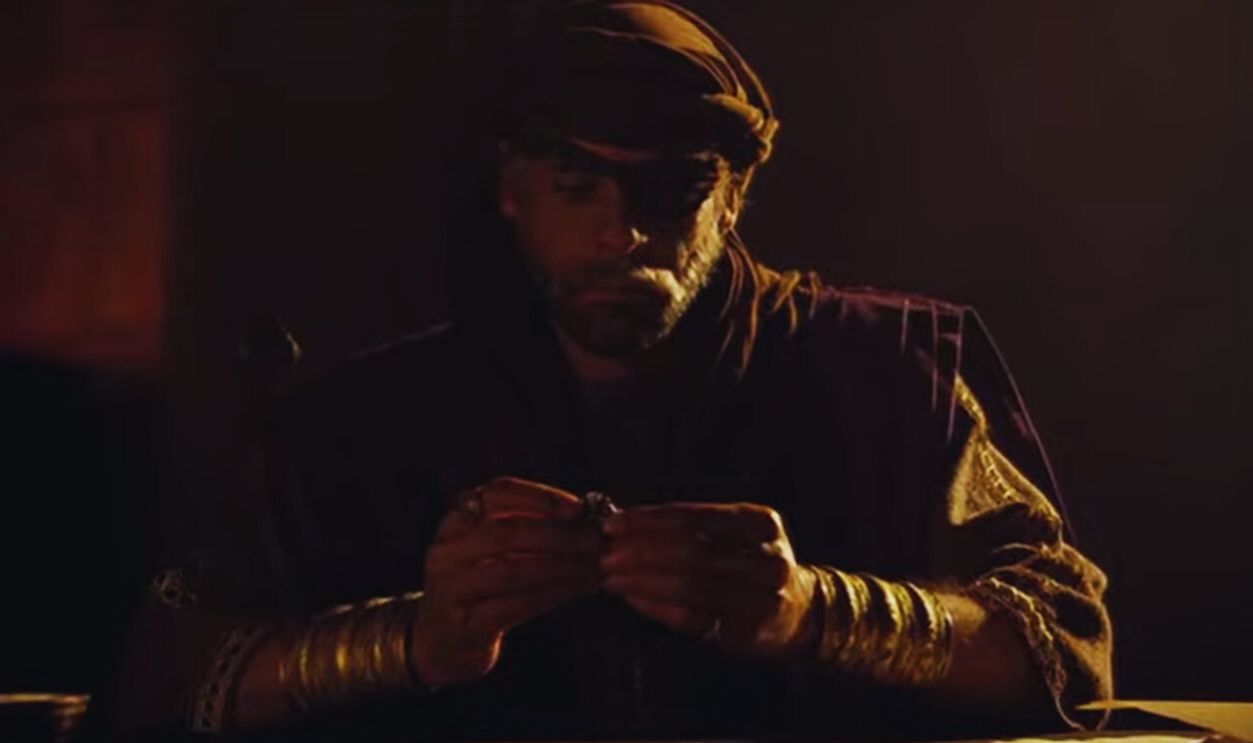
While still somewhat vague, several sources write that since Hannibal believed King Prusias would give in to Rome’s demands, he took matters into his own hands. One record even states that a servant came to him reporting that Romans had arrived and blocked all the castle exits. Either way, it’s largely accepted that when Hannibal realized he was at the end of the line, he drank a vial of poison and perished.
Still, he wanted to give the Romans a piece of his mind one last time.
 Screenshot from Hannibal – Rome's Worst Nightmare, BBC (2006)
49. He Left A Note
Hannibal perished around the age of 65 after spending the last decade of his life evading the Romans, so as one final jab at his pursuers, he left a letter behind before taking his own life. In it, he wrote, “Let us relieve the Romans from the anxiety they have so long experienced,” and subtly chided their inability to let him simply pass of old age.
In the end, he truly left his mark on the Roman world.
 Screenshot from Hannibal – Rome's Worst Nightmare, BBC (2006)
50. He Was Their Monster
It didn’t matter that Hannibal failed to conquer Rome and fell out of favor with many Carthaginians; no one could erase his impact. The 15 years in which he devastated and terrorized the Romans permanently etched him in their history as an overwhelming force. In fact, the Romans viewed him as such a calamity that anytime a sufficiently terrifying disaster occurred, it became common to shout the phrase “Hannibal is at the gates!”
You May Also Like:
The Tlaxcalans helped the Spaniards topple the Aztec Empire.
Vicious Facts About Genghis Khan, The Most Bloodthirsty Conqueror In History