
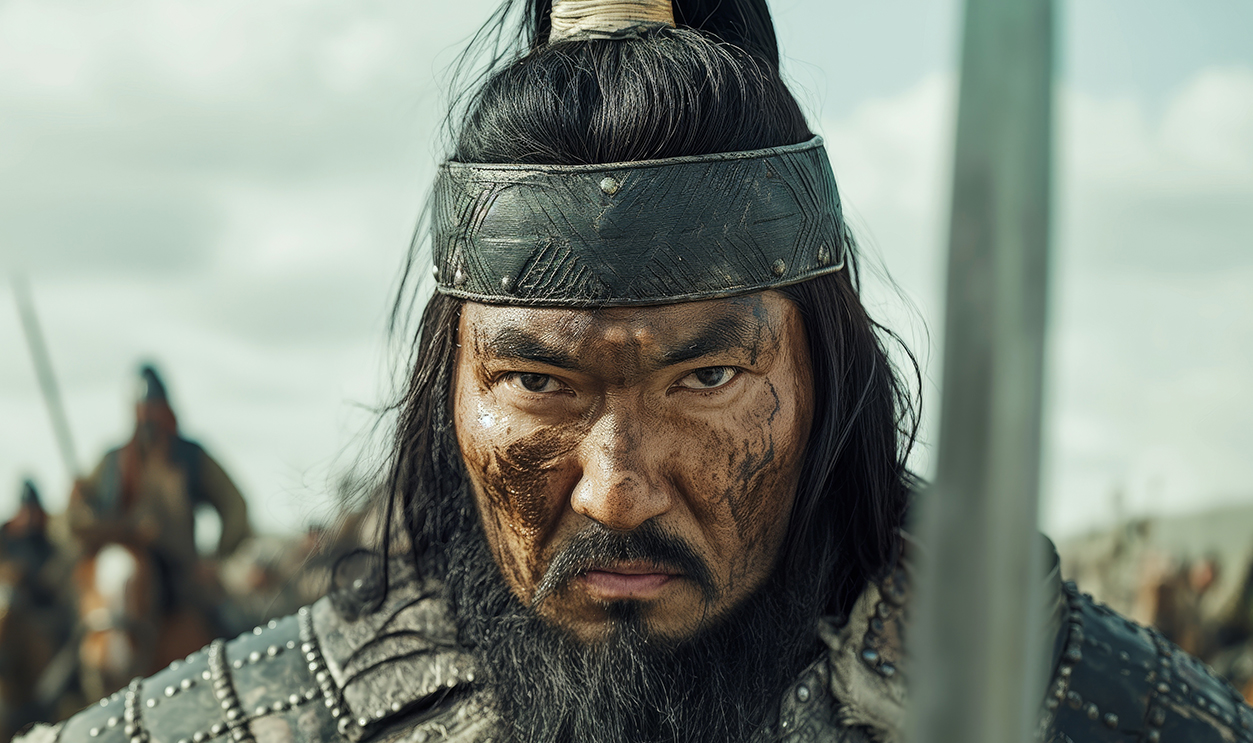
The Ruthless Father Of The Mongol Empire
Genghis Khan clawed his way to power through betrayal, bloodshed, and sheer brilliance. But was he a visionary who built one of the greatest empires the world has ever seen, or a ruthless tyrant who left only destruction in his wake? The truth is messy, shocking, and stranger than legend.
1. He Had A Mysterious Beginning
The sources on Khan’s earliest years draw mixed conclusions. By their accounts, he was born some time in the 1150s or 1160s, either in Mongolia’s Khentii Province or in Agin-Buryat Okrug, Russia. Even more interestingly, some historians postulate that he himself likely didn’t know for sure. Either way, though, legend maintains that something truly bizarre took place at the time of his birth.
2. He Was Different
Named Temüjin at his birth, some traditions claim that Khan was literally born with blood on his hands—or more specifically, holding a blood clot in his hands. According to Asian folk stories, that made him destined for life as a warrior. Some even more unusual lore claims a divine ray of light actually impregnated his mother and brought him into being.
Whether you believe any of that is up to you. But, unfortunately, neither of these mystical beginnings brought him any peace or happiness in his early years.
 National Palace Museum, Wikimedia Commons
3. He Didn’t Have A Choice
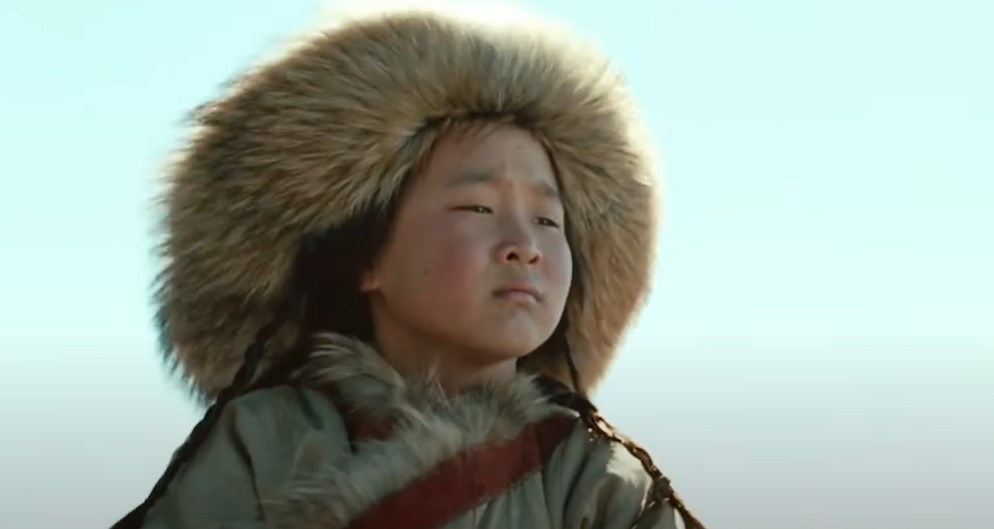
Khan’s father held the position of chieftain in his Mongolian clan. He took his role in leadership seriously—so seriously that even his young son wasn’t safe from his political maneuvering. At just eight years old, Khan’s father pledged him in marriage to Börte, the daughter of the chief of another powerful tribe. As part of the deal, Khan’s father left him behind with the new tribe to work off the bride price. But on his way back home, tragedy struck.
4. He Lost Him
Khan’s father made a fatal decision on his journey back. He accepted a meal from an enemy tribe, the Tatars. By the time he got back home, it was too late. The enemy tribe put poison in the meal, and he faded quickly. Right before passing, he managed to send for his son, Khan. Unfortunately, there wasn’t much of anything for him to come back home to.
5. They Left Him
Once Khan’s father passed, things deteriorated quickly. The clan didn’t consider Khan nor any of his brothers old enough to rule. So without their leader nor a suitable heir, they all-out abandoned them for a new tribe. This left Khan and his family to fend for themselves, resorting to more brutal lives centered on hunting and gathering. But, as it turns out, some of the most serious threats proved to be within Khan’s own home…
 CTB Film Company, Mongol: The Rise of Genghis Khan (2007)
6. He Plotted
Although they’d lost their original prestige, Khan and his brothers still stood to gain some type of authority once they actually became of age. But as they grew into teenagers, some clear divides formed among the brothers. Tradition placed Khan’s older brother as the next leader in the family, and even provided for him to marry Khan’s mother (as he wasn’t her son).
In the end, that proved all too much for Khan. And in a brutal move that seemed just a glimpse of what he ultimately proved himself capable of, he cleared his way to the top.
 Gary Todd from Xinzheng, China, Wikimedia Commons
7. He Took Him Out
Before his older brother got a taste of any type of inheritance, Khan and his younger brother got together and took their older brother's life. This effectively cleared the way for Khan to become the family’s official heir and leader. And while that definitely seems vicious for a teenager, he wasn’t all brute strength and ambition…
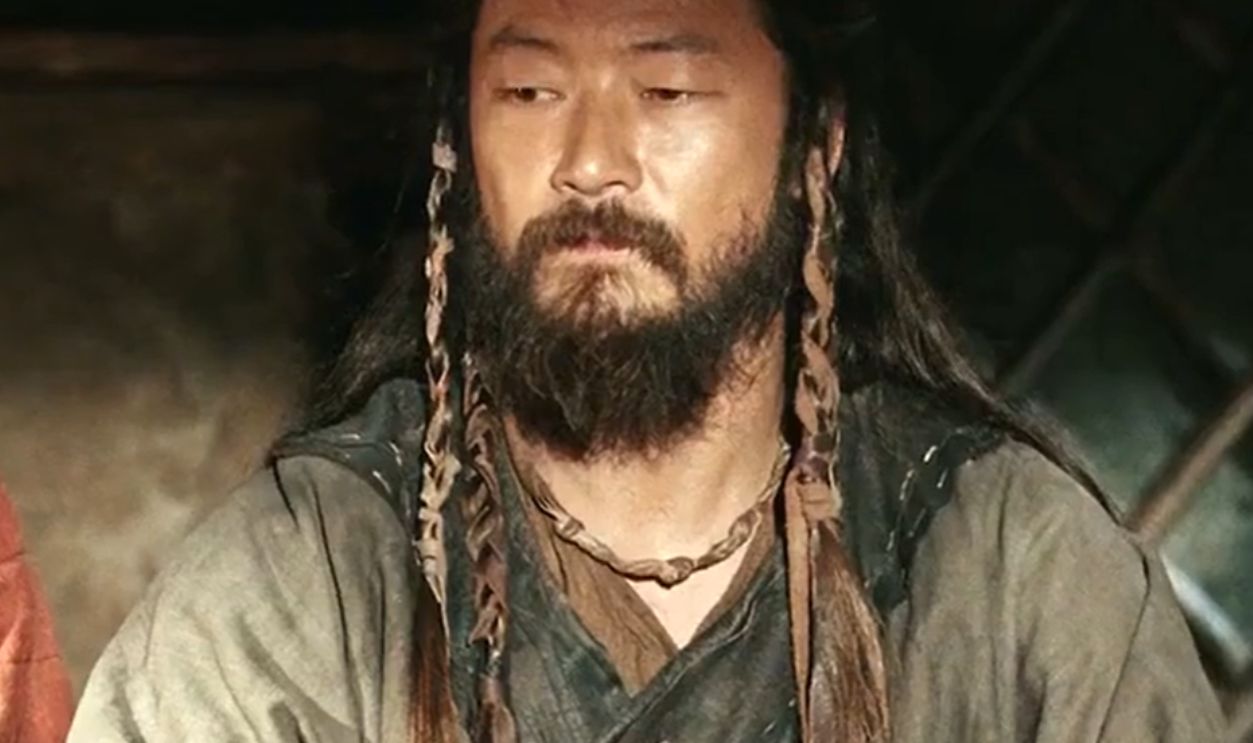 Screenshot from Mongol: The Rise of Genghis Khan, Warner Bros. Pictures
8. He Made A Promise
Around that time, Khan formed a deep friendship with a boy around his own age, Jamukha. Unlike Khan, Jamukha came from a noble family. Despite the disparity in their backgrounds, the two made a pact of brotherhood (something you’ll want to remember just a few facts from now!). Considering what happened next, Khan found someone to lean on at just the right time.
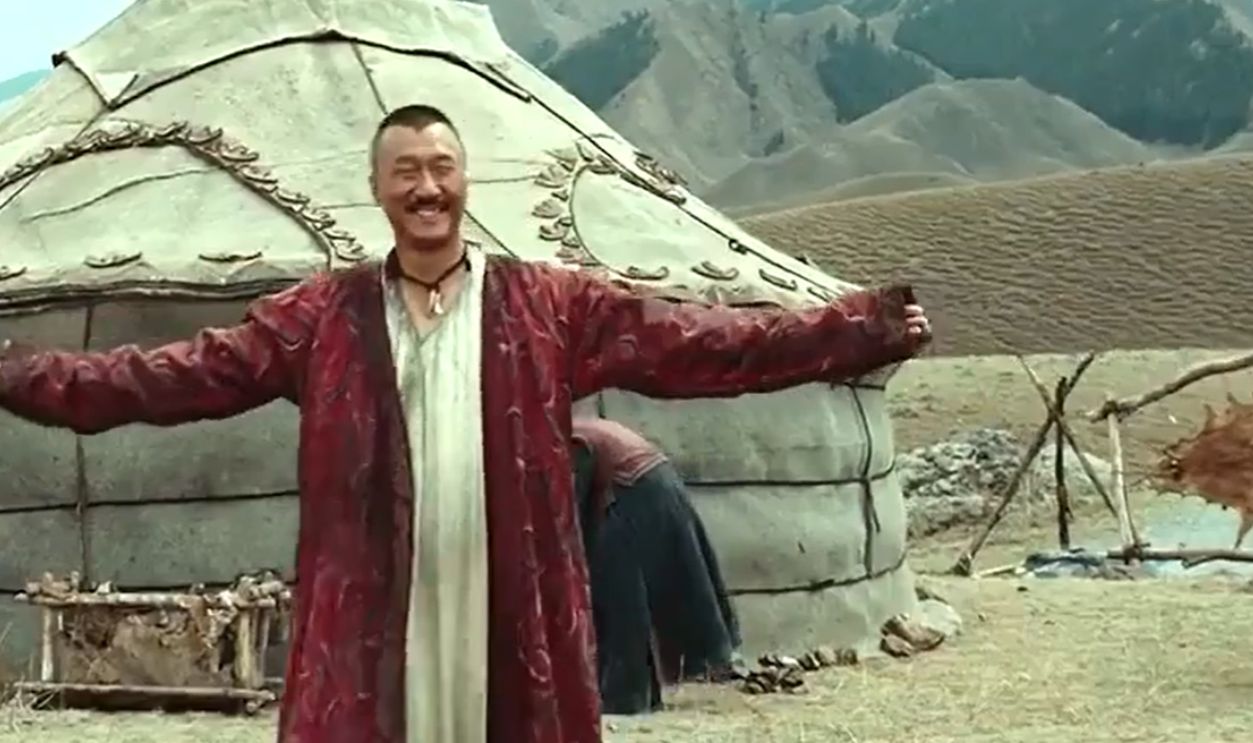 Screenshot from Mongol: The Rise of Genghis Khan, Warner Bros. Pictures

History's most fascinating stories and darkest secrets, delivered to your inbox daily.
9. He Got Snatched
Thanks to his father’s passing, his family didn’t have much support from other tribes. That left Khan vulnerable, and other tribes often took him captive. And while that sounds like it would be frightening for any teenager, it turned into a bit of a training ground. Not only did Khan escape multiple times, but he also started to show charisma and talent for making friends and getting himself out of sticky situations.
When he became a man by Mongol standards at 15 years old, those skills changed the entire course of his life.
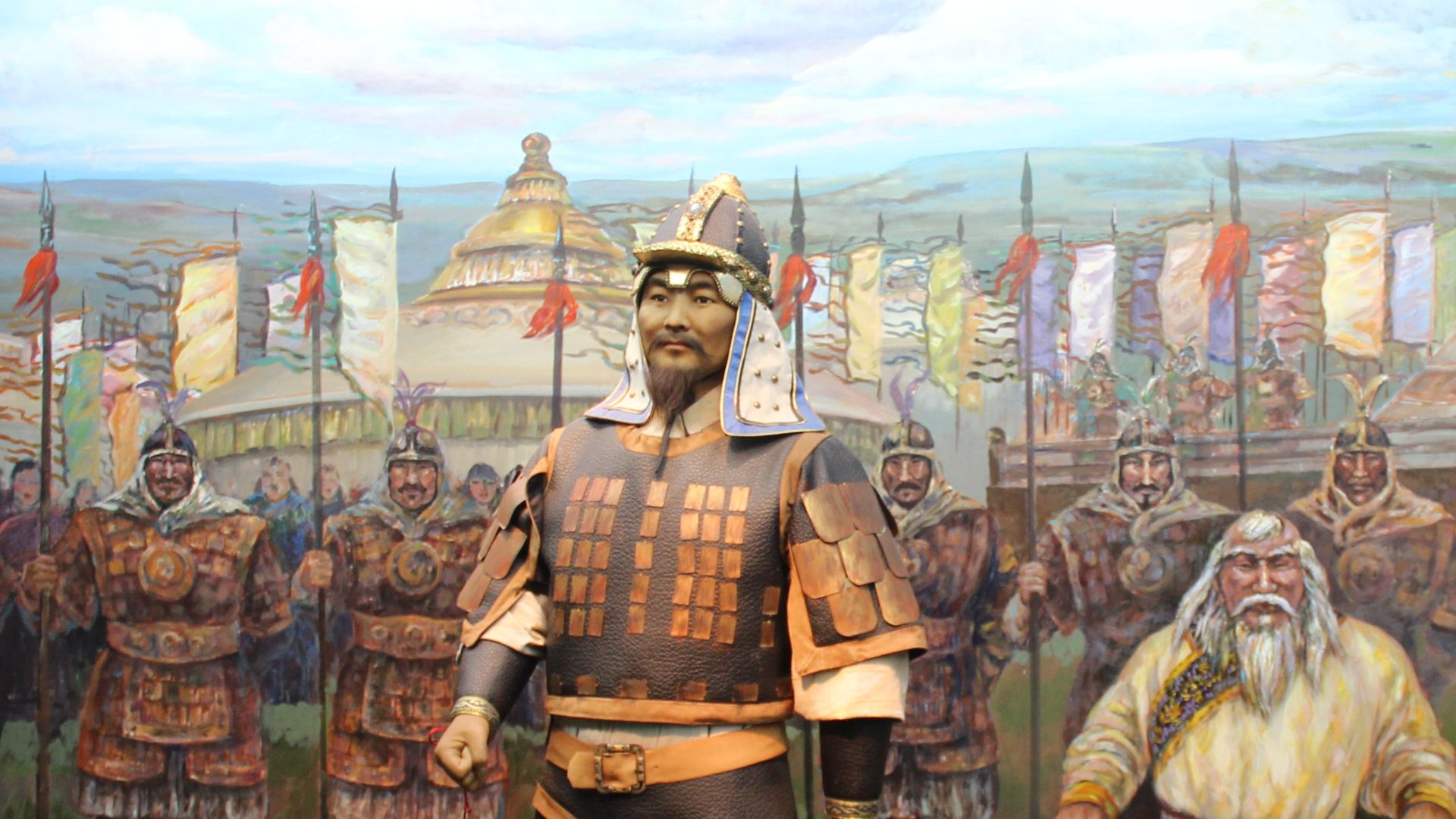 Gary Todd from Xinzheng, China, Wikimedia Commons
10. He Tied The Knot
Once he became of age, one of Khan’s first plans of action included tying the knot with Börte, the same girl his father promised him to at eight years old. In doing so, he secured his relationship with her powerful tribe. But he had things other than wedded bliss on the brain. When his mother-in-law gifted him a luscious coat, he made a snap decision that proved to have everything to do with his growing ambition.
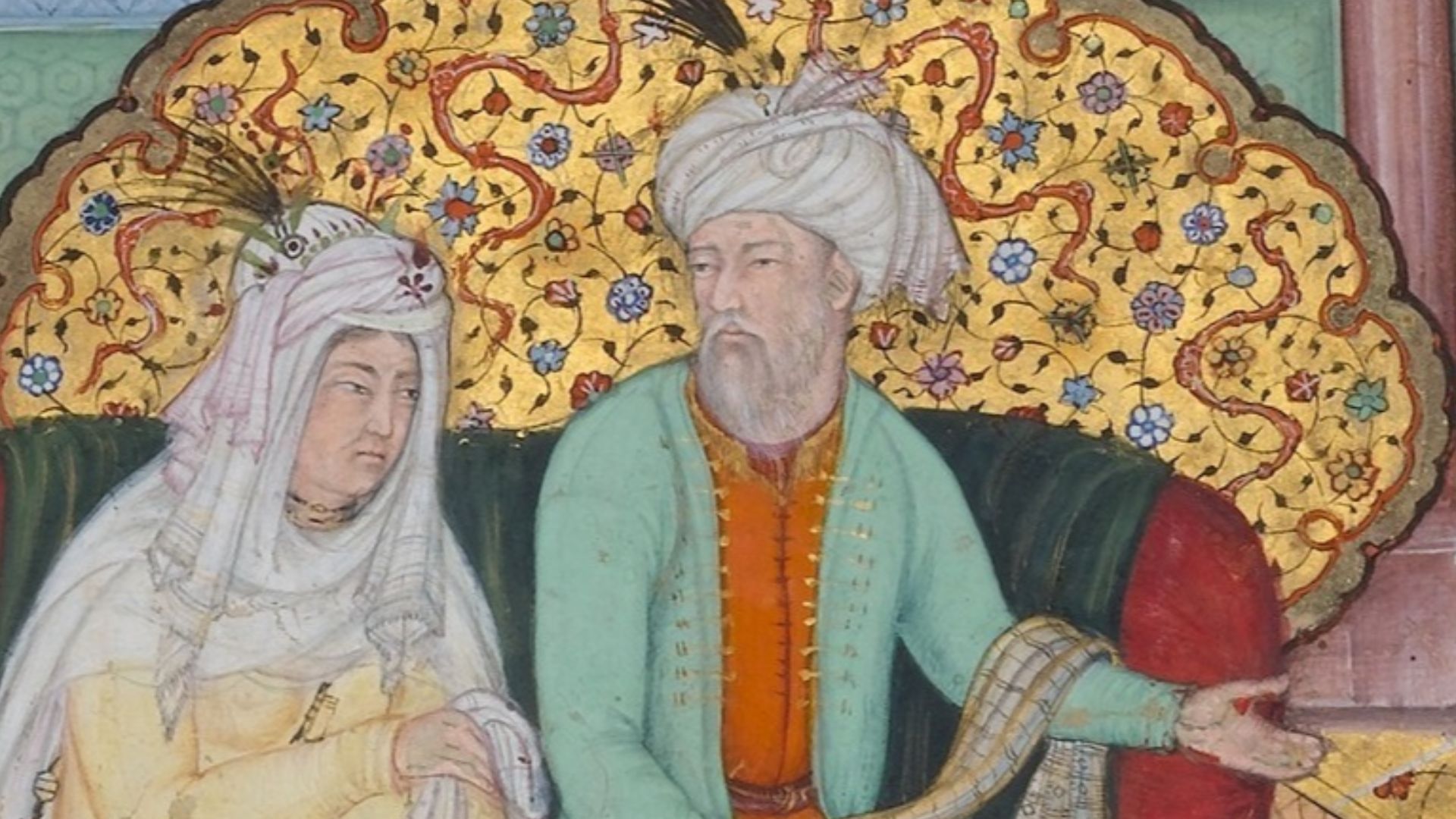 Basawan / Bhim Gujarati, Wikimedia Commons
11. He Made A Smart Move
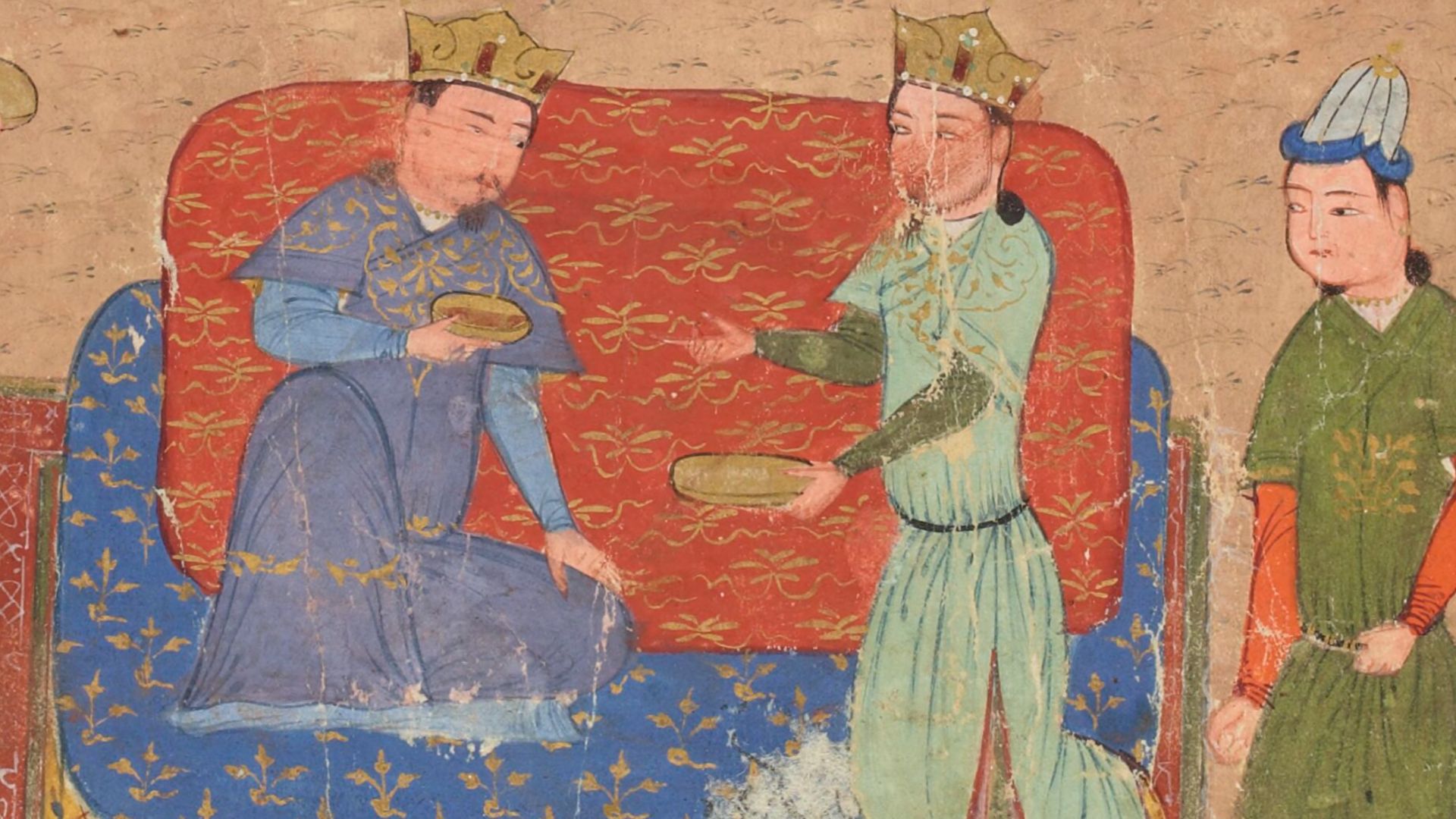
Rather than keeping the coat for himself, Khan presented it as a special gift to another powerful chief, Toghrul. In doing so, Khan ingratiated himself to the powerful leader, earning himself both protection and notice from other Mongolian tribes. It didn’t take long for him to start building his own following. But before he could do anything much about it, an unexpected disaster struck.
 Sayf al-Vahidi. Herat. Afghanistan, Wikimedia Commons
12. They Took Her
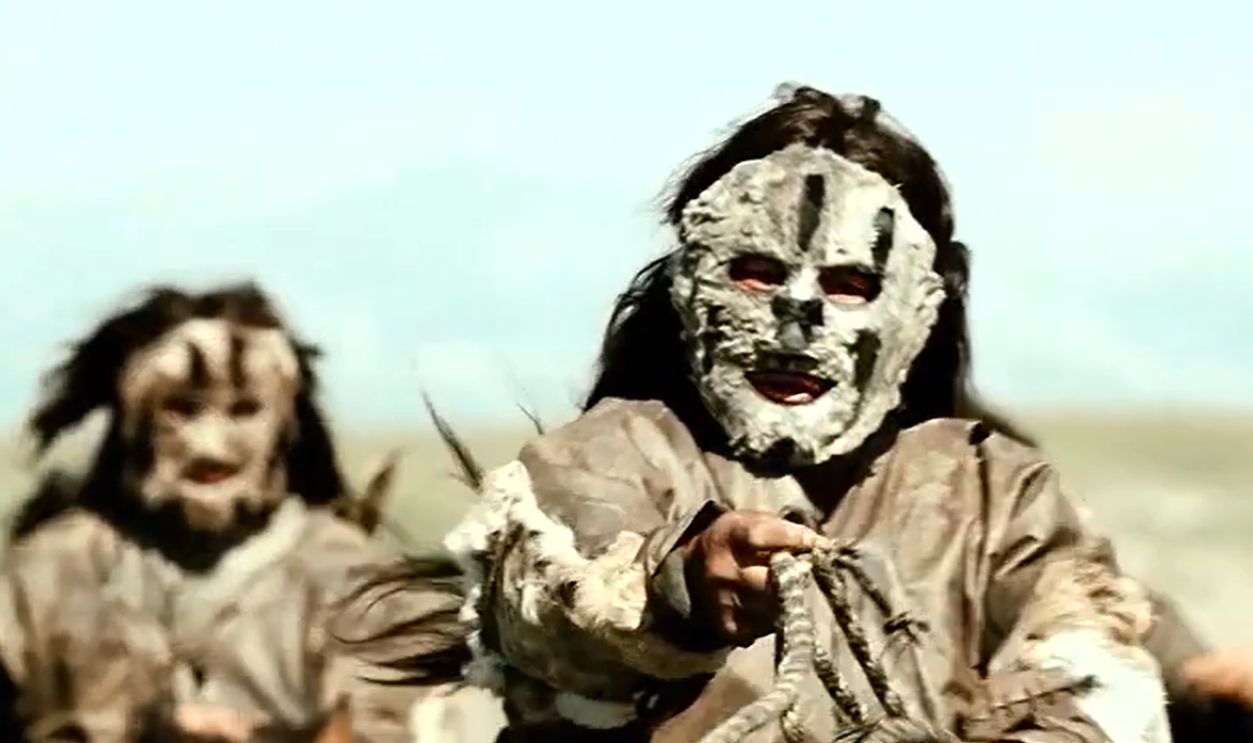
During a vengeful raid on Khan’s camp, another tribal group—the Merkits—snatched Khan’s new wife. To add insult to injury, they forced her to marry a man from their tribe. Incensed, Khan looked to an old friend for help, Jamukha. Together, they pulled together a militia of 20,000 fighters and rescued Khan’s wife. When she returned, however, she brought back some unexpected baggage…
 Screenshot from Mongol: The Rise of Genghis Khan, Warner Bros. Pictures
13. They Never Knew
Börte returned to her young husband in a shocking condition: pregnant. And shortly after returning, she had a son, Jochi. Considering the timeline, you’ve probably already guessed the baby very possibly wasn’t Khan’s. Either way, he raised the baby as his own, though rumors about who his real daddy might have been never went away. But perhaps Khan was in a giving mood, considering how he spent the next year and half of his life.
14. They Went Deeper
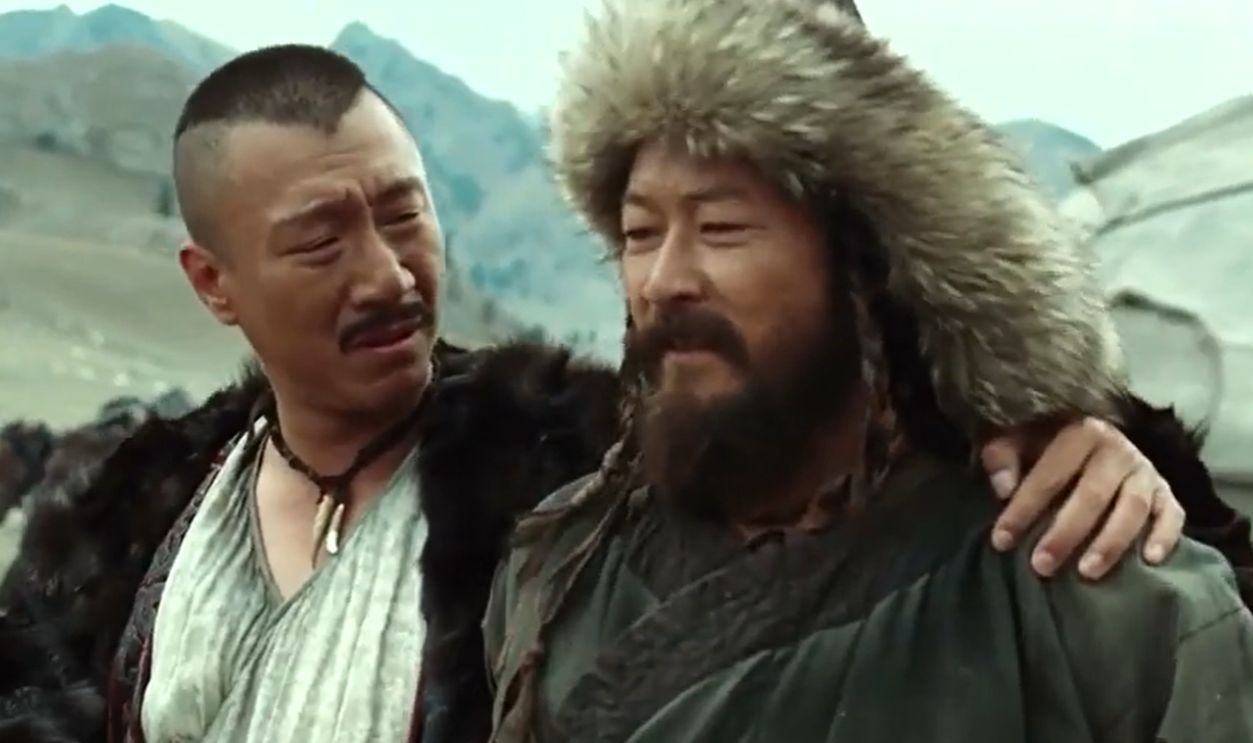
According to several historians, this situation brought Khan and his childhood friend, Jamukha closer together. In some versions of events, Khan entered into his service as a payment for his help. In others, the two just became closer friends, so close that they “slept together under one blanket”. Either way, what is confirmed is that the two camped together with all their followers, and that after just a year and a half, everything went awry.
 Screenshot from Mongol: The Rise of Genghis Khan, Warner Bros. Pictures
15. They Fell Out
While history seems to have left out the juicy details explaining exactly why, Khan and Jamukha eventually began to butt heads. According to some reports, things got really tense when Jamukha made an insulting comment about their camp. Instead of trying to mend things, Khan focused more on building his own following, ultimately dividing Jamukha’s men. But things didn’t really come to a head until Khan’s followers gave him a new title…
16. He Got Jealous
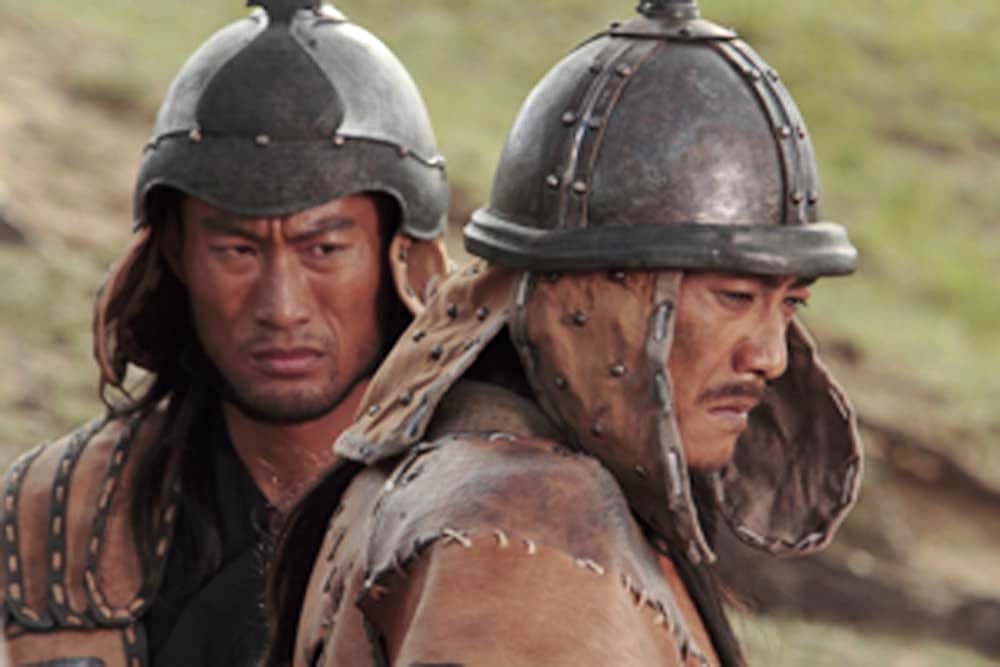
When Khan’s followers declared him the “khan of the Mongols,” Jamukha reached his boiling point. In 1187, the two met each other in battle at Dalan Baljut. There, the fight seemed fairly even, but in the end, Khan experienced a crushing defeat. What happened next is probably the last thing you’d expect of a future conqueror…
 Screenshot from Mongol: The Rise of Genghis Khan, Warner Bros. Pictures
17. They Owned Him
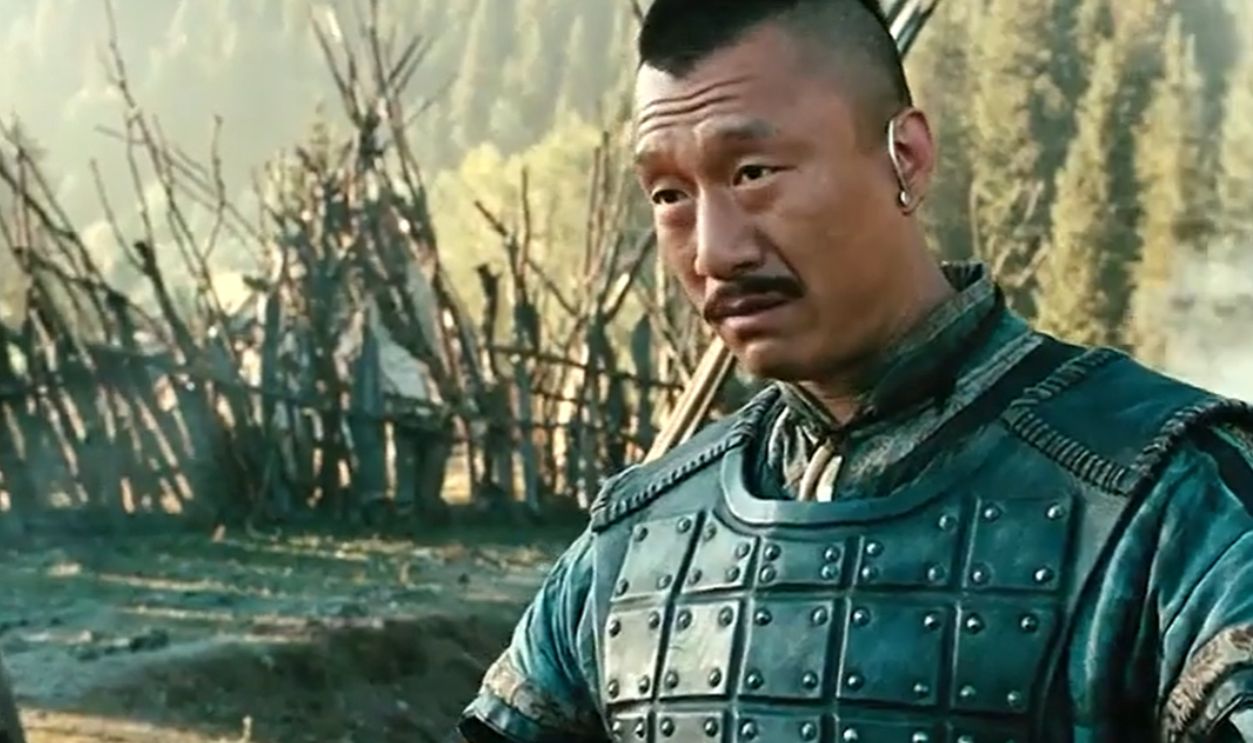
For the next several years, Khan lived as a slave in Northern China’s Jin Dynasty. Historians postulate that this resulted from his embarrassing loss to his old friend. However, the idea of Khan as a slave proved too much for traditional Mongolian record keepers, who conveniently scrubbed that part of the story. But, even though life as a servant doesn’t quite sound like a conqueror’s history, it very possibly led him to the critical turning point in the story of his life.
 CTB Film Company, Mongol: The Rise of Genghis Khan (2007)
18. He Came Back Swinging
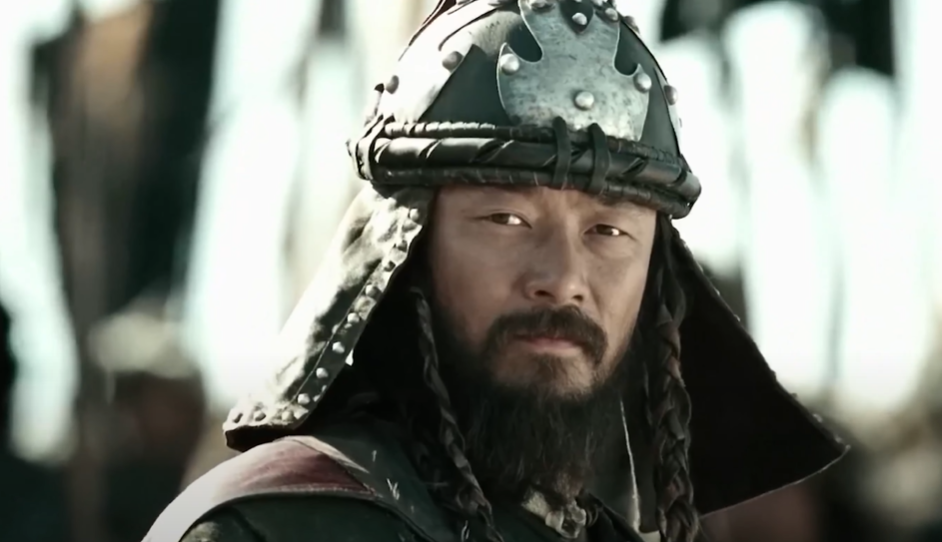
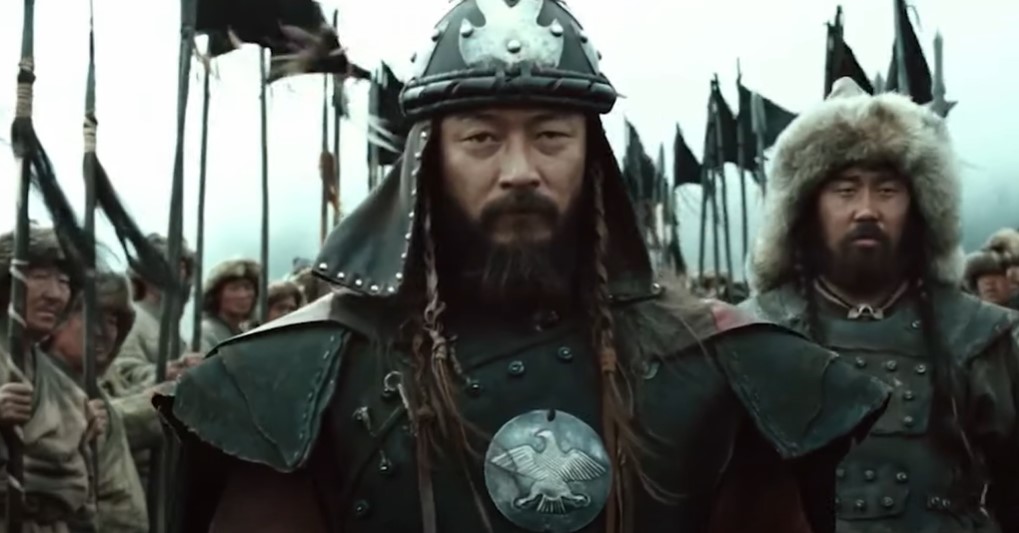
In 1196, Khan finally reappeared on the scenes of history after over a decade of quiet service—and he came back in fighting shape. He fought alongside the Jin to defeat the Tatars (the same enemies who took his father’s life, if you recall!). He also contributed to a victory for another old friend, Toghrul. With those two decisive wins, Khan solidified his position as a warrior and leader.
And just in time to get some sweet revenge.
 CTB Film Company, Mongol: The Rise of Genghis Khan (2007)
19. He Lost His Favor
Back in his own camp, Khan’s favorite frenemy, Jamukha, was quickly losing favor with his own people. Reportedly, he literally boiled his captives alive after his battle with Khan, and went even further, disrespecting the lifeless bodies of those who opposed him. Horrified, many of his followers left him to follow Khan.
Now, if you know anything about Khan, you’ll know cruelty became his trademark. But back then, his growing base of followers knew him for something much more admirable.
20. He Had A Code
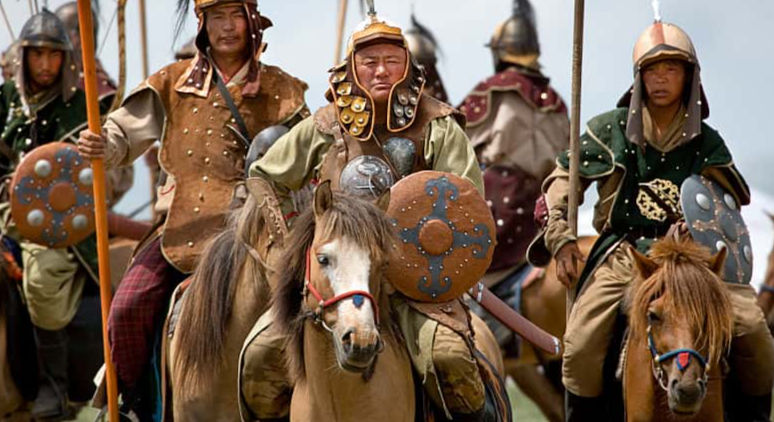
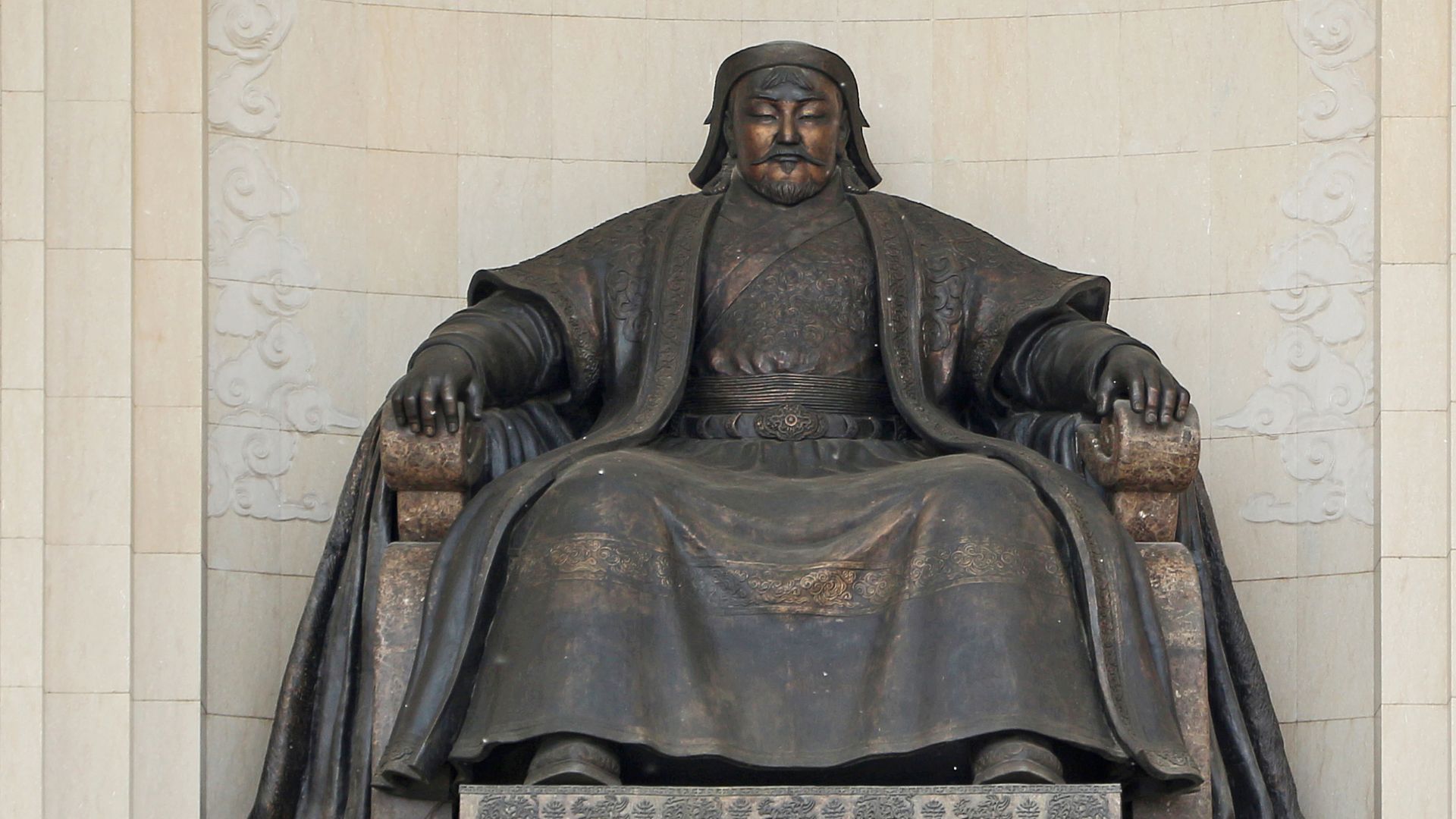
All strength and fighting skills aside, Khan built a reputation as a compassionate leader of his own people. He denied common practices of aristocracy, elevating loyalty as the highest ideal. That being said, it’s not hard to see how he continued to build his massive following. And while he built a clan on the value of loyalty and belonging, he viciously set out to conquer lands and peoples like no one had before.
 Bernard Gagnon, Wikimedia Commons
21. He Took Over
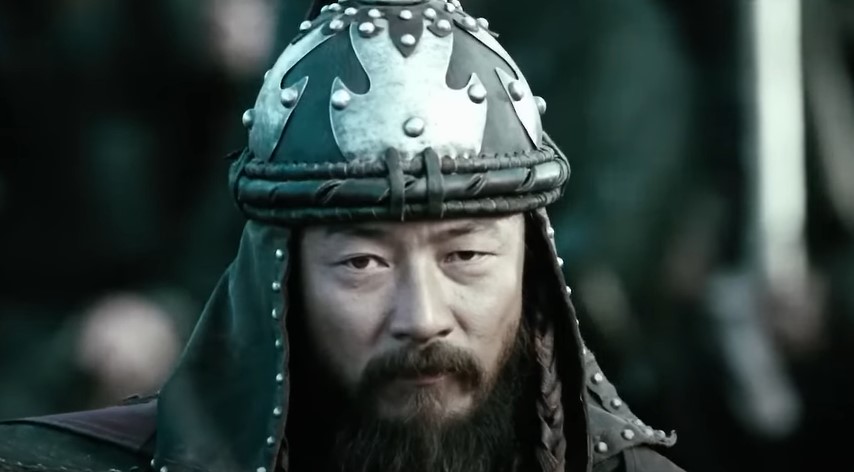
Partnered with Toghrul, Khan began invading and taking over other tribes—specifically the Merkits, Naimans, and Tartars. While the pair sometimes parted ways in their conquests, their mission remained the same. They invaded the tribes, ended the lives of their leaders, and pulled their warriors into their own militias. And in 1201, Khan managed a vengeful win over a decade in the making.
 CTB Film Company, Mongol: The Rise of Genghis Khan (2007)
22. He Defeated Him
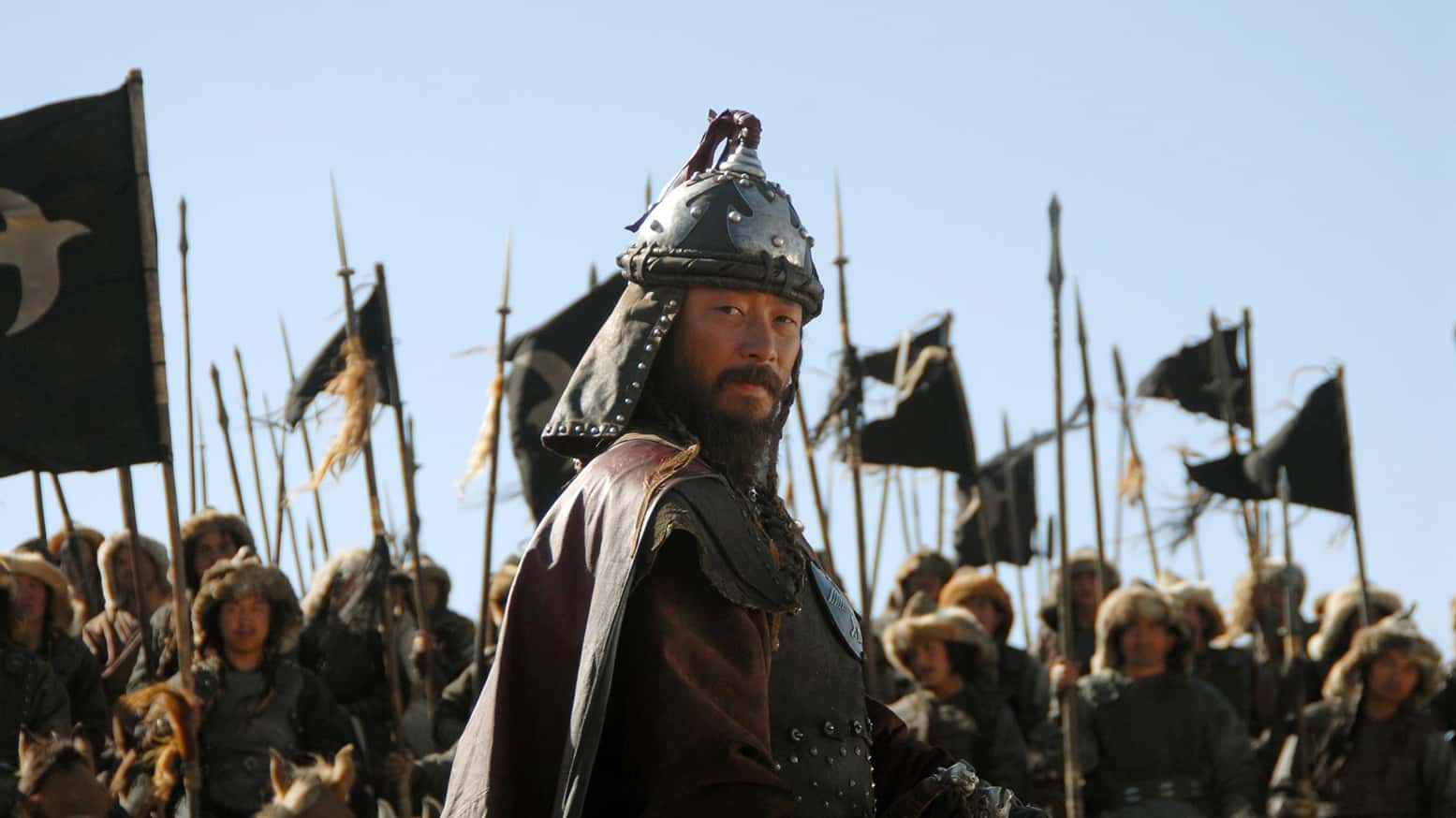
Back in Jamukha’s camp, his tribe declared him “gurkhan,” or “khan of the tribes”—much like Khan’s own followers did before Jamukha dealt him a crushing defeat. This time, the power came with Khan, who attacked Jamukha in alliance with Toghrul. They totally decimated Jamukha and his tribe. With that and their other conquests, Khan found himself leading one of the three major tribes in the area.
But, of course, being one of three, especially in tandem with another great like Toghrul, wasn’t enough. This time, though, Khan approached his ambition with a fresh method.
23. He Used His Son
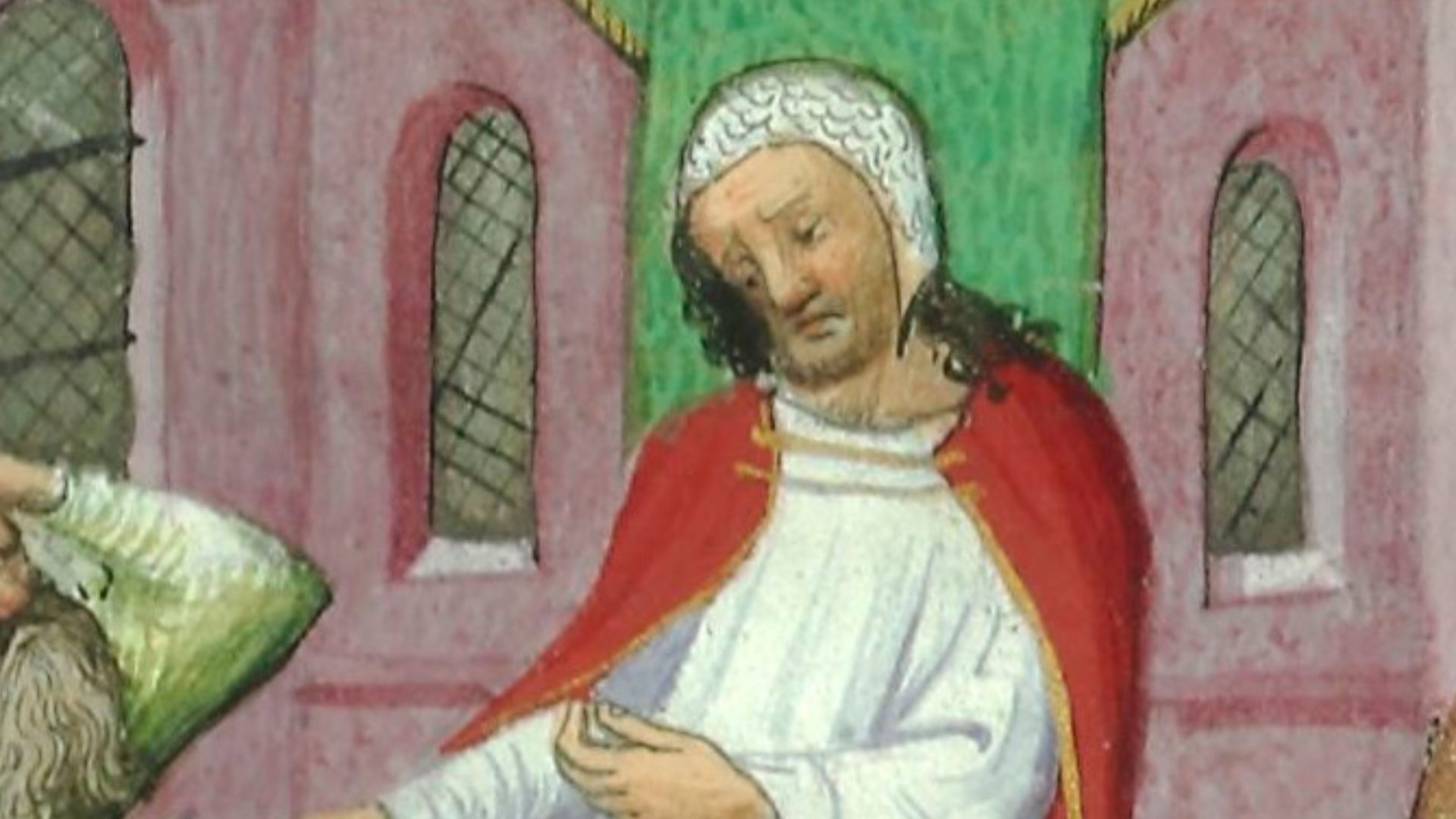
In order to secure his position, Khan proposed a marriage between his son, Jochi, and Toghrul’s daughter. Unfortunately, this is just where some old ghosts returned to haunt him. Toghrul refused to agree to the union, partly due to the fact that they never really could confirm whether or not Jochi was Khan’s legitimate child. And while that was one nail in the coffin, one other thing that seemed like a positive attribute proved itself a thorn in Khan’s side.
 Unknown artistUnknown artist, Wikimedia Commons
24. He Was Too Good
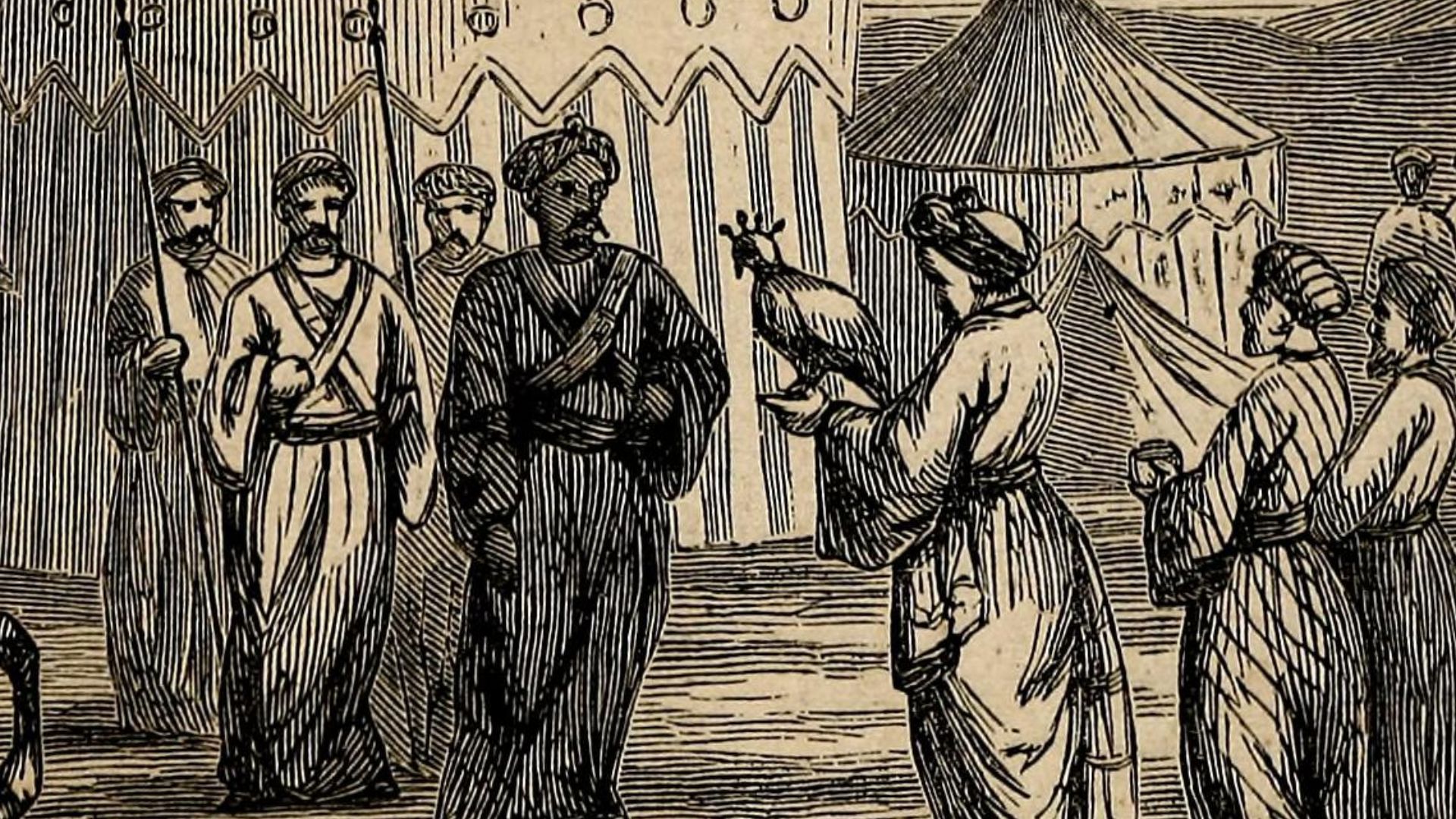
Toghrul also didn’t like the way Khan ruled. With his emphasis on loyalty, Khan often gave high political positions to lower class persons in his tribe. If they proved themselves committed and trustworthy, they could hold their own place of honor in his clan. Not only did Toghrul not do the same, but he also saw Khan’s belief system as a threat to his own. And with that, a dangerous plan loomed on the horizon.
 Internet Archive Book Images, Wikimedia Commons
25. They Plotted Against Him
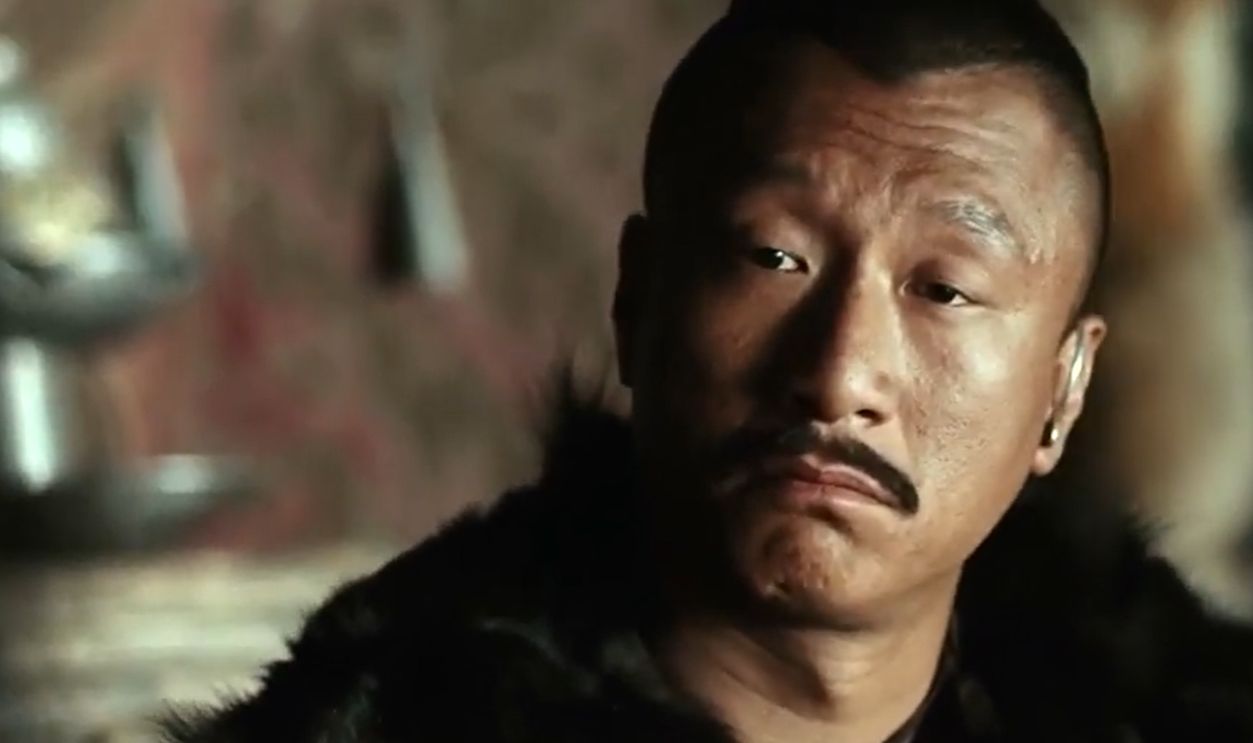
Cue Jamukha, who, though defeated, managed to stay alive (for the time being, anyway). Jamukha got into Toghrul’s ear, encouraging him to turn on Khan, and plan an ambush. Luckily for Khan, he received word about the impending trouble before the actual attack. But even so, he couldn’t get his warriors together in time to fend off his new enemies. They defeated him at the Battle of Qalaqaljid Sands, sending him running.
But while on the run, in a place called Baljuna, Khan made a declaration that changed history forever, and in more ways than one.
 Screenshot from Mongol: The Rise of Genghis Khan, Warner Bros. Pictures
26. He Broke Barriers
By then, Khan’s clan included men from several different tribes and even clashing religions. But Khan looked at them all and made a promise, now lauded as the “Baljuna Covenant”. He swore that he’d be loyal to whoever went into battle with him, remembering them with great favor regardless of how the tides turned. According to one source, his oath was so moving that “there was none who was not moved to tears”.
And with that, Khan returned to his enemies with both a fortified army and a serious thirst for blood.
 Jim Garamone, American Forces Press Service, Wikimedia Commons
27. He Went Hard
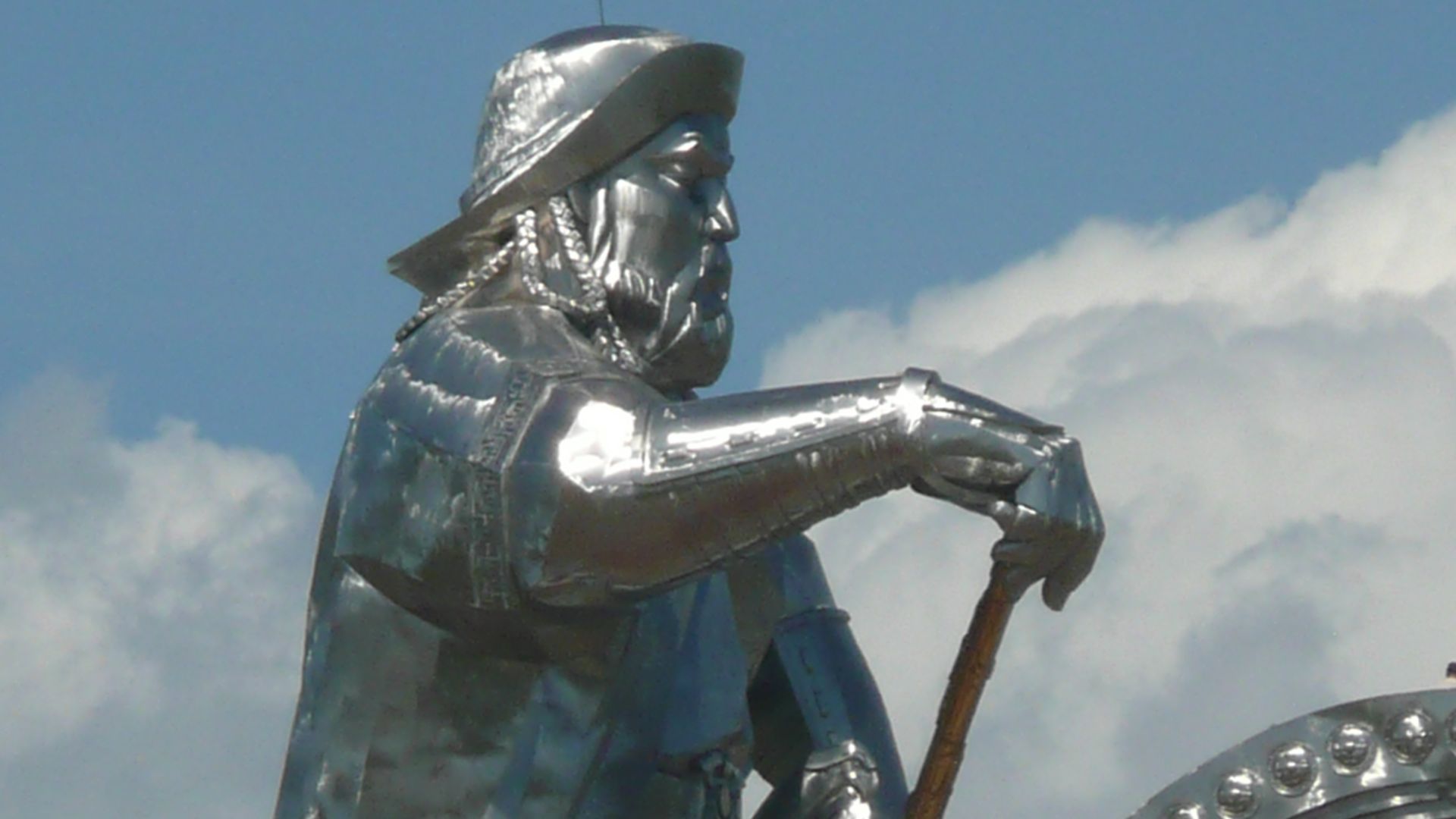
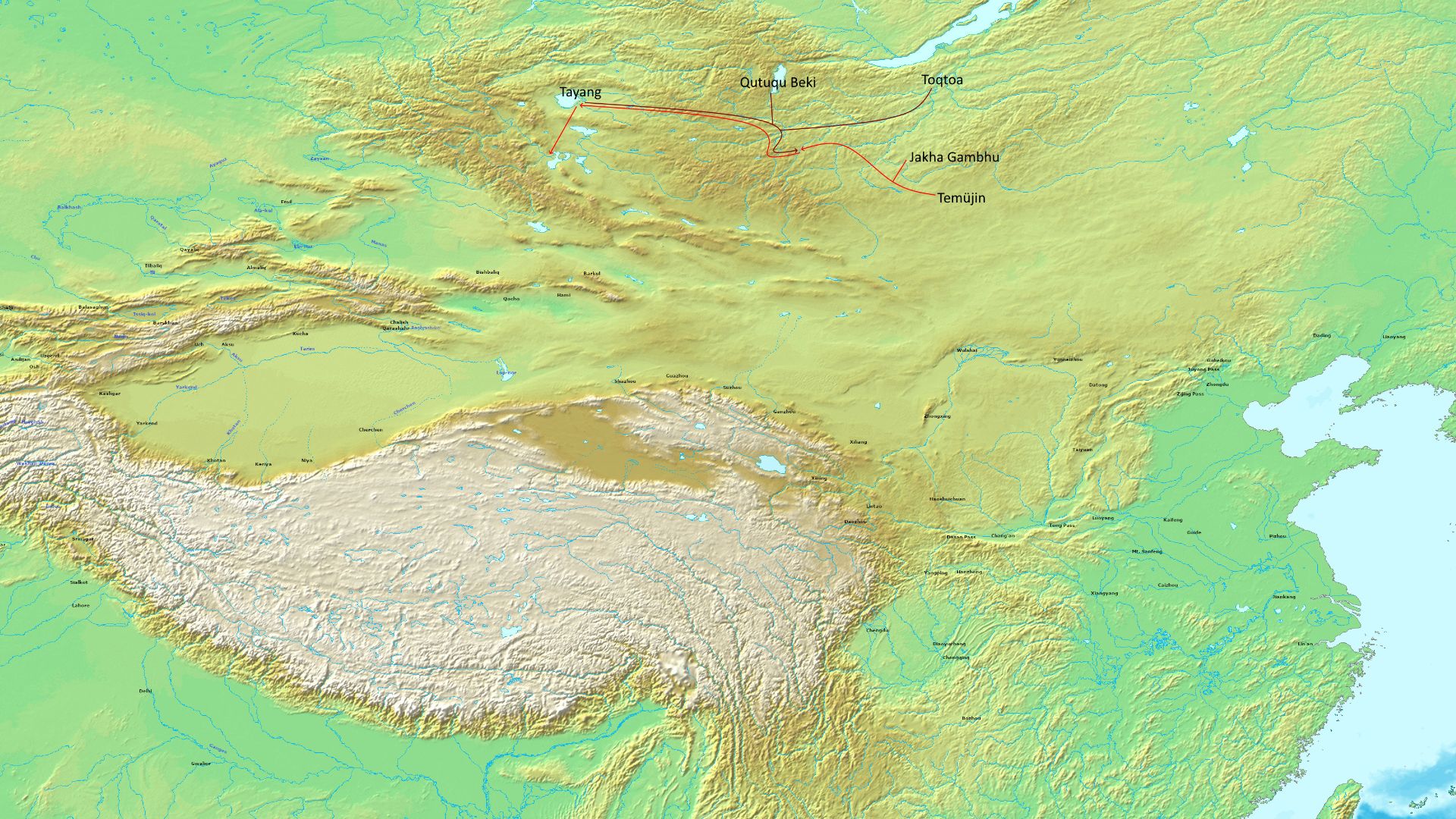
Once again, Khan came back harder than before. He and his brother planned their own ambush, absolutely destroying Toghrul’s army. Toghrul himself managed to get away from Khan, but lost his life to a stranger who didn’t recognize him as a chieftain. With that victory, Khan turned his attention to the Naiman clan, who had made a friend of Jamukha and any remaining followers he had left. Khan showed no mercy.
 Brucke-Osteuropa, Wikimedia Commons
28. He Dominated
In 1204, Khan’s warriors completely crushed the Naimans at the Battle of Chakirmaut. They defeated the remaining tribe, the Merkits, shortly after, securing Khan’s total domination of the Mongolian empire. And what of Jamukha, you might ask? Well, that depends on which version of the story seems the most believable to you.
29. He Got His Due (Maybe)
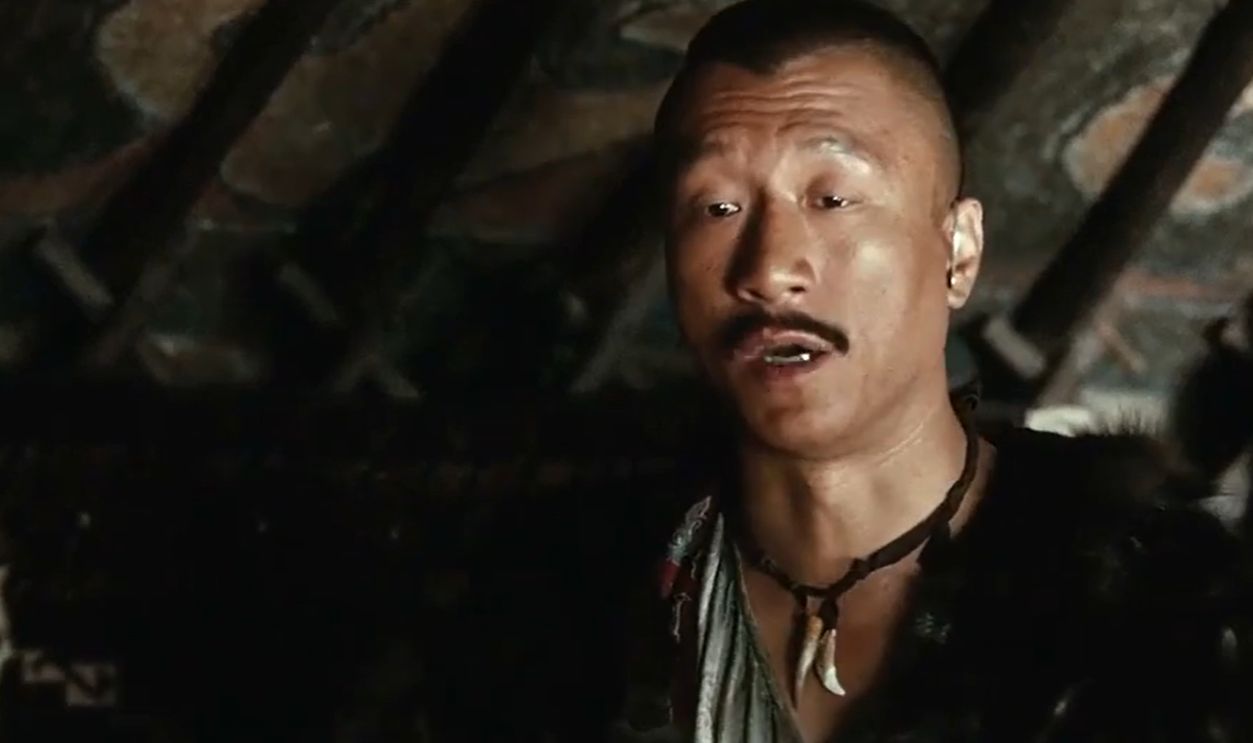
The Naimans ultimately gave Jamukha up themselves, turning him over to Khan to do his worst. But what do you do with a childhood friend turned mortal enemy? Well, according to some versions of events, Khan remembered his oath of brotherhood to Jamukha and ended his life in an honorable fashion. According to others, he ordered his warriors to pull him apart limb by limb.
And with that, he earned the title that still remains on our lips to this very day…
 Screenshot from Mongol: The Rise of Genghis Khan, Warner Bros. Pictures
30. He Leveled Up
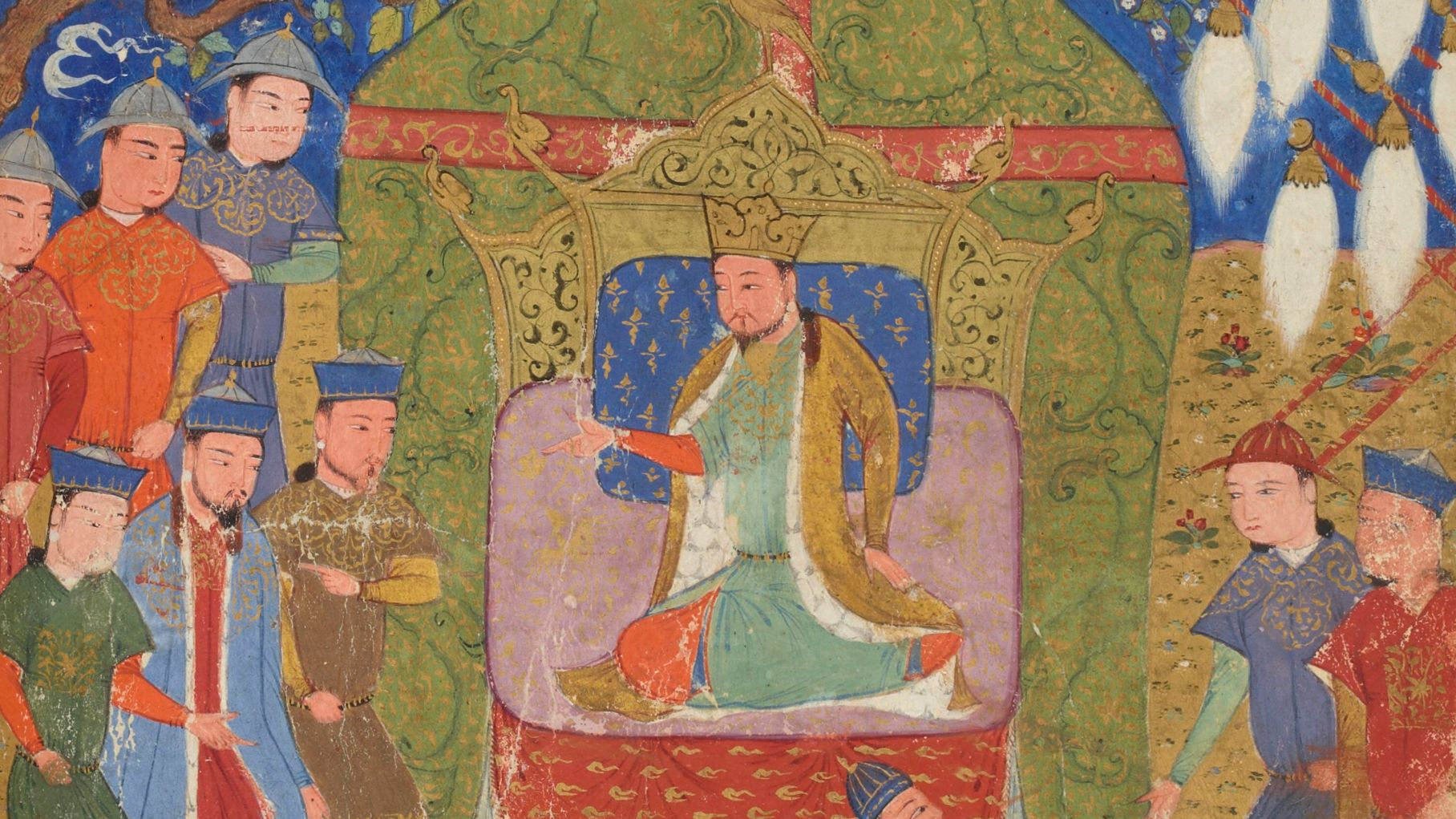
Finally the sole leader of the empire, Khan assembled the lesser leaders of the clans together. To that point, he’d actually gone by his birth name, Temüjin. But at that assembly, he officially became Genghis Khan. Whether he gave himself his title or received it from his new nation is still unknown, as is the true meaning of the name. Some historians say it meant “master of the ocean,” while others lean toward “Universal Leader”.
Either way, he was the man in charge, and he was ready to do things in a way no one ever had.
 Sayf al-Vahidi. Herat. Afghanistan, Wikimedia Commons
31. He Pulled It Together
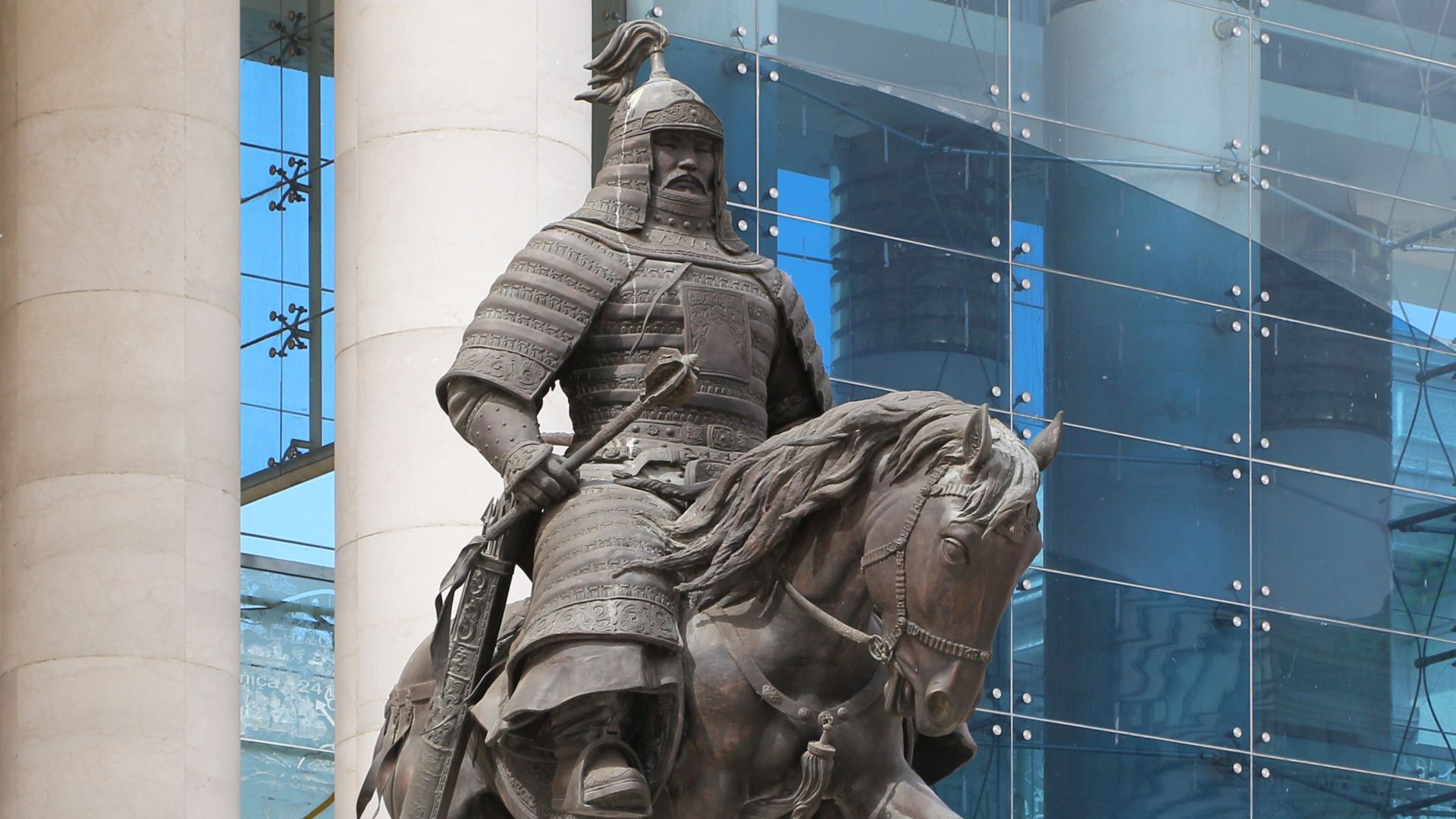
Khan changed the entire system of rule in the Mongolian empire. He disbanded the tribes, reorganizing the men into warrior systems rather than familial groups. In doing so, he hoped to discourage power within separate tribes, maintaining his own lordship over the people. But, of course, that’s easier said than done. And holding on to the power he bled for proved to be a fight all its own.
 Bernard Gagnon, Wikimedia Commons
32. He Went Big
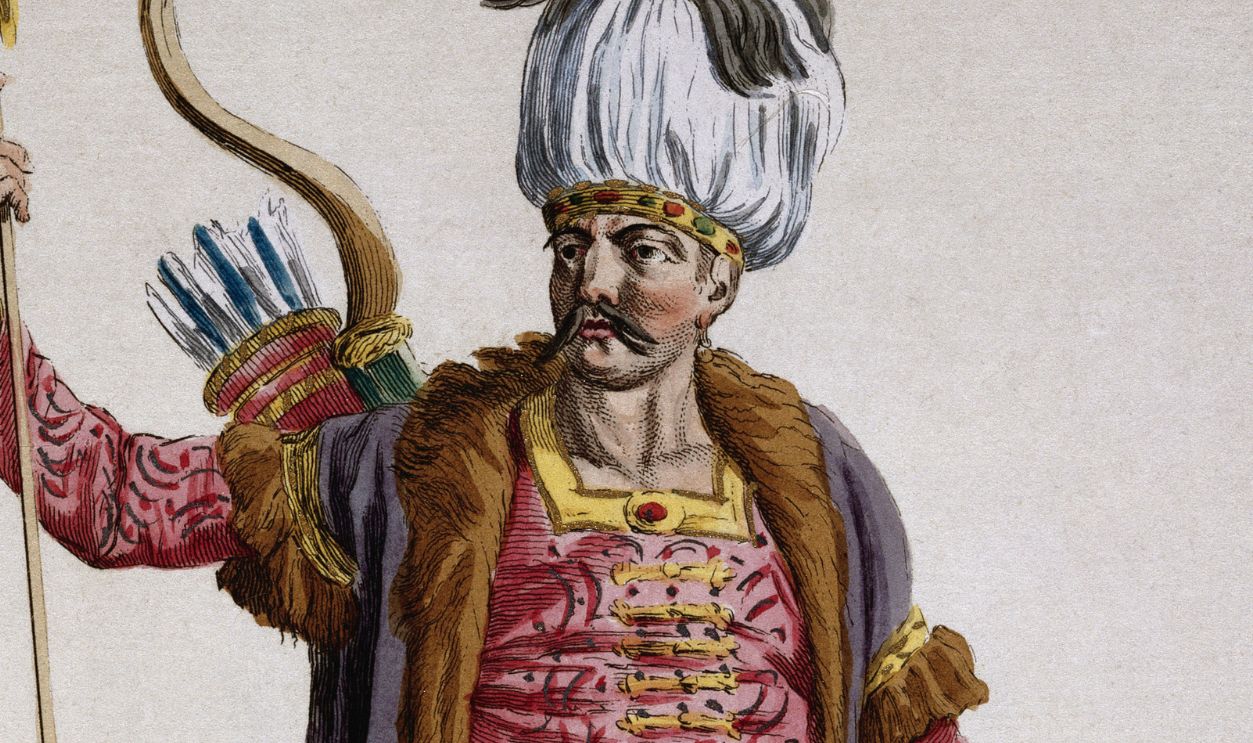
Over the next several years, Khan focused on both expanding his empire and trying to fortify it. And while he managed to bring other smaller surrounding areas under control with his seemingly undefeatable warriors, some trouble brewed in his own backyard. He didn’t let any threat live too long though—literally.
 Historical Picture Archive, Getty Images
33. He Became Divine
Early in his reign, Genghis Khan’s biggest problem wasn’t an enemy army—it was a shaman. The shaman Kokechu had started out as a supporter of Khan, supposedly playing a role in giving him his official title. But over time, he gained influence and started trying to divide the imperial family.
Khan’s solution? He ordered him dead, and declared himself the kingdom’s supreme spiritual leader. Unfortunately for him, things weren’t always that easy.
 Clara-Agathe NARGEOT (1829 - ?), Wikimedia Commons
34. He Wanted It All
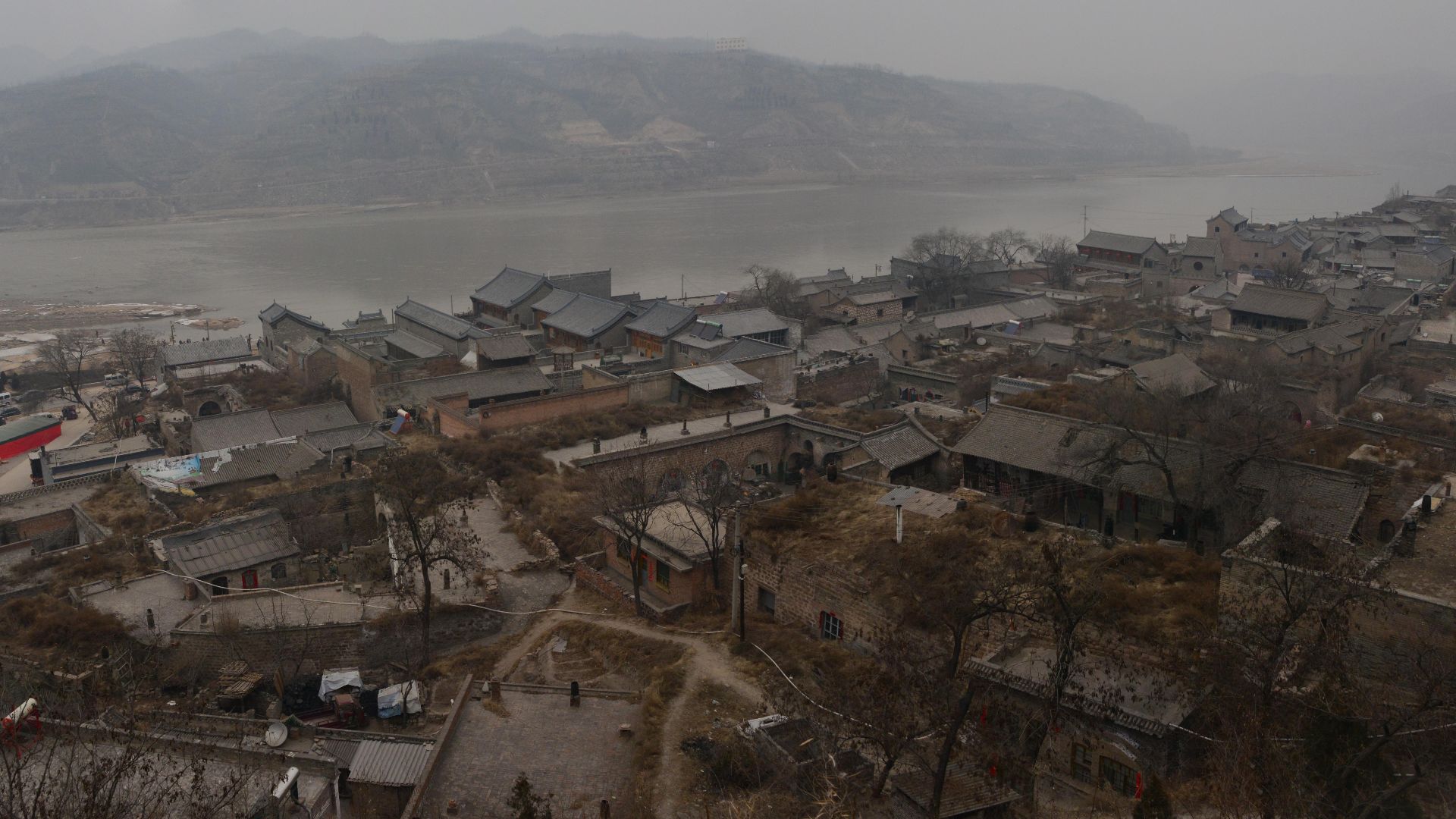
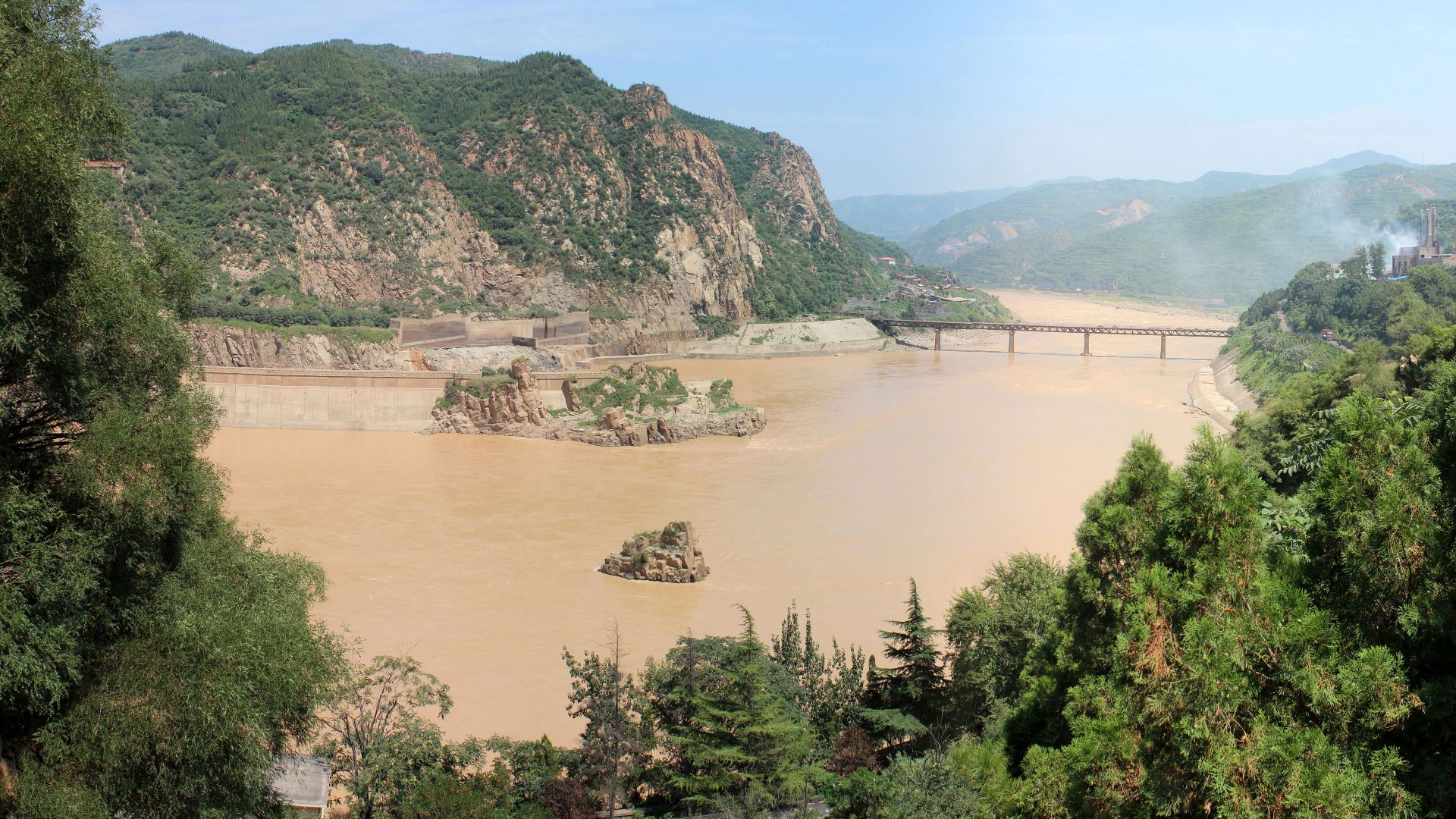
In 1209, Khan came up with what seemed like a failproof plan to conquer Western Xia. He and his men attempted to divert the Yellow River with a dam, in hopes it would flood the capital of Zhongxing and render them another victorious conquest. Unfortunately, things pretty quickly went south, and not in the way they hoped.
35. His Plan Backfired
Instead of flooding Zhongxing, the dam broke and ended up flooding Khan’s own camp. Even so, he refused to back down. He pressed on in his pursuit, and ultimately came to an agreement with the region. Even more than that, he took the emperor’s daughter as tribute.
Khan’s ambition seemed truly insatiable. He moved on with his conquests, only getting more and more cocky with each victory…
36. He Spat On His Enemies (Literally)
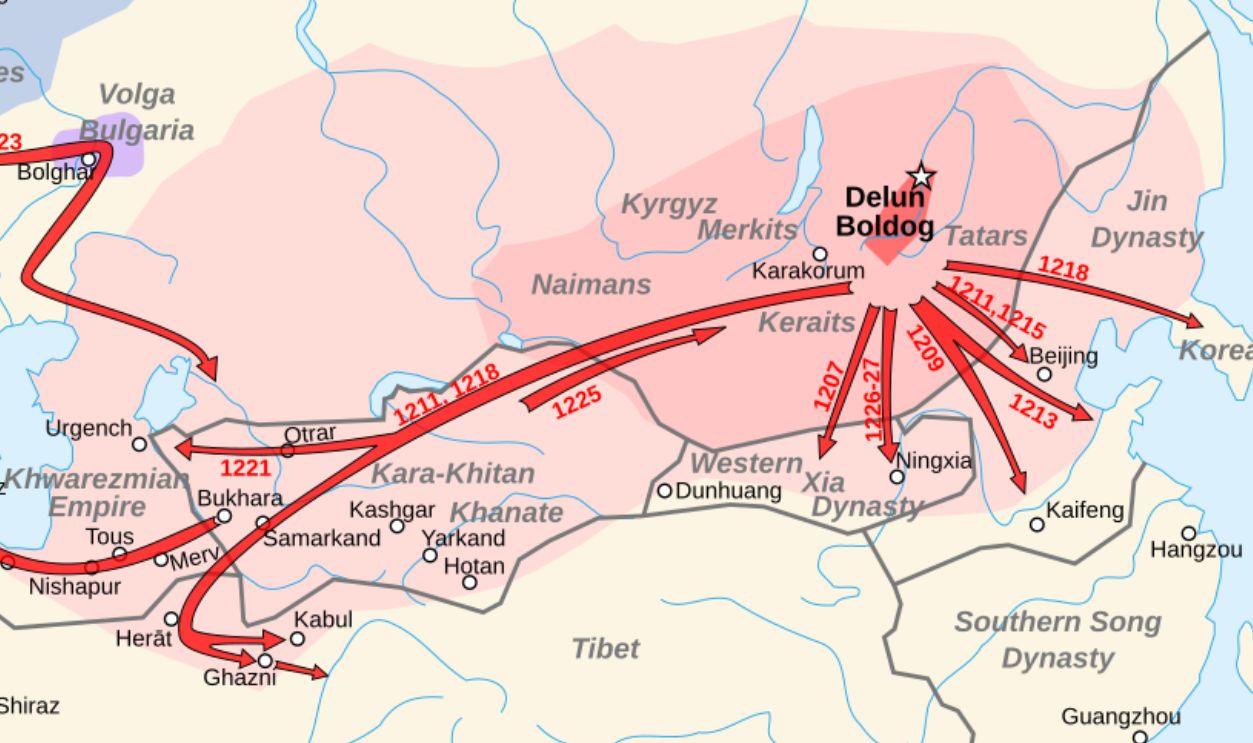
In 1210, a new leader took the Jin throne, and sent an envoy to demand tribute from Khan. In response, Khan spat in his face and left—an insult of the highest order. Despite being outnumbered roughly eight-to-one, he launched a brutal invasion, even recovering from an arrow wound at Xijing before outsmarting the Jin in 1213, opening the way to Beijing.
Those victories didn’t come without their horrors, though, including one that turned particularly grotesque.
37. They Ate The Bodies
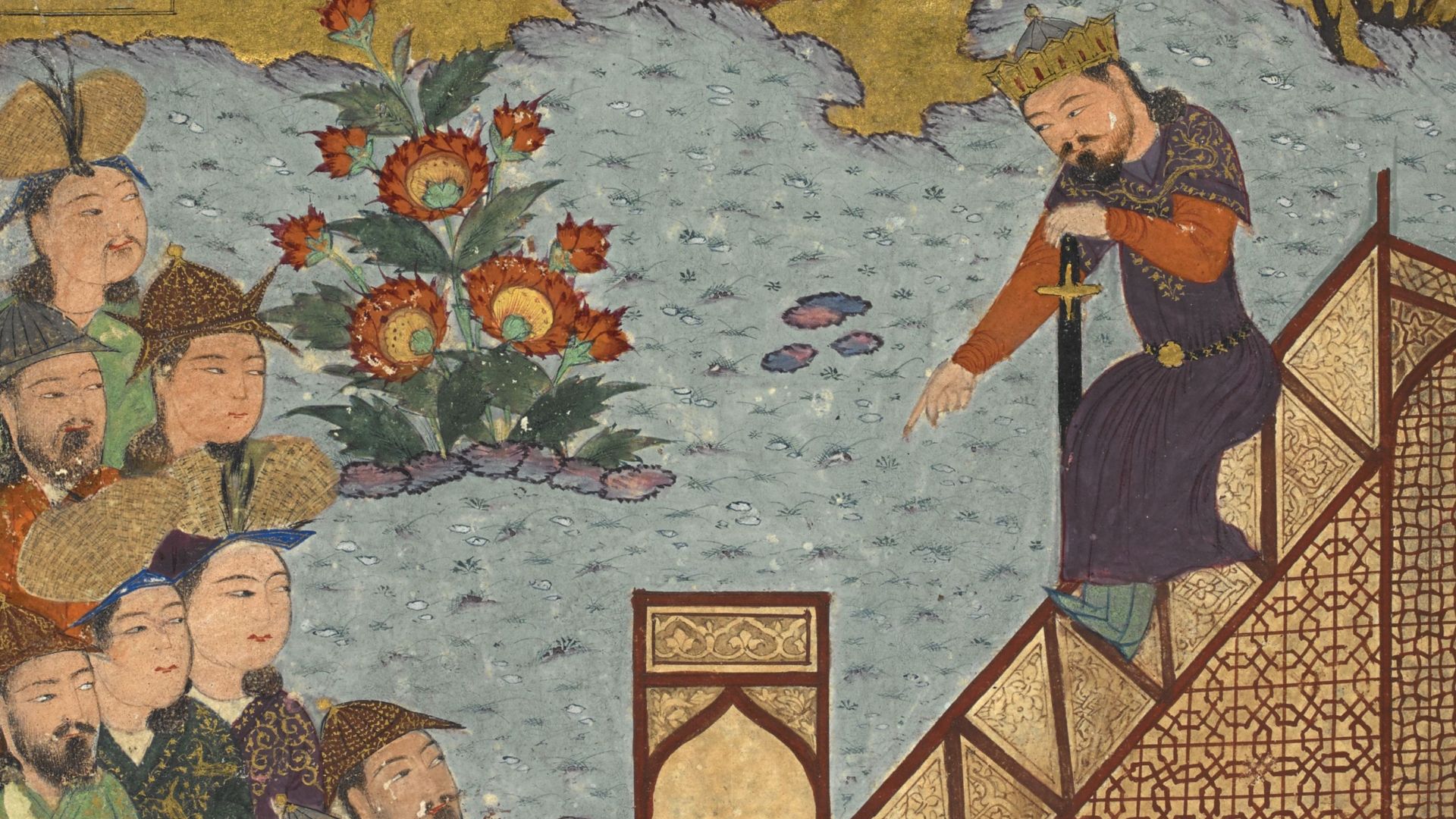
While besieging what eventually became modern day Beijing, Khan’s army found themself in such dire need that they resorted to cannibalism. Even so, he came away with an enormous victory and plenty of spoils, including a Jin princess. And When the Jin tried to regroup, Genghis Khan returned in 1215 and sacked the place, leaving the city in ruins and cementing his fearsome reputation.
And still, he was just getting started. Or at least, he certainly seemed to think so.
 Sayf al-Vahidi. Herat. Afghanistan, Wikimedia Commons
38. He Wanted It All
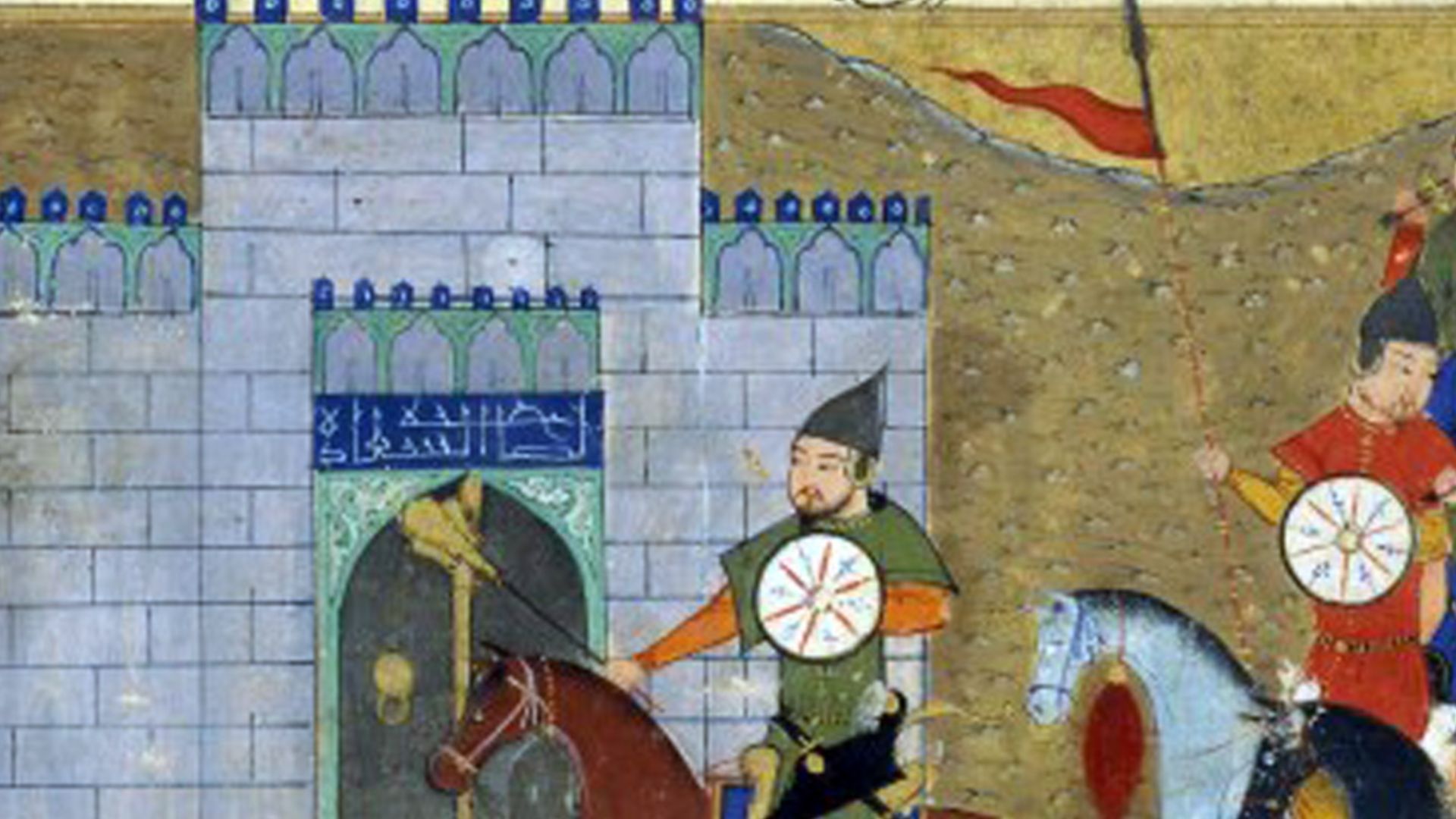
From 1216 to 1227, Khan went on a conquering spree. He crushed rebellions in Siberia, executed Kuchlug to secure Qara Khitai, annihilated key cities in the Khwarazmian Empire, and returned to China to conquer the Western Xia, capturing Khara-Khoto, sacking cities along the Gansu Corridor, and defeating a Xia relief army at Lingwu.
With that, he solidified Mongol dominance across Central Asia and northern China. That may sound all well and good for the conqueror himself, but his real brutality lay in the details.
39. They Were Ruthless
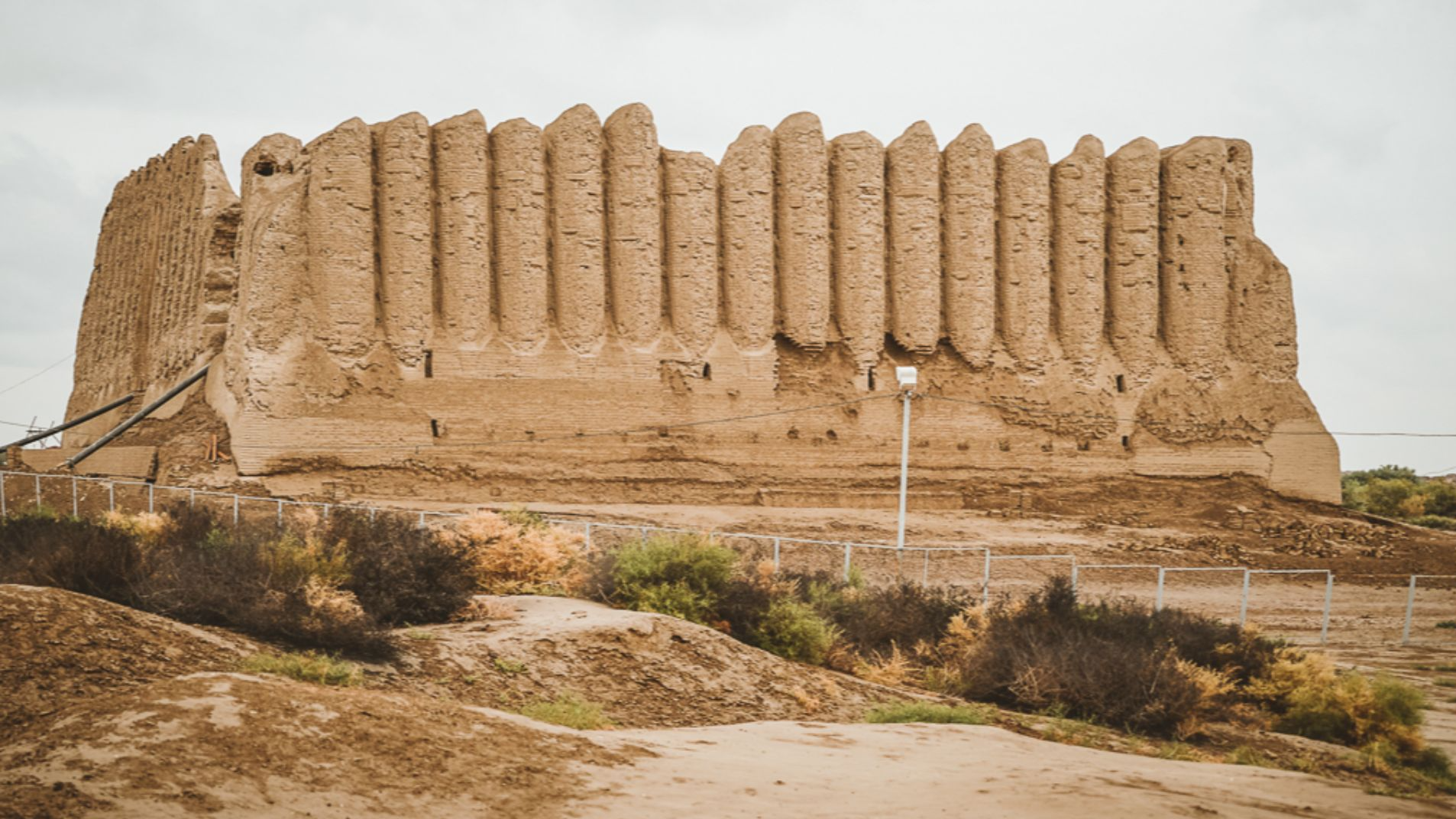
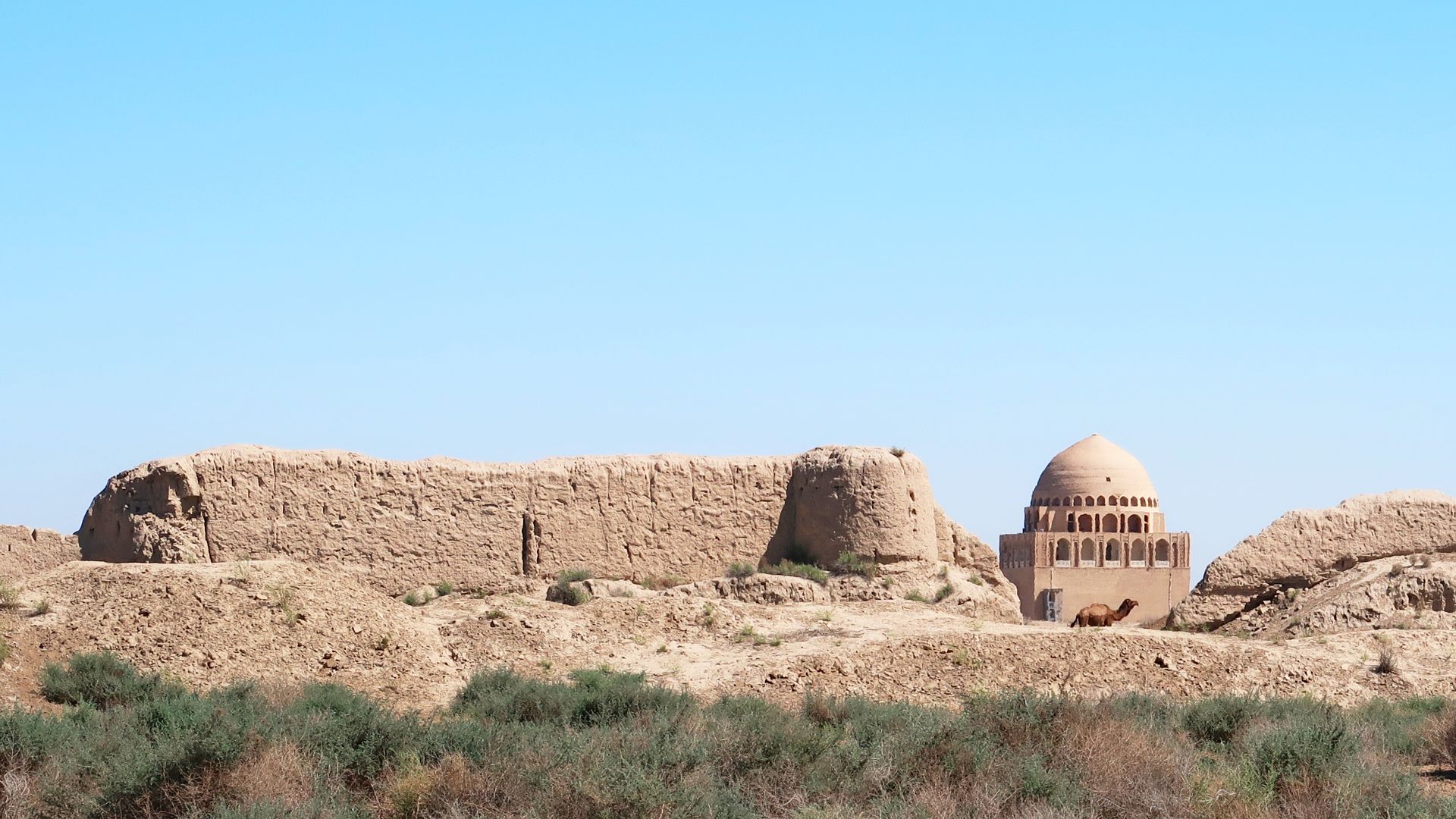
In 1221, Khan and his men laid siege to Merv (modern day Turkmenistan). Seemingly unbeatable by this time, they didn’t just conquer the people, they basically ransacked the city. They looted treasures, inflicted pain on the wealthy until they gave up their valuables, and caused widespread destruction. And where was loyalty-loving Khan? Not where you might expect…
 Kalpak Travel, Wikimedia Commons
40. He Liked To Watch
Reportedly, Khan gleefully watched the destruction from a place of honor. He perched on a golden throne, watching as his men decimated the population. Contemporary estimates put the casualties in the range of 700,000 to one million. It remains one of the largest massacres in history.
But if you still aren’t sure what kind of conqueror Khan proved to be, perhaps another chilling instance that happened that same year might cement it for you.
 John Pavelka from Austin, TX, USA, Wikimedia Commons
41. He Did It Again
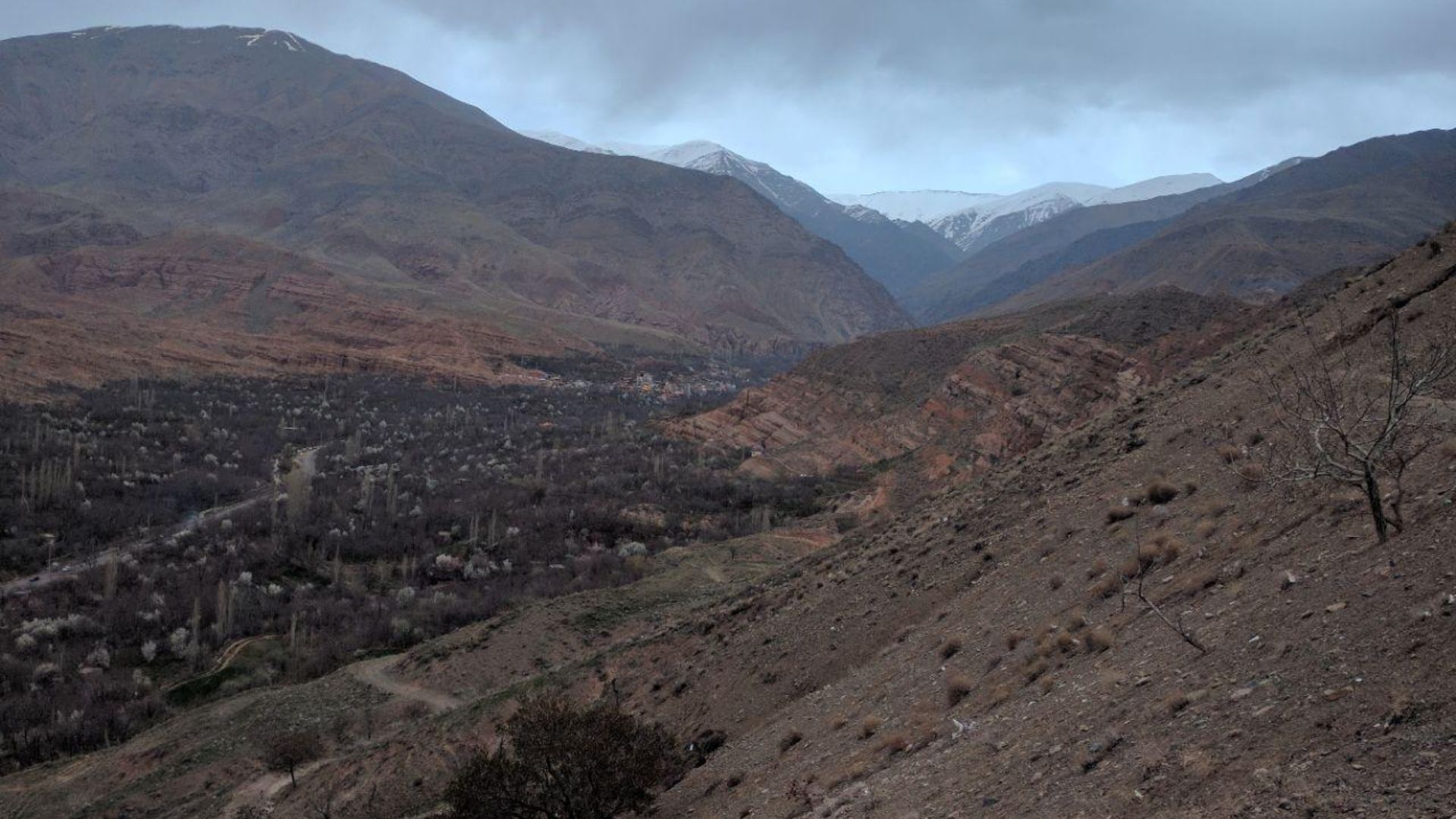
In April of that same year, Khan’s Mongols attacked Nishapur with massive force, including fireballs and stones. But the real terror started after it fell. Khan’s men nearly took out the entire population, said to be about 1.7 million people. They hunted down survivors, and piled up three pyramids of skulls for men, women, and children. They even took out the city’s animals, only leaving 400 skilled workers alive.
All that considered, perhaps it’s a good thing Khan didn’t have quite as many years left in him as he probably expected…
42. He Fell Off
Sometime between late 1226 and early 1227, Khan began meeting his end in a most unexpected way. While out on a hunt, he fell off his horse. While the details surrounding the fall and how exactly it affected him are vague, he grew sick after, and deteriorated further as winter wore on. At the time, though, his men were still out to battle. So when his son and commanders tried to encourage him to attend to his health, he decided to do just the opposite.
43. He Refused To Back Down
The commander they fought against hurled insults at the Mongolian army, and Khan refused to take it. He insisted the conquest continue, and refused to go back home himself to attend to his health. As such, he remained in his affected state, and ultimately passed right in the midst of the battle, either on August 18 or 25, 1227, according to most historians. But, of course, that wasn’t quite the end of the story…
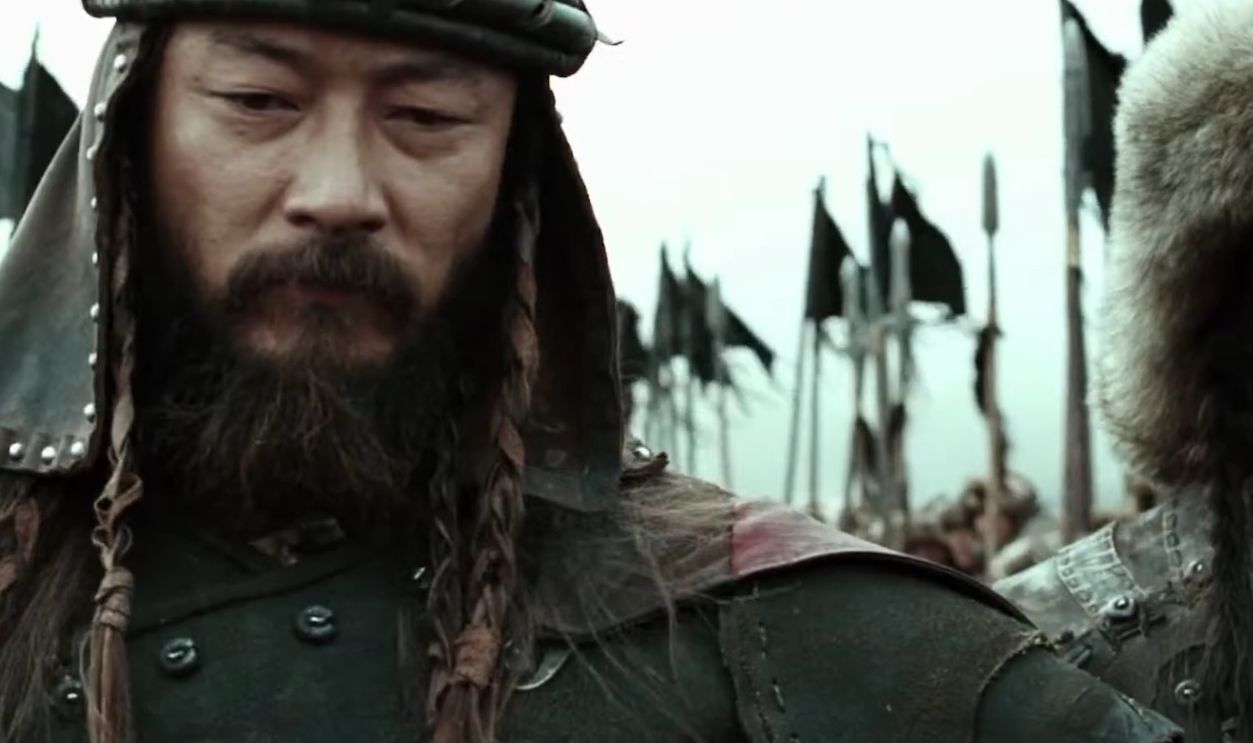 Screenshot from Mongol: The Rise of Genghis Khan, Warner Bros. Pictures
44. They Kept It On The DL
Khan’s army kept his passing a secret, hoping to complete their conquest victoriously. They managed to do so for about a month, after which they ultimately won the conquest, treating their newly won lands with the same savagery they always did. And when they did announce the passing of their brutal leader, even more shocking theories about what really happened to him started to surface.
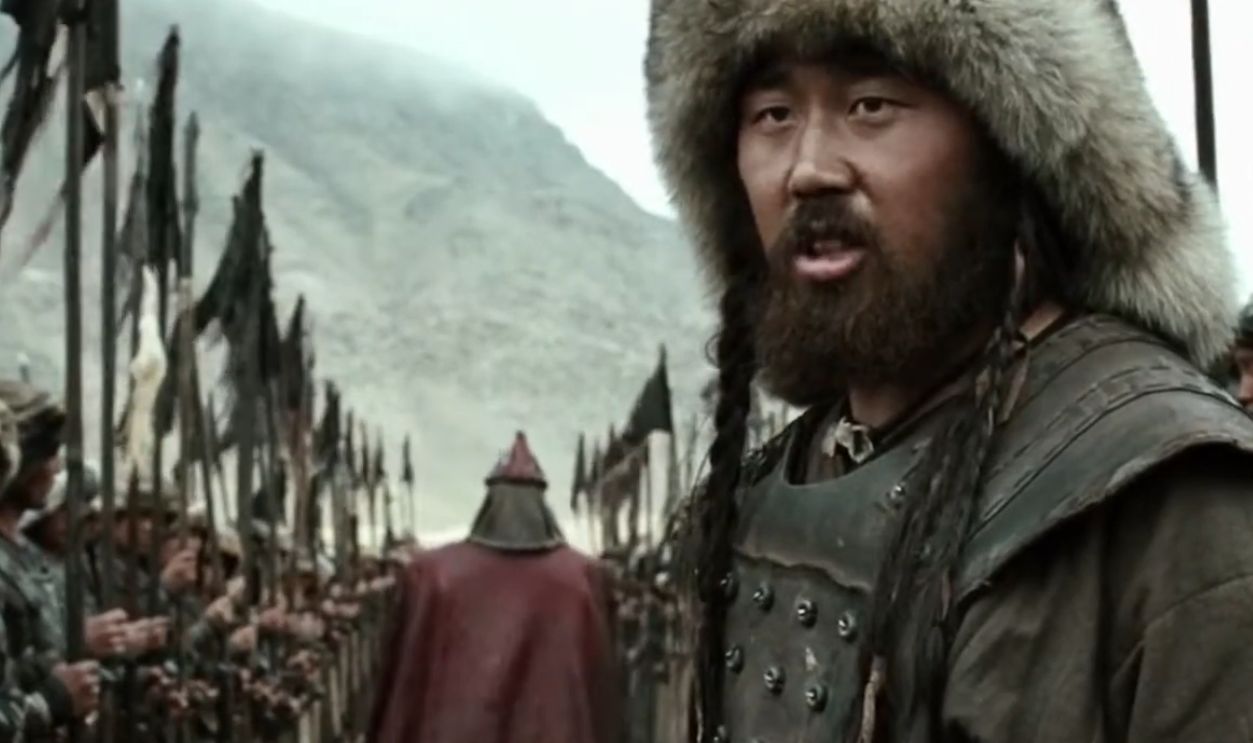 Screenshot from Mongol: The Rise of Genghis Khan, Warner Bros. Pictures
45. They Wrote The Legend
Considering the vague details surrounding Khan’s passing, multiple stories about the true cause still abound. Some sources claim he really did succumb to illness (possibly malaria, typhus, or plague), while others say he was struck by lightning, shot by an arrow during a siege, or even fatally wounded by a dagger during an encounter with Gurbelchin, the former wife of the Xia emperor.
Regardless of where the truth lies, his burial came with just as much drama as you’d expect from a man who lived as he did.
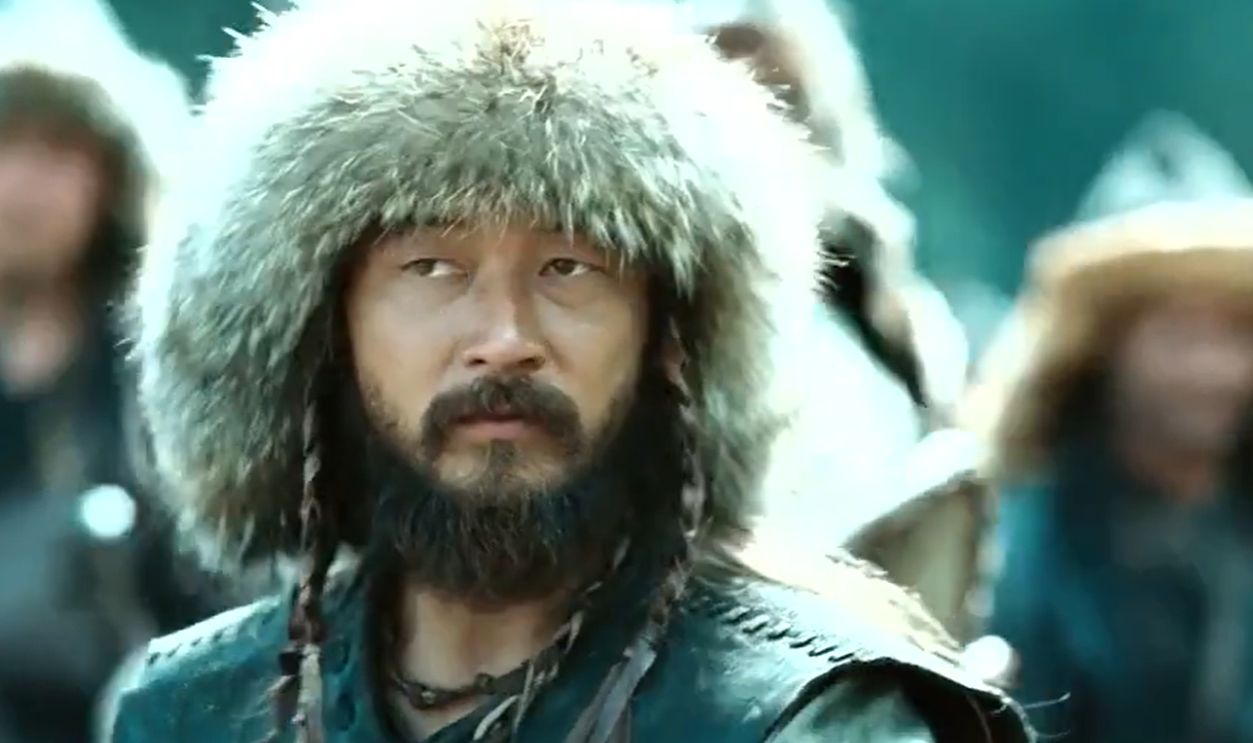 Screenshot from Mongol: The Rise of Genghis Khan, Warner Bros. Pictures
46. He Made A Request
Reportedly, Khan left one final instruction before he passed: he wanted his final resting place to remain a secret. As such, his funeral turned into a truly horrific affair. It started with the estimated 2,000 slaves ordered to bury Khan. Once they completed the task, their own guards took all their lives. But the bloodshed didn’t end with them.
 Atelier de Maître de la Mazarine, Wikimedia Commons
47. He Went As He Lived
Once the guards took the slaves’ lives, a second round of men then took the lives of the guards. Then those men scoured the countryside taking the life of anyone they saw, just in case they had caught sight of where they buried the emperor. After that, they took their own lives. With that bloody train of circumstances, they successfully concealed Khan’s resting place, which remains unconfirmed (though historians have their projections).
It’s a fitting end to his story, considering one other unusual detail about the infamous Mongol…
 Universal History Archive, Getty Images
48. He’s Still A Mystery
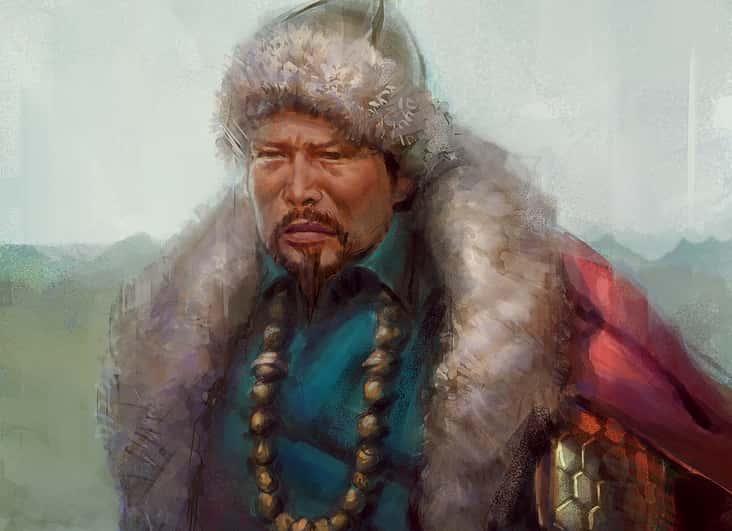
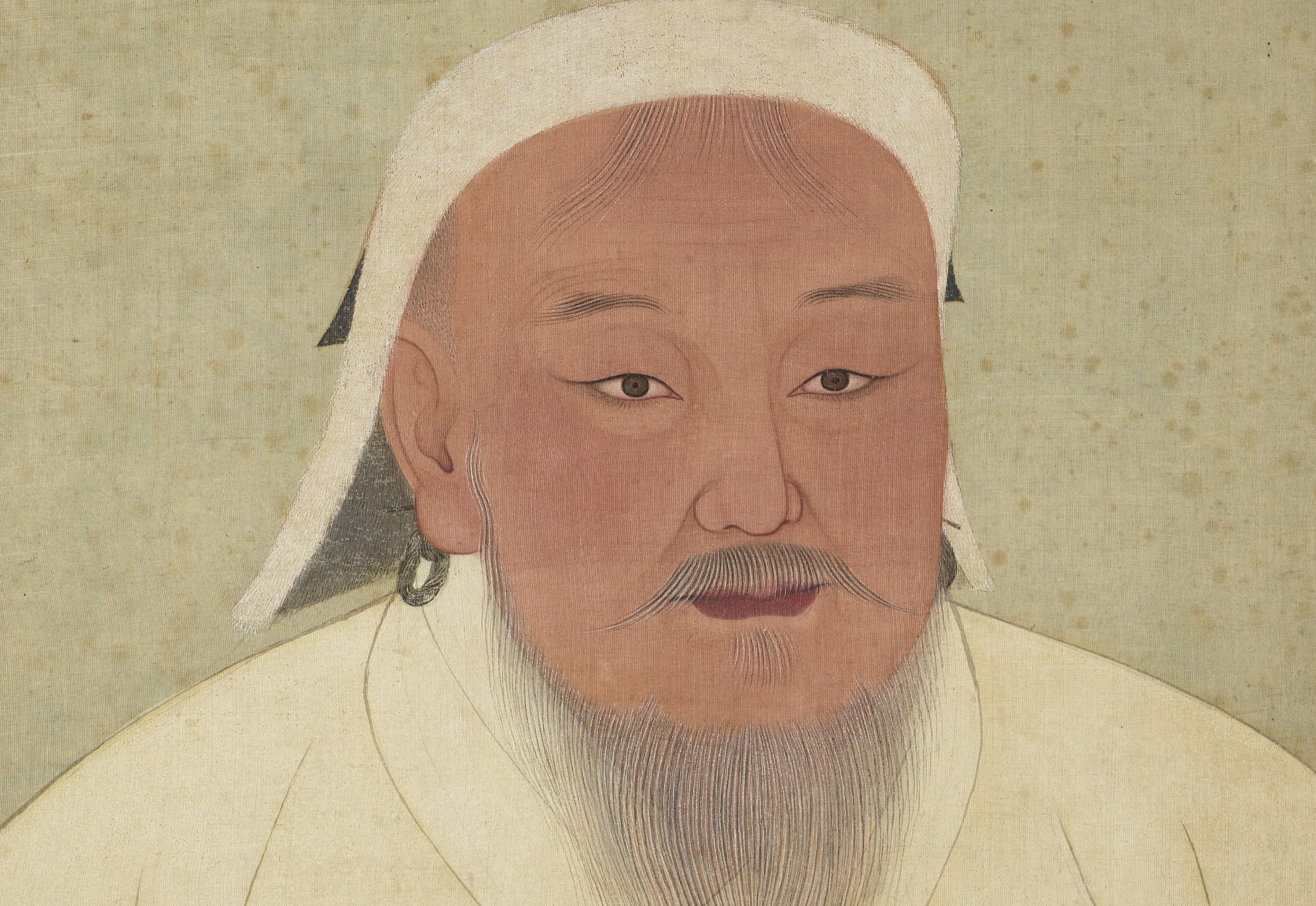
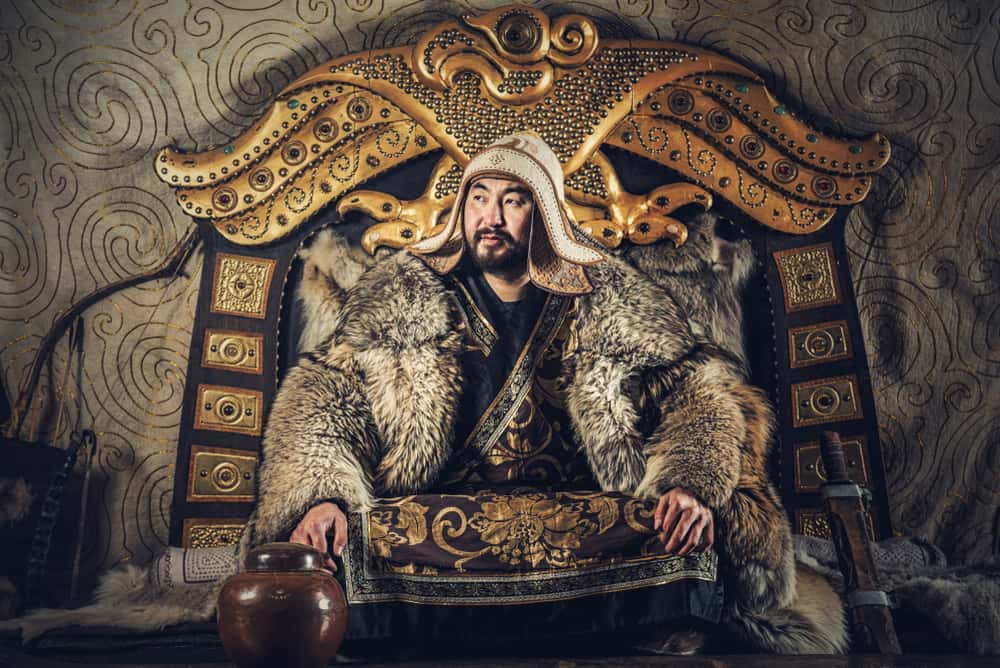
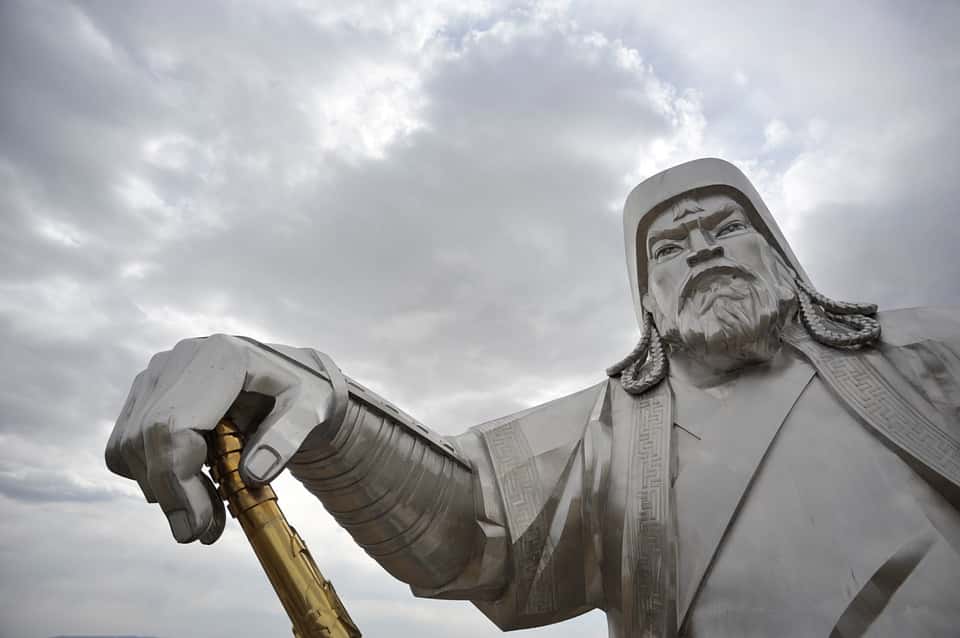
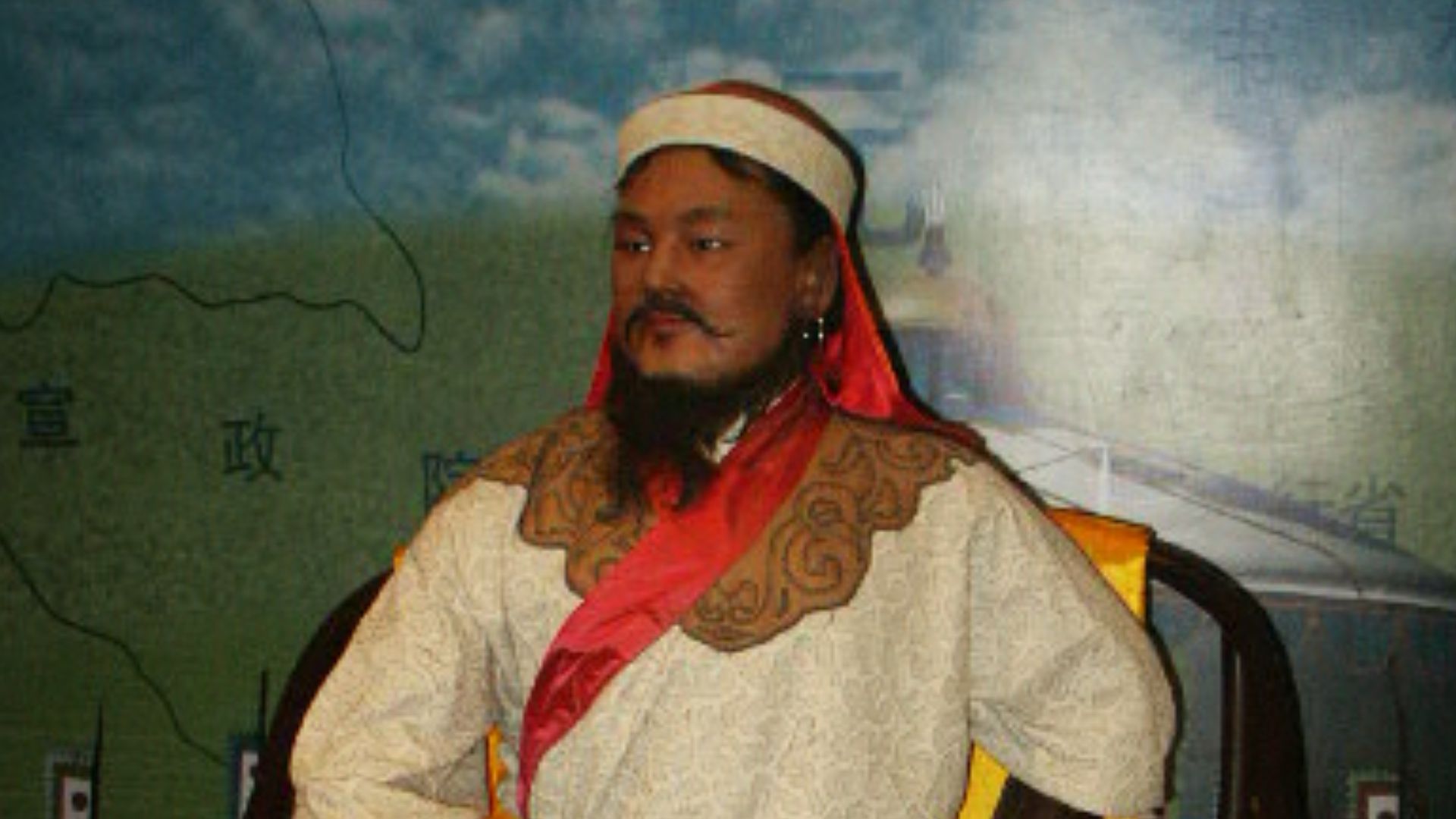
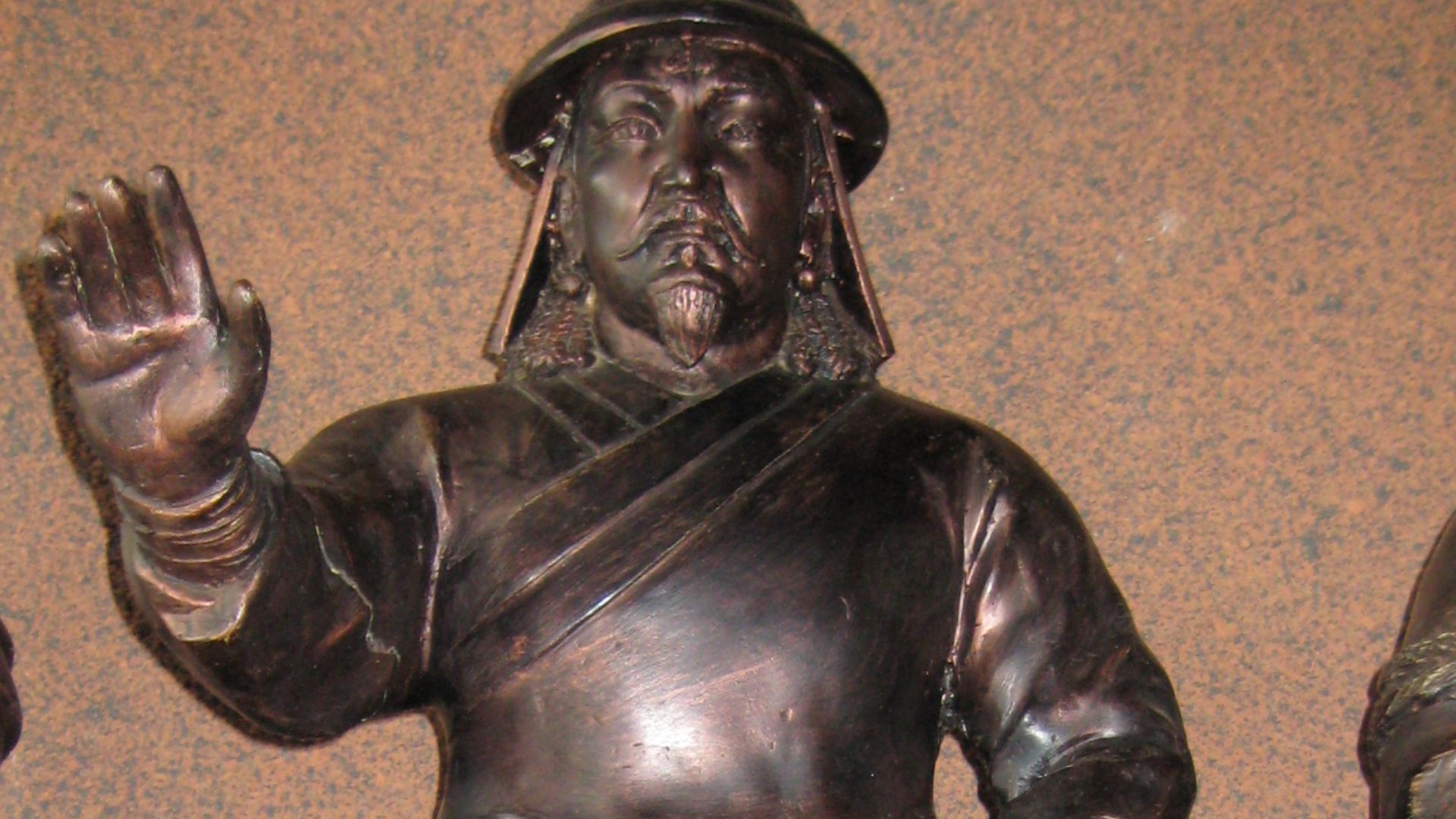
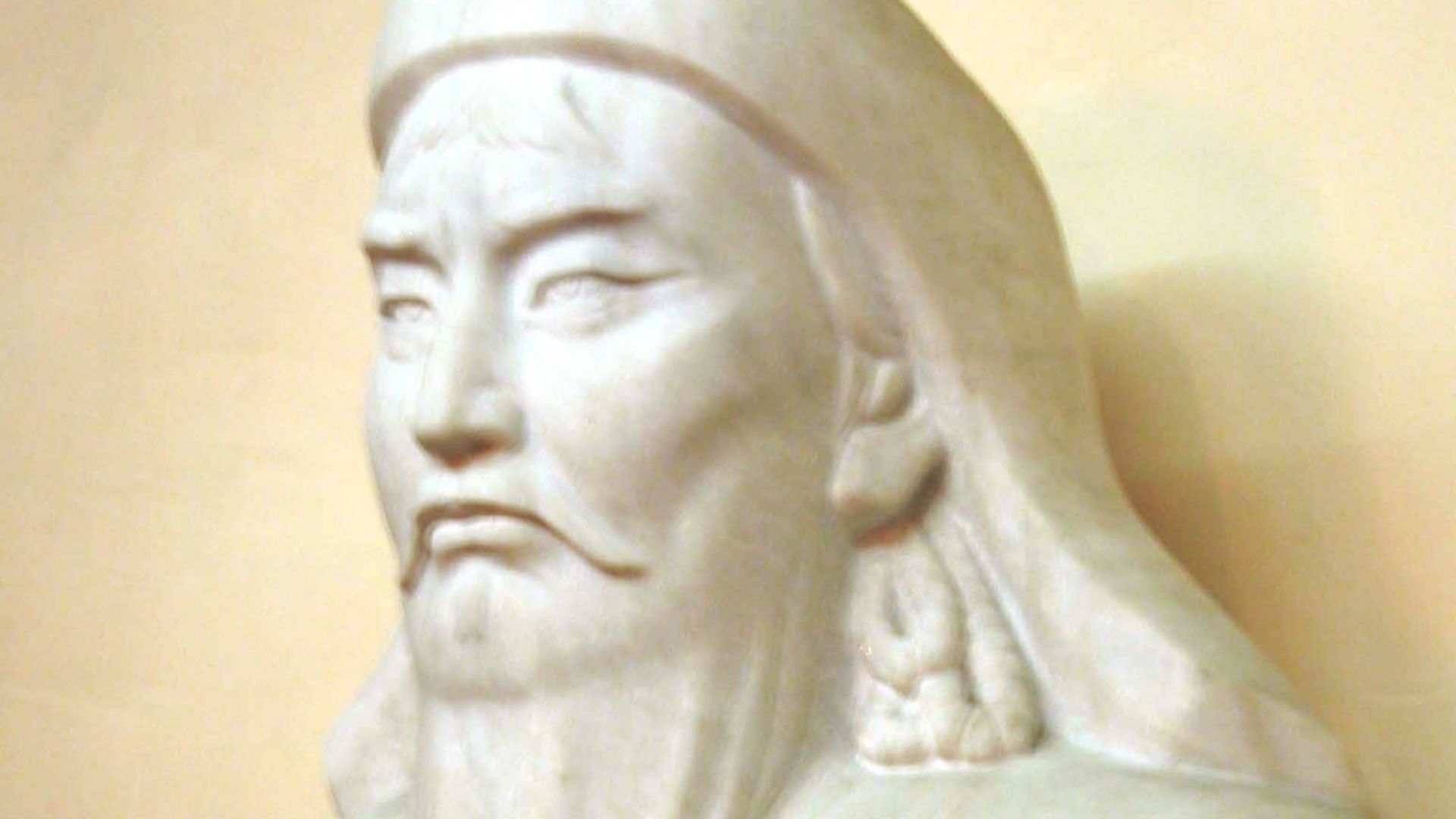
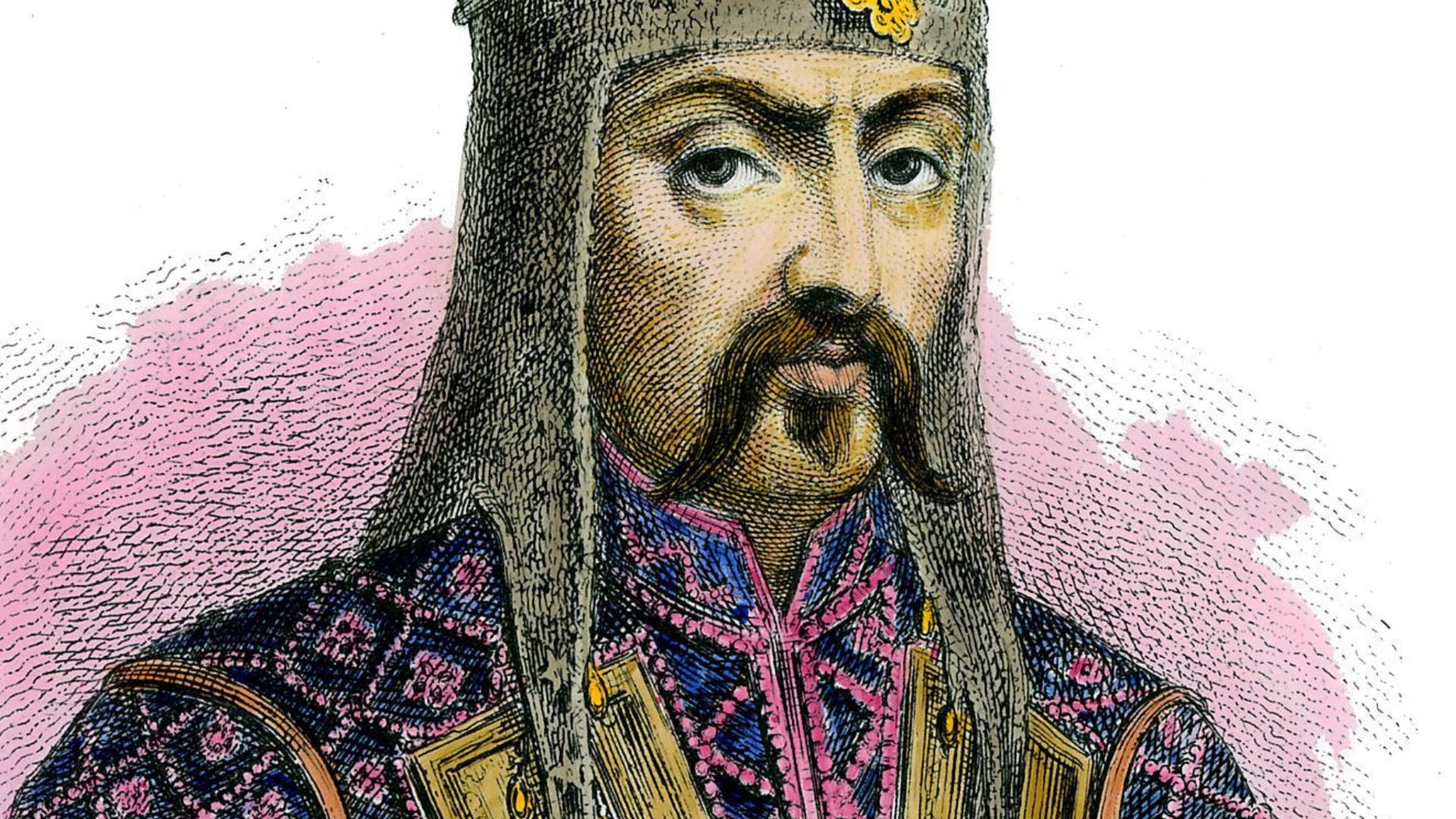
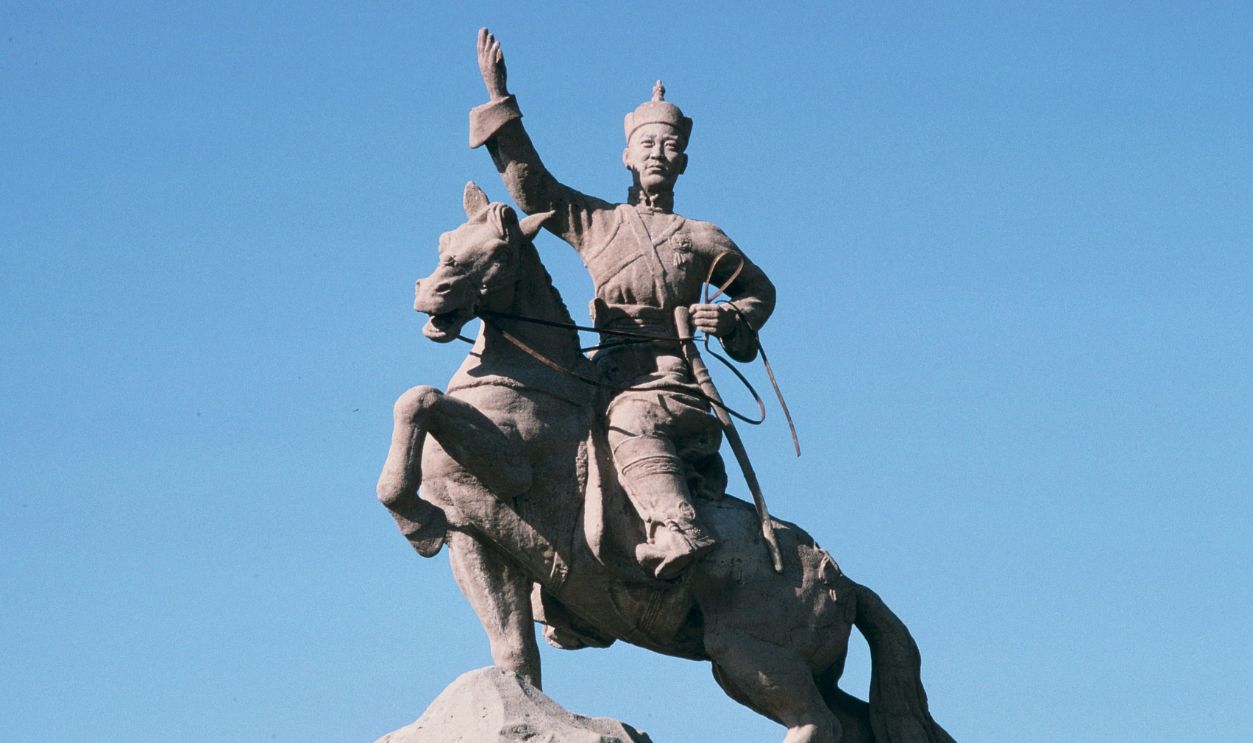
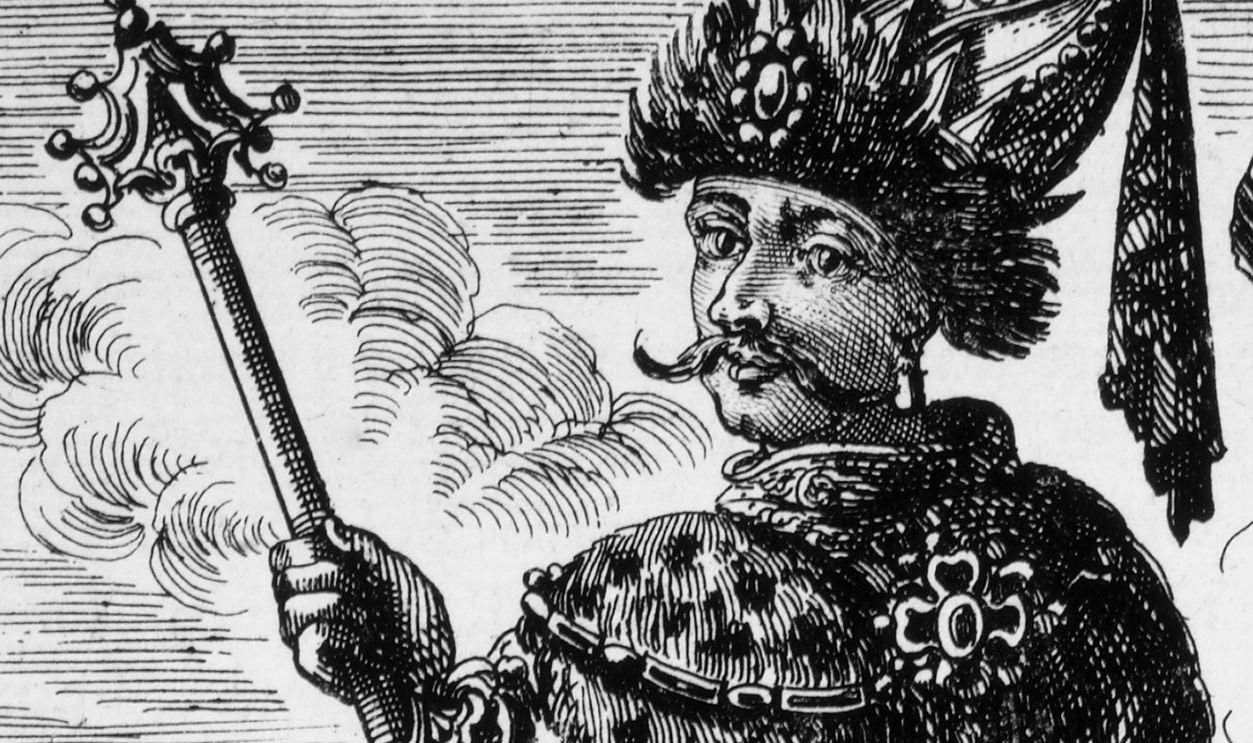
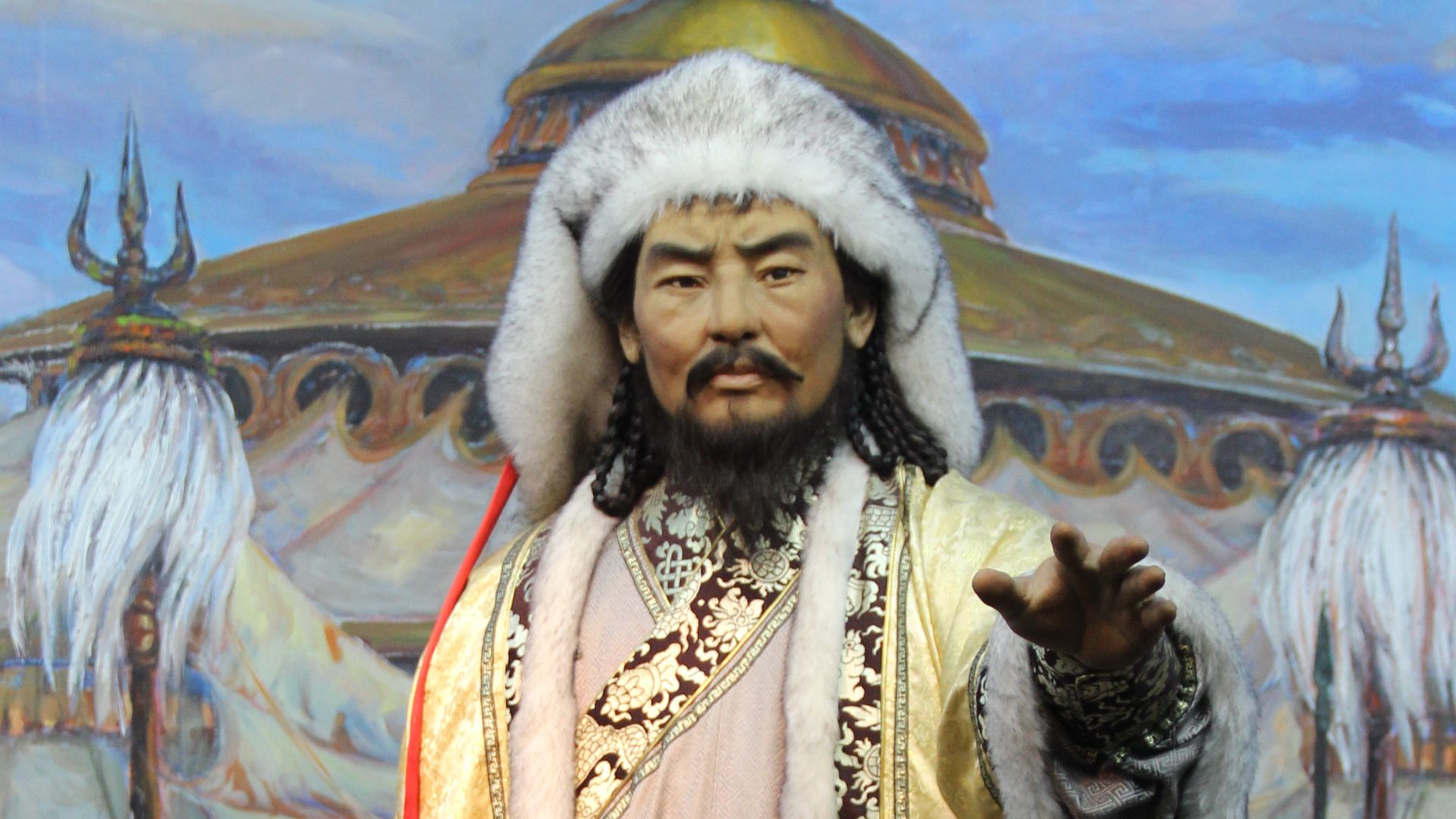
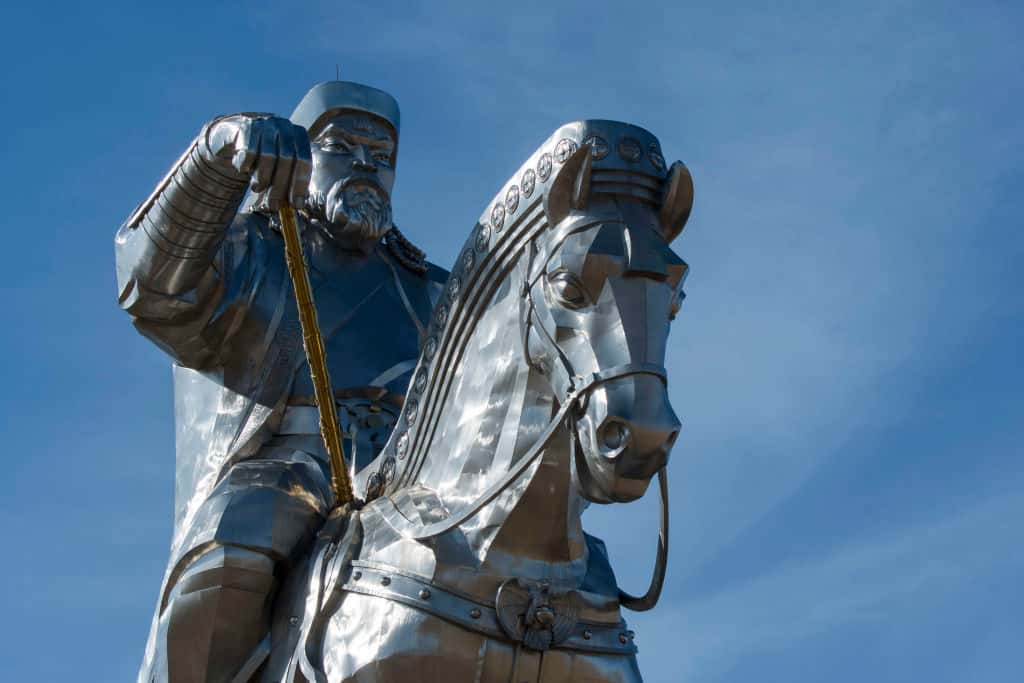
Artists and historians have come up with their own ideas, but no contemporary portraits of Genghis Khan survived into modern day. In other words, we have no way to actually verify what the ruthless ruler actually looked like. Some early accounts describe him as tall, and powerfully built, while others mention a broad brow or cat-like eyes. Your guess is probably as good as anyone’s, at this point.
And while you’re welcome to judge his actions too, some of history’s conclusions on the matter may intrigue you.
 Gary Todd from Xinzheng, China, Wikimedia Commons
49. He Did His Big One
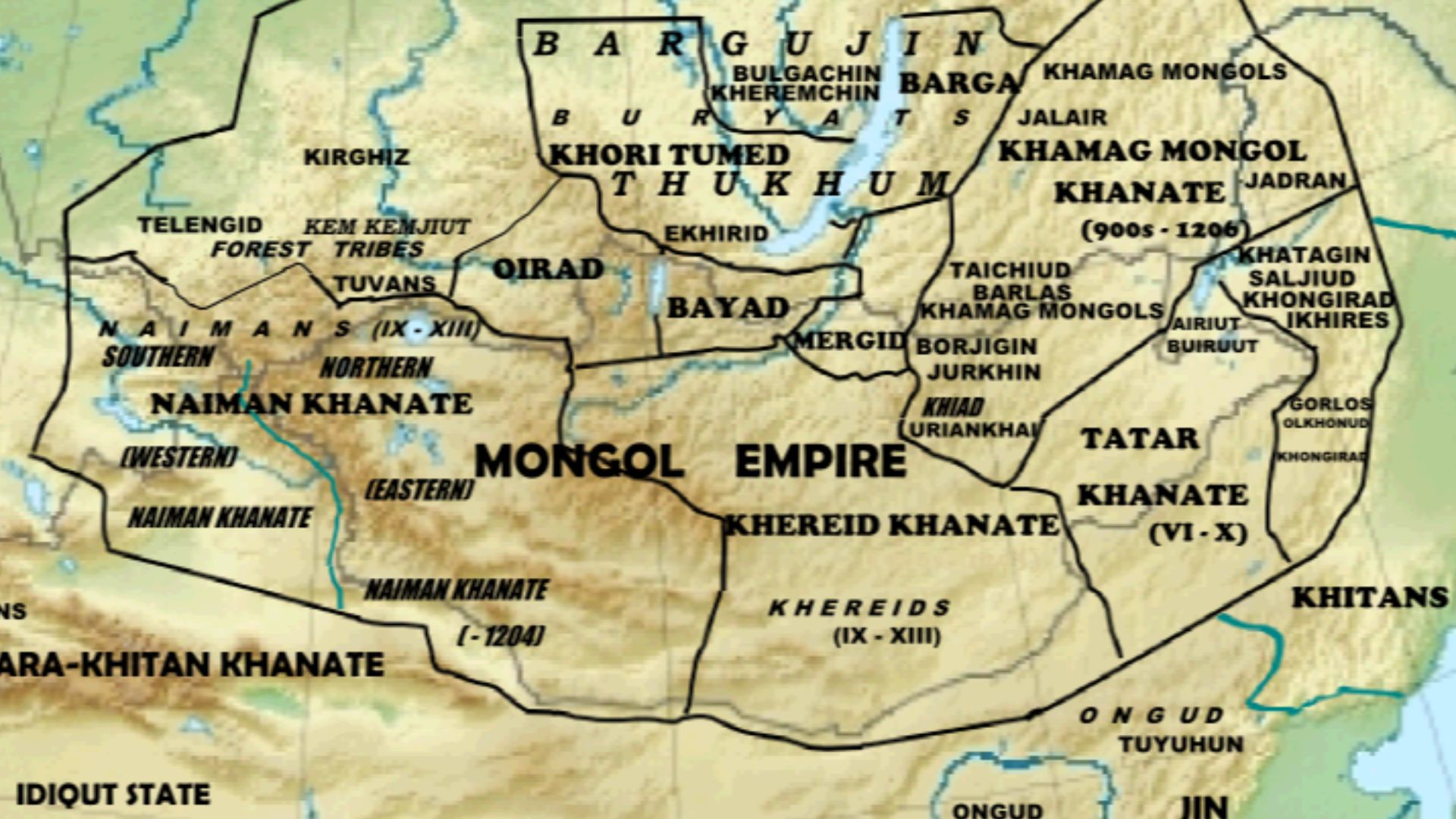
Despite his seeming thirst for bloodshed, historians recognize Khan as responsible for uniting the Mongol tribes and founding the largest contiguous empire in history, as well as reshaping Eurasian trade, law, and political systems. Even so, his conquests were also brutally destructive, leaving lasting trauma in China, Central Asia, and Persia.
As such, the world at large has formed some very conflicting conclusions.
50. He’s An Enigma
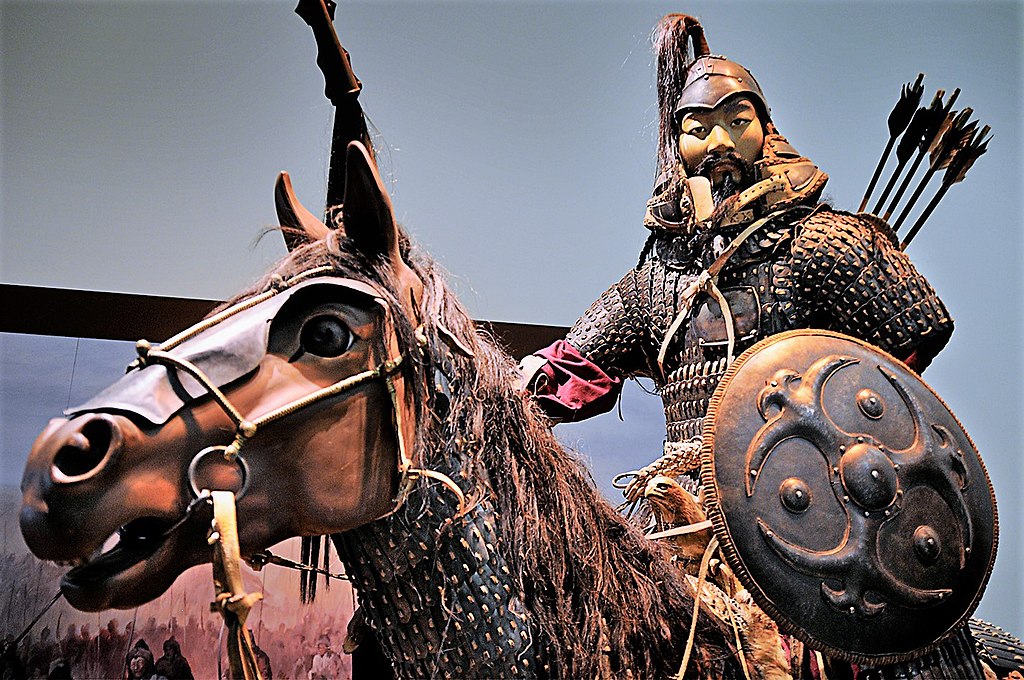
Views of Genghis Khan vary widely. Mongolia reveres him as a founding father and civilizing force and the Muslim world once saw him as a divine instrument. Russia and the Arab world largely remember him as a destructive invader, while China, post-Qing, celebrates him as a national hero. On our side of the world, perspectives shifted from admiration in the Middle Ages to seeing him as a barbarian.
At the very least, the man was complex, with a life that’s hard not to keep talking about centuries later.
 William Cho, CC BY-SA 2.0, Wikimedia Commons
51. Genghis The Goldsmith
We know that on top of his usual massacring of civilian populations, Genghis Khan was known for brutal, if inventive, forms of interrogation and execution. One of the most horrific examples of this is when Khan seized the town of Otrar and sent a message to his enemies by executing the local magistrate. Not content with any old “head on a pike” kind of message, Khan opted to go a bit more lavish: he poured molten silver into his eyes and ears!
 Wolfgang Kaehler, Getty Images
You May Also Like:
Brutal Facts About The Most Hated Rulers In World History










.jpg)