Downfall And Uncertainty
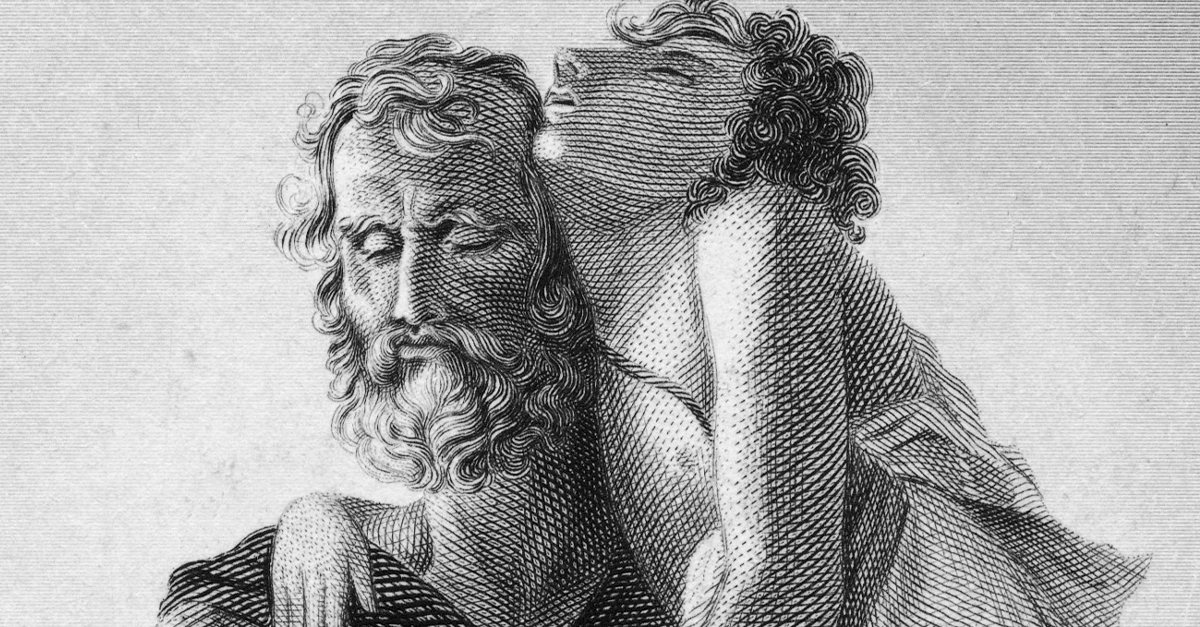
The downfall of Nero in June of AD 68 left Rome without a clear successor for emperor. It set off a storm of ambition, conflicting legion loyalties and senatorial intrigue. What followed was a chaotic year of civil war, shifting armies and four emperors in rapid succession. The crisis posed the biggest test yet of the structure of the Roman imperial system.
Servius Sulpicius Galba Claims Power
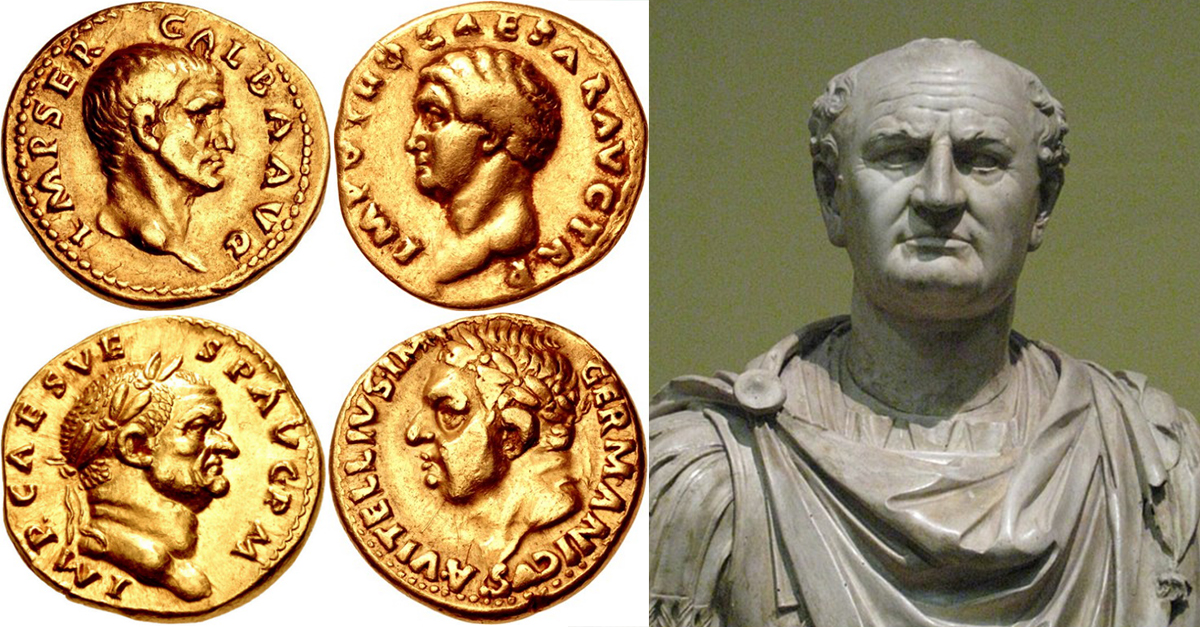
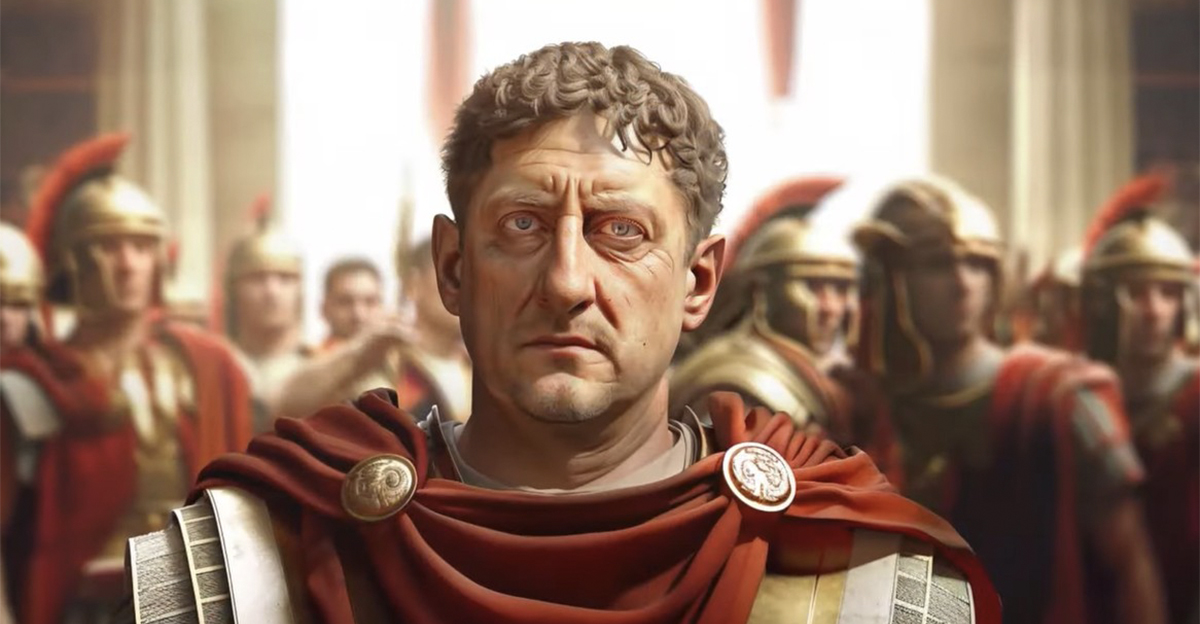
After the emperor Nero took his own life on 9 June 68, the Senate declared Galba as emperor, marking the end of the Julio‑Claudian dynasty that had reigned for more than a century. His rule was unstable from the start: legions in the Rhine refused to swear loyalty to Galba and his unpopular decisions quickly alienated the key supporters he desperately needed to solidify his power.
 https://www.flickr.com/photos/184393744@N06/, Wikimedia Commons
Galba Stumbles Out Of The Gate
Galba arrived in Rome from Spain only after a lengthy march, during which he had several provincial officials executed, while at the same time he failed to keep his promises to his own Praetorian Guard. These actions fast undermined his legitimacy. His opponents were not shy about exploiting these early openings.
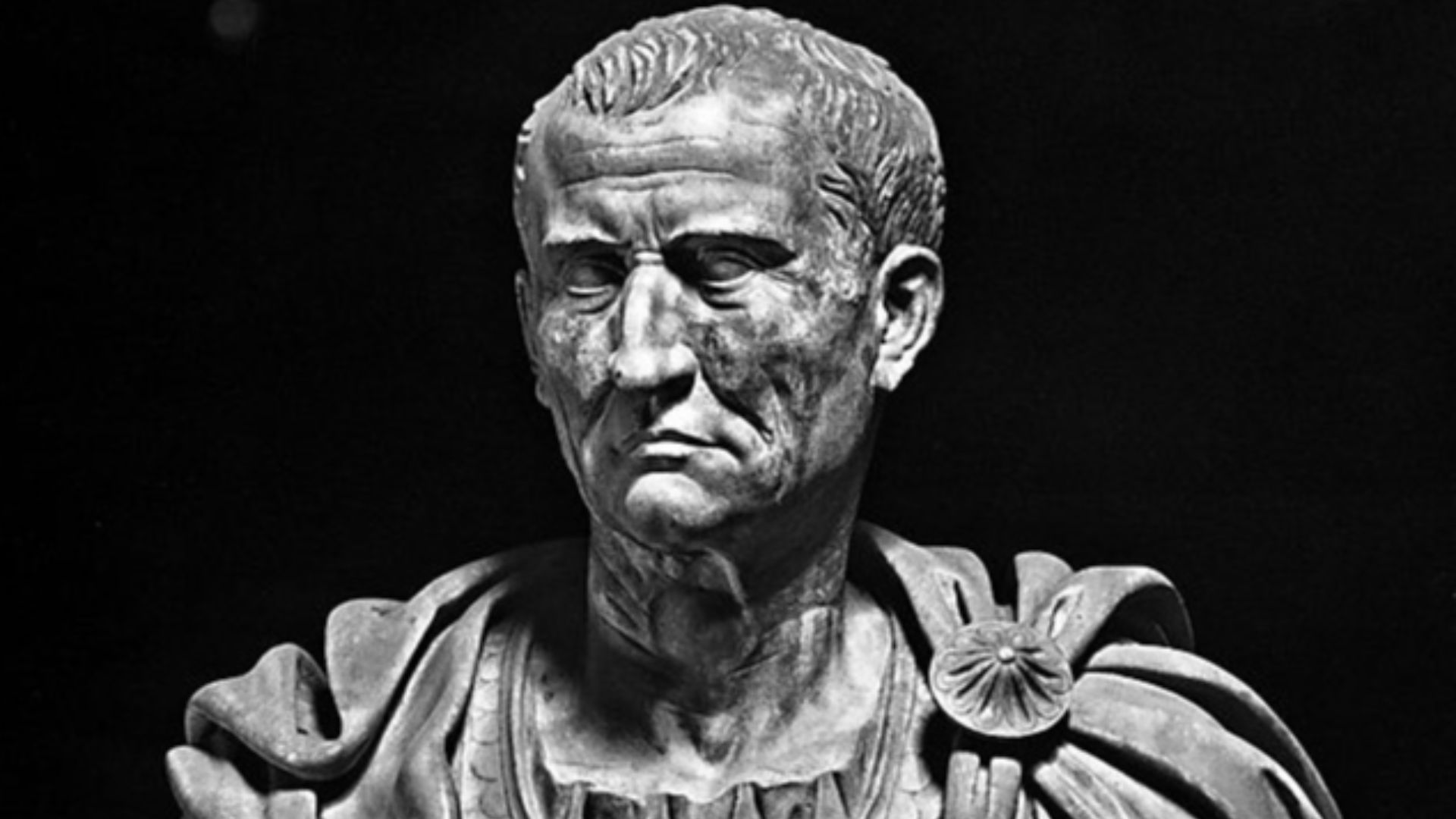
Otho Seizes The Throne
On 15 January AD 69, Otho, once a staunch supporter of Galba, bribed the Praetorian Guard to slay Galba. In his stead Otho now assumed the purple as the second emperor of the year. His brief reign started out with the goodwill of a relieved populace; the problem was that the legions up in Germany were already backing another claimant for ultimate supremacy.
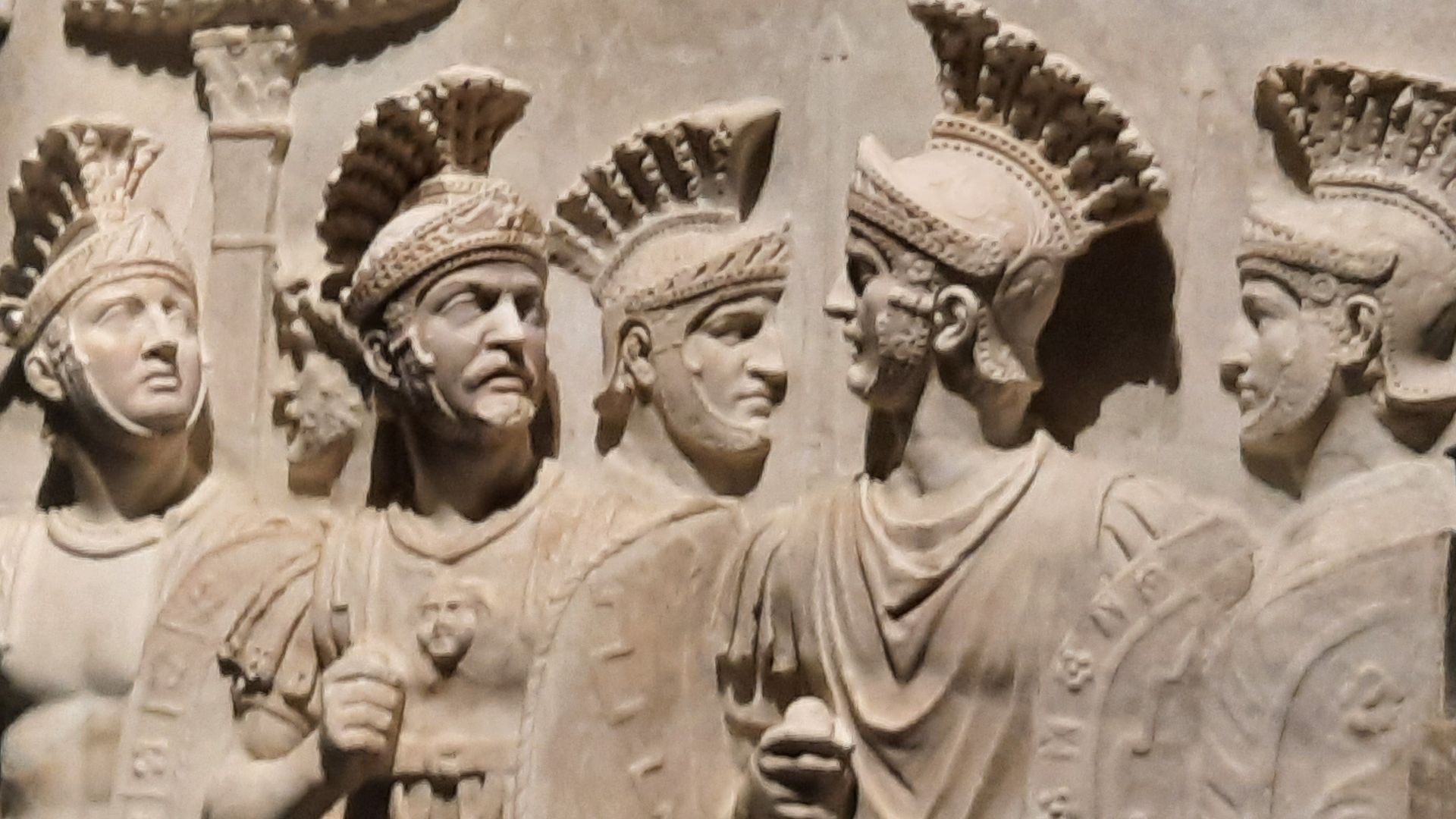 Jamie Heath, Wikimedia Commons
Vitellius Proclaimed Emperor
At the start of January 69, the Rhine legions proclaimed Vitellius emperor while Otho sat tensely in Rome. This set the stage for armed struggle to settle the question of imperial legitimacy once and for all. Vitellius’ forces marched relentlessly toward Italy, challenging Otho’s rule within weeks.
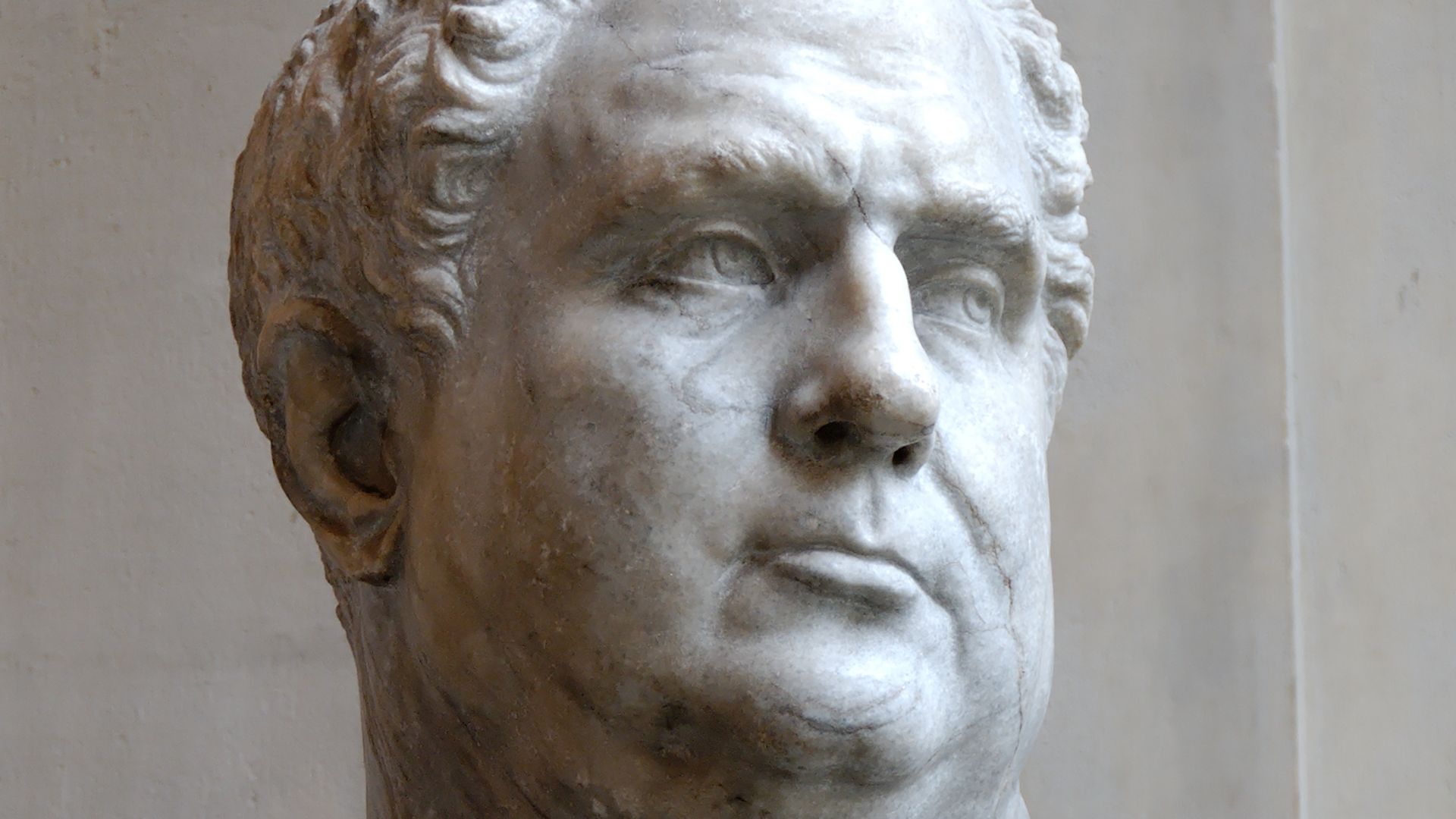 Unknown artistUnknown artist, Wikimedia Commons
Battle Of Bedriacum And Otho’s Fall
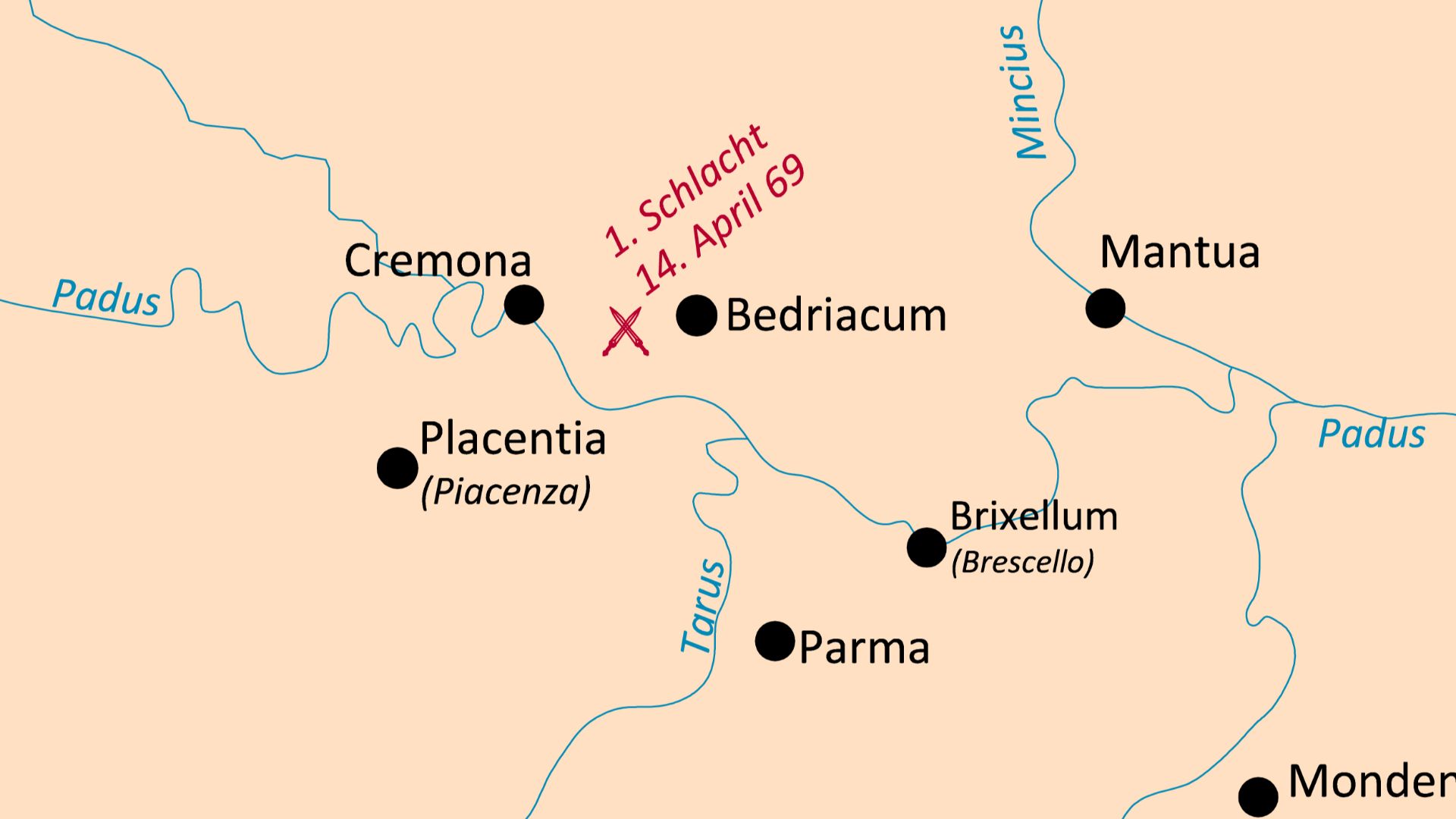
On 14 April 69, Vitellius’ legions defeated Otho’s at the First Battle of Bedriacum; the next day Otho took his own life, ending his reign after barely three months. With the eagle standard raised high over the field of conflict, Vitellius was now recognized by the Senate as emperor on 19 April.
Vitellius Rules In Rome
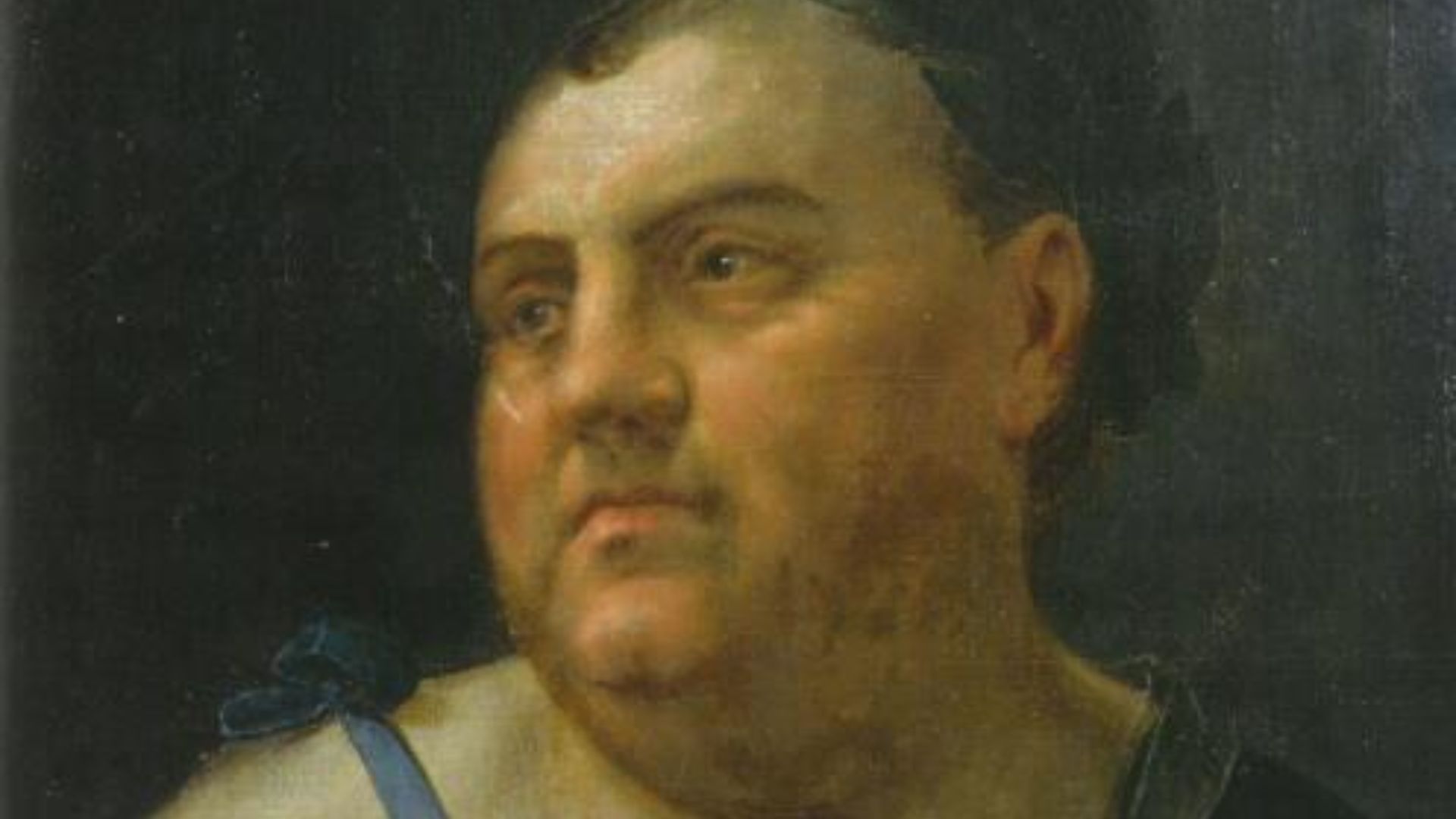
Vitellius returned to Rome. After the hardship of his military campaign, he decided it was time to enjoy the spoils of victory. He focused on indulgence and lavish public games even though his military backing was far more fragile than he realized. His reign was plagued by fiscal irresponsibility and weak control over the army. As we are about to see, it was a recipe for rapid collapse.
 Hendrik Goltzius, Wikimedia Commons
Eastern Legions And Vespasian’s Bid
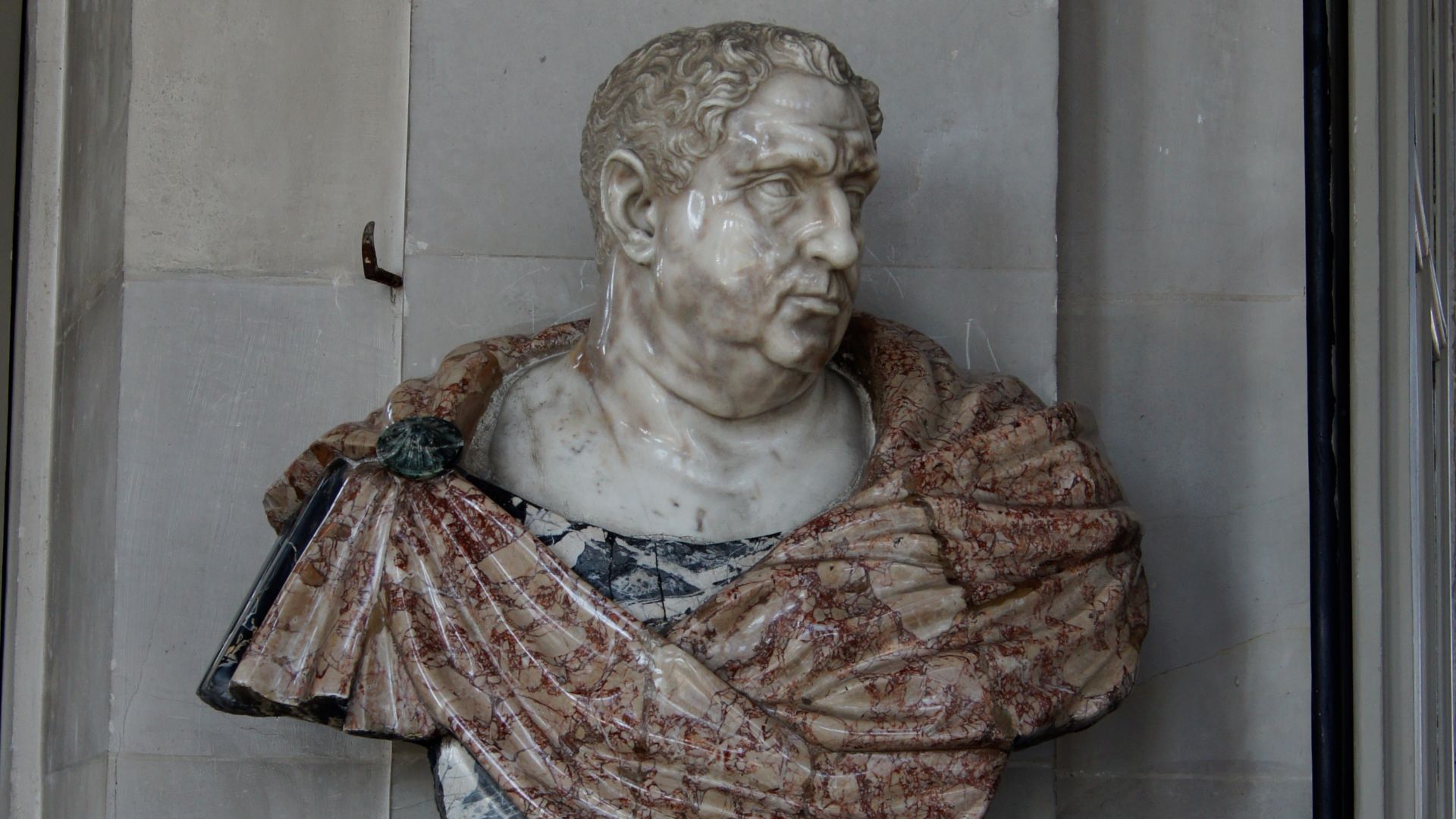
Meanwhile in the Eastern portion of the Empire, the general commanding the forces in Judaea and Syria, was proclaimed emperor on 1 July 69 by the Egyptian and Syrian legions. This was Vespasian. Vespasian now moved with strategic acumen, securing key provinces and crucial grain supply routes before he turned his attention to a drive on Rome.
The Danubian Legions Join Vespasian
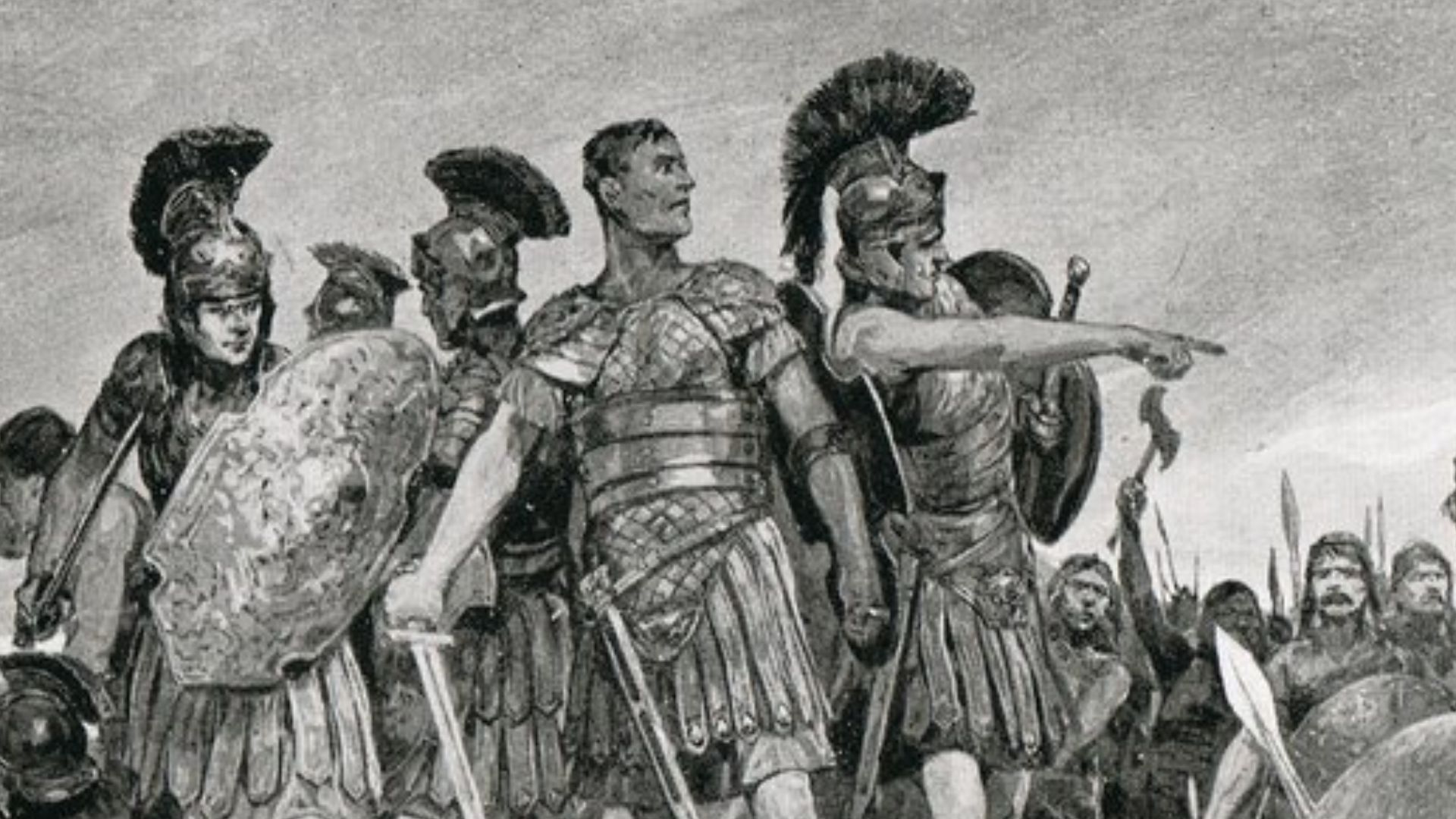
In August, the Danubian legions also declared for Vespasian, giving his cause overwhelming strength and signaling an imminent invasion of Italy against Vitellius. This shift in military allegiance now sealed the fate of Vitellius’ fledgling rule.
 Richard Caton Woodville, Sr., Wikimedia Commons

History's most fascinating stories and darkest secrets, delivered to your inbox daily.
The Second Battle Of Bedriacum
On 24 October 69 Vespasian’s forces under Marcus Antonius Primus defeated Vitellius’ army in Italy; the defeat of Vitellius’ troops six months after Vitellus had defeated Otho leaves no doubt about the value of military power in allowing a would-be emperor to impose his will.
Fall Of Vitellius
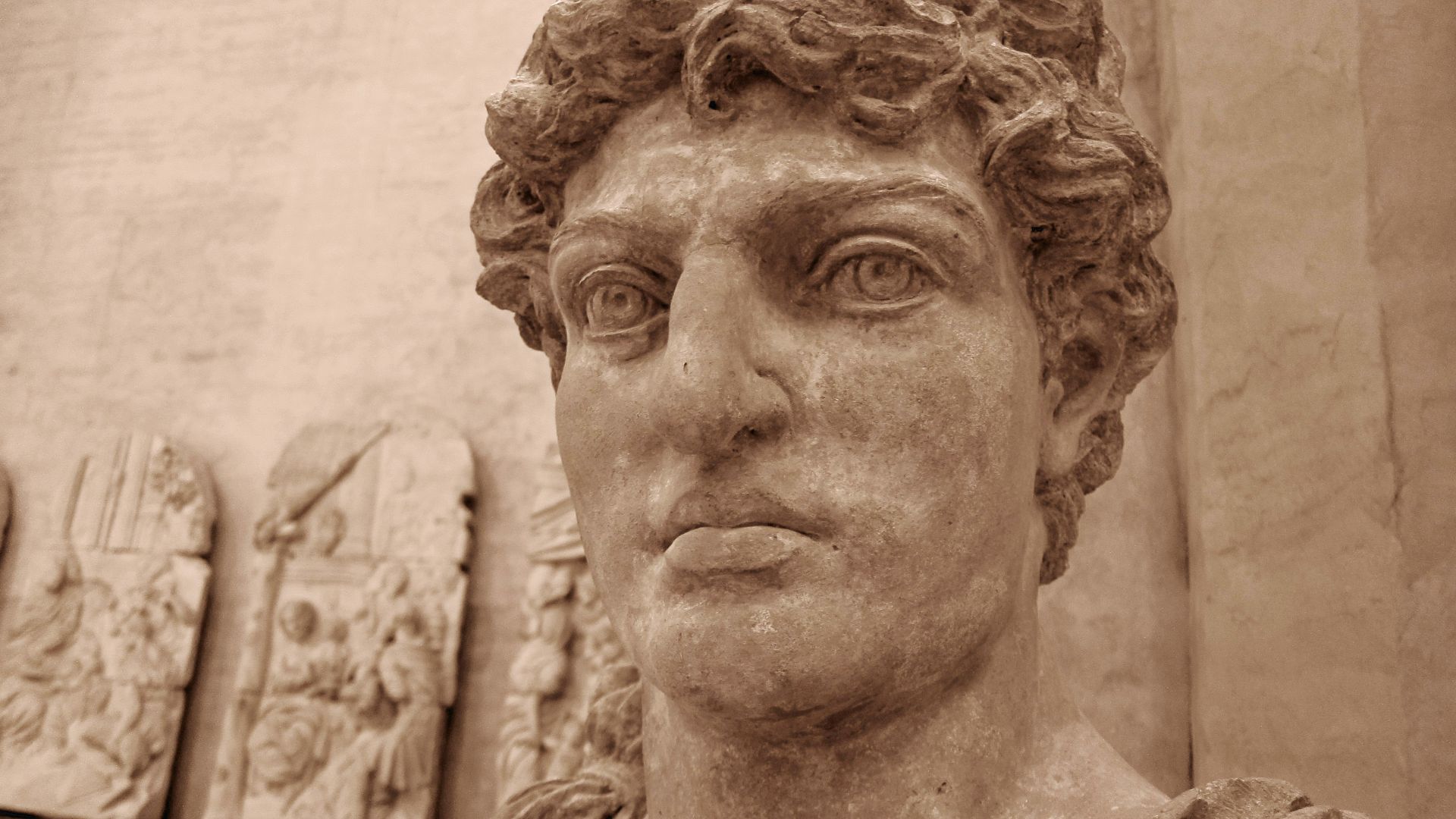
In December, Vitellius tried to negotiate peace but was betrayed; he was captured and killed on 20 December in the imperial palace. The chaos of his fall dramatically illustrated the high price an emperor paid for failure.
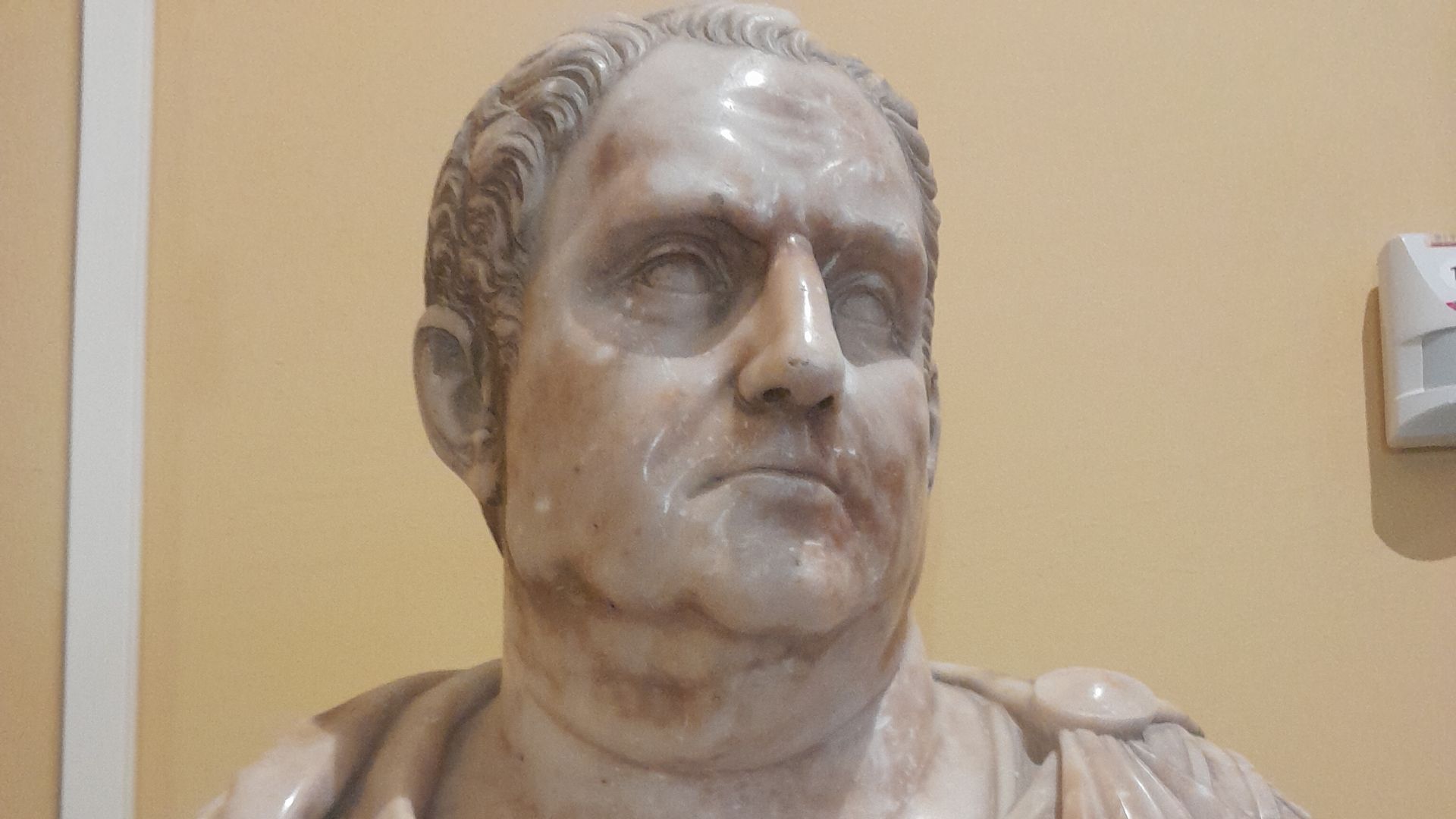 Deiadameian, Wikimedia Commons
Senate Recognizes Vespasian
On 21 December 69 the Senate formally recognized Vespasian as the rightful emperor, ending the year-long cycle of violent succession and inaugurating the Flavian dynasty. His accession finally imposed a satisfactory level of stability to the empire.

Military Loyalties Over Heredity
The Year of the Four Emperors proved that under the Principate, emperorship was more dependent on army backing than hereditary succession. Legions across Spain, Germany, Egypt and the East clearly held the real power in choosing Rome’s ruler.
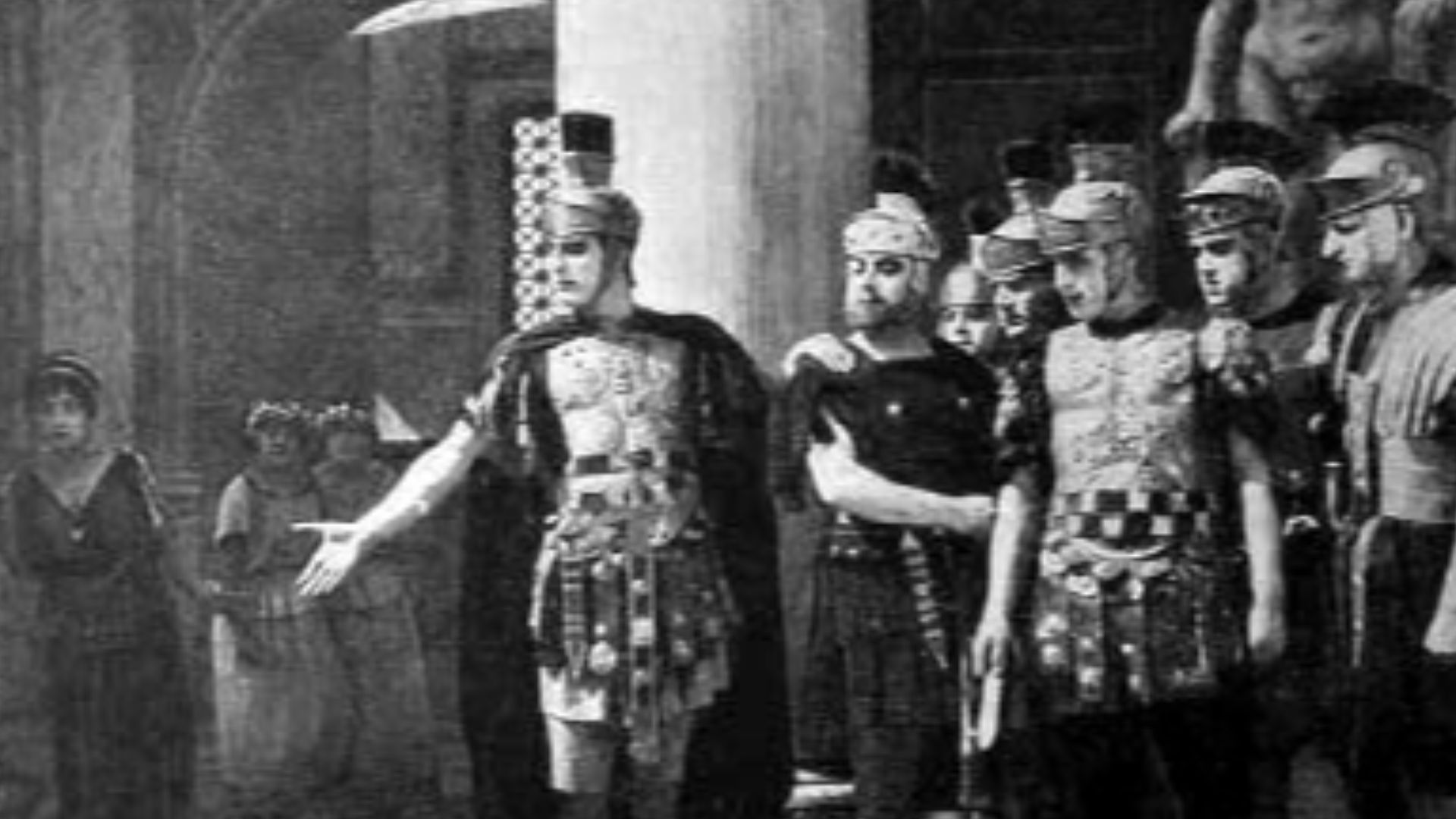 Unknown authorUnknown author, Wikimedia Commons
Economic And Social Turmoil
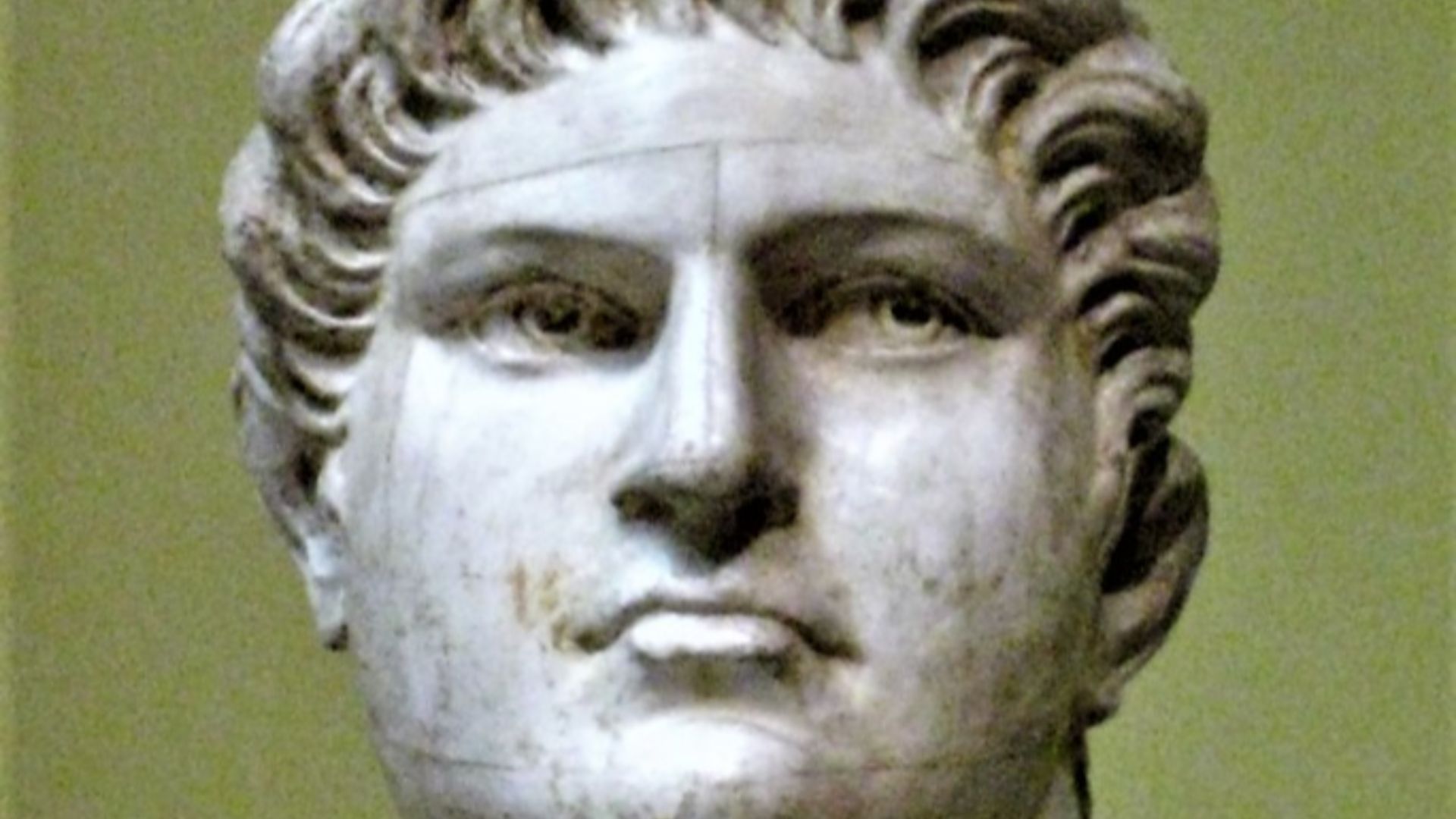
The rapid changes in leadership along with Nero’s earlier megalomaniacal excesses, left the imperial treasury drained of money and popular confidence shattered. Provinces refrained from investment and occupying armies exacted concessions which set the stage for years of problems.
A New Dynasty
With Vespasian’s rule, a new dynastic line was born. He relied upon provincial equestrians and the military, rather than urban aristocrats, signaling a new phase in how the empire would be governed for decades.
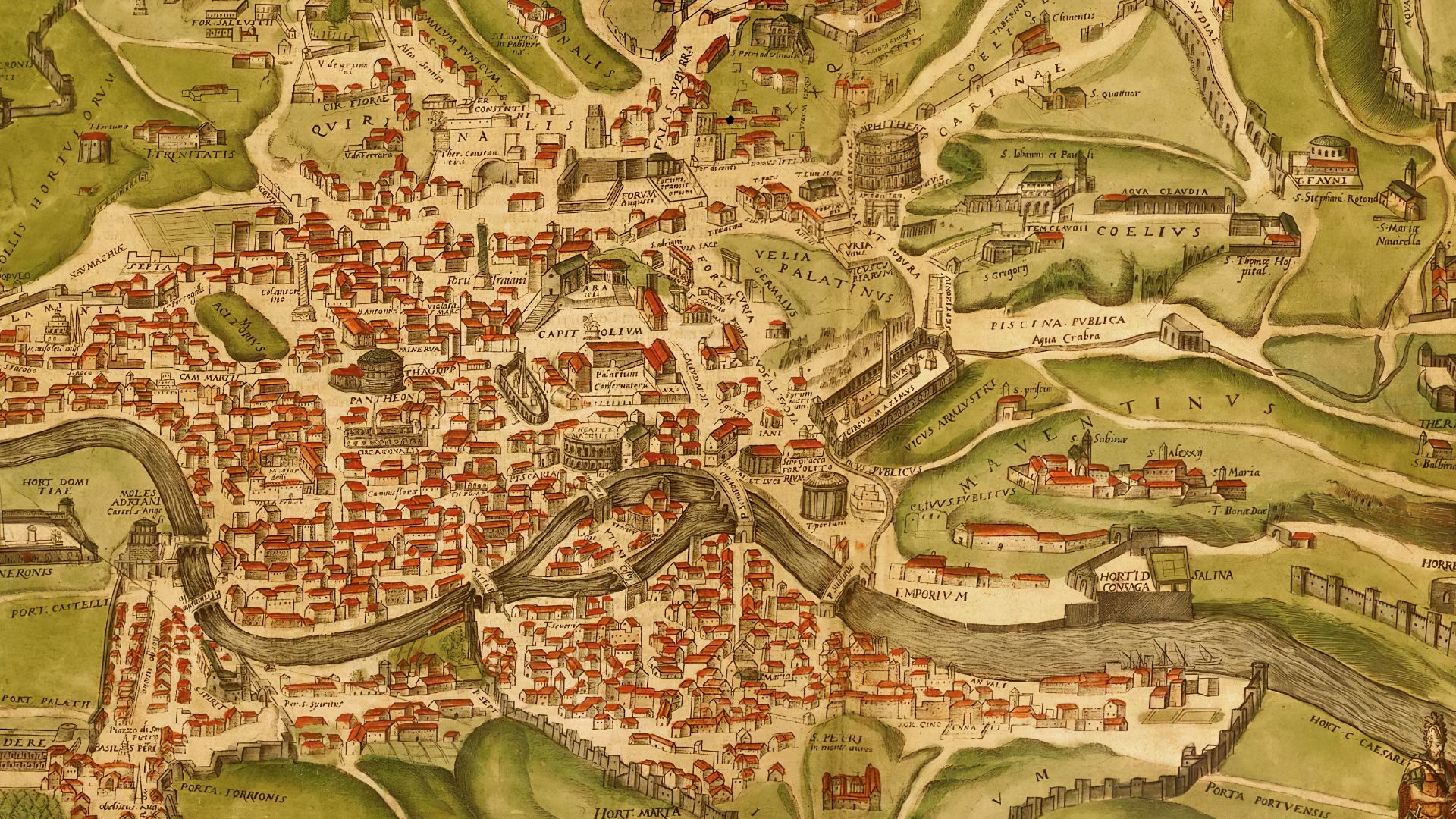
Colosseum Is Built
Vespasian quickly moved to rebuild Rome’s infrastructure and economy. The famed Colosseum’s construction began under his oversight, marking a new addition to the Eternal City and a tangible transformation from chaos to order.
 Unknown authorUnknown author, Wikimedia Commons
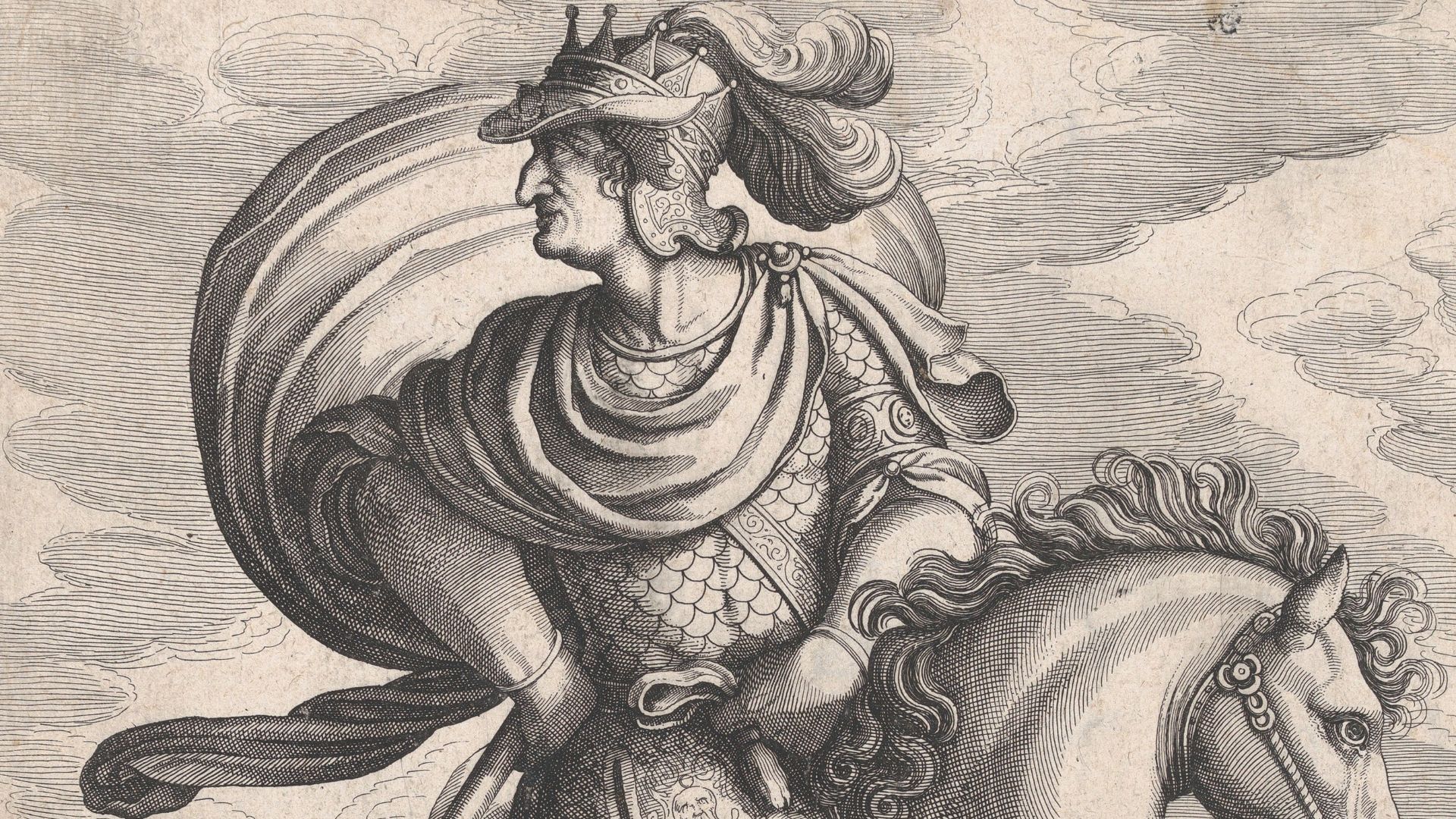
Key Legions And Loyalty Shifts
Several Roman legions such as I Germanica, XV Primigenia and XVI Gallica shifted their loyalties during the Year of Four Emperors, showing how powerful the army’s allegiance had become in imperial politics.
 Antonio Tempesta / Matthäus Merian, Wikimedia Commons
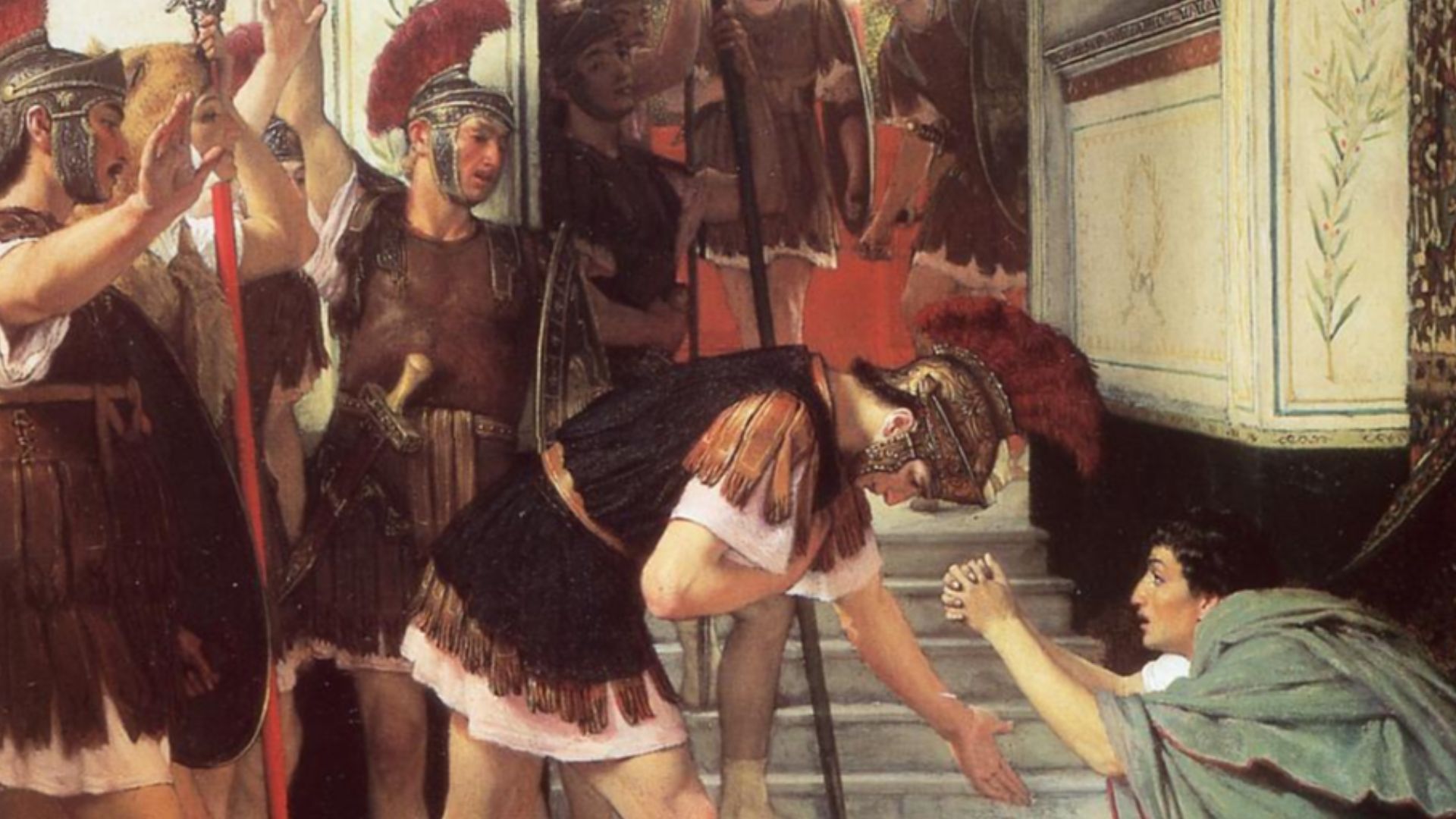
A Reliable Ruler
Vespasian instituted reforms to tighten control over the provinces and reduce the political interference of the Praetorian Guard. He established a more reliable chain of command with himself at the top and tried to make the provincial governorships.
 Lawrence Alma-Tadema, Wikimedia Commons
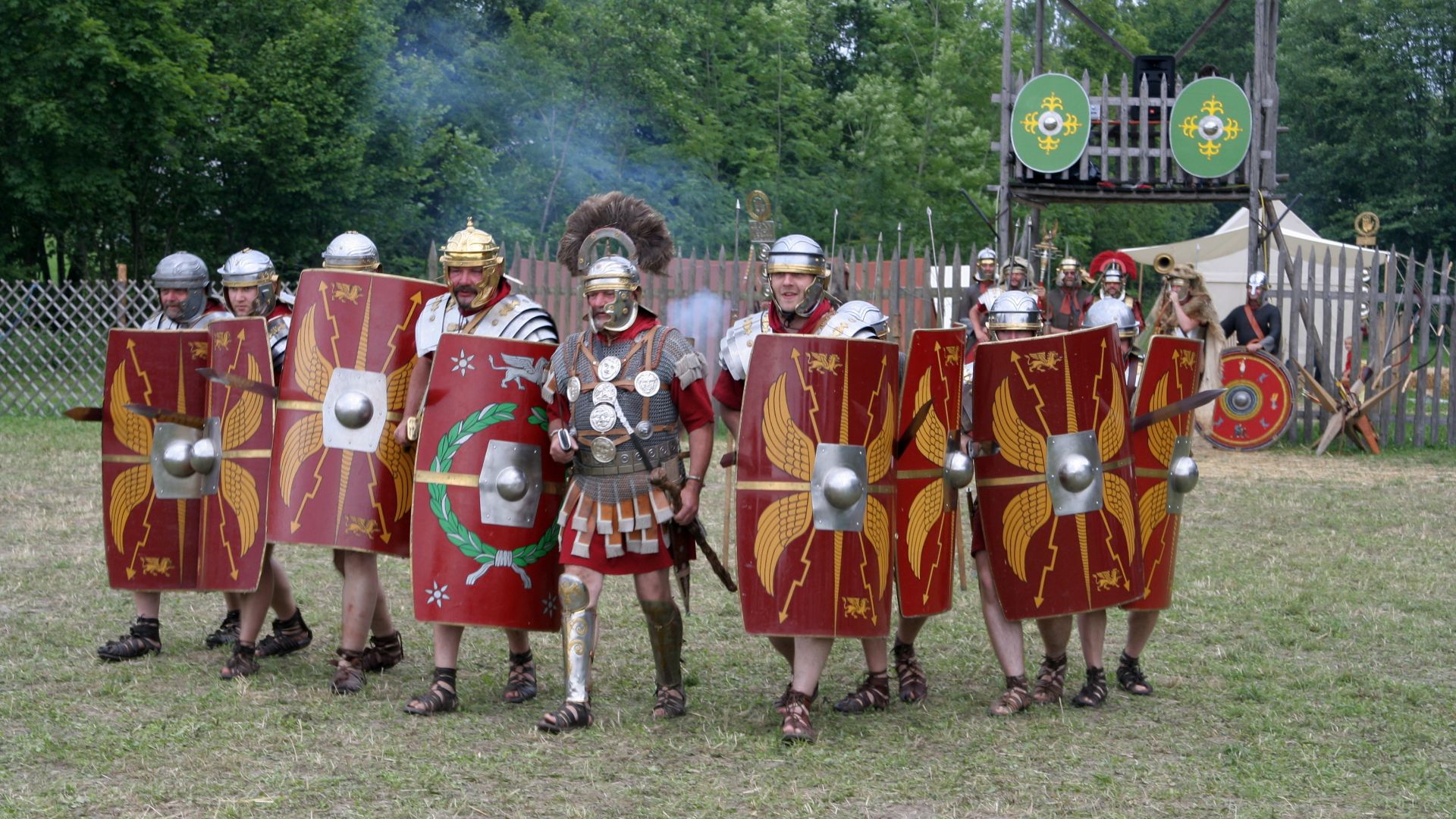
Rome’s New Imperial Structure
The events of AD 68–69 showed that emperors could no longer count on dynastic certainty alone; rulership increasingly required personal authority and legions’ support. The model of succession that had been in effect since the time of Augustus was effectively broken.
A Most Dramatic Year
The chaotic year of Four Emperors was a free-for-all struggle for personal power and a dramatic turning point for Ancient Rome. It underlines how unchecked military power, shifting loyalties, and double-crossing can bring even the mightiest empire to the brink of collapse.
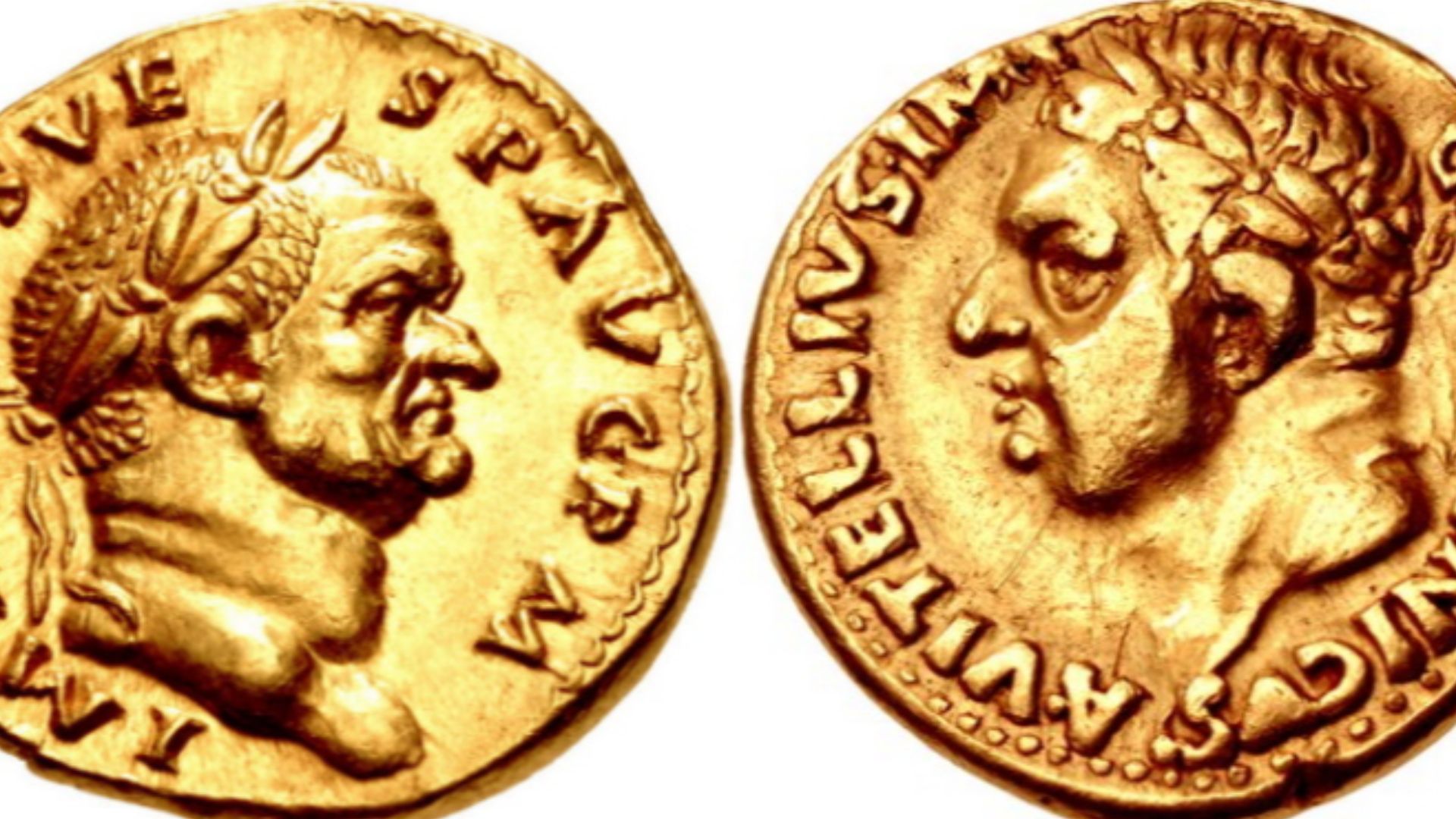
The Stark Reality Of Ruthless Power
The Year of the Four Emperors left no doubt that beneath the grandeur of Rome lay a super‑powered military machine whose internal political allegiances determined the fate of the world. From Nero’s suicide to Vespasian’s throne, the empire’s survival now hinged not on the orderly transition based on heritage, but on discipline, strategy and ruthless force.
You May Also Like:
Treacherous Facts About Brutus, The Man Who Killed Caesar
Formidable Facts About Emperor Hadrian, The Wallmaker