Their Names Became Our Words
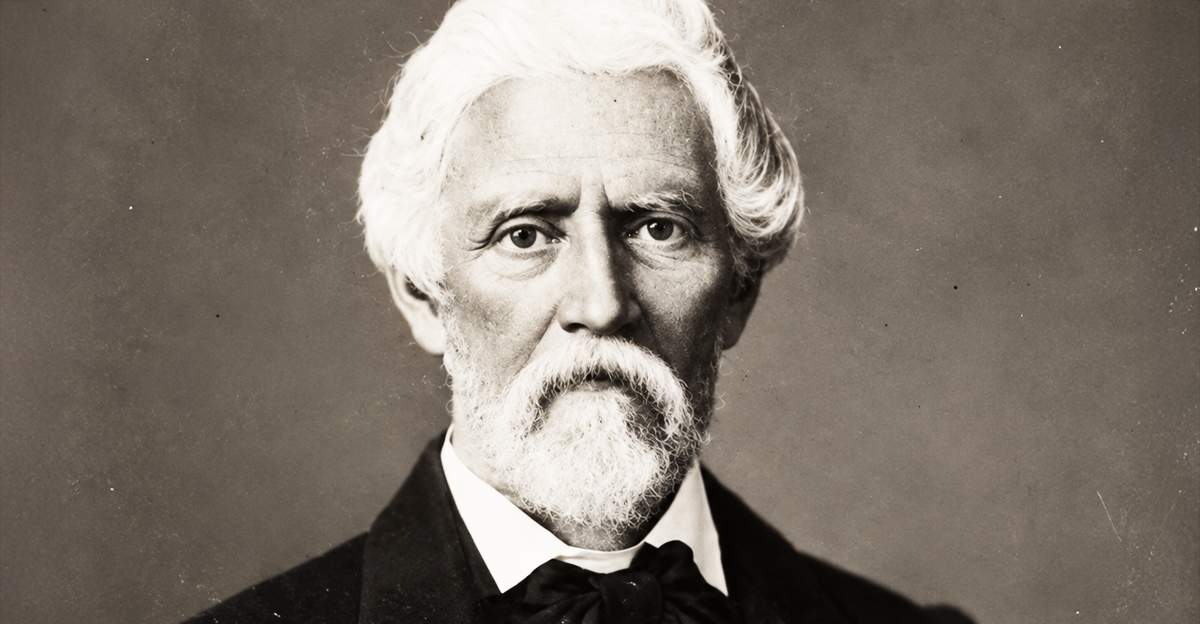
Most people disappear from everyday conversation after they die. A remarkable few achieve something stranger: their names become ordinary words. Inventors, politicians, soldiers, performers, reformers, and even unfortunate victims of public ridicule have unknowingly supplied English with vocabulary we still use centuries later. (Above: Texas rancher and politician Samuel Augustus Maverick)
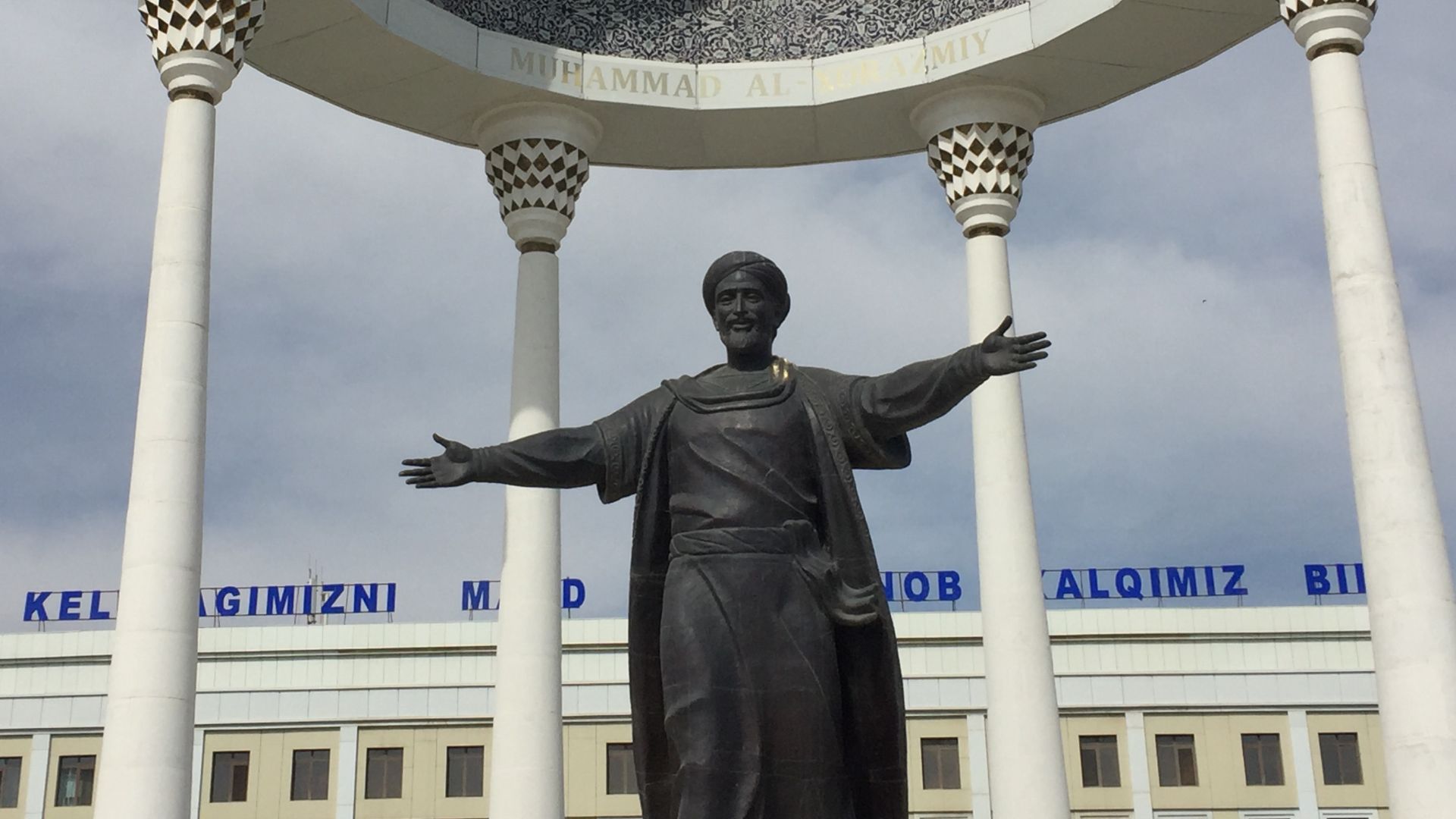
Al-Khwarizmi Gave Us Algorithm
Around the ninth century, Persian mathematician Muhammad ibn Musa al-Khwarizmi wrote influential works explaining mathematical calculation. Medieval Latin versions rendered his name as “Algoritmi,” eventually producing “algorism” and then “algorithm.” More than a millennium later, his transformed name sits at the heart of computer science.
Duns Scotus Became Dunce
John Duns Scotus was actually a formidable medieval philosopher and theologian, not a fool. Centuries later, followers called “Dunsmen” resisted Renaissance intellectual fashions and became targets of ridicule. “Duns” gradually acquired the meaning of a stubborn dullard, eventually giving English the insulting word “dunce.”
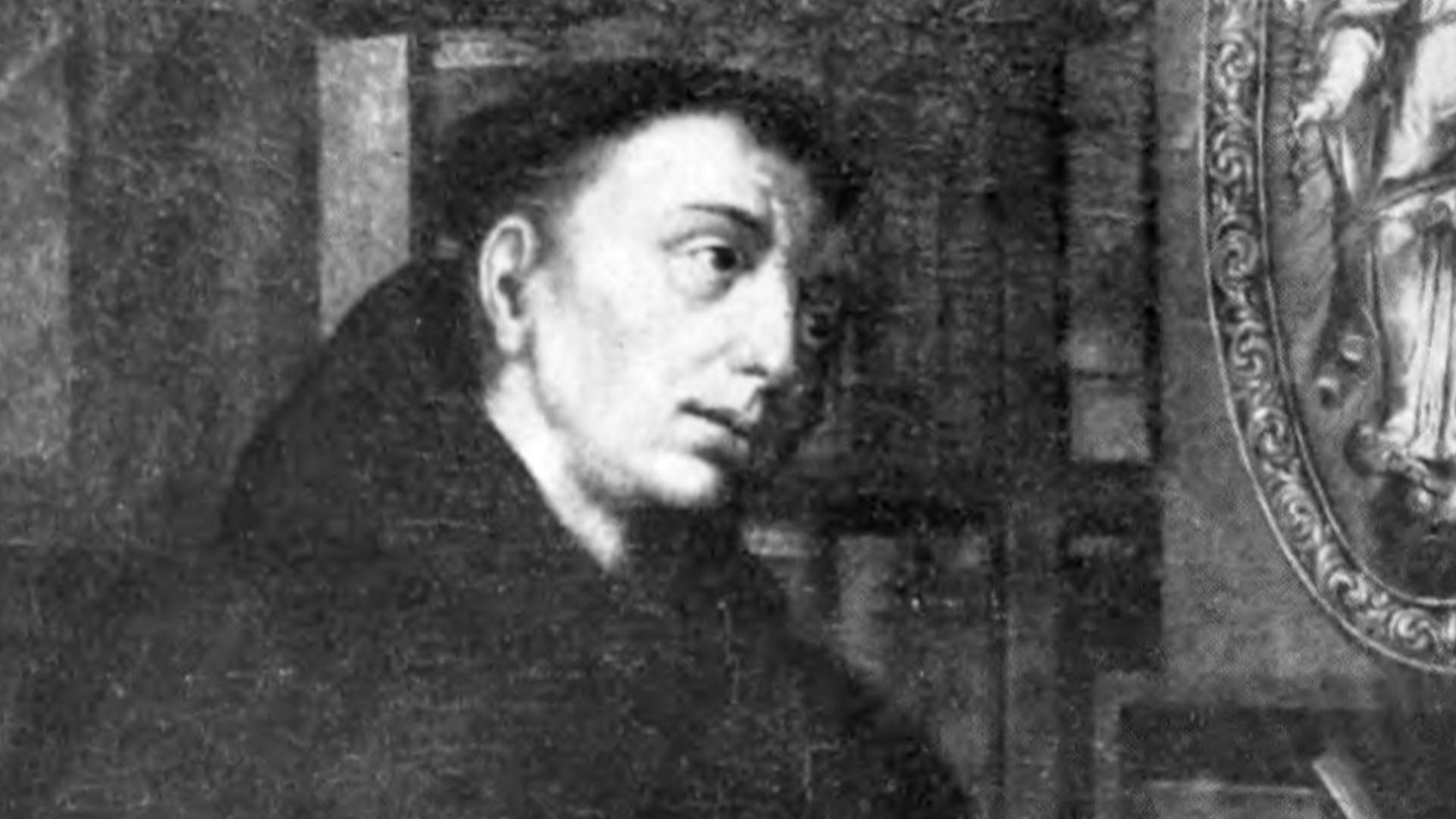 Author Berard Vogt Publisher St. Anthony Guild Press, Wikimedia Commons
Jean Nicot Gave Us Nicotine
French diplomat Jean Nicot helped popularize tobacco in France after encountering the plant while serving in Portugal during the 16th century. Tobacco's botanical name, Nicotiana, honored him, and when scientists later isolated its powerful alkaloid, they called the substance nicotine. Nicot's surname had found unexpected immortality.
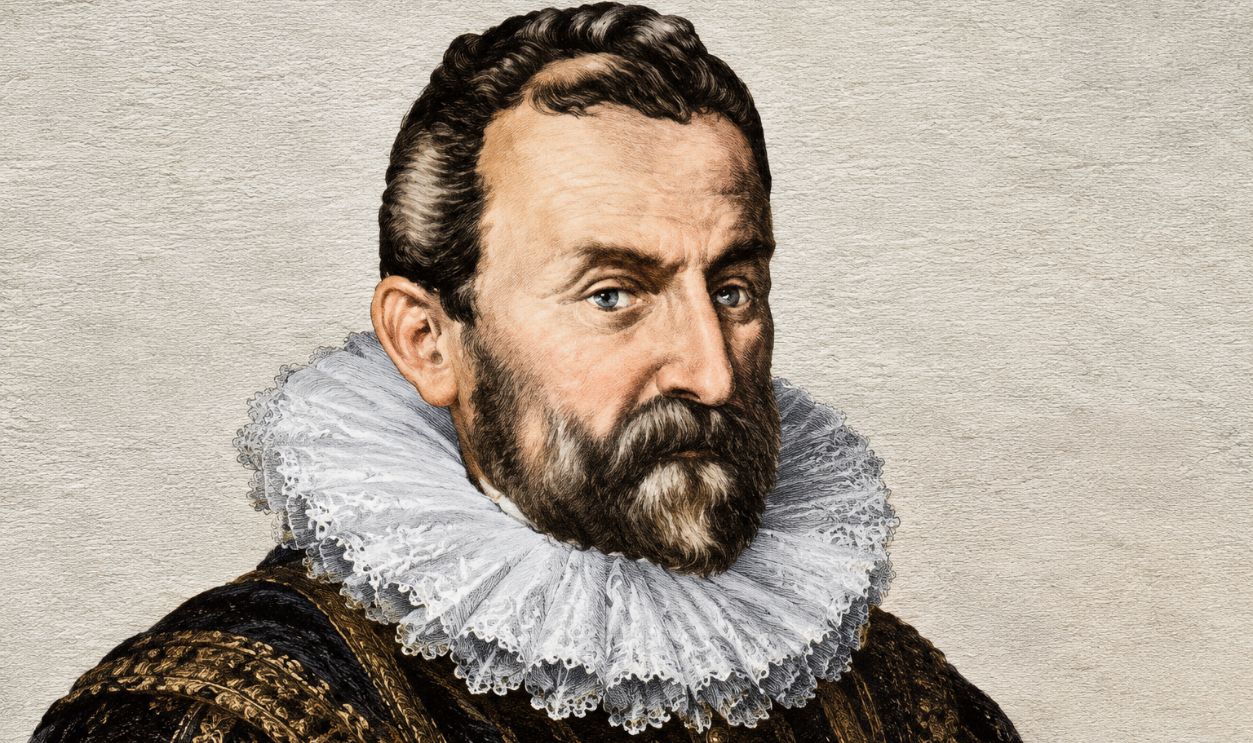 Gravure publiee par l'editeur Albin Michel, Wikimedia Commons, Modified

History's most fascinating stories and darkest secrets, delivered to your inbox daily.
Guy Fawkes Became A Guy
Guy Fawkes was executed for participating in the failed Gunpowder Plot of 1605, but his linguistic afterlife took centuries to develop. Effigies burned during British commemorations became known as “guys.” The word eventually described oddly dressed men before broadening into today's extraordinarily common term for a man.
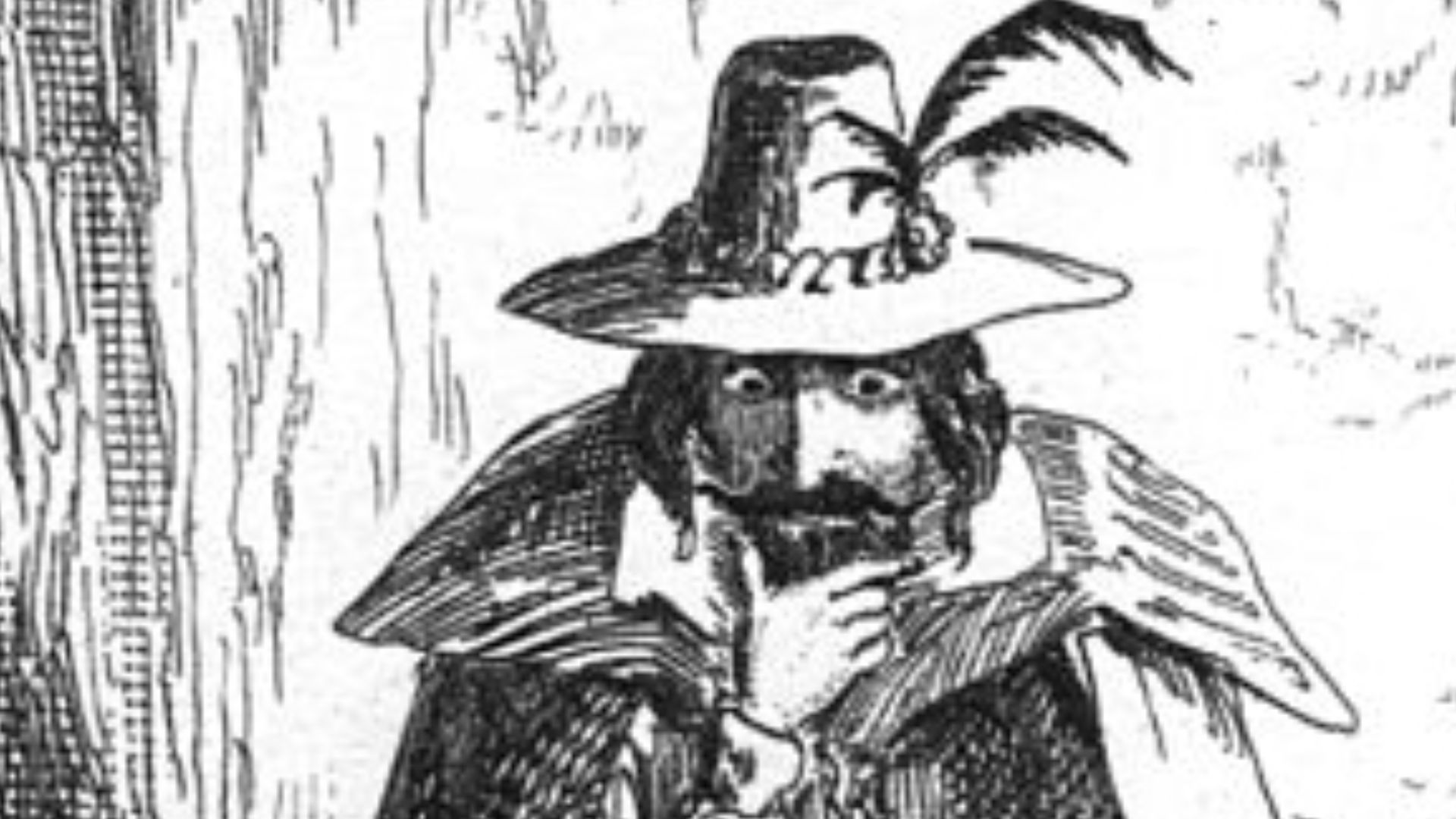 George Cruikshank, Wikimedia Commons
Silhouette Became Cheap Portraiture
Étienne de Silhouette became France's controller general of finances in 1759 and quickly acquired enemies through unpopular austerity measures. His name became shorthand for things considered cheaply or simply made. Somehow that ridicule attached itself to inexpensive profile portraits consisting primarily of a dark outline, producing “silhouette.”
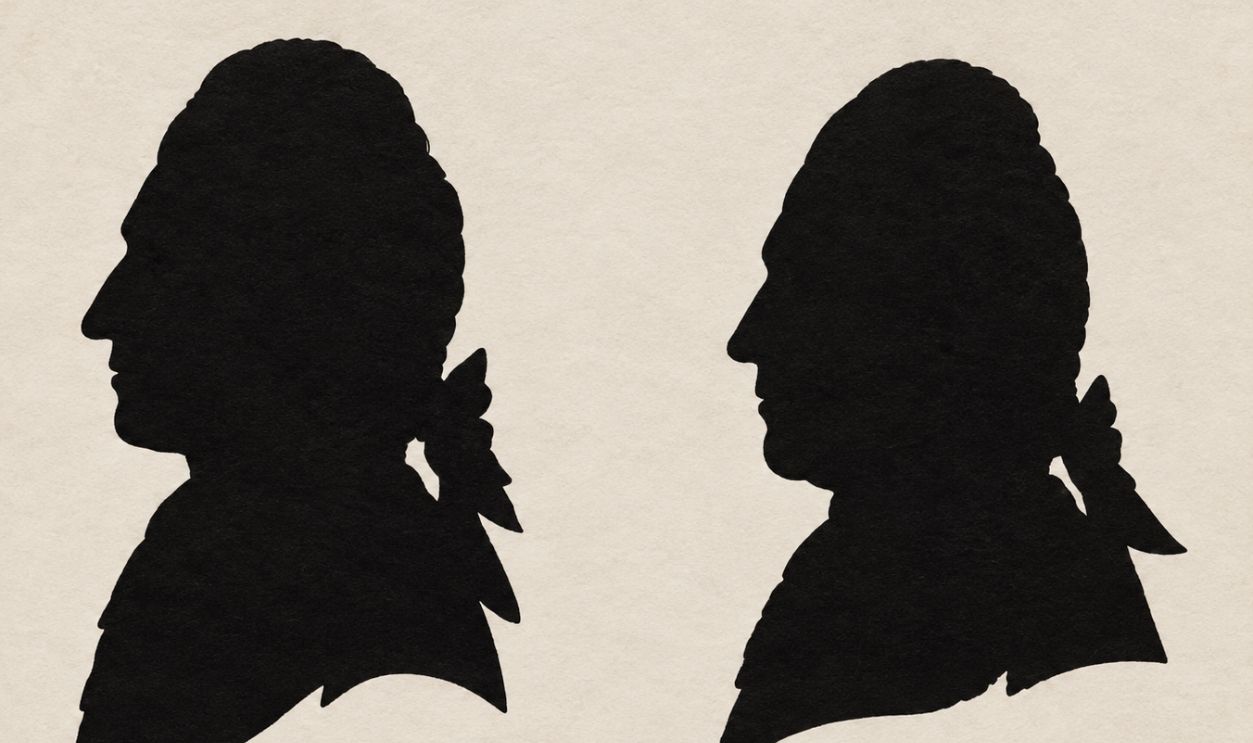 Catherine of Brunswick-Luneburg-Wolfenbuttel (1741-1807), Wikimedia Commons
Sandwich Became Everybody’s Lunch
John Montagu, 4th Earl of Sandwich, lent his title to food placed between slices of bread during the 18th century. The famous claim that he ordered it because gambling kept him from dinner may be apocryphal, but “sandwich” was already being recorded in English by 1762.
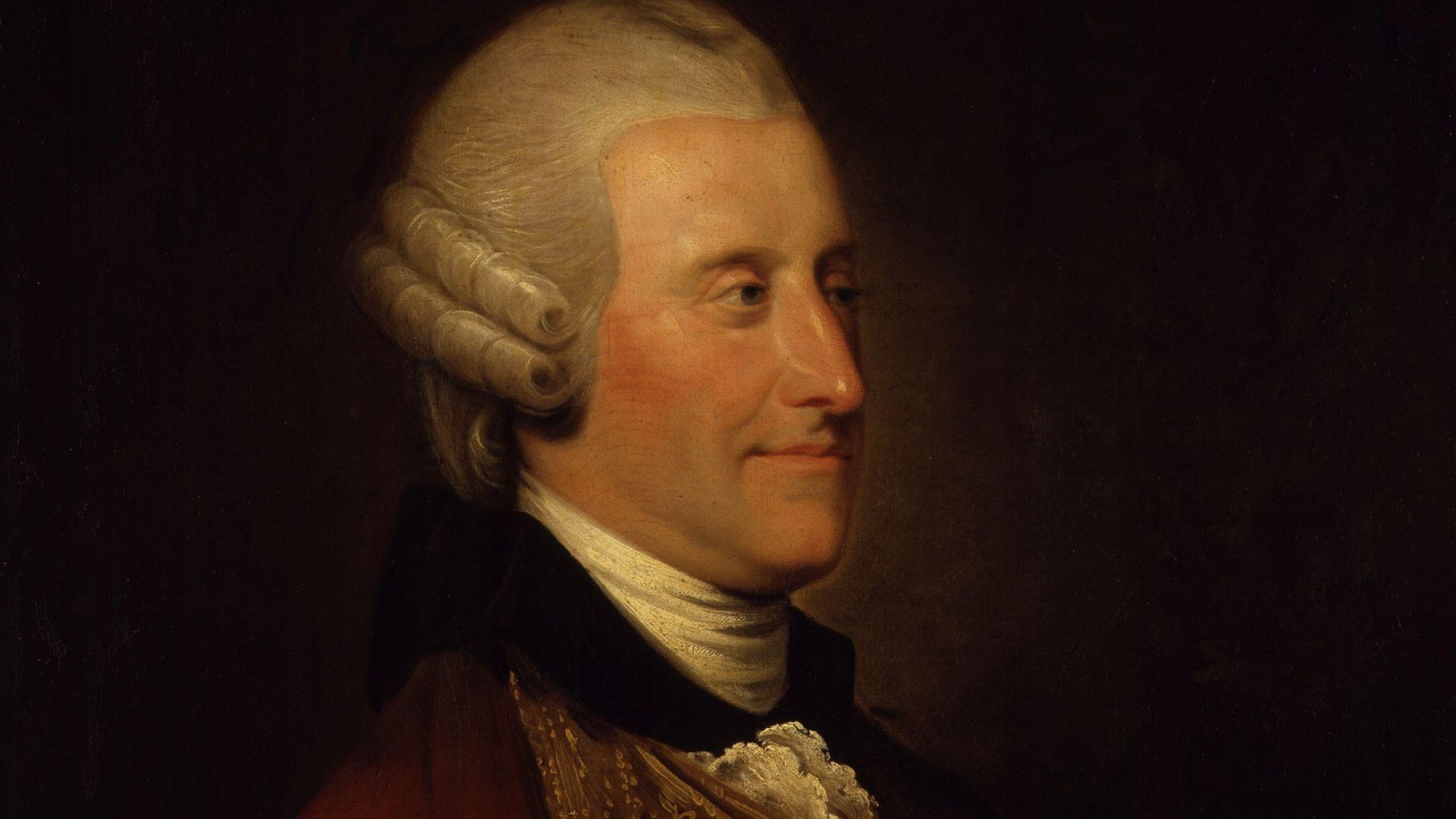 Johann Zoffany, Wikimedia Commons
Mesmer Put People Under
German physician Franz Anton Mesmer promoted a controversial theory called “animal magnetism” during the late 18th century, claiming an invisible force could affect human health. His dramatic treatments attracted enormous attention. Although his theories fell from scientific favor, “mesmerize” survived, eventually meaning to fascinate or hypnotically entrance someone.
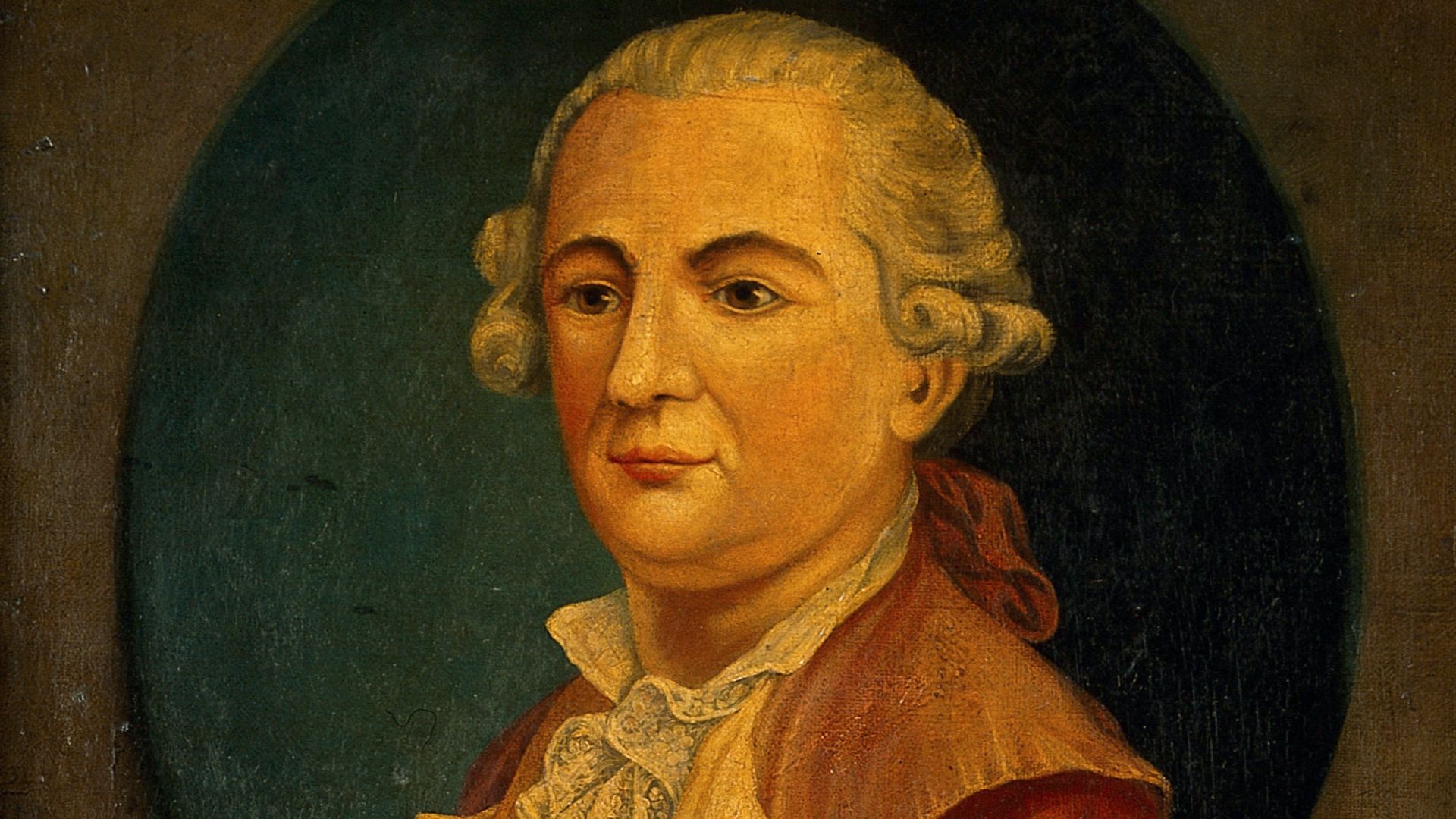
Guillotin Got The Wrong Credit
French physician Joseph-Ignace Guillotin did not invent the guillotine. During the French Revolution, he advocated a standardized, supposedly more humane method of execution that would apply equally regardless of social class. His association with the proposal nevertheless proved enough to attach his surname permanently to the notorious machine.
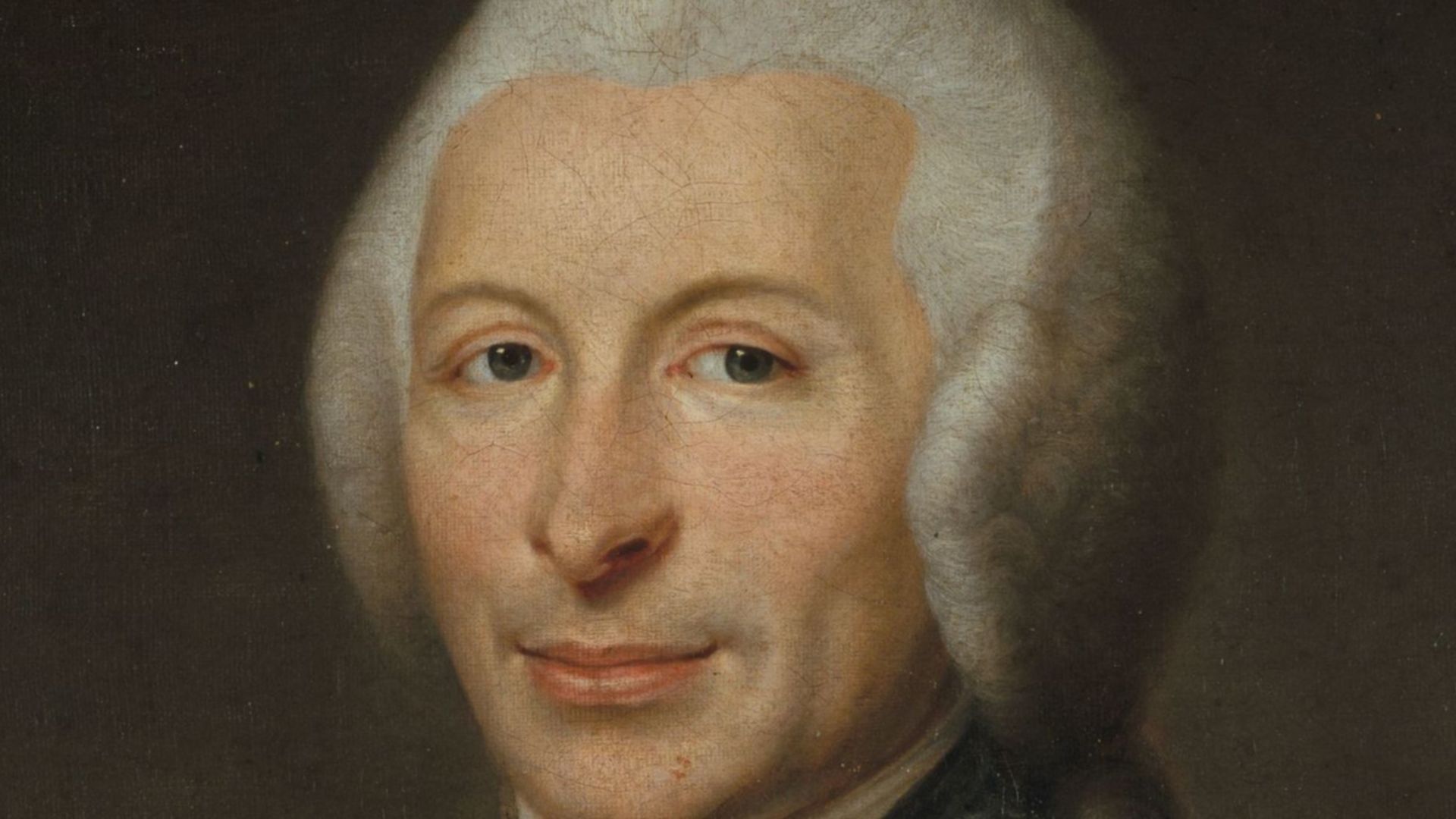
Shrapnel Became Flying Fragments
British artillery officer Henry Shrapnel developed an explosive artillery shell containing projectiles designed to scatter toward enemy troops. The British Army adopted his invention in the early 19th century, and “shrapnel” became associated with the weapon. Eventually, its meaning expanded to describe fragments thrown outward by explosions generally.
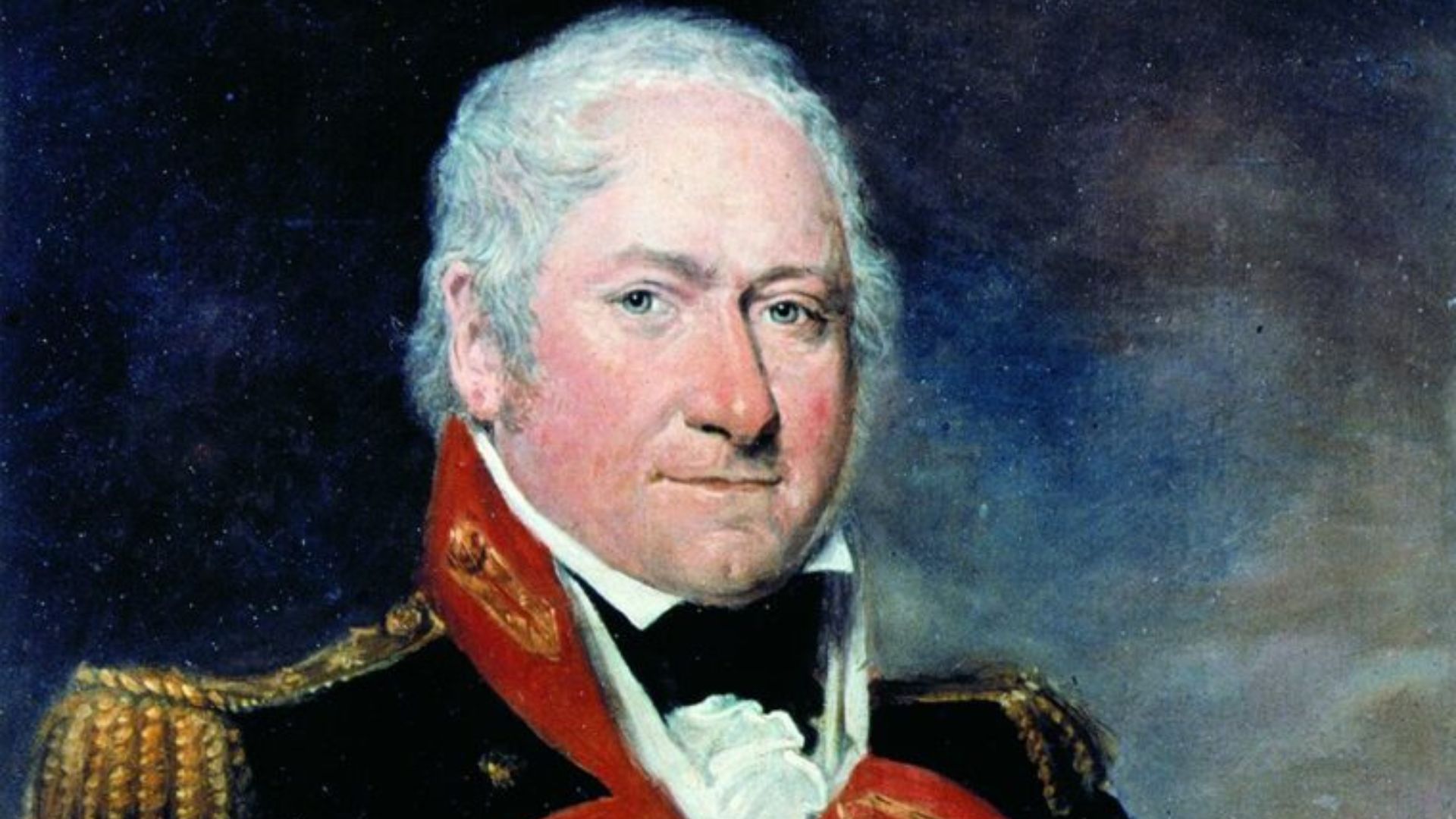 Unknown authorUnknown author, Wikimedia Commons
History's most fascinating stories and darkest secrets, delivered to your inbox daily.
Gerry Created A Political Monster
Massachusetts governor Elbridge Gerry signed an 1812 redistricting bill benefiting his political allies. One strangely shaped district inspired a newspaper cartoon depicting it as a salamander. Gerry's name and “salamander” were combined into “gerrymander,” which still describes manipulating electoral boundaries for political advantage more than two centuries later.
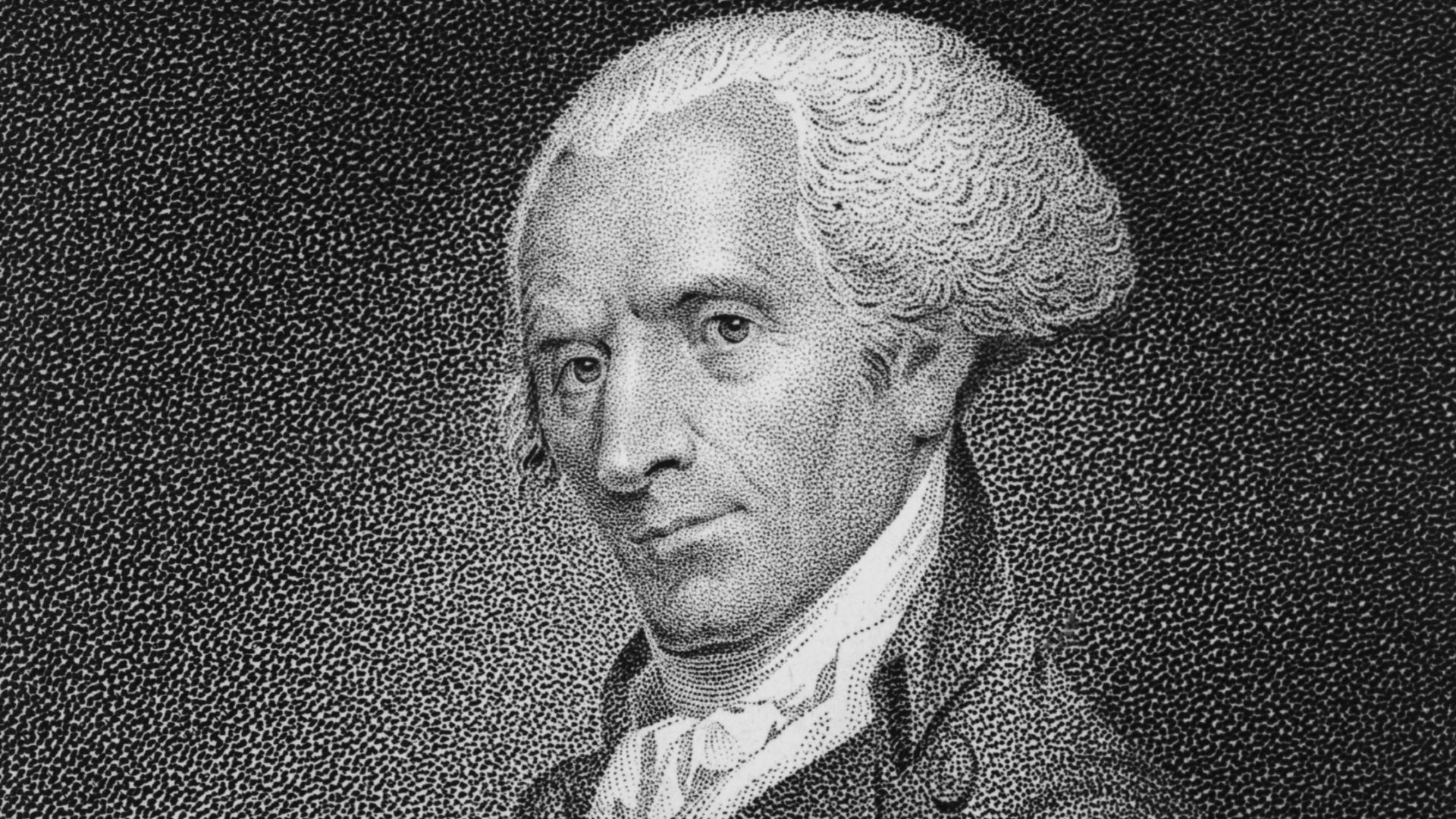 Longacre, James Barton, 1794-1869, engraver, Wikimedia Commons
McAdam Got Into The Road
Scottish engineer John Loudon McAdam transformed road building during the early 19th century by advocating carefully constructed layers of small broken stones. His method became known as “macadam.” Later road builders added tar, creating “tarmacadam,” from which the familiar word “tarmac” ultimately developed. McAdam's surname remains beneath our wheels.
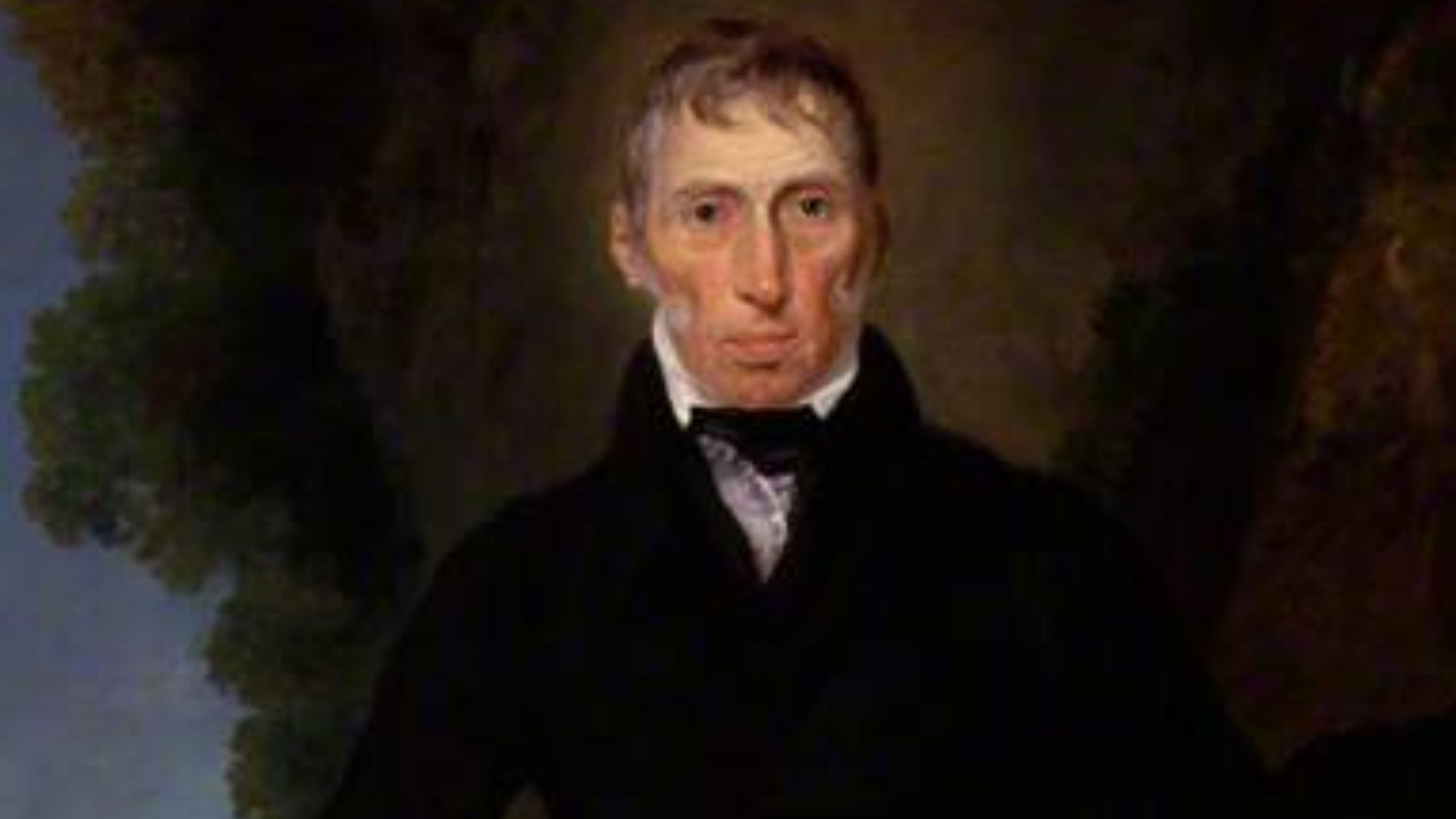
Braille Became A Language
Louis Braille lost his sight after a childhood accident and began developing his famous raised-dot reading system while still a teenager. Inspired partly by an earlier tactile military communication method, Braille created an extraordinarily efficient system for reading and writing by touch. His surname eventually became synonymous with tactile literacy worldwide.
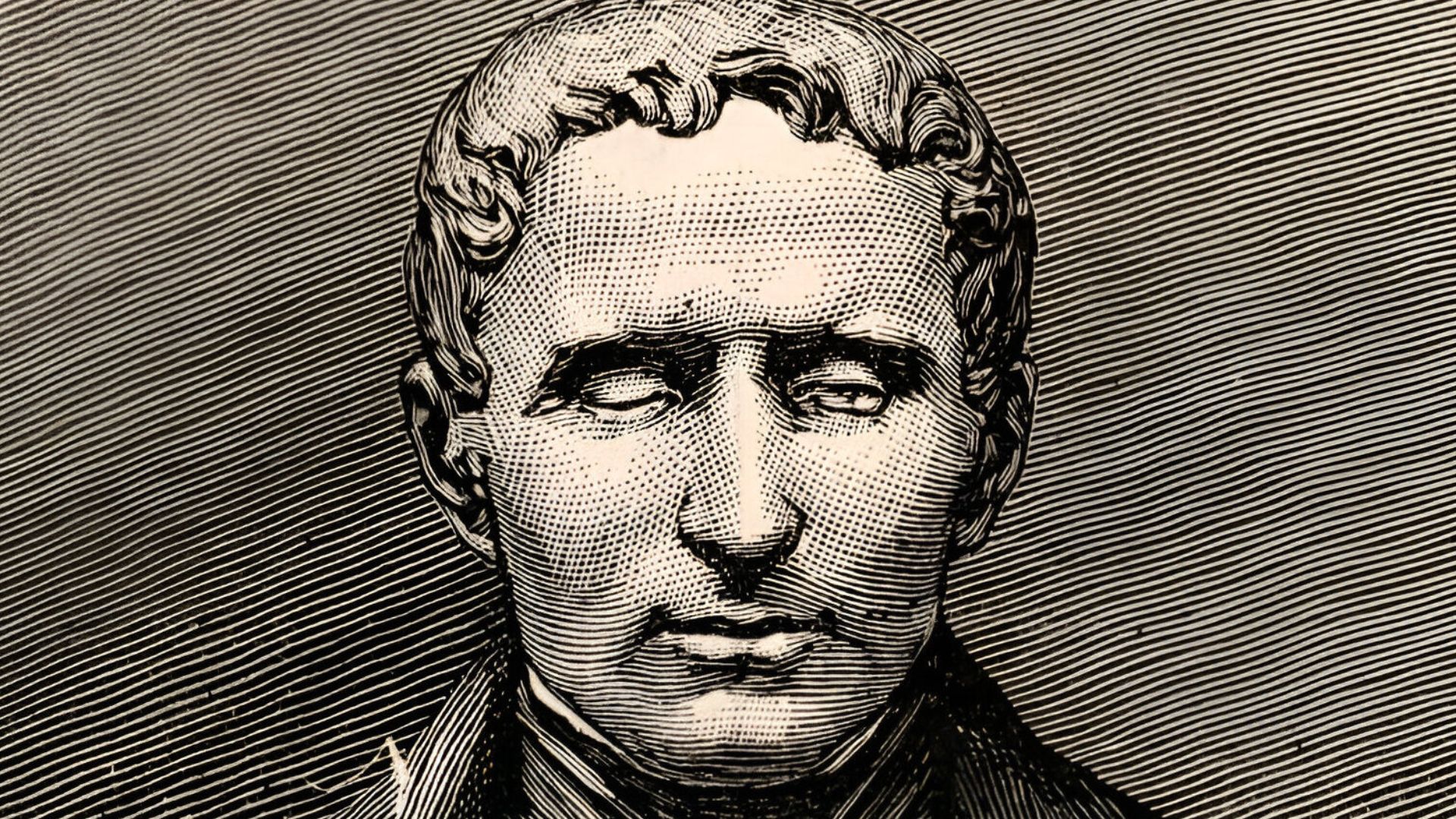 Henri Thiriat, Wikimedia Commons
Sax Invented The Saxophone
Belgian instrument maker Adolphe Sax wanted an instrument combining qualities of brass and woodwinds. He patented the saxophone in France in 1846, producing an entire family of instruments bearing his abbreviated surname. Sax could hardly have anticipated how important his creation would eventually become to jazz and popular music.
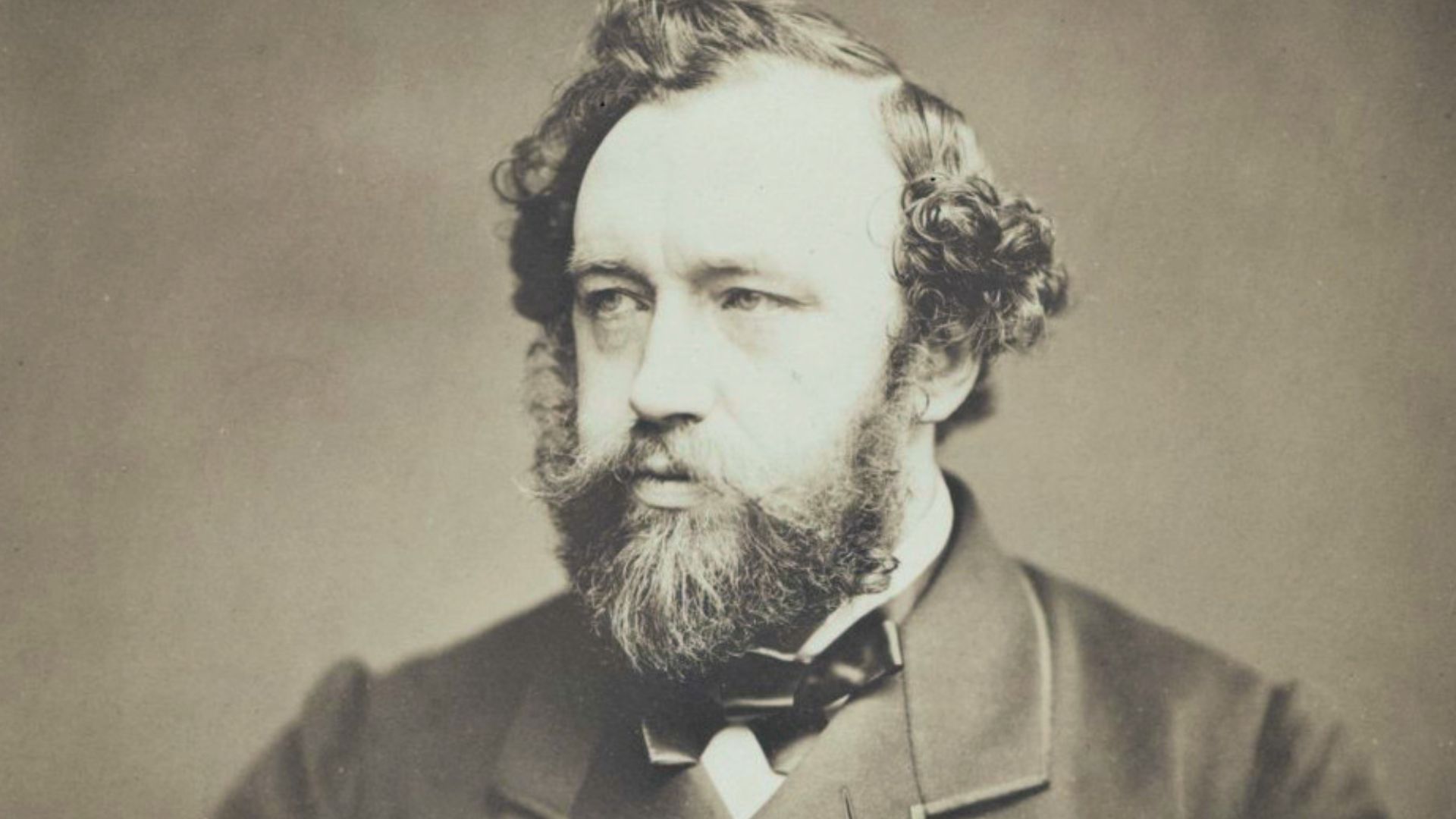 Unknown authorUnknown author, Wikimedia Commons
Bloomer Didn’t Invent Bloomers
Women's rights advocate Amelia Bloomer promoted a practical outfit featuring a shortened skirt and loose trousers in her newspaper The Lily. She hadn't invented it; Elizabeth Smith Miller had introduced the style. But Bloomer publicized it so effectively that newspapers called it the “Bloomer costume,” permanently attaching her name to the garment.
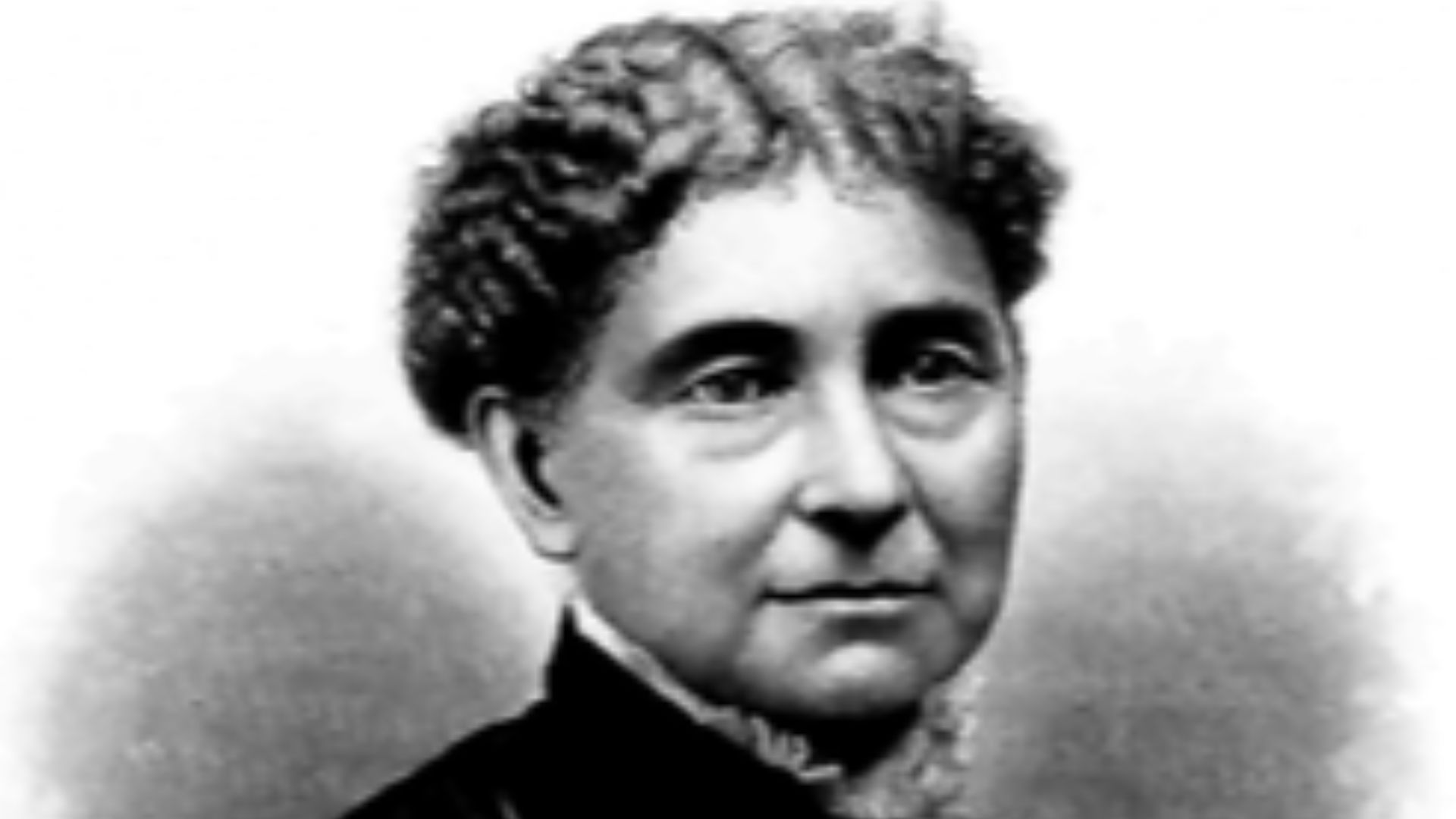 Binksternet (talk), Wikimedia Commons
Cardigan Outlived The Earl
James Brudenell, 7th Earl of Cardigan, commanded British cavalry during the disastrous Charge of the Light Brigade in 1854. His title subsequently became associated with the knitted, open-front garment known as a cardigan. Whatever Cardigan's complicated military reputation, his name eventually became much more familiar inside closets than history classrooms.
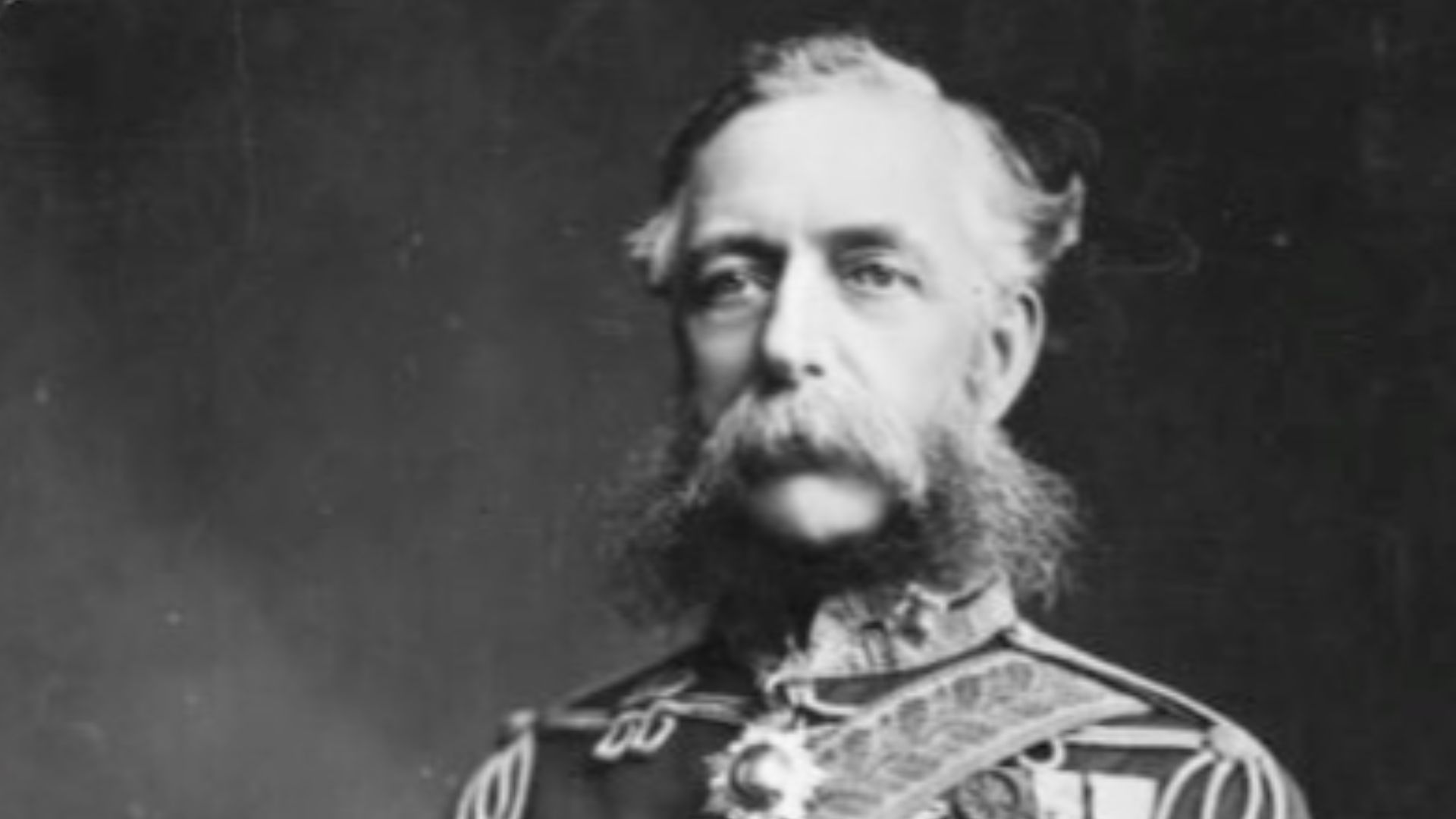 Unidentified photographer, Wikimedia Commons
History's most fascinating stories and darkest secrets, delivered to your inbox daily.
Léotard Dressed For Danger
French acrobat Jules Léotard became famous during the 19th century for performing on the flying trapeze. He wore a tight-fitting one-piece garment that provided freedom of movement while displaying his athletic physique. The costume became so closely associated with him that it eventually acquired his surname: the leotard.
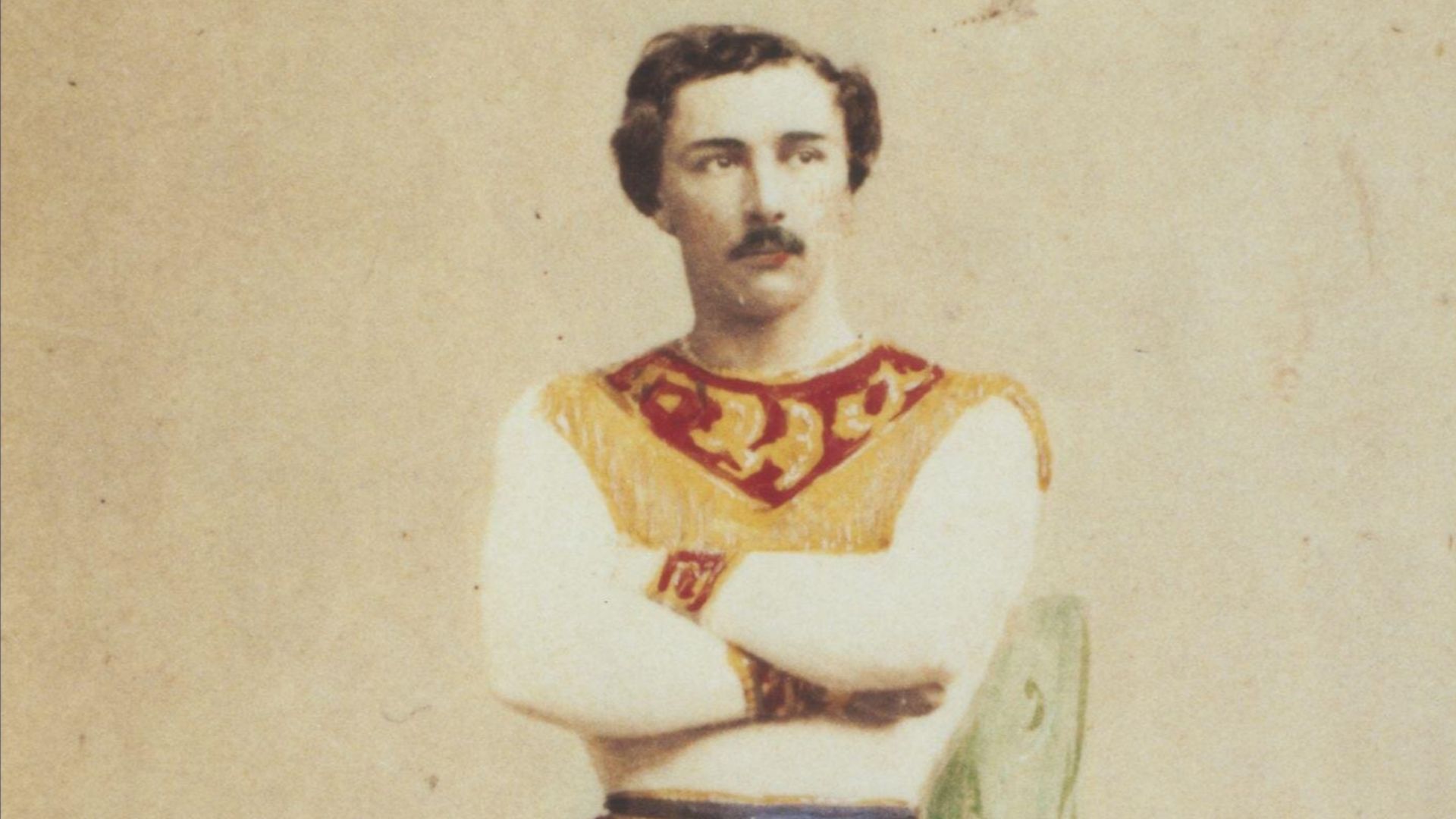 Unknown authorUnknown author, Wikimedia Commons
Burnside Flipped His Whiskers
Union general Ambrose Burnside became famous during the American Civil War for enormous facial whiskers connecting his mustache to the hair beside his ears. They were called “Burnside whiskers” and then “burnsides.” Eventually the syllables switched places, leaving generations of men unknowingly wearing a Civil War general's name as sideburns.
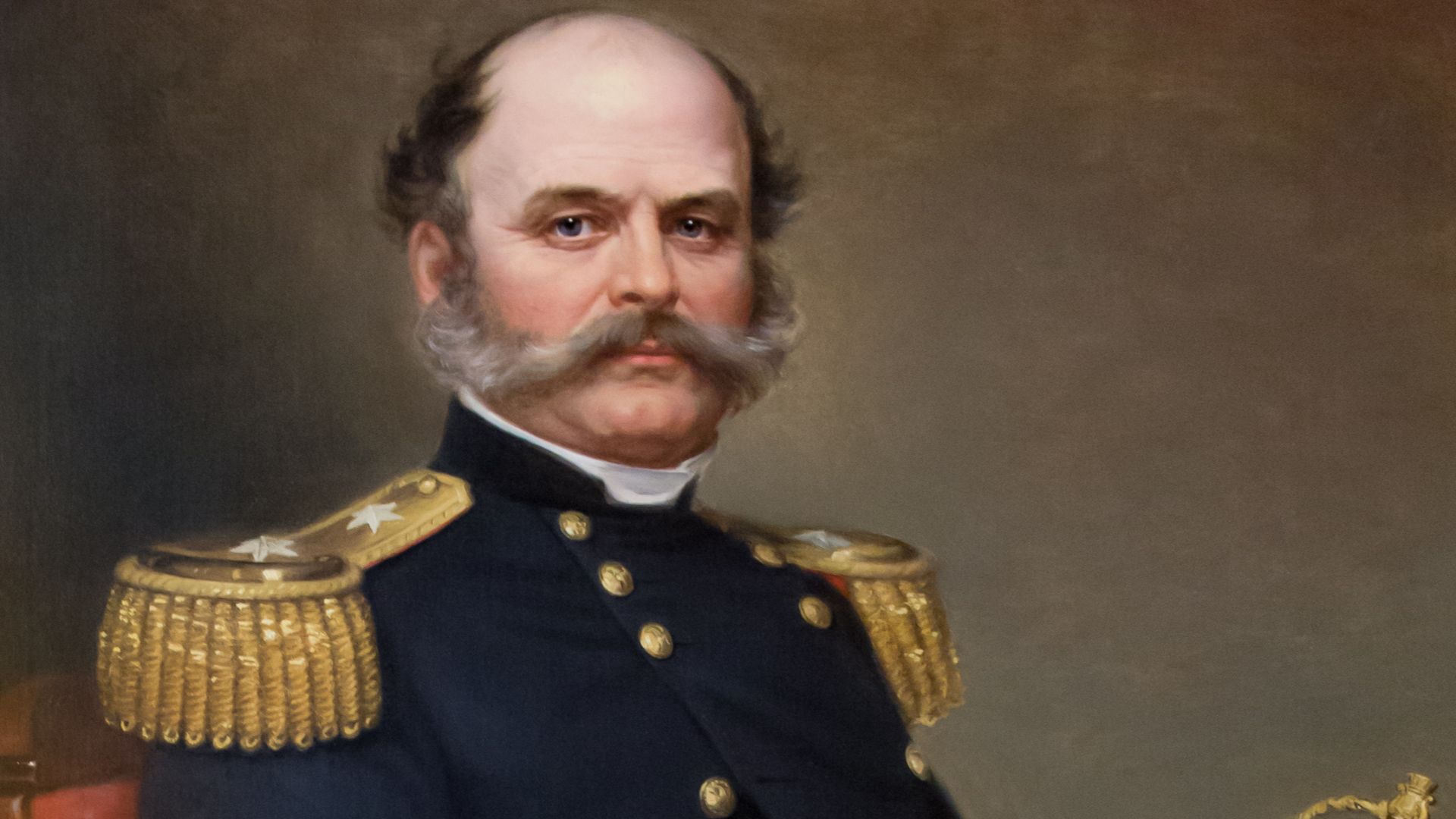 James Sullivan Lincoln, Wikimedia Commons
Maverick Wouldn’t Brand His Cattle
Texas rancher, lawyer, and politician Samuel Augustus Maverick acquired cattle during the 1840s but became known for leaving animals unbranded. Other ranchers began calling unbranded cattle “Maverick's.” His surname eventually became a common noun and then broadened to describe an independent-minded person unwilling to follow the crowd.
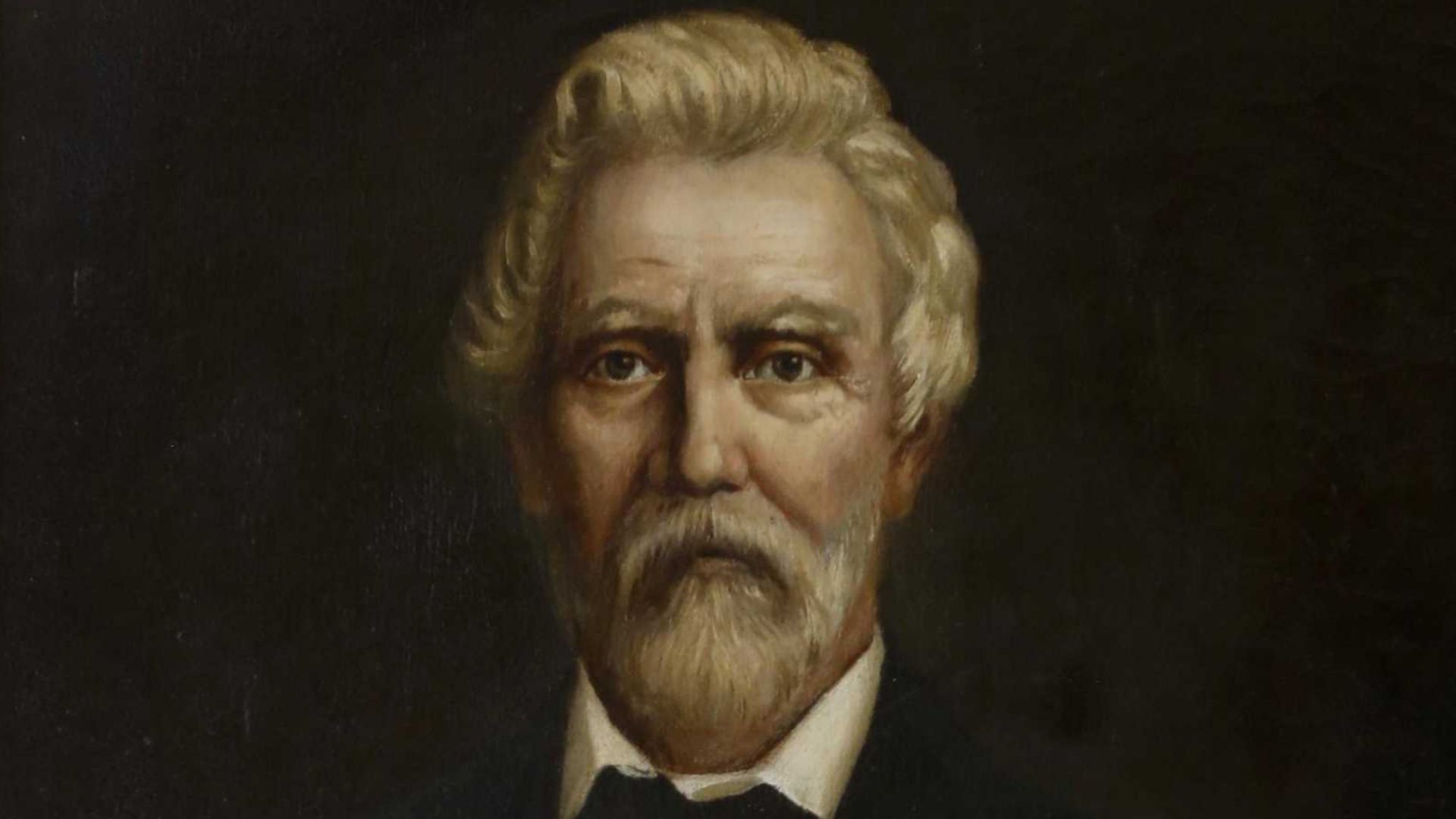 Unknown artistUnknown artist., Wikimedia Commons
Boycott Heard His Name Change
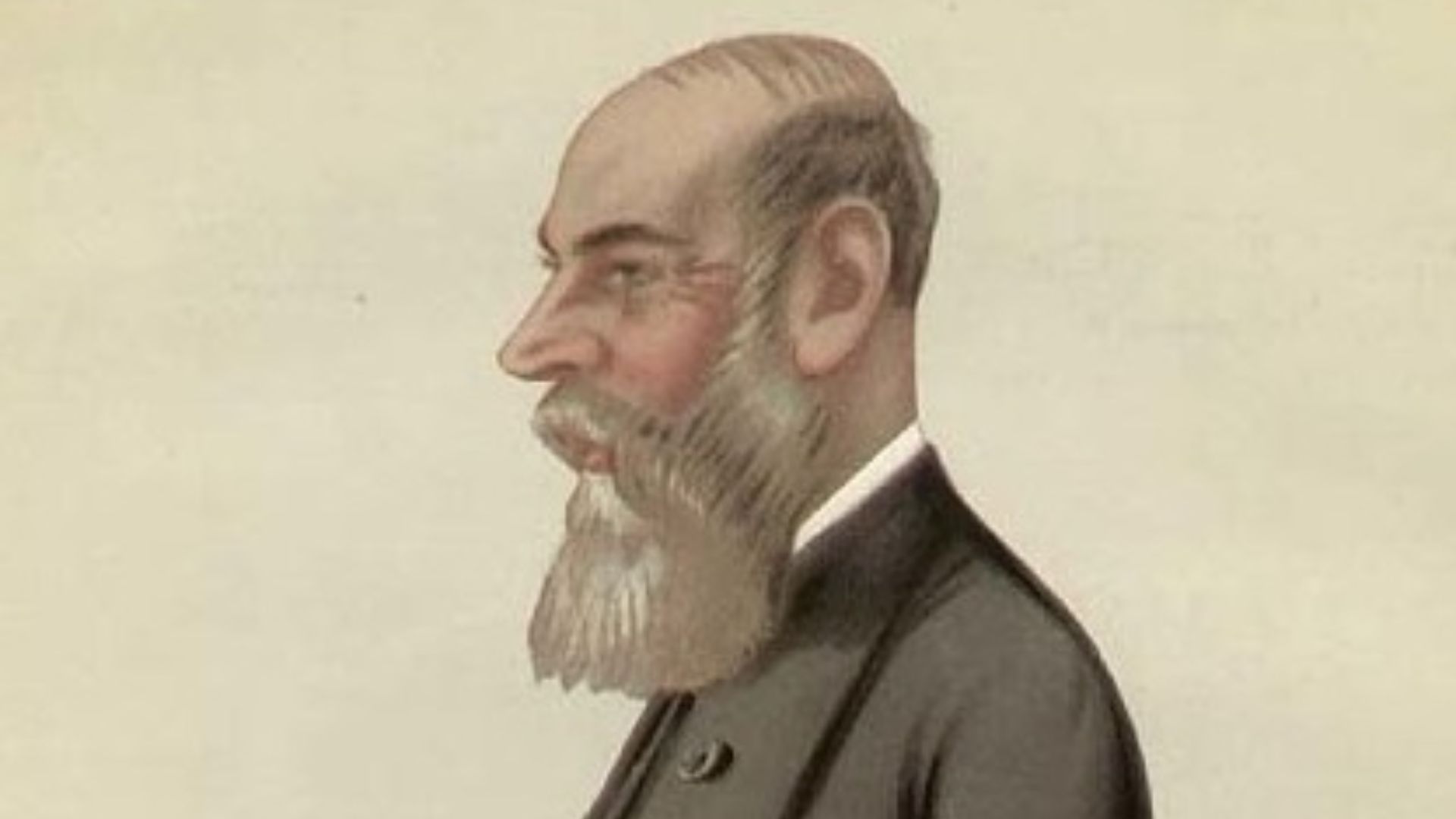
In 1880, Irish tenants and their supporters socially and economically isolated land agent Charles Cunningham Boycott during a dispute over rents and evictions. Workers, merchants, and neighbors refused to cooperate with him. Newspapers quickly turned his surname into “boycott,” and Boycott actually lived to hear his name become vocabulary.
 Leslie Ward, Wikimedia Commons
Pasteur Became A Process
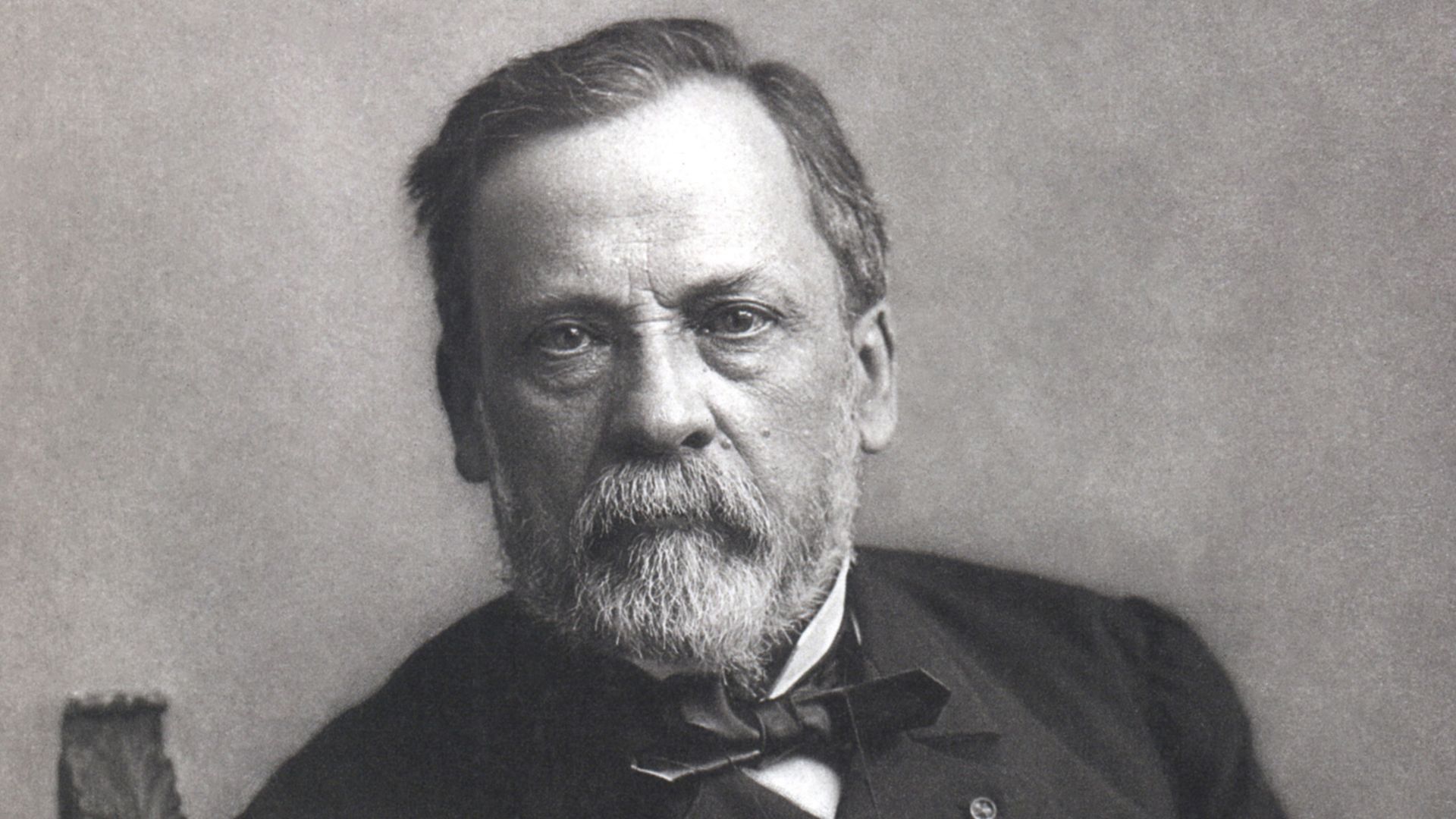
French chemist Louis Pasteur demonstrated that microorganisms played an important role in fermentation and spoilage. His experiments led to heating techniques used to reduce harmful microbes in beverages and foods. The process became “pasteurization,” ensuring that Pasteur's surname appears on products in refrigerators around the world more than a century later.
Diesel Powered The World
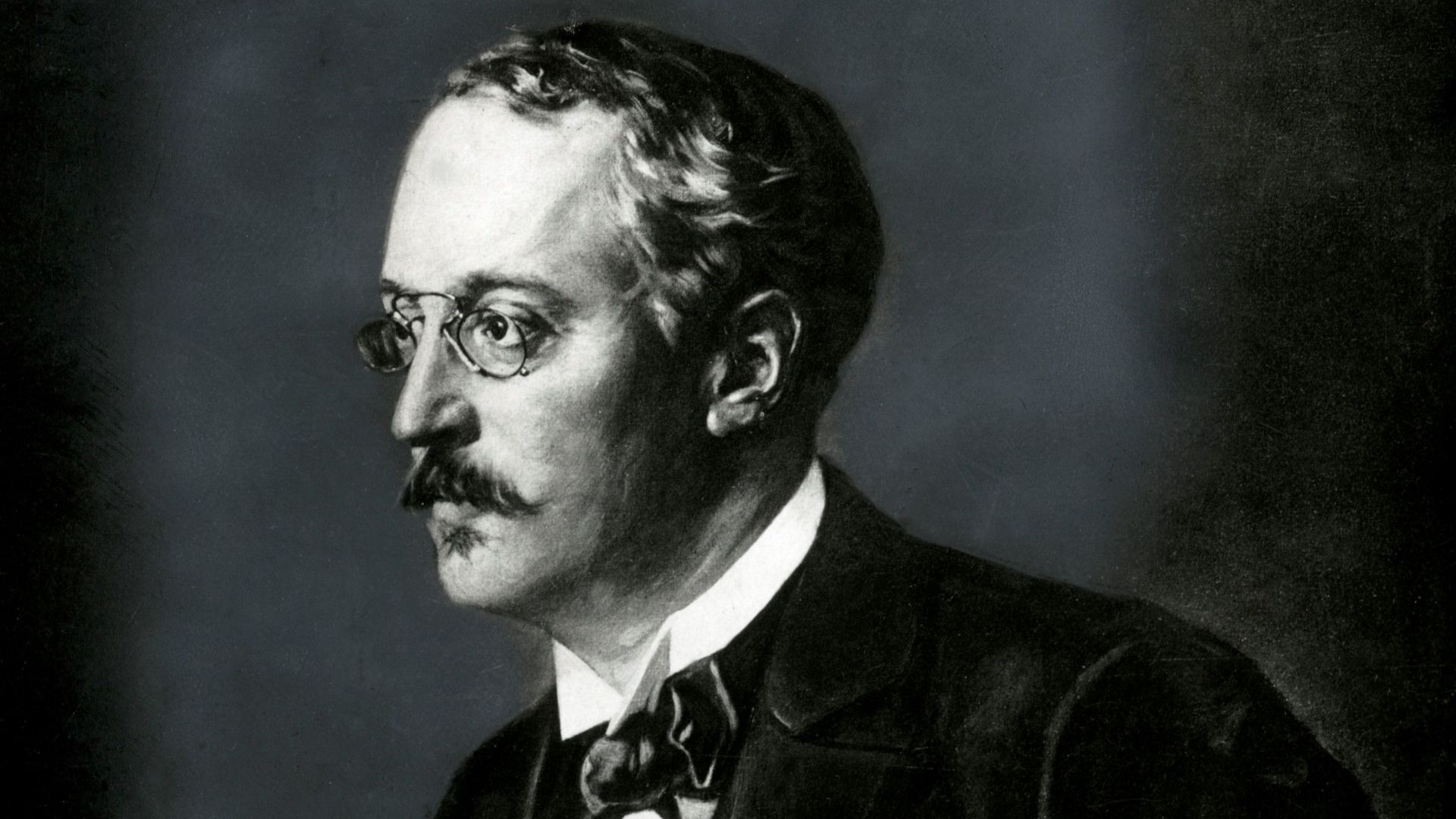
German engineer Rudolf Diesel sought a more efficient alternative to existing engines and developed his compression-ignition engine during the 1890s. The technology ultimately transformed trucks, ships, locomotives, generators, and industrial machinery. Diesel's surname became both the name of the engine and the fuel commonly associated with powering it.
 Unknown authorUnknown author, Wikimedia Commons
History's most fascinating stories and darkest secrets, delivered to your inbox daily.
Spooner Mixed His Words
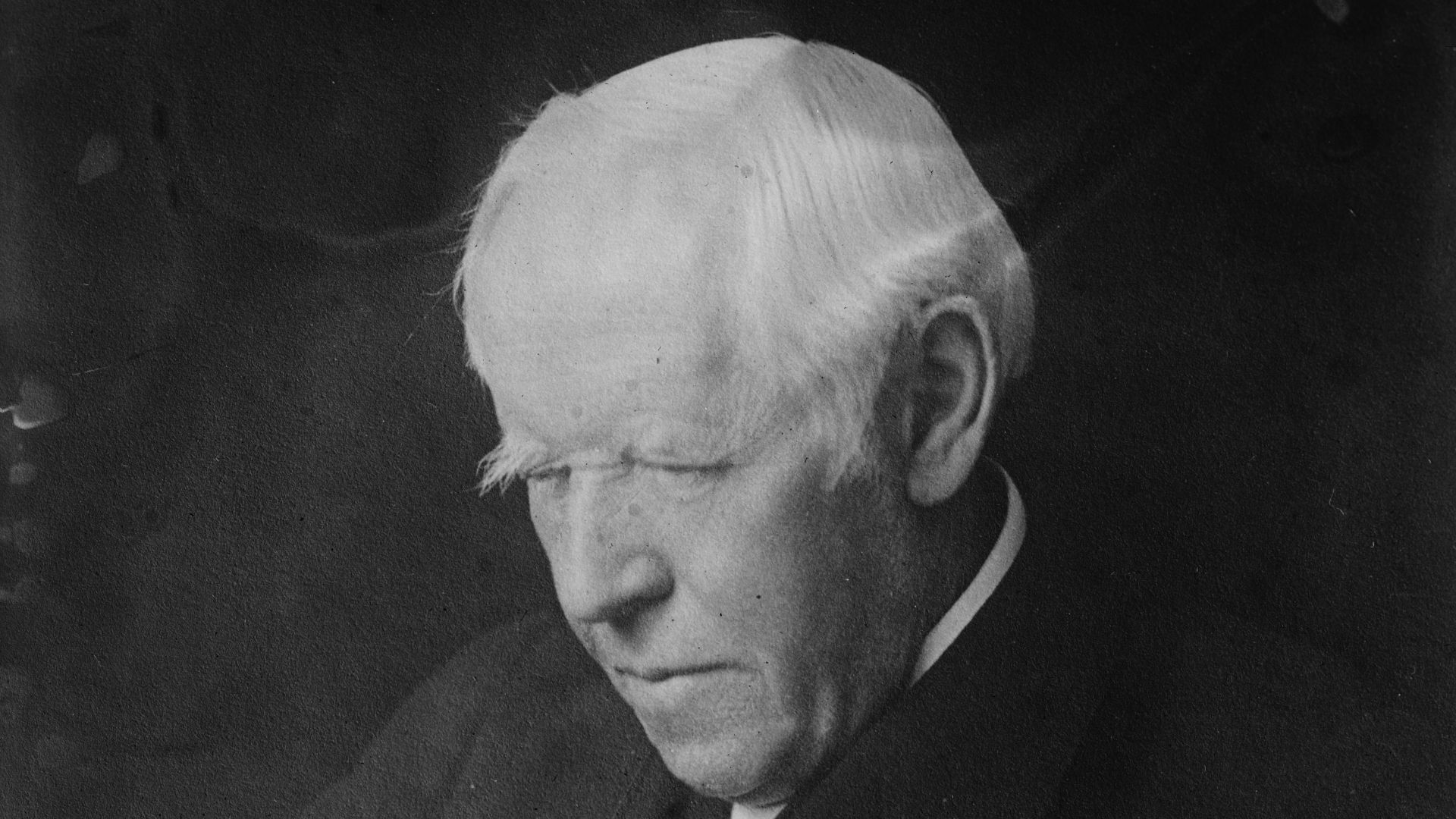
Oxford clergyman William Archibald Spooner became notorious for supposedly switching sounds between words, creating comic expressions such as the numerous “spoonerisms” later attributed to him. Many famous examples were probably invented by others. Spooner acknowledged making at least one such mistake, but his reputation proved stronger than historical accuracy.
 Bain News Service, publisher, Wikimedia Commons
Zeppelin Took To The Sky
German military officer Ferdinand von Zeppelin became fascinated by lighter-than-air flight and developed enormous rigid airships around the turn of the 20th century. His Zeppelin company made the machines internationally famous. Before long, “zeppelin” escaped its status as a surname and became a generic popular term for large rigid airships.
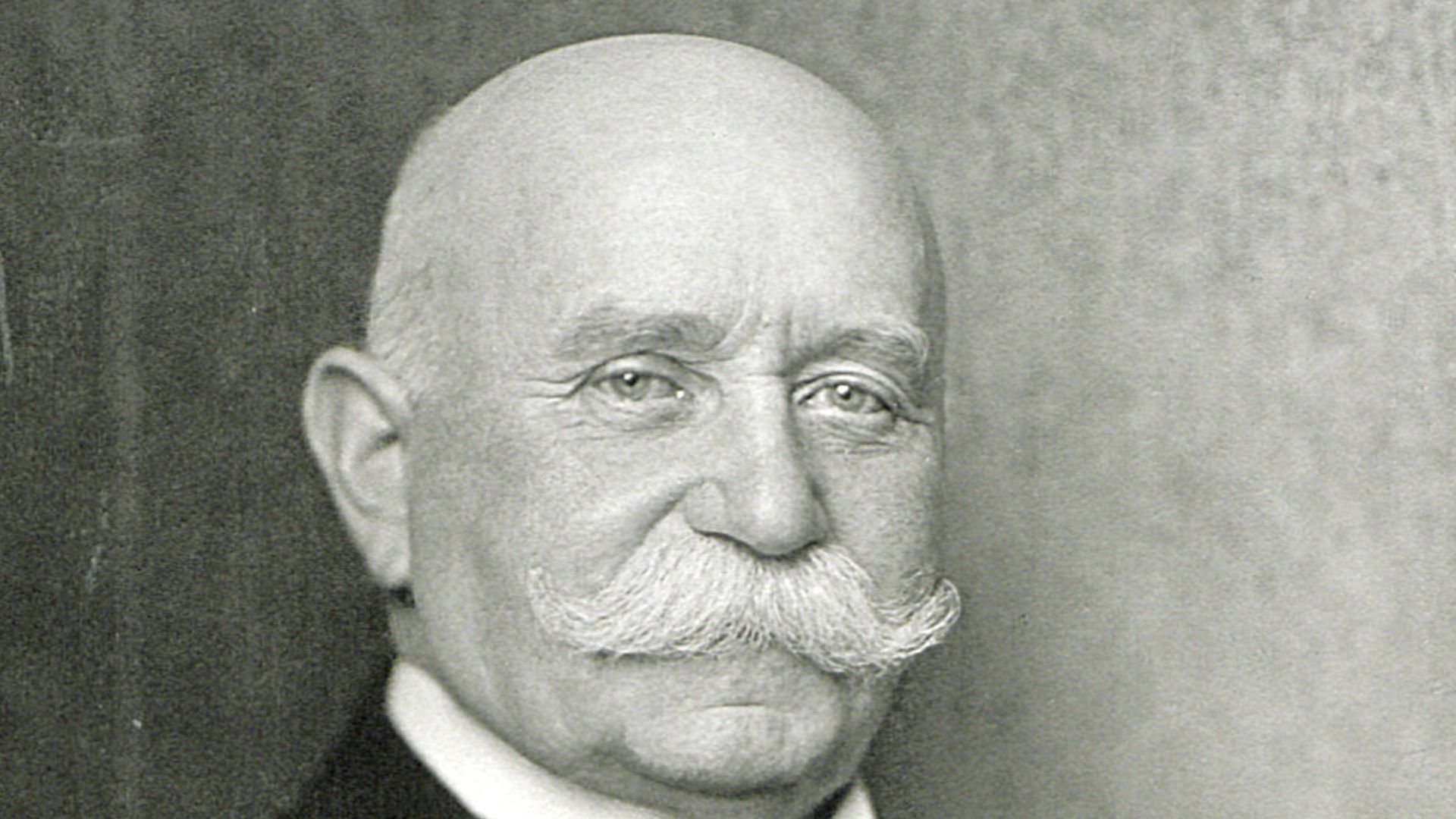 Nicola Perscheid, Wikimedia Commons
Ponzi Became A Warning
Charles Ponzi promised investors spectacular returns in Boston in 1920 while using money from newer participants to pay earlier ones. His operation collapsed spectacularly, but his surname endured. “Ponzi scheme” now describes fraudulent arrangements dependent on incoming investors' money rather than legitimate profits, long after Ponzi himself faded from memory.
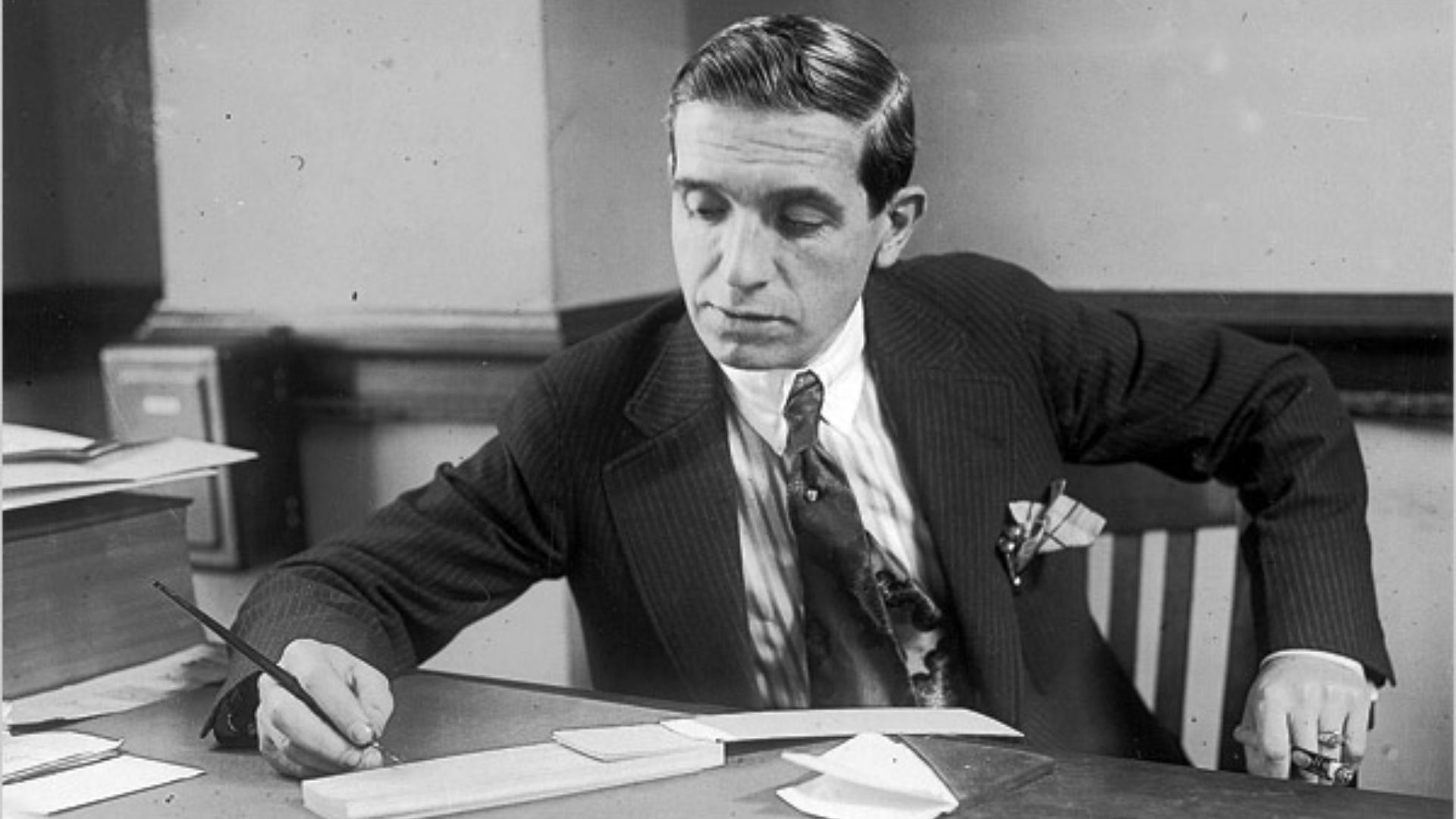 Boston Library (NYT); en.wikipedia.org, Wikimedia Commons
Nacho Made A Snack
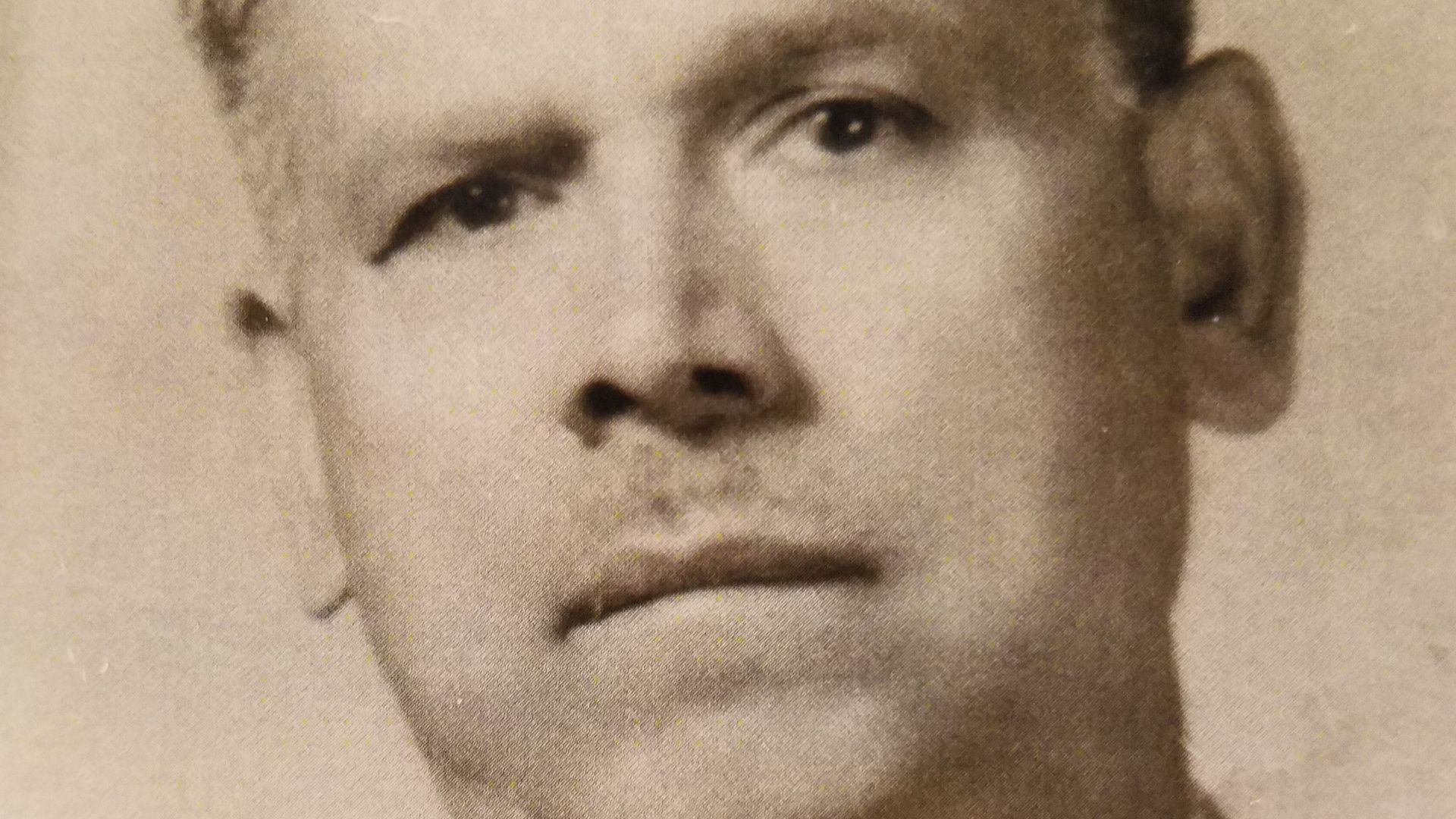
In 1943, maître d' Ignacio “Nacho” Anaya improvised food for hungry American military wives visiting Piedras Negras, Mexico, when the restaurant's chef was unavailable. He topped fried tortilla pieces with cheese and jalapeños and called them “Nacho's especiales.” The shortened name eventually conquered concession stands around the world.
Jacuzzi Went From Family To Bathtub
The Jacuzzi brothers built a successful engineering business in California, while family member Candido Jacuzzi developed a portable hydrotherapy pump to help his young son, who suffered from rheumatoid arthritis. The company later incorporated jets into bathtubs, and “Jacuzzi” became so widely used that many people treat the trademark like a generic word.
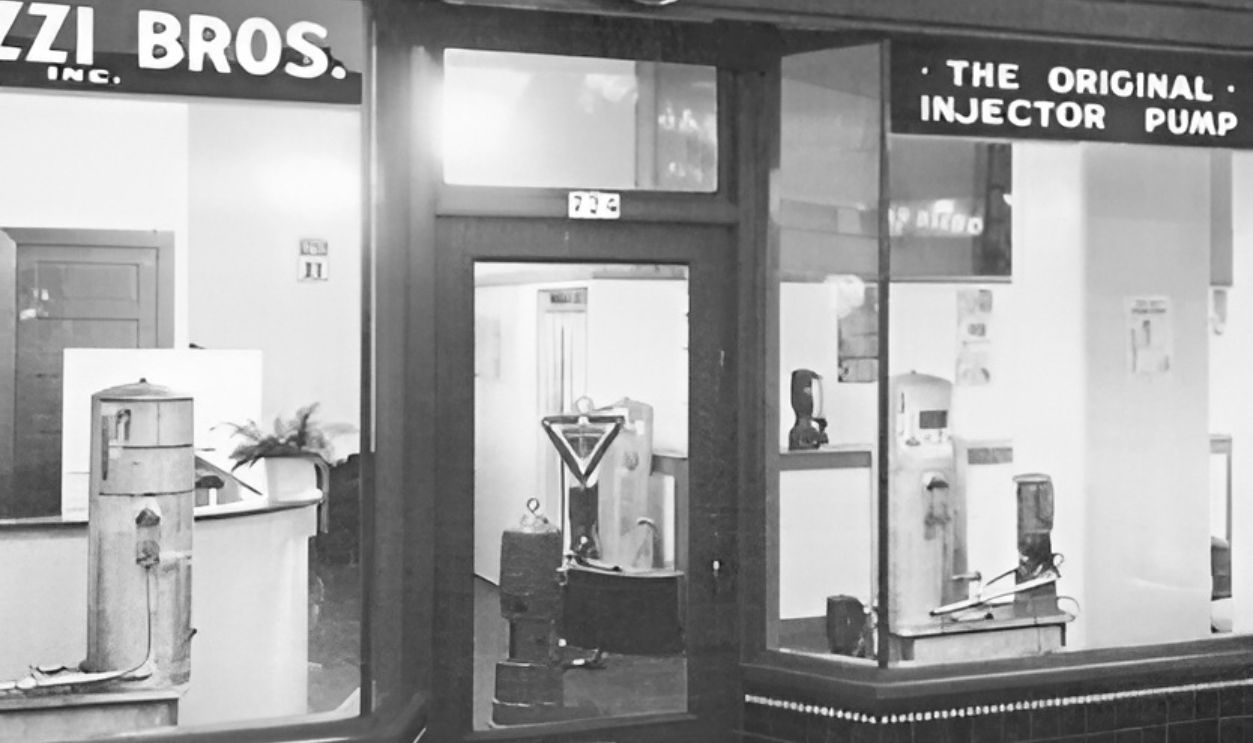 Jacuzzi, CC BY-SA 4.0, Wikimedia Commons, Enhanced
You May Also Like:
The Real People Whose Names Will Live Forever In The Dictionary
The Real People Hiding Behind Fashion Words We Use Every Day
Everyday Surnames That Come From Historical Jobs You've Never Heard Of