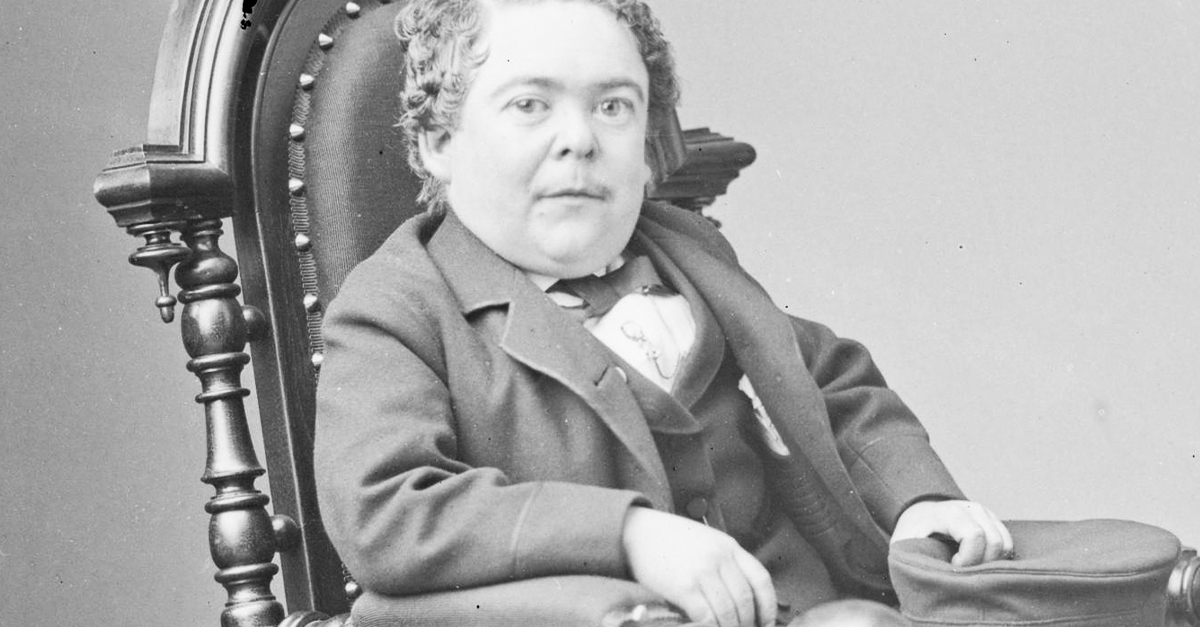
Daniel Lambert was unlike anyone Georgian England had ever seen. Weighing an astonishing 739 pounds, he became a national celebrity simply by allowing people to look at him. But behind his extraordinary appearance was an intelligent, surprisingly athletic man whose growing fame came with an increasingly difficult existence—and a tragically short life.
An Ordinary Beginning
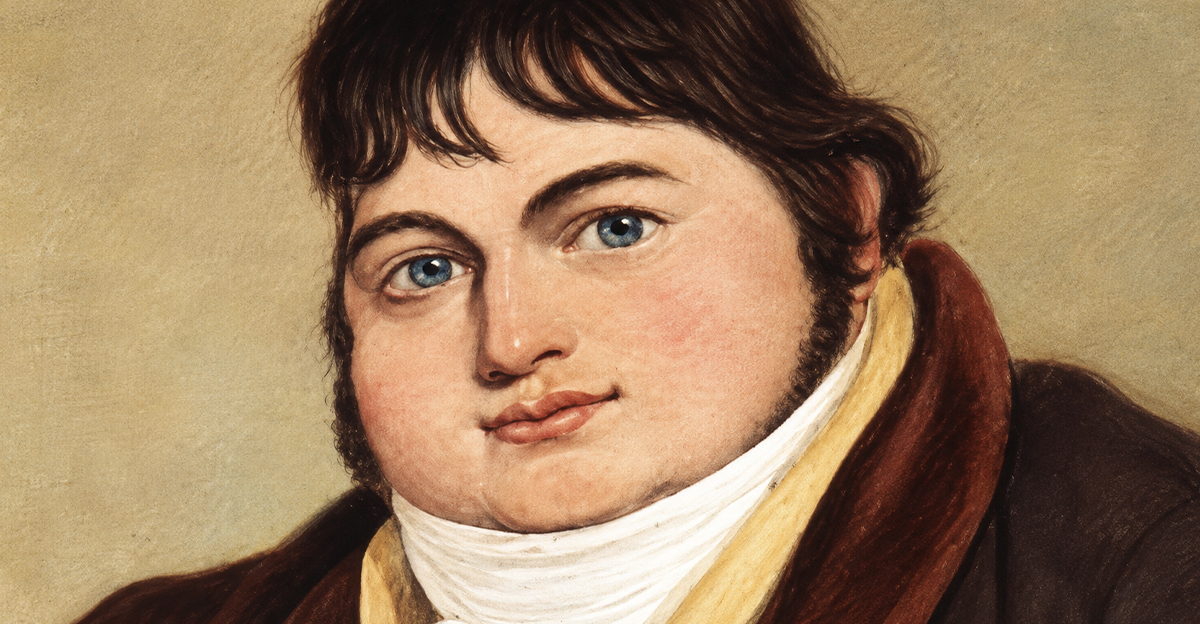
Daniel Lambert was born in Leicester, England, on March 13, 1770. His father worked as a huntsman before becoming the keeper of Leicester's prison. Young Daniel initially pursued a different trade, serving an apprenticeship in Birmingham's button-making industry. Nothing about his early life suggested that he would eventually become one of Britain's most recognizable personalities.
 Public Domain, Wikimedia Commons
A Surprisingly Powerful Young Man
Despite his later reputation, Lambert was remarkably athletic in his youth. He enjoyed swimming, walking, hunting, and riding horses, and reportedly possessed exceptional physical strength. He also developed considerable expertise in breeding dogs and other sporting animals. Those who knew him remembered a capable outdoorsman rather than the enormous figure later immortalized in popular illustrations.
His Body Began Changing
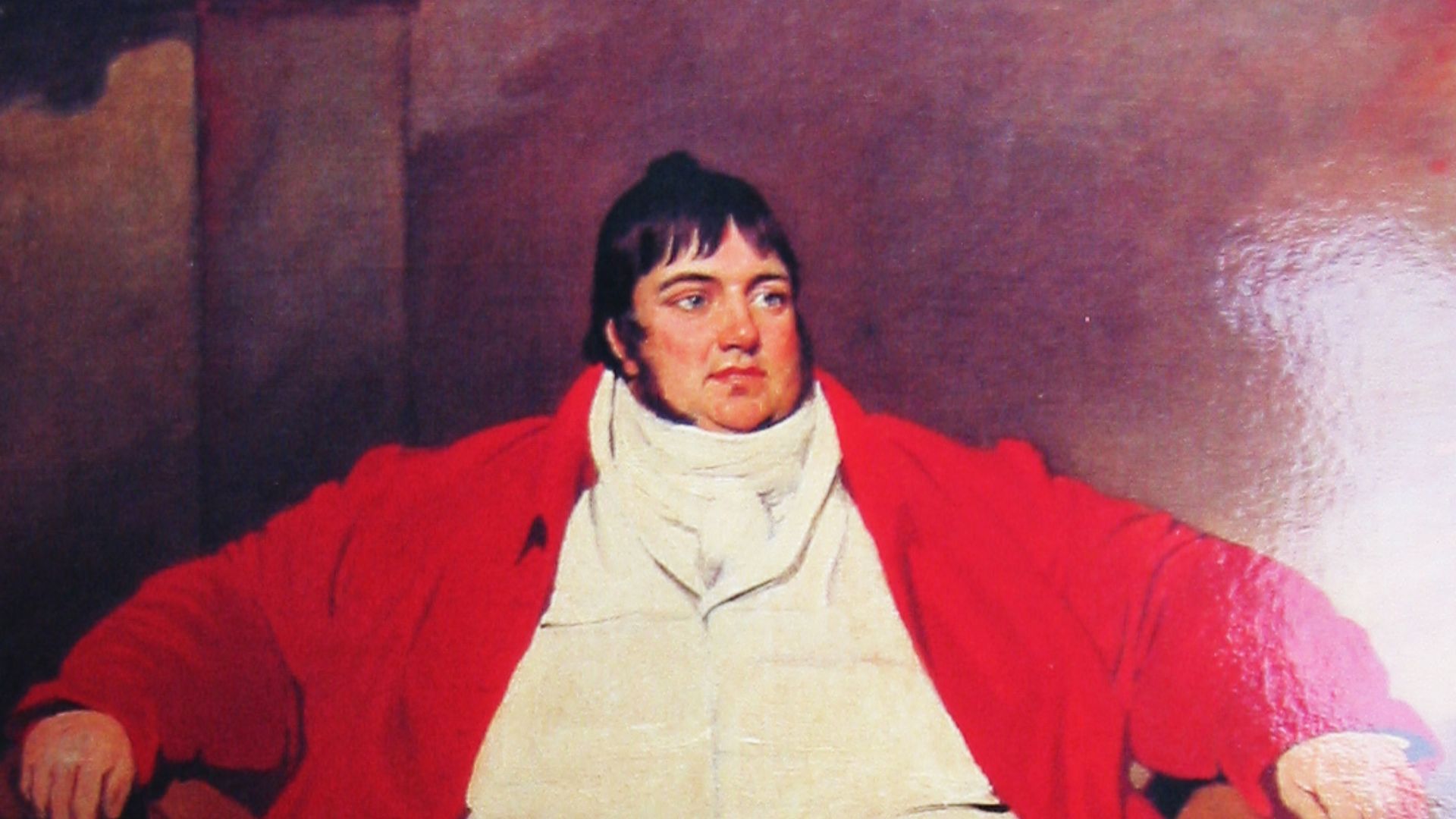
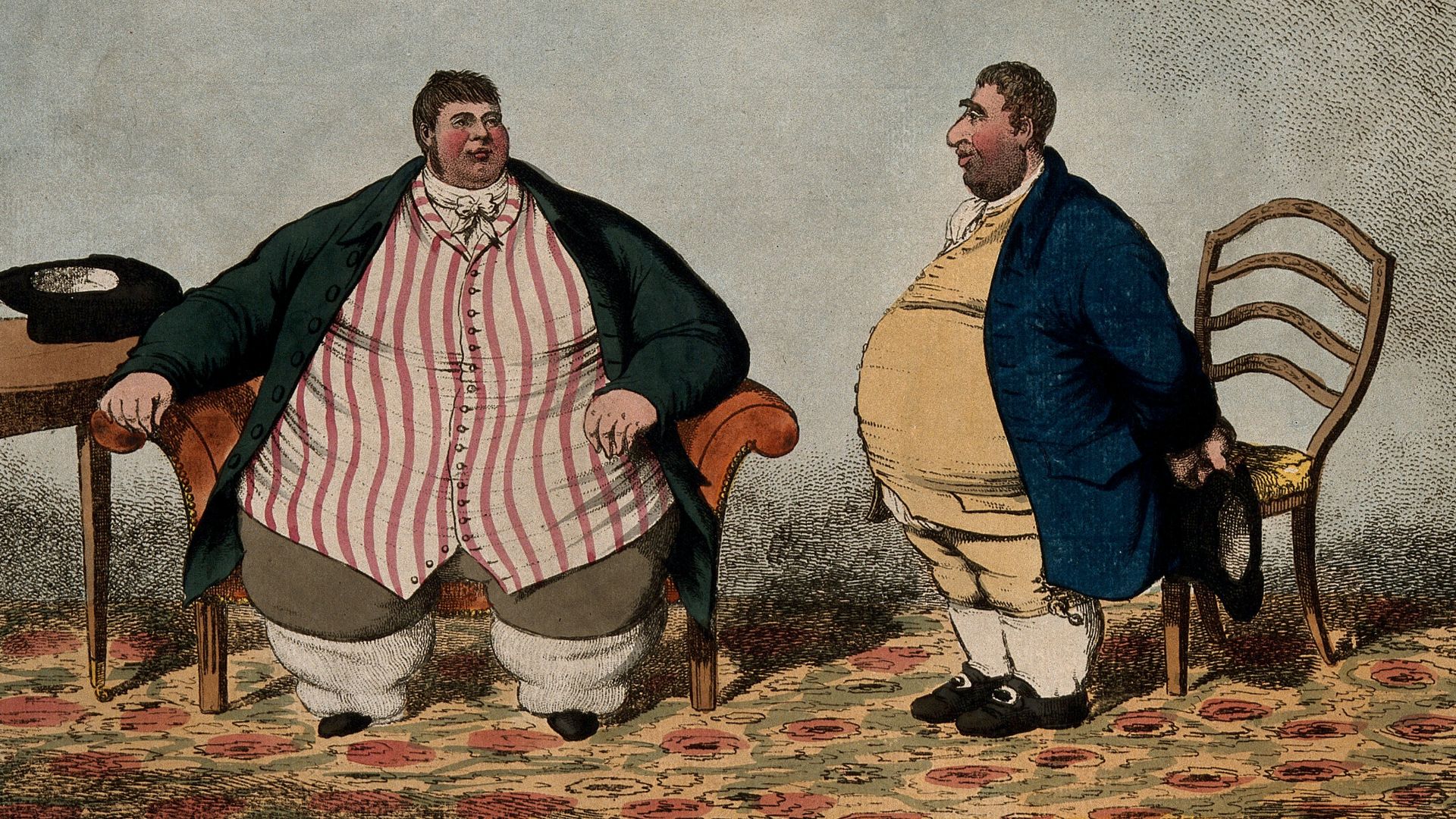
In 1791, Lambert succeeded his father as keeper of Leicester's prison. Around this time, his weight began increasing dramatically. By 1793, he reportedly weighed 448 pounds, despite maintaining an active lifestyle. Lambert insisted that he ate moderately and avoided drinking. Whatever caused his extraordinary weight gain, it eventually transformed nearly every aspect of his life.
 Benjamin Marshall, Wikimedia Commons
A Respected Prison Keeper
Lambert spent approximately 14 years overseeing Leicester's House of Correction. Accounts describe him as a conscientious keeper who took an interest in prisoners' welfare. His increasing size made ordinary movement progressively more difficult, but he remained employed until the institution closed in 1805. Suddenly, the 35-year-old faced an uncomfortable problem: finding another livelihood when his enormous body made conventional employment increasingly impractical.
Fame Became His Livelihood
In 1806, Lambert reluctantly decided to capitalize on the public's fascination with his size. He commissioned a specially constructed carriage and traveled to London, where he established himself at 53 Piccadilly. Visitors paid one shilling to meet him, and the attraction quickly became fashionable. For several hours each day, strangers arrived to examine the man newspapers had made famous.
 Unknown authorUnknown author, Wikimedia Commons
More Than A Curiosity
Visitors expecting a helpless spectacle often discovered something unexpected. Lambert was intelligent, articulate, and knowledgeable about hunting, horses, and dogs. His quick wit and pleasant conversation impressed people who initially came merely to stare. Some returned repeatedly, apparently enjoying his company as much as his extraordinary appearance. Nevertheless, being constantly scrutinized by strangers was hardly the life Lambert had originally imagined for himself.
The Price Of Celebrity
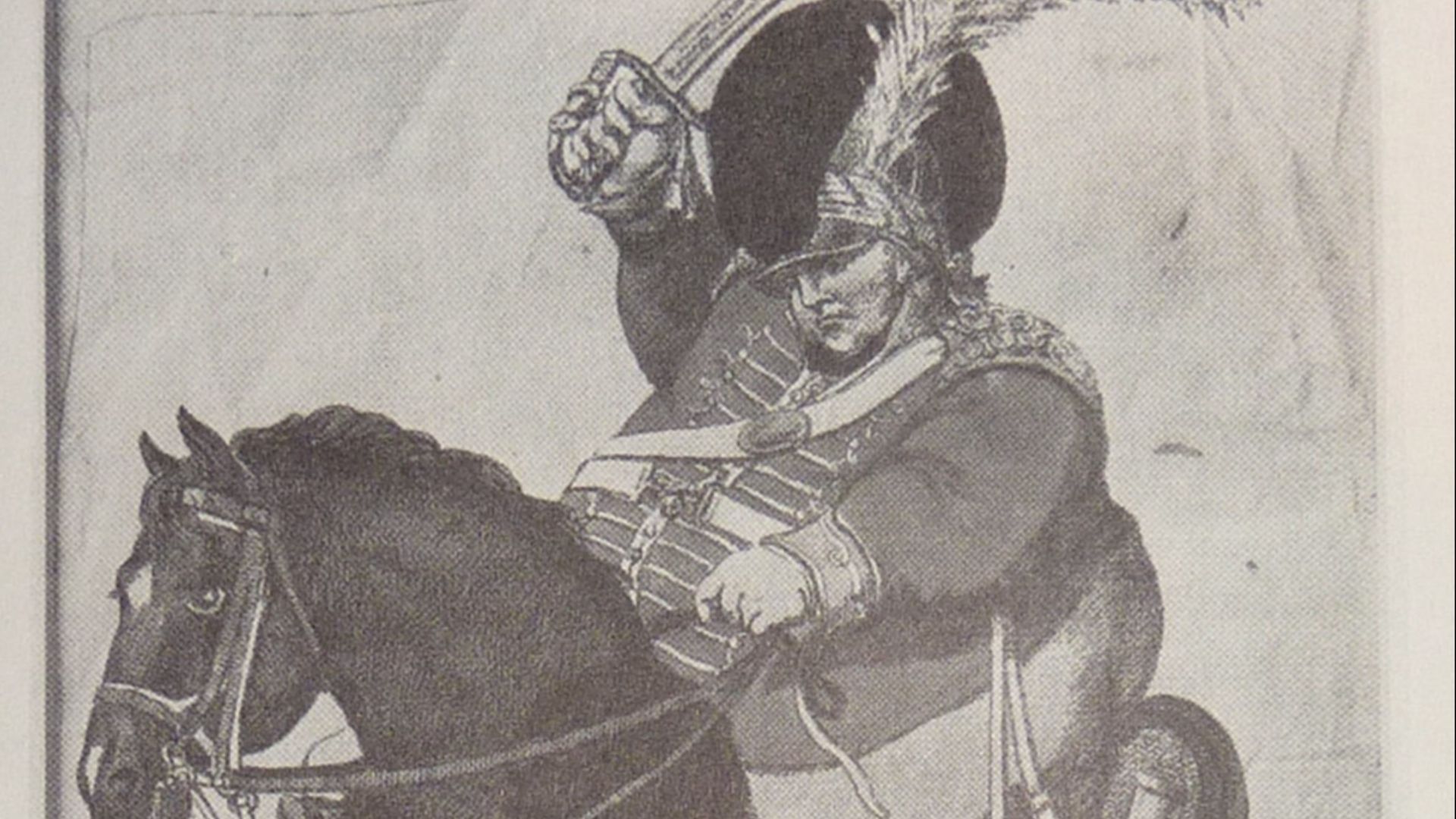
Lambert's exhibitions brought financial security, but they also required him to surrender much of his privacy. His body became a commercial attraction, while caricatures and newspaper descriptions encouraged the public to treat him as a curiosity. Although he could earn substantial sums, his increasing weight restricted his independence. Even traveling between towns required special arrangements, and the physical demands of his condition continued to grow.
His Final Journey
Lambert eventually returned to Leicester, where he pursued his interests in sporting animals and occasionally attended public events. He also continued making exhibition tours. In June 1809, he traveled to Stamford, Lincolnshire, and visited the local races. On June 21, while staying at the Waggon and Horses Inn, Lambert died suddenly. He was just 39 years old. The precise cause of his death remains uncertain.
Even His Funeral Was Extraordinary
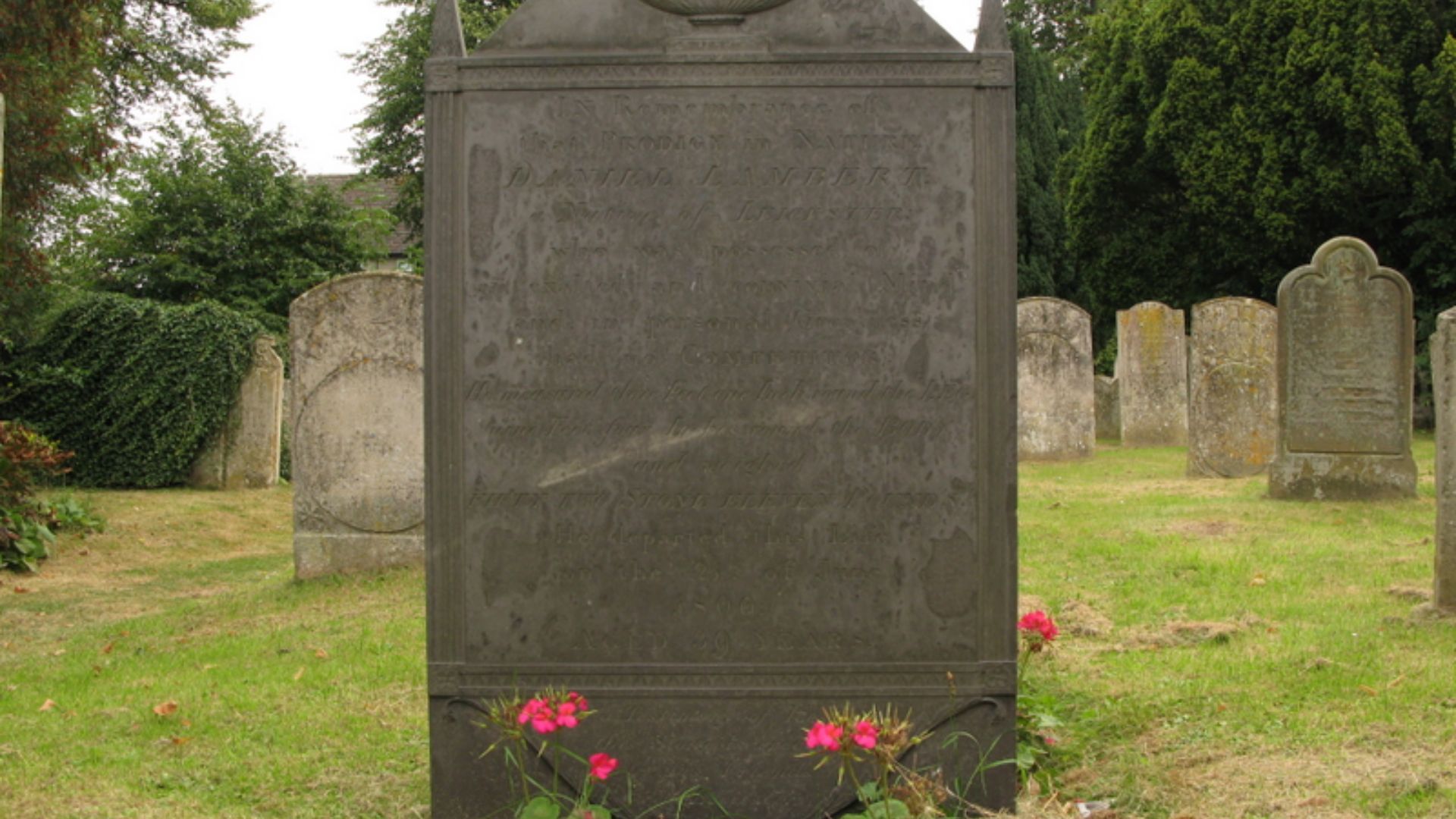
By the time of his death, Lambert weighed approximately 739 pounds, making him the heaviest reliably documented person of his era. His enormous coffin required special construction and was mounted on wheels. A sloping approach was excavated at the burial ground, and around 20 men reportedly struggled to maneuver the coffin into its grave. Even in death, Lambert's extraordinary size presented challenges few could have imagined.

History's most fascinating stories and darkest secrets, delivered to your inbox daily.
The Gentle Giant's Legacy
Lambert was buried at St. Martin's Church in Stamford, where his grave remains a historical attraction. His clothing, portraits, and personal belongings became treasured curiosities, while his name entered popular culture as a symbol of extraordinary size. Yet his enduring appeal reflects something more human: a respected working man whose unusual circumstances made him famous, even as they profoundly limited his freedom.
You May Also Like:
Big Facts About Lavinia Warren, The World’s Smallest Superstar
Gargantuan Facts About Robert Wadlow, The Tallest Man Who Ever Lived
The Real People Behind History’s Most Famous Human Curiosities