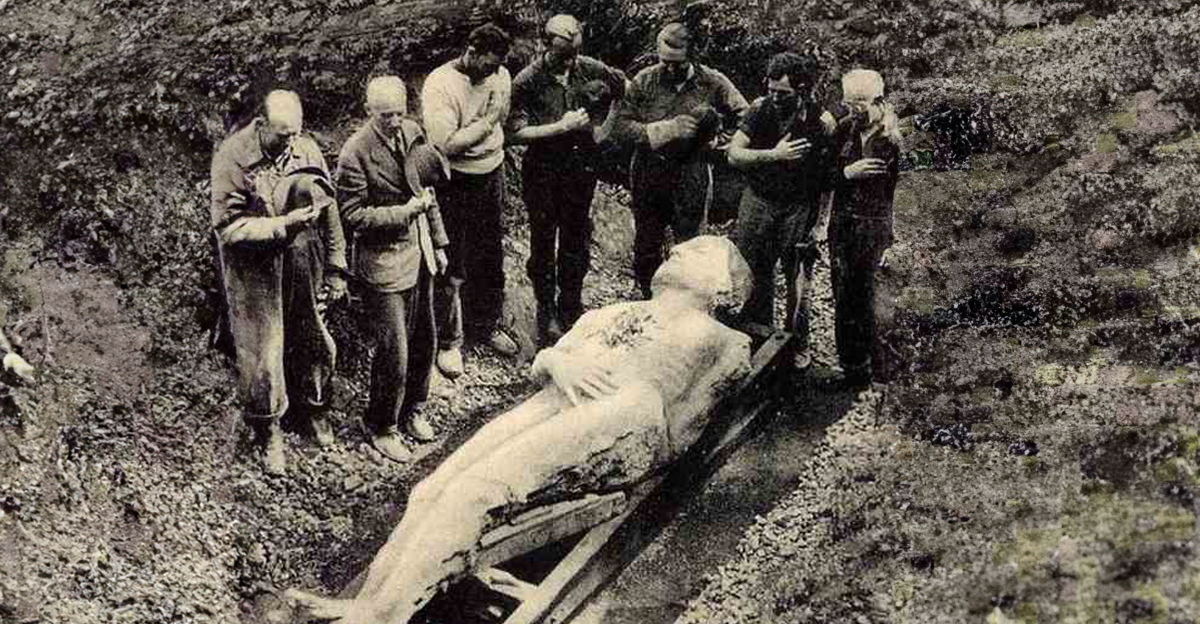
The Crowds Paid To Stare.
For generations, people with unusual bodies, racial identities, disabilities, or medical conditions were marketed as attractions while promoters, scientists, newspapers, and museums constructed fantasies around them. Behind those labels were real people whose stories were often more complicated, accomplished, and troubling than the spectacles built around them.
 W & D Downey / Wikimedia Commons
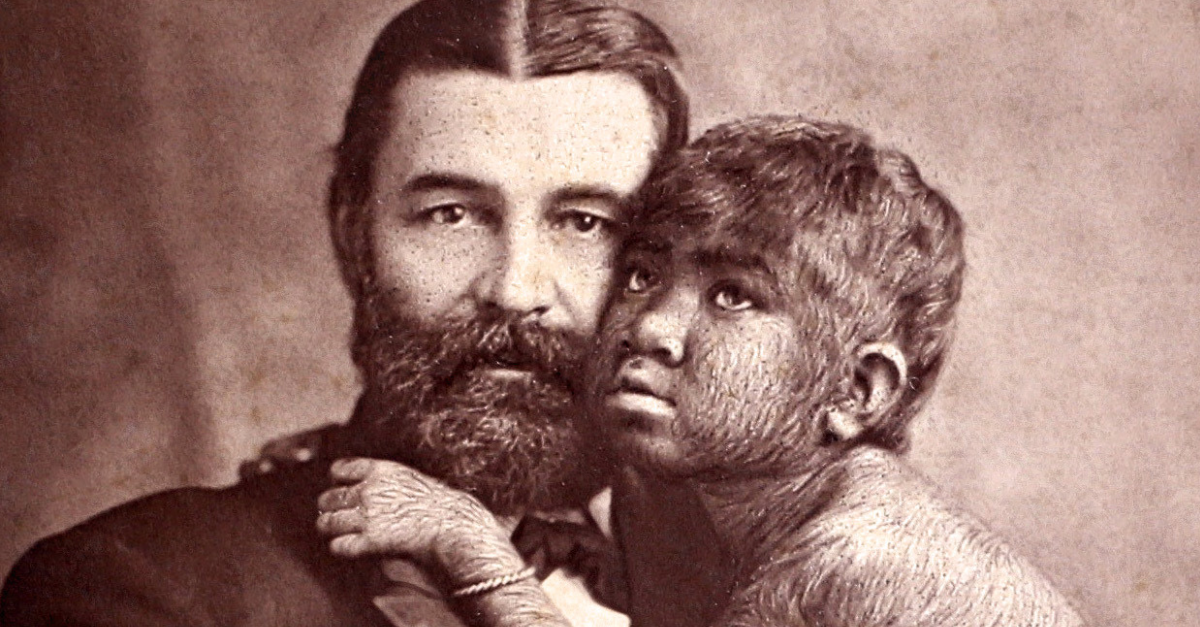
Joice Heth Was Sold As Living History
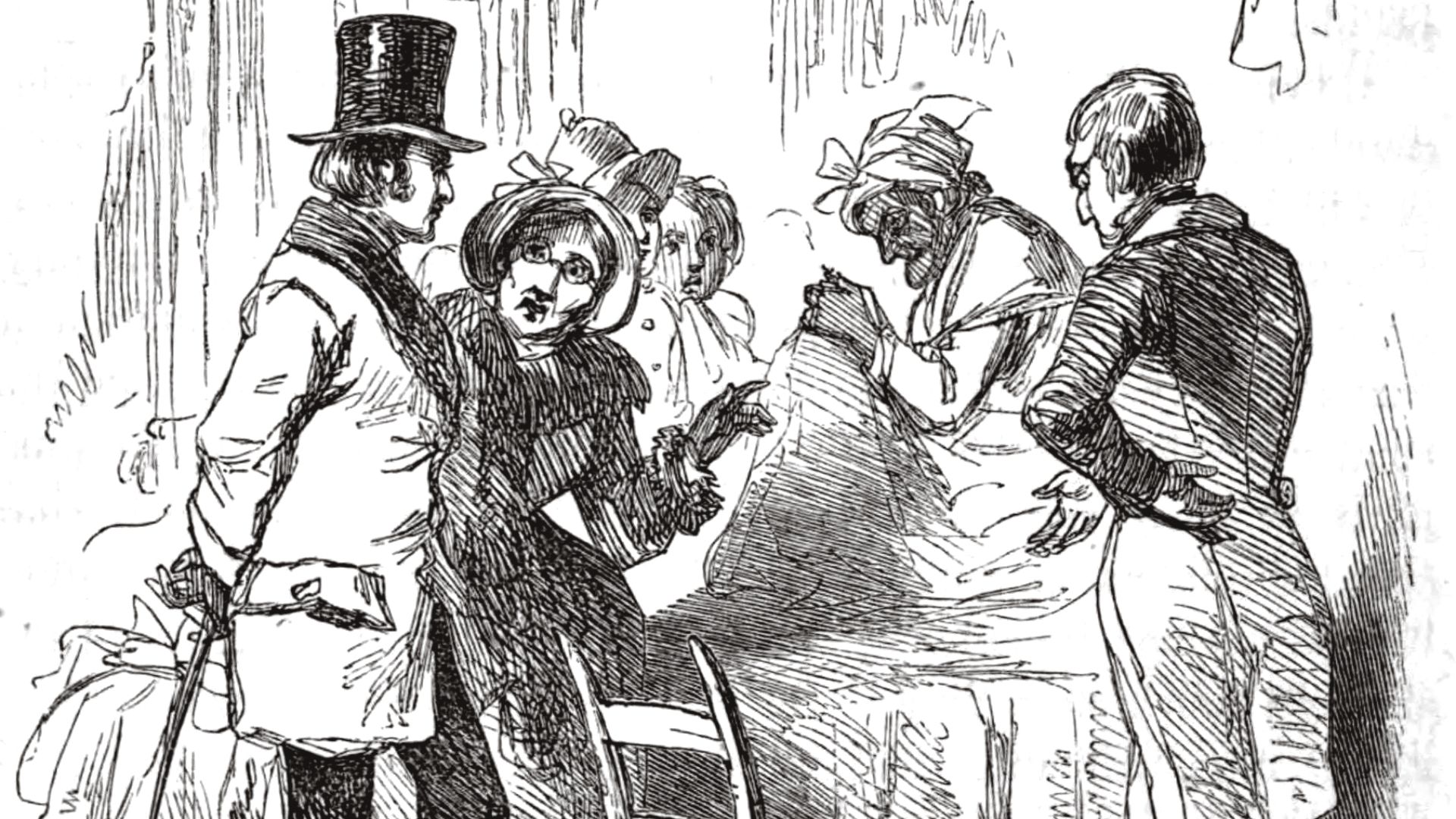
In 1835, an ambitious P.T. Barnum acquired the right to exhibit Joice Heth, an elderly Black woman who was being advertised as 161 years old. Audiences were told that she had once been George Washington's nurse, an impossible claim that nevertheless drew paying crowds. Barnum reportedly paid $1,000 for the right to exhibit Heth and quickly recovered his investment. His show-business career effectively began by turning an elderly Black woman into a supposedly living relic of the American Revolution.
 J. Booth & Son, 147 Fulton St NY, Wikimedia Commons
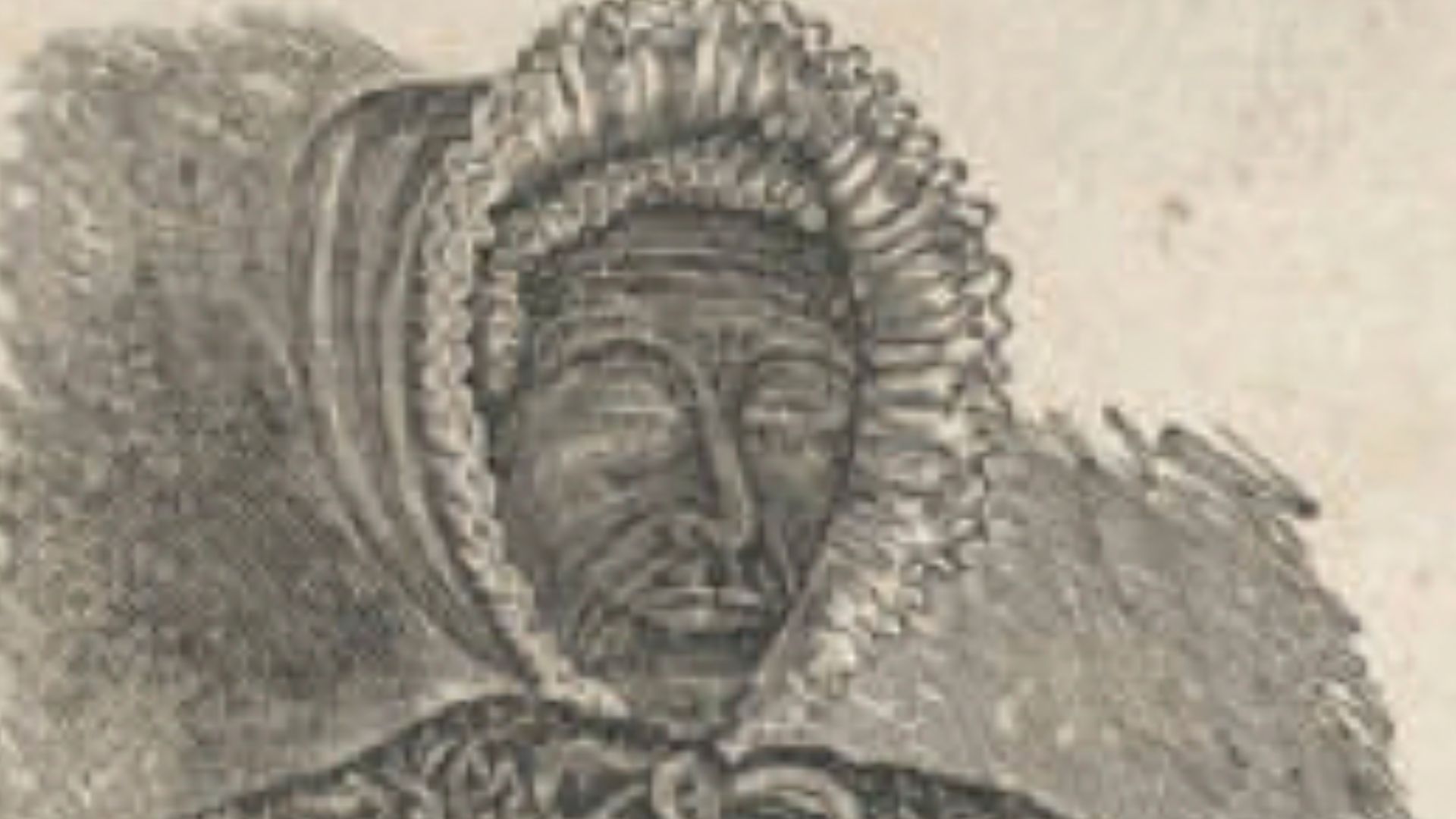
Barnum Learned That Doubt Sold Tickets
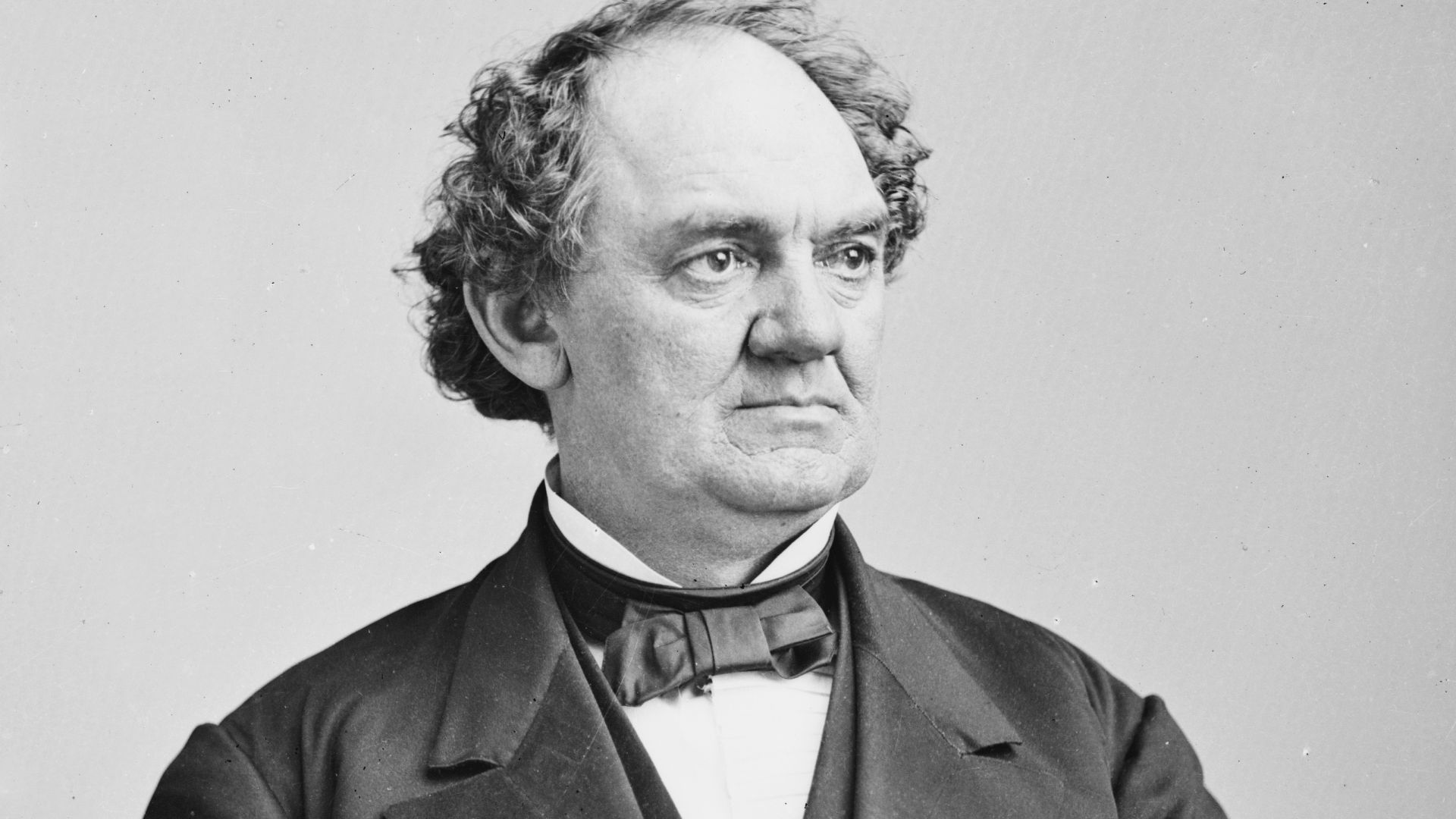
Barnum did not need every spectator to believe the story. Smithsonian's history of Heth describes how publicity and controversy surrounding the exhibition made people curious enough to investigate for themselves. Some contemporary newspapers condemned the spectacle even while giving it additional attention. That combination of outrage and fascination became a formula Barnum would use repeatedly throughout his career.
 Brady-Handy Photograph Collection (Library of Congress), Wikimedia Commons
Even Heth's Death Became A Spectacle
Heth died in 1836, but public exhibition did not end with her death. Barnum arranged a public autopsy so spectators could pay to watch doctors determine whether the extraordinary age claim had been true. The examination indicated that Heth was probably around 80, not 161. The episode remains one of the starkest examples of how entertainment culture could deny an exploited person privacy even after death.
 Unknown authorUnknown author, Wikimedia Commons
Sarah Baartman Was Taken Across The Ocean
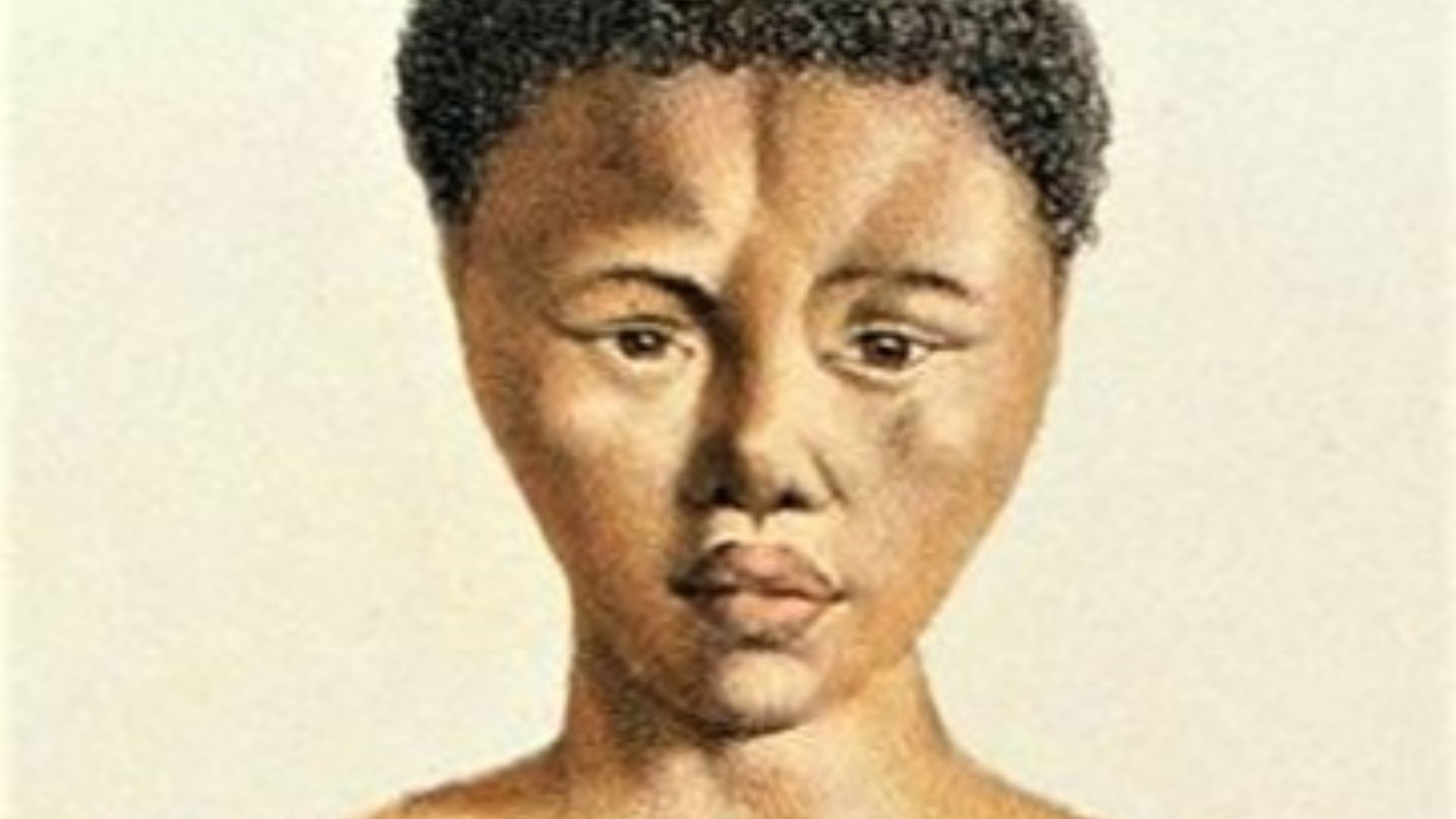
Sara Baartman was a Khoikhoi woman born in southern Africa around 1789. In 1810, she was taken to Britain under an arrangement that supposedly allowed her to earn money by being exhibited, although South African History Online notes serious doubts about whether she could meaningfully agree to its written terms. European audiences were invited to scrutinize her body because promoters considered her physical appearance exotic. She was advertised under the dehumanizing stage name "Hottentot Venus."
Europe Turned Her Body Into A Racial Argument
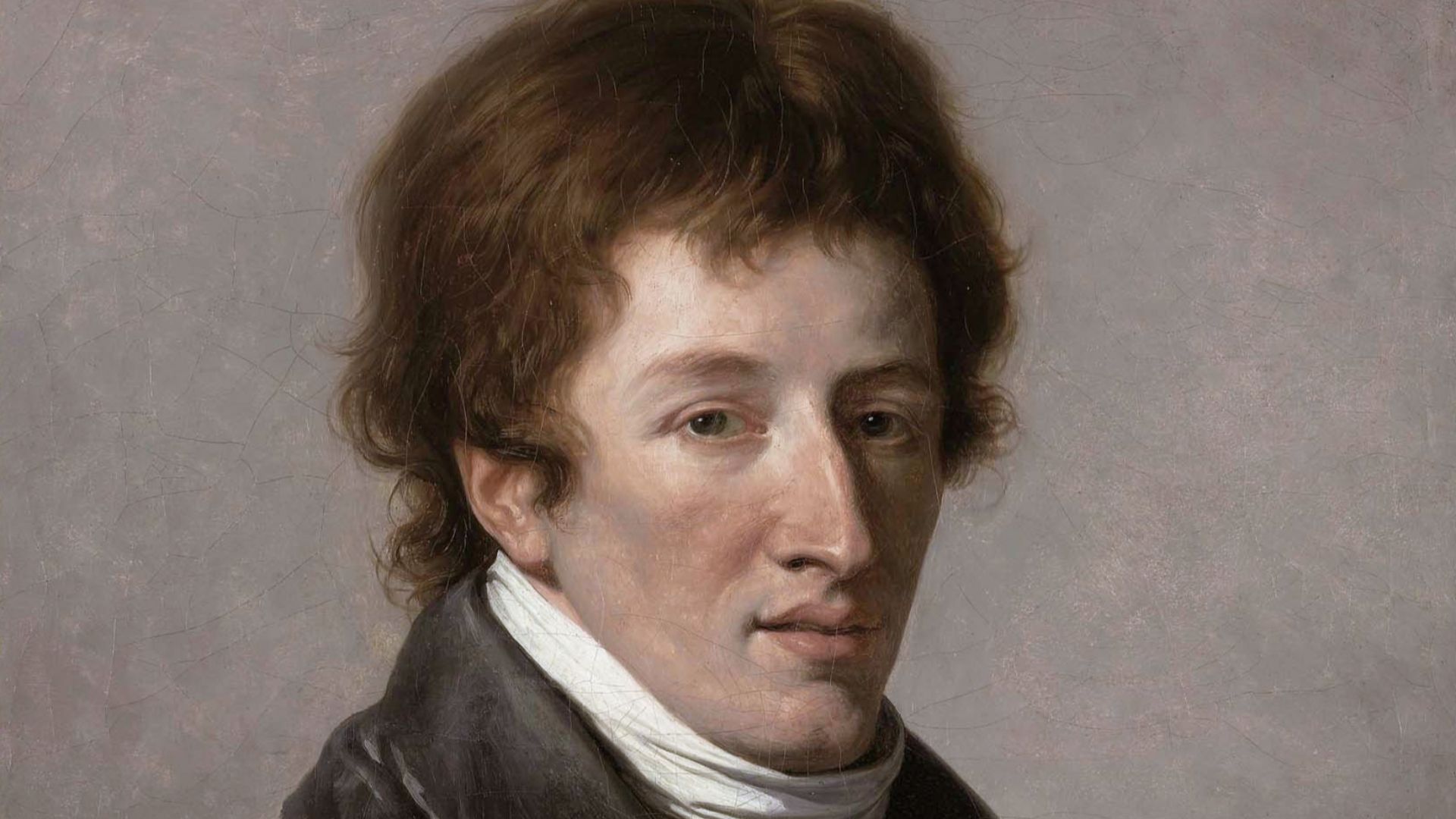
Baartman's exhibition became entangled with colonial racism and the emerging practice of classifying human beings according to supposedly biological racial hierarchies. After moving to France, she was examined by naturalists including Georges Cuvier, whose work interpreted her body through ideas now recognized as scientific racism. Baartman resisted at least some attempts to inspect her intimately while she was alive. Her body had become something Europeans believed they were entitled to debate, measure, and explain.
 Francois-Andre Vincent, Wikimedia Commons
Death Did Not End Sarah's Exhibition
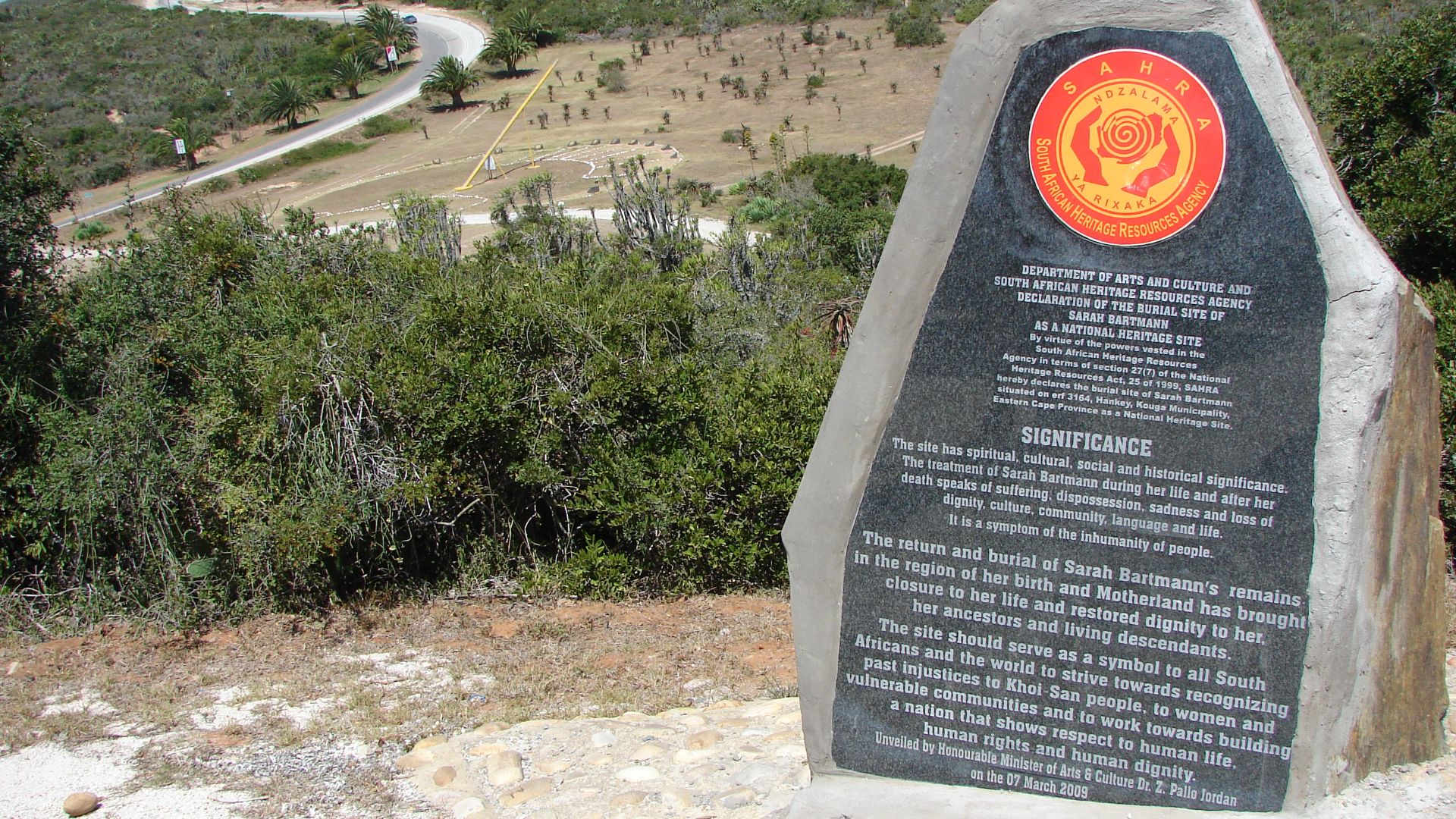
Baartman died in Paris in 1815 while still in her twenties. Cuvier dissected her, and parts of her body, her skeleton, and a cast were preserved, with remains later displayed at Paris's Musée de l'Homme until the 1970s. After years of campaigning and negotiations, France returned her remains to South Africa in 2002. She was finally buried that August, nearly two centuries after Europeans had first placed her on display.
 Albert~nlwiki, Wikimedia Commons
Charles Byrne Made His Height A Living
Charles Byrne was born in Ireland in 1761 and developed extreme height because of a condition now understood to involve a pituitary tumor and gigantism. He eventually reached about 7 feet 7 inches tall. Like other people with unusual bodies, Byrne discovered that public exhibition provided a way to earn money in a society offering few conventional opportunities. In London, he became famous as the "Irish Giant."
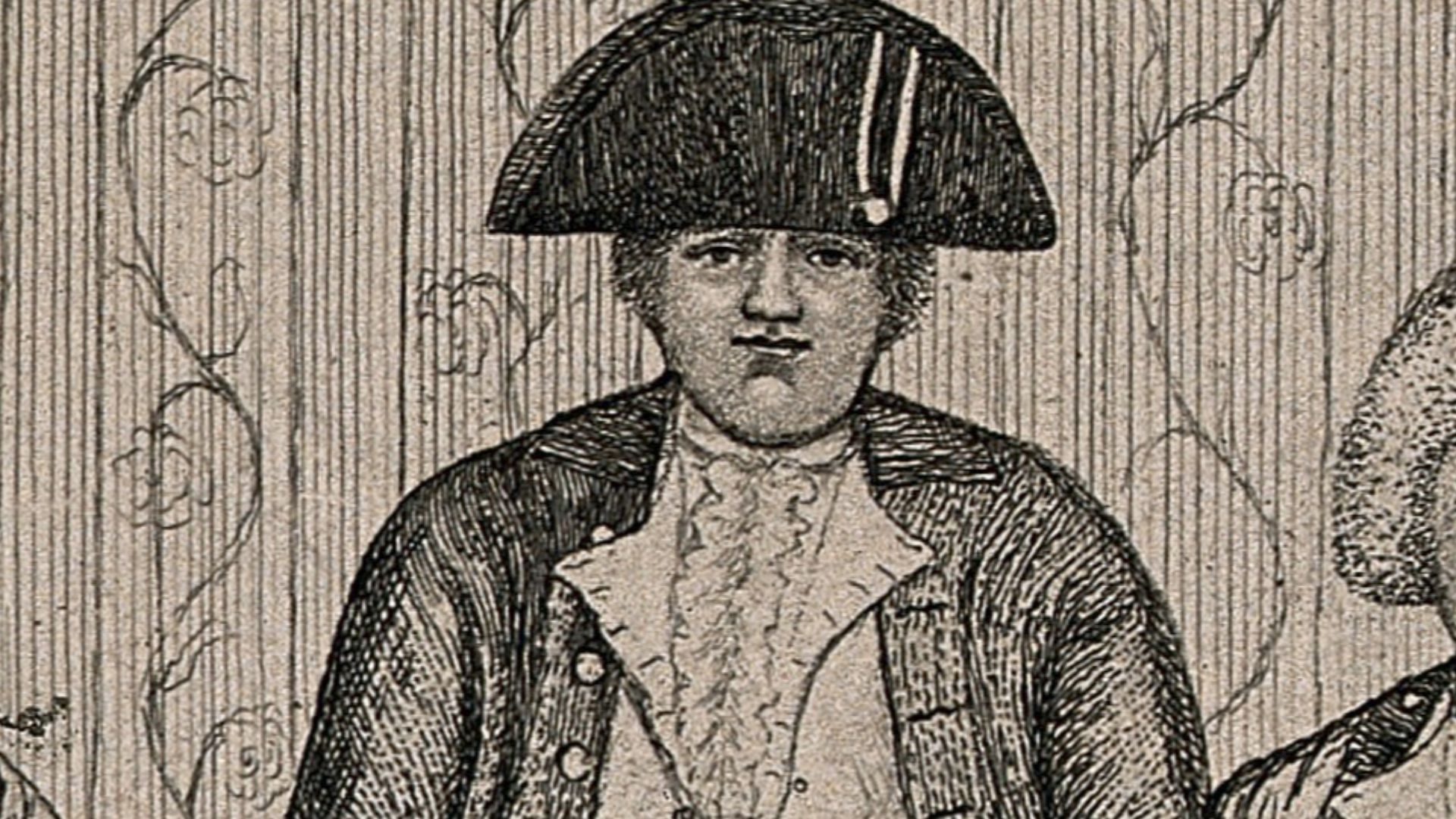
Byrne Feared What Doctors Wanted From Him
Byrne's celebrity attracted surgeon and collector John Hunter, who wanted Byrne's body for anatomical study. Historical accounts say Byrne was terrified of being dissected and wanted his coffin taken out to sea after his death. Hunter nevertheless obtained the corpse after Byrne died in 1783 and prepared his skeleton for his collection. The Hunterian Museum now acknowledges that Hunter's methods paid little regard to the wishes of the dead.
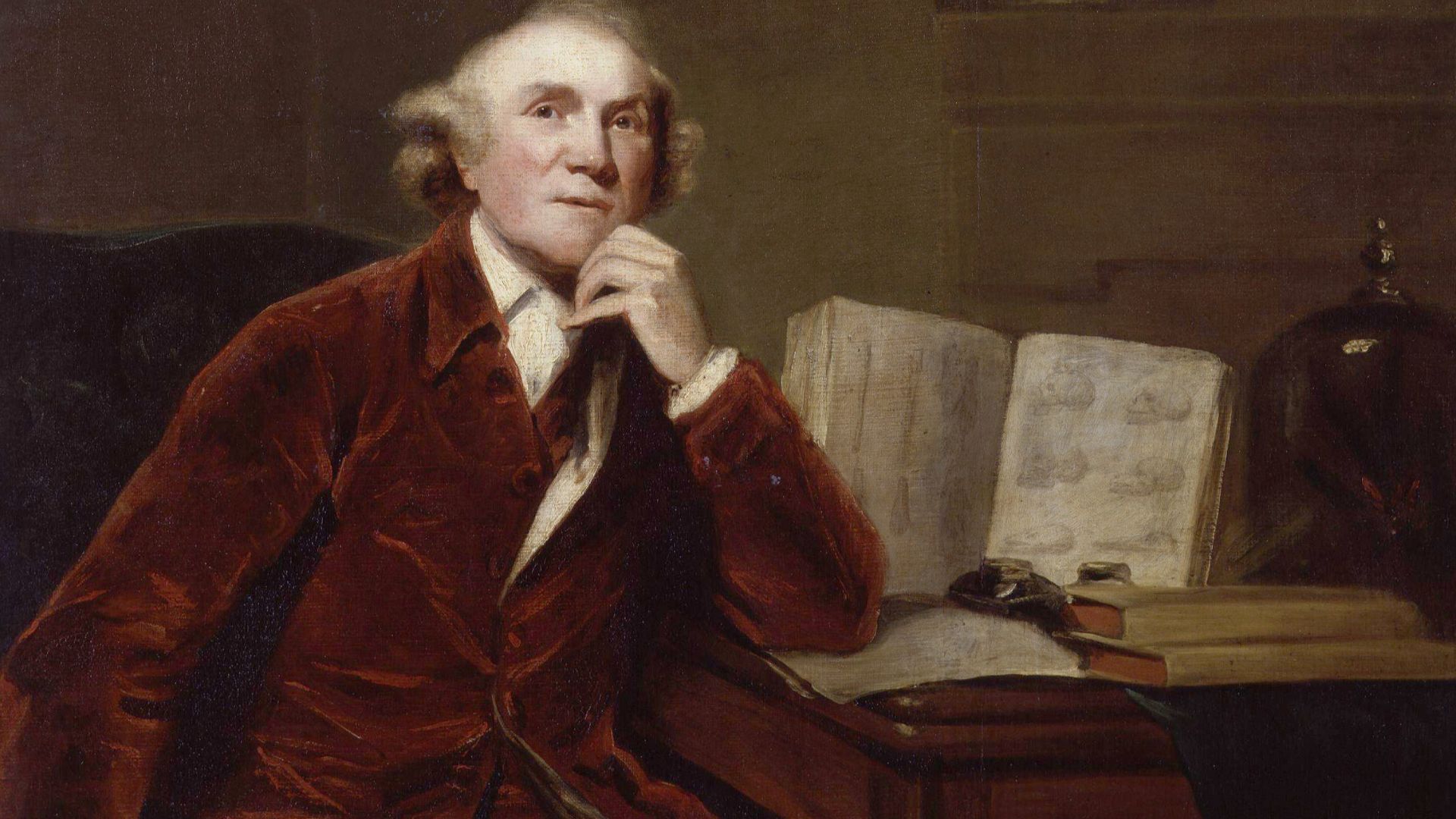
His Skeleton Stayed On Display For Centuries
Hunter displayed Byrne's skeleton several years after acquiring his body, and it eventually became one of the most famous specimens at the Royal College of Surgeons. Researchers later learned valuable information from it about pituitary gigantism, including genetic information relevant to living families. The ethical argument over whether scientific benefit justified continued display lasted into the 21st century. In 2023, the Hunterian reopened without Byrne's skeleton on public exhibition, although the institution retained the remains for research.

Chang And Eng Became An International Phenomenon
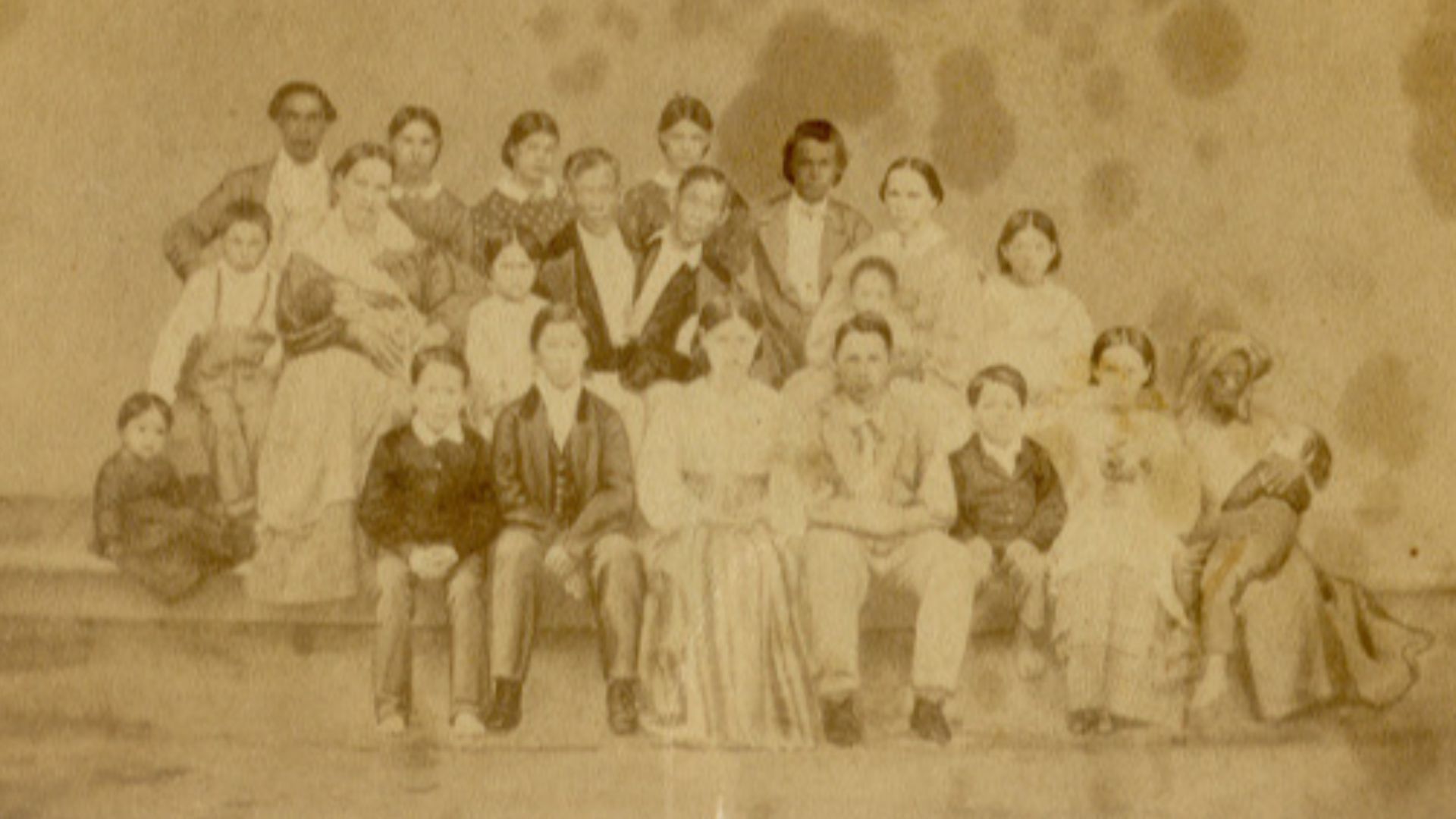
Chang and Eng were born in Siam, now Thailand, in 1811 and were joined at the torso by a band of tissue. They were brought into an international exhibition business as teenagers and toured the United States, Britain, Europe, Canada, and elsewhere. Their enormous fame popularized the expression "Siamese twins," a term later replaced in medicine by "conjoined twins." Promotional material presented their bodies as both entertainment and objects of scientific fascination.
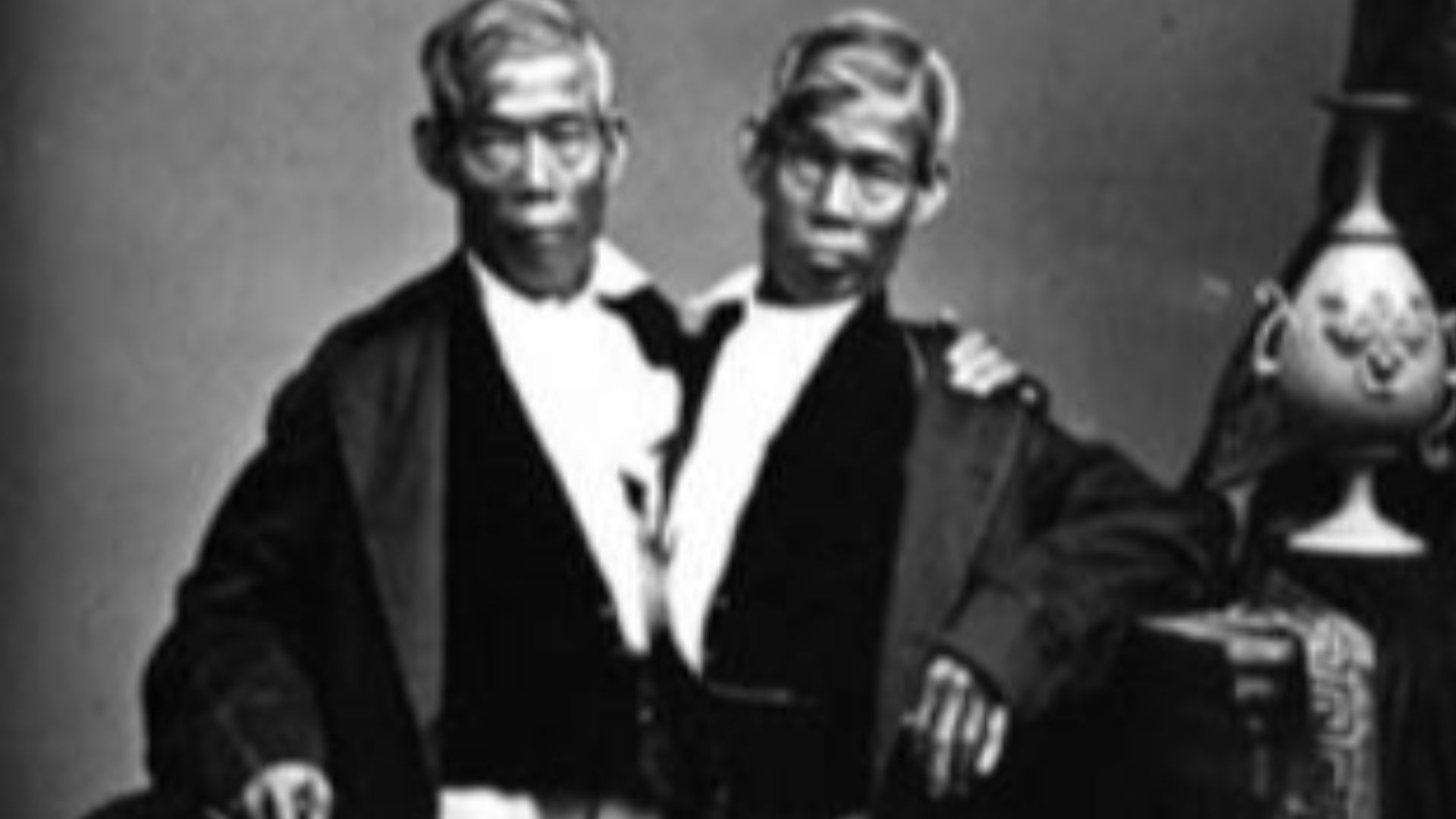
The Brothers Eventually Took Control
Chang and Eng were not permanently passive subjects of other people's business schemes. They eventually managed their own exhibitions and proved skilled at merchandising their celebrity through performances, printed materials, and souvenirs. The National Library of Medicine notes that they performed gymnastics and other physical demonstrations in addition to allowing crowds to observe their connection. Their public identity was built around their bodies, but they learned how to profit from the market that had made those bodies famous.
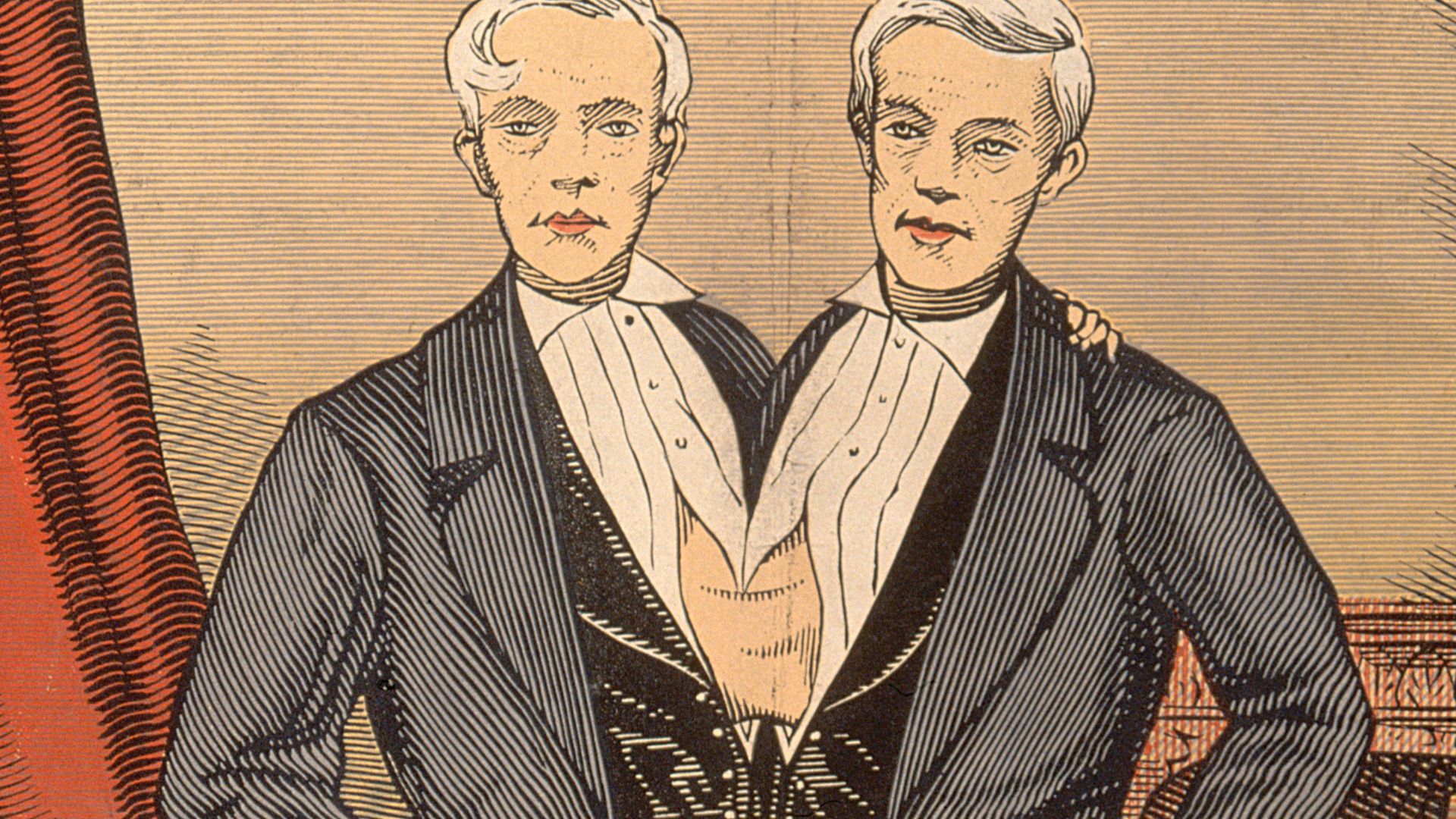
They Tried To Build Ordinary Lives
The brothers eventually settled in North Carolina, became American citizens, married sisters Sarah and Adelaide Yates, and fathered 21 children between them. They became prosperous landowners and also enslaved people, a deeply troubling part of their transition into Southern society that later accounts sometimes softened or ignored. Even after establishing families and property, their bodies continued to fascinate doctors and the public. After their deaths in 1874, physicians conducted an autopsy to study the tissue joining them.
 unattributed, Wikimedia Commons
Millie Christine Were Born Into Slavery
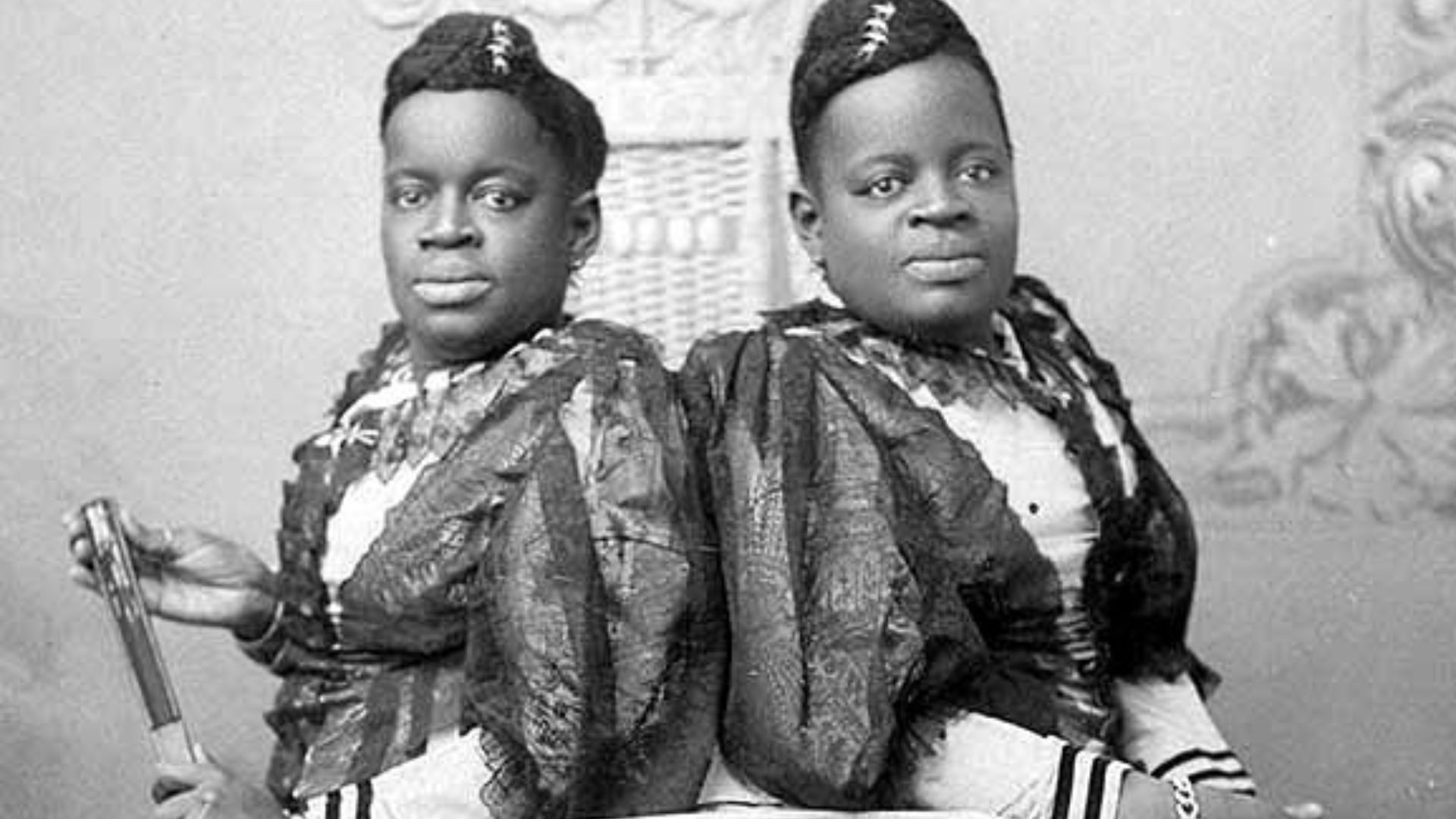
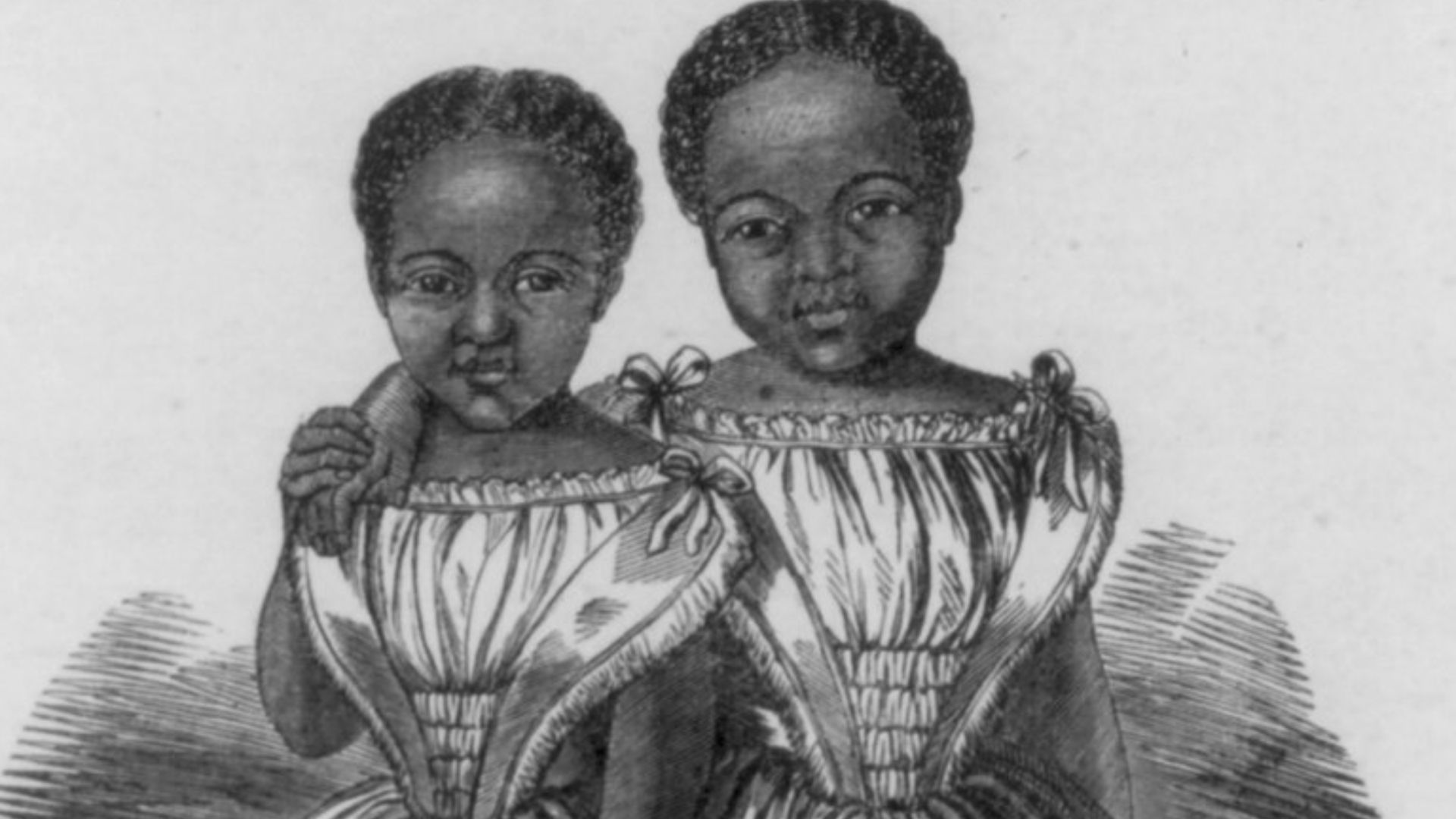
Millie and Christine McKoy were born conjoined in North Carolina in 1851 to enslaved parents Jacob and Monemia McKoy. Historical records show that they were sold while still infants because adults recognized their potential value as an exhibition. They were then moved among owners and promoters during childhood. Smithsonian's National Museum of African American History and Culture describes their story as one involving slavery, profit, family, and legal struggles over who controlled them.
 Michael A. Wesner, Los Angeles, Wikimedia Commons
Kidnappers Treated Children Like Property
The sisters were abducted more than once by adults seeking to profit from exhibiting them. They were taken overseas and performed in Britain while their mother and those claiming ownership struggled to regain control of them. The State Archives of North Carolina preserves advertisements, correspondence, and other records documenting the business built around their public exhibition. Their childhood makes the usual language of choosing a performing career especially misleading.
 Miscellaneous Items in High Demand, PPOC, Library of Congress, Wikimedia Commons
They Rewrote Their Own Story
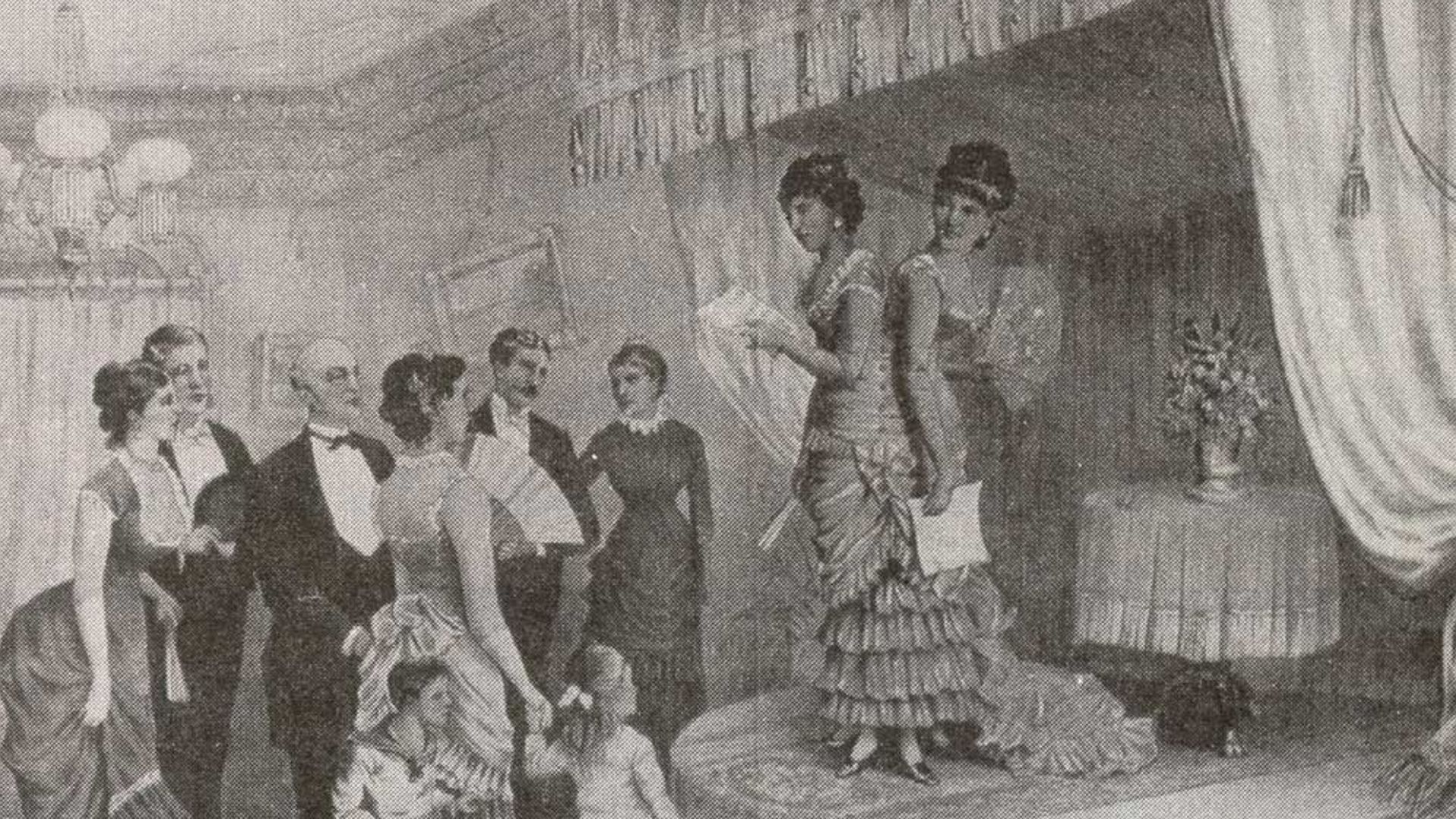
As adults, Millie Christine became accomplished singers and entertainers rather than simply allowing promoters to market their anatomy. They performed internationally, appeared before Queen Victoria, accumulated property, and eventually returned to the North Carolina community where they had been born. Their family's history also remembers them as donors who supported education for Black children. They died in 1912, leaving property to relatives and a far richer legacy than the sensational labels once attached to them suggested.
Joseph Merrick Chose Exhibition Over The Workhouse
Joseph Merrick was born in Leicester in 1862 and developed progressive abnormalities affecting his skin, bones, and other tissues. His appearance made ordinary employment difficult, and he spent years in a workhouse that he hated. Merrick eventually contacted a showman himself because being exhibited offered a possible escape and a means of earning money. In London, promoters billed him as the "Elephant Man" and advertised him in deeply dehumanizing terms.
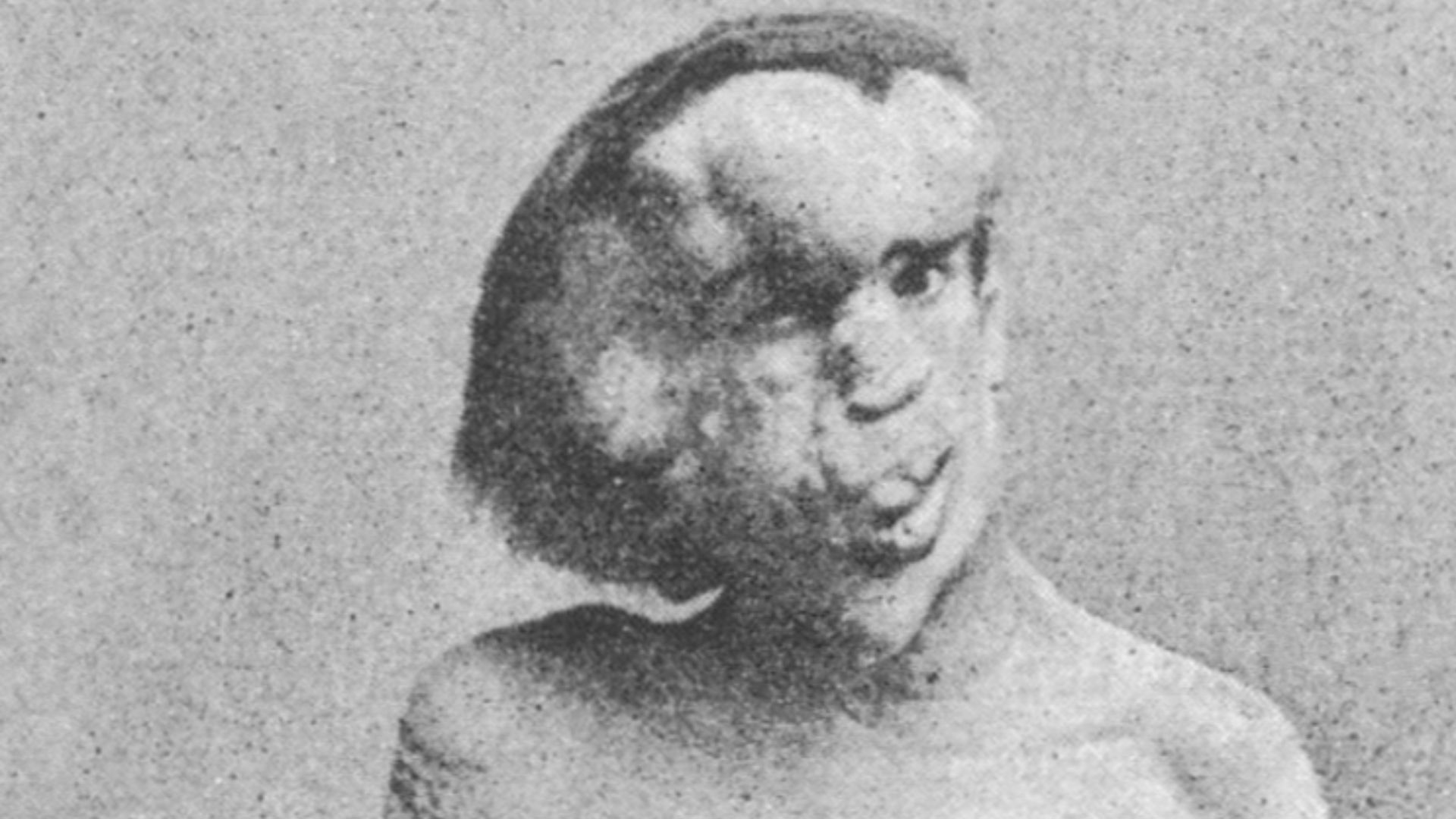 Unknown. No photographer credited in the British Medical Journal article of 1890., Wikimedia Commons
Doctors Also Turned Merrick Into An Object
Surgeon Frederick Treves met Merrick after seeing his exhibition across from the London Hospital. Treves examined him and presented his case to other physicians, but Merrick eventually refused further presentations because they made him feel, according to the National Human Genome Research Institute, like an animal being sold at a market. Modern medical scholarship generally considers Proteus syndrome the most likely explanation for his condition. The same man who attracted paying crowds was also being subjected to the medical gaze.
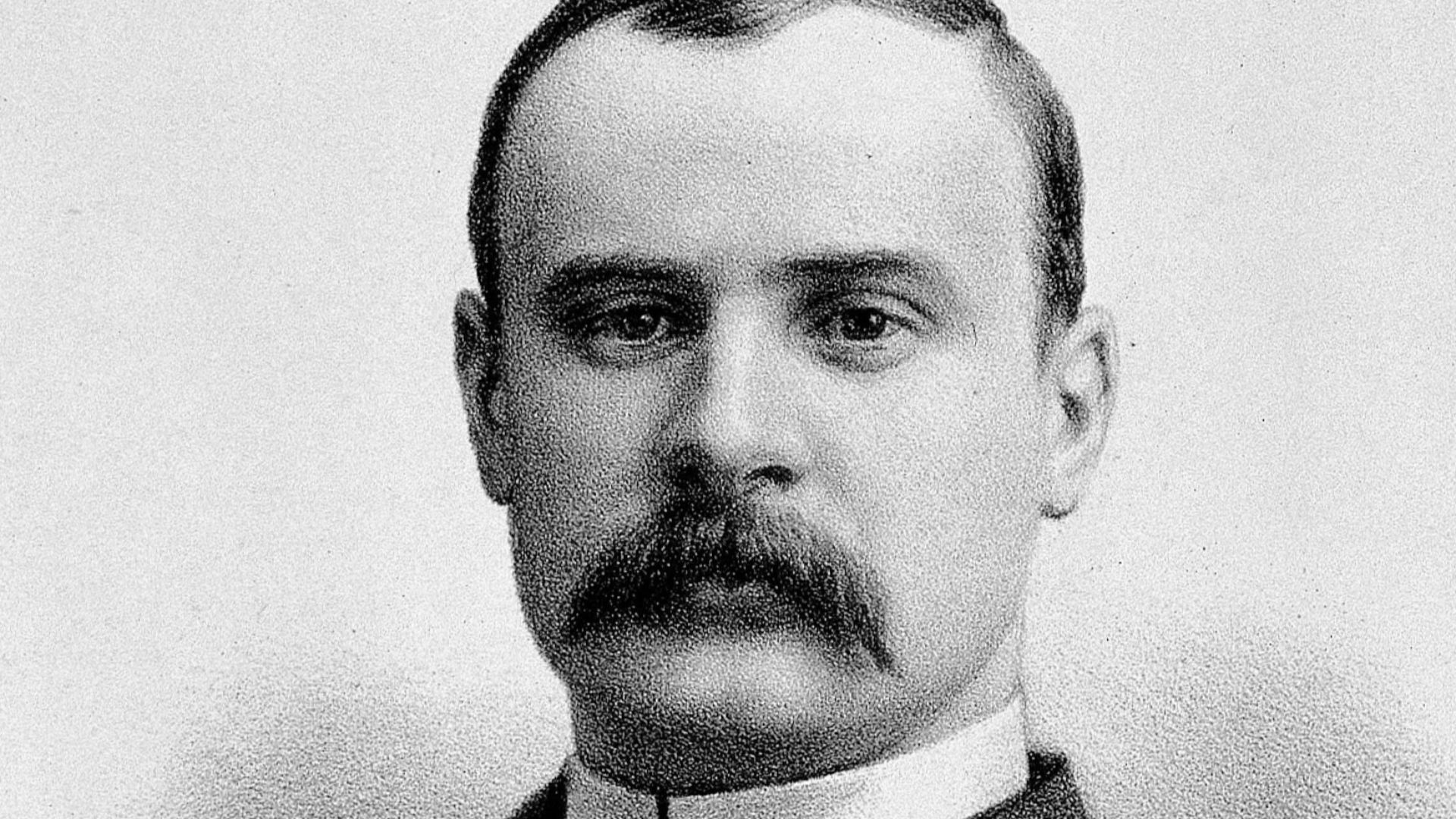
Merrick Wanted Privacy More Than Attention
After a European promoter robbed and abandoned him, Merrick returned to London and eventually became a permanent resident of the London Hospital. A public fundraising appeal gave him private rooms and security, although he remained an object of fascination for wealthy visitors. When outside, Merrick covered himself to avoid unwanted attention from strangers. He died in 1890 at only 27, after spending much of his life trying to find a place where people would stop staring.
 Eliasaris at English Wikipedia, Wikimedia Commons
Julia Pastrana Was Much More Than Her Appearance
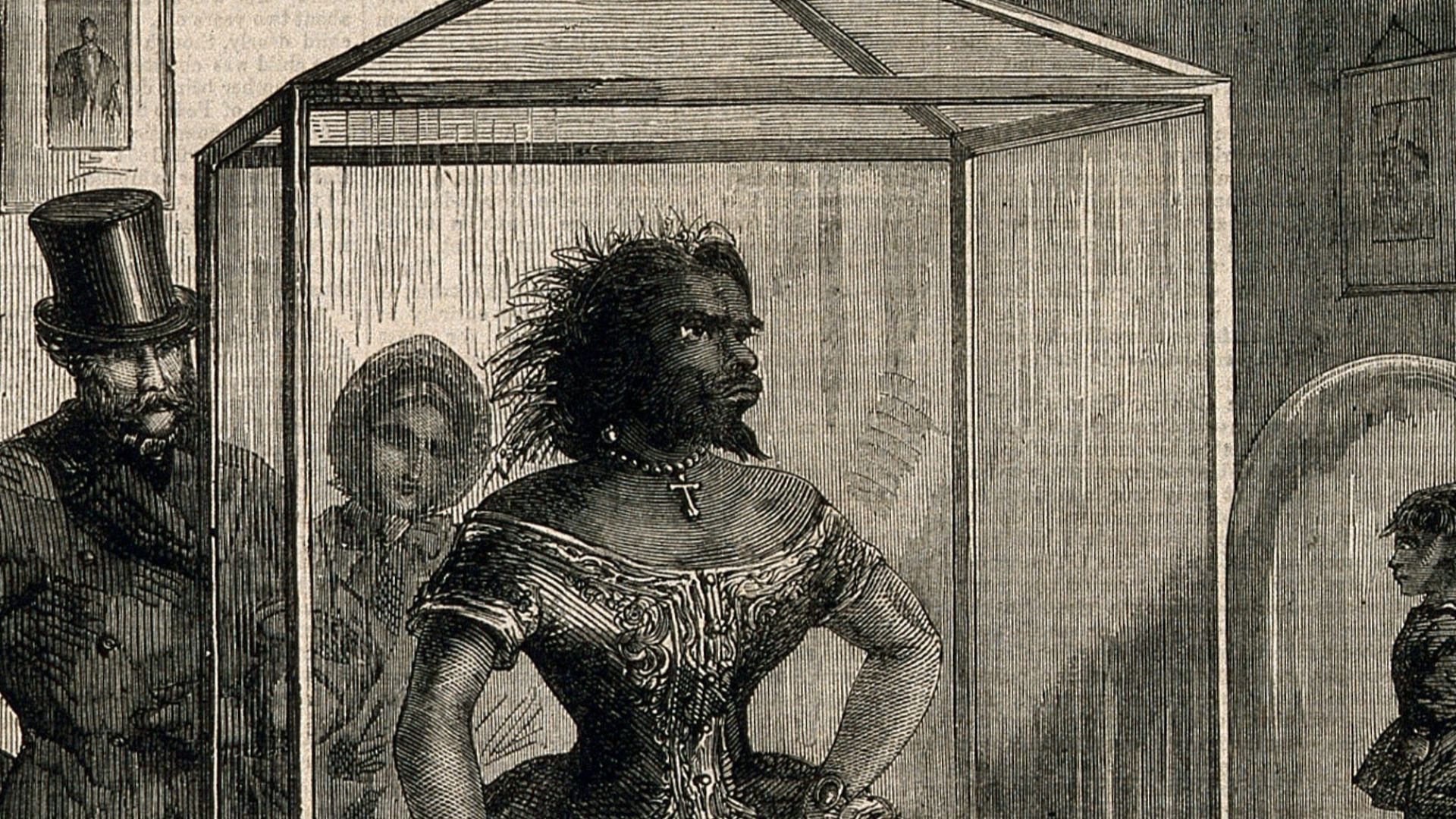
Julia Pastrana was an Indigenous Mexican woman born in the 1830s who lived with conditions that caused extensive hair growth and changes to her facial structure. Promoters gave her insulting titles and presented her as something between a woman and an animal. Yet contemporary descriptions also recorded her abilities as a singer, musician, dancer, and multilingual performer. Wellcome Collection's biographical record emphasizes how thoroughly those talents were overshadowed by marketing centered on her body.
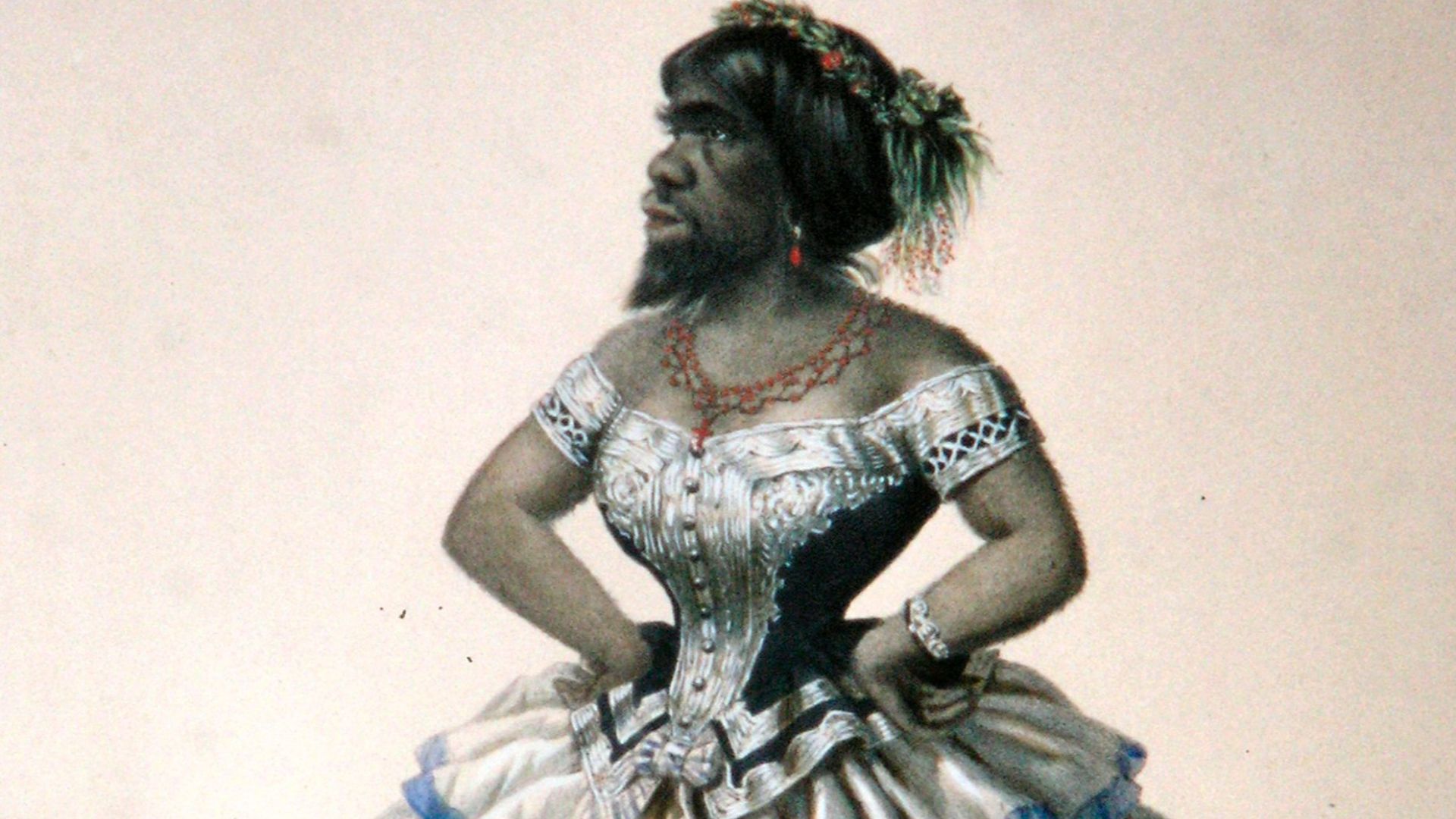 Vinzenz Katzler (+ vor 1900), Wikimedia Commons
Her Husband Managed The Spectacle
Pastrana toured North America and Europe under the management of Theodore Lent, who also became her husband. Posters advertised her with terms such as "the nondescript," inviting audiences to debate what sort of being they were supposedly seeing. Pastrana performed songs and dances as part of these appearances, meaning spectators were watching a professional entertainer as well as a human curiosity. The advertising nevertheless treated her physical condition as the central reason to buy a ticket.
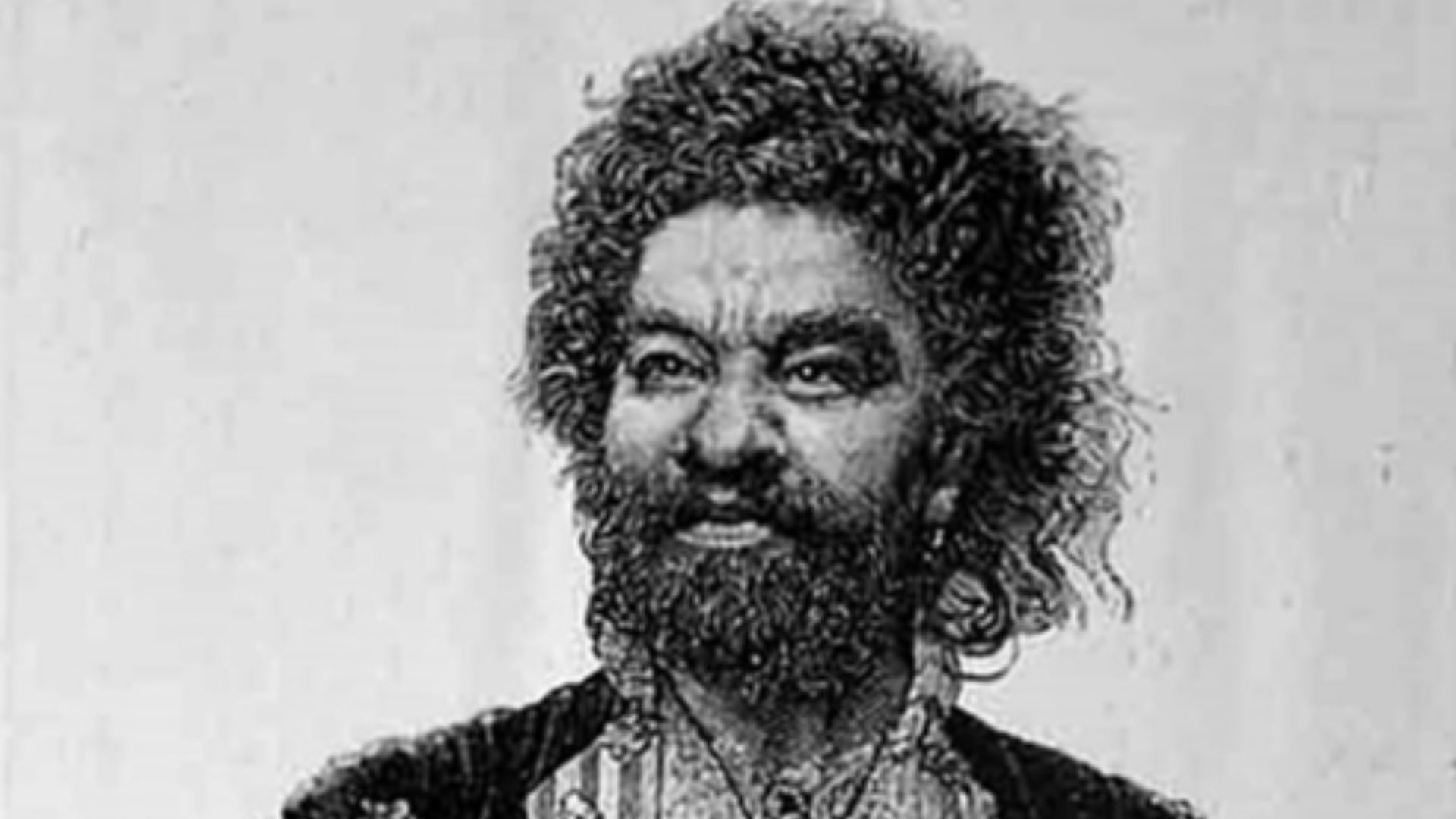 zeitgenossischer Stecher, um 1870, Wikimedia Commons
They Exhibited Julia After She Died
Pastrana died in Moscow in 1860 following childbirth, and her infant son also died. Her embalmed body was subsequently exhibited, extending the commercial use of her remains beyond her lifetime. After passing through various collections, her body ultimately reached the University of Oslo. Following an ethical campaign for repatriation, Norway returned Pastrana to Mexico in 2013, where she finally received a burial under conditions that she never be exhibited again.
Ota Benga Arrived At A World's Fair
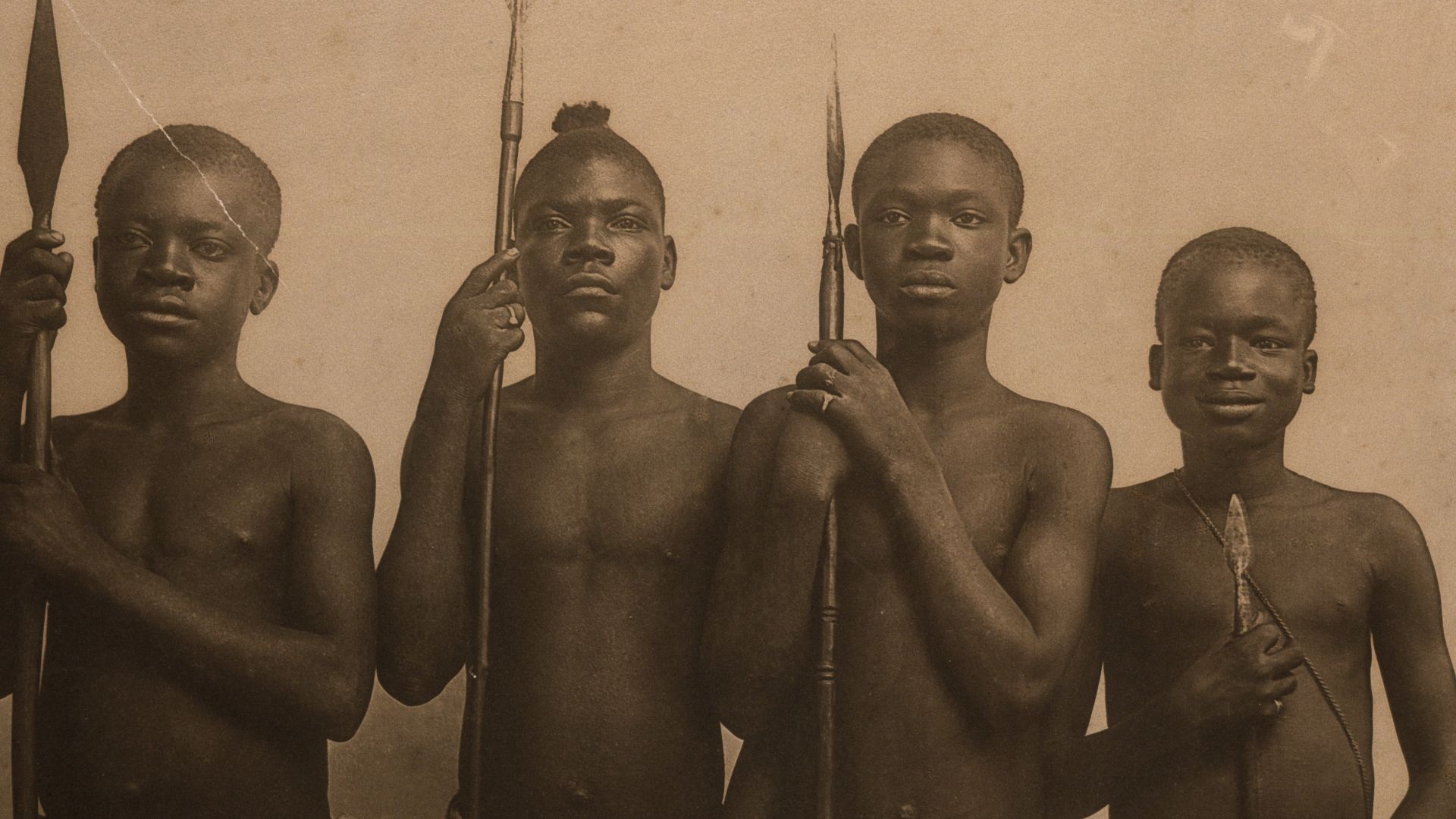
Ota Benga was born in the Congo region and endured terrible violence before encountering American explorer Samuel Phillips Verner. Verner brought Benga and several other Africans to the United States for the 1904 St. Louis World's Fair. They were placed in an anthropology exhibition alongside Indigenous peoples and presented to American visitors through the racial assumptions of the period. Smithsonian's account describes the spectacle as part of the broader prejudice that shaped early 20th-century anthropology and entertainment.
 Gerhard Sisters, Wikimedia Commons
The Bronx Zoo Put Him In The Monkey House
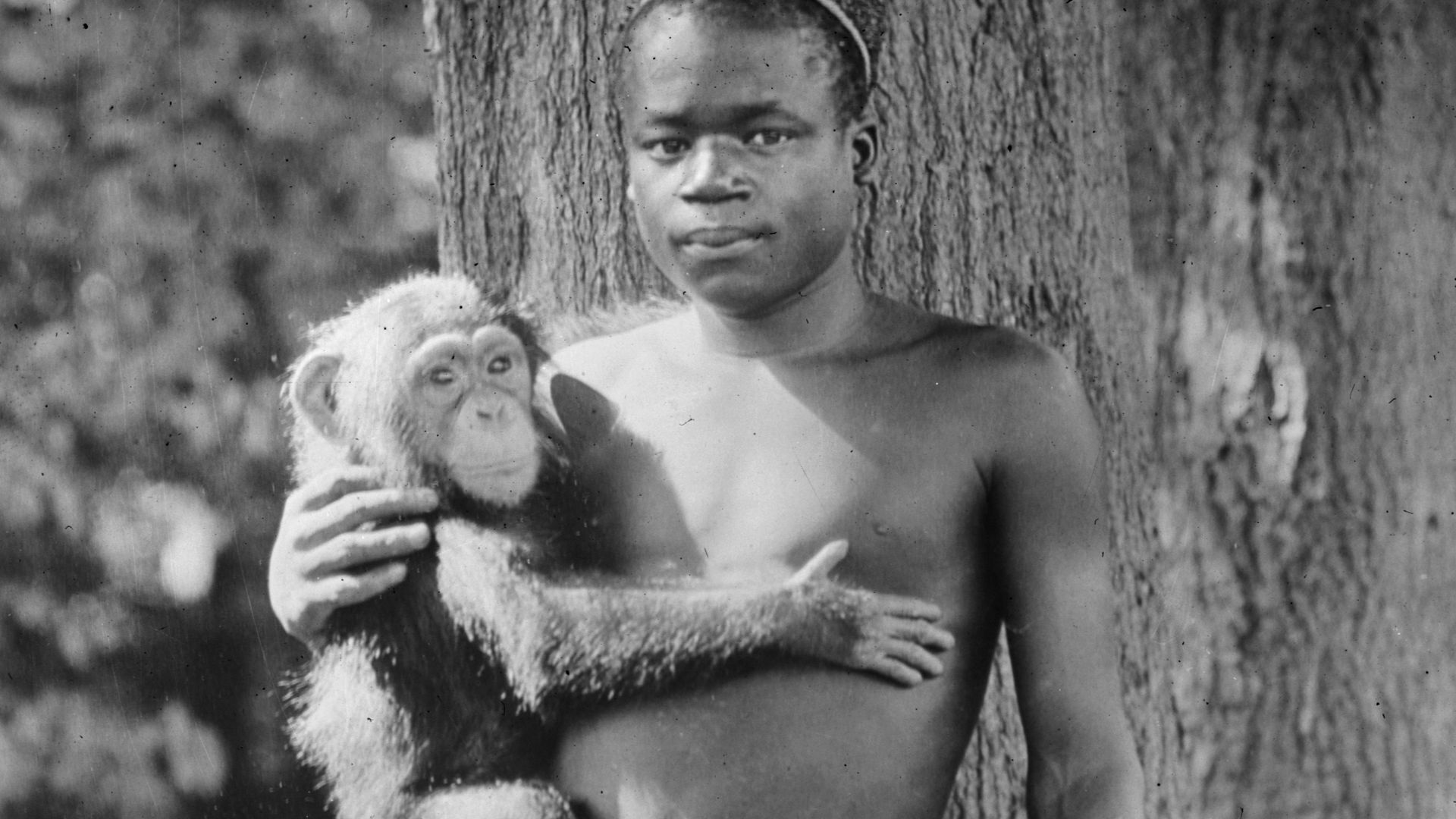
After returning briefly to Africa and later coming back to the United States, Benga eventually reached New York's Bronx Zoo. Zoo officials placed him in the Monkey House and displayed him alongside an orangutan, supplying him with a bow and arrows and advertising the exhibit to visitors. Black ministers and other critics protested almost immediately. The exhibition was stopped, but crowds continued harassing Benga as he moved through the zoo grounds.
 Unknown authorUnknown author, Wikimedia Commons
Freedom Did Not Restore His Home
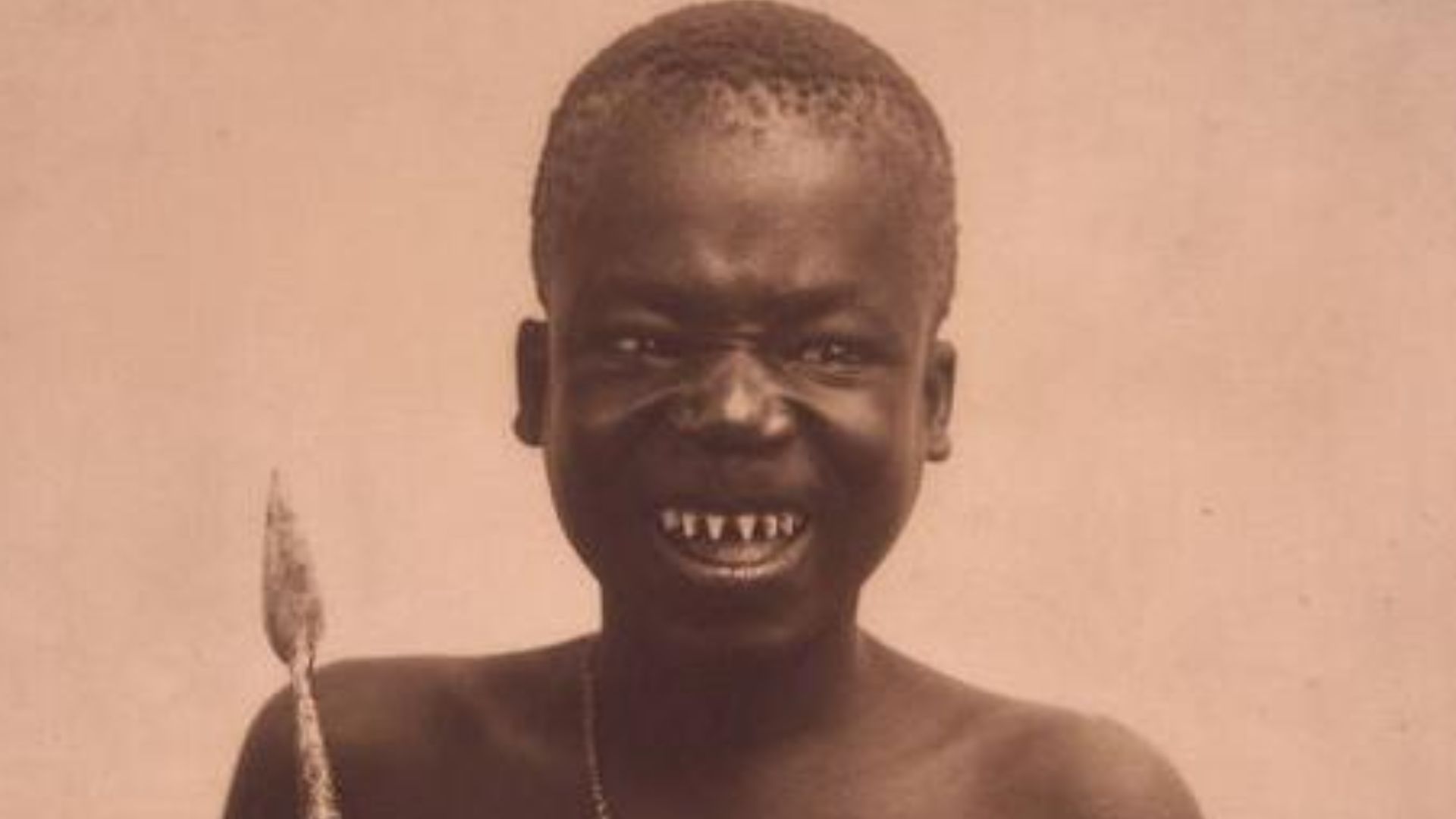
Benga eventually left the zoo and lived in Black communities in New York and Virginia. He learned English, worked, and tried to adapt to American life, but returning permanently to Africa became increasingly difficult, particularly after the outbreak of World War I disrupted travel. In 1916, Benga died by suicide in Virginia. His story has since become one of the clearest examples of the racism behind so-called human zoos and supposedly scientific public displays.
 Unknown authorUnknown author, Wikimedia Commons
Krao Was Advertised As Evolutionary Evidence
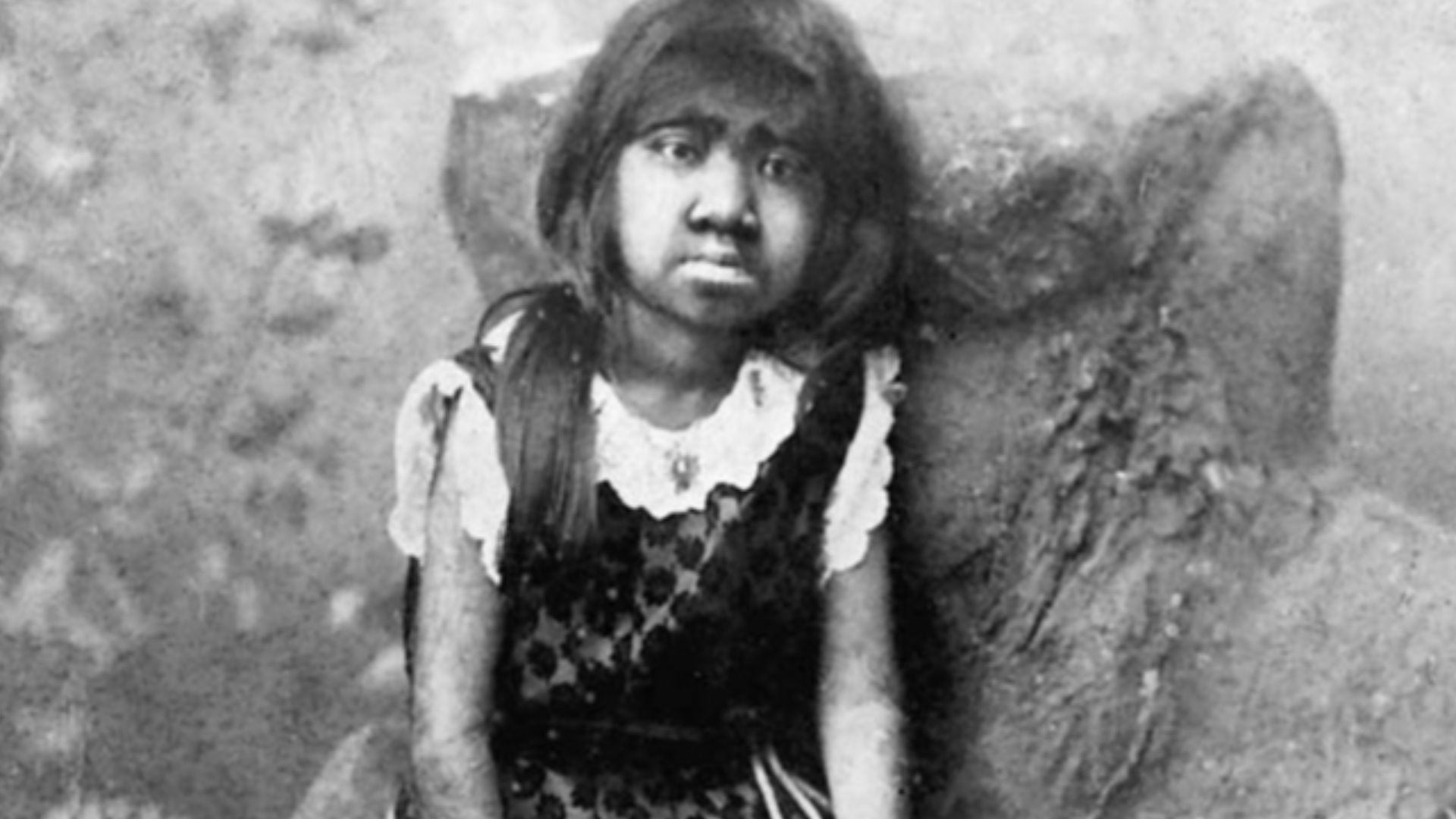
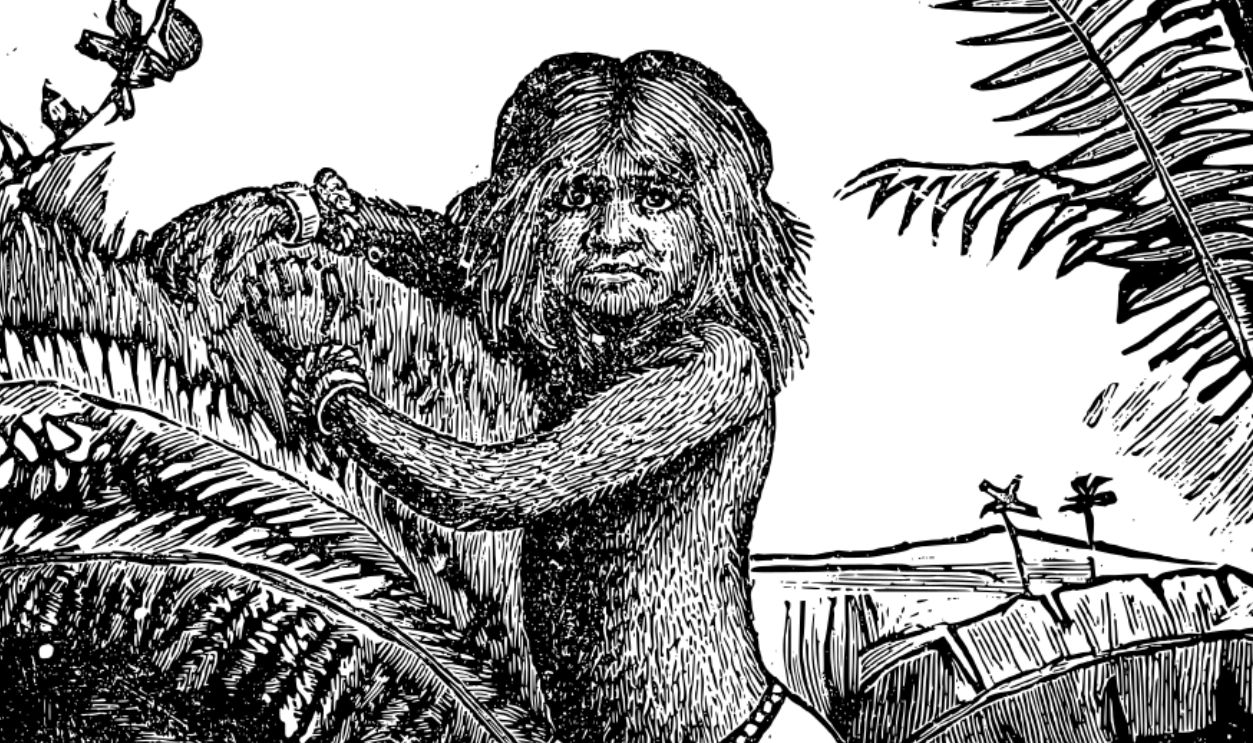
Krao Farini was a young woman with hypertrichosis, a condition associated with extensive hair growth. Promoters exhibited her in Europe and America under labels claiming she represented a "missing link" between humans and apes. The marketing exploited contemporary public excitement and confusion surrounding evolutionary theory. A surviving Wellcome handbill presents exactly the pseudo-scientific story that promoters wanted audiences to believe.
 Unknown authorUnknown author, Wikimedia Commons
The Jungle Story Was Part Of The Act
The public biography constructed around Krao claimed that she had been discovered in a remote Southeast Asian jungle among supposedly primitive people. Modern historical research treats many details of that origin story with skepticism because sideshow promoters routinely invented exotic backgrounds to make performers more marketable. What is clear is that Krao's actual medical condition required no evolutionary fantasy to explain it. The spectacle depended on persuading audiences that an ordinary human difference was evidence of something more sensational.
 Unattributed, Wikimedia Commons
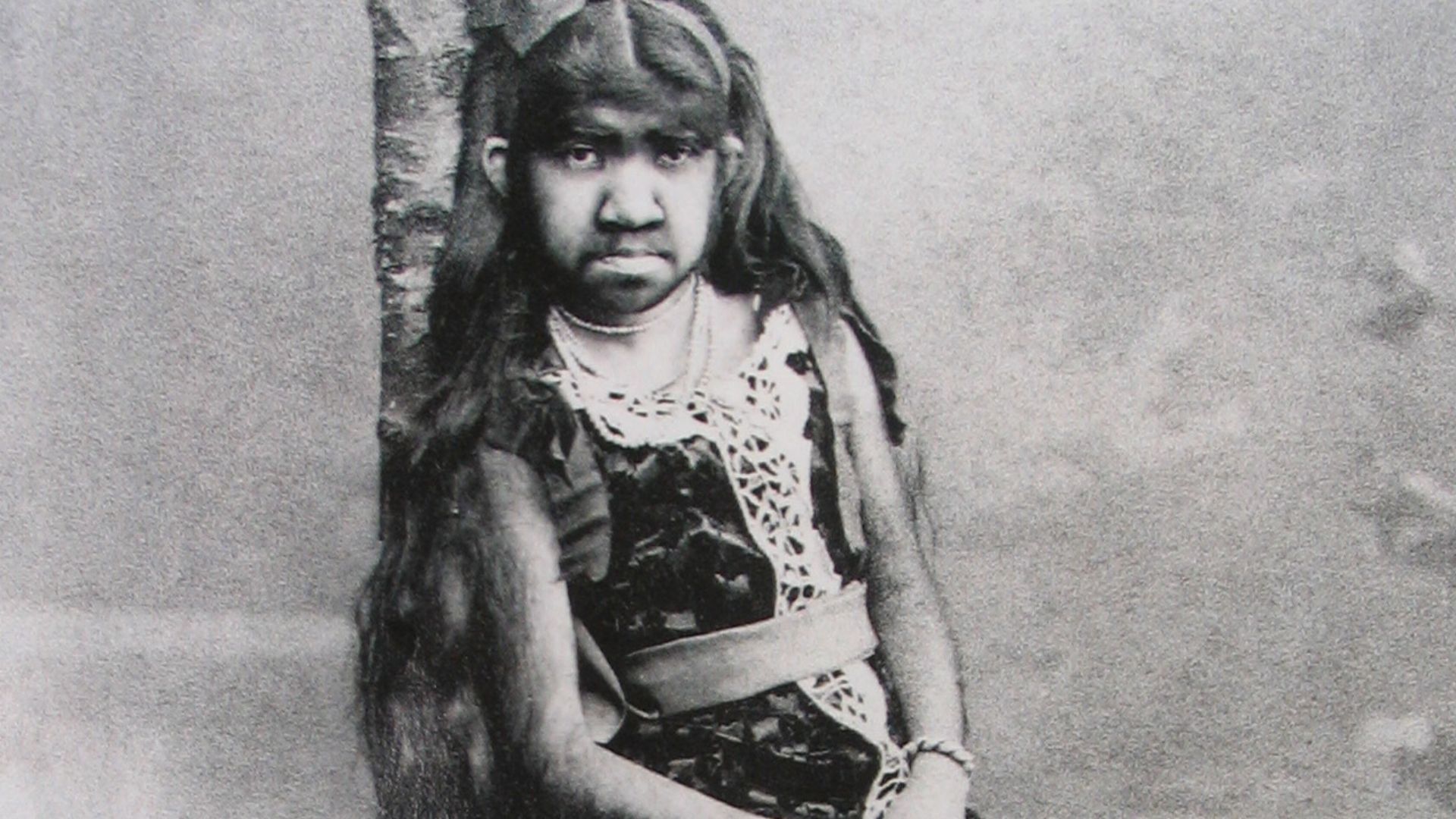
Krao Built A Life Beyond The Poster
Krao continued performing for decades, but surviving accounts reveal a person very different from the primitive caricature on the advertising. JSTOR Daily notes that colleagues remembered her as multilingual, religious, and a peacemaker among performers. She lived in Brooklyn and died from influenza in 1926. Even her obituary, however, continued using the old "missing link" billing that had followed her since childhood.
 Unknown authorUnknown author, Wikimedia Commons
Daisy And Violet Were Exhibited As Babies
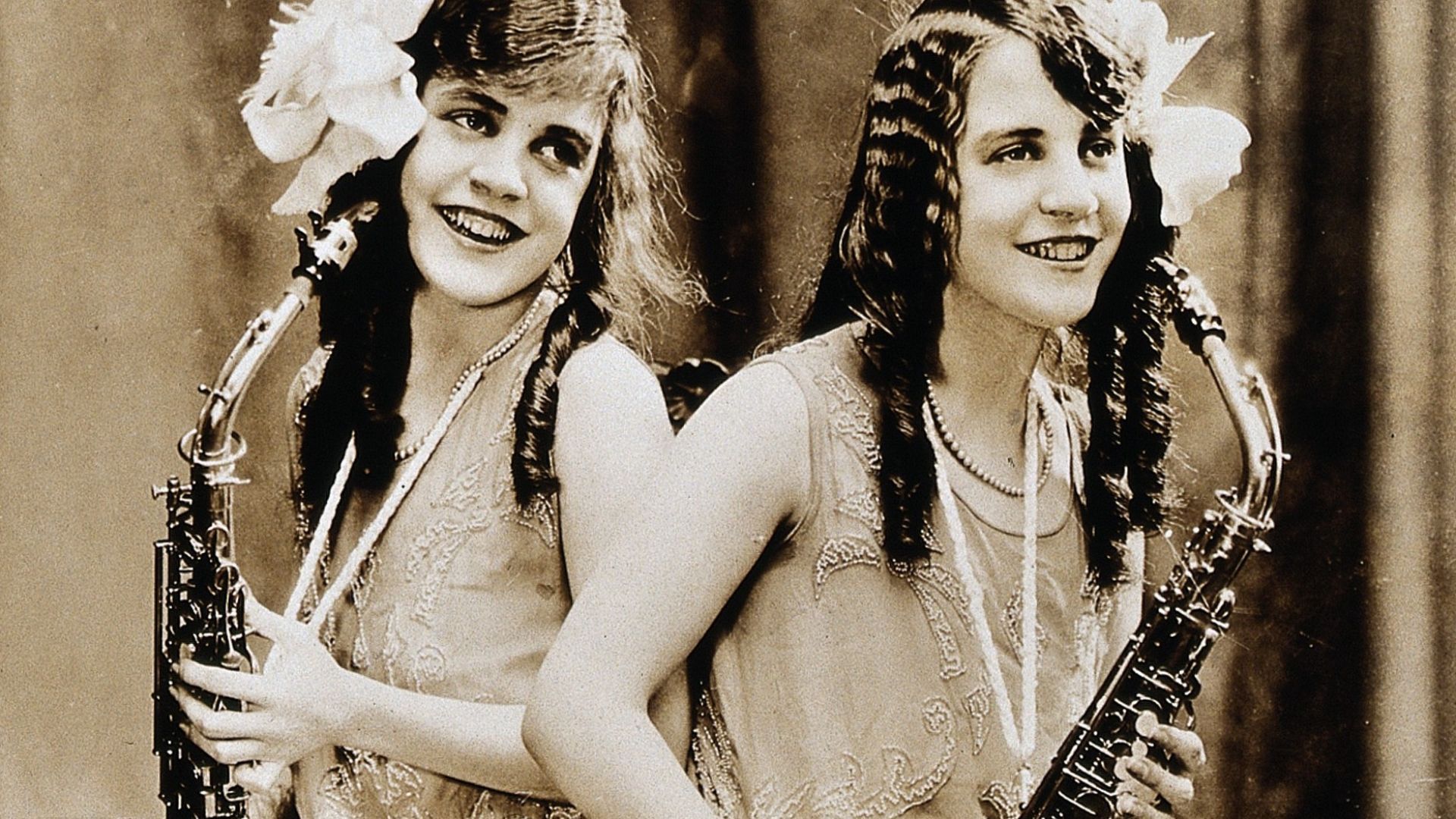
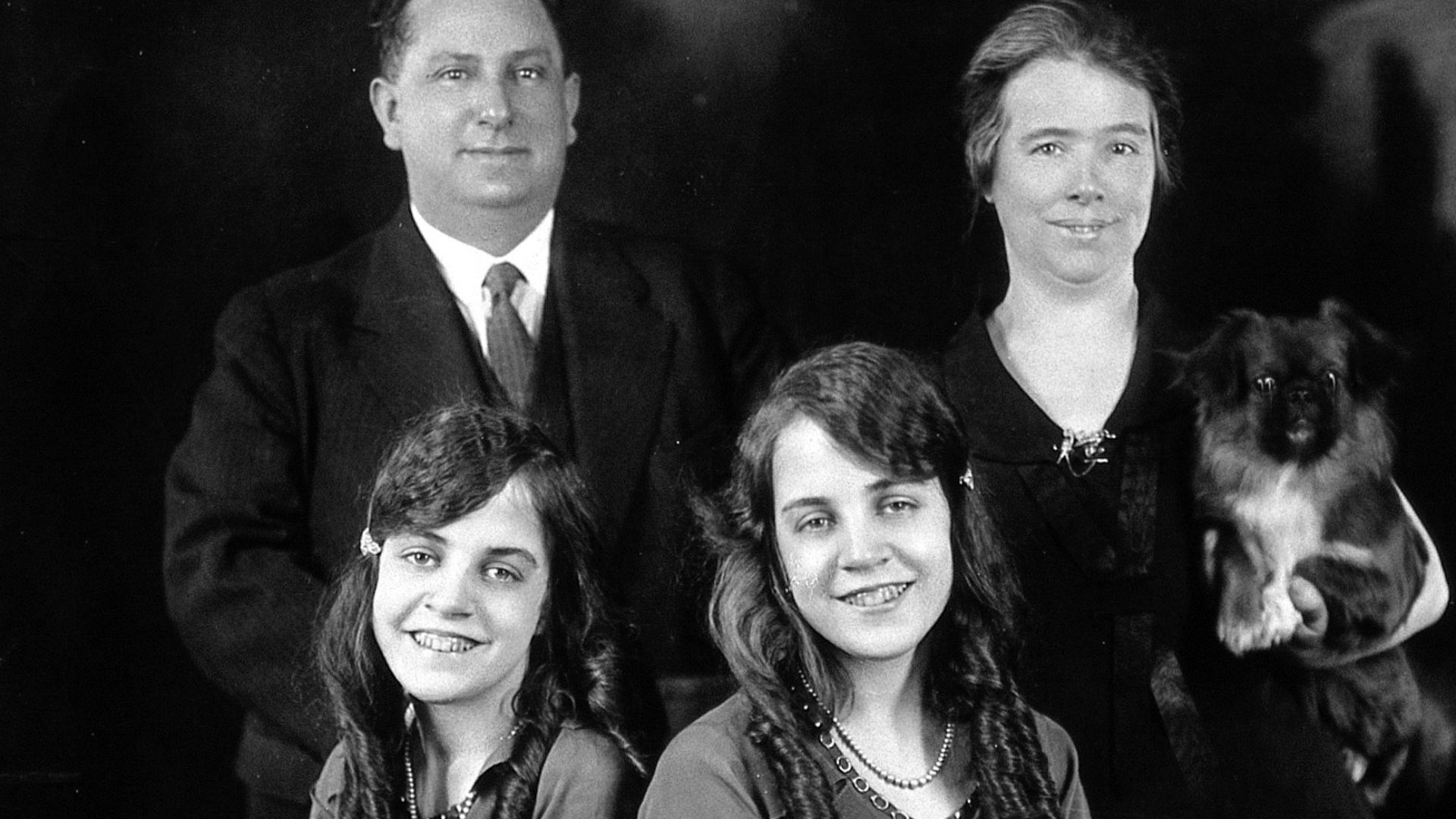
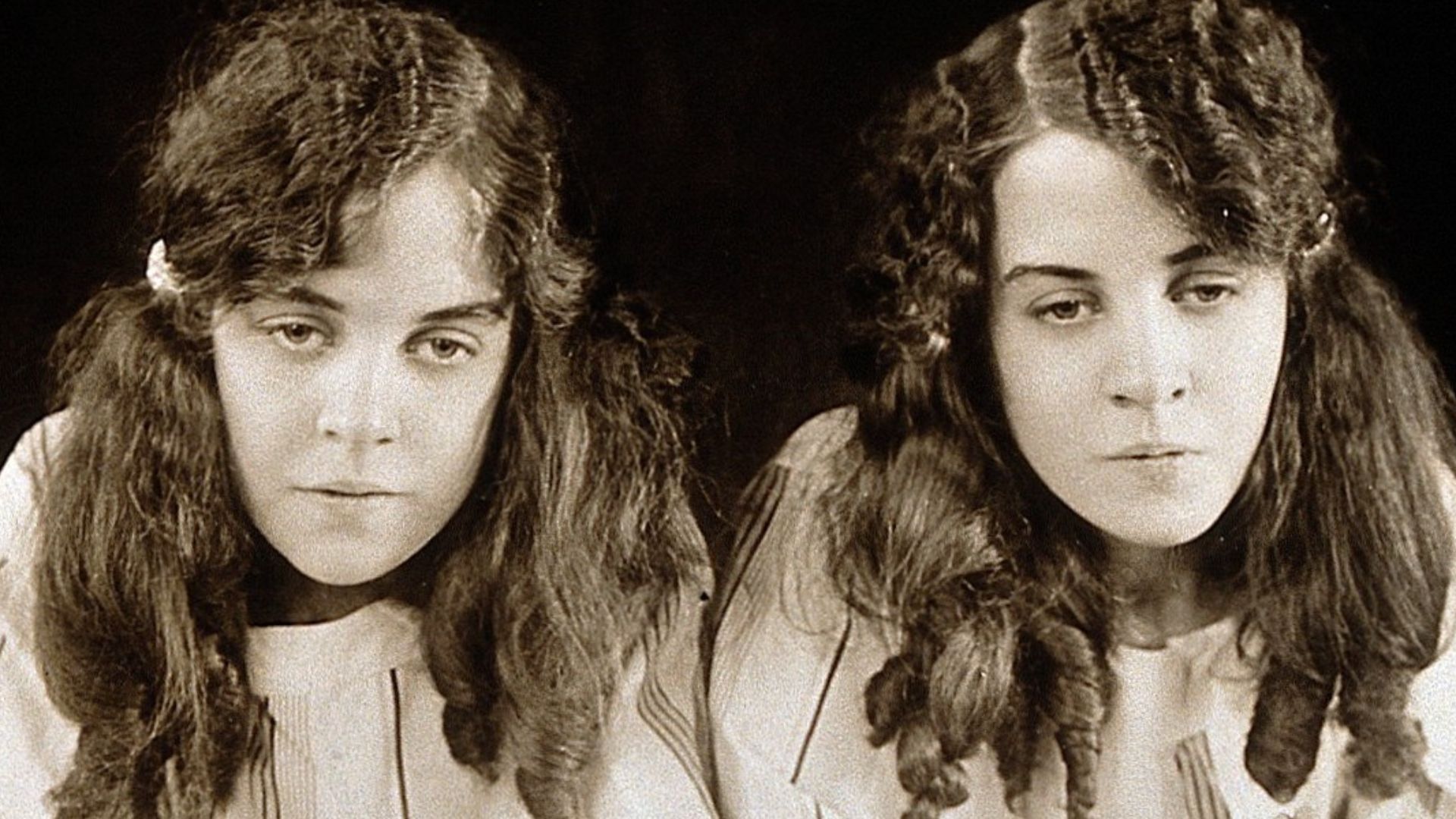
Daisy and Violet Hilton were born conjoined in Brighton, England, in 1908. Their unmarried mother did not raise them, and they came under the control of Mary Hilton, who quickly recognized their commercial potential. The twins were publicly exhibited while still very young and later trained to sing, dance, and play musical instruments. Their childhood income flowed to guardians who controlled nearly every part of their lives.
 Progress StudioNew York, Wikimedia Commons
They Had To Sue For Their Own Lives
After Mary Hilton's death, control of Daisy and Violet passed to her daughter Edith and Edith's husband, Myer Myers. The sisters later described an isolated and abusive life despite earning large amounts on the entertainment circuit. In 1931, at age 23, they sued their managers and won their legal independence along with a financial settlement. Only then could two of America's most famous performers make basic decisions about their own careers.
 Progress Studio, New York, Wikimedia Commons
Fame Vanished Before The Sisters Did
Daisy and Violet moved into vaudeville and appeared in films including Freaks, but the entertainment market that had made them valuable gradually disappeared. By the 1960s they were living in Charlotte, North Carolina, and working at a grocery store after years of celebrity. Both died during the influenza outbreak of 1968 to 1969, far from the glamorous stages on which they had once appeared. Their lives capture the central cruelty of the human-curiosity business: the public could spend years staring at performers without ever really seeing the people in front of them.
 Progress StudioNew York, Wikimedia Commons
You May Also Like:
Little-Known Celebrity Scandals
History's Most Bone-Chilling Events
Historical Geniuses Who Were Complete Disasters Outside Their Field
Sources: 1, 2, 3, 4, 5, 6, 7, 8, 9, 10, 11, 12, 13, 14, 15, 16, 17, 18, 19, 20, 21, 22, 23, 24, 25, 26, 27, 28, 29, 30, 31, 32, 33, 34, 35, 36