Christopher Columbus Has His Day
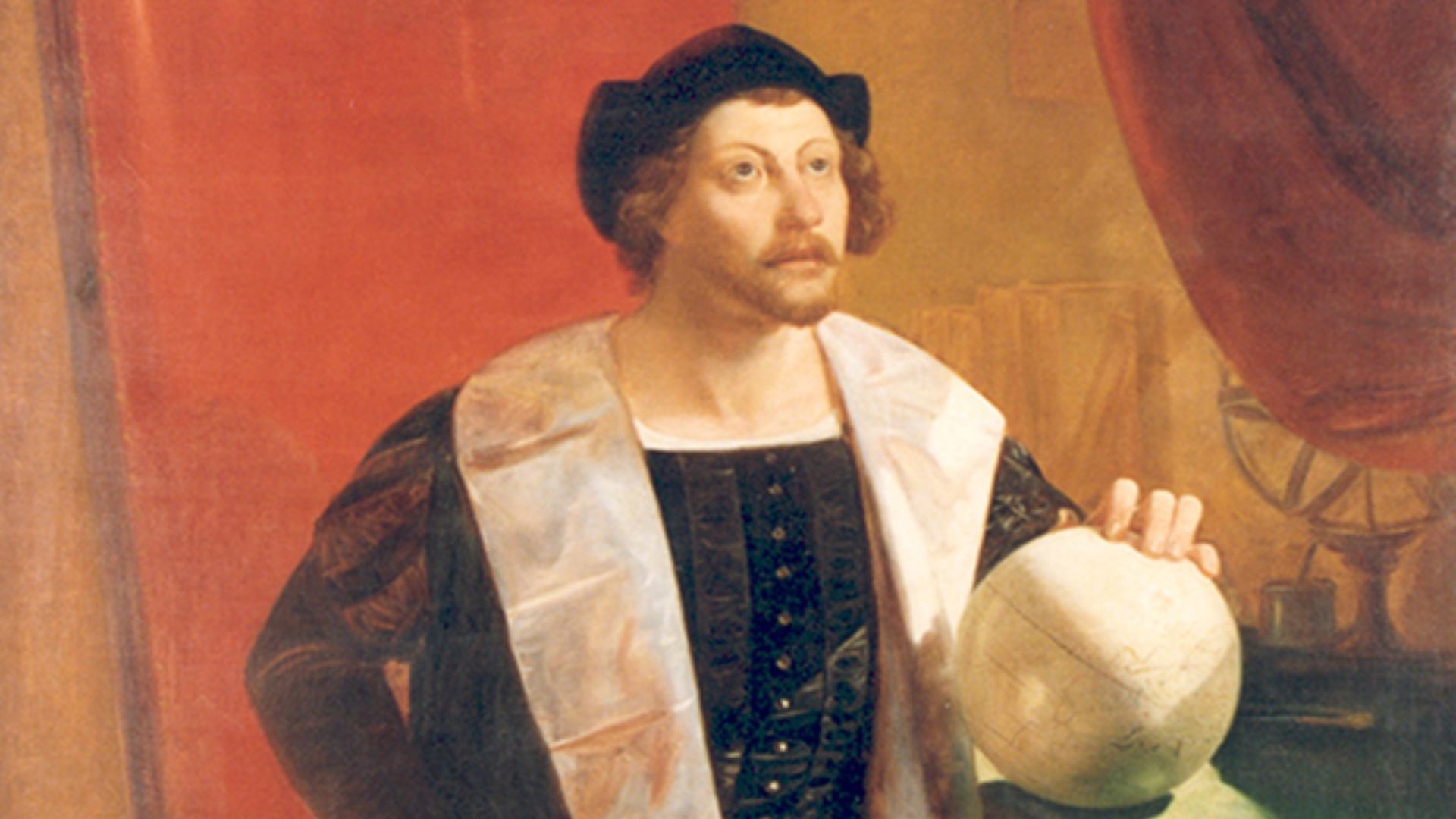
Christopher Columbus has a legacy full of the highs and lows of over five hundred years of history. Yet for all his fame and infamy, few people still know the whole story, or just how dark it gets. This explorer didn’t just controversially put America on his map, he also suffered through a myriad of personal tragedies and disturbing vices—and made others suffer in their turn.
1. He Was Ambitious
Born in 1451 to Genoese wool weaver Domenico Colombo, from what historians can tell Christopher Columbus had a standard upbringing for a merchant’s son in the Republic of Genoa. Nonetheless, he always had his eye on the next rung up the ladder: By the late 1470s, when he was still in his 20s, he was traveling around Europe trading for the wealthiest families in the Republic.
But a bigger leg up was just around the corner.
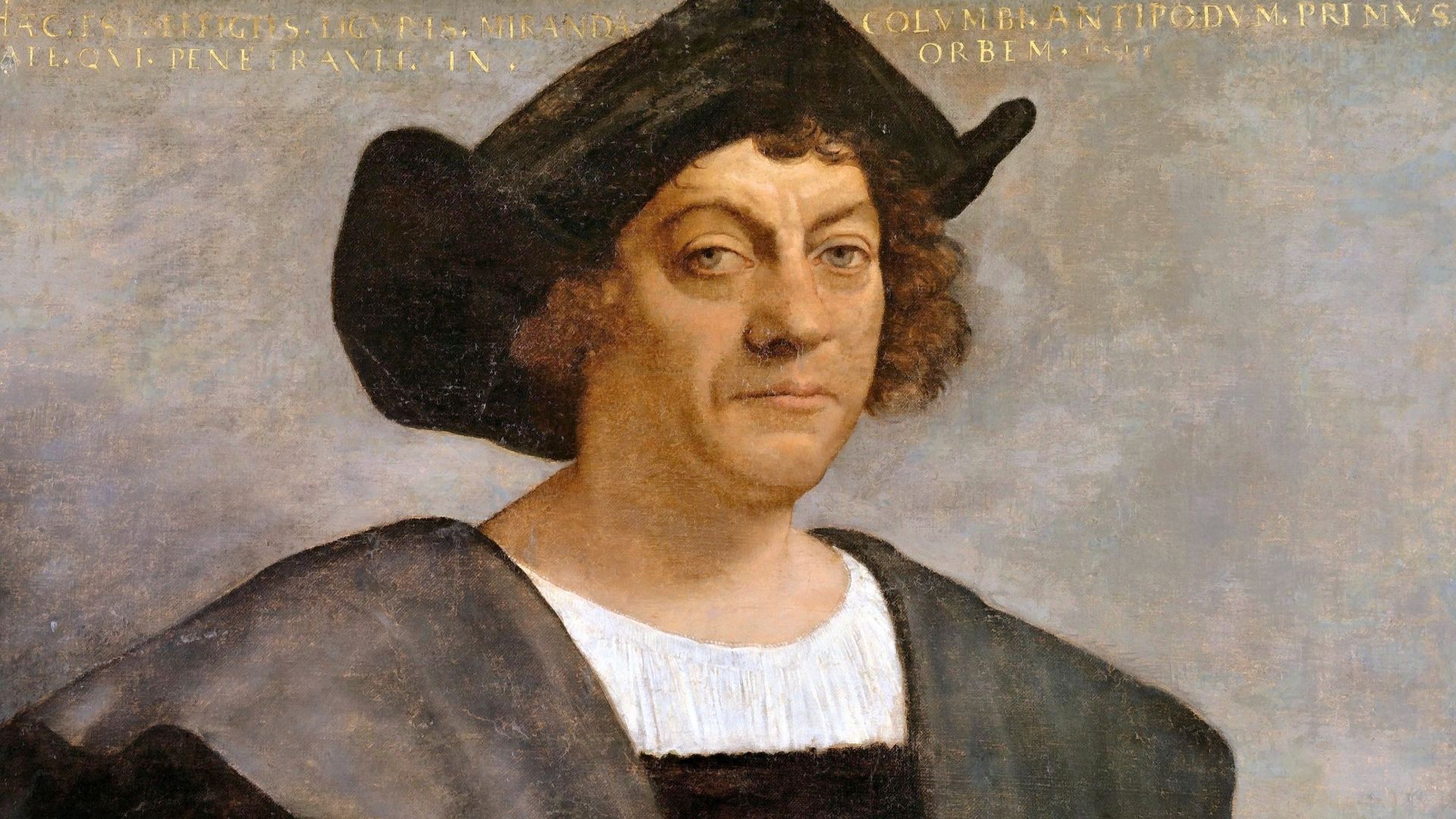 Sebastiano del Piombo, Wikimedia Commons
2. He Married Up
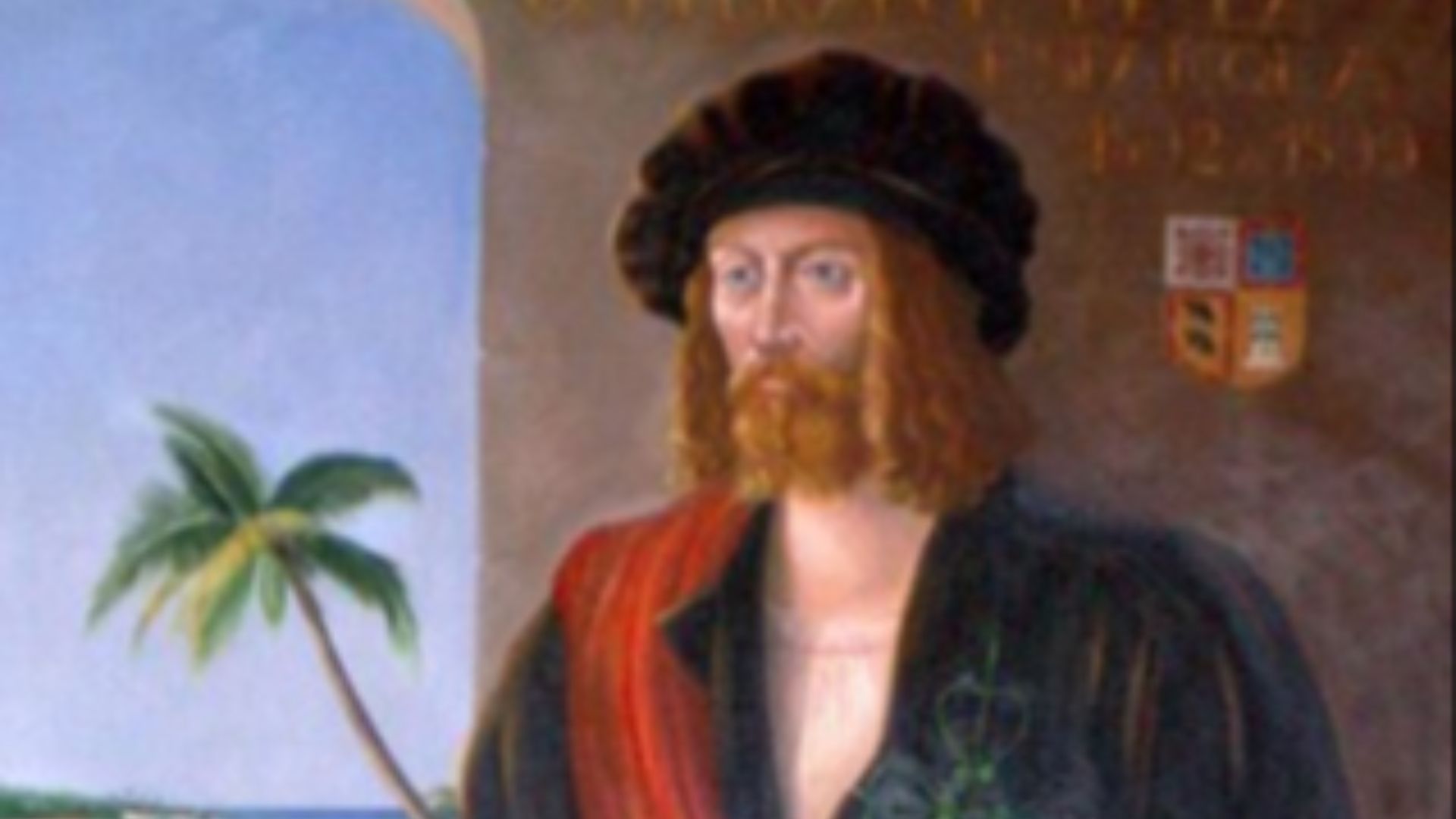
In 1479, Columbus made an extremely advantageous alliance. He married Filipa Moniz Perestrelo, the well-to-do daughter of a Portuguese Knight of the Order of Santiago. Through her father, Filipa even had connections to Prince John of Portugal and Prince Henry the Navigator.
It was quite the rise for a merchant’s son, and Columbus had made his catch through pure cunning.
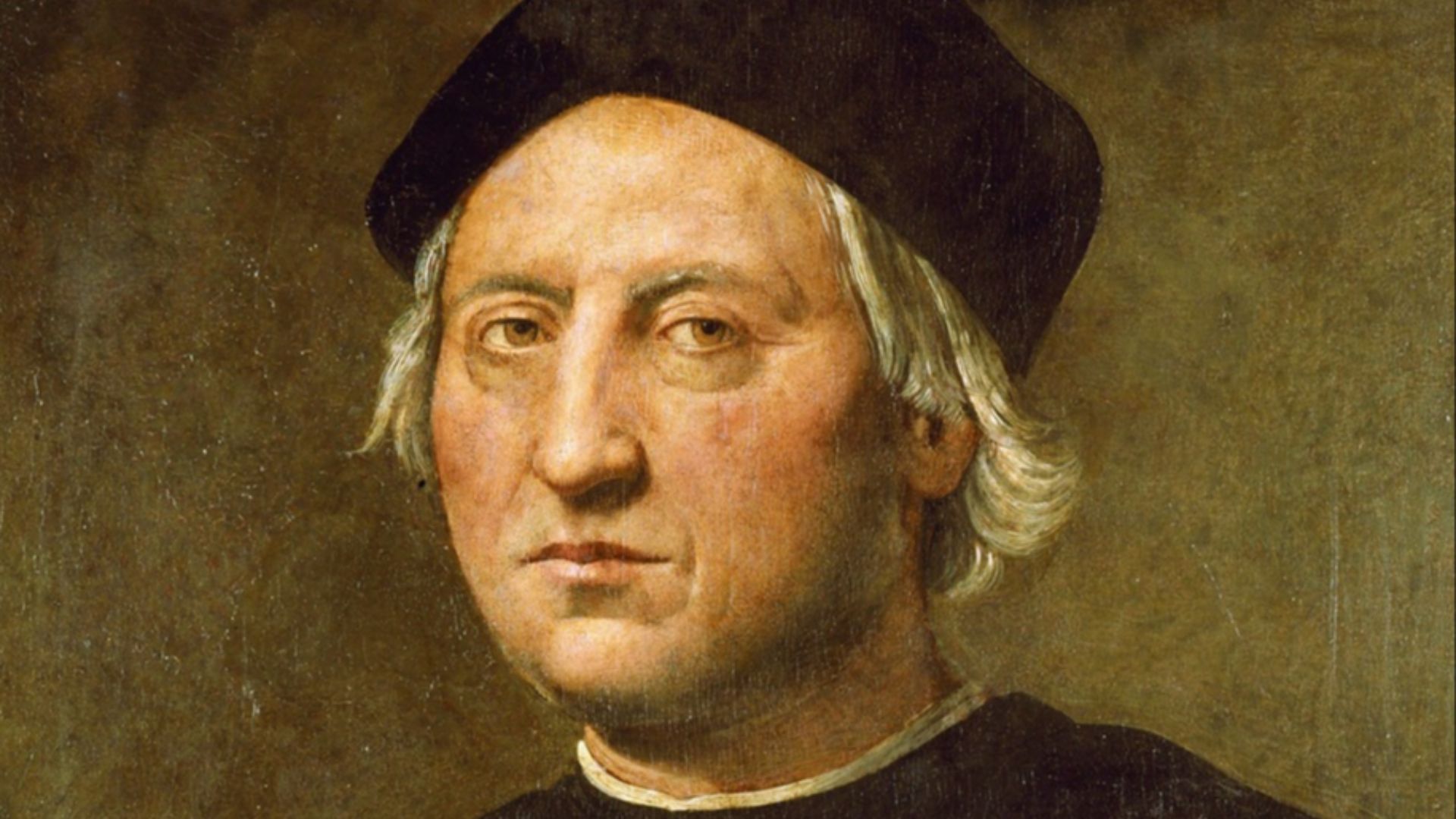 Ridolfo del Ghirlandaio, Wikimedia Commons
3. He Knew How To Manipulate People
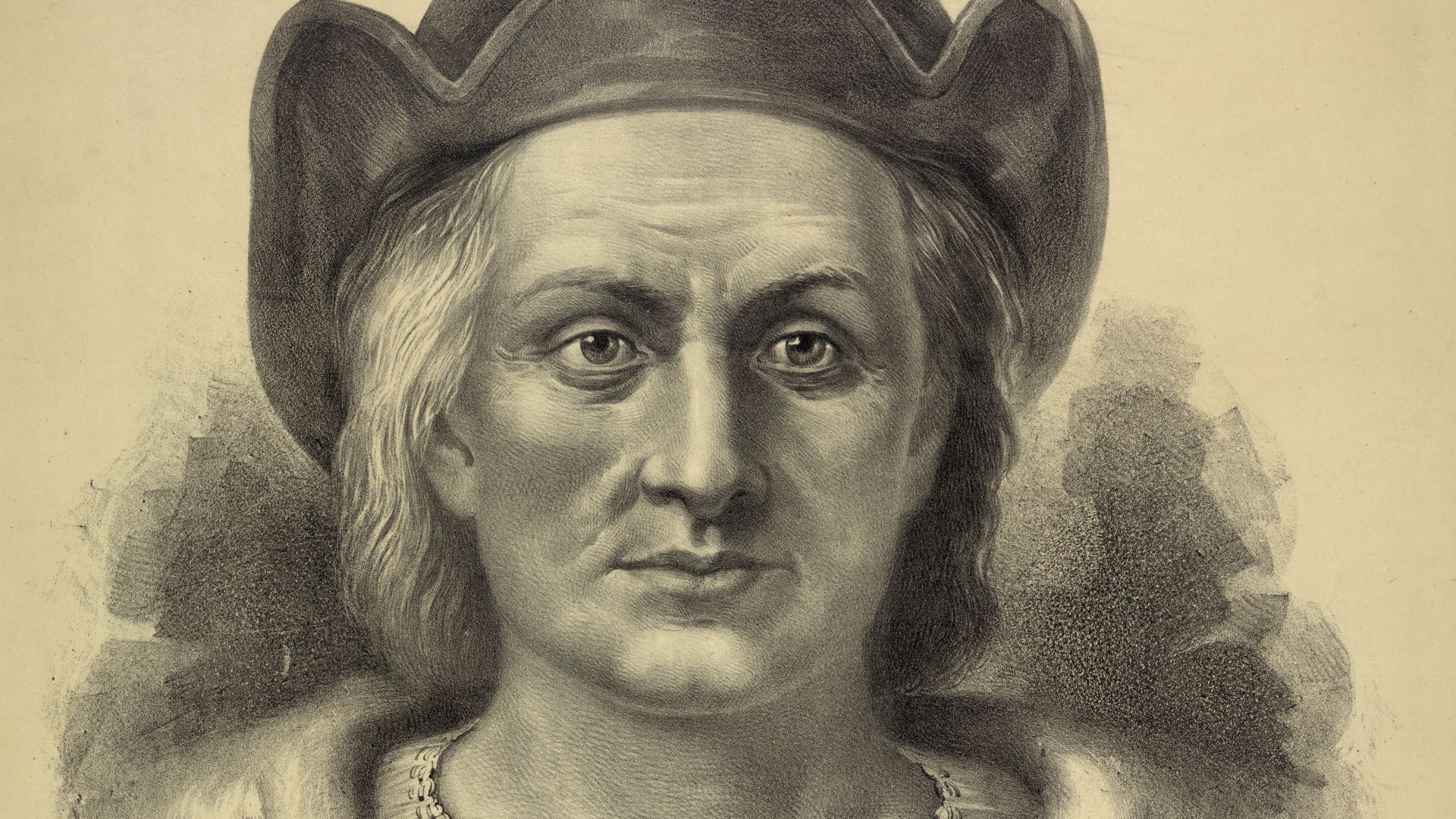
Even people during Columbus’s day were likely surprised that the young man, ambitious or not, had managed to snag Filipa. But though Columbus was very aware of Filipa’s social standing, he was also aware that she was around 25 years old—over the hill for the time—and that her widowed mother didn’t have much money, making her ripe for the picking. To seal the deal, Columbus oh-so-kindly didn’t ask for a dowry, and her family happily handed her over.
Columbus was now an aristocrat at a bargain, and he just kept pushing.
 Currier & Ives., Wikimedia Commons
4. He Was An Absent Father
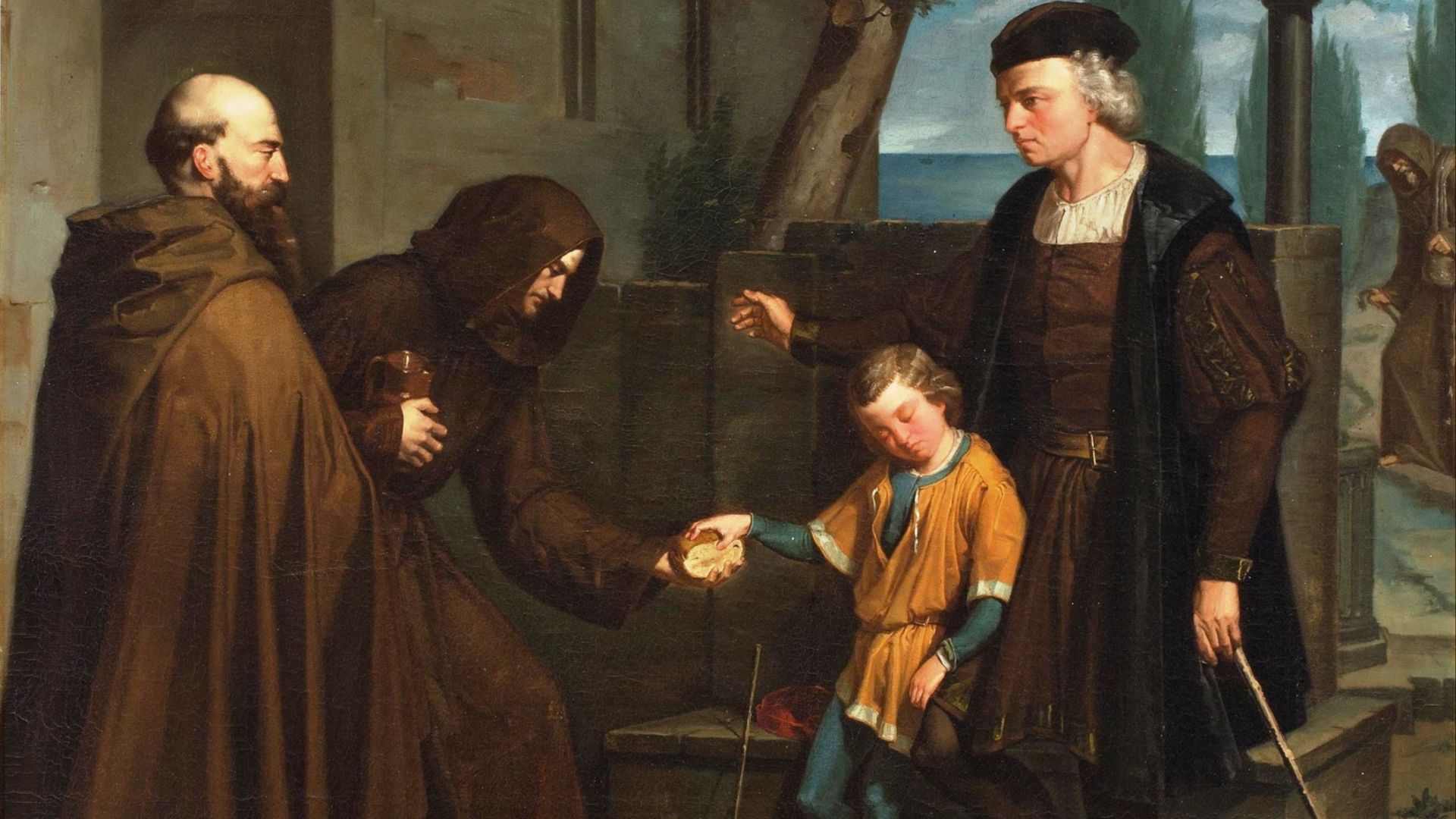
Although Filipa gave Columbus a son, Diego, soon after their marriage, Columbus wasn’t around to watch the boy grow up. In the 1480s, he left their home and pushed his trading to the west coast of Africa, traveling as far as present day Ghana to sell his wares.
Throughout, he honed his navigation skills and his thirst for adventure. But in the meantime—and this always seemed to happen to Columbus—the people around him suffered.
 Benet Mercadé, Wikimedia Commons
5. He Lost His Wife Young
When Columbus returned from his African adventures, he received chilling news. His wife Filipa, who wasn’t yet 30 years old, had perished while he was away from an unknown cause. Never one to let a deal lie on the table, Columbus settled her affairs, got his money, and took his young son under his care. But he’d need more than a boy’s help with his next plans.
 none credited, Wikimedia Commons
6. He Had A Harebrained Idea
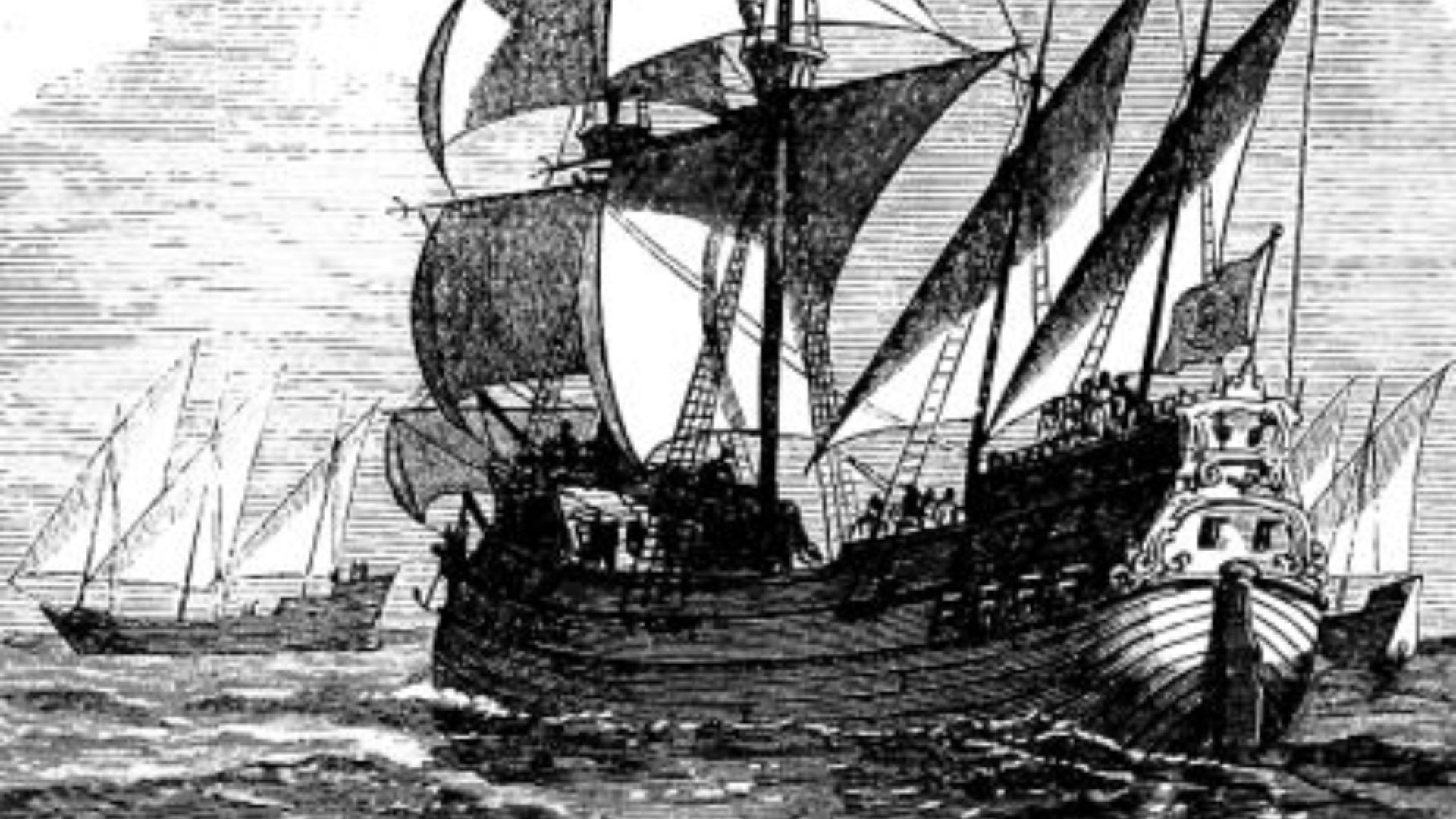
Columbus was always looking for new ways to make his name, and in the early 1480s, he had a novel idea. Europeans had long gotten rich using the Silk Road to trade with the East, but Columbus was convinced that going west, and by sea, was the best way to reach Asia. Recent sea expeditions taking an alternative route around Africa to Asia only hardened his resolve to get glory his way. Besides, he had other motives.
 N. C. Wyeth, Wikimedia Commons
7. He Had A Sinful Obsession
Columbus, even this early on, was obsessed with gold, and viewed his obsession as a kind of holy mission. As he wrote, he dreamed of getting gold "in such quantity that the sovereigns...will undertake and prepare to go conquer the Holy Sepulchre,” and the explorer frequently talked of converting the entire world to Christianity.
For Columbus, then, a sea-going Silk Road via the west was the best way to get both gold and acolytes. But sometimes, no one’s tried something because it’s not a good idea…
 Unknown authorUnknown author, Wikimedia Commons
8. He Made A Huge Mistake
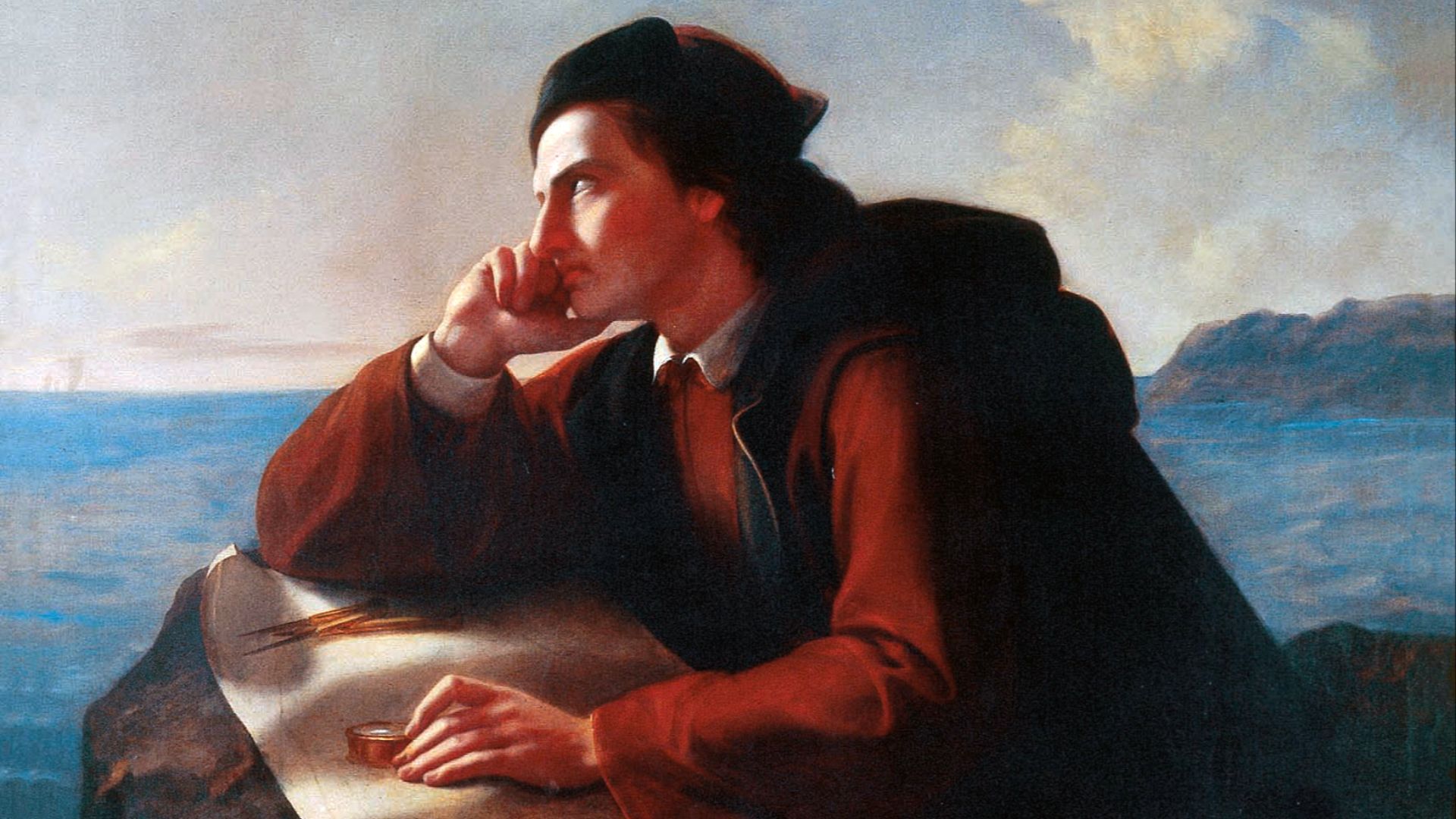
To go West, Columbus first had to convince a patron to fund his journey, and this meant coming up with a convincing plan for the expedition. This is where Columbus made his biggest mistake. He was incredibly off on his calculations about the size of the Earth—an even bigger failure than you might imagine.
Contrary to popular belief, people of Columbus’s time were well aware that the Earth was round, and several relatively accurate calculations of the Earth’s size had been around since antiquity. But Columbus tended toward the wrong theories, leading him to underestimate the Earth’s size by a full third in his proposals. It began giving him immediate problems.
 Jose Maria Obregon, Wikimedia Commons

History's most fascinating stories and darkest secrets, delivered to your inbox daily.
9. He Failed To Convince People
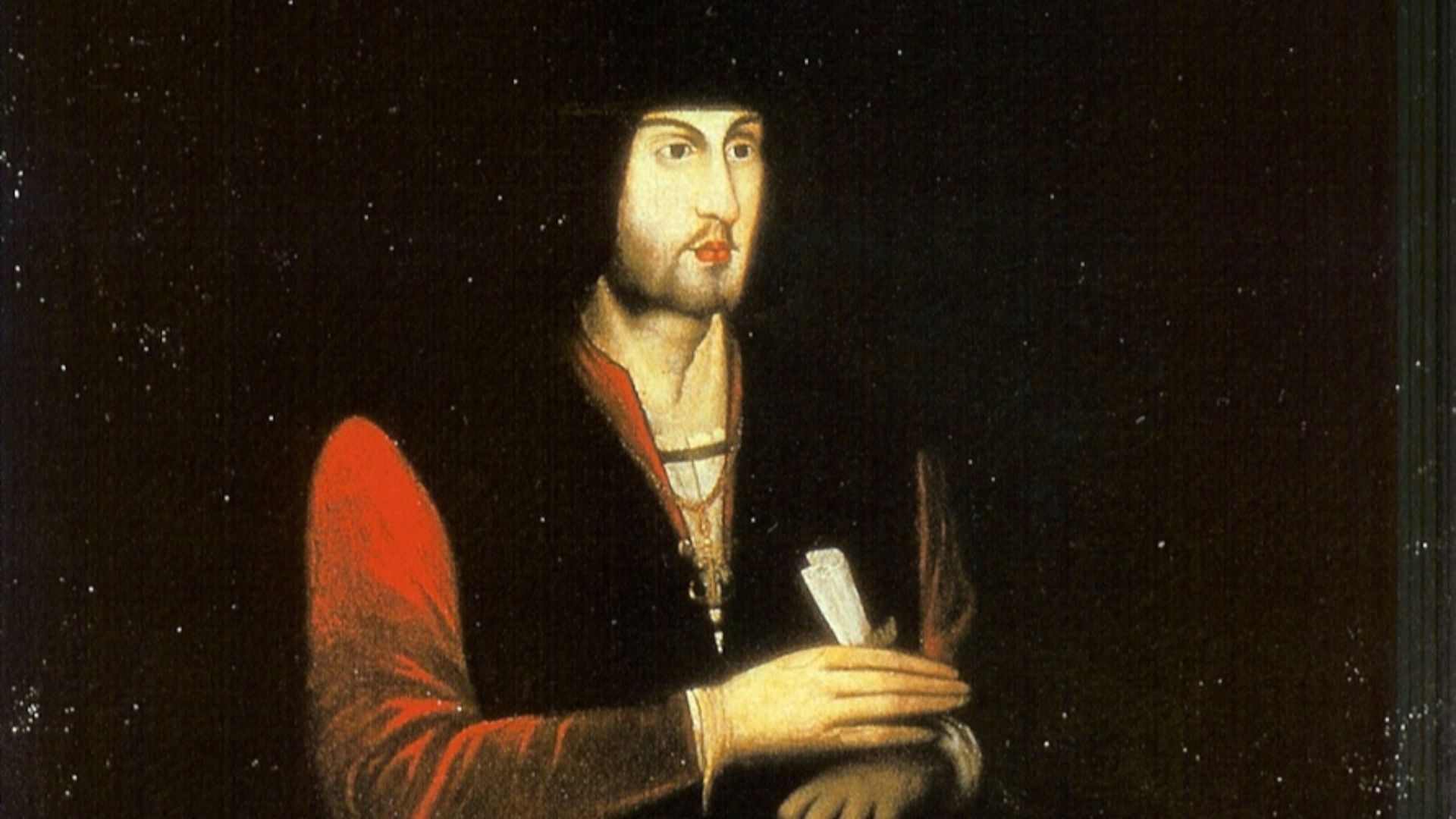
Columbus’s peers saw right through his calculations, and when he presented the project to King John II of Portugal, the King’s advisors immediately rejected it because his math was so patently off. Even they understood that the true voyage to the Far East from the western passage would be far too long for any 15th century ship to take.
Before long, no one wanted anything to do with Columbus’s far-fetched plan. But this is where his cunning and persistence paid off.
 Unknown (17??-17??), Wikimedia Commons
10. He Got A Lucky Break
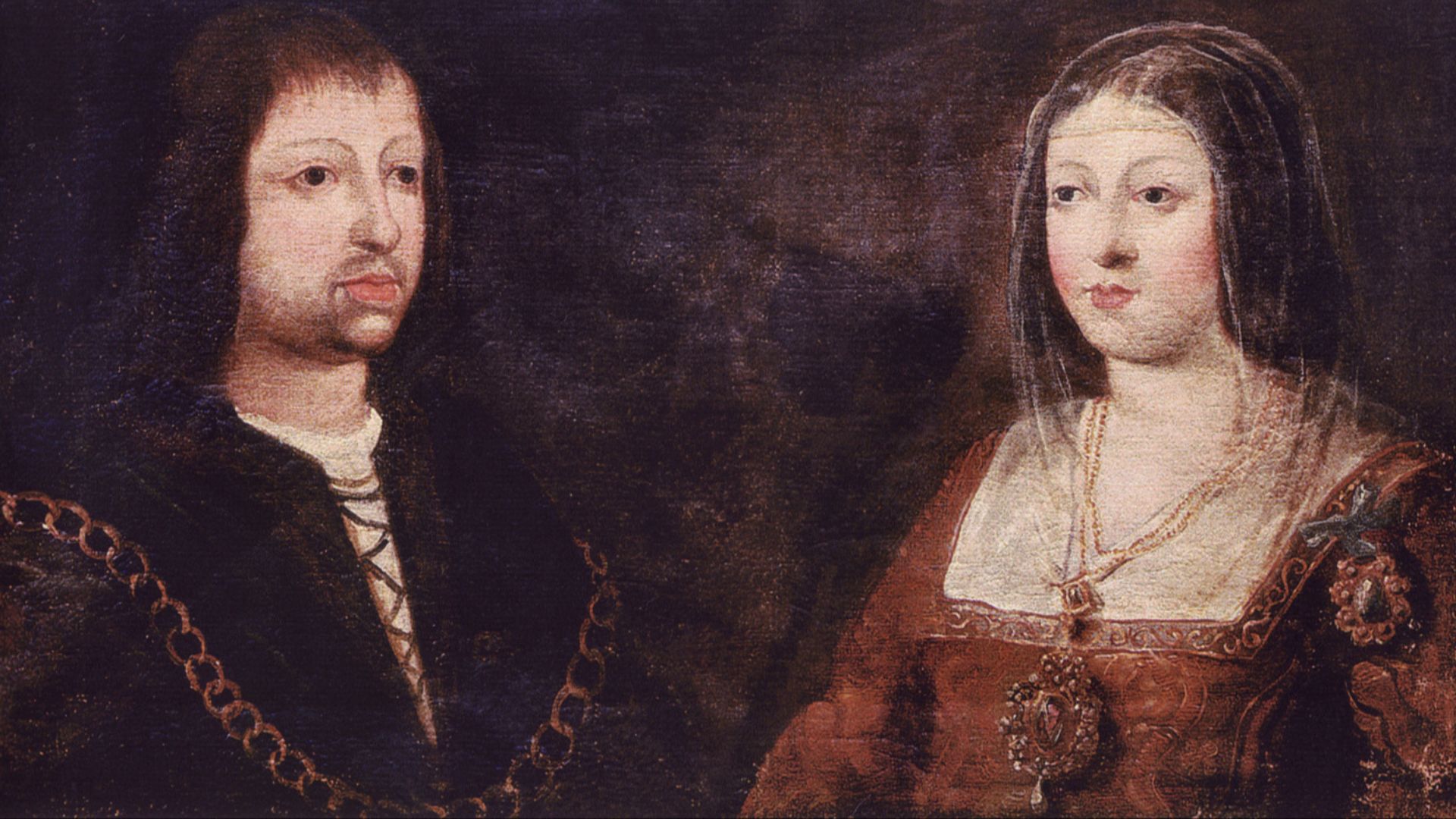
Around the same time as his rejection from the King of Portugal, Columbus also sought patronage from King Ferdinand of Aragon and Queen Isabella I of Castile. Unsurprisingly, their committee also dismissed the idea as silly—but one crucial detail was different. The monarchs still gave Columbus a small allowance, keeping him on a kind of retainer to prevent another kingdom from getting lucky on his wild bet.
At that point, all Columbus could do was wait…but he could never be idle for long.
11. He Took A Mistress
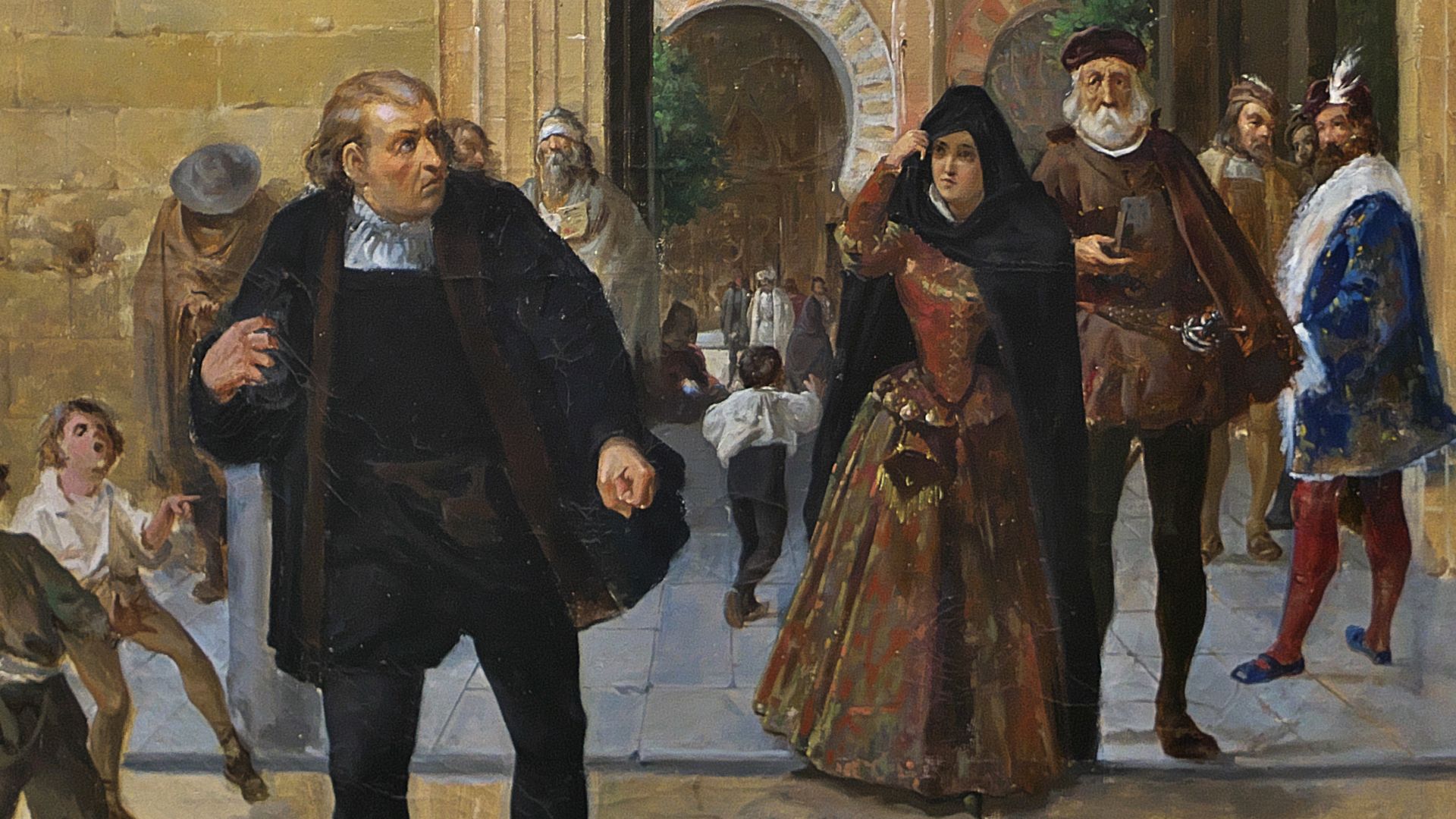
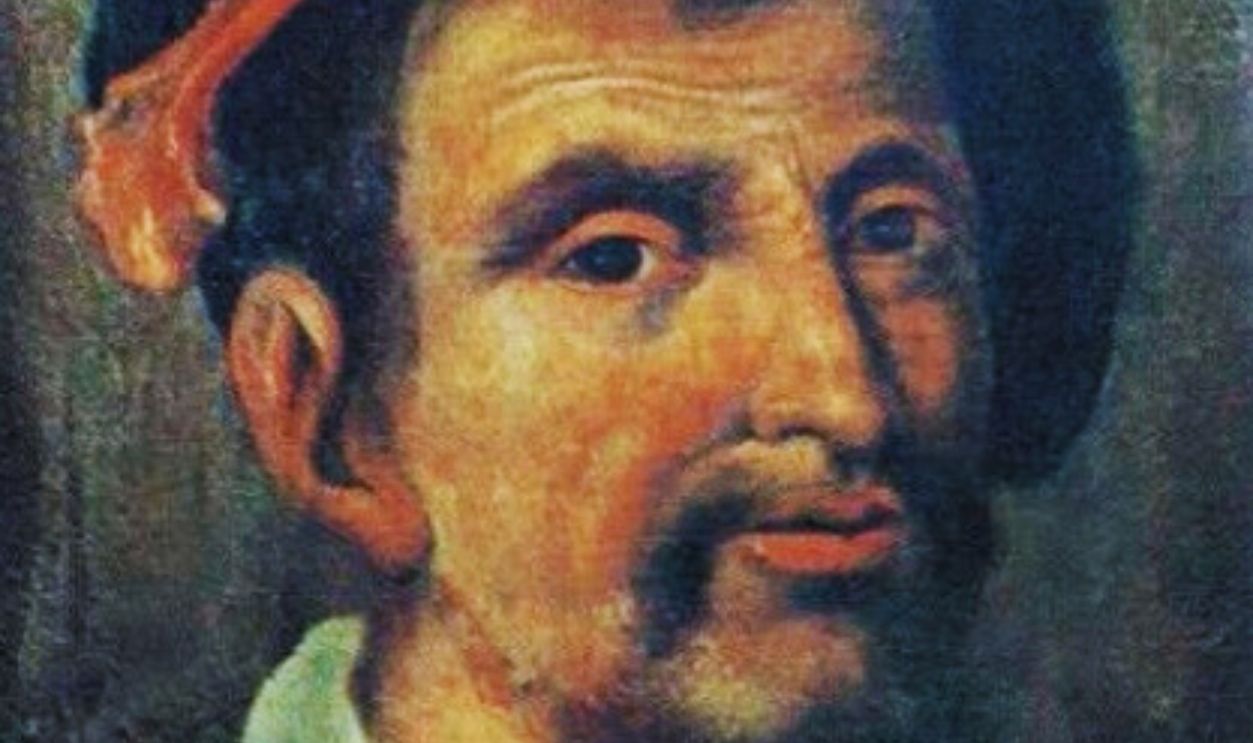
In 1487, Columbus was in Cordoba, Spain as part of his bid to convince Ferdinand and Isabella of his proposal. Between meetings, however, Columbus still made time for himself. It’s likely that in Cordoba, the mid-30s Columbus met the 20-year-old, orphaned Beatriz Enriquez de Arana, and took her as his mistress.
The power imbalance was palpable, and only going to increase.
12. He Flattered His Patron
A short time after their meeting, Beatriz gave birth to Columbus’s illegitimate son, and Columbus somehow managed to turn this into a professional opportunity. After recognizing the child as his own, Columbus named the baby Fernando—a transparent bid to get King Ferdinand on his side.
Then, Columbus continued doing what he did best: Looking out for number one.
 Unidentified painter, Wikimedia Commons
13. He Abandoned His Sons
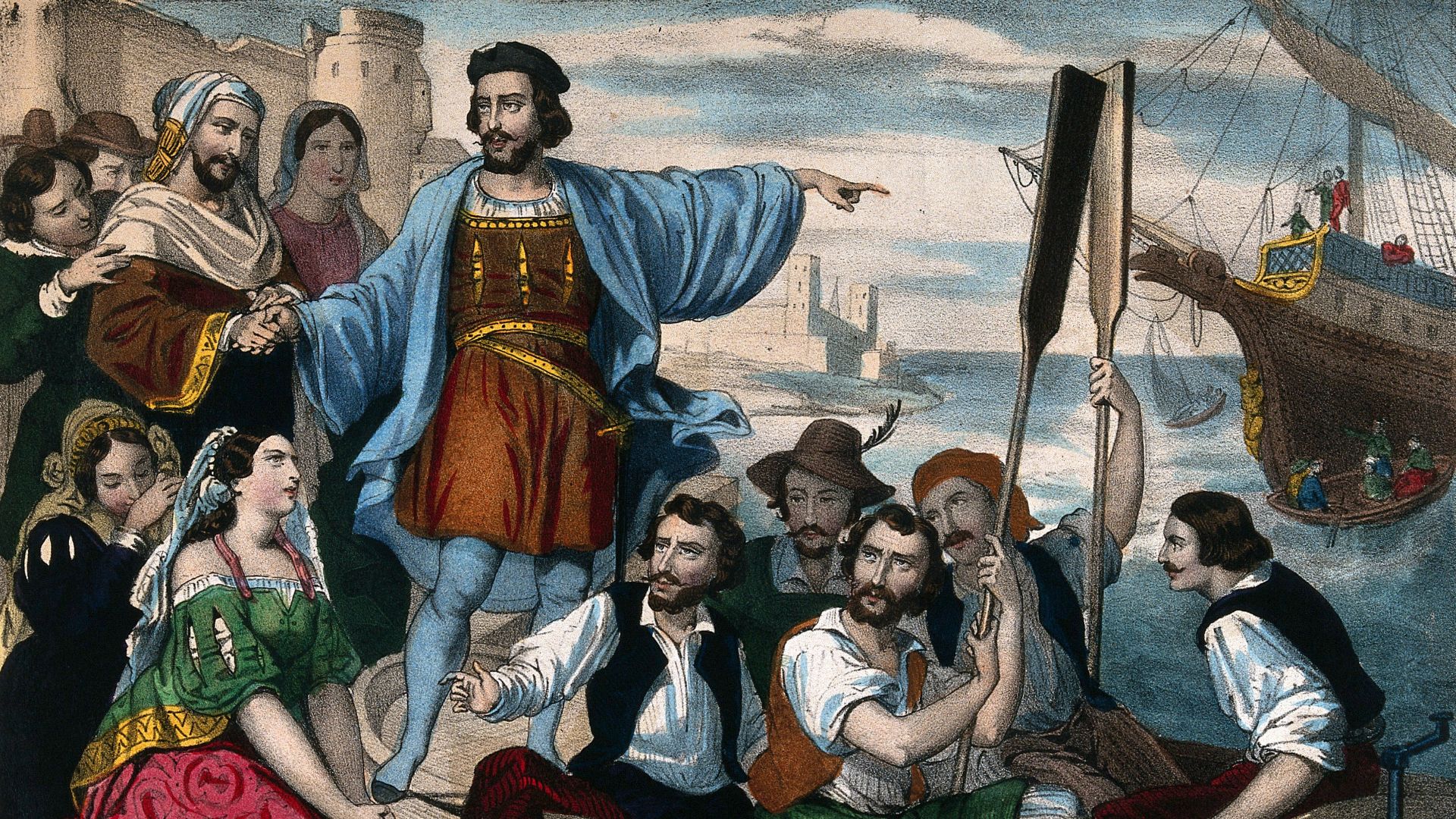
While it’s unclear if Columbus and Beatriz ever officially married, Columbus did identify her in his writings as his wife. Then again, it was in his best interest to do so: Almost immediately after baby Fernando was born, Columbus put the infant and his elder son Diego in Beatriz’s care, and then went off to keep pushing for his voyage.
He was about to get exactly what he wanted.
14. The Timing Was Right
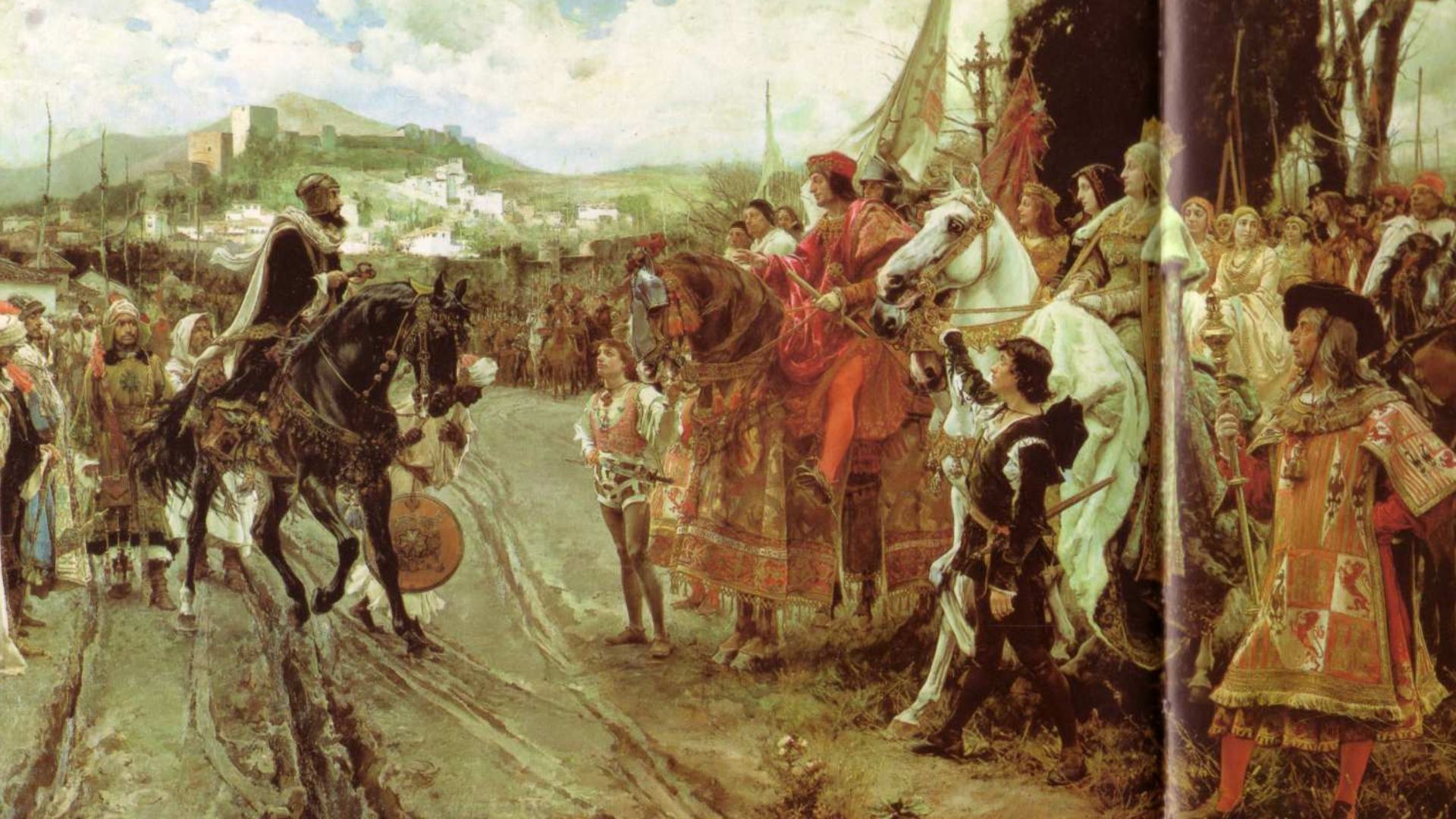
In January of 1492, Columbus’s perfect moment finally came. Ferdinand and Isabella had been fighting an expensive conflict with the Moors on the Iberian Peninsula, and had just conquered Granada, the last Muslim fortress in the area. Columbus, always a sharp reader of people, understood that the monarchs would be both flush with victory and eager to gain an advantage over other European countries for trade with the East—not to mention anxious for funds. He pounced.
 Francisco Pradilla y Ortiz, Wikimedia Commons
15. He Sealed The Deal
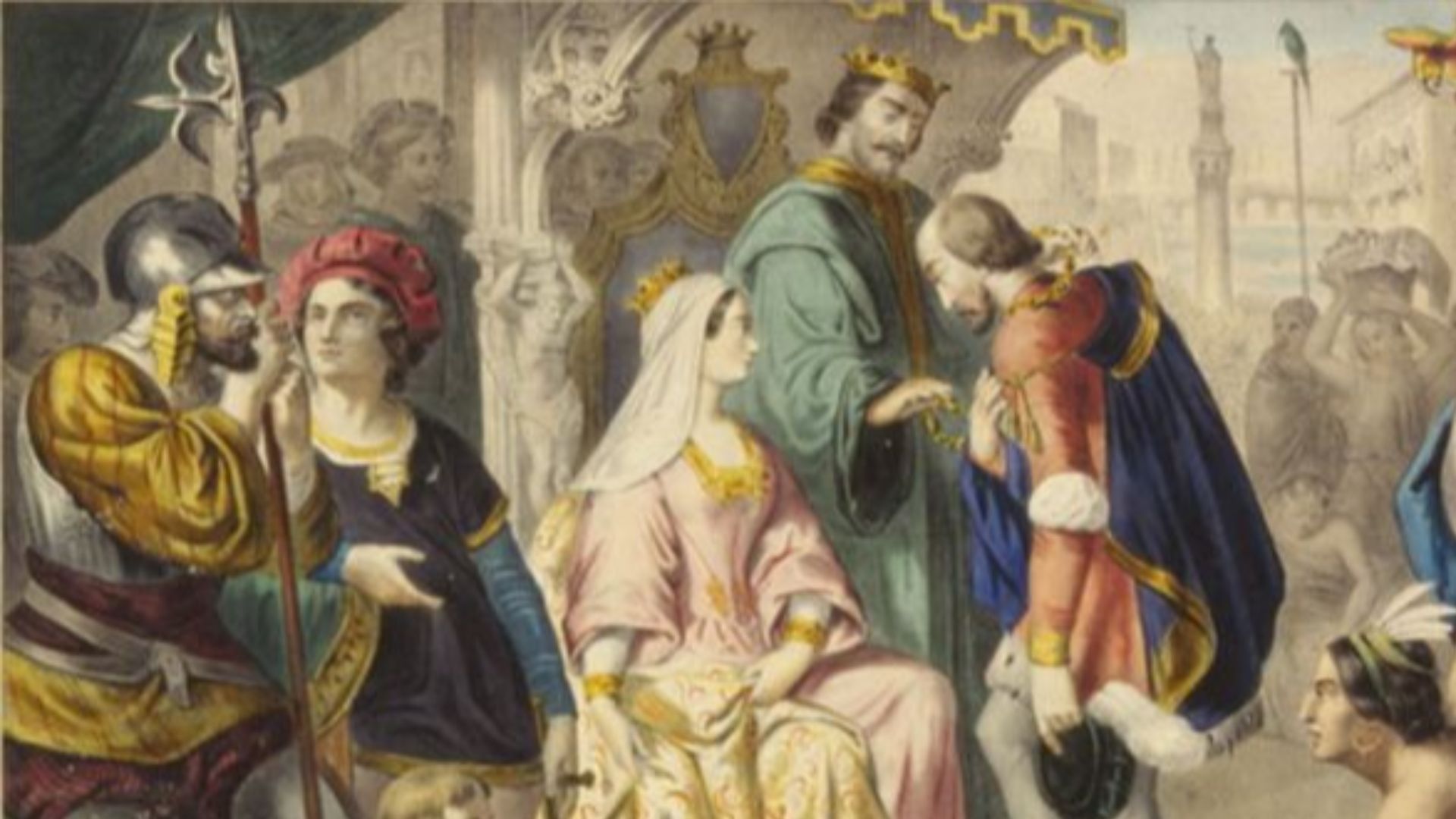
Yet again, Columbus presented Ferdinand and Isabella with his plans to travel west and bring back loads of wealth, and this time they took the leap. In April of 1492, they gave him full funding for the voyage and, should he succeed, a whole host of promises. Upon finding a passage, Columbus was to become the governor of any new lands Spain could claim, and was also entitled to a tenth of those lands’ revenues.
It was everything Columbus had been striving for, but it was easier said than done.
16. He Made A Famous Voyage
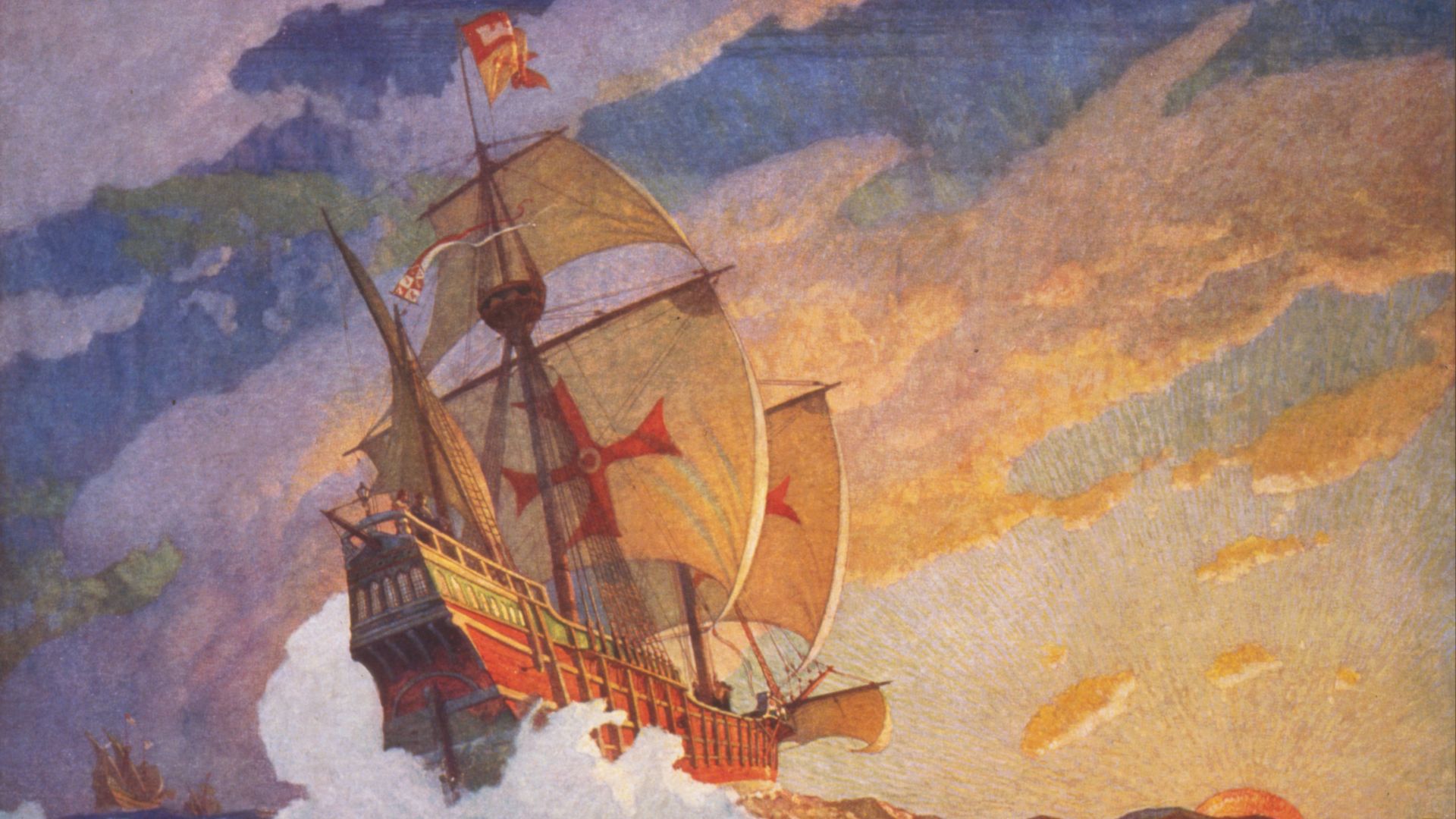
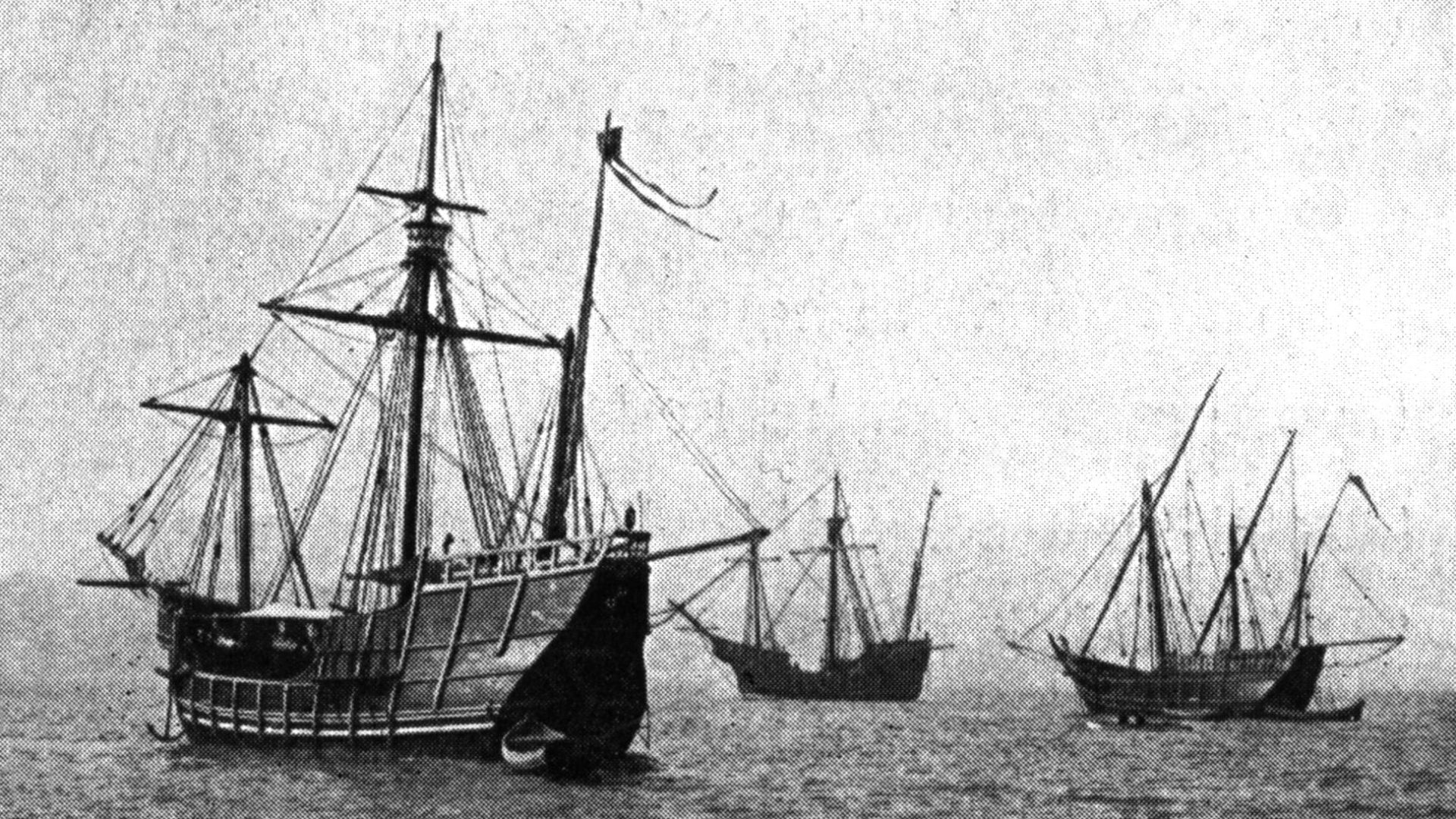
In early August of 1492, just months after receiving the go-ahead, Columbus departed Spain with the Santa Maria, the Pinta, and the Nina, and after a stop at the Canary Islands they set their ships west. Five weeks later, in the early morning hours of October 12, history began to change. At 2:00 am, the lookout on the Pinta spotted land…and Columbus promptly stole his valor.
 E. Benjamin Andrews, Wikimedia Commons
17. He Lied To His Monarchs
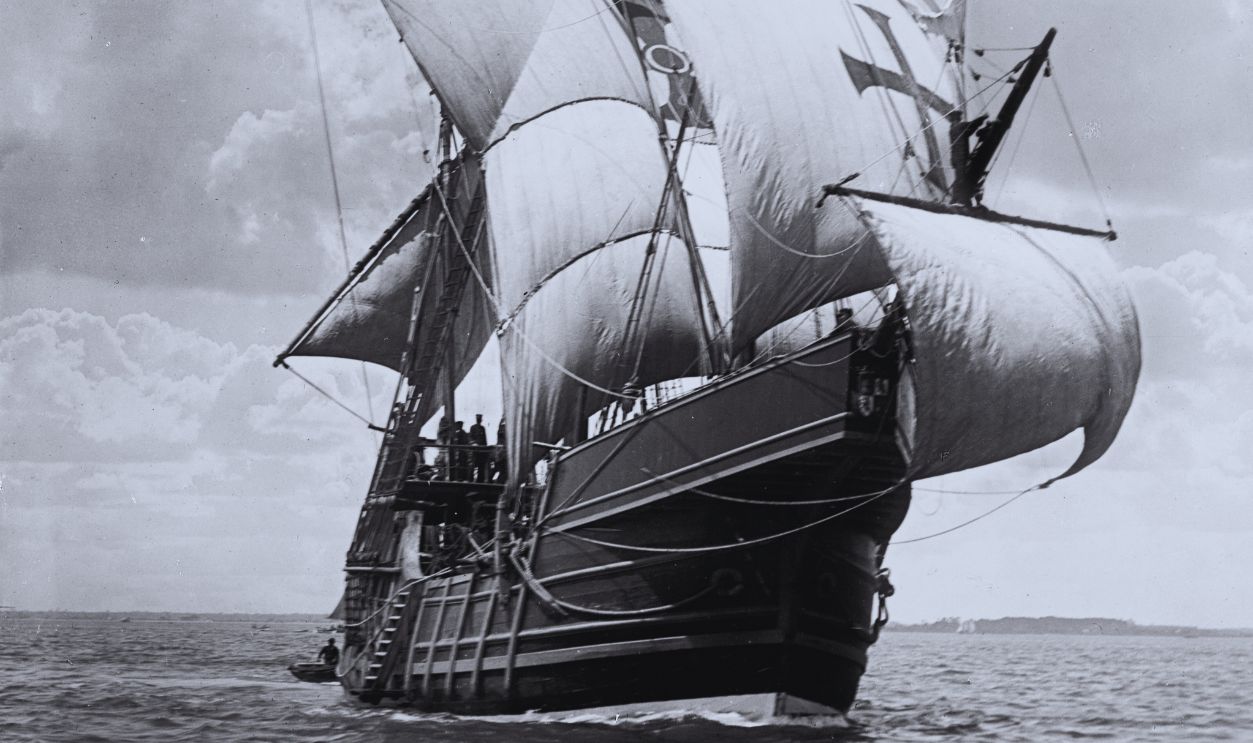
After spotting land, the lookout dutifully told the captain of the Pinta, who then told Columbus, sailing on the Santa Maria, of the discovery. But that’s not the way Columbus wanted to remember it: After hearing the news, he turned around and claimed that he had actually spotted land hours ago. This way, he was entitled to the lifetime pension Ferdinand and Isabella had promised the person to first see shore.
It was an oily way to go about it, and his next actions were more disturbing.
 Edward Hart, Wikimedia Commons
18. He Was Disdainful
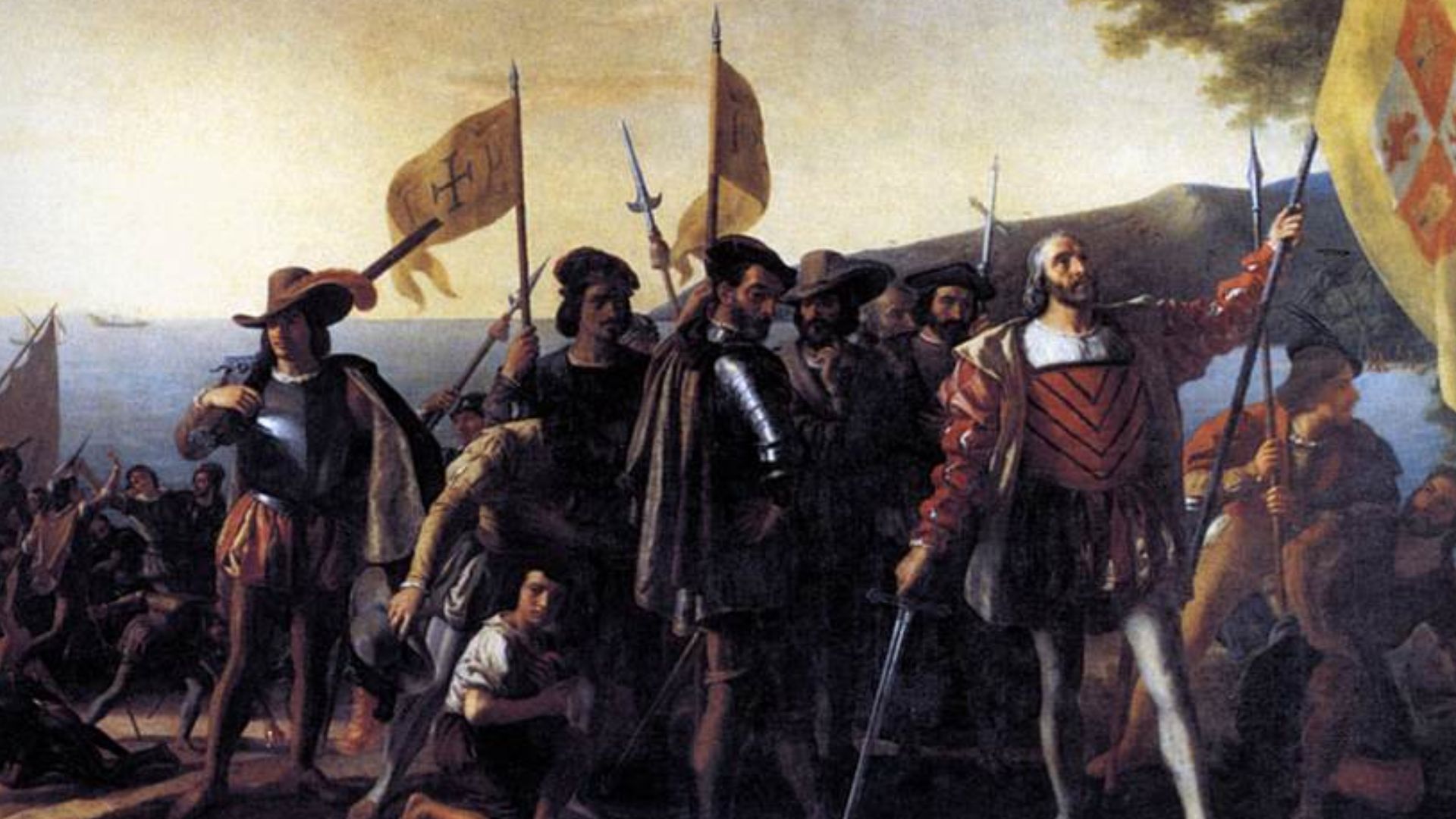
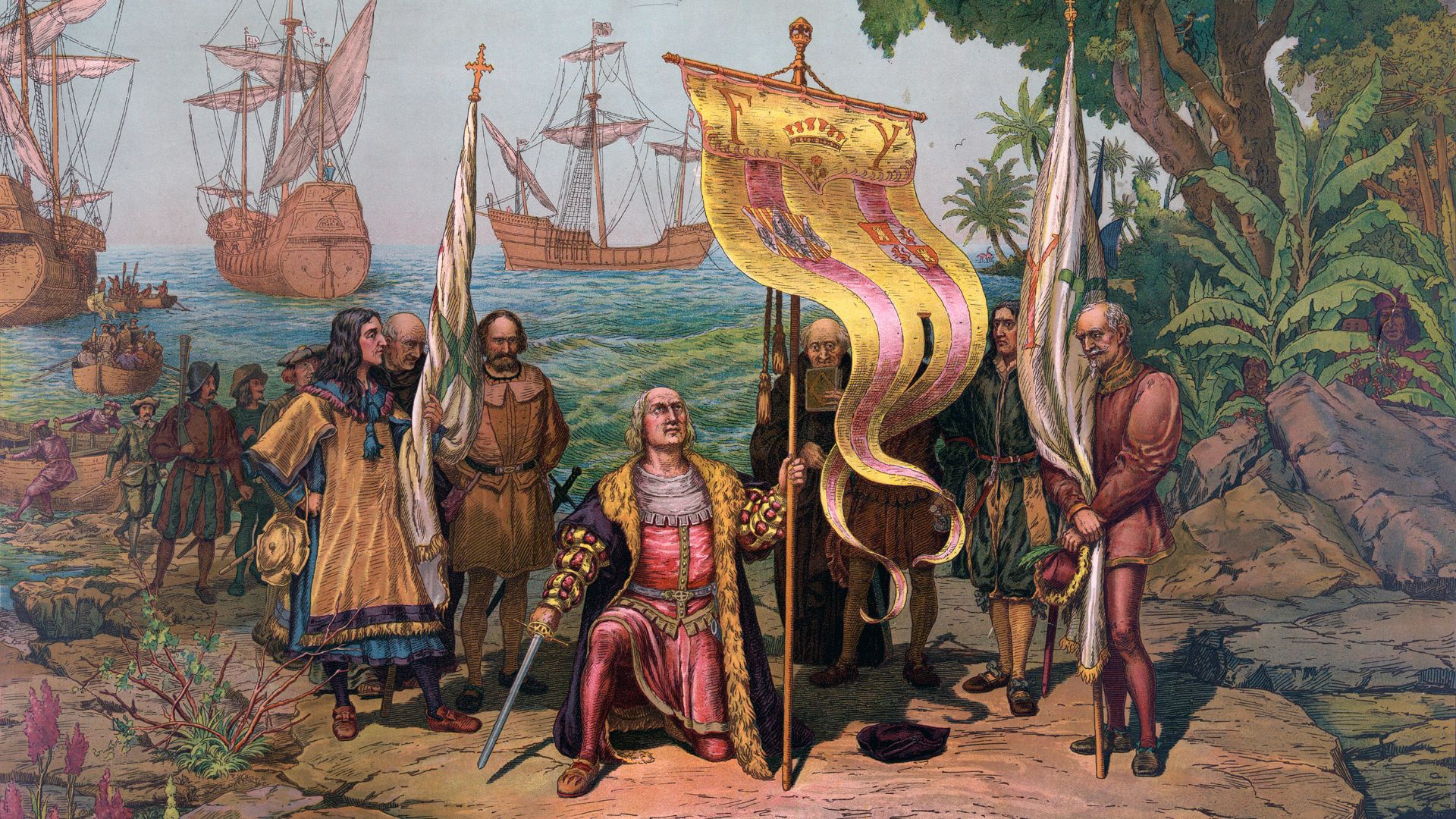
Columbus and his crew had landed on the island of Guanahani, in the middle of the Bahamas, and called it “San Salvador” or “Holy Savior”. When he met the Lucayan, Taino, and Arawak peoples of the island, his reaction was bone-chilling. Primarily concerned with their ability to be converted to Christianity, he noted that “[t]hey should be good and intelligent servants,” and, when he spotted their gold earrings, demanded that they take him to a source of gold. He was hardly done yet.
 John Vanderlyn, Wikimedia Commons
19. He Refused To Correct Himself
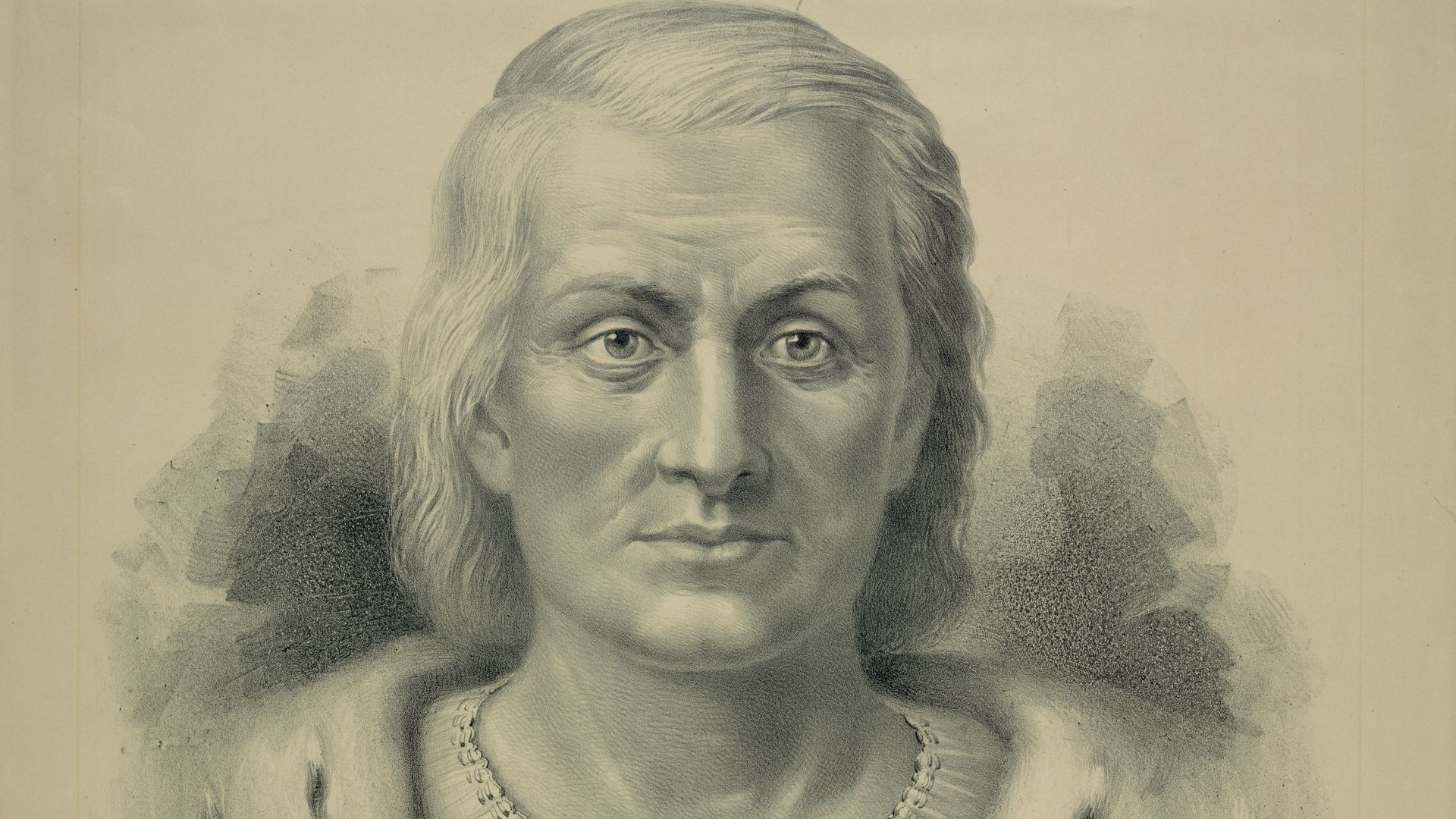
Thanks in part to his shoddy calculations, Columbus maintained that he had landed somewhere in the Indies, and so incorrectly referred to the Indigenous peoples as “Indians” throughout his voyages. He would continue to believe they were “Indians” for the rest of his life, even in the face of overwhelming evidence to the contrary.
Of course, even now the power was getting to his head.
 Currier & Ives., Wikimedia Commons
20. He Was Incredibly Lucky
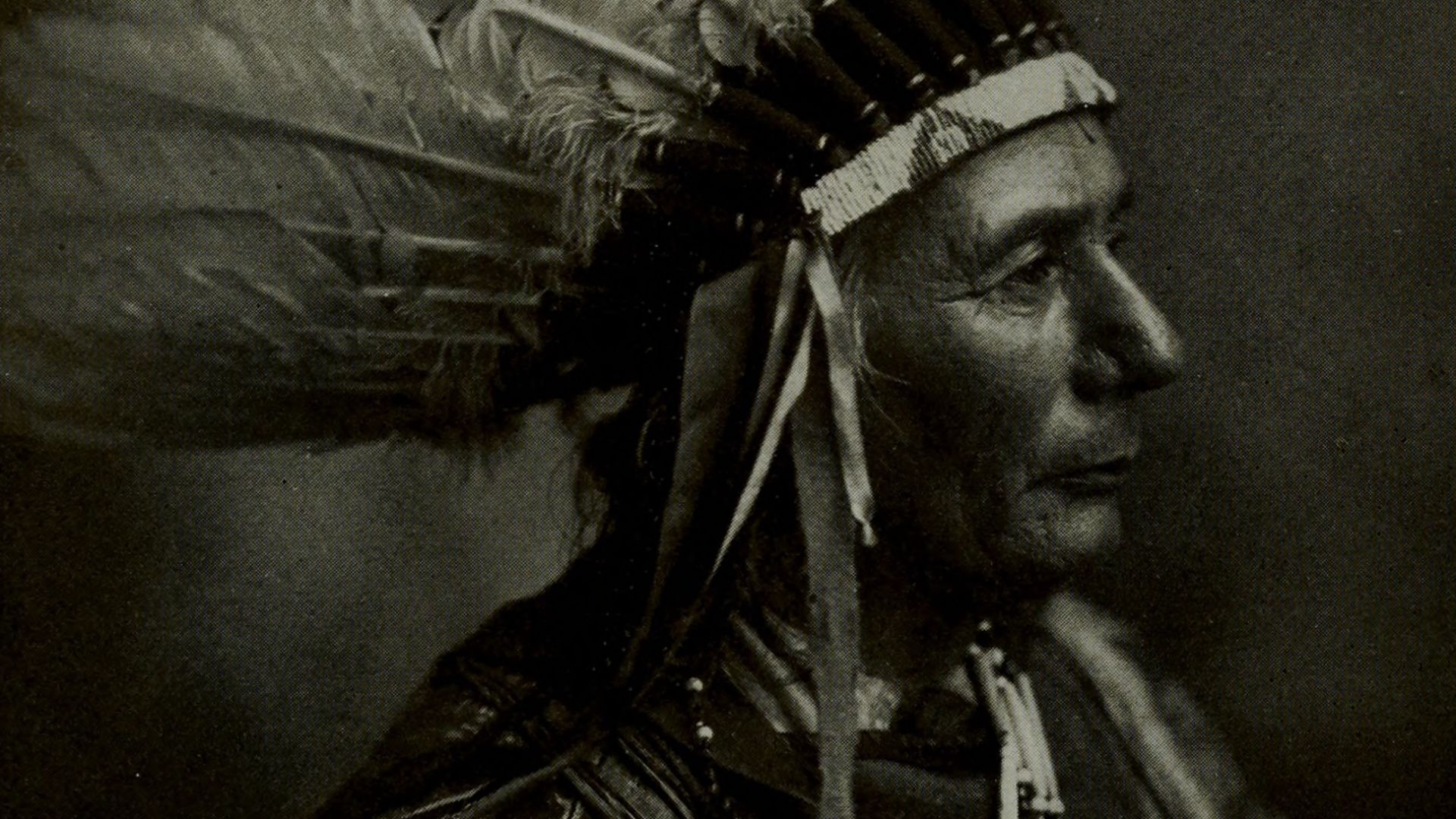
Columbus spent this first voyage trawling around the various islands of the Bahamas, treating with some Indigenous peoples while taking others as prisoners, all at his whim. There was some resistance—the Ciguayo tribe clashed with the Europeans—but Columbus and his men mostly got off scot-free this time, and Columbus even left around 40 settlers in Hispaniola to build a fort.
But on the voyage back, the other shoe dropped.
 George Deming Jopson(1868-1935) (Internet Archive Book Images), Wikimedia Commons
21. He Fell Deathly Ill
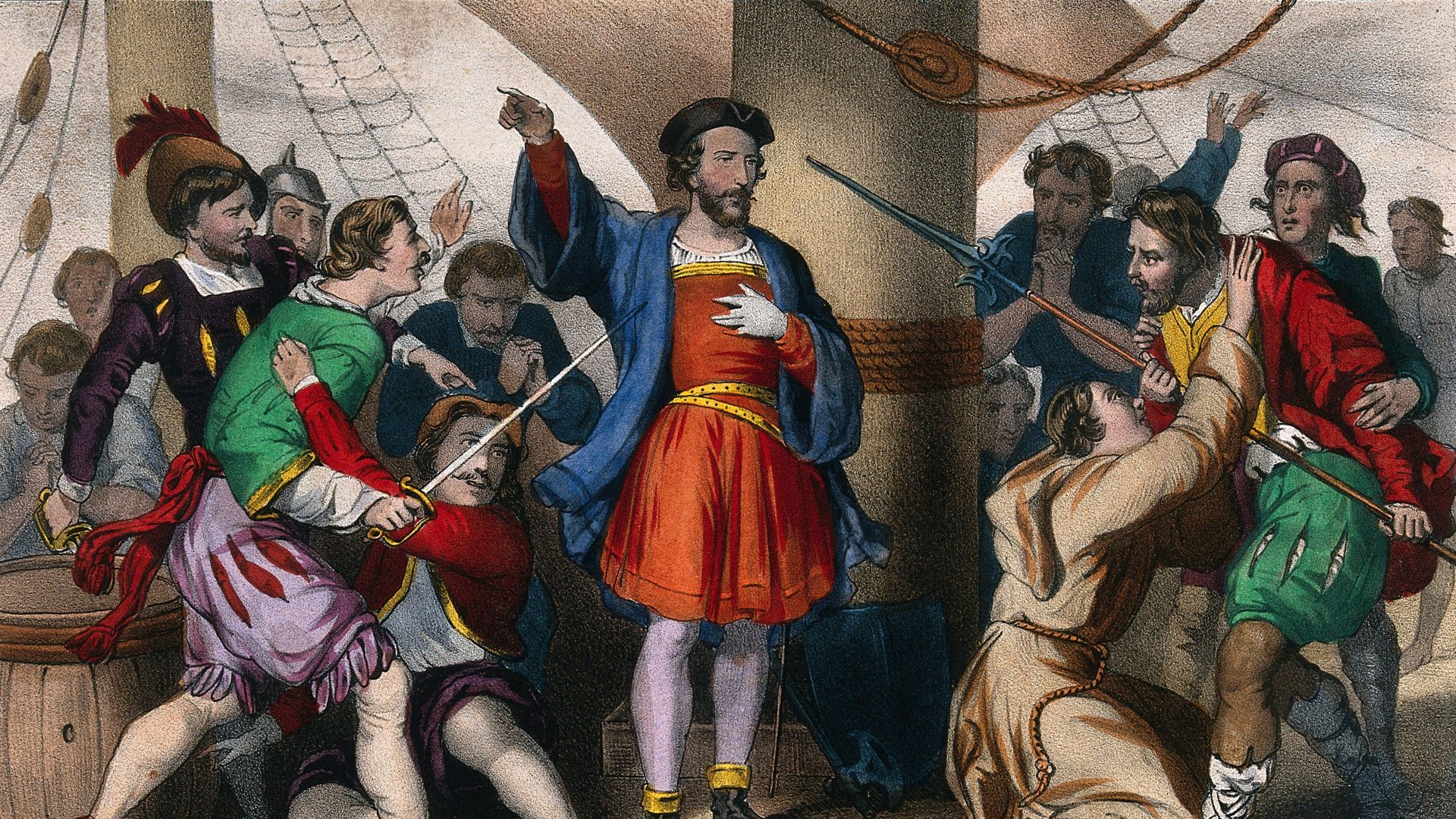
Columbus was still a relatively young man, but a sea-faring life is punishing even to the healthiest of specimens. Just before reaching Spain, Columbus hit a raging storm—and it triggered a catastrophe. During the melee, Columbus suffered an attack of what he believed was gout, which left him nearly debilitated and which would haunt him for years.
Yet when he finally landed in Spain, he had to put on his best face.
22. He Had A Hero’s Welcome
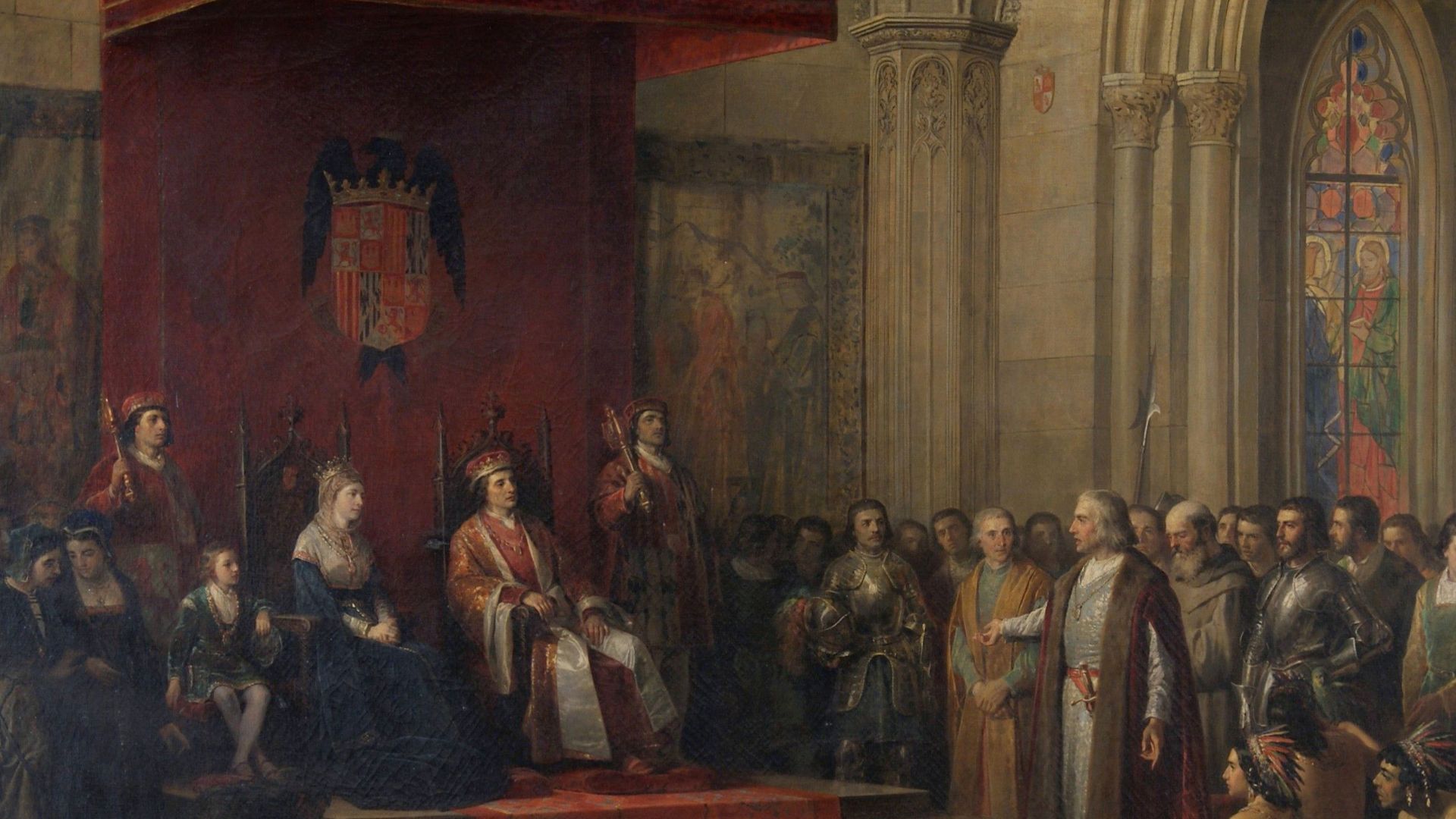
After returning to Spain in March of 1493, Ferdinand and Isabella greeted Columbus in Barcelona with celebrations fit for a hero; Columbus returned the favor by presenting them with Tainos he had captured along with various items from this New World. At first, it was a total triumph, and word of his voyage to “Asia” spread through Europe. But this triumph didn’t last long.
 Ricardo Balaca, Wikimedia Commons
23. He Had A Missing Colony
Barely half a year after arriving back in Spain, Columbus was making his second voyage to the Americas (or, if you will, Asia). After “discovering” several new islands, including what we now call Puerto Rico, Columbus returned to where he had left his men in Hispaniola. What he found disturbed him: their fortress was now an empty ruin.
The story behind its destruction was a harbinger of tragedies to come.
 L. Prang & Co., Boston, Wikimedia Commons
24. He Walked Into A Nightmare
After asking around about his men, Columbus learned from a local tribe leader that the Europeans had fallen victim to greed, bloodlust, and plain old lust. After fighting over gold and then kidnapping local women, some of them headed into another chieftain’s land—only for that chieftain to take revenge by burning down the fort and killing the men in it.
It was a blatant warning for Columbus, but he didn’t heed it.
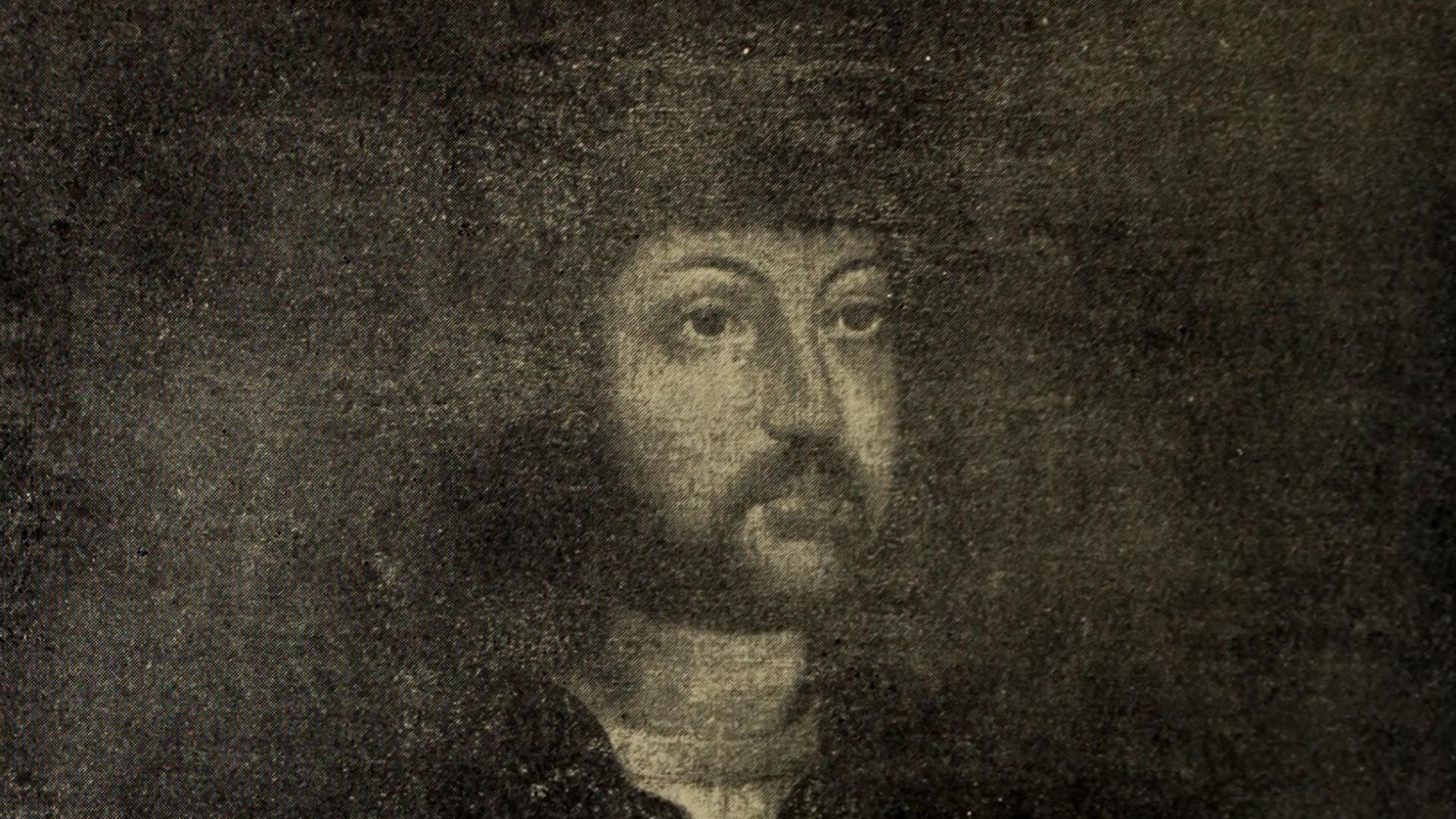
25. He Wanted To Crush Them
Columbus’s first journey had been exploratory, but he was done playing games now: It was time to put the unruly locals and colonists alike under his thumb. While Columbus went off exploring Cuba, he put a host of men in charge of Hispaniola and told them to get the island under “Spanish control and [bring] all the people under the Spanish yoke”.
Tragically, his men took to the job all too eagerly.
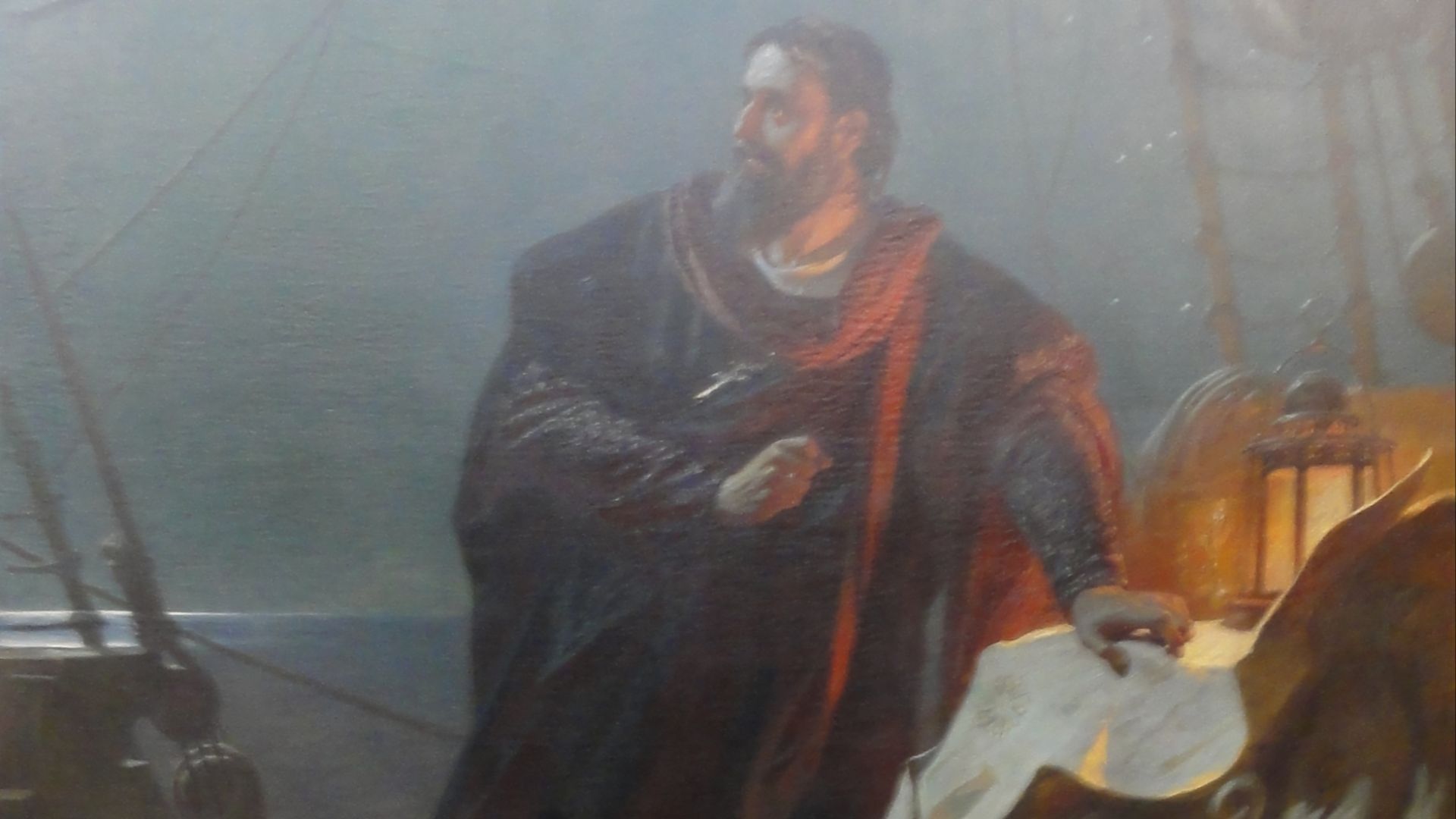 Karl von Piloty, Wikimedia Commons
26. His Plans Backfired
When Columbus returned from Cuba to Hispaniola, he walked in to utter chaos. In his absence, his proxies had laid waste to the Indigenous population—taking women at their will, turning members of the tribe into their personal servants, and stealing from anyone they could. In response, the Indigenous people had risen up and killed some of the Spanish, and the two sides were now preparing for all-out war.
It was the beginning of the most infamous period in American history.
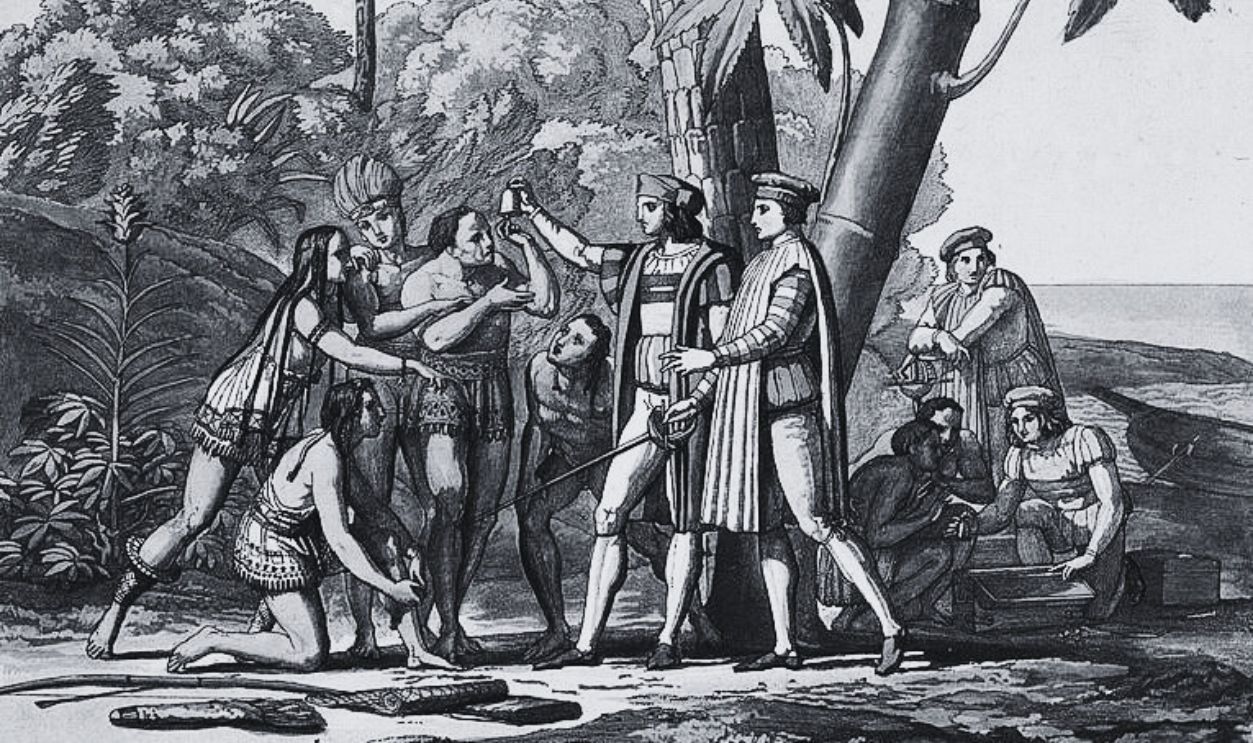 Unknown Author, Wikimedia Commons
27. His Methods Were Horrific
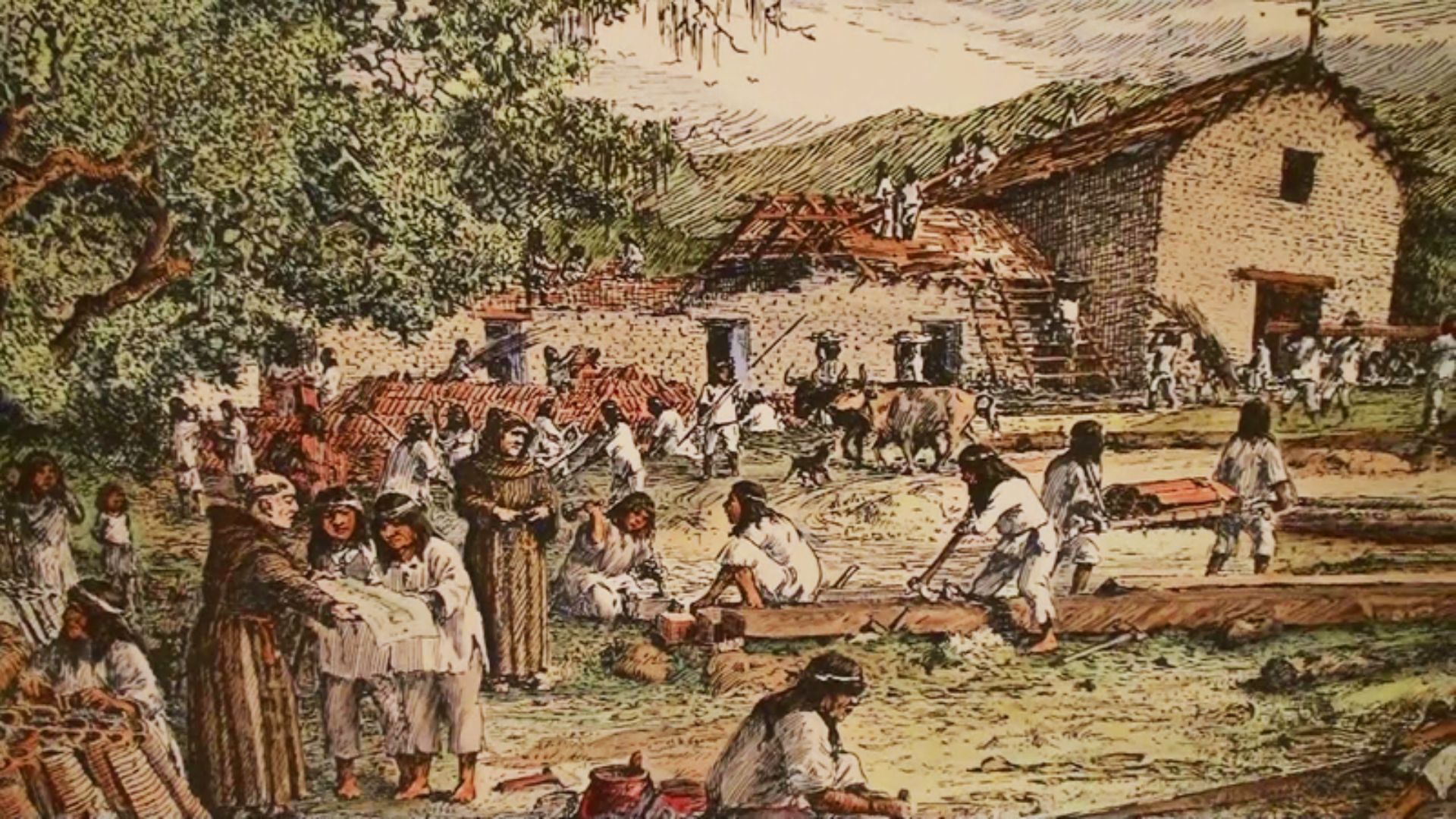
Columbus took all this as a sign to exert even more control, and he went full-force into oppressing the Indigenous population. Soon, he implemented the "encomienda" labor system, which encouraged the colonists to enslave and profit off the native peoples, all while brutally punishing them for perceived wrongs.
The broad strokes of the system are now infamous—but few know the real chilling details.
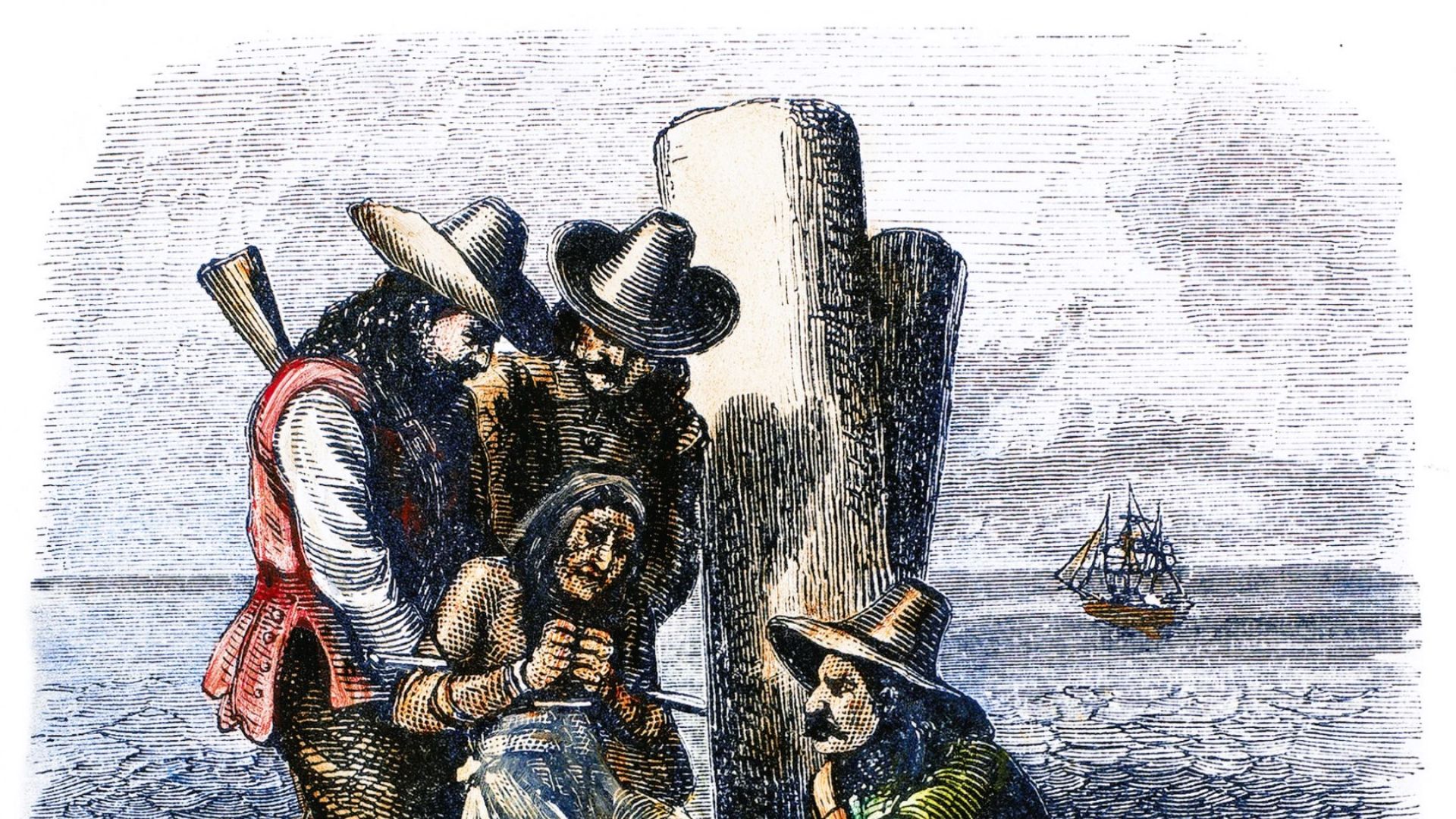 Unknown authorUnknown author, Wikimedia Commons
28. He Had A Hand In The Torment
Over the next years, Columbus oversaw a deluge of horrors. He would personally “give” Indigenous women to his men, and some of the “women” in these systems were 9- or 10-year-old girls. He was only a little kinder to the Spaniards who crossed him: He once ordered a woman’s tongue cut out because she had “spoken ill” of him and his family, and cut off a man’s ears and nose for stealing corn.
Columbus’s power trip was in full swing, but his downfall was coming.
 Unknown authorUnknown author, Wikimedia Commons
29. He Was Uneasy
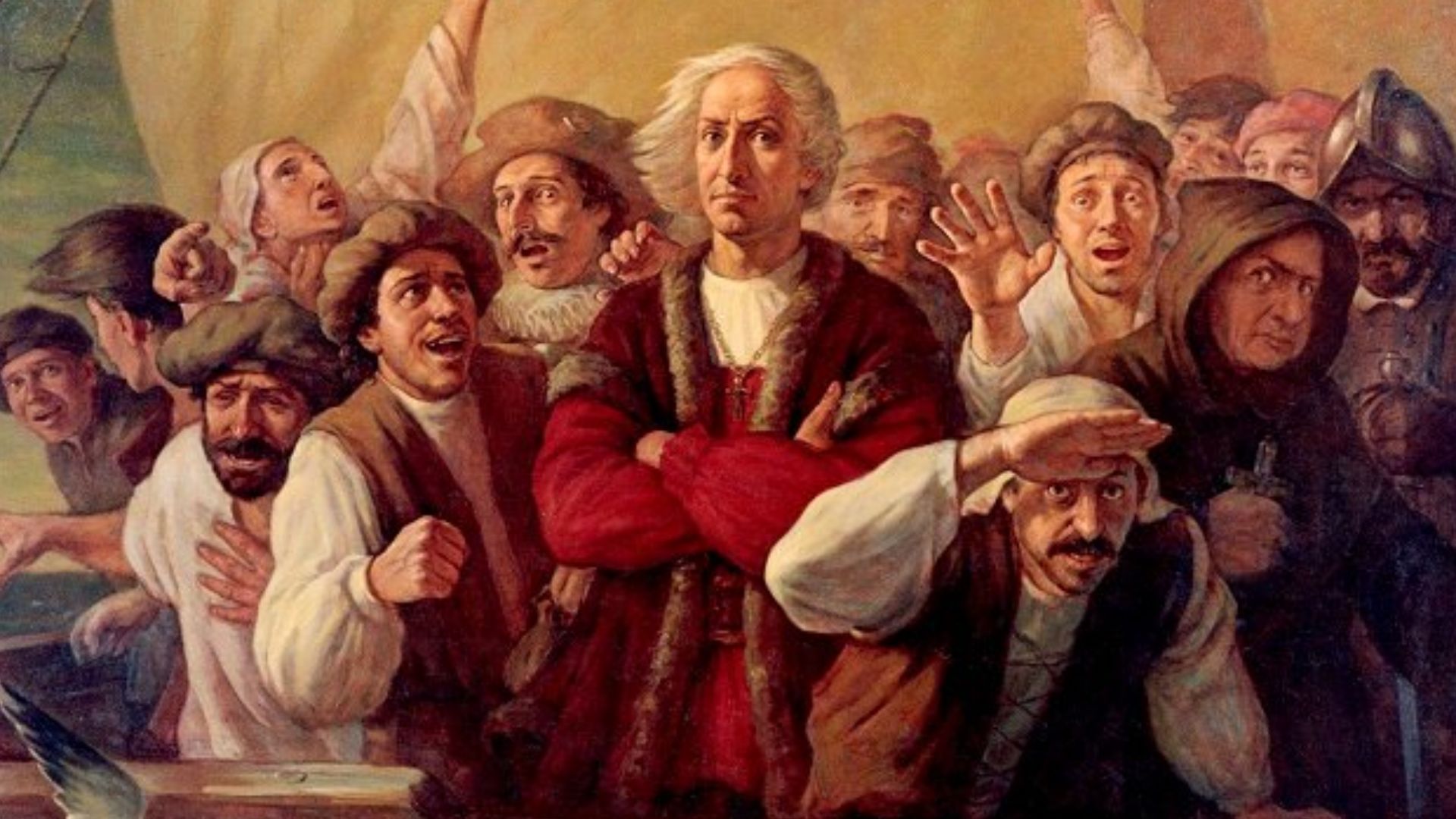
Columbus returned to Spain in March of 1496, laden with gold and slaves and satisfied with all his work in the New World. Once more, despite some brewing doubts about where exactly this New World was in Asia, he was greeted largely as a hero. Still, he must have known that trouble was brewing: He turned around almost instantly, heading back that May. It all caught up with him anyway.
 Igor V. Babailov, Wikimedia Commons
30. His Body Was Breaking Down
Christopher Columbus had been pushing for years, and his body was finally giving out. Since his first attack of apparent gout, Columbus had begun to suffer from other worrying symptoms, including influenza-like fevers and, most alarmingly, bleeding from his eyes and periods of blindness. At times, it got so bad that Columbus was bedridden for months.
All the same, he crossed the Ocean for this third time, desperate to bring the tribes in Hispaniola to heel. But he was focused on the wrong enemy.
 Popular Graphic Arts, Wikimedia Commons
31. His Men Turned On Him
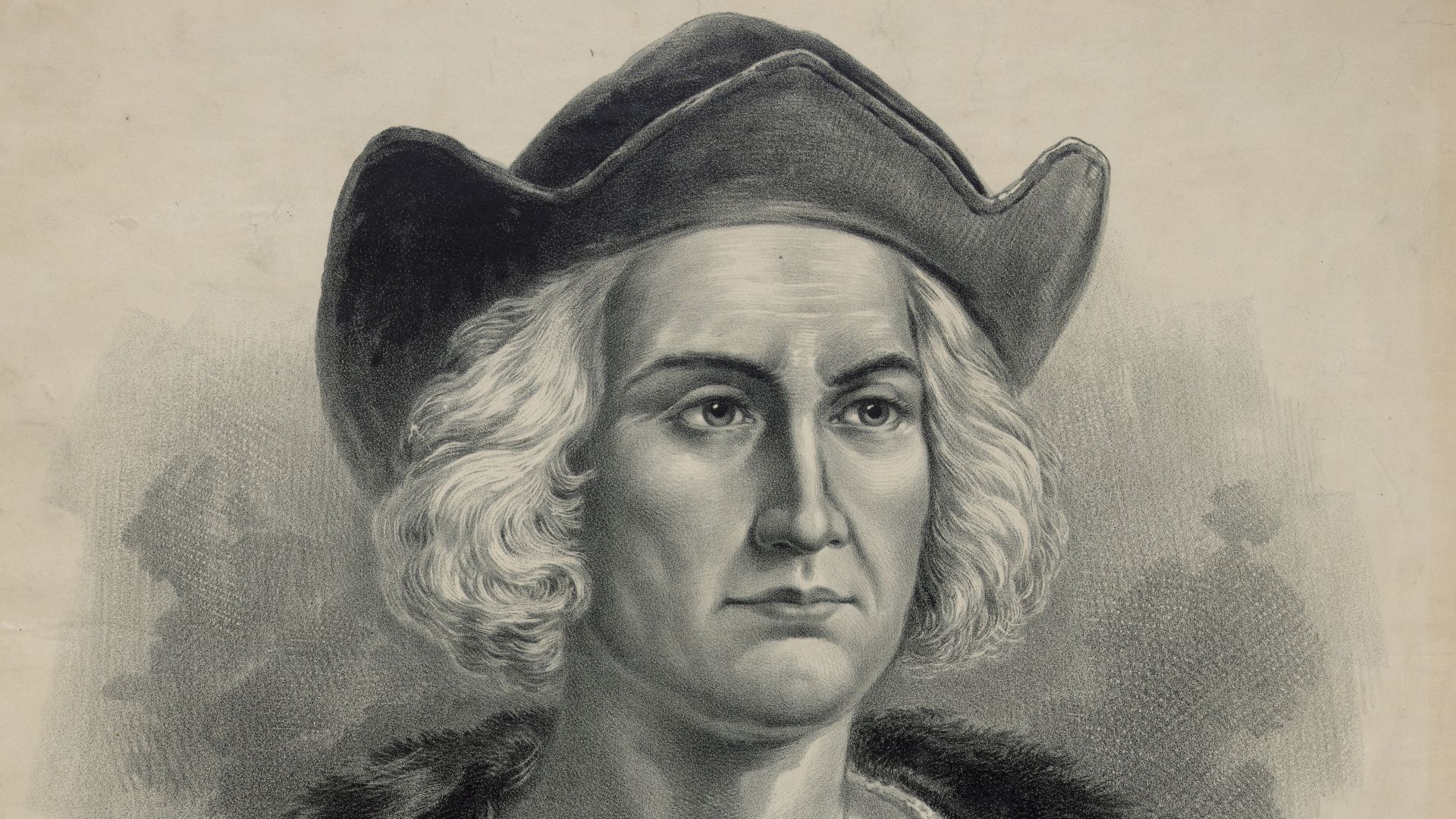
When Columbus returned to Hispaniola, he got a nasty surprise. Now it wasn’t just the Indigenous population chafing against him; some of the settlers grew restless and rose up, angry that the wealth he’d promised them was nowhere to be found. In response, Columbus tried them for disobedience, hanging at least one of their leaders.
All the same, his time was running out.
 Columbia Pictures, Christopher Columbus (1949)
32. He Sent A Desperate Plea
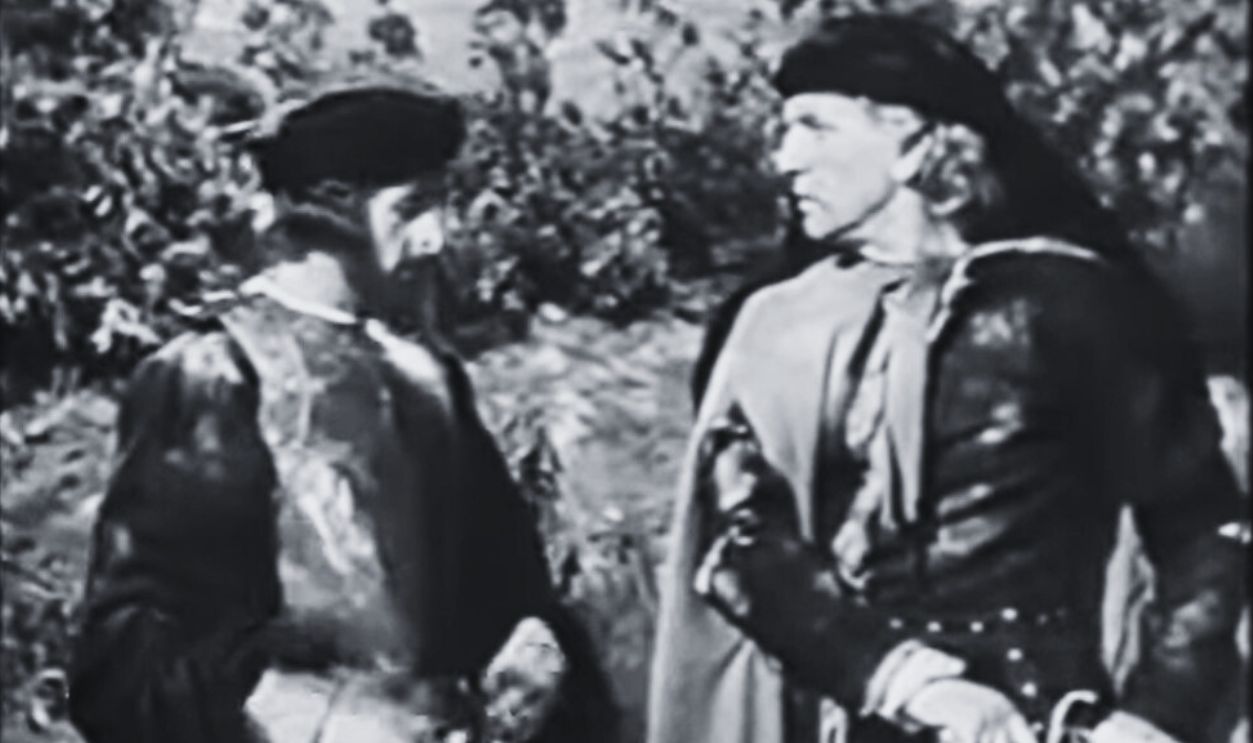
In October of 1499, just over seven years since his first voyage west, Columbus sent word to Spain, begging Ferdinand and Isabella to appoint a royal commissioner to help govern Hispaniola. For all his draconian tactics, even Columbus had to admit the lands had clearly fallen out of his control.
The Spanish Court obliged, but Columbus would hardly thank them for it.
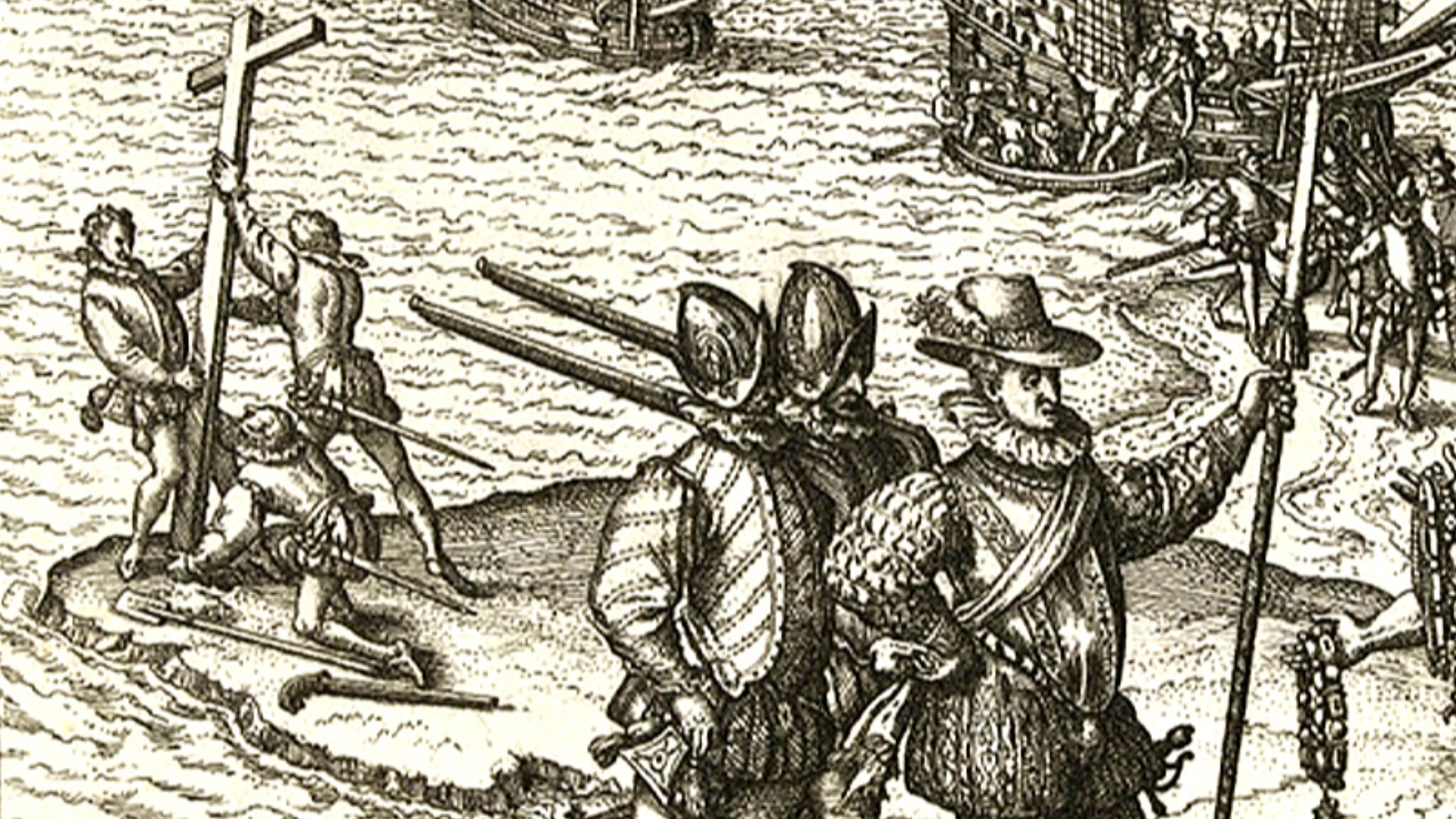 Theodor de Bry, Wikimedia Commons
33. He Got A Replacement
Columbus was doing such a poor job of governing in the New World that rumors had already reached the King and Queen about his brutality and incompetence, and they sent envoy Francisco de Bobadilla over immediately. When Bobadilla landed in Santo Domingo while Columbus was away, locals’ testimony quickly confirmed that the rumors were true—and Bobadilla took mortifying action.
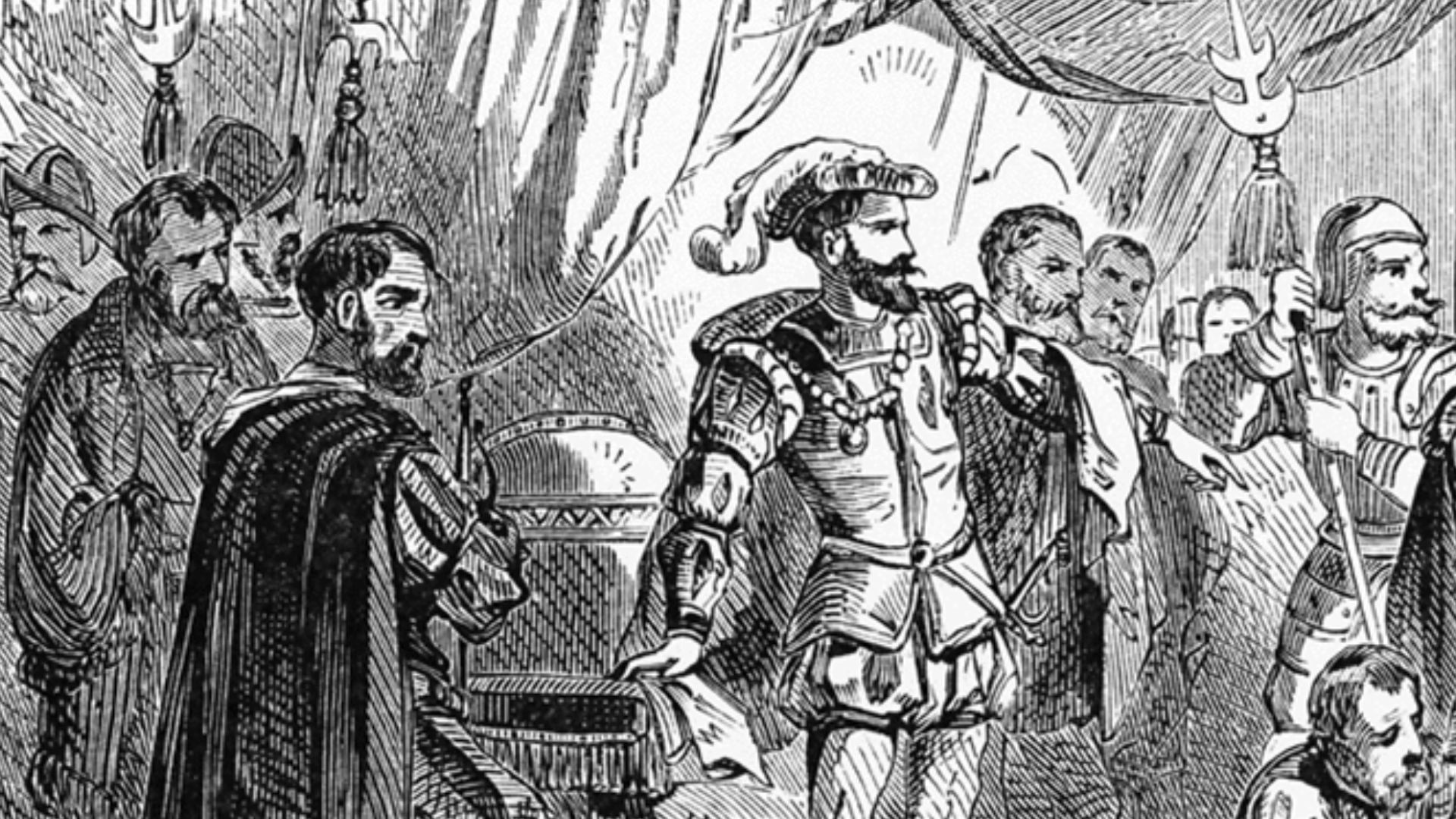
34. He Lost His House
Although Christopher Columbus was by now Admiral Columbus, the history books tend to forget about his embarrassing downfall. Bobadilla, feeling he had heard enough from the various discontents around the island, seized Columbus’s property, moved into his house, and declared himself governor. But Columbus still had further to fall.
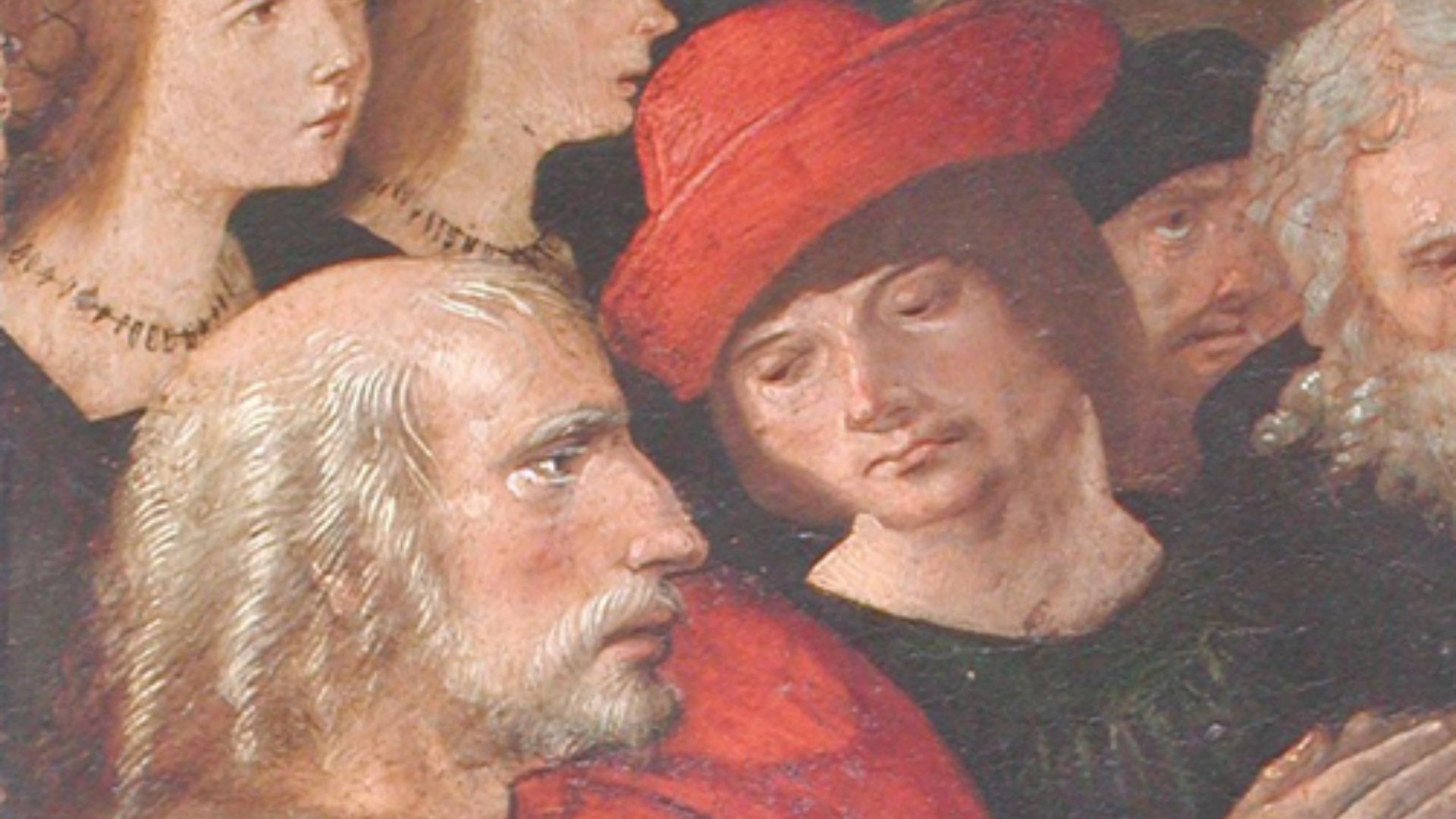 Alejo Fernández (1475-1545), Wikimedia Commons
35. They Rose Against Him
As Bobadilla settled in as governor, reports of Columbus’s brutality continued to pour in, including the woman whose tongue he cut out and the man whose ears and nose he cut off. That said, there is a catch: Bobadilla’s investigations weren’t objective, seeing as he stood to gain from Columbus’s loss, and most historians caution taking these stories with a grain of salt.
Columbus, for his part, vehemently denied everything…not that it saved him.
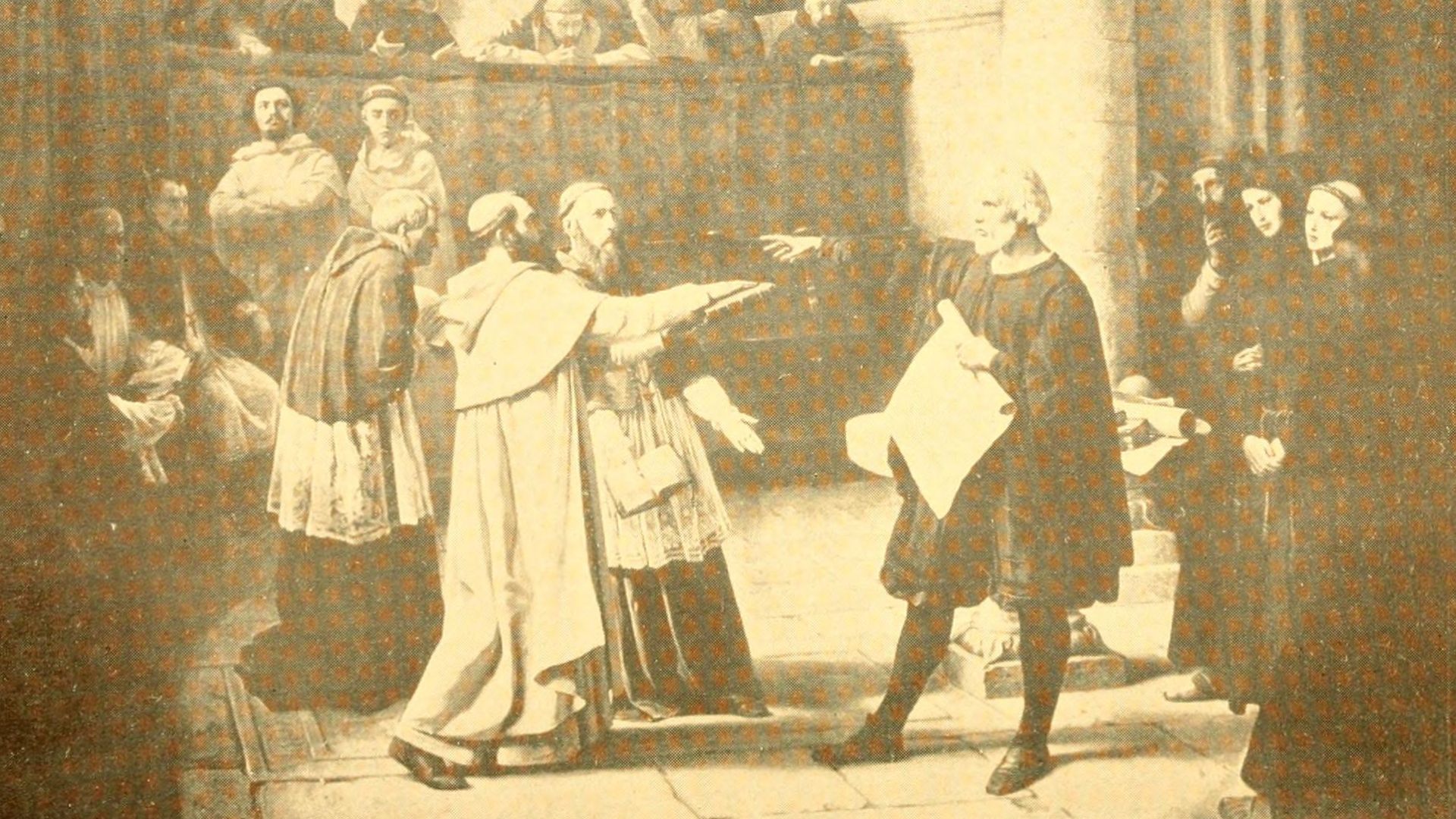 Internet Archive Book Images, Wikimedia Commons
36. He Got Arrested
In October of 1500, karma caught up to Christopher Columbus. Aware of the investigations against him, Columbus presented himself to Bobadilla, who put him in chains—much like the Indigenous peoples Columbus himself had enslaved—and carted him aboard La Gorda to be sent back to Spain to face justice. Justice was slow in coming.
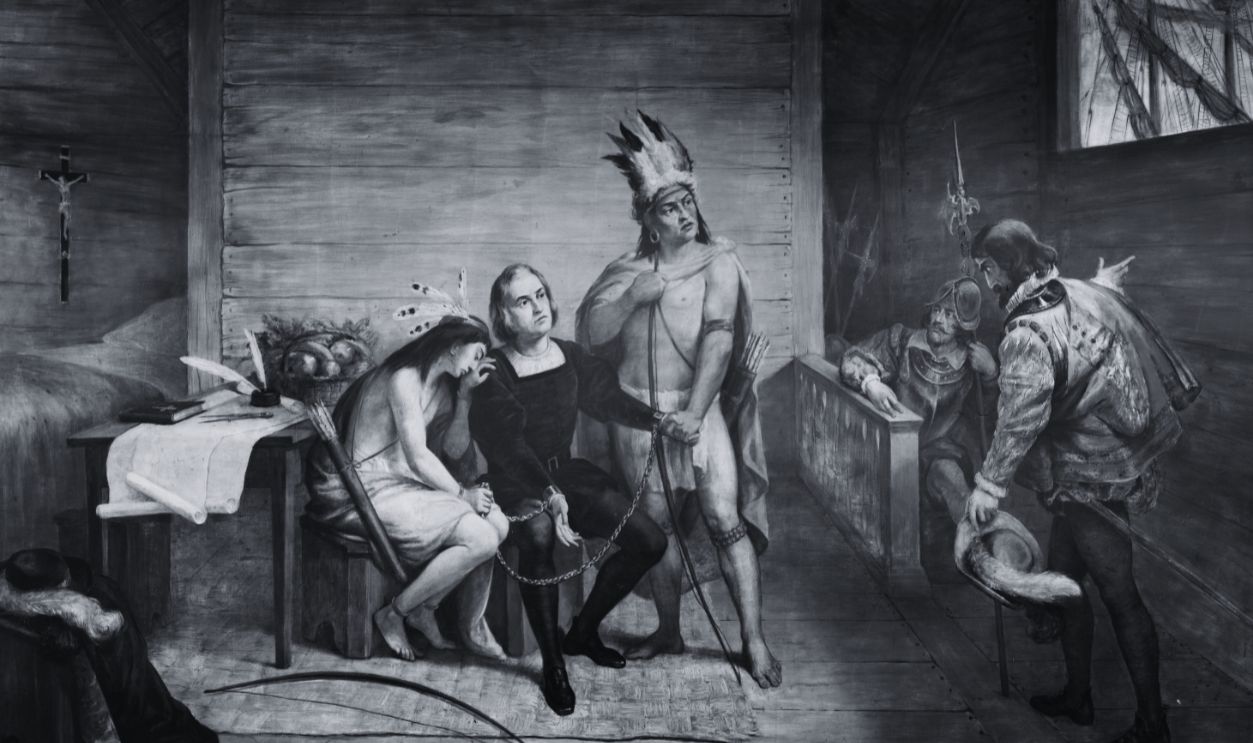 Luigi Gregori, Wikimedia Commons
37. He Spent Weeks Behind Bars
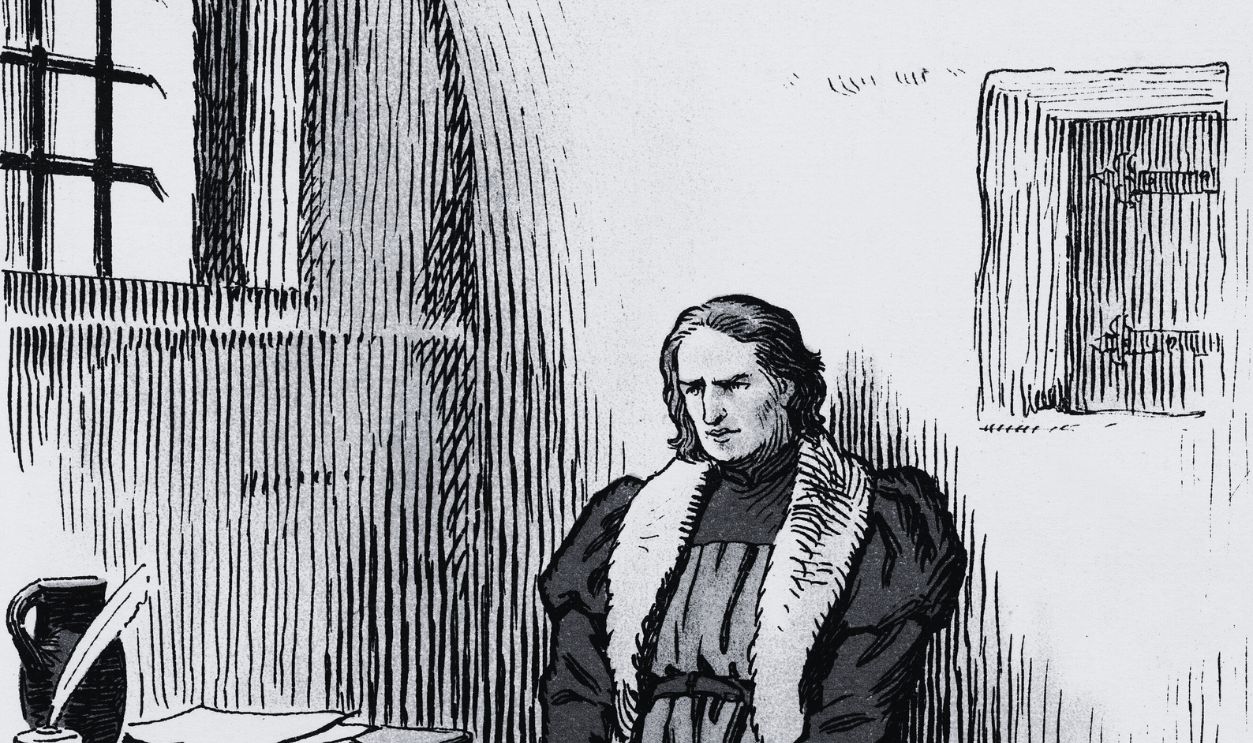
The great Christopher Columbus now spent six brutal weeks behind bars for his reported mismanagement of the colonies, with little idea of what might happen to him next. Eventually, he was hauled out in front of King Ferdinand and Queen Isabella at their palace in Granada to defend himself against the accusations. It went far better than expected.
38. His Luck Turned Around Again
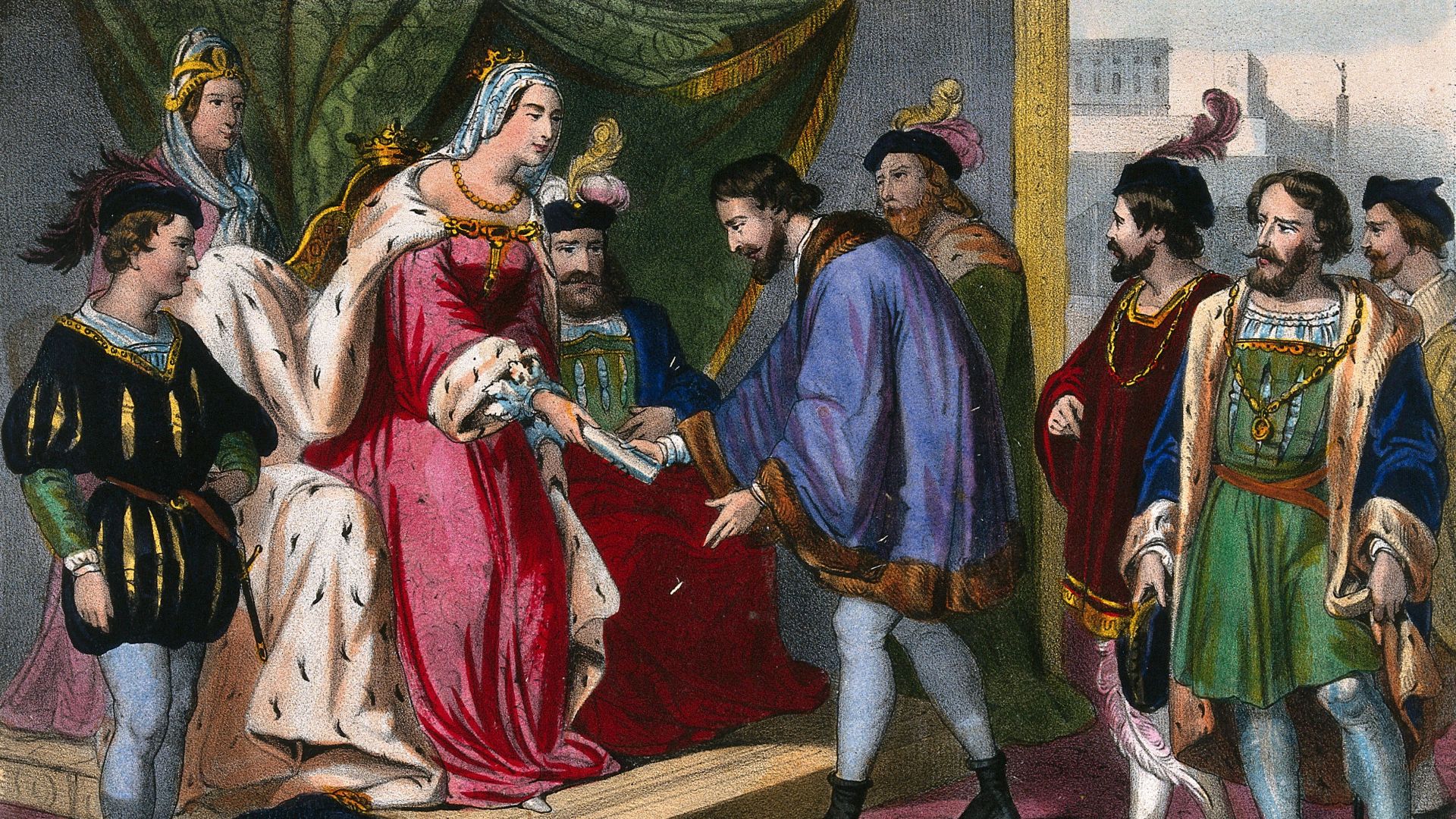
Columbus walked into this royal meeting a marked man, but he left it a saved one. Ferdinand and Isabella believed his versions of events and, more than that, deplored Bobadilla’s unilateral decisions. In practically just one meeting, they recalled Bobadilla from the colonies, restored Columbus’s wealth and property, and—most miraculous of all—agreed to fund a fourth voyage for the explorer, although they did insist on a different governor for Hispaniola going forward.
Against all odds, Columbus’s luck was holding. It would do so one last time.
39. He Narrowly Avoided Disaster
In 1502, Columbus left for his fourth and final voyage west. It was utterly destructive. His ships were beset by hurricanes and other storms, and during one sting Columbus witnessed a hurricane destroy an entire Spanish treasure fleet that had been carrying 500 men and masses of riches. Yet Columbus himself—with a ship carrying 4,000 pesos in gold—remained safe. For now.
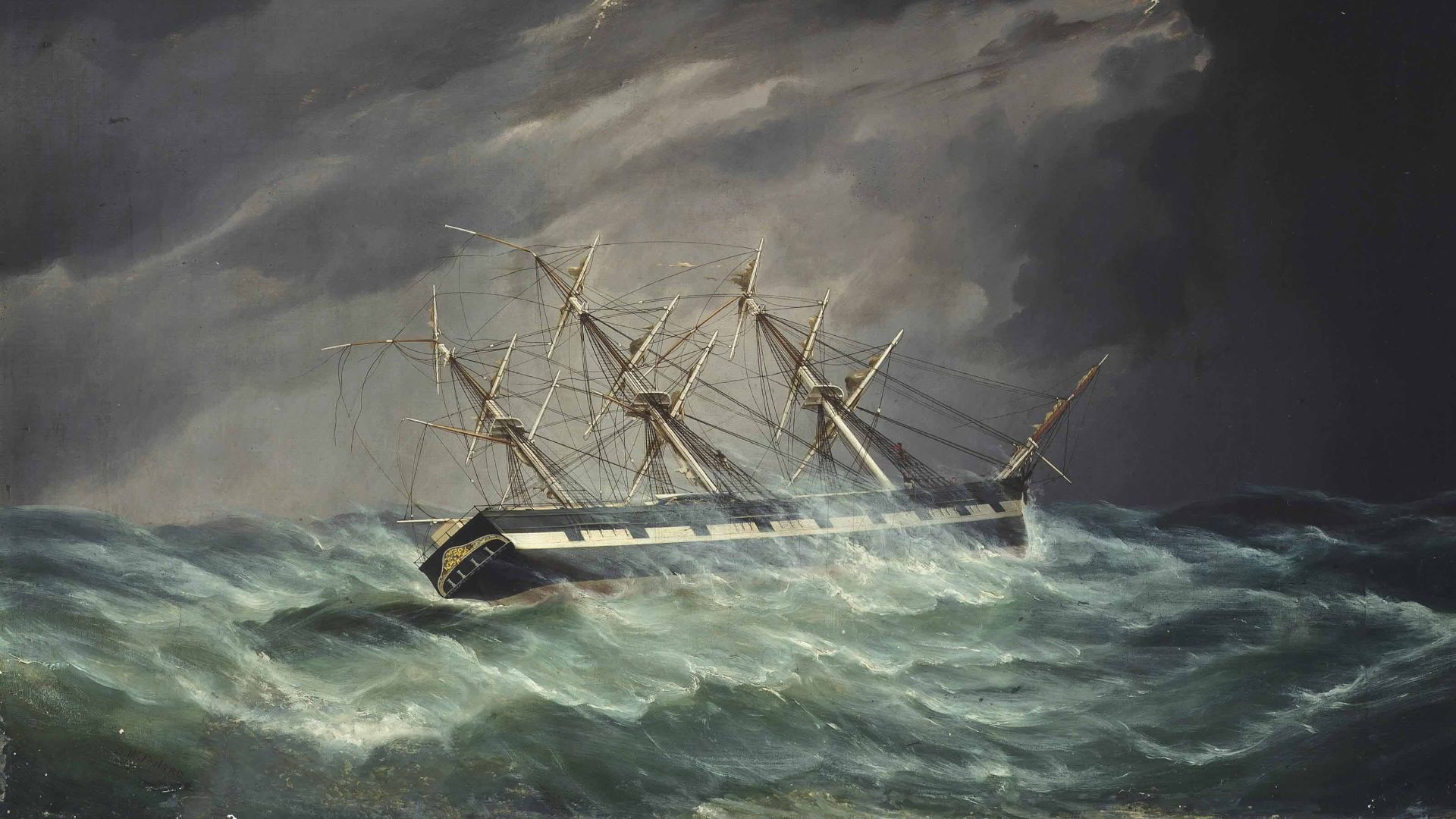 Duncan MacFarlane, Wikimedia Commons
40. He Was Stranded
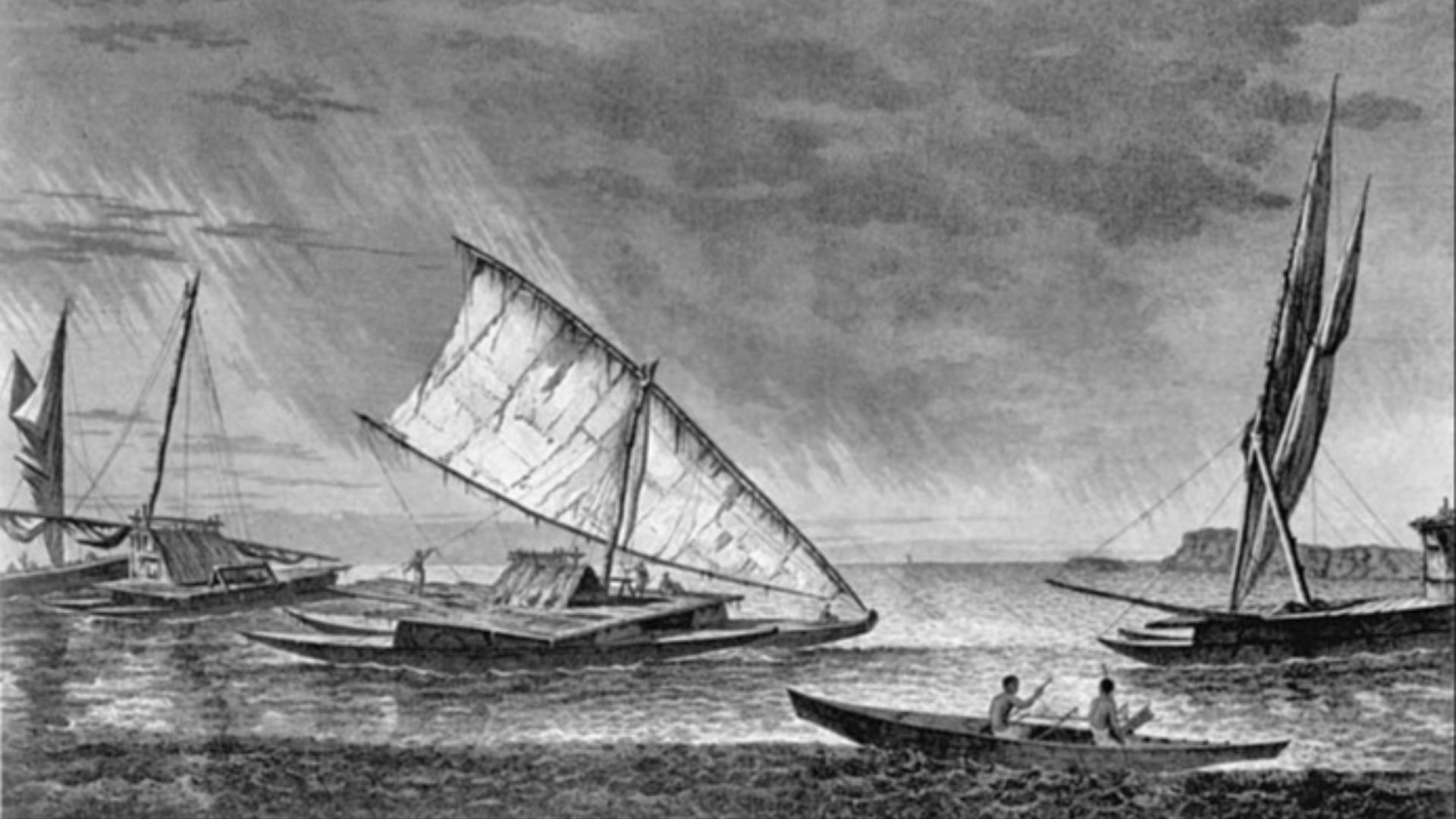
While traveling around the islands, storms continued to batter Columbus’s ships, all while Columbus continued to tempt fate and keep going. Finally, in June 1503, his fleet could go no further, and their damaged vessels washed up in Jamaica. Columbus, suddenly desperate despite all the advance warning, anxiously sent out two of his men and a crew of Indigenous people to paddle a canoe over to Hispaniola for help.
At that point, his luck finally ran out.
41. He Had Powerful Enemies
The newly appointed governor of Hispaniola, Nicolas de Ovando y Caceres, had taken his predecessor Bobadillo’s view on Columbus, and had no love lost for the explorer. Accordingly, he reveled in the idea of Columbus being stranded on Jamaica, and delayed and obstructed any efforts to rescue the crew or to directly help the men who had paddled over.
As the months dragged on with no end in sight, Columbus had to get desperate.
 Unknown authorUnknown author, Wikimedia Commons
42. A Magic Trick Saved His Life
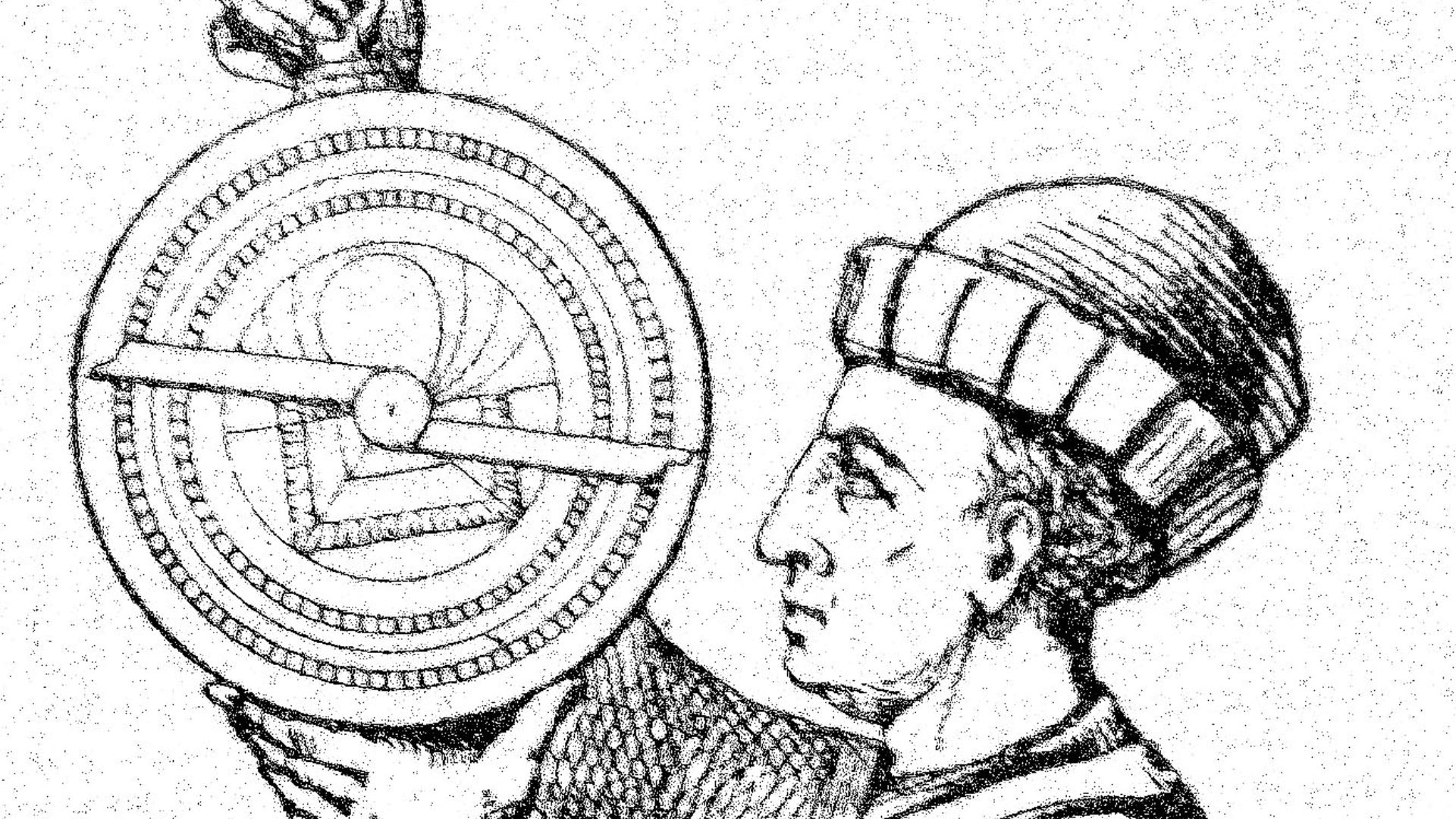
Beached on Jamaica for the foreseeable future, Columbus had to rely on the Indigenous population for his and his men’s survival—an awkward position for someone who had terrorized the Caribbean population in previous voyages. But for all his brutality, Columbus wasn’t stupid, and he came up with another cunning idea. In order to woo and wow the local tribes, Columbus used astronomical charts to predict an upcoming lunar eclipse.
It worked, at least well enough for the impressed tribes to provision the men with sustenance. But it was a long hard wait for true rescue.
 Fondo Antiguo de la Biblioteca de la Universidad de Sevilla from Sevilla, España, Wikimedia Commons
43. He Retired
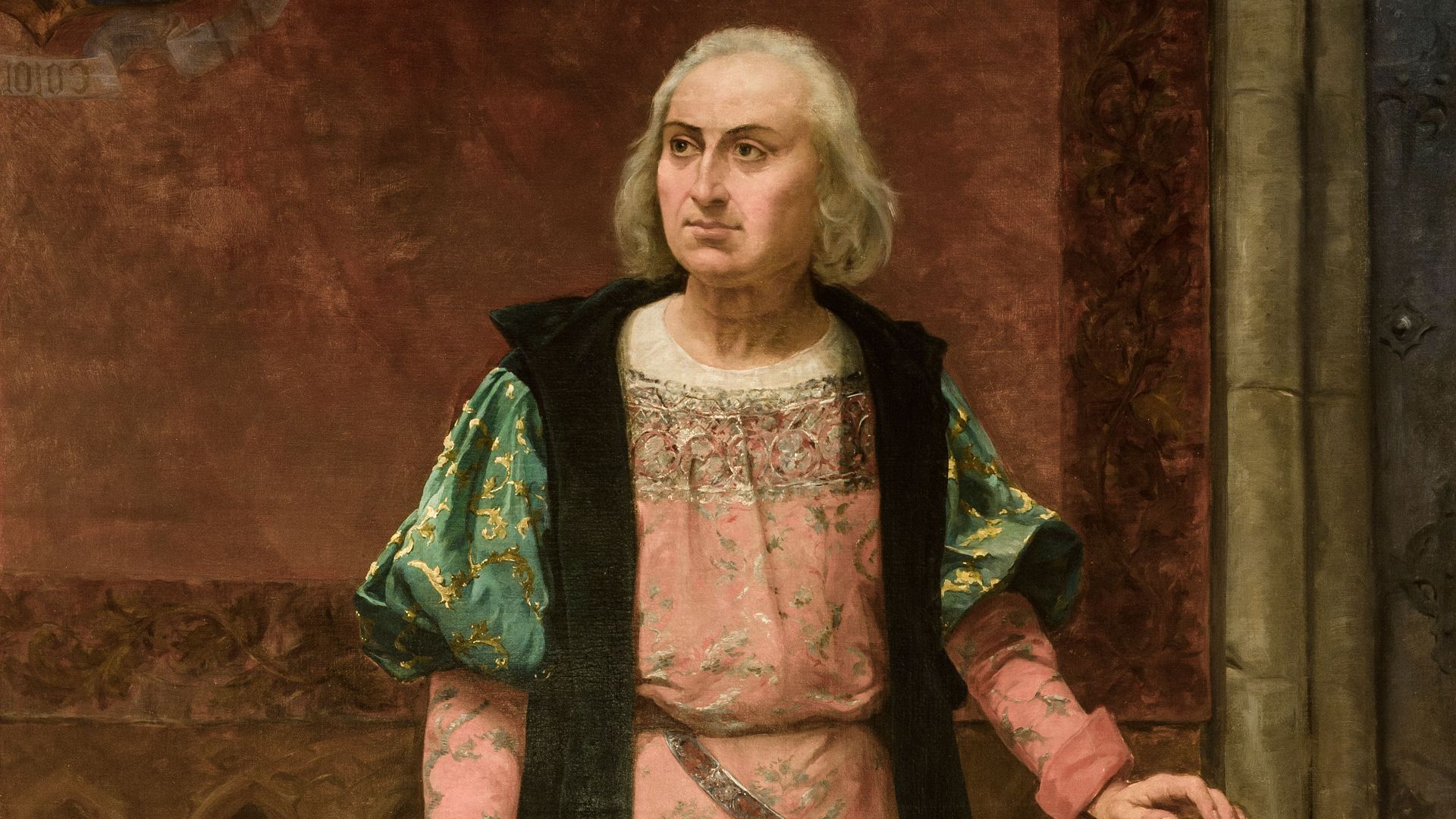
In the end, Hispaniola’s bitter governor couldn’t stop help from arriving on Jamaica eventually, but he did manage to frustrate Columbus for a good long while; Columbus and his crew were beached for six long months before a group rescued them in June of 1504. Columbus, finally taking a hint from the universe, gave up on the cursed fourth voyage at last and landed back in Spain that November.
He arrived to tragedy and betrayal.
 José de la Vega Marrugal, Wikimedia Commons
44. The Crown Betrayed Him
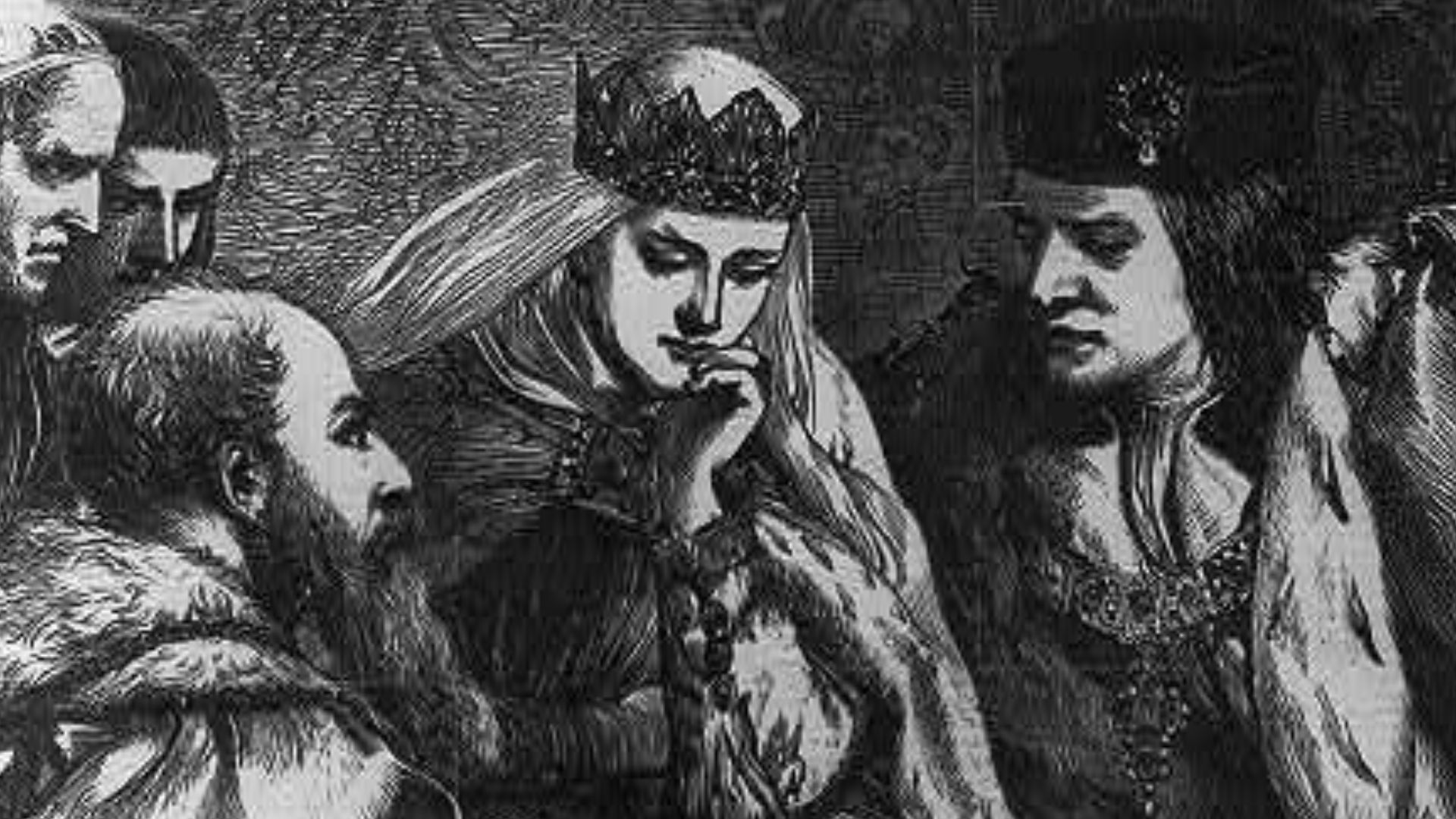
Soon after landing in Spain, Columbus learned that the Crown had betrayed him. Although the Spanish monarchs had promised him a tenth of the revenues from the New World, King Ferdinand—Queen Isabella had perished just months after Columbus’s arrival—now refused to pay it, saying that since Columbus had been let go as governor, he wasn’t entitled to anything.
Columbus’s response was nothing short of deranged.
 Sir John Gilbert (born July 21, 1817, London - died Oct. 5, 1897, London), Wikimedia Commons
45. He Wouldn’t Let It Go
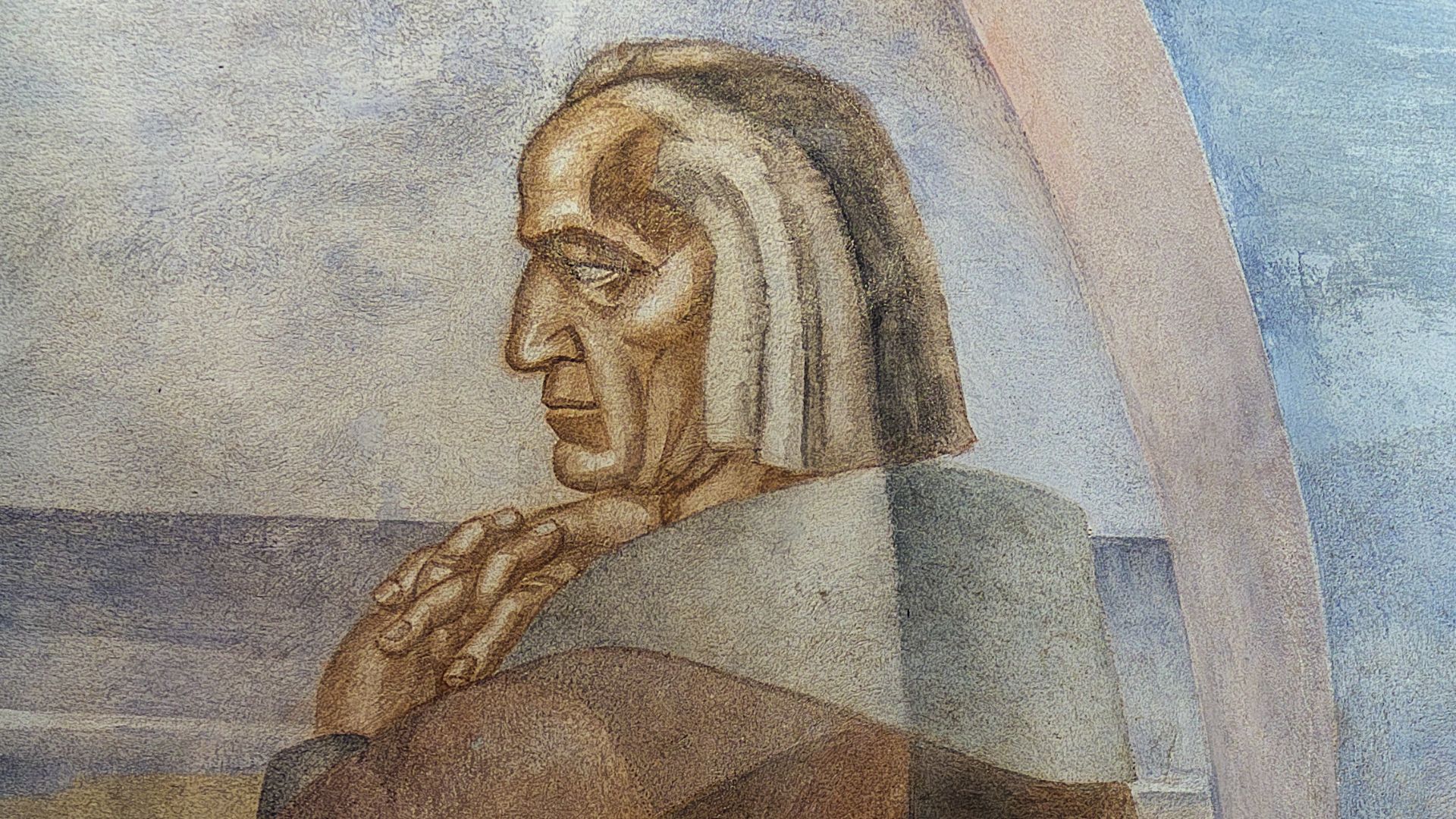
By this time, Columbus’s chronic illness was making his life a living nightmare, but this didn’t stop him from relentlessly pursuing the money he thought was his. He all but stalked King Ferdinand, moving to his court in Segovia—on a mule, no less—to stay near the monarch and needle him for funds. When Ferdinand moved to Valladolid in March of 1506, Columbus moved there too.
Columbus had spent his entire life chasing that gold, and he couldn’t give it up now. But it was the death of him.
 José Luis Filpo Cabana, Wikimedia Commons
46. He Met A Vicious End
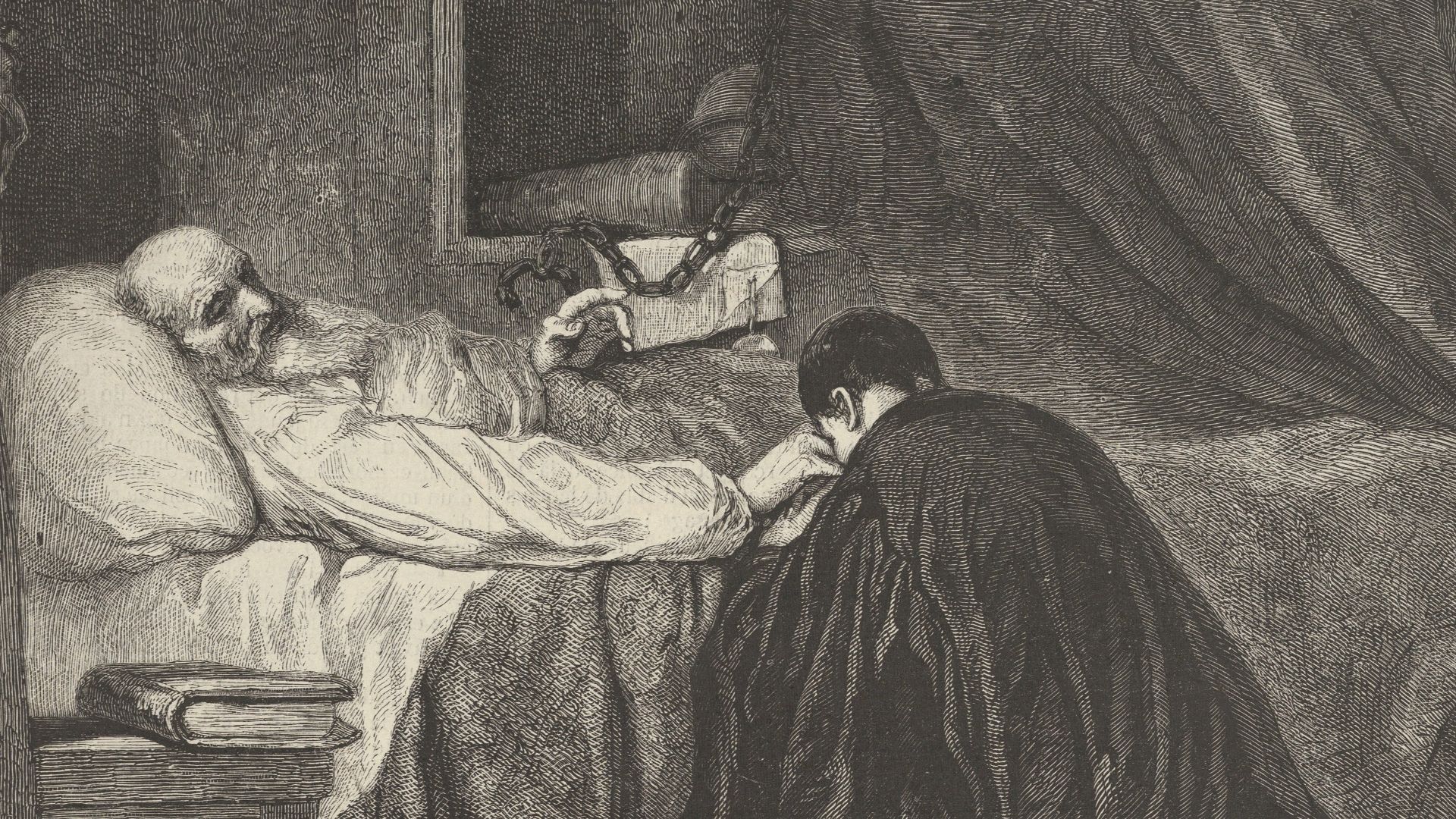
Just months after relocating to Valladolid, an exhausted and sickly Columbus was on his deathbed, wracked with agony from the symptoms of gout he had experienced for decades. On May 20, 1506, he passed at the age of 54, leaving behind his widow (or mistress) Beatriz and his two sons, who would continue his fight for the family money. Then again, they needed it.
 Henry Linton / Étienne-Gabriel Bocourt / After Joseph-Nicolas Robert-Fleury, Wikimedia Commons
47. His Widow Suffered
Despite his famous voyages, there’s evidence that Columbus and his family were strapped for cash at his passing. Although Columbus had left his son Diego to pay the pension for Beatriz after he died, Diego fell behind on these payments, to the extent that Beatriz actually hired a lawyer to go after the money.
It was hardly a glorious end for the explorer, and the next years got no better for his memory.
 Alejandro Cicarelli, Wikimedia Commons
48. He Was Forgotten
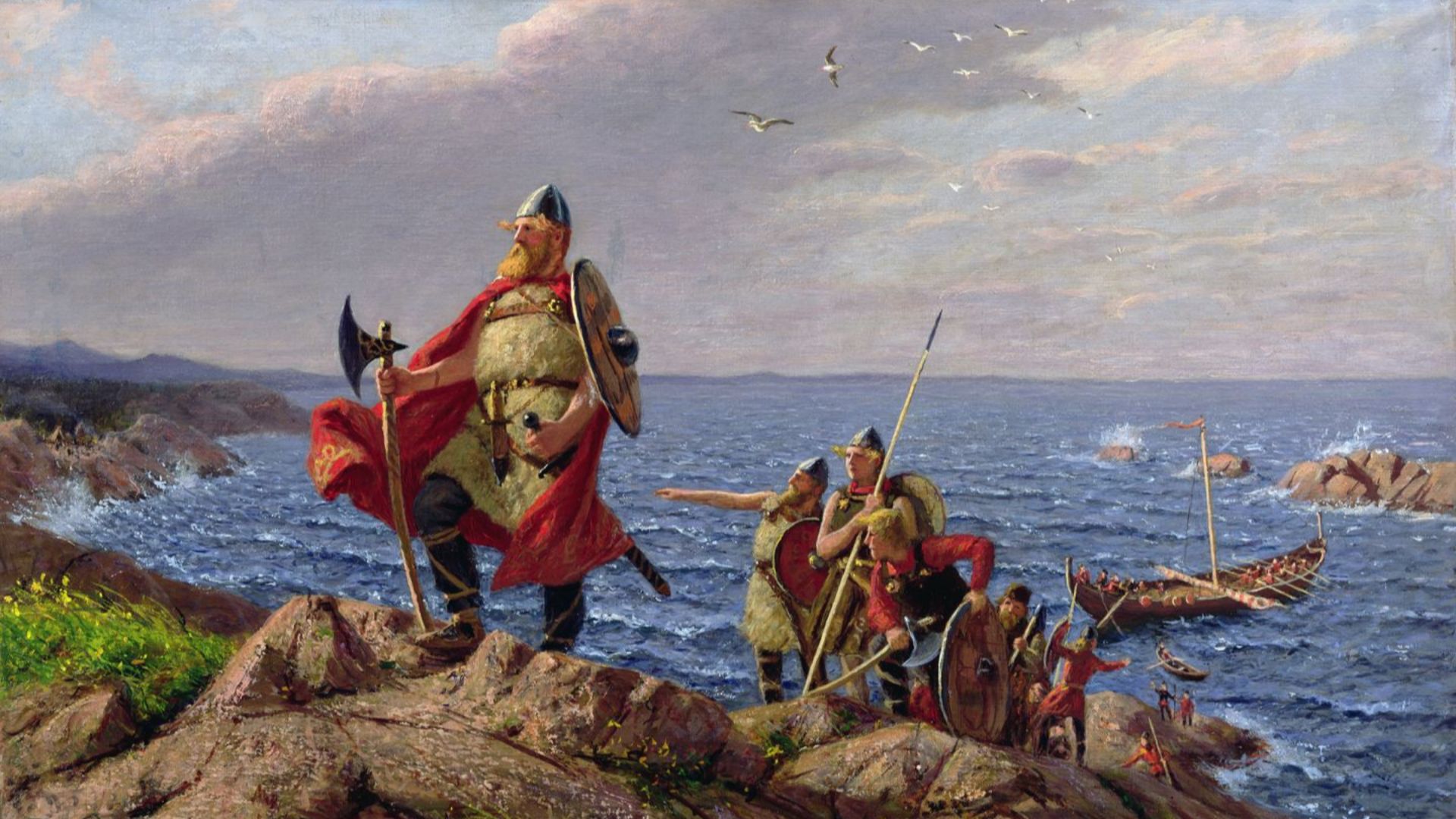
For better or worse, Columbus is an enormous symbol of America today—but for centuries after his death, he was almost entirely forgotten. After all, even in his own lifetime, people were suspicious that he had ever reached Asia, and all too many knew how badly he’d failed as governor and how brutally he’d treated his subjects. To add insult to injury, we now know he wasn’t even the first European to reach America: Leif Erickson and the Vikings managed it hundreds of years before Columbus was born.
But there is one thing about Columbus that historians still argue about.
 RickyBennison, Wikimedia Commons
49. He Contracted A Painful Illness
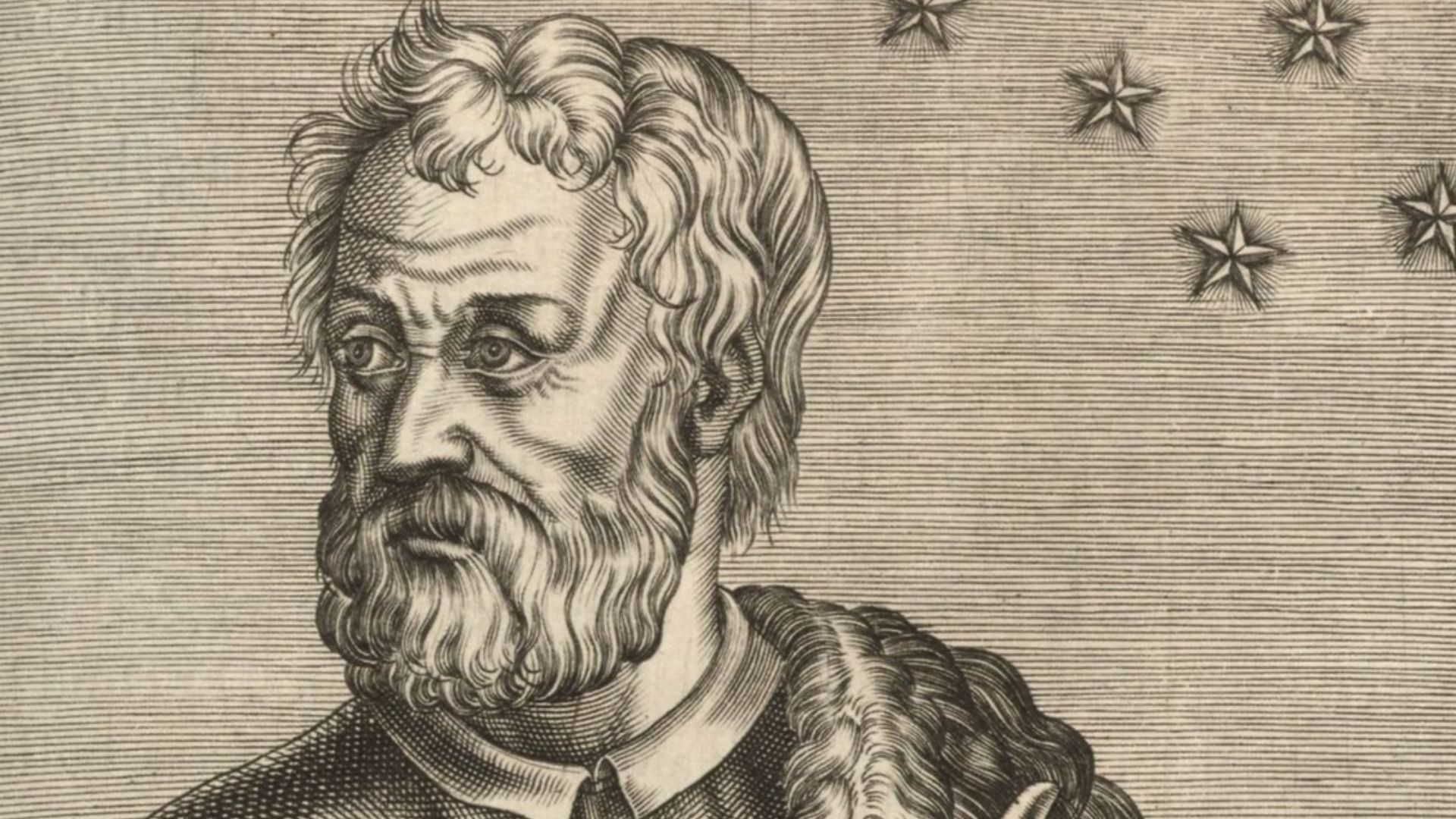
Columbus’s bouts of illness were attributed to gout at the time, but modern historians suggest a more disturbing reason for his pain. They believe Columbus likely suffered from reactive arthritis, which can cause similar symptoms—and which is contracted through intestinal bacterial infections or through STDs.
Indeed, one historian believes they know exactly how Columbus got it.
 André Thévet, Wikimedia Commons
50. Bad Hygiene Destroyed Him
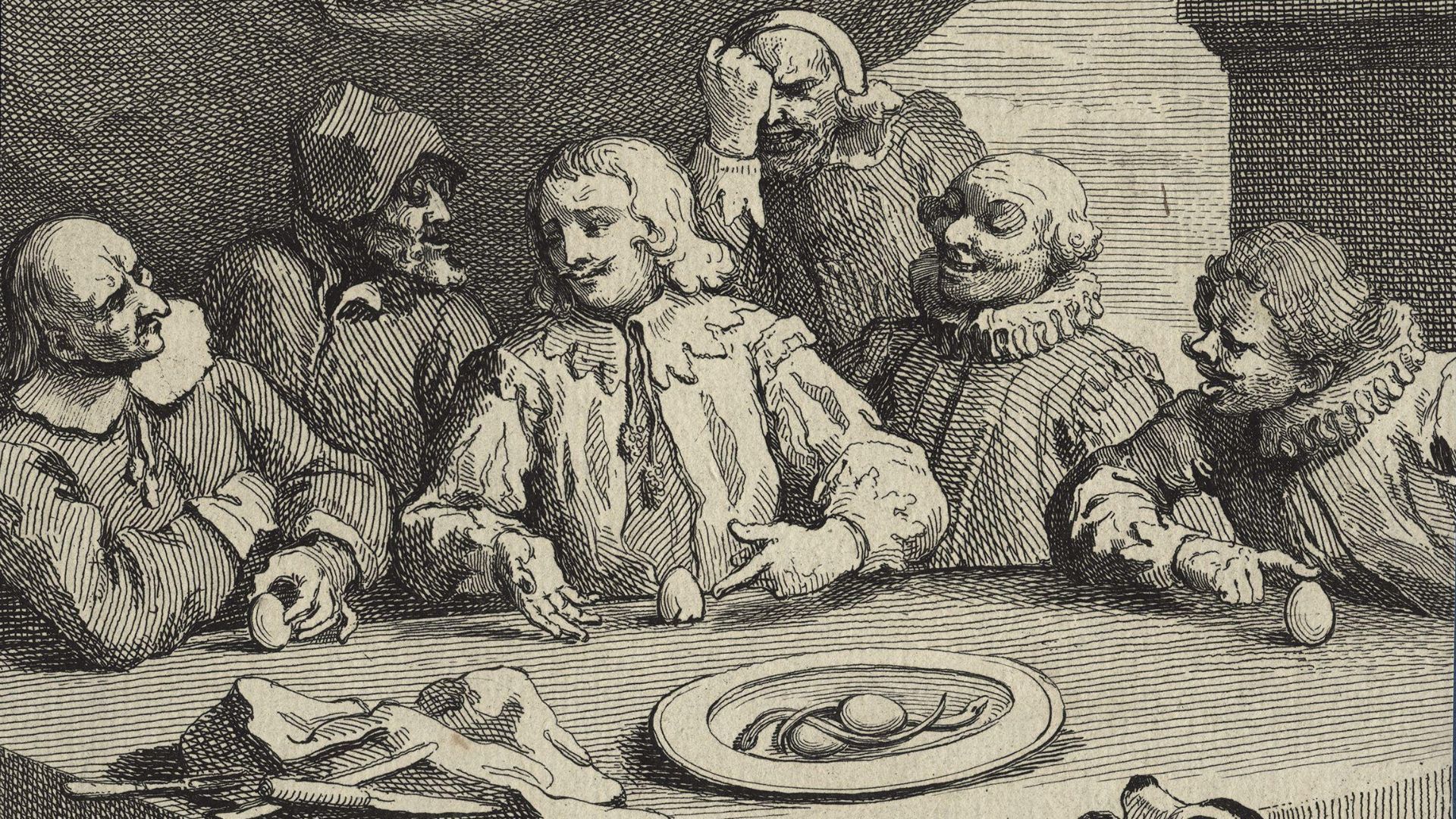
According to Frank Arnett, a rheumatologist who worked with historian Charles Merrill, Columbus likely contracted reactive arthritis from food poisoning on one of his many sea voyages, falling victim to “poor sanitation and improper food preparation”.
In the end, one of history’s “great” men was felled by a little bug.
 William Hogarth, Wikimedia Commons
You May Also Like:
Hardened Facts About Leif Erikson, The Viking Explorer
Lyrical Facts About Lord Byron, England’s Dangerous To Know Poet
Unstoppable Facts About Caterina Sforza, The Powerhouse Countess Of Forlì