
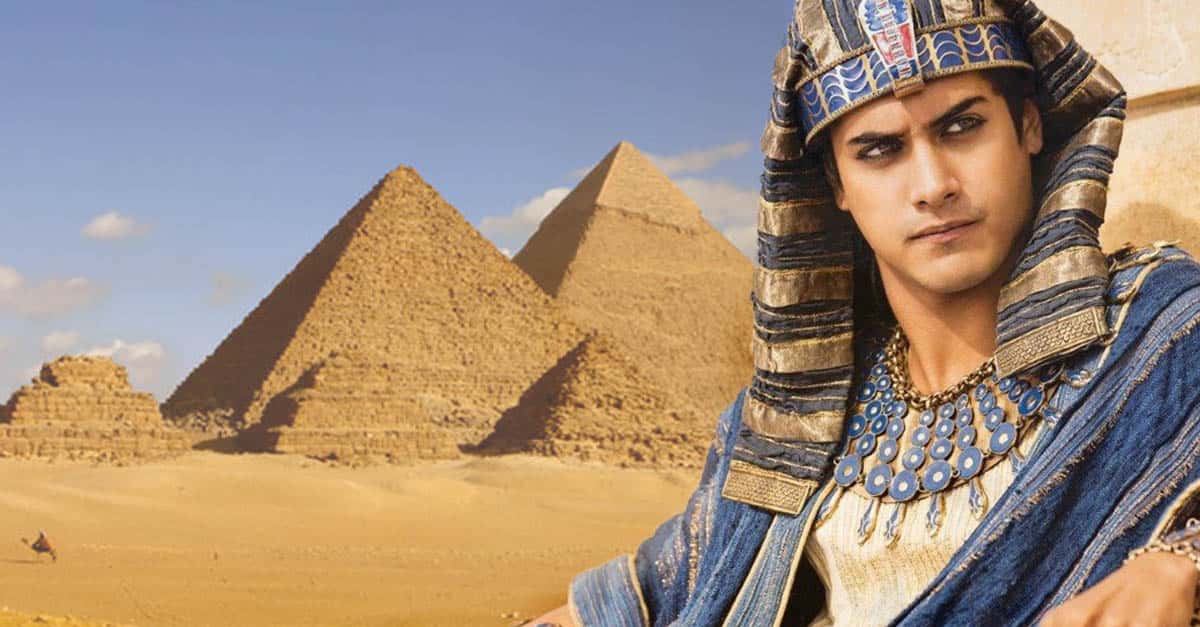
When it comes to Ancient Egypt, it can be difficult to separate facts from fiction. It was a massive civilization that existed for thousands of years, utterly transforming the basic tenets of human civilization and influencing almost every people that has come about since. And because of all of this occurred in the early years of written history, there's a fair amount of myth and legend mixed in with the truth.
Here at Factinate, though, we deal in facts. So in the interest of setting the record straight, here is our definitive guide to the history, culture, religion, and technology of the great Egyptian empire.
Ancient Egypt Facts
53. How To Build A Great Pyramid
Granite blocks used for the King’s chamber of the Great Pyramid at Giza weighed as much as 60-80 tons each and were quarried nearly 500 miles away. The exact way the massive blocks were used is unknown. Egyptologists think the massive blocks were floated down the Nile river as much as possible. Legend says that there were some Egyptians who were so devoted to the King that they would walk 500 miles, and they would have walked 500 more, just to be the man to bring the King a block to build a lovely door.
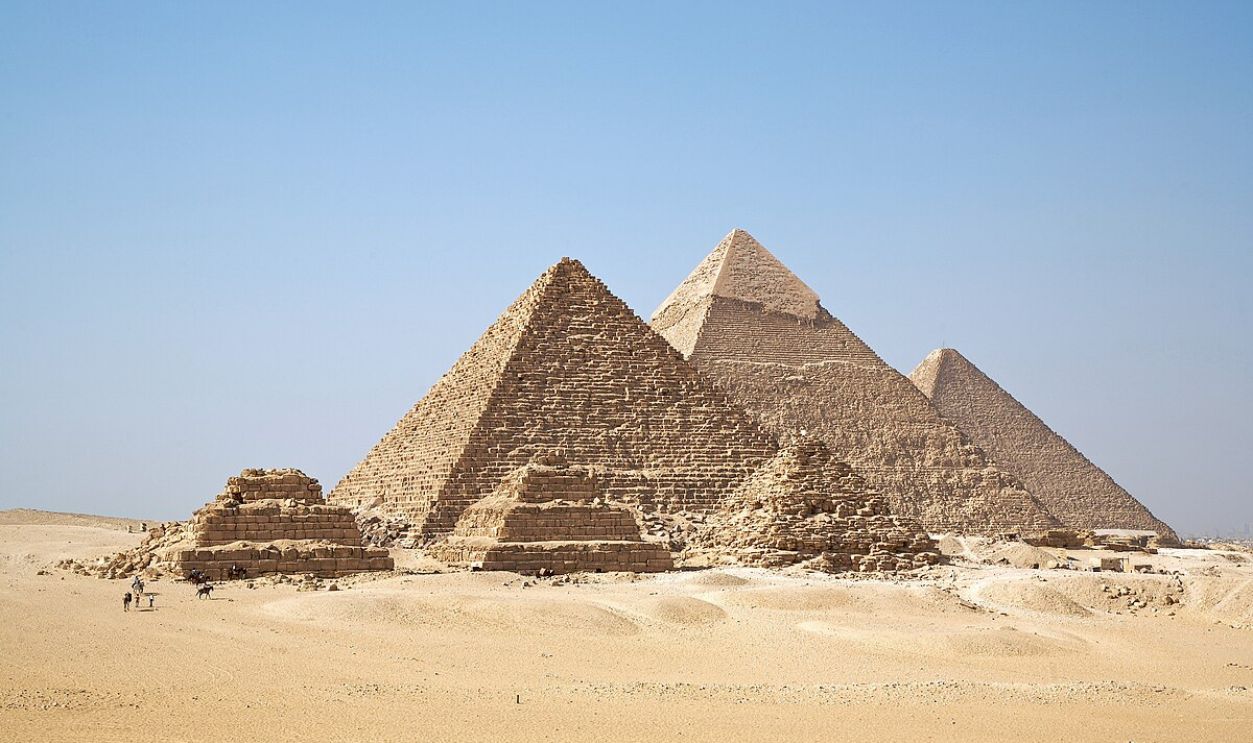 Ricardo Liberato, CC BY-SA 2.0, Wikimedia Commons
52. Pick Your Poison
Between the Fourth and Sixth centuries, the main religion in Egypt was Christianity before eventually being supplanted by Islam. Christianity says it’ll make a comeback. We’ve heard that before.
 Djehouty, CC BY-SA 4.0, Wikimedia Commons
51. Pioneers In Love
Nearly 5000 years ago, Ancient Egyptian citizens were among the first people on Earth to trade "rings of love" as a way to demonstrate their commitment. That's right: Ancient Egypt invented the wedding ring.
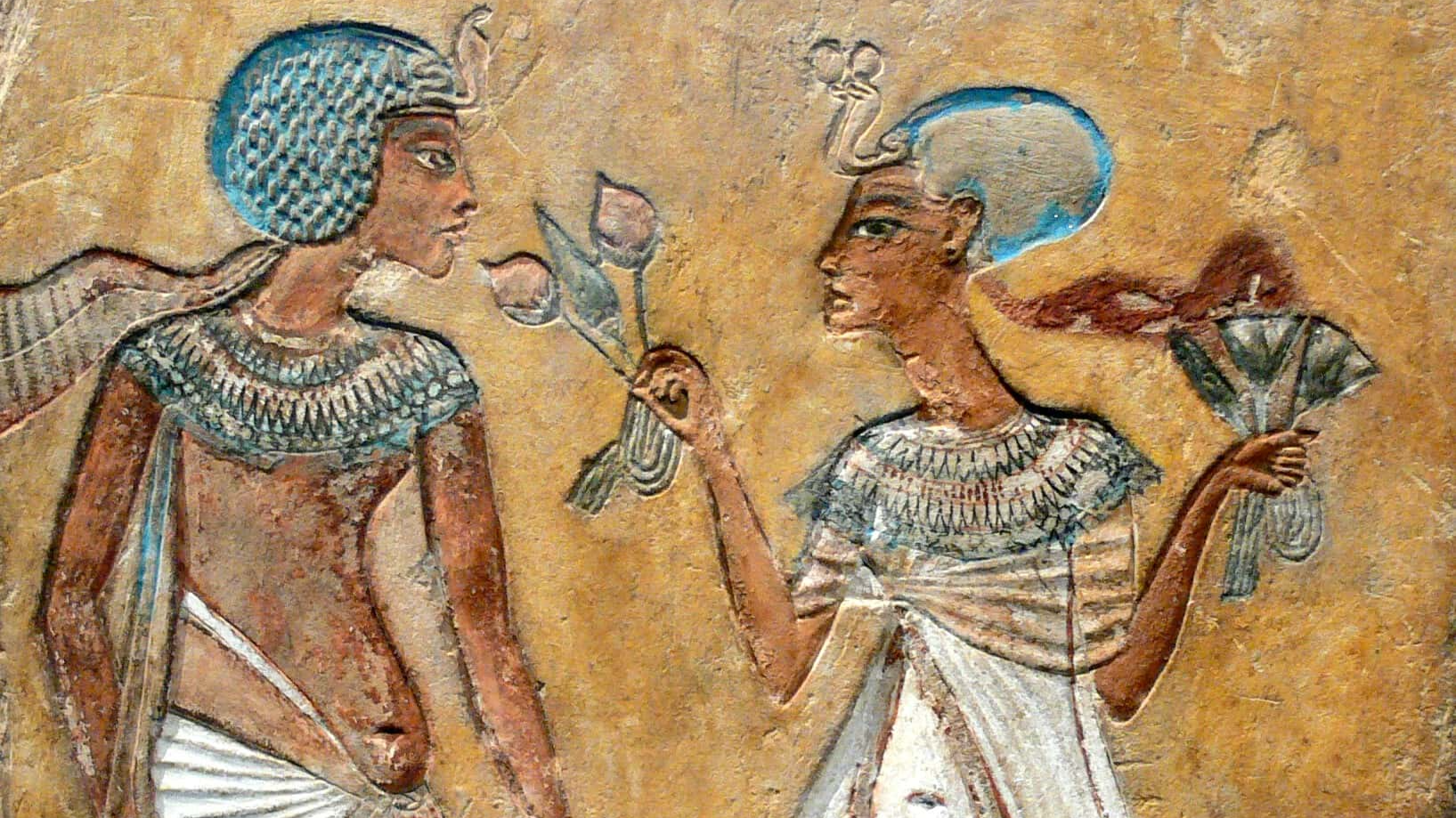 Andreas Praefcke, Wikimedia Commons
50. The Science Of Egyptian Cosmetics
Both men and women in ancient Egypt were known to wear copious amounts of makeup. They often believed it would give them the protection of the Egyptian gods Horus and Ra. They believed that the makeup had magical healing powers.
Recently, modern science has demonstrated that in a sense, the Egyptians were right. Research shows that the lead-based cosmetics worn along the Nile helped to stave off eye infections.
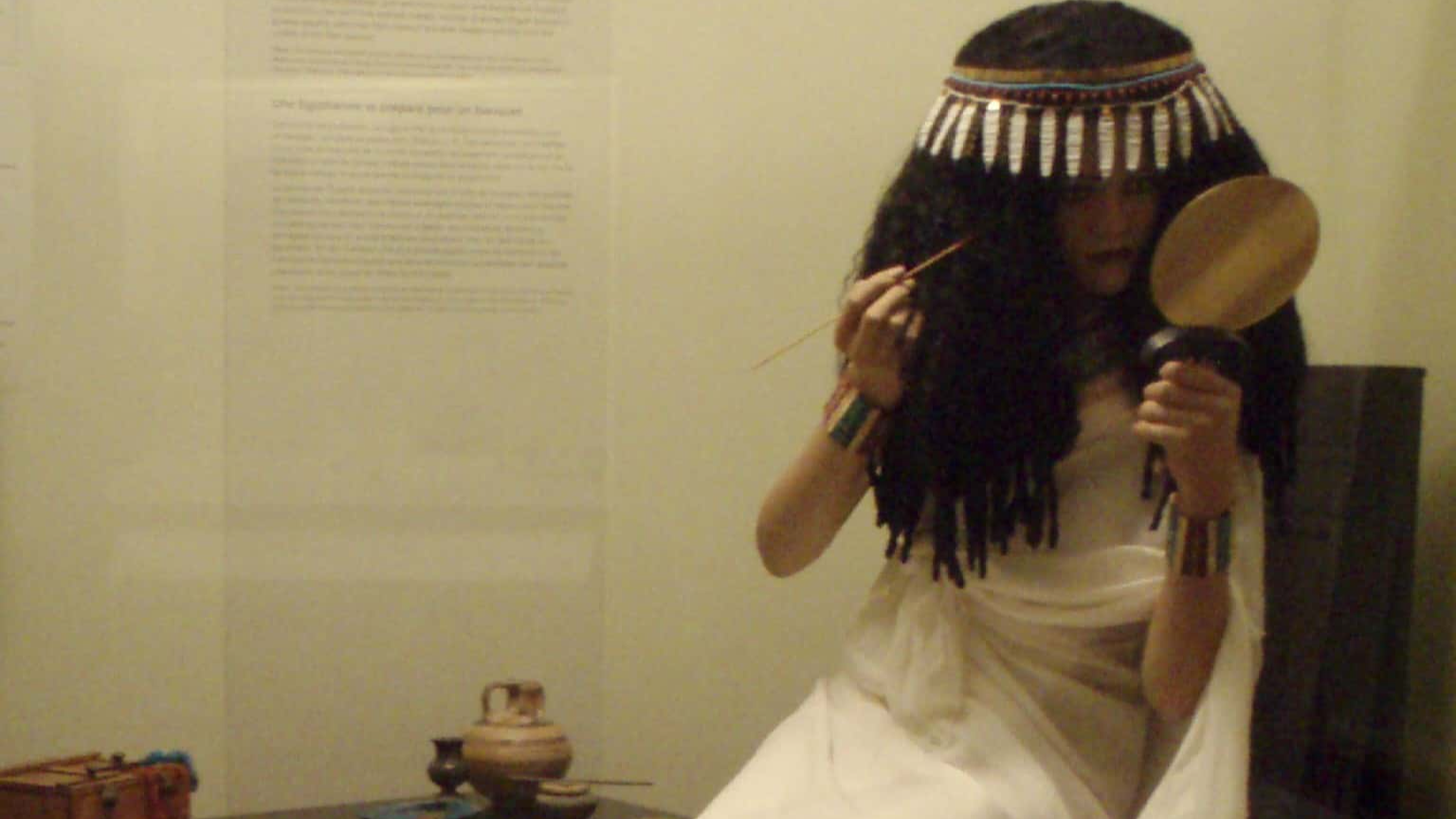 Keith Schengili-Roberts, CC BY-SA 3.0, Wikimedia Commons
49. Pyramid Scheme
The Great Pyramid of Giza has 8 sides, not 4, distinguishing it from other pyramids. The concavity of the sides was so subtle that it wasn’t noticed until the advent of aviation.
 Douwe C. van der Zee, CC BY-SA 4.0, Wikimedia Commons
48. A Poly Lifestyle
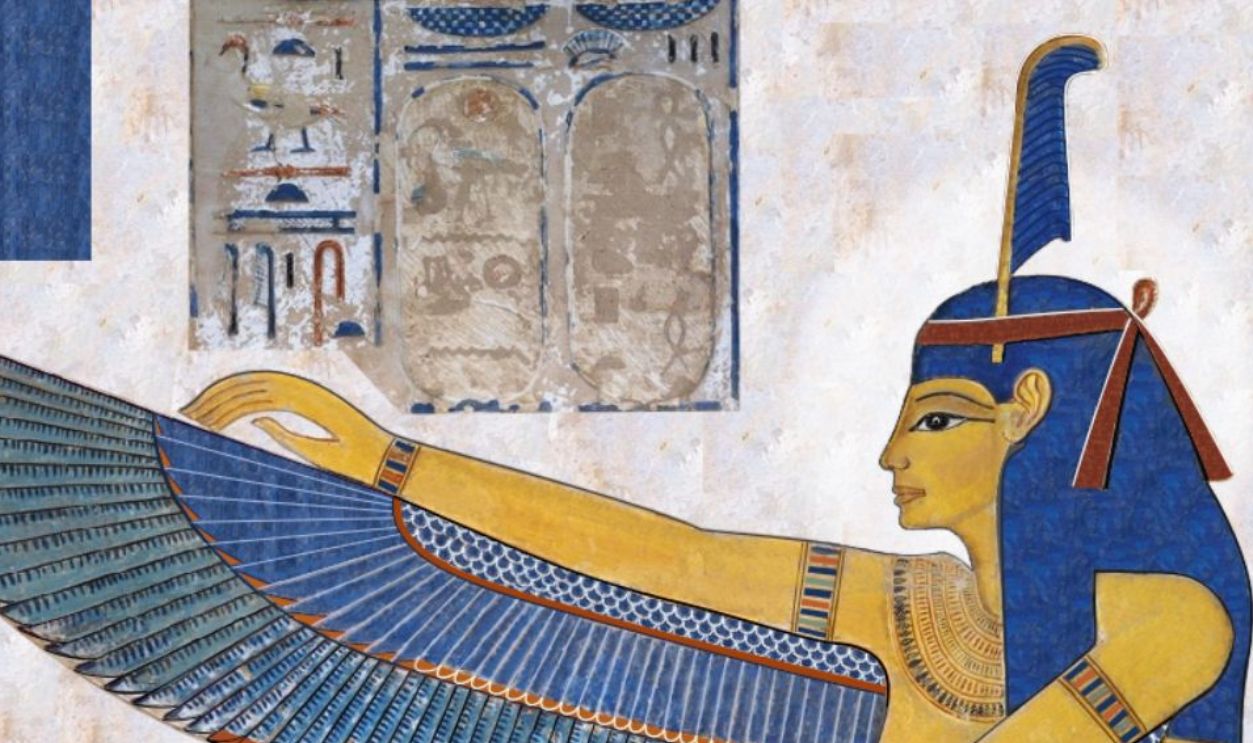
Ancient Egyptians worshiped over 1,400 different gods and goddesses which probably really pissed off the One True God: Bill Murray.
 TYalaA, CC BY-SA 4.0, Wikimedia Commons
47. Riddle Me This
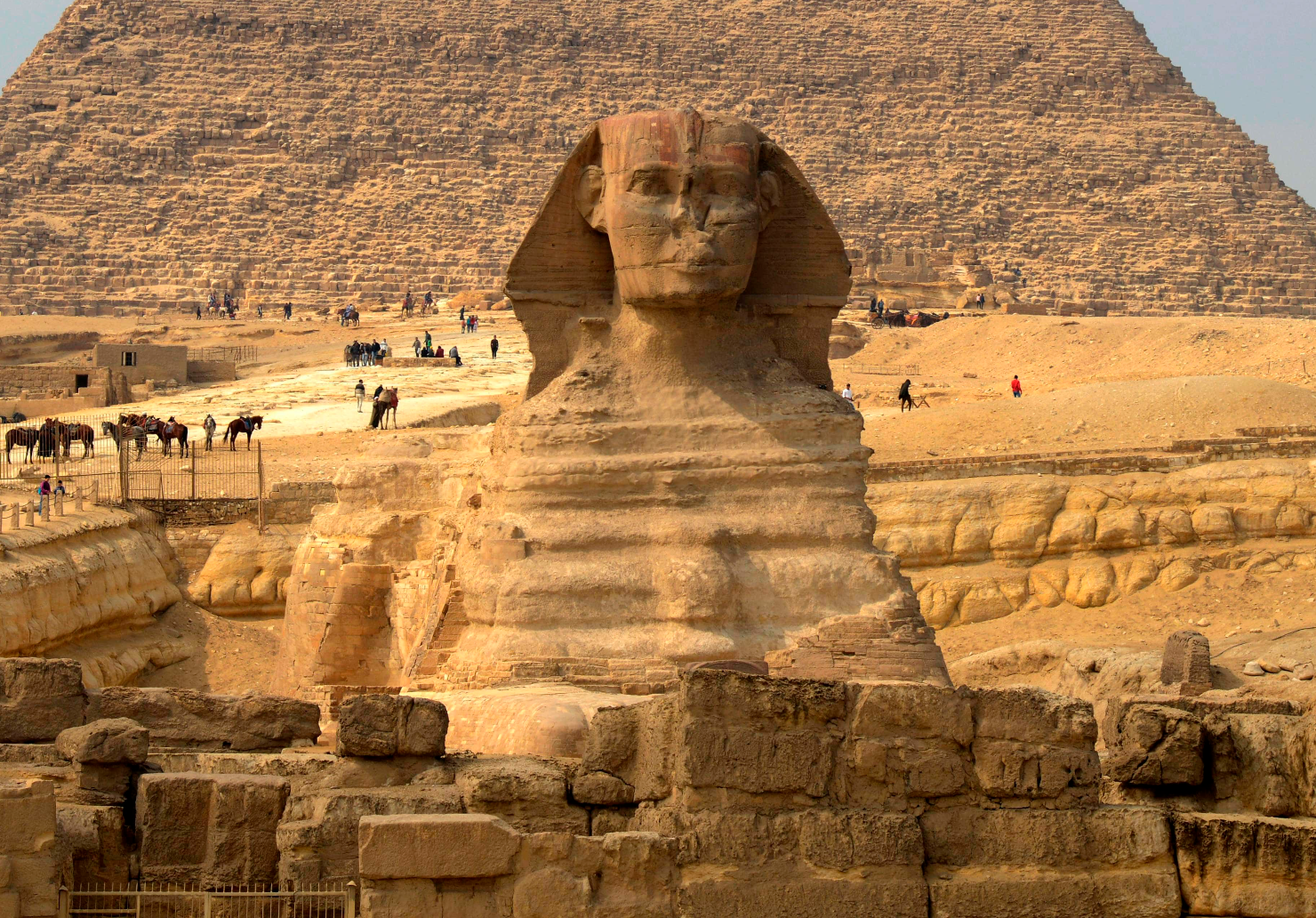
The Sphinx of Giza is one of the largest single-stone statues in the world, and to this day, nobody knows exactly who built it or why. She is also missing her nose, and while there are theories, it is unknown exactly how that happened. Our theory is that she sneezed too hard because she’s allergic to cats.
46. Coast to Coaster
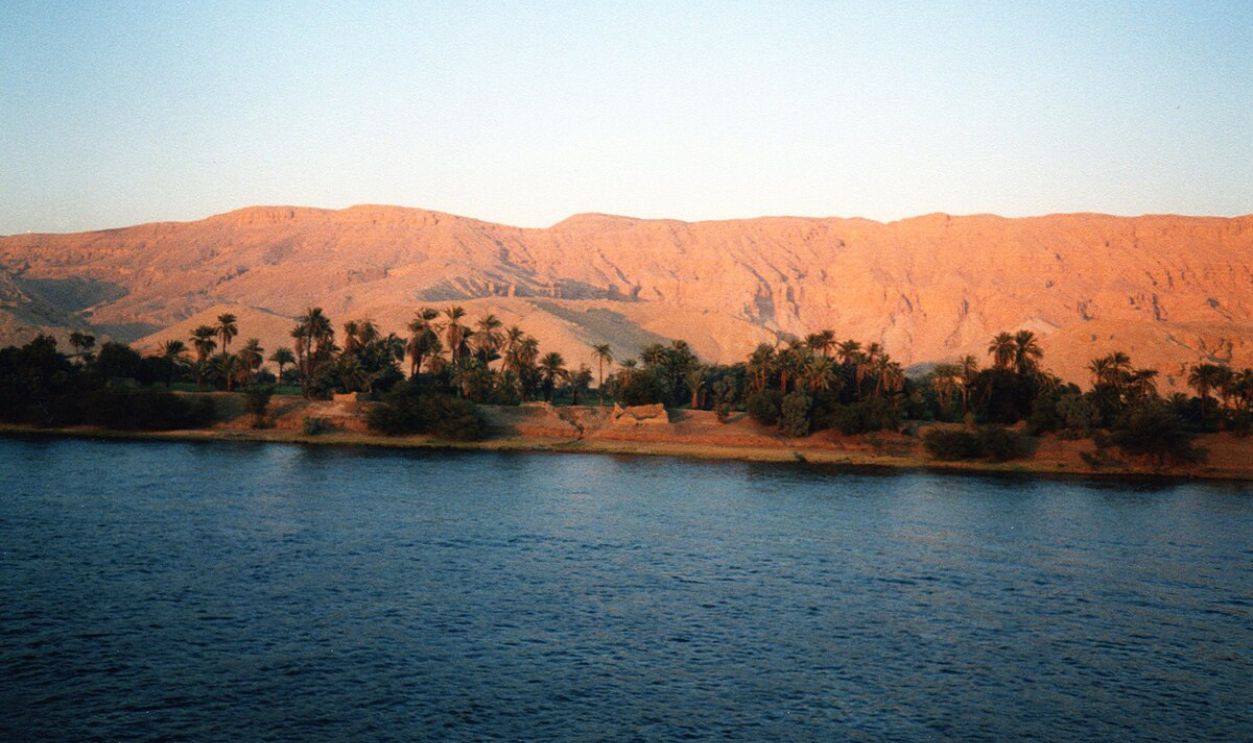
Egyptians believed that the earth was flat and round like a pancake and that the Nile flowed through the center of it.
 Alchemica, CC BY-SA 3.0, Wikimedia Commons
45. Say Yes to the Dress
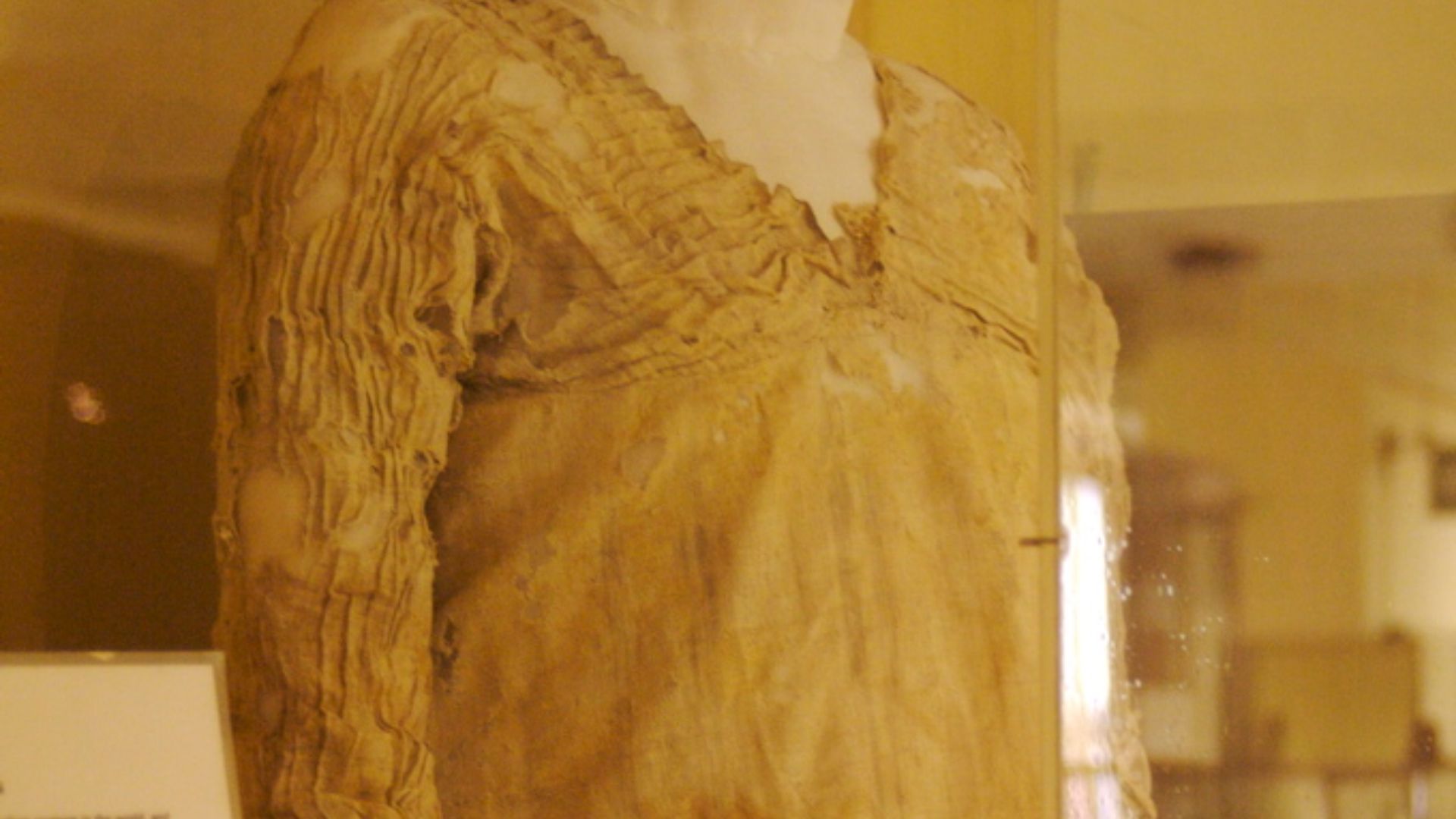
The world’s oldest dress was found in Egypt and it is 5,000 years old. Even back then, people were probably arguing over if it was blue and black or white and gold.

History's most fascinating stories and darkest secrets, delivered to your inbox daily.
44. Naked Truth
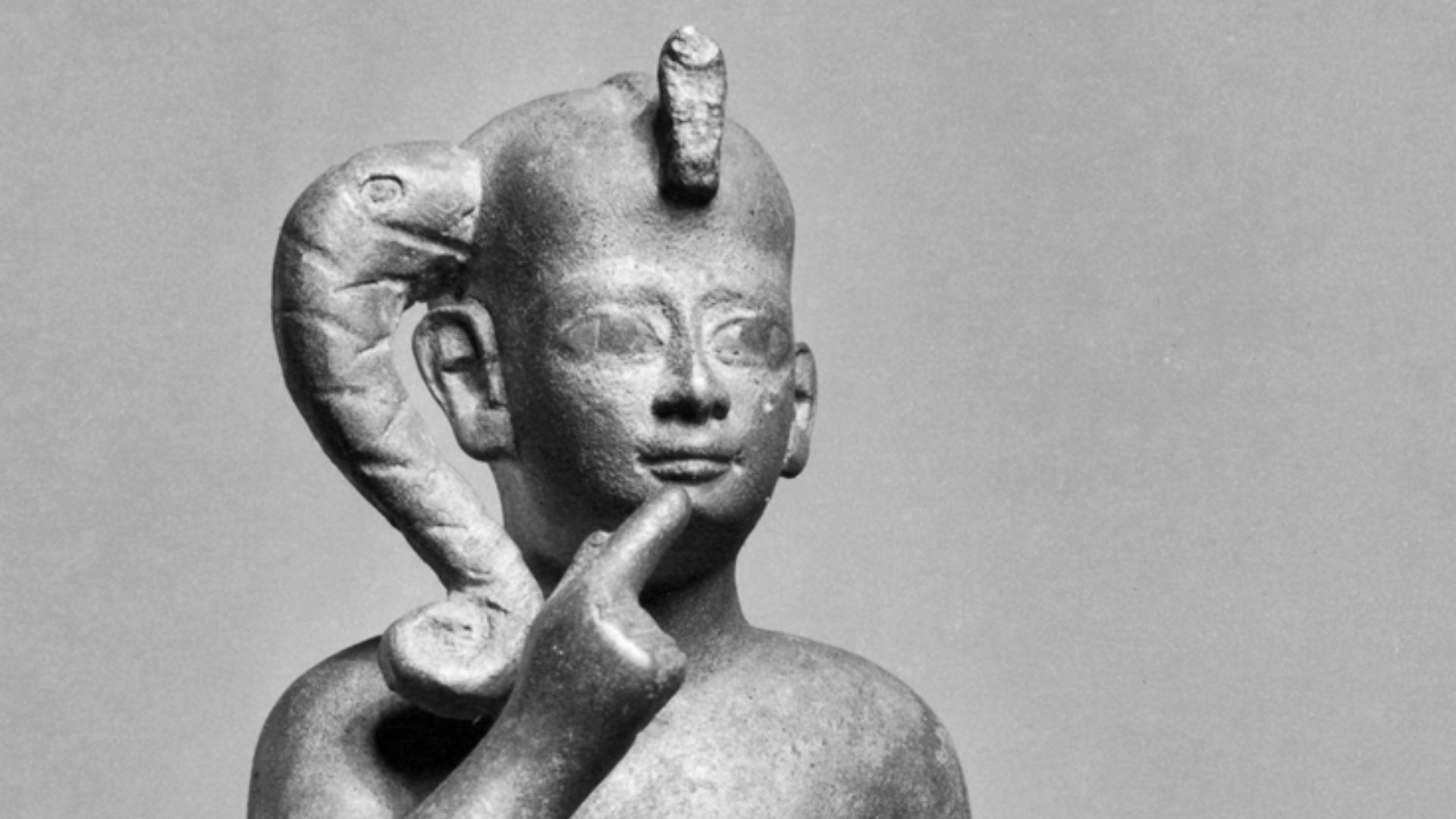
Egyptian children wore no clothing until they were in their teens as the warm temperatures made clothing unnecessary.
 Anonymous (Egypt)Unknown author, Wikimedia Commons
43. Planting a Flag
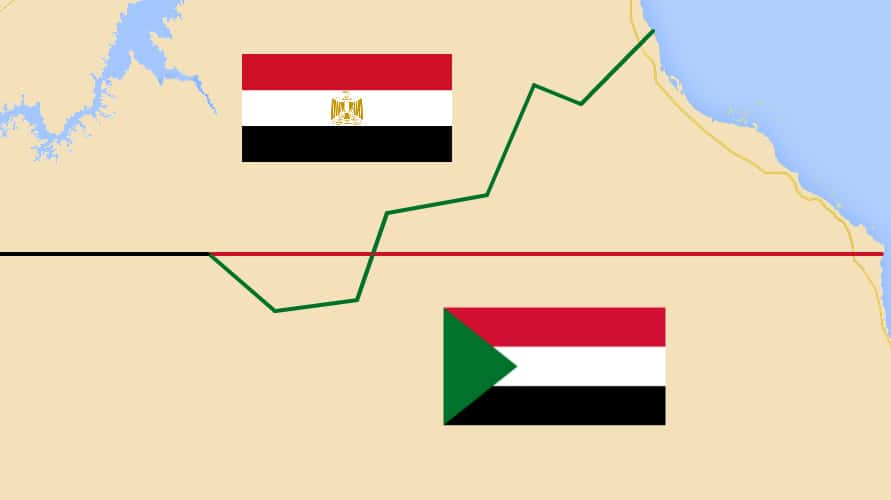
On the border between Egypt and Sudan, there is an area of land 795 miles square, called Bir Tawil, that neither country has claimed. Be right back. We’re off to claim it in the name of Factinate.
42. Great Minds Think Alike
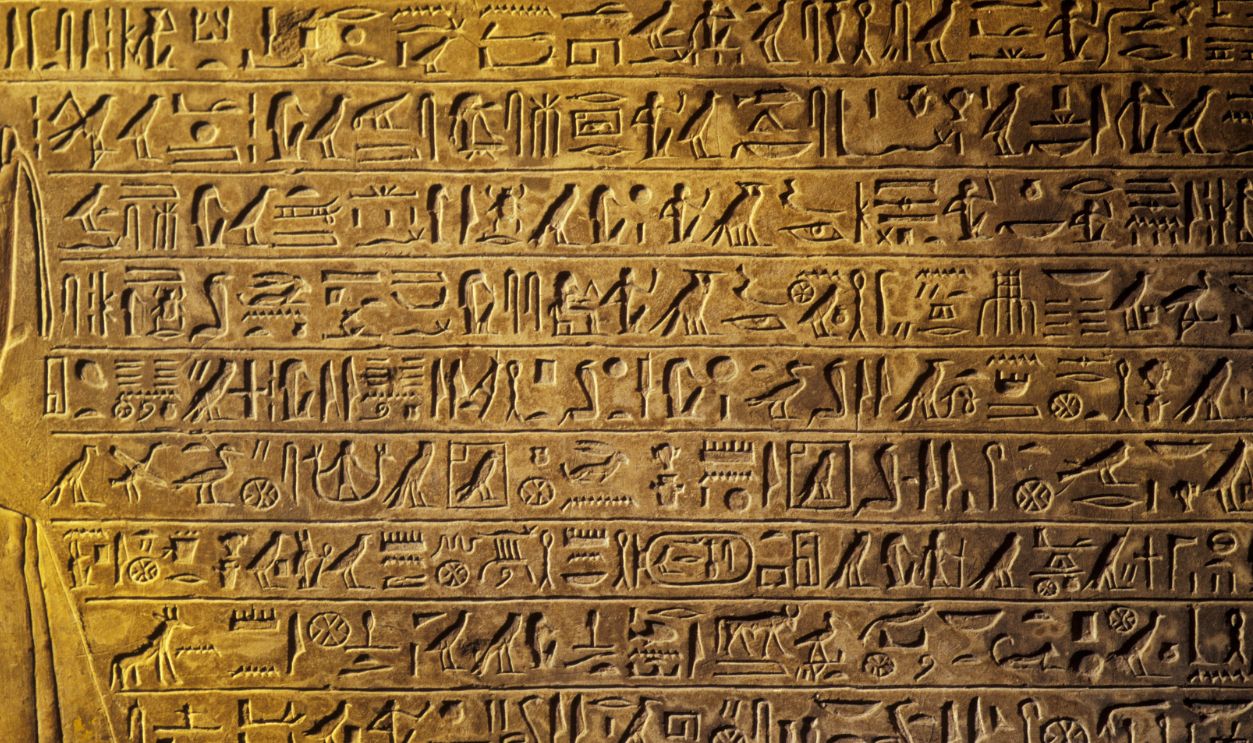
Written language was invented independently several times in human history: by the Egyptians, Sumerians, Chinese, and Mayans.
40. Location Location Location
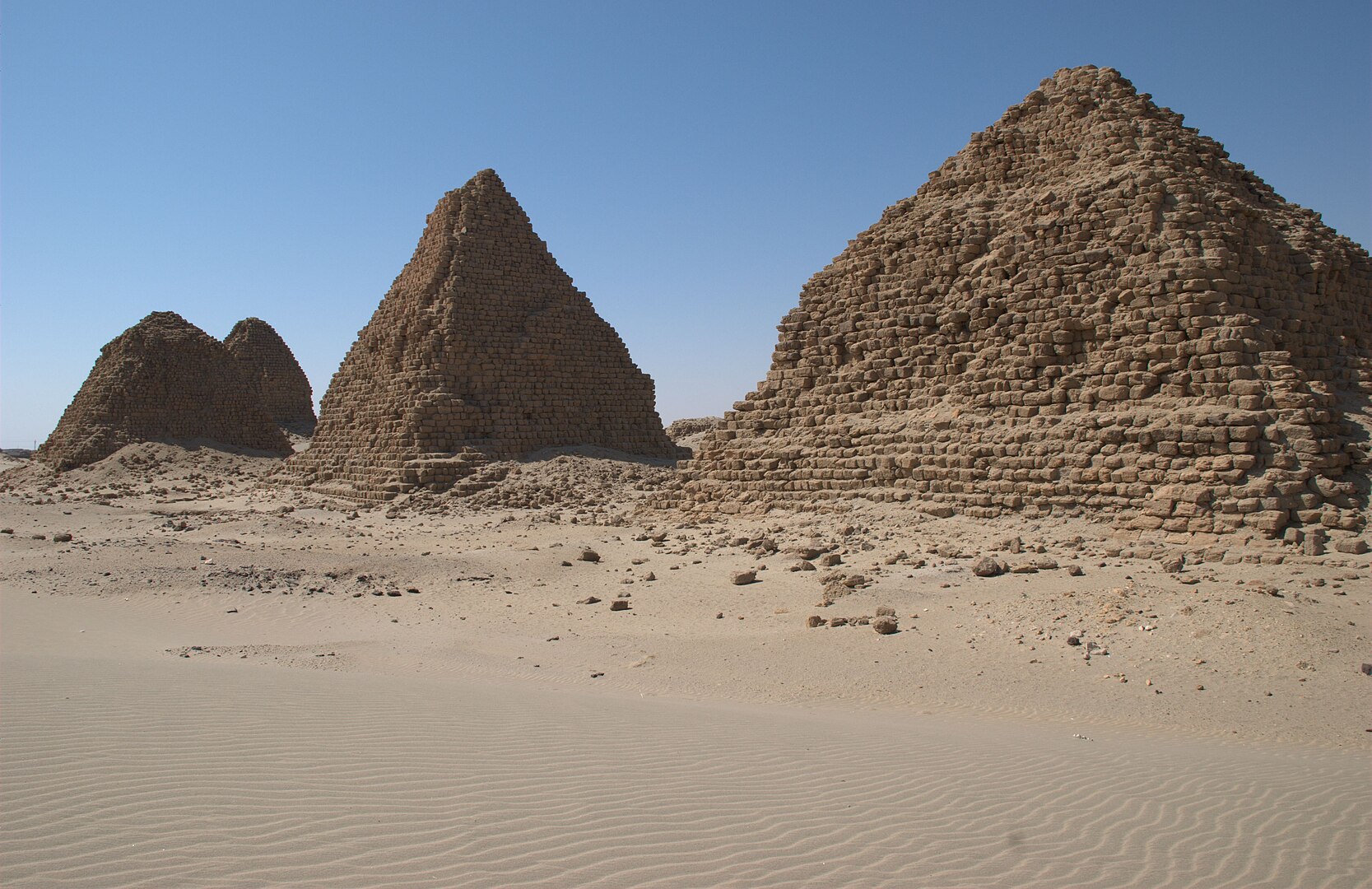
Sudan has more pyramids than Egypt. We guess the aliens liked Sudan more.
 Bertramz, CC BY-SA 3.0, Wikimedia Commons
39. Historical Inaccuracies
Recent discoveries have lead experts to believe that it is possible that the pyramids were actually built by paid laborers and not slaves. The latter is a myth perpetuated by Herodotus, the Ancient Greek historian who was apparently not a very good historian.
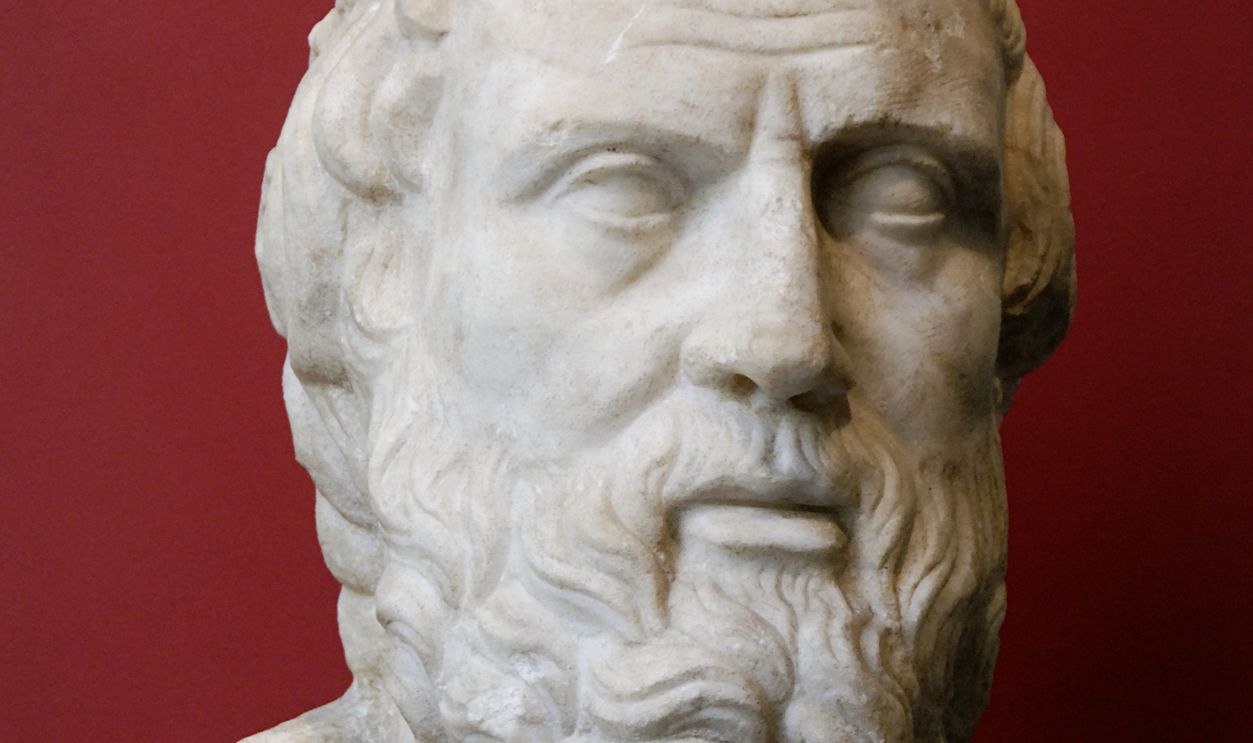 Palazzo Massimo, Wikimedia Commons
38. Anhotel Was Here
These workers often left graffiti behind near the monuments suggesting that their work crews had humorous names like the “Drunkards of Menkaure” or the “Friends of Khufu.” Might be one of those jokes where you had to be there.
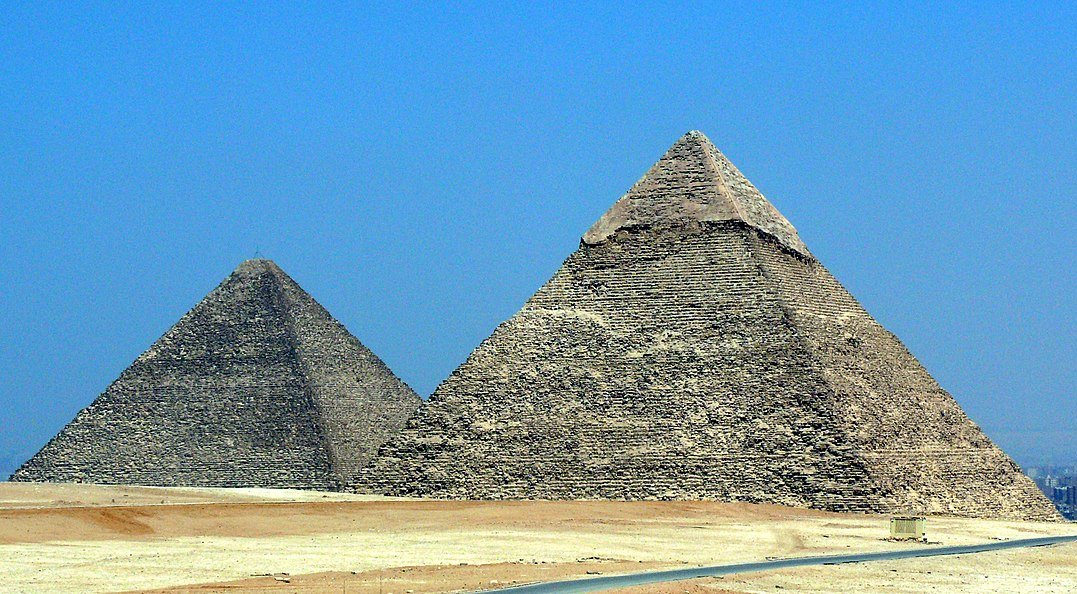 Ad Meskens, CC BY-SA 3.0, Wikimedia Commons
37. Over Their Heads
The lost Egyptian city of Heracleion was found after 1,200 years under the sea. Being submerged 30 feet underwater probably did a real number on property values.
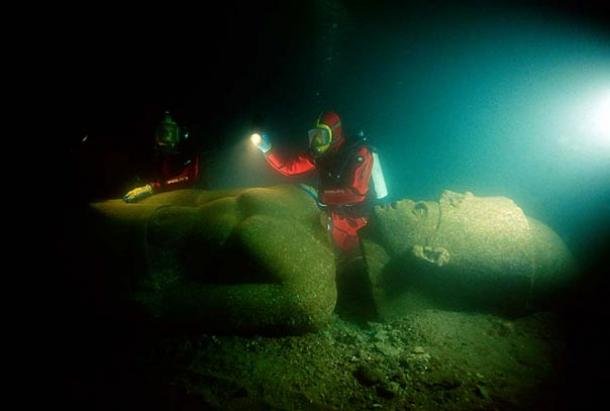
36. Sleep Like a Rock
Ancient Egyptians slept on pillows made of stones. In case you were wondering, the Princess and the Pea was not an ancient Egyptian story.
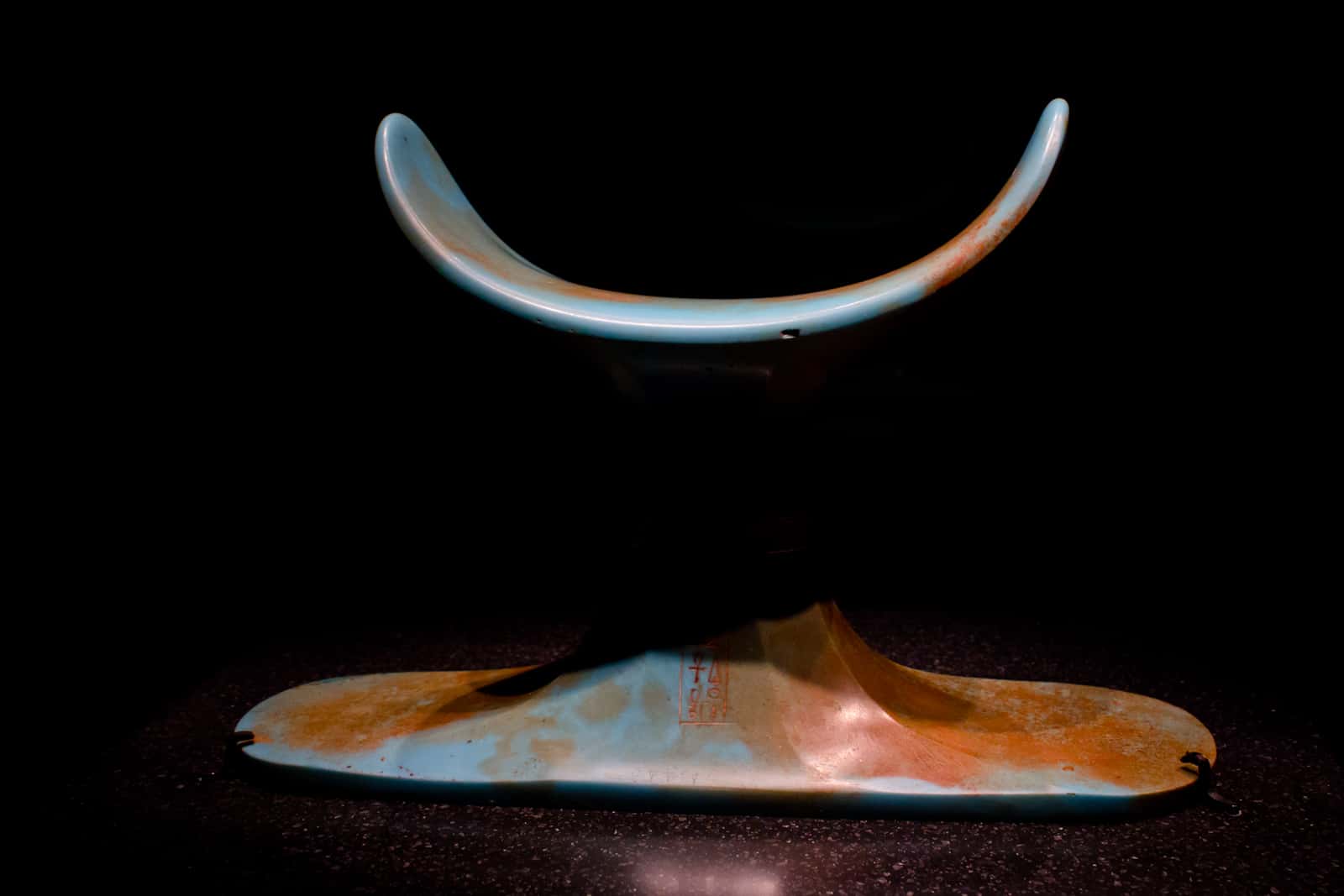 ddenisen (D. Denisenkov), CC BY-SA 2.0, Wikimedia Commons
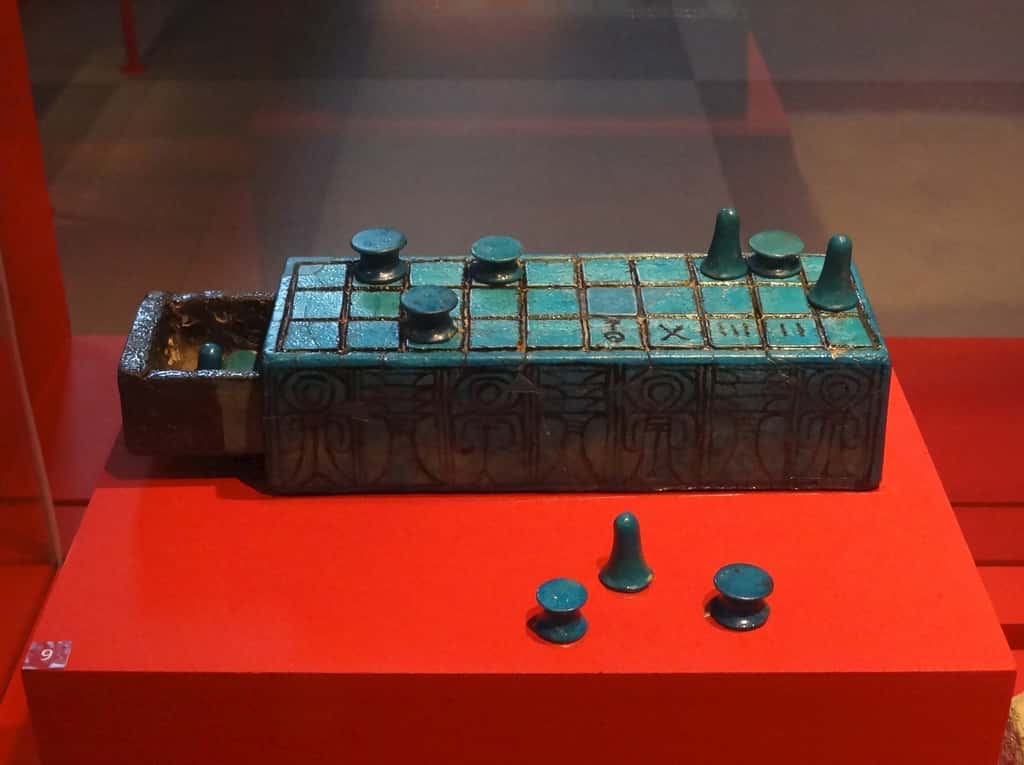
34. On Board
Ancient Egyptians loved board games, one of the most popular being a game of chance known as “Senet.” Historians are a little shaky on what the rules of that game were, but there was no doubt it was popular with paintings depicting Queen Nefertiti playing the game and King Tut was buried with a board.
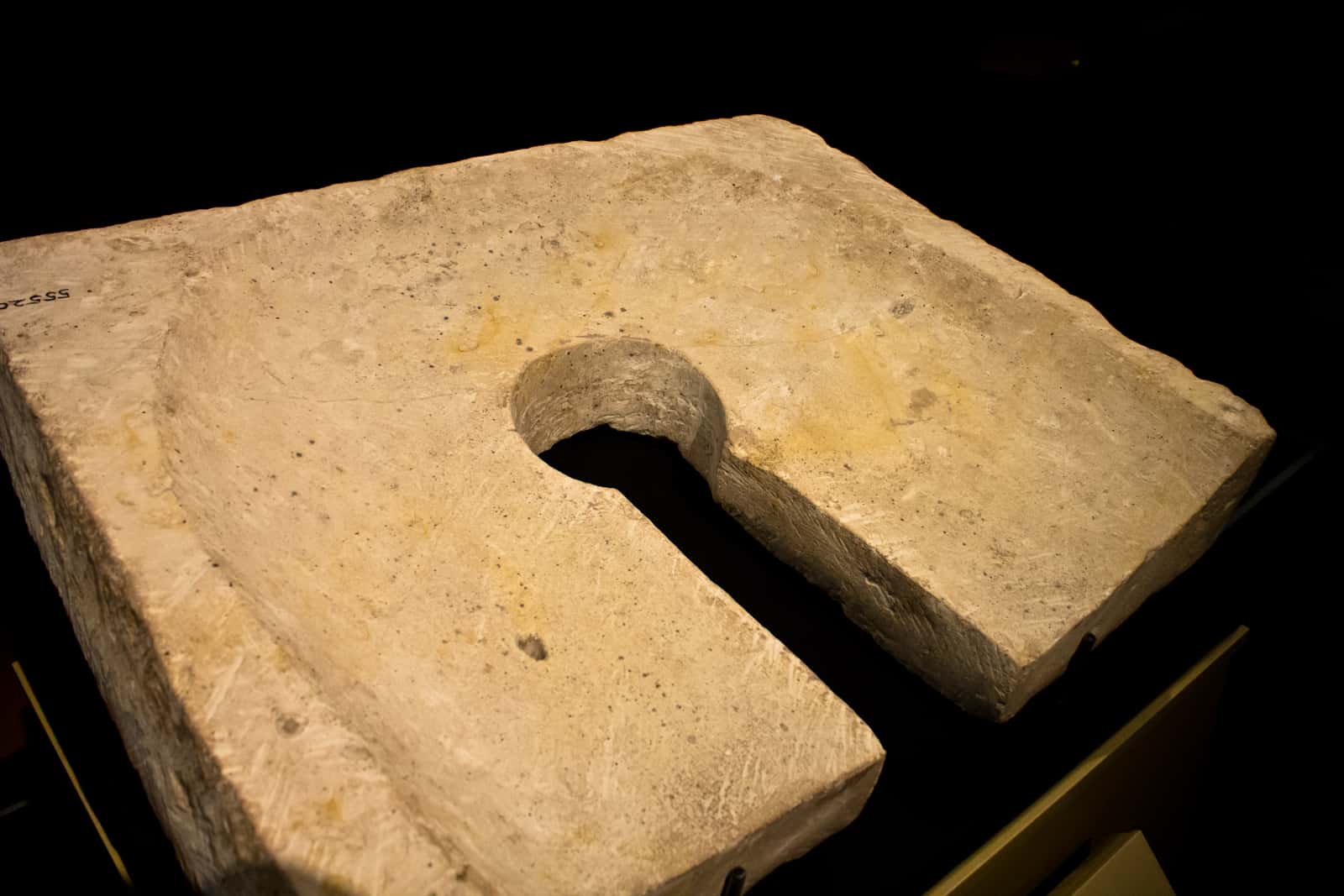
33. When You Gotta Go
Many Egyptian tombs included toilets. Turns out, you CAN take it with you.
 ddenisen (D. Denisenkov), CC BY-SA 2.0, Wikimedia Commons
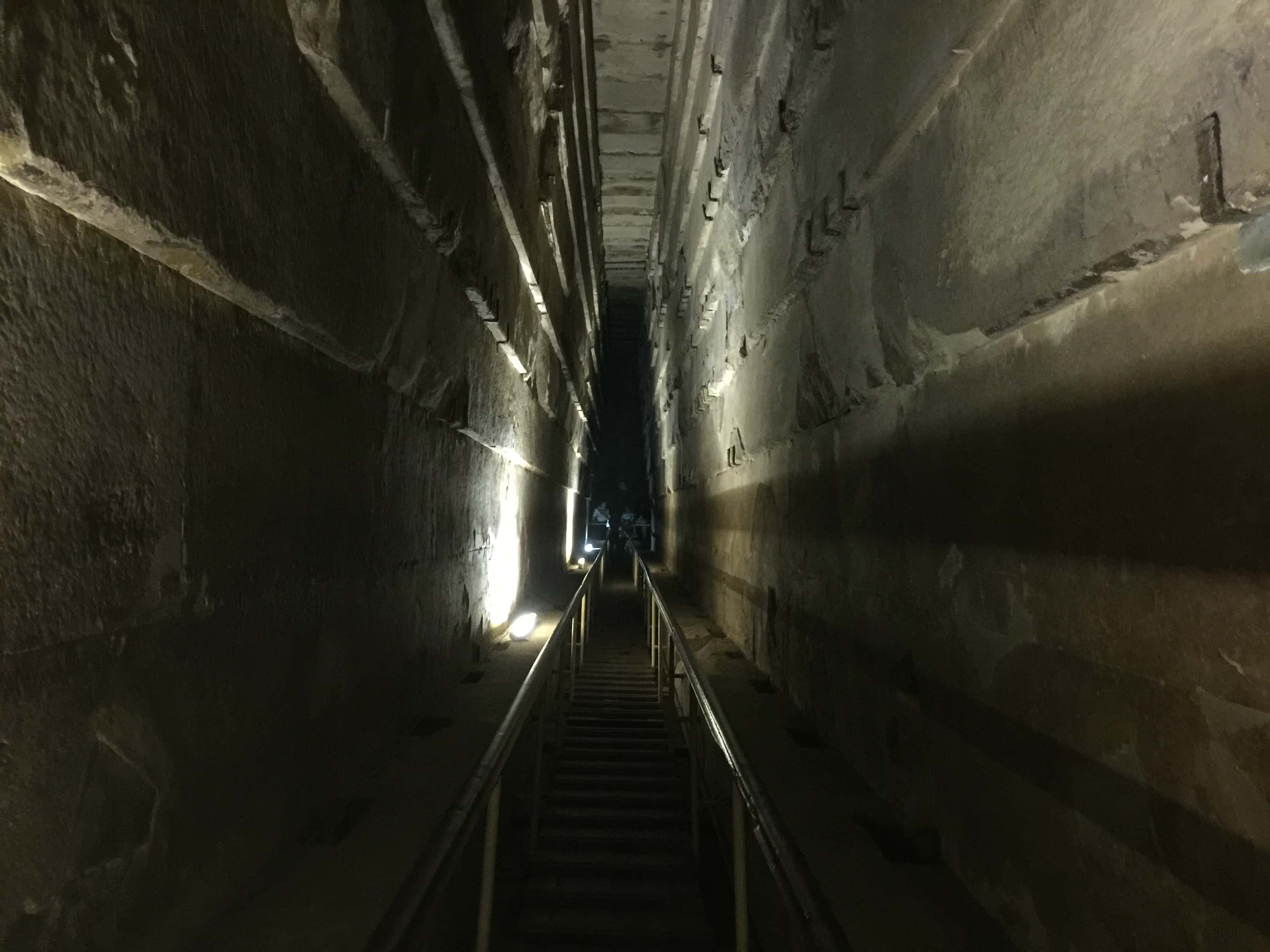
32. ¿Dónde está el baño?
There are still unexplored passageways in the Great Pyramid of Giza and we’re sure some of them probably lead to undiscovered toilets. 60% of the time we are right, every time.
 Keith Adler, CC BY-SA 4.0, Wikimedia Commons, Wikimedia Commons
31. Egypt by Calvin Klein
Both sexes also wore perfumes made from oil, myrrh, and cinnamon. Given the likelihood that hygiene standards weren’t as high as modern-day, this is probably a good thing.

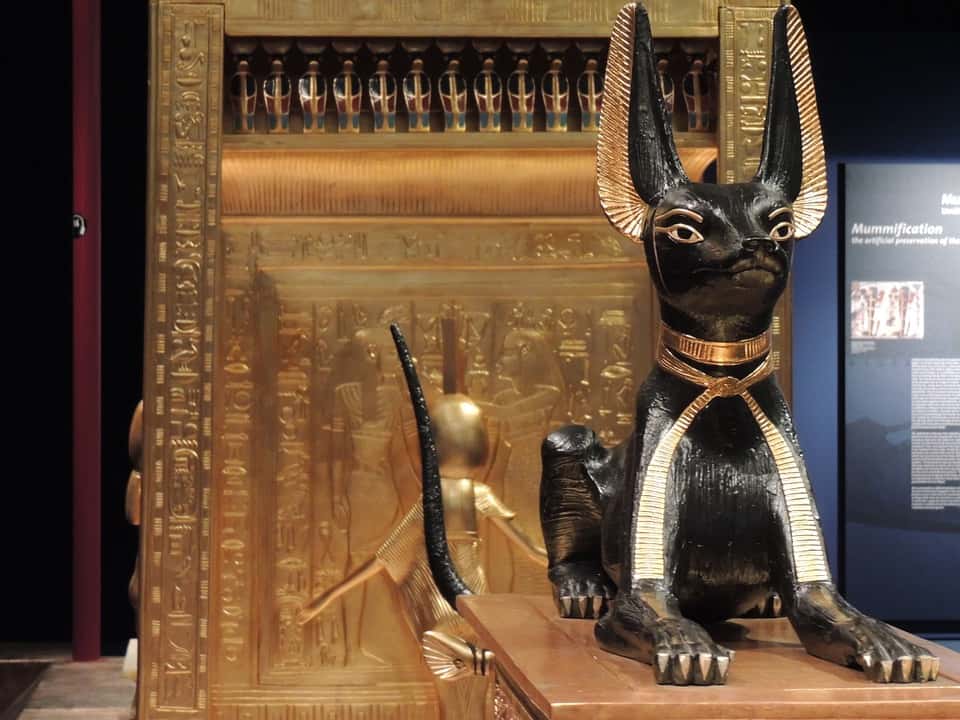
30. The End of Curiosity
In Ancient Egypt cats were worshiped and killing a cat, even accidentally, was punishable by death. Does that mean they would apply the death penalty nine times?
28. Animal House
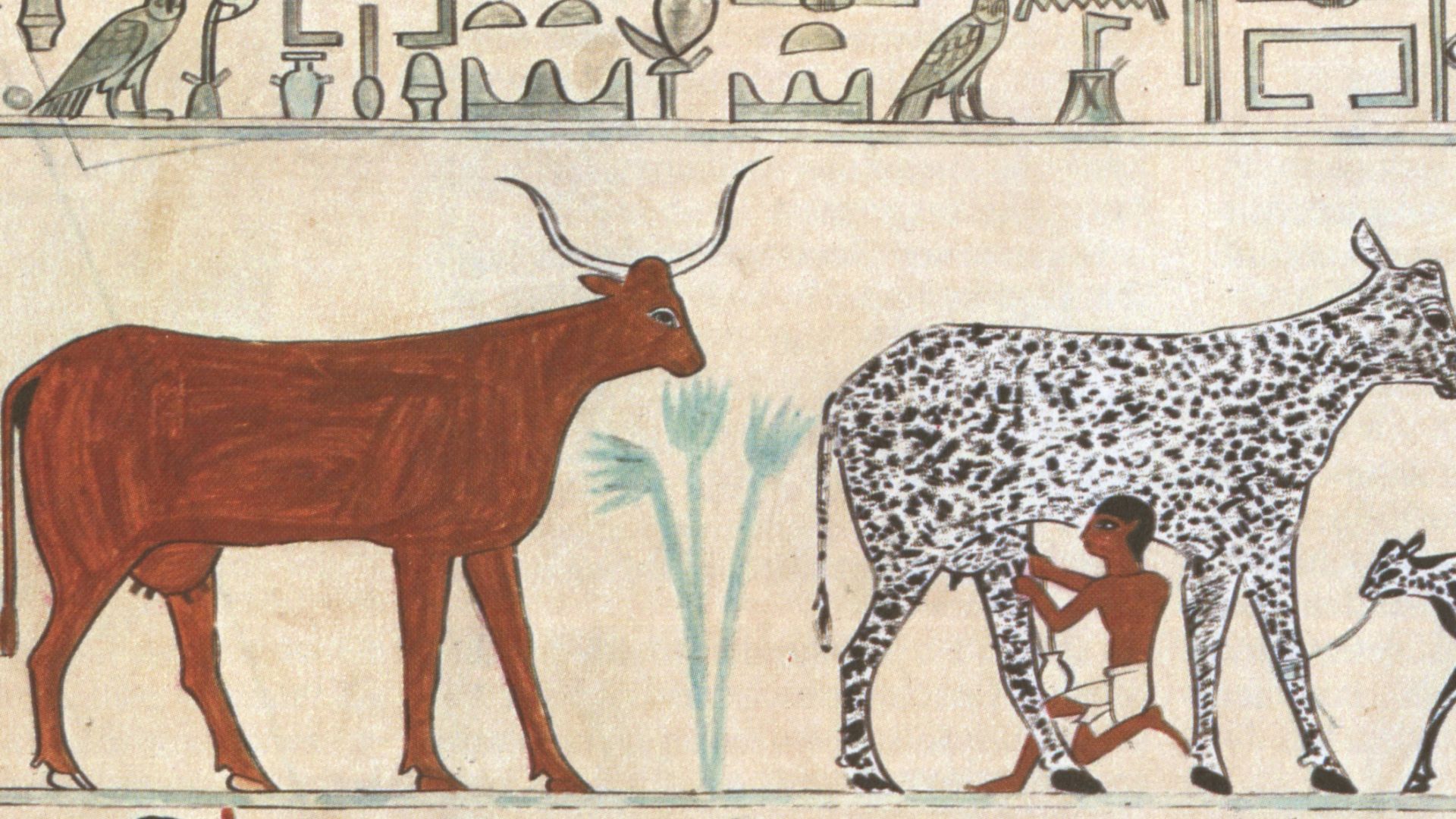
In addition to cats, Egyptians also had a reverence for hawks, ibises, dogs, lions, and baboons. These animals had a special place in the Egyptian home and were often mummified and buried with their owners after death.
 Unknown authorUnknown author, Wikimedia Commons
27. The Long Paw of the Law
Ancient Egyptians police officers were known to have trained dogs and monkeys assist them when they were out on patrol. We smell a sitcom.

26. A Periodic Break
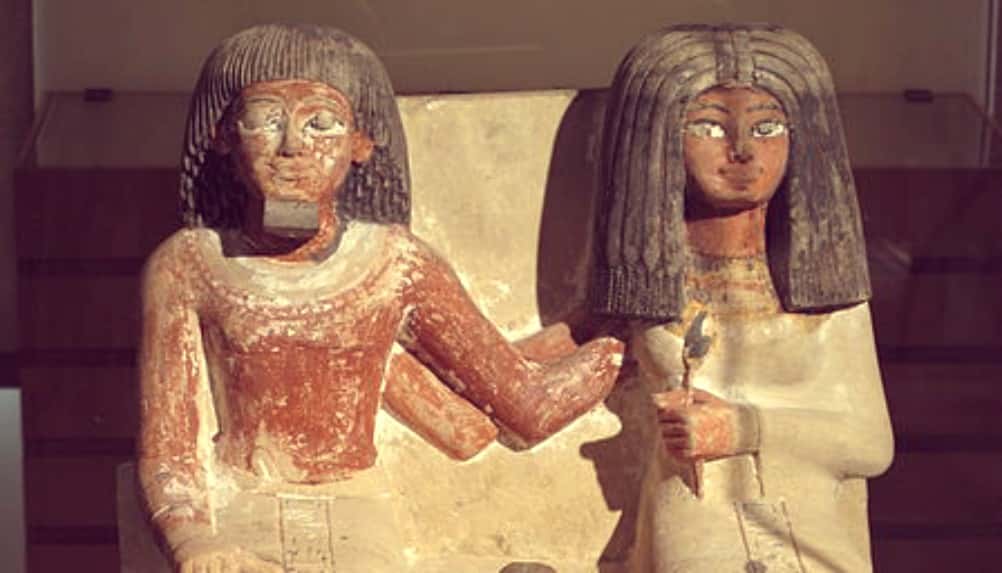
In Ancient Egypt, men could take time off of work to care for menstruating wives and daughters.
 Ismoon, CC BY-SA 4.0, Wikimedia Commons
25. We Heart Mummies
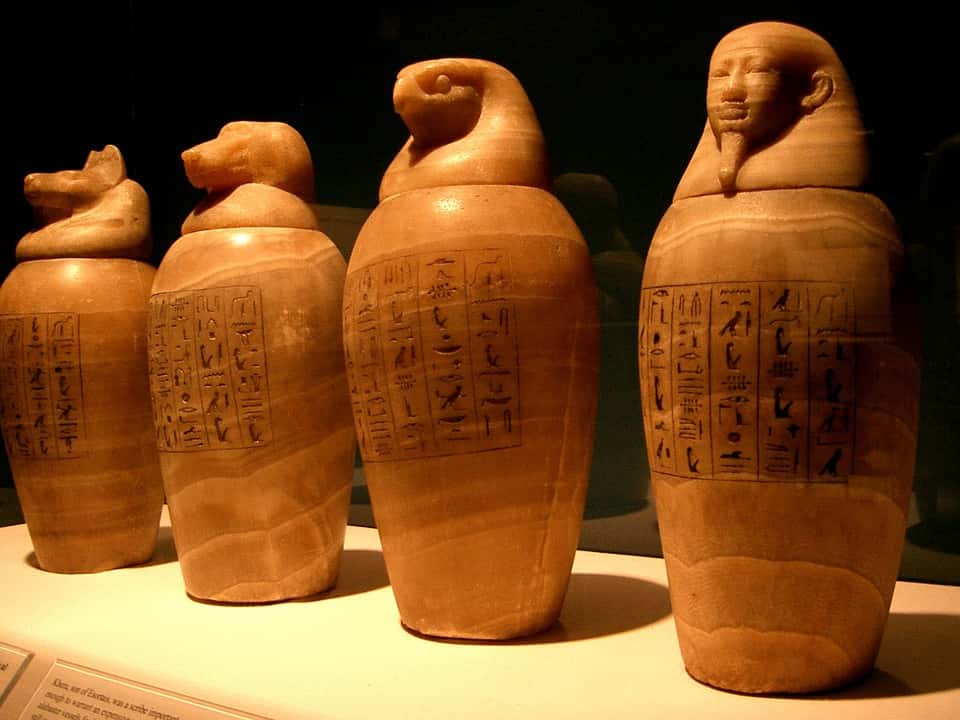
When a body was mummified the brain was literally scrambled and removed through one of its nostrils, and each organ was placed in its own canopic jar. The only internal organ that was not removed was the heart as it was considered to be the seat of the soul.
24. Keep it in the Family
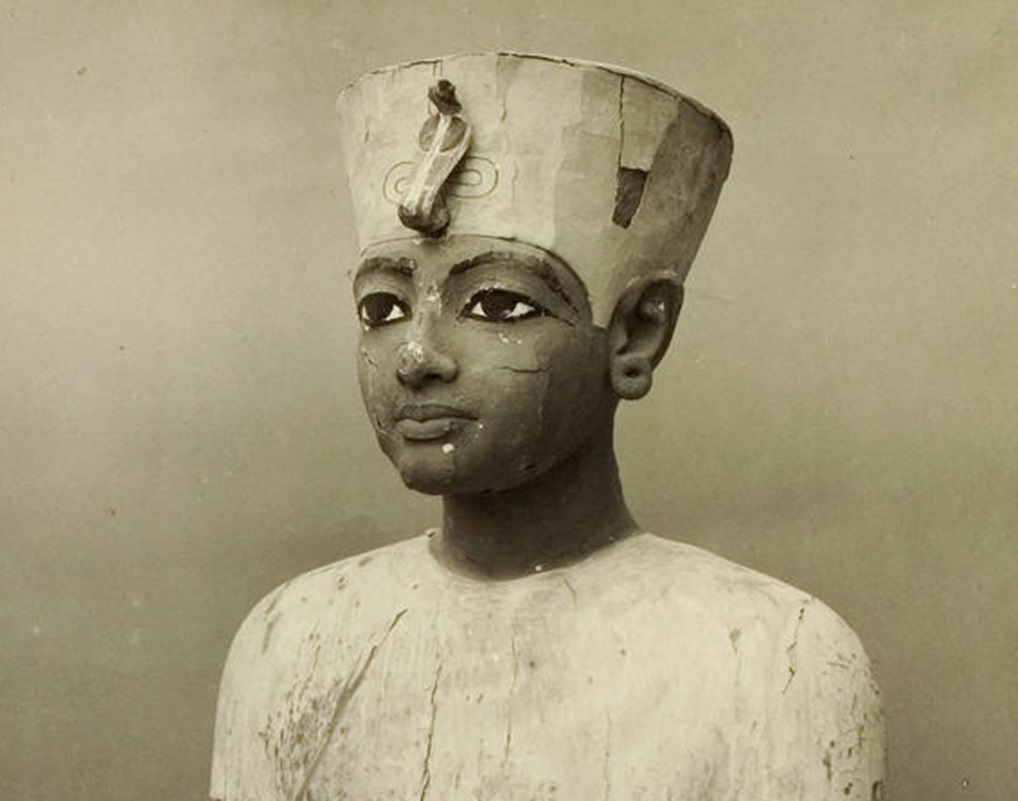
Ancient Egyptian King Tutankhamun, or as he is more affectionately known, King Tut, died at the tender age of 18. Some researchers believe he died from genetic disease due to the fact his parents were brother and sister. Ancient Egypt was into Game of Thrones before it was cool.
 Harry Burton, Wikimedia Commons
23. Hungry Hungry Hippo
Because the body of Tut didn’t include his heart or chest wall, a drastic departure from typical Egyptian embalming practices, other researchers believe that King Tut may have died after a horrific injury, of which one possibility was that he was eaten by a hippo.
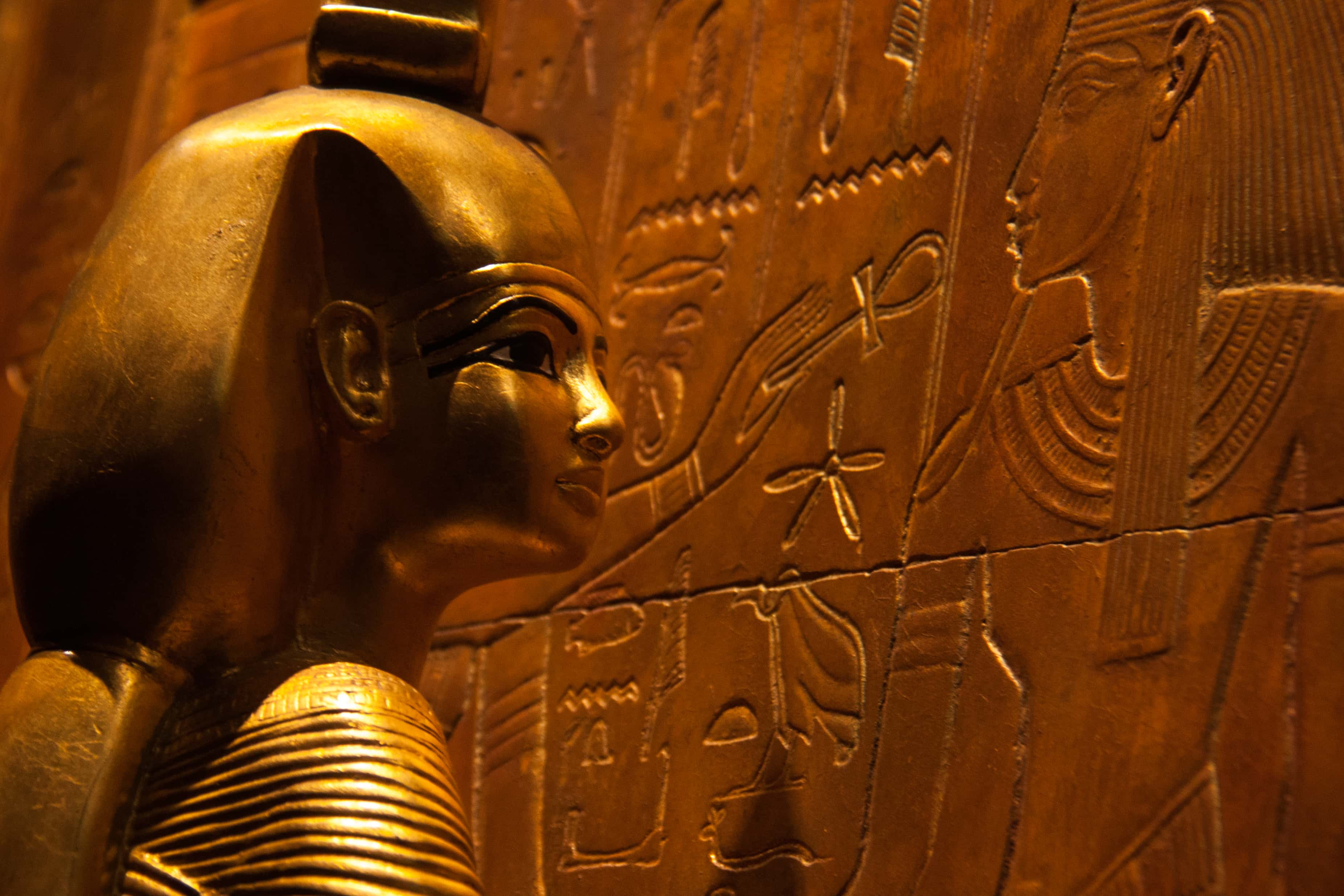
22. Anatomically Correct
Ancient Egyptian doctors had specialties, often focusing on one part of the human body. Dentists were known as “doctors of the tooth,” while the term for proctologists literally translates to “shepherd of the anus.” We don't want any part of that Shepherd’s Pie.
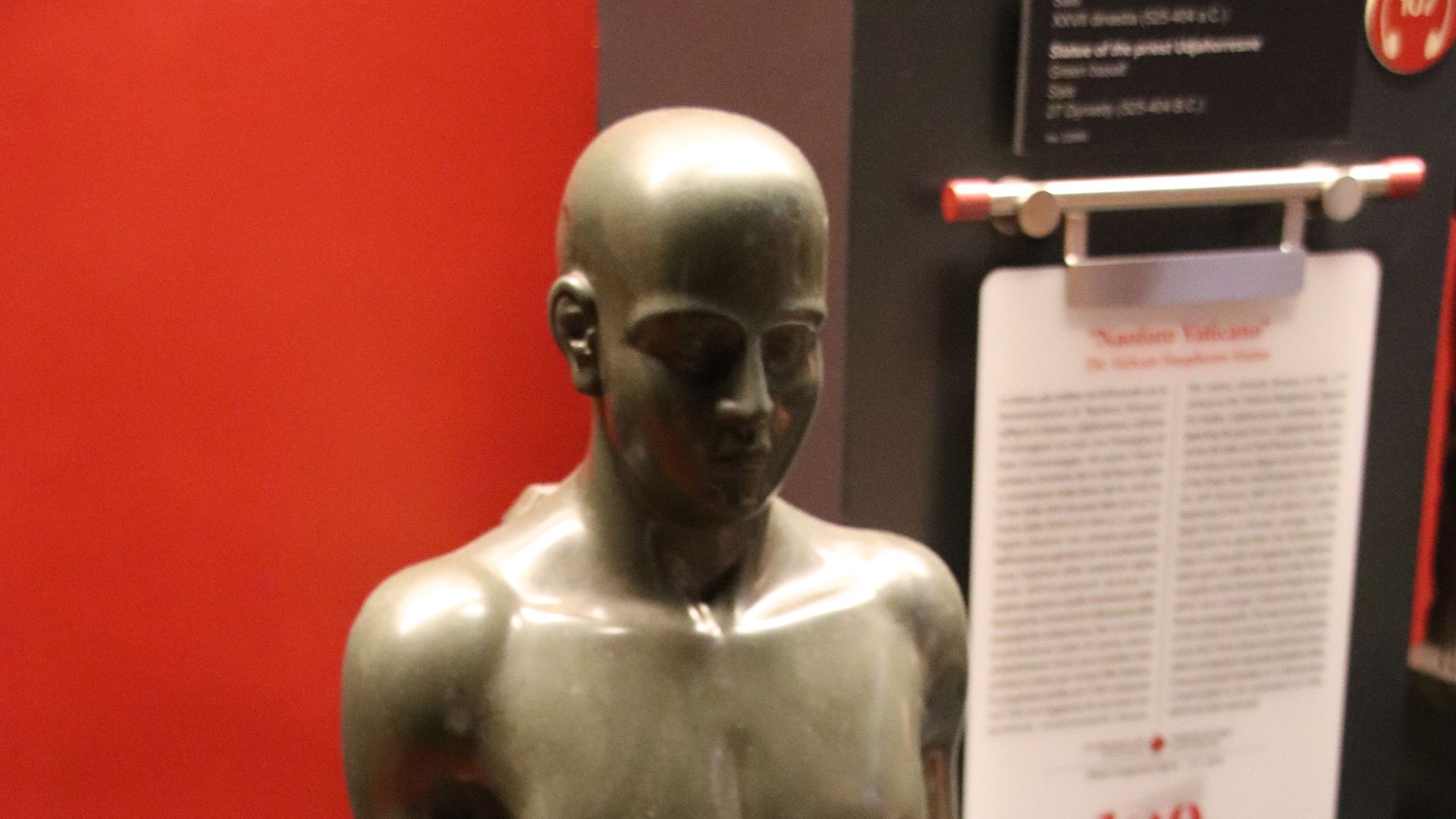 Gary Todd from Xinzheng, China, Wikimedia Commons
21. This Wooden Piggy
The world’s oldest prosthetic limb belongs to an Egyptian woman who, in approximately 1000 BC, was outfitted with a wooden toe.
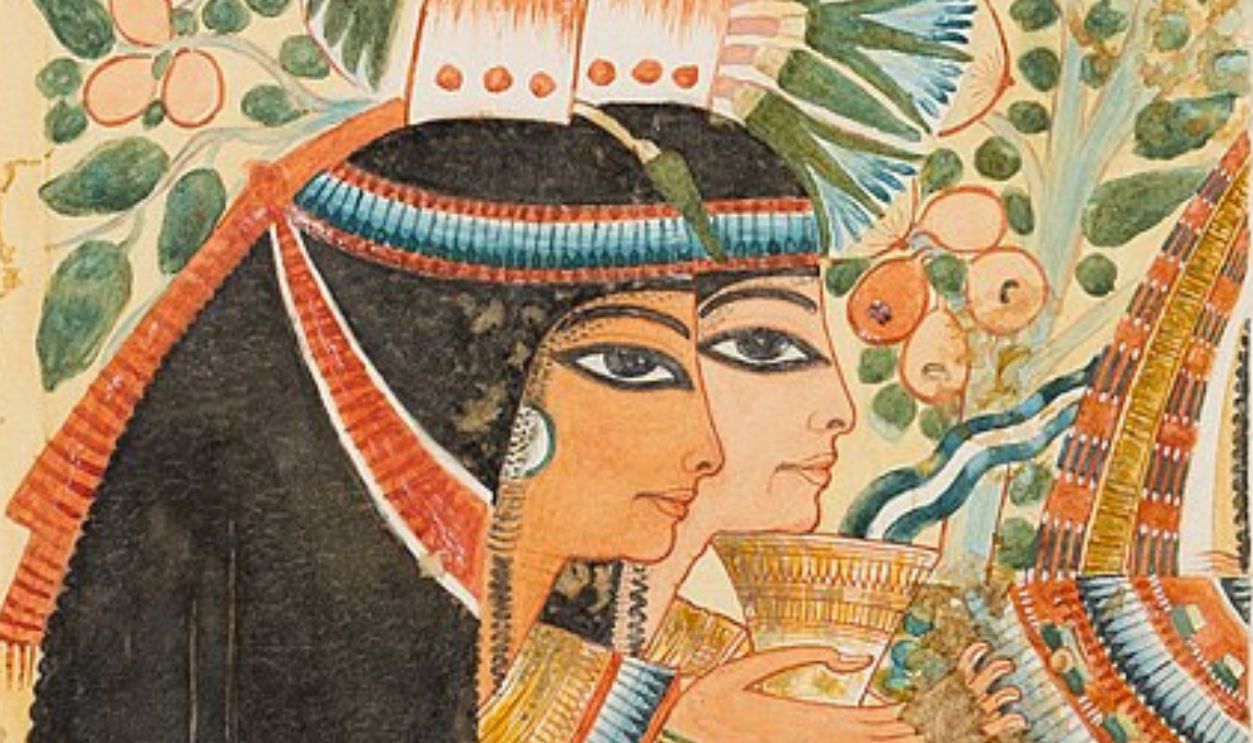 Metropolitan Museum of Art, CC0, Wikimedia Commons
20. Tyrion is Pleased
The ancient Egyptians had a very high regard for dwarves, and did not see them as having a physical handicap.
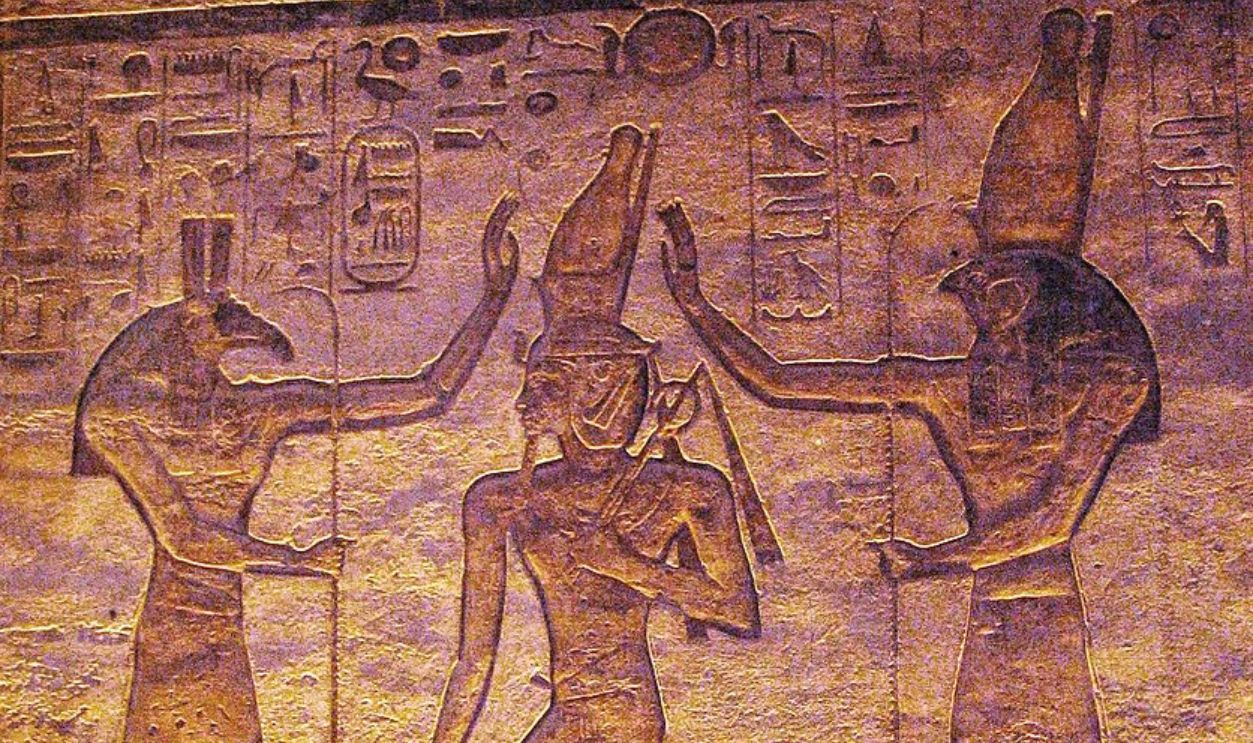 Chipdawes; Beyond My Ken, Wikimedia Commons
19. It’s All Greek to Me
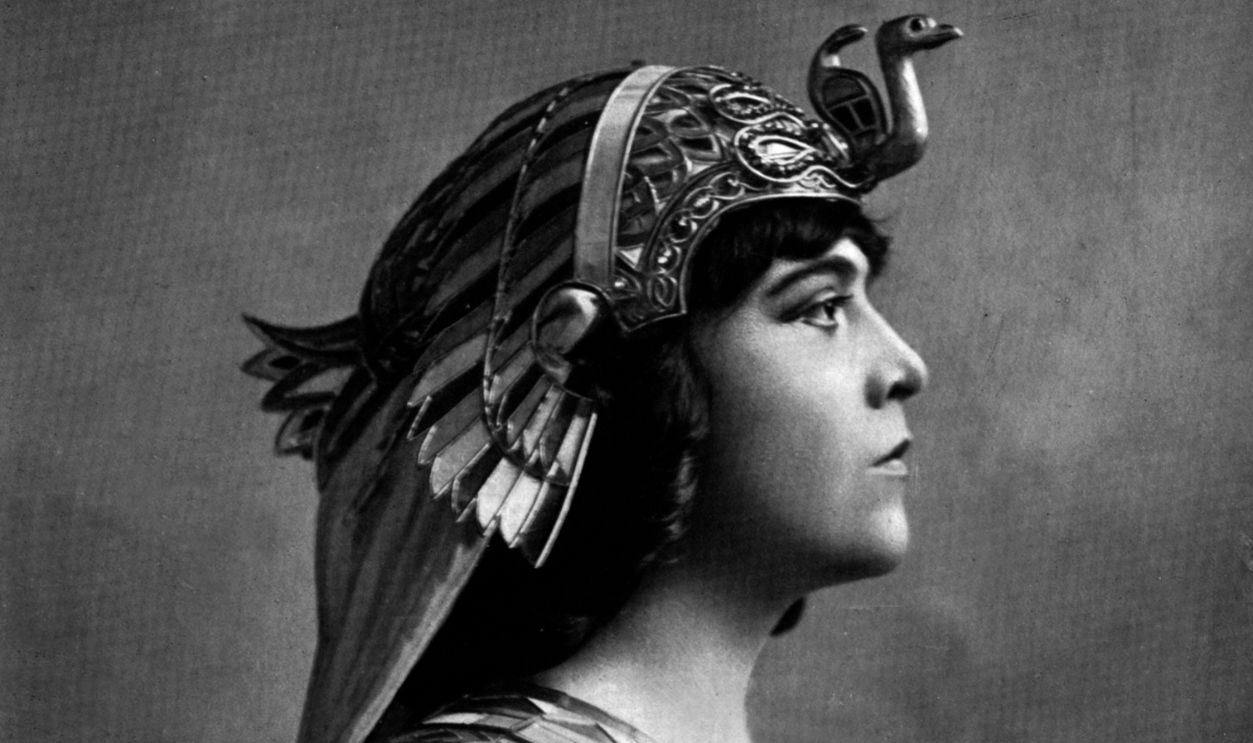
In the dynasty of Greek rulers of Egypt, Cleopatra was the first who could speak Egyptian.
18. Sweet Relief
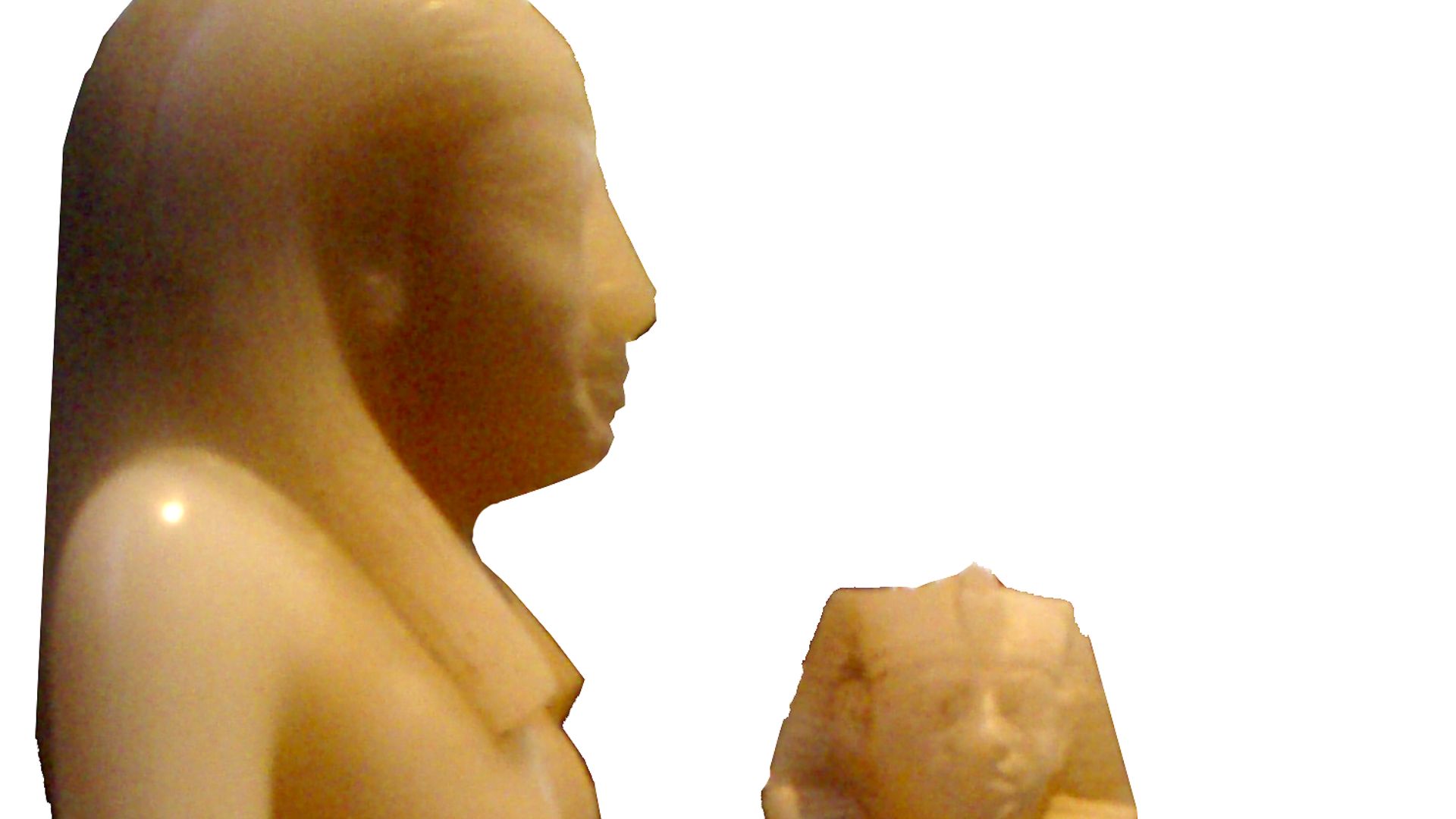
In order to keep flies from landing on him, Pepi II of Egypt surrounded himself with naked slaves whose bodies were smeared with honey. Pepi II was a bit of a dick.
 Keith Schengili-Roberts, Wikimedia Commons
17. It’s Good to be the King
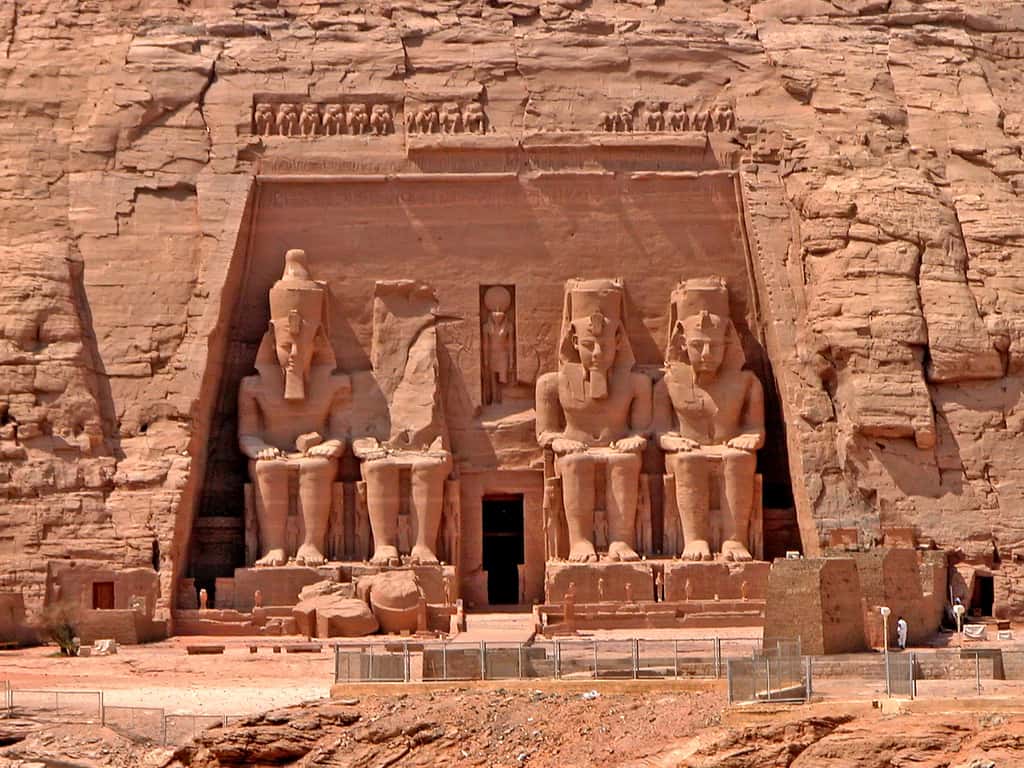
Ramses the Great had 8 official wives and nearly 100 concubines. He was over 90 years old when he died in 1212 BC and, no doubt, he died a very happy man.
16. Bundle of Joy
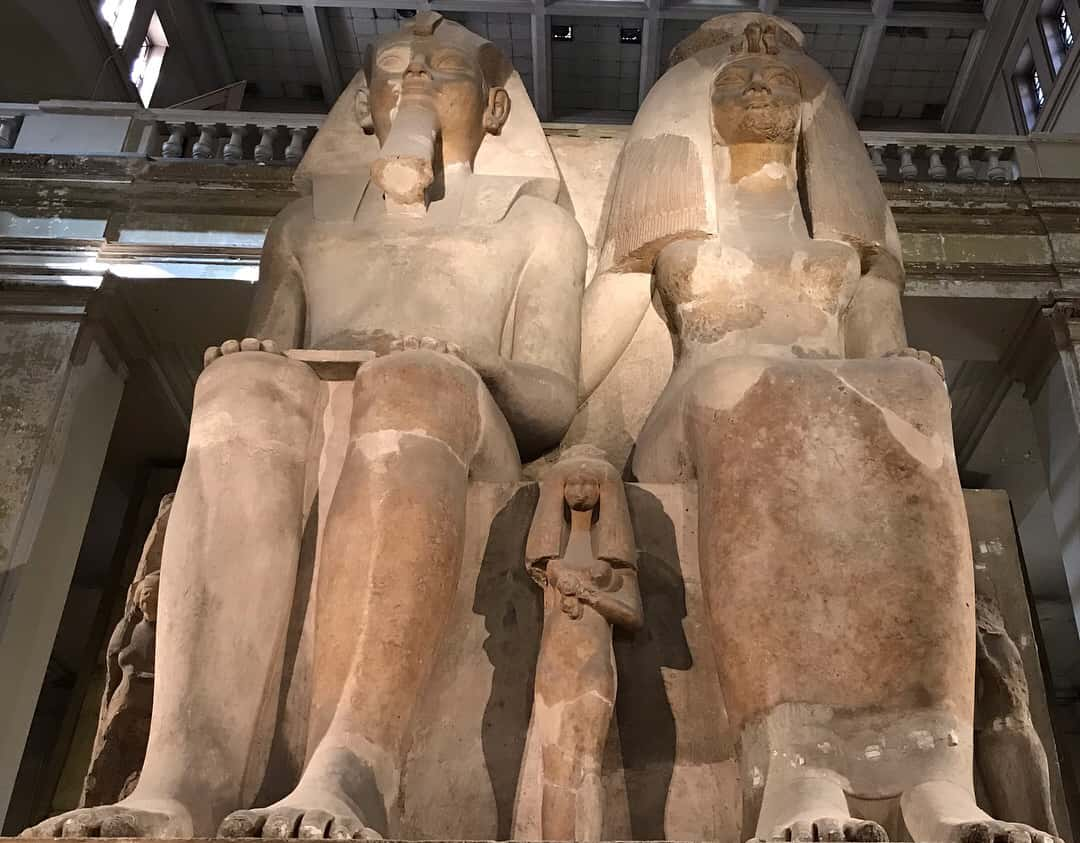
Traces of nicotine and cocaine were found in Egyptian mummies.
15. Peace Out
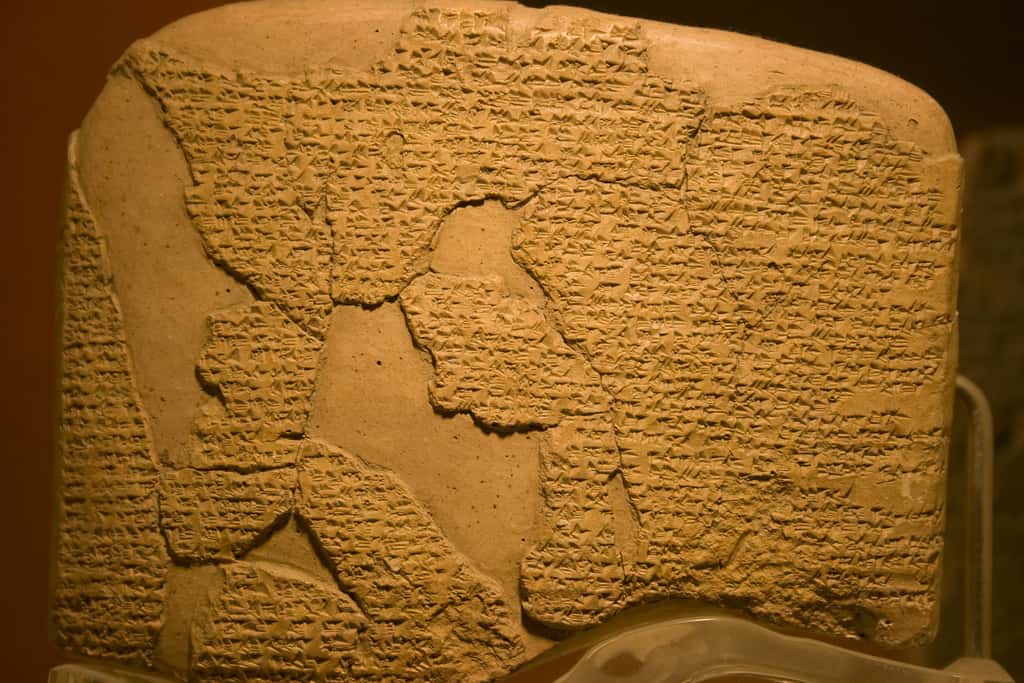
The ancient Egyptians and the Hittite Empire were the signatories of one of the earliest surviving peace accords, a copy of which can be seen above the entrance to the United Nations Security Council Chamber in New York.
14. In One Ear…
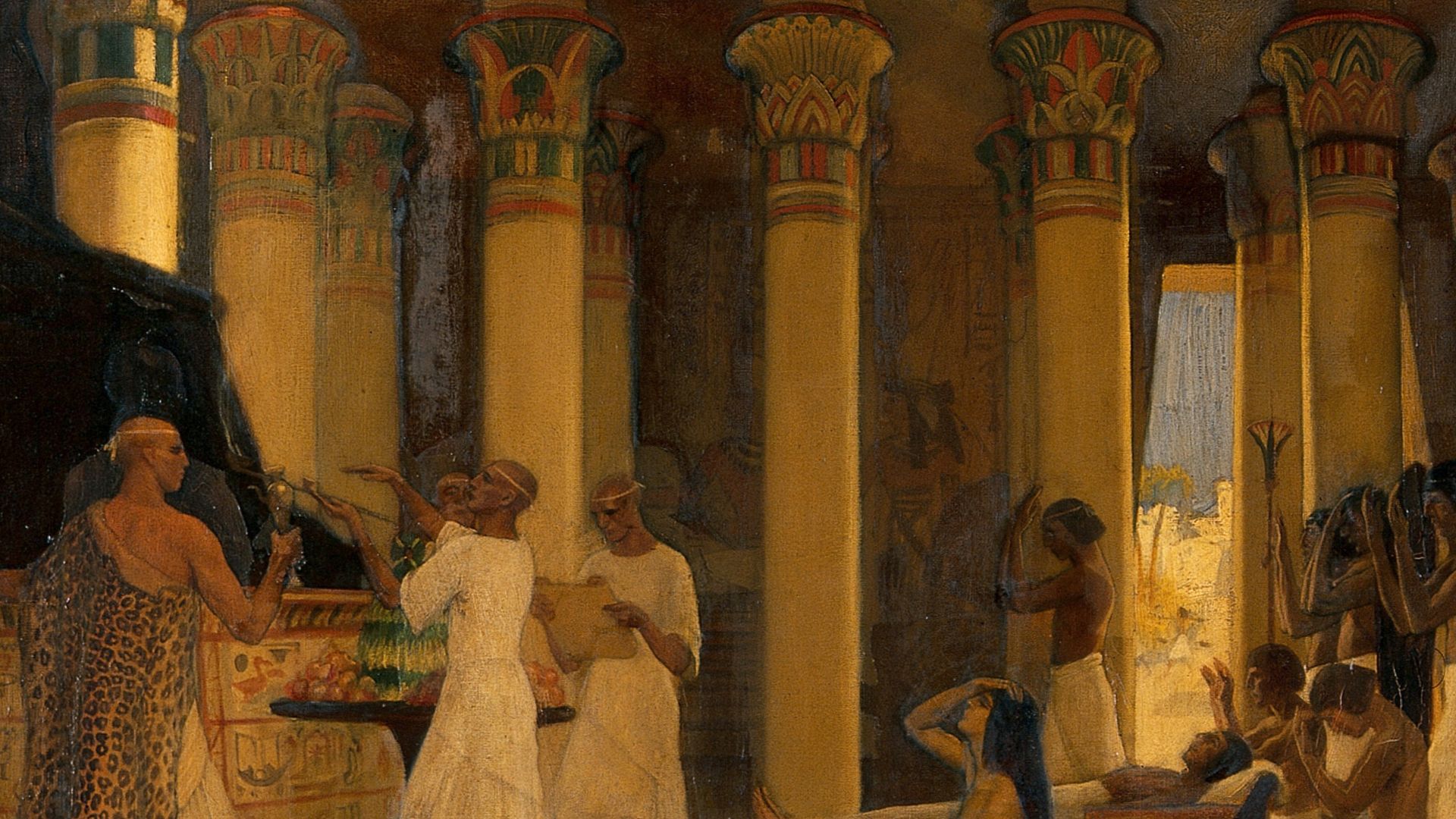
One ancient Egyptian cure for blindness was to pour mashed-up pig’s eye into the patient’s ear. Luckily, patients who received this treatment couldn’t see the mess it made.
13. If the Mold Fits
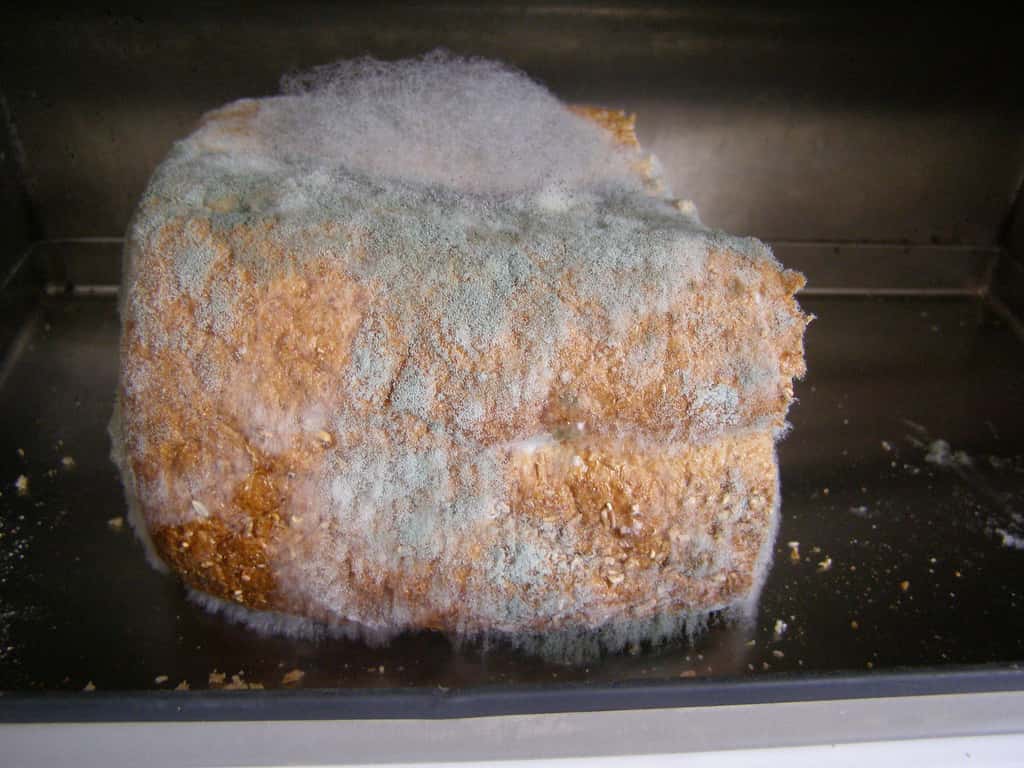
While antibiotics weren’t discovered until the 20th century, early Egyptian medicine used moldy bread to treat infections.
12. Crap to the Future
Ancient Egyptians practiced scatomancy, the act of telling the future through someone’s feces. Well, if there’s anyone who can tell us about the future, it’s Doc Brown. We’ll let ourselves out.
 Universal, Back to the Future (1985)
10. Wage Gap? What Wage Gap?
Although Egyptian women typically stayed at home, those who worked outside the home received equal pay for doing the same jobs as men.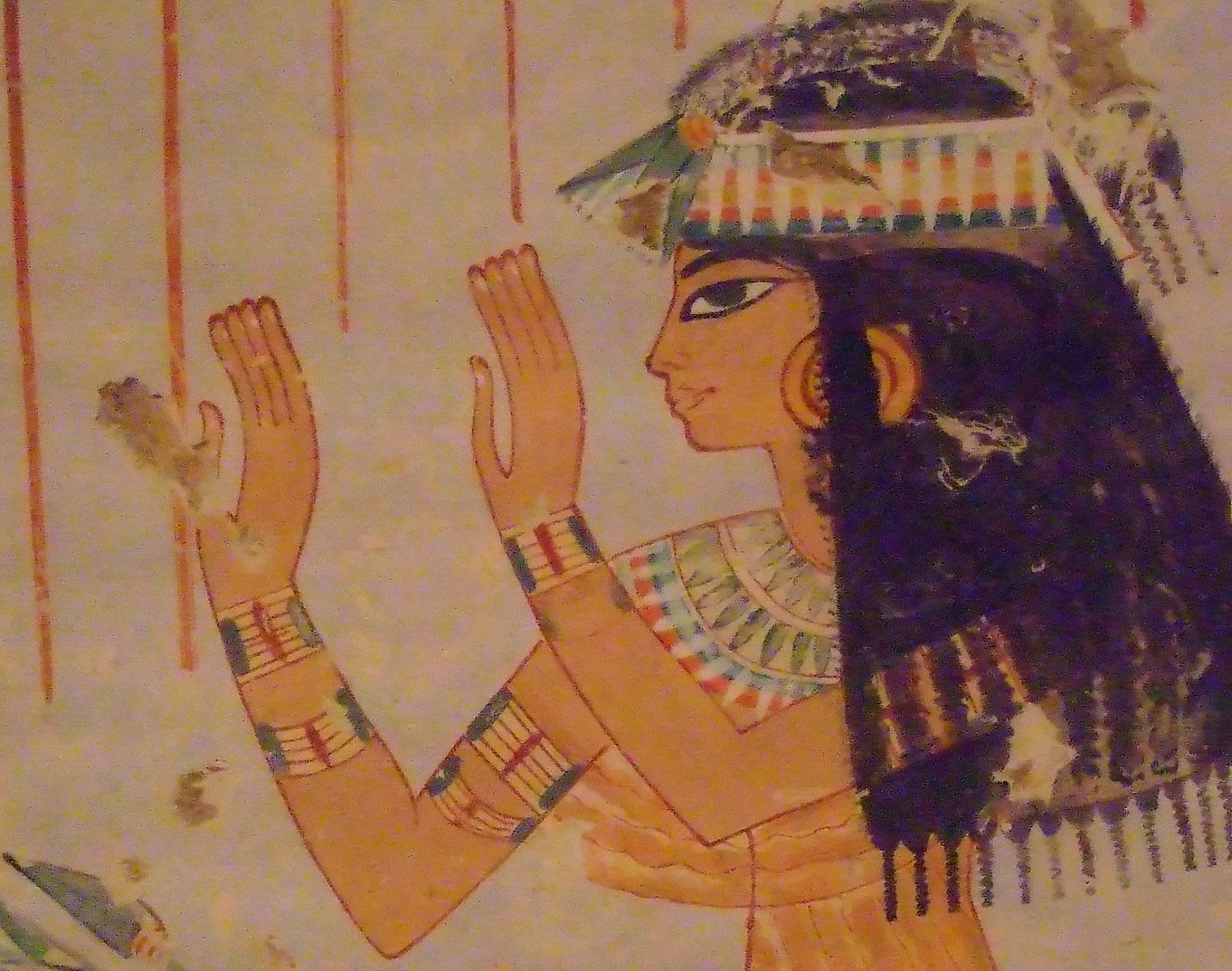 Mary Harrsch, Flickr
9. Strike One
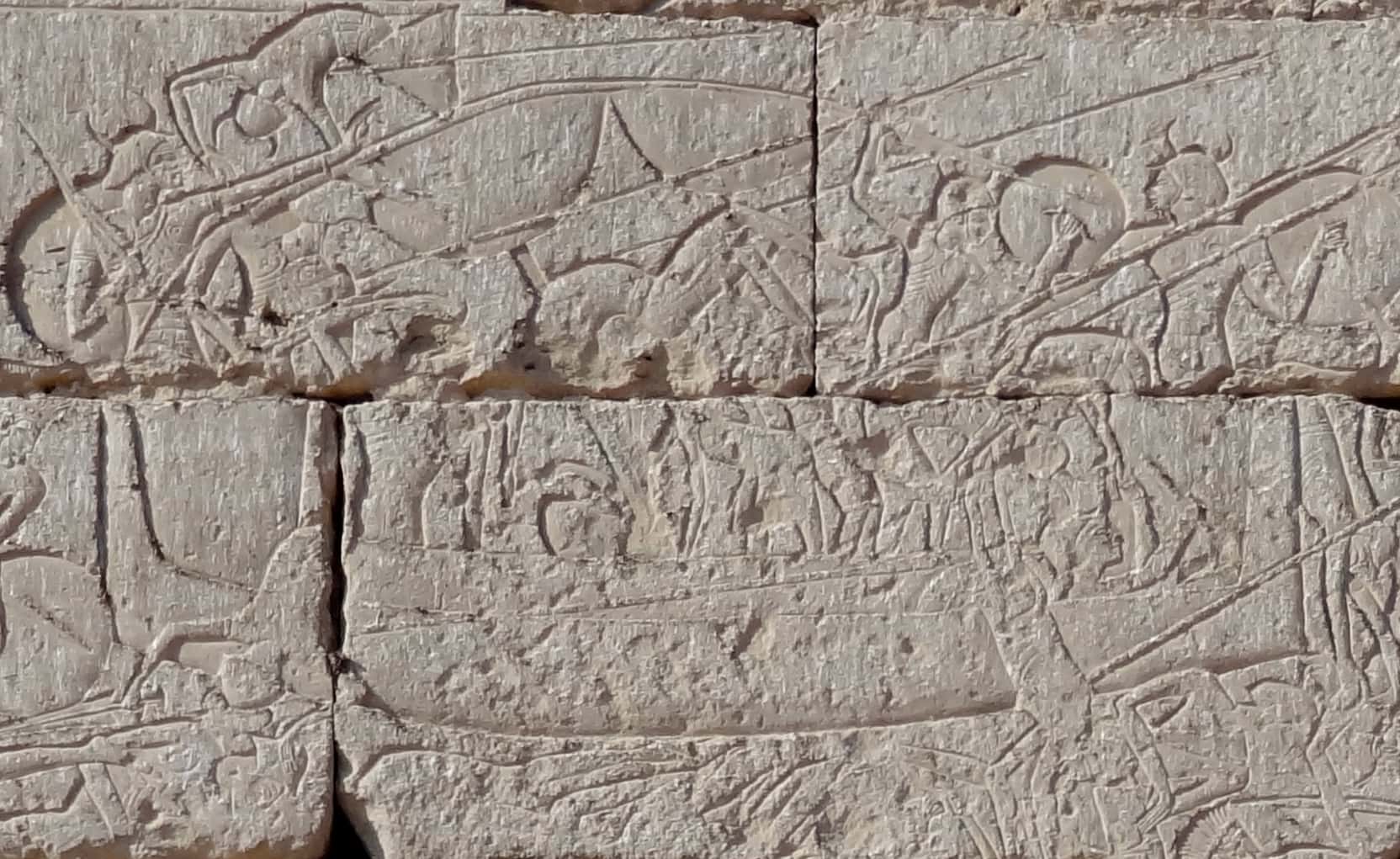
Ancient Egyptian workers were not afraid to protest for better working conditions. The most famous was during the reign of Ramses III when laborers building the royal necropolis did not receive their usual payment of grain. They organized one of the first recorded strikes in history.
8. What’s Mine is Mine
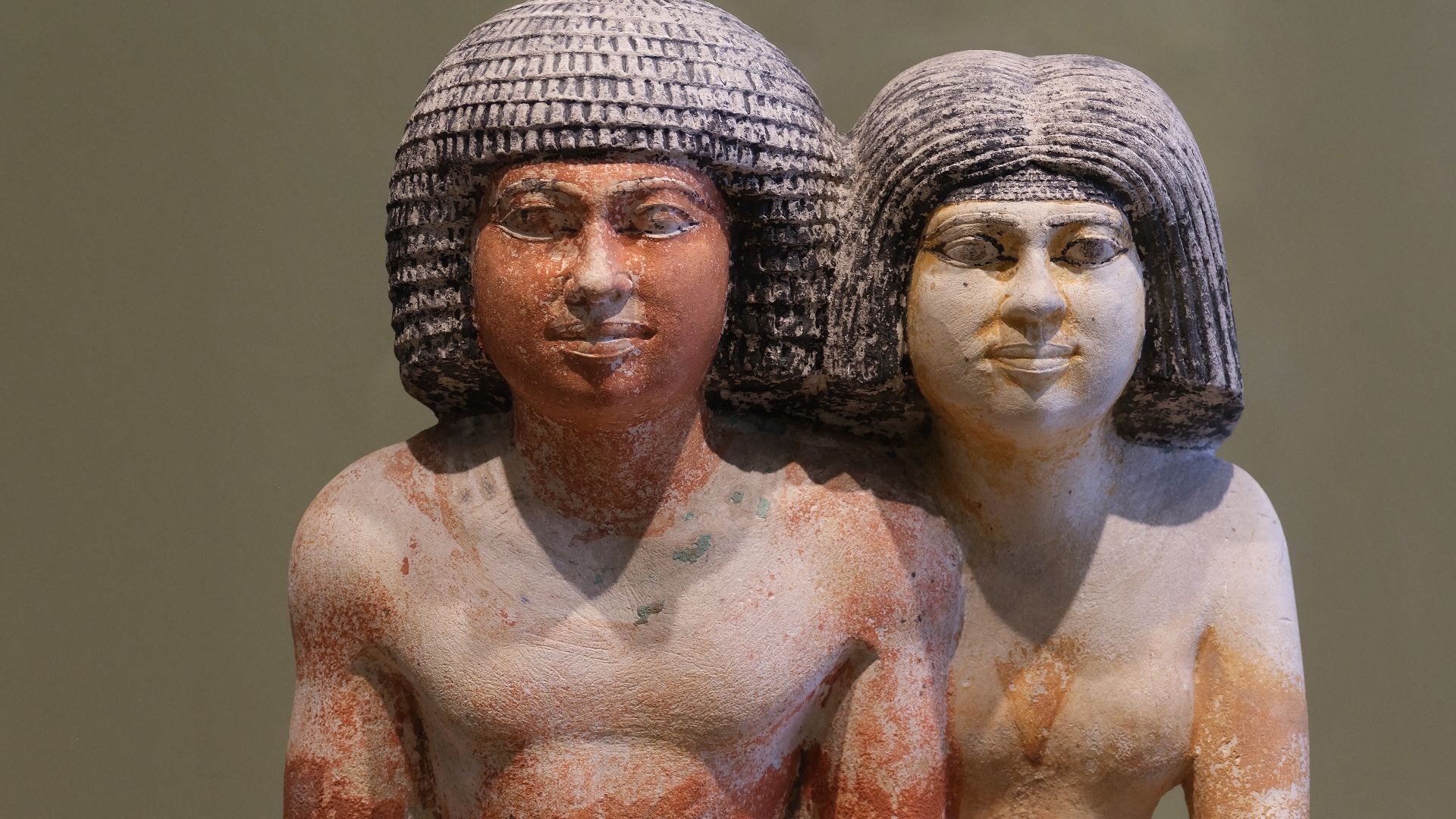
Egyptian couples were known to negotiate ancient prenuptial agreements. These contracts listed all the assets a woman brought into the marriage and guaranteed she would be compensated for it in the event of a divorce.
7. Time for S’Mores
Ancient Egyptians were the first people to make a sweet treat from the marshmallow plant, combining its sap with nuts and honey.

6. A God that Poops
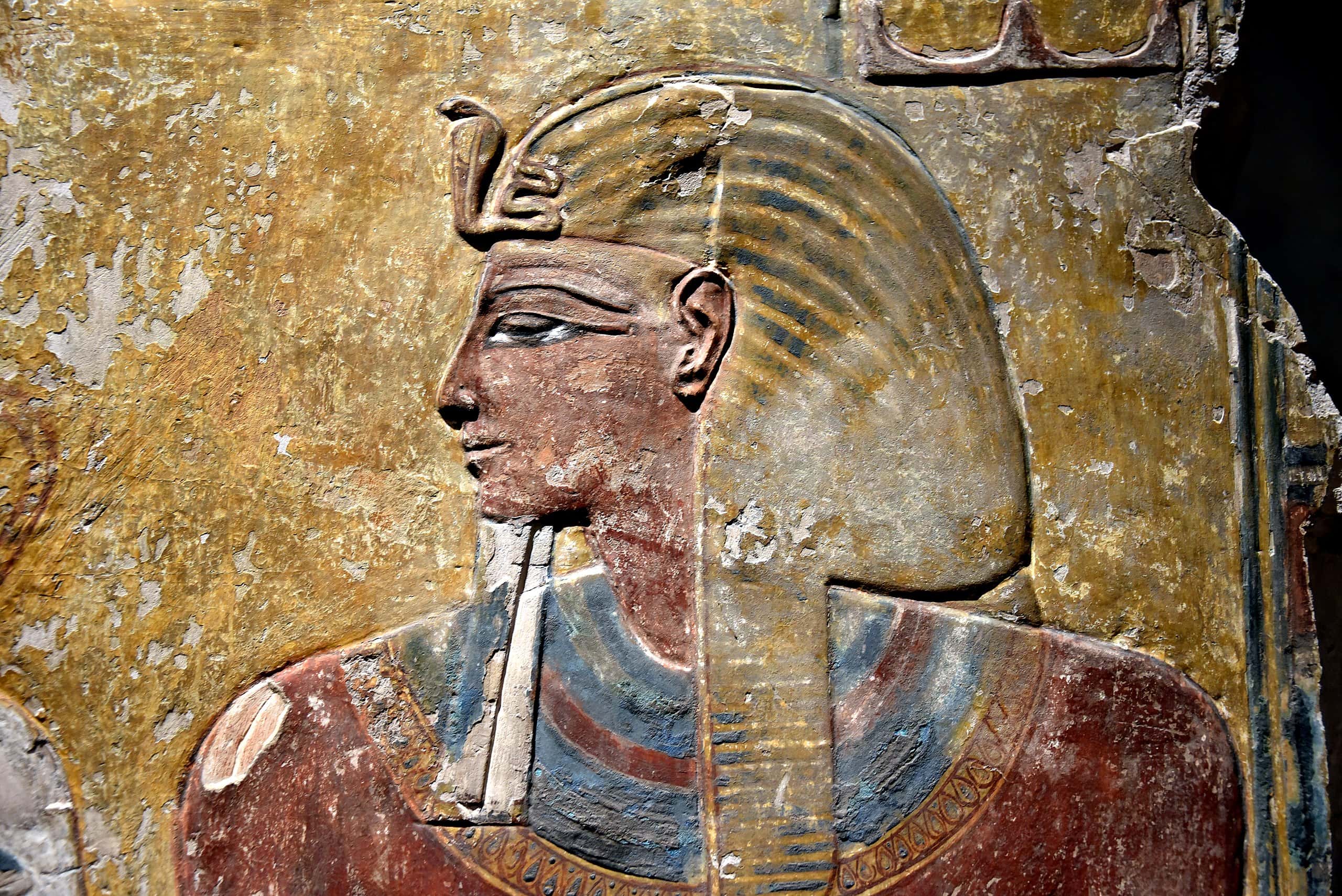
Pharaohs were viewed by the Egyptian people as living gods.
5. Man of the House
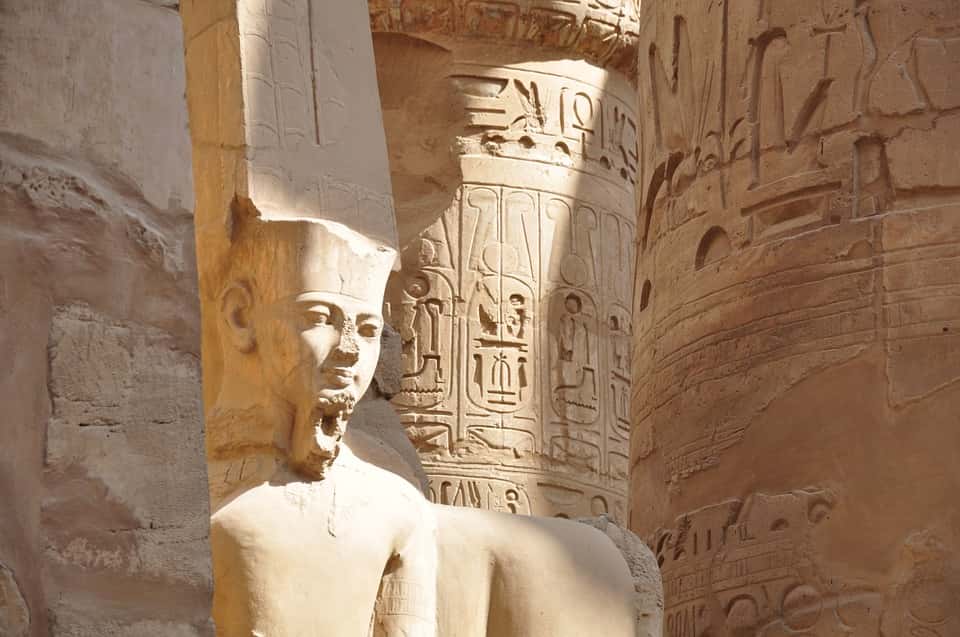
The term pharaoh translates to “great house” and originally referred to the royal palace where the pharaohs lived. Eventually, it became the designation for the ruler of Egypt.
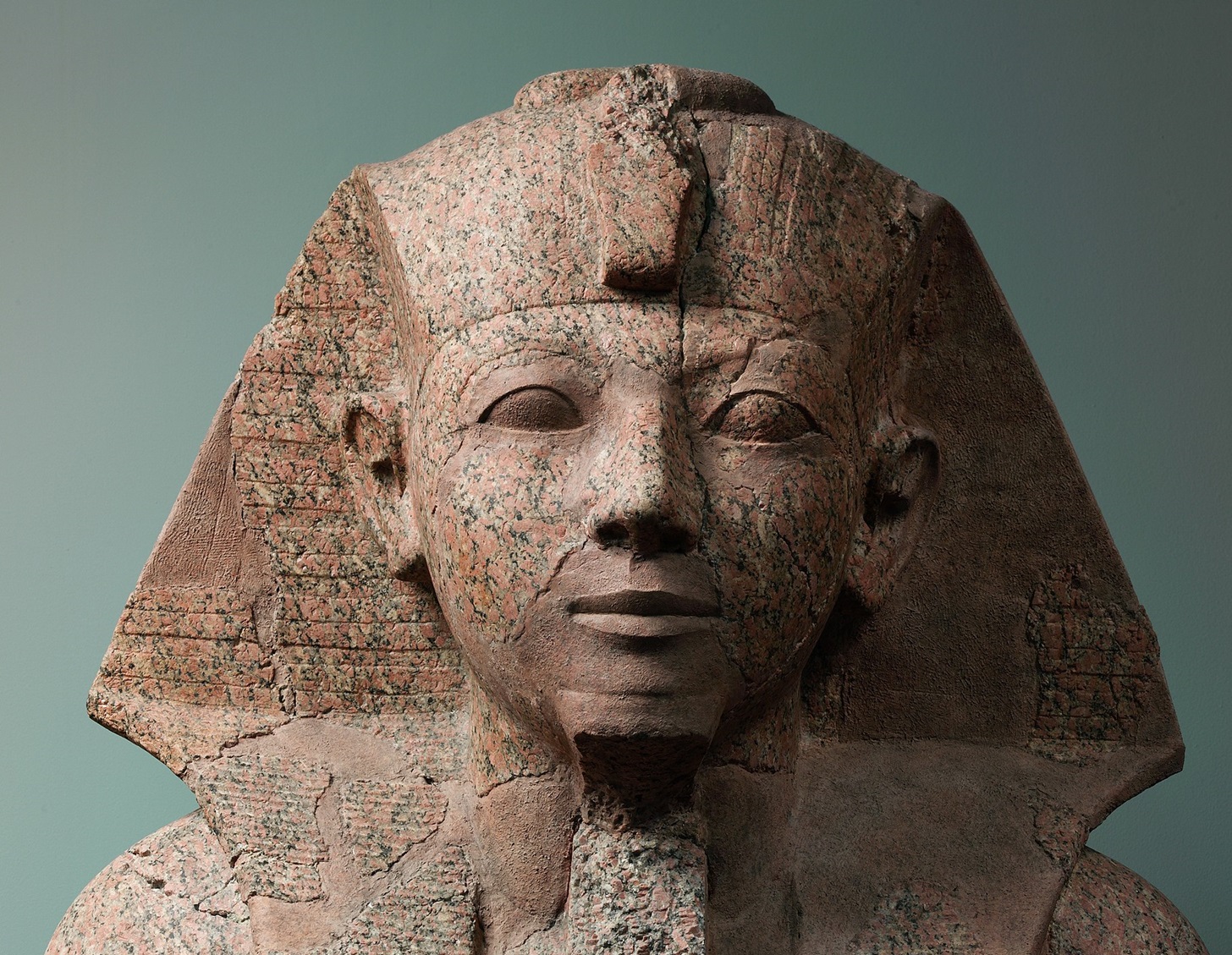
4. Under Wraps
A pharaoh would never let his hair be seen and always wore a crown or a headdress called a nemes. As a result, pharaohs never had a bad hair day.
 Metropolitan Museum of Art, Wikimedia Commons
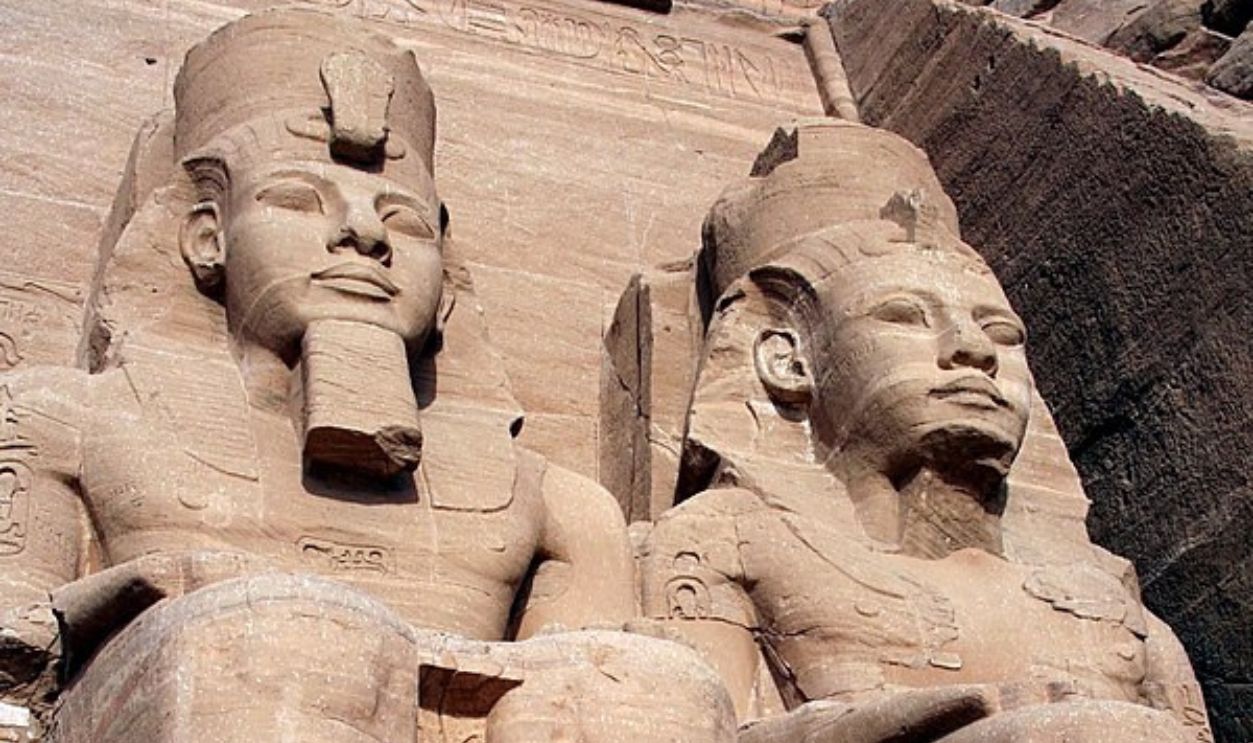
3. Sweet Tooth
Many Ancient Egyptian Pharaohs were overweight due to a sugary diet of alcohol, bread, and honey.
 Steve F-E-Cameron (Merlin-UK), CC BY-SA 3.0, Wikimedia Commons
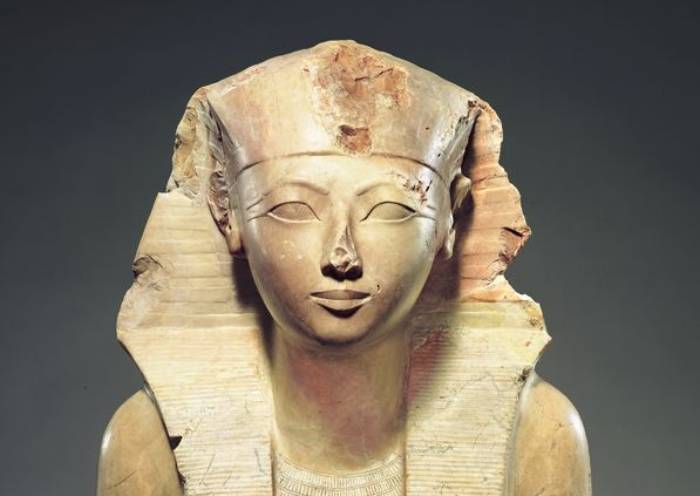
2. Jabba the Tut
Even though her sarcophagus depicted her as slender and athletic, the legendary Queen Hatshepsut, who lived in 15th century BC, was said to be likely obese and bald.
 Metropolitan Museum of Art, Wikimedia Commons
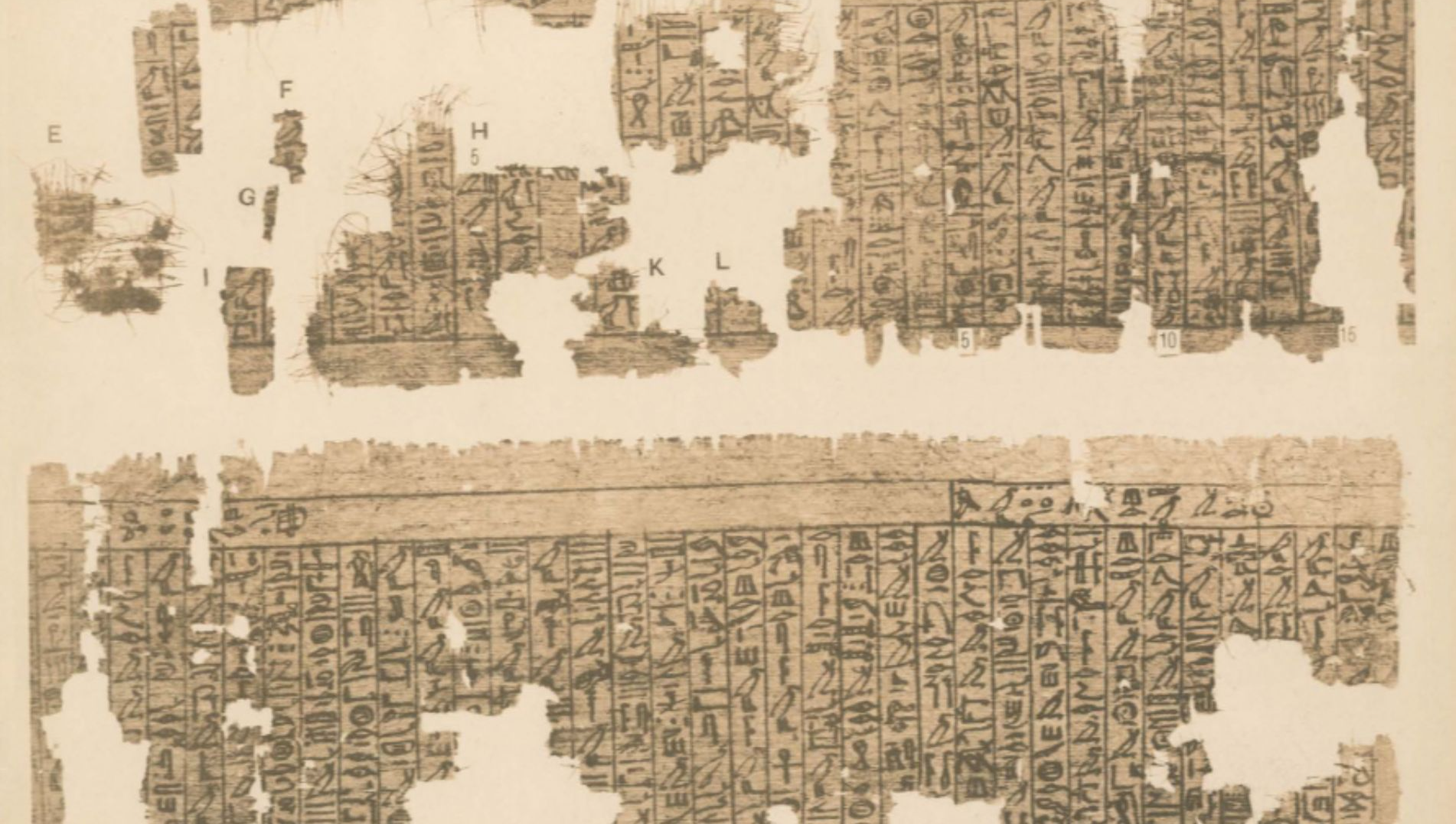
1. Planned Parenthood
The Egyptian Kahun Papyrus (1850 BC) suggested using crocodile feces either as a contraceptive or as an abortion drug. We’re not doctors, but we’re sure that smearing yourself in poop would deter anyone from wanting to have a baby with you.
 Francis Llewellyn Griffith (1862-1934), Wikimedia Commons










.jpg)


