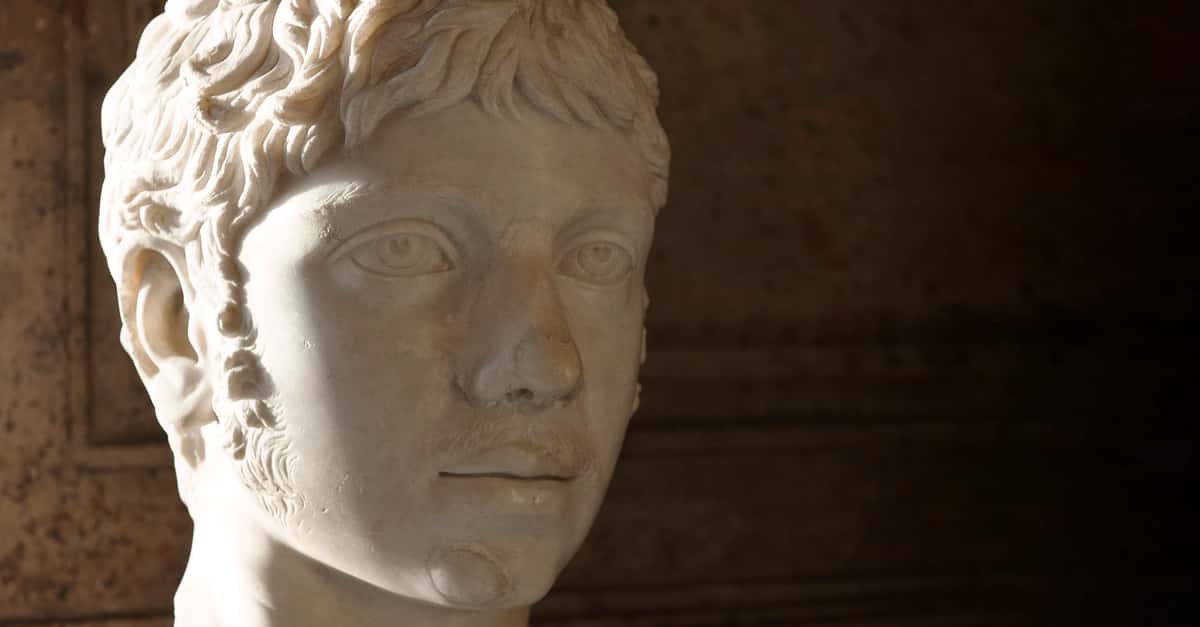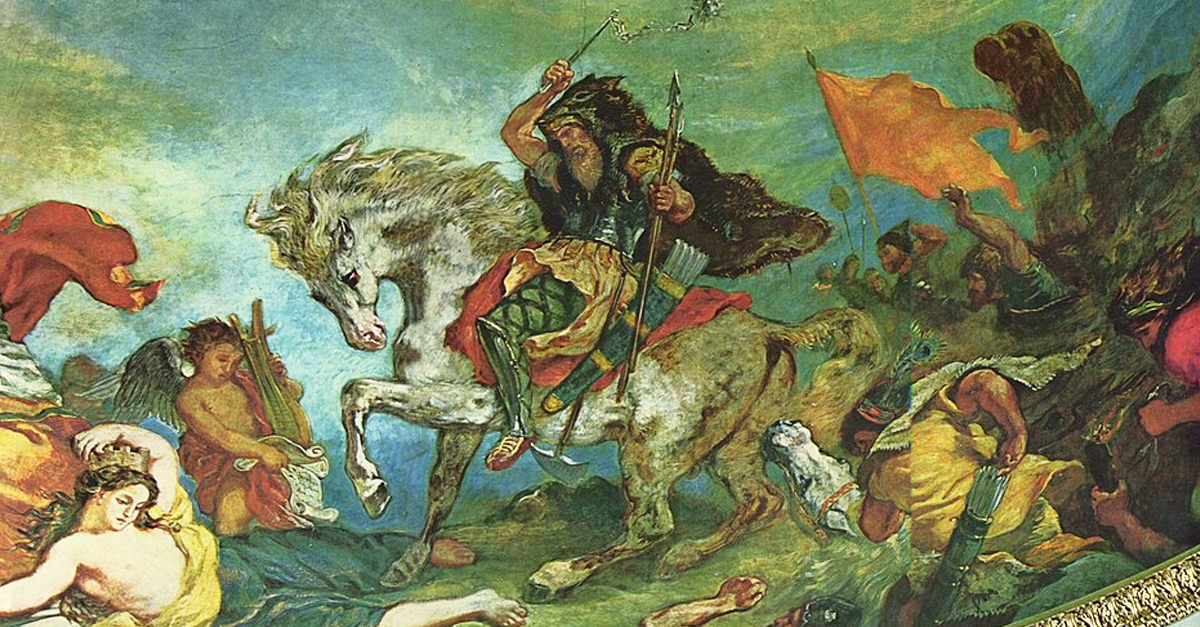
The Empire That Terrified Europe
At its peak, the Hunnic Empire stretched across huge portions of Central and Eastern Europe, fuelling the nightmares of the people of the Roman Empire. Under Attila, the Huns extracted tribute, laid waste to cities, and forced emperors into making humiliating concessions. But the empire’s biggest weakness was hidden by its terrifying success.
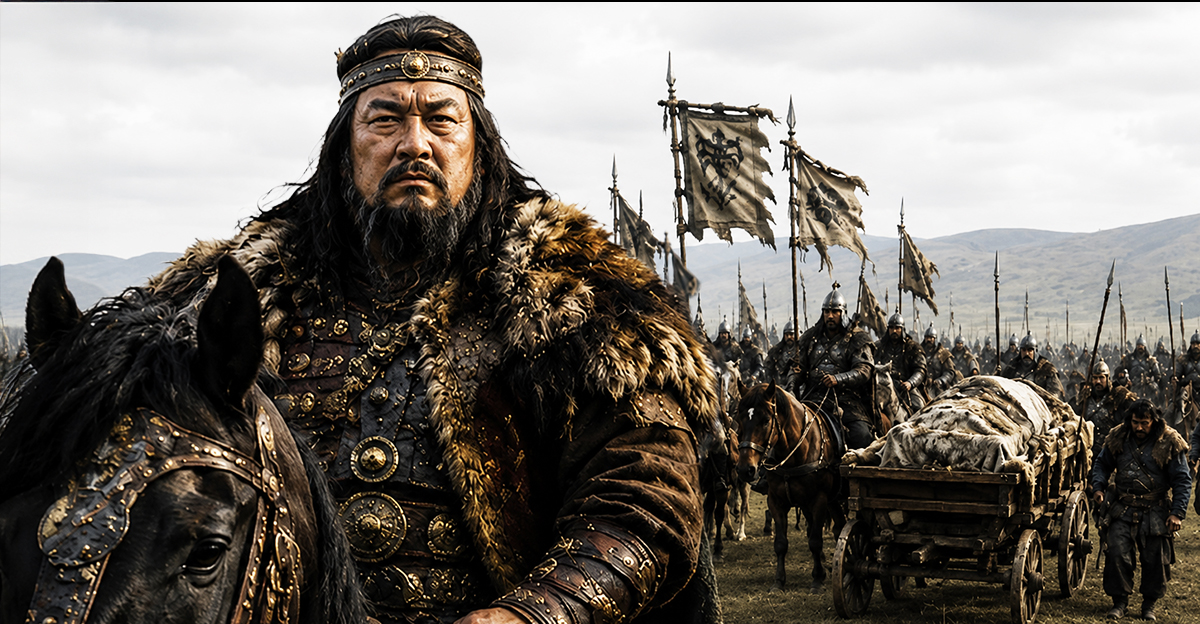
Attila Ruled Through Fear And Personality
Unlike Rome, the Huns lacked any kind of strong centralized institutions capable of surviving a ruler’s death. Much of the empire depended directly on Attila’s own direct personal authority, military reputation, and ability to intimidate rivals. As long as he lived, ambitious subordinates stayed loyal. Once he died, everything that held the empire together suddenly became fragile.
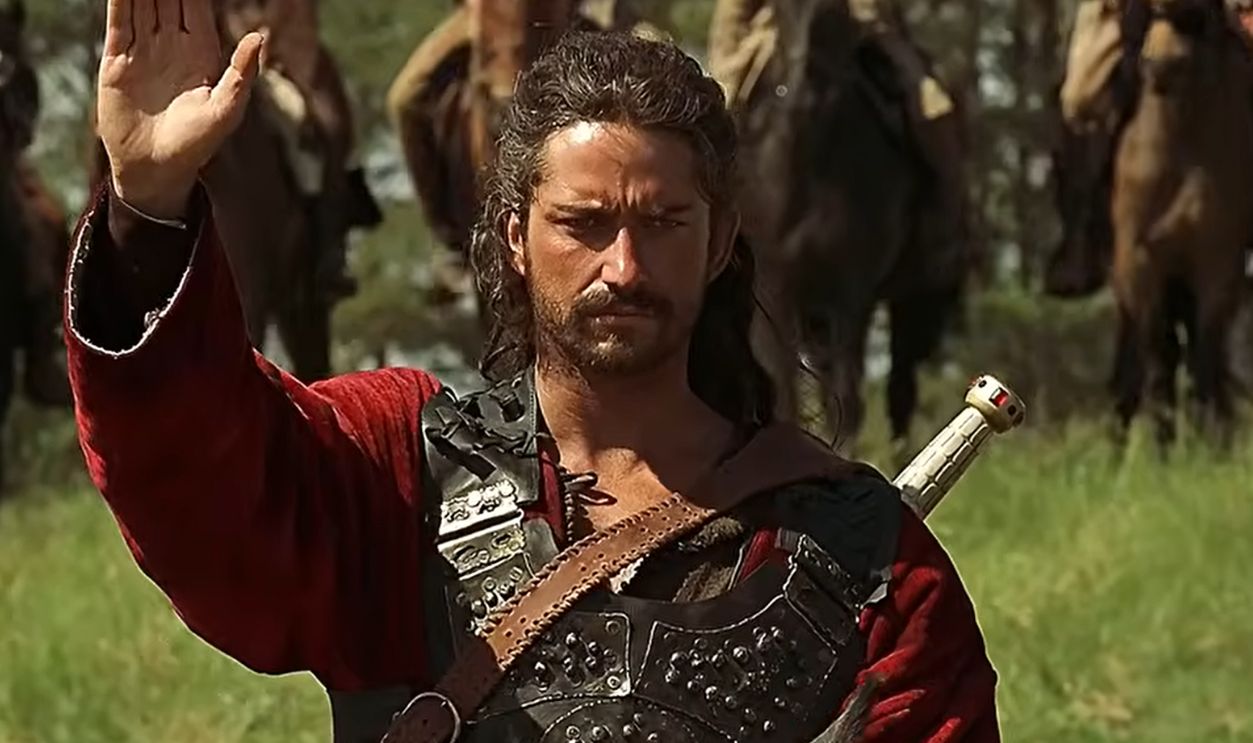 Screenshot from Attila, USA Network (2001)
The Huns Before Attila’s Final Night
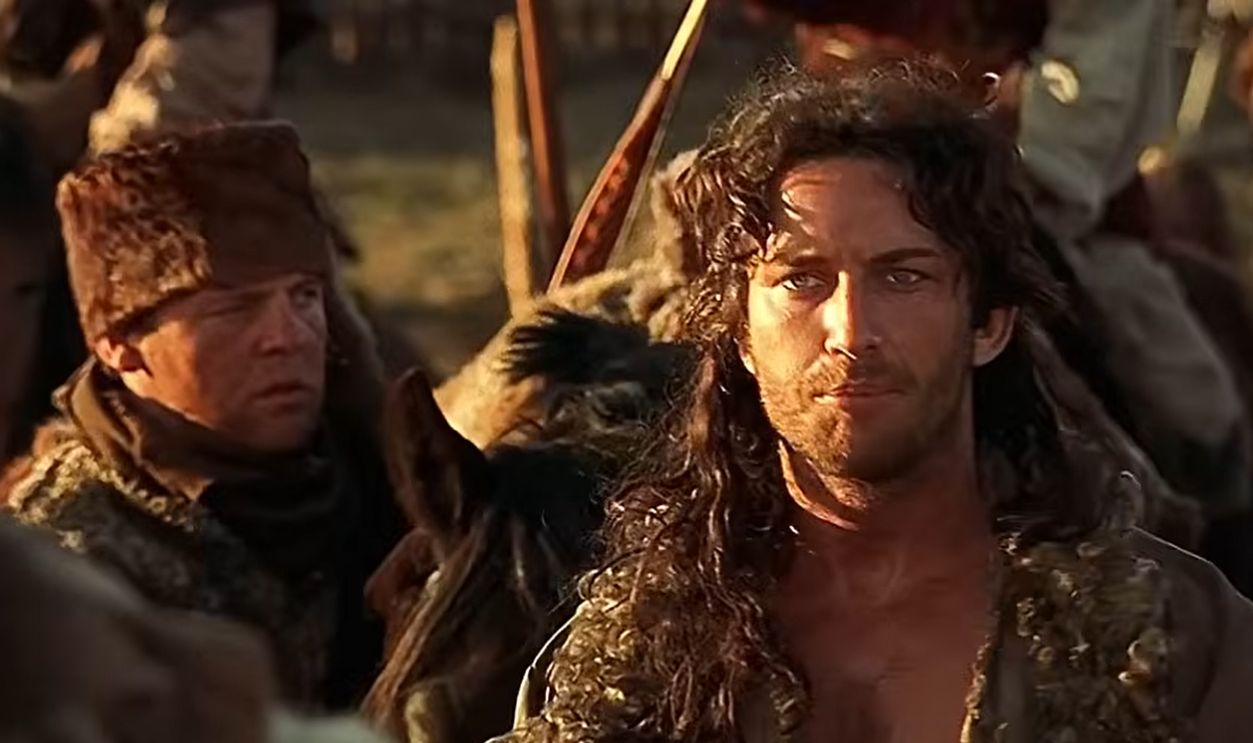
By 453 AD, Attila stood at the height of his power despite recent military setbacks in Gaul (France) and Italy. He still controlled enormous wealth and commanded fierce loyalty from many subject tribes. Roman leaders were still terrified of his wrath. Few people could imagine that the empire’s collapse was already rapidly oncoming.
 Screenshot from Attila, USA Network (2001)
Attila’s Sudden Death Shocked Everyone
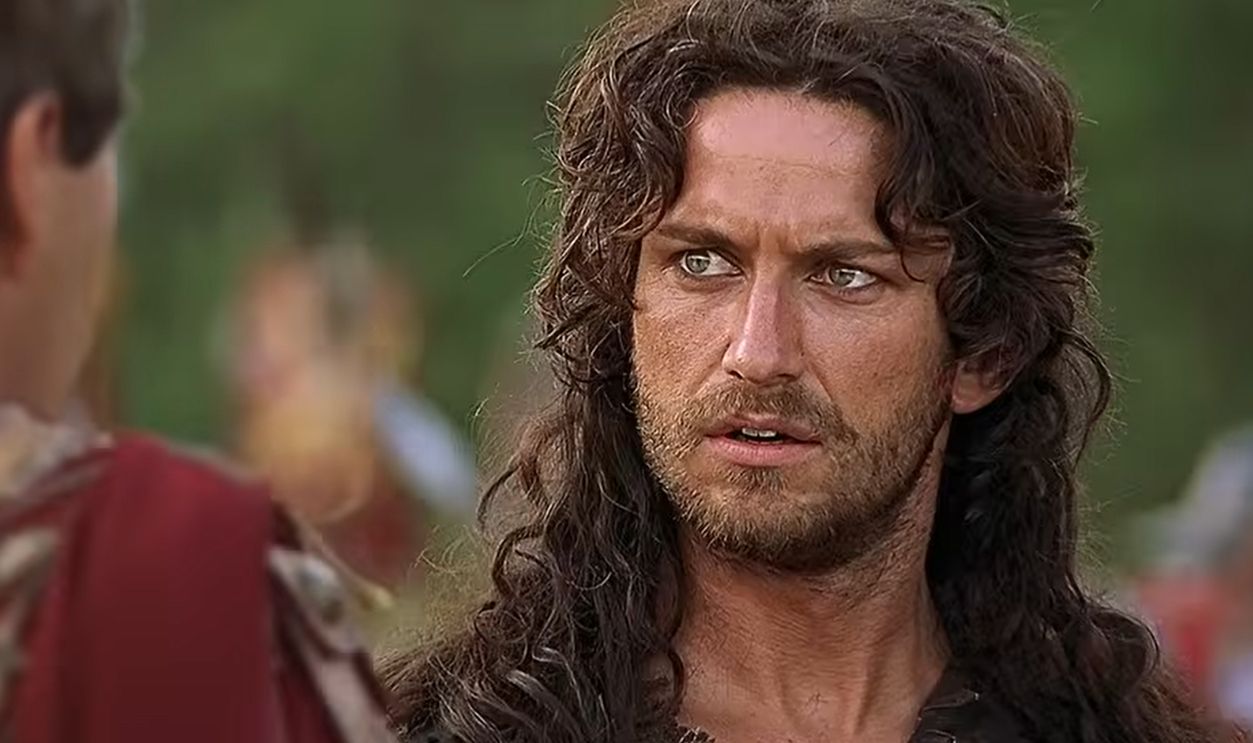
Attila died unexpectedly during the night after celebrating his marriage to a young woman named Ildico. According to several ancient accounts, heavy bleeding during the night caused him to choke to death in his sleep. Other sources say it was alcohol poisoning that did him in. Whatever the cause, the suddenness of his death amazed both allies and enemies across Europe.
 Screenshot from Attila, USA Network (2001)

History's most fascinating stories and darkest secrets, delivered to your inbox daily.
Ancient Sources Tell Different Stories
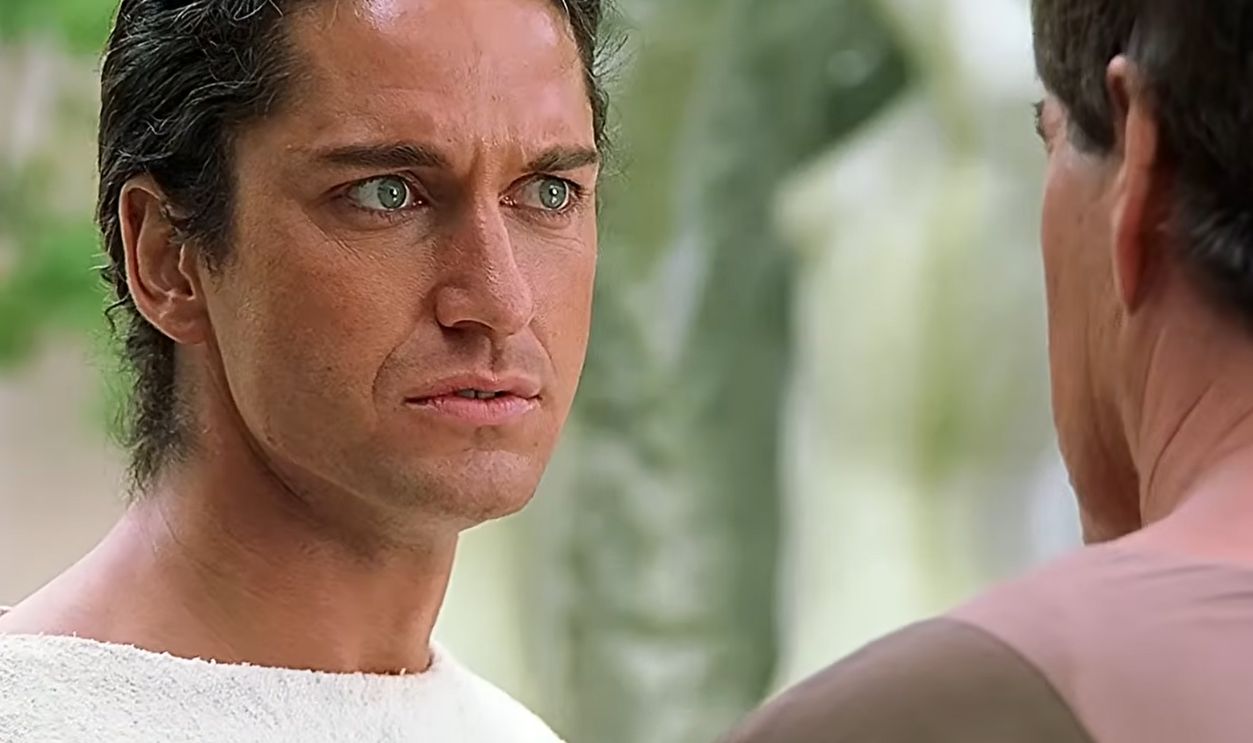
The Roman historian Priscus provided one of the earliest surviving descriptions of Attila’s death, later repeated by Jordanes. Some later writers suspected assassination or poisoning, although definitive evidence never emerged. The lack of consistent contemporary records leaves historians to argue over exactly what may have happened during Attila’s final hours on this Earth.
 Screenshot from Attila, USA Network (2001)
The Funeral Became Legendary
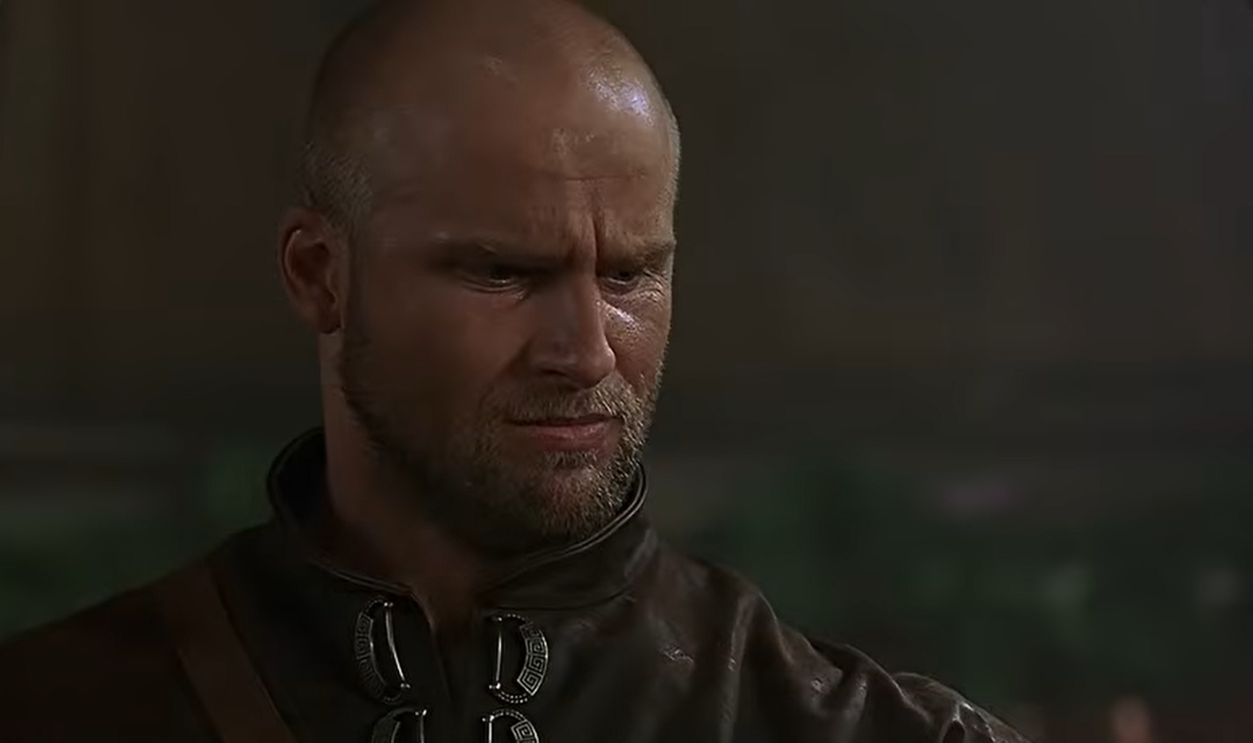
According to later accounts, Attila’s followers mourned him with dramatic rituals that reflected Hunnic traditions. Warriors reportedly cut their faces in grief so their leader would be mourned with blood rather than tears. His burial itself became one of history’s enduring mysteries and legends.
 Screenshot from Attila, USA Network (2001)
Attila’s Tomb Was Hidden Forever
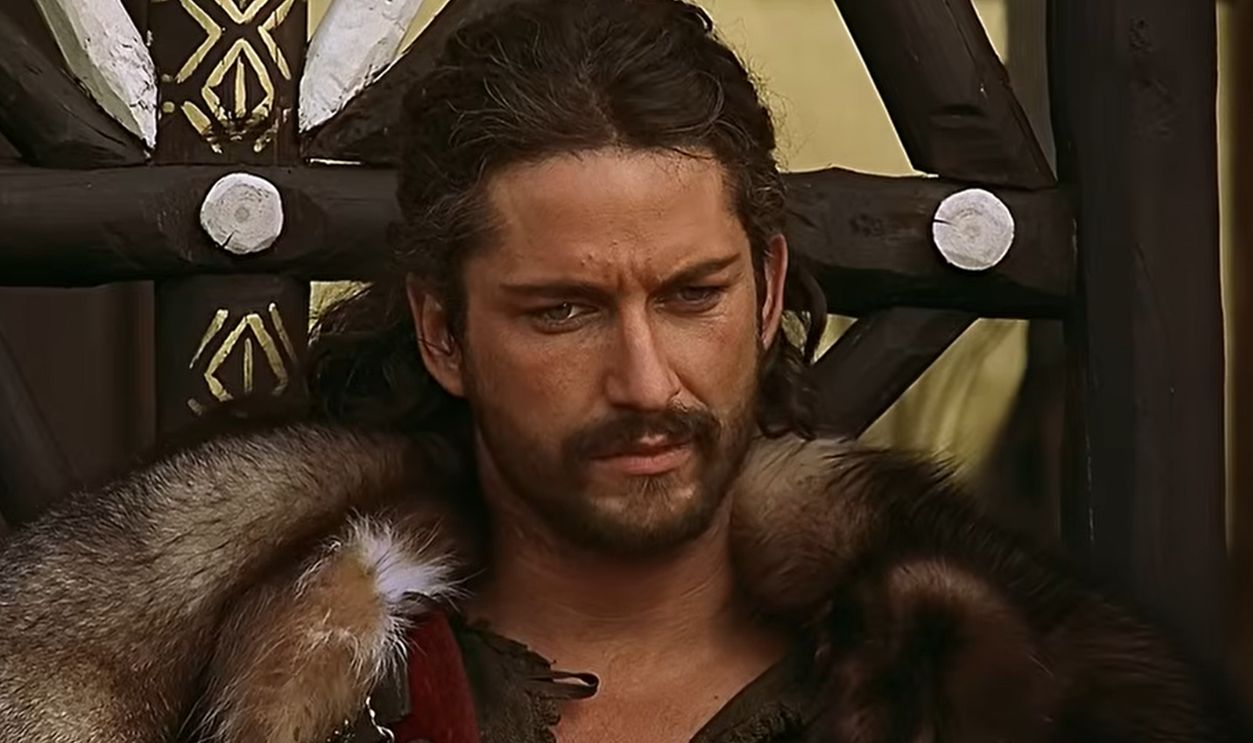
Legend claims Attila was buried in three coffins made of iron, silver, and gold, symbolizing his conquests and wealth. The workers involved in the burial were supposedly killed afterward to preserve the location’s secrecy. Whether true or exaggerated, the story added to Attila’s growing mythical reputation.
 Screenshot from Attila, USA Network (2001)
His Sons Wanted Power
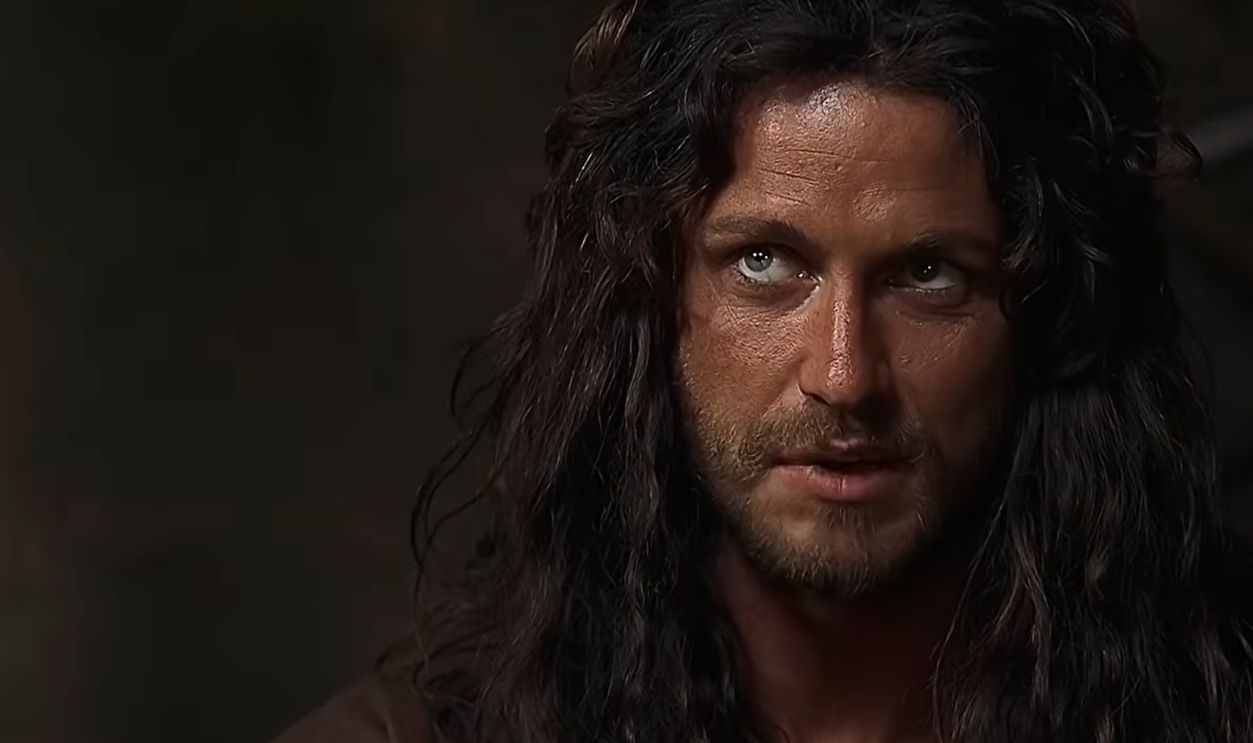
Attila left behind multiple sons, including Ellac, Dengizich, and Ernakh. Instead of smoothly transferring power to a single heir, rivalries quickly emerged among them. Each son hoped to dominate the empire, but none of them possessed Attila’s unique authority. That competition soon destabilized the primitive Hunnic political system.
 Screenshot from Attila, USA Network (2001)
Ellac Initially Took The Lead
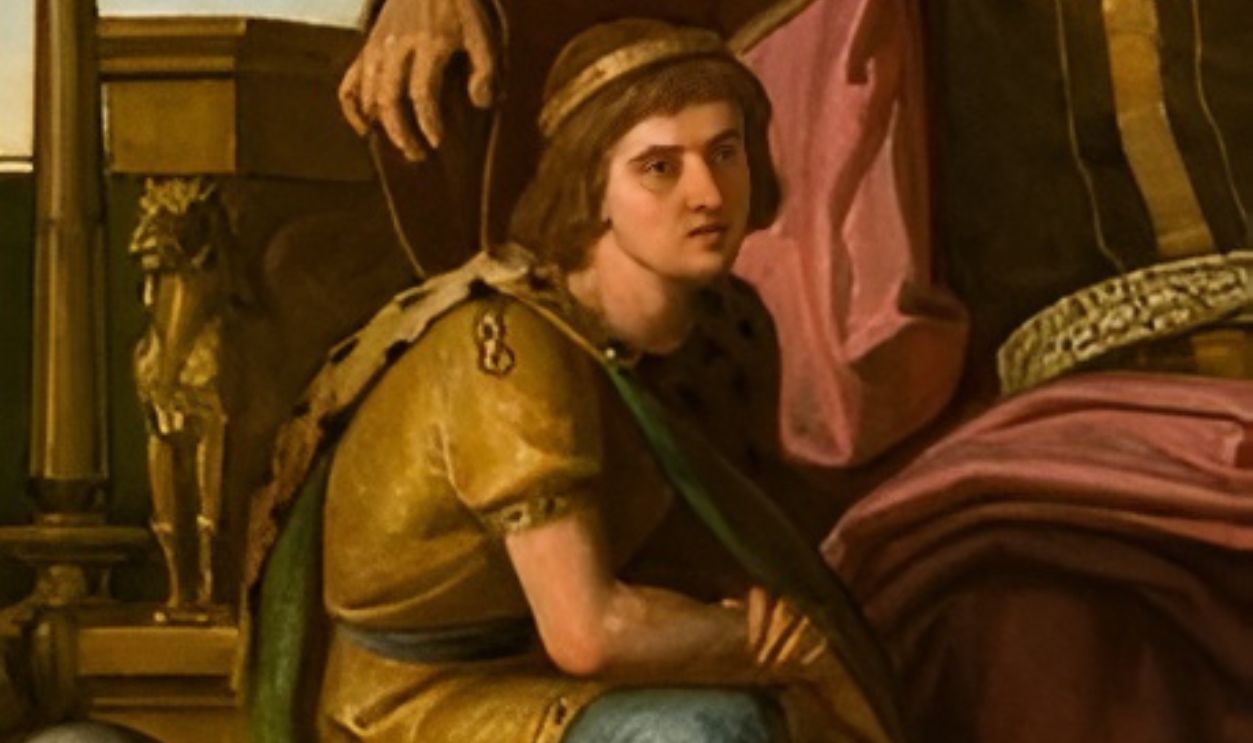
Ellac, Attila’s eldest known son, appears to have inherited the primary leadership role after his father’s death. Ancient sources suggest Attila himself favored Ellac as successor. Unfortunately for him, many tribes within the empire had obeyed Attila personally rather than the Hunnic royal family as a permanent institution.
 Mor Than, CC BY-SA 4.0, Wikimedia Commons, Modified
Subject Tribes Began To Rebel
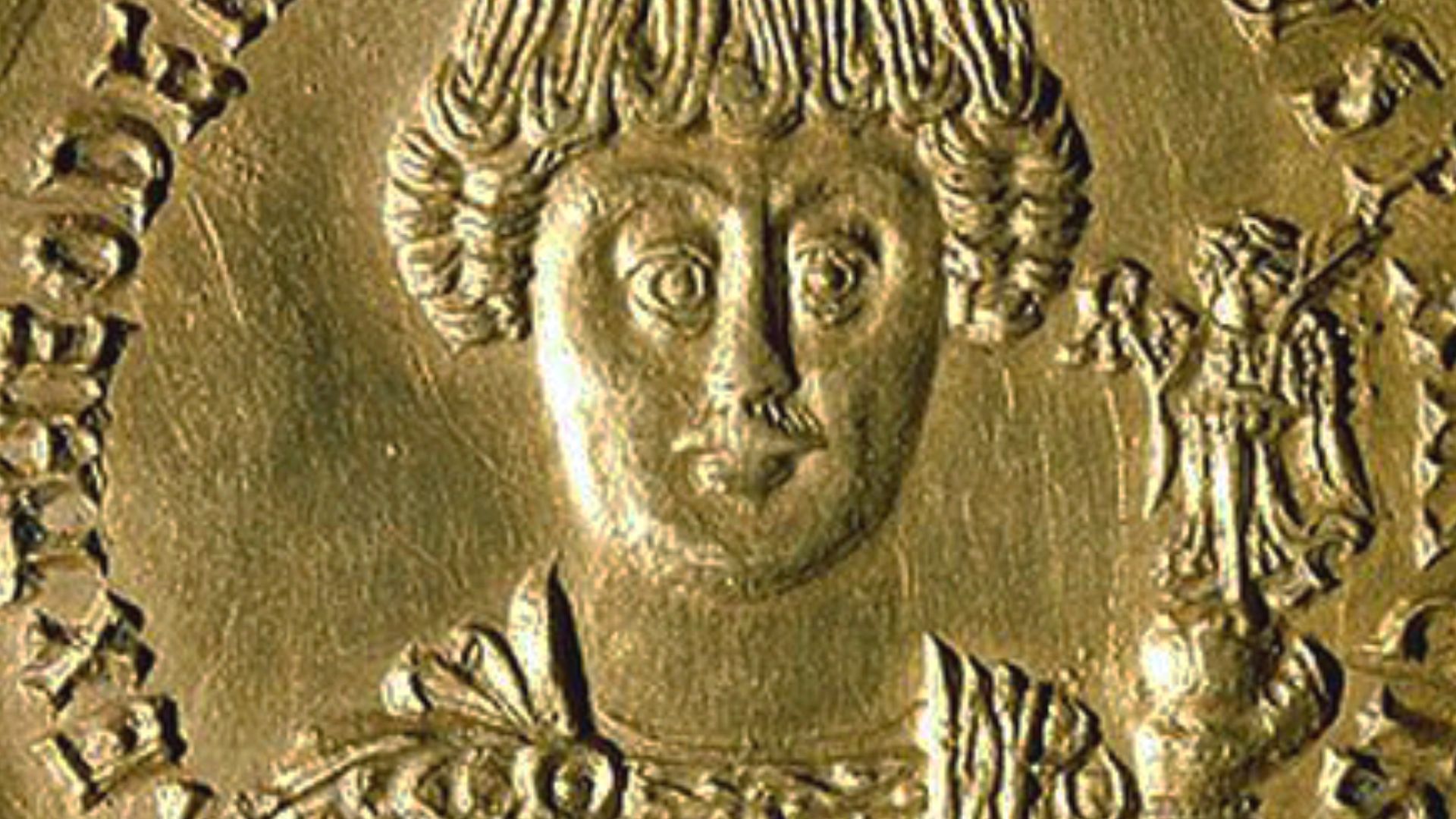
The Hunnic Empire ruled over many conquered peoples, including Gepids, Ostrogoths, Rugians, and others. These groups had endured years of tribute and military domination under Attila. Once he was gone, many immediately saw an opportunity to reclaim their independence and even settle some old scores along the way through rebellion.
 Unknown authorUnknown author, Wikimedia Commons
History's most fascinating stories and darkest secrets, delivered to your inbox daily.
Ardaric Emerged As A Dangerous Rival
One of the most important rebel leaders was Ardaric, king of the Gepids. Previously a trusted ally of Attila, Ardaric reportedly grew frustrated with Hunnic dominance and the division of power among Attila’s sons. He soon became the central figure leading resistance against the Hunnic ruling family.
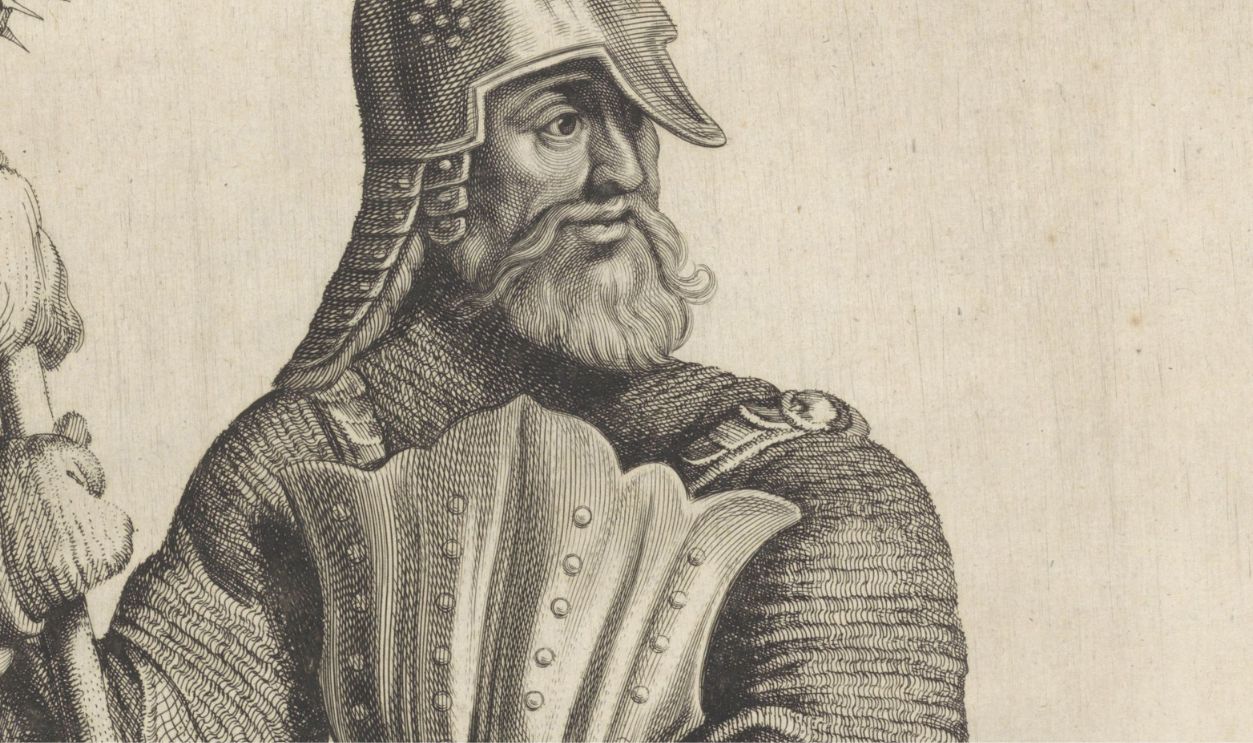
The Empire Started Splitting Apart
Without Attila’s intimidating presence, alliances unraveled rapidly. Tribes that once marched together under Hunnic banners were now at each other’s throats. The empire fragmented into competing factions almost overnight. Rome watched nervously as the terrifying force that had threatened Europe suddenly began to unravel from internal conflict.
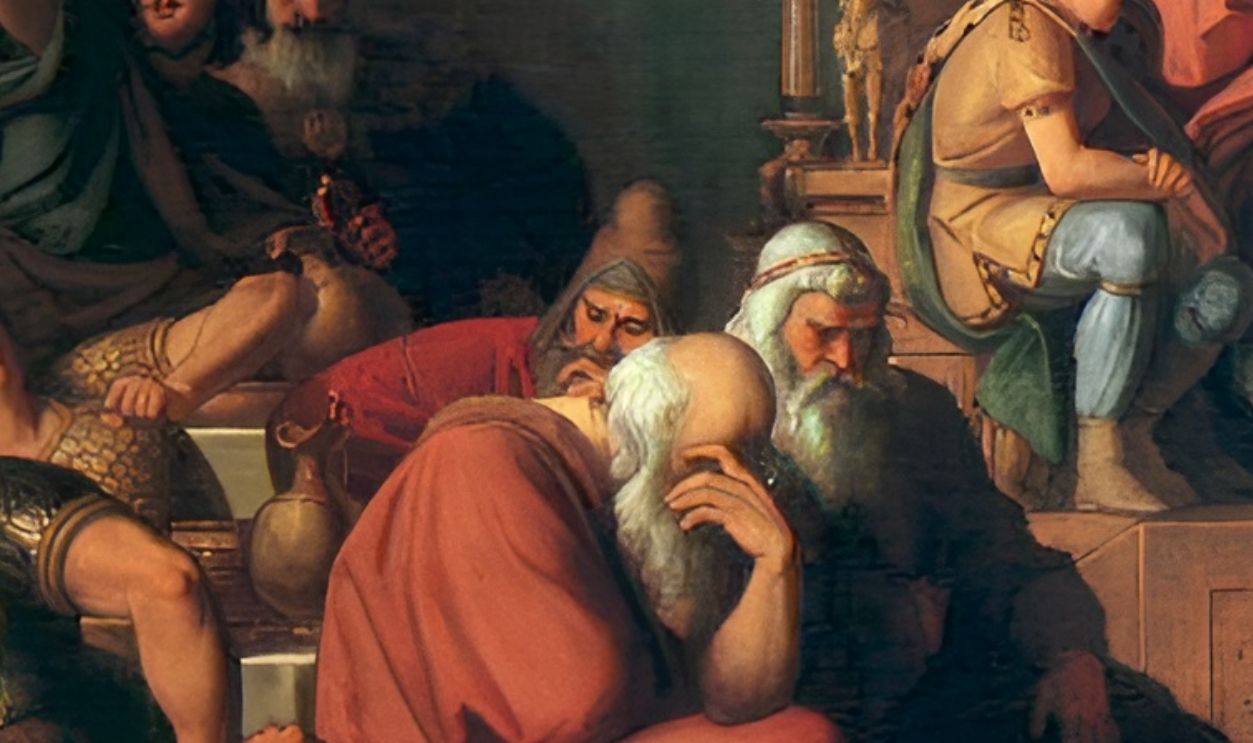 Mor Than, Wikimedia Commons, Modified
The Battle Of Nedao Changed Everything
Around 454 AD, opposing forces finally clashed at the Battle of Nedao, likely fought somewhere in the Balkans. The battle became the decisive moment in the destruction of Hunnic supremacy. Former subject peoples united against Attila’s sons in armed struggle for their independence and survival.
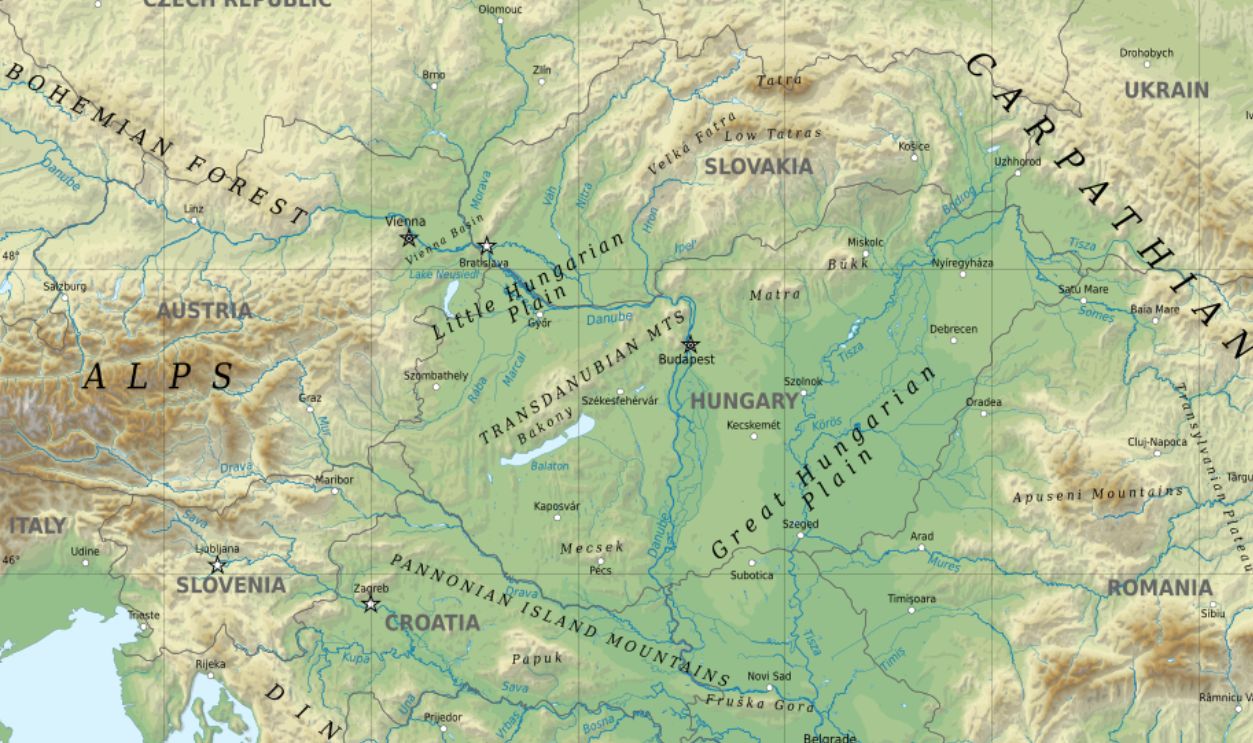 Ikonact, CC BY-SA 4.0, Wikimedia Commons
Ellac Was Killed In Battle
Ellac died during the Battle of Nedao, dealing a devastating blow to Hunnic authority. Ancient sources describe fierce fighting involving numerous tribes once controlled by Attila. The defeat shattered hopes for preserving the empire in any semblance of its previous form. After Nedao, the Huns never fully regained their former dominance.
 Screenshot from Attila, USA Network (2001), Modified
Former Allies Became Enemies
The aftermath of Nedao transformed old political relationships across Europe. Tribes once forced into Hunnic service now competed aggressively for territory and influence of their own. The Gepids gained considerable power, while Ostrogoths and others repositioned themselves politically. The Huns suddenly found themselves isolated rather than their customary status of feared masters of the region.
Dengizich Tried To Restore Hunnic Power
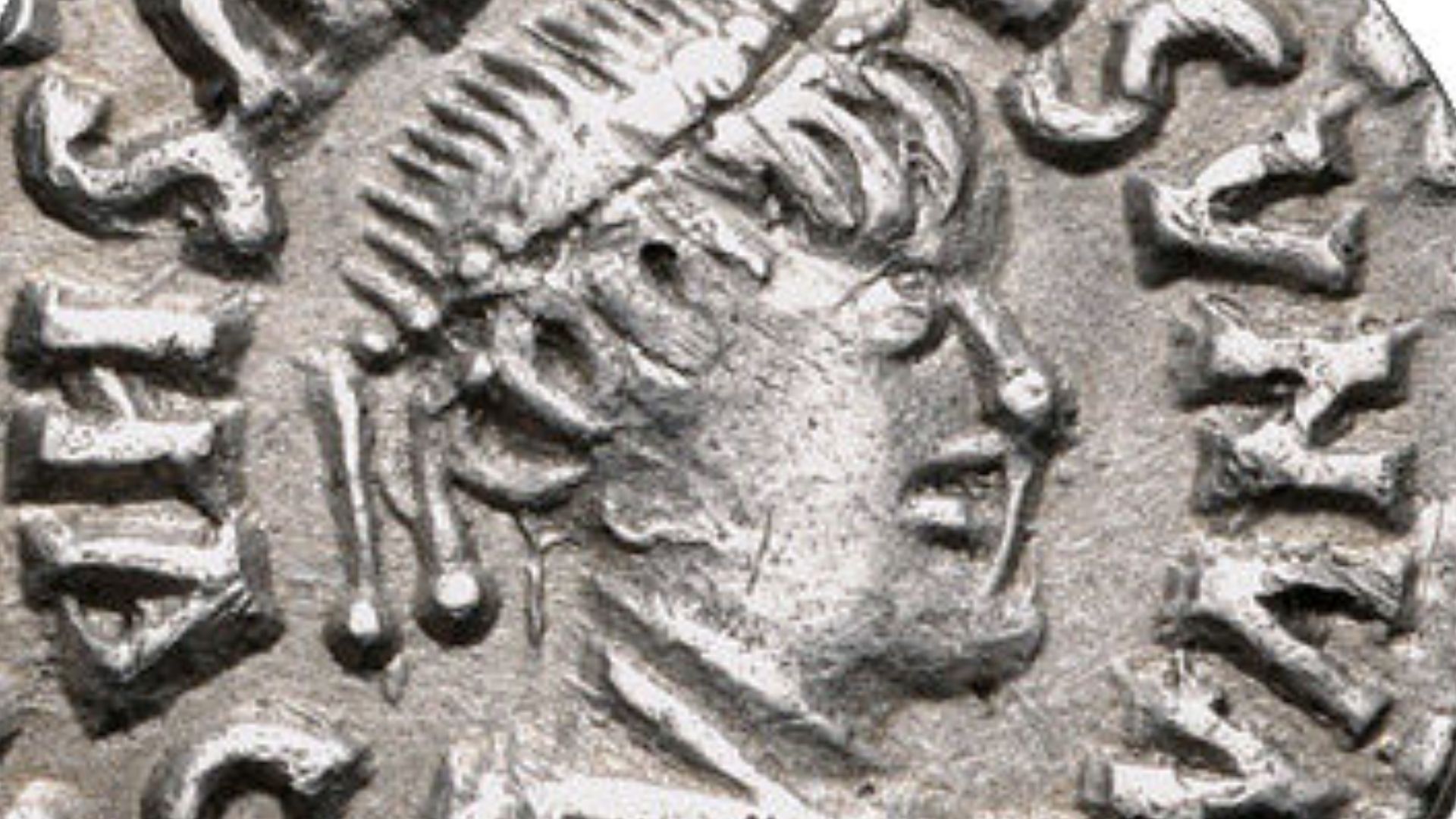
After Ellac’s death, Attila’s son Dengizich tried to rebuild Hunnic authority. He continued to launch fierce campaigns against neighboring powers and sought recognition from the Eastern Roman Empire in Constantinople. But his pugnacious efforts lacked the overwhelming military force and political leverage that had made Attila so successful during the earlier decades of the fifth century.
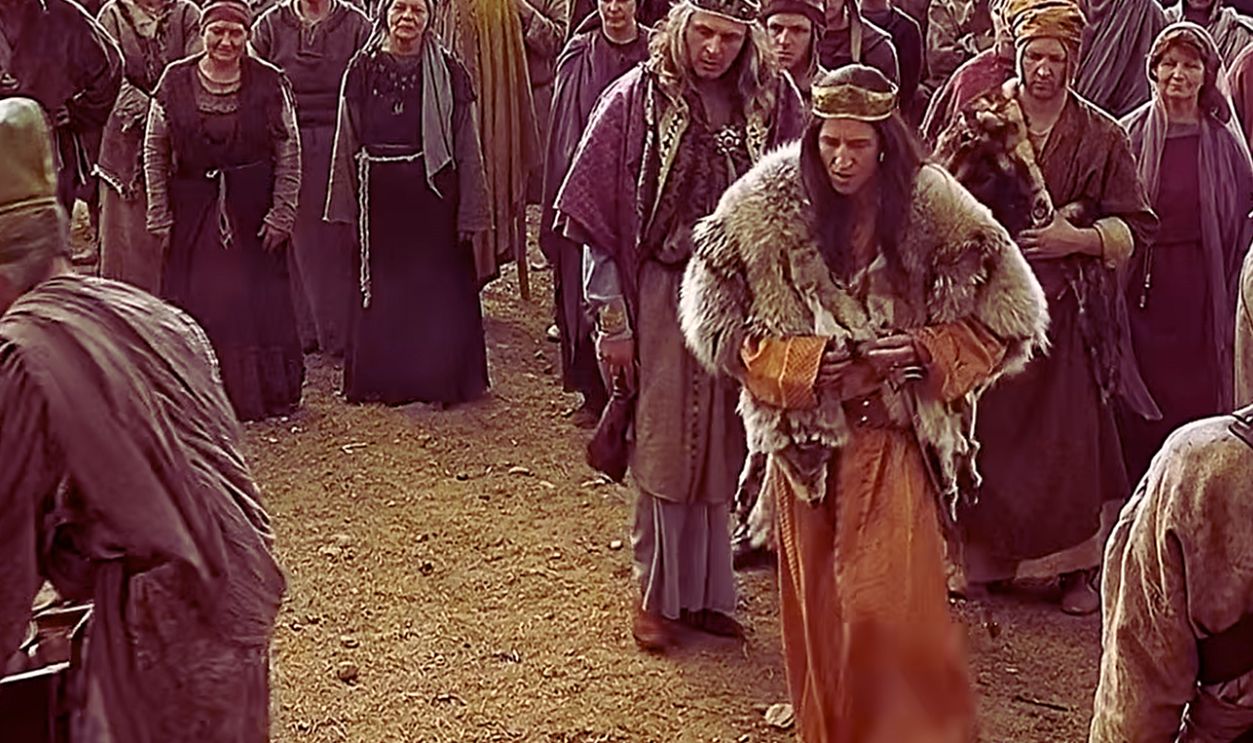 Screenshot from Attila, USA Network (2001)
History's most fascinating stories and darkest secrets, delivered to your inbox daily.
Rome Changed Its Strategy
Roman leaders recognized that the Huns no longer represented a unified superpower. Instead of paying enormous tribute out of fear, the Eastern Roman Empire increasingly manipulated rival barbarian groups into fighting against each other. Diplomacy, bribery, and selective alliances replaced the desperate survival tactics once used against Attila himself.
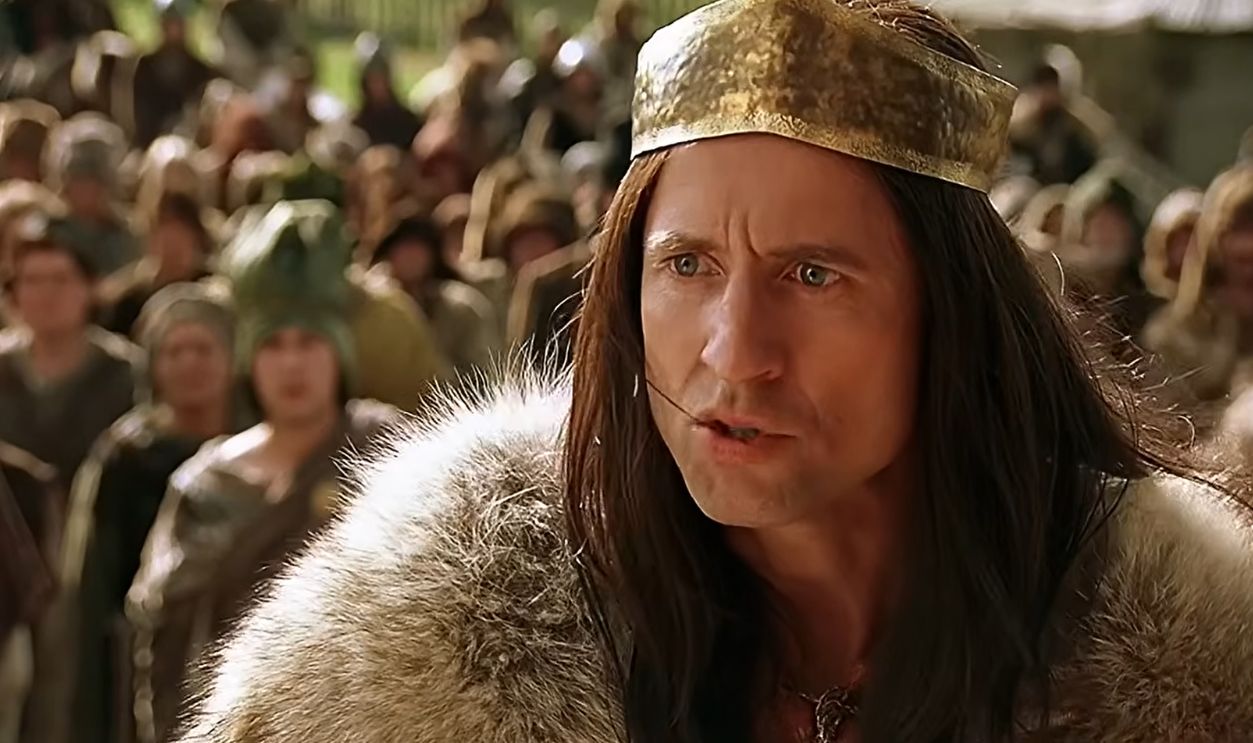 Screenshot from Attila, USA Network (2001)
The Eastern Romans Got More Aggressive
As Hunnic unity collapsed, Constantinople gradually regained confidence. The Eastern Roman Empire fortified borders, strengthened military positions, and became less willing to negotiate from a position of weakness. The empire that once trembled before Attila now saw opportunities to reclaim its influence throughout the Balkans and surrounding territories.
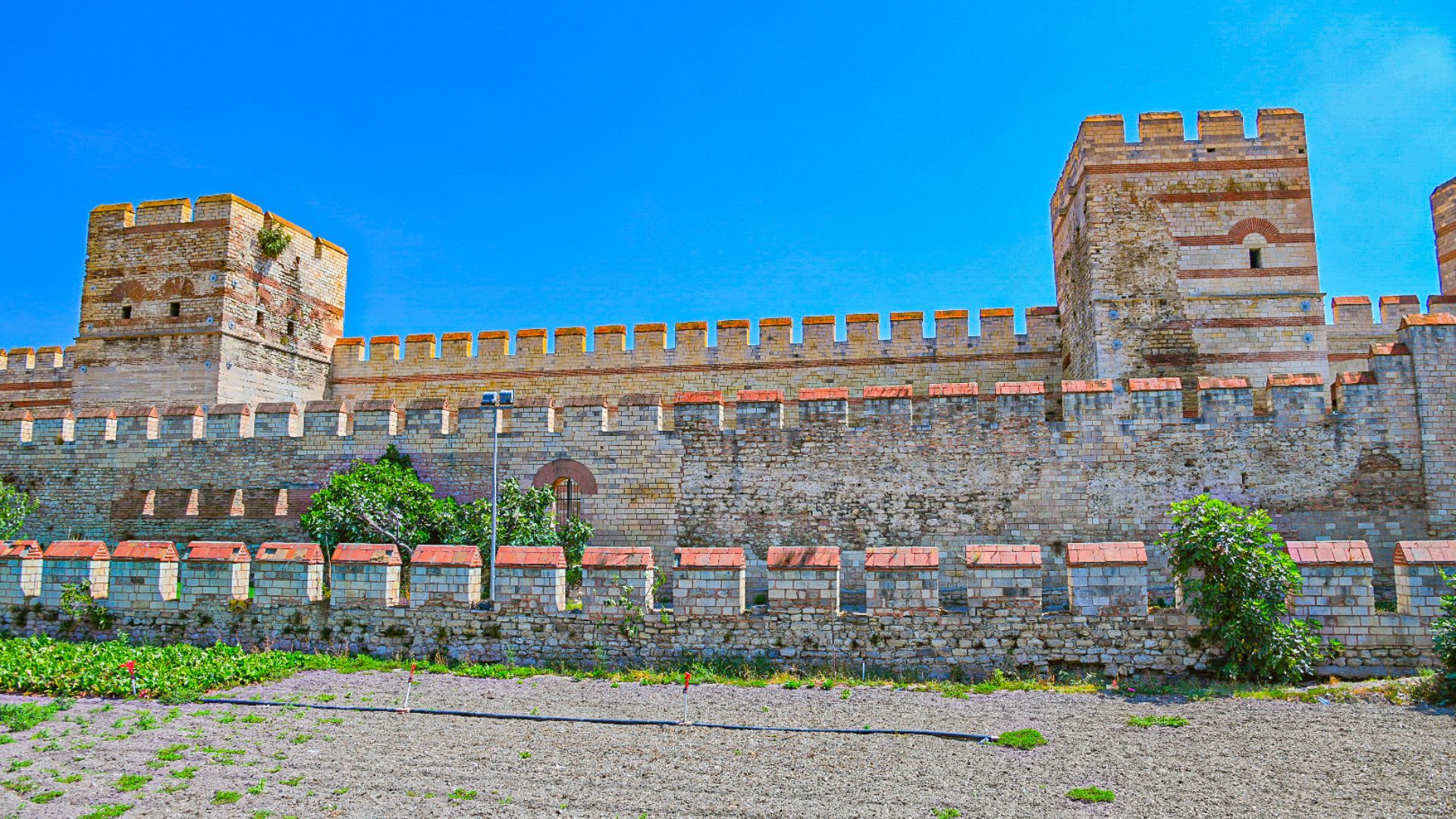 Apaleutos25, Wikimedia Commons
Dengizich Met A Brutal End
In 469 AD, Dengizich launched another campaign against the Eastern Romans but suffered catastrophic defeat. He was killed in battle, and according to some accounts, his severed head was displayed publicly in Constantinople. The humiliation was emblematic of how dramatically Hunnic fortunes had tumbled since Attila’s reign.
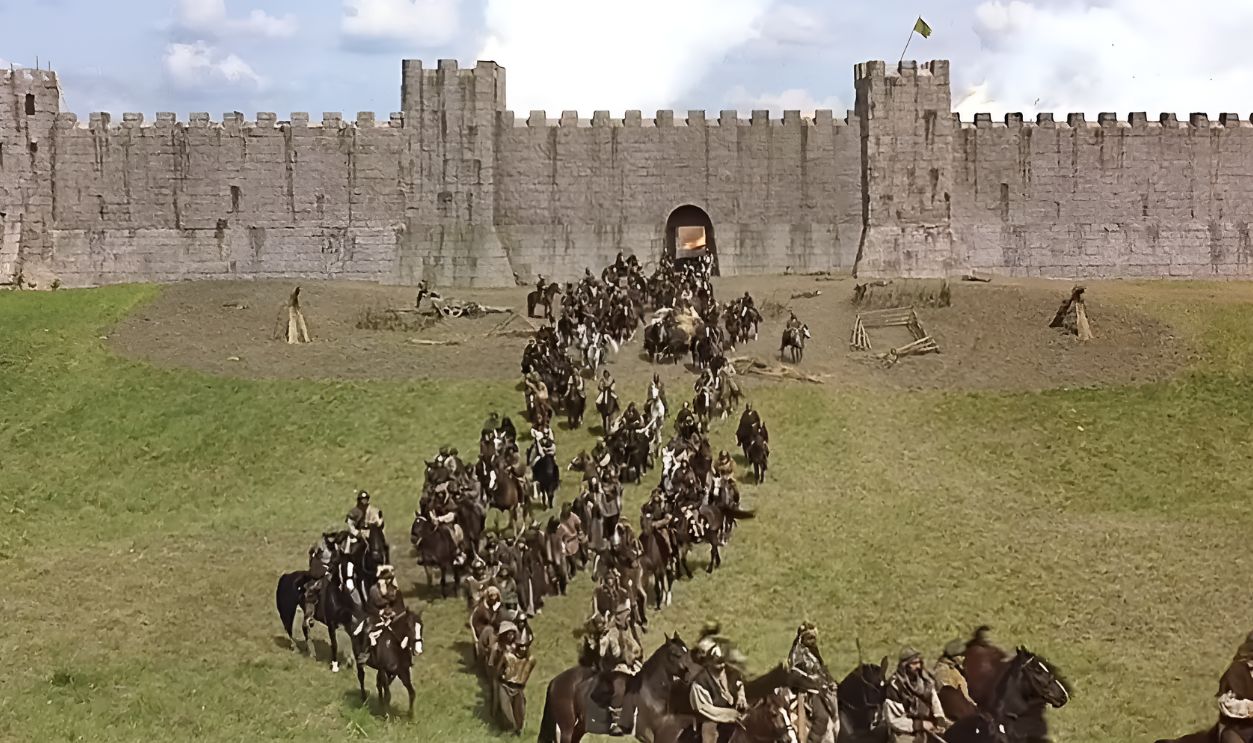 Screenshot from Attila, USA Network (2001), Modified
Ernakh Took A Different Path
Unlike his brothers, Ernakh appears to have pursued survival through adaptation rather than conquest. Some sources suggest he led smaller Hunnic groups eastward and integrated with other nomadic populations. By this point, however, the unified Hunnic Empire had effectively ceased to exist as a major political force.
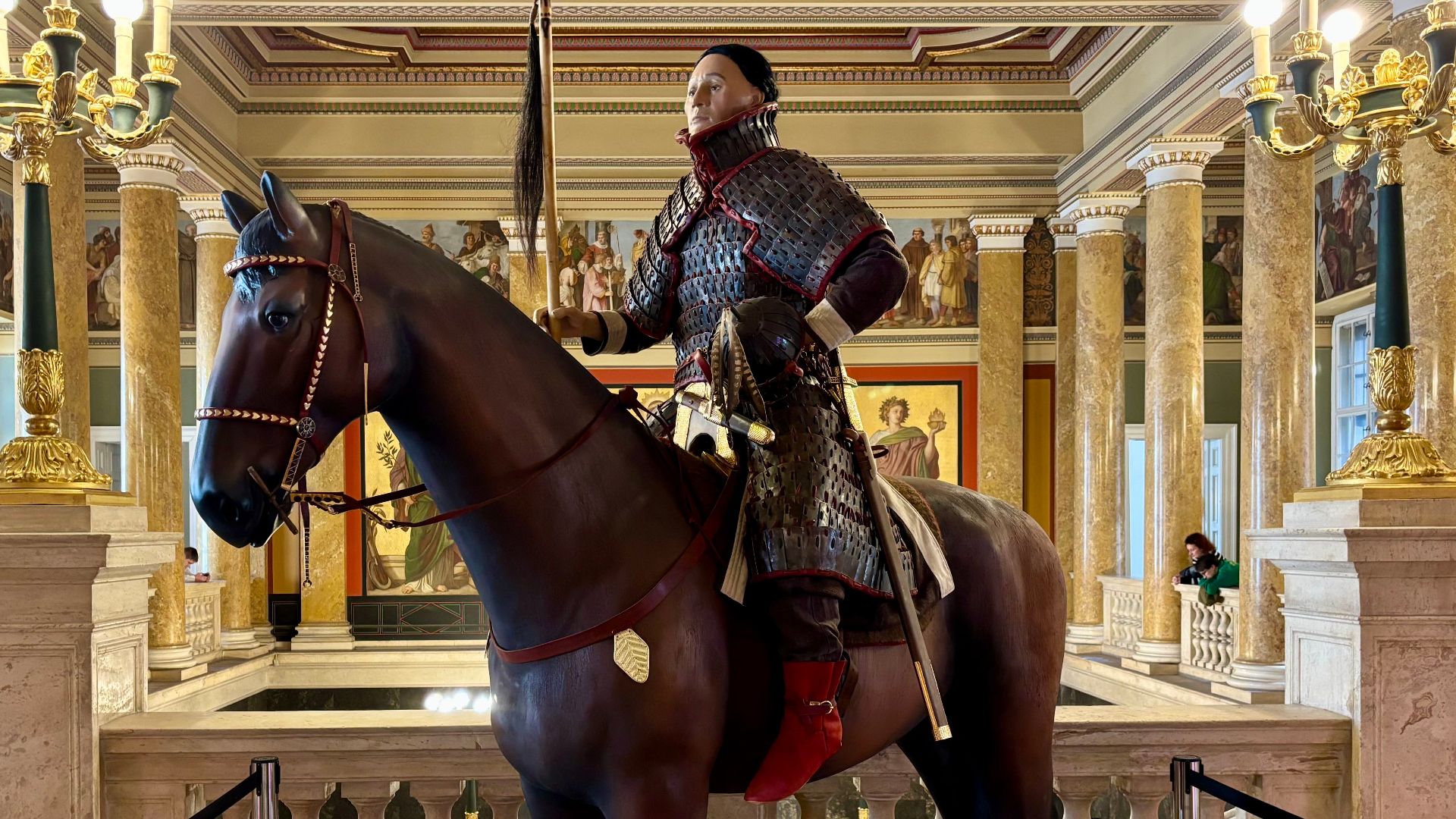 OrionNimrod, Wikimedia Commons
The Huns Slowly Disappeared From History
After the deaths of Attila’s sons, the Huns fragmented into scattered groups and got absorbed by surrounding peoples over time. Some may have merged into later steppe confederations, while others settled permanently within Europe. Historians still argue bitterly about exactly what became of many surviving Hunnic populations after the empire collapsed.
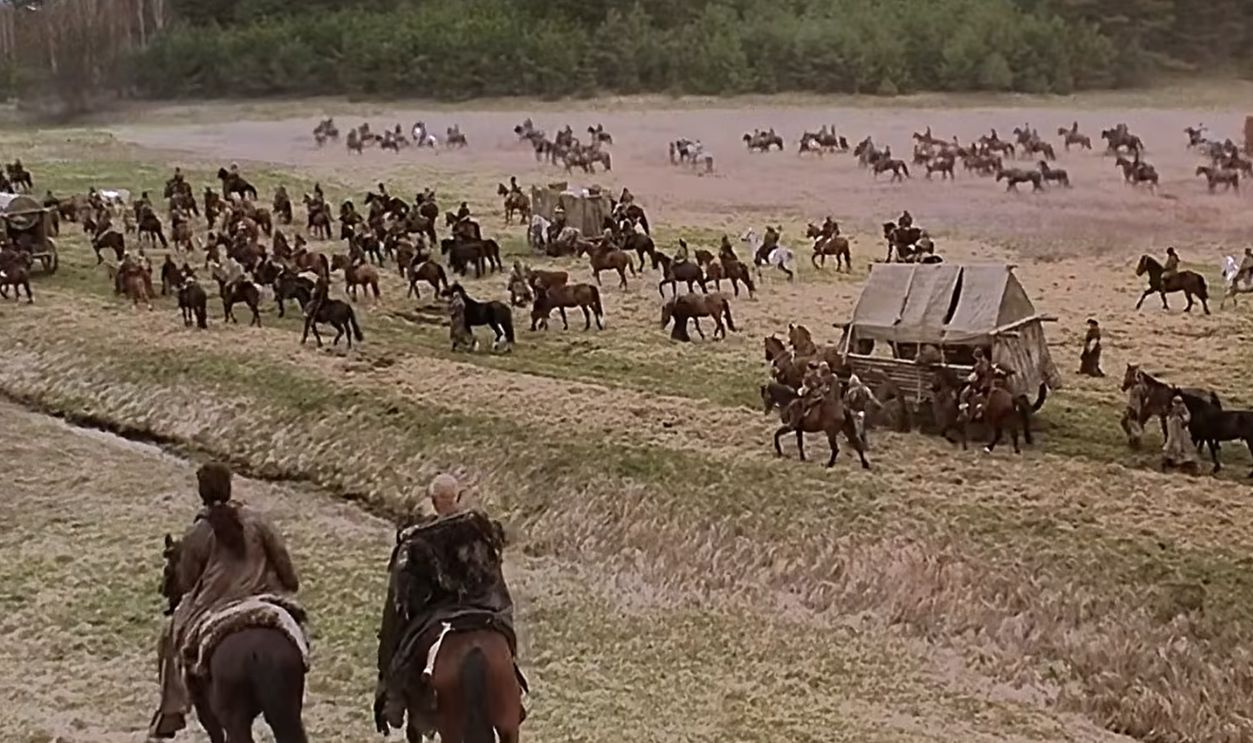 Screenshot from Attila, USA Network (2001)
Historians Struggle With Limited Sources
One major challenge in reconstructing this period is the shortage of reliable written records. Much of what historians know comes from Roman or later Gothic writers, many of whom had biases or incomplete information. Archaeology helps fill gaps, but major uncertainties about the Huns remain unresolved.
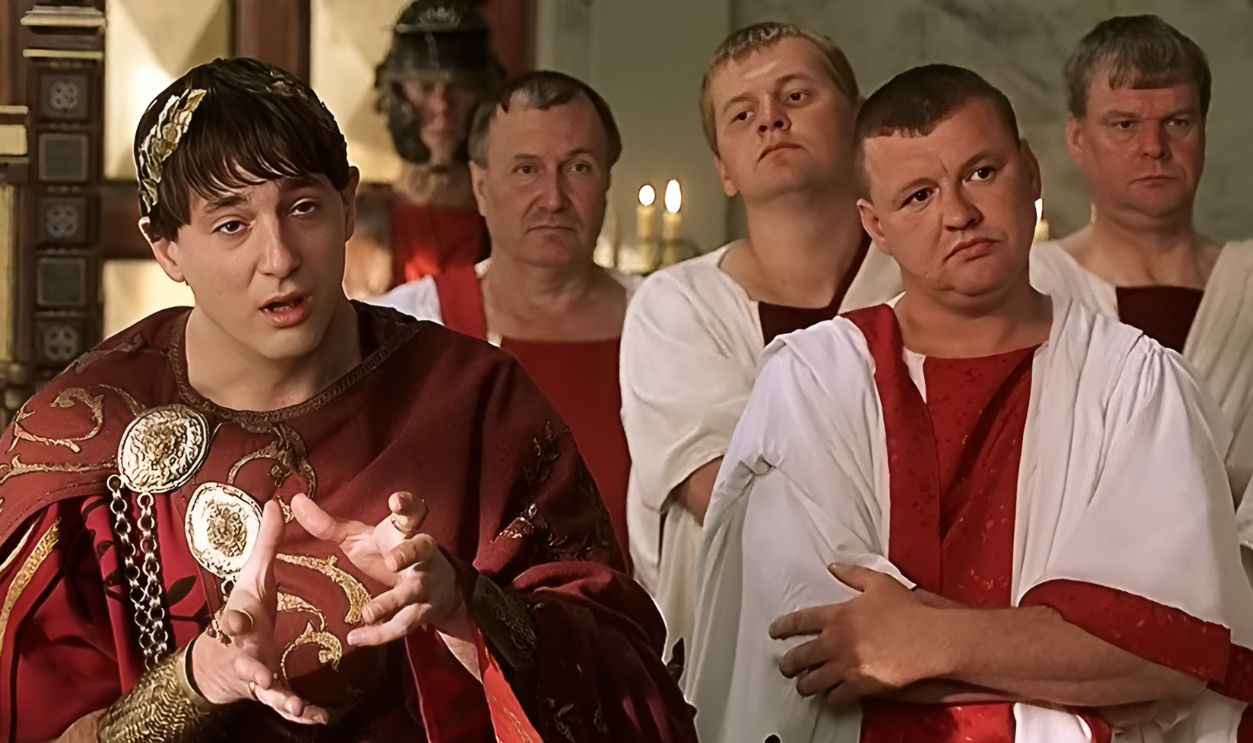 Screenshot from Attila, USA Network (2001), Modified
History's most fascinating stories and darkest secrets, delivered to your inbox daily.
Rome’s Problems Didn’t End There
Ironically, the collapse of the Hunnic Empire didn’t save the Western Roman Empire. Rome continued weakening under internal political chaos, economic decline, and pressure from migrating tribes. Only a generation after Attila’s death, the Western Roman Empire itself formally collapsed in 476 AD.
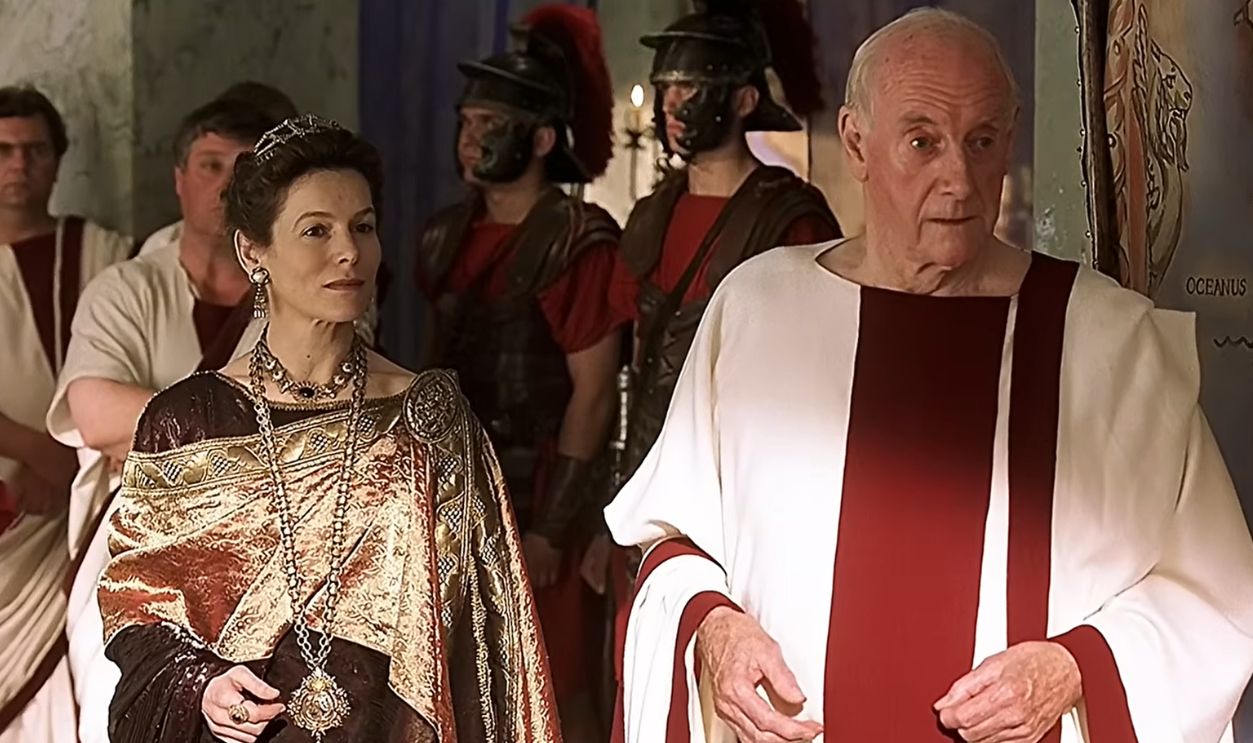 Screenshot from Attila, USA Network (2001)
They Changed Europe Permanently
Even after disappearing politically, the Huns reshaped European history in lasting ways. Their invasions accelerated migrations, destabilized Roman frontiers, and transformed military strategies across the continent. Entire kingdoms rose and fell apart because of the chaos unleashed during the age of Attila and its violent aftermath.
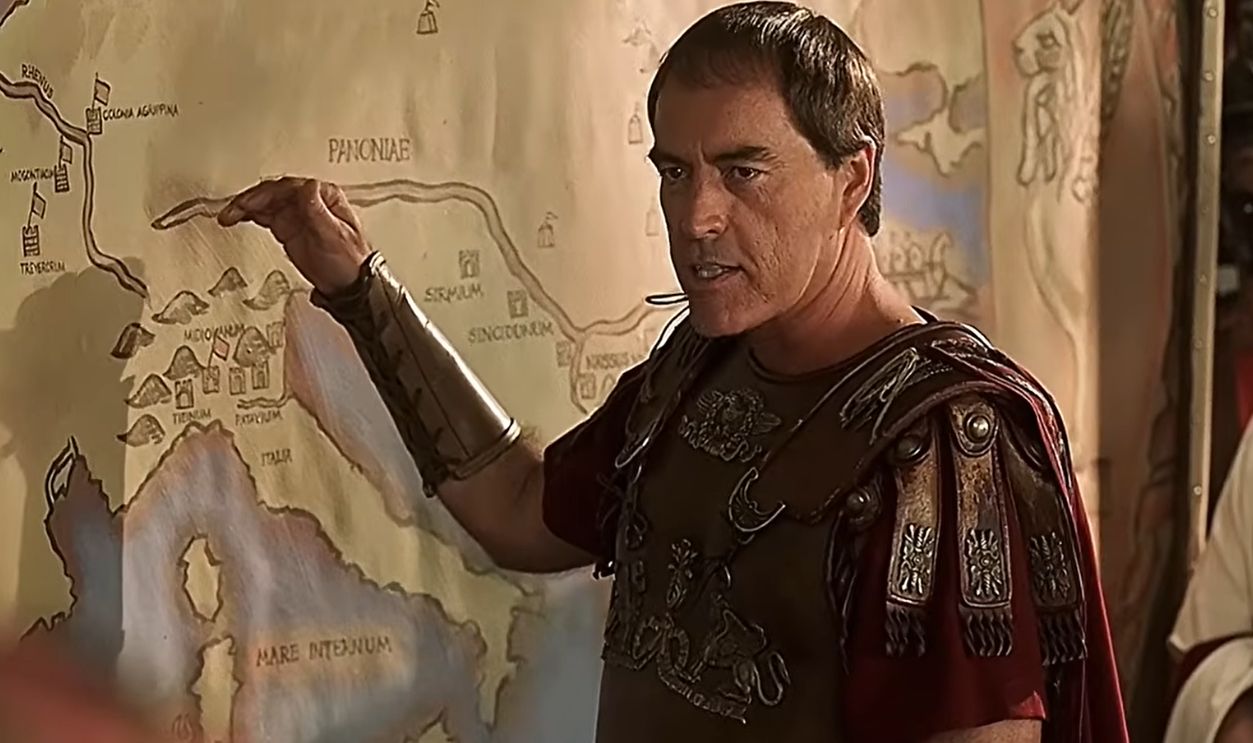 Screenshot from Attila, USA Network (2001)
Attila’s Death Ended An Era
Attila’s death destroyed the deceptively fragile center holding together a vast and terrifying empire built largely on personal dominance and fear. Within a single generation, the Huns went from being masters of Europe to a fragmented community of refugees and fading legends remembered mostly through Roman accounts that went on to terrify people for generations to come. But the Huns had passed into history.
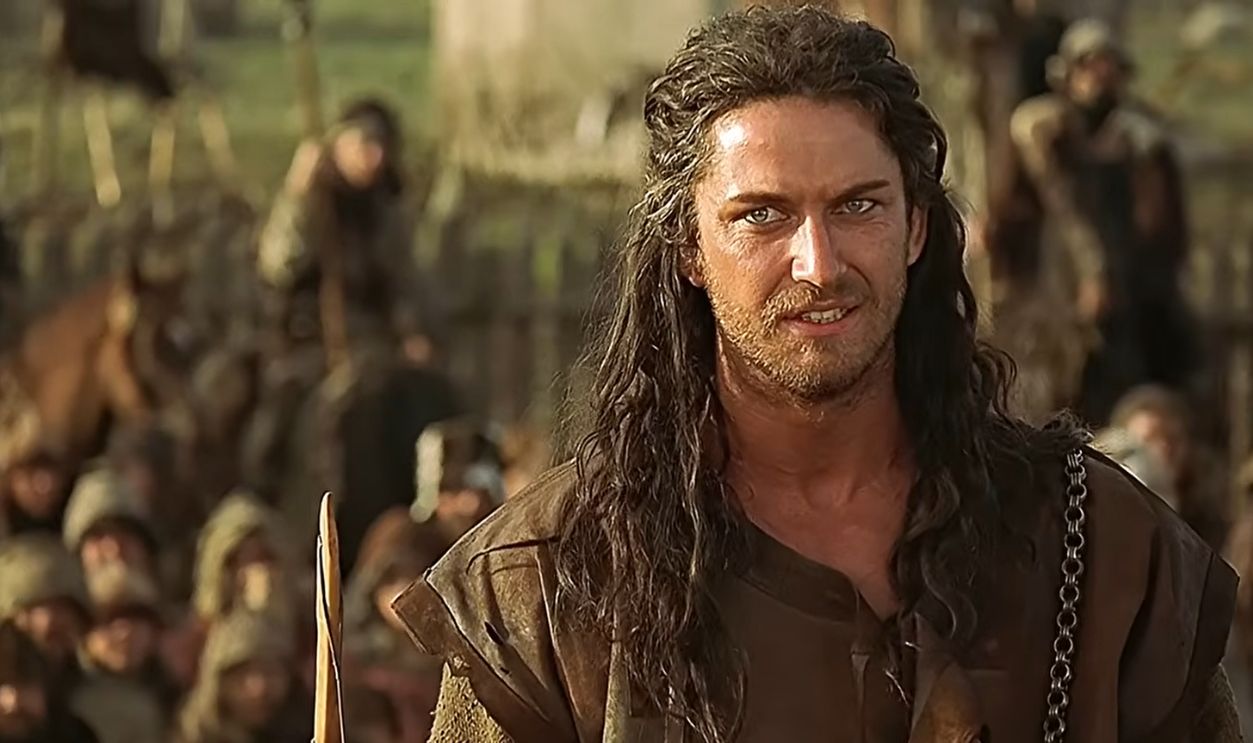 Screenshot from Attila, USA Network (2001)
You May Also Like:
Unstoppable Facts About Attila The Hun, The Scourge Of God
Brutish Facts About Barbarians
Epic Facts About Constantinople, The Ancient World's Most Influential City