
A Historic First
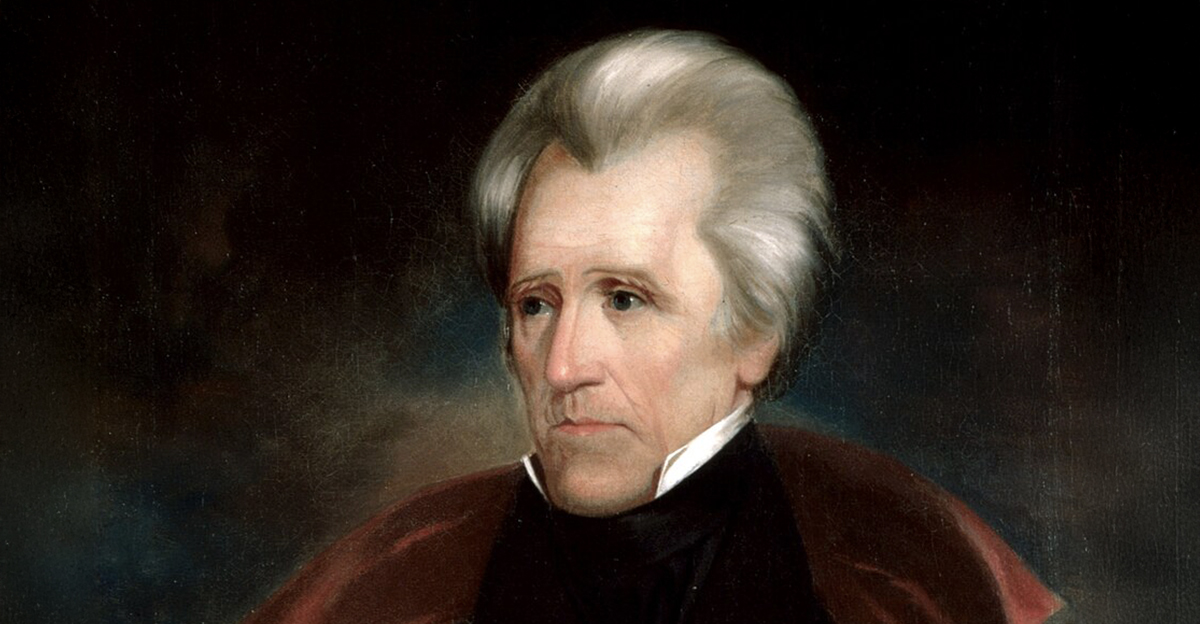
On January 30, 1835, the United States came shockingly close to losing its president. Outside the Capitol in Washington, a man stepped forward and fired at President Andrew Jackson. What followed became one of the most extraordinary moments in presidential history. It all started years earlier with Jackson's rise to power.
 Ralph Eleaser Whiteside Earl, Wikimedia Commons
The Hero Of New Orleans
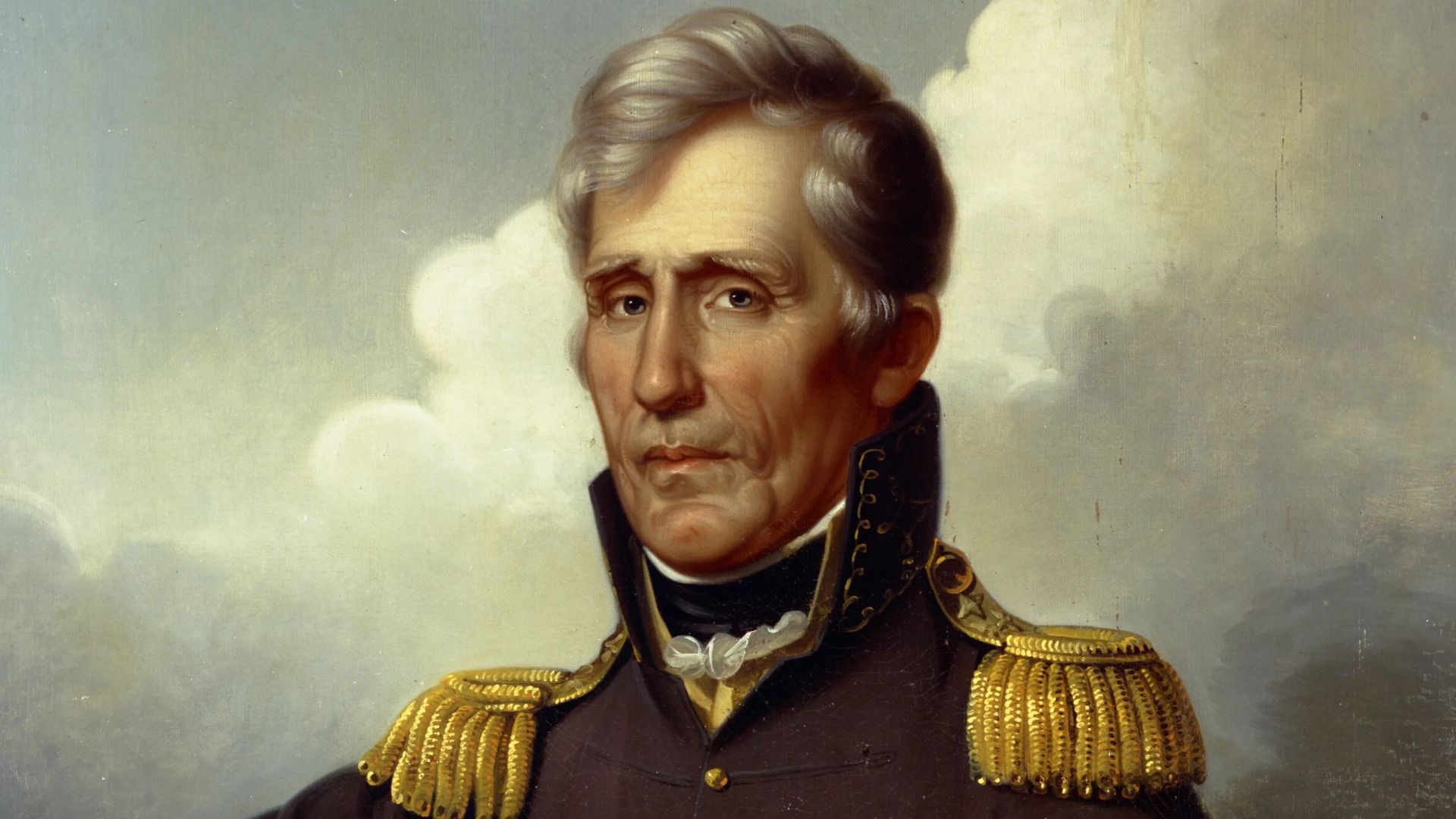
Andrew Jackson had become a national celebrity following his victory as commander of US forces at the Battle of New Orleans during the War of 1812. His reputation as a military hero helped launch him into politics and eventually made him one of the most influential figures in American public life.
 Rembrandt Peale, Wikimedia Commons
A Bitter Election
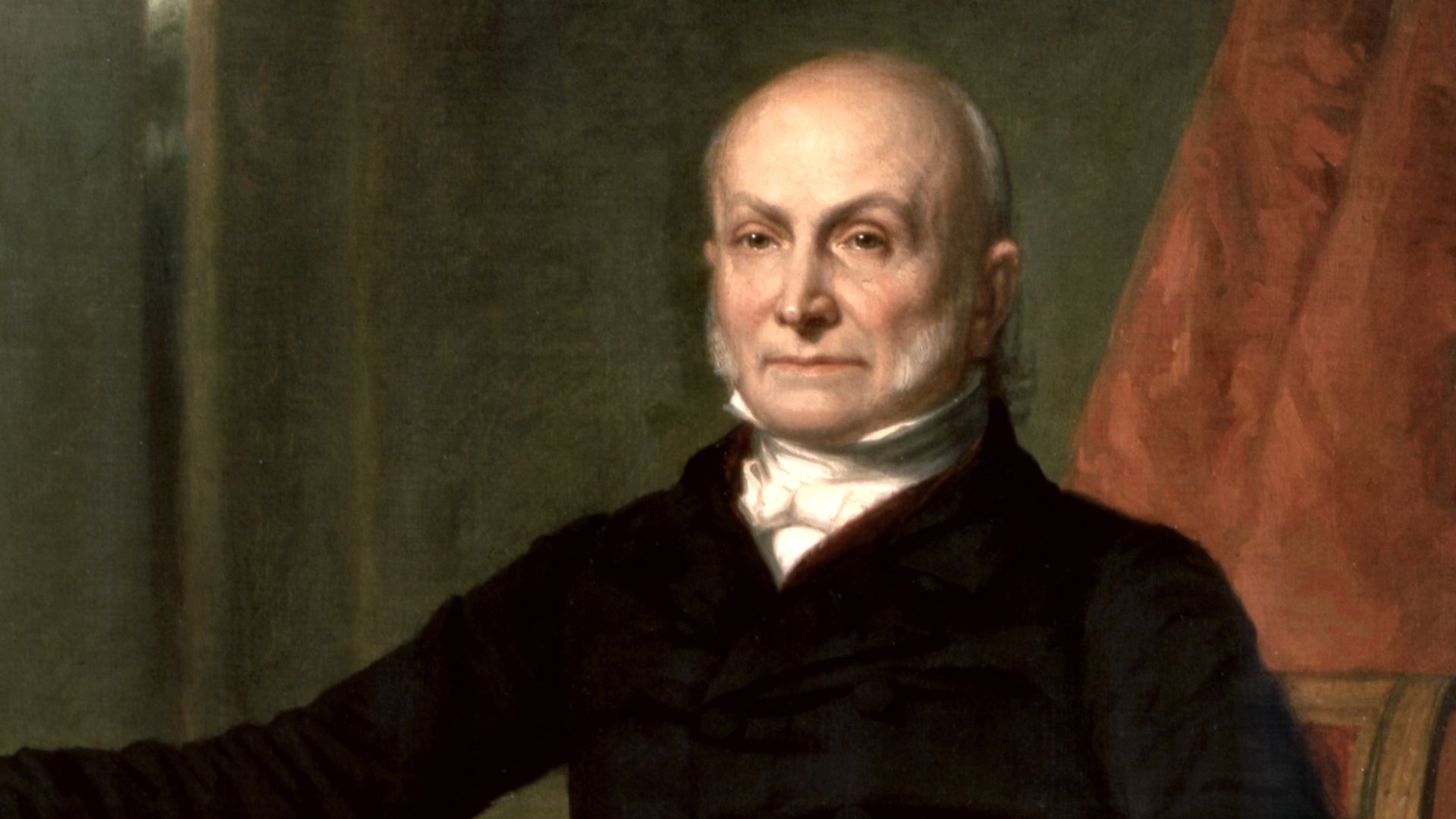
Jackson first sought the presidency in 1824. Although he won a plurality of the popular vote and electoral vote, the election was decided in the House of Representatives, which selected John Quincy Adams instead. The controversy fueled Jackson's political ambitions and set the stage for his return.
 George Peter Alexander Healy, Wikimedia Commons
Victory In 1828
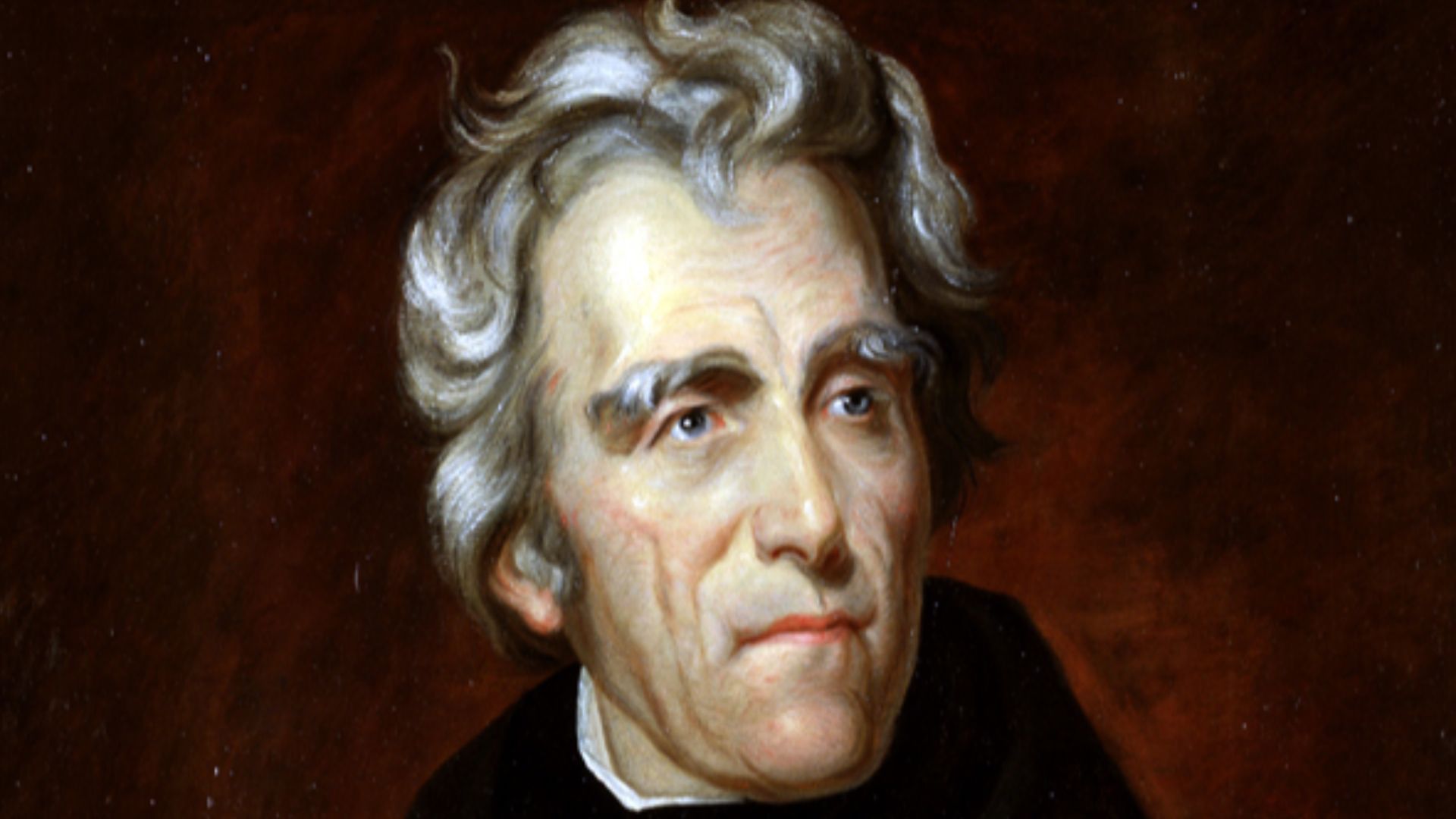
Four years later, Jackson defeated Adams and became the seventh president of the United States. His victory marked the beginning of what became known as Jacksonian democracy, a political movement that dramatically reshaped American politics and generated intense supporters and equally intense enemies.
 Thomas Sully, Wikimedia Commons
A Polarizing President
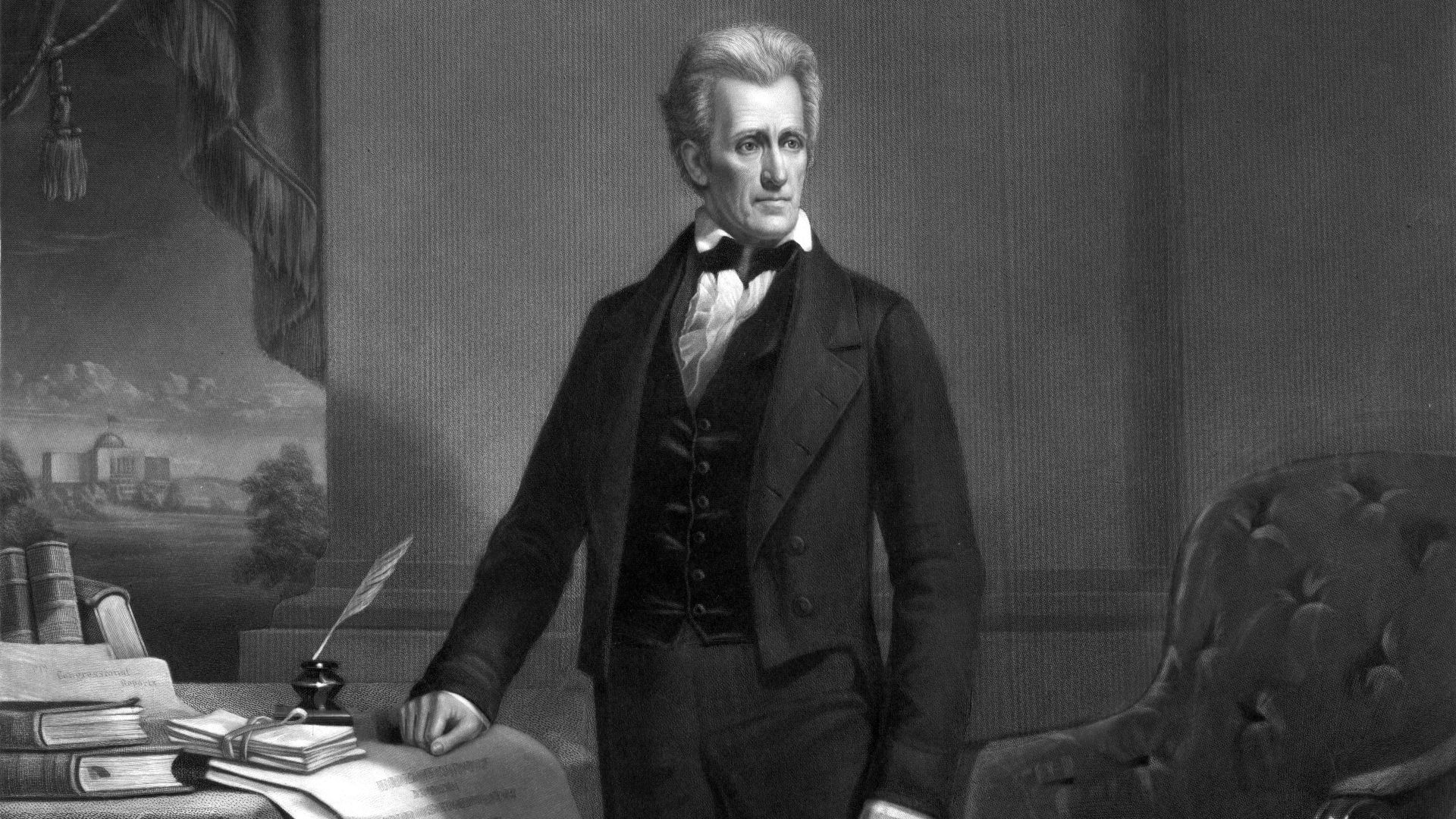
Jackson's presidency quickly became one of the most controversial of the era. Supporters viewed him as a champion of ordinary citizens, while opponents saw him as dangerously aggressive and willing to expand presidential power. Those divisions would only deepen as his administration continued.
 Alexander Hay Ritchie, Wikimedia Commons
The Bank War Begins
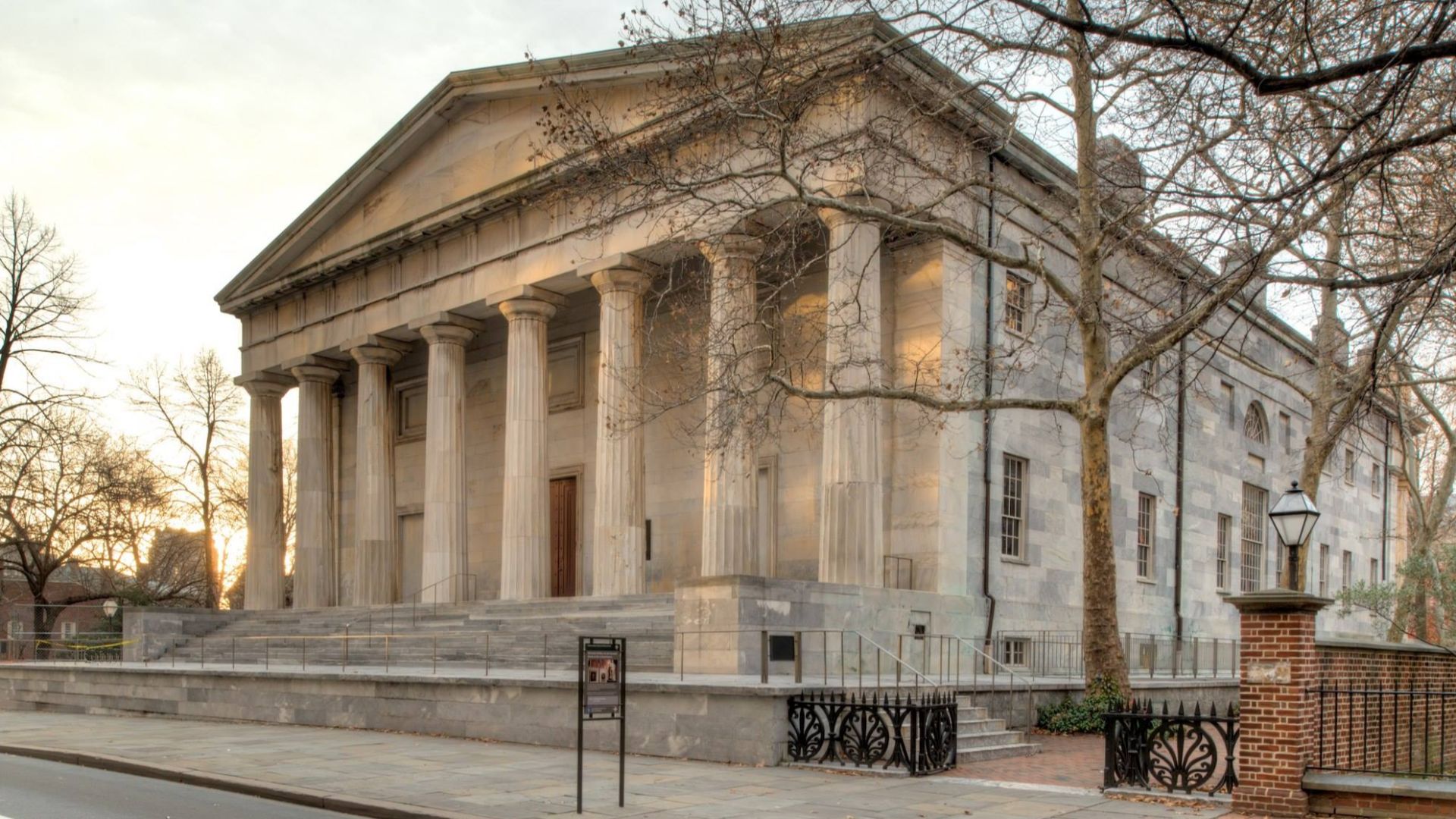
One of Jackson's biggest political battles involved the Second Bank of the United States. He strongly opposed the institution and eventually vetoed legislation to renew its charter. The resulting conflict became known as the Bank War and created powerful political opponents.
 Bestbudbrian, Wikimedia Commons
Fierce Political Enemies
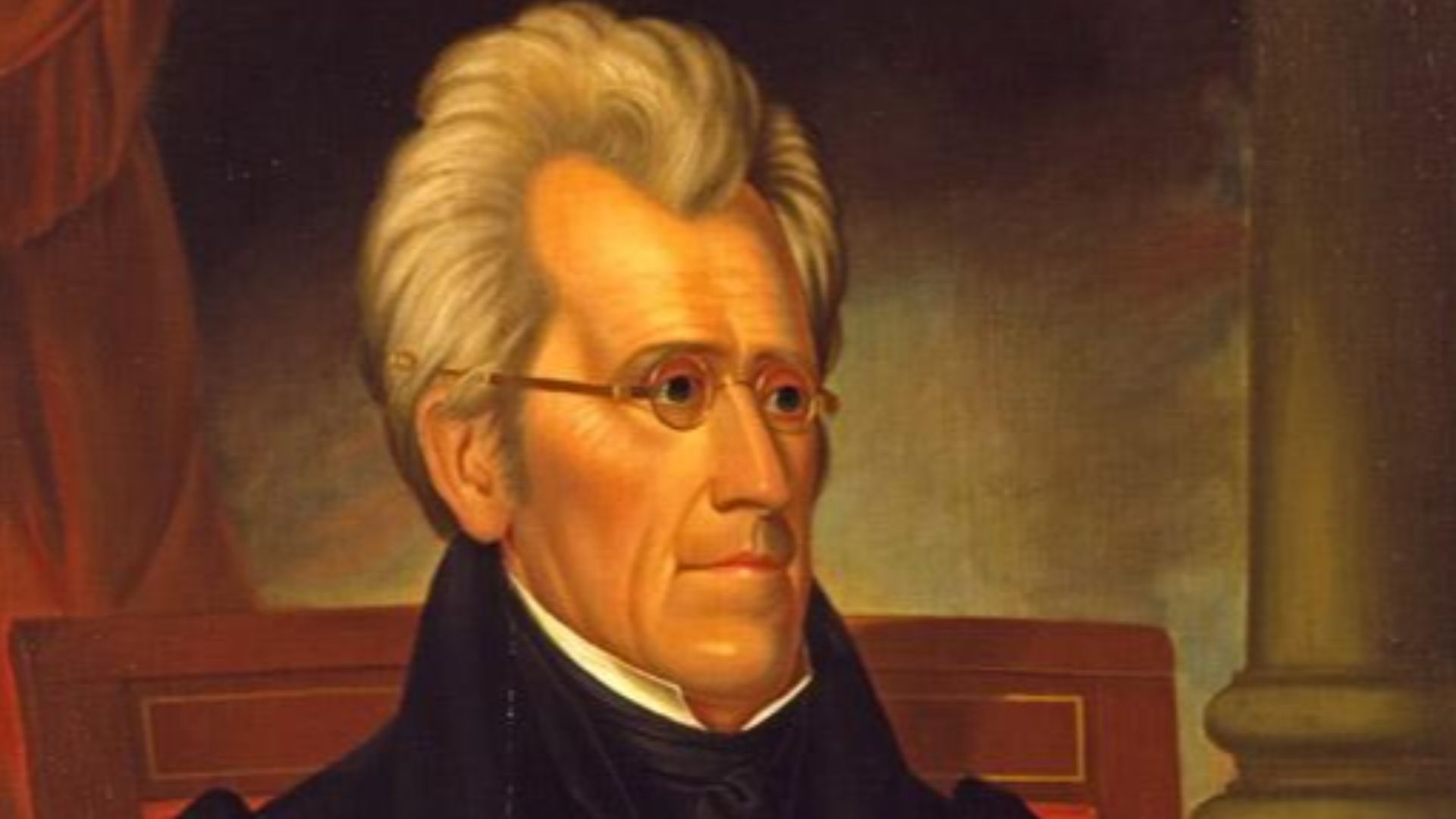
By the early 1830s, Jackson had accumulated an impressive list of adversaries. Bank supporters, political rivals, and critics of his policies frequently attacked his administration. The atmosphere surrounding his presidency was often heated, setting the backdrop for an alarming future event.
 Ralph Eleaser Whiteside Earl, Wikimedia Commons
Enter Richard Lawrence
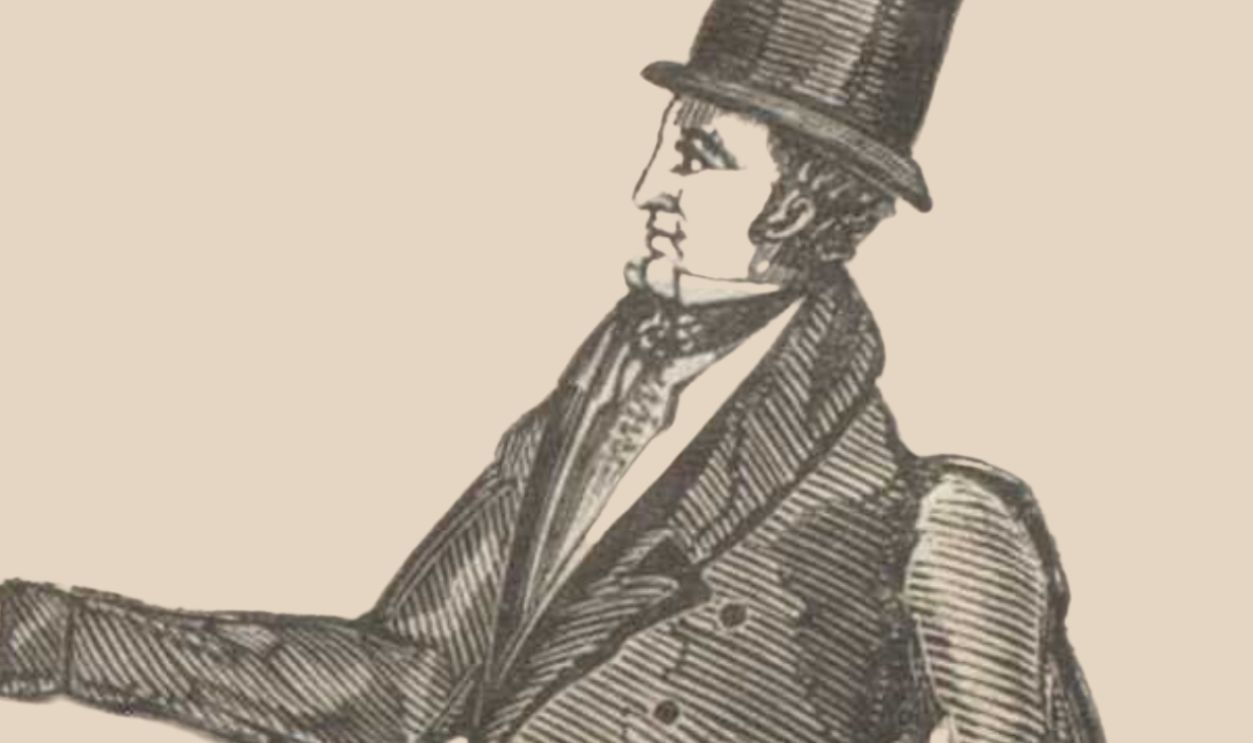
While Jackson was battling political enemies, a troubled immigrant named Richard Lawrence was living in the United States. Born in England around 1800, Lawrence worked as a house painter and had spent years living in Washington before attracting wider attention for disturbing reasons.
 W. Mitchell, Wikimedia Commons
Signs Of Delusion
Lawrence developed severe delusions. He came to believe that he was actually King Richard III of England and that the American government owed him large sums of money. These beliefs gradually formed the core of his world view and his future plans.
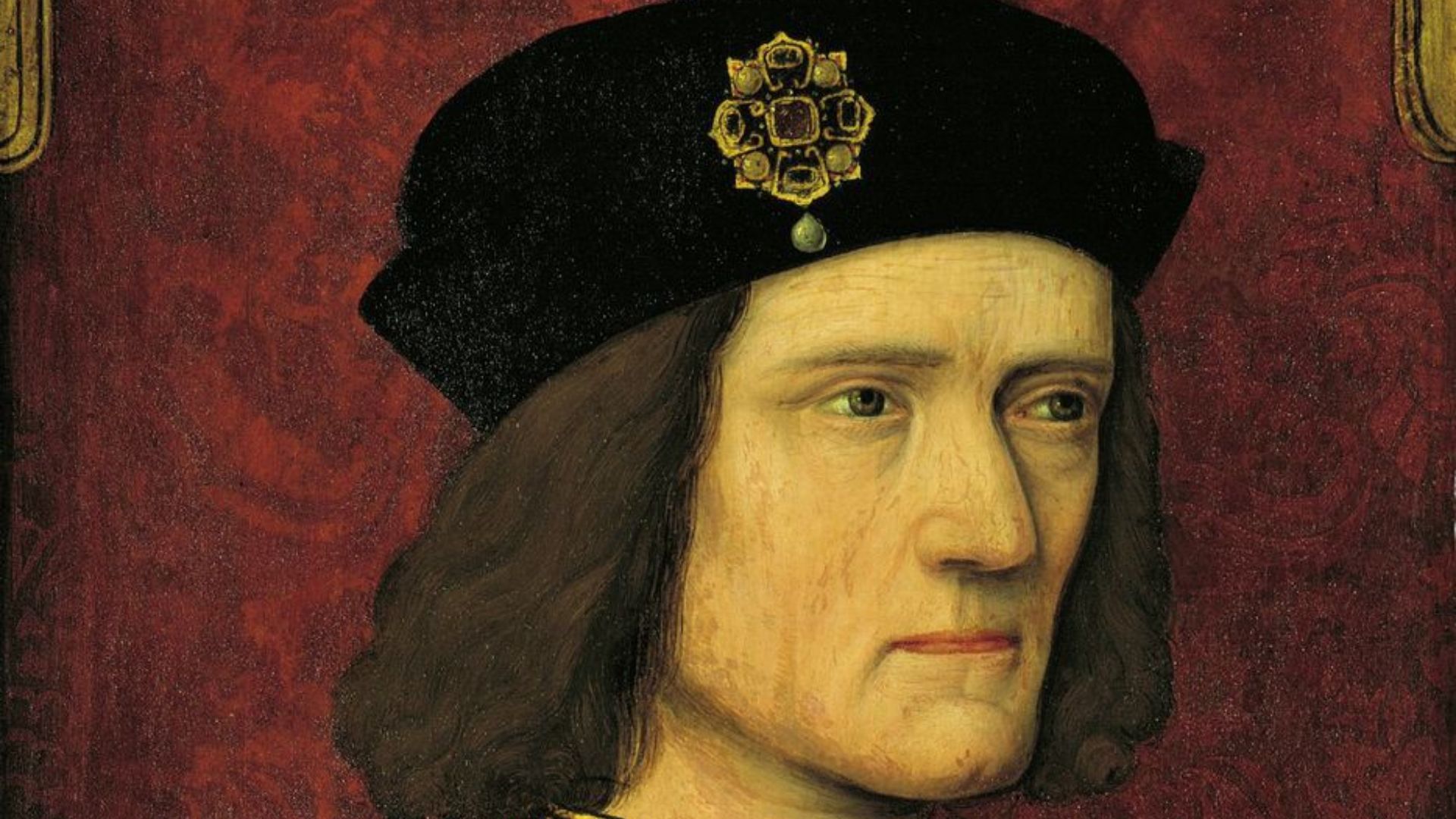 British School, Wikimedia Commons
Blaming The President
As Lawrence's mental state deteriorated, he concluded that President Jackson was somehow responsible for preventing him from obtaining the money he believed belonged to him. The delusion transformed Jackson from a distant political figure into the target of Lawrence's frustrations.
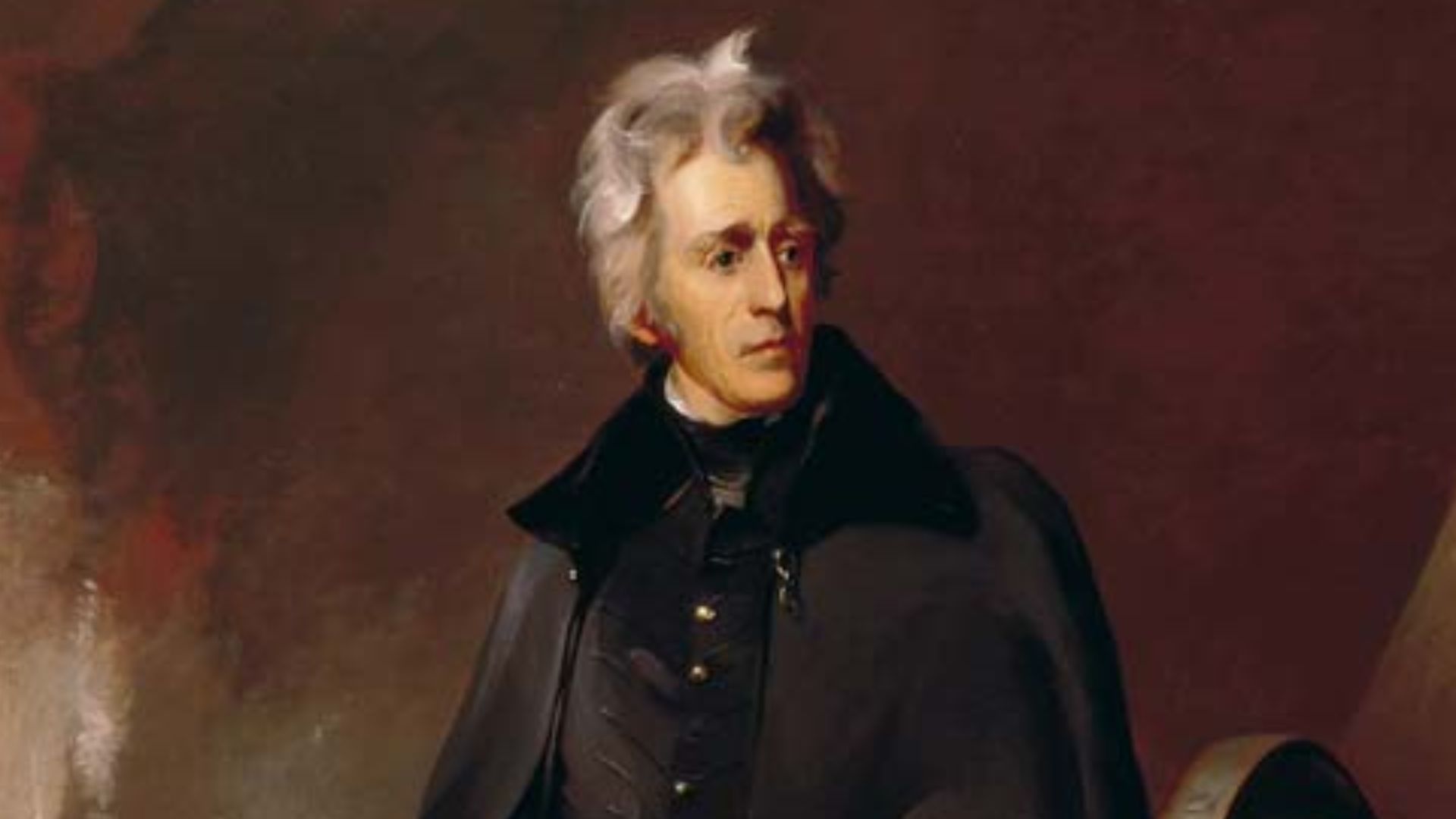 Thomas Sully, Wikimedia Commons
Planning An Attack
Lawrence eventually decided that the time had finally come to kill the president. According to later accounts, he believed that Jackson's death would somehow improve his own fortunes. Armed with two pistols, he began preparing for an encounter that would become infamous in American history.
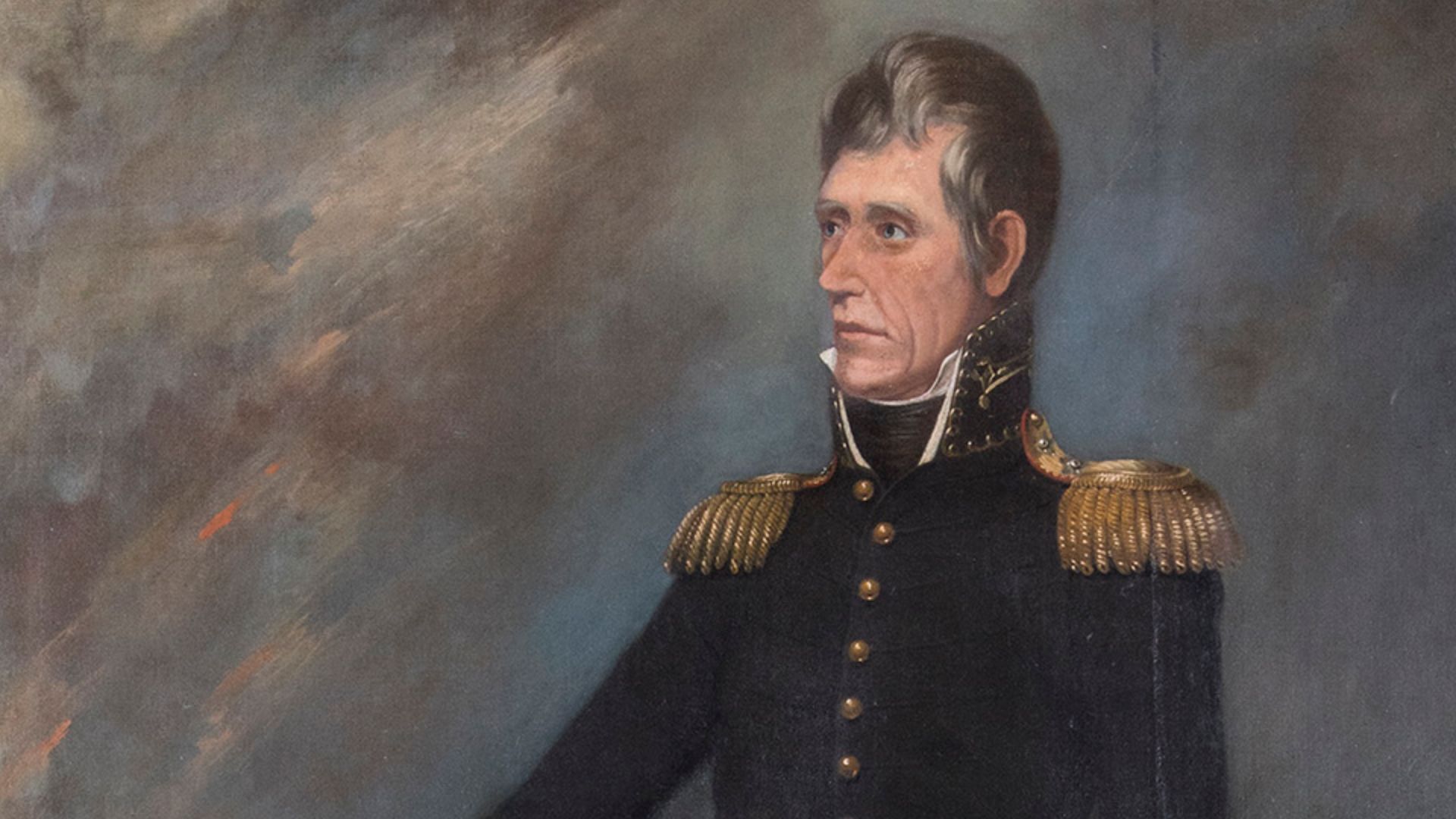 Ralph E. W. Earl, Wikimedia Commons
A Funeral Gathering
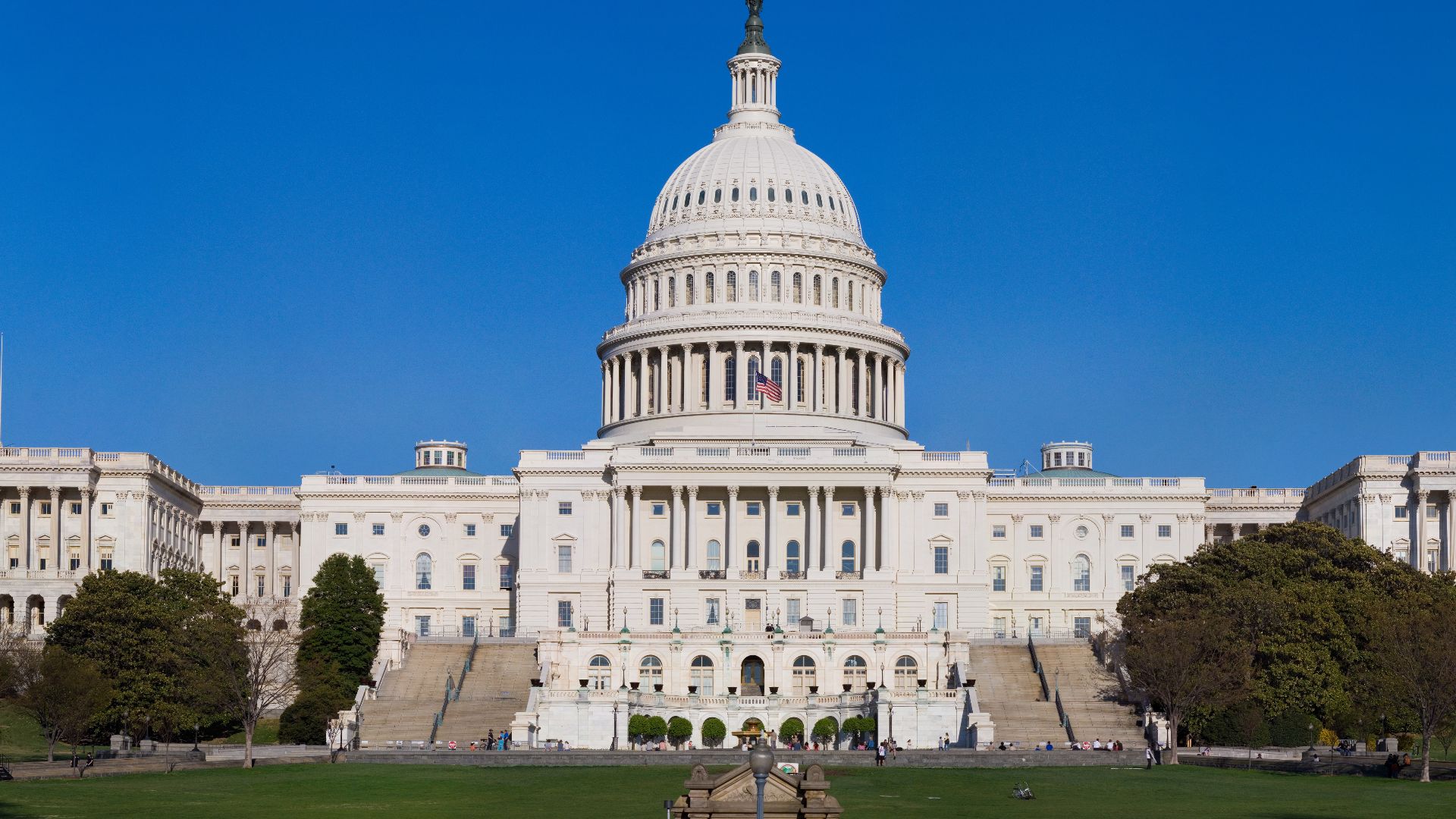
On January 30, 1835, many prominent figures gathered at the Capitol for the funeral of Congressman Warren R. Davis. Jackson attended the ceremony, creating an opportunity for Lawrence to put his plan into action.
Waiting Outside
After the funeral ended, Jackson exited the Capitol through the East Portico. Lawrence positioned himself nearby and waited for the president to approach. As the seventy-year-old Jackson walked toward the crowd, the assassin made his move.
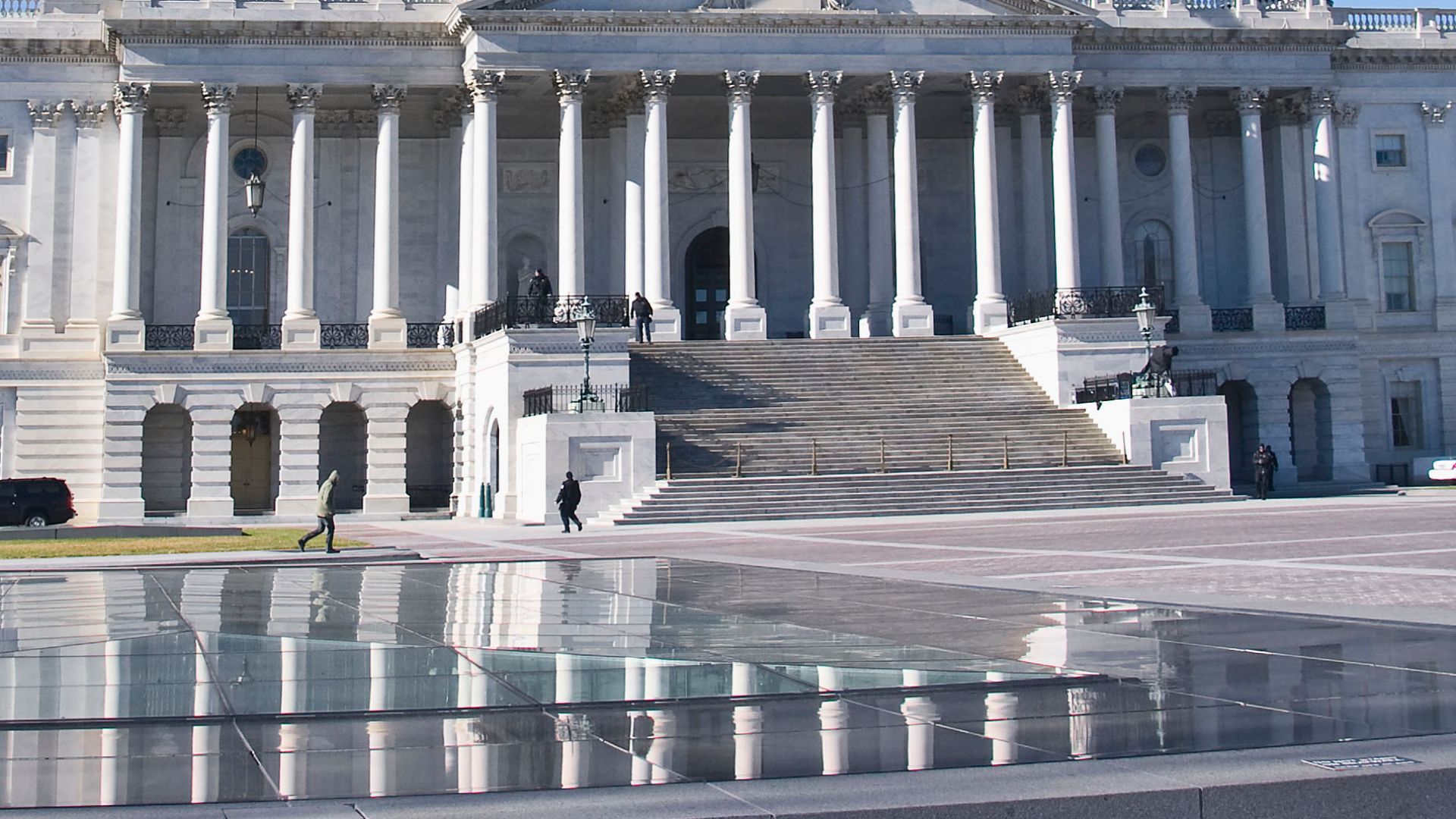 Ron Cogswell from Arlington, Virginia, USA, Wikimedia Commons
The First Shot
Lawrence stepped forward and fired a pistol at Jackson from close range. Astonishingly, the weapon misfired. Instead of killing the president, the gun failed to discharge properly, giving Jackson a chance to react and creating a moment of chaos.
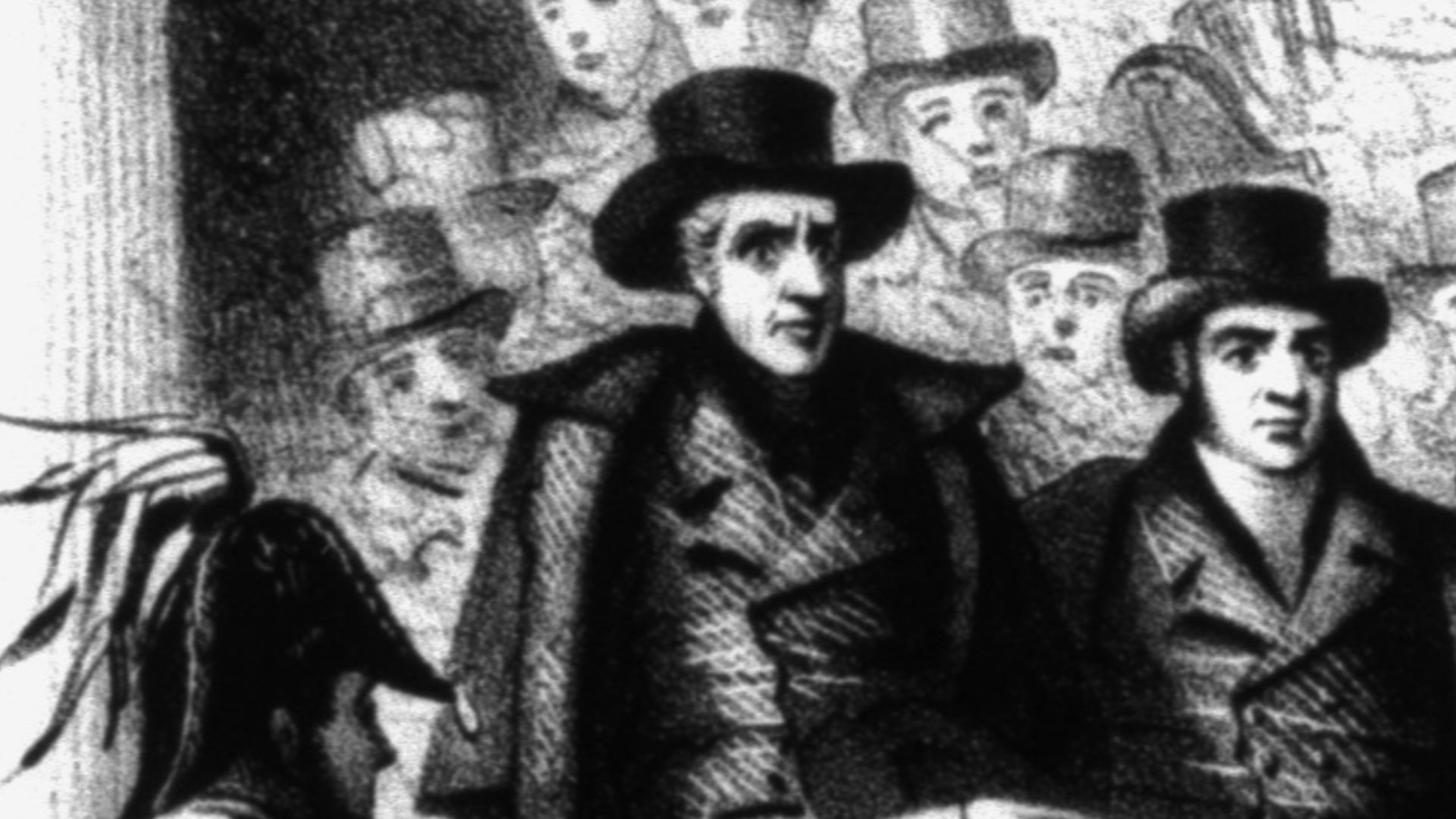
A Second Chance
Undeterred, Lawrence immediately pulled out a second pistol. He fired again at Jackson. Remarkably, this weapon also misfired. The odds of both guns failing were extraordinarily small, leaving onlookers stunned and the president very much alive.
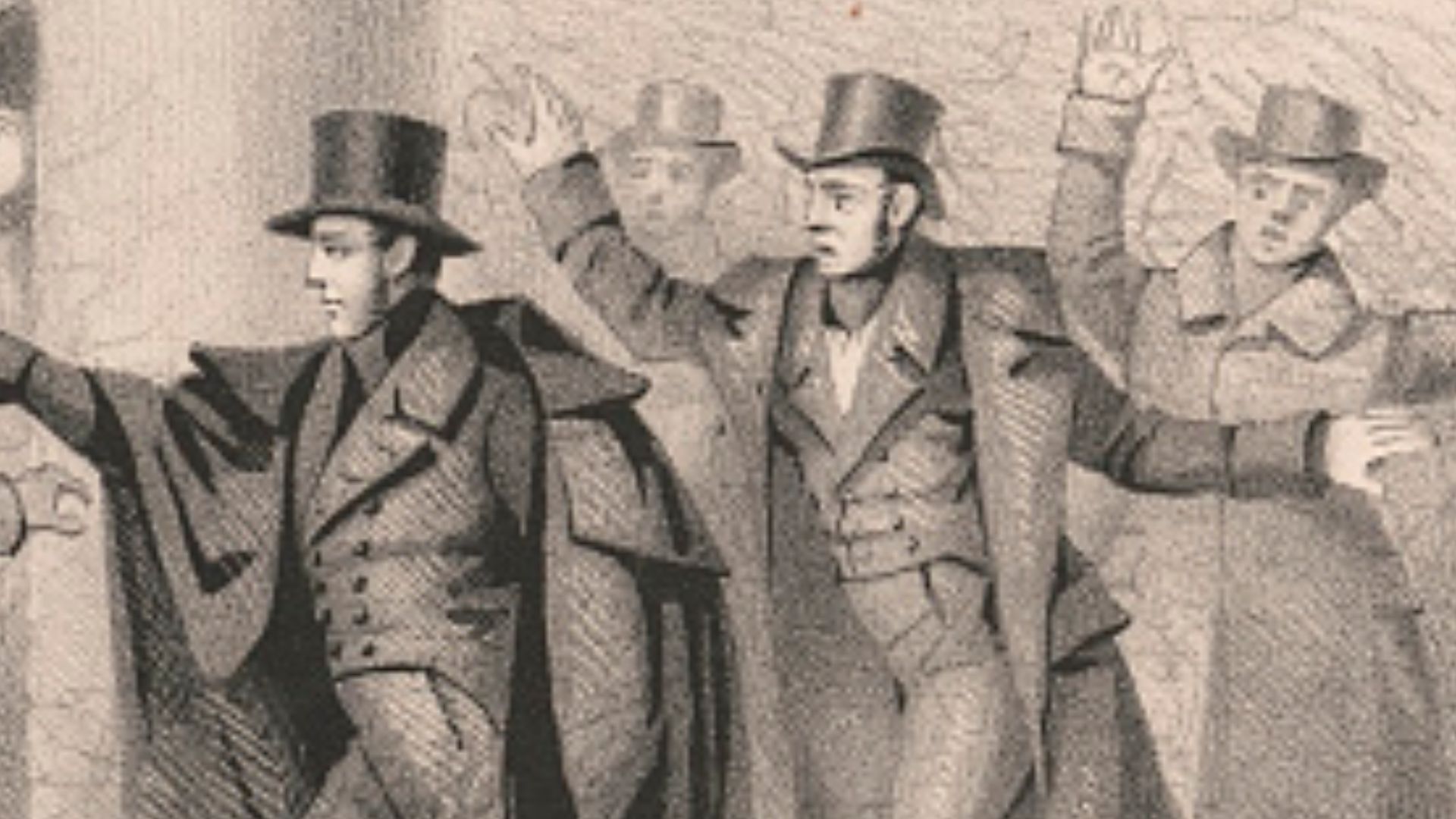 published by Currier and Ives, circa 1876, Wikimedia Commons
Jackson Charges Forward
Most people might have retreated after two assassination attempts in a matter of seconds. Jackson did the opposite. Rather than seeking cover, the elderly president advanced directly toward his would-be killer and prepared to defend himself.
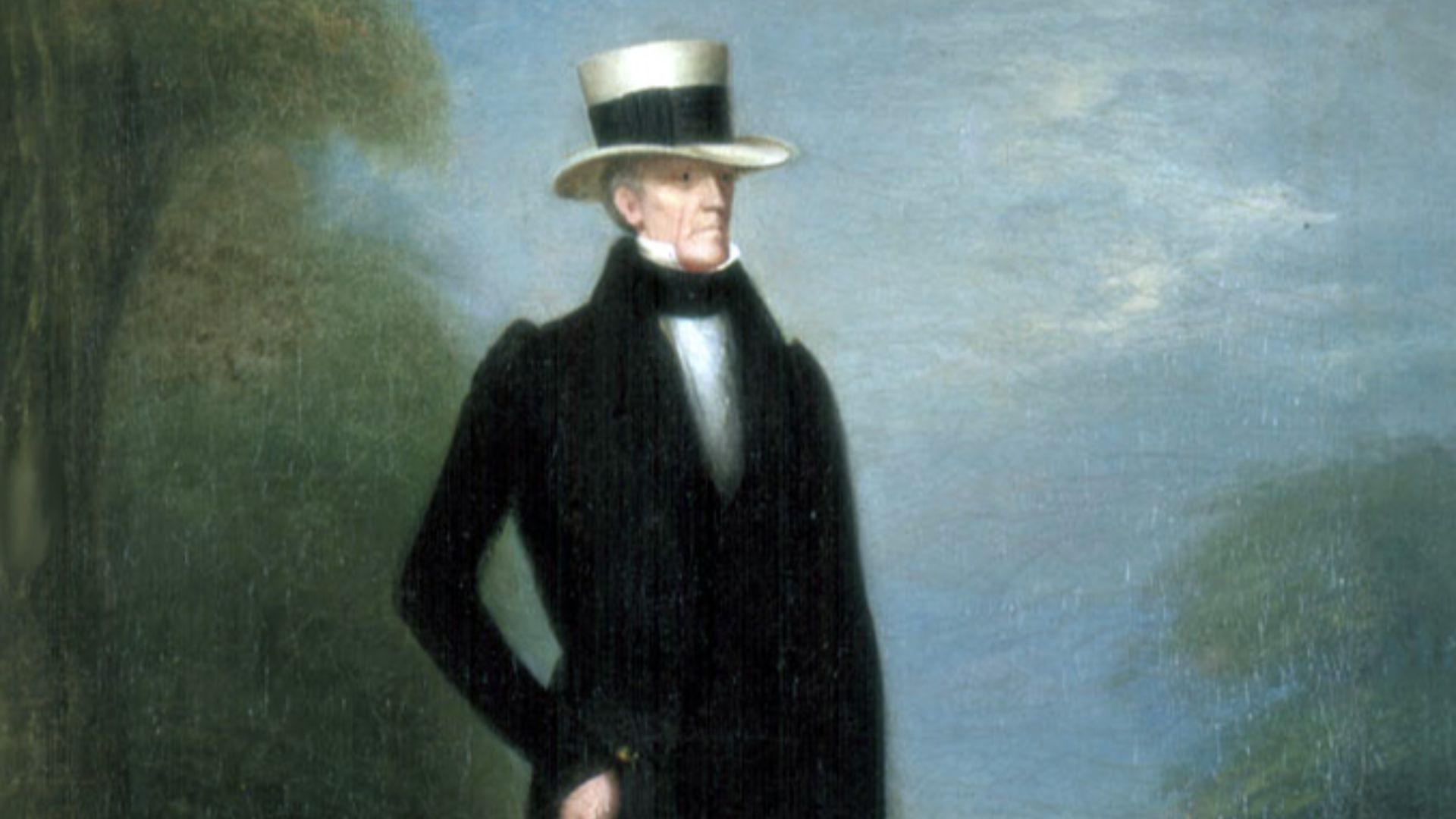 Ralph Eleaser Whiteside Earl, Wikimedia Commons
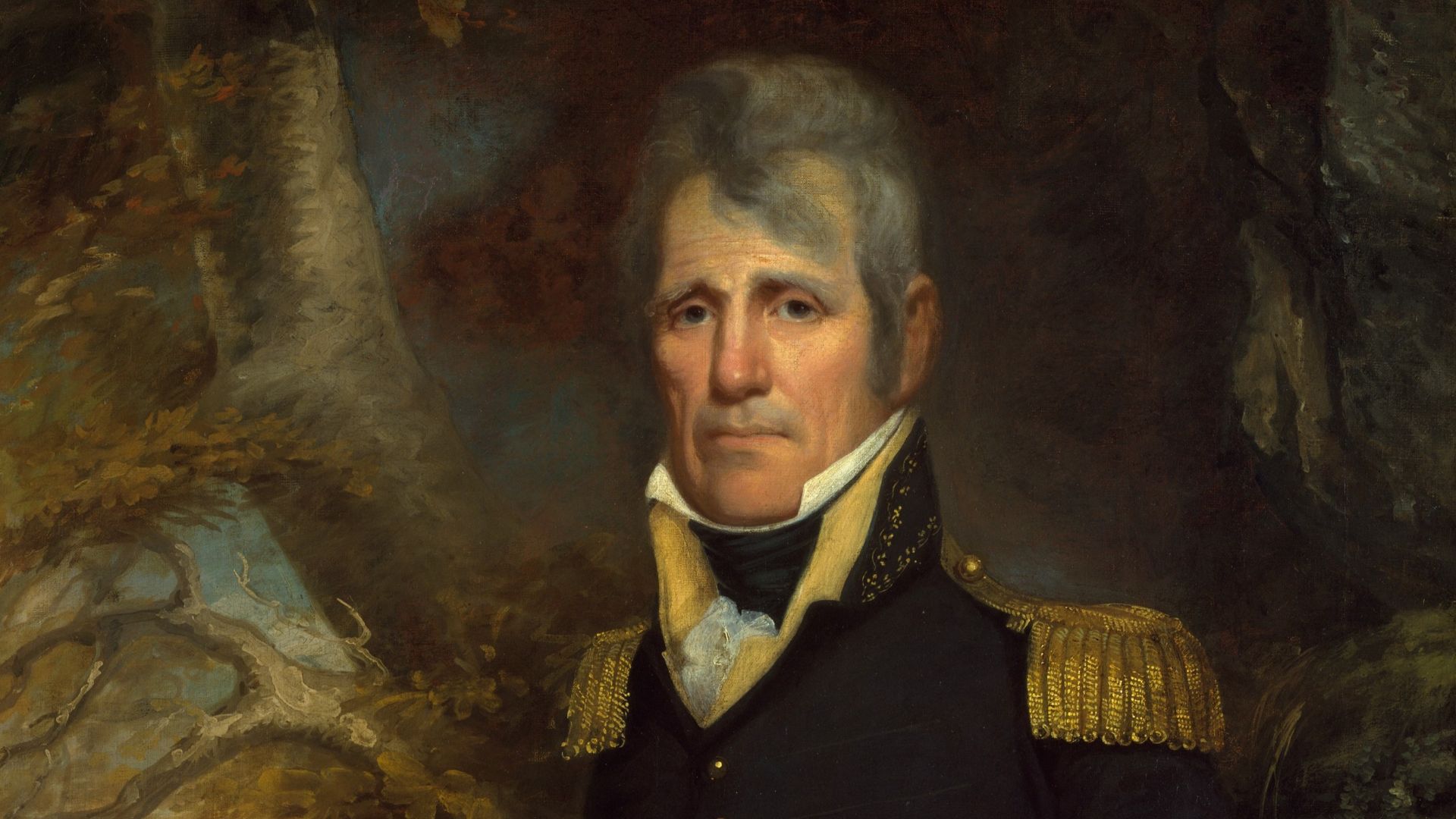
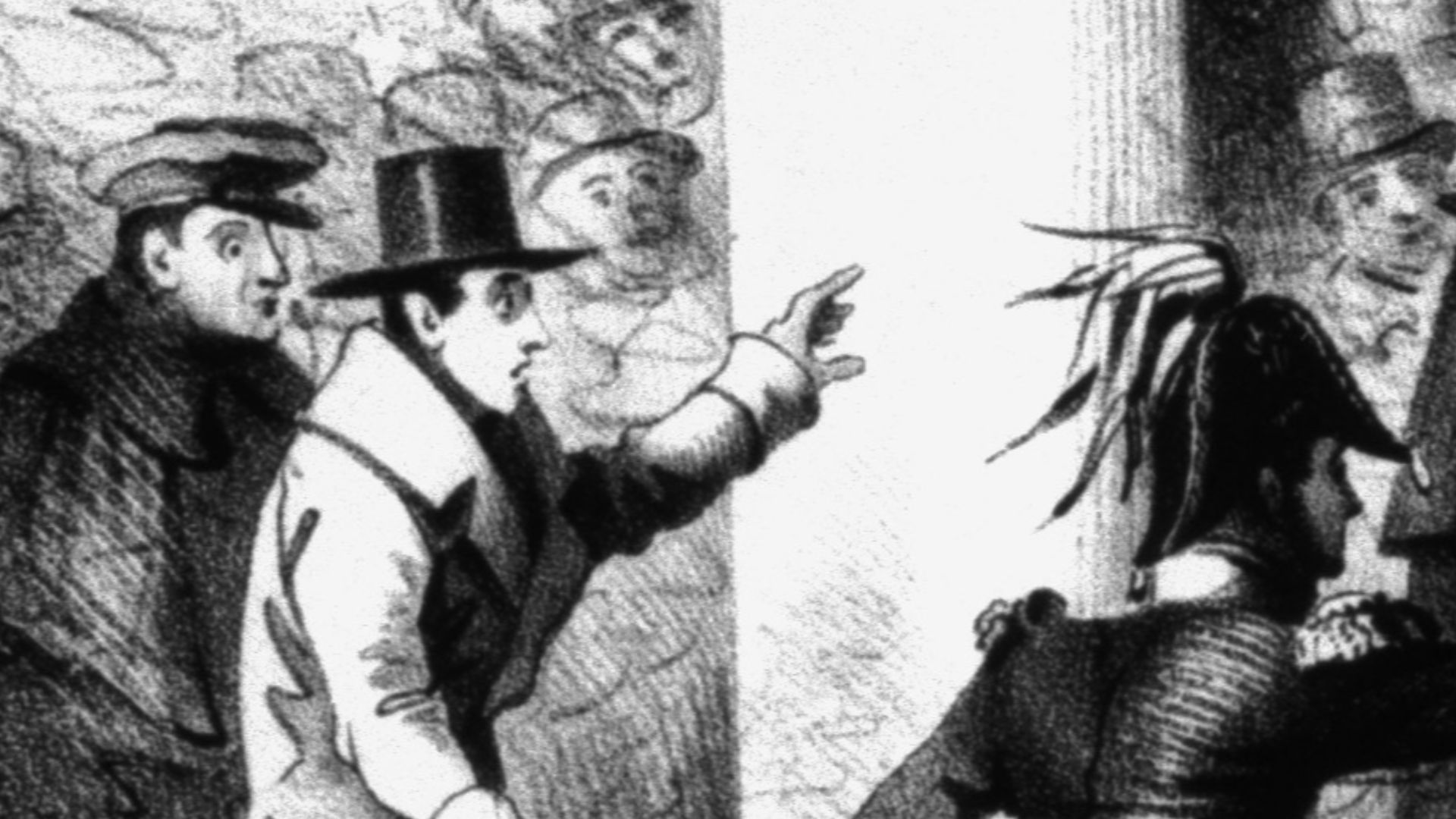
The Cane Comes Down
Furious at the attack, Jackson struck Lawrence repeatedly with his cane. Witnesses described the president aggressively confronting the would-be assassin. The scene was extraordinary: a sitting president physically attacking the man who had just tried to murder him.
 John Wesley Jarvis, Wikimedia Commons
Help Arrives
Bystanders quickly intervened. Several men rushed forward and subdued Lawrence before he could make another attempt. Their actions ended the immediate danger, but questions about the bizarre incident were only beginning to emerge.
A Nation Reacts
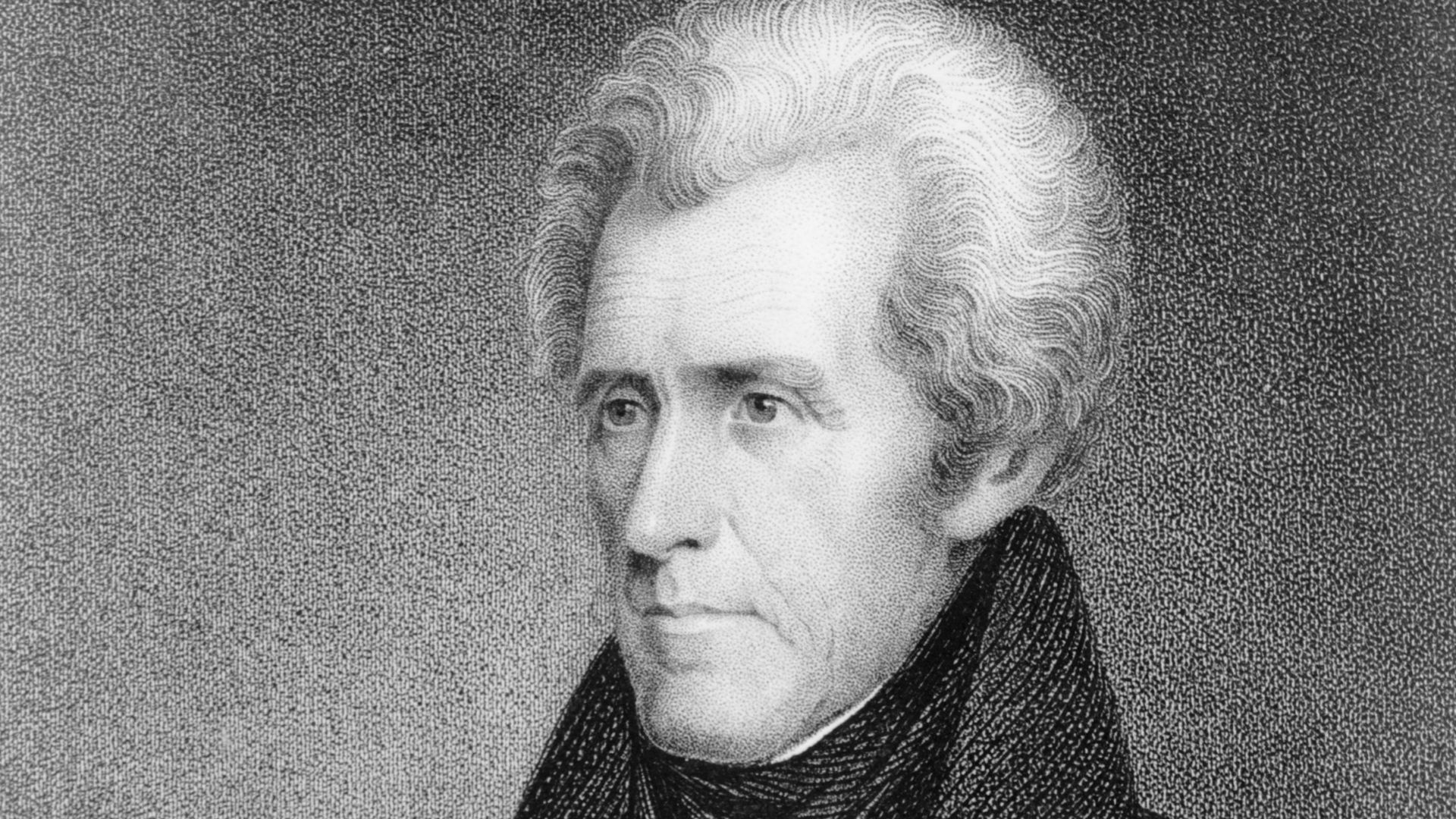
News of the attack spread rapidly across the country. Americans were shocked that a president had come so close to assassination. Public fascination grew even further when people learned that both the assailant's pistols had failed during the encounter.
 Longacre, James Barton, 1794-1869, engraver, Wikimedia Commons
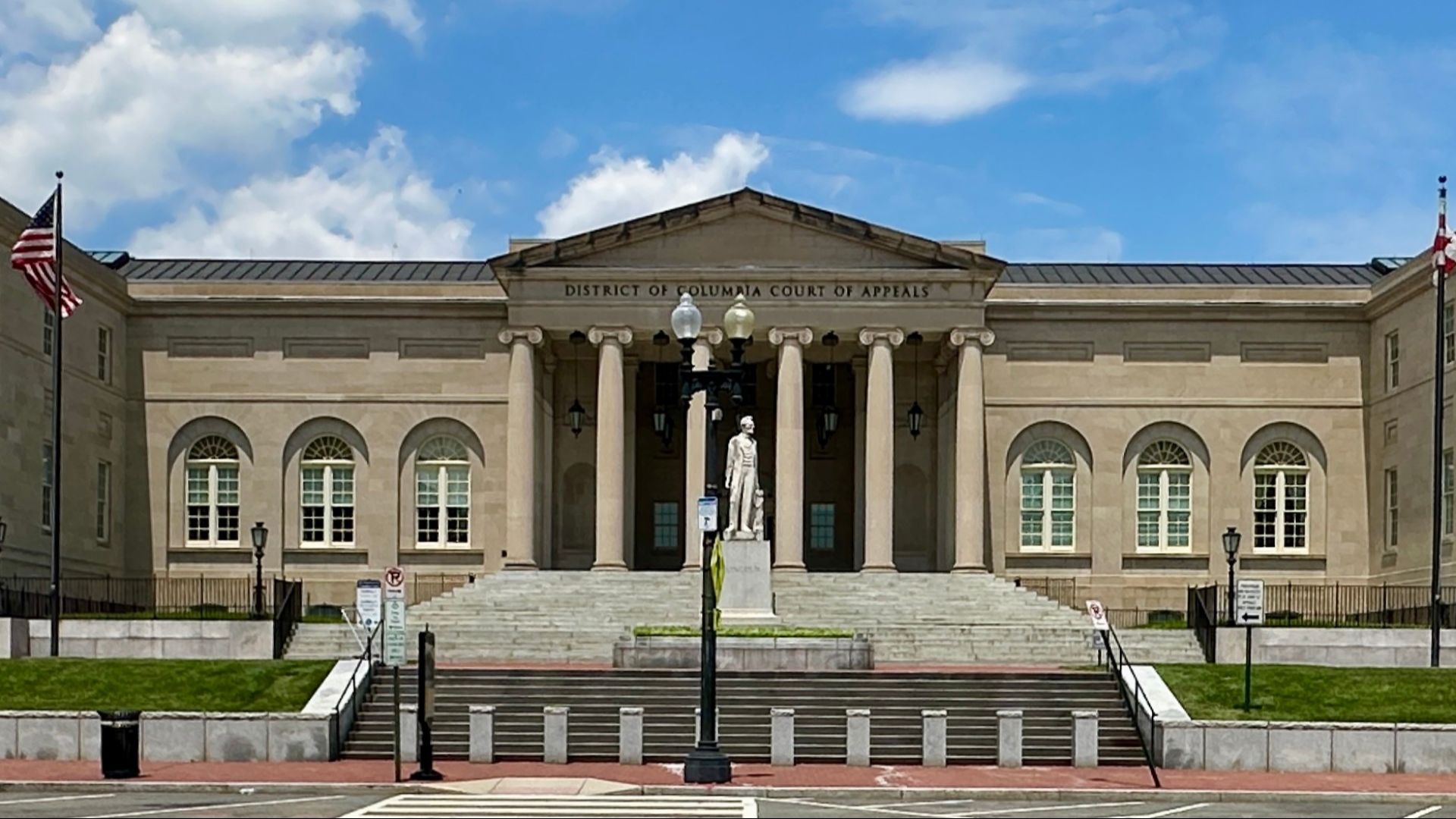
The Trial Begins
Lawrence was arrested and brought to trial. During the proceedings, evidence of his severe mental illness became impossible to ignore. Witnesses described his bizarre beliefs and increasingly detached understanding of reality.
Found Not Guilty
The jury concluded that Lawrence was insane. As a result, he was found not guilty by reason of insanity. It was one of the earliest high-profile uses of the insanity defense in American legal history, but public curiosity about the attack remained intense.
Confined For Life
After the trial, Lawrence was committed to institutions for the mentally ill. He remained confined for the rest of his life, dying in 1861. Although his assassination attempt had failed, his name became permanently linked to one of the strangest episodes in presidential history.
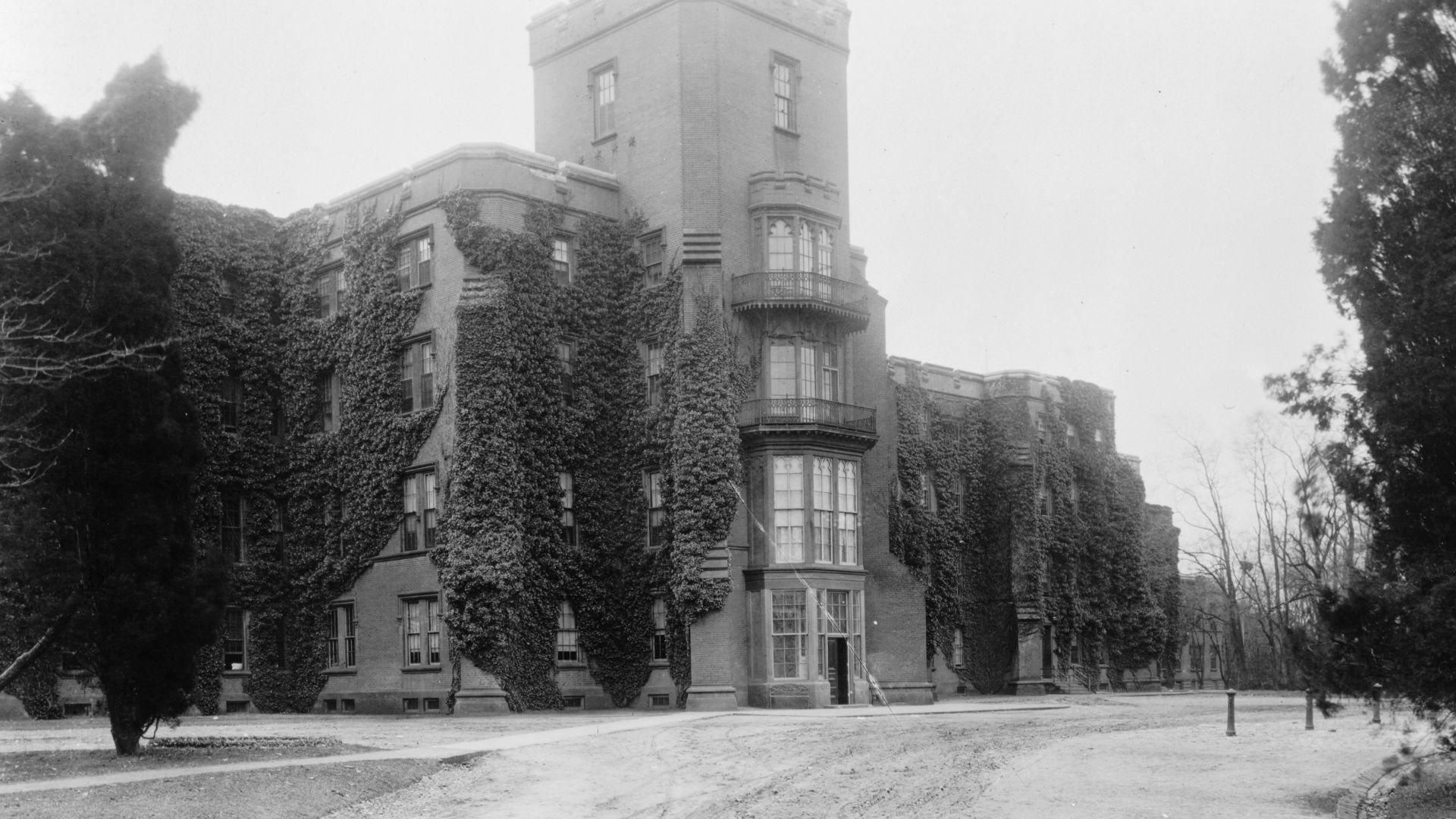 National Photo Company, Wikimedia Commons
The Clay Conspiracy Theory
Not everyone accepted that Lawrence had acted alone. Jackson himself suspected that political opponents might have been involved. One theory pointed toward Henry Clay, Jackson's longtime rival, although no evidence ever substantiated the accusation.
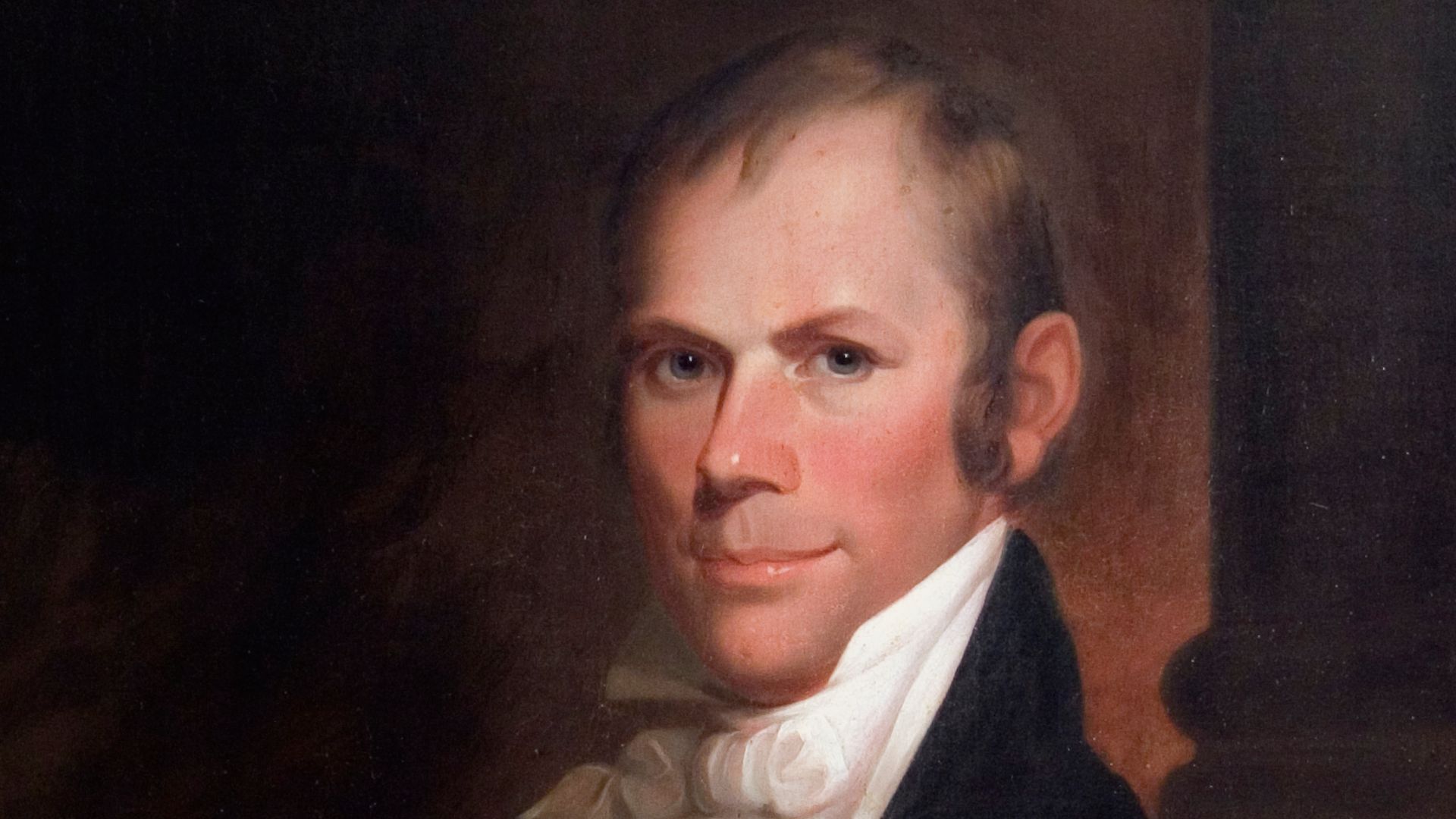 Matthew Harris Jouett, Wikimedia Commons
The Bank Connection Theory
Another conspiracy theory focused on Jackson's battle against the Bank of the United States. Some supporters speculated that enemies connected to the Bank War had somehow encouraged or assisted Lawrence. Like the allegations involving Clay, no proof ever emerged.
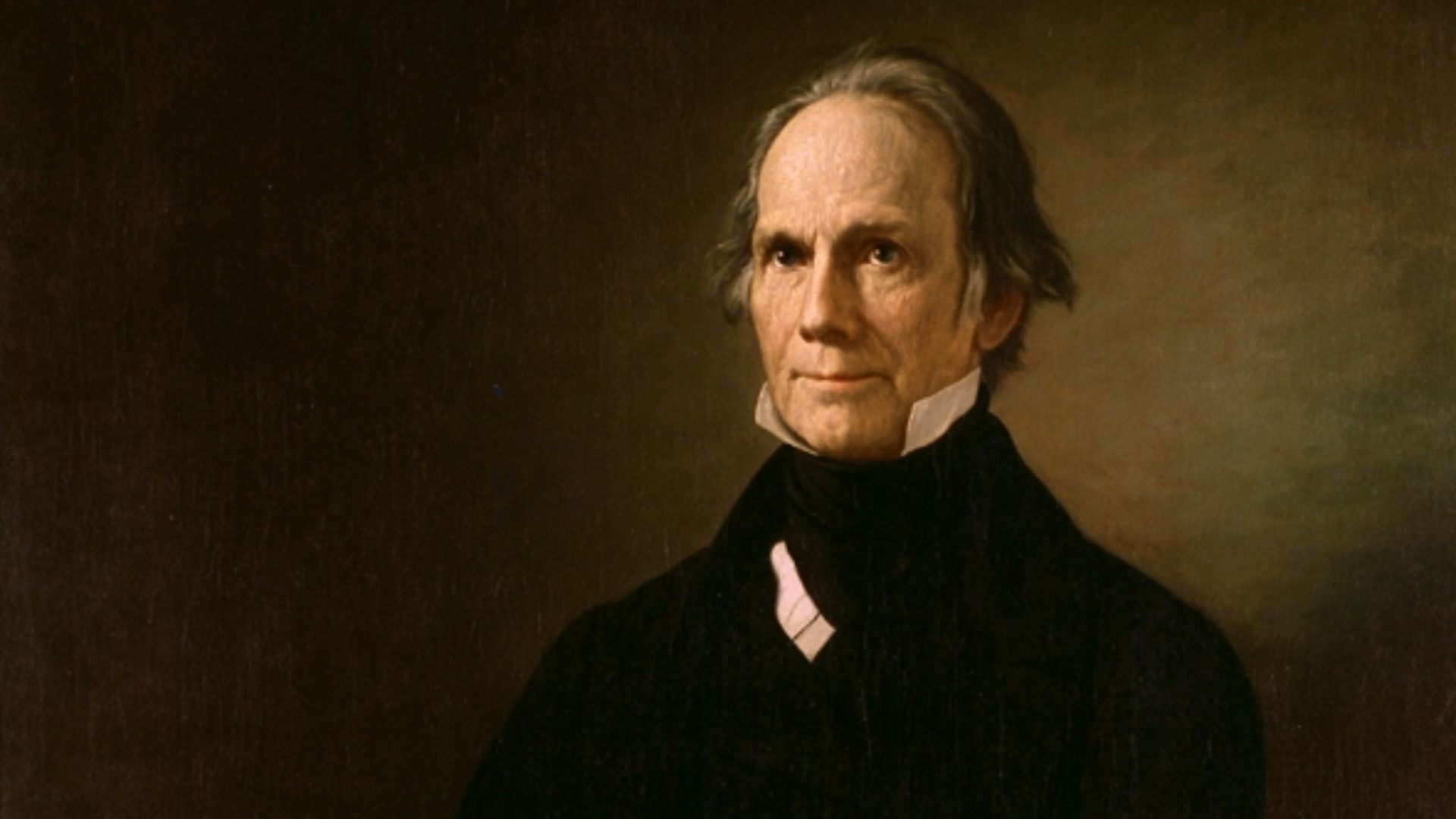 Henry F. Darby, Wikimedia Commons
Jackson Finishes His Term
Despite the attack, Jackson continued serving as president. His second term remained eventful, featuring continued political battles and the completion of major initiatives that had defined his administration. The assassination attempt ultimately failed to alter his presidency's overall course.
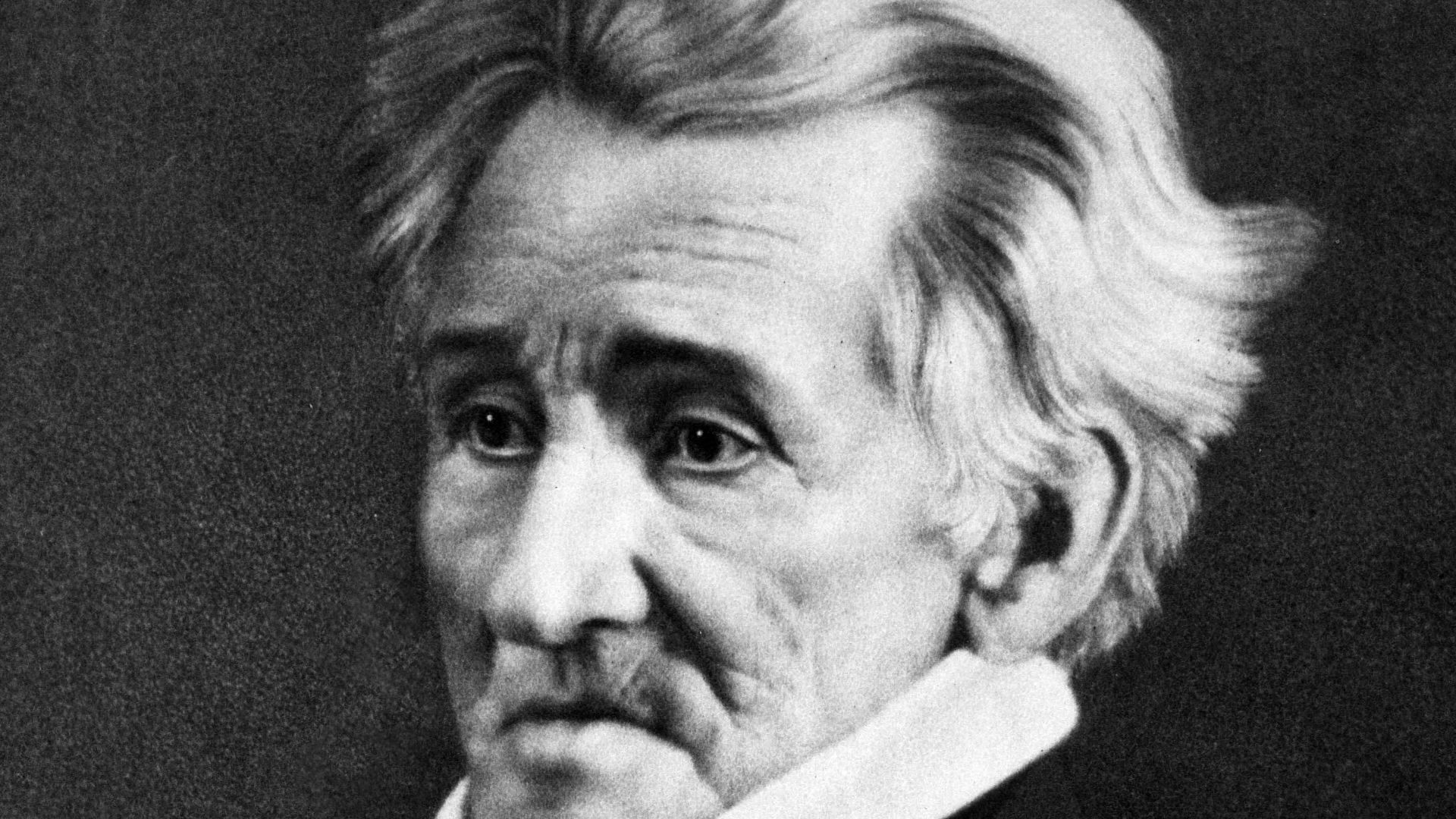 Mathew Benjamin Brady, Wikimedia Commons
Retirement At The Hermitage
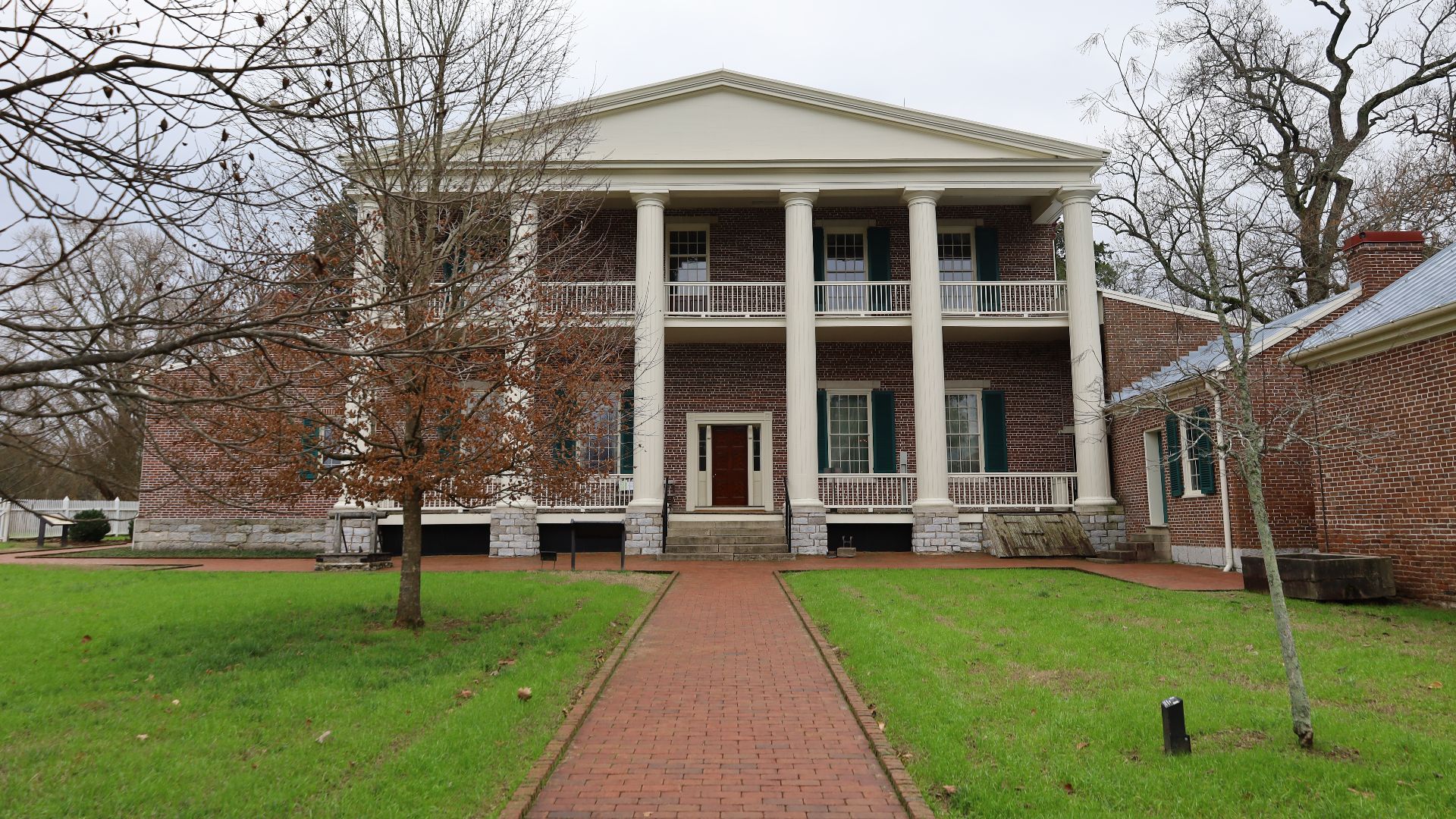
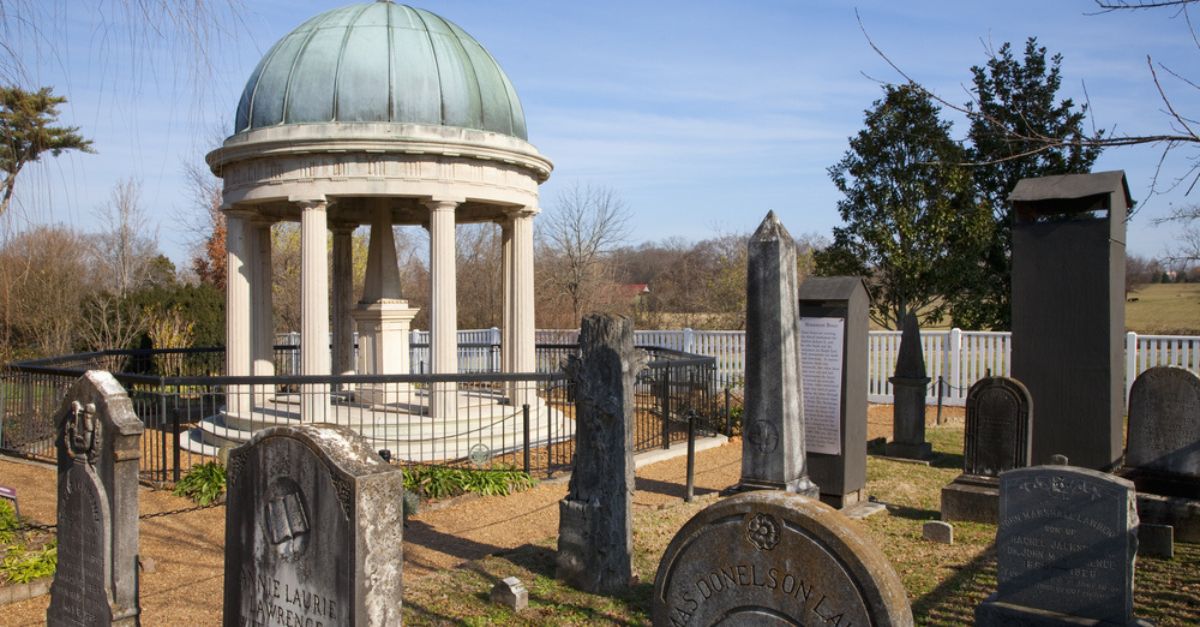
Jackson left office in 1837 after completing two terms. He retired to his plantation, the Hermitage, near Nashville, Tennessee. Though no longer president, he remained an influential figure within the Democratic Party and continued to attract public attention.
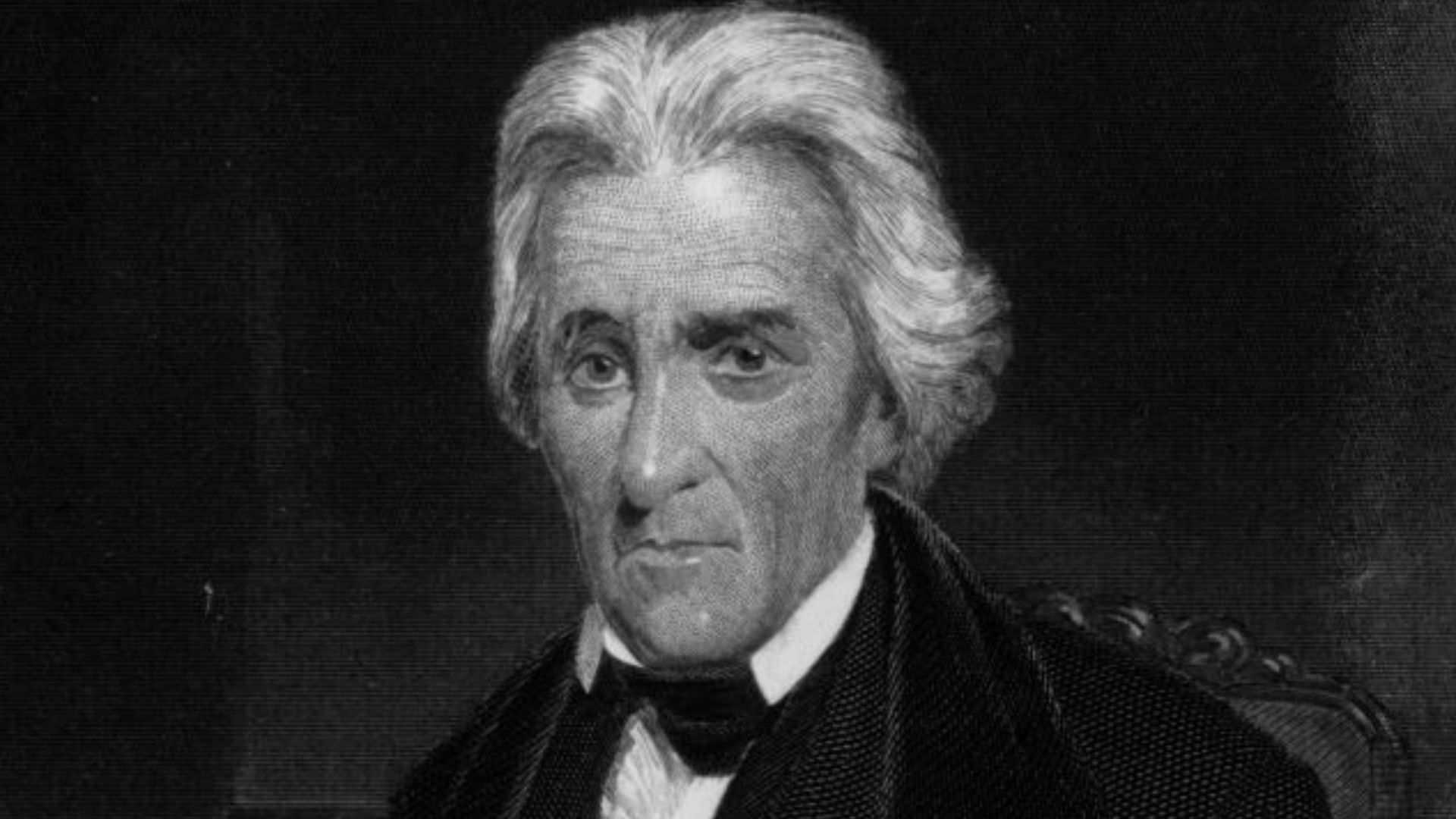
A Legacy Of Survival
The failed attack on January 30, 1835, secured Andrew Jackson a unique place in American history. He became the first U.S. president targeted by an assassin, survived two misfiring pistols, and responded in unforgettable fashion by beating his attacker with a cane.
 Golfpecks256, Wikimedia Commons
You May Also Like:
Polarizing Facts About Thomas Jefferson, The President Who Didn't Practice What He Preached
Honorable Facts About Abraham Lincoln, America’s Most Tragic President










.png)