A Hero’s Final Battle
Ulysses S. Grant spent much of his life overcoming adversity. He rose from obscurity to become the Union’s greatest general, served two terms as president, and achieved worldwide fame. But in his final years, he faced a devastating financial catastrophe that wiped out nearly every penny he owned.
 Brady-Handy Photograph Collection, Library of Congress, Wikimedia Commons
Fame Across Continents
After leaving the White House in 1877, Grant embarked on an extraordinary world tour. He traveled across Europe, Asia, the Middle East, and Africa, receiving honors from monarchs, statesmen, and ordinary citizens. Few former American presidents had ever enjoyed such international celebrity and respect.
![This image has no title, and was likely taken by an anonymous Chinese photographer (at Qing government direction) in Tientsin, China [1879] during Ulysses S. Grant's visit there with notable Chinese Viceroy Li Hung Chang. [RESTORED] I cleaned up a few spo](https://www.factinate.com/storage/app/media/factinate/2026/6/6/178072555300f205cc9140c85938abcfc43811f8e9f56d7110.jpg)
The Nomination That Failed
Grant returned to the United States with supporters urging him to seek an unprecedented third presidential term. At the 1880 Republican convention, however, he failed to secure the nomination. After a lengthy deadlock, the party selected James A. Garfield instead, ending Grant’s hopes of returning to office.
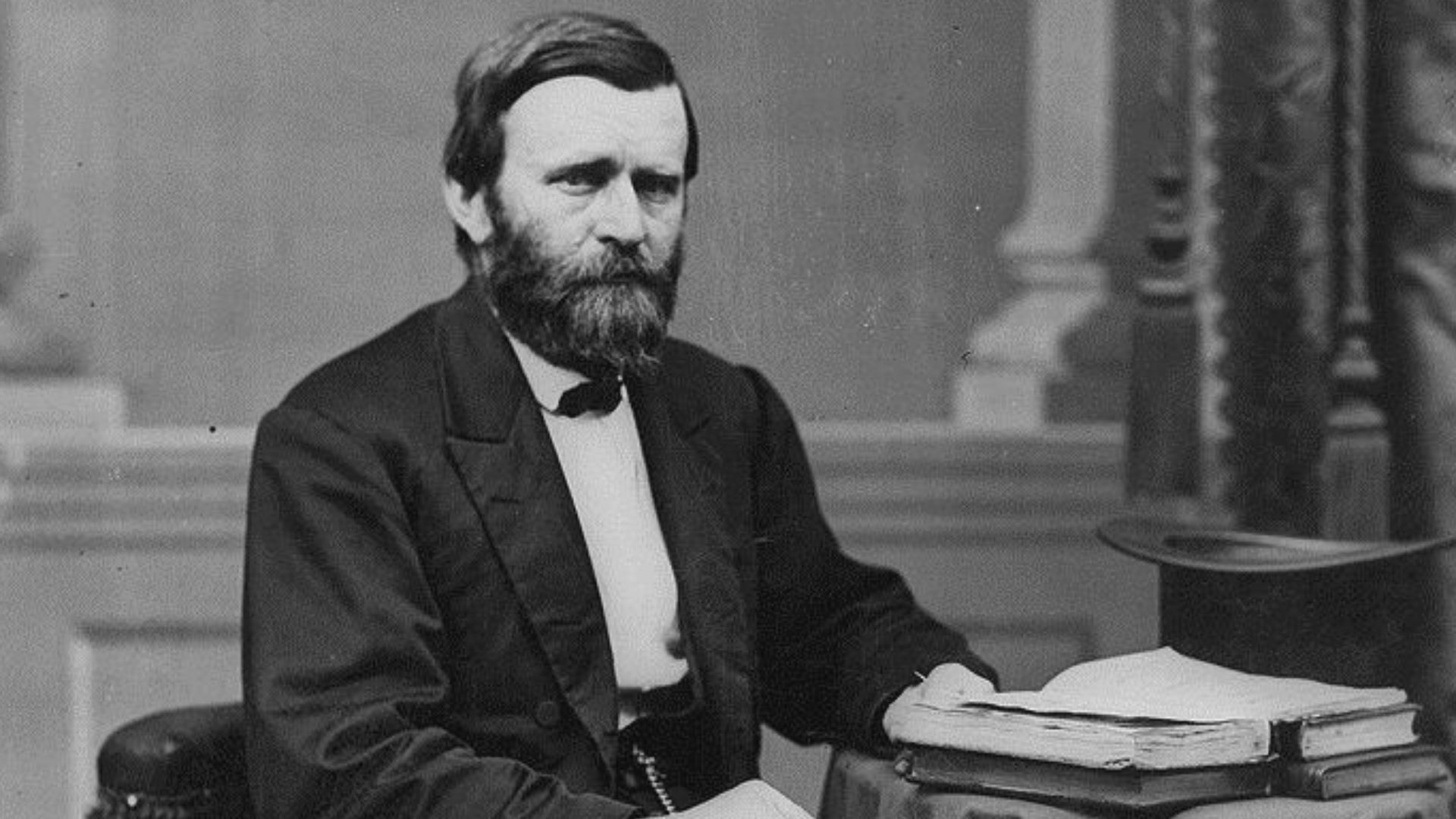 Mathew Benjamin Brady, Wikimedia Commons
No Presidential Safety Net
Modern former presidents receive pensions, staff support, and other benefits. Grant enjoyed no such protections. Although respected and famous, he needed income to support himself and his family. Like many nineteenth-century Americans, financial security depended largely on personal investments and business ventures.
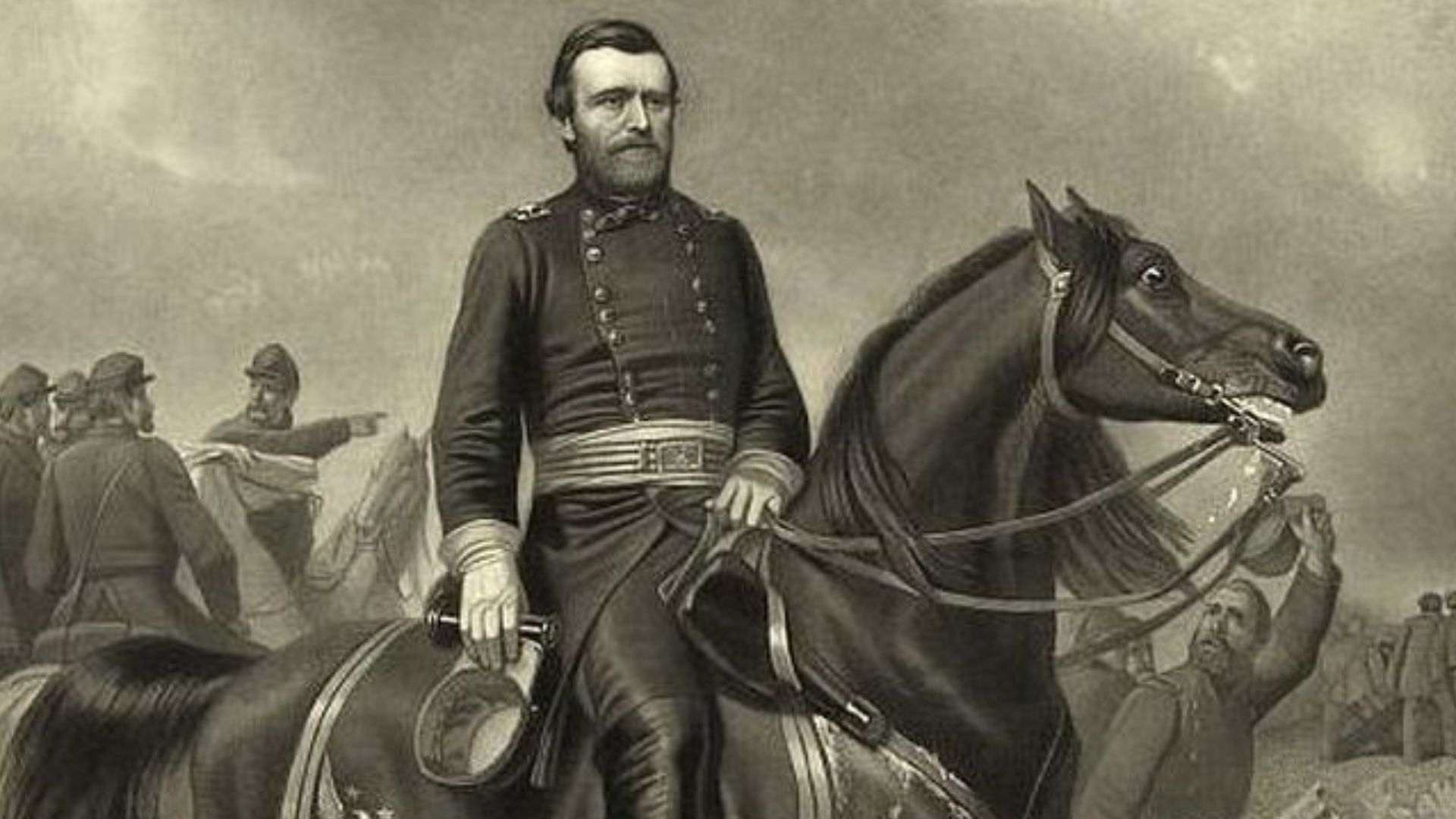 Engraving by William Sartain, Philadelphia, 1863, Wikimedia Commons
Earlier Hard Times
The possibility of poverty was especially frightening for Grant because he had experienced it before. During the years before the Civil War, he struggled financially in Missouri. At one point, he was so desperate for income that he sold firewood on a street corner in St. Louis.

Buck’s Business Ambitions
Grant’s eldest son, Ulysses S. Grant Jr., known as “Buck,” pursued a business career after studying law. Through his professional connections, he became acquainted with an ambitious young financier named Ferdinand Ward. That relationship would ultimately prove the Grant family’s undoing.
 I. W. Taber, Wikimedia Commons
Enter Ferdinand Ward
Ferdinand Ward was intelligent, charming, and remarkably persuasive. He cultivated an image of exceptional financial brilliance and convinced wealthy investors that he possessed unique investment opportunities. His reputation grew rapidly in New York financial circles, attracting influential clients eager for extraordinary returns.
 New York Times, Wikimedia Commons
Creating Grant & Ward
In 1881, Ward partnered with Buck Grant and established the brokerage firm Grant & Ward. The famous Grant name gave the company credibility and prestige. Many investors believed that any firm associated with the former president must surely be trustworthy and respectable.

Grant Joins In
Initially, Grant wasn't all that deeply involved in daily operations. Nevertheless, he invested money in the firm and gradually became associated with its activities. His confidence in Buck and Ward encouraged him to place substantial portions of his personal wealth into the enterprise.
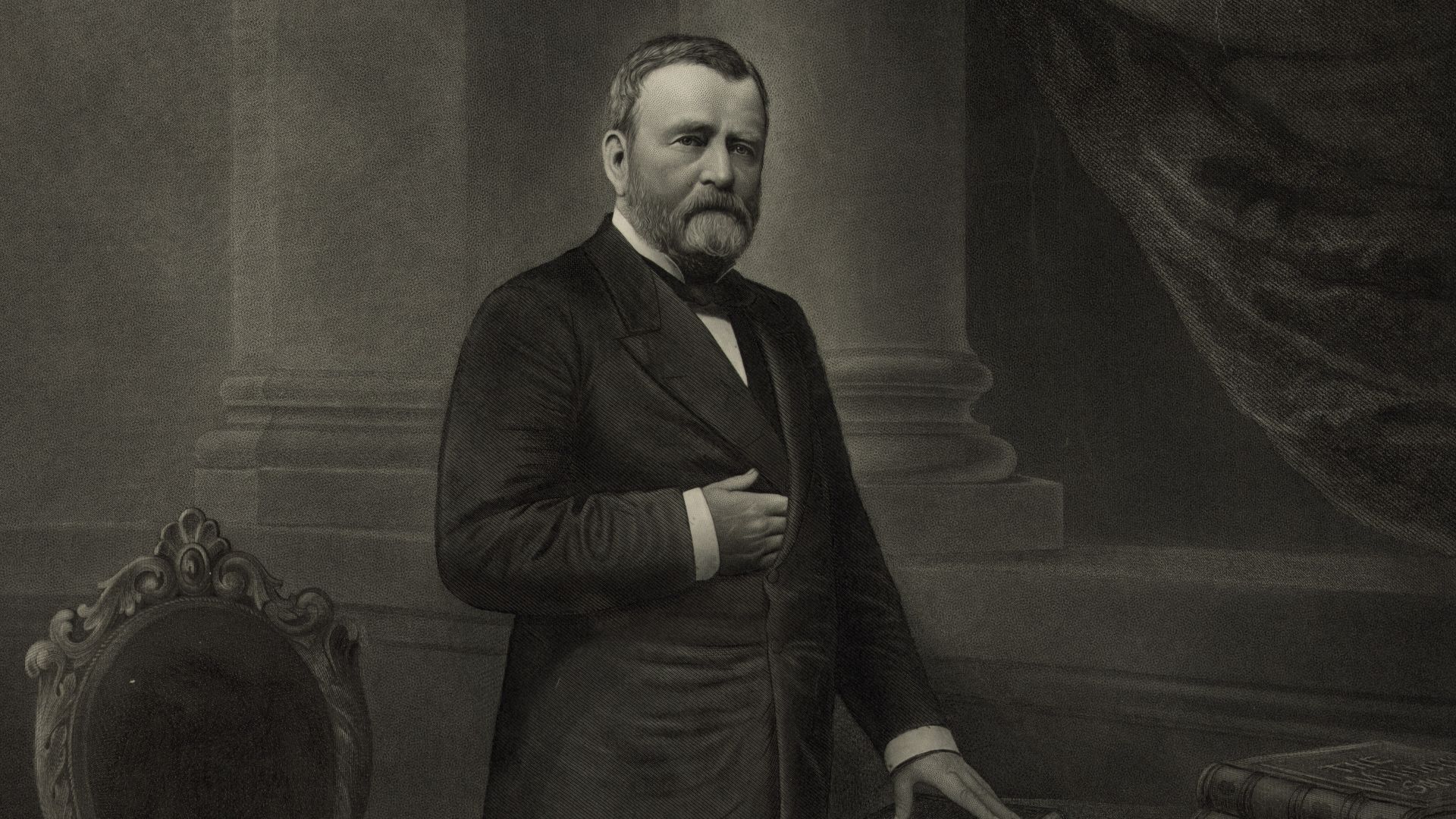 Popular Graphic Arts, Wikimedia Commons
Extraordinary Promises
Ward attracted investors by promising unusually high returns. He claimed to have special government contracts and investment arrangements that generated enormous profits. These opportunities supposedly allowed him to deliver results far beyond what conventional investments could reasonably achieve during the same period.
 Unknown photographer, Wikimedia Commons
The Illusion Of Success
For several years, Grant & Ward appeared remarkably successful. Investors received payments that seemed to confirm Ward’s claims. The apparent prosperity encouraged additional investments, while satisfied clients spread positive stories that enhanced the firm’s reputation throughout New York financial society.
A Ponzi Scheme
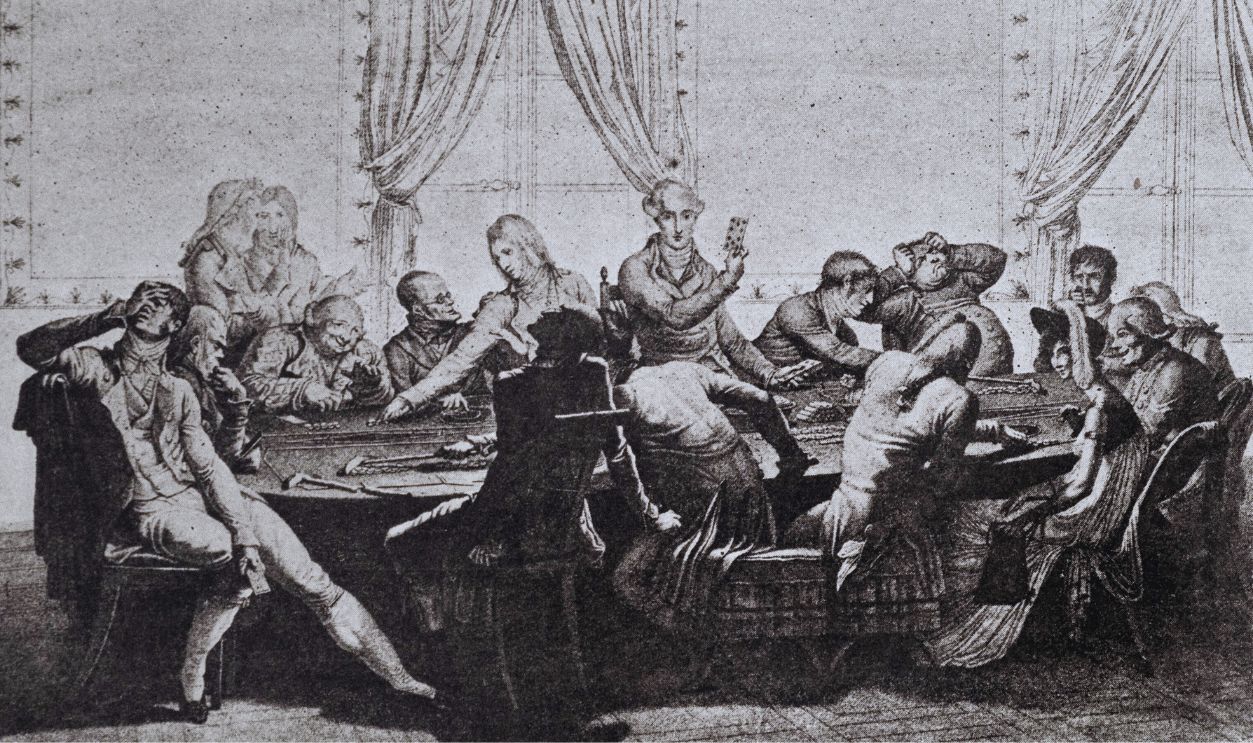
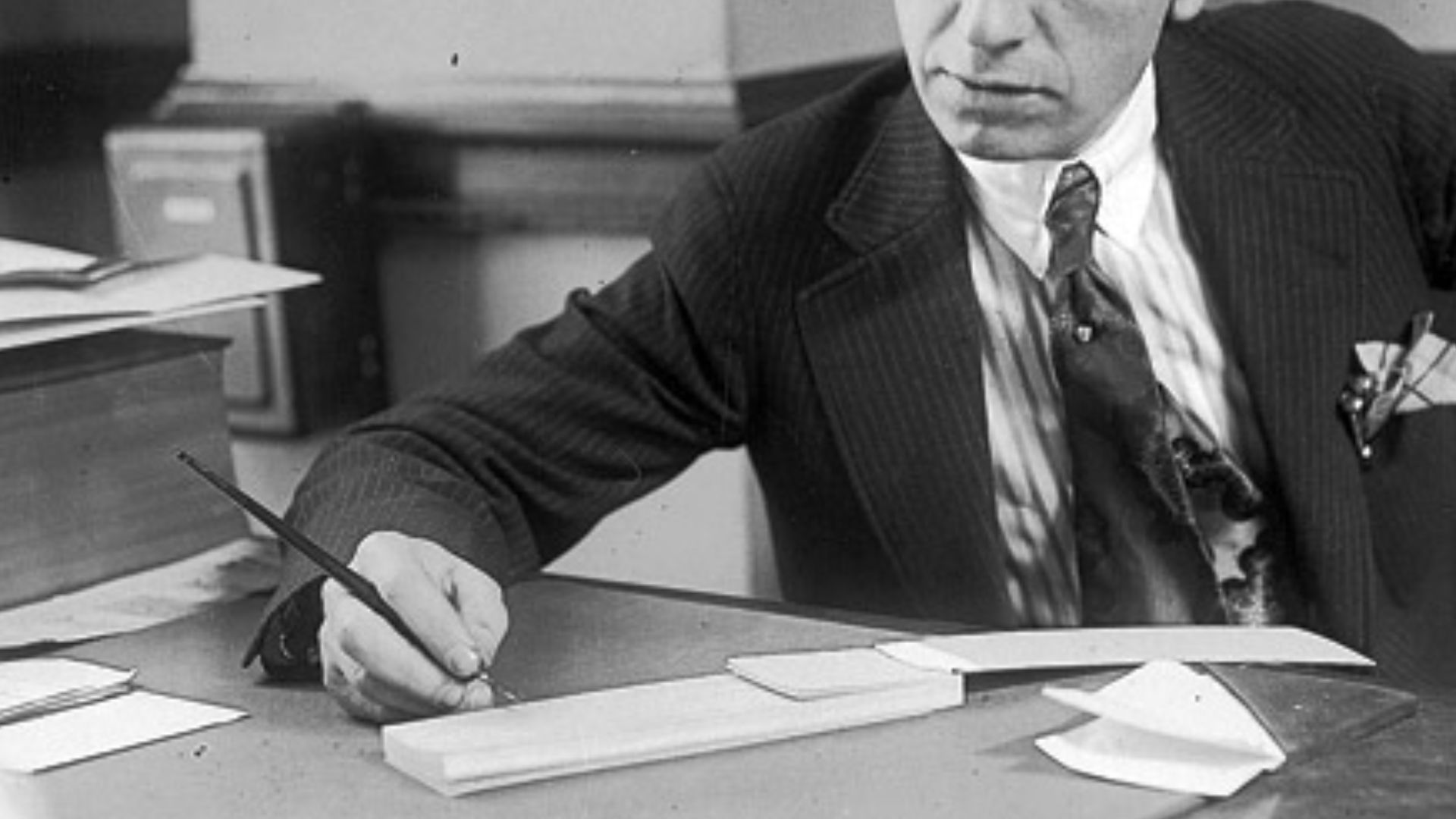
Behind the scenes, Ward was not generating legitimate profits. According to later investigations, he was using money from new investors to pay earlier investors while diverting large sums for his own personal use. In fact, the operation functioned a lot like what would later be called a Ponzi scheme.
 Boston Library (NYT); en.wikipedia.org, Wikimedia Commons
Grant’s Growing Confidence
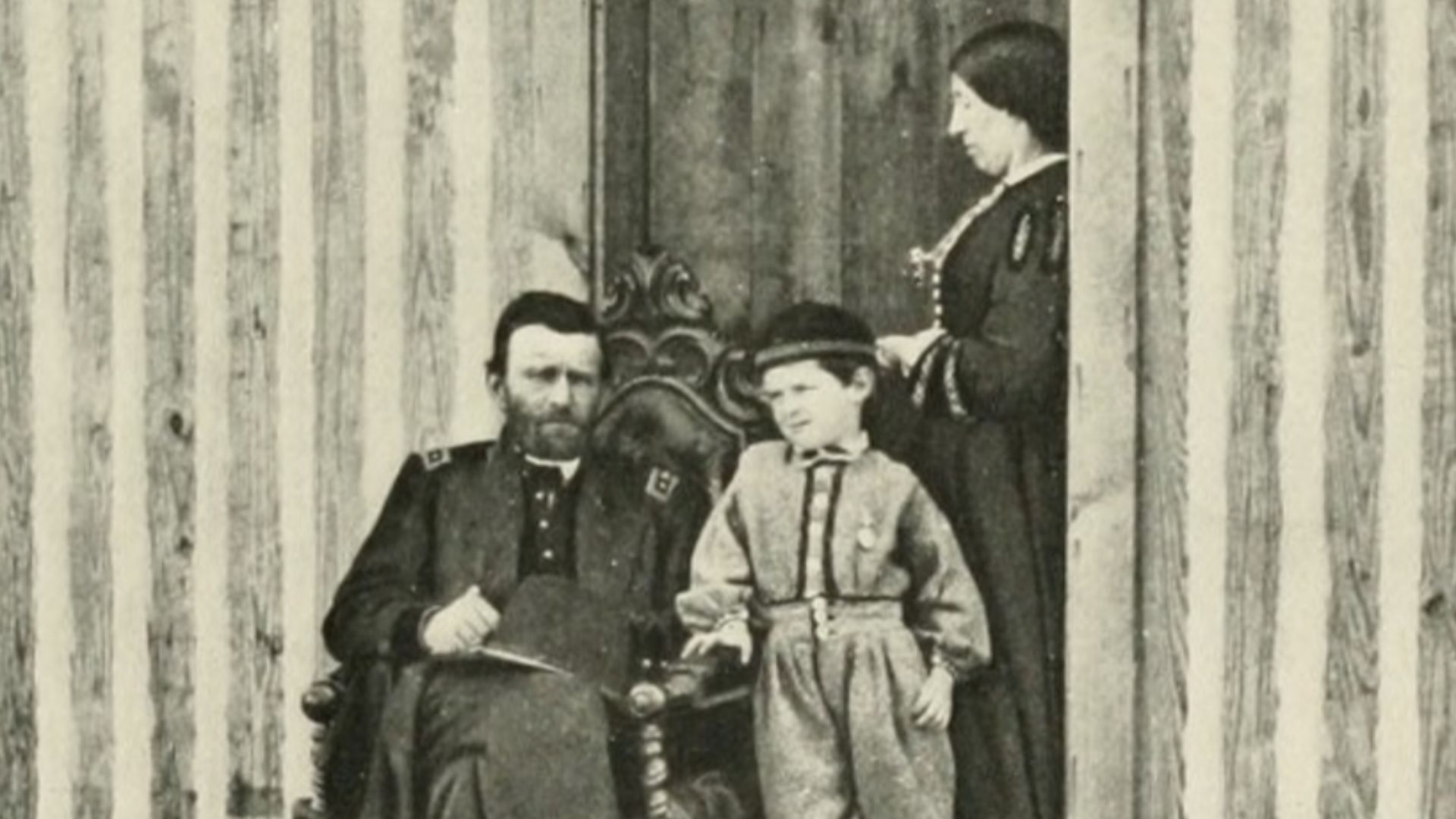
The apparent success convinced Grant that his financial future was secure. Years of military glory and public service had finally been followed by prosperity. He trusted the reports he was getting and believed the investments would provide lasting stability for his family.
 Unknown authorUnknown author, Wikimedia Commons
Vanderbilt’s Assistance
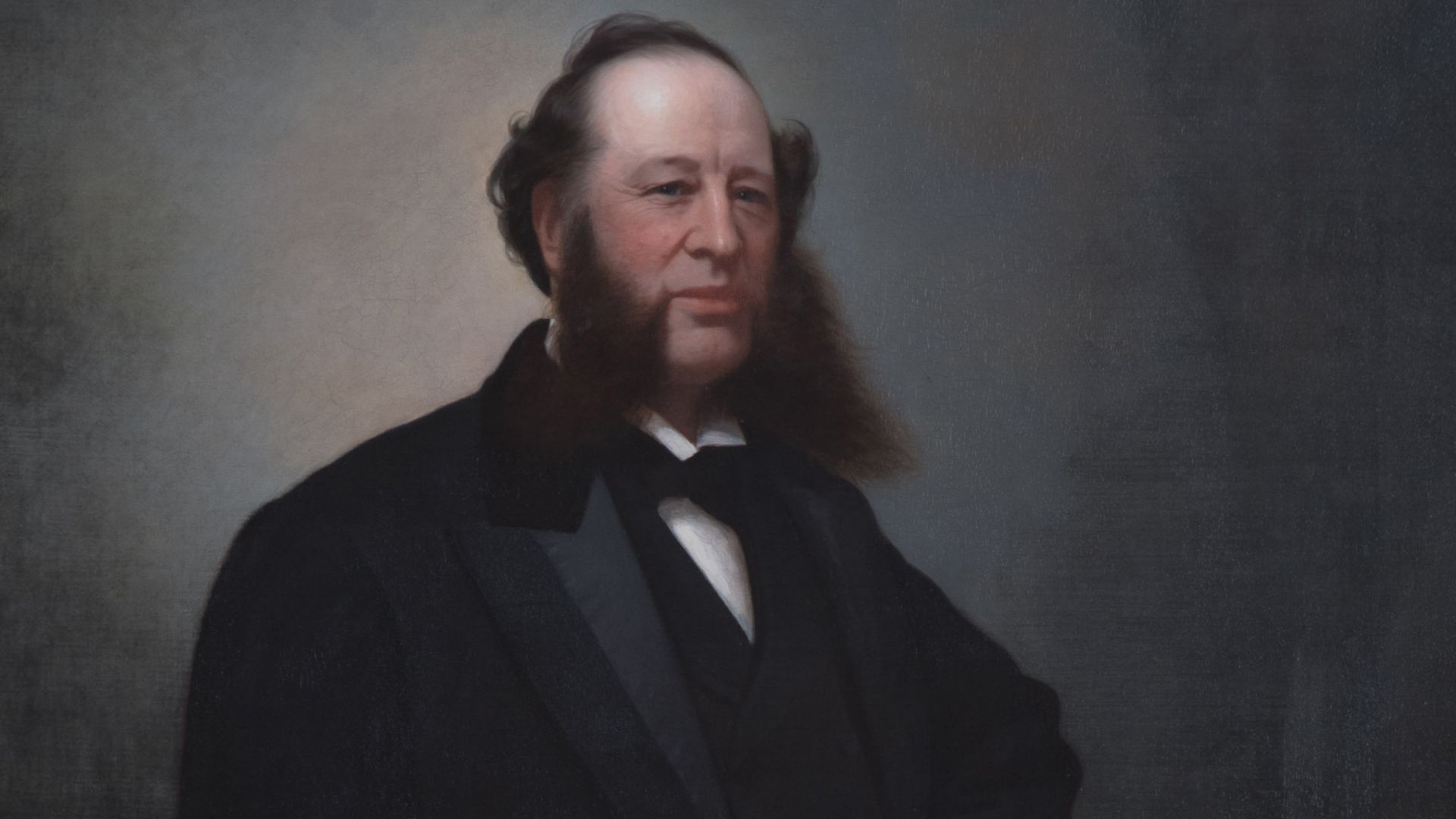
In May 1884, Grant faced a temporary cash shortage and sought help from railroad magnate William H. Vanderbilt. Trusting Grant completely, Vanderbilt provided a loan of $150,000 in government securities. Grant expected to repay the obligation once business matters stabilized.
 Jared Bradley Flagg, Wikimedia Commons
Disaster Strikes
Almost immediately, the situation collapsed. Grant delivered Vanderbilt’s securities to Ward, who claimed they were needed temporarily. Instead, the securities disappeared into the failing operation. Within days, the true condition of Grant & Ward began to emerge.
 Miscellaneous Items in High Demand, PPOC, Library of Congress, Wikimedia Commons
The Firm Implodes
On May 6, 1884, Grant & Ward failed spectacularly. The firm suspended operations and could no longer meet its obligations. Investors rushed to learn what had happened, only to discover that the business lacked the assets necessary to cover its enormous liabilities.
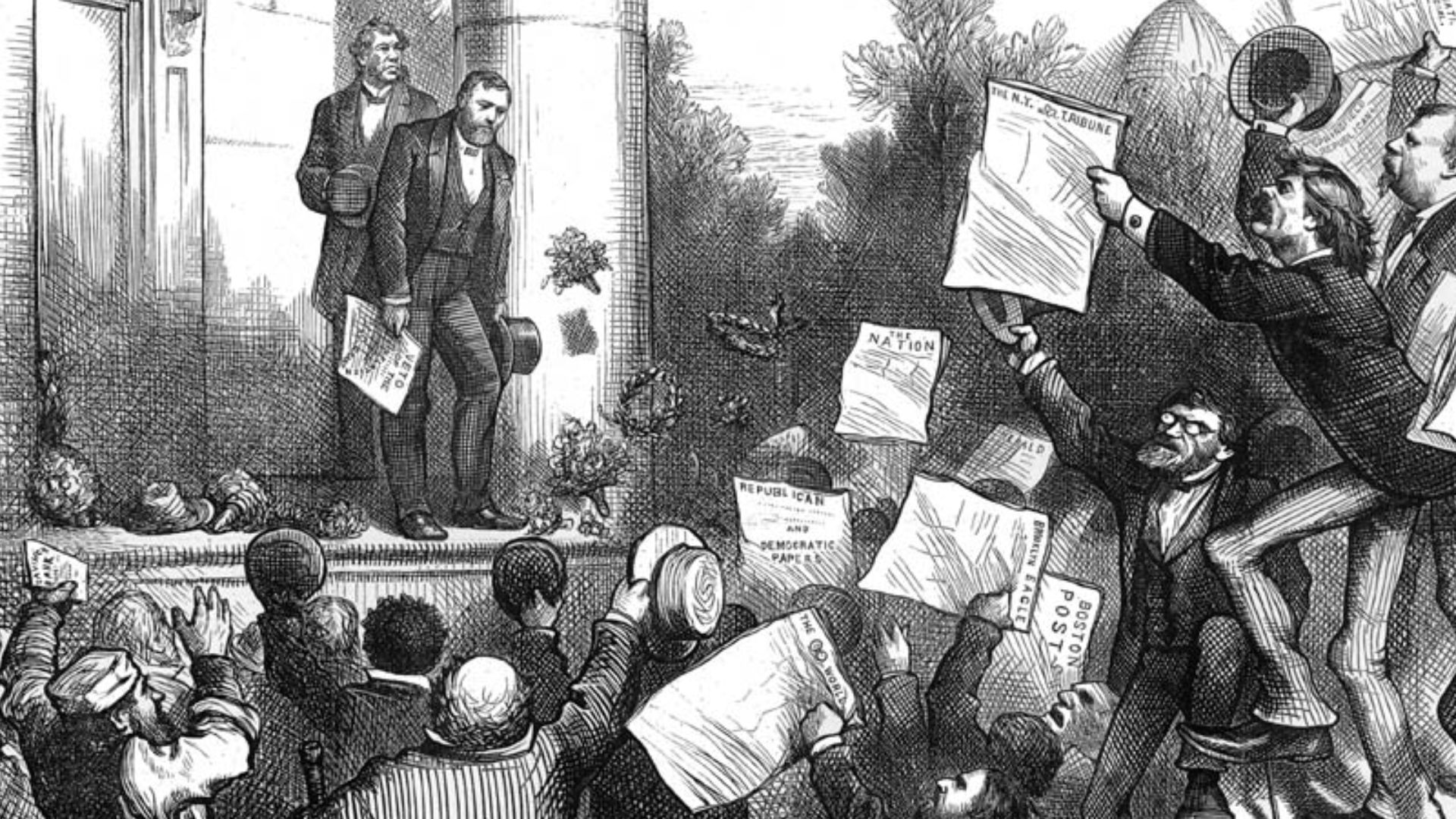 Thomas Nast, Wikimedia Commons
Family Savings Gone
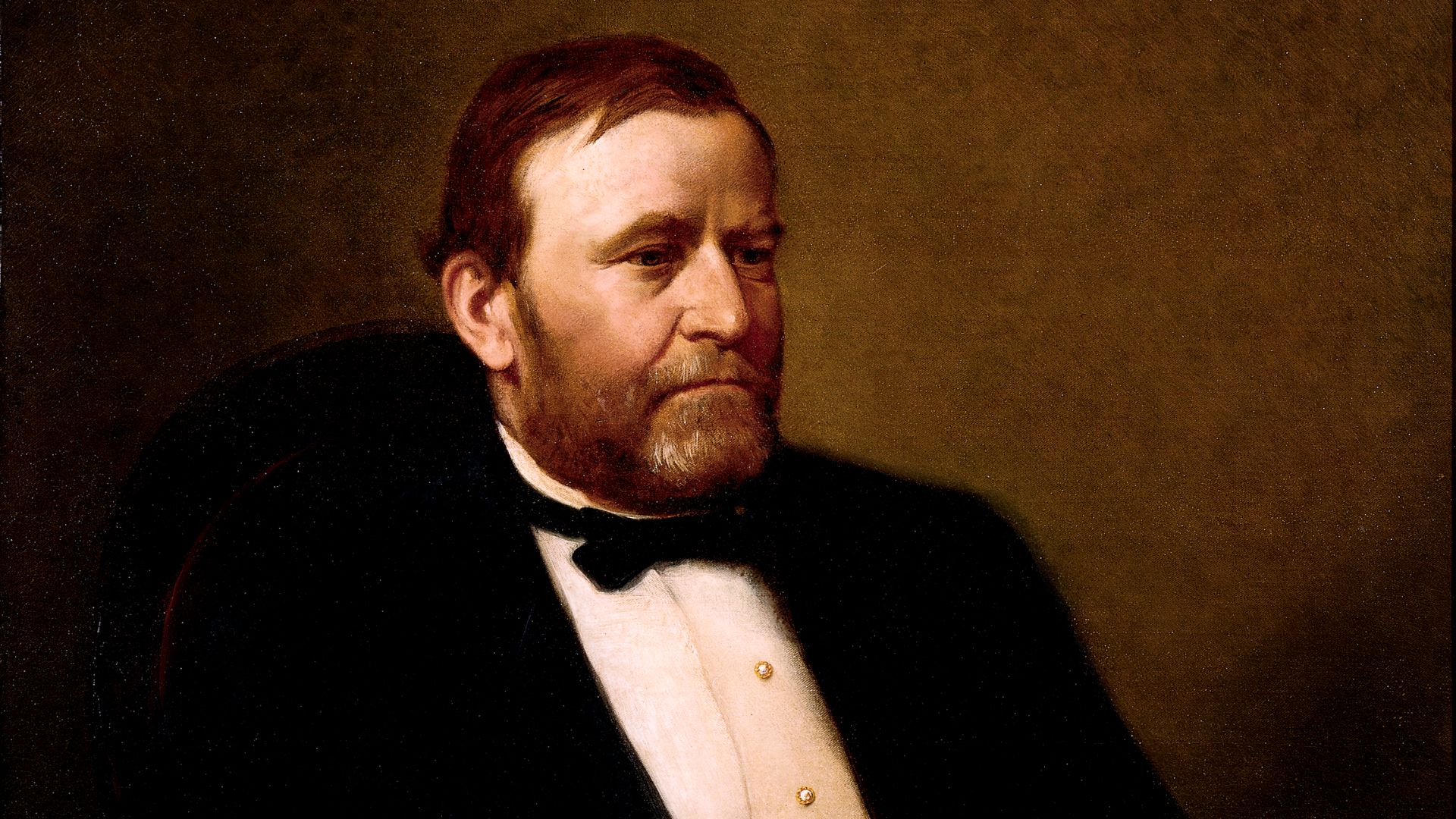
The collapse destroyed Grant’s finances. Nearly all of the family’s savings vanished. Money accumulated through years of public service, investments, and careful planning disappeared almost overnight. The former president suddenly found himself confronting financial ruin in old age.
Public Humiliation
The financial losses were accompanied by deep personal embarrassment. Grant had trusted Ward completely and had allowed his name to be associated with the enterprise. Newspapers covered the scandal extensively, making the former president’s misfortune a matter of national attention.
 Drawn by Peter F. Rothermel / engraved by Robert Whitechurch (1814-ca. 1880), Wikimedia Commons
Vanderbilt’s Generosity
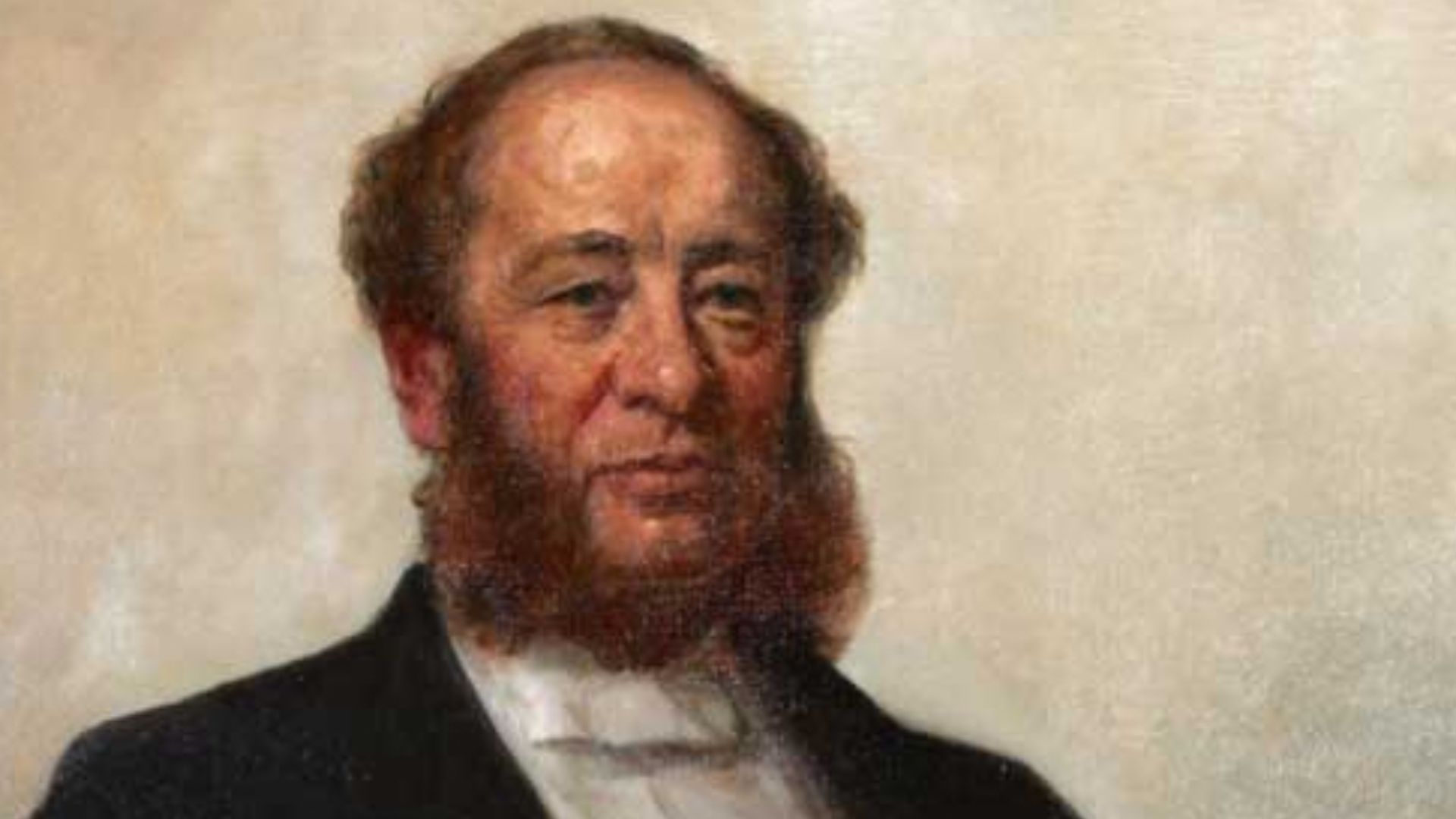
When Vanderbilt learned the extent of Grant’s losses, he showed remarkable compassion. Rather than pressing aggressively for repayment, he allowed Grant to retain personal possessions and demonstrated considerable sympathy. The gesture spared Grant additional humiliation during an already devastating period.
 Eastman Johnson, Wikimedia Commons
Starting Over Again
The catastrophe forced Grant into circumstances reminiscent of his difficult prewar years. Once again, he faced uncertainty and financial insecurity. Although no longer selling firewood in St. Louis, he confronted the painful reality that much of his hard-earned wealth had gone up in smoke.
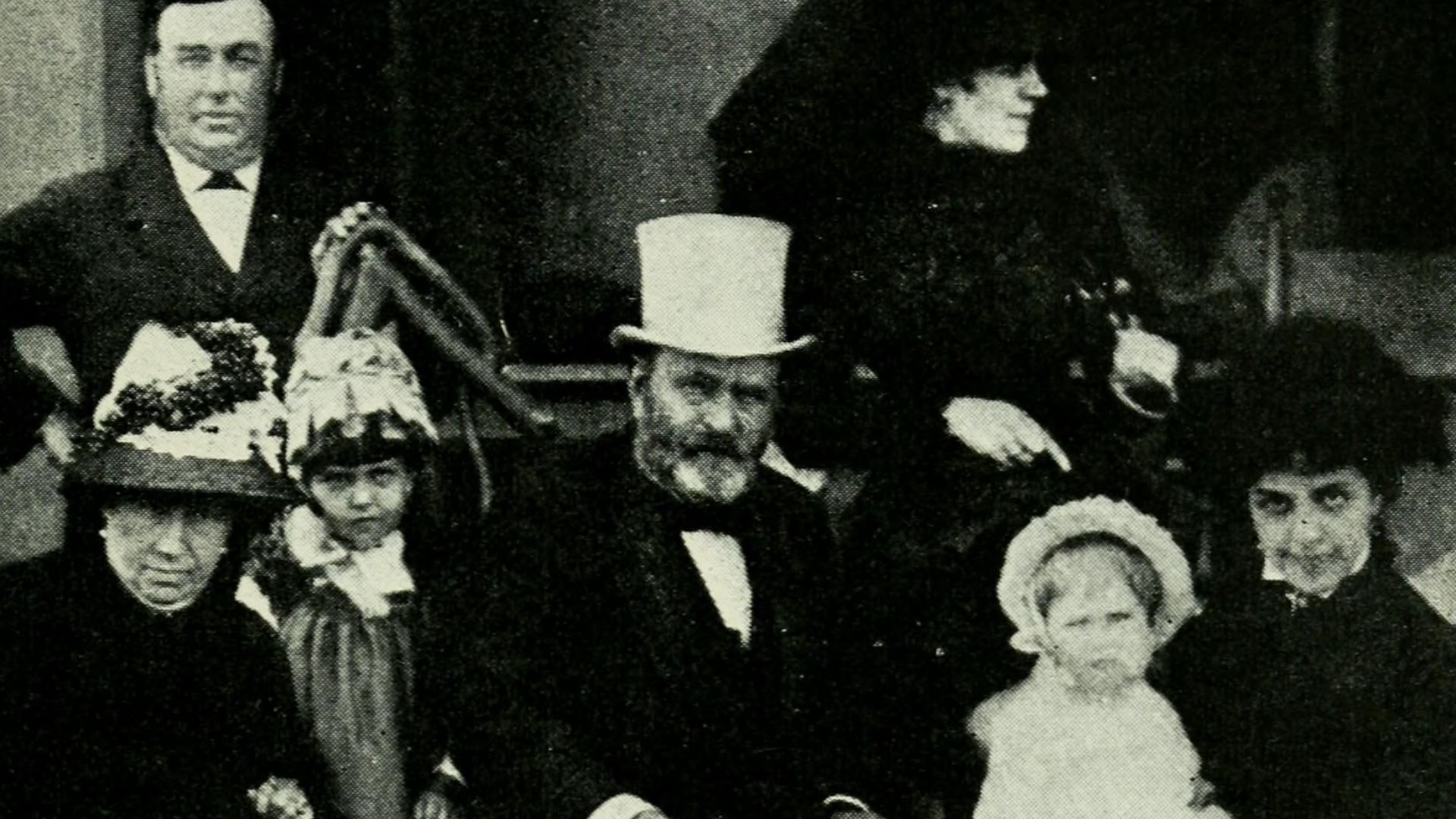 Internet Archive Book Images, Wikimedia Commons
A New Crisis
As Grant struggled with financial ruin, a new and even more devastating challenge emerged. In 1884, doctors diagnosed him with throat cancer. The combination of failing health and financial disaster created immense pressure. Grant now faced the prospect of leaving his family with little financial support.
 Popular Graphic Arts, Wikimedia Commons
Writing For Survival
Determined to provide for his wife Julia, Grant turned to writing. Encouraged by friends and publishers, he began working on his memoirs. The project offered him a chance to earn substantial income while preserving his account of the Civil War and his military career.
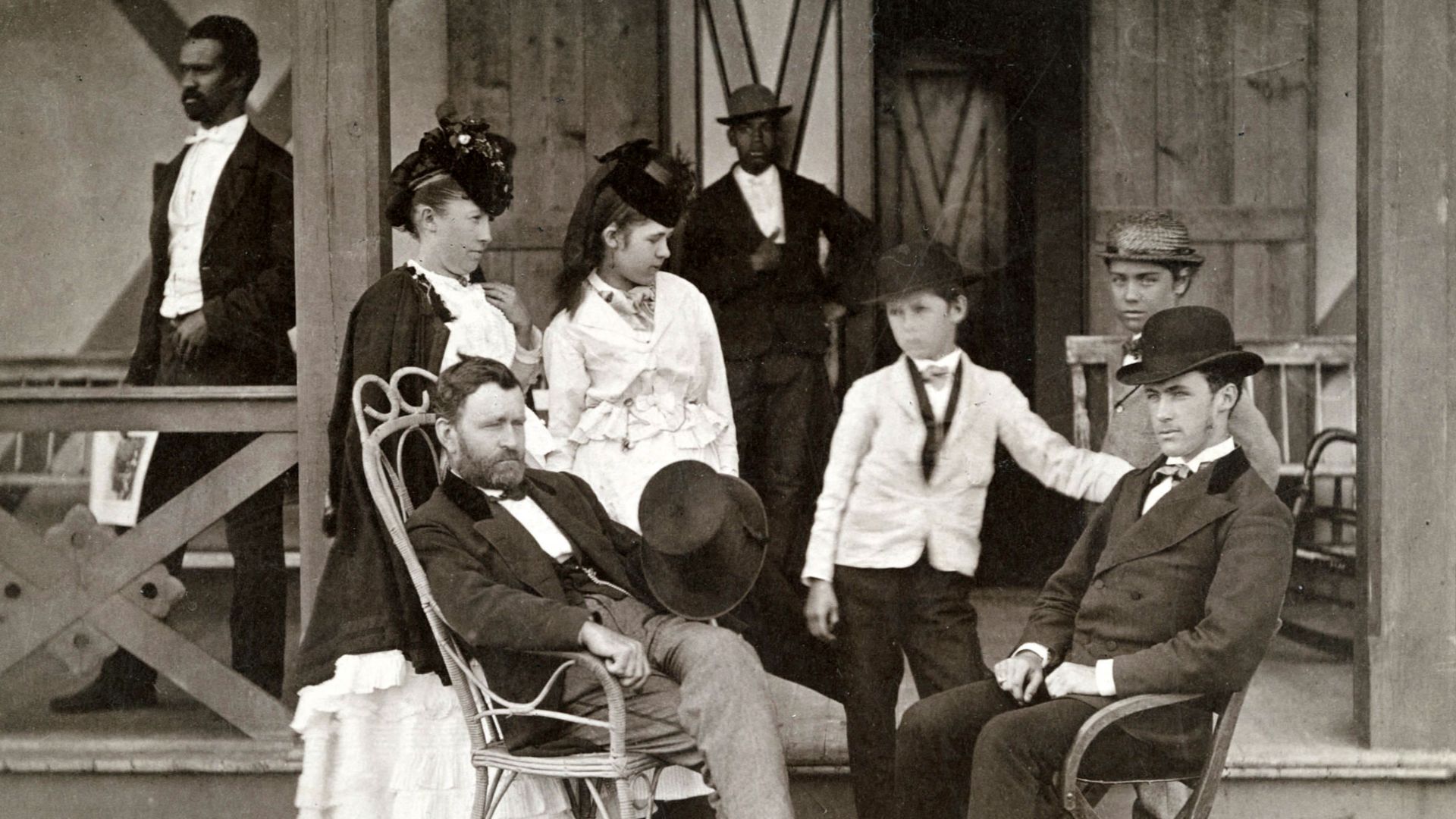 Pach Brothers, NY, Wikimedia Commons
Racing The Clock
Grant’s health deteriorated steadily as he wrote. Despite severe pain and increasing physical weakness, he continued working with extraordinary determination. Family members and observers were amazed by the ailing old general's discipline as he pushed himself to complete the manuscript before death overtook him.
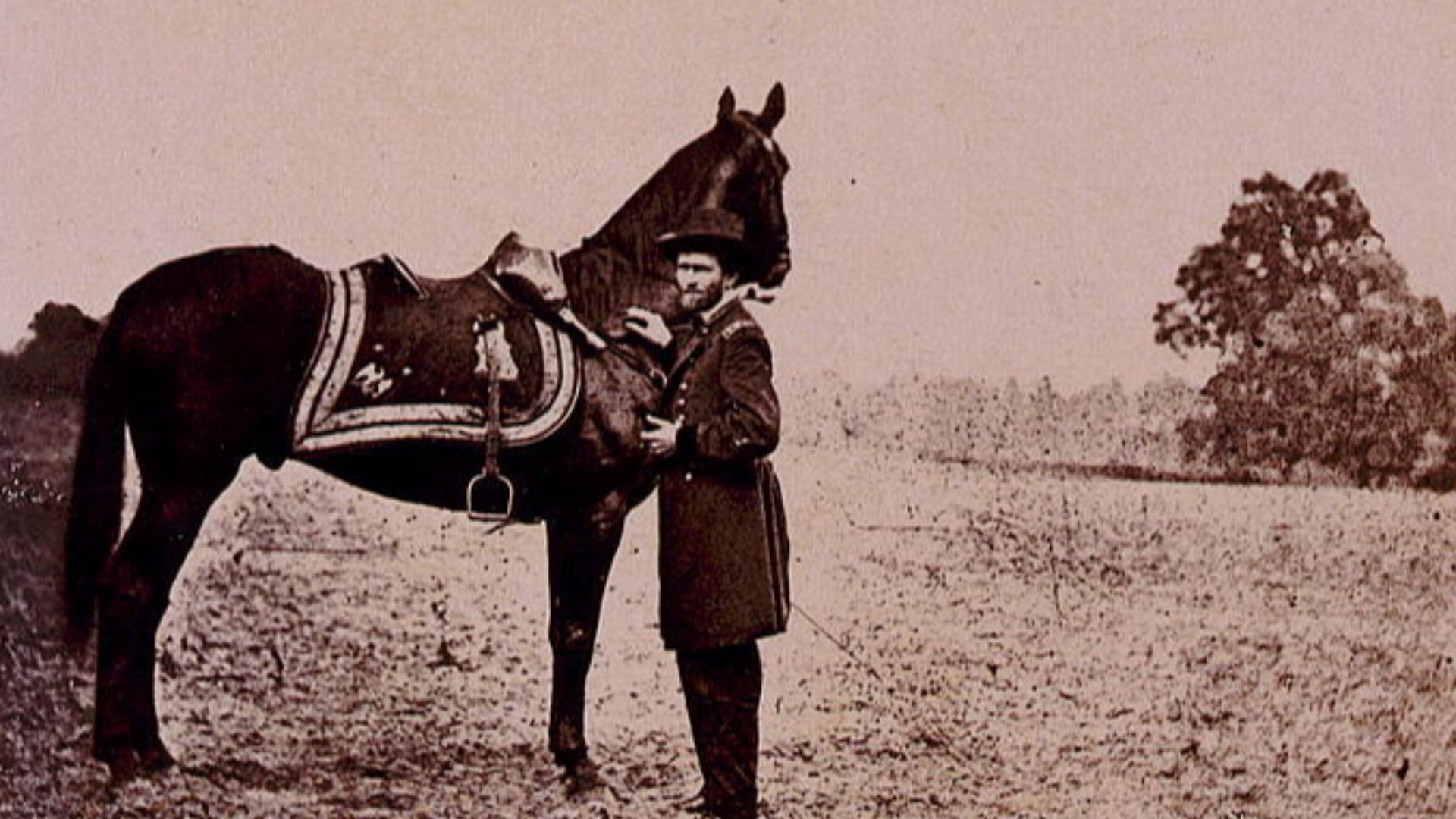 Miscellaneous Items in High Demand, PPOC, Library of Congress, Wikimedia Commons
Completing The Memoirs
Only days before his death, Grant finished his memoirs. The achievement represented a triumph of willpower under extreme circumstances. The work would become one of the most celebrated military autobiographies ever published and would ultimately secure financial stability for his family.
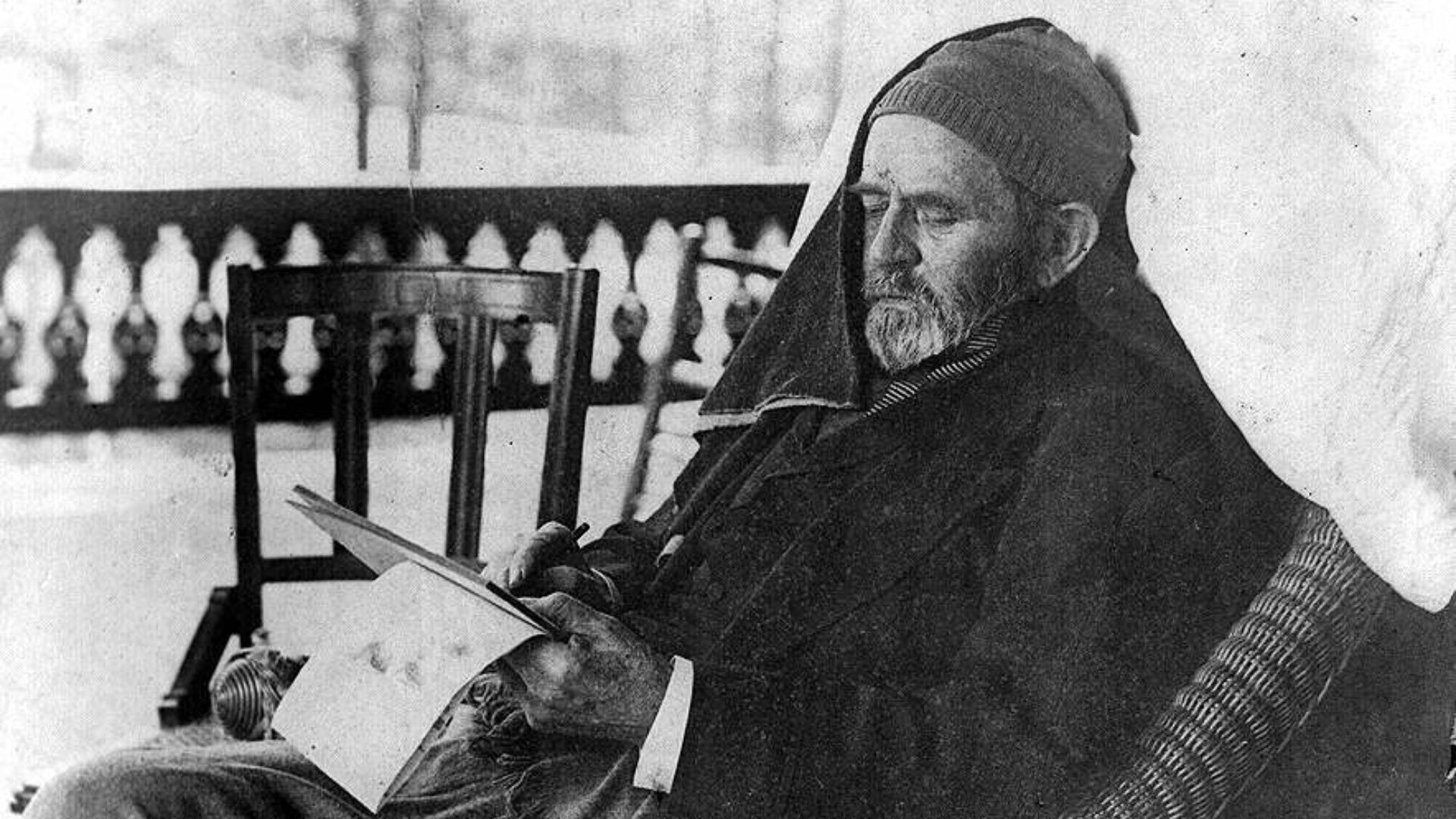
Grant’s Final Days
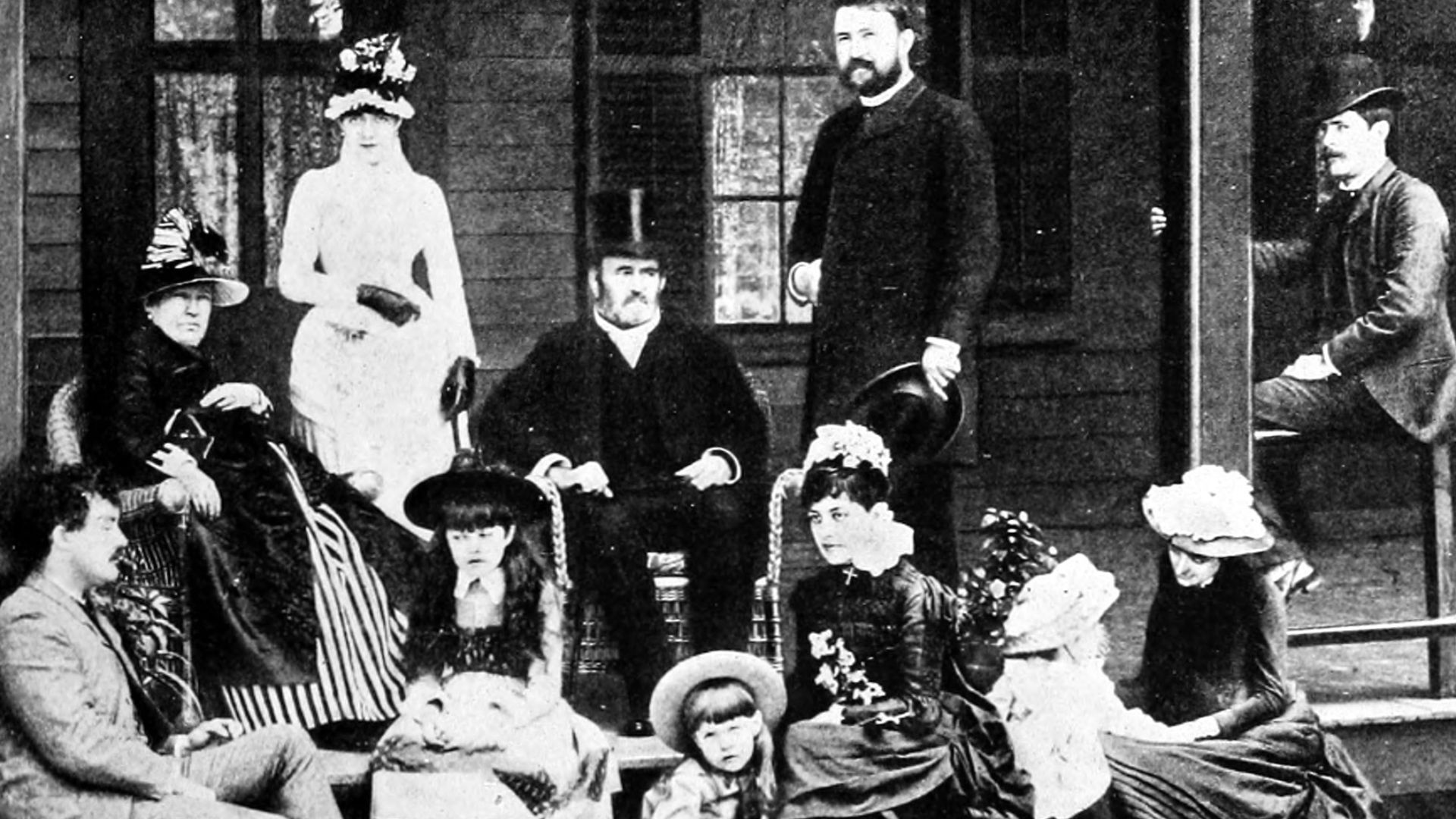
Grant spent his last weeks at Mount McGregor in New York. Surrounded by family and friends, he continued battling illness while the nation followed updates on his condition. Americans who had admired him as a general and president watched anxiously.
 Internet Archive Book Images, Wikimedia Commons
Death Of An Icon
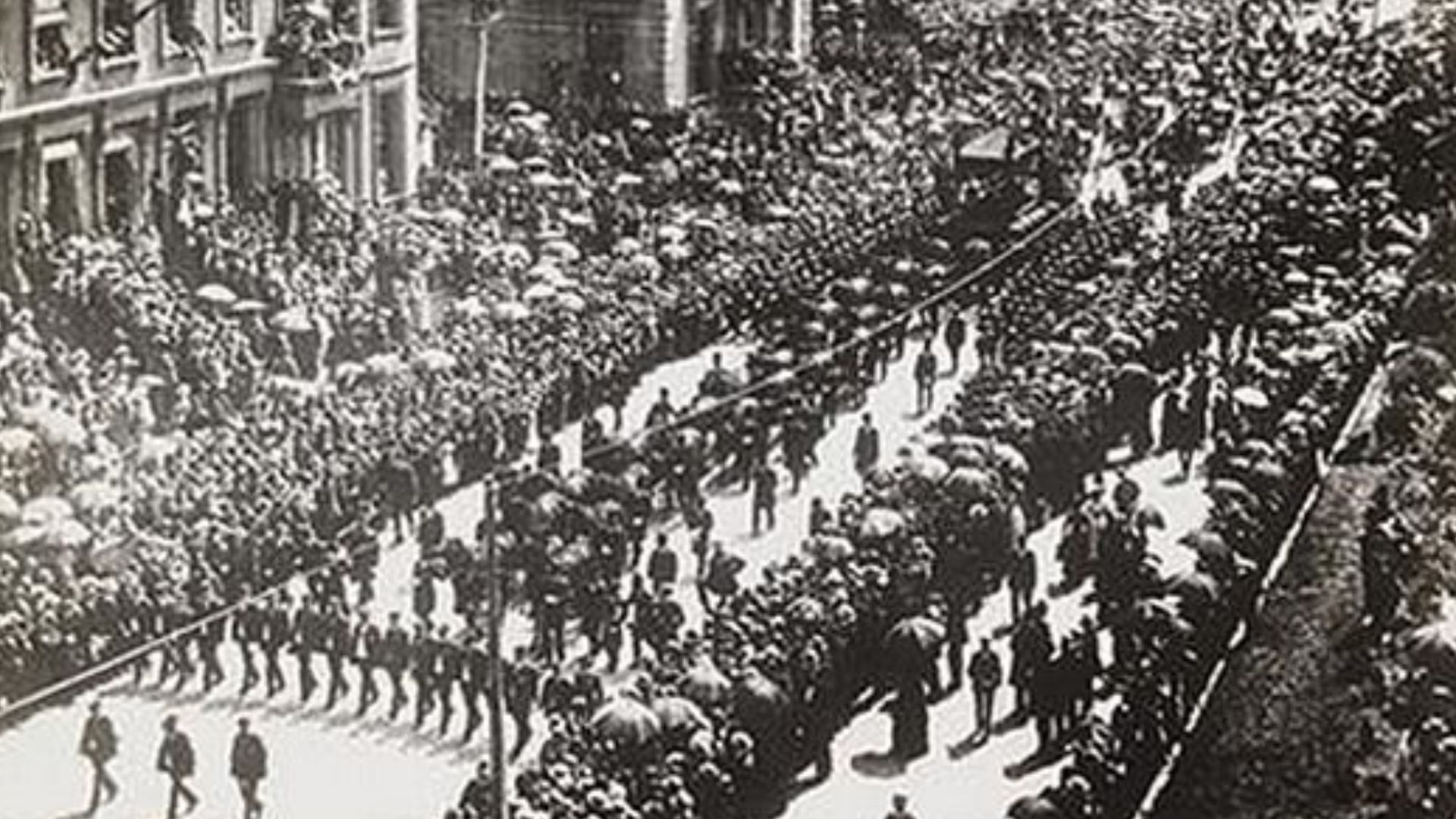
Ulysses S. Grant died on July 23, 1885. His passing prompted widespread mourning across the United States and abroad. Although his final years had been marked by financial disaster and illness, public memory focused largely on his military achievements and national service.
 Unknown photographer, Wikimedia Commons
Saving The Family
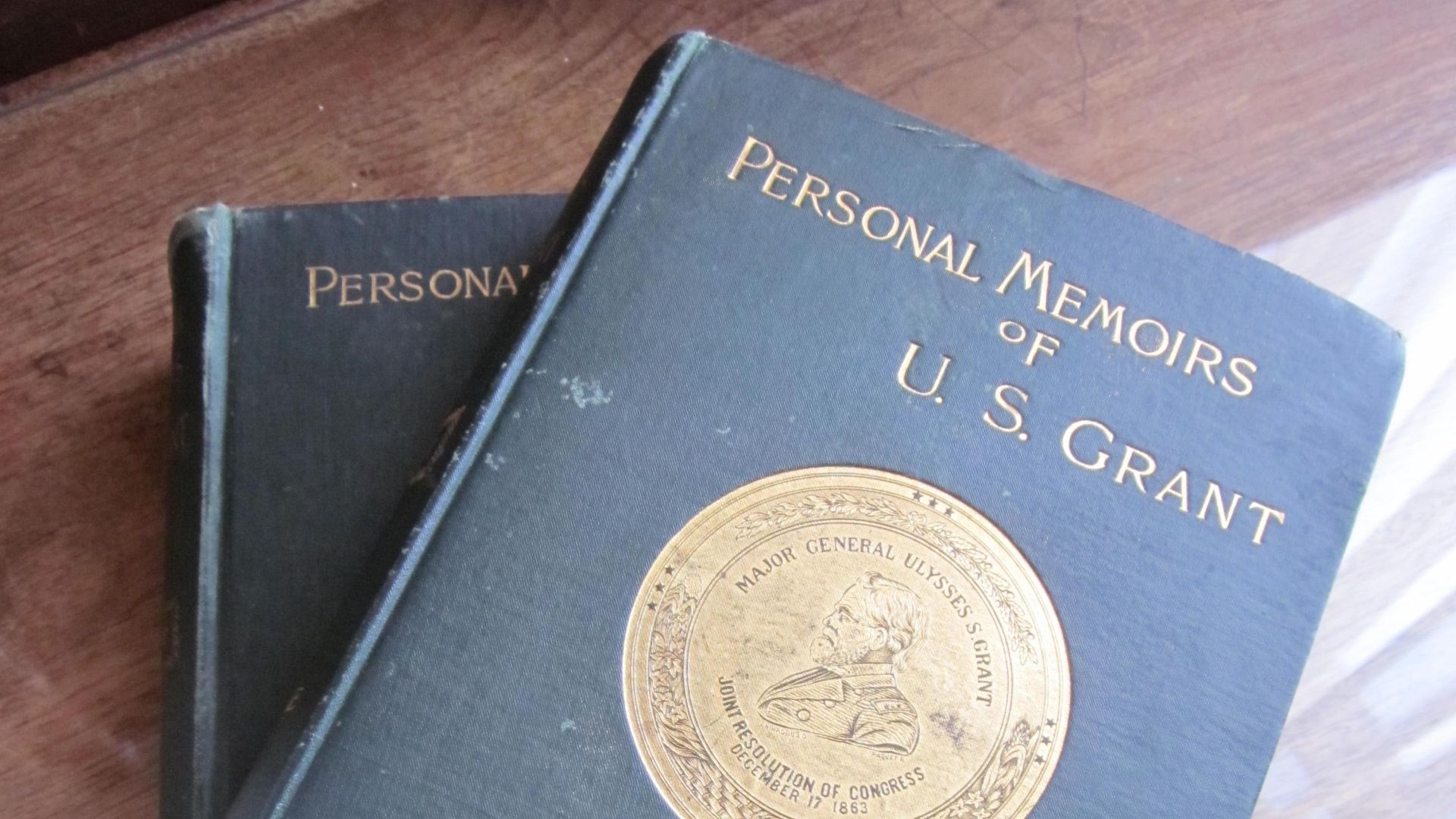
The publication of Grant’s memoirs proved enormously successful. The book generated substantial royalties for Julia Grant and restored financial security to the family. Ironically, the work produced during his final illness succeeded where the fraudulent investment scheme had catastrophically failed.
 BrokenSphere, Wikimedia Commons
Ward Faces Justice
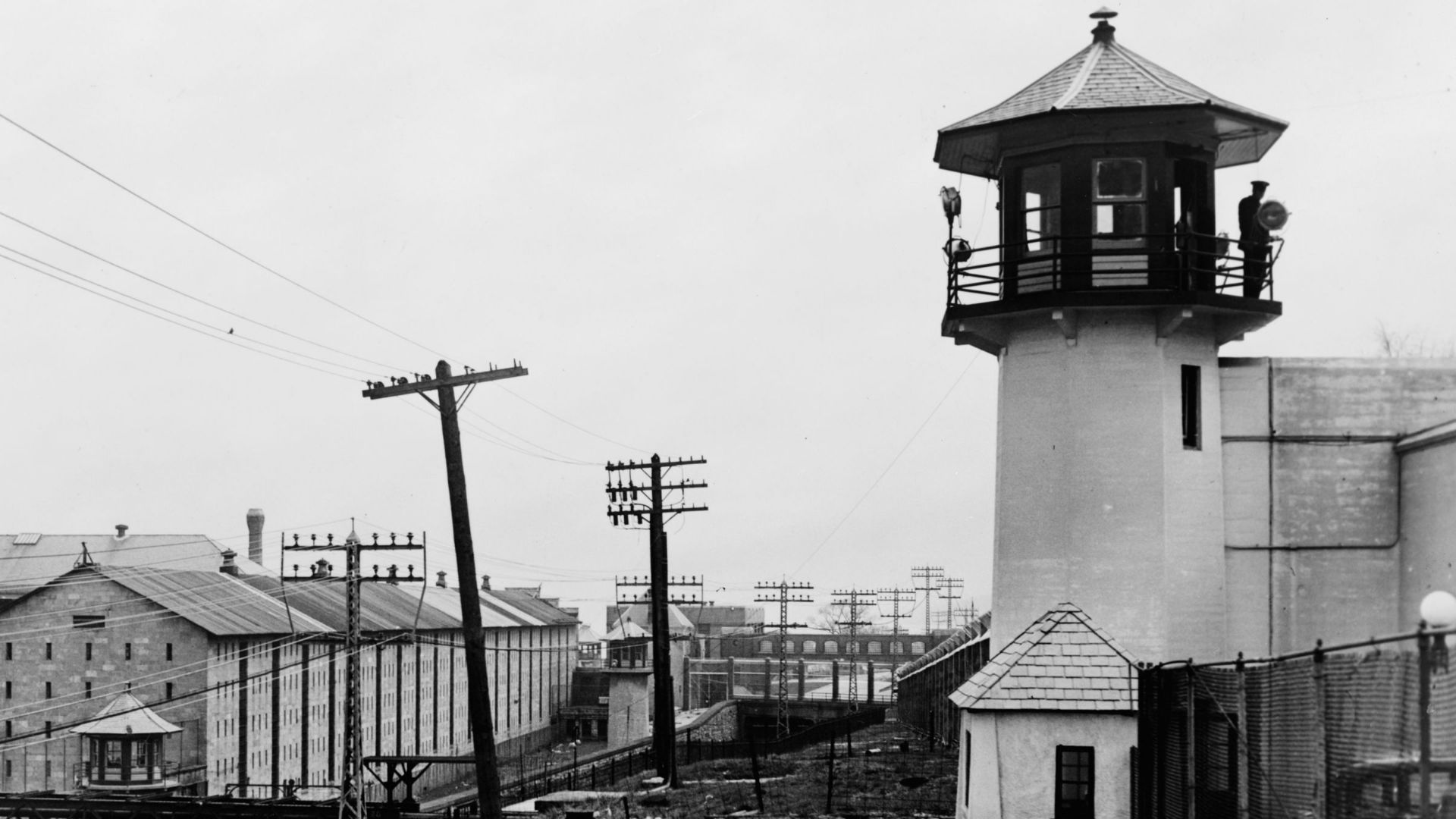
Ferdinand Ward’s downfall followed quickly. Investigations exposed the fraudulent nature of his operations, and he was prosecuted for his crimes. Convicted and sentenced to 10 years at New York state's Sing Sing prison, Ward became one of the most notorious financial swindlers of the nineteenth century, forever linked to Grant’s ruin.
A Cautionary Legacy
The collapse of Grant & Ward remains one of the most dramatic financial scandals involving a former American president. It demonstrated how reputation, trust, and promises of extraordinary returns can conceal fraud. Grant’s final victory came not in business, but through perseverance, writing, and duty to his family.
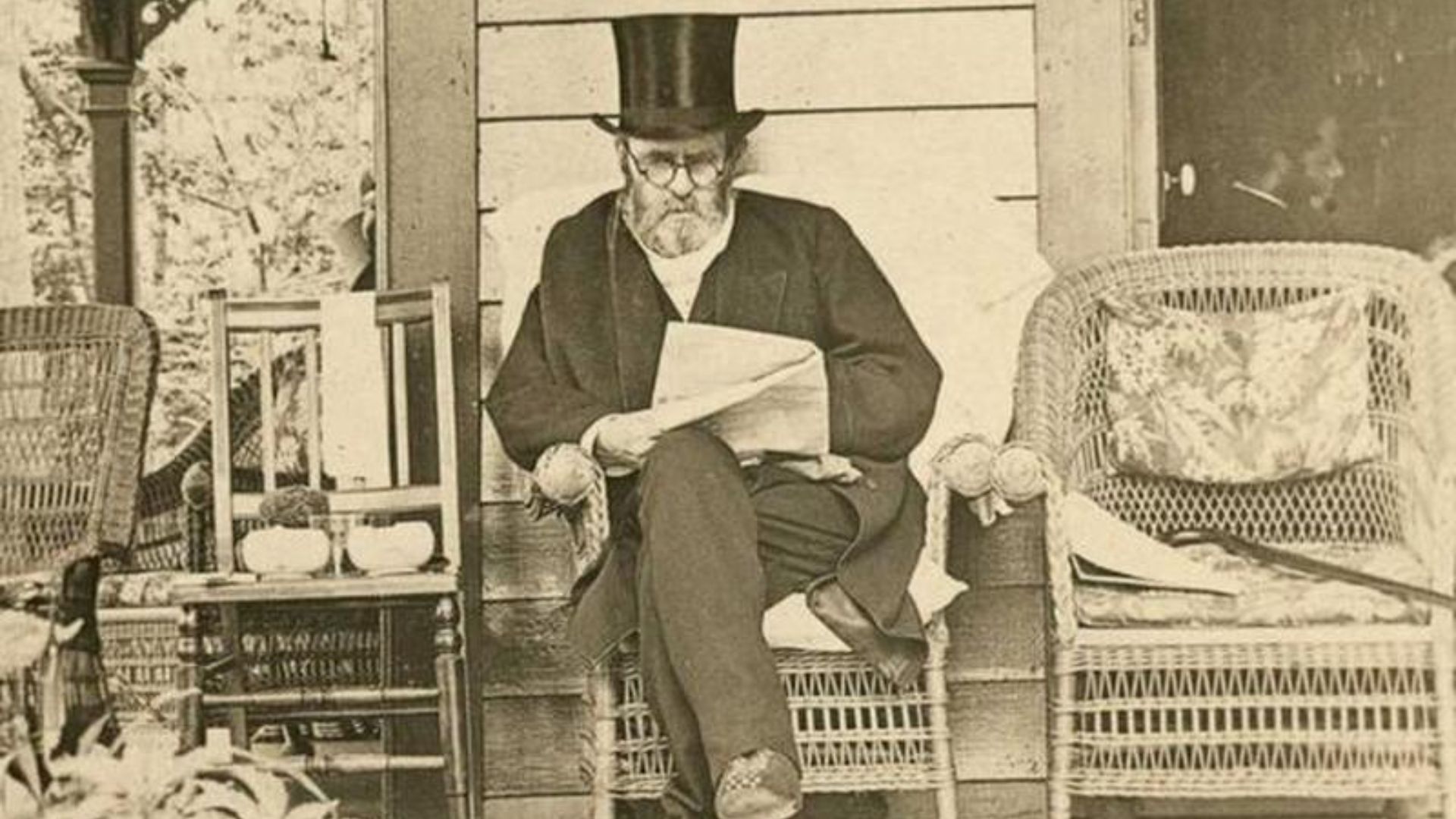 John G. Gilman, of Canajoharie, New York, Wikimedia Commons
You May Also Like:
One Fact About Every US President
42 Tricky Facts About Con Artists