
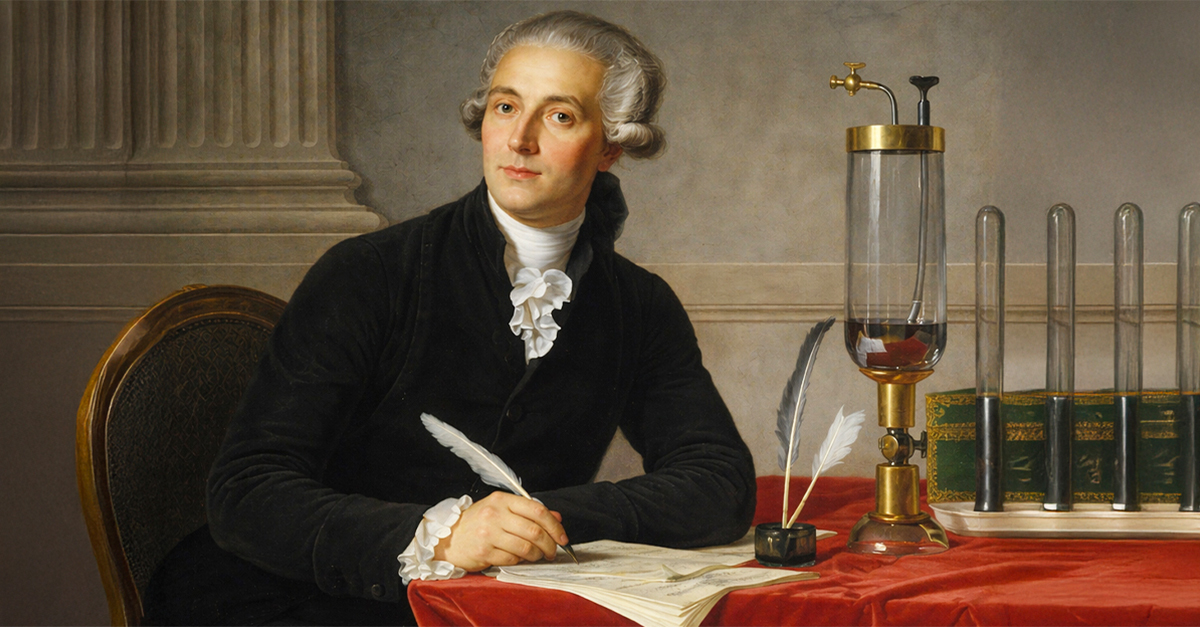
A Brilliant Mind In A Dangerous Time
Antoine Lavoisier was one of history’s most important scientific minds, but his life ended abruptly during the upheaval of the French Revolution. A pioneer of modern chemistry, he reshaped how science understood physical matter, but his connections to the old regime led to his downfall in a time when brilliance offered no protection.
Born Into Privilege In Paris
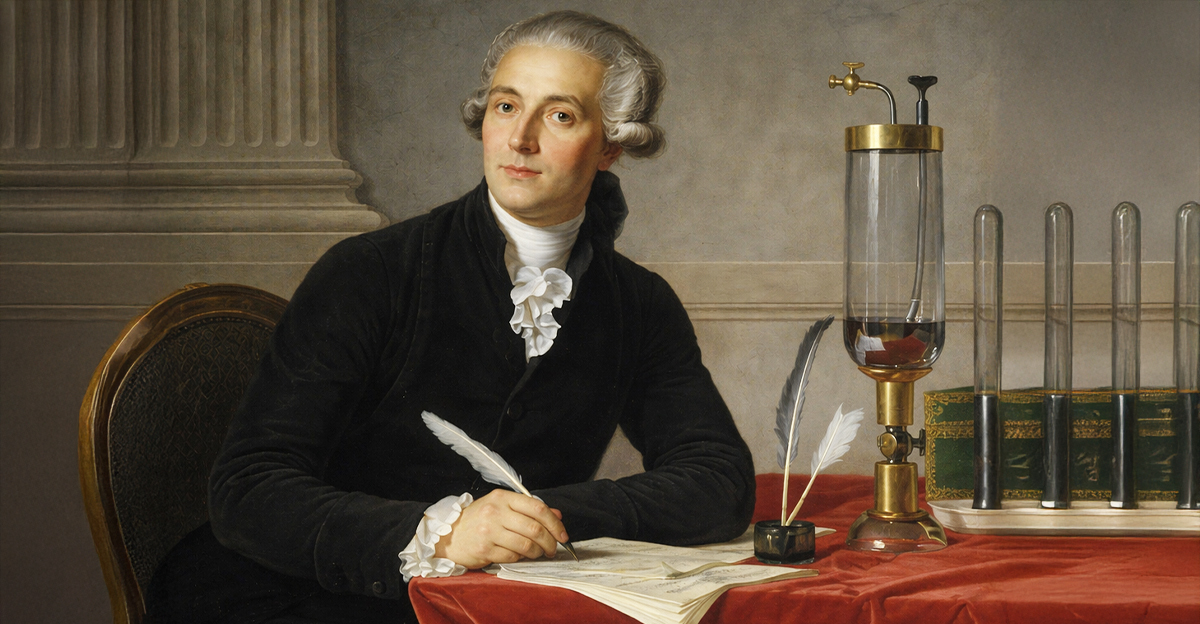
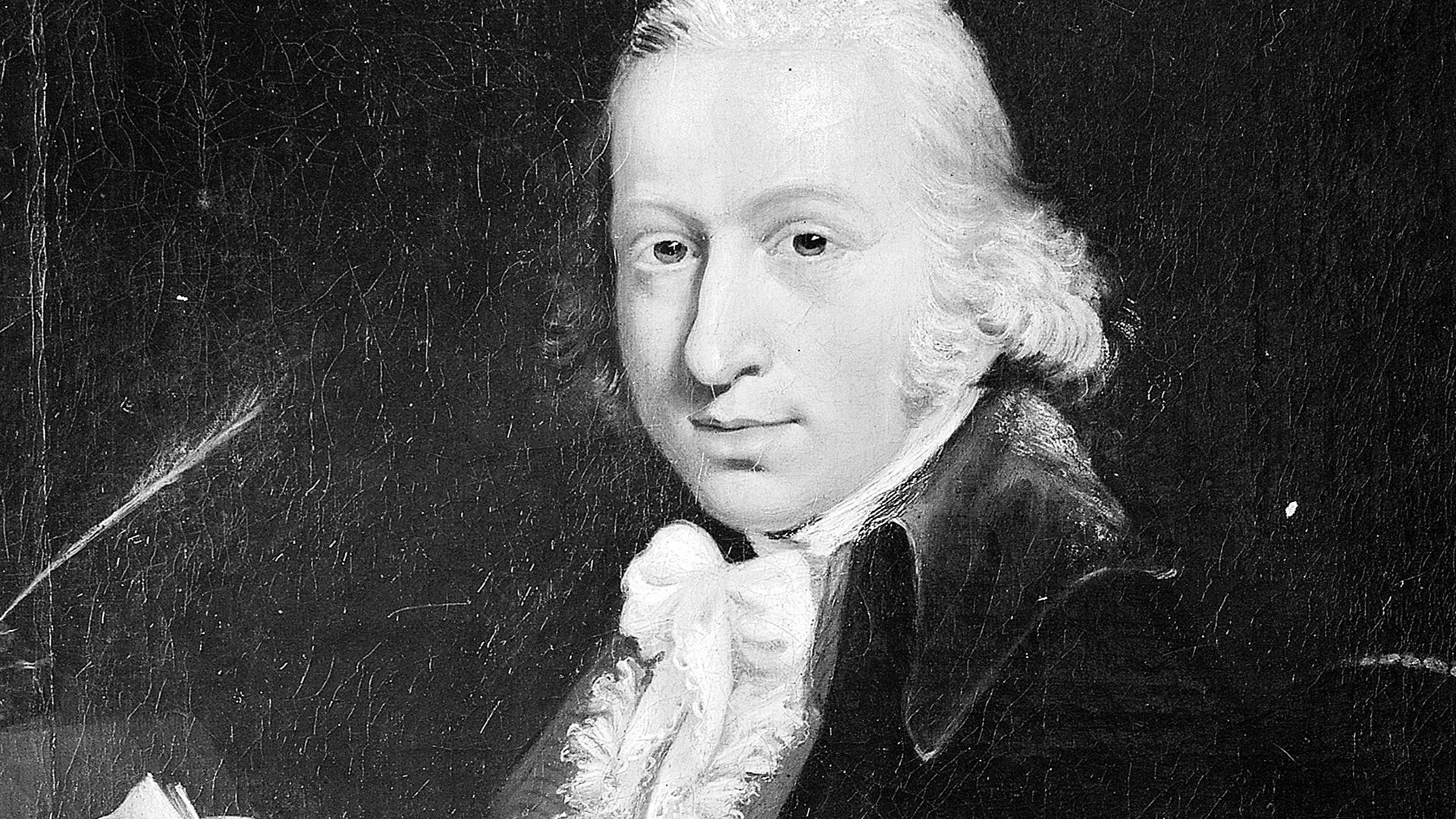
Lavoisier was born in 1743 into a wealthy Parisian family, the son of a lawyer. His upbringing gave him an "in" with elite intellectual circles and access to higher education. Both of these shaped an insatiable curiosity in the workings of the physical world. From a very young age, he showed both self-discipline and a deep interest in science, even while he pursued more conventional studies.
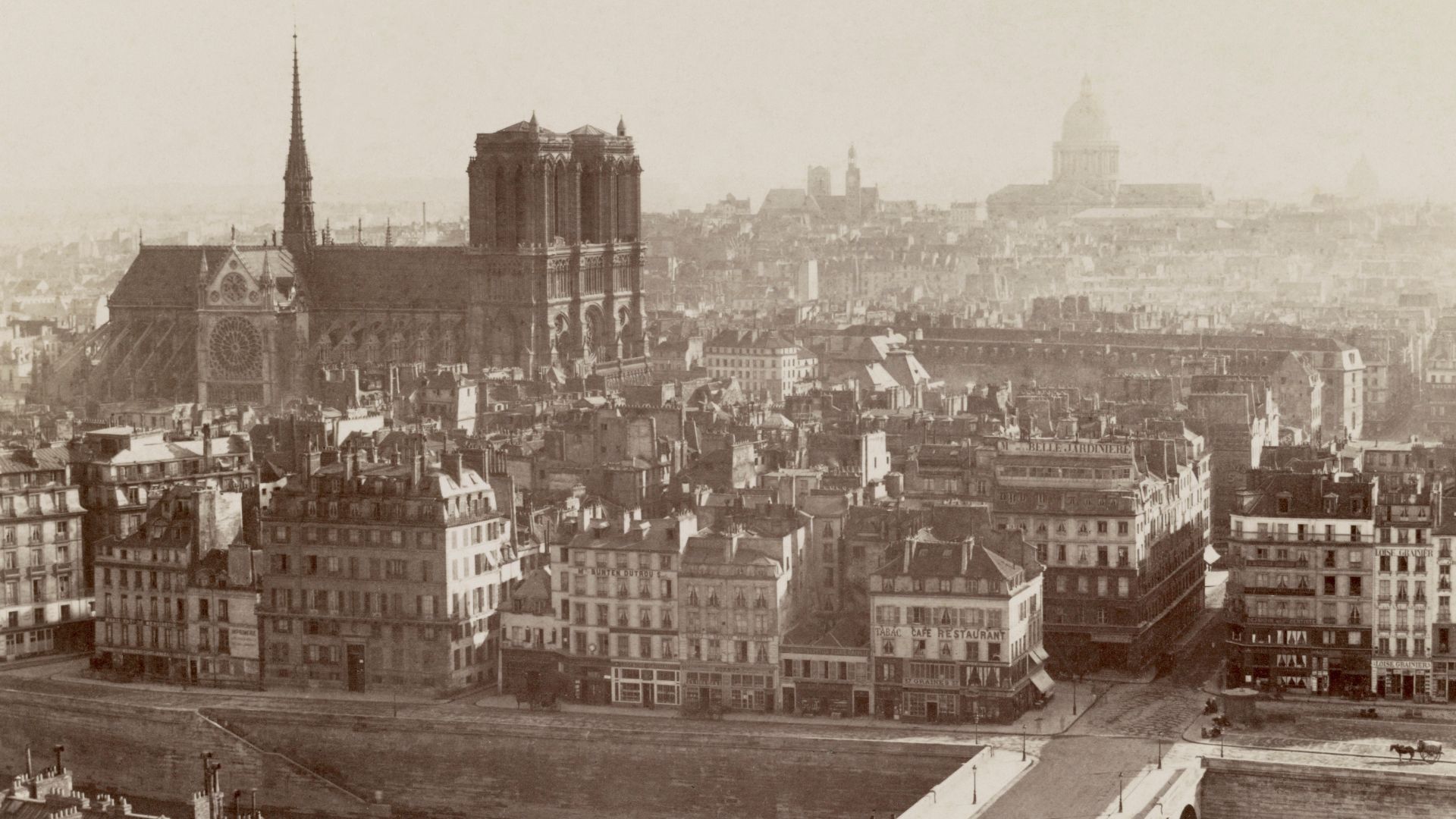 Charles Soulier, Wikimedia Commons
A Budding Legal Career That Didn’t Last
Lavoisier earned a law degree and qualified to practice, but he never ended up pursuing a legal career. Instead, Lavoisier dedicated much of his time to scientific inquiry, attending lectures and experimenting in his spare time. This dual track was a classic example of the Enlightenment ideal of intellectual curiosity across all disciplines.
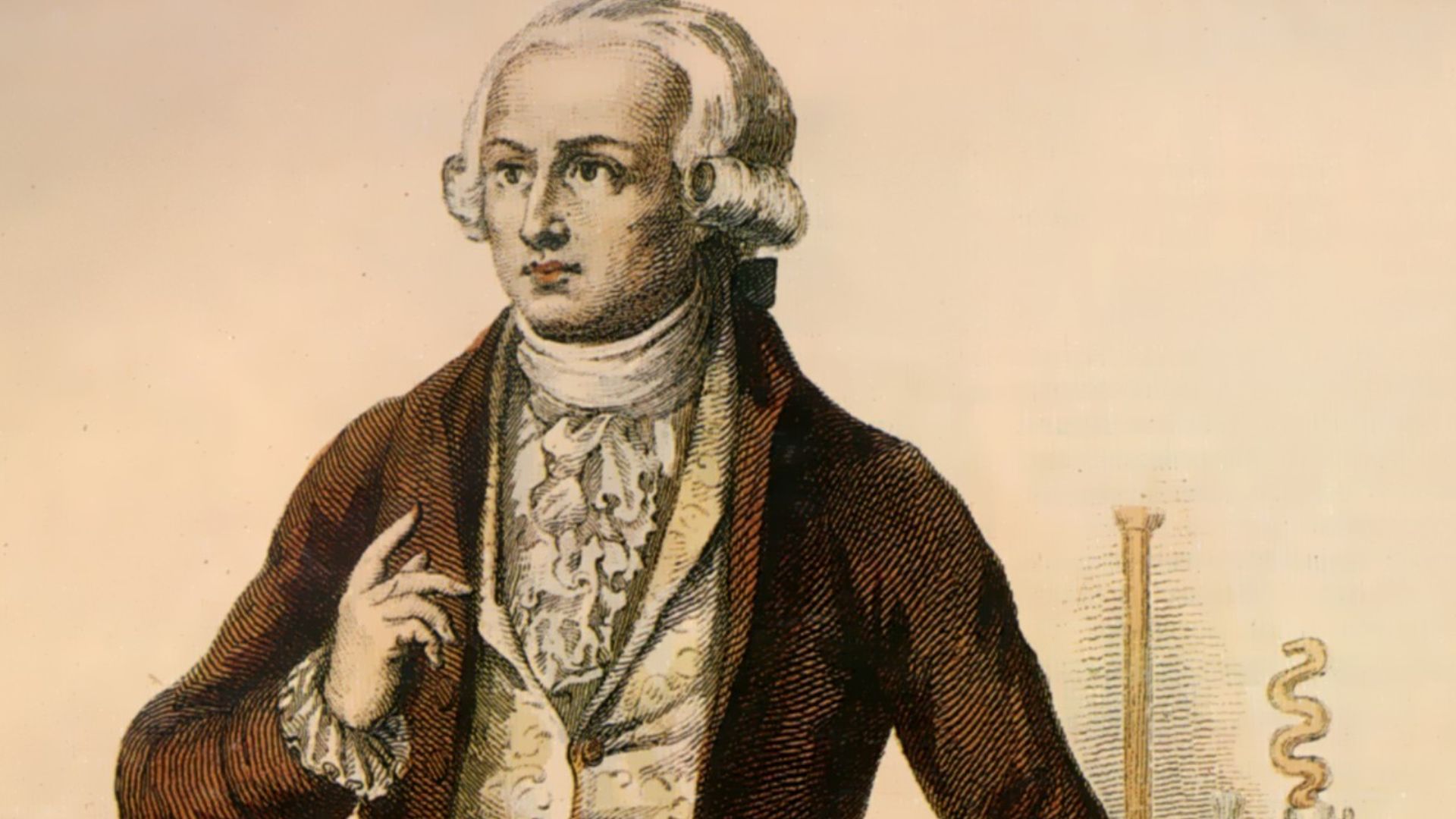 Louis Jean Desire Delaistre, after Boilly, Wikimedia Commons
Early Recognition As A Young Scientist
Lavoisier’s talent quickly gained the attention of others. In 1766, he won a gold medal from the French king for an essay on the problem and solutions related to urban street lighting, which was a big issue in those days. He also went on a geological survey, and later delivered an important paper on the properties of gypsum. Soon after, he gained admission to the prestigious Academy of Sciences, marking him as one of France’s rising intellectual stars.

History's most fascinating stories and darkest secrets, delivered to your inbox daily.
Marriage And A Scientific Partnership
In 1771, he married Marie-Anne Paulze, who became far more than a wife. Bilingual in English and French, she translated scientific works for him, provided illustrations for his experiments, and collaborated closely with him at almost every step of his scientific process. Her partnership was essential to amplifying awareness of his discoveries and carrying on his legacy after his death.
 Jacques-Louis David, Wikimedia Commons
Turning Chemistry Into A Precise Science
Before Lavoisier, chemistry was often imprecise and descriptive. He introduced careful measurement and quantitative methods, transforming the field into a much more rigorous science. His constant insistence on maximum accuracy of measurements laid the foundation for modern experimental chemistry and its relentless drive for precision.

Discovery Of Oxygen’s Role
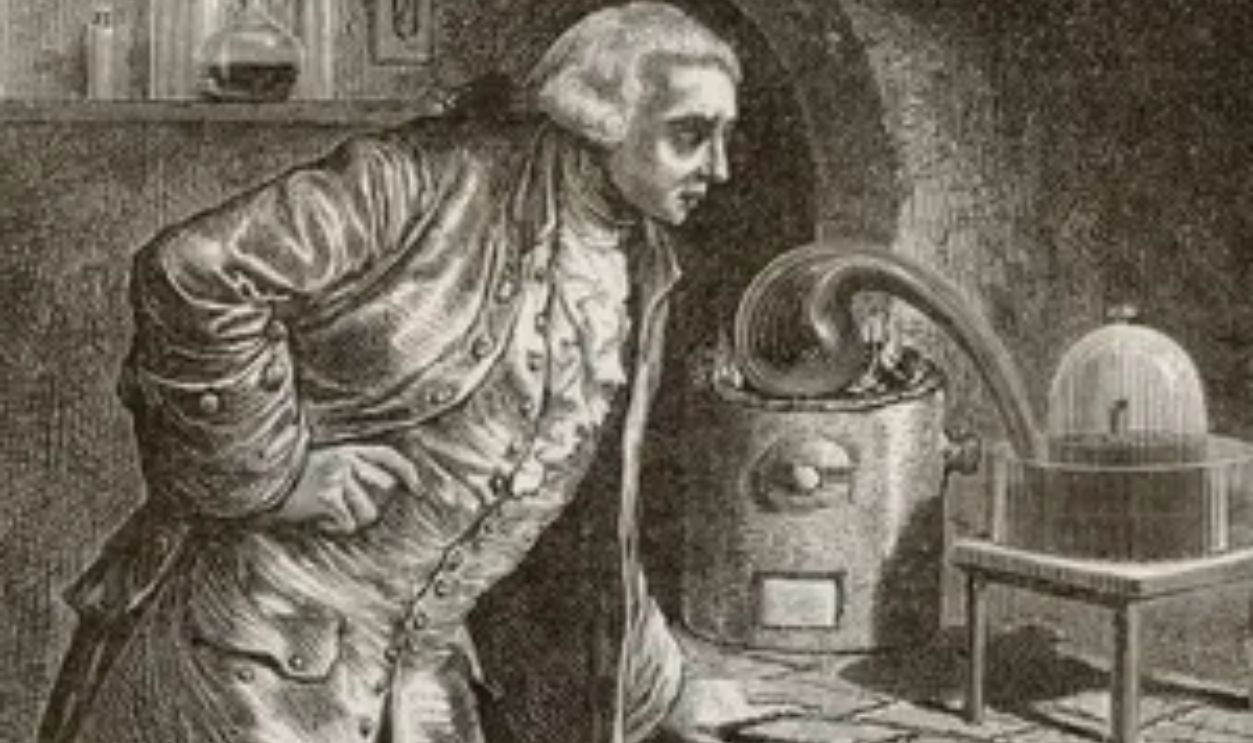
Lavoisier’s most famous achievement was identifying oxygen as a key element in the process of combustion. He disproved the long-held "phlogiston" theory, showing that burning involved oxygen rather than a mysterious substance. This one single discovery of his reshaped scientific understanding worldwide.
 James St. John, Wikimedia Commons
Naming The Elements Of A New Science
Lavoisier also helped to create a modern system of chemical nomenclature. By naming common elements like oxygen and hydrogen, he was giving scientists a shared language. This new systematic approach allowed chemistry to grow as a coherent and collaborative discipline through the ensuing decades.

Law Of Conservation Of Mass
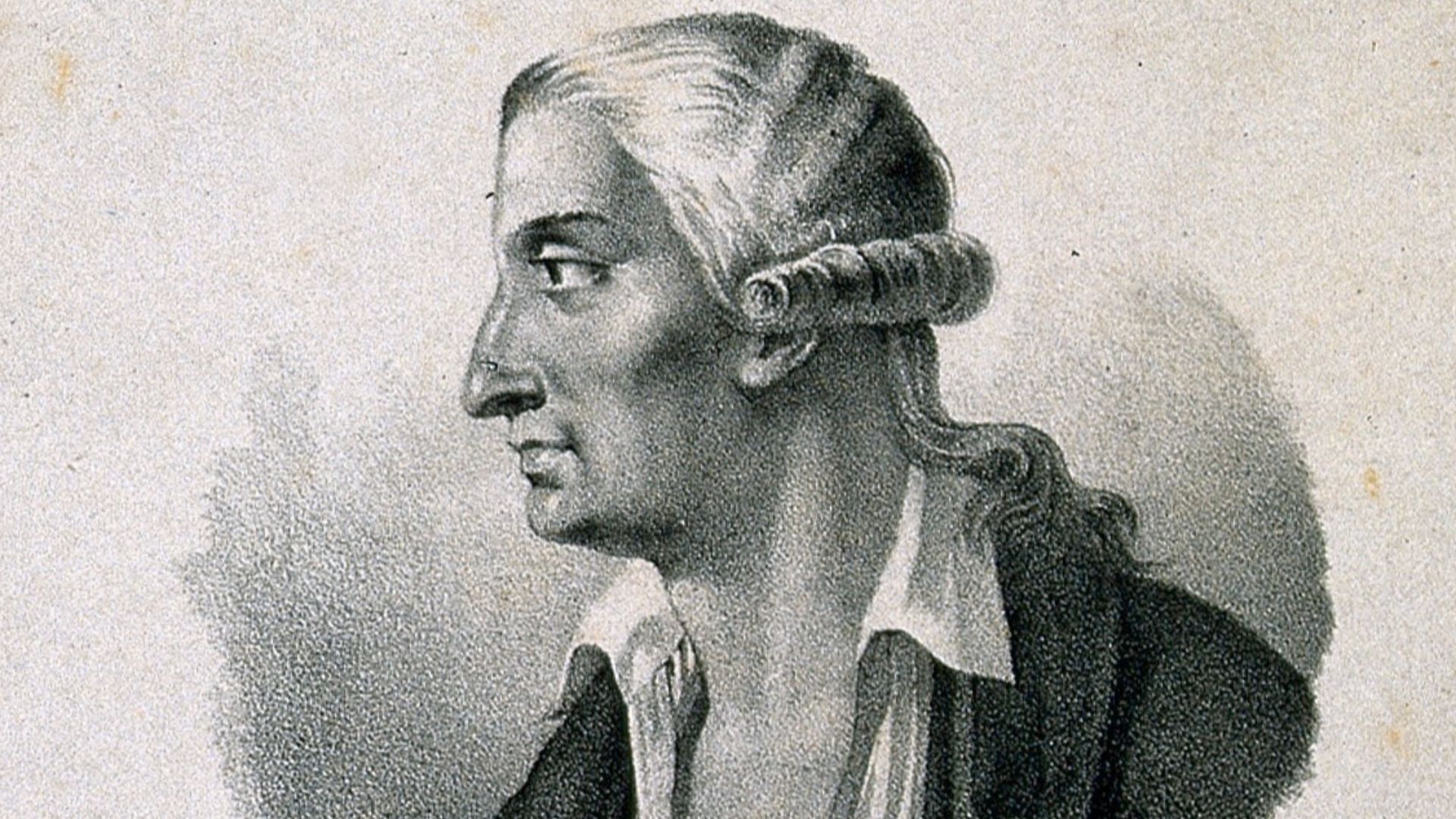
One of Lavoisier’s most enduring contributions was the law of conservation of mass. He demonstrated that matter is neither created nor destroyed in chemical reactions. This amazing idea is still a fundamental principle of science today.
Life Beyond The Lab
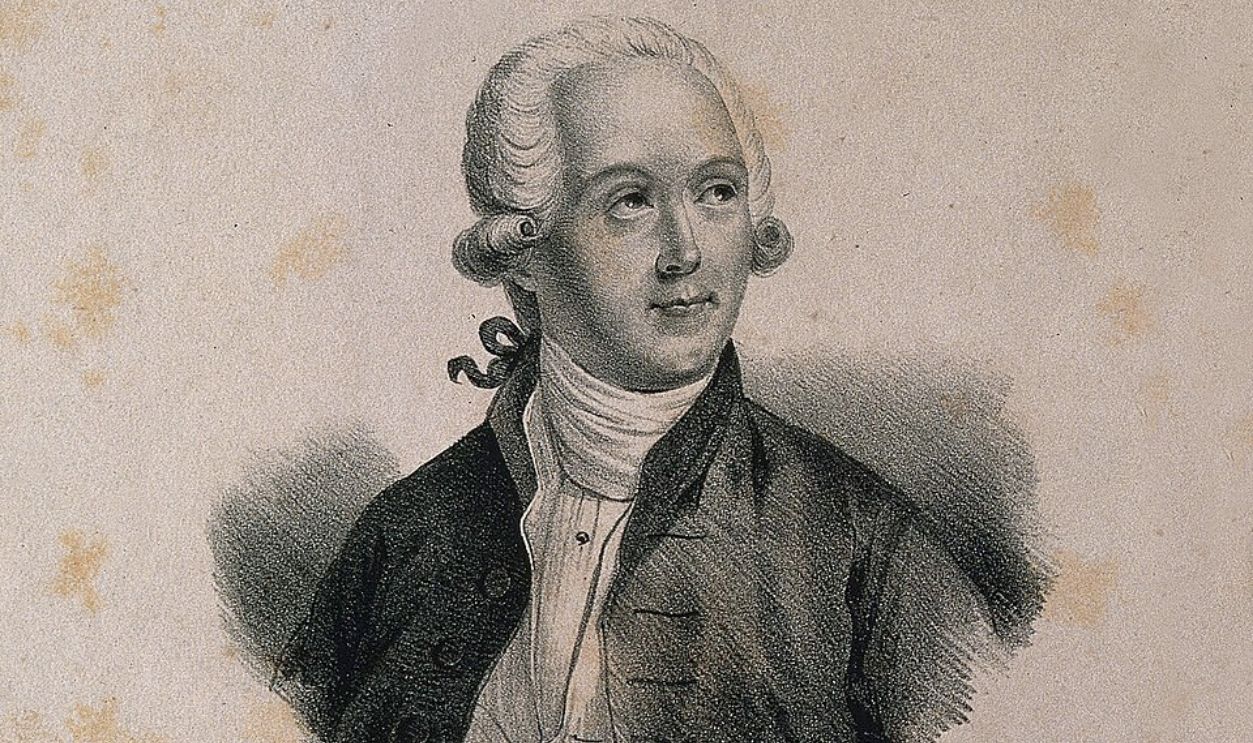
Lavoisier wasn't just a scientist. His privileged background and education meant that he was able to hold influential positions in government and finance, including involvement in tax collection through the Ferme Générale. These roles made him a wealthy man but it also meant that he was politically vulnerable as the groundswell of revolutionary fervor grew.
 Hippolyte-Louis Garnier, Wikimedia Commons
History's most fascinating stories and darkest secrets, delivered to your inbox daily.
A Controversial Public Figure
Lavoisier’s role as a tax collector made him unpopular among ordinary citizens in the turbulent years of late 1700s in France. Though he supported reforms and scientific progress, many people still viewed him as part of an oppressive system. This perception would end up playing a decisive role in his fate.
Gathering Storm Of Revolution
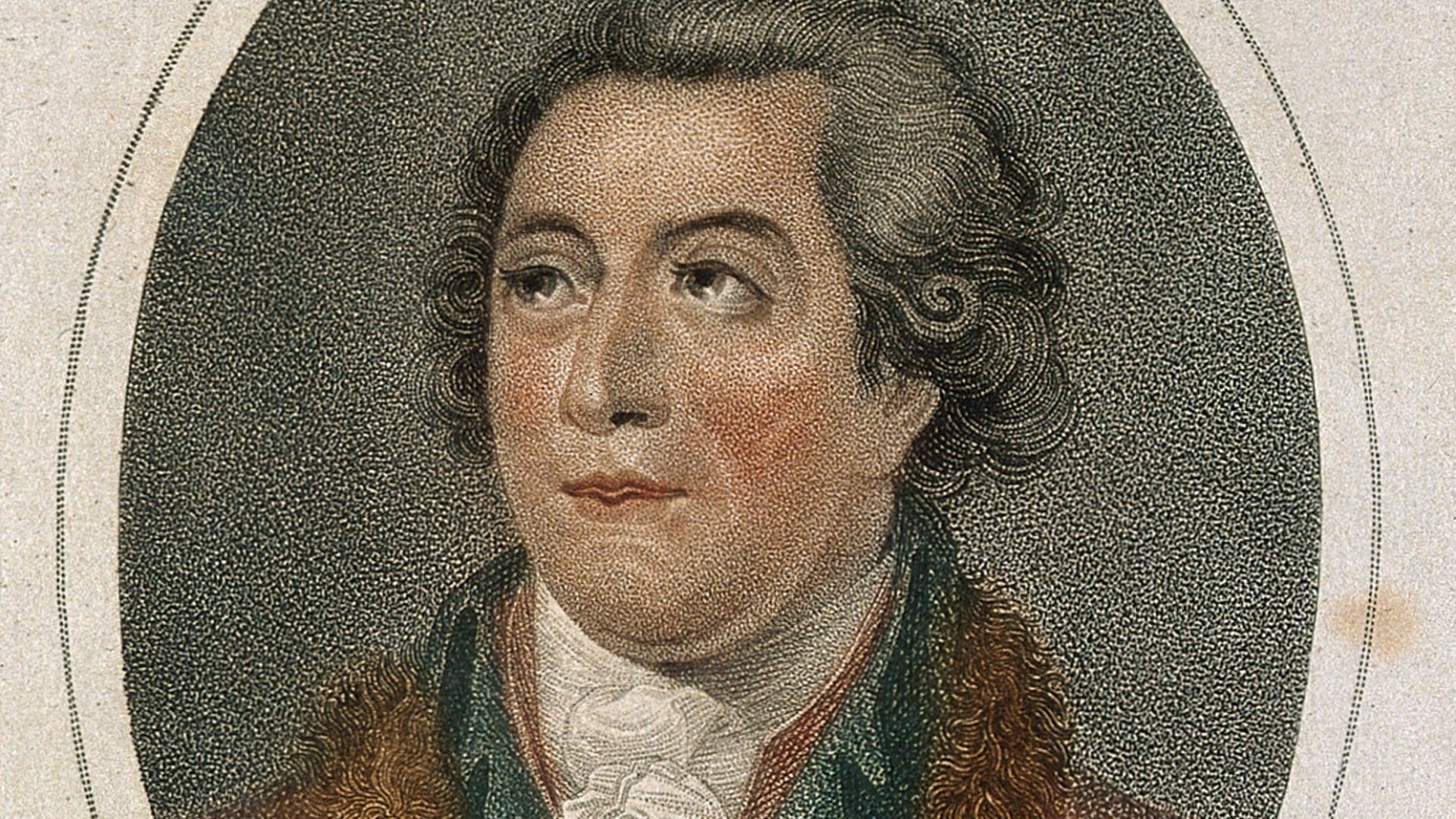
As the French Revolution gathered steam, any institution or individual tied to the monarchy came under attack. Lavoisier’s well-known connections to these systems put him in danger. Even his irreproachable reputation as a scientist couldn’t shield him from political suspicion.
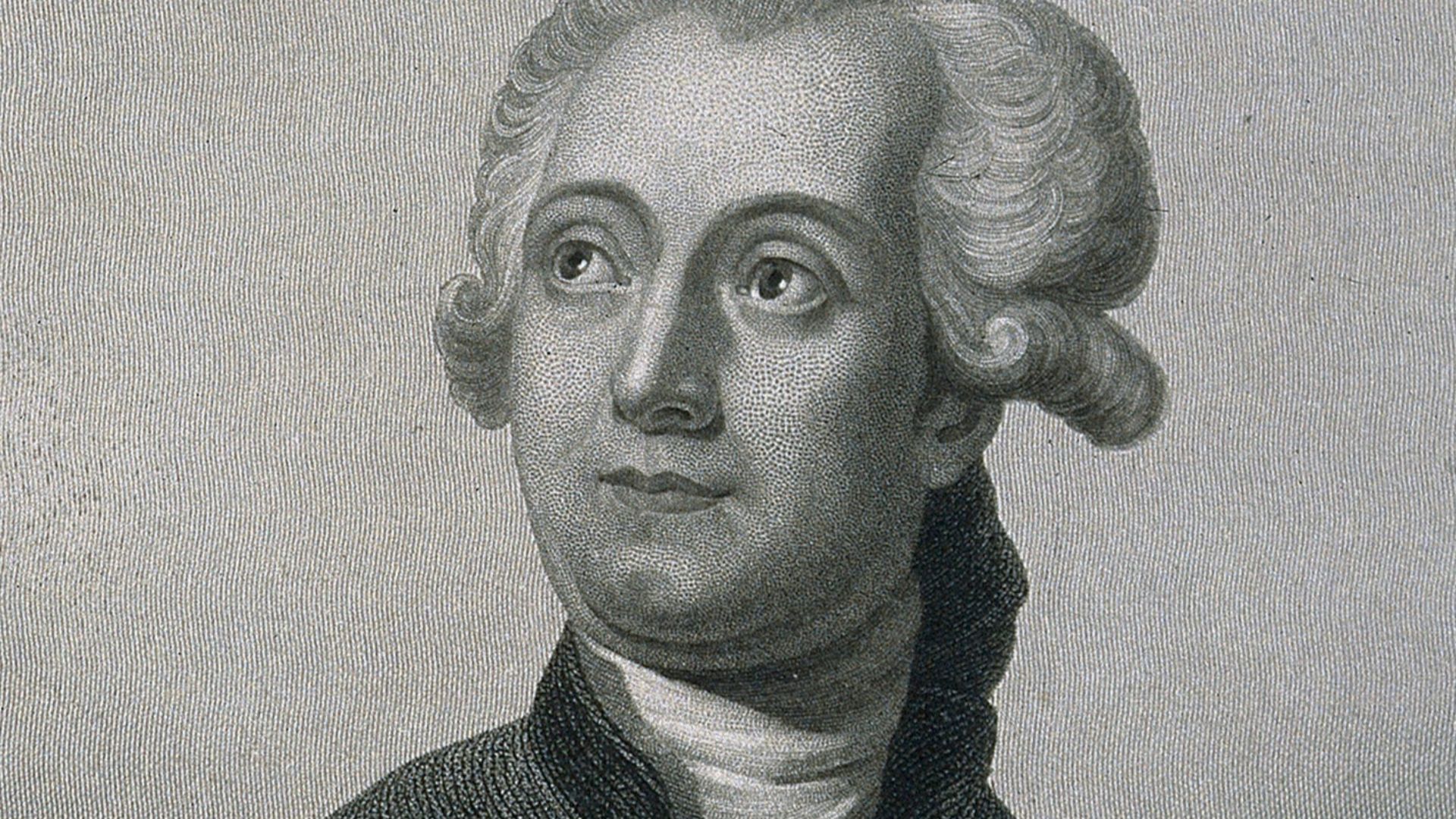
Arrested With The Tax Farmers
In 1793, Lavoisier was arrested along with other members of the Ferme Générale. The revolutionaries accused them of defrauding the state and acting against the interests of the people. The charges were a part of the revolutionary government’s broader campaign against former elites.
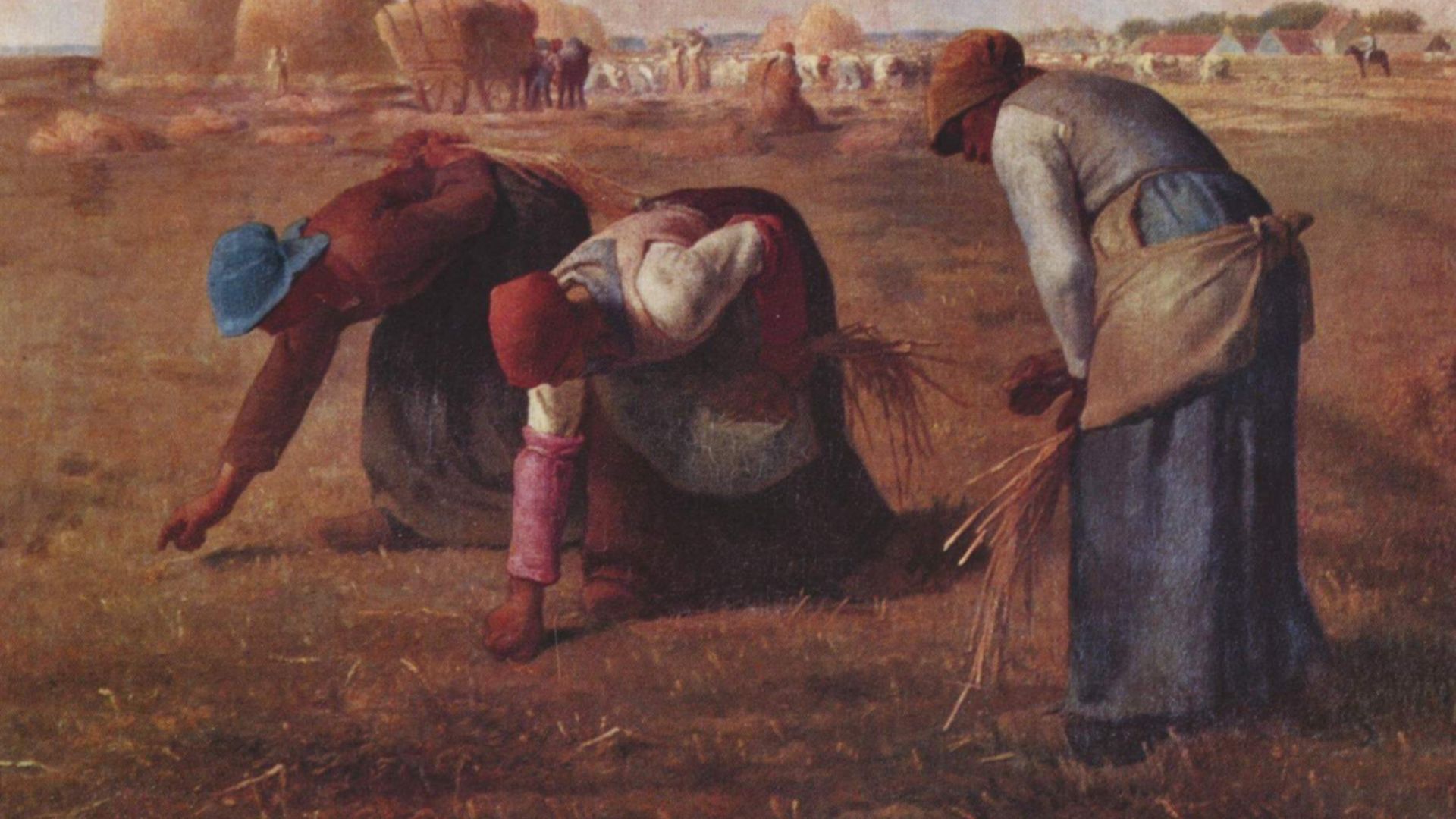 Jean-François Millet, Wikimedia Commons
Writing His Own Defense
Summoning his skills as a trained lawyer, Lavoisier drew up a detailed defense against the accusations, arguing that their work had benefited the state. Despite his sincere attempt, it soon became clear that the charged political atmosphere made a fair hearing unlikely. The tribunal was set on making an example of them.

A Trial With A Foregone Conclusion
The trial was swift and heavily biased. Revolutionary courts placed political goals over justice. Lavoisier and his co-defendants had little chance of successfully contesting the charges against them in such an environment.
The Famous Rejection Of Science
According to later accounts, pleas to spare Lavoisier for his scientific work were dismissed. The tribunal reportedly declared that the Republic had no need for scientists. Whether this story is true or not, the general sentiment of the era was one of hostility toward intellectual elites as well as toward economic privilege.
History's most fascinating stories and darkest secrets, delivered to your inbox daily.
Conviction And Sentencing
On May 8, 1794, Lavoisier and his fellow tax farmers were convicted of conspiracy against the people of France. The sentence was immediate and final. There was no meaningful avenue for appeal.
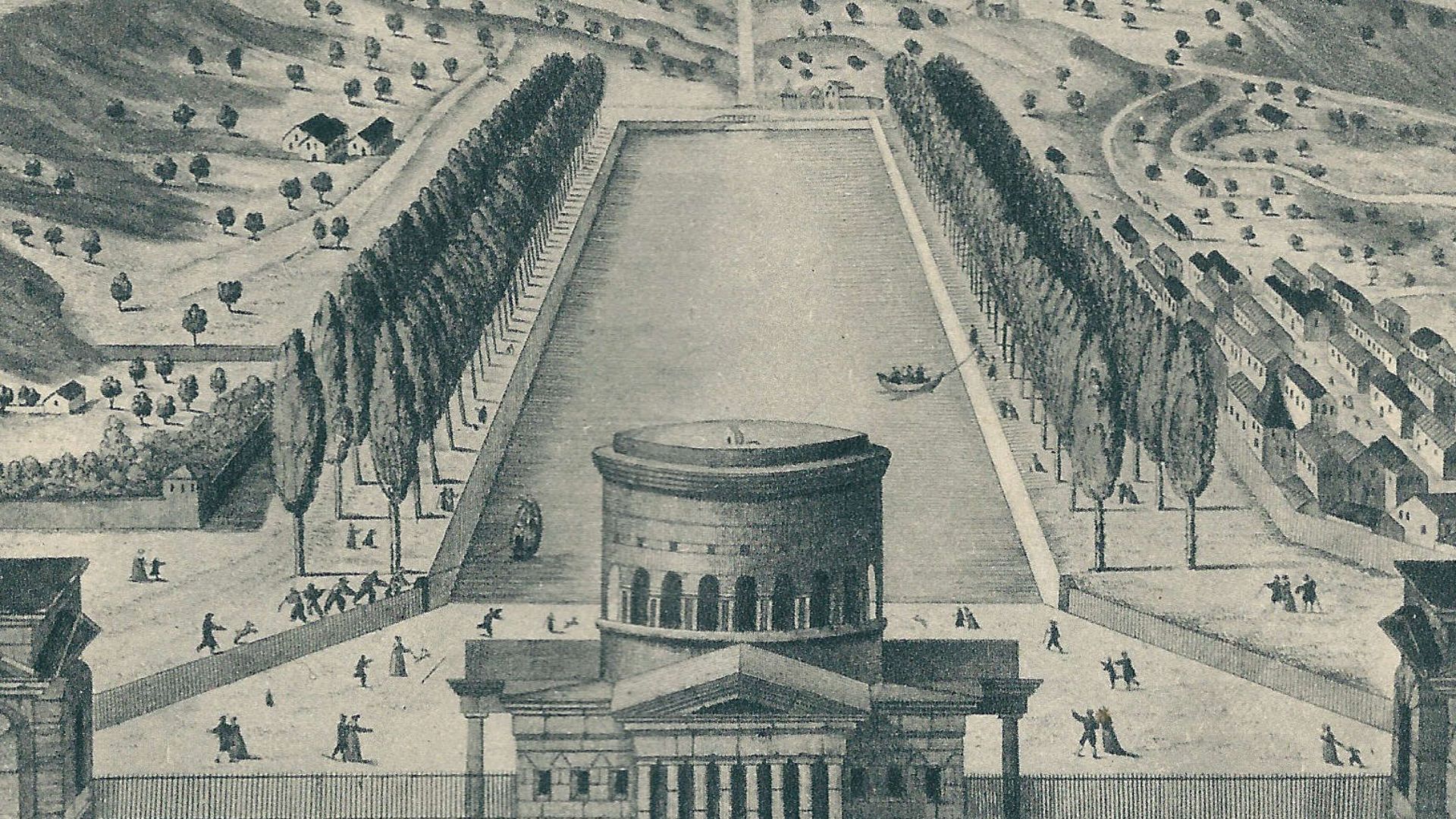 Unknown authorUnknown author, Wikimedia Commons
Walk To The Guillotine
That same day, Lavoisier was taken to the guillotine in Paris. At just 50 years old, one of the greatest scientific minds of his age now faced execution. His death was symbolic of the brutal excesses of the Reign of Terror.
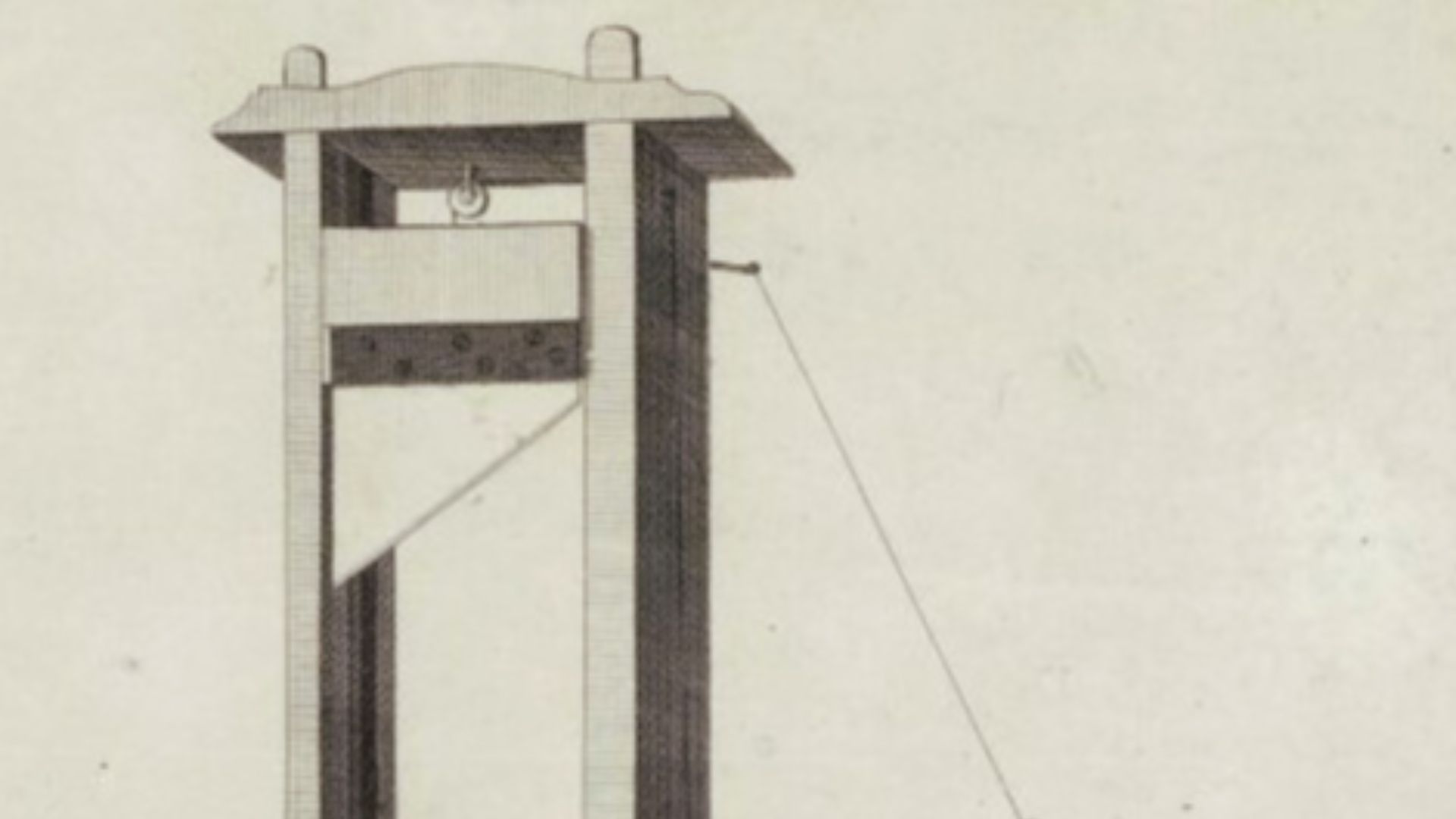
A Loss Felt Across The Scientific World
The mathematician Joseph-Louis Lagrange famously lamented his death, saying it took only a moment to cut off his head but perhaps a century to produce another like it. The scientific community immediately understood the magnitude of the loss.
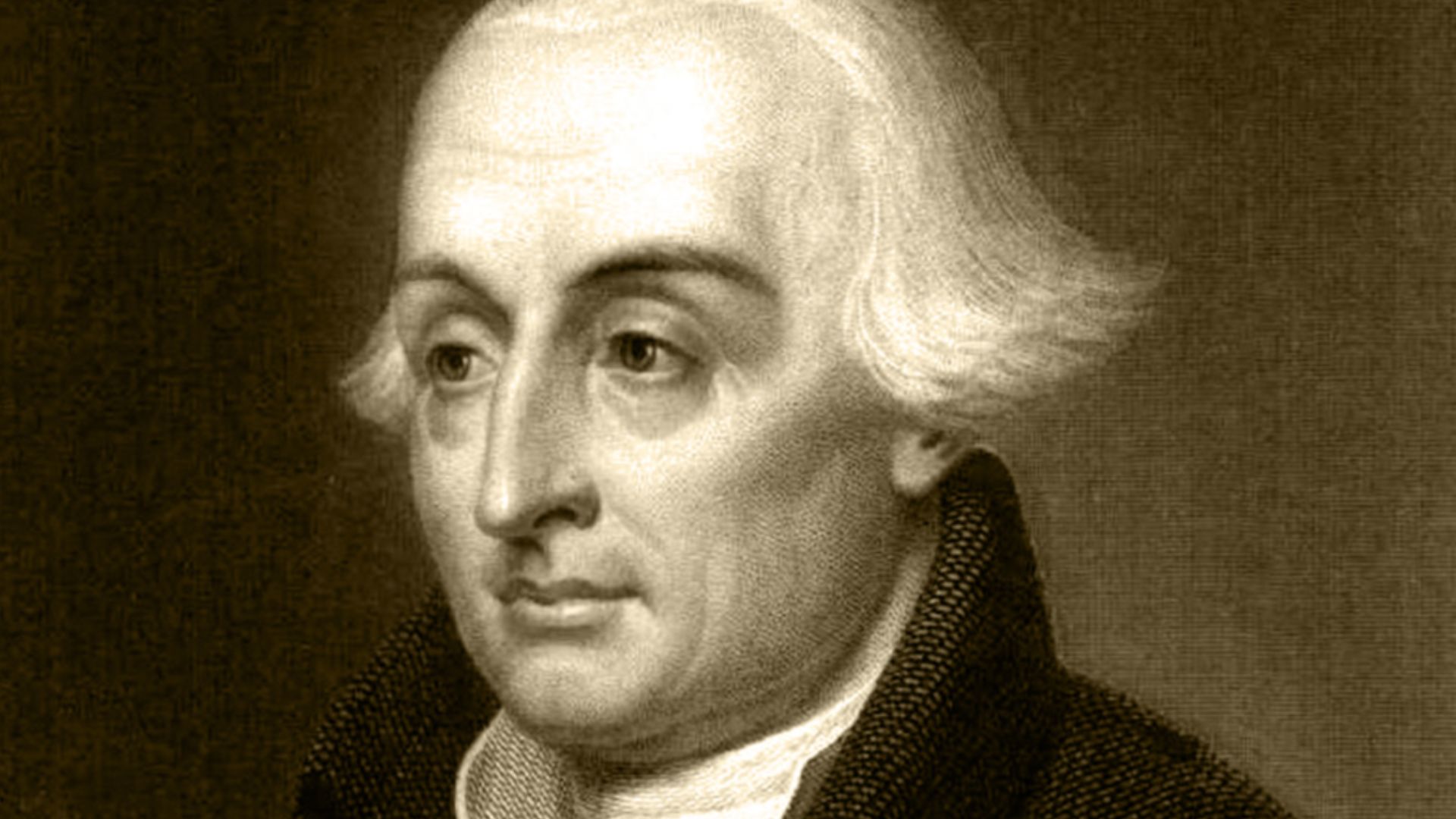 Unknown authorUnknown author, Wikimedia Commons
His Wife’s Efforts To Save Him
Marie-Anne Lavoisier fought tirelessly to save her husband. She appealed to authorities and highlighted his contributions to science. Despite her efforts, the revolutionary tribunal remained unmoved, and she witnessed his downfall.
 AnonymousUnknown author, Wikimedia Commons
The Aftermath Of His Execution
Following Lavoisier’s death, his property was seized and his work disrupted. Mary-Anne struggled financially and emotionally, but later overcame her bitterness enough to publish his scientific papers, ensuring his contributions weren’t lost to history.
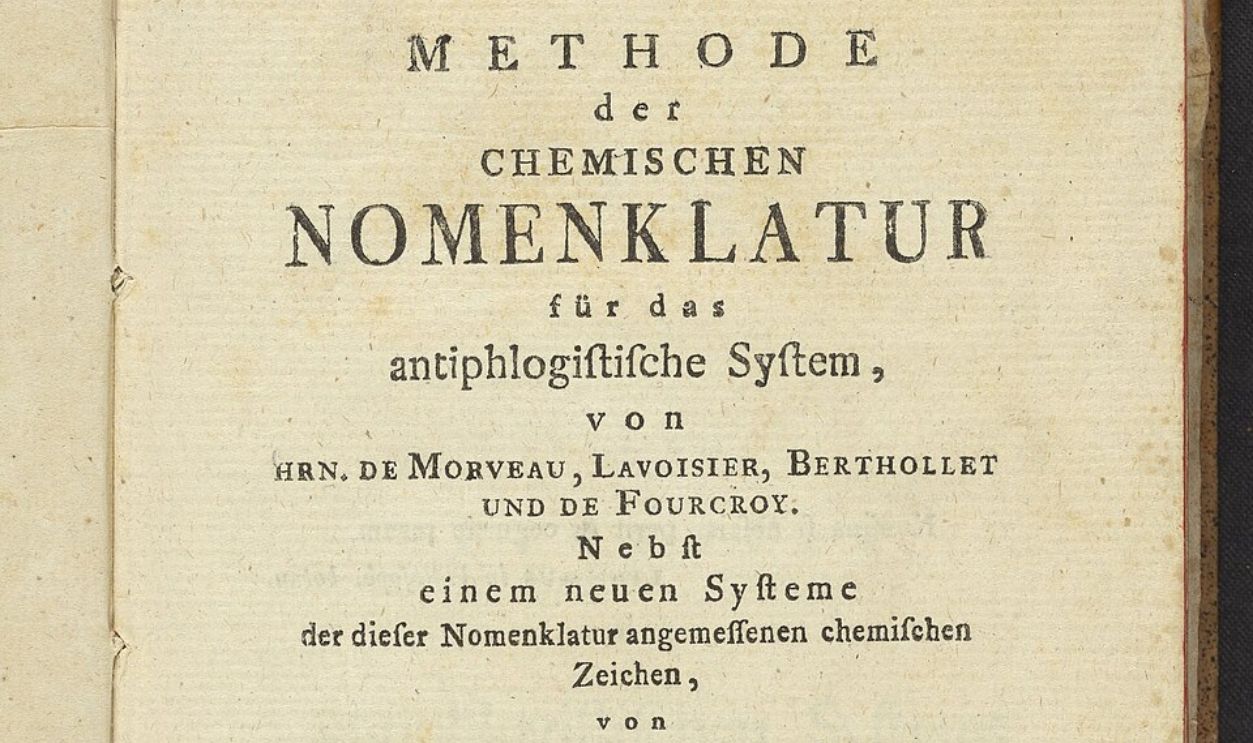 Science History Institute, Wikimedia Commons
Posthumous Exoneration
Within two years, the French government reversed course, and the extremists who had presided over the Reign of Terror were largely swept away. Lavoisier was officially exonerated, and his conviction removed as unjust. By that time, however, it was far too late.
History's most fascinating stories and darkest secrets, delivered to your inbox daily.
Father Of Modern Chemistry
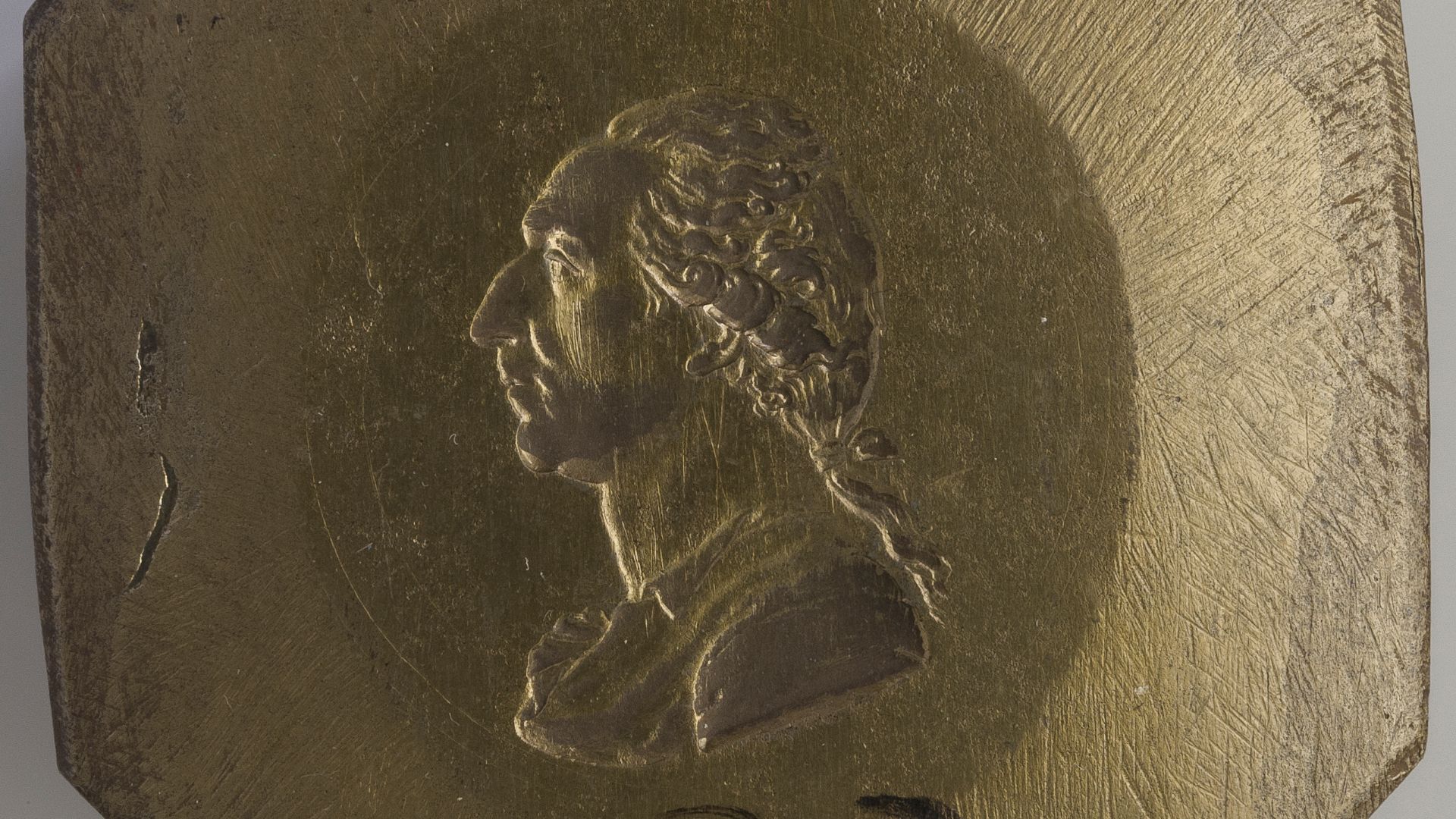
Despite his tragic end, Lavoisier’s scientific legacy endured and his reputation deepened. He is widely regarded as the father of modern chemistry for transforming the discipline into a quantitative science grounded in experimentation.
 Luniyatimesnewsmedia, Wikimedia Commons
His Work Still Shapes Science Today
From chemical equations to the understanding of combustion, Lavoisier’s discoveries continue to help underpin modern science. Not only his ideas, but his methods and principles remain foundational in classrooms and laboratories around the world.

A Life Caught Between Science And Politics
Lavoisier’s story is a reminder that brilliance doesn’t exist in isolation. His scientific achievements couldn’t protect him from the ravages of unleashed political forces. His life reflects the dangers faced by those in any way linked to power during times of upheaval.
The Tragedy Of Antoine Lavoisier
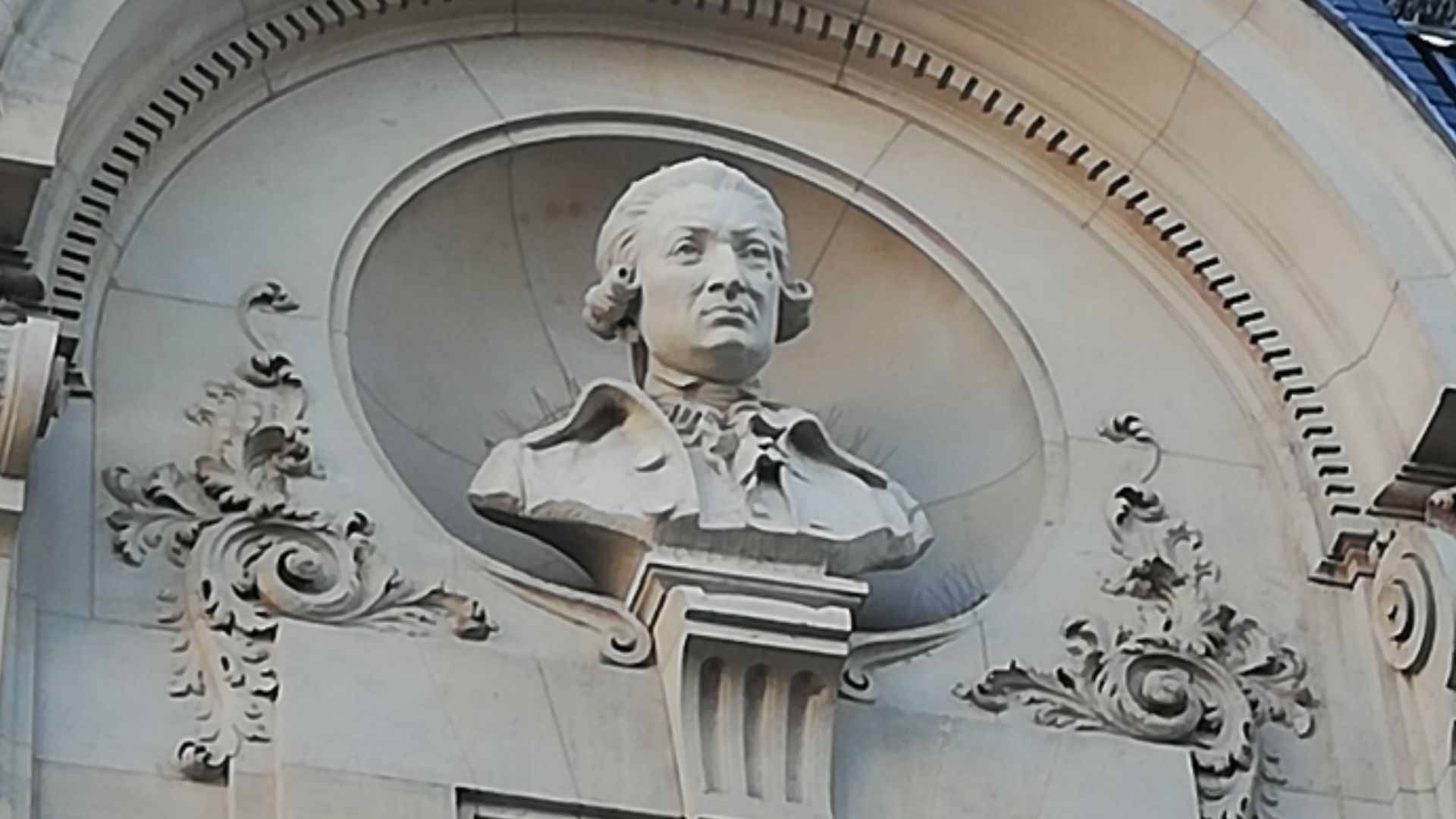
Antoine Lavoisier helped humanity understand the nature behind physical matter, but he fell victim to forces far beyond science. His life combined intellectual triumph with political miscalculation, and his death has to rank as one of history’s most striking examples of genius cut short by extremism.
 Antonin Idrac, Wikimedia Commons
You May Also Like:
Astral Facts About Stephen Hawking, Science’s Greatest Underdog
Astronomical Facts About Tycho Brahe, The Scandalous Scientist
Revolutionary Facts About Alan Turing, History's Tragic Genius











.jpg%20)

.jpg)
