
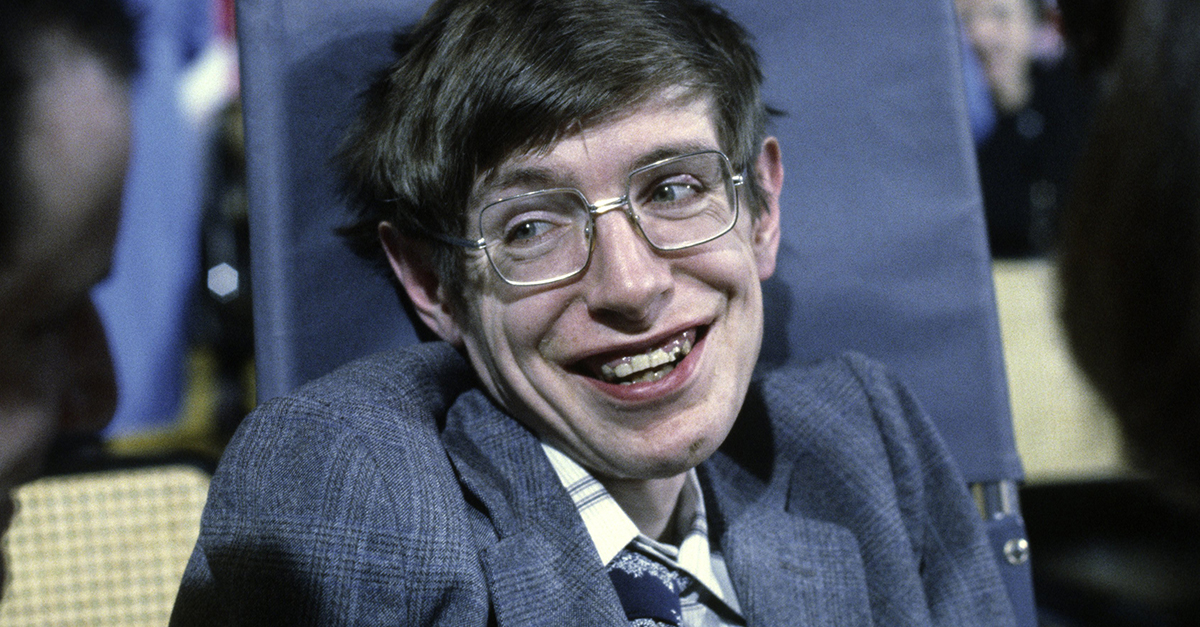
A Titan Of Physics
When Stephen Hawking was diagnosed with a motor neuron disease at a young age, it could have been a tragic story of a brilliant mind dealt a bad hand, who simply gave up. But instead, the charismatic young genius decided he would work twice as hard and went on to make waves (gravitational and otherwise) in the world of science, becoming a global superstar in the process.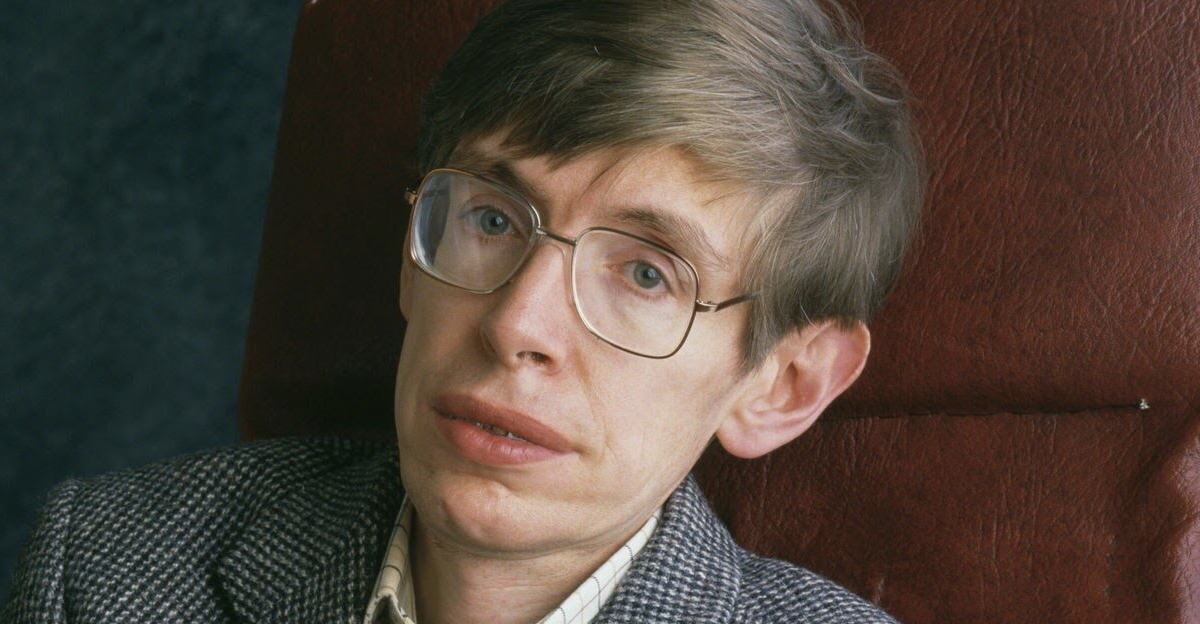
1. His Family Were Eggheads
Stephen William Hawking was born January 8, 1942, in, quite appropriately, Oxford, England. Hawking’s background meant his developing genius was not the biggest surprise: He came from a family of physicians, with parents well respected in the medical field. The young Hawking was inspired by them but still wanted to set himself apart.
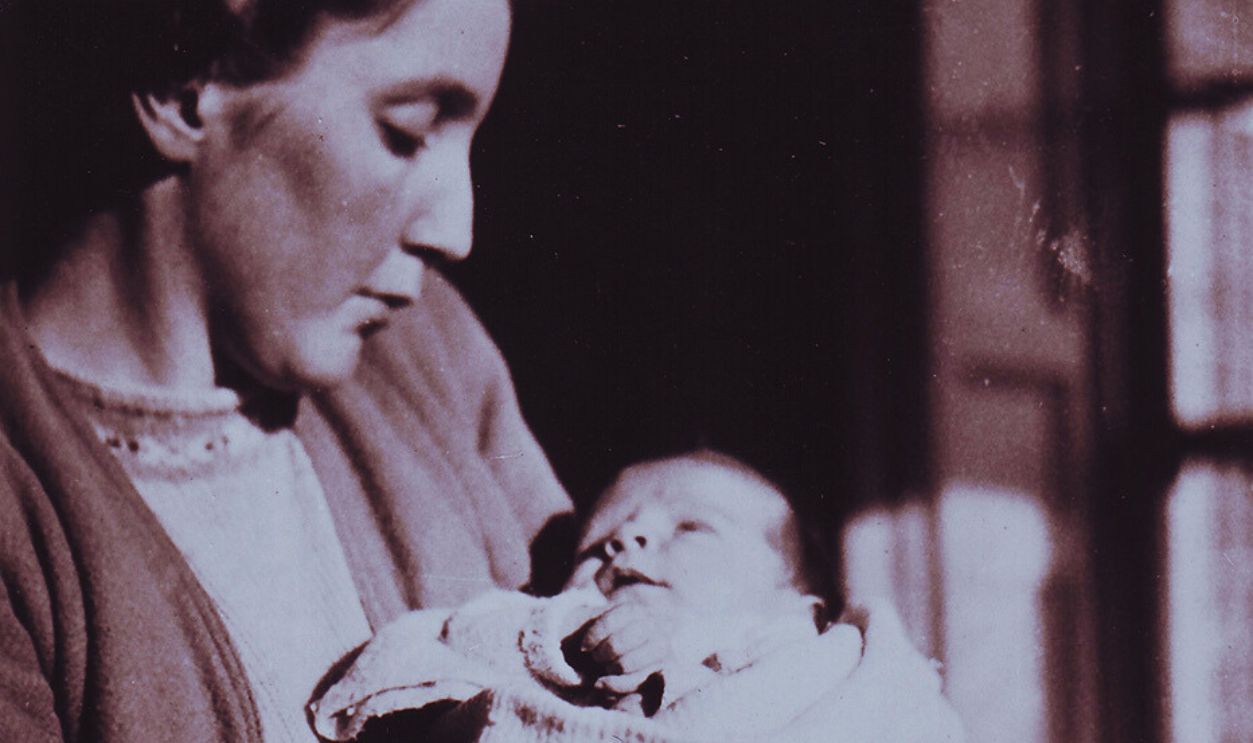 https://www.hawking.org.uk/biography, Wikimedia Commons
2. He Chose His Own Path
Like many young boys, Hawking’s father was his hero and role model, inspiring his ambitions. He wanted to be a scientific researcher just like Frank, but he quickly learned that he did not share his father’s interest in medicine and biology. They were, in Hawking’s words, “too inexact and descriptive”.
The young man longed for something more fundamental, and he found it in physics. His schoolmates were quick to brand him appropriately—and gave him a rather fitting nickname.
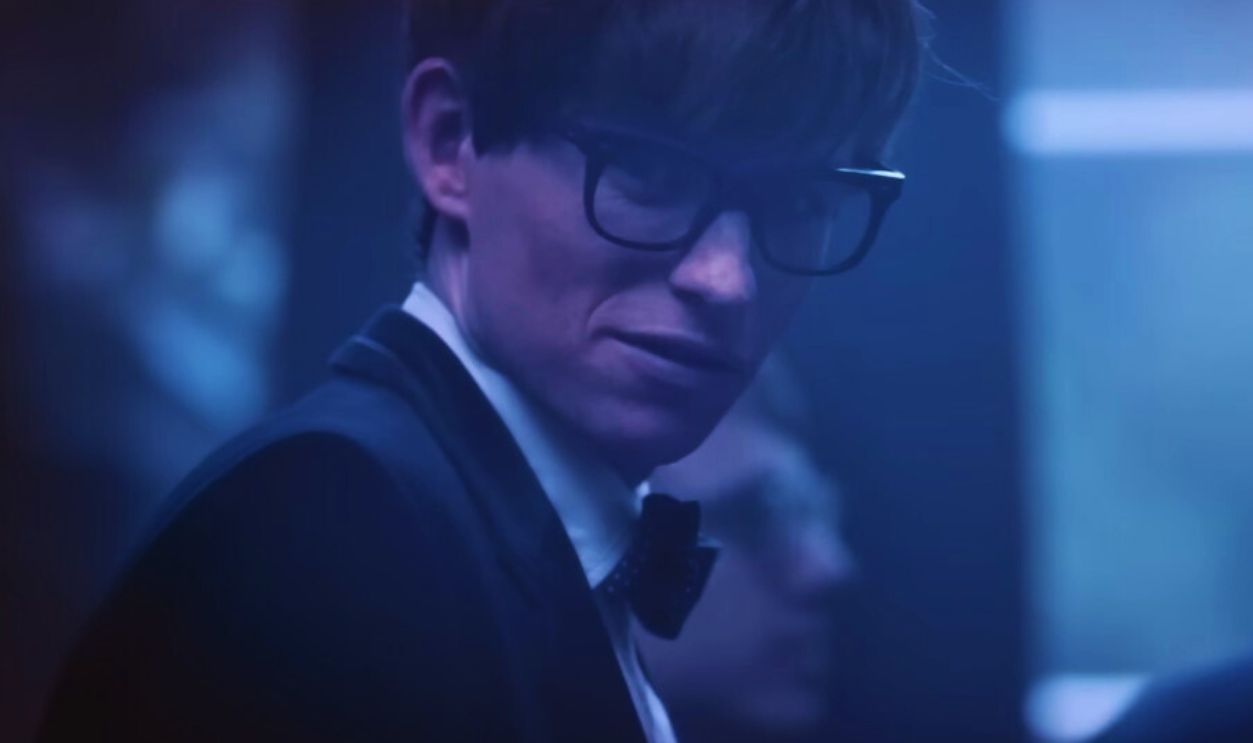 Focus Features, The Theory of Everything
3. His Talent Received Early Recognition
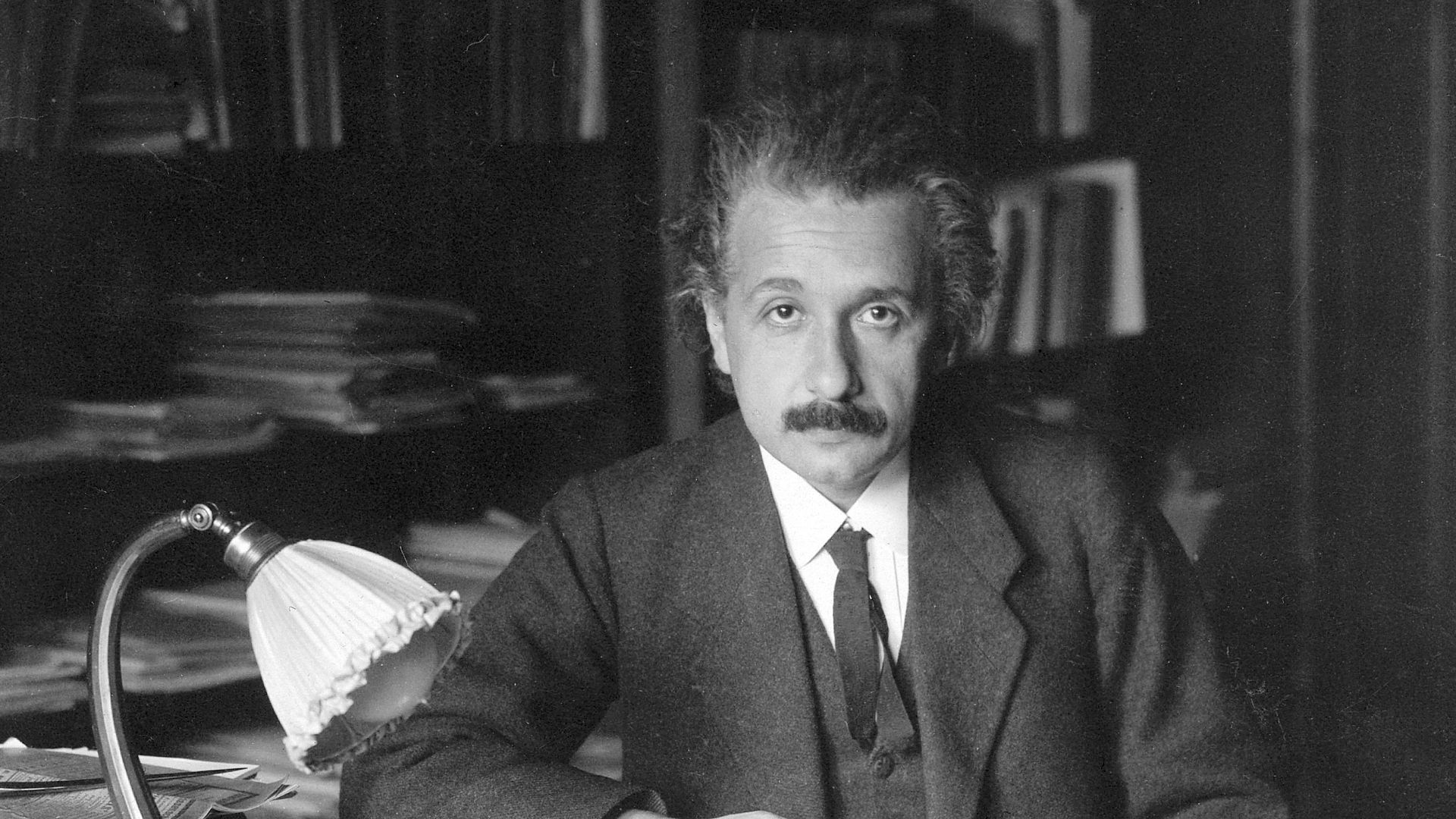
In school, Hawking eventually displayed a notable aptitude in scientific subjects, leading his peers to give him the nickname “Einstein”. However, this did not immediately come with academic success. Indeed, Hawking actually struggled in his first few years of education, and with one crucial skill in particular.
 Unknown photographer, Wikimedia Commons
4. He Struggled With Words
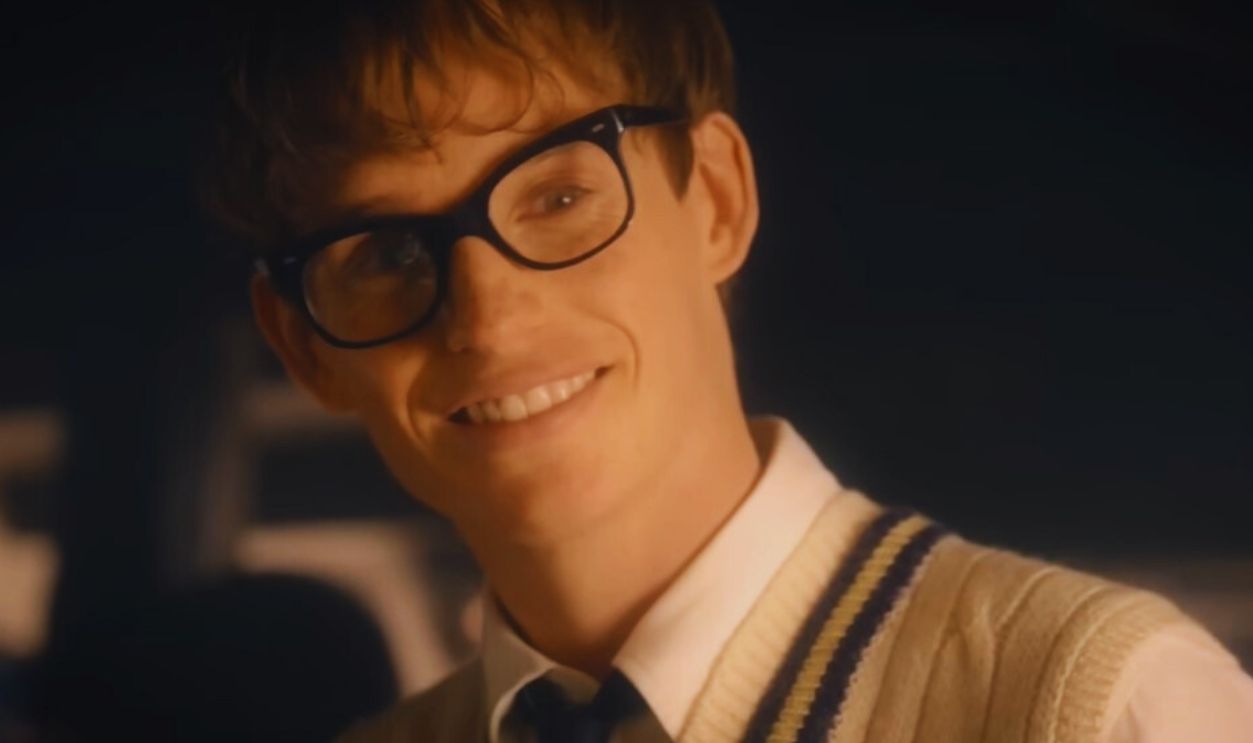
Hawking actually fell behind in certain areas, and he didn’t learn to read until he was eight years old. He later blamed the quality of his school for this. The young boy attended Byron House School, which at the time was part of the “progressive” schooling movement, involving a more hands-off approach to learning. It didn’t work for Hawking at all.
Luckily, he was able to find all the encouragement he needed from another source.
 Focus Features, The Theory of Everything
5. He Had An Odd Family
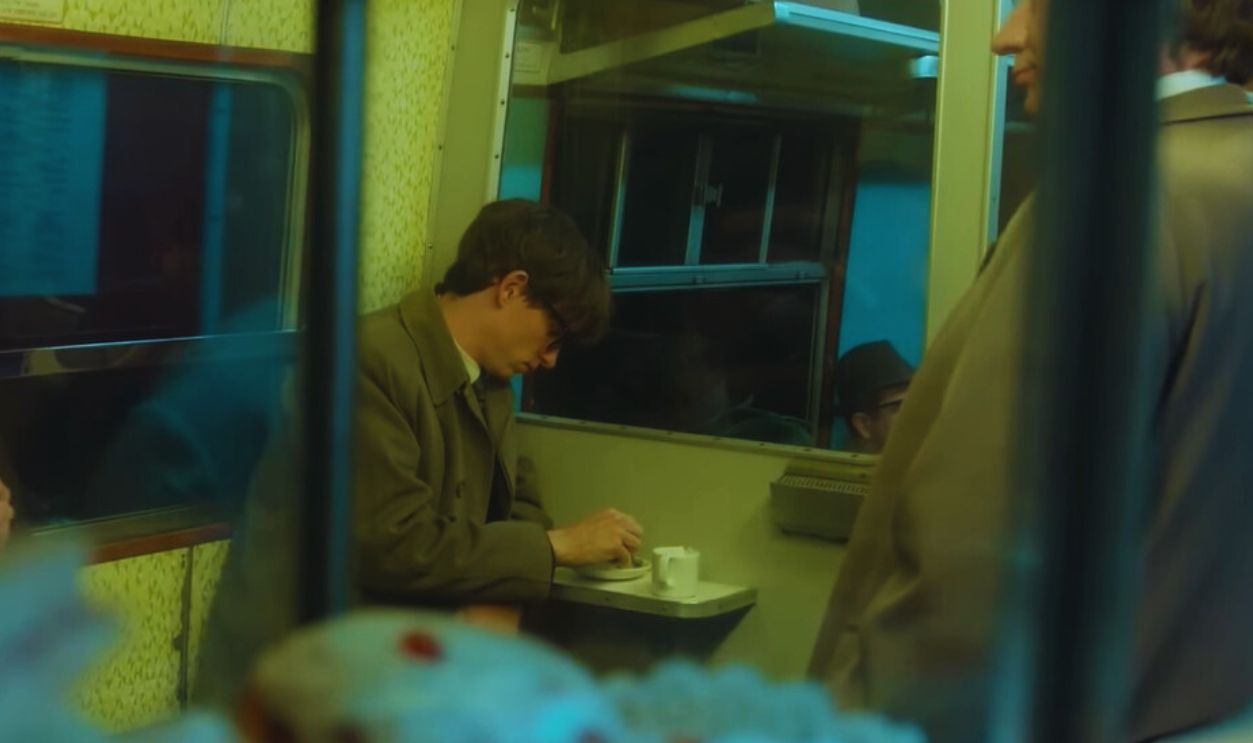
In 1950, Hawking’s father got a job in St Albans, Hertfordshire, and the family uprooted and moved there. The Hawkings got a reputation about town for their intelligence and eccentricity. Indeed, it was an odd household: family meals were largely silent affairs, each member with their head in a book. It seemed learning took precedence over all else at home.
But the Hawking family’s oddities didn’t stop at the dinner table.
 Focus Features, The Theory of Everything
6. He Lived Eccentrically
The family had a very humble lifestyle, and their focus on education meant other duties fell by the wayside: Their large house was incredibly untidy and in dire need of some maintenance. Outside the home, the family could always be spotted trundling along in a converted London taxicab. Stephen’s education, too, was somewhat abnormal.

7. He Had An Interesting Alma Mater
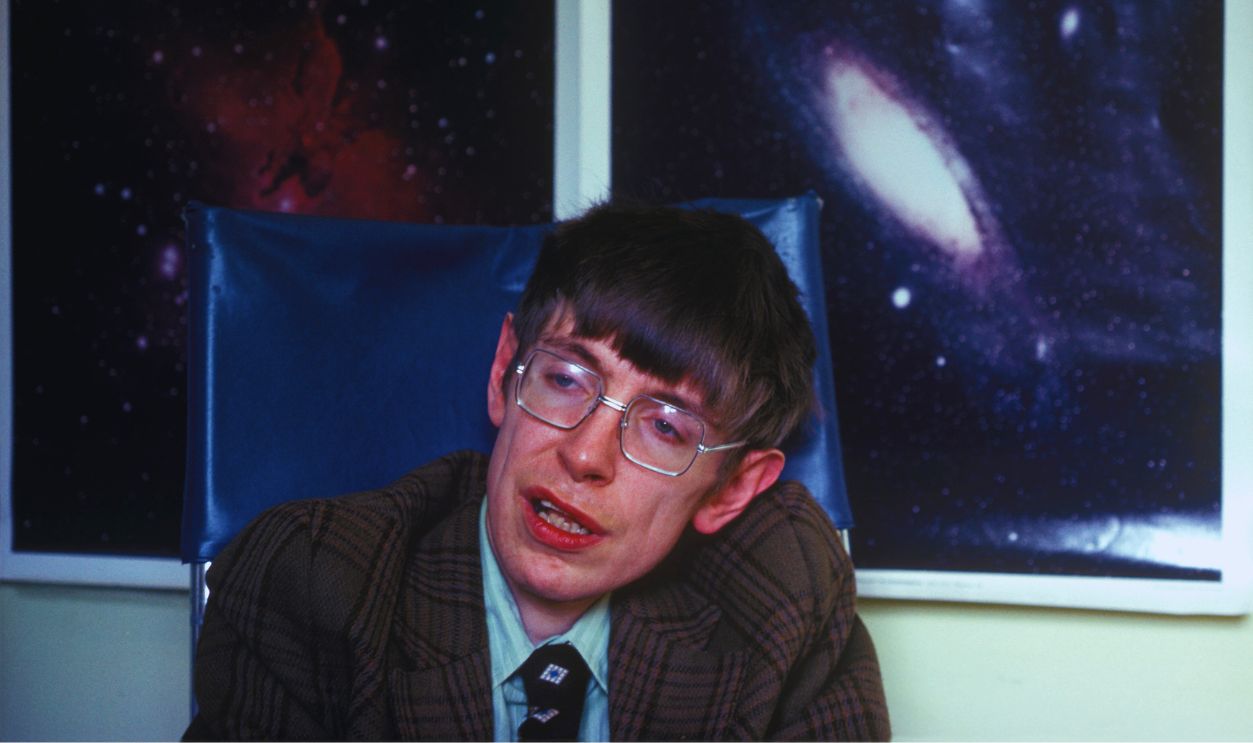
With the move to St Albans, Hawking required enrolment in a new school, and his parents made an unorthodox choice. Though he only attended for a few months, the eight-year-old prodigy found himself a student at St Albans High School for Girls. For whatever reason, the school, at the time, allowed younger boys to attend. After transferring to a private school, Hawking really excelled.
 Romano Cagnoni/RETIRED, Getty Images
8. He Showed His Skills
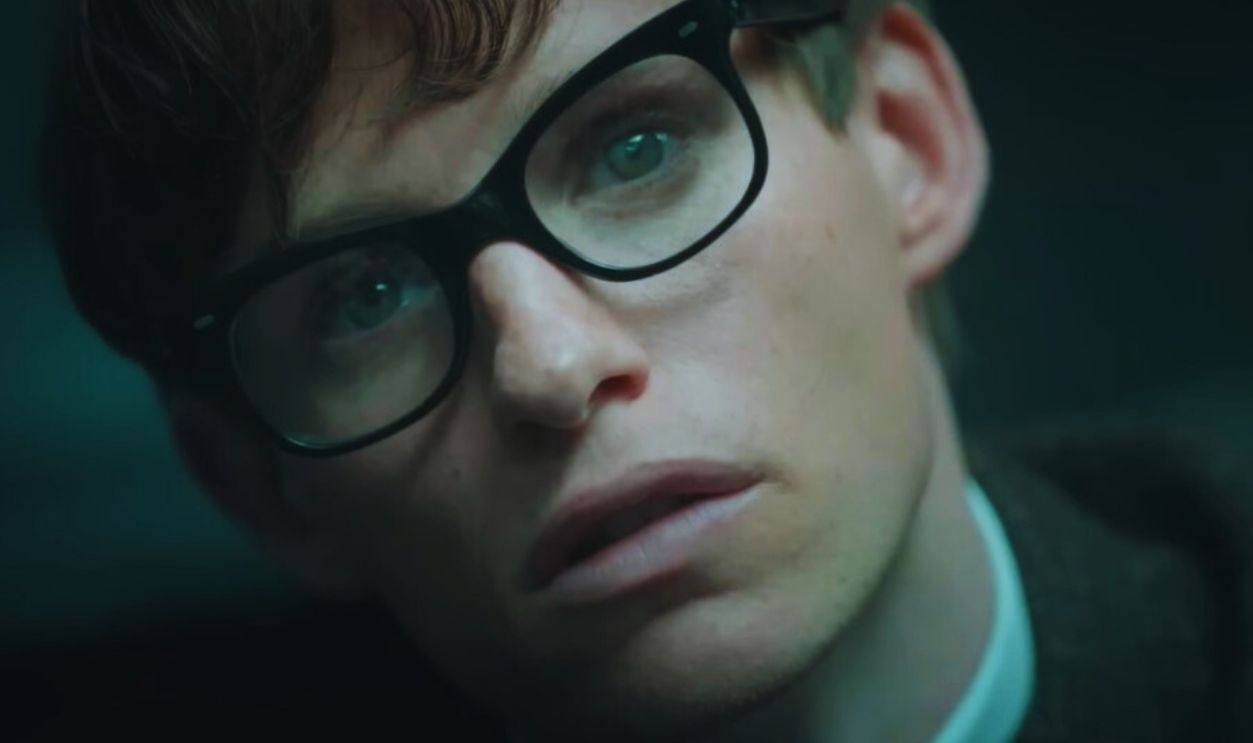
By 1958, Hawking was a bona fide prodigy, and his teachers greatly encouraged him. He didn’t just excel in matters of the mind, however: He had a knack for practical skills too. With the help of his math teacher, the 16-year-old Hawking built a computer from recycled clock parts and an old telephone switchboard.
Later, he also built a record player from spare parts after his father refused to buy him one. It was no wonder, then, that he was destined for greatness.
 Focus Features, The Theory of Everything

History's most fascinating stories and darkest secrets, delivered to your inbox daily.
9. He Went To Uni
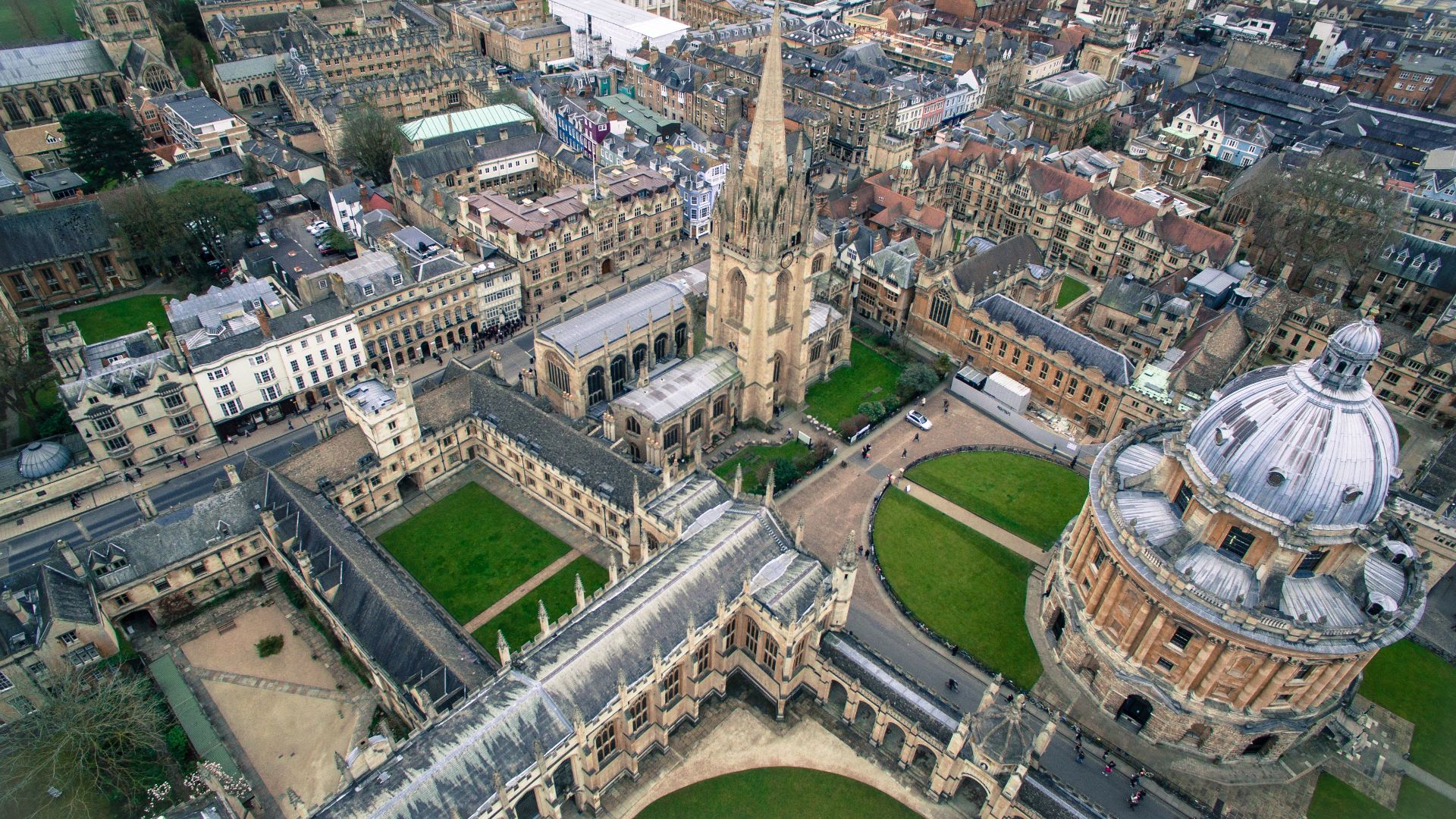
Hawking began his university education at the age of 17. In October 1959, in something of a homecoming, he enrolled in Oxford, where he began his undergraduate degree in physics. Naturally, Hawking excelled immediately. Which turned out to be more of a curse than a blessing.
 Sidharth Bhatia sidharthbhatia, Wikimedia Commons
10. He Had A Bad Start
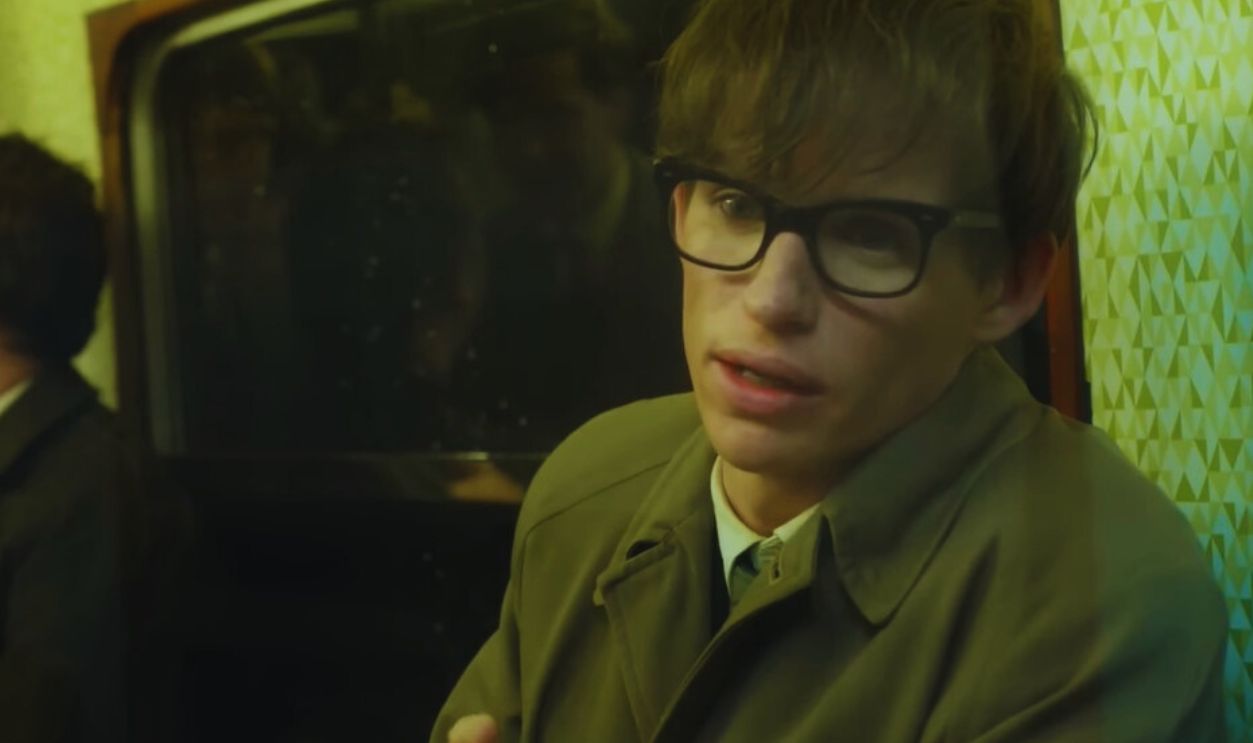
Hawking did not enjoy Oxford at all at first. He later recounted how, for the first 18 months, he was plagued by boredom and loneliness. Indeed, the price of his genius was that he found the academic work “ridiculously easy”. He lacked stimulation in his learning, and so he looked for it outside the classroom.
 Focus Features, The Theory of Everything
11. He Made A Change
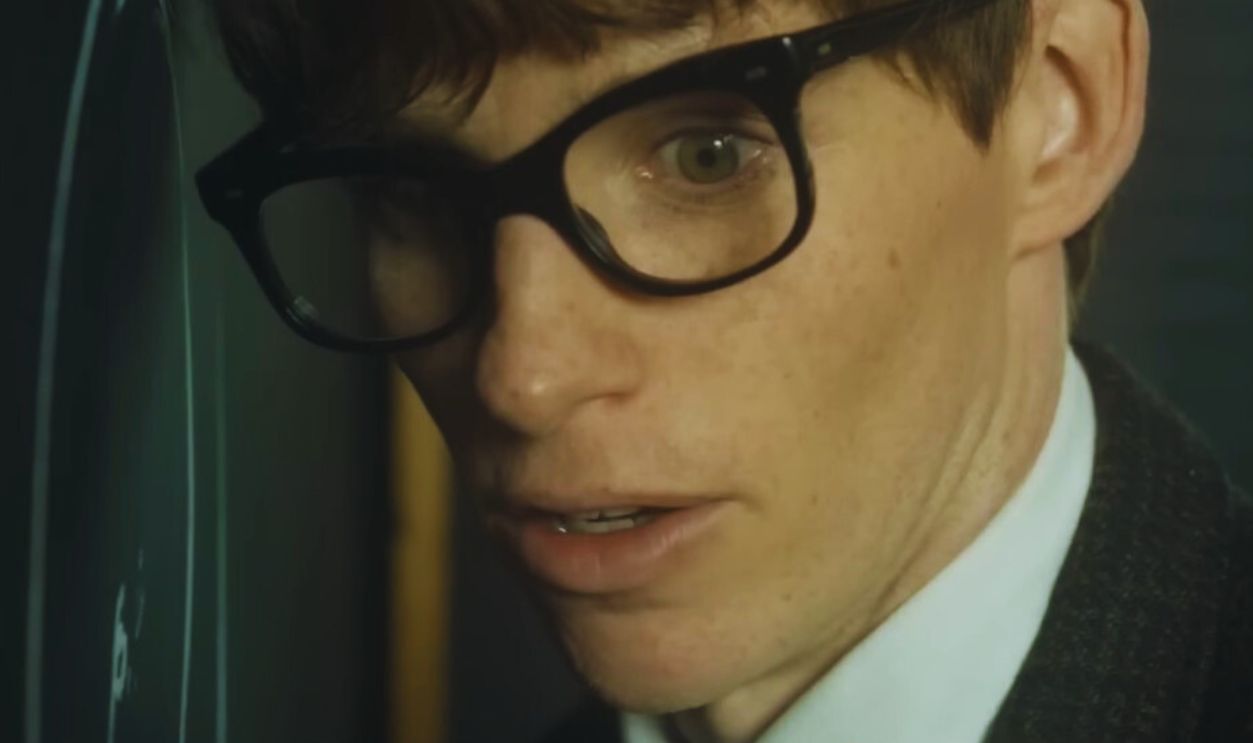
Hawking obviously felt as if he was wasting his university years and made a dramatic change in his second and third years. Endeavouring to fit in and become what one of his professors described as “one of the boys”, Hawking became an energetic and beloved student. He took great interest in classical music and science fiction, balancing more leisure with his studies. But that was just the tip of the iceberg.
 Focus Features, The Theory of Everything
12. He Took Risks
Part of Hawking’s image change saw him join Oxford’s boat club, where he coxed a rowing crew. Here, he took on a reckless, daredevil persona, often leading his crew through dangerous courses. Many of these careless endeavors resulted in mangled boats. But signs showed that even Hawking himself was not so sure his new personality fit.
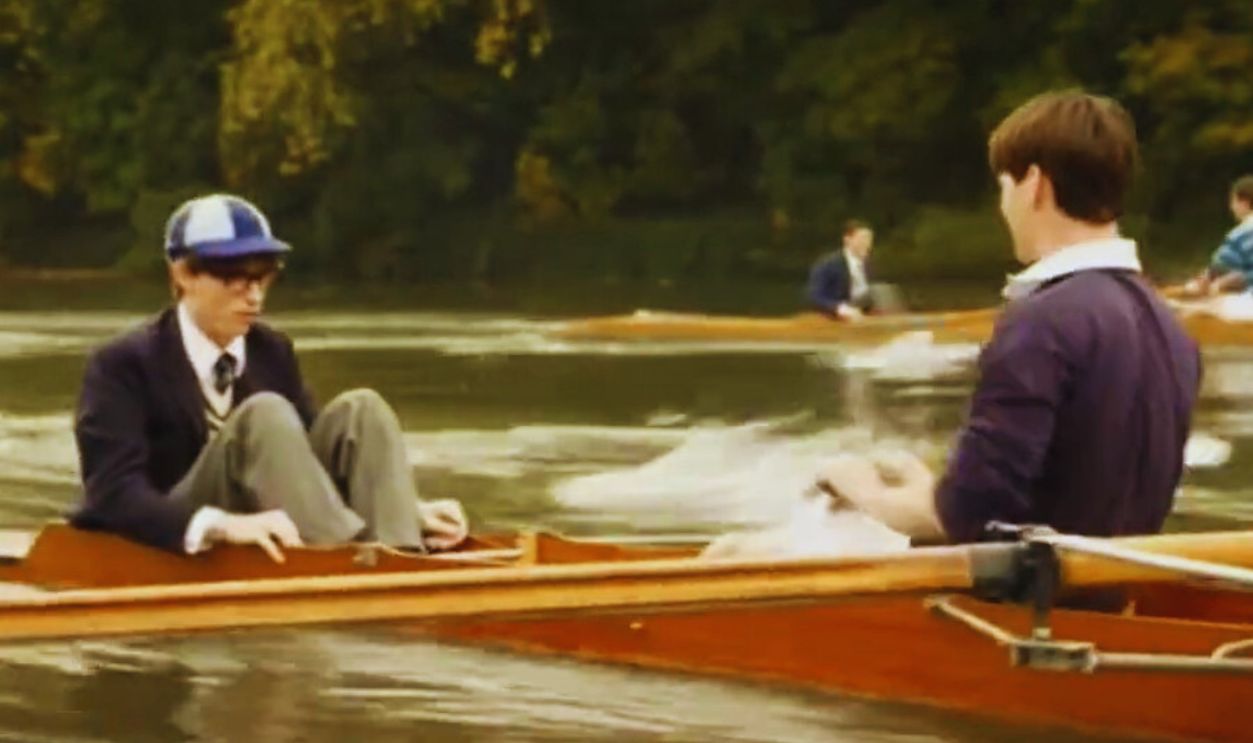 Focus Features, The Theory of Everything
13. He Underestimated Himself
Perhaps because of how simple he found the course material, and his new carefree persona, Hawking grew worried that faculty saw him in a poor light—disagreeable and lazy. This was reflected in a humorous answer he gave when asked about his future plans near the end of his undergrad.
“If you award me a First, I will go to Cambridge. If I receive a Second, I shall stay in Oxford, so I expect you will give me a First”! In reality, though, teachers at Oxford weren’t stupid, and recognized that they were dealing with a uniquely talented intellect.
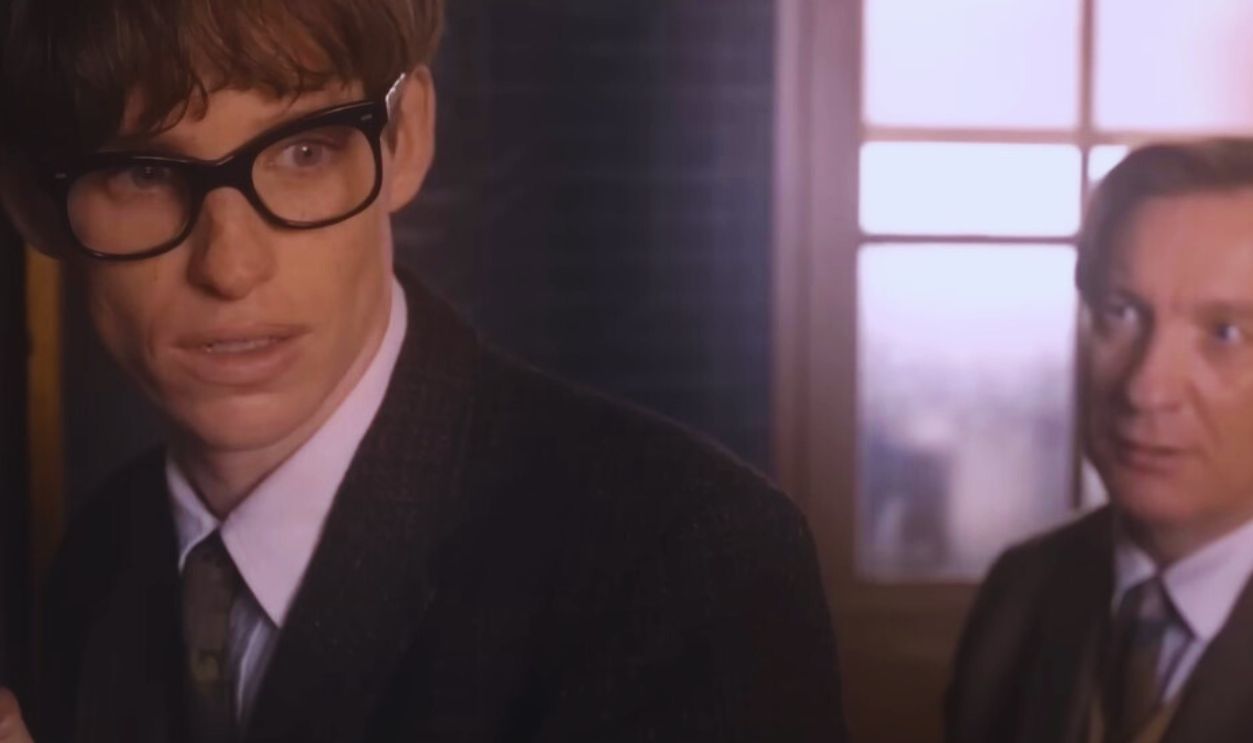 Focus Features, The Theory of Everything
14. He Took The Next Step
After graduating with a first-class BA degree in physics from Oxford, Hawking attended Cambridge, where he studied for his PhD. He got stuck into his work much more at Cambridge and seemed very stimulated by the content of his studies. In March of 1966, he obtained his PhD degree in applied mathematics and theoretical physics, with specializations in general relativity and cosmology.
Unfortunately, there were some life-altering bumps along the way.
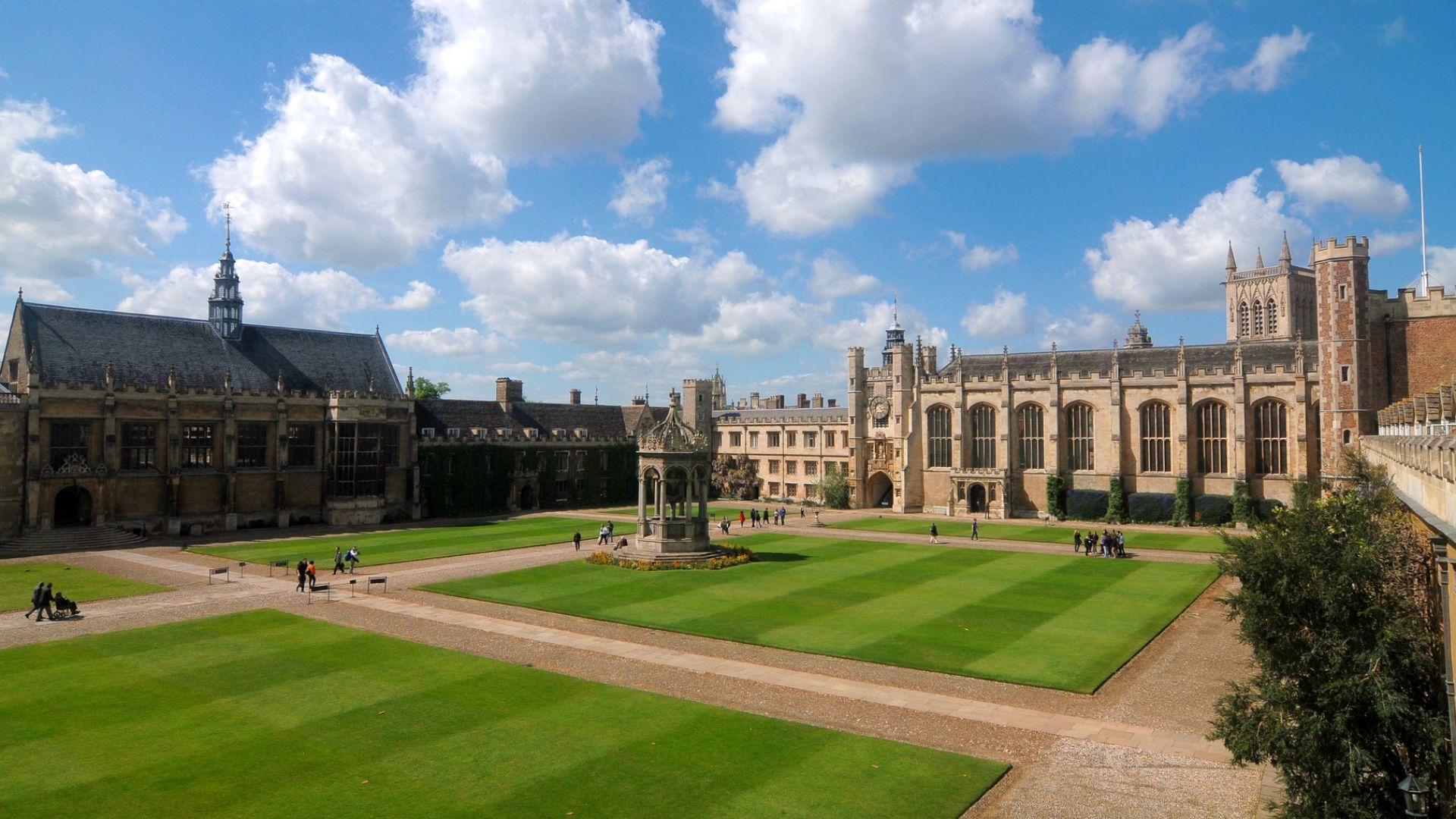
15. His Body Failed Him
During his final year in Oxford, Hawking experienced some odd physical difficulties. He suffered increased clumsiness, would fall for no apparent reason, and had a hard time rowing. When his speech started to slur, he knew there may be cause for concern. The young scientist quickly sought medical intervention.
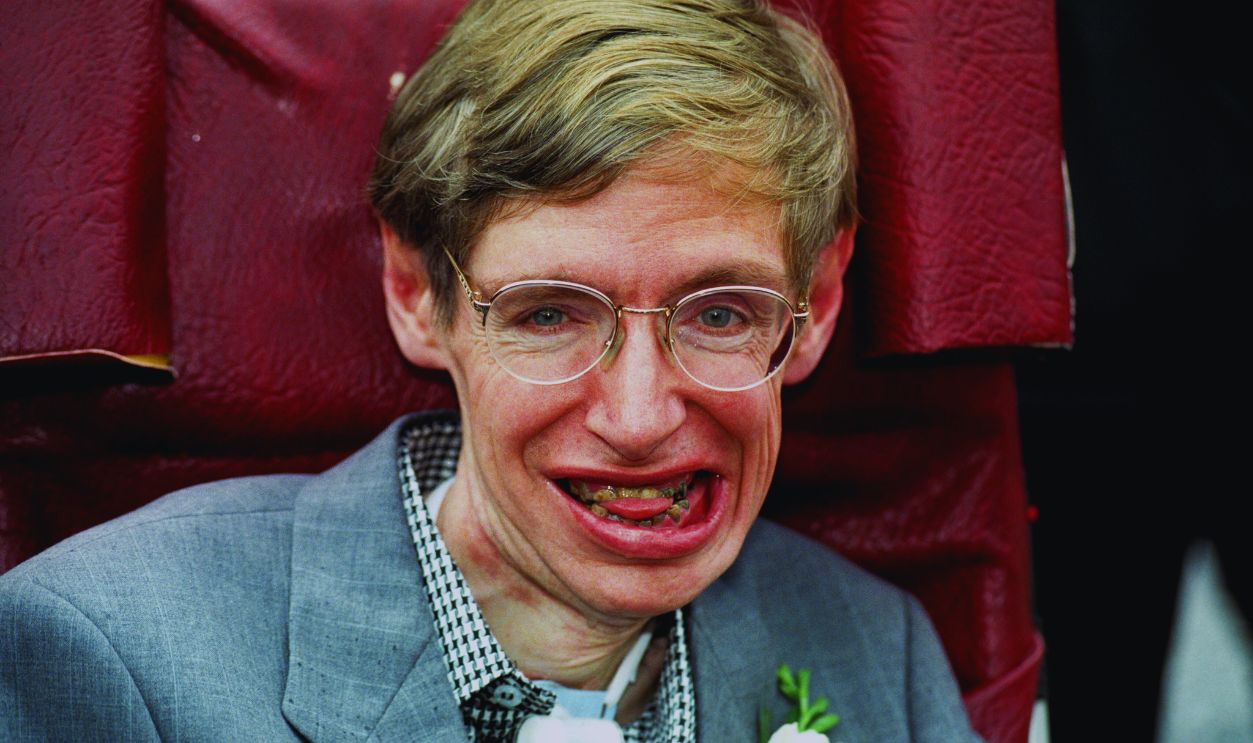
16. He Got A Shocking Diagnosis
After studying his symptoms, a doctor formally diagnosed the 21-year-old Hawking with a rare form of early-onset motor neuron disease known as amyotrophic lateral sclerosis (ALS) or Lou Gehrig’s disease. This condition would slowly paralyze the scientist over the course of his remaining years. His ability to communicate suffered too.
17. He Innovated Communication
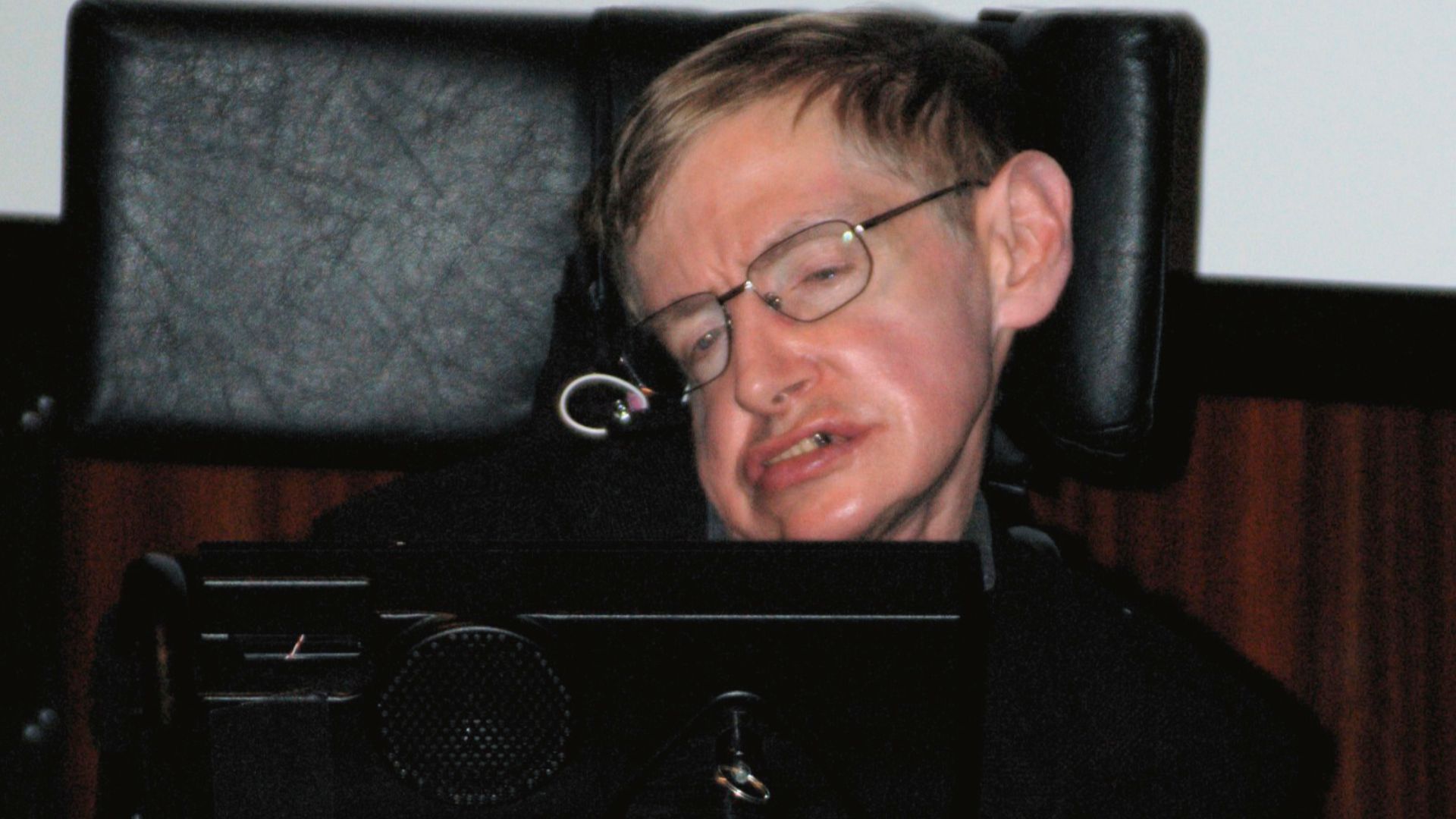
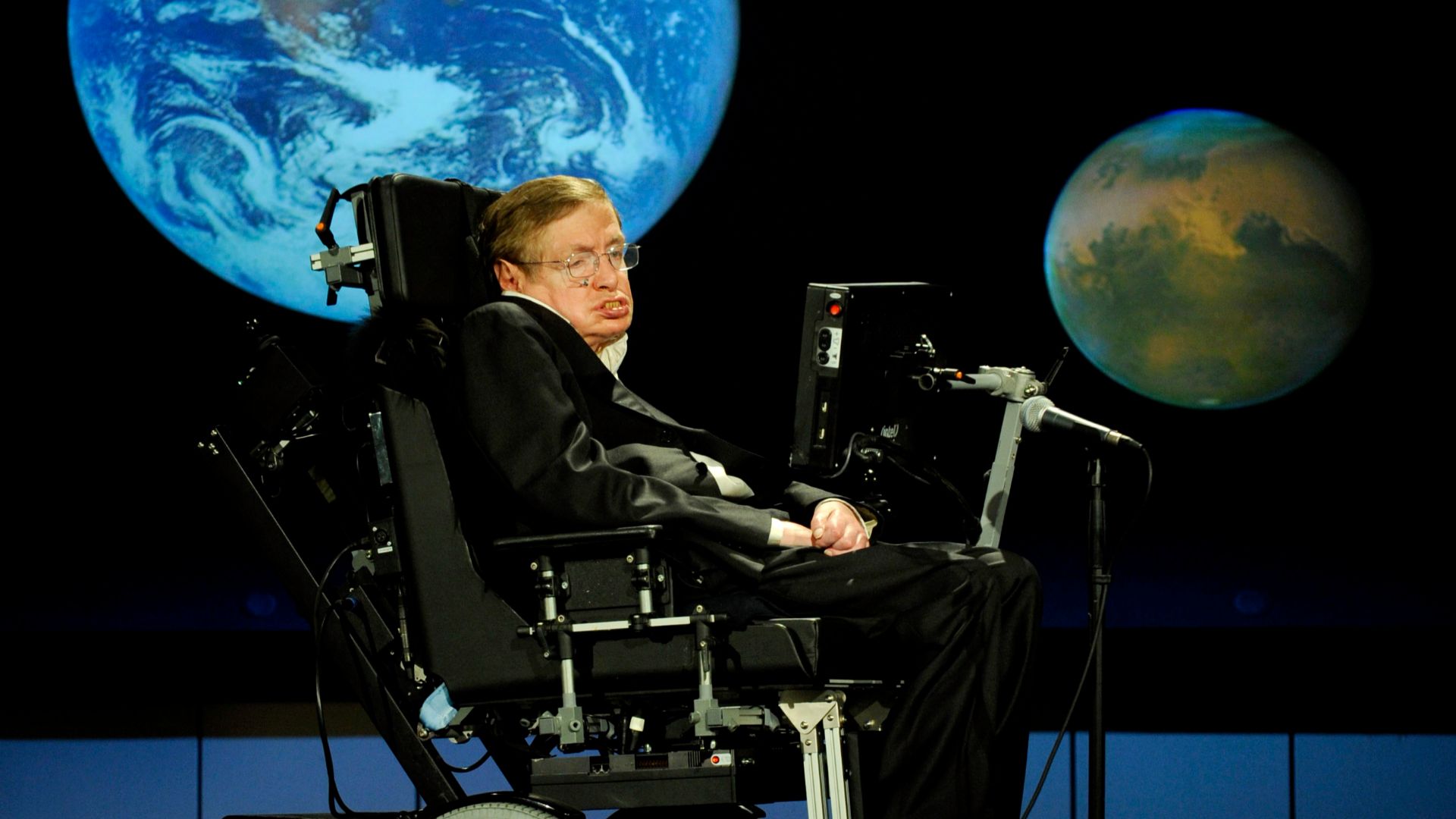
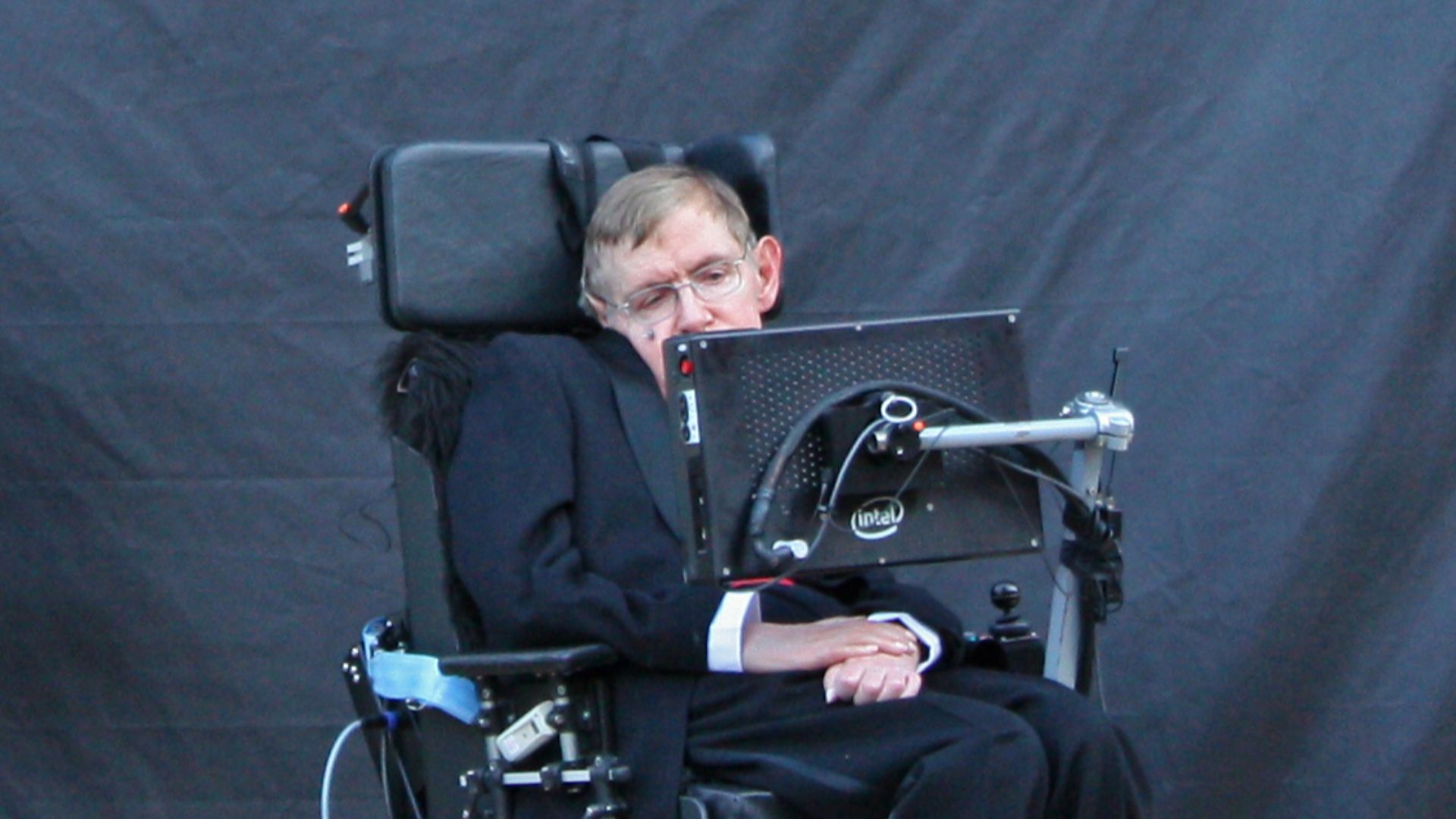
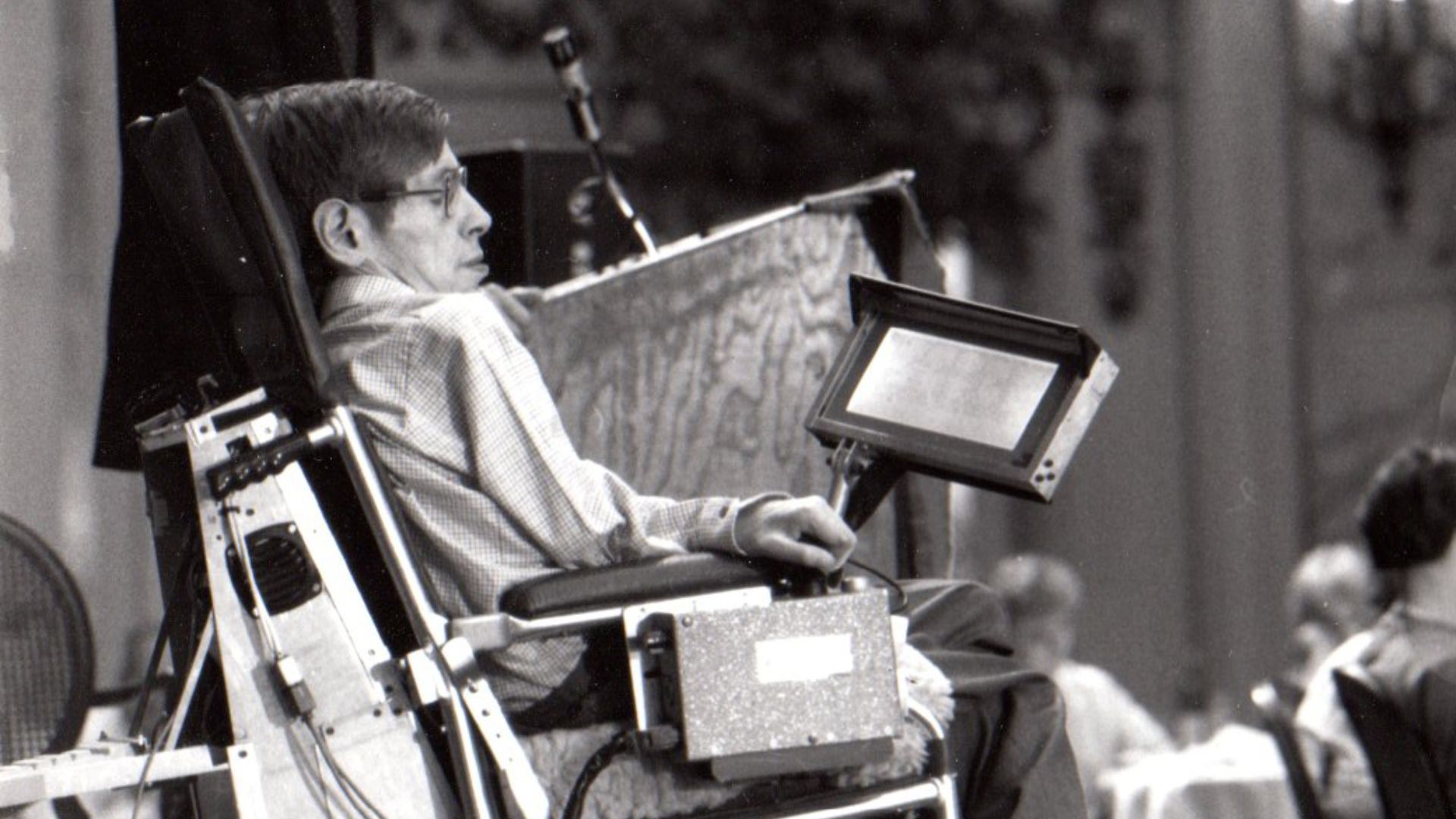
Hawking’s condition also meant that he gradually lost the ability to communicate verbally. Considering his ambition to be a scientist and lecturer, this was not an option. He eventually began using a speech-generating device, which, using a handheld switch, would communicate words in his now-signature computerized American accent. But his ability to use his hands was deteriorating too, and new innovations had to be imagined.
 NASA/Paul E. Alers, Wikimedia Commons
18. He Took Advantage Of Developing Technology
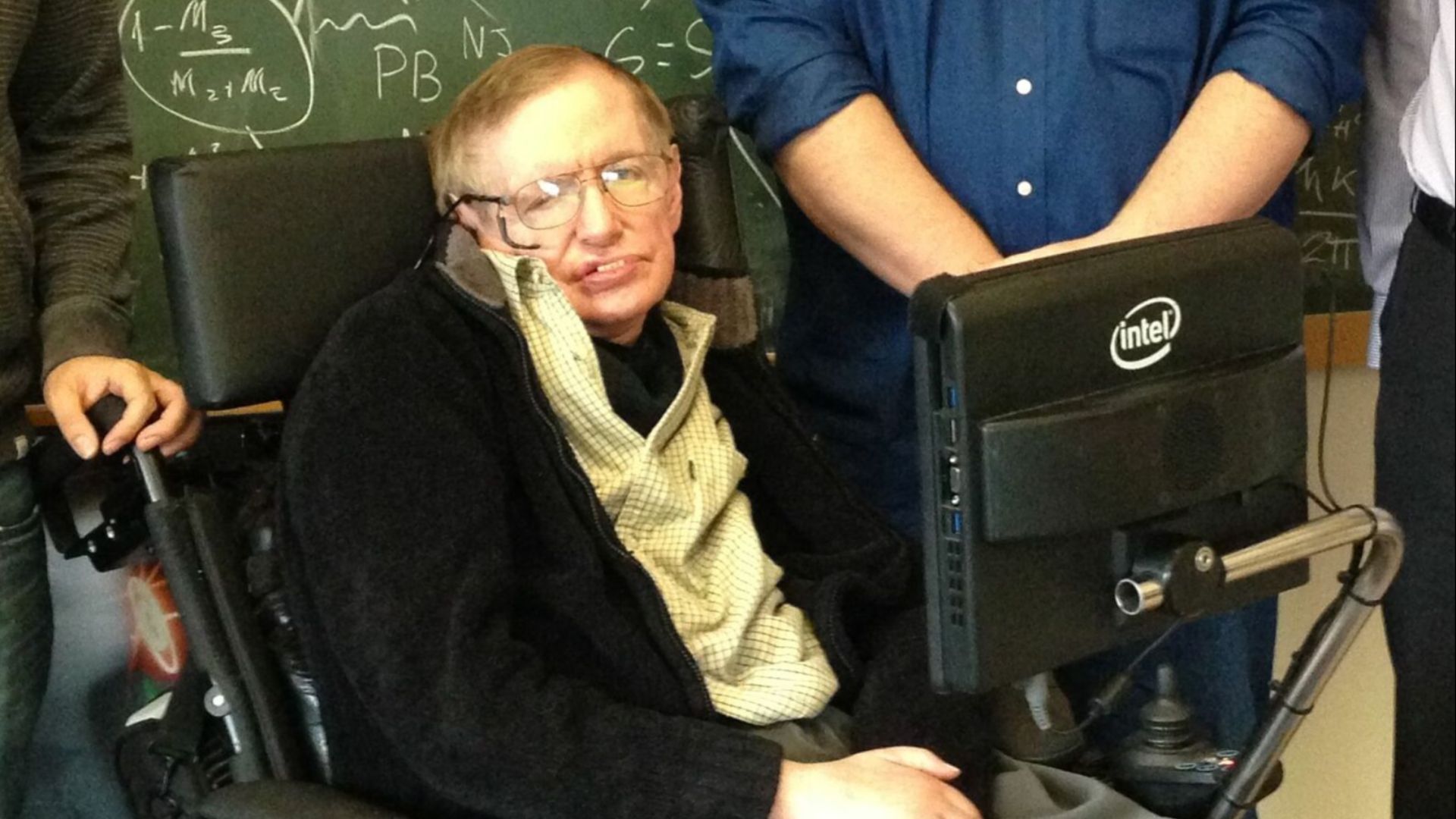
As Hawking’s use of his hands became less and less tenable, new solutions had to be thought up for his communication problem. Working alongside technologists, the solutions they came up with were mind-blowing. Incredibly, by the end of his life, Hawking was operating his speech device using only a single muscle in his cheek. It showed the scientist’s incredible determination and ability to rise above his impairment. But it wasn’t like that at first.
 Intel Free Press, Wikimedia Commons
19. He Almost Gave Up
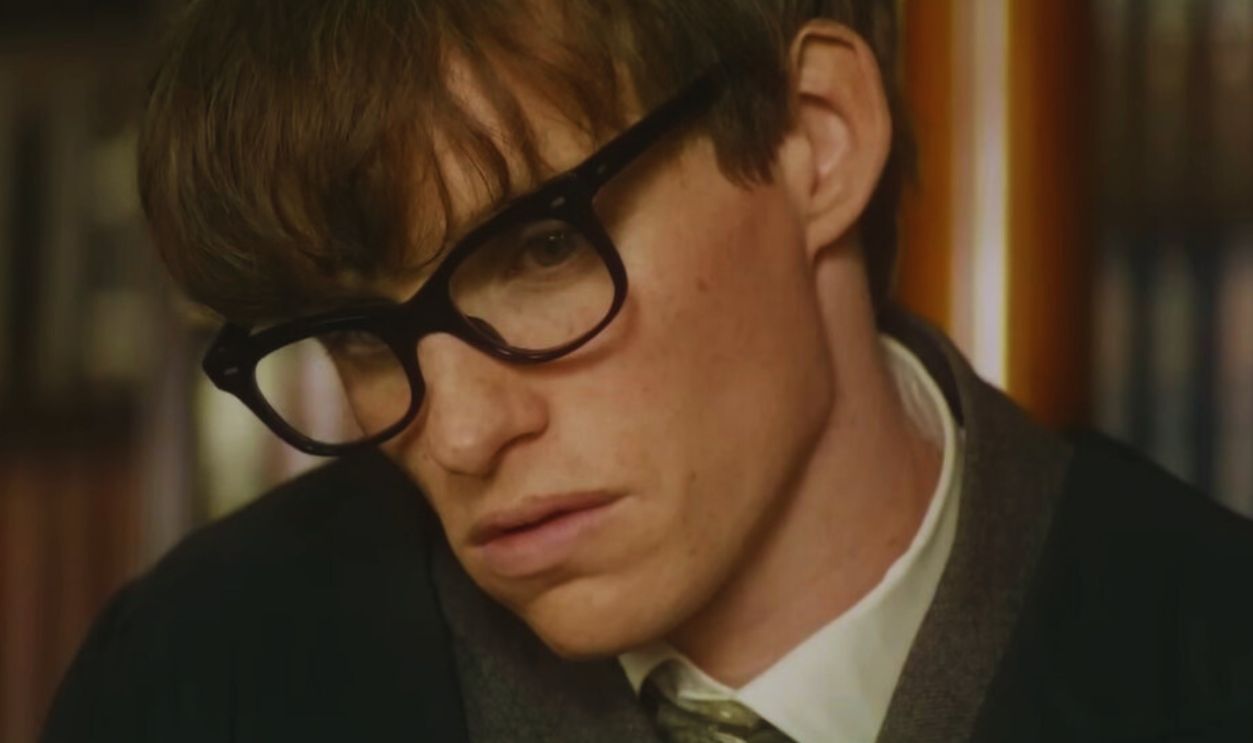
After his initial diagnosis, Hawking, understandably, sank into a deep depression. His doctors and professors did all they could to encourage him to continue with his education, regardless. But, for a brief time, Hawking felt utterly hopeless—his ambitions now feeling quite pointless. Luckily, though, he was eventually able to overcome this negative mindset.
The road ahead was undoubtedly arduous.
 Focus Features, The Theory of Everything
20. He Found A Second Wind
The doctor’s prognosis for the young prodigy was not good: After getting his diagnosis, Hawking was only given two years to live. His disease ended up progressing more slowly than doctors anticipated, but the sentence was enough to relight a fire under the young scientist.
Hawking pulled himself out of his depression and resumed his studies, later remarking, “Before I got motor neuron disease, I was bored with life. But the prospect of an early death made me realize life was really worth living”. He would not let a disease impede his happiness.
21. He Found A Committed Partner
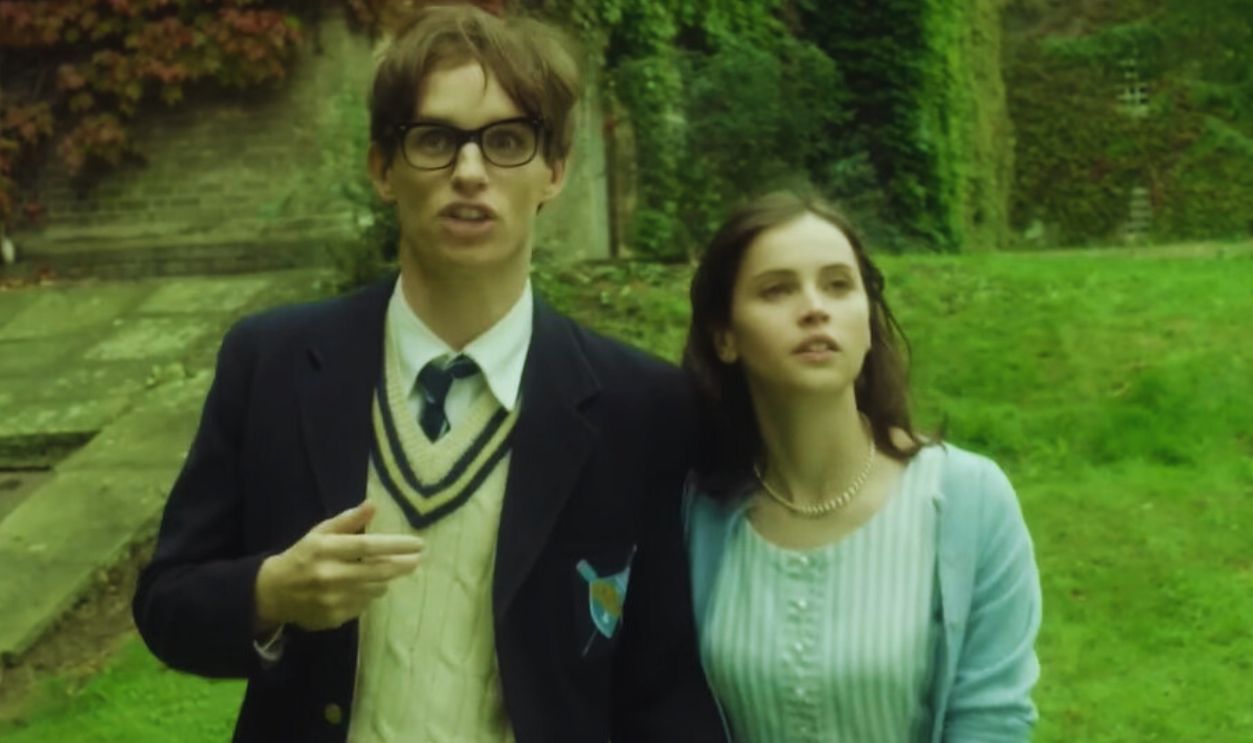
The year before his diagnosis, Hawking had met Jane Wilde at a party. The two soon started dating and, shortly after Stephen got his life-altering diagnosis, the couple got engaged. Wilde knew what she was getting into and even agreed to marry Hawking after he was initially given only two years to live.
The couple wed on July 14, 1965. Their marriage was initially a happy one—but there was trouble on the horizon.
 Focus Features, The Theory of Everything
22. His Wife Was Unsatisfied
As Hawking’s body deteriorated, household work fell squarely on the shoulders of Wilde, freeing him up to think about physics. The couple eventually hired live-in help, which allowed Jane to get out more. But the marriage, understandably, lacked normal physical intimacy. As such, Wilde found romance in a surprising place.
 Focus Features, The Theory of Everything
23. She Had A Side Piece
In 1977, Wilde joined a church choir and met organist Jonathan Hellyer Jones—and a romance slowly grew between them. When Jane informed her husband, he accepted the situation, understanding that Jones could give her things that Hawking simply couldn’t. Jane explained that her husband “would not object so long as I continued to love him”. Hawking’s agreeableness was not uncharacteristic.
 Focus Features, The Theory of Everything
23. He Was Well-Liked
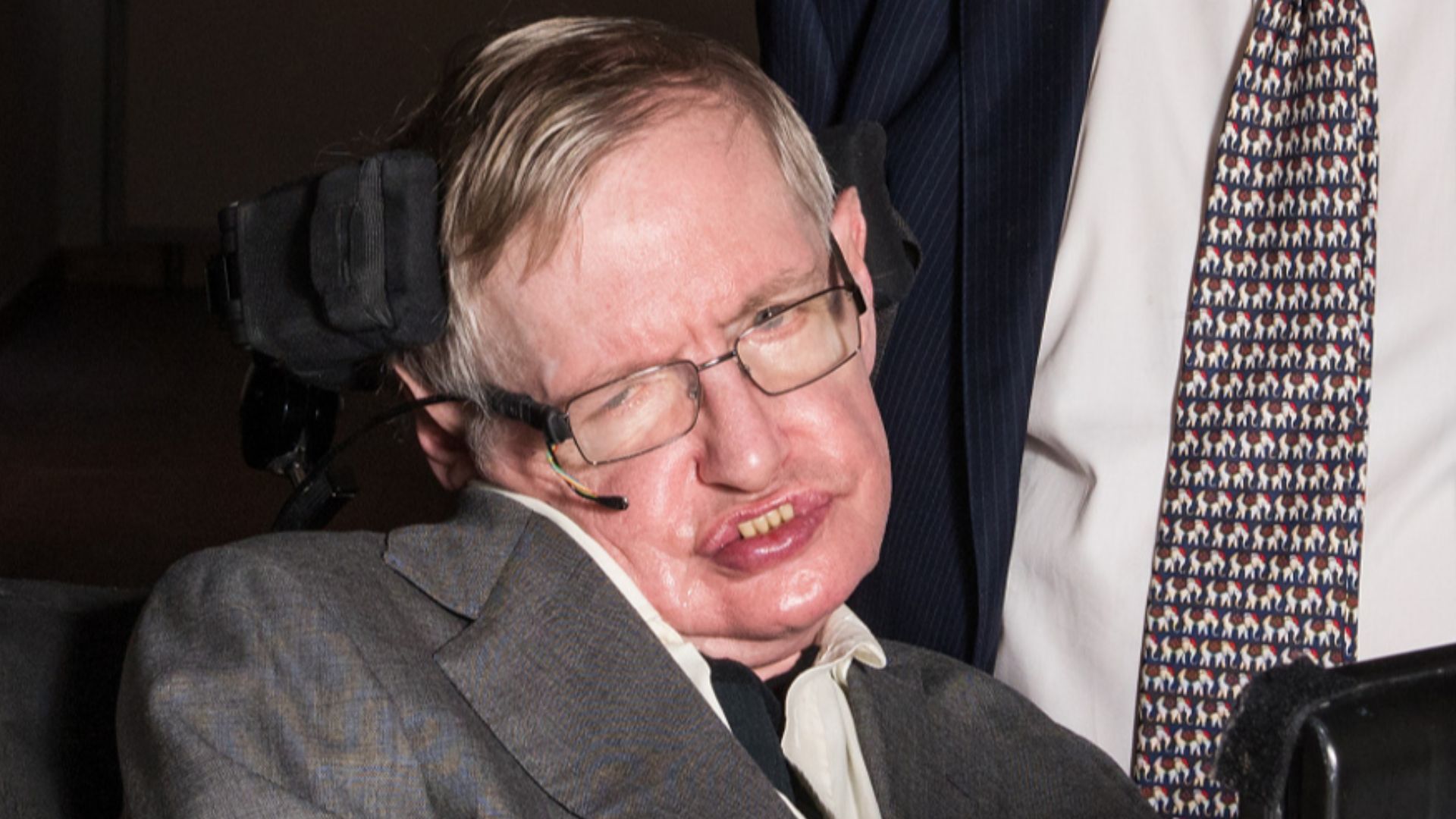
As Hawking finished up his education and entered the work world, he gained a personal reputation. Despite his illness, he was known as a quick-witted colleague and was largely popular among those he worked with. However, he also had a tendency towards arrogance, which alienated him from some. Still, he had every reason to be cocky.
 John Cairns, Wikimedia Commons
24. He Stormed Onto The Scene
Hawking was quick to make waves in the scientific community upon graduating with his doctorate, and his early career was eventful. He posed many theories, including the idea that the universe may have begun as a singularity, the proposition of four laws of black hole mechanics, and a lengthy treatise on the large-scale structure of space-time. He even etched his name on a phenomenon.
 NASA/JPL-Caltech, Wikimedia Commons
25. He Became A Scientific Term
In 1974, Hawking presented an initially controversial theory that black holes emit radiation. This later proved correct, and the phenomenon given the name “Hawking radiation”. Considered a significant breakthrough in theoretical physics, the young scientist received an appropriate reward.
 NASA/D. Berry, Wikimedia Commons
26. He Got Early Recognition
Several weeks after the announcement of Hawking radiation, its namesake was elected a Fellow of the Royal Society, a prestigious honor in the British science world. At just 32 years of age, Hawking was one of the youngest scientists at that time to become a Fellow. And with youth, he brought a playful nature to the community.
 woodleywonderworks, Wikimedia Commons
27. He Was A Gambling Man
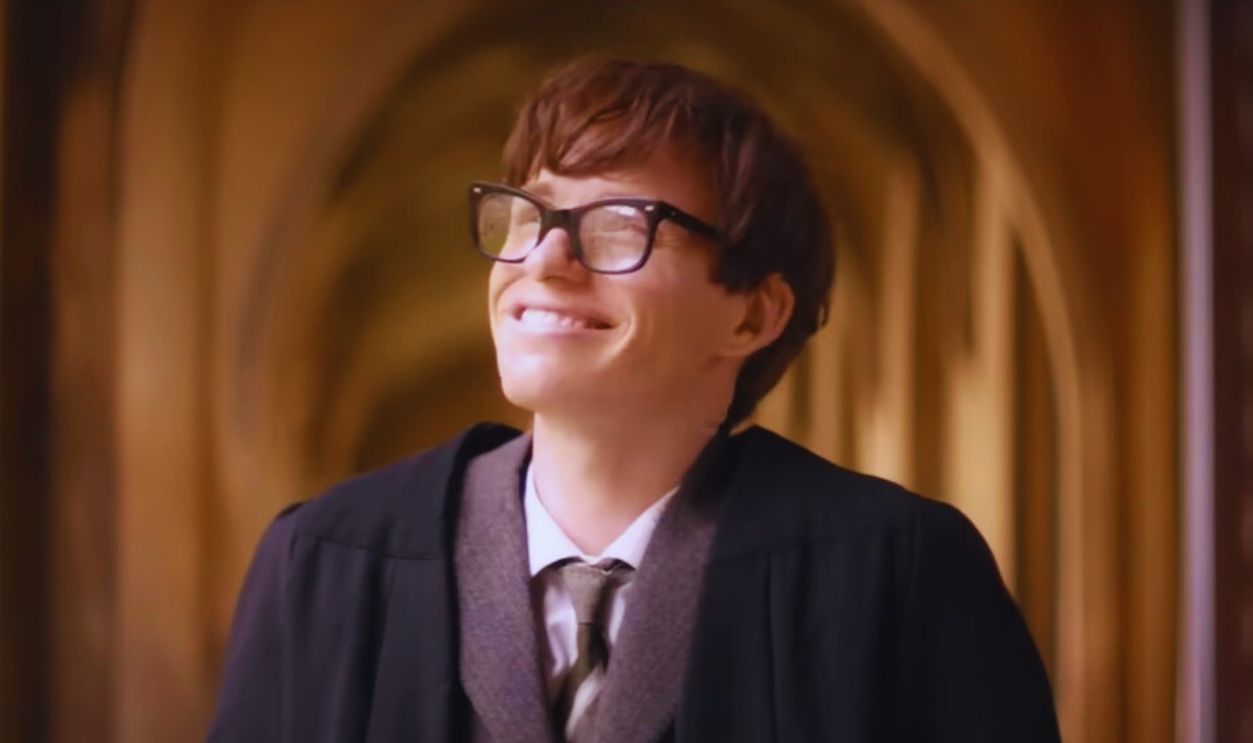
Hawking would engage in playful debate with his fellow theoretical physicists and would often display a lighthearted arrogance in his predictions. And he didn’t shy away from putting his money where his mouth was: Over the years, Hawking would make many wagers with other scientists over his predictions. Indeed, he later acknowledged that he lost many of these bets! Luckily, his losses did not affect his career.
 Focus Features, The Theory of Everything
28. He Got A Big Job…
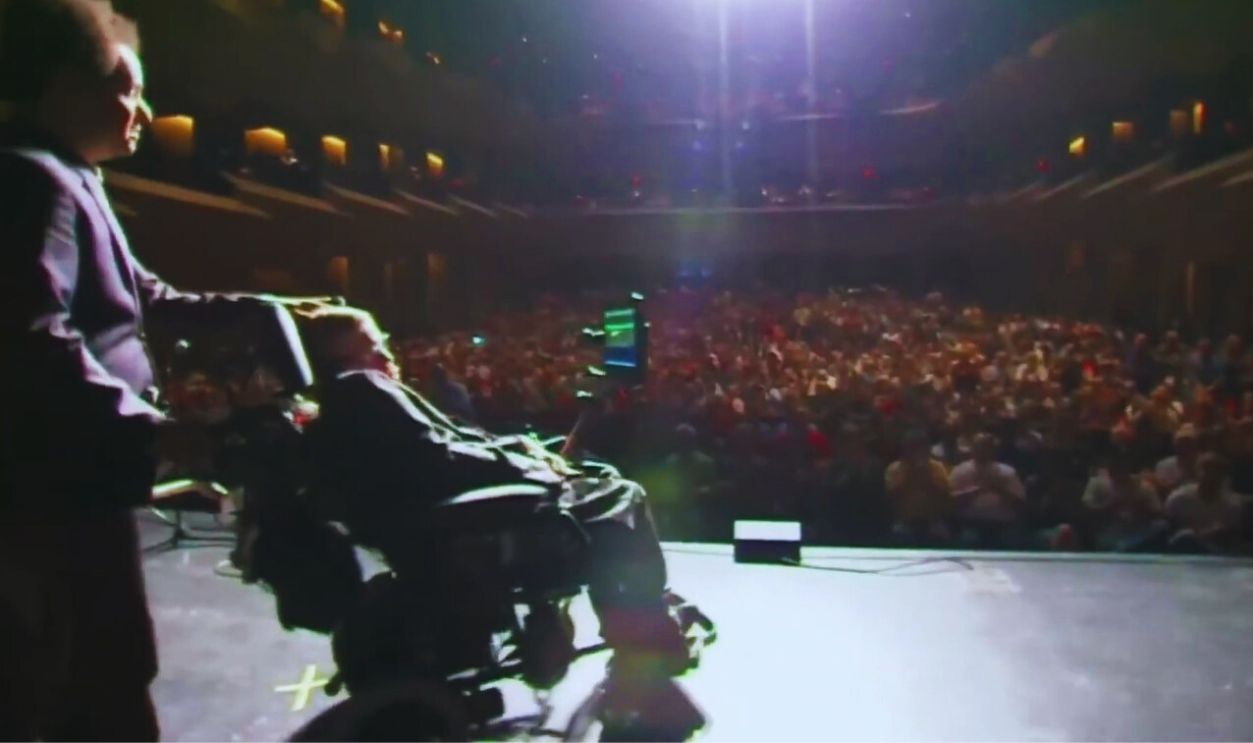
Hawking’s genius increasingly preceded him, and academic circles sought to use his mind. In 1979, he got elected to one of the most prestigious academic posts in the world: the Lucasian Professor of Mathematics at Cambridge University. He would remain in the post for 30 years, giving lectures and supervising PhD students. But he made time for research too.
29. …And He Got A Big Side Gig
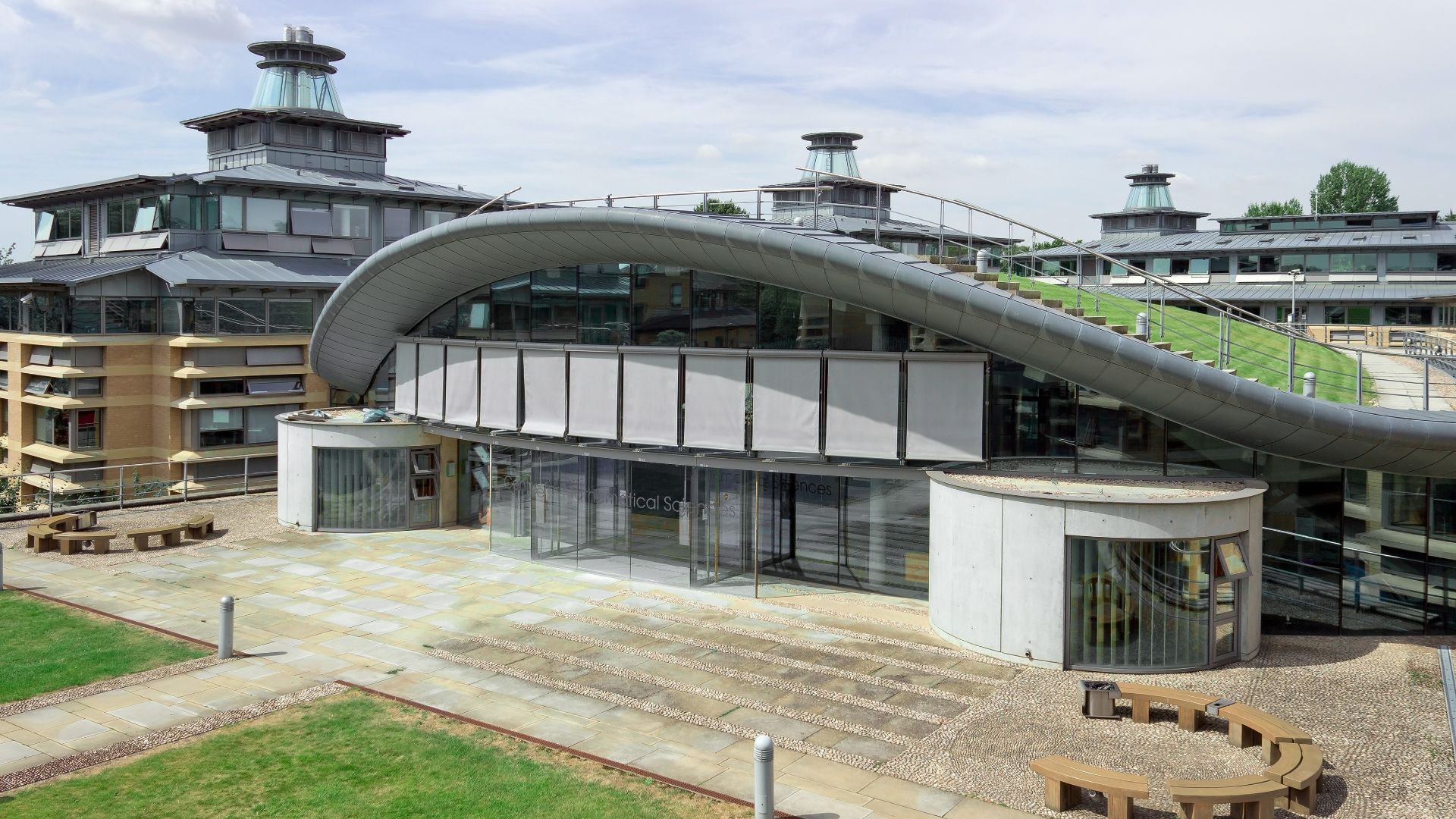
Along with his professorial role, Hawking was also the director of research at Cambridge’s Centre for Theoretical Cosmology. He busied himself here over the next few decades, conducting research and posing theories. His ideas were, quite literally, boundless.
 Dmitry Tonkonog, Wikimedia Commons
30. He Answered The Big Questions
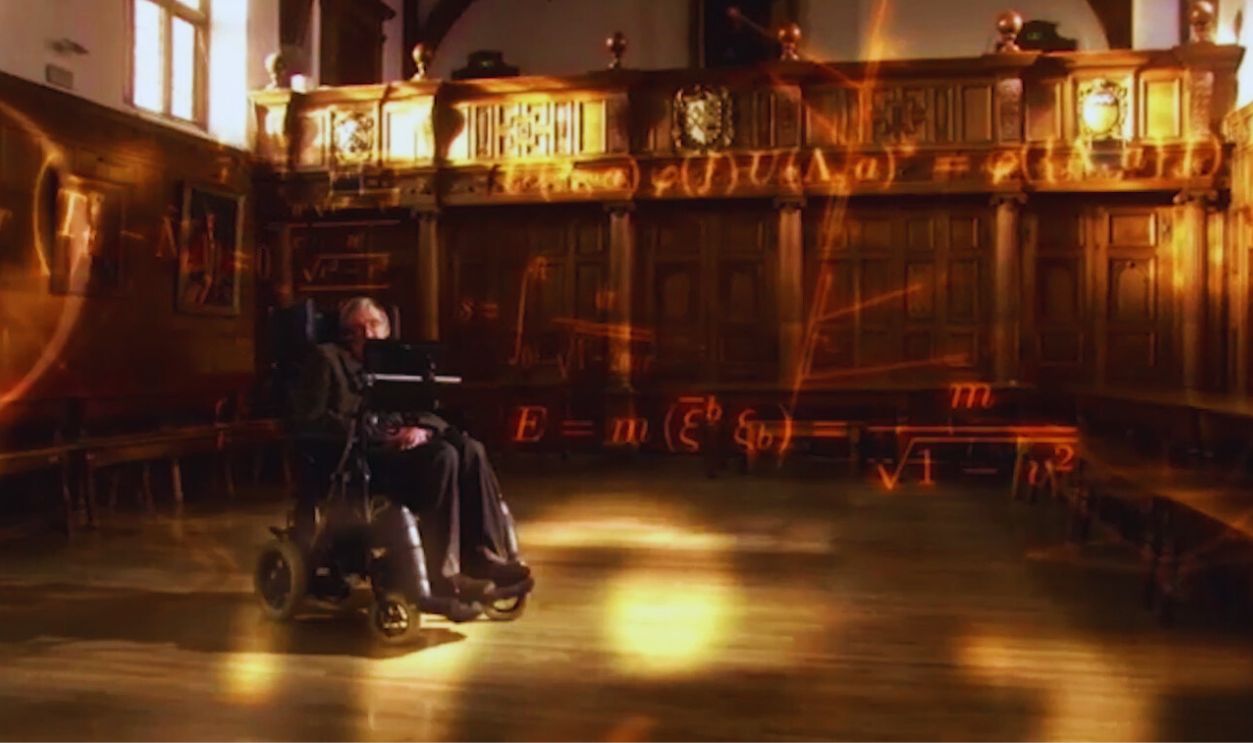
No topic or aspect of cosmology was too intimidating for Hawking to turn his focus toward. Soon after getting his job at Cambridge, he began a new line of quantum theory research into the origins of our universe. In 1981, he presented his findings—namely that we may live in a boundless universe, with no beginning or end. Hawking was proposing existentially important ideas, but his paycheck didn’t exactly reflect it.
 Discovery Channel, Into the Universe with Stephen Hawking (2010)
31. He Had Bills To Pay
Despite all the accolades and prestigious positions Hawking accrued, he still struggled financially. The cost of his ongoing care was high, and he also wanted to fund the education of his three children.
This inspired the scientist to write an accessible book about the universe for the general public. Reflecting this desire, Hawking opted not to publish through an academic press and instead signed a lucrative book deal with a mass-market publisher. The result was a roaring success.
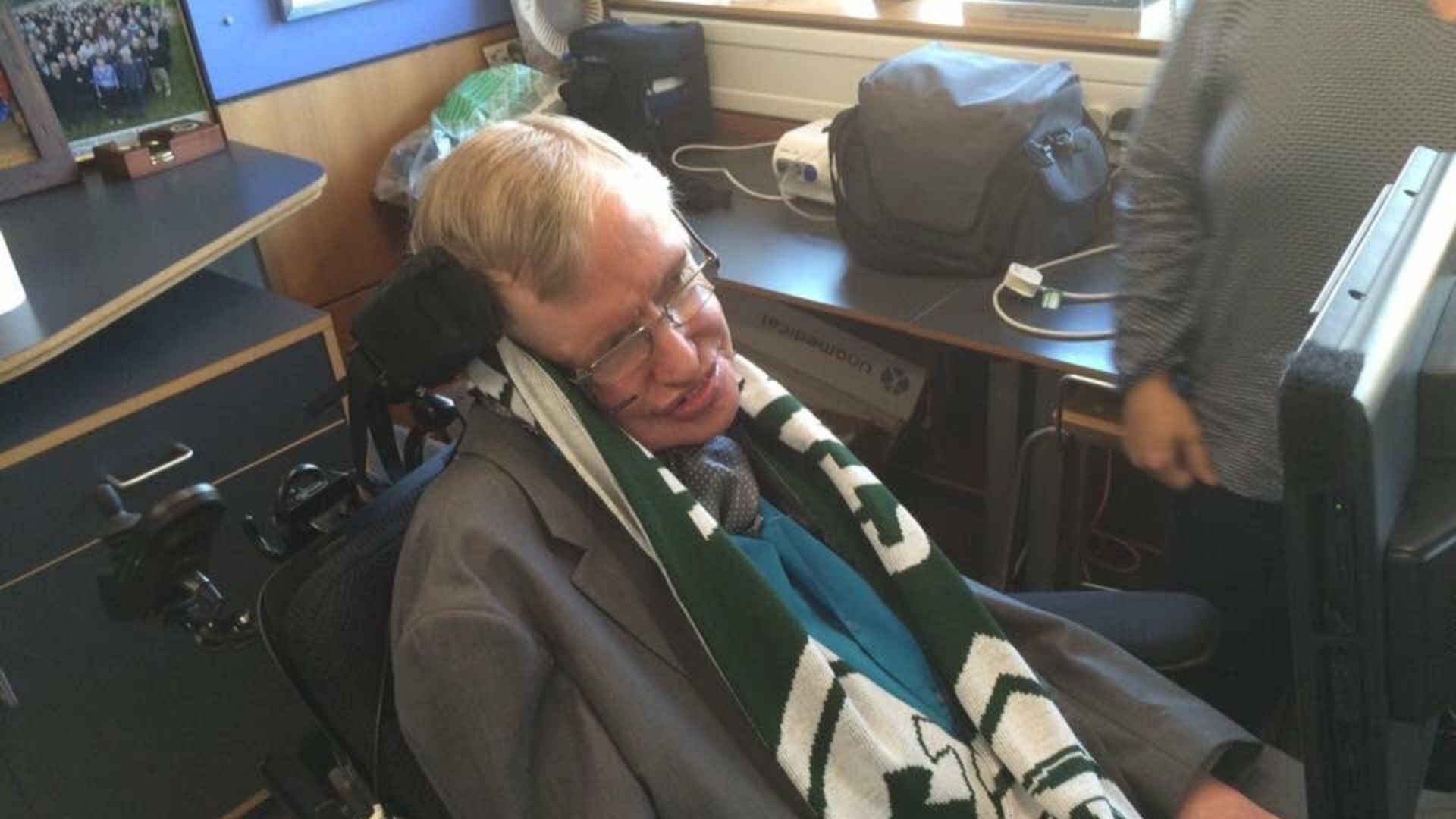 Brett Bigham, Wikimedia Commons
32. He Became A Bestseller
Hawking’s A Brief History of Time, published in 1988, became a smash hit, lauded for its accessible language and clear, non-technical explanations of complex concepts and ideas. As of 2009, the book has sold over 9 million copies and is available in scores of different languages. And once again, Hawking’s life drastically changed.
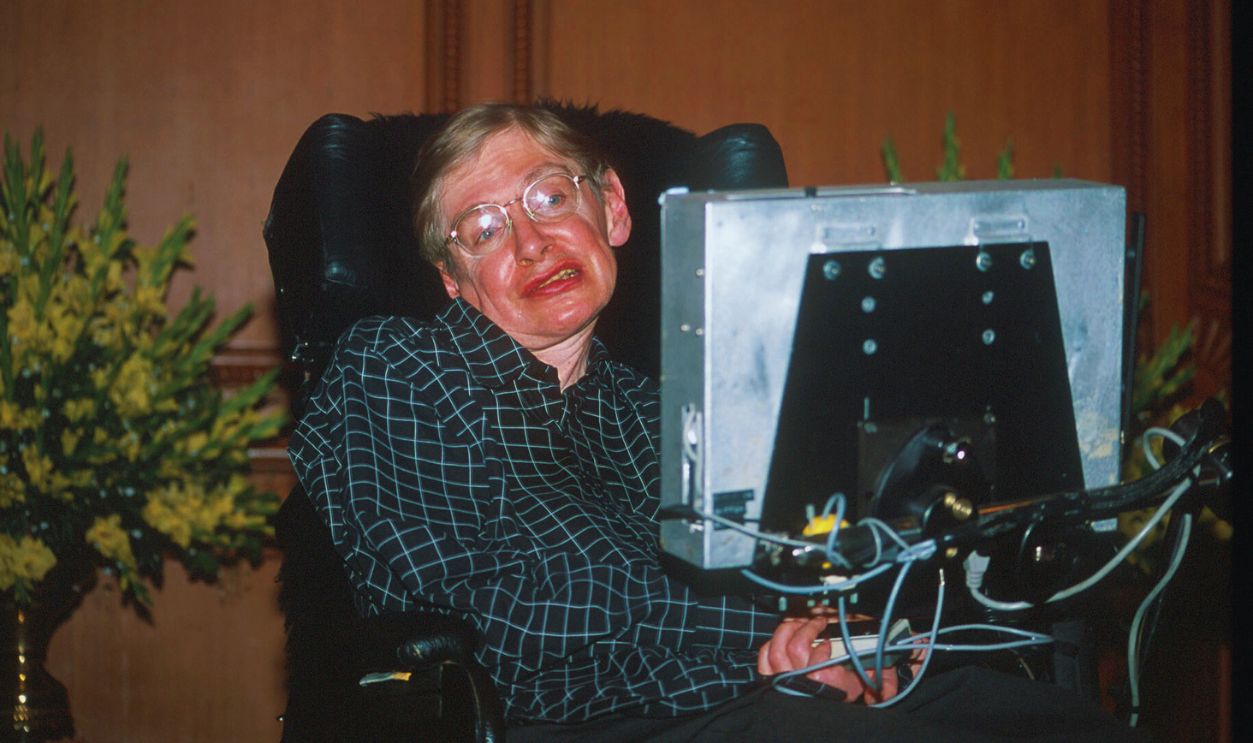
33. He Became A Celebrity
The success of Hawking’s book propelled him into superstardom, and he became a household name overnight. With his newfound celebrity status, Hawking embarked on extensive promotional tours, making many public appearances and becoming a beloved scientific figure worldwide. And he wasn’t afraid to embrace his new lifestyle.
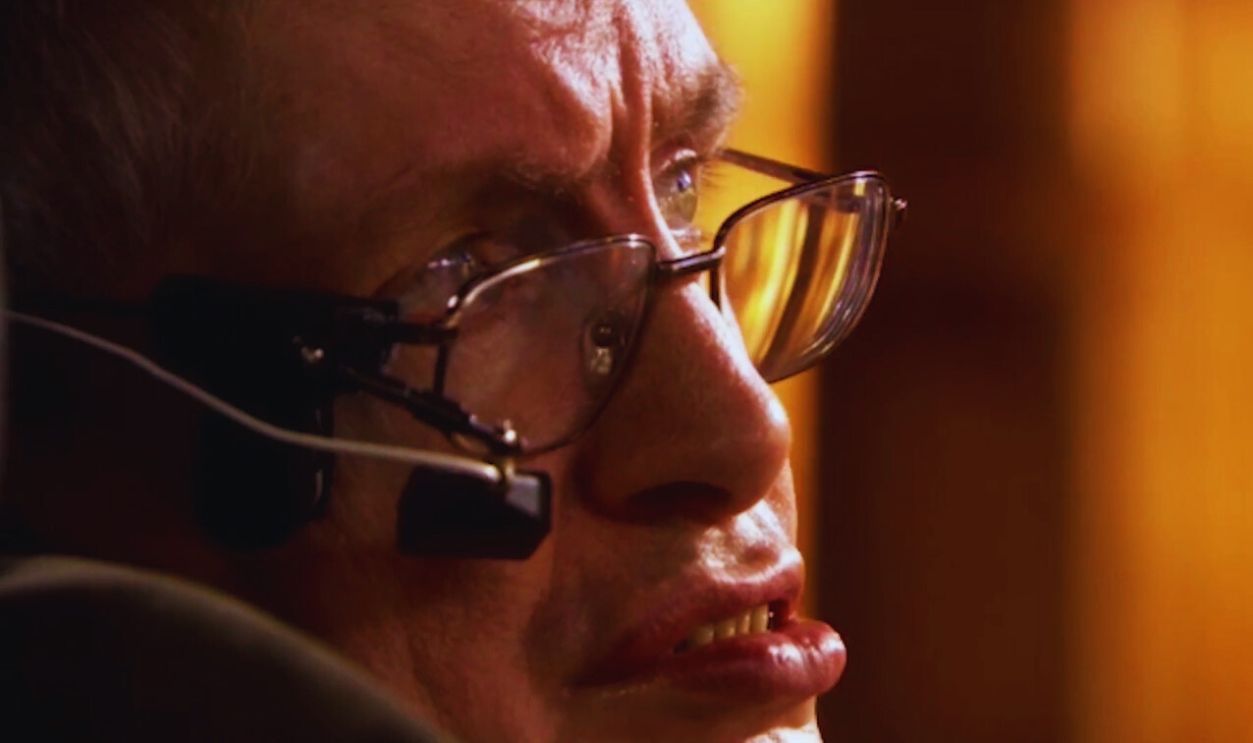 Discovery Channel, Into the Universe with Stephen Hawking (2010)
34. He Enjoyed Himself
With all the media attention now on him, Hawking gained a reputation beyond being a mere scientist. During his promotional tours, he embraced the fun side of celebrity life and was infamous for partying late into the night. But his rockstar lifestyle took a toll on other parts of his life.
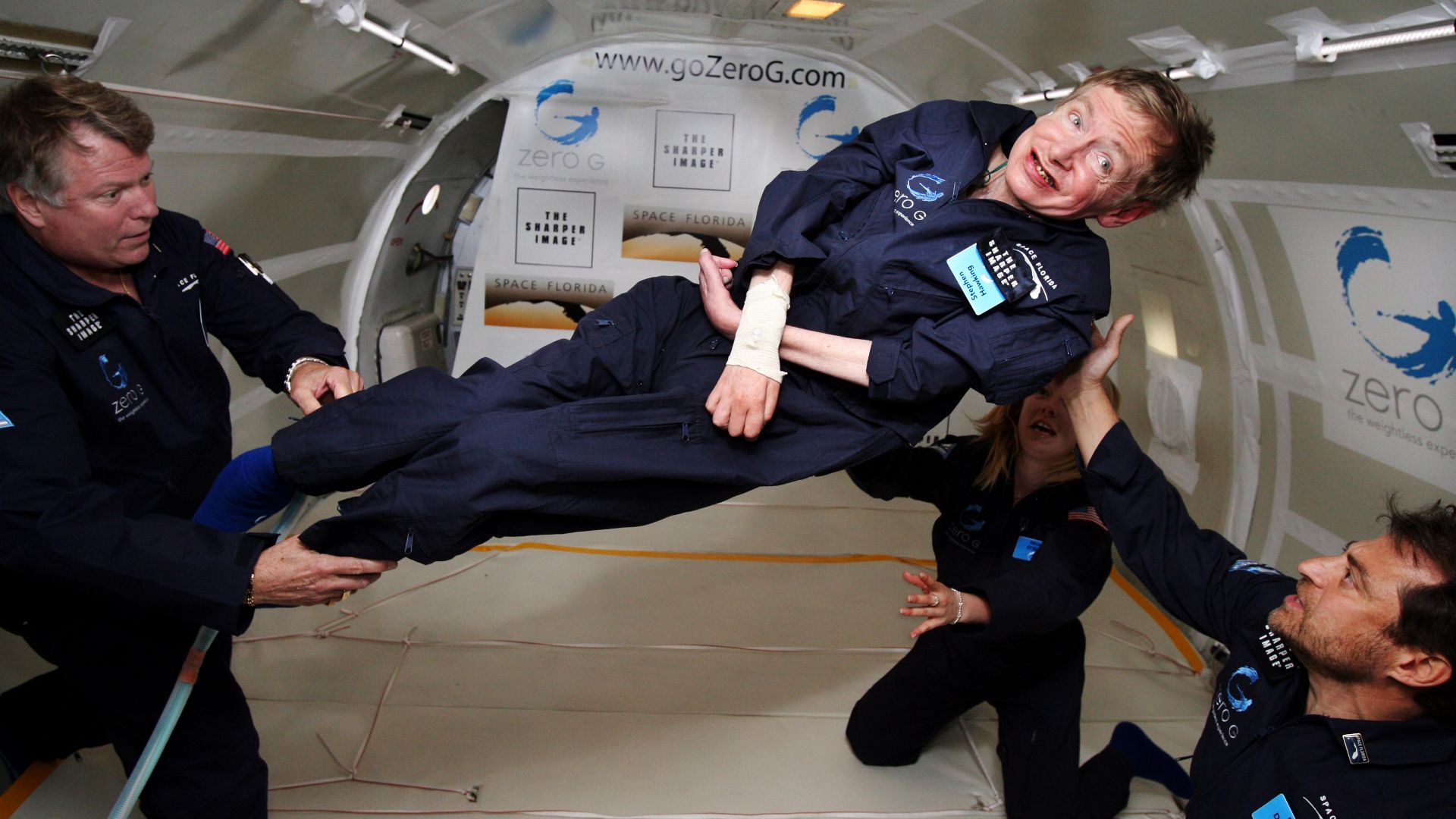 Jim Campbell/Aero-News Network, Wikimedia Commons
35. His Marriage Was On The Rocks
Hawking’s newfound celebrity status challenged his marriage, where there were already underlying tensions. Furthermore, his wife, Jane Wilde, held a strong Christian faith, whereas her husband was an outspoken atheist. This created further tension for the couple. One more factor would signal the end of their fairytale love story.
 Focus Features, The Theory of Everything
36. He Needed A Tracheotomy
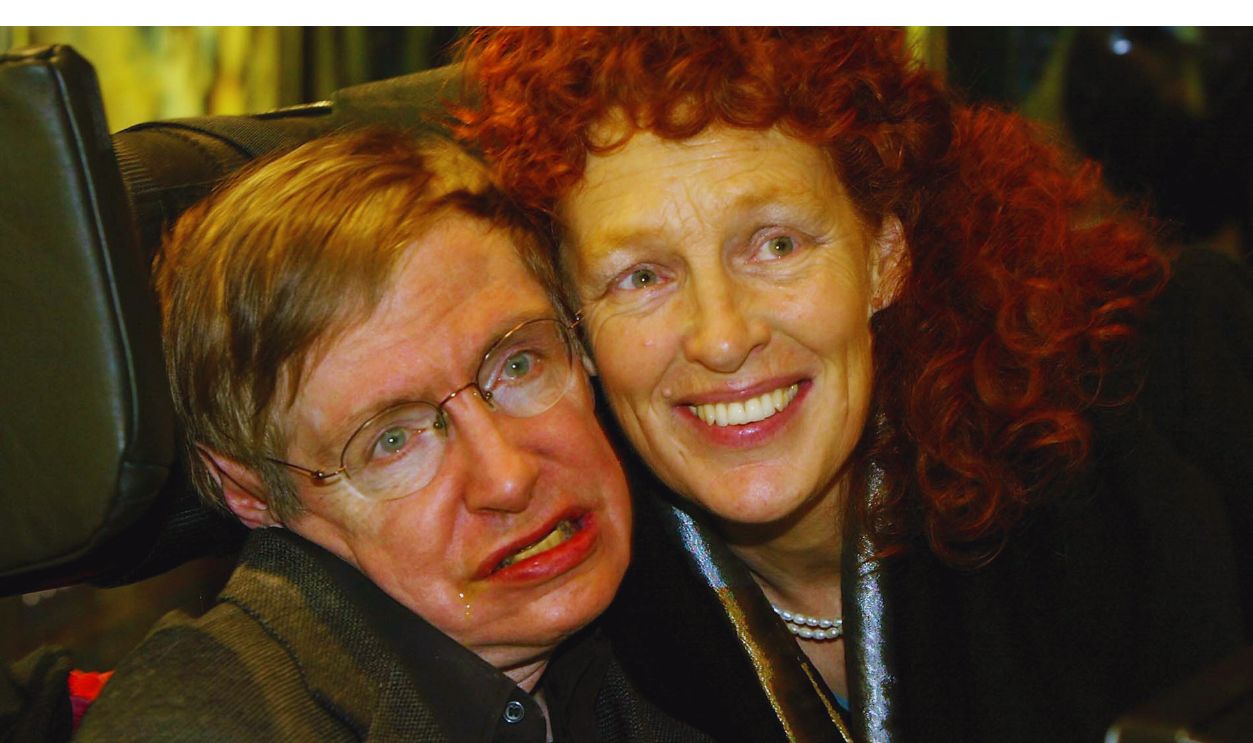
In 1985, tragedy struck. Hawking needed to have an emergency tracheotomy in 1985, after which he required full-time nursing at home. Enter: Elaine Mason. Mason became Hawking's nurse, and the two forged a close relationship. But there was something unsettling about this arrangement.
37. He Fell For His Nurse
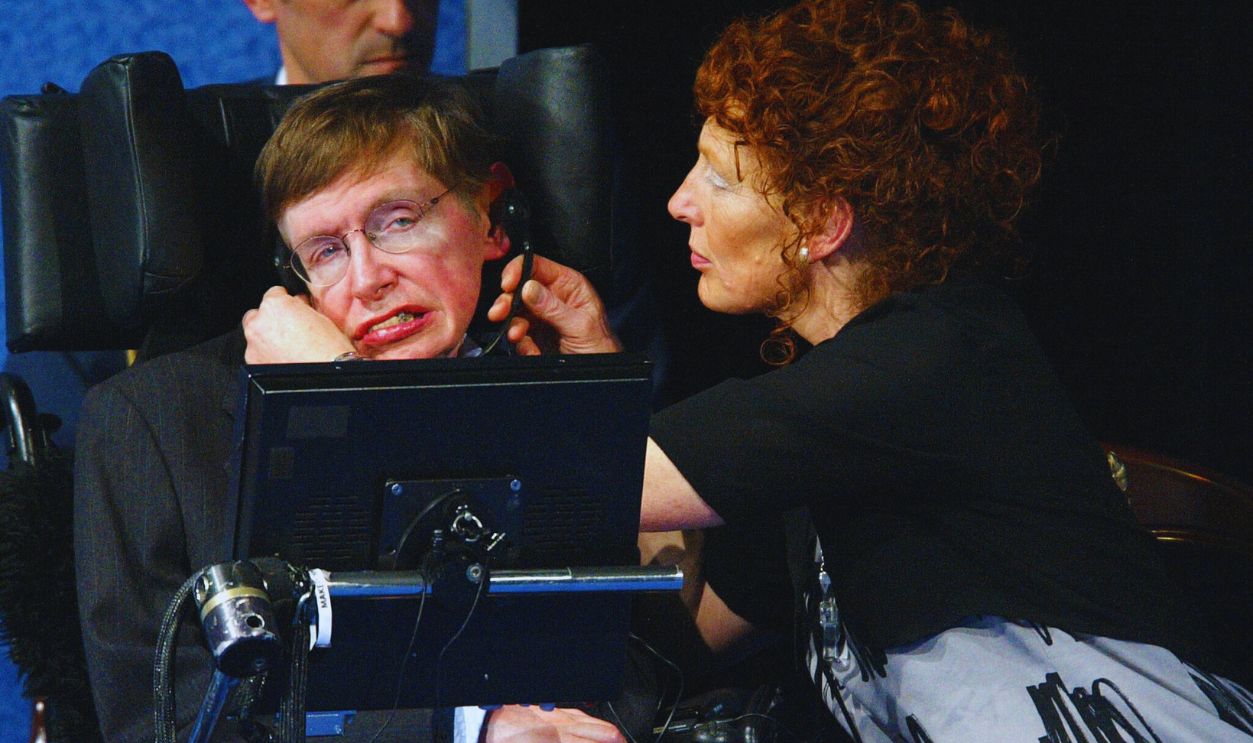
A romance began blossoming between Hawking and Mason—but Mason was no favorite of those closest to Hawking. Reportedly, even his colleagues and other caregivers cast a wary eye over Mason, whose strong personality rubbed them the wrong way. But it would seem that no outward forces could stop the inevitable from happening. In 1990, Hawking made a devastating announcement.
38. He Left His Wife
After decades of marriage, Hawking informed Jane that he would be leaving her to be with Mason. However, his timing couldn't have been worse. It was Christmas. According to his daughter Lucy, "My dad gave us all our presents in the morning and then he made this big thing of going off with Elaine, which I thought, and still think, was unnecessarily brutal".
This was a scandal to Hawking’s colleagues, caregivers, and family, but he remained steadfast in his love for Mason and married her in 1995. It was not a happy occasion for all.
39. He Marginalized His Family
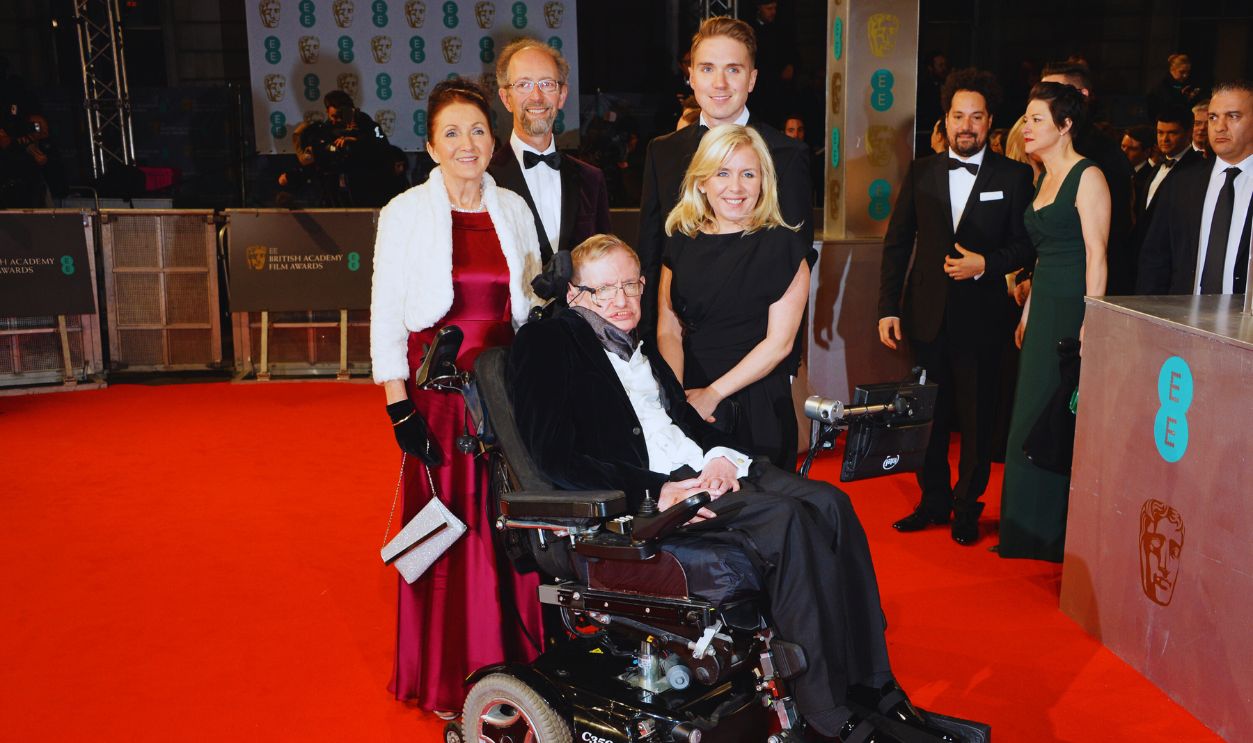
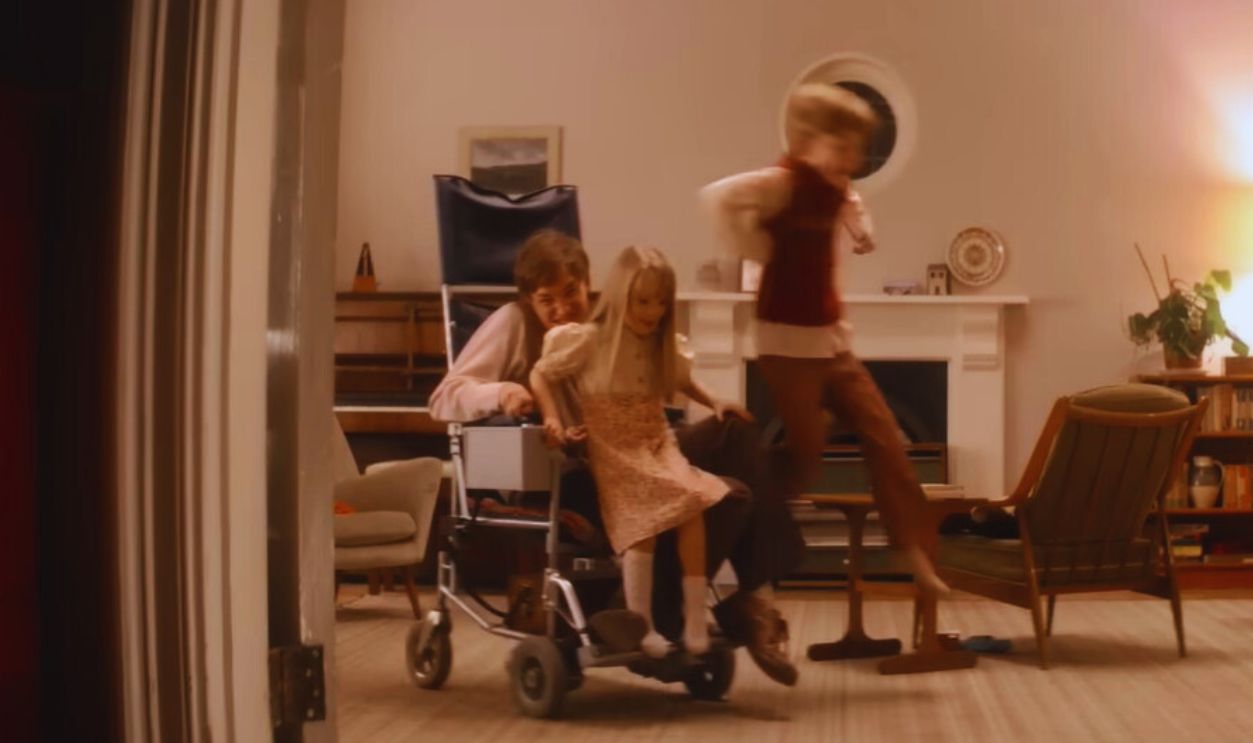
Even before his marriage broke down, Hawking’s family felt a great distance from him after his explosive fame. He was away from home more often than not and began to feel an arrogant self-importance that only further alienated him. After his second marriage, his children became largely estranged from their father for years. His career had swallowed the troubled scientist.
However, it wasn't long before his ex-wife wanted to share her side of the story.
 Focus Features, The Theory of Everything
40. His Wife Exposed The Truth
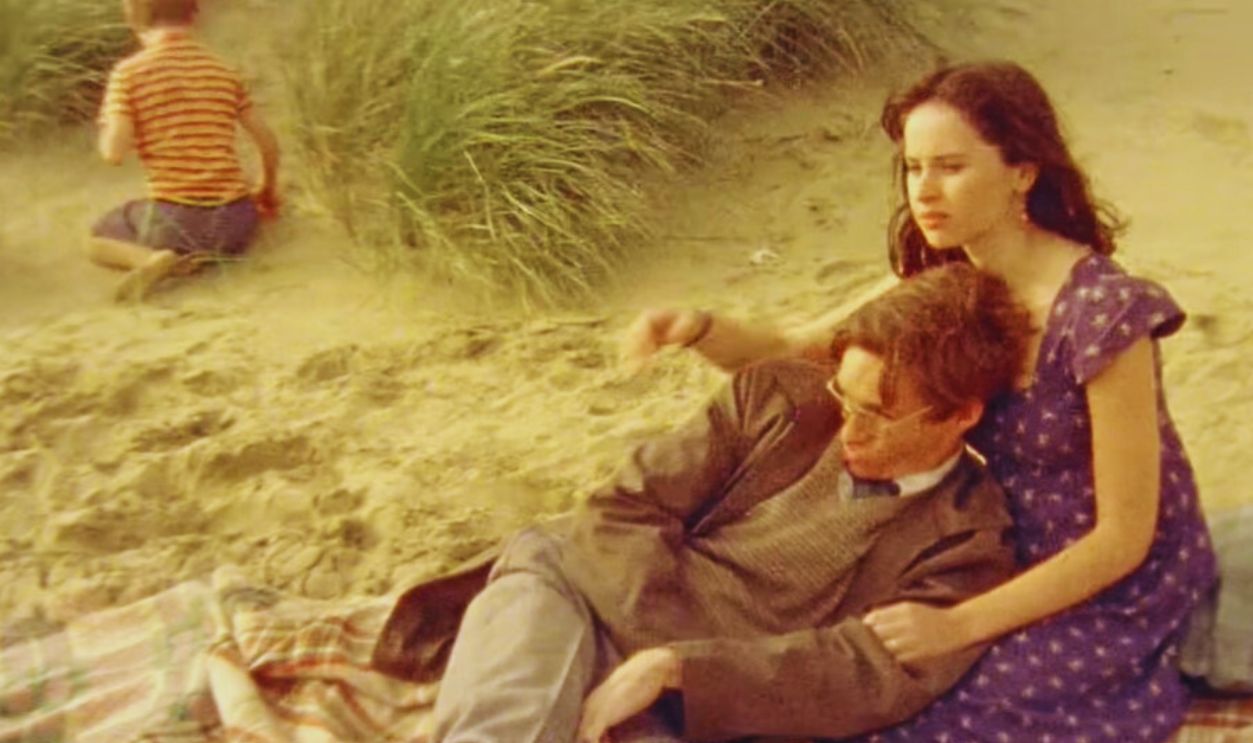
Don't cry for Jane Hawking. After Stephen left her for his nurse, she married Jonathan Hellyer Jones, the musician she'd found solace in in the 80s. Then, in 1999, she went one step further to distance herself from her ex-husband. She published a bombshell memoir that gave readers a glimpse into the family's deeply troubled personal life—but most especially, the collapse of her marriage to Hawking. It was titled, Music to Move the Stars.
However, the physicist's response spoke volumes. Simply put—he didn't say anything at all, refusing to comment publicly on the matter. Still, while Hawking’s attitude towards his family may not have been admirable, he extolled his virtues elsewhere.
 Focus Features, The Theory of Everything
41. He Took A Principled Stance
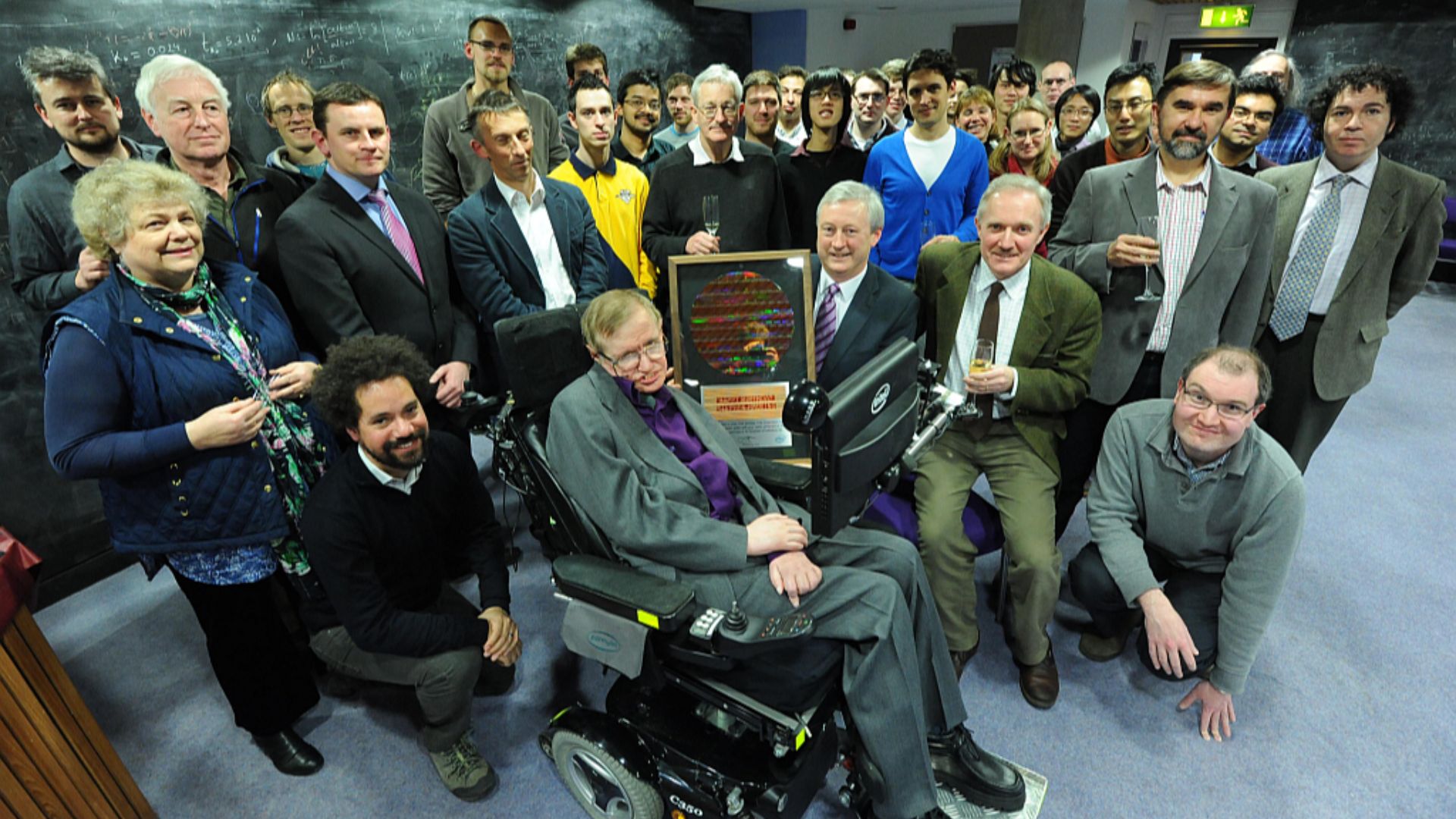
The scientist became a vocal opponent of the British government’s plans to cut science funding and reportedly declined a knighthood in protest in the late 1990s. His fears of underfunding made sense, considering the rate at which he was churning out discoveries.
 Intel Free Press, Wikimedia Commons
42. He Continued To Theorize
Hawking’s career marched on, and he remained relevant in his field right up until his passing, setting many precedents. He was the first, for example, to set a theory of cosmology by a union of relativity and quantum mechanics, spurred on by his earlier discovery of Hawking radiation. His theories entered the realm of science fiction too.
 NASA/JPL-Caltech, Wikimedia Commons
43. He Believed In The Multiverse
Hawking was a vocal supporter of the controversial many-worlds interpretation of quantum mechanics. This interpretation states that there are an infinite number of universes that exist in parallel to each other, where all possible outcomes of quantum measurements occur in each unique “world”. Which means there exists a universe in which I, your humble author, became a superstar physicist who specialized in black holes…
44. He Had A Particular Expertise
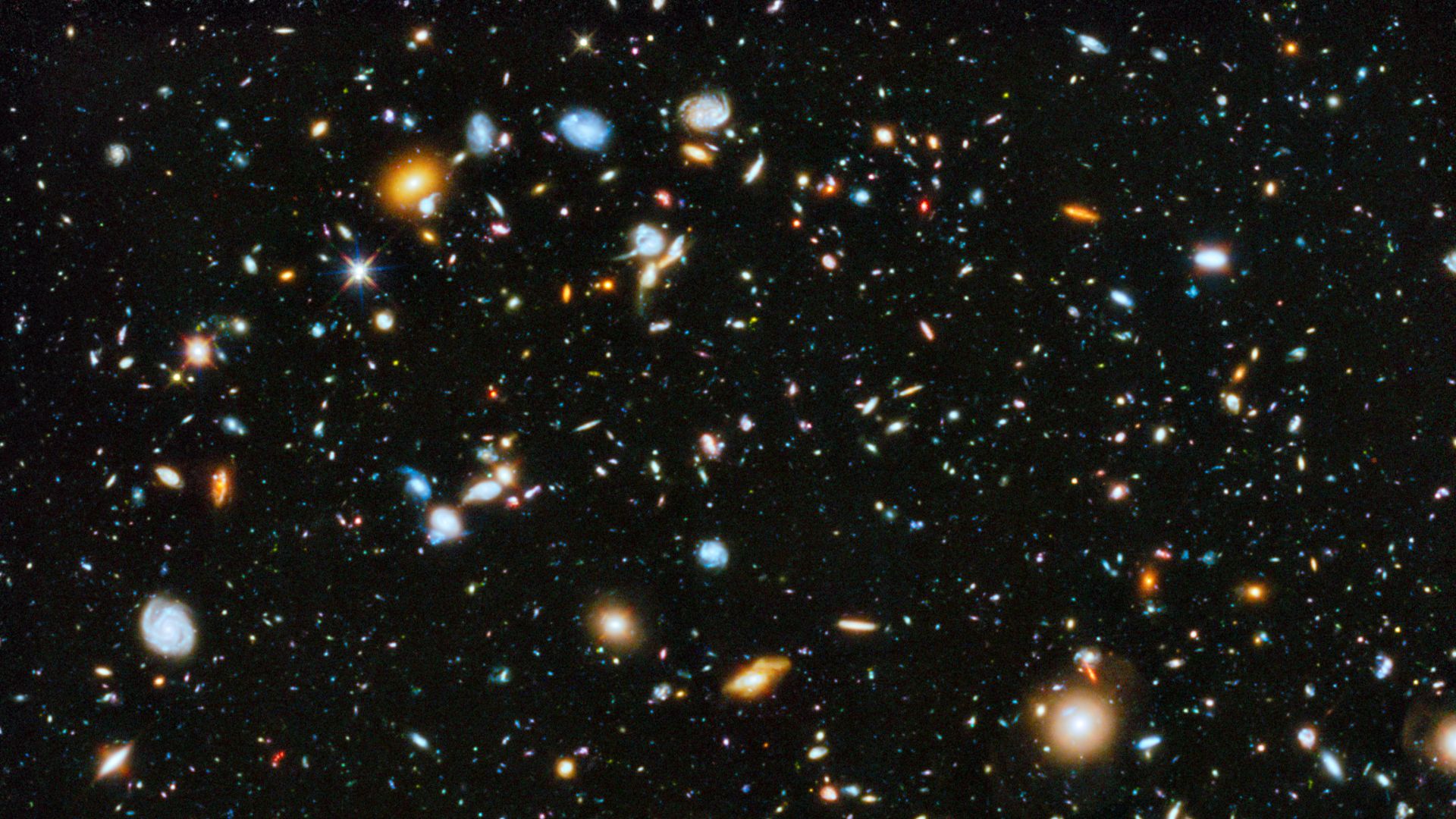
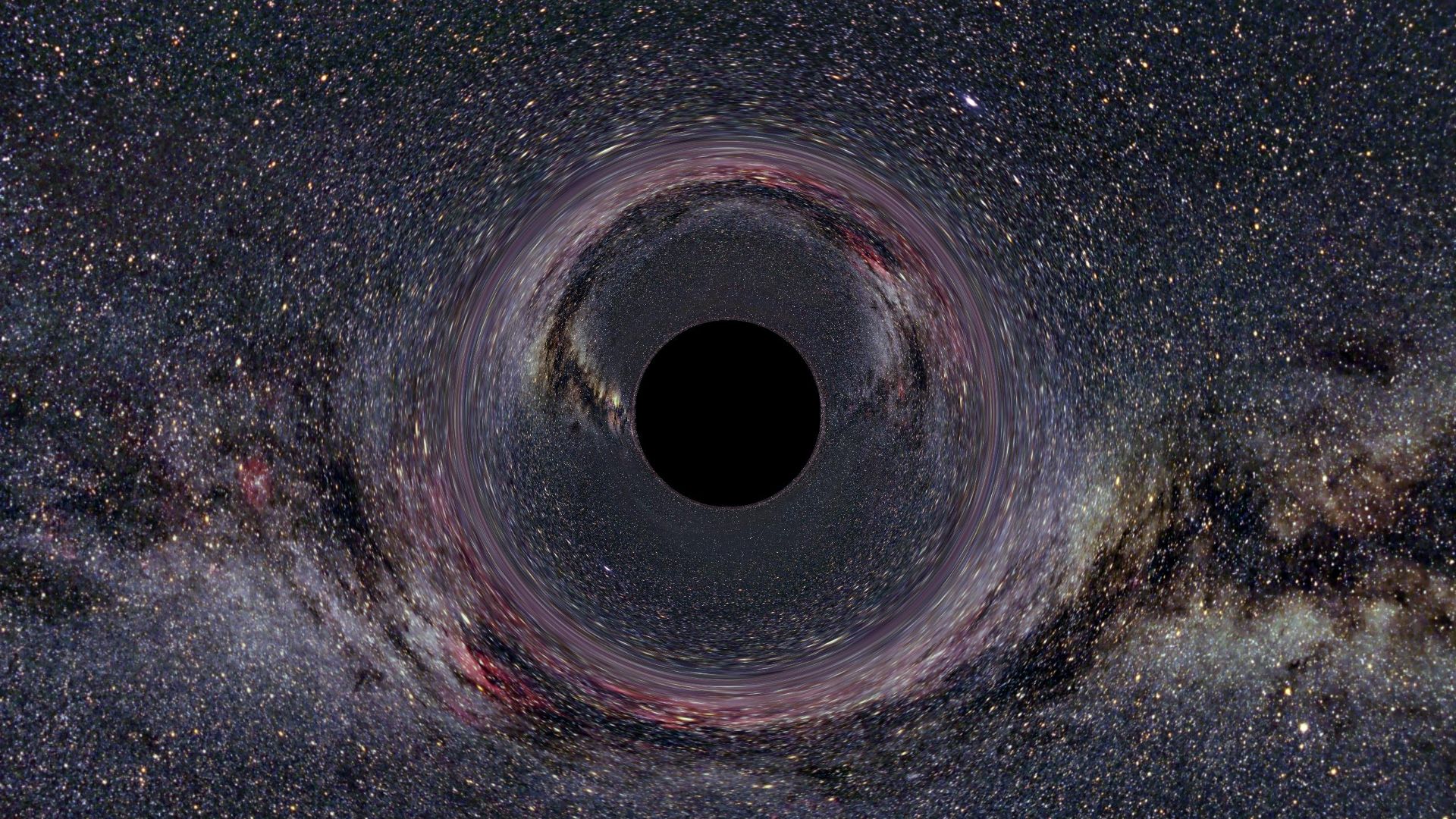
With the confirmation of Hawking radiation, their namesake became something of a go-to guy on the topic of black holes. Indeed, Stephen focused much of his work on the astral phenomenon.
Over the course of his career, he introduced the notion of a micro black hole, postulated what became the second law of black holes (that their event horizons can never get smaller), and proposed the four laws of black hole mechanics. Serious work indeed, but Hawking was not afraid to be playful too.
45. He Accepted Challenges To His Ideas
Hawking also had an interest in the possibility of time travel. In 1992, he came to the firm conclusion that travel into the past is impossible. But he was open to being proven wrong: some time later, in 2009, Hawking held a lavish party that was open to all.
However, he didn’t publish the date of the shindig until after it had occurred! The intention was to attract potential time-travelers. No one showed, proving Hawking’s thesis right for now. His interest in pop science ideas took him beyond our solar system too.
 Discovery Channel, Stephen Hawking – Time Traveller’s Party
46. He Searched For Our Neighbors
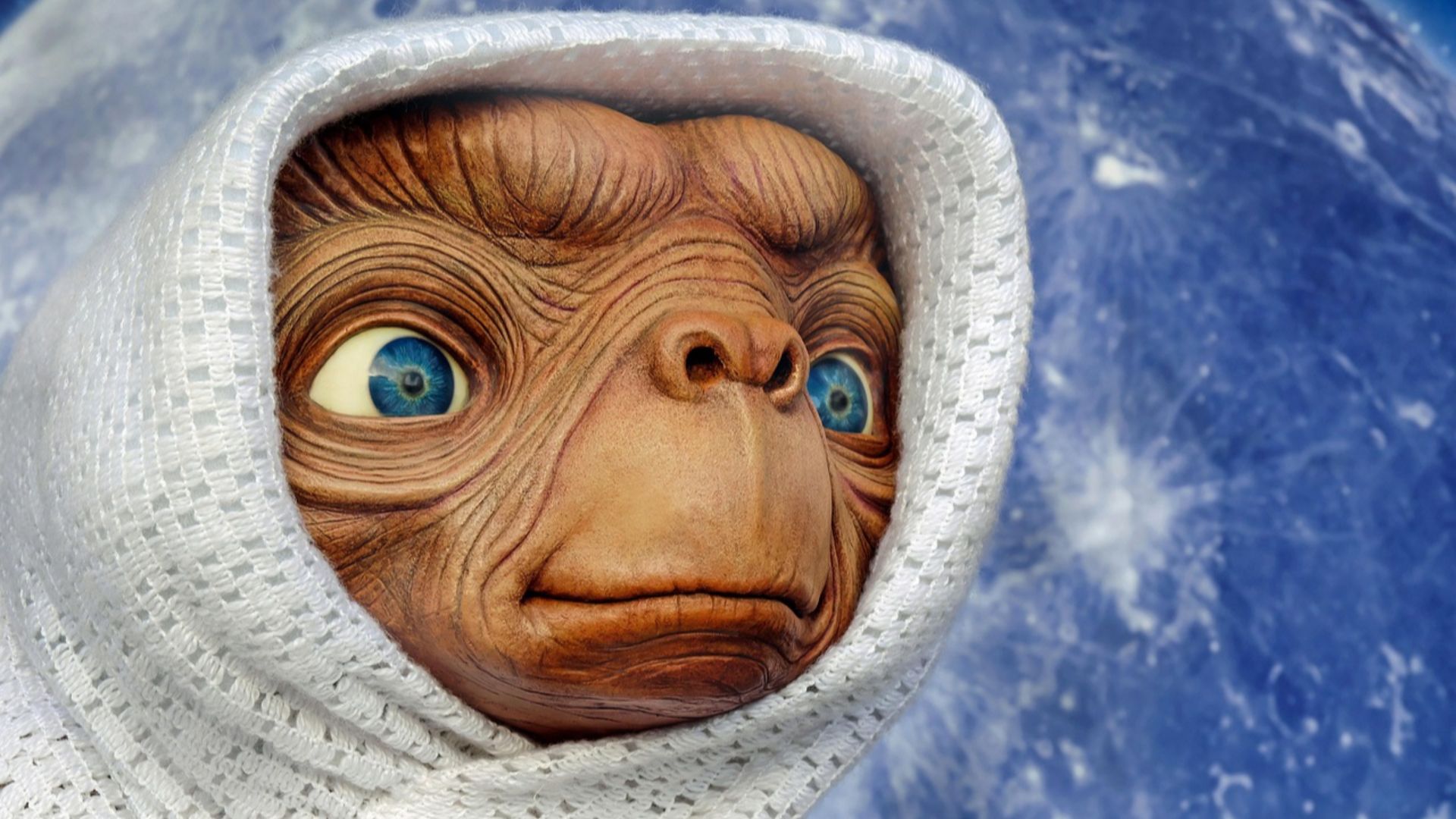
One thing Hawking did very much believe in was the possibility of intelligent life elsewhere in space. In 2015, with help from a tech billionaire, Hawking launched Breakthrough Initiatives, an ambitious, $100 million program to search for extraterrestrial life. Nothing has turned up so far, but perhaps what Hawking was really looking for had been on earth all along.
47. He Discovered What Was Important
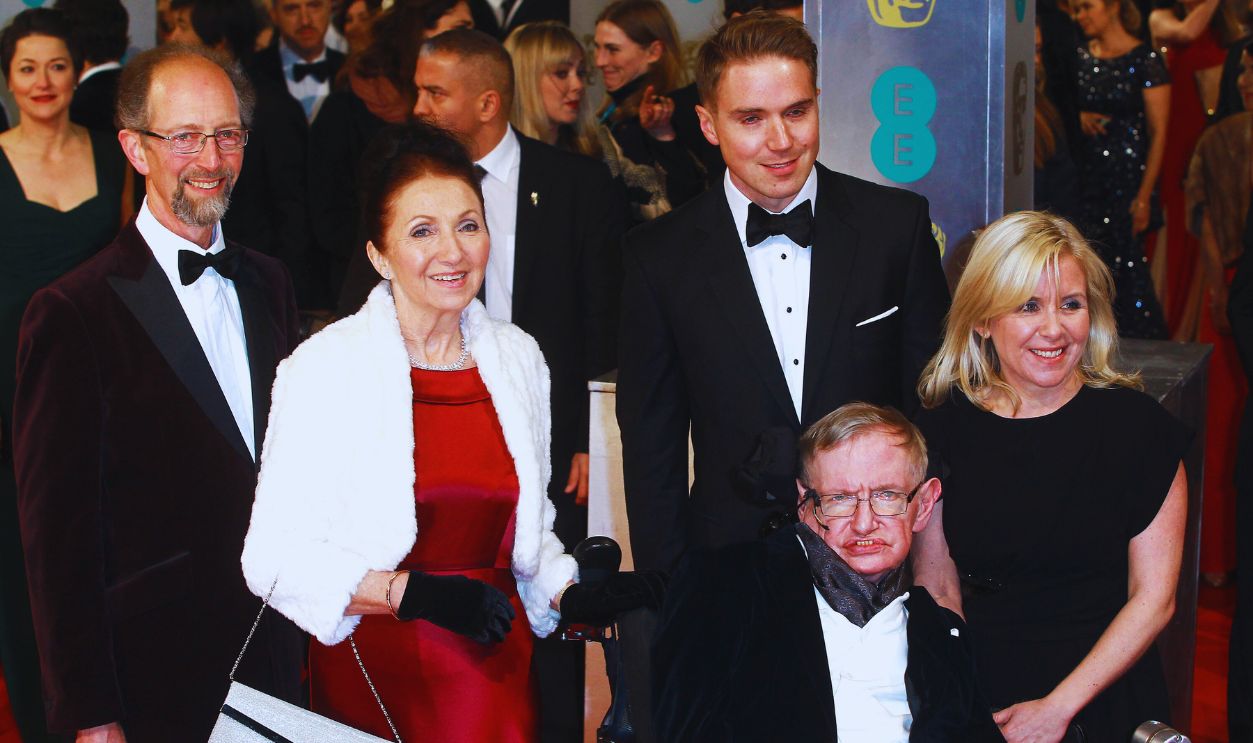
Hawking and his second wife divorced in 2006, and soon after, he reconciled with his original family. He and Jane reconnected, and Hawking made more of an effort to connect with his children, who were now all grown and had kids of their own. Jane later reflected that it was a very happy period for everyone. The last few years of Hawking’s life were peaceful, and accolades began pouring in to honor an incredible life.
48. He Ranked High
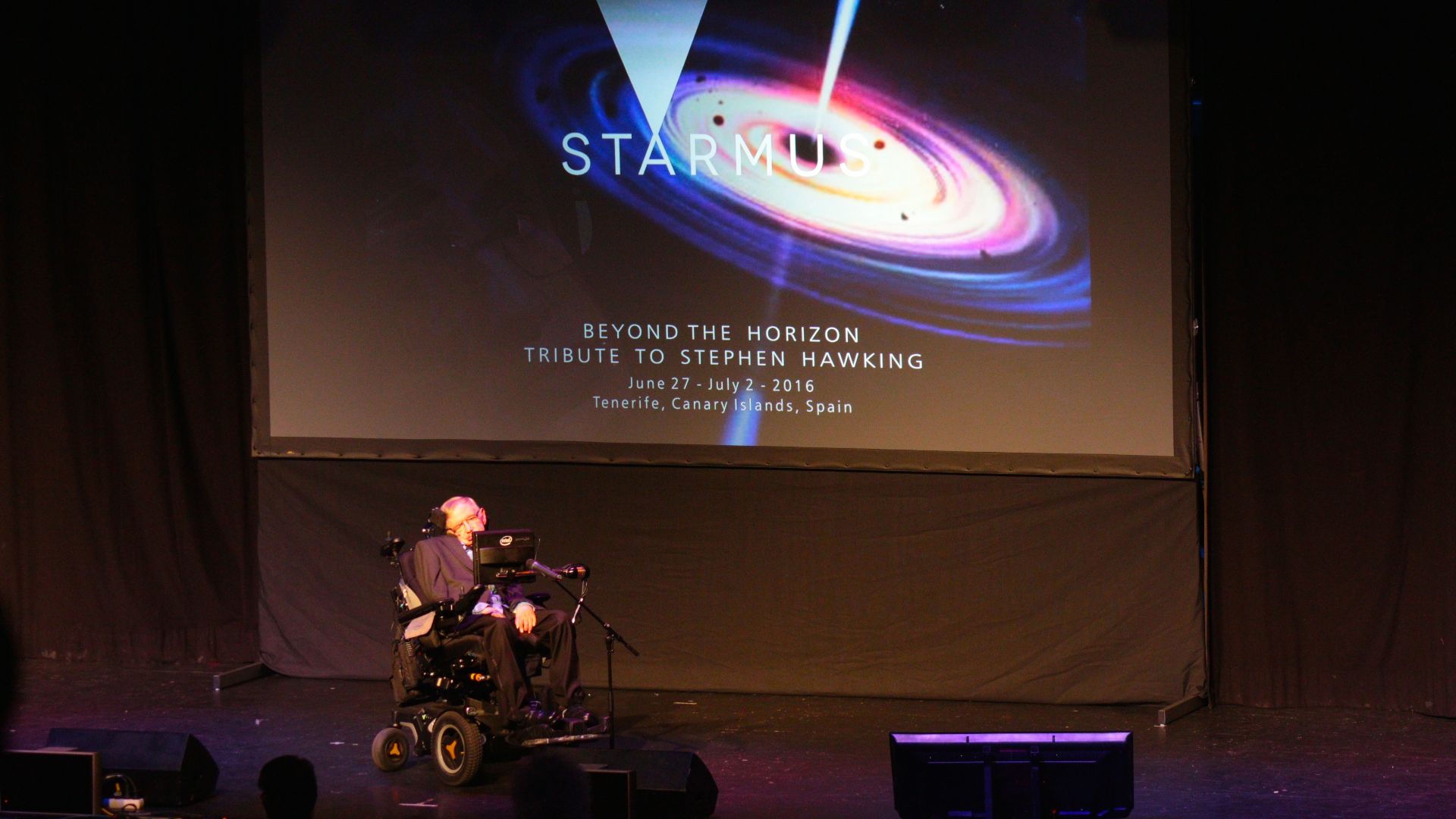
By the 2000s, Hawking was a global superstar and widely recognized for his contributions to scientific research and public interest in it. A UK-wide vote, held in 2002, saw the public include Hawking at number 25 on the list of the 100 Greatest Britons. He got some big recognition across the pond too.
 Victor R. Ruiz from Arinaga, Canary Islands, Spain, Wikimedia Commons
49. He Received Honors
Hawking’s reach extended beyond the UK. The United States awarded him its highest civilian honor, the Presidential Medal of Freedom, presented by Barack Obama in 2009. It was an apolitical ceremony, but Hawking never shied away from politics.
50. He Was Progressive
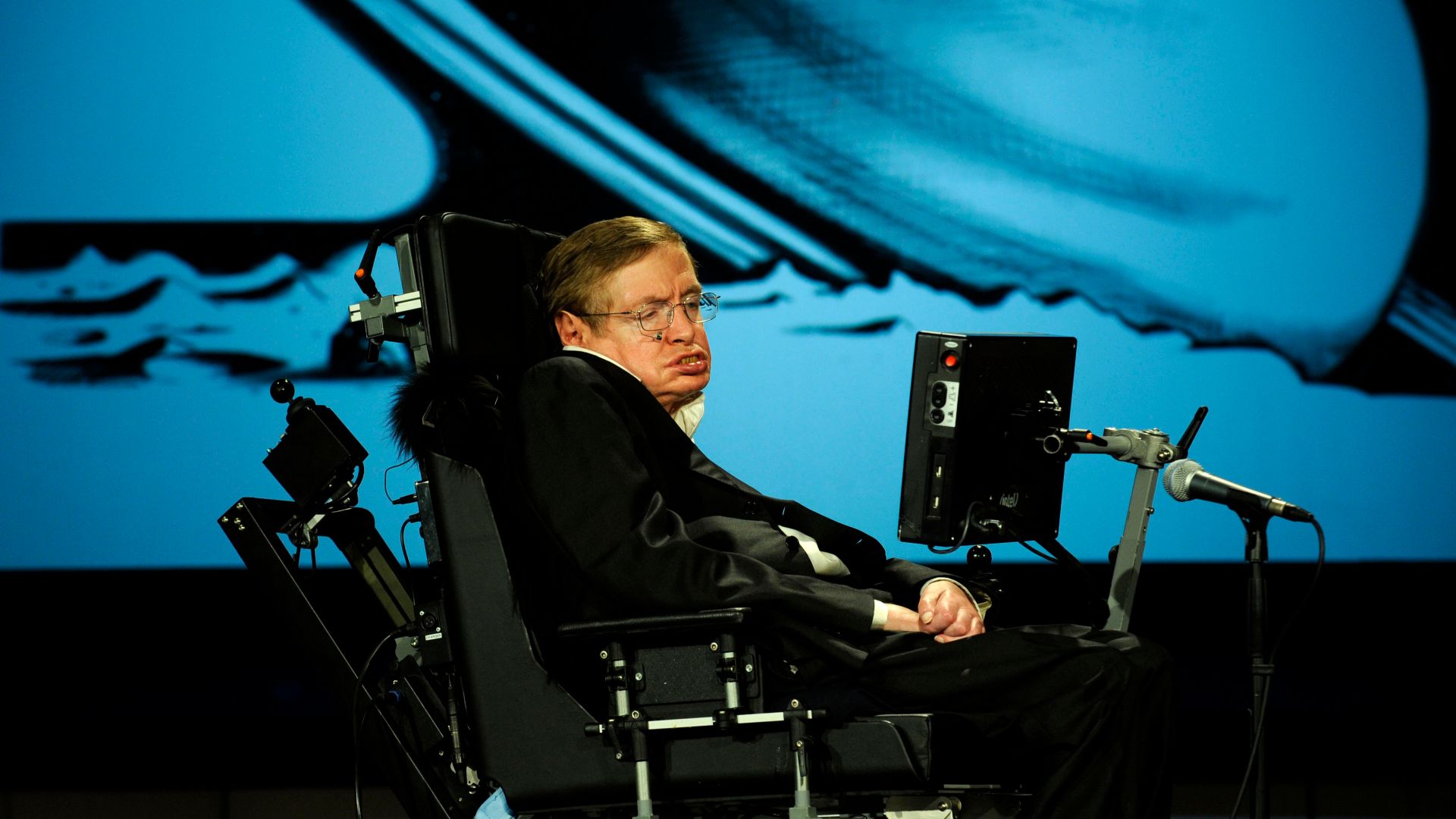
Hawking was always outspoken in his political views, which leaned to the left. He supported many progressive candidates for public office, campaigned against conflict and for nuclear disarmament, and supported scientific funding and climate action.
He criticized privatization in healthcare and advocated for its universalization. He was also a noted critic of the Israeli government and their policies toward Palestine. Hawking was a thoroughly interesting man, and Hollywood seemed to agree.
 NASA/Paul Alers, Wikimedia Commons
51. He Got A Biopic
In 2014, Hawking’s life made the silver screen in a Hollywood movie. Titled The Theory of Everything, it starred Eddie Redmayne as the brilliant scientist and was a smash hit with audiences and critics alike. Redmayne even won the Oscar for Best Actor for his portrayal. Hawking’s story inspired millions.
 Focus Features, The Theory of Everything
52. He Defied The Odds
When Hawking first received his diagnosis, he was given two years to live. He obviously exceeded that, but doctors were still not confident he would live into old age. But the resilient genius defied all expectations, and, astoundingly, ended up living more than 50 years with his motor neuron disease, an incredibly uncommon achievement for those diagnosed. The defiant physicist could look back on an extraordinary life.
53. He Returned To The Stars
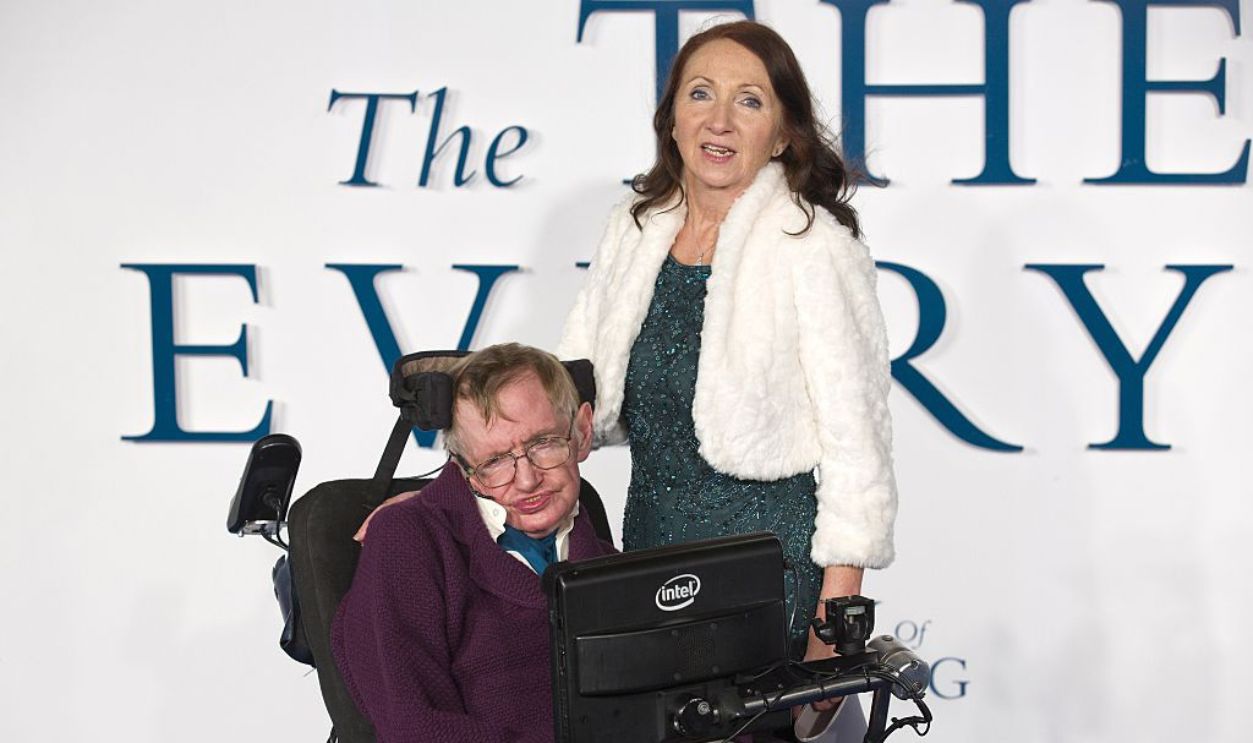
On March 14, 2018, Hawking passed at the age of 76. Surrounded by his family, they released a heartfelt eulogy that confirmed he passed on peacefully. Tributes poured in from around the globe for the titanic figure of cosmology. The world had lost a legend, but the universe regained one of its most passionate explorers.
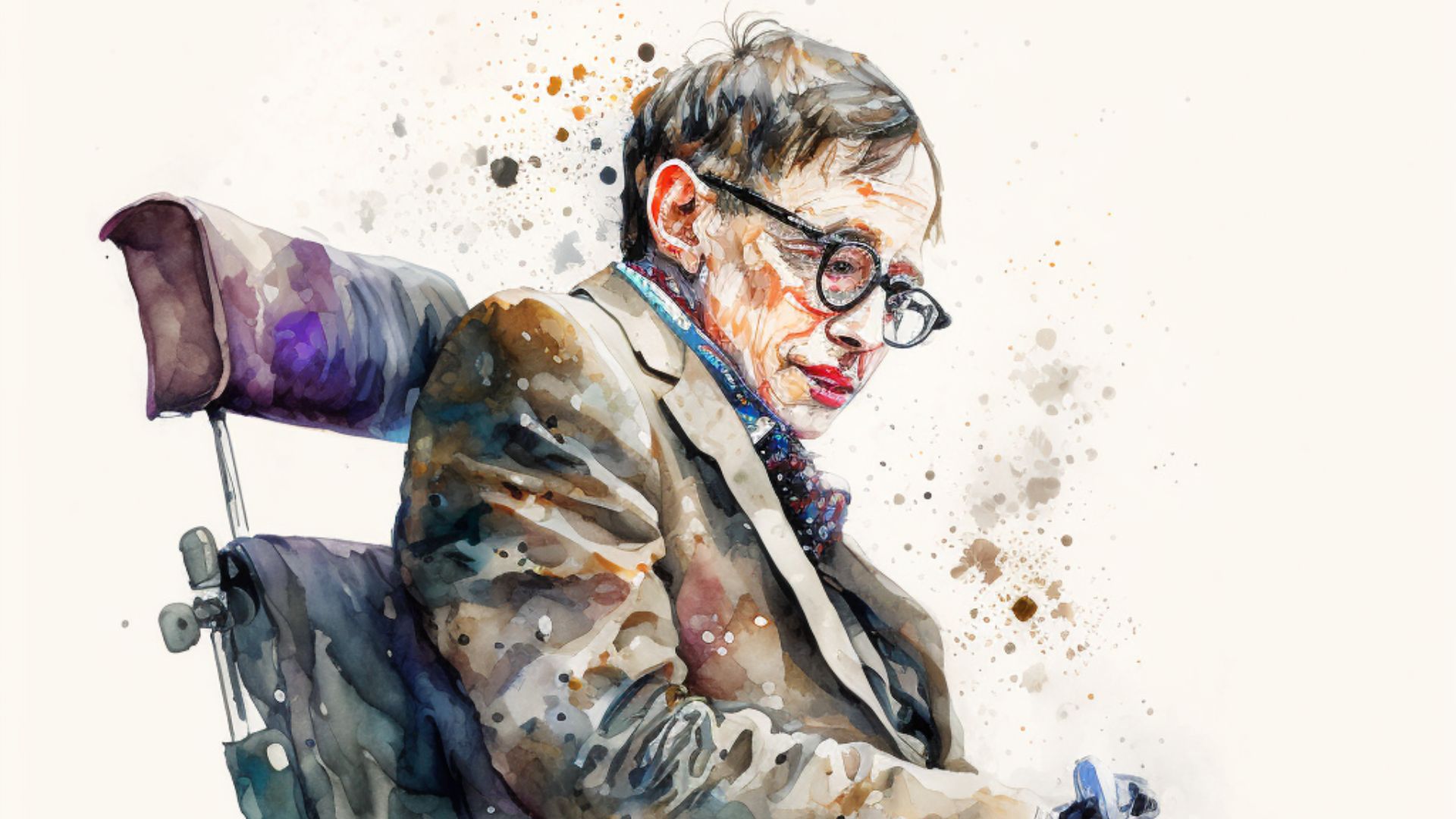 Midjourney AI, prompted by Netha Hussain, Wikimedia Commons
You May Also Like:
J.P. Morgan Saved America’s Banks—And Swindled Everyone Else
Money, Mistresses, And Misery: Inside The Scandalous Life Of J. Paul Getty








.jpg%20)