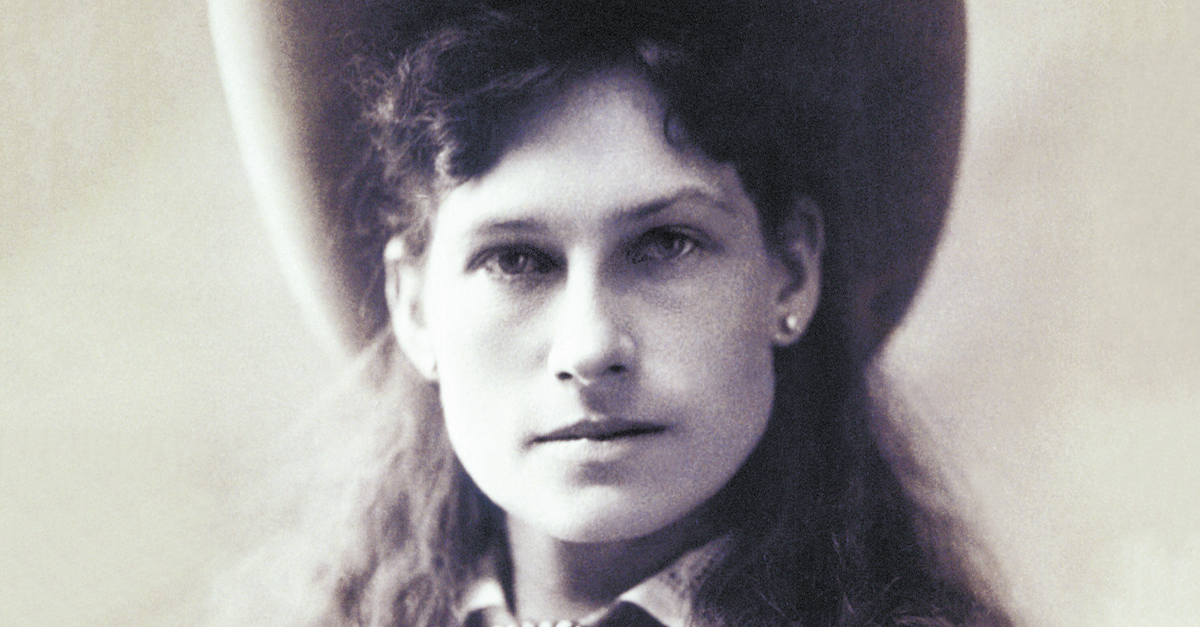
The Woman Who Never Missed
While the Old West was full of gunslingers and outlaws looking to terrorize anyone they could, others with similar talents wanted to take their skills in another direction. Honing her sharpshooting from a young age, Annie Oakley broke out of the obscurity she was born into and became a global star.
As an entertainer, she always tried to lift her audience’s spirits and make the world a better place—no matter what happened to her.
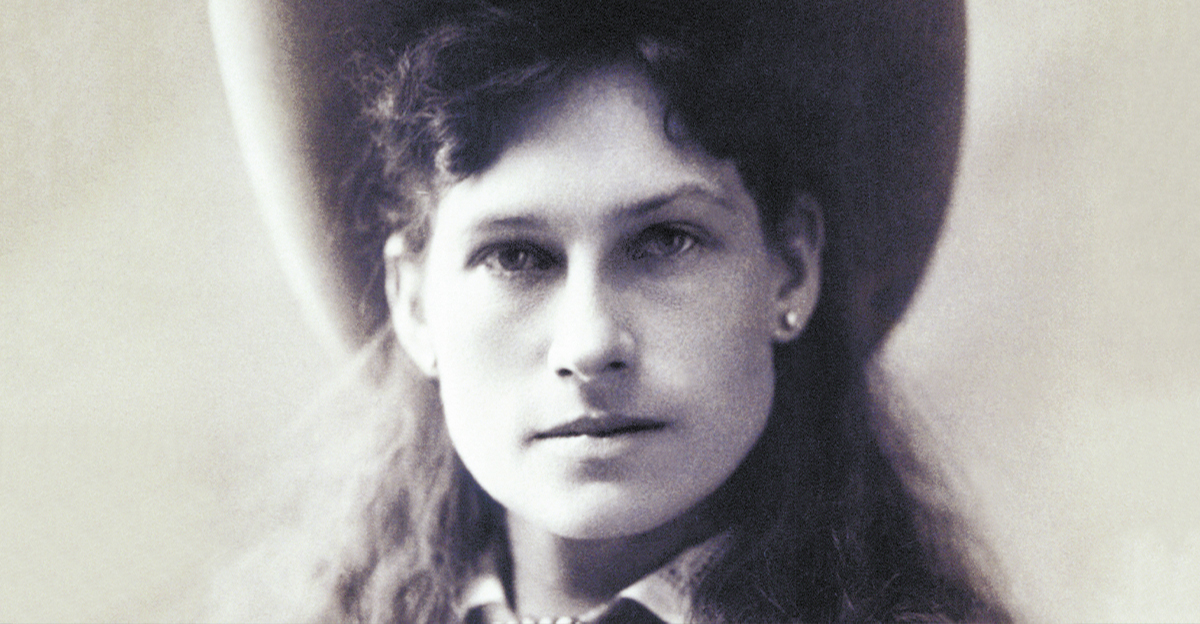
1. She Wasn’t Like Her Parents
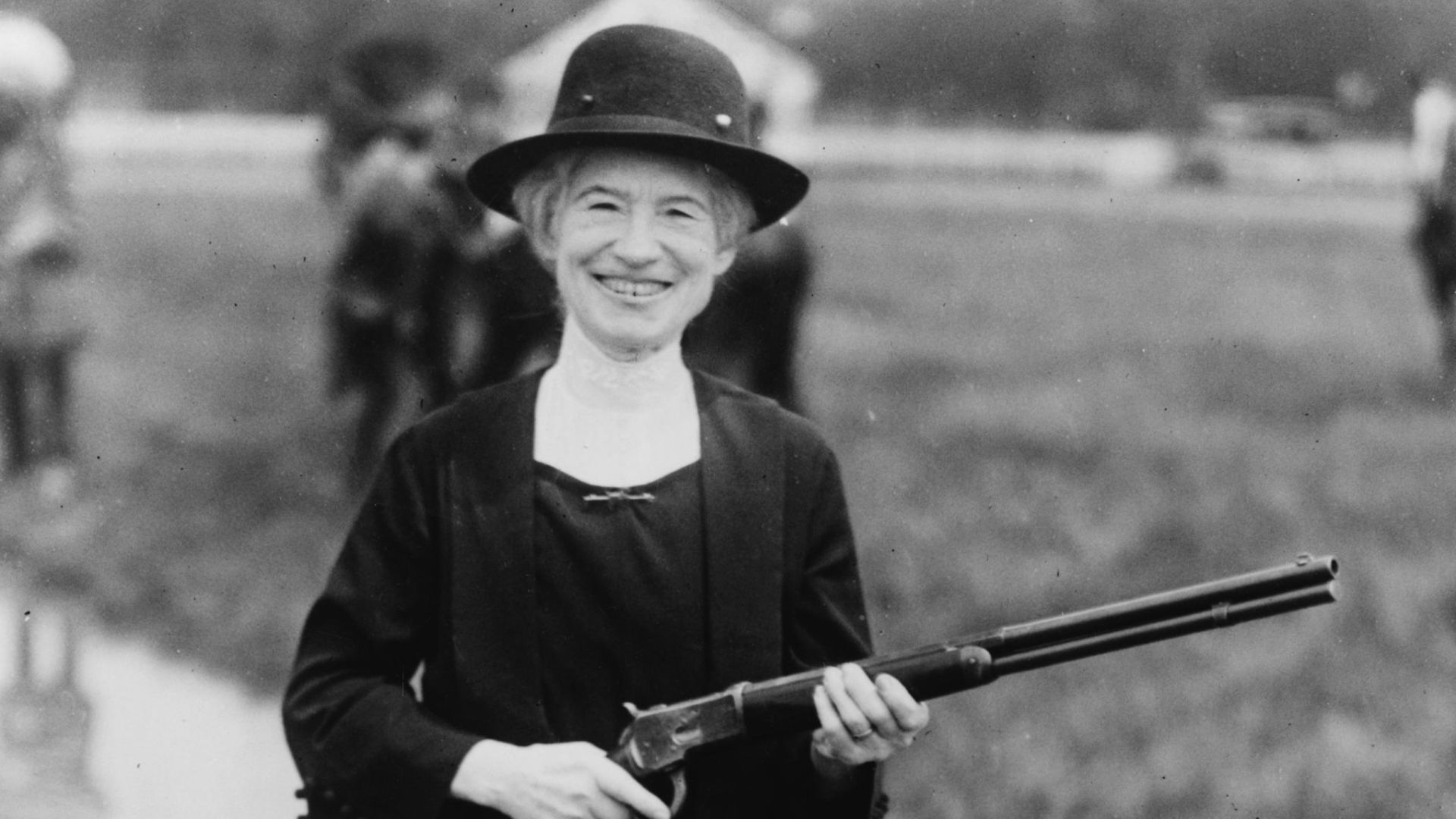
Annie Oakley spent her life not only entertaining people but also empowering the women around her, specifically arguing that women had just as much right and ability to fight as men typically did in the Old West. However, this likely flew in the face of everything her parents believed in, as both were Quakers and traditionally practiced pacifism as one of their core ideologies.
Of course, thanks to a devastating twist of fate, she hardly got a chance to get to know one of them.
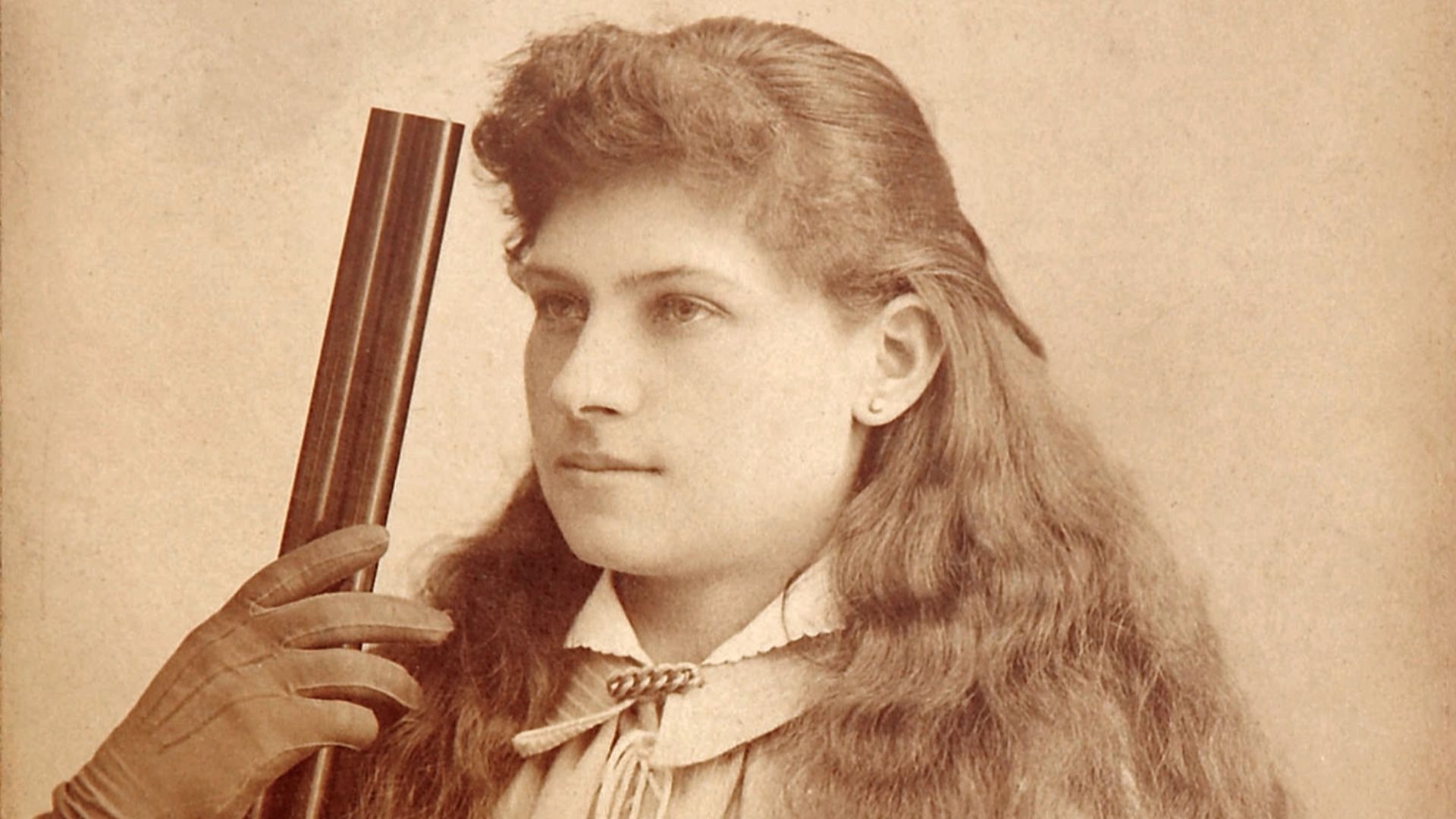 Baker's Art Gallery, Columbus, Ohio, Wikimedia Commons
2. She Lost Someone
Born under the name Phoebe Ann Mosey in 1860, Annie Oakley would sadly know tragedy from an early age, as she lost one of her parents at just five years old. The winters in her home state of Ohio were deadly, especially during this period, which her father found out the hard way.
Catching hypothermia during a particularly nasty blizzard, Jacob Mosey unfortunately developed pneumonia from it and perished shortly after. Although she was too young to understand why, this caused ripple effects throughout her childhood.
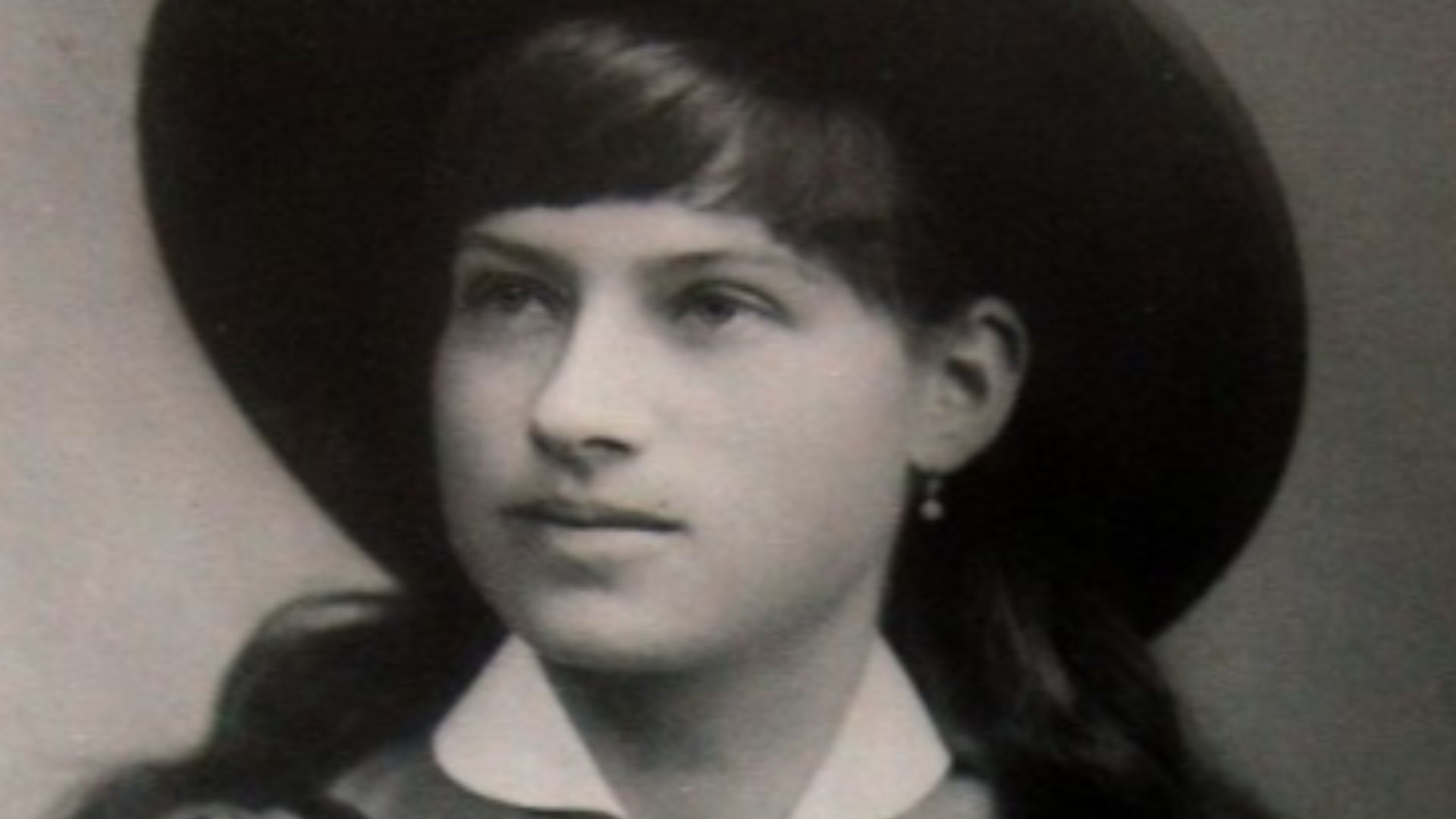 Elliott & Fry, Wikimedia Commons
3. She Couldn’t Keep Going
Even before Jacob’s passing, his family hadn’t exactly been rolling in money, but their situation only grew worse in his absence. Suddenly, they were struggling just to survive, and had to focus solely on what they needed to get by, meaning Annie didn’t have the luxury of attending school during her childhood. However, she thankfully returned to her studies later in life.
Luckily, she still learned valuable skills to keep her and her family alive—and it completely changed her life.
4. She Did Her Part
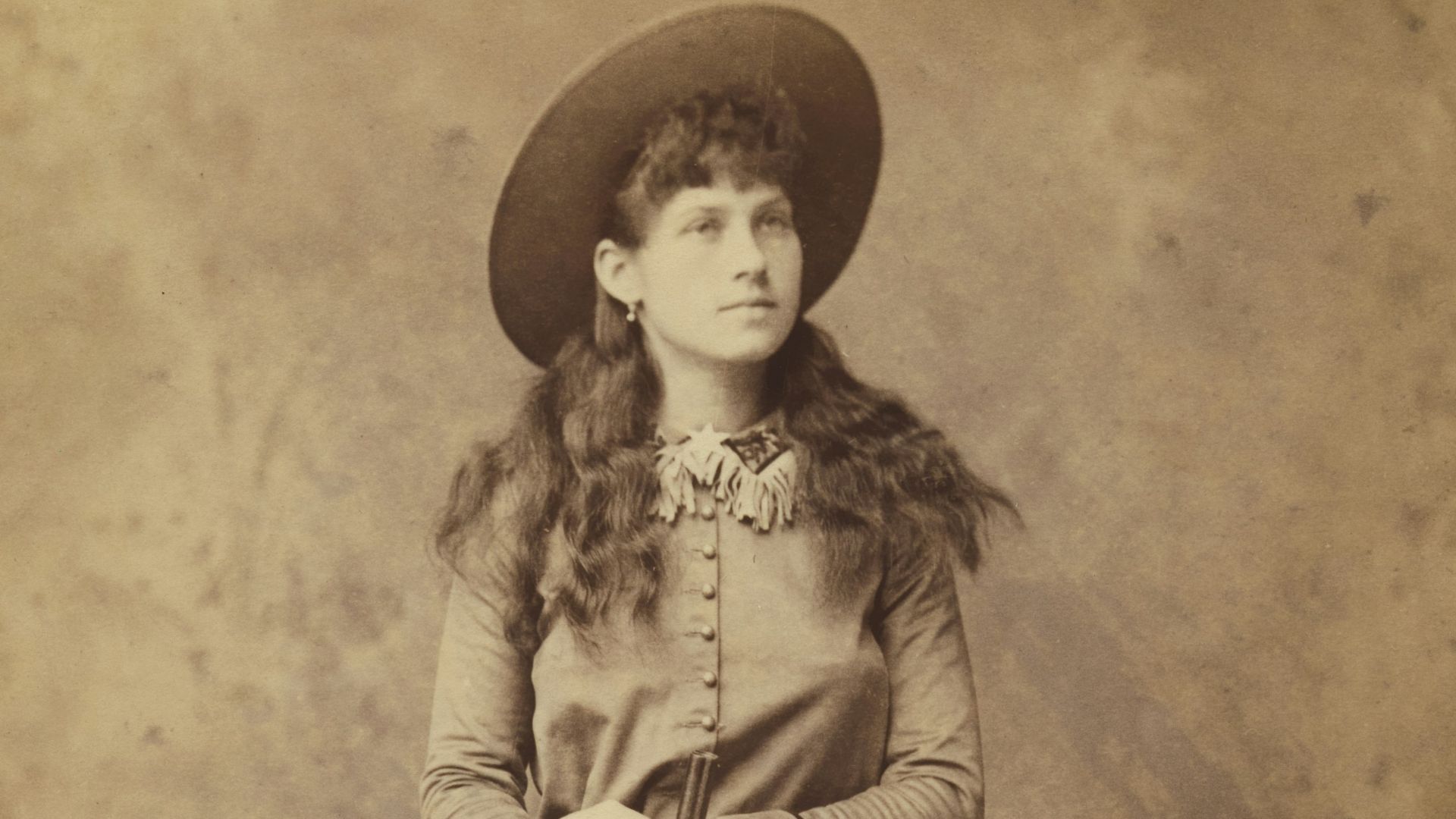
Of all her six siblings that survived infancy, Annie Oakley had only one brother, so traditional gender roles went almost completely out the window as everyone had to pull their weight. Annie quickly learned whatever skills she needed to support her family, and by the time she was eight, she could shoot and trap with the rest of them.
Of course, as her family soon discovered, she was more than just a fast learner.
 unattributed, Wikimedia Commons
5. She Made Her First Shot
Considering how famous she became later in life, people would often ask her about the first shot she ever took, and she was happy to explain just how much of a natural she was. According to her, she had watched a squirrel run through her family’s front yard before pausing on top of their fence, at which point the young Annie grabbed one of her family’s rifles and shot the animal—allegedly right through its head.
Still, her mother didn’t have the means to take care of her all the time.
 The original uploader was Katharina at German Wikipedia., Wikimedia Commons
6. She Left Home
Even with all the children doing their part to make ends meet, Annie’s mother, Susan, still had a hard time providing for seven children—so something had to change. To give them a better place to live for a while, Susan admitted two of her children, Annie and Sarah Ellen, to the Darke County Infirmary, where they learned practical skills like sewing.
Unfortunately, not all of Annie’s homes would be as pleasant.
 Unknown authorUnknown author, Wikimedia Commons
7. They Agreed To Pay Her
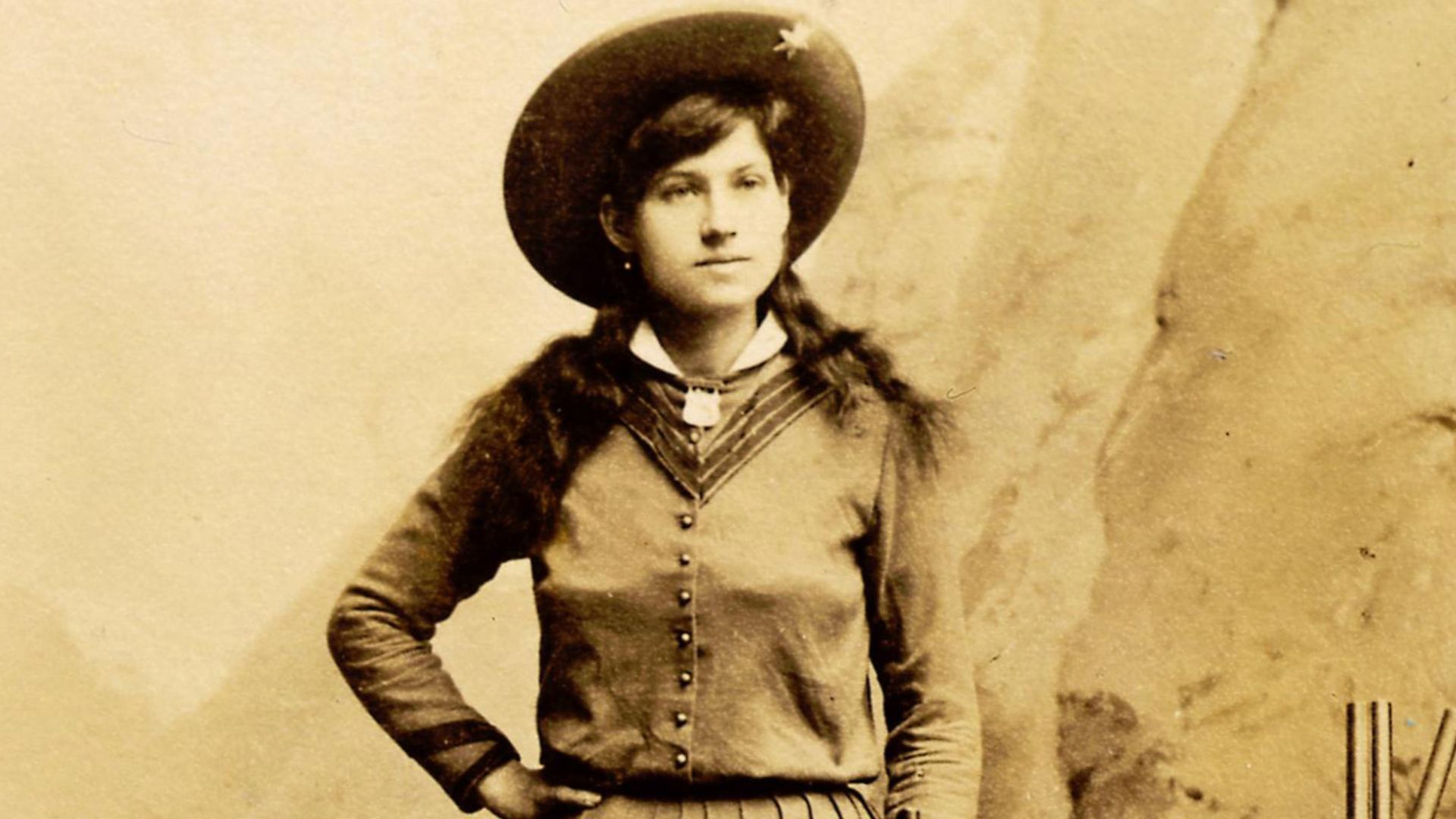
Annie Oakley spent a couple of months under the care of the Darke County Infirmary superintendent, but it wasn’t long before she was once again uprooted. Placed under the care of a family who lived nearby, she agreed to work as a caregiver for their infant son in exchange for both an education and a weekly payment of 50 cents.
For a girl coming from such poverty as Annie’s, this seemed too good to be true—and it was.
 unattributed, Wikimedia Commons
8. They Were Horrible
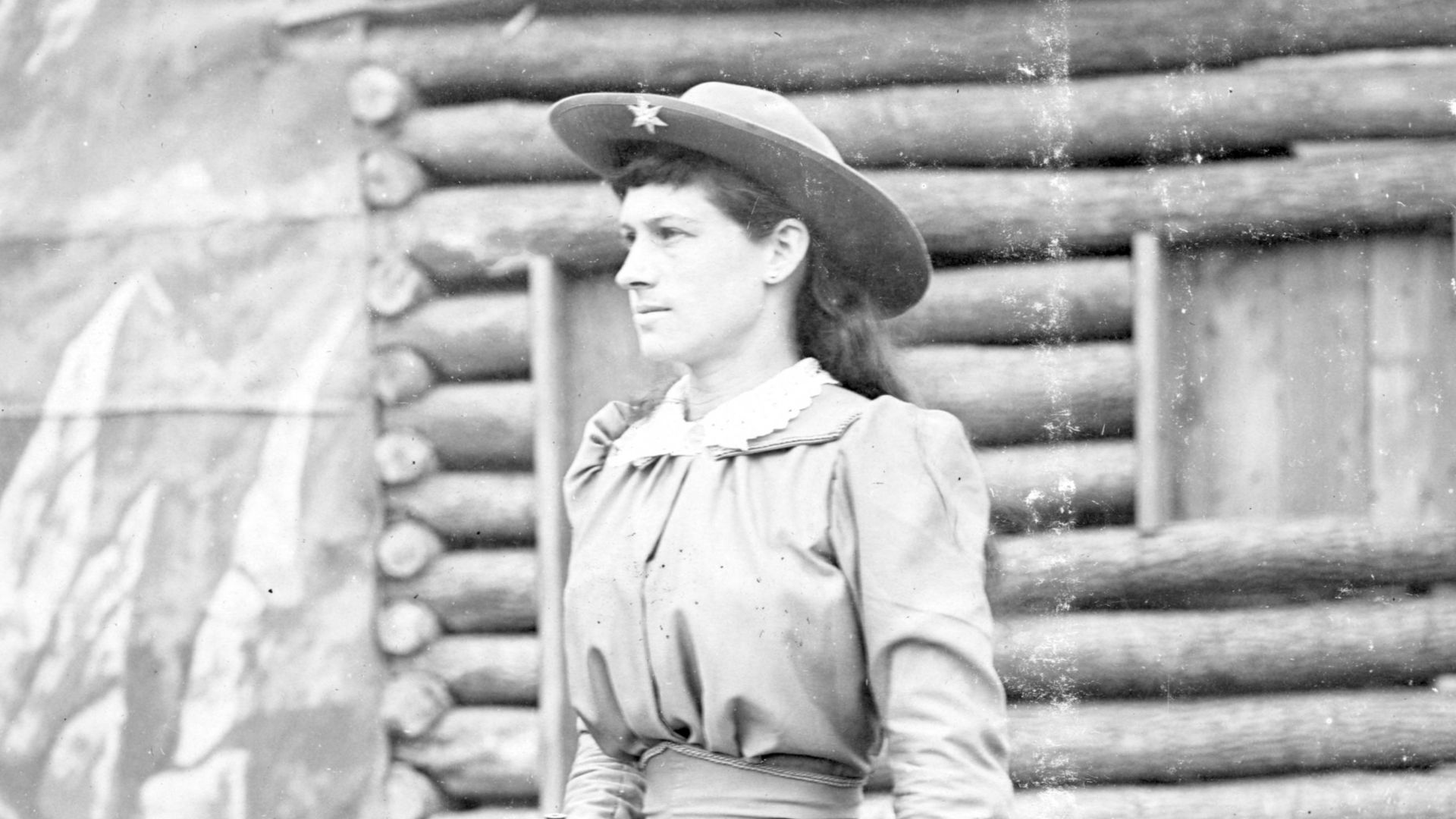
Although Annie may have felt homesick while she was staying at the infirmary, it was nothing compared to the misery she endured while working for the family that hired her. Not only had they lied about paying her, but the parents were nothing but cruel to her, going so far as to punish her by making her stand out in the freezing cold without shoes.
Annie knew she deserved better than this—and she wasn’t going to take it anymore.
 Stacy 5th Ave. and 7th Brooklyn, N.Y., Wikimedia Commons

History's most fascinating stories and darkest secrets, delivered to your inbox daily.
9. She Couldn’t Take It Anymore
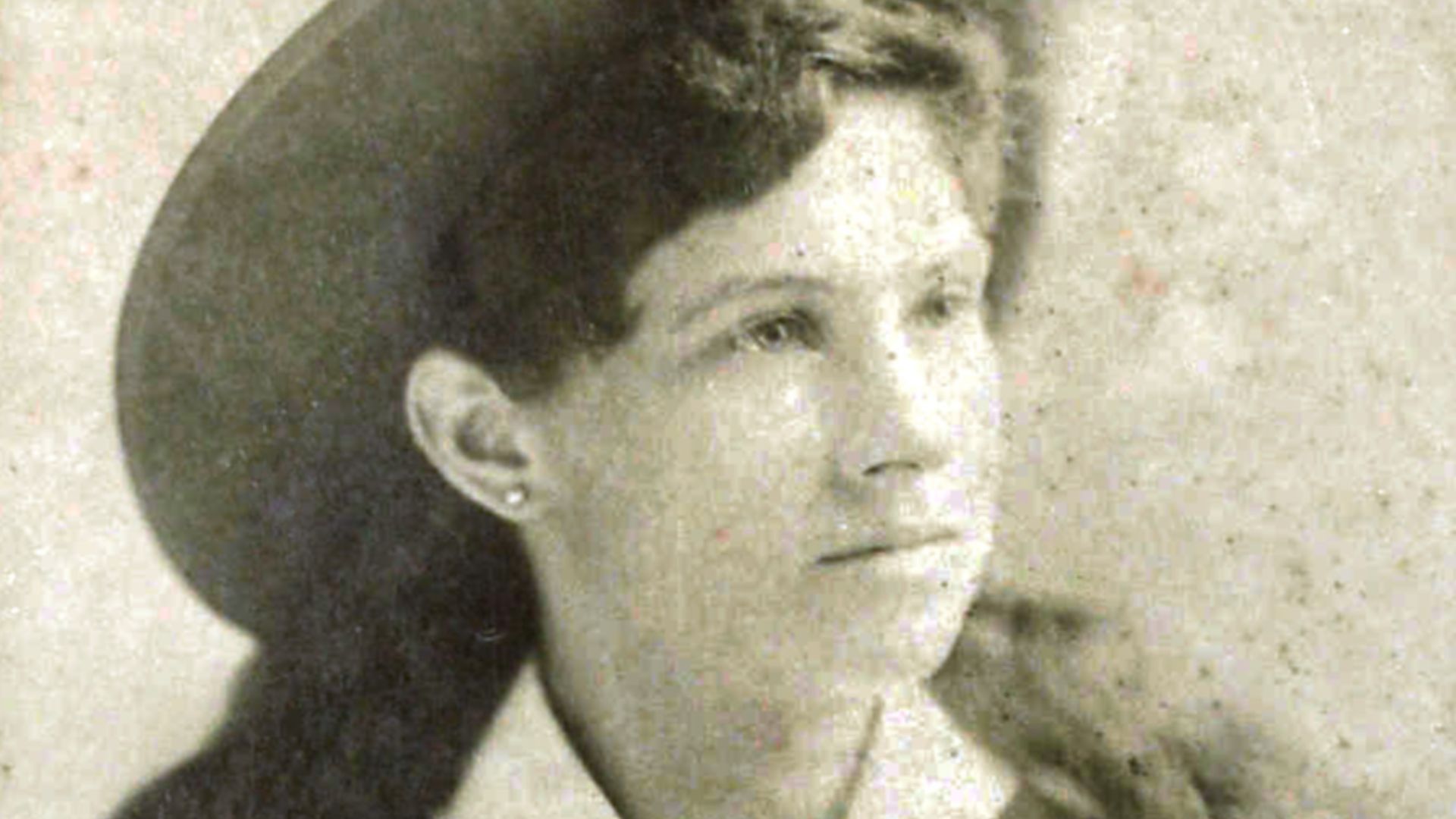
For two long years, Annie put up with her terrible mistreatment at the hands of a family whom she hated so much that she would only ever refer to them as “the Wolves” in the years after. At last, she summoned all her courage and ran away from them, finding a much more agreeable home with another family named the Edingtons.
Fortunately, she wouldn’t have to stay away from home forever.
 Alfred Brisbois, 125 State St, Chicago, Wikimedia Commons
10. She Helped Her Family
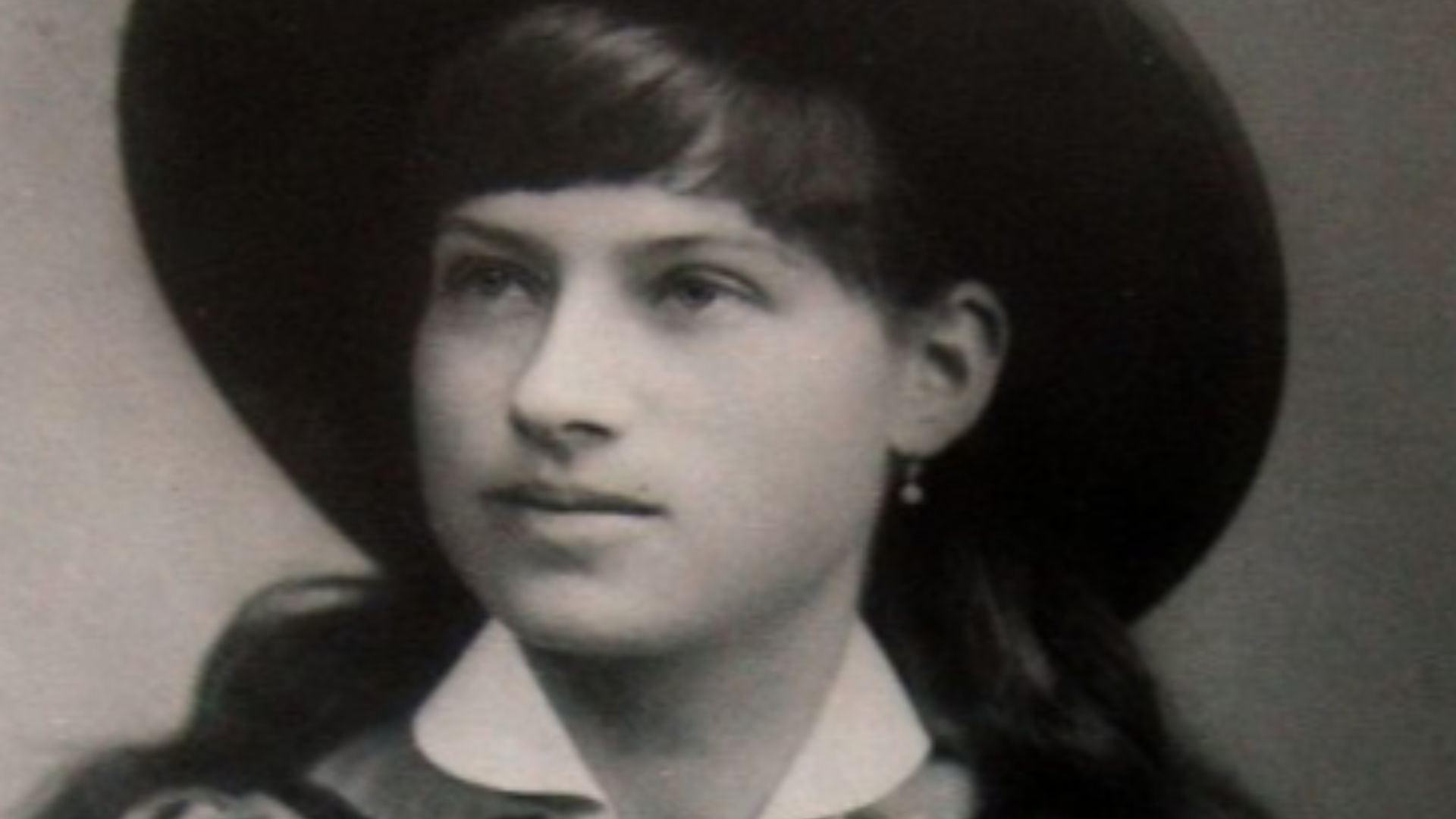
While the Edingtons treated her much more fairly than her previous guardians, they still weren’t her family. Staying with them until she was about 15, she finally had the agency to return home, reuniting with her mother and siblings. Of course, she still had to do her part, but she had become such a good sharpshooter that she soon managed to pay off her mother’s mortgage just by selling what she hunted.
Suddenly, someone came along with an opportunity for her to prove her skills—and make more than just enough to scrape by.
 Elliott & Fry, Wikimedia Commons
11. He Made A Wager
Now that Annie Oakley was making a bit more money than before, she could afford to enjoy herself once in a while, especially when something exciting was happening in town. In the fall of 1875, she heard that the Baughman & Butler shooting act had come to Cincinnati, and that her name had come up.
According to a local hotel owner, one of the showmen had bet that he could beat any local fancy shooter in a contest, wagering a stunning $100. He was in for a huge surprise, even before anyone actually pulled the trigger.
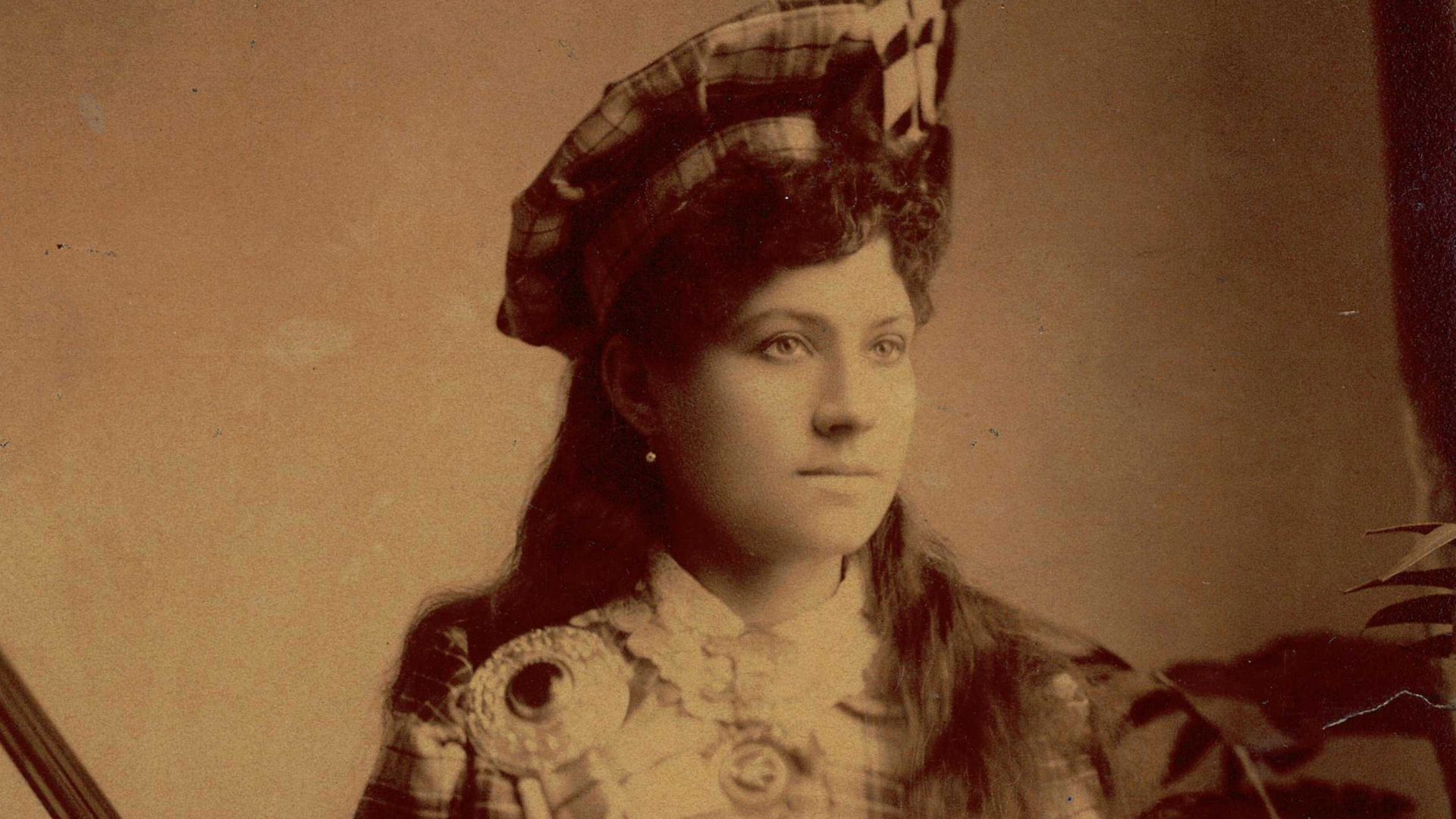 Watson & Wilson, 83 Jamaica St, Glasgow, Wikimedia Commons
12. He Was Shocked
As he had done many times, Frank E Butler of the Baughman & Butler shooting act put forward his $100 wager, awaiting the girl who supposedly had the skill to beat him—at least according to the hotel owner. What he didn’t see coming was that when his opponent showed up to meet his challenge, it was none other than Annie—15 years old and ready to embarrass him in front of everyone.
Of course, this wasn’t where the surprises ended.
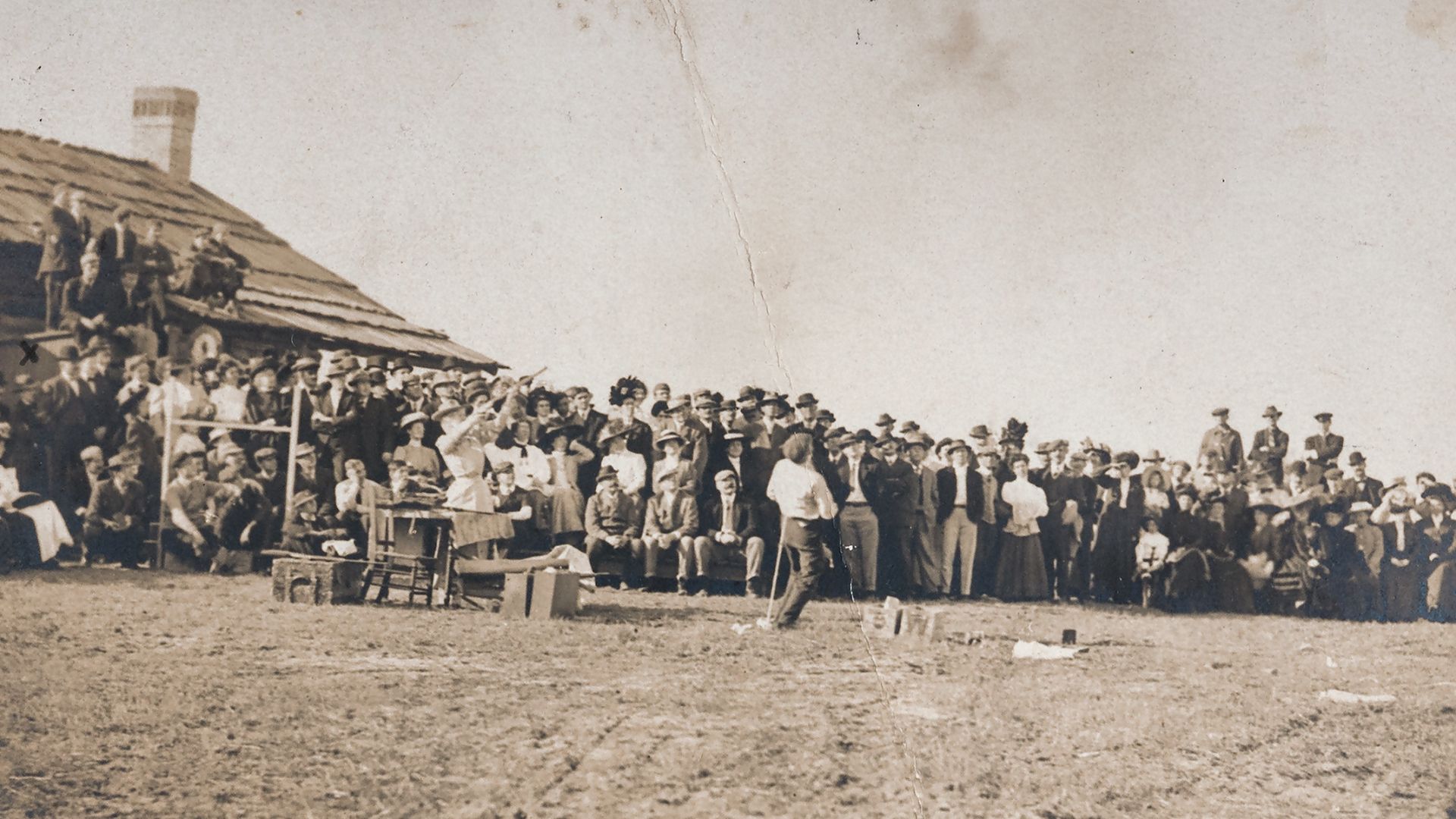 unattributed, Wikimedia Commons
13. She Was Much Better
The challenge was to shoot 25 targets successfully, but while Frank was certainly a crack shot, he had nothing on Annie’s talents. After hitting the first 24 targets, he slipped up and missed his final one, watching on in further shock as Annie effortlessly shot each of hers with expert precision and won the contest.
Frank could have been upset, but instead, he asked her out, and the two married the following year—despite their 13-year age gap. Soon enough, she naturally assumed another name—though it wasn’t her husband’s.
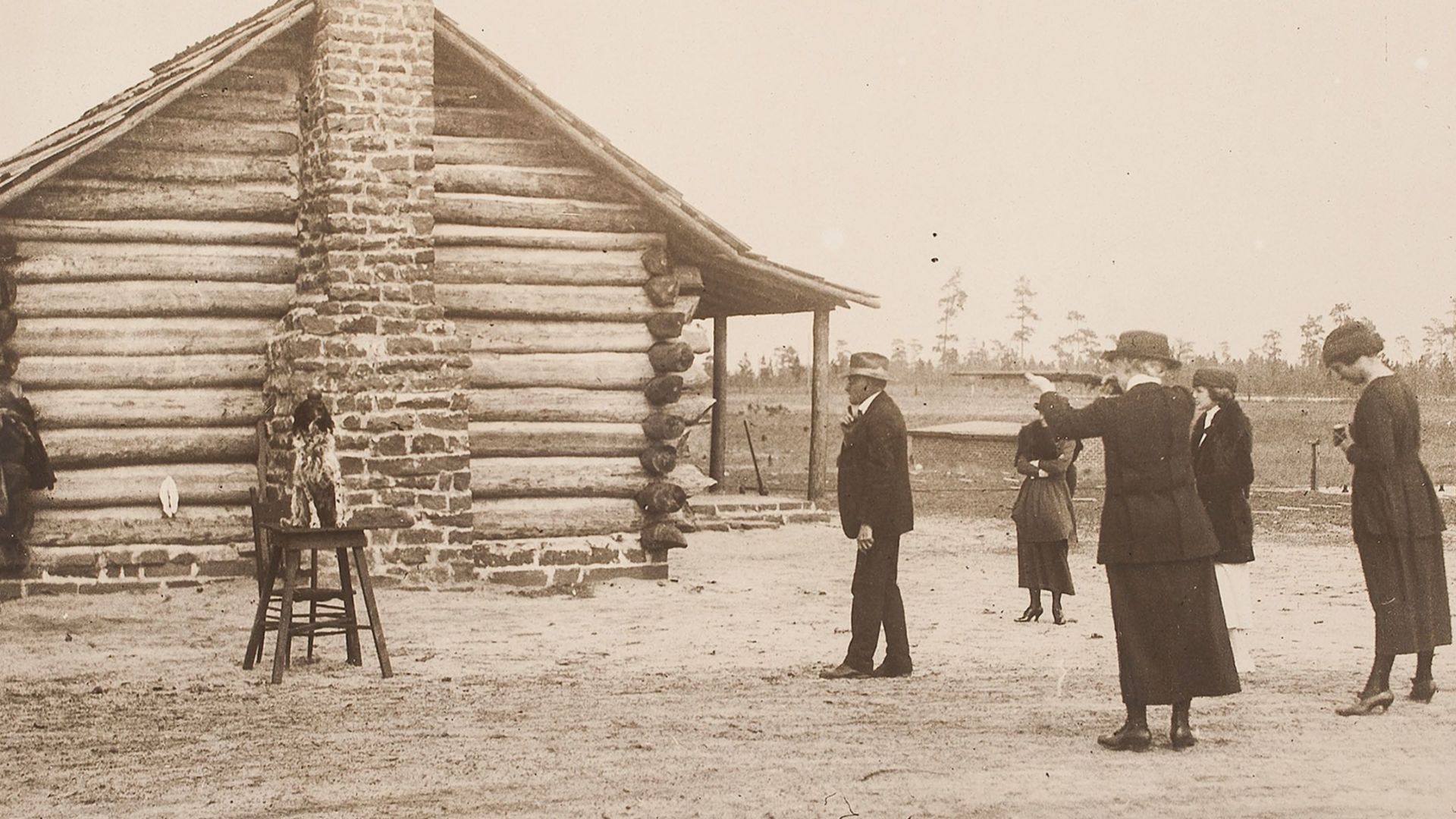 Underwood & Underwood, Wikimedia Commons
14. She Took On A New Identity
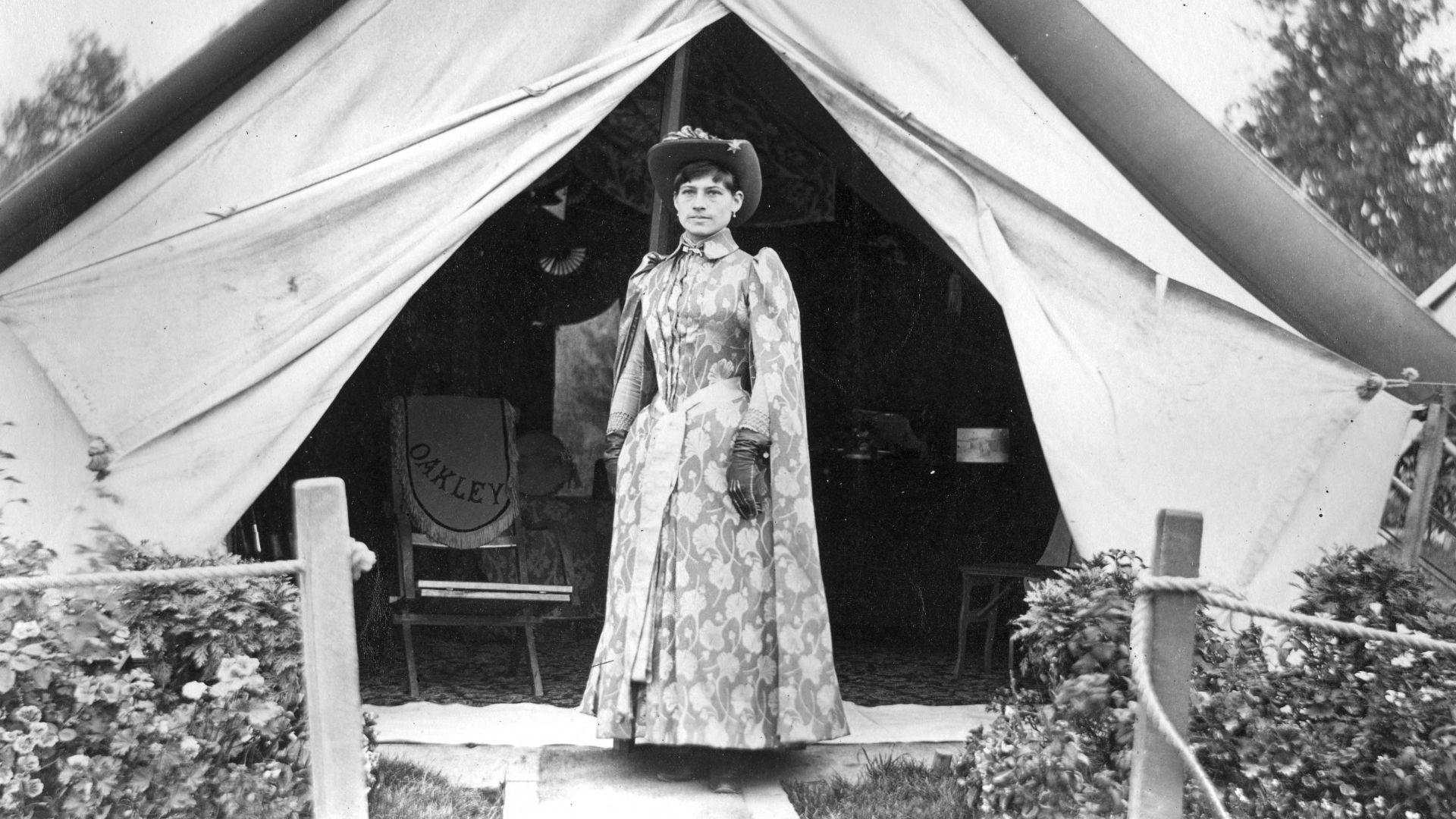
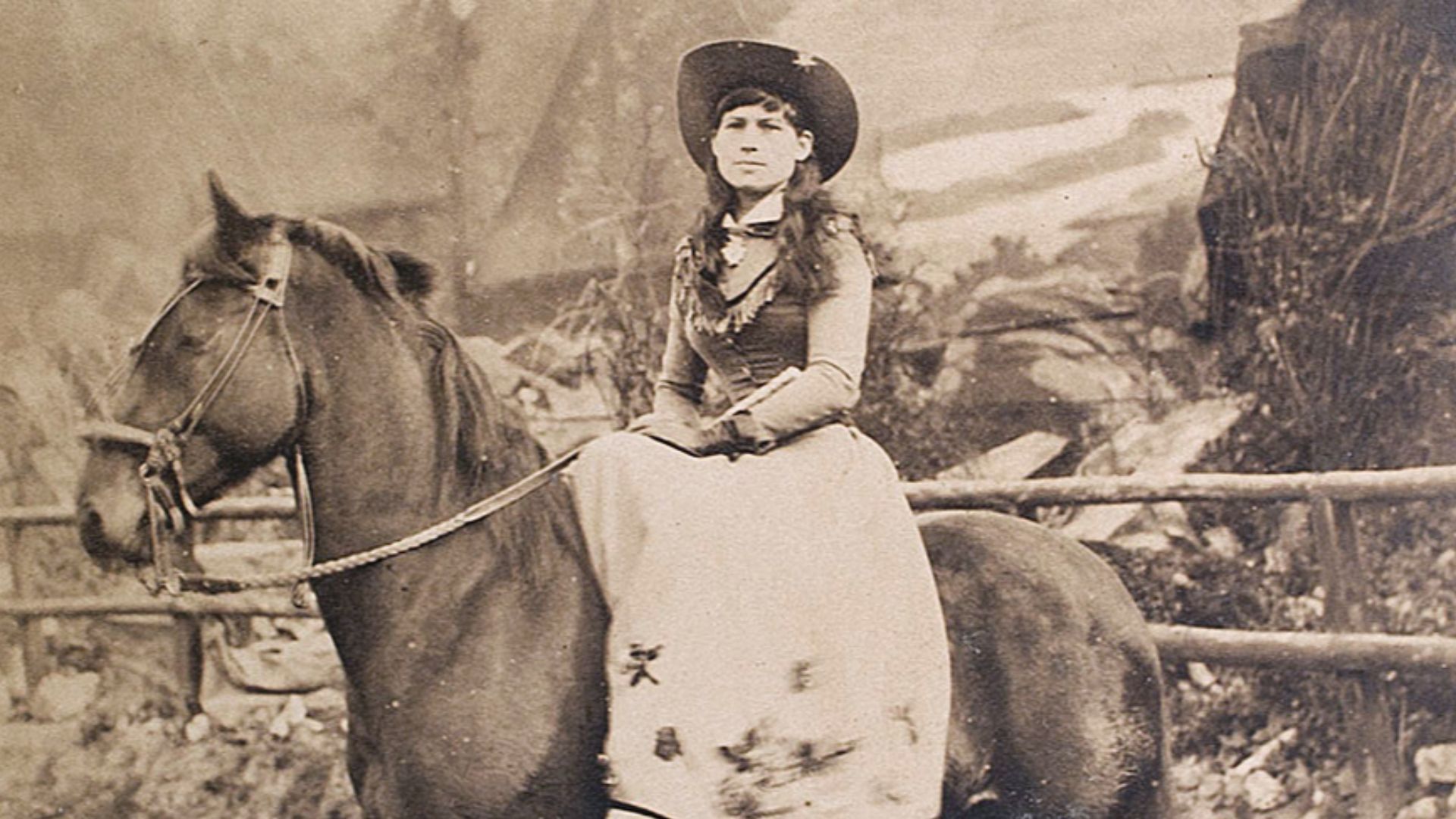
After marrying Frank, Annie decided to join him on the road, attracted to the prospect of adventure—and money, of course. As many entertainers did, however, she left the name Phoebe Mosey behind and took a brand new name for herself: Annie Oakley. As to why she chose that specific surname, many believed it was because the first home she and Frank lived in together was in the Oakley neighborhood of Cincinnati.
On the other hand, others often spoke of a more wholesome meaning behind it.
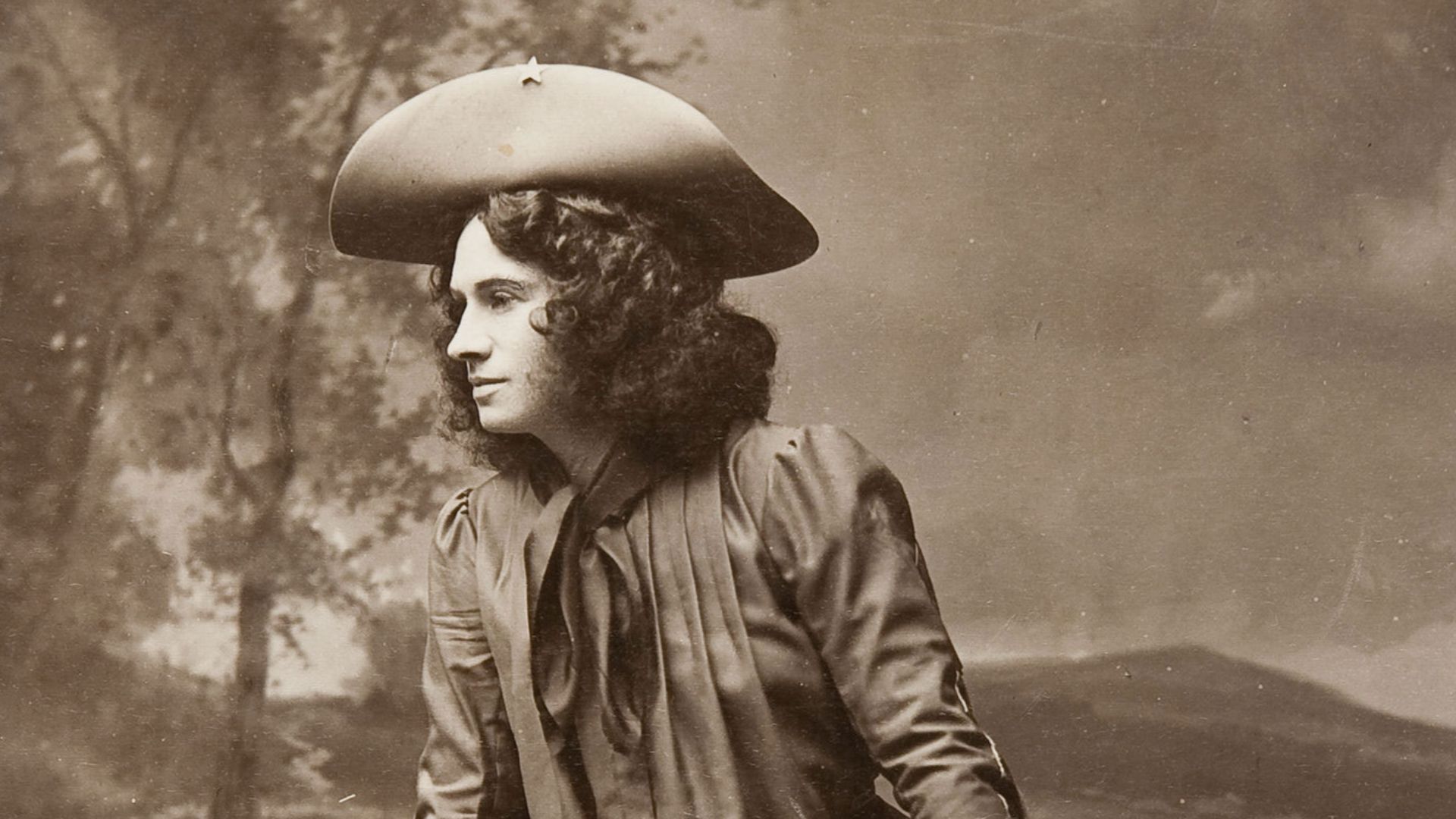
15. She Had Another Story
While the name “Oakley” may very well have come from her neighborhood, another possibility made it a much more personal choice that stemmed all the way back to the hardships of her childhood. Allegedly, when she was on her own and fending for herself, there came a point when she had no money to take the train, only to have her fare paid by a kindly stranger by the name of Oakley.
Still, she would gain other names over the years, although some were more special than others.
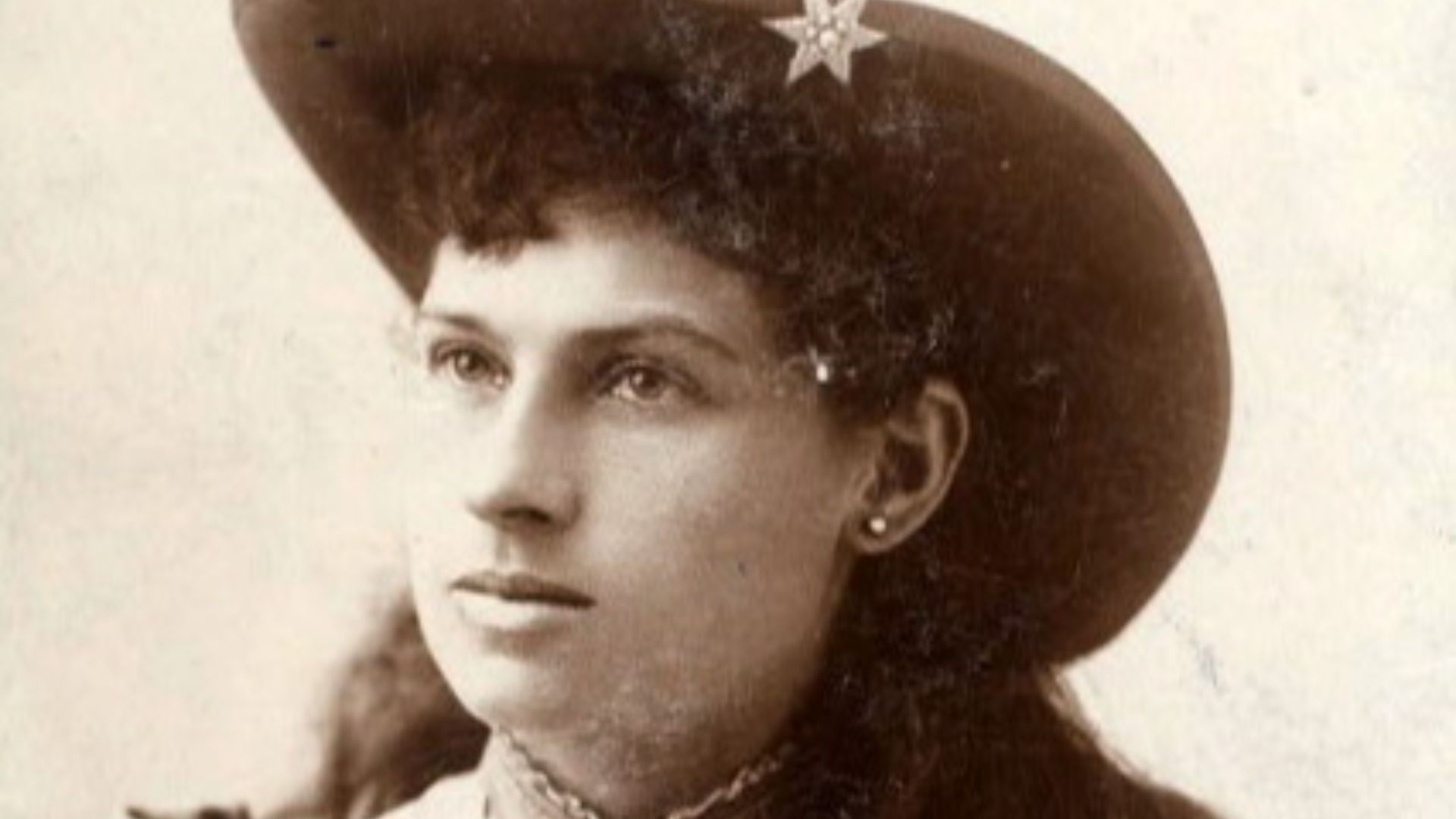 Stacy Co., Brooklyn, N.Y., Wikimedia Commons
16. She Had Her Nicknames
As Annie had come to realize, most people tended to underestimate her abilities, owing not only to her being a woman but also to the fact that she was no more than five feet tall. However, this became a large part of her branding as a performer, and her later friend and fellow entertainer, Sitting Bull, began calling her Watanya Cicilla from the Lakota language, which roughly translates to “Little Sure Shot”.
Throughout her career, no one seemed to be able to match her skill—though some certainly tried.
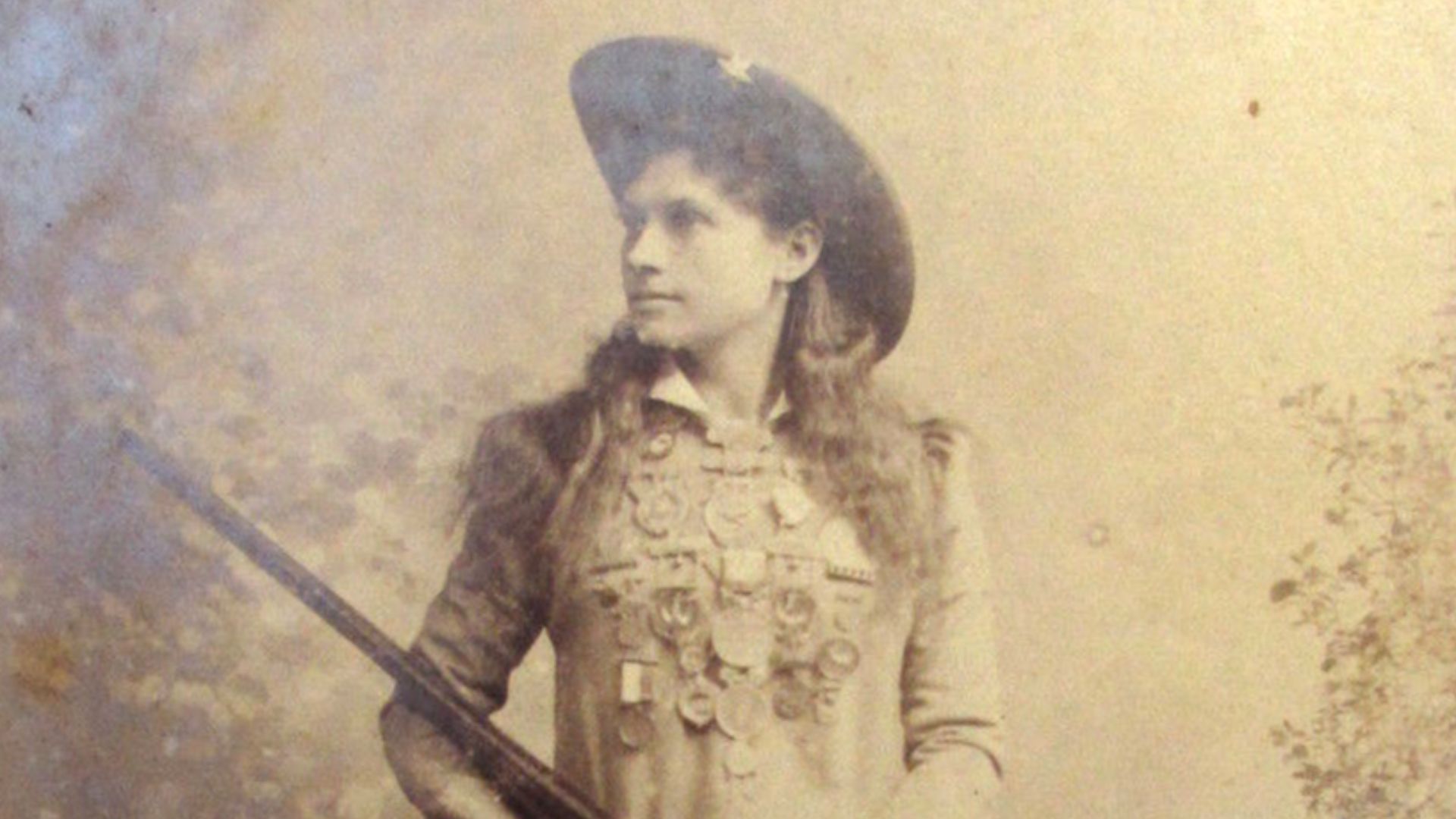 H&R Stiles, 34 Kensington High Street W, London, Wikimedia Commons
17. They Couldn’t See Eye To Eye
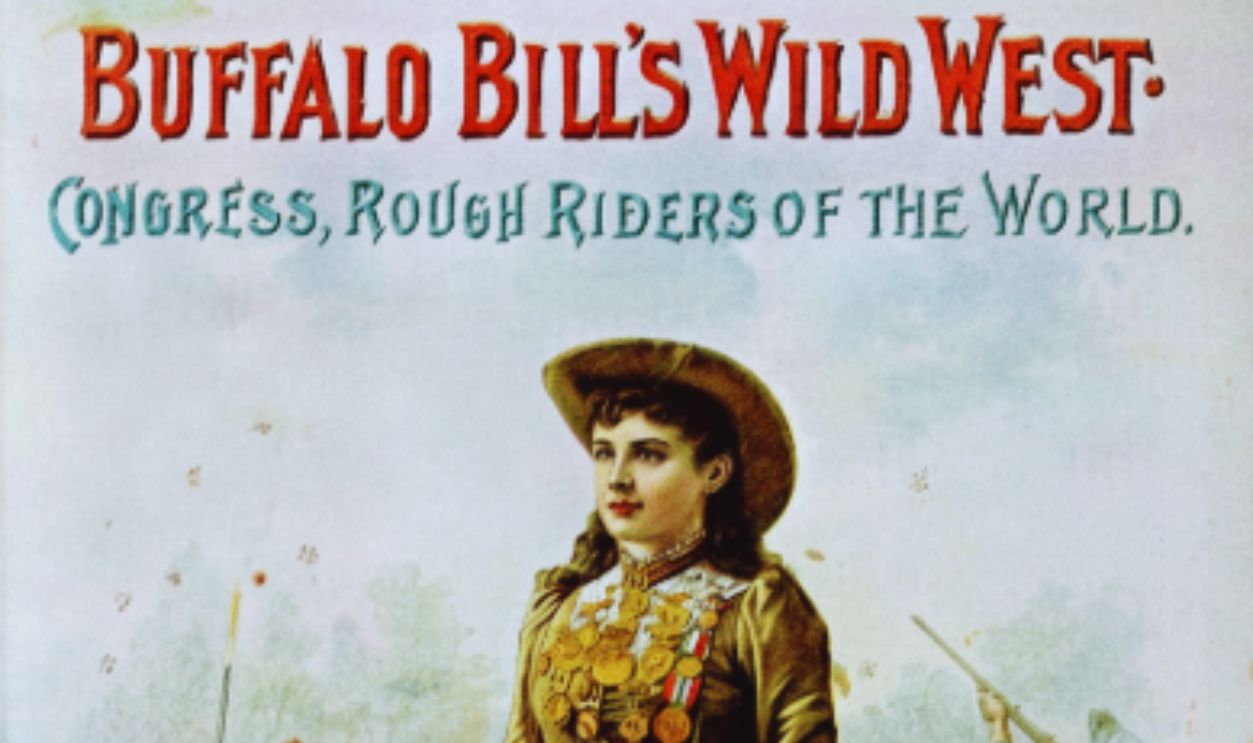
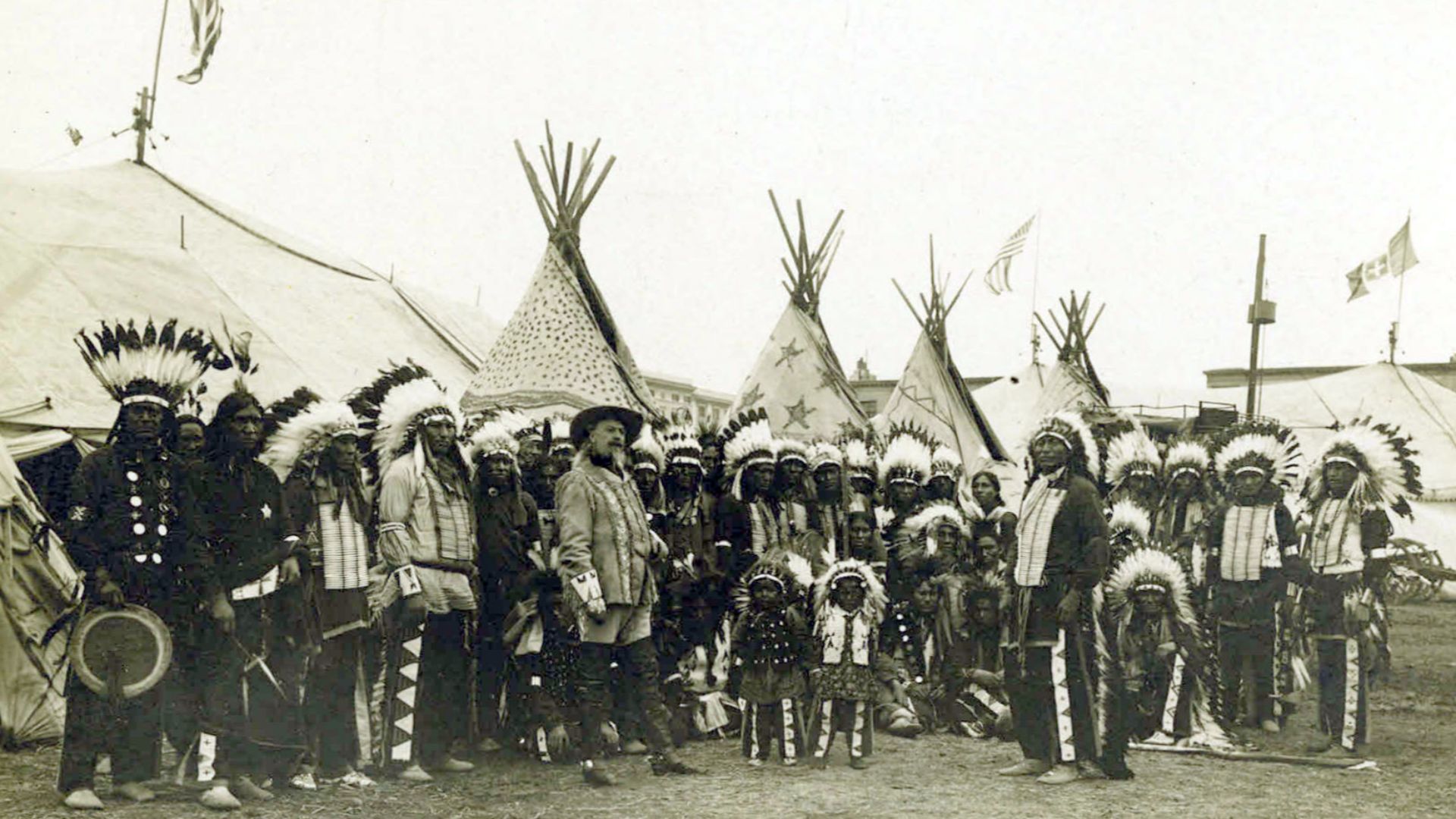
Now 25 years old, Annie Oakley was ready for her and Frank to move up to the big leagues, and they soon joined the famous traveling show, Buffalo Bill's Wild West and Congress of Rough Riders of the World. Annie wouldn’t be the only female sharpshooter, though, as another up-and-coming performer named Lillian Smith joined the troupe a year later, and the two immediately began butting heads.
Still, Annie felt like she needed to prove herself—and even tip the scales in her favor.
18. She Lied About Her Age
Annie Oakley and Lillian became fierce competitors, likely because they shared so many similarities, much to Annie’s chagrin. For instance, Lillian was only 15 years old—the same age Annie had been when she started out—and this fact bothered Annie more and more. Seeing that the press was drawn much more to her younger rival, Annie began stretching the truth, telling people she was 20 instead of 26.
In reality, Annie had nothing to worry about, especially with the stunts she was performing.
 unattributed, Wikimedia Commons
19. She Was The Best
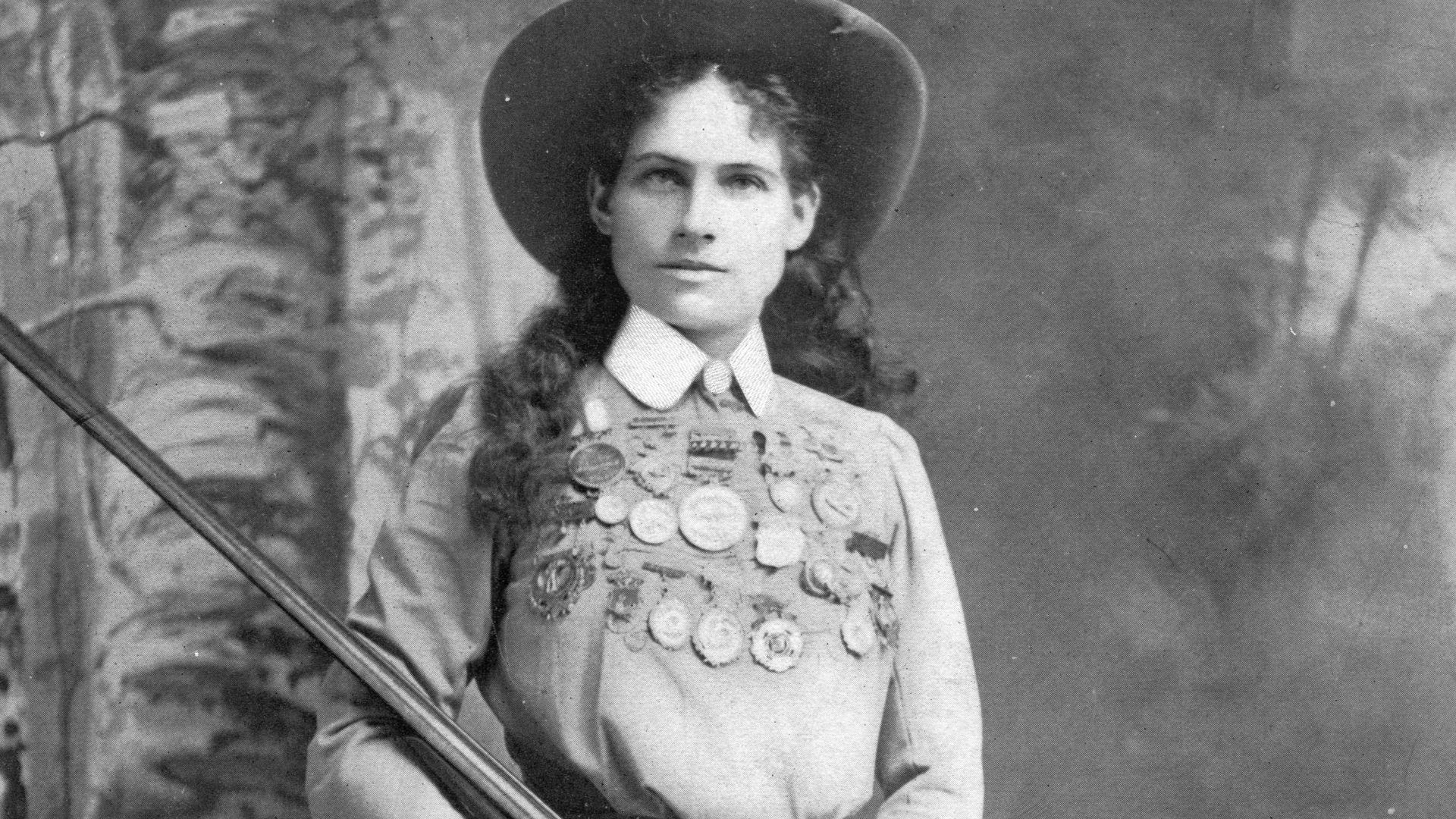
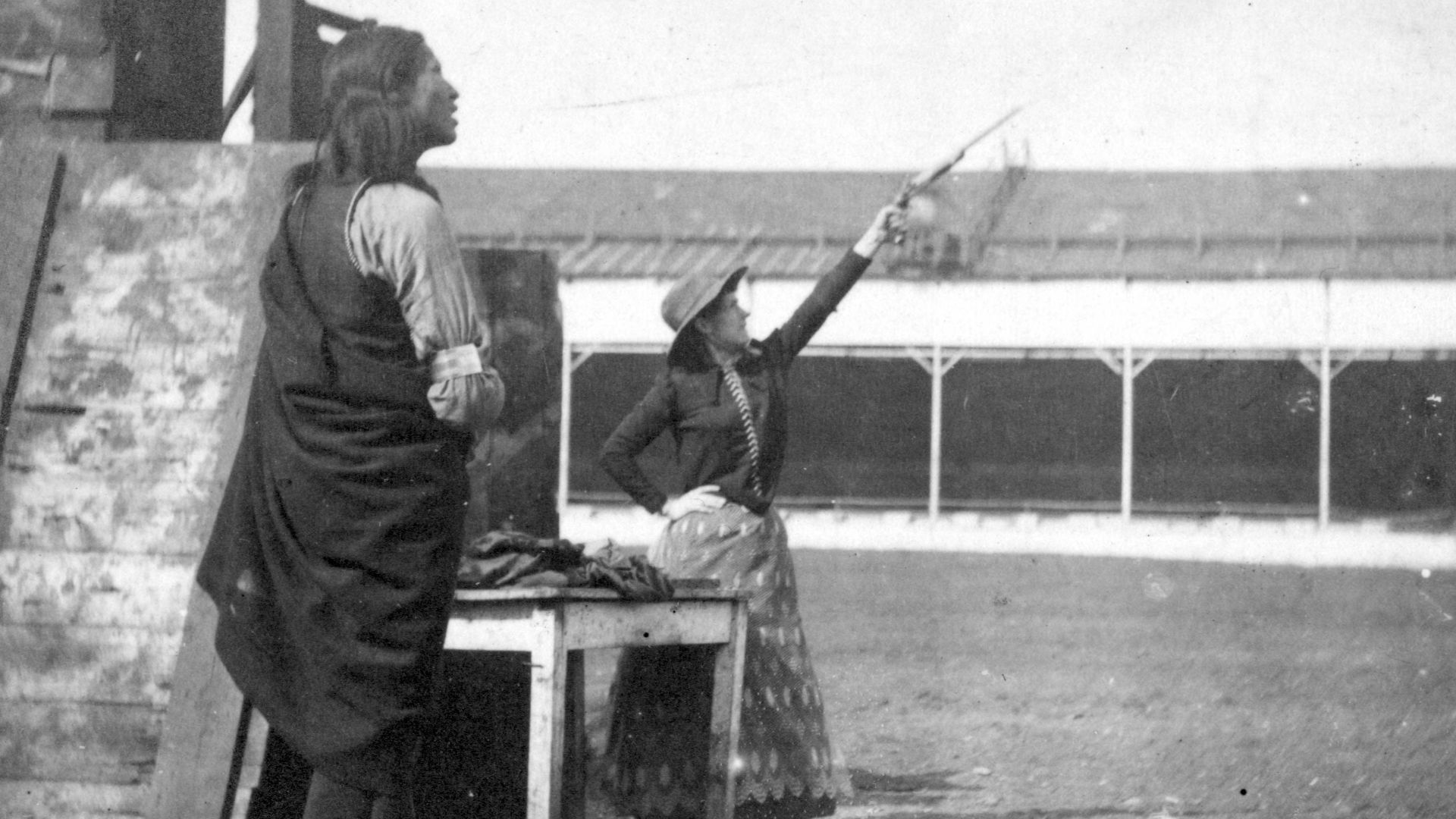
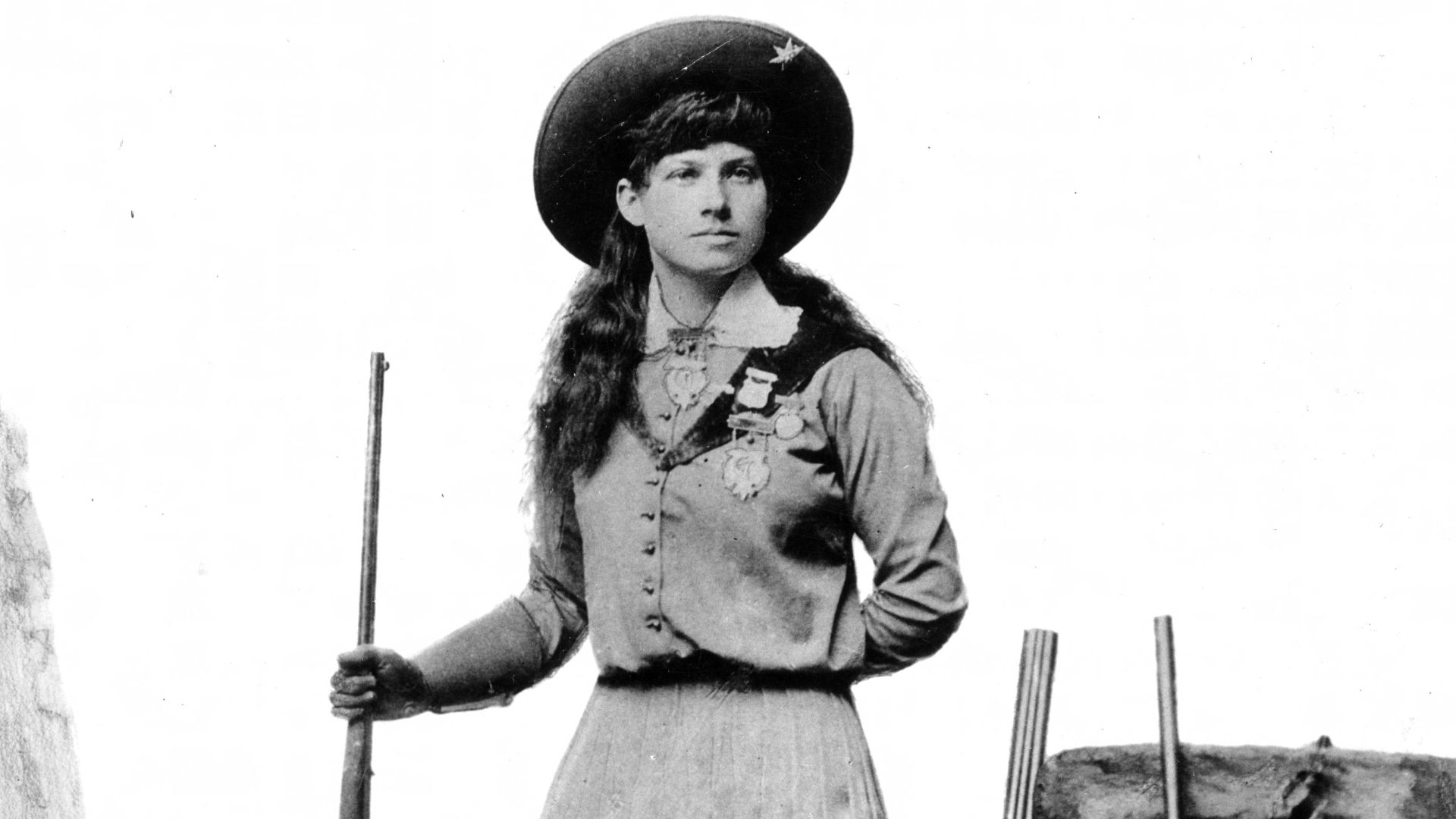
Although she already had enough natural talent to spare, Annie Oakley spent her years in the Buffalo Bill show honing her talent to really give the audience a show. Annie would amaze her spectators with acts like shooting a cigar out of Frank’s mouth or hitting playing cards right on the edge and splitting them—all from no closer than 30 paces.
Furthermore, she wasn’t just a one-trick pony—she knew how to give the people what they wanted.
 Noah Hamilton Rose, Wikimedia Commons
20. She Was A Crowd-Pleaser
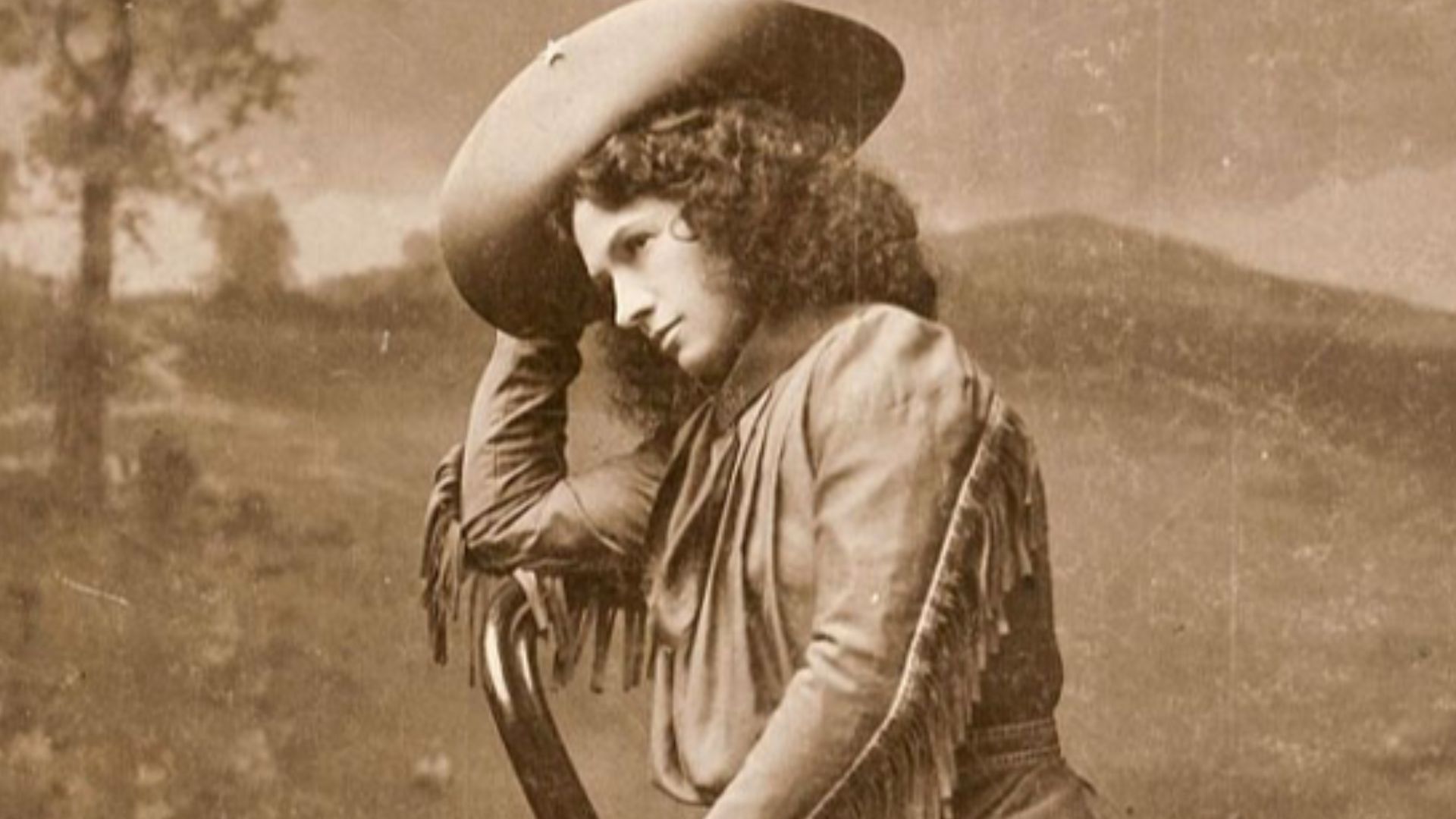
Some may have looked at Annie and thought she appeared rather drab, since many performers in that time usually wore extravagant or comical costumes. However, she more than made up for this with her theatrics, playing up each of her reactions and often blowing kisses to her adoring fans.
Even as she grew more popular, though, one person remained her number one fan.
21. He Wanted To Help Her
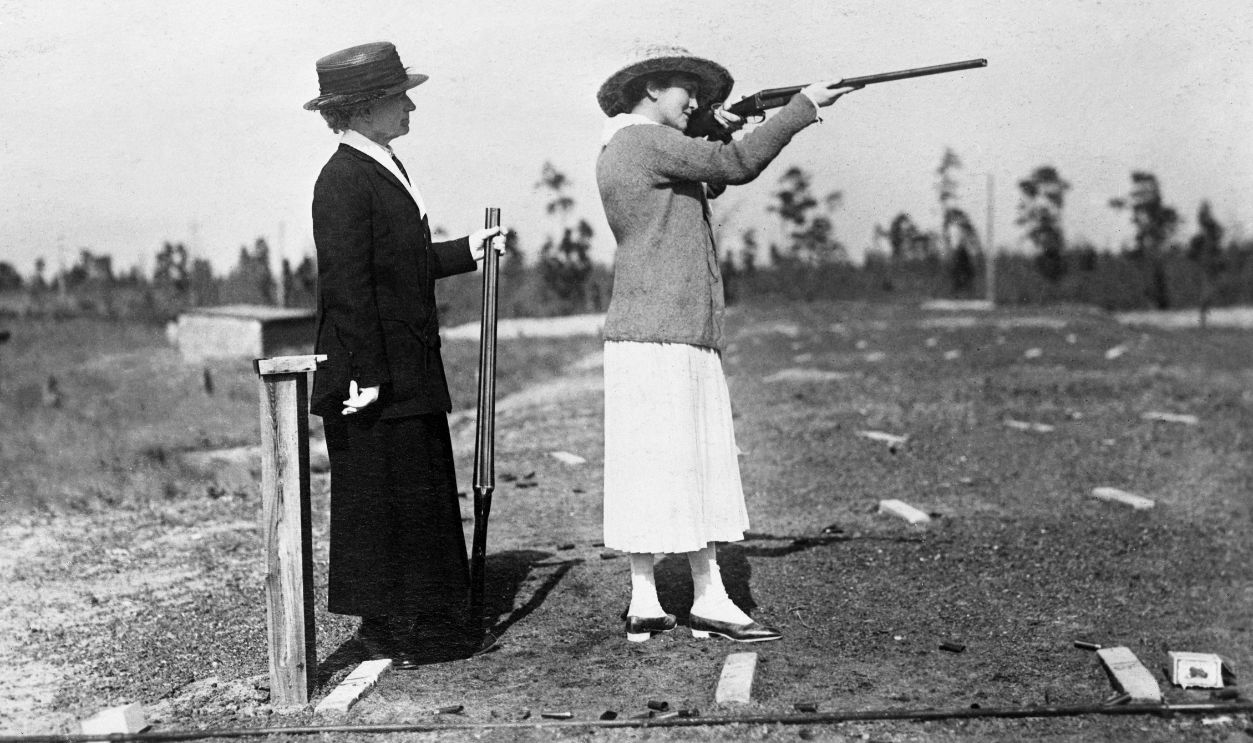
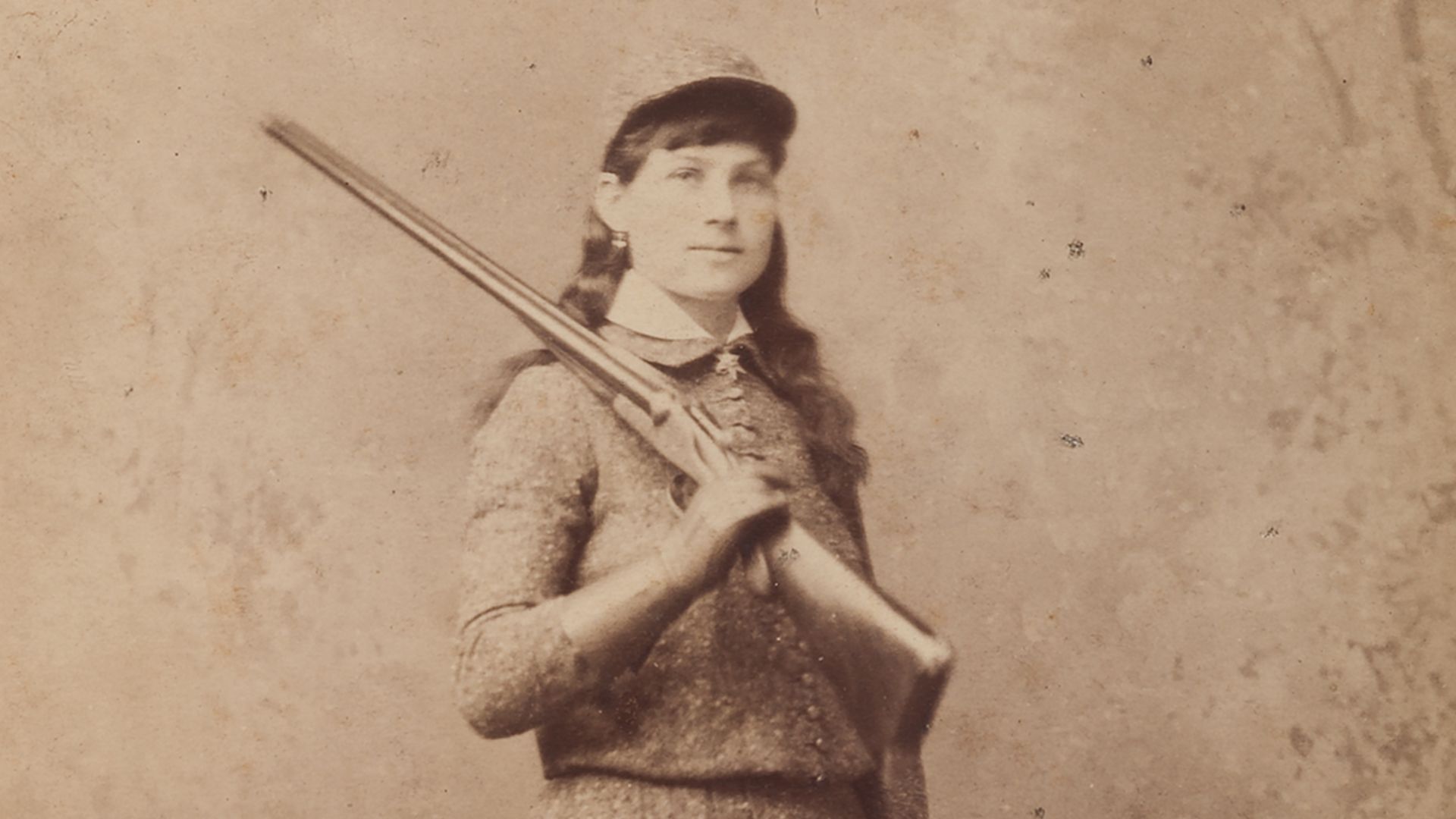
As Frank had been in the business long before Annie, and he was performing in the same show as her, it would have been easy for him to view her success through a lens of jealousy. However, he was nothing but supportive as her husband and even took over as her manager while she continued to become more famous.
Meanwhile, he wasn’t the only one rooting for her from behind the scenes.
 J Wood, 208 Bowery, New York, Wikimedia Commons
22. She Met A Legend
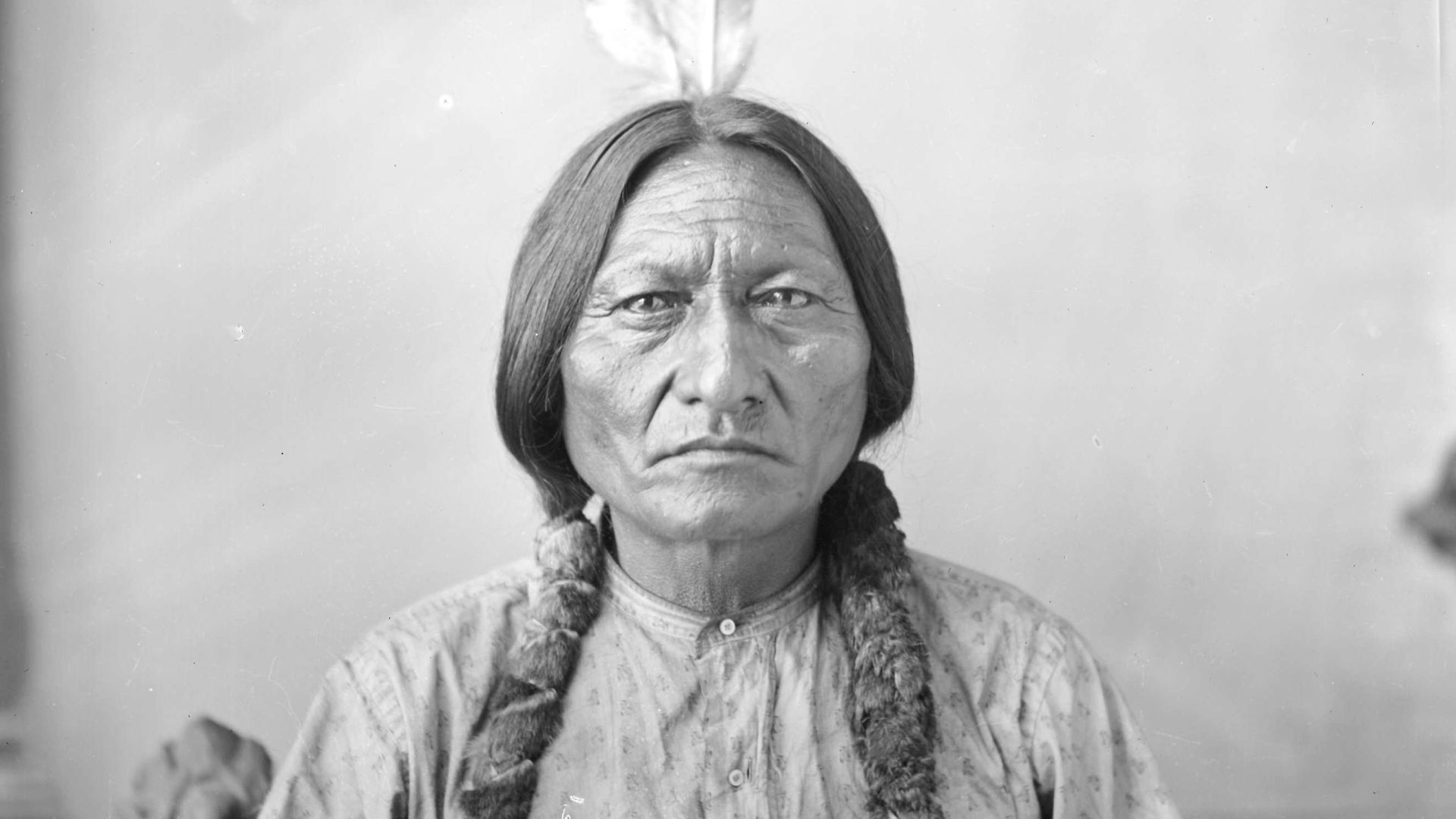
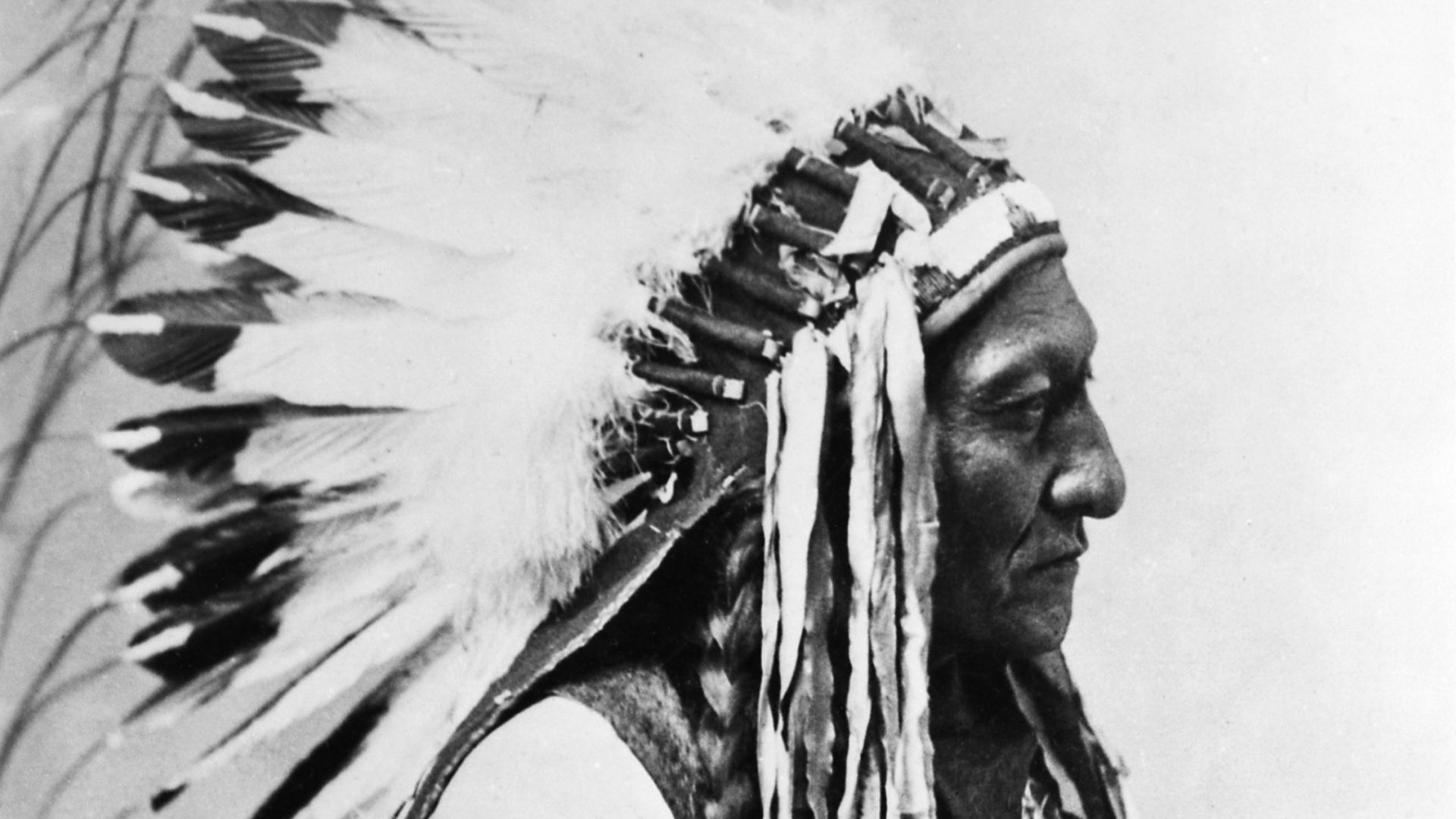
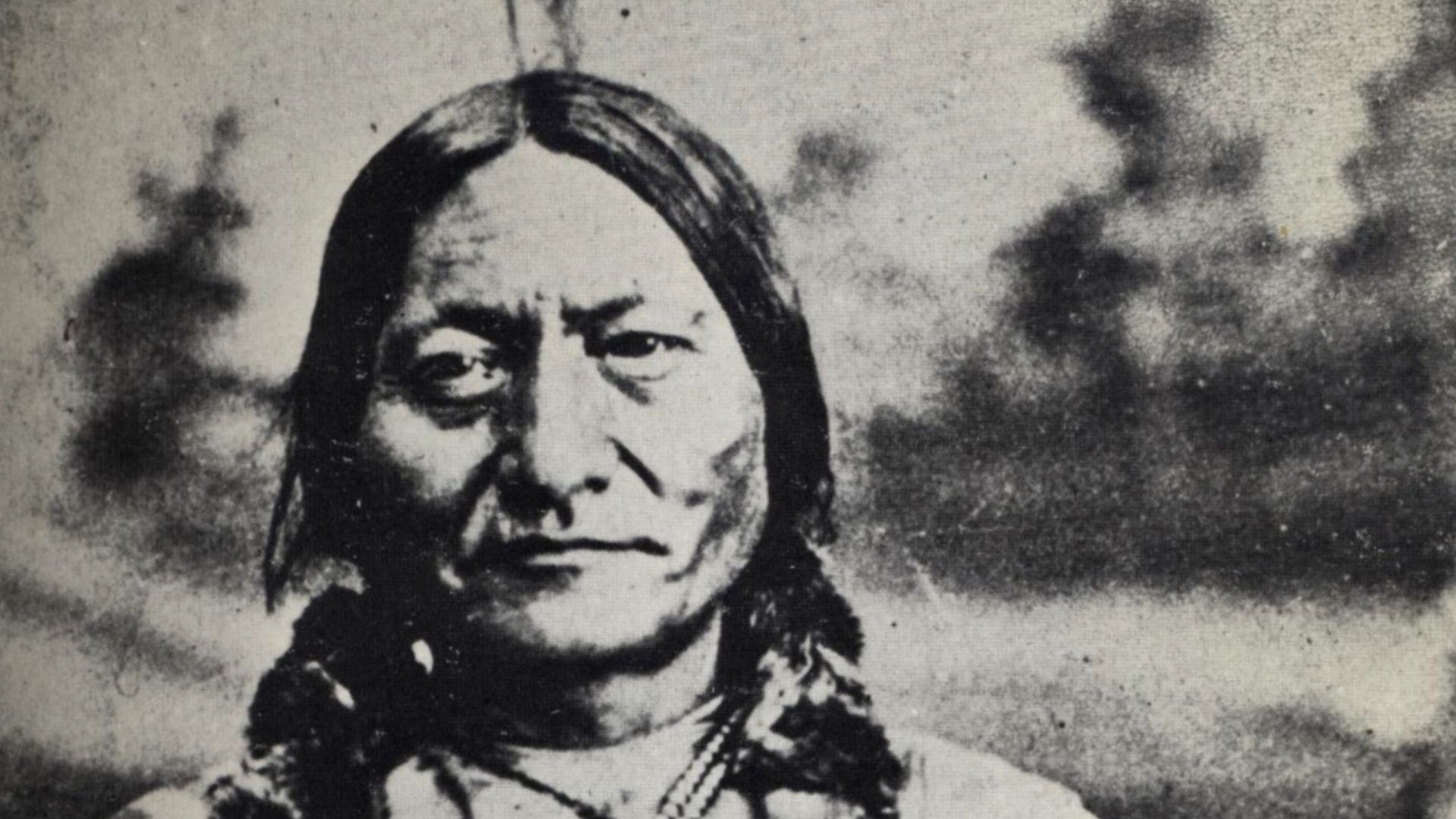
Although Annie Oakley didn’t get along with some of her fellow entertainers, there was one who became a dear friend—though he was no mere performer. The indigenous chief, Sitting Bull, was already known far and wide by the time he joined the Buffalo Bill show, as he had previously led his people in a revolt against the US government.
Even so, when he saw what Annie could do, he couldn’t help but ask her for a favor.
 David F. Barry, Photographer, Bismarck, Dakota Territory, Wikimedia Commons
23. He Wanted A Picture
Just as many had before, Sitting Bull may have underestimated Annie when he first saw her, but if so, he soon realized how wrong he was. Utterly astounded by her sharpshooting abilities, he immediately asked if he could take a photo with her, offering to pay $65 for the request.
Little did Annie know that she had found more than just a co-worker.
 Unknown authorUnknown author or not provided, Wikimedia Commons
24. He Took Her Under His Wing
As much as Sitting Bull admired Annie’s skills, she was equally as star-struck in his presence, and the two became fast friends. To Sitting Bull, though, Annie was much more than just a common sharpshooter, as he believed she possessed some supernatural gift. Eventually, they became so close that he began to care for her as if she were his own daughter.
Unfortunately, there were still other parts of her job she simply couldn’t stand.
 Template:T.G.N.Anderton, Wikimedia Commons
25. She Took Time Off
As the years went on, the animosity between Annie Oakley and Lillian became far too much to handle, and while the best parts of this gig outweighed these issues at first, the charm had worn off. Finally, she decided to part ways with the show in 1887, but it wasn’t forever. In fact, once Lillian struck out on her own, Annie saw no reason to stay away any longer and resumed her act.
Despite her substantial absence, it was clear that Annie was just getting started.
 Roland Bonaparte, Wikimedia Commons
26. She Was A Hit
It’s clear that in leaving for a while, Annie had only left her fans wanting more, and she was finally ready to give it to them—but not just in America. Embarking on a three-year tour, Annie traveled halfway across the world to the 1889 Paris Exposition, where everyone seemed to love her just as much as they did back home. In fact, other than Buffalo Bill, she was the show’s highest-earning performer.
It wasn’t long before everyone knew Annie’s name—even outside her industry.
 Royale Photographie, Vuillemenot Montabone 188 Via Nazionale – Roma (Italia), Wikimedia Commons
27. They Used Her Name
Annie’s fame spread across the globe, but in another part of the entertainment world, her name even took on a whole new meaning. Another of her tricks was throwing a playing card into the air and shooting it as many times as possible before it landed, often leaving it looking like Swiss cheese. As theatres would often punch out similar holes in their complimentary tickets, they started calling them “Annie Oakleys”.
Back across the world, though, her act reached audiences of all walks of life—even the highest in the land.
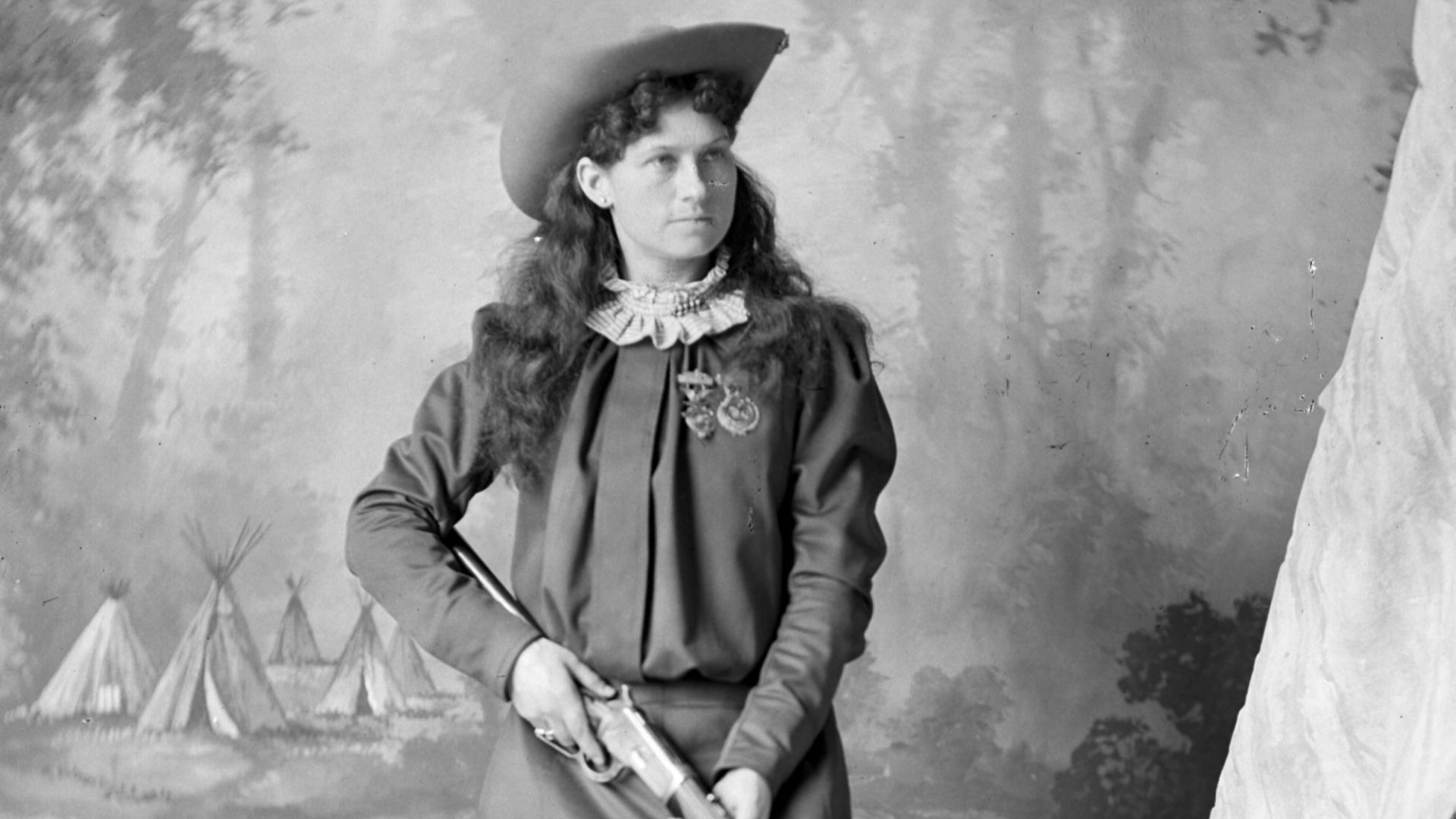 David Francis Barry, Wikimedia Commons
28. She Had Impressive Fans
Along with Buffalo Bill himself, Annie’s reputation had reached all corners of the globe, and she soon became known by both prince and pauper alike. This became especially clear when she performed in places like Italy and the United Kingdom, where she put on shows for both King Umberto I and Queen Victoria, respectively.
Going even further, one of these famous spectators got a much more up-close-and-personal show.
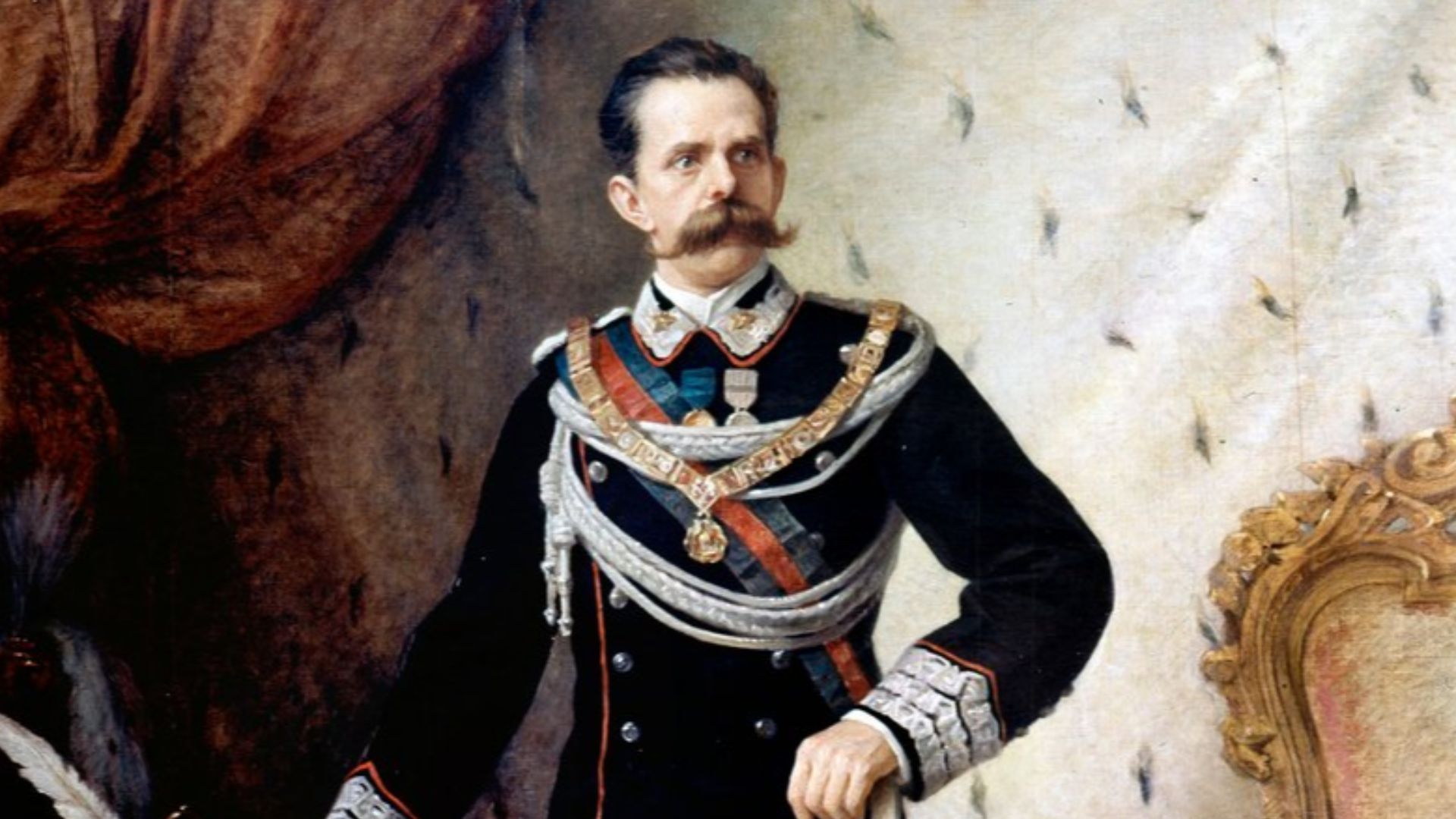 Guglielmo de Sanctis, Wikimedia Commons
29. She Got Him Involved
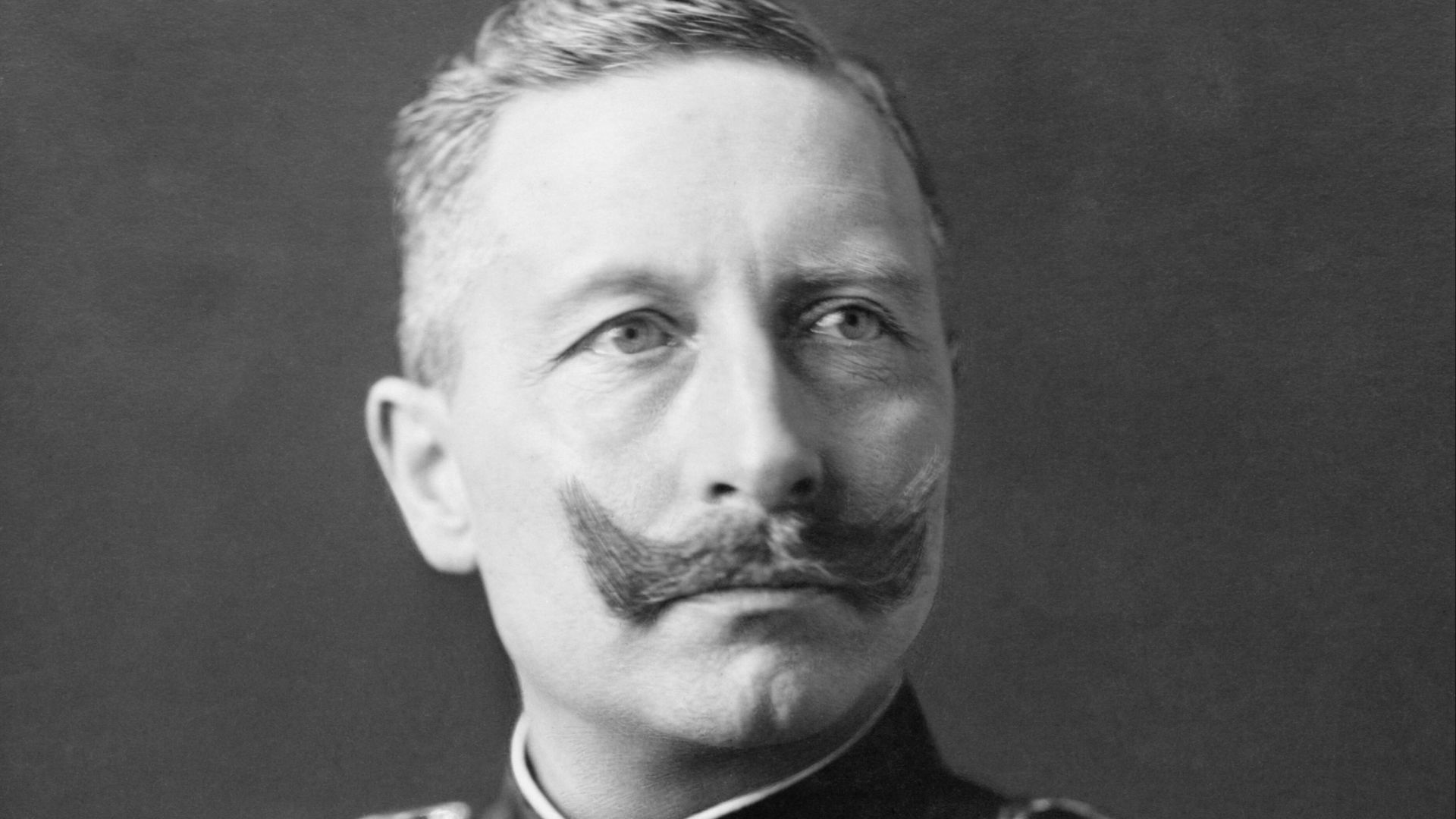
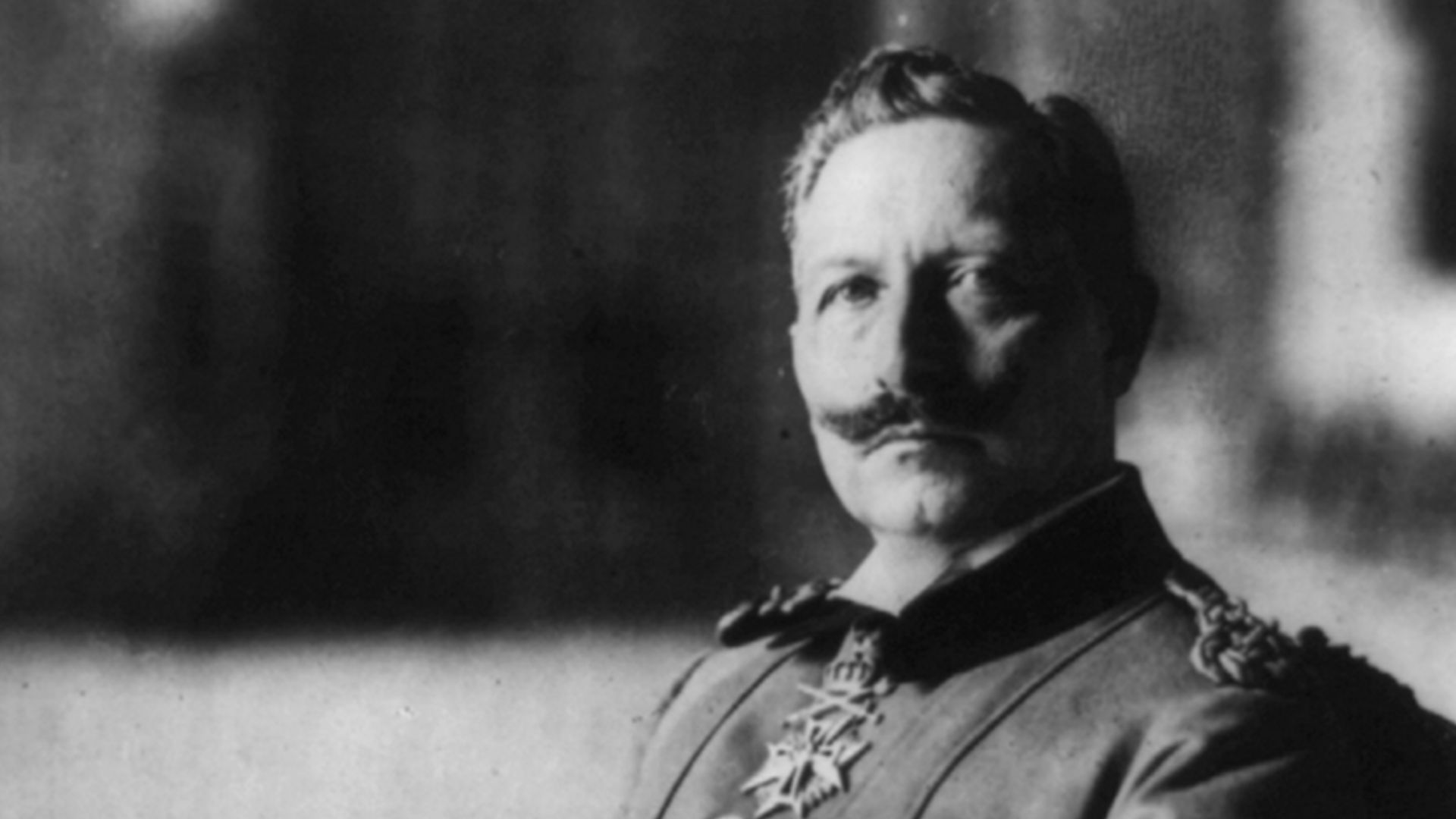
Most world leaders were happy to simply watch Annie perform and have a chance to meet her, but she afforded one a special privilege—if not a terrifying one. She had shot Frank’s cigar out of his mouth or hand plenty of times, so when Kaiser Wilhelm II heard of this, he wanted in on the action.
Requesting that he be the trick’s participant, he held out a smoke and watched as Annie aimed, fired, and reportedly shot the ashes clean off. Even when she was back home, she continued to have once-in-a-lifetime opportunities cross her path.
 Studio of Thomas Heinrich Voigt, Wikimedia Commons
30. She Was In A Movie
By this point, Annie had gone on many adventures and had more than a few life-changing experiences, but there was still time for more. Filmmaking technology was still in its infancy, but Thomas Edison had recently released his kinetoscope, and Annie was lucky enough to appear in one of the earliest films to use it. Titled Annie Oakley, the rudimentary motion picture showed a compilation of her shooting several targets, both moving and stationary.
Meanwhile, although fame brought her thrills and riches, she knew she could do more with it.
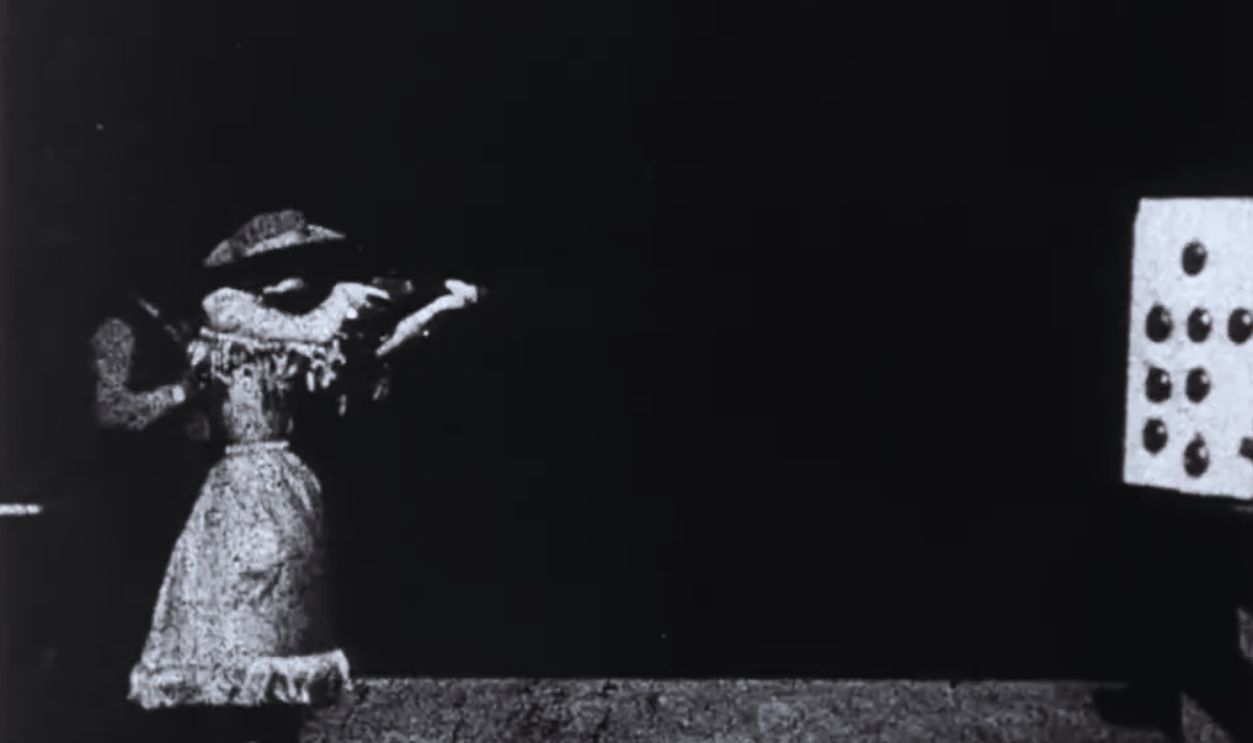 Screenshot from Annie Oakley, Edison Manufacturing Company (1894)
31. She Wrote A Letter
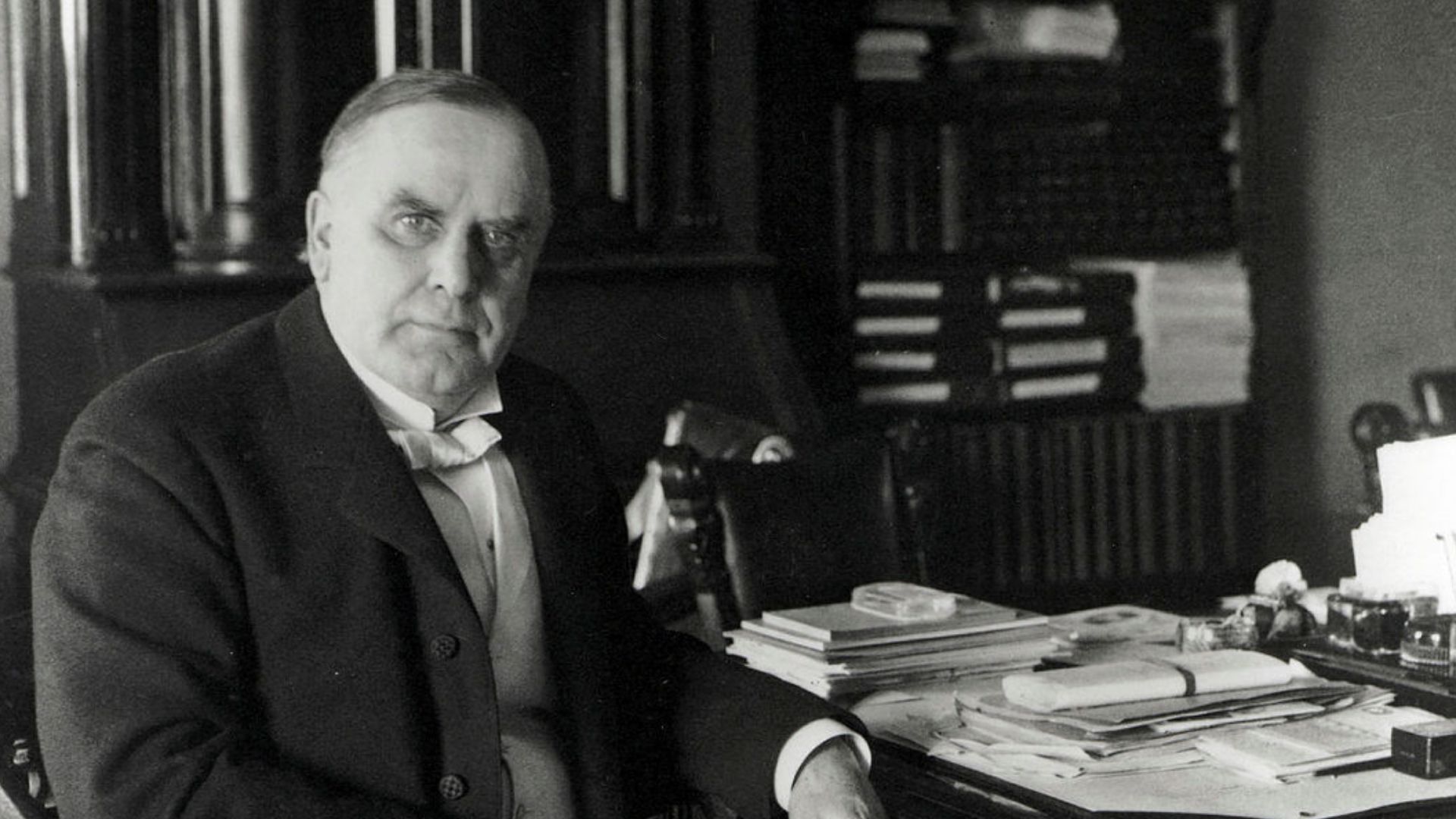
Annie had already shown she could shoot better than most of the men at the time, but taking her ambition even further, she wanted to prove she wasn’t the only one. Writing to President William McKinley, she tried to convince him that women deserved a place in the armed forces as well, even offering to lead a company of “lady sharpshooters” in the event of an American conflict with Spain.
Whether or not this succeeded, though, she was already doing the most with what she had.
 Frances Benjamin Johnston (National Archives), Wikimedia Commons
32. She Used Her Knowledge
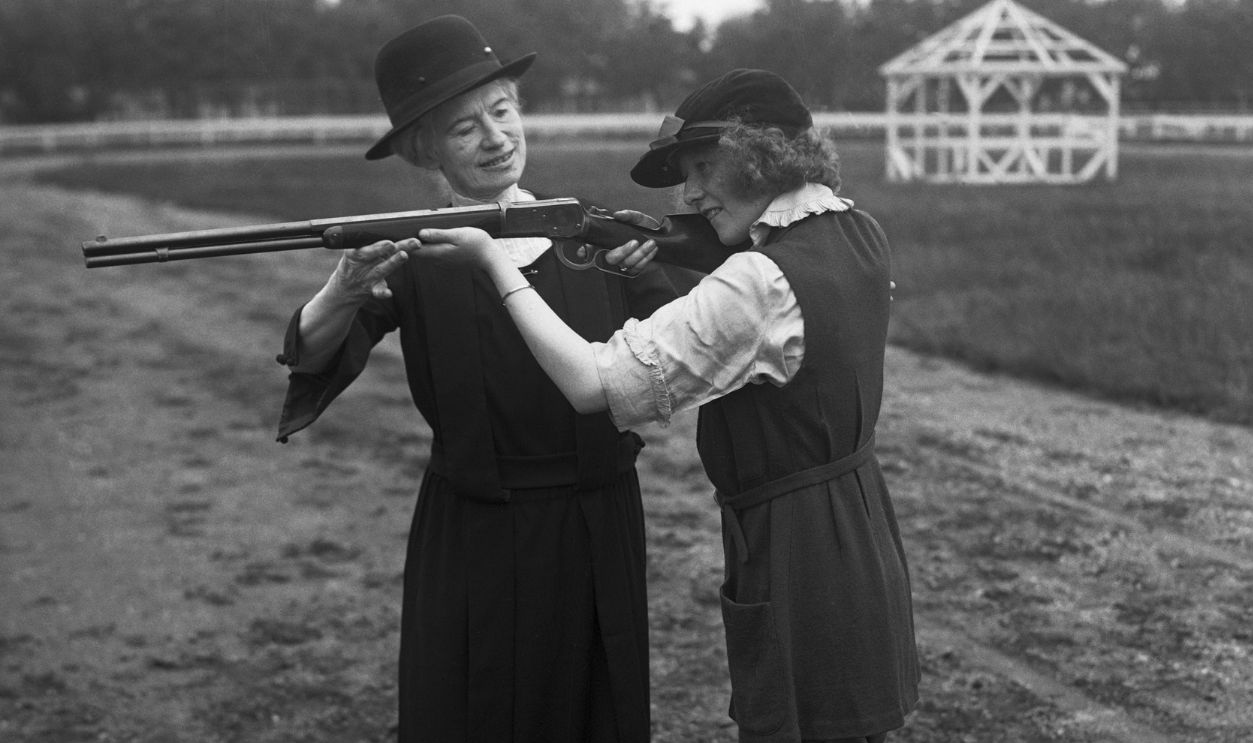
Even apart from the prospect of serving in the armed forces, Annie dedicated much of her time to training other women to shoot like her. She knew that, beyond it being a good skill for personal discipline, women needed to know how to protect themselves as best they could. By the end of her career, she had imparted her wisdom to over 15,000 women.
Unfortunately, not everyone had the confidence in her that she deserved.
33. They Wouldn’t Listen To Her
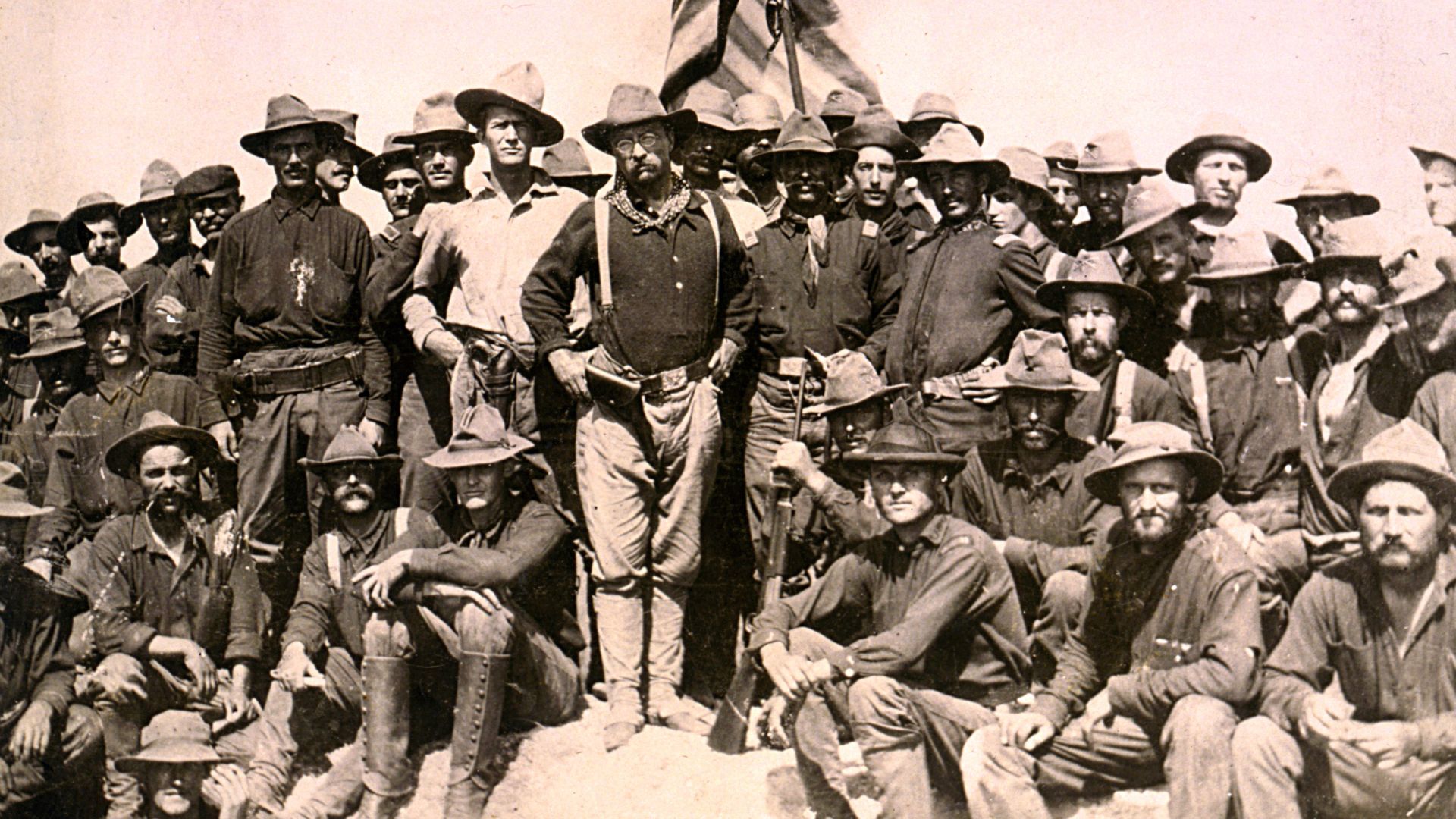
As many expected—including Annie—America soon declared hostilities against Spain, and she was just as eager to serve her country with the rest of the army. However, her offer fell on deaf ears as the US wasn’t ready for an all-women’s sharpshooting company. Still, this didn’t stop President Theodore Roosevelt from using the name of Buffalo Bill's show for his volunteer cavalry, calling them the “Rough Riders”.
Unfortunately, she would have to put any plans she had on hold—all while she recovered.
 Photographer: William Dinwiddie, Wikimedia Commons
34. She Was In An Accident
For all the impressive stunts she performed with her husband, Annie was rarely ever in any real danger—that is, until one fateful day in 1901. While traveling like she had countless times before, she was involved in a horrific train crash, and although she survived, the incident severely injured her back. She would recover in time, but only after five operations and a momentary bout of paralysis.
Even so, she would never be the same, but she wasn’t ready to give up completely.
 Unknown authorUnknown author, Wikimedia Commons
35. She Changed Her Act
Although Annie eventually regained her ability to walk and live a fairly normal life, she had to face the fact that she could no longer perform the same stunts as before. With a heavy heart, she took her final leave from the Buffalo Bill show, but she wasn’t quitting the entertainment business altogether.
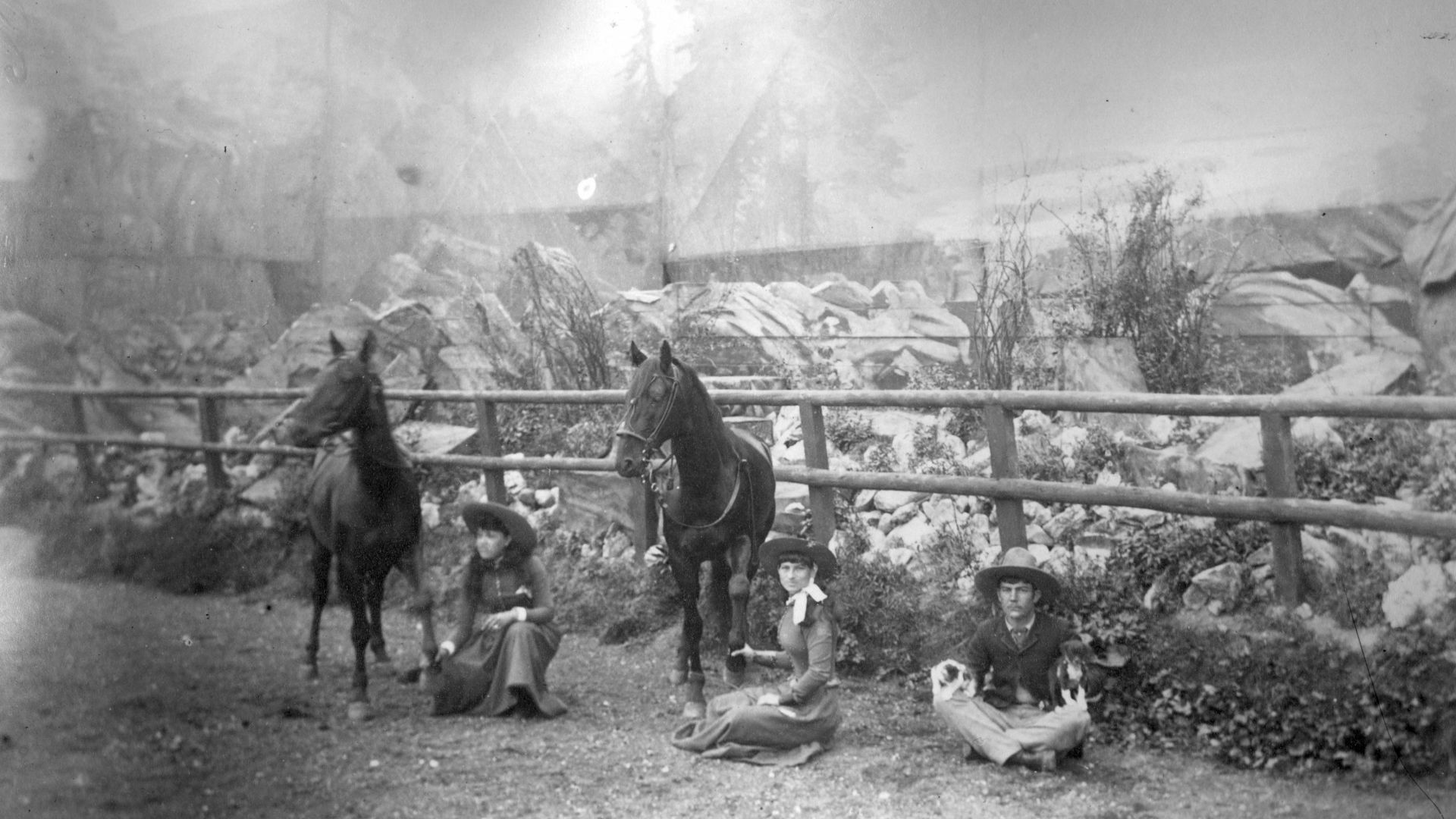
Hoping an acting career would prove easier on her health, she took to the stage in a play titled The Western Girl, written with her in mind. Still, she managed to remain in the spotlight—though not always in a good way.
 unattributed, Wikimedia Commons
36. He Told A Lie
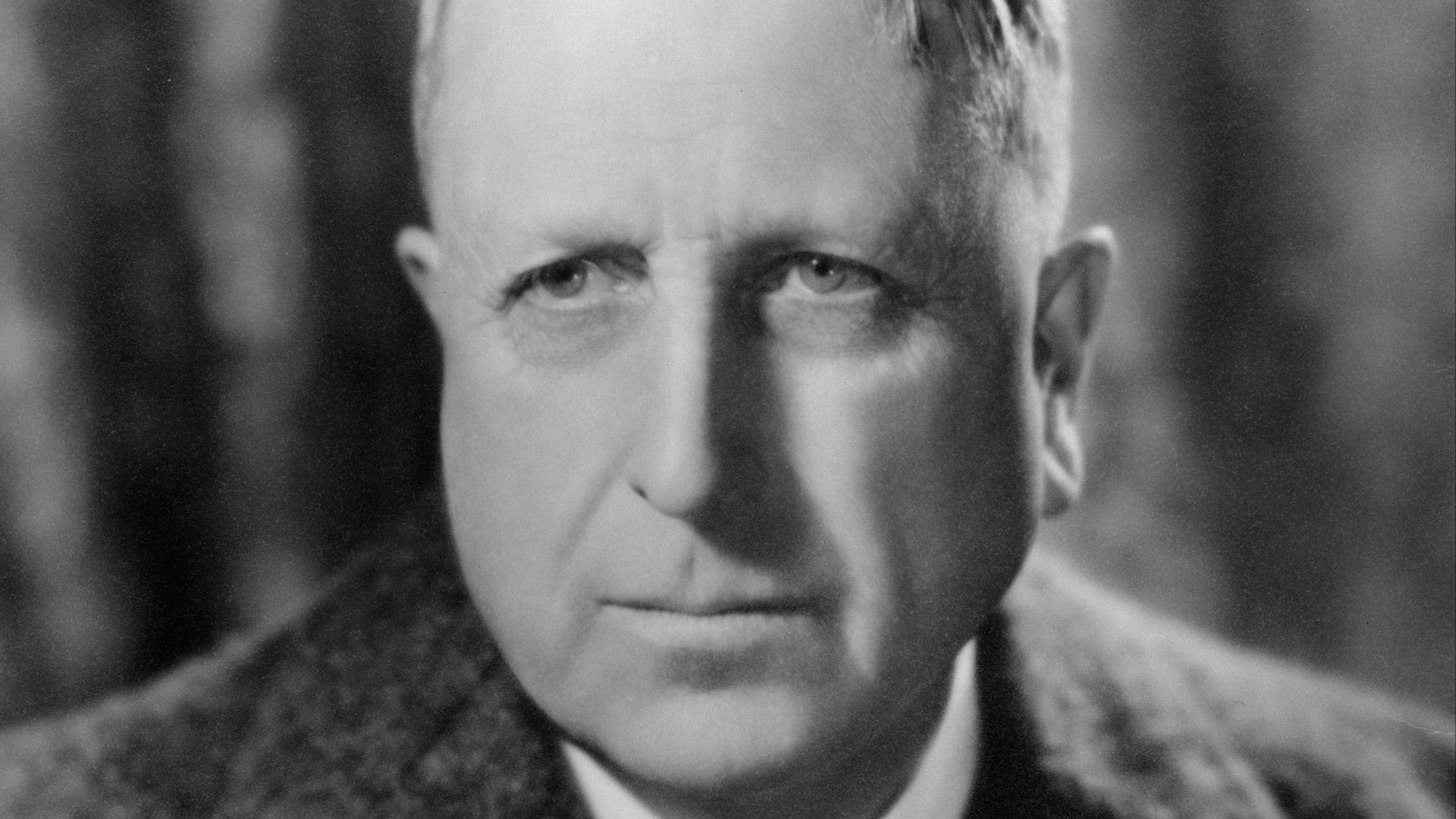
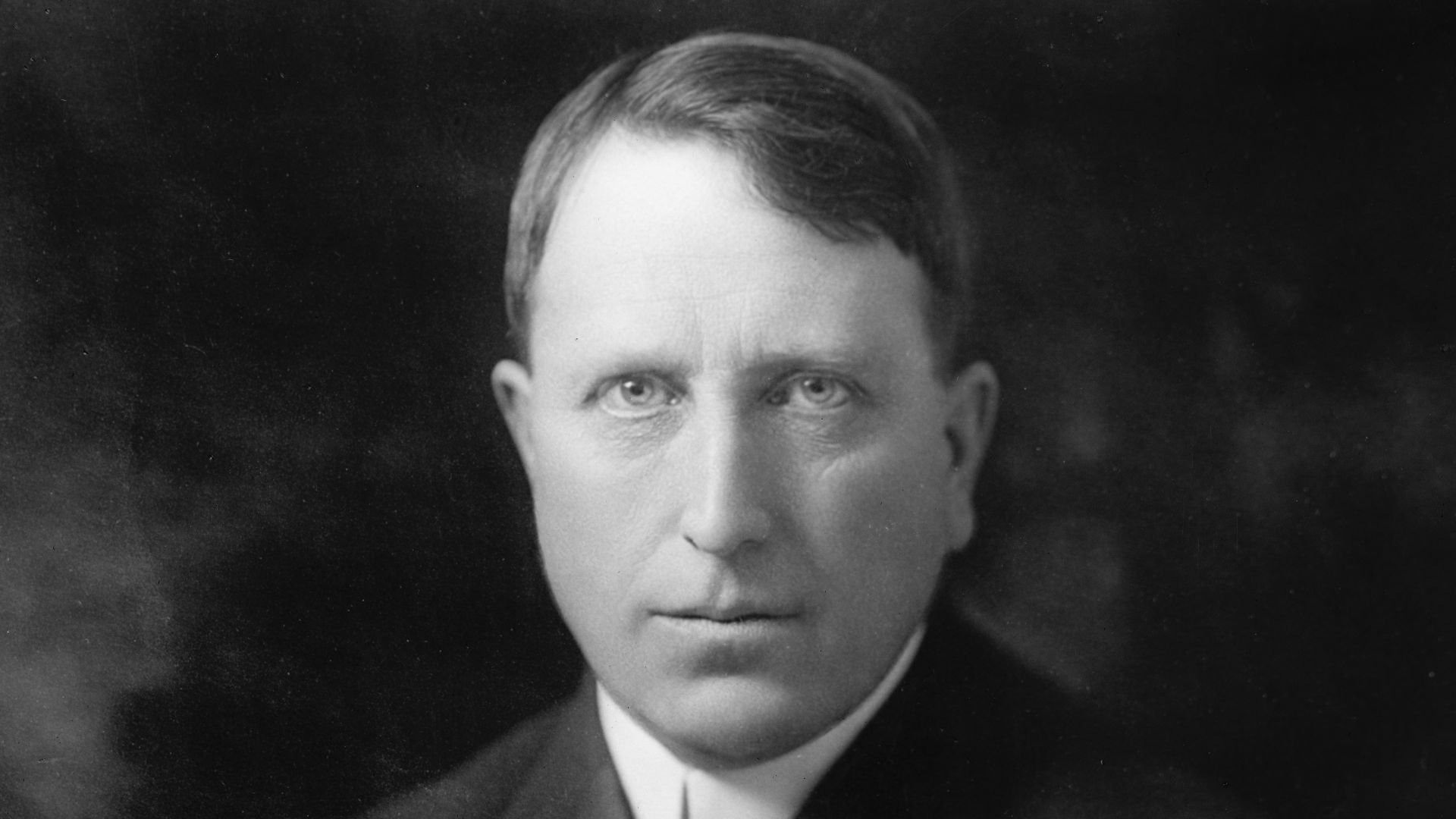
Although she had countless fans across America, Annie wasn’t immune to bad publicity, especially when the press could be so malicious. One day in 1904, her name appeared in the newspaper headlines, alongside accusations of thievery and having an issue with substance use. While completely untrue, it turned out this rumor came from notorious newspaper and tabloid magnate, William Randolph Hearst.
He was clearly lying through his teeth, but he wasn’t the only one.
 James Manatt, Hollywood, Wikimedia Commons
37. She Gave Her Name
Although Hearst rarely seemed to care about the authenticity of the stories he published, the defamatory rumor about Annie had at least some truth to it—though it had little to do with her. In reality, law enforcement in Chicago had taken a burlesque dancer into custody on the same charges, only for her to tell them her name was Annie Oakley.
The rumor spread like wildfire before she even had a chance to get ahead of it, but she would have her justice.
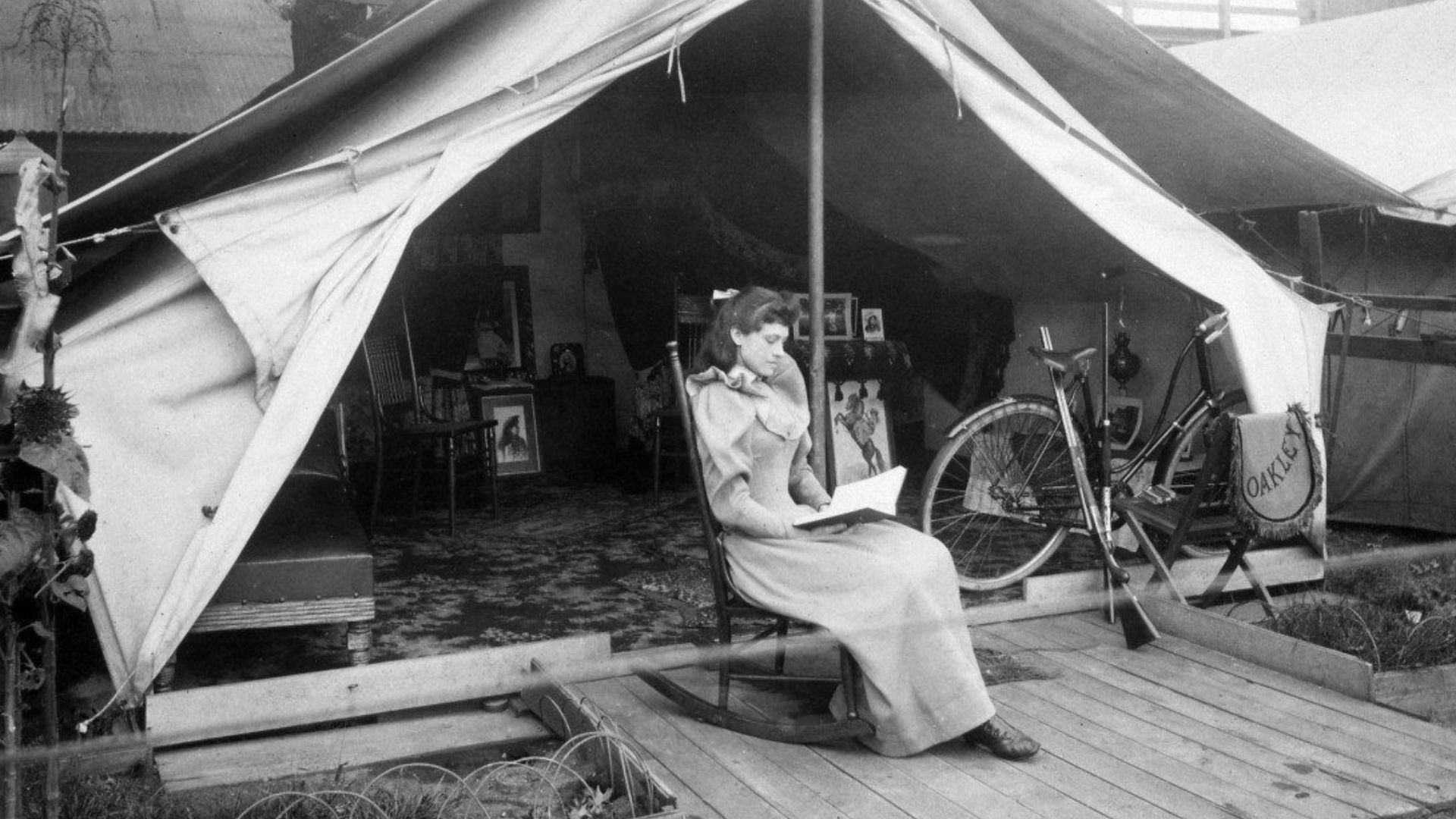 Chicago Worlds Fair 1893, Wikimedia Commons
38. They Apologized To Her
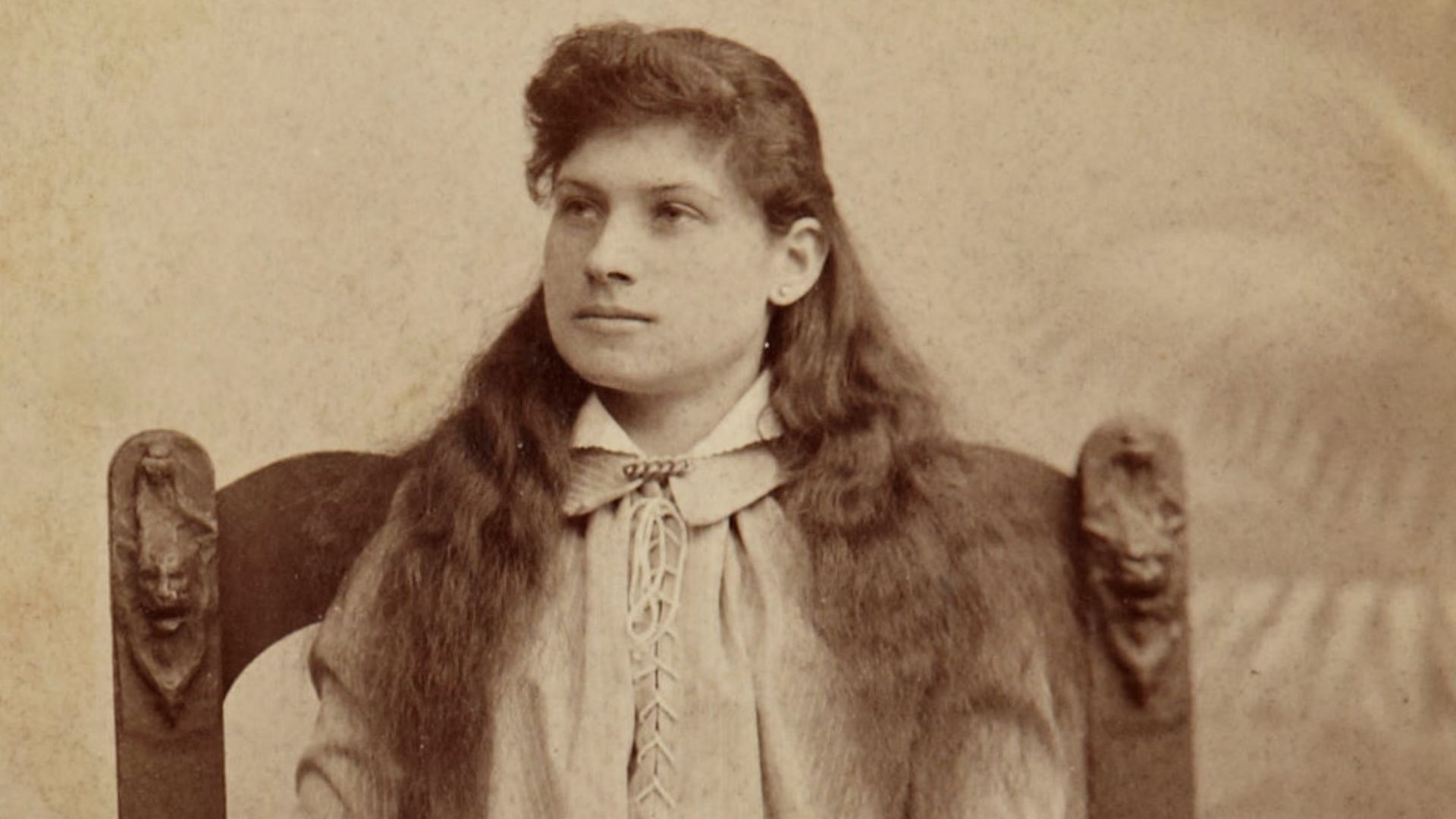
Hearst had been the first to publish the false story about Annie, but he had such a monopoly on the press that many other outlets took it as truth without question. However, it was only a matter of time before the truth of the incident came out, and each of the other publications immediately apologized to Annie as they retracted the story.
Even then, Hearst hadn’t finished with his underhanded tactics.
 Baker's Art Gallery
, Wikimedia Commons
Baker's Art Gallery
, Wikimedia Commons
39. He Tried To Get Out Of It
Hearst realized he had almost completely fabricated the story, but there was no way he was going to admit it or face the consequences willingly. Hoping to besmirch Annie’s reputation even further, he hired a private investigator to visit her hometown and dig up any dirt that could sully her good name. However, after a thorough search, the investigator came up empty.
Naturally, for any judge with half a brain, this was an open-and-shut case.
 Harris & Ewing, photographer, Wikimedia Commons
40. She Was On A Winning Streak
Even with all the retractions from various publications, Annie’s reputation had taken a hit, meaning she still had grounds to sue each of them for libel—especially Hearst. Over the next six years, she filed a total of 55 lawsuits, usually facing little opposition. She won every suit except for one.
Unbeknownst to her, a much bigger battle was on the horizon—one that she could have stopped.
 World Telegram staff photographer, Wikimedia Commons
41. She Had One Regret
The US government never turned a corner on Annie’s idea for a lady sharpshooter company, but considering WWI broke out in 1914, maybe they should have. Either way, Annie was able to look at the situation with a bit of humor, specifically because of her stunt with Kaiser Wilhelm II, who many held responsible for making WWI possible. Looking back, Annie joked that she could have stopped the conflict if she had simply shot the Kaiser instead.
Of course, she hadn’t been the only one there that day, and her husband took the joke a step further.
42. He Wrote To Him
According to Annie and Frank, neither of them realized the ripple effect Kaiser Wilhelm would have when they first met him, but at least one of them thought it wasn’t too late. Only partly joking, Frank later revealed that he had actually written to the Kaiser after WWI began, inviting him to come and do the trick again—though he never received any response.
As she got older, it might have been smart to take it easy, but that wasn’t Annie.
43. She Never Slowed Down
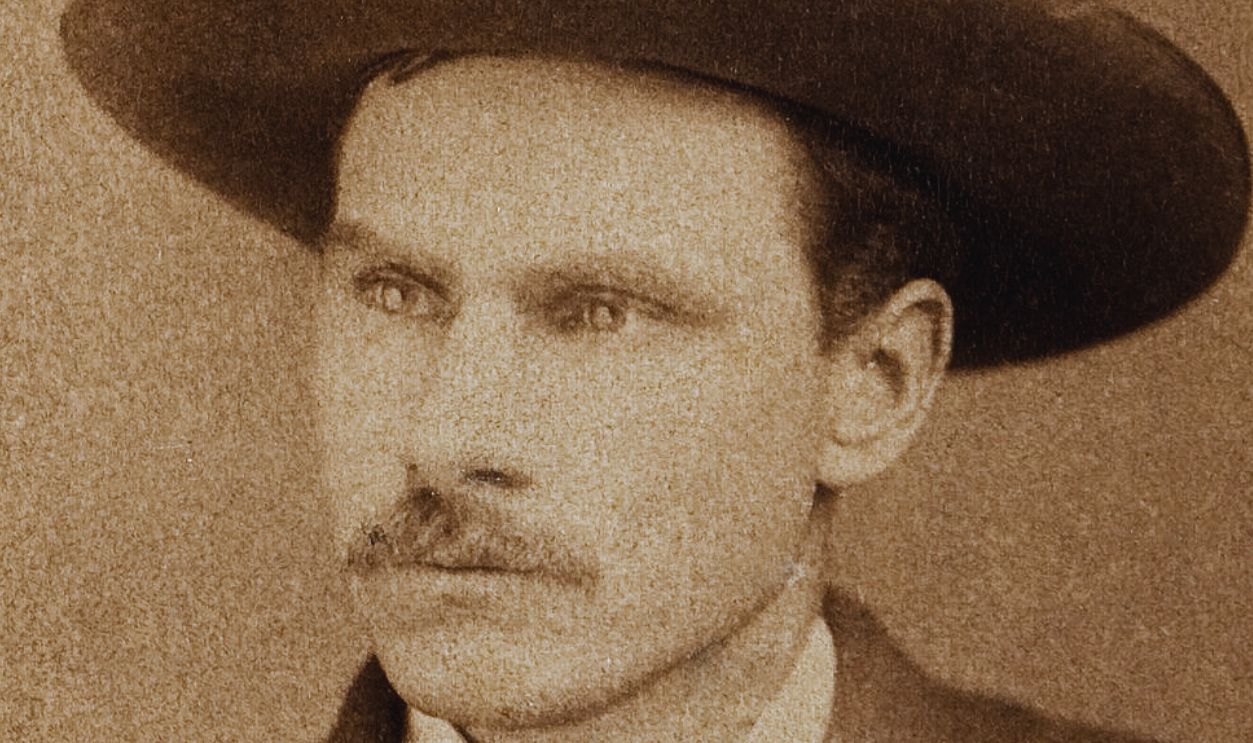
Even though Annie had long since departed from her act in the Buffalo Bill show, she was adamant about staying active in society, both personally and professionally. Her concept for the armed forces may not have worked out, but that didn’t dissuade her from continuing her humanitarian work with women and other issues. Not to mention that, even as she reached her 60s, she still had enough skill to keep breaking shooting records.
She even made an effort to regain some of her stardom, proving that time hadn’t dulled her talents.
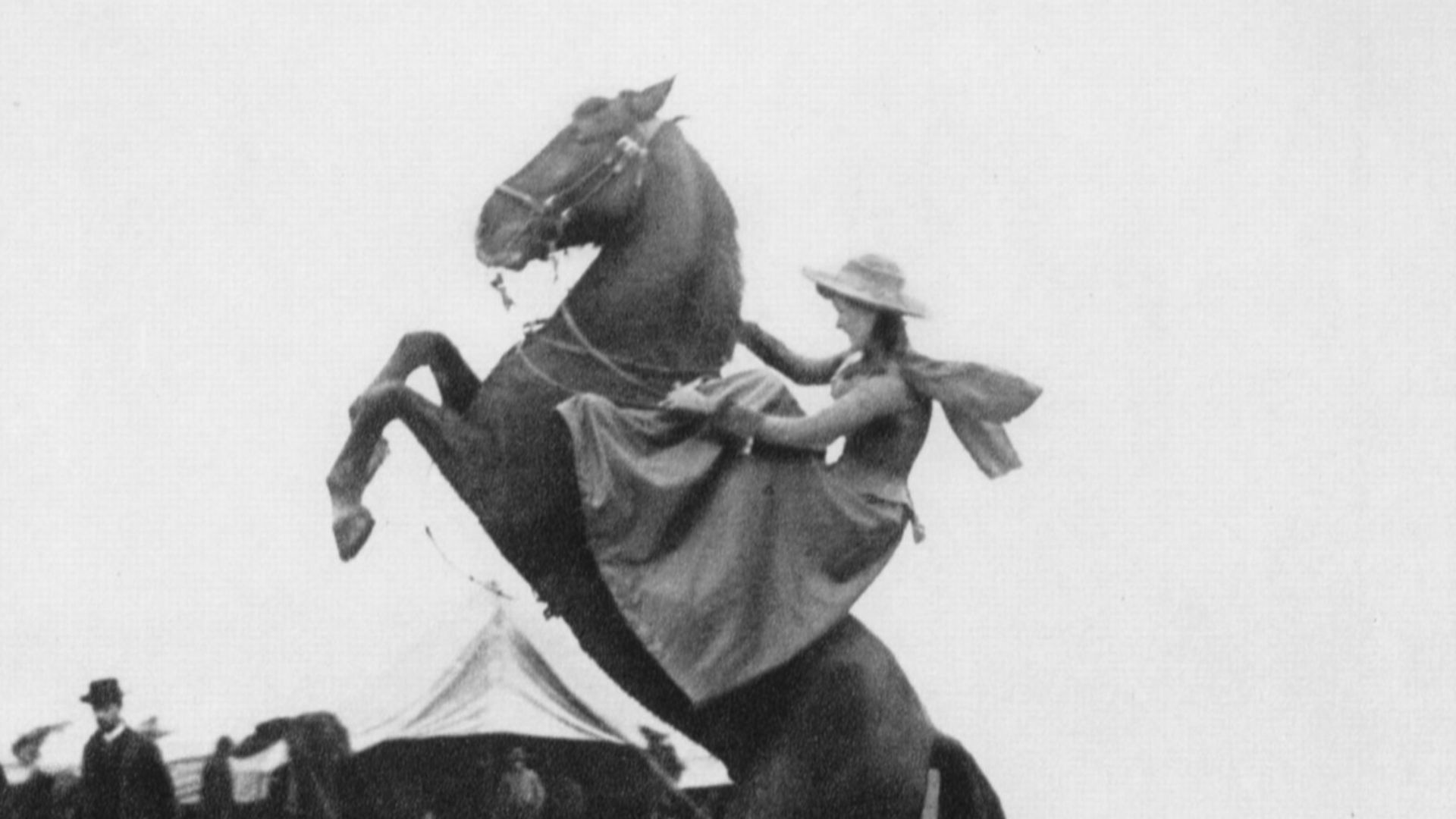 Primoli, Giuseppe, Wikimedia Commons
44. She Stepped Back In The Spotlight
While she still performed consistently for audiences, Annie had largely stepped away from the public eye when compared to the fame she previously enjoyed—but she was now ready for a comeback. Making her big return in 1922, she planned to star in a silent film and went on to enter a contest where she shot 100 clay targets in a row at 16 paces back.
Unfortunately, she was in for another extreme bout of bad luck.
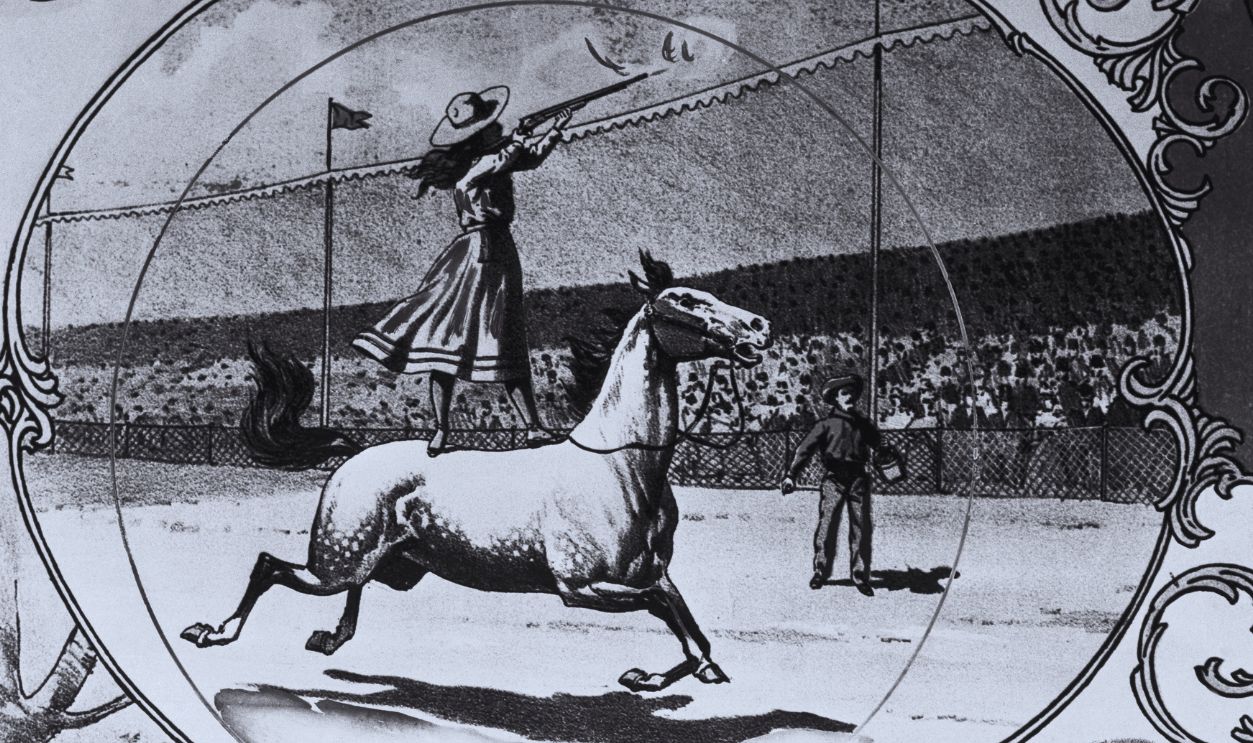
45. She Was Injured Again
It turns out that her train crash wasn’t the last time Annie would have such a traumatic incident, but when another freak accident came around in 1922, she wasn’t alone. She and Frank became involved in a fairly serious car crash, and while they both survived, she sustained a leg injury that required a steel brace. Luckily, after dedicating a year to her recovery, Annie was back on her feet and performing again.
However, she soon realized that a full recovery just wasn’t in the cards for her.
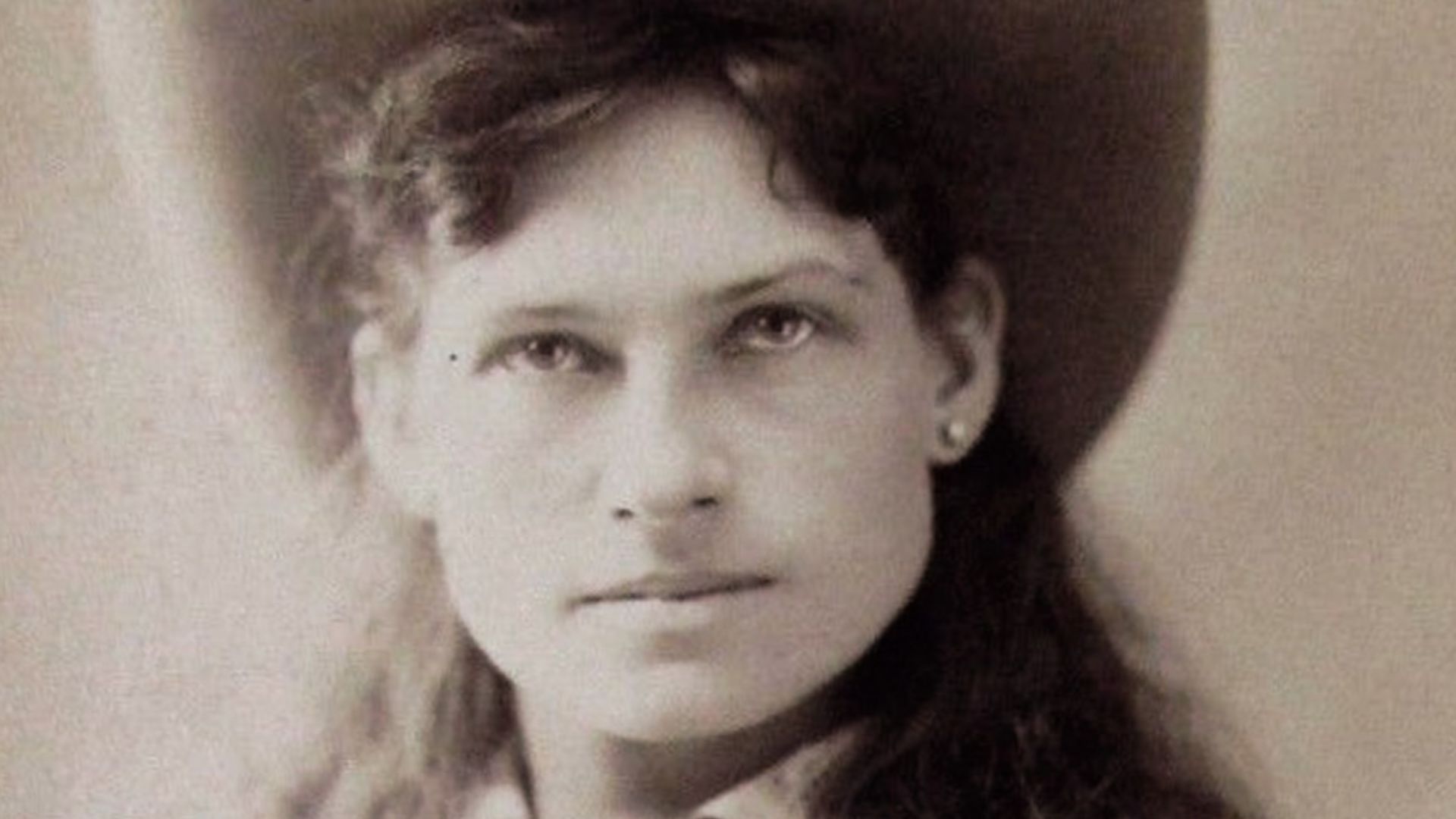 Baker's Art Gallery, Wikimedia Commons
46. She Became Sicker
Annie tried her best to keep entertaining people the best way she knew how for as long as she could, but at a certain point, time just caught up with her. A year after the car crash, despite believing she was out of the woods, her health suddenly began to deteriorate again.
Over the following year, she developed a horrible case of pernicious anemia that quickly wore her down until, on November 3, 1926, she sadly passed. In her absence, Frank was left to pick up the pieces, but that was easier said than done.
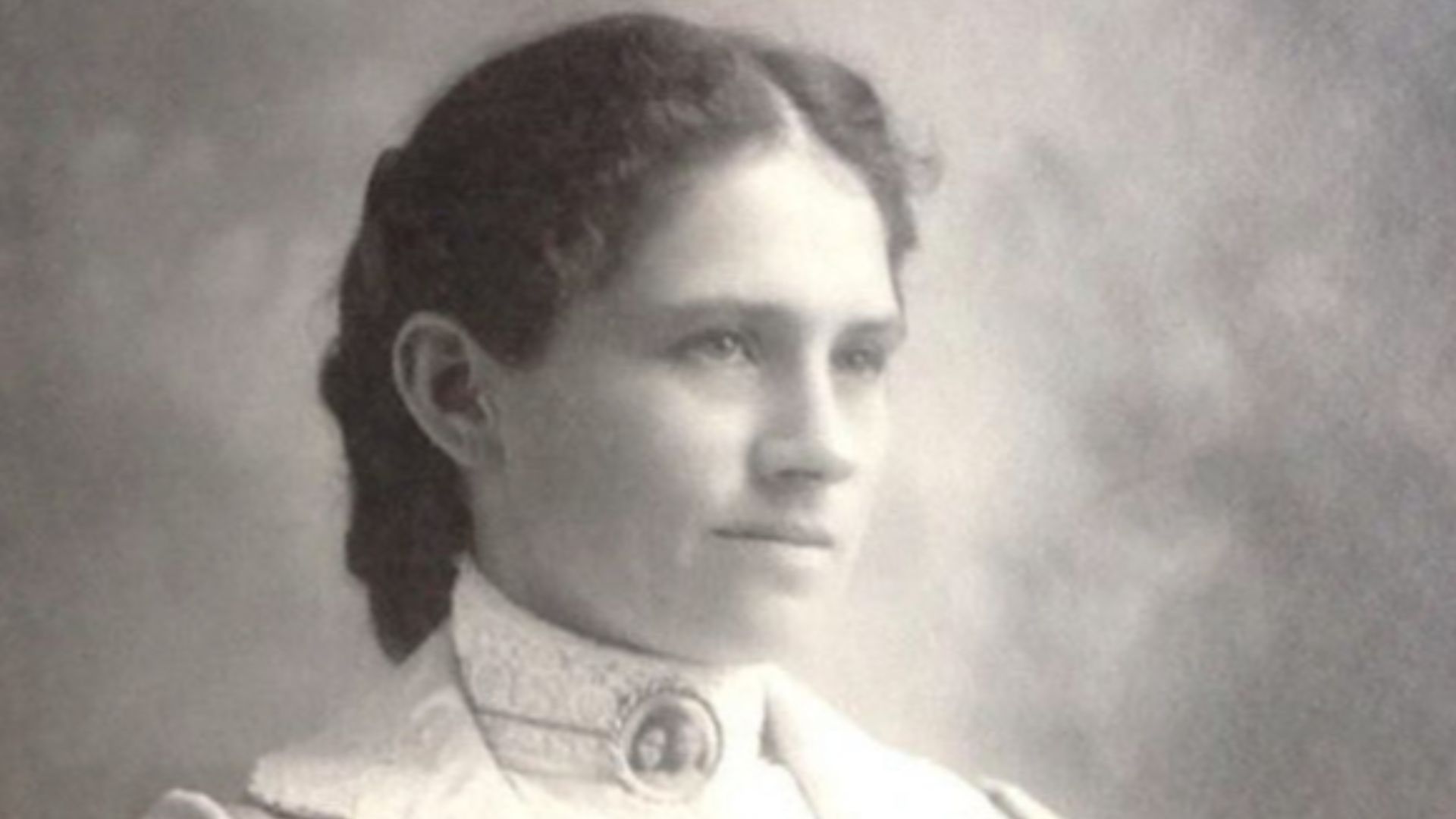 Gray, 1030 Tremont St, Boston, Wikimedia Commons
47. He Was Inconsolable
Ever since they met, Frank’s whole world had been about supporting Annie, so her loss hit him like a freight train, leaving him with an emptiness he couldn’t overcome. Over the following days, he stopped eating or taking care of himself, eventually succumbing to his grief only a few weeks after Annie’s passing.
According to one story, however, the two of them wouldn’t stay parted forever.
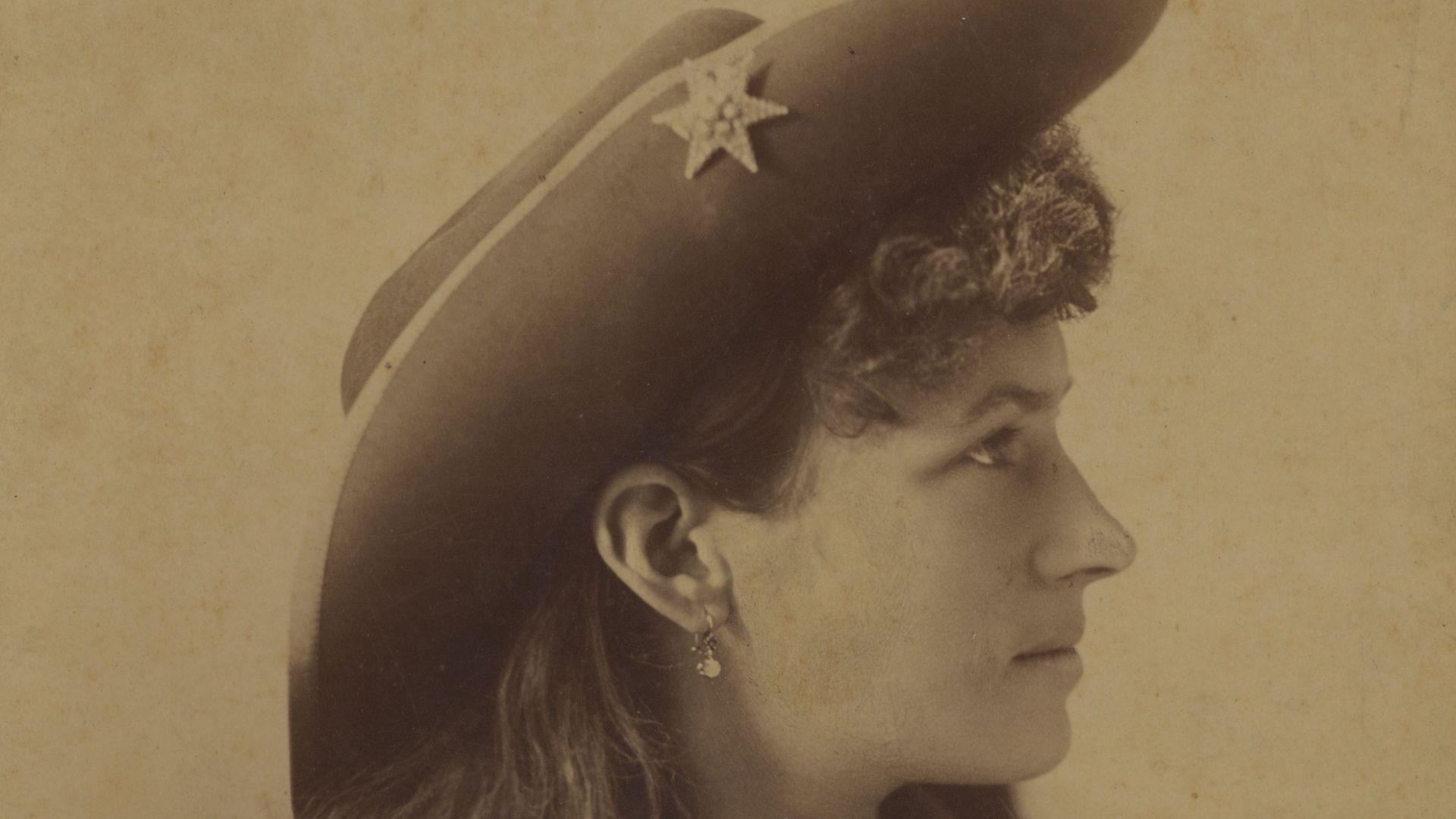 Anthony Percival, Wikimedia Commons
48. They Were Reunited
Annie Oakley had earned no small number of awards over her impressive career, one of which served as her final resting place—at least, according to one account. Some say that after Annie passed, her family arranged her cremation before placing the ashes in one of her trophies, which was later laid to rest with Frank inside his coffin.
Of course, others would have their chance to pay her their respects—even today.
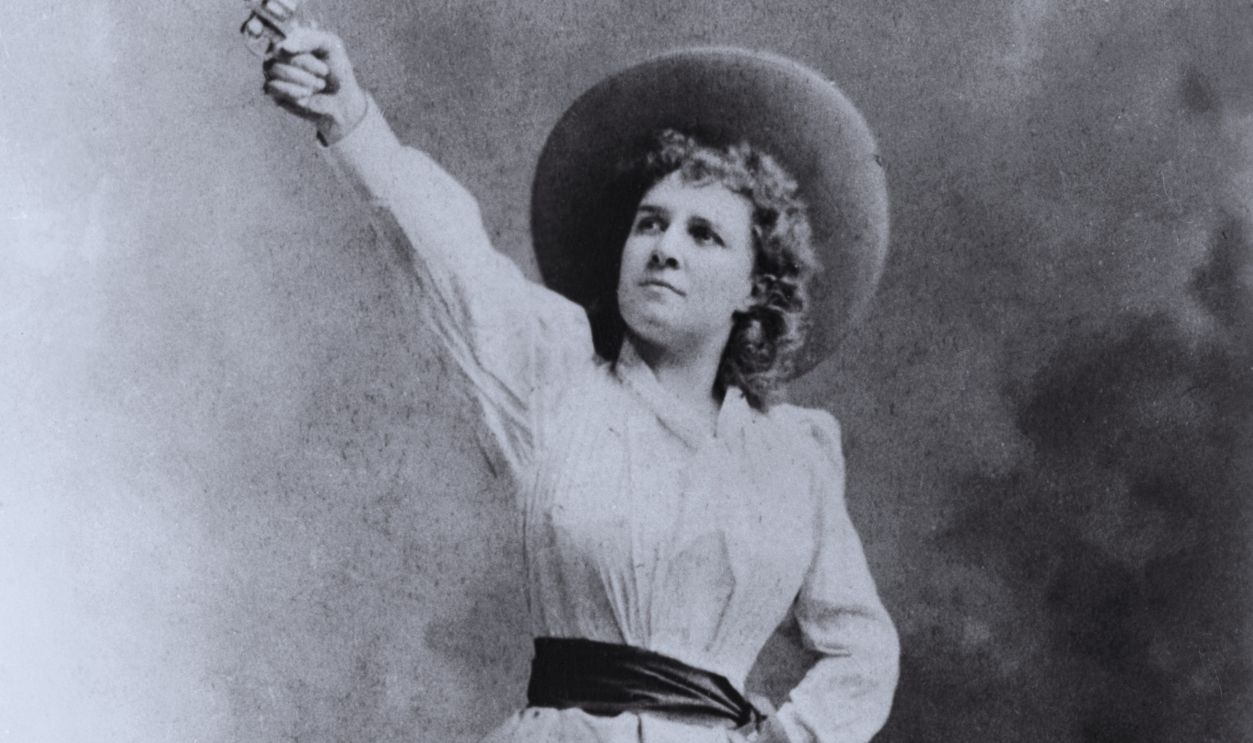
49. She Was Memorialized
While many mourned Annie’s passing when it happened, those today who want to celebrate her are in luck, as many of her possessions have survived across the centuries. Displayed in Greenville, Ohio, at the Garst Museum and the National Annie Oakley Center, visitors can see firsthand some of her most prized belongings, her original merchandise, and—of course—her choice of weaponry.
As for the rest of her estate, it went to an even greater cause.
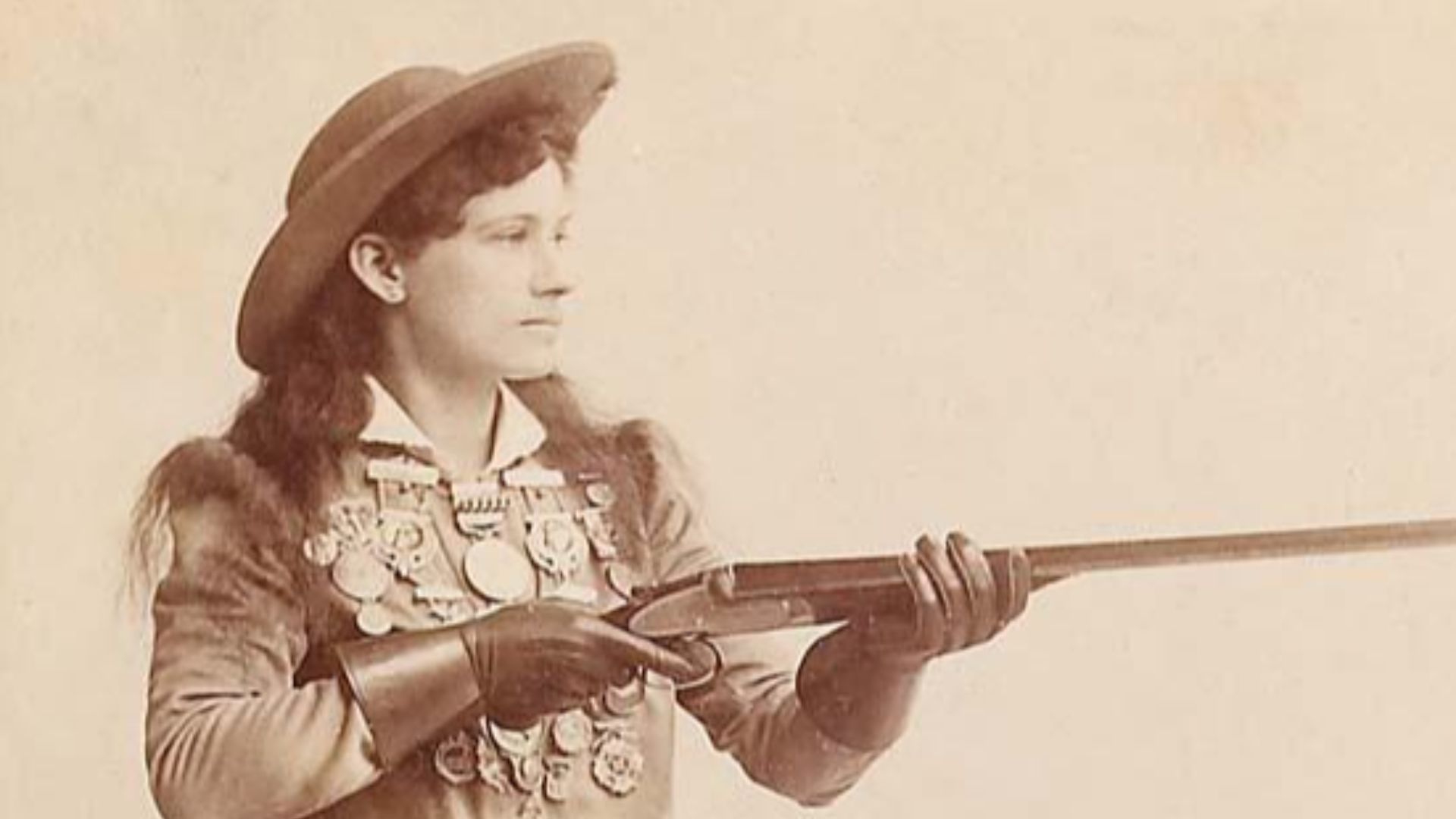 Alfred Brisbois, 125 State Street, Chicago, Wikimedia Commons
50. She Was A Giver
While history remembers Annie Oakley as one of the greatest sharpshooters and performers of the Wild West, she made an even greater impact as a philanthropist, fighting for women’s rights and several other causes. This became all the more evident when her partially written autobiography surfaced in the wake of her passing, revealing that she had given every cent of her wealth either to her family or the charities she supported.
You May Also Like:
Jeanne de Clisson Was Called The “Lioness Of Brittany” For A Reason
The Real Story Behind Blackbeard’s Terrifying Reputation