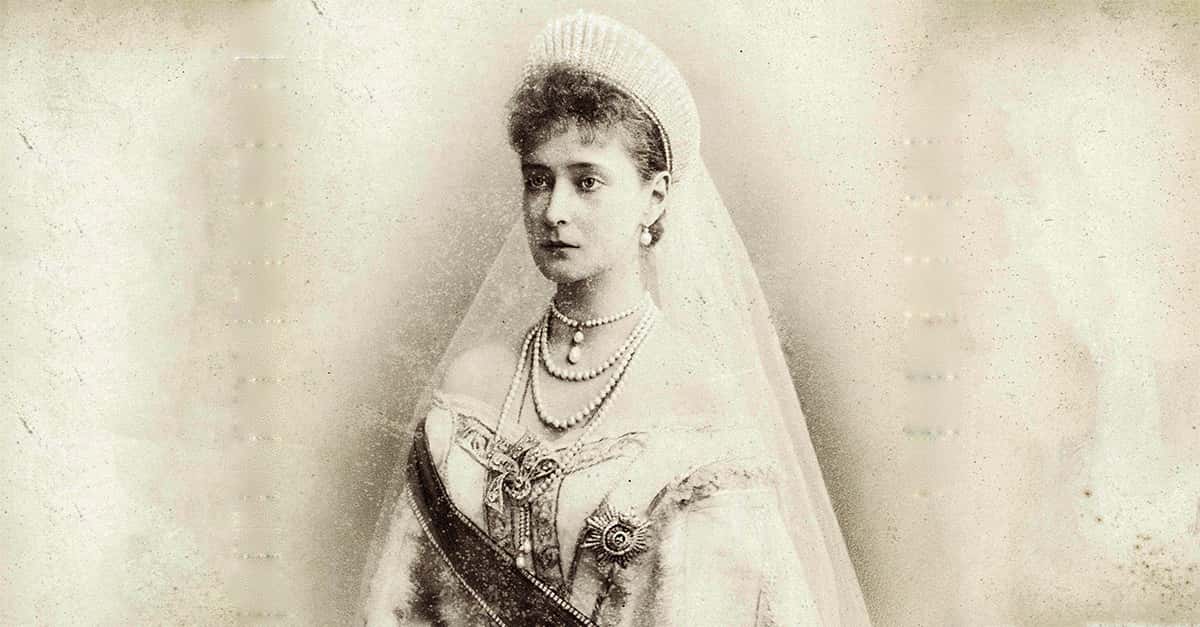
A Reactionary Ruler
Alexander III was never supposed to be Emperor. But after the untimely passing of his older brother, he became the reluctant Tsesarevich of Russia and dutifully turned his attention to matters of politics. A difficult relationship with his father and the seismic societal shifts occurring on his doorstep in revolutionary Europe were enough to make Alexander dig in on his autocratic tendencies, and the people of Russia paid the price.
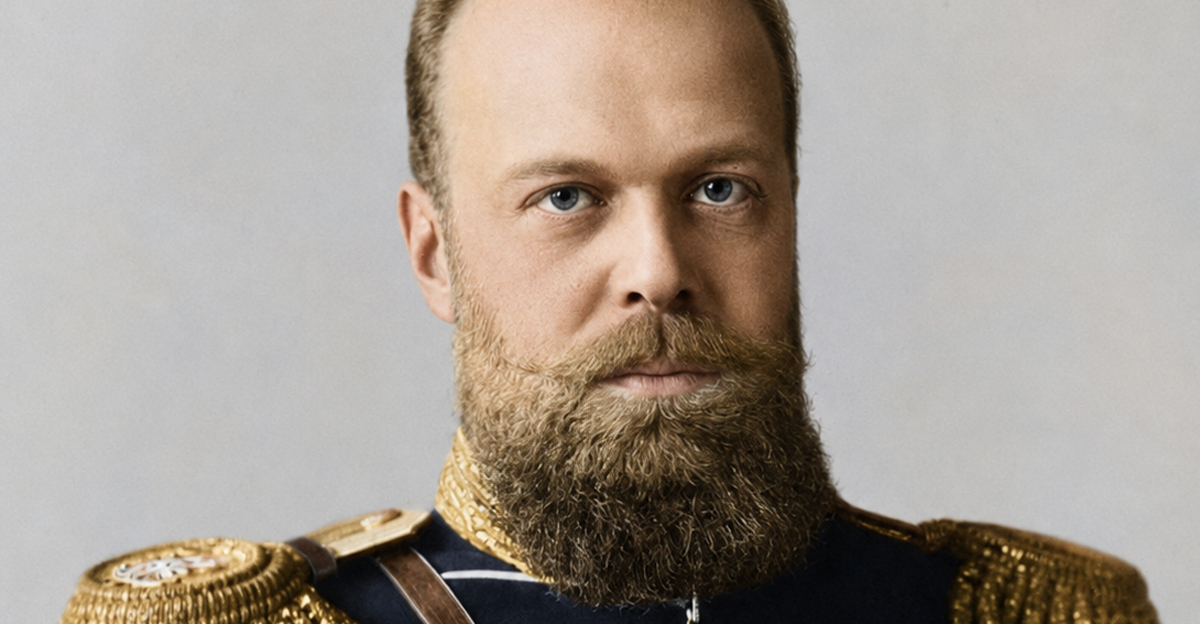 Sergey Lvovich Levitsky, Wikimedia Commons
1. He Was Born Comfortable
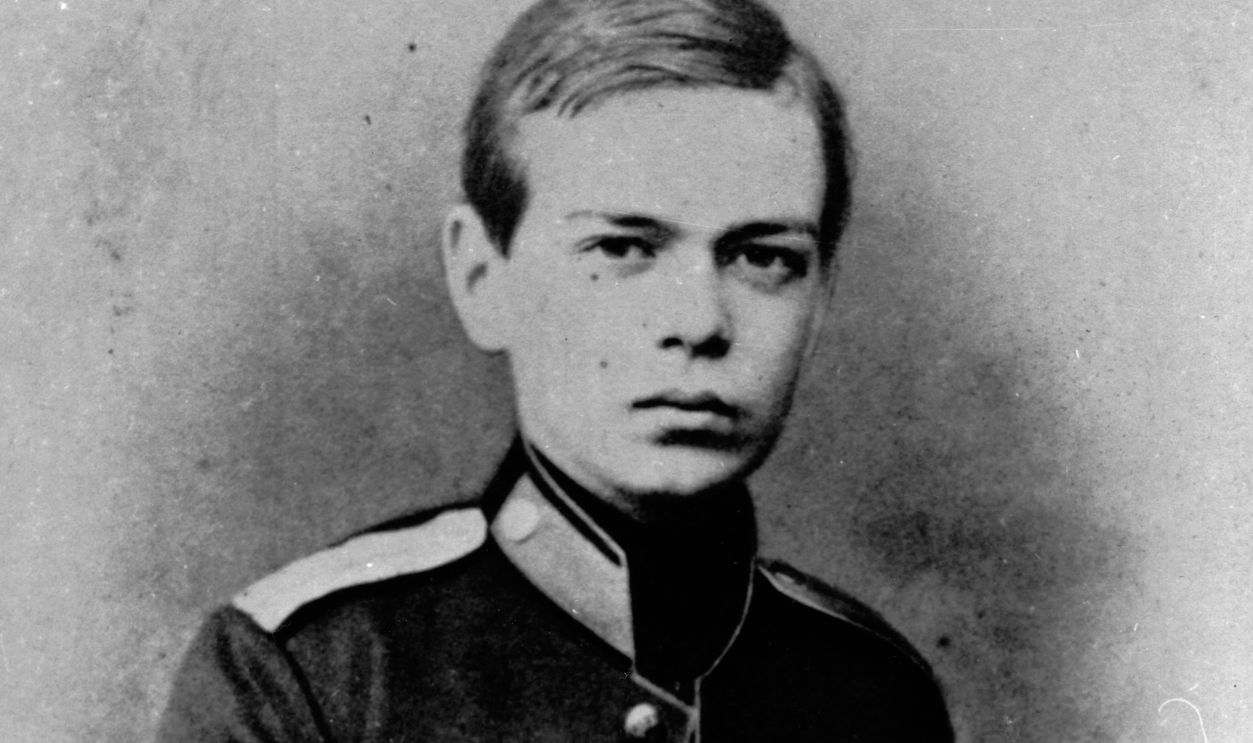
Alexander III was born Grand Duke Alexander Alexandrovich Romanov on March 10, 1845, in Saint Petersburg’s lavish Winter Palace. The second son and third child of the future Tsar Alexander II, the younger Alexander never knew a time where his family was not the most powerful in the land—his birth took place during the reign of Nicholas I, his grandfather. He had no reason to suspect that he would one day occupy the same throne.
2. His Brother Was Strong
Alexander was the second son of his father, meaning that his older brother Nicholas was in line for the throne. The younger Duke never expected he would be a prospect for succession, and not just because of his place in line: Nicholas was a strong young man of robust constitution, and everyone expected he would make a great tsar. Alex was happy to fade into the background while they groomed his brother for rule, even when the foundations of that potential rule began to shake.
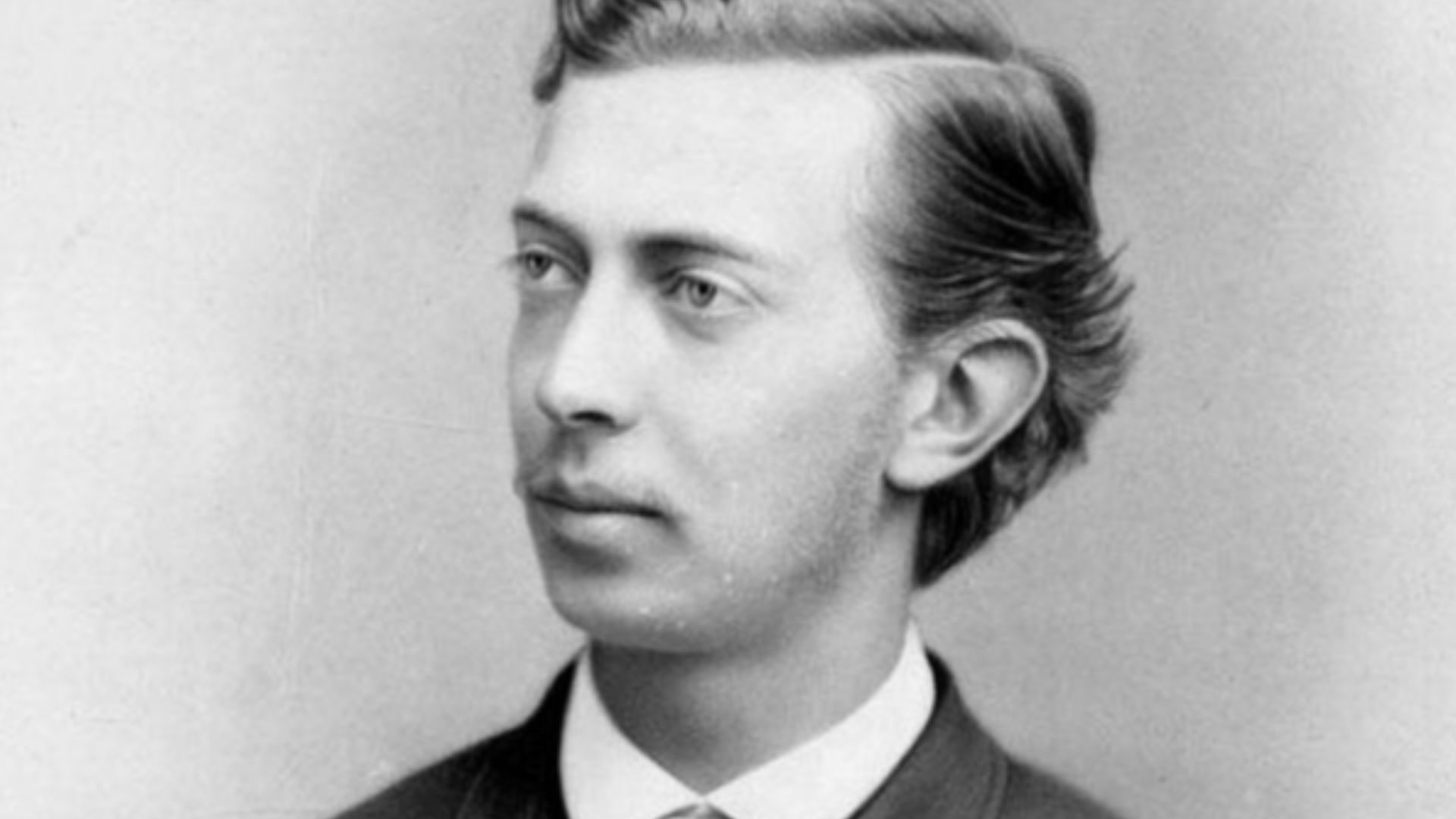 Unknown photographer, Wikimedia Commons
3. His Brother Grew Weak
When Alexander and his brother were teenagers, Nicholas began to show symptoms of delicate health. None in the Imperial family, however, questioned the likelihood of his ascension, least of all his unassuming brother. The Imperial family arranged a political marriage for the expected-future-tsar, and Nicholas got betrothed to Princess Dagmar of Denmark. Meanwhile, Alexander dutifully met the expectations of a Grand Duke.
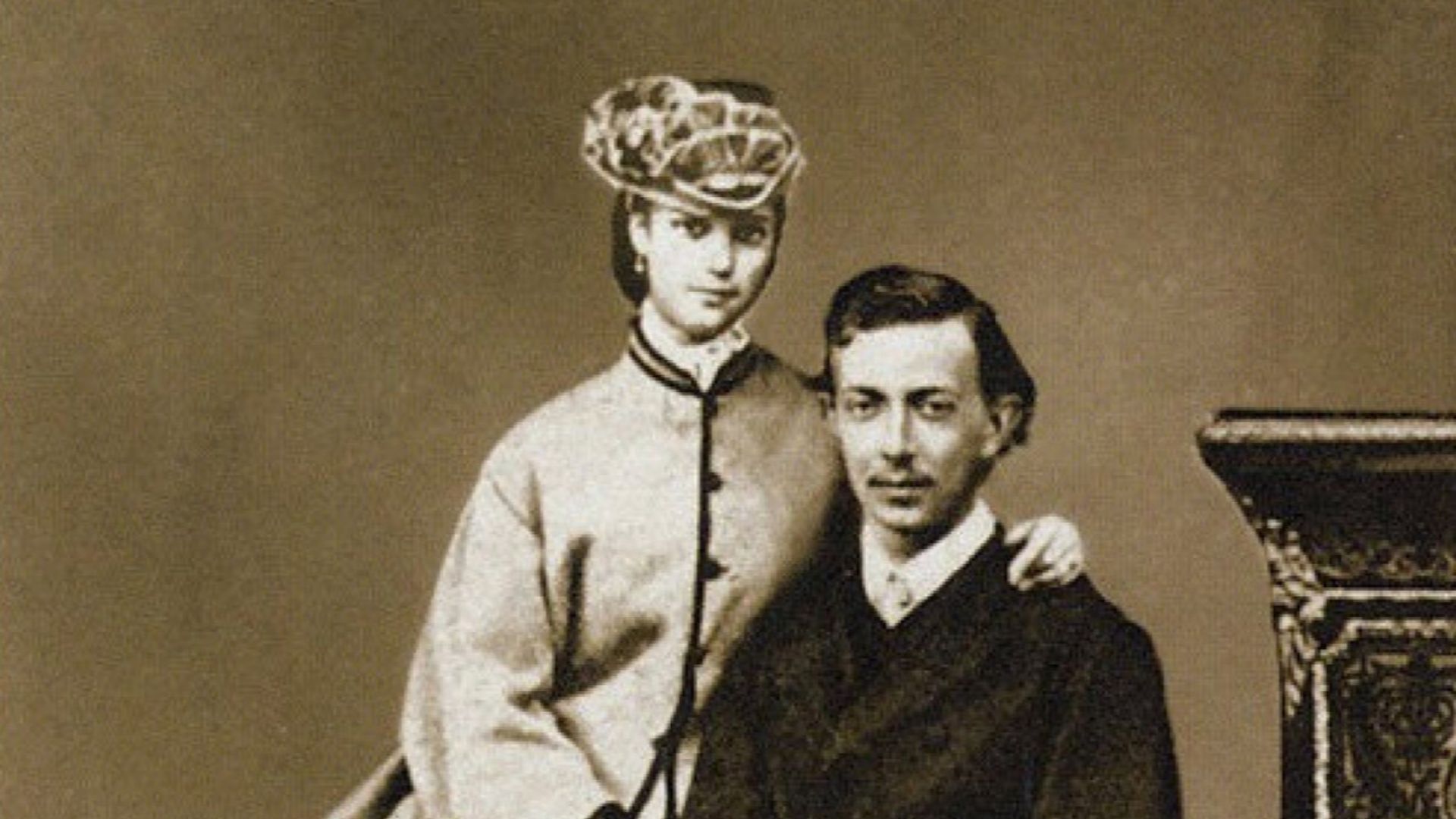 Georg Emil Hansen, Wikimedia Commons

History's most fascinating stories and darkest secrets, delivered to your inbox daily.
4. He Committed To His Role
While the Romanovs devoted great concern and resources to Nicholas’ education as Tsesarevich, Alexander’s schooling received far less attention. He got the same training that any Grand Duke of the period would get, and he went along with this happily. It wasn’t a bad education, by any stretch.
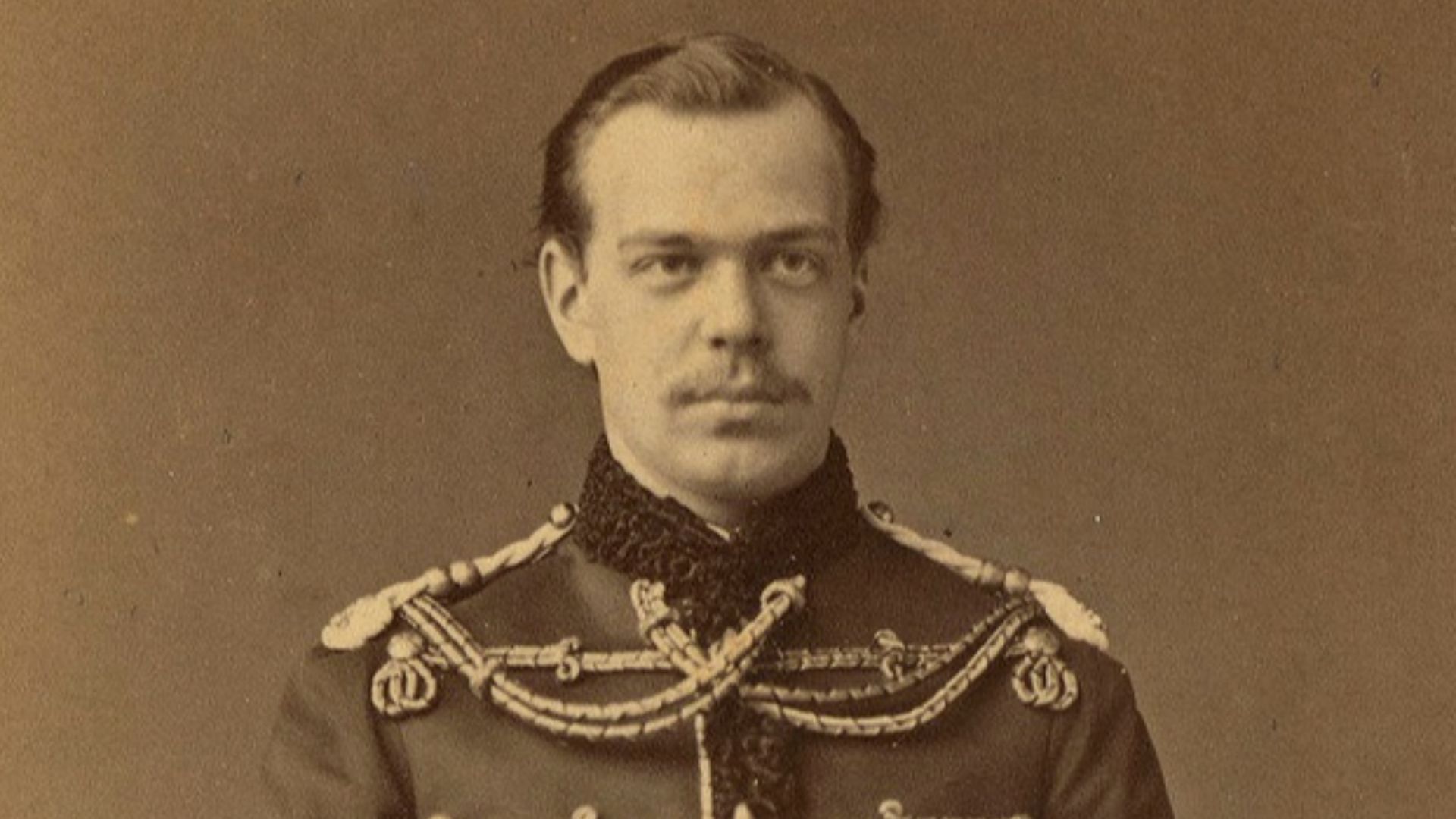 Sergey Lvovich Levitsky, Wikimedia Commons
5. He Learned A Lot
The education of a Grand Duke was nothing to sniff at, and Alexander became proficient in many subjects, languages, and skills. His lessons included at least a passing acquaintance with English, French, and German. He also received tutoring in military drill, perhaps with the expectation that he would assume command of Russia’s armed forces. Alexander also had time to be a teenager, of course.
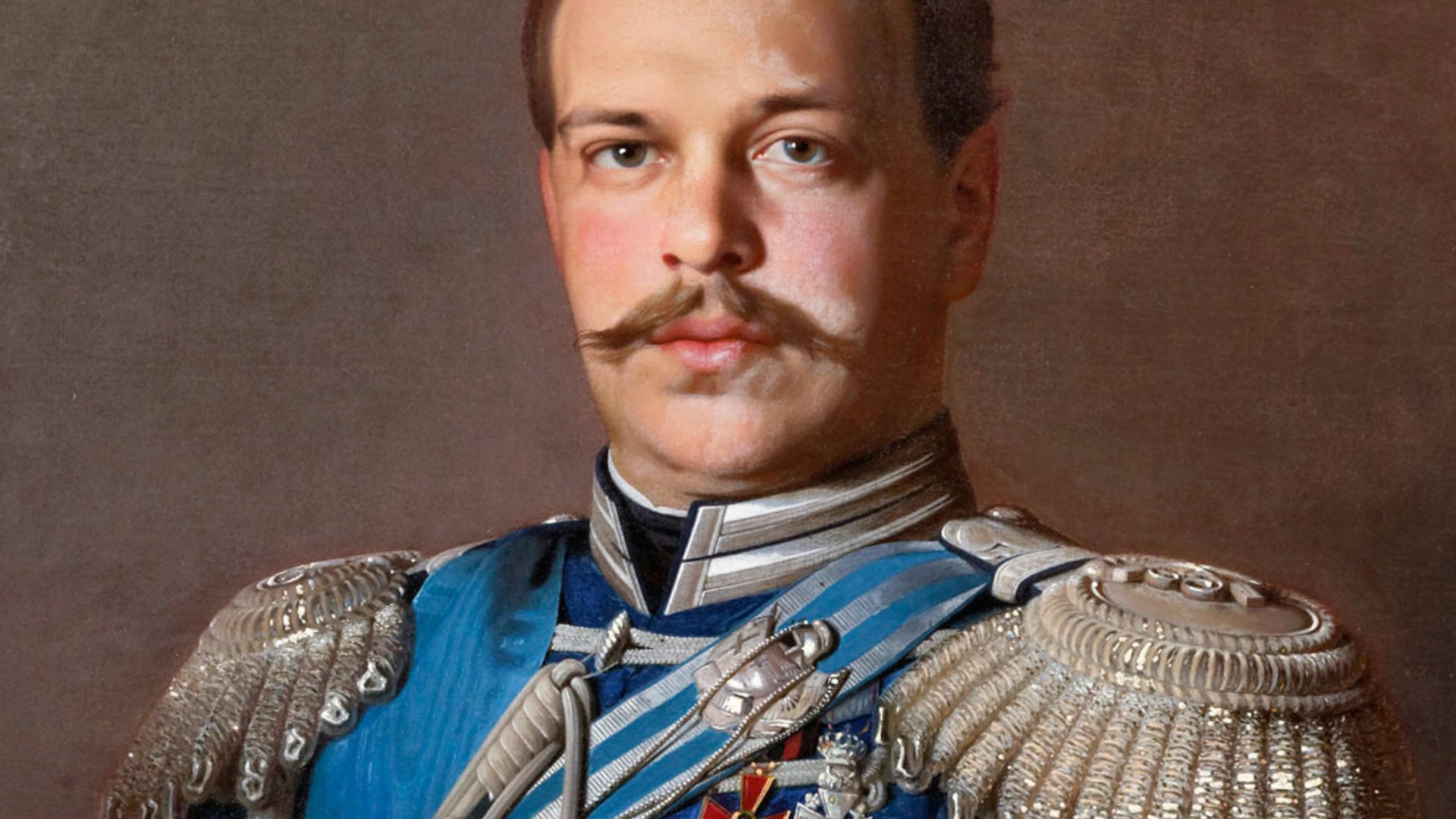 Sergey Zaryanko, Wikimedia Commons
6. He Fell In Love
When he was a teenager in the early 1860s, Alexander fell deeply in love with Princess Maria Elimovna Meshcherskaya, his mother’s lady-in-waiting whom he referred to affectionately as “Dusenka”. Devastatingly for Alex, however, Dusenka had gotten engaged to a German Prince. Alexander confronted his parents and insisted he was ready to give up his rights of succession to marry his beloved Dusenka. But fate had other plans for the young Duke.
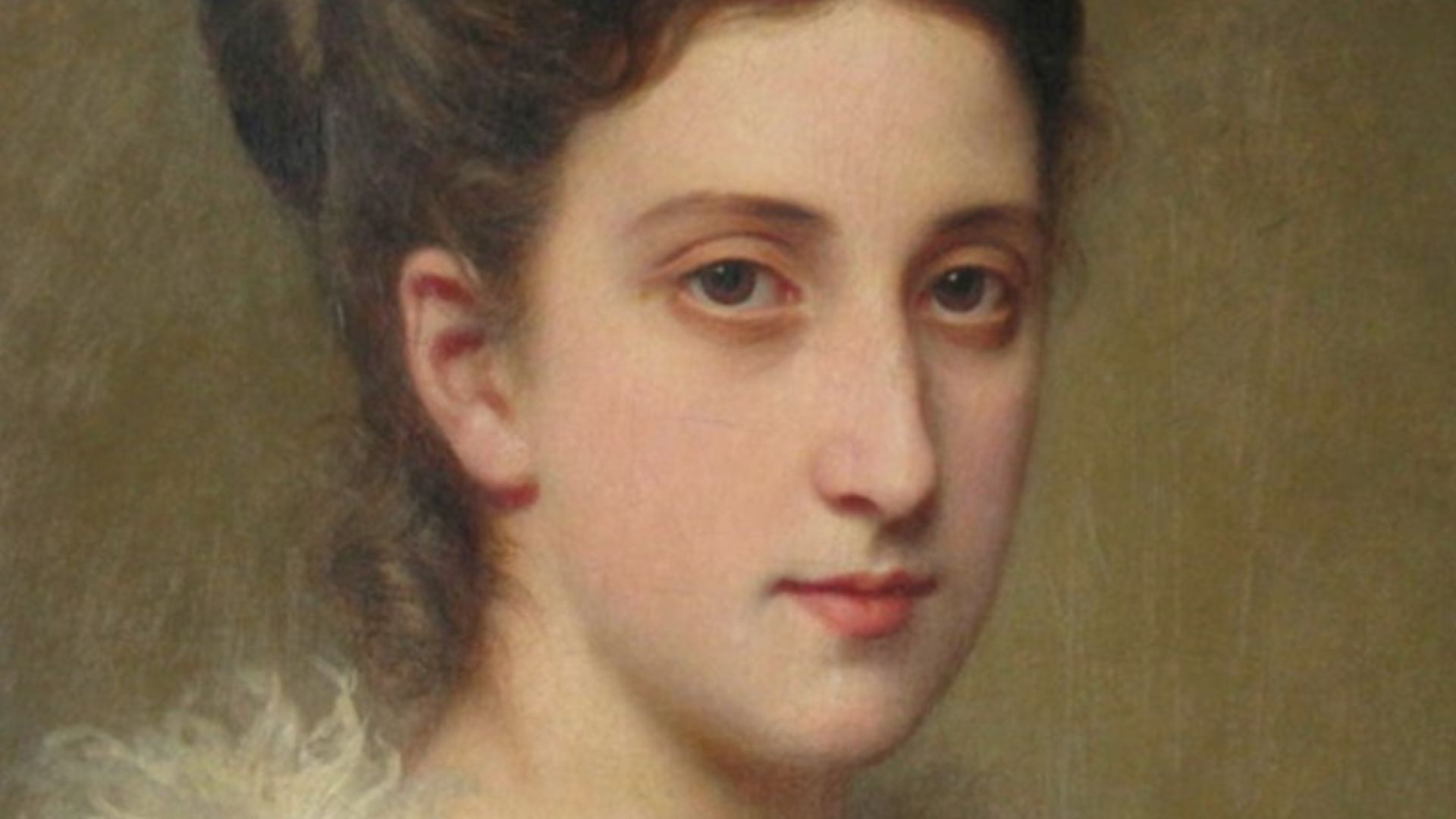 Franz Xaver Winterhalter, Wikimedia Commons
7. He Became Heir
In 1865, after a brief and intense bout of illness, Alexander’s brother, the tsar-to-be Nicholas, perished unexpectedly. By now, the boys’ father, Alexander II, was reigning tsar, and the loss of Nicholas threw the Imperial family into a succession crisis. With Alexander being the next-eldest son, he went from Grand Duke to Tsesarevich overnight. But the young man's devastation prevented any excitement.
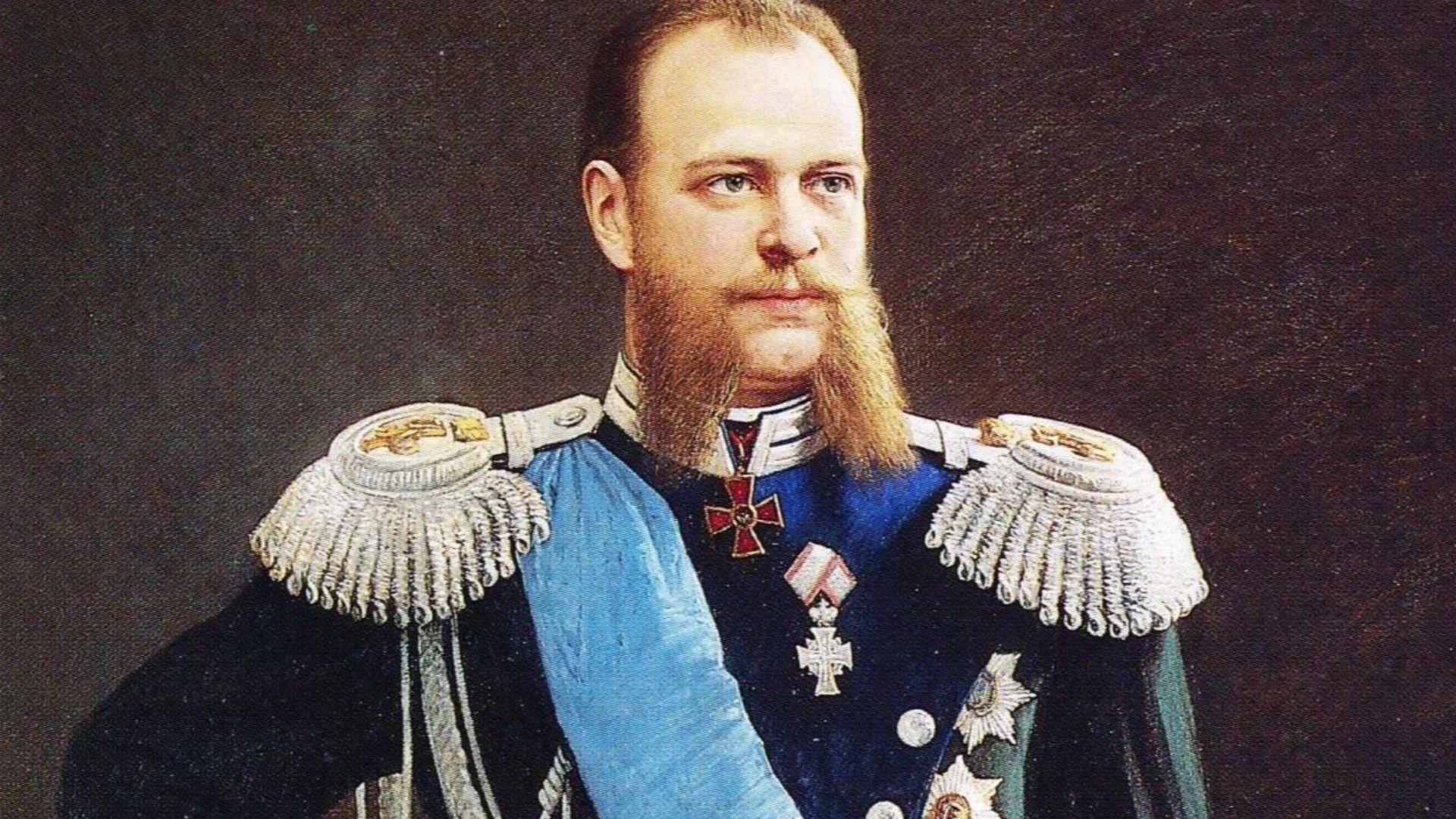 "P. A. Brylov" (Pavel Brullov?), Wikimedia Commons
8. He Loved His Brother
Alexander and Nicholas were incredibly close, and Alex had the utmost respect for his older brother, whom he affectionately called Nixa. He would later reflect, after his ascension, that “no one had such an impact on my life as my dear brother and friend Nixa”. His mourning was compounded by the fact that he never wanted the responsibility now thrusted upon him.
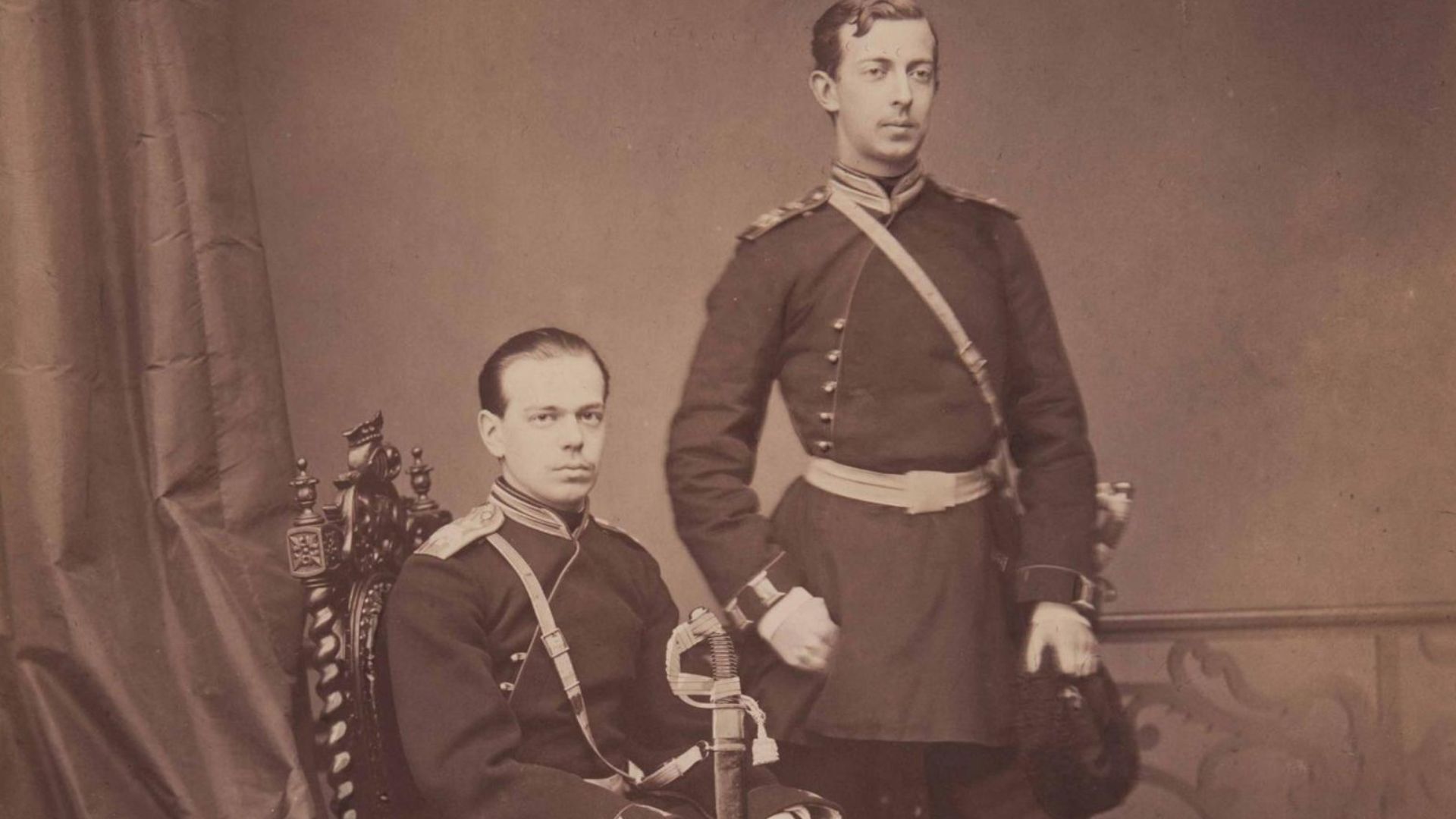 Robillard I.I. (1804-1888), Wikimedia Commons
9. He Was Reluctant
Having never expected to be tsar, Alexander was uncomfortable with the very prospect of his position as future ruler. Later reminiscing once again on the loss of his brother, he lamented that the untimely demise of Nicholas meant that “a terrible responsibility fell on my shoulders”. To his credit, however, Alexander took on that responsibility dutifully.
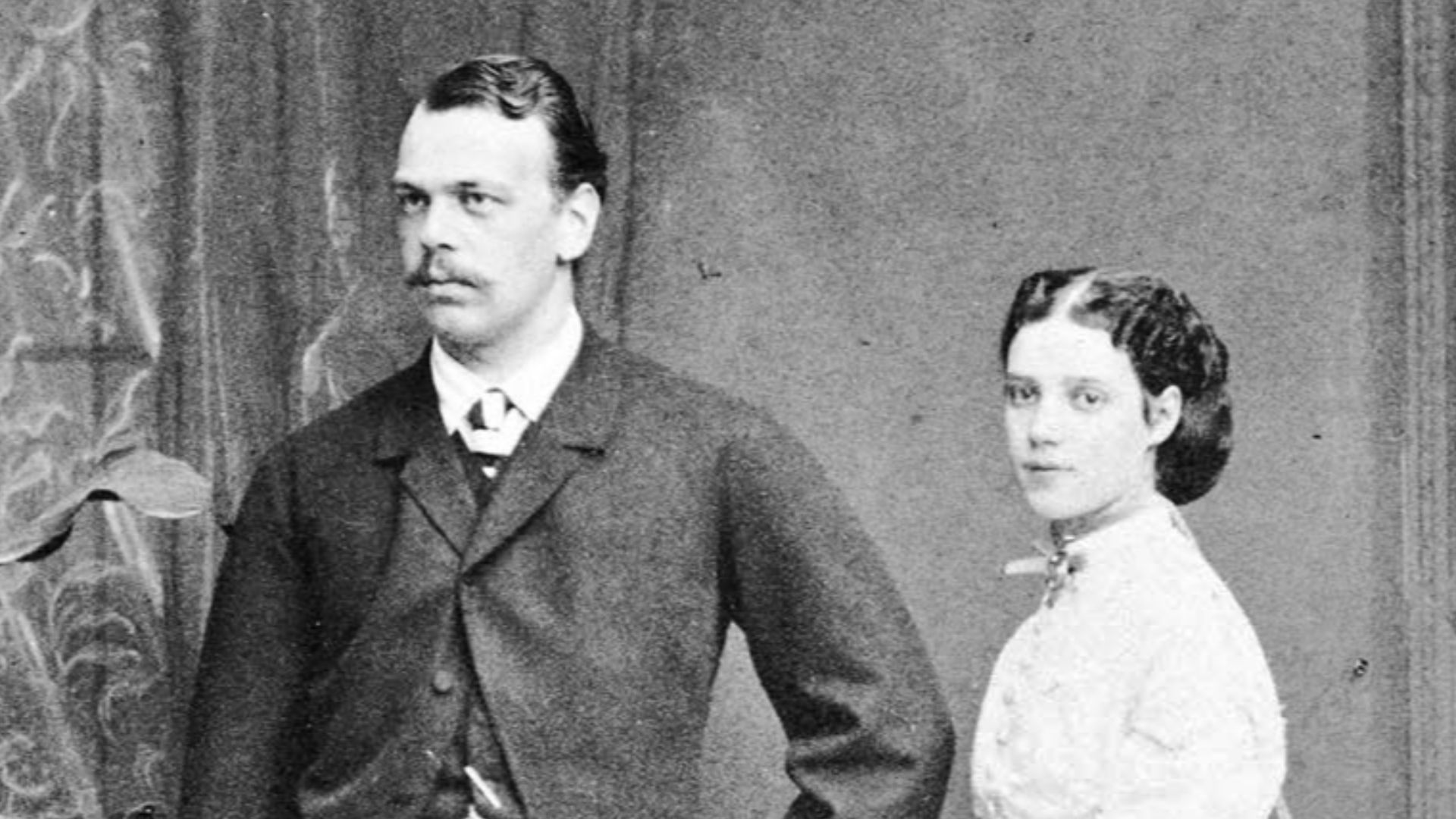 Georg Emil Hansen, Wikimedia Commons
History's most fascinating stories and darkest secrets, delivered to your inbox daily.
10. He Hit The Books
Now that he was Tsesarevich, Alexander suddenly had to up his education game, and he set to work diligently studying the principles of law and administration required of a future ruler. To aide in this, the family appointed him a tutor in the form of Professor Konstantin Pobedonostsev, an expert in civil law and future chief procurator of the Most Holy Synod of the Russian Orthodox Church. This zealous presence would have a profound effect on Alexander’s worldview.
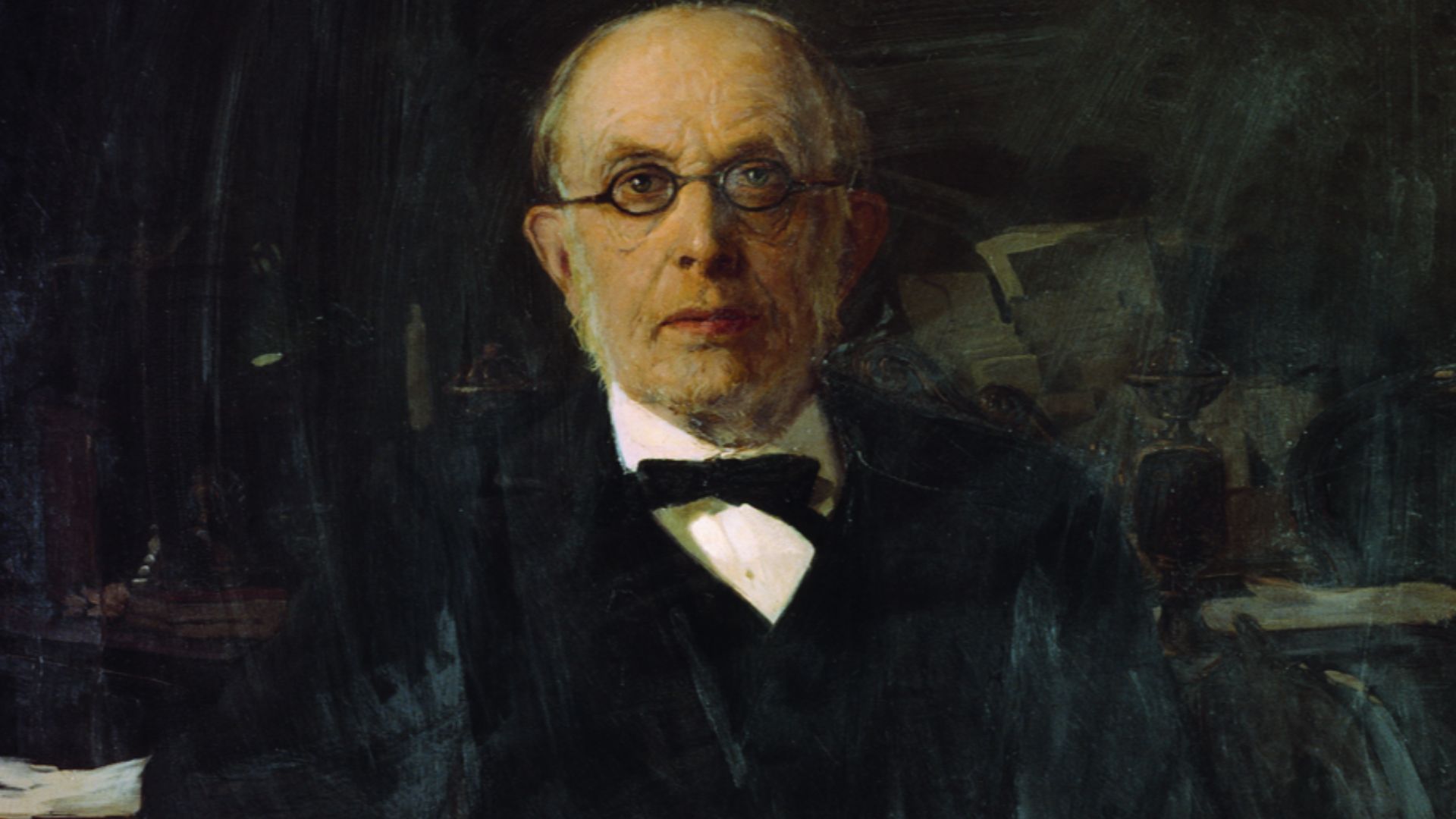 Aleksandr Makovsky, Wikimedia Commons
11. He Got Influenced
Under the tutelage of Pobedonostsev and his fundamentalist outlook, Alexander had instilled in him the zealous belief that Russian Orthodox thought was a crucial aspect of Russian patriotism. The professor convinced the young Tsesarevich that any right-minded emperor would cultivate such a worldview in his subjects through his actions and policy. This had deeply consequential implications for Alexander’s political philosophy, which he kept to himself for now…mostly.
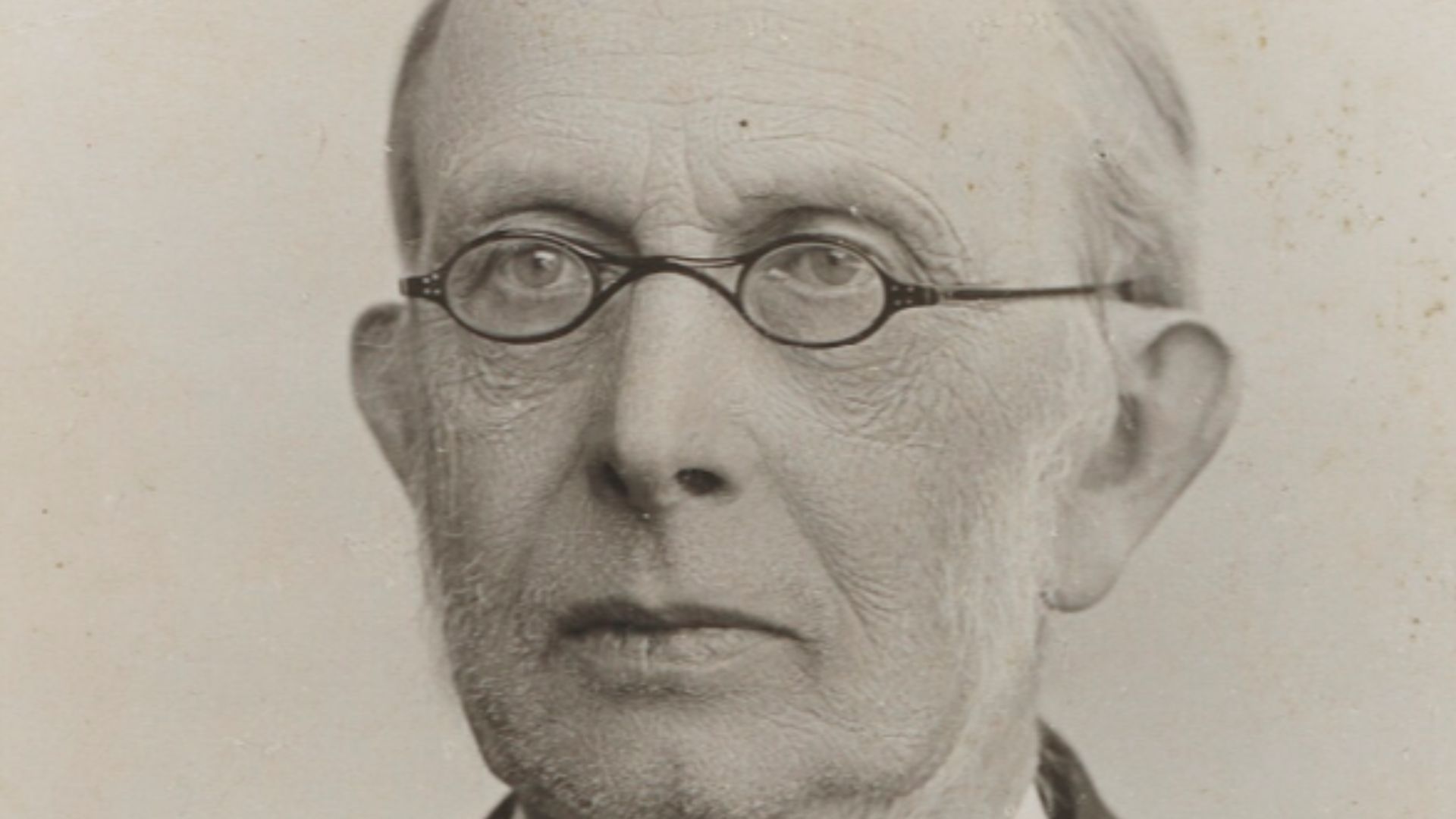 Unknown author, Wikimedia Commons
12. He Criticized From The Sidelines
Alexander’s tenure as heir apparent lasted 16 long years, during which time his father, Tsar Alexander II, implemented many liberal reforms. And while the younger Alexander kept his head down, opting not to play a part in public affairs, he made it known that his political principles did not align with that of the ruling government. He had other Tsesarevich duties to attend as well, of course.
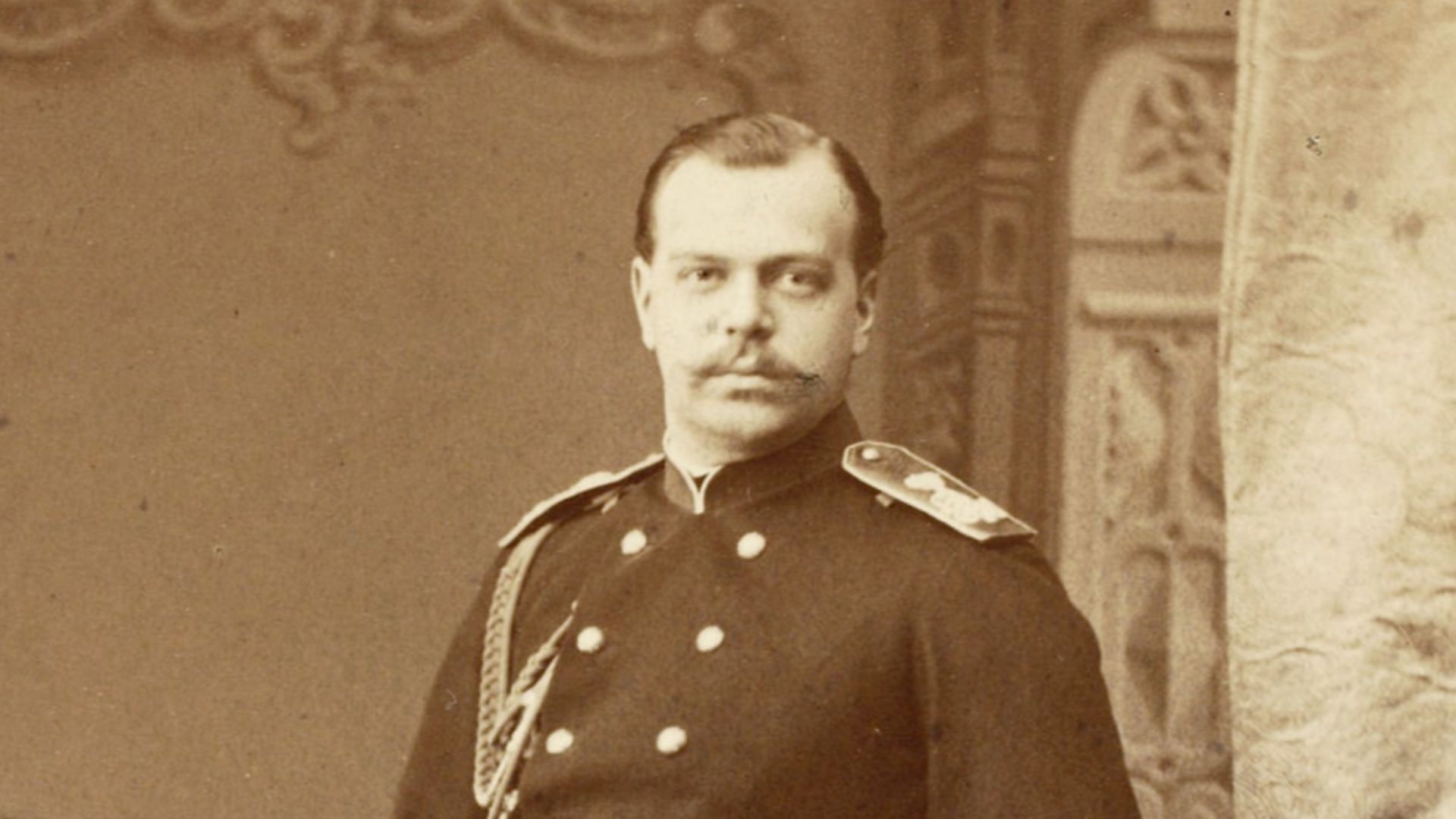 Unknown author, Wikimedia Commons
13. He Got Set Up
As mentioned, Alexander’s late older brother, Nicholas, had been engaged to marry Princess Dagmar of Denmark. Upon accepting his grim fate, however, Nicholas, from his sickbed, encouraged his younger brother to marry his fiancée instead, a match that the boys’ parents also encouraged. Unwaveringly loyal to his brother, Alexander paid Nicky’s would-be widow a visit.
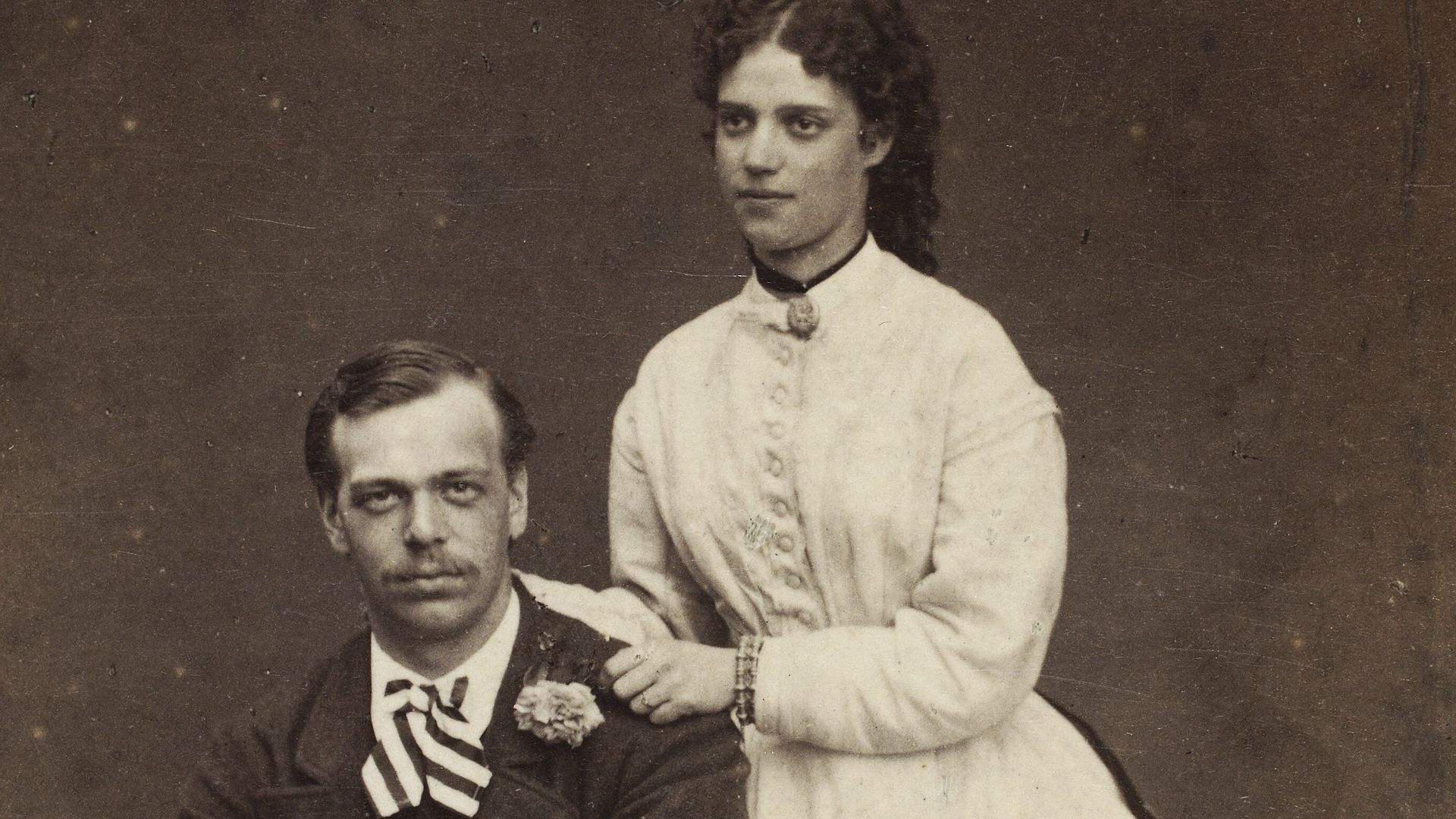 Georg Emil Hansen, Wikimedia Commons
14. He Made A House Call
Alexander set off for Copenhagen on June 2, 1866, to visit his late brother’s fiancée, Princess Dagmar. The Princess, like the Tsesarevich, had been greatly fond of Nicholas, and she and Alexander quickly bonded over their reminiscences of the tsar that never was. The comfort the two grieving young royals found in each other proved enough.
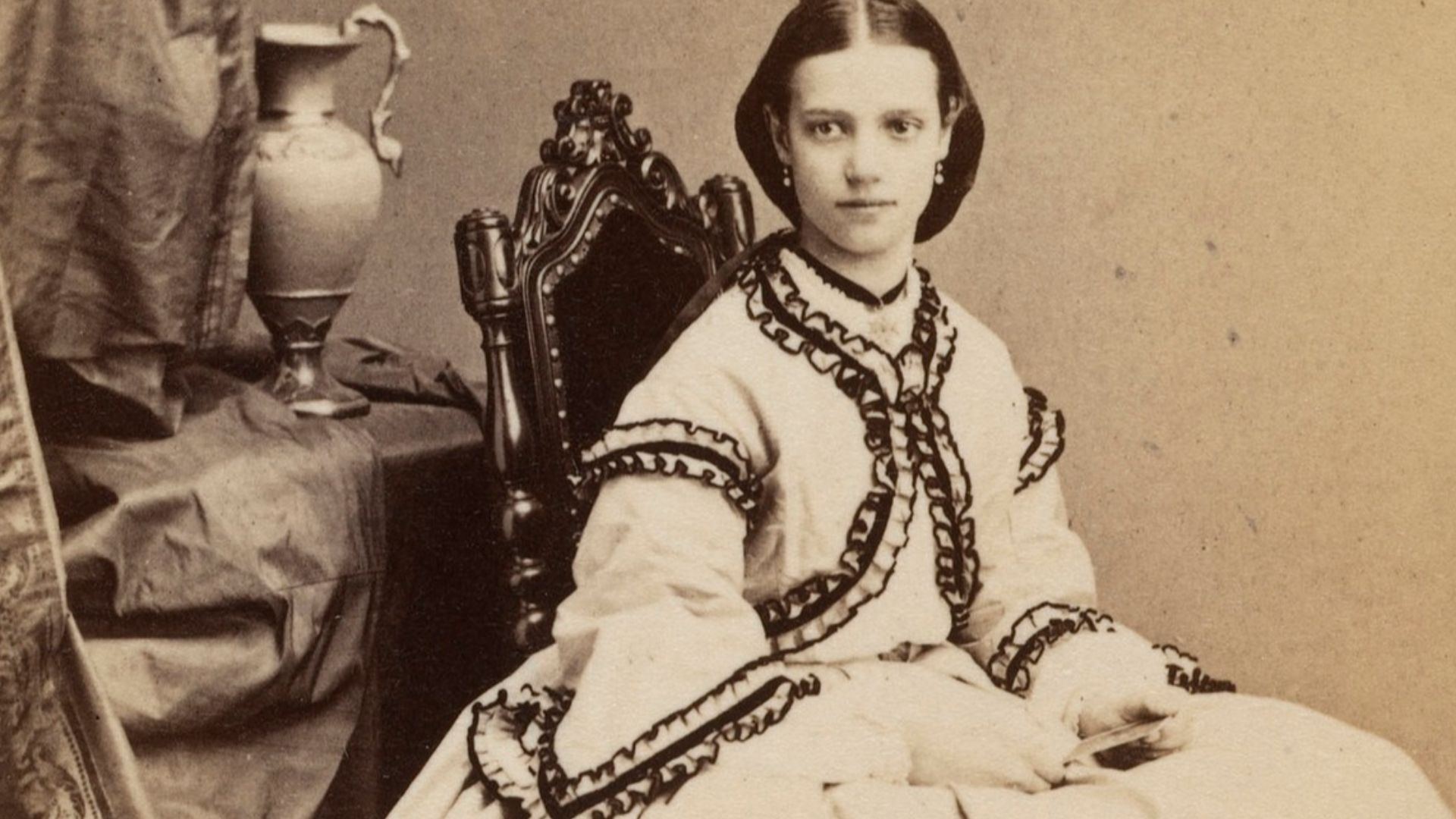 Unknown author, Wikimedia Commons
15. He Popped The Question
In a touching moment, Alexander and Dagmar shared photographs of the deceased Nicholas together, and in that shared expression of grief, the Tsesarevich knew she would make a worthy bride. He proposed to the Princess of Denmark right there on the spot, to which she warmly agreed. It wasn’t long before wedding bells rang out in Saint Petersburg.
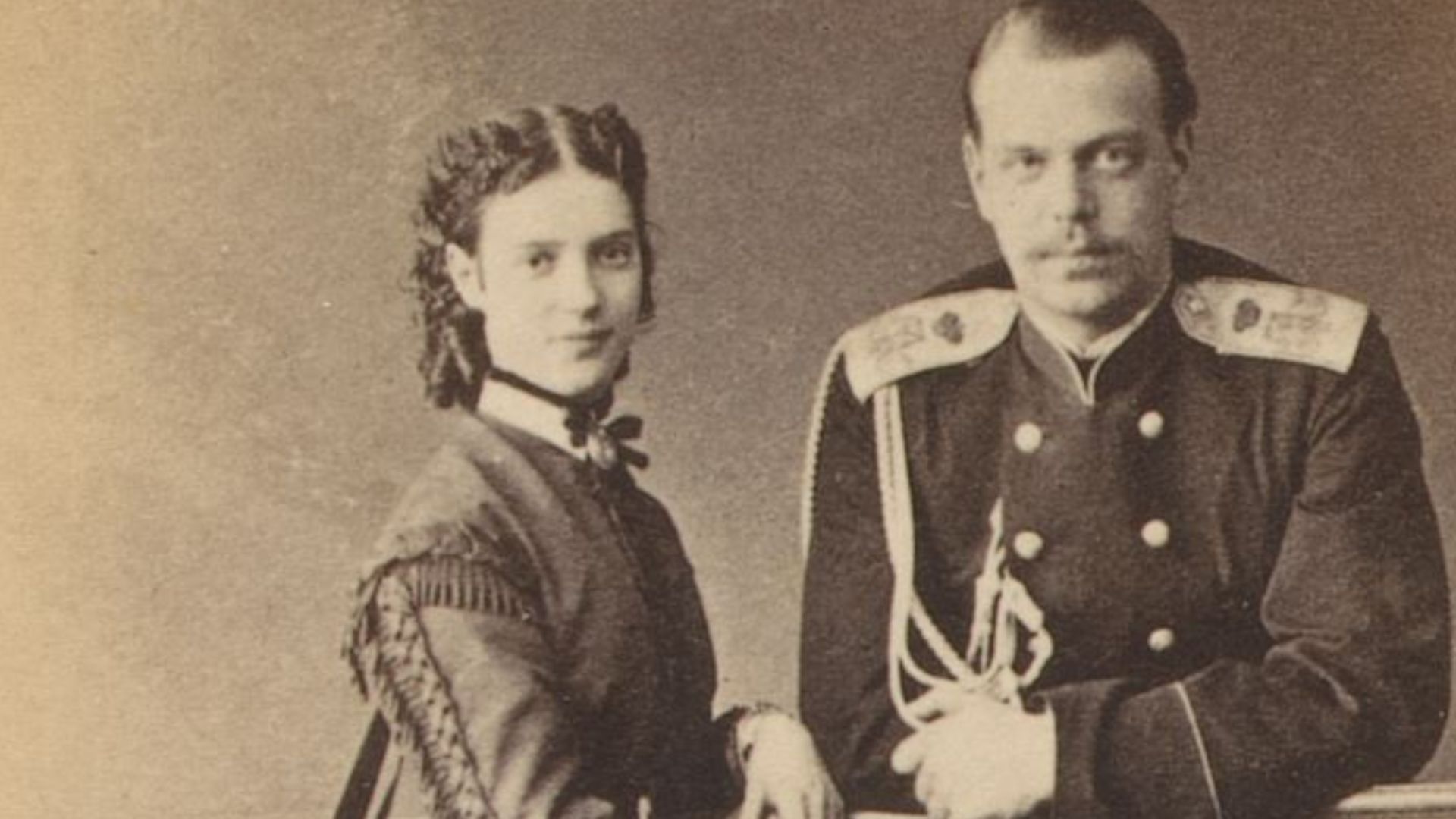 Rijksmuseum, Wikimedia Commons
History's most fascinating stories and darkest secrets, delivered to your inbox daily.
16. He Tied The Knot
On November 9, 1866, Alexander and Dagmar got married in the Grand Church of the Winter Palace in a lavish ceremony. As was custom for women marrying into the Romanov Imperial family, Dagmar converted to Orthodox Christianity and changed her name to Maria Feodorovna. And though the two newlyweds hardly knew one another, it turned out to be the perfect match.
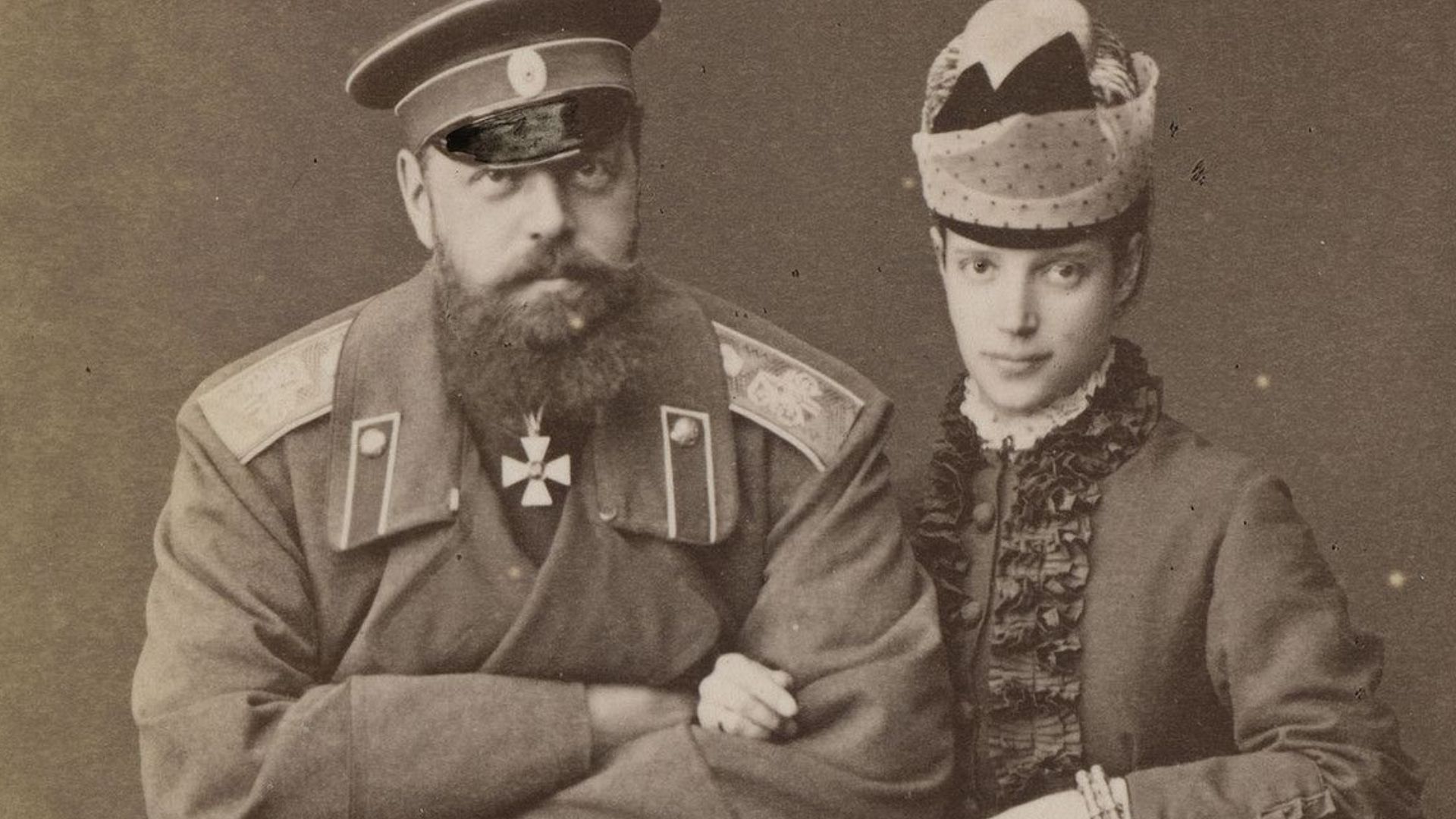 Sergey Lvovich Levitsky, Wikimedia Commons
17. He Was Happy
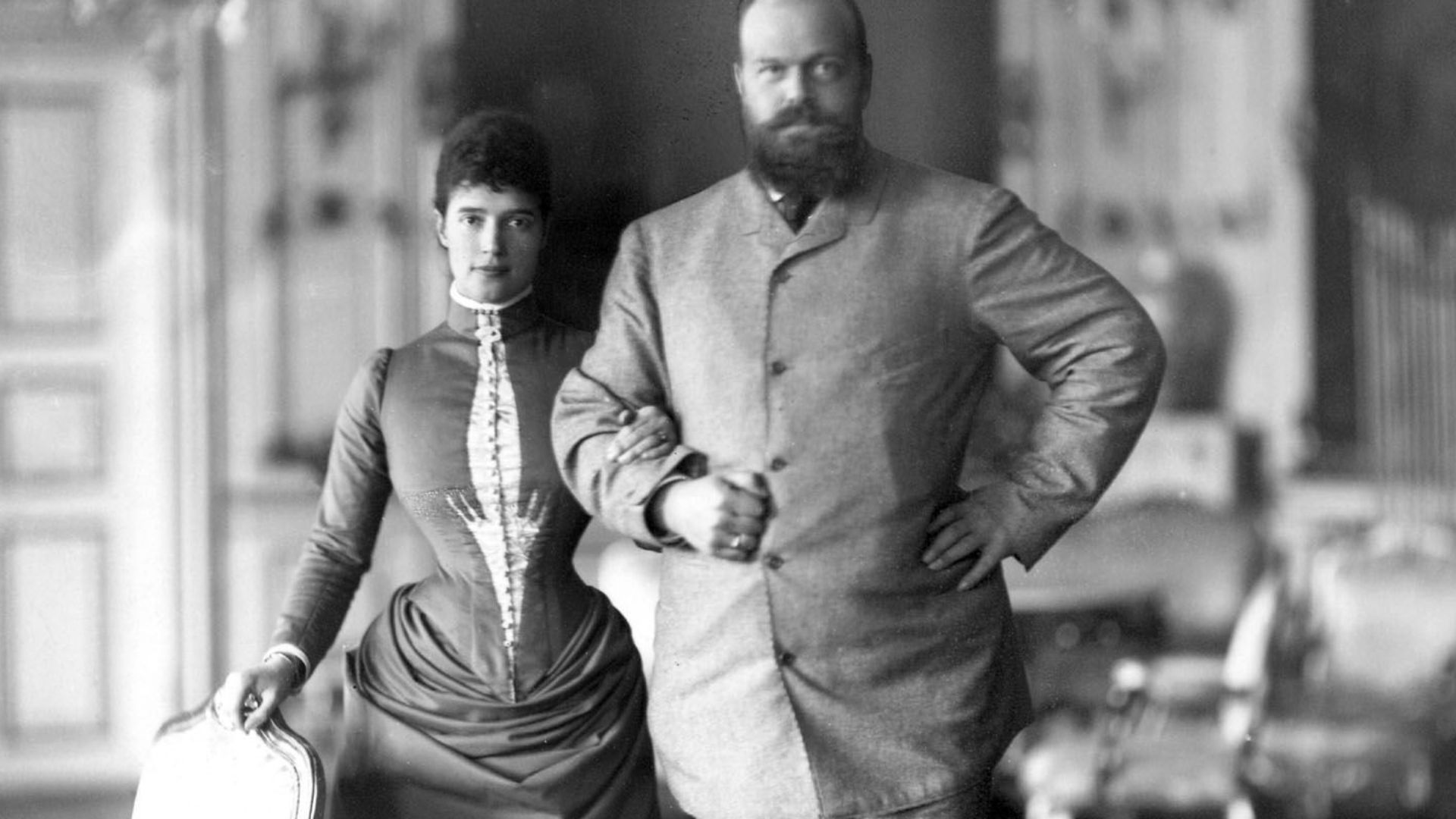
Alexander and Maria’s union proved to be a touchingly happy one to the very end, and unlike most of his predecessors, the Tsesarevich never engaged in adultery, remaining entirely faithful to his bride. Alexander was a wife guy through and through; mere weeks after his wedding, he gushed in his diary: “God grant that... I may love my darling wife more and more... I often feel that I am not worthy of her, but even if this was true, I will do my best to be”.
Whenever Maria left his side, he would bitterly complain about how much he missed her. With such an adorably loving marriage, children were inevitable.
18. He Had Some Kids
Together, Alexander and Maria had six children, though only five survived until adulthood. Those five were Nicholas, George, Xenia, Michael, and Olga. And in contrast to his hard political policy, Alex was a softie with his kids, telling his wife “Only with [our children] can I relax mentally, enjoy them and rejoice, looking at them”. He would express this love in touching ways.
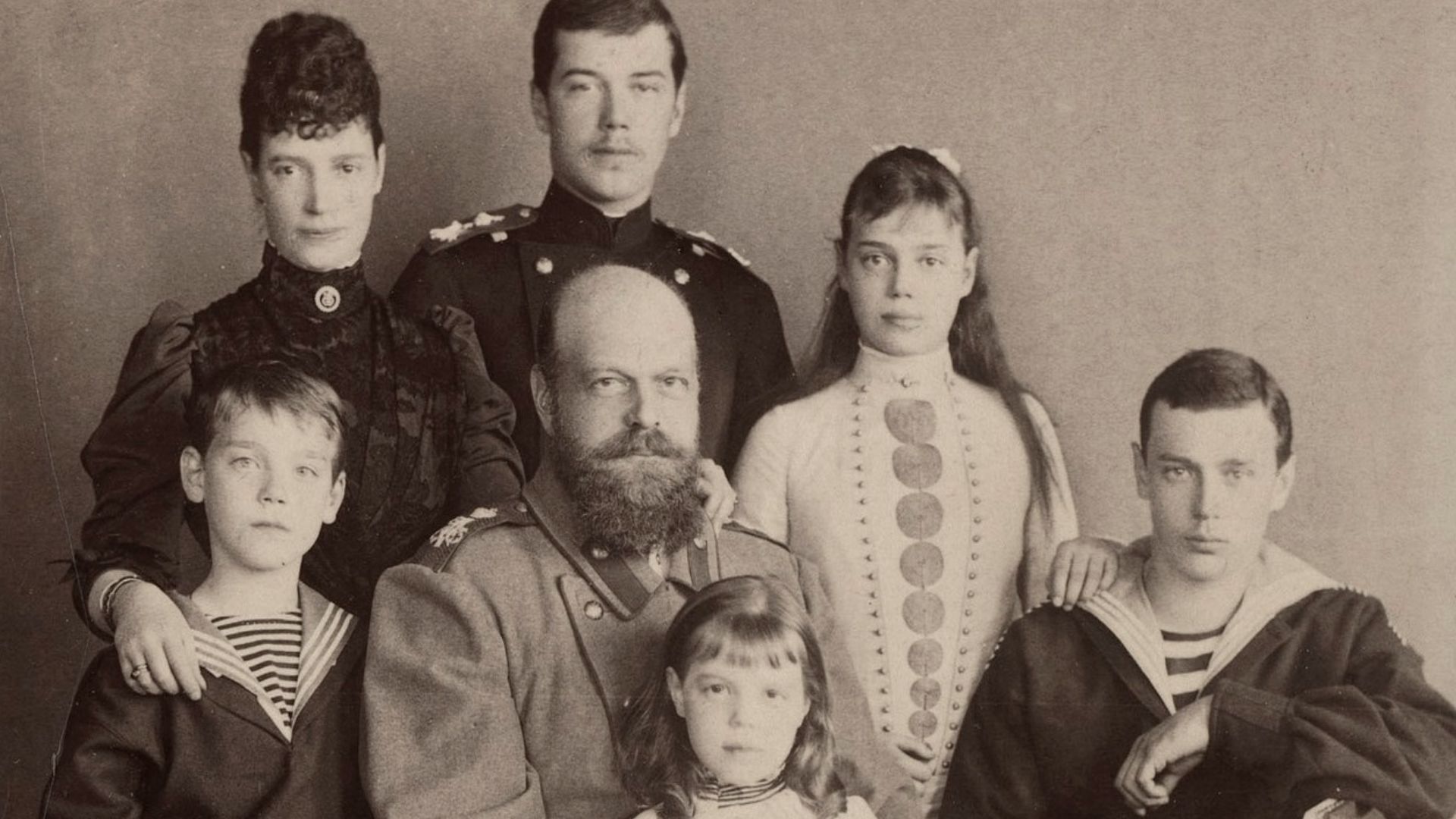 Sergey Lvovich Levitsky, Wikimedia Commons
19. He Loved His Children
Alexander, unlike most European monarchs, was incredibly lenient with his kids, and was never shy about expressing his love. He assured their tutors that “I do not need porcelain, I want normal healthy Russian children”; he wrote that he “was crying like a baby” when his first child was born; he doted on his youngest daughter, Olga, and enjoyed a playful relationship with his son Michael. His relationship with the previous generation of Romanovs was not nearly as idyllic, however.
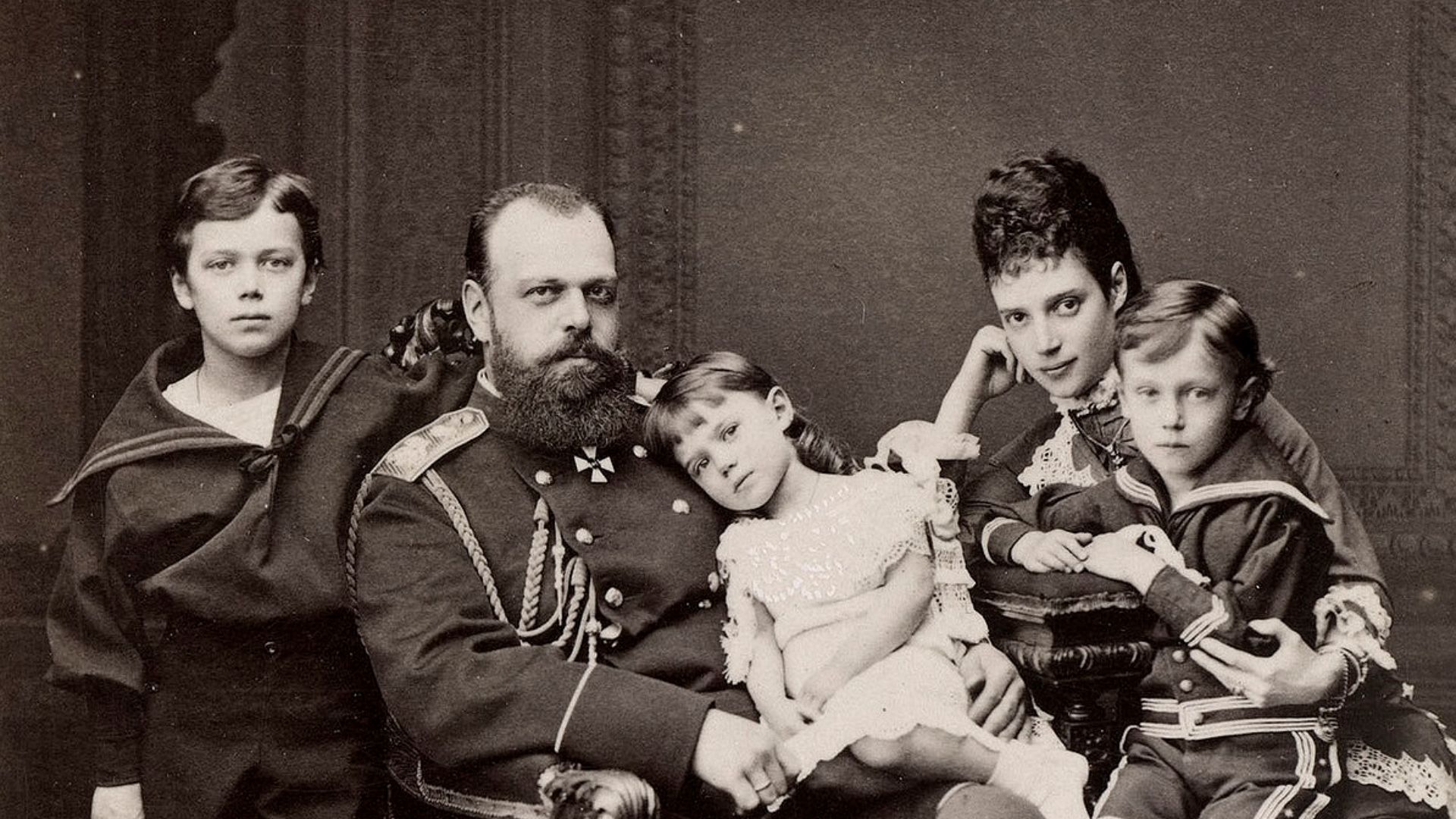 Sergey Lvovich Levitsky, Wikimedia Commons
20. He Had A Falling Out
As previously mentioned, Alexander’s father presided over a period of significant liberal reform in Russia, and the Tsesarevich was none too happy with these developments. Their political views diverged so much, in fact, that Alexander and his father became estranged as the latter’s reign continued. A few policy decisions, in particular, really irked the heir apparent.
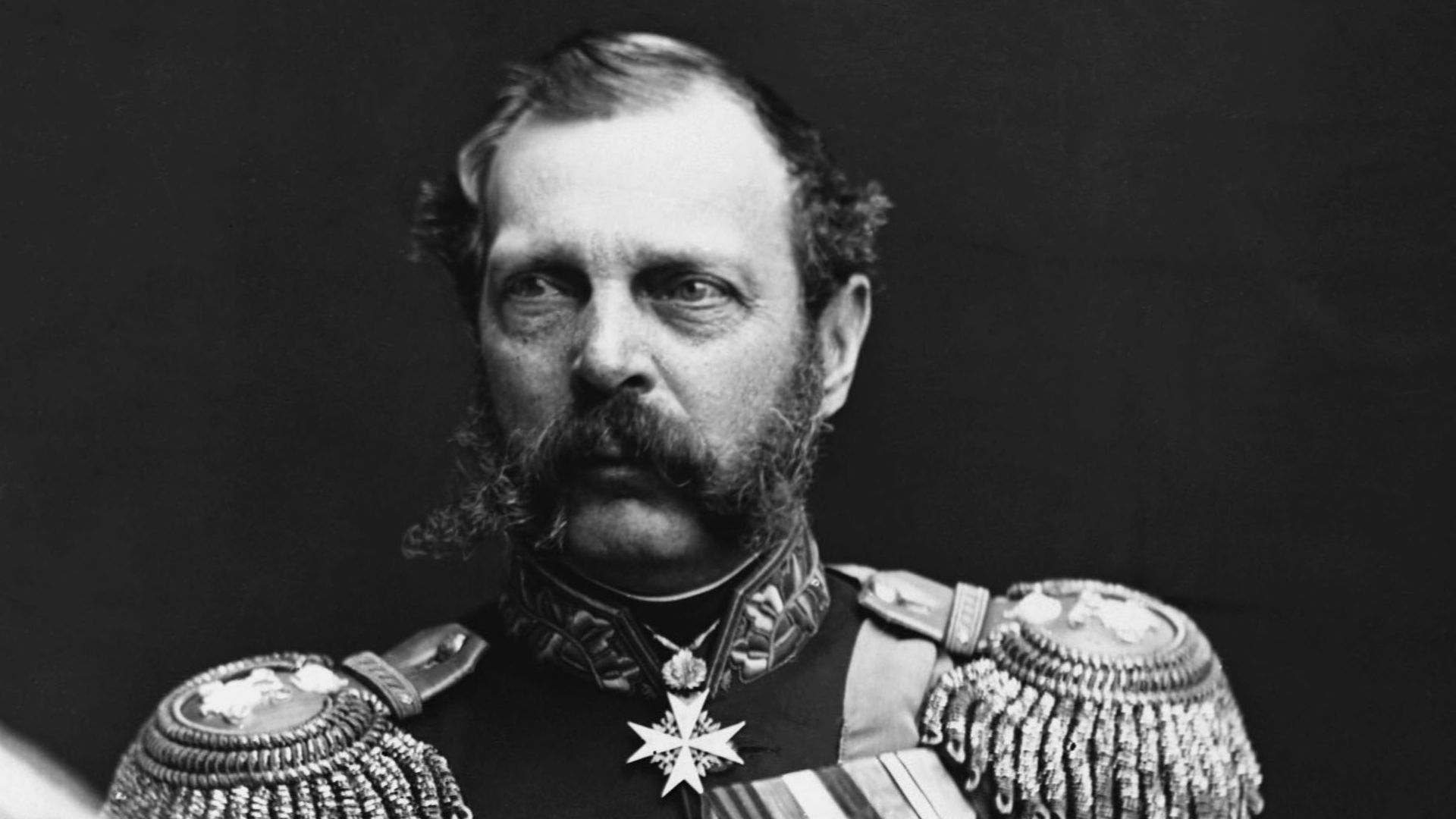 Attributed to W. & D. Downey, Wikimedia Commons
21. He Disagreed With Dad
1870 saw Europe marred in the Franco-Prussian conflict, and both sides had their share of foreign support. Russia was in a relatively unique position to pick a side, and Tsar Alexander II chose to support Prussia, a move which greatly angered his son and heir. The younger Alexander had strong opinions on the conflict.
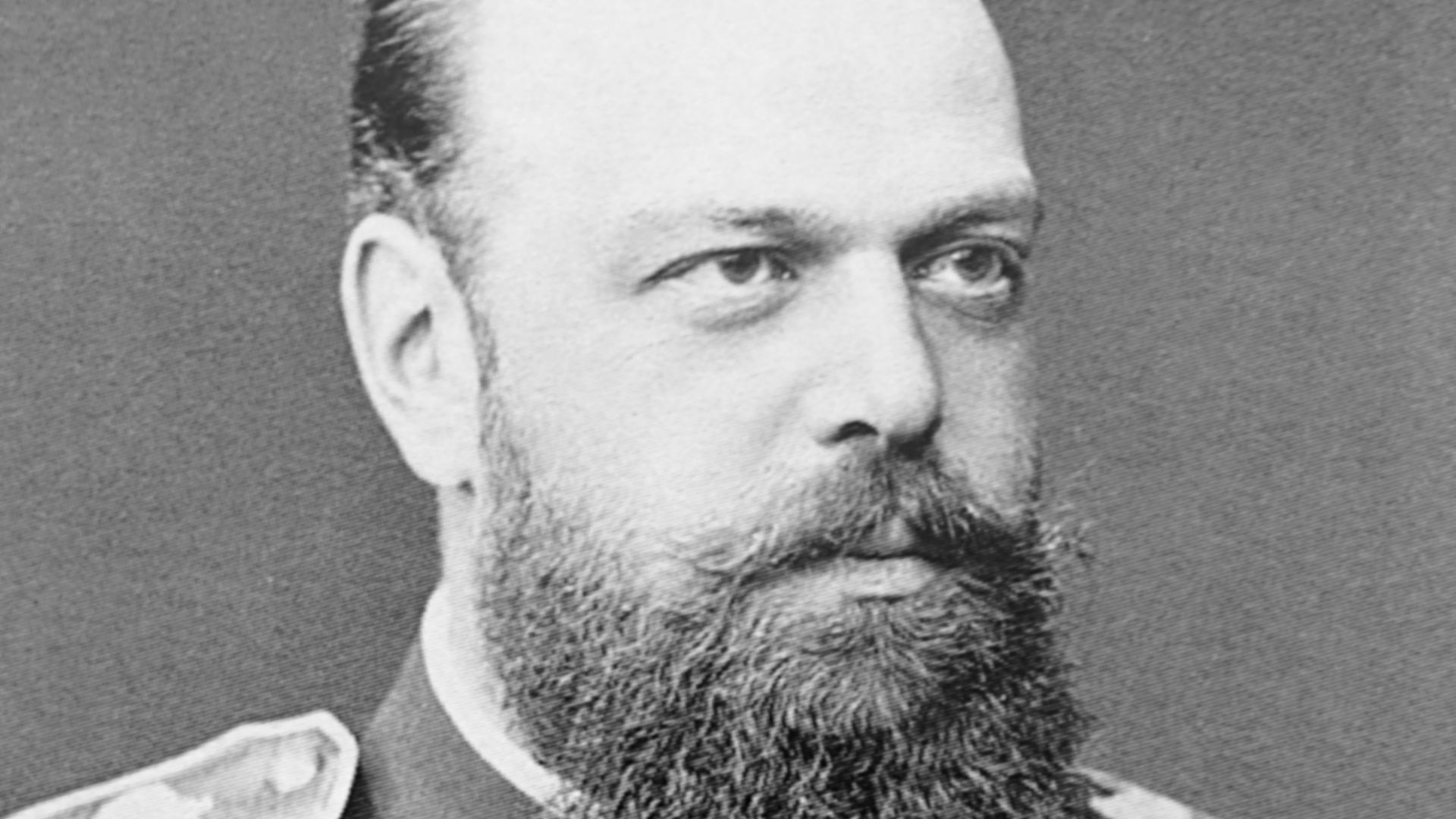 Sergey Lvovich Levitsky, Wikimedia Commons
History's most fascinating stories and darkest secrets, delivered to your inbox daily.
22. He Had An Opinion
Tsesarevich Alexander favored the French side in the conflict with Prussia, and he took his influence from various sources—none more so than his wife. Maria’s Danish roots meant her loyalties lay with her French allies, and her husband agreed: he called the Russian government’s support for the “Prussian pigs” (a turn of phrase which was revealing of a certain bias) a “shortsighted” move. But Alexander’s clash with his father stretched well beyond the political.
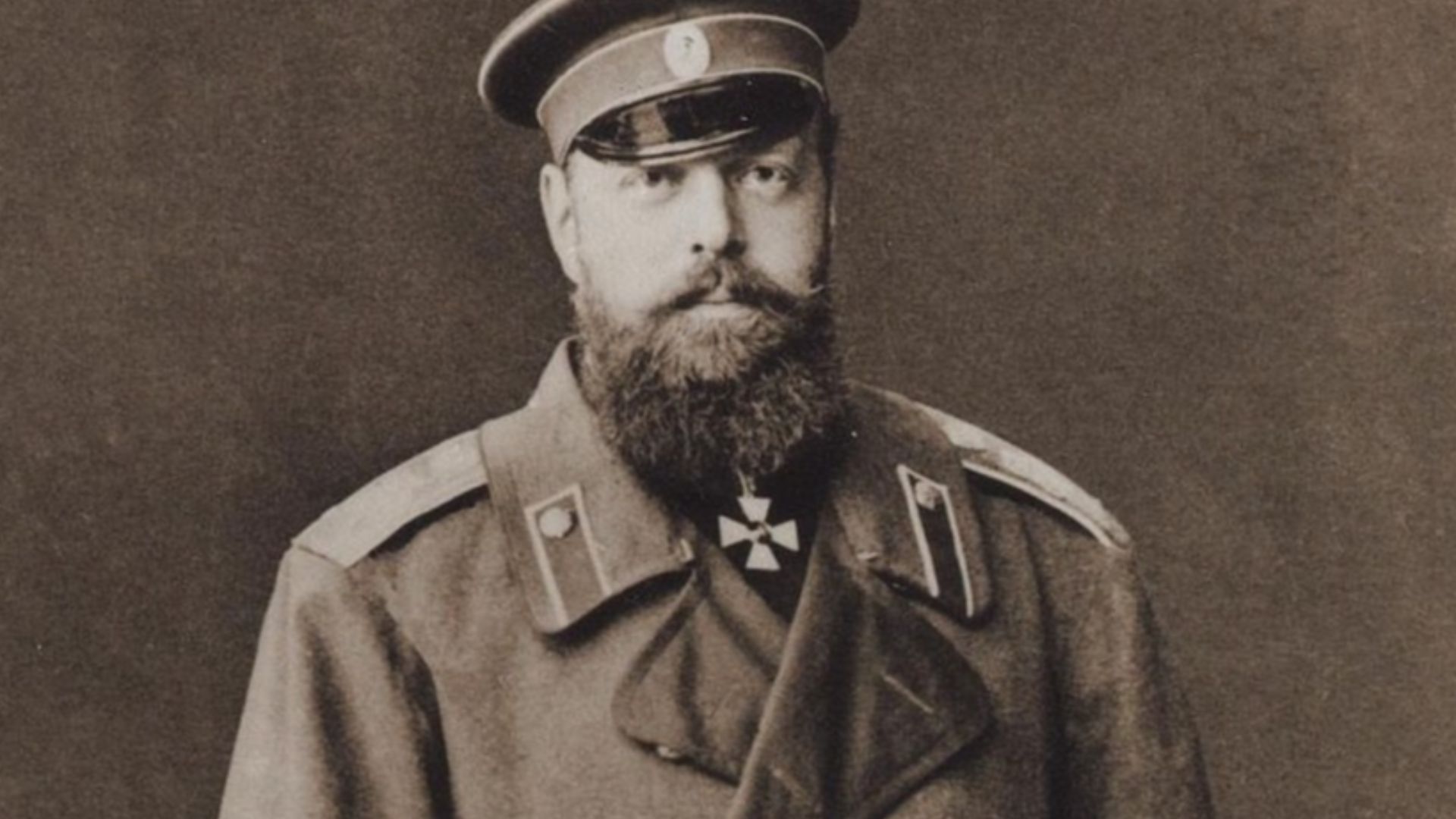 Unknown author, Wikimedia Commons
23. He Felt Betrayed
A major source of resentment for Alexander was his father’s long-standing affair with Princess Catherine Dolgorukova, a Russian aristocrat. The Tsesarevich’s traditional values made him balk at his father’s infidelity. His sense of betrayal was only exacerbated by the fact that the tsar had several illegitimate children with his mistress while the Empress, Alexander’s mother, was bedbound with chronic illness.
When tragedy struck, the tsar struck the final nail in the coffin of his son’s respect.
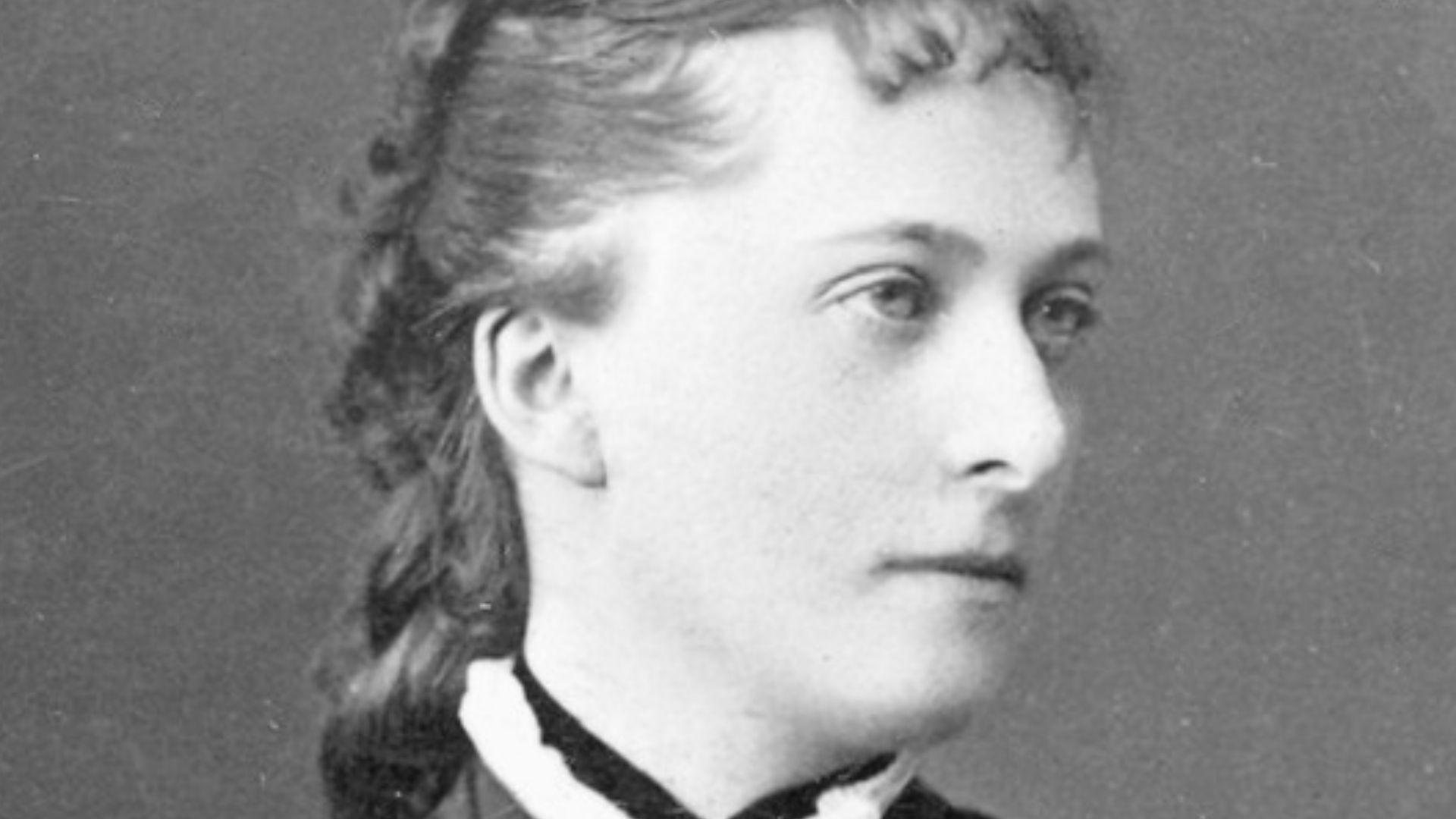 Sergei Lvovich Levitsky (1819 – 1898) and Rafail Sergeevich Levitsky (1847– 1940), Wikimedia Commons
24. He Lost His Mother
In 1880, Alexander’s mother tragically lost her battle with illness. The loss devastated her son, but his grief was only just beginning: a mere two days after his mother’s passing, Alexander’s father declared he would marry his mistress, Princess Dolgorukova. His son was, understandably, furious, and he believed his father’s decision “forever ruined all the dear good memories of family life”.
He didn’t hesitate to give the tsar a piece of his mind.
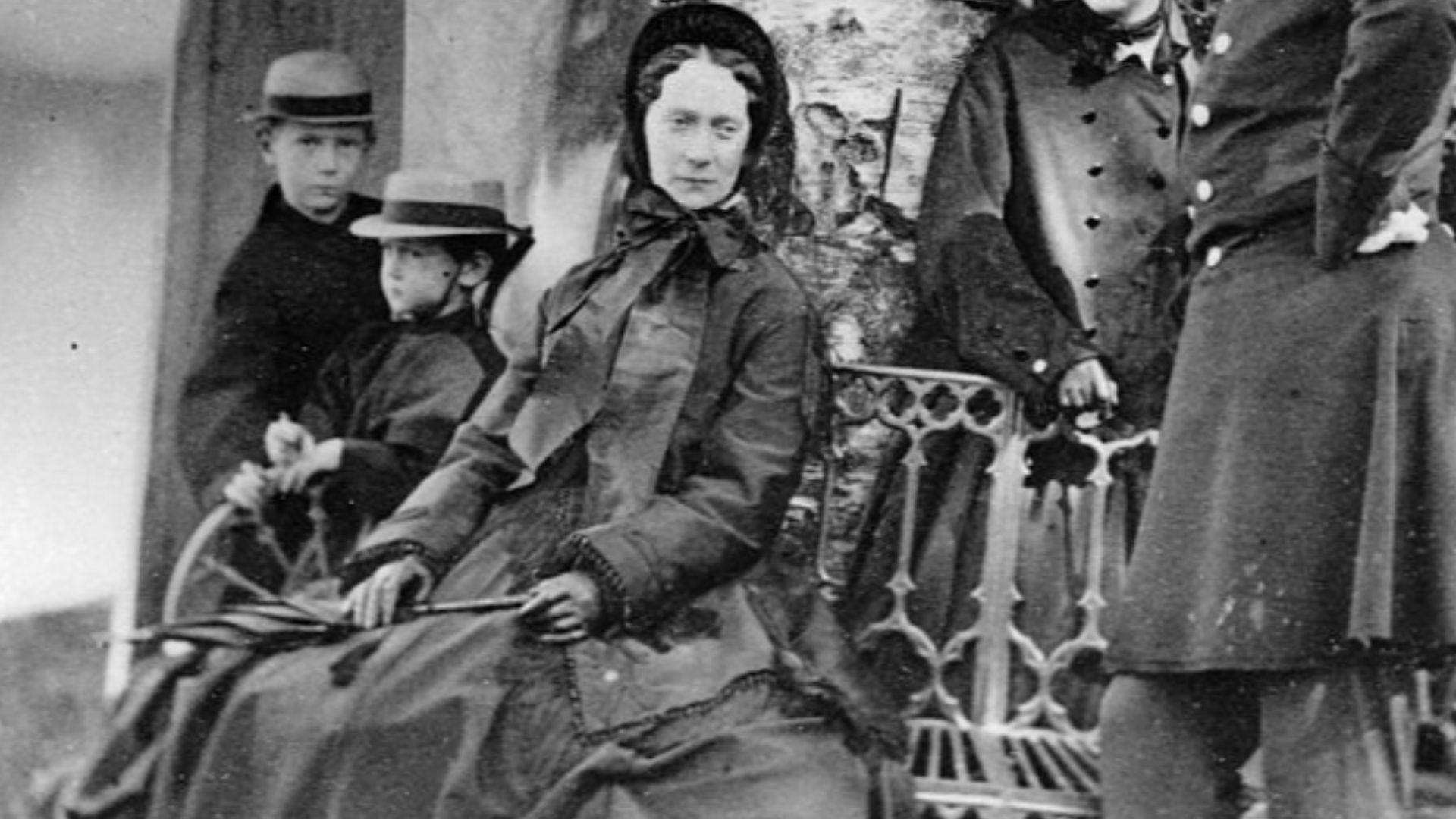 Unknown author, Wikimedia Commons
25. He Got Threatened
Alexander made his objection to his father’s marriage well known. He denounced his new stepmother as an “outsider”, who he condemned as “designing and immature”. In fact, the aggrieved Tsesarevich threatened to leave court over the union; his father countered by threatening to disinherit him.
But in the end, the tsar, in Alexander’s view, got what was coming to him.
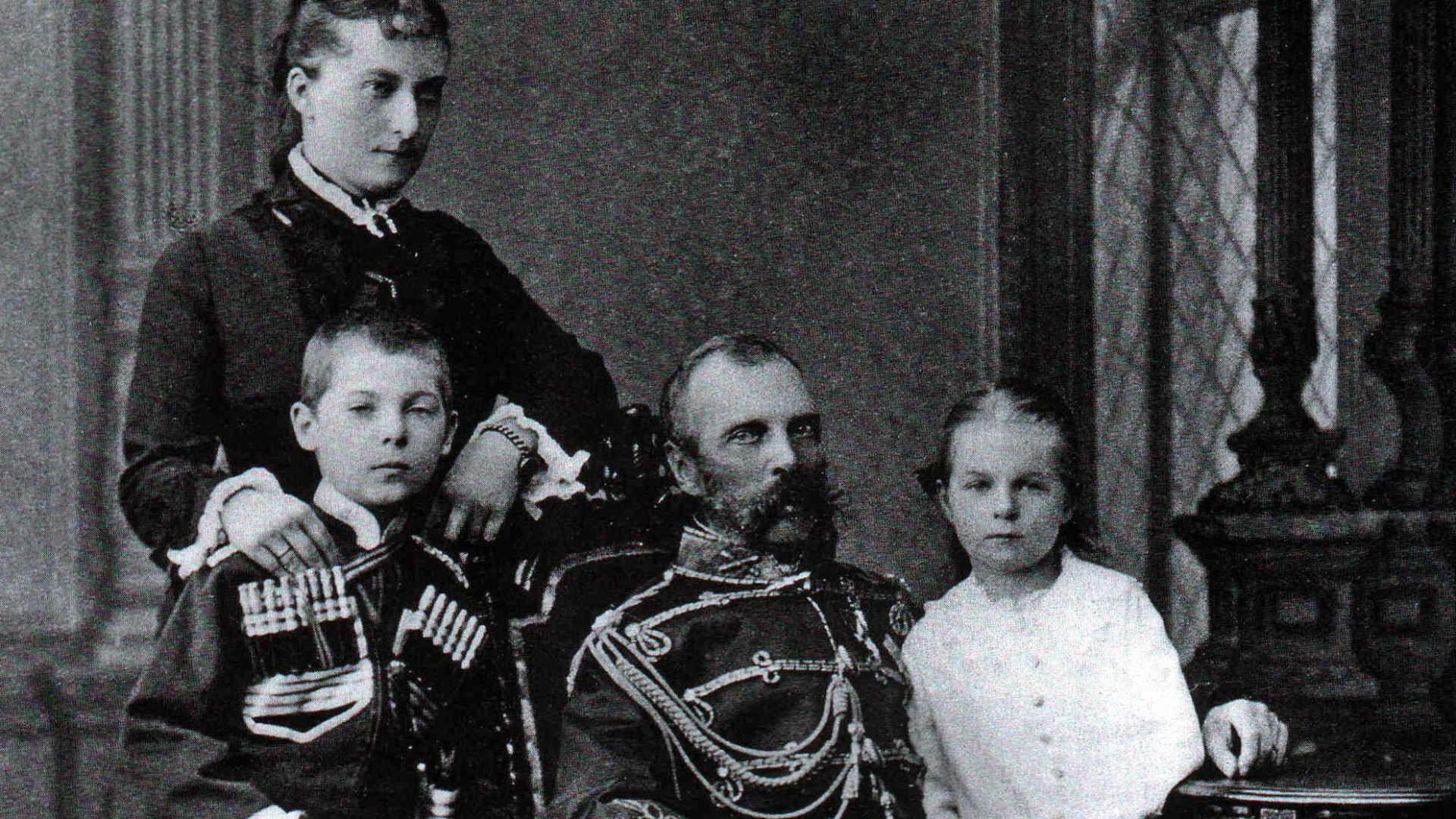 Unknown photographer, Wikimedia Commons
26. His Father Was Gone In An Instant
On March 1, 1881, Tsar Alexander II was assassinated by a socialist political organization called Narodnaya Volya. At the time of his passing, he and his son had never reconciled, and the younger Alexander was quick to blame his father’s moral failings—particularly his marriage to Catherine—for his old man’s misfortune. He dramatically summed up the events as he saw them: “All the scum burst out and swallowed all that was holy. The guardian angel flew away, and everything turned to ashes, finally culminating in the dreadful incomprehensible 1 March”.
And now that his weak father was out of the way, it was Alexander’s time to shine.
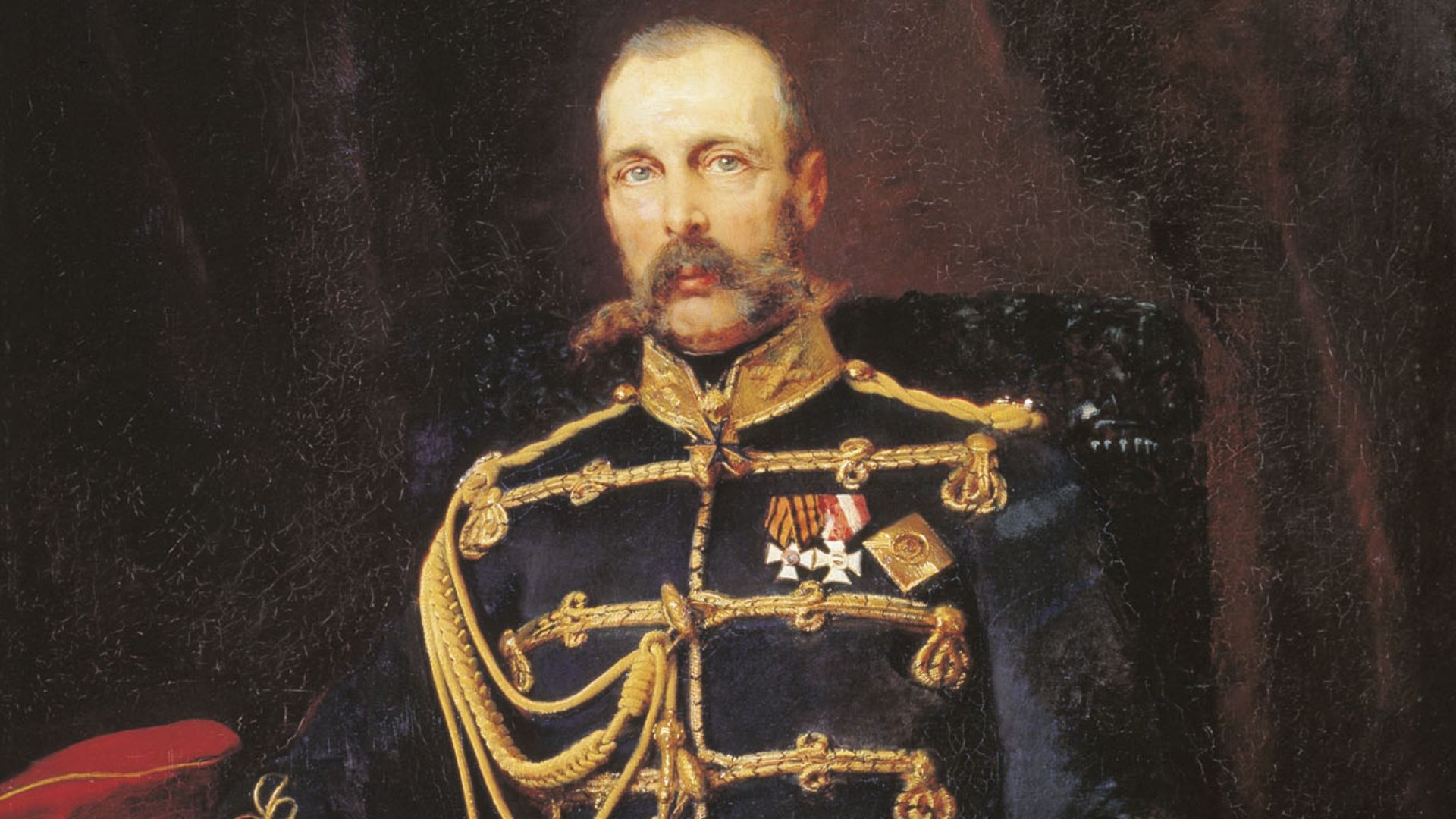 Konstantin Makovsky, Wikimedia Commons
27. He Ascended
Following his father’s untimely ending, the Tsesarevich officially became Tsar Alexander III, Emperor of Russia, King of Poland, and Grand Duke of Finland. He and his wife got officially crowned and anointed on May 27, 1883, at the Assumption Cathedral in Moscow. The new tsar immediately began implementing sweeping political changes.
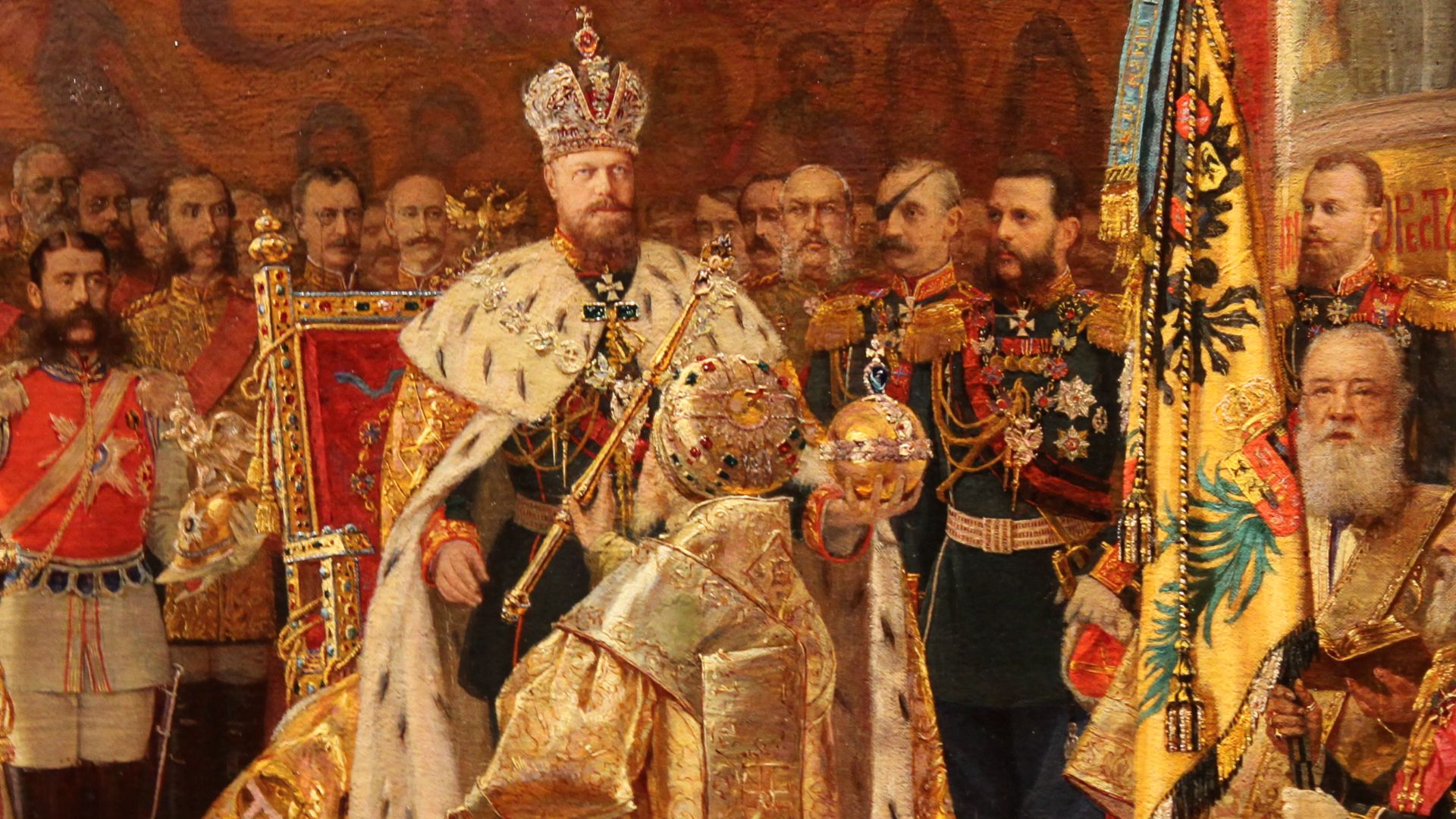 Georges Becker, Wikimedia Commons
History's most fascinating stories and darkest secrets, delivered to your inbox daily.
28. He Tightened The Purse Strings
Alexander III’s first act as tsar was to turn his political sights on his own family: he disliked the Romanovs’ characteristic extravagance, and the wide web of grand dukes and duchesses with their annual salaries of 250,000 rubles. The new tsar implemented a fiscally conservative policy to limit the appointments of the titles of grand duke and duchess only to children and male-line grandchildren of emperors, stripping many dukes duchesses of their salaried titles and decreasing the crown’s costs overnight.
He also took measures to “purify” the bloodline.
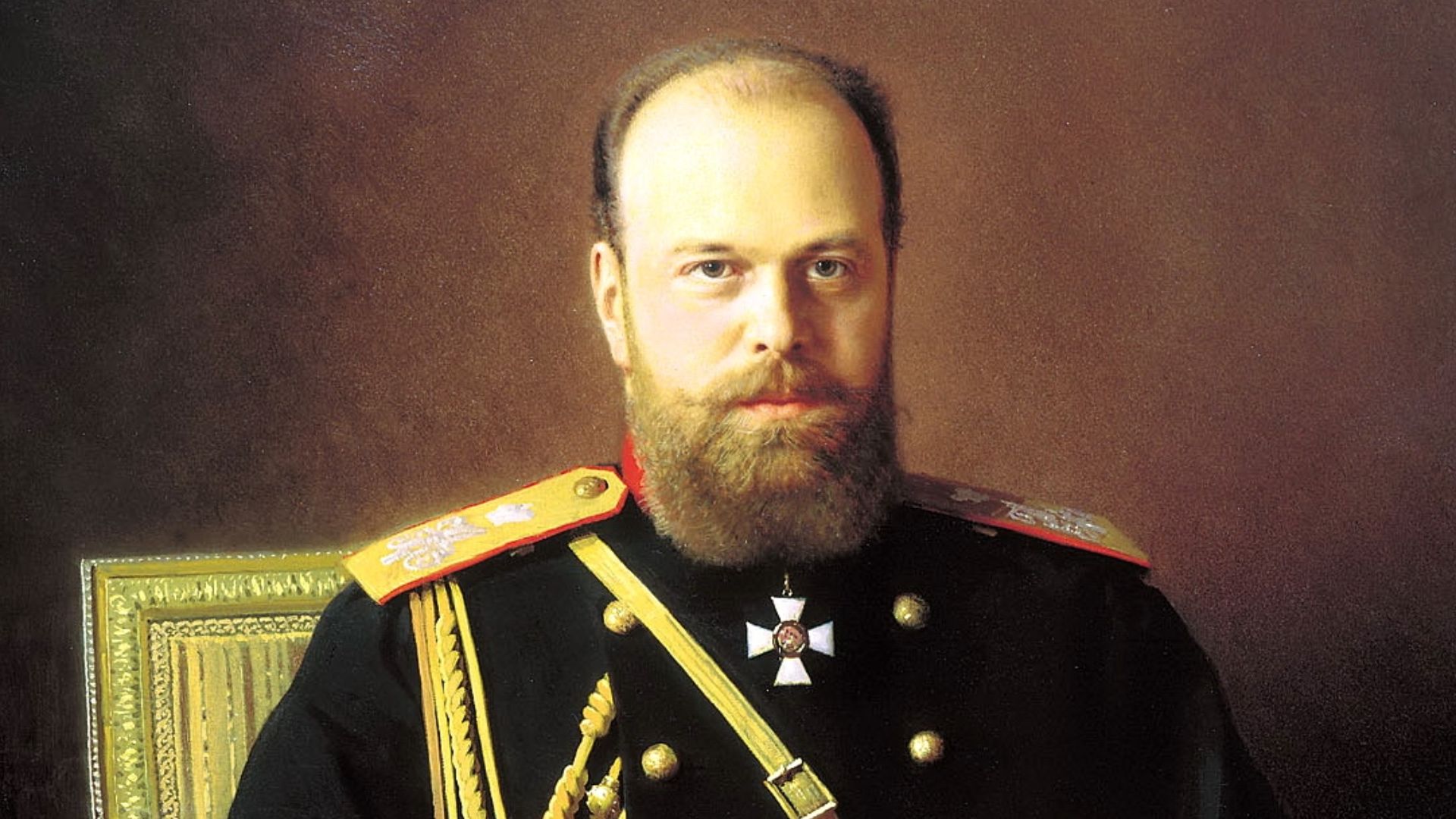 Russian painter I.N. Kramskoi (1837-1887), Wikimedia Commons
29. He Kept The Family Closed
Perhaps inspired by his father’s late marriage, Alexander III opted to outlaw morganatic marriages in Russia, that is, marriages between couples of unequal social ranks. He also began to implement his theocratic policies by forbidding marriages outside the Orthodox Church for members of the Imperial family. It was a sign of things to come for his subjects, too.
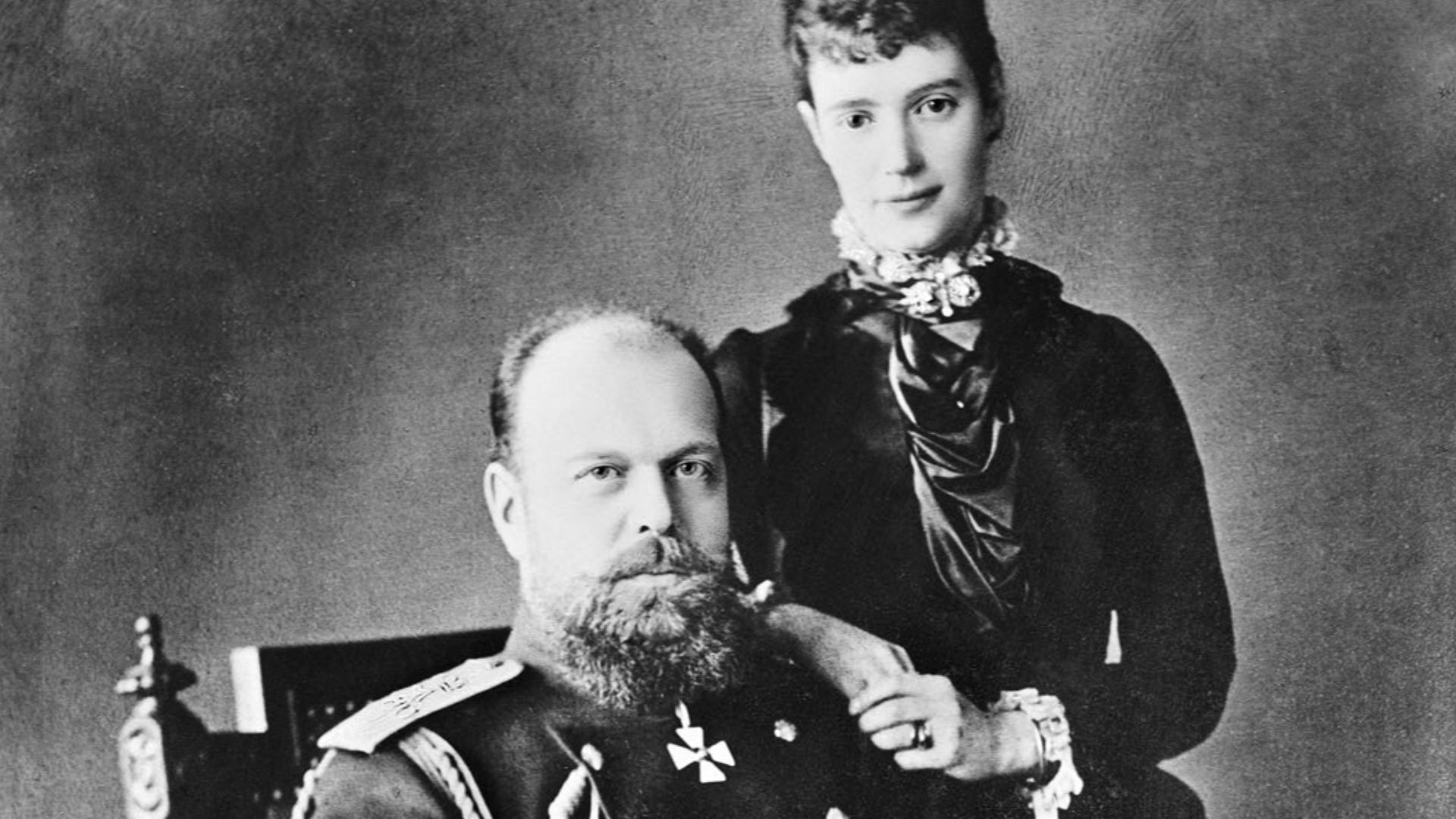 Sergey Lvovich Levitsky, Wikimedia Commons
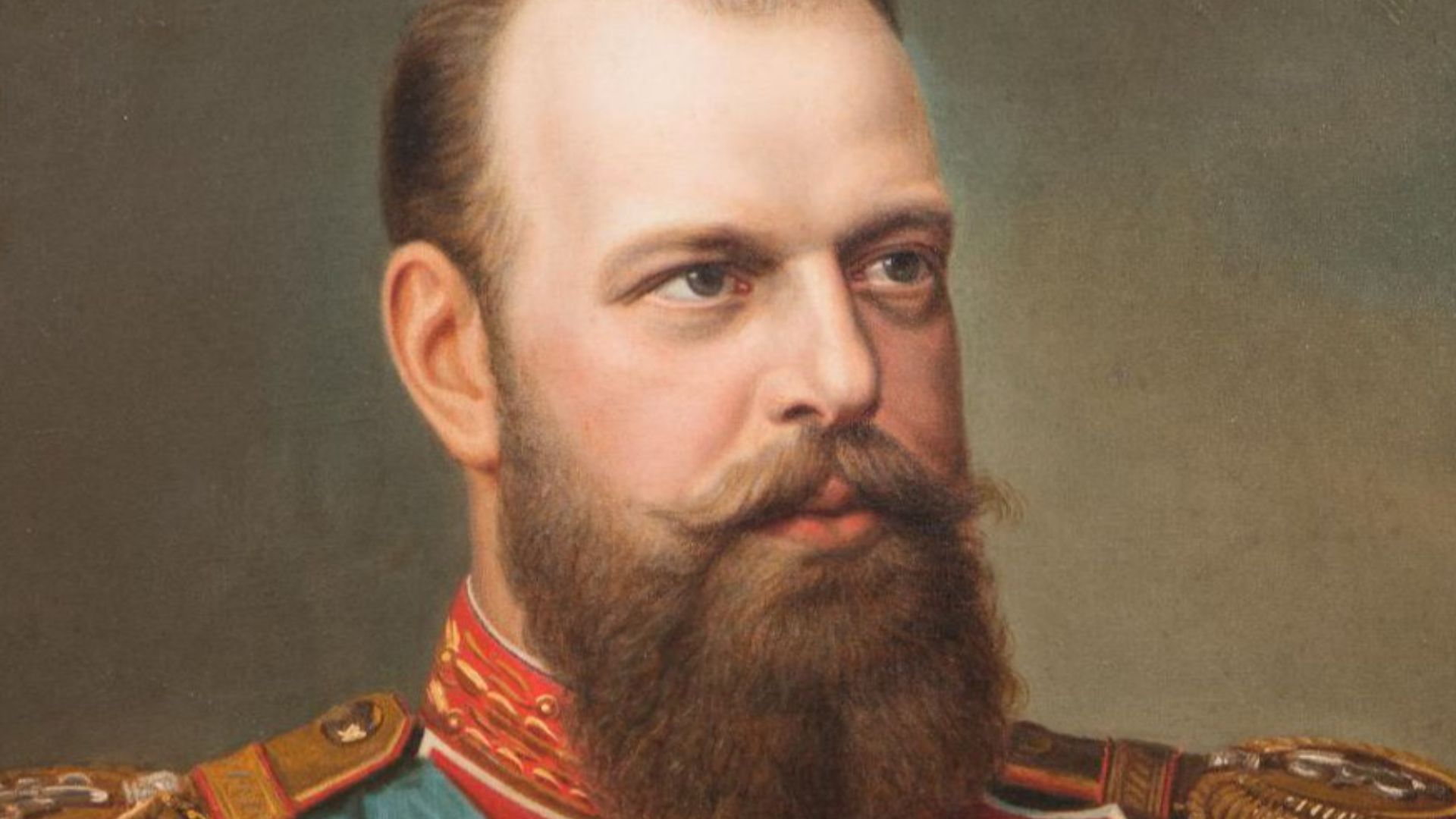
30. He Was A Tyrant
In domestic policy, the new tsar proved highly reactionary. His father, on the day of his passing, had set up consultative commissions to advise the ruling tsar. Alexander III immediately canceled this policy, however, before it even got published; it was clear that he was determined not to limit his autocracy. Indeed, he would undo much of his father’s work.
 A. von Butler, Wikimedia Commons
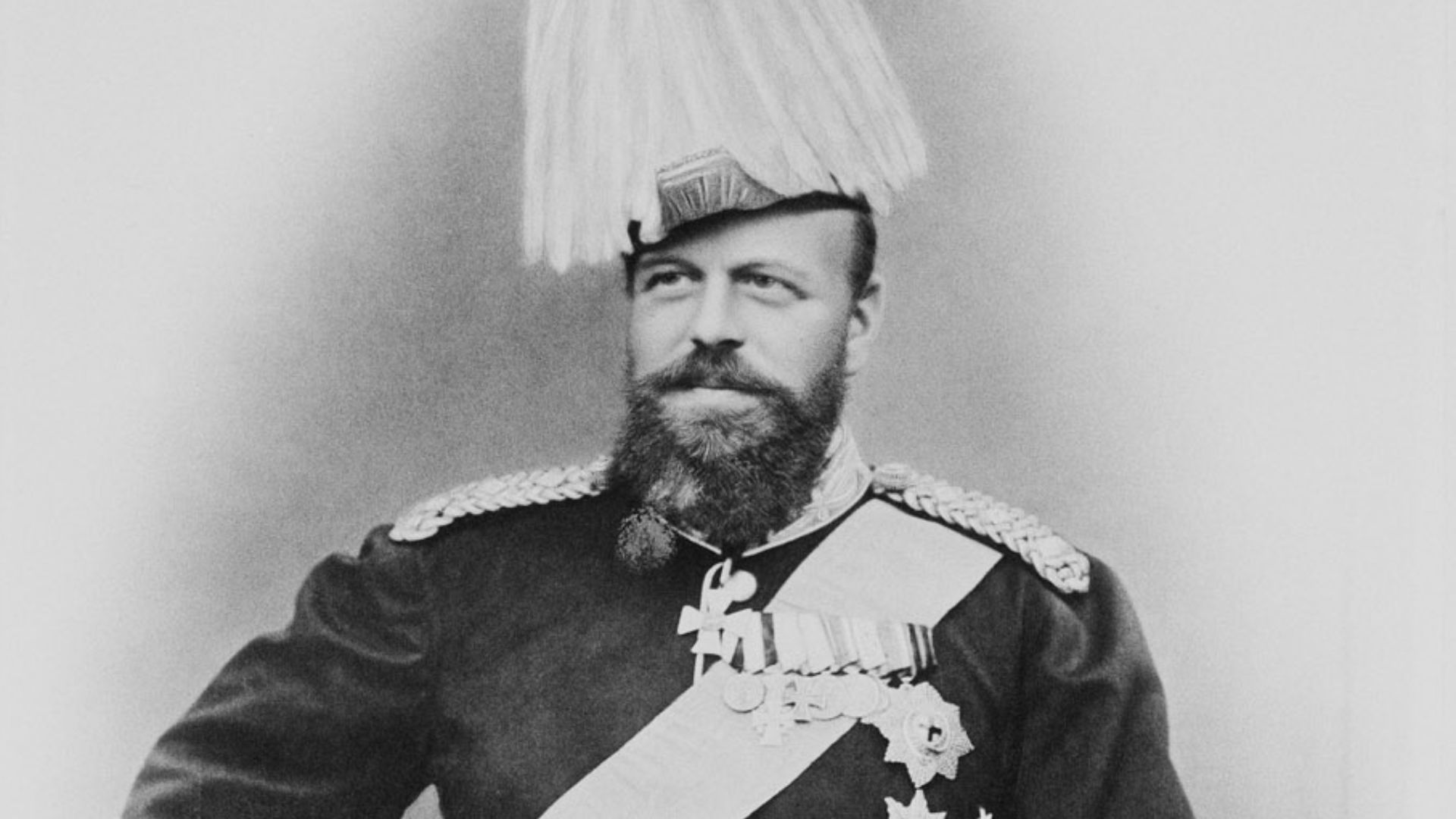
31. He Took It Back
As mentioned, Alexander’s father had presided over sweeping liberal reforms in Russian domestic affairs. The new tsar’s politics were grossly reactionary, however, and he set about dismantling any reform of his father’s that he could get his hands on, a policy known as “counter-reforms”. The moves reflected Alexander’s broader philosophy on the nature of tsarist rule.
 Sonne, Carl: Gothersgade 45, Wikimedia Commons
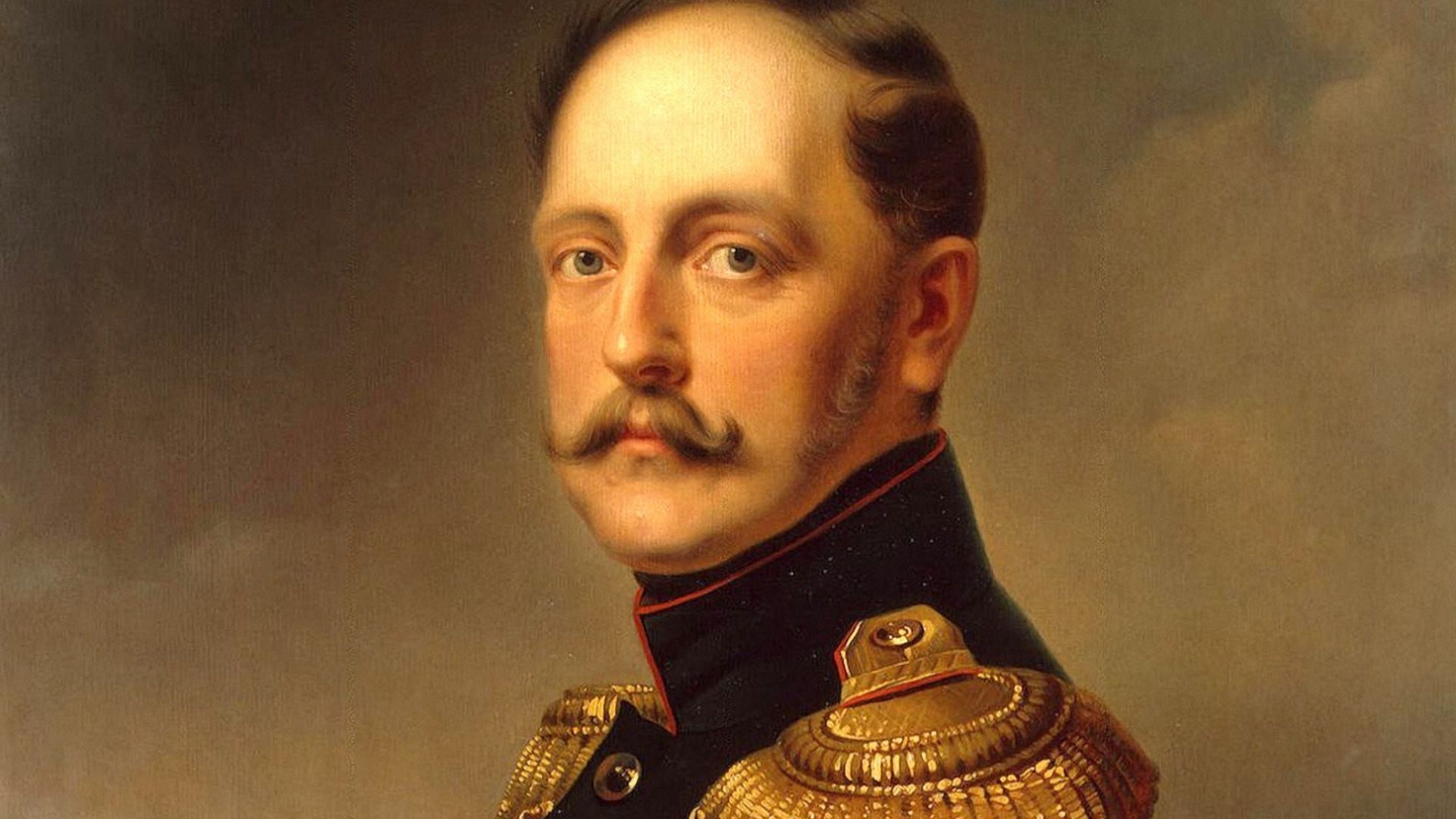
32. He Imposed His Beliefs
Alexander’s grandfather, Tsar Nicholas I, had also been a reactionary ruler, who introduced the ruling principles that his grandson now abided by: Orthodoxy, Autocracy, and Nationality. Nicholas and Alexander both believed that adherence to these principles in all levels of government would quell revolutionary agitation and save Russia. The implications of this, of course, meant less power for the people.
 Georg von Bothmann, Wikimedia Commons
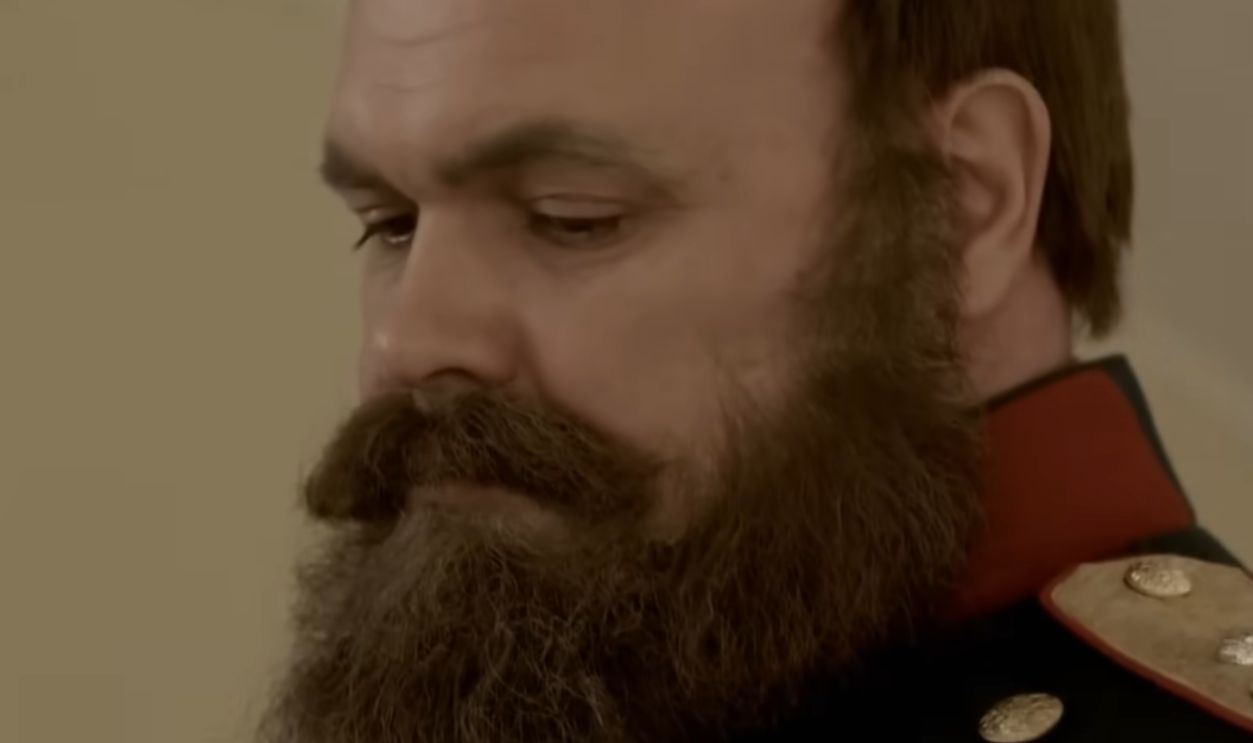
33. He Disenfranchised Them
The new tsar’s reactionary reforms were devastating for the Russian masses as Alexander III systematically dismantled the power of the elective local administrative bodies (known as the zemstvo). He further disempowered peasant communities by placing their administration under the supervision of “land captains”, land-owning proprietors appointed by his government. These policies, which consolidated the emperor’s personal control over the country, weakened even the nobility.
The tsar was not acting alone, however.
 Screenshot from The Romanovs. The History of the Russian Dynasty, Star Media (2013)
History's most fascinating stories and darkest secrets, delivered to your inbox daily.
34. He Had Advisors
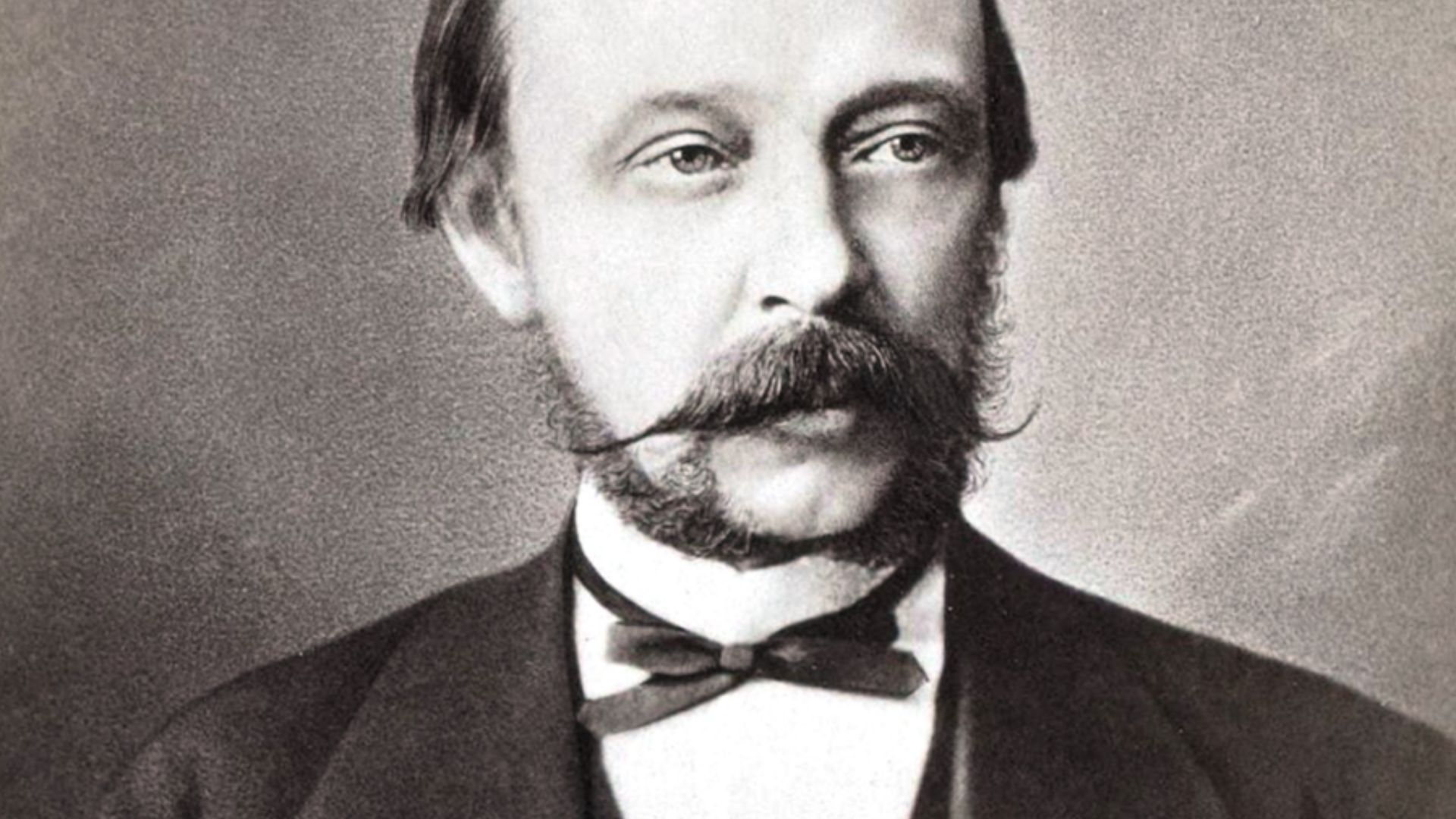
Such backwards policies did not fall out of thin air; Alexander III largely operated under the advice of his former tutor, the Procurator of the Holy Synod, Konstantin Pobedonostsev, a highly reactionary theocrat. The tsar also relied on other conservative advisors like minister of education (and later internal affairs) Count Dmitry Tolstoy and Ivan Durnovo, another internal minister.
Inevitably, of course, the limits of Alexander’s conservative policies got grimly showcased when disaster struck.
 Sergey Lvovich Levitsky, Wikimedia Commons
35. He Oversaw Disaster
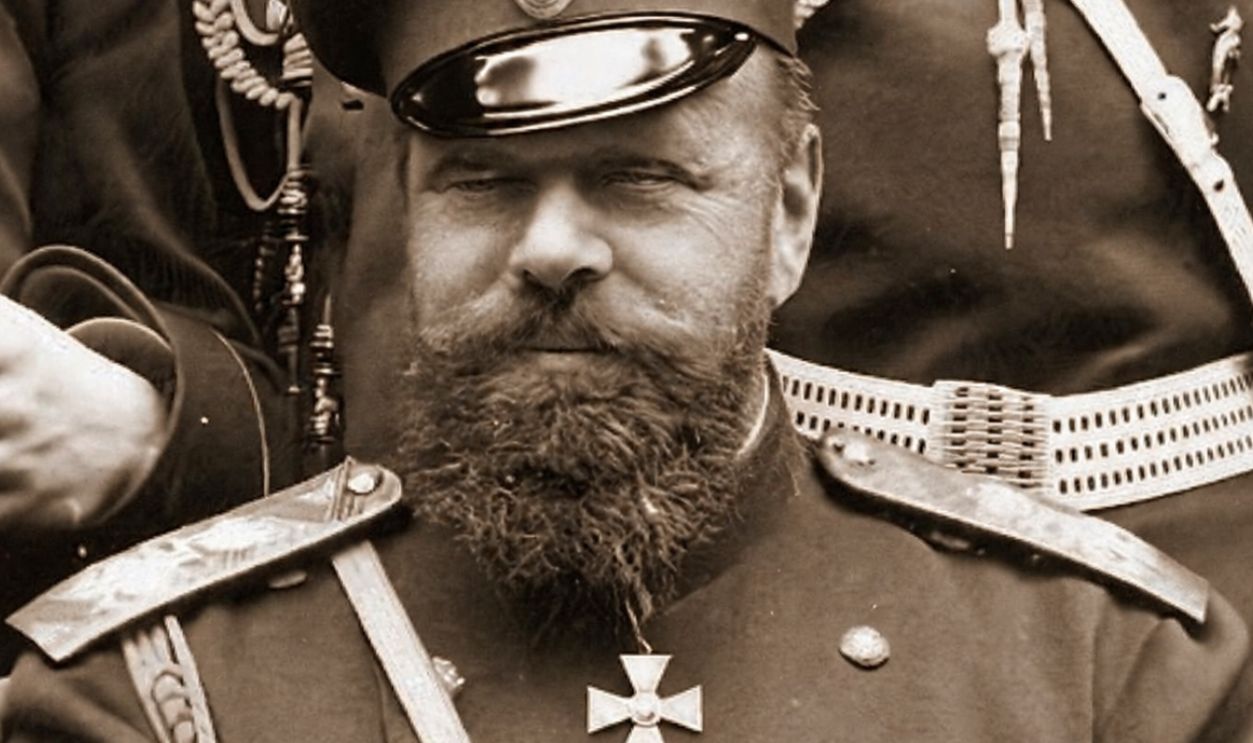
The years 1891 and 1892 saw Russia rocked by a massive famine, followed by an ensuing cholera epidemic. The government found themselves completely overwhelmed by these disasters, which forced them to tolerate some liberal activity to deal with the fallout. They recruited the help of the zemstvos to assist with relief. In all, between 375,000 and 500,000 Russians lost their lives on Tsar Alexander’s watch. That did not prevent him from staying the course, however.
 De Jongh Freres Neully Paris, Wikimedia Commons, enhanced
36. He Homogenized
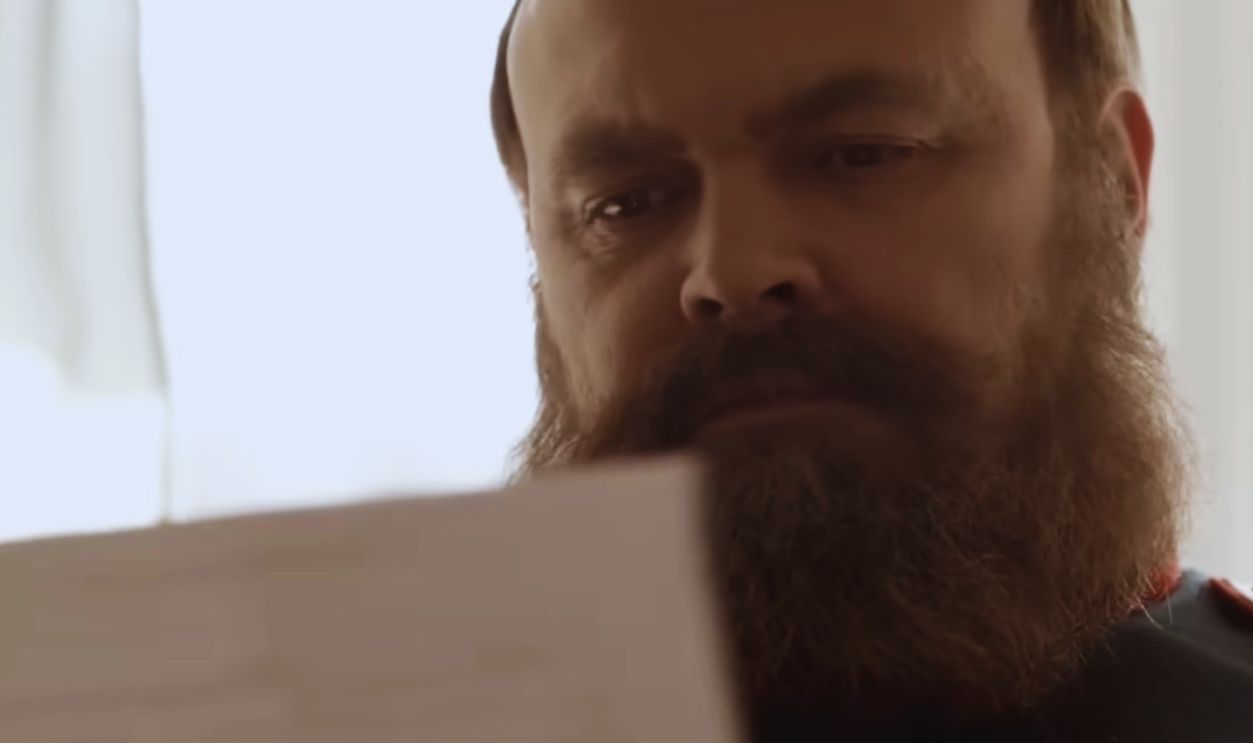
Alexander’s overarching political and cultural goal was the complete Russification of his people, meaning that he wanted all his subjects to speak one language and adhere to one religion. To this end, he implemented domestic policies like only teaching Russian in schools, even those in Germany, Poland, and Finland.
He also patronized Eastern Orthodoxy and dissolved non-Russian cultural and religious institutions. Despite his opposition to people’s power, however, Alexander III resembled his subjects in some interesting ways.
 Screenshot from The Romanovs. The History of the Russian Dynasty, Star Media (2013)
37. He Was Gruff
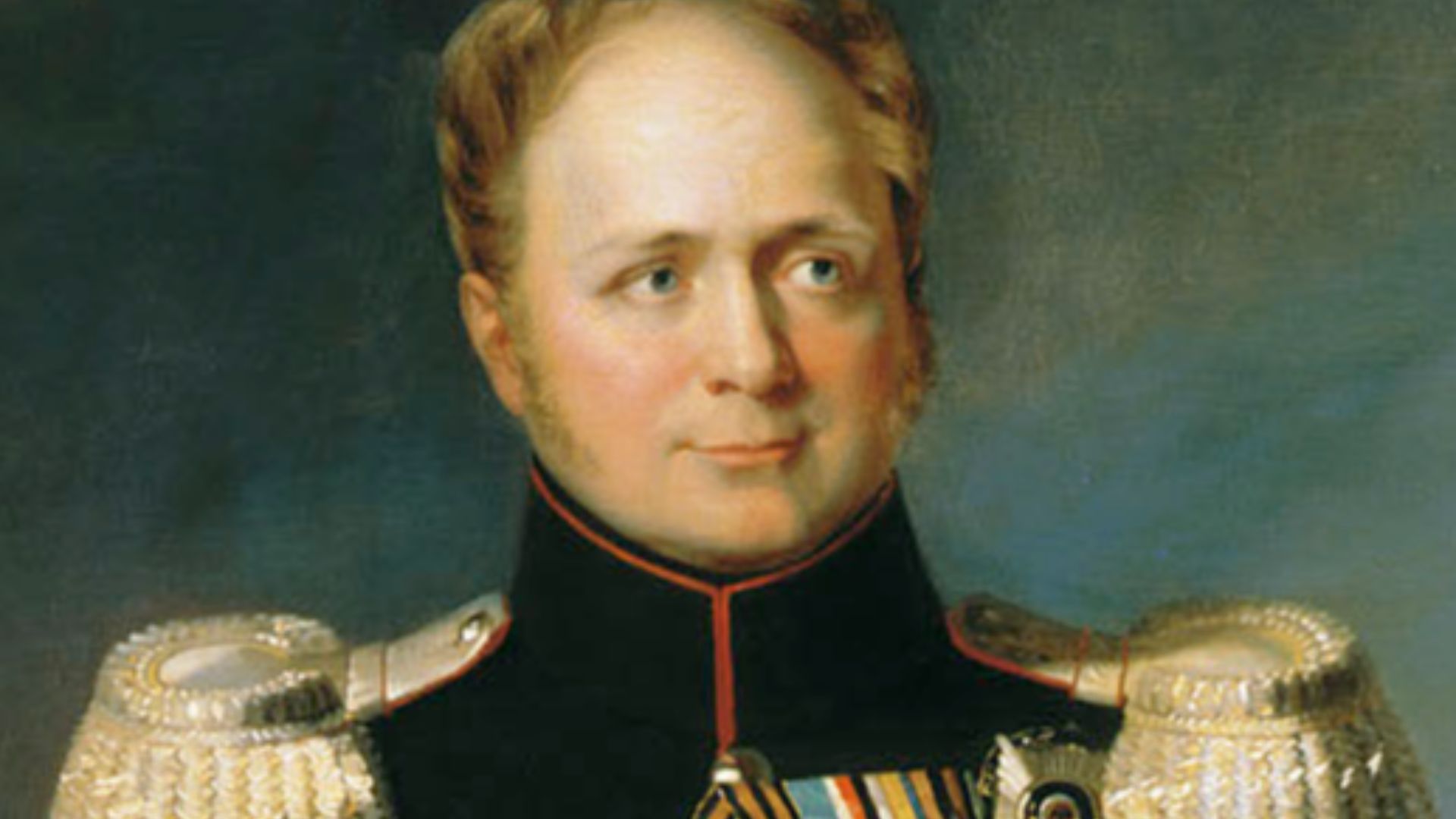
Alexander’s disposition was far from that of his soft-hearted, liberal father. But despite his political similarities to his namesake and great-uncle, Alexander I, the two men were little alike as well. Alexander I had been chivalrous yet cunning, philosophic, refined, and sentimental; Alexander III, on the other hand, was sorely lacking in elegance and refinement, and was much more abrupt and gruff.
Indeed, the reactionary tsar quite relished the idea of being rough-hewn like his subjects. He clearly favored brawn over brains.
 George Dawe, Wikimedia Commons
38. He Was A Tank
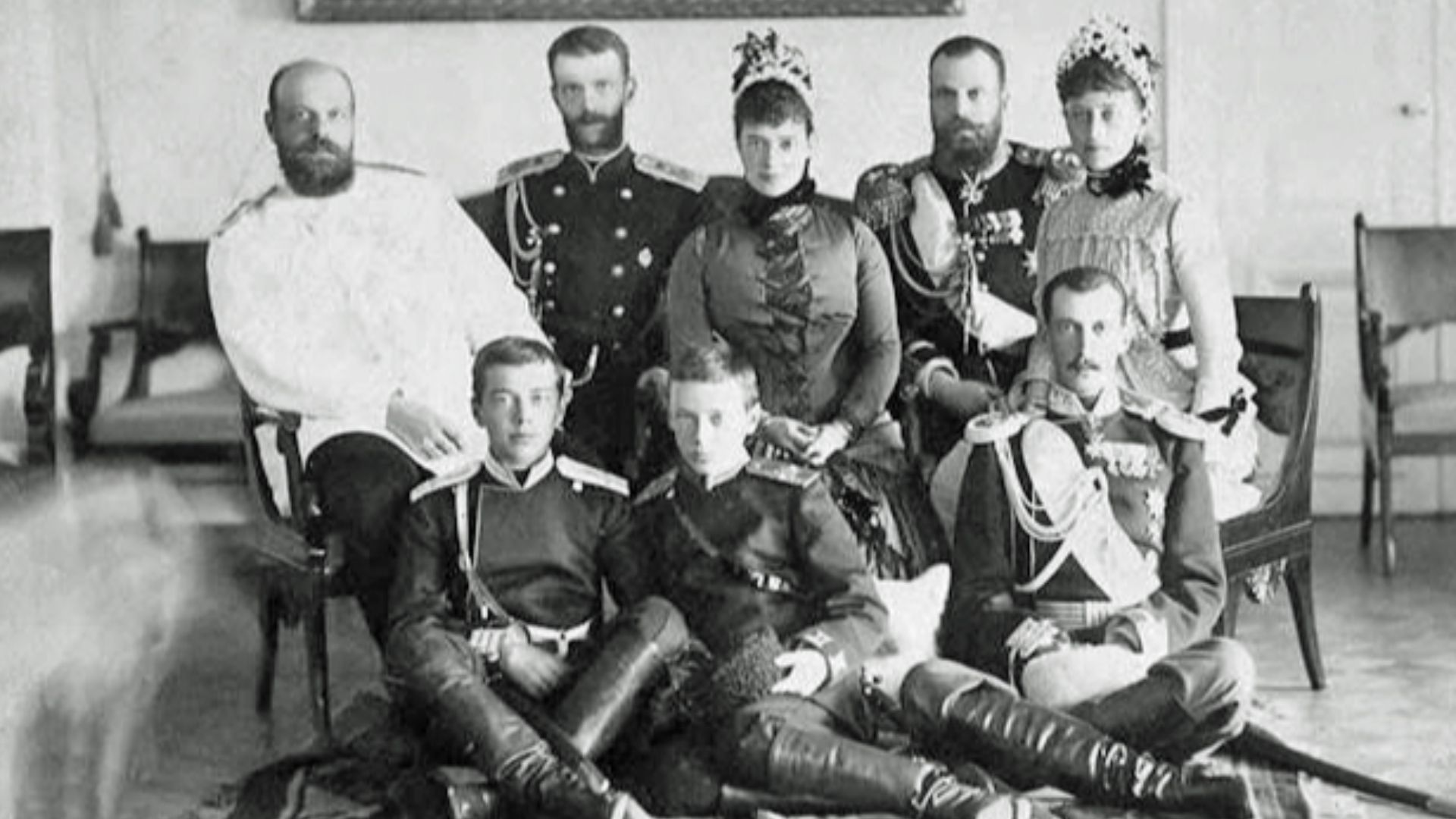
Alexander III was a large and imposing figure with great physical strength, and he wasn’t afraid to use it for entertainment and intimidation. He would tear decks of cards in half with his bare hands for his children’s amusement. But he also used this strength to threaten enemies. On one occasion, he twisted a silver fork into a knot to intimidate a would-be Austrian aggressor, remaking “That is what I am going to do to your two or three army corps” that the ambassador had suggested he would mobilize against Russia.
And Alexander would often deploy this intimidation against Russian society’s most vulnerable.
 Fritz Hjertell (1850–1904), Wikimedia Commons
39. He Was Oppressive
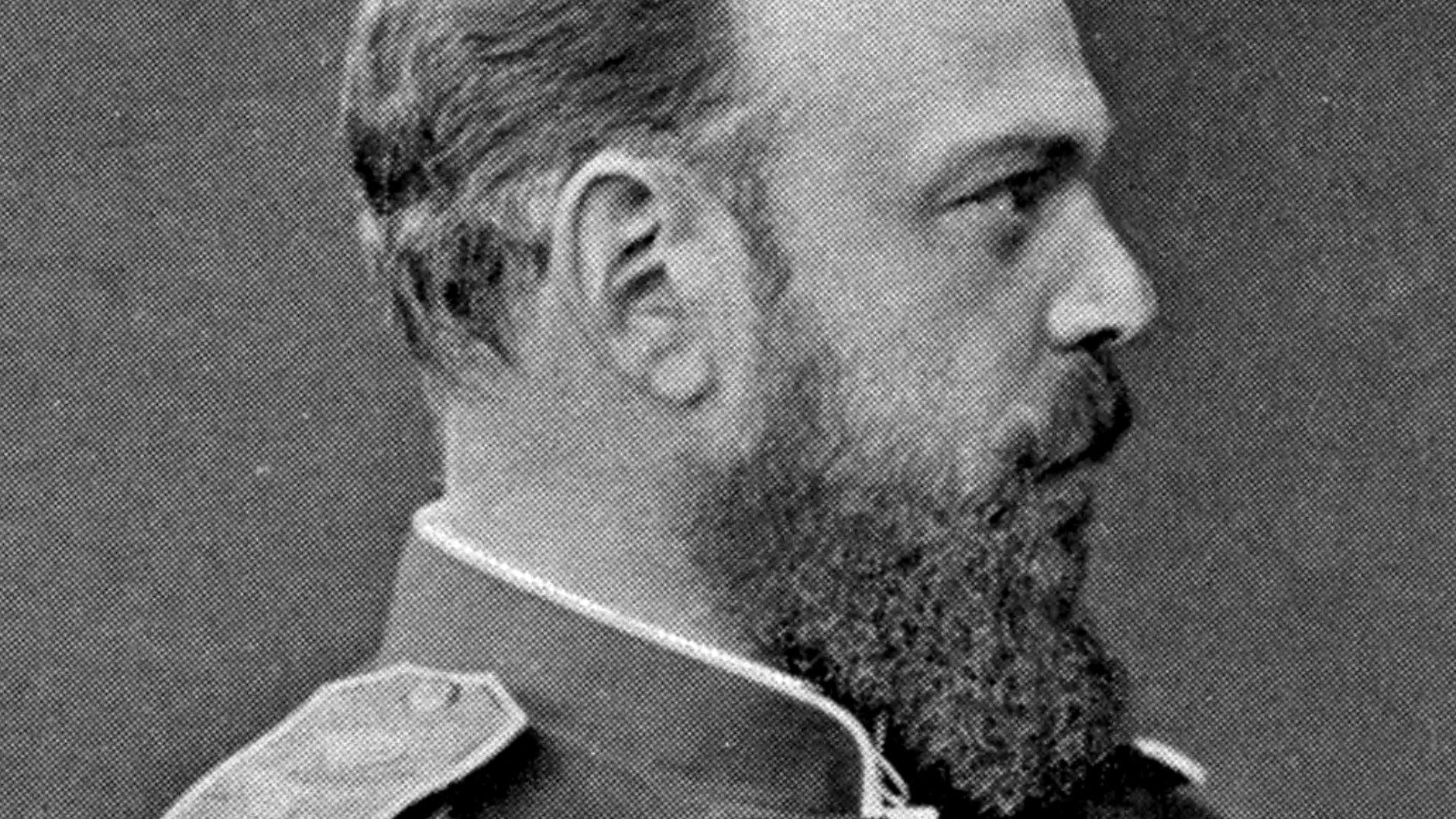
Alexander III showed grave hostility to Russian Jews, and his tenure as tsar oversaw a sharp decline in the economic, political, and social position of Jews in the country. His detestable policies encouraged open anti-Jewish sentiment and even pogroms, causing many Jewish folks to emigrate to Western Europe and the United States. Naturally, his autocratic conservatism inspired pushback and unrest.
 Unknown author, Wikimedia Commons
History's most fascinating stories and darkest secrets, delivered to your inbox daily.
40. He Was Almost A Victim
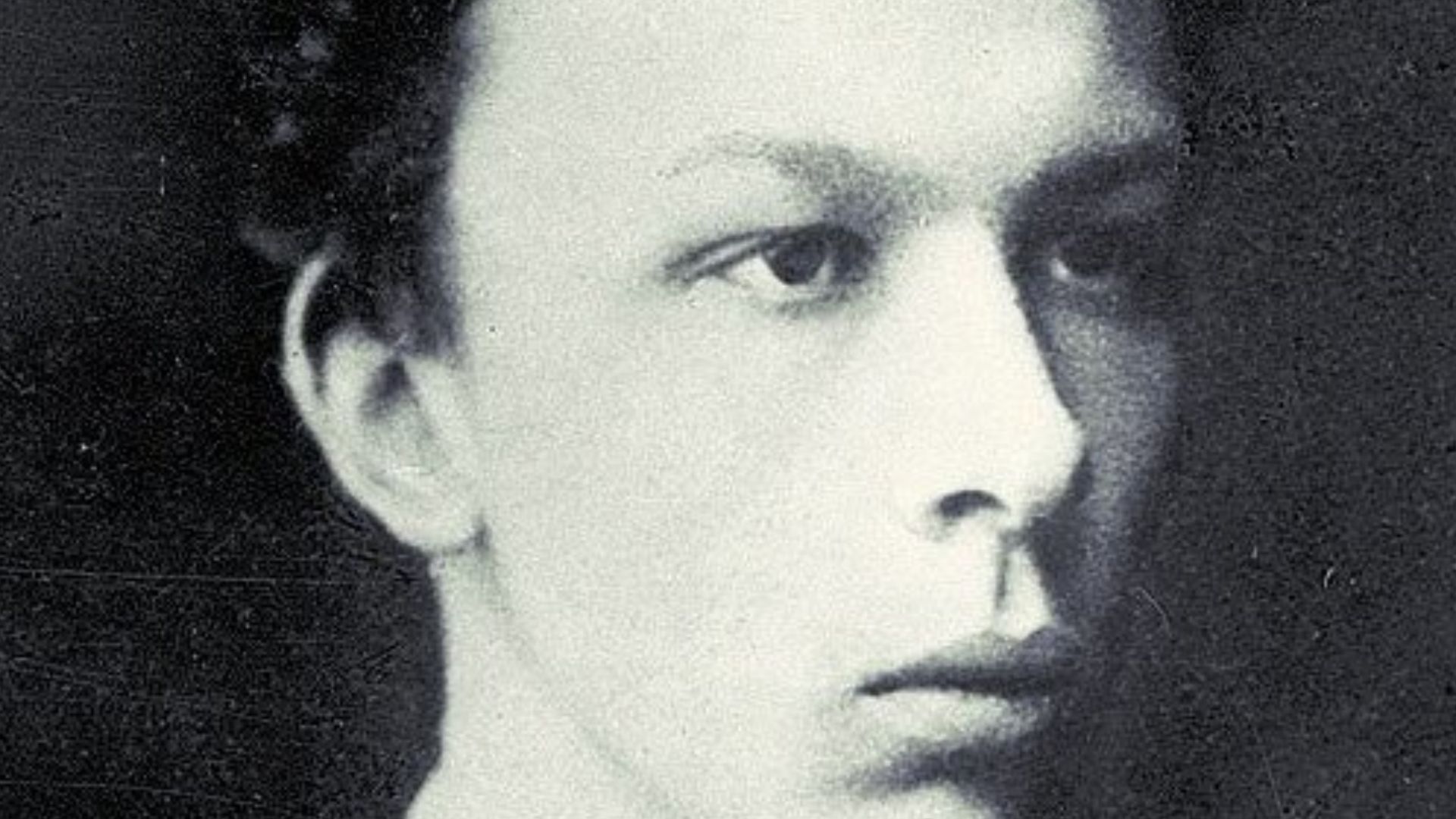
Encouraged by their success in taking out his father, the Narodnaya Volya began planning the assassination of the new Tsar Alexander III. Devastatingly, however, the tsarist secret police uncovered the plot, arresting five of the conspirators and executing them by hanging in May 1887. One of these plotters was Aleksandr Ulyanov, the older brother of Vladimir Lenin, planting the seeds for the Romanov family’s overthrowing in 1917.
Despite all the horror imposed on his people, however, Alexander did not pursue any foreign misadventures.
 Unknown author, Wikimedia Commons
41. He Kept It Local
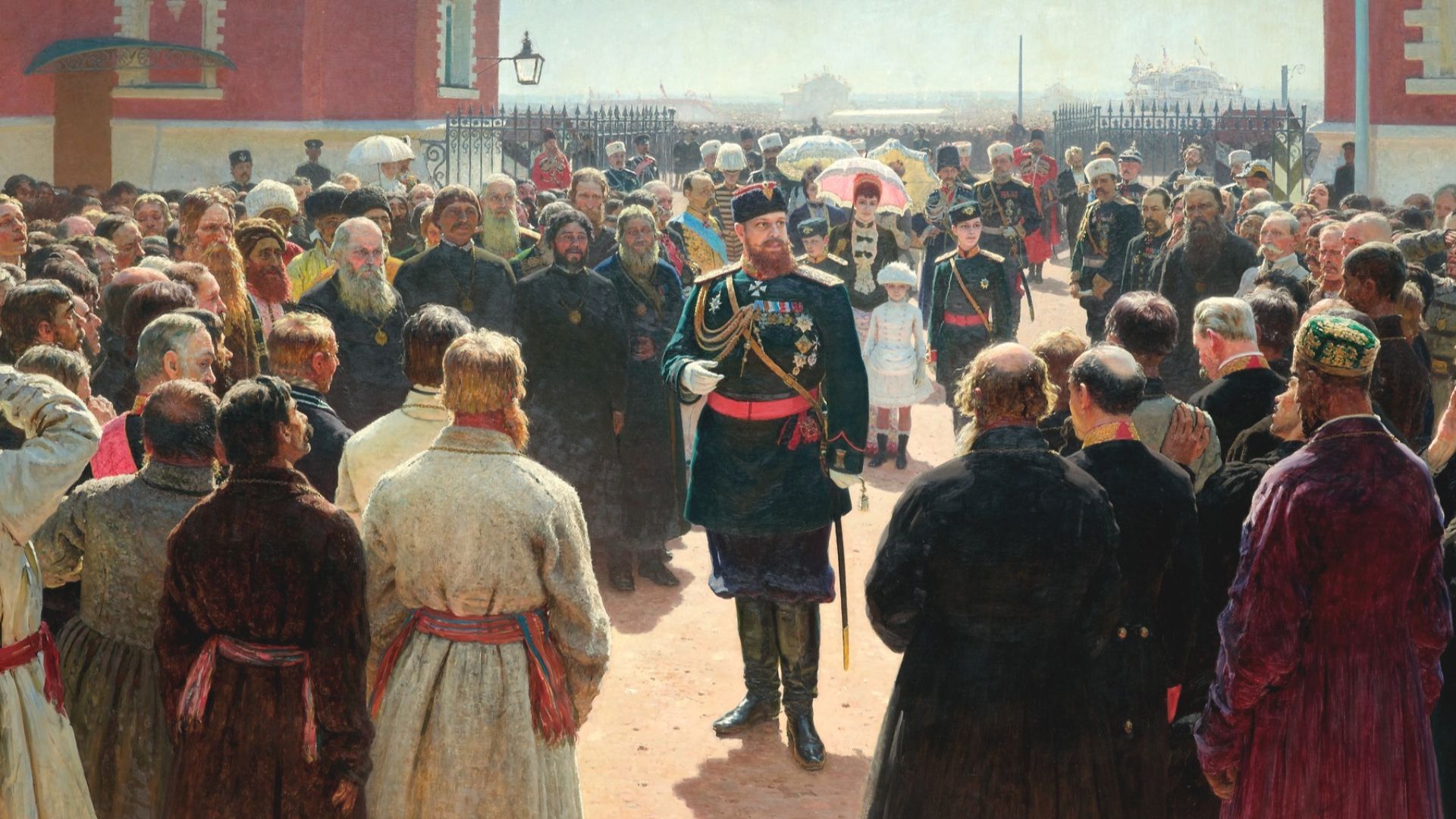
Despite his autocratic domestic policies and tyrannical rule at home, Alexander III came to be known as The Peacemaker among Russian historians. This is because, unlike any of his predecessors or successor (for there was only one more tsar after him), Russia fought in no major conflicts during Alexander’s reign. In fact, in a way, he made Russia more friends.
42. He Formed Alliances
Alexander’s major foreign policy achievement was the establishment of the Franco-Russian Alliance. Reflecting his previous support for the French during the Franco-Prussian conflict, this new alliance brought France out of diplomatic isolation and moved Russia away from German influence. This would have rippling long-term consequences.
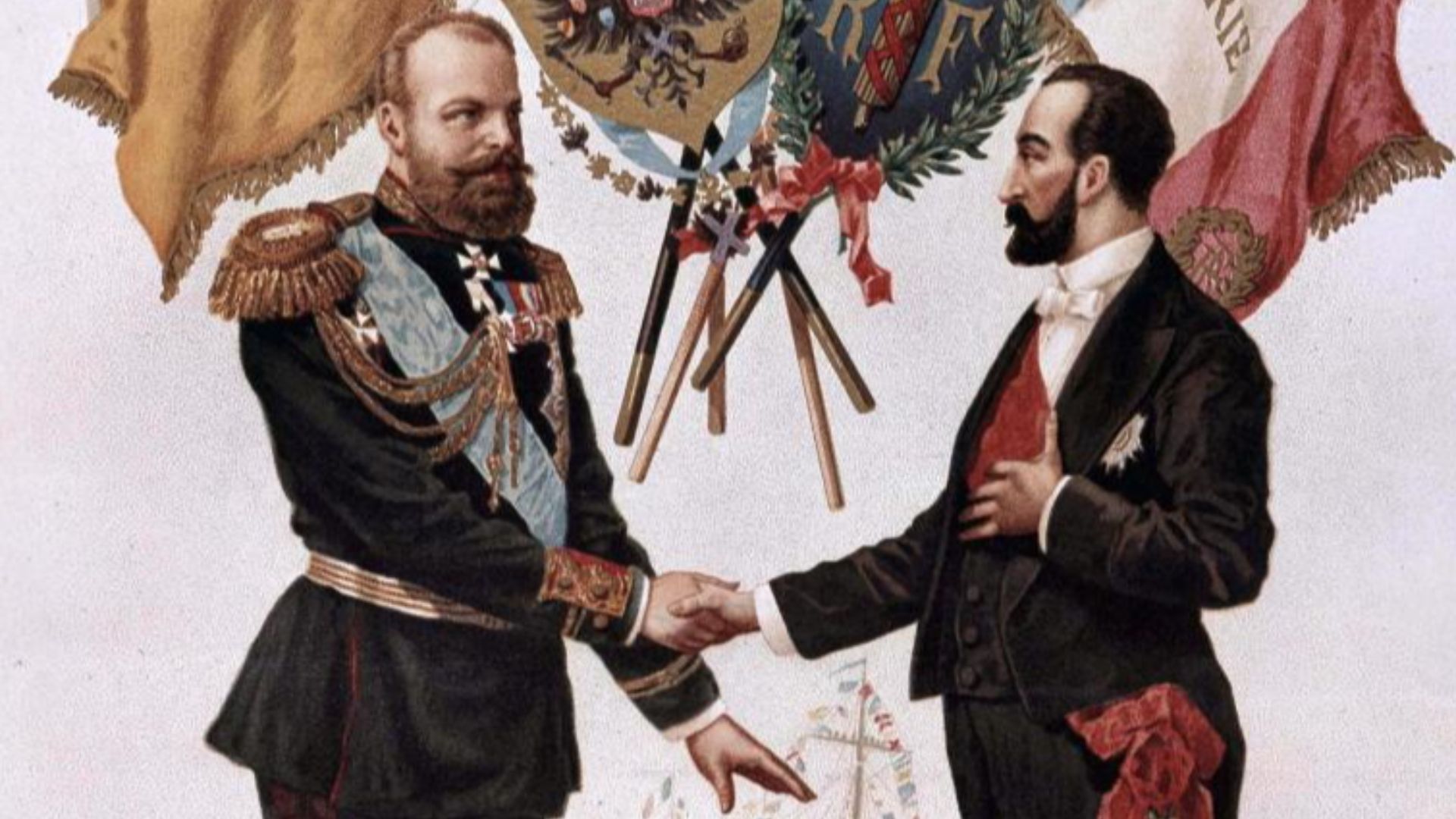 Unknown author, Wikimedia Commons
43. He Sewed Seeds
Alexander III may have kept Russia out of major conflict during his reign, but his foreign policy would have major ramifications for the world and, indeed, for the Romanov family and their rule. The Franco-Russian Alliance ushered in a major shift in international relations that would eventually lead to Russia’s embroilment in WWI, a conflict that marked the beginning of the end for tsarist rule in Russia. Alexander was none the wiser, however, instead focusing on his own country’s development.
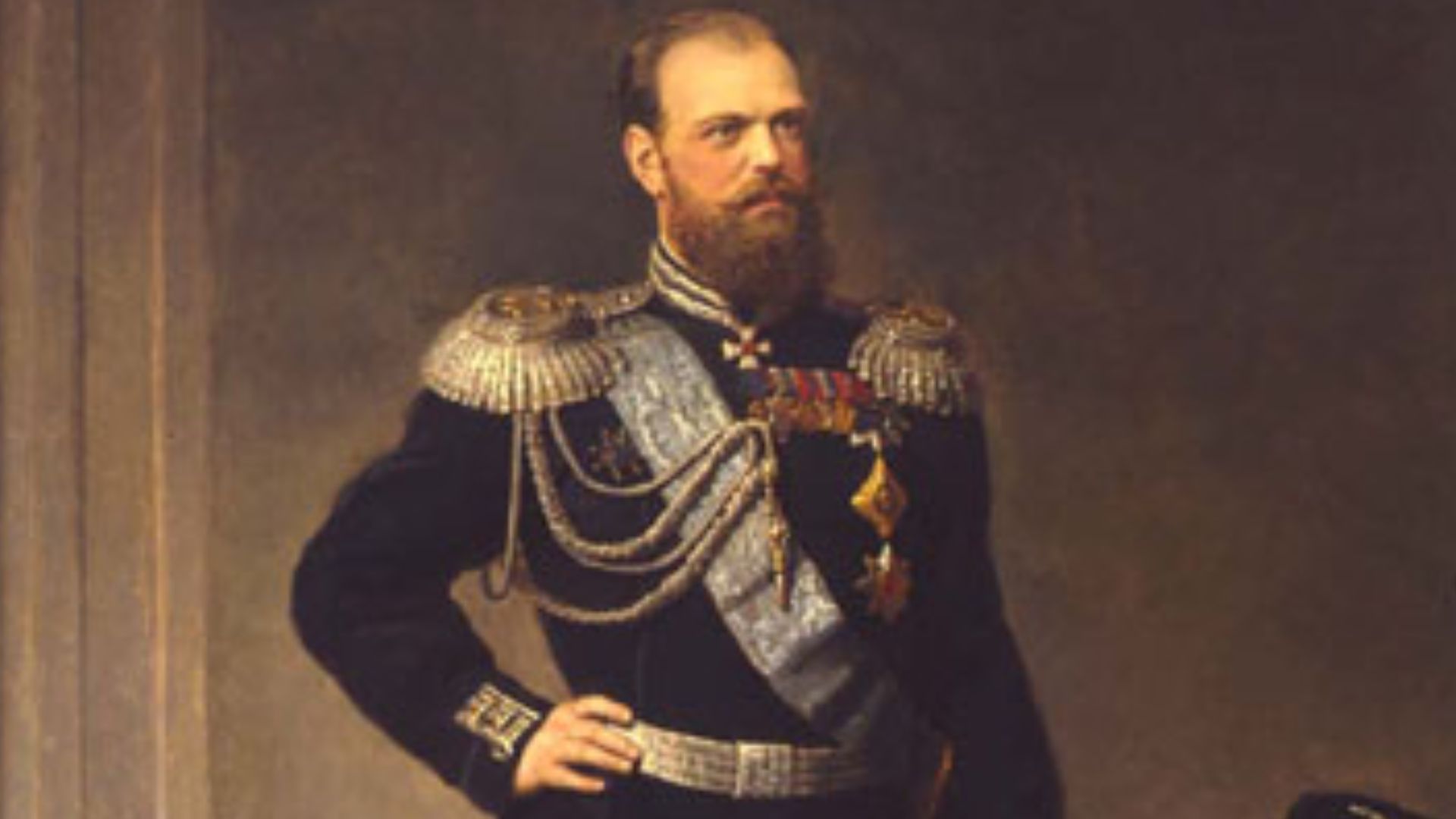 Fredrik Ahlstedt, Wikimedia Commons
44. He Built Railroads
Alexander III was enthusiastic about developing Russian industry and trade and took measures to stimulate economic growth for the still largely feudal nation. To that end, he approved the commencement of the construction of the Trans-Siberian Railway. He started Russia’s railroad, and ironically, the railroad would almost take him out.
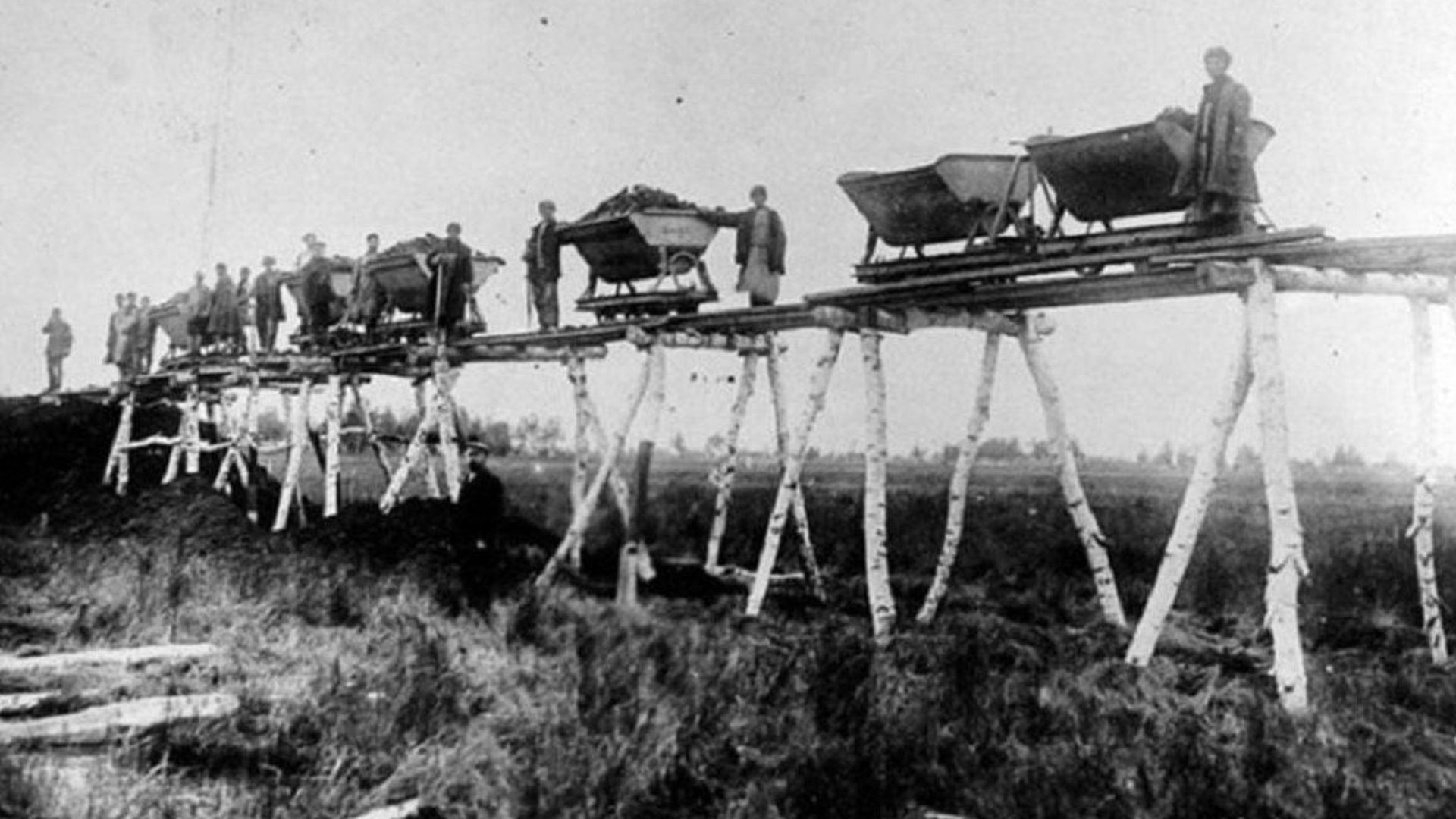 Unknown photographer, Wikimedia Commons
45. He Survived A Wreck
On October 29, 1888, Alexander III and his entire family were enjoying a meal in the dining car of the Imperial train when it suddenly derailed at Borki. The accident resulted in 21 casualties but, amazingly, none of the Imperial family perished: as the roof of the dining car began to collapse, the burly Alexander held its remains on his shoulders while his children escaped the train. It was a heroic rescue, a close call that the tsar perhaps thought might toughen up his son.
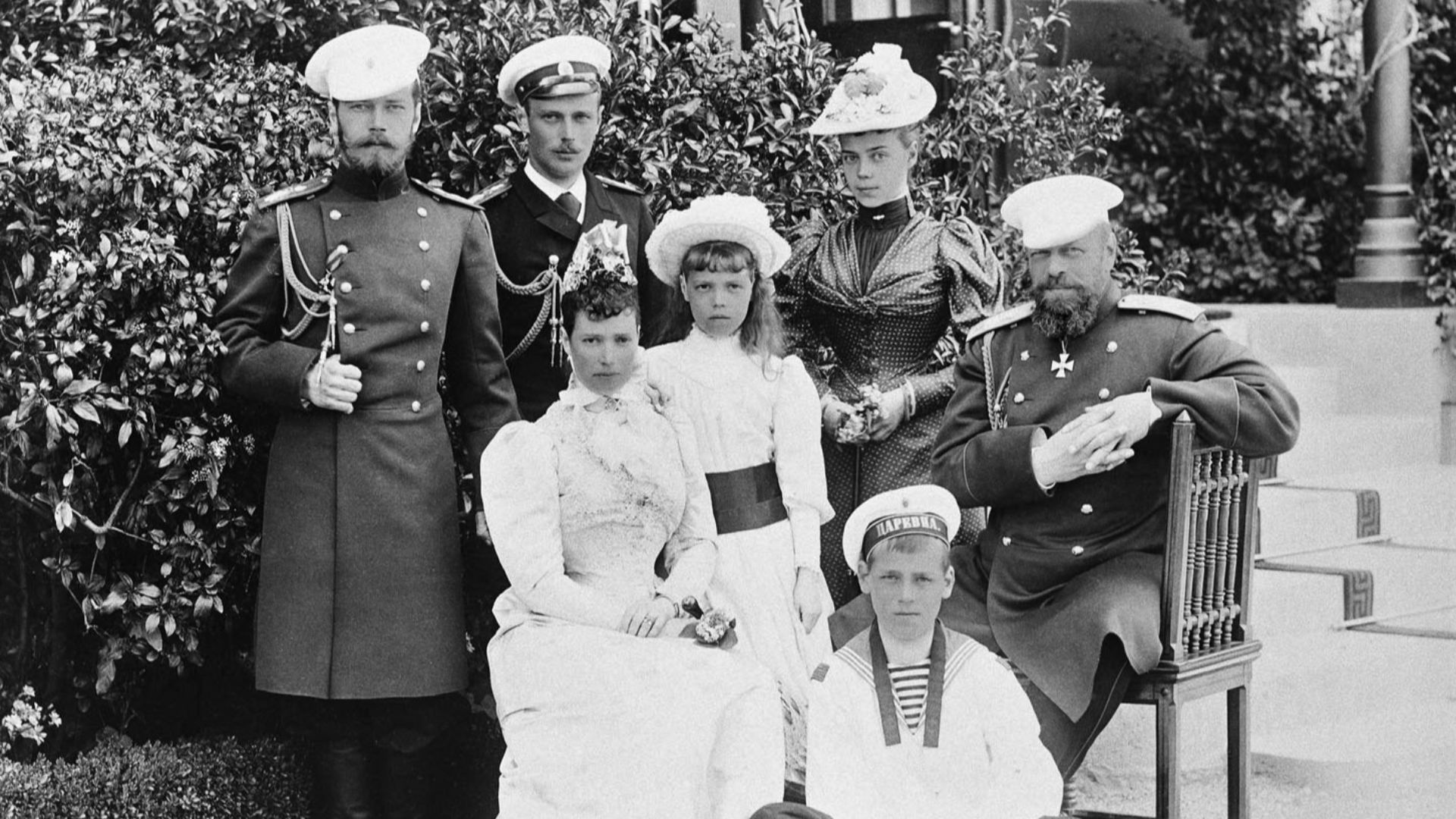 Orlov Fyodor Pavlovich (1844-1909), Wikimedia Commons
History's most fascinating stories and darkest secrets, delivered to your inbox daily.
46. He Doubted His Son
Alexander’s heir apparent was his son Nicholas, and he was worried that Nicky did not have the makings of an effective Emperor. The tsar was of the opinion that the young Nicholas was too gentle and naïve, and that his opinions were “utterly childish”. He even tried to get him to “man up” on a few occasions.
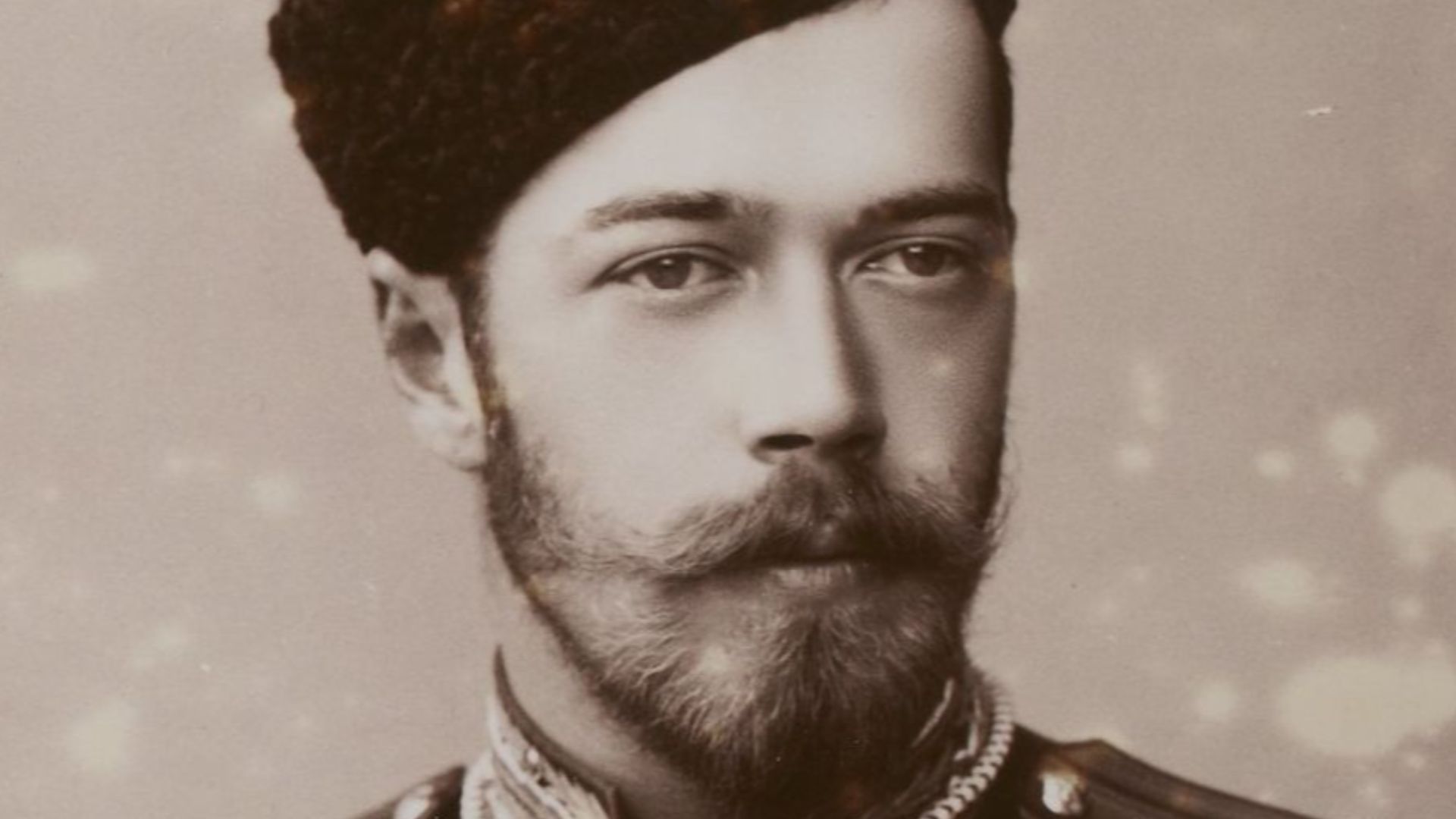 Unknown author, Wikimedia Commons
47. He Pimped His Kid
Alexander was also worried about his heir’s lack of experience with women and took extreme measures to “correct” this. At one point, he arranged for Mathilde Kschessinska, a Polish ballerina, to become Nicky’s mistress. Unfortunately, Nicholas’s father considered his heir to be a child right up until the end of Alexander’s life and reign—which, as it turns out, came somewhat prematurely.
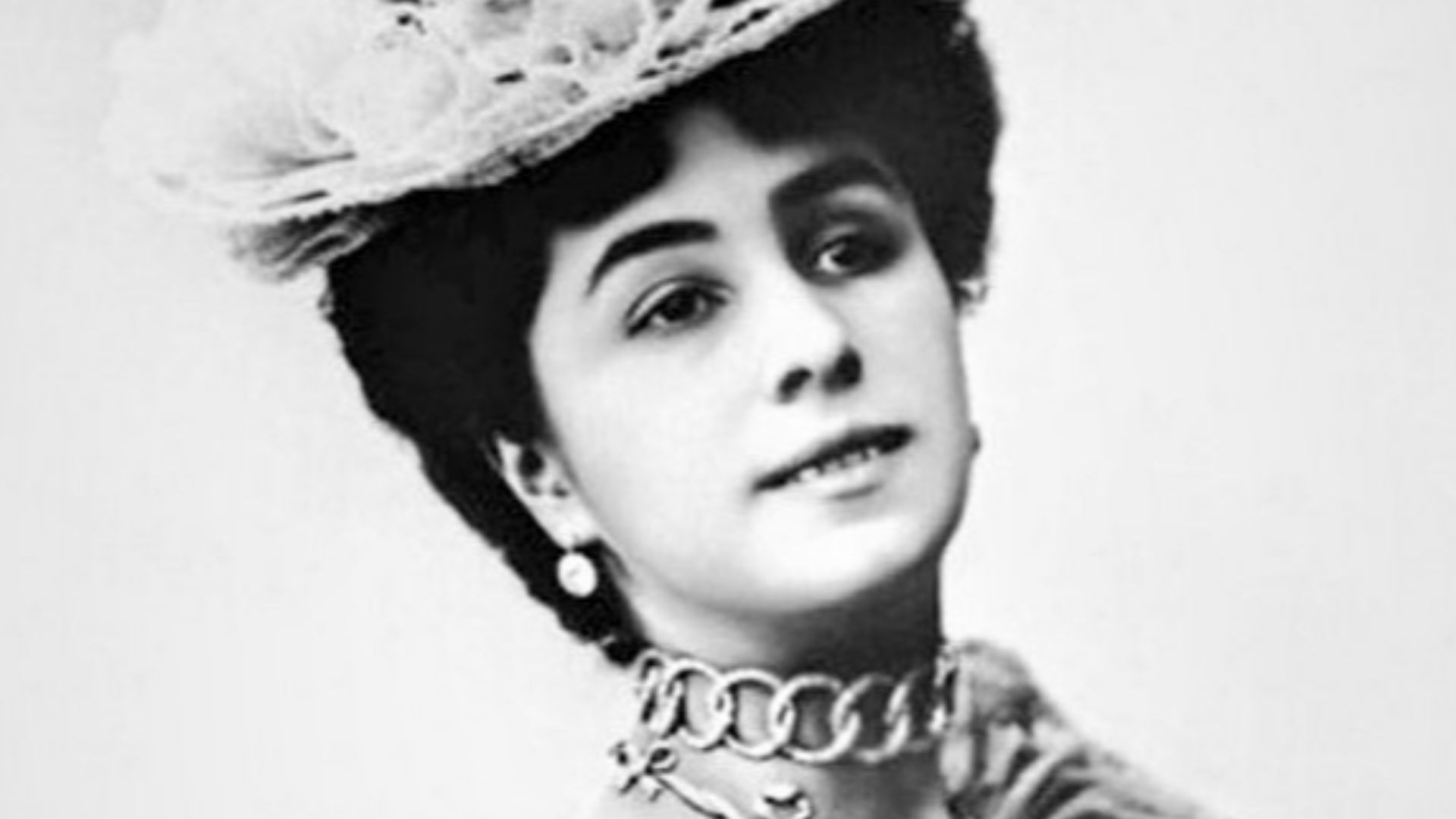 E. L. Mrozovskaya, Wikimedia Commons
48. He Got Sick
Alexander III had not escaped from the Borki train derailment completely unscathed, and the blunt trauma he suffered in the incident led to the development of a kidney disease in 1894. The illness only got worse, and it was not looking good for the tsar. He decided to travel to visit his cousin on the Greek island of Corfu to recover. But by the time he and his wife reached Crimea, the once-unstoppable Alexander was too weak to continue. He would draw his final breath there.
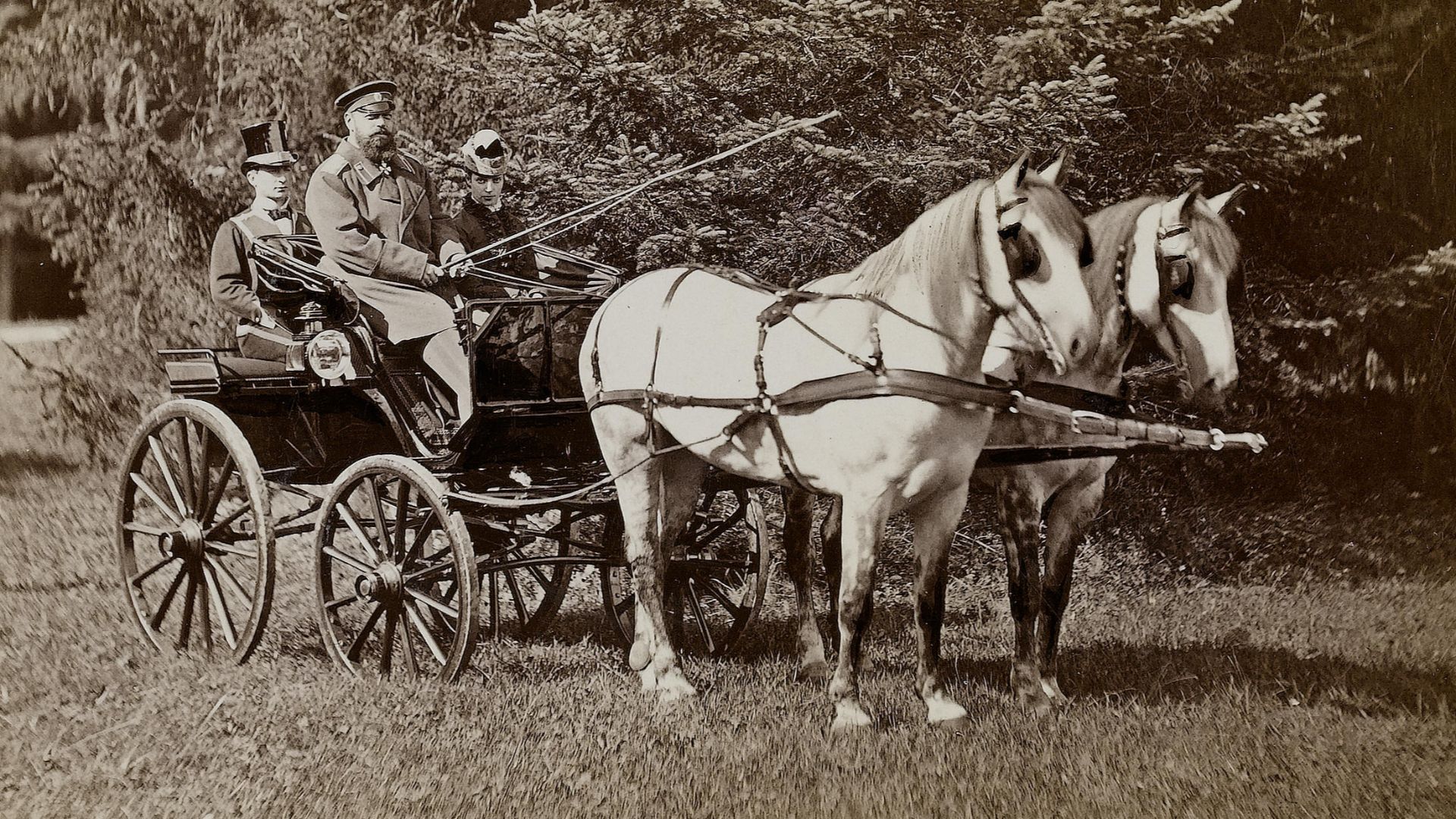 Unknown author, Wikimedia Commons
49. He Had His Wife
On the afternoon of November 1, 1884, Tsar Alexander III succumbed to his illness. He was only 49 years old. Touchingly, however, he was not alone at the end: he perished in the arms of his beloved wife, and despite his intimidating presence and iron-fist rule, the wife guy tsar probably would not have wanted it any other way. Despite Alexander’s short life, however, he made a big impact.
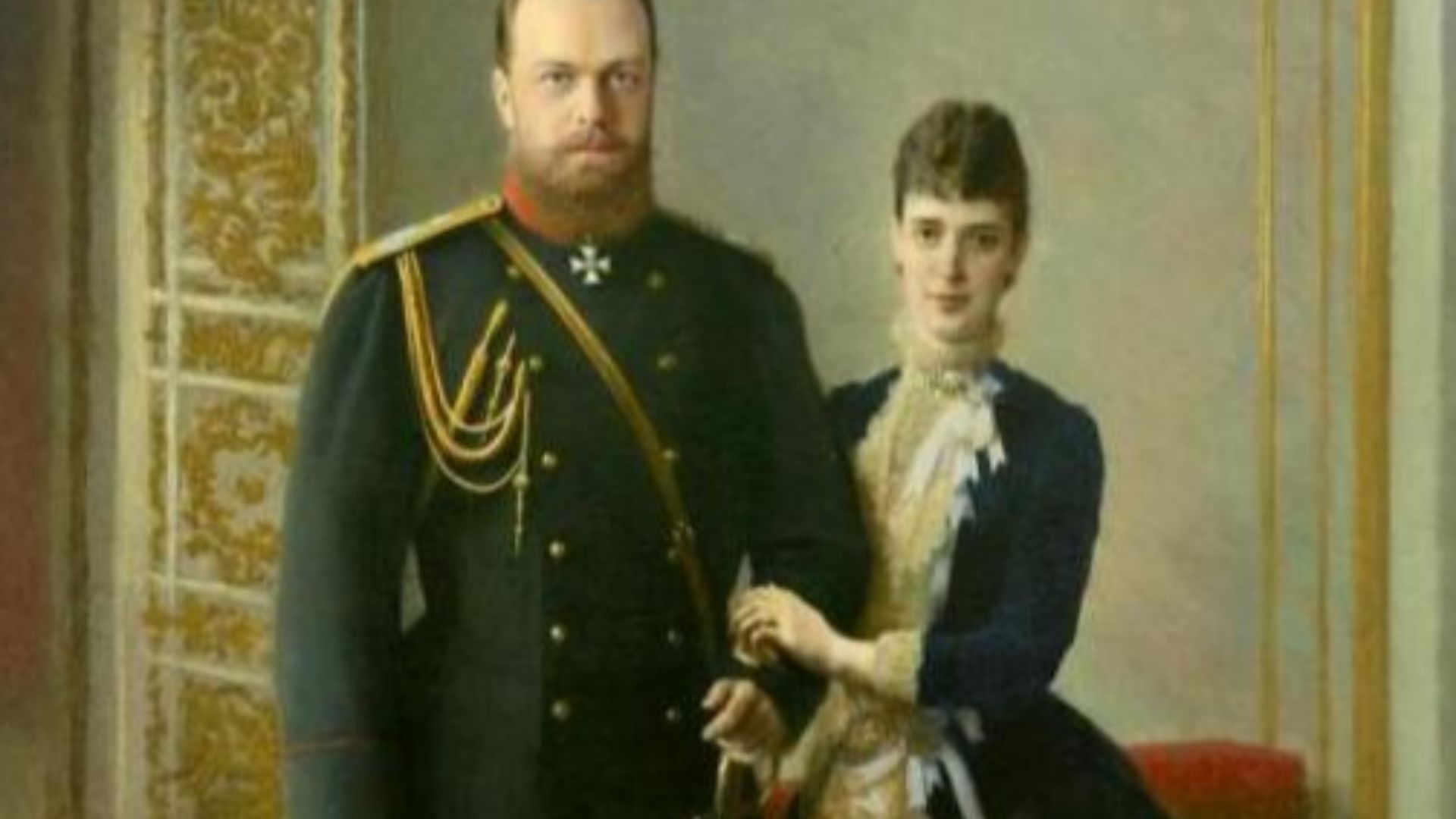 Ivan Kramskoi, Wikimedia Commons
50. He Changed The World
The political legacy left behind by Tsar Alexander III represented a direct challenge to the European cultural order. Russia’s pivot away from the German orbit and the intermingling of Russian influences with the shifting balance of power led indirectly to WWI, and Alexander’s successor, Tsar Nicholas II, would be Russia’s last Emperor: he was overthrown by political enemies in the Revolution of 1917, ending the Romanov’s reign forever.
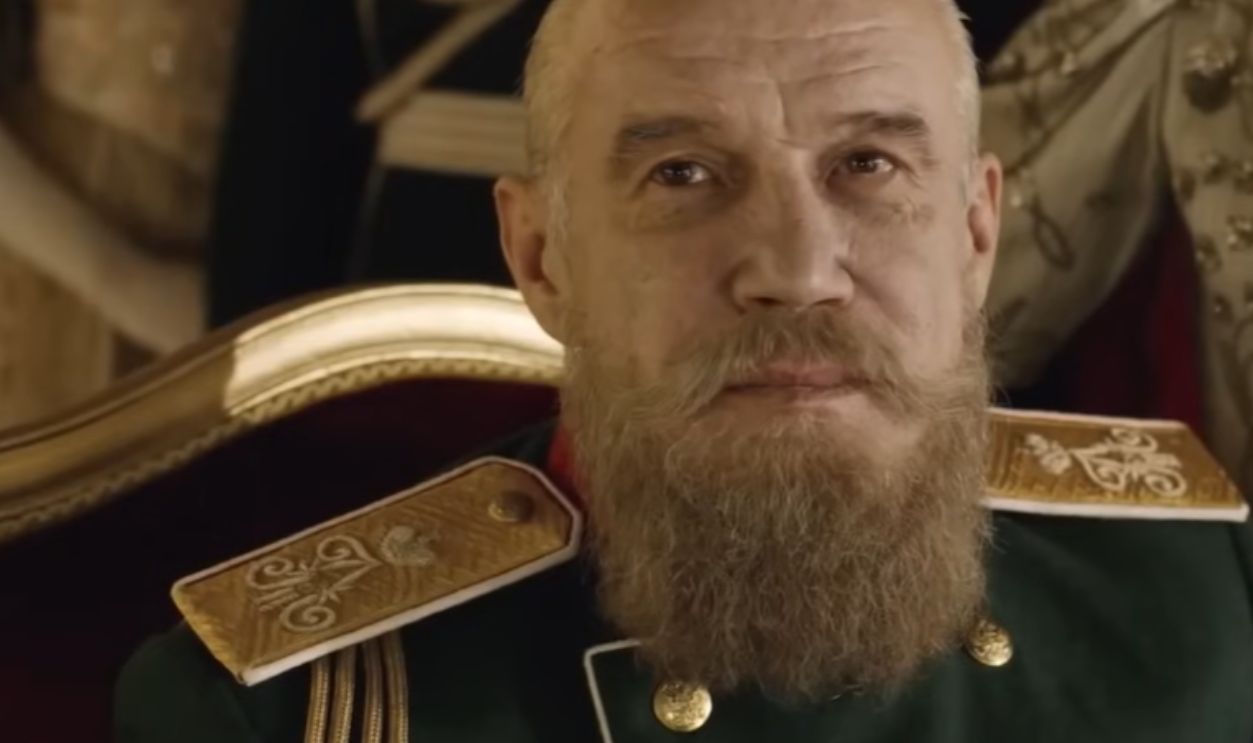 Screenshot from The Romanov Dynasty, Nashe Kino (2025)
You May Also Like:
Ruthless Facts About The Terrible, Great, And Mad Tsars Of Russia
Tragic Facts About Alexei Romanov, The Last Heir Of The Russian Empire