

An Aviation Visionary
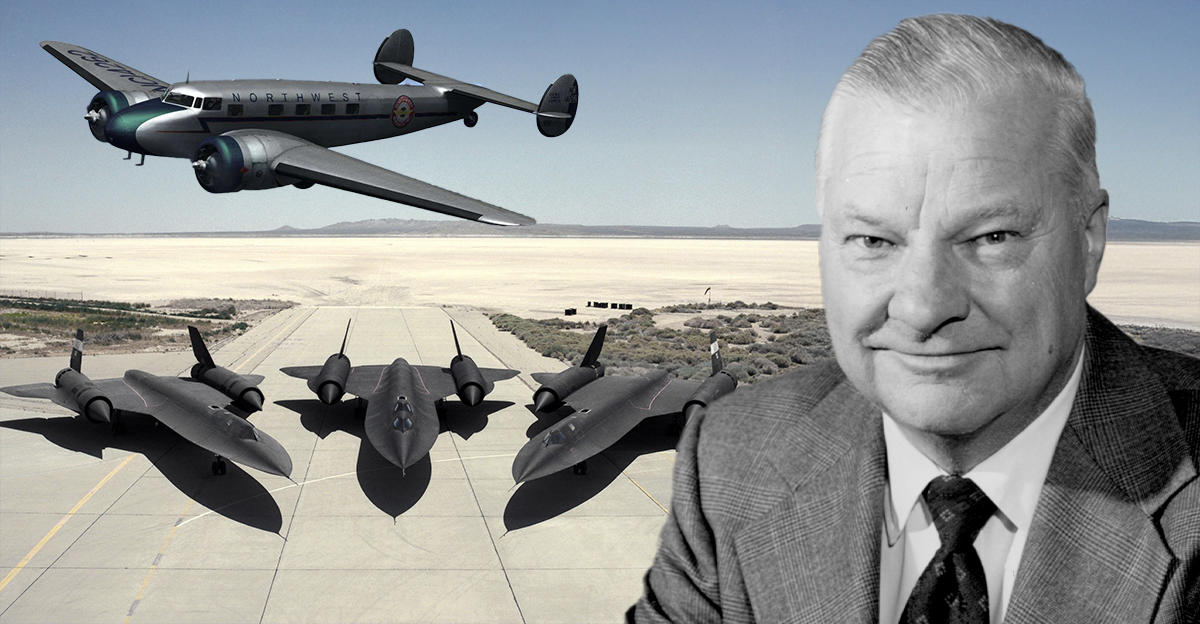
Clarence “Kelly” Johnson revolutionized aerospace engineering with designs that redefined speed, altitude, and innovation. As the founding genius of Lockheed’s Skunk Works, Johnson’s projects, from the P-38 Lightning of WWII to the futuristic SR-71 Blackbird shaped modern aviation and defense. His 'Keep It Simple, Stupid' philosophy remains a cornerstone of engineering project management.
He Took Flight Early
Born in Ishpeming, Michigan, in 1910, Kelly Johnson showed early aptitude for math and mechanics. He earned degrees in aeronautical engineering from the University of Michigan, where his thesis work on aircraft stability caught the attention of Lockheed engineers, launching a lifelong career in aerospace innovation.

Joining Lockheed Aircraft Company
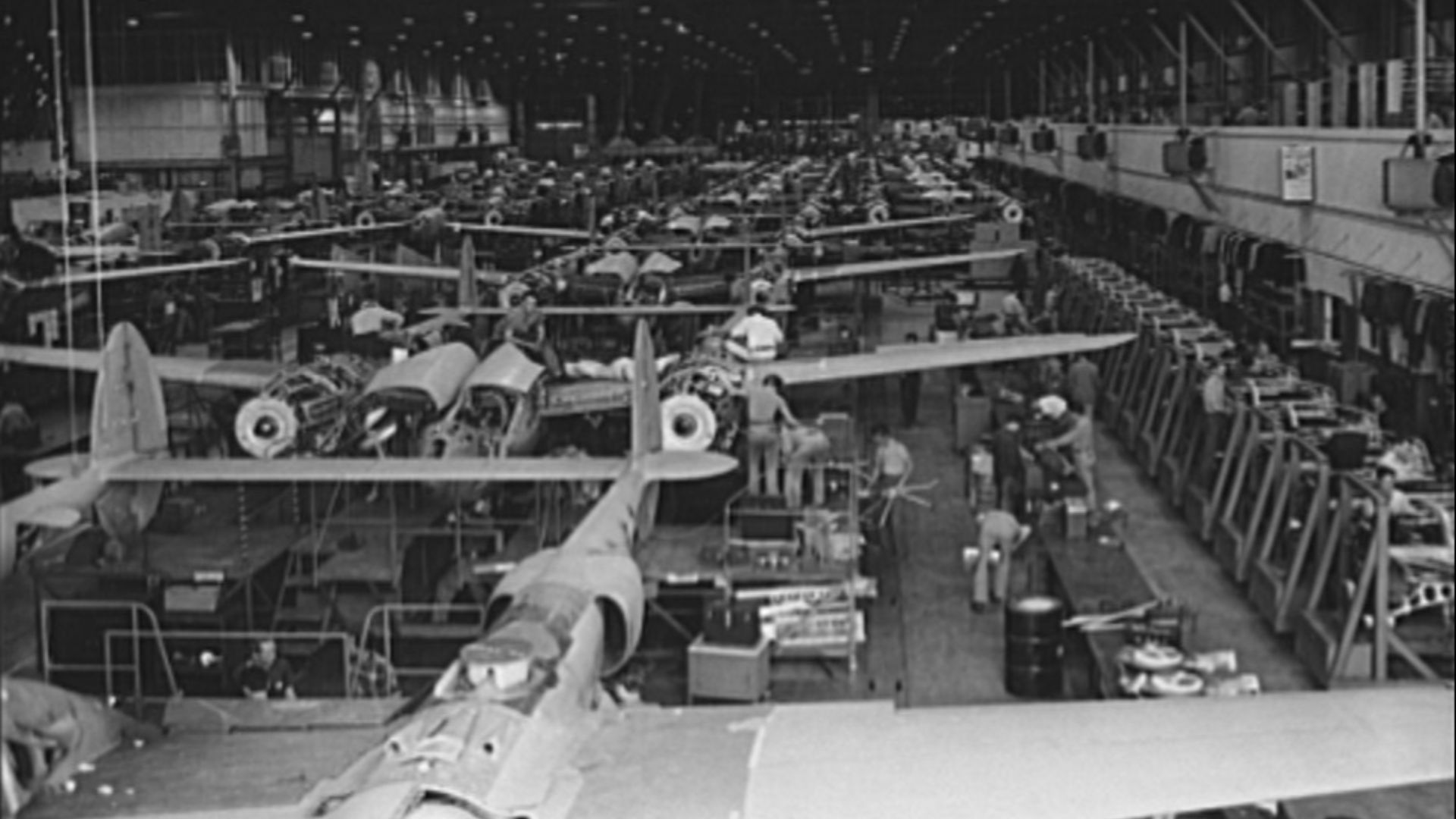
Johnson joined Lockheed in 1933 as a tool designer. His analytical mind quickly impressed leadership. By questioning conventional design norms, he contributed to performance breakthroughs. His willingness to challenge authority and propose radical solutions soon made him indispensable to Lockheed’s experimental design projects.
 US Government, Wikimedia Commons
Early Success With The Electra
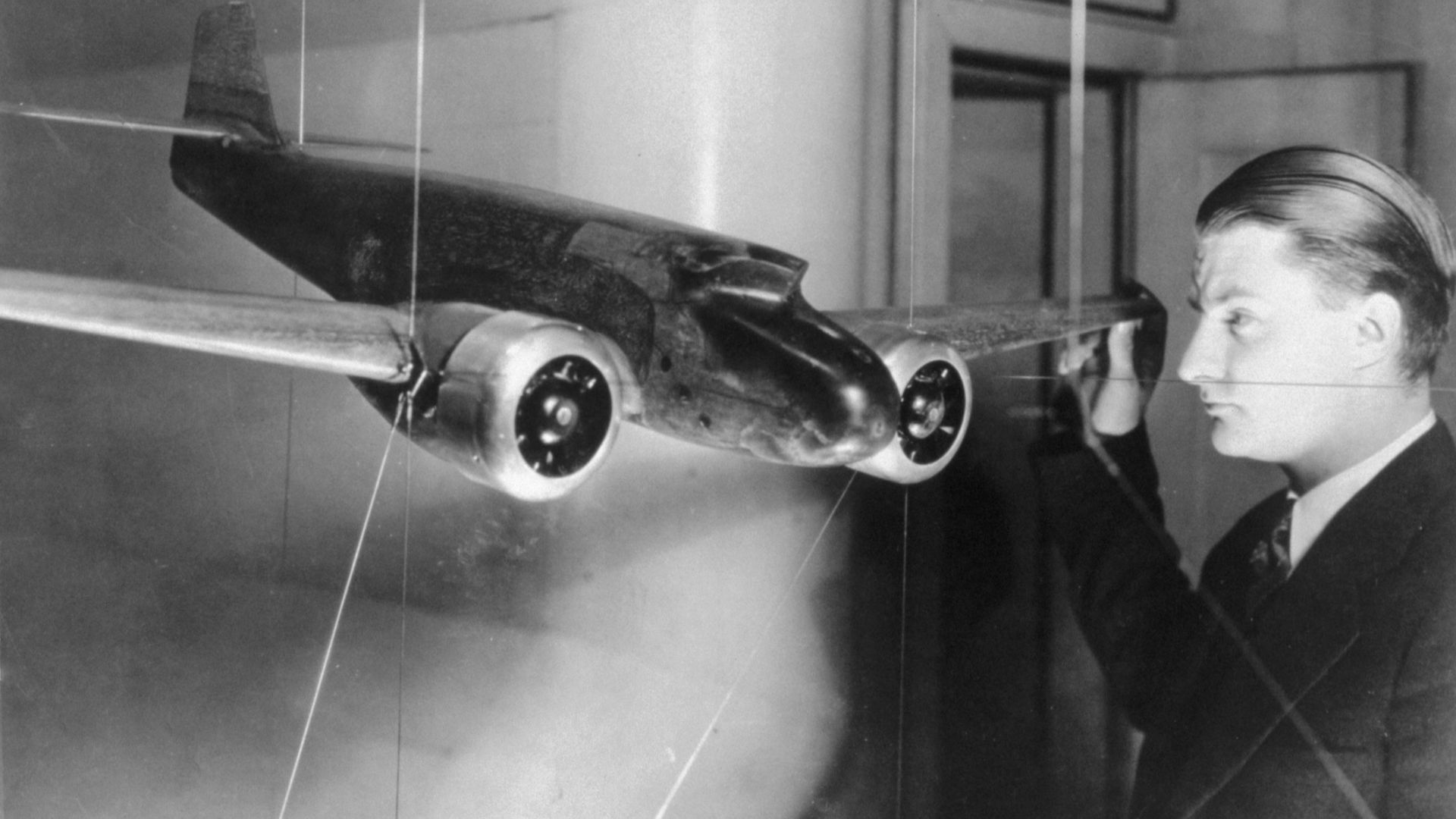
One of Johnson’s first major achievements was improving the Lockheed Electra’s stability. He boldly stated that the existing tail design made the plane unstable, going against senior engineers who had already signed off on the design. His innovative "H-shaped" tail design improved the flight control and safety of the aircraft. These early contributions demonstrated his combination of theoretical knowledge and practical insight, helping Lockheed become a serious competitor in the aerospace industry.
 Logawi (original uploader), Wikimedia Commons
Designing The Unusual P-38 Lightning
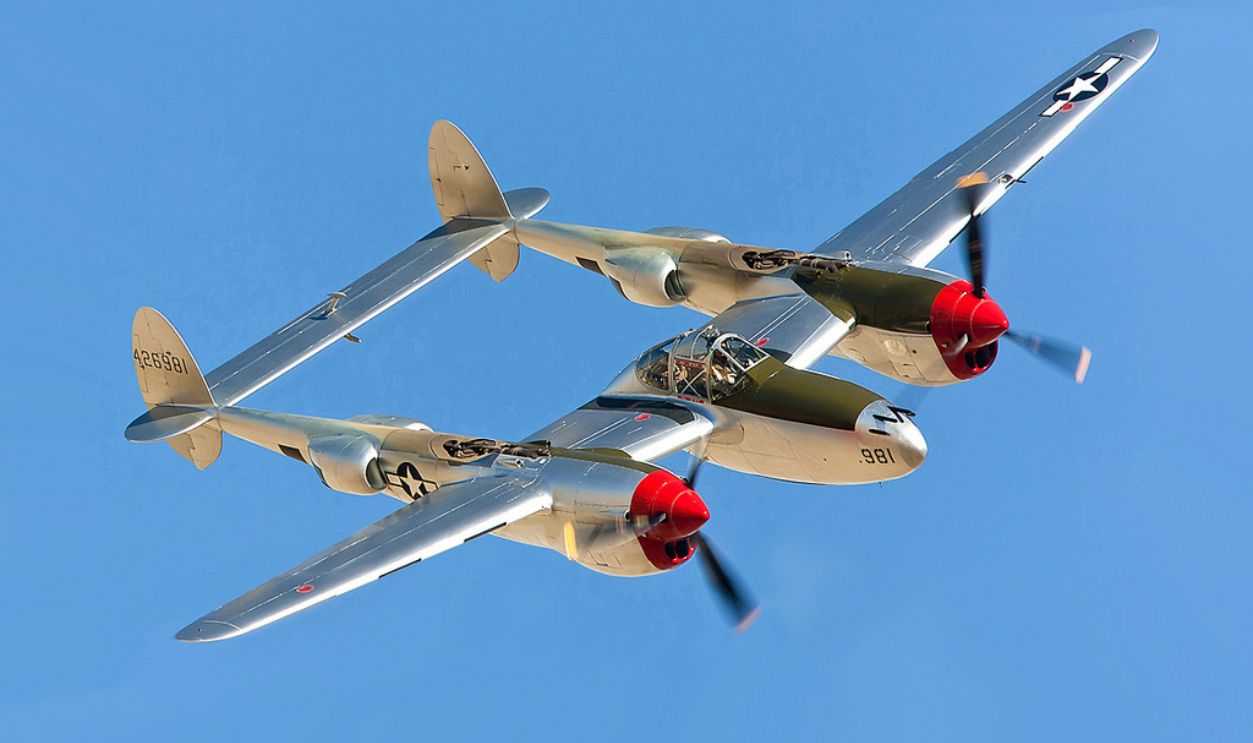
Johnson’s first major wartime project was the P-38 Lightning, a twin-boomed fighter. The plane's speed, range, and altitude capabilities made it a very capable interceptor. The aircraft’s unorthodox design testified to Johnson’s creativity and ability to turn unconventional ideas into undeniable operational performance.
 William Pretrina, CC BY-SA 2.0, Wikimedia Commons
Skunk Works Is Born
It was back in 1943 that Johnson established Skunk Works, Lockheed’s famous and secret advanced development division. With the growing responsibility of creating breakthrough technology under tight deadlines, Skunk Works became the epitome of innovation, secrecy, and efficiency. Johnson led with minimal bureaucracy, enabling small teams to deliver revolutionary aircraft at record speed. But the program had humble beginnings

Why On Earth Was It Called Skunk Works?
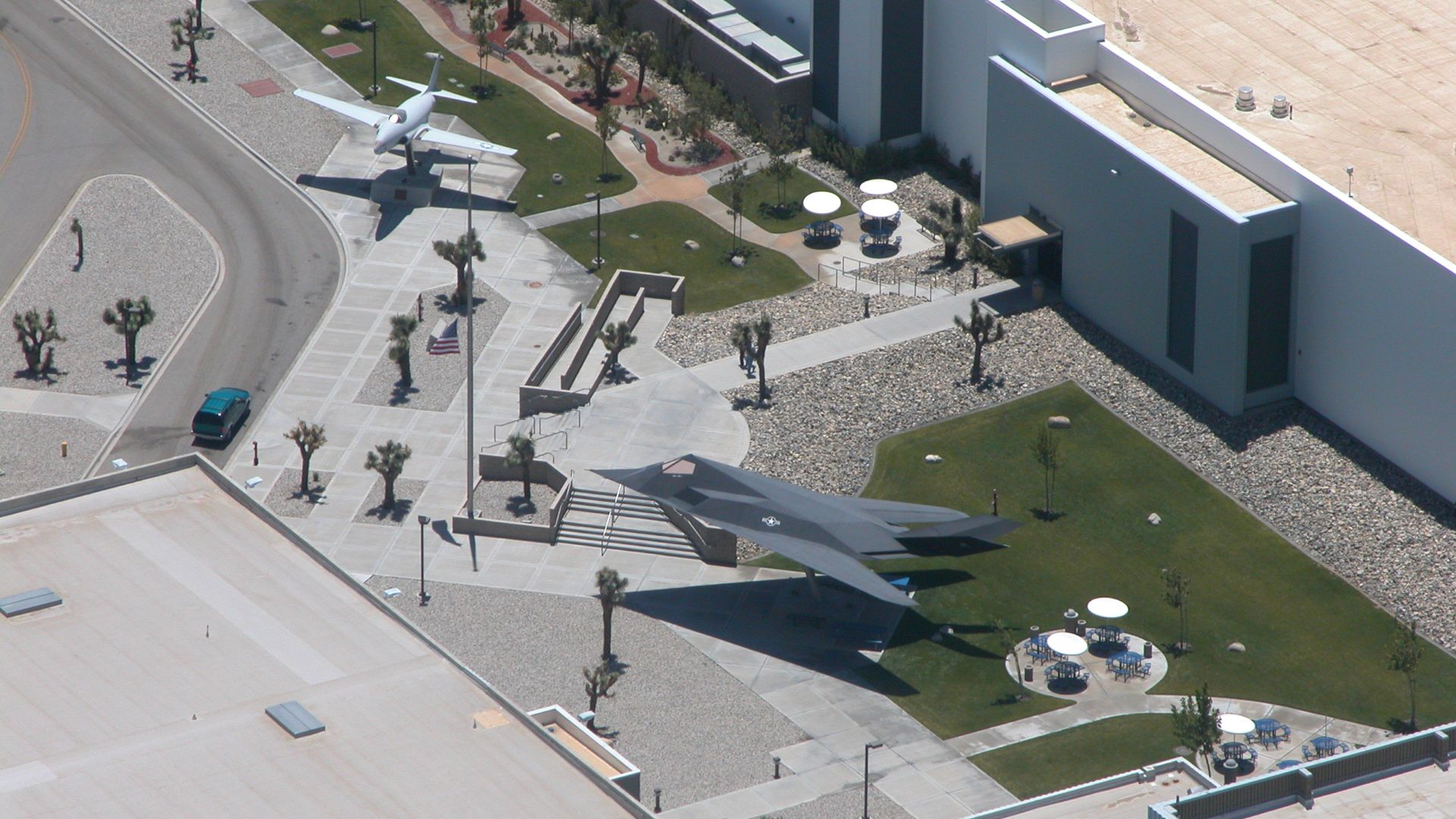
The first Skunk Works facility was located under a circus tent next door to a plastics factory in Burbank, California. The noxious fumes of the plastic gave rise to the name “Skonk Works”, based on a name from the “Lil’ Abner” comic strip of the time. To avoid copyright hassles, the name was adjusted to Skunk Works, which is what it’s been ever since.
 Alan Radecki, Wikimedia Commons
P-80 Shooting Star: Jet Age Pioneer
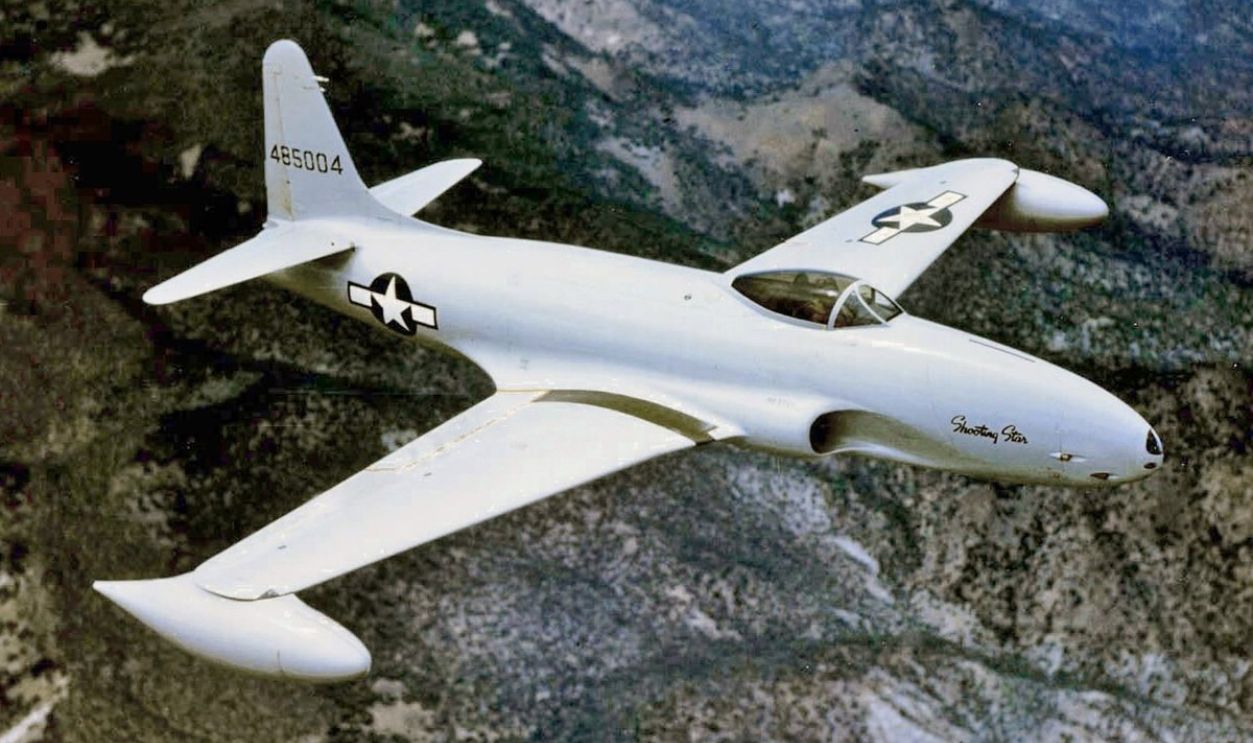
Under Johnson’s leadership, Skunk Works devised America’s first operational jet fighter, the P-80 Shooting Star, in only 143 days. The project was the perfect result of his streamlined management style and engineering brilliance. This successful project ushered in the jet age, the transformation of military aviation during and after World War II.
Groom Lake, Nevada: Area 51
In order to build and test the advanced aircraft designs in secrecy, the CIA requested the construction of an air base near the remote site of Groom Lake, Nevada in 1955, the site later known as Area 51. Here the advanced designs of the Skunk Works team could be tested away from the prying eyes of outsiders.

F-104 Starfighter: Speed And Simplicity
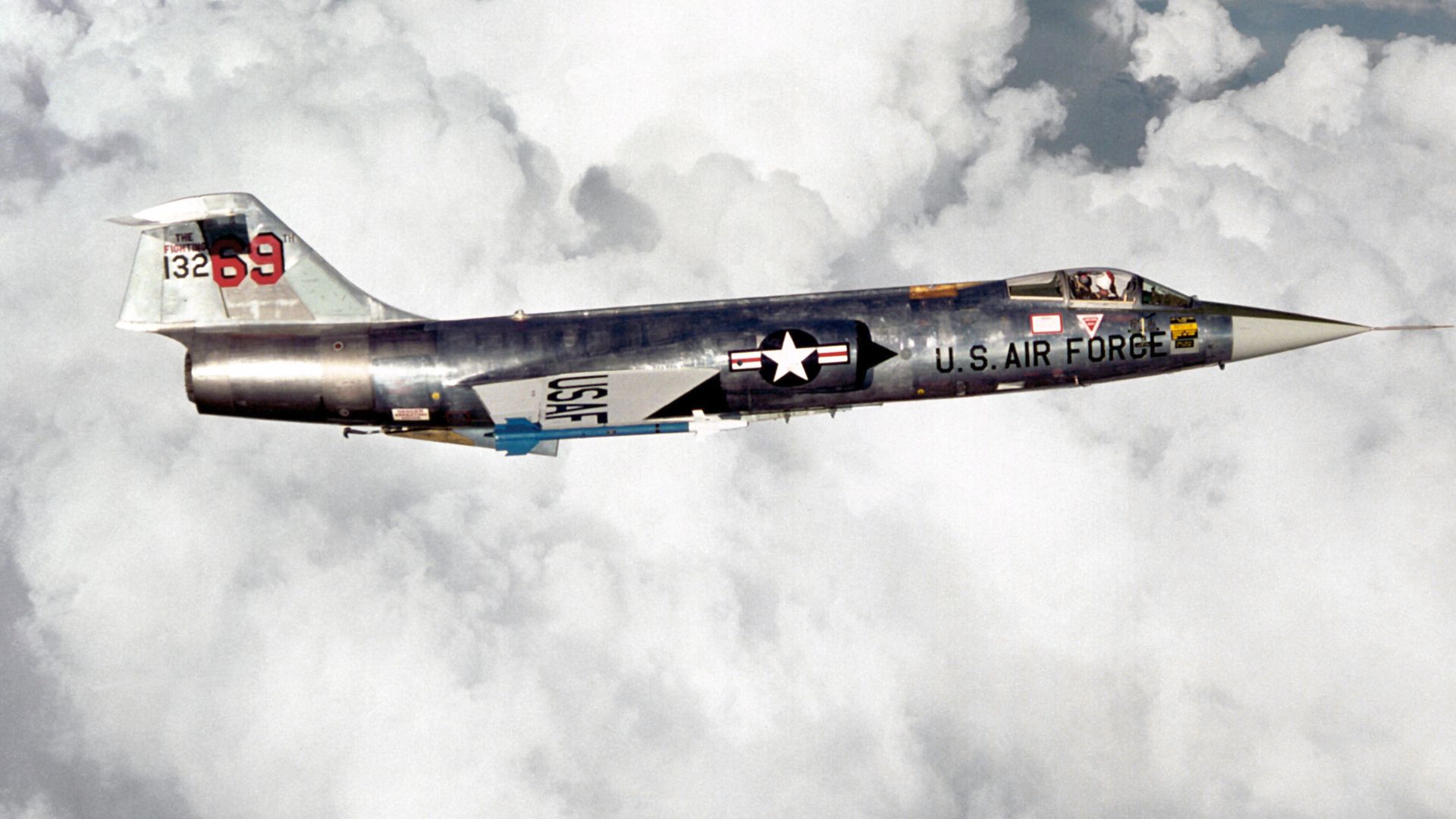
The F-104 Starfighter, another Johnson masterpiece, embodied the 'missile with a man in it' philosophy. Capable of Mach 2 speeds, its sleek design prioritized speed and climb rate. It set world records and became symbolic of the desire for ever greater speed. But the plane had some drawbacks; it suffered a lot of crashes and the thin fuselage didn’t allow the plane to carry much fuel or radar equipment. It was phased out of service in the early 70s.
 Camera Operator: Ken Hackman, USAF, Wikimedia Commons
U-2 Spy Plane: Eyes In The Sky
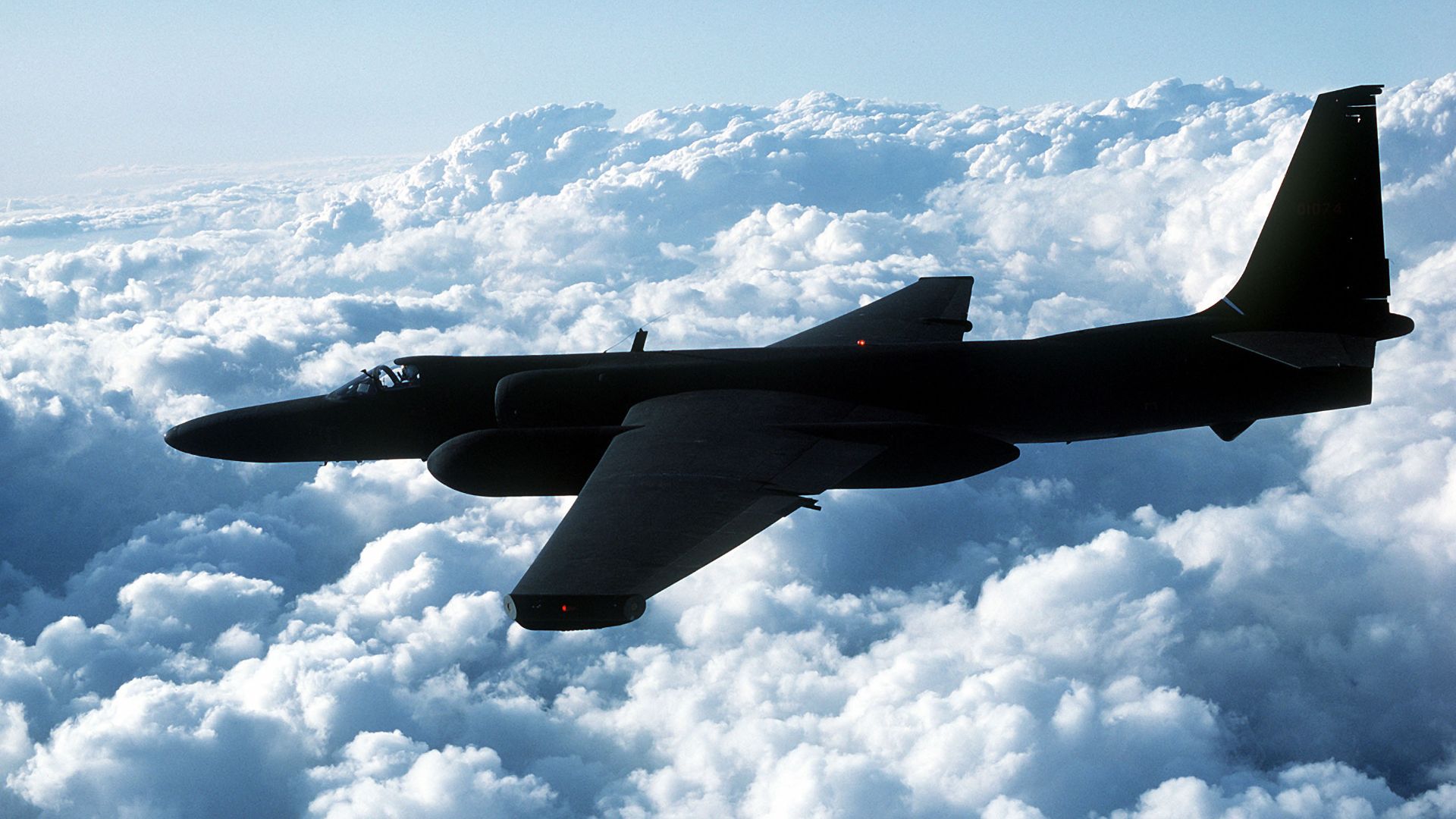
During the Cold War, Johnson’s team developed the U-2, a high-altitude reconnaissance plane designed to fly high above Soviet defenses. Its ability to gather intelligence at 70,000 feet made it a critical source of strategic data. The U-2 became a major cornerstone of American ISR (intelligence, surveillance, reconnaissance) efforts for decades to come.
 United States Department of the Air Force, Wikimedia Commons
SR-71 Blackbird: The Piece De Resistance
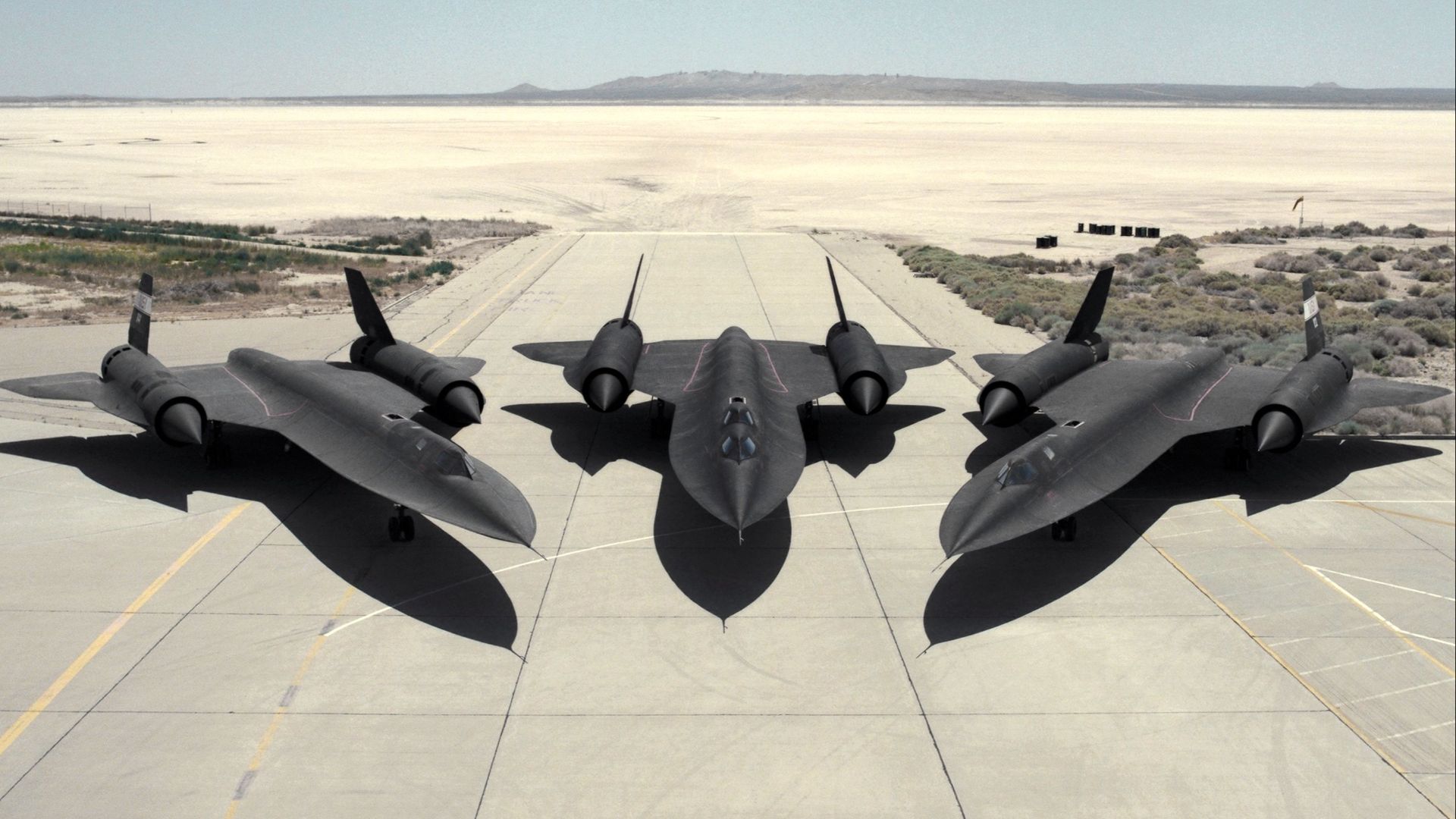
Perhaps Johnson’s crowning achievement, the SR-71 Blackbird set speed and altitude records that still stand to this day. Capable of Mach 3 flight at 85,000 feet, it was the living flying embodiment of Skunk Works’ innovative spirit. Its titanium structure and stealth profile showcased Johnson’s vision for the future of aviation.
 USAF / Judson Brohmer, Wikimedia Commons
Embracing Stealth And Secrecy
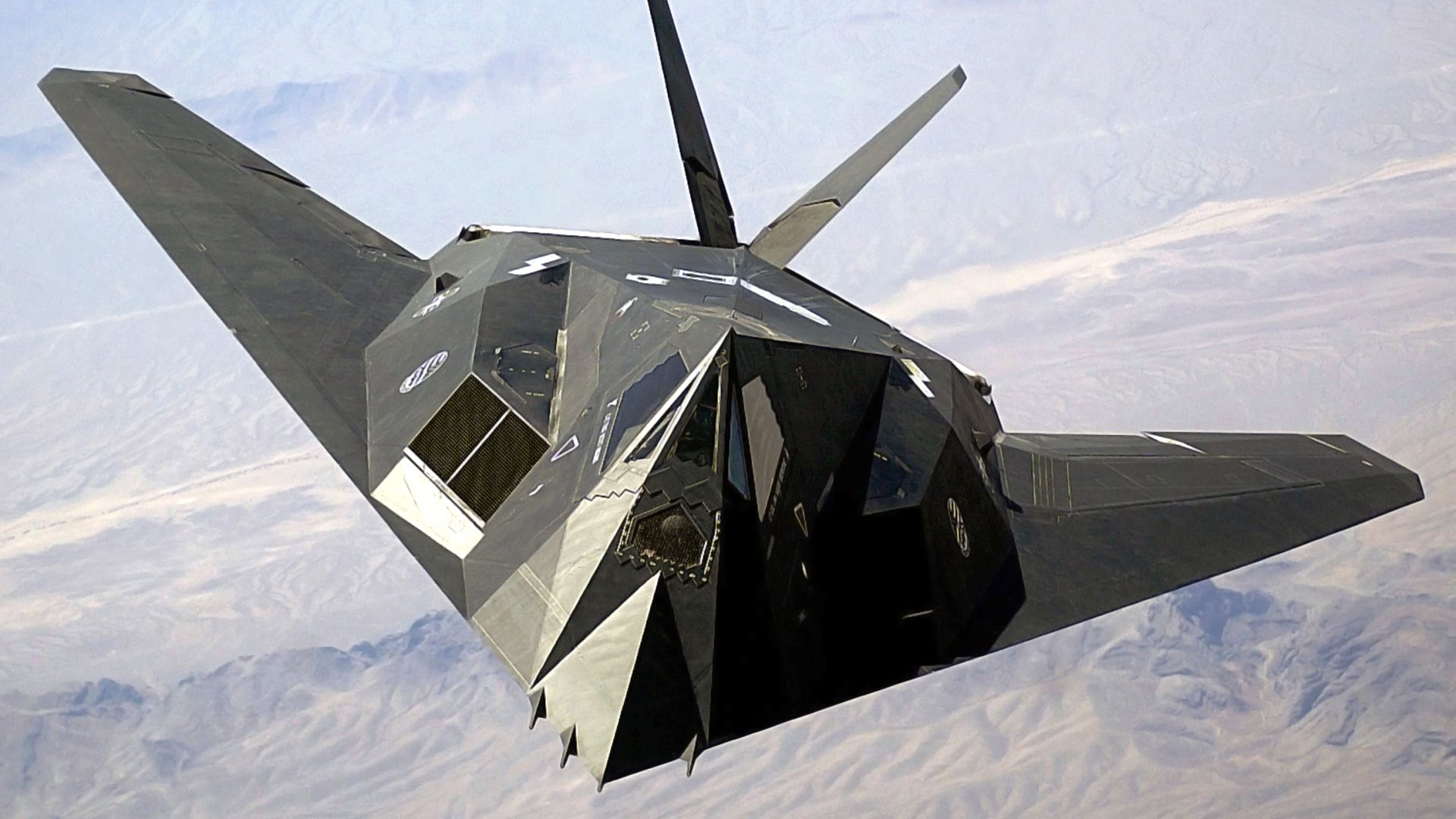
Johnson’s emphasis on secrecy and autonomy gave Skunk Works the space to develop sensitive projects like the F-117 stealth fighter. His model of small, empowered teams with direct executive access became something of a template for classified research, balancing the drive for innovation with the importance of national security.
 Staff Sgt. Aaron Allmon II, Wikimedia Commons
The KISS Principle In Management
Johnson was a lifelong proponent of simplicity with his 'Keep It Simple, Stupid' (KISS) philosophy. He believed in minimizing bureaucracy and eliminating the middle management tier, giving the engineers maximum flexibility for decision-making. The hands-on, results-focused approach allowed Skunk Works to outpace its competitors and achieve some pretty significant breakthroughs within amazingly short periods of time.

The Fourteen Rules Of Skunk Works
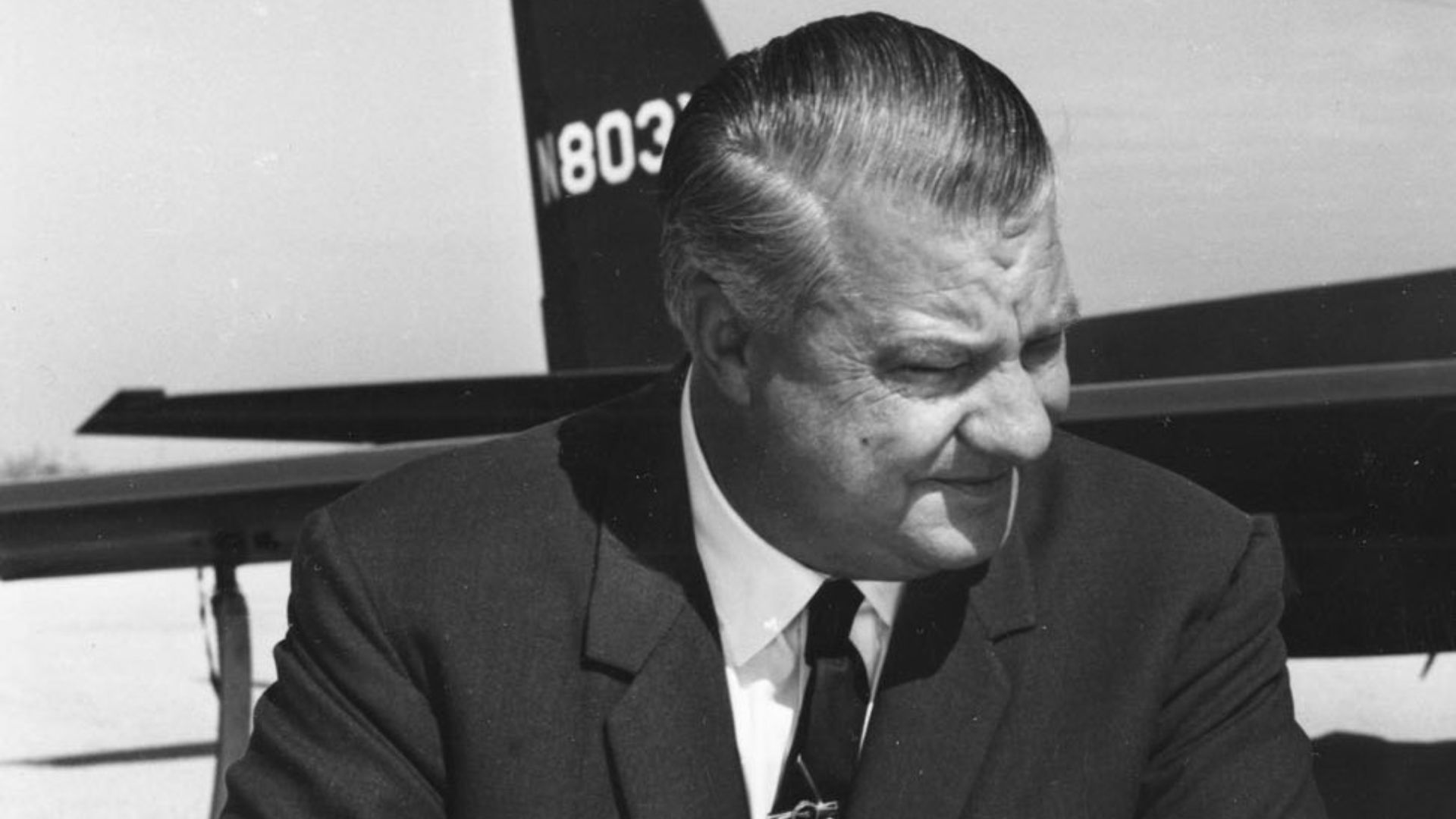
To guide his teams, Johnson developed fourteen management rules emphasizing trust, speed, autonomy, and accountability. These principles rewarded creativity while upholding discipline. They became an industry benchmark for the efficient management of complex engineering projects without losing innovation.
 U.S. Air Force photo, Wikimedia Commons
Innovation Under Pressure
Many of Johnson’s projects were carried out under extreme time constraints. Whether racing to outpace foreign adversaries or meet urgent military demands, his teams delivered. Their ability to innovate rapidly without compromising quality remains a model for modern agile development practices.

Awards And Recognition
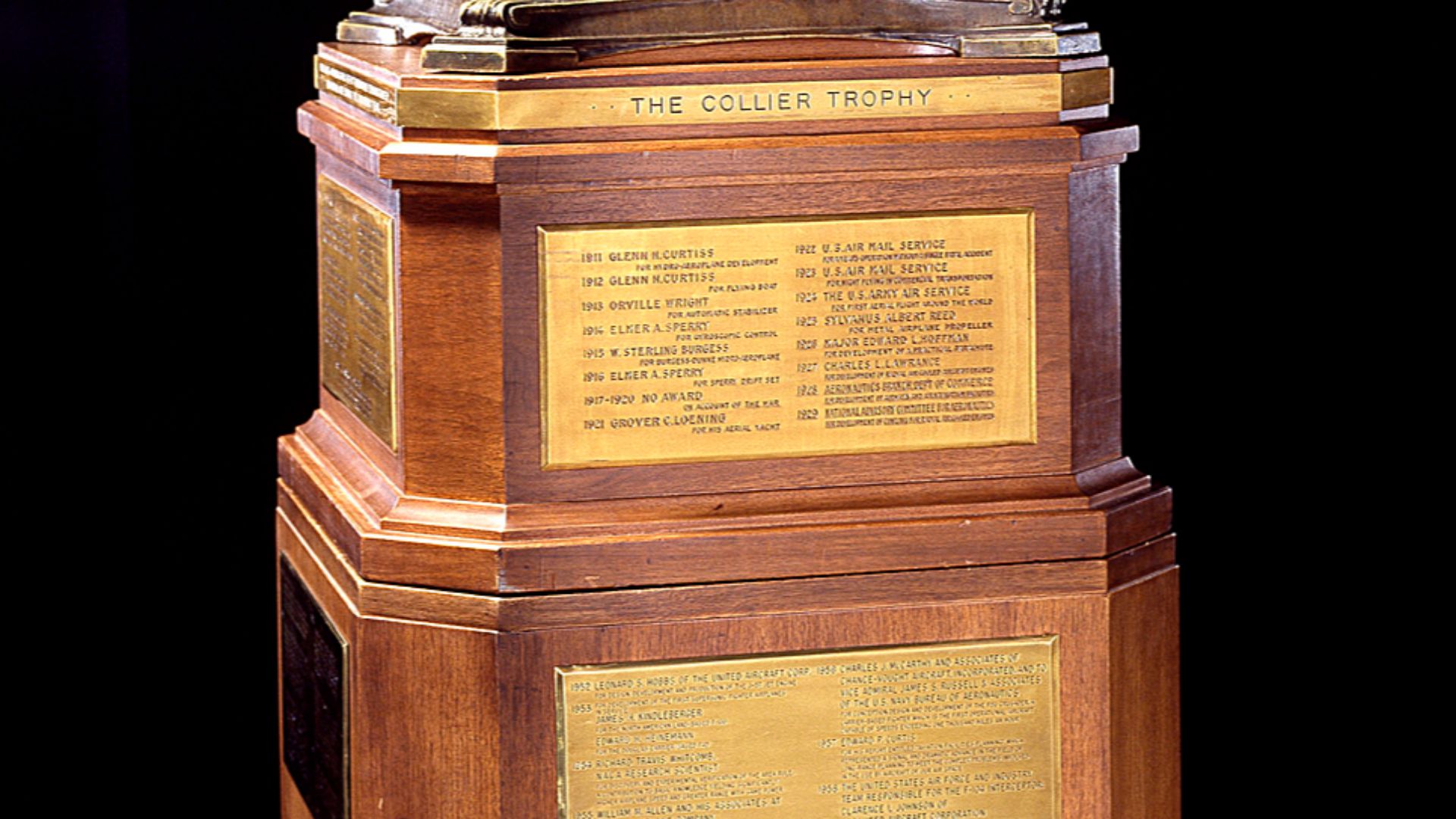
Johnson’s career earned him two Collier Trophies, the Wright Brothers Memorial Trophy, and the National Medal of Science. He was the first person to receive both the Collier and the Thompson Trophies. This laundry list of aviation accolades reflects a worldwide recognition of his achievement on both the technical and managerial side.
 Unknown authorUnknown author, Wikimedia Commons
Mentorship And Leadership Style
Johnson valued mentorship and built teams where engineers could challenge ideas freely and actually get things done. He frowned on red tape and encouraged personal accountability. His leadership became an example for future aerospace visionaries who continued his legacy with Lockheed and the wider aviation community.
Legacy Of Skunk Works
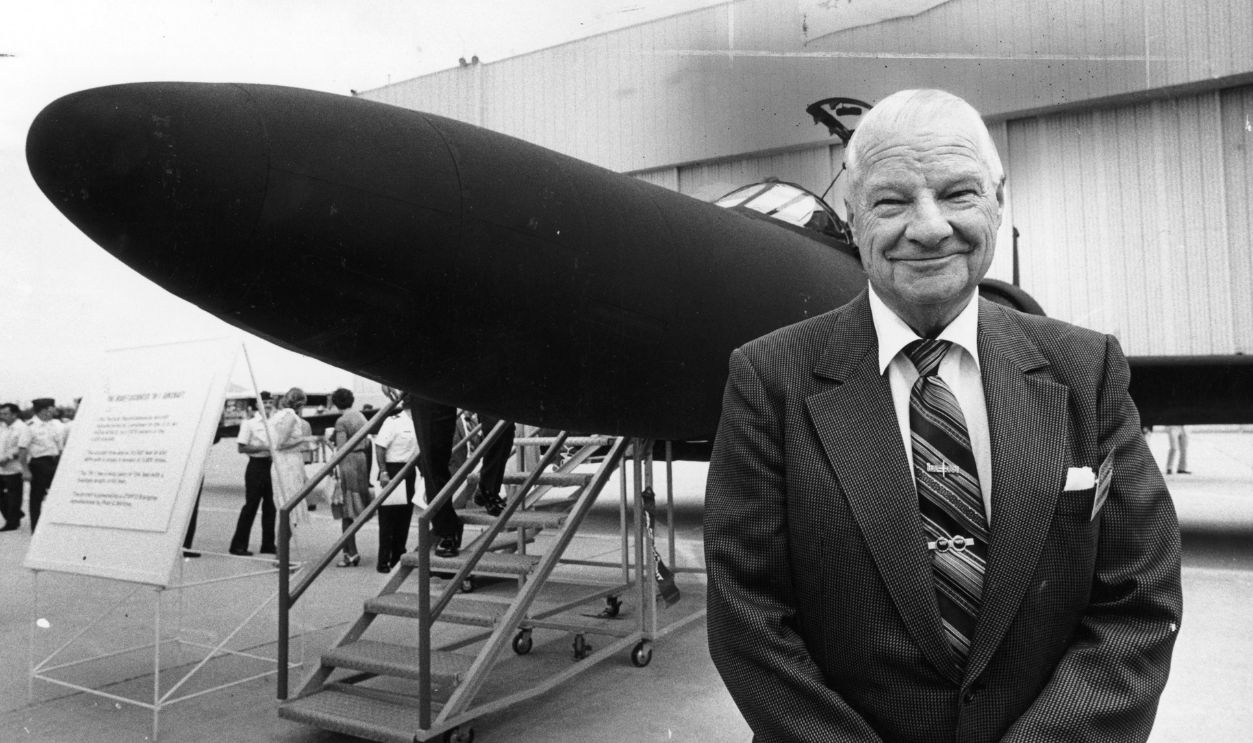
Under Johnson, Skunk Works became synonymous with stealth, speed, and innovation. Beyond specific aircraft, its legacy lies in its culture of small teams, creative autonomy, and rapid prototyping. Modern aerospace projects, from stealth aircraft to space vehicles, owe a lot to this pioneering model.
 w:user:Malfita, Wikimedia Commons
Later Life And Retirement
Johnson retired in 1975 but continued on as a consultant and mentor. He remained a vocal advocate for practical engineering and efficient management. Even in retirement, he urged industries to prioritize innovation and teamwork, values central to his life’s work.
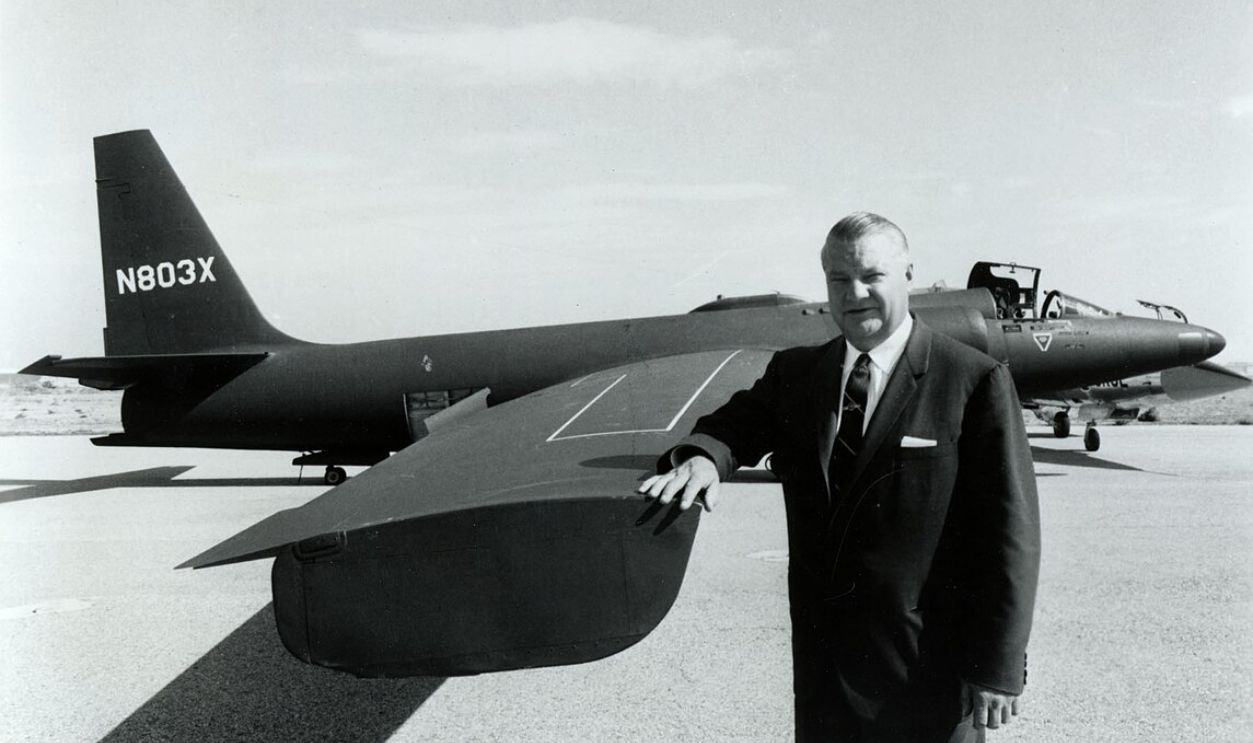 U.S. Air Force photo, Wikimedia Commons
Enduring Influence And Legacy
Kelly Johnson passed in 1990, but his imprint on aviation endures. From the P-38 to the SR-71, his designs reshaped the sky. His management principles still guide engineers, proving that simplicity, trust, and bold thinking can achieve the extraordinary.
You May Also Like:
36 Fascinating Facts About Startups
Glamorous Glennis’s Big Flight And The Race To Hit Mach 1










.jpg)


