
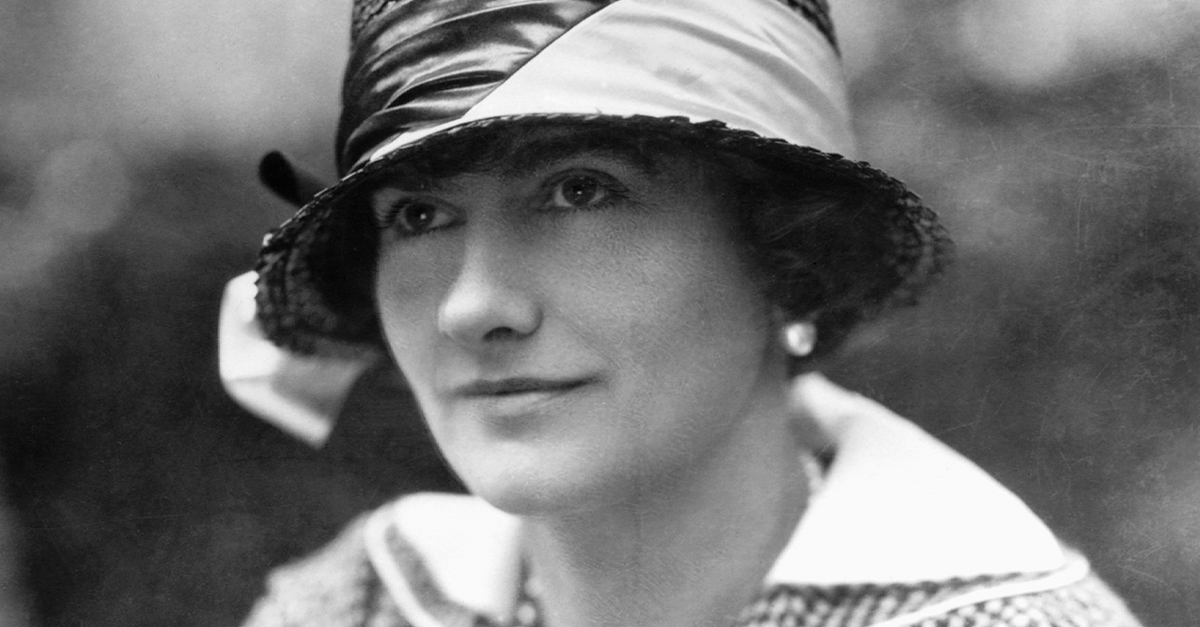
What Happened To Coco Chanel?
Just the name “Coco Chanel” conjures up visions of high fashion moments and posh walks through Paris. But behind the glam was a girl with a grim childhood, scandalous love affairs, and—get this—an alleged secret life as a spy. Chanel’s real story is way darker (and juicier) than her perfume ads ever let on.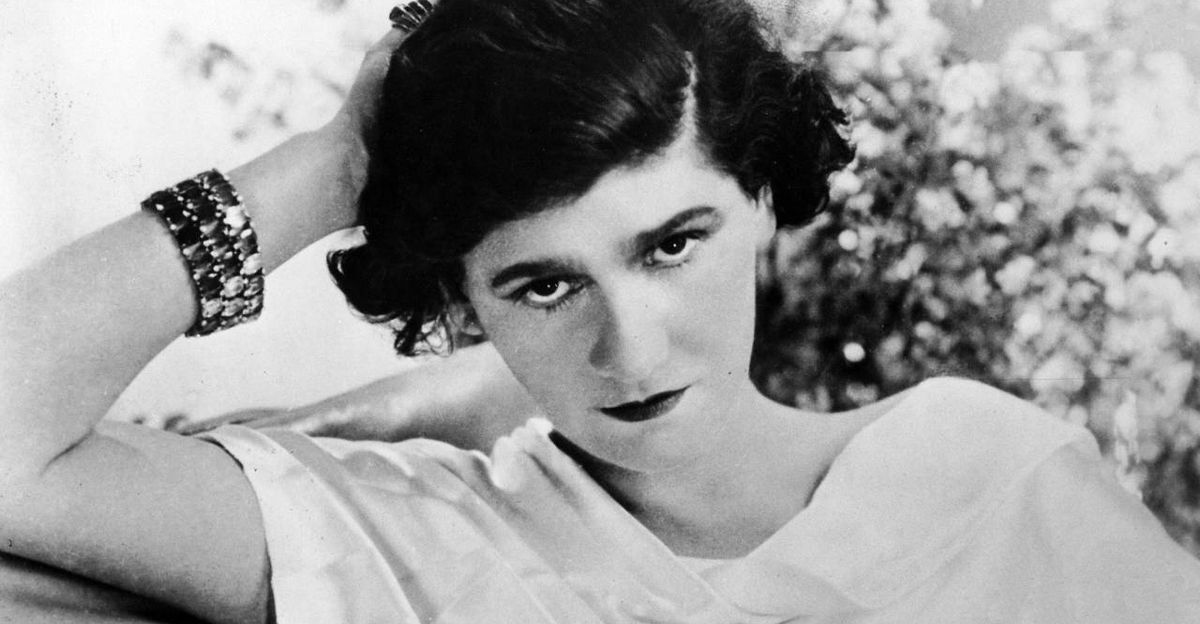
1. She Had A Rough Start
Born Gabrielle Bonheur Chanel in France in the early 1880s, Coco Chanel grew up with very little. Her father worked as a street peddler, while her mother did laundry for a living. Even worse, her father only married her mother after she got pregnant, and the in-laws paid him to tie the knot. Not the best start for any life story, but that proved far from the worst part.
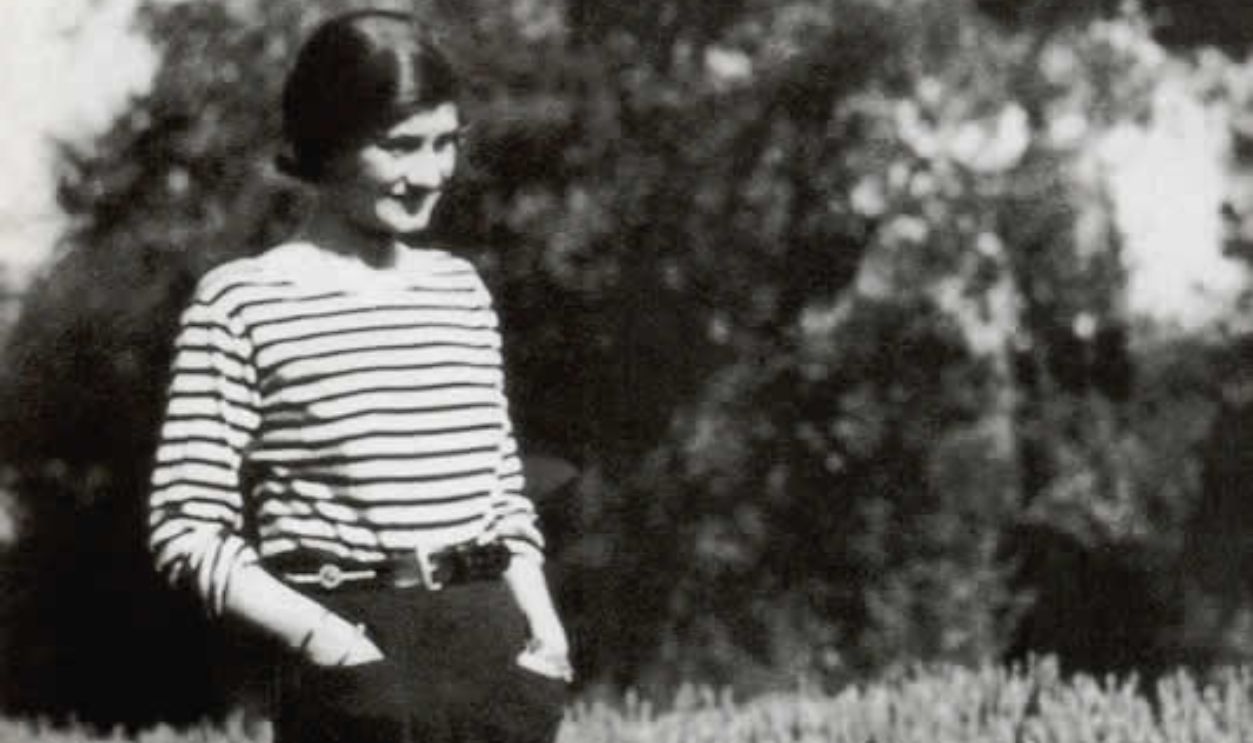 Unknown Author, Wikimedia Commons
2. She Didn’t Have Anything
By the time Chanel joined the family, her parents already had one daughter. After they had her, they welcomed four more children into their family—then crammed them all into a tiny, one-room home. Perhaps her parents hoped to make the best out of a tough situation, but before Chanel became a teenager, an unexpected tragedy squashed those hopes to nothing.
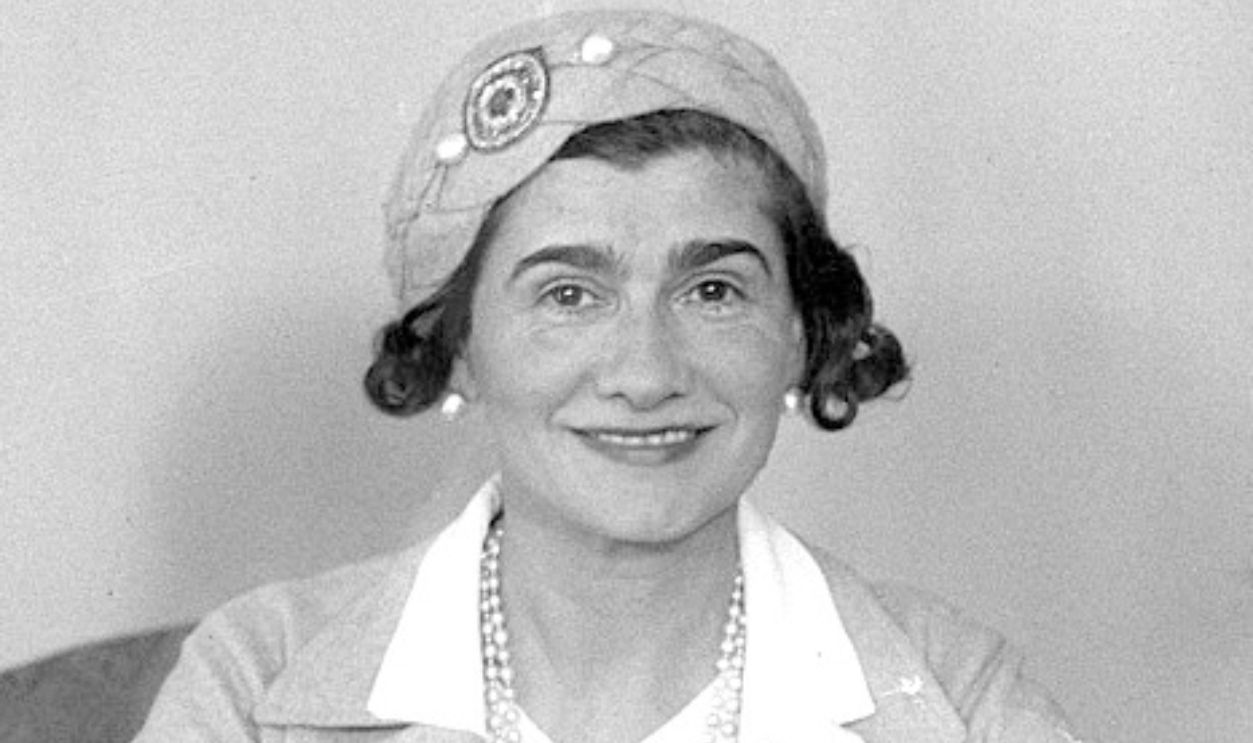 Los Angeles Times, Wikimedia Commons
3. They Lost Her
Chanel’s mom passed when she was 11 years old. Her father either couldn’t handle the children alone, or just refused to try. He sent his boys away to work on a farm, and all the girls (including Chanel) to a Catholic orphanage. And while things probably felt bleak at the time, her first real hope for a future began to glimmer in the corners of that dark space.
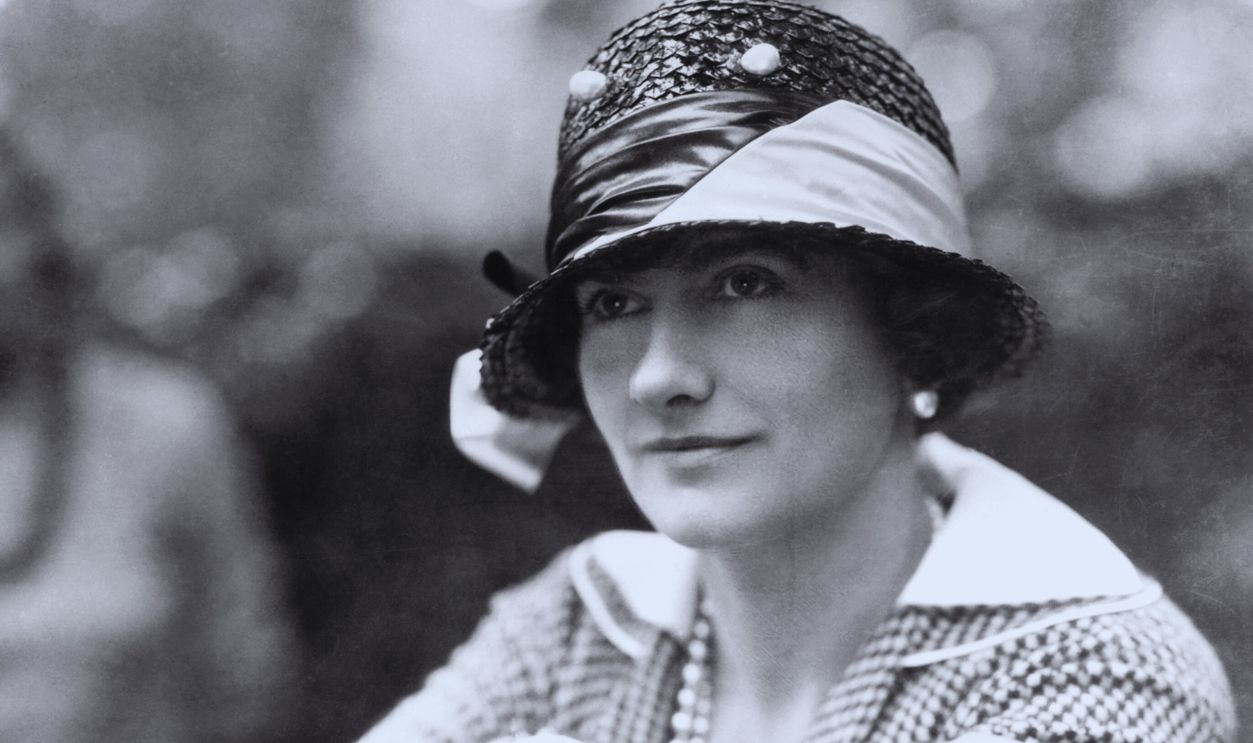
4. She Worked With Her Hands
Life in the convent proved strict. Chanel’s new guardians likely kept the girls under firm, religious rules. But luckily, her time there included learning a new trade—sewing. Chanel lived out the rest of her childhood there, developing her new skill.
Forced to move out at 18, she found another Catholic house for girls like her, but she’d developed an interest in a much more naughty career…
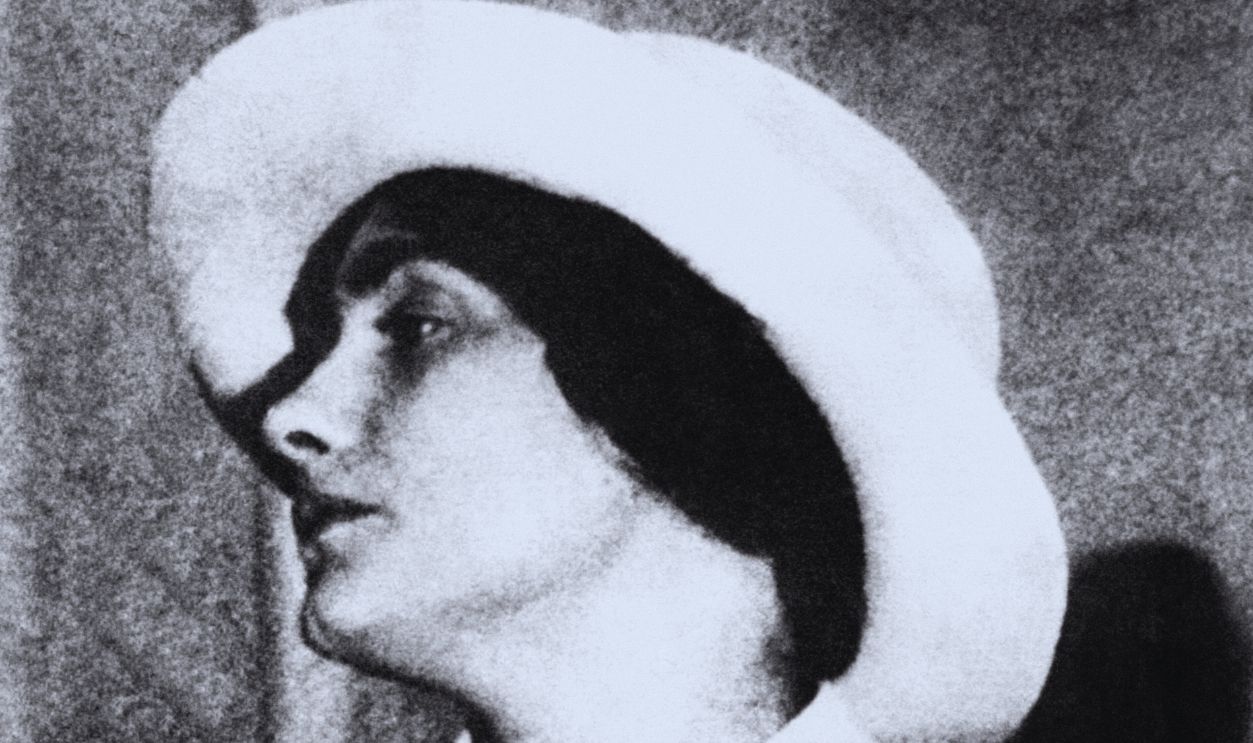
5. She Grew Up (Kind of)
When Chanel wasn’t making clothes, she got her kicks singing in cabarets. Reportedly, she made the officers who frequented those spaces tip a little extra by acting younger than she was (yeah, creepy in the worst ways). Perhaps this is where she started developing her taste for grabbing attention, considering what she did next.
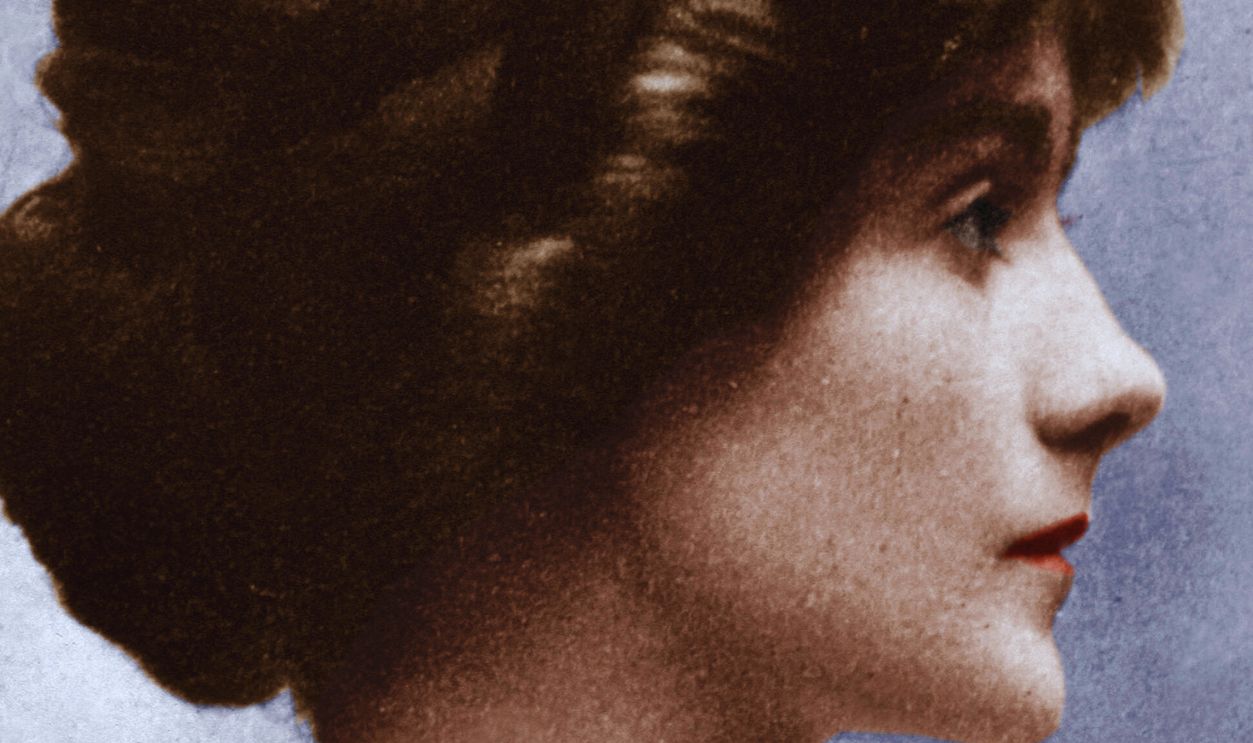
6. She Wanted The Spotlight
By her early twenties, Chanel hoped to make a real life for herself on stage. She continued to perform and audition for parts, and reportedly developed the moniker “Coco” during this time, thanks to one of her go-to songs, “Who Has Seen Coco?” (depending on whose version of the story you believe, of course). By 23, however, she made a life-changing discovery.
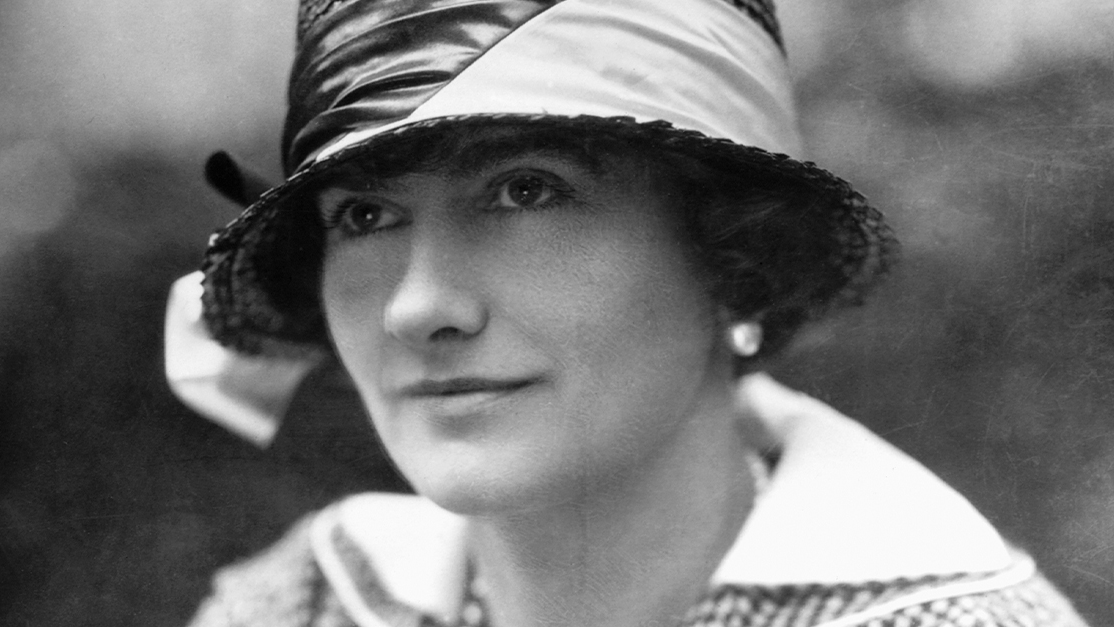
7. She Flopped
In 1906, Chanel moved to a ritzy resort town to further her career as a performer. What she discovered, however, derailed everything. After several auditions, she realized that she didn’t actually have much of a singing voice. Done with her hope of a life in entertainment, she moved back home. But her dreams didn’t completely fade away. In fact, a steamy love affair soon took her life in an entirely new direction.
8. She Had A Torrid Affair
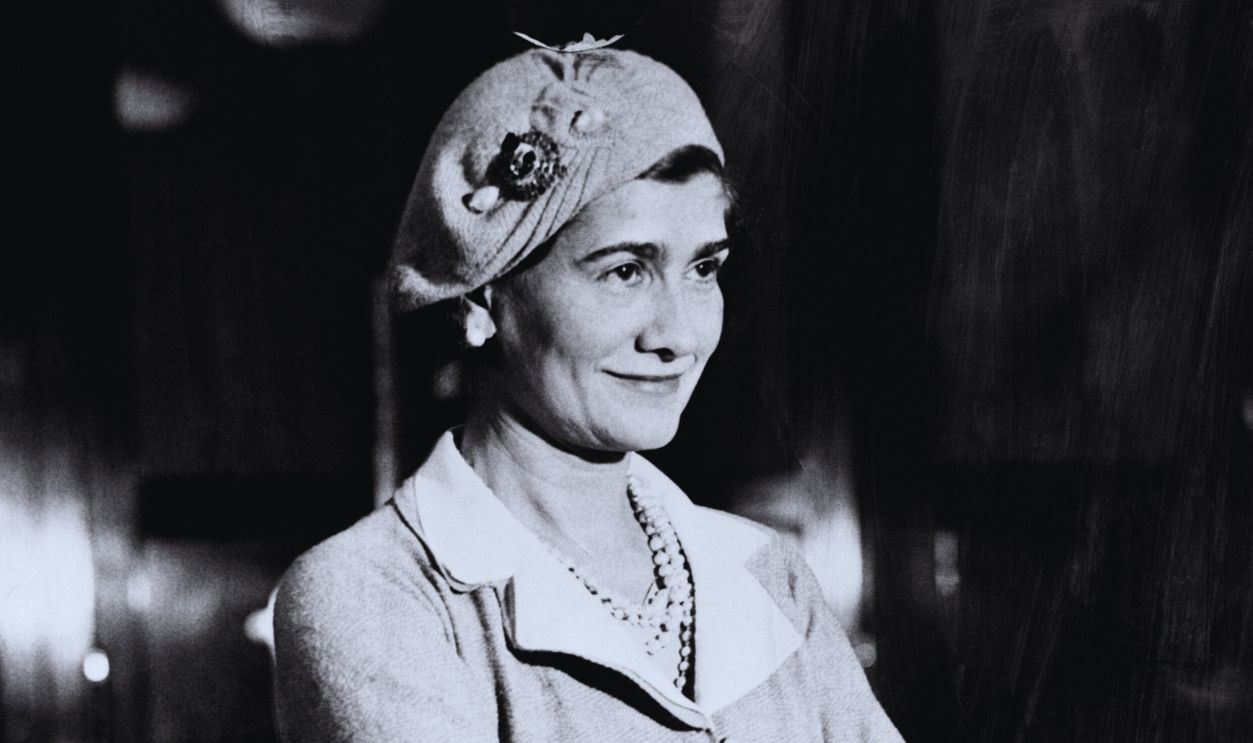
Back in her hometown, Chanel met a man who changed everything—a wealthy young French heir named Étienne Balsan. The details of their first meeting have been mostly lost to history, but judging from the romance to follow, sparks flew! Balsan and Chanel started a romantic relationship that lasted for about three years. Even so, it seems their love wasn’t the thing that left the biggest impression on her…
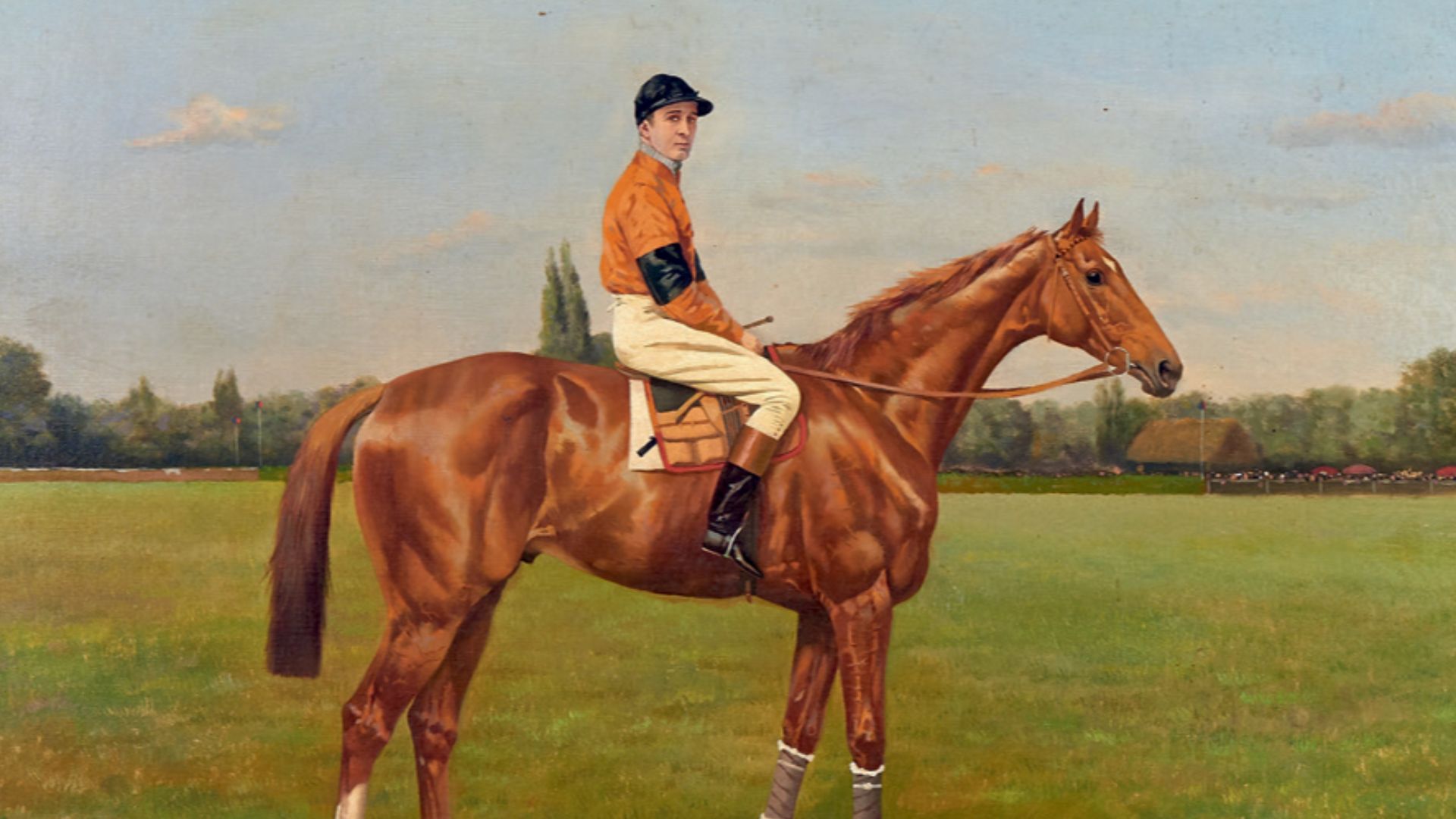 Andre Bressin, Wikimedia Commons

History's most fascinating stories and darkest secrets, delivered to your inbox daily.
9. He Blinged Her Out
Reportedly, Balsan showered his new love interest with all the luxury in the world, including precious gems and expensive dresses. This proved all new for Chanel, after having grown up with so little. But she took to it like a fish to water. And if you believe some accounts, she took to it a little too well.
10. The Rumors Swirled
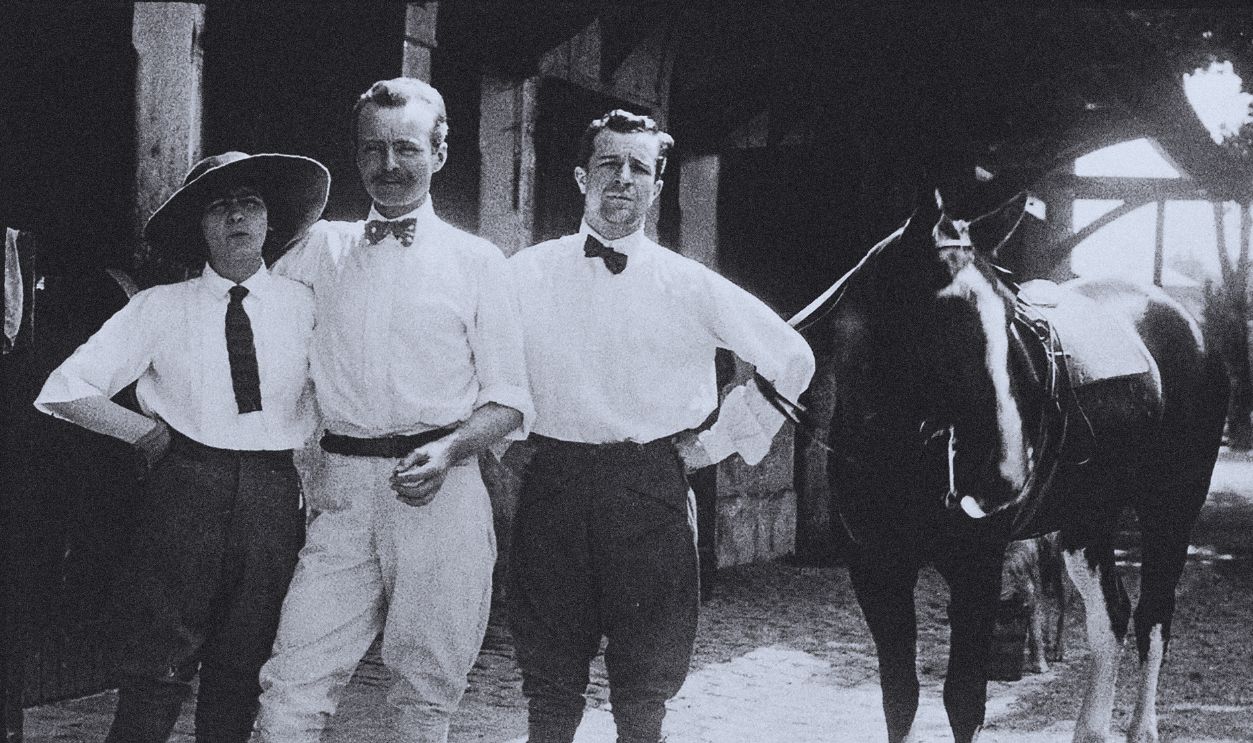
According to some reports, Chanel actually had a child with Balsan. Those sources claim her nephew André Palasse (you’ll want to remember that name for later!) was actually their illegitimate child. While never explicitly proven, the rumor persists. Child or no child, though, Chanel proved herself far from ready to settle down.
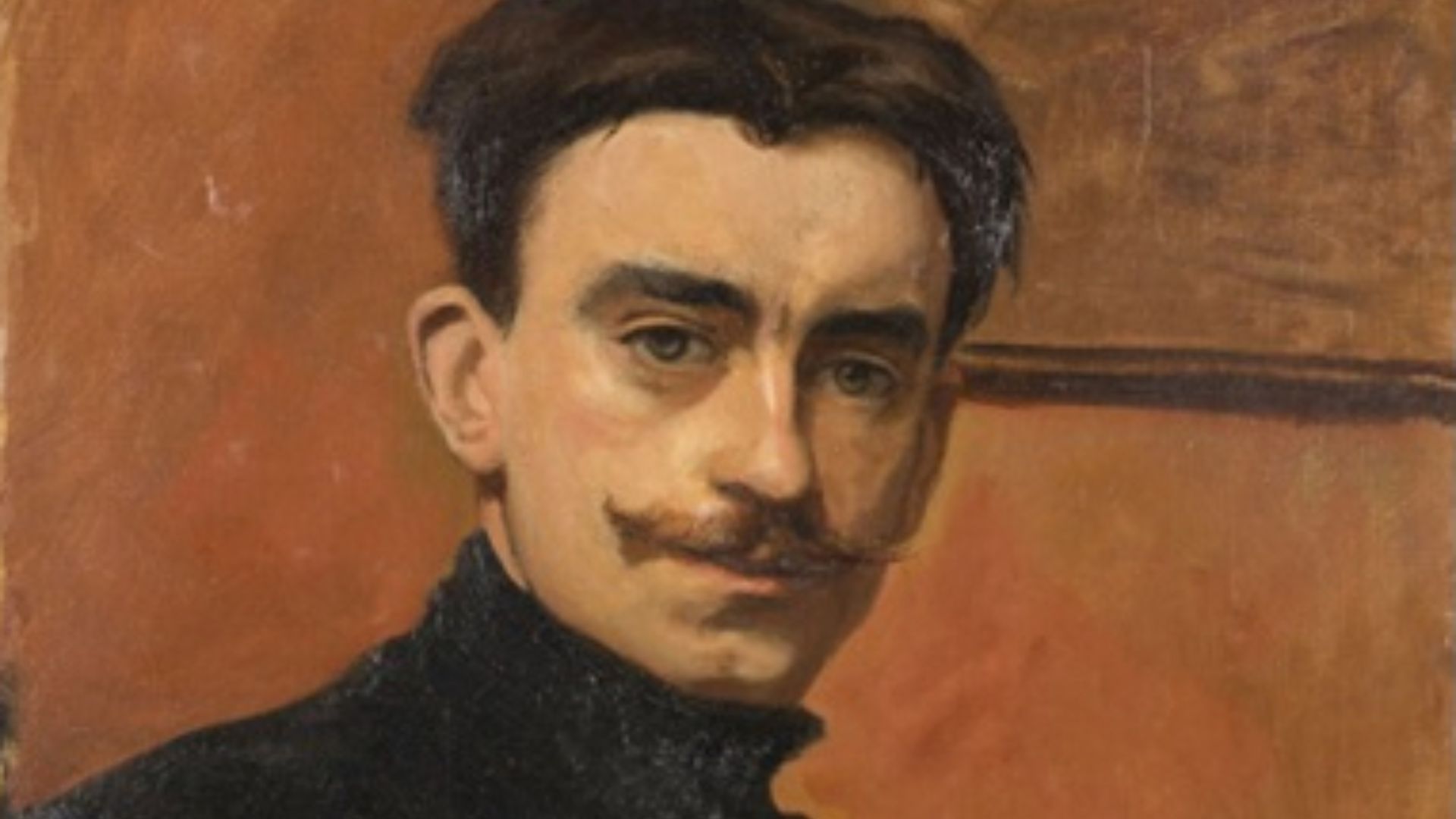 Roger Jammes, Wikimedia Commons
11. She Homie Hopped
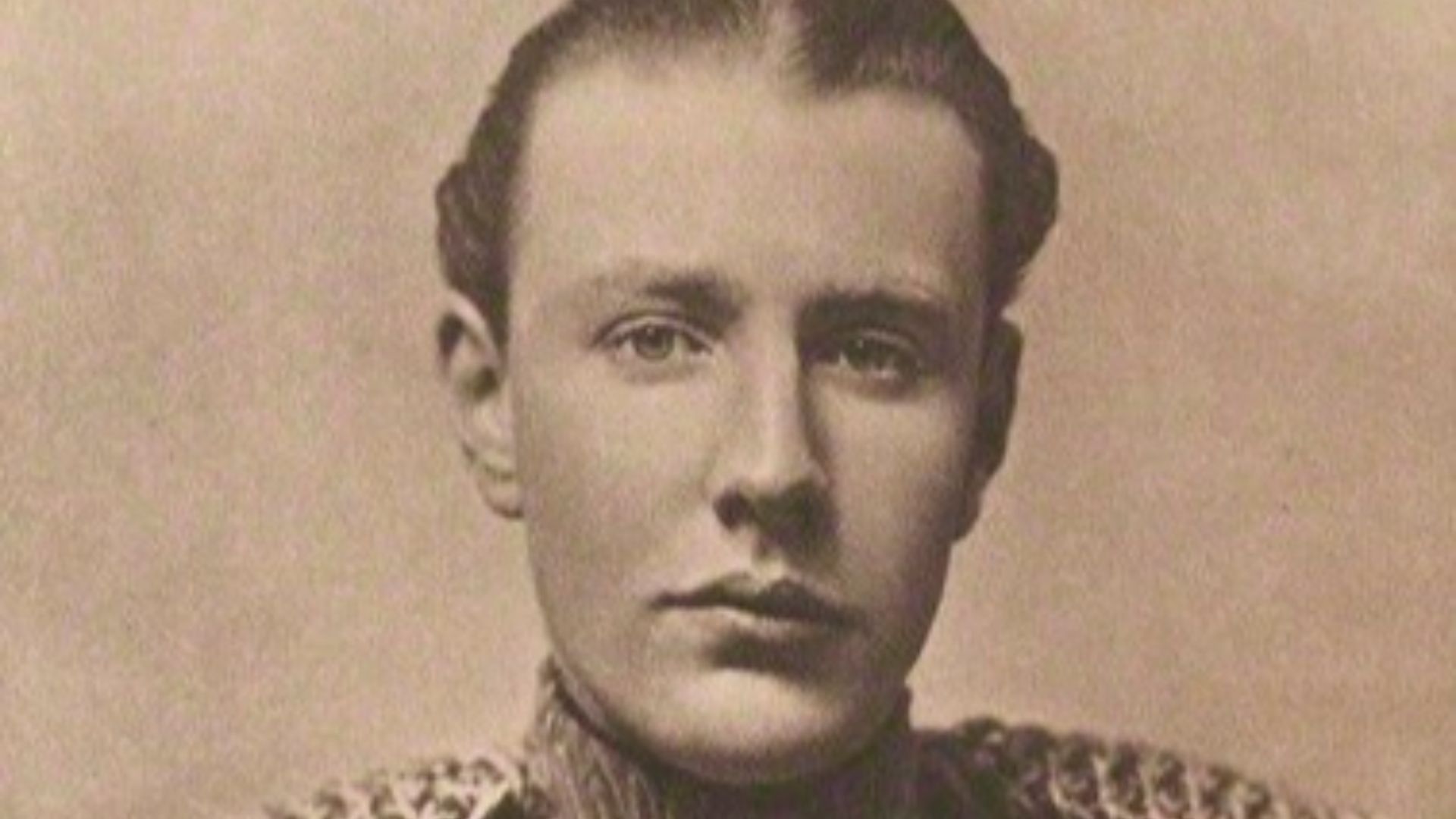
Just a few years into her relationship with Balsan, Chanel made a scandalous move. She started dating Balsan’s good friend, Captain Arthur Edward Capel. Also quite wealthy, Capel swept Chanel off her feet in more ways than one. She looked back at the time fondly, reminiscing about the men fighting over her “hot little body”. In the end, though, Capel won her heart in a major way.
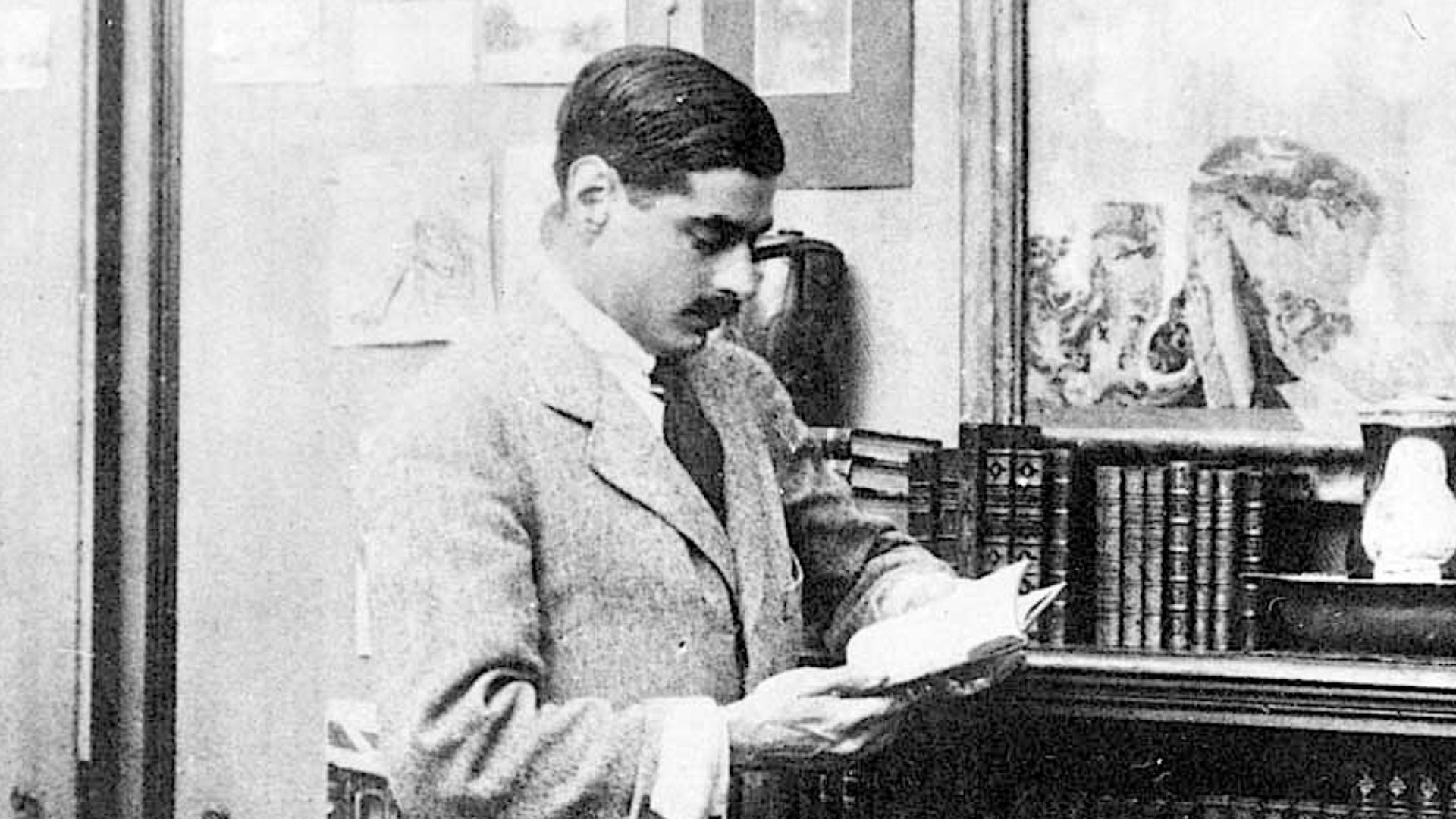 Unknown photographer [before 1914], Wikimedia Commons
12. He Set Her Up
Not only did Capel get Chanel her own apartment in Paris, but he also helped launch her career in business. He put up the investment funds required for her to open her first boutique, which debuted in Deauville in 1913. With Capel’s money and the support of two of her sisters, Chanel started to make a name for herself, even opening another location in 1915. But there was trouble brewing at home.
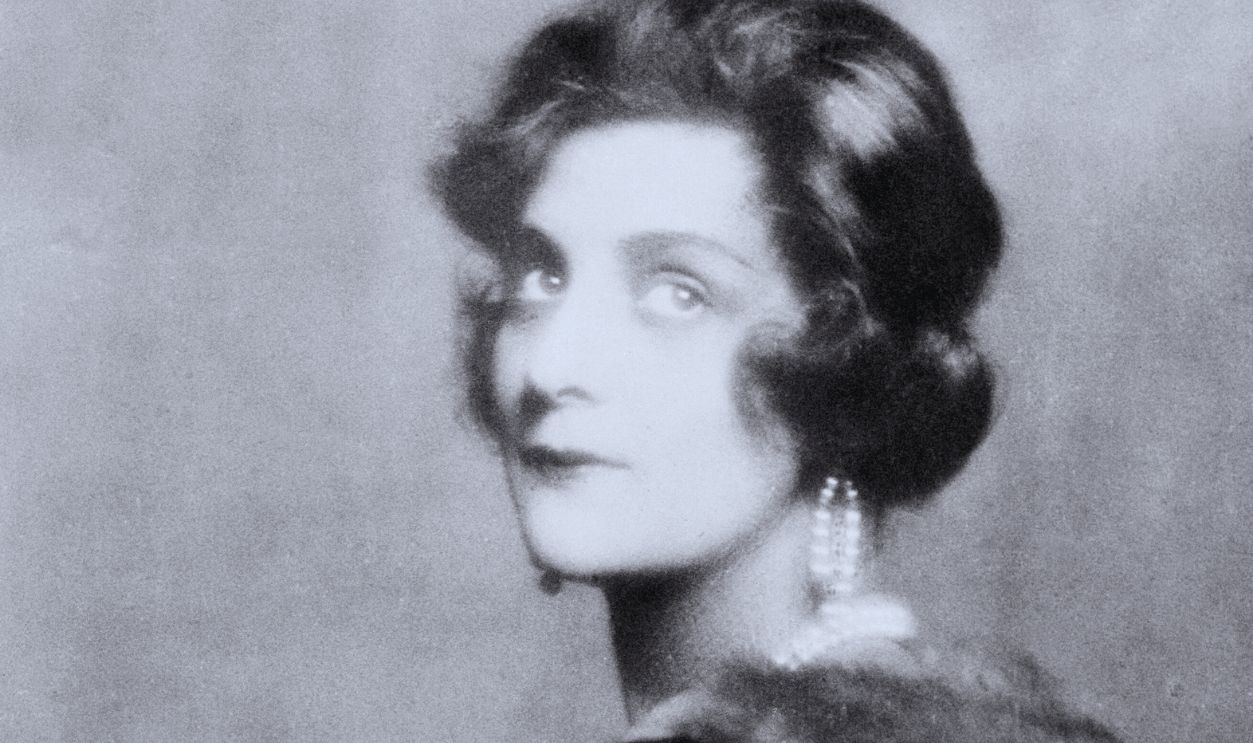
13. He Cheated
Reportedly, Chanel very much wanted to settle down with her new beau. He, on the other hand, kept on initiating romantic liaisons with other women during all of their nine years together. Perhaps it was just karma, considering how they started their relationship in the first place. But once Chanel realized Capel was no one-woman-man, she got up to her own liaisons.
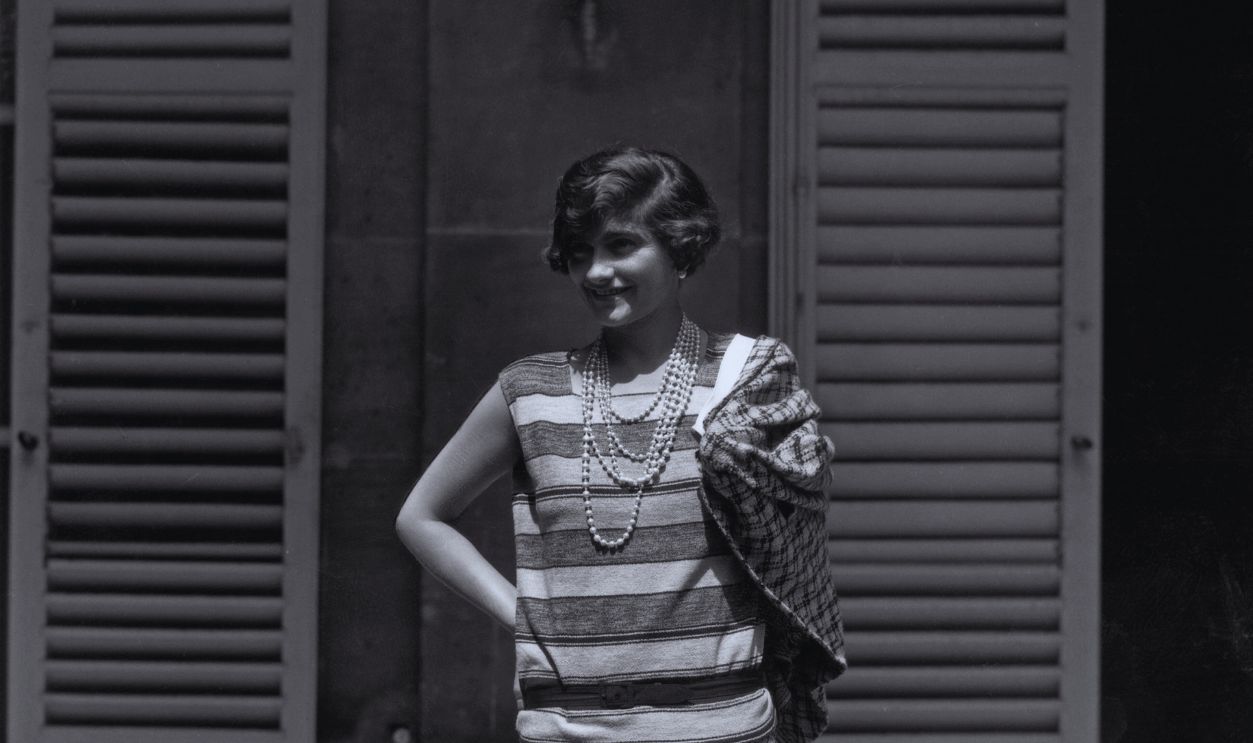
14. She Went Foreign
Around 1916, Chanel met another wealthy, powerful man—the Grand Duke Dmitri Pavlovich of Russia. She allegedly began a short romantic affair with him (the lady clearly had a type). It didn’t last too long, and she never severed ties with Capel, but once their romance officially ended, she kept in contact with the Duke too.
But, alas, all that cat-and-mouse of young love soon came to a stunningly tragic end.
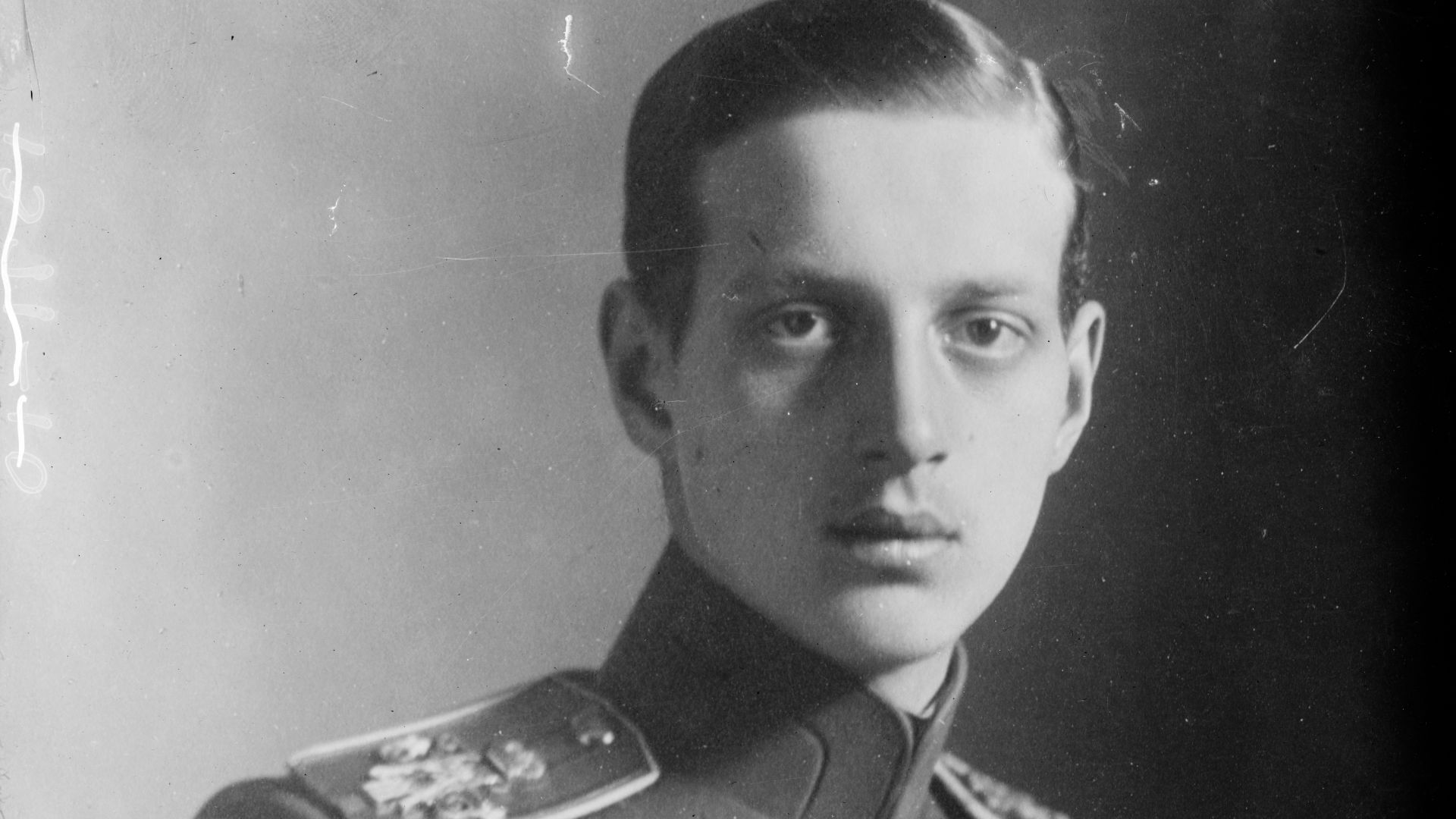 Bain News Service, publisher, Wikimedia Commons
15. She Lost Him
In 1919, Capel passed in a devastating car accident. Granted, he’d actually married another woman the year before, but he had continued his relationship with Chanel the entire time. As such, losing him totally shattered her. In her own words, “In losing Capel, I lost everything”. Despite that grief, though, Chanel proved you can’t keep a good woman down for long.
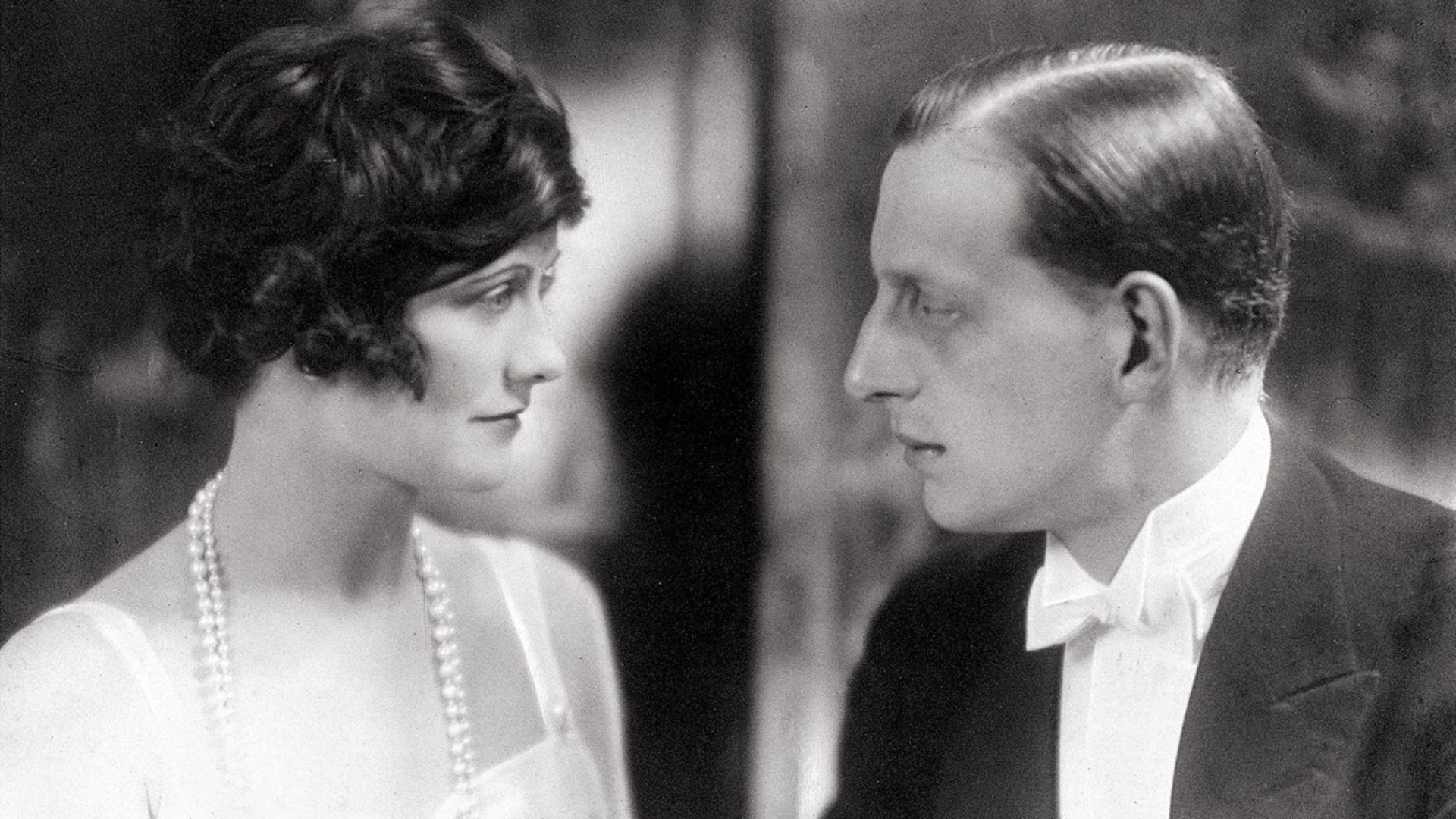 AnonymousUnknown author, Wikimedia Commons
16. She Leveled Up
Before Capel’s untimely end, Chanel already managed to profit enough off her shops to pay him back all his start-up money. So by the time he did pass, she found herself in pretty strong financial standing to continue her business pursuits. In 1921, she opened up a boutique that expanded on her earlier ones, offering just about everything a woman needed to complete a fabulous outfit. Six years later, she owned five shops on the same street.
But the young mogul wasn’t all business, and some habits are terribly hard to let go of…
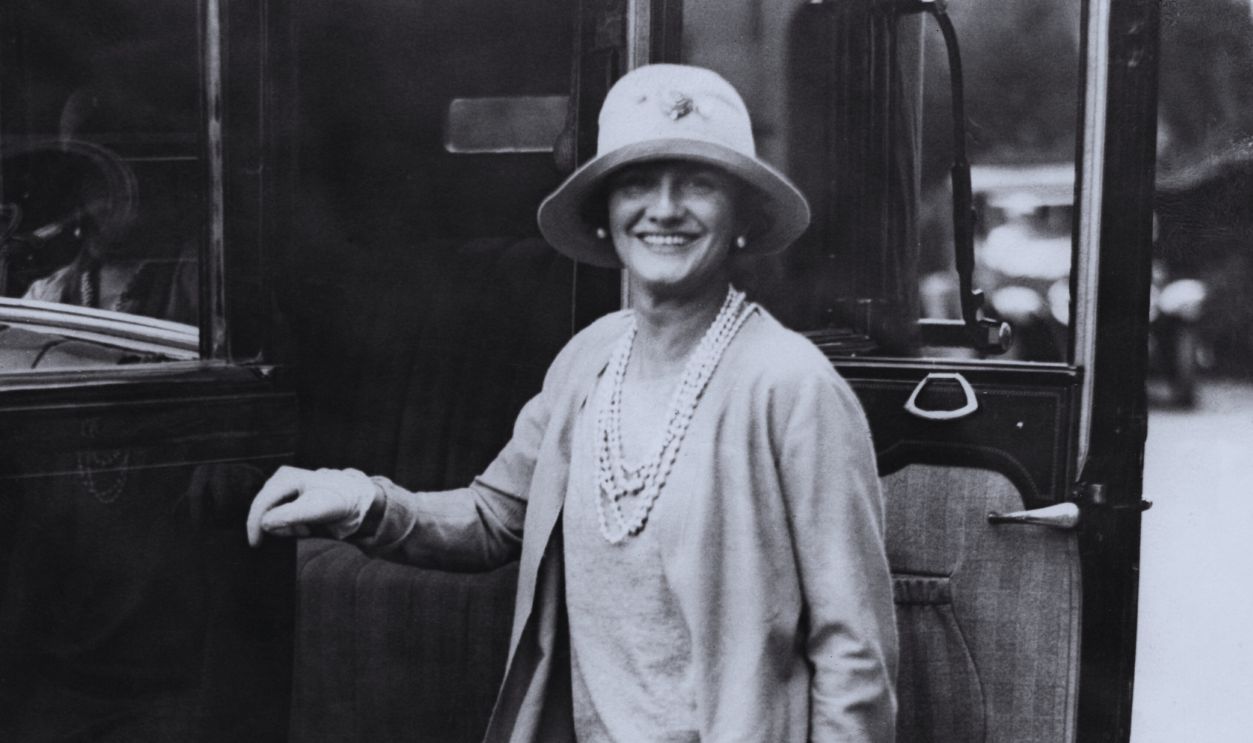
17. She Did It Again
Around that time, Chanel got mixed up with another notable man—Russian composer, Igor Stravinsky. Their relationship started with her offering his family a place to stay, hit its peak with their romantic affair, and ultimately ended on good terms, with Chanel supporting him and his ballet company financially. And while she seemed able to go from man to man and escape unscathed, she soon came upon a situation much more difficult to wiggle out of.
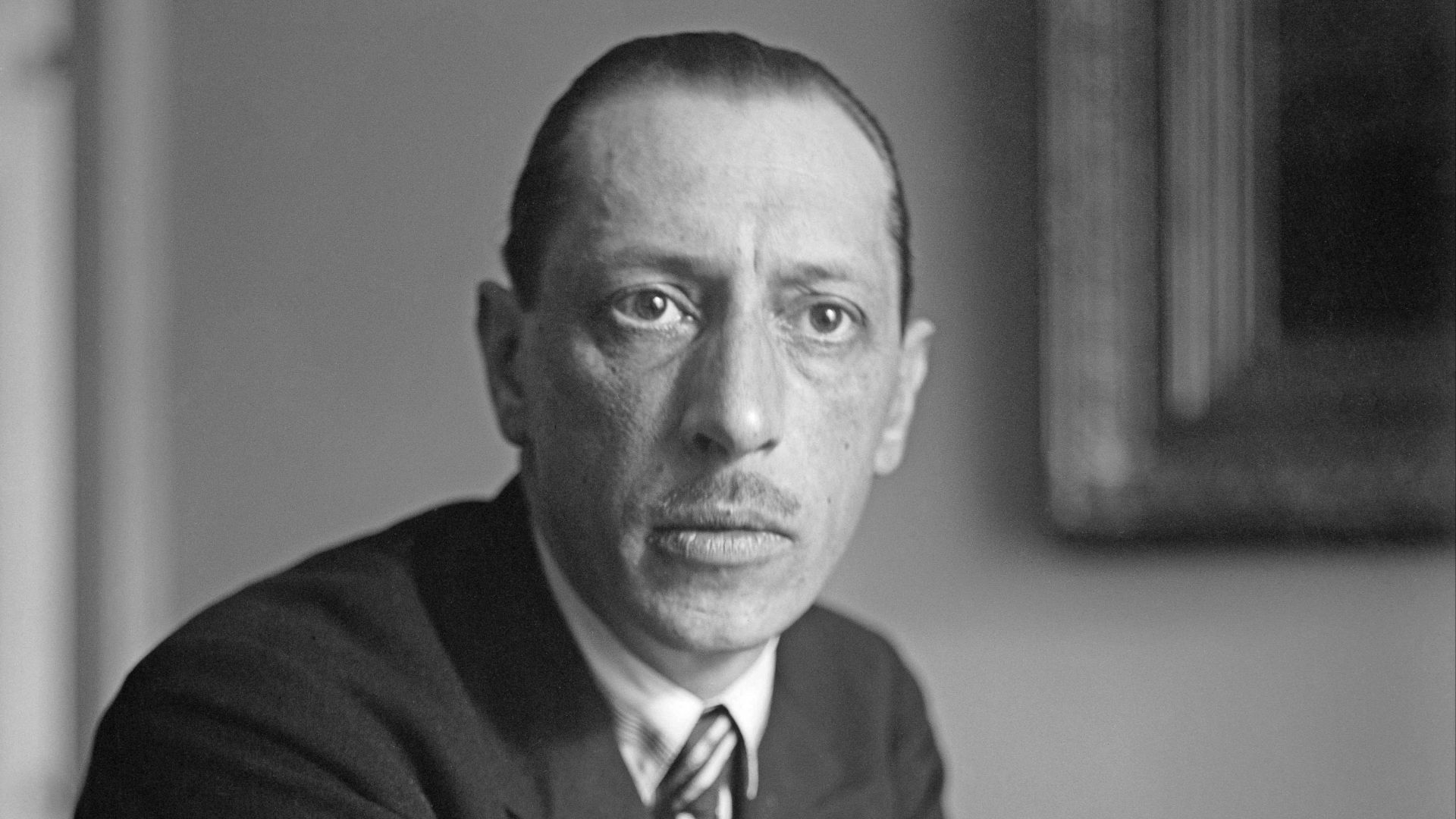 George Grantham Bain Collection, Wikimedia Commons
18. She Made The Wrong Move
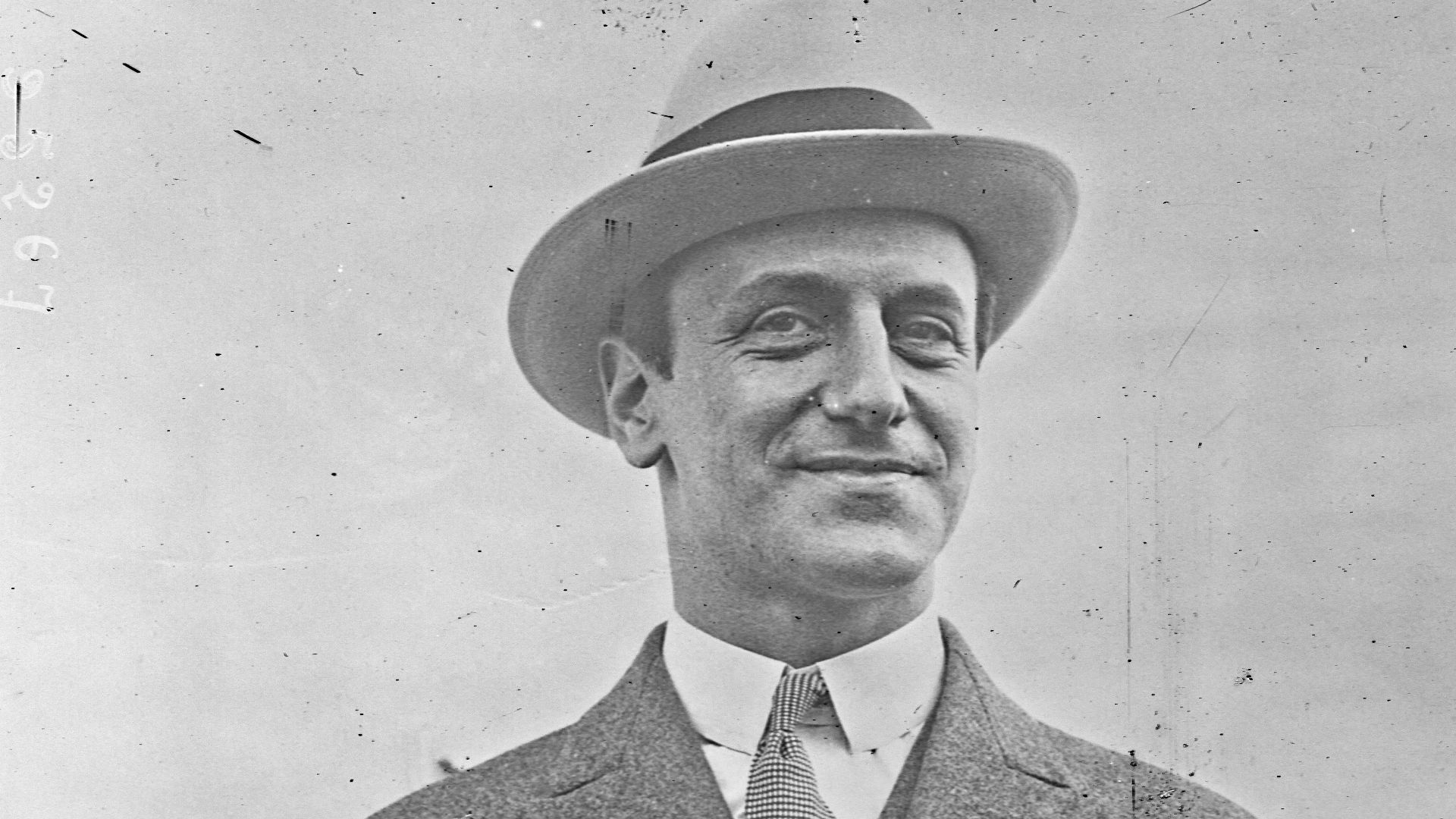
In 1922, Chanel found herself mixed up in a business deal that ended up screwing her over for the next two decades. It all started at a horse racing arena, where the owner of another fashion boutique, Théophile Bader, introduced her to a French businessman named Pierre Wertheimer. Bader wanted to sell her trademark perfume—Chanel No 5—in his stores, and he had Wertheimer in talks to do the manufacturing.
That might sound like more publicity for Chanel, but the issue lay in the less obvious details.
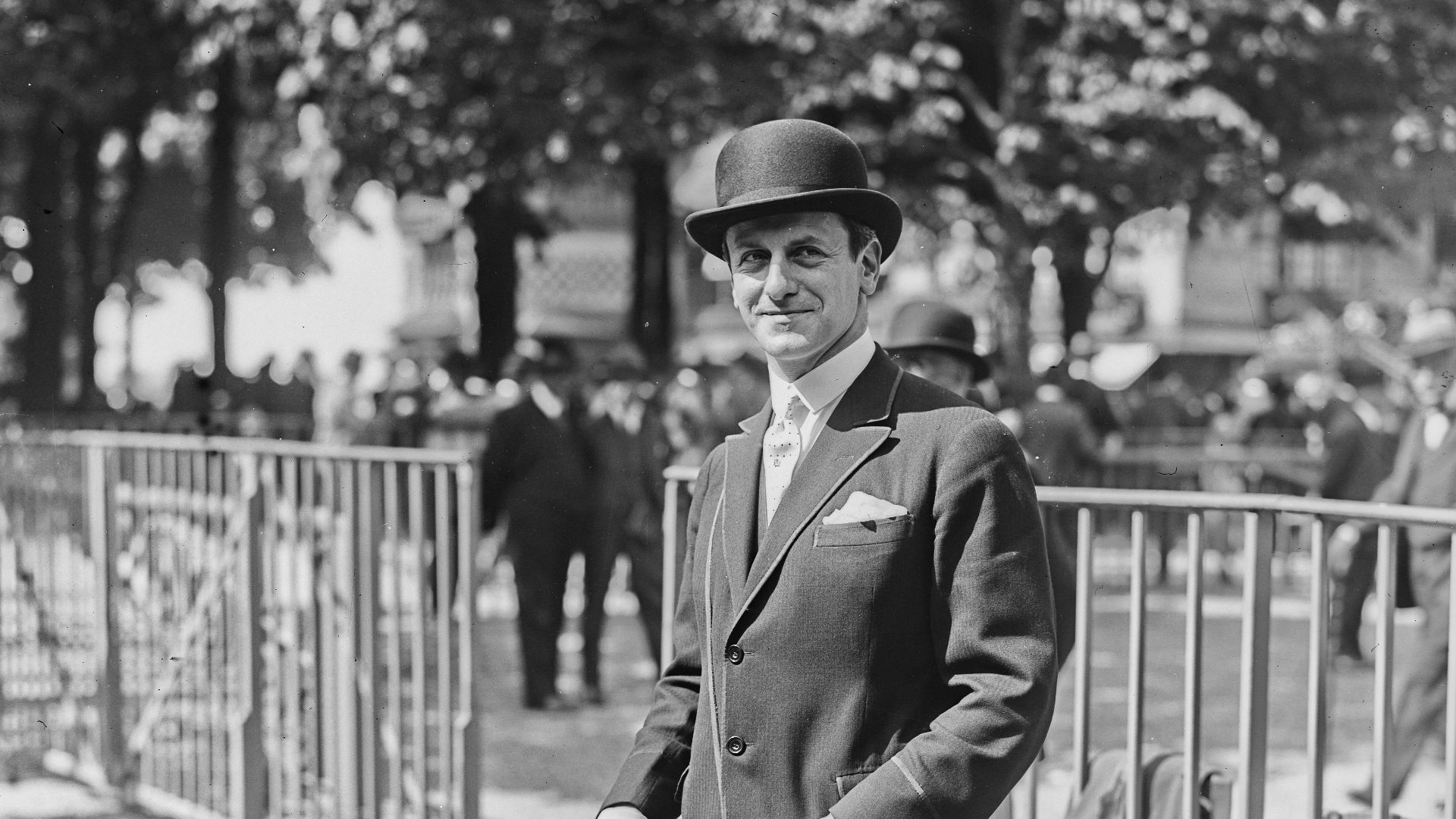 Agence Rol. Agence photographique (commanditaire), Wikimedia Commons
19. She Sold Out
At the conclusion of the deal, they all agreed that Wetheimer and his brother would pay for all the distribution, production, and marketing of the perfume. And when it came to the profits, the Wertheimers received 70 percent, Bader got twenty, and Chanel got ten. So despite the fact that Chanel’s own name and fame ultimately sold the fragrances, she got the tiniest cut.
Several years passed before Chanel truly realized the depth of the mistake she had made. Perhaps because she was too busy hobnobbing with some pretty big names in politics…
 Agence Rol. Agence photographique (commanditaire), Wikimedia Commons
20. She Had Connections
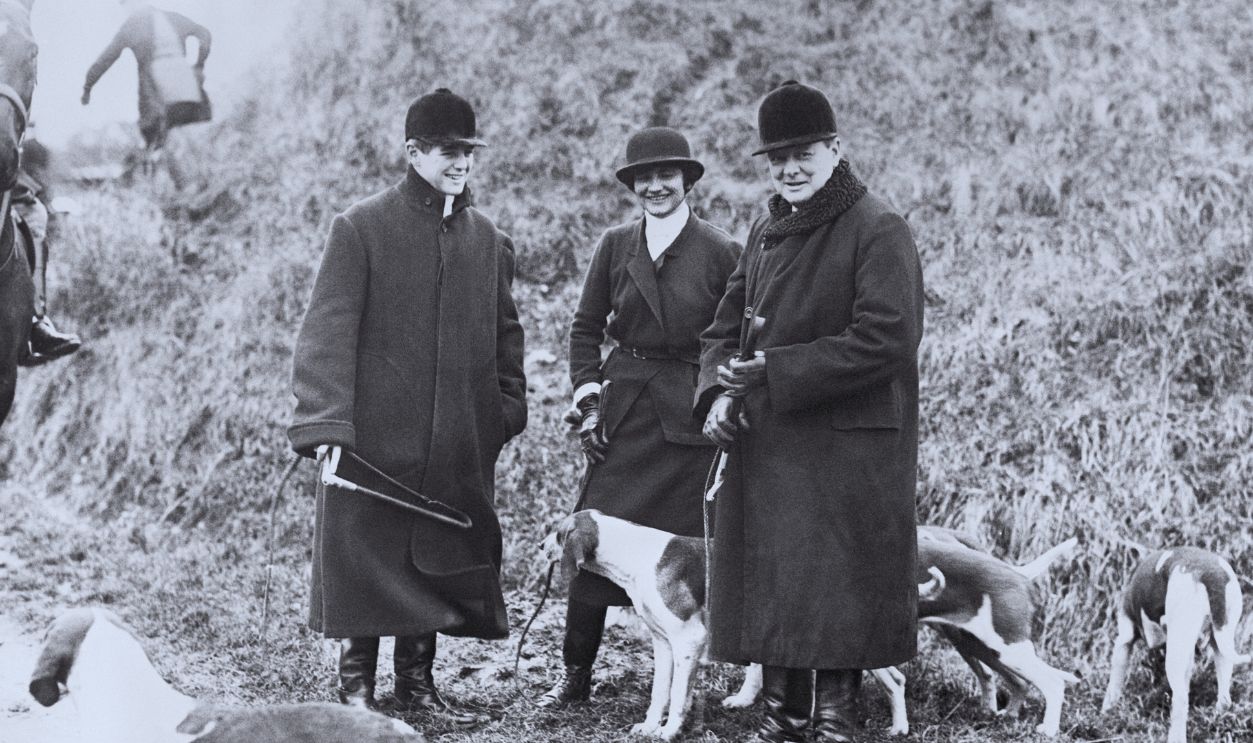
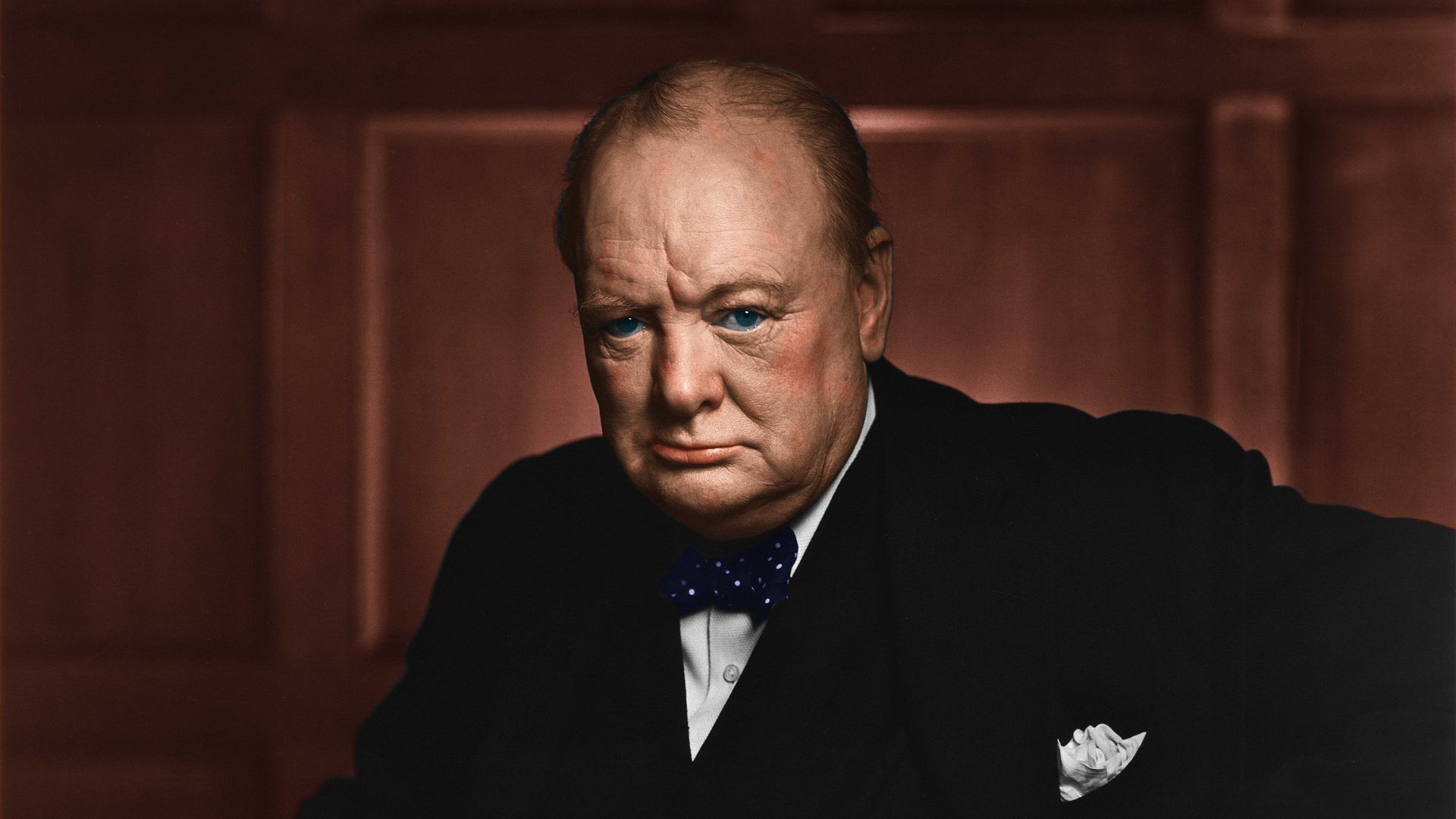
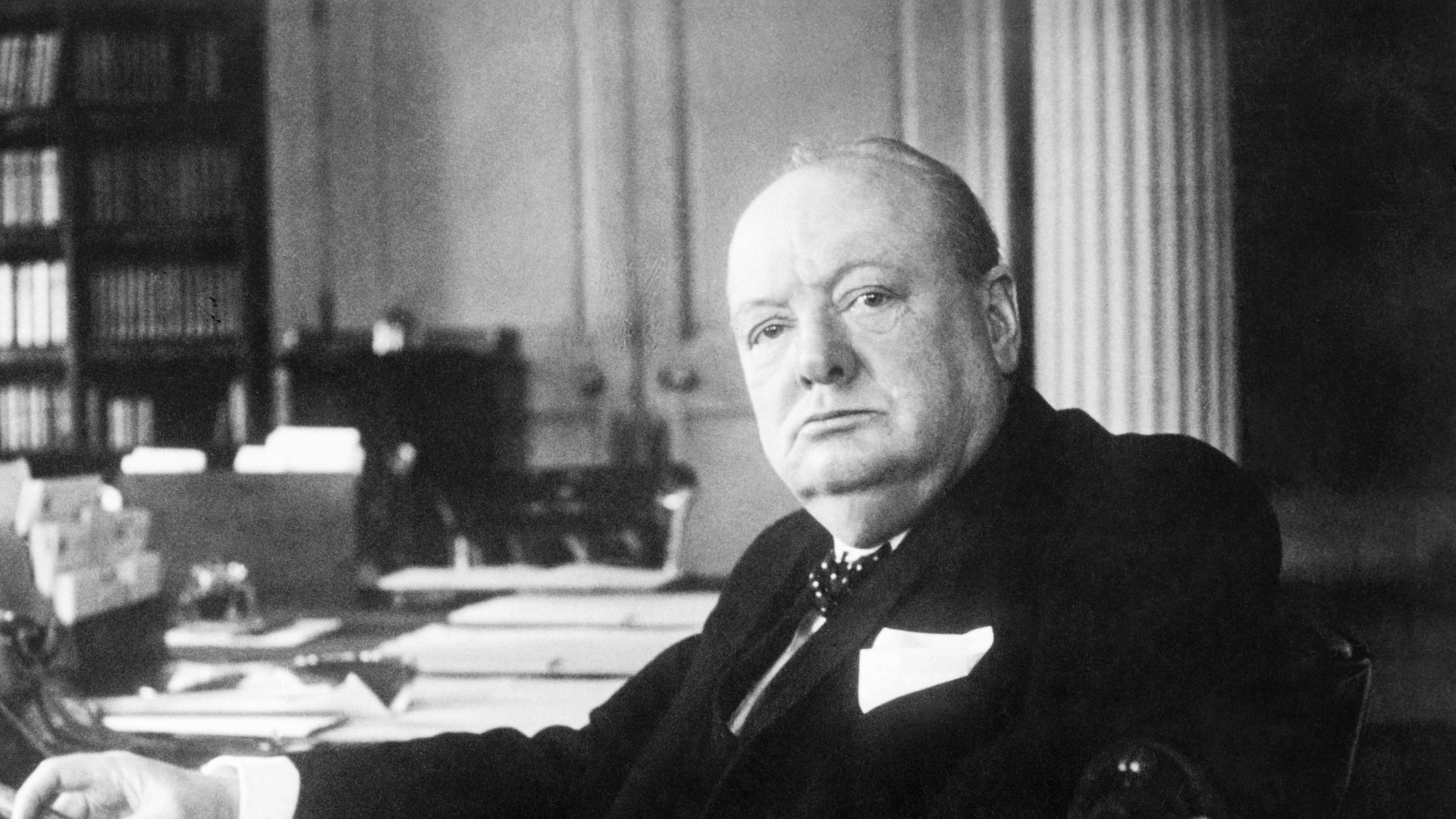
During the 1920s, Chanel’s increasing wealth and numerous connections granted her access to the most elite circles. These elite circles included some of the most famous men in recent history, including British Prime Minister Winston Churchill. She and Churchill maintained a long-time friendship, but it was her relationship with another man of English nobility—Hugh Richard Arthur Grosvenor, Duke of Westminster—that started attracting all the wrong kinds of attention.
21. He Instigated Her Ugly Side
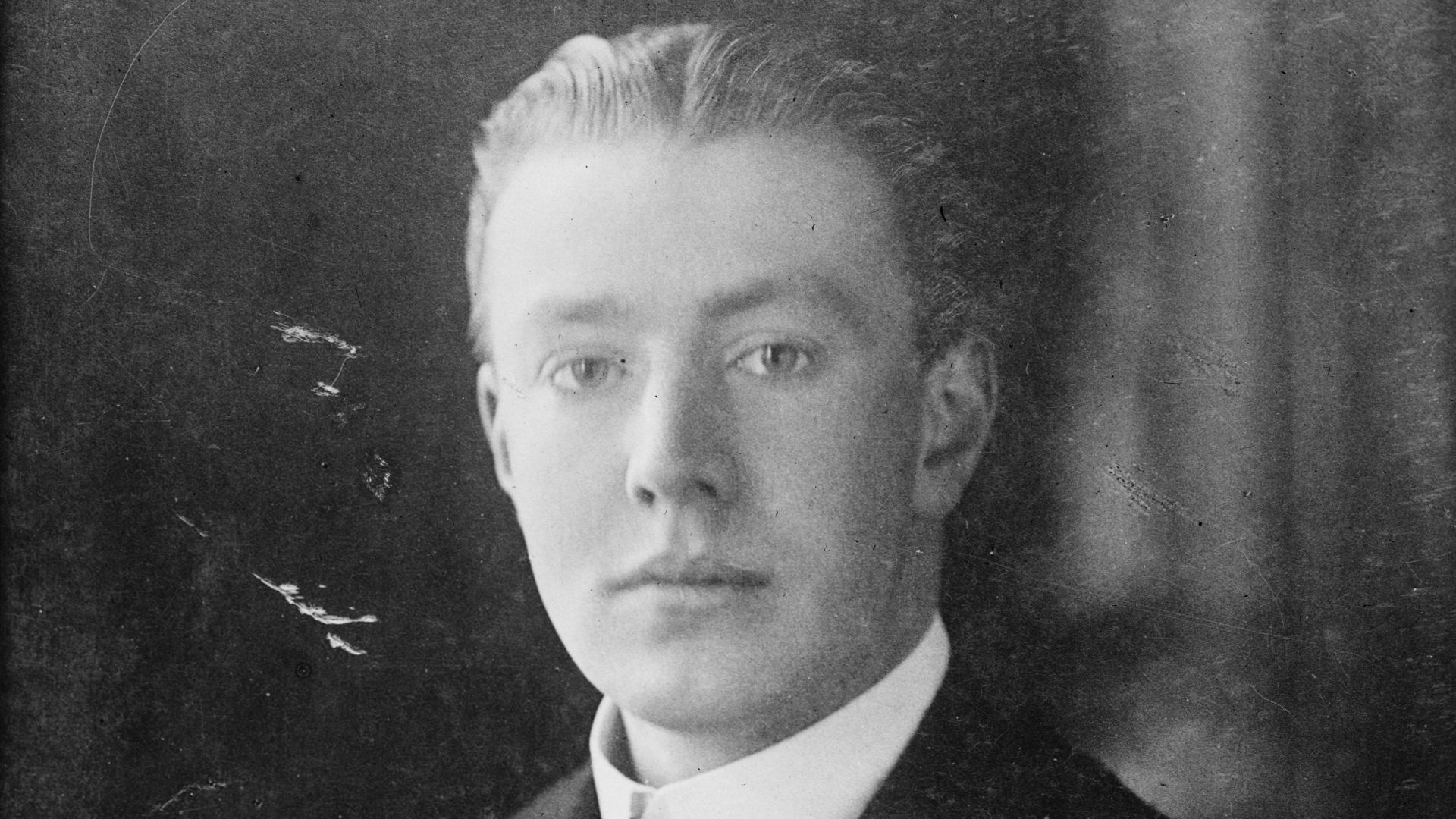
Chanel began a long romantic affair with the Duke. According to some reports, it was during this time that some of her hateful opinions about Jews and gay relationships began to emerge. Some say the Duke encouraged them, while others say he only fed into the hate she already felt. Either way, though, it seems Chanel’s questionable politics didn’t make her any less attractive, particularly to a certain royal suitor.
 Bain News Service, publisher, Wikimedia Commons
22. She Almost Became A Princess
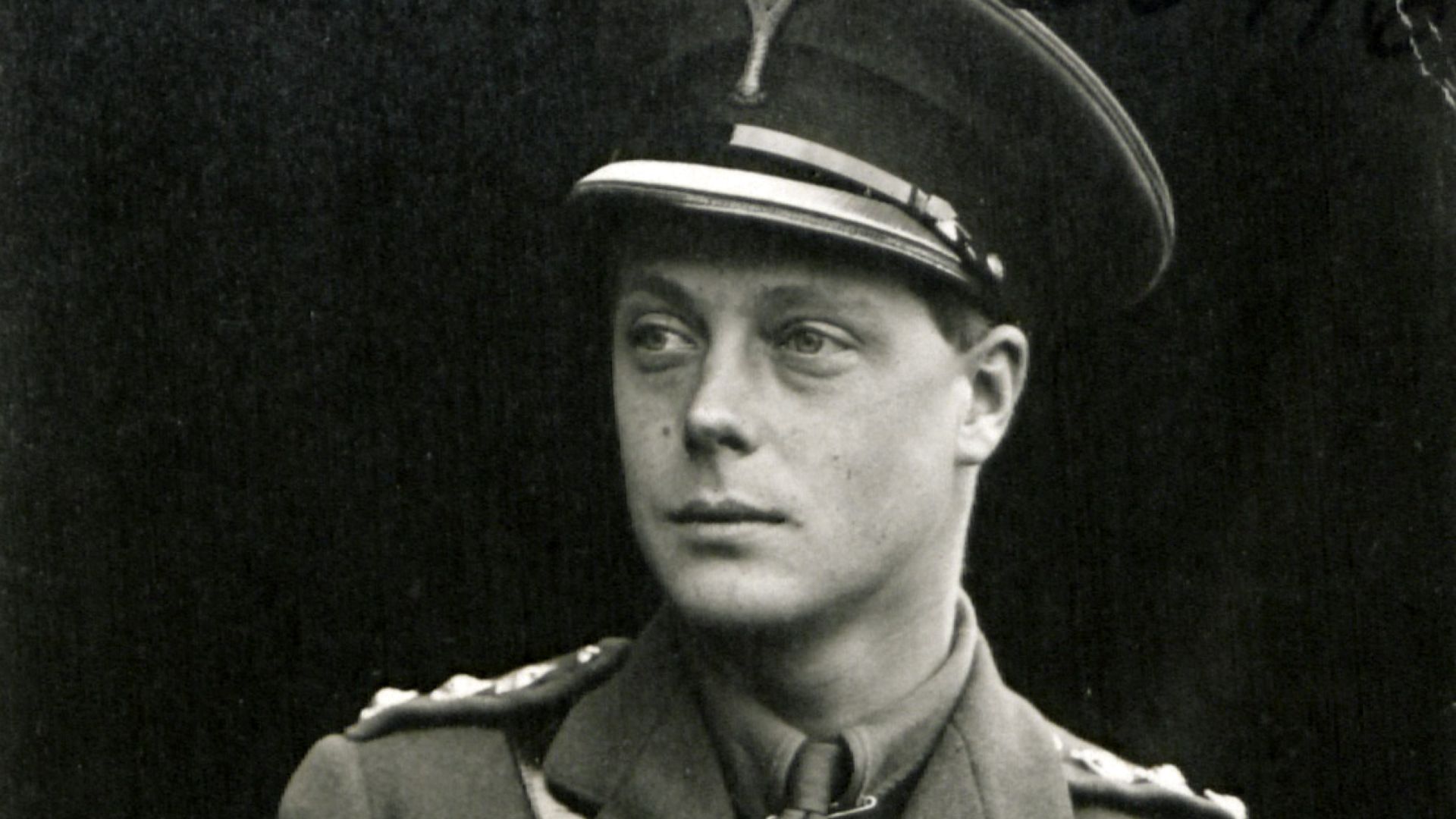
Right around the time the Duke was busy showering Chanel in expensive gifts, including jewelry and land, she also caught Prince Edward VIII’s eye. He knew all about her relationship with the Duke, but he didn’t care. They didn’t date for long, but one report said they “had a great romantic moment together”. Even with that dalliance, she and the Duke seemed a match made in heaven. So when reporters asked her why she wouldn’t marry him, her response came as a shock.
 Freeland Studio, Wikimedia Commons
23. She Put Herself First
Chanel and the Duke remained romantically intertwined for an entire decade. But they never married. And when asked directly why she didn’t marry him, Chanel reportedly replied: "There have been several Duchesses of Westminster. There is only one Chanel”. Talk about a quote for the ages. Chanel had a point, though. There was only one her, and she still had lots to do in the fashion world, though not without some missteps.
 Walter L. Colls, Wikimedia Commons
24. She Tried Something New
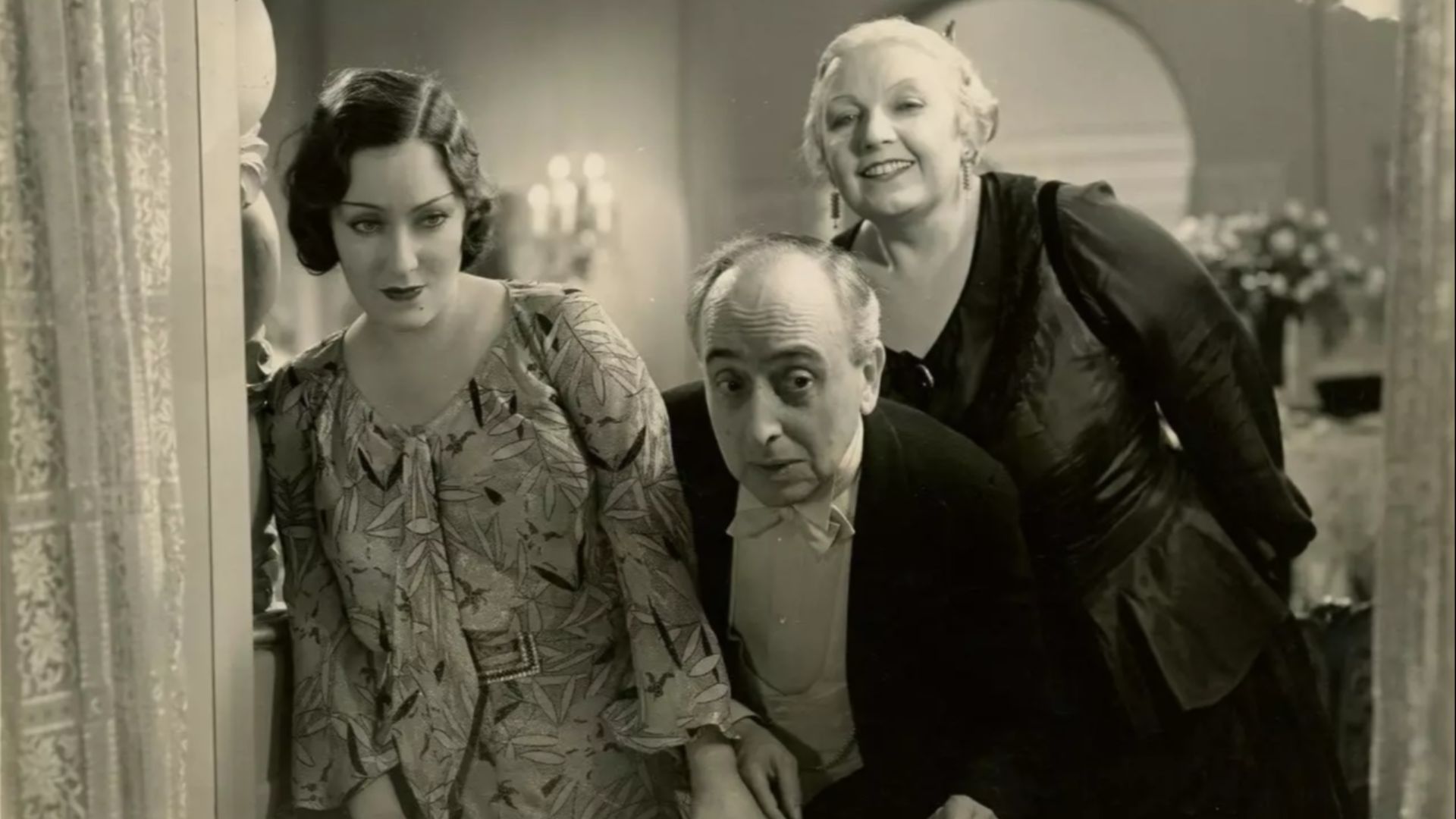
In the 1930s, Chanel decided to try her hand at designing for film. She did costume design for a few films, including 1931’s Tonight or Never and 1932’s The Greeks Had a Word for Them. And while she also managed to come away with some pretty high-profile Hollywood clients like Greta Garbo and Marlene Dietrich, she ultimately found the world of film too “infantile” for her liking.
But, as Chanel soon discovered, the seemingly charmed era of her doing whatever she wanted would soon come to an abrupt end.
 unknown (Samuel Goldwyn Prod./United Artists), Wikimedia Commons
25. She Wavered
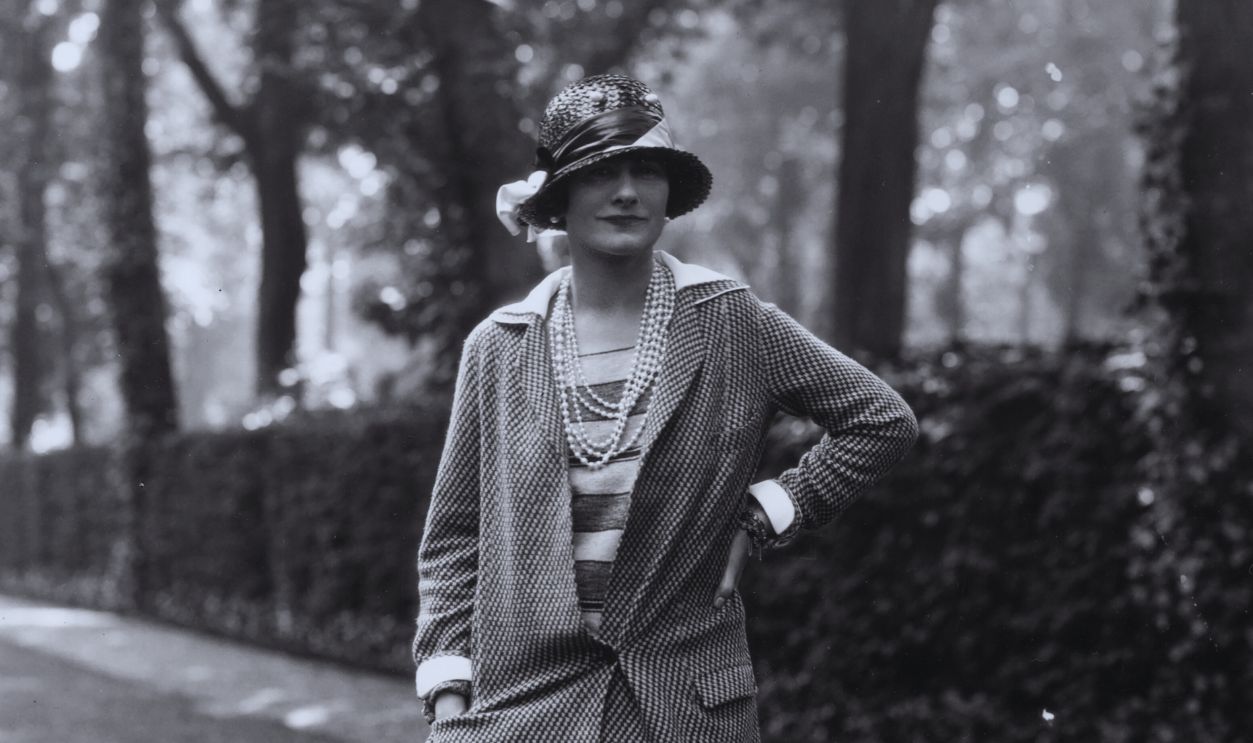
By 1935, Chanel found herself at the top of her game. Everyone who was anyone knew her or knew of her, and wanted to wear her fashions. But as the decade wore on, another designer came along and threatened her top spot. And unfortunately for the aging fashionista, she had a whole new approach to dressing women.
26. She Had Competition
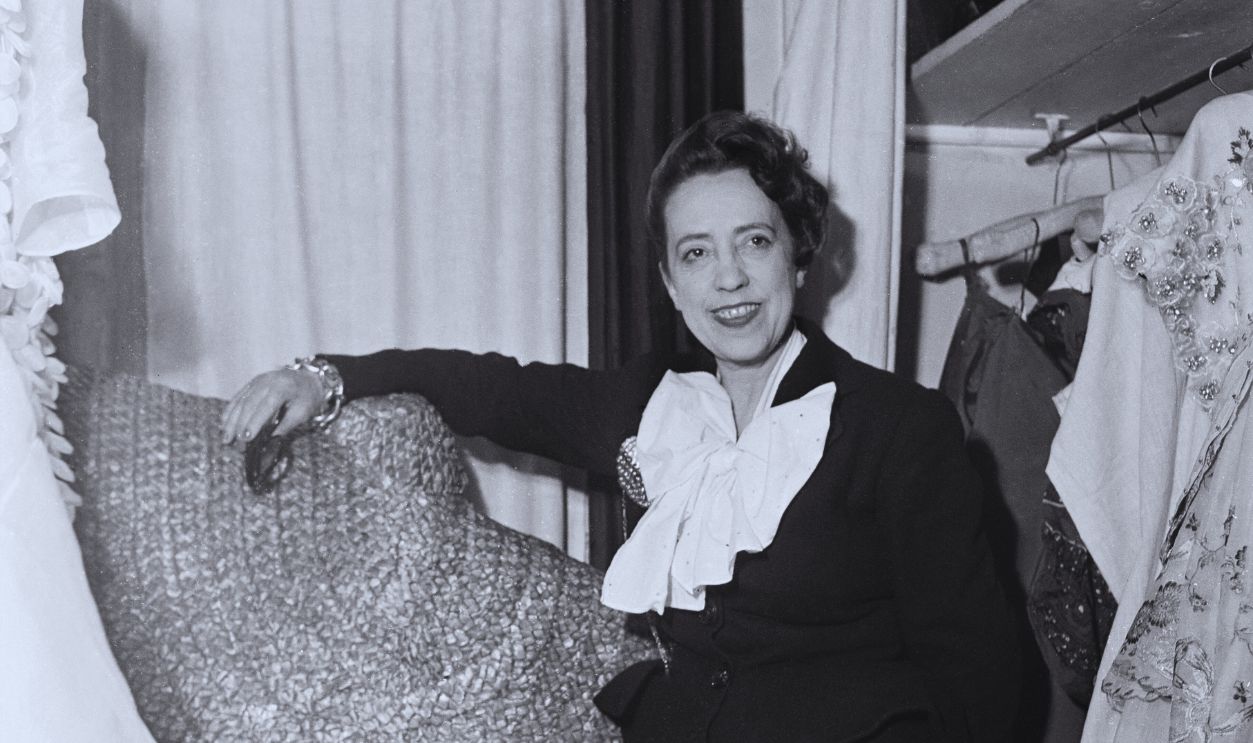
Elsa Schiaparelli, an Italian designer, created fresh, unique designs that truly rivaled Chanel’s products. Her playful fashion seemed nearly opposite to Chanel’s designs, which still felt flapper-inspired and boyish by comparison. Reportedly, Schiaparelli eventually outdid Chanel in more ways than one, which might explain an incendiary practice that became a terrible habit for her at right around that same time.
27. She Became A User
Reports aren’t completely clear on when Chanel began using hard substances. But by 1935, sources claim she used every single day, and continued to for the rest of her life. Some attribute it to her penchant for a bohemian lifestyle. But honestly, considering the way the next few years went, she probably just needed something extra to get her through the rough days ahead.
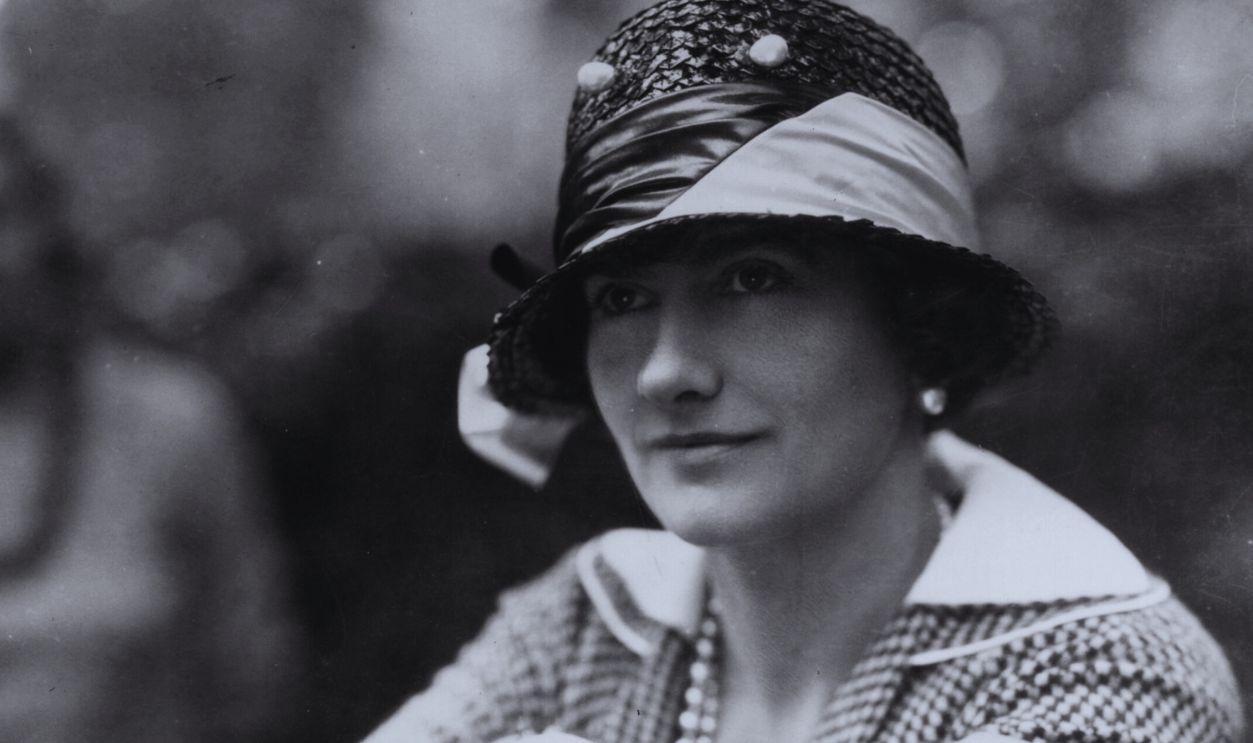
28. She Closed Up Shop
In 1939, WWII broke out, with Germany invading Poland. Chanel responded almost immediately, closing down all of her shops indefinitely. She went on record explaining her decision by saying there were just more important things than fashion in that kind of situation. But according to some reports, she harbored much less noble reasons for closing up shop…
 Unknown authorUnknown author or not provided, Wikimedia Commons
29. She Never Forgot
Back in 1936, a major strike put quite the dent in Chanel’s operations. So when the war began and Chanel shut down operations, effectively letting go of an estimated 4,000 women employees, some claimed she actually just wanted revenge. That hasn’t been explicitly proved, but Chanel’s next move didn’t help make her look any more innocent.
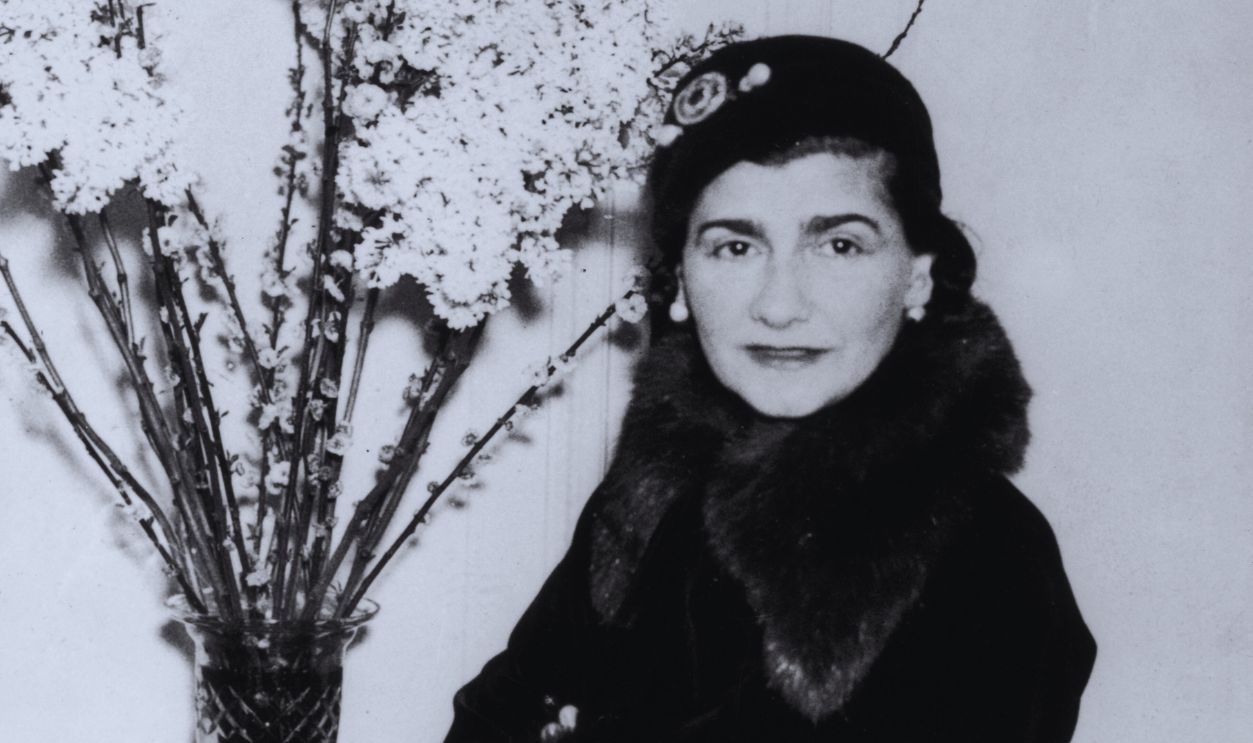
30. She Chose Sides
At the start of the conflict, Chanel started to become more vocal about her opinions of Jewish people. She aligned herself with a certain sect of high society that agreed that the group posed a danger to Europe overall, effectively aligning her with the infamous Führer. And once Germany invaded France in 1940, she seemingly cemented her alliances with a very telling choice.
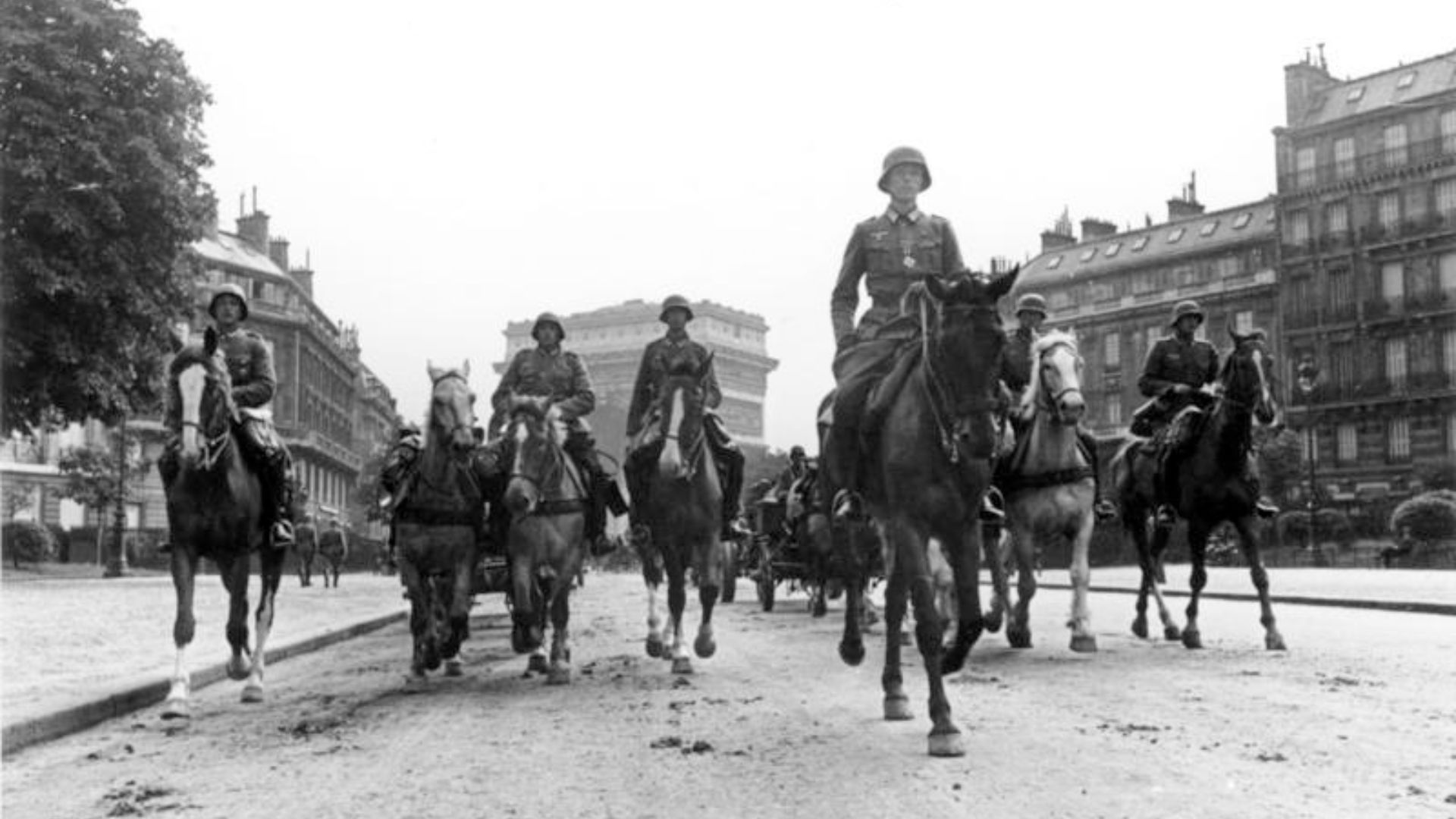 Heinz Fremke, Wikimedia Commons
31. She Moved In
While the German forces seized control of a portion of France, Chanel left her apartment to live at the Hotel Ritz. At the time, the hotel was well-known for being the preferred residence of high-level German authorities. If you’ve been following, you can probably guess what happened next (and yes, it involved a man of very high status).
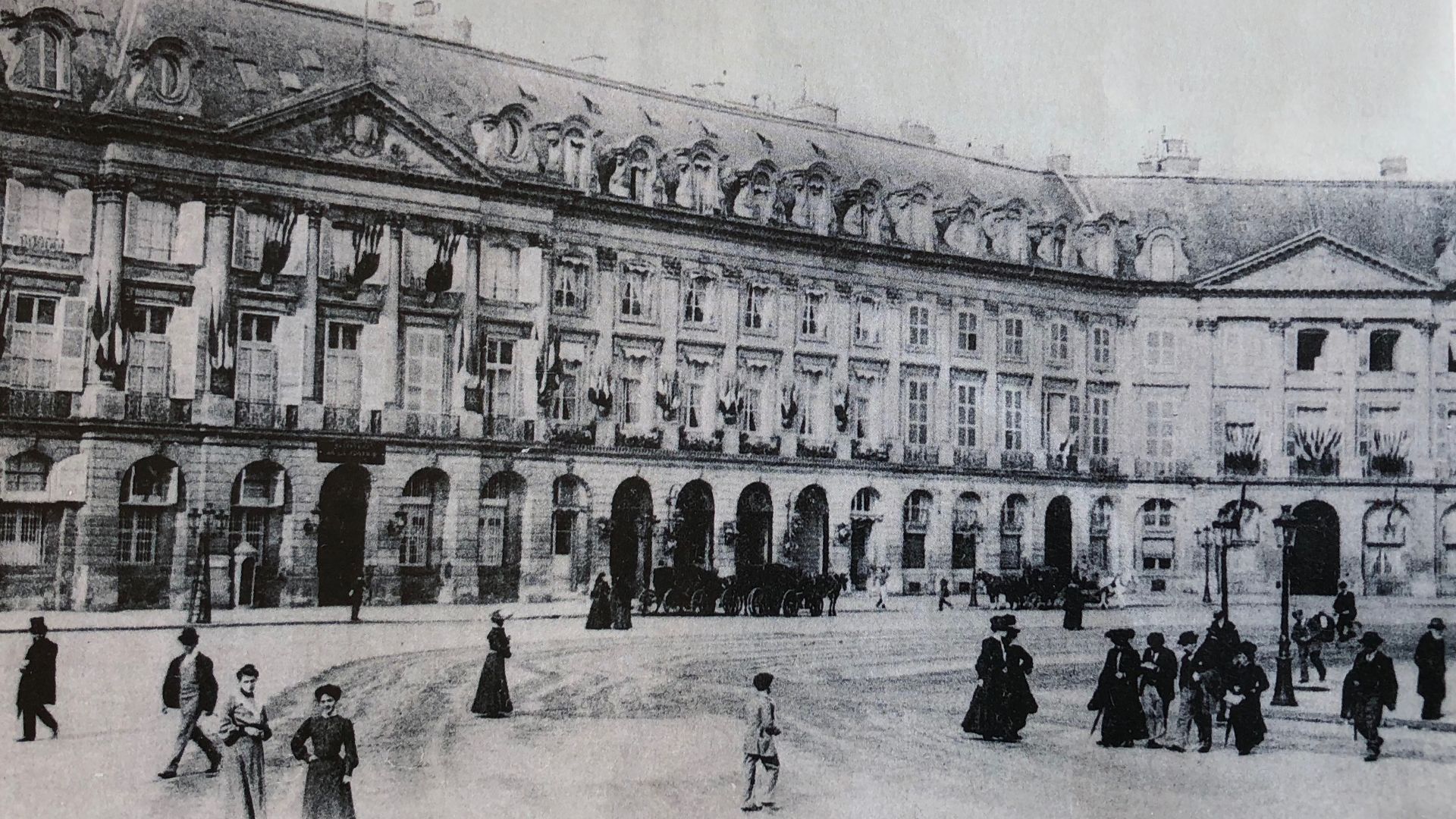 Unknown authorUnknown author, Wikimedia Commons
32. She Got Back To Her Old Tricks
While at the Ritz, Chanel began another romantic relationship, this time with a German aristocrat and high-level officer—Baron Hans Günther von Dincklage. Reportedly, he helped make her time at the hotel particularly comfortable, given his wealth and favor. In that manner, Chanel rode out the highs and lows of WWII. Allegedly.
Decades later, shocking details about her actual activity during that time came back to light. But before that, she had another battle to face.
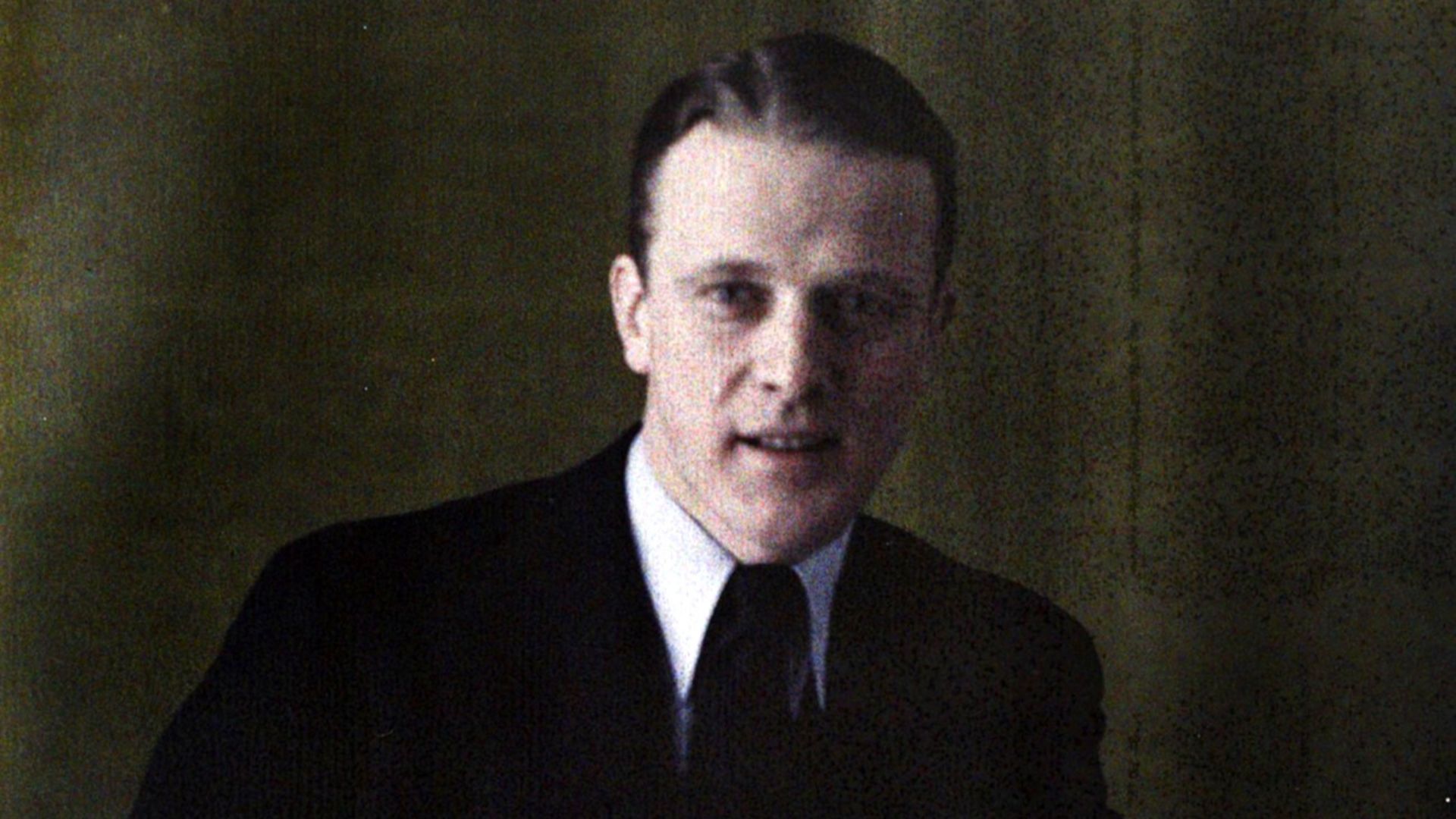 Georges Chevalier, Wikimedia Commons
33. She Plotted
Before the end of WWII, Chanel came up with a novel idea to regain control of the profits made from her Chanel No 5 perfume. The Wertheimers were Jewish, which Chanel hoped would put her in a better position to argue the terms of the contract. She petitioned the new German officials, but she still found herself just a few steps behind the opposition.
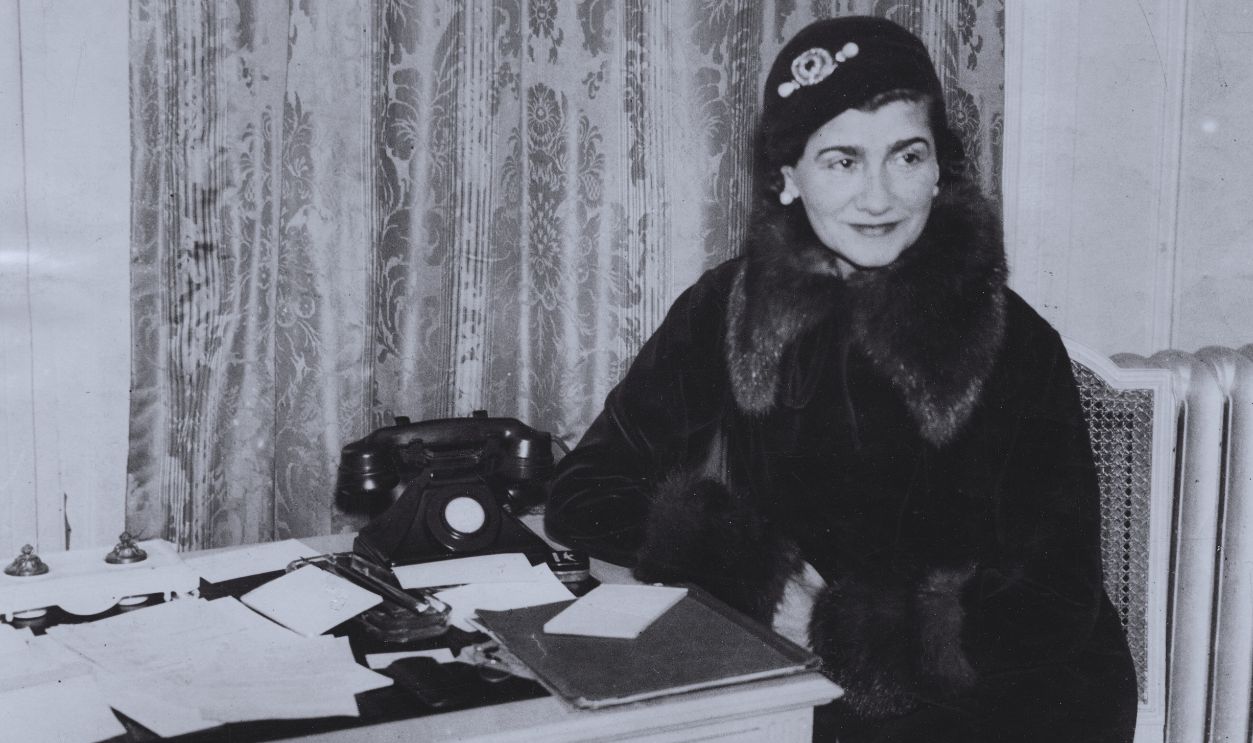
34. She Was Too Late
What Chanel didn't realize was that the Wertheimers already saw the writing on the wall. When the war broke out, they quickly turned over ownership of the company to a Frenchman. Not only did this prevent the Germans from being able to take any actions against their ownership, but the Frenchman promptly returned ownership to the Wertheimers once the fighting ended.
But Chanel wouldn’t relent, and persisted in her pursuit of ownership even then. That’s when some more suspicious rumors about her wartime activity started to surface.
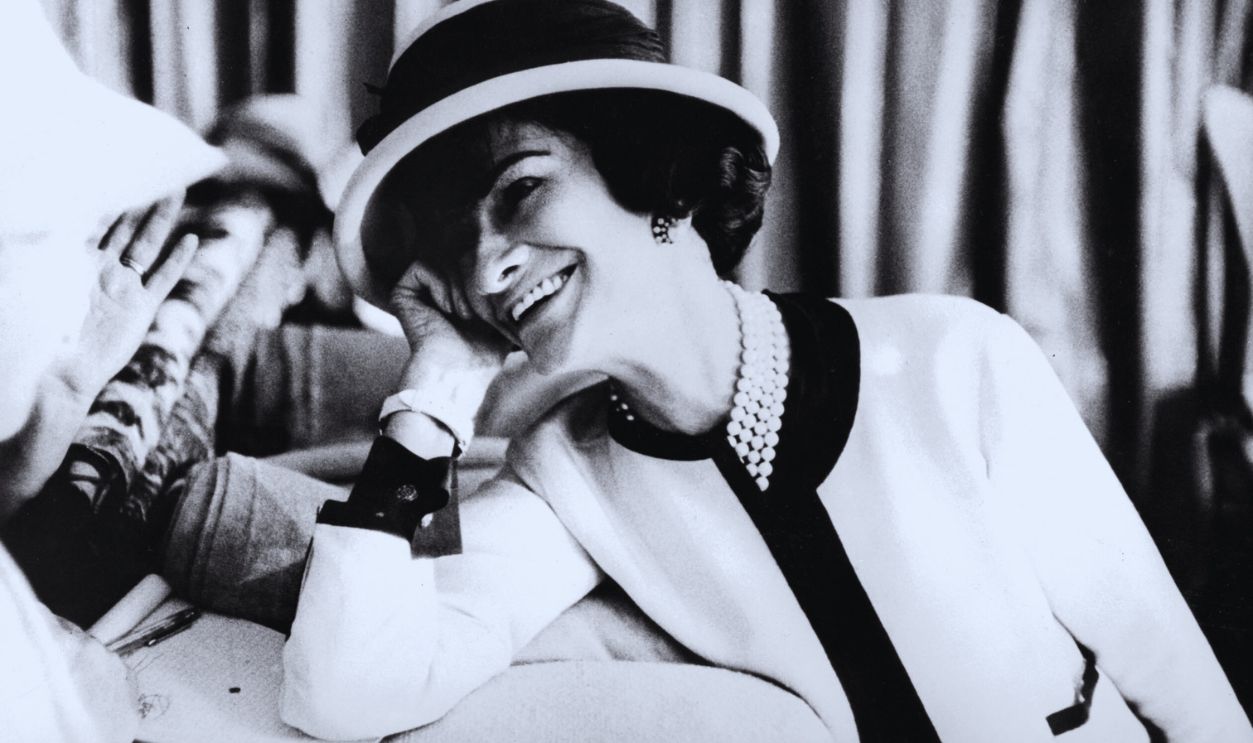
35. She Had A Secret
While people watched with much interest as Chanel fought for control of Chanel No 5, rumors that she liaised with the Germans in a very official capacity during the conflict floated around. In fact, Forbes recorded this “concerned” sentiment from her opponents: “a legal fight might illuminate Chanel's wartime activities and wreck her image”.
Sounds like a bit of a veiled threat to me, but either way, they ultimately came to an agreement, and a strange one at that.
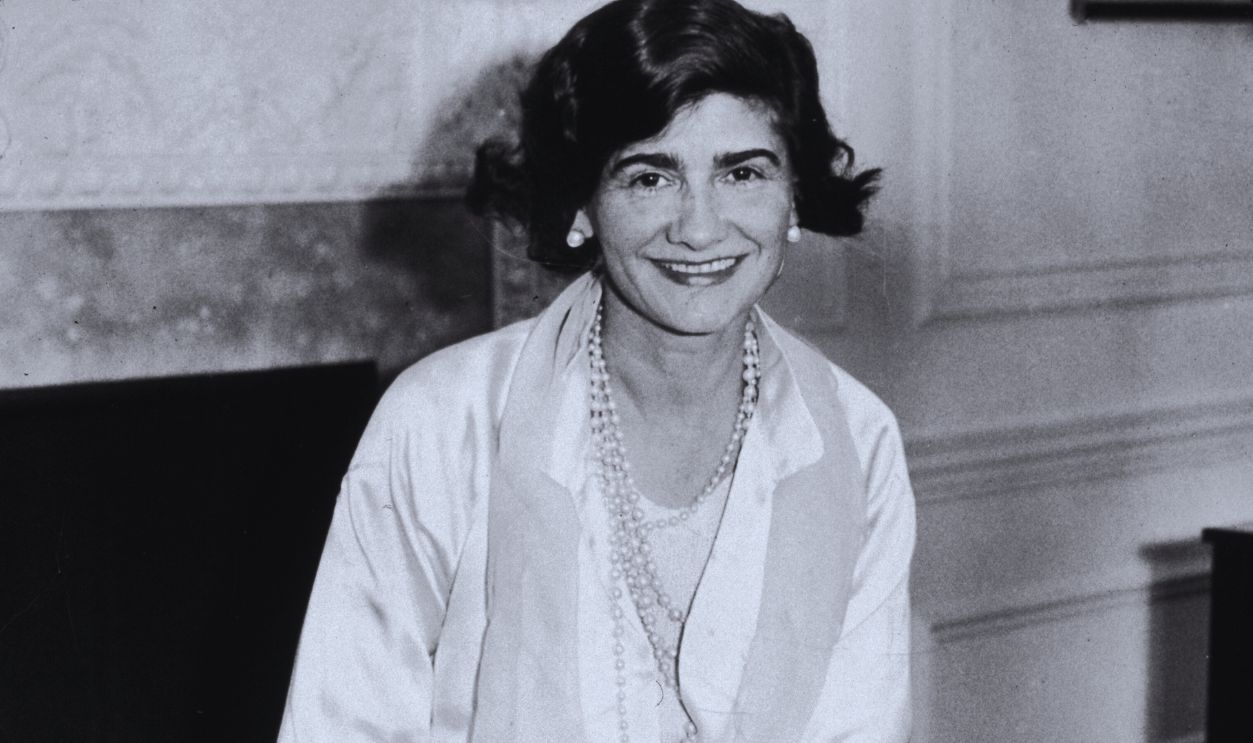 New York Times Co., Getty Images
36. She Secured The Bag
In the end, Chanel and the Wertheimers renegotiated the contract. They paid her back a portion of the profit totaling about $12 million by today’s count, and promised her two percent of worldwide sales in perpetuity. In addition to that, the Wertheimers agreed to cover her living expenses for the rest of her life. In other words, Chanel won big, becoming the richest woman alive at the time. But no amount of money could stop the trouble looming ahead.
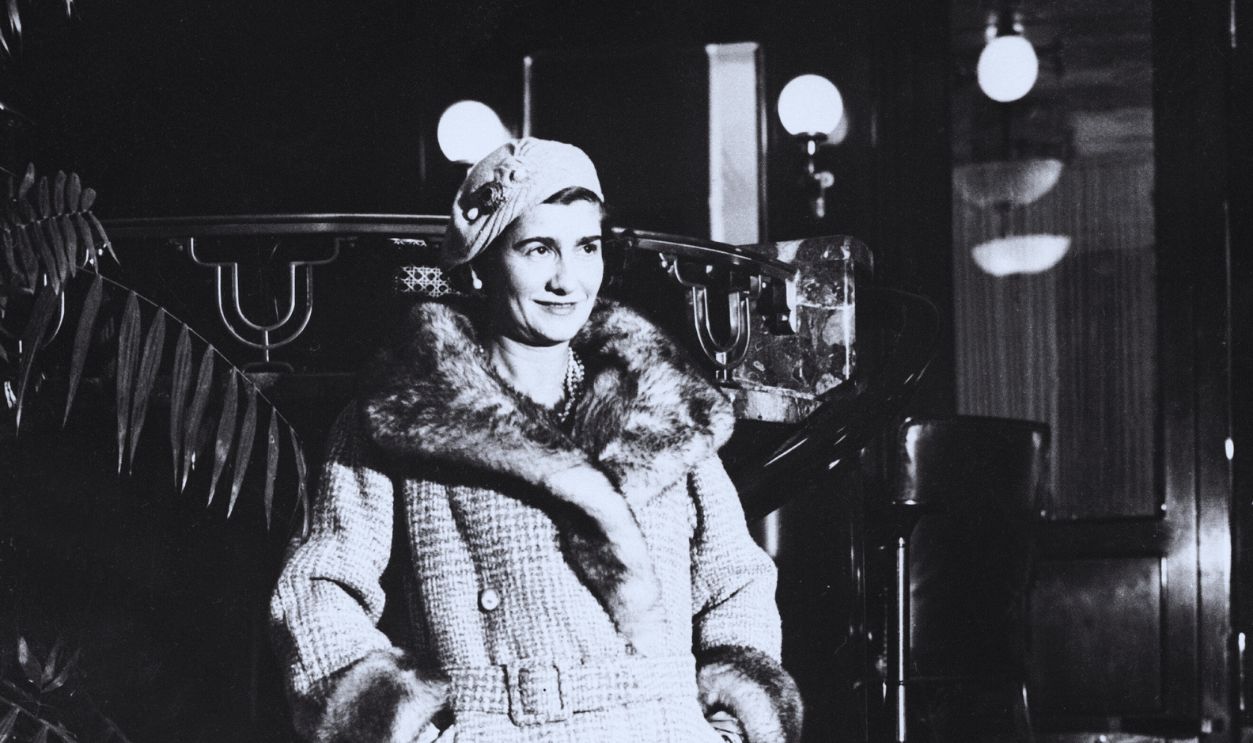
37. She Went To The Courts
While still in the midst of the battle for her perfume profits, Chanel faced yet another conflict. In 1944, the Free French Purge Committee interrogated her—for a shocking reason. They believed she might have been a spy, working closely with the Germans during the war. However, with no hard evidence, the committee ultimately relinquished her.
But there may have been another reason why she maintained her innocence.
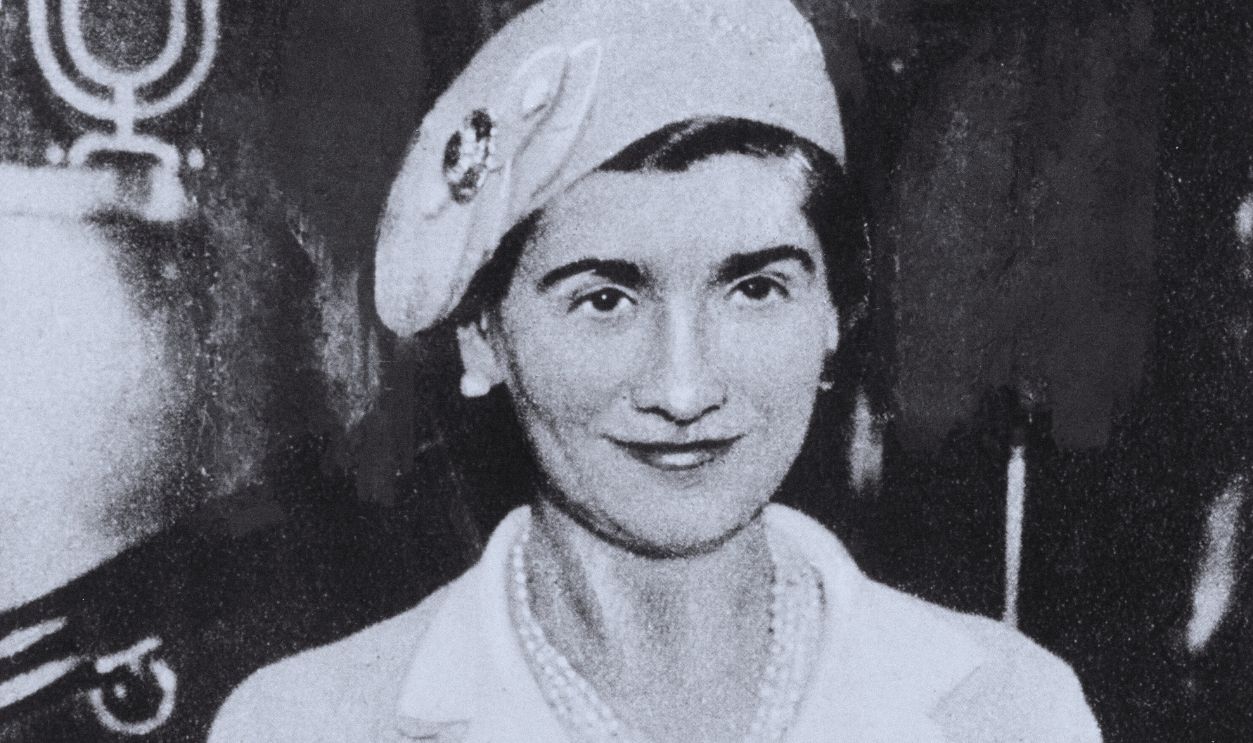
38. She Called In A Favor
When Chanel returned home after the committee cleared her, she offered her family one simple explanation: "Churchill had me freed”. No historians have officially validated that explanation, but several claim that Churchill did, in fact, play a role in her freedom. And while it might have been a favor for an old friend, some postulate he was protecting other traitorous English elite.
Either way, Chanel got off scot-free, and immediately tried to regain her former glory. But things in the world of fashion weren’t quite the way she remembered…
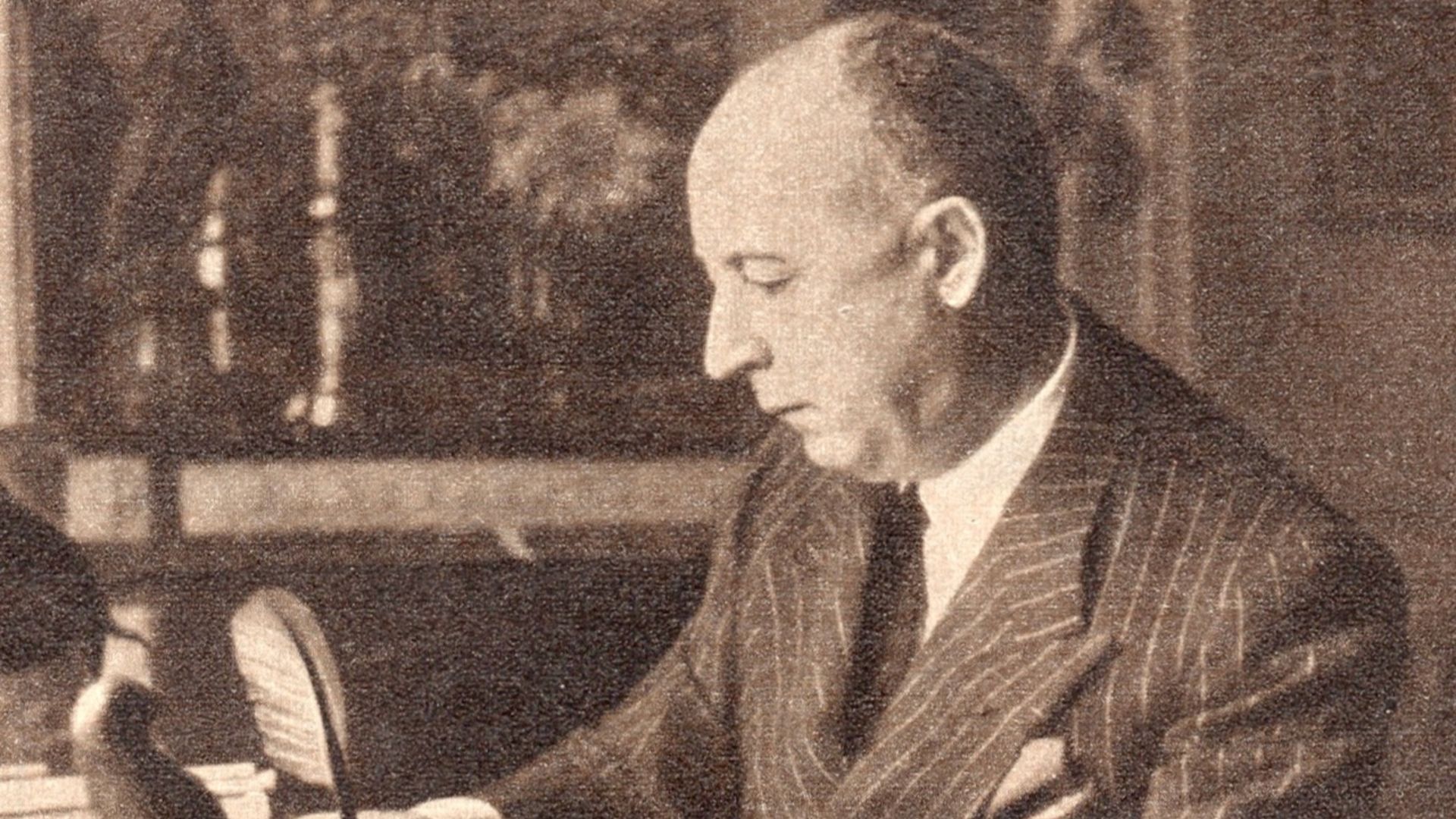
39. The Men Took Over
Back in the height of Chanel’s career, other women were her biggest competitors in the world of high fashion. But by the late 1940s and early 1950s, everything changed. In this new era, male designers like Christian Dior and Cristóbal Balenciaga reigned supreme. Even so, Chanel didn’t think the men’s way of dressing women in “waist cinchers” and “padded bras” would last long.
So in 1954, and now in her 70s, Chanel reopened her doors. Guess who footed the bill?
 Contributed by Kasumi, Wikimedia Commons
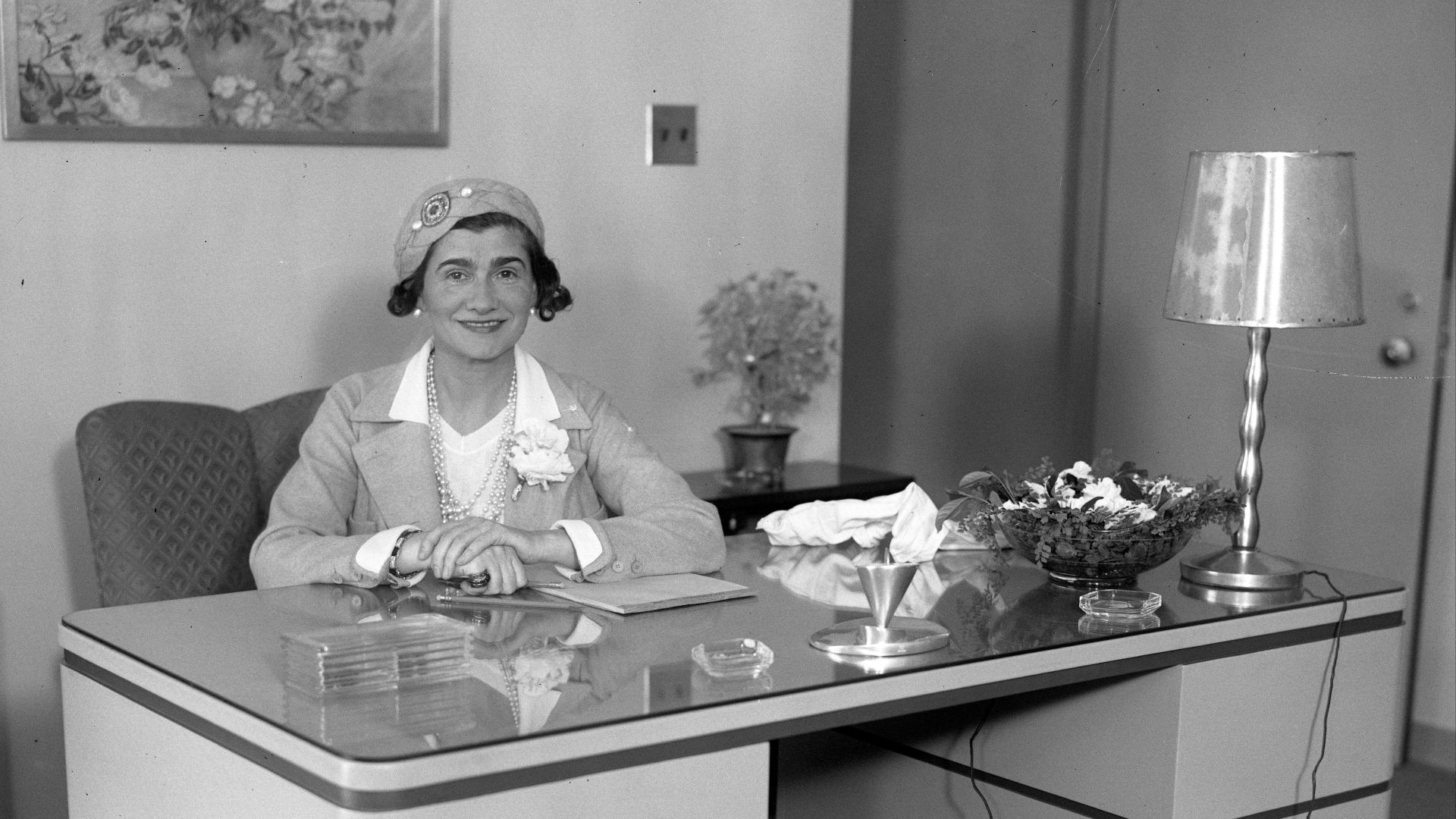
40. She Went Big
If you guessed the Wertheimers, you guessed correctly! They fully funded the reopening of her couture house, and she made a comeback in a big way. Some French Press approached the news reluctantly, still wondering about her German involvement. But the American and British press went crazy over her re-emergence, earning her designs a solid place in the new decade. Unfortunately, the win didn’t soothe her senses.
 Los Angeles Times, Wikimedia Commons
41. She Struggled
Chanel’s later years proved unkind. Materially, she didn’t seem to want for anything—in essence, she could afford whatever her heart desired. But those who spent time with her called her “lonely” and “tyrannical”. She never stopped working, and was even working on her spring catalog when things finally came to a quiet and seemingly lonely end.
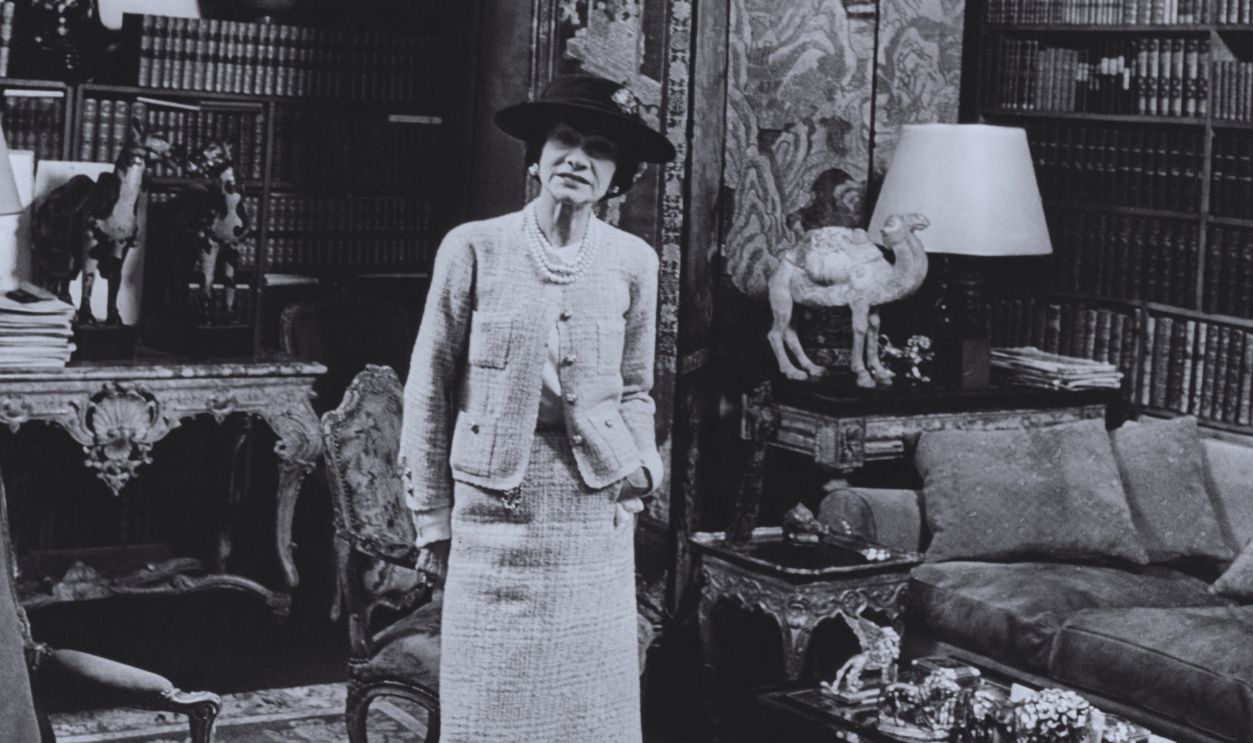 Photo Researchers, Getty Images
42. She Withered
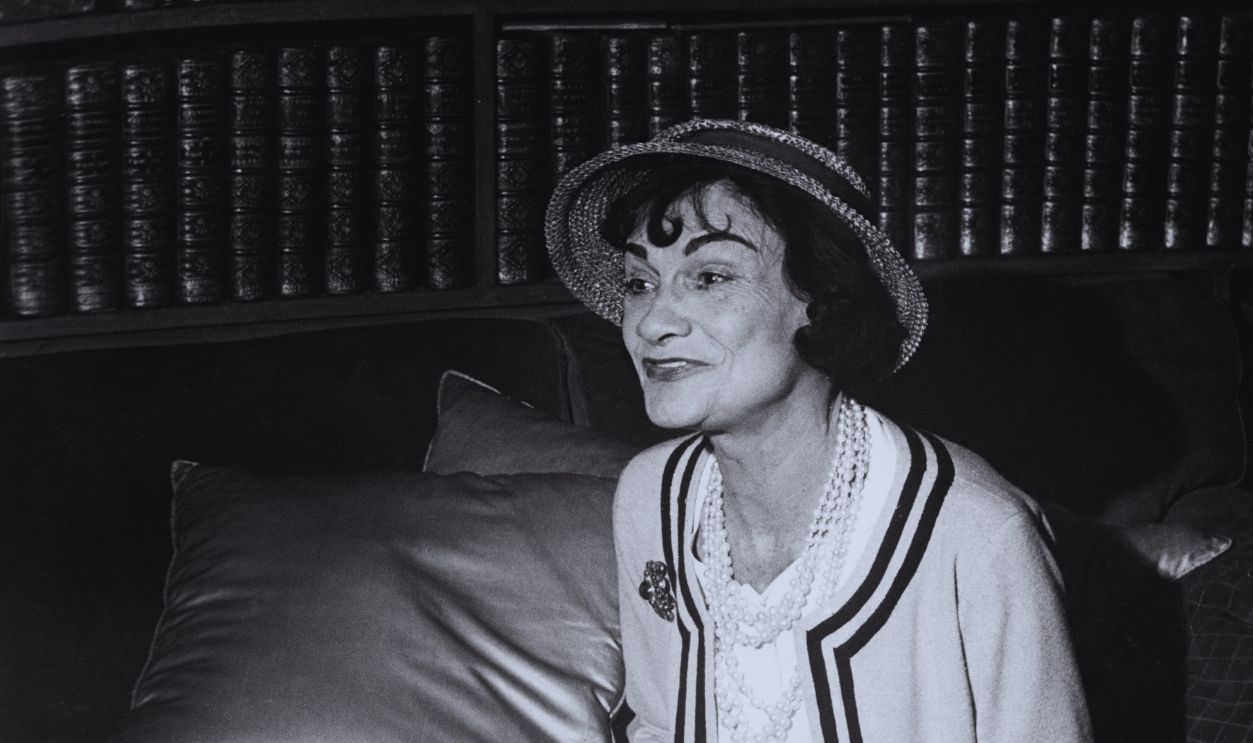
Reportedly, January 9, 1971, played out like a very normal day for Chanel. She worked on her catalogue, then went out for a drive. When she returned home, she felt sick and decided to go to sleep early. She uttered her last words to her maid, saying, “You see, this is how you die,” and never woke up again.
Her funeral was well attended by art and fashion greats, but the real shockers about her life emerged shortly after they laid her body in the casket.
 Agence France Presse, Getty Images
43. They Wanted To Honor Her
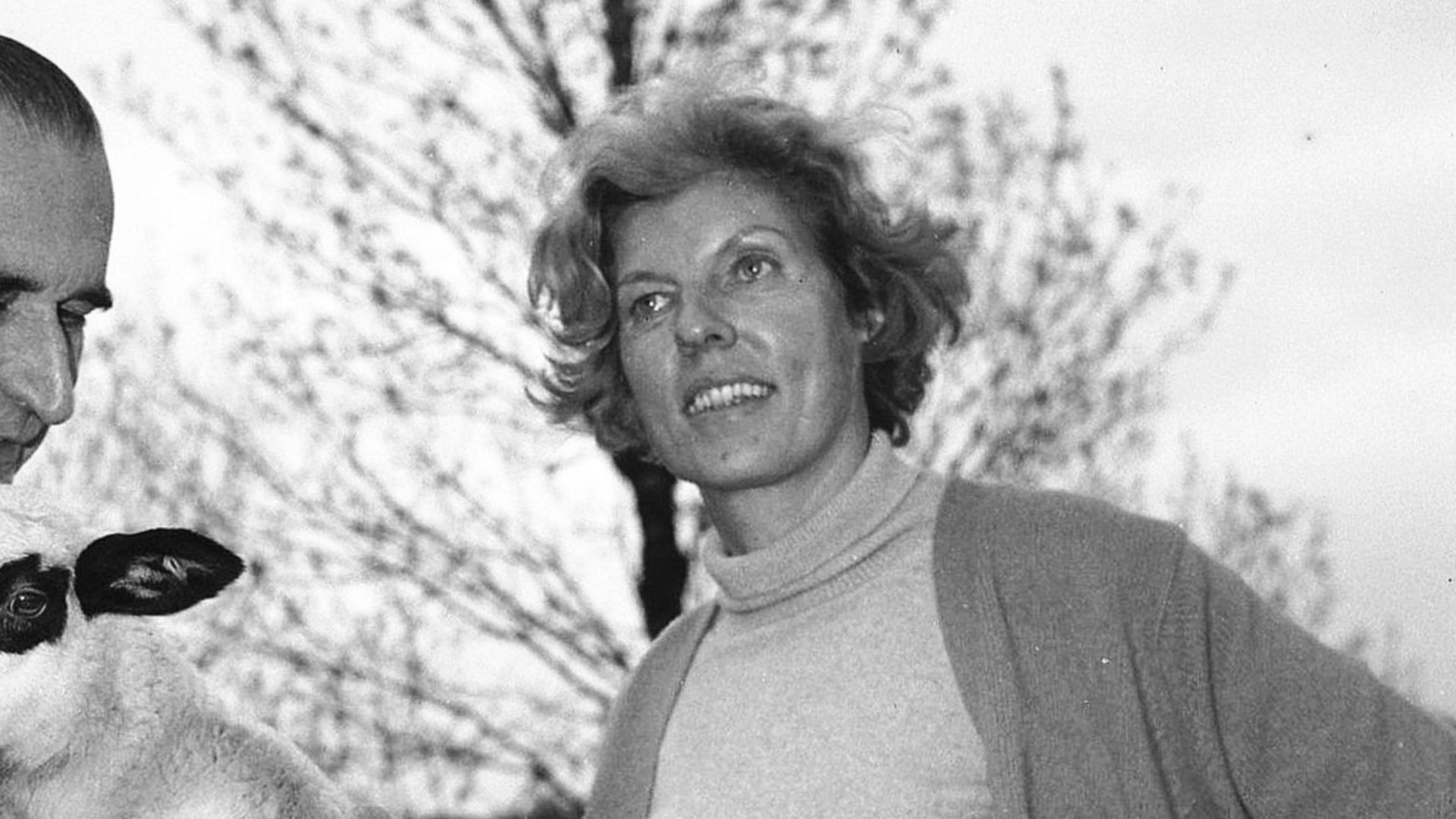
The day after she passed, one of Chanel’s good friends—Claude Pompidou—decided to put together a tribute for her, lauding her long life of business and achievement. That is, until some startling news from his wife stopped him in his tracks. She heard that an editor at a French magazine was writing a book about Chanel, and his claims were chilling.
44. He Spilled The Tea
According to the rumors, Pierre planned to do a tell-all on Chanel’s activity as a spy for the Germans during WWII. He insisted her alliance went way past her relationship with von Dincklage, which was common knowledge, and really cemented her stance as a traitor.
Needless to say, Pompidou canceled the tribute. But did Chanel's behavior really count as enough to confidently make her a spy? Read on and judge for yourself…
45. She Made Plans
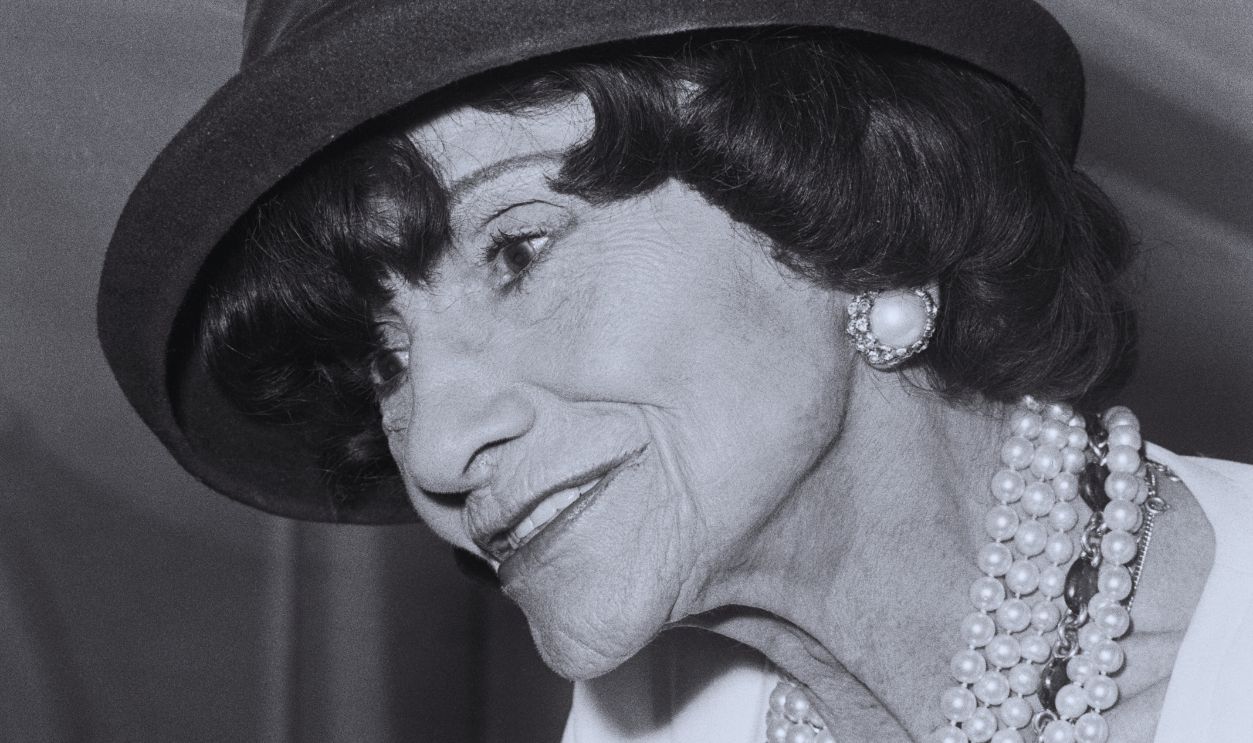
According to reports that French intelligence officially declassified in 2014, Chanel most certainly did work as a spy with the Germans. She participated in several missions, including one entitled “Operation Modellhut”. That one, in particular, placed her in the position to use an old, powerful friend to help the German cause.
46. She Used Him
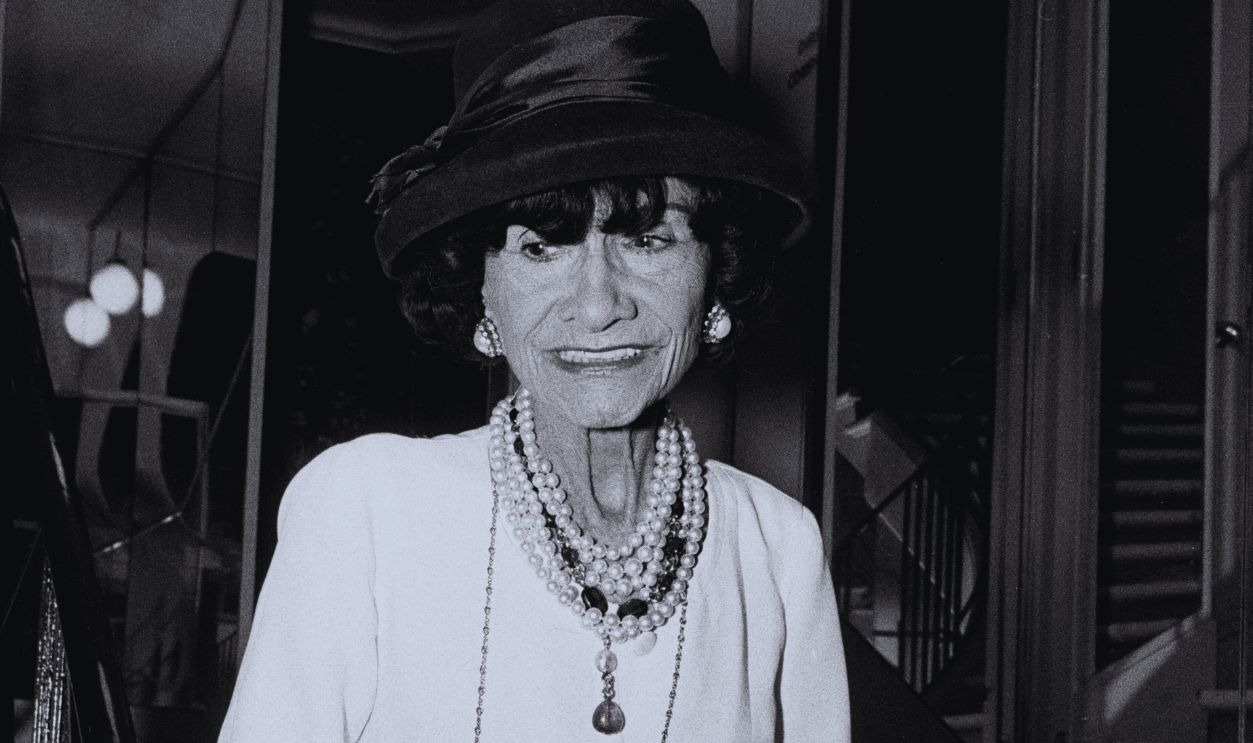
Reportedly, Chanel herself came up with the plan, believing she really had the power to convince Churchill to bend in his politics. They put the operation into action in 1943. They involved another woman, Vera Bate Lombardi, to work as an intermediary, taking word from Chanel to Churchill about her hopes. But Lombardi herself didn’t know the Germans’ true intentions, and once she arrived in Britain, that proved the undoing of the entire thing.
 Cecil Beaton, Wikimedia Commons
47. She Confessed
While it’s not clear exactly what tipped Lombardi off, she completely crumbled when she arrived in Britain. Furthermore, she totally ratted out Chanel and her compatriots at the British Embassy, calling them all spies. It doesn't seem much more came of that particular attempt, and as history tells us, the Germans ultimately surrendered and withdrew from their occupations.
By now, you might be wondering why Chanel did what she did. Or maybe you saw it coming a mile away, considering her vocal opinions about the Jewish people. Even so, though, there is one additional detail that might help explain it all.
 Corpus Christi Caller and Daily Herald, Wikimedia Commons
48. She Needed Help
According to some reports, Chanel had a very personal issue weighing her down during that time. Remember her “nephew,” André? He was a French soldier. During the war, he allegedly got snatched by the Germans and thrown into one of their camps. But once Chanel began her affair with von Dincklage and the German cause, they officially released André back to safety.
Whether it was worth whatever she had to do to save him is an entire other story. And, enemy or ally, the effects she had on the fashion world still continue to reverberate today.
 REPORTERS ASSOCIES, Getty Images
49. She’s Iconic
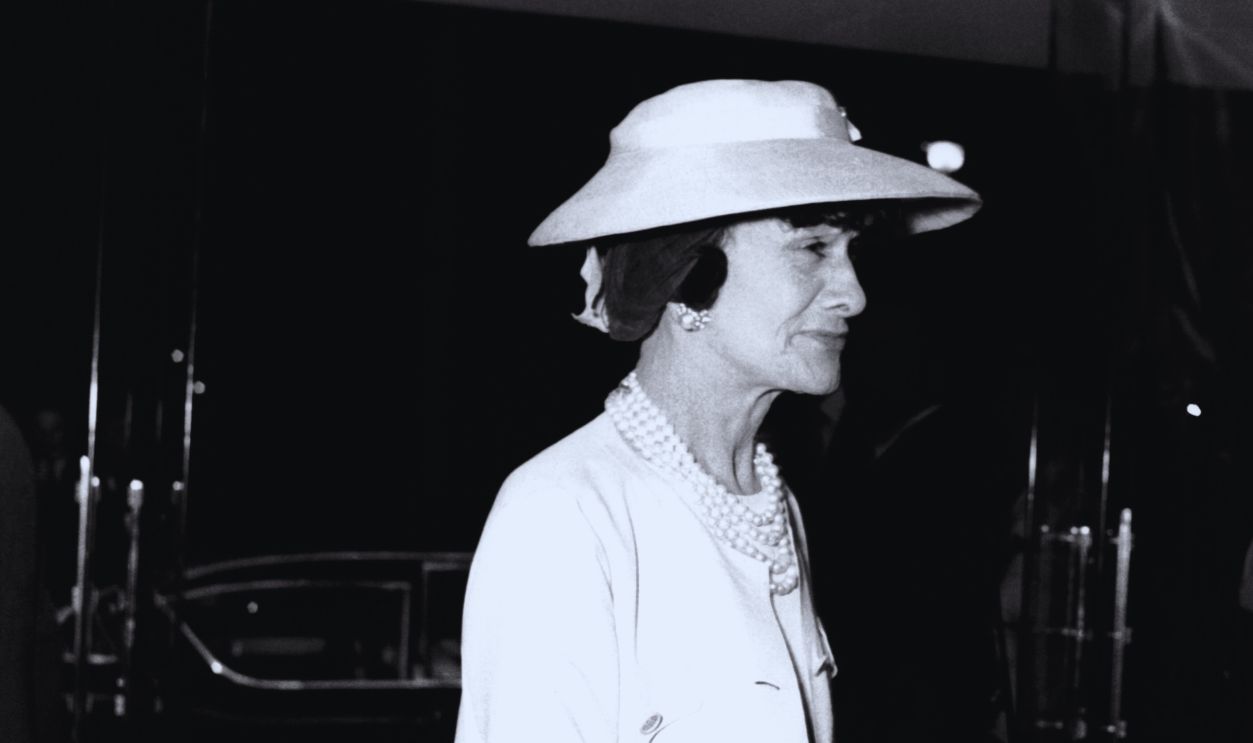
Chanel’s influence on fashion is still felt today. She pioneered the kind of clothing that took women away from needing to wear ultra-frilly clothing to be feminine. She created tweed suits for women, created an unforgettable scent, and made an icon of “the little black dress”. Maybe, best of all, she did it all her own way.
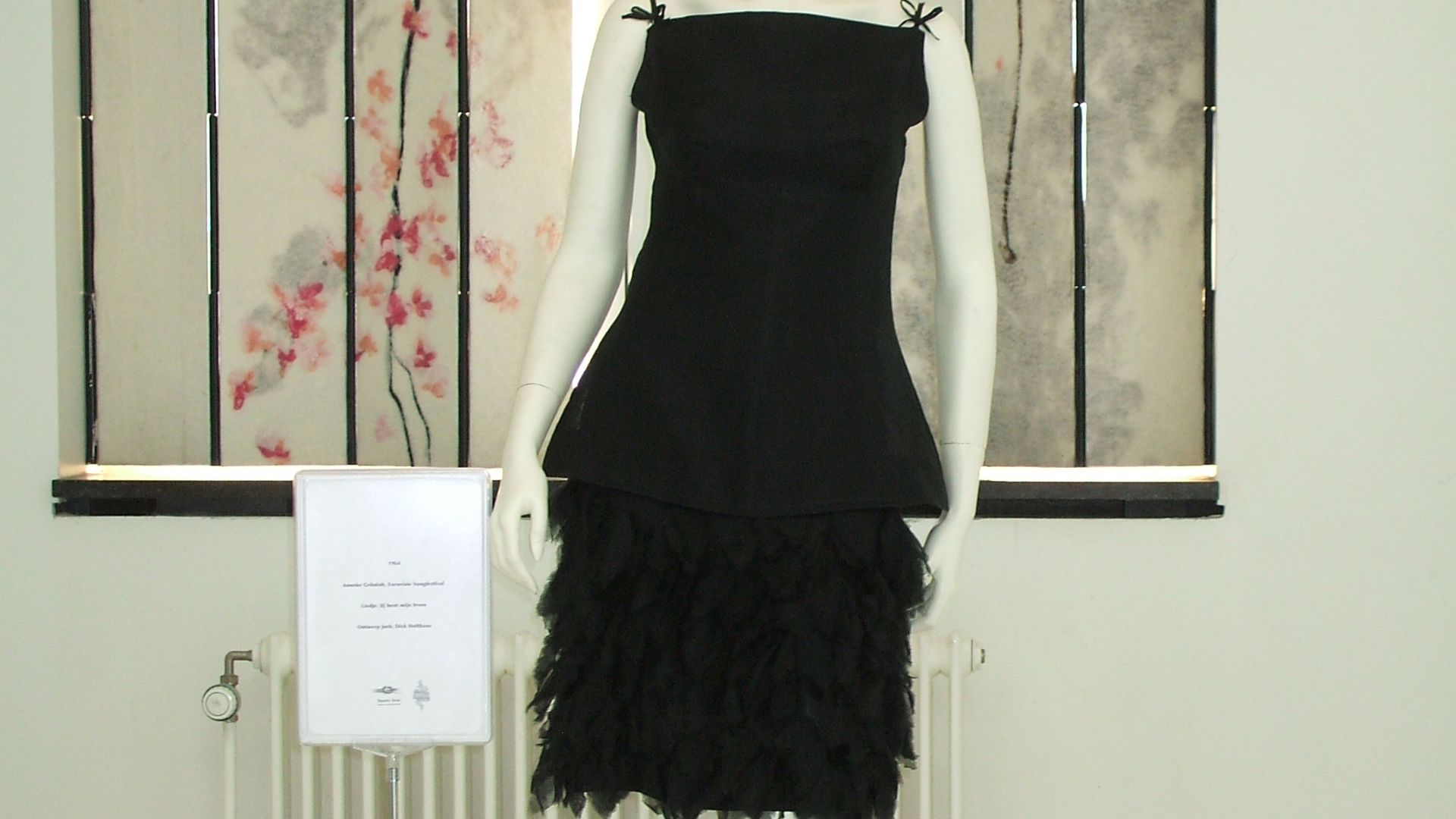 M.N.A. van den Bogaart, Wikimedia Commons
50. She’s Unforgettable
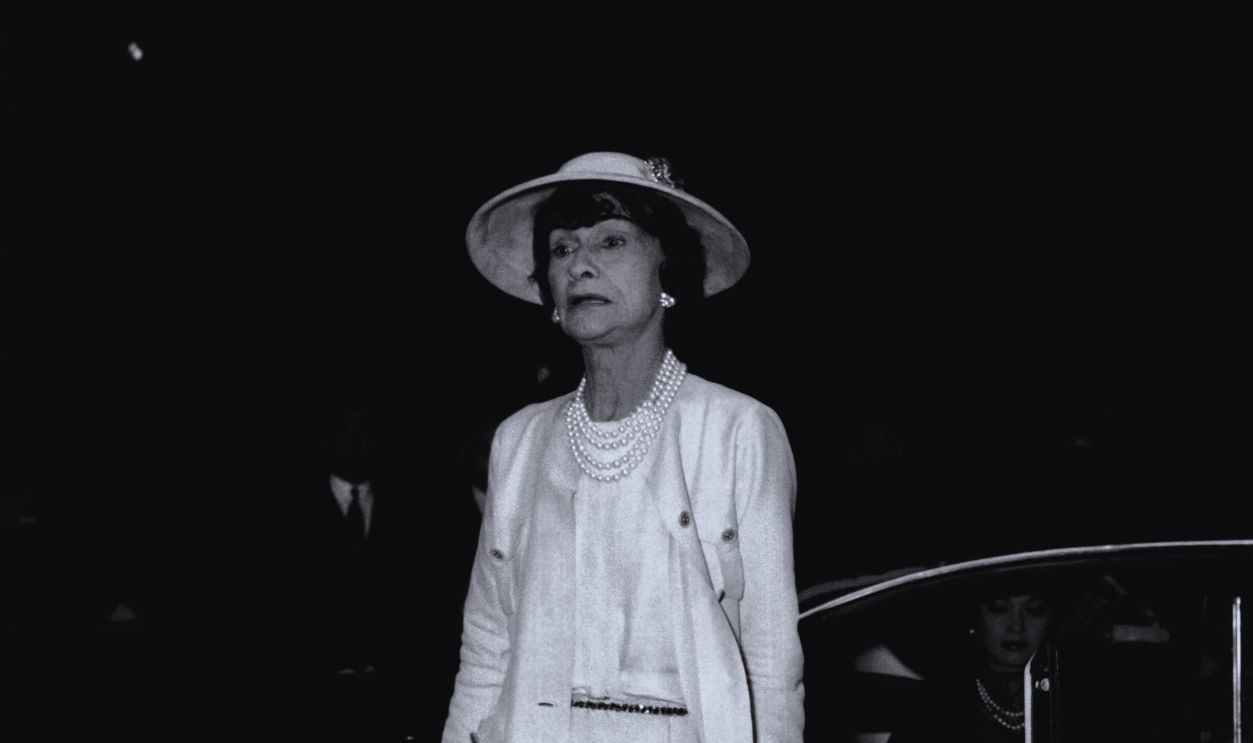
The dissonance in Chanel’s history has seemed to make her only more intriguing as a topic of pop culture. Her life and story appears in several pieces of art, to include film, television, and theatrical productions. She might just be proof that sometimes, if you really want to, you can have it all—or at the very least, look like you do!
 REPORTERS ASSOCIES, Getty Images
You May Also Like:
Anna Pavlova Was Ballet’s Unlikely Icon
Joanne Woodward’s Life Was No Fairy Tale










.jpg)