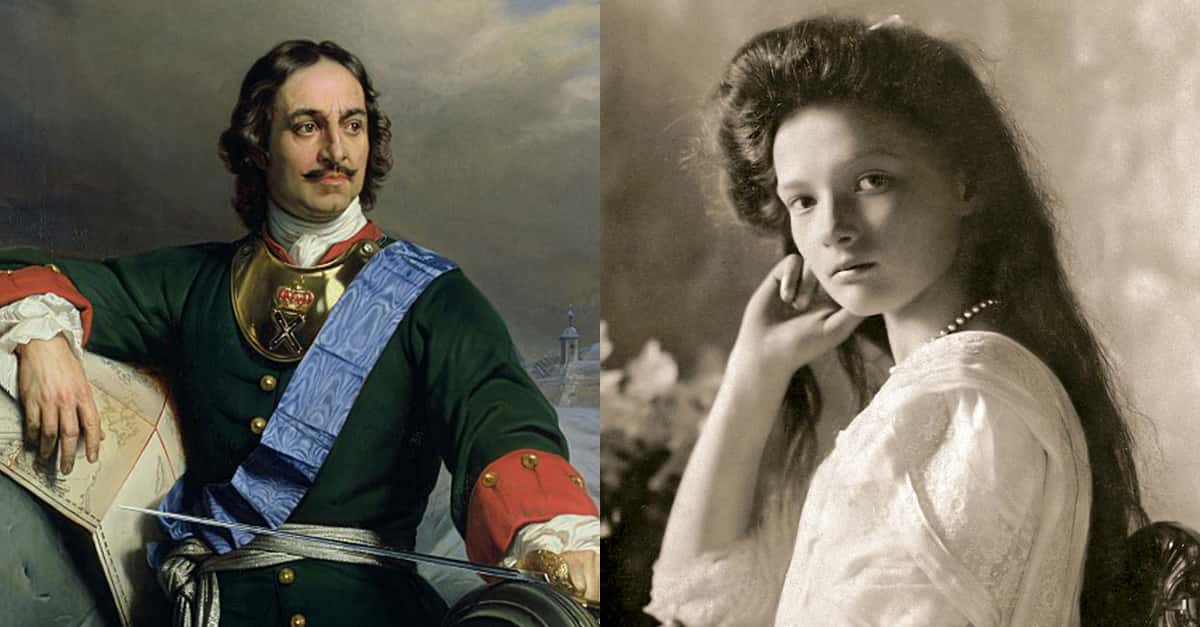
During the Gilded Age, wealthy American families discovered that a daughter’s fortune could purchase something even new money struggled to obtain at home: an ancient European title. The result was an extraordinary marriage market where dowries rescued crumbling estates, ambitious parents gained prestige, and brides sometimes discovered that the most expensive wedding of their lives had very little to do with romance.
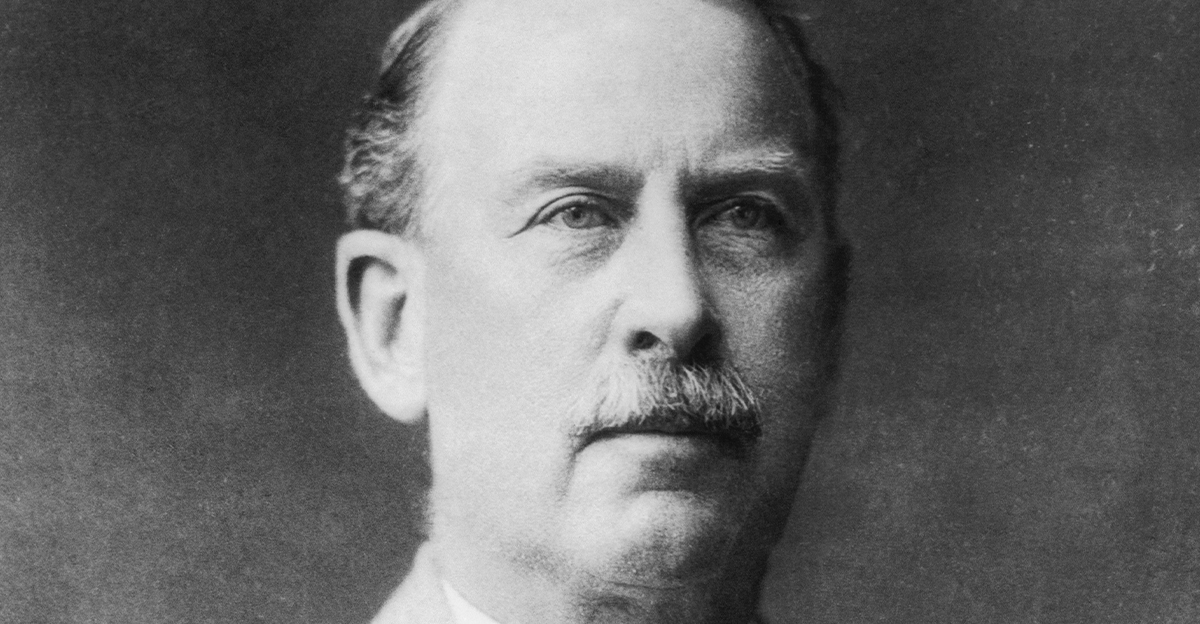
Percy Fawcett dedicated his life to finding a lost city in the Amazon rainforest—but the more obsessed he got, the more he sealed his dark fate.

Long before celebrity families fought in front of television cameras, America and Europe’s richest dynasties were already dragging siblings, parents, widows, and cousins through court over inheritances worth staggering sums. These fortunes bought mansions and social power, but they also created grudges that survived far longer than the people who earned the money.
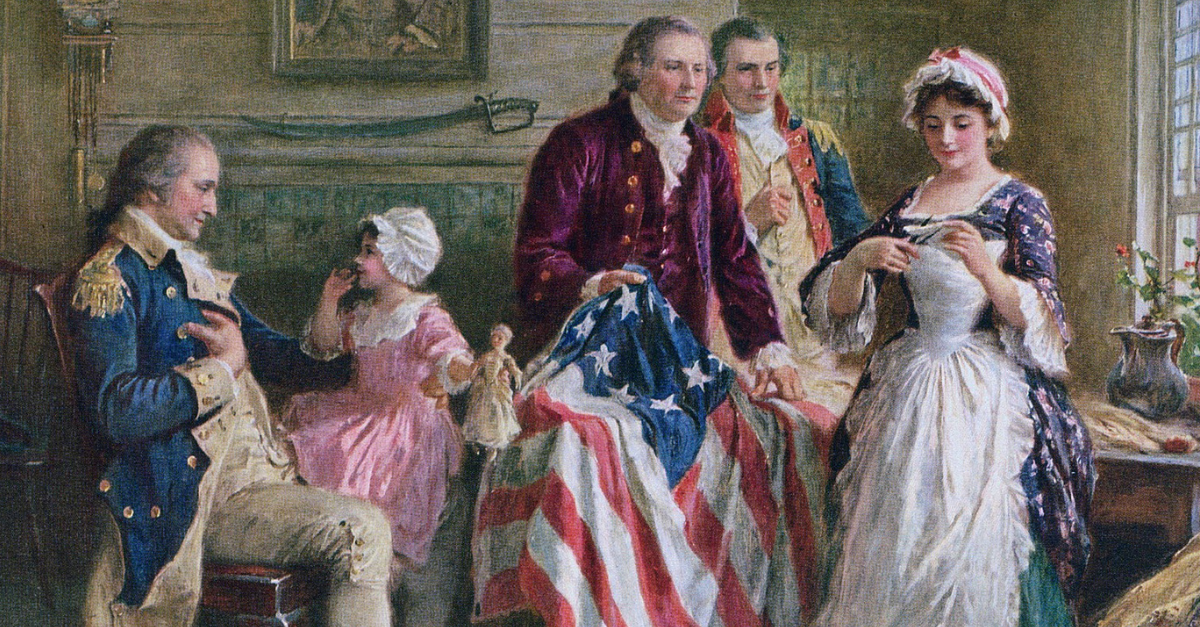
History class has a habit of turning complicated events into wonderfully tidy stories. One hero rides through the night. One inventor has a light-bulb moment. One explorer proves everyone else wrong. The trouble is that memorable stories aren’t necessarily accurate ones. Archaeology, surviving documents, scientific research, and generations of historical scholarship have dismantled plenty of “facts” that once seemed unquestionable.

History is full of people who became famous for doing something incredible. The only problem? Some of them didn’t actually do it. But that didn’t stop them from taking the credit.
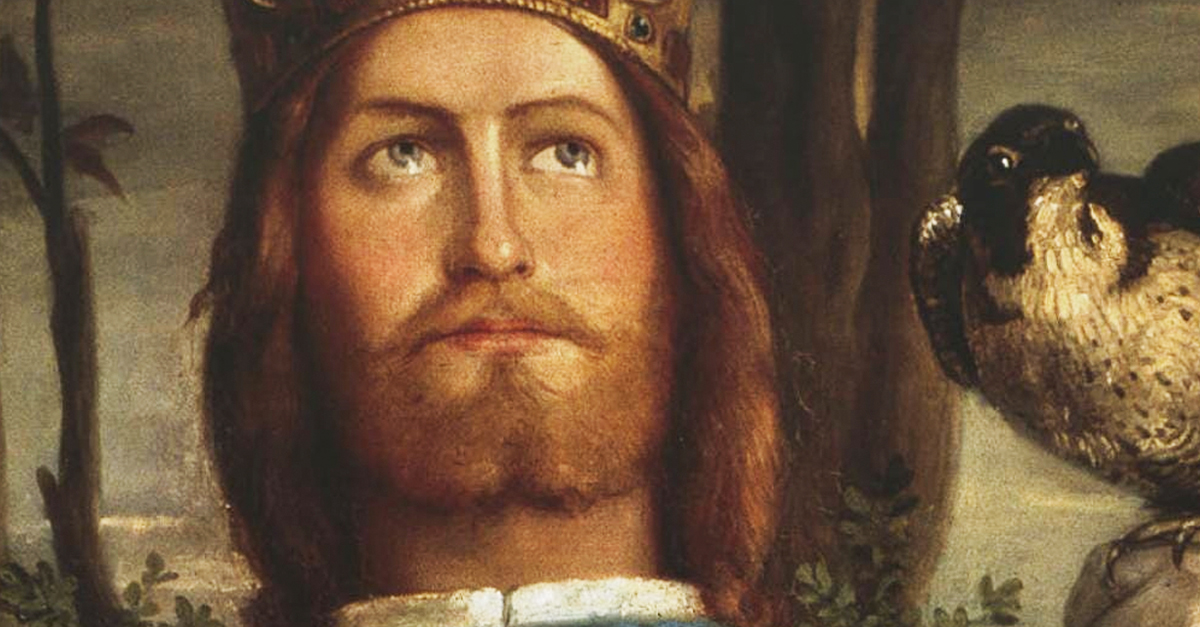
Frederick II, Holy Roman Emperor, started out young—and what followed was a wild and dangerous life both on the battlefield and in the political arena.
 Get Nerd Certified
Get Genius Certified
Get Nerd Certified
Get Genius Certified

If you like humaverse you may also consider subscribing to these newsletters: