Love Was Optional.
During the Gilded Age, wealthy American families discovered that a daughter’s fortune could purchase something even new money struggled to obtain at home: an ancient European title. The result was an extraordinary marriage market where dowries rescued crumbling estates, ambitious parents gained prestige, and brides sometimes discovered that the most expensive wedding of their lives had very little to do with romance.
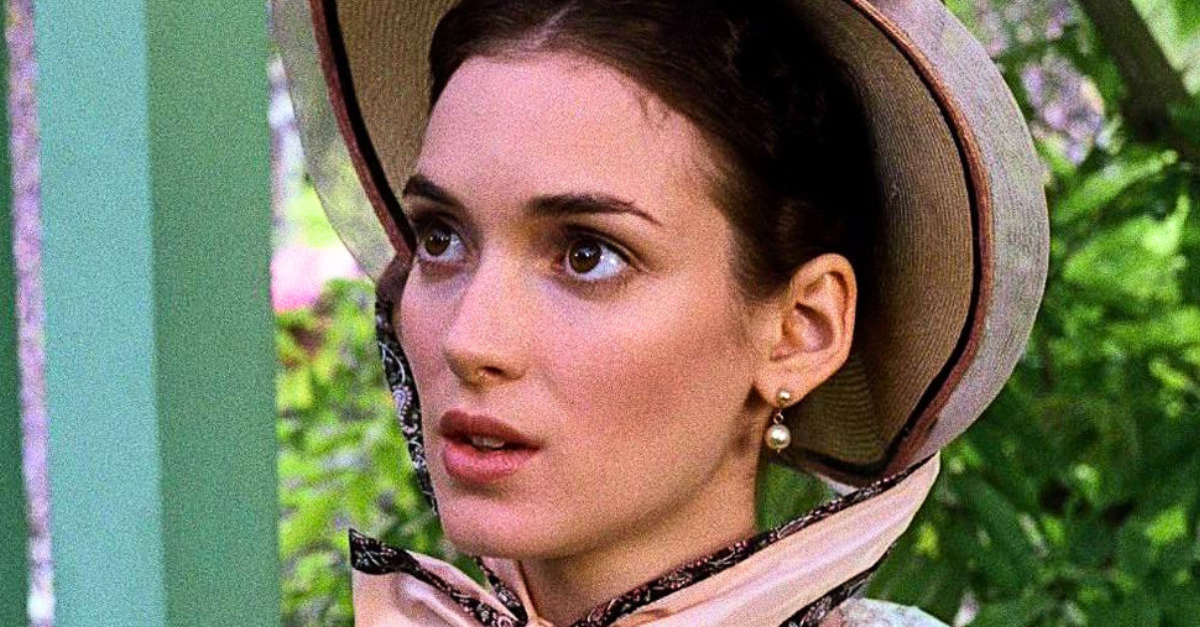 The Age of Innocence (1993), Columbia Pictures
A Title Had A Cash Price
By the late 19th century, wealthy Americans possessed fortunes that could dwarf the incomes of British aristocrats. British landowners, meanwhile, were struggling with declining agricultural income and the enormous expense of maintaining country estates. Marriages between American heiresses and titled Europeans offered an obvious exchange: American cash for aristocratic status.
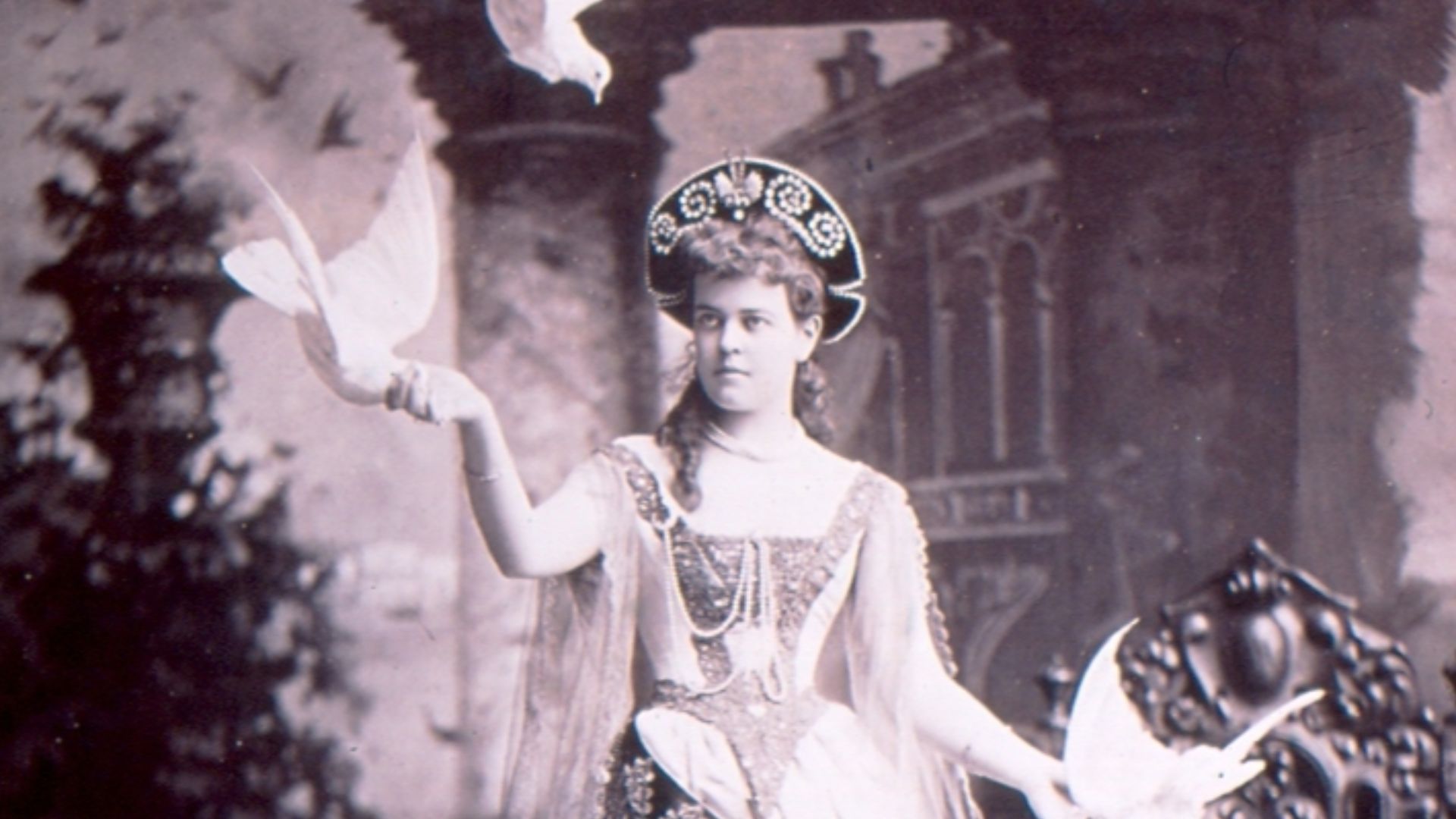 José María Mora, Wikimedia Commons
Matchmaking Became An Industry
The system became organized enough to resemble a luxury dating service. American mothers brought their daughters to London for the social season, while friends already established in aristocratic circles supplied introductions. A publication called Titled Americans even listed women who had married nobles alongside eligible titled bachelors and information about their fortunes. In 1895 alone, nine American heiresses married European noblemen.
![Mrs. O.H.P. [Alva] Belmont](https://www.factinate.com/storage/app/media/factinate/2026/8/14/1786714086561c8bafc3d8fec79eaea7a330b156abd1bf5272.jpg) Adam Cuerden, Wikimedia Commons
Adam Cuerden, Wikimedia Commons
Jennie Jerome Moved Fast
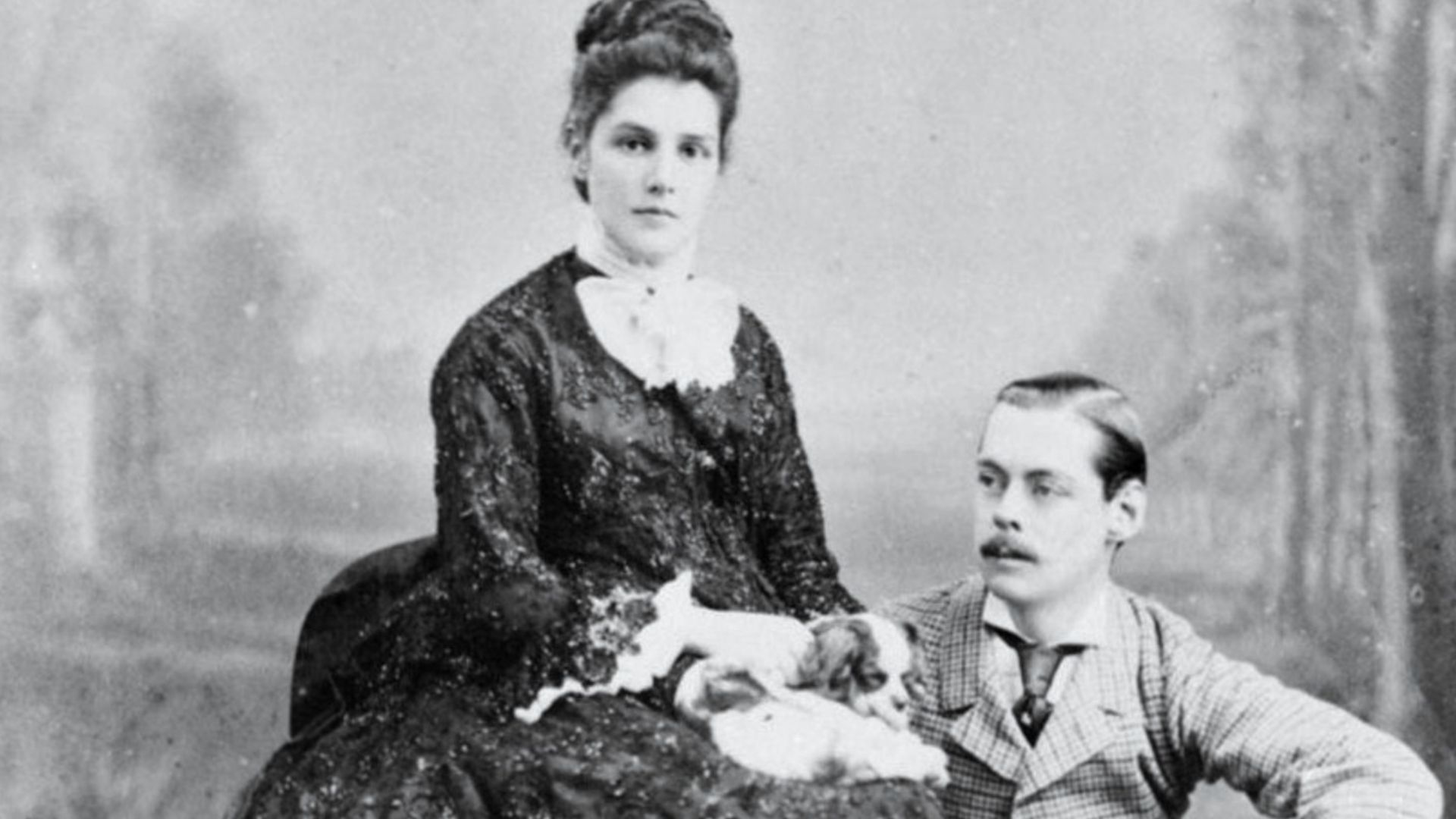
One of the earliest famous matches began with remarkable speed. New York financier Leonard Jerome’s daughter Jennie met Lord Randolph Churchill in 1873, and the pair announced their intention to marry only days after meeting. Neither family initially greeted the match enthusiastically. Randolph’s parents were particularly suspicious of an American family they considered socially beneath the Churchills.
The Churchills Did The Math
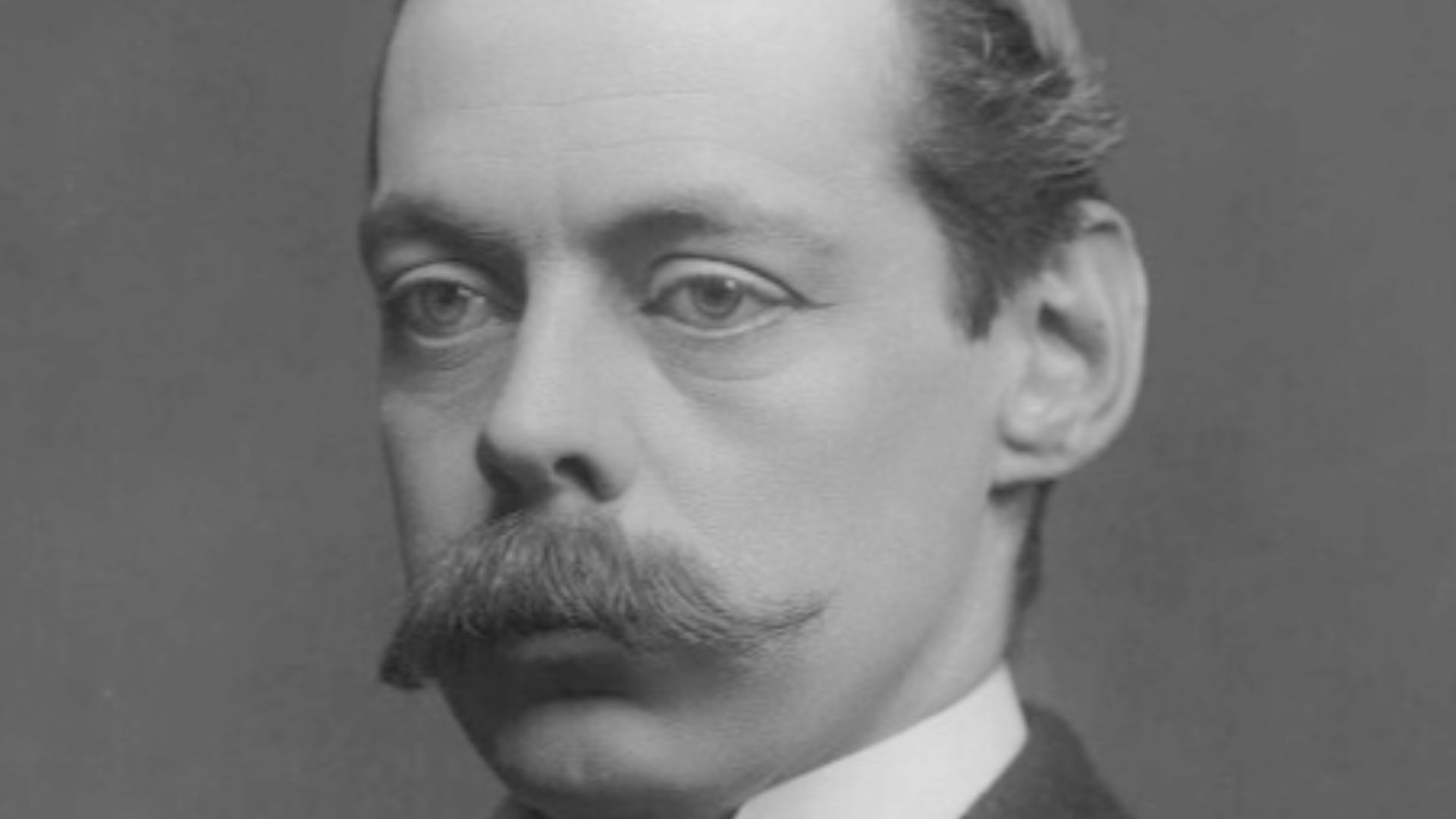
Lord Randolph had an excellent name but relatively little money of his own. Jennie’s father offered £50,000 along with an annual allowance of £1,000 for his daughter, financial terms substantial enough to help overcome the Churchills’ objections. The couple married in April 1874. Money had helped convert an unacceptable American bride into a viable aristocratic match.
 Alexander Bassano, Wikimedia Commons
The Bargain Changed British History
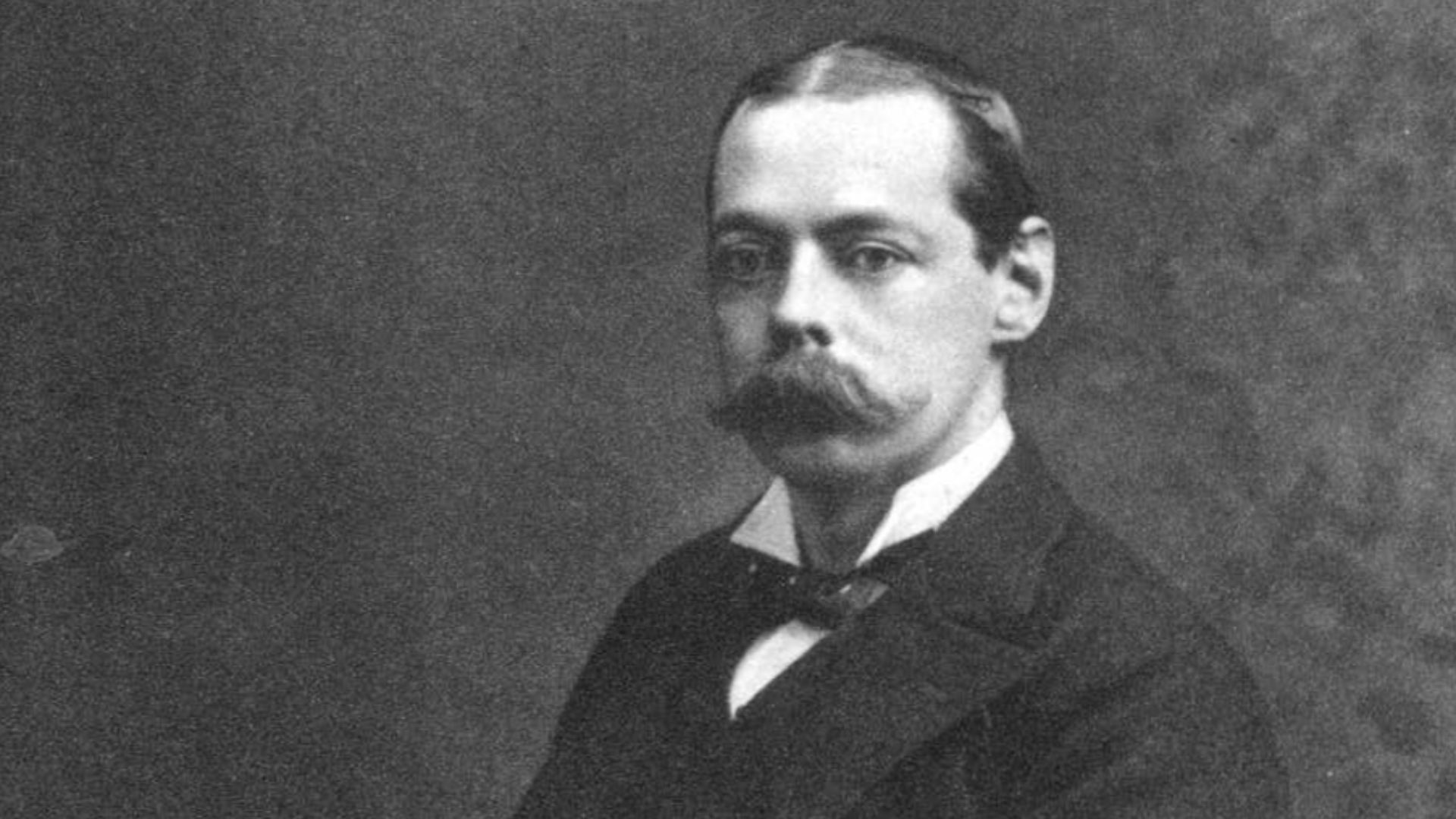
The Jerome-Churchill marriage was not simply a cold arrangement because Jennie and Randolph had chosen one another with striking enthusiasm. Still, the financial negotiations surrounding it became an early model for the alliances that followed. Their first son, Winston Churchill, eventually became Britain’s wartime prime minister. A marriage that joined American finance to a famous British dynasty therefore produced one of the most consequential political figures of the 20th century.
Consuelo Loved Someone Else
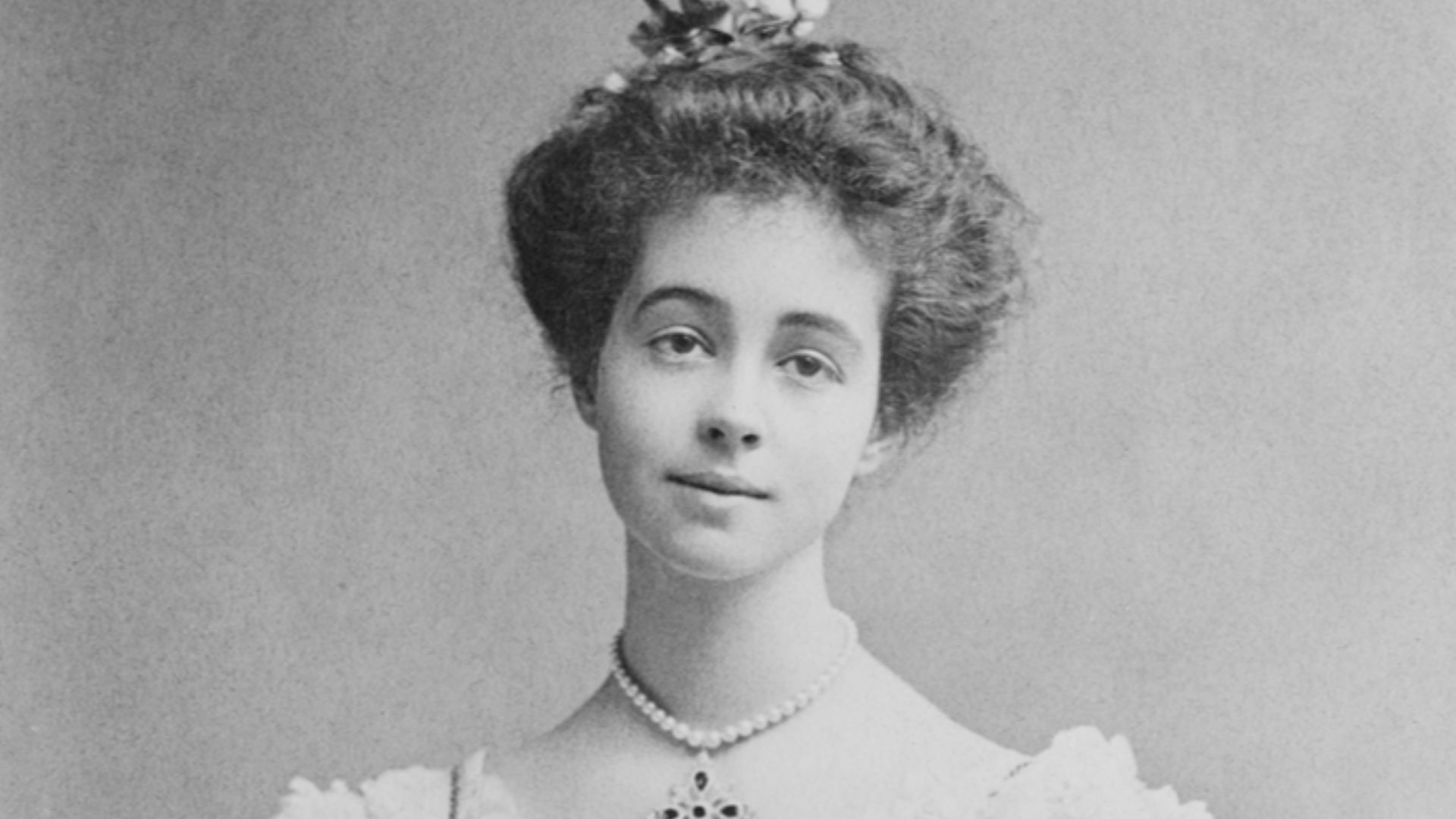
Consuelo Vanderbilt’s experience was much darker. The Vanderbilt heiress was in love with American Winthrop Rutherfurd, but her mother, Alva Vanderbilt, wanted an aristocratic marriage for her only daughter. The Preservation Society of Newport County describes Consuelo as having been forced into marriage with Charles Spencer-Churchill, heir to the dukedom of Marlborough. On her wedding morning in 1895, Consuelo later remembered crying alone before dressing for the ceremony.
 USA Library of Congress Bain collection, Wikimedia Commons
Alva Vanderbilt Forced The Match
Alva had carefully prepared Consuelo for elite European society through education in languages, music, and the accomplishments expected of an aristocratic hostess. Once Consuelo met the future duke through American-born social intermediary Minnie Paget, Alva worked to secure the match. New York Historical records Alva’s role in arranging the marriage as part of her campaign to return to the highest levels of society after her own divorce. The bride’s wishes were secondary to a strategy involving family prestige.
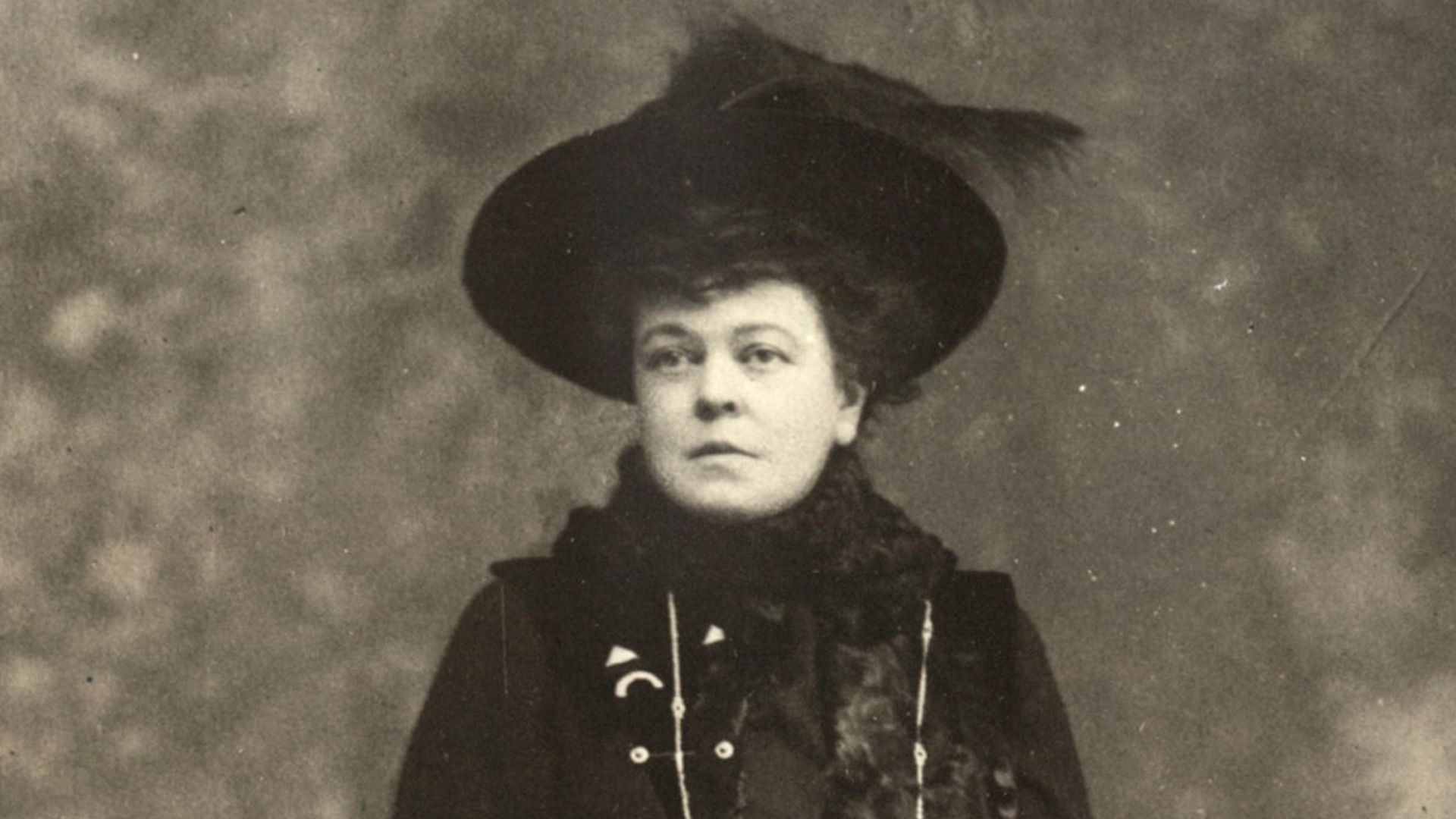 Stadler Photographing Co., New York-Chicago, Wikimedia Commons
The Dowry Had A Price Tag
The financial agreement made the commercial side unusually clear. Consuelo’s father agreed to provide $2.5 million in stock and guarantee annual income of $100,000 to each member of the couple. Charles Spencer-Churchill brought a future dukedom and Blenheim Palace into the marriage. Consuelo brought Vanderbilt capital on a scale capable of rescuing that inheritance.
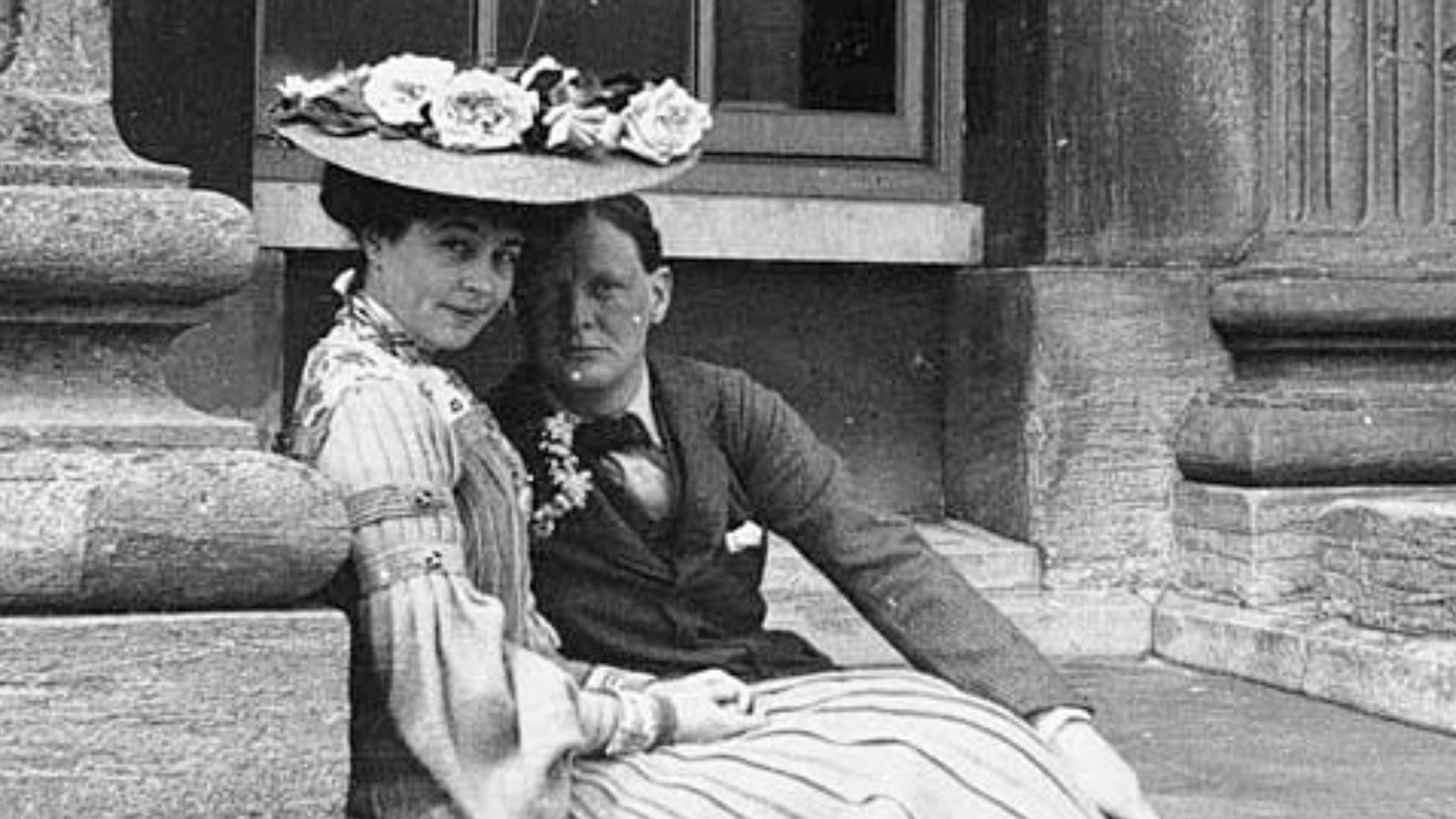 Unknown author, Wikimedia Commons

History's most fascinating stories and darkest secrets, delivered to your inbox daily.
Blenheim Needed An American Fortune
Blenheim Palace was magnificent, but magnificence was expensive. Smithsonian reports that the future duke made little secret of the fact that the estate needed repairs his family could not afford. After marrying Consuelo, he used her money on restoration and improvements at Blenheim. This was the dollar-princess bargain in its purest form: industrial-age American wealth was financing an old European estate.
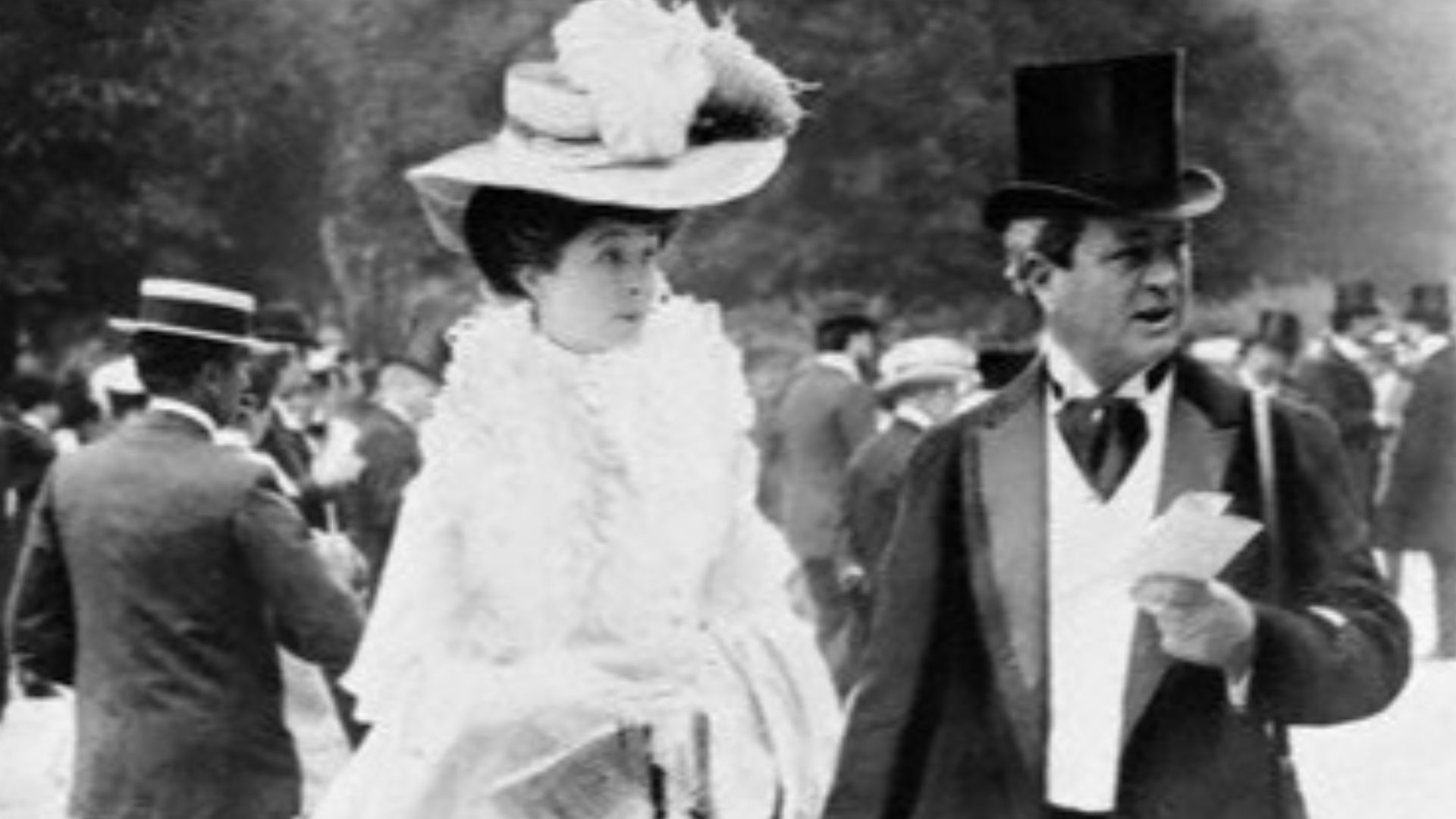 Vanderbilt Cup Races, Wikimedia Commons
The Duchess Was Miserable
The title did not compensate Consuelo for the marriage itself. She found Blenheim cold and uncomfortable compared with the luxurious American homes she knew, and her relationship with her husband deteriorated badly. The couple nevertheless produced two sons, satisfying the dynastic need for an heir. They separated in 1906 after barely a decade of marriage.
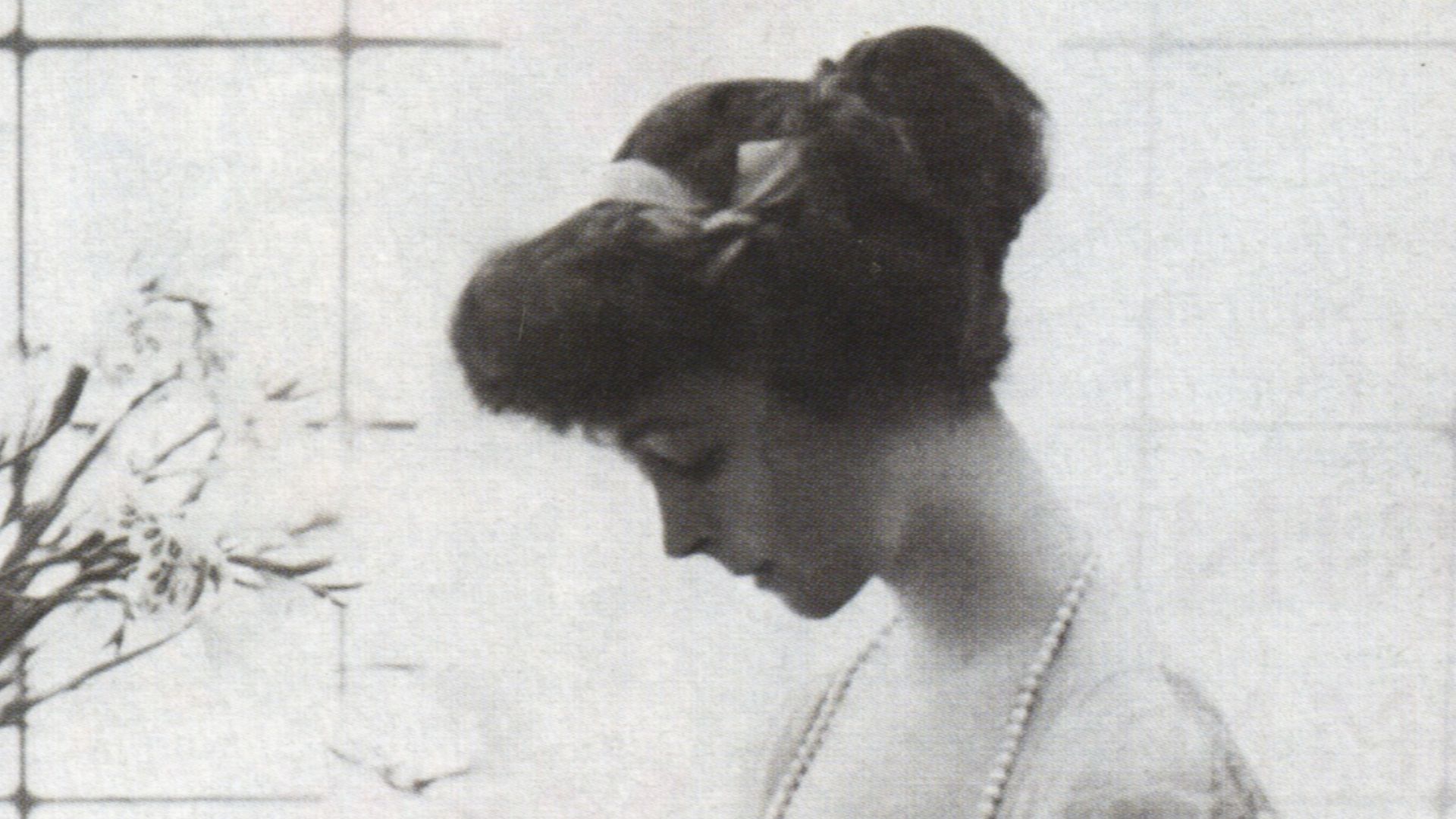 Unknown author, Wikimedia Commons
Divorce Finally Broke The Contract
Consuelo and the Duke of Marlborough divorced in 1921. She later married French aviator and balloonist Jacques Balsan, with whom she remained until his death in 1956. Her 1953 memoir, The Glitter and the Gold, described the unhappiness behind the celebrated Vanderbilt wedding. The glitter had been real, but so had the human cost of treating marriage as a family transaction.
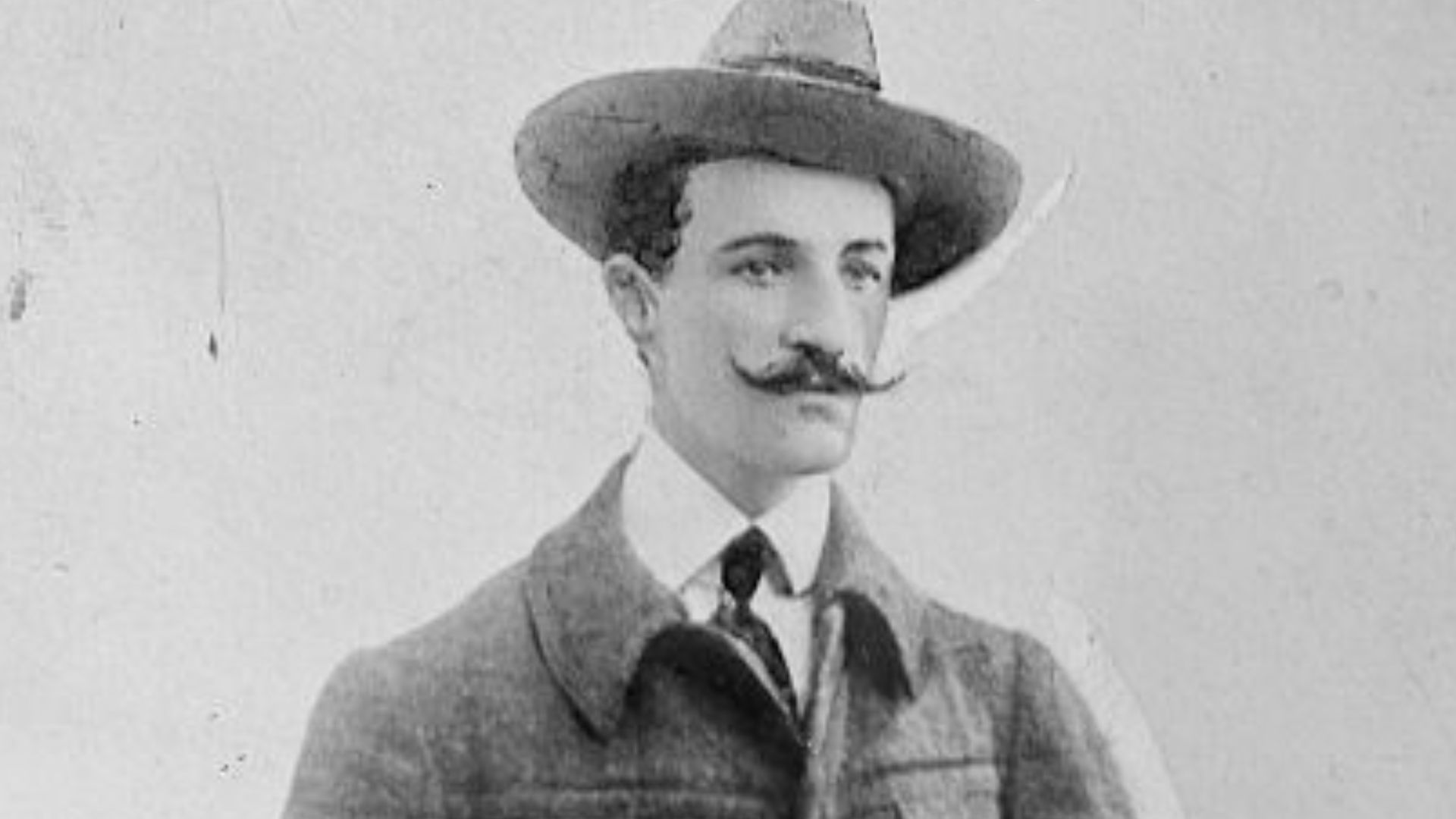 Unknown author, Wikimedia Commons
Mary Leiter Married Into Empire
Mary Leiter came from another fortune generated by America’s booming commercial economy. Her father, Levi Leiter, had helped build the Chicago dry-goods business associated with Marshall Field, and Mary became a prominent Washington social figure before meeting Lord George Curzon. They married in 1895, the same year as Consuelo Vanderbilt’s wedding. Three years later, Curzon became Viceroy of India and Mary became Vicereine, the highest position attained by an American woman within the British Empire.
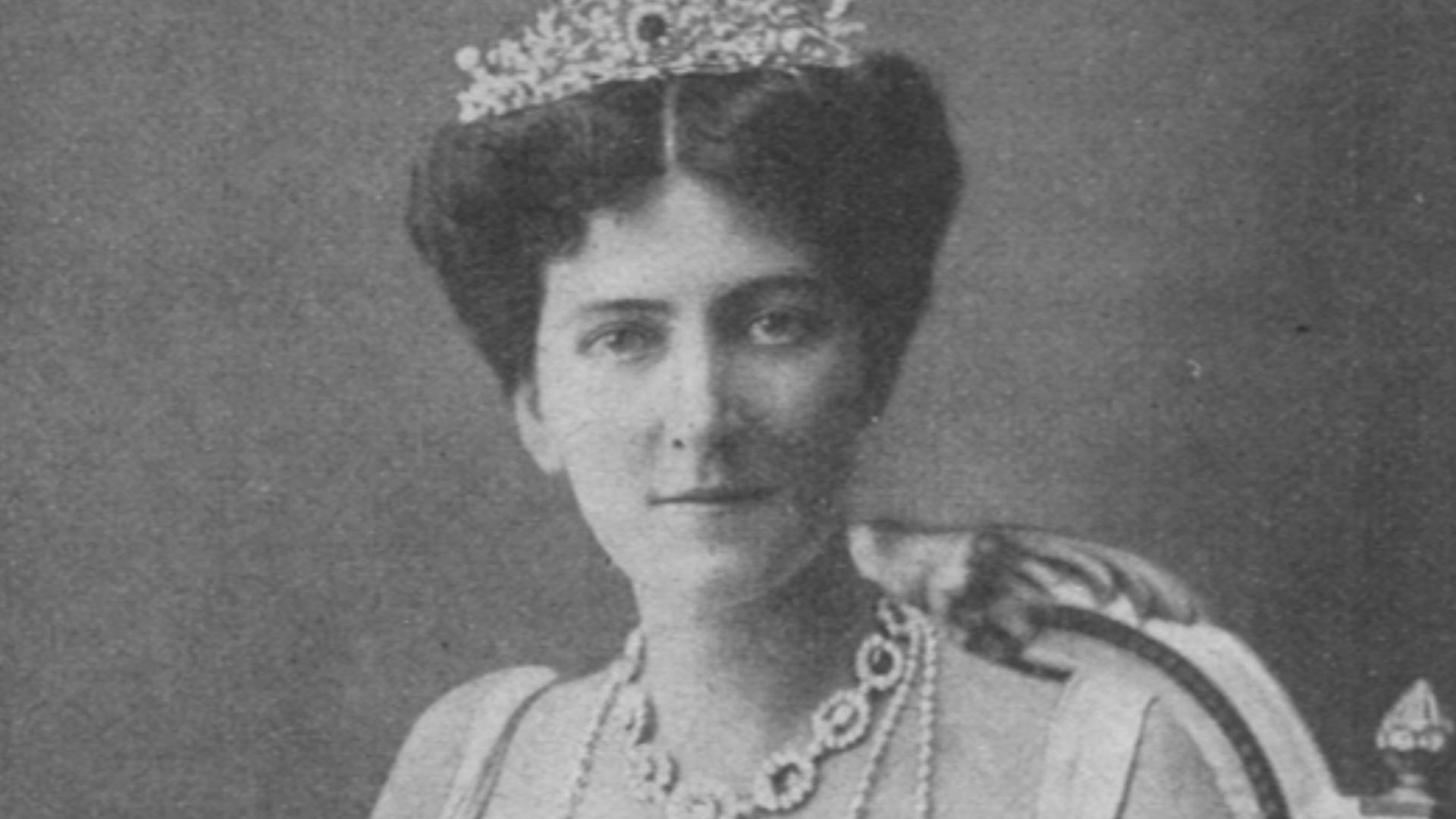 Unknown author, Wikimedia Commons
Her Money Helped Curzon Rise
Unlike Consuelo’s disastrous union, the Curzon marriage was not simply a tale of a trapped bride and a fortune-hunting husband. Money still mattered enormously. Smithsonian notes that Mary used family wealth to support Curzon’s political ambitions and eventual rise to the viceroyalty. Her status and fortune became resources within a political partnership that carried an American department-store heiress to the highest circles of imperial government.
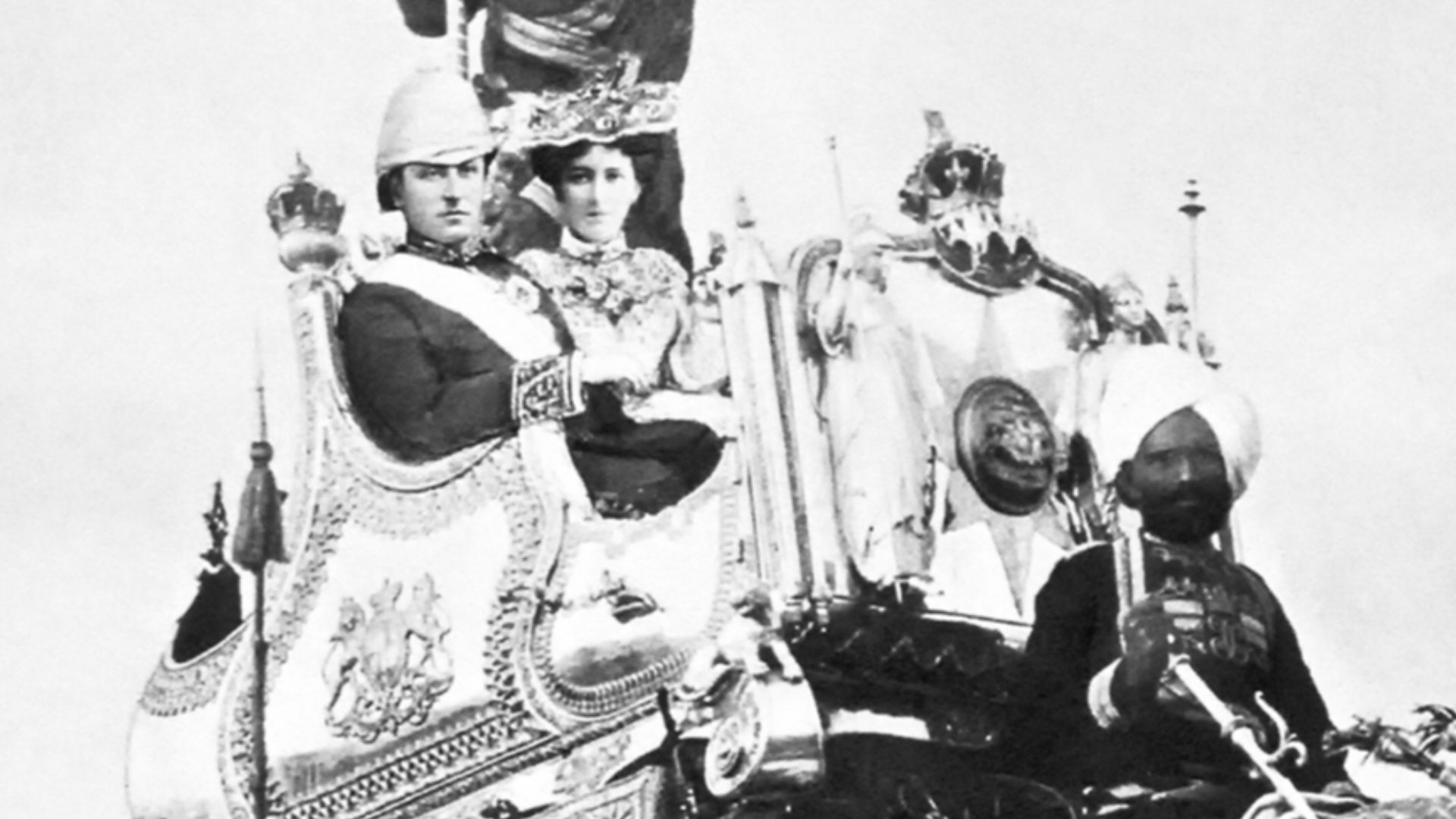 Unknown. Bourne&Shepherd, Dec. 1902, Wikimedia Commons
Alice Thaw's Wedding Nearly Stopped
Pittsburgh heiress Alice Thaw discovered just how literal the financial bargaining could become. She was preparing to marry George Seymour, Earl of Yarmouth, in 1903 when her groom was arrested on the morning of the wedding over unpaid debts. Alice was left waiting while the crisis was resolved. An already transactional marriage suddenly looked more like a distressed corporate acquisition.
![Bain News Service,, publisher.
Mrs. G. G. Whitney aka Alice Cornelia Thaw circa 1903-1913
[ca. 1913?]
1 negative : glass ; 5 x 7 in. or smaller.
Notes:
Title from data provided by the Bain News Service on the negatives or caption cards.
On negative:](https://www.factinate.com/storage/app/media/factinate/2026/8/14/1786708325ffe356269a1a15e9fe33ac05afc851fc4316792a.jpg) The original uploader was Richard Arthur Norton (1958- ) at English Wikipedia., Wikimedia Commons
The original uploader was Richard Arthur Norton (1958- ) at English Wikipedia., Wikimedia Commons
The Dowry Was Renegotiated That Morning
According to Smithsonian, the wedding delay became the setting for fresh negotiations between the groom and Alice’s family over her dowry. Only after those discussions did the ceremony proceed. The scene stripped away much of the romantic language normally surrounding society weddings. A titled groom with financial problems and a wealthy American bride were renegotiating terms while the wedding itself waited.
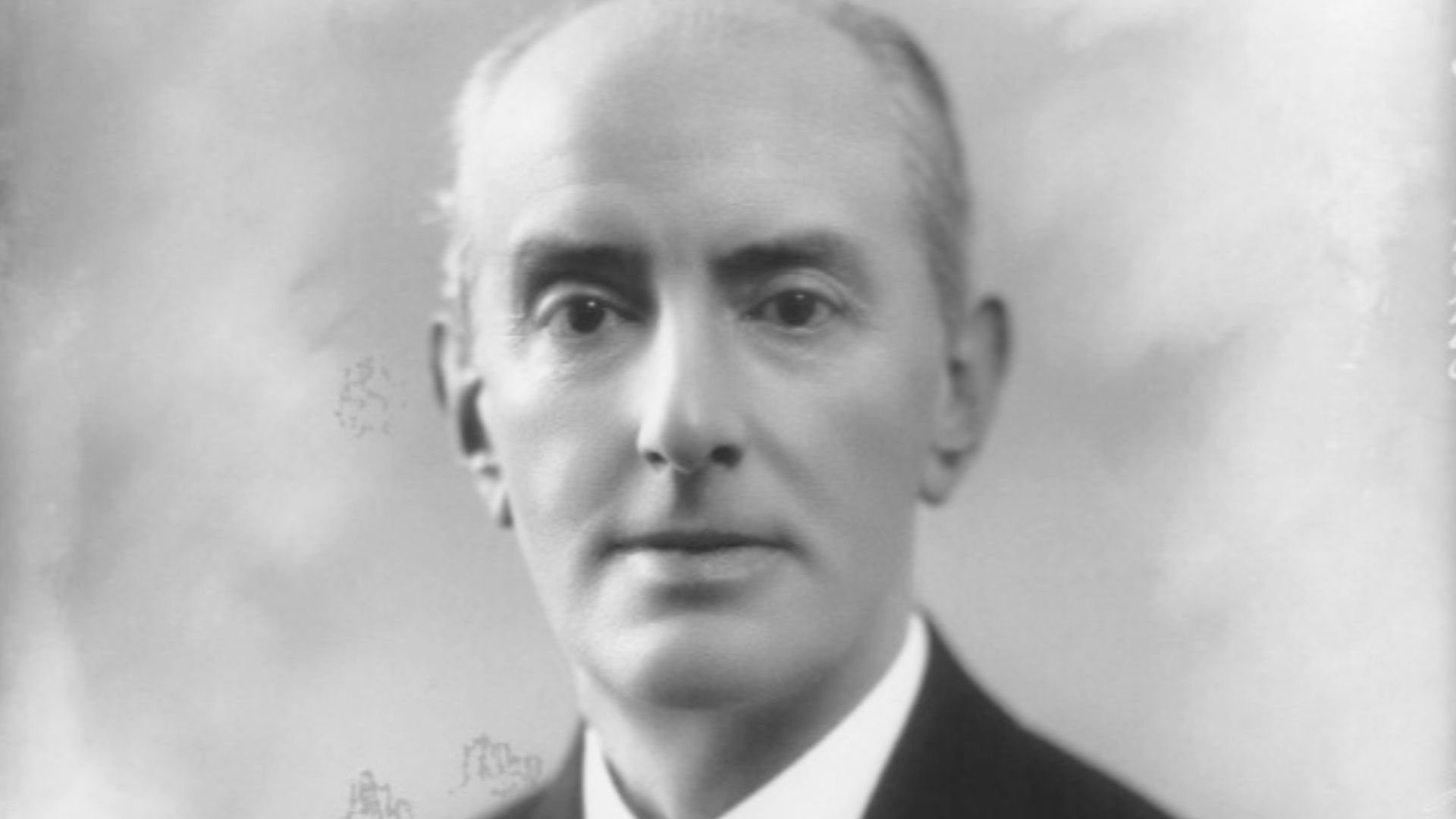 Bassano Ltd, Wikimedia Commons
Alice Took The Marriage To Court
Whatever compromises saved the ceremony did not save the marriage. Alice later sought legal relief in Britain, and a court granted a decree nullifying the union in February 1908. That decree became final later that year, according to contemporary Associated Press reporting preserved by the University of North Texas. Alice subsequently resumed her maiden name, leaving behind both the husband and the title her fortune had helped her acquire.
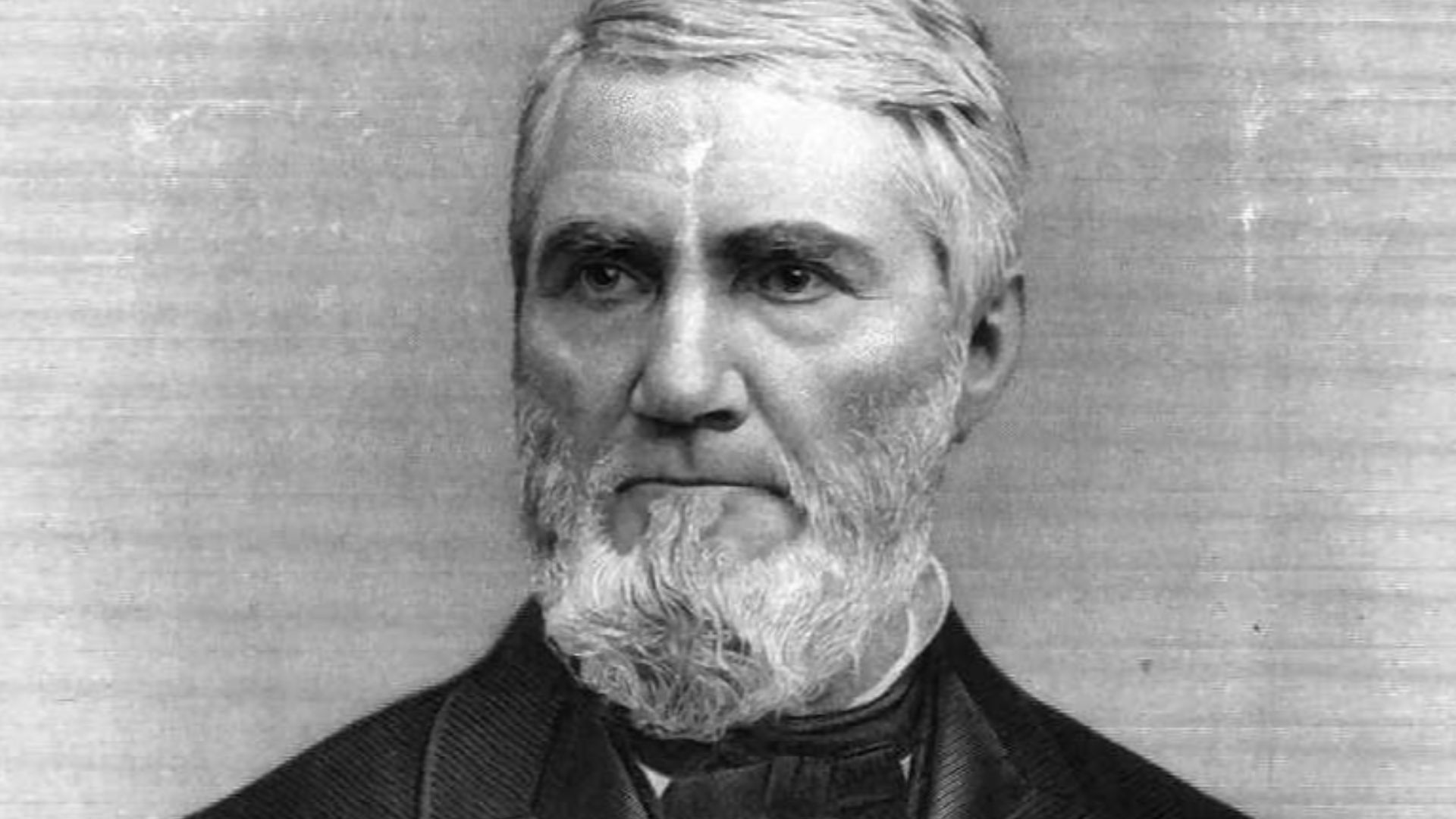 User Magnus Manske on en.wikipedia, Wikimedia Commons
Frances Work Married A Future Baron
New York heiress Frances Ellen Work married James Burke Roche in 1880. He later became Baron Fermoy, giving another American fortune a place in the British peerage. The marriage was unhappy and ended in divorce, becoming another example of how easily the title-for-money bargain could unravel once the wedding spectacle ended. HISTORY includes Work among the notable dollar princesses whose marriages failed.
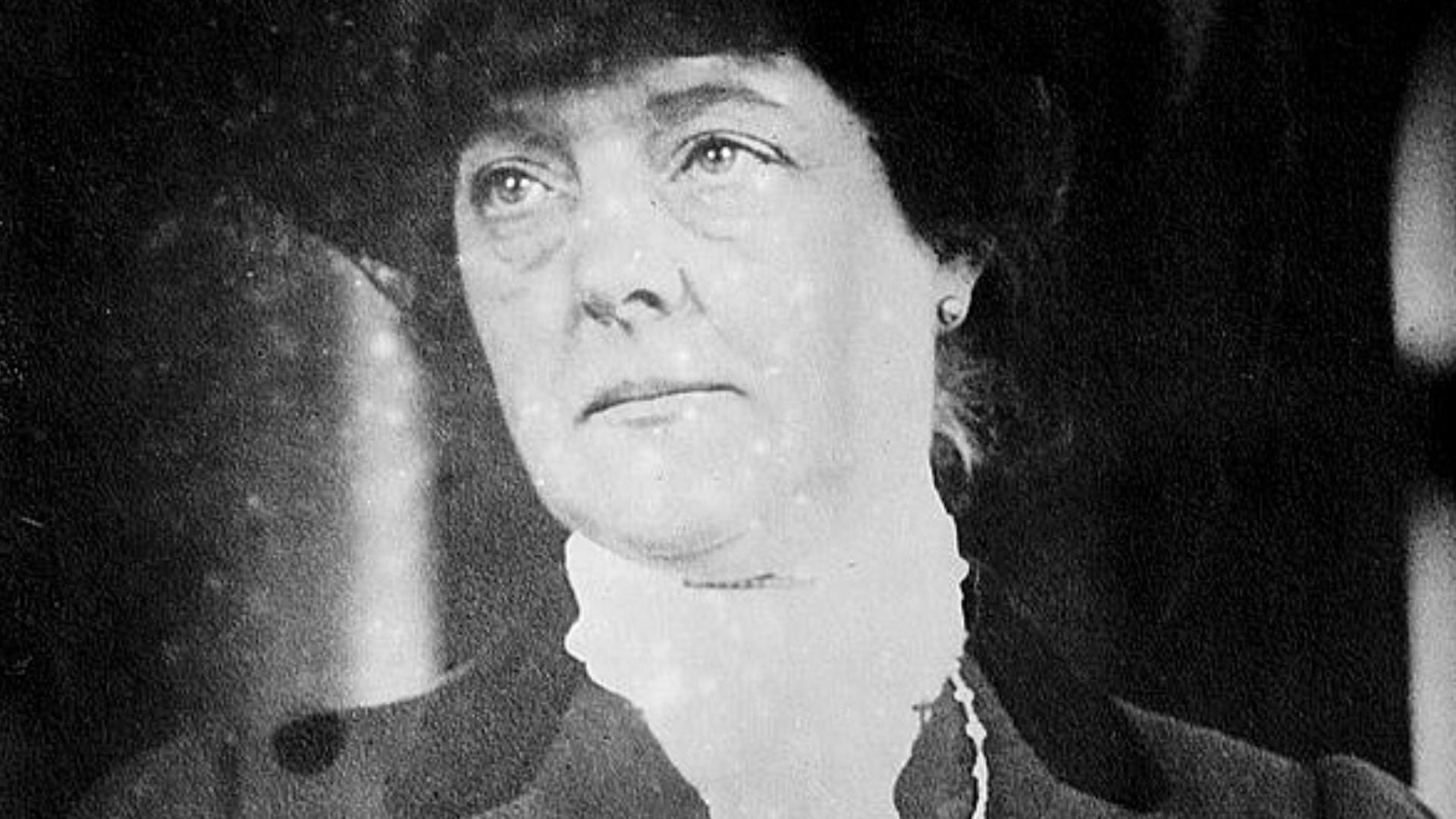 George Grantham Bain Collection (Library of Congress), Wikimedia Commons
Her Father Turned Against The Whole System
Frances’s father, Frank Work, became one of the loudest wealthy American critics of international marriages. He complained that American businessmen worked to create fortunes only to see their daughters carry the money overseas to pay the debts of noble husbands. His comments were quoted in his 1911 obituary and preserved by Smithsonian’s account of the dollar-princess phenomenon. The father of an actual dollar princess had become an opponent of the entire marriage market.
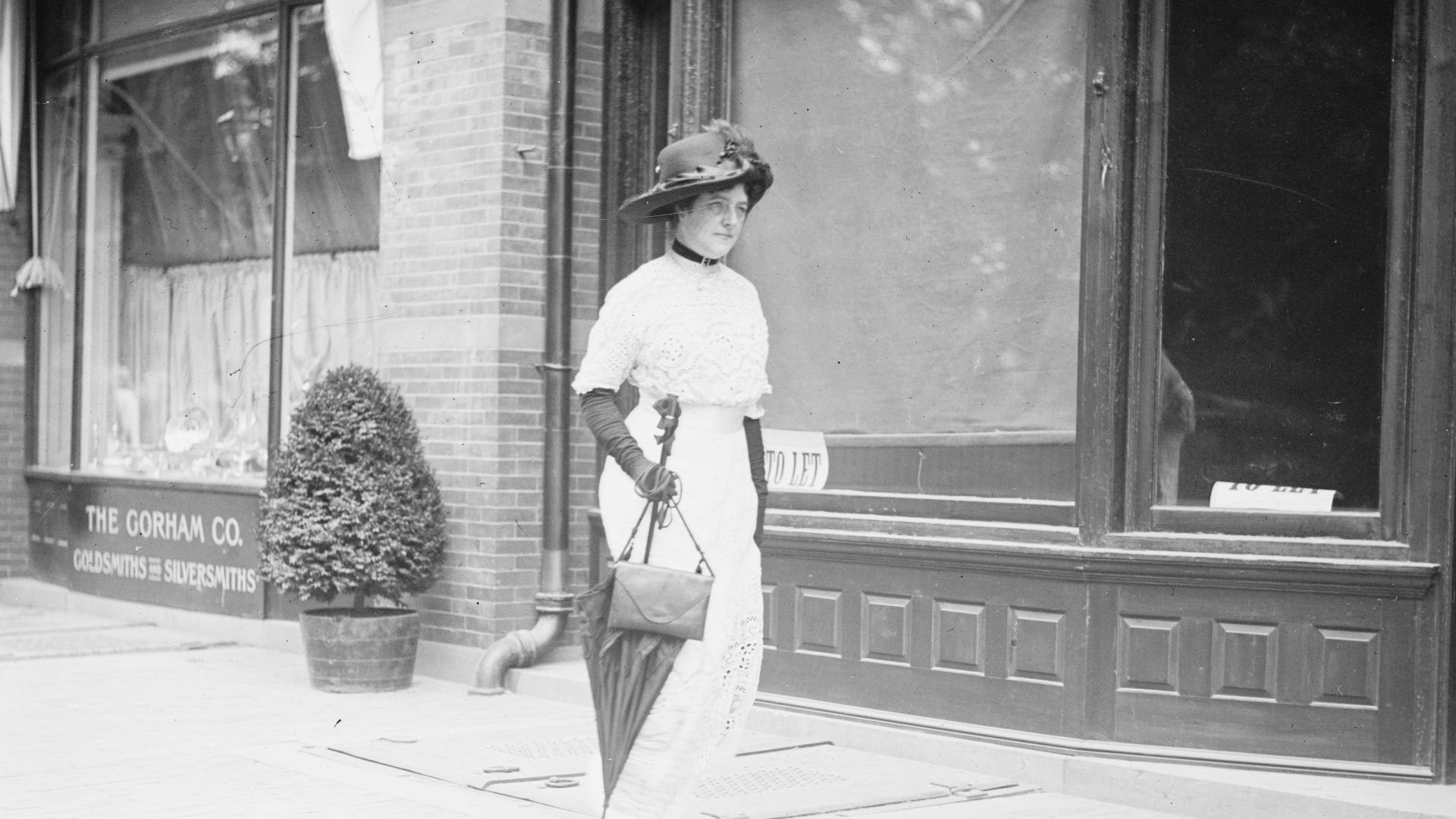 Bain News Service, publisher, Wikimedia Commons
The Fermoy Match Reached The Royal Family
The Work-Roche marriage produced consequences that neither bride nor groom could have imagined. Their descendants remained within Britain’s aristocratic world after the marriage itself ended. Frances Work was the great-grandmother of Diana, Princess of Wales. An American railway fortune that crossed the Atlantic through a troubled Gilded Age marriage eventually entered the ancestry of Britain’s future royal family.
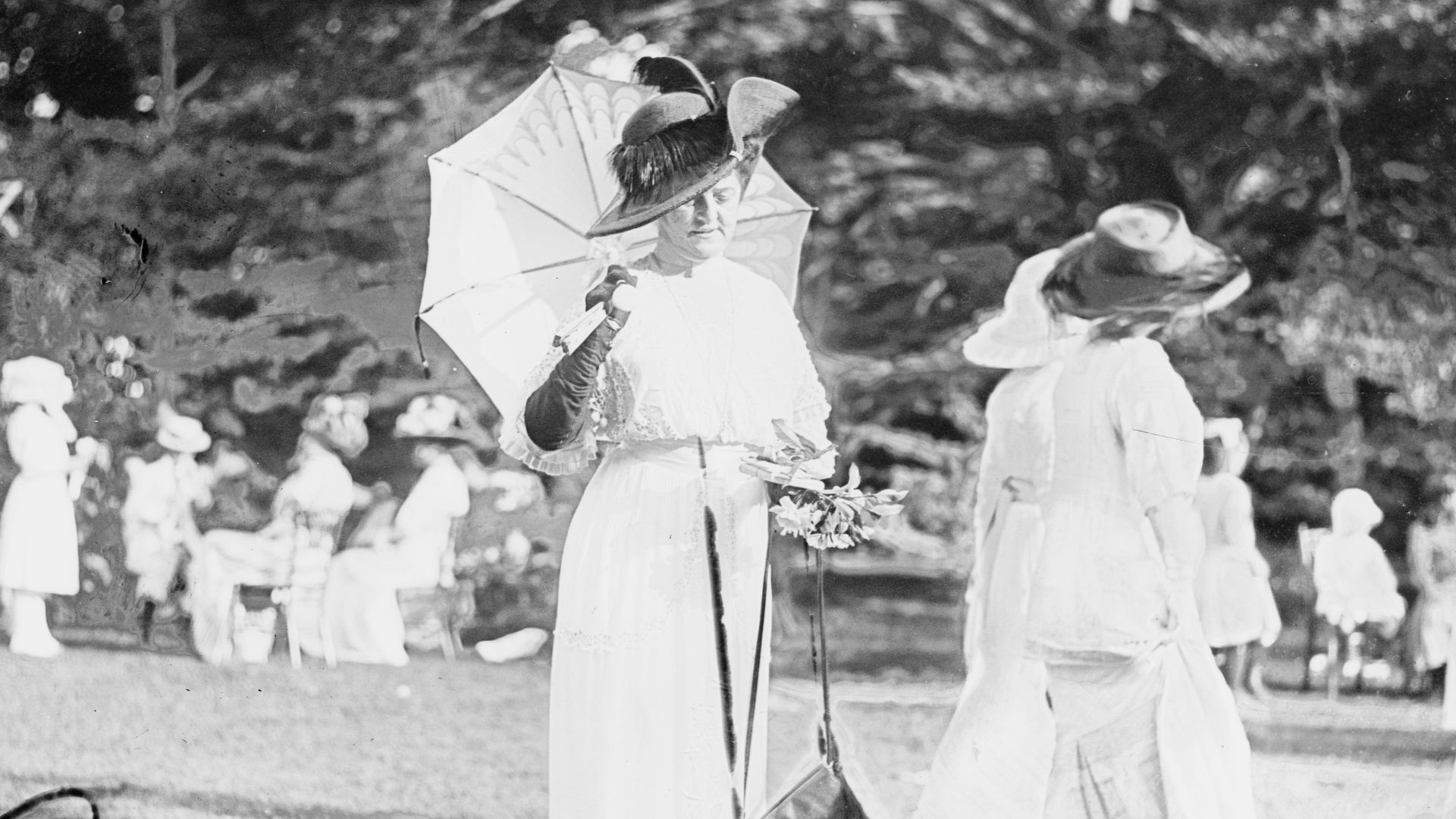 Bain News Service, publisher, Wikimedia Commons
Anna Gould Married A Debtor
Jay Gould’s daughter Anna possessed one of the most coveted fortunes in American society. In 1895, she married French aristocrat Boniface “Boni” de Castellane, a count burdened with debts and extravagant tastes. Architectural Digest describes him bluntly as a fortune hunter who finally had the money to indulge his passion for art, architecture, and collecting after the marriage. Anna had acquired a title, while Boni had acquired access to an extraordinary financial resource.
 Davis & Sanford, Wikimedia Commons
Boni Spent Her Millions
The Count of Castellane did not treat the Gould fortune cautiously. During less than a decade of marriage, he spent about $10 million of Anna’s money, much of it on construction and collecting. Their extraordinary Palais Rose in Paris was modeled on the Grand Trianon at Versailles and filled with expensive furniture and art. Their spending was so spectacular that objects from their collection remained notable enough to draw international attention more than a century later.
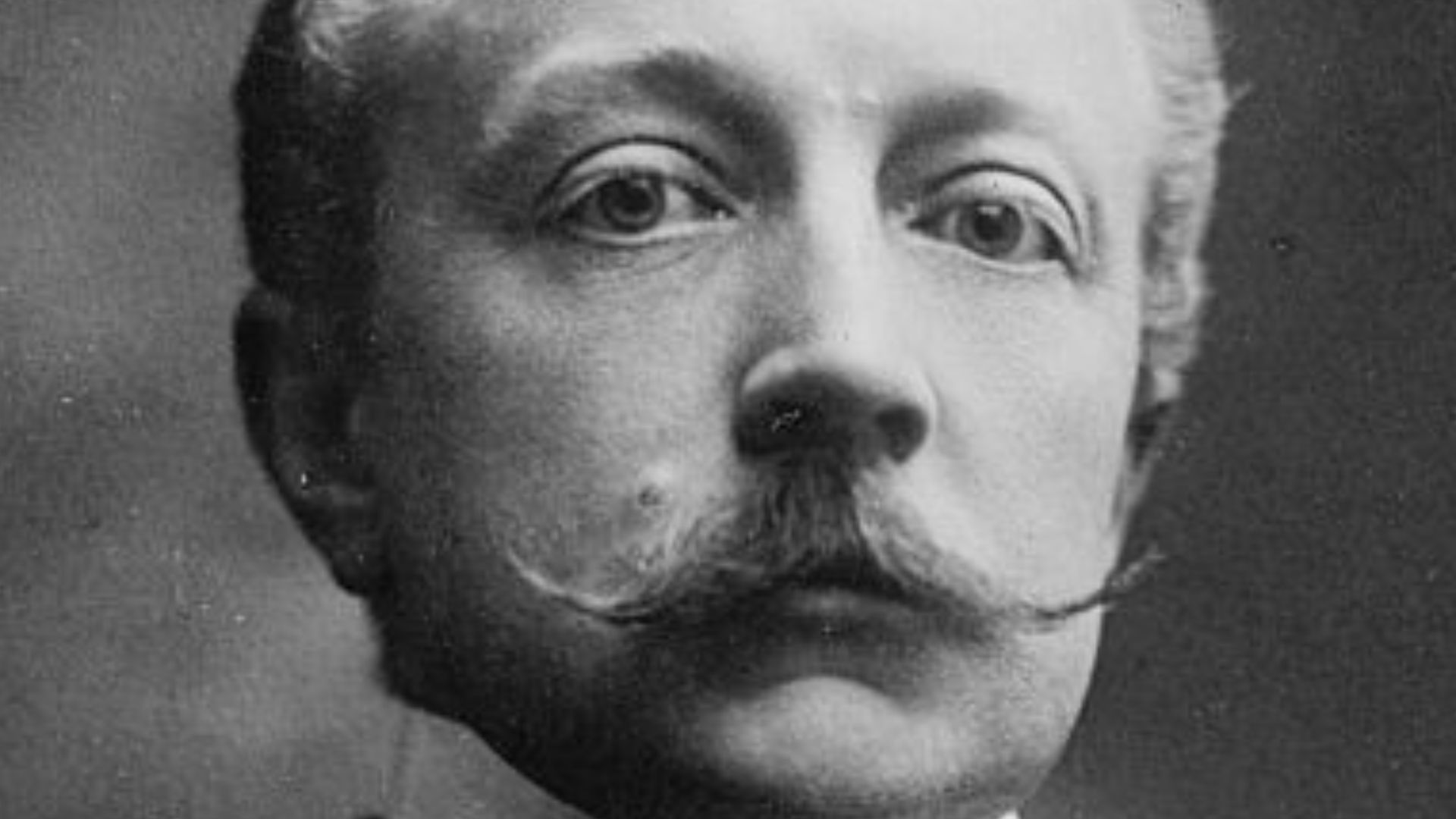 Unknown (Bain News Service, publisher), Wikimedia Commons
Anna Traded A Count For A Duke
The marriage eventually collapsed amid Boni’s spending and infidelity, and Anna divorced him. She then married one of his cousins, Hélie de Talleyrand-Périgord, who later became Duke of Talleyrand. The scandalous divorce itself became the subject of a 1906 Puck illustration preserved by the Library of Congress. Anna had entered European aristocracy through money, escaped one disastrous noble marriage, and somehow emerged with an even higher title.
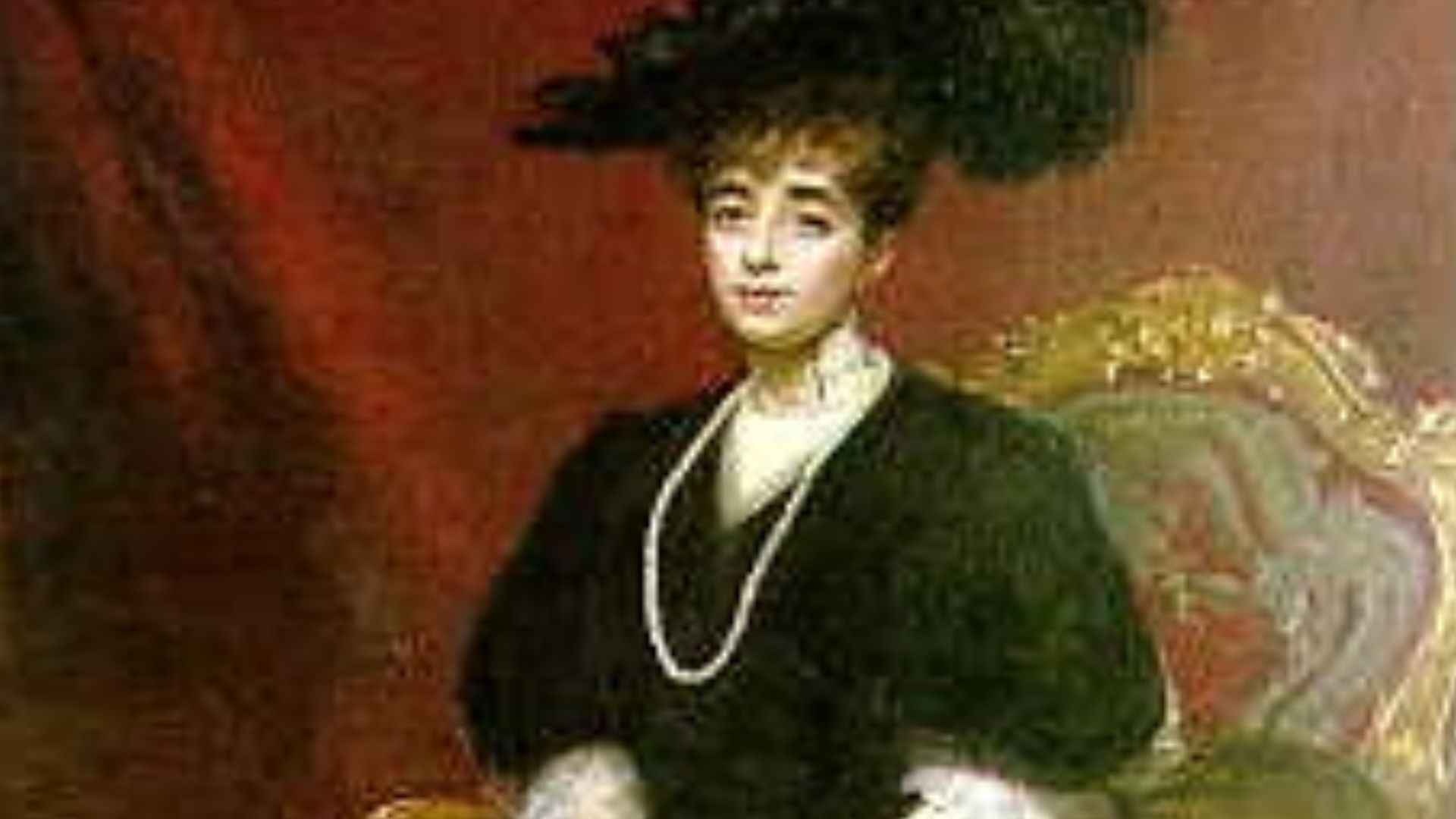 Carolus-Duran, Wikimedia Commons
Gladys Vanderbilt Married A Hungarian Count
The transatlantic marriage boom was not limited to Britain and France. In 1908, Gladys Vanderbilt, daughter of Cornelius Vanderbilt II, married Hungarian Count László Széchényi. The wedding attracted enormous press attention, with reporters and photographers gathering outside the Vanderbilt mansion in New York. The Library of Congress still preserves photographs of the crowds surrounding the event.
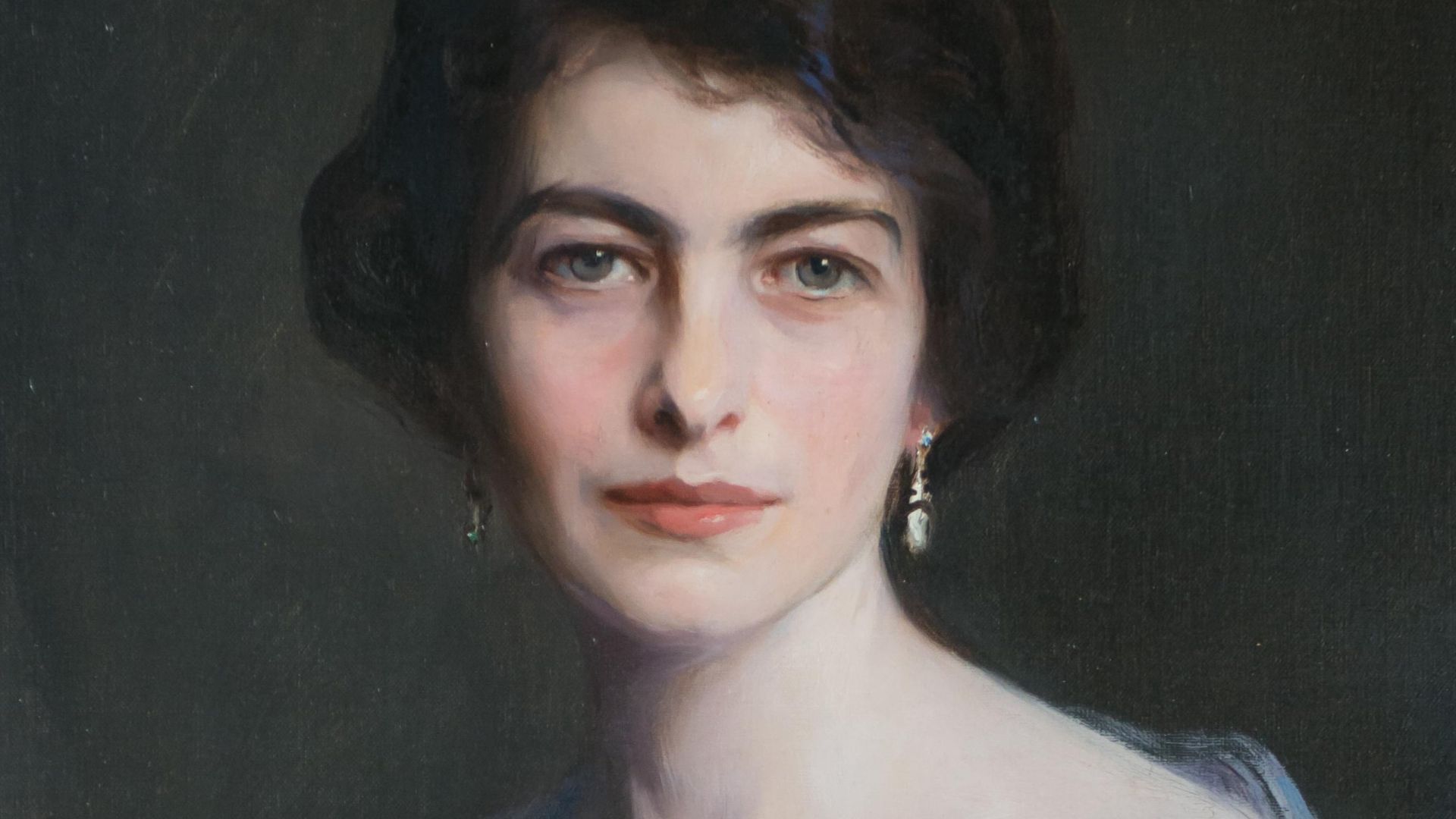 Philip de László, Wikimedia Commons
Jewelry Worked Like A Status Contract
Gladys’s wedding jewelry made the social message impossible to miss. Her mother commissioned a Cartier diamond tiara for the marriage, while another Vanderbilt jewel featured a Kashmir sapphire weighing nearly 43 carats. Smithsonian describes such pieces as more than decoration because they publicly signaled rank, wealth, and entry into European aristocracy. The wedding wardrobe effectively advertised both sides of the transaction.
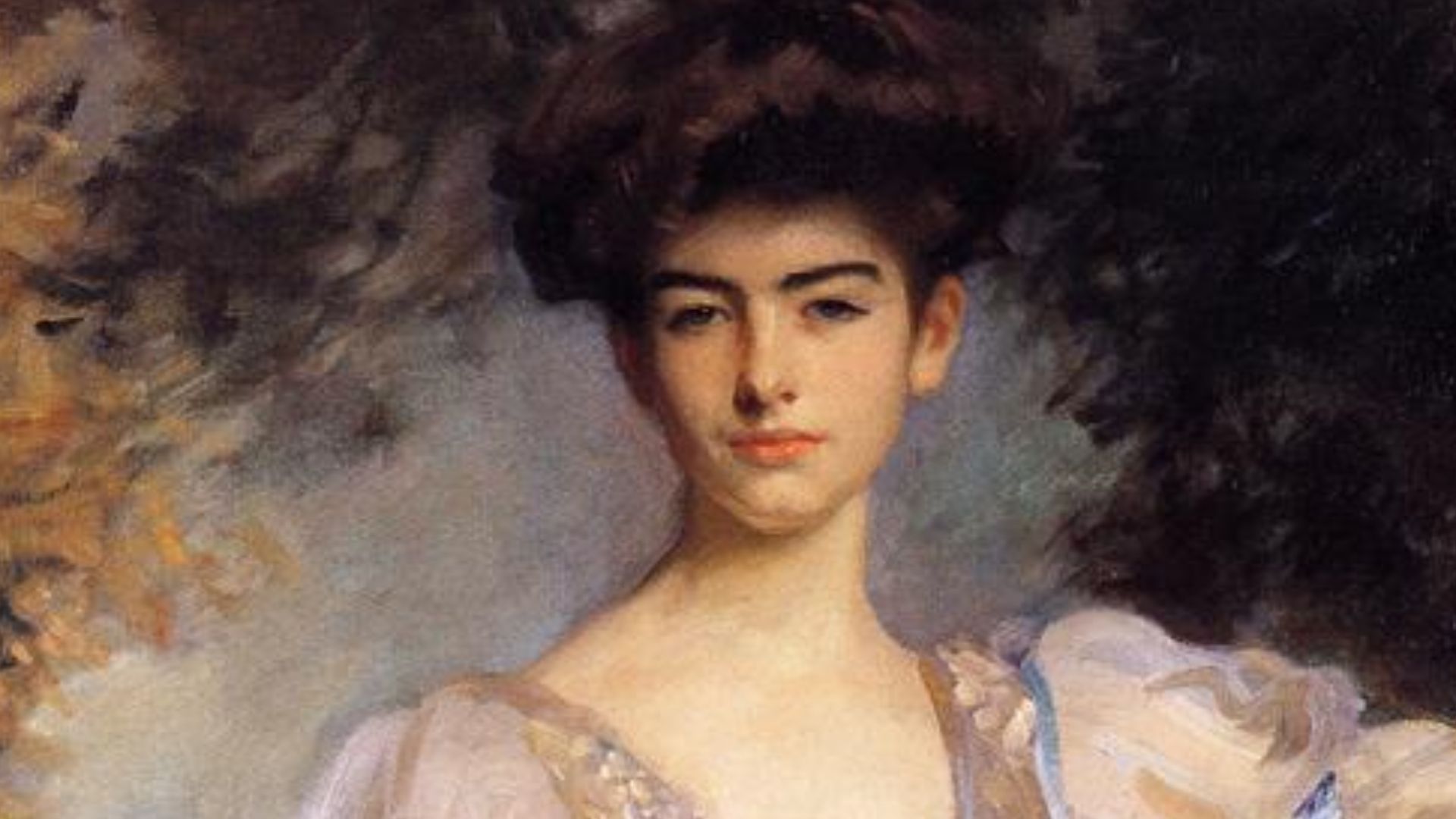 John Singer Sargent, Wikimedia Commons
American Families Started Keeping Money Home
By the early 20th century, criticism of these marriages was becoming harder to ignore. Smithsonian contrasts the troubled international matches with Gertrude Vanderbilt’s 1896 marriage to wealthy American Henry Payne Whitney, presenting it as the kind of union some fathers increasingly preferred because American fortunes remained in America. At the same time, new-money industrial families were becoming harder for established New York society to exclude. A foreign title gradually stopped being the only shortcut to unquestioned prestige.
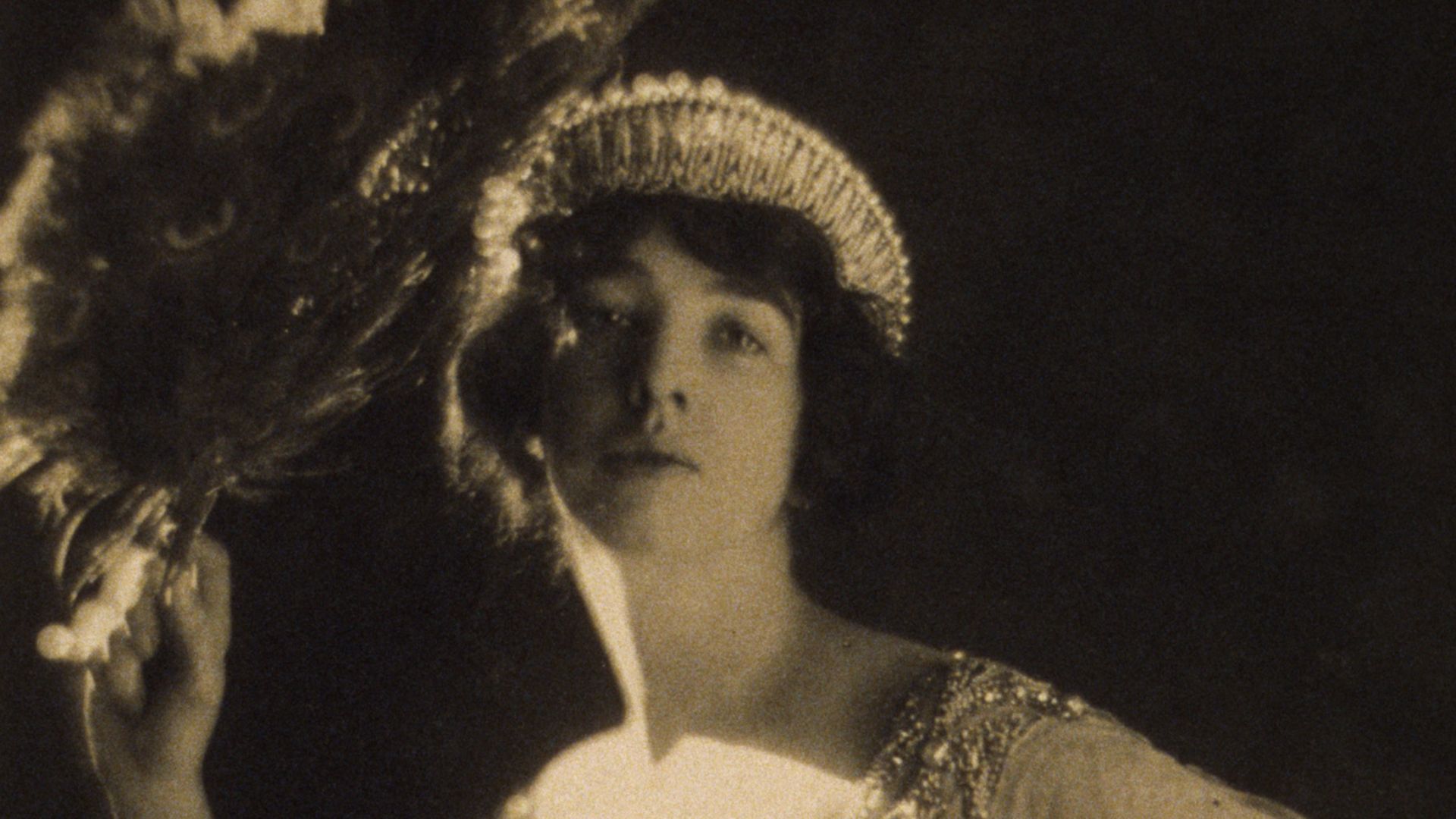 Adolf De Meyer (1868-1949), Wikimedia Commons
The Marriage Market Finally Lost Its Grip
The dollar-princess era faded as American industrial wealth gained social legitimacy and the political culture of Europe changed. Edward VII’s death in 1910 was followed by a less extravagant royal atmosphere, while World War I soon transformed aristocratic life altogether. The marriages had nevertheless transferred enormous American wealth into European estates, political careers, and noble families. Their strangest legacy is that arrangements openly shaped by cash and rank were packaged in all the lace, flowers, diamonds, and ceremony of a fairy-tale wedding.
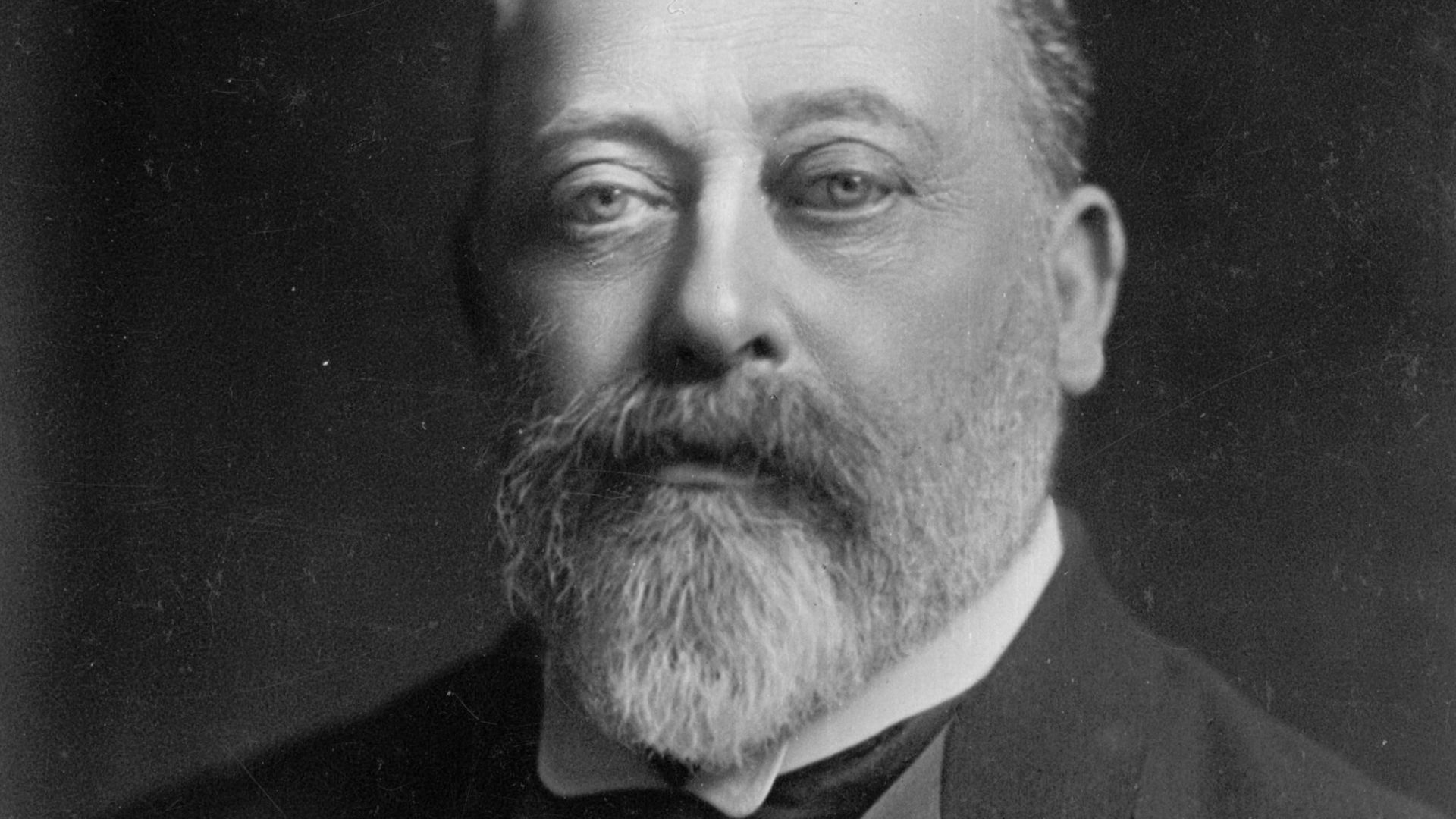 W. & D. Downey, Wikimedia Commons
You May Also Like:
The Woman Who Made The Vanderbilts
These Socialites Hid Sordid Secrets