
Once Was Apparently Not Enough
You bite your lip during lunch. Annoying, but it happens. Then you bite the exact same spot again, and again. Why does one accidental bite seem to ruin the rest of the day? Well…
 Harold M. Lambert, Getty Images
The First Bite Is Easy Enough To Explain
Sometimes, that first bite happens because you’re chewing quickly or paying more attention to something else than your food. Your lip gets caught between your teeth, and lunch suddenly becomes unpleasant. An ordinary accident. But the conditions that caused it don’t necessarily disappear just because it hurt.
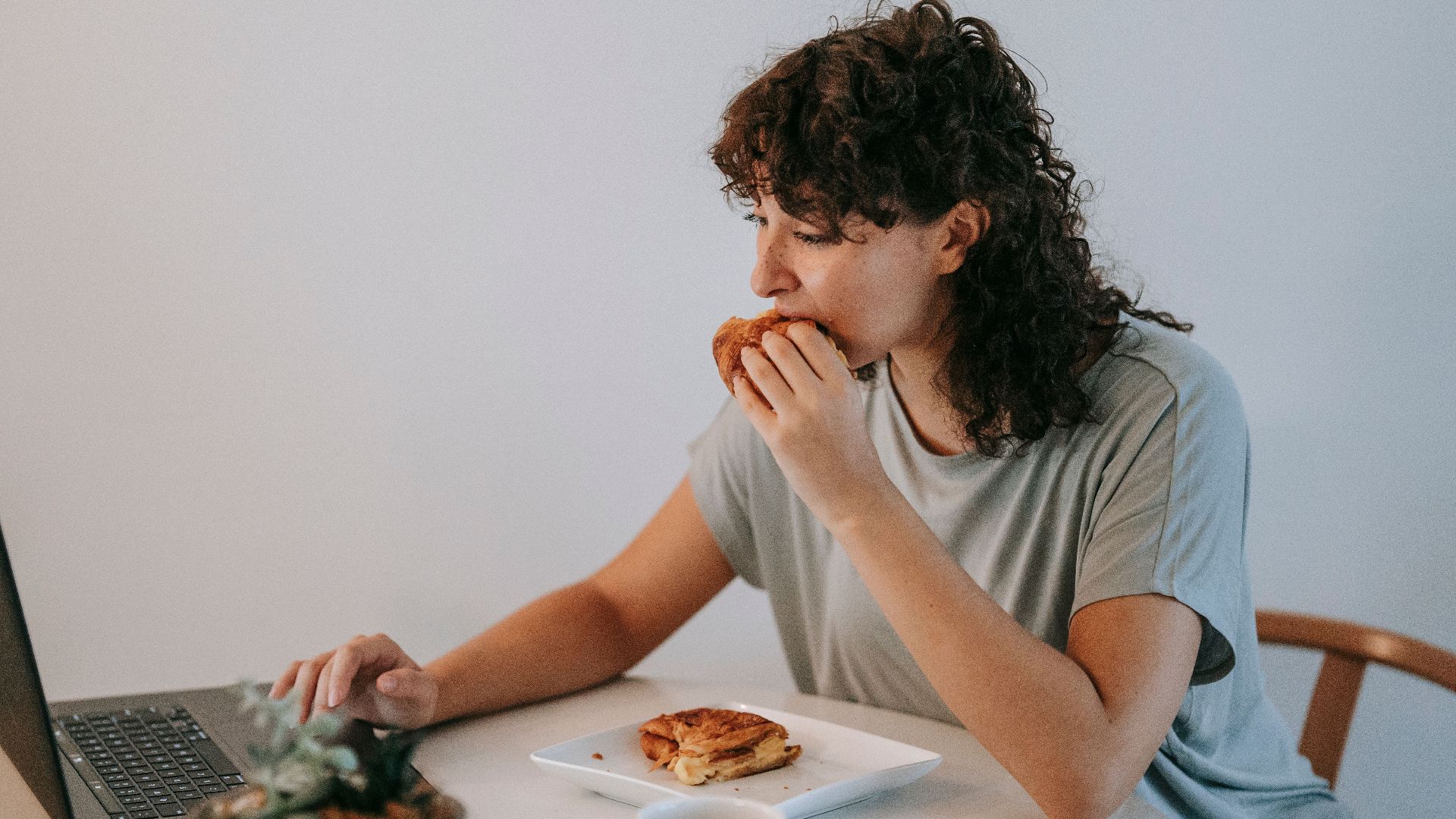
Your Lip Has Changed The Layout
The bite can make the injured tissue swell. That means the spot you caught is now slightly larger, leaving more tissue where your teeth can catch it again. You might be eating exactly as you were before, but your lip is now taking up a little more room.
And There Goes The Same Spot Again
Catch that swollen patch another time, and you’ve injured tissue that was already sore. More irritation can keep the area swollen and vulnerable to another bite. That’s the frustrating cycle: the first bite creates conditions that make the next one easier. Being annoyed about it, unfortunately, doesn’t change the mechanics.

Sometimes The Biting Is A Habit
Accidentally catching your lip while eating is one thing. Absentmindedly nibbling it while working or watching television is another. Repetitive lip biting can happen with limited awareness, and stress or boredom can contribute. For someone with that habit, repeated irritation may involve more than swollen tissue getting in the way.
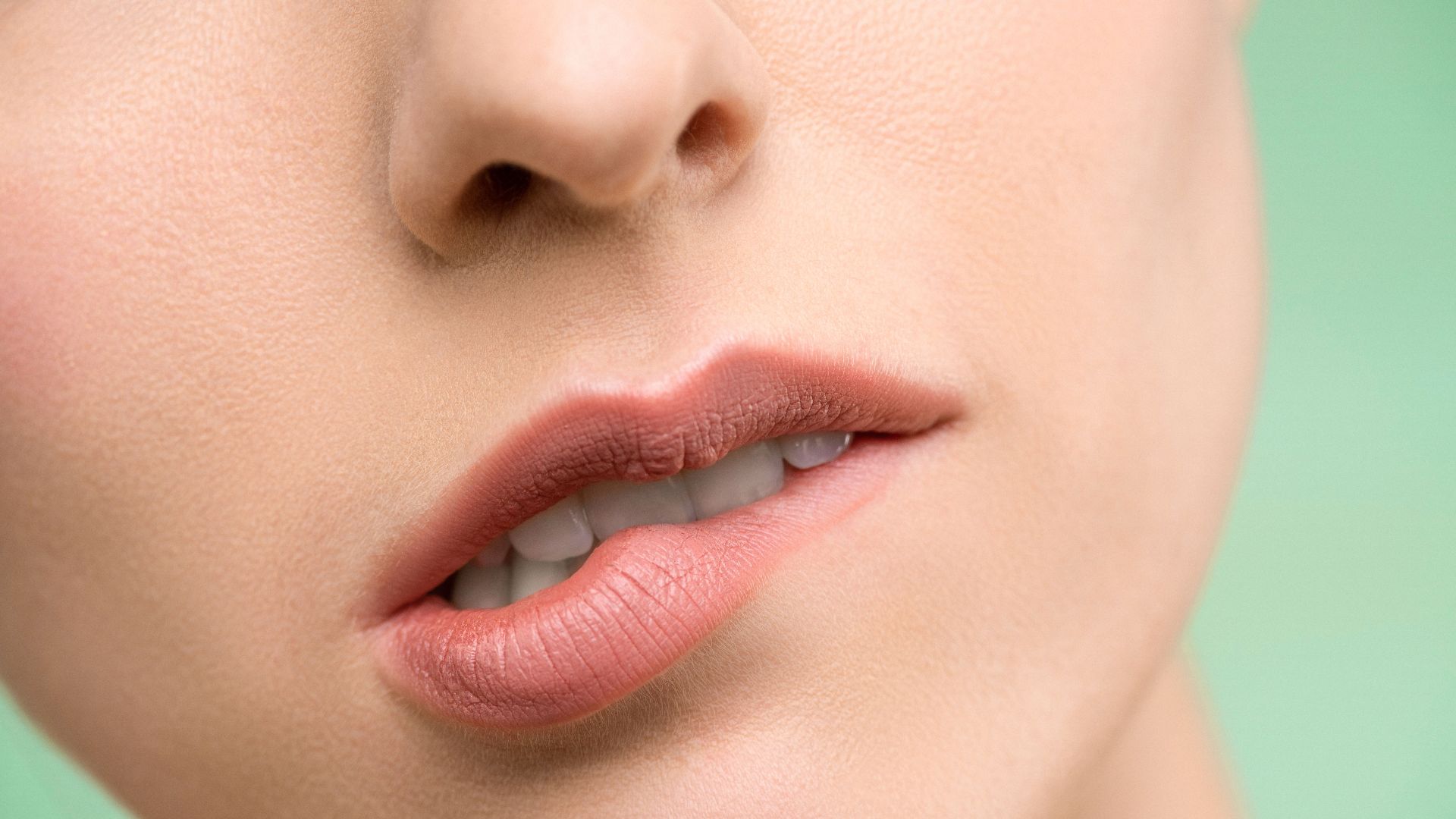
Trying To Fix It Can Make It Worse
A bite can leave a rough or uneven patch inside your lip. Some people then nibble at it, almost as if they’re trying to smooth it out. Unfortunately, that adds more irritation. The spot that feels like it needs fixing keeps getting injured by the attempted fix.
Your Teeth Could Be Part Of The Problem
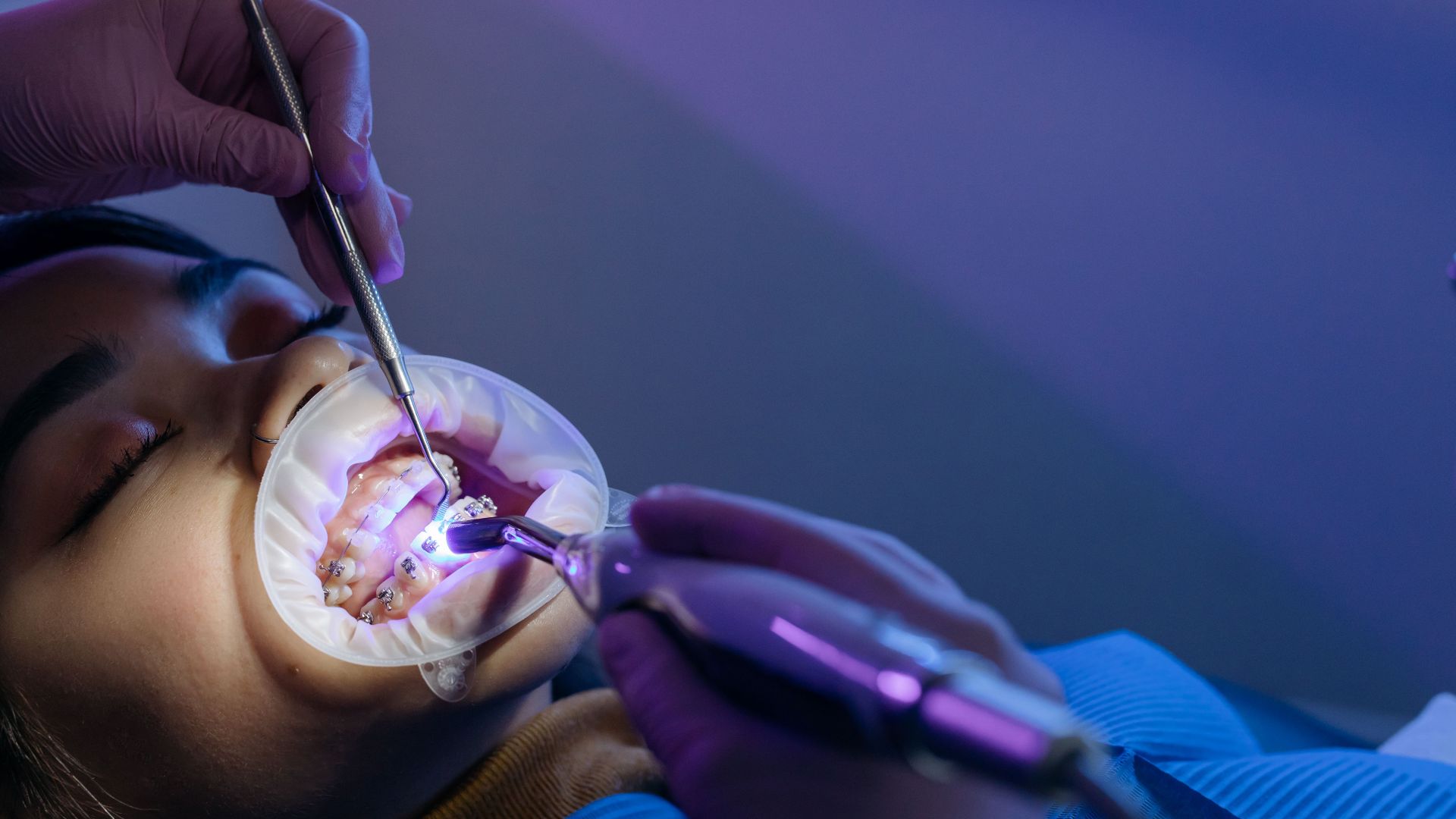
Bite alignment problems can contribute to accidental soft-tissue biting. Sharp teeth, rough fillings, braces, or poorly fitting dentures can also repeatedly irritate the same area. If the trouble keeps returning across different days, a dentist can check whether something is catching or rubbing the tissue.
A Numb Lip Has Its Own Problem
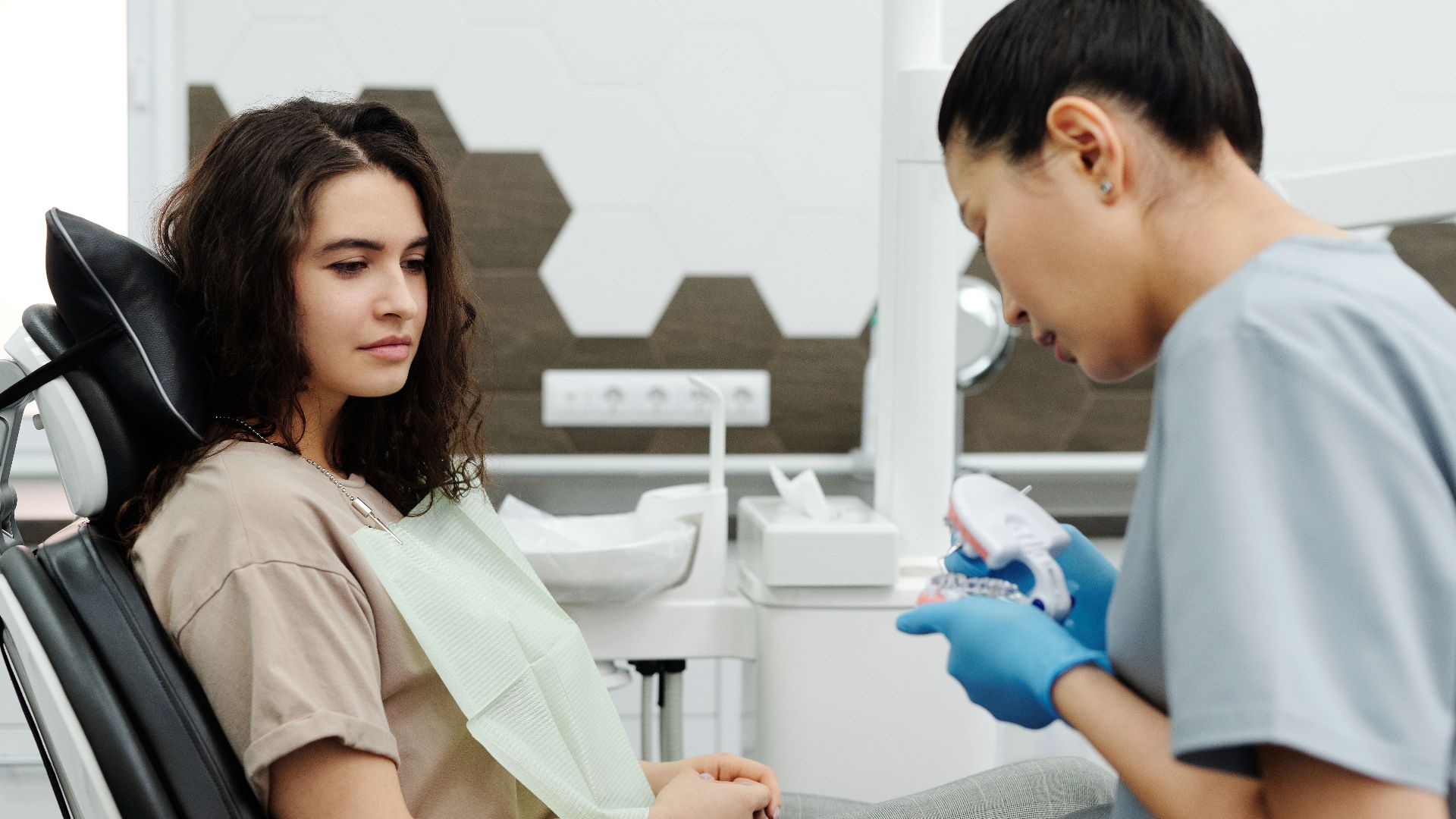
If the biting starts after a dental appointment, numbness may be part of the explanation. Local anesthesia can leave you unable to feel your lip normally, making accidental injury easier. Follow your dentist’s instructions about eating while numb, and resist biting your lip to check whether the feeling has returned.
Your Lip Doesn’t Reset At Midnight
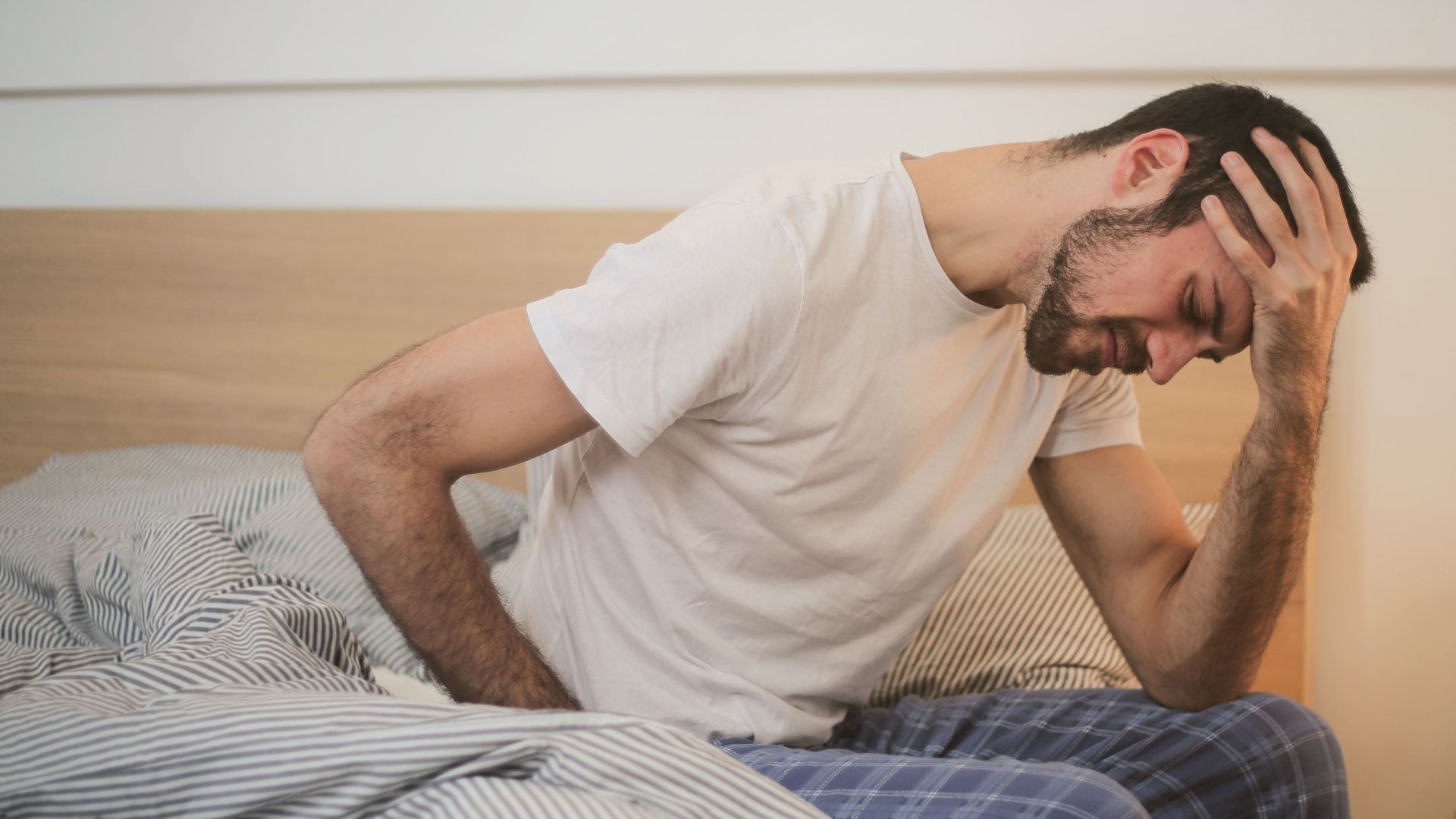
Whatever started the trouble, the tissue needs time to recover. There’s no rule that repeated biting will stop when the day ends. A small mouth injury may settle relatively quickly, while a sore can take a week or two to heal. Another bite can interrupt that recovery.
Something Cold Can Help
A cold compress against the outside of your lip can help reduce swelling and discomfort. Wrap a cold pack in a cloth rather than putting bare ice against your skin. It won’t instantly undo the bite, but it can make the aftermath a little more manageable.
 https://kaboompics.com/, Pexels
Lunch Might Need A Small Adjustment
Softer foods are generally easier on a sore mouth than crunchy foods with sharp edges. Very hot, spicy, salty, or acidic foods can also irritate the area. That means chips and a heavily dressed salad might be less appealing than usual, even if your teeth manage to avoid your lip.

Slow Down For A Few Meals
If you were rushing through lunch when the first bite happened, continuing at the same pace leaves that contributing factor in place. Chewing slowly is a sensible precaution while your lip recovers. It won’t guarantee another bite won’t happen, but it gives you a chance to eat more carefully.

The Saltwater Advice Has A Purpose
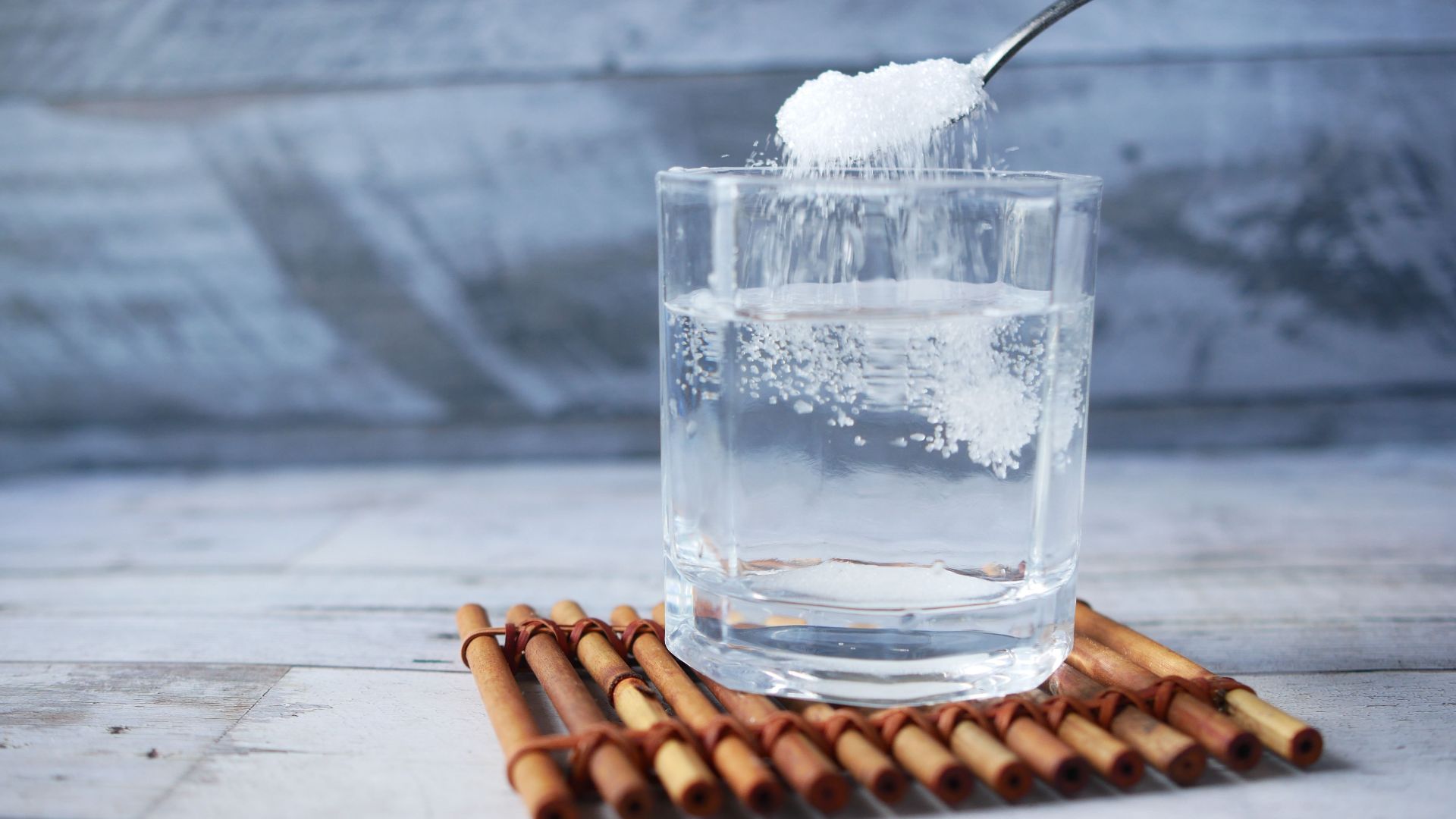
A gentle saltwater rinse is a standard self-care option for mouth sores. The NHS suggests dissolving half a teaspoon of salt in a glass of warm water, rinsing, and spitting it out. It can help soothe the area, although it won’t instantly remove the swelling or prevent another bite.
A Bump That Sticks Around Is Different
If a bump persists, ordinary swelling isn’t the only possibility. A bite can damage a tiny salivary gland or its drainage duct, allowing saliva to collect in the tissue. The resulting soft, fluid-filled bump is called a mucocele. Many clear on their own, but persistent or troublesome ones need checking.
Repeated Irritation Can Leave Its Mark
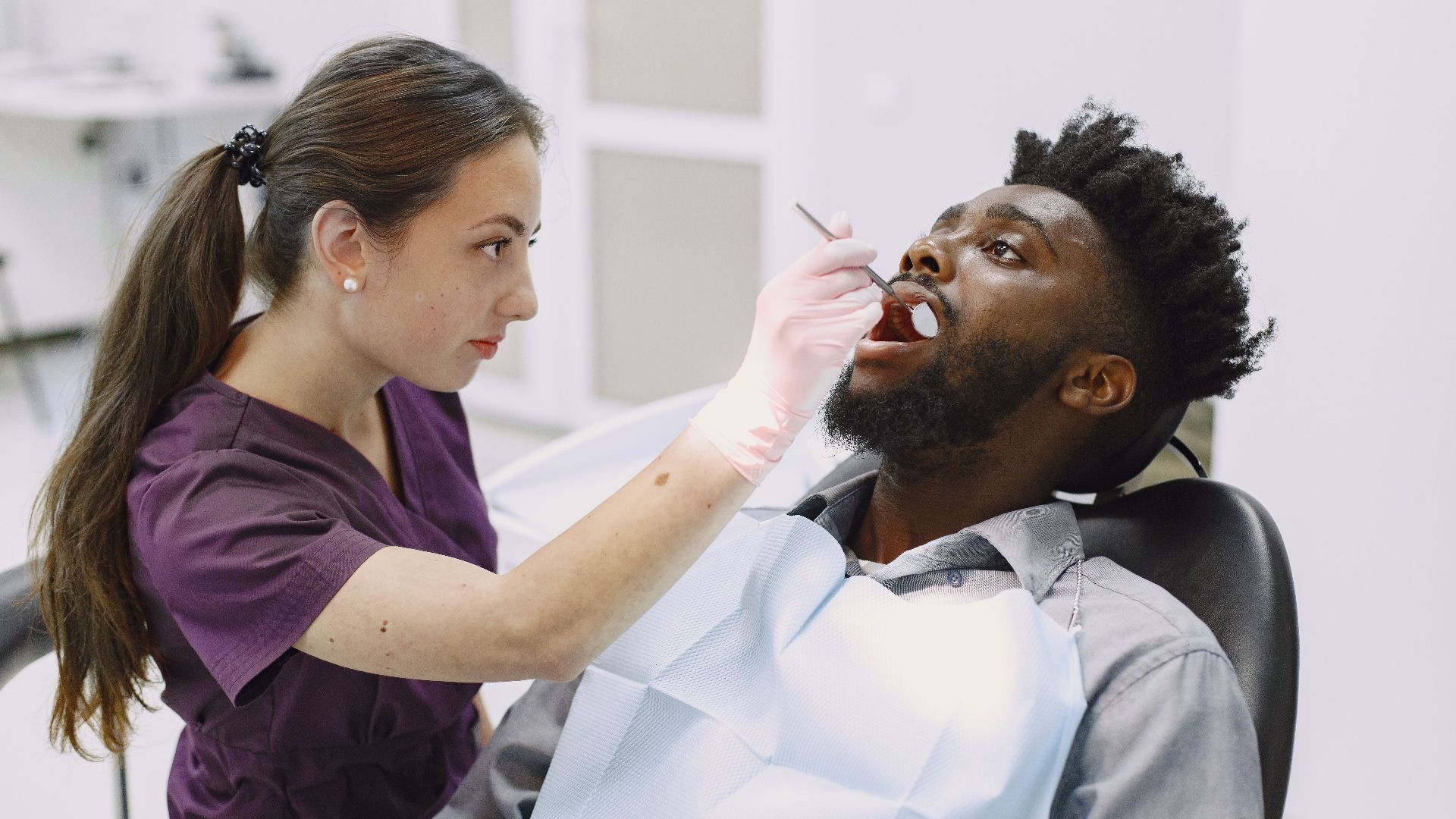
Over time, repeated biting can sometimes produce a firmer lump of excess fibrous tissue called an irritation or traumatic fibroma. This is a possible result of ongoing irritation, rather than the usual explanation for several bites during lunch. A lasting bump that keeps catching between your teeth deserves a dentist’s attention.
 https://kaboompics.com/, Pexels
There’s A Point Where Waiting Stops Making Sense
Have a sore checked if it lasts longer than two weeks, and seek care sooner for increasing pain or swelling, fever, or trouble swallowing. A deep cut or bleeding that won’t stop also needs prompt attention. Most minor bites heal, but a persistent problem shouldn’t become something you simply put up with.
So That’s Why Once Can Become Three Times
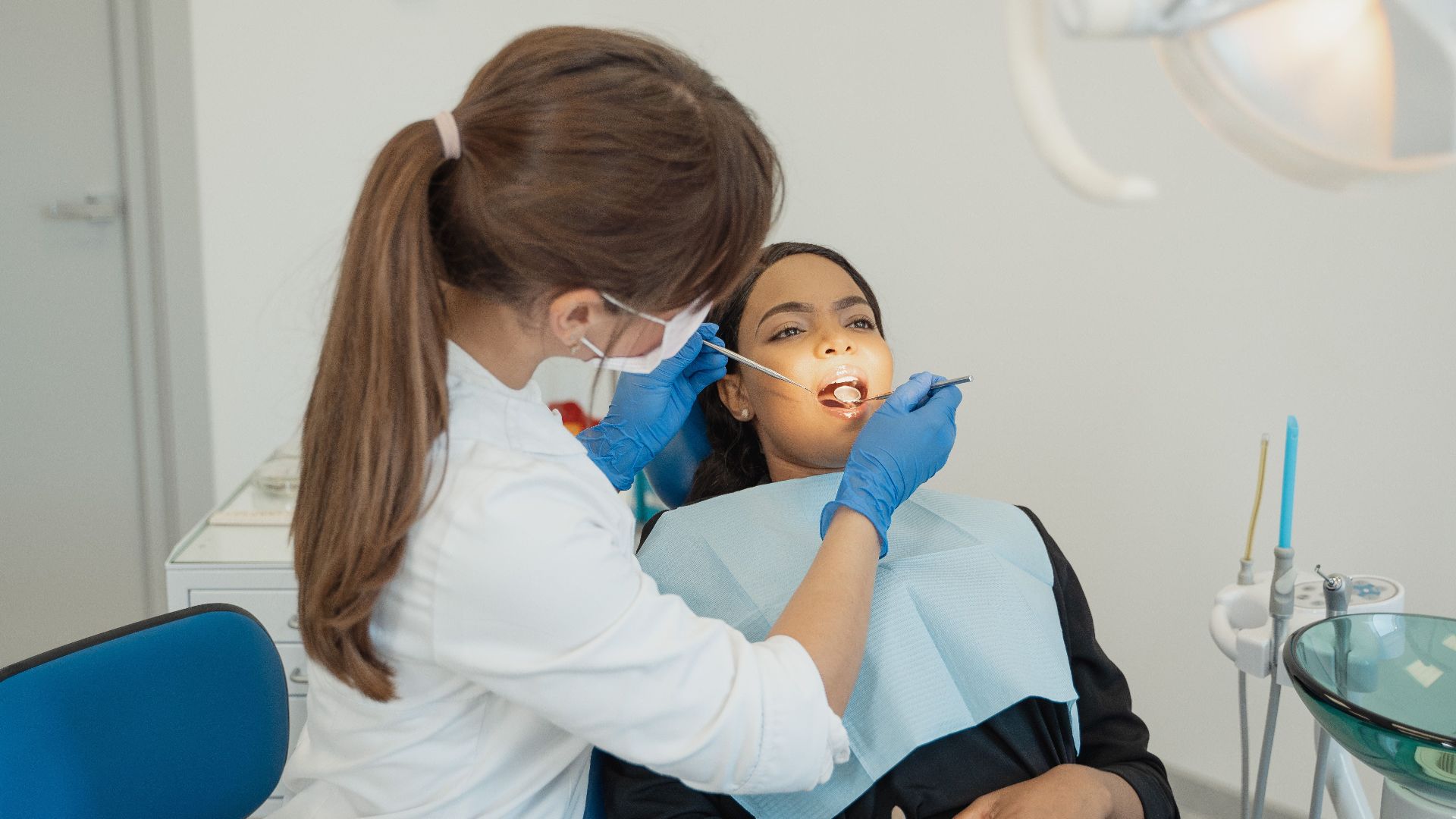
For that familiar same-day cycle, swelling provides a straightforward explanation: the first bite leaves more tissue where your teeth can catch it. Eating habits, nibbling at a rough patch, or dental problems can contribute too. Unfortunately, understanding why it happens doesn’t make that second bite hurt any less.
You Might Also Like:
Strange Historical Coincidences That Are Almost Impossible To Believe