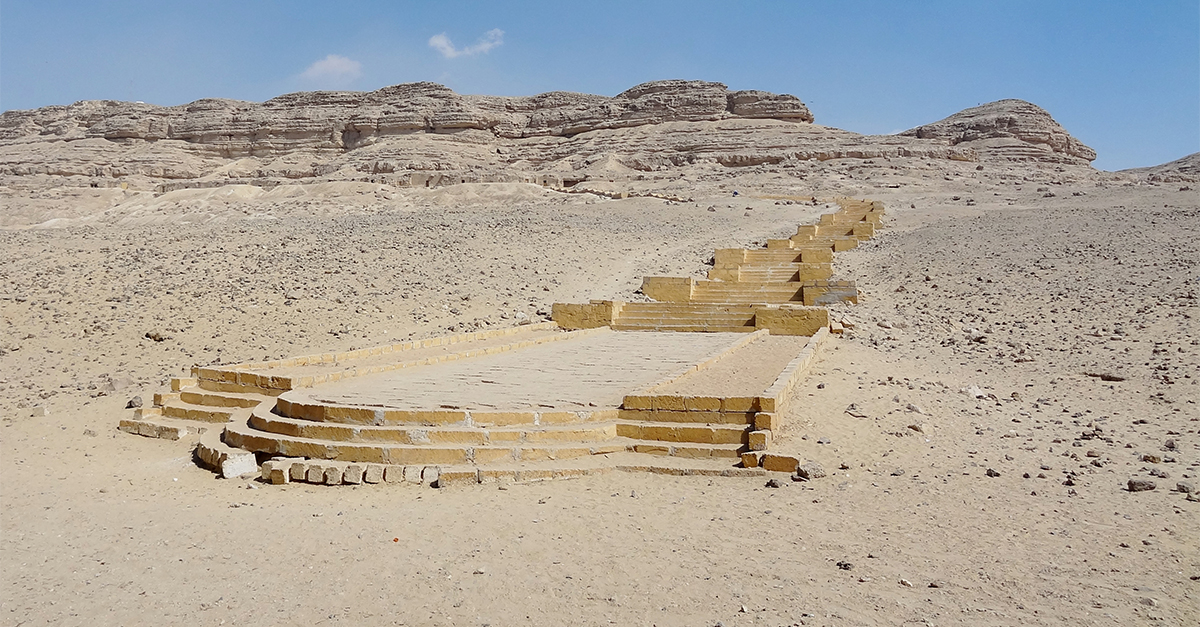
In 2025, scientists achieved a remarkable breakthrough by sequencing the complete genome of an ancient Egyptian male whose remains were discovered at Nuwayrat, a site located about 170 miles south of Cairo. Dating back approximately 4,500 to 4,800 years, he lived during the pivotal transition from Egypt’s Early Dynastic period to the Old Kingdom. This marked the first full ancient Egyptian genome ever successfully sequenced.
Amazing Preservation In A Pottery Tomb
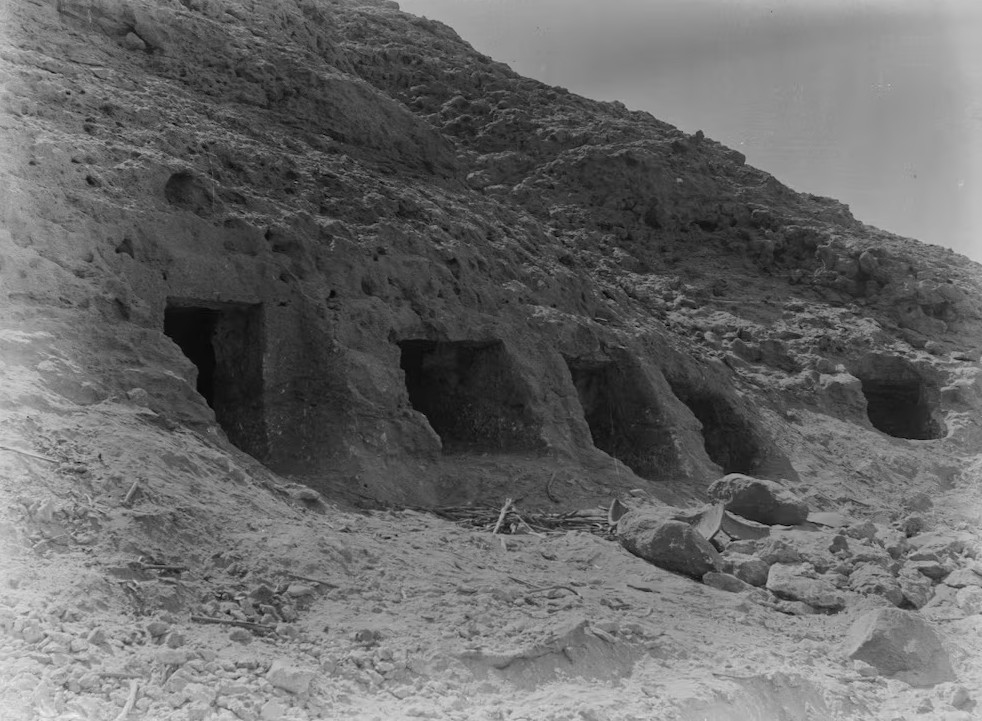
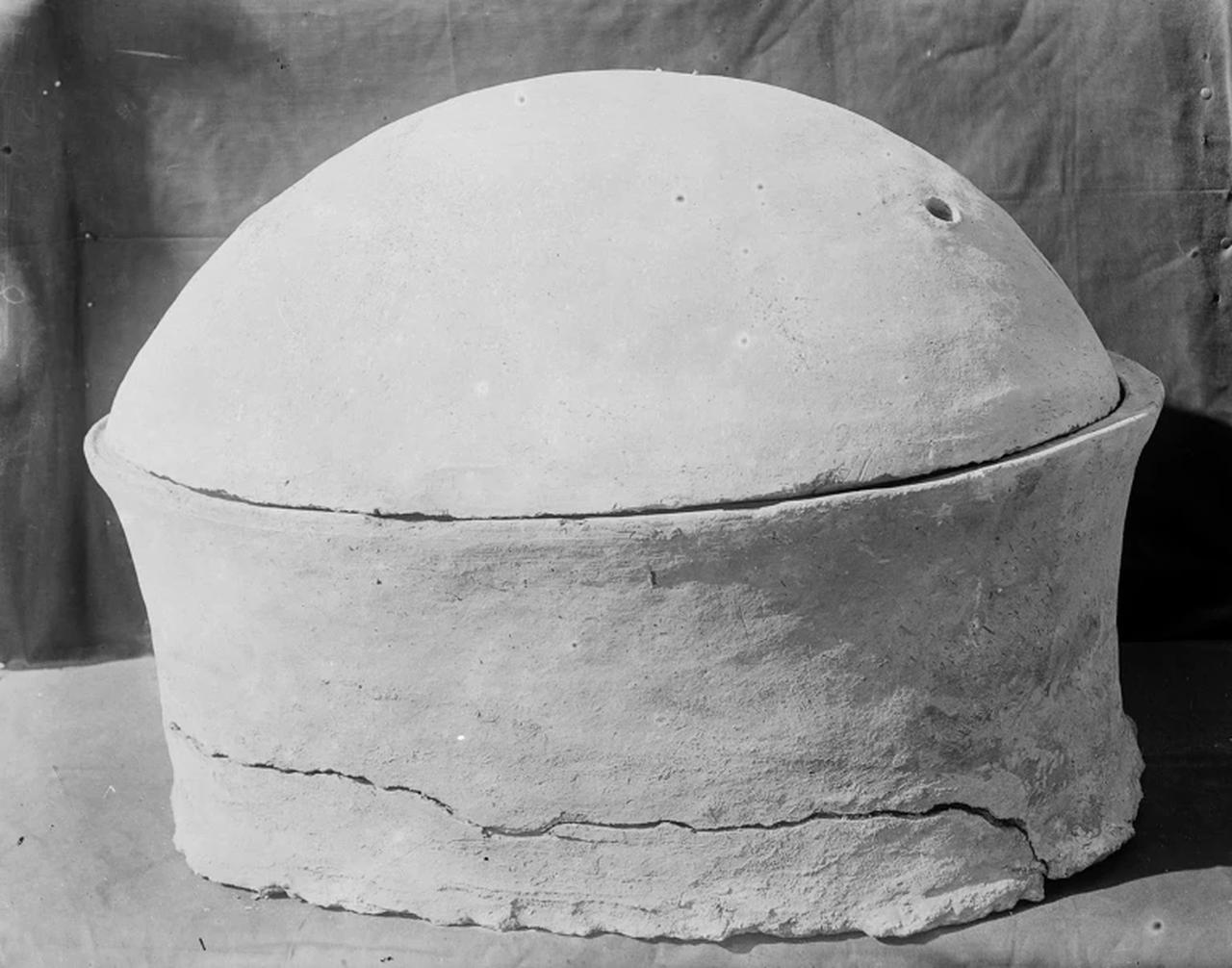
The man’s body was interred in a large ceramic jar in a shallow rock-cut tomb. This burial style predates the elite mastabas and grand pyramids seen in the Old Kingdom. While Egypt’s arid climate usually destroys genetic material, this sealed shaded tomb made an unusually good preservation environment. This allowed researchers to extract high-quality ancient DNA, a rare accomplishment for this region.
 New Archaeology Discoveries from July 2025, Inside Archaeology, YouTube
North African Roots With Mesopotamian Influence
Genomic analysis showed that about 80% of the man’s ancestry can be traced to Neolithic North African populations, most notably the Middle Neolithic period in what is now Morocco. The remaining 20% had a genetic signature close to people of the Fertile Crescent, including ancient Mesopotamia. This implies that Egypt wasn’t isolated in its early development but received genetic input from the wider Middle East.
The Bones Of A Potter
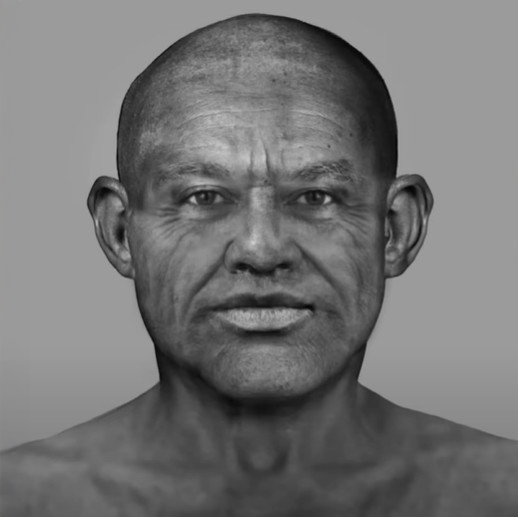
Study of the remains points to a man in his 60s when he died, a fairly advanced age for the time. His bones had signs of long-term repetitive stress in the arms and shoulders, consistent with work as a potter or craftsman, a finding supported by the presence of pottery shards and tools. The skull enabled a reconstruction of what he may have looked like. He was of a working-class background, but his unique burial indicates that he was a respected member of the community.
 New Archaeology Discoveries from July 2025, Inside Archaeology, YouTube
Genes Mapping Cultural Exchange
Most evidence of early contact between Egypt and Mesopotamia is from artifacts: Mesopotamian-style pottery, seal impressions, and architectural influences. This new genome is the first hard biological proof of contact between these regions, indicating that cultural similarities often resulted from physical migration and genetic mixing. It updates Egypt's early development from a highly isolated model to a concept of interregional links.
The Value Of Science And Its Limits
Researchers point out that conclusions based on one genome are limited, but this data point paves the way for future research. Further genome sequencing of ancient Egyptians from other time periods and social classes will allow us to paint a more complete picture of genetic diversity and human migration in ancient northeastern Africa.
An Updated Narrative Of Ancient Egypt
The standard narrative of ancient Egypt tends toward continuity and isolation. This discovery updates that view, showing that early Egyptians were part of a dynamic genetic landscape that took in African and Eurasian influences. It implies a civilization in flux, drawing ideas, technology, and people from nearby lands while carving out its own identity along the Nile.
Ancient Genomics: A Growing Field
The success of this sequencing opens new doors for ancient genomics in Egypt and elsewhere. Up till now, most well-preserved ancient genomes came from Europe or arid Central Asia. But improved extraction techniques and sampling strategies should allow researchers to obtain more genetic data from African contexts, giving us a more complete view of the ancient world.
Egyptian Genetic History: The Field Is Wide Open
This study deepens our understanding of early Egyptian genetic diversity. It lends credence to a model of continuity with local populations connected to broader West Asian and North African communities, adding complexity to historical narratives of Nile Valley civilizations.
You May Also Like:
Mighty Facts About Ramses The Great, The Maniacal Pharaoh