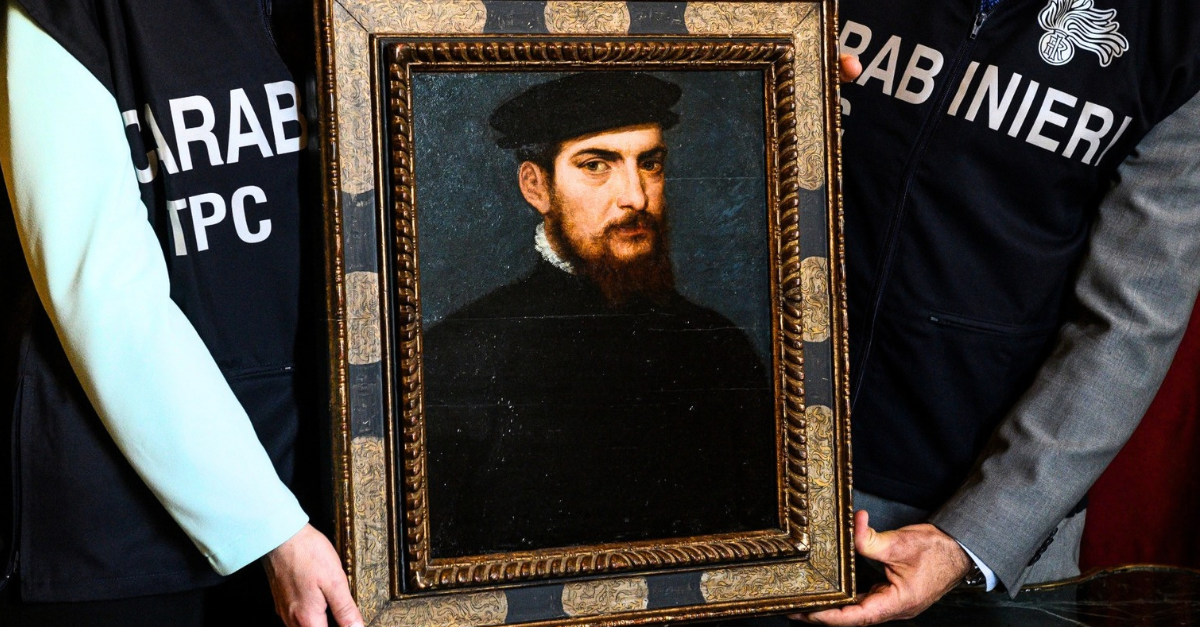
Masterpieces Have A Habit Of Turning Up Anywhere
A great painting can disappear for decades. When some of history's missing masterpieces finally resurfaced, they were hiding in places no museum curator would ever think to look.
Klimt Vanished From His Own Gallery
Gustav Klimt's Portrait of a Lady disappeared from the Ricci Oddi Modern Art Gallery in Piacenza, Italy, in February 1997. The theft became particularly baffling because investigators found the painting's frame abandoned on the gallery roof, while the artwork itself seemingly vanished without a trace. For nearly 23 years, nobody could establish where one of Italy's most wanted stolen paintings had gone.
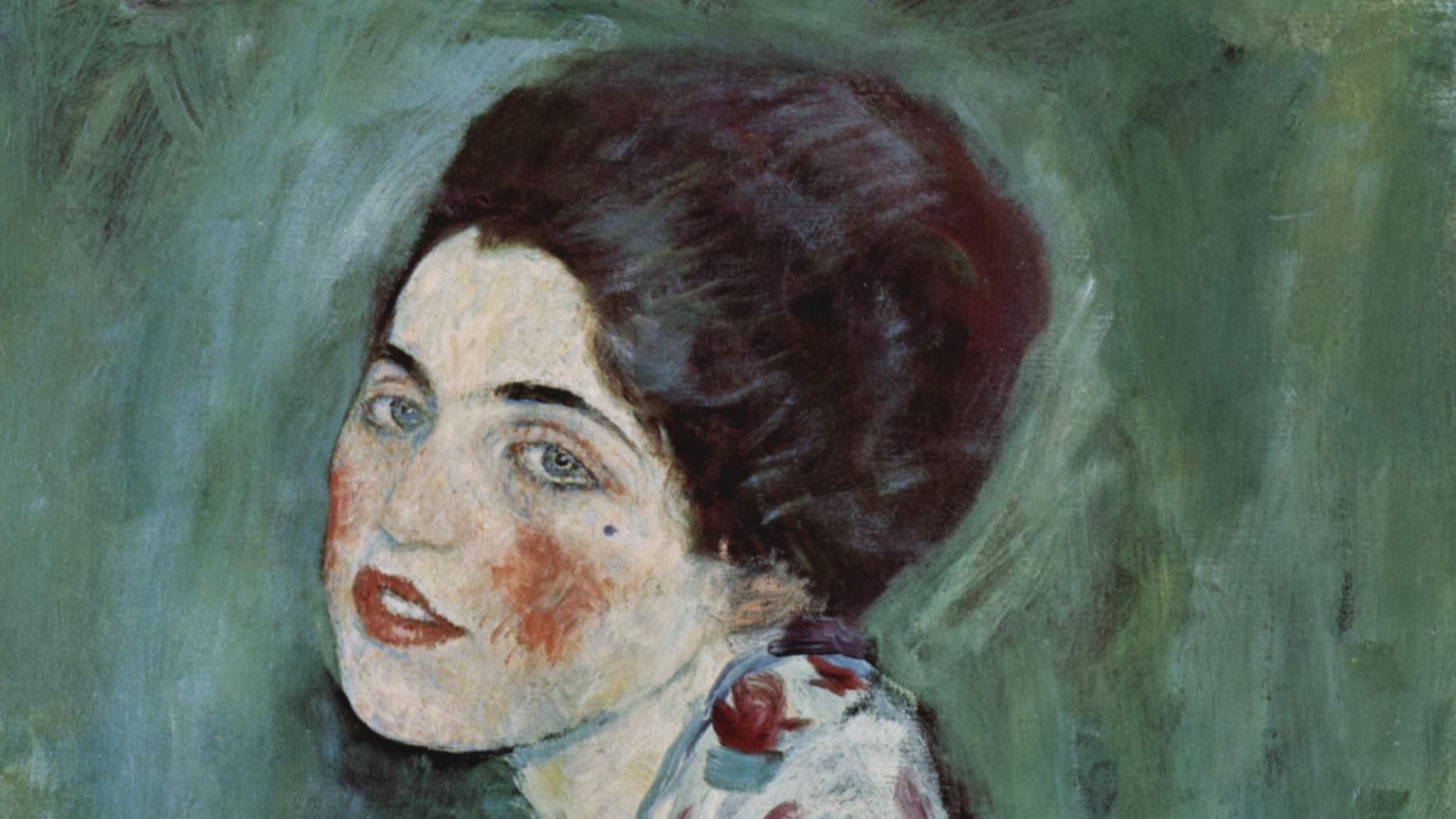 Gustav Klimt, Wikimedia Commons
He Was Inside The Gallery All Along
In December 2019, gardeners clearing ivy from an exterior wall noticed a metal panel covering a cavity. Inside was a bag containing what appeared to be the missing Klimt, still remarkably close to the room from which it had disappeared. Experts confirmed the painting was authentic, turning an ordinary bit of gardening into the conclusion of a mystery that had lasted more than two decades.
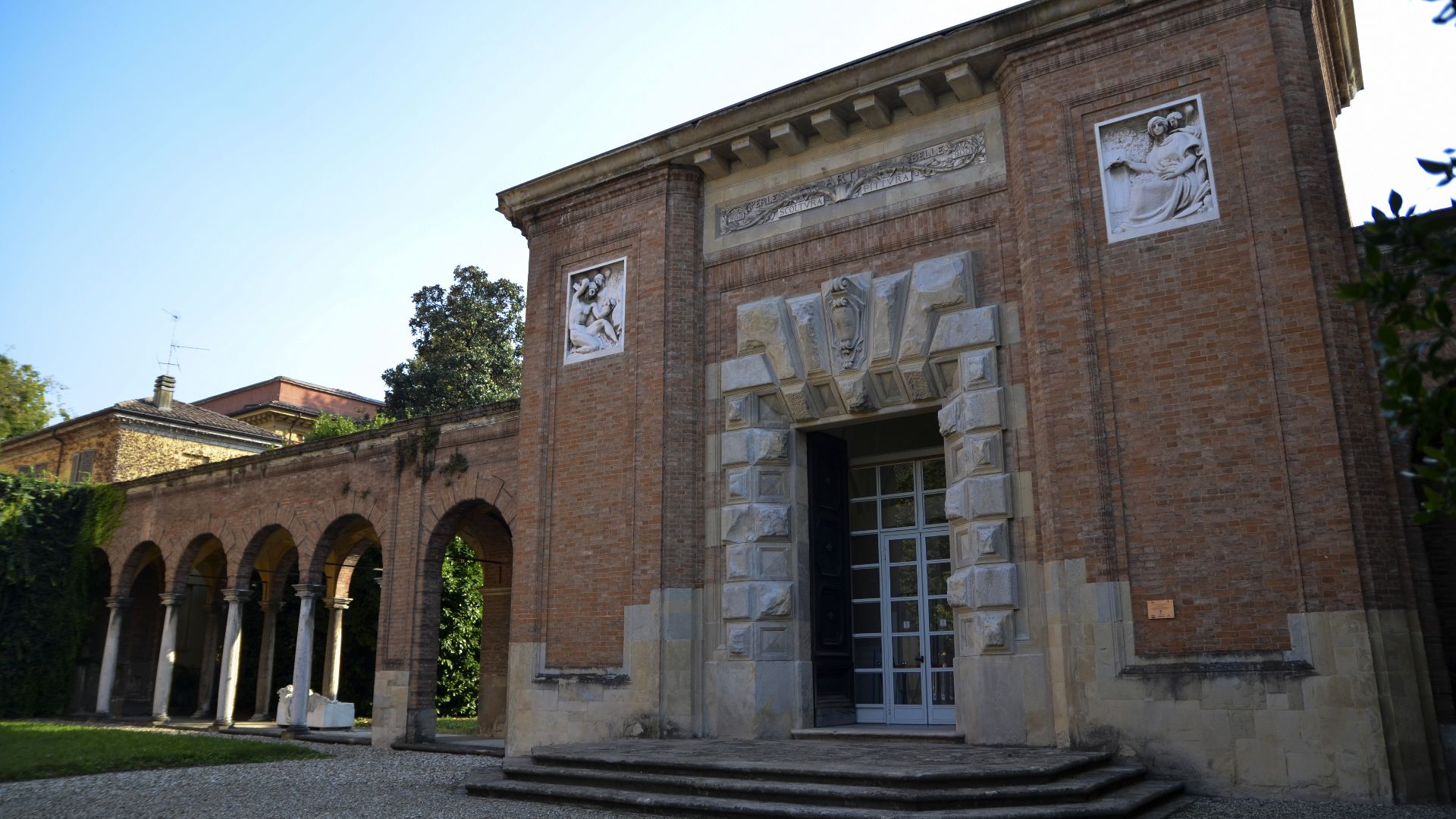 Yuri.zanelli, Wikimedia Commons
A De Kooning Disappeared In Minutes
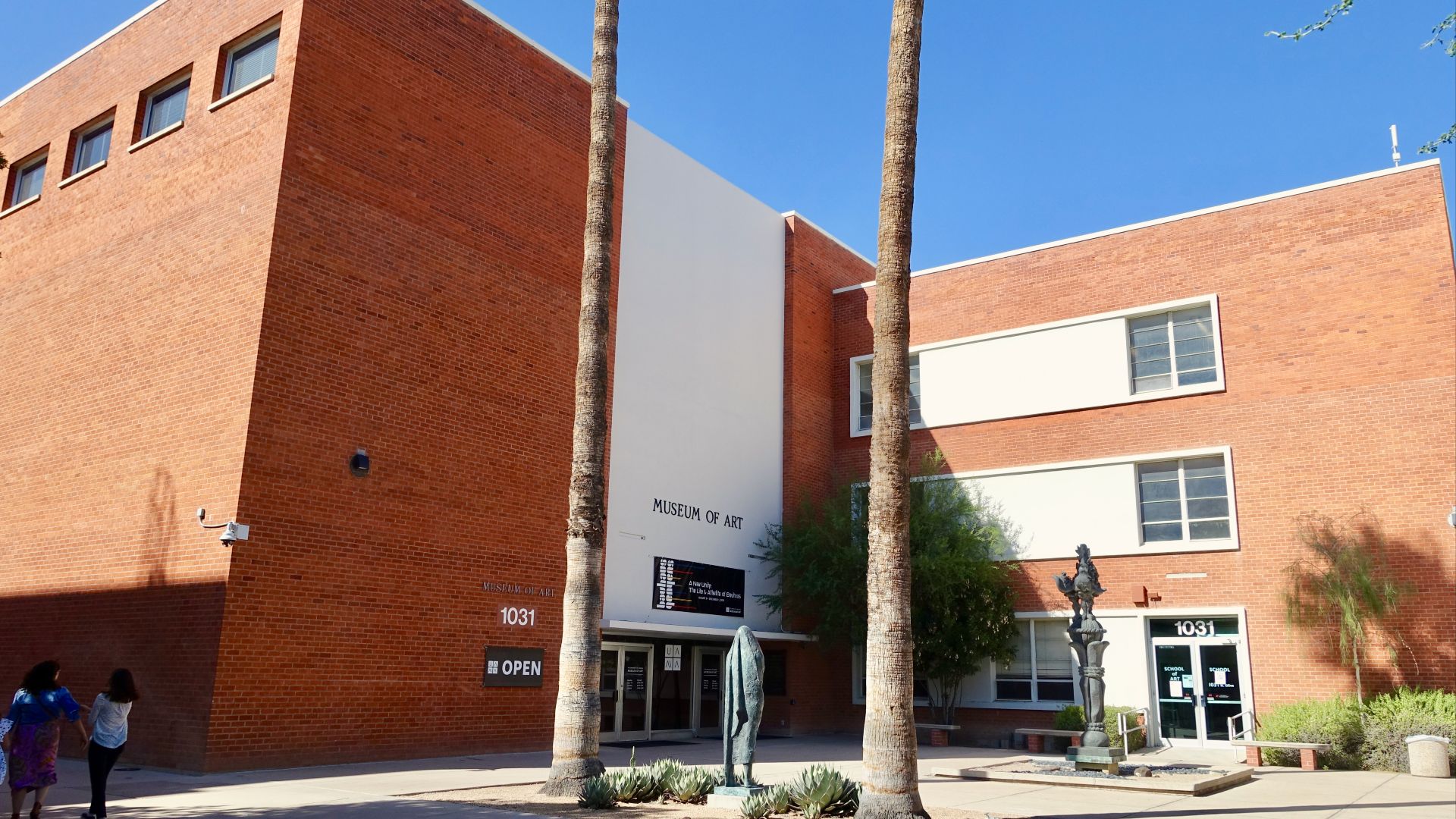
A man and woman entered the University of Arizona Museum of Art just after opening on November 29, 1985. While the woman distracted an employee, the man cut Willem de Kooning's Woman-Ochre from its frame, rolled it up, and walked out. For almost 32 years, investigators had no idea where the painting had gone.
It Was Hiding Behind A Bedroom Door
After the owners of a rural New Mexico home died, antique dealers bought artwork and furniture from their estate in 2017. Woman-Ochre had been hanging in an obscure spot behind a bedroom door, where visitors were unlikely to notice it. Customers at the dealers' store began suggesting that the strange painting might actually be a de Kooning, eventually leading to its extraordinary return.
 Jack de Nijs for Anefo, Wikimedia Commons
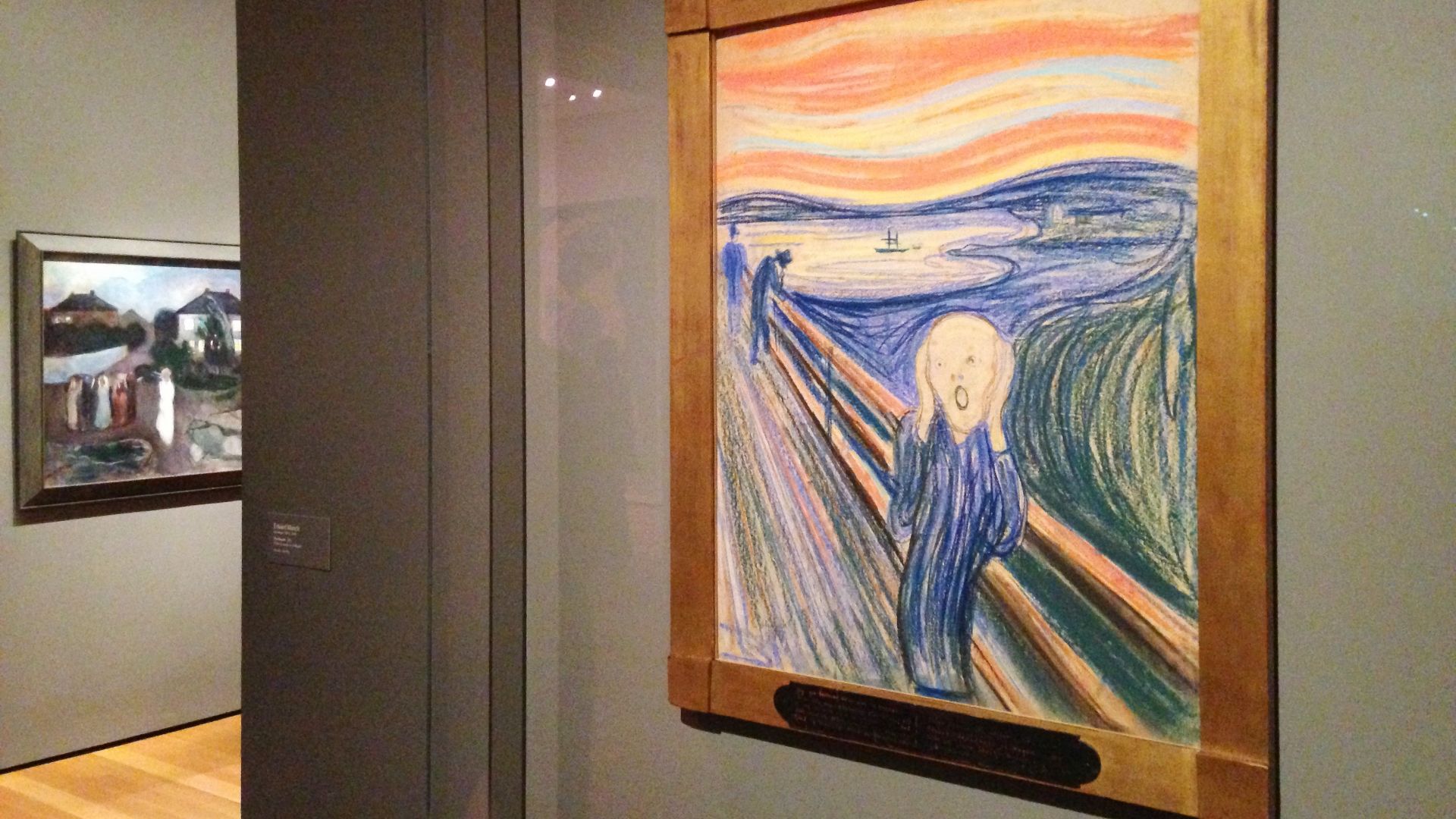
Thieves Took The Scream In Under A Minute
Two men broke into Norway's National Gallery in February 1994 and escaped with Edvard Munch's The Scream. The robbery coincided with the opening of the Winter Olympics at Lillehammer, guaranteeing international attention. The painting was so recognizable that selling it openly would have been almost impossible.
 Maurizio Pesce from Milan, Italia, Wikimedia Commons
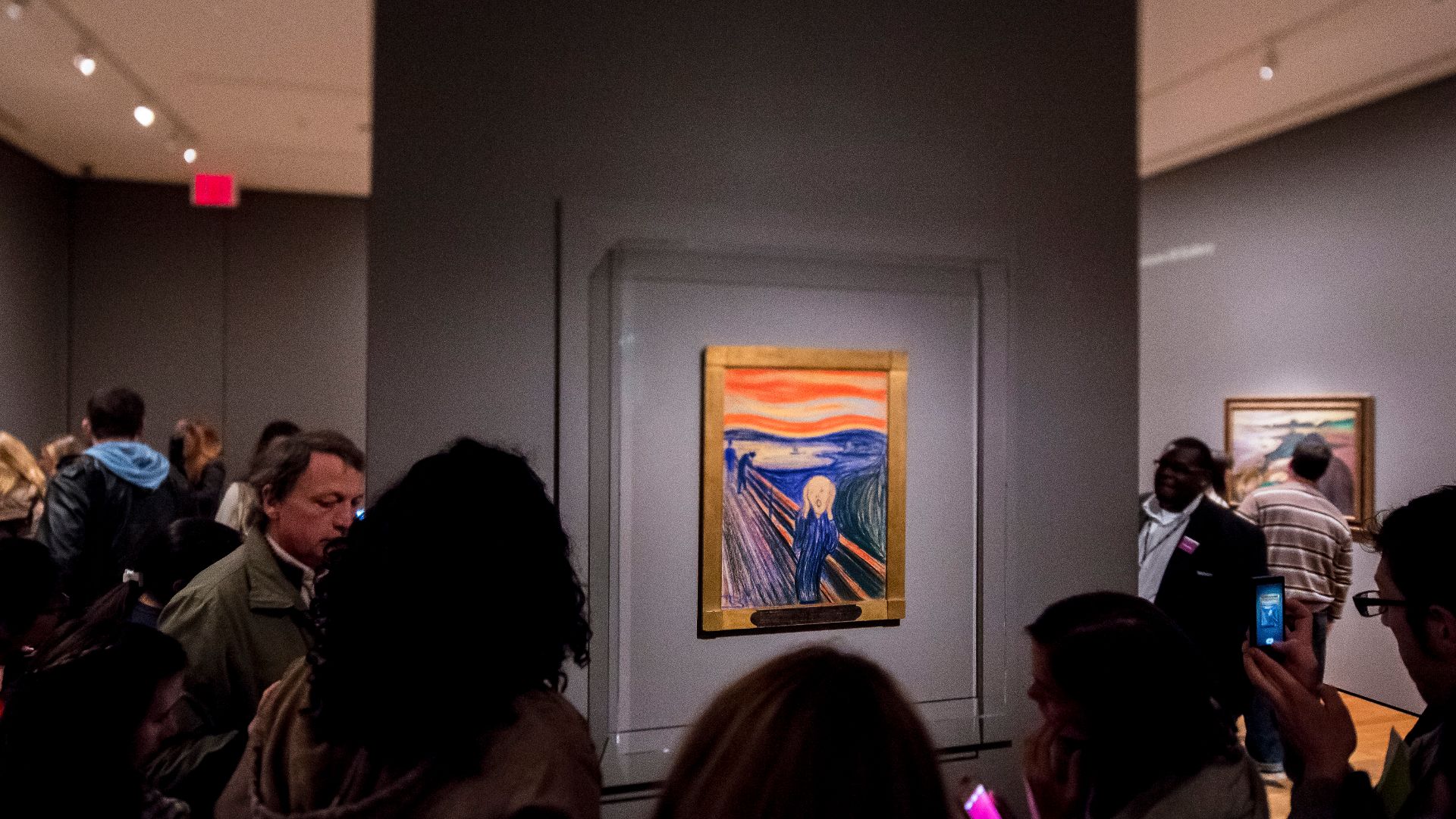
The Scream Ended Up At A Seaside Hotel
Police eventually launched an undercover operation involving Scotland Yard officers posing as buyers. In May 1994, The Scream was recovered virtually undamaged from a hotel at Åsgårdstrand, a Norwegian beach resort where Munch himself had once owned a cottage. One of the world's most famous images of anguish had spent part of its disappearance hiding in a vacation destination.
 Parker Miles Blohm, Wikimedia Commons
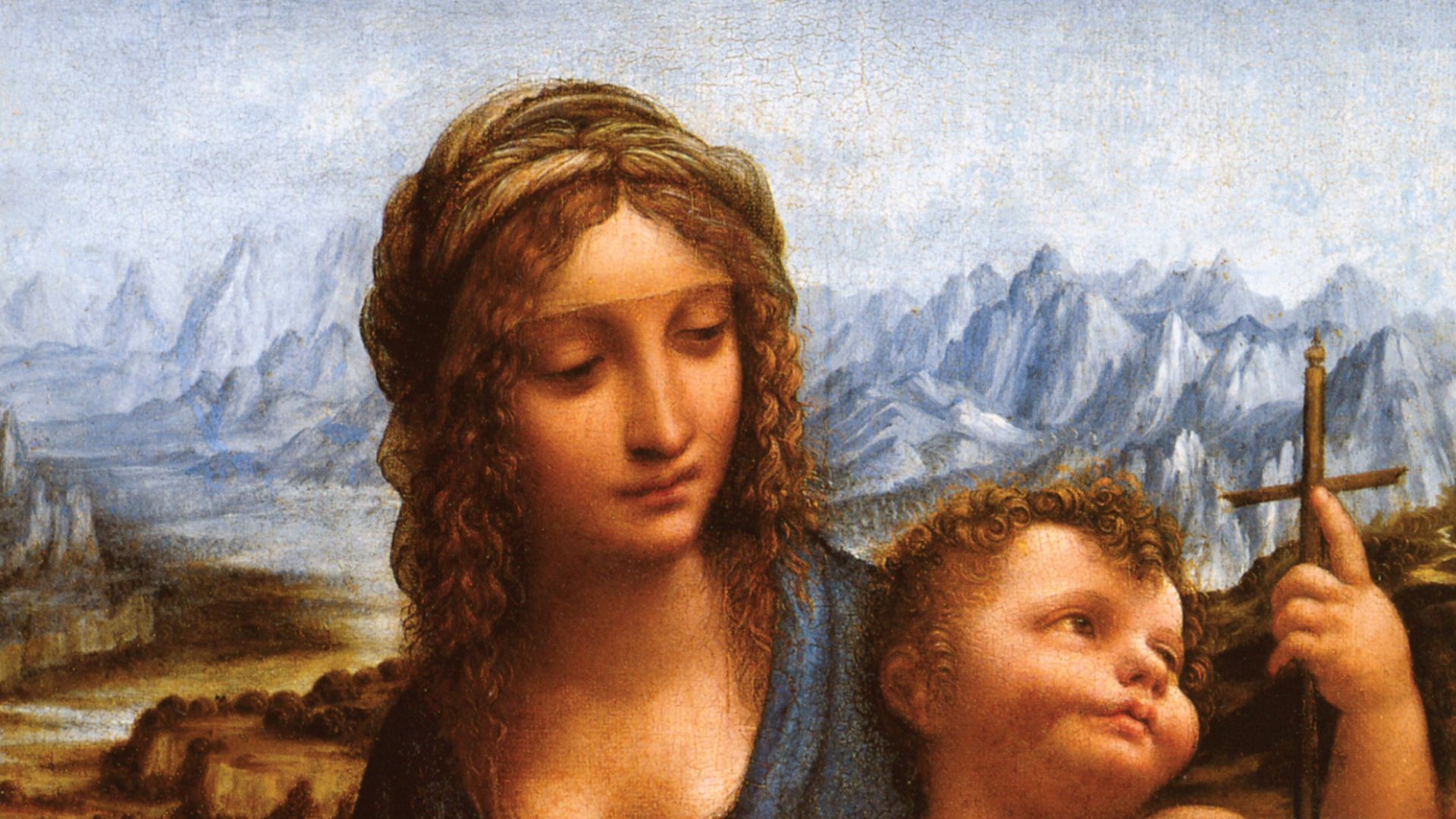
A Leonardo Was Ripped From A Castle
In 2003, thieves posing as tourists entered Drumlanrig Castle in Scotland and stole the Madonna of the Yarnwinder, traditionally attributed to Leonardo da Vinci. They overpowered a guide, removed the painting from the wall, and escaped while other visitors were nearby. The audacious daytime theft launched an international hunt that continued for four years.
 Fotis Constantinidis, Wikimedia Commons
Police Found It At A Law Firm
The search ended in October 2007 somewhere considerably less romantic than a Scottish castle. Police raided the Glasgow offices of law firm HBJ Gateley Wareing and recovered the missing painting there. A Renaissance treasure pursued by international investigators had somehow ended its journey inside a modern office full of solicitors.
 Leonardo da Vinci and workshop, Wikimedia Commons
Goya Spent Years In A Wardrobe
Goya's portrait of the Duke of Wellington disappeared from London's National Gallery in August 1961, only 19 days after going on display. Kempton Bunton later admitted taking it and concealed the painting behind a wardrobe at his home. He also sent anonymous messages demanding action on television-license fees for elderly people in return for the artwork.
 Francisco Goya, Wikimedia Commons
Then It Turned Up At A Train Station
Four years after the theft, the Goya suddenly appeared in the left-luggage office at Birmingham New Street railway station. Bunton surrendered to police several weeks later and confessed. A painting important enough to provoke a national manhunt had ultimately been returned in roughly the same sort of place where commuters deposited suitcases.
 mattbuck (category), Wikimedia Commons
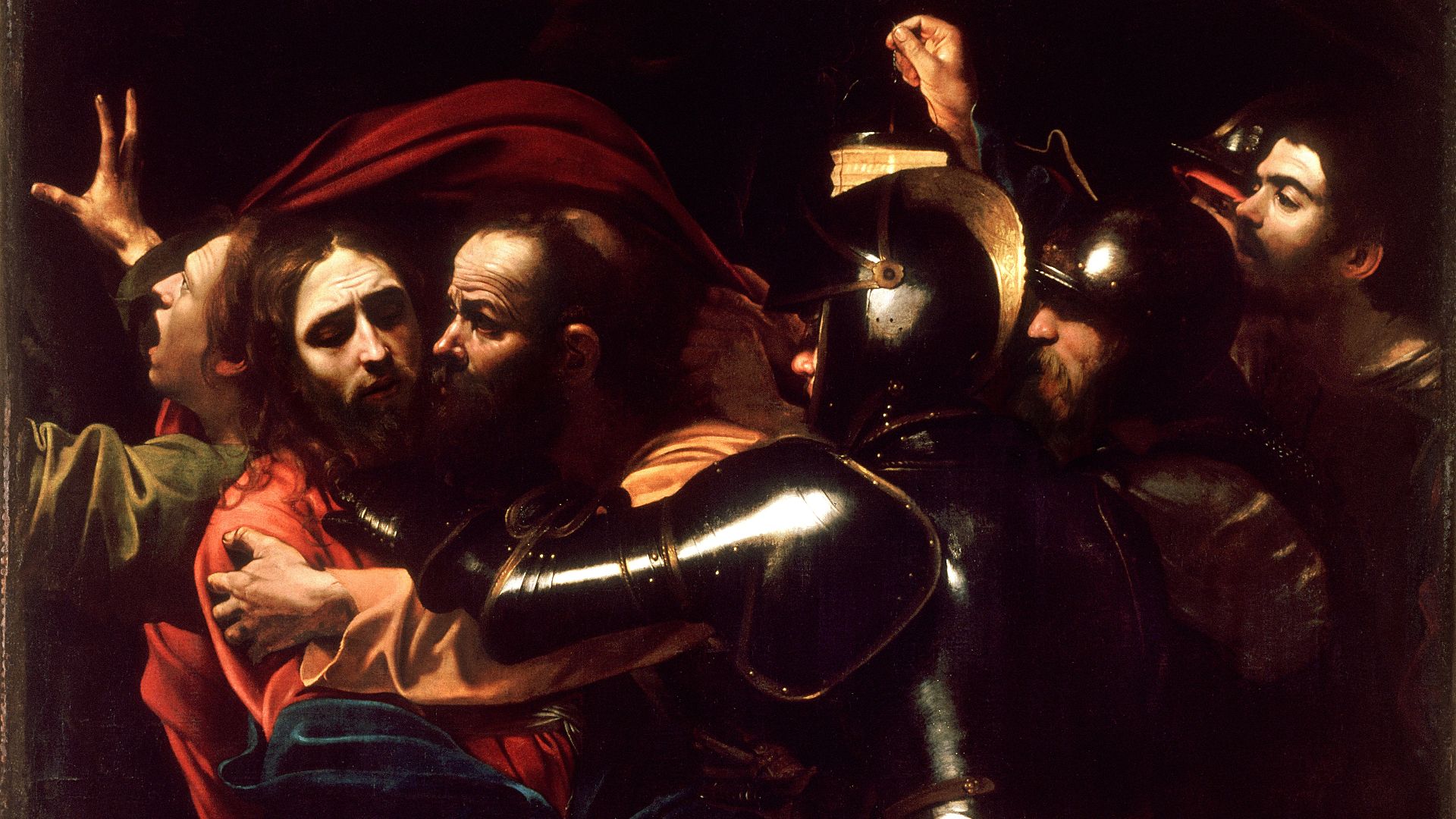
A Caravaggio Was Lost For Centuries
Caravaggio painted The Taking of Christ in 1602 for the Roman collector Ciriaco Mattei. Over time, its authorship was forgotten and the work was wrongly attributed to Gerrit van Honthorst, one of Caravaggio's followers. By the 20th century, scholars knew the composition from records and copies but believed the original was lost.
Priests Were Eating Dinner Beneath It
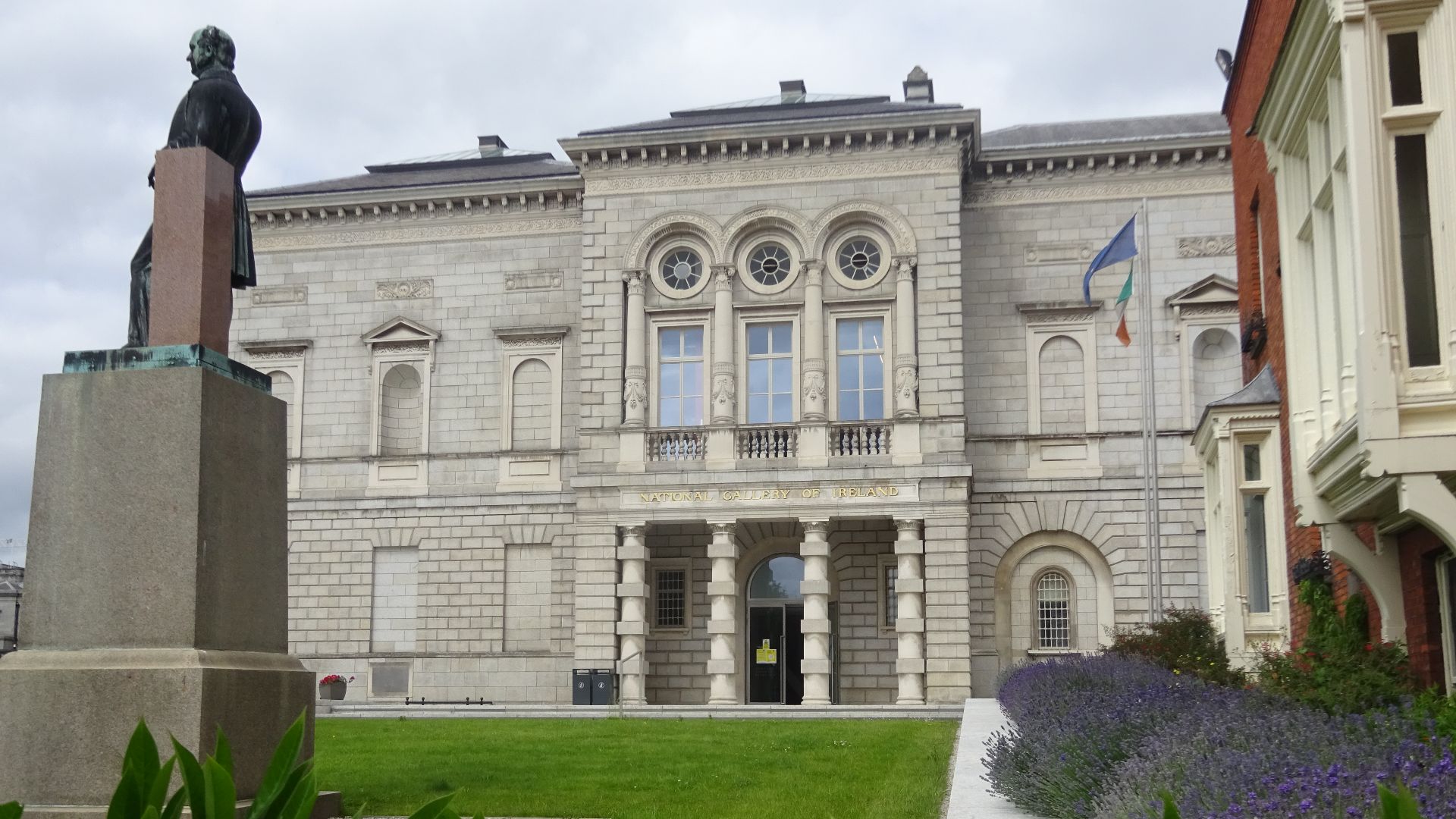
The supposed Honthorst eventually reached a Jesuit residence on Leeson Street in Dublin, where it hung in the dining room for more than 50 years. National Gallery of Ireland conservator Sergio Benedetti noticed it during a visit in August 1990 and suspected immediately that something was wrong with the old attribution. Years of research confirmed that generations of Jesuits had been eating meals beneath a missing Caravaggio masterpiece.
Nobody Noticed The Cimabue In The Kitchen
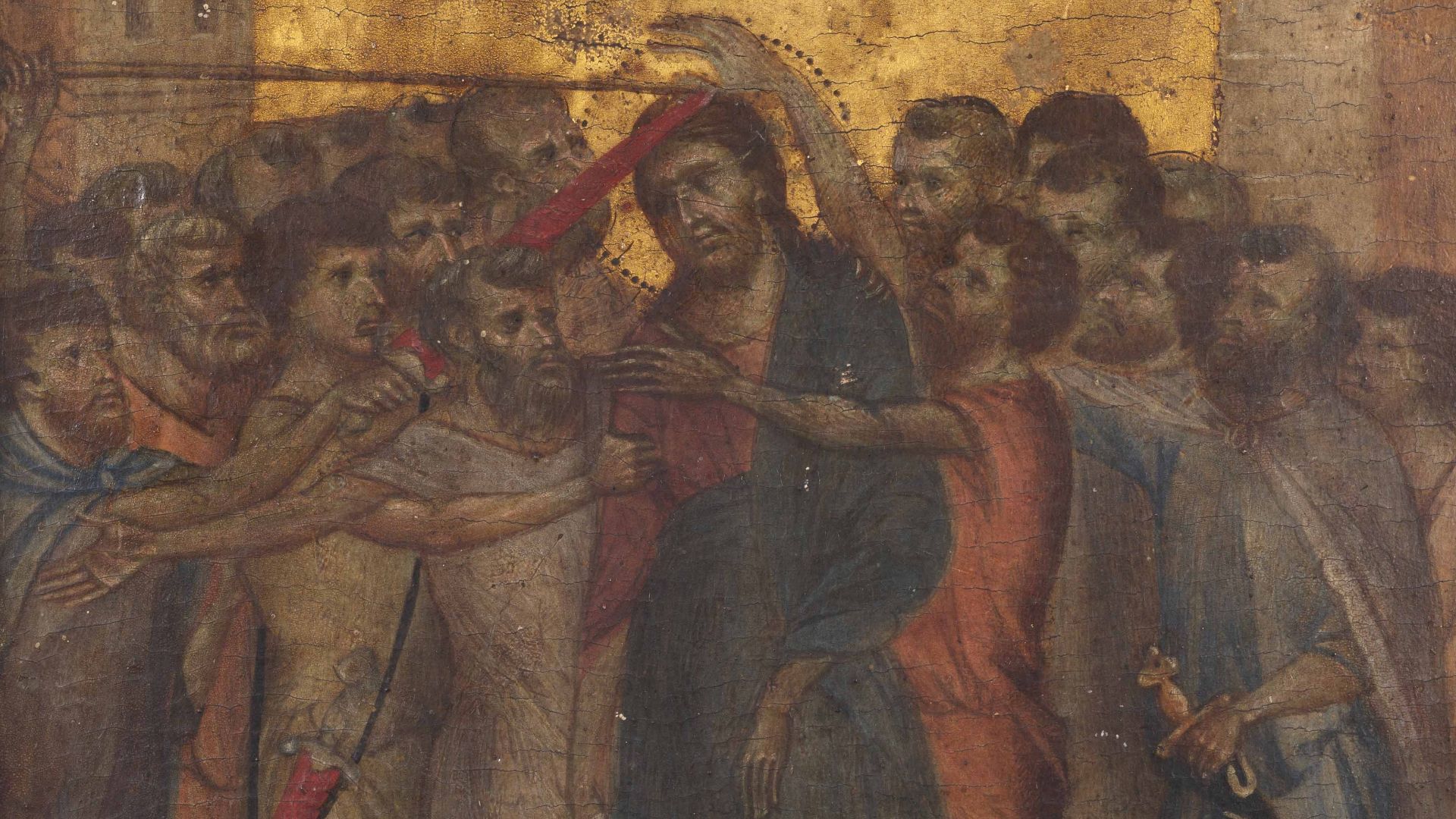
An elderly woman in Compiègne, France, had a small religious painting hanging in her kitchen for years. She reportedly regarded it as an ordinary religious icon and kept it near the area where she prepared food. An auction specialist visiting her home in 2019 noticed that the little panel deserved considerably more attention.
It Was Hanging Above The Cooker
The work turned out to be Christ Mocked, attributed to the medieval Italian master Cimabue and considered long lost. It had been hanging close to a cooking plate in an ordinary home, despite being one of only a small number of surviving works attributed to the artist. When it went to auction, the kitchen decoration sold for more than €24 million including fees.
 Portable Antiquities Scheme from London, England, Wikimedia Commons
A Van Gogh Was Banished Upstairs
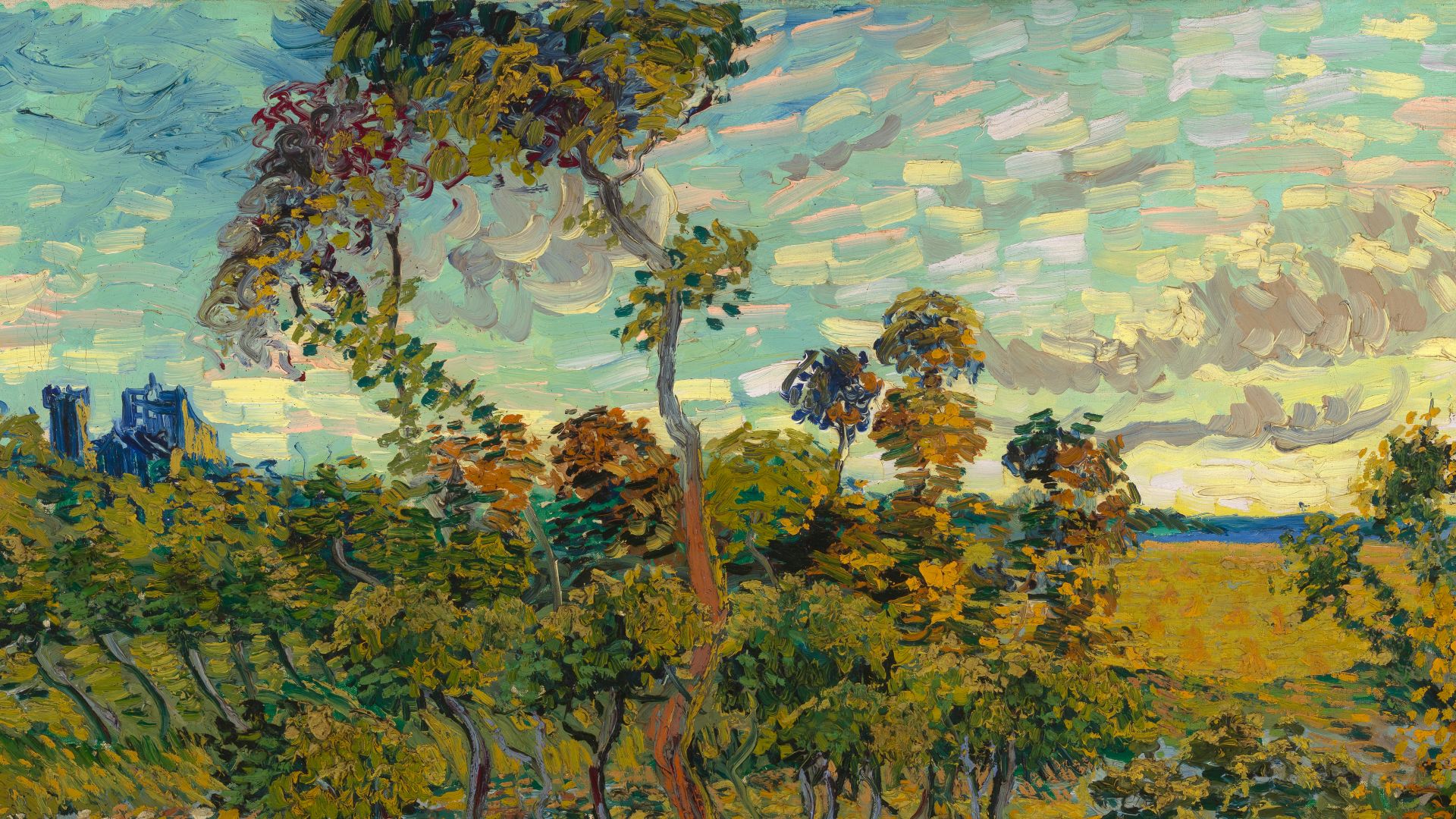
Norwegian industrialist Christian Nicolai Mustad acquired Sunset at Montmajour in the early 20th century believing it was by Vincent van Gogh. According to the family's story, a knowledgeable visitor later questioned the attribution, and Mustad removed the painting from display. It eventually disappeared into his attic rather than hanging proudly among his collection.
 Vincent van Gogh, Wikimedia Commons
The Attic Painting Was Real
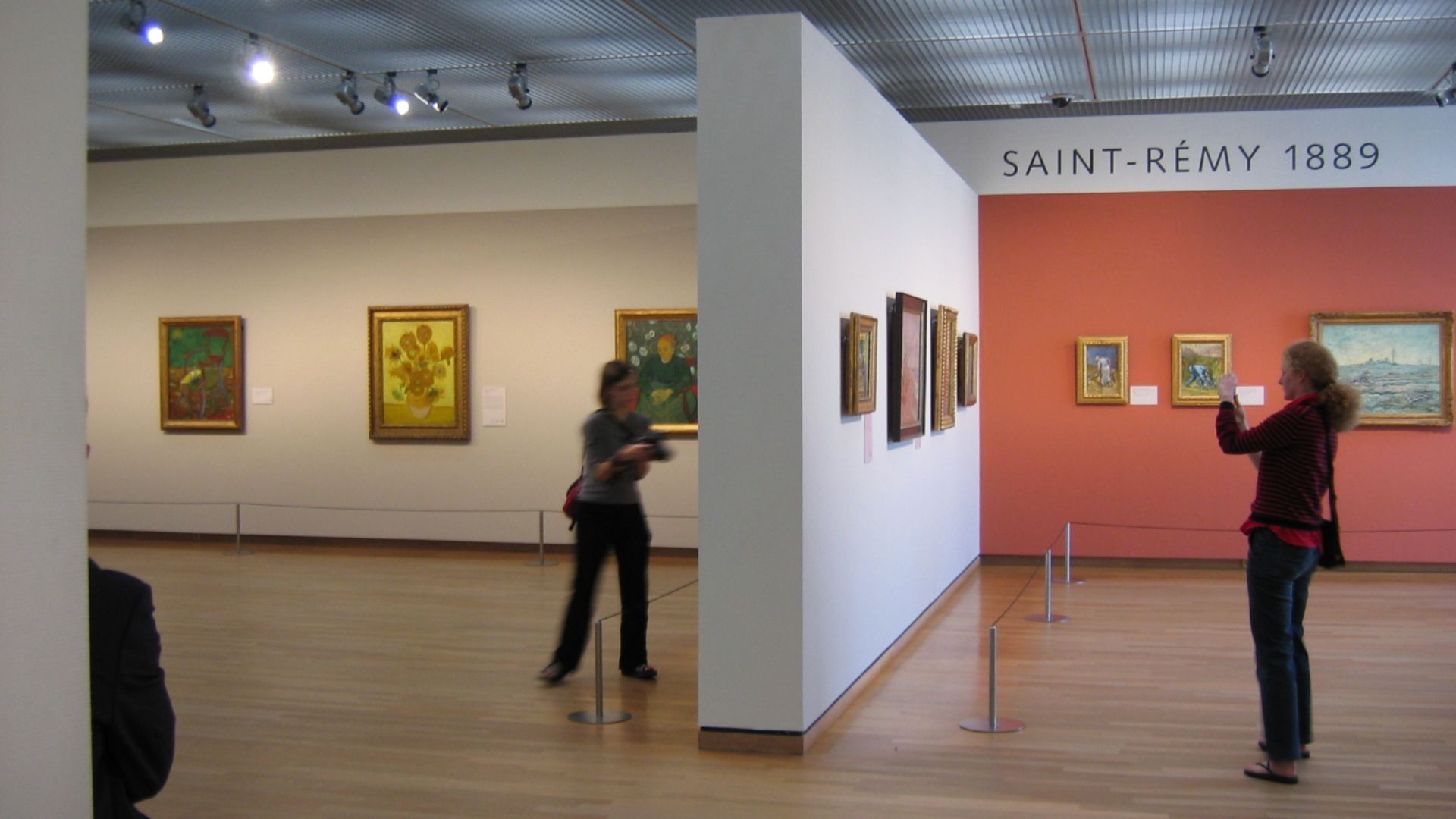
The Van Gogh Museum itself rejected the painting when it was submitted in 1991, but researchers later reconsidered it using improved technical analysis and documentary evidence. In 2013, the museum announced that Sunset at Montmajour was indeed an authentic Van Gogh painted in 1888. A work dismissed as a fake and exiled to an attic had become the first full-sized Van Gogh painting newly authenticated in decades.
 Minke Wagenaar from Amsterdam, NL, Wikimedia Commons
Picasso Disappeared From Athens
In January 2012, a thief broke into Greece's National Gallery and escaped with works including Picasso's Head of a Woman and Mondrian's Stammer Windmill. Picasso had personally given his painting to the Greek people in recognition of their resistance to Nazi occupation. Despite its national significance, it remained missing for nearly nine years.
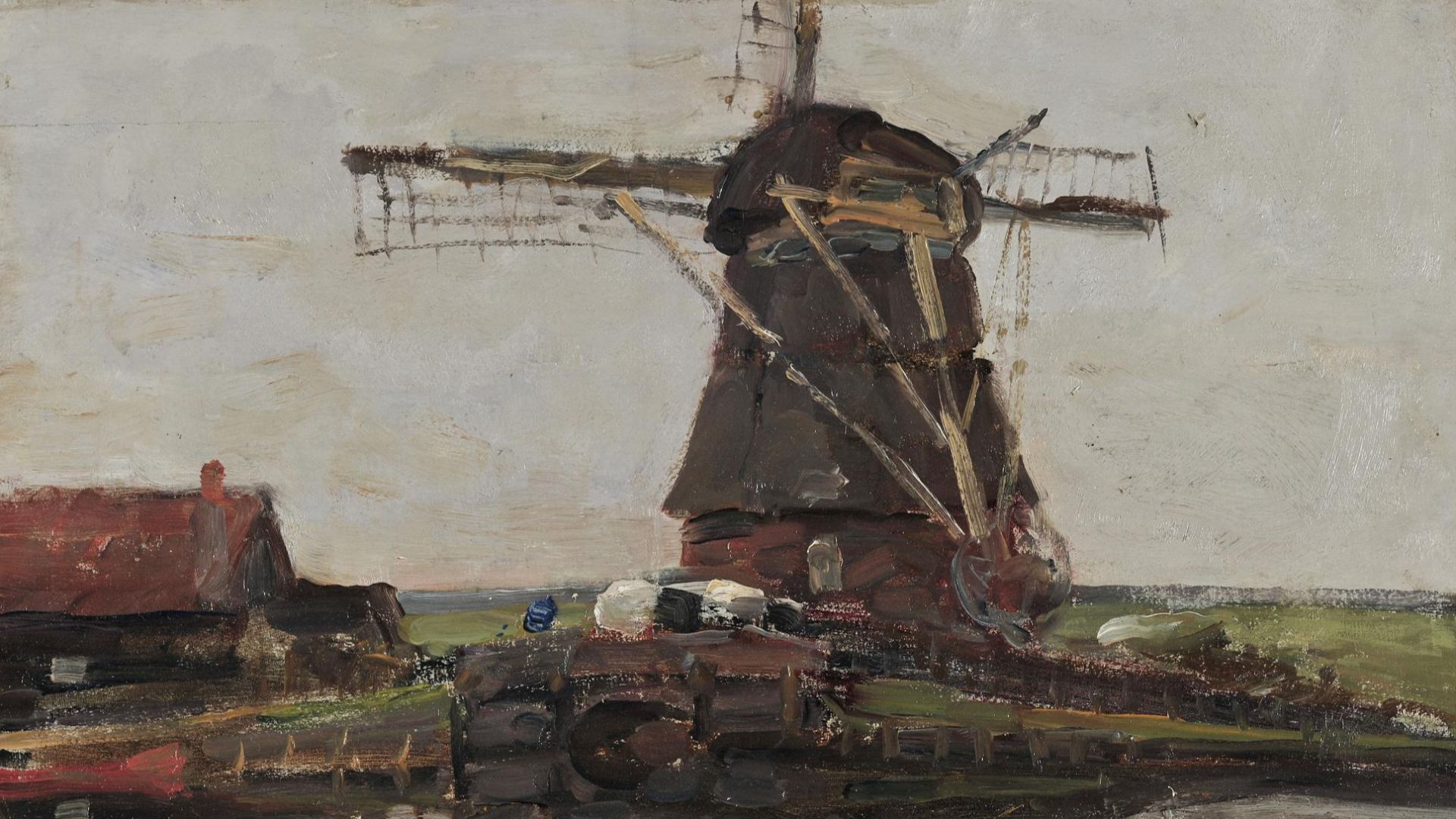 Piet Mondrian, Wikimedia Commons
The Picasso Went Into A Gorge
Greek police finally arrested a construction worker who admitted carrying out the theft. Investigators recovered the Picasso and Mondrian after the suspect directed them to a gorge outside Athens where the artworks had been concealed. The Picasso had reportedly spent most of the intervening years hidden in his home before being moved as police closed in.
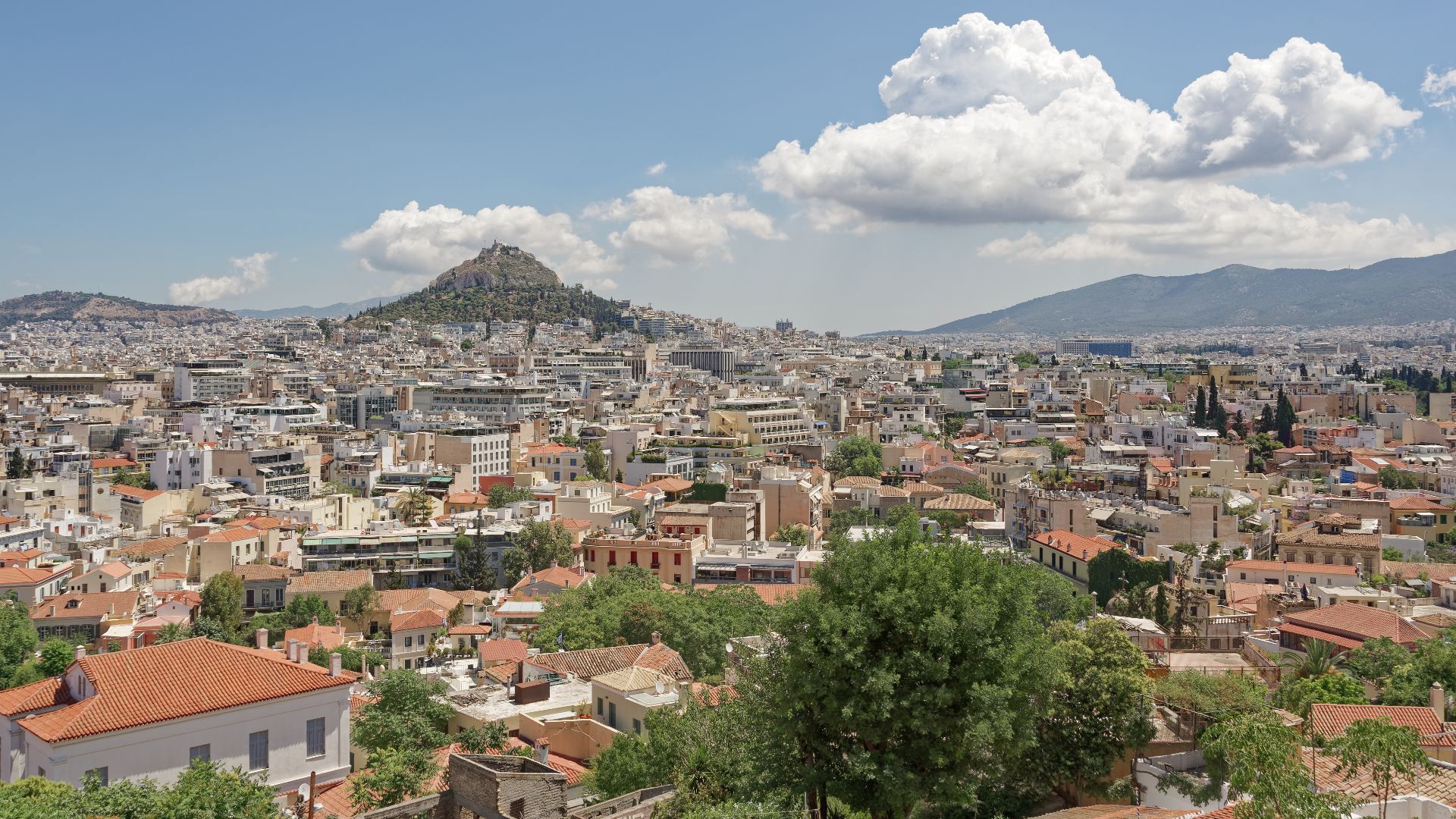 Jakub Hałun, Wikimedia Commons
A Van Gogh Vanished During Lockdown
The Parsonage Garden at Nuenen in Spring was on loan to the Singer Laren museum when a burglar smashed through its entrance in March 2020. The museum was closed because of pandemic restrictions, giving the theft an eerie backdrop. Although a man was later convicted over the robbery, the painting itself remained missing for more than three years.
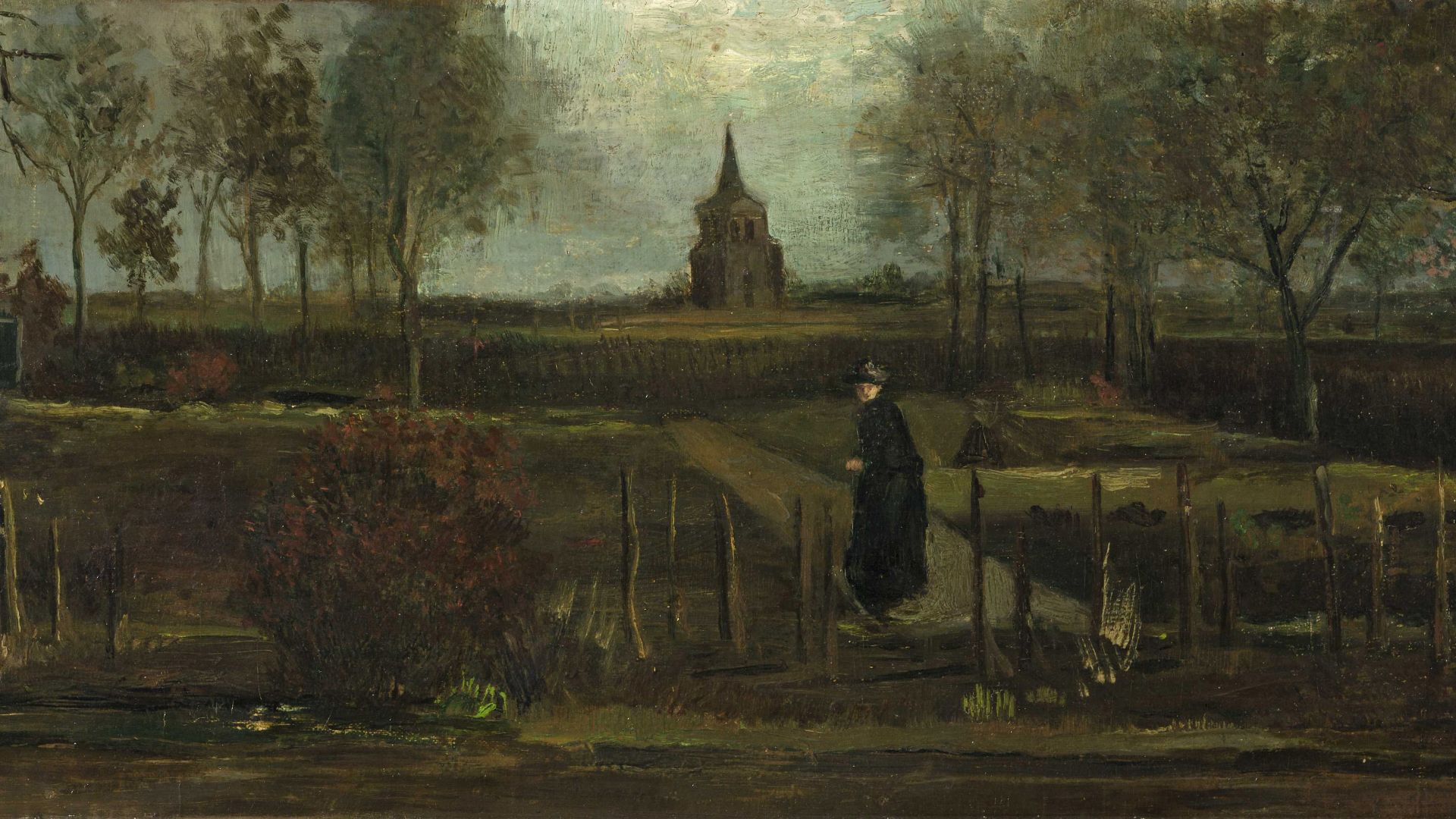 Vincent van Gogh, Wikimedia Commons
It Came Back In An Ikea Bag
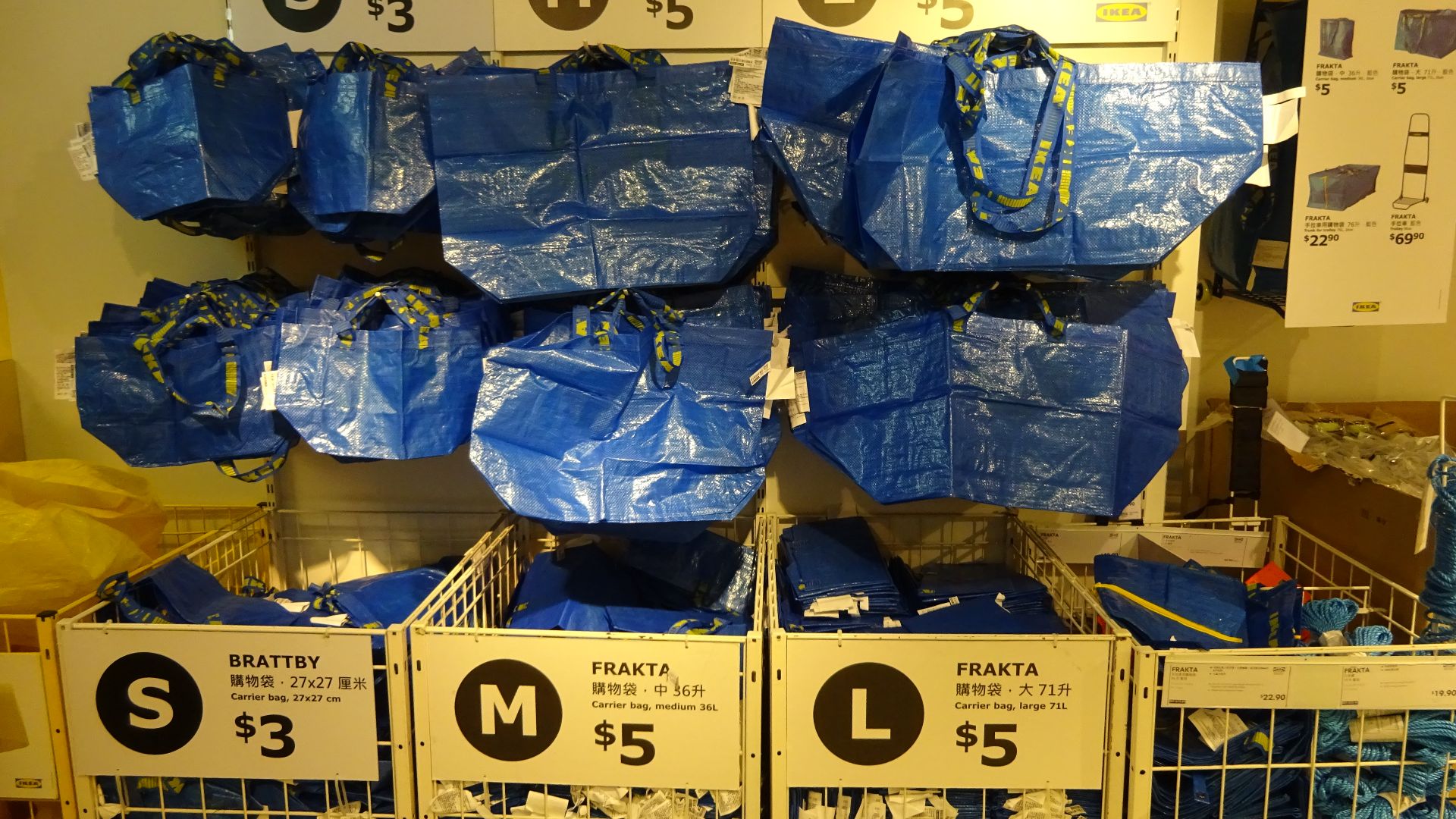
In September 2023, an anonymous intermediary arrived at art detective Arthur Brand's Amsterdam home carrying one of Ikea's familiar blue shopping bags. Inside was the missing Van Gogh, wrapped in bubble wrap and a pillowcase. After years circulating through the criminal underworld, a multimillion-euro painting returned home looking remarkably like someone's awkwardly packed furniture-store purchase.
This Rembrandt Kept Getting Stolen
Rembrandt's small portrait of Jacob de Gheyn III became notorious for repeatedly disappearing from London's Dulwich Picture Gallery. It was among works stolen in a major 1967 burglary and was taken again in 1981. Its compact size made the portrait considerably easier to carry away than many museum masterpieces.
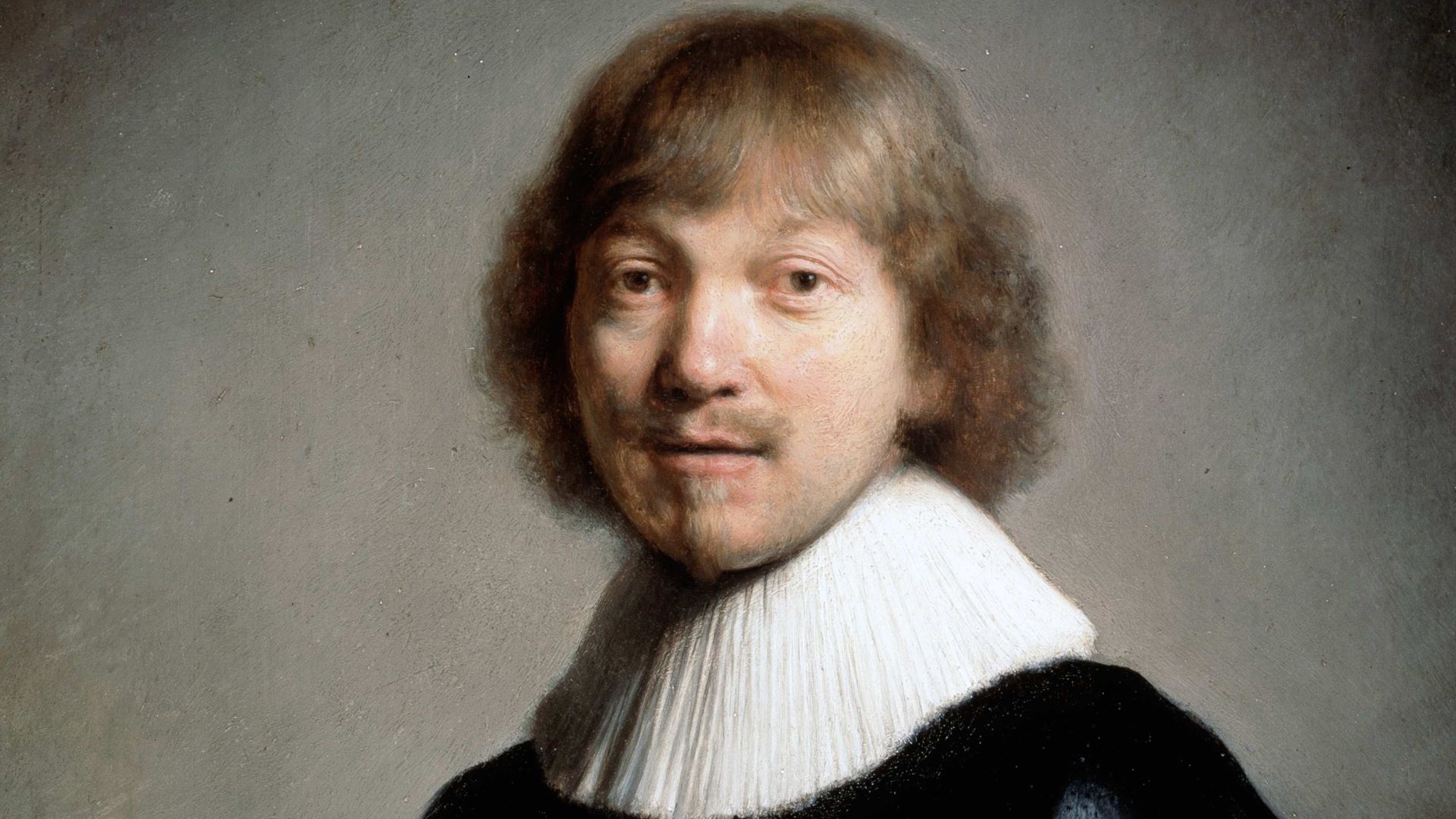
Police Found It In A Taxi Briefcase
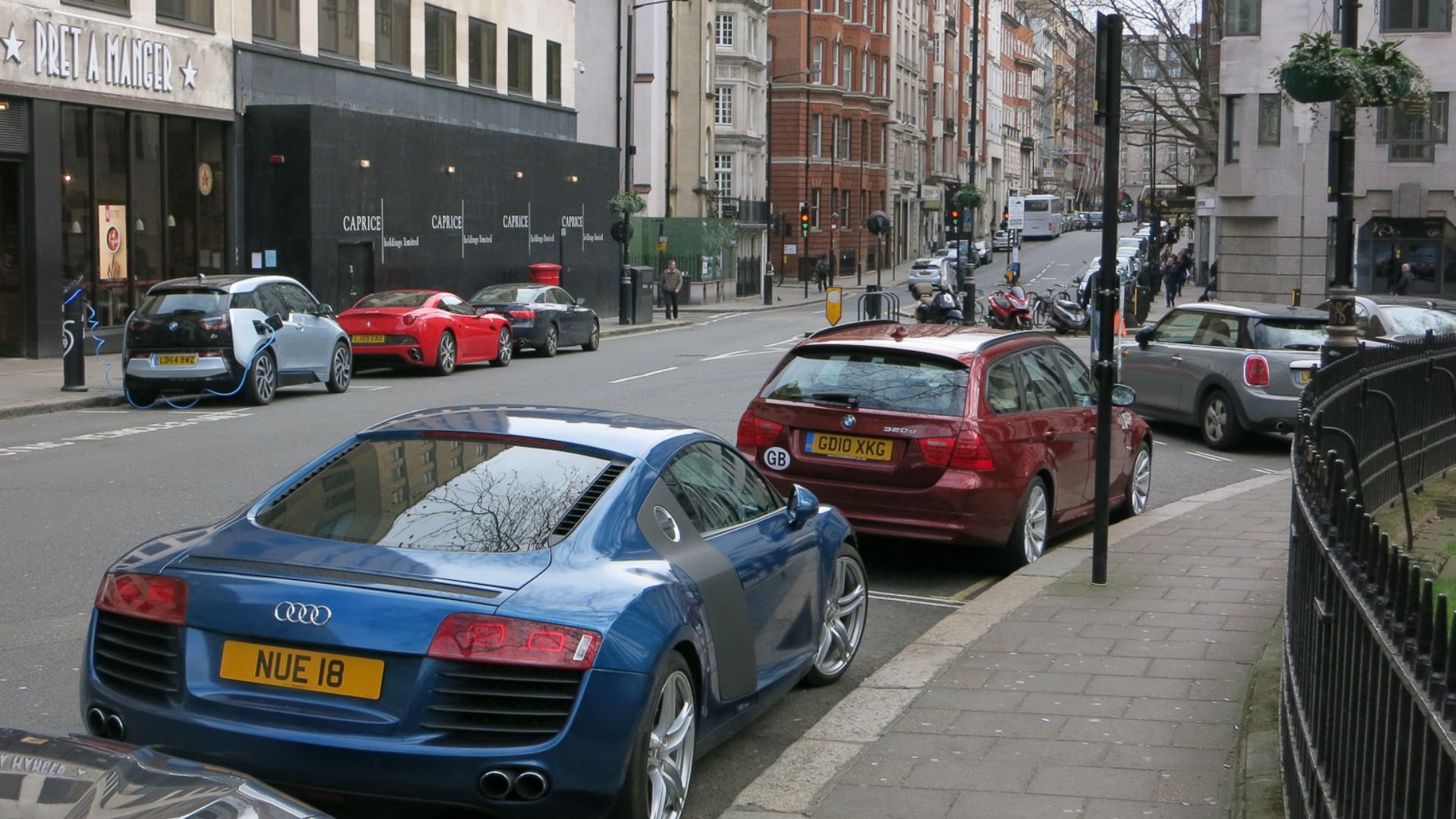
The 1981 theft developed into an extraordinary international sting involving secret calls, Amsterdam meetings, ransom demands, and undercover surveillance. Police finally stopped a taxi in London's Berkeley Square and discovered a newly purchased briefcase large enough to conceal the missing picture. Inside the briefcase was Rembrandt's Jacob de Gheyn III, ending one chapter in the adventures of a painting that thieves would target again.
 Hugh Venables , Wikimedia Commons
Chagall Disappeared From A Manhattan Apartment
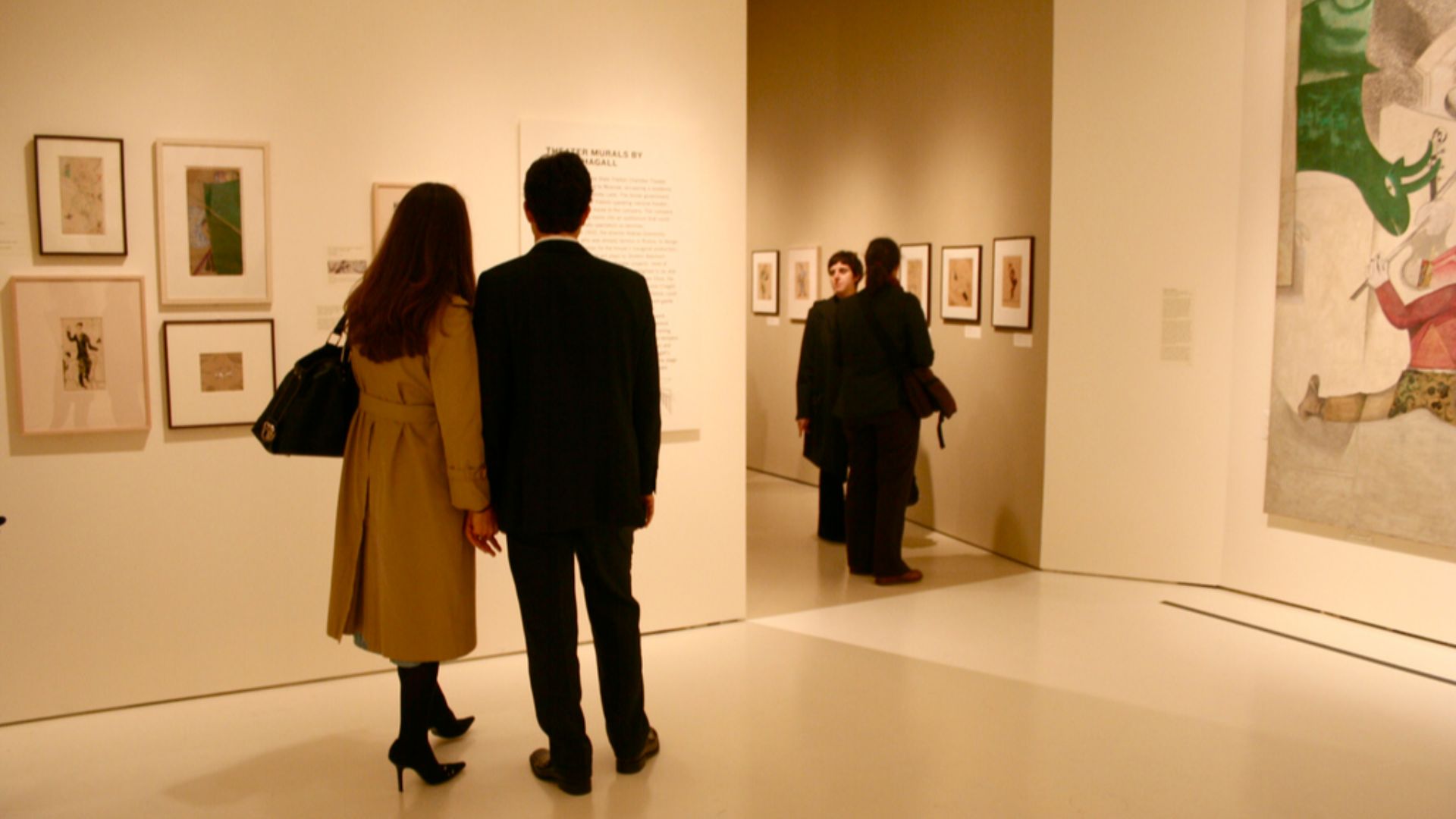
Marc Chagall's 1911 Othello and Desdemona was stolen from the Manhattan home of collectors Ernest and Rose Heller in 1988. Investigators later determined that a worker with access to the building had been stealing artwork from residents' apartments. The Chagall then vanished from public view for nearly three decades.
 The Jewish Museum NY, Wikimedia Commons
Someone Labeled It School Art
The man who eventually possessed the stolen Chagall kept it in the attic of his Maryland home. He constructed a protective box from plywood and part of a door jamb, then wrote “Misc. High School artwork” across the top. One of Chagall's paintings had effectively been camouflaged as a box of forgotten teenage art projects until the FBI recovered it.

A Renoir Cost Seven Dollars
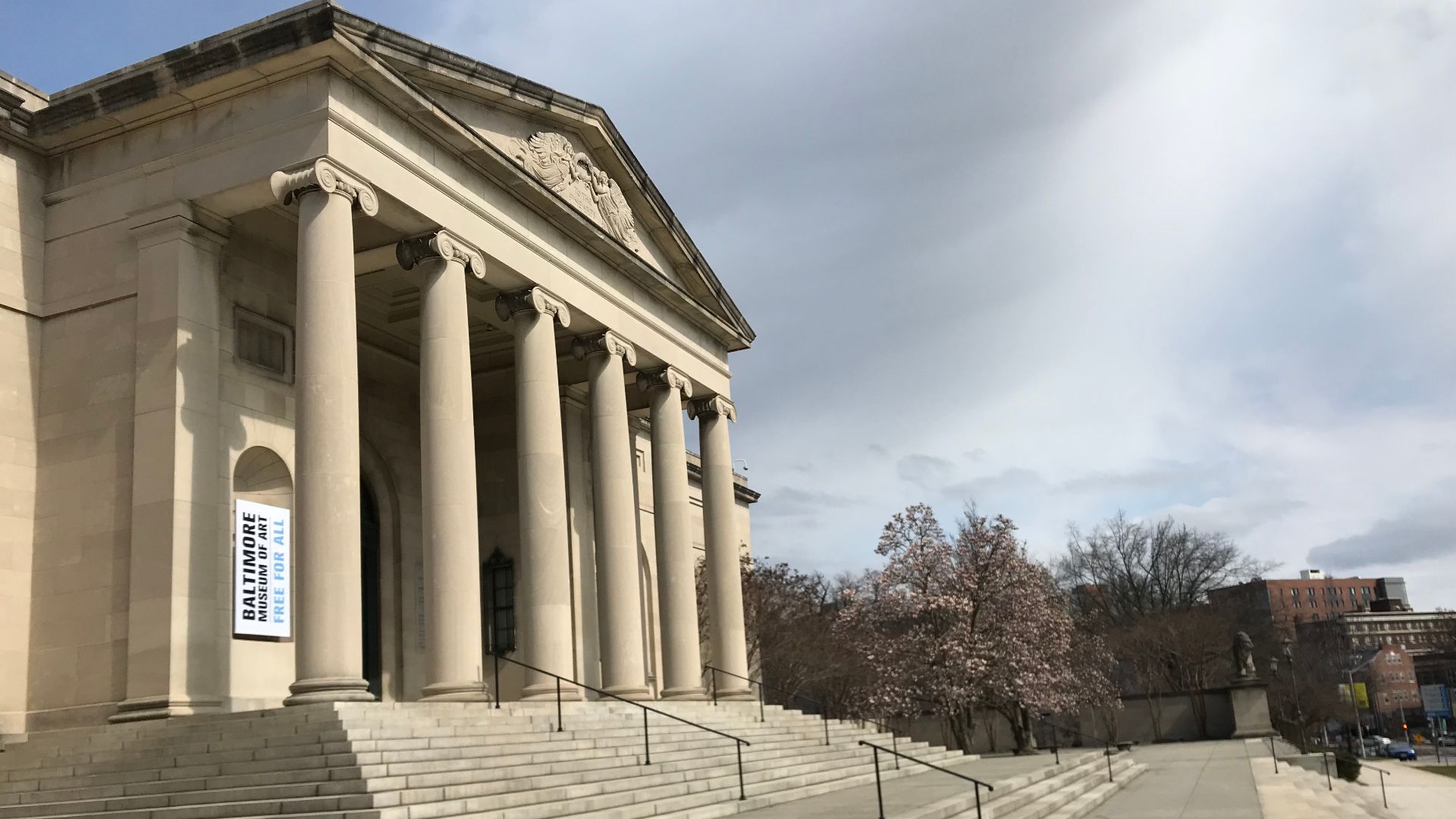
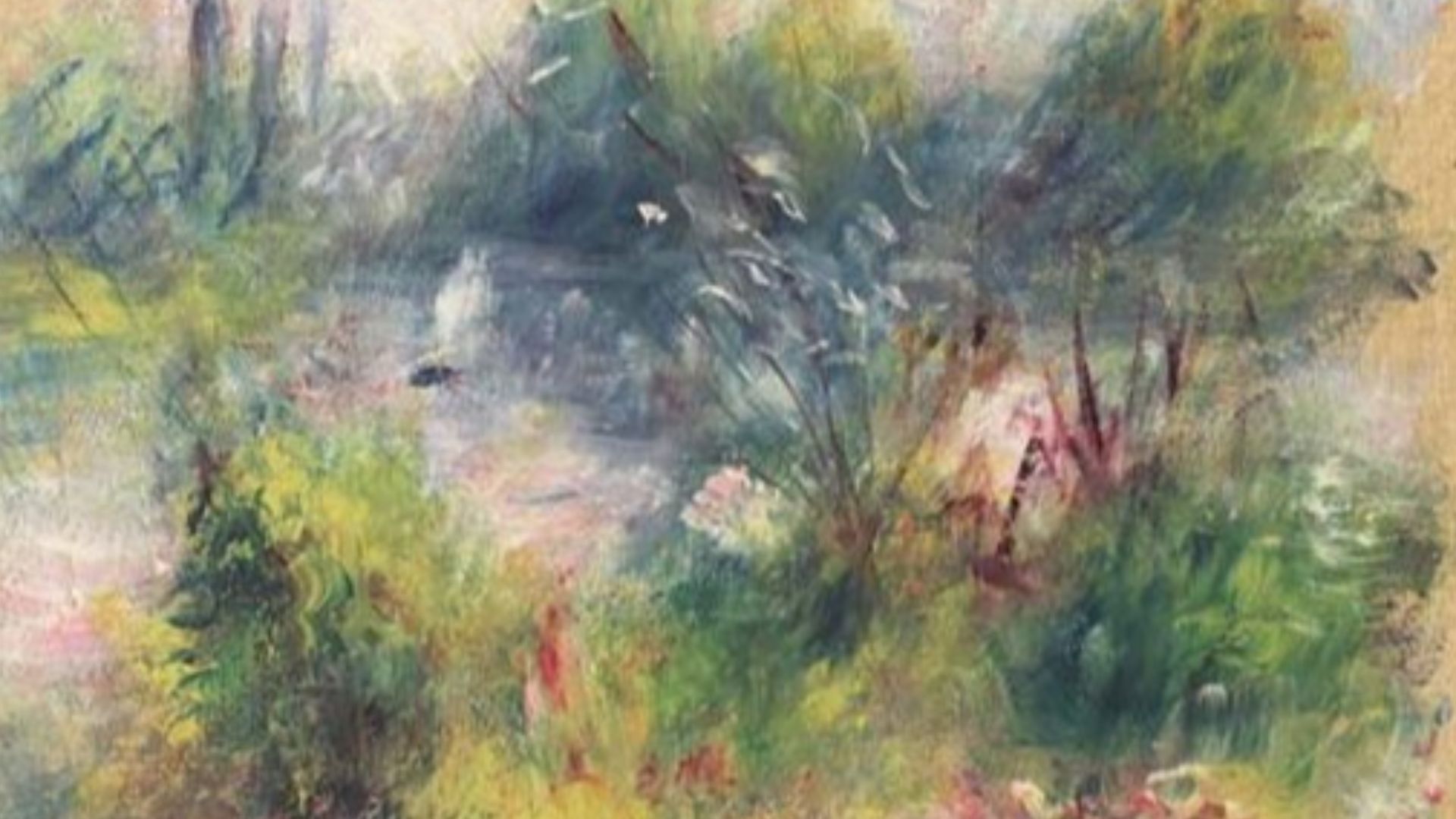
Pierre-Auguste Renoir's tiny On the Shore of the Seine disappeared from the Baltimore Museum of Art in 1951. Decades later, a Virginia woman claimed she bought it unknowingly at a West Virginia flea market. The purchase price was just $7.
 Baltimore Heritage from Baltimore, MD, USA, Wikimedia Commons
It Was Sitting In A Box Of Junk
The Renoir was reportedly part of a miscellaneous box containing items including a doll and a plastic cow. Its buyer kept the painting for a period before seeking an appraisal, ultimately setting off an ownership dispute when old museum records revealed the 1951 theft. A federal court eventually ruled that the painting belonged to the Baltimore Museum of Art.
 Pierre-Auguste Renoir, Wikimedia Commons
A Stolen Rockwell Entered Hollywood
Norman Rockwell's Russian Schoolroom disappeared from a gallery in Clayton, Missouri, during a 1973 burglary. It re-entered the legitimate art market years later without its stolen history apparently following it. Filmmaker Steven Spielberg bought the painting from a reputable dealer in 1989 with no knowledge that he was acquiring stolen property.
 Bain News Service, publisher, Wikimedia Commons
Spielberg’s Staff Solved The Mystery
The truth emerged only after members of Spielberg's staff encountered the painting on an FBI list of stolen artworks. Federal investigators and an art expert then examined the Rockwell at Spielberg's offices on the Universal Studios lot and confirmed its identity. A work police had been seeking for more than three decades had been sitting inside the collection of one of the world's most famous movie directors.
 Gage Skidmore from Peoria, AZ, United States of America, Wikimedia Commons
Sometimes The Hiding Place Is The Best Part
Art thieves dream about secret vaults, criminal collectors, and fortunes changing hands in the shadows, but reality is often much stranger. Masterpieces have survived in kitchens, attics, wardrobes, hotel rooms, train stations, bedroom corners, shopping bags, law offices, and even the walls of the museums that lost them.
You May Also Like:
Facts About The Most Notorious Art Heists In History
Deranged Historical Figures That No One Has Heard Of
Sources: 1, 2, 3, 4, 5, 6, 7, 8, 9, 10, 11, 12, 13, 14, 15, 16, 17, 18, 19, 20, 21, 22, 23, 24, 25, 26, 27, 28