Evolution Took More Than You Think
Humans have come a long way since our earliest ancestors walked the Earth. But evolution hasn't just given us bigger brains and the ability to walk upright. It's also taken away some pretty interesting features. From tails to special senses, here are the traits we've lost or greatly reduced. How many would you want back?
We Once Had Tails
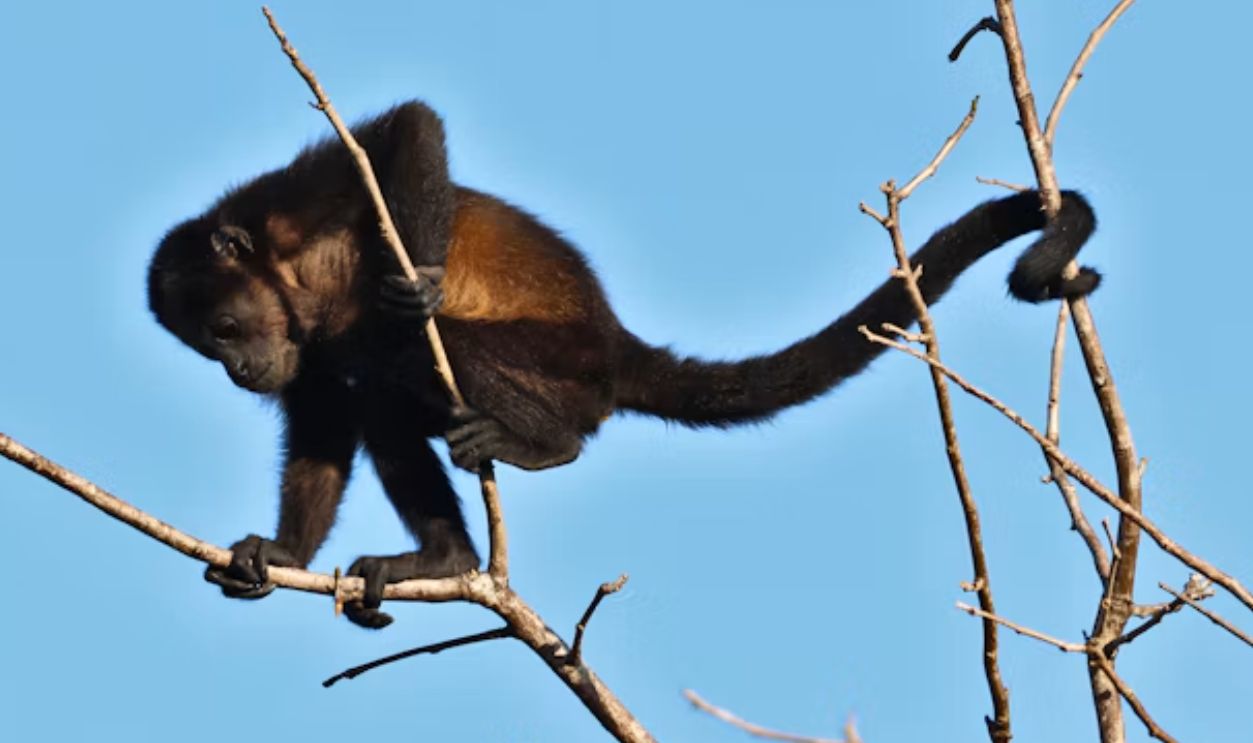
Imagine having a tail like a monkey. Our distant primate ancestors had them, and they were useful for balance and movement. Humans still carry the evidence at the bottom of our spines, called the tailbone. We've lost the tail itself, but plenty of other mammals still enjoy having one.
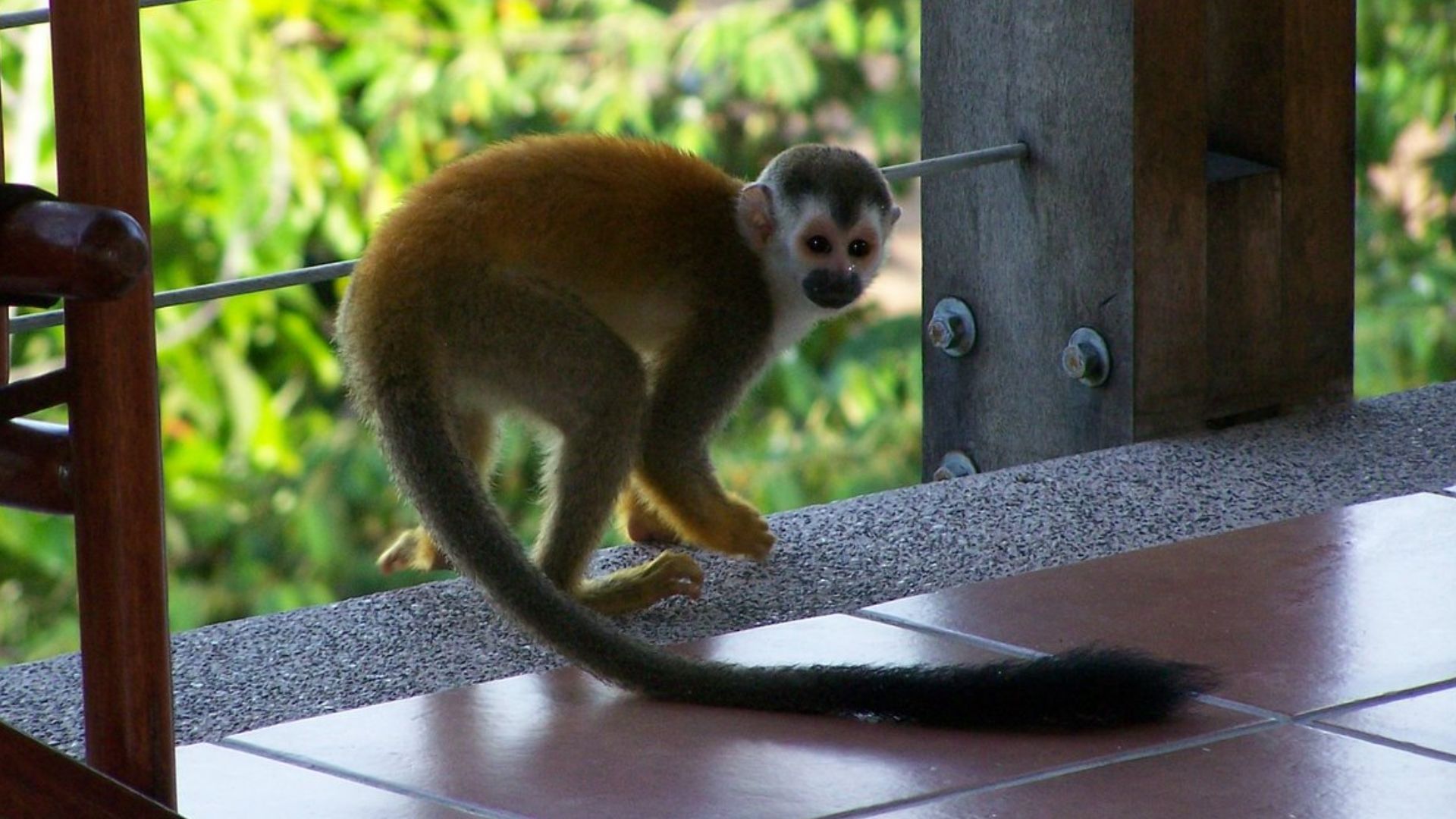 Michelle Reback, Wikimedia Commons
Tails Could Help Us Balance
For many mammals, tails provide an extra helping hand when running, climbing, or making sudden turns. Some monkeys even use theirs to grip branches. Humans developed a different way of moving, making tails less important. Still, imagine how useful one might be when you're trying to stay upright on ice!
We Used To Be Much Hairier
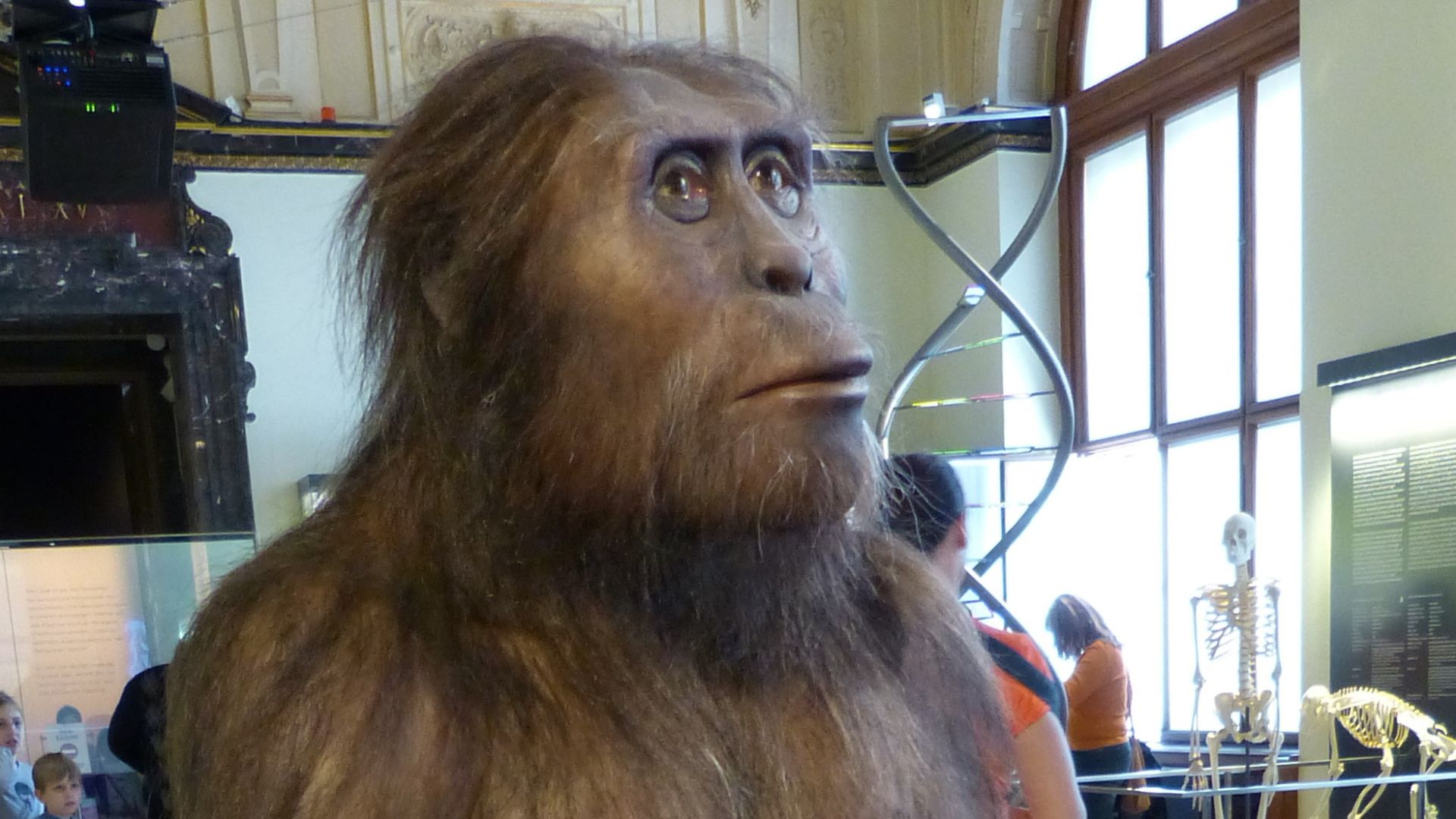
Ever wondered why chimpanzees have thick coats while humans have relatively little body hair? Our ancestors gradually lost much of their fur, possibly because having less hair made cooling down through sweating easier. We still grow hair, of course, but nothing like the furry covering our distant ancestors possessed.
 Wolfgang Sauber, Wikimedia Commons
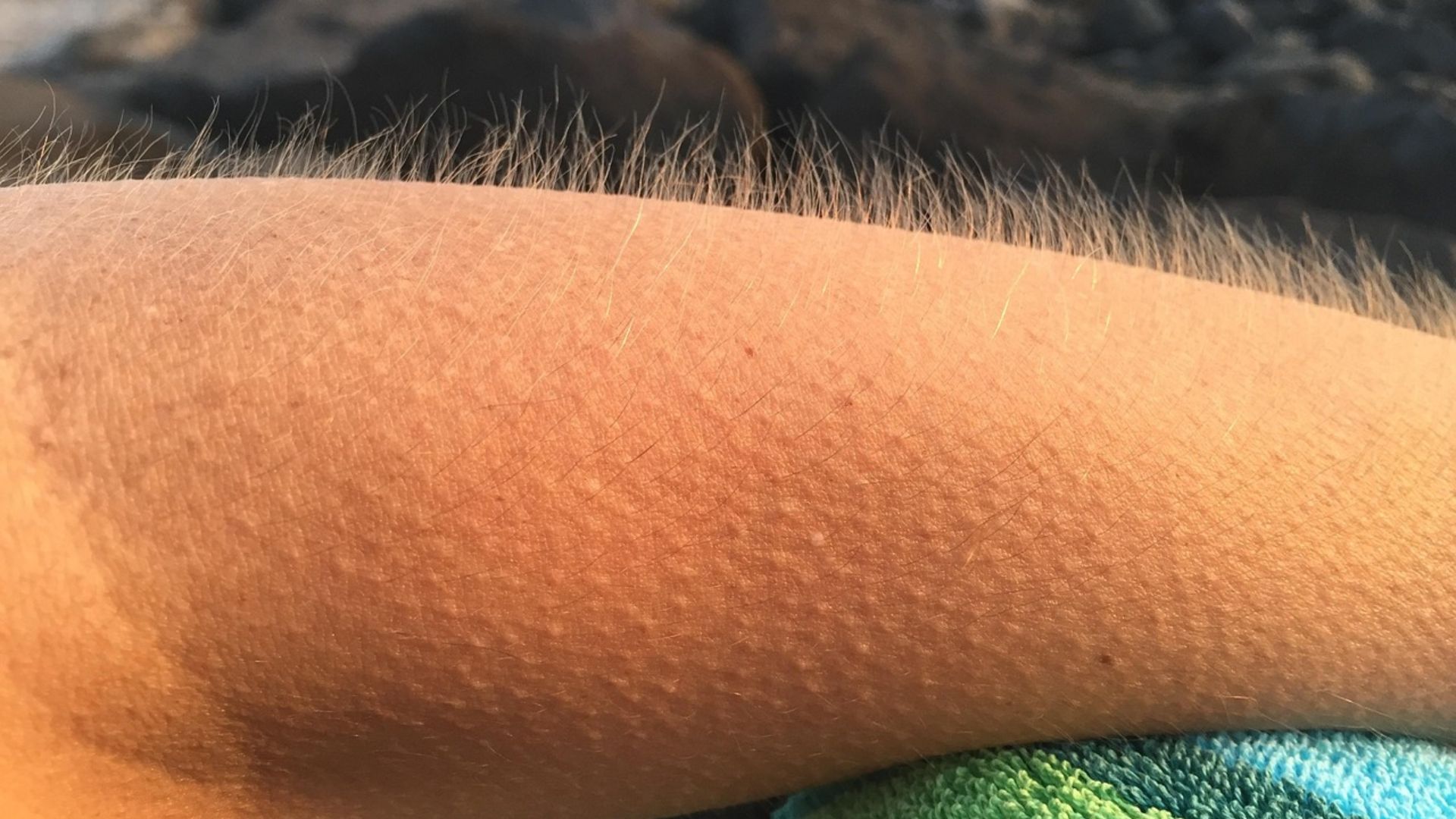
Goosebumps Used To Be Useful
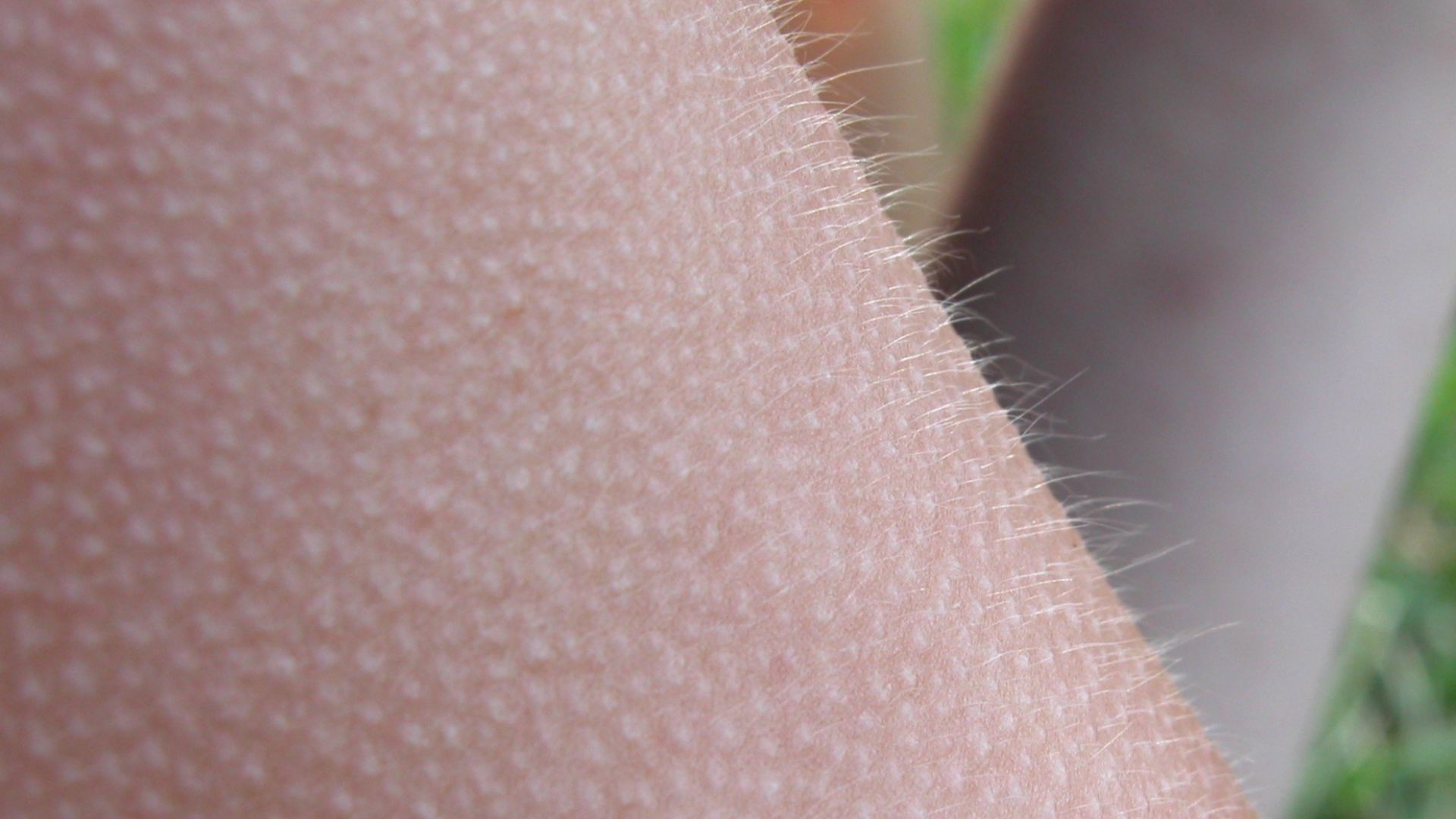
Those little bumps that appear when you're cold or frightened are leftovers from a much hairier past. In furry mammals, raised hairs trap warmth and can make an animal appear bigger when threatened. Human goosebumps still happen, but with so little fur, they don't accomplish nearly as much. Wouldn't a built-in winter coat be nice?
 Ildar Sagdejev (Specious), Wikimedia Commons
Our Hair Once Stood Up To Scare Enemies
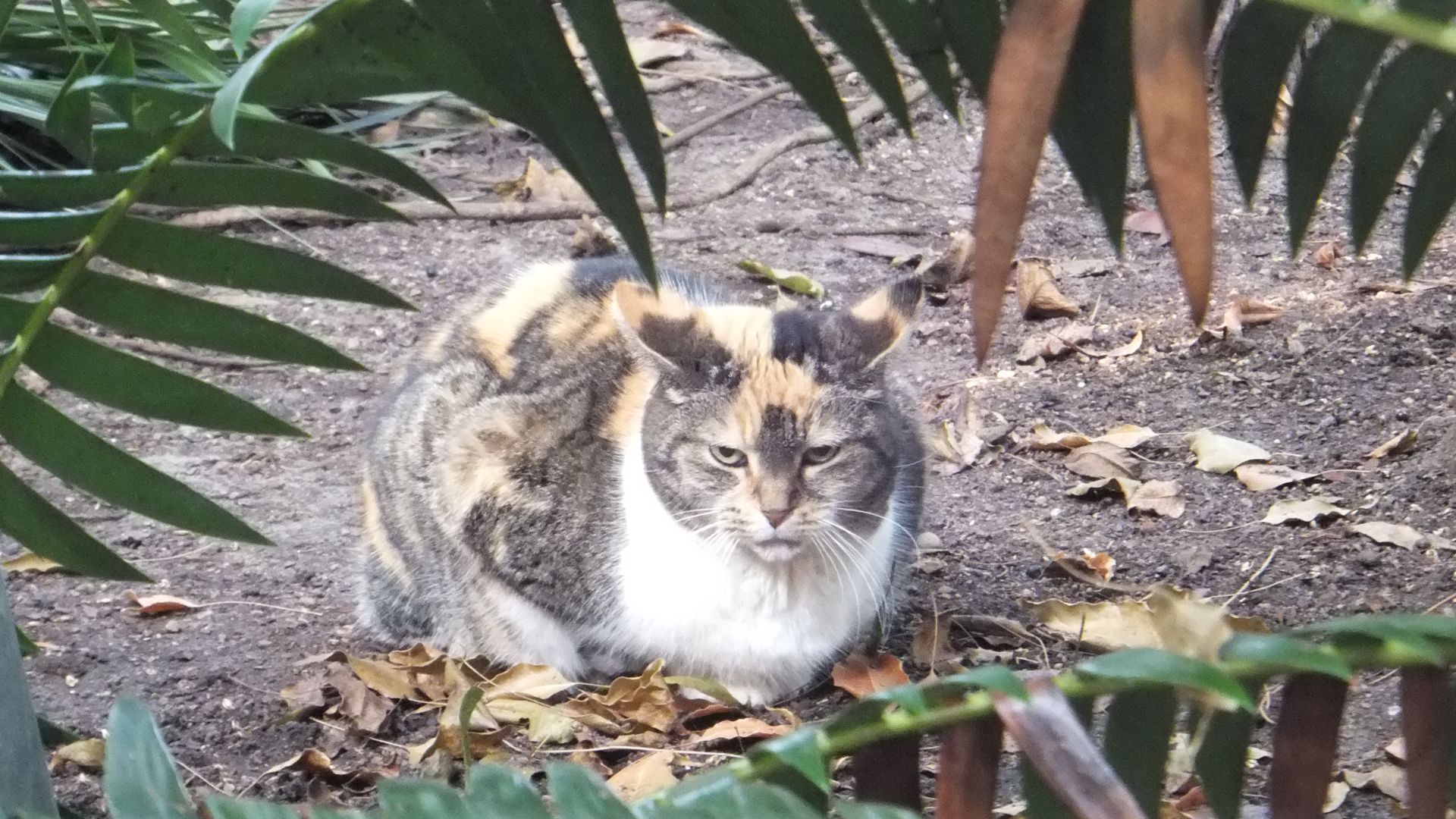
You've probably seen an angry cat puff itself up to look larger. Our distant ancestors had the same basic hair-raising reflex. Unfortunately, human body hair isn't thick enough to create that impressive effect. Today, the reflex is more likely to appear during a scary movie or an especially moving song.
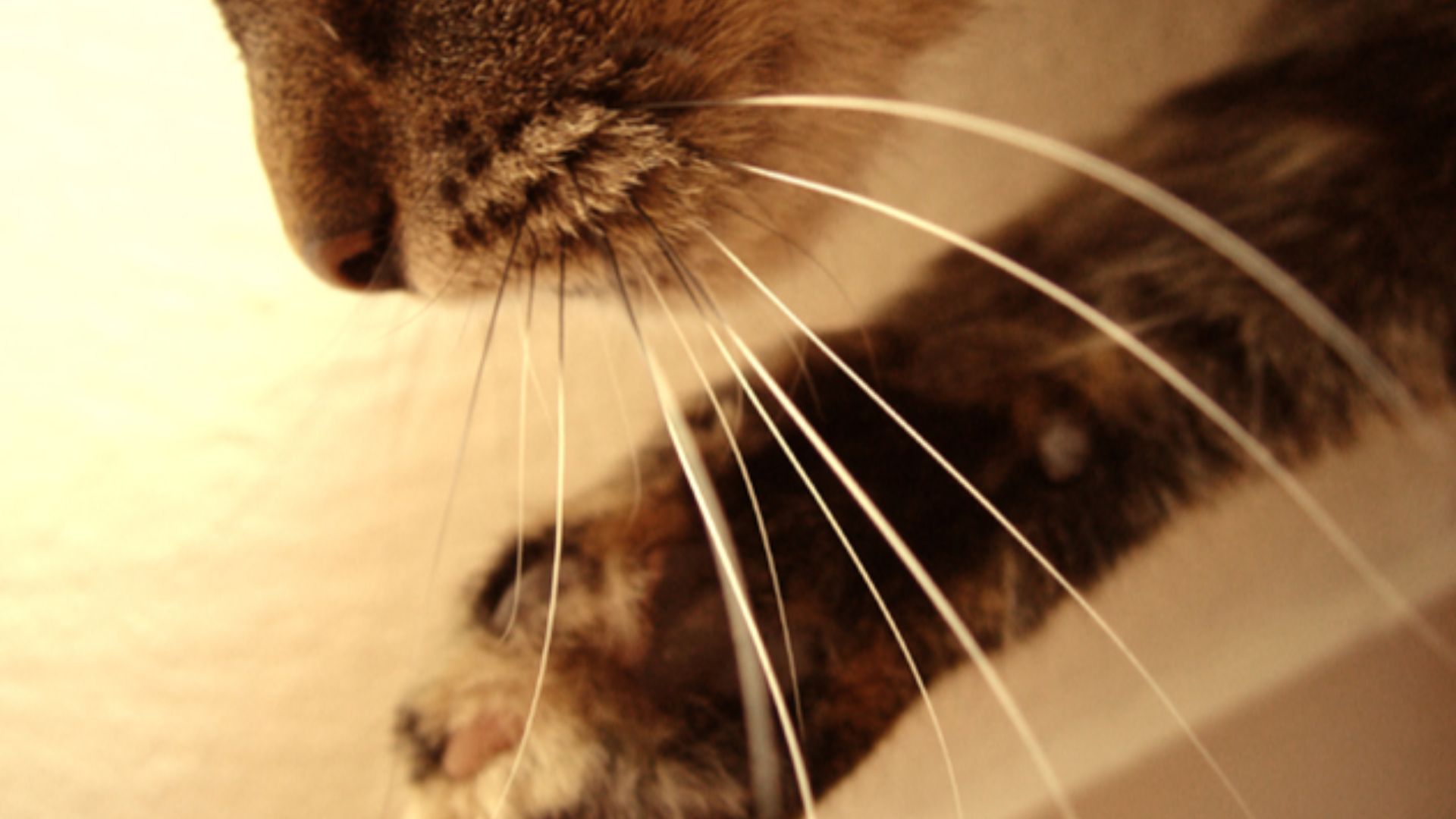
We Lost Our Whiskers
Cats, rats, and many other mammals have whiskers that help them sense nearby objects and movements. Humans don't have the same specialized whisker system, although we still have sensitive facial hair follicles. Imagine being able to navigate a dark room using your whiskers. Finding the bathroom at night might become considerably easier!
 Emelie Schäfer from The Netherlands, Wikimedia Commons
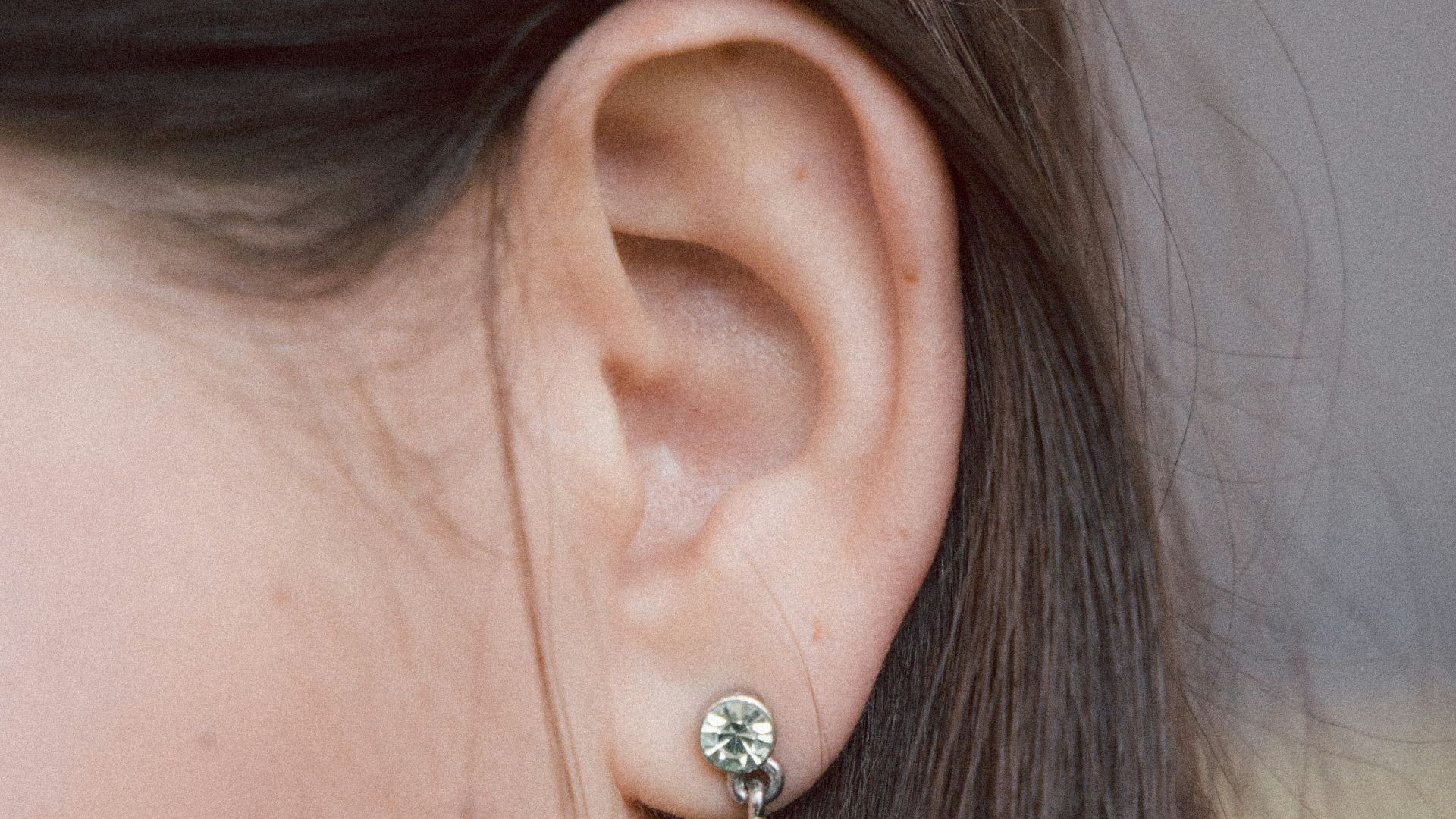
Our Ears Once Moved Toward Sounds
Ever noticed how a dog turns its ears toward an unfamiliar noise? Humans have muscles that once helped our ancestors do something similar. Those muscles are now mostly ineffective, although some people can still wiggle their ears. Imagine being able to point your ears toward someone without turning your head!
We Lost A Way To Communicate With Our Ears
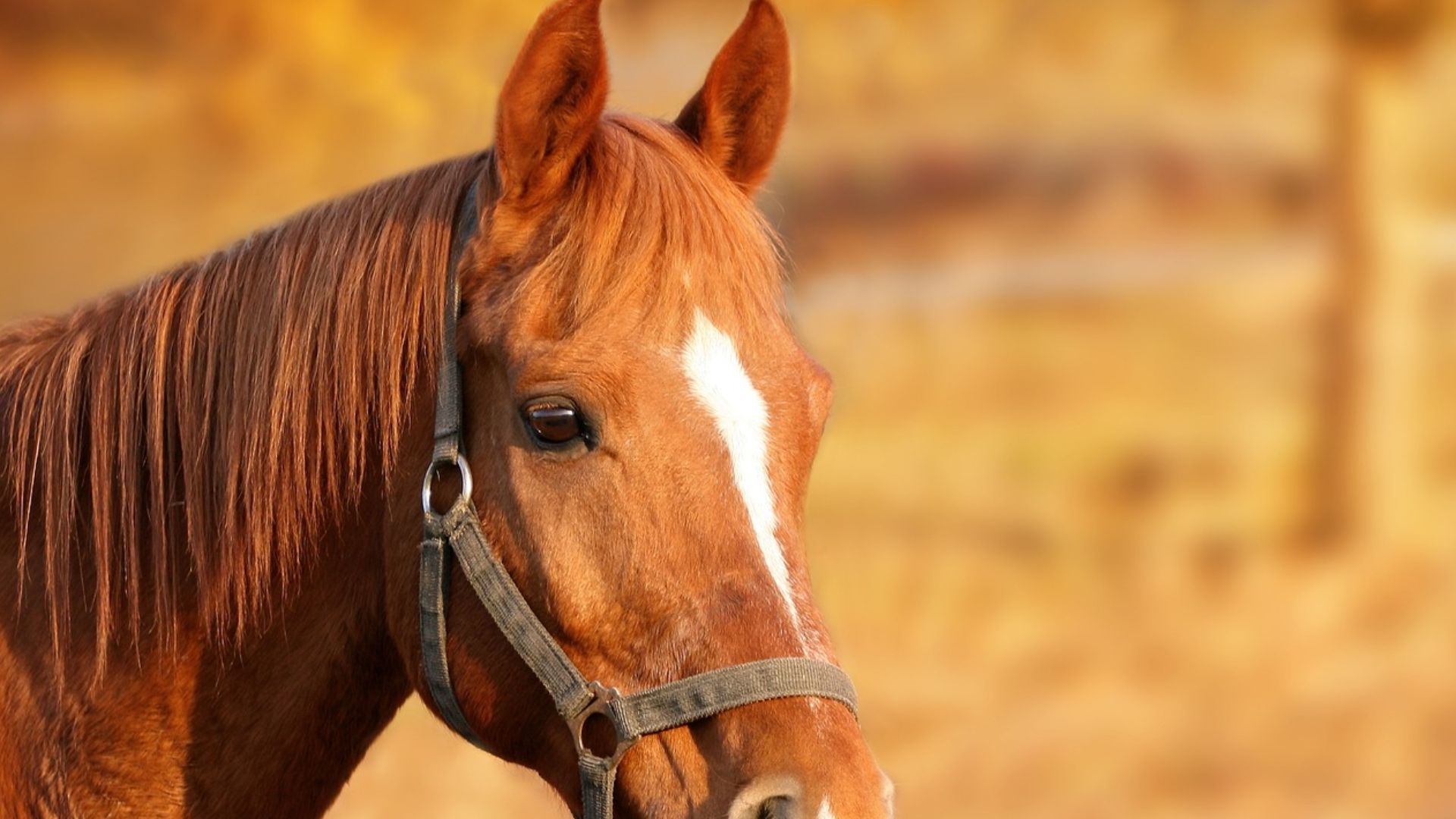
Animals don't always need words to show how they're feeling. Dogs and horses can move their ears to communicate fear, interest, or irritation. Humans have largely lost this ability, relying instead on facial expressions and speech. Just imagine how different conversations would be if our ears gave away our feelings!
We Once Had A Third Eyelid
Many animals have a special membrane that moves across their eyes, providing protection and moisture. Humans only have a small fold of tissue remaining near the inner corner of each eye. It's thought to be a remnant of this third eyelid. Wouldn't that be useful during a dusty summer day?

Our Ancestors Had An Extra Smell-Detecting System
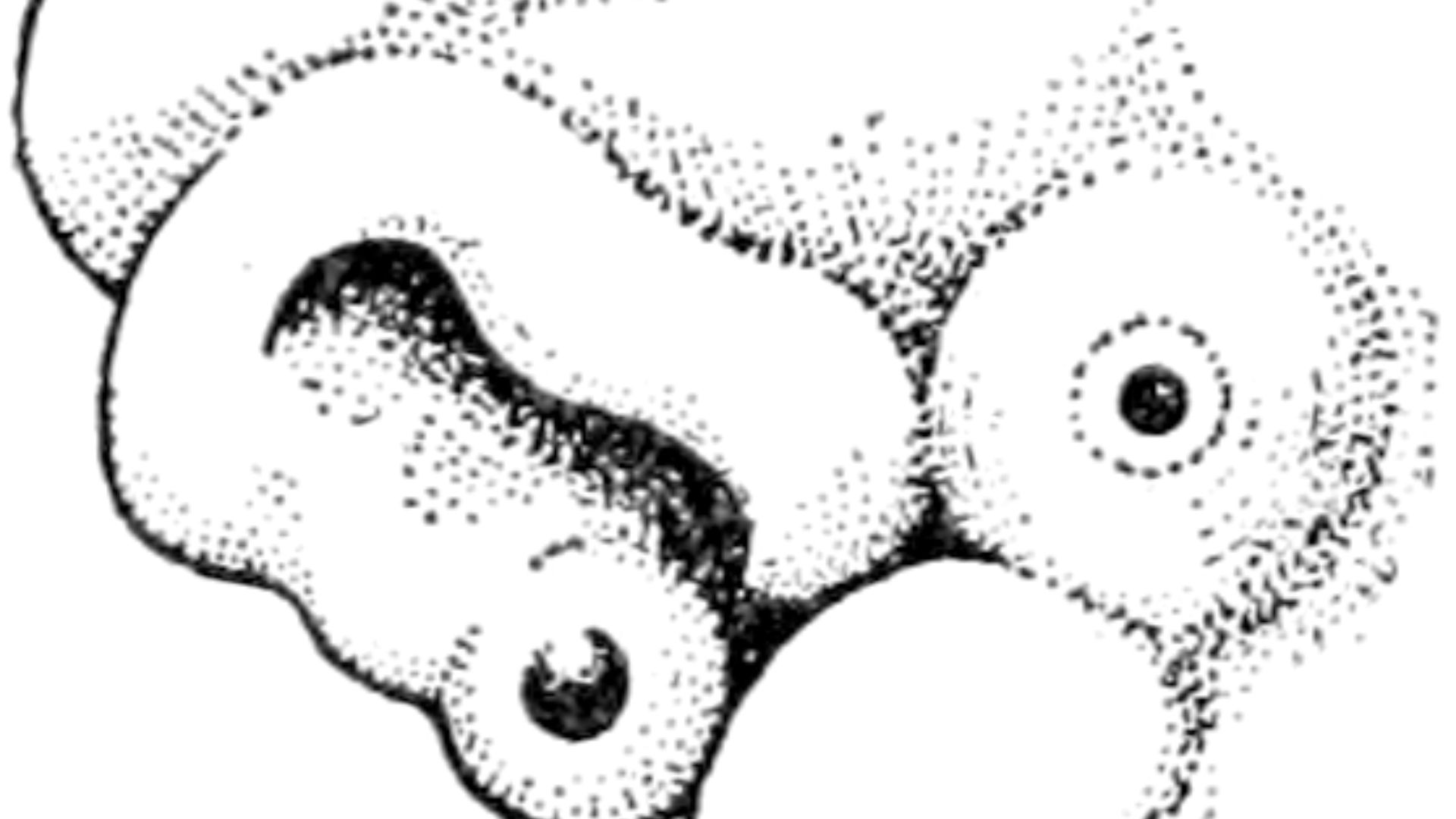
Many mammals possess something called the vomeronasal organ, which helps them detect certain chemical signals. Humans may retain a small remnant, but there's no convincing evidence that it works like the animal version. Imagine having an extra sensory system that could pick up signals ordinary noses completely miss.
 George Howard Parker, Wikimedia Commons
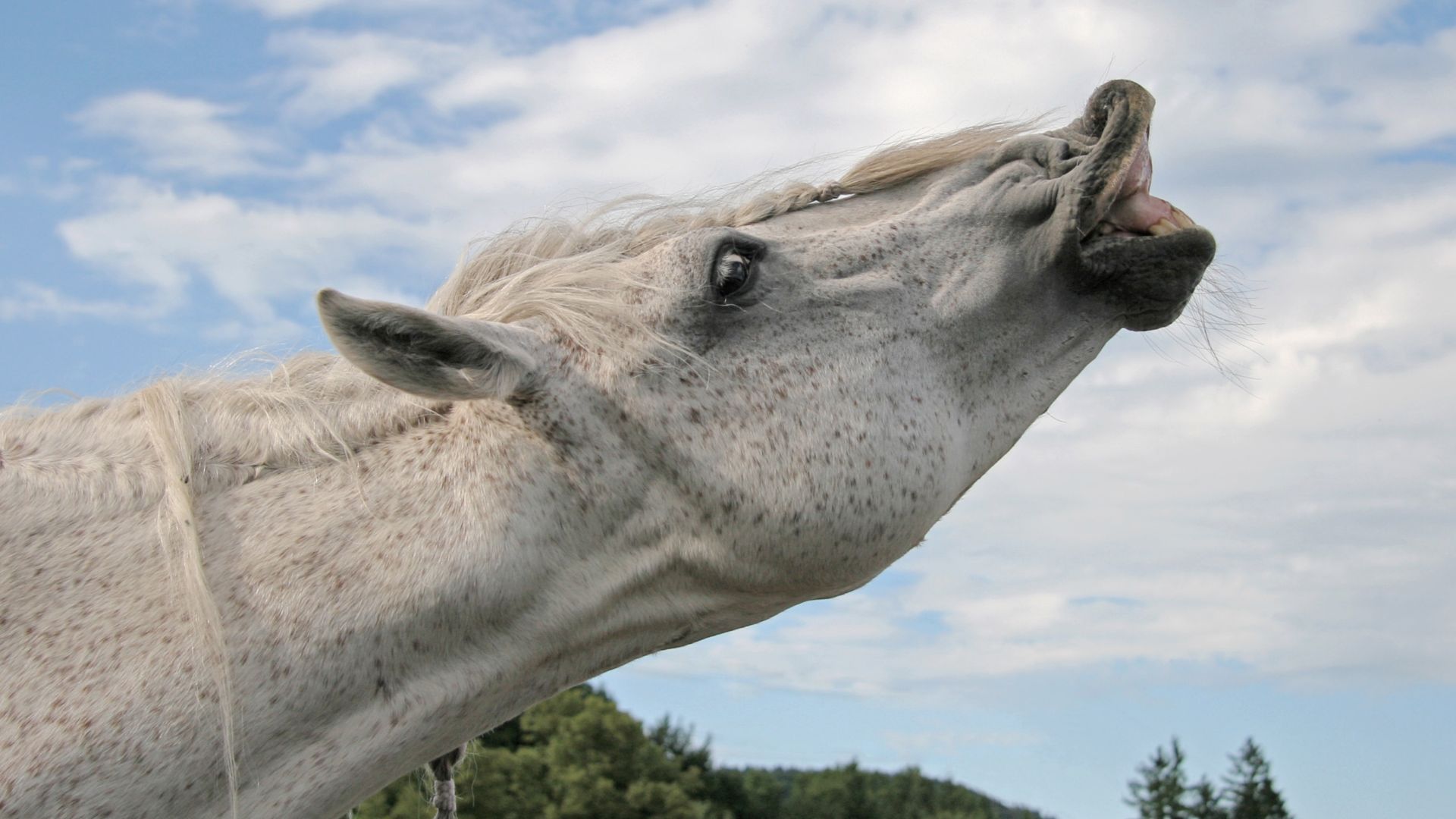
We Lost The Ability To Make Certain Smelling Faces Useful
Have you ever seen a horse curl its upper lip after sniffing something unusual? That's called the Flehmen response, and it helps some mammals investigate chemical scents using their specialized sensory systems. Humans don't have an equivalent working system. We can certainly make funny faces, but they won't give us that extra information!
Our Sense Of Smell Changed Dramatically
Many mammals rely heavily on smell to find food, recognize other animals, and detect danger. Humans still have an impressive sense of smell, but our evolutionary history includes the loss of numerous odor-receptor genes. Our noses aren't useless, though. Anyone who's smelled fresh bread knows just how powerful they can be.

We Can No Longer Make Our Own Vitamin C
Here's a surprising one. Most mammals can produce their own vitamin C, but humans lost that ability millions of years ago. We share this limitation with other apes, monkeys, guinea pigs, and some bats. That's why we need vitamin C in our diets. Wouldn't making our own be convenient?

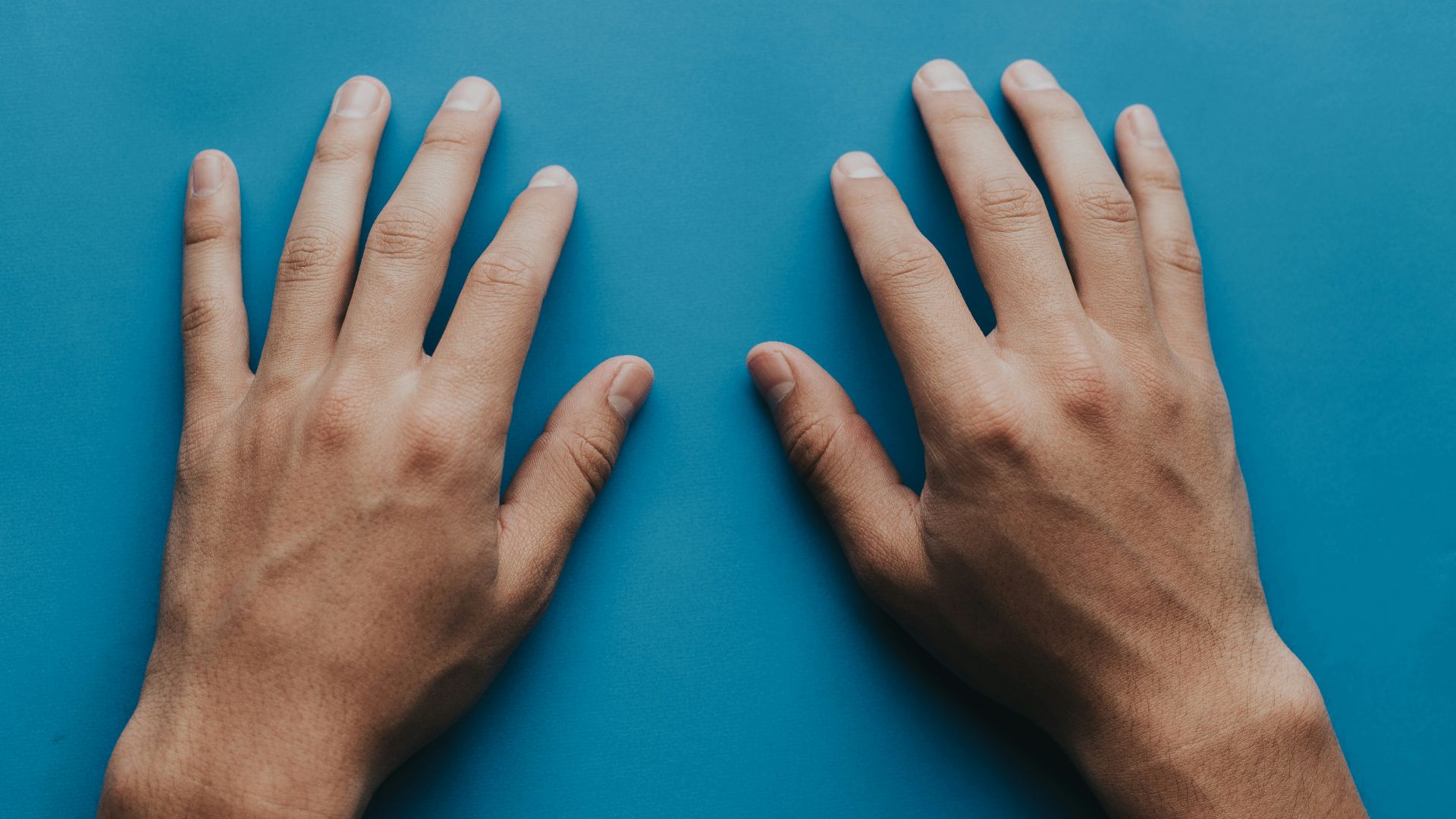
We Traded Claws For Fingernails
Most primates have flat nails rather than the sharp claws found on many other mammals. Our ancestors developed fingertips suited to gripping and handling objects. That was certainly helpful for using tools, but it meant giving up natural digging and scratching equipment. Imagine never needing a tool to dig a little hole!
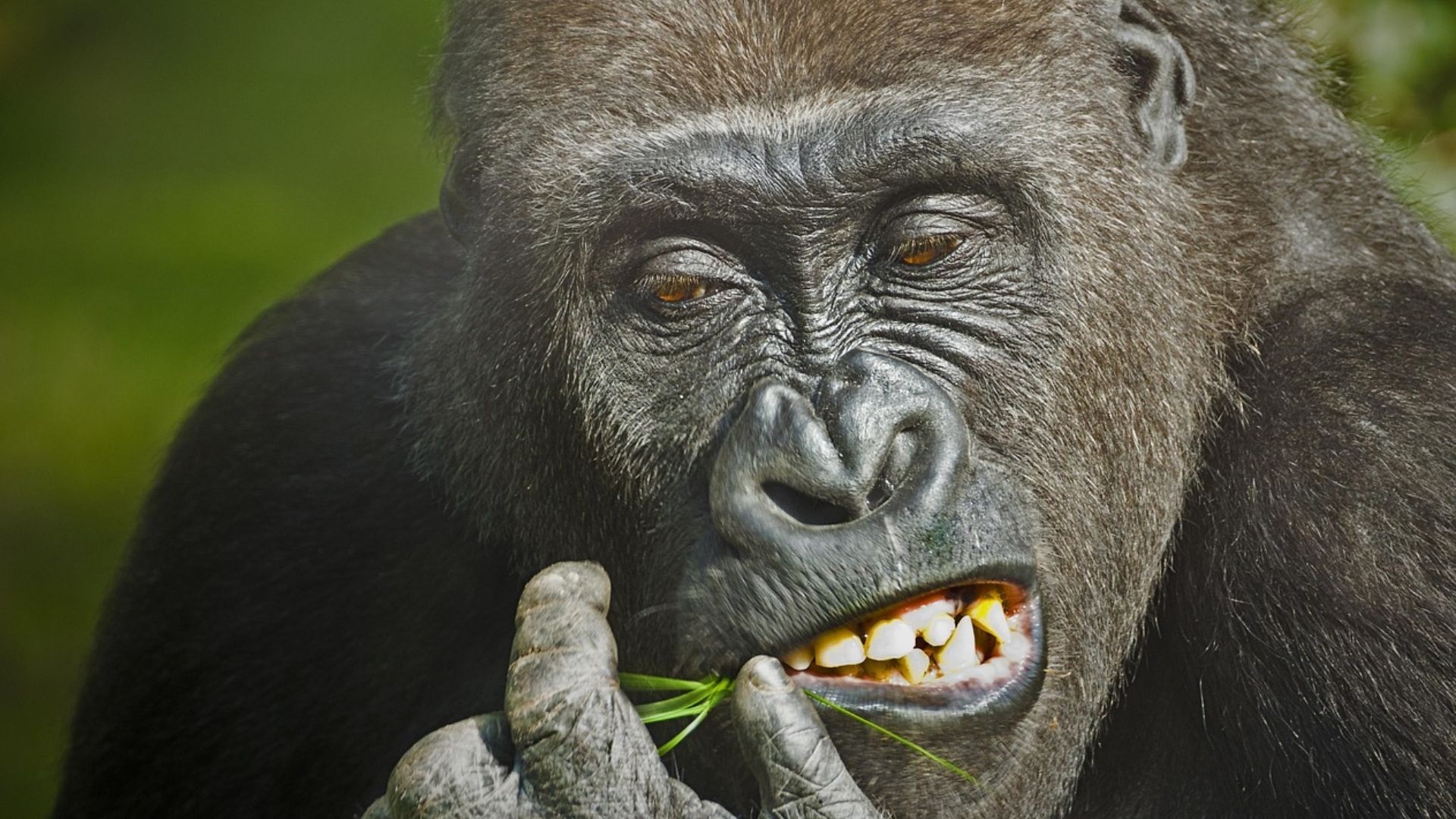
We Lost Our Powerful Canine Teeth
Look at the teeth of a gorilla, and you'll notice some impressive canines. Our distant ancestors had larger, more prominent canine teeth than modern humans. Over time, ours became smaller, reflecting changes in diet and social behavior. That's probably good news for dentists, although those bigger teeth certainly looked intimidating.
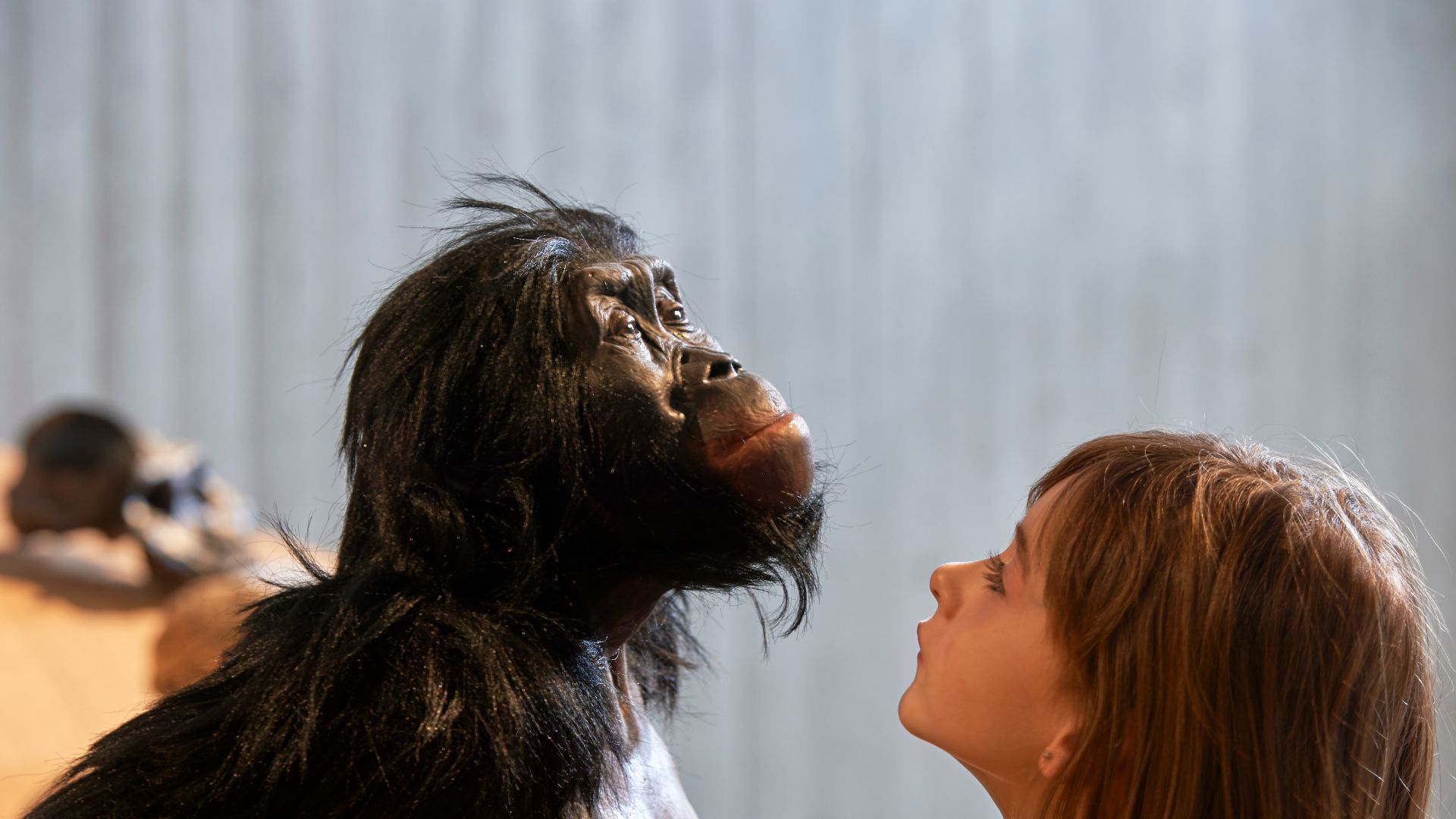
Our Jaws Aren't What They Used To Be
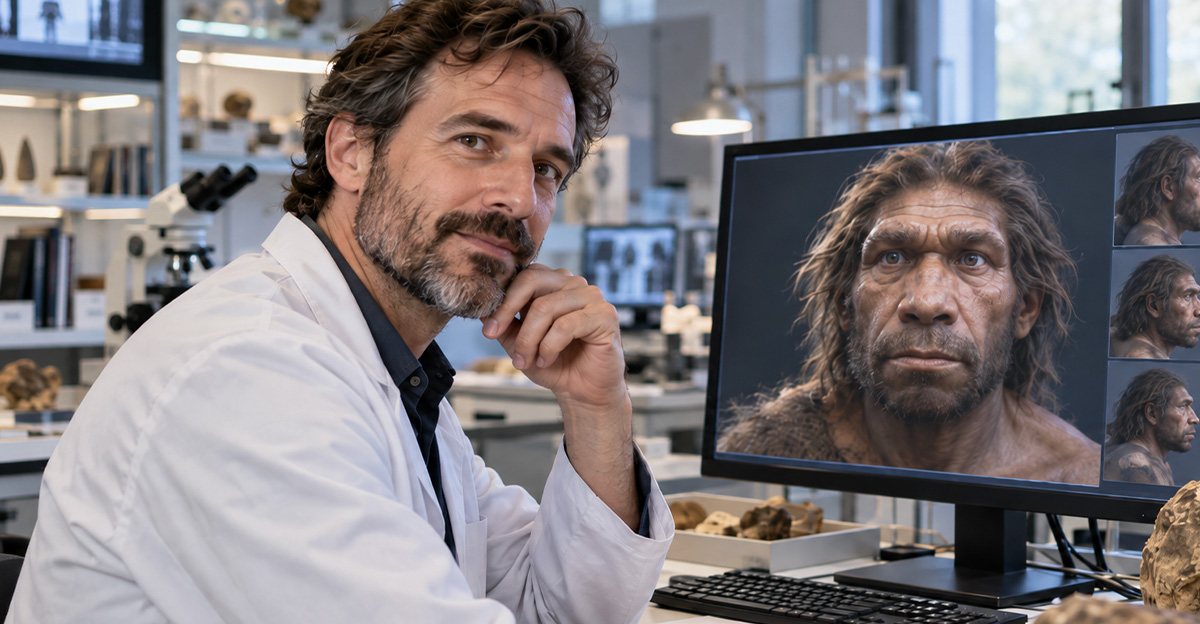
Early human relatives generally had larger jaws and stronger chewing systems than we do today. Changes in diet, food preparation, and evolution helped reshape our faces. Our smaller jaws work well for modern meals, but they sometimes struggle to accommodate all our teeth. There's a reason wisdom teeth can be troublesome!
 Neanderthal-Museum, Mettmann, Wikimedia Commons
We Don't Need All Our Wisdom Teeth
Our ancestors had more room for their third molars, which helped grind food. Today, some people don't develop wisdom teeth at all, while others have them removed because there isn't enough space. Evolution hasn't completely eliminated them. Would you rather keep those extra chewing surfaces or avoid the dentist's chair?
 https://kaboompics.com/, Pexels
Our Appendix Changed Its Job
The appendix was once thought to be a useless leftover from our evolutionary past. Scientists now know it contains immune tissue and may help preserve beneficial gut bacteria. Its role has changed compared with the digestive structures of some other mammals. This little organ shows that evolution doesn't always make something completely useless.

Our Feet Lost Their Gripping Power
Watch a chimpanzee climbing a tree, and you'll notice how easily it grips branches with its feet. Our distant ancestors had more flexible, grasping feet too. As humans became specialized for walking upright, our feet changed. They're excellent for walking long distances, but picking things up with our toes is another story.
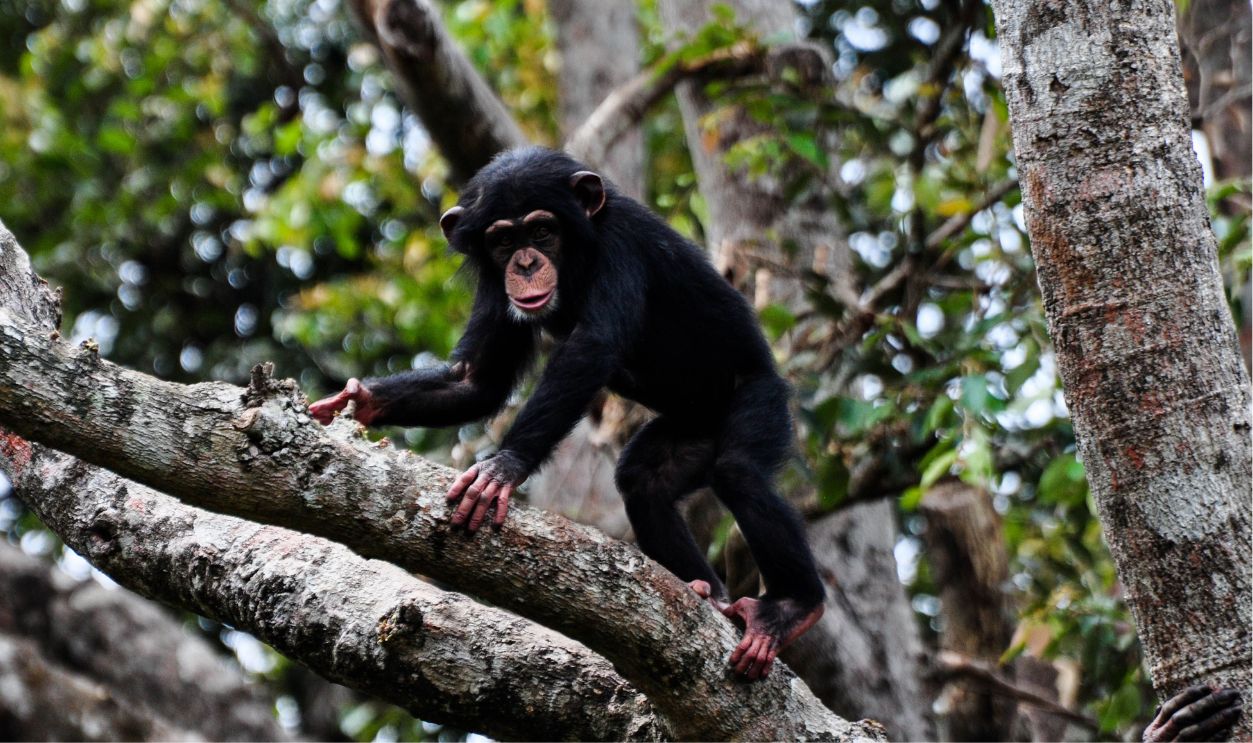
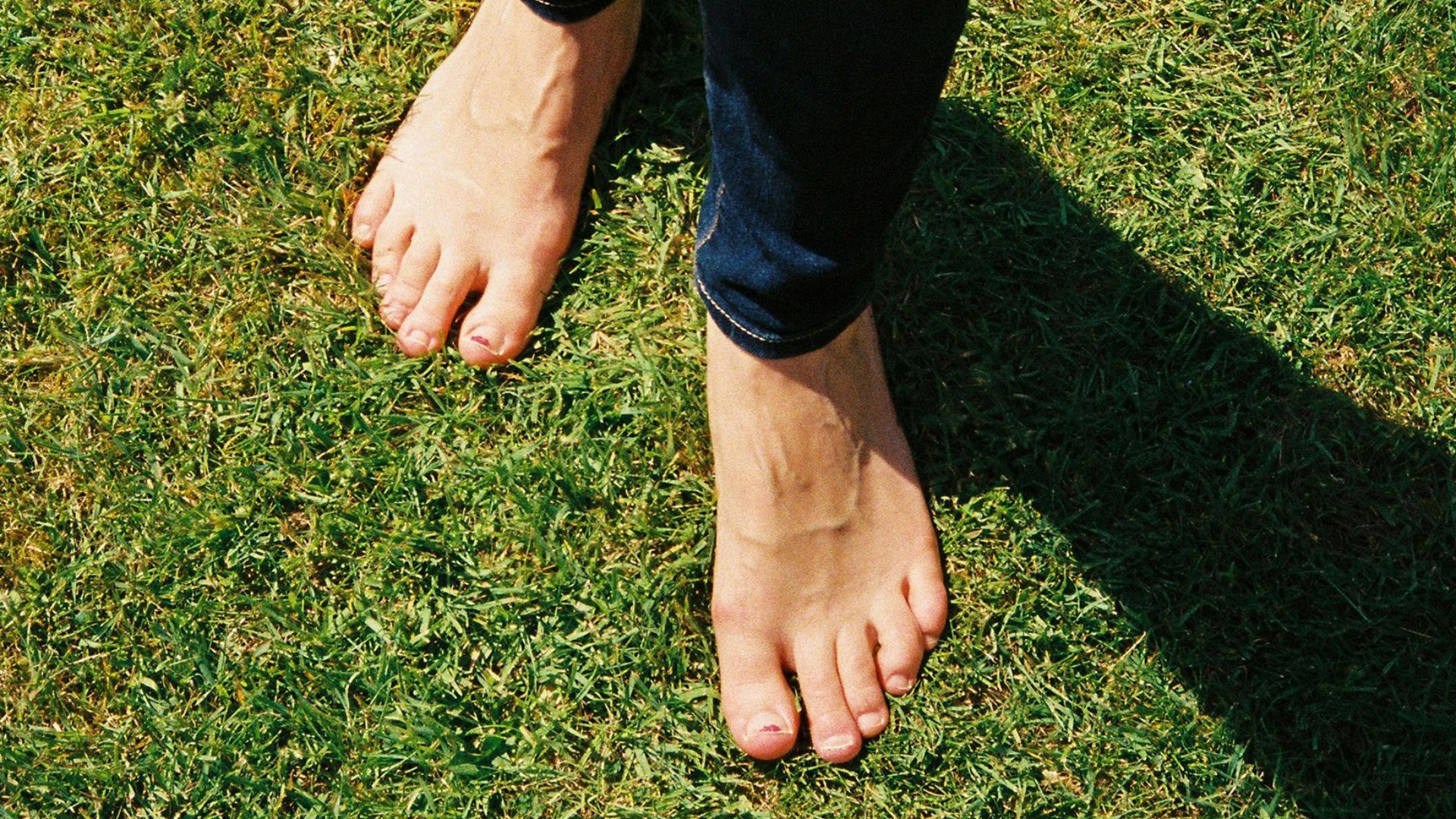
Our Big Toes Lost Their Special Movement
Many primates have big toes that spread away from the others, helping them grab branches. Human big toes line up with the rest, providing support when we walk and run. It's an important evolutionary trade-off. Still, imagine being able to hold a cup with your foot while your hands were busy!
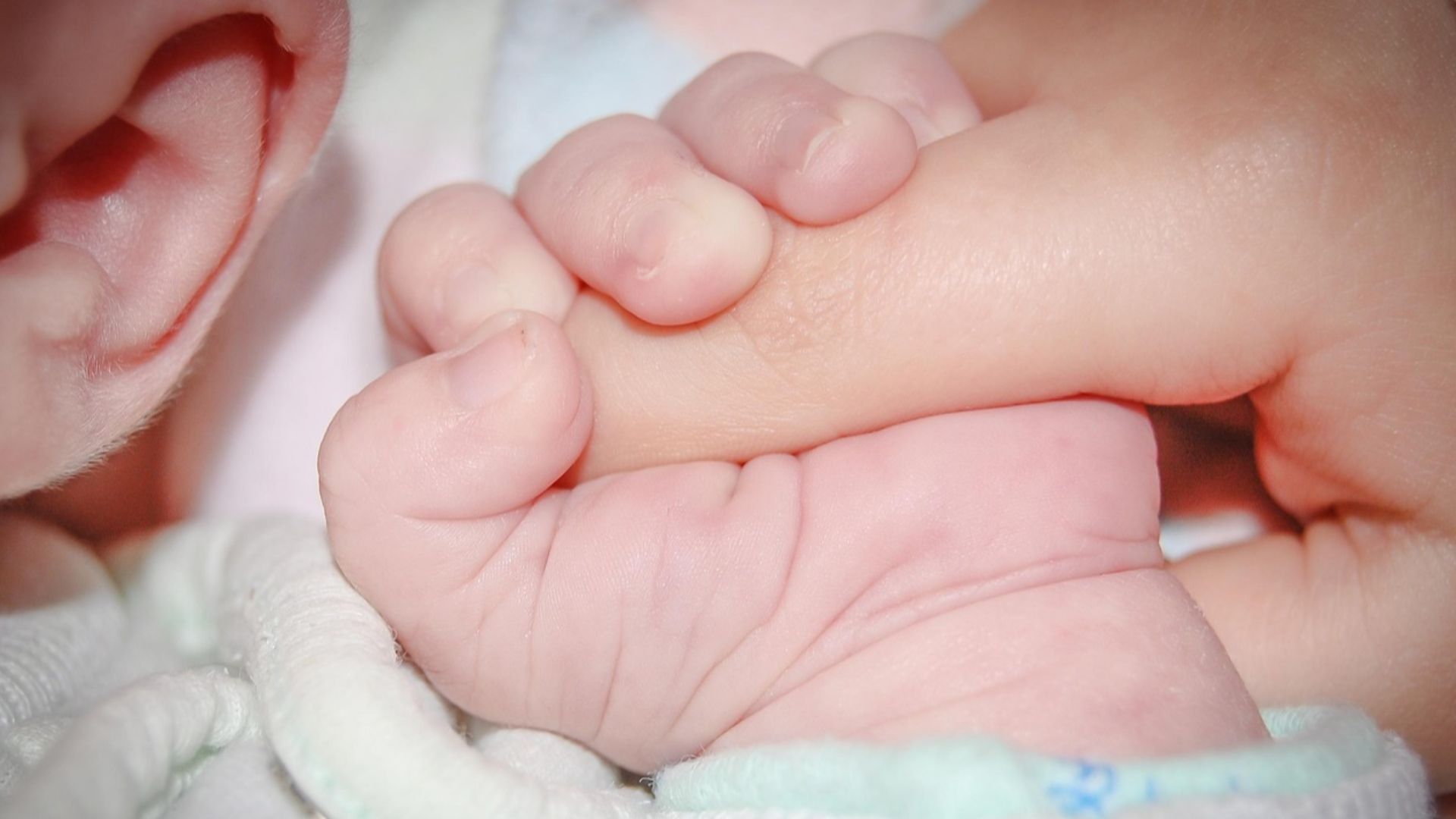
Babies Still Have An Ancient Gripping Reflex
Place a finger in a newborn baby's palm, and they'll often grab it surprisingly tightly. This grasping reflex may be a leftover from primate ancestors whose infants clung to their mothers' fur. The reflex gradually fades as babies grow. It's a fascinating reminder that ancient behaviors can survive long after their original purpose disappears.
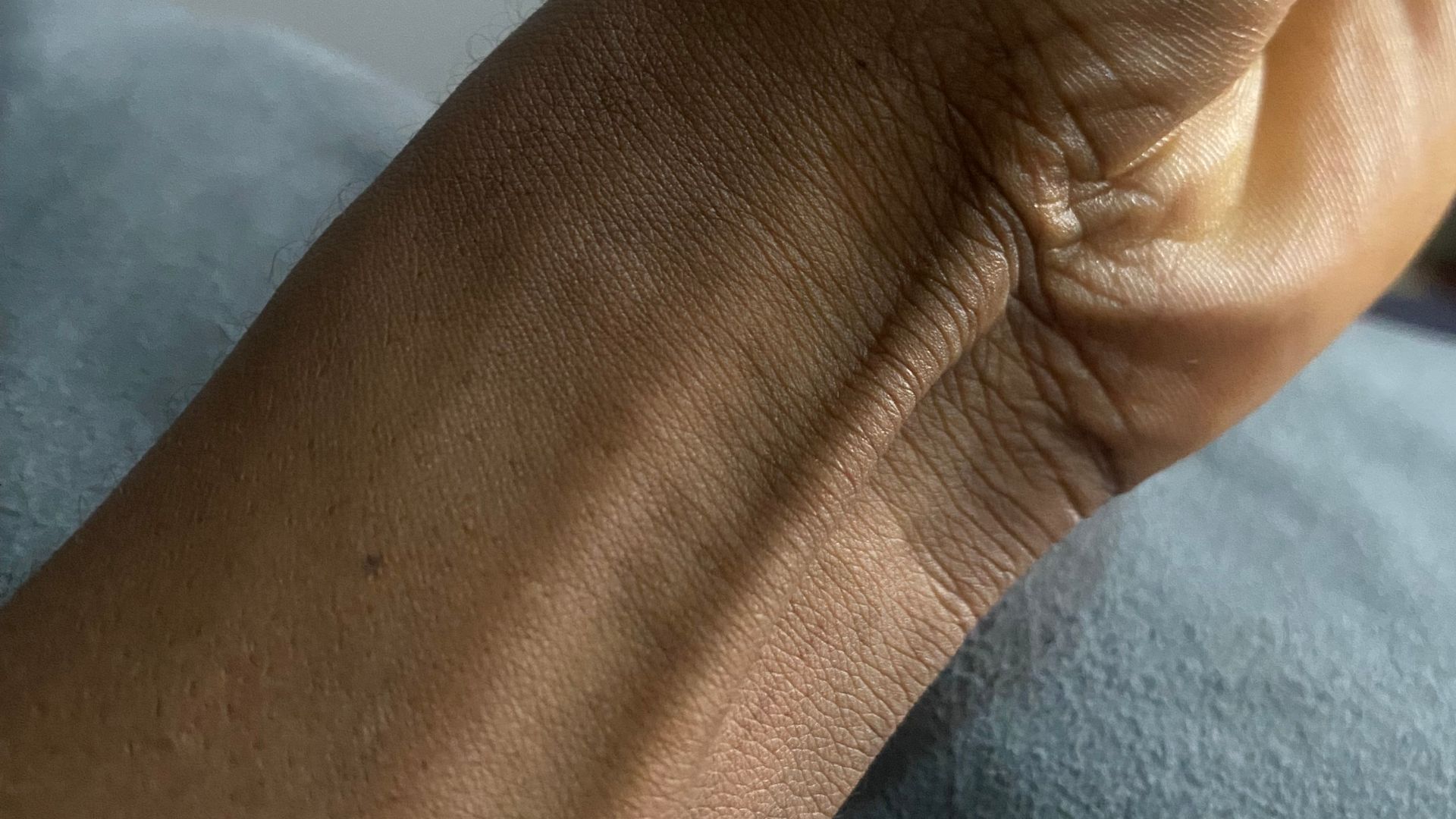
We Lost Some Extra Gripping Muscle
Some people have a muscle in their forearm called the palmaris longus, while others are born without it. This muscle is more useful in certain climbing mammals than in modern humans. Interestingly, people who lack it usually notice no difference in everyday hand function. Evolution sometimes leaves us with optional equipment.
We Have A Leg Muscle That Isn't Always There
The plantaris is a small muscle found in the lower leg, but not everyone has one. It's more important in some other mammals and may be linked to movements that were useful to our ancestors. Today, we can manage perfectly well without it. Would having an extra muscle make much difference?

We Lost Some Of Our Climbing Advantages
Our ancient primate relatives were better equipped for moving through trees than most modern humans. Flexible feet, long gripping toes, and specialized muscles made climbing easier. Humans gradually became better suited to walking and running on the ground. We gained endurance and stability, but lost some impressive natural climbing equipment.

Our Bodies Still Carry Evolution's Leftovers
Here's the really interesting part: we haven't completely erased our evolutionary history. Our tailbones, ear muscles, goosebumps, and other unusual features reveal what our ancestors once possessed. Scientists call many of these vestigial traits, although some still serve useful purposes. Our bodies are rather like living museums of the past.
Which Ancient Trait Would You Want Back?
Evolution has given humans some remarkable advantages, but it's also taken away a few abilities that sound surprisingly useful. A tail for balance? Ears that swivel toward sounds? Maybe even the ability to produce your own vitamin C? If you could bring back just one ancient trait, which would you choose?
You May Also Like:
Historic Buildings That Were Hiding Secrets Nobody Expected to Find