History's Most Infamous Villains Weren't Always What They Seemed
Everyone loves a good villain, especially when history provides one. But what if some of the world's most hated figures weren't quite as terrible as we've been led to believe? From ancient emperors to infamous figures from World War II, these historical villains had their reputations shaped by rumors, political enemies, and some seriously effective propaganda. Some really were bad news, but others deserve a second look.
 Public Domain, Wikimedia Commons
Richard III: The King Who Supposedly Murdered Children
Richard III has spent centuries being remembered as the evil king who murdered his nephews to steal England's throne. Shakespeare certainly didn't help matters. But much of Richard's reputation came from writers supporting the Tudor dynasty that replaced him. The two princes disappeared, but nobody has ever conclusively proved Richard killed them.
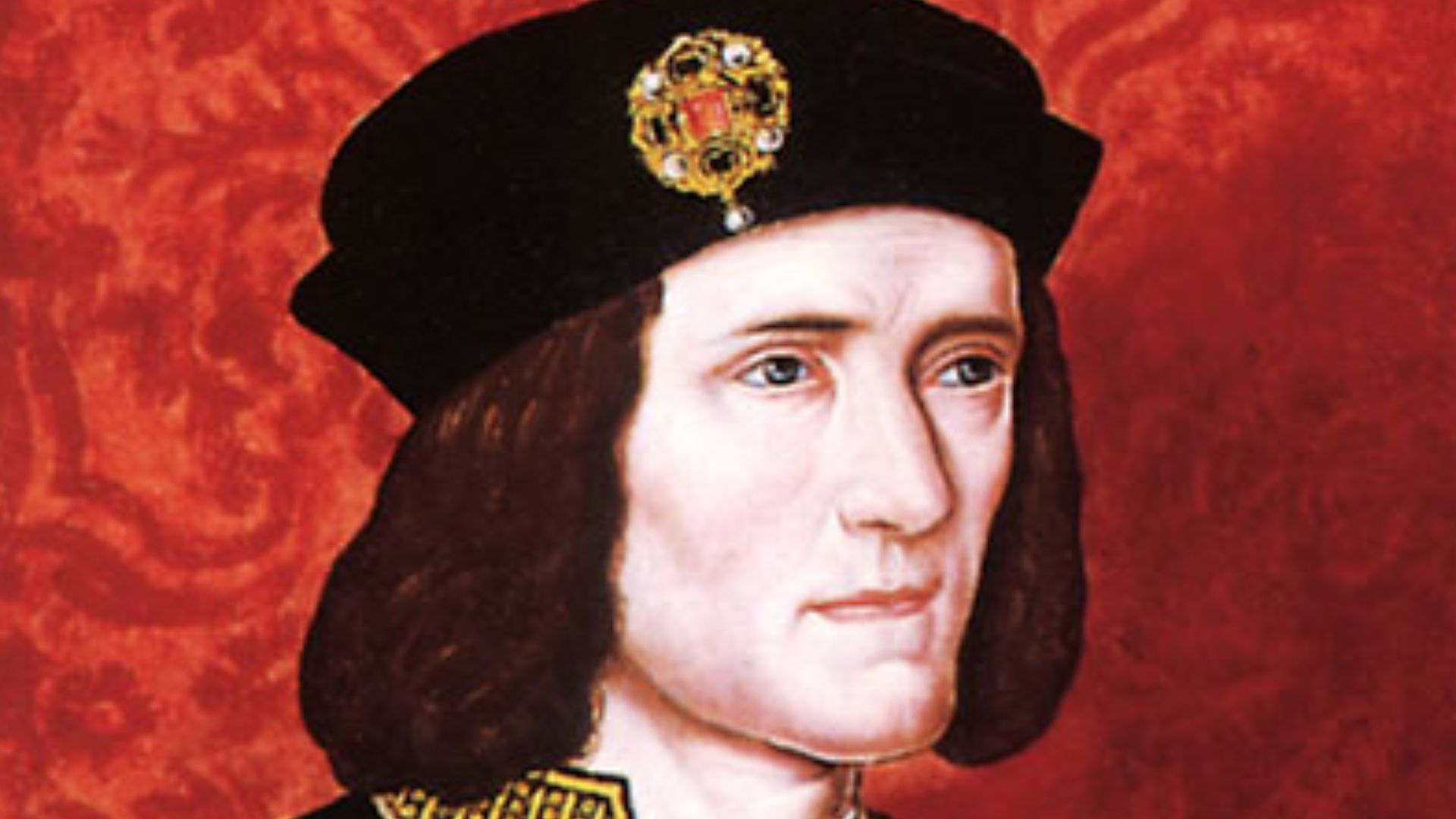 Unknown authorUnknown author, Wikimedia Commons
Marie Antoinette: The Queen Who Never Said It
Marie Antoinette supposedly told starving French peasants to eat cake when they couldn't afford bread. There's just one problem: She almost certainly never said it. The story was around before she became queen. Revolutionary propaganda also painted her as a spoiled, heartless woman, making her an easy target when France turned against its monarchy.
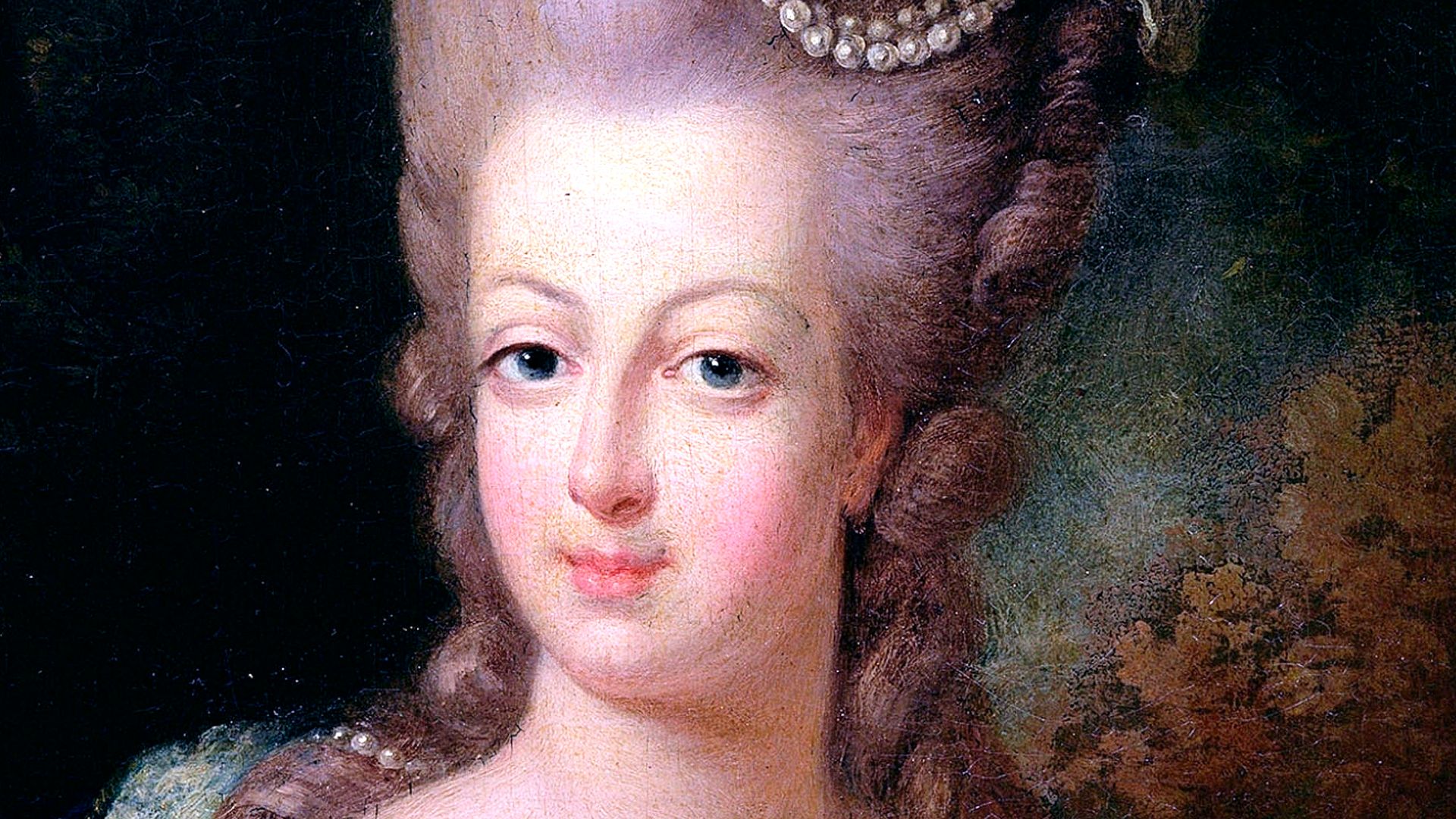 Unknown, possibly Jean-Baptiste André Gautier-Dagoty, Wikimedia Commons
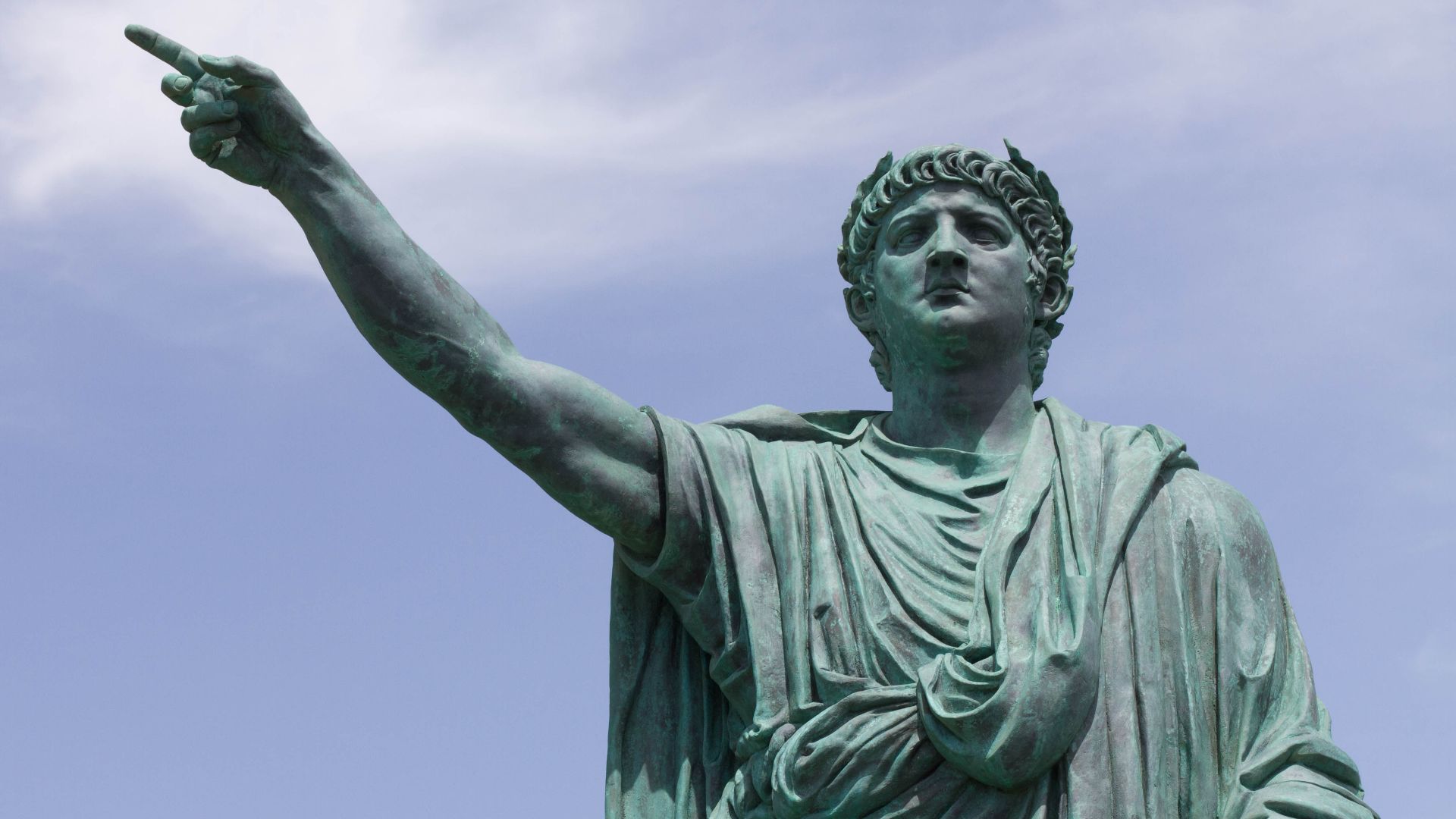
Nero: The Emperor Who Watched Rome Burn
Most people remember Nero as the Roman emperor who played music while Rome burned. In reality, there's no reliable evidence he started the Great Fire of AD 64. Ancient accounts even describe him organizing relief efforts. Nero genuinely committed terrible acts, but later writers helped turn him into one of history's most recognizable monsters.
Caligula: The Emperor Who Loved His Horse Too Much
Caligula supposedly wanted to make his favorite horse a Roman senator. It's an unforgettable story, but historians aren't convinced it actually happened. His enemies had plenty of reasons to make him look completely insane. Although Caligula could be cruel and unpredictable, some of his strangest behavior may have been exaggerated by hostile writers.
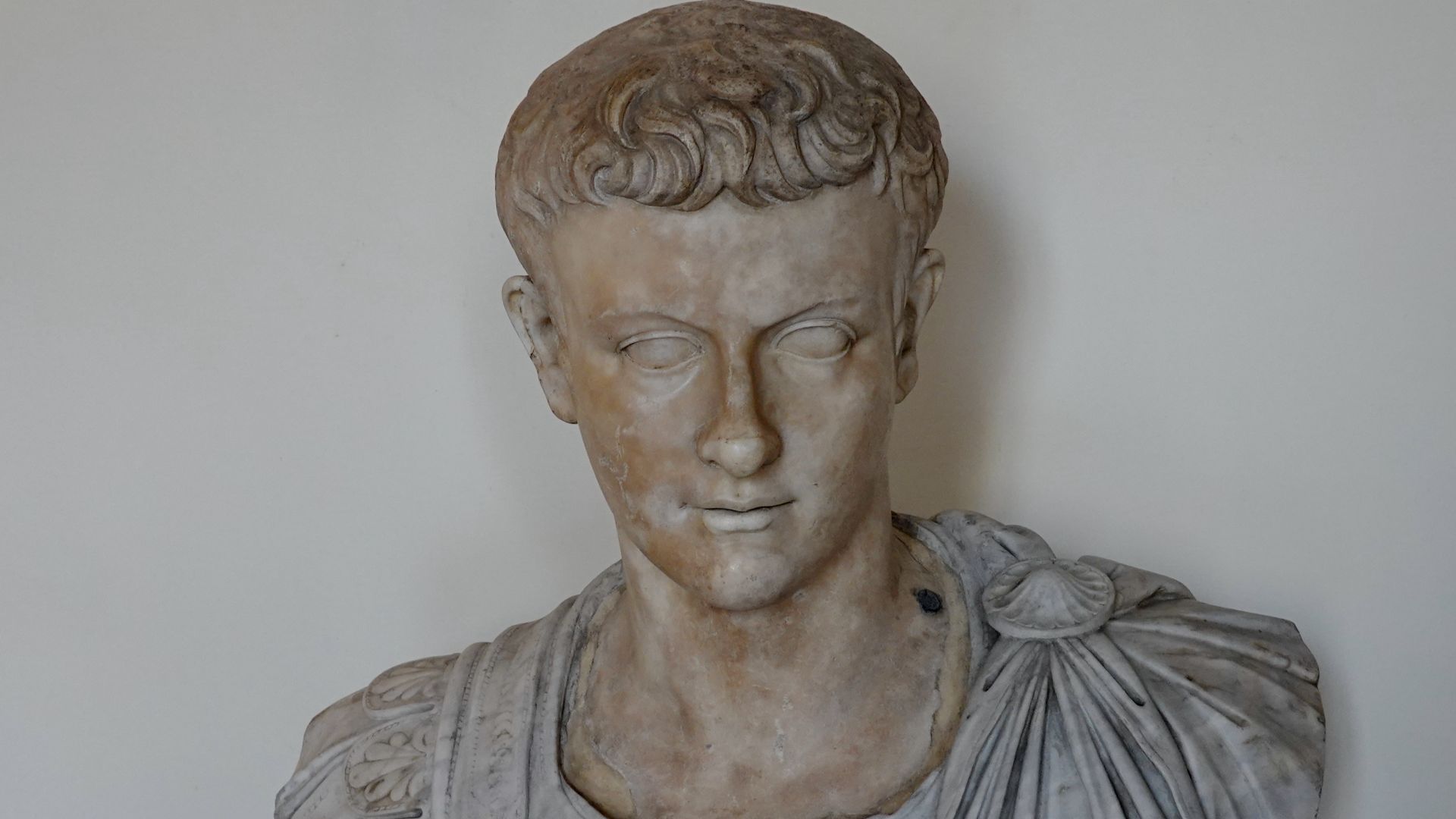 Richard Mortel, Wikimedia Commons
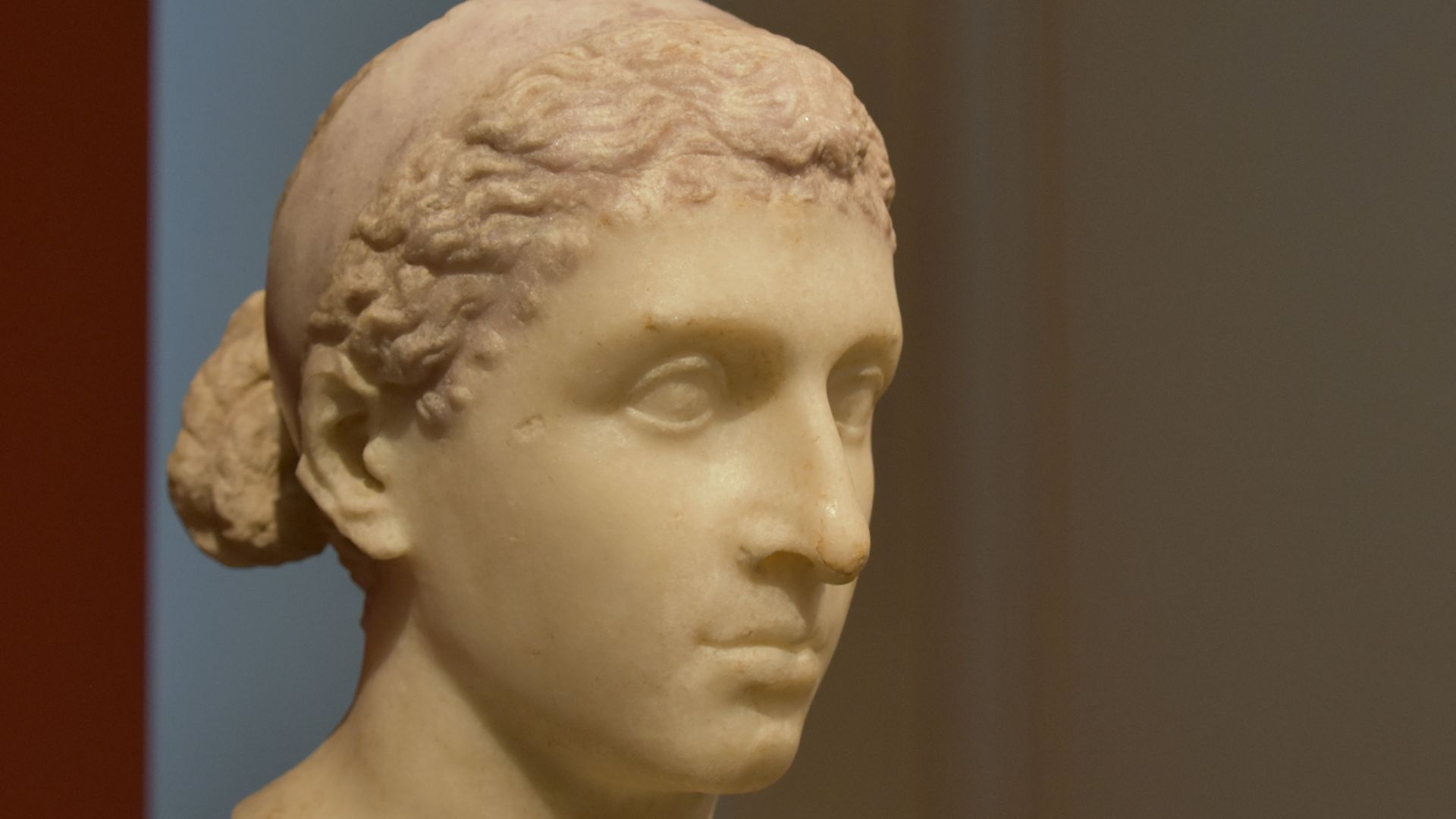
Cleopatra: The Queen Who Supposedly Controlled Men
Cleopatra is often remembered as a beautiful temptress who manipulated powerful Romans. That image owes plenty to the propaganda of Octavian, who wanted to defeat her and Mark Antony. Cleopatra was actually a clever, educated political leader trying to protect Egypt. Making her seem like a dangerous seductress was much easier than admitting she was a formidable opponent.
 Richard Mortel from Riyadh, Saudi Arabia, Wikimedia Commons
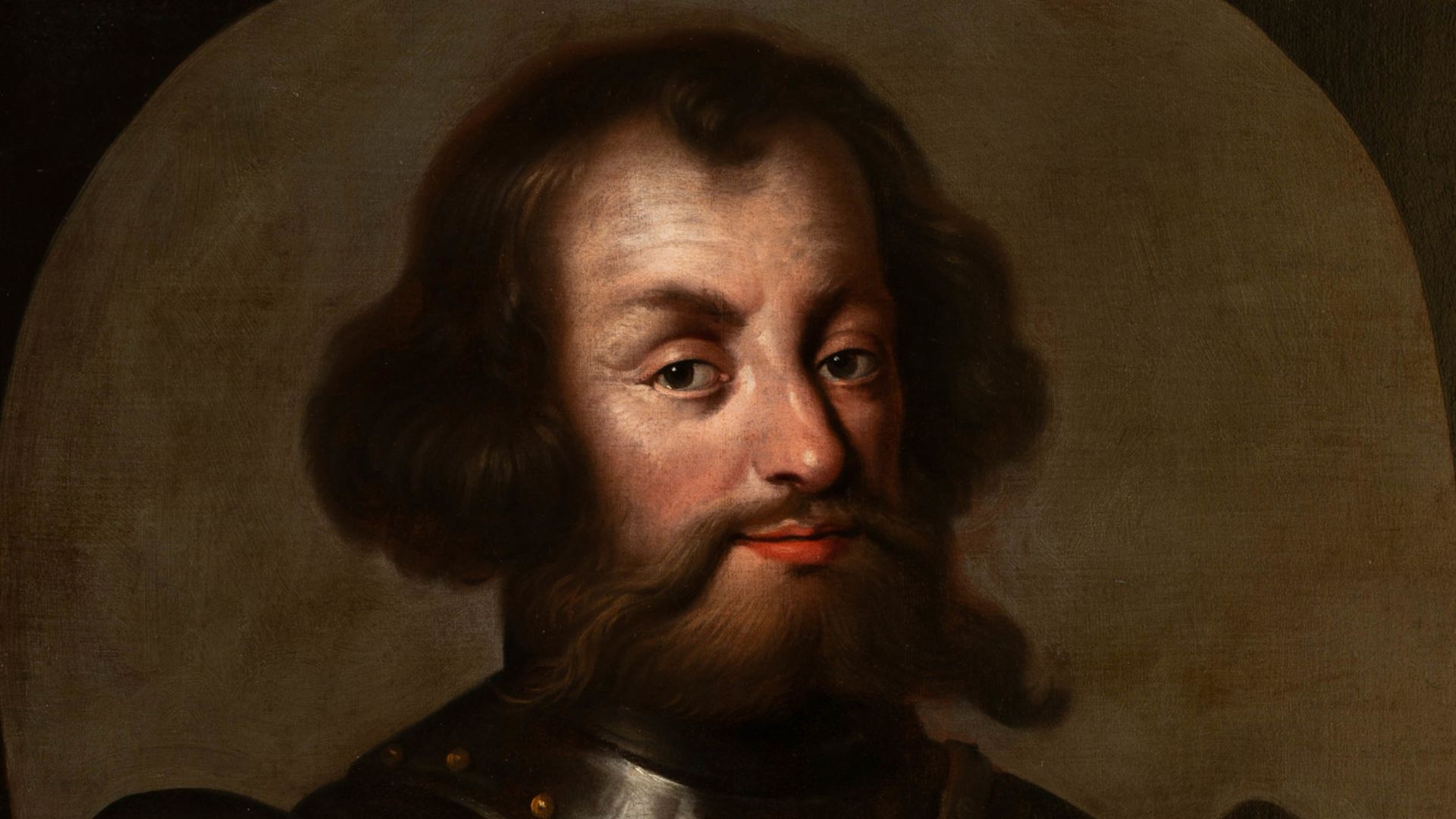
Macbeth: The Scottish King Who Became A Monster
Shakespeare turned Macbeth into a power-hungry murderer who killed his king in his sleep. The real Macbeth was considerably different. He defeated King Duncan in battle in 1040 and ruled Scotland for 17 years. His reign wasn't simply a bloody disaster, but Shakespeare's fictional version became far more famous than the historical man.
 Jacob de Wet II, Wikimedia Commons
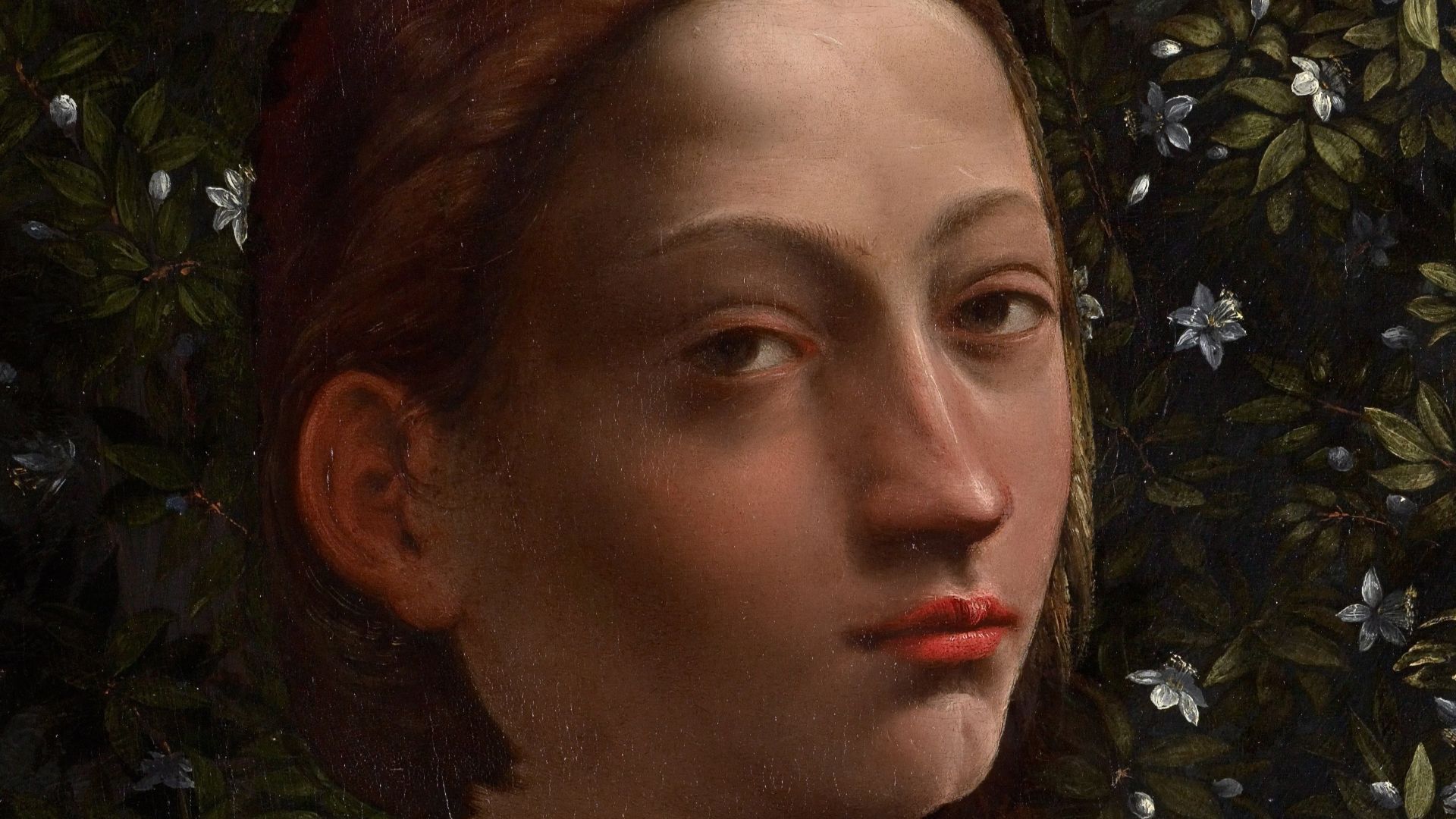
Lucrezia Borgia: The Supposedly Poisonous Noblewoman
Lucrezia Borgia has long been associated with poison, scandal, and murder. Unfortunately for her reputation, she belonged to a powerful family with plenty of enemies. Rumors about her supposedly wicked behavior spread across Renaissance Europe. While her relatives were involved in brutal political struggles, there's little convincing evidence that Lucrezia was the legendary poisoner people remember.
 Attributed to Dosso Dossi, Wikimedia Commons
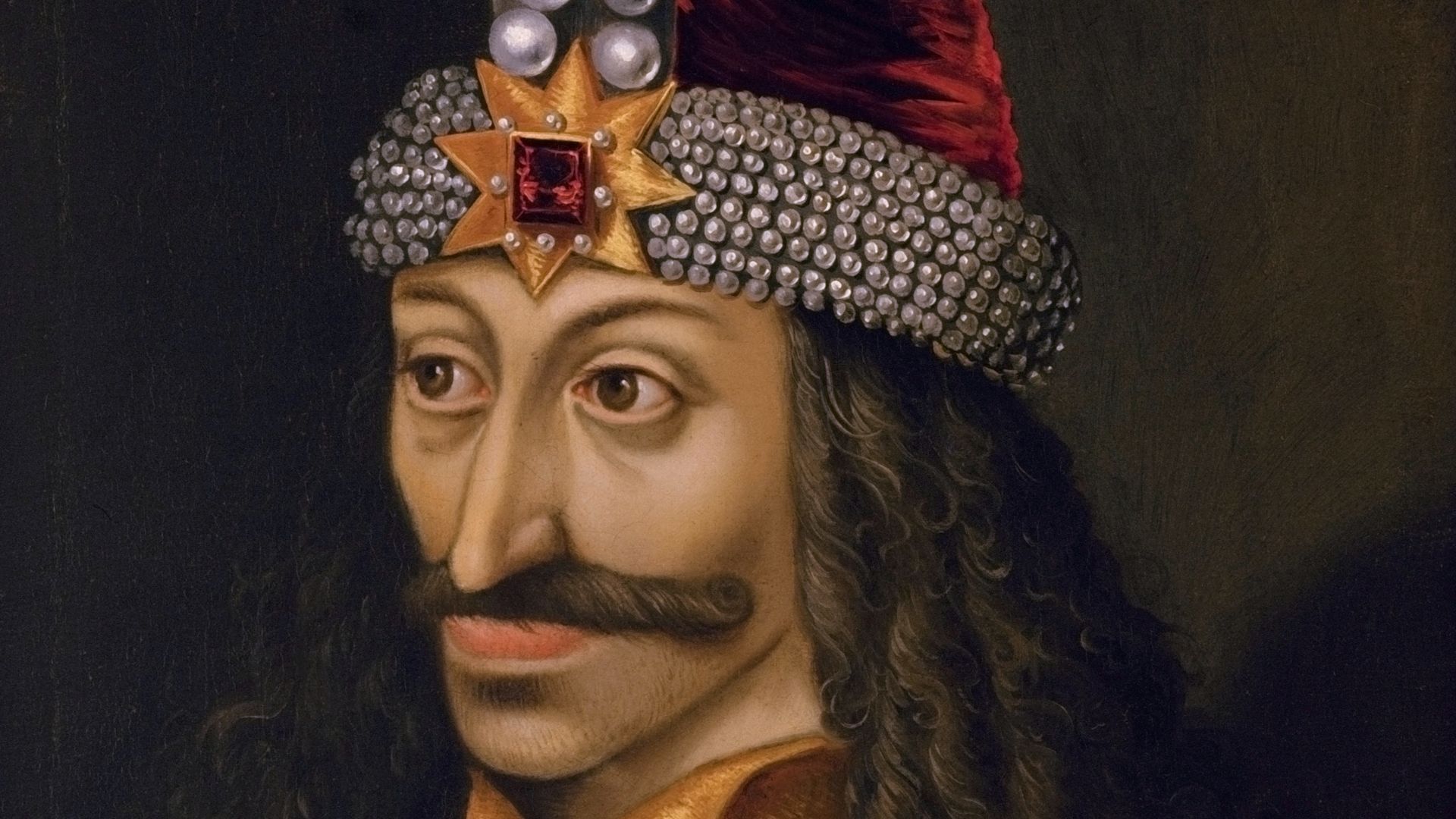
Vlad The Impaler: The Man Who Became Dracula
Vlad the Impaler was genuinely ruthless, and his preferred methods of punishment were horrifying. But his enemies also spread terrifying stories claiming he killed enormous numbers of people. German pamphlets helped turn him into something resembling a medieval monster. Centuries later, his reputation became connected with Dracula, making the legend even bigger.
 AnonymousUnknown author, Wikimedia Commons
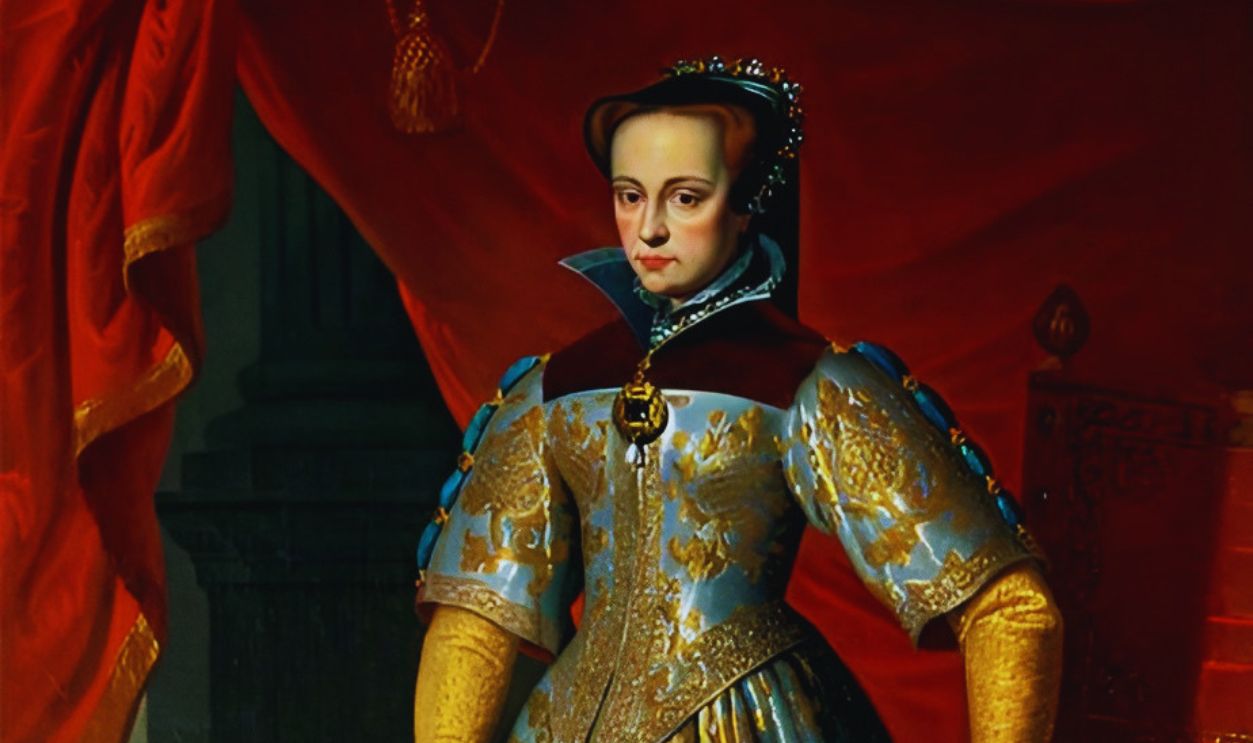
Mary I: The Queen Who Became Bloody Mary
England's Mary I ordered the execution of hundreds of Protestants during her attempt to restore Catholicism. Those deaths were real, but Protestant writers made sure nobody forgot them. Other English rulers also carried out religious persecution, yet Mary became known forever as Bloody Mary. It's a nickname that has followed her for nearly five centuries.
Robespierre: The Man Blamed For France's Terror
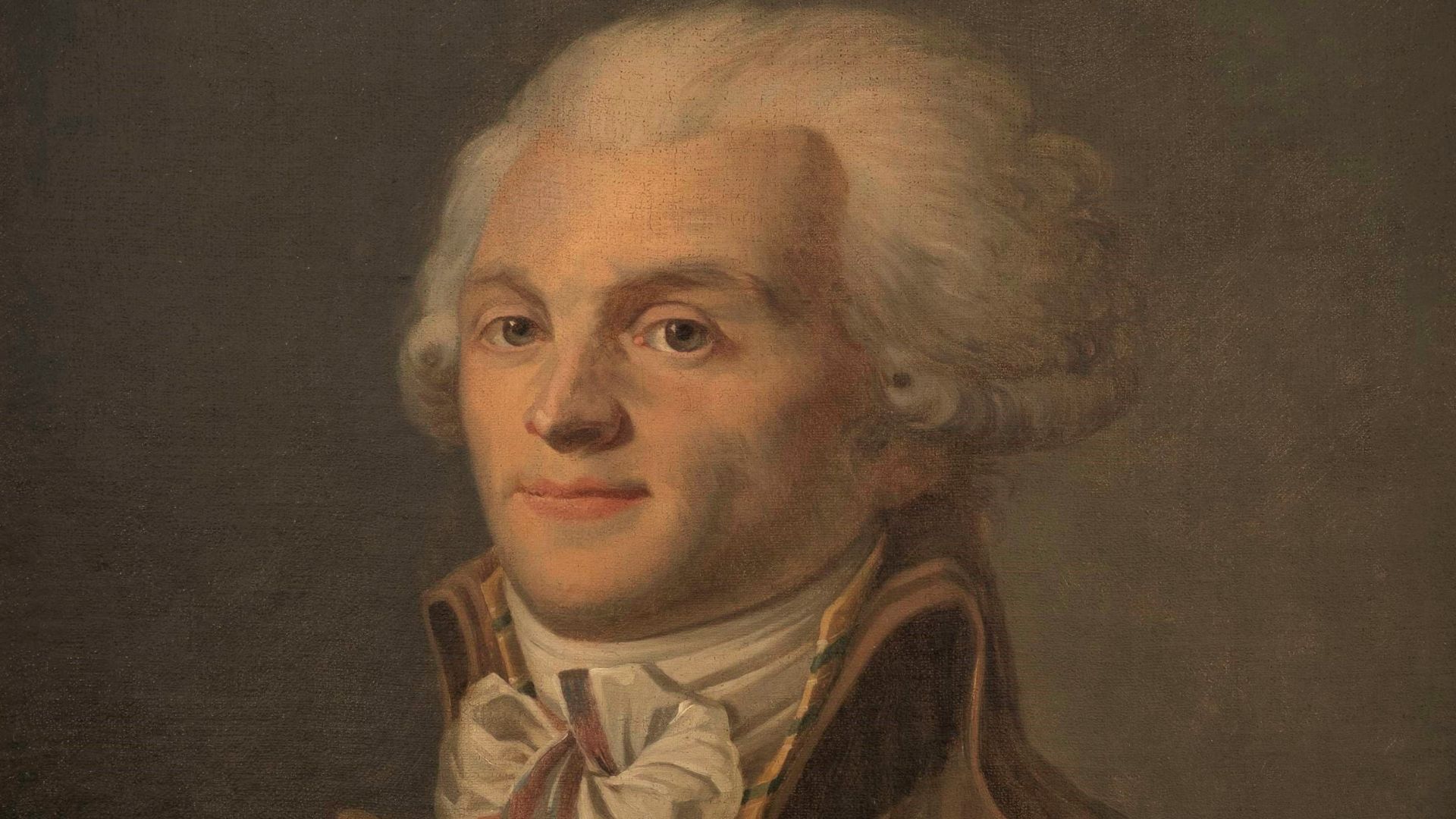
Maximilien Robespierre became the face of the French Revolution's Reign of Terror, when thousands lost their lives. He supported harsh revolutionary policies, but he wasn't acting alone. After his execution in 1794, former colleagues had every reason to blame him for everything. Turning Robespierre into one all-powerful villain helped others escape responsibility.
 Unidentified painter, Wikimedia Commons
Napoleon: The Angry Little Emperor
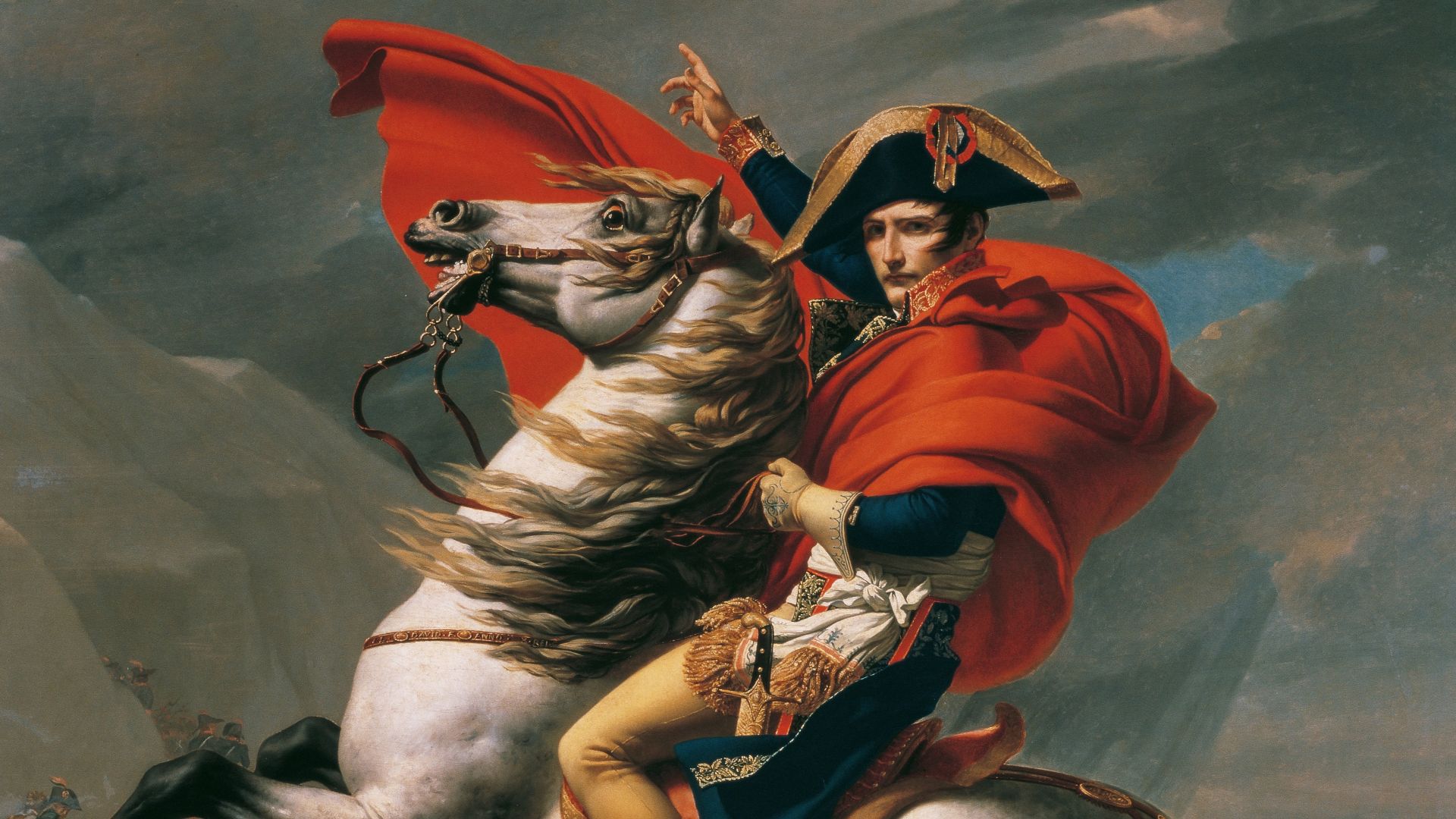
Napoleon Bonaparte is often pictured as a tiny, furious dictator obsessed with conquering Europe. British cartoonists helped create that image, especially the idea that he was unusually short. Napoleon was actually around average height for his time. His wars caused enormous suffering, but the famous image of an angry little man was partly enemy propaganda.
 Jacques-Louis David, Wikimedia Commons
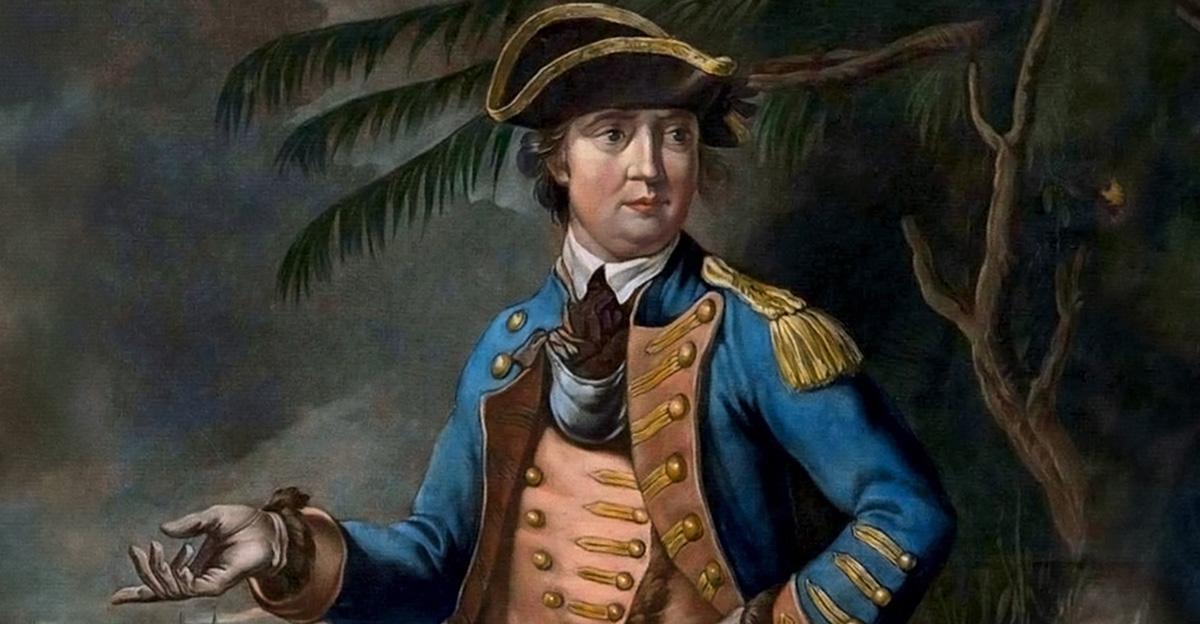
Benedict Arnold: America's Most Hated Traitor
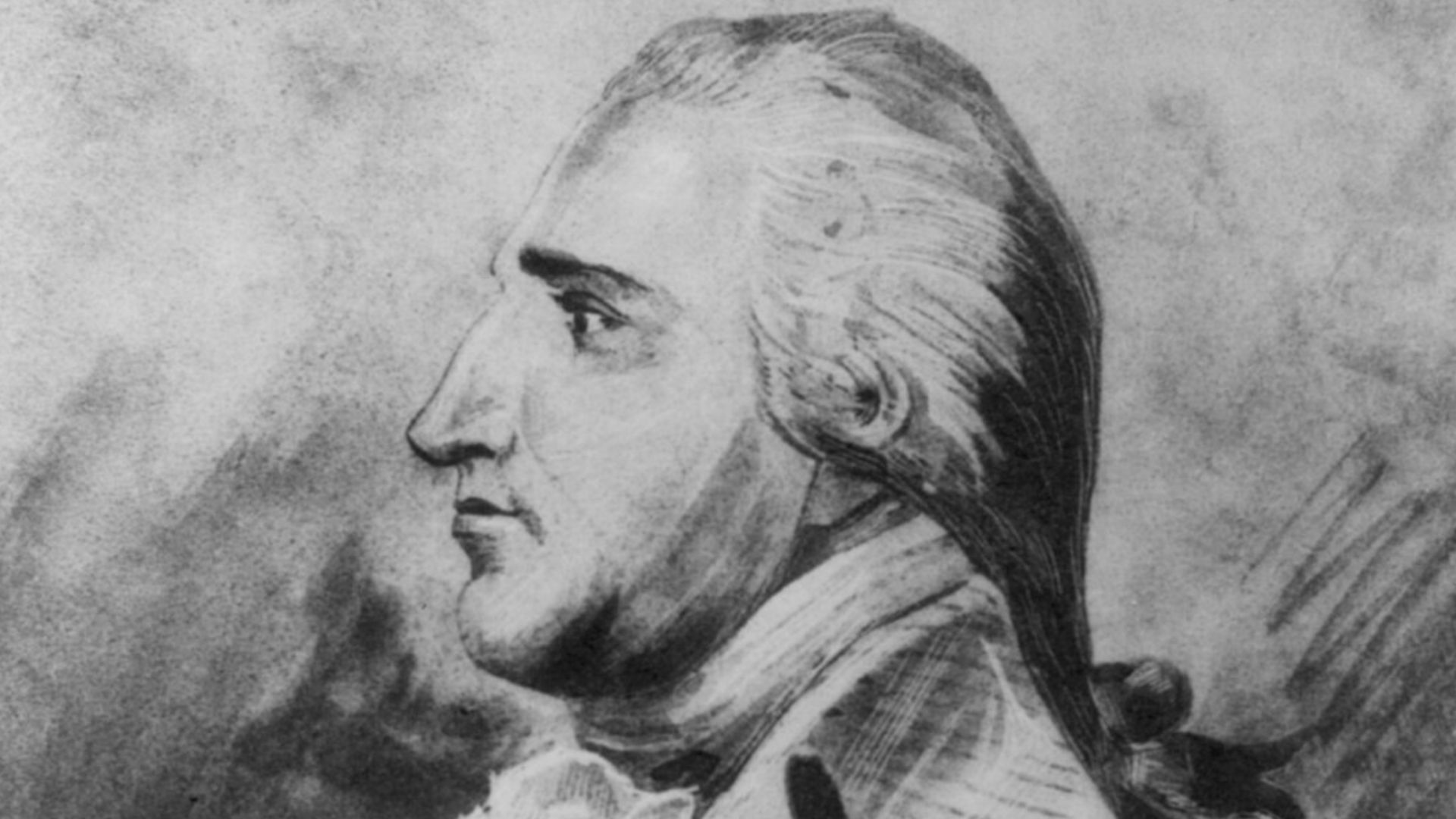
Calling someone a Benedict Arnold is still an insult in America. He really did betray the Revolutionary cause by plotting to surrender West Point to the British. What people often forget is that he'd previously been an important American military commander. His betrayal was genuine, but his earlier achievements largely disappeared beneath the story of his treason.
 Miscellaneous Items in High Demand, PPOC, Library of Congress, Wikimedia Commons
Blackbeard: The Pirate Who Terrified Everyone
Blackbeard looked like something straight out of a nightmare. He reportedly tied smoking fuses into his beard to frighten enemies, and stories about his cruelty spread rapidly. He was certainly a dangerous pirate, but some of his frightening image was deliberately created to make ships surrender. His terrifying reputation may have been one of his greatest weapons.
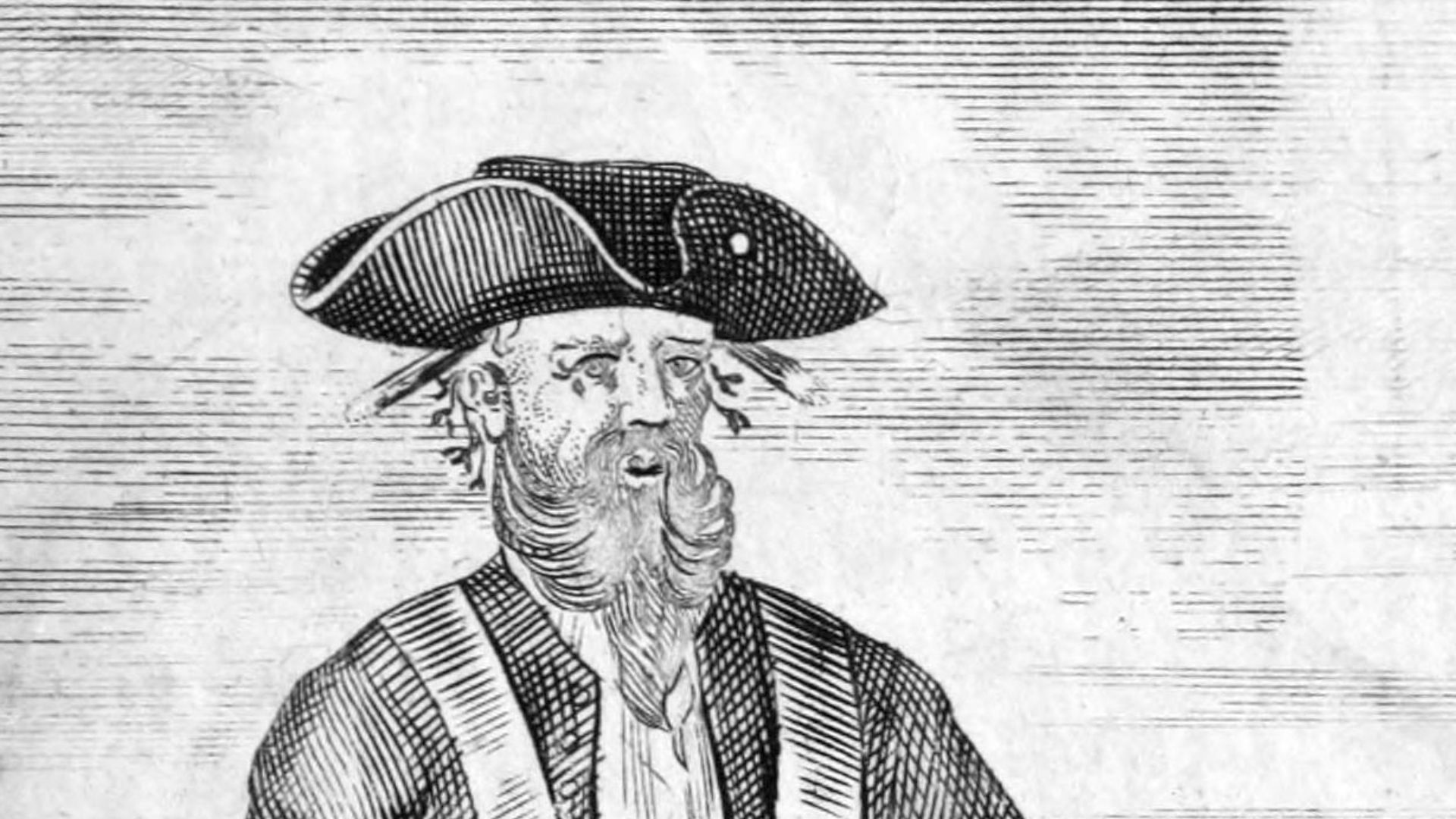 Engraved by Benjamin Cole[1] (1695–1766), Wikimedia Commons
Billy The Kid: The Outlaw Who Supposedly Killed 21 Men
Billy the Kid supposedly killed 21 men, one for every year of his short life. Historians generally believe the real number was much lower. Newspapers and popular storytellers helped transform the young outlaw into a legendary killer. Billy certainly committed serious crimes, but the larger-than-life figure of Western movies wasn't entirely the real man.
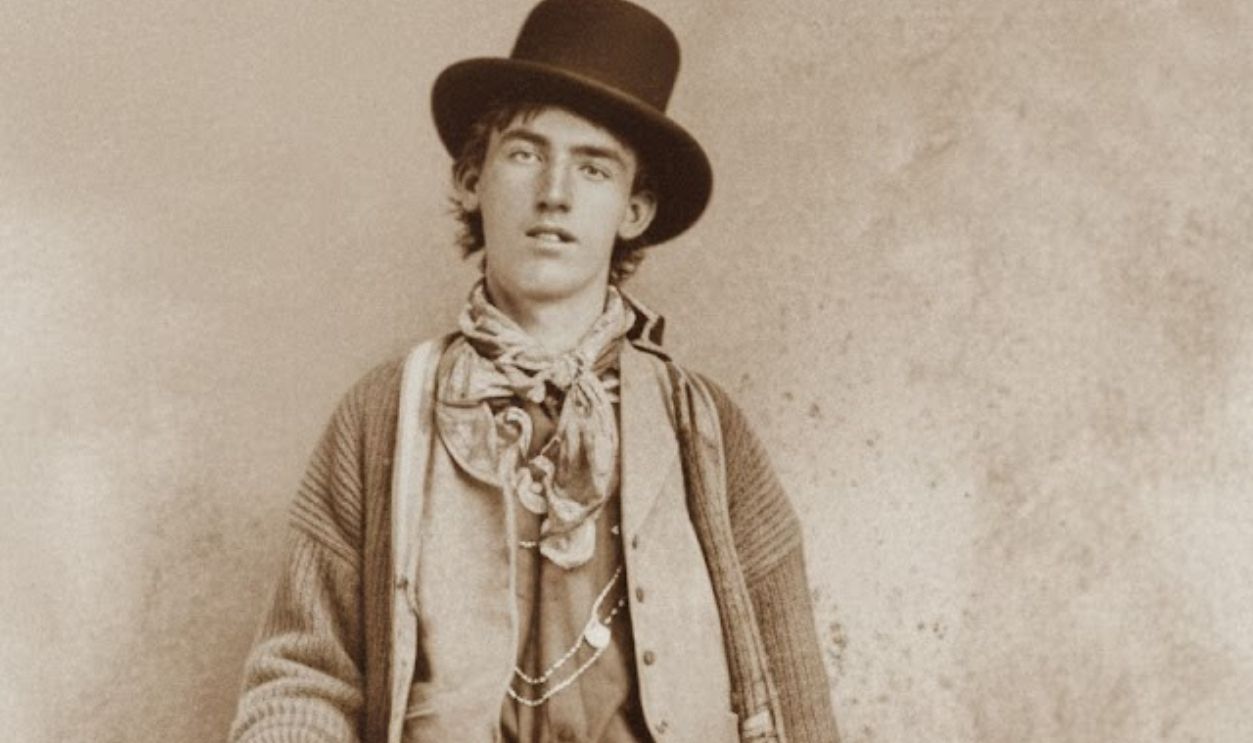 Ben Wittick (1845–1903), Wikimedia Commons
Jesse James: The Outlaw Who Became A Legend
Jesse James robbed banks and trains, and his gang committed deadly violence. Yet newspapers and sympathetic writers sometimes portrayed him as a brave rebel standing up against powerful interests. Former Confederate loyalties played a major role in shaping his image. Jesse wasn't an innocent hero, but the stories surrounding him became far more dramatic than reality.
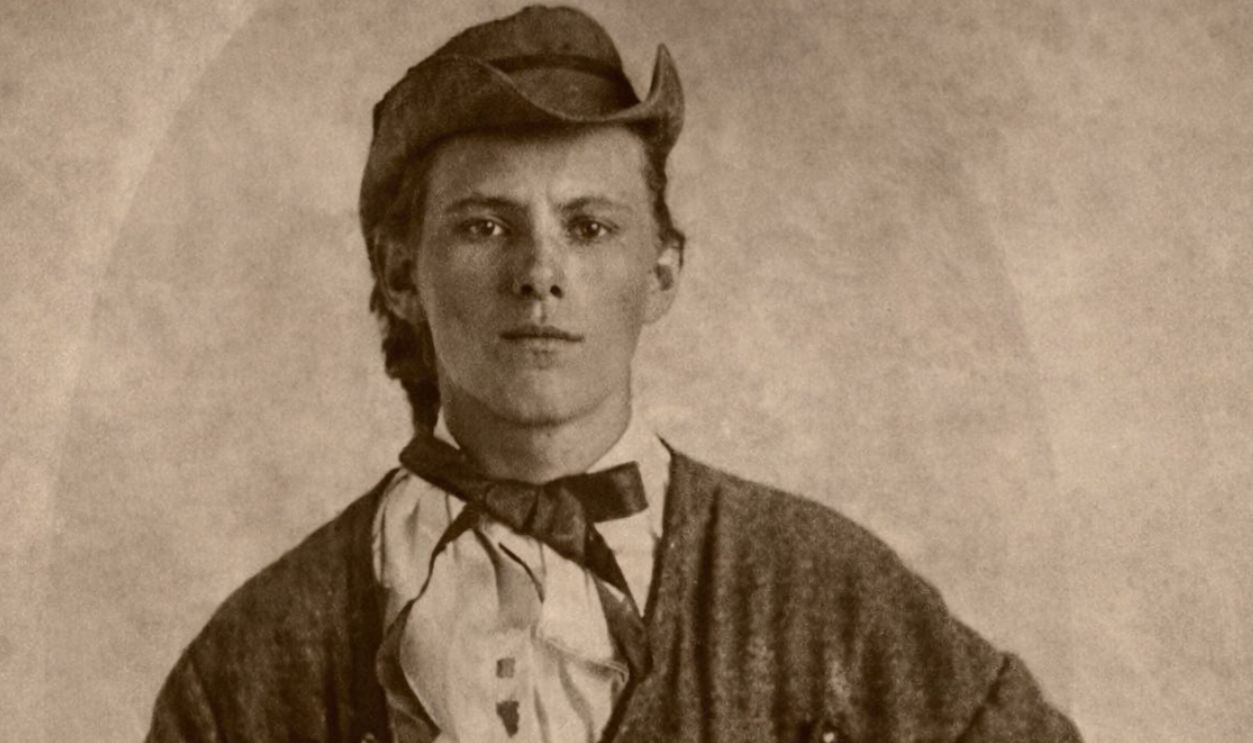
Sitting Bull: The Leader Americans Were Taught To Fear
During America's westward expansion, newspapers often portrayed Sitting Bull as a dangerous enemy. In reality, the Lakota leader was fighting to protect his people and their lands. His reputation was shaped by a country determined to expand westward. Today, he's more widely recognized as an important Native American leader than the villain once described in hostile reports.
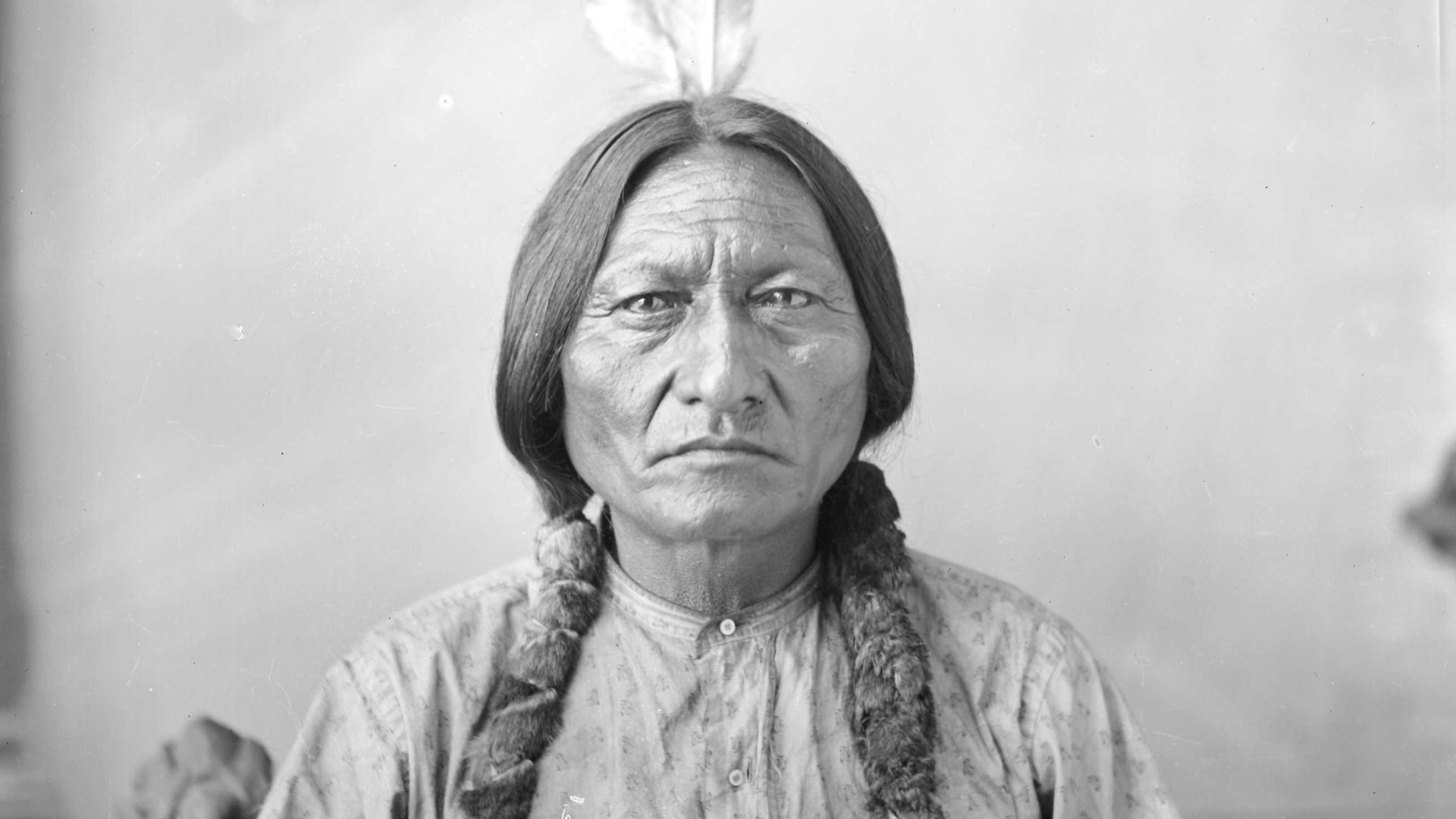 David F. Barry, Photographer, Bismarck, Dakota Territory, Wikimedia Commons
Geronimo: The Warrior Portrayed As A Monster
Geronimo became one of America's most feared Native American figures during the late 1800s. Newspapers often described him as a savage enemy, while giving far less attention to the struggles of the Apache people. Geronimo's campaigns included deadly attacks, but the frightening reputation attached to him reflected the fears and prejudices of his opponents.
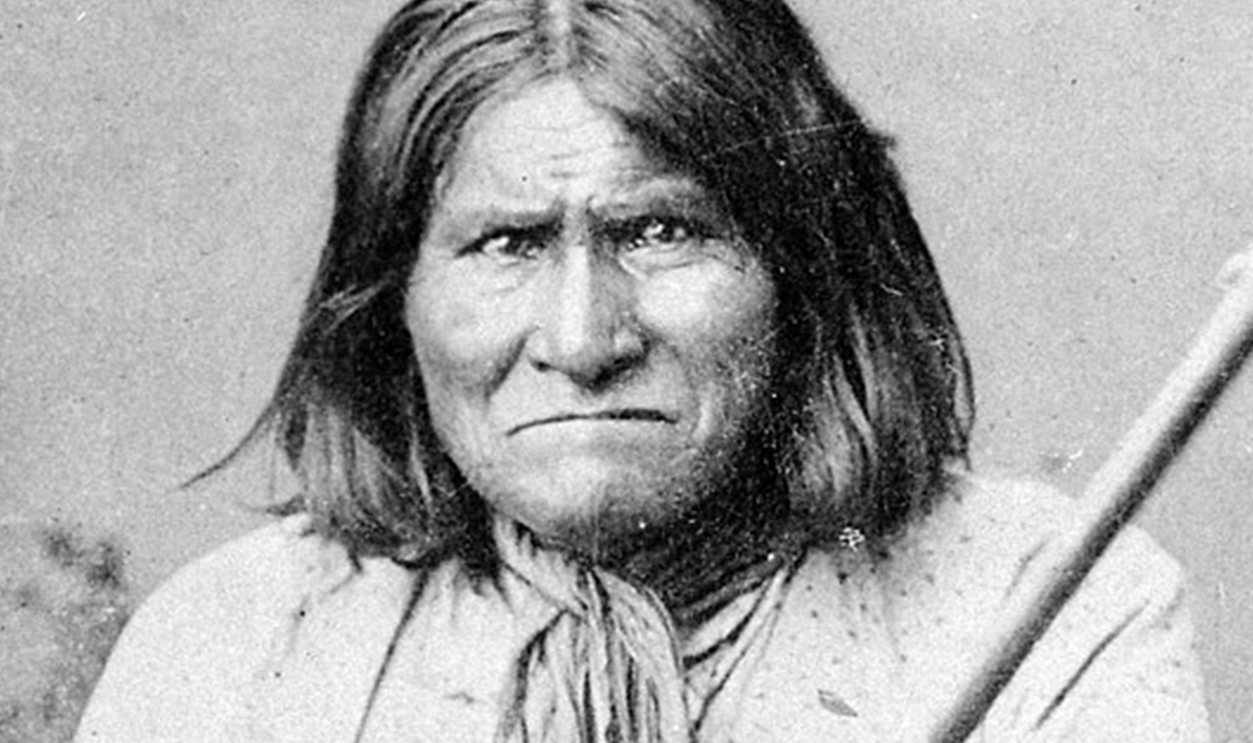 Ben Wittick, Wikimedia Commons
Queen Liliuokalani: The Queen Branded A Threat
Hawaii's last queen, Liliuokalani, wanted to restore political power to her people. American-backed business interests saw her as a threat and helped overthrow her in 1893. Supporters of the takeover portrayed her rule as dangerous. She eventually lost her throne, but historical records show she was defending a monarchy that powerful outsiders wanted gone.
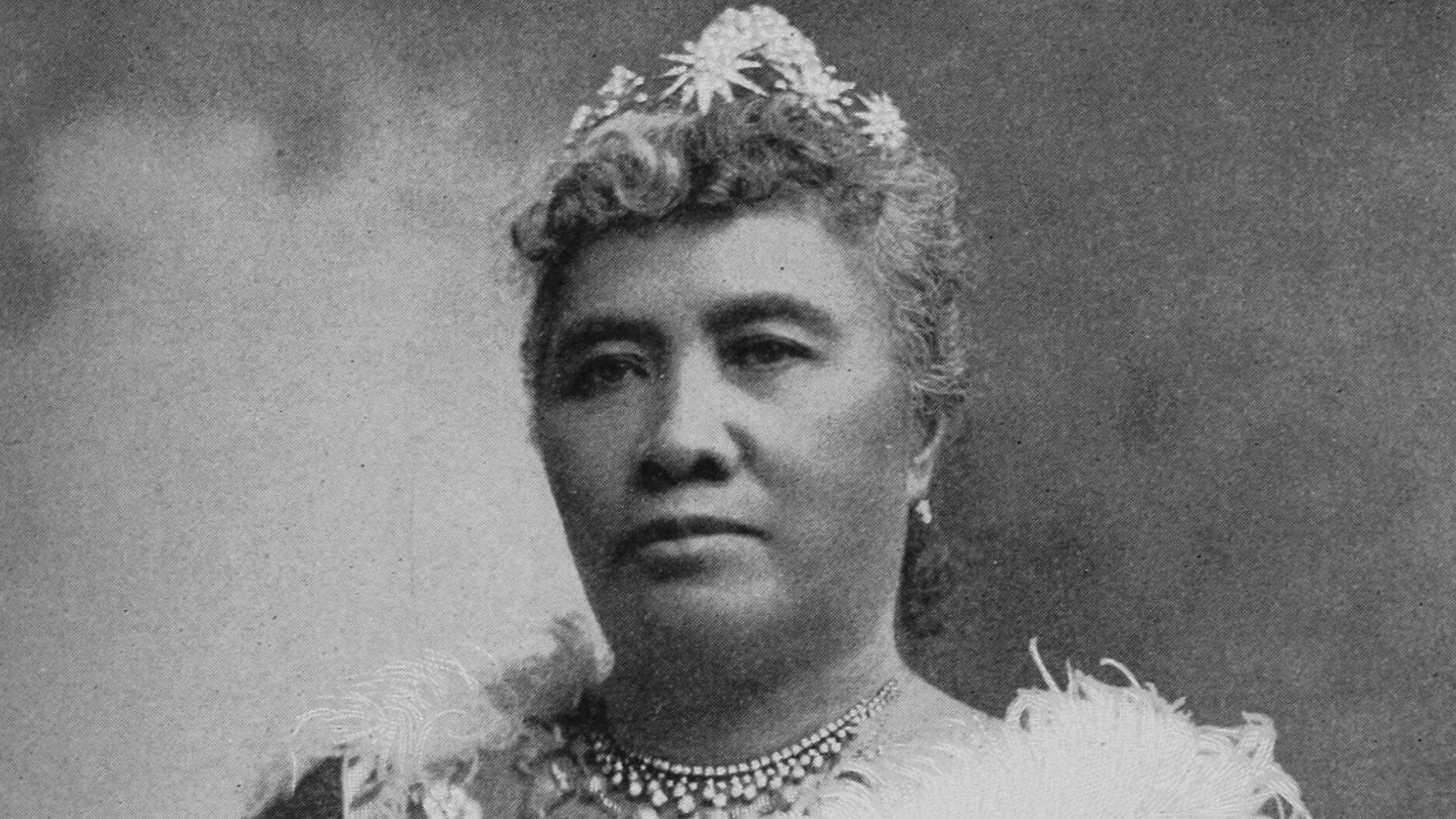 George Prince, of Washington, DC, Wikimedia Commons
Empress Dowager Cixi: China's Supposedly Evil Ruler
China's Empress Dowager Cixi was often portrayed in Western newspapers as a cruel woman who refused to modernize her country. She made serious political mistakes, including supporting the Boxer uprising. However, she also introduced reforms during her later years. Hostile reporting and sensational stories helped create a reputation that ignored much of her complicated political career.
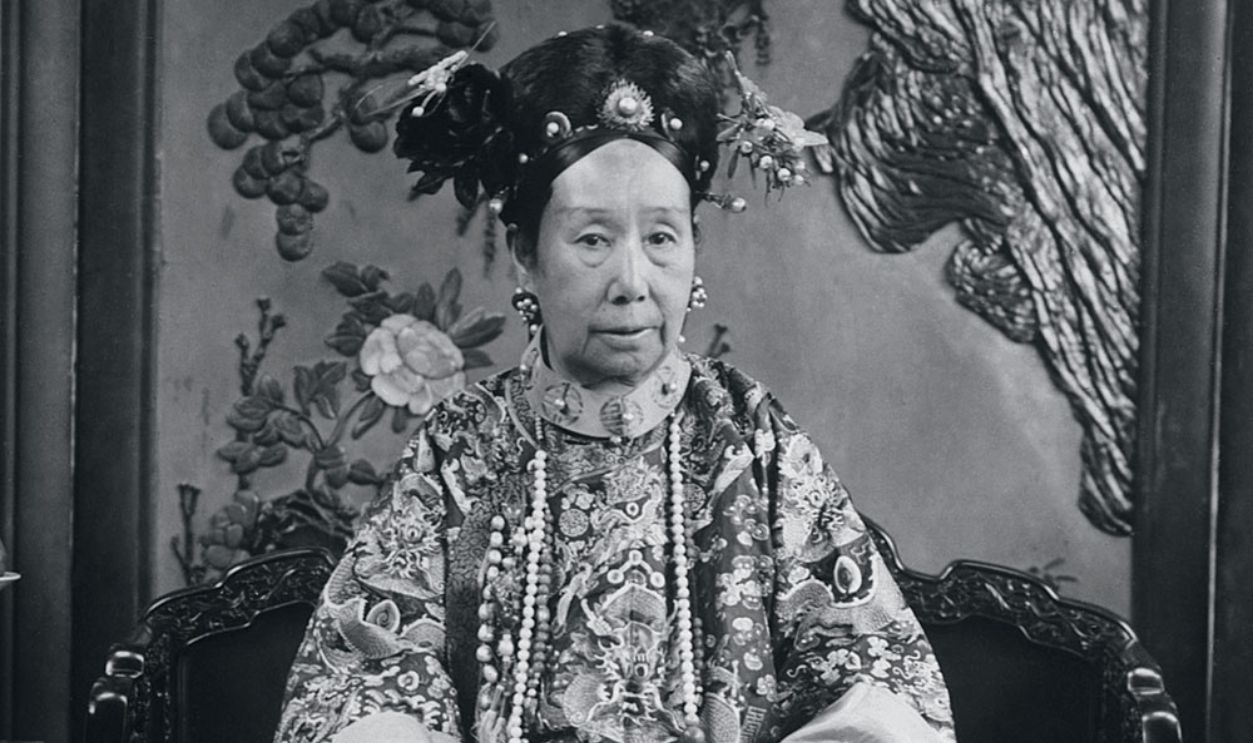 John Yu Shuinling, Wikimedia Commons
Rasputin: The Monk Who Supposedly Controlled Russia
Grigori Rasputin supposedly hypnotized Russia's royal family, manipulated the government, and possessed mysterious powers. His closeness to the Romanovs certainly raised eyebrows, but newspapers and political enemies exaggerated his influence. Even the famous story of his nearly impossible death grew more dramatic over time. Rasputin became a villain straight out of a horror movie.
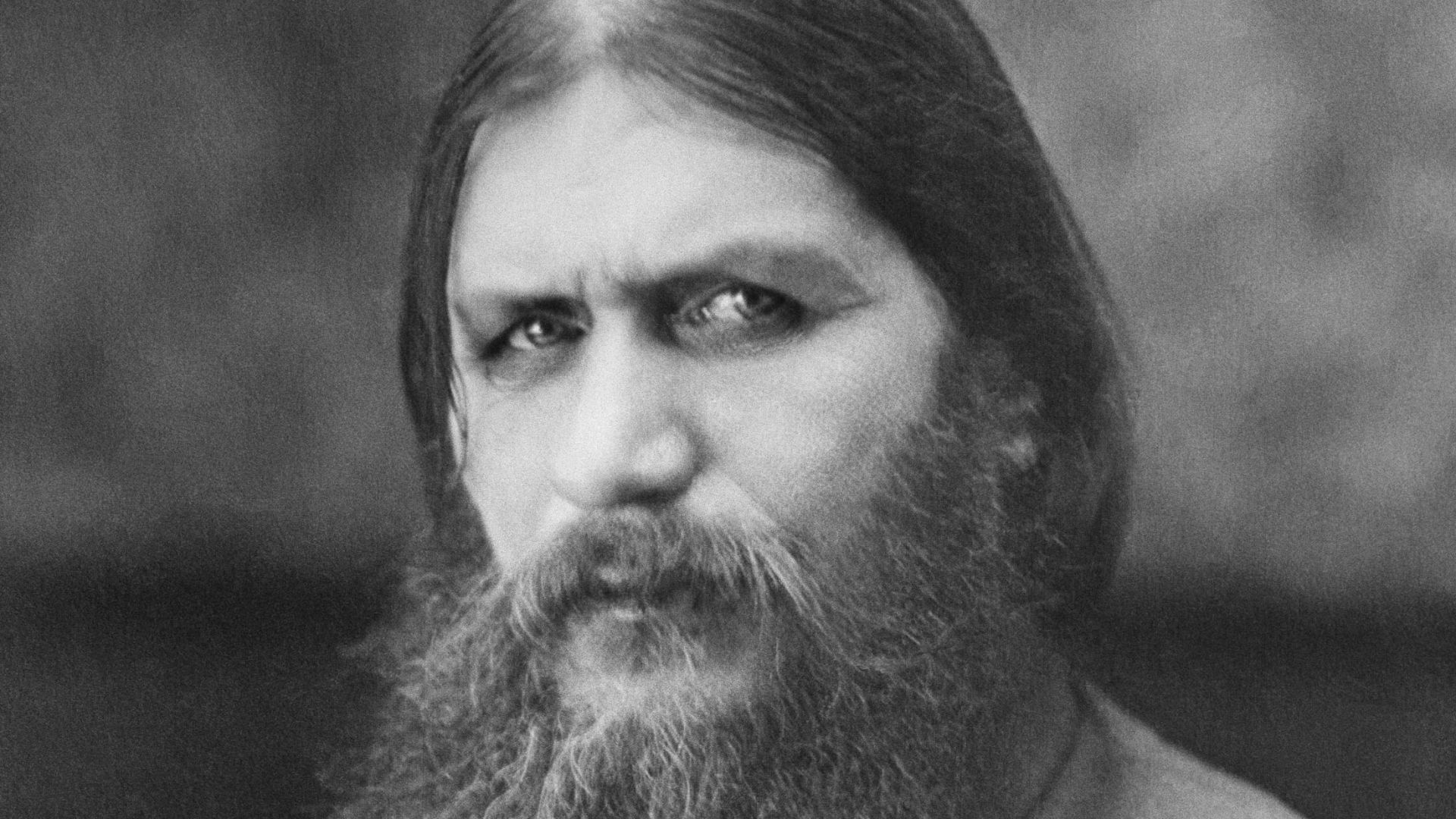 Unknown authorUnknown author, Wikimedia Commons
Mata Hari: The Woman Accused Of Being A Master Spy
Mata Hari was a famous dancer accused of spying for Germany during World War I. French authorities executed her in 1917, portraying her as an extremely dangerous secret agent. However, historians question how much useful information she actually provided. Her glamorous lifestyle and relationships made her an easy target when France was desperate to find enemies.
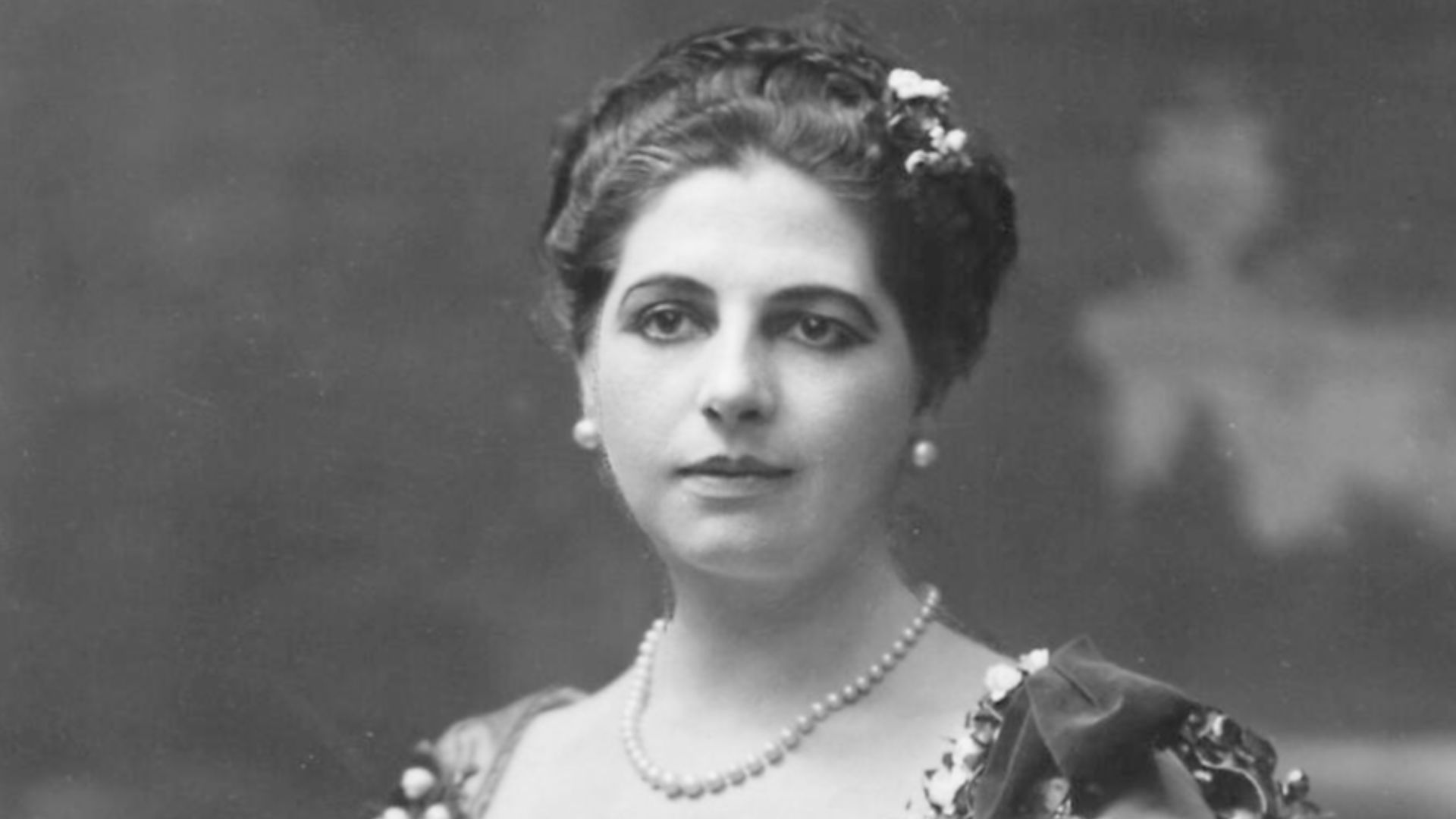 Jacob Merkelbach, Wikimedia Commons
Pancho Villa: The Revolutionary America Feared
Mexican revolutionary Pancho Villa became a feared enemy in the United States, especially after his 1916 attack on Columbus, New Mexico. He was responsible for real violence, but newspaper coverage also helped create an image of an unpredictable monster. In Mexico, meanwhile, many admired him as a revolutionary hero. His reputation depended heavily on who told the story.
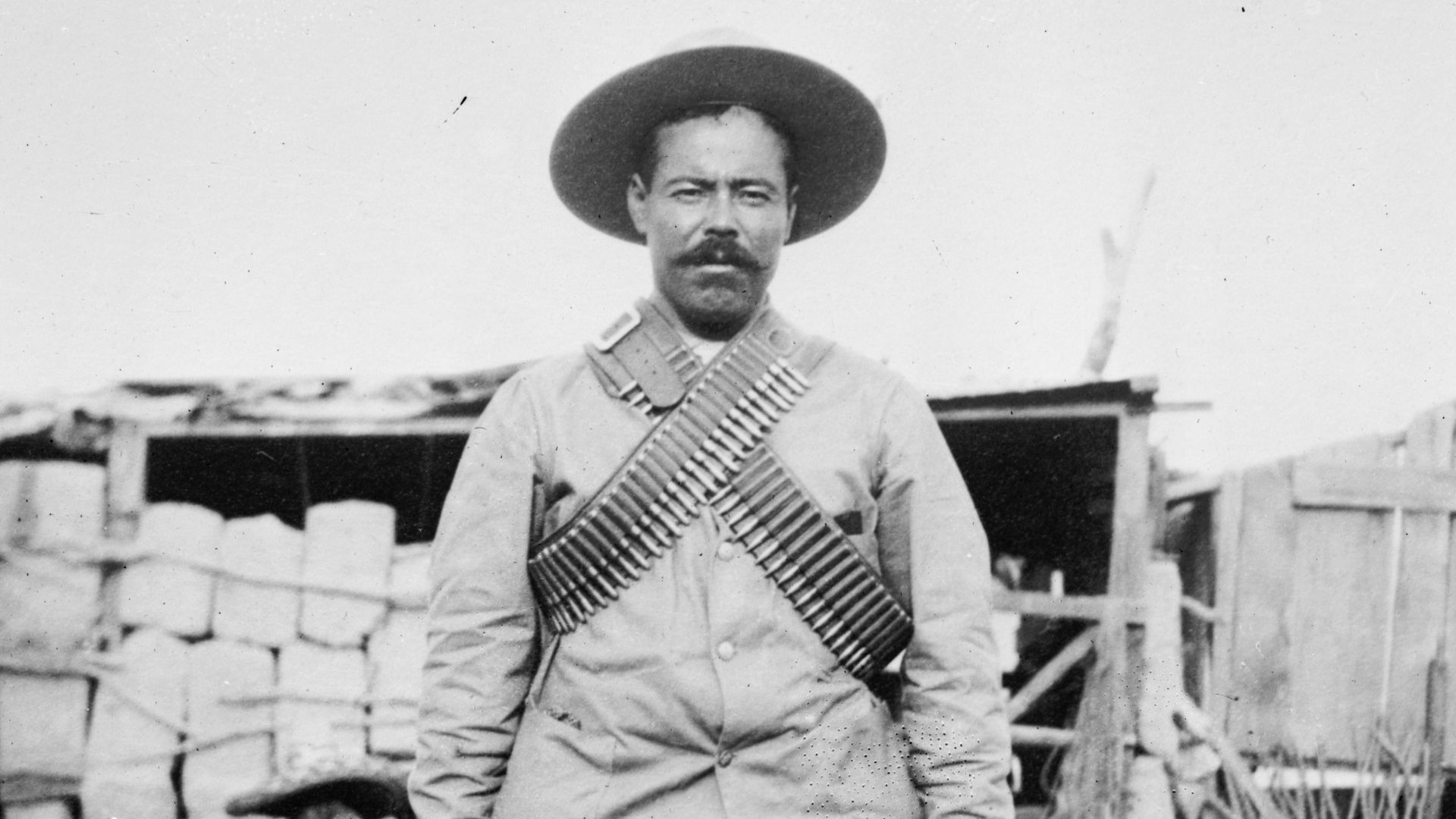 Bain News Service, publisher. Photographer is unknown., Wikimedia Commons
Kaiser Wilhelm II: The Man Blamed For World War I
Germany's Kaiser Wilhelm II became a major villain in Allied propaganda during World War I. Cartoons and posters presented him as a bloodthirsty ruler determined to conquer Europe. His aggressive policies contributed to international tensions, but the war had many causes. Blaming everything on one man made a complicated disaster much easier to explain.
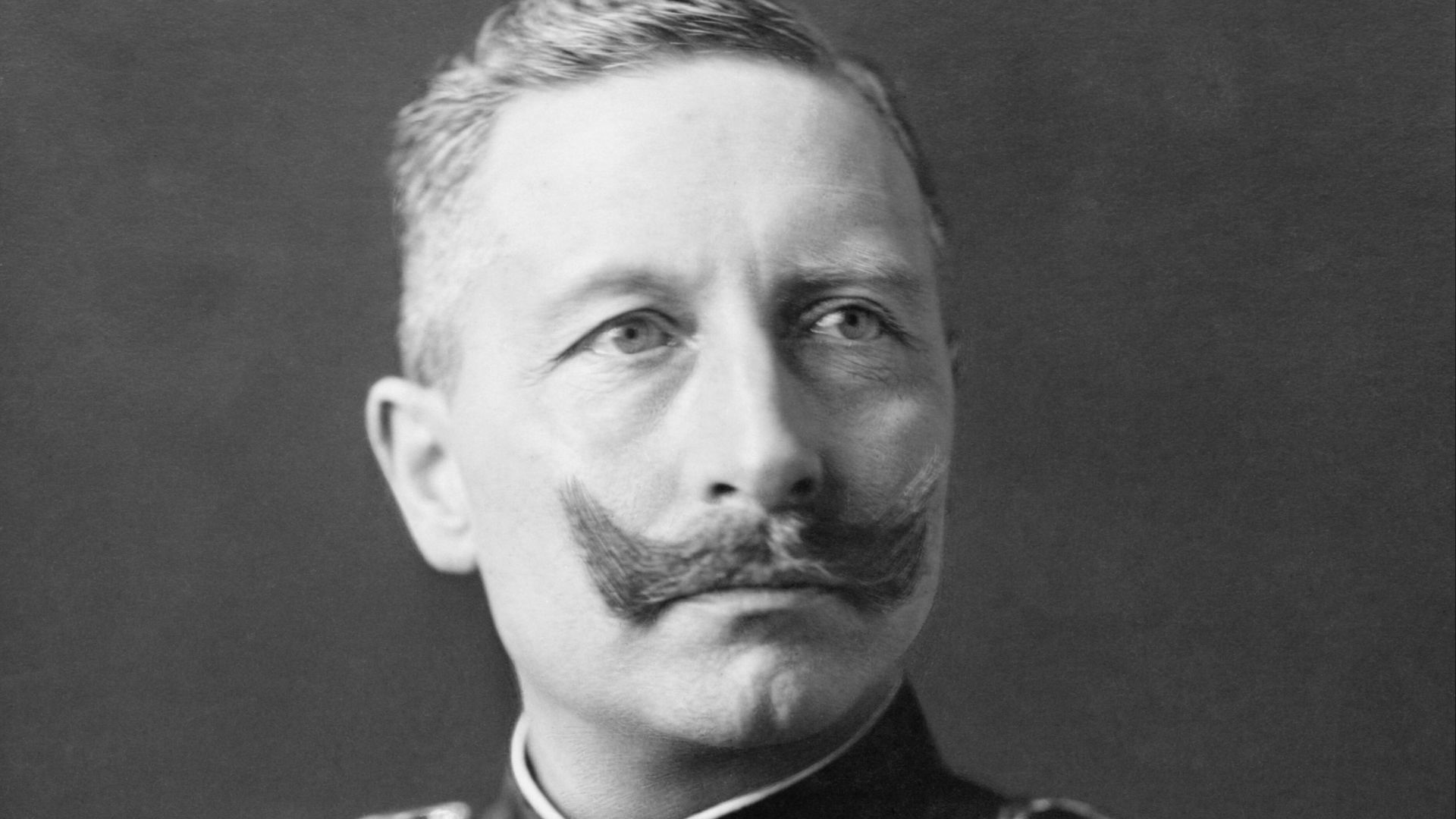 Studio of Thomas Heinrich Voigt, Wikimedia Commons
Tokyo Rose: The Woman Who Became America's Enemy
During World War II, American troops called several English-speaking Japanese radio broadcasters "Tokyo Rose." After the war, American broadcaster Iva Toguri D'Aquino became linked to the nickname and was convicted of treason. But the famous Tokyo Rose wasn't actually one person. Serious problems with the evidence eventually emerged, and President Gerald Ford pardoned her in 1977.
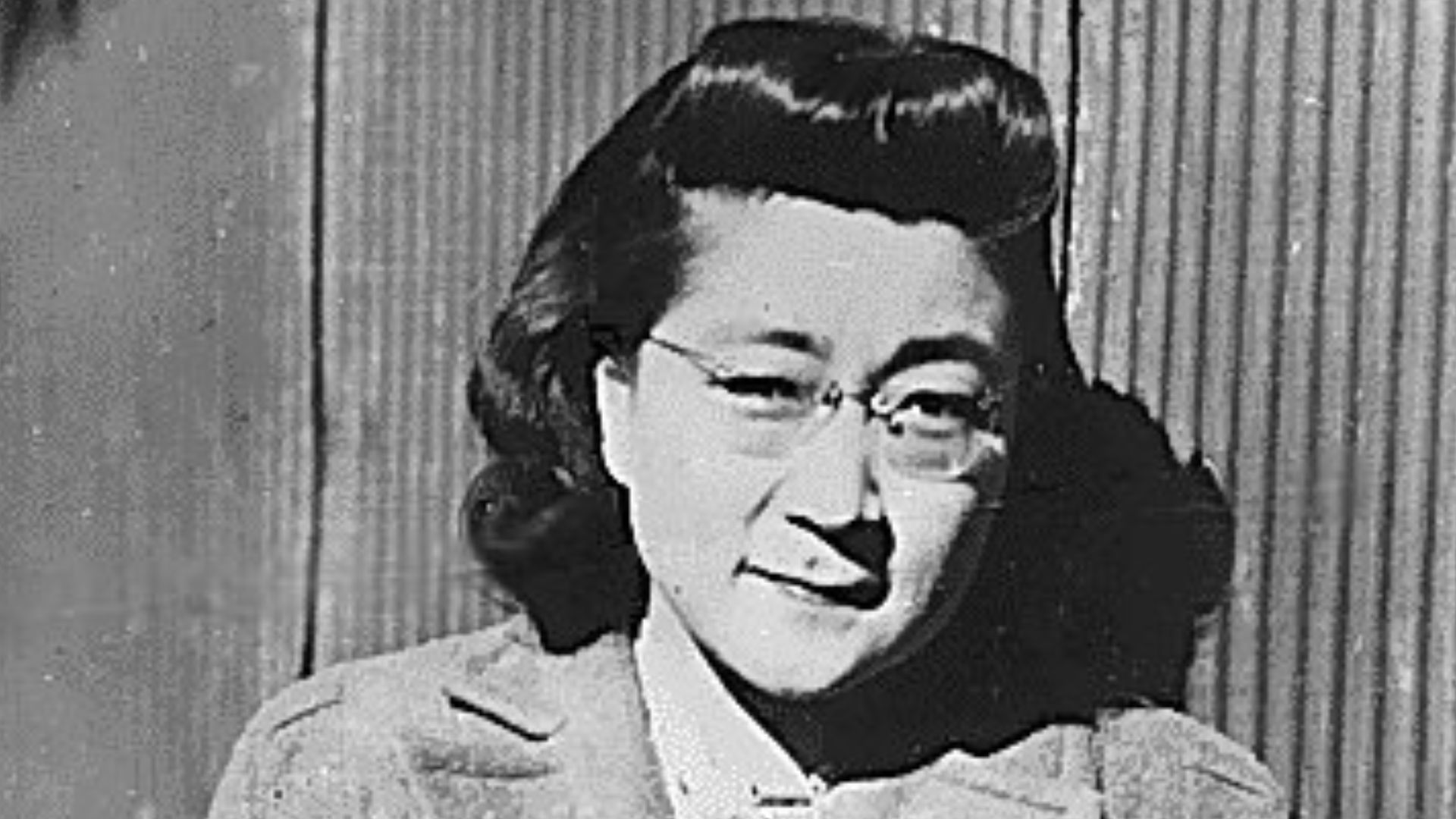
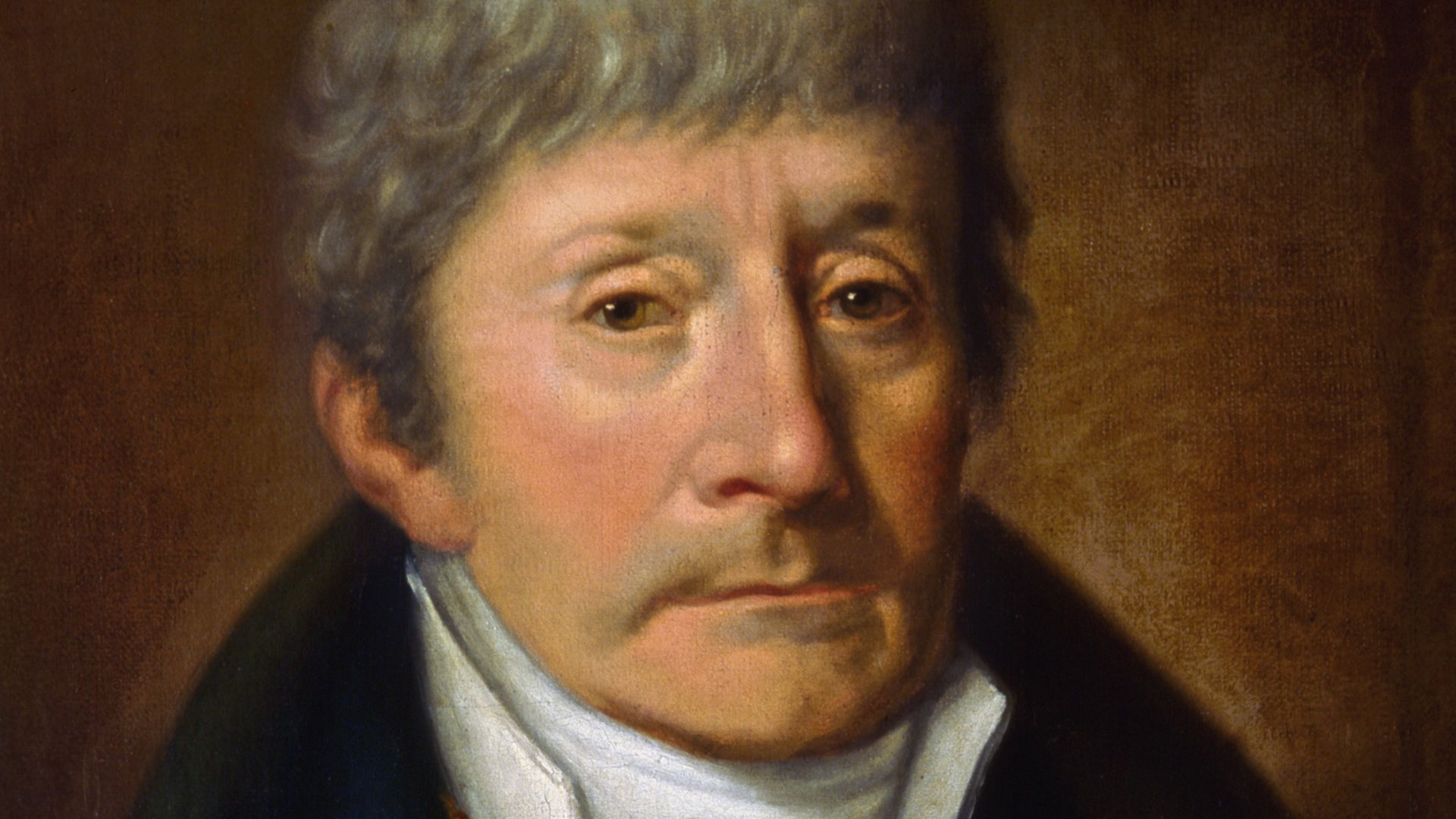
Antonio Salieri: The Composer Accused Of Killing Mozart
Antonio Salieri became famous for supposedly poisoning Mozart out of jealousy. It's a terrific story, especially if you've seen the movie Amadeus. Unfortunately, there's no convincing evidence that Salieri murdered Mozart. The two composers were professional rivals, but the fictional rivalry eventually overshadowed Salieri's achievements. Centuries later, he's still remembered for a crime he almost certainly never committed.
When A Bad Reputation Becomes Impossible To Escape
History isn't always fair, and the people telling the stories aren't always trustworthy. Some of these figures committed terrible crimes, while others were made to look much worse by their enemies. A few were even blamed for things they never did. The strangest part? Once a juicy story becomes famous, the truth can spend centuries trying to catch up.
 Unknown authorUnknown author, Wikimedia Commons
You May Also Like:
Great American Engineering Projects From The Past That Wouldn’t Get Built Today