Your Last Name Might Be An Ancient Insult
Your last name might sound perfectly respectable today, but centuries ago, it could have been someone's idea of a cruel joke. Some familiar surnames began as accusations of laziness, stupidity, or bad behavior, while others came from jobs involving animal hides, filthy water, and other unpleasant surprises. Even names that sound flattering today could once have meant something completely different. And one of the strangest examples started with an accusation that somebody was too lazy to do much of anything.
Doolittle: The Family That Apparently Did Nothing
Imagine discovering that your surname originally meant your ancestor was too lazy to work. That's the documented English origin of Doolittle, which developed from words meaning "do" and "little" and was used as a nickname for an idle person. Of course, there's no way to know whether the original bearer actually deserved that reputation or was simply the victim of a joke. But at least Doolittle was an insult about work ethic, because another surname took aim at someone's entire moral character.

Thewlis: An Insult That Questioned Your Morals
Thewlis might sound like a distinguished old family name, but its historical meaning was anything but complimentary. Researchers behind the Oxford Dictionary of Family Names in Britain and Ireland connect it to a description of someone considered immoral or lacking in moral character. That doesn't prove the original bearer was a terrible person, since medieval nicknames could be sarcastic or downright unfair. Still, it's an extraordinary accusation to have attached to your descendants for centuries, and the next surname was hardly kinder.
Mussard: The Ancestor Everyone Thought Was An Idiot
Mussard has the sound of an elegant European surname, but its historical meaning could be downright humiliating. The Oxford surname dictionary identifies it as a nickname associated with someone considered absent-minded or stupid. Whether it was a cruel insult or affectionate teasing is impossible to establish from the name alone. Yet the next surname is arguably even more surprising, because it sounds like a compliment until you discover what it could really mean.

Goodfellow: The Nice Guy Who Might Have Been A Rascal
If your surname is Goodfellow, you'd probably assume an ancestor was especially friendly or well-liked. However, the Oxford surname dictionary explains that the expression could also describe a rascal in medieval English. That means a name that sounds thoroughly respectable today might once have carried a rather mischievous meaning. And if that wasn't confusing enough, another surname could accuse an ancestor of wasting everything they owned.

Scattergood: The Ancestor Who Blew The Family Fortune
Scattergood sounds almost cheerful, but its original meaning could have been a sharp criticism of someone's spending habits. Historical surname researchers connect it to a person who scattered or squandered their possessions, essentially a spendthrift. Interestingly, the name might also have described someone unusually generous, making the difference between praise and insult surprisingly thin. But medieval people weren't just interested in judging their neighbors' finances, and the next name targeted something much more personal.
Crookshank: A Cruel Comment About Someone's Legs
Crookshank and its variant Cruickshank might sound perfectly ordinary today, especially to families who have carried the name for generations. However, the surname originated as a description of someone with crooked or unusually shaped legs. The Oxford surname dictionary identifies it among names based on physical appearance, showing how easily an identifying characteristic could become hereditary. And while that might seem unkind, another surname suggests that even someone's intelligence was fair game.

Follett: The Family Name That Meant Fool
Follett sounds perfectly respectable today, but one of its historical English origins is linked to a word meaning fool. The surname is associated with an Old French term that could describe a foolish person or a jester, making it difficult to know whether the original nickname was insulting or playful. Either way, it's a surprising inheritance for anyone who has never questioned where their last name came from. But some medieval nicknames went beyond calling someone foolish and took aim at their professional abilities.
Mockler: The Man Who Was Bad At His Job
Mockler is one of those surnames whose unpleasant meaning has largely disappeared from everyday recognition. The Oxford surname dictionary traces one origin to an Old French expression meaning "bad clerk," suggesting that somebody was being mocked for their abilities or reputation. In medieval society, a clerk could be associated with literacy, administration, or clerical duties, making the insult particularly pointed. Whether the original bearer deserved it is unknown, but another occupational surname was associated with a much more physically unpleasant kind of work.
Walker: The Job That Could Involve Stale Urine
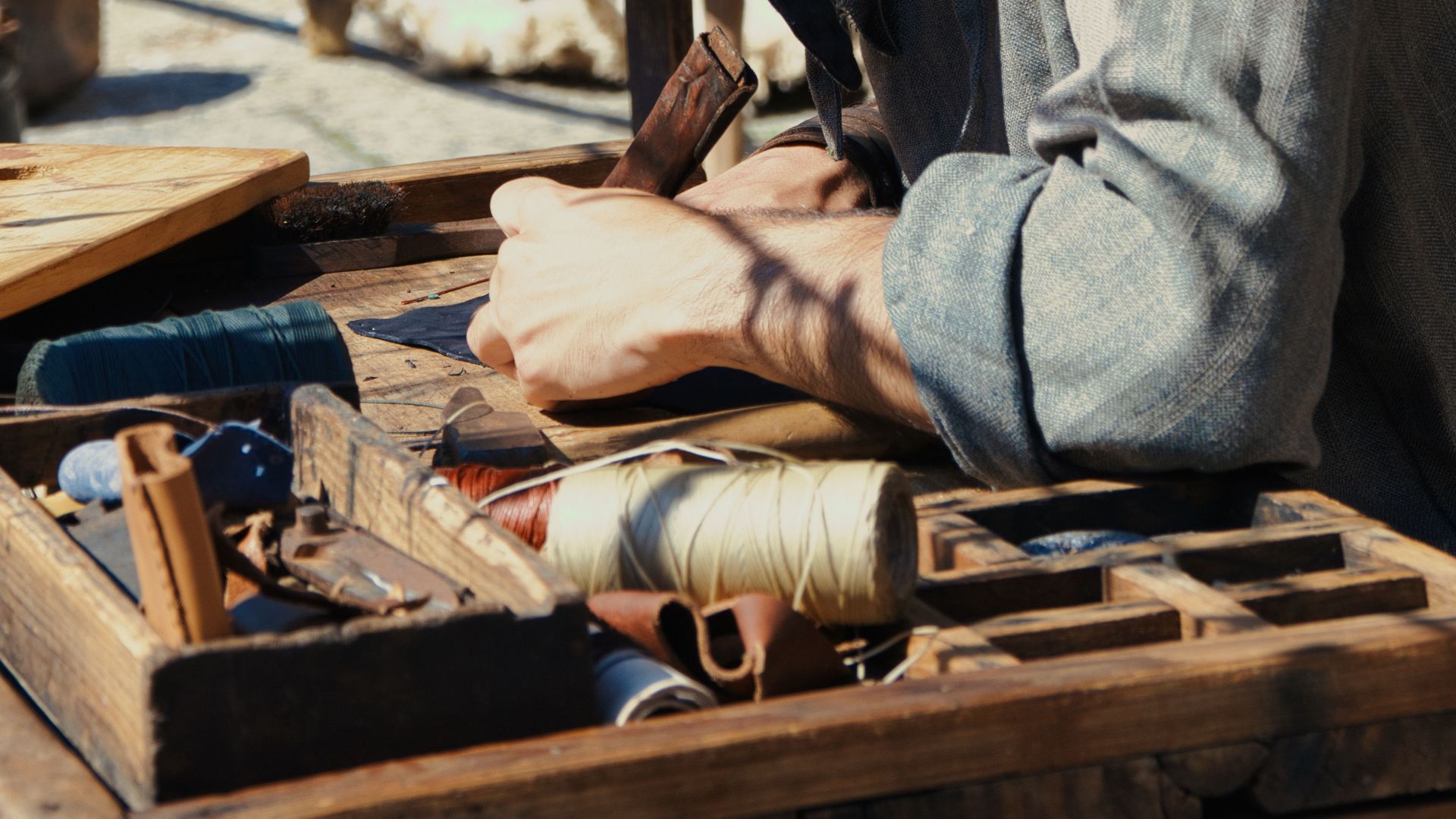
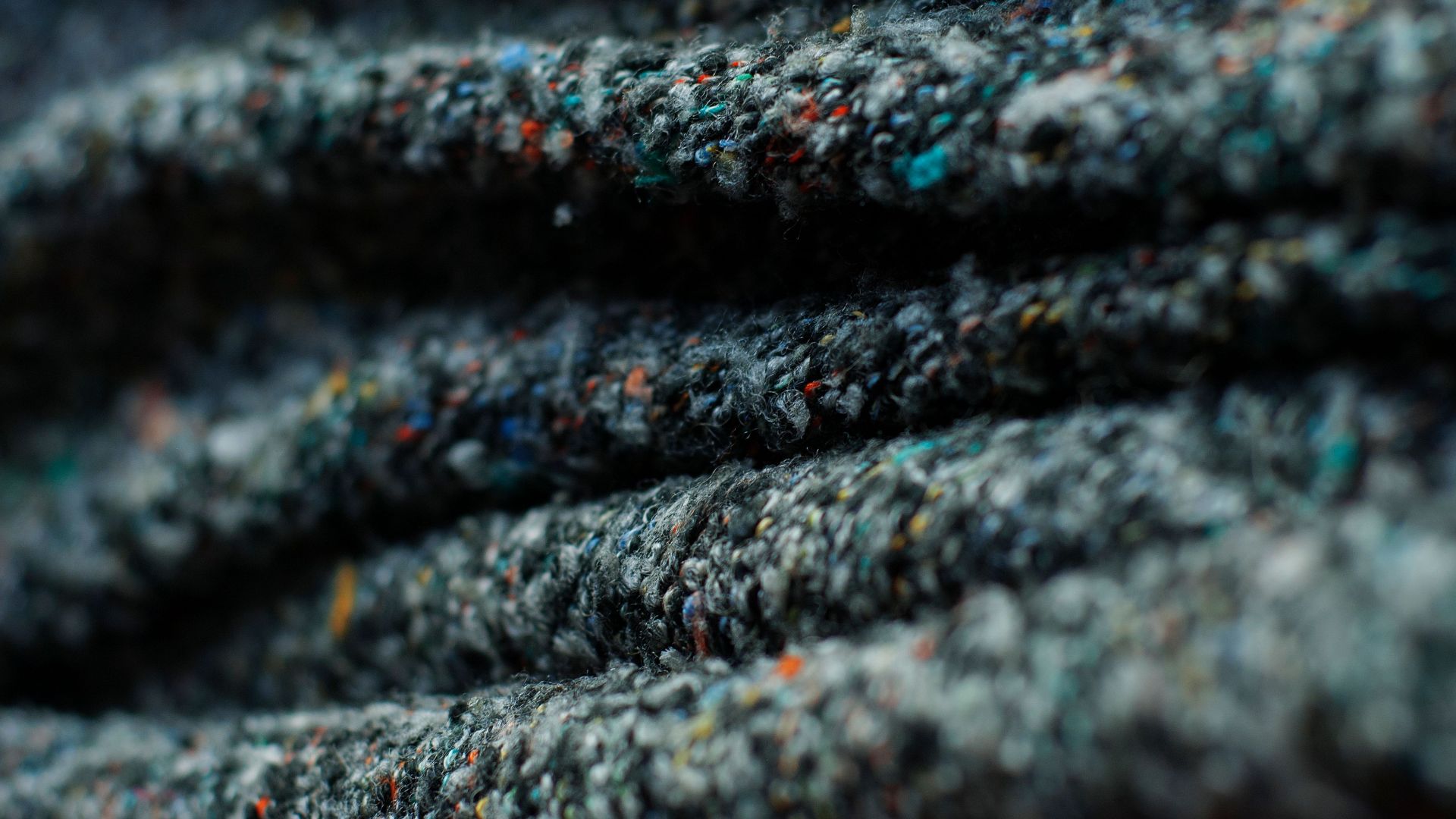
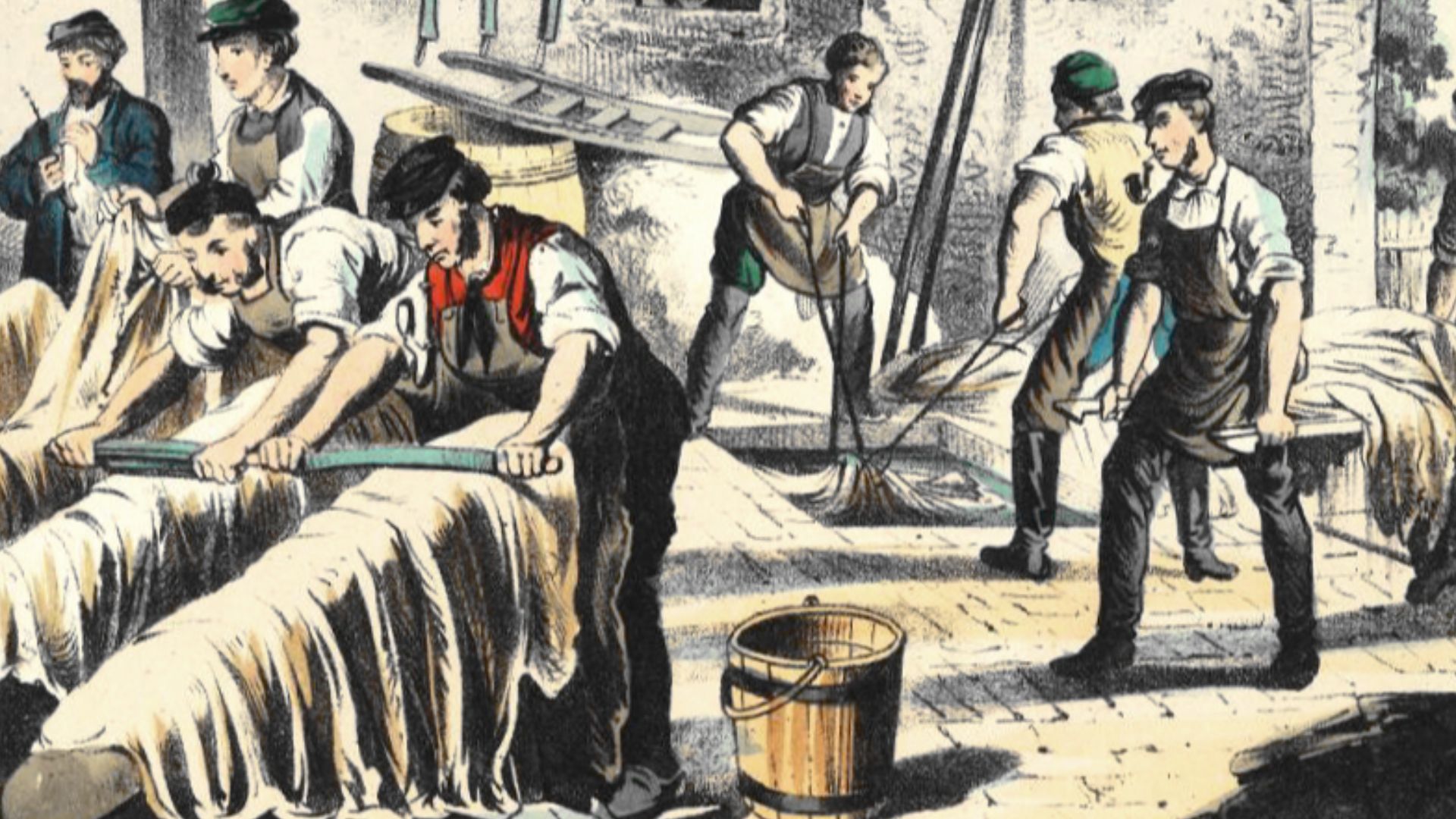
Walker sounds like one of the most innocent surnames imaginable, but its English occupational origin has nothing to do with enjoying a pleasant stroll. Medieval walkers helped clean and strengthen woolen cloth by pounding or trampling it, sometimes in liquid containing stale urine or alkaline lye. The process, known as fulling, was essential to producing usable fabric, even if the working conditions were far from appealing. And if you think that's a strange way to earn a family name, wait until you discover what a Barker originally did.
Barker: A Dirty Job Hiding Behind A Familiar Name
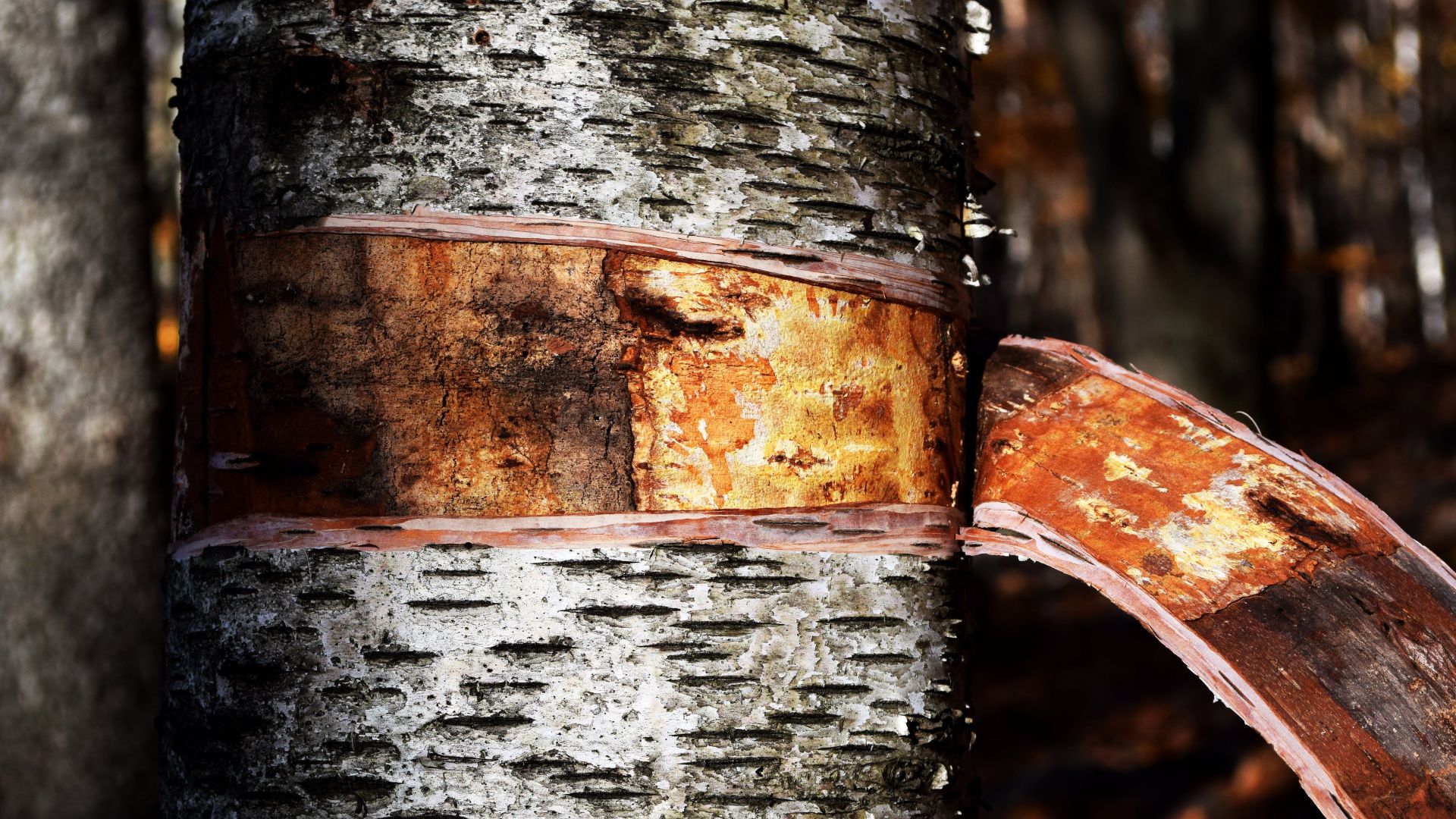
If your last name is Barker, you might assume it has something to do with noisy dogs. In medieval England, however, a barker could be someone who stripped bark from trees for the leather trade or worked as a tanner. Tree bark provided materials used to treat animal hides, which meant the occupation was closely connected to the messy business of turning skins into leather. Barker also has a separate origin associated with shepherding, but its leather-working meaning leads to another surname with an equally unpleasant history.
Tanner: The Trade That Made Animal Skins Useful
Tanner is a familiar surname today, but its English occupational origin points directly to the processing of animal hides. Traditional tanning involved soaking and treating skins to produce durable leather, often using vats and materials derived from tree bark. It was essential work in a society that relied heavily on leather for shoes, belts, and countless other products. Yet not every strange occupational surname described the work itself, and one particularly memorable example began as a mocking name for someone collecting money.
 Anonymous artist, Wikimedia Commons
Catchpole: The Man Nobody Wanted At The Door
Catchpole sounds almost comical, but its historical meaning was much less amusing for anyone who owed money. The Oxford surname dictionary explains that it developed from an expression meaning "chase fowl," which became a mocking term for a debt collector. A catchpole was associated with pursuing people who owed money, hardly the sort of visitor anyone would welcome. And while that name mocked an unpopular profession, another surname may have been a joke about someone who couldn't behave peacefully.
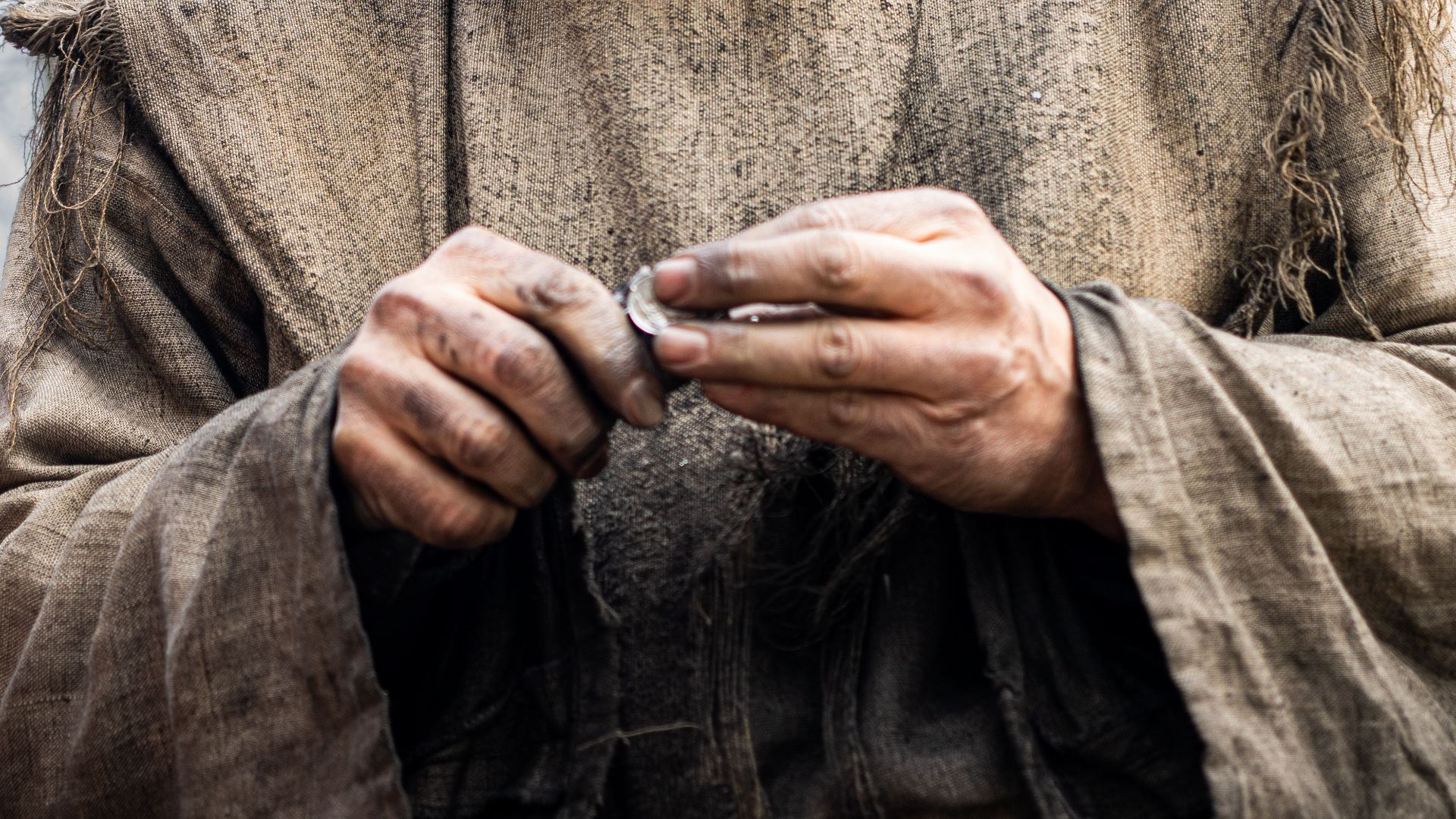
Makepeace: The Troublemaker With The Ironic Name
Makepeace sounds like a surname that should belong to a particularly calm and reasonable person. However, the Oxford surname dictionary explains that it could have referred to someone who helped settle disputes or, ironically, to a troublemaker. Imagine being so argumentative that your neighbors decided to call you the very opposite of what you were. That interpretation remains a possibility rather than a documented story about one particular ancestor, but it shows how misleading a pleasant-sounding surname can be.
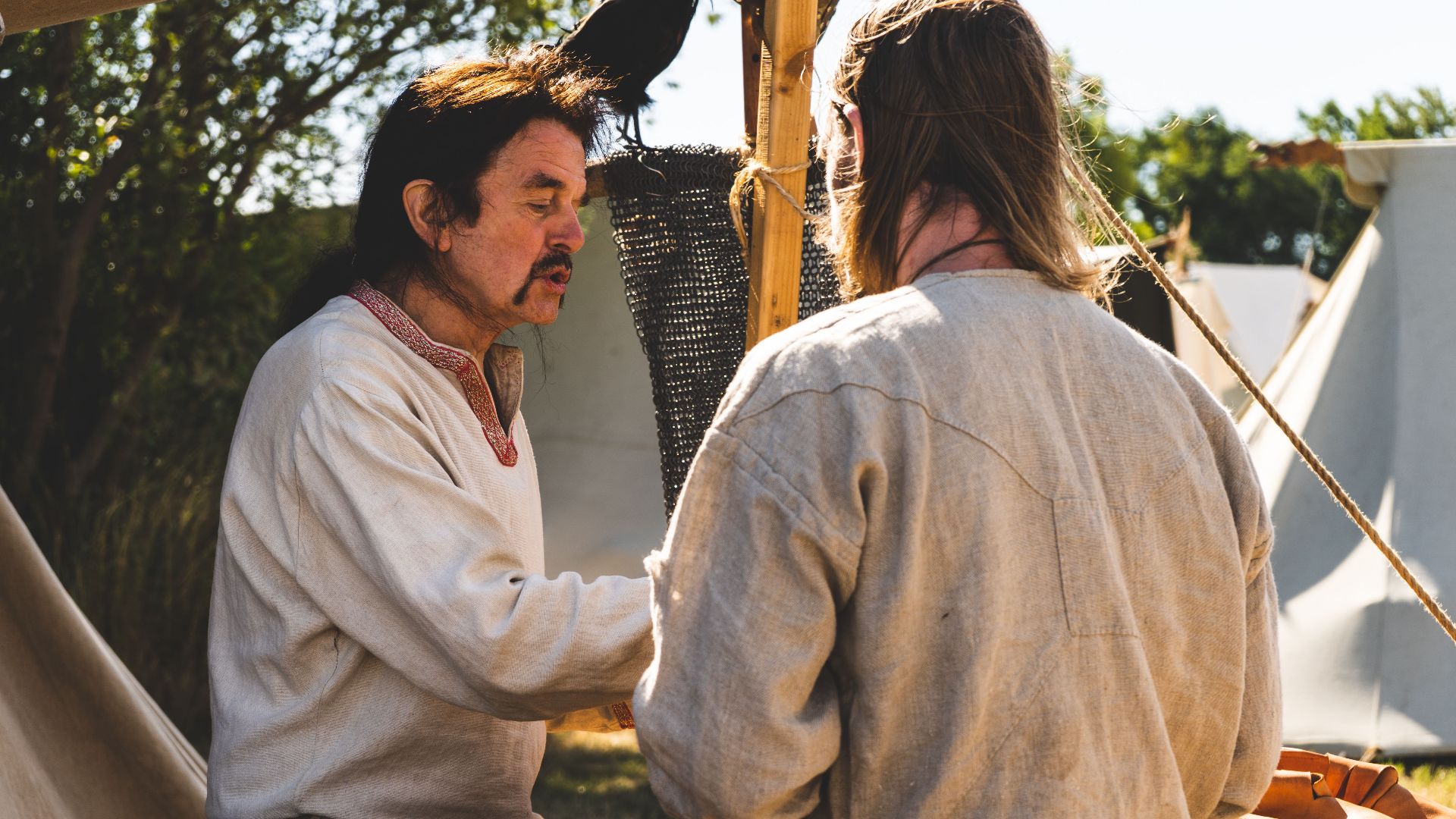
Drinkwater: The Man Who Apparently Hated His Ale
Drinkwater sounds like a perfectly ordinary description today, but in medieval England, it could have been a rather pointed nickname. The Dictionary of American Family Names suggests it may have described someone who preferred water to the sour ale offered by an innkeeper. Weak ale was an everyday drink for many people, making such a preference unusual enough to attract attention. Of course, the exact origin of the nickname remains uncertain, and another surname shows how even a person's bedtime could become part of their identity.
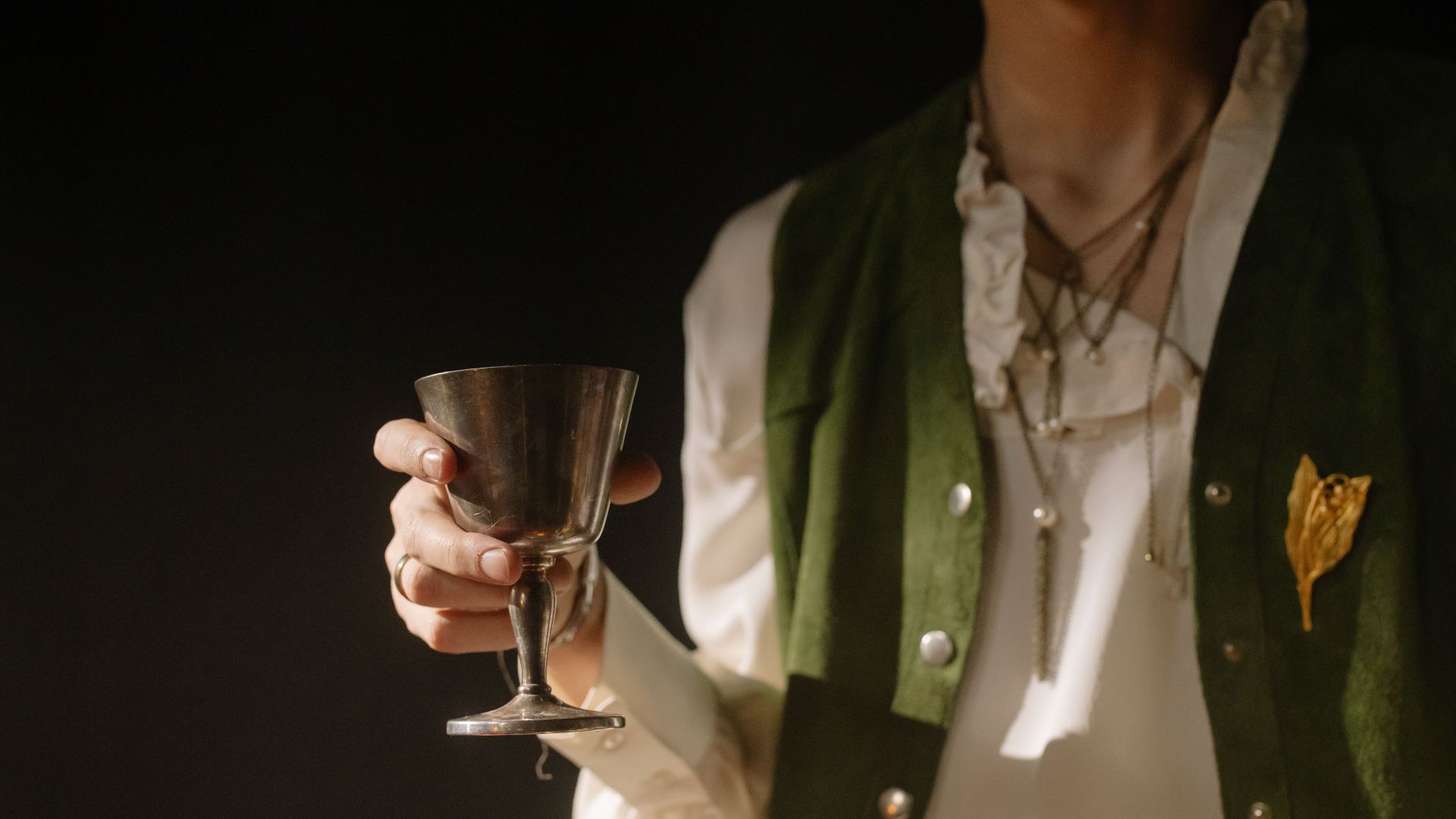
Gotobed: The Family Name That Sounds Like An Order
Gotobed sounds like something a tired parent might shout upstairs, but it's also a genuine English surname. The Oxford Dictionary of Family Names in Britain and Ireland traces it to Middle English words meaning exactly what they appear to say: "go to bed." Medieval records preserve other unusual expression-based names, suggesting that everyday phrases sometimes became identifying nicknames. Nobody can say for certain what prompted the original Gotobed, but the name has survived long after the circumstances behind it disappeared.
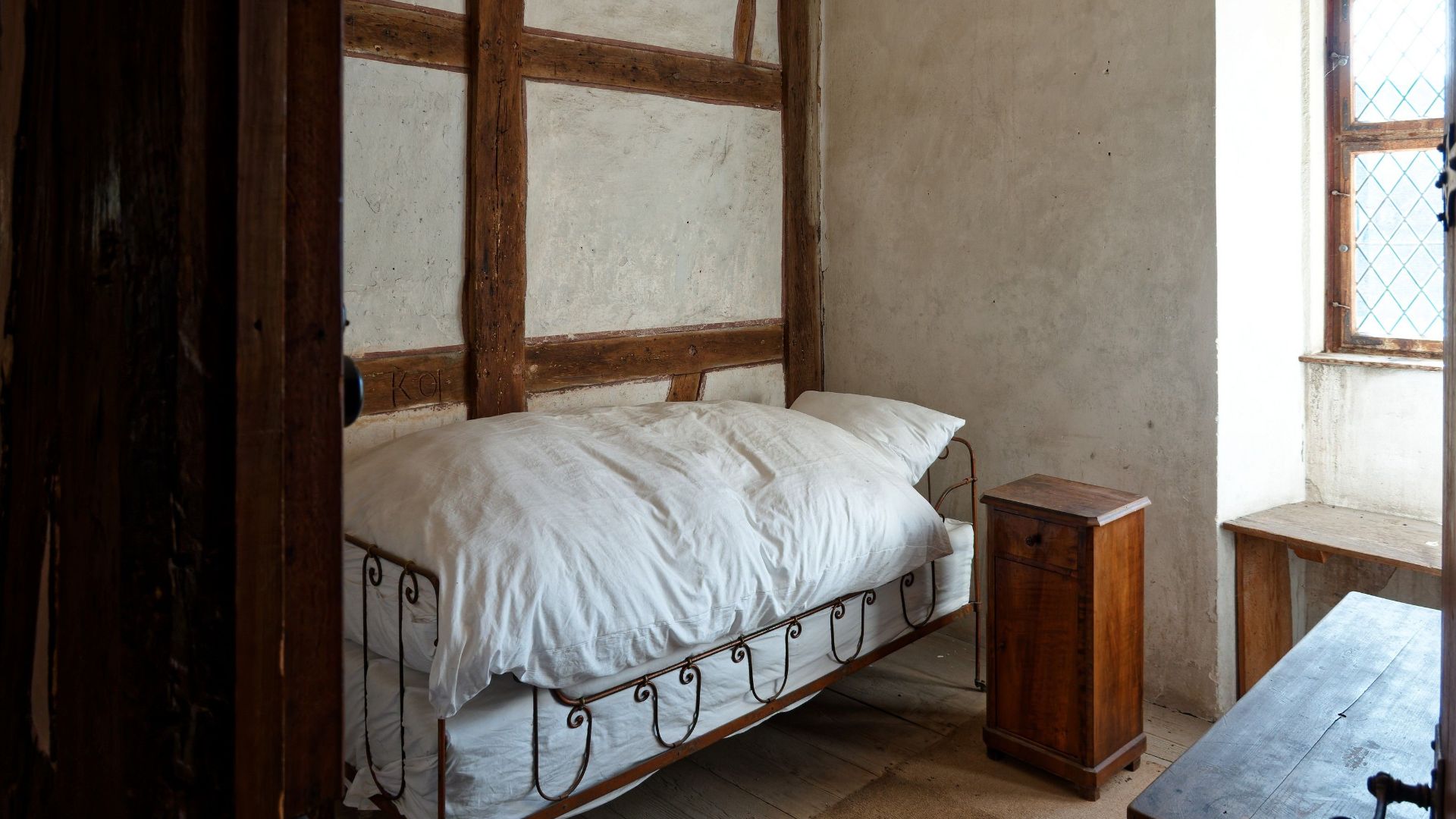
King: The Royal Name That Might Have Been A Joke
If your surname is King, you might like to imagine a royal ancestor somewhere in your family tree. Unfortunately, historical surname research shows that ordinary people, including those of low social standing, could acquire names associated with royalty. King might have been a nickname or referred to someone's role in a local celebration, rather than proving any connection to an actual monarch. And the same surprising pattern extended beyond royalty to the highest ranks of the church.
Bishop: The Church Title That Didn't Require A Church
Bishop sounds like a surname that should belong to someone descended from an important religious figure. Yet the Oxford surname dictionary documents ecclesiastical titles being used as surnames for ordinary laypeople. A nickname might have referred to someone's behavior, appearance, or participation in a ceremony rather than an actual religious office. The original explanation could differ from one family to another, and some medieval titles were even more unexpected when attached to the people who carried them.

Pope: A Grand Title For An Ordinary Person
Pope is another surname that might suggest an impressive connection to religious history. However, researchers have documented church-related titles, including Pope, being used as names for people who did not hold those positions. In some cases, such names could have reflected a nickname or ceremonial role, rather than a literal description of someone's occupation. It's a reminder that medieval communities had a sense of humor about status, and they could be equally creative when comparing their neighbors to animals.

Fox: A Compliment Or An Accusation?
Fox is a familiar surname, but its English nickname origins could carry several different implications. Someone might have been compared to a fox because of reddish hair, a distinctive appearance, or a reputation for cunning. That last possibility could have been complimentary, but it could also suggest someone considered sneaky or untrustworthy. The trouble is that nobody can assume which interpretation applied to a particular ancestor, and another animal surname had an equally personal meaning.

Peabody: An Unexpected Comparison To A Peacock
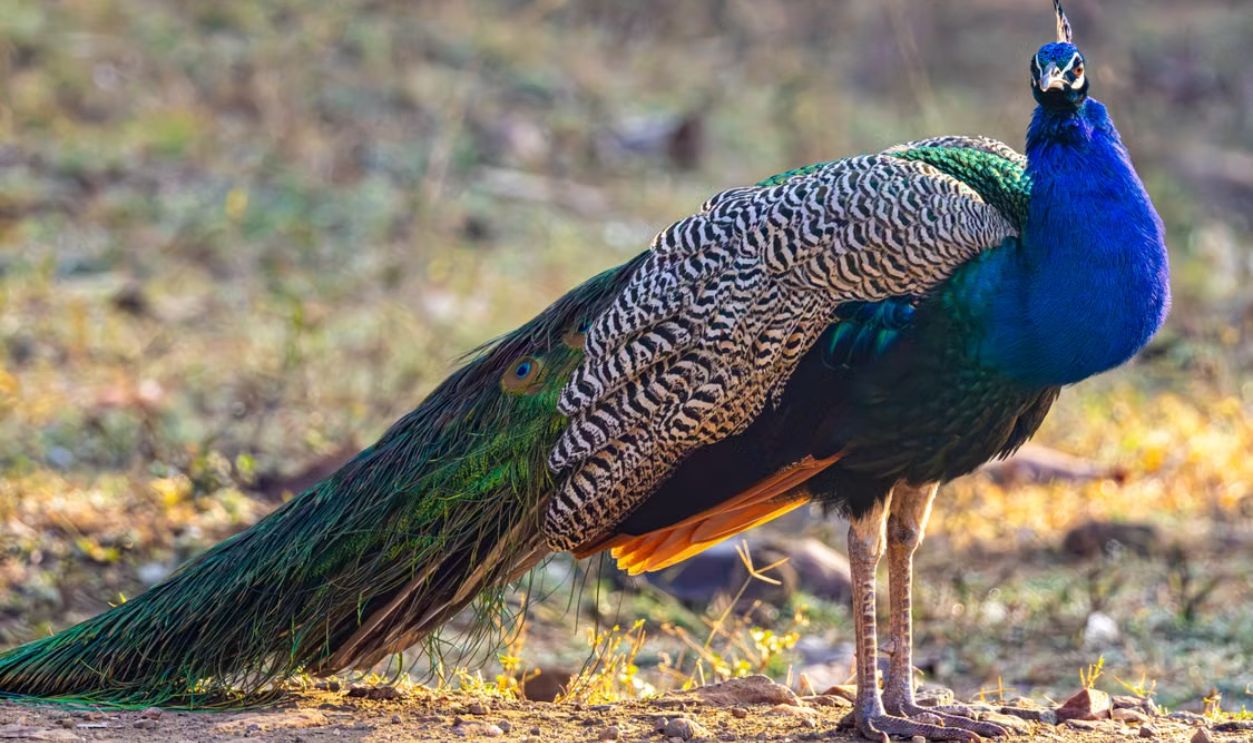
Peabody sounds like a thoroughly respectable surname, but one historical interpretation is surprisingly unflattering. The Oxford surname dictionary discusses it among medieval nicknames and connects it to the expression "peacock body." Exactly what that description implied about the original bearer is uncertain, although peacocks have long provided colorful comparisons for human appearance and behavior. It's another example of how an old nickname can survive even after everyone has forgotten the joke.
Pye: The Ancestor Who Might Have Talked Too Much
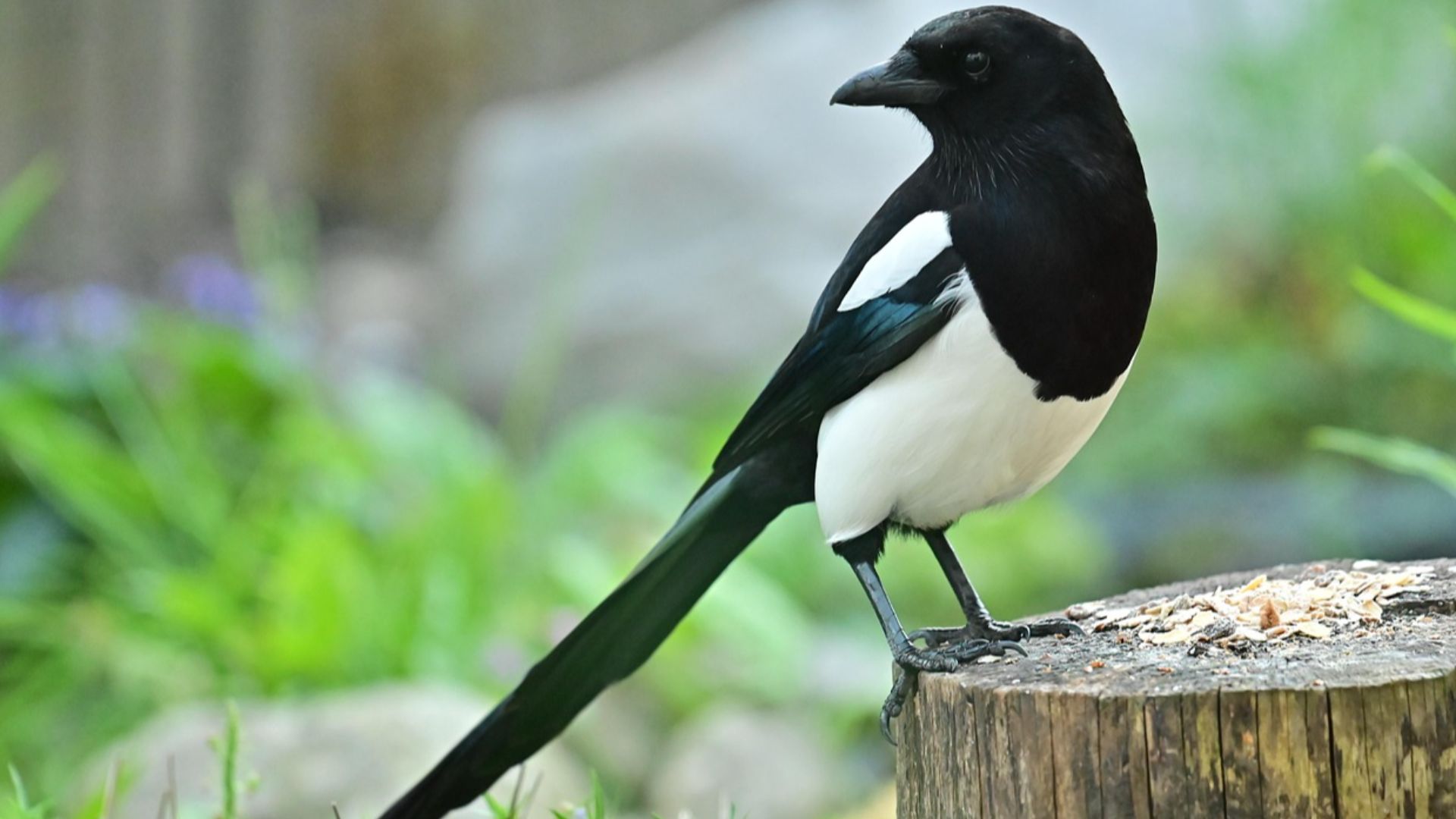
Pye might look like a variation on the word pie, but one English origin connects it to the magpie. Bird-related nicknames could describe someone's appearance or behavior, and magpies have a longstanding association with noisy chatter. That makes a talkative ancestor one possible explanation for the name, although it would be a mistake to treat that interpretation as certain for every Pye family. And the next surname proves that an apparently simple physical description could also have been a joke.
Little: The Name That Might Have Meant The Opposite
Little is a common surname with an obvious meaning, but medieval nicknames weren't always intended literally. The name could describe someone small, yet ironic nicknames were also part of the naming tradition, as the familiar legend of Little John illustrates. That doesn't mean every Little family descends from an unusually tall ancestor, only that physical nicknames could sometimes be deliberately misleading. The same uncertainty applies to names describing someone's strength, intelligence, or behavior.

Armstrong: A Name That Could Have Been A Boast
Armstrong is one of those surnames that sounds as though it should belong to an exceptionally powerful ancestor. Its traditional interpretation refers to someone with strong arms, making it a physical nickname rather than a mysterious occupational label. Whether the first bearer was genuinely impressive or received the name humorously is impossible to establish without a particular family's history. But some descriptive surnames were much less flattering than a reputation for strength.
 Oscar Bahamondes Carmona, Pexels
Geake: Another Old Name For A Fool
Geake may be unfamiliar to many Americans, but its historical meaning fits the insulting side of medieval surname history perfectly. The Oxford surname dictionary identifies it as a nickname meaning a fool or simpleton. As with Follett and Mussard, the name preserves language that could have been used to mock someone's intelligence. And while those nicknames targeted personal qualities, another family name came from the rough physical labor of the cloth trade.

Tucker: A Name From Some Unpleasant Work
Tucker is a familiar American surname, but its English occupational origin is connected to the same cloth-finishing trade that produced Walker and Fuller. Workers cleaned and thickened woolen fabric by pounding or trampling it, sometimes using alkaline liquids that could include stale urine. The word behind Tucker is also connected to an old verb meaning to beat or torment, reflecting the physical treatment of the cloth. The trade was important, but the details were considerably less pleasant than the finished garments.
Fuller: Another Family Name From The Same Messy Trade
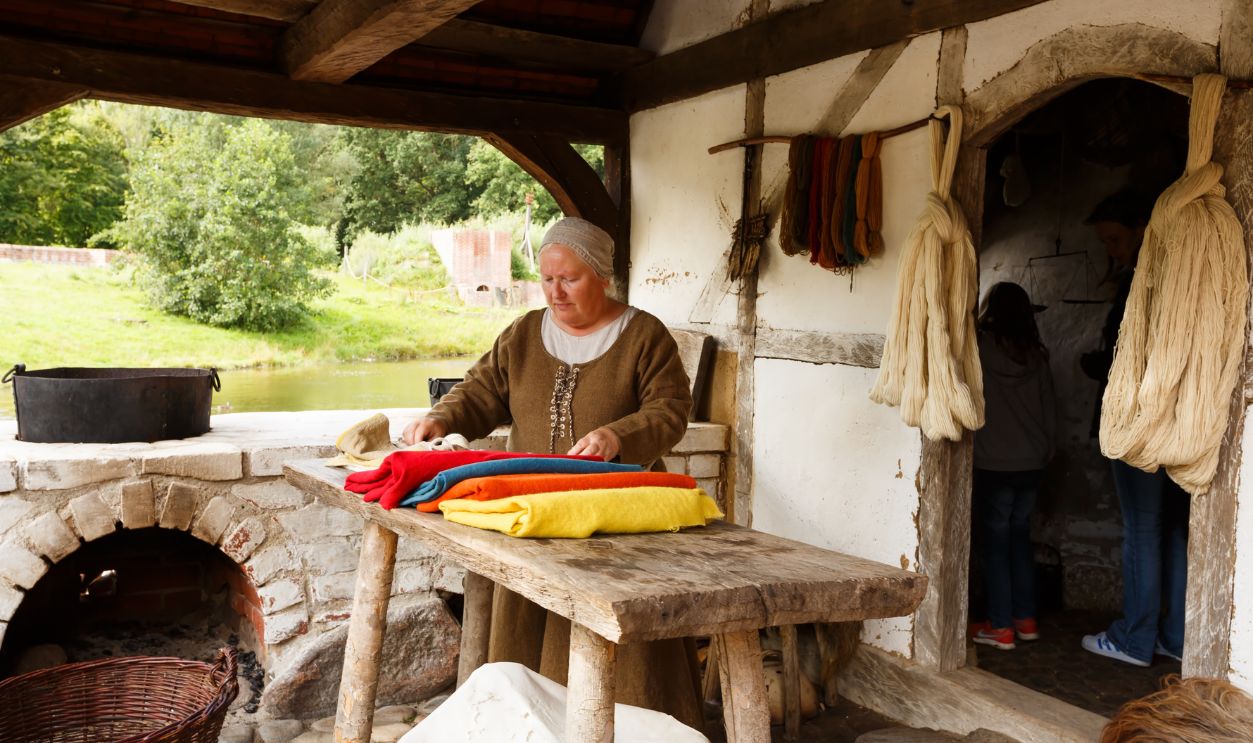
Fuller is another surname that sounds ordinary until you discover the work behind it. Like Walker and Tucker, it could identify someone who cleaned, thickened, and strengthened woven cloth through the process of fulling. The Society for Name Studies explains that the three occupational terms were especially associated with different regions of medieval England. So three families with different surnames could have inherited names from essentially the same demanding and sometimes unpleasant profession.
Turnbull: The Ancestor Who Faced An Angry Animal
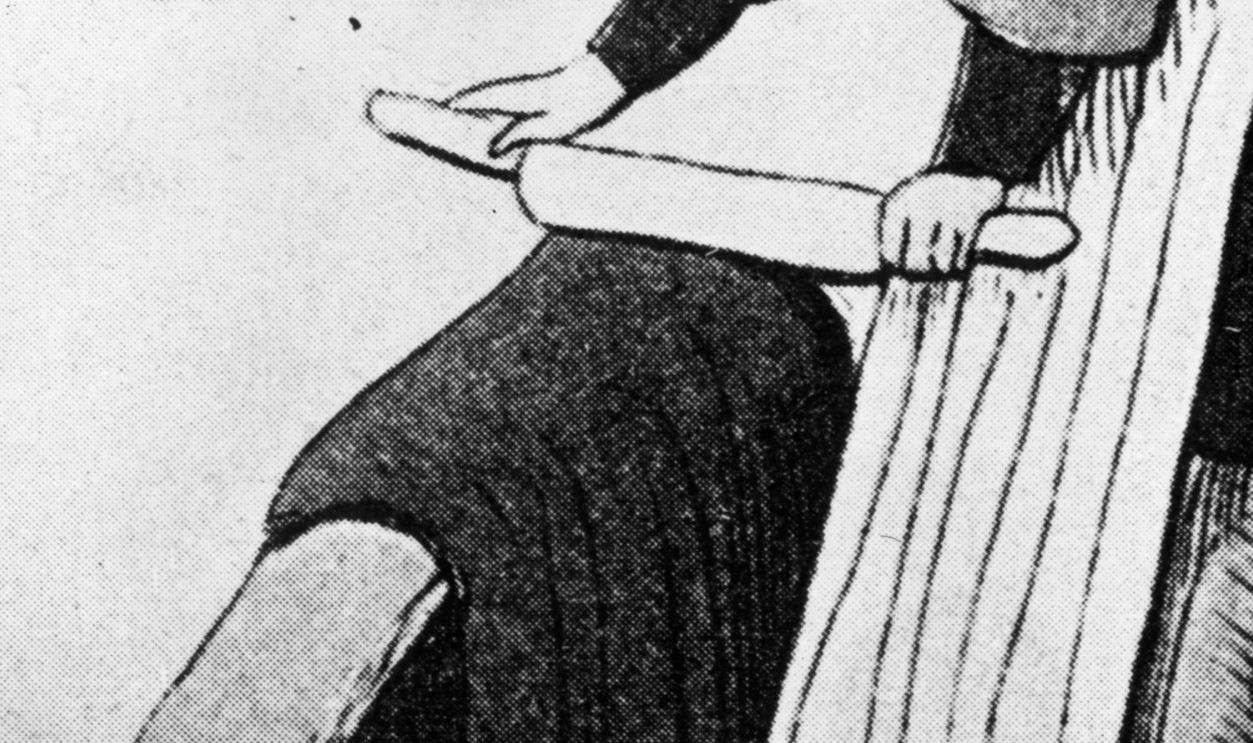
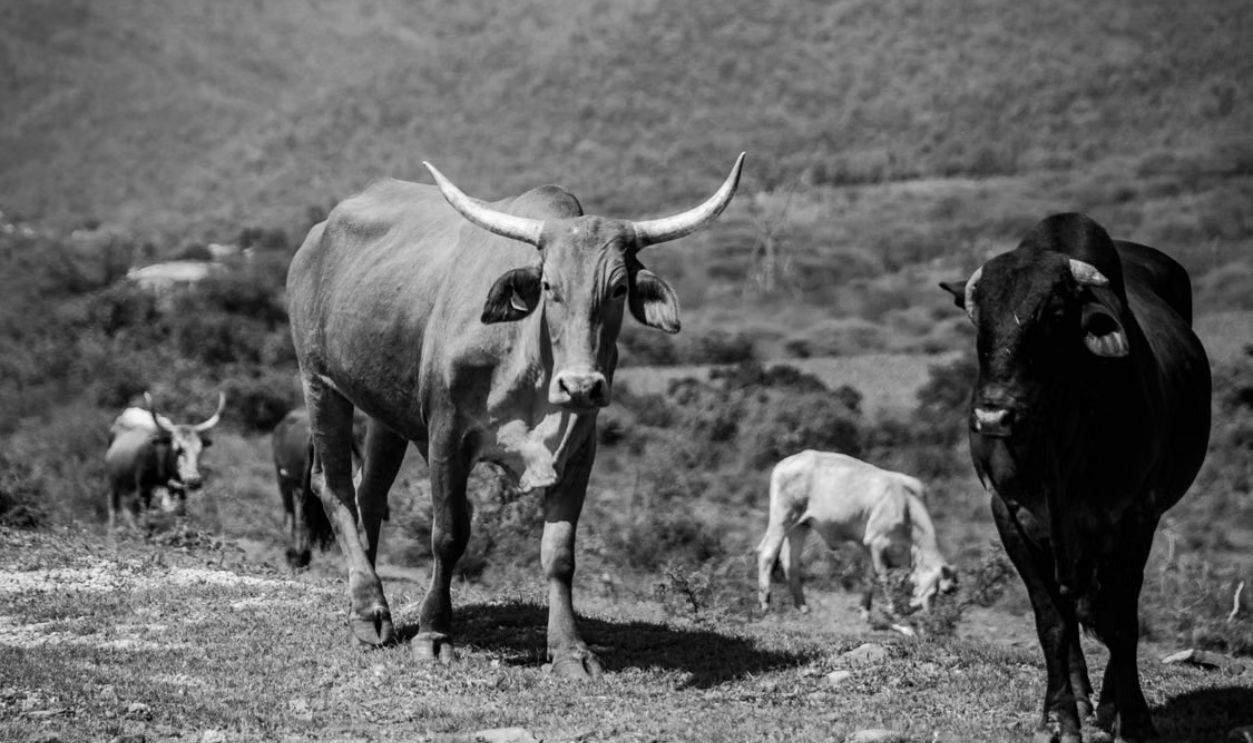
Turnbull is a surname with a wonderfully dramatic sound, and its historical explanations are nearly as colorful. The Oxford surname dictionary suggests that it may have referred to someone who worked with bulls, such as a cattle drover or herdsman. That makes it a possible occupational nickname rather than proof of any legendary feat of strength or bravery. Yet another old surname pointed toward an occupation that sounds even more dangerous.
Trussler: A Name With A Wolf-Hunting Connection
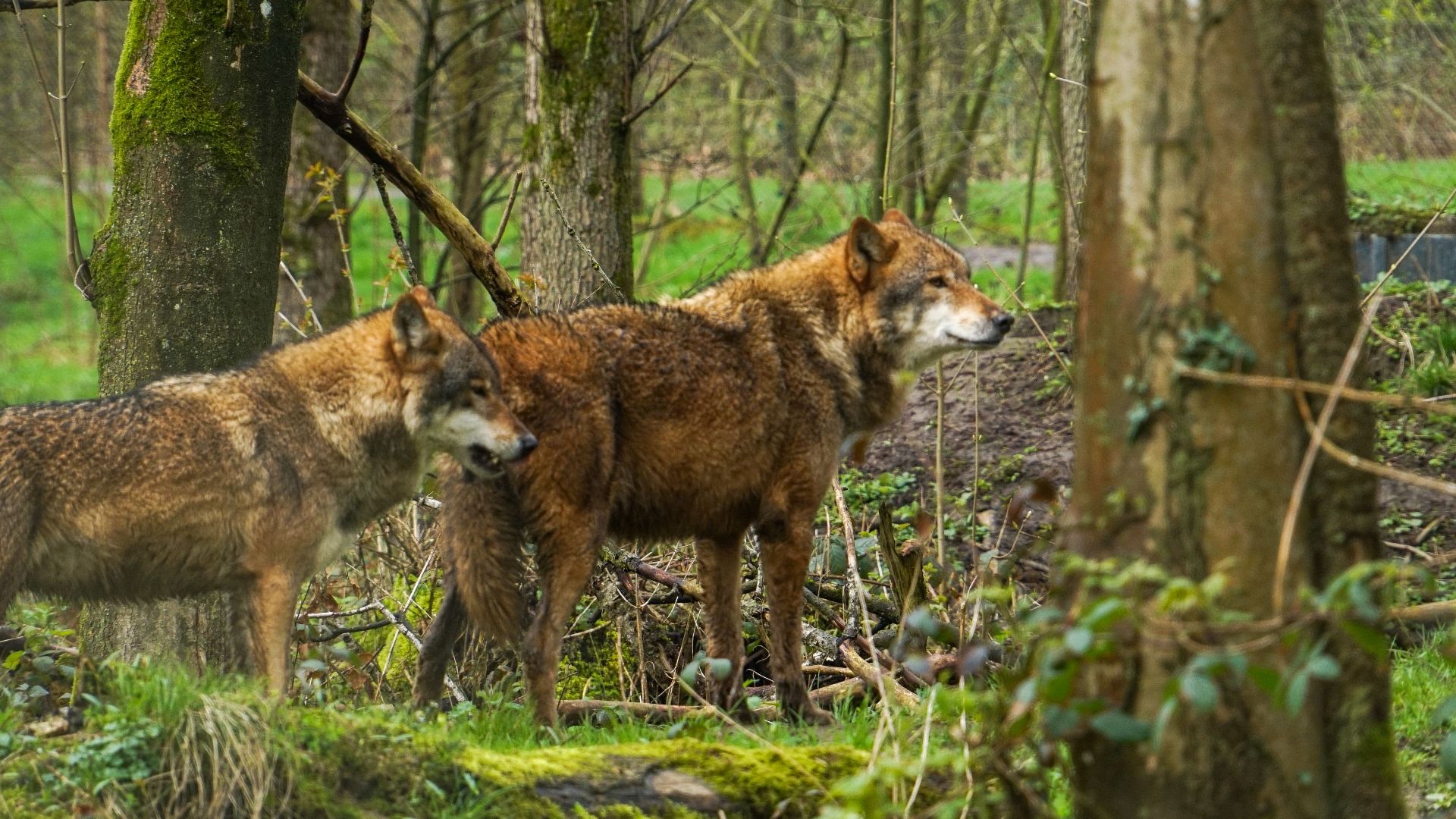
Trussler might seem like an ordinary surname, but the Oxford surname dictionary connects one historical explanation to an Old French expression meaning "bind wolf." Researchers suggest it could have identified someone involved in hunting wolves, a task that would have been considerably more hazardous than many medieval occupations. The exact circumstances behind the original nickname remain uncertain, but the linguistic connection is striking. And while some names came from dangerous work, others were associated with the business of preparing food.
Culpepper: The Family Name With A Spicy Past
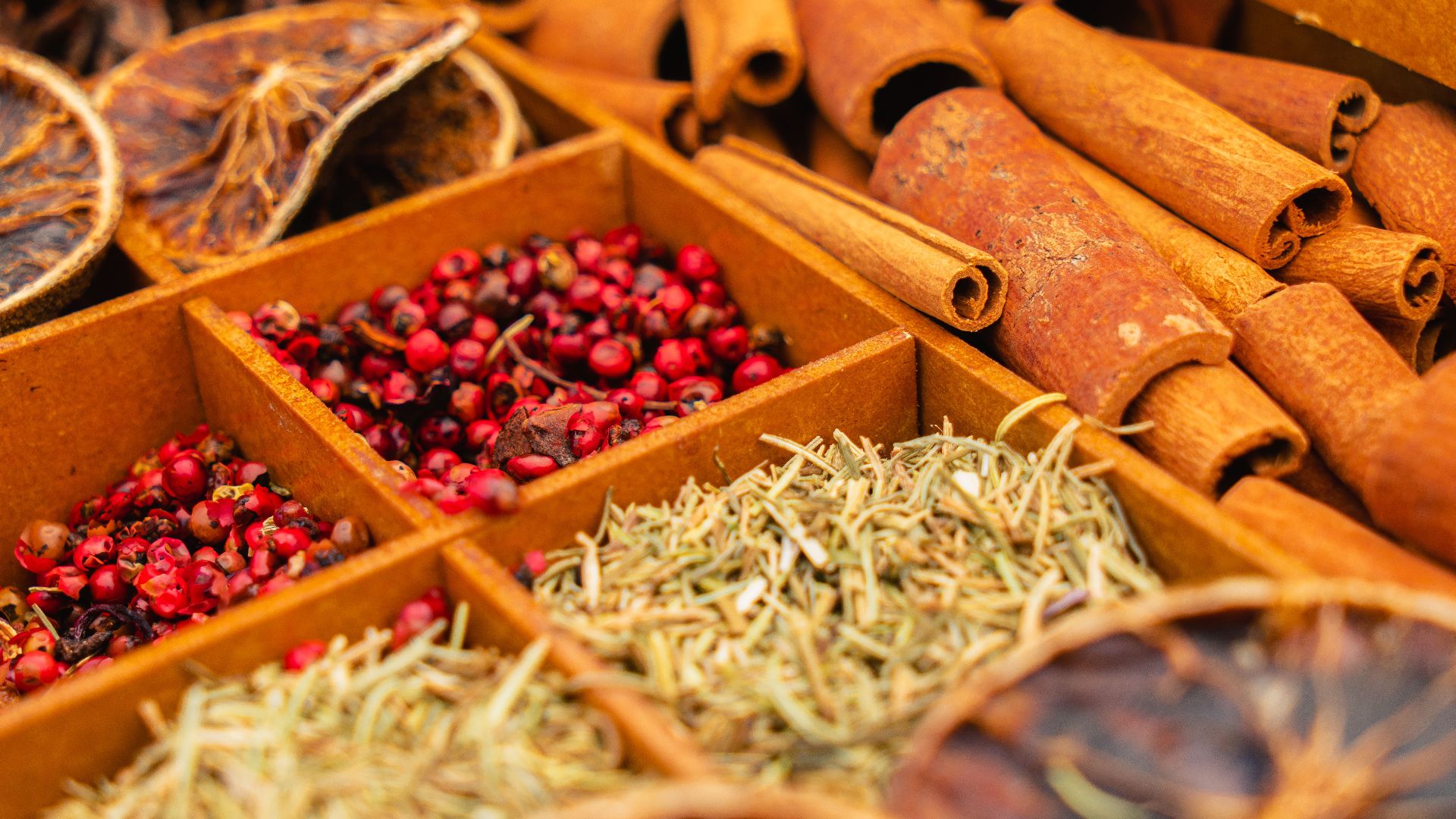
Culpepper sounds like a name someone invented for a storybook character, but it has genuine medieval roots. The Oxford surname dictionary suggests that it could have been an occupational nickname for a spicer, someone involved in preparing or selling spices. Pepper was a valuable commodity in medieval trade, giving the name a connection to a surprisingly important business. It's a far more practical origin than the name might suggest, although some family names came from expressions that were even stranger.
Belcher: A Name That Sounds Worse Than It Was
Belcher is an unfortunate surname to carry if people insist on interpreting it through modern English. However, the Oxford surname dictionary traces it to Old French expressions connected with courteous address or good cheer, rather than the bodily function its spelling suggests today. Its meaning changed as language evolved, leaving modern readers with a completely different impression from the one medieval people may have had. That makes Belcher a particularly good example of how a family name can become embarrassing for reasons nobody originally intended.
Why These Names Became Permanent
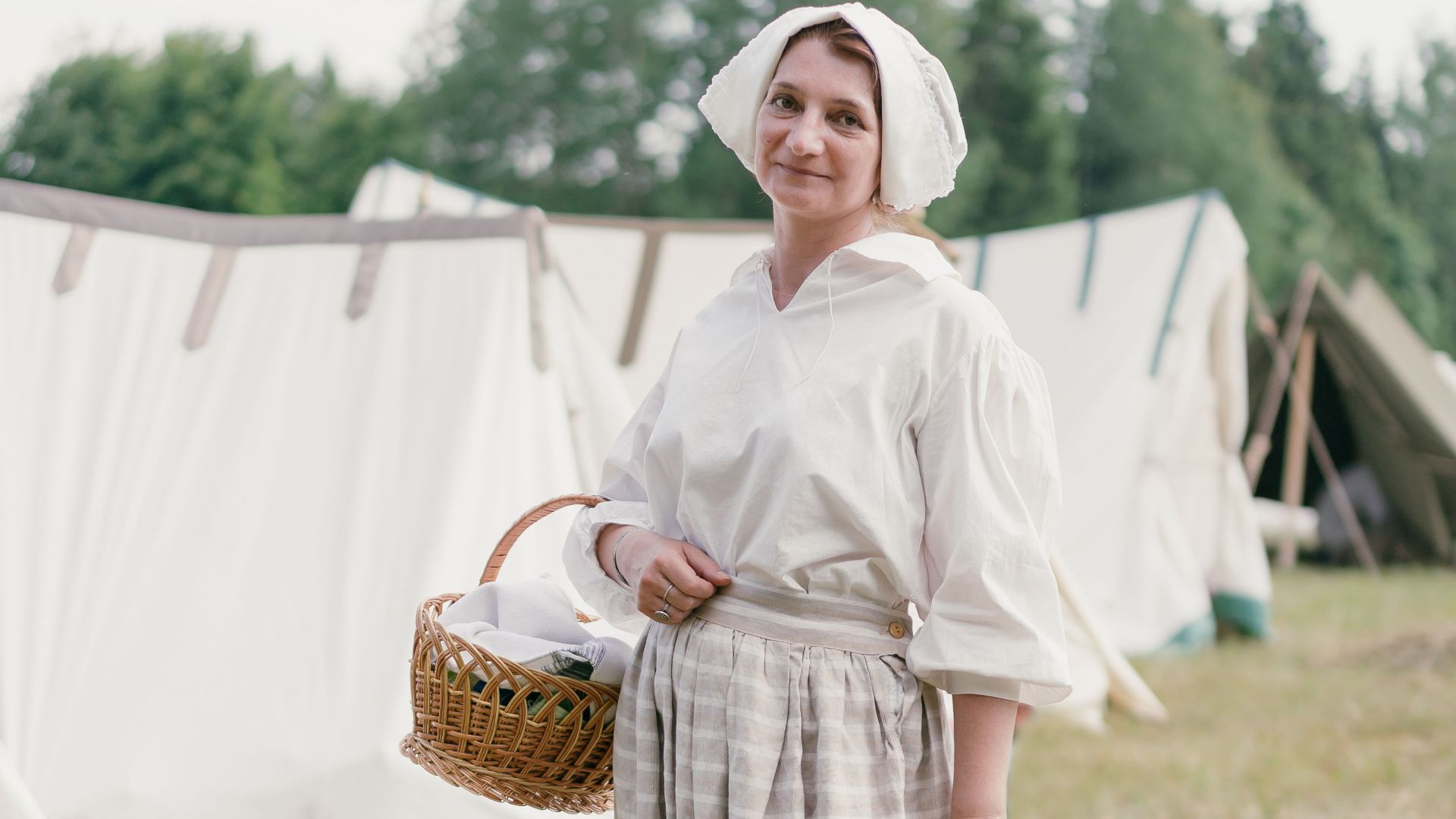
Many of these names began as ways to distinguish people who shared the same first name. A person might be identified by a trade, an unusual physical feature, or a nickname that everyone in the village recognized. Over time, such descriptions could become hereditary surnames, even when they no longer accurately described the people carrying them. That meant a joke about one individual could become part of an entire family's identity for centuries.
Your Ancestors Might Never Have Known The Joke
The most important thing to remember is that a surname's dictionary meaning doesn't tell us everything about the person who first carried it. Medieval nicknames could be affectionate, sarcastic, insulting, or completely literal, and the original circumstances were rarely recorded. A family called Goodfellow wasn't necessarily good, just as someone named Little wasn't necessarily small. The meaning of the word is often easier to establish than the story of the person behind it.
Your Last Name Could Be Hiding A Very Different Story
From Doolittle and Thewlis to Walker and Belcher, surnames preserve pieces of everyday history that can be surprisingly funny, embarrassing, or unpleasant. Some reveal the work people performed, while others reflect the judgments their neighbors made about them. And because names could change spelling, language, or meaning over time, the same modern surname doesn't always point to one shared origin. Your family name might be something you've heard every day of your life, but its history could still hold a surprise.
You May Also Like: