
When The Hardware Store Was More Than Just A Store
Back in the 1970s, your neighborhood hardware store was practically a home-repair hotline. Whether you had a leaky faucet, a broken screen door, or a mysterious screw, the fellow behind the counter usually had an answer. Best of all, the advice didn't cost a dime.
Free Advice On Almost Any Home Repair
Forget watching three YouTube tutorials to figure out why your toilet won't stop running. Back then, you could explain the problem to your hardware store clerk, and he'd often tell you exactly what needed fixing before you spent a penny.
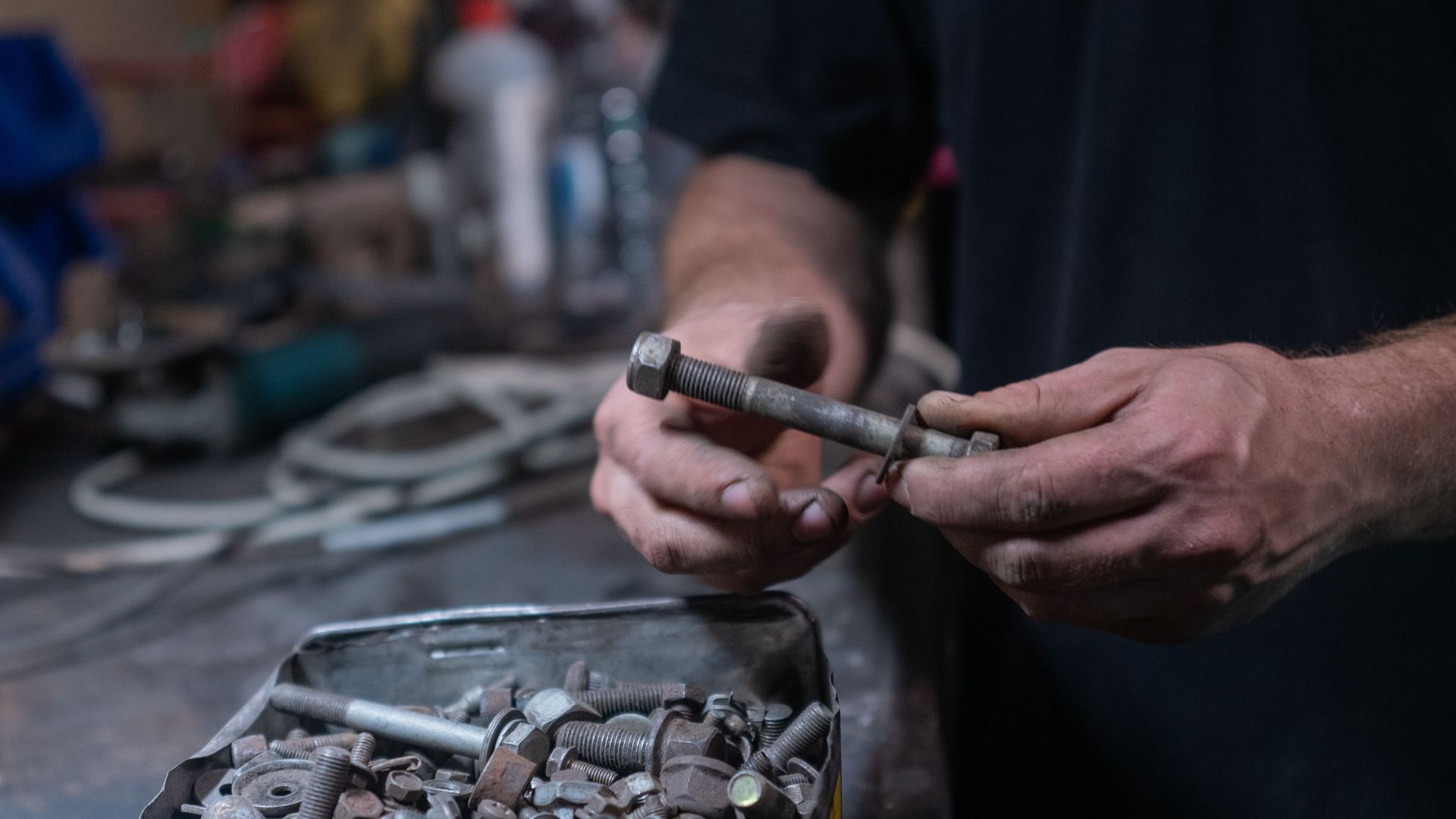
Identifying Mystery Nuts And Bolts
Found a strange bolt in the garage? Bring it down to the hardware store. An experienced clerk could often identify its size, thread, and purpose in seconds, saving customers from buying an entire assortment of unnecessary hardware.
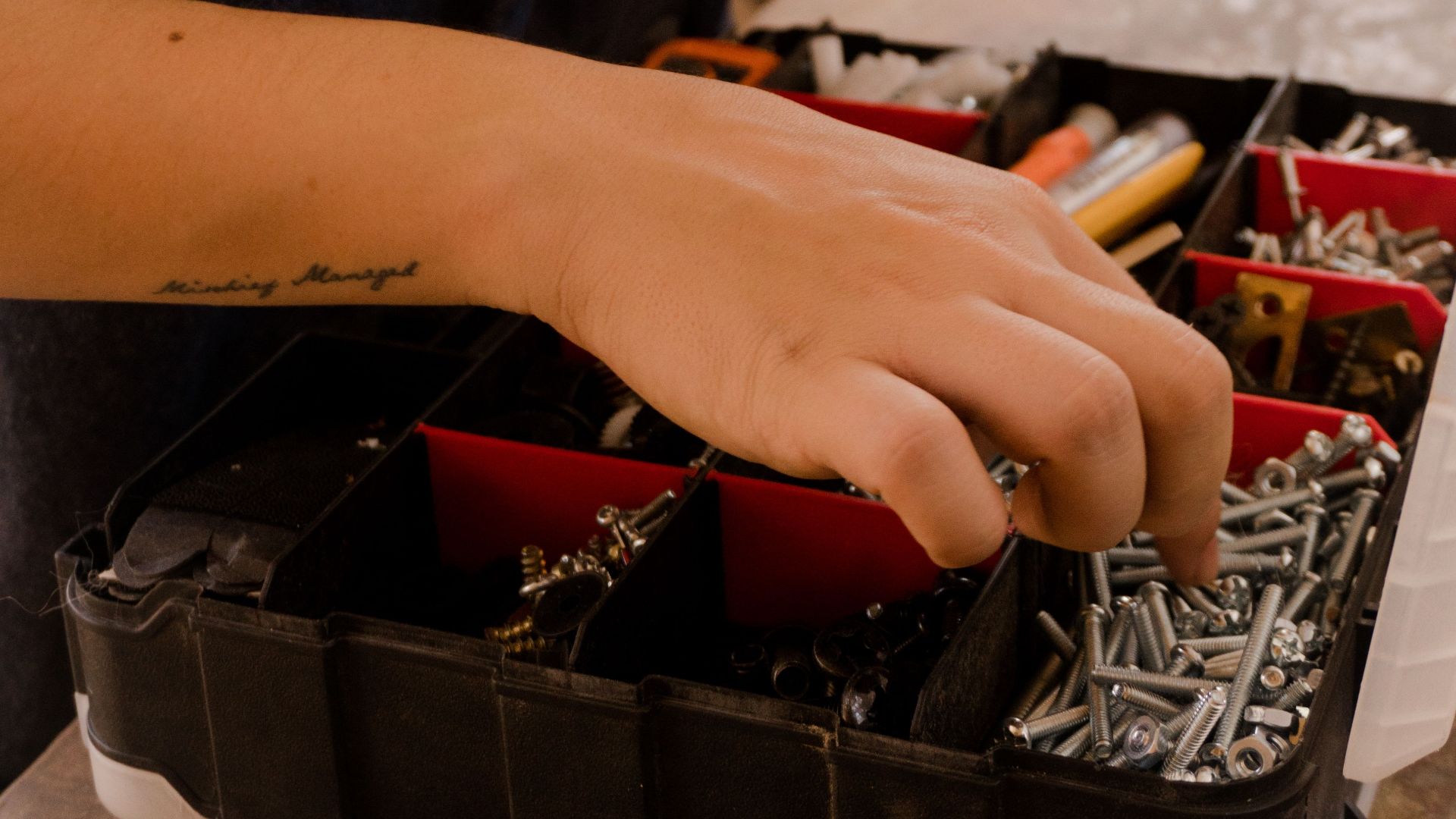
Matching Screws To Old Furniture
If your kitchen chair lost a screw, you didn't necessarily need to replace the chair. Hardware store employees could search their drawers for a matching replacement, sometimes finding exactly what you needed for just a few cents.
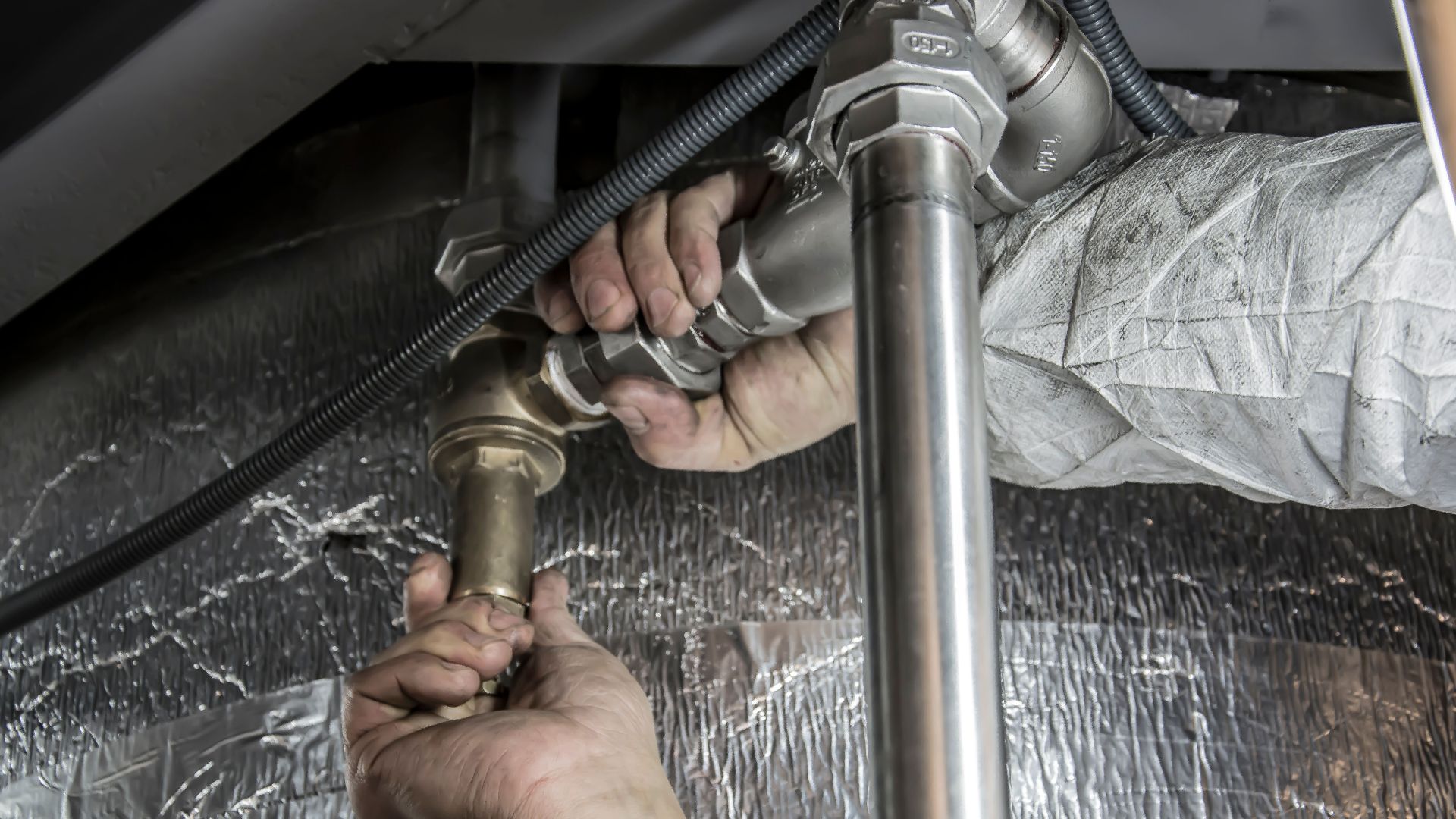
Explaining How To Fix A Leaky Faucet
A dripping faucet could mean an expensive plumber's visit, but the hardware store offered another option. Clerks could explain how washers, valve seats, and other parts worked, helping homeowners decide whether they could tackle the repair themselves.
Finding Replacement Faucet Washers
Those little rubber washers were inexpensive, but getting the correct size was another story. Bring the worn-out washer to your neighborhood hardware store, and someone could help you find a matching replacement without charging for the advice.

Teaching Customers How To Patch Drywall
Accidentally put a hole in the wall while moving furniture? Hardware store employees could explain which patching compound to buy, how to apply it, and why sanding mattered. The materials cost money, but the instructions were often complimentary.

Helping Customers Choose The Right Paint
Choosing between oil-based and latex paint wasn't always straightforward. A knowledgeable paint-counter employee could explain the differences, recommend appropriate brushes, and help determine which finish worked best for your kitchen, bathroom, or living room.

Explaining How Much Paint You Needed
Nobody wanted to buy five gallons of paint for a bedroom that only needed two. Hardware store employees could help calculate wall coverage and estimate how much paint was necessary, potentially saving customers a considerable amount of money.

Offering Free Color-Matching Advice
Before computerized color-matching machines became commonplace, experienced paint employees relied on color cards, samples, and plenty of patience. Customers could bring in a sample and receive guidance on finding a close match without paying a consultation fee.

Showing Customers How To Use Tools
Bought your first adjustable wrench or pipe cutter? At some neighborhood stores, an experienced employee would demonstrate the basics right at the counter. It was a quick lesson that could save an afternoon of frustration.

Explaining Which Drill Bit To Buy
Wood, masonry, and metal required different drill bits, something first-time homeowners didn't always know. A helpful clerk could explain the differences, recommend the appropriate size, and prevent customers from ruining a perfectly good bit on the wrong material.

Helping Homeowners Understand Plumbing Fittings
Plumbing aisles were confusing long before today's enormous home improvement warehouses. Customers could bring in an old fitting, explain their problem, and receive help identifying compatible elbows, couplings, adapters, and other essential components.
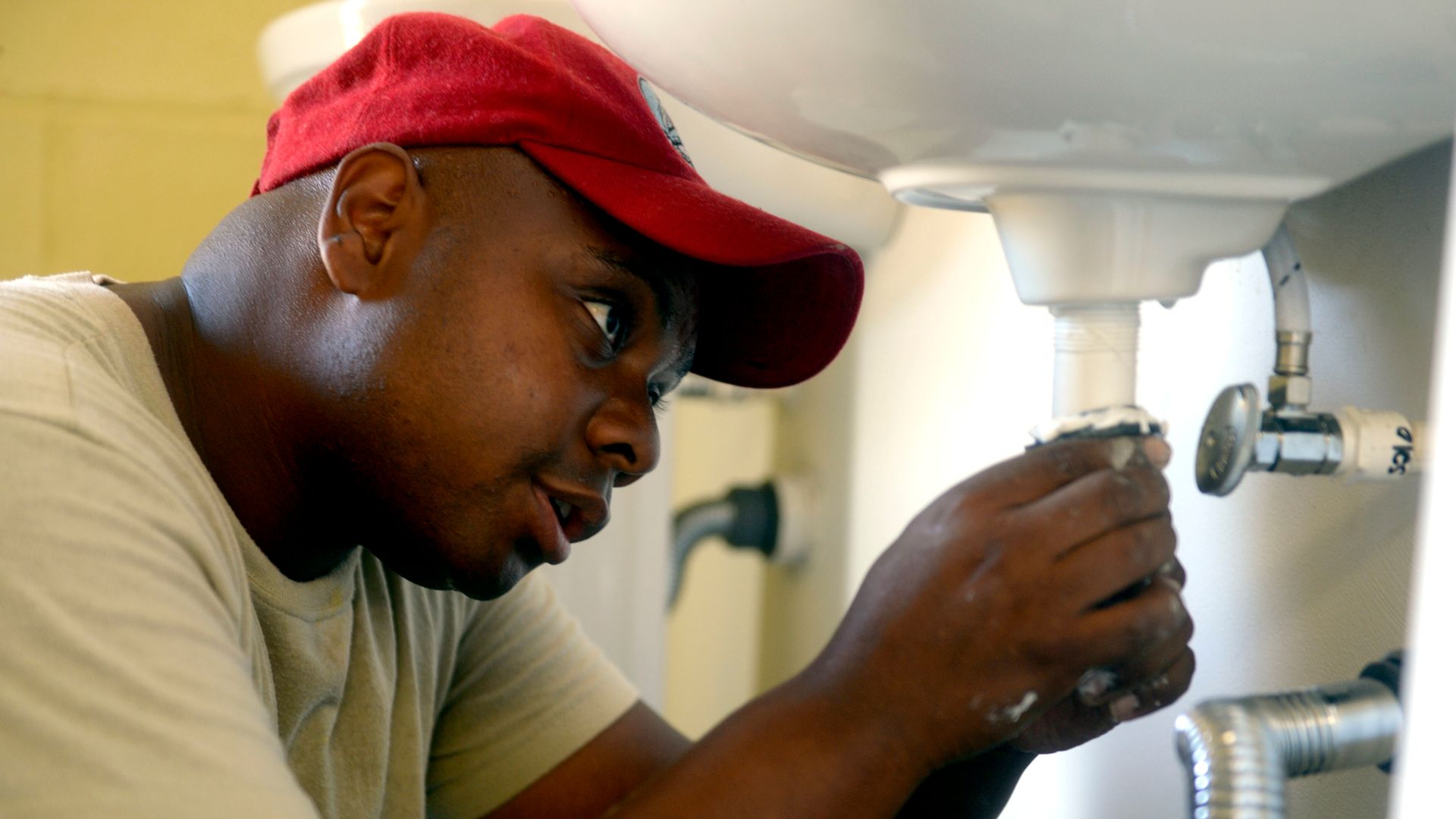 Capt. David Murphy, Wikimedia Commons
Figuring Out Which Pipe Size You Needed
Not every pipe was measured the way customers expected. Hardware store employees could explain nominal pipe sizes and help identify compatible connections. That saved homeowners from making repeated trips back to the store with parts that didn't fit.

Explaining How To Unclog A Drain
Before spending money on a plumber, many homeowners asked their hardware store for suggestions. Employees could explain how plungers and hand-operated drain snakes worked, helping customers choose a sensible approach without charging for the conversation.

Helping Customers Repair A Running Toilet
A toilet that wouldn't stop running was a familiar household annoyance. A hardware store clerk could explain the relationship between the float, flapper, and fill mechanism, then help identify which inexpensive component might need replacing.
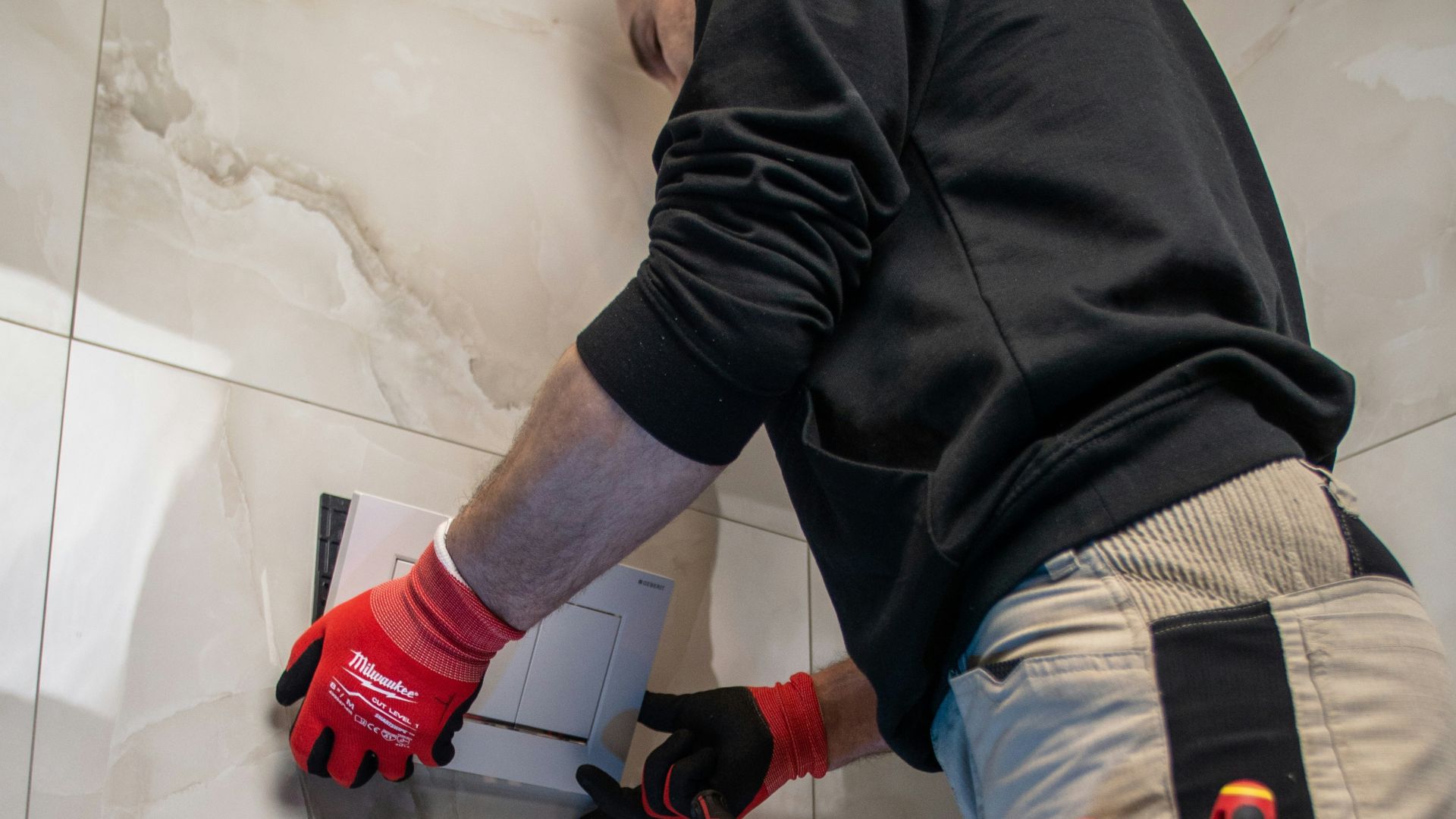
Identifying Replacement Door Hardware
Door handles, hinges, and latches weren't necessarily standardized across every house. Bring the original component into a well-stocked hardware store, and an experienced employee might identify a suitable replacement or explain how to measure for one.
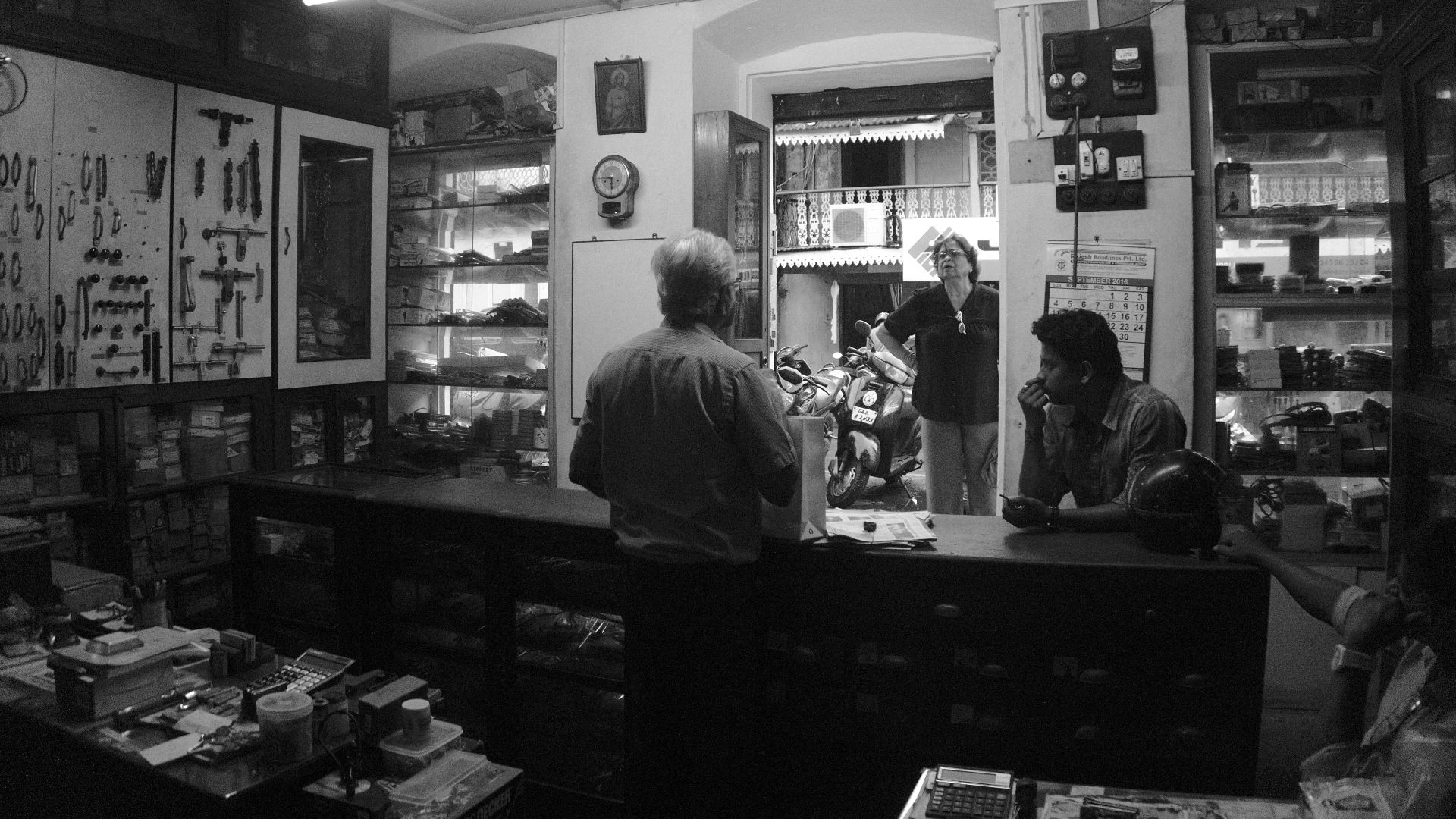 Fredericknoronha, Wikimedia Commons
Giving Free Advice On Window Repairs
Drafty windows were a common headache, especially in older houses. Hardware store workers could recommend weatherstripping, glazing compound, or replacement hardware, explaining which materials were appropriate for the customer's particular window.

Explaining How To Repair Window Screens
A torn window screen didn't automatically mean purchasing an entirely new assembly. Hardware store employees could explain how replacement mesh and spline worked, showing customers which supplies they needed to repair the screen themselves.

Helping Customers Choose Weatherstripping
Keeping cold air outside was particularly important during the energy-conscious 1970s. Hardware store clerks could explain the differences between felt, foam, metal, and other weatherstripping materials, helping homeowners make their houses more comfortable without paying for professional advice.
Recommending The Right Glue For The Job
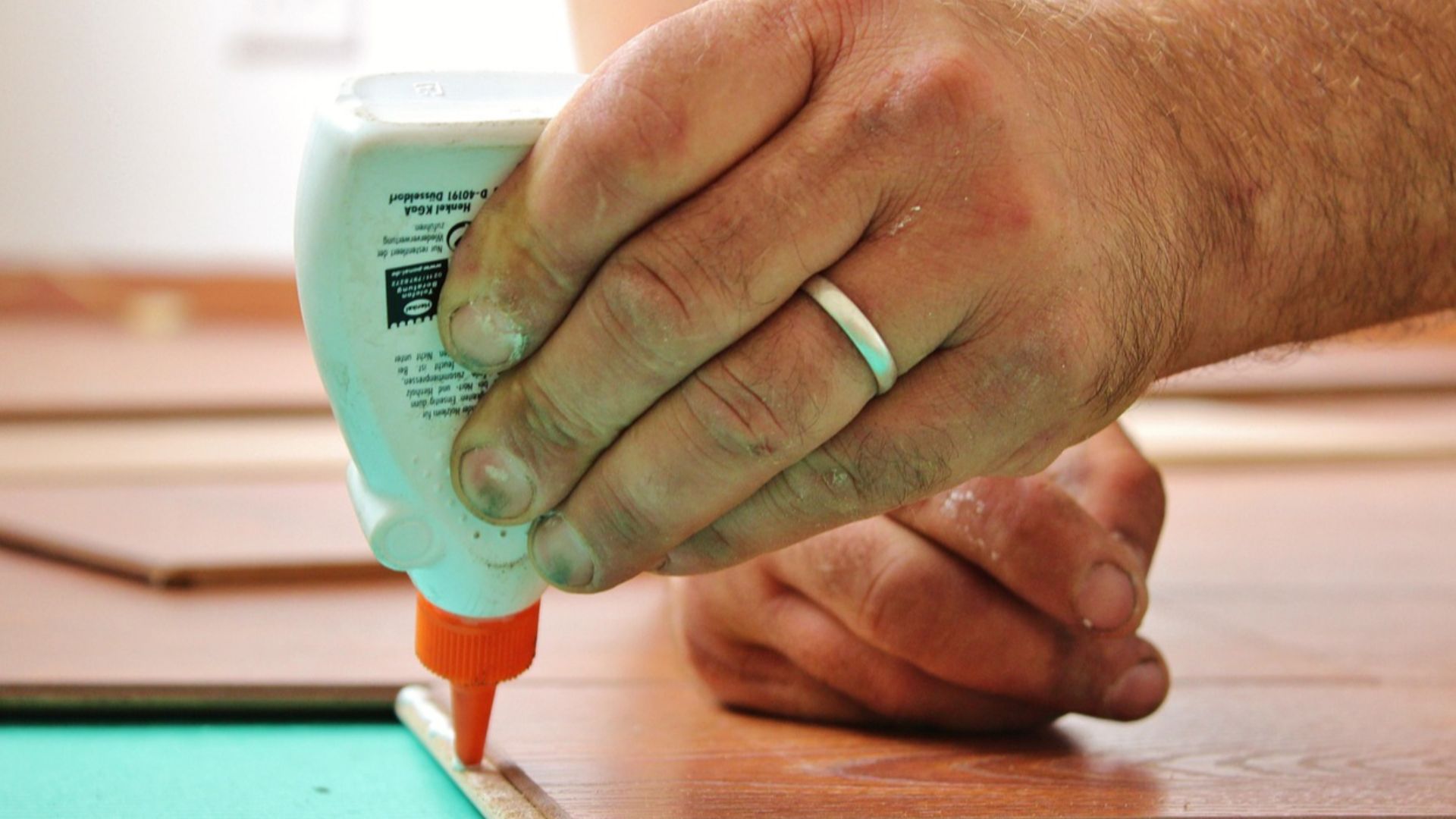
Wood glue, contact cement, epoxy, and household adhesives weren't interchangeable. Hardware store employees could explain which products were suitable for different materials. That little conversation might save someone from making a sticky, expensive mess.
Explaining How To Fix A Squeaky Door
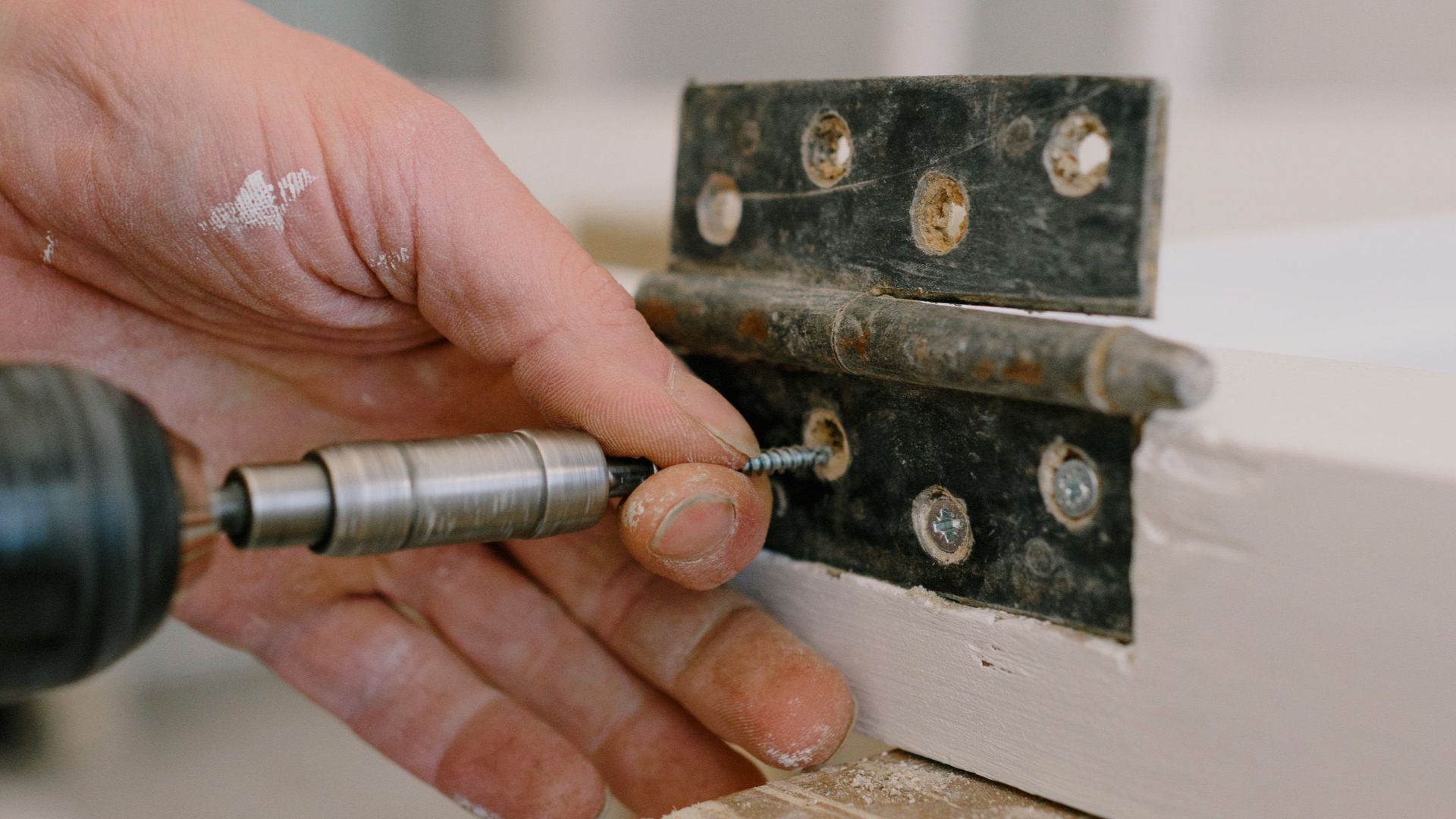
Sometimes the solution was as simple as lubricating a hinge. Other times, the problem involved loose screws or misalignment. A knowledgeable clerk could suggest what to check before customers spent money replacing perfectly usable hardware.
Offering Gardening And Lawn-Care Tips
Many neighborhood hardware stores stocked grass seed, fertilizer, hoses, and garden tools. Employees could explain seasonal lawn-care basics, recommend appropriate equipment, and help customers figure out what their struggling backyard might need.

Helping Customers Find Hard-To-Get Parts
A good hardware store was famous for stocking things nobody else seemed to carry. Employees knew their inventory and could search dusty drawers for obscure springs, brackets, and fasteners, sometimes rescuing an otherwise perfectly serviceable household item.
Explaining Repairs Over The Telephone
Before anyone could search the internet from their pocket, a telephone call to the hardware store could be surprisingly useful. Familiar customers might describe a problem and receive a few practical suggestions before making the trip downtown.

Knowing Your House Almost As Well As You Did
Regular customers sometimes dealt with the same hardware store employees for years. Those employees might remember previous purchases, recurring plumbing problems, or the unusual fittings in an older house. That familiarity made their advice especially valuable.
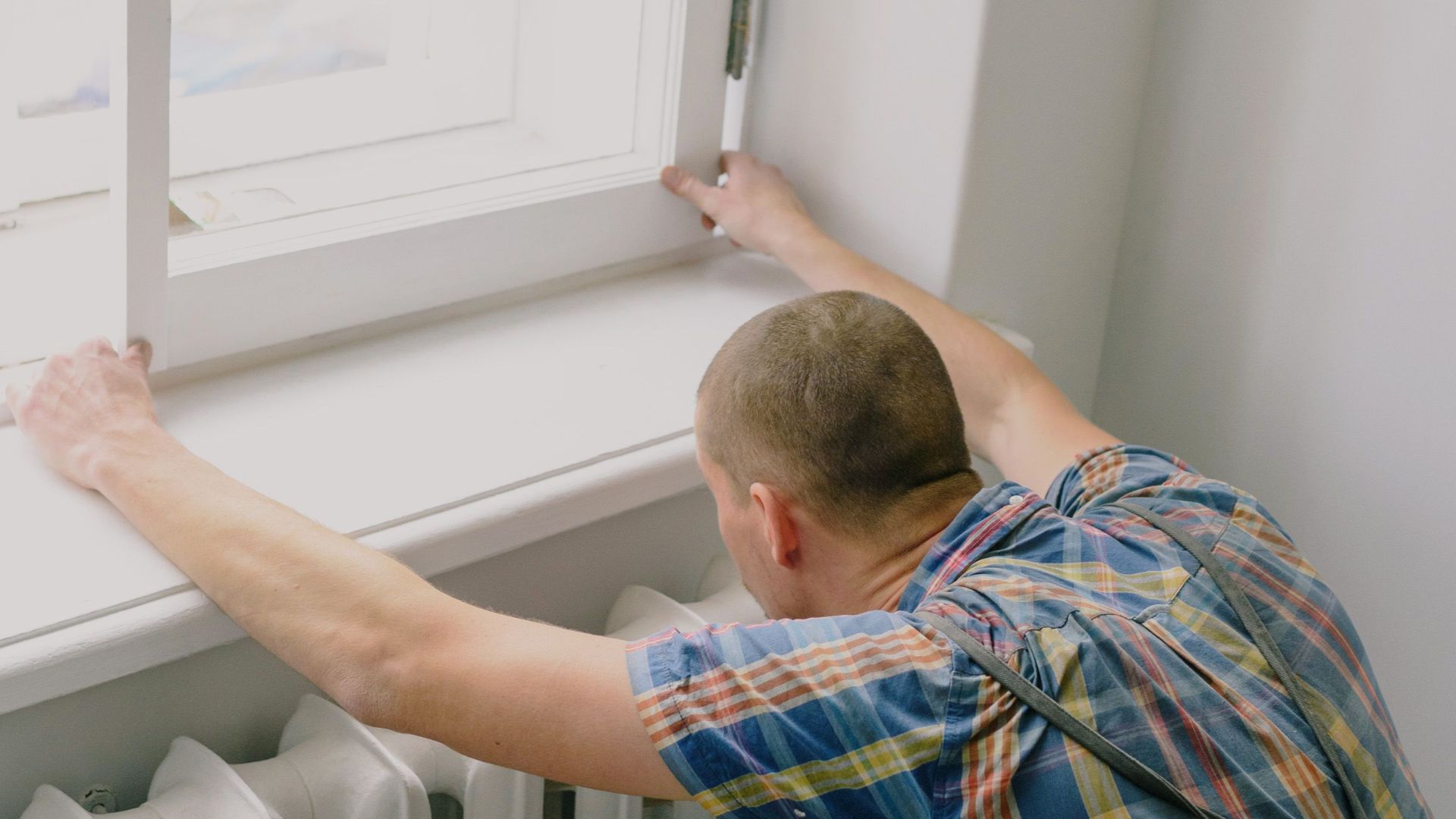
 Centre for Ageing Better, Pexels
The Kind Of Customer Service That's Hard To Replace
Of course, not every store offered every service, and some repairs or special work carried a charge. But plenty of 1970s hardware stores offered something genuinely memorable: patient, practical advice included with the shopping experience. For Baby Boomers, that personal touch was worth its weight in gold.

You May Also Like:
Things Americans Once Bought From Door-To-Door Salespeople That Now Arrive By Subscription
Everyday Foods That Became Popular Because Of A Packaging Breakthrough