When Recess Was An Adventure
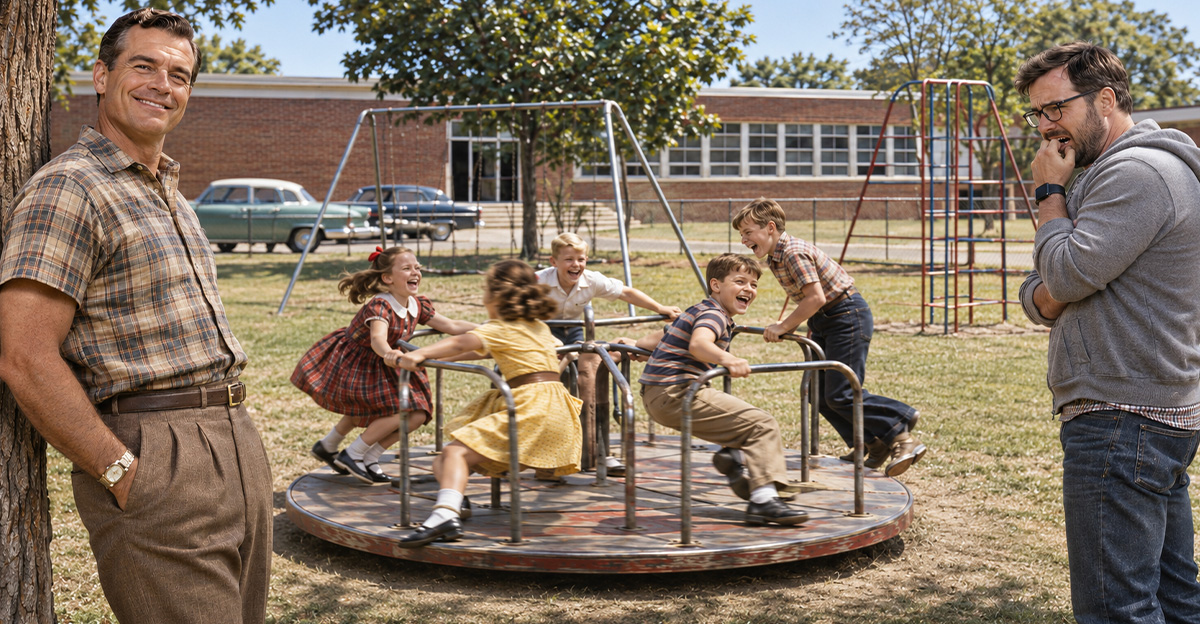
If you attended elementary school in the 1960s, you probably remember playgrounds filled with towering metal structures, spinning contraptions, and equipment that seemed designed to test your courage. Today's playgrounds look rather tame by comparison. Remember any of these?
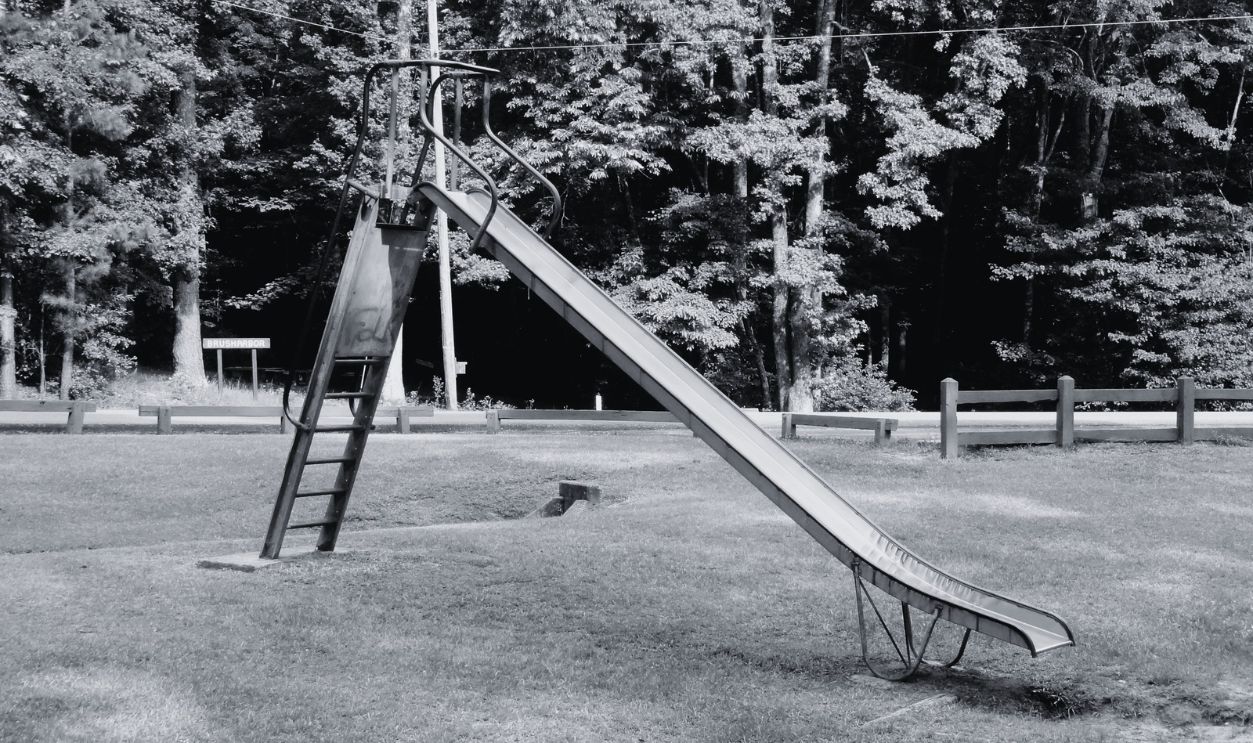
The Towering Metal Slides
Remember climbing what felt like a hundred steps to reach the top of a giant metal slide? Those things were enormous! On sunny afternoons, the metal became surprisingly hot, making the trip down a little more exciting than anyone anticipated.
The Merry-Go-Rounds That Spun Like Crazy
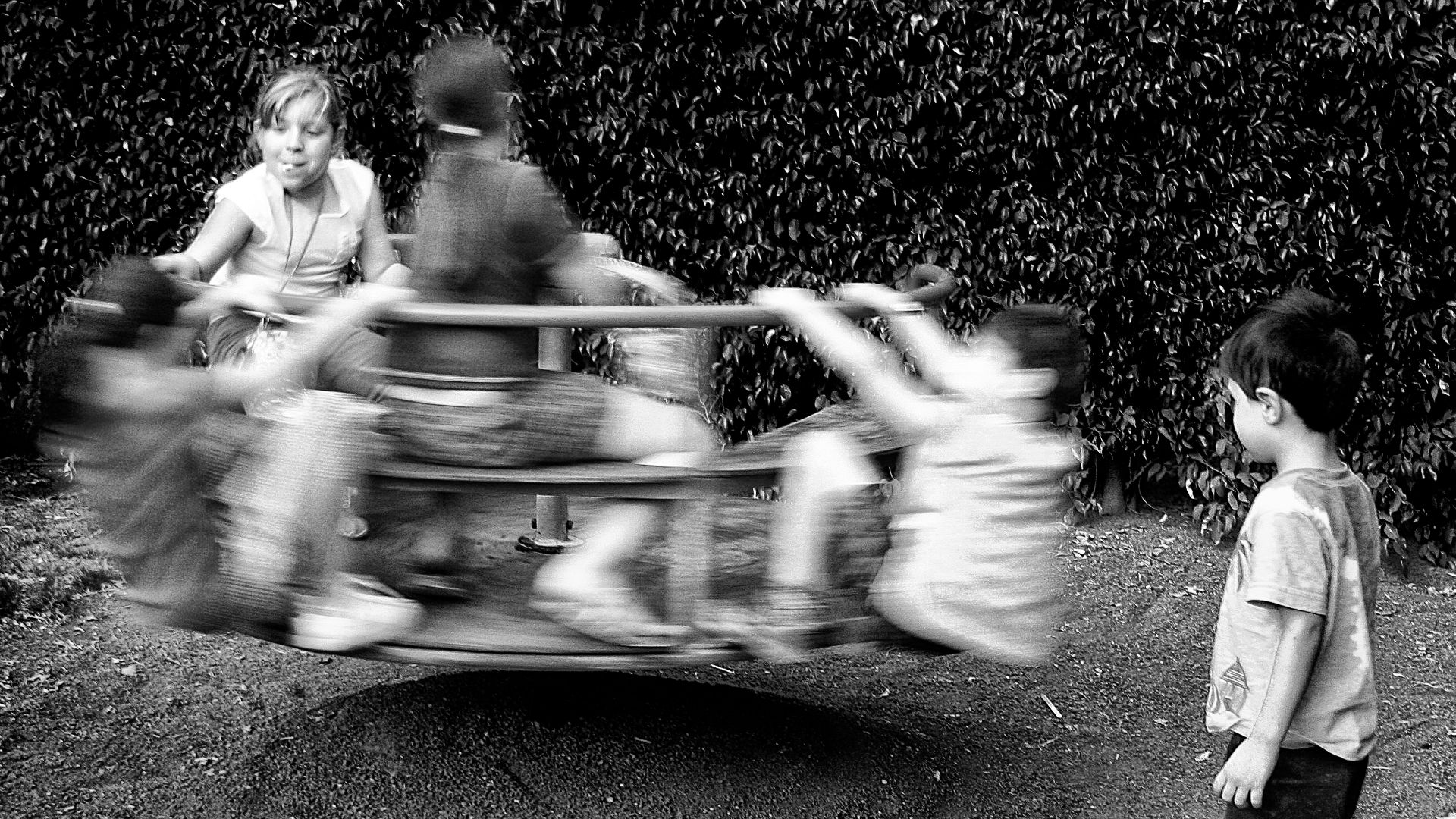
Every playground seemed to have that one merry-go-round where the strongest kid pushed everyone else. The faster it spun, the louder the screaming became. Getting off without stumbling across the playground was practically an Olympic achievement.
The Old-Fashioned Wooden Seesaws
Before today's carefully designed seesaws, playgrounds featured long wooden boards balanced on metal supports. Two kids could launch each other surprisingly high, especially when someone suddenly jumped off. Nothing tested a playground friendship quite like a seesaw.
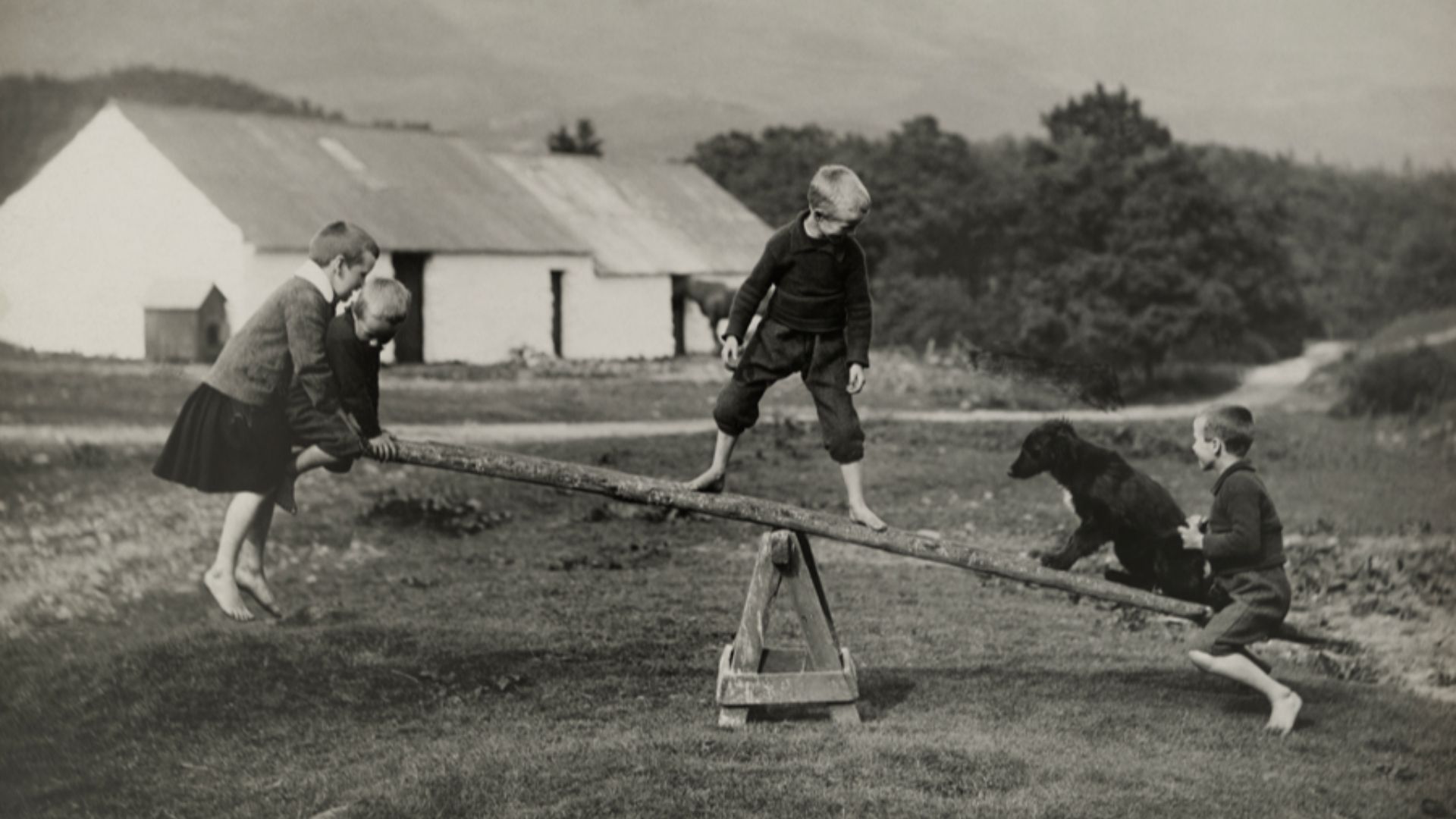 Photographes du National Geographic, Wikimedia Commons
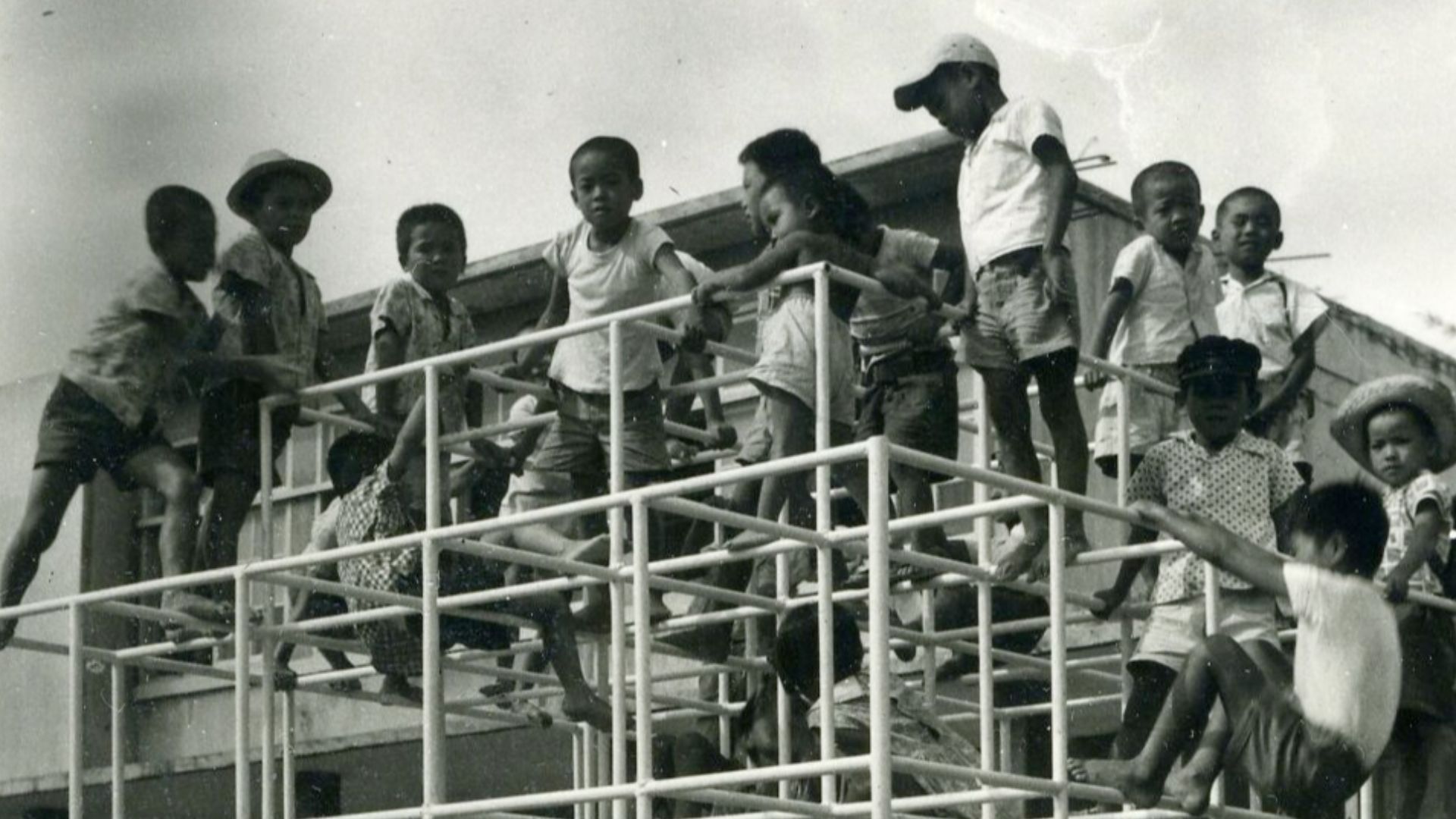
The Giant Jungle Gyms
Those enormous metal jungle gyms looked like something you'd find at an army training camp. Kids climbed to the very top without giving it much thought. Getting back down was another matter entirely, especially when recess was nearly over.
 USMC Archives from Quantico, USA, Wikimedia Commons
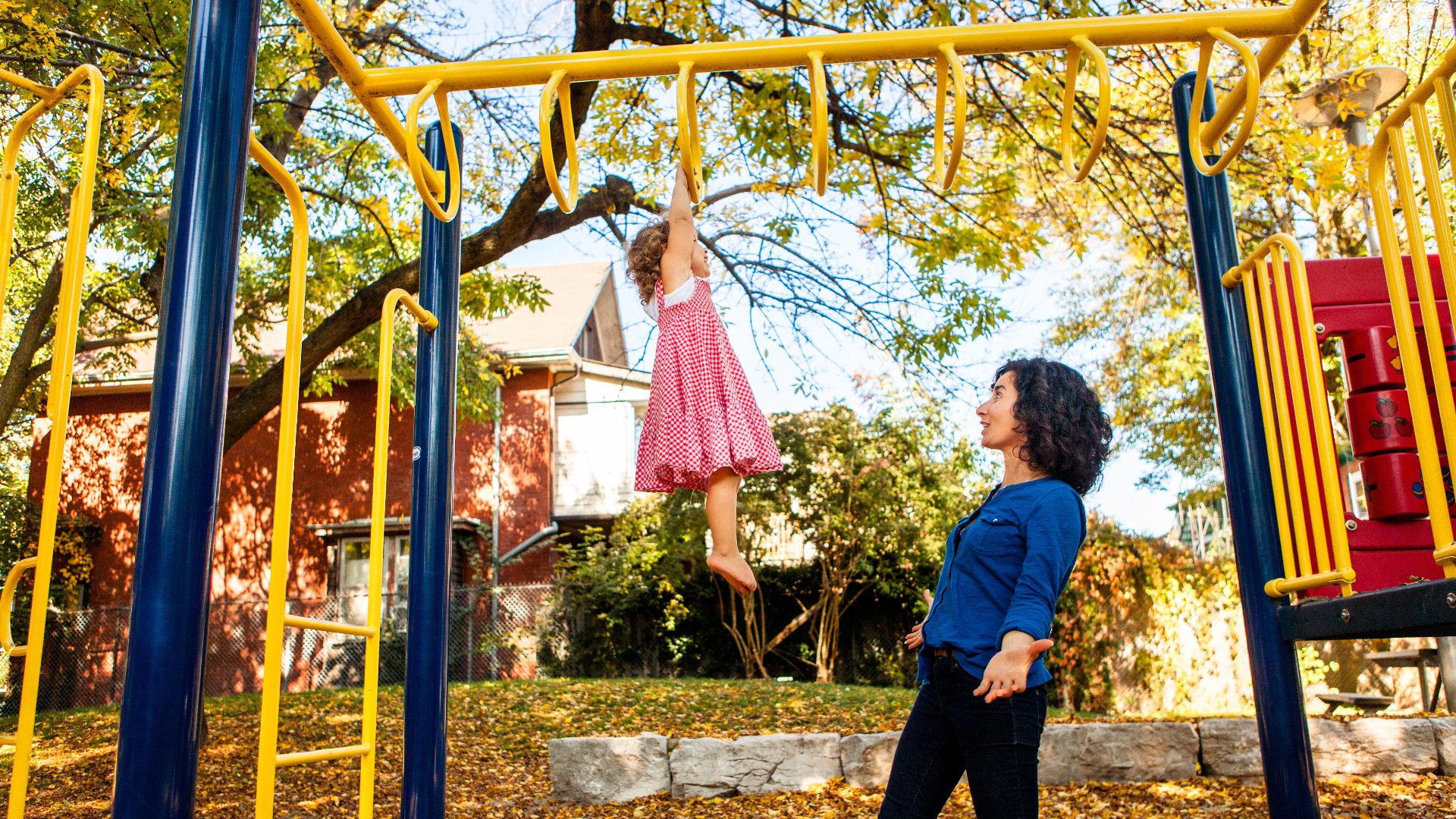
The Monkey Bars That Tested Your Grip
Crossing the monkey bars without touching the ground was a childhood accomplishment worth celebrating. Some kids made it look effortless, while others barely reached the second rung. Either way, everyone wanted another chance to prove themselves.
The Swings With Heavy Metal Seats
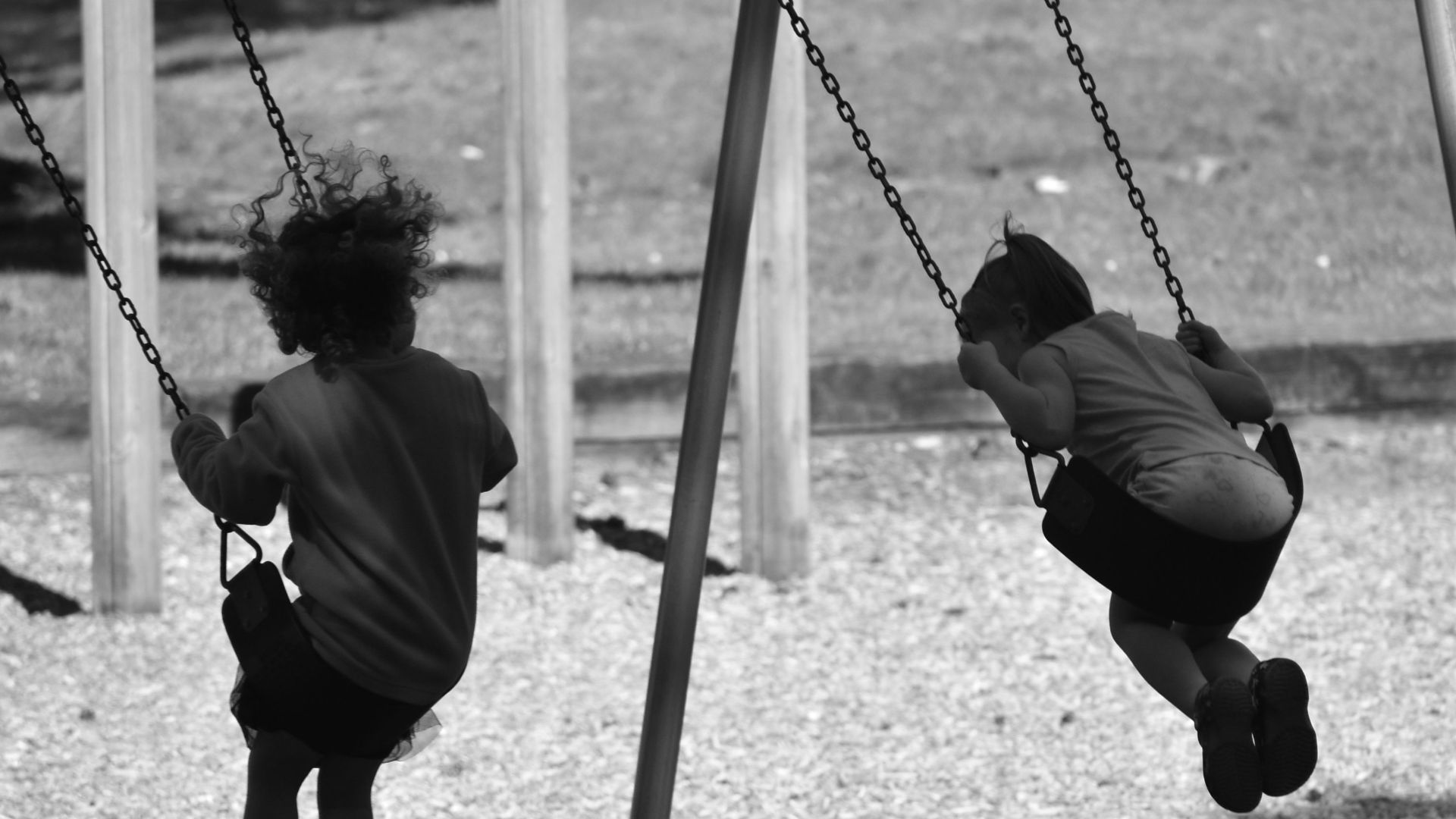
Some older playground swings featured sturdy metal seats suspended from chains. They could swing surprisingly high, and stepping into the path of someone flying through the air was never a particularly good idea.
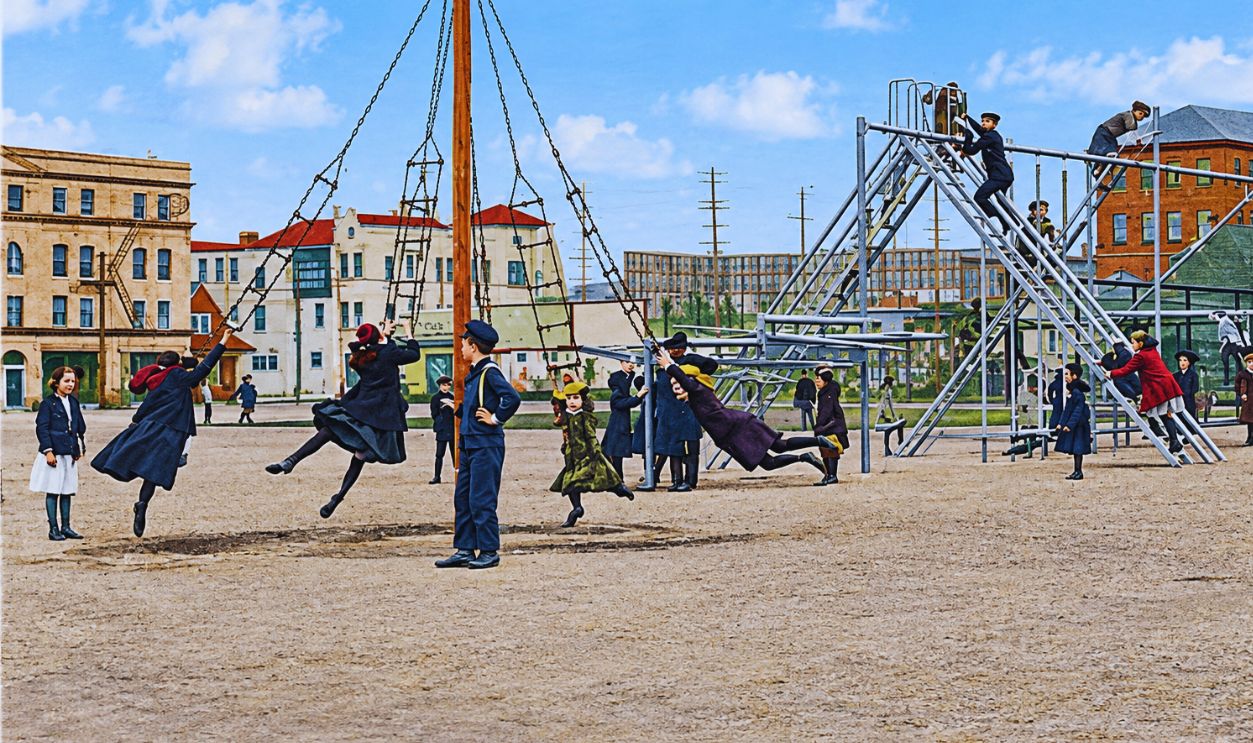
The Giant Stride Swings
Some older playgrounds had a strange contraption called the Giant Stride. Children grabbed hanging ropes or handles attached to a central pole and ran around it, sometimes swinging off their feet. It was wonderfully chaotic.
 Museum of History & Industry (MOHAI) Seattle, Picryl
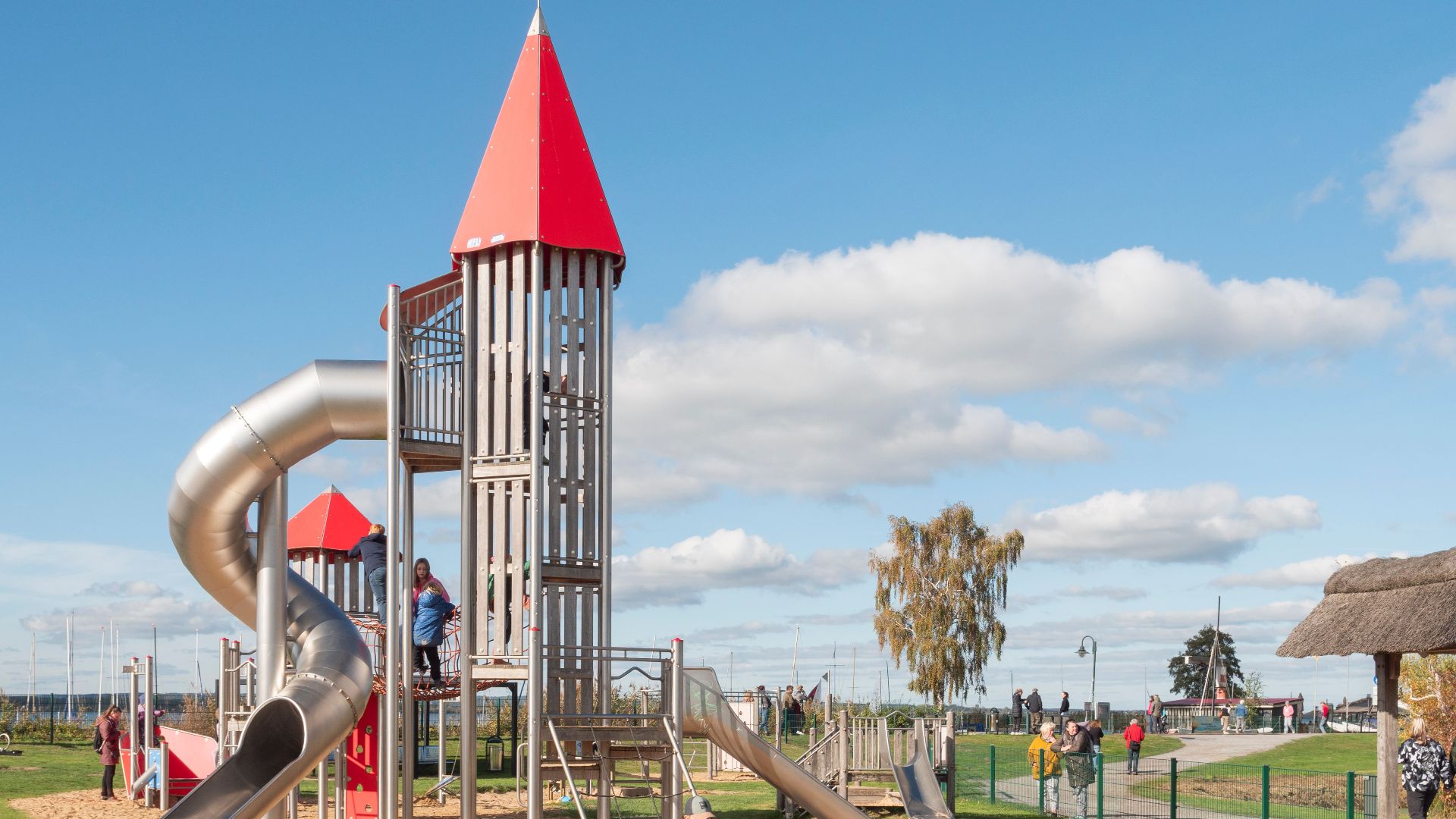
The Rocket Ship Climbing Towers
During America's fascination with space exploration, rocket-shaped playground structures became popular. Children climbed ladders inside towering metal rockets and imagined themselves heading toward the moon. The higher you climbed, the more impressive the imaginary mission became.
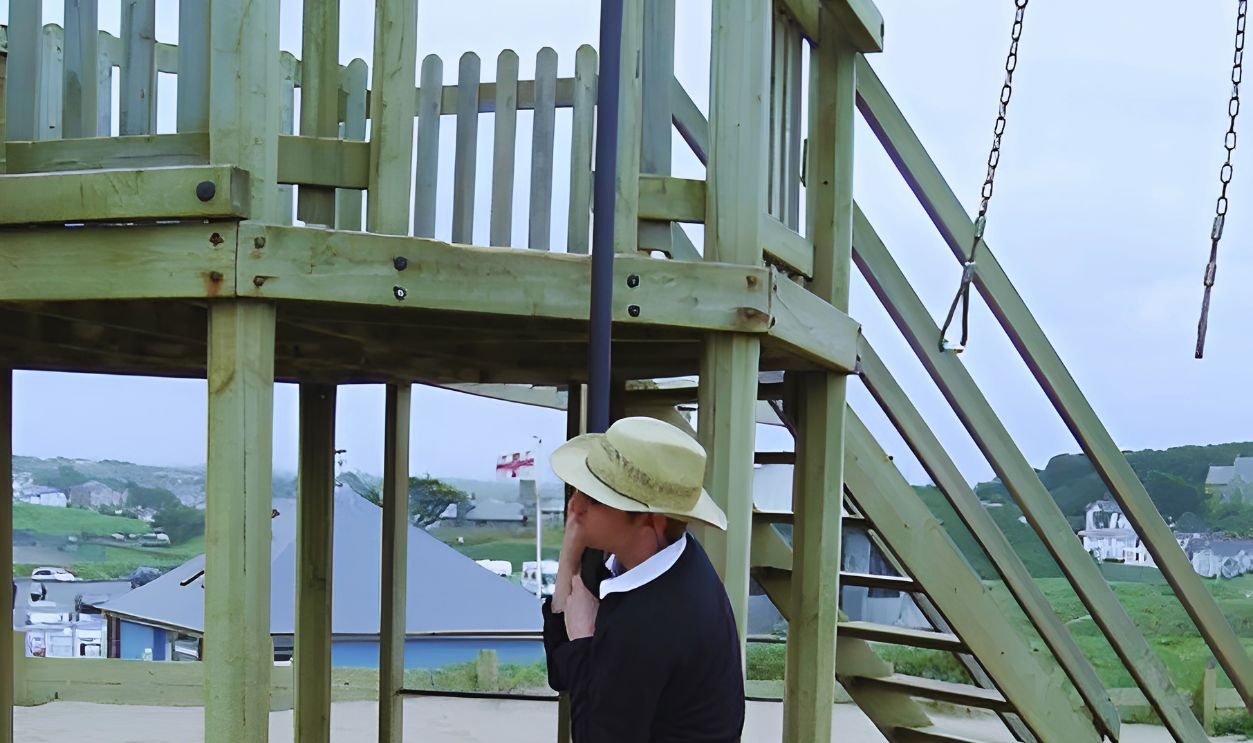
The Fireman's Poles
Some playground structures featured tall metal poles that children could slide down like firefighters. Grabbing the pole and making a graceful descent took practice. Plenty of youngsters discovered that coming down was considerably quicker than climbing up.
 Donkeysforever, Wikimedia Commons
The Tire Swings
Not every playground relied on shiny manufactured equipment. Some featured old automobile tires suspended from sturdy supports. Kids climbed aboard, twisted the ropes, and spun around until the whole world seemed to be moving.

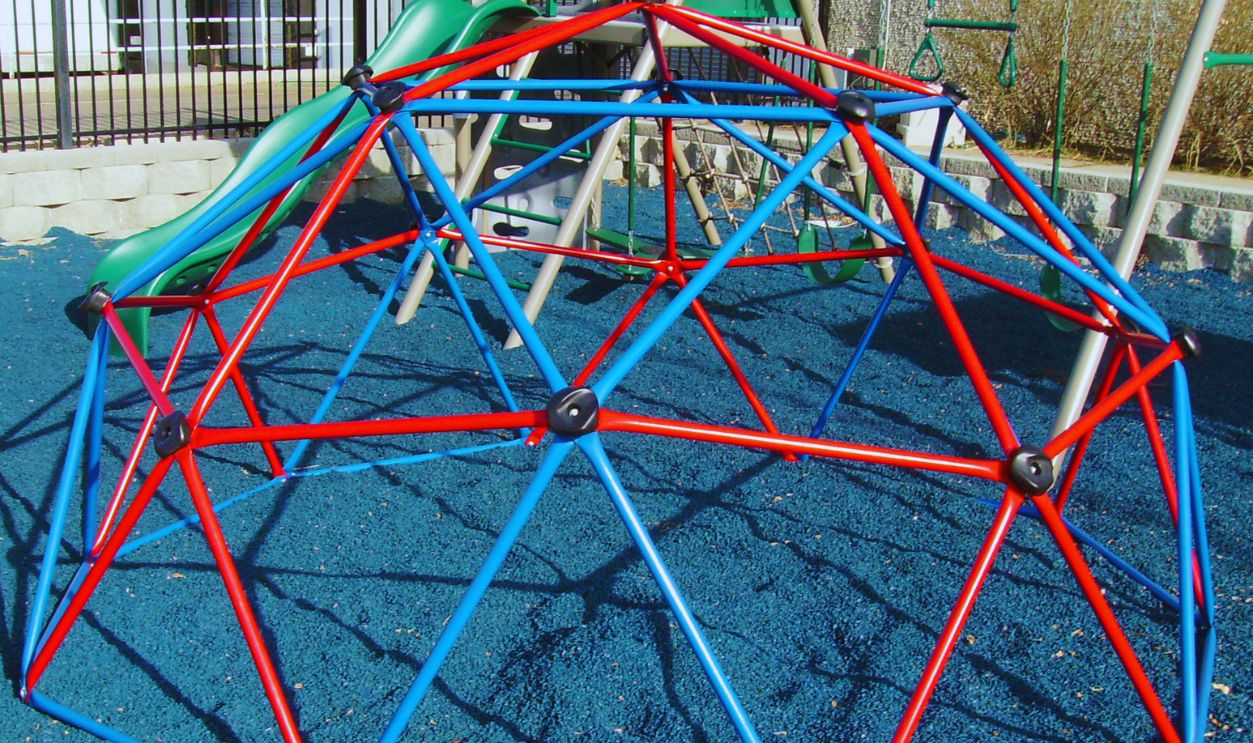
The Metal Climbing Domes
Those dome-shaped metal climbing frames were irresistible. Children scrambled across the curved bars, pretending they were mountain climbers. Reaching the top was the easy part. Figuring out where to put your feet afterward required a little more concentration.
 GreenGlass1972, Wikimedia Commons
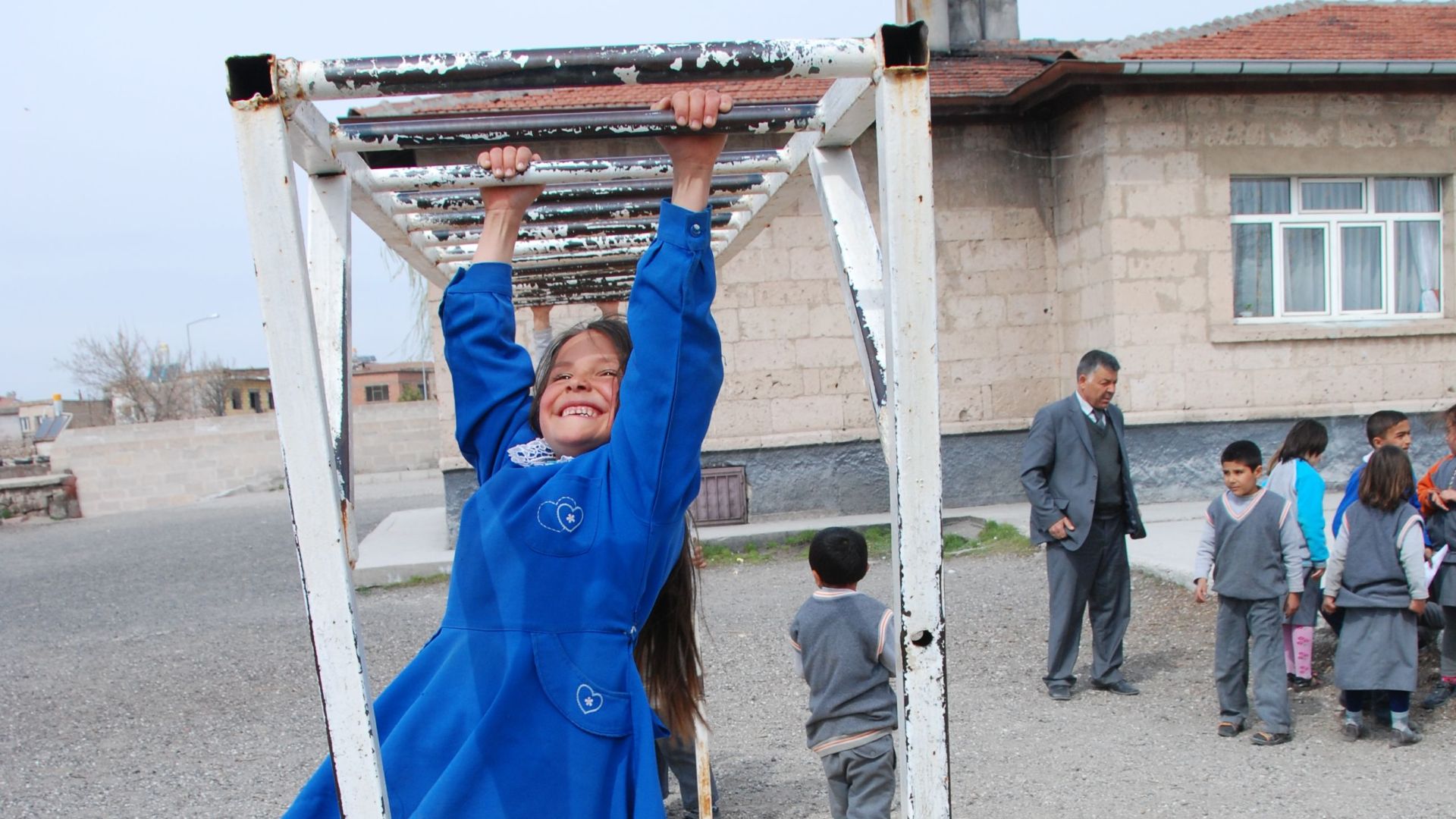
The Long Horizontal Ladders
Some playgrounds featured horizontal ladders that stretched between tall supports. Children traveled underneath, rung by rung, dangling several feet above the ground. Reaching the far end without dropping was a serious accomplishment during recess.
The Playground Gliders
Playground gliders looked a little like benches mounted on moving frames. Several children could sit facing one another and pump the equipment back and forth. Once everyone started working together, those things could develop an impressive rhythm.
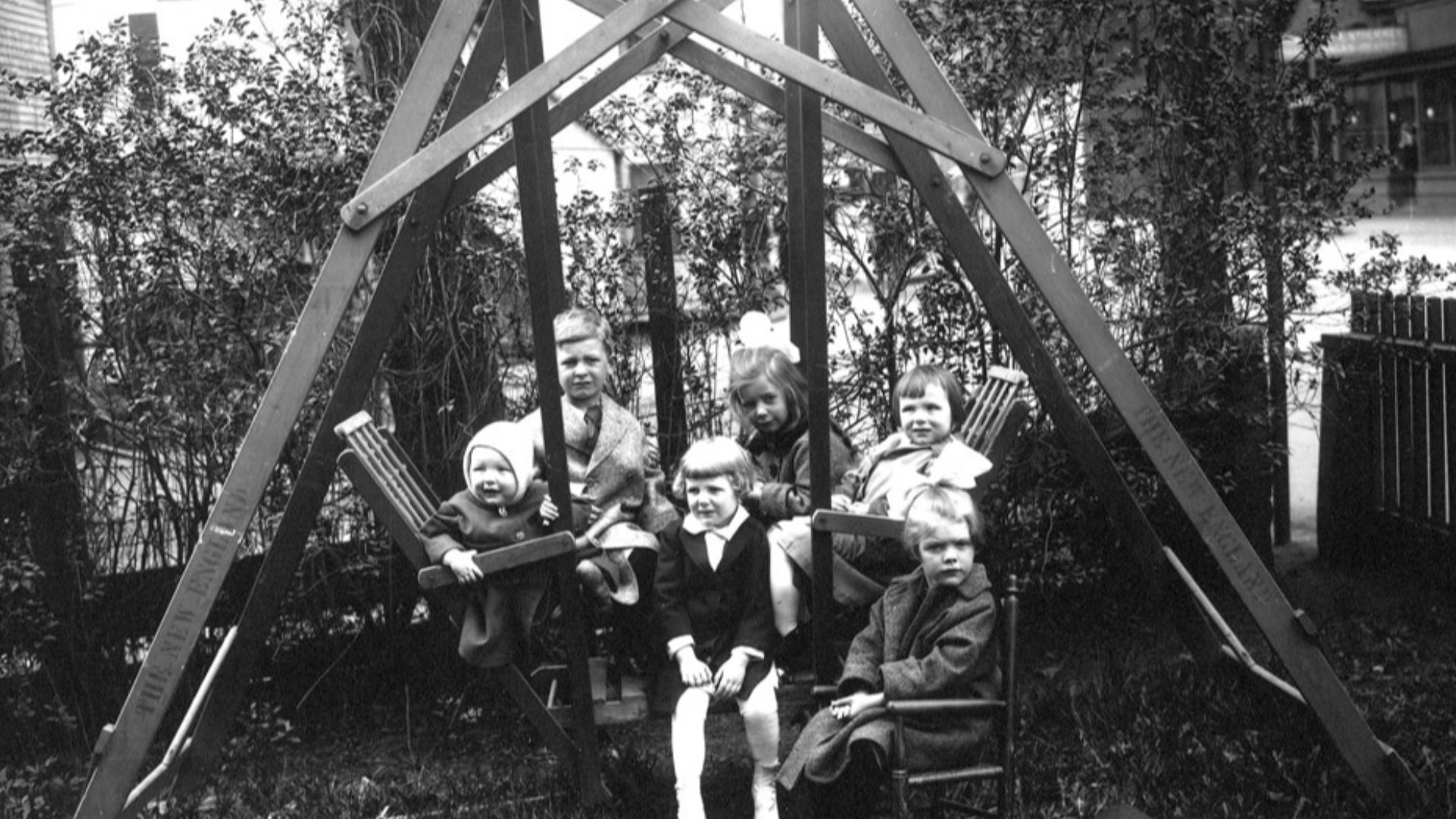 Keene Public Library and the Historical Society of Cheshire County from USA, Wikimedia Commons
The Spiral Metal Slides
Straight slides were exciting enough, but spiral slides added an entirely different experience. Kids climbed to the top and disappeared around the curves before emerging at the bottom, sometimes looking rather surprised by how quickly the journey ended.
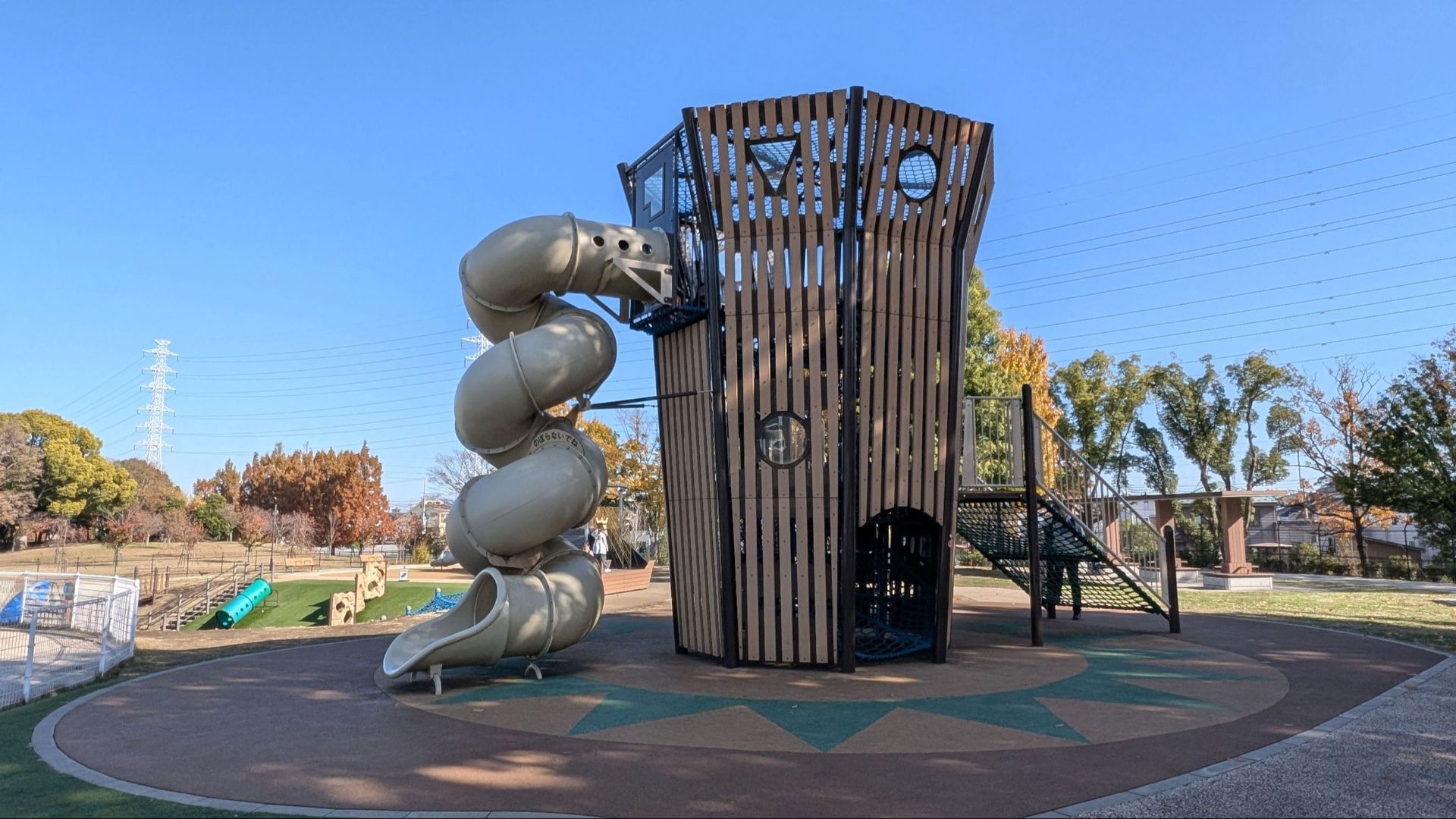 Souka Kinmei, Wikimedia Commons
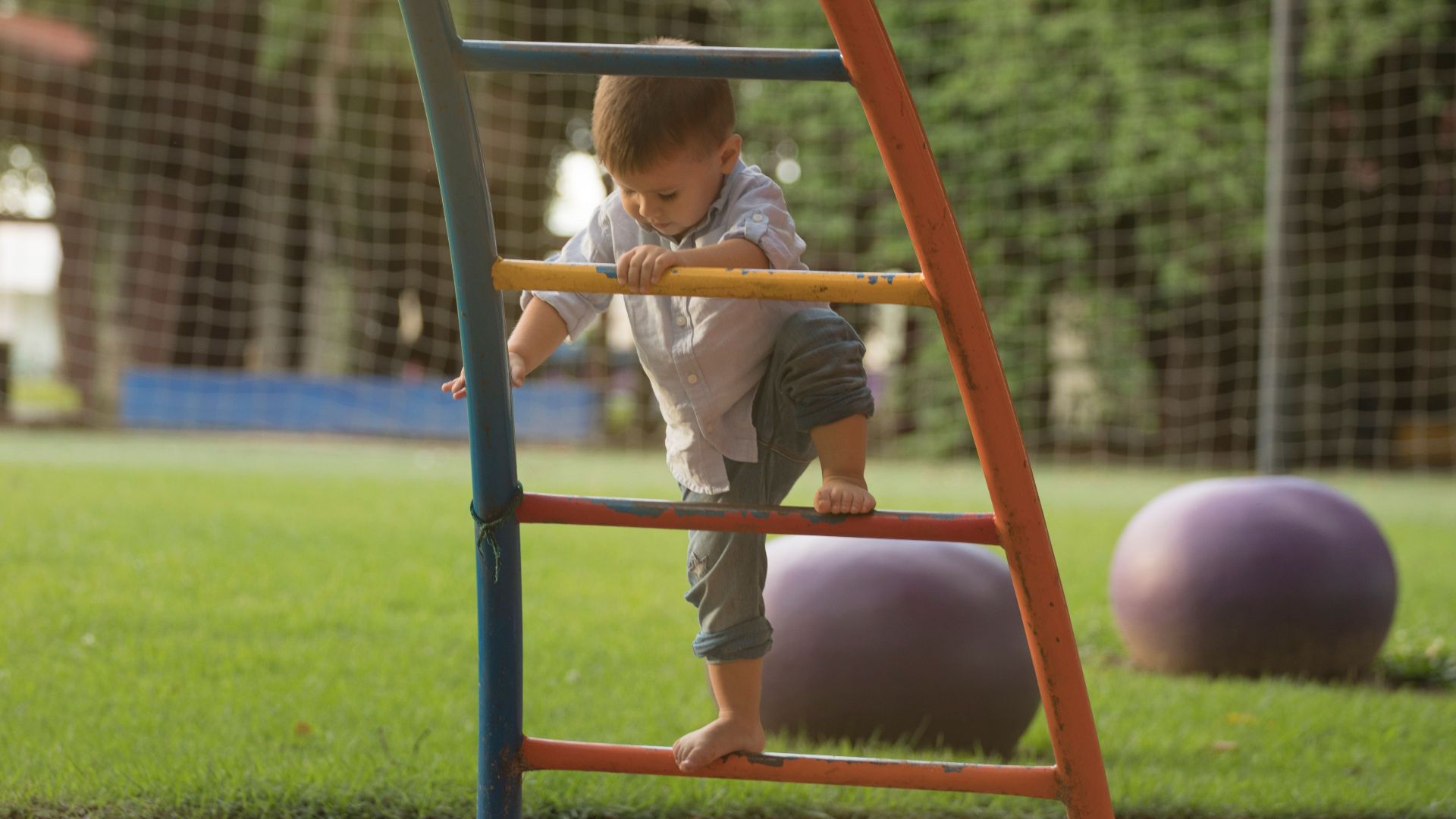
The Tall Climbing Ladders
Some playgrounds had freestanding metal ladders that seemed to stretch toward the clouds. Unlike modern enclosed climbing structures, these offered little more than narrow rungs and open air. Naturally, the tallest ones attracted the most adventurous children.
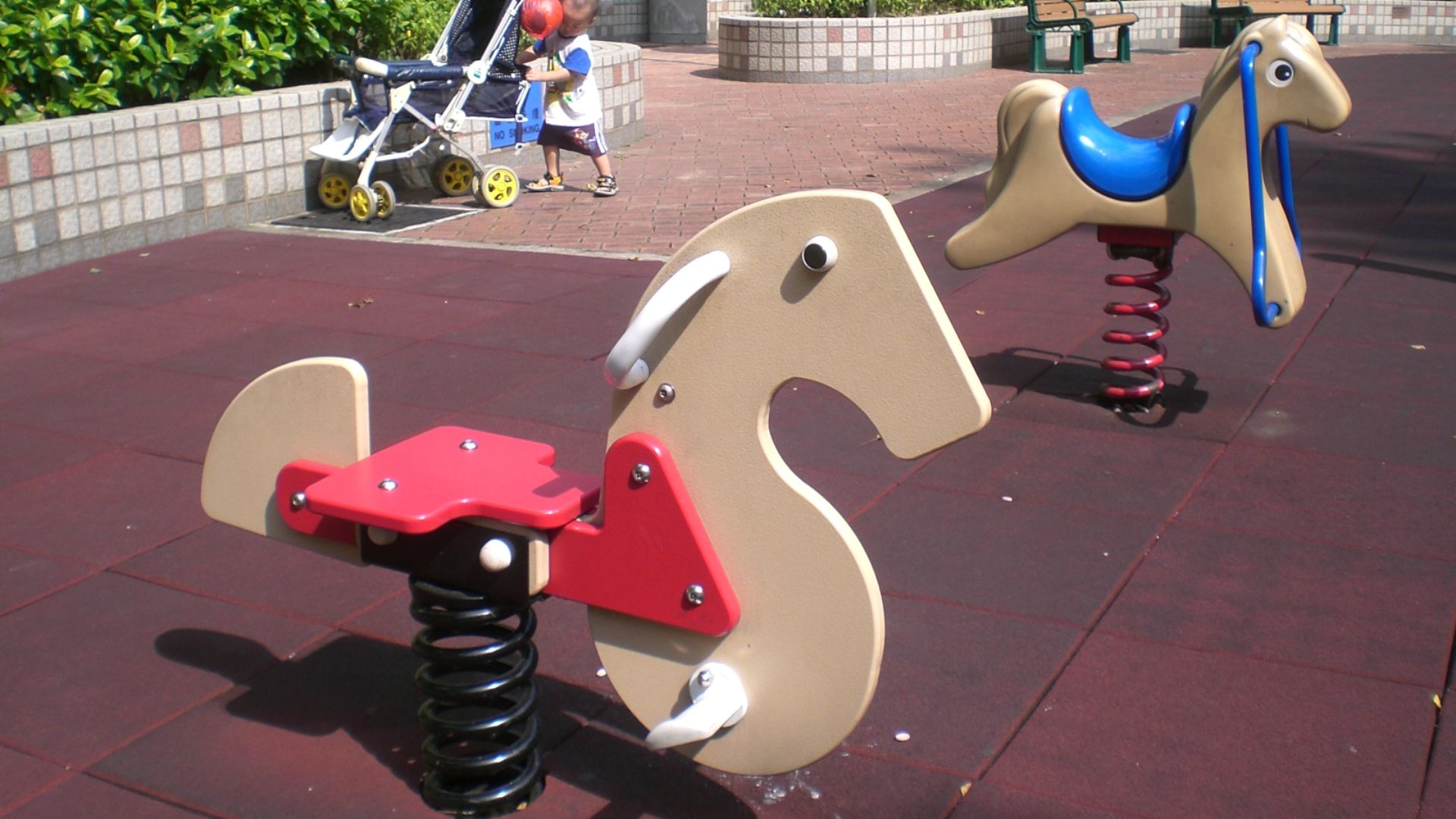
The Horse-Shaped Spring Riders
Metal horses mounted on heavy springs were a familiar sight on some playgrounds. Children rocked forward and backward, pretending to gallop across the prairie. The harder you bounced, the more unpredictable the ride sometimes became.
The Playground Trapeze Bars
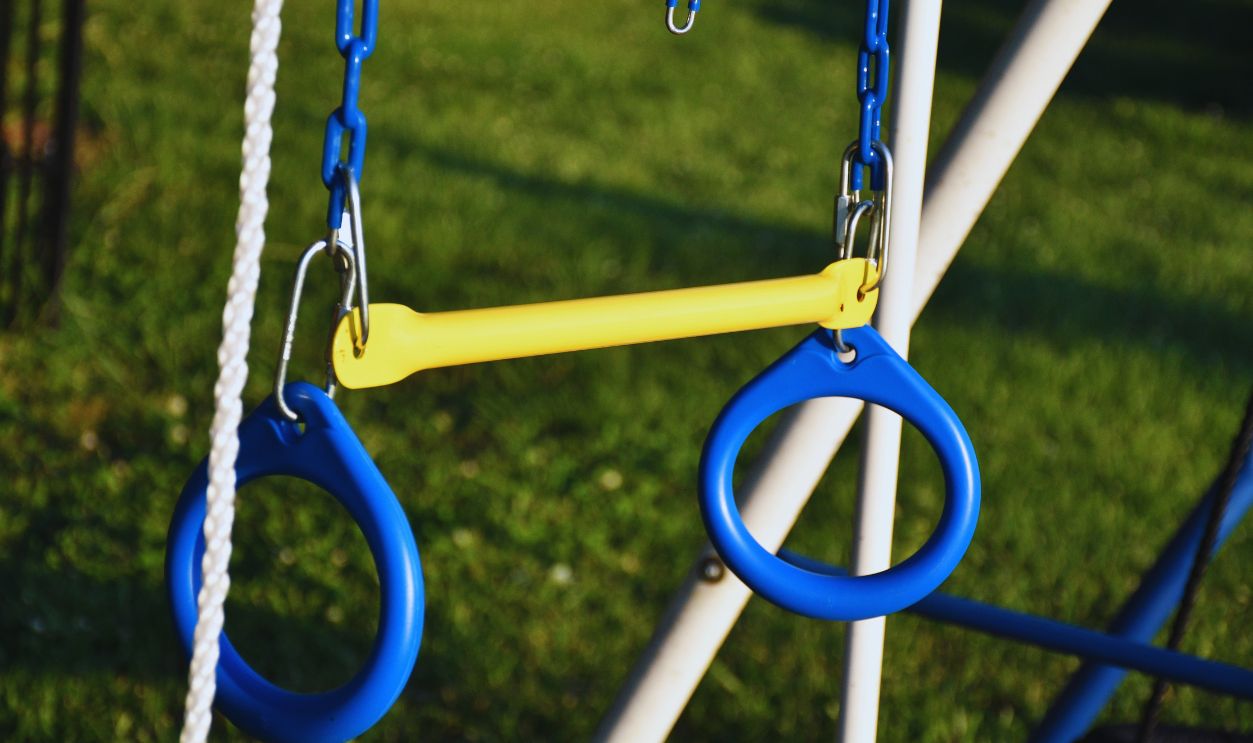
Certain older playgrounds featured trapeze bars suspended from chains or frames. Children grabbed them, swung their legs upward, and attempted impressive tricks. Some youngsters seemed capable of performing an entire gymnastics routine during a single recess.
The Parallel Bars
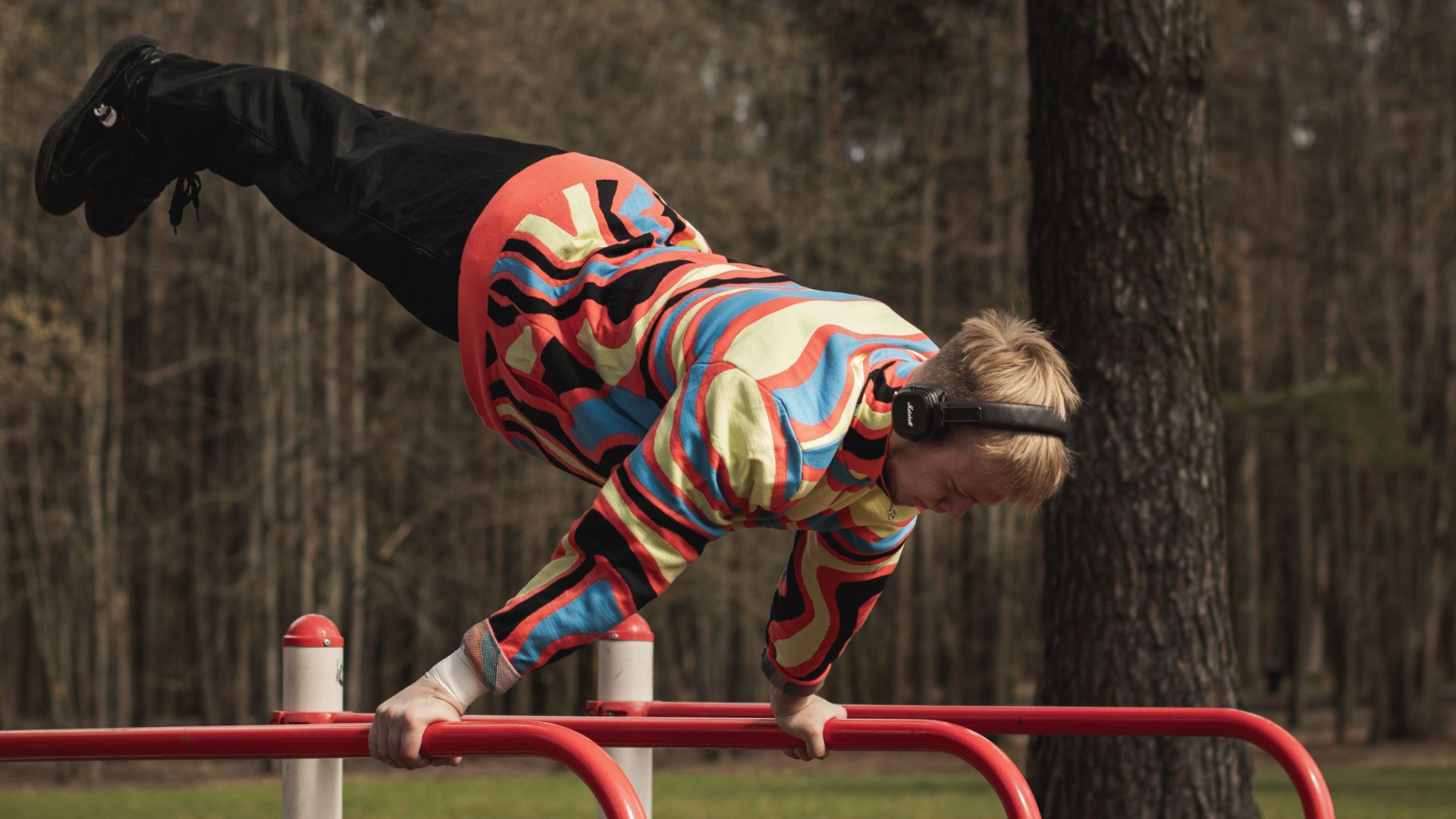
Playground parallel bars weren't just for aspiring gymnasts. Children swung between them, balanced across them, and invented their own games. There was always someone determined to demonstrate a trick nobody else had thought of trying.
The Concrete Play Tunnels
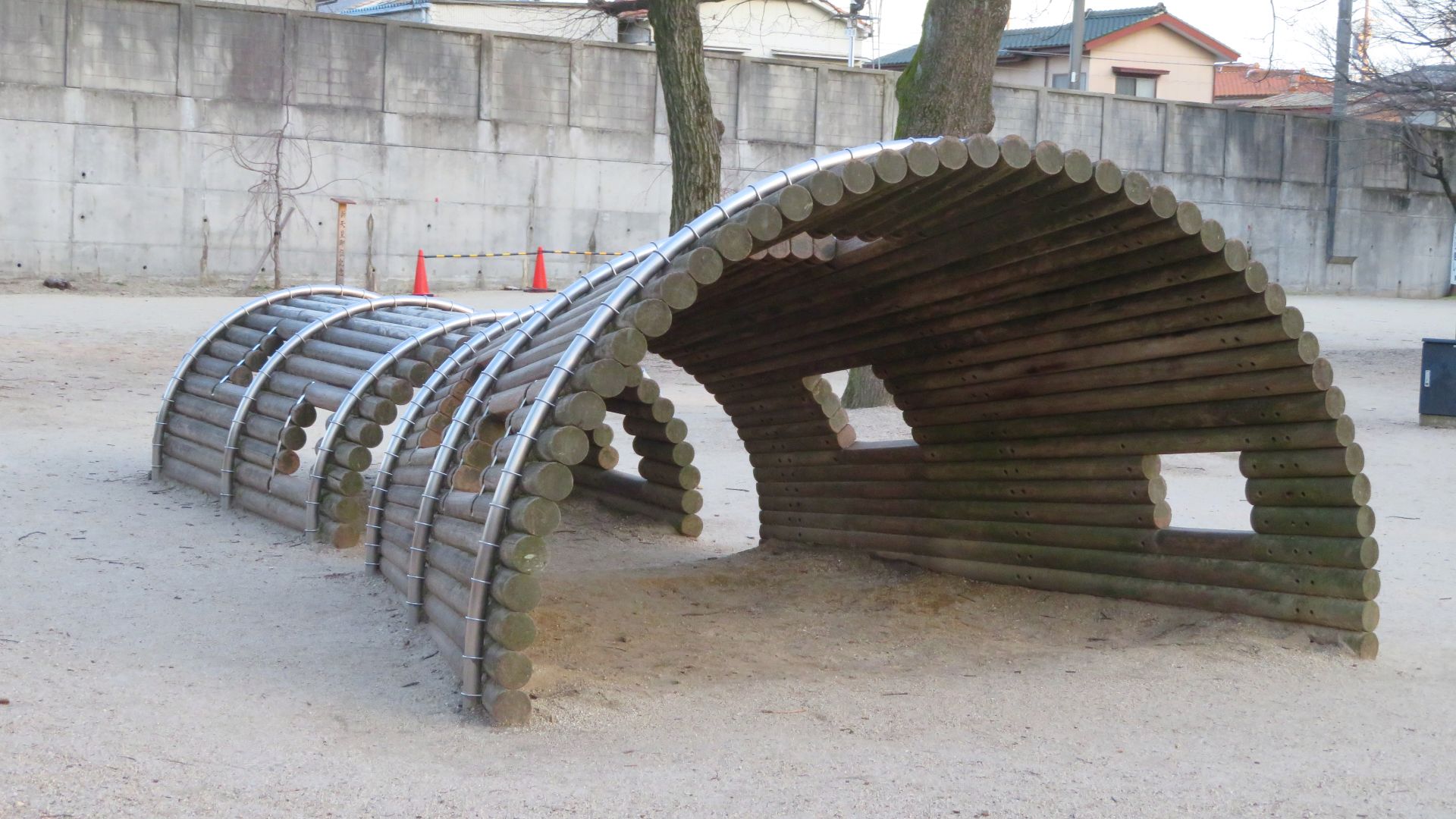
Some mid-century playgrounds featured large concrete tubes or tunnels. Children crawled through them, climbed over the tops, and turned them into secret hideouts. Their simple design left plenty of room for imaginative games.
The Chain-Link Climbing Structures
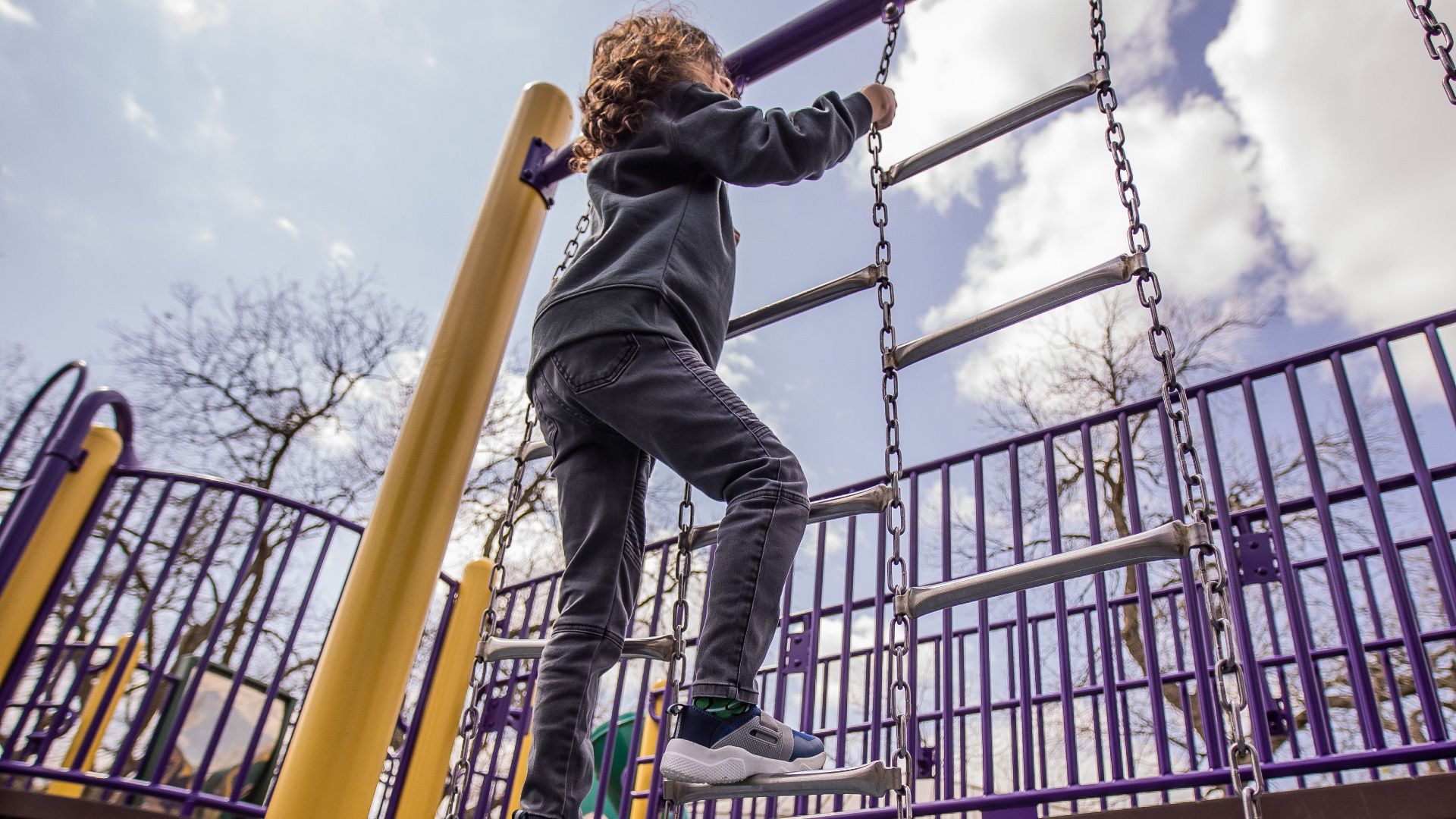
Before rope climbing nets became common, some playgrounds offered metal chains and chain-link climbing arrangements. Kids scrambled upward using whatever footholds they could find. The shifting metal made reaching the top an interesting challenge.
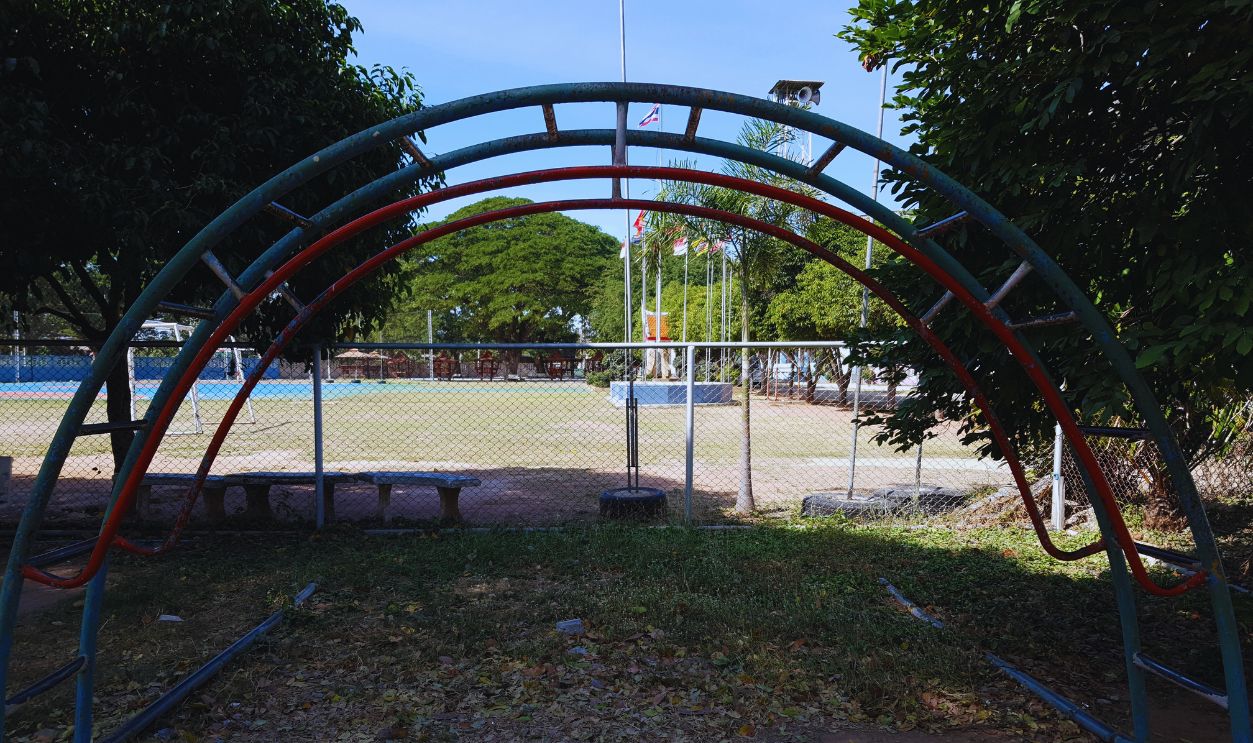
The Metal Arch Climbers
These curved climbing frames resembled enormous metal rainbows. Children climbed over the arches or hung underneath them. They looked simple enough, but moving across the rounded top required considerably more balance than you might expect.
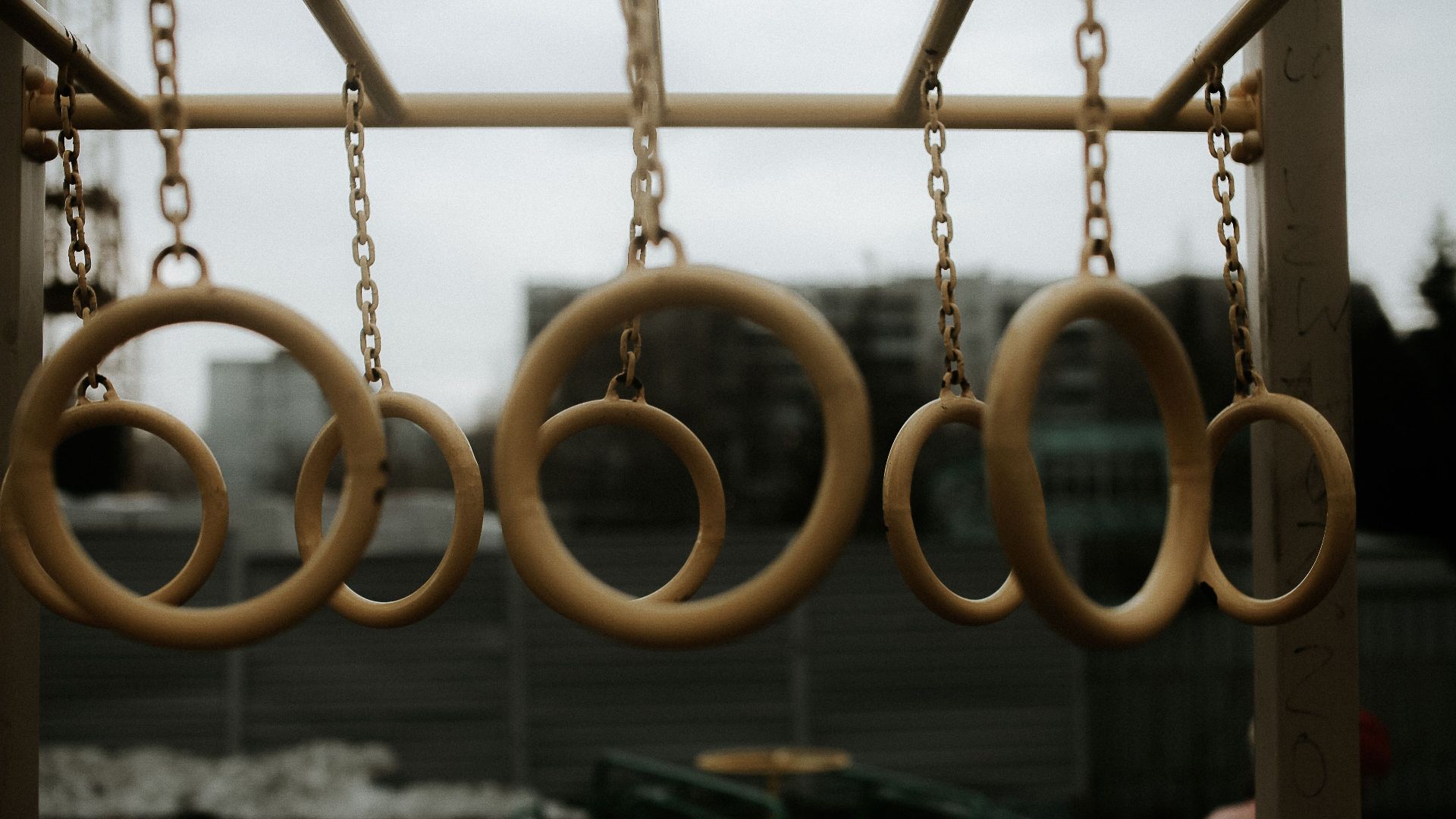
The Overhead Ring Sets
Remember those playground rings hanging from a long metal frame? Children swung from one ring to the next, testing their strength and coordination. Getting across without dropping earned serious bragging rights among classmates.
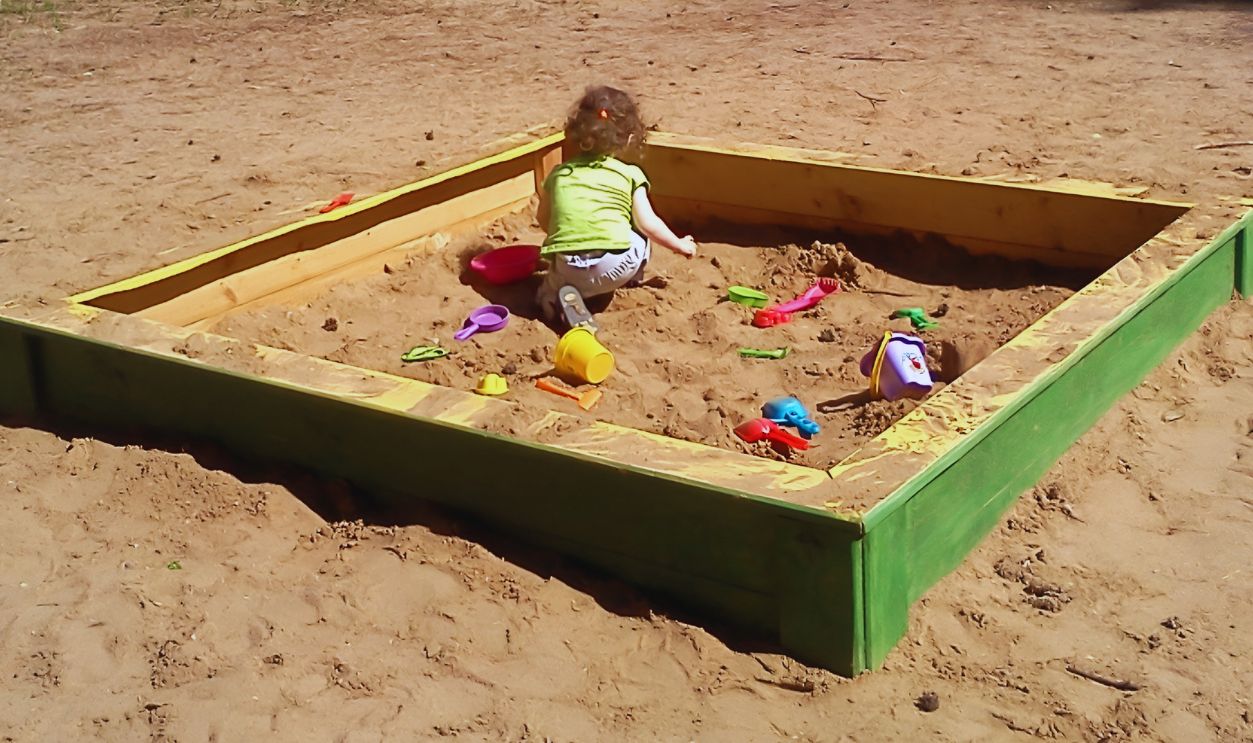
The Old-Fashioned Sandbox
Many schoolyards and playgrounds featured large sandboxes with little more than wooden or concrete borders. Children dug tunnels, built elaborate castles, and occasionally unearthed forgotten toys. Nobody seemed particularly concerned about bringing half the sandbox home in their shoes.
The Playground Balance Beams
A narrow wooden or metal beam could entertain children for an entire recess. Walking from one end to the other without stepping off became an unofficial competition. Some kids even tried doing it backward, just to impress their friends.
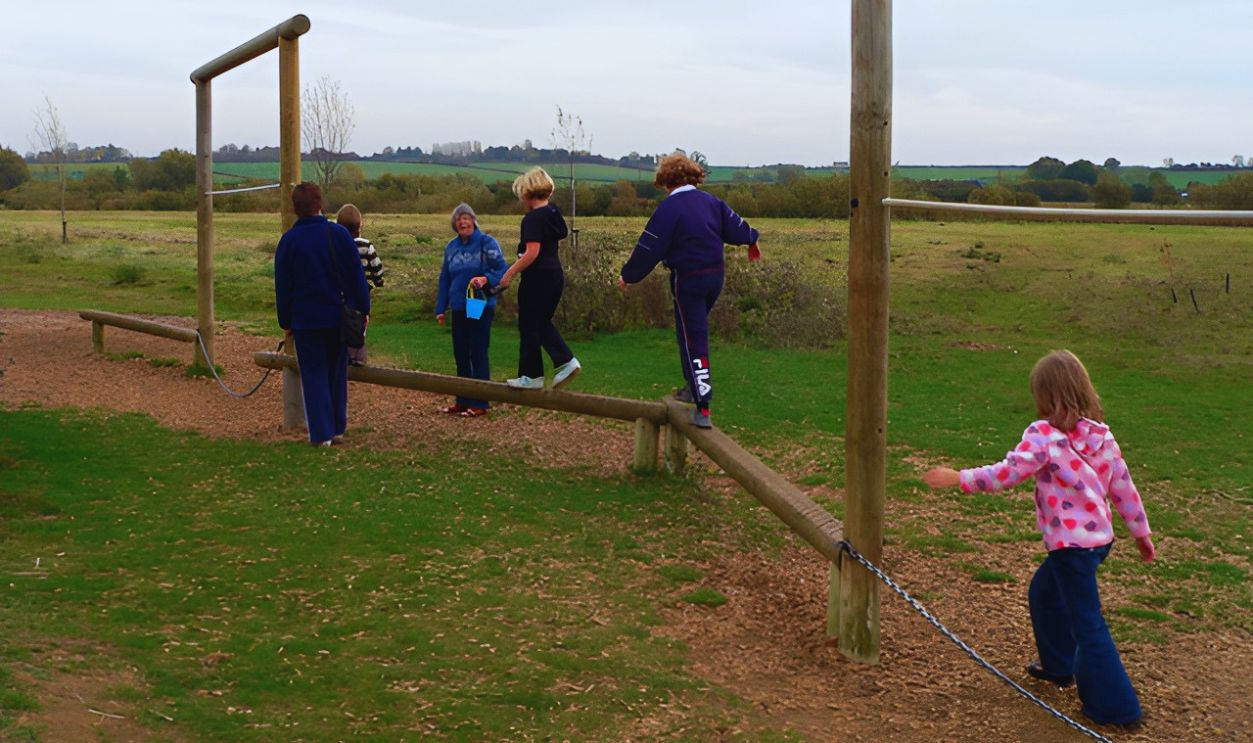 John Webber/Balance Beam, Wikimedia Commons
The Hard Ground Beneath Everything
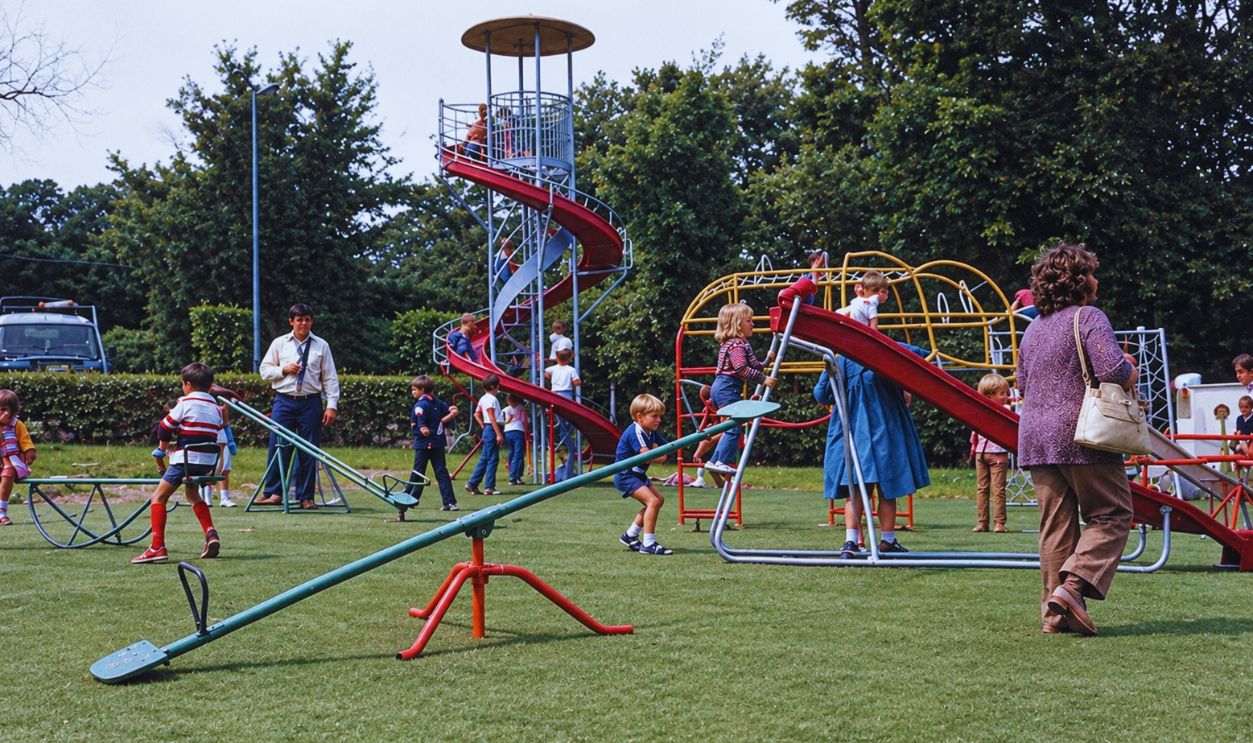
Perhaps the biggest difference wasn't the equipment itself. Many playgrounds had asphalt, packed dirt, gravel, or concrete beneath their structures. Falling wasn't much fun, and scraped knees were familiar souvenirs of an especially adventurous afternoon.
 John Rostron, Wikimedia Commons, Enhanced
Those Were The Days Of Recess
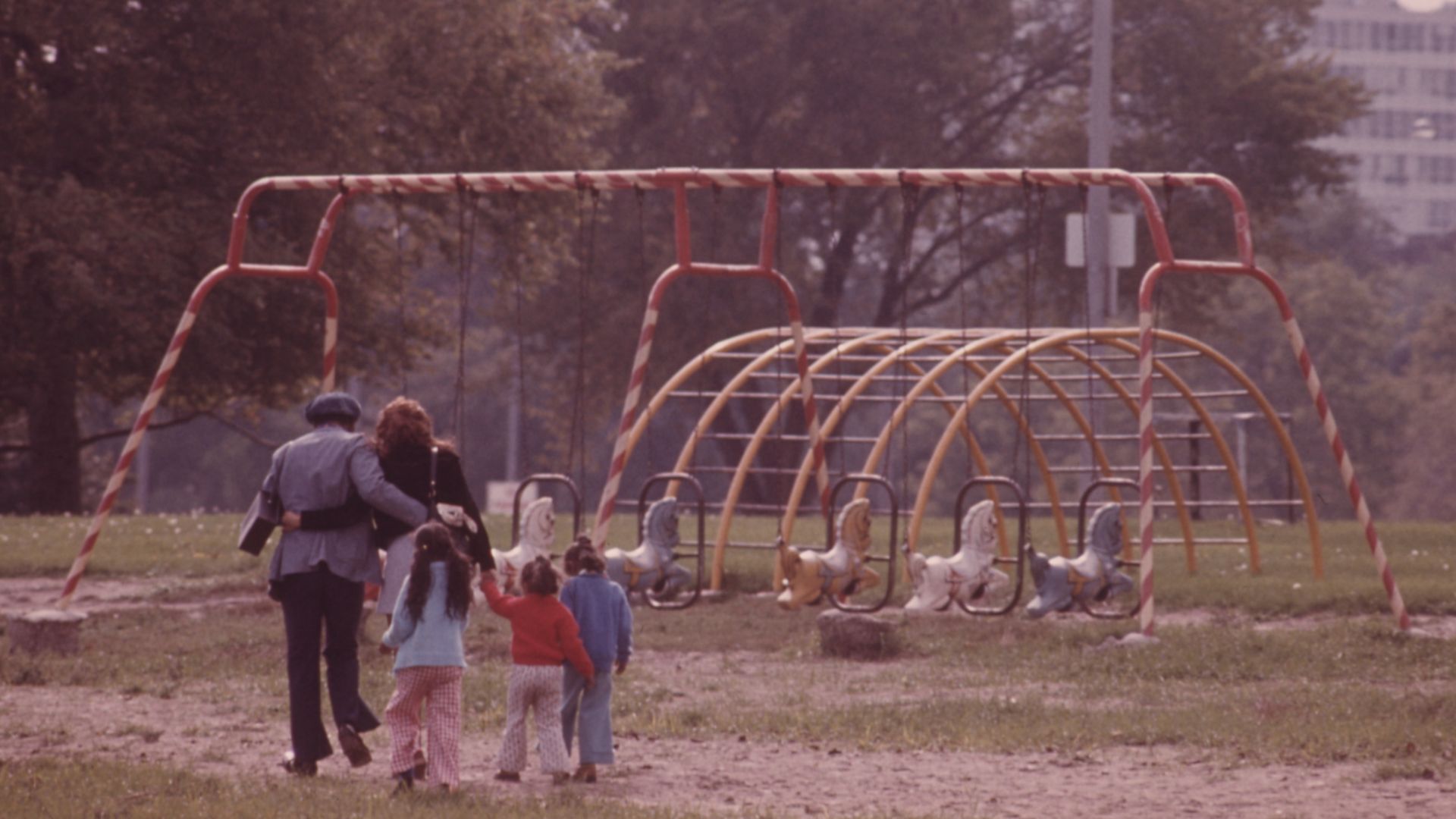
The playgrounds of the 1960s certainly weren't perfect, but they created unforgettable childhood memories. Today's safety improvements make plenty of sense, yet there's something special about remembering those towering slides, spinning merry-go-rounds, and friendships formed during recess.
 John H. White, Wikimedia Commons
You May Also Like:
Forgotten Thanksgiving Traditions That Once Defined The American Holiday